

















Executive Summary: The Dawn of Jamaica’s Storage Decade
As of May 13, 2026, Jamaica stands at a historic inflection point in its energy transition. The Generation Procurement Entity (GPE) has launched the largest mandatory renewable energy plus battery storage tender in the English-speaking Caribbean — 300 MW of new renewable generation capacity paired with 150 MW of battery energy storage systems (BESS), bringing total new renewable additions to 400 MW when combined with the 100 MW of solar capacity awarded in 2024. This procurement follows the first GPE auction in 2023, which attracted fivefold oversubscription with a weighted average bid of just USD 61.58 per MWh — a price point already 14 percent below the Caribbean regional average levelized cost of energy for solar projects. That first tranche is expected to deliver approximately USD 415 million in fossil fuel substitution savings over its 20-year contract term.
But the landscape has shifted dramatically since 2023. Hurricane Melissa — a Category 5 storm that made landfall on October 28, 2025 — devastated the island’s largest solar facility, the 52 MWp Eight Rivers Solar Park (Paradise Park) in Westmoreland, with extreme winds exceeding 300 km/h (185 mph), leaving approximately 540,000 customers without power. The hurricane fundamentally rewrote Jamaica’s risk calculus for renewable energy infrastructure. Government officials and developers are now demanding wind resistance ratings of up to 200 miles per hour for solar panels and corresponding structural integrity for BESS enclosures.
Meanwhile, commercial electricity rates remain punishingly high at USD 0.238/kWh, with residential rates at USD 0.291/kWh. Jamaica’s heavy reliance on imported diesel and natural gas — with crude oil import bills reaching USD 728 million in 2022 and still at USD 512 million in 2024 — means that every geopolitical shock in global energy markets translates directly into higher electricity costs for businesses and households.
Against this backdrop, this guide provides a comprehensive, technically rigorous, and commercially actionable roadmap for:
- EPCs, project developers, and IPPs competing in the GPE’s landmark 450 MW mandatory BESS tender
- Hoteliers and tourism operators seeking to escape high tariffs and ensure disaster resilience
- Industrial enterprises, data centers, and cold storage facilities requiring power quality and diesel replacement
- Small and medium-sized businesses navigating space constraints and grid interconnection hurdles
- All stakeholders requiring clarity on tropical climate resilience, international financing compliance, and future grid uncertainty
Part One: The Four Pillars of Jamaica’s Storage Explosion
1.1 The GPE Second Tranche: Technical Specifications and Commercial Framework
The GPE’s second auction tranche is the most significant energy storage procurement in Caribbean history, formally announced by Minister of Energy, Transport and Telecommunications, Hon. Daryl Vaz, during the 2026/27 Sectoral Debate on May 5, 2026. Understanding its precise technical and commercial architecture is the first step toward a winning bid.
Procurement Target: 300 MW of new renewable generation capacity (solar PV, wind, or hybrid configurations) plus 150 MW of battery energy storage. The BESS component is mandatory — no renewable-only bids will be accepted.
Chemistry Mandate: LFP (lithium iron phosphate) is explicitly required. This reflects global best practices for utility-scale storage, prioritizing thermal stability, cycle life, and safety over the higher energy density of NMC chemistries.
Commercial Structure: Successful bidders will execute 20-year Power Purchase Agreements (PPAs) under a Build-Own-Operate (BOO) model. The compensation structure employs a two-part tariff — capacity payments (for availability) plus energy payments — a framework designed to make deals easier to finance.
Grid Integration Requirements: All projects must seamlessly integrate with JPS’s Advanced Distribution Management System (ADMS), comply with the Jamaica Electricity Sector Book of Codes, and meet the Interconnection Guideline published by JPS.
The Net Billing Evolution: In parallel, the Government is advancing an additional 100 MW of distributed renewable energy through a strengthened Net Billing programme, with a fully online application platform expected operational by December 2026. Discussions have started with JPS to increase the net billing threshold and to incorporate battery storage into the programme.
1.2 Hurricane Melissa: The Resilience Imperative
Hurricane Melissa was not merely a weather event — it was a systemic shock that permanently altered Jamaica’s infrastructure standards. The catastrophic destruction of Paradise Park — generating 72.07 GWh of electricity in 2024 at US$0.097/kWh — demonstrated that even well-designed solar assets are vulnerable without extreme weather hardening.
During the storm, solar-plus-storage microgrids proved their value. One 13 kW solar system paired with 19.2 kWh of storage kept electricity flowing through the hurricane, serving as a neighborhood sanctuary while 70 percent of the island remained in darkness. The lesson is unambiguous: BESS enclosures must now withstand wind speeds of 250 km/h or greater, achieve IP65+ protection against water and debris ingress, and offer islanding capability for grid-down scenarios.
1.3 The Economic Case: Why High Tariffs Demand Storage
Jamaica’s electricity rates rank among the highest in the Caribbean, averaging US0.28–0.30/kWh for commercial customers, compared to countries like the Dominican Republic and Trinidad & Tobago at US0.12–0.15/kWh. This creates an exceptionally strong business case for behind-the-meter storage:
Table 1: Jamaica Commercial Electricity Tariff Context (September 2025–May 2026)
| Customer Segment | Rate (USD/kWh) | Global Benchmark | Savings Opportunity |
| Commercial (General) | $0.238 | $0.165 (world avg) | 44% above global avg |
| Residential | $0.291 | $0.169 (world avg) | 72% above global avg |
| Industrial (Large) | $0.23–0.26 | $0.12–0.15 (regional avg) | 60–100% above regional |
Sources: GlobalPetrolPrices.com/ JPS
For a typical hotel consuming 500,000 kWh monthly, eliminating peak-hour grid purchases through solar-plus-storage can save US$100,000–140,000 annually. With investment payback periods of 5–7 years and 15-year system lifetimes, the internal rate of return (IRR) exceeds 20 percent in most commercial scenarios.
1.4 The Policy Momentum: Mandatory Storage Is Here to Stay
The Minister announced on May 5, 2026, that the Ministry is reviewing licence fees and system capacity limits — residential up to 10 kW and commercial up to 100 kW — with mandated battery storage, including integration for electric-vehicle charging. Jamaica currently generates about 15 percent of its electricity from renewable sources. Ongoing and planned projects are expected to add roughly 35 percentage points, helping the country reach its 50 percent renewable energy target by 2030.
Opposition Spokesman on Energy Phillip Paulwell reinforced this direction in Parliament on April 22, 2026, stating: “Any new generation licence must be procured through the government-owned GPE by way of an internationally competitive tender, with awards based on least cost of available renewable technology, supported by the most efficient storage solution. You can’t award licences for renewables without thinking about storage”.
Part Two: Five Critical Industrial Pain Points & Technical Solutions
Pain Point 1: EPCs & Project Developers — Winning the GPE’s 450 MW Mandatory BESS Tender
The GPE’s 450 MW procurement is not merely a tender — it is a technical gauntlet. Developers face four existential questions that determine whether a bid advances or fails.
1. Does your BESS precisely match the tender’s technical requirements?
The GPE specifications mandate LFP chemistry, 150 MW total storage capacity, and two-hour discharge duration. But the technical nuances matter enormously:
Capacity Configuration: The 150 MW storage component must be sized to support the 300 MW renewable generation. Bid evaluation will examine degradation curves over the 20-year PPA term — systems that cannot maintain 80 percent state of health (SOH) at year 20 will be penalized.
Grid Response Capability: BESS must demonstrate sub-second response to frequency deviations, provide primary frequency regulation, and support voltage control. The EMS must interface with JPS’s ADMS using IEC 61850 or DNP3 protocols, with full SCADA integration.
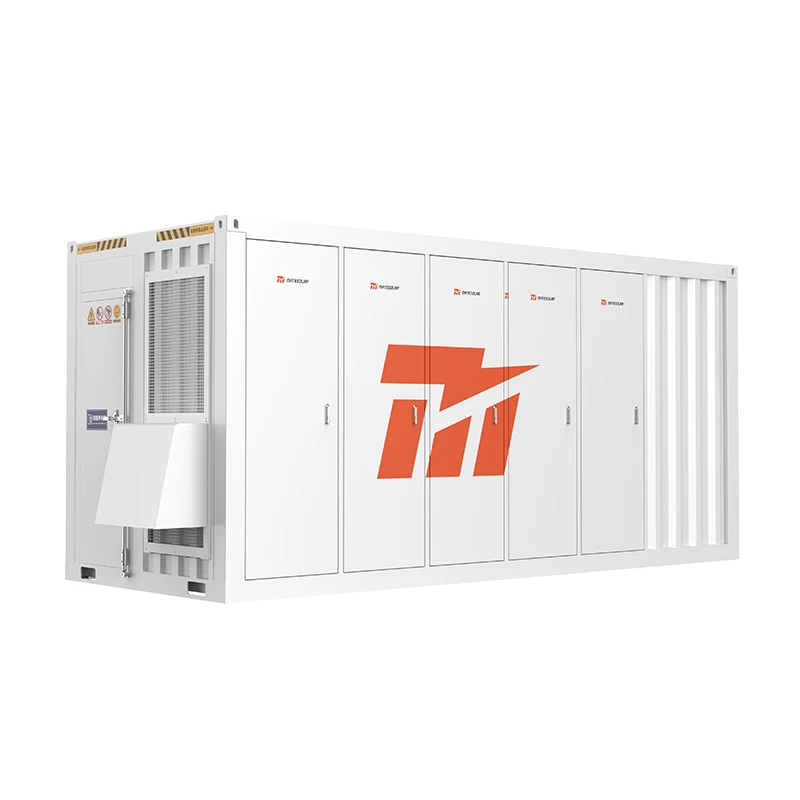
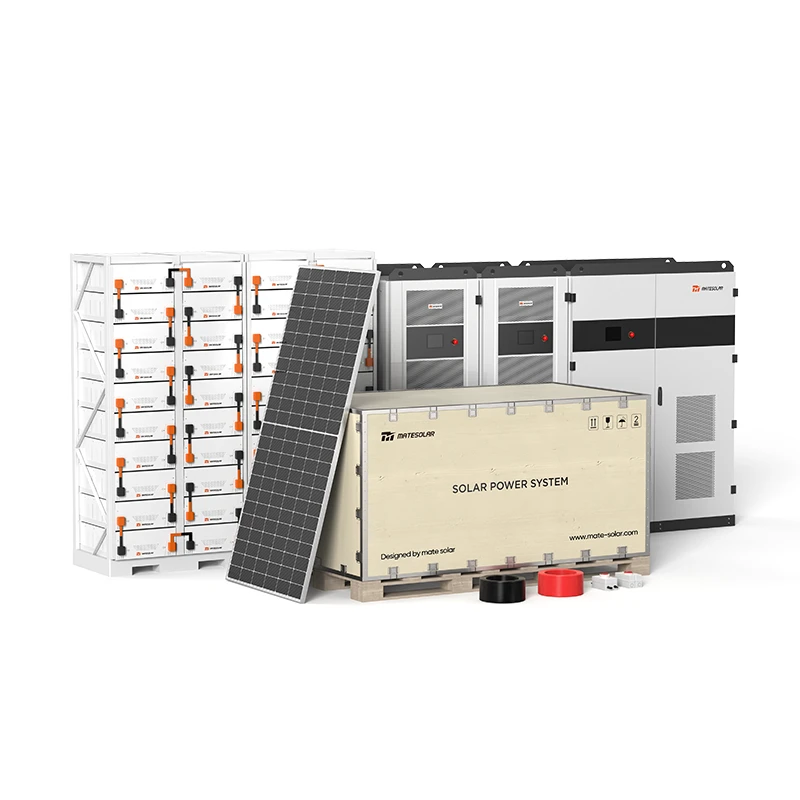
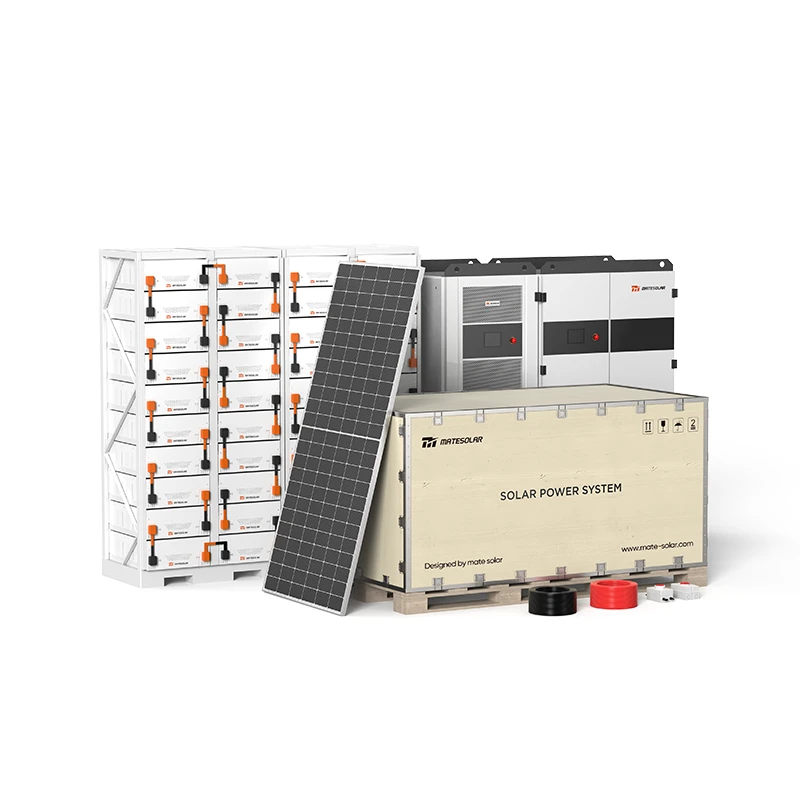
Solution: A BESS designed for utility-scale applications, such as the 20ft 3MWh 5MWh Liquid Cooling Container Energy Storage System, offers the high energy density and proven grid response required for GPE compliance. Its liquid thermal management maintains optimal operating temperatures in Jamaica’s tropical climate, while the modular architecture allows precise capacity scaling to meet the 150 MW target.
2. Can you provide 20-year performance guarantees and local O&M?
The 20-year PPA requires bankable performance guarantees. Lenders will demand:
- Third-party verified degradation curves (≤2% annual decay in early years, ≤0.5% after year 5)
- Round-trip efficiency (RTE) guarantees (minimum 85% at year 1)
- Availability guarantees (≥98%)
- Local parts inventory and trained technicians
Solution: A modular outdoor cabinet BESS such as the 100kW/232kWh Liquid-Cooled Outdoor Cabinet Energy Storage System offers hot-swappable modules for rapid field replacement, minimizing downtime. For developers requiring local support, our remote diagnostic platform provides 24/7 monitoring with 48-hour on-site technical dispatch capability for large-scale utility projects.
3. Does your BESS meet the new hurricane resilience standards?
Following Hurricane Melissa, GPE is expected to incorporate physical resilience into bid scoring. Your BESS enclosure must demonstrate:
- Wind resistance ≥250 km/h (155 mph), certified to UL 508A or equivalent
- IP65+ ingress protection against water jets and dust
- Salt mist corrosion protection meeting ISO 9227 / C5-M classification
- Embedded capability for islanding and black-start functionality
- Anti-uplift foundation mounting designs
Solution: All our outdoor enclosures are engineered with wind-load certification for extreme weather, marine-grade aluminum or C5-M galvanized steel construction, and IP66 sealing. The liquid-cooled design eliminates exposed fans and vents that could fail during hurricanes, while the integrated UPS mode enables seamless islanding when grid fails.
4. Can your EMS integrate with JPS’s ADMS?
JPS is upgrading to an Advanced Distribution Management System (ADMS) requiring real-time communication from all distributed generators. Your EMS must:
- Support IEEE 1547-2018 and Jamaica-specific interconnection guidelines
- Demonstrate plug-and-play ADMS integration through open protocols
- Provide fault ride-through capability (FRT) to prevent cascading outages
- Include cybersecurity hardening (NISTIR 7628 compliance)
Solution: Our EMS platform is pre-integrated with leading ADMS providers and has undergone third-party testing for IEEE 1547 compliance. Remote OTA updates ensure your system remains aligned with evolving JPS requirements throughout the 20-year PPA term.
Table 2: GPE Tender Technical Compliance Checklist
| Requirement | Technical Standard | Compliance Indicator | Typical Gap |
| Chemistry | LFP mandated | Manufacturer cert | NMC chemistry rejected |
| Duration | 2-hour discharge @ rated power | Nameplate spec | <2-hour bids disqualified |
| Round-trip efficiency | ≥85% guaranteed | Test report RTE >85% | <80% fails bankability |
| Wind resistance | ≥250 km/h | UL/CSA wind-load cert | <200 km/h unacceptable |
| Enclosure rating | IP65+ | Third-party test | IP54 allows water ingress |
| C5 corrosion | ISO 9227 C5-M | Salt spray test report | C3/C4 fails in coastal zones |
| Communication | IEC 61850/DNP3 | ADMS pre-certification | Proprietary protocols fail |
Pain Point 2: Tourism / Hotels / Commercial Landmarks — High Tariffs & Hurricane Operations
Tourism accounts for over 60 percent of Jamaica’s GDP. For hotel operators, the cost of electricity at USD 0.238/kWh is the second-largest operating expense after labor — and hurricanes represent an existential business risk.
The Financial Case for Hotel Solar-Plus-Storage
Consider a 200-room all-inclusive resort consuming 2.5 million kWh annually at an average rate of USD 0.255/kWh, paying USD 637,500 per year for electricity. A 1 MW solar PV system paired with 2 MWh of storage would:
- Generate ~1.5 million kWh annually from solar
- Store energy during low-demand periods (11 AM–2 PM) for discharge during evening peak (6 PM–10 PM)
- Reduce grid purchases by 70–80 percent
- Achieve payback in 5–6 years with a 15-year system lifespan
The Disaster Resilience Case
When Hurricane Melissa struck, hotels with solar-plus-storage maintained operations — refrigerated food, communications, lighting, and water pumping — while guests at neighboring properties were evacuated in darkness. The competitive advantage is undeniable.
Technical Requirements for Hotel Applications:
- Uninterruptible Power Supply (UPS) mode: Seamless transfer <10ms to critical loads (kitchen refrigeration, security systems, guest elevators)
- Outdoor-rated enclosures: IP65 minimum for coastal salt spray exposure, 250 km/h wind resistance
- Silent operation: Unlike diesel generators, BESS operates silently, preserving guest experience
- Scalable modularity: Start with 200 kWh and expand as energy savings fund further investment
Financing Solutions: Energy-as-a-Service (EaaS)
The most significant barrier for hoteliers is upfront capital. EaaS models eliminate this entirely: MateSolar finances, installs, and maintains the system, and the hotel pays a monthly fee that is lower than their displaced utility bill. With zero down payment and immediate positive cash flow from month one, any hotel can adopt solar-plus-storage without touching their operating budget.
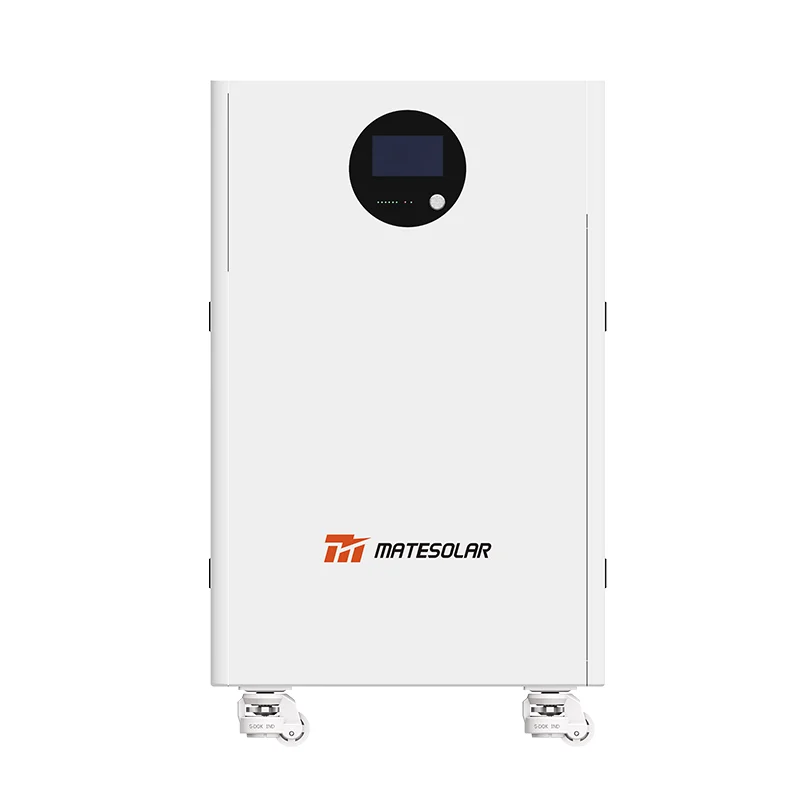
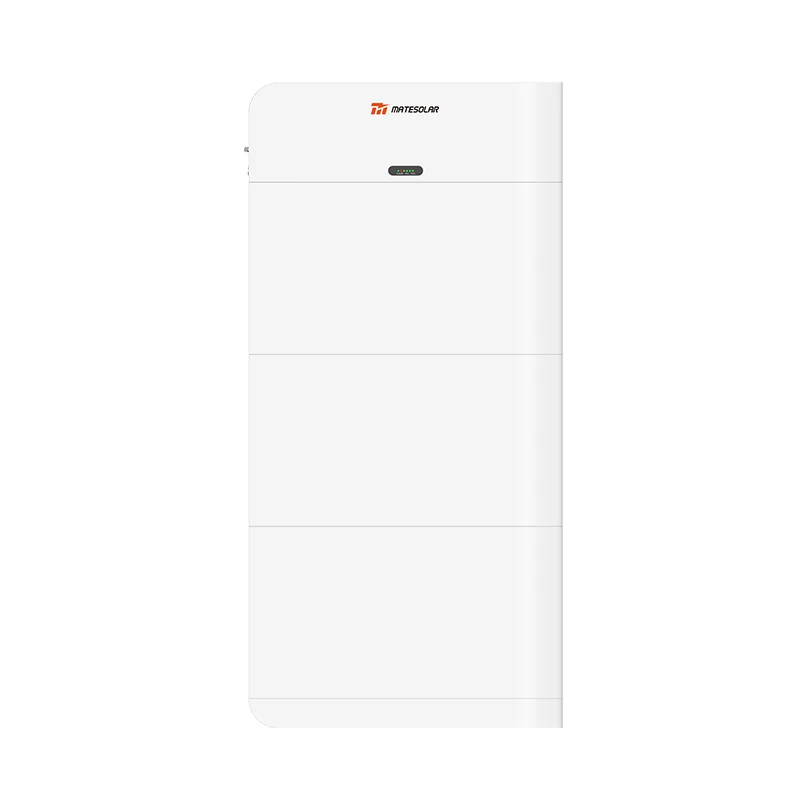
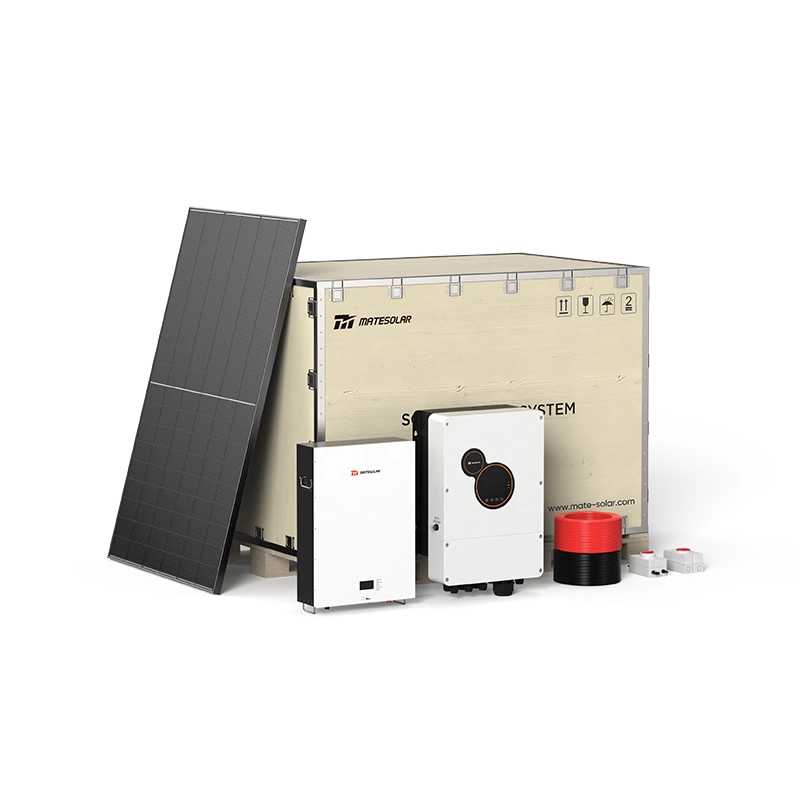
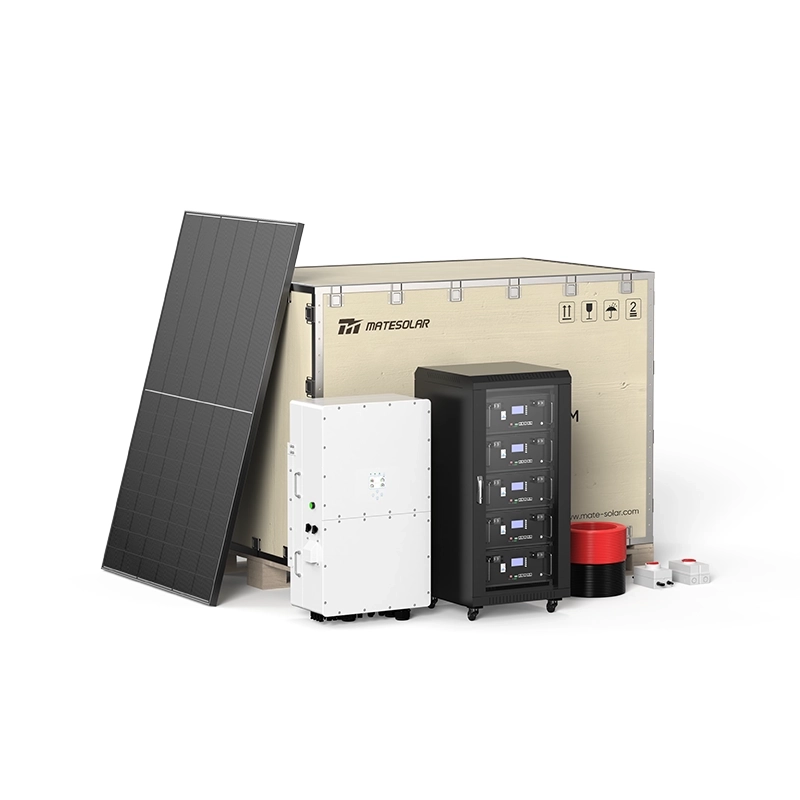
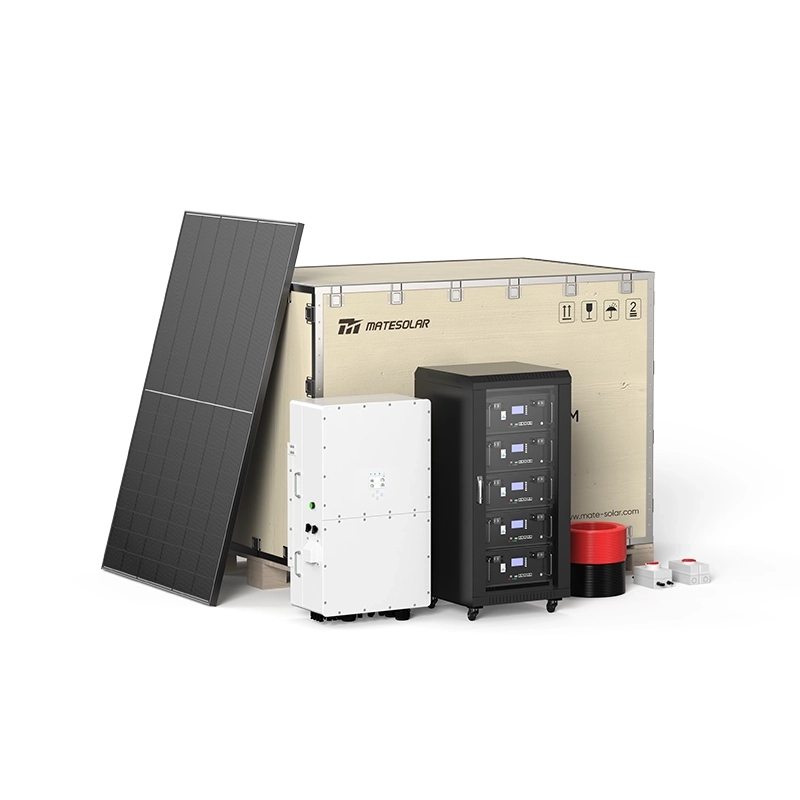
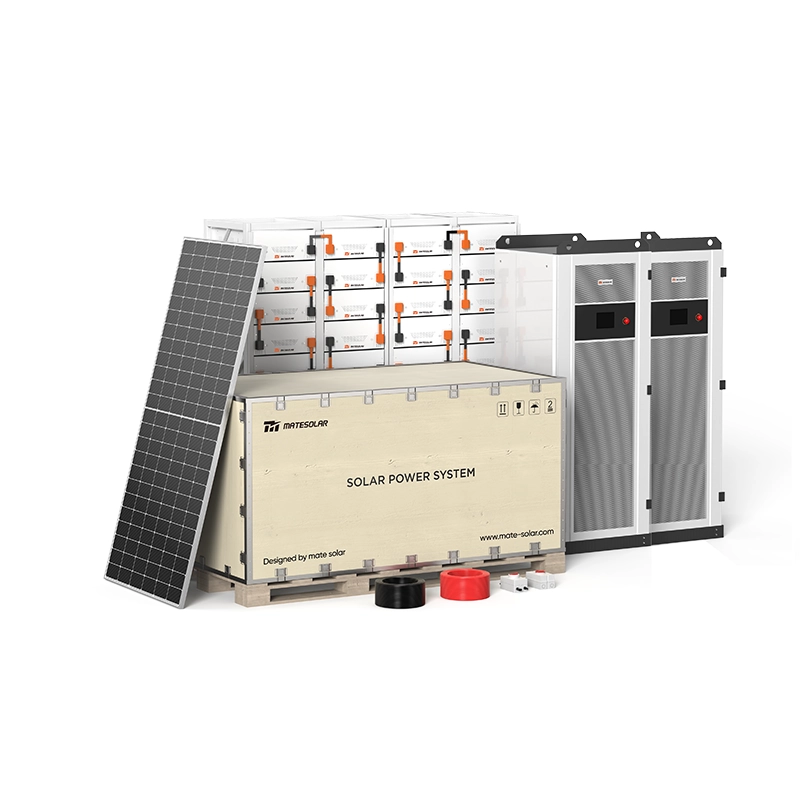
For hotels ready to evaluate an in-house investment, the Commercial 500KW Hybrid Solar System delivers peak-daytime solar generation matched to resort demand patterns, with lithium battery storage sized from 500 kWh to 2 MWh. The integrated EMS automatically optimizes self-consumption, peak shaving, and grid export based on real-time pricing data.
Pain Point 3: Industrial Enterprises / Data Centers / Cold Storage — Power Quality & Diesel Replacement
The Diesel Burden
Jamaican industries have historically relied on diesel generators for backup power and peak shaving. At USD 0.50–0.70/kWh operating cost (including fuel, maintenance, and capital amortization), diesel is an expensive habit. A 500 kW industrial load currently spending USD 150,000 annually on diesel backup can eliminate 80–90 percent of that expense by switching to BESS.
The Data Center Imperative
When Tropical Battery Group announced its partnership with US-based Wright Energy Storage Technologies in March 2026, CEO Alexander Melville identified data centers as a key growth area, stating: “Modern AI infrastructure generates extreme, rapid power transients as GPU clusters ramp up and down. Traditional lithium-based systems often struggle with these rapid-switching events”.
For data centers, BESS must deliver:
- <10 ms seamless switching to prevent UPS battery drain during grid disturbances
- SVG (Static Var Generator) capability to correct power factor and mitigate GPU-induced harmonics
- Military-grade reliability with N+1 redundancy
The Solution: The modular 20ft 3MWh 5MWh Liquid Cooling Container Energy Storage System is engineered specifically for critical infrastructure. Its liquid cooling maintains optimal battery temperature under heavy cycling, while the containerized format allows rapid deployment adjacent to existing facilities. For smaller footprints, the 40Ft 1MWh 2MWh Air-Cooled Container ESS Energy Storage System offers a cost-effective entry point with proven reliability in mission-critical applications.
Carbon Reduction & Green Certification
For export-oriented manufacturers, Scope 2 emissions are increasingly scrutinized by international buyers and ESG investors. Each MWh of renewable energy plus storage avoids approximately 0.4 tonnes of CO₂ emissions compared to grid electricity (which remains 88 percent fossil-fuel based). A 1 MW/2 MWh system avoiding 1,500 MWh of grid purchases annually reduces carbon footprint by 600 tonnes CO₂e — a material improvement for sustainability reporting and green product certification.
Pain Point 4: Small-to-Medium Businesses (SMBs) / Offices / Farms — Space Constraints & High Initial Costs
SMB owners face the same high tariffs as large corporations but with tighter budgets, limited roof space, and greater sensitivity to upfront costs.
The Space Challenge: A typical 50 kW commercial solar system requires 250–300 m² of roof area. For many Jamaican shops, offices, and small farms, that footprint is unavailable. This is where solar-plus-storage with high-efficiency modules and compact BESS becomes essential.
The Financial Challenge: At USD 100,000–150,000 for a 50 kW/100 kWh system, SMBs face real capital constraints — even with a compelling 5-year payback.
Solution: Zero-Down Solar-plus-Storage Financing
MateSolar offers flexible lease-to-own and power purchase agreement (PPA) structures designed specifically for SMBs:
- Lease-to-own: Monthly payments over 5–7 years, with full ownership transfer at term end
- PPA: Pay only for the energy produced, at rates 20–30 percent below JPS tariffs
- Direct purchase financing: Partnering with local banks to offer 4–6 percent interest rates for qualifying businesses
Technical Requirements for SMB Applications:
- Compact footprint: A 50 kW/100 kWh system occupying less than 4 m² for BESS, 200 m² for solar
- UL9540 / UL9540A certification for fire safety in occupied buildings
- IP65 rating for outdoor or semi-outdoor installation
- Remote monitoring via mobile app accessible to business owners without technical staff
The 100kW/232kWh Liquid-Cooled Outdoor Cabinet Energy Storage System is ideal for SMBs. With dimensions of 1,200 × 800 × 2,200 mm per unit, it fits in a corner of a parking lot or utility yard. Daisy-chain multiple cabinets as the business grows.
The Net Billing Mandate
With battery storage soon to be mandatory for net billing participants, SMBs who install solar now without storage will face forced retrofits within 12–24 months. Installing an integrated solar-plus-storage system today avoids double labor costs and ensures grandfathering under current regulations.
Pain Point 5: All Storage Users — Tropical Climate Adaptability, Bankability & Long-Term O&M
Jamaica’s tropical marine climate — with ambient temperatures regularly exceeding 35°C (95°F), humidity averaging 70–80 percent year-round, and salt-laden coastal air — is unforgiving to electronic equipment. For BESS to deliver 15-year design life, five technical criteria are non-negotiable.
1. Thermal Management
Standard air-cooled BESS loses efficiency and accelerates degradation in high ambient temperatures. Liquid cooling maintains cells at 25–35°C even when outdoor temperatures exceed 40°C, delivering:
- 15–20 percent longer cycle life compared to air-cooled systems in tropical conditions
- Reduced noise levels (no large fans)
- Lower parasitic load for cooling
2. Corrosion Protection
ISO 9227 salt spray testing classifies corrosive environments. Coastal Jamaica requires C5-M (marine, very high corrosivity) rating. Spec C5-M certified enclosures with marine-grade aluminum or hot-dip galvanized steel (Z600 coating minimum), powder-coated to 250μm thickness.
3. Ingress Protection (IP Rating)
IP65 (dust-tight + water jets from any direction) is the minimum for outdoor Caribbean deployment. IP66 (powerful water jets) or IP67 (temporary immersion) is recommended for hurricane-prone coastal locations.
4. International Certifications for Bankability
For any project seeking financing from international lenders (World Bank, IDB, CDB), BESS must carry:
| Certification | Scope | Required For |
| IEC 62619 | Safety for industrial batteries | ALL projects |
| UL 1973 | Stationary battery safety | US-financed projects |
| UL 9540A | Fire safety / thermal runaway | Insurance underwriting |
| UN 38.3 | Transportation safety | Shipping approval |
| CE / UKCA | Market access | Equipment import |
5. Remote OTA Updates & Local Support
Jamaica’s regulatory landscape is evolving rapidly. Your BESS must support Over-the-Air (OTA) firmware updates to adapt to changing grid codes, net billing rules, and cybersecurity requirements without truck rolls. Our remote diagnostic platform monitors system health 24/7, with automatic alerts for anomalies and remote tuning of charge/discharge algorithms.
Table 3: Tropical Climate BESS Selection Matrix
| Attribute | Minimum Requirement | Recommended | Why It Matters |
| Operating temp range | -10°C to 50°C | -20°C to 55°C | 35°C+ ambient typical |
| Thermal management | Liquid-cooled preferred | Active liquid + redundant pumps | Extends cycle life 20% |
| Corrosion protection | ISO C5 | C5-M (marine) | Salt spray kills electronics |
| Ingress protection | IP65 | IP66 / IP67 | Hurricane-driven rain/debris |
| Cycle life @25°C | 6,000 cycles | 8,000+ cycles | 15-year service life |
| Round-trip efficiency | >85% | >88% | Revenue generation |
| Response time | <100ms grid-follow | <20ms + islanding | Grid stability / black-start |
Part Three: Product Solutions Tailored to Jamaica’s Market Segments
For Large-Scale Utility & Industrial: 20ft 3MWh / 5MWh Liquid Cooling Container System
The 20ft 3MWh 5MWh Liquid Cooling Container Energy Storage System is engineered for GPE tender requirements:
- LFP chemistry with 8,000+ cycles at 80% depth of discharge
- Liquid thermal management for 35°C+ ambient operation
- C5-M corrosion protection with marine-grade construction
- IP65 ingress protection
- IEC 62619, UL 1973, UL 9540A certified
- 20-year performance guarantee with degradation ≤70% SOH at year 20
- Pre-integrated EMS with IEC 61850 and DNP3 protocols
- 250 km/h wind-load certification
- OTA update capability for evolving grid codes
Each container ships fully assembled and factory-tested, reducing on-site commissioning from weeks to days.
For Large Commercial / Light Industrial: 40Ft 1MWh / 2MWh Air-Cooled Container System
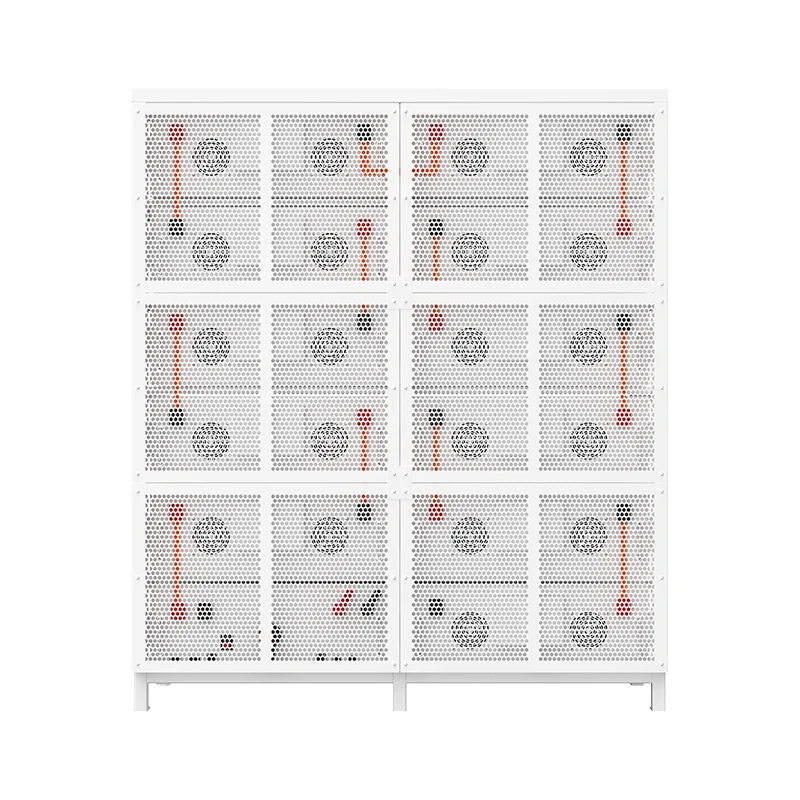
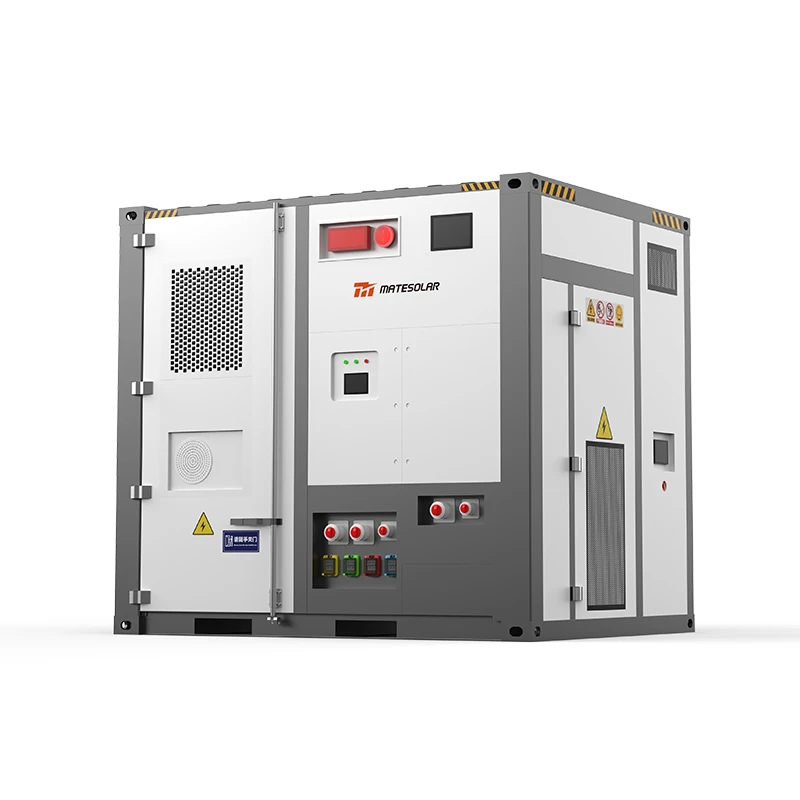
The 40Ft 1MWh 2MWh Air-Cooled Container ESS Energy Storage System offers:
- Cost-effective air cooling with redundant fans
- 6,000-cycle design life
- IP54 rating with optional IP65 upgrade
- Standard C4 corrosion (C5-M upgrade available for coastal sites)
- Pre-wired for solar PV integration
- 20-year PPA-ready with third-party performance verification
- Remote monitoring via cloud platform
Best suited for hotels, resorts, shopping centers, and manufacturing facilities located in lower-corrosion zones (greater than 5 km from coastline).
For SMBs & Distributed Commercial: 100kW/232kWh / 125kW/261kWh Liquid-Cooled Outdoor Cabinet
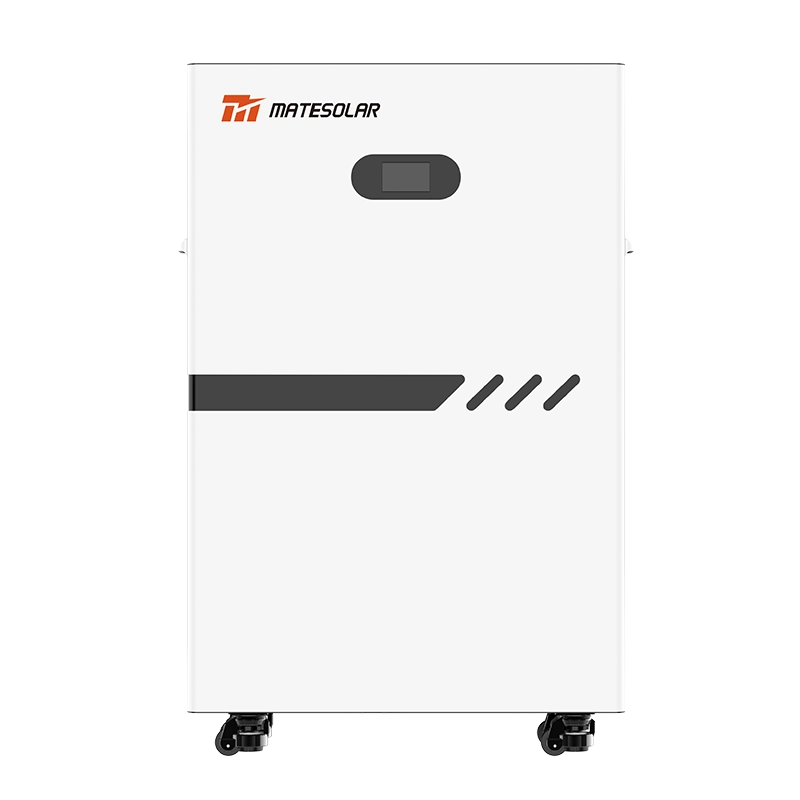
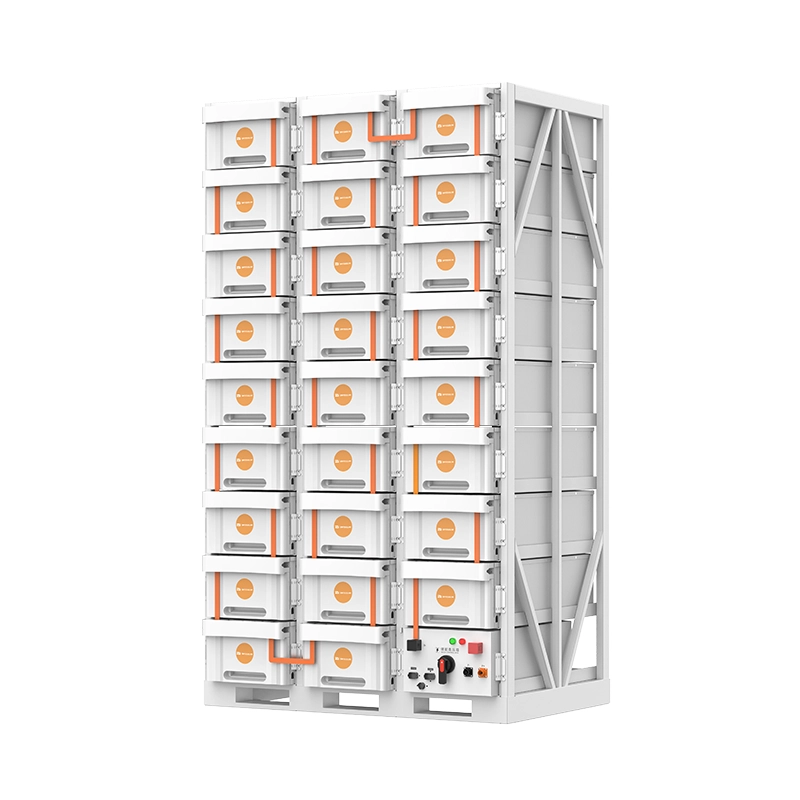
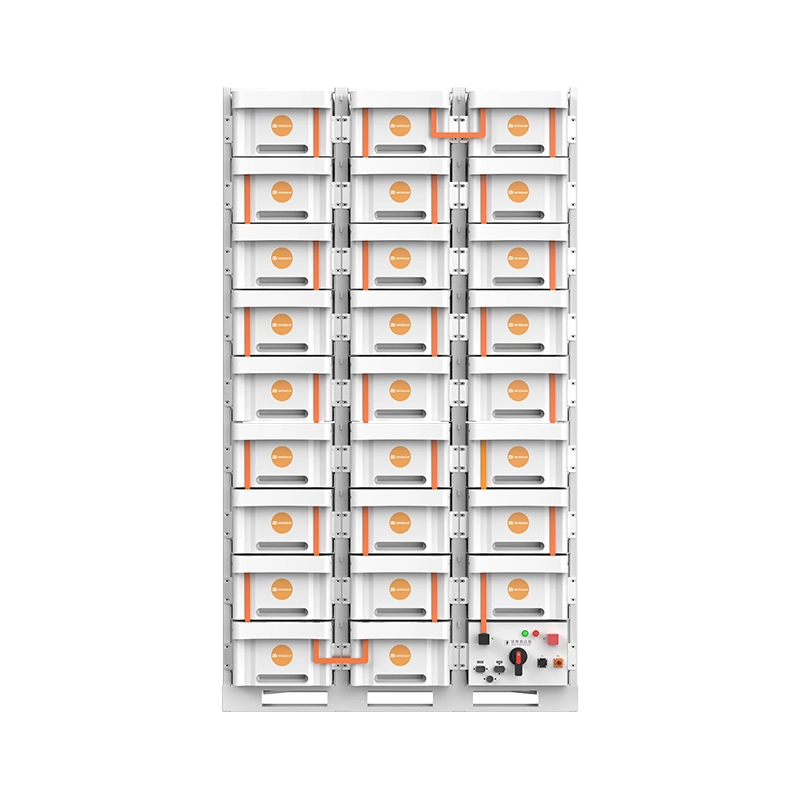
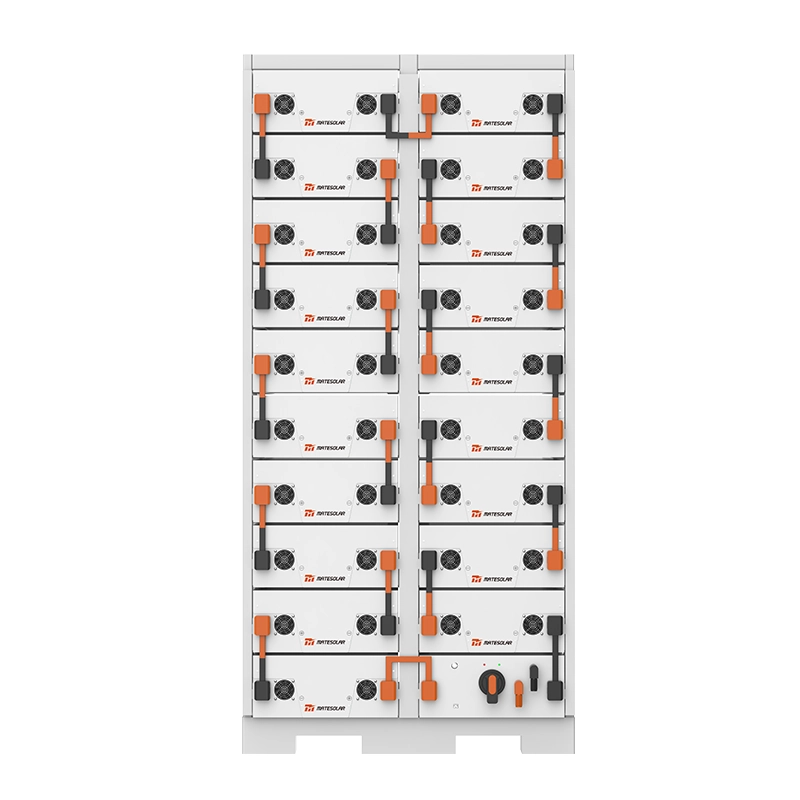
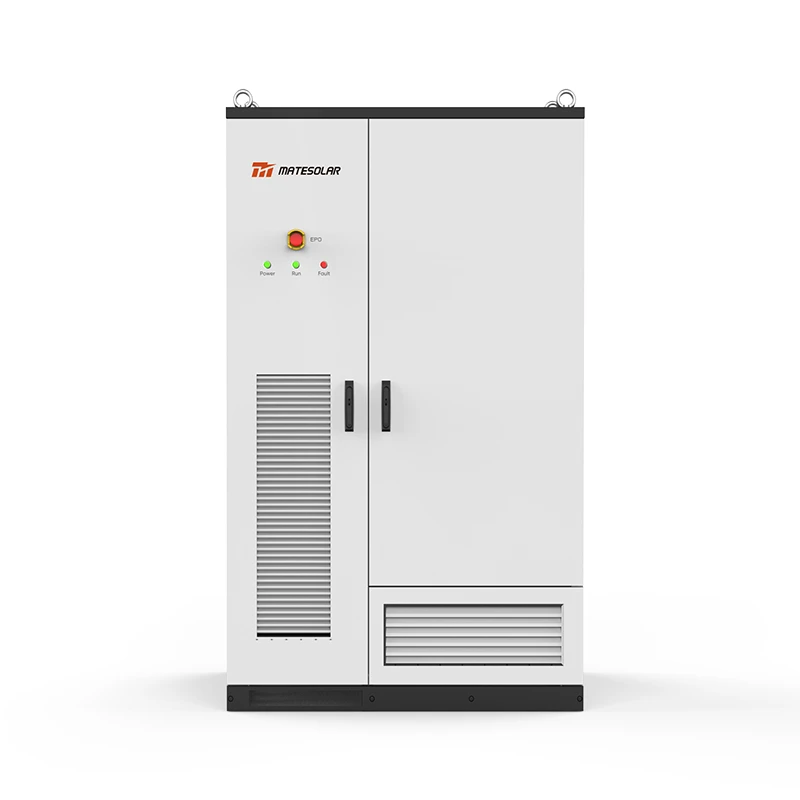
The 100kW/232kWh 125kW/261kWh Liquid-Cooled Outdoor Cabinet Energy Storage System is the workhorse of distributed storage:
- Compact footprint: 1,200 × 800 × 2,200 mm
- Expandable: stack 2–10 units for 464 kWh to 2.6 MWh
- Liquid cooling for 15-year tropical service life
- UL9540A fire safety certified for occupied buildings
- IP66 rating: withstands hurricane-driven rain
- C5-M corrosion protection standard
- <20 ms islanding switchover for UPS functionality
- Integrated EMS with 4G/WiFi monitoring accessible via smartphone app
- OTA firmware updates
For Commercial PV Integration: 500 kW Hybrid Solar System
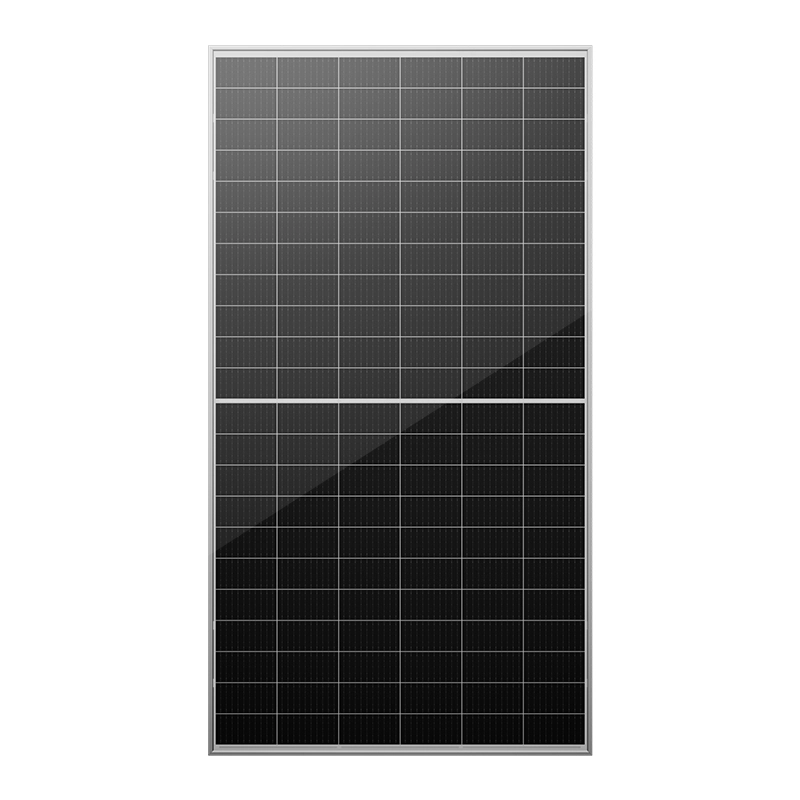
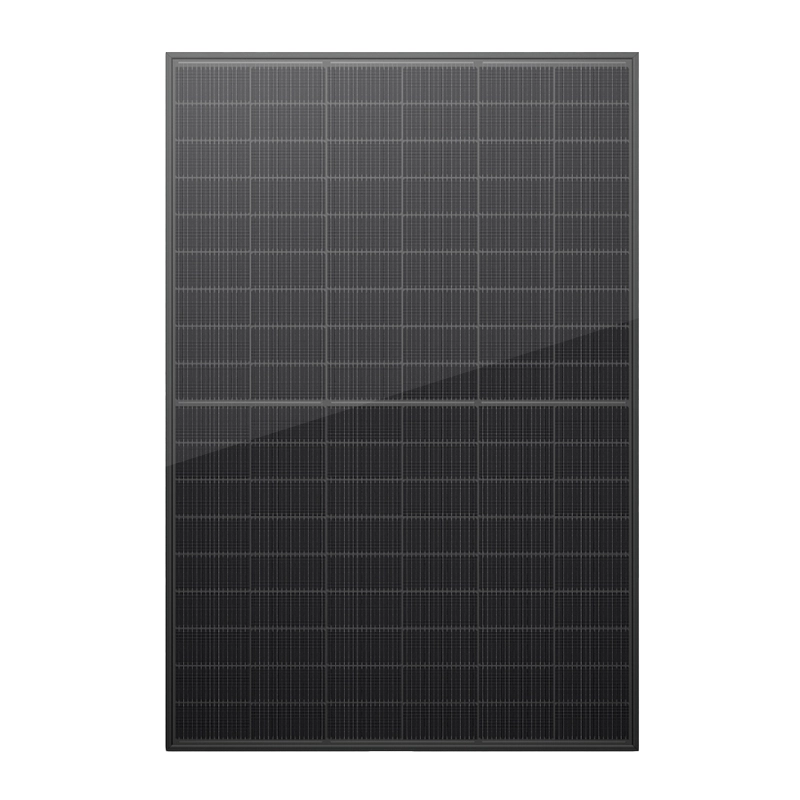
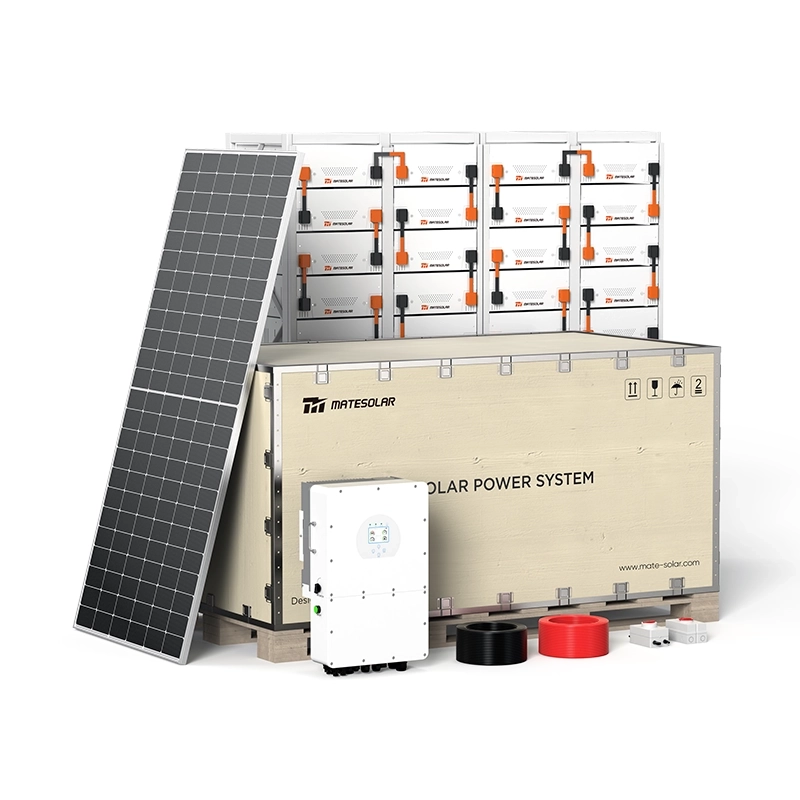
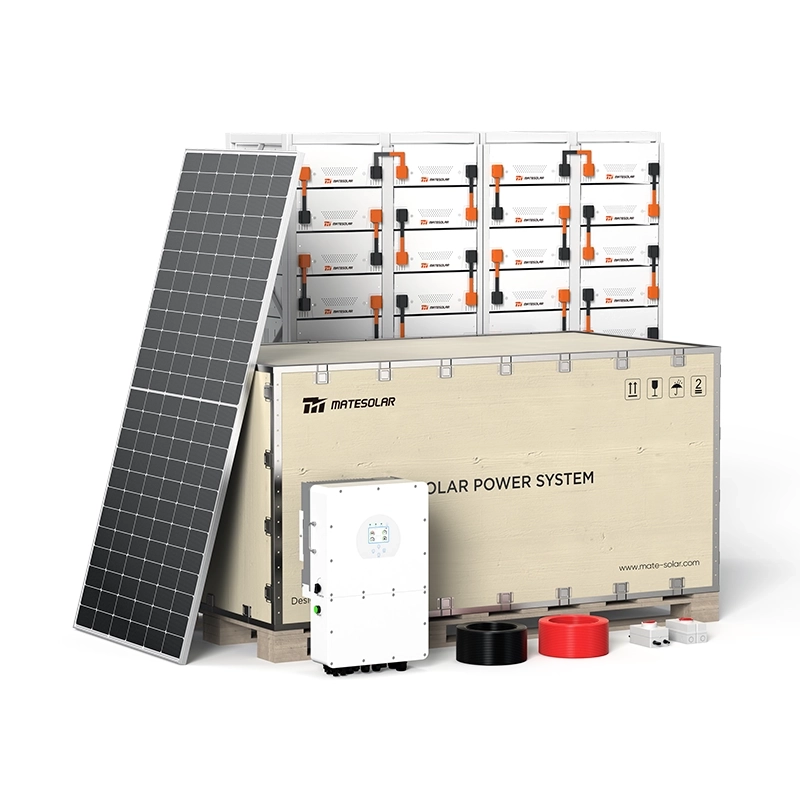
The Commercial 500KW Hybrid Solar System pairs 500 kW of high-efficiency bifacial solar modules with BESS and a hybrid inverter:
- Designed for 0.23–0.30 USD/kWh offset
- Zero-export compliance for net billing
- Peak shaving algorithm optimized for Jamaica’s load profile
- Black-start capability for hurricane resilience
- 25-year PV panel warranty + 15-year BESS warranty
Part Four: Frequently Asked Questions
Q1: What are the specific technical requirements for the GPE’s 450 MW tender announced on May 5, 2026?
A: The tender comprises 300 MW of renewable generation paired with 150 MW of battery storage, totaling 400 MW of new renewable additions when combined with the 100 MW awarded in 2024. BESS must use LFP chemistry and provide 2-hour discharge duration. Bids follow a 20-year BOO model with two-part tariff compensation (capacity + energy payments). All projects must comply with the Jamaica Electricity Sector Book of Codes and JPS Interconnection Guidelines. Wind resistance and physical hardening for hurricane resilience are expected to be weighted in bid evaluation following Hurricane Melissa’s destruction of Paradise Park.
Q2: How does the net billing program affect my decision to install battery storage?
A: The Government has initiated discussions with JPS to incorporate mandatory battery storage into the net billing program. The fully online application platform will be operational by December 2026. Installing storage now ensures grandfathering and avoids forced retrofit costs within 12–24 months. Without storage, you risk having excess solar generation curtailed or receiving lower export compensation.
Q3: What is the current commercial electricity rate in Jamaica, and how does that impact payback periods?
A: Commercial rates were USD 0.238/kWh as of September 2025, with projections slightly lower in early 2026. For a typical commercial solar-plus-storage system (1 MW PV + 2 MWh BESS), payback is 5–7 years. For high-demand facilities like data centers or cold storage operating 24/7, payback can drop to 4–5 years. The high tariff creates one of the strongest behind-the-meter storage business cases in the Western Hemisphere.
Q4: Will my BESS survive a Category 5 hurricane like Melissa?
A: Standard commercial enclosures will not. For hurricane-prone Jamaica, you need IP65 minimum (IP66 recommended), wind-load certification for 250 km/h (155 mph) or higher, and C5-M salt corrosion protection. Our liquid-cooled outdoor cabinets and containers meet these specifications and have been tested to maintain operation through extreme wind and rain events.
Q5: How does your OTA (over-the-air) update capability work, and why is it important?
A: OTA updates allow remote firmware upgrades without a site visit, which is critical for keeping pace with evolving JPS grid codes, net billing rules, and cybersecurity standards. For example, when the Government announced mandatory storage for net billing in May 2026, systems with OTA capability were updated remotely within 48 hours to comply, while other systems required expensive technician dispatches.
Q6: What certifications do I need for my BESS to be financeable by international lenders?
A: Lenders typically require IEC 62619 (safety), UL 1973 (stationary storage), UL 9540A (fire safety), and third-party performance verification reports. For World Bank or Inter-American Development Bank financing, you will also need ISO 9001 (quality management) and ISO 14001 (environmental management). All MateSolar systems carry these certifications.
Q7: What is the typical round-trip efficiency (RTE) for a BESS in Jamaica’s tropical climate?
A: Liquid-cooled LFP systems maintain ≥87% RTE even at 35°C ambient, compared to air-cooled systems that drop to 80–83% under the same conditions. Over 15 years, that 4–7% difference represents tens of thousands of dollars in lost revenue for a 1 MW system.
Q8: Can I install a BESS without solar PV and still benefit?
A: Yes. Standalone storage can: (1) peak shave from grid charging during off-peak (midnight–5 AM) and discharge during peak (6–10 PM), (2) provide UPS backup for hurricane resilience, and (3) perform frequency regulation if JPS implements ancillary service markets. However, pairing with solar maximizes savings because you avoid grid charging costs entirely.
Q9: How does the net billing credit rate compare to the retail tariff?
A: The credit rate is typically lower than the retail rate, but the exact differential is set by the OUR. For businesses, the primary economic driver is self-consumption — using your own solar generation during daytime hours, which avoids the full retail tariff. Exporting excess to the grid provides secondary income. Adding battery storage captures that excess solar that would otherwise be exported at low credit rates and shifts it to evening hours when retail rates are highest.
Q10: What’s the lead time for equipment delivery to Jamaica?
A: Standard lead time is 10–14 weeks from order confirmation to Kingston port delivery, including factory production, testing, and sea freight. Rush orders (6–8 weeks) are available for an expedite fee. We maintain a small inventory of 100kW/232kWh cabinets at our Kingston logistics partner for emergency replacements and small projects.
Q11: Does MateSolar offer local technical support in Jamaica?
A: Yes. For large utility and commercial projects (≥500 kW), MateSolar provides on-site technical support for commissioning, integration, and troubleshooting. Our local service partners in Kingston and Montego Bay provide hardware warranty support, including part replacement and remote diagnostic assistance. For smaller systems, remote technical support via our 24/7 help desk is included, with 48-hour dispatch for critical issues. Our OTA update platform resolves most software issues without a site visit.
Q12: How does the 20-year performance guarantee work for GPE tenders?
A: The guarantee specifies minimum round-trip efficiency (≥85% throughout term), availability (≥98%), and state of health (≥70% at year 20). Third-party validation is conducted annually. If performance falls below thresholds, MateSolar is obligated to remedy at no cost to the project owner. This guarantee is backed by our insurance policy, ensuring bankability for lenders.
Q13: What are the space requirements for a 1 MWh BESS?
A: A 1 MWh air-cooled container occupies approximately 15 m² (40ft × 8ft). Liquid-cooled cabinets are more space-efficient: a 1 MWh system using five 200 kWh cabinets occupies approximately 5 m² (4 cabinets × 1.2m × 0.8m each). This makes cabinet-based systems ideal for SMBs and hotels with limited real estate.
Q14: Can BESS provide black-start capability after a hurricane?
A: Yes. Systems with islanding capability and a “black-start” mode can self-energize from PV (during daylight) or from a small backup generator to re-energize the facility without grid connection. This was a critical feature during Hurricane Melissa, where facilities with islanding-capable solar-plus-storage maintained power while 70% of the island remained offline.
Q15: How does the proposed “wheeling” mechanism impact large storage users?
A: In April 2026, Opposition Energy Spokesman Phillip Paulwell called for implementation of “wheeling” — allowing large businesses to generate electricity in one location and transmit it across the national grid for use at other sites. If approved, this would allow industrial parks and multi-site businesses to centralize generation and storage, improving economies of scale and reducing storage costs per site by 30–40 percent.
Part Five: Market Outlook & Strategic Recommendations (2026–2030)
Near-Term (2026–2027):
- GPE second tranche procurement will close in August 2026, with awards expected Q4 2026–Q1 2027
- Net billing online platform goes live December 2026
- Battery storage becomes mandatory for net billing participants
- Hurricane-hardened equipment specifications become standard in all public procurement
- Anticipated launch of JPS ancillary services market (frequency regulation, voltage support)
Medium-Term (2028–2030):
- Jamaica reaches 48–50 percent renewable penetration by 2030
- 100 MW of distributed storage required to support grid stability at high renewables penetration
- Vehicle-to-grid (V2G) emerges as EV adoption accelerates
- Second-generation battery chemistries (sodium-ion, solid-state) begin entering commercial deployment
Strategic Recommendations for Market Participants:
1. For Developers: Submit GPE bids with technical specifications that exceed minimums — extra wind resistance, higher RTE guarantees, longer performance warranties. These “above requirement” attributes will differentiate your bid in a crowded field.
2. For Hoteliers: Implement solar-plus-storage before October 2026 hurricane season. The competitive advantage of 24/7 power during grid outages is now a differentiator that affects booking decisions.
3. For Industrial Facilities: Model total cost of ownership for BESS versus diesel over 10 years. In most cases, BESS with solar achieves 60–80 percent lower lifecycle cost and provides superior power quality.
4. For SMBs: Act before mandatory storage becomes law. Proactive installation ensures grandfathering under favorable interconnection terms and avoids the rush that will drive up installation costs when mandates take effect.
5. For Financial Institutions: Develop green energy loan products with 5–7 year terms at 5–7 percent interest. The underlying asset (PV+BESS) has 15-year useful life and generates verifiable monthly savings, making it among the lowest-risk commercial lending categories available today.
Part Six: Compliance, Certification & Financial Bankability
Required Certifications for Jamaican Market Entry:
- UL 9540 – Standard for Energy Storage Systems and Equipment
- UL 9540A – Test method for thermal runaway fire propagation
- UL 1973 – Batteries for use in stationary applications
- IEC 62619 – Secondary cells and batteries for industrial applications
- IEC 60730 – Automatic electrical controls (EMS safety)
- ISO 9001:2025 – Quality management systems
- ISO 14001:2025 – Environmental management
- ISO 45001 – Occupational health and safety
Third-Party Testing & Validation:
All MateSolar systems undergo factory acceptance testing (FAT) witnessed by accredited third-party inspectors (TÜV, Bureau Veritas). System-level performance testing is conducted at our thermal chamber facility, replicating Jamaica’s 35°C/80% RH tropical conditions for 72-hour continuous cycling validation.
Insurance & Warranty:
- Product liability insurance: USD 10 million global coverage
- Performance guarantee: Insured by Zurich Insurance Group
- Warranty term: 10 years standard (15 years available for GPE projects), covering all manufacturing defects, cell degradation below curve, and EMS hardware failures
Part Seven: Conclusion & Call to Action
Jamaica’s energy storage market is no longer emerging — it has arrived. With a mandatory 150 MW utility-scale BESS procurement underway, net billing evolving to require storage, commercial tariffs among the highest in the Caribbean, and the unforgettable lesson of Hurricane Melissa permanently altering infrastructure standards, the time for action is now.
Whether you are:
- A developer preparing a GPE tender bid
- A hotelier seeking operational resilience and cost savings
- An industrial facility looking to retire expensive diesel generators
- A data center requiring mission-critical power quality
- An SMB navigating space constraints and budget limitations
- An investor seeking bankable, climate-resilient assets
MateSolar is your one-stop photovoltaic and energy storage solution provider.
We offer end-to-end support: from system design and engineering to equipment supply, remote commissioning support, OTA-enabled lifecycle management, and financing advisory. Our equipment is certified to international standards (IEC 62619, UL 1973, UL 9540A), engineered for tropical climates (IP65+, C5-M corrosion, 250 km/h wind resistance), and backed by 20-year performance guarantees insured by third-party underwriters.
Explore our product lineup:
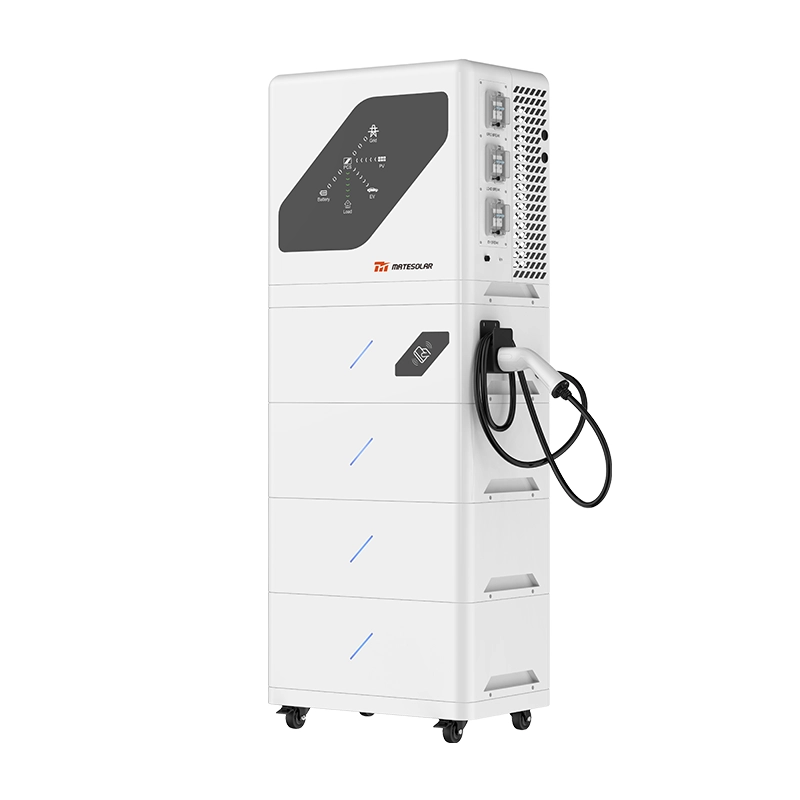
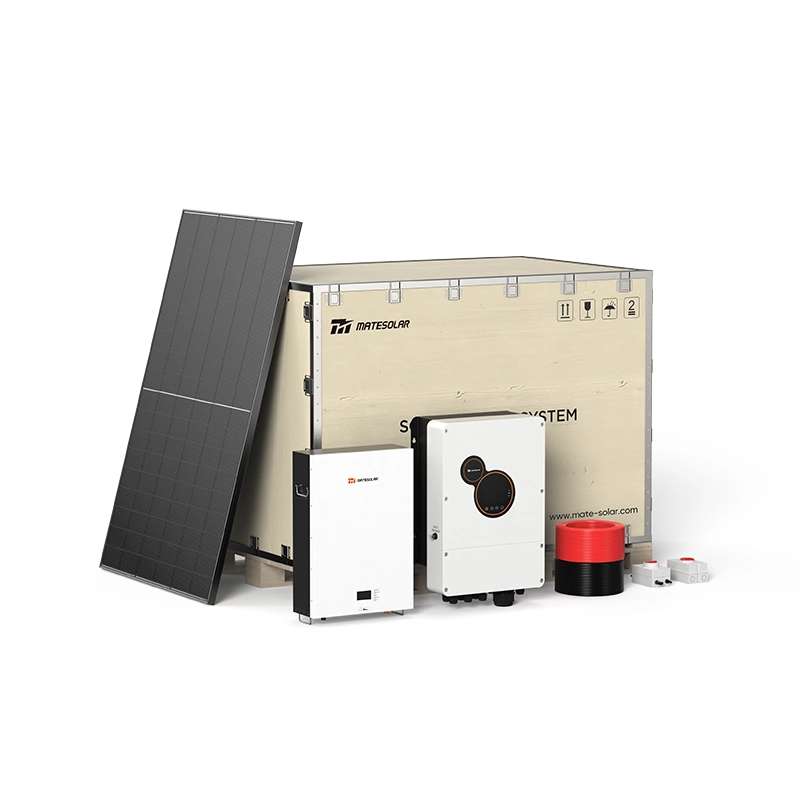
- Commercial 500KW Hybrid Solar System – Complete solar-plus-storage solution for hotels, offices, and light industrial
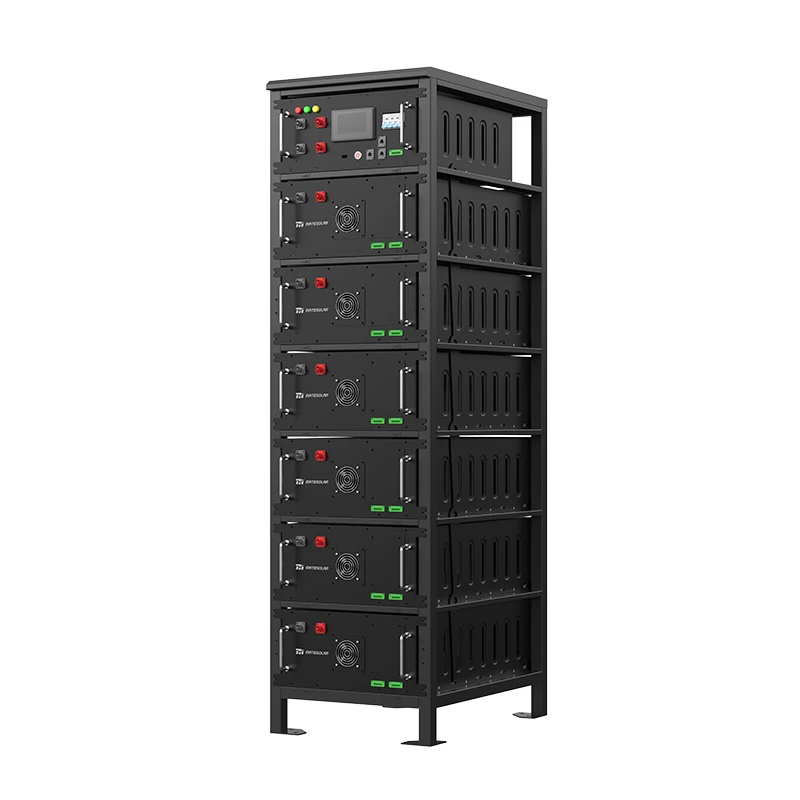
- 100kW/232kWh 125kW/261kWh Liquid-Cooled Outdoor Cabinet Energy Storage System – Compact, scalable, hurricane-hardened storage for distributed commercial applications
- 40Ft 1MWh 2MWh Air-Cooled Container ESS Energy Storage System – Cost-effective energy storage for large commercial and light industrial projects
- 20ft 3MWh 5MWh Liquid Cooling Container Energy Storage System – Utility-grade BESS for GPE tenders, data centers, and heavy industrial applications
Contact MateSolar today to schedule a technical consultation, request a detailed site assessment, or receive a preliminary financial model tailored to your facility’s load profile.
Disclaimer: Electricity tariffs and regulatory policies are subject to change. All financial projections are estimates based on prevailing market conditions as of May 2026. Consult with qualified financial and legal advisors before making investment decisions.
MateSolar — Your One-Stop Photovoltaic and Energy Storage Solution Provider