









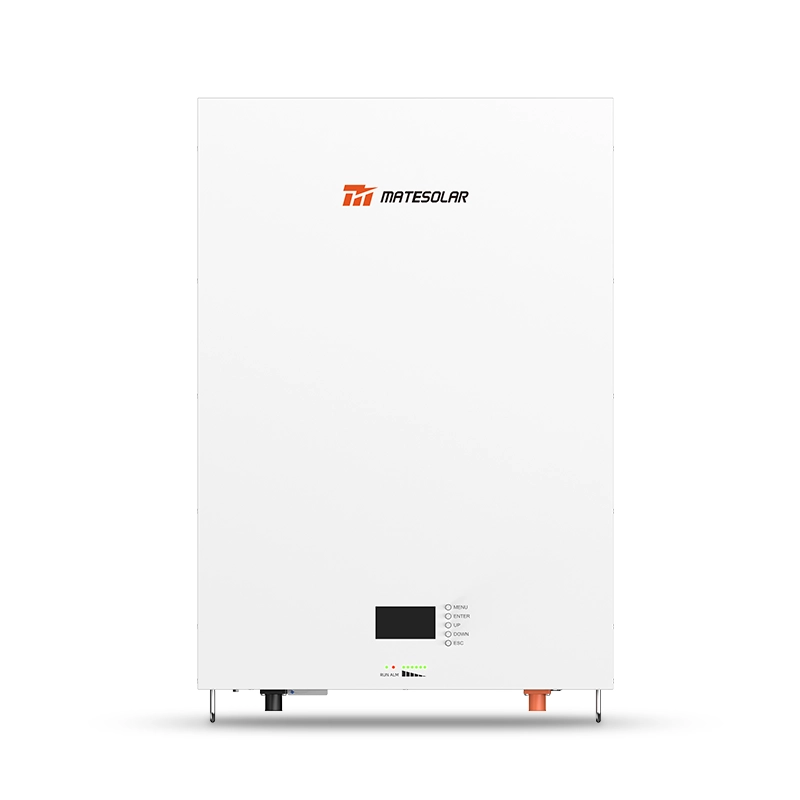
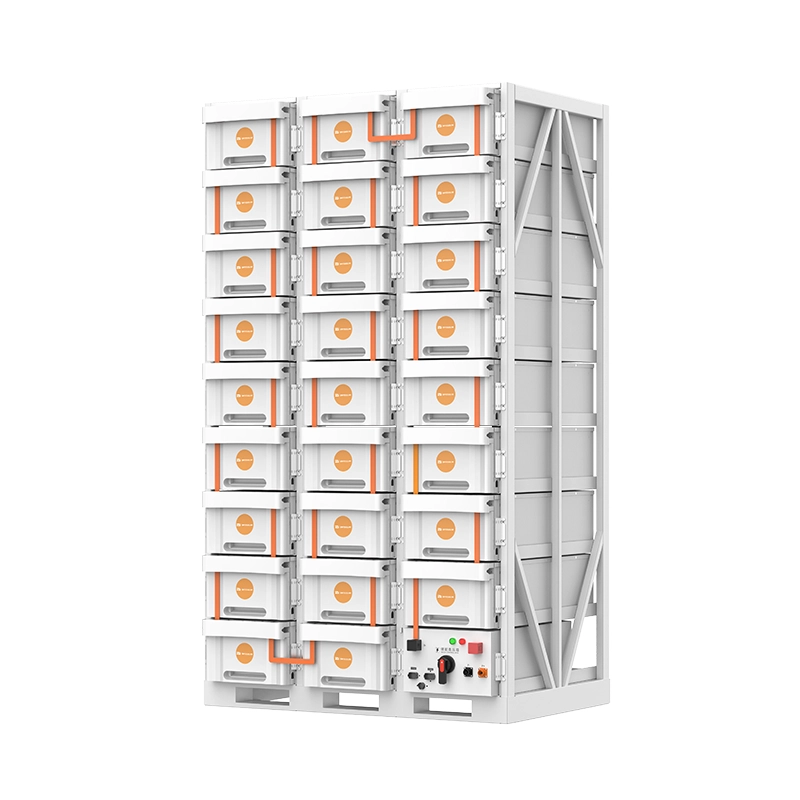
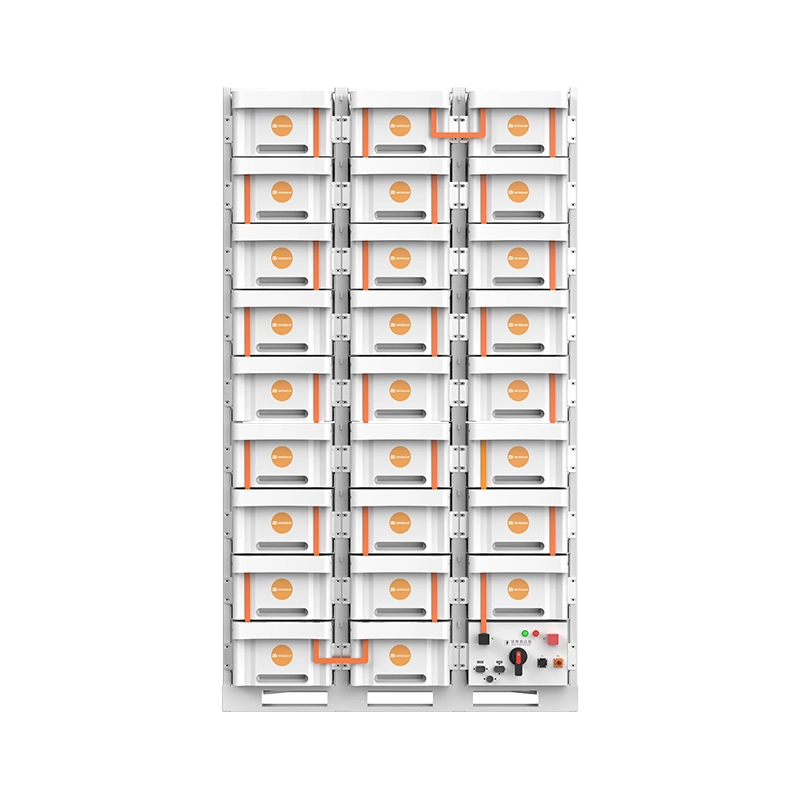
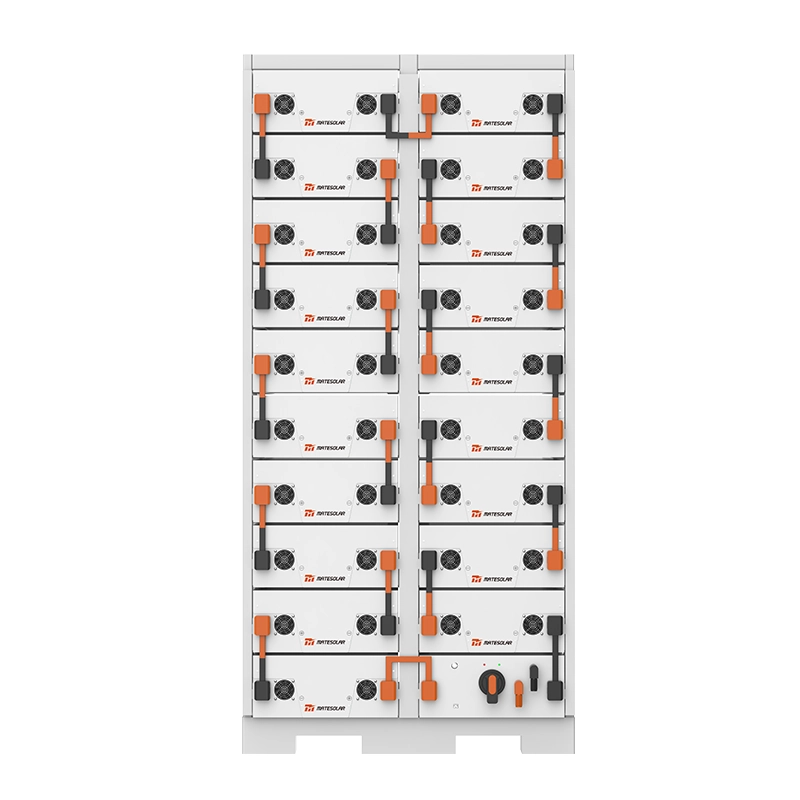






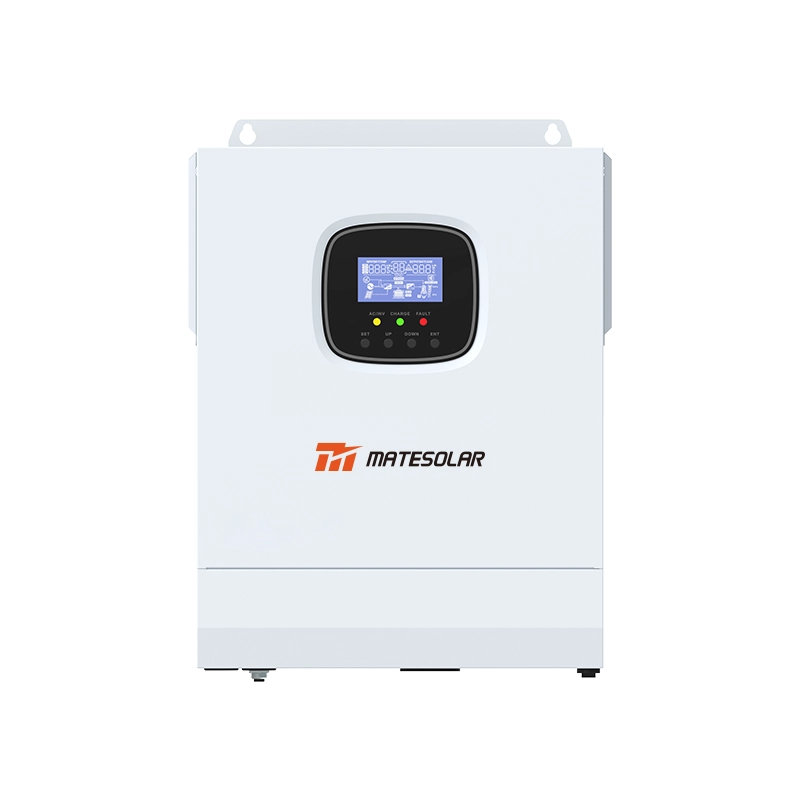

Zusammenfassung: Die Ära von Jamaikas Speicherzehntausender
Am 13. Mai 2026 steht Jamaika an einem historischen Wendepunkt in seiner Energiewende. Die Generation Procurement Entity (GPE) hat die größte obligatorische Ausschreibung für erneuerbare Energien plus Batteriespeicher in der englischsprachigen Karibik gestartet – 300 MW neue Kapazität für erneuerbare Energien gepaart mit 150 MW Batteriespeicher (BESS), was die gesamten neuen erneuerbaren Kapazitäten auf 400 MW erhöht, wenn man die 100 MW Solarkapazität aus dem Jahr 2024 mit einrechnet.. Diese Beschaffung folgt der ersten GPE-Auktion im Jahr 2023, die eine fünffache Überzeichnung mit einem gewichteten Durchschnittsgebot von nur 61,58 USD pro MWh verzeichnete – ein Preisniveau, das bereits 14 Prozent unter den durchschnittlichen Stromgestehungskosten für Solarprojekte in der Karibik liegt.. Die erste Tranche wird voraussichtlich Einsparungen bei der Substitution fossiler Brennstoffe von rund 415 Millionen US-Dollar über ihre 20-jährige Vertragslaufzeit erzielen..
Doch die Landschaft hat sich seit 2023 dramatisch verändert. Hurrikan Melissa – ein Sturm der Kategorie 5, der am 28. Oktober 2025 auf Land traf – verwüstete die größte Solaranlage der Insel, den 52 MWp Eight Rivers Solar Park (Paradise Park) in Westmoreland, mit extremen Winden von über 300 km/h (185 mph) und ließ etwa 540.000 Kunden ohne Strom.. Der Hurrikan hat die Risikobewertung für erneuerbare Energieinfrastrukturen in Jamaika grundlegend überarbeitet. Regierungsbeamte und Entwickler fordern nun Windwiderstandsklassen von bis zu 320 Kilometern pro Stunde für Solarmodule und eine entsprechende strukturelle Integrität für BESS-Gehäuse..
Währenddessen bleiben die kommerziellen Strompreise mit 0,238 USD/kWh und die privaten Strompreise mit 0,291 USD/kWh empfindlich hoch.. Jamaias starke Abhängigkeit von importiertem Diesel und Erdgas – mit Rohölimportrechnungen von 728 Millionen US-Dollar im Jahr 2022 und immer noch 512 Millionen US-Dollar im Jahr 2024 – bedeutet, dass jeder geopolitische Schock auf den globalen Energiemärkten sich direkt in höheren Stromkosten für Unternehmen und Haushalte niederschlägt..
Vor diesem Hintergrund bietet dieser Leitfaden eine umfassende, technisch fundierte und kommerziell umsetzbare Roadmap für:
- EPCs, Projektentwickler und IPPs im Wettbewerb um die wegweisende, zwingende BESS-Ausschreibung der GPE über 450 MW
- Hoteliers und Tourismusunternehmer, die hohen Zöllen entkommen und Katastrophenresilienz sicherstellen wollen
- Industrielle Unternehmen, Rechenzentren und Kühllager, die Stromqualität und Dieselersatz benötigen
- Kleine und mittlere Unternehmen, die sich mit Platzbeschränkungen und Hürden bei der Netzintegration auseinandersetzen
- Alle Interessengruppen, die Klarheit über tropische Klimaresilienz, die Einhaltung internationaler Finanzierungsvorschriften und zukünftige Netzunsicherheiten benötigen.
Teil Eins: Die vier Säulen von Jamaikas Speicher-Explosion
1.1 Die GPE-Zweit tranche: Technische Spezifikationen und kaufmännischer Rahmen
Die zweite Auktionsrunde der GPE ist die bedeutendste Energiebeschaffung für Energiespeicher in der karibischen Geschichte, die offiziell von Minister für Energie, Verkehr und Telekommunikation, Hon. Daryl Vaz, während der Sektordebatte 2026/27 am 5. Mai 2026 angekündigt wurde.. Das genaue Verständnis seiner technischen und kommerziellen Architektur ist der erste Schritt zu einem erfolgreichen Angebot.
Beschaffungsziel: 300 MW neue erneuerbare Erzeugungskapazität (Solar-PV, Wind oder Hybridkonfigurationen) zuzüglich 150 MW Batteriespeicher. Die BESS-Komponente ist obligatorisch – es werden keine Angebote, die ausschließlich erneuerbare Energien umfassen, akzeptiert.
Chemie-Vorgabe: LFP (Lithium-Eisenphosphat) ist ausdrücklich vorgeschrieben. Dies spiegelt die globalen Best Practices für Speicher im Versorgungsmaßstab wider, bei denen thermische Stabilität, Zyklenlebensdauer und Sicherheit Vorrang vor der höheren Energiedichte von NMC-Chemien haben..
Kaufmännische Struktur: Erfolgreiche Bieter werden 20-jährige Stromabnahmeverträge (PPAs) nach einem Build-Own-Operate (BOO) Modell abschließen. Die Vergütungsstruktur verwendet eine zweigeteilte Gebühr – Kapazitätszahlungen (für Verfügbarkeit) zuzüglich Energiezahlungen – ein Rahmen, der die Finanzierung von Geschäften erleichtern soll..
Netzintegrationanforderungen: Alle Projekte müssen nahtlos in das Advanced Distribution Management System (ADMS) von JPS integriert sein, die Jamaica Electricity Sector Book of Codes einhalten und die von JPS veröffentlichte Interconnection Guideline erfüllen.
Die Net Billing-Evolution: Parallel dazu treibt die Regierung 100 MW dezentraler erneuerbarer Energien durch ein gestärktes Net Billing-Programm voran, wobei eine vollständig online verfügbare Antragsplattform bis Dezember 2026 betriebsbereit sein soll. Gespräche mit JPS wurden aufgenommen, um die Net Billing-Schwelle zu erhöhen und die Integration von Batteriespeichern in das Programm zu ermöglichen..
1.2 Hurrikan Melissa: Die Notwendigkeit der Widerstandsfähigkeit
Der Hurrikan Melissa war nicht nur ein Wetterereignis – er war ein systemischer Schock, der die Infrastrukturstandards Jamaikas nachhaltig verändert hat. Die katastrophale Zerstörung von Paradise Park – das im Jahr 2024 72,07 GWh Strom zu einem Preis von US$0,097/kWh erzeugte – zeigte, dass selbst gut konzipierte Solaranlagen ohne Schutz vor extremen Wetterbedingungen anfällig sind..
Während des Sturms bewiesen Solar-Plus-Speicher-Mikronetze ihren Wert. Eine 13-kW-Solaranlage, gekoppelt mit 19,2 kWh Speicher, sorgte während des Hurrikans für Stromversorgung und diente als Zufluchtsort für die Nachbarschaft, während 70 Prozent der Insel im Dunkeln blieben.. Die Lektion ist unmissverständlich: BESS-Gehäuse müssen nun Windgeschwindigkeiten von 250 km/h oder mehr standhalten, einen Schutz gegen das Eindringen von Wasser und Schmutz nach IP65+ erreichen und eine Inselbetriebsfähigkeit für Szenarien ohne Netzstrom bieten.
1.3 Der wirtschaftliche Fall: Warum hohe Zölle Lagerung erfordern
Jamaias Strompreise gehören zu den höchsten in der Karibik und liegen im Durchschnitt bei 0,28–0,30 US-Dollar pro Kilowattstunde für Geschäftskunden, verglichen mit Ländern wie der Dominikanischen Republik und Trinidad & Tobago mit 0,12–0,15 US-Dollar pro Kilowattstunde. Dies schafft eine außergewöhnlich starke Geschäftsgrundlage für Speicherlösungen hinter dem Stromzähler:
Tabelle 1: Jamaica Kommerzieller Stromtarif Kontext (September 2025–Mai 2026)
| Kunden-Segment | Rate (USD/kWh) | Weltweiter Benchmark | Sparmöglichkeit |
| Gewerblich (Allgemein) | $0.238 | $0,165 (weltweiter Durchschnitt) | 44% über dem globalen Durchschnitt |
| Wohnen | $0.291 | $0.169 (weltweiter Durchschnitt) | 72% über dem globalen Durchschnitt |
| Industriell (Groß) | $0,23–0,26 | $0,12–0,15 (regionaler Durchschnitt) | 60–100% überregional |
Quellen: GlobalPetrolPrices.com / JPS
Bei einem typischen Hotel mit einem monatlichen Stromverbrauch von 500.000 kWh lassen sich durch den Verzicht auf Strombezüge aus dem Netz zu Spitzenzeiten mittels einer Solar-Speicher-Anlage jährlich $100.000–140.000 US-Dollar einsparen. Bei Amortisationszeiten von 5–7 Jahren und einer Lebensdauer der Anlage von 15 Jahren liegt der interne Zinsfuß (IRR) in den meisten gewerblichen Szenarien bei über 20 Prozent.
1.4 Die Politikdynamik: Die obligatorische Speicherung ist auf Dauer angelegt
Der Minister gab am 5. Mai 2026 bekannt, dass das Ministerium die Lizenzgebühren und Systemkapazitätsgrenzen – Wohngebäude bis 10 kW und Gewerbe bis 100 kW – überprüft, einschließlich vorgeschriebener Batteriespeicher, sowie die Integration von Ladestationen für Elektrofahrzeuge. Jamaika bezieht derzeit etwa 15 Prozent seines Stroms aus erneuerbaren Quellen. Laufende und geplante Projekte sollen voraussichtlich rund 35 Prozentpunkte hinzufügen und dem Land helfen, sein Ziel von 50 Prozent erneuerbarer Energien bis 2030 zu erreichen..
Der Oppositionssprecher für Energie, Phillip Paulwell, bekräftigte diese Richtung am 22. April 2026 im Parlament und erklärte: “Jede neue Stromerzeugungslizenz muss über das staatseigene GPE im Rahmen einer international wettbewerbsfähigen Ausschreibung beschafft werden, wobei die Zuschläge auf den geringsten Kosten der verfügbaren erneuerbaren Technologie beruhen und durch die effizienteste Speicherlösung unterstützt werden. Sie können keine Lizenzen für erneuerbare Energien vergeben, ohne über Speicher nachzudenken.”.
Teil Zwei: Fünf kritische industrielle Schmerzpunkte und technische Lösungen
Schmerzpunkt 1: EPCs & Projektentwickler — Gewinn der verbindlichen 450-MW-BESS-Ausschreibung der GPE
Die 450-MW-Beschaffung der GPE ist nicht nur eine Ausschreibung – sie ist ein technischer Härtetest. Entwickler stehen vor vier existenziellen Fragen, die darüber entscheiden, ob ein Angebot weiterkommt oder scheitert.
Entspricht Ihr BESS genau den technischen Anforderungen der Ausschreibung?
Die GPE-Spezifikationen schreiben LFP-Chemie, eine Gesamtspeicherkapazität von 150 MW und eine Entladedauer von zwei Stunden vor. Die technischen Nuancen sind jedoch von enormer Bedeutung:
Kapazitätskonfiguration: Die 150 MW Speicherkomponente muss so dimensioniert sein, dass sie die 300 MW erneuerbare Stromerzeugung unterstützt. Die Gebotsbewertung wird Degradationskurven über die 20-jährige PPALaufzeit prüfen – Systeme, die nach 20 Jahren keinen Gesamtzustand (SOH) von 80 Prozent aufrechterhalten können, werden bestraft.
Netzansprechfähigkeit: BESS muss eine Reaktion unterhalb einer Sekunde auf Frequenzabweichungen nachweisen, eine primäre Frequenzregelung bereitstellen und die Spannungsregelung unterstützen. Das EMS muss mit dem ADMS von JPS über die Protokolle IEC 61850 oder DNP3 mit vollständiger SCADA-Integration Schnittstellen haben.
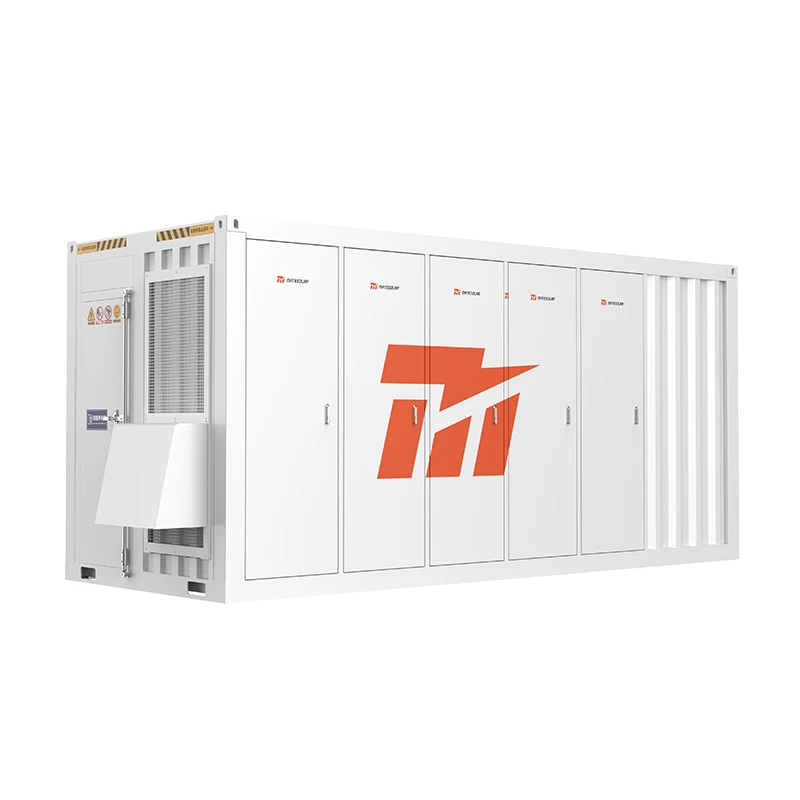
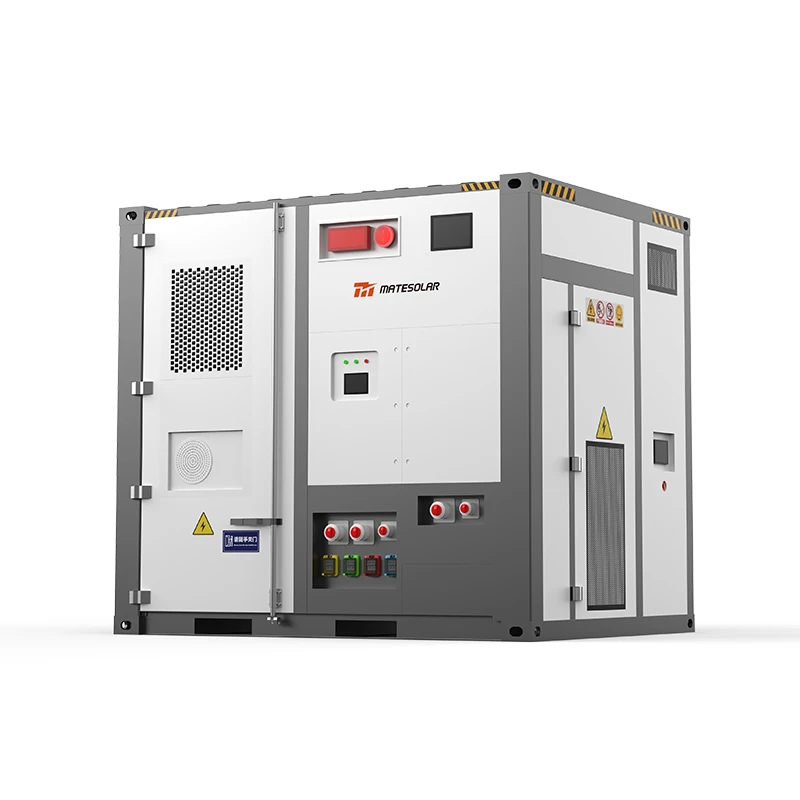
Lösung: Ein BESS für Anwendungen in Versorgungsqualität, wie das 20 Fuß 3 MWh 5 MWh Flüssigkühlcontainer-Energiespeichersystem, bietet die hohe Energiedichte und die nachgewiesene Netzreaktion, die für die GPE-Konformität erforderlich sind. Sein flüssiges Wärmemanagement hält die optimalen Betriebstemperaturen im tropischen Klima Jamaikas aufrecht, während die modulare Architektur eine präzise Kapazitätsskalierung ermöglicht, um das 150 MW-Ziel zu erreichen.
2. Können Sie 20-jährige Leistungsgarantien und lokale Betriebs- und Wartungsleistungen anbieten?
Die 20-jährige Stromabnahmevereinbarung (PPA) erfordert bankfähige Leistungsgarantien. Kreditgeber werden verlangen:
- Von Dritten verifizierte Abbaukurven (jährlicher Abbau von ≤ 21 TP3T in den ersten Jahren, ≤ 0,51 TP3T nach dem 5. Jahr)
- Garantien für die Round-Trip-Effizienz (RTE) (mindestens 85% im ersten Jahr)
- Verfügbarkeitsgarantien (≥98%)
- Lokale Ersatzteilbestände und geschulte Techniker
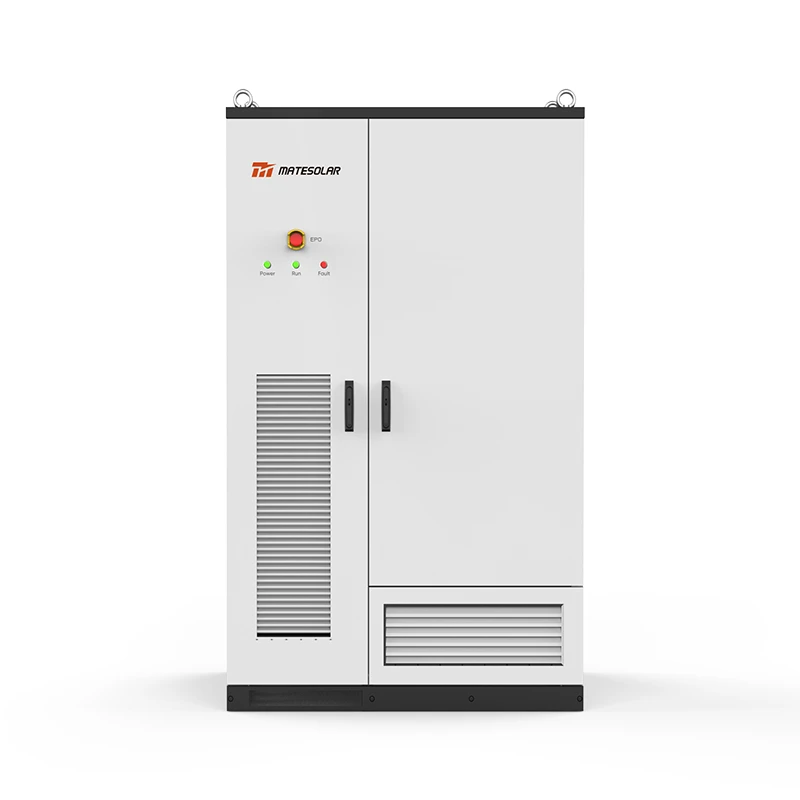
Lösung: Ein modulares Outdoor-Schrank-BESS wie das 100 kW/232 kWh Flüssigkeitsgekühlter Outdoor-Schrank Energiespeichersystem bietet Hot-Swap-Module für den schnellen Austausch im Feld, was Ausfallzeiten minimiert. Für Entwickler, die lokalen Support benötigen, bietet unsere Remote-Diagnoseplattform eine 24/7-Überwachung mit der Möglichkeit, bei Bedarf innerhalb von 48 Stunden Techniker vor Ort zu entsenden, insbesondere bei groß angelegten Energieprojekten.
3. Erfüllt Ihr BESS die neuen Standards für Hurrikan-Resilienz?
Nach Hurrikan Melissa wird erwartet, dass GPE die physische Widerstandsfähigkeit in die Bewertung von Angeboten einbezieht. Ihr BESS-Gehäuse muss Folgendes aufweisen:
- Windwiderstand ≥250 km/h (155 mph), zertifiziert nach UL 508A oder gleichwertig
- IP65+ Schutz gegen Eindringen von Wasserstrahlen und Staub
- Salznebelkorrosionsschutz nach ISO 9227 / C5-M Klassifizierung
- Integrierte Fähigkeit für Inselbetrieb und Schwarzstartfunktion
- Befestigungskonstruktionen gegen Auftrieb
Lösung: Alle unsere Außengehäuse sind mit Windlastzertifizierung für extreme Wetterbedingungen, seewasserbeständiger Aluminium- oder C5-M-verzinkter Stahlkonstruktion und IP66-Abdichtung konstruiert. Das flüssigkeitsgekühlte Design eliminiert freiliegende Lüfter und Belüftungsöffnungen, die bei Hurrikanen ausfallen könnten, während der integrierte USV-Modus nahtloses Inselbetrieb ermöglicht, wenn das Stromnetz ausfällt.
4. Kann Ihr EMS mit dem ADMS von JPS integriert werden?
JPS rüstet auf ein Advanced Distribution Management System (ADMS) auf, das eine Echtzeitkommunikation von allen dezentralen Erzeugungsanlagen erfordert. Ihr EMS muss:
- Unterstützung von IEEE 1547-2018 und jamaikanischen spezifischen Netzanschlussrichtlinien
- Demonstrieren Sie Plug-and-Play-ADMS-Integration über offene Protokolle
- Durchführung von Fault Ride-Through (FRT), um kaskadierende Ausfälle zu verhindern
- Cybersicherheitshärtung (NISTIR 7628-Konformität)
Lösung: Unsere EMS-Plattform ist vorintegriert mit führenden ADMS-Anbietern und wurde von Dritten auf Konformität mit IEEE 1547 getestet. Remote-OTA-Updates stellen sicher, dass Ihr System während der gesamten 20-jährigen PPA-Laufzeit mit den sich entwickelnden JPS-Anforderungen übereinstimmt.
Tabelle 2: GPE Ausschreibungs Checkliste für technische Konformität
| Anforderung | Technischer Standard | Compliance-Indikator | Typische Lücke |
| Chemie | LFP-mandatiert | Herstellerzertifikat | NMC-Chemie abgelehnt |
| Dauer | 2-stündige Entladung bei Nennleistung | Typenschild Spezifikation | Gebote unter 2 Stunden disqualifiziert |
| Effizienz der Hin- und Rückfahrt | ≥85% garantiert | Prüfbericht RTE >85% | <80% erfüllt die Bankfähigkeitskriterien nicht |
| Windwiderstand | ≥250 km/h | UL/CSA Windlastzertifizierung | 200 km/h inakzeptabel |
| Schutzart | IP65+ | Fremdtest | IP54 lässt Wassereintritt zu |
| C5 Korrosion | ISO 9227 C5-M | Salzsprühtestbericht | C3/C4 versagen in Küstengebieten |
| Kommunikation | IEC 61850/DNP3 | ADMS-Vorkzertifizierung | Proprietäre Protokolle schlagen fehl |
Schmerzpunkt 2: Tourismus / Hotels / Gewerbliche Wahrzeichen — Hohe Tarife und Hurrikanbetrieb
Der Tourismus erwirtschaftet über 60 Prozent des jamaikanischen BIP. Für Hotelbetreiber sind die Stromkosten von 0,238 USD/kWh die zweitgrößte Betriebsausgabe nach den Arbeitskosten – und Hurrikans stellen ein existenzielles Geschäftsrisiko dar.
Der finanzielle Fall für Hotel-Solar-Plus-Speicher
Betrachten Sie ein All-Inclusive-Resort mit 200 Zimmern, das jährlich 2,5 Millionen kWh zu einem Durchschnittspreis von 0,255 USD/kWh verbraucht und somit 637.500 USD pro Jahr für Strom bezahlt. Ein 1-MW-Solar-PV-System in Verbindung mit 2 MWh Speicher würde:
- Jährlich ca. 1,5 Mio. kWh aus Solar erzeugen
- Speichern Sie Energie während Zeiten geringer Nachfrage (11-14 Uhr) zur späteren Abgabe während der Spitzenlast am Abend (18-22 Uhr)
- Netzeinkäufe um 70–80 Prozent reduzieren
- Amortisation in 5–6 Jahren bei einer Lebensdauer des Systems von 15 Jahren
Der Fall der Katastrophenresilienz
Als Hurrikan Melissa wütete, konnten Hotels mit Solarstromspeichern ihren Betrieb aufrechterhalten – Kühlung von Lebensmitteln, Kommunikation, Beleuchtung und Wasserförderung – während Gäste in Nachbarunterkünften in Dunkelheit evakuiert werden mussten.. Der Wettbewerbsvorteil ist unbestreitbar.
Technische Anforderungen für Hotelanwendungen:
- Unterbrechungsfreie Stromversorgung (USV)-Modus: Nahtlose Umschaltung <10 ms auf kritische Lasten (Küchenkühlung, Sicherheitssysteme, Gästelifte)
- Outdoor-Gehäuse IP65 Mindestanforderung für Salznebel-Exposition an der Küste, 250 km/h Windwiderstand
- Geräuschloser Betrieb Im Gegensatz zu Dieselgeneratoren arbeitet BESS geräuschlos und bewahrt das Erlebnis der Gäste
- Skalierbare Modularität Beginnen Sie mit 200 kWh und erweitern Sie, während der Energiesparfonds weitere Investitionen ermöglicht
Finanzierungslösungen: Energy-as-a-Service (EaaS)
Die größte Hürde für Hoteliers sind die anfänglichen Kapitalkosten. EaaS-Modelle eliminieren diese vollständig: MateSolar finanziert, installiert und wartet das System, und das Hotel zahlt eine monatliche Gebühr, die niedriger ist als seine gesparten Stromrechnungen. Ohne Anzahlung und mit sofortigem positivem Cashflow ab dem ersten Monat kann jedes Hotel Solar-plus-Speicherlösungen nutzen, ohne sein Betriebsbudget anzutasten.
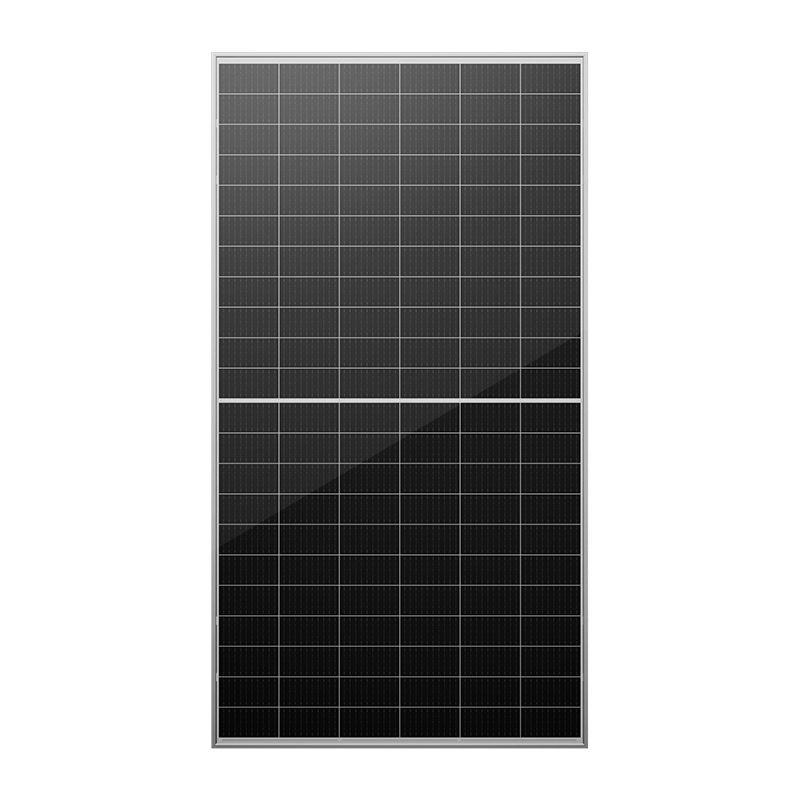
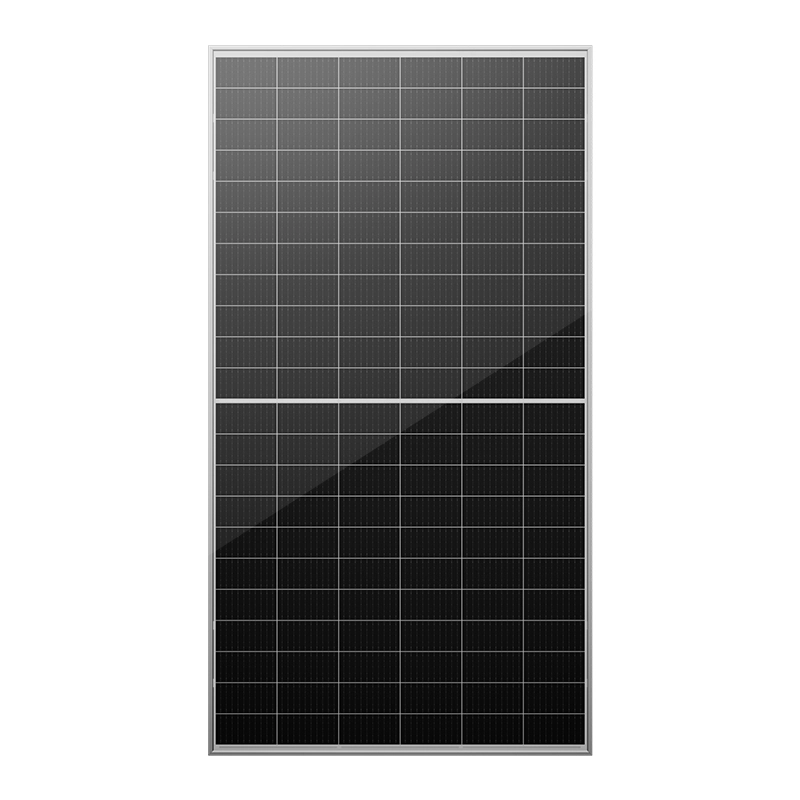
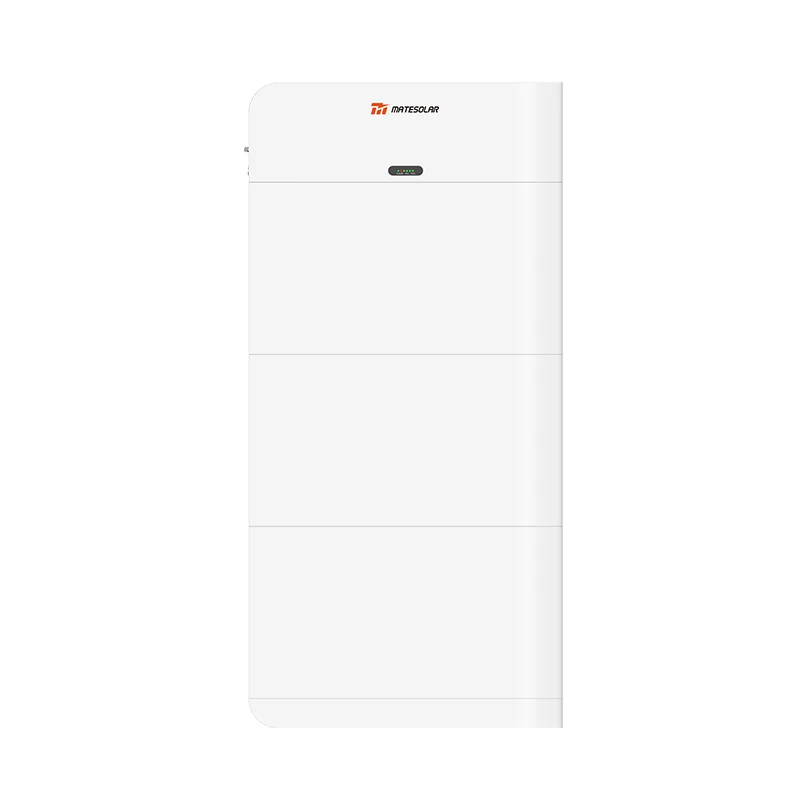
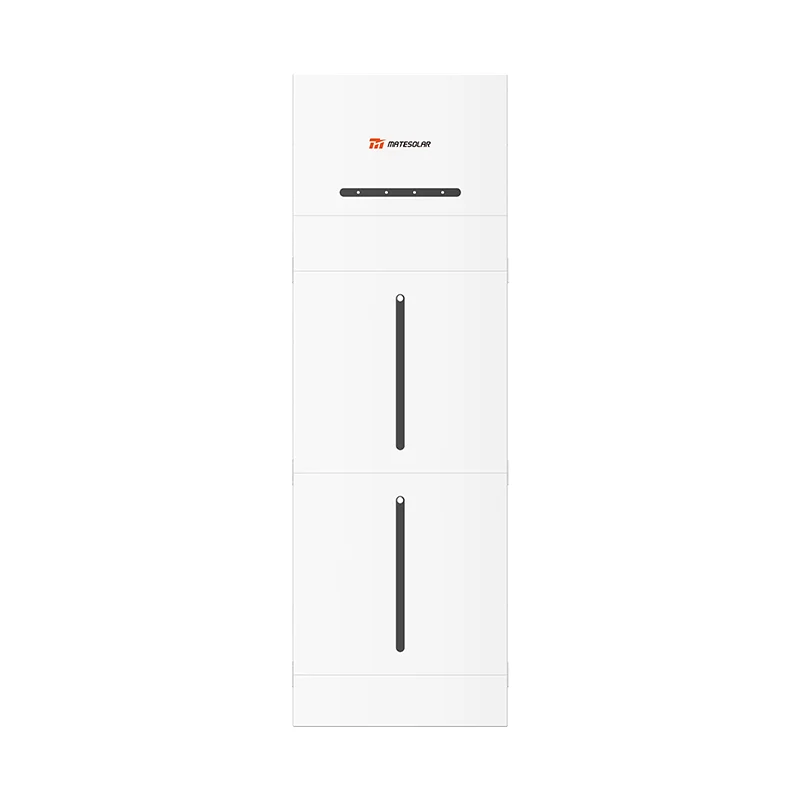
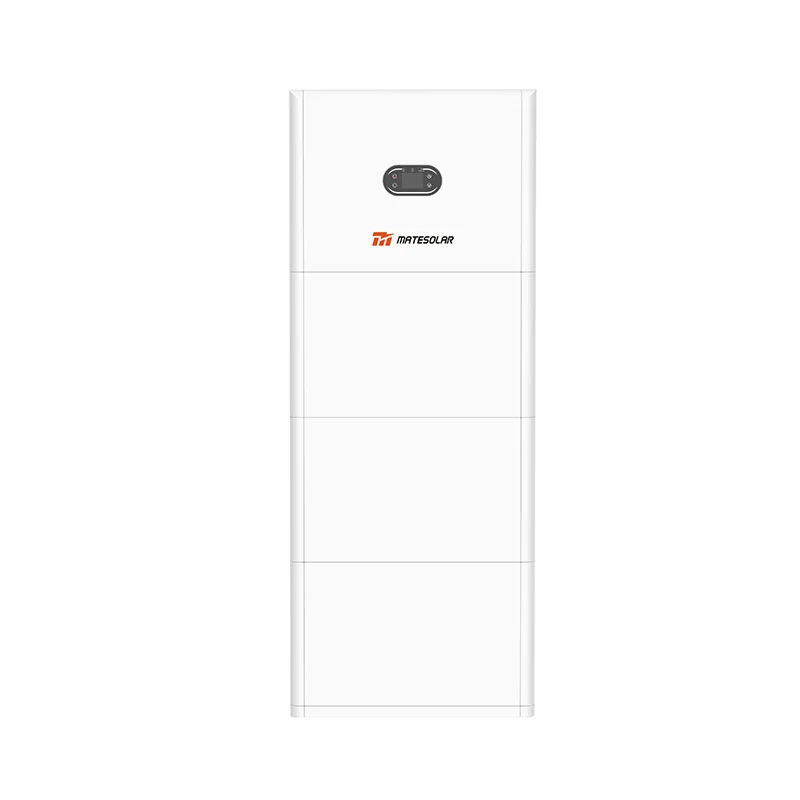
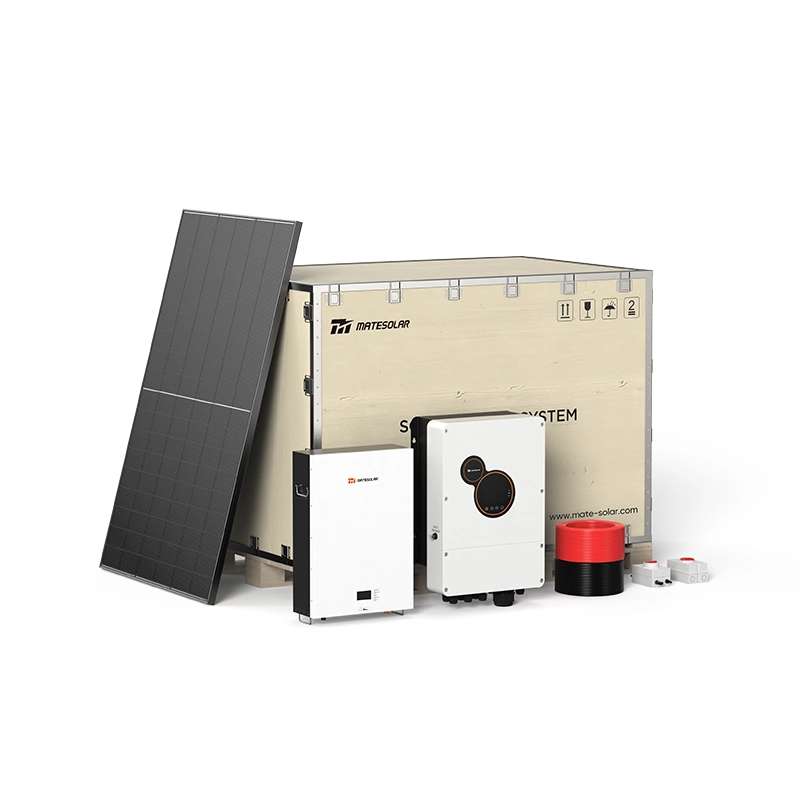
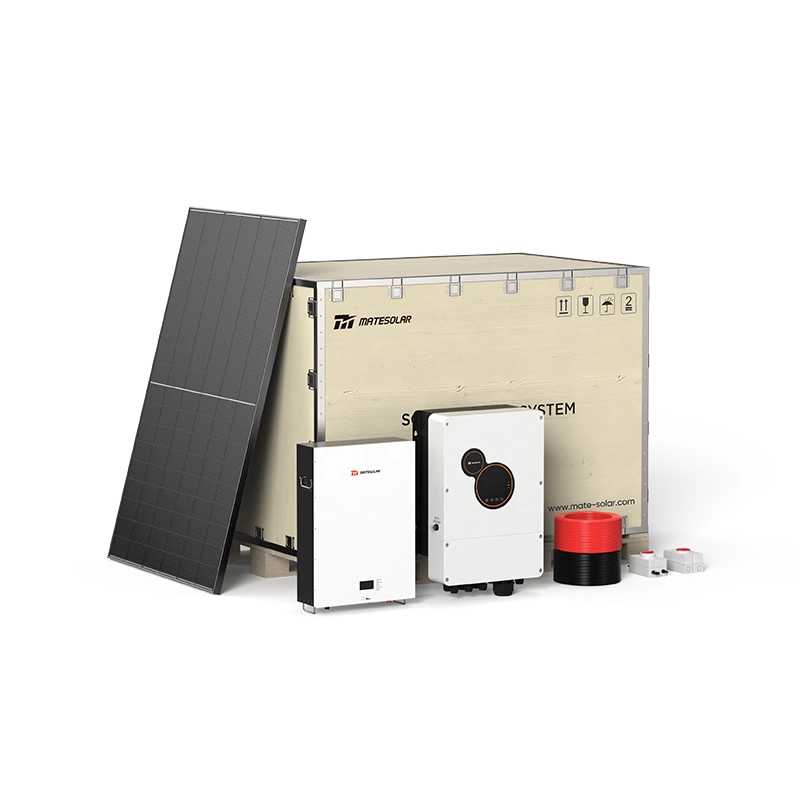
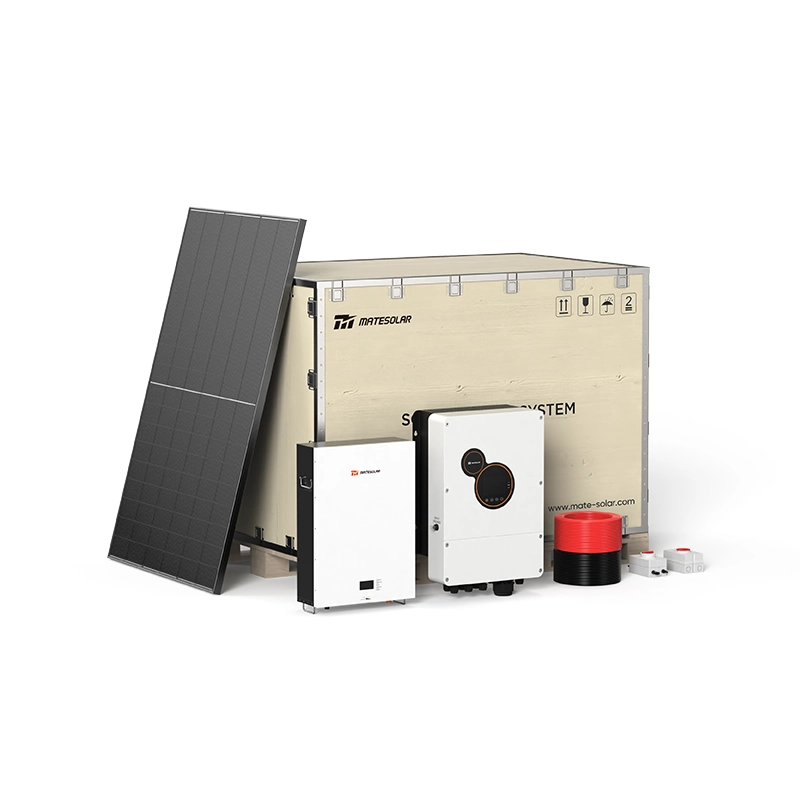
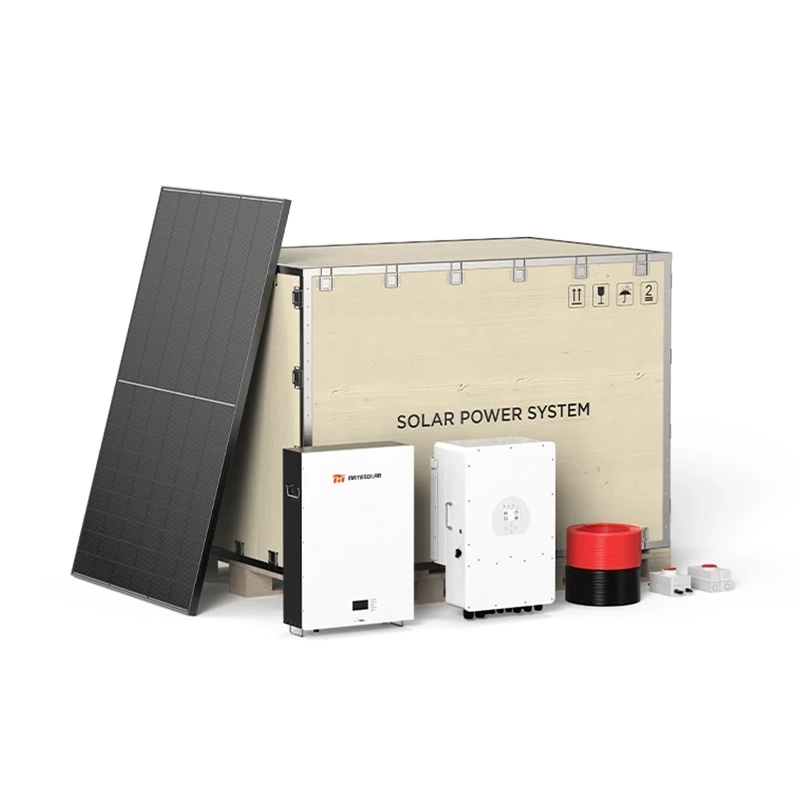
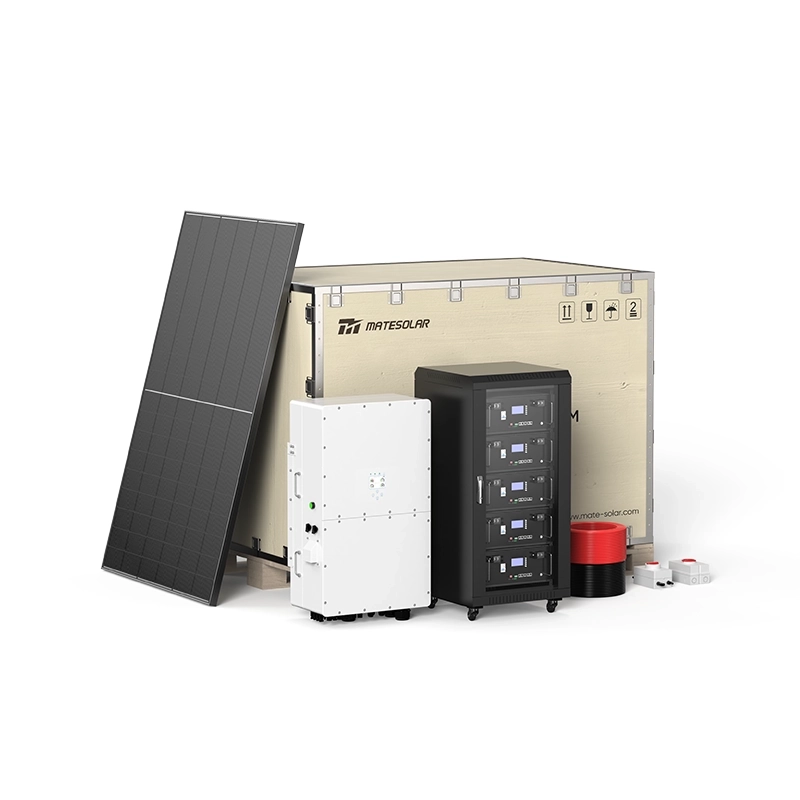
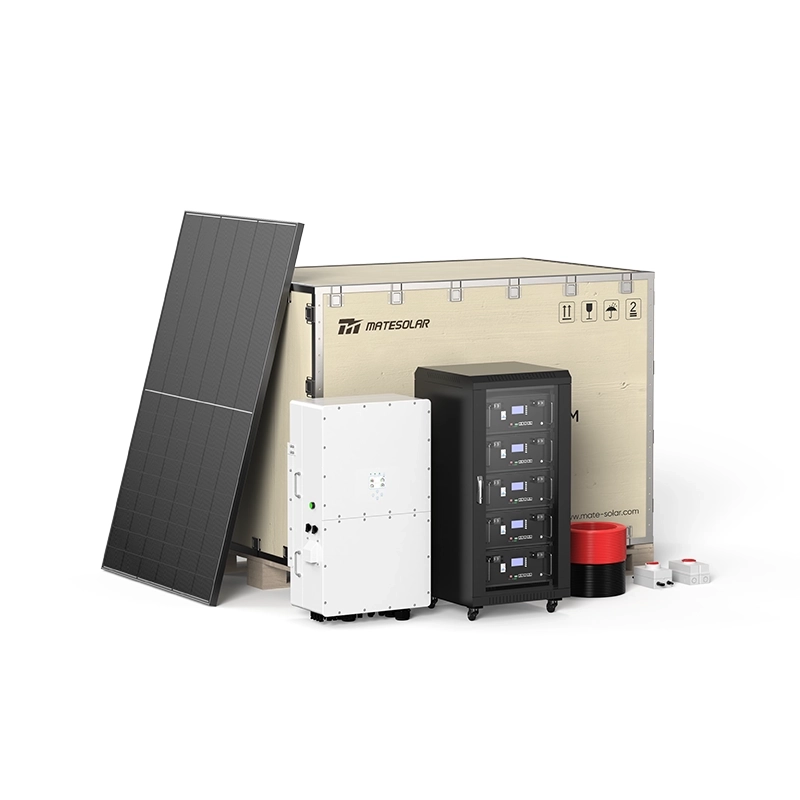
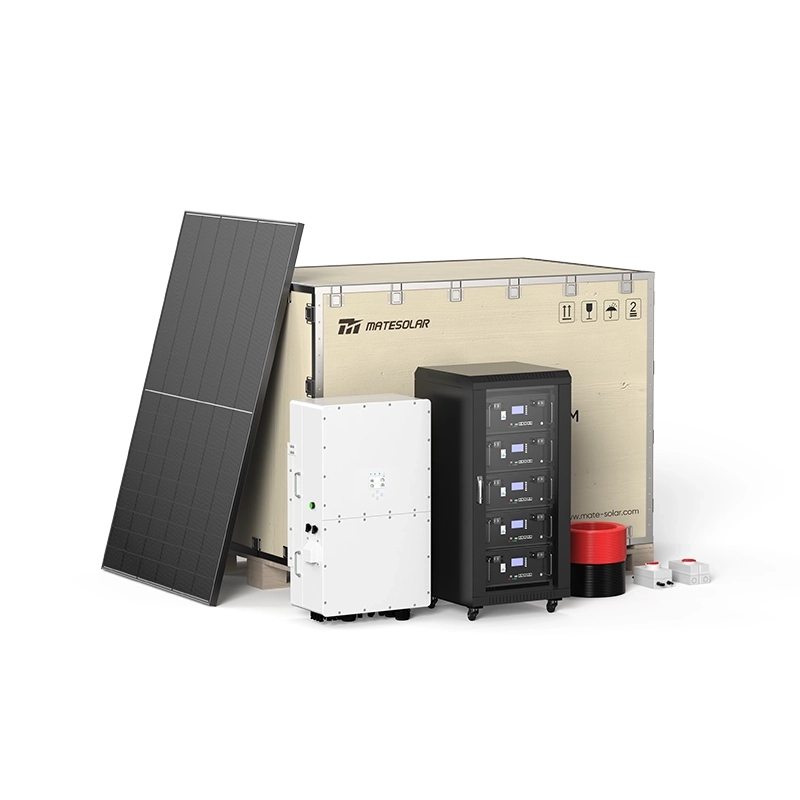
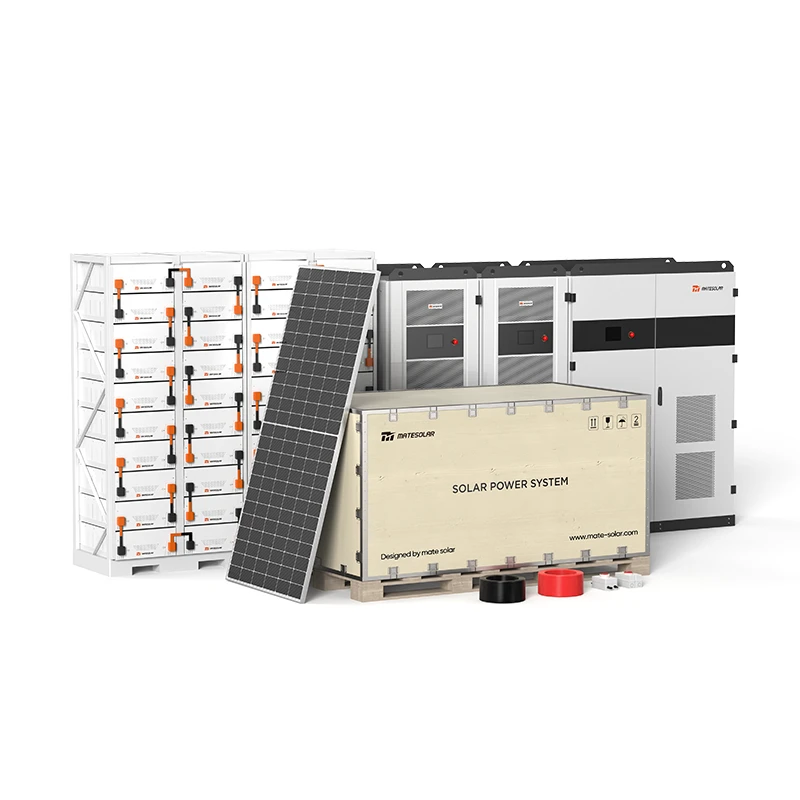
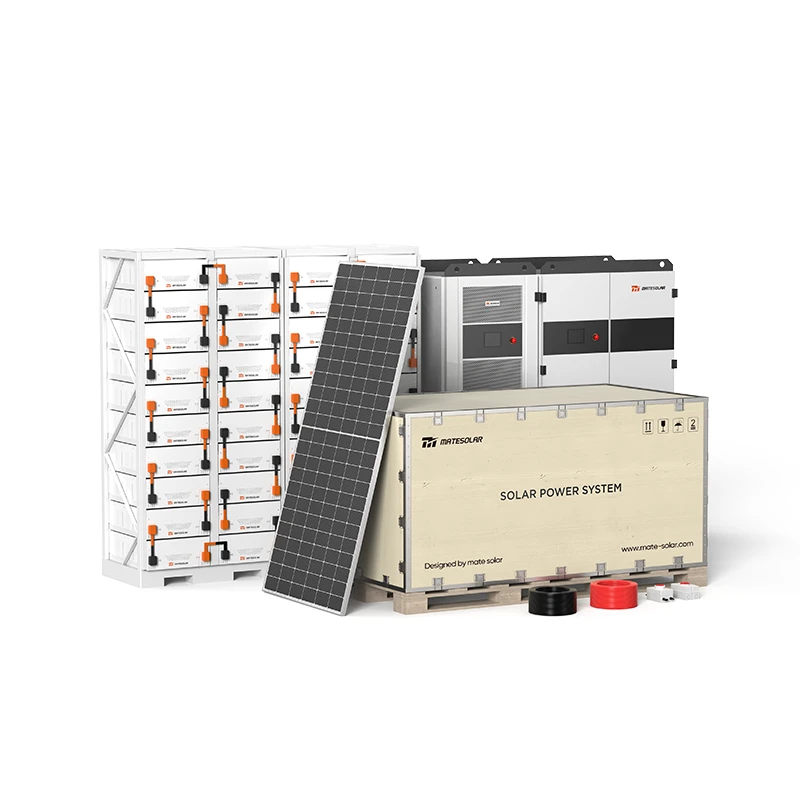
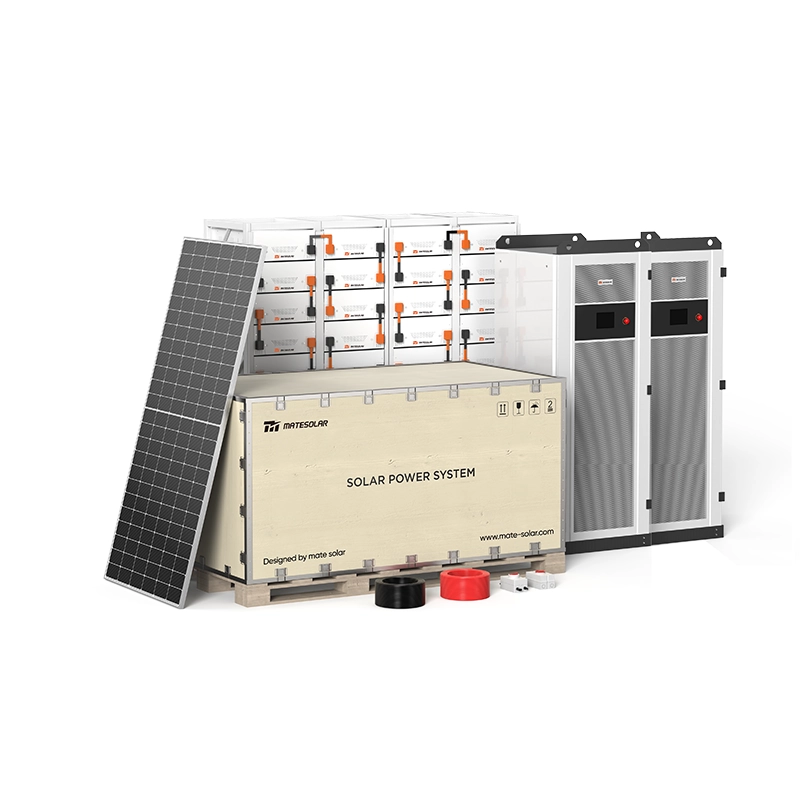
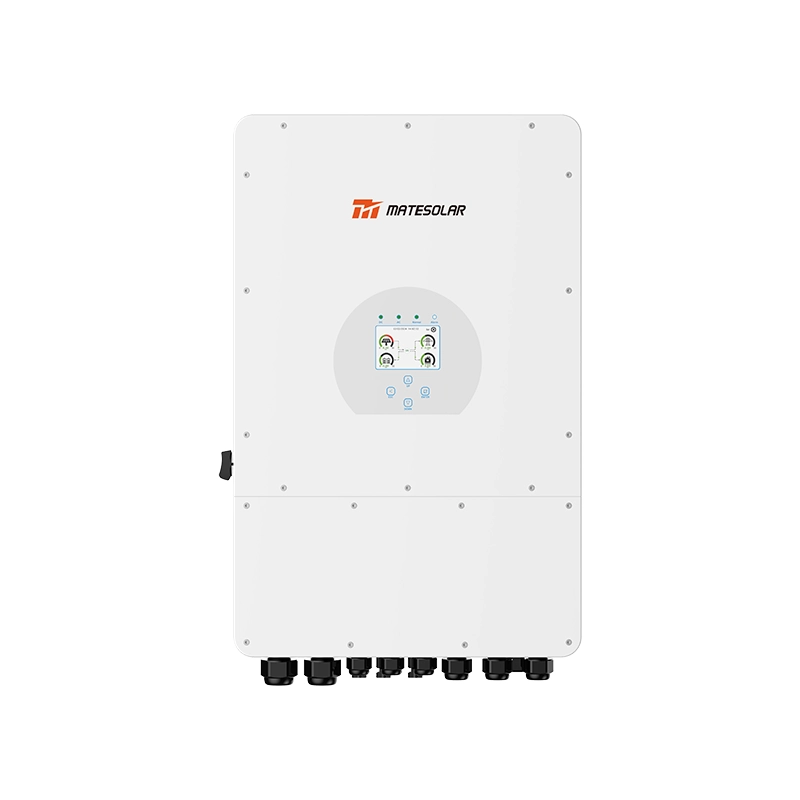
Für Hotels, die bereit sind, eine Eigeninvestition zu prüfen, die Kommerzielles 500KW Hybrid-Solarsystem liefert Spitzen-Tages-Solarstromerzeugung, die auf die Nachfragemuster des Resorts abgestimmt ist, mit Lithium-Batteriespeichern in Größen von 500 kWh bis 2 MWh. Das integrierte EMS optimiert den Eigenverbrauch, die Spitzenlastabschaltung und den Netzaustausch automatisch auf Basis von Echtzeit-Preisdaten.
Schmerzpunkt 3: Industrieunternehmen / Rechenzentren / Kühlhäuser — Stromqualität & Dieselersatz
Die Diesel-Last
Jamaikanische Industrien sind historisch auf Dieselgeneratoren für Notstrom und Spitzenlastabdeckung angewiesen. Mit Betriebskosten von 0,50–0,70 USD/kWh (einschließlich Kraftstoff, Wartung und Kapitalabschreibung) ist Diesel eine teure Gewohnheit. Eine industrielle Last von 500 kW, die derzeit jährlich 150.000 USD für Diesel-Backup ausgibt, kann 80–90 Prozent dieser Ausgaben durch den Umstieg auf BESS einsparen.
Die Notwendigkeit von Rechenzentren
Als Tropical Battery Group im März 2026 seine Partnerschaft mit dem US-amerikanischen Unternehmen Wright Energy Storage Technologies bekannt gab, bezeichnete CEO Alexander Melville Rechenzentren als wichtigen Wachstumsbereich und erklärte: “Moderne KI-Infrastrukturen erzeugen extreme, schnelle Leistungsschwankungen, wenn GPU-Cluster hoch- und heruntergefahren werden. Herkömmliche lithiumbasierte Systeme haben oft Schwierigkeiten mit diesen schnellen Umschaltvorgängen.”.
Für Rechenzentren muss BESS liefern:
- nahtlose Umschaltung <10 ms um den Stromverbrauch der USV während Netzstörungen zu verhindern
- SVG (Static Var Generator) Fähigkeit zur Korrektur des Leistungsfaktors und zur Minderung von GPU-induzierten Harmonischen
- Militärische Zuverlässigkeit mit N+1 Redundanz
Die Lösung: Das modulare 20ft 3MWh 5MWh Flüssigkeitskühlcontainer Energiespeichersystem wurde speziell für kritische Infrastrukturen entwickelt. Seine Flüssigkühlung hält die Batterietemperatur auch bei intensiver Beanspruchung konstant optimal, während das Containerformat eine schnelle Implementierung neben bestehenden Anlagen ermöglicht. Für kleinere Flächen ist die 40-Fuß-Container-ESS-Energiespeichersystem mit 1 MWh und 2 MWh, luftgekühlt bietet einen kostengünstigen Einstiegspunkt mit bewährter Zuverlässigkeit in geschäftskritischen Anwendungen.
Kohlenstoffreduktion und grüne Zertifizierung
Für exportorientierte Hersteller werden Scope-2-Emissionen zunehmend von internationalen Käufern und ESG-Investoren unter die Lupe genommen. Jede MWh erneuerbarer Energie plus Speicher vermeidet im Vergleich zum Strom aus dem Netz (der zu 88 Prozent weiterhin auf fossilen Brennstoffen basiert) etwa 0,4 Tonnen CO₂-Emissionen.. Ein 1 MW/2 MWh-System, das jährlich 1.500 MWh an Netzeinkäufen vermeidet, reduziert den CO₂-Fußabdruck um 600 Tonnen CO₂e – eine wesentliche Verbesserung für Nachhaltigkeitsberichte und die Zertifizierung von grünen Produkten.
Schmerzpunkt 4: Kleine und mittlere Unternehmen (KMU) / Büros / Bauernhöfe — Platzbeschränkungen und hohe Anfangskosten
KMU-Inhaber sehen sich denselben hohen Tarifen gegenüber wie große Unternehmen, jedoch mit knapperem Budget, begrenztem Platzangebot und einer höheren Empfindlichkeit gegenüber Vorabkosten.
Die Weltraumherausforderung: Ein typisches kommerzielles Solarsystem mit 50 kW benötigt 250–300 m² Dachfläche. Für viele jamaikanische Geschäfte, Büros und kleine Bauernhöfe ist dieser Platz nicht verfügbar. Hier werden Solaranlagen mit Batteriespeichern, hocheffizienten Modulen und kompakten BESS unerlässlich.
Die finanzielle Herausforderung: Mit 100.000 bis 150.000 US-Dollar für ein 50-kW/100-kWh-System stehen KMU vor echten Kapitalbeschränkungen – selbst bei einer überzeugenden Amortisationszeit von 5 Jahren.
Lösung: Null-Anzahlung-Finanzierung für Solar-Plus-Speicher
MateSolar bietet flexible Mietkauf- und Stromabnahmevertrags (PPA)-Strukturen, die speziell für KMUs entwickelt wurden:
- Mietkauf Monatliche Zahlungen über 5–7 Jahre, mit vollständiger Eigentumsübertragung am Ende der Laufzeit
- PPA: Zahlen Sie nur für die produzierte Energie zu Tarifen, die 20–30 Prozent unter den JPS-Tarifen liegen
- Direktfinanzierung Partnerschaft mit lokalen Banken zur Angebot von 4–6 Prozent Zinsen für qualifizierte Unternehmen
Technische Anforderungen für SMB-Anwendungen:
- Kompakte Stellfläche: Ein 50 kW/100 kWh System mit weniger als 4 m² für BESS und 200 m² für Solar
- UL9540 / UL9540A Zertifizierung Für Brandschutz in bewohnten Gebäuden
- Schutzart IP65 für die Außen- oder Halb-Außeninstallation
- Fernüberwachung über mobile App zugänglich für Geschäftsinhaber ohne technisches Personal
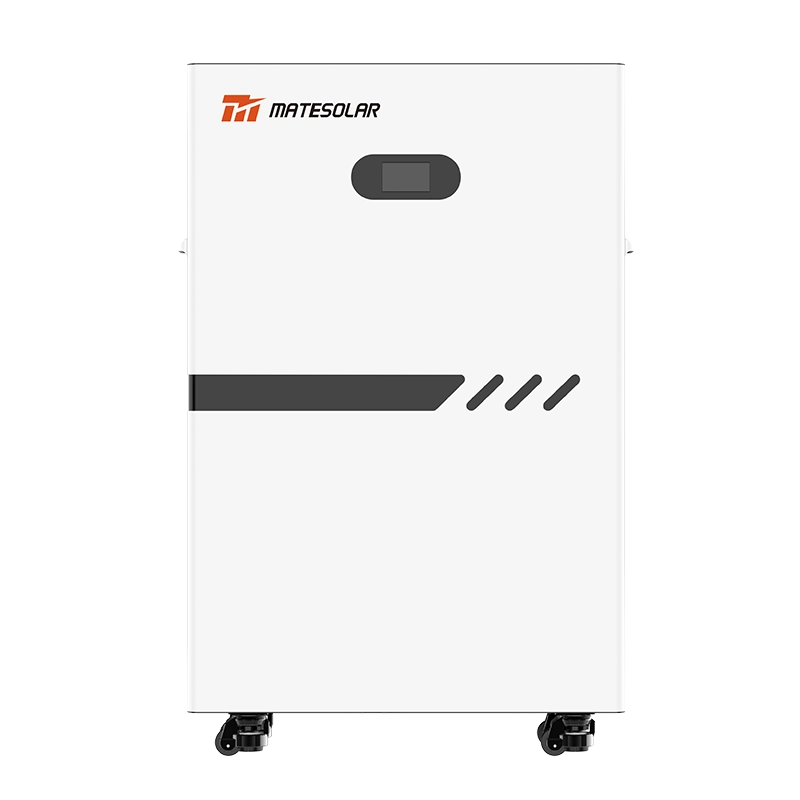
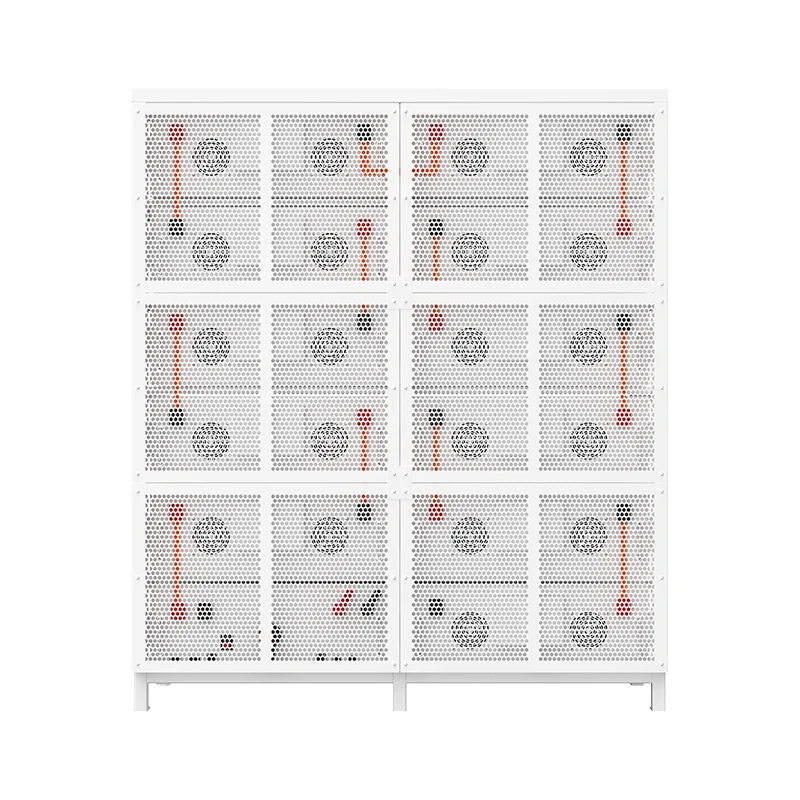
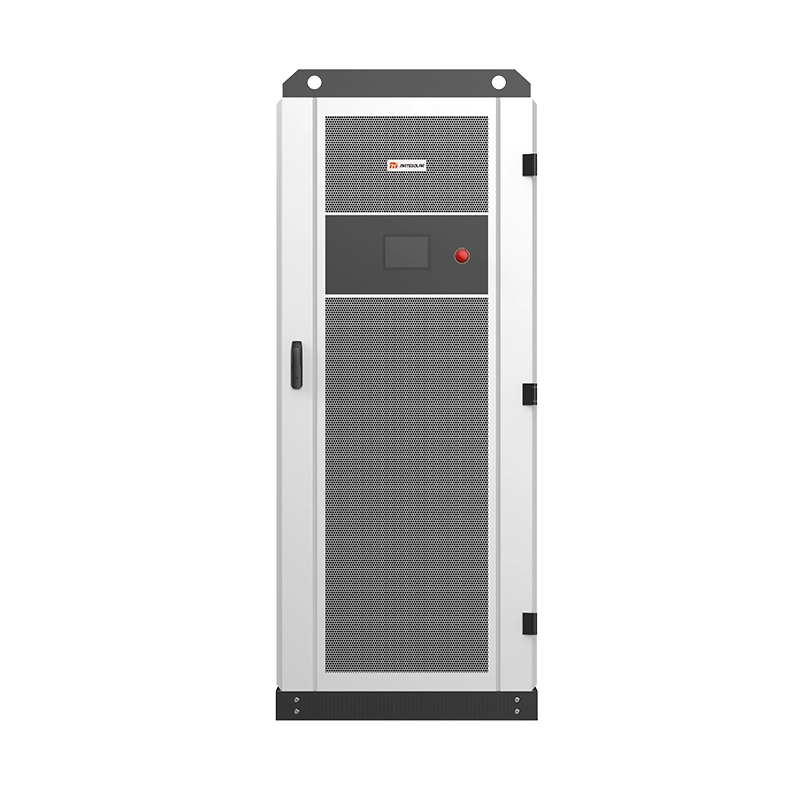
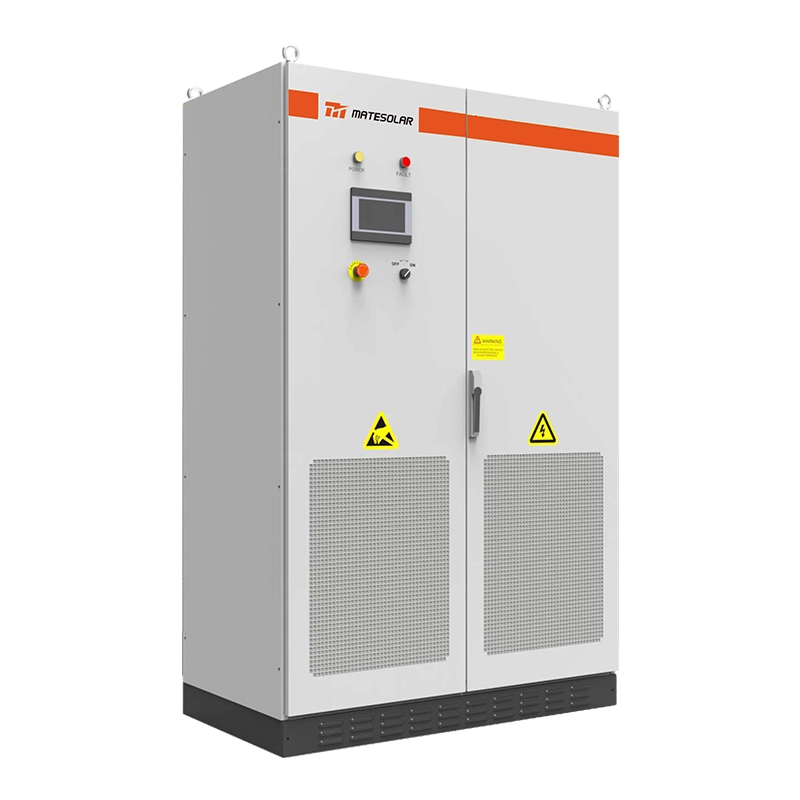
Die 100 kW/232 kWh Flüssigkeitsgekühlter Outdoor-Schrank Energiespeichersystem ist ideal für KMUs (Kleinere und mittlere Unternehmen). Mit Abmessungen von 1.200 × 800 × 2.200 mm pro Einheit passt es in eine Ecke eines Parkplatzes oder eines Wirtschaftsinnenhofs. Verketten Sie mehrere Schränke, wenn das Geschäft wächst.
Die Nettoverrechnungsverordnung
Da Batteriespeicher bald für Teilnehmer am Netting-System verpflichtend werden, werden KMUs, die jetzt Solar ohne Speicher installieren, innerhalb von 12–24 Monaten zuzwangsweisen Nachrüstungen sehen. Die Installation eines integrierten Solar-Speicher-Systems heute vermeidet doppelte Arbeitskosten und sichert den Bestandsschutz unter den aktuellen Vorschriften.
Schmerzpunkt 5: Alle Speicheranwender – Anpassungsfähigkeit an tropisches Klima, Bankfähigkeit & langfristiger Betrieb und Wartung
Das tropisch-maritime Klima Jamaikas – mit Umgebungstemperaturen, die regelmäßig 35 °C (95 °F) übersteigen, einer Luftfeuchtigkeit von durchschnittlich 70–80 Prozent das ganze Jahr über und salzhaltiger Küstenluft – ist für elektronische Geräte unerbittlich. Damit BESS eine Auslegungslebensdauer von 15 Jahren erreichen kann, sind fünf technische Kriterien nicht verhandelbar.
1. Thermisches Management
Herkömmliche luftgekühlte BESS-Systeme verlieren bei hohen Umgebungstemperaturen an Effizienz und unterliegen einem beschleunigten Verschleiß. Durch die Flüssigkeitskühlung werden die Zellen auch bei Außentemperaturen von über 40 °C auf 25–35 °C gehalten, was folgende Vorteile bietet:
- 15–20 Prozent längere Lebensdauer im Vergleich zu luftgekühlten Systemen unter tropischen Bedingungen
- Reduzierte Geräuschpegel (keine großen Lüfter)
- Geringere parasitäre Last für die Kühlung
Korrosionsschutz
ISO 9227 Salzsprühnebelprüfung klassifiziert korrosive Umgebungen. Das küstennahe Jamaika erfordert eine Einstufung nach C5-M (Meeresumgebung, sehr hohe Korrosivität). Spezifikationskonforme C5-M-zertifizierte Gehäuse aus seewasserbeständigem Aluminium oder feuerverzinktem Stahl (mindestens Z600-Beschichtung), pulverbeschichtet mit einer Dicke von 250 μm.
3. Schutzart (IP-Schutzart)
IP65 (staubdicht + Wasserstrahlen aus beliebiger Richtung) ist das Minimum für den Einsatz im Freien in der Karibik. IP66 (starke Wasserstrahlen) oder IP67 (zeitweiliges Eintauchen) wird für sturmgefährdete Küstenstandorte empfohlen.
4. Internationale Zertifizierungen für Bankfähigkeit
Für jedes Projekt, für das eine Finanzierung durch internationale Kreditgeber (Weltbank, IDB, CDB) angestrebt wird, muss BESS Folgendes vorweisen:
| Zertifizierung | Umfang | Erforderlich für |
| IEC 62619 | Sicherheit für Industriebatterien | ALLE Projekte |
| UL 1973 | Stationäre Batteriesicherheit | US-finanzierte Projekte |
| UL 9540A | Brandschutz / thermisches Durchgehen | Versicherungsprüfung |
| UN 38.3 | Transportsicherheit | Versandfreigabe |
| CE / UKCA | Marktzugang | Import von Ausrüstung |
5. Remote OTA-Updates & lokaler Support
Die regulatorischen Rahmenbedingungen in Jamaika entwickeln sich rasant weiter. Ihr BESS muss Over-the-Air-Firmware-Updates (OTA) unterstützen, um sich ohne Vor-Ort-Einsätze an veränderte Netzvorschriften, Regeln zur Net Metering-Abrechnung und Anforderungen an die Cybersicherheit anzupassen. Unsere Fern Diagnoseplattform überwacht den Systemzustand rund um die Uhr und bietet automatische Warnmeldungen bei Anomalien sowie die Fernoptimierung von Lade- und Entladealgorithmen.
Tabelle 3: Auswahlmatrix für BESS in tropischen Klimazonen
| Attribut | Mindestanforderung | Empfohlen | Warum es wichtig ist |
| Betriebstemperaturbereich | -10°C bis 50°C | -20°C bis 55°C | 35°C+ Umgebung typisch |
| Thermomanagement | Flüssigkeitskühlung bevorzugt | Aktive Flüssigkeit + redundante Pumpen | Verlängert die Lebensdauer 20% |
| Korrosionsschutz | ISO C5 | C5-M (Marine) | Salzsprühnebel zerstört Elektronik |
| Schutz gegen Eindringen | IP65 | IP66 / IP67 | Sturmgetriebener Regen/Schutt |
| Zyklenlebensdauer bei 25°C | 6.000 Zyklen | 8.000+ Zyklen | 15 Jahre Lebensdauer |
| Effizienz der Hin- und Rückfahrt | >85% | >88% | Umsatzgenerierung |
| Antwortzeit | <100ms Rasterfolge | <20ms + Inselbetrieb | Netzstabilität / Schwarzstart |
Teil Drei: Produktlösungen, zugeschnitten auf Jamaikas Marktsegmente
Für großtechnische Anwendungen und Industrie: 20-Fuß-Container-System mit Flüssigkeitskühlung, 3 MWh / 5 MWh
Die 20ft 3MWh 5MWh Flüssigkeitskühlcontainer Energiespeichersystem ist für die Anforderungen der GPE-Ausschreibung konzipiert:
- LFP-Chemie mit über 8.000 Zyklen bei einer Entladetiefe von 80%
- Flüssigkeitsbasierte thermische Regelung für den Betrieb bei Umgebungstemperaturen von 35 °C und höher
- C5-M Korrosionsschutz mit seegerechter Ausführung
- IP65 Schutzart gegen eindringenden Schmutz
- IEC 62619, UL 1973, UL 9540A zertifiziert
- 20-jährige Leistungsgarantie mit einem Leistungsabfall von ≤70% SOH im 20. Jahr
- Vorkonfigurierte EMS mit den Protokollen IEC 61850 und DNP3
- 250 km/h Windlastzertifizierung
- OTA-Update-Fähigkeit für sich entwickelnde Netzcodes
Jede Einheit wird komplett montiert und im Werk getestet geliefert, was die Inbetriebnahme vor Ort von Wochen auf Tage reduziert.
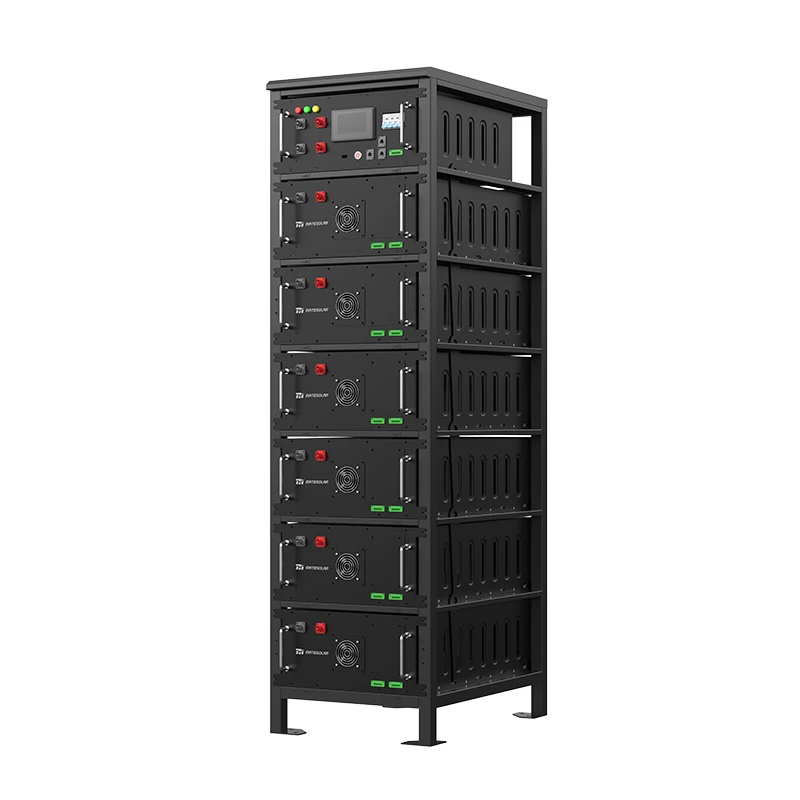
Für große Gewerbe-/Leichtindustrie: 40-Fuß-Container-System mit 1 MWh / 2 MWh Luftkühlung
Die 40-Fuß-Container-ESS-Energiespeichersystem mit 1 MWh und 2 MWh, luftgekühlt Angebote
- Kostengünstige Luftkühlung mit redundanten Lüftern
- 6.000-Zyklen-Auslegungslebensdauer
- IP54-Zertifizierung mit optionalem IP65-Upgrade
- Standard C4 Korrosion (C5-M Upgrade für Küstenstandorte verfügbar)
- Vorverkabelt für die Integration von Solar-PV
- 20-jährige PPA-Bereitschaft mit unabhängiger Leistungsüberprüfung
- Fernüberwachung über Cloud-Plattform
Am besten geeignet für Hotels, Resorts, Einkaufszentren und Produktionsstätten in Zonen mit geringer Korrosion (mehr als 5 km von der Küste entfernt).
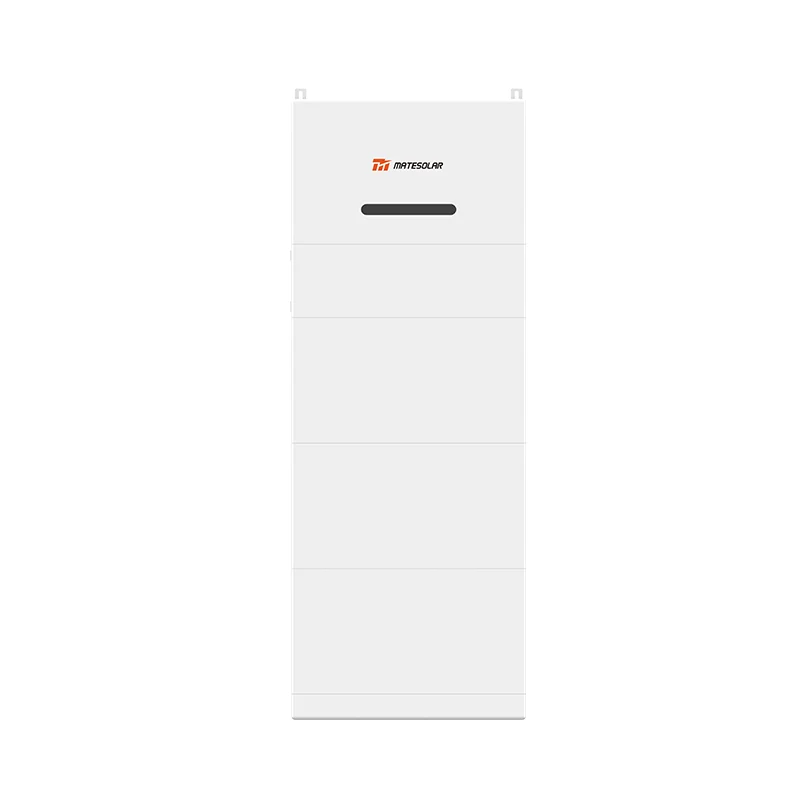
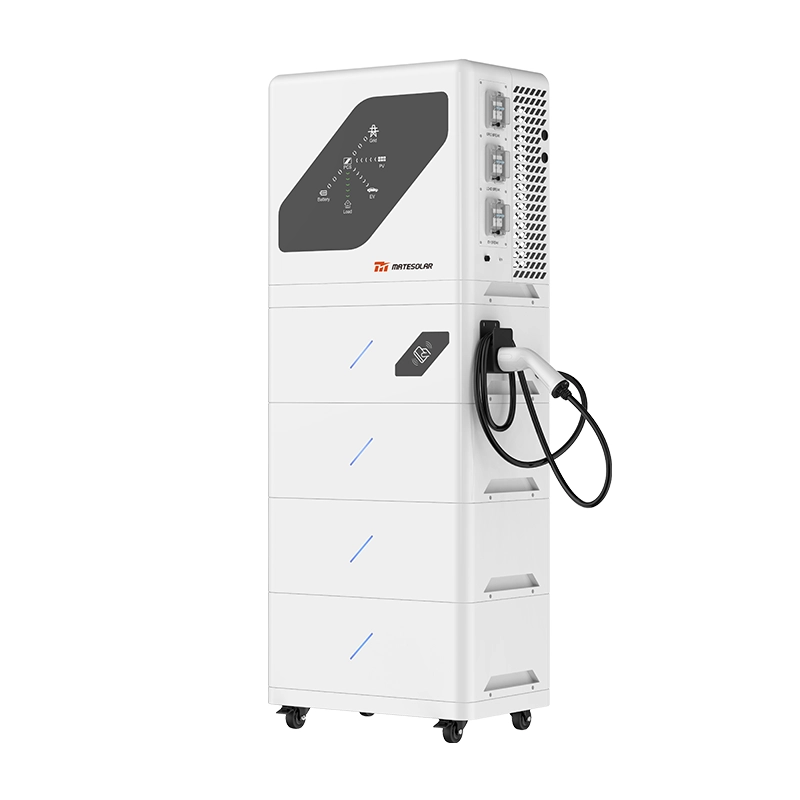
Für KMUs & verteilte Gewerbe: 100kW/232kWh / 125kW/261kWh Flüssigkeitsgekühlter Außenschrank
Die 100kW/232kWh 125kW/261kWh Flüssigkeitsgekühltes Outdoor-Schrank Energiespeichersystem ist das Arbeitspferd der verteilten Speicherung:
- Kompakte Stellfläche: 1.200 × 800 × 2.200 mm
- Erweiterbar: 2–10 Einheiten stapeln für 464 kWh bis 2,6 MWh
- Flüssigkeitskühlung für 15 Jahre tropischen Dienst
- Brandschutzzertifiziert nach UL9540A für bewohnte Gebäude
- IP66-Schutzart: widersteht durch Hurrikans verursachten Regen
- C5-M Korrosionsschutz-Norm
- Inselbetriebsschaltung mit unter 20 ms für UPS-Funktionalität
- Integriertes EMS mit 4G/WLAN-Überwachung, zugänglich über eine Smartphone-App
- OTA Firmware-Updates
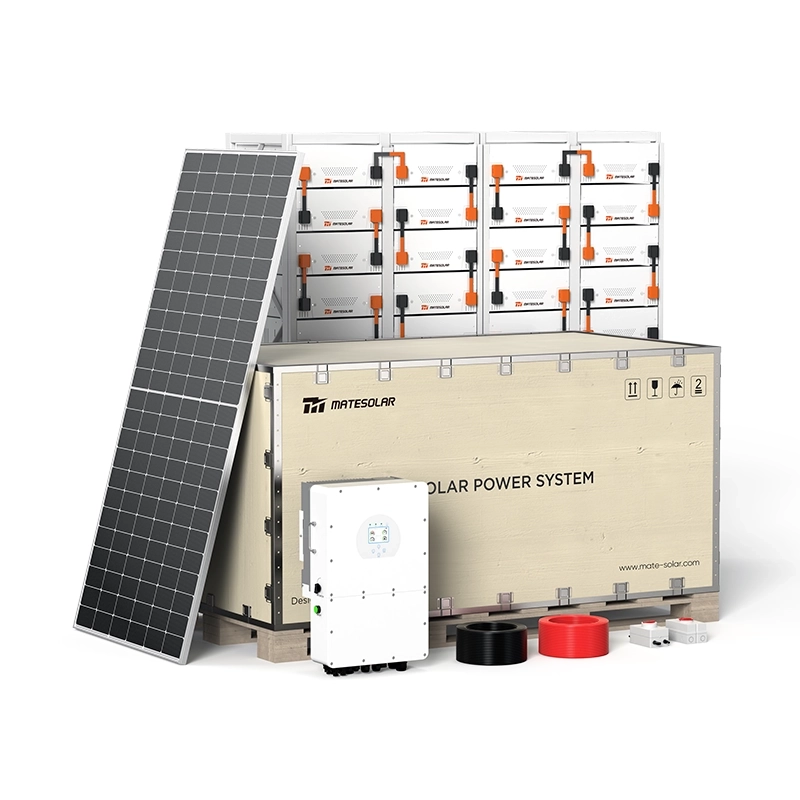
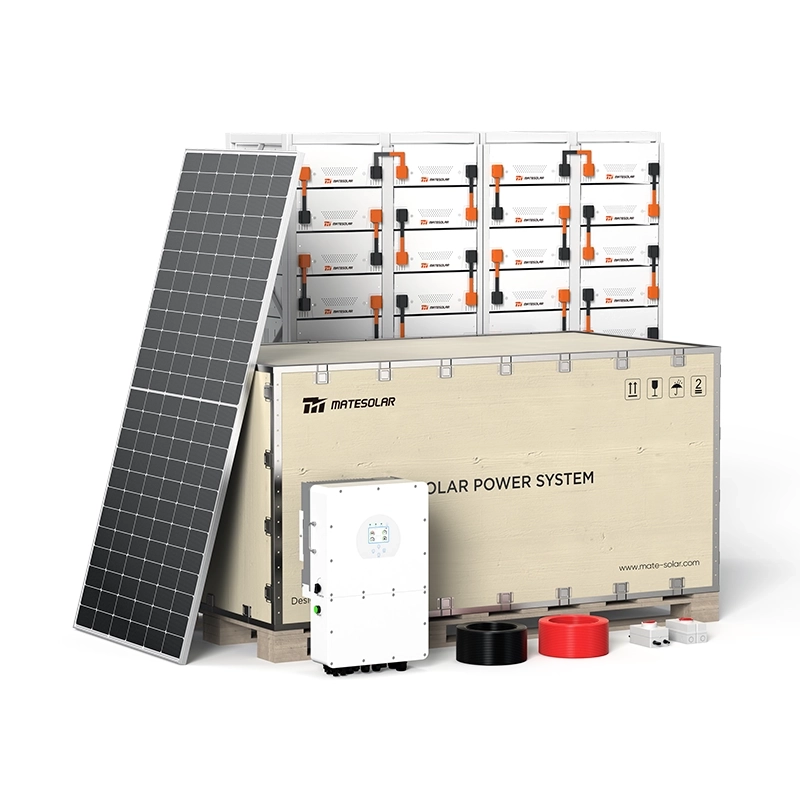
Für kommerzielle PV-Integration: 500 kW Hybrid-Solaranlage
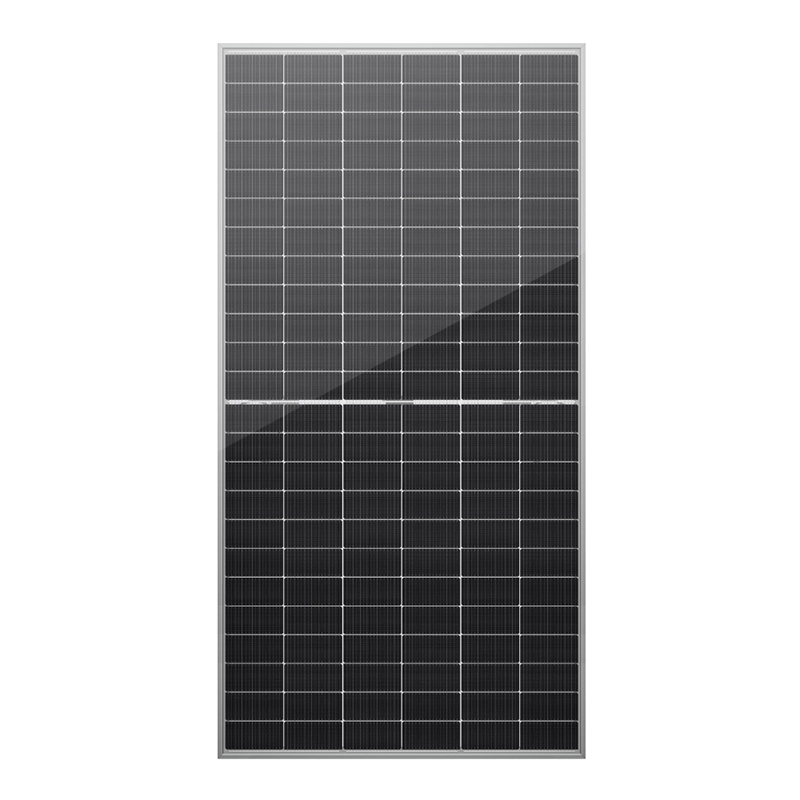
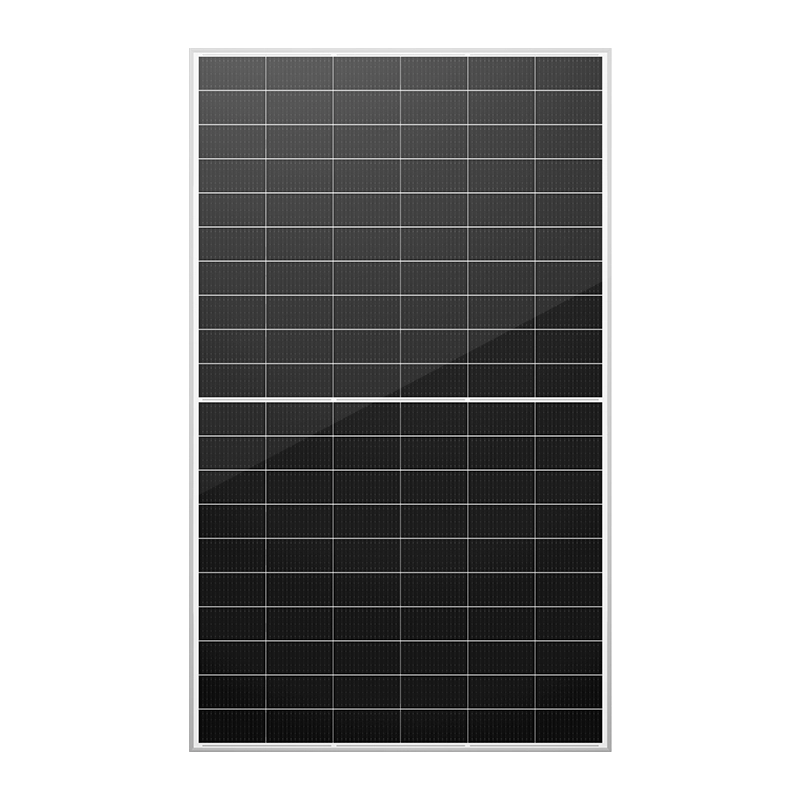
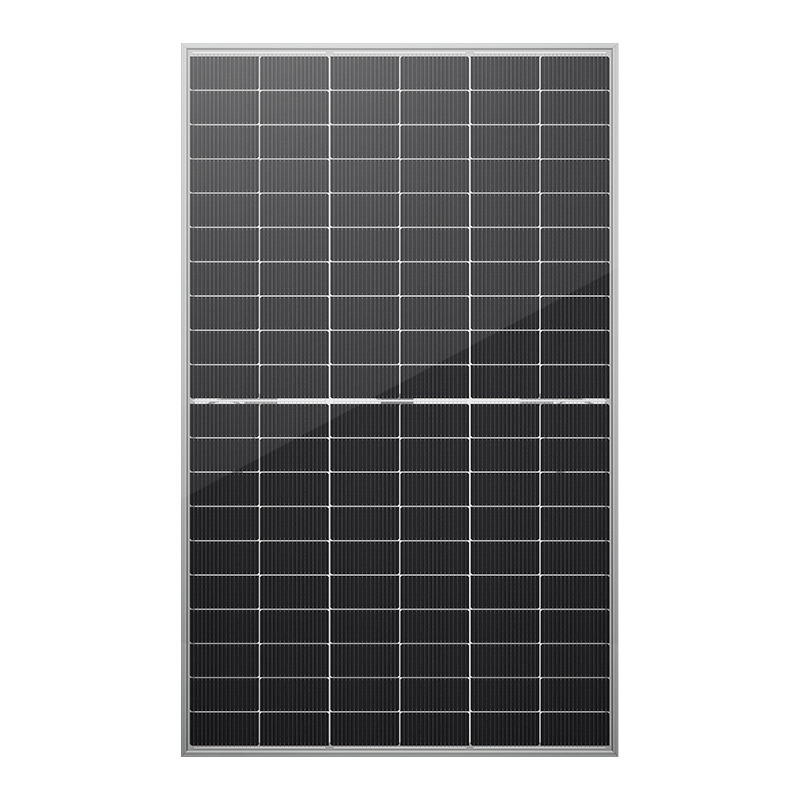
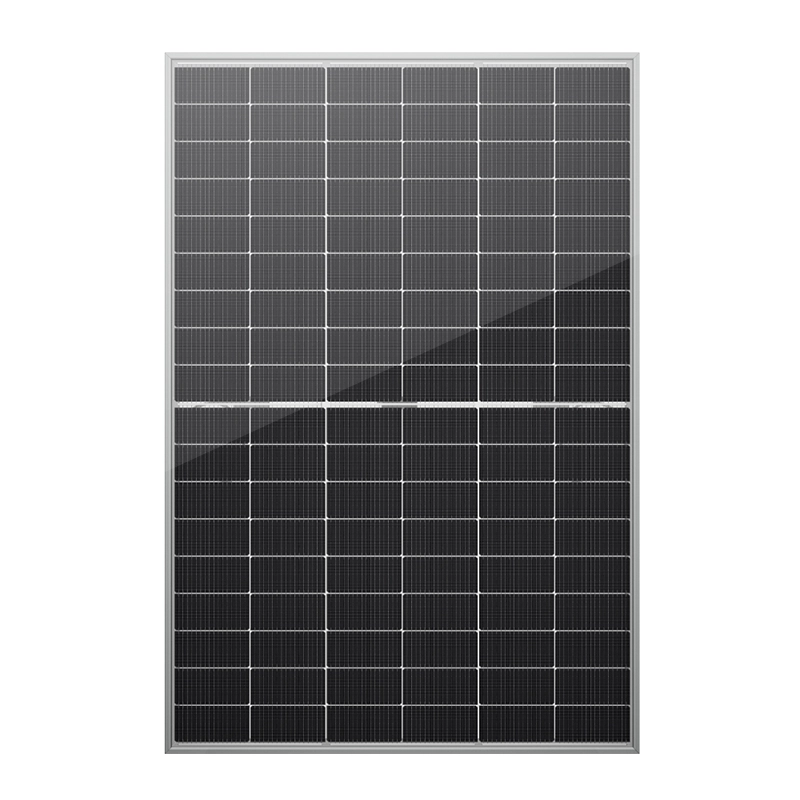
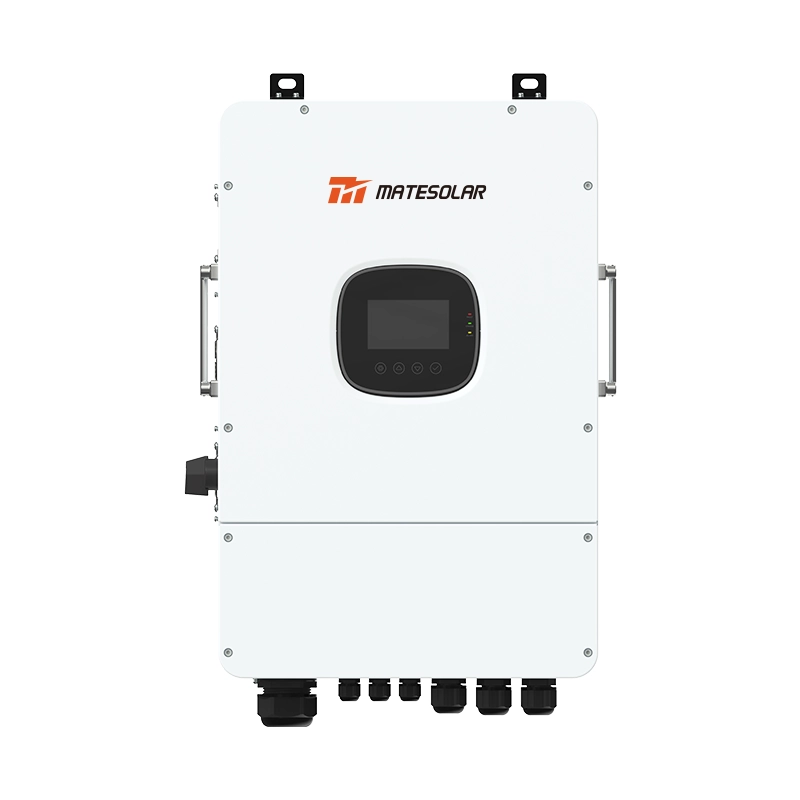
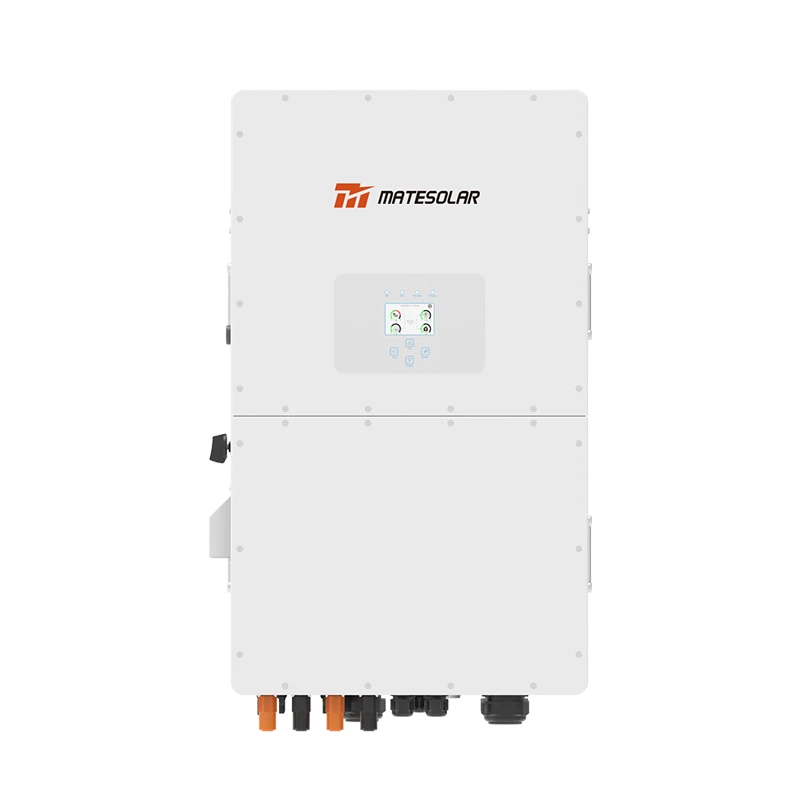
Die Kommerzielles 500KW Hybrid-Solarsystem paart 500 kW hocheffiziente bifaziale Solarmodule mit BESS und einem Hybrid-Wechselrichter
- Ausgelegt für 0,23–0,30 USD/kWh Einsparung
- Nulleinspeisungskonformität für Netzentgelte
- Lastspitzenkappungsalgorithmus optimiert für das Lastprofil Jamaikas
- Schwarzstartfähigkeit für Hurallecresilienz
- 25 Jahre PV-Panel-Garantie + 15 Jahre BESS-Garantie
Teil Vier: Häufig gestellte Fragen
Q1: Wie lauten die spezifischen technischen Anforderungen für die Ausschreibung der GPE über 450 MW, die am 5. Mai 2026 angekündigt wurde?
A: Die Ausschreibung umfasst 300 MW erneuerbare Erzeugung, gekoppelt mit 150 MW Batteriespeicher, was zusammen mit den 2024 vergebenen 100 MW insgesamt 400 MW an neuen erneuerbaren Zusagen ausmacht.. BESS muss LFP-Chemie verwenden und eine Entlastungsdauer von 2 Stunden bereitstellen. Gebote folgen einem 20-jährigen BOO-Modell mit zweistufiger Tarifvergütung (Kapazitäts- + Energiezahlungen). Alle Projekte müssen den Jamaica Electricity Sector Code of Conduct und die JPS Interconnection Guidelines einhalten. Windwiderstand und physische Härtung für Hurrikanresistenz werden voraussichtlich bei der Angebotsbewertung berücksichtigt, nachdem Hurrikan Melissa Paradise Park verwüstet hat..
F2: Wie beeinflusst das Nettoabrechnungsprogramm meine Entscheidung, eine Batteriespeicherung zu installieren?
Die Regierung hat Gespräche mit JPS aufgenommen, um eine verpflichtende Batteriespeicherung in das Nettoabrechnungsprogramm zu integrieren. Die vollständig Online-Plattform für Anträge wird bis Dezember 2026 betriebsbereit sein. Die sofortige Installation von Speichern sichert die Bestandsschutzregelung und vermeidet erzwungene Nachrüstungskosten innerhalb von 12–24 Monaten. Ohne Speicher riskieren Sie, dass überschüssige Solarstromerzeugung gedrosselt wird oder Sie geringere Einspeisevergütungen erhalten.
Frage 3: Wie hoch ist der aktuelle gewerbliche Strompreis in Jamaika und wie wirkt sich das auf die Amortisationszeiten aus?
A: Die kommerziellen Raten beliefen sich im September 2025 auf 0,238 USD/kWh, mit Prognosen, die Anfang 2026 leicht niedriger ausfallen. Für ein typisches kommerzielles Solar-Plus-Speichersystem (1 MW PV + 2 MWh BESS) beträgt die Amortisationszeit 5–7 Jahre. Für Einrichtungen mit hohem Energiebedarf wie Rechenzentren oder Kühlhäusern, die rund um die Uhr betrieben werden, kann sich die Amortisationszeit auf 4–5 Jahre verkürzen. Der hohe Tarif schafft einen der stärksten Marktgeschäftsfälle für Speicher hinter dem Zähler auf der westlichen Hemisphäre.
F4: Wird mein BESS einen Hurrikan der Kategorie 5 wie Melissa überstehen?
A: Standardmäßige kommerzielle Gehäuse tun dies nicht. Für das sturmanfällige Jamaika benötigen Sie mindestens IP65 (IP66 empfohlen), eine Windlastzertifizierung für 250 km/h (155 mph) oder höher und einen C5-M-Salzkorrosionsschutz. Unsere flüssigkeitsgekühlten Außenschränke und -container erfüllen diese Spezifikationen und wurden getestet, um den Betrieb bei extremen Wind- und Regenereignissen aufrechtzuerhalten.
F5: Wie funktioniert Ihre OTA-Update-Fähigkeit und warum ist sie wichtig?
A: OTA-Updates ermöglichen Fern-Firmware-Upgrades ohne Vor-Ort-Besuch, was entscheidend ist, um mit den sich entwickelnden JPS-Netzkodizes, Net-Billing-Regeln und Cybersicherheitsstandards Schritt zu halten. Als beispielsweise die Regierung im Mai 2026 eine obligatorische Speicherung für Net Billing ankündigte, wurden Systeme mit OTA-Fähigkeit innerhalb von 48 Stunden ferngesteuert aktualisiert, um die Einhaltung zu gewährleisten, während andere Systeme teure Technikerentsendungen erforderten.
Welche Zertifizierungen benötige ich für meine BESS, damit diese von internationalen Kreditgebern finanziert werden kann?
Kreditgeber verlangen in der Regel IEC 62619 (Sicherheit), UL 1973 (stationäre Speicherung), UL 9540A (Brandsicherheit) und Berichte zur Leistungsverifizierung durch Dritte. Für die Finanzierung durch die Weltbank oder die Interamerikanische Entwicklungsbank benötigen Sie außerdem ISO 9001 (Qualitätsmanagement) und ISO 14001 (Umweltmanagement). Alle MateSolar-Systeme verfügen über diese Zertifizierungen.
F7: Was ist der typische Round-Trip-Wirkungsgrad (RTE) für ein BESS im tropischen Klima Jamaikas?
A: Flüssigkeitsgekühlte LFP-Systeme halten selbst bei einer Umgebungstemperatur von 35 °C einen RTE-Wert von ≥87% aufrecht, während luftgekühlte Systeme unter denselben Bedingungen auf 80–83% absinken. Über einen Zeitraum von 15 Jahren bedeutet dieser Unterschied von 4–7% für eine 1-MW-Anlage einen Umsatzverlust in Höhe von mehreren Zehntausend Dollar.
Q8: Kann ich ein BESS ohne Solar-PV installieren und trotzdem davon profitieren?
A: Ja. Eigenständiger Speicher kann: (1) Spitzenlasten durch Aufladen aus dem Netz außerhalb der Spitzenzeiten (Mitternacht–5 Uhr morgens) reduzieren und während der Spitzenzeiten (18–22 Uhr) entladen, (2) UPS-Backup für Hurrikanresilienz bieten und (3) Frequenzregelung durchführen, wenn JPS Nebenmarktdienste einführt. Die Kombination mit Solar maximiert jedoch die Einsparungen, da Sie die Kosten für das Aufladen aus dem Netz vollständig vermeiden.
Q9: Wie verhält sich die Nettoberechnungs-Gutschriftrate zum Einzelhandelstarif?
A: Die Gutschrift ist in der Regel niedriger als der Einzelhandelstarif, aber die genaue Differenz wird von OUR festgelegt. Für Unternehmen ist der wichtigste wirtschaftliche Treiber der Eigenverbrauch – die Nutzung der eigenen Solarstromerzeugung während der Tagesstunden, wodurch der volle Einzelhandelstarif vermieden wird. Der Export von überschüssigem Strom ins Netz sorgt für ein sekundäres Einkommen. Die Hinzufügung eines Batteriespeichers erfasst diesen überschüssigen Solarstrom, der andernfalls zu niedrigen Gutschriftsraten exportiert würde, und verschiebt ihn in die Abendstunden, wenn die Einzelhandelstarife am höchsten sind.
Q10: Wie ist die Lieferzeit für die Ausrüstung nach Jamaika?
A: Die Standardlieferzeit beträgt 10–14 Wochen ab Auftragsbestätigung bis zur Lieferung im Hafen von Kingston, einschließlich Werksproduktion, Prüfung und Seefracht. Eilbestellungen (6–8 Wochen) sind gegen eine Eilgebühr erhältlich. Wir unterhalten einen kleinen Bestand an 100kW/232kWh-Schränken bei unserem Logistikpartner in Kingston für Notfallersatz und kleine Projekte.
F11: Bietet MateSolar lokalen technischen Support in Jamaika an?
Ja. Für große Industrie- und Gewerbeprojekte (≥500 kW) bietet MateSolar technischen Support vor Ort für Inbetriebnahme, Integration und Fehlerbehebung. Unsere lokalen Servicepartner in Kingston und Montego Bay bieten Hardware-Garantieunterstützung, einschließlich Ersatzteilservice und Fernwartung. Für kleinere Systeme ist technischer Support per Fernzugriff über unsere 24/7-Hotline inbegriffen, mit einer Einsatzzeit von 48 Stunden bei kritischen Problemen. Unsere OTA-Update-Plattform löst die meisten Softwareprobleme ohne Vor-Ort-Einsatz.
Wie funktioniert die 20-jährige Leistungsgarantie für GPE-Ausschreibungen?
A: Die Garantie legt einen Mindestrendementwert (≥85% über die gesamte Laufzeit), eine Mindestverfügbarkeit (≥98%) und einen Mindestzustand (≥70% im 20. Jahr) fest. Jährlich wird eine Validierung durch einen unabhängigen Dritten durchgeführt. Falls die Leistung unter die Schwellenwerte fällt, ist MateSolar verpflichtet, auf Kosten des Projektinhabers Abhilfe zu schaffen. Diese Garantie wird durch unsere Versicherungspolice abgesichert, wodurch die Bankfähigkeit für Kreditgeber gewährleistet ist.
Q13: Welchen Platzbedarf hat ein 1 MWh BESS?
A: Ein 1 MWh luftgekühlter Container benötigt etwa 15 m² (40 Fuß × 8 Fuß). Flüssigkeitsgekühlte Schränke sind platzsparender: ein 1 MWh-System mit fünf 200 kWh-Schränken benötigt etwa 5 m² (4 Schränke × 1,2 m × 0,8 m pro Stück). Dies macht schrankbasierte Systeme ideal für KMUs und Hotels mit begrenztem Platzangebot.
F14: Kann BESS nach einem Hurrikan die Schwarzstartfähigkeit bereitstellen?
A: Ja. Anlagen mit Inselbetrieb-Fähigkeit und einem “Black-Start”-Modus können sich selbst über die PV-Anlage (bei Tageslicht) oder über einen kleinen Notstromgenerator mit Strom versorgen, um die Einrichtung ohne Netzanschluss wieder mit Strom zu versorgen. Dies war während des Hurrikans Melissa von entscheidender Bedeutung, als Anlagen mit Inselbetrieb-fähiger Solar-Plus-Speicher-Kombination die Stromversorgung aufrechterhielten, während 70% der Insel vom Netz getrennt blieben..
Q15: Wie wirkt sich der vorgeschlagene “Wheeling”-Mechanismus auf Nutzer mit großem Speicherbedarf aus?
Im April 2026 forderte der oppositionelle Energie-Sprecher Phillip Paulwell die Einführung des “ Wheeling” – die es großen Unternehmen erlaubt, Strom an einem Ort zu erzeugen und ihn über das nationale Stromnetz zu anderen Standorten zu transportieren.. Wenn genehmigt, würde dies Industrieparks und Unternehmen mit mehreren Standorten ermöglichen, die Stromerzeugung und -speicherung zu zentralisieren, die Skaleneffekte zu verbessern und die Speicherkosten pro Standort um 30–40 Prozent zu senken.
Teil Fünf: Marktausblick & Strategische Empfehlungen (2026–2030)
Kurzfristig (2026–2027):
- Die Beschaffung der zweiten Tranche von GPE wird im August 2026 geschlossen, die Vergabe wird für Q4 2026–Q1 2027 erwartet
- Netzabrechnung online Plattform geht im Dezember 2026 live
- Batteriespeicher werden für Netznutzungsentgelt-Teilnehmer verpflichtend
- Sturmerprobtes Equipment wird zum Standard bei allen öffentlichen Ausschreibungen
- Erwarteter Start des JPS-Zusatzleistungsmarktes (Frequenzregelung, Spannungshaltung)
Mittelfristig (2028–2030):
- Jamaika erreicht bis 2030 48–50 Prozent erneuerbare Energien
- 100 MW verteilte Speicherkapazität zur Unterstützung der Netzstabilität bei hoher erneuerbarer Durchdringung
- Fahrzeug-zu-Netz (V2G) gewinnt an Bedeutung, da die Einführung von Elektrofahrzeugen zunimmt
- Batteriechemien der zweiten Generation (Natrium-Ionen, Festkörperbatterien) beginnen mit der kommerziellen Einführung
Strategische Empfehlungen für Marktteilnehmer:
1. Für Entwickler: Reichen Sie GPE-Angebote mit technischen Spezifikationen ein, die die Mindestanforderungen übertreffen – erhöhte Windbeständigkeit, höhere RTE-Garantien, längere Leistungsgarantien. Diese “über den Anforderungen liegenden” Merkmale werden Ihr Angebot in einem überfüllten Feld differenzieren.
2. Für Hoteliers: Implementieren Sie Solar-Plus-Speicher vor der Hurrikansaison 2026. Der Wettbewerbsvorteil einer 24/7-Stromversorgung bei Netzausfällen ist nun ein Unterscheidungsmerkmal, das Buchungsentscheidungen beeinflusst.
3. Für Industrieanlagen: Modellieren Sie die Gesamtkosten des Besitzes von BESS im Vergleich zu Diesel über 10 Jahre. In den meisten Fällen erzielen BESS mit Solarenergie niedrigere Lebenszykluskosten um 60–80 Prozent und bieten eine überlegene Stromqualität.
4. Für KMU: Handeln Sie, bevor die verpflichtende Speicherung gesetzlich vorgeschrieben wird. Eine proaktive Installation sichert die Berücksichtigung der bestehenden Einspeisebedingungen zu günstigeren Konditionen und vermeidet den Ansturm, der die Installationskosten bei Inkrafttreten von Mandaten in die Höhe treiben wird.
5. Für Finanzinstitute: Entwicklung von Grüner-Energie-Kreditprodukten mit Laufzeiten von 5–7 Jahren zu Zinssätzen von 5–7 Prozent. Das zugrunde liegende Vermögen (PV+BESS) hat eine Nutzungsdauer von 15 Jahren und generiert nachweisbare monatliche Einsparungen, was es zu einer der risikoärmsten kommerziellen Kreditkategorien macht, die derzeit verfügbar sind.
Teil Sechs: Konformität, Zertifizierung & finanzielle Solvenz
Erforderliche Zertifizierungen für den Markteintritt in Jamaika:
- UL 9540 – Norm für Energiespeichersysteme und -ausrüstung
- UL 9540A – Prüfverfahren zur Wärmeumlauffeuerweiterung
- UL 1973 – Batterien für den Einsatz in stationären Anwendungen
- IEC 62619 – Sekundärzellen und Batterien für industrielle Anwendungen
- IEC 60730 – Automatische elektrische Regelungen (EMS-Sicherheit)
- ISO 9001:2025 – Qualitätsmanagementsysteme
- ISO 14001:2025 – Umweltmanagement
- ISO 45001 – Arbeits- und Gesundheitsschutz
Drittanbieterprüfung & Validierung:
Alle MateSolar-Anlagen durchlaufen eine Werksabnahmeprüfung (FAT), die von akkreditierten unabhängigen Prüfern (TÜV, Bureau Veritas) bezeugt wird. Die Leistungsprüfungen auf Systemebene werden in unserer Thermokammeranlage durchgeführt, in der die tropischen Bedingungen Jamaikas (35 °C/80% relative Luftfeuchtigkeit) für eine 72-stündige Validierung mit kontinuierlichen Zyklen nachgestellt werden.
Versicherung & Garantie
- Produkthaftpflichtversicherung: 10 Mio. USD weltweite Deckung
- Leistungsgarantie: Versichert durch die Zurich Insurance Group
- Garantiezeitraum: 10 Jahre Standard (15 Jahre für GPE-Projekte verfügbar), abgedeckt sind alle Herstellungsfehler, Zellendegradation unterhalb der Kurve und EMS-Hardwareausfälle
Teil Sieben: Schlussfolgerung & Handlungsaufforderung
Jamaias Energiemarkt für Energiespeicher ist nicht mehr im Entstehen begriffen – er ist angekommen. Mit einer obligatorischen Beschaffung von Großspeichern (BESS) im Umfang von 150 MW, die im Gange ist, der Entwicklung der Nettoabrechnung zur Erfordernis von Speichern, den höchsten Gewerbetarifen in der Karibik und der unvergesslichen Lektion des Hurrikans Melissa, der die Infrastrukturstandards dauerhaft verändert hat, ist jetzt die Zeit zum Handeln.
Ob Sie sind:
- Ein Entwickler, der ein GPE-Ausschreibungsangebot vorbereitet
- Ein Hotelier, der operative Resilienz und Kosteneinsparungen anstrebt
- Eine Industrieanlage, die erwägt, teure Dieselgeneratoren stillzulegen
- Ein Rechenzentrum, das eine missionskritische Stromqualität benötigt
- Ein KMU, das mit räumlichen Einschränkungen und Budgetbeschränkungen navigiert
- Ein Investor, der bankfähige, klimaresiliente Vermögenswerte sucht
MateSolar ist Ihr Anbieter für Photovoltaik- und Energiespeicherlösungen aus einer Hand.
Wir bieten umfassenden End-to-End-Support: vom Systemdesign und Engineering über die Ausrüstungslieferung, Remote-Inbetriebnahmesupport, OTA-fähiges Lifecycle-Management bis hin zur Finanzberatung. Unsere Anlagen sind nach internationalen Standards (IEC 62619, UL 1973, UL 9540A) zertifiziert, für tropische Klimazonen ausgelegt (IP65+, C5-M Korrosionsschutz, 250 km/h Windwiderstand) und durch 20-jährige Leistungsgarantien abgesichert, die von unabhängigen Versicherern garantiert werden.
Erkunden Sie unser Produktangebot:
- Kommerzielles 500KW Hybrid-Solarsystem – Komplette Solar-Plus-Speicher-Lösung für Hotels, Büros und leichte Industrie
- 100kW/232kWh 125kW/261kWh Flüssigkeitsgekühltes Outdoor-Schrank Energiespeichersystem – Kompakter, skalierbarer, sturmsicherer Speicher für verteilte kommerzielle Anwendungen
- 40-Fuß-Container-ESS-Energiespeichersystem mit 1 MWh und 2 MWh, luftgekühlt – Kostengünstige Energiespeicherlösungen für große Gewerbe- und kleine Industrieanlagen
- 20ft 3MWh 5MWh Flüssigkeitskühlcontainer Energiespeichersystem – Stromspeichersysteme (BESS) in Industriequalität für Ausschreibungen von Energieversorgern (GPE), Rechenzentren und schwere Industrieanwendungen
Kontaktieren Sie MateSolar noch heute, um eine technische Beratung zu vereinbaren, eine detaillierte Standortprüfung anzufordern oder ein vorläufiges Finanzmodell zu erhalten, das auf das Lastprofil Ihrer Anlage zugeschnitten ist.
Haftungsausschluss: Stromtarife und regulatorische Richtlinien können sich ändern. Alle Finanzprognosen sind Schätzungen, die auf den vorherrschenden Marktbedingungen vom Mai 2026 basieren. Konsultieren Sie qualifizierte Finanz- und Rechtsberater, bevor Sie Anlageentscheidungen treffen.
MateSolar – Ihr Anbieter für Photovoltaik- und Energiespeicherlösungen aus einer Hand