















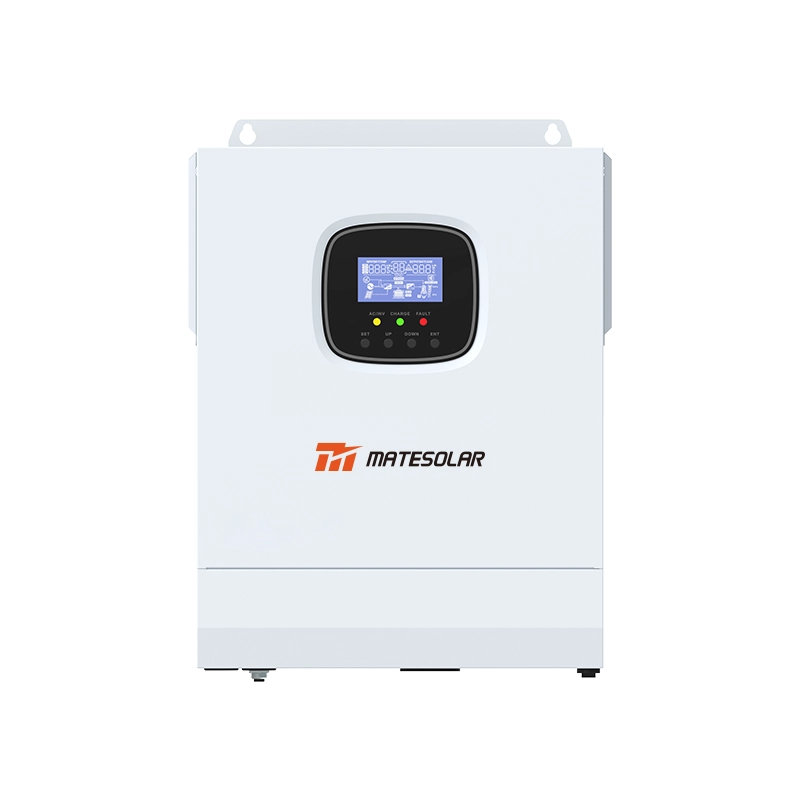

Резюме: Світанок десятиліття зберігання енергії в Ямайці
Станом на 13 травня 2026 року Ямайка знаходиться на історичному переломному етапі енергетичного переходу. Підприємство з закупівель генерації (GPE) запустило найбільший обов’язковий тендер на відновлювану енергію плюс акумуляторні системи зберігання на Карибах, що розмовляють англійською мовою — 300 МВт нової потужності відновлюваної генерації у поєднанні з 150 МВт систем акумуляторного зберігання енергії (BESS), що збільшує загальний обсяг нових потужностей з відновлюваних джерел до 400 МВт, враховуючи 100 МВт потужності сонячної енергії, отриманої у 2024 році.. Ця закупівля слідує за першим аукціоном GPE у 2023 році, який привернув п'ятикратне перевищення підписки із середньозваженою ставкою лише 61,58 доларів США за МВт·год — ціною, яка вже на 14% нижча за середній регіональний рівень собівартості сонячної енергії в Карибському басейні, приведену до одного рівня.. Очікується, що перший транш забезпечить заощадження від заміщення викопного палива приблизно на 415 мільйонів доларів США протягом 20-річного терміну дії контракту..
Але ландшафт кардинально змінився з 2023 року. Ураган Мелісса — буря 5-ї категорії, що досягла берега 28 жовтня 2025 року — спустошив найбільший на острові сонячний об'єкт, сонячний парк "Eight Rivers Solar Park" (Paradise Park) потужністю 52 МВт у Вестморленді, сильними вітрами, що перевищували 300 км/год (185 миль/год), залишивши без живлення приблизно 540 000 споживачів.. Ураган докорінно змінив розрахунок ризиків для інфраструктури відновлюваної енергетики на Ямайці. Урядовці та розробники тепер вимагають рейтинги вітростійкості до 200 миль на годину для сонячних панелей та відповідної структурної цілісності для корпусів BESS..
Тим часом, комерційні тарифи на електроенергію залишаються надзвичайно високими – 0,238 дол. США/кВт-год, а для побутових споживачів – 0,291 дол. США/кВт-год.. Важка залежність Ямайки від імпортного дизельного палива та природного газу — з витратами на імпорт сирої нафти, що досягли 728 мільйонів доларів США у 2022 році та все ще становили 512 мільйонів доларів США у 2024 році — означає, що кожне геополітичне потрясіння на світових енергетичних ринках безпосередньо призводить до зростання цін на електроенергію для підприємств та домогосподарств..
На цьому тлі, цей посібник надає всебічну, технічно обґрунтовану та комерційно дієву "дорожню карту" для:
- EPC-компанії, розробники проєктів та ВПП змагаються в епохальному обов'язковому тендері GPE на 450 МВт систем накопичення енергії (BESS)
- Власники готелів та оператори туристичного бізнесу, які прагнуть уникнути високих тарифів та забезпечити стійкість до стихійних лих
- Промислові підприємства, дата-центри та холодильні склади, яким потрібна якість електроенергії та заміна дизельних установок
- Малий та середній бізнес, який долає обмеження простору та перешкоди при підключенні до мережі
- Усі зацікавлені сторони, які потребують роз'яснень щодо стійкості до тропічного клімату, відповідності міжнародному фінансуванню та невизначеності майбутніх мереж
Частина перша: Чотири стовпи вибухового зростання зберігання даних на Ямайці
1.1 Другий транш GPE: Технічні специфікації та комерційні умови
Другий аукціонний транш GPE є найбільшою закупівлею накопичувачів енергії в історії Карибського басейну, про що офіційно оголосив міністр енергетики, транспорту та телекомунікацій, Його Високоповажність Дарріл Ваз, під час секторальних дебатів 2026/27 5 травня 2026 року.. Розуміння його точної технічної та комерційної архітектури є першим кроком до виграшної пропозиції.
Ціль закупівлі: 300 МВт нової відновлюваної генераційної потужності (сонячна фотоелектрична, вітрова або гібридні конфігурації) плюс 150 МВт потужності накопичувачів енергії на базі акумуляторів. Компонент BESS є обов'язковим — заявки, що стосуються лише відновлюваних джерел енергії, не будуть прийняті.
Хімічне призначення: LFP (літій-залізо-фосфат) є обов'язковою вимогою. Це відображає світові найкращі практики для великомасштабних накопичувачів енергії, надаючи пріоритет термічній стабільності, тривалості циклу та безпеці над вищою щільністю енергії хімій NMC..
Комерційна структура: Успішні учасники тендеру укладуть 20-річні угоди про закупівлю електроенергії (PPA) за моделлю "Будуй-Володій-Керуй" (BOO). Структура оплати передбачає двоставковий тариф – плата за потужність (за доступність) плюс плата за енергію – рамки, розроблені для полегшення фінансування угод..
Вимоги до інтеграції в мережу: усі проєкти повинні безпроблемно інтегруватися з розширеною системою управління розподілом (ADMS) JPS, відповідати Книзі кодексів Ямайської енергетичної галузі та відповідати Керівництву з приєднання, опублікованому JPS.
Еволюція чистого виставлення рахунків: Паралельно уряд просуває додаткові 100 МВт розподіленої відновлюваної енергії через посилену програму чистого виставлення рахунків, яка передбачає повністю онлайн-платформу для подання заявок, що буде введена в експлуатацію до грудня 2026 року. Розпочато переговори з JPS щодо збільшення порогу чистого виставлення рахунків та включення до програми акумуляторних батарей..
1.2 Ураган Мелісса: Імператив стійкості
Ураган «Мелісса» був не просто погодним явищем — це був системний шок, який назавжди змінив стандарти інфраструктури Ямайки. Катастрофічне руйнування «Парадайз-Парку» — об’єкта, що у 2024 році виробляв 72,07 ГВт·год електроенергії за ціною US$0,097 за кВт·год — продемонструвало, що навіть добре спроектовані сонячні електростанції вразливі, якщо не забезпечені захистом від екстремальних погодних умов..
Під час шторму електромережі малого масштабу з сонячними батареями та акумуляторами довели свою цінність. Сонячна система потужністю 13 кВт у поєднанні з 19,2 кВт·год сховища забезпечували безперебійне електропостачання під час урагану, слугуючи притулком для сусідів, тоді як 70 відсотків острова залишалися в темряві.. Урок однозначний: корпуси BESS тепер повинні витримувати швидкість вітру 250 км/год або більше, досягати захисту IP65+ від проникнення води та бруду, а також забезпечувати можливість роботи в автономному режимі для сценаріїв відключення від мережі.
1.3 Економічне обґрунтування: чому високі тарифи вимагають зберігання
Тарифи на електроенергію на Ямайці є одними з найвищих у Карибському басейні, в середньому від 0,28–0,30 дол. США/кВт·год для комерційних споживачів, порівняно з такими країнами, як Домініканська Республіка та Тринідад і Тобаго, де тариф становить 0,12–0,15 дол. США/кВт·год. Це створює надзвичайно вагомі бізнес-аргументи на користь накопичення енергії поза мережею (behind-the-meter storage):
Таблиця 1: Тариф на комерційне електропостачання Ямайки (Вересень 2025 – Травень 2026)
| Сегмент клієнтів | Тариф (USD/кВт·год) | Глобальний еталон | Можливість заощадження |
| Комерційне (Загальне) | $0.238 | $0,165 (середній світовий показник) | 44% вище середнього світового показника |
| Житловий | $0.291 | $0.169 (середній світовий показник) | 72% вище середнього світового показника |
| Промисловий (Великий) | $0,23–0,26 | $0,12–0,15 (середнє значення по регіону) | 60–100% вище регіонального рівня |
Джерела: GlobalPetrolPrices.com / JPS
Для типового готелю, який щомісяця споживає 500 000 кВт·год, відмова від закупівлі електроенергії з мережі в години пікового навантаження завдяки поєднанню сонячних батарей та систем накопичення дозволяє заощадити US$100,000–140,000 на рік. З огляду на термін окупності інвестицій у 5–7 років та 15-річний термін експлуатації системи, внутрішня норма прибутковості (IRR) у більшості комерційних сценаріїв перевищує 20 відсотків.
1.4 Політичний імпульс: Обов'язкове зберігання залишається
Міністр оголосив 5 травня 2026 року, що міністерство переглядає ліцензійні збори та ліміти потужності систем — для житлових до 10 кВт та для комерційних до 100 кВт — з обов'язковим акумуляторним зберіганням, включаючи інтеграцію для зарядки електромобілів. Ямайка наразі виробляє близько 15 відсотків електроенергії з відновлюваних джерел. Очікується, що поточні та заплановані проєкти додадуть приблизно 35 відсоткових пунктів, допомагаючи країні досягти своєї 50-відсоткової мети щодо відновлюваної енергетики до 2030 року..
Представник опозиції з питань енергетики Філіп Полвелл підтримав такий напрямок у парламенті 22 квітня 2026 року, заявивши: “Будь-яка нова ліцензія на виробництво енергії повинна закуповуватися через державну компанію GPE шляхом міжнародного конкурсного тендеру, з наданням переваги найдешевшій доступній відновлюваній технології, підкріпленій найефективнішим рішенням для зберігання. Ви не можете видавати ліцензії на відновлювані джерела енергії, не думаючи про зберігання”.”.
Частина друга: п'ять критичних проблем промисловості та їх технічні рішення
Проблемна точка 1: EPC та розробники проектів — перемога в обов'язковому тендері GPE на 450 МВт систем накопичення енергії (BESS)
450-мегаватні закупівлі GPE – це не просто тендер, це технічне випробування. Розробники стикаються з чотирма життєво важливими питаннями, які визначають, чи пройде заявка далі, чи буде відхилена.
1. Чи відповідає ваш BESS точно технічним вимогам тендеру?
Специфікації GPE вимагають літій-залізо-фосфатної хімії, загальною ємністю зберігання 150 МВт та двома годинами тривалості розряду. Але технічні нюанси мають величезне значення:
Конфігурація потужності: Децентралізована система зберігання енергії потужністю 150 МВт повинна підтримувати відновлюване джерело генерації потужністю 300 МВт. Оцінка пропозицій буде включати аналіз кривих деградації протягом 20-річного терміну PPA – системи, які не зможуть підтримувати 80 відсотків стану справності (SOH) через 20 років, будуть оштрафовані.
Можливості реагування мережі: Акумуляторна система накопичення енергії (BESS) повинна демонструвати реакцію протягом субсекунди на відхилення частоти, забезпечувати первинне регулювання частоти та підтримувати керування напругою. Система керування енергією (EMS) повинна взаємодіяти з ADMS JPS, використовуючи протоколи IEC 61850 або DNP3, з повною інтеграцією SCADA.
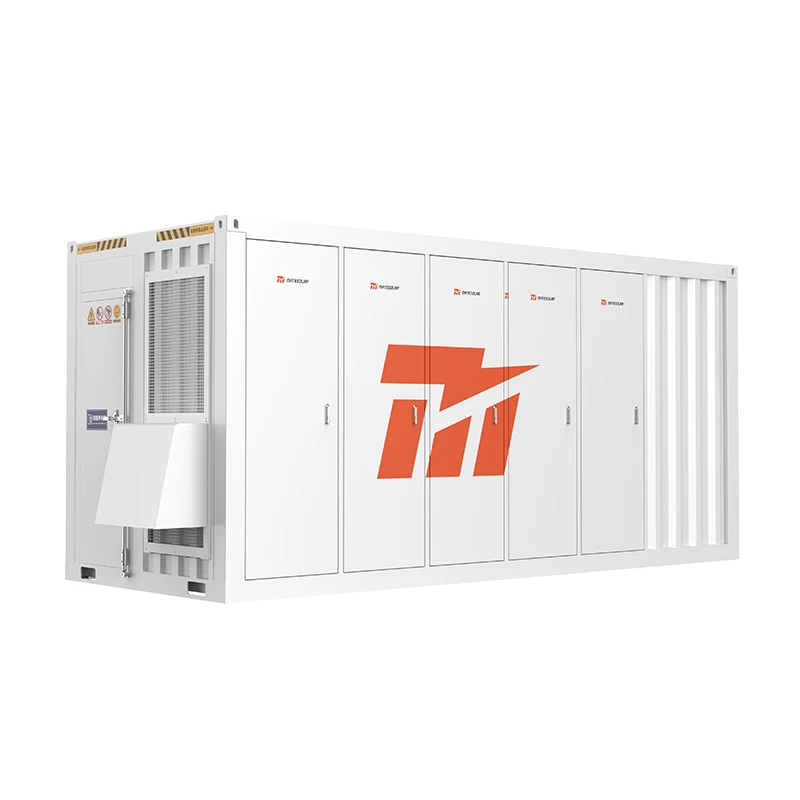
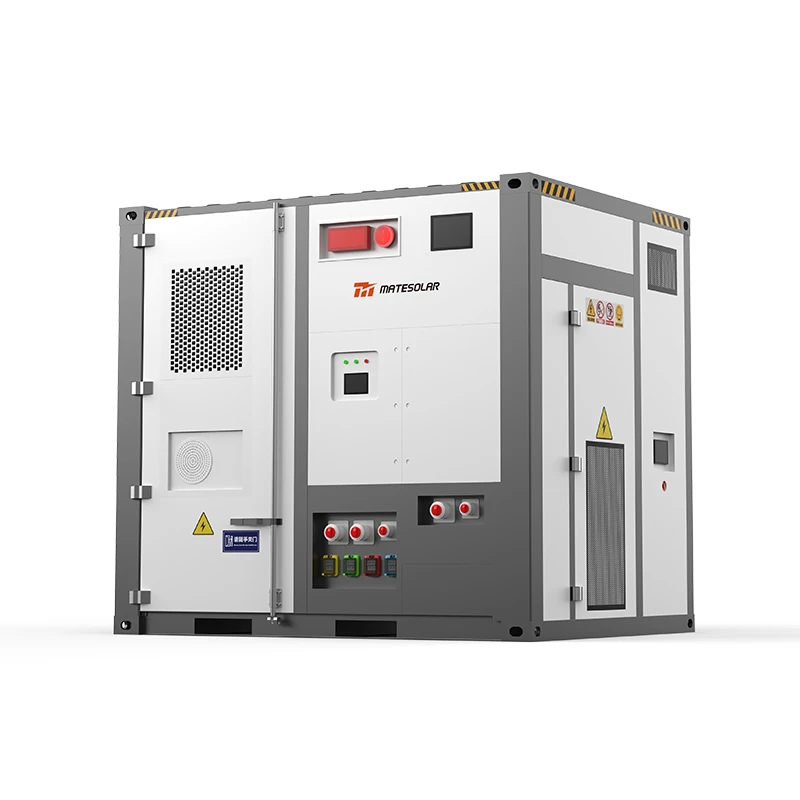
Рішення: Накопичувач енергії на базі акумуляторів (BESS), розроблений для великомасштабних застосувань, такий як контейнерна система зберігання енергії 20 футів 3 МВт-год 5 МВт-год з рідинним охолодженням, пропонує високу щільність енергії та перевірену реакцію на мережу, необхідні для відповідності GPE. Його система керування температурою рідини підтримує оптимальні робочі температури в тропічному кліматі Ямайки, тоді як модульна архітектура дозволяє точно масштабувати потужність відповідно до цільового показника у 150 МВт.
2. Чи можете ви надати 20-річні гарантії на продуктивність та місцеве технічне обслуговування та експлуатацію?
20-річна PPA вимагає надійних гарантій виконання. Кредитори вимагатимуть:
- Криві деградації, підтверджені незалежними організаціями (річний розпад ≤2% у перші роки, ≤0,5% після 5-го року)
- Гарантії ефективності двостороннього руху (RTE) (не менше 85% у 1-му році)
- Гарантії доступності (≥98%)
- Місцевий запас запчастин та навчені техніки
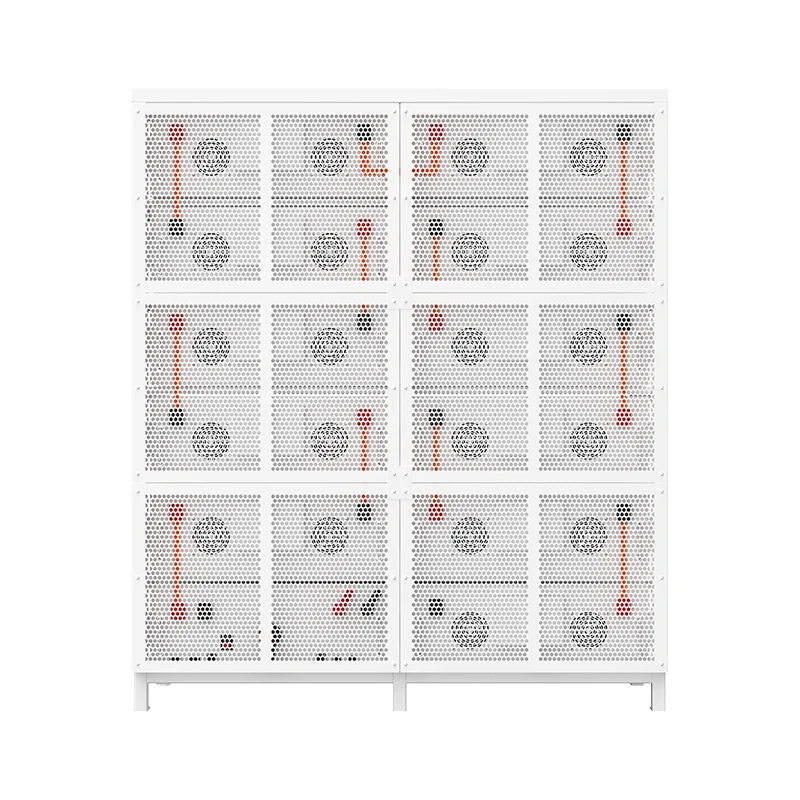
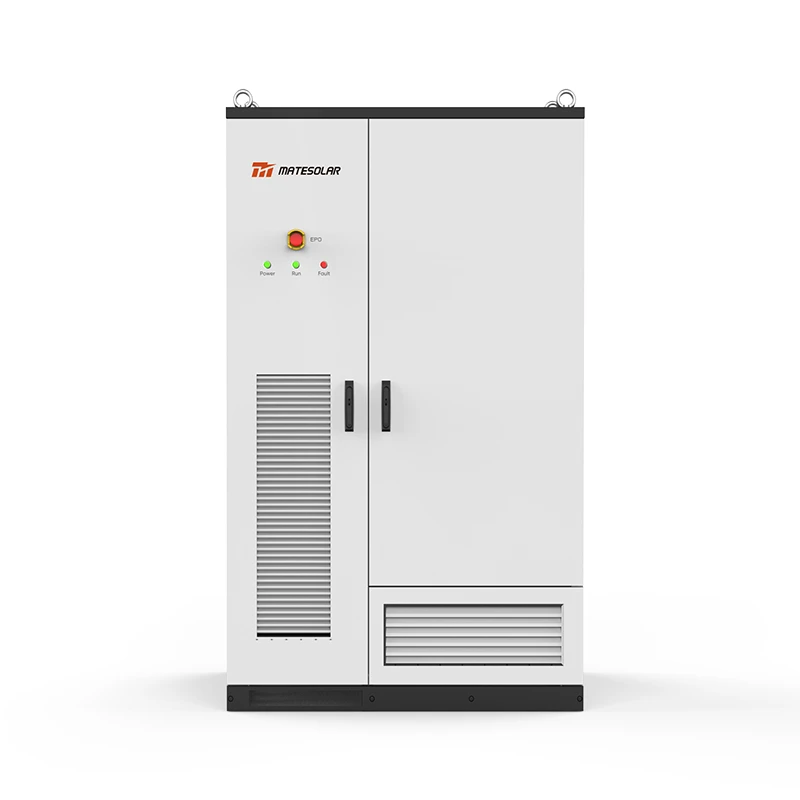
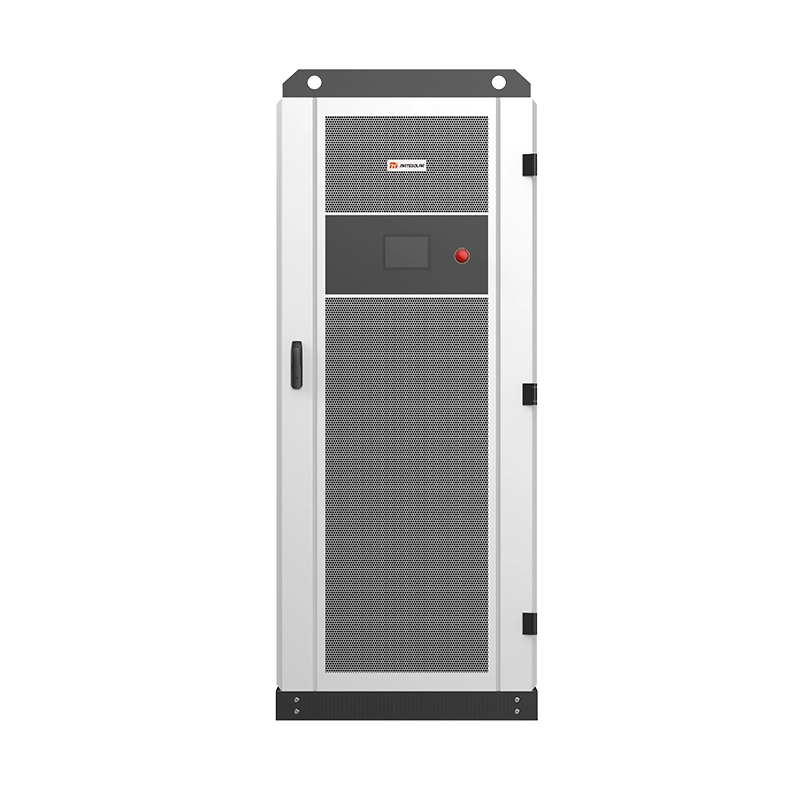
Рішення: Модульна вулична шафа BESS, така як 100 кВт / 232 кВт·год рідинно-охолоджувана зовнішня шафа системи зберігання енергії пропонує модулі з можливістю гарячої заміни для швидкого польового ремонту, що мінімізує час простою. Для розробників, яким потрібна локальна підтримка, наша платформа віддаленої діагностики забезпечує цілодобовий моніторинг з можливістю виїзду технічного спеціаліста протягом 48 годин для великомасштабних комунальних проєктів.
3. Чи відповідає ваша система зберігання енергії (BESS) новим стандартам стійкості до ураганів?
Після урагану Мелісса очікується, що GPE включатиме фізичну стійкість до оцінки заявок. Ваш корпус BESS повинен демонструвати:
- Опір вітру ≥250 км/год (155 миль/год), сертифікований за UL 508A або еквівалентом
- IP65+ захист від проникнення струменів води та пилу
- Захист від корозії в сольовому тумані відповідно до ISO 9227 / класифікація C5-M
- Вбудована можливість для роздільної роботи та запуску з нуля
- Конструкції кріплення фундаменту проти висмикування
Рішення: Усі наші зовнішні корпуси розроблені з сертифікацією на вітрове навантаження для екстремальних погодних умов, конструкцією з морського алюмінію або оцинкованої сталі C5-M та герметизацією IP66. Рідинне охолодження усуває відкриті вентилятори та отвори, які можуть вийти з ладу під час ураганів, а інтегрований режим ДБЖ забезпечує безперебійну роботу в автономному режимі при відмові мережі.
4. Чи може ваша EMS інтегруватися з ADMS JPS?
JPS модернізується до вдосконаленої системи управління розподілом (ADMS), яка потребує зв’язку в реальному часі від усіх розподілених генераторів. Ваша EMS повинна:
- Підтримка IEEE 1547-2018 та специфічних для Ямайки керівних принципів підключення
- Демонстрація наскрізної інтеграції ADMS через відкриті протоколи
- Забезпечення стійкості до короткочасних перевантажень (FRT) для запобігання каскадних відключень
- Включити посилення кібербезпеки (відповідність NISTIR 7628)
Рішення: Наша ЕМS платформа попередньо інтегрована з провідними постачальниками ADMS та пройшла зовнішнє тестування на відповідність стандарту IEEE 1547. Віддалені OTA-оновлення гарантують, що ваша система залишатиметься узгодженою з вимогами JPS, що змінюються, протягом 20-річного терміну PPA.
Таблиця 2: Чек-лист технічної відповідності тендеру GPE
| Вимоги | Технічний стандарт | Показник відповідності | Типова прогалина |
| Хімія | LFP наказово | Сертифікат виробника | Хімія NMC відхилена |
| Тривалість | 2-годинний розряд при номінальній потужності | Назва виробу | <2-годинні ставки дискваліфіковані |
| Ефективність в обидва кінці | ≥85% — гарантовано | Протокол випробувань RTE >85% | <80% не відповідає критеріям фінансової привабливості> |
| Опір повітря | ≥250 км/год | UL/CSA сертифікація на вітрове навантаження | 200 км/год неприйнятно |
| Рейтинг оболонки | IP65+ | Тестування третьою стороною | IP54 допускає проникнення води |
| C5 корозія | ISO 9227 C5-M | Звіт про випробування сольовим розпиленням | C3/C4 не витримують у прибережних зонах |
| Комунікація | IEC 61850/DNP3 | ADMS передсертифікація | Власні протоколи виходять з ладу |
Проблема 2: Туризм / Готелі / Комерційні пам'ятки — Високі тарифи та операції під час ураганів
Туризм становить понад 60 відсотків ВВП Ямайки. Для готельєрів вартість електроенергії в 0,238 дол. США за кВт·год є другою за величиною операційною витратою після заробітної плати, а урагани становлять екзистенційну бізнес-загрозу.
Фінансові аргументи на користь сонячних батарей плюс система зберігання енергії для готелів
Розглянемо курорт "все включено" на 200 номерів, який щорічно споживає 2,5 мільйона кВт-год за середньою ціною 0,255 долара США за кВт-год, сплачуючи 637 500 доларів США на рік за електроенергію. Сонячна фотоелектрична система потужністю 1 МВт у поєднанні зі сховищем на 2 МВт-год:
- Виробляти приблизно 1,5 мільйона кВт·год щорічно від сонячної енергії
- Зберігати енергію в періоди низького попиту (з 11:00 до 14:00) для розрядки під час вечірнього піку (з 18:00 до 22:00)
- Зменшити закупівлі з мережі на 70–80 відсотків
- Досягніть терміну окупності за 5–6 років при терміні експлуатації системи 15 років
Випадок стійкості до катастроф
Коли вдарив ураган Мелісса, готелі з сонячно-акумуляторними системами продовжували працювати — холодильники з їжею, зв'язок, освітлення та насоси для води — тоді як гостей сусідніх закладів евакуювали в темряві. Конкурентна перевага незаперечна.
Технічні вимоги до готельних додатків:
- Режим джерела безперебійного живлення (ДБЖ): Безперебійне перемикання <10 мс на критично важливі навантаження (кухонне холодильне обладнання, системи безпеки, ліфти для гостей)
- Вбудовані корпуси, призначені для використання на відкритому повітрі: Мінімум IP65 для впливу морських сольових бризок, стійкість до вітру 250 км/год
- Тиха робота: На відміну від дизельних генераторів, СЕВА працює безшумно, зберігаючи враження від перебування гостей
- Масштабована модульність: Почніть з 200 кВт-год і розширюйтесь, оскільки економія енергії фінансує подальші інвестиції
Фінансові рішення: Енергія як послуга (EaaS)
Найвагомішою перешкодою для готельєрів є початковий капітал. Моделі EaaS (Енергія як послуга) повністю усувають цю проблему: MateSolar фінансує, встановлює та обслуговує систему, а готель сплачує щомісячну плату, яка нижча за вартість їхніх заміщених комунальних послуг. Завдяки нульовій першій виплаті та миттєвому позитивному грошовому потоку з першого місяця, будь-який готель може перейти на сонячну енергію з накопиченням, не зачіпаючи свій операційний бюджет.
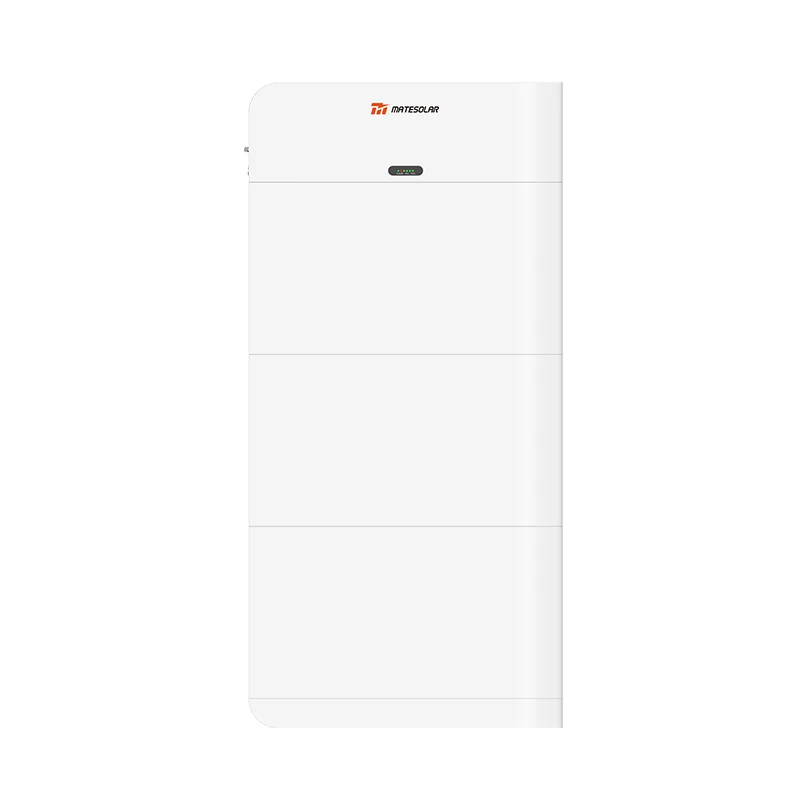
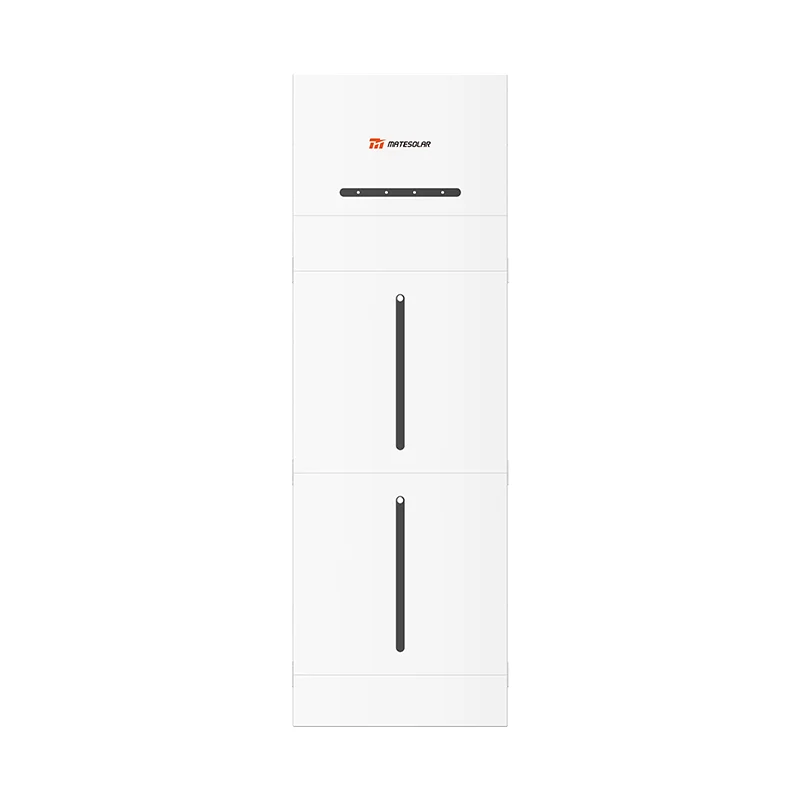
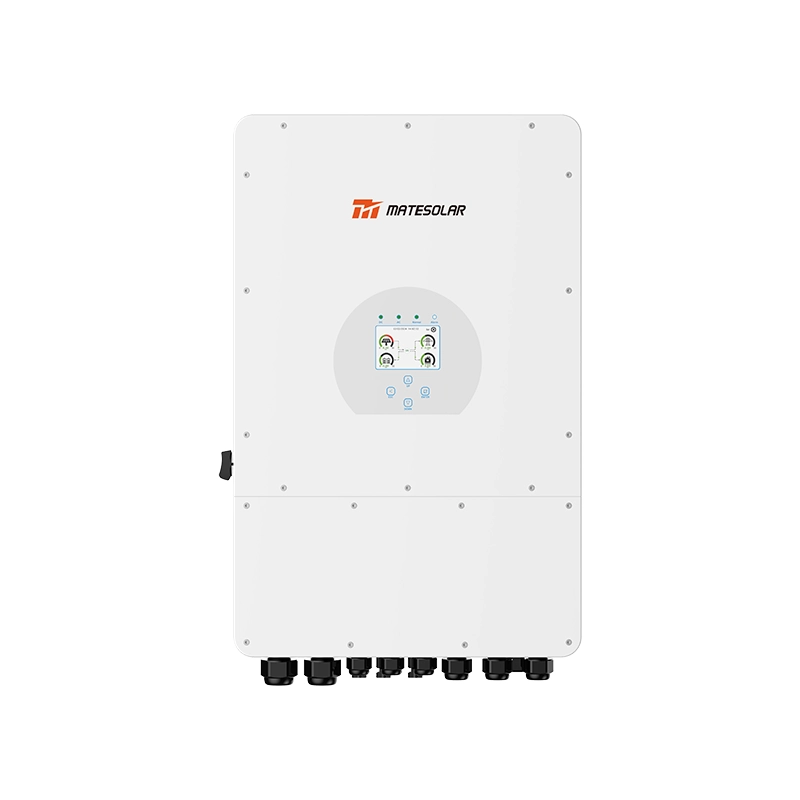
Для готелів, готових оцінити власні інвестиції, Комерційна гібридна сонячна система потужністю 500 кВт забезпечує пікову денну генерацію сонячної енергії, що відповідає профілям попиту курорту, з літій-іонними акумуляторами ємністю від 500 кВт·год до 2 МВт·год. Інтегрована система керування енергоспоживанням (EMS) автоматично оптимізує власне споживання, пікове навантаження та експорт в мережу на основі даних про ціни в реальному часі.
Проблема №3: Промислові підприємства / Дата-центри / Холодильні склади — Якість електроенергії та заміна дизельних двигунів
Дизельний тягар
Промисловість Ямайки історично покладалася на дизельні генератори для резервного живлення та пікового навантаження. З операційними витратами 0,50–0,70 дол. США/кВт-год (включаючи паливо, обслуговування та амортизацію капіталу) дизельне паливо є дорогим задоволенням. Промислове навантаження потужністю 500 кВт, яке наразі витрачає 150 000 доларів США щорічно на резервне дизельне живлення, може усунути 80–90 відсотків цих витрат, перейшовши на BESS.
Нагальна потреба центру даних
Коли Tropical Battery Group оголосила про партнерство з американською компанією Wright Energy Storage Technologies у березні 2026 року, генеральний директор Олександр Мелвілл визначив центри обробки даних як ключову сферу зростання, заявивши: “Сучасна інфраструктура ШІ генерує екстремальні, швидкі перехідні процеси потужності, коли кластери GPU вмикаються та вимикаються. Традиційні системи на основі літію часто мають труднощі з цими швидкозмінними подіями”.”.
Для центрів обробки даних BESS (системи накопичення енергії на батереях) повинні забезпечувати:
- <10 мс безшовне перемикання щоб запобігти розрядці акумулятора ДБЖ під час збоїв у мережі
- Можливості SVG (генератора статичних змінних) для корекції коефіцієнта потужності та зменшення гармонік, викликаних GPU
- Військова надійність з резервуванням N+1
Рішення: Модульний 20-футовий контейнерний накопичувач енергії з рідким охолодженням 3 МВт/год 5 МВт/год розроблена спеціально для критично важливої інфраструктури. Рідинне охолодження підтримує оптимальну температуру акумулятора під час інтенсивних циклів, тоді як контейнерний формат дозволяє швидко розгортати її поруч із існуючими об'єктами. Для менших площ, 40-футова система зберігання енергії (ESS) з повітряним охолодженням, 1 МВт·год, 2 МВт·год пропонує економічно вигідний початковий рівень з перевіреною надійністю для критично важливих застосувань.
Зменшення викидів вуглецю та зелена сертифікація
Для виробників, орієнтованих на експорт, викидиScope 2 все більше перевіряються міжнародними покупцями та ESG-інвесторами. Кожна МВт-год відновлюваної енергії плюс зберігання уникає приблизно 0,4 тонни викидів CO₂ порівняно з електроенергією з мережі (яка залишається на 88 відсотків залежною від викопного палива).. Система потужністю 1 МВт/2 МВт·год, що дозволяє уникнути щорічної купівлі 1500 МВт·год електроенергії з мережі, скорочує вуглецевий слід на 600 тонн CO₂e, що є суттєвим поліпшенням для звітності з питань сталого розвитку та екологічної сертифікації продукції.
Проблемна точка 4: Малі та середні підприємства (МСП) / Офіси / Ферми — Обмеження простору та високі початкові витрати
Власники малих та середніх підприємств стикаються з такими ж високими тарифами, як і великі корпорації, але з обмеженішими бюджетами, меншою площею даху та більшою чутливістю до початкових витрат.
Космічний виклик: Типова комерційна сонячна система потужністю 50 кВт потребує 250–300 м² площі даху. Для багатьох ямайських магазинів, офісів і невеликих ферм така площа недоступна. Ось де сонячна енергія плюс зберігання з високоефективними модулями та компактними BESS стають незамінними.
Фінансовий виклик: За ціною 100 000–150 000 доларів США за систему потужністю 50 кВт/100 кВт·год, МПП стикаються з реальними обмеженнями капіталу — навіть при привабливому 5-річному терміні окупності.
Рішення: Фінансування сонячних батарей і накопичувачів енергії з нульовим авансовим платежем
MateSolar пропонує гнучкі варіанти лізингу з правом викупу та угоди про купівлю електроенергії (PPA), розроблені спеціально для малого та середнього бізнесу:
- Оренда з правом викупу Щомісячні платежі протягом 5–7 років, з повним переходом права власності в кінці терміну
- ППА: Платіть лише за вироблену енергію за тарифами на 20–30 відсотків нижчими за тарифи JPS
- Пряме фінансування придбання: Співпраця з місцевими банками для пропонування відсоткових ставок у розмірі 4–6% для відповідних бізнесів
Технічні вимоги до SMB-додатків:
- Компактна площа: Система потужністю 50 кВт / 100 кВт·год, що займає менше 4 м² для BESS, 200 м² для сонячних панелей
- Сертифікація UL9540 / UL9540A для пожежної безпеки в зайнятих будівлях
- Рейтинг IP65 для зовнішнього або напівзовнішнього монтажу
- Віддалений моніторинг через мобільний додаток доступний для власників бізнесу без технічного персоналу
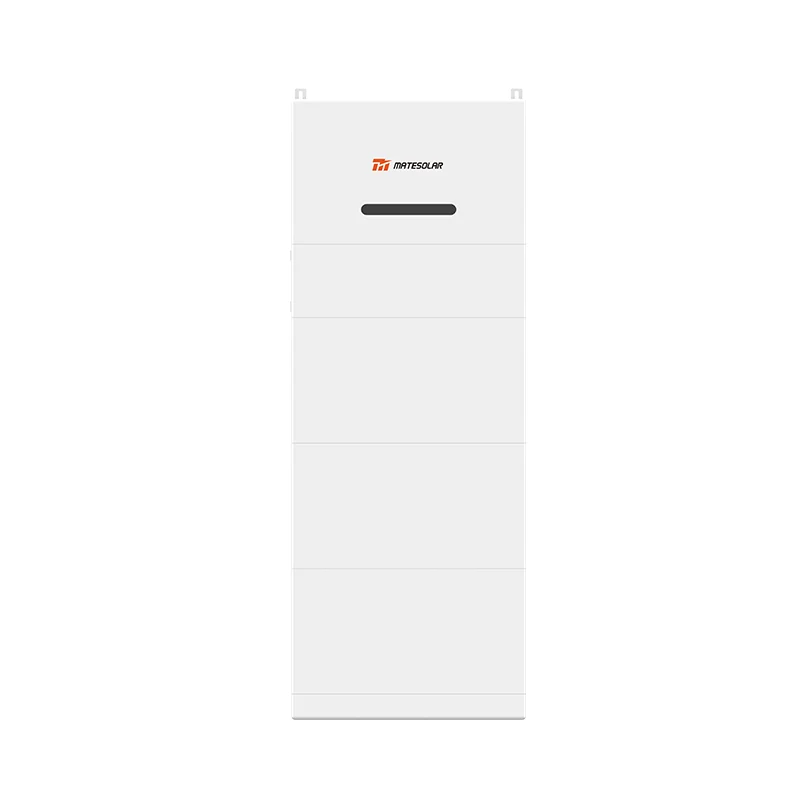
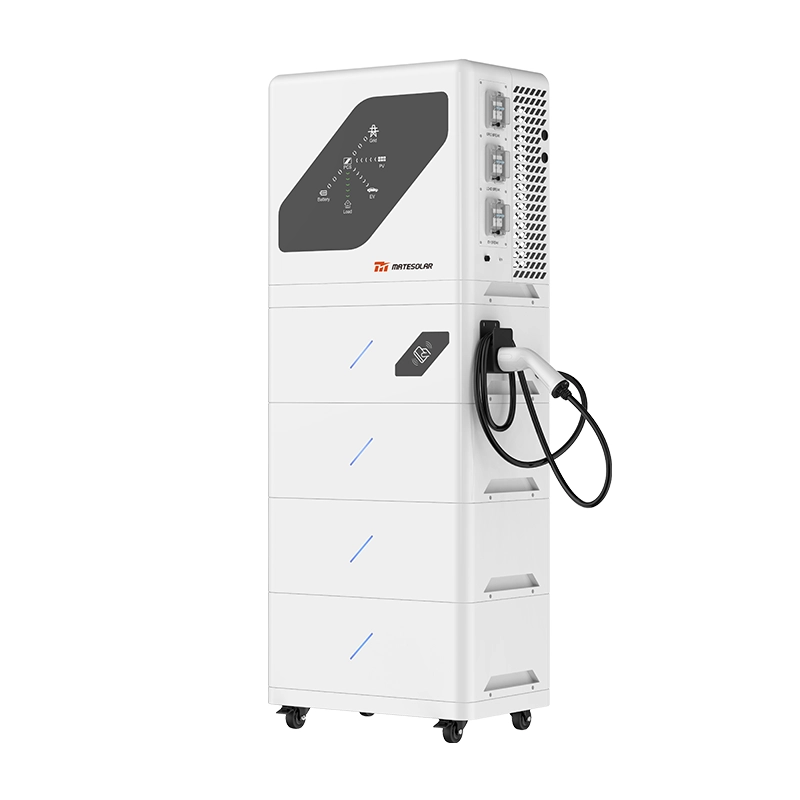
У "The 100 кВт / 232 кВт·год рідинно-охолоджувана зовнішня шафа системи зберігання енергії ідеально підходить для МСБ. Розміри 1200 × 800 × 2200 мм на одиницю дозволяють розмістити її в кутку парковки або господарського двору. З'єднуйте кабінети послідовно, відповідно до зростання бізнесу.
Мандат чистого виставлення рахунків
Оскільки зберігання енергії незабаром стане обов'язковим для учасників нетто-білінгу, малі та середні підприємства, які встановлять сонячні панелі зараз без накопичувачів, зіткнуться з вимушеною модернізацією протягом 12–24 місяців. Встановлення інтегрованої системи сонячних панелей та накопичувачів сьогодні дозволяє уникнути подвійних витрат на робочу силу та забезпечити збереження чинних правил.
Проблема 5: Усі користувачі сховищ — адаптованість до тропічного клімату, привабливість для інвестицій та довгострокове технічне обслуговування
Тропічний морський клімат Ямайки — з температурою навколишнього середовища, що регулярно перевищує 35°C (95°F), вологістю в середньому 70–80 відсотків цілий рік і насиченим сіллю прибережним повітрям — є несприятливим для електронного обладнання. Щоб BESS прослужив 15 років, п’ять технічних критеріїв є обов’язковими.
1. Тепловентиляція
Стандартні повітряно-охолоджувані BESS втрачають ефективність і прискорюють деградацію при високих температурах навколишнього середовища. Рідинне охолодження підтримує елементи при температурі 25–35°C, навіть коли температура на вулиці перевищує 40°C, забезпечуючи:
- на 15–20 відсотків довший термін служби циклу порівняно з системами повітряного охолодження в тропічних умовах
- Знижені рівні шуму (немає великих вентиляторів)
- Зниження паразитного навантаження для охолодження
2. Захист від корозії
Випробування розпиленням солі за стандартом ISO 9227 класифікує агресивні середовища. Прибережна Ямайка вимагає класу C5-M (морське, дуже висока корозійна активність). Корпуси, сертифіковані за класом C5-M, з морського алюмінію або гарячеоцинкованої сталі (мінімум покриття Z600), з порошковим покриттям товщиною 250 мкм.
3. Клас захисту від проникнення (IP-рейтинг)
IP65 (пилонепроникний + струмені води з будь-якого напрямку) є мінімальним стандартом для розгортання на відкритому повітрі в Карибському басейні. Рекомендується IP66 (потужні струмені води) або IP67 (тимчасове занурення) для прибережних районів, схильних до ураганів.
4. Міжнародні сертифікати для фінансової привабливості
Для будь-якого проєкту, що шукає фінансування від міжнародних кредиторів (Світовий Банк, МБР, КРР), ССЄЗ повинні мати:
| Сертифікація | Сфера | Потрібно для |
| IEC 62619 | Безпека промислових акумуляторів | Усі проєкти |
| UL 1973 | Безпека стаціонарних акумуляторів | Проєкти, фінансовані США |
| УЛ 9540А | Пожежна безпека / тепловий розгін | Страхове андеррайтинг |
| ООН 38.3 | Транспортна безпека | Схвалення відправлення |
| СЕ / UKCA | Доступ до ринку | Імпорт обладнання |
5. Віддалені OTA-оновлення та локальна підтримка
Регуляторне середовище Ямайки стрімко розвивається. Ваша BESS повинна підтримувати оновлення прошивки Over-the-Air (OTA) для адаптації до змінних кодексів мережі, правил чистого виставлення рахунків та вимог щодо кібербезпеки без фізичного втручання. Наша платформа віддаленої діагностики цілодобово відстежує стан системи, з автоматичними сповіщеннями про аномалії та віддаленим налаштуванням алгоритмів зарядки/розрядки.
Таблиця 3: Матриця вибору BESS для тропічного клімату
| Атрибут | Мінімальна вимога | Рекомендовано | Чому це важливо |
| Діапазон робочих температур | від -10°C до 50°C | від -20 °C до 55 °C | 35°C+ навколишнє типове |
| Теплове управління | Рідинне охолодження переважніше | Активна рідина + резервні насоси | Збільшує термін експлуатації 20% |
| Захист від корозії | ISO C5 | C5-M (морський) | Солоний бриз шкодить електроніці |
| Захист від проникнення | IP65 | IP66 / IP67 | Дощова вода / уламки, спричинені ураганом |
| Термін служби циклу @25°C | 6 000 циклів | 8 000+ циклів | 15-річний термін служби |
| Ефективність в обидва кінці | >85% | >88% | Генерація доходу |
| Час відгуку | <100 мс сітчасто-слідкуючий | <20мс + острівний режим | Стабільність мережі / запуск від нуля |
Частина Третя: Продукти, адаптовані до ринкових сегментів Ямайки
Для масштабних комунальних та промислових потреб: 20-футова контейнерна система з рідинним охолодженням на 3 МВт·год / 5 МВт·год
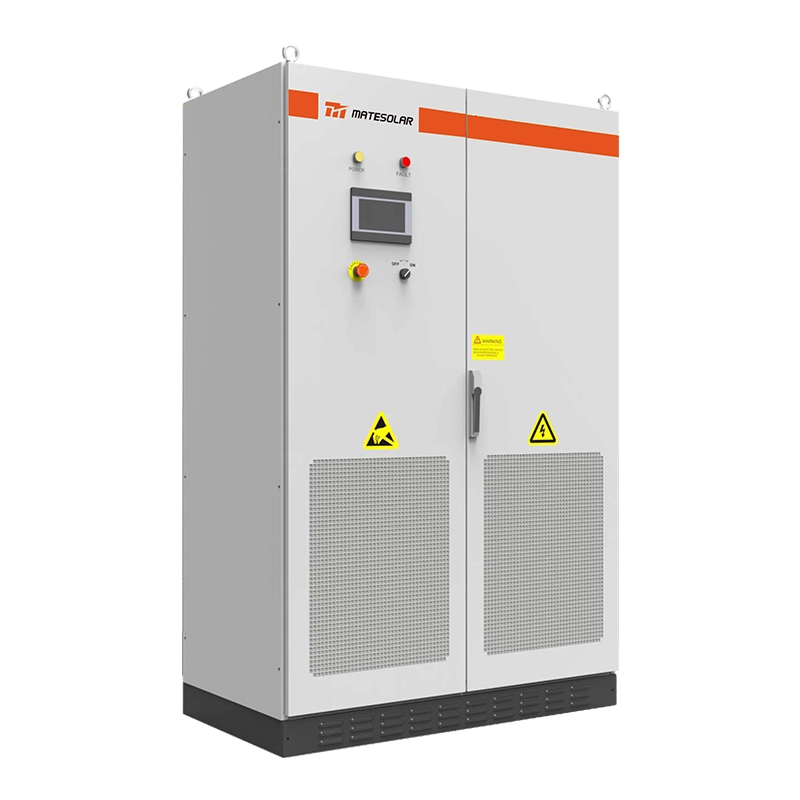
У "The 20-футовий контейнерний накопичувач енергії з рідким охолодженням 3 МВт/год 5 МВт/год розроблено відповідно до вимог тендеру GPE:
- Хімічний склад LFP із понад 8 000 циклів при глибині розряду 80%
- Рідке терморегулювання для роботи при температурі навколишнього середовища 35°C+
- C5-M захист від корозії з конструкцією морського класу
- IP65 захист від проникнення
- Сертифіковано за IEC 62619, UL 1973, UL 9540A
- 20-річна гарантія на експлуатаційні характеристики з рівнем втрати ємності (SOH) ≤70% на 20-му році експлуатації
- Інтегрована система керування енергією (EMS) з протоколами IEC 61850 і DNP3
- сертифікація на вітрове навантаження 250 км/год
- Можливість оновлення OTA для розвитку мережевих кодів
Кожен контейнер постачається повністю зібраним і протестованим на заводі, що скорочує час введення в експлуатацію на місці з тижнів до днів.
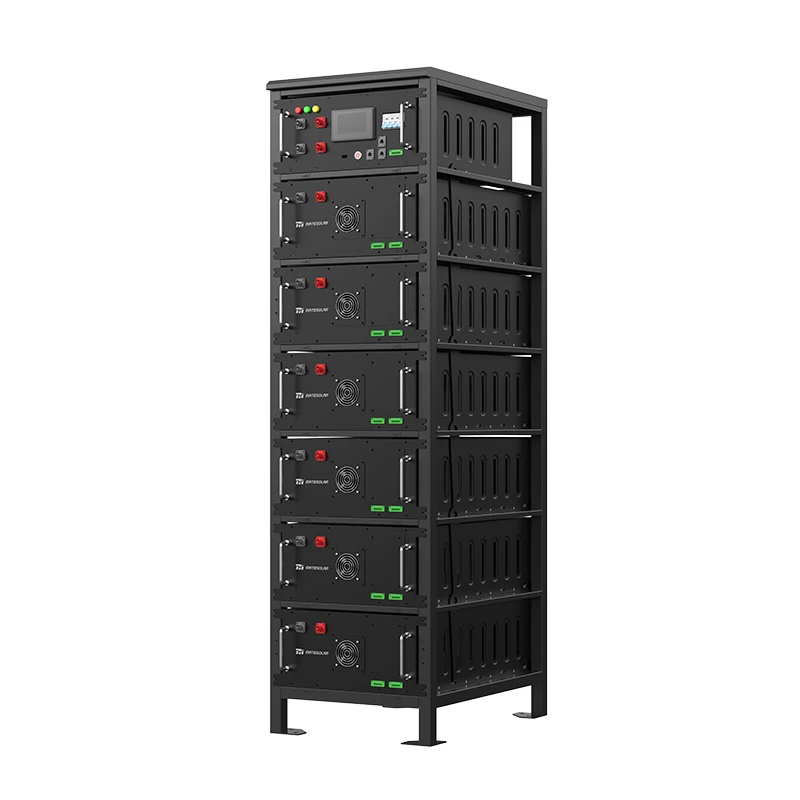
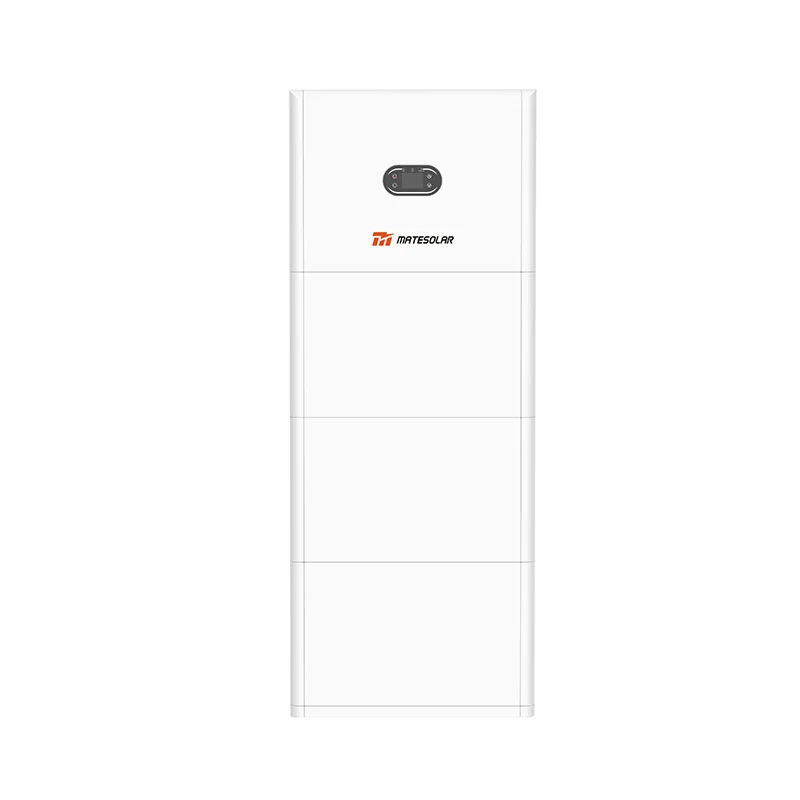
Для великого комерційного / легкого промислового використання: 40-футова система в контейнері з повітряним охолодженням 1 МВт·год / 2 МВт·год
У "The 40-футова система зберігання енергії (ESS) з повітряним охолодженням, 1 МВт·год, 2 МВт·год пропозиції:
- Економічне повітряне охолодження з резервними вентиляторами
- 6000 циклів проєктного терміну служби
- Рейтинг IP54 з можливістю оновлення до IP65
- Стандартна корозія C4 (доступне оновлення до C5-M для прибережних об'єктів)
- Попередньо підключено для інтеграції сонячних фотоелектричних систем
- 20-річний PPA-готовий із незалежною верифікацією продуктивності
- Віддалений моніторинг через хмарну платформу
Найкраще підходить для готелів, курортів, торгових центрів та промислових підприємств, розташованих у зонах з низьким рівнем корозії (далі, ніж 5 км від узбережжя).
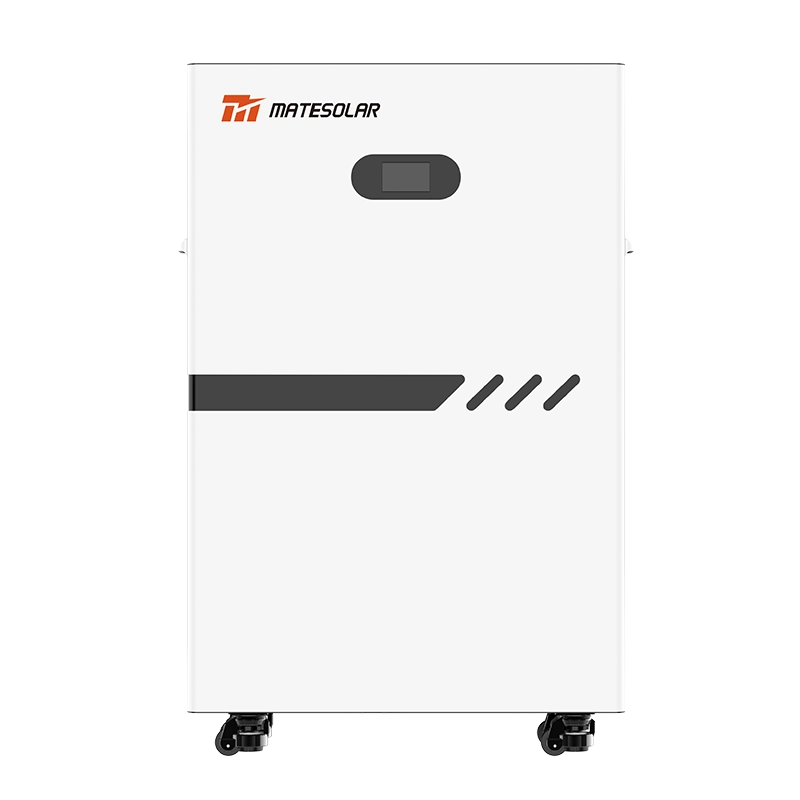
Для МСБ та розподілених комерційних об'єктів: 100 кВт/232 кВт·год / 125 кВт/261 кВт·год зовнішня шафа з рідинним охолодженням
У "The Система накопичення енергії у вигляді зовнішнього шафи з рідинним охолодженням потужністю 100 кВт/232 кВт·год та 125 кВт/261 кВт·год є робочою конячкою розподіленого зберігання даних:
- Компактні розміри: 1200 × 800 × 2200 мм
- Розширюваний: до 2–10 блоків для 464 кВт·год до 2,6 МВт·год
- Рідинне охолодження для 15-річного тропічного терміну служби
- UL9540A сертифіковано для зайнятих будівель
- Рейтинг IP66: витримує дощ, спричинений ураганом
- Стандарт захисту від корозії C5-M
- 20 мс перемикання при островному режимі для функціональності ДБЖ
- Інтегрована система управління енергією (EMS) з моніторингом через 4G/WiFi, доступна через додаток для смартфона
- Оновлення прошивки OTA
Для комерційної інтеграції PV: гібридна сонячна система потужністю 500 кВт
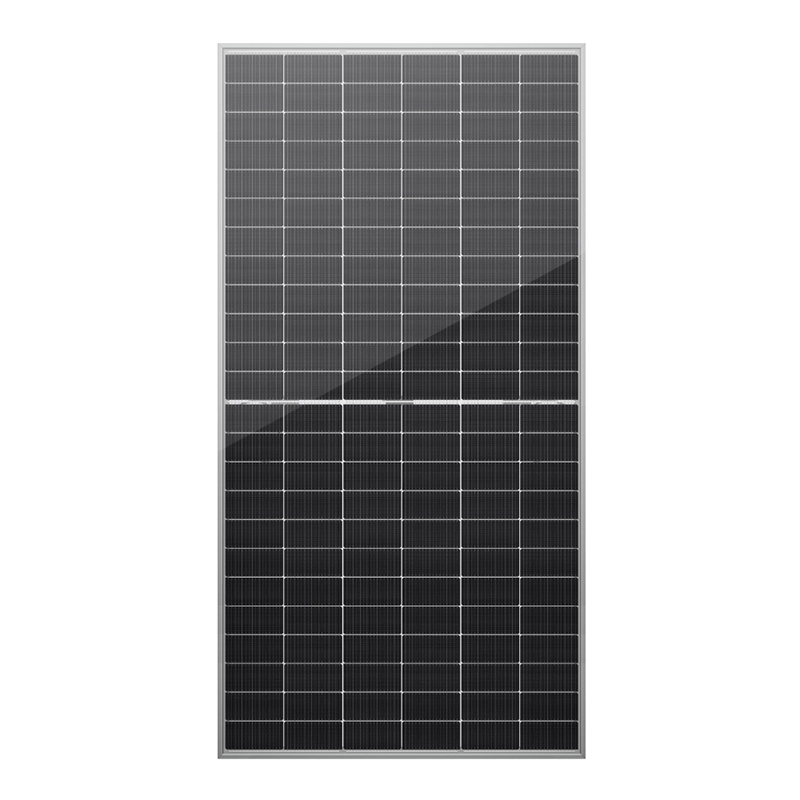
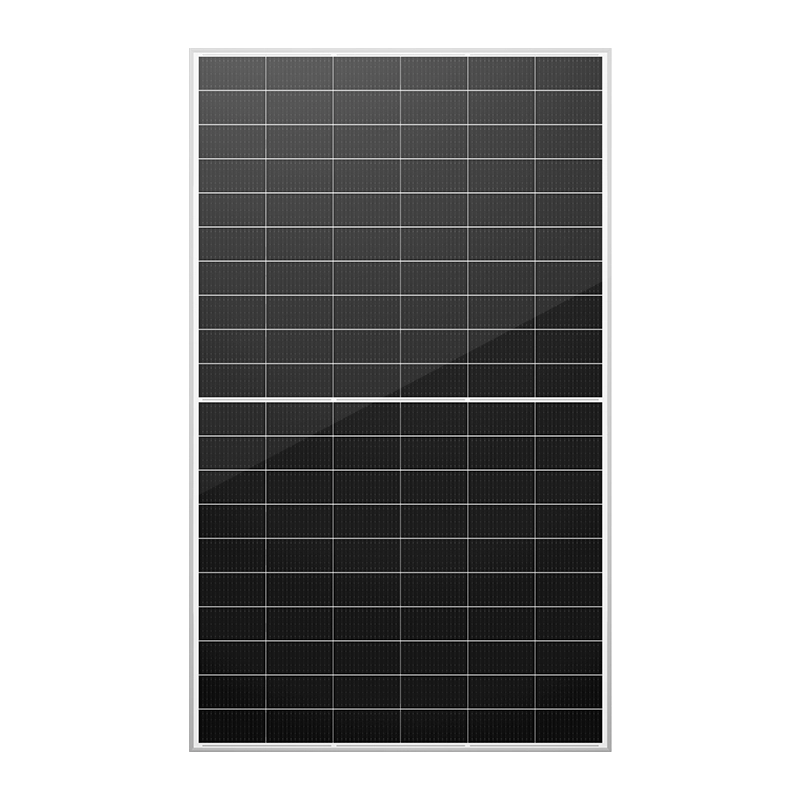
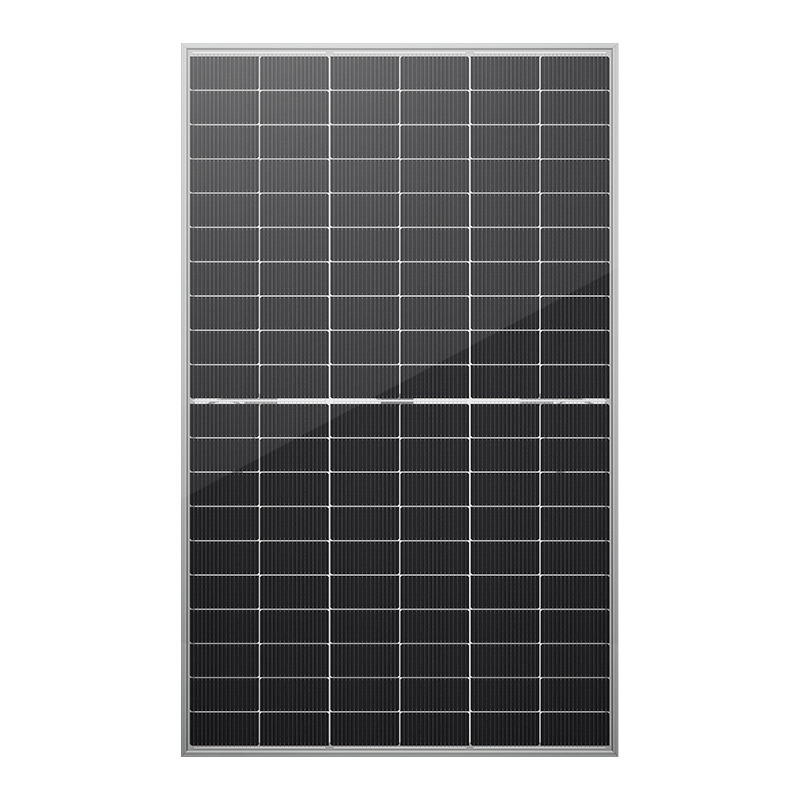
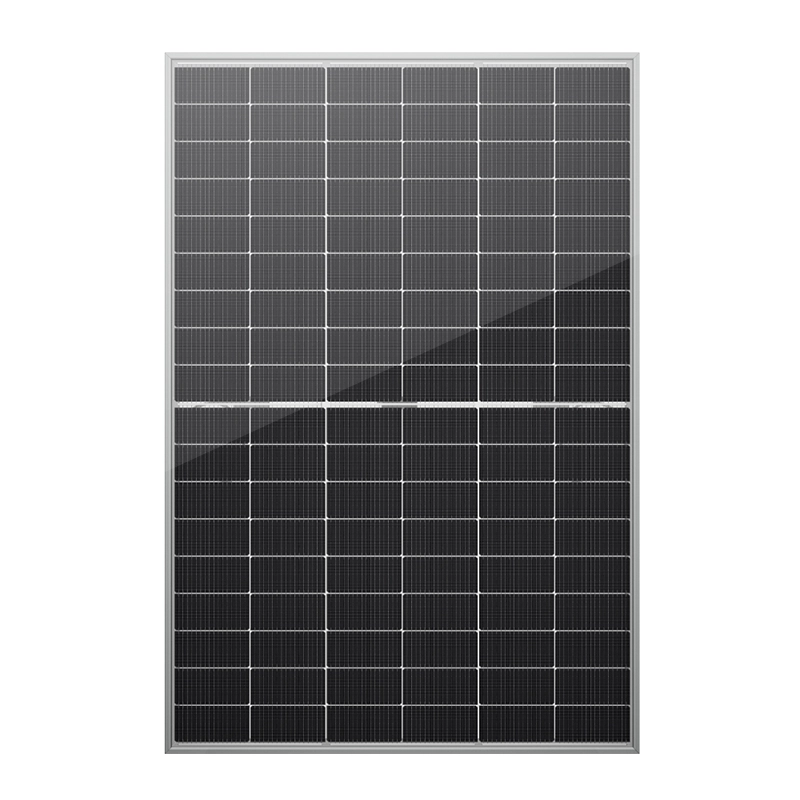
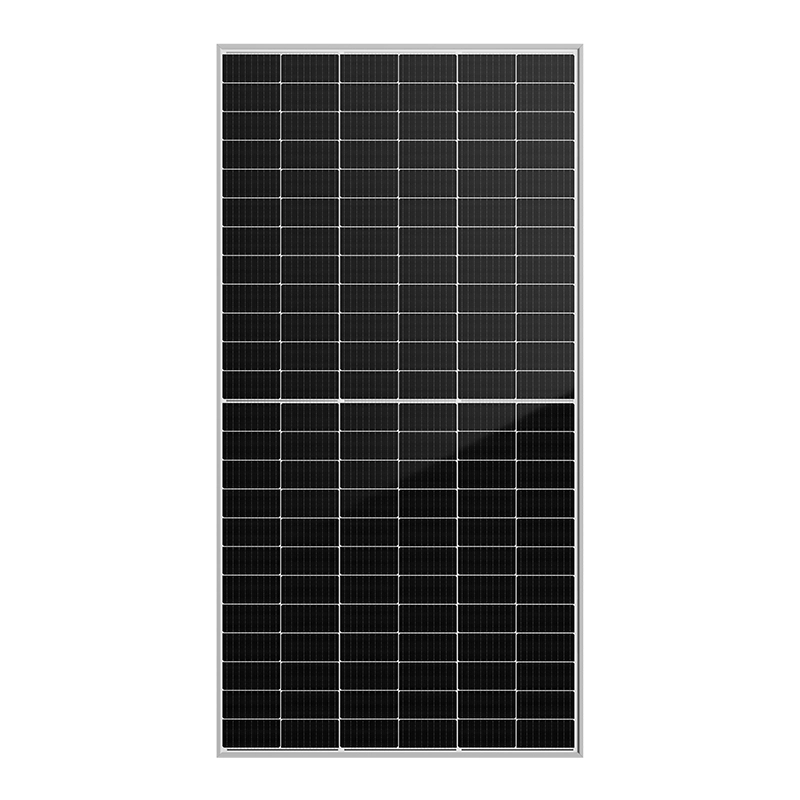
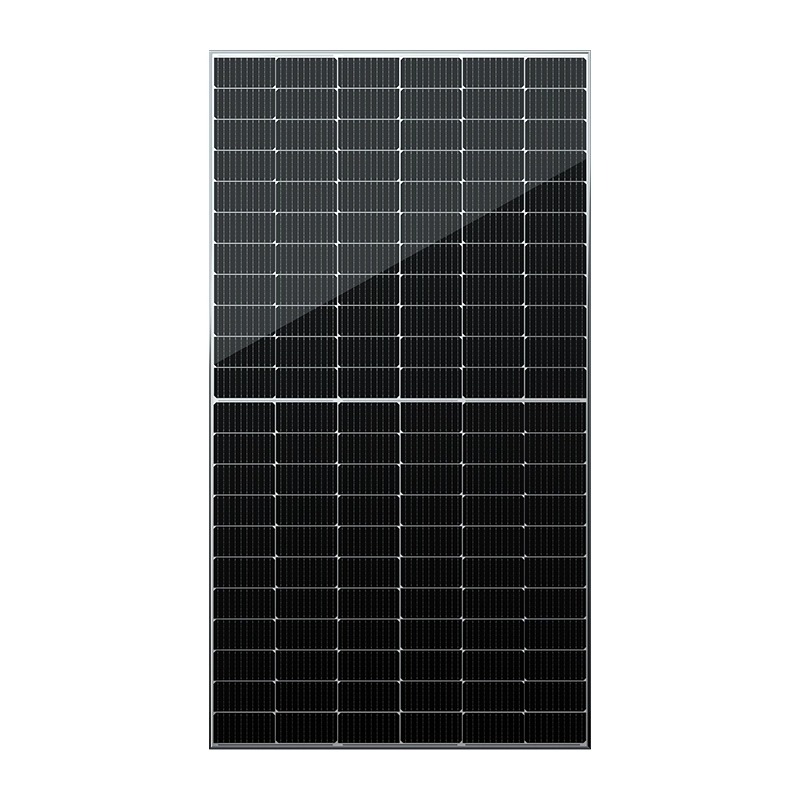
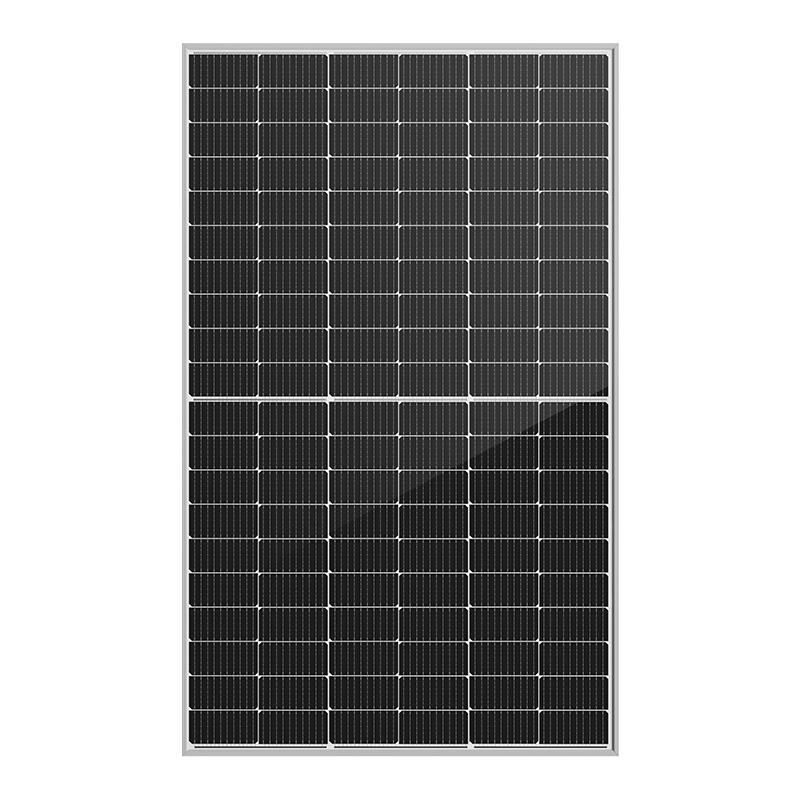
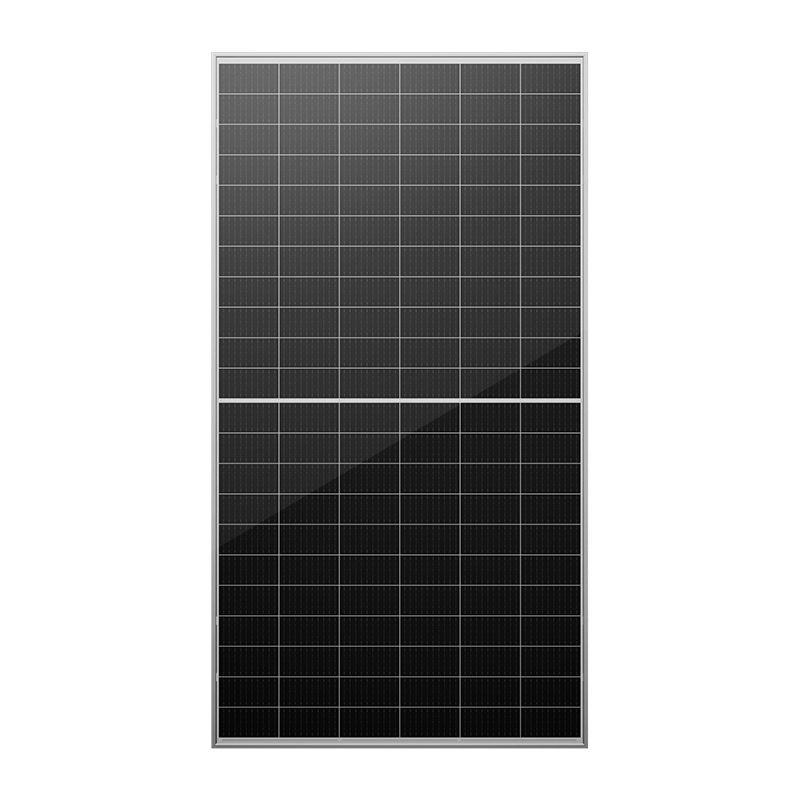
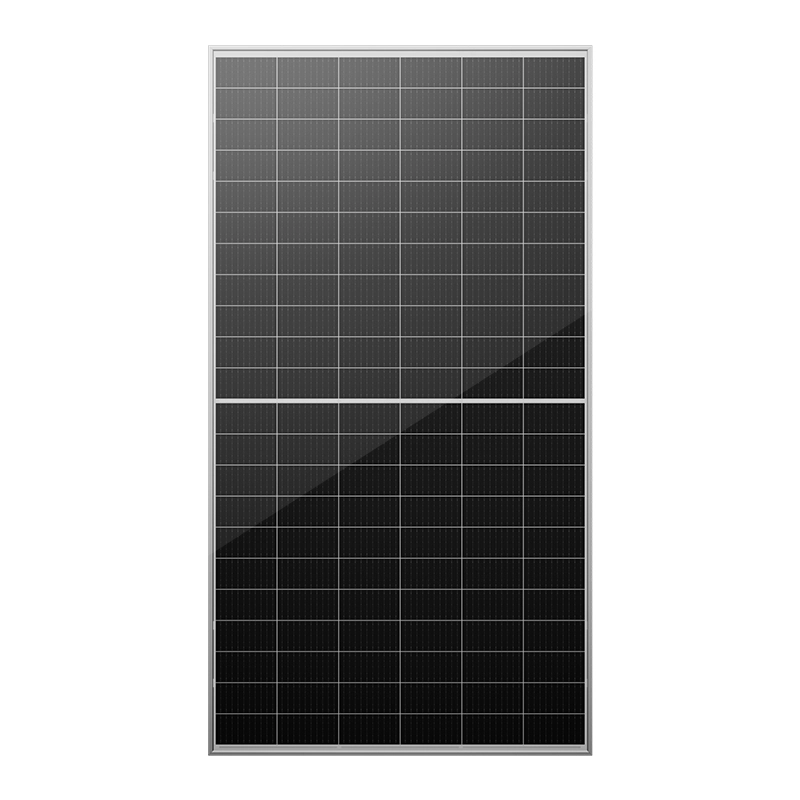
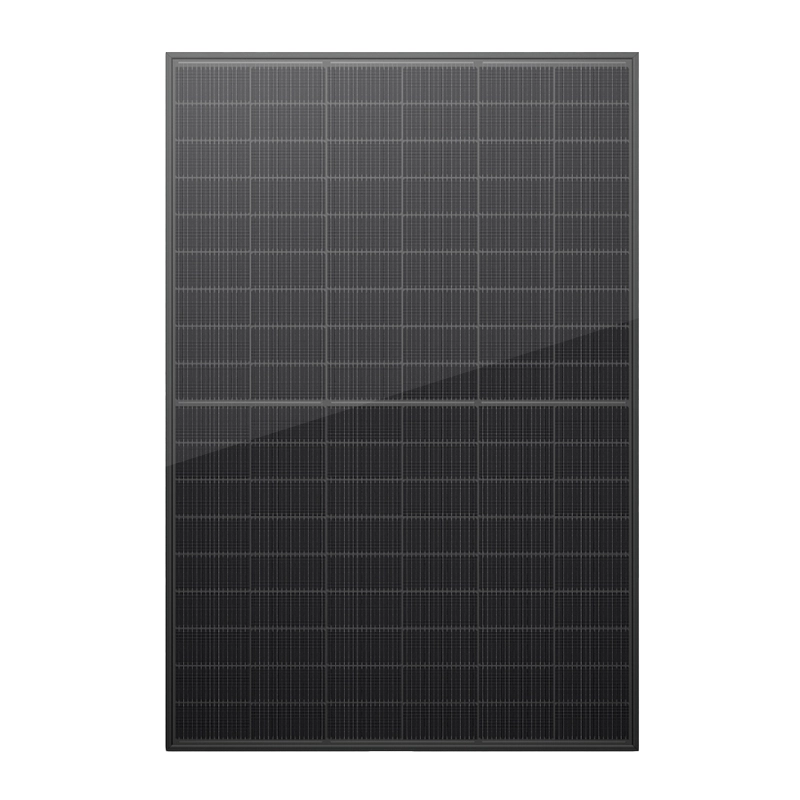
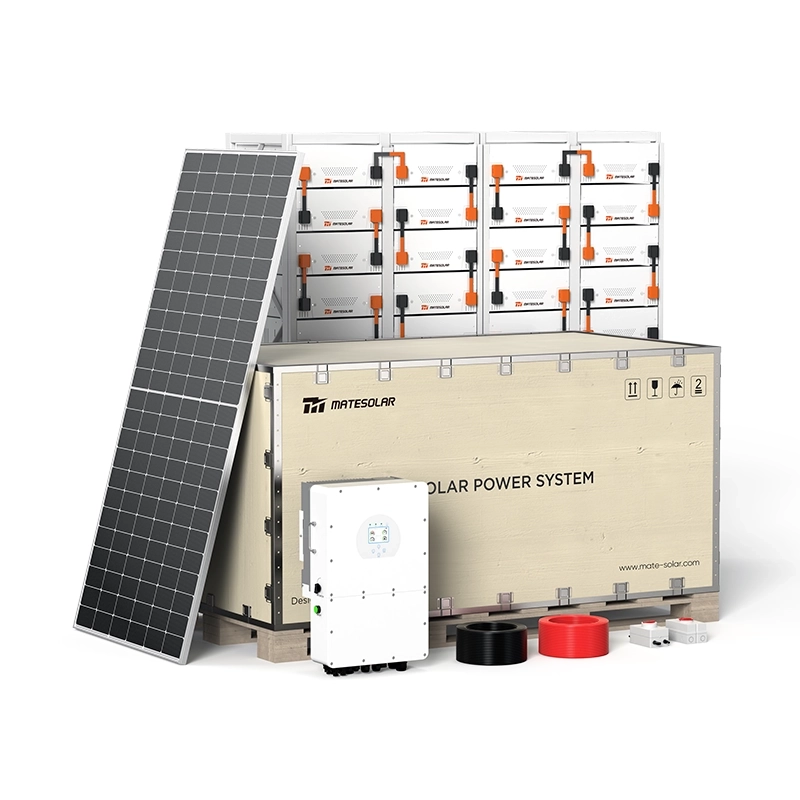
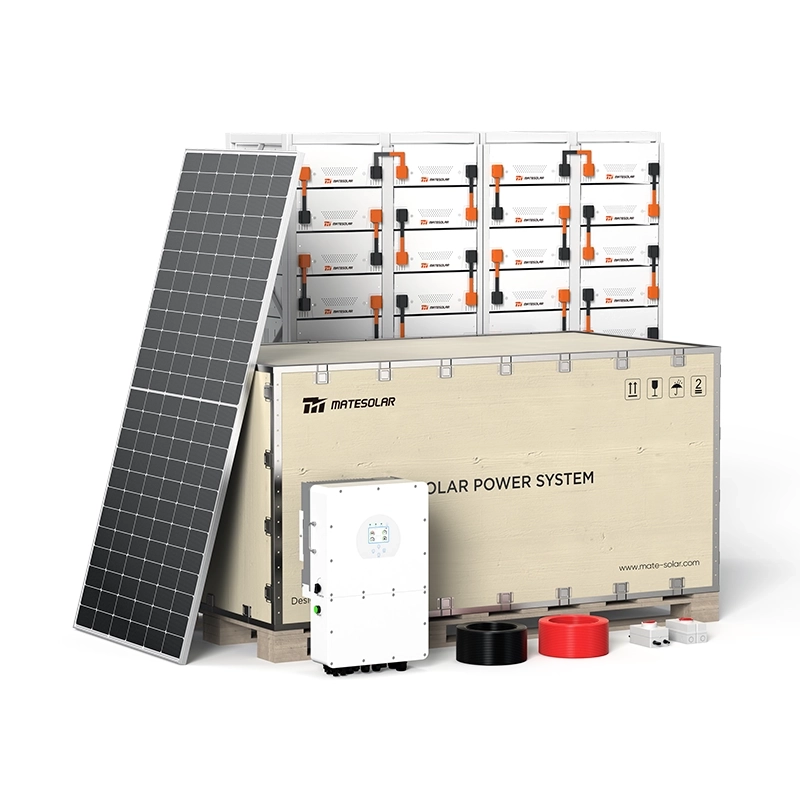
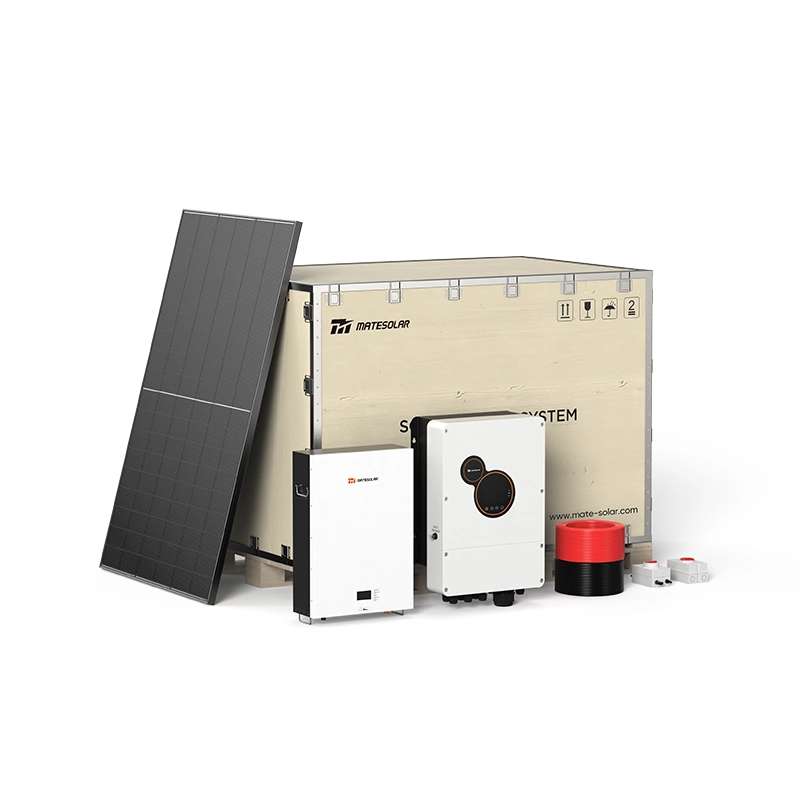
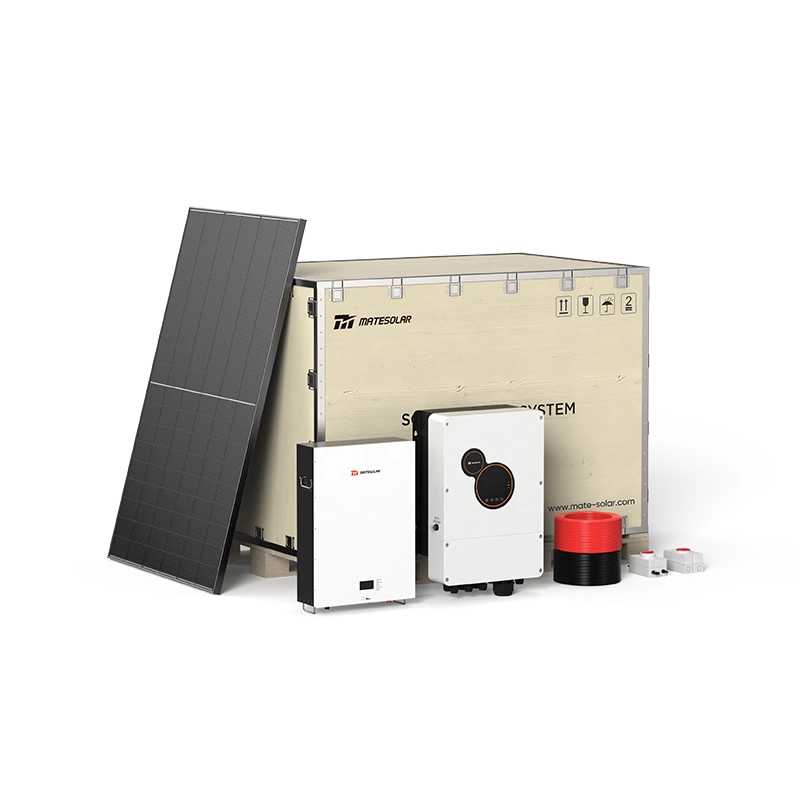
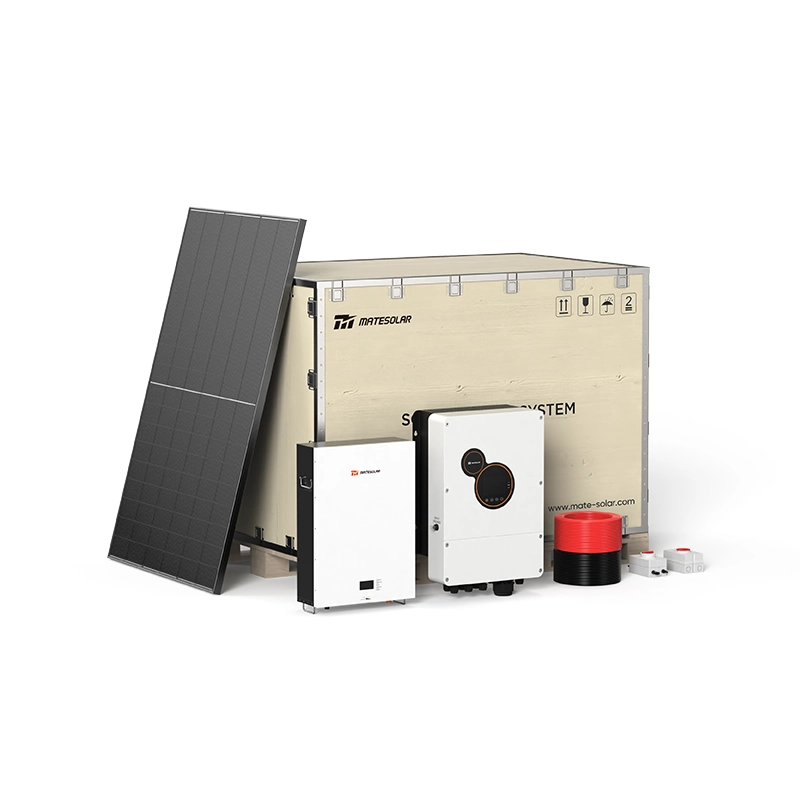
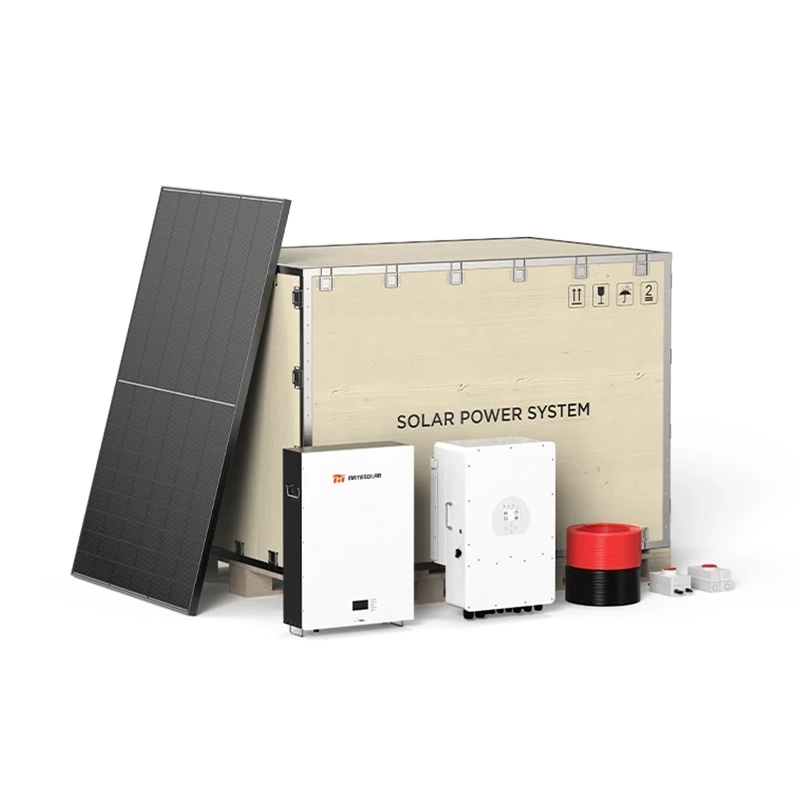
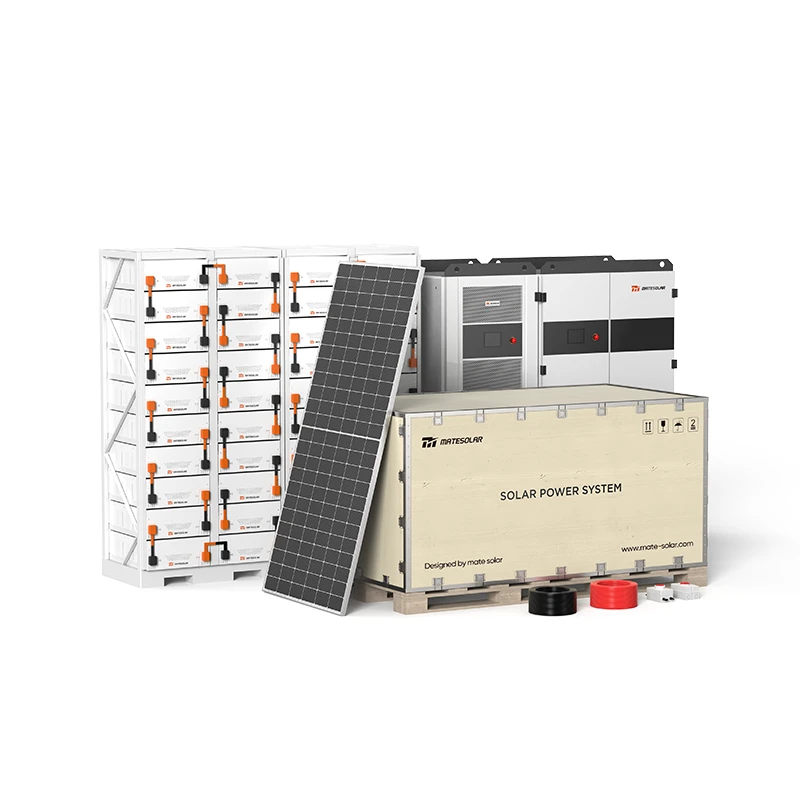
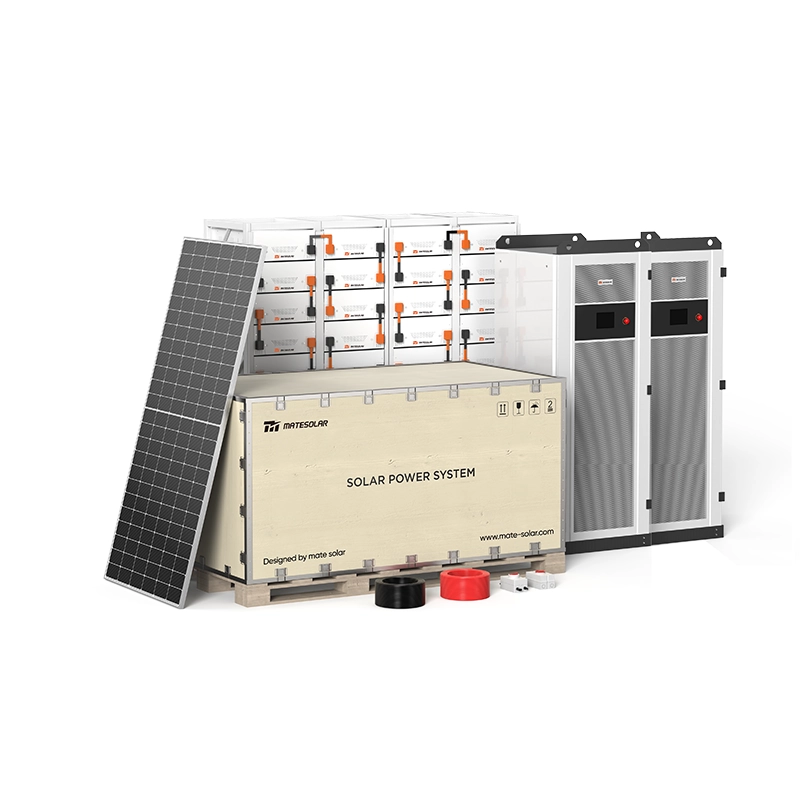
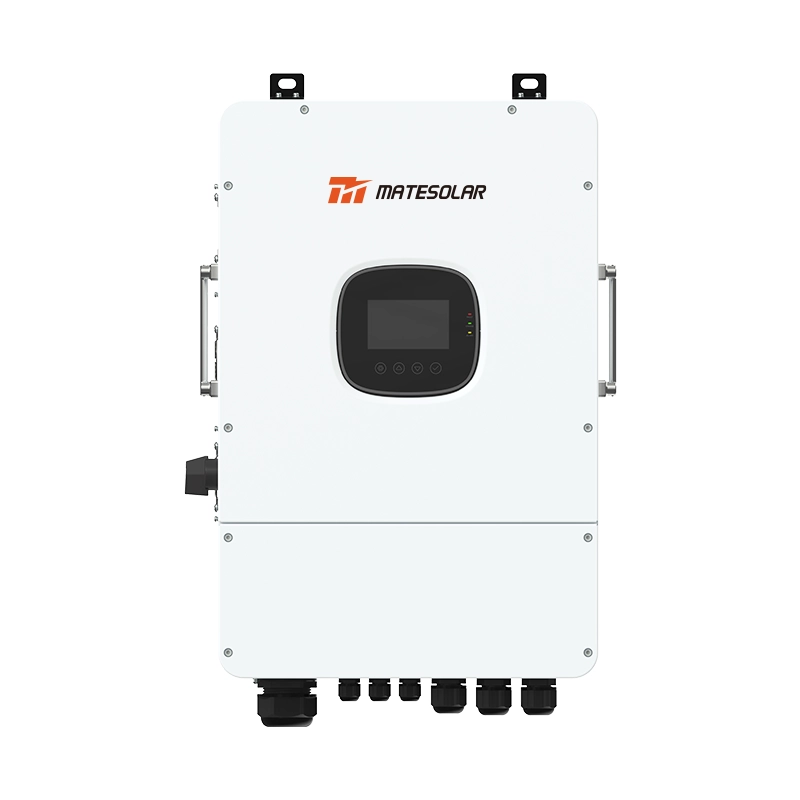
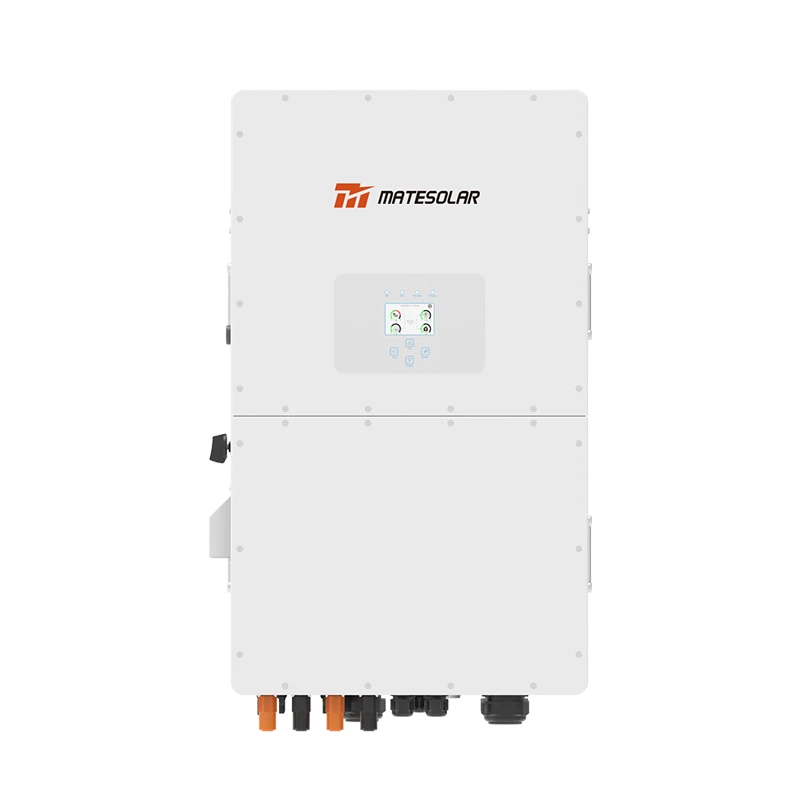
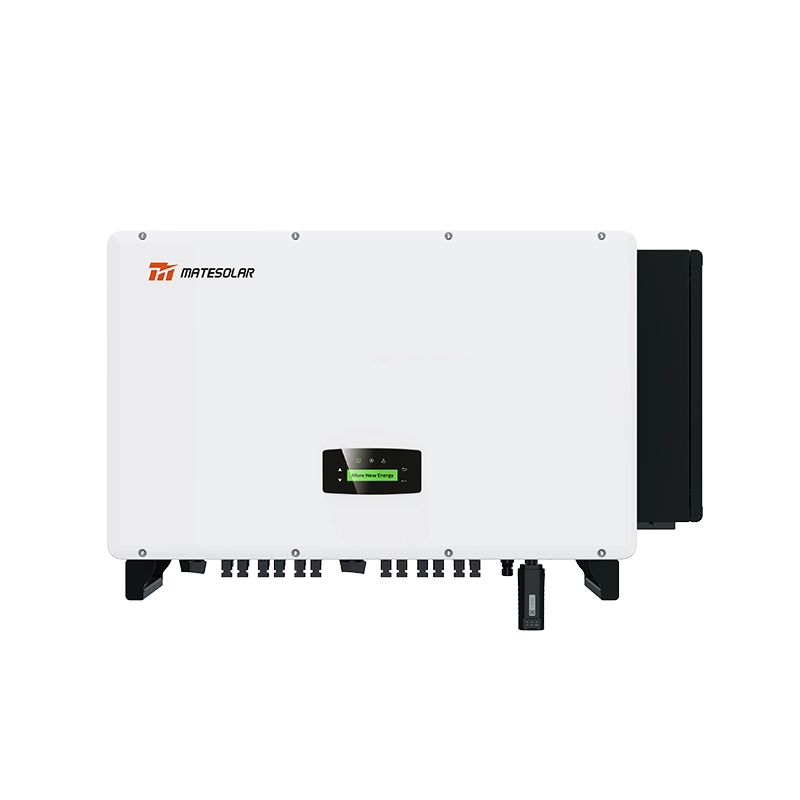
У "The Комерційна гібридна сонячна система потужністю 500 кВт пари 500 кВт високоефективних двосторонніх сонячних модулів з BESS та гібридним інвертором:
- Призначено для компенсації 0.23–0.30 доларів США/кВт-год
- Відповідність нульовому експорту за чистою оплатою
- Алгоритм зниження пікових навантажень, оптимізований для профілю навантажень Ямайки
- Здатність до "чорного старту" для стійкості до ураганів
- 25-річна гарантія на сонячні панелі + 15-річна гарантія на систему зберігання енергії
Частина четверта: Поширені запитання
Q1: Які конкретні технічні вимоги до тендеру GPE на 450 МВт, оголошеного 5 травня 2026 року?
Тендер передбачає 300 МВт відновлюваних джерел енергії в поєднанні зі 150 МВт акумуляторних систем зберігання, що загалом становить 400 МВт нових відновлюваних потужностей, коли їх об'єднати зі 100 МВт, присудженими у 2024 році.. BESS повинен використовувати літій-залізо-фосфатну хімію та забезпечувати 2-годинний термін розряду. Тендери відповідають 20-річній моделі BOO із двокомпонентною тарифною компенсацією (платежі за потужність + енергію). Усі проєкти повинні відповідати Ямайській книзі кодексів електроенергетичного сектору та Керівним принципам JPS щодо підключення. Очікується, що опір вітру та фізичне зміцнення для стійкості до ураганів будуть враховані при оцінці тендерів після руйнування Парадайз Парк ураганом Мелісса..
Q2: Як програма чистого виставлення рахунків впливає на моє рішення встановити акумуляторні батареї?
Уряд розпочав переговори з JPS щодо включення обов'язкового зберігання енергії в батареях до програми чистого виставлення рахунків.. Повністю онлайн-платформа для подання заявок запрацює до грудня 2026 року. Встановлення сховища зараз забезпечує збереження початкових умов і дозволяє уникнути витрат на примусове переобладнання протягом 12–24 місяців. Без сховища ви ризикуєте мати надлишок сонячної генерації, який буде обмежений, або отримуватимете меншу компенсацію за експорт.
Q3: Якою є поточна комерційна ставка за електроенергію на Ямайці та як це впливає на терміни окупності?
A: Комерційні тарифи становили 0,238 дол. США/кВт·год станом на вересень 2025 року, із прогнозами, що трохи знизяться на початку 2026 року. Для типової комерційної сонячно-акумуляторної системи (1 МВт PV + 2 МВт·год BESS) період окупності становить 5–7 років. Для об'єктів з високим попитом, таких як центри обробки даних або холодильні сховища, що працюють цілодобово, період окупності може скоротитися до 4–5 років. Високий тариф створює один із найсильніших бізнес-кейсів для зберігання енергії за принципом "за лічильником" у Західній півкулі.
4 квартал: Чи переживе мій BESS ураган 5 категорії, як-от Меліса?
Стандартні комерційні корпуси не робитимуть цього. Для схильної до ураганів Ямайки вам потрібен мінімум IP65 (рекомендовано IP66), сертифікація на вітрове навантаження 250 км/год (155 миль/год) або вище, а також захист від соляної корозії C5-M. Наші шафи та контейнери з рідинним охолодженням для зовнішнього використання відповідають цим специфікаціям і пройшли випробування на роботу в умовах екстремальних вітрів та дощів.
Q5: Як працює ваша можливість оновлення "по повітрю" (OTA), і чому вона важлива?
Оновлення OTA дозволяють віддалено оновлювати прошивку без виїзду на об'єкт, що є критично важливим для своєчасного реагування на зміни нормативних актів JPS щодо сіток, правил чистого виставлення рахунків та стандартів кібербезпеки. Наприклад, коли уряд оголосив про обов'язкове зберігання для чистого виставлення рахунків у травні 2026 року, системи з можливістю OTA були віддалено оновлені протягом 48 годин для відповідності, тоді як інші системи вимагали дорогого залучення техніків.
Які сертифікати мені потрібні для мого BESS, щоб його могли фінансувати міжнародні кредитори?
A: Кредитори зазвичай вимагають IEC 62619 (безпека), UL 1973 (стаціонарне зберігання), UL 9540A (пожежна безпека) та звіти про перевірку ефективності від третіх сторін. Для фінансування від Світового банку або Міжамериканського банку розвитку вам також знадобляться ISO 9001 (управління якістю) та ISO 14001 (управління довкіллям). Усі системи MateSolar мають ці сертифікати.
Q7: Який типовий коефіцієнт повної ефективності (RTE) для BESS у тропічному кліматі Ямайки?
Відповідь: Системи LFP з рідинним охолодженням підтримують RTE на рівні ≥87% навіть при температурі навколишнього середовища 35 °C, на відміну від систем з повітряним охолодженням, показники яких у тих самих умовах знижуються до 80–83%. За 15 років ця різниця в 4–7% означає десятки тисяч доларів втраченого прибутку для системи потужністю 1 МВт.
Чи можу я встановити систему зберігання енергії (BESS) без сонячних панелей і все одно отримати вигоду?
A: Так. Автономне сховище може: (1) знижувати пікове навантаження, заряджаючись від мережі в позапіковий час (з півночі до 5 ранку) і розряджаючись у піковий час (з 18:00 до 22:00), (2) забезпечувати резервне живлення від ДБЖ для стійкості до ураганів, і (3) виконувати регулювання частоти, якщо JPS запровадить ринки допоміжних послуг. Однак, поєднання з сонячною енергією максимізує заощадження, оскільки ви повністю уникаєте витрат на зарядку від мережі.
Q9: Як співвідноситься ставка чистого білінгу до тарифу на роздрібний продаж?
A: Кредитна ставка зазвичай нижча за роздрібну, але точна різниця визначається НАШОЮ. Для бізнесу основним економічним стимулом є власне споживання — використання власної сонячної енергії в денні години, що дозволяє уникнути повної роздрібної ставки. Експорт надлишків у мережу забезпечує додатковий дохід. Додавання акумуляторів дозволяє використовувати надлишок сонячної енергії, який інакше був би експортований за низькою кредитною ставкою, і переносити його на вечірні години, коли роздрібні ставки найвищі.
Q10: Який термін доставки обладнання до Ямайки?
Стандартний термін виконання замовлення становить 10–14 тижнів від підтвердження замовлення до доставки до порту Кінгстона, включаючи виробництво на заводі, тестування та морські перевезення. За термінові замовлення (6–8 тижнів) стягується додаткова плата за прискорення. Ми підтримуємо невеликий запас шаф потужністю 100 кВт/232 кВт·год у нашого логістичного партнера в Кінгстоні для екстреної заміни та невеликих проєктів.
Q11: Чи надає MateSolar місцеву технічну підтримку на Ямайці?
Так. Для великих комунальних та комерційних проектів (≥500 кВт) MateSolar надає технічну підтримку на місці для введення в експлуатацію, інтеграції та усунення несправностей. Наші місцеві сервісні партнери в Кінгстоні та Монтего-Бей забезпечують підтримку гарантії на обладнання, включаючи заміну деталей та віддалену діагностику. Для менших систем включена віддалена технічна підтримка через нашу цілодобову службу підтримки, з виїздом протягом 48 годин для критичних проблем. Наша платформа оновлень OTA вирішує більшість програмних проблем без виїзду на місце.
Q12: Як працює 20-річна гарантія ефективності для тендерів GPE?
В: Гарантія передбачає мінімальний ККД циклу (≥85% протягом усього терміну дії), доступність (≥98%) та стан справності (≥70% на 20-му році). Щорічно проводиться незалежна перевірка. Якщо показники падають нижче встановлених порогових значень, компанія MateSolar зобов’язана усунути недоліки без додаткових витрат для власника проєкту. Ця гарантія підкріплена нашим страховим полісом, що забезпечує кредитоспроможність для кредиторів.
Q13: Які вимоги до простору для BESS потужністю 1 МВт·год?
A: Повітряно-охолоджуваний контейнер на 1 МВт·год займає приблизно 15 м² (40 футів × 8 футів). Шафи з рідинним охолодженням є більш компактними: система на 1 МВт·год, що використовує п'ять шаф по 200 кВт·год, займає приблизно 5 м² (4 шафи × 1,2 м × 0,8 м кожна). Це робить системи на основі шаф ідеальними для малих та середніх підприємств і готелів з обмеженим простором.
Q14: Чи може BESS забезпечити можливість "чорного старту" після урагану?
В: Так. Системи з функцією автономної роботи та режимом “запуску від власного джерела” можуть самостійно забезпечувати електроенергією за рахунок фотоелектричних панелей (у денний час) або невеликого резервного генератора, щоб відновити електропостачання об’єкта без підключення до електромережі. Це стало вирішальною особливістю під час урагану «Мелісса», коли об’єкти з сонячними системами та акумуляторними батареями, що підтримують автономний режим роботи, зберігали електропостачання, тоді як 70% острова залишалися відключеними від мережі.
15. Як запропонований механізм “wheeling” впливає на великих користувачів сховищ?
У квітні 2026 року, речник опозиції з питань енергетики Філіп Полвелл закликав до впровадження “wheeling” — дозволу великим підприємствам генерувати електроенергію в одному місці та передавати її через національну мережу для використання в інших філіях.. У разі затвердження це дозволить промисловим паркам та багатофілійним підприємствам централізувати генерацію та зберігання, покращуючи ефект масштабу та знижуючи витрати на зберігання на сайт на 30-40 відсотків.
Частина П'ята: Перспективи ринку та стратегічні рекомендації (2026–2030)
Найближча перспектива (2026–2027):
- Закупівля другої черги GPE завершиться в серпні 2026 року, а оголошення переможців очікується в 4 кварталі 2026 року — 1 кварталі 2027 року.
- Онлайн-платформа для нетбілінгу запрацює в грудні 2026 року
- Зберігання енергії в акумуляторах стає обов'язковим для учасників системи чистого виставлення рахунків.
- Обладнання, загартоване ураганами, стає стандартом у всіх державних закупівлях
- Очікуваний запуск ринку допоміжних послуг ОЕС (регулювання частоти, підтримка напруги)
Середньостроковий (2028–2030):
- Ямайка досягає 48–50 відсотків відновлюваної енергетики до 2030 року
- 100 МВт розподілених накопичувачів, необхідних для підтримки стабільності мережі при високому рівні проникнення відновлюваних джерел енергії
- На електромобілях (EV) зростає впровадження, з'являється технологія Vehicle-to-grid (V2G)
- Хімії батарей другого покоління (натрій-іонні, твердотільні) починають впроваджуватися в комерційну експлуатацію
Стратегічні рекомендації для учасників ринку:
1. Для розробників: Подавайте заявки на географічні об'єкти з технічними характеристиками, що перевищують мінімальні вимоги — додаткова стійкість до вітру, вищі гарантії коефіцієнта корисної дії (ККД), довші гарантії продуктивності. Ці атрибути “понад вимоги” відрізнятимуть вашу заявку на переповненому ринку.
2. Для власників готелів: Розгорніть сонячні батареї з накопичувачами енергії до сезону ураганів у жовтні 2026 року. Конкурентна перевага цілодобового живлення під час перебоїв у мережі зараз є відмінною рисою, яка впливає на рішення про бронювання.
3. Для промислових об'єктів: Модель сумарної вартості володіння системою BESS у порівнянні з дизельним паливом протягом 10 років. У більшості випадків система BESS у поєднанні з сонячною енергією забезпечує зниження витрат протягом життєвого циклу на 60–80 відсотків та гарантує вищу якість електроенергії.
4. Для малих та середніх підприємств: Дійте до того, як обов’язкове зберігання стане законом. Проактивна установка гарантує збереження попередніх умов підключення до мережі на вигідних умовах та дозволяє уникнути ажіотажу, який призведе до зростання витрат на установку після набрання чинності відповідними нормами.
5. Для фінансових установ: Розробити кредитні продукти для фінансування проектів у сфері зеленої енергетики зі строком погашення 5–7 років та процентною ставкою 5–7 відсотків. Базовий актив (фотоелектрична установка + система акумулювання енергії) має 15-річний термін експлуатації та забезпечує підтверджену щомісячну економію, що робить цю категорію однією з найменш ризикованих серед існуючих на сьогодні комерційних кредитних категорій.
Частина шоста: Відповідність вимогам, сертифікація та фінансова привабливість для банків
Необхідні сертифікати для виходу на ринок Ямайки:
- UL 9540 – Стандарт для систем та обладнання для зберігання енергії
- УЛ 9540А – Метод випробувань на поширення пожежі внаслідок термічного розгону
- UL 1973 – Акумулятори для використання в стаціонарних системах
- IEC 62619 – Вторинні акумуляторні батареї для промислового застосування
- IEC 60730 – Автоматичні системи управління електрообладнанням (система безпеки EMS)
- ISO 9001:2025 – Системи управління якістю
- ISO 14001:2025 – Екологічне управління
- ISO 45001 – Охорона праці
Стороннє тестування та валідація:
Усі системи MateSolar проходять заводські приймальні випробування (FAT) у присутності акредитованих незалежних інспекторів (TÜV, Bureau Veritas). Випробування продуктивності на рівні системи проводяться в нашій термокамері, де відтворюються тропічні умови Ямайки (35 °C/80% відносної вологості) для 72-годинної безперервної циклічної перевірки.
Страхування та гарантія:
- Страхування відповідальності за продукцію: глобальний страховий захист на суму 10 млн доларів США
- Гарантія виконання зобов’язань: страхування надається компанією Zurich Insurance Group
- Термін гарантії: стандартно 10 років (для проектів GPE — 15 років), що охоплює всі виробничі дефекти, зниження продуктивності сонячних елементів нижче рівня, передбаченого кривою, та несправності апаратного забезпечення системи управління енергоспоживанням (EMS)
Частина сьома: Висновок та Заклик до дії
Ринок систем накопичення енергії на Ямайці вже не є ринком, що тільки формується — він повноцінно сформувався. З огляду на те, що наразі триває обов’язкова закупівля промислових систем накопичення енергії (BESS) потужністю 150 МВт, система «нетто-білінгу» еволюціонує у бік обов’язкового використання систем накопичення, комерційні тарифи є одними з найвищих у Карибському басейні, а незабутній урок, отриманий під час урагану «Мелісса», назавжди змінив стандарти інфраструктури, саме зараз настав час діяти.
Незалежно від того, чи ви:
- Девелопер, який готує тендерну пропозицію для GPE
- Готельєр, який шукає операційну стійкість та економію коштів
- Промисловий об’єкт, який планує вивести з експлуатації дорогі дизельні генератори
- Центр обробки даних, для якого якість електропостачання має критичне значення
- Малий та середній бізнес, що стикається з проблемами нестачі місця та бюджетних обмежень
- Інвестор, який шукає надійні та стійкі до кліматичних змін активи
MateSolar — це ваш універсальний постачальник рішень у сфері фотоелектричних систем та систем накопичення енергії.
Ми пропонуємо комплексний супровід: від проєктування системи та інжинірингу до постачання обладнання, дистанційної підтримки введення в експлуатацію, управління життєвим циклом з можливостями OTA та консультацій з фінансування. Наше обладнання сертифіковане за міжнародними стандартами (IEC 62619, UL 1973, UL 9540A), спроєктоване для тропічного клімату (IP65+, корозійна стійкість C5-M, стійкість до вітру 250 км/год) і має 20-річну гарантію продуктивності, застраховану сторонніми андеррайтерами.
Ознайомтеся з нашим асортиментом продукції:
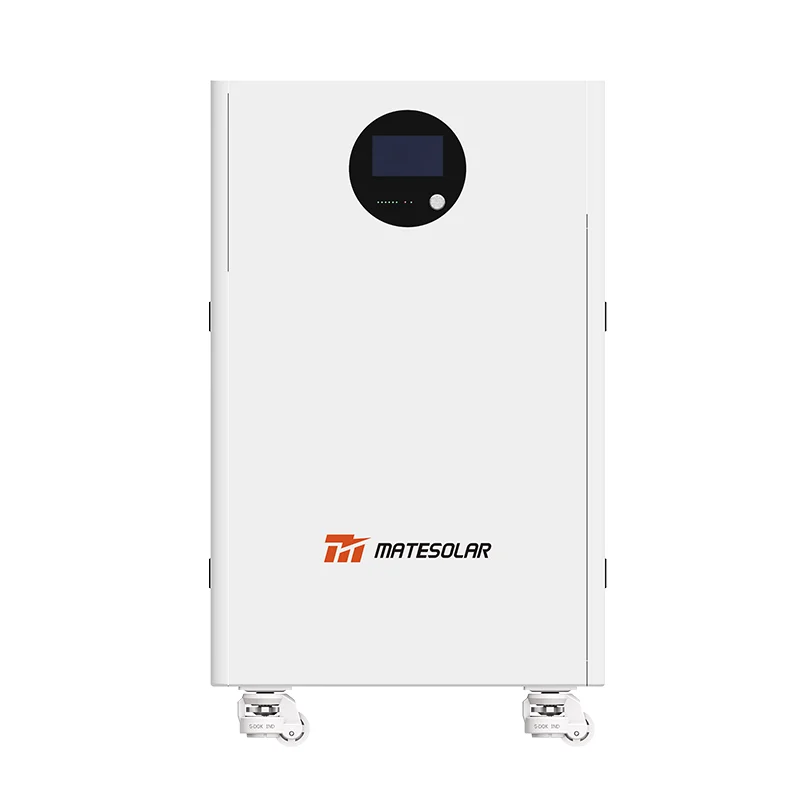
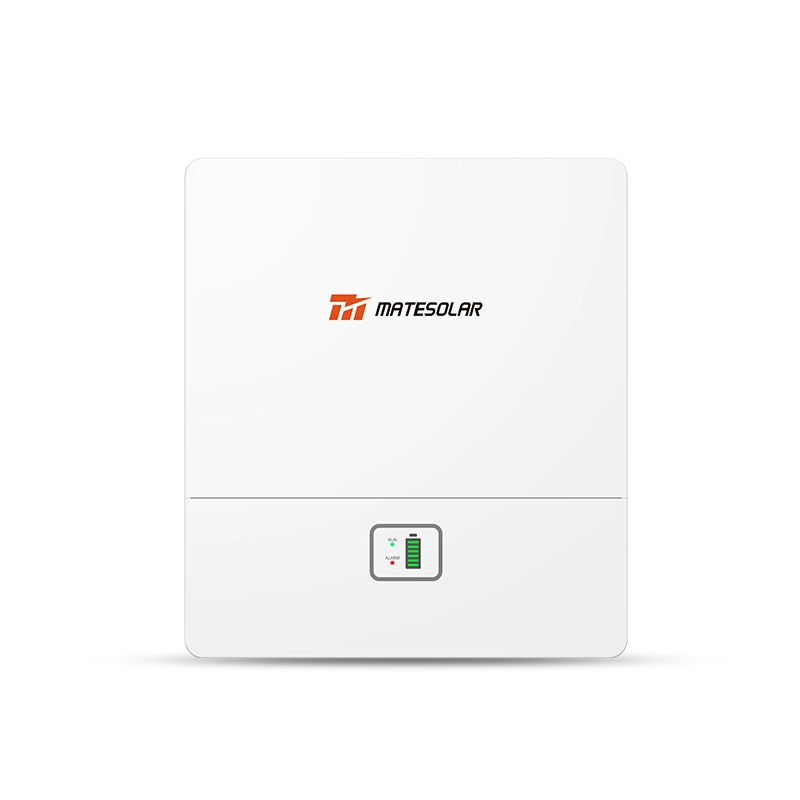
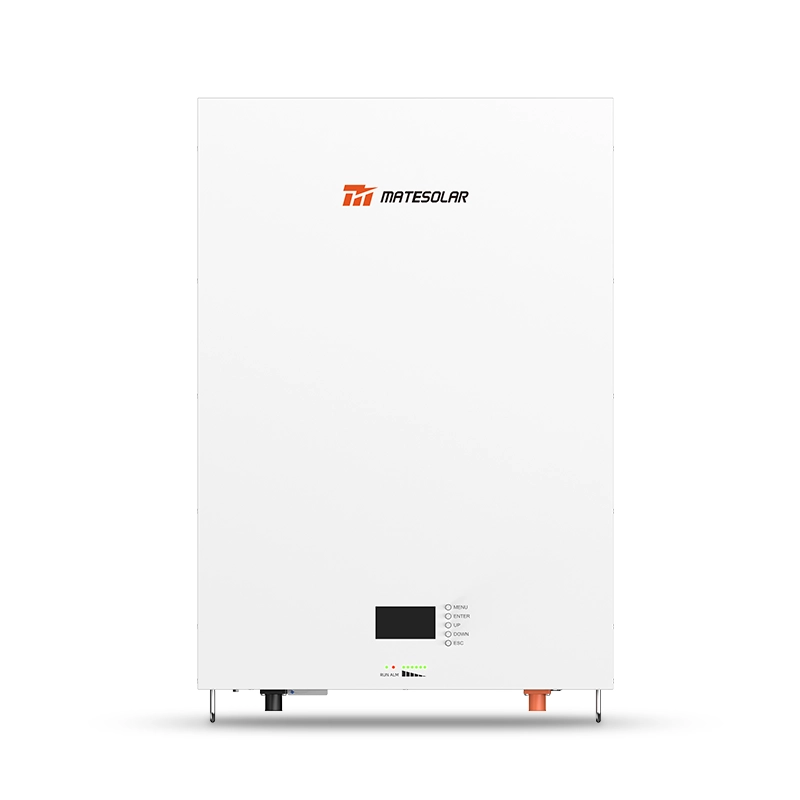
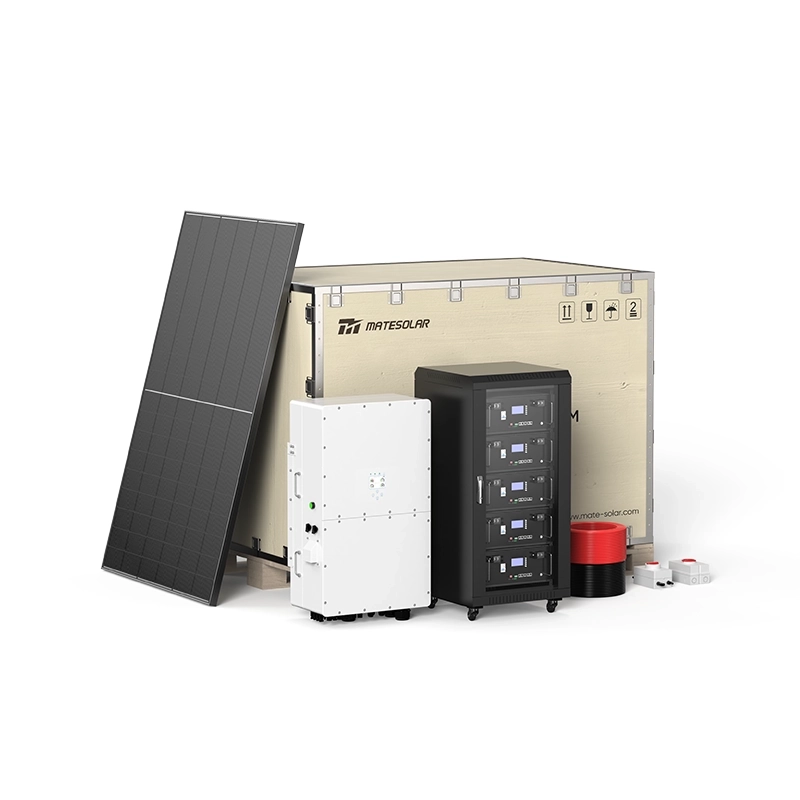
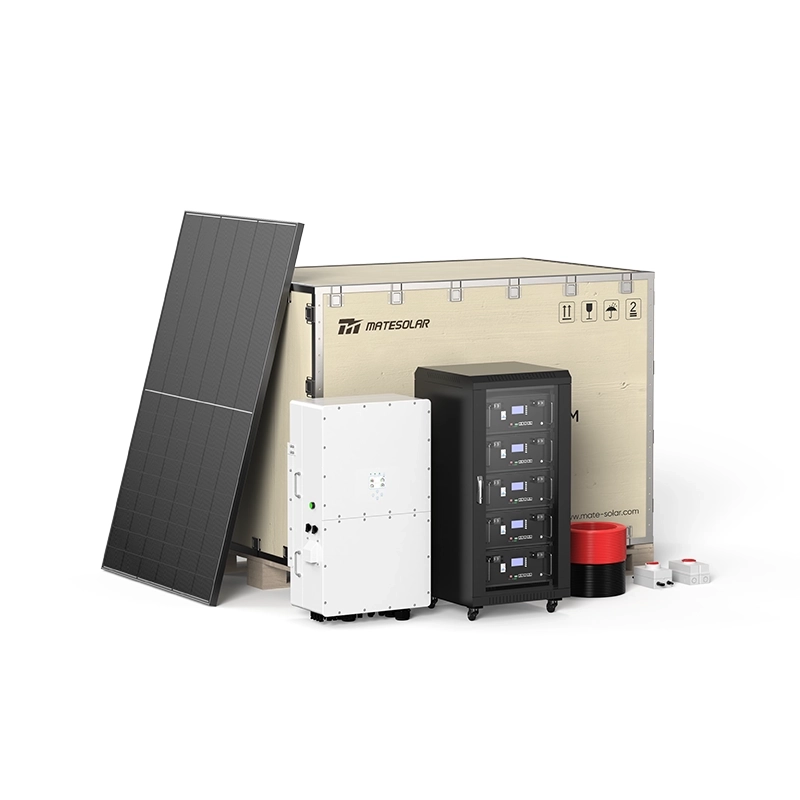
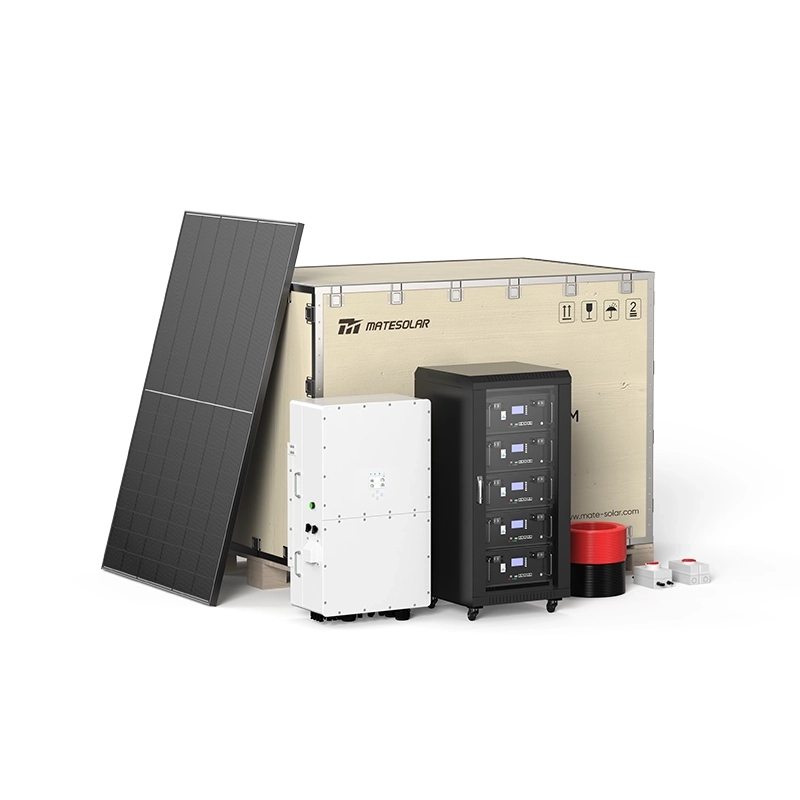
- Комерційна гібридна сонячна система потужністю 500 кВт – Комплексне рішення «сонячна енергія плюс акумуляція» для готелів, офісів та підприємств легкої промисловості
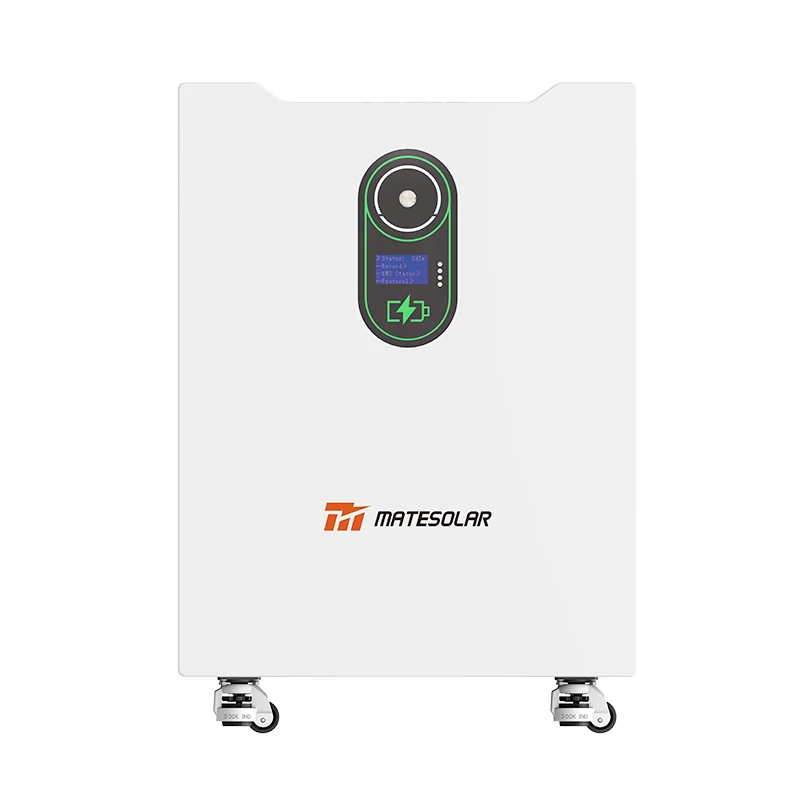
- Система накопичення енергії у вигляді зовнішнього шафи з рідинним охолодженням потужністю 100 кВт/232 кВт·год та 125 кВт/261 кВт·год – Компактне, масштабоване, стійке до ураганів сховище для розподілених комерційних застосувань
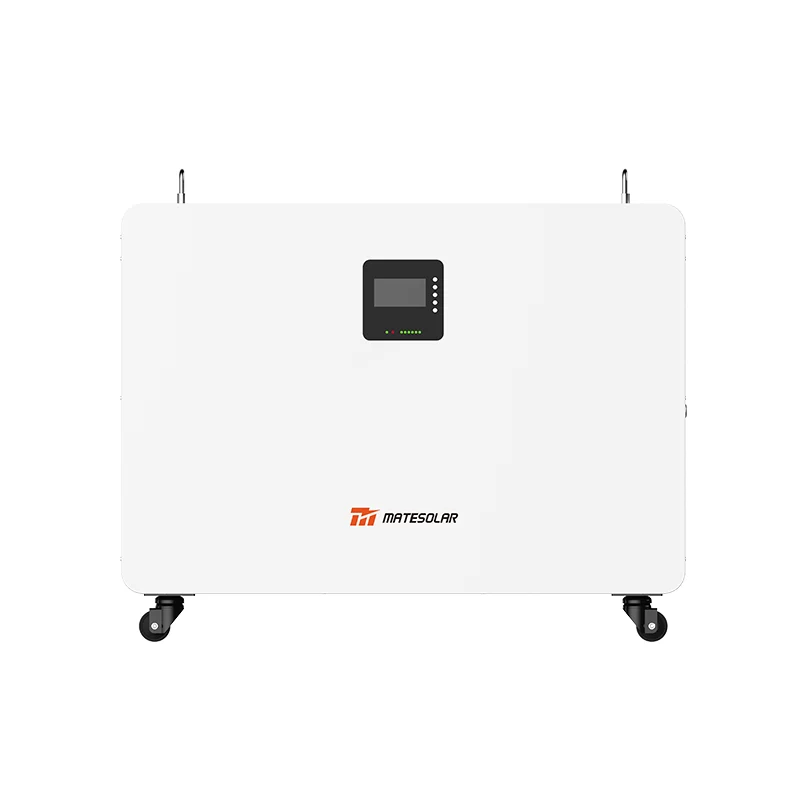
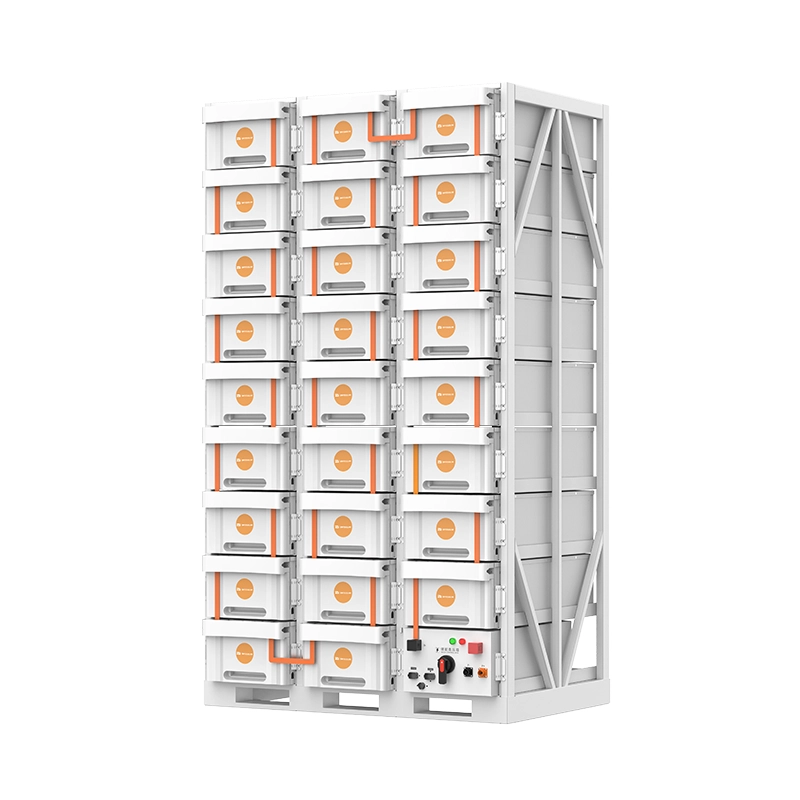
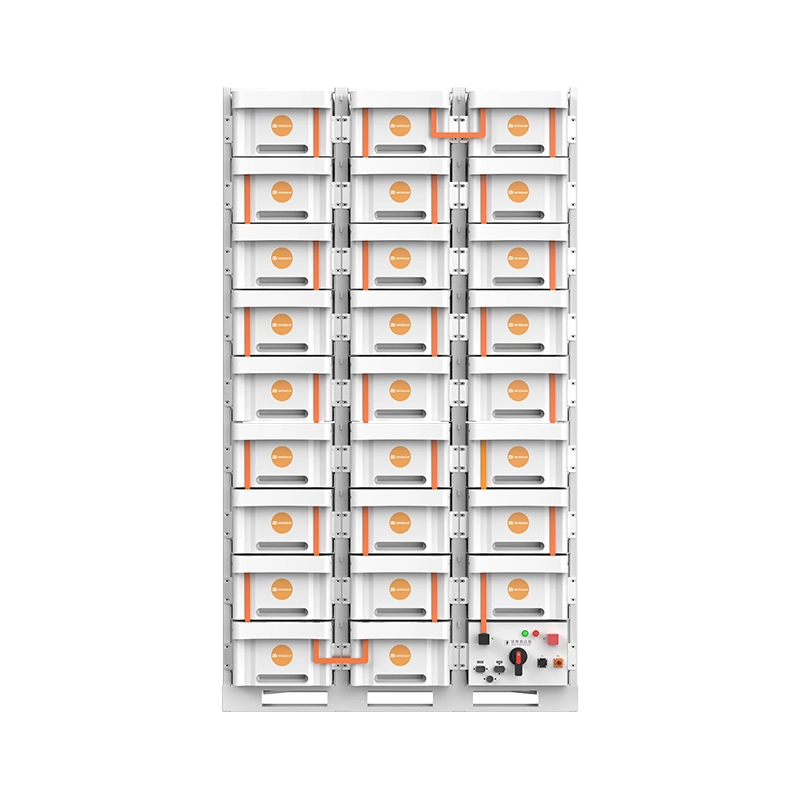
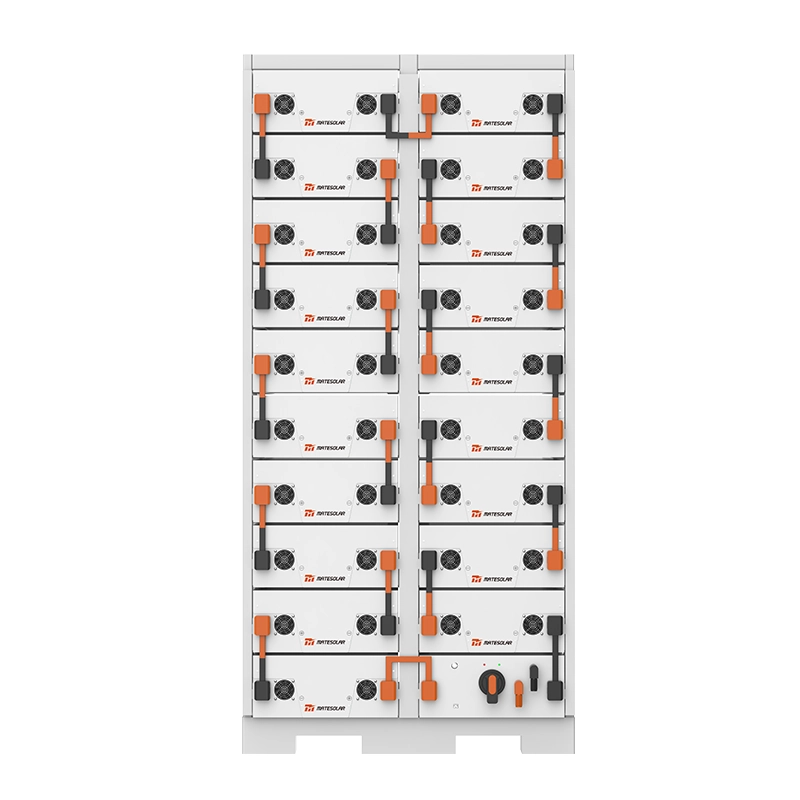
- 40-футова система зберігання енергії (ESS) з повітряним охолодженням, 1 МВт·год, 2 МВт·год – Економічно ефективне зберігання енергії для великих комерційних та легких промислових проєктів
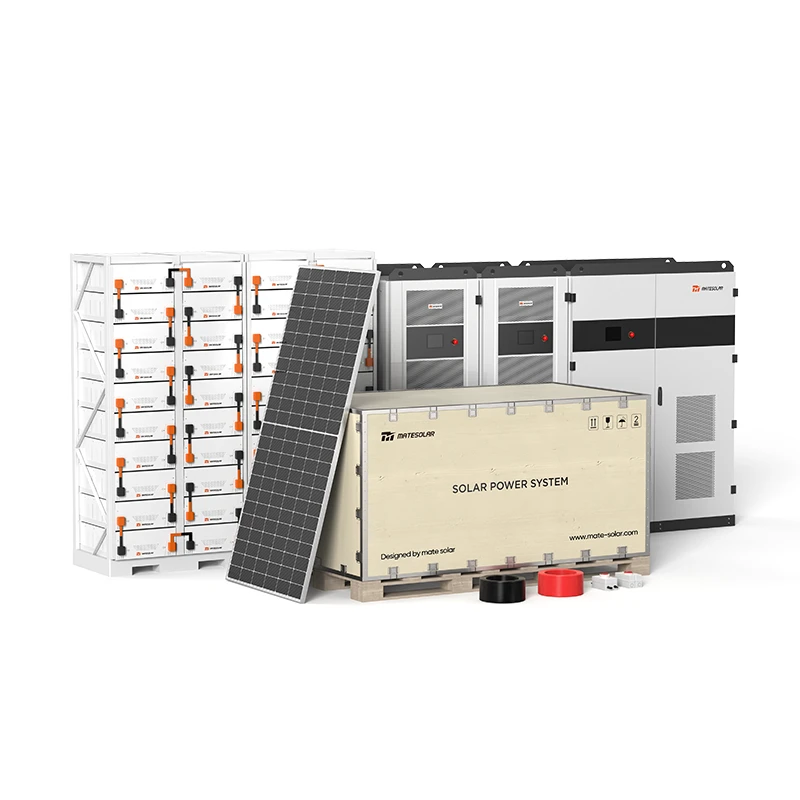
- 20-футовий контейнерний накопичувач енергії з рідким охолодженням 3 МВт/год 5 МВт/год – BESS промислового класу для тендерів GPE, дата-центрів та промислових застосувань
Зв'яжіться з MateSolar сьогодні, щоб запланувати технічну консультацію, замовити детальну оцінку майданчика або отримати попередню фінансову модель, розроблену відповідно до профілю навантаження вашого підприємства.
Відмова від відповідальності: Тарифи на електроенергію та регуляторна політика можуть змінюватися. Усі фінансові прогнози є оцінками, що базуються на поточних ринкових умовах станом на травень 2026 року. Зверніться до кваліфікованих фінансових та юридичних радників перед прийняттям інвестиційних рішень.
MateSolar — Ваш комплексний постачальник рішень у галузі фотовольтаїки та зберігання енергії