

















Executive Summary: The Unstoppable Rise of Chile’s Energy Storage Revolution
As of May 2026, the Republic of Chile stands as the undisputed leader of Latin America‘s energy storage revolution — and one of the fastest-growing battery storage markets in the world. Driven by the world-class solar irradiance of the Atacama Desert and the relentless decarbonization demands of the mining sector, Chile‘s battery energy storage system (BESS) market has entered a phase of exponential growth that few analysts predicted even two years ago.
According to the Coordinador Eléctrico Nacional (CEN) , Chile currently has 3,072 MW of BESS capacity either operating or undergoing testing as of May 2026, with the majority of projects concentrated in the Atacama Desert region. The national grid operator projects an additional 5,400 MW of storage capacity to be commissioned by December 2026, reinforcing Chile‘s position as one of the fastest-growing storage markets globally.
But the numbers go even deeper. As of March 2026, Chile‘s total installed operational capacity had reached 38,193 MW (38 GW) , with over 51% now sourced from non-conventional renewable energy (NCRE) . The storage pipeline currently includes nearly 22.5 GWh under construction and over 52.8 GWh in the environmental evaluation process — a staggering figure that reflects the scale of ambition driving the Chilean energy transition.
The pace of growth has shattered virtually every initial forecast. ACERA predicts that if current trends continue, Chile will have approximately 9 GW of battery storage projects (average 4-hour duration) in operation by the end of 2026 — achieving the country‘s original 2030 deployment target fully four years ahead of schedule.
The Chilean Ministry of Energy officially confirmed on March 31, 2026 that the 2,000 MW storage target originally set for 2030 had been met. More remarkably, considering projects currently underway, the 6,000 MW target for 2050 would be achieved by the end of 2026 or early 2027.
This document serves as the definitive technical blueprint for navigating Chile’s 2026 energy storage landscape. Drawing upon the latest data, regulatory updates, and real-world project case studies, it addresses the five critical pain points that define the market today:
- Pain Point 1: Mining decarbonization and the urgent need for 24/7 green power in extreme desert environments
- Pain Point 2: PMDG plant owners and commercial/industrial (C&I) businesses seeking peak shaving and arbitrage returns at $0.207/kWh electricity prices
- Pain Point 3: EPCs and project developers facing retrofit compliance and bankability challenges in the 3,900 MW PMGD installed base
- Pain Point 4: Emerging high-consumption sectors (data centers, green hydrogen) requiring sub-10ms UPS-grade response and extended backup duration
- Pain Point 5: Storage investors demanding extreme environmental resilience and carbon credit monetization pathways
For each of these pain points, this blueprint provides technically rigorous, regulation-aware solutions — grounded in real project references and backed by internationally recognized certifications including UL9540, IEC62619, ISO 12944 C5, and IP65/IP66 ratings.
Market Overview: Why Chile in 2026?
The Atacama Advantage
The Atacama Desert offers the highest solar irradiance on the planet, averaging over 2,500 kWh/m²/year. This natural endowment has made Chile a global solar powerhouse — but it has also created a fundamental challenge: solar energy is abundant during daylight hours, yet demand peaks in the evening and overnight.
Battery storage is the answer. By pairing massive solar PV arrays with BESS, Chile is effectively “time-shifting” daytime solar generation into the evening and overnight periods, enabling solar to function as a baseload-capable resource rather than an intermittent one.
The Victor Jara project — located in the Tarapacá region — exemplifies this strategy. The facility combines 231 MW of solar PV capacity with a 200 MW/1.3 GWh BESS, capable of delivering sustained maximum power output for up to 6.5 hours after sunset.
Policy Tailwinds: The New Government‘s Storage Push
Chile’s new government administration has formally designated energy storage as a national priority. According to projections presented by members of the energy policy team, the country aims to reach approximately 9,000 MW of storage capacity by 2027 and approximately 14,000 MW by 2030.
The regulatory framework has evolved rapidly to support this ambition. Key legislative milestones include:
| Regulatory Instrument | Key Provision | Impact on Storage |
| Law 21.505 (Storage & Electromobility) | Allows BESS participation across all electricity sector segments; permits storage systems to charge from the grid | Enables standalone storage revenues; creates arbitrage opportunities |
| DS 70/2023 (Capacity Payment Reform) | Establishes clear valuation and compensation methodology for independent BESS capacity contributions | Long-duration (>5hr) BESS qualify for full capacity payments |
| DS 88 Amendment | Enables PMGD systems to incorporate storage and retain stabilized price regime benefits | Unlocks retrofit opportunity for 3,900+ MW PMGD fleet |
| New Energy Roadmap (2026) | Simplifies permitting processes; accelerates environmental review for storage projects | Reduces project development timelines |
Law 21.505 has been particularly transformative. It explicitly allows storage systems to charge from the grid, participate in capacity markets, and co-locate with existing generation assets. This legal clarity has unlocked project financing from international development banks (IDB, World Bank) and commercial lenders alike.
The Mining Catalyst
Chile‘s mining sector — the world’s largest copper producer — is under unprecedented pressure to decarbonize. The National Mining Policy 2050 mandates a minimum 50% emissions reduction from large mining operations by 2030 and a carbon-neutral sector by 2040, with 90% of electricity contracts from renewable sources by 2030 and 100% by 2050.
Codelco, the state-owned mining giant, has already signed multi-year renewable energy supply agreements. From January 2026, GR Power — Grenergy‘s commercial energy subsidiary in Chile — began supplying 0.5 TWh of green energy annually to Codelco. Codelco has also modified its power purchase contracts to phase out coal-fired generation progressively from 2026, targeting 100% clean electricity by 2030.
The scale of mining-driven storage demand is staggering. By 2030, renewables are projected to meet 99% of copper mining electricity demand, with cumulative consumption from renewable sources reaching nearly 89% of total mining power consumption over the 2025–2034 period.
Chile Electricity Price Landscape: The Arbitrage Opportunity
Understanding Chile’s electricity pricing structure is essential for any storage investment decision. As of May 2026, commercial electricity prices in Chile average approximately $0.207 USD/kWh** — with household rates even higher at approximately **$0.281 USD/kWh.
These rates reflect a market that has seen sustained upward pressure. The 2025/01 regulated power supply auction secured 3.36 TWh at an average price of $64.5/MWh for supply from 2027 to 2030 — significantly higher than previous auction rounds.
Crucially, Chile’s electricity market is fully liberalized, with prices free to float based on supply and demand. Peak-valley spreads have shown a sustained widening trend, creating robust arbitrage opportunities for storage operators.
Capacity Compensation: The 5-Hour Threshold
Under current regulations effective through 2034, BESS systems with 5 hours or more of storage duration qualify for full capacity compensation payments. According to Aurora Energy Research analysis, 5-hour batteries offer the best value proposition in the current market, allowing operators to monetize intraday price spreads while fully benefiting from existing capacity payment mechanisms.
This regulatory design has made 5-hour duration the mainstream configuration for new BESS projects in Chile — a shift from the 2–4 hour configurations common in other markets.
Table 1: Chile Commercial Electricity Rate Analysis (May 2026)
| Customer Category | Average Rate (USD/kWh) | Peak Period Surcharge (Est.) | Off-Peak Rate (Est.) | Peak-Off-Peak Spread |
| Small Commercial (<100 kW) | $0.207 | +15-20% | -15-20% | ~$0.040–0.060/kWh |
| Large Commercial (100-500 kW) | $0.185–0.200 | +12-18% | -12-18% | ~$0.035–0.055/kWh |
| Industrial (>500 kW) | $0.160–0.180 | +10-15% | -10-15% | ~$0.030–0.045/kWh |
| Regulated Residential | $0.281 | +20-25% | -20-25% | ~$0.070–0.090/kWh |
*Note: Rates vary by region and time-of-use tariff structure. Peak periods typically occur during evening hours (18:00–23:00) when solar generation declines but demand remains high.*
Pain Point 1: Mining Decarbonization — 24/7 Green Power in Extreme Desert Environments
The Challenge
Mining operations in the Atacama Desert face a unique and urgent challenge: they must transition from fossil fuel-based power to 100% renewable electricity while maintaining uninterrupted 24/7 operations in one of the harshest environments on Earth.
Daytime solar power is abundant, but nighttime demand — when conveyor belts, ventilation systems, processing plants, and camp facilities continue operating — must be met by stored energy. The operational imperative is clear: any interruption in power supply can result in millions of dollars in lost production.
The Technical Solution: Industrial-Grade BESS with Grid-Forming Control
To achieve true 24/7 green power, industrial BESS installations must incorporate Grid-Forming (GFM) control technology — the ability to independently establish voltage and frequency without grid support. Unlike Grid-Following inverters that rely on an external reference, Grid-Forming inverters can operate in island mode, maintaining stable power delivery even when disconnected from the main grid.
For mining applications, the BESS must also support 4+ hour duration storage to bridge the gap between sunset and morning solar generation. The 5-hour duration standard increasingly adopted in Chile is particularly well-suited for mining applications, as it can fully charge during daylight hours and discharge through peak evening demand periods.
Critical Certifications for Mining BESS
For mining BESS projects to secure financing and regulatory approval, they must carry key international certifications:
| Certification | Scope | Relevance for Mining |
| UL 9540 | Complete energy storage system safety certification | Required by lenders and insurers; validates system-level thermal runaway prevention |
| UL 9540A | Thermal runaway fire propagation testing | Essential for meeting fire code requirements in high-value mining assets |
| IEC 62619 | Industrial secondary lithium cell and battery safety | Global standard for industrial battery safety |
| IEC 60730 | Automatic electrical controls | Relevant for system protection features |
| UN 38.3 | Battery transport safety | Required for international shipping of battery components |
UL 9540 is the most widely recognized safety standard for energy storage systems in the Americas, evaluating the safety of the entire BESS — including battery modules, power conversion systems, and control systems — through simulated thermal runaway testing. IEC 62619 serves as the global benchmark for industrial lithium battery safety.
Market-Proven Reference Projects
Grenergy‘s Monte Águila Project: This flagship project, part of the broader Oasis platform, combines 340 MW of solar PV with 1.1 GWh of BESS capacity. The Oasis platform plans a total of 1.1 GW of solar PV and 4 GWh of storage across five projects (Tamango, Teno, Planchón, Monte Águila, and Sol de Caone), representing an investment of approximately $900 million. All phases are expected to be operational between 2026 and 2027.
Trina Storage 141 MW/722 MWh Project: This project provides stable energy supply to key mining towns in the Antofagasta region, demonstrating the viability of large-scale BESS for mining-supporting infrastructure.
CIP Patache Project (300 MW/1,500 MWh): This Copenhagen Infrastructure Partners project has already obtained international carbon offset program qualification, establishing a replicable model for “storage + carbon credit” dual-revenue structures.
Victor Jara Project: Located in Tarapacá, this 231 MW solar + 200 MW/1.3 GWh BESS facility can provide sustained maximum power for 6.5 hours after sunset — a critical capability for mining operations that require extended nighttime power.
Table 2: Mining BESS System Specifications — Recommended Minimum
| Parameter | Specification | Rationale |
| Power Rating | 5–50 MW per installation | Scalable to mine load requirements |
| Energy Capacity | 4–8 hours (20–400 MWh) | 5+ hours qualifies for full capacity compensation |
| Inverter Technology | Grid-Forming (GFM) with island mode | Enables 24/7 operation without grid dependency |
| Round-Trip Efficiency | >85% | Maximizes economic return |
| Response Time | <50 ms (full power) | Matches grid code requirements |
| Operating Temperature Range | -20°C to +55°C | Atacama’s extreme diurnal temperature swings |
| Altitude Capability | Up to 3,500m | Many mining sites at high elevation |
| Protection Rating | IP65 minimum, C5 corrosion | Sand, dust, and salt protection in desert/coastal zones |
| Cycle Life | 6,000 cycles @ 80% DoD | Aligns with 15–20 year asset lifespan |
Pain Point 2: PMGD Plant Owners & C&I Businesses — Peak Shaving and Arbitrage Returns
The Challenge
Chile has over 3,900 MW of installed PMGD (Pequeños Medios de Generación Distribuida) capacity — distributed generation systems up to 9 MW connected to distribution networks. Under the stabilized price regime established by Law 21.505, PMGD systems have historically earned approximately two-thirds more than wholesale market assets, creating strong incentives for solar development.
However, as solar penetration has increased, curtailment risks and negative pricing events have emerged as real threats to PMGD profitability. The solution? Adding energy storage to existing PMGD systems to store low-price off-peak solar energy and dispatch during high-price peak hours.
For standalone C&I businesses — retail stores, hotels, office buildings, hospitals, and industrial facilities — the economics are similarly compelling. With commercial electricity rates at $0.207/kWh, a properly sized BESS can reduce electricity bills by 20–40% through peak shaving (reducing demand charges) and arbitrage (buying low, selling/discharging high).
The Technical Solution: Modular, Expandable Outdoor Cabinets
The ideal storage solution for PMGD and C&I applications is a modular, scalable outdoor cabinet system that supports phased deployment to manage cash flow. This approach allows customers to:
1. Start small with a single cabinet to validate performance and ROI
2. Expand incrementally as energy needs grow or as additional financing becomes available
3. Right-size capacity for specific load profiles rather than over-investing upfront
Critical Certifications for C&I Applications
| Certification | Requirement | Why It Matters |
| IEC 62619 | Battery safety | Mandatory for industrial battery systems |
| UL 9540 | System safety | Required for financing and insurance |
| IP54 minimum (IP65 recommended) | Environmental ingress protection | Essential for coastal regions with high humidity and salt spray |
| IEC 61000 | Electromagnetic compatibility | Ensures no grid interference |
| VDE-AR-N 4105 | Grid interconnection (German standard, often referenced) | Demonstrates grid code compliance |
IP65-rated cabinets provide complete dust-tight protection and protection against low-pressure water jets — essential in Chile‘s northern coastal regions where high humidity and salt spray are constant challenges. For locations within 5 km of the coastline, C5 corrosion protection per ISO 12944 is strongly recommended.
The ROI Framework
For C&I storage to be commercially viable, the value proposition must be clearly quantifiable. A robust ROI model should account for:
1. Peak Shaving Savings: Reduction in demand charges (typically the largest component of C&I electricity bills)
2. Arbitrage Revenue: Difference between off-peak purchase price and peak-period value
3. Capacity Compensation: For systems >5 hours duration
4. Backup Power Value: Avoided cost of downtime (critical for data centers, hospitals, cold storage)
A typical 100 kW/232 kWh commercial storage system in Santiago or Antofagasta can achieve a simple payback period of 4–6 years under current rate structures — substantially faster with capacity compensation inclusion.
Pain Point 3: EPCs and Project Developers — PMGD Retrofit Compliance and Bankability
The Challenge
The PMGD segment presents a massive retrofit opportunity — but also a compliance minefield. With nearly 3,900 MW of installed PMGD capacity, many of these systems were built before storage integration was economically viable or technically practical. Today, retrofitting these systems with storage offers a path to enhanced returns, but EPCs must navigate:
- Regulatory compliance with Law 21.505 and DS 88 amendments
- Grid interconnection requirements for hybrid solar+storage configurations
- Bankability requirements to secure project financing from lenders and international development banks
The Technical Solution: Standardized “Solar + Storage” Retrofit Packages
The most effective approach is to offer standardized retrofit packages that include:
- Pre-engineered BESS modules matched to existing PV array capacity
- Hybrid inverter systems capable of managing both solar and storage
- Energy management system (EMS) software for optimization and reporting
- Turnkey commissioning to ensure grid code compliance
Standardization reduces engineering costs, shortens project timelines, and — most importantly — provides the consistency and predictability that lenders demand for project financing.
The Bankability Imperative
For PMGD retrofit projects to attract international capital, they must demonstrate:
| Bankability Requirement | How to Achieve |
| Certified safety | UL9540, IEC62619, UL9540A certifications |
| Long-term performance warranty | 10-year product warranty + performance guarantees |
| OEM financial strength | Partner with established Tier-1 manufacturers |
| Regulatory compliance | Demonstrate Law 21.505 and grid code adherence |
| Insurance coverage | All-risk insurance from recognized underwriters |
International development banks — including the Inter-American Development Bank (IDB) , the World Bank, and CAF (Development Bank of Latin America) — have increasingly stringent requirements for storage project financing. UL9540 certification is now considered table stakes for IDB-financed projects.
Table 3: PMGD Retrofit Storage Sizing Guide
| Existing PV Capacity (MW) | Recommended Storage Power (MW) | Recommended Storage Energy (MWh) | Estimated Duration (hours) | Typical Application |
| 1–3 MW | 0.5–1.5 MW | 2–6 MWh | 4 hours | Small commercial / industrial park |
| 3–6 MW | 1.5–3 MW | 7.5–15 MWh | 5 hours | Medium industrial / mining support |
| 6–9 MW | 3–5 MW | 15–25 MWh | 5 hours | Large PMGD with capacity compensation |
| 9 MW (PMG) | 5–10 MW | 25–50 MWh | 5+ hours | Utility-scale with capacity market access |
*Note: The 5-hour duration configuration is recommended for PMGD retrofits targeting full capacity compensation under DS 70/2023.*
Pain Point 4: Emerging High-Consumption Industries — Sub-10ms Response and Long-Duration Backup
The Challenge
Chile is positioning itself as a global hub for green hydrogen production and AI-driven data center expansion. Both sectors share a critical requirement: uninterruptible, high-quality power with millisecond-level response capabilities.
Data centers require UPS-grade power quality — typically defined as transfer time ≤10 ms during grid disturbances. Any longer interruption can trigger server crashes, data corruption, and costly downtime.
Green hydrogen electrolyzers are equally demanding. Electrolysis is a continuous process; power interruptions can damage membranes, reduce efficiency, and increase hydrogen production costs.
The Technical Solution: High-Speed PCS with Extended Duration
For these applications, the power conversion system (PCS) must support:
- <10 ms response time for seamless grid-to-island switching
- 4+ hour backup duration to bridge extended outages
- Scalability to accommodate future load growth
- Reactive power compensation (SVG functionality) for power quality improvement
The SVG (Static Var Generator) capability is particularly important for data centers and industrial facilities with non-linear loads that introduce harmonics into the grid. By integrating SVG functionality into the BESS, operators can improve power factor, reduce harmonic distortion, and stabilize voltage — all while providing backup power.
Critical Certifications for UPS-Grade Applications
| Certification/Standard | Requirement |
| IEC 62040 | Uninterruptible power systems (UPS) |
| IEEE 1547 | Interconnection with electric power systems |
| IEC 61000-4 | Electromagnetic compatibility (immunity) |
| SVG functionality test report | Independent verification of power quality capabilities |
Market Drivers
As AI compute capacity expands globally and Chile‘s hydrogen roadmap accelerates, demand for high-reliability, long-duration BESS will surge. Several green hydrogen projects are already advancing through environmental assessment, each requiring dedicated storage infrastructure to manage variable renewable generation.
Pain Point 5: Storage Investors — Extreme Environmental Resilience and Carbon Credit Monetization
The Challenge
The Atacama Desert is not only the world‘s best solar resource — it is also one of the most punishing environments for electronic equipment. Extreme temperature swings (daytime highs above 40°C, nighttime lows below freezing), high-altitude operation (many sites above 2,500m), and corrosive salt spray (coastal mining operations) combine to create a brutal operating environment.
Simultaneously, Chile is emerging as a global leader in carbon credit monetization for storage projects. Under Article 6 of the Paris Agreement, Chile has already approved multiple BESS projects to generate and sell carbon credits through bilateral agreements, including with Switzerland.
The Technical Solution: C5-Certified, IP65-Protected, Liquid-Cooled Cabinets
For extreme environments, standard IP54 protection is insufficient. The recommended solution includes:
| Protection Feature | Specification | Rationale |
| Ingress protection | IP65 minimum (IP66 recommended) | Complete dust-tight; protects against high-pressure water jets |
| Corrosion protection | ISO 12944 C5 certification | Designed for high-corrosion coastal/industrial environments |
| Thermal management | Intelligent liquid cooling | Maintains optimal cell temperature across extreme ambient ranges |
| Altitude rating | Up to 4,000m | Many Chilean mining and solar sites at high elevation |
| Local service support | <48-hour response | Minimizes downtime and O&M costs |
C5 corrosion protection per ISO 12944 is the highest classification for atmospheric corrosion environments, intended for locations with very high salinity and humidity — exactly the conditions found along Chile‘s northern coast. C5-certified systems employ multi-layer coating systems (zinc primer + epoxy intermediate + fluorocarbon topcoat) that provide 15–25 year service life.
IP65-rated systems offer complete dust ingress protection and protection against low-pressure water jets from any direction — essential for sites subject to desert dust storms and coastal moisture.
Intelligent liquid cooling is strongly preferred over air cooling for high-temperature desert environments. Liquid cooling maintains cell-level temperature uniformity within ±2°C across all operating conditions, extending cell life by up to 20% compared to air-cooled systems.
Carbon Credit Monetization
Chile‘s carbon credit market has seen explosive growth. Carbon credit demand surged 17-fold in 2024 to 4.4 million tonnes. Chile‘s Nationally Determined Contribution (NDC) targets 95 MtCO2e by 2030, creating a substantial emissions reduction gap that storage projects can help fill.
Notable carbon credit-qualified BESS projects include:
- Colbún Diego de Almagro Sur: 228 MW / 912 MWh BESS
- CIP Arena: 220 MW / 1,100 MWh BESS
- CIP Patache: 300 MW / 1,500 MWh — already qualified for international carbon offset programs
For storage investors, the “storage + carbon credit” model offers a dual-revenue structure that can reduce payback periods by 1–2 years compared to energy-only revenue models.
Technology Selection: Matching Solutions to Applications
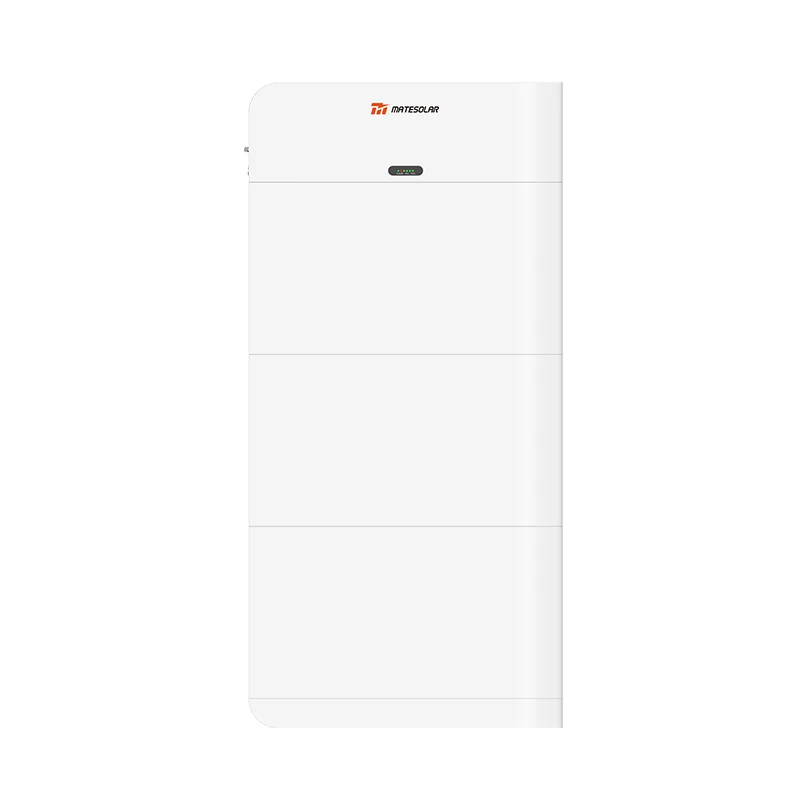
Commercial 500 kW Hybrid Solar System
For large commercial and industrial applications requiring up to 500 kW of hybrid power capacity, integrated solar + storage systems offer the ideal balance of performance and simplicity.
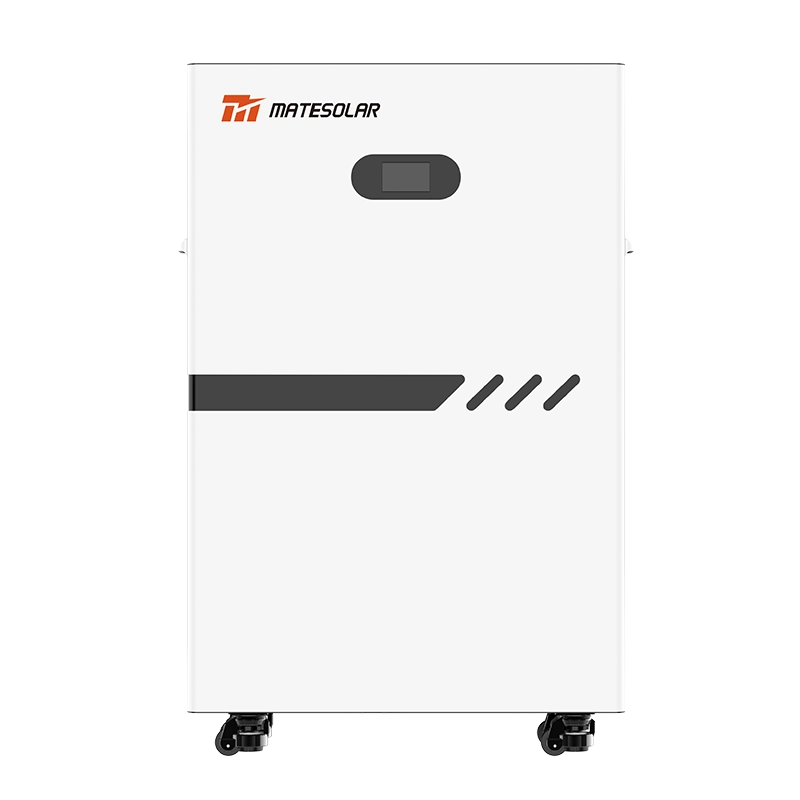
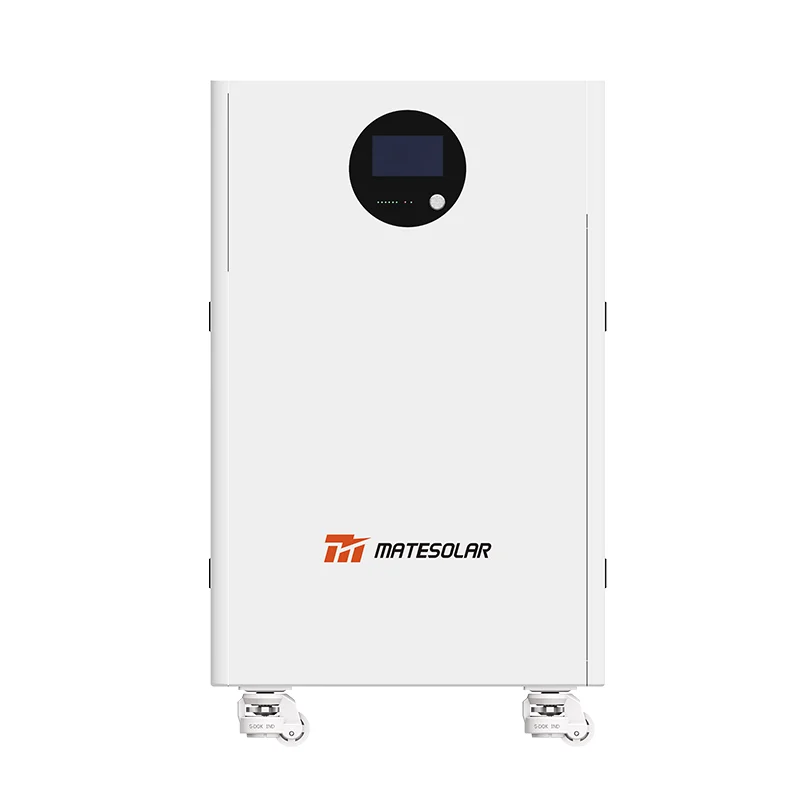
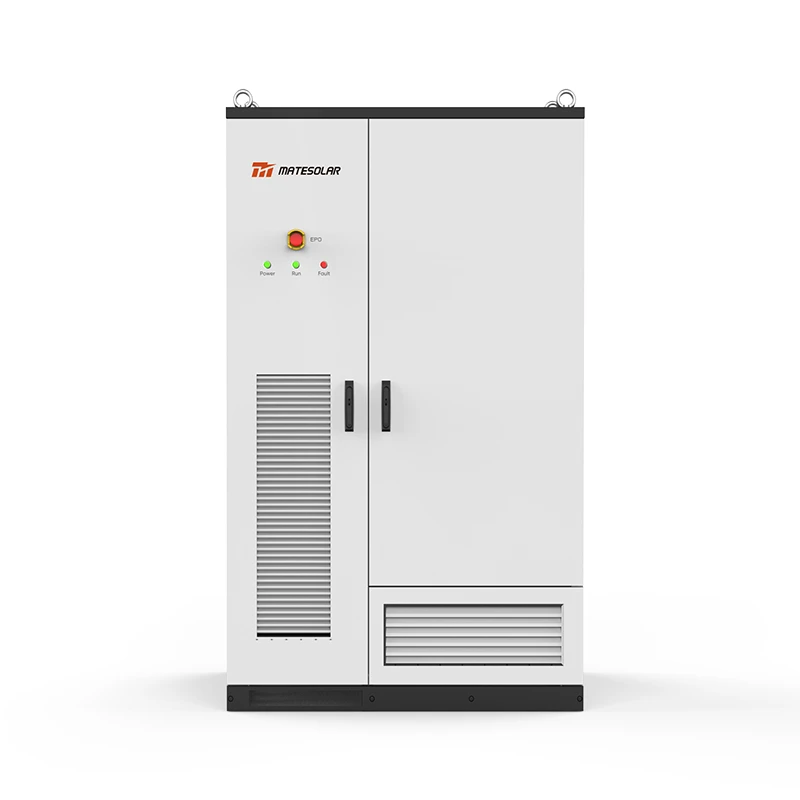
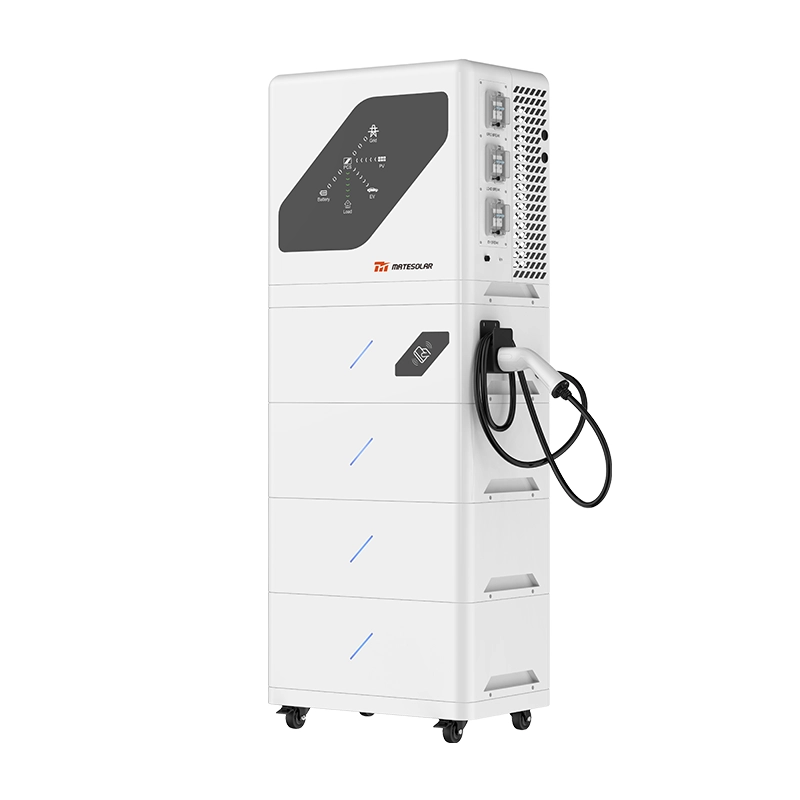
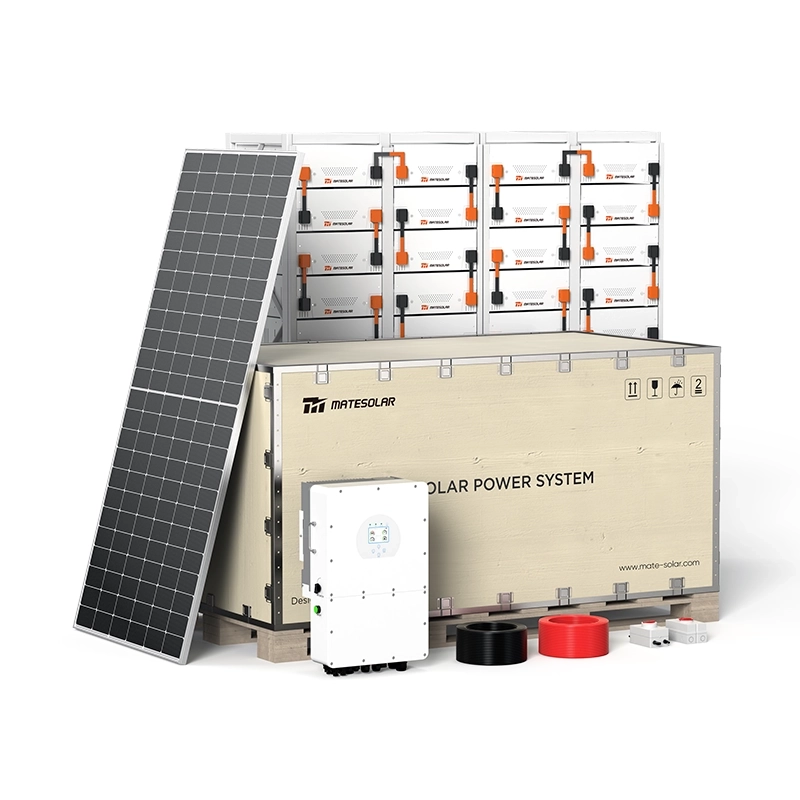
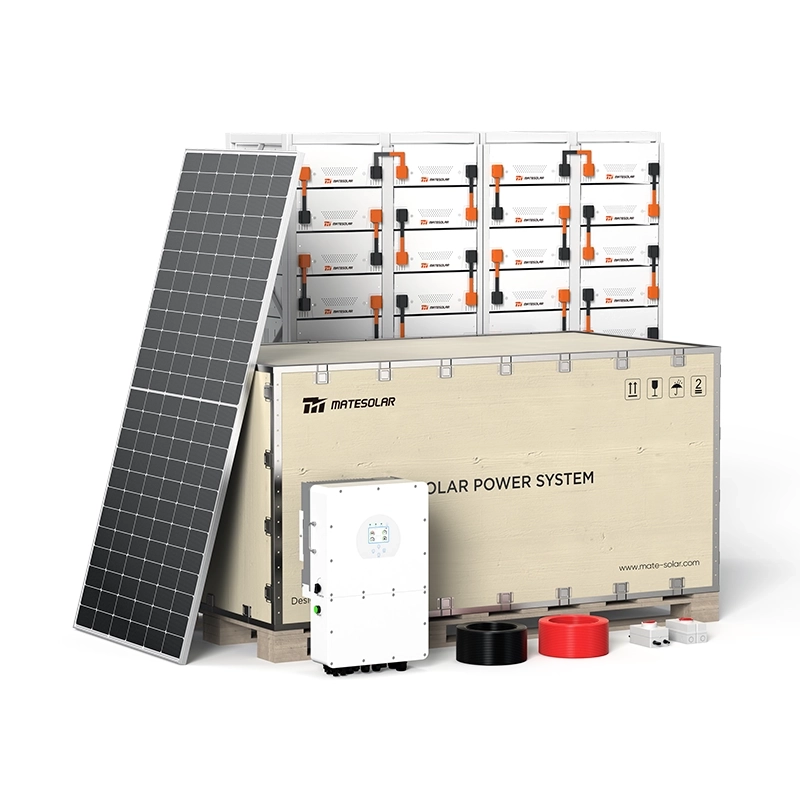
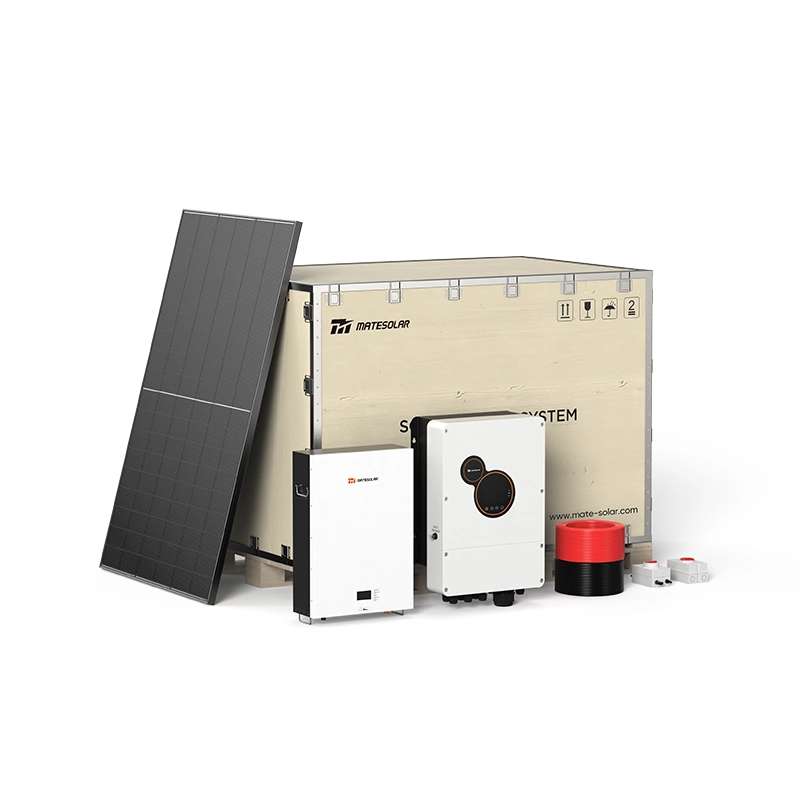
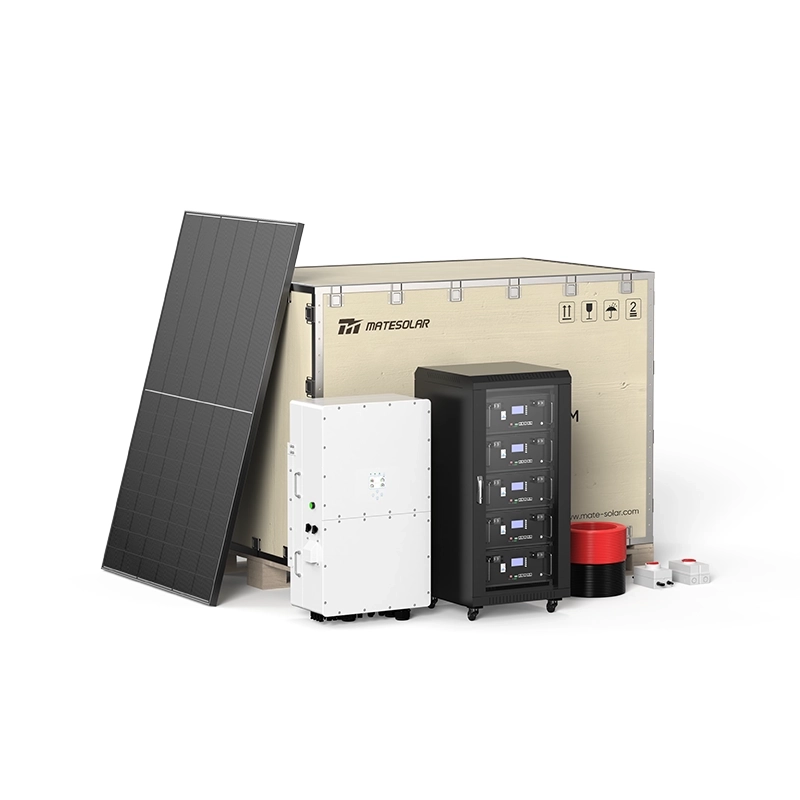
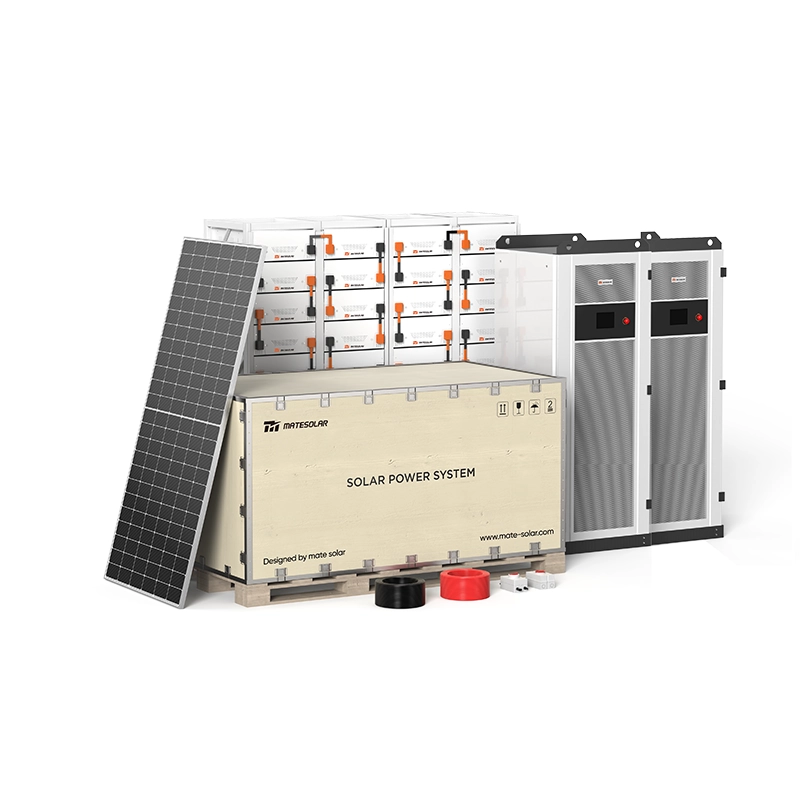
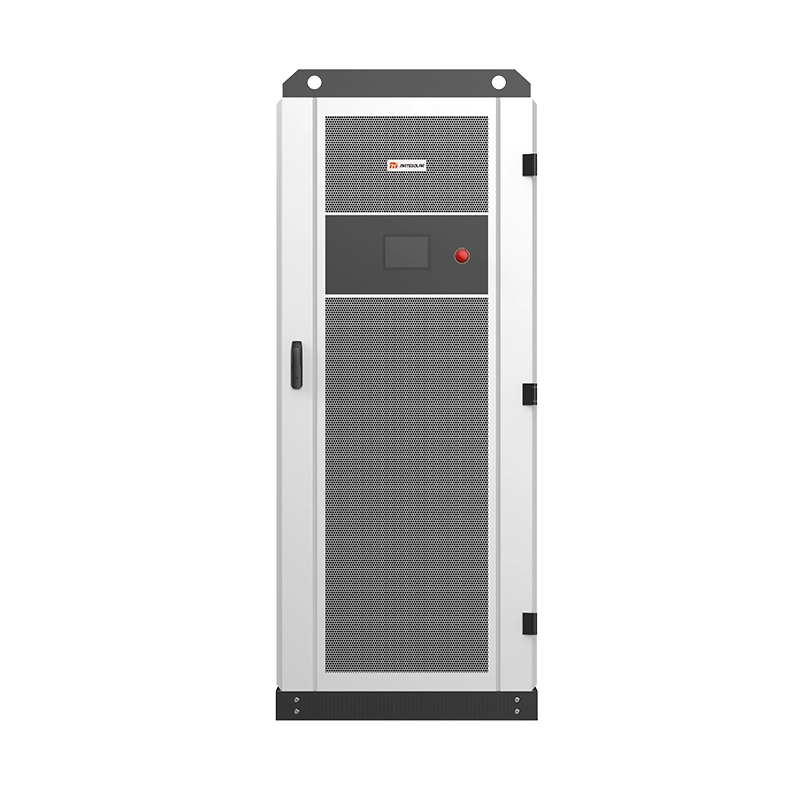
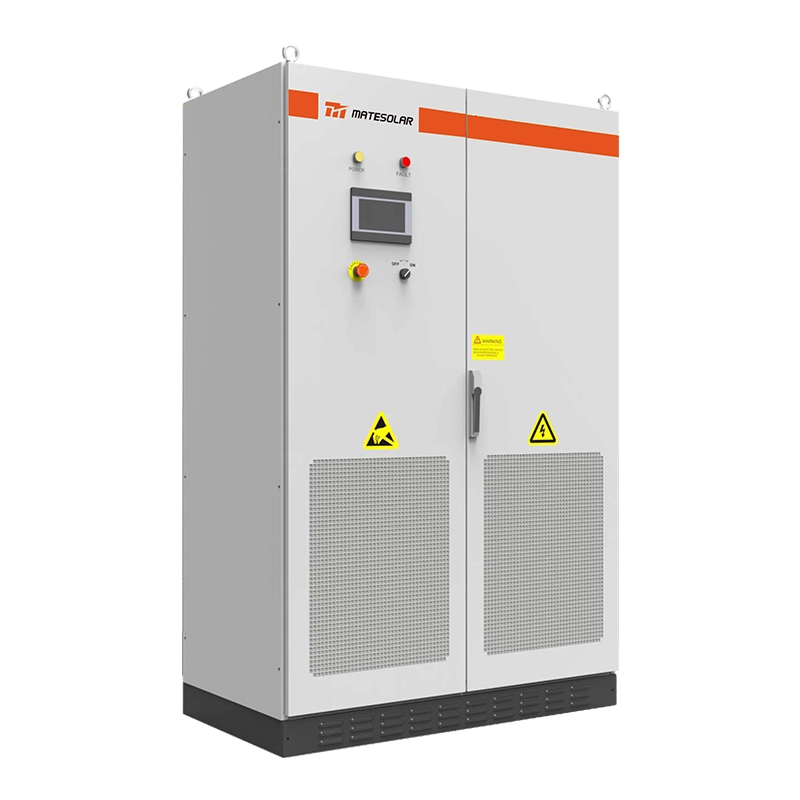
Learn more about the Commercial 500kW Hybrid Solar System — Optimized for C&I peak shaving, demand charge reduction, and grid backup applications. Features integrated solar inverter, battery management, and energy dispatch controls.
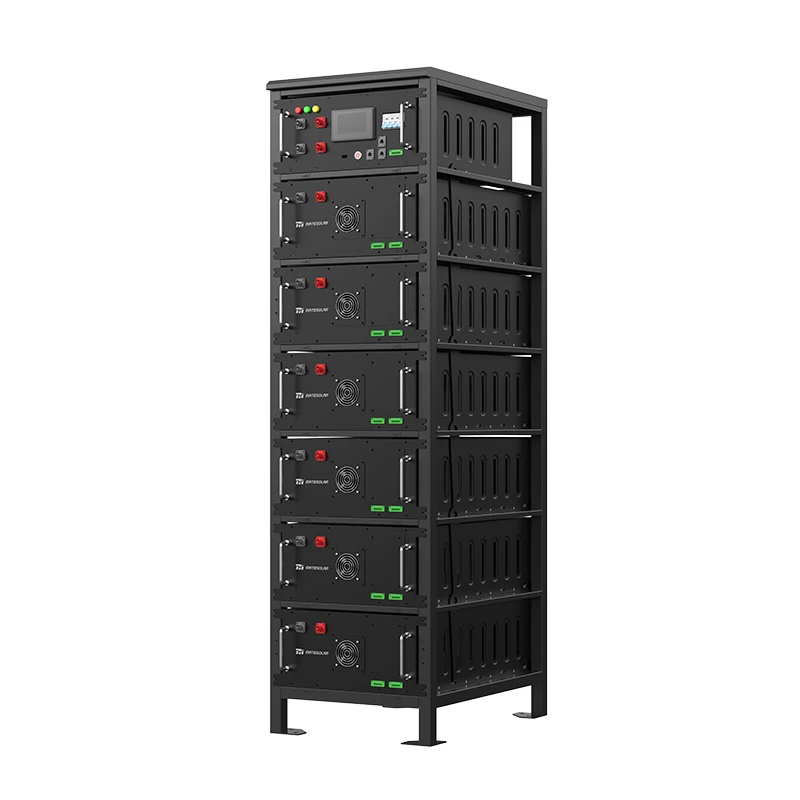
Outdoor Cabinet ESS: 100kW/232kWh and 125kW/261kWh Liquid-Cooled
For distributed PMGD retrofit and standalone C&I applications, liquid-cooled outdoor cabinets provide the ideal combination of modularity, scalability, and environmental resilience.
Key specifications:
- 100 kW / 232 kWh configuration: Ideal for small-to-medium C&I and PMGD retrofit (1–3 MW PV)
- 125 kW / 261 kWh configuration: Higher power density for larger C&I and industrial applications
Both configurations feature:
- IP65 protection + C5 corrosion certification
- Intelligent liquid cooling for extreme temperature operation
- UL9540 and IEC62619 certified
- Supports 5-hour discharge for full capacity compensation eligibility
- Phased deployment capability
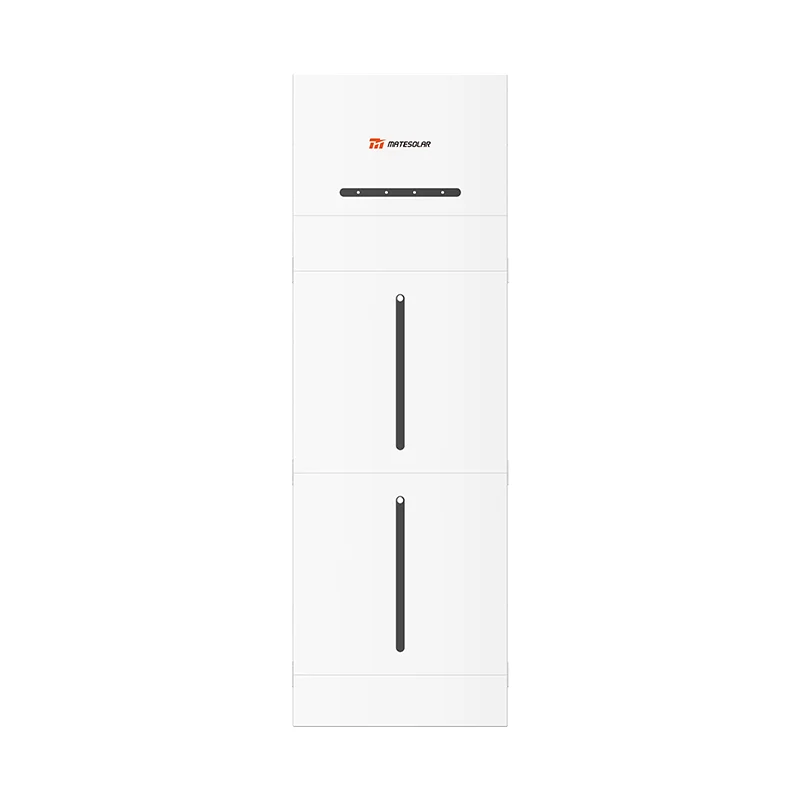
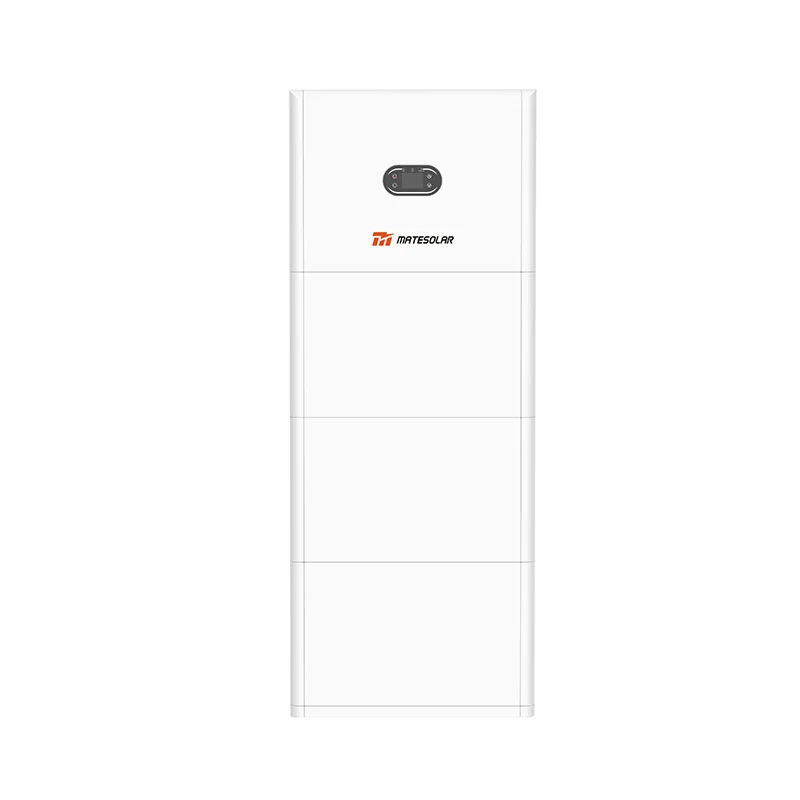
Learn more about the 100kW/232kWh & 125kW/261kWh Liquid-Cooled Outdoor Cabinet ESS.
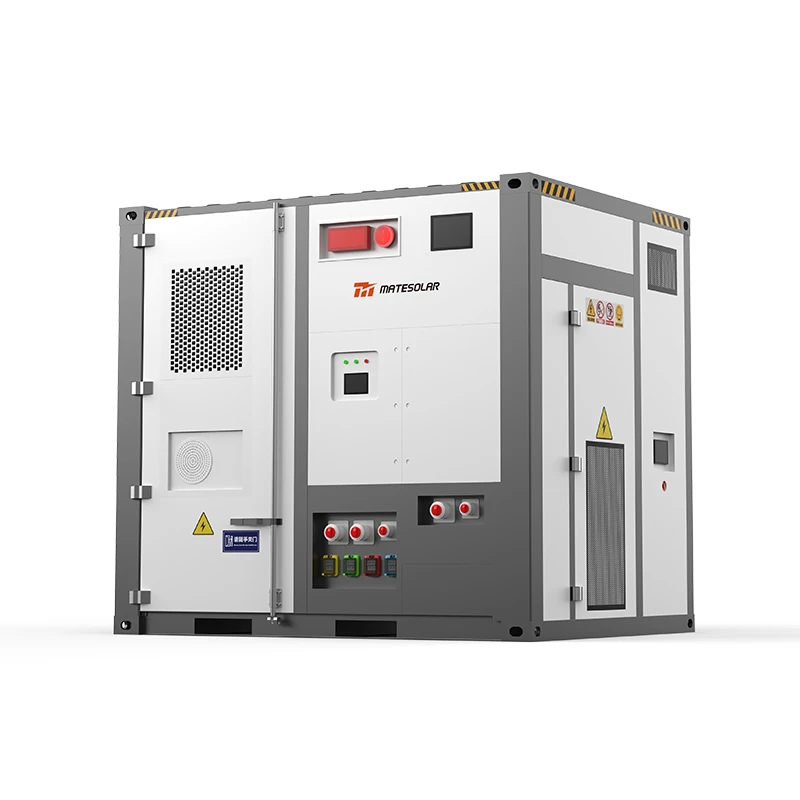
Containerized ESS: 40ft 1MWh/2MWh Air-Cooled
For large-scale PMGD retrofits and utility-scale applications, 40-foot containerized systems offer the most cost-effective capacity per installed watt.
Air-cooled configurations are appropriate for:
- Sites with moderate ambient temperatures (coastal and central regions)
- Applications where installation simplicity is paramount
- Budget-conscious deployments
Learn more about the 40ft 1MWh/2MWh Air-Cooled Container ESS.
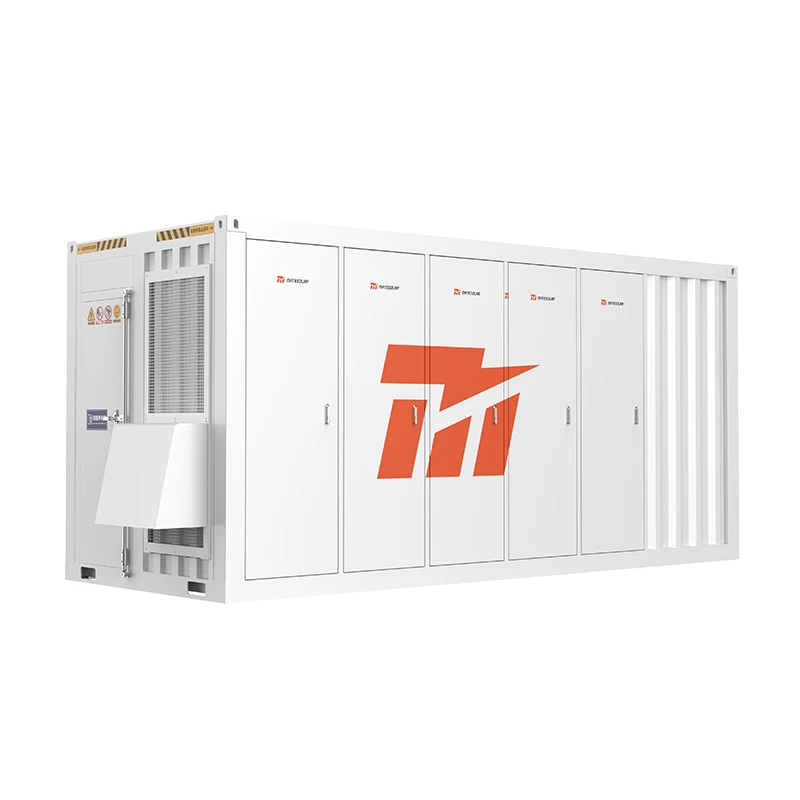
Containerized ESS: 20ft 3MWh/5MWh Liquid Cooling
For maximum energy density in extreme environments, liquid-cooled 20-foot containers provide industry-leading capacity in a compact footprint.
Key advantages:
- Up to 5 MWh capacity in a standard 20-foot shipping container footprint
- Liquid cooling ensures stable operation at 40°C+ ambient temperatures
- Highest energy density of any containerized solution on the market
- Ideal for space-constrained sites and extreme desert installations
Learn more about the 20ft 3MWh/5MWh Liquid Cooling Container ESS.
Table 4: BESS Technology Selection Matrix for Chile Applications
| Application | Recommended Product | Key Features | Rationale |
| Large commercial (500kW+) | Commercial 500kW Hybrid System | Integrated solar + storage; peak shaving | Simplifies installation; optimized for demand charge reduction |
| PMGD retrofit (100–500 kW) | 100kW/232kWh or 125kW/261kWh Outdoor Cabinet | Modular; liquid-cooled; C5/IP65 | Phased deployment; extreme environment ready |
| Industrial / mining support (1–10 MW) | 20ft 3MWh/5MWh Liquid Cooling Container | Highest density; liquid cooling | Maximizes capacity in compact footprint; handles extreme heat |
| Utility-scale / large mining (>10 MW) | Multiple 20ft containers | Scalable to any capacity | Best $/kWh at scale |
| Budget-constrained utility | 40ft 1MWh/2MWh Air-Cooled Container | Lowest upfront cost | Suitable for moderate climate zones |
Frequently Asked Questions (FAQ)
Q1: What is the current installed BESS capacity in Chile as of May 2026?
A: As of May 2026, Chile has 3,072 MW of BESS capacity either operating or under testing, according to the Coordinador Eléctrico Nacional (CEN). The national grid operator projects an additional 5,400 MW by December 2026, with nearly 22.5 GWh under construction and over 52.8 GWh in environmental evaluation.
Q2: What is the significance of the 5-hour storage duration in Chile?
A: Under current regulations (effective through 2034), BESS systems with 5 hours or more of storage duration qualify for full capacity compensation payments. This regulatory design has made 5-hour duration the mainstream configuration, as it allows operators to capture both intraday arbitrage revenues and capacity payments simultaneously.
Q3: What certifications are required for BESS to be bankable in Chile?
A: For international financing (IDB, World Bank, commercial lenders), UL 9540 (complete system safety) and IEC 62619 (industrial battery safety) are considered essential. UL 9540A (thermal runaway propagation testing) is also highly recommended for insurance purposes. For coastal installations, ISO 12944 C5 corrosion certification is strongly advised.
Q4: Can existing PMGD solar systems be retrofitted with storage?
A: Yes. Law 21.505 and recent amendments to DS 88 explicitly enable PMGD systems to incorporate battery storage while maintaining access to the stabilized price regime. Standardized retrofit packages are available for PMGD systems of all sizes, from 1 MW to 9 MW.
Q5: What is the current commercial electricity rate in Chile?
A: As of May 2026, the average commercial electricity rate in Chile is approximately **$0.207 USD/kWh**, with household rates at approximately $0.281 USD/kWh. Rates vary by region and time-of-use tariff structures.
Q6: How can BESS projects monetize carbon credits in Chile?
A: Chile has approved multiple BESS projects to generate and sell carbon credits under Article 6 of the Paris Agreement, including bilateral agreements with Switzerland. The Colbún Diego de Almagro Sur (228 MW/912 MWh) and CIP Arena (220 MW/1,100 MWh) projects are pioneering examples.
Q7: What protection ratings are necessary for Atacama Desert installations?
A: For extreme desert and coastal environments, minimum IP65 protection (complete dust-tight and low-pressure water jet protection) and ISO 12944 C5 corrosion certification are recommended. Liquid cooling is strongly preferred over air cooling to manage extreme temperature swings.
Q8: What is the difference between Grid-Forming and Grid-Following inverters?
A: Grid-Forming (GFM) inverters can independently establish voltage and frequency, enabling island-mode operation without grid support. Grid-Following inverters require an external grid reference. For mining operations requiring 24/7 uptime in remote locations, Grid-Forming capability is essential.
Q9: What is the payback period for C&I storage in Chile?
A: Under current rate structures ($0.207/kWh commercial rates), a typical 100 kW/232 kWh commercial storage system achieving peak shaving and arbitrage revenues can achieve a simple payback period of 4–6 years. Payback periods shorten by 1–2 years when carbon credits and capacity compensation are included.
Q10: Does Chile have a domestic BESS manufacturing industry?
A: Chile does not have significant domestic BESS manufacturing. The vast majority of BESS equipment — including battery cells, modules, and containers — is imported from international Tier-1 manufacturers in Asia, Europe, and North America.
Forward Outlook: Chile‘s Storage Trajectory Through 2030
The numbers tell a clear story of accelerating growth. Chile has already:
- Met its 2030 storage target (2 GW) by March 2026
- Achieved its 2050 storage target (6 GW) ahead of schedule, projected by end of 2026
- Surpassed 38 GW total installed capacity with 51% from renewables
Looking forward, the National Mining Policy 2050 will continue driving storage demand, with mining operators required to source 100% renewable electricity by 2050 and achieve 50% emissions reductions by 2030.
The green hydrogen sector will emerge as the next major storage demand driver, with multiple large-scale projects requiring dedicated storage infrastructure to manage variable renewable generation.
Data center expansion — particularly AI-capable facilities requiring 99.999% uptime — will create specialized demand for UPS-grade BESS with sub-10ms response and extended backup duration.
And throughout all sectors, the capacity compensation mechanism favoring 5+ hour storage will remain in effect through 2034, providing long-term revenue certainty for appropriately configured projects.
About MateSolar
MateSolar is a leading one-stop photovoltaic and energy storage solution provider, dedicated to delivering high-performance, bankable BESS solutions for the global energy transition. With a comprehensive product portfolio spanning commercial hybrid systems, liquid-cooled outdoor cabinets, and containerized ESS from 1 MWh to 5 MWh and beyond, MateSolar provides the technical expertise and certified equipment that developers, EPCs, and investors need to succeed in Chile’s rapidly evolving storage market.
Our mission is to make reliable, affordable energy storage accessible to every market segment — from small PMGD owners to the world’s largest mining operations. With solutions certified to UL9540, IEC62619, ISO 12944 C5, and IP65 standards, MateSolar is your trusted partner for solar + storage projects across the Atacama Desert and beyond.
MateSolar — Powering Chile’s Energy Storage Revolution. Your One-Stop PV + ESS Solution Provider.