

















عززت المملكة المتحدة مكانتها باعتبارها سوق تخزين الطاقة الأكثر نضجًا والأكثر جاذبية للاستثمار والأكثر تعقيدًا من الناحية الهيكلية في أوروبا. وحتى أغسطس 2026، بلغت السعة المركبة التراكمية لسوق تخزين الطاقة في المملكة المتحدة 12.7 جيجاوات، مع نمو الإضافات إلى أنظمة تخزين الطاقة بالبطاريات (BESS) على نطاق الشبكة بنسبة 45% على أساس سنوي في عام 2025 — ما يعادل حوالي 4 جيجاوات ساعة من السعة الجديدة — مما يرفع إجمالي السعة التشغيلية إلى 12.9 جيجاوات ساعة. وتشير التوقعات إلى أن السوق سيتوسع ليصل إلى 58.8 جيجاواط بحلول عام 2034، وهو ما يمثل معدل نمو سنوي مركب (CAGR) يبلغ 18.03%.
ومع ذلك، تكمن تحت هذه الأرقام الرئيسية سوق تمر بحالة مخاض من التحول الجذري. لقد انتهى عصر عائدات الاستجابة التردية السهلة. إن طابور ربط الشبكة - الذي كان متخماً في السابق بأكثر من 800 جيجاوات من المشاريع التخمينية - يتم ترشيده بقوة من خلال إصلاحات "الاستعداد للربط". لقد انهيار أسعار مقاصة سوق السعة من 75 جنيهًا استرلينيًا/كيلوواط إلى 5 جنيهات استرلينيّة/كيلوواط. والعملاء التجاريون والصناعيون يواجهون الآن مشهداً لا يعتمد فيه النجاح على الوصول إلى رأس المال وحده، بل على مدى تطور نمذجة الإيرادات، والتميز التقني، والقدرة على التعامل مع بيئة تنظيمية تتزايد تعقيداً.
بالنسبة لشركات دمج الطاقة الشمسية الكهروضوئية، ومقاولي الهندسة والتوريد والبناء (EPC)، ومديري الطاقة، والمستخدمين النهائيين التجاريين والصناعيين (C&I)، لم تعد الأسئلة تتعلق بـ ما إذا كان لنشر التخزين، ولكن كيف لنشرها بشكل مربح،, أي منصات تقنية توحيد المعايير عليها، و ما ستظل استراتيجيات الإيرادات قابلة للتطبيق على مدى عمر أصل يبلغ 15 عاماً.
يقدم هذا Dalيل - الذي أعده مكتب معلومات السوق في شركة ماتيسولار (MateSolar) - تحليلاً شاملاً يعتمد على البيانات لسوق تخزين الطاقة التجاري والصناعي في المملكة المتحدة بصورته في أغسطس 2026. وهو يتناول تسعة تحديات حاسمة تواجه الصناعة، ويوفر أُطُراً قابلة للتنفيذ لاتخاذ القرار، ويشمل جداول المواصفات الفنية لحلول الخزائن الخارجية والحاويات المتوفرة حالياً، ويقدم إجابات عن الأسئلة الأكثر شيوعاً من المتخصصين عبر سلسلة قيمة الخلايا الكهروضوئية وتخزين الطاقة.
جدول المحتويات
1. سوق تخزين الطاقة التجاري والصناعي في المملكة المتحدة في أغسطس 2026: الوضع الراهن
2. البيئة السياسية والتنظيمية: القوى الخمس التي تعيد تشكيل السوق
3. عمليات نشر المشاريع الأخيرة: كيف يبدو النجاح في عام 2026
4. المشكلات الحرجة التسع التي تواجه عملاء تخزين الطاقة التجاري والصناعي — وكيفية حلها
5. مصفوفة المنتجات التقنية: الخزائن الخارجية والأنظمة الحاوياتية
6. الأسئلة المتداولة
7. الخاتمة: الطريق إلى الأمام لتخزين الطاقة التجاري والصناعي في المملكة المتحدة
1. سوق تخزين الطاقة التجاري والصناعي في المملكة المتحدة في أغسطس 2026: الوضع الراهن
1.1 حجم السوق واتجاهه
لقد انتقل سوق تخزين الطاقة في المملكة المتحدة بشكل حاسم من مرحلة الطفولة إلى مرحلة تتميز بالاتساع والإصلاح الهيكلي والنضج المالي. وتضع السعة الإجمالية المركبة للتخزين البالغة 12.7 جيجاواط المملكة المتحدة في الصدارة مقارنةً بجميع الدول الأوروبية الأخرى من الناحية المطلقة، حيث لا تقترب سوى ألمانيا من مستويات مماثلة من حيث تطور السوق. ويؤكد النمو السنوي البالغ 45% في سعة أنظمة تخزين الطاقة الكهربائية (BESS) على نطاق الشبكة خلال عام 2025 — الذي يضيف حوالي 4 جيجاوات ساعة — على وتيرة النشر الجارية حالياً.
المسار المستقبلي لافت بنفس القدر. ومن المتوقع أن يصل السوق البريطاني إلى 58.8 جيجاوات بحلول عام 2034، وهو رقم يضم أصول نطاق الشبكة، وتلك المتصلة بالتوزيع، والأصول خلف العداد. ويُمثل هذا نمواً بواقع 4.6 أضعاف خلال العقد القادم، مدفوعاً بأربع قوى متزامنة:
1. تفويض الطاقة النظيفة 2030 يتطلب ما بين 23 إلى 27 جيجاوات من ساعة تخزين البطاريات على مستوى الشبكة بحلول عام 2030
2. كهربة التدفئة والنقل إنشاء ملفات تعريف طلب جديدة يجب أن يخدمها التخزين
3. التزامات الشركات بتحقيق الحياد الكربوني الصافي قيادة نشر الأنظمة خلف العداد عبر قطاع الشركات والمنشآت التجارية والصناعية
4. إحالة التوليد الحراري القديم إلى التقاعد خلق تقلب هيكلي في أسعار الجملة يمكن للتخزين تحقيق الدخل منه
ضمن هذا السوق الأوسع، يمثل قطاع الاستخدام التجاري والصناعي أحد أكثر القطاعات الفرعية ديناميكية والأسرع نمواً. ومن المتوقع أن ينمو نشر أنظمة تخزين الطاقة التجاري والصناعي السنوي من ما يقرب من جيجاوات ساعة واحدة سنويًا في عام 2026 ليصل إلى ما بين 5 إلى 8 جيجاوات ساعة سنويًا بحلول عام 2035. ويدعم هذا النمو كهربة عمليات التدفئة الصناعية، والتوسع السريع في البنية التحتية لشحن المركبات الكهربائية التجارية، والالتزامات المؤسسية بتحقيق صافي انبعاثات صفري والتي تتزايد حاجتها إلى أصول مرونة في الموقع.
من المتوقع أن يصل سوق تخزين الطاقة الثابت خلف العداد (BTM) - والذي يشمل جميع أنظمة التخزين المثبتة خلف عدادات العملاء لتحسين الاستهلاك الذاتي، وخفض رسوم الطلب، والمرونة - إلى قيمة أنظمة مثبتة تتراوح بين 18 إلى 22 مليار جنيه إسترليني في عام 2026، ليتبدل ويتوسع إلى 65 إلى 85 مليار جنيه إسترليني بحلول عام 2035. ويمثل هذا أحد أهم فرص خلق القيمة في قطاع الطاقة الأوروبي.
1.2 التوتر الهيكلي الأساسي: عدم التوافق بين العرض والطلب
على الرغم من الأرقام الرئيسية المثيرة للإعجاب، فإن سوق التخزين في المملكة المتحدة في أغسطس 2026 يُعرّف من خلال توتر أساسي يميزه عن الأسواق المماثلة في ألمانيا أو تكساس: عدم تناسق عميق بين حجم المشاريع التي تسعى للاتصال والطلب الفعلي على خدمات المرونة.
تميزت طابور الربط بشبكة الكهرباء - وهي قائمة المشاريع التي تنتظر ربطها بشبكات النقل أو التوزيع - تاريخياً بنهج "من يأتي أولاً يُخدم أولاً" مما شجع على تقديم طلبات تخمينية بأقل قدر من الالتزام. وأدى ذلك إلى وجود طابور يتجاوز 800 جيجاوات من القدرة المقترحة، والتي لا يحمل الغالبية العظمى منها أي احتمال واقعي للوصول إلى الإغلاق المالي أو مرحلة البناء.
أدى إصلاح نظام قائمة الانتظار هذه — الذي تم تفصيله بشكل مستفيض في القسم 2 — إلى انخفاض كبير في عدد المشاريع قيد التنفيذ. واعتبارًا من 10 يونيو 2026، أصدر مشغل النظام الوطني للطاقة (NESO) عروض توصيل لـ 713 مشروعًا تغطي 37 جيجاوات من السعة الجديدة للطاقة المتجددة وأنظمة تخزين الطاقة بالبطاريات (BESS). ويمثل هذا 58% من المشاريع المدرجة في قائمة المشاريع قيد التنفيذ قبل عام 2030.
ومع ذلك، فإن قائمة الانتظار هذه، حتى بعد تعديلها، لا تزال تنطوي على تحديات. فحجم مشاريع البطاريات المدرجة في قائمة الانتظار «Gate 2» — وهي المشاريع التي تجاوزت مراحل التقديم الأولية — يبلغ حالياً 91 جيجاواط، في حين أن هدف «الطاقة النظيفة 2030» لا يتطلب سوى 29 جيجاواط. وهذا يعني أنه حتى بين المشاريع التي تجاوزت العقبات الأولية، لن تكون هناك حاجة إلى حوالي 68% لتحقيق الأهداف الوطنية، وستضطر هذه المشاريع إلى التنافس من أجل الجدوى التجارية في سوق يزداد ازدحامًا.
الآثار المترتبة على عملاء القطاع التجاري والصناعي كبيرة. المشاريع "الجاهزة للتنفيذ" — التي تتمتع بحقوق أراضٍ مؤمنة، وموافقات تخطيطية مكتملة، واتفاقيات ربط بشبكة الكهرباء مُوَقَّعَة، ونضج تقي يُثبت كفاءته — ستتلقى بشكل متزايد معاملة تفضيلية. أما المشاريع المضاربية، أو ضعيفة التمويل، أو غير الناضجة تقنياً، فسيتم إقصاؤها من خلال مزيج من الضغط التنظيمي، ورسوم إصلاح طوابير الانتظار، والديناميكيات التنافسية.
تحول نموذج الإيرادات: من الخدمات الإضافية إلى المواءمة بالجملة
أهم تحول في سوق التخزين في المملكة المتحدة على مدار الـ 24 شهرًا الماضية كان إعادة الهيكلة الأساسية لننماذج الإيرادات. هذا التحول مهم لدرجة أنه يستحق دراسة مفصلة.
انهيار إيرادات استجابة التردد
في الفترة ما بين عامي 2020 و2023، شكّلت خدمات الاستجابة الترددية — ولا سيما «الاحتواء الديناميكي» و«التخفيف الديناميكي» و«التنظيم الديناميكي» — المصدر الرئيسي للإيرادات لأصول تخزين الطاقة بالبطاريات في المملكة المتحدة. وخلال هذه الفترة، قد تمثل استجابة التردد ما بين 60 و80% من إجمالي إيرادات المشاريع، مع أسعار تسوية مرتفعة بشكل استثنائي مدفوعة بندرة السعة القابلة للاستجابة.
وقد انقلبت هذه الديناميكية تمامًا. فقد أدى التدفق الهائل لسعة أنظمة تخزين الطاقة بالبطاريات (BESS) — التي ستبلغ 12.9 جيجاوات ساعة قيد التشغيل بحلول عام 2026 — إلى تشبع سوق الاستجابة الترددية. تمثل الإيرادات المتأتية من خدمات الاستجابة للتردد الآن حوالي 20% من متوسط إيرادات المشروع، بعد أن كانت تحتل مكانة مهيمنة في الماضي. وقد انخفض سعر هذه الخدمات إلى مستويات تجعلها تمثل مصدر دخل تكميليًا وليس أساسيًا.
صعود المراجحة بالجملة وآلية التوازن
فجوة الإيرادات التي خلفها انهيار استجابة التردد تم ملؤها من خلال مصدرين كانا في السابق مساهمين هامشيين:
- المراجحة السعرية في سوق الجملة: الشحن خلال فترات انخفاض أسعار الجملة (عادةً خلال الليل وأثناء ذروة إنتاج الطاقة الشمسية في منتصف النهار) والتفريغ خلال فترات الذروة المسائية التي ترتفع فيها الأسعار. ويمثل هذا الآن أكبر مصدر فردي للإيرادات للعديد من الأصول، حيث يساهم الجمع بين المراجحة والمشاركة في آلية الموازنة بنحو 50% من متوسط إيرادات المشروع — بزيادة عن 8% فقط في عام 2022.
- المشاركة في آلية التوازن: تقدم آلية التوازن، التي يديرها نظام تشغيل الكهرباء الوطني لموازنة التوليد والطلب في الوقت الفعلي، أسعاراً مميزة مرنة خلال أوقات إجهاد النظام. ويمكن للأصول المسجلة كمشاركين في آلية التوازن الاستفادة من هذه الإيرادات، على الرغم من أن المشاركة تتطلب تعقيداً تقنياً وقدرة تشغيلية.
انخفاض إيرادات سوق السعة
وفر سوق السعة، المصمم لضمان أمن الإمدادات خلال فترات ذروة الطلب، تاريخياً حد أدنى مهم من الإيرادات لأصول التخزين. وتؤهل أصول أنظمة تخزين الطاقة بالبطاريات (BESS) الجديدة للحصول على عقود سوق سعة مدتها 15 عاماً، مما يوفر يقين الإيرادات الذي يدعم تمويل المشاريع.
ومع ذلك، شهدت أسعار المقاصة في سوق السعة انخفاضاً حاداً:
- مزاد 2022/23: 75 جنيهًا استرلينيًا / كيلوواط / سنة
- مزاد 2027/2026: 5 جنيهات استرلينية / كيلوواط / سنة
ويمثل هذا انخفاضاً قدره 93% في إيرادات سوق السعة على مدار أربع دورات مزاد. ورغم أن مدة الاتفاقية البالغة 15 عاماً لا تزال توفر بعض القيمة التمويلية، فإن المساهمة المطلقة في الإيرادات قد تضاءلت إلى مستويات تكاد تكون مهملة بالنسبة للعديد من المشاريع.
التداعيات على عملاء القطاع التجاري والصناعي
للتحول في الإيرادات دلالات عميقة على قرارات نشر تخزين الطاقة للقطاعين التجاري والصناعي:
1. تراكم القيمة أمر أساسيلا يكفي أي مصدر إيرادات بمفرده لدعم مشروع قابل للاستمرار. يجب على العملاء بناء نماذج إيرادات تجمع بين مبيعات الجملة بالمضاربة، والمشاركة في آليات التوازن، وتقليل رسوم الطلب، وتحسين الاستهلاك الذاتي، وخدمات المرونة الناشئة.
2. تزداد أهمية القيمة الكامنة خلف العدادبالنسبة لعملاء القطاعين التجاري والصنائي، تتجاوز قيمة التخزين عوائد الشبكة لتشمل تجنب رسوم الشبكة (رسوم استخدام نظام التوزيع (DUoS)، ورسوم الثلاثي (Triad)، ورسوم السعة)، والاستفادة الذاتية من الطاقة الشمسية الكهروضوئية في الموقع، ومزايا المرونة. غالباً ما تكون قيم التخزين خلف العداد (BTM) هذه أكثر قابلية للتنبؤ مقارنة بعوائد الشبكة، وينبغي إعطاؤها الأولوية في الجوانب الاقتصادية للمشروع.
3. التطور التشغيلي يمثل ميزة تنافسيةالتحول نحو المراجحة بالجملة وإيرادات آلية التوازن يتطلب خوارزميات تحسين متطورة، ووعياً بالسوق في الوقت الفعلي، والقدرة على الاستجابة لإشارات إرسال النظام الكهربائي ومشغل المشغل (NESO). مشاريع تخزين الطاقة التي تفتقر إلى هذه القدرة التشغيلية سيكون أداؤها دون المستوى.
1.4 ملخص إحصاءات السوق الرئيسية
| متري | القيمة | سياق |
| إجمالي سعة التخزين في المملكة المتحدة (2025) | ١٢.٧ جيجاواط | أكبر سوق لتخزين الطاقة في أوروبا |
| السعة التشغيلية لأنظمة تخزين الطاقة بالبطاريات على نطاق الشبكة (2025) | 12.9 جيجاواط ساعة | نمو سنوي بنسبة 45%، وإضافة حوالي 4 جيجاوات ساعة |
| حجم السوق المتوقع (2034) | ٥٨.٨ جيجاواط | 18.03% معدل النمو السنوي المركب اعتبارًا من عام 2024 |
| ال نشر السنوي للقطاع التجاري والصناعي (2026) | ~1 جيجاواط ساعة/سنة | المتوقع 5-8 جيجاوات ساعة/سنة بحلول عام 2035 |
| القيمة المثبتة لنظام BTM (2026) | ١٨–٢٢ مليار جنيه إسترليني | من المتوقع أن يصل إلى 65-85 مليار جنيه إسترليني بحلول عام 2035 |
| طابور بطاريات البوابة 2 | 91 جيجاواط | مقابل هدف 29 جيجاوات من الطاقة النظيفة بحلول عام 2030 |
| سعر مقاصة سوق السعة (2027/2026) | ٥ جنيه إسترليني/كيلوواط | انخفاضاً من 75 جنيهًا إسترلينياً لكل كيلوواط في 2022/23 |
| حصة إيرادات استجابة التردد | ~20% | انخفاض عن الذروة التاريخية التي تراوحت بين 60 و80% |
| المراجعة بالجملة + حصة إيرادات نموذج الأعمال | ~50% | ارتفاعًا من حوالي 8% في عام 2022 |
2. البيئة السياسية والتنظيمية: القوى الخمس التي تعيد تشكيل السوق
يخضع الإطار التنظيمي لتخزين الطاقة في المملكة المتحدة لأهم تحول له منذ عقود. فهناك خمسة تطورات سياسية تعيد تشكيل مشهد السوق، ولكل منها تداعيات مباشرة على قرارات نشر أنظمة التخزين التجارية والصناعية.
الطاقة النظيفة 2030: التفويض الذي يحرك كل شيء
تحدد خطة العمل للطاقة النظيفة 2030، التي نشرتها الحكومة البريطانية، واحدة من أكثر أهداف تحول الطاقة طموحاً في العالم: تحقيق نظام كهربائي منخفض الكربون بالكامل بحلول عام 2030. وفي إطار هذا العمل، يؤدي تخزين البطاريات على نطاق الشبكة دوراً محدد بوضوح:
الهدف: 23-27 جيجاوات من سعة البطاريات على نطاق الشبكة بحلول عام 2030
الحالة الحالية:
- ٥ جيجاواط من سعة البطارية تم بناؤها على مدى السنوات الخمس الماضية
- ~٢٠ جيجاوات يجب بناء قدرات إضافية في السنوات الخمس القادمة
- 160 جيواط ساعة من مشاريع أنظمة تخزين الطاقة البطارية (BESS) قد حصلت على موافقة التخطيط
- ~٢٢ جيجawatt-ساعة قيد الإنشاء حالياً
- ~١٣ جيجاواط ساعة تم تشغيلها بالفعل
حجم التحدي واضح: يجب على المملكة المتحدة نشر ما يقريب من أربعة أضعاف سعة البطاريات في السنوات الخمس المقبلة مقارنة بالسنوات الخمس السابقة. وهذا يخلق فرصة وضغطاً في آن واحد. تكمن الفرصة في الحجم الهائل للمشاريع التي يجب تسليمها. ويكمن الضغط في الجدول الزمني المضغوط وما يترتب على ذلك من ضغط على سلاسل الإمداد، وتوصيلات الشبكة، والقدرة التمويلية.
بالنسبة للعملاء التجاريين والصناعيين، فإن خطة "الطاقة النظيفة 2030" لها تداعيات غير مباشرة ولكنها كبيرة. ومع توسع نطاق التخزين على مستوى الشبكة، فمن المرجح أن تزداد تقلبات أسعار الكهرباء بالجملة التي يمكن لتخزين الطاقة التجاري والصناعي تحقيق الدخل منها - مما يخلق تحديات (ارتفاع حاد في الأسعار) وفرصاً (إمكانات أكبر للموازنة وتحقيق الأرباح). بالإضافة إلى ذلك، قد يؤثر التركيز السياسي على التخزين على مستوى الشبكة على ترتيبات رسوم الشبكة وأسواق المرونة بطرق تعود بالنفع أو الضرر على الأصول الموجودة خلف العداد.
إصلاح ربط الشبكة: "جاهز للربط" يحل محل "من يأتي أولاً، يُخدم أولاً"
أهم تغيير تنظيمي في قطاع الطاقة في المملكة المتحدة منذ عقود.
تاريخياً، كانت قائمة انتظار الاتصال بشبكة الكهرباء في المملكة المتحدة تعمل على أساس "من يأتي أولاً يُخدم أولاً". كانت المشاريع تقدم طلبات للاتصال، وتحصل على موقع في قائمة الانتظار، ويمكنها الاحتفاظ بهذا الموقع إلى أجل غير مسمى بأدنى حد من الالتزام. وقد أدى ذلك إلى إنشاء قائمة انتظار تتجاوز 800 جيجاوات - أي أكثر من عشرة أضعاف السعة المطلوبة فعلياً.
في إطار إطار العمل الجديد "جاهز للاتصال" الذي تديره شركة "نيسو":
- يجب أن تُظهر المشاريع تقدمًا في التخطيط (الحصول على الموافقات التخطيطية اللازمة)
- يجب أن تثبت المشاريع حقوق الأراضي (السيطرة القانونية على موقع المشروع)
- يجب أن تُظهر المشاريع اتساقاً استراتيجياً (التوافق مع أهداف الطاقة الوطنية)
- المشاريع التي لا تستطيع تحقيق هذه الحد الأدنى يتم إزالتها من قائمة الانتظار أو منحها تواريخ اتصال لاحقة
التقدم المحرز حتى الآن:
حتى 10 يونيو 2026، أصدرت NESO عروض توصيل لـ 713 مشروعًا تغطي 37 جيجاواط من السعة الجديدة للطاقة المتجددة وأنظمة تخزين الطاقة بالبطاريات (BESS). ويمثل هذا 58% من مشاريع الطاقة المخطط لها قبل عام 2030.
كان تقليص قائمة الانتظار دراماتيكياً. فمن ذروة تجاوزت 800 جيجاوات، انخفضت المشاريع قيد التنفيذ النشطة بأكثر من النصف. ولهذا الترشيد تداعيات كبيرة:
1. الجودة فوق الكميةتُعطى الأولوية للمشاريع الجاهزة حقاً — التي تتوفر لها الأراضي والتخطيط والجاهزية التقنية — بينما يتم استبعاد المشاريع التكهنية.
2. تواريخ الاتصال تصبح أكثر موثوقيةمع وجود عدد أقل من المشاريع التكهنية في قائمة الانتظار، أصبحت تواريخ الاتصال التي تقدمها (NESO) موثوقة بشكل متزايد. ويمكن للمشاريع التخطيط بقدر أكبر من اليقين.
3. تشتد المنافسة بين المشاريع الناضجةبعد ترشيد قائمة الانتظار، تواجه المشاريع "الحقيقية" المتبقية منافسة أكثر وضوحاً. ويصبح التمييز من خلال الجودة التقنية، والجدوى التجارية، وقدرة التنفيذ أكثر أهمية.
2.3 CMP470: إصلاح رسوم قائمة انتظار الاتصال بشبكة الكهرباء
التطور التنظيمي الأكثر تأثيرًا في يوليو 2026.
يوقدم تعديل CMP470 هيكل رسوم جديداً لمواقع قائمة انتظار الاتصال بشبكة الكهرباء. العنصر الأساسي هو رسوم التزام التقنية الزائدة (OTCF) — وهي رسوم يجب على المطورين دفعها الاحتفاظ بموقعهم في قائمة انتظار الاتصال.
أرز التطورات:
- 14 يوليو 2026: نُشر تقرير التعديل النهائي، مما أدى إلى خفض الحد الأدنى المقترح لرسوم OTCF من 10,000 جنيه إسترليني/ميغاباسط إلى 3,000 جنيه إسترليني/ميغاباسط، مع تحديد حد أقصى للرسوم يبلغ 25,000 جنيه إسترليني/ميغاباسط.
- أغسطس 2026: من المقرر أن تتخذ أوفجيم قرارها بشأن (CMP470) بحلول منتصف أغسطس 2026.
- التنفيذ المتوقع: من المتوقع أن تدخل الرسوم حيز التنفيذ في يوليو 2027.
حجم المشكلة التي تعالجها CMP470:
طابور بطاريات البوابة 2 يبلغ حالياً 91 جيجاوات، بينما يتطلب هدف الطاقة النظيفة 2030 29 جيجاوات فقط. هذا يعني أن:
- حوالي 25 جيجاوات من مشاريع قائمة الانتظار تحجز حالياً مواقعها في قائمة الانتظار دون دفع أي رسوم ضمان أو التزام
- تتواجه هذه المشاريع خطر الإلغاء مع فرض رسوم CMP470
- إن القضاء على المشاريع المضاربية سيحرر سعة ربط بالشبكة للمشاريع القابلة للتنفيذ حقاً
الآثار المترتبة على عملاء القطاع التجاري والصناعي:
سจะมีผลกระทบหลายประการต่อตลาดการจัดเก็บพลังงานเชิงพาณิชย์และอุตสาหกรรม (C&I):
1. تكلفة أعلى للمطورينسيتعين على المطورين دفع رسوم للاحتفاظ بمواقعهم في قائمة الانتظار، مما يزيد من تكاليف تطوير المشاريع. قد يتم تمرير هذه التكاليف إلى عملاء القطاع التجاري والصناعي.
2. ترشيد صفوف الانتظارإن التخلص من المشاريع القائمة على التكهنات ينبغي أن يقلل من الازدحام في طوابير الانتظار، مما قد يؤدي إلى أوقات توصيل أسرع للمشاريع القابلة للتنفيذ حقاً.
3. فحص جدوى المشروعهيكل الرسوم سيجبر المطورين على إجراء تقييمات جدوى صارمة قبل التعهد بحجز مواقع في قائمة الانتظار. المشاريع ذات الجدوى الاقتصادية غير المؤكدة سيتم التخلي عنها في وقت مبكر من عملية التطوير.
4. فرصة للاعبين الجادينبالنسبة للمطورين وعملاء القطاع التجاري والصناعي الملتزمين بنشر أنظمة تخزين الطاقة، يمثل ترشيد قائمة الانتظار فرصة حقيقية. فإزالة المنافسة التخمينية تحسن فرص الحصول على نقاط الربط بالشبكة للمشاريع الجاهزة حقاً للمضي قدماً.
2.4 تخزين الطاقة طويل الأمد (LDES): آلية "الحد الأعلى والأدنى"
يتم إدخال آلية دعم جديدة للتخزين طويل الأمد.
في 26 يونيو 2026، نشرت أوفجيم (Ofgem) قرارها الأولي بشأن نافذة التقديم الأولى لتخزين الكهرباء طويل الأمد (LDES)، داعمةً 16 مشروعاً بقدرة إجمالية تبلغ 7.6 جيجاوات من الطاقة و137 جيجاوات ساعة من سعة تخزين الطاقة. ويمثل هذا التزاماً كبيراً تجاه التقنيات القادرة على تخزين الطاقة لفترات طويلة (عادة 6 ساعات أو أكثر).
توفر آلية "الحد الأقصى والحد الأدنى" اليقين بشأن الإيرادات:
- أرضيةضمان الحد الأدنى للإيرادات الذي يحمي المستثمرين من مخاطر التراجع
- قبعةحد أقصى لإירادات المستوى الذي يتم من خلاله تقاسم العوائد الزائدة مع المستهلكين
تحديث 20 أغسطس 2026: أطلقت الحكومة البريطانية مسابقة "أولترا-إل دي إي إس" (Ultra-LDES Challenge)، مما يوفر تمويلاً بقيمة 28 مليون جنيه إسترليني للتقنيات القادرة على تخزين التفريغ وتخزين الطاقة لمدة تزيد عن 100 ساعة. يستهدف هذا تطبيقات التخزين الموسمي التي تخرج حالياً عن نطاق تقنيات البطاريات التقليدية.
فرصة القطاع التجاري والصناعي في مجال تخزين الطاقة طويل الأمد:
بالنسبة للعملاء التجاريين والصناعيين، يمثل قطاع التخزين الذي تتراوح مدته بين 4 و8 ساعات فرصة سوقية كبيرة. ومن المتوقع أن تدعم آلية تخزين الطاقة طويلة الأمد (LDES) المشاريع في نطاق هذه المدة، وهو ما يتوافق مع العديد من التطبيقات التجارية والصناعية:
- تحول العمليات الصناعيةنقل العمليات كثيفة الاستهلاك للطاقة إلى فترات انخفاض أسعار الكهرباء
- طاقة احتياطية ممتدةتوفير مرونة أثناء انقطاع الشبكة لفترات طويلة
- تحسين الاستهلاك الذاتي للطاقة الشمسيةالتقاط توليد الطاقة الشمسية أثناء النهار للاستخدام في المساء والليل
يُقدر أن يمثل قطاع تخزين الطاقة التجاري والصناعي (C&I) الذي يتراوح وقته بين 4 إلى 8 ساعات فرصة سوقية تتراوح قيمتها بين 20 إلى 30 مليار جنيه إسترليني.
2.5 الإعفاء من ضريبة القيمة المضافة وإصلاحات سوق السعة
إعفاء من ضريبة القيمة المضافة:
تُعفى أنظمة التخزين في المملكة المتحدة من ضريبة القيمة المضافة حتى مارس 2027. وينطبق هذا الإعفاء على كل من أنظمة التخزين المستقلة وأنظمة التخزين المدمجة مع أنظمة الطاقة الشمسية الكهروضوئية. ويوفر هذا الإعفاء تخفيضًا في التكلفة بنسبة 20% لمشاريع التخزين في القطاعين التجاري والصناعي، وقد شكّل عاملاً مهمًا في نمو السوق.
ماذا يحدث بعد مارس 2027؟
لا يزال مستقبل الإعفاء من ضريبة القيمة المضافة بعد مارس 2027 غير مؤكد. وفي حال عدم تمديد هذا الإعفاء، سترتفع تكلفة أنظمة التخزين بنسبة 20%، مما قد يؤدي إلى إبطاء وتيرة نشر هذه الأنظمة في قطاعي التجارة والصناعة. وينبغي على عملاء هذين القطاعين الذين يفكرون في تنفيذ مشاريع تخزين أن يأخذوا هذه الحالة من عدم اليقين في الاعتبار عند وضع جداولهم الزمنية للتخطيط.
إصلاحات سوق السعة:
يواصل سوق السعة توفير اتفاقيات لمدة 15 عاماً لأصول أنظمة تخزين الطاقة بالبطاريات (BESS) الجديدة، مما يوفر يقين الإيرادات الذي يدعم تمويل المشاريع. ومع ذلك فقد انهارت أسعار الترسيب:
| سنة المزادات | سعر المقاصة (جنيه إسترليني/كيلوواط) | التغيير من الذروة |
| 2022/23 | £75 | خط الأساس |
| 2023/24 | £40 | -47% |
| 2024/25 | £18 | -76% |
| 2025/26 | £10 | -87% |
| 2026/27 | £5 | -93% |
سوق السعة، الذي كان يُعدّ حجر الأساس لإيرادات مشاريع التخزين، أصبح اليوم لا يساهم إلا بقيمة هامشية. لا تزال مدة الاتفاقية البالغة 15 عاماً توفر قيمة تمويلية - حيث ينظر إليها المقرضون على أنها حد أدنى للإيرادات يقلل من مخاطر التراجع - إلا أن المساهمة المطلقة في الإيرادات أصبحت ضئيلة.
الآثار المترتبة:
لهبوط أسعار سوق القدرة دلالتان هامّتان:
1. يصبح تكديس الإيرادات أكثر أهميةمع انخفاض إيرادات سوق السعة إلى ما يشبه الصفر، يجب على المشاريع الاعتماد على مصادر إيرادات أخرى - مثل المراجحة بالجملة، وآلية التوازن، والقيمة خلف العداد - لتحقيق جدواها.
2. تحول اقتصاديات المشروع نحو قيمة التوليد خلف العدادبالنسبة لعملاء القطاع التجاري والصناعي، تكمن قيمة التخزين بشكل متزايد في التكاليف التي يتم تجنبها (رسوم الطلب، رسوم الشبكة، الاستهلاك الذاتي) وليس في عائدات الشبكة. هذا يجعل التخزين استثماراً في الكفاءة التشغيلية بدلاً من كونه لعبة عائدات شبكية.
3. عمليات نشر المشاريع الأخيرة: كيف يبدو النجاح في عام 2026
يتميز سوق التخزين في المملكة المتحدة في عام 2026 بوجود مجموعة متنوعة من المشاريع الناجحة التي تمتد عبر التركيبات على نطاق الشبكة، والتطبيقات التجارية، والنشر الصناعي خلف العداد. توفر هذه المشاريع نقاط مرجعية قيّمة لعملاء القطاع التجاري والصناعي الذين يفكرون في الاستثمار في التخزين.
نقاط مرجعية لمشاريع على مستوى الشبكة الكهربائية
فيدرا إنرجي ثورب مارش
- السعة: 1.4 جيجاواط
- الموقعثورب مارش، جنوب يوركشاير
- الحالة: اكتتم التمويل 2025
- أهميةأكبر تمويل لمشروع فردي في أوروبا خلال عام 2025، مع ما يقريب من £1 مليار تم جمعها. يوضح هذا المشروع شهية المستثمرين المؤسسيين للأصول التخزينية على نطاق الشبكة في المملكة المتحدة ويضع معياراً هياكل تمويل المشاريع.
ستاتيرا ثوروك
- السعة: 300 ميغاواط
- الموقعثوروك، إسيكس
- الحالة: تشغيل أغسطس ٢٠٢٥
- أهميةعند تشغيله، كان هذا أكبر موقع تخزين قيد التشغيل في المملكة المتحدة. وهو يوضح الجدوى التقنية لنشر أنظمة تخزين الطاقة بطارية (BESS) على نطاق واسع داخل البنية التحتية المتصلة بشبكة النقل.
محفظة بولس للطاقة النظيفة
- السعة: +700 ميกاوات ساعة
- تمويلدين كبار بقيمة 220 مليون جنيه إسترليني
- أهميةيُعد ملحوظاً لتضمنه إعادة توظيف مواقع توليد الطاقة بالديزل السابقة لتخزين البطاريات. وهذا يدل على إمكانية تحويل البنية التحتية القديمة للوقود الأحفوري إلى أصول طاقة نظيفة.
أسكاوسماوث SAE
- السعة٢٤٠ ميغاواط ساعة
- الحالةالإقفال المالي 2025
- أهميةيقع هذا المشروع في موقع محطة طاقة عاملة بالفحم سابقاً، ويثبت سردية "التحول العادل" المتمثلة في إعادة توظيف البنية التحتية للطاقة القديمة.
3.2 نقاط مرجعية للمشاريع التجارية والصناعية
مستشفى سوليس RJAH للعظام
- السعة: 600+ كيلوواط ساعة
- الحالة: يبدأ التشغيل في يوليو 2026
- أهميةأول مشروع تخزين تجاري وصناعي في المملكة المتحدة لصالح شركة سوليس، وهي شركة مصنعة كبرى لمحولات التيار. يوضح دخول مصنعي الخلايا الشمسية الكهروضوئية الراسخين إلى قطاع تخزين الطاقة التجاري والصناعي.
شركة لومبارد للشحن إبسويتش
- النظامبطارية سعة 102.4 كيلوواط ساعة + خلايا شمسية كهروضوئية على السطح + شحن المركبات الكهربائية
- الطاقة الشمسية: 118 ميغawat ساعي/السنة
- الأثر المالي: توفير حوالي مليون.£ على مدى 20 عامًا؛ فترة استرداد تزيد قليلاً عن 5 سنوات
- أهميةيوضح إمكانات تكديس القيمة الناتجة عن الجمع بين الطاقة الكهروضوئية الشمسية، وتخزين البطاريات، والبنية التحتية لشحن المركبات الكهربائية في حل واحد متكامل.
واتستور × إل إس إن ديفيجن
- النظام1.3 ميجاوات طاقة شمسية كهروضوئية + 5 ميجاوات/ساعة نظام تخزين طاقة البطاريات
- الموقع: منشأة التصنيع في جنوب ويلز
- الحالة: وُقِّع في يونيو 2026
- أهمية: مشروع صناعي ضخم يوضح حجم نشر أنظمة التخزين في القطاعين التجاري والصناعي الذي يشهده حالياً قطاع التصنيع في المملكة المتحدة.
سلسلة متاجر CDS الكبرى في أفونماوث
- النظام: طاقة شمسية كهروضوئية بقدرة 2.5 ميجاوات (المرحلة الأولى)
- مخطط له: 40 ميغاواط من الطاقة الشمسية الكهروضوئية + التخزين + الإدارة الذكية للطلب في المواقع المختلفة بالمملكة المتحدة
- أهمية: يوضح النهج القائم على المحفظة الذي يتبناه كبار عملاء قطاعي التجارة والصناعة، حيث يتم نشر أنظمة التخزين عبر مواقع متعددة مع تحسين مركزي.
Wenergy UK
- السعة: 289 كيلوواط/ساعة (C&I)؛ خزانة نظام تخزين الطاقة (ESS)
- الحالة: سيتم التوريد في يوليو 2026
- أهمية: تتميز هذه التقنية بأنها مصممة للتداول المباشر في سوق الكهرباء، وليس فقط للاستخدامات داخل العداد. وهذا يمثل نموذجًا جديدًا تشارك فيه أصول التخزين الخاصة بالقطاع التجاري والصناعي (C&I) بشكل فعال في أسواق الجملة وأسواق الموازنة.
3.3 الدروس الرئيسية من عمليات نشر حديثة
تظهر عدة أنماط من مراجع المشاريع هذه:
الدرس الأول: تراكم القيم هو القاعدة، وليس الاستثناء
يجمع كل مشروع ناجح لتخزين الطاقة للأغراض التجارية والصناعية في عام 2026 بين مصادر قيمة متعددة:
- تحسين الاستهلاك الذاتي للطاقة الشمسية
- تخفيض رسوم الطلب
- المراجحة في أسعار الجملة
- المشاركة في آلية الموازنة (للأصول الأكبر حجمًا)
- المرونة والطاقة الاحتياطية
- تقديم خدمات الشبكة (حيثما ينطبق ذلك)
الدرس الثاني: تسارع وتيرة تمويل الابتكار
إن ظهور اتفاقيات شراء الطاقة، وترتيبات التأجير، ونماذج "التخزين كخدمة" يغير سوق التخزين التجاري والصناعي. فلم يعد العملاء بحاجة إلى تمويل مشاريع التخزين بالكامل من ميزانياتهم العمومية الخاصة. تتيح هياكل التمويل من طرف ثالث إمكانية نشر المشاريع برأس مال مقدم قدره صفر.
الدرس 3: يعد التكامل مع أنظمة الطاقة الشمسية الكهروضوئية أمرًا معتادًا
تتكامل جميع مشاريع تخزين الطاقة في قطاعي التجارة والصناعة (C&I) تقريبًا في عام 2026 مع أنظمة الطاقة الشمسية الكهروضوئية. ويتيح الجمع بين توليد الطاقة الشمسية وتخزينها تحقيق أقصى قدر من الاستهلاك الذاتي، ويقلل من تكاليف الاستيراد من الشبكة، ويوفر مصادر دخل تكميلية. ولا تزال مشاريع التخزين البحتة (بدون طاقة شمسية) نادرة في قطاعي التجارة والصناعة (C&I).
الدرس الرابع: التطور التقني هو ما يميز الفائزين
تُظهر المشاريع التي تحقق النجاح في عام 2026 قدرات تقنية متطورة:
- مراقبة السوق وتحسين أدائه في الوقت الفعلي
- التوزيع الآلي بناءً على إشارات الأسعار
- التكامل مع أنظمة إدارة الطاقة في المباني
- التحليلات التنبؤية لتوقّع الطلب
- قدرات المراقبة والتحكم عن بُعد
4. المشكلات الحرجة التسع التي تواجه عملاء تخزين الطاقة التجاري والصناعي — وكيفية حلها
يقدم سوق تخزين الطاقة التجاري والصناعي في المملكة المتحدة في أغسطس 2026 تسع تحديات بالغة الأهمية يجب على كل عميل — سواء كان مصنعاً صناعياً، أو مالك عقار تجاري، أو مزود خدمات طاقة — التعامل معها. يقدم هذا القسم تحليلاً مفصلاً لكل مشكلة وإرشادات قابلة للتنفيذ لمعالجتها.
المشكلة الأولى: طابور الشبكة البالغ 91 جيجاواط مقابل الهدف البالغ 29 جيجاواط — كيف تضمن ألا يُستبعد مشروعك من القائمة
الوضع
يبلغ حجم قائمة انتظار مشاريع البطاريات في "Gate 2" بالمملكة المتحدة حاليًا 91 جيجاواط، في حين أن هدف «Clean Power 2030» لا يتطلب سوى 29 جيجاواط. وهذا يعني أنه حتى من بين المشاريع التي اجتازت الفرز الأولي، لن تكون هناك حاجة إلى 68% لتحقيق الأهداف الوطنية. ومع اقتراب موعد دفع رسوم CMP470 وتشديد معايير «الاستعداد للتوصيل»، سيتم استبعاد العديد من المشاريع.
لماذا يُعد هذا مهمًا لعملاء القطاع التجاري والصناعي
بالنسبة لعملاء قطاعي التجارة والصناعة (C&I) الذين يعملون على تطوير مشاريع تخزين الطاقة، تُعد قائمة الانتظار للربط بالشبكة عقبة حاسمة. فالمشاريع التي لا تتمكن من تأمين الربط بالشبكة في الوقت المناسب تواجه تأخيرات تمتد لعدة سنوات أو الإلغاء التام. ويؤدي ترشيد قائمة الانتظار إلى خلق بيئة داروينية لا ينجو فيها سوى المشاريع الأكثر كفاءة.
حجم التحدي
| مقياس قائمة الانتظار | القيمة | التضمين |
| طابور بطاريات البوابة 2 | 91 جيجاواط | إجمالي المشاريع التي تنتظر الاتصال |
| هدف الطاقة النظيفة 2030 | ٢٩ غيغاوات | السعة المطلوبة فعلياً |
| المشاريع التي لا تدفع حالياً رسوم التزام | ~٢٥ جيجاوات | معرض لخطر الإقصاء |
| الحد الأدنى لرسوم CMP470 | ٣,٠٠٠ جنيه إسترليني / ميغاوات | الحد الأدنى للتكلفة السنوية للاحتفاظ بالمنصب |
| الحد الأقصى لرسوم CMP470 | ٢٥,٠٠٠ جنيه إسترليني / ميغاوات | الحد الأقصى للتكلفة السنوية |
كيف تضمن بقاء مشروعك
1. أظهر نضجاً حقيقياً للمشروع
يعطي إطار عمل "الاستعداد للاتصال" الأولوية للمشاريع التي تُظهر:
- تقدم التخطيطتم الحصول على إذن التخطيط أو تقديم الطلب
- حقوق الأراضيالسيطرة القانونية على موقع المشروع (خيار، عقد إيجار، أو ملكية)
- النضج التقنيالتصميم الهندسي التفصيلي مكتمل
- الجدوى الماليةدليل على قدرة المشروع على الوصول إلى الإغلاق المالي
المشاريع التي تفتقر إلى هذه العناصر سيتم خفض أولويتها وقد تفقد مكانها في قائمة الانتظار.
2. ميزانية رسوم الاتصال
رسوم نظام شحن وتداول الطاقة CMP470 OTCF - المتوقع دخولها حيز التنفيذ في يوليو 2027 - ستضيف تكاليف كبيرة على تطوير المشاريع. مشروع بقدرة 10 ميجاوات سيواجه رسوماً قدرها من 30,000 إلى 250,000 جنيه إسترليني سنوياً للحفاظ على موقعه في قائمة الانتظار. يجب دمج هذه التكاليف في ميزانيات المشروع.
3. النظر في طرق اتصال بديلة
بالنسبة لبعض عملاء القطاع التجاري والصناعي، قد لا يكون الاتصال بالشبكة هو النهج الأمثل:
- النشر خلف العدادالتخزين بحجم يتوافق مع الطلب في الموقع قد لا يتطلب موافقة على الاتصال بالشبكة
- المشاريع المتصلة بشبكة التوزيعقد تواجه المشاريع الأصغر التي تتصل على مستوى التوزيع طوابير انتظار أقصر
- استخدام الاتصال الحالياستخدام سعة ربط الشبكة الحالية التي يتم استغلالها دون كامل طاقتها
4. الشراكة مع مطورين ذوي خبرة
تعقيد الاتصال بشبكة الكهرباء في عام 2026 يفضل المطورين ذوي الخبرة الذين يفهمون المشهد التنظيمي ولديهم علاقات راسخة مع مشغلي الشبكات. الشراكة مع هؤلاء المطورين يمكن أن تحسن فرص تأمين مواقع قائمة الانتظار والاحتفاظ بها.
المشكلة 2: تشبع سوق الخدمات المساندة — كيفية الحفاظ على الإيرادات بعد انهيار الاستجابة الترددية
الوضع
لقد أصبح سوق الاستجابة الترددية — الذي كان تاريخياً المصدر الرئيسي للإيرادات لأصول التخزين في المملكة المتحدة — مشبعاً بسبب تدفق السعة الجديدة لأنظمة تخزين الطاقة بالبطاريات (BESS). وقد انهارت الإيرادات المتأتية من الاستجابة الترددية مقارنةً بذروتها التاريخية، حيث لا تمثل الآن سوى حوالي 20% من متوسط إيرادات المشروع. وقد تغيرت بنية الإيرادات تغيراً جذرياً:
| تدفق الإيرادات | سهم 2022 | مشاركة 2026 | التغيير |
| استجابة التردد | 60–80% | ~20% | انهيار |
| مراجعة الجملة وتعديلها للتعبير عن المعنى التجاري (البيع بالجملة + نموذج عمل/علامة تجارية خاصة):المراجعة للبيع بالجملة + العلامة التجارية الخاصة (أو نموذج العمل) تعتمد على السياق، ولكن الترجمة الحرفية والمستخدمة في التجارة الإلكترونية هي:مراجعة تجارة الجملة + العلامة التجارية الخاصة (Private Label) أو نموذج العمل (Business Model).ولكن كعبارة مختصرة: مراجعة الجملة + نموذج العمل التجاري | ~8% | ~50% | نمو هائل |
| سوق السعة | هَام | هامشي | انهيار |
| أخرى (العلامة التجارية، التداول، إلخ) | ~10% | ~30% | النمو |
لماذا يُعد هذا مهمًا لعملاء القطاع التجاري والصناعي
نموذج الإيرادات الذي دعم مشاريع التخزين في الفترة 2020-2023 لم يعد مجدياً. المشاريع المصممة حول إيرادات استجابة التردد سيكون أداؤها دون المستوى بشكل ملحوظ. يجب تصميم المشاريع الجديدة بنماذج إيرادات تعكس واقع سوق عام 2026.
كيفية بناء نموذج إيرادات مستدام في عام 2026
1. إعطاء الأولوية للتحكيم بالجملة
أصبح مراجحة أسعار الجملة - الشحن عندما تكون الأسعار منخفضة والتفريغ عندما تكون مرتفعة - مصدر الإيرادات المهيمن. إن شبكة الكهرباء في المملكة المتحدة، التي تزداد اعتماداً على الطاقة المتجددة، تخلق أنماط أسعار يمكن予測ها:
- أسعار منخفضة: طوال الليل (طلب منخفض)، منتصف النهار (توليد شمسي مرتفع)
- أسعار مرتفعةذروة المساء (طلب مرتفع، تراجع الطاقة الشمسية)
أصول التخزين التي يمكنها التقاط هذا الهامش بشكل منهجي يمكن أن تحقق إيرادات كبيرة. المفتاح هو التحسين المتطور الذي يتوقع تحركات الأسعار بدلاً من التفاعل معها.
٢. تبني المشاركة في آلية التوازن
آلية التوازن تقدم أسعاراً مميزة للمرونة خلال أفترات ضغط النظام. وفي حين أن المشاركة في آلية التوازن تتطلب تعقيداً تقنياً وتسجيلاً لدى مشغل النظام الكهربائي الوطني (NESO)، فإن إمكانيات الإيرادات كبيرة. يمكن للأصول ذات قدرات الاستجابة السريعة والتوفر الموثوق به التقاط هذه الإيرادات.
3. تدفقات قيم BTM
بالنسبة للعملاء التجاريين والصناعيين، غالباً ما تكون القيمة الخلفية للعداد أكثر قابلية للتنبؤ وأكثر موثوقية من إيرادات الشبكة:
- تخفيض رسوم الطلبتجنب رسوم السعة عن طريق تقليل الاستهلاك في أوقات الذروة
- تحسين الاستهلاك الذاتيتعظيم الاستفادة من توليد الطاقة الشمسية في الموقع
- تجنب رسوم الشبكةتخفيض رسوم شبكة توزع الكهرباء (DUoS) (ولا سيما رسوم الثلاثي (Triad) خلال ذروة الشتاء)
4. ضع في اعتبارك التخزين لفترات أطول
مع انخفاض إيرادات استجابة التردد، تزداد قيمة التخزين لفترات أطول (4 ساعات أو أكثر). يمكن للأصول طويلة الأجل المشاركة في المراجحة بالجملة عبر فروق أسعار أوسع التقاط القيمة من فروق الأسعار متعددة الساعات. توفر آلية LDES (القسم 2.4) دعمًا إضافيًا لهذه الأصول.
المشكلة 3: الطلب التجاري ورسوم القدرة — كيفية تقليلها بدقة
الوضع
بالنسبة للعملاء التجاريين والصناعيين في المملكة المتحدة الذين تتجاوز أحمالهم الكهربائية 100 كيلو فولت أمبير، تشكل رسوم القدرة تكلفة كبيرة:
- رسوم القدرةتقريباً £7.26/كيلو فولت أمبير/الشهر
- رسم الطاقة الزائدةيُطَبَّق عندما يتجاوز الاستهلاك السعة المتعاقد عليها أو الحدود المتفق عليها
- قيود تصدير G100يفرض قيوداً إضافية على الحد الأقصى لطاقة الاستيراد والتصدير
في ظل نظام فرض رسوم السعة الذي يعكس التكاليف بشكل متزايد، تؤدي تجاوزات السعة المتكررة إلى تقليص عوائد الاستثمار بشكل كبير وزيادة تكاليف التشغيل.
لماذا يُعد هذا مهمًا لعملاء القطاع التجاري والصناعي
تُعد رسوم السعة تكلفة ثابتة تُفرض بغض النظر عن الاستهلاك الفعلي للطاقة. وبالنسبة للعملاء الذين يتسم استهلاكهم بالتقلب، قد تمثل رسوم السعة ما بين 30 و50% من إجمالي تكاليف الكهرباء. ويُعد خفض رسوم السعة من خلال التخزين أحد أكثر مسارات القيمة المتاحة مباشرةً وموثوقيةً.
كيف يقلل التخزين رسوم السعة
1. تسوية الأحمال Peak shaving
يمكن التفريغ من وحدة التخزين خلال فترات الطلب المرتفع لتقليل مستوى الاستيراد الأقصى. إذا كان ذروة طلب العميل 500 كيلو فولت أمبير، ولكن وحدة التخزين يمكنها تقليل ذلك إلى 400 كيلو فولت أمبير، فسوف يوفر العميل 726 جنيهًا إسترلينيًا شهريًا (7.26 جنيه إسترليني × 100 كيلو فولت أمبير) في رسوم السعة.
2. تحويل الأحمال
يمكن للتخزين نقل الأحمال التي لا تتطلب وقتاً حرجاً (مثل أنظمة التدفئة والتهوية وتكييف الهواء، وتسخين المياه، وشحن المركبات الكهربائية) إلى أترات انخفاض الطلب، مما يؤدي إلى تسوية ملف الطلب الإجمالي وتقليل متطلبات الذروة.
إدارة التصدير
بالنسبة للعملاء الذين لديهم أنظمة توليد في الموقع (خلايا ضوئية شمسية) يتجاوز إنتاجها الطلب المحلي، يمكن لنظام التخزين استيعاب التوليد الزائد وتجنب قيود التصدير. وفي ظل مخططات تحديد التصدير G100، يتيح نظام التخزين للموقع العمل ضمن حدود التصدير مع تعظيم الاستهلاك الذاتي.
حساب عائد الاستثمار لأنظمة التخزين لتقليل رسوم السعة
إطار عمل بسيط لتقييم قيمة التخزين لخفض رسوم السعة:
| المعلمة | قيمة مثال |
| الذروة في الطلب بدون تخزين | ٥٠٠ كيلو فولت أمبير |
| ذروة الطلب مع التخزين | ٤٠٠ كيلو فولت أمبير |
| خفض رسوم السعة | ١٠٠ كيلو فولت أمبير × ٧٫٢٦ جنيه إسترليني/الشهر = ٧٢٦ جنيه إسترليني/الشهر |
| المدخرات السنوية | £8,712 |
| تكلفة نظام التخزين (بافتراض 200 كيلوواط ساعة / 100 كيلوواط) | ~٥٠,٠٠٠–٧٠,٠٠٠ جنيه إسترليني |
| فترة الاسترداد البسيطة (رسوم القدرة وحدها) | 5.7-8.0 سنوات |
ملاحظة: يأخذ هذا الحساب في الاعتبار تخفيض رسوم السعة فقط. عند دمجها مع مصادر القيمة الأخرى (مراجحة الجملة، الاستهلاك الذاتي للطاقة الشمسية، تجنب رسوم الشبكة)، عادة ما تقصر فترة الاسترداد الإجمالية إلى 3-5 سنوات.
المشكلة 4: موافقة السلامة من الحريق تضيف 4-8 أشهر - كيف تسريع جداول زمنية للمشروع
الوضع
تفتقر المملكة المتحدة إلى كتاب قواعد موحد لسلامة الحرائق لأنظمة تخزين الطاقة ببطاريات (BESS). تضيف موافقات سلطات الإطفاء المحلية 4 إلى 8 أشهر إلى جداول المشاريع الزمنية. المشهد التنظيمي يتطور:
التطورات التنظيمية الرئيسية:
| تنظيم | تاريخ | المتطلبات الرئيسية |
| عتبة بطاريات الليثيوم-آيون بقدرة 1 ميجاوات في الساعة | الحالي | أوضح إشارة تخطيطية خاصة بأنظمة تخزين الطاقة ببطاريات في إنجلترا |
| التعديل الرابع للمواصفات البريطانية BS 7671 | أبريل 2026 | متطلبات نقاط العزل الجديدة للتيار المتردد والتيار المستمر؛ وضع العلامات الخاصة بسلامة رجال الإطفاء |
| دليل تخطيط أنظمة تخزين الطاقة البطارية على نطاق الشبكة لـ NFCC | 2026 | معايير أمان الحريق المُشددة |
لماذا يُعد هذا مهمًا لعملاء القطاع التجاري والصناعي
تؤدي تأخيرات موافقة السلامة من الحريق إلى تمديد الجداول الزمنية للمشاريع، وزيادة تكاليف التطوير، وخلق حالة من عدم اليقين. والمشاريع التي تواجه اعتراضات تتعلق بالسلامة من الحريق قد تحتاج إلى تعديلات تصميمية كبيرة أو تواجه الرفض التام. وبالنسبة للعملاء الذين لديهم متطلبات تعتمد على الوقت (مثل استبدال المعدات التالفة أو تحقيق أهداف الاستدامة للشركات)، يمكن أن تكون هذه التأخيرات مكلفة.
كيفية تسریع موافقة السلامة من الحريق
1. التواصل مع سلطات الإطفاء في وقت مبكر
اتصل بالهيئة المحلية للحرائق خلال مرحلة التصميم المبكرة، وليس بعد وضع اللمسات الأخيرة على الخطط. يتيح التواصل المبكر دمج اعتبارات السلامة من الحريق في التصميم منذ البداية، مما يقلل من احتمالية الاعتراضات لاحقاً.
2. تجاوز الحد الأدنى من المعايير
تصميم أنظمة تتجاوز الحد الأدنى التنظيمي:
- أنظمة إخماد الحريقتركيب أنظمة إخماد الحرائق التلقائية (مثل الأنظمة القائمة على الهباء الجوي) حتى في الأماكن التي لا يُطلب فيها ذلك بصرامة
- الحاويات المقاومة للحريقاستخدم منتجات ذات مقاومة محسنة للحرائق
- المراقبة والكشف المبكرتركيب أنظمة كشف الغاز التي يمكنها تحديد المشكلات المحتملة قبل حدوث الهروب الحراري
- قدرة العزلضمان تحديد نقاط العزل للتيار المتردد (AC) والتيار المستمر (DC) بوضوح وإمكانية الوصول إليها، بما يلبي متطلبات المعيار البريطاني BS 7671 التعديل 4
٣. استخدام منتجات ذات سجل سلامة مثبت
تتضمن بعض المنتجات ميزات أمان متقدمة يمكنها تبسيط الموافقة:
- تبريد سائل التبريديقلل من الإجهاد الحراري على خلايا البطارية، مما يقلل من خطر نشوب حريق
- مراقبة على مستوى الخليةيوفر إنذاراً مبكراً للمشكلات المحتملة
- إطفاء حريق مدمجأنظمة الإخماد المدمجة تقلل من الحاجة إلى تدابير الحماية الخارجية من الحريق
- شهادات السلامةتُظهر المنتجات الحاصلة على شهادة UL 9540A أو الشهادات المكافئة لها الامتثال لمعايير السلامة من الحريق.
4. النظر في عمليات نشر ما دون العتبة
بالنسبة لبعض التطبيقات، قد يكون نشر عدة أنظمة أصغر حجماً (يكون كل منها أقل من عتبة 1 ميجاوات/ساعة) أفضل من نظام واحد أكبر حجماً يثير تدقيقاً إضافياً. وفي حين أن هذا قد يزيد من التعقيد، إلا أنه يمكن أن يقلل بشكل كبير من الجداول الزمنية للموافقات.
المشكلة 5: إذن التخطيط - المشاريع الكبيرة (>50 ميجاوات) تتطلب موافقة مشروعات البنية التحتية ذات الأهمية الوطنية (NSIP)
الوضع
تصنف مشاريع التخزين الكبيرة (عادةً أكبر من 50 ميغاوات) على أنها مشاريع بنية تحتية ذات أهمية وطنية (NSIPs) وتتطلب أمر موافقة تنموية (DCO). يمكن أن تضيف عملية أمر الموافقة التنموية سنوات إلى جداول المشاريع الزمنية. وحتى بالنسبة للمشاريع الأصغر حجمًا، فإن الحساسية تجاه الضوضاء يمكن أن تقضي على المواقع المحتملة حتى قبل أن تبدأ التصميمات الهندسية.
لماذا يُعد هذا مهمًا لعملاء القطاع التجاري والصناعي
بالنسبة للعملاء الذين يفكرون في نشر وحدات تخزين كبيرة، تعد عملية التخطيط عائقاً كبيراً. تتضمن عملية DCO ما يلي:
- تقييم الأثر البيئي
- استشارة عامة
- مراجعة حكومية
- التحديات القانونية المحتملة
يتراوح الجدول الزمنية لموافقة DCO عادةً من 2-5 سنوات, خلالها لا يمكن للمرأة المضي قدماً في البناء.
كيفية استمارة المشهد التخطيطي
1. تعديل حجم المشاريع لتجنب متطلبات مشاريع البنية التحتية ذات الأهمية الوطنية
بالنسبة لمعظم تطبيقات القطاع التجاري والصناعي، يمكن تلبية احتياجات التخزين من خلال مشاريع تقل كثيراً عن عتبة 50 ميجاوات. ويكفي وجود نظام يتراوح طاقته بين 1 و10 ميجاوات لمعظم المرافق الصناعية والتجارية. وإن البقاء دون عتبة مشاريع البنية التحتية ذات الأهمية الوطنية (NSIP) يتجنب عملية أمر الموافقة التطويرية (DCO) برمتها.
2. معالجة مخاوف الضوضاء بشكل استباقي
يمكن أن يؤدي الضجيج الصادر عن أنظمة التبريد والمحولات ومحولات التردد إلى إثارة الاعتراضات. قم بمعالجة الضجيج استباقياً من خلال:
- تبريد سائل التبريدعادةً ما يكون أهدأ من أنظمة التبريد بالهواء
- الحاويات الصوتيةحاويات كتم الصوت التي تقلل الضوضاء الخارجية
- اختيار الموقعتحديد مواقع التخزين بعيداً عن المستقبلات الحساسة للضوضاء (المناطق السكنية، المكاتب)
- نمذجة الضوضاءإجراء التقييمات الصوتية خلال مرحلة التصميم لإثبات الامتثال
3. ضع في اعتبارك التركيبات الداخلية
بالنسبة للمواقع ذات المساحات المحدودة أو التي تعاني من حساسية تجاه الضوضاء، قد تكون تركيبات التخزين الداخلية مفضلة. يمكن وضع الأنظمة الداخلية داخل المباني الحالية، مما يتخلص من التأثير البصري ويقلل من انبعاثات الضوضاء. أما المنتجات المصممة لتوفير المرونة بين الداخل والخارج (مثل نظام Alpha ESS Storion G3 الحاصل على حماية بمعيار IP55)، فيمكنها استيعاب كلا التكوينين.
4. دمج التخزين مع الطاقة الشمسية الكهروضوئية
غالبًا ما تستفيد مشاريع تخزين الطاقة المشتركة مع الطاقة الشمسية الكهروضوئية من إجراءات التخطيط الم مبسطة. يُنظر إلى التخزين كملحق لتركيب الطاقة الشمسية وليس كعملية تطوير مستقلة، مما يساهم في تبسيط عملية الموافقة.
المشكلة 6: افتقار المملكة المتحدة إلى التصنيع المحلي للخلايا — كيفية تأمين سلسلة الإمداد
الوضع
اعتباراً من عام 2026، لا تمتلك المملكة المتحدة أي مصنع فائق الخلايا واسع النطاق قيد التشغيل لتلبية سوق تخزين الطاقة خلف العداد (BTM). ومن غيرคาด أن يبدأ مصنعجيغافاكتوري التابع لشركة تاتا (أغراتاس) في سومرست (الذي تبلغ طاقته المخططة 40 جيجاوات ساعة) في إنتاج خلايا تخزين الطاقة خلف العداد (BTM) حتى عام 2028-2029 علىEarliest. ونتيجة لذلك:
- 70–80% تتم استيراد قيمة الخلية (الصين، كوريا الجنوبية، وبشكل متزايد الموردون الأوروبيون)
- عادةً ما يمتلك مزودو خدمات التكامل في المملكة المتحدة فقط ٤–٨ أسابيع من مخزون الخلايا
- قد تؤدي الاضطرابات في سلسلة التوريد إلى تأخير تسليم المشاريع لعدة أشهر
لماذا يُعد هذا مهمًا لعملاء القطاع التجاري والصناعي
تعد هشاشة سلسلة التوريد أحد المخاطر الحاسمة التي تواجه مشاريع التخزين. فقد يؤدي التأخير في توريد الخلايا إلى إطالة الجداول الزمنية للمشاريع وزيادة التكاليف وتعريض ترتيبات التمويل للخطر. وقد يواجه العملاء الذين يفشلون في تأمين إمدادات موثوقة من الخلايا تأخيرًا في مشاريعهم إلى أجل غير مسمى.
كيفية ضمان موثوقية سلسلة التوريد
1. الشراكة مع الموردين الراسخين
التعامل مع الموردين الذين أثبتوا قدرتهم على الصمود في سلسلة الإمداد:
- الشركات المصنعة من الفئة الأولىالشركات التي تمتلك قواعد تصنيع متنوعة وشبكات لوجستية راسخة
- استراتيجيات متعددة المصادرالموردون القادرون على توريد الخلايا من مصنعين متعددين
- التكامل الرأسيالشركات التي تسيطر على سلسلة التوريد الخاصة بها من البداية إلى النهاية
2. النظر في تركيبات كيميائية بديلة للخلايا
أصبحت خلايا فوسفات حديد الليثيوم (LFP) هي الكيمياء المهيمنة للتخزين الثابت، وتوفر:
- تكلفة أقل: عادةً ما تكون خلايا LFP أرخص بـ 20–30% من البدائل التي تستخدم مادة NMC
- سلامة محسنةتتميز بطارية فوسفات حديد الليثيوم (LFP) بثبات حراري أعلى، مما يقلل من خطر الحريق
- عمر دورة أطولعادة ما تحقق خلايا فوسفات حديد الليثيوم (LFP) 6,000 إلى 8,000 دورة
- بدون كوبالتإلغاء الاعتماد على سلسلة الإمداد في الكوبالت (المتركز في جمهورية الكونغو الديمقراطية)
3. بناء مخازن المخزون
بالنسبة للمشاريع الحيوية، فكر في شراء خلايا إضافية أو أنظمة كاملة قبل الحاجة إليها. وفي حين أن هذا يربد رأس المال، إلا أنه يوفر تأميناً ضد اضطرابات سلسلة التوريد.
4. النظر في الأنظمة ذات الحاويات
أنظمة التخزين داخل الحاويات (مثل حلول الحاويات بحجم 20 قدماً أو 40 قدماً) يمكن توريدها من عدة موردين وتسليمها وحداتٍ كاملةً. يقلل هذا النهج من تعقيد التكامل ويوفر مرونة في سلسلة التوريد.
المشكلة 7: انهيار أسعار سوق القدرة — كيفية التعامل مع الانخفاض من 75 جنيهًا إسترلينيًا/كيلوواط إلى 5 جنيهات إسترلينية/كيلوواط
الوضع
انخفضت أسعار التسوية في سوق السعة بمقدار 93% على مدار أربع دورات مزاد:
| سنة المزادات | سعر المقاصة (جنيه إسترليني/كيلوواط) | قيمة اتفاقية الـ 15 عاماً (لكل ميغاوات) |
| 2022/23 | £75 | £1,125,000 |
| 2023/24 | £40 | £600,000 |
| 2024/25 | £18 | £270,000 |
| 2025/26 | £10 | £150,000 |
| 2026/27 | £5 | £75,000 |
في حين أن أصول أنظمة تخزين البطاريات (BESS) الجديدة لا تزال تحصل على اتفاقيات مدتها 15 عاماً، فقد تراجعت مساهمتها في الإيرادات إلى مستويات تكاد تكون ضئيلة.
لماذا يُعد هذا مهمًا لعملاء القطاع التجاري والصناعي
انهيار سوق السعة يعني أن مشاريع التخزين لم يعد بإمكانها الاعتماد على إيرادات سوق السعة لدعم جدواها الاقتصادية. المشاريع التي صُممت بحيث تكون إيرادات سوق السعة مكوناً رئيسياً فيها ستسجل أداءً دون المستوى. يجب تصميم المشاريع الجديدة بناءً على توقعات واقعية لقيمة سوق السعة.
كيفية التكيف مع انهيار سوق القدرة
١. اعتبر سوق السعة إيراداً إضافياً وليس إيراداً أساسياً
اقتصاديات مشروع التصميم بافتراض صفر إيرادات سوق السعة. يجب معاملة أي دخل من سوق السعة على أنه مكاسب إضافية وليس كخط أساس. هذا يخلق اقتصاديات مشروع متحفظة وتتسم بالمرونة في مواجهة المزيد من الانخفاضات في سوق السعة.
2. التركيز على مسارات القيمة التي تنطوي على إمكانات نمو
حدد مصادر الإيرادات التي يُرجح أن تنمو بدلاً من أن تتراجع:
- المراجعة بالجملةيؤدي زيادة انتشار الطاقة المتجددة إلى خلق تقلبات أكبر في الأسعار
- آلية التوازنستزداد الحاجة إلى مرونة النظام مع زيادة حصة الطاقات المتجددة
- قيمة BTMإن تقليل رسوم السعة وتحسين الاستهلاك الذاتي هما أمران موثوقان ويمكن التنبؤ بهما
- خدمات المرونةتوفر المنتجات الناشئة (مثل أسواق المرونة المحلية، وإدارة القيود) فرص إيرادات جديدة
٣. إعادة النظر في حجم المشروع
مع انخفاض إيرادات سوق السعة، قد تتغير السعة التخزينية المثلى لموقع معين. وقد توفر الأنظمة الأصغر حجمًا التي تركز على القيمة المولدة من جانب المستهلك (BTM) عوائد أفضل مقارنةً بالأنظمة الأكبر حجمًا التي تعتمد على إيرادات الشبكة.
المشكلة 8: تحول المنافسة في القطاع التجاري والصناعي نحو "التركيز على الحلول" - كيفية التمييز
الوضع
انتقل سوق تخزين الطاقة التجاري والصناعي في المملكة المتحدة من المنافسة القائمة على السعر إلى التمايز الموجه نحو الحلول. ويتنافس المدمجون على:
- جودة تصميم النظام
- تمويل الابتكار (اتفاقيات شراء الطاقة، التأمين التمويلي)
- تحسين خدمات الشبكة
- الدعم الفني والصيانة
وفي الوقت نفسه، تزايد إقبال موردي البطاريات الصينيين (مثل CATL وBYD وEVE Energy) على البيع مباشرة لمدمجي الأنظمة في المملكة المتحدة، متجاوزين الموزعين التقليديين وضاغطين على هوامش ربح اللاعبين من الفئة المتوسطة.
لماذا يُعد هذا مهمًا لعملاء القطاع التجاري والصناعي
إن التحول نحو المنافسة الموجهة نحو الحلول يولد فرصاً ومخاطر على حد سواء:
- فرصة: يمكن للعملاء الحصول على حلول أكثر تطوراً مصممة خصيصاً لتلبية احتياجاتهم المحددة
- خطرإن انتشار مقدمي الحلول يجعل من الصعب التمييز بين المقدمين الأكفاء حقاً وأولئك الذين يتمتعون بتميز سطحي
كيفية التنقل في السوق الموجه نحو الحلول
1. تقييم التكلفة الإجمالية طوال العمر الافتراضي، وليس السعر الأولي
قد لا يكون النظام الأرخص هو الأرخص على مدار عمره الافتراضي. ضع في اعتبارك ما يلي:
- عمر الدورة ومعدلات التدهور
- متطلبات الصيانة
- خسائر الكفاءة
- الموثوقية ووقت التعطل
- شروط وأحكام الضمان
٢. تقييم الإмتلاك التقني
ابحث عن مقدمي خدمات يظهرون:
- قدرات التحسين في الوقت الفعلي
- التكامل مع أنظمة إدارة الطاقة
- التحليلات التنبؤية
- المراقبة واستكشاف الأخطاء وإصلاحها عن بُعد
- التحديثات والتحسينات البرمجية المنتظمة
الطلب على المرونة في التمويل
تقدم أفضل الشركات خيارات تمويل متعددة:
- شراء مباشر
- ترتيبات الإيجار
- اتفاقيات شراء الطاقة
- نماذج التخزين كخدمة
4. التحقق من علاقات سلسلة الإمداد
اسأل المزودين عن موردي الخلايا والاستراتيجيات الخاصة بتأمينها. فالkمزودون الذين تربطهم علاقات راسخة مع مصنعي الخلايا من الفئة الأولى (CATL وBYD وEVE وغيرها) هم في وضع أفضل لضمان التسليم الموثوق.
المشكلة 9: هل تستطيع منتجات الخزائن الخارجية تلبية قيود المناخ والموقع في المملكة المتحدة؟
الوضع
مناخ المملكة المتحدة - الذي يتميز بأجواء رطبة وممطرة وشتاء بارد - يفرض متطلبات خاصة على معدات التخزين الخارجية. وتشمل المتطلبات الرئيسية ما يلي:
- تصنيفات حماية عالية ضد العوامل الخارجيةIP55 أو أعلى لتحمل المطر والرطوبة والغبار
- تشغيل بدرجة حرارة منخفضةالأداء في درجات حرارة أقل من 0 مئوية
- كفاءة المساحةغالبًا ما تحتوي مواقع القطاع التجاري والصناعي على مساحات محدودة
- إدارة الضوضاءالقرب من المباني المشغولة يتطلب انبعاثات ضوضاء منخفضة
لماذا يُعد هذا مهمًا لعملاء القطاع التجاري والصناعي
اختيار معدات تخزين غير مناسبة للظروف في المملكة المتحدة يمكن أن يؤدي إلى:
- انخفاض الأداء والكفاءة
- زيادة متطلبات الصيانة
- تعطل المعدات المبكر
- مخاطر السلامة
- مسائل الامتثال التنظيمي
مشهد المنتجات الحالي
استجابت السوق لهذه التحديات بمنتجات صُممت خصيصاً لتناسب الظروف البريطانية:
| منتج | السعة | البصمة | الميزات الرئيسية |
| SOCOMEC SMARTSYS C260 | من 125 كيلو فولت أمبير/261 كيلوواط ساعة إلى 1 ميغافولت أمبير/2 ميغاواط ساعة | ١.٣٥ متر مربع | خزانة خارجية مدمجة ومبردة بالسوائل من فوسفات حديد الليثيوم (LFP)، أقل من ساعتين للتركيب لكل خزانة |
| لونجي هاي-مو ون برو | 261 كيلوواط ساعة وحدوي | غير محدد | تقنية السلامة التنبؤية iCCS، تكتشف الغازات غير الطبيعية قبل 25 دقيقة |
| لونجي أومني كيوب L233 | ٢٣٣ كيلوواط ساعة / ١٢٥ كيلوواط | ١.٣٥ متر مربع | عمر افتراضي يبلغ 8000 دورة، كثافة طاقة عالية |
| صاوندوفا أويسيس A200 | ٢٠٠ كيلوواط ساعة | غير محدد | بطارية فوسفات حديد اللِّثيوم المبردة بالهواء، تصنيف حماية ضد الماء والغبار IP55، الفئة الأولى من بلومبرج إن إي إف للربع الثاني من عام 2026 |
| ألفا إي إس ستوريون جي 3 | غير محدد | غير محدد | استخدام مزدوج للأماكن الداخلية والخارجية، حماية بمستوى IP55، تصميم متكامل |
كيفية اختيار المعدات الخارجية لتناسب ظروف المملكة المتحدة
1. أعطِ الأولوية لحماية بدرجة IP55 أو أعلى
بالنسبة للتركيبات الخارجية في مناخ المملكة المتحدة الرطب، يُعد التصنيف IP55 الحد الأدنى المقبول. أما التصنيف IP65 أو IP66 فيوفر حماية إضافية للأماكن المعرضة بشكل خاص.
2. ضع في اعتبارك التبريد السائل
توفر الأنظمة المبردة بالسوائل مزايا متعددة للتطبيقات في المملكة المتحدة:
- التحكم في درجة الحرارةيحافظ على درجة حرارة الخلايا المثلى في كل من الظروف الباردة والدافئة
- تقليل الضوضاءعادةً ما يكون أهدأ من أنظمة التبريد بالهواء
- تصميم مدمجتتيح كثافة الطاقة الأعلى مساحات أصغر
- عمر تشغيلي محسّنإدارة أفضل لدرجة الحرارة تطيل عمر البطارية
3. تقييم كفاءة المساحة
المنتجات التي توفر كثافة طاقة عالية لكل متر مربع تزداد أهميتها للمواقع التجارية والصناعية ذات المساحات المحدودة. يوفر كل من LONGi OmniCube L233 وSOCOMEC SMARTSYS C260 طاقة تتراوح بين 233 و261 كيلوواط ساعة في مساحة لا تتجاوز 1.35 متر مربع، مما يمثل أحدث ما توصلت إليه التكنولوجيا الحالية.
4. ابحث عن ميزات السلامة التنبؤية
توفر ميزات الأمان المتقدمة، مثل تقنية الأمان التنبؤي iCCS من LONGi (والتي يمكنها اكتشاف الغازات غير الطبيعية قبل 25 دقيقة من الانفلات الحراري)، طبقة إضافية من الحماية وقد تبسط الموافقات على السلامة من الحرائق.
5. مصفوفة المنتجات التقنية: الخزائن الخارجية والأنظمة الحاوياتية
يقدم سوق تخزين الطاقة التجاري والصناعي في المملكة المتحدة في أغسطس 2026 مجموعة متنوعة من الحلول التقنية. يقدم هذا القسم مقارنة منظمة لمنتجات الخزائن الخارجية وأنظمة الحاويات المتوفرة حالياً، مع التركيز على المواصفات ذات الصلة بظروف التشغيل في المملكة المتحدة.
حلول الخزائن الخارجية
أنظمة الخزائن الخارجية هي الحل المفضل للعديد من التطبيقات التجارية والصناعية، حيث توفر مساحات مدمجة، وتركيباً سريعاً، وقابلية للتوسع المعياري.
جدول المقارنة: منتجات الخزائن الخارجية (٢٠٢٦)
| المواصفات | SOCOMEC SMARTSYS C260 | لونجي أومني كيوب L233 | صاوندوفا أويسيس A200 | ألفا إي إس ستوريون جي 3 |
| نطاق الطاقة | 125 كيلو فولت أمبير – 1 ميجا فولت أمبير | 125 كيلوواط | غير محدد | غير محدد |
| نطاق السعة | كيلوواط ساعة 261 – 2 ميغاواط ساعة | ٢٣٣ كيلوواط ساعي | ٢٠٠ كيلوواط ساعة | غير محدد |
| البصمة | ١.٣٥ متر مربع | ١.٣٥ متر مربع | غير محدد | غير محدد |
| التبريد | سائل (LFP) | سائل (LFP) | هواء (LFP) | غير محدد |
| تصنيف IP | مقاوم للاستخدام الخارجي | مقاوم للاستخدام الخارجي | IP55 | IP55 |
| دورة الحياة | غير محدد | ٨٠٠٠ دورة | غير محدد | غير محدد |
| وقت التثبيت | أقل من ساعتين / خزانة | غير محدد | غير محدد | غير محدد |
| داخلي/خارجي | في الهواء الطلق | في الهواء الطلق | في الهواء الطلق | استخدام مزدوج |
| الميزات البارزة | تصميم متكامل بالكامل | كثافة طاقة عالية | بلومبرغ إنرجي فاينانس الفئة الأولى الربع الثاني 2026 | التصميم المتكامل |
5.2 الحلول المعبأة في حاويات
بالنسبة للتطبيقات التجارية والصناعية الأكبر حجمًا، توفر أنظمة التخزين المعيارية (في حاويات) كثافة طاقة أعلى ونشرًا سريعًا.
المنتجات الرئيسية في قطاع الحاويات:
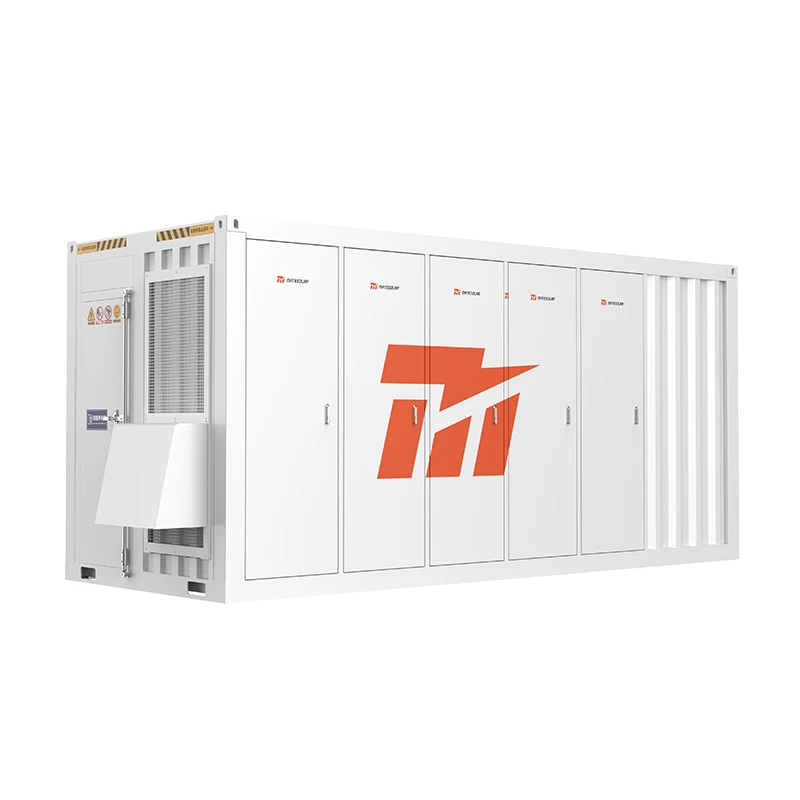
نظام تخزين طاقة بطاري حاوية مبرد بالهواء بطول 40 قدماً بقوة 1 ميجاوات في الساعة / 2 ميجاوات في الساعة
تمثل هذه الفئة العمود الفقري لسوق تخزين الطاقة التجاري والصناعي، حيث توفر:
- تصميم مجمع مسبقاً ومختبر في المصنع
- إدارة حرارية مبردة بالهواء تناسب الظروف المناخية في المملكة المتحدة
- ال نشر السريع (أيام بدلاً من أسابيع)
- قابلة للتطوير من ميغاوات-ساعة واحدة إلى تككوينات متعددة الميغاوات-ساعة
- مناسب للمرافق الصناعية ومراكز الخدمات اللوجستية والعقارات التجارية الكبيرة
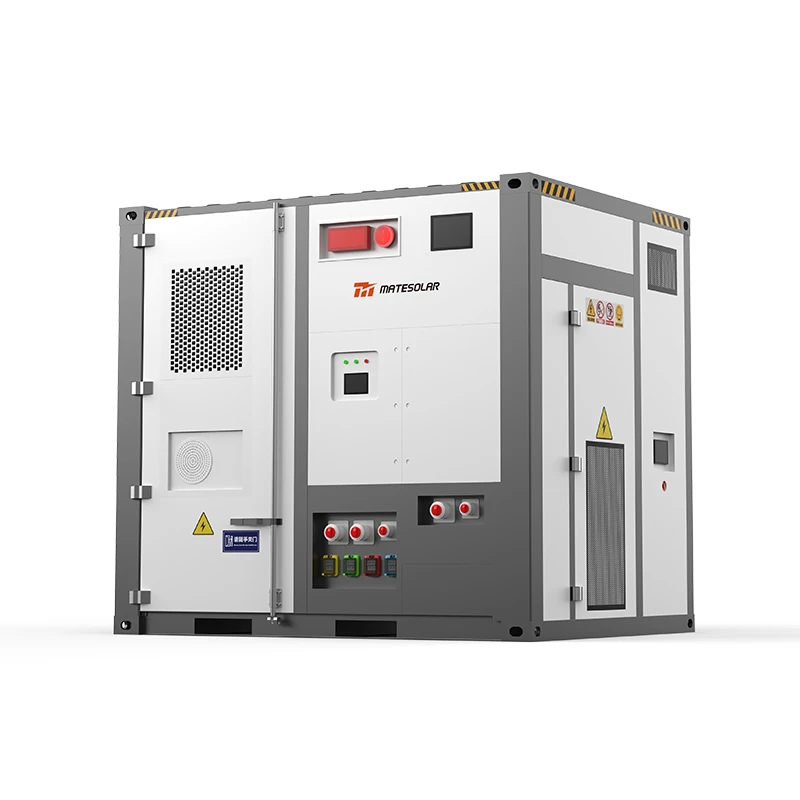
نظام تخزين الطاقة بطارية حاوية 20 قدماً بسعة 3 ميغاوات ساعة / 5 ميغاوات ساعة مع تبريد سائل
تمثل هذه الفئة أحدث جيل من التخزين في حاويات:
- التبريد السائل يتيح كثافة طاقة أعلى (تصل إلى 5 ميجاوات في الساعة في حاوية بطول 20 قدمًا)
- إدارة حرارية محسنة تطيل العمر التشغيلي
- انخفاض استهلاك الطاقة المساعدة
- مناسب للتطبيقات التي تتطلب سعة كبيرة في مساحة محدودة
- مثالي للشبكات المصغرة الصناعية وتطبيقات القطاع التجاري والصناعي واسعة النطاق
جدول المقارنة: الحلول الحاوياتية
| المواصفات | حاوية 40 قدم مبردة بالهواء | حاوية سائلة مبردة بطول 20 قدمًا |
| السعة | 1–2 ميغاواط ساعة | 3–5 ميغاواط/ساعة |
| التبريد | مبرد بالهواء | مبرد بالسائل |
| البصمة | حاوية 40 قدم | حاوية 20 قدم |
| كثافة الطاقة | أقل | أعلى (3 مرات لكل بصمة) |
| التركيب | جاهز ومختبر في المصنع | جاهز ومختبر في المصنع |
| تطبيقات مناسبة | صناعي، لوجستي، تجاري | تطبيقات صناعية واسعة النطاق، شبكات مصغرة، وتطبيقات عالية الكثافة |
| صيانة | أبسط (تبريد هوائي) | أكثر تعقيداً (التبريد السائل) |
| الضوضاء | أعلى (ضوضاء المروحة) | أخفض (تبريد سائل أكثر هدوءاً) |
5.3 حلول الطاقة الشمسية والتخزين المتكاملة
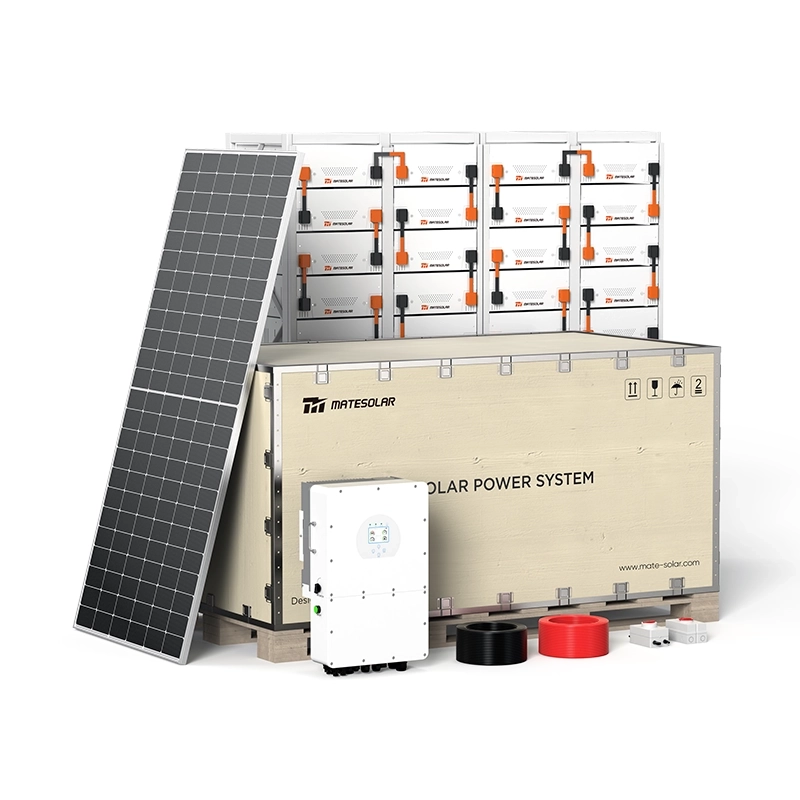
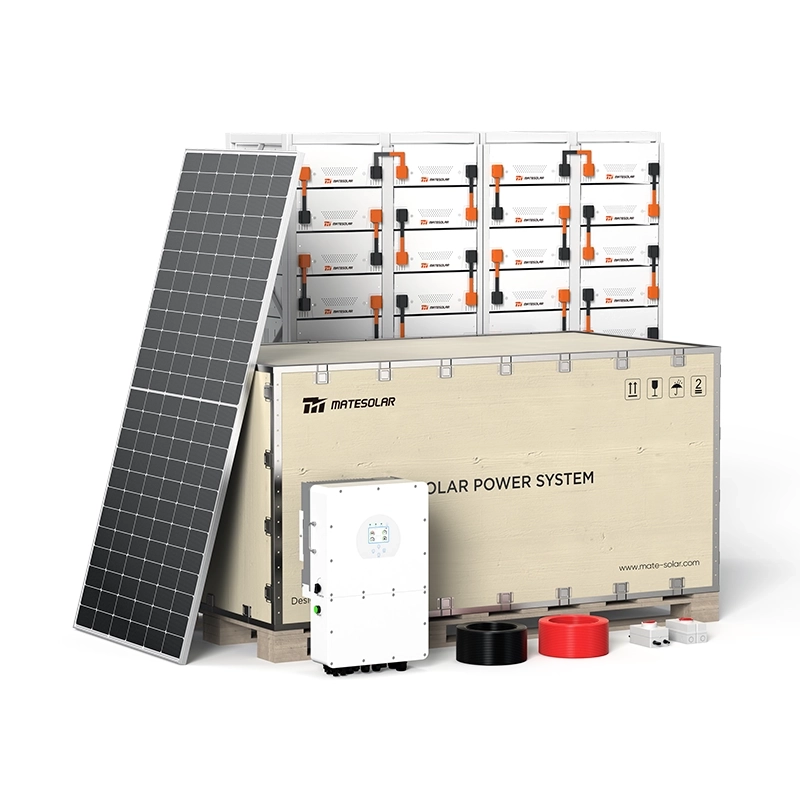
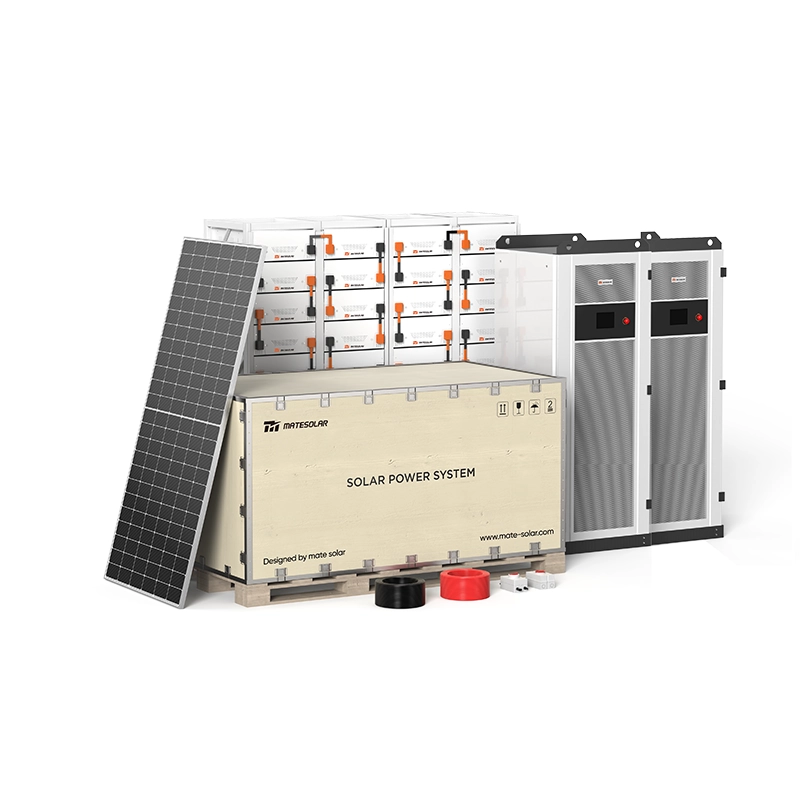
بالنسبة للعملاء التجاريين والصناعيين الساعين إلى تعظيم الاستهلاك الذاتي للطاقة الشمسية الكهروضوئية مع الاستفادة من التخزين، توفر الحلول المتكاملة للطاقة الشمسية مع التخزين قيمة مثلى. A نظام الطاقة الشمسية الهجين التجاري بقدرة 500 كيلوواط يمثل النقطة المثالية للعديد من التطبيقات التجارية والصناعية المتوسطة إلى الكبيرة:
- نظام طاقة شمسية كهروضوئية بقدرة 500 كيلوواط توليد ما يقرب من 450-500 ميجاوات ساعة سنوياً (في ظل الظروف البريطانية)
- تخزين مدمج مصمم ليناسب التوليد الفائض ذروة الطلب
- الإدارة الذكية للطاقة تحسين الاستهلاك الذاتي، وتقليل رسوم الطلب، والمواءمة بين أسعار الجملة
- نقطة مسؤولية واحدة للتصميم والتوريد والتشغيل
فئة الحلول هذه مناسبة بشكل خاص لـ:
- منشآت تصنيع تعمل في النهار
- مراكز التوزيع والمحاور اللوجستية
- منشآت تصنيع الأغذية والتخزين البارد
- مجمعات المكاتب التجارية
- المرافق الصحية
6. الأسئلة المتداولة
يتناول هذا القسم الأسئلة الأكثر شيوعاً من المتخصصين عبر سلسلة قيمة الطاقة الكهروضوئية وتخزين الطاقة، مما يوفر إجابات عملية وقابلة للتنفيذ بناءً على ظروف السوق في أغسطس 2026.
س١: ما هي مدة التخزين المثلى لتطبيقات القطاع التجاري والصناعي في المملكة المتحدة في عام ٢٠٢٦؟
تعتمد المدة المثلى على تدفقات القيمة الأساسية:
| التطبيق | المدة الموصى بها | الأساس المنطقي |
| تخفيض رسوم الطلب | 2-4 ساعات | كافٍ لتخفيف ذروة فترات الطلب |
| الاستهلاك الذاتي للطاقة الشمسية | من 4 إلى 6 ساعات | يلبي الطلب المسائي بعد ذروة الطاقة الشمسية |
| المراجعة بالجملة | من 4 إلى 8 ساعات | يلتقط فروق الأسعار التي تمتد لعدة ساعات |
| نسخ احتياطي / مرونة | من 4 إلى 8 ساعات | يوفر حماية مجدية ضد انقطاع التيار الكهربائي |
| مشاركة LDES | أكثر من 8 ساعات | مؤهل لآليات دعم أنظمة تخزين الطاقة طويلة الأمد |
بالنسبة لمعظم تطبيقات القطاع التجاري والصنائي، يمثل النظام ذو الأربع ساعات الخيار الأمثل، حيث يحقق التوازن بين التكلفة، وإمكانية تكديس القيمة، والمرونة التشغيلية.
السؤال 2: ما هي فترة الاسترداد الواقعية لتخزين الطاقة التجاري والصناعي في المملكة المتحدة في عام 2026؟
تختلف فترات الاسترداد بشكل كبير بناءً على حجم النظام، والتطبيق، والعموامل الخاصة بالموقع. تشير بيانات السوق الحالية إلى:
| حجم النظام | فترة الاسترداد النموذجية | محركات القيمة الرئيسية |
| 100 كيلوواط ساعي – 500 كيلوواط ساعي | 5-8 سنوات | تقليل رسوم الطلب، والاستهلاك الذاتي للطاقة الشمسية |
| ٥٠٠ كيلوواط ساعة – ١ ميغاوات ساعة | من ٤ إلى ٧ سنوات | القيمة الإجمالية لأجهزة الصراف الآلي للعملات الرقمية + مراجحة الجملة |
| ١ ميجاواط ساعة - ٥ ميجاواط ساعة | من ٥ إلى ٩ سنوات | المراجحة بالجملة + المشاركة في إدارة الأعمال (أو المشاركة في الميزانية العمومية حسب السياق) + قيمة آ الصراف الآلي لبيتكوين (أو ماكينة البيتكوين) |
| ٥ ميجاوات-ساعة+ | 6-10 سنوات | تكديس القيم المعقدة، فرص أنظمة تبادل البيانات القانونية (LDES) |
ملاحظة: تستند هذه الأرقام إلى الأسعار السوقية الحالية والظروف التنظيمية السائدة. ويؤدي الإعفاء من ضريبة القيمة المضافة (حتى مارس 2027) إلى تحسين الجدوى الاقتصادية بشكل كبير؛ وفي حال عدم تمديد هذا الإعفاء، ستزداد فترات استرداد التكلفة بنحو 20%.
س3: هل يجب أن أختار أنظمة تخزين مبردة بالهواء أم مبردة بالسائل؟
كلتا التقنيتين لها مزايا، ويعتمد الاختيار على عوامل خاصة بالتطبيق:
| العامل | تبريد الهواء | مبرد بالسوائل |
| تكلفة | تكلفة أولية أقل | تكلفة أولية أعلى |
| صيانة | أبسط | أكثر تعقيداً |
| الضوضاء | أعلى | أقل |
| كثافة الطاقة | أقل | أعلى (مرتين إلى ثلاث مرات) |
| دورة الحياة | جيد | أفضل (تحكم محسّن في درجة الحرارة) |
| كفاءة المساحة | أقل | أعلى |
| مناسب لـ | أنظمة أصغر، مواقع أقل تقييداً | أنظمة أكبر، مواقع محدودة المساحة أو حساسة للضوضاء |
توصية: بالنسبة لتطبيقات القطاع التجاري والصناعي في المملكة المتحدة حيث توجد مساحة متاحة ولا يُعد الضوضاء مصدر قلق رئيسي، توفر الأنظمة المبردة بالهواء أداءً فعالاً من حيث التكلفة. أما بالنسبة للتطبيقات المقيدة المساحة أو الحساسة للضوضاء، توفر الأنظمة المبردة بالسوائل قيمة فائقة على الرغم من تكلفتها الأولية الأعلى.
س4: ما هو الحد الأدنى لحجم النظام لمجال تخزين تجاري وصناعي مجدٍ؟
ي يعتمد الحد الأدنى لحجم النظام القابل للتطبيق على الطلب على الكهرباء لدى العميل وتيارات القيمة المتاحة:
- صغار المستهلكين التجاريين والصناعيين (طلب من 50 إلى 100 كيلو فولت أمبير)أنظمة تتراوح سعتها بين 50 و100 كيلوواط ساعة يمكن أن توفر تخفيضاً مجزياً في رسوم الطلب
- المنشآت التجارية والصناعية المتوسطة (طلب الطاقة بين 100 و500 كيلوفولت أمبير)الأنظمة التي تتراوح سعتها بين 100 و500 كيلوواط ساعة مناسبة
- منشآت تجارية وصناعية كبيرة (طلب يزيد عن 500 كيلو فولت أمبير)أنظمة بقدرة 500 كيلوواط ساعة – 2 ميغاوات ساعة أو أكبر
كقاعدة عامة، يجب أن يتم تحجيم النظام لـ:
- تقليل ذروة الطلب بمقدار 10–20% (لتخفيض رسوم الطلب)
- تخزين ما بين 50 و100% من متوسط الإنتاج اليومي للطاقة الشمسية (للاستهلاك الذاتي)
- توفير أكثر من 4 ساعات من التشغيل بالطاقة المقدرة
س5: كيف أثر إصلاح "جاهز للربط" على مشاريع تخزين الطاقة التجارية والصناعية؟
يؤثر إصلاح "الاستعداد للربط" على مشاريع القطاع التجاري والصناعي بعدة طرق:
الآثار الإيجابية:
- ترشيد طوابير الانتظار يقلل من الازدحام، مما قد يختصر جداول زمنية للربط
- تواريخ الاتصال أكثر موثوقية
- المشروعـات التخمينية لم تعد تزاحم المشاريع الحقيقية
الآثار السلبية:
- ارتفاع تكاليف التطوير (رسوم CMP470)
- متطلبات أكثر صارمة للاحتفاظ بقائمة الانتظار
- الاستبعاد المحتمل للمشاريع التي لا تستطيع إثبات الجاهزية
التقييم الشاملبالنسبة لعملاء القطاع التجاري والصناعي الجادين بشأن نشر أنظمة التخزين والذين يمكنهم إثبات نضج مشاريعهم، يُعد الإصلاح إيجابياً بشكل صافٍ. فهو يزيل المنافسة من المشاريع التخمينية ويخلق عملية ربط أكثر كفاءة.
س6: ما هي الاختلافات الرئيسية بين تخزين الطاقة التجاري والصناعي في المملكة المتحدة والتخزين على نطاق الشبكة؟
| العامل | التخزين التجاري والصناعي | التخزين على مستوى الشبكة الكهربائية |
| حجم النظام | 100 كيلوواط ساعي – 10 ميغاوات ساعي | ١٠ ميغاوات – ٥٠٠ ميغاوات+ |
| الاتصال | مستوى التوزيع (خلف العداد أو مشغل شبكة التوزيع) | مستوى الإرسال |
| القيمة الأساسية | قيمة نظام تخزين الطاقة خلف العداد (رسوم الطلب، الاستهلاك الذاتي) | المواءمة بالجملة، إدارة الموازنة، الخدمات المساعدة |
| يقين الإيرادات | أعلى (قيمة BTM قابلة للتنبؤ) | أقل (إيرادات الشبكة متقلبة) |
| تعقيد التخطيط | أقل (عادة ضمن التطوير المسموح به) | أعلى (مشاريع البنية التحتية ذات الأهمية الوطنية التي تزيد قدرتها عن 50 ميغاواط) |
| تمويل | أبسط (تمويل الأصول، الإيجارات التشغيلية) | معقد (تمويل المشاريع، الاستثمار المؤسسي) |
س 7: كيف أقيم جودة مزود نظام التخزين؟
المعايير الرئيسية لتقييم مزودي نظام التخزين:
| معيار | ما الذي يجب البحث عنه |
| مورد الخلايا | الشركات المصنعة من الفئة الأولى (CATL، BYD، EVE، إلخ) |
| جودة التكامل | أنظمة معتمدة بالمصنع، وعمليات جودة موثقة |
| الضمان | شروط ضمان واضحة تغطي الأداء والعيوب |
| التواجد في المملكة المتحدة | دعم فني محلي، وتوفر قطع الغيار |
| سجل حافل | أثبت كفاءة عمليات نشر المشاريع في ظروف المملكة المتحدة وأوروبا |
| شهادات السلامة | معيار UL 9540A، معيار IEC 62619، الامتثال الخاص بالمملكة المتحدة |
| قدرة البرمجيات | المراقبة في الوقت الفعلي، خوارزميات التحسين، استكشاف الأخطاء وإصلاحها عن بُعد |
| الاستقرار المالي | شركة عريقة ذات نموذج عمل مستدام |
السؤال 8: ما هي متطلبات السلامة من الحرائق لتخزين الطاقة التجاري والصناعي في المملكة المتحدة؟
تستمر متطلبات السلامة من الحريق في التطور. الاعتبارات الرئيسية اعتباراً من أغسطس 2026:
| المتطلبات | تفاصيل |
| موافقة تخطيطية | مطلوب للأنظمة > 1 ميجاواط ساعة (ليثيوم-أيون) |
| BS 7671 التعديل 4 (أبريل 2026) | نقاط عزل التيار المتردد/المستمر، ملصقات سلامة رجال الإطفاء |
| دليل تخطيط أنظمة تخزين الطاقة البطارية واسعة النطاق لـ NFCC (2026) | معايير أمان الحريق المُشددة |
| موافقة سلطة الإطفاء المحلية | يضيف 4-8 أشهر إلى الجداول الزمنية للمشروع |
| ميزات الأمان الموصى بها | إخماد الحريق، كشف الغاز، المراقبة الحرارية، قدرة العزل |
السؤال 9: هل يمكنني الجمع بين الطاقة الشمسية الكهروضوئية والتخزين في مشروع واحد؟
نعم — وفي الواقع، يُعد هذا النهج الموصى به لمعظم تطبيقات القطاع التجاري والصناعي. يوفر النظام المدمج للطاقة الشمسية وتخزين البطاريات ما يلي:
| فائدة | شرح |
| الاستهلاك الذاتي المحسّن | التخزين يلتقط الطاقة الشمسية الزائدة لاستخدامها لاحقًا |
| توصيل شبكي أحادي | الاتصال المشترك يقلل التكاليف |
| التخطيط المُبسّط | غالبًا ما تستفيد المشاريع المشتركة من عمليات موافقة مبسطة |
| اقتصاديات محسنة | تعمل عملية تجميع القيمة المجمعة على تحسين عائدات المشروع الإجمالية |
| نقطة مسؤولية واحدة | مورد واحد للتصميم والتوريد والتشغيل |
للتطبيقات التجارية والصناعية المتوسطة إلى الكبيرة، نظام الطاقة الشمسية الهجين التجاري بقدرة 500 كيلوواط مع التخزين المدمج يمثل بنية حلول مثبتة.
السؤال 10: ماذا يحدث بعد انتهاء إعفاء ضريبة القيمة المضافة في مارس 2027؟
مستقبل الإعفاء من ضريبة القيمة المضافة غير مؤكد. ثلاثة سيناريوهات:
| السيناريو | التضمين |
| تمديد الإعفاء | لا تغيير؛ تظل تكاليف التخزين أقل بمقدار 20% |
| استبدال الإعفاء بمعدل مخفض | زيادة جزئية في التكلفة (على سبيل المثال، 5–10%) |
| انتهى الإعفاء | زيادة كاملة في التكلفة بمقدار 20%؛ وتمدد فترات الاسترداد بمقدار ~20% |
توصية: ينبغي لعملاء القطاع التجاري والصناعي الذين يدرسون مشاريع التخزين أخذ هذا عدم اليقين في الحسبان في تخطيطهم. ستستفيد المشاريع التي يمكن إنجازها قبل مارس 2027 من الإعفاء الحالي. أما المشاريع المخطط لها بعد هذا التاريخ، فيتعين عليها تضمين احتياطي لمواجهة الزيادات المحتملة في التكاليف.
س11: كيف اختار بين الخزائن الخارجية والأنظمة الحاويات (المعبأة في حاويات)؟
| العامل | خزانة خارجية | نظام حاويات |
| نطاق السعة | 100 كيلوواط ساعة – 2 ميغاوات ساعة | 1 ميجاوات في الساعة – 5 ميجاوات في الساعة+ |
| البصمة | أصغر (1.35 متر مربع لكل خزانة) | أكبر (مساحة الحاوية) |
| سرعة التثبيت | سريع (أقل من ساعتين لكل خزانة) | سريع (مُجمَّع مسبقاً) |
| قابلية التوسع | قابل للتعديل، أضف الخزائن حسب الحاجة | أضف الحاويات حسب الحاجة |
| قيود المكان | أفضل للمساحات الضيقة | يتطلب مساحة أكبر |
| حساسية الضوضاء | الخيارات المبردة بالسوائل متوفرة | خيارات التبريد بالهواء أو السائل |
| صيانة | صيانة على مستوى مجلس الوزراء | صيانة على مستوى الحاوية |
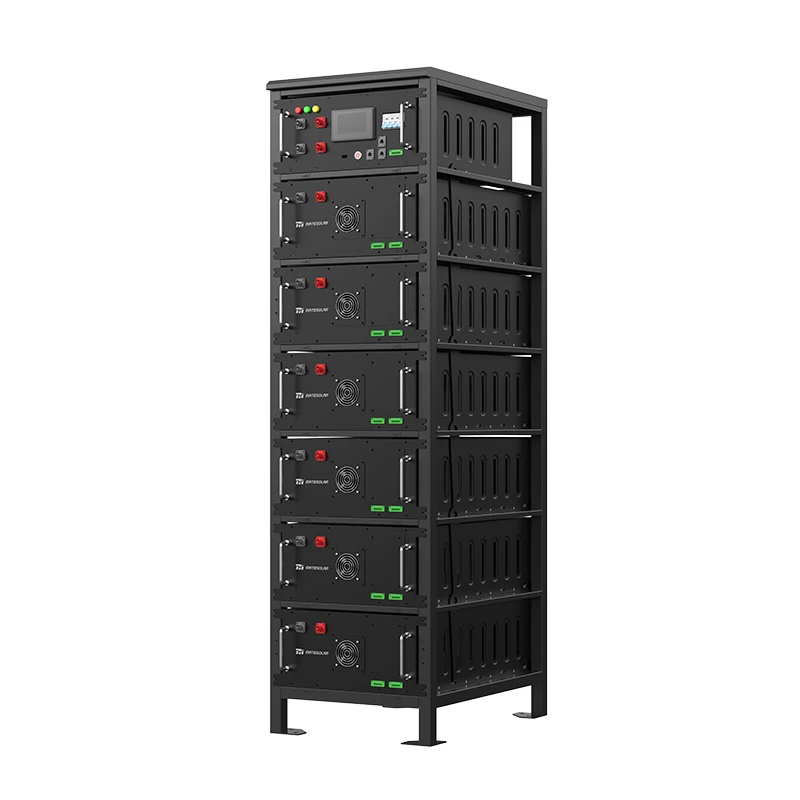
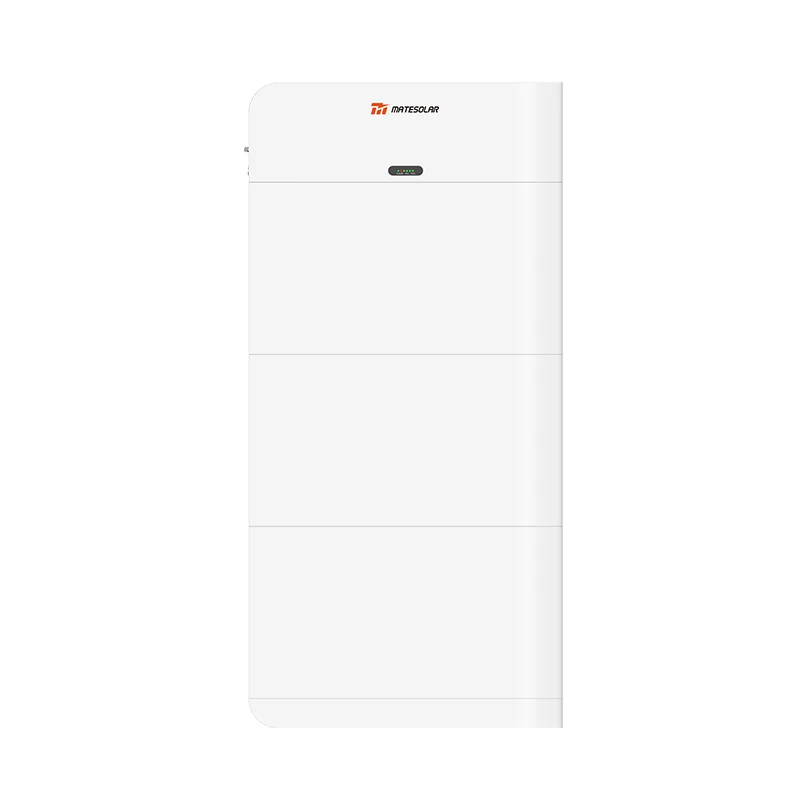
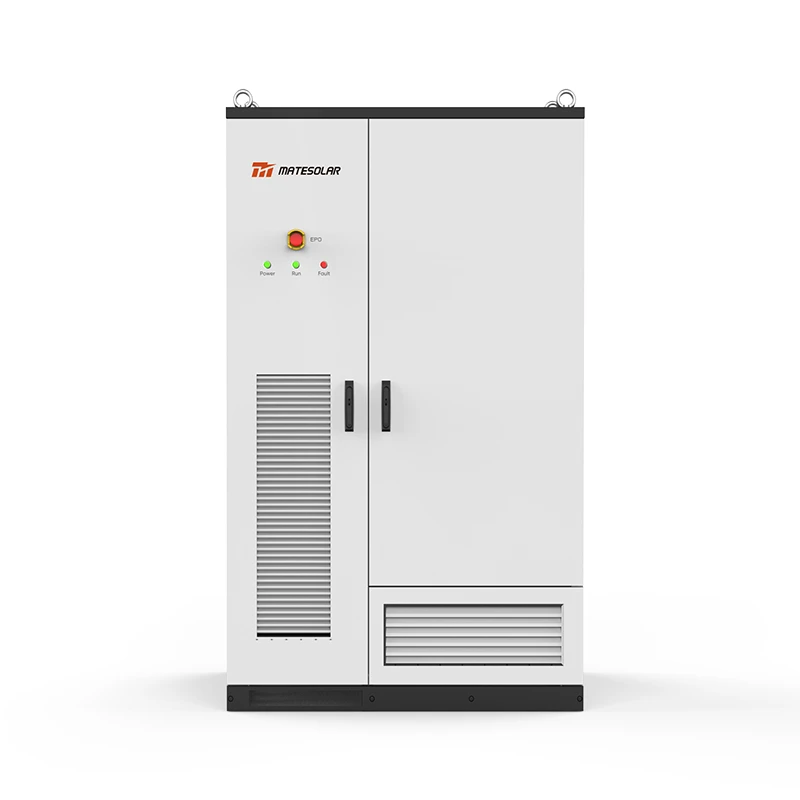
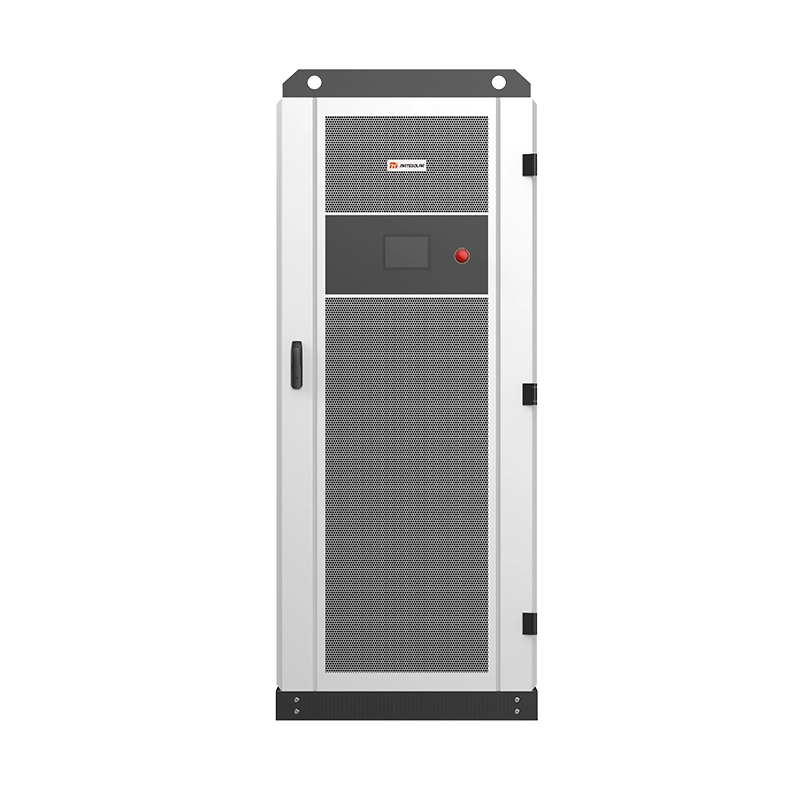
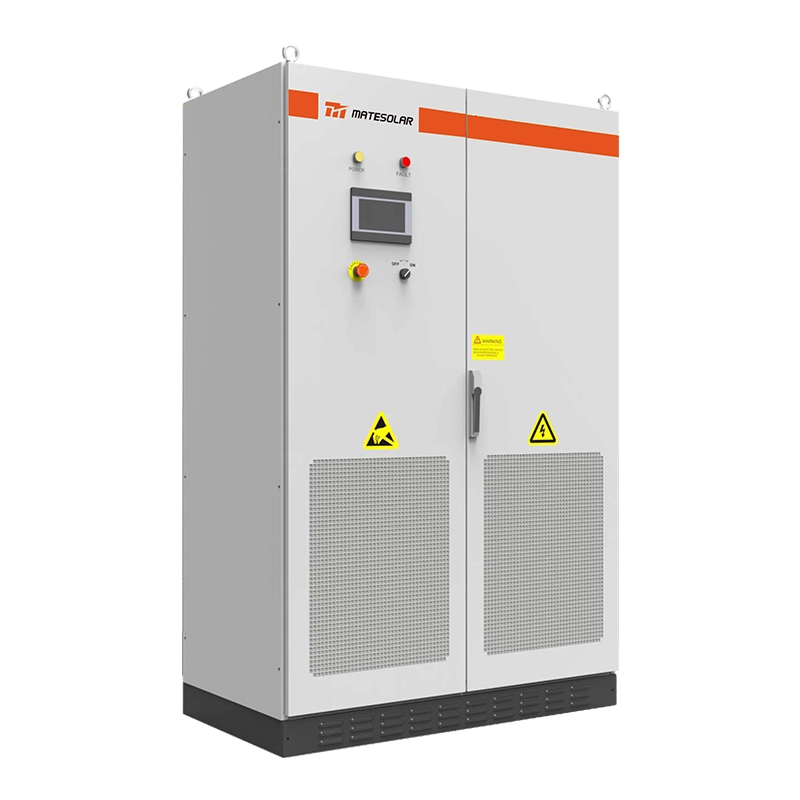
للعملاء الذين يبحثون عن انتشار سريع في بيئات محدودة المساحة، فإن منتجات الخزائن الخارجية مثل نظام تخزين طاقة لخزانة خارجية مبردة بالسوائل بقدرة 125 كيلوواط / 261 كيلوواط ساعة قدم قيمة مقنعة. بالنسبة للتطبيقات الأكبر التي تتطلب 1-5 ميجاوات في الساعة، فإن الحلول المعباة في حاويات مثل وحدة تخزين طاقة 40 قدمًا، 1 ميجاوات/ساعة أو 2 ميجاوات/ساعة، مبردة بالهواء، في حاوية أو الـ نظام تخزين الطاقة في حاوية تبريد سائل تبريد سائل بقدرة 20 قدمًا بقدرة 3 ميجاوات ساعة/5 ميجاوات ساعة توفير أداء مثبت.
س12: ما هي الحالة الحالية لدعم أنظمة تخزين الطاقة طويلة الأمد (LDES) لمشاريع التجارة والصناعة (C&I)؟
تدعم آلية "السقف والأرضية" لتخزين الطاقة طويل الأمد (القسم 2.4) مشاريع التخزين ذات الفترات الممتدة:
- المدة المؤهلةعادةً ٦+ ساعات
- النافذة الأولى (٢٠٢٦): 16 مشروعاً مدعوماً (7.6 غيغاواط / 137 غيغاواط ساعة)
- تحدي تخزين الطاقة لفترات طويلة فائقة الطول٢٨ مليون جنيه إسترليني لتكنولوجيات تفوق ١٠٠ ساعة
- فرصة تجارية وصناعيةتمثل أنظمة 4-8 ساعات سوقاً تتراوح قيمته بين 20 إلى 30 مليار جنيه استرليني
تقييمبالنسبة لمشاريع القطاع التجاري والصناعي التي تتمتع بقدرة تخزين لمدة 8 ساعات أو أكثر، توفر آلية تخزين الطاقة طويلة الأمد (LDES) دعمًا مجديًا للإيرادات. ومع ذلك، بالنسبة لمعظم تطبيقات القطاع التجاري والصناعي (التي تبلغ مدتها 4 ساعات)، لا يُعد دعم (LDES) قابلًا للتطبيق بشكل مباشر.
س١٣: ما مدى أهمية قدرات البرمجيات والتحسين لتخزين الطاقة التجاري والصناعي؟
تُعد قدرة البرمجيات أمراً بالغ الأهمية، وهي تُمثل بشكل متزايد العامل الرئيسي للتمييز بين المشاريع الناجحة وغير الناجحة:
| القدرة | الأهمية | الأساس المنطقي |
| التحسين في الوقت الفعلي | أساسي | تعظم القيمة من عمليات المراجحة بالجملة وتدفقات خلف العداد (BTM) |
| التحليلات التنبؤية | عالية | يتوقع أنماط الطلب وتغيرات الأسعار |
| المراقبة عن بعد | أساسي | يتيح التحديد السريع للمشكلات وحلها |
| التكامل مع نظام إدارة الطوارئ الطبية | عالية | يتيح التشغيل المنسق مع أنظمة المبنى |
| الإرسال الآلي | أساسي | يستجيب لإشارات السوق دون تدخل بشري |
| التقارير والتحليلات | مهم | يبرهن على القيمة ويدعم اتخاذ القرار |
س١٤: ما هي التوقعات لأسعار أنظمة التخزين في الفترة 2026-2027؟
| المكوّن | سعر 2026 | توقعات عام 2027 | اتجاه |
| خلايا LFP | ٦٠–٨٠ جنيه إسترليني/كيلوواط ساعة | ٥٠–٧٠ جنيه إسترليني/كيلوواط ساعة | الرفض |
| أنظمة متكاملة (خزانة) | ١٨٠-٢٥٠ جنيه إسترليني/كيلوواط ساعي | ١٦٠–٢٢٠ جنيه إسترليني/كيلوواط ساعة | الرفض |
| أنظمة متكاملة (حاوية) | £150–220/كيلowat-ساعة | £140–200/كيلowatساعة | الرفض |
| التركيب (التجاري والصناعي) | ٣٠ إلى ٦٠ جنيهًا استرلينيًا / كيلوواط ساعي | £30–55/كيلوواط ساعة | مستقر |
ملاحظة: الأسعار إرشادية وتختلف حسب حجم النظام ومواصفاته والمورد. سيؤدي الإعفاء من ضريبة القيمة المضافة (ما لم يتم تمديده) إلى زيادة الأسعار الفعلية بنسبة 20% اعتبارًا من أبريل 2027.
السؤال 15: ما هي أكثر الأخطاء شيوعاً في مشاريع تخزين الطاقة التجارية والصناعية (C&I)؟
| خطأ | نتيجة | كيفية تجنب |
| نظام التكبير المفرط | اقتصاديات ضعيفة، فترة استرداد ممتدة | قم بإجراء تحليل مفصل للأحمال قبل تحديد الحجم |
| تجاهل متطلبات السلامة من الحريق | تأخيرات المشروع، تكاليف إعادة التصميم | إشراك سلطات الإطفاء مبكراً |
| التقليل من تأثير الضوضاء | اعتراضات التخطيط، رفض المشروع | أجرِ التقييم الصوتي مبكراً |
| إهمال قيمة BTM | تصميم نظام دون المستوى الأمثل، عائدات منخفضة | نمذجة جميع تدفقات القيمة، وليس فقط إيرادات الشبكة |
| اختيار تقنية التبريد الخاطئة | أداء منخفض، صيانة أعلى | مطابقة تكنولوجيا التبريد مع ظروف الموقع |
| برمجيات غير كافية | إرسال دون المستوى الأمثل، إيرادات منخفضة | إعطاء الأولوية لقدرة البرمجيات عند اختيار المزود |
7. الخاتمة: الطريق إلى الأمام لتخزين الطاقة التجاري والصناعي في المملكة المتحدة
يقف سوق تخزين الطاقة التجاري والصناعي في المملكة المتحدة في أغسطس 2026 عند نقطة تحول. لقد نضج السوق متجاوزاً مرحلة الطفولة، مع قدرة مثبتة تبلغ 12.7 جيجاوات، ونظام اتصال بشبكة الكهرباء مُعاد تشكيله، ونماذج إيرادات تمت إعادة هيكلتها بشكل أساسي. يتطلب الطريق إلى الأمام نهجاً جديداً - نهجاً يعترف انهيار إيرادات الاستجابة للتردد، وترشيد قائمة انتظار الشبكة، والتحول نحو المنافسة الموجهة نحو الحلول.
بالنسبة للعملاء التجاريين والصناعيين، الفرصة واضحة: تخزين الطاقة المثبت خلف العداد يوفر قيمة متوقعة وموثوقة من خلال خفض رسوم الطلب، وتحسين الاستفادة الذاتية من الطاقة الشمسية، وتجنب رسوم الشبكة. والتحدي واضح بالقدر نفسه: التنقل في مشهد تنظيمي معقد، واختيار التكنولوجيا المناسبة، وبناء نماذج إيرادات تتميز بالمتانة في مواجهة تطور السوق.
المشكلات التسع الحرجة المحددة في هذا الدليل - بدءاً من عدم التوافق بين قائمة الانتظار البالغة 91 جيجاوات وهدف 29 جيجاوات وصولاً إلى الجدول الزمني للموافقة على السلامة من الحريق - ليست مستعصية على الحل. فهي تتطلب الاستعداد، والبراعة التقنية، والشراكات المناسبة. إن العملاء الذين يتفاعلون مبكراً، ويضبطون حجم مشاريعهم بالشكل الصحيح، ويضعون جودة الحلول قبل السعر الأولي، سينجحون. أما أولئك الذين يتأخرون، أو يقصرون في الاستثمار في قدرات التحسين، أو يختارون تكنولوجيا غير مناسبة، فسوف يعانون.
سيواصل السوق تطوره. ومن المتوقع أن يؤدي قرار (CMP470)، الصادر عن هيئة تنظيم الطاقة البريطانية (Ofgem) في أغسطس 2026، إلى إعادة تشكيل قائمة انتظار الاتصالات بشكل أكبر. وما زال مصير إعفاء ضريبة القيمة المضافة إلى ما بعد مارس 2027 غير مؤكد. وستنضج آلية تخزين الطاقة لفترات طويلة (LDES). وستستمر سلسلة التوريد في التنوع مع دخول القدرات التصنيعية في أوروبا والمملكة المتحدة مرحلة التشغيل.
ما لن يتغير هو عرض القيمة الأساسي للتخزين لعملاء القطاع التجاري والصنائي: القدرة على التحكم في تكاليف الطاقة، تعظيم قيمة توليد الطاقة الشمسية في الموقع، والمساهمة في نظام كهربائي خלٍ من الكربون. إن المنتجات والحلول المتاحة اليوم — بدءاً من الخزانات الخارجية المدمجة التي توفر 233-261 كيلوواط ساعة في مساحة 1.35 متر مربع، وصولاً إلى الأنظمة الحاوية التي توفر ما يصل إلى 5 ميغواط ساعة في مساحة 20 قدمًا — توفر الأساس التقني للنجاح. والتحدي المتبقي هو التنفيذ.
بالنسبة للمؤسسات التي تسعى إلى نشر حلول الطاقة الشمسية المقترنة بتخزين الطاقة على نطاق تجاري،, ماتي سولار توفر دعمًا شاملاً من البداية إلى النهاية كمرجع واحد لحلول الطاقة الكهروضوئية وتخزين الطاقة. فمن تصميم النظام واختيار المنتجات إلى تنسيق سلاسل الإمداد والإرشاد الفني، تدعم «ماتيسولار» (MateSolar) العملاء في كل مرحلة من مراحل تطوير المشروع، مما يضمن أن تحقق استثمارات تخزين الطاقة التجارية والصناعية أقصى قيمة في سوق المملكة المتحدة المتطورة.
MateSolar هي شركة مزودة لحلول الطاقة الكهروضوئية وتخزين الطاقة تحت سقف واحد، حيث تقدم مجموعة شاملة من منتجات الطاقة الشمسية الكهروضوئية وتخزين البطاريات المصممة خصيصاً لتلبية احتياجات العملاء التجاريين والصناعيين. تتضمن محفظة منتجاتنا أنظمة الطاقة الشمسية الهجينة التجارية، وحلول التخزين ذات الخزانات الخارجية المبردة بالسائل، والأنظمة الحاوياتية المبردة بالهواء أو السائل لتطبيقات تتراوح من 100 كيلوواط ساعي إلى 5 ميغاوات ساعي وما فوق. نحن ندعم العملاء طوال دورة حياة المشروع بالكامل - بدءاً من تصميم النظام واختيار المنتجات ووصولاً إلى تنسيق سلسلة التوريد والدعم الفني - مما يضمن نجاح التنفيذ في سوق الطاقة البريطاني الديناميكي.