

















تحولت ولاية أريزونا من ولاية واعدة في مجال الطاقة الشمسية إلى السوق الأكثر نمواً على الإطلاق في مجال تخزين الطاقة في الولايات المتحدة. ففي الربع الثاني من عام 2026، قامت أريزونا بتركيب 6.2 جيجاواط/ساعة من سعة التخزين الجديدة، وهو أكبر حجم تركيب ربع سنوي سُجل على الإطلاق في أي ولاية أمريكية. وتجاوز هذا الرقم المسجل في ربع واحد وحده رقم ولاية تكساس البالغ 3.8 جيجاوات ساعة ورقم ولاية كاليفورنيا البالغ 3.6 جيجاوات ساعة، وهما سوقان سيطرتا تاريخياً على تخزين الطاقة على نطاق الشبكة وتخزين الطاقة خلف العداد. على الصعيد الوطني، بلغ إجمالي سعة التخزين المُركبة 20.2 جيجاواط ساعة في الربع الثاني من عام 2026، وتم تركيب 74% من هذه السعة في الولايات التي صوتت لصالح دونالد ترامب في عام 2024. وتقود أريزونا وتكساس ويوتا الآن المرحلة التالية من الاستثمار في البنية التحتية للطاقة في الولايات المتحدة.
بالنسبة للعملاء التجاريين والصناعيين، فإن اللحظة أكثر تحديداً. فقد وصلت إضافة أنظمة تخزين الطاقة للقطاعين التجاري والصناعي في الولايات المتحدة إلى 1.8 جيجاوات ساعة في الربع الثاني من عام 2026، مع ارتباط حصة كبيرة منها بشكل مباشر بأحمال مراكز البيانات. ولا تقتصر أريزونا على مجرد إضافة البطاريات كفكرة لاحقة للطاقة الشمسية؛ بل تعامل المرافق، والمطوّرون، والمستهلكون الكبار التخزين الآن باعتباره بنية تحتية أساسية: أصل سريع وقابل للجدولة ومتعدد مصادر الإيرادات يمكن وضعه خلف نقاط الربط الحالية عندما يكون توليد الطاقة الحرارية الجديد بطيئاً، أو مكلفاً، أو متعذّر البناء بسرعة.
تم تصميم هذه المقالة كخطة عمل عملية ودليل تقني للمطورين، والمقاولين الرئيسيين (EPCs)، ومديري الطاقة، ومشغلي مراكز البيانات، والمصنعين، ومالكي العقارات التجارية الذين يقيّمون أنظمة تخزين الطاقة خلف العداد أو أمامه في أريزونا في أواخر عام 2026. وهي تغطي بيانات السوق الفعلية، والبيئة التنظيمية والسياسات، ومعايير المشاريع الحديثة، والمشكلات الثماني الأكثر إلحاحاً للعملاء، ومعايير اختيار التكنولوجيا، واقتصاديات المشروع، وأفضل ممارسات الشراء، وقسماً مفصلاً للأسئلة الشائعة.
الأهم من ذلك، أن هذه ليست نظرة عامة تقليدية. بل هي مكتوبة للمهنيين الذين يحتاجون إلى اتخاذ إجراءات فورية في سوق أريزونا: الأفراد الذين يقارنون بين الخزائن الخارجية المبردة بالسوائل والحاويات المبردة بالهواء، أو يصممون نماذج لتوفير رسوم الطلب ضمن تعريفات شركتي SRP و APS، أو يقيمون تأثير مشروع القانون HB 2918، أو يحاولون فهم كيفية تلبية أحمال مراكز البيانات في ظل تفويض الطاقة المتجددة مضافاً إليها التخزين بموجب مشروع القانون HB 2467.
1. حالة سوق تخزين الطاقة في أريزونا: سبتمبر 2026
1.1 سجل الربع الثاني من عام 2026
تعد سعة التخزين الجديدة في ولاية أريزونا البالغة 6.2 جيجاواط/ساعة في الربع الثاني من عام 2026 أكبر عملية نشر على مستوى الولاية في ربع واحد في تاريخ الولايات المتحدة. ولتوضيح حجم هذا الرقم، بلغت سعة التخزين التي تم تركيبها في الولايات المتحدة بأكملها 20.2 جيجاوات/ساعة في الربع نفسه. وشكلت أريزونا وحدها ما يقارب 31% من إجمالي سعة التخزين المركبة في الولايات المتحدة خلال تلك الفترة.
نشرت تكساس 3.8 جيجاوات ساعة في الربع الثاني من عام 2026، بينما نشرت كاليفورنيا 3.6 جيجاوات ساعة. كلاهما سوقان ناضجان لتخزين الطاقة مع قوائم انتظار ربط ضخمة، وعمليات شراء متطورة المرافق، وهياكل حوافز راسخة للقطاعين التجاري والصناعي. إن قدرة أريزونا على تفوق كلا الولايتين في ربع واحد تشير إلى تحول هيكلي، وليس مجرد شذوذ في مشروع لمرة واحدة.
المحركات ليست في المقام الأول معايير المحافظ المتجددة أو سياسة المناخ. بل إن طفرة تخزين الطاقة في أريزونا مدفوعة بثلاثة ظروف عمليّة:
الطلب في أوقات الذروة يرتفع بمعدل أسرع من القدرة على بناء إمدادات جديدة.
تُعدّ فينيكس واحدةً من أسرع مناطق الحضر نمواً في الولايات المتحدة. إن نمو السكان، والتوسع الصناعي، وخاصةً تطوير مراكز البيانات، تدفع ذروة الأحمال الصيفية إلى الارتفاع كل عام. ويواجه التوليد الحراري التقليدي صعوبات في الحصول على التصاريح، والتمويل، والربط الشبكي بسرعة.
تؤدي قوائم الانتظار الخاصة بالربط الشبكي إلى إبطاء محطات الطاقة الحرارية الجديدة.
قد يستغرق بناء محطة غاز جديدة سنوات لتمريرها عبر مرحلة اختيار الموقع، واستخراج التصاريح، والربط الشبكي، والإنشاء. وغالباً ما يمكن نشر نظام تخزين الطاقة البطارية في محطة فرعية موجودة أو خلف عداد موجود في غضون 12 إلى 24 شهراً، اعتماداً على النطاق.
تُعدّ البطاريات أسرع أصول قابلة للجدولة يمكن للمطورين وضعها خلف نقاط الربط الحالية.
التخزين لا يحتاج إلى عقود توريد وقود، أو إمدادات مياه، أو تصاريح انبعاثات. ويمكنه توفير القدرة، والاستجابة للتردد، والتحميل التدريجي، وتحويل الأحمال بشكل شبه فوري بعد توصيله بالكهرباء.
1.2 تفاصيل تخزين الطاقة للأنشطة التجارية والصناعية في الربع الثاني من عام 2026
بلغت إضافات تخزين الطاقة للقطاعين التجاري والصناعي في الولايات المتحدة 1.8 جيجاوات ساعة في الربع الثاني من عام 2026. وتُعد مراكز البيانات أكبر مصدر فردي للأحمال الجديدة للقطاعين التجاري والصناعي. وتُعد أريزونا الآن الولاية الأكثر وضوحاً في البلاد من حيث نشر مشاريع الطاقة الشمسية المقترنة بالتخزين، ويرجع ذلك إلى حد كبير إلى بدء مرافق الخدمات والمجهات التنظيمية في التعامل مع التخزين باعتباره بنية تحتية أساسية بدلاً من كونها تقنية طاقة نظيفة هامشية.
كما أظهرت أنظمة التخزين المجتمعية والتجارية والصناعية زخمًا في الربع الأول من عام 2026، حيث تم تركيب 97.7 ميجاوات، بزيادة قدرها 27% مقارنة بالربع السابق. وسجلت ولايات أريزونا وكاليفورنيا وتكساس وهاواي أكبر مكاسب على أساس ربع سنوي في الربع الأول من عام 2026. ومن المتوقع أن ينمو قطاع CCI بمقدار 26% حتى عام 2031.
بالنسبة لعملاء القطاع التجاري والصناعي في أريزونا، فإن الأرقام ذات الصلة لا تقتصر فقط على جيجاوات-ساعة. بل تُقاس قيمة التخزين في رسوم الطلب التي يتم تجنبها، ومواءمة أسعار وقت الاستخدام، والمرونة، والقدرة على تلبية التزامات الطاقة المتجددة مضافاً إليها التخزين للمرافق ذات الأحمال العالية.
٢. لماذا أريزونا هي مركز الثقل الجديد للتخزين في الولايات المتحدة
لا يُفعَّل نمو التخزين في أريزونا بسبب تفويضات مناخية عدوانية. بل يُففعله نمو الأحمال، وقيود الشبكة، والاقتصاديات الصارمة لطاقة ذروة الطلب.
تشهد مدينة فينيكس ومجمل وادي سالت ريفر واحدة من أسرع معدلات نمو الطلب على الكهرباء في الولايات المتحدة. تتنافس مراكز البيانات، ومصانع تصنيع أشباه الموصلات، وتصنيع السيارات الكهربائية، ومراكز الخدمات اللوجستية، والتطوير التجاري المدفوع بالنمو السكانى، جميعها على الحصول على السعة الكهربائية. وفي الوقت نفسه، تواجه مرافق الخدمات العامة ضغوطاً شعبية وتنظيمية للحفاظ على استقرار الأسعار وتجنب انقطاع التيار الكهربائي المتناوب خلال موجات الحر الشديدة.
يحل التخزين هذه المشكلة بطريقة لا تستطيعها المحطات الحرارية. يمكن وضع نظام بطاريات في محطة فرعية، أو خلف عداد تجاري، أو في موقع مشترك مع مركز بيانات. ويمكنه الشحن خلال أاعات خارج ذروة الاستهلاك والتفريغ خلال ذروة وقت ما بعد الظهر المتأخر والمساء. ويمكنه توفير خدمات الشبكة مع تقليل رسوم الطلب الخاصة بالعميل المستضيف أيضاً.
أدركت مرافق ولاية أريزونا هذا الأمر. فقد أطلقت كل من شركات "إس آر بي" (SRP) و"إف بي إس" (APS) و"تي إي بي" (TEP) برامج حوافز لتخزين الطاقة أو أهدافاً للمشتريات. وقد وقعت "إس آر بي" عقود تخزين واسعة النطاق متعددة، بما في ذلك مشروع "بيديمونت بي إي إس إس" (Pediment BESS) ومشروع "فلاتلاند لتخزين الطاقة" (Flatland Energy Storage). أما "إف بي إس" فتقوم بإصلاح طابور الربط البيني الخاص بها، وإن كان ذلك ببطء. ولدى "تي إي بي" برنامج حوافز لتخزين الطاقة يدفع لأصحاب البطاريات مقابل متوسط إنتاج الكيلوواط السنوي.
النتيجة هي سوق لم يعد فيه التخزين مجرد دور بيئي متخصص، بل أصبح مورد السعة الافتراضي لشبكة كهرباء تحتاج إلى بنية تحتية سريعة، مرنة، وقابلة للتمويل.
3. السياسة والبيئة التنظيمية
3.1 الائتمان الضريبي للاستثمار الفيدرالي: المحرك الأساسي للقطاع التجاري والصناعي
يظل ائتمان الضريبة الاستثمارية الفيدرالية الحافز المالي الأهم على الإطلاق للتخزين التجاري والصناعي في أريزونا.
يمكن للشركات الهادفة للربح الاستفادة من الائتمان الضريبي الاستثماري 30% بموجب الإطار الفيدرالي الحالي. وعند دمج هذا الائتمان مع «نظام استرداد التكلفة المعجل المعدل» (MACRS)، يمكن أن يكون التخفيض الفعلي في التكلفة خلال السنة الأولى كبيرًا. ويسمح نظام MACRS بإهلاك أصول التخزين على مدى خمس سنوات، مما يسرع من الحصول على المزايا الضريبية ويحسن القيمة الحالية الصافية.
يغطي القسم 48E من قانون الإيرادات الداخلية ائتمانات استثمار الكهرباء النظيفة لتخزين البطاريات التجاري الذي يتم تشغيله بعد 31 ديسمبر 2024. وهذا يعني أن المشاريع التي يتم تشغيلها في عامي 2025 و2026 تقع ضمن إطار عمل القسم 48E مباشرة.
يمكن أن تضيف أرصدة المكافآت الخاصة بمجتمعات الطاقة 10 نقاط مئوية أخرى إلى الائتمان الضريبي للاستثمار (ITC) للمشاريع الواقعة في مجتمعات الطاقة المعينة. وتضم ولاية أريزونا مناطق قد تكون مؤهلة بناءً على معدلات التوظيف التاريخية في قطاع الوقود الأحفوري أو وضعها كمواقع صناعية مهجورة. وينبغي على المطورين تقييم ما إذا كان موقع المشروع يقع ضمن مجتمع طاقة مؤهل بعناية، لأن الـ 10% الإضافية يمكن أن تغير عوائد المشروع بشكل جوهري.
التفاعل بين الائتمان الضريبي للاستثمار (ITC) ونظام الاستهلاك التسريعي (MACRS) قوي للغاية. فنظام التخزين التجاري المؤهل للحصول على الائتمان الضريبي للاستثمار (ITC) بقيمة 30% ونظام الاستهلاك التسريعي (MACRS) لمدة خمس سنوات يمكنه خفض التكلفة الأولية الفعلية بنسبة تتراوح بين 35% و45%، اعتمادًا على الرغبة الضريبية للعميل. وبالنسبة لنظام تبلغ تكلفته $1 مليون، قد يعني ذلك الحصول على مزايا ضريبية اتحادية مجمعة تتراوح بين $350,000 و$450,000 خلال السنوات القليلة الأولى.
3.2 سياسة الضرائب الحكومية: عدم اليقين والفرصة
البيئة الضريبية الحكومية في أريزونا لخدمات التخزين في حالة تغير مستمر.
HB 2918 يتقدم في المؤسسة التشريعية في عام 2026. من شأن مشروع القانون أن يلغي معاملة ضريبة الأملاك الخاصة لمشاريع الطاقة المتجددة الكبيرة، بما في ذلك طاقة الرياح والطاقة الشمسية وتخزين البطاريات المرتبط بها. وسيتطلب من هذه المشاريع دفع ضرائب أملاك محلية أعلى بكثير. يغير مشروع القانون كيفية تقييم معدات الطاقة المتجددة والتخزين لأغراض ضريبة الأملاك.
يستهدف مشروع القانون HB 2918 في المقام الأول المشاريع على نطاق المرافق العامة، لكن اتجاهه السياسي مهم لعملاء القطاع التجاري والصناعي أيضاً. وإذا واجهت أصول الطاقة الشمسية والتخزين واسعة النطاق ضرائب عقارية أعلى، فقد تشهد الصناعة ضغوطاً تصاعدية على أسعار اتفاقيات شراء الطاقة، أو تغييرات في مواقع المشاريع، أو تحولاً نحو تكوينات خلف العداد يتم تقييمها بشكل مختلف. وينبغي لعملاء القطاع التجاري والصناعي نمذجة الحساسية للتغيرات في الضرائب العقارية عند تقييم اقتصاديات التخزين على المدى الطويل.
HB 2467 يُنشئ متطلبات جديدة لمراكز بيانات الحاسوب. يجب أن تستخدم مراكز البيانات الكهرباء المستمدة من الطاقة المتجددة المقترنة بتخزين البطاريات، كما يحد مشروع القانون من استخدام مياه التبريد. ويأتي هذا استجابة مباشرة للنمو الهائل لمراكز البيانات في منطقة فونكس الكبرى والقيود المفروضة على المياه في الولاية على المدى الطويل. يدخل القانون (HB 2467) حيز التنفيذ بالنسبة للالتزامات الجديدة بدءاً من 31 ديسمبر 2026، مما يجعله عامل تخطيط فوري لأي مشغل مركز بيانات في أريزونا.
مشروع القانون المقترح من قبل النائب كافيرو وهو أكثر إيجابية بالنسبة لتخزين الطاقة. ويهدف مشروع القانون إلى توسيع نطاق الإعفاءات من ضريبة المبيعات وضريبة الاستخدام لمعدات تخزين الطاقة، بحيث تشمل المنشآت السكنية والتجارية والصناعية. كما يقترح مشروع القانون إعفاءً ضريبيًّا على الدخل بنسبة 10% لمعدات الطاقة الشمسية التجارية في الفترة من 2031 إلى 2038، مع وضع حدود قصوى وإمكانية ترحيل الرصيد المتبقي لمدة خمس سنوات. وفي حال إقراره، سيؤدي ذلك إلى خفض إضافي في تكلفة تركيب أنظمة الطاقة الشمسية المزودة بخزائن الطاقة التجارية في ولاية أريزونا.
برامج حوافز المرافق العامة
طوّرت مرافق الخدمات العامة في أريزونا عدة برامج تخزين موجهة للعملاء التجاريين والصناعيين.
- برنامج شركاء بطاريات SRPيمكن لعملاء شركة (SRP) المشاركون في محطة الطاقة الافتراضية، أو (VPP)، الحصول على حوافز مالية لقاء السماح لشركة المرافق بتفريغ طاقة بطارياتهم خلال الأحداث التي تشهدها شبكة الكهرباء.
- برنامج حافز تخزين الطاقة التجريبي لشركة APSتقدم شركة APS آلية مشاركة مماثلة في محطات الطاقة الافتراضية (VPP) للعملاء التجاريين والسكنيين.
- برنامج حوافز تخزين الطاقة لشركة TEP: تدفع شركة «توسون إلكتريك باور» لمالكي البطاريات ما يقارب $120 سنويًّا لكل كيلوواط من الطاقة المُنتجة في المتوسط.
- تجربة تخزين الخدمات العامة الكبيرة لشركة APSأفت برنامجاً تجريبياً للتخزين للعملاء التجاريين الكبار، والذي يمكن دمجه مع تدفقات قيمة أخرى.
هذه البرامج ليست متطابقة. فهي تختلف في متطلبات الإرسال، وحساب الحوافز، ومدة العقد، والأهلية. يجب على عملاء القطاع التجاري والصناعي تقييمها في سياق ملف الأحمال الخاص بهم ومدى تحملهم للمخاطر.
3.4 إصلاح ربط الشبكات: عنق الزجاجة
يعد الربط البيني التحدي الأكبر الذي يواجه تطوير التخزين في أريزونا. تحصل أريزونا حالياً على تقدير “B” إجراءات الربط البيني للتخزين. هذا أفضل من العديد من الولايات، لكنه ليس تقدير “A” لسبب ما.
استغرق إصلاح نظام قوائم انتظار الربط الشبكي لشركة APS وقتًا أطول مما كان متوقعًا. وكان من المقرر في الأصل أن يبدأ تشغيل مشروع «CO Bar Complex» — وهو مشروع للطاقة الشمسية بقدرة 1.2 جيجاوات بالإضافة إلى تخزين بقدرة 4 جيجاوات ساعة — في النصف الثاني من عام 2026، لكن تم تأجيله بسبب إصلاح نظام قوائم الانتظار لدى APS. وهذه ليست حالة منفردة. ففي جميع أنحاء الولايات المتحدة، تستغرق قوائم انتظار الربط بالشبكة الآن بشكل روتيني أكثر من خمس سنوات. وفي بعض المناطق، تمتد فترات الانتظار إلى سبع سنوات. ويتم في النهاية سحب ما يقارب 80% من المشاريع التي تدخل قوائم انتظار الربط بالشبكة.
بالنسبة لعملاء القطاعين التجاري والصناعي، فإن مشكلة الربط الشبكي تختلف قليلاً. غالباً ما تستطيع المشاريع الموجودة خلف العداد التحرك بشكل أسرع من المشاريع الواقعة أمام العداد؛ لأنها لا تتطلب نفس عملية دراسة مستوى النقل. ومع ذلك، فإن أي نظام قادر على التصدير أو مشروع كبير يتطلب مراجعة الربط المرافق لا يزال بإمكانه مواجهة تأخيرات.
4. المشهد الحديث للمشاريع في أريزونا
4.1 مشاريع التخزين واسعة النطاق
تلخص الجدول التالي مشاريع تخزين الطاقة الكبرى في أريزونا التي تم إنجازها حديثاً، أو التي قيد الإنشاء، أو التي تم الإعلان عنها اعتباراً من سبتمبر 2026.
| مشروع | حجم | الخصائص الرئيسية |
| نظام تخزين الطاقة بالبطاريات بيدمونت | 250 ميغاواط / 1,000 ميغاواط ساعة | طورتها شركة "آيبا باور" (Aypa Power) لصالح "إس آر بي" (SRP)؛ ومن المقرر تشغيلها في يونيو 2026؛ وتقع في ممر إليوت رود التكنولوجي بمدينة ميسا. |
| تخزين طاقة أرض مسطحة | 200 ميجاوات / 800 ميجاوات-ساعة | طوّرته شركة EDP لصالح SRP؛ ومن المقرر تشغيله في يونيو 2026؛ وهو أكبر نظام تخزين بطاريات للطاقة (BESS) لشركة EDP عالمياً. |
| مشروع ستيرلينغ | ٣٦٠ ميجاواط / ١.٤ جيجاواط ساعة | تسلا وكونتور غلوبال؛ تبدأ الإنشاءات في 2026؛ ومن المتوقع أن تبدأ التشغيل في 2028 |
| مركز بايونير للطاقة النظيفة | طاقة شمسيّة بقدرة 300 ميجاوات + نظام تخزين بطاريات بقدرة 300 ميجاوات / 1200 ميجاوات-ساعة | فلوانس توفر تكنولوجيا التخزين؛ ومن المتوقع تشغيلها في أبريل 2027 |
| مجمع بار سي أو | طاقة شمسية بقدْرَة 1.2 جيجاوات + تخزين بقدْرَة 4 جيجاوات ساعة | إنلايت؛ أكبر مجمع للطاقة الشمسية وتخزين الطاقة في أريزونا؛ تأجل بسبب إصلاحات قائمة انتظار الربط لشركة "أبس" (APS) |
| مركز ماريكوبا للطاقة | تخزين بحجم 2,200 ميغاوات ساعة | كوبيا باور؛ أكبر مشروع للطاقة الشمسية مع تخزين البطاقات في أريزونا؛ إنجاز على مراحل 2026-2027 |
| مشروع أفانتوس كيت | 100 ميجاوات طاقة شمسية + 400 ميجاوات/ساعة تخزين | تمويل يزيد عن $300 مليون؛ ومن المتوقع أن يبدأ العمل في أواخر عام 2026 |
| بركة لونغرود صن | 111 ميجاوات ذروة طاقة شمسية + 340 ميجاوات ساعة تخزين | يبدأ العمل في مايو 2026 |
| المرحلة الثانية من طاقة أيبا | ٢٥٠ ميغاواط / ٢,٠٠٠ ميغاواط ساعة | عقد شراء الطاقة؛ ومن المتوقع تشغيله على شبكة الإنترنت في ديسمبر 2028 |
| Energy Dome × SRP | 19 ميجاواط / 190 ميجاواط ساعة | التخزين طويل الأمد القائم على ثاني أكسيد الكربون؛ شراكة مع جوجل |
تُظهر هذه المشاريع حجم خط أنابيب التخزين في أريزونا. لكنها تسلط الضوء أيضاً على نقطة حرجة: المشاريع الكبرى الواقعة أمام العداد أصبحت متزايدة التعقيد، وتتطلب رأس مال ضخماً، وتخضع لمخاطر الربط الشبكي.
مشاريع التخزين التجارية والصناعية
مشاريع القطاع التجاري والصناعي في أريزونا أصغر حجماً ولكنها غالباً ما تكون أعلى قيمة على أساس لكل كيلوواط ساعة لأنها تقلل بشكل مباشر من تكاليف الكهرباء بالتجزئة.
| مشروع | حجم | الخصائص الرئيسية |
| مصنع فولاذ نيوكور كينغمان | ٥٠ ميجاوات / ٢٠٠ ميجاوات في الساعة | أكبر نظام تخزين تجاري وصناعي خلف العداد في أريزوناتسلا ميغاباك |
| المرحلة الثانية من نيوكور | طاقة شمسية بقدرة 25 ميغاوات | مشروع متابعة في عام 2026 لمزيد من خفض تكاليف الطاقة النهارية |
| مشروع الطاقة الشمسية وتخزين الطاقة من كيو سيلز | ٣٧٢ ميغاواط | أُعْلِنَ عنه في يوليو ٢٠٢٦ |
| ستراتا كلين إينرجي | أكثر من 2 جيجاوات في التشغيل أو قيد الإنشاء | خطط تطوير قدرها 5 غيغاوات في أريزونا |
تعتبر منشأة "نوكور" في كينغمان مفيدة بشكل خاص. إن نظام تخزين الطاقة خلف العداد بقدرة 50 ميجاوات / 200 ميجاوات في الساعة يُعد ضخماً بمعايير القطاع التجاري والصناعي. وهو يوضح أن كبار العملاء الصناعيين في أريزونا ينظرون إلى التخزين باعتباره أداة أساسية لإدارة التكاليف، وليس مجرد لفتة تتعلق بالاستدامة.
خط أنابيب مشاريع شركة ستراتا كلين إينرجي في أريزونا يضم ما يقرب من 2 جيجاوات من تطوير مراكز البيانات. وهذا مؤشر قوي على أن تفويضات الطاقة المتجددة المدمجة بالتخزين الخاصة بمراكز البيانات تترجم إلى أنشطة شراء حقيقية.
5. ثمن مشاكل رئيسية للعملاء وكيف تعالجها التخزين
تحدد المشكلات الثماني التالية فرصة تخزين الطاقة التجارية والصناعية في أريزونا في عام 2026. يجب أن يكون أي مطور، أو مقاول هندسة وتشتري وبناء (EPC)، أو مورد معدات يرغب في الفوز بالأعمال في هذا السوق قادراً على معالجة هذه القضايا بشكل محدد.
المشكلة الأولى: انفجار أحمال مراكز البيانات وتفويض الطاقة المتجددة مضافاً إليها التخزين
يمثل طفرة مراكز البيانات في أريزونا أكبر مصدر منفرد جديد للطلب على الكهرباء في الولاية. أصبحت فينيكس الآن واحدة من أهم أسواق مراكز البيانات في الولايات المتحدة، مدفوعة بالحوسبة السحابية، وتدريب الذكاء الاصطناعي والاستدلال، ومراكز الاستضافة المشتركة للمؤسسات.
يفرض مشروع القانون "إتش بي 2467" (HB 2467) على مراكز البيانات استخدام الكهرباء المستمدة من الطاقة المتجددة المقترنة بتخزين البطاريات بدءاً من 31 ديسمبر 2026. كما يحد مشروع القانون من استخدام مياه التبريد، مما يخلق طبقة امتثال ثانية في ولاية تتدر فيها المياه.
بالنسبة لمشغلي مراكز البيانات، لا يعد هذا هدفاً طوعياً للاستدامة، بل هو متطلب قانوني له مواعيد نهائية للالتزام. وتُعد أنظمة التخزين التقنية وتمكينها؛ نظراً لأن الطاقة الشمسية وحدها لا يمكنها مطابقة ملف الأحمال لمراكز البيانات على مدار الساعة طوال أيام الأسبوع. وبإمكان نظام الطاقة الشمسية المقترنة بالتخزين ذي الحجم المناسب تحويل توليد الطاقة الشمسية النهارية إلى ساعات المساء والليل، وتثبيت الإنتاج المتجدد، وتقليل الاعتماد على طاقة الشبكة خلال ساعات الذروة.
تُظهر خطة تطوير مراكز البيانات التابعة لشركة "ستراتا كلين إنرجي" في أريزونا، والتي تقارب قدرتها 2 جيجاوات، أن المطورين يستجيبون بالفعل لهذا التفويض. وبالنسبة لموردي المعدات، تتمثل الفرصة في توفير وحدات تخزين قابلة للتطوير والتكرار يمكن نشرها بسرعة ودمجها مع توليد الطاقة الشمسية الجديد.
المشكلة 2: رسوم ذروة الطلب في الصيف التي تتراوح بين 30 و50% من الفاتورة
يواجه العملاء التجاريون في ولاية أريزونا بعضًا من أعلى رسوم ذروة الطلب في فصل الصيف على مستوى البلاد. ويمكن أن تشكل رسوم الطلب ما بين 30% و50% من فاتورة الكهرباء التجارية. وتُعد فترة ذروة الطلب الصيفية، التي تمتد من الساعة 3 مساءً إلى 8 مساءً، قاسية بشكل خاص.
يمكن لعملاء SRP الحصول على قيمة للبطارية تتراوح بين $150 و$180 لكل كيلوواط/ساعة سنويًّا في ظل هياكل تعريفة معينة. يمكن للبطارية التي يتم التحكم فيها بشكل صحيح أن تقلل من ذروة الطلب بالكيلوواط بمقدار يتراوح بين 45% و55%، مما يساعد على تجنب رسوم ذروة الاستهلاك الصيفية التي قد تصل إلى $25.50 لكل كيلوواط. تفرض خطط APS التجارية رسومًا على الطلب في ذروة الصيف تبلغ $6.994 لكل كيلوواط، ولكن التأثير الإجمالي على الفاتورة يمكن أن يكون أكبر بكثير عند دمجها مع رسوم الطاقة وزيادات الأسعار.
العبارة الرئيسية هنا هي “مُتحكّم بها بشكل صحيح”. يتطلب تخفيض رسوم الطلب التنبؤ الدقيق بالأحمال، والاستجابة السريعة للتفريغ، ونمذجة تعريفة المرافق. البطارية التي لا يتم توجيهها بشكل صحيح قد تفوت نافذة الذروة أو تقوم بالتصدير في الوقت الخطأ.
المشكلة 3: طوابير انتظار الربط البيني التي تتراوح مدتها بين 5 إلى 7 سنوات
في جميع أنحاء الولايات المتحدة، تستغرق طوابير الربط البيني أكثر من خمس سنوات، وفي بعض المناطق من خمس إلى سبع سنوات. أريزونا أفضل من المتوسط ولكنها لا تزال تواجه تحديات كبيرة. لقد استغرق إصلاح طوابير الربط الخاص بـ APS وقتاً أطول من المتوقع، مما أدى إلى حدوث تأخيرات للمشاريع الكبيرة مثل مجمع CO Bar.
بالنسبة للعملاء التجاريين والصناعيين، فإن الاستجابة الأكثر عملية هي التركيز على أنظمة خلف العداد التي تتجنب طابور نقل الطاقة تماماً. غالباً ما يمكن نشر بطارية خلف العداد لا تصدر طاقة إلى الشبكة دون الحاجة إلى دراسة ربط مطولة، رغم أن مراجعة مرفق المرافق لا تزال مطلوبة.
الاستجابة الثانية هي استخدام منتجات تخزين قياسية ومسبقة الهندسة يمكن نشرها بسرعة بمجرد الحصول على موافقة الربط. يمكن تركيب أنظمة الحاويات والخزانات الخارجية في غضون أسابيع وليس سنوات، إذا كان الموقع والربط جاهزين.
المشكلة 4: إصلاح ضريبة العقارات HB 2918 وعوائد الاستثمار
ينهي مشروع القانون رقم 2918 المعاملة الضريبية التفاضلية لملكية العقارات الخاصة بمشاريع الطاقة المتجددة والتخزين الكبيرة. وفي حين يستهدف المشروع في المقام الأول الأصول على مستوى المرافق العامة، فإن توجهه يخلق حالة من عدم اليقين لجميع استثمارات التخزين.
يجب على عملاء القطاع التجاري والصناعي نمذجة حساسية ضريبة العقارات بشكل صريح. إن أي تغيير في القيمة المقدرة يمكن أن يقلل المدخرات على المدى الطويل بنسبة عدة نقاط مئوية. وأفضل طريقة للتخفيف من ذلك هي العمل مع مستشاري الضرائب الذين يفهمون التعامل المتطور في أrizona مع تخزين الطاقة، وت هيكلة المشاريع بحيث يتم تحقيق الفوائد الضريبية في وقت مبكر.
المشكلة 5: الحرارة الشديدة وأداء المعدات الخارجية
تشهد مدينة فينيكس بانتظام درجات حرارة صيفية تتجاوز 115 درجة فهرنهايت، أو 46 درجة مئوية. هذه ليست مسألة نظرية بالنسبة لنظام البطاريات. فالدرجات العالية لحراة المحيط تقلل من كفاءة الشحن والتفريغ، وتسرع من التدهور، وتزيد من أحمال الإدارة الحرارية.
يجب أن تستخدم منتجات التخزين الخارجية مكونات مصنفة لتحمل درجات الحرارة العالية، وإدارة حرارية نشطة، وتجهيزات قوية. تعمل الأنظمة المبردة بالسائل عمومًا بشكل أفضل في الحرارة الشديدة مقارنة بالأنظمة المبردة بالهواء لأنها تحافظ على تحكم أكثر دقة في درجة حرارة الخلايا. ومع ذلك، فإن التبريد السائل يضيف أيضًا تعقيدًا ومتطلبات صيانة.
بالنسبة لمشاريع القطاع التجاري والصناعي في أريزونا، يُعد اختيار المنتج المناسب أمراً بالغ الحسامية. فالنظام الذي يعمل بشكل جيد في مناخ ساحلي معتدل قد يفشل قبل الأوانه أو تتراجع كفاءته في أريزونا.
المشكلة 6: تمويل المشاريع لتخزين الطاقة التجاري والصناعي
جمعت مشاريع التخزين الكبيرة في أريزونا تمويلاً كبيراً. حصلت شركة Pediment BESS على تمويل بقيمة $398 مليون. وحصلت شركة Aypa Power على تسهيلات ائتمانية لبناء مستودعات بقيمة $1.5 مليار. وجمعت شركة Avantus Kitt أكثر من $300 مليون. لكن هذه مشاريع على نطاق المرافق العامة، وتتميز بعقود طويلة الأجل ومشترين من فئة الاستثمار.
لا تمتلك الشركات التجارية والصناعية الصغيرة والمتوسطة نفس القدر من الوصول إلى رأس المال. فهي بحاجة إلى موردي المعدات والمطورين القادرين على توفير خيارات شراء مرنة، مثل العقود الإيجارية، أو اتفاقيات شراء الطاقة، أو المشتريات على مراحل. كما أنها بحاجة إلى أنظمة يمكن تمويلها بموجب شروط الإقراض التجاري القياسية دون الحاجة إلى اتفاقية شراء طاقة على نطاق المرافق.
المشكلة 7: قيود المياه وتبريد مراكز البيانات
يحد مشروع القانون HB 2467 من استخدام مياه التبريد لمراكز البيانات. وفي أريزونا، تُعد المياه مورداً بالغ الأهمية بالفعل. تواجه مراكز البيانات التقليدية المبردة بالمياه ضغوطاً تنظيمية وسمعت متزايدة.
التخزين ليس بديلًا مباشرًا للتبريد، ولكنه جزء تمكيني لحل الطاقة المتجددة المقترنة بالتخزين والذي يجب على مراكز البيانات اعتماده. يمكن لأنظمة الطاقة الشمسية المقترنة بالتخزين أيضًا تشغيل أنظمة تكنولوجيا المعلومات المبردة بالهواء أو السائل بشكل أكثر نظافة. بالنسبة لمطوري مراكز البيانات، فإن قيود المياه تعزز الحاجة إلى دمج التخزين في مرحلة التصميم، وليس كإضافة لاحقة.
المشكلة 8: نمو سوق مؤشر CCI بمعدل 26% حتى عام 2031
من المتوقع أن ينمو سوق التخزين المجتمعي والتجاري والصناعي في الولايات المتحدة بمقدار 26% حتى عام 2031. وبلغت عمليات تركيب أنظمة CCI في الربع الأول من عام 2026 97.7 ميجاوات، بزيادة قدرها 27% مقارنة بالربع السابق. وسجلت ولايات أريزونا وكاليفورنيا وتكساس وهاواي أكبر مكاسب متتالية.
على الرغم من هذا النمو، لا يزال تخزين الطاقة التجاري والصناعي أصغر بكثير من تخزين الطاقة على نطاق الشبكة. وهذا يعني أن السوق أقل ازدحاماً، ولكنهنيعني أيضاً أن العملاء بحاجة إلى مزيد من التوعية وعرض قيمة أكثر وضوحاً. والفائزون في هذا القطاع سيكونون الشركات القادرة على تقديم حلول بسيطة وقابلة للتمويل وقابلة للتكرار، وليس مشاريع هندسية مصممة خصيصاً.
6. اختيار التكنولوجيا لمشاريع القطاع التجاري والصناعي في أريزونا
التبريد السائل مقابل التبريد بالهواء
تجعل الحرارة الشديدة في أريزونا الإدارة الحرارية معيار اختيار من الدرجة الأولى.
توفر الأنظمة المبردة بالسوائل عدة مزايا:
- درجات حرارة أكثر انتظاماً للخلايا، مما يقلل من التدهور.
- قدرة أعلى على توفير طاقة مستمرة في درجات الحرارة المحيطة المرتفعة.
- أداء أفضل خلال فترات ذروة التصريف في الصيف.
- مساحة أصغر لكل ميغاواط-ساعة.
أنظمة التبريد بالهواء غالباً ما تكون أبسط وأقل تكلفة مقدماً، لكنها قد تتعرض لتراجع في الأداء في درجات الحرارة الشديدة وتتطلب مساحة أكبر لتدفق الهواء. في فينيكس، قد تحتاج الحاوية المبردة بالهواء إلى سعة تكييف إضافية للحفاظ على درجات حرارة داخلية مقبولة، مما يقلل من كفاءة دورة التشغيل.
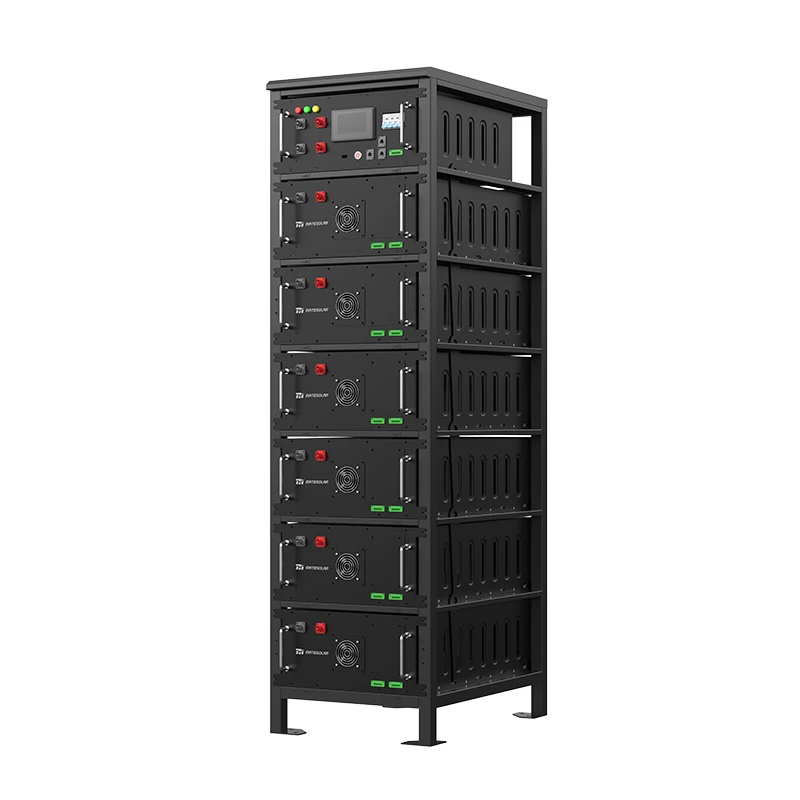
بالنسبة للتطبيقات التجارية والصناعية خلف العداد حيث تكون المساحة محدودة والأداء الصيفي بالغ الأهمية، يزداد تفضيل الكابينات الخارجية المبردة بالسائل.
6.2 الخزائن الخارجية مقابل الحاويات
أنظمة الخزائن الخارجية تتميز بكونها قياسية (وحدوية)، وأسهل في الحصول على تراخيصها، وأسرع في نشرها. يمكن وضعها على قواعد خرسانية أو حصى مدمك، وهي لا تتطلب نفس تحضير الموقع الذي تتطلبه أنظمة الحاويات الكاملة. بالنسبة لحمل تجاري يتراوح بين 100 كيلوواط و250 كيلوواط، يمكن أن تكون الخزانة الخارجية المبردة بالسائل وحدة بناء عملية.
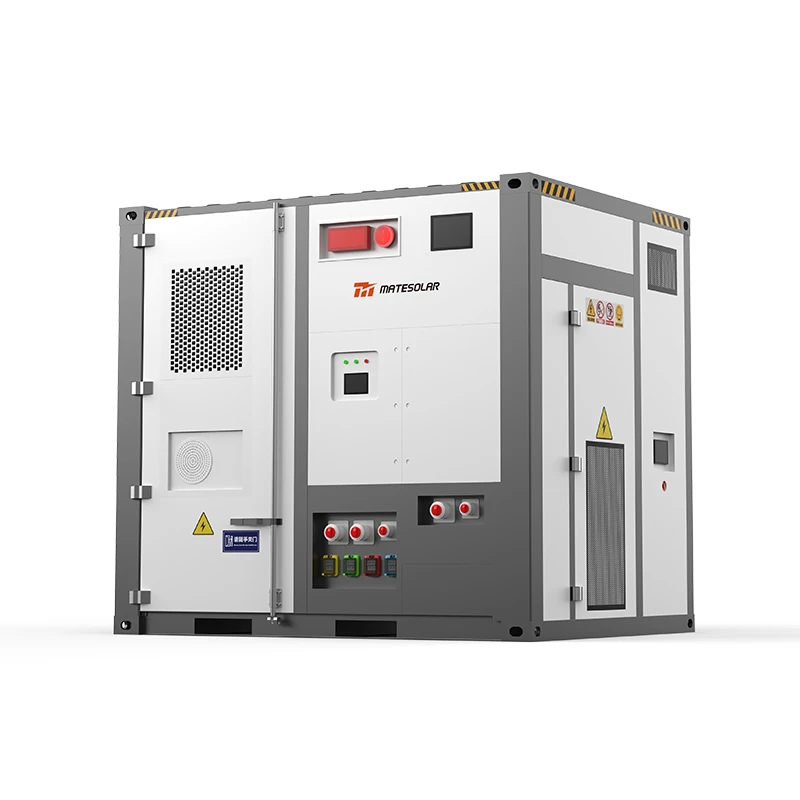
بالنسبة للأحمال الأكبر أو الفترات الأطول، توفر الأنظمة الموضوعة في حاويات كثافة طاقة أعلى. يمكن حاوية مبردة بالسوائل بطول 20 قدماً أن توفر سعة تتراوح بين 3 ميجاوات في الساعة و5 ميجاوات في الساعة، بينما يمكن لحاوية مبردة بالهواء بطول 40 قدماً أن توفر سعة تتراوح بين ميجاوات في الساعة وميجاواتين في الساعة.
الخيار الصحيح يعتمد على ملف تعريف حمولة العميل، والمساحة المتاحة، وحد الربط البيني، والبيئة الحرارية.
أنظمة الطاقة الشمسية الهجين المخزنة (6.3)
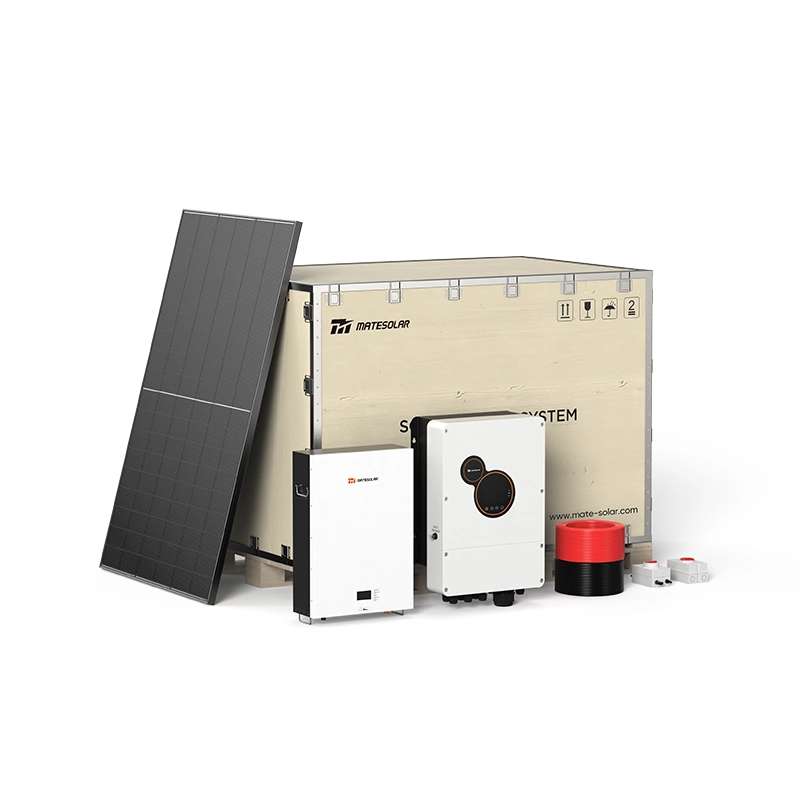
تتمتع أريزوا ببعض أفضل موارد الطاقة الشمسية في الولايات المتحدة. يتيح دمج الطاقة الشمسية مع التخزين للعملاء توليد كهرباء منخفضة التكلفة خلال النهار وتحويلها إلى فترة ذروة الطلب. يمكن أن يوفر النظام الهجين أيضًا مرونة أثناء انقطاع شبكة الكهرباء إذا تم تكوينه للعمل بشكل مستقل (الجزيرة).
بالنسبة للمواقع التجارية والصناعية الكبيرة، يمكن لنظام شمسي هجين بقدرة 500 كيلوواط مقترن بسعة تخزين تعويض حصة كبيرة من استهلاك الطاقة السنوي وتقليل ذروة الطلب. ويعد هذا النوع من الأنظمة مناسباً بشكل خاص لمراكز البيانات، والمصانع، ومرافق الخدمات اللوجستية التي تعمل خلال النهار وتحتاج إلى طاقة ثابتة في المساء.
عند تقييم الأنظمة الهجين، يجب على عملاء القطاع التجاري والصناعي البحث عن منتجات تدمج محولات الطاقة الشمسية، ومحولات البطاريات، وأدوات التحكم في بنية واحدة. هذا يقلل من مخاطر التكامل ويحسن دقة الإرسال.
7. اعتبارات المنتج لسوق أريزونا
على الرغم من أن هذه المقالة ليست كتالوجاً للمنتجات، إلا أن العديد من فئات المعدات تُعد ذات صلة خاصة بمشاريع القطاع التجاري والصناعي في أريزونا في أواخر عام 2026.
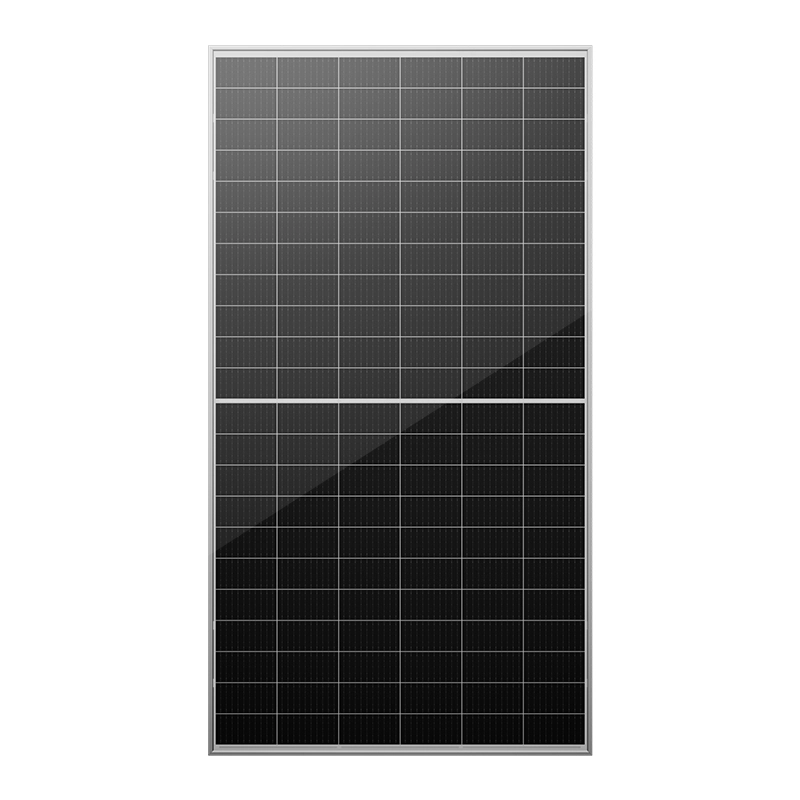
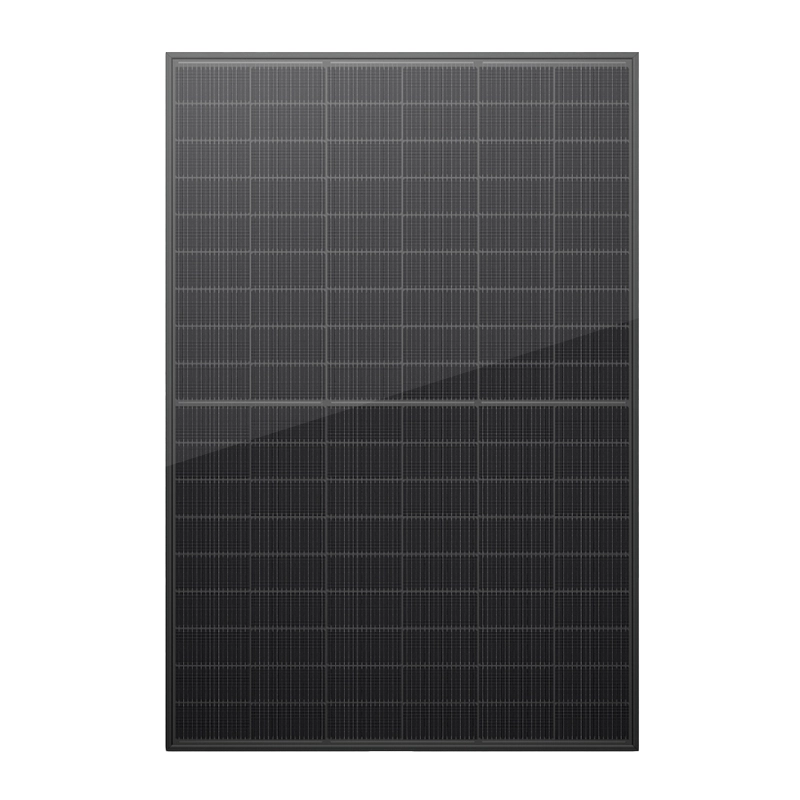
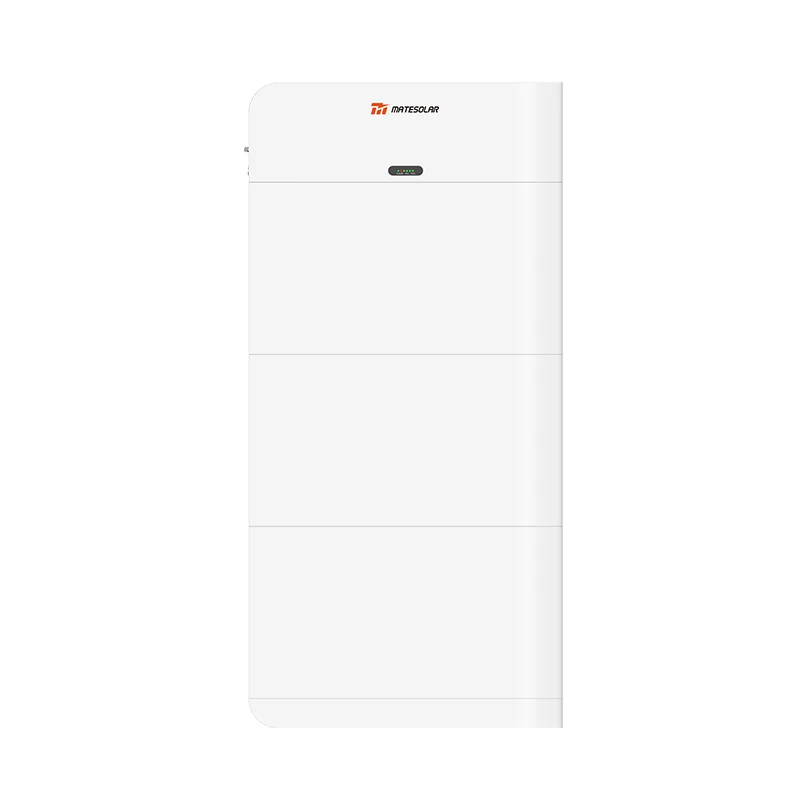
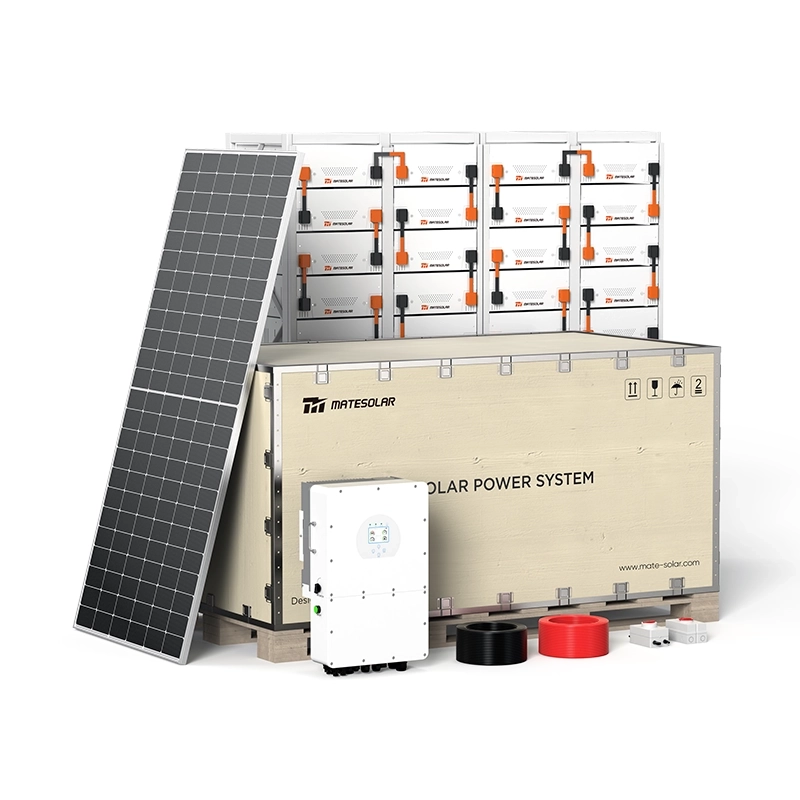
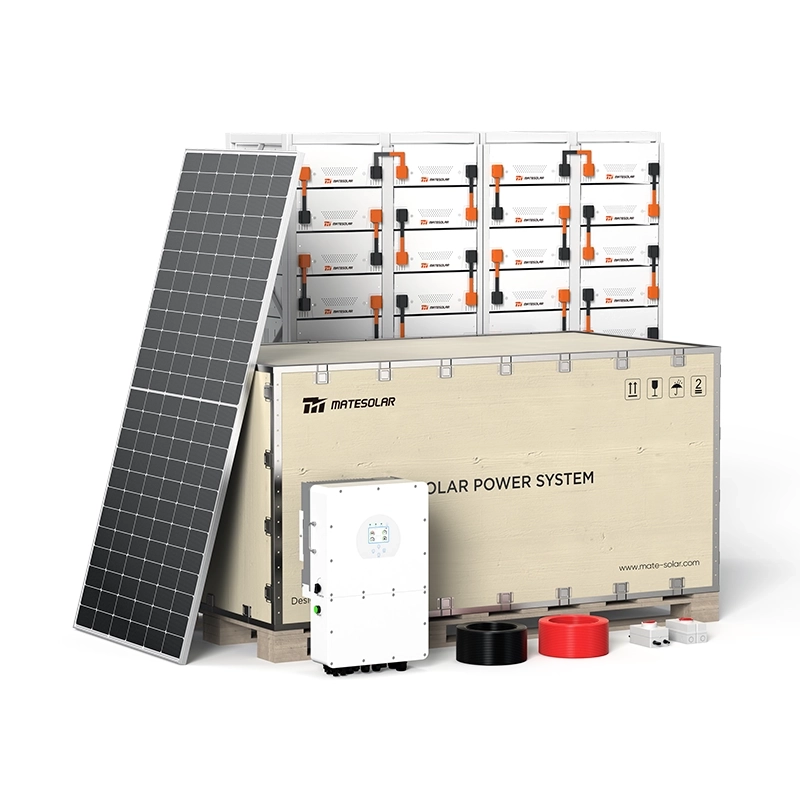
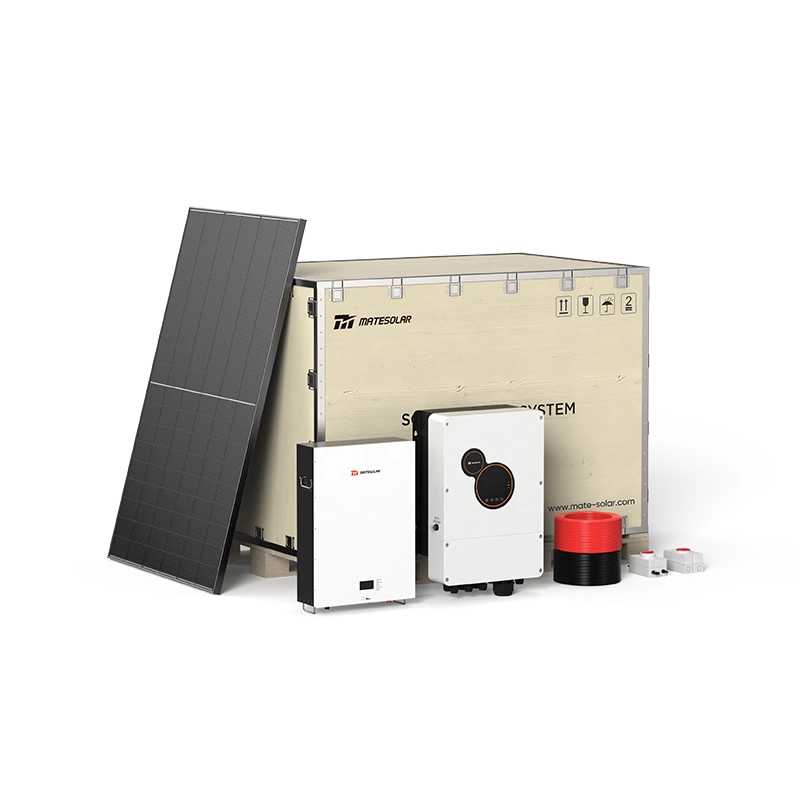
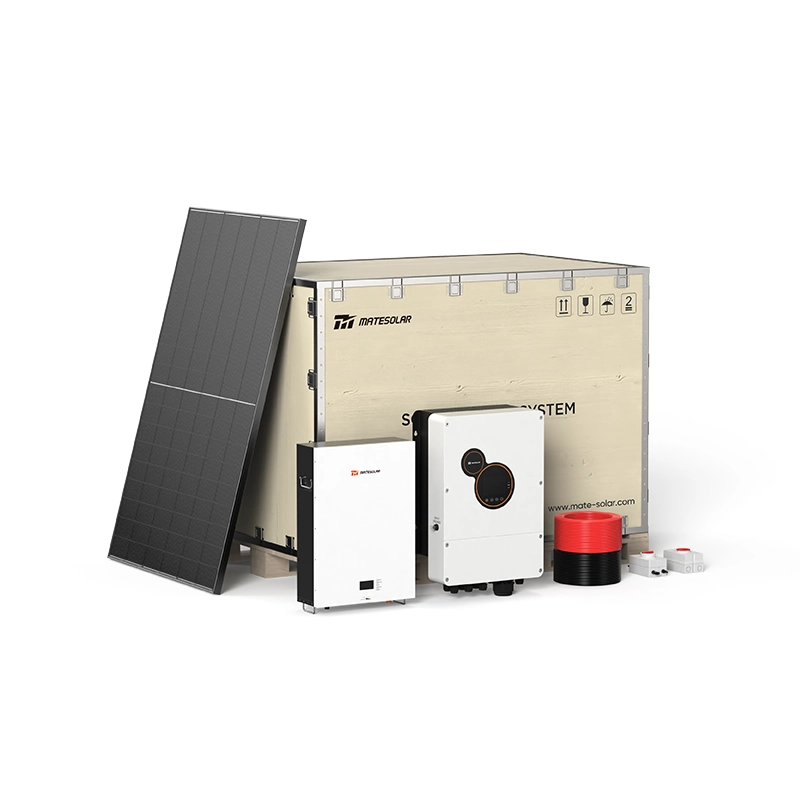
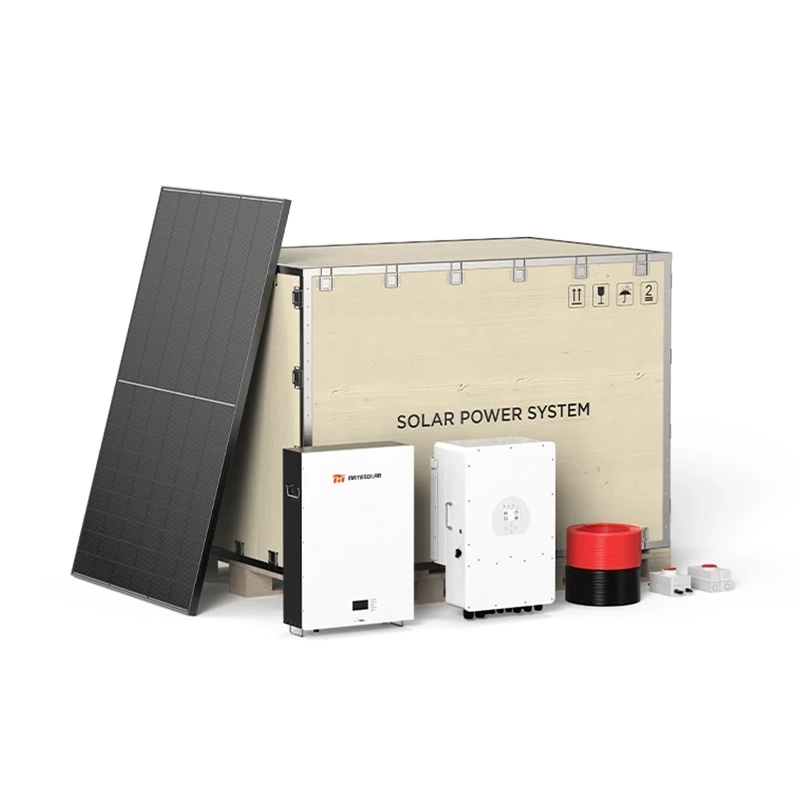
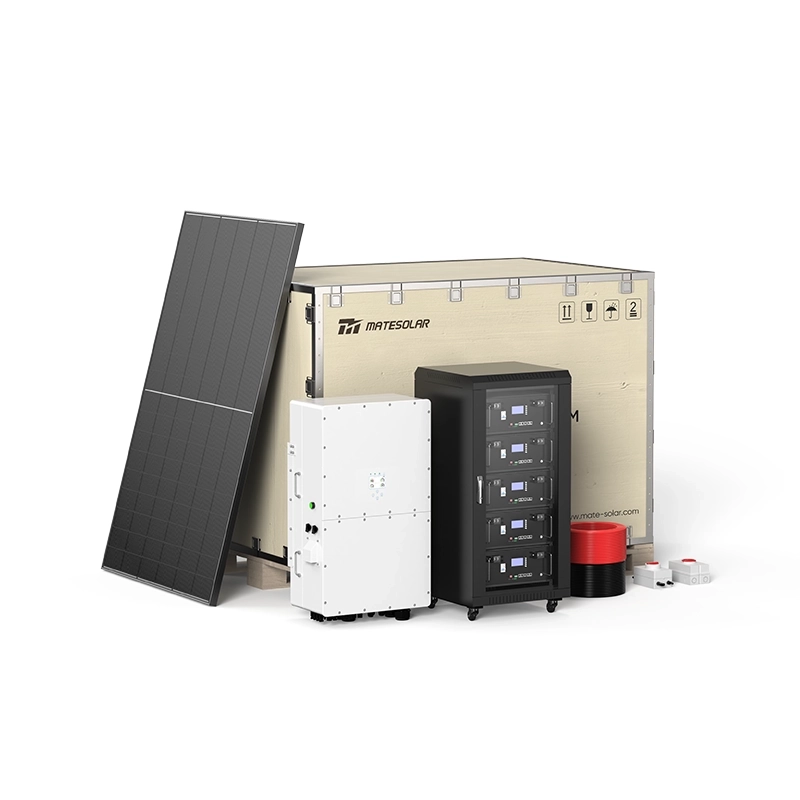
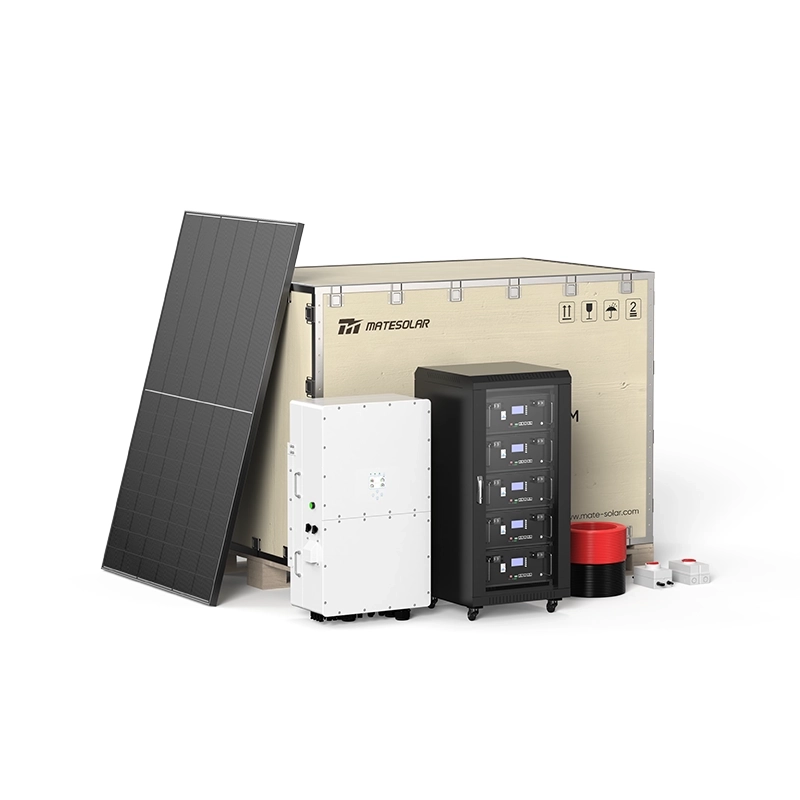
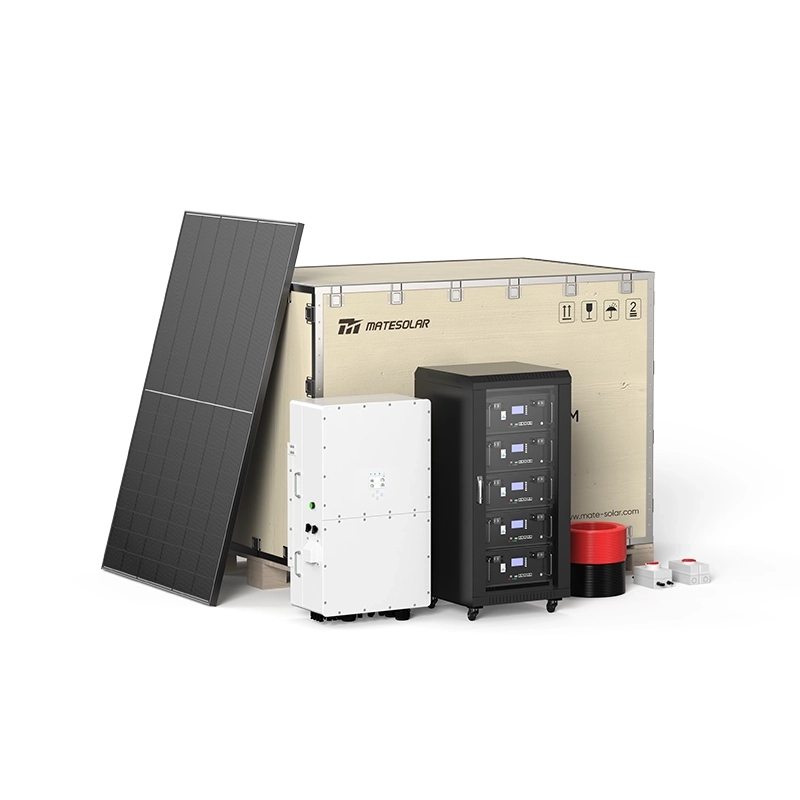
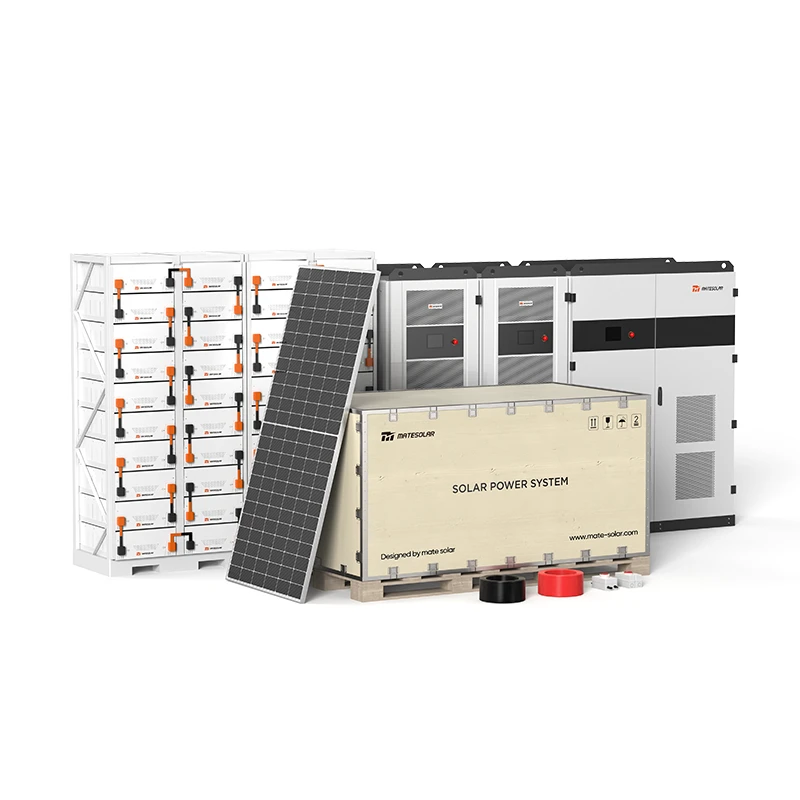
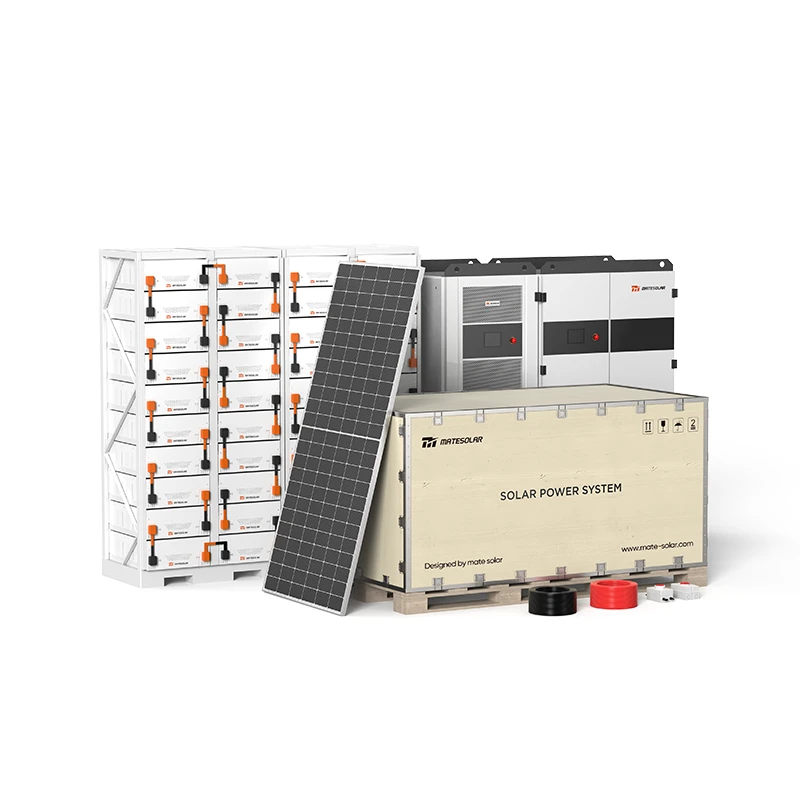
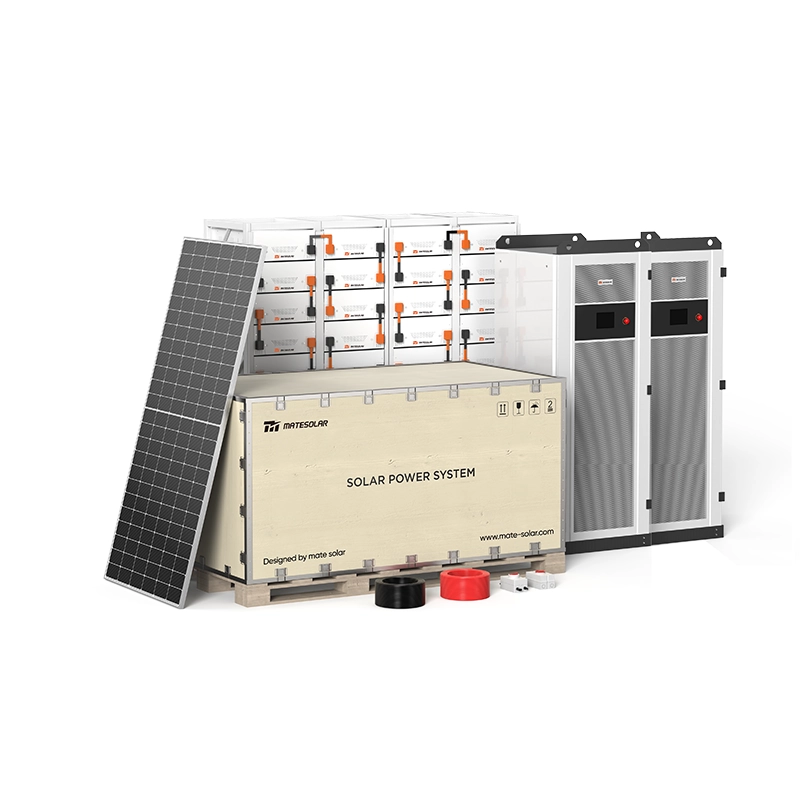
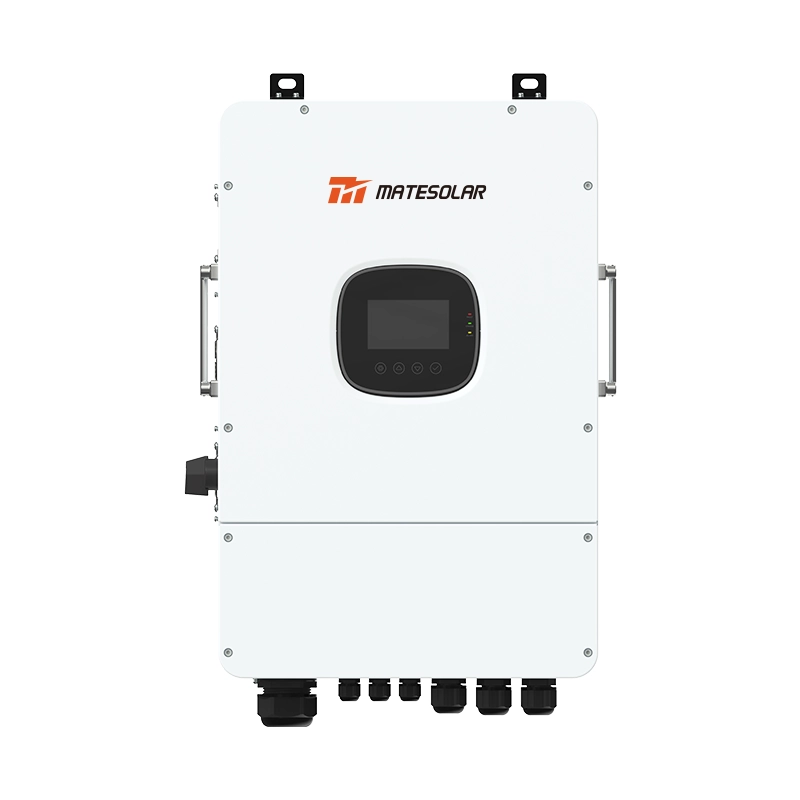
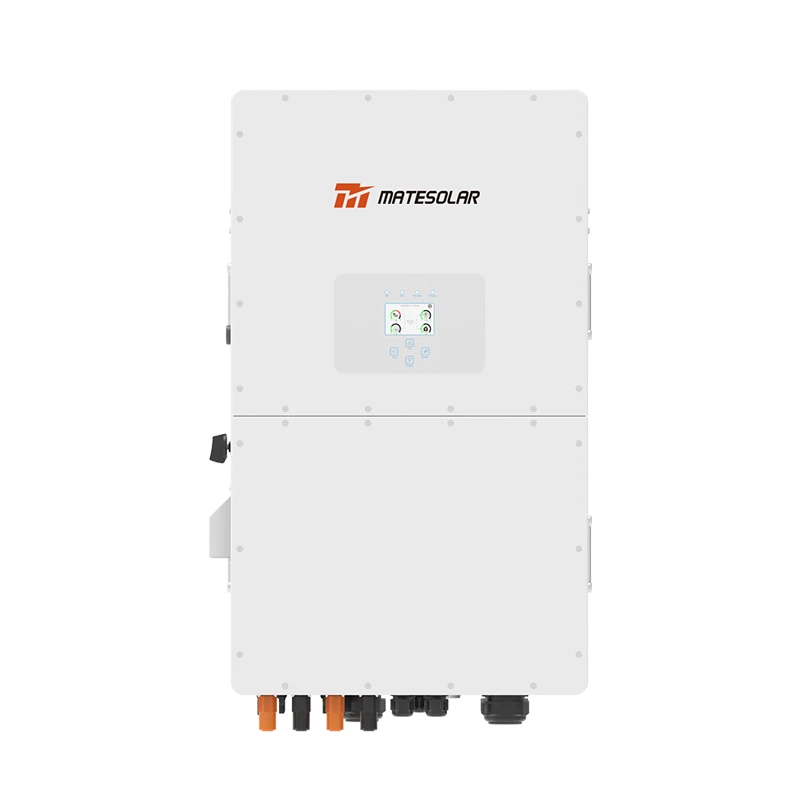
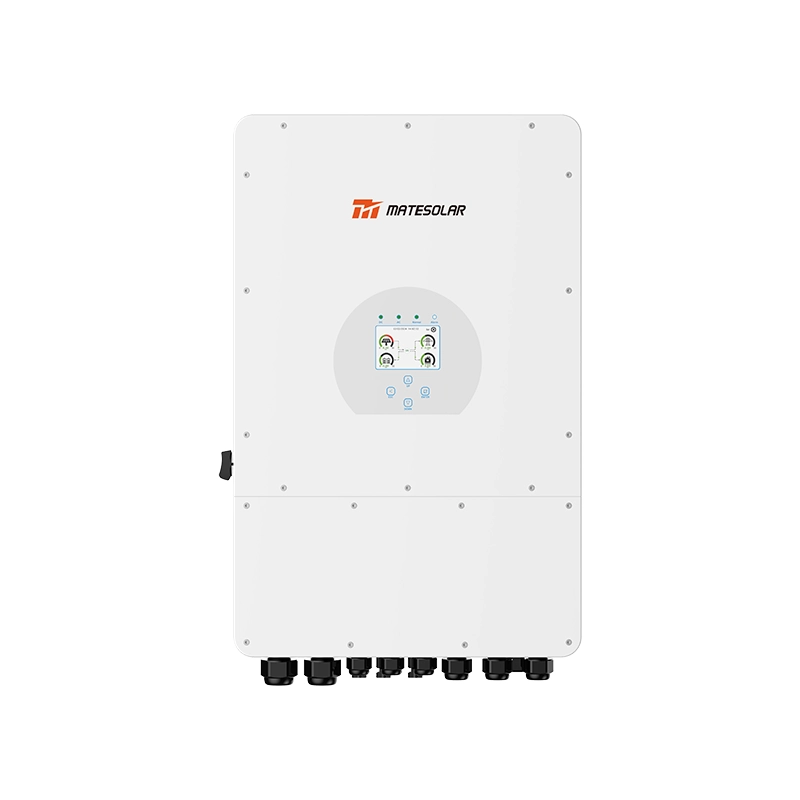
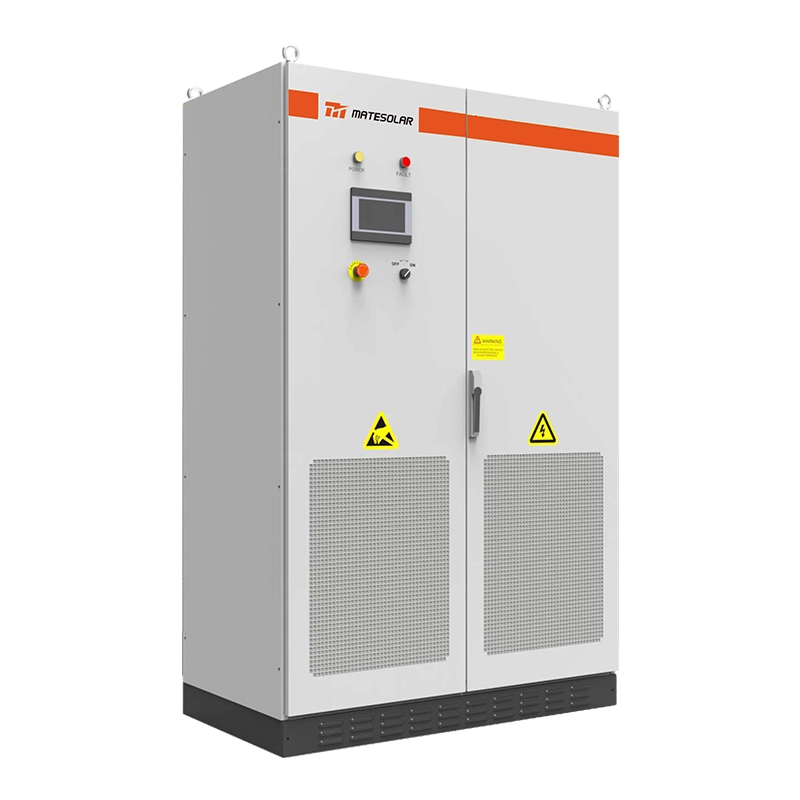
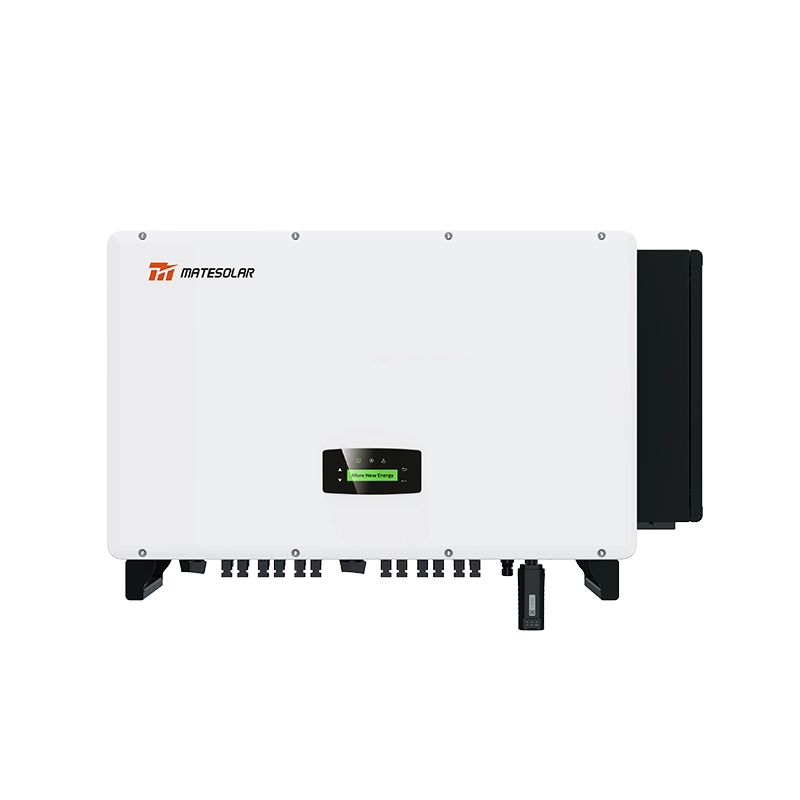
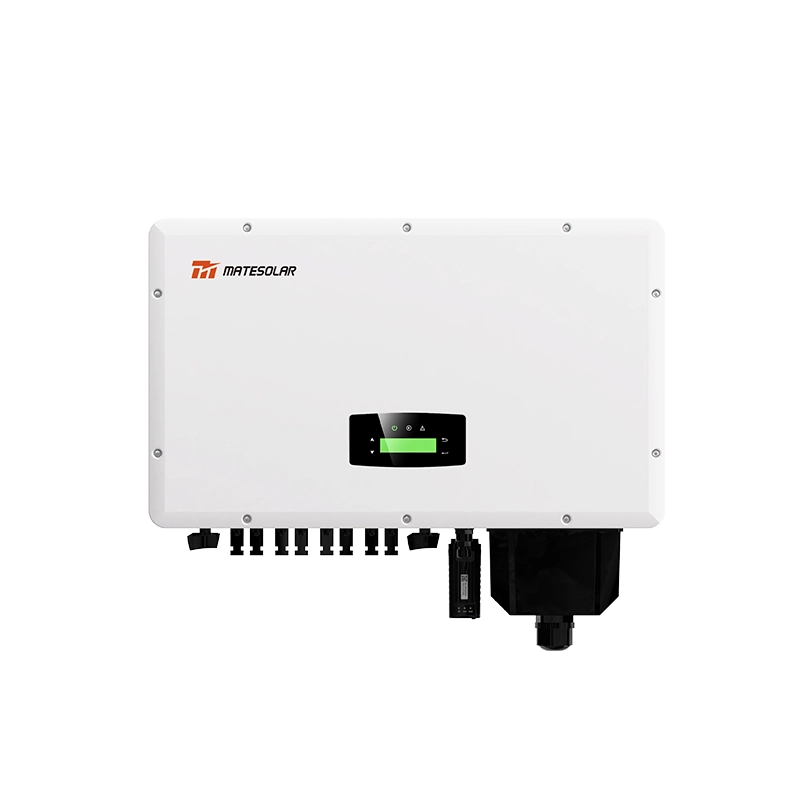
للتلبية الفعالة للطلب الكبير والمتوسط في القطاع التجاري والصناعي، يعتبر نظام شمسي هجين مثل نظام الطاقة الشمسية الهجين التجاري بقدرة 500 كيلوواط يمكنها الجمع بين توليد الطاقة الكهروضوئية وإدارة تخزين الطاقة في هيكلية واحدة. هذا النوع من الأنظمة مناسب تماماً لمصانع التصنيع، والمراكز التجارية الكبيرة، والأحمال المساعدة لمراكز البيانات، ومنشآت المعالجة الزراعية التي تحتاج إلى تقليل رسوم كل من الطاقة والطلب.
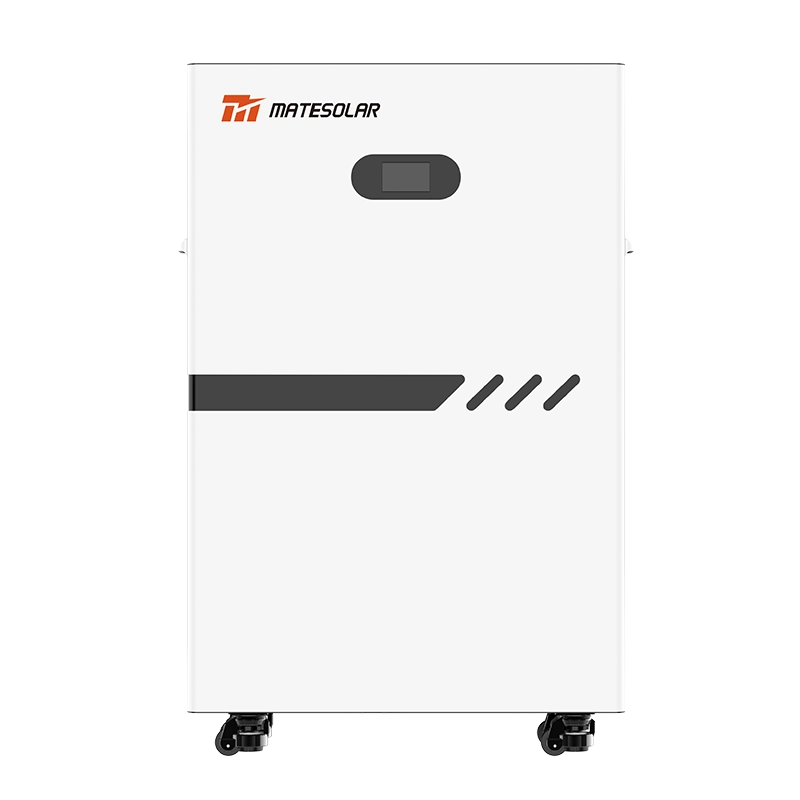
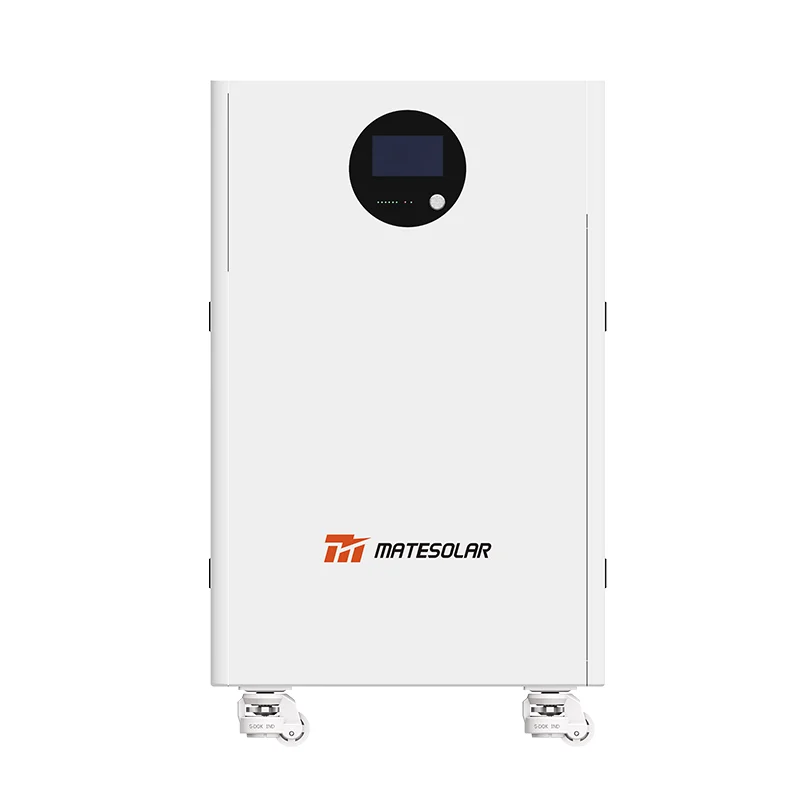
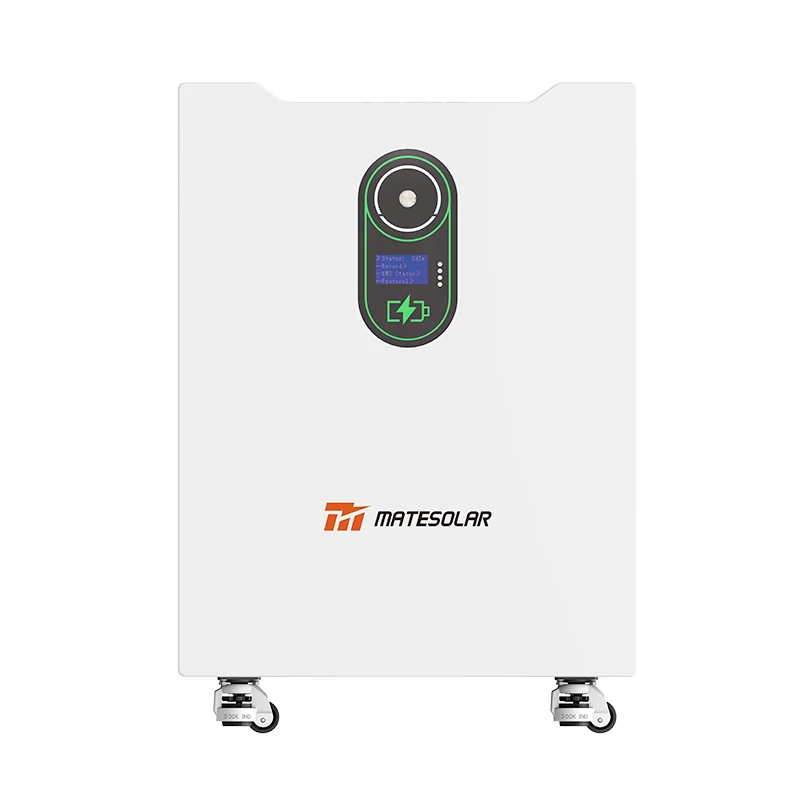
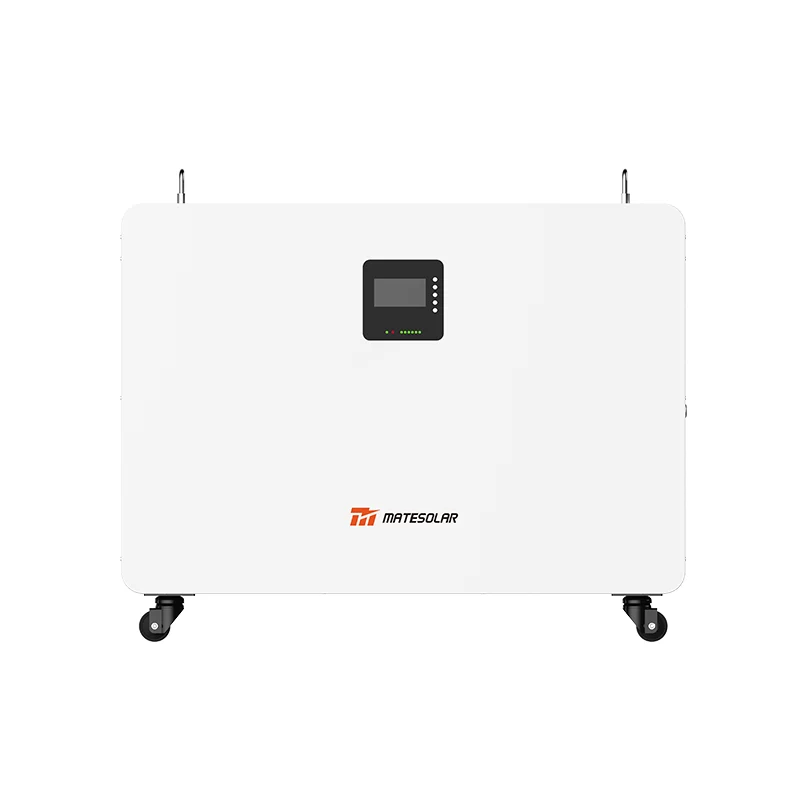
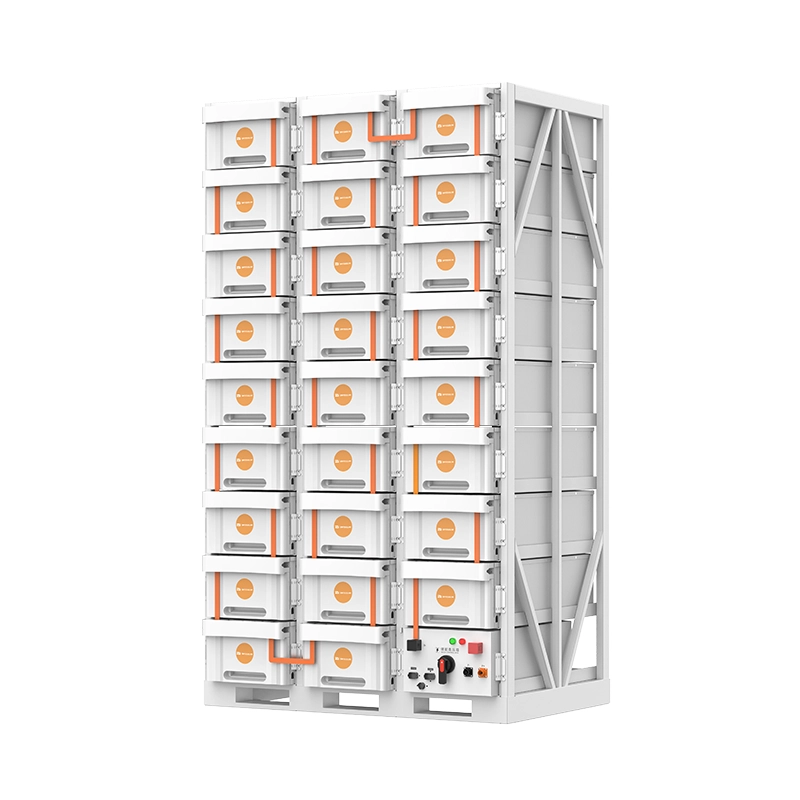
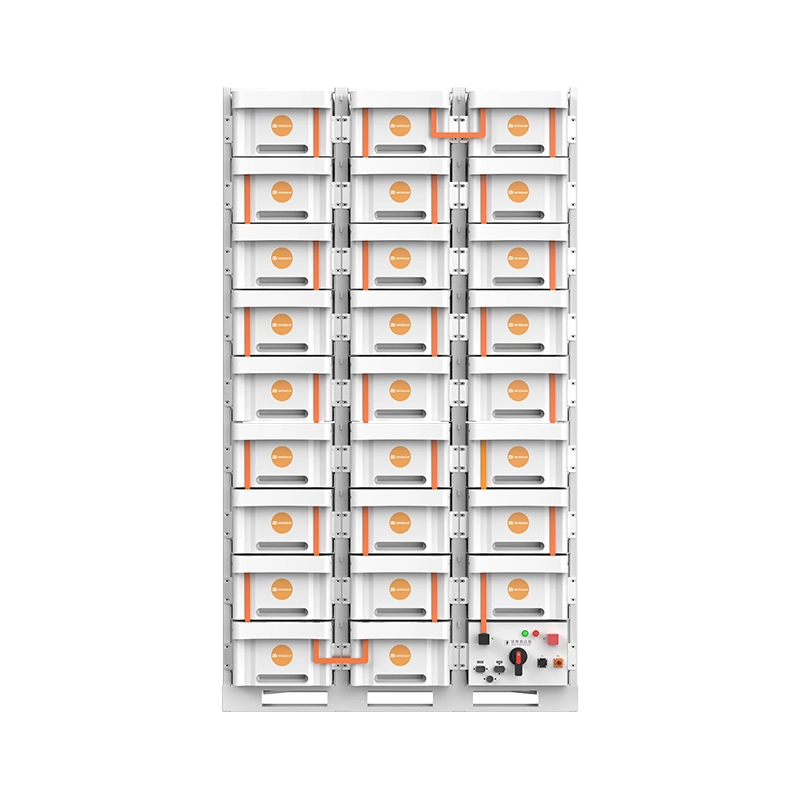
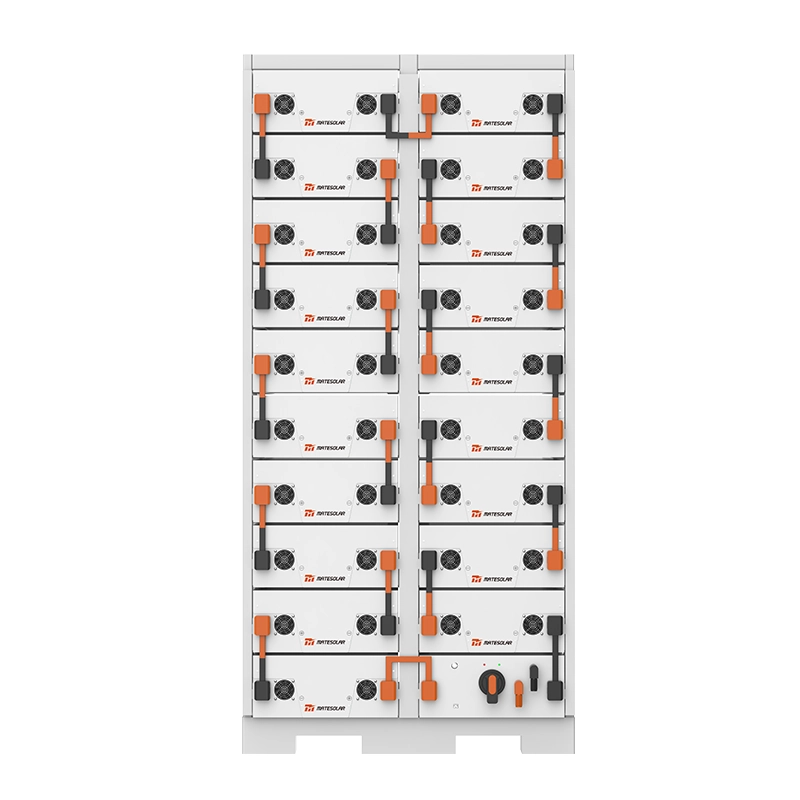
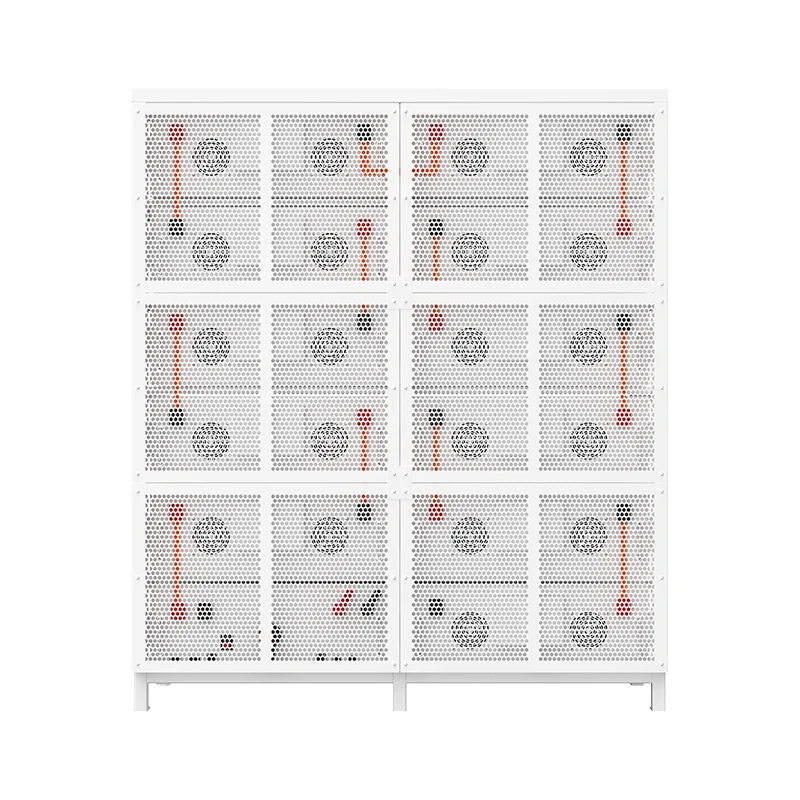
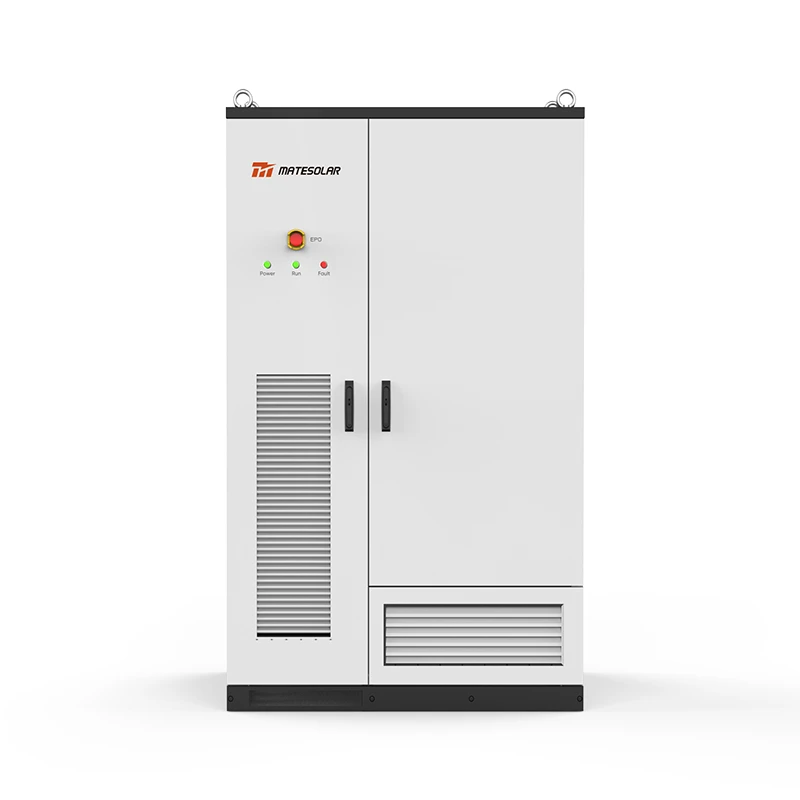
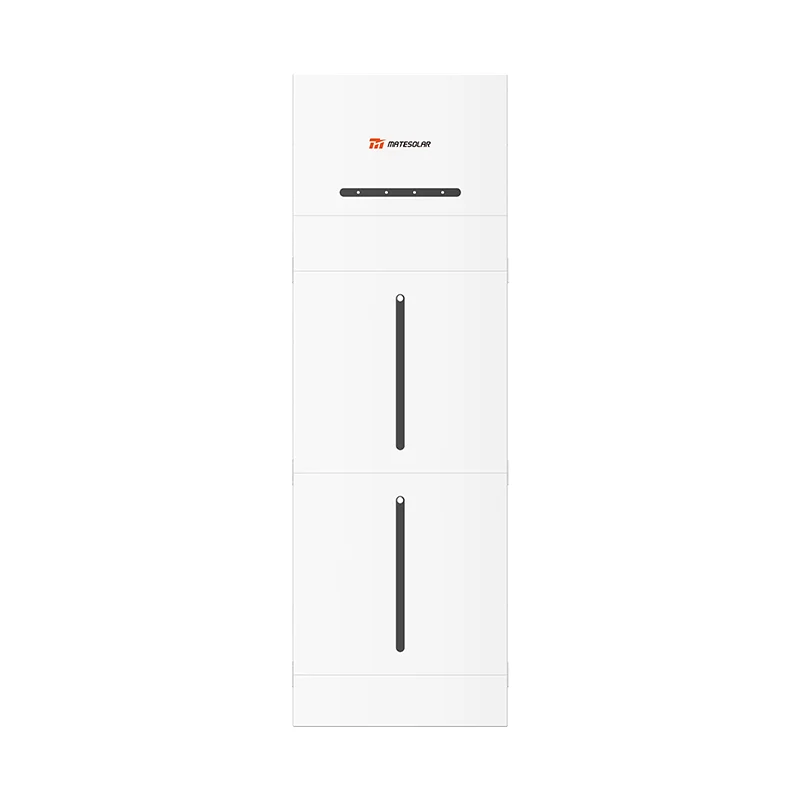
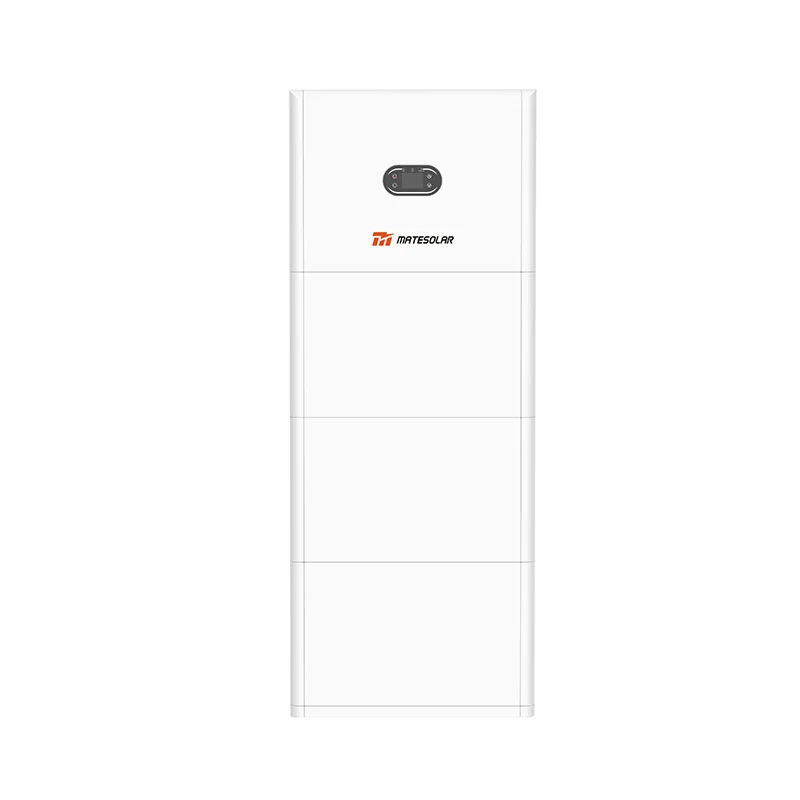
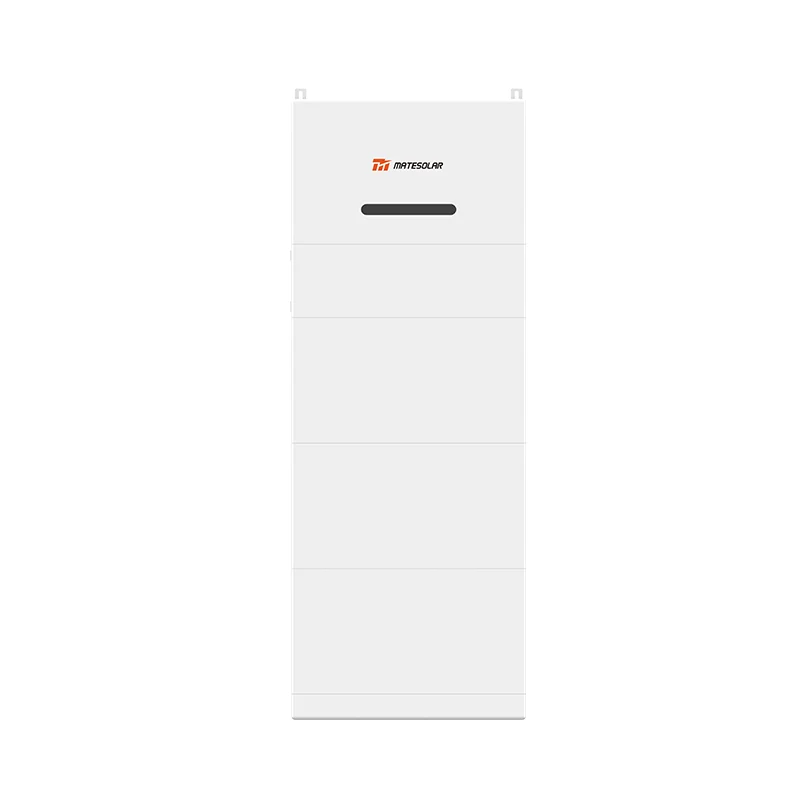
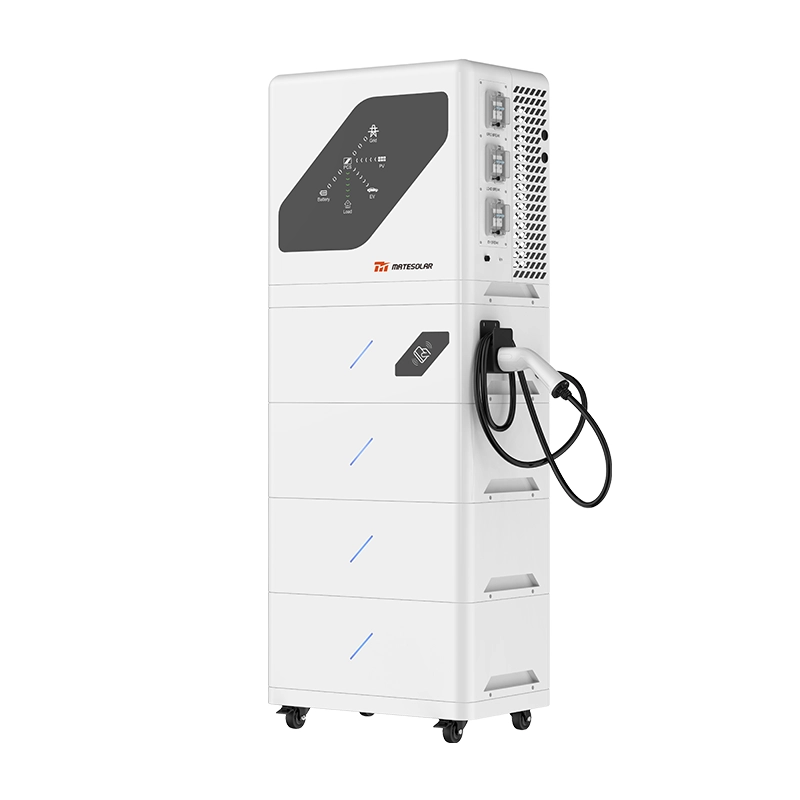
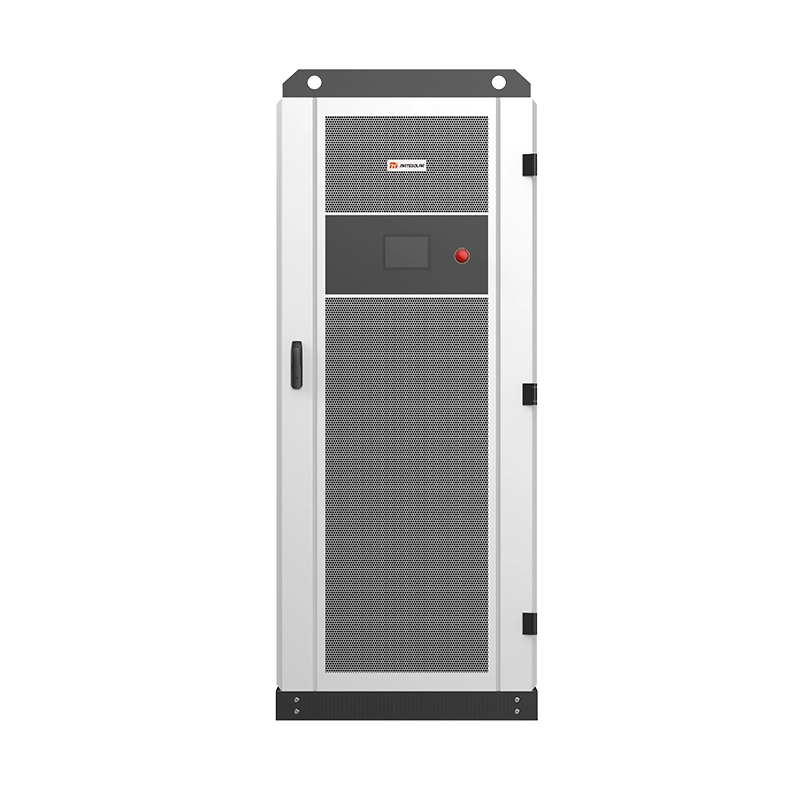
بالنسبة للتطبيقات خلف العداد حيث تكون المساحة محدودة وحرارة الصيف شديدة، أصبحت أنظمة الخزانات الخارجية المبردة بالسوائل هي الخيار الافتراضي بشكل متزايد. ال نظام تخزين طاقة خارجي مبرد بالسائل بقوة 100 كيلوواط/232 كيلوواط ساعة 125 كيلوواط/261 كيلوواط ساعة توفر قابل للتطوير بشكل معيري، وأداء في درجات الحرارة العالية، ونشراً سريعاً دون الحاجة للأعمال الموقعيه المطلوبة لأنظمة الحاويات الكاملة. تُعد هذه الخزانات مفيدة بشكل خاص للمواقع التجارية التي تحتاج إلى خفض ذروة الحمل بمقدار يتراوح بين 100 كيلوواط و250 كيلوواط.
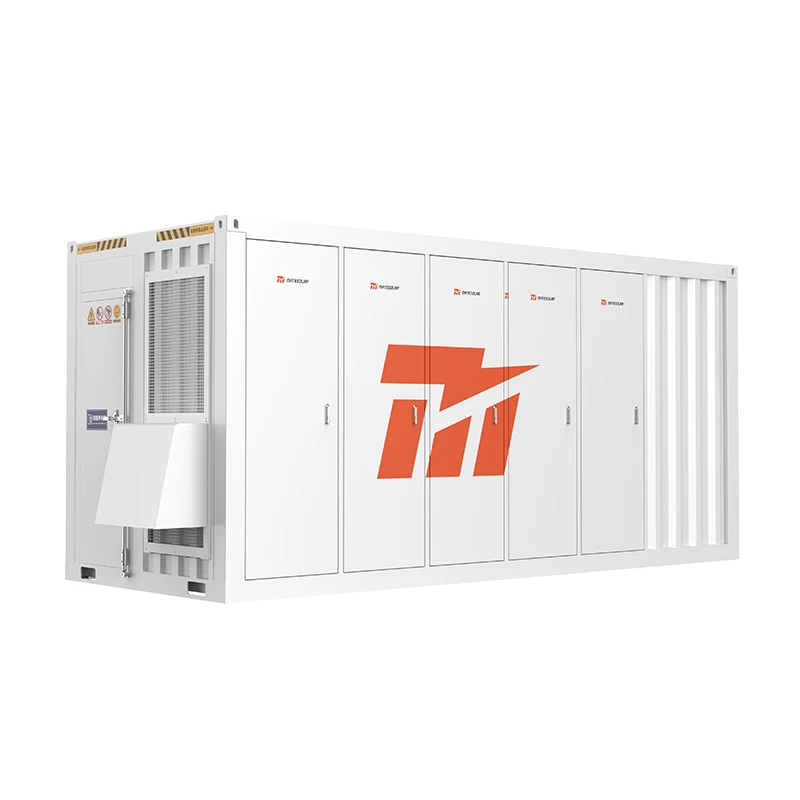
بالنسبة للعملاء الكبار في القطاعين التجاري والصناعي أو المحافظ ذات المواقع المتعددة، تظل أنظمة الحاويات المبردة بالهواء خياراً مُثبتاً، لا سيما عندما يكون تكلفة الكيلووات ساعة هي العامل الأساسي وتتوفر مساحة للموقع. أما نظام تخزين الطاقة حاويات 40 قدم 1 ميجاوات ساعة 2 ميجاوات ساعة مبرد بالهواء هو حل سهل نشرُه للعملاء الذين يحتاجون إلى تخزين لفترة أطول بمساحة قياسية.
للحصول على أقصى كثافة وأداء صيفي، أ نظام تخزين الطاقة في حاوية تبريد سائلة بقدرة 20 قدمًا بقدرة 3 ميجاوات ساعة بقدرة 5 ميجاوات ساعة يوفر طاقة أكبر بكثير لكل قدم مربع مقارنة بالبدائل المبردة بالهواء. وهذا مهم بشكل خاص في منطقة مترو فونبيكس، حيث تكاليف العقارات وقيود الموقع في تزايد.
النقطة الأساسية ليست أن منتجاً واحداً يناسب جميع المشاريع. النقطة الأساسية هي أن عملاء القطاع التجاري والصناعي في أريزونا يجب عليهم مطابقة نظام الإدارة الحرارية، والشكل المادي، ونسبة الطاقة إلى السعة مع شكل الحمل الفعلي لديهم، وظروف الموقع، وتعرف المرافق العامة.
8. النمذجة الاقتصادية وتراكم القيمة
8.1 تدفقات القيمة الأساسية
مشاريع التخزين التجارية والصناعية في أريزونا يمكنها جمع تدفقات قيمة متعددة:
| تدفق القيمة | الوصف | التأثير النموذجي في أريزونا |
| تخفيض رسوم الطلب | التفريغ أثناء ذروة استهلاك المرافق لتقليل كيلوواط الذروة المفوترة | تخفيض في الفاتورة يتراوح بين 30 و50% حسب التعرفة |
| مراجحة وقت الاستخدام | الشحن خلال ساعات الذروة المنخفضة منخفضة التكلفة؛ التفريغ خلال ساعات الذروة عالية التكلفة | $150–$180/كيلوواط·ساعة/سنة لعملاء شركة SRP في بعض السيناريوهات |
| الاستهلاك الذاتي للطاقة الشمسية | تحويل طاقة الشمس الزائدة إلى ساعات المساء | يزيد من تكلفة الطاقة المتجنبة |
| المرونة / النسخ الاحتياطي | توفير الطاقة أثناء انقطاع التيار الكهربائي | من الصعب قياسه، ولكنه ذو قيمة عالية للأحمال الحرجة |
| المشاركة في برنامج محطات الطاقة الافتراضية | التسجيل في برامج SRP أو APS أو TEP | $120/كيلوواط/سنة أو مدفوعات تحفيزية أخرى |
| ITC الفيدرالي + MACRS | تقليل تكلفة التركيب وتسريع الإهلاك | 30% ITC بالإضافة إلى نظام MACRS لمدة خمس سنوات |
| علاوة مجتمع الطاقة | 10% إضافية من ITC في حالة استيفاء الشروط | يمكن أن يحسن العوائد بشكل كبير |
8.2 توفير رسوم الطلب التوضيحية
لنفترض أن هناك عميلاً تجارياً في مدينة فينيكس يبلغ الطلب الأقصى لديه 500 كيلوواط، وتبلغ رسوم الطلب الأقصى في فصل الصيف $25.50 لكل كيلوواط بموجب تعريفة SRP. وإذا تمكن نظام التخزين من خفض الطلب الأقصى بمقدار 50%، فإن الطلب الذي تم تجنبه يبلغ 250 كيلوواط.
- الطلب الأقصى الذي تم تجنبه في فصل الصيف: 250 كيلوواط × $25.50 = $6,375 شهريًّا
- على مدار أربعة أشهر صيفية: $25,500 سنويًّا
- وإذا حقق نفس العميل أيضًا وفورات من المراجحة حسب وقت الاستخدام تبلغ $150 لكل كيلوواط/ساعة سنويًّا على نظام بطارية بسعة 250 كيلوواط/ساعة، فإن ذلك يمثل قيمة إضافية تبلغ $37,500 سنويًّا، اعتمادًا على تواتر التوزيع وهيكل التعرفة.
هذه أرقام مبسطة، لكنها توضح سبب قدرة أنظمة التخزين التجارية والصناعية في أريزونية على تحقيق عوائد قوية حتى قبل احتساب المرونة أو مدفوعات محطات الطاقة الافتراضية.
8.3 اعتبارات فترة الاسترداد
يمكن للمشاريع النموذجية لتخزين الطاقة التجارية والصناعية في أريزونا تحقيق فترة استرداد تتراوح بين ثلاث إلى سبع سنوات اعتماداً على هيكل التعريفة، وتكلفة النظام، وتحقيق ائتمان الضريبة الاستثمارية (ITC)، واستراتيجية التفريغ. والمشاريع الأكثر جاذبية هي تلك التي تتميز بـ:
- رسوم ذروة الطلب في ذروة الصيف.
- أحمال مستمرة في فترة ما بعد الظهر والمساء.
- الطاقة الشمسية القابلة للتحويل.
- الوصول إلى برامج VPP.
- مؤهل للحصول على الائتمان الضريبي للاستثمار (ITC) 30% بالكامل ونظام الاستهلاك المتسارع (MACRS).
المشاريع التي لا توجد فيها رسوم طلب مرتفعة أو التي لا يمكنها الإرسال بشكل موثوق خلال فترات ذروة المرافق سيكون لها فترات استرداد أطول.
9. أفضل ممارسات الشراء والتنفيذ
9.1 ابدأ بتعرفة المرافق
قبل اختيار أي منتج بطارية، يجب على العميل فهم تعريفة المرافق بدقة. لدى شركات SRP و APS و TEP فترات ذروة مختلفة، وهياكل رسوم الطلب، وقواعد لبرامج محطات الطاقة الافتراضية (VPP). النظام المُحسَّن لصالح SRP قد لا يكون مثالياً لـ APS.
٩.٢ نمذجة ملف تعريف الحمل الفعلي
تكون البطارية ذات قيمة فقط إذا فرغت شحنتها في الوقت المناسب. قد يكون لدى العميل الذي لديه ملف تعريف حمل ثابت على مدار 24 ساعة طوال أيام الأسبوع إمكانية أقل لتقليل رسوم الطلب مقارنة بالعميل الذي لديه ذروة حادة بعد الظهر. يجب جمع بيانات فترات الحمل لمدة 12 شهرًا على الأقل إن أمكن.
التصميم لذروة الصيف
سوق التخزين في أريزونا يبلغ ذروته في الصيف. يجب تصميم الأنظمة وتبريدها لتعمل بأقصى طاقة خلال فترة ما بعد الظهر في يوليو وأغسطس. هذا ليس الوقت المناسب لافتراضات تخفيض القدرة المتفائلة.
9.4 التخطيط للربط البيني مبكراً
حتى مشاريع خلف العداد تتطلب مراجعة من شركة المرافق. يجب على العملاء تقديم طلبات الربط الشبكي في أقرب وقت ممكن وبناء هامش زمني في الجدول الزمني لتأخيرات شركة المرافق.
اختر معدات مثبتة وقابلة للتوسيع
سوق أريزونا ينمو بسرعة، ولكنه أيضاً لا يرحم. المعدات التي تعمل في المناخات الأكثر اعتدالاً قد تتعطل في فينيكس. يجب على المشترين إعطاء الأولوية للإدارة الحرارية المثبتة، والمكونات ذات درجات الحرارة العالية، والموردين الذين لديهم سجل حافل في البيئات الصحراوية.
التأسيس للتشغيل والصيانة منذ اليوم الأول
التخزين أصل تشغيلي وليس جهازاً يُترك بعد إعداده دون متابعة. يحتاج العملاء إلى مراقبة عن بُعد، وتنبيهات بالأداء، وخطة صيانة واضحة. تتطلب أنظمة الإدارة الحرارية، على وجه الخصوص، فحصاً منتظماً في البيئات المليئة بالغبار وعالية الحرارة.
10. الأسئلة المتكررة
١٠.١ ما هي الحالة الحالية لسوق تخزين الطاقة في أريزونا؟
قامت ولاية أريزونا بتركيب 6.2 جيجاواط ساعة من سعة التخزين الجديدة في الربع الثاني من عام 2026، وهو أكبر حجم تركيب في ربع واحد في تاريخ الولايات المتحدة. وتفوقت الولاية على تكساس وكاليفورنيا، حيث شكلت حوالي 31% من إجمالي سعة التخزين المركبة في الولايات المتحدة خلال هذا الربع.
10.2 ماควคํวคีขนาดการจัดเก็บพลังงานเชิงพาณิชย์และอุตสาหกรรม (C&I) ที่ติดตั้งในสหรัฐฯ ในไตรมาสที่ 2 ของปี 2026 คือเท่าใด*(Note: Since the user requested the output in Arabic script only:* ١٠.٢ ما حجم تخزين الطاقة التجاري والصناعي (C&I) الذي تم تركيبه في الولايات المتحدة في الربع الثاني من عام ٢٠٢٦؟
بلغت إضافات تخزين الطاقة للقطاع التجاري والصناعي في الولايات المتحدة 1.8 جيجاوات ساعة في الربع الثاني من عام 2026. وكان جزء كبير من هذا مرتبطاً بأحمال مراكز البيانات، مما يعكس تزايد التفويضات المتزايدة للطاقة المتجددة المدمجة مع التخزين في ولايات مثل أريزونا.
10.3 ما هو الائتمان الضريبي للاستثمار الفيدرالي (ITC) للتخزين التجاري في عام 2026؟
يمكن للشركات الربحية الاستفادة من الائتمان الضريبي الاستثماري 30% بموجب المادة 48E. ويمكن الجمع بين نظام الاستهلاك MACRS لمدة خمس سنوات والائتمان الضريبي الاستثماري (ITC) لتخفيض التكلفة الفعلية للنظام. كما يمكن أن تضيف الائتمانات الإضافية الخاصة بمجتمع الطاقة 10 نقاط مئوية أخرى.
١٠.٤ ما هو مشروع قانون مجلس النواب ٢٩١٨ (HB 2918) وكيف يؤثر على التخزين؟
ينهي مشروع القانون 2918 المعاملة الضريبية التفضيلية الخاصة بمشاريع الطاقة المتجددة والتخزين الكبيرة. وهو يهدف في المقام الأول إلى الأصول على نطاق المرافق، ولكنه يخلق حالة من عدم اليقين بالنسبة لسوق التخزين الأوسع. يجب على عملاء القطاع التجاري والصناعي نمذجة حساسية ضريبة الأملاك.
10.5 ماذا يتطلب مشروع قانون مجلس النواب 2467 (HB 2467) لمراكز البيانات؟
يُلزم مشروع القانون رقم 2467 مراكز البيانات باستخدام الكهرباء المستمدة من الطاقة المتجددة والمقترنة بتخزين البطاريات بدءاً من 31 ديسمبر 2026. كما يحدّ من استخدام مياه التبريد، وهو ما يمثل قضية مهمة في ولاية أريزونا.
10.6 ما هي المرافق في أريزونا التي تقدم حوافز للتخزين؟
تقدم شركة SRP «برنامج شركاء البطاريات»، وتقدم شركة APS «مشروعًا تجريبيًّا لحوافز تخزين الطاقة» و«مشروعًا تجريبيًّا لتخزين الطاقة للخدمات العامة الكبيرة»، بينما تقدم شركة TEP «برنامج حوافز لتخزين الطاقة» يدفع حوالي $120 سنويًّا لكل كيلوواط متوسط من الطاقة المولدة.
10.7 ما مدى شدة رسوم الطلب في الصيف في أريزونا؟
يمكن أن تشكل رسوم الطلب ما بين 30% و50% من فاتورة الكهرباء التجارية في أريزونا. ويمكن أن تصل رسوم ذروة الاستهلاك الصيفية لشركة SRP إلى $25.50 لكل كيلوواط، بينما تفرض خطط APS التجارية رسوم طلب ذروة صيفية تبلغ $6.994 لكل كيلوواط.
10.8 ما هي أفضل تكنولوجيا تخزين لحرارة أريزونا الشديدة؟
بشكل عام، تتميز الأنظمة المبردة بالسوائل بأداء أفضل في درجات الحرارة القصوى لأنها تحافظ على تحكم أكثر دقة في درجة حرارة الخلايا. وتُعد خزانات التبريد السائل الخارجية مناسبة تماماً للتطبيقات التجارية والصناعية (C&I) حيث يكون أداء فصل الصيف أمراً بالغ الأهمية.
10.9 ما هي المدة التي تستغرقها عملية الربط الشبكي في أريزونا؟
تحصل أريزونا على تقدير “B” إجراءات ربط التخزين. لقد كان إصلاح قائمة الانتظار الخاص بشركة APS بطيئاً، وتم تأخير بعض المشاريع الكبيرة. يمكن للمشاريع التي خلف العداد غالباً التحرك بشكل أسرع من المشاريع التي أمام العداد.
10.10 هل يمكن لوسائل التخزين مساعدة مراكز البيانات في الالتزام بحدود استهلاك المياه؟
التخزين لا يقلل بشكل مباشر من استهلاك المياه، ولكنه جزء مطلوب من تفويض الطاقة المتجددة مع التخزين بموجب مشروع القانون رقم 2467 (HB 2467). يمكن لأنظمة الطاقة الشمسية المقترنة بالتخزين تشغيل تصميمات مراكز البيانات المبردة بالهواء أو الأكثر كفاءة في استهلاك المياه.
10.11 ما هي مشاريع التخزين الكبيرة الرئيسية في أريزونا؟
تشمل المشاريع الأخيرة بيدمونت لتخزين طاقة البطاريات (250 ميجاوات / 1,000 ميجاوات ساعة)، وفلاتلاند لتخزين الطاقة (200 ميجاوات / 800 ميجاوات ساعة)، ومشروع ستيرلينغ (360 ميجاوات / 1.4 جيجاوات ساعة)، ومجمع سي أو بار (1.2 جيجاوات طاقة شمسية + 4 جيجاوات ساعة تخزين).
١٠.١٢ ما هو أكبر مشروع تخزين طاقة تجاري وصناعي خلف العداد في أريزونا؟
يحتوي مصنع الصلب "نيوكور كينغمان" على نظام "تسلا ميغاباك" بقدرة 50 ميغاواط / 200 ميغاواط ساعة، وهو أكبر نظام تخزين تجاري وصناعي خلف عداد الكهرباء في أريزونا.
10.13 ما مدى سرعة نمو سوق تخزين CCI؟
من المتوقع أن ينمو سوق التخزين المنزلي والتجاري والصناعي في الولايات المتحدة بمقدار 26% حتى عام 2031. وبلغت عمليات تركيب أنظمة CCI في الربع الأول من عام 2026 ما مجموعه 97.7 ميجاوات، بزيادة قدرها 27% مقارنة بالربع السابق.
10.14 هل يمكن للعملاء التجاريين والصناعيين الصغار والمتوسطين الحصول على تمويل للتخزين؟
ي يعد التمويل أكثر صعوبة بالنسبة لعملاء القطاع التجاري والصناعي الأصغر مقارنة بمطوري مشاريع المرافق. ومع ذلك، فإن عقود الإجارة، واتفاقيات شراء الطاقة، وبرامج تمويل موردي المعدات أصبحت متاحة بشكل متزايد. ينبغي على العملاء تقييم هياكل متعددة.
10.15 ما هي فترة الاسترداد النموذجية لتخزين الطاقة التجاري والصناعي في أريزونا؟
عادةً ما تتراوح فترة الاسترداد بين ثلاث إلى سبع سنوات اعتماداً على هيكل التعريفة، وتكلفة النظام، وتحقيق الدخل من الائتمان الضريبي للاستثمار (ITC)، واستراتيجية الإرسال. المشاريع ذات رسوم الطلب المرتفعة والمشاركة في محطات الافتراضية للطاقة (VPP) يمكنها تحقيق عوائد أسرع.
النظرة الاستراتيجية للأشهر الـ 24 القادمة
من المستبعد أن يتباطأ سوق التخزين في أريزونا في عام 2027. فالمحركات الأساسية -نمو الأحمال، ومتطلبات مراكز البيانات، وقيود الربط البيني، والذروة الصيفية للطلب- هي محركات هيكلية وليست دورية.
ستشكل عدة تطورات المرحلة القادمة:
- إصلاح الربط الشبكي سيحدد مدى سرعة تقدم المشاريع الكبيرة. إذا استطاعت شركة APS والمرافق الأخرى تبسيط قوائم الانتظار لديها، فسيتسارع خط أنابيب المشاريع. وإذا لم تفعل ذلك، فسينتقل المزيد من المطورين إلى مشاريع خلف العداد وعلى مستوى التوزيع.
- الامتثال لمشروع القانون 2467 (HB 2467) سيجبر مشغلي مراكز البيانات على شراء سعات تخزين ضخمة. سيؤدي هذا إلى إنشاء فئة جديدة من مشتري أنظمة تخزين الطاقة التجارية والصناعية (C&I) ذوي الملاءة المالية مع ملفات تعريف أحمال طويلة الأجل.
- سيُوضّح مشروع قانون مجلس النواب 2918 معاملة ضريبة الأقطار. اعتماداً على اللغة النهائية، قد يدفع ذلك المزيد من المشاريع إلى العمل خلف العداد أو نحو هياكل ملكية مختلفة.
- ستستمر التكنولوجيا في التحول نحو التبريد السائل في أسواق الصحراء. ت اتسع فجوة الأداء بين الأنظمة المبردة بالسوائل والأنظمة المبردة بالهواء في درجات الحرارة المحيطة المرتفعة.
- ستصبح برامج محطات القوة الافتراضية أكثر قيمة. مع دمج المرافق لمزيد من وحدات التخزين الموزعة، فإن القدرة على تجميع وتوجيه بطاريات القطاع التجاري والصناعي ستخلق مصادر إيرادات إضافية.
بالنسبة لموردي المعدات والمطورين والمقاولين (EPCs)، تتمثل الإستراتيجية الرابحة في تقديم منتجات قياسية ومقاومة للحرارة يمكن نشرها بسرعة وتمويلها بسهولة. أما بالنسبة لعملاء القطاع التجاري والصناعي (C&I)، تتمثل الإستراتيجية الرابحة في محاكاة التعريفات الحقيقية، والتشغيل لتلبية ذروة الصيف، واختيار معدات قادرة على الصمود في مناخ أريزونا.
12. الخاتمة
أريزونا في سبتمبر 2026 هي سوق تخزين الطاقة التجارية والصناعية الأكثر أهمية في الولايات المتحدة. إن الربع القياسي للولاية البالغ 6.2 جيجاوات/ساعة ليس مجرد صدفة؛ بل هو نتيجة لنمو الأحمال الهائل، وشبكة كهرباء تحتاج إلى قدرات سريعة، وتفويضات سياسية تفرض دمج الطاقة المتجددة مع تخزينها لأكثر المرافق استهلاكاً للطاقة.
بالنسبة لعملاء القطاع التجاري والصنائي، تُعد الفرصة واضحة: فرسوم الطلب المرتفعة في الصيف، وحوافز محطات الطاقة الافتراضية (VPP)، والاعتمادات الضريبية الفيدرالية، والحاجة إلى المرونة تجعل أنظمة التخزين استثماراً مجزياً. لكن سوق أريزونا لا يرحم خيارات التكنولوجيا الضعيفة؛ فالحرارة الشديدة، وتأخيرات الربط بالشبكة، والسياسة الضريبية المتطورة تتطلب تخطيطاً دقيقاً، ونمذجة دقيقة، ومعدات مجربة.
سواء كنت تقيم نظاماً وحدوياً خلف العداد، أو منشأة شحن هجينة كبيرة للطاقة الشمسية مع تخزين، أو مشروع امتثال لمركز بيانات، فإن المفتاح هو مطابقة هندسة النظام مع شكل الحمل الفعلي، التعريفة، و ظروف الموقع. إن الخزائن الخارجية المبردة بالسائل، والحاويات المبردة بالهواء، والحاويات المبردة بالسائل عالية الكثافة لها جميعاً دور، لكنها ليست قابلة للتبادل.
ماتيسولار (MateSolar) هي شركة توفر حلول الطاقة الشمسية وتخزين الطاقة المتكاملة، وتركز على التطبيقات التجارية والصناعية عالية الكفاءة. من أنظمة الطاقة الشمسية الهجينة إلى الخزائن الخارجية المبردة بالسوائل وأنظمة تخزين الطاقة الحاوية، تدعم ماتيسولار مطوري المشاريع، وشركات الهندسة والمشتريات والبناء (EPCs)، والمستخدمين النهائيين بمنتجات مصممة خصيصاً للبيئات المتطلبة مثل أريزونا. بالنسبة للمشاريع التجارية والصناعية واسعة النطاق، يمكن إرسال طاقم تقني لتقديم دعم التشغيل في الموقع عند الحاجة، مما يضمن تكوين الأنظمة بشكل صحيح بما يتناسب مع ظروف الشبكة المحلية والبيئات الحرارية.
سيستمر سوق التخزين في أريزونا في التطور، لكن المنطق الأساسي قد استقر بالفعل: لم يعد التخزين مجرد ملحق للطاقة الشمسية. إنه أسرع موارد السعة وأكثرها مرونة وقابلية للتمويل المتاح للعملاء التجاريين والصناعيين في أحد أسرع أسواق الكهرباء نمواً في أمريكا.