










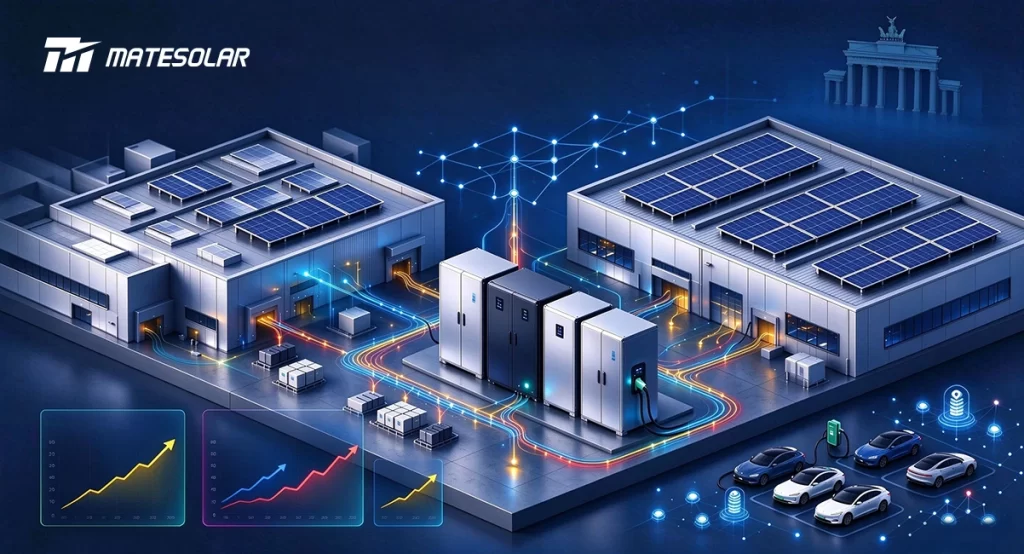
If you ask a German C&I energy manager in November 2026 what keeps them up at night, the honest answer is no longer “what will the day-ahead price do tomorrow.” The price signal has been brutal for long enough that the industry has learned to live with volatility. The real anxiety sits elsewhere: the rules that determine whether a battery asset can earn revenue legally, whether its metering architecture will still be accepted in 2027, whether its peak-shaving business case survives the disappearance of the Leistungspreis in 2029, and whether its PCS will even be allowed onto the medium-voltage grid without grid-forming capability.
This is the defining paradox of the current German C&I storage moment. On 1 October 2026, the Bundesnetzagentur brought MiSpeL into force, dissolving a legal conflict that had constrained multi-use battery operation for years. At almost the same moment, the AgNes grid-fee reform moved from draft to near-final determination, setting a 2029 end-date for the capacity charge that underpins the most intuitive C&I storage business case. And VDE FNN’s grid-forming guideline, published in January 2026 and updated in April, has moved from a technical footnote to a de facto gate for medium-voltage storage connections and inertia-market participation.
The result is a window that is opening and narrowing at the same time. MiSpeL releases revenue space that did not exist before. AgNes and grid-forming requirements raise the cost of getting the asset design wrong. The C&I customer who signs a system in the fourth quarter of 2026 is not simply buying batteries; they are locking in a metering topology, a revenue stack, and a grid-compliance posture that will determine the asset’s economics for a decade.
This guide is written for that decision. It is not a policy summary. It is an engineering-and-commercial blueprint for the narrow period between the MiSpeL opening and the AgNes reset.
1. What Actually Changed in October 2026 — and What Did Not
1.1 MiSpeL: the legal conflict is gone; the metering burden is not
Before MiSpeL, a storage system co-located with a PV plant faced an uncomfortable binary. If it stored only “green” on-site electricity, it could keep its EEG market premium. If it also absorbed grid electricity for arbitrage, the entire EEG support for the affected electricity volumes was at risk. In practice, this meant that a C&I battery could be an Eigenverbrauchsoptimierer or a Netzstromarbitrageur, but not both in the same legally clean system.
MiSpeL changes that. The Abgrenzungsoption — the delimitation option available to installations of all types and sizes — allows a battery to combine market-price optimisation and self-consumption optimisation without losing EEG support. The mechanism is not a blanket authorisation. It is a metering-and-allocation framework: storage and charging points are measured through separate meters that digitally record, at 15-minute resolution, how much electricity came from the on-site PV plant, how much came from the grid, and where it flowed. The EEG premium remains payable on the “intermediate-stored” solar electricity. For the re-feed of intermediate-stored grid electricity, levy privileges apply to the extent of the re-feed, and storage losses associated with that re-feed can be credited.
The critical operational caveat is the transition deadline: the regulatory framework sets an implementation horizon of 30 September 2027 for grid operators and metering-point operators to complete the necessary IT and metering conversions. This is not a soft deadline for administrative convenience. It is the date against which the physical metering architecture of a project signed in late 2026 will be judged. A system commissioned with a metering topology that the local Netzbetreiber cannot process under its MiSpeL-compatible IT environment in 2027 is not a non-compliant battery; it is a battery that cannot legally monetise the very multi-use revenue stream that justified its purchase.
Table 1 — MiSpeL Abgrenzungsoption: what the 15-minute split actually requires
| Design element | What MiSpeL requires | What it means for a C&I project signed in Q4 2026 |
| Metering topology | Separate metering of storage/charging-point flows, with 15-minute digital recording of PV-origin and grid-origin electricity | The metering concept must be fixed at the design stage, not retrofitted after commissioning |
| EEG treatment | Premium retained on intermediate-stored solar electricity; levy privileges on re-fed grid electricity | The EMS must be able to tag and allocate kWh by origin; manual settlement is not a durable compliance strategy |
| Transition horizon | Grid-operator and metering-point-operator IT and metering conversion by 30 September 2027 | A metering architecture that requires re-work after September 2027 is a direct cost and a revenue interruption |
| Metering cost reality | Practical cost estimates for the delimitation option are modest relative to project scale (e.g. c. €416/year for a 2 MWp project in published industry calculations) | Cost is not the barrier; compatibility and timing are |
| Commercial consequence | Multi-use operation becomes legally possible | Revenue stack can now include PV self-consumption, grid-price arbitrage, and negative-price avoidance in the same asset |
The industry temptation is to treat MiSpeL as a “battery arbitrage law.” It is better understood as a metering-and-attribution law. The legal permission is broad, but the economic value is only captured if the EMS can produce settlement-grade 15-minute origin splits and if the local grid operator’s IT interface accepts the meter data format. A proposal that says “MiSpeL-ready” without specifying the meter count, the local Messstellenbetreiber interface, and the EMS allocation logic is not a MiSpeL proposal. It is a marketing claim.
1.2 The negative-price signal: fewer hours, deeper pain
The headline number for H1 2026 is 291 hours of negative day-ahead prices, down from 389 hours in H1 2025 but still a third above H1 2024. The less-reported but commercially more important number is the theoretical negative revenue of €430 million in those hours — a record high. The frequency of negative pricing has fallen; the financial intensity has risen.
The mechanism is structural. Negative prices cluster around midday solar output. The 1 May 2026 episode drove the day-ahead price to −€499.99/MWh, and the exchange subsequently lowered the price floor to −€600/MWh. For a C&I site with rooftop or ground-mounted PV, the economic damage of negative pricing is not the lost feed-in revenue on a few hours. It is the exposure of the entire midday generation block to a price signal that can flip from a modest positive to a deeply negative value within the same dispatch interval.
This is where storage stops being an “optional optimisation” and becomes negative-value exposure insurance. A battery that can absorb midday generation during negative-price windows and discharge it into the evening load or the morning market is not just earning an arbitrage spread; it is preventing the PV asset from paying the system to absorb its output. For a C&I load with a medium-voltage connection and a meaningful PV share, the value of that negative-price blockade is now a structural revenue line, not a marginal add-on.
1.3 The innovation tender: storage is now the bankability condition
The September 2026 innovation auction put 475 MW up for tender, received 53 bids totalling 678 MW, and awarded 32 projects totalling 480 MW. All successful bids were for combinations of solar installations and storage facilities. The volume-weighted average award price was 5.14 ct/kWh, down from 5.34 ct/kWh in the previous round, with individual awards ranging from 4.50 to 5.40 ct/kWh.
The oversubscription ratio — approximately 1.43:1 — confirms that the innovation tender remains a competitive route to a long-term revenue anchor for solar-plus-storage projects. But the more consequential signal for the C&I segment is the price direction. Award values are falling even as storage is included. This means the tender mechanism is rewarding projects that can combine a PV revenue floor with storage optionality, not projects that treat storage as an afterthought. For larger C&I and utility-scale projects, a pure-PV revenue structure in a negative-price environment is increasingly difficult to finance. Solar-plus-storage is becoming the baseline configuration for bankability, not a premium feature.
Table 2 — German solar-plus-storage innovation tender: September 2026 round vs. prior round
| Metric | Prior round (June 2026) | September 2026 round | Direction |
| Tendered volume | / | 475 MW | / |
| Bids received | / | 53 bids / 678 MW | Oversubscribed c. 1.43× |
| Awarded volume | / | 32 projects / 480 MW | Awarded above tendered volume |
| Award price range | / | 4.50–5.40 ct/kWh | / |
| Volume-weighted average | 5.34 ct/kWh | 5.14 ct/kWh | ↓ 0.20 ct/kWh |
| Technology requirement | Solar + storage combinations | All successful bids solar + storage | Storage as standard |
1.4 AgNes: the 2029 capacity-charge cliff is now a design constraint, not a rumour
The current medium-voltage capacity charge (Leistungspreis) is the most tangible C&I storage revenue line in Germany. A battery that shaves 100 kW of peak demand saves between €5,113 and €17,133 per year across three grid operators on 2026 price sheets. For a site with a peak-demand charge of €120/kW/year, cutting 100 kW is a €12,000 annual saving before any energy-arbitrage revenue. This is the business case that has driven the first wave of C&I BESS adoption.
AgNes changes the architecture. The current StromNEV grid-fee ordinance expires at the end of 2028, and the Bundesnetzagentur’s draft determination — published in August 2026 and expected to be finalised in late 2026 or early 2027 — replaces the capacity charge for larger consumers with an ordered-capacity model (Bestellkapazitätsmodell) from 1 January 2029. Under this model, a medium-voltage or large low-voltage consumer orders an annual capacity (Bestellkapazität) and pays a capacity price on that ordered volume. Consumption above the ordered capacity attracts a higher demand-based rate, reported in the draft framework at 200% to 350% of the lower rate. The ordered capacity must be at least 10% of the previous year’s individual peak load and at most 100% of the contracted grid connection capacity.
For storage operators, the draft introduces a capacity-based grid fee linked to contracted connection capacity, currently expected at approximately €4–7/kW/year for new projects that do not qualify for grandfathering. The grandfathering protection is important: storage projects commissioned before 4 August 2029 can retain the existing full grid-fee exemption for twenty years, provided a qualifying final investment decision is reached before the final AgNes determination enters into force and the project is commissioned by that August 2029 date.
The C&I customer does not need to memorise the legal detail. They need to internalise one commercial fact: a payback model that relies solely on peak-charge avoidance has a terminal date. If the financial close of a C&I battery assumes 5–7 years of Leistungspreis savings without a second revenue pillar, the cash flow after 2029 is structurally impaired. The battery hardware may still be healthy; the revenue model will not be.
Table 3 — The “2029 problem” in numbers: what changes for a medium-voltage C&I site
| Revenue / cost item | 2026 framework (to end-2028) | AgNes framework (from 1 Jan 2029) | Implication for a Q4 2026 project |
| Peak-demand charge | Leistungspreis in €/kW/year; 100 kW cut saves €5,113–€17,133/year depending on grid operator | Replaced by ordered-capacity model; capacity price on Bestellkapazität, with excess consumption priced at 200–350% of the lower rate | A “pure peak-shaving” payback model loses its primary revenue line at the 2029 boundary |
| Storage grid fee | Existing exemption for storage commissioned before 4 Aug 2029; grandfathering possible for 20 years | Capacity-based fee c. €4–7/kW/year for non-grandfathered storage | Timing of FID and commissioning becomes a bankability variable, not an administrative detail |
| Ordered capacity floor | Not applicable | Minimum 10% of prior-year peak; maximum 100% of connection capacity | The site’s load profile and storage dispatch strategy directly influence the ordered capacity, and therefore the 2029+ grid-fee bill |
| Revenue resilience | Peak shaving + emerging MiSpeL arbitrage | MiSpeL multi-use + negative-price blockade + flexibility value must replace the capacity-charge contribution | The battery’s MW/MWh ratio and EMS revenue logic must be designed for both regimes, not just the current one |
The correct reading of AgNes is not “peak shaving is dead.” Peak reduction remains valuable under the ordered-capacity model because it shapes the capacity the site needs to order and reduces exposure to the 200–350% excess rate. But the value pool shifts from a simple demand-charge saving to a more complex capacity-management and flexibility-optimisation problem. A battery sized only for the highest 15-minute peak of the year is oversized for the MiSpeL arbitrage stack and potentially undersized for the multi-use revenue logic that 2029 demands.
1.5 Grid-forming: from differentiator to admission ticket
In January 2026, German transmission system operators began market-based procurement of inertia, also referred to as instantaneous reserve. Participation in that market requires compliance with the VDE FNN guideline “Technical requirements for grid-forming capabilities including provision of inertia,” version 2.1, published in English in April 2026. The guideline defines requirements for Type 2 grid-forming units — storage and controllable loads — including voltage-source behaviour, over- and under-frequency response, simulation model accuracy, and verification procedures for both virtual island operation and synchronous operation.
For the C&I segment, the practical relevance of grid-forming has less to do with inertia-market revenue and more to do with grid-connection acceptance and future-proofing. The guideline is already the reference for medium- and high-voltage connection assessment. In July 2026, Sungrow’s SC210HX PCS obtained the first VDE FNN prototype certificate covering the full set of German medium- and high-voltage connection standards plus grid-forming performance verification. The certification reduces grid-connection time and project acceptance risk for storage systems equipped with that PCS platform. The signal to the market is unambiguous: grid-forming is no longer a post-commissioning software upgrade. It is a PCS selection and grid-model precondition for projects that intend to remain connection-compliant through the next regulatory cycle.
A 100 kW/232 kWh or 125 kW/261 kWh outdoor cabinet may sit below the threshold where full grid-forming verification is mandatory for every connection. But the direction of travel is clear: medium-voltage C&I systems and aggregated multi-site portfolios will increasingly be assessed on their ability to behave as voltage sources, not current sources. A PCS specification that ignores grid-forming readiness is a specification with a shortening commercial life.
Table 4 — Grid-forming capability: why it matters at C&I scale
| Dimension | Pre-2026 expectation | 2026+ reality | C&I design consequence |
| Grid connection | Inverter-based storage treated primarily as current source; grid-forming a differentiator | VDE FNN guideline v2.1 defines grid-forming requirements for Type 2 storage; used in connection assessment and inertia-market access | PCS selection must consider grid-forming readiness even if the project does not initially sell inertia |
| Certification | Manufacturer self-declaration common | Independent VDE FNN prototype certification emerging (e.g. first PCS certificate July 2026) | Certified PCS platforms reduce grid-operator acceptance risk and commissioning delays |
| Revenue optionality | Inertia market inaccessible to most C&I systems | Inertia procurement started January 2026; FNN compliance is the technical admission ticket | Grid-forming-ready hardware preserves participation optionality for aggregated or larger C&I projects |
| Asset life | Grid-code compliance assessed at commissioning | Regulatory requirements can tighten over the asset life | A non-grid-forming PCS risks becoming a stranded control platform before the battery reaches end of life |
2. The MiSpeL Metering Trap: Why “Legal Permission” Is Not the Same as “Revenue Permission”
The MiSpeL Abgrenzungsoption is often presented as a legal unlock. It is more accurately described as a compliance-to-cash problem. The regulation grants the right to multi-use operation; the cash flow depends on the metering and settlement chain being able to prove, at 15-minute granularity, which electrons came from the PV plant and which came from the grid.
2.1 The two-meter architecture and the 2027 deadline
The delimitation option uses separate metering for the storage system and charging points. Every 15 minutes, the metering system records the flow from the on-site PV plant, the flow from the grid, and the destination of each flow — storage, charging point, or direct consumption. The EEG premium remains attached to the solar-origin electricity even when it is intermediately stored. The levy treatment of re-fed grid electricity is calculated based on the re-feed volume, with storage losses credited where applicable.
The transition period for grid operators and metering-point operators to implement the necessary IT and metering changes runs until 30 September 2027. This creates a three-stage risk for a project contracted in late 2026:
1. Metering-concept risk: the two-meter topology must be accepted by the local Netzbetreiber and Messstellenbetreiber. A concept that works in one regulatory area may require a different meter arrangement in another.
2. IT-interface risk: the grid operator’s MiSpeL-compatible IT system must be able to ingest and process 15-minute origin-split data. If the interface is not ready, the project may be technically compliant but commercially unsettled.
3. Retrofit risk: if the commissioned metering architecture is not accepted after September 2027, the site faces a second metering installation, a settlement interruption, and potentially a loss of EEG support for the affected volumes during the transition.
The cost of the metering itself is not the primary concern. Industry calculations put the practical MiSpeL cost for a 2 MWp project at roughly €416 per year — less than 1% of the feed-in tariff value in that example. The risk is architectural lock-in, not meter hardware cost.
2.2 The EMS requirement: 15-minute allocation as a settlement output
The MiSpeL regulation expects the allocation of PV-origin and grid-origin electricity to be calculated from metering data, not reconstructed manually after the fact. This places the EMS at the centre of compliance. The EMS must be able to:
- ingest 15-minute metered data from the relevant meters;
- apply the chosen priority rule for allocating stored electricity to PV or grid origin;
- calculate the EEG-relevant solar share and the levy-relevant grid share;
- produce a settlement-grade output that the supplier and grid operator can reconcile;
- account for storage losses in the re-feed calculation where applicable.
A system that can dispatch a battery but cannot produce a 15-minute origin-split settlement file is not MiSpeL-ready. It is a dispatch system with a compliance gap. For C&I customers, the practical question in a supplier proposal is therefore not “do you support MiSpeL?” but “show me the meter list for my grid operator, the EMS allocation logic, and a sample settlement output.”
2.3 The grid-operator compatibility matrix
Germany does not have a single uniform MiSpeL implementation timetable across all Netzbetreiber. The transition period ends on 30 September 2027, but individual grid operators are at different stages of IT readiness. A C&I project in a region with a slower metering-point-operator integration may need a more conservative metering architecture — for example, a topology that can operate in a transitional mode while preserving the option to switch to full 15-minute allocation once the operator interface is live.
This is where a product-only sales approach fails. The customer needs a metering configuration list mapped to the specific grid-operator area, not a generic “MiSpeL-compatible” statement. The configuration must identify the meter count, the measurement points, the data-logging interval, the communication path, and the settlement output format. Without that list, the MiSpeL right is abstract; with it, the right becomes a bankable revenue line.
Table 5 — MiSpeL readiness checklist for a Q4 2026 C&I contract
| Checkpoint | What “good” looks like | Red flag |
| Grid-operator metering compatibility | Written confirmation or documented interface specification from the local Netzbetreiber / Messstellenbetreiber for the proposed two-meter topology | “MiSpeL is new; we will figure it out after commissioning” |
| 15-minute data path | EMS and meters configured to log and export 15-minute origin data from day one | Reliance on monthly manual readings or post-hoc estimates |
| Allocation logic | EMS applies a defined priority rule for PV-origin vs. grid-origin storage and produces a settlement output | Spreadsheet-based allocation after the fact |
| Transition design | Metering architecture can migrate to full MiSpeL settlement without replacing meters or rewiring | Architecture assumes the grid operator’s IT is ready on day one, with no fallback |
| Loss accounting | EMS accounts for storage losses in the re-feed calculation | Losses ignored, creating a reconciliation gap with the supplier |
| Documentation | Meter list, single-line diagram, and settlement output sample included in the proposal | Generic “MiSpeL support” letter without project-specific engineering |
3. The 2029 Revenue Reset: Designing a Battery That Earns After the Capacity Charge Disappears
3.1 What AgNes actually replaces
The current Leistungspreis is a charge based on the highest 15-minute demand in the billing period. It is a blunt but powerful signal: shave the peak once, save the charge for the whole year. A 100 kW reduction is worth €5,113–€17,133 per year depending on the grid operator. This is why peak shaving has become the default C&I storage use case in Germany.
AgNes replaces this with a capacity-ordering model for larger consumers. From 2029, a medium-voltage or large low-voltage consumer orders an annual capacity. The ordered capacity must be at least 10% of the prior year’s peak load and at most 100% of the contracted connection capacity. The consumer pays a capacity price on the ordered volume. Consumption above the ordered capacity is charged at a higher demand-based rate — reported in the draft at 200–350% of the lower rate.
The commercial logic changes from “shave the single highest peak” to “forecast the capacity you need and manage the load profile against it.” A battery that can shape the load duration curve, absorb PV during negative-price windows, and discharge during the evening peak contributes to a lower ordered capacity and a lower excess-rate exposure. But the value is no longer a simple multiplication of kW cut by a fixed €/kW rate. It is a portfolio value that depends on the site’s load profile, the battery’s usable energy, the MiSpeL arbitrage spread, and the site’s ability to forecast its capacity requirement.
3.2 The second revenue pillar: MiSpeL arbitrage and negative-price blockade
The MiSpeL window creates two additional revenue streams that can replace the declining capacity-charge contribution:
1. Grid-price arbitrage under the Abgrenzungsoption: the battery can charge from the grid when prices are low and discharge into the site load or the market when prices are high, without losing EEG support on the PV-origin volumes. The 15-minute metering split is the compliance mechanism that makes this legal.
2. Negative-price blockade: when the day-ahead price goes negative, the battery absorbs PV generation that would otherwise be exposed to a negative price. The value is the avoided negative revenue plus the value of the stored energy when it is later discharged. With H1 2026 negative-price hours producing €430 million in theoretical negative revenue, the blockade value is no longer a niche optimisation.
A battery sized only for peak shaving — typically a relatively short-duration system aimed at the highest 15-minute interval — may not have enough usable energy to capture the full MiSpeL arbitrage and negative-price blockade value. Conversely, a battery sized for multi-use operation with a larger energy-to-power ratio can perform peak shaping, arbitrage, and negative-price absorption in the same hardware. The design question is not “peak shaving or arbitrage?” It is “what MW/MWh ratio preserves both revenue logics without overpaying for either.”
3.3 The grandfathering decision: 4 August 2029 as a financial date
AgNes grandfathering is not automatic for every storage project. The current framework exempts storage commissioned before 4 August 2029 from grid fees for twenty years under Section 118(6) EnWG. The Bundesnetzagentur has confirmed that this exemption can also apply to projects under development, provided a qualifying final investment decision is reached before the final AgNes determination enters into force and the project is commissioned no later than 4 August 2029.
For a C&I customer, this transforms the project timeline into a financial variable. A project that reaches a qualifying FID in early 2027 and commissions before August 2029 can secure a twenty-year grid-fee exemption. A project that slips past that date faces the capacity-based fee of approximately €4–7/kW/year for non-grandfathered storage. On a 500 kW connection, that is €2,000–€3,500 per year — not catastrophic, but a recurring cost that must be priced into the revenue model.
The grandfathering route also creates a portfolio effect. A customer with multiple sites may choose to sequence projects so that the most economically sensitive sites reach FID and commissioning before the August 2029 deadline, while sites with stronger MiSpeL arbitrage potential can be developed on a post-2029 cost basis. This is not a tax-driven decision; it is an asset-design decision that belongs in the battery sizing and procurement schedule, not in a legal annex.
3.4 Sizing for two regimes: a practical framework
A battery designed only for the 2026 peak-charge regime may be poorly suited to the 2029 ordered-capacity and multi-use regime. A battery designed only for the 2029 regime may leave money on the table in the 2026–2028 period. The practical solution is to size for dual-regime operation:
- Power rating (MW): sized to the peak-shaving requirement plus a margin for MiSpeL arbitrage discharge. The peak-shaving requirement sets the minimum; the arbitrage requirement may push the power rating higher if the site has a volatile load and a meaningful PV share.
- Energy capacity (MWh): sized to cover the longest expected negative-price block plus the evening discharge window. A system with only 30 minutes of usable energy at full power may be sufficient for peak shaving but insufficient for negative-price absorption and arbitrage.
- PCS capability: grid-forming-ready, with certified grid-code compliance for the relevant voltage level. This is not a revenue line in 2026, but it preserves optionality for inertia-market participation and protects against tightening connection requirements.
- EMS settlement logic: MiSpeL 15-minute allocation, AgNes ordered-capacity forecasting, and negative-price detection must be native EMS functions, not third-party add-ons bolted onto a dispatch controller.
Table 6 — Sizing logic for dual-regime C&I storage (illustrative)
| Site characteristic | 2026–2028 primary value | 2029+ primary value | Sizing implication |
| Medium-voltage load, peak 500–1,500 kW, PV share 20–40% | Peak-charge reduction (€5k–€17k per 100 kW cut) | Ordered-capacity management + MiSpeL arbitrage + negative-price blockade | Power sized to peak shaving plus arbitrage margin; energy sized for 2–4 hour duration to cover negative-price blocks |
| High PV share, midday export exposure | Self-consumption optimisation | Negative-price blockade becomes a major value line | Energy capacity must cover the longest expected negative-price window; power must match the PV inverter output |
| Volatile load with short, high peaks | Peak shaving is dominant | Excess-rate avoidance under ordered-capacity model | Fast-response PCS and sufficient power; energy may be secondary |
| Site with grid-connection capacity constraint | Peak shaving within connection limit | Ordered capacity near connection limit; storage avoids excess-rate exposure | Battery becomes a connection-capacity management asset, not just an energy-cost tool |
4. The Grid-Forming Gate: What a C&I Buyer Needs to Ask Before Signing a PCS
The VDE FNN grid-forming guideline is often discussed in the context of large standalone storage and transmission-system inertia. For the C&I segment, its relevance is more subtle but no less important.
4.1 The technical requirement in plain terms
A grid-forming unit behaves as a voltage source behind an impedance, rather than as a current source that follows the grid voltage. In practical terms, it can support grid voltage and frequency during disturbances, provide reactive current during faults, and — in the FNN framework — contribute inertia-like response. The guideline defines verification requirements for Type 2 units, including storage, covering both virtual island operation and synchronous operation.
For a medium-voltage C&I connection, the grid operator may not require full inertia-market certification. But the connection assessment increasingly asks whether the storage system’s PCS can demonstrate grid-forming behaviour under the FNN framework. A PCS that is certified to the relevant VDE FNN prototype standard reduces the risk of a grid-operator rejection or a late-stage technical condition that requires additional equipment or software changes.
4.2 The certification signal
The first VDE FNN prototype certificate for a storage PCS was awarded in July 2026 to Sungrow’s SC210HX platform, covering the full set of German medium- and high-voltage connection requirements plus grid-forming performance verification. The significance is not that one manufacturer has a certificate. It is that the certification framework now exists and is being applied. A C&I buyer evaluating a PCS should ask whether the platform has a VDE FNN prototype certificate or a documented verification path, and whether the certificate covers the grid-forming requirements relevant to the project’s voltage level.
4.3 The optionality value
Even if a C&I site does not intend to sell inertia or provide system services, grid-forming capability preserves three forms of optionality:
1. Connection optionality: a PCS that meets the FNN grid-forming requirements is less likely to face a connection restriction as grid codes tighten.
2. Aggregation optionality: multiple C&I batteries aggregated into a virtual power plant or a flexibility portfolio may be required to demonstrate grid-forming behaviour at the portfolio level. A non-grid-forming PCS could exclude the site from future aggregation revenue.
3. Resale/repowering optionality: a battery with a grid-forming-certified PCS has a broader second-life market and a lower risk of becoming a stranded control platform before the battery cells reach end of life.
Table 7 — PCS selection questions for a C&I project in Q4 2026
| Question | Why it matters | Acceptable answer | Weak answer |
| Does the PCS have a VDE FNN prototype certificate or a documented verification path for grid-forming? | Grid-connection acceptance and future code compliance | Certificate covering the relevant voltage level, or a clear verification plan with test reports | “Grid-forming is a software update” without a test evidence path |
| Is the PCS certified for the medium-voltage connection standard applicable to the site? | Reduces grid-operator acceptance risk | Certificate or type-test report for the relevant VDE-AR-N standard | Generic IEC certificate without German grid-code evidence |
| Can the PCS operate in both grid-following and grid-forming modes? | Preserves optionality for inertia and aggregation revenue | Documented mode-switching capability with stable performance | Single-mode operation with no grid-forming roadmap |
| What simulation models are available for the grid operator? | Shortens the connection-study and approval process | Validated RMS/EMT models consistent with FNN requirements | Models “available on request” without validation evidence |
5. From Cabinet to Portfolio: Matching Hardware to the MiSpeL–AgNes Window
The German C&I storage market is not a single market. It spans a 100 kW commercial site with a rooftop PV system and a 5 MWh containerised system at an industrial park. The regulatory window affects each segment differently, and the hardware configuration must reflect the revenue logic of each segment.
5.1 The 100–125 kW outdoor cabinet: the MiSpeL metering node
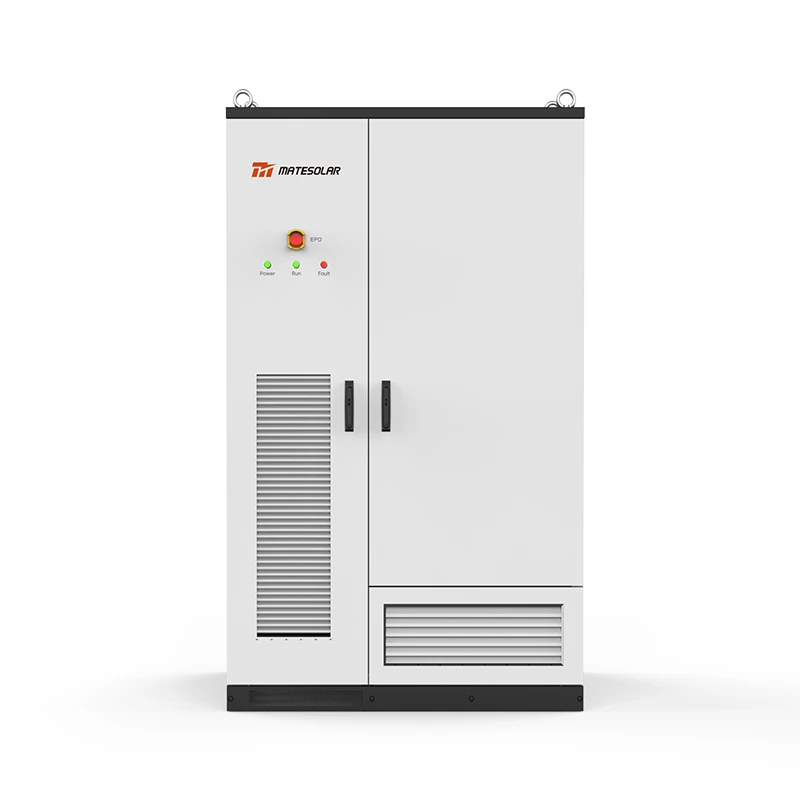
For a commercial site with a medium-voltage or large low-voltage connection, the 100 kW/232 kWh and 125 kW/261 kWh liquid-cooled outdoor cabinet configurations are the natural building blocks for MiSpeL-compliant multi-use operation. The key advantage is not the cell chemistry or the cooling method in isolation; it is the ability to deploy a metering-ready, dispatch-ready AC block that can be integrated with the site’s two-meter MiSpeL topology without a bespoke engineering project.
The liquid-cooled cabinet format is particularly relevant for German C&I sites that need outdoor installation with IP55 enclosure protection and IP67 battery protection, and that value a high level of pre-integration — battery, PCS, power distribution, thermal management, fire protection, and monitoring communication in a single enclosure. For a customer whose primary anxiety is the 2027 metering transition, the cabinet’s integrated monitoring and remote-management capability is a practical asset: the EMS can be configured to produce MiSpeL allocation outputs without adding a separate control cabinet.
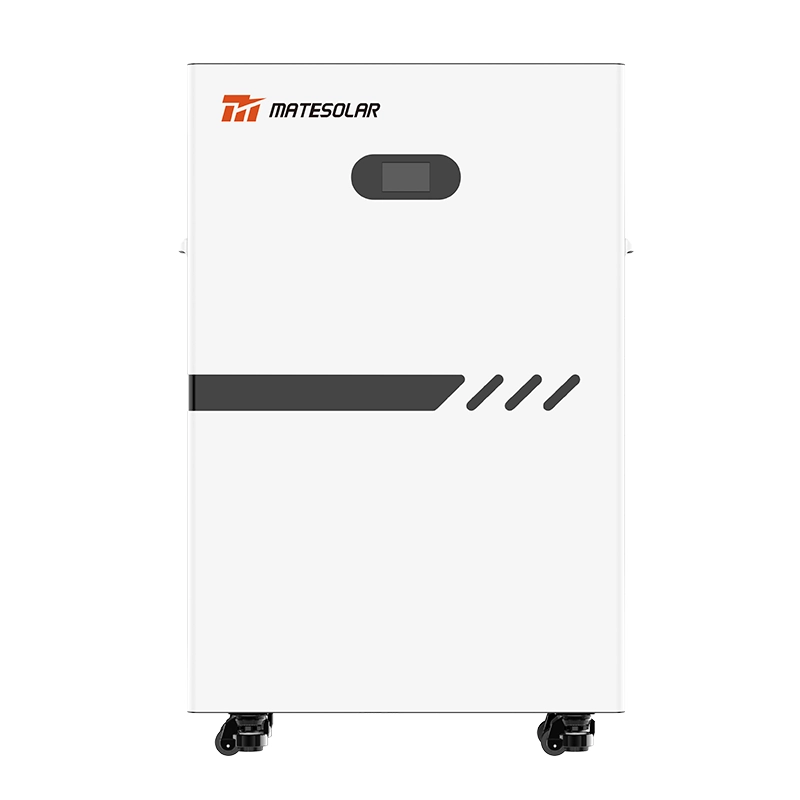
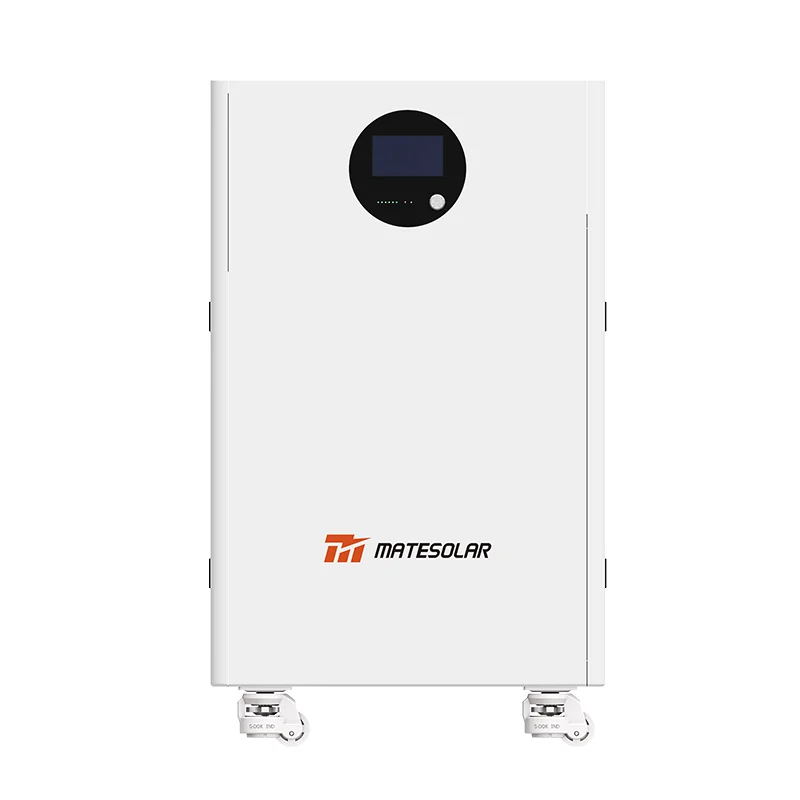
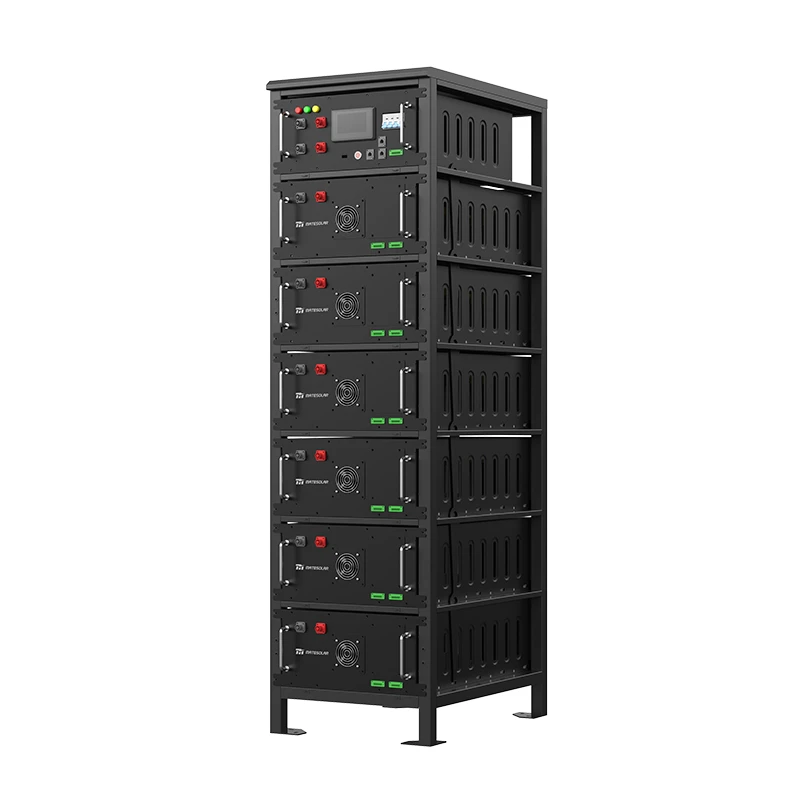
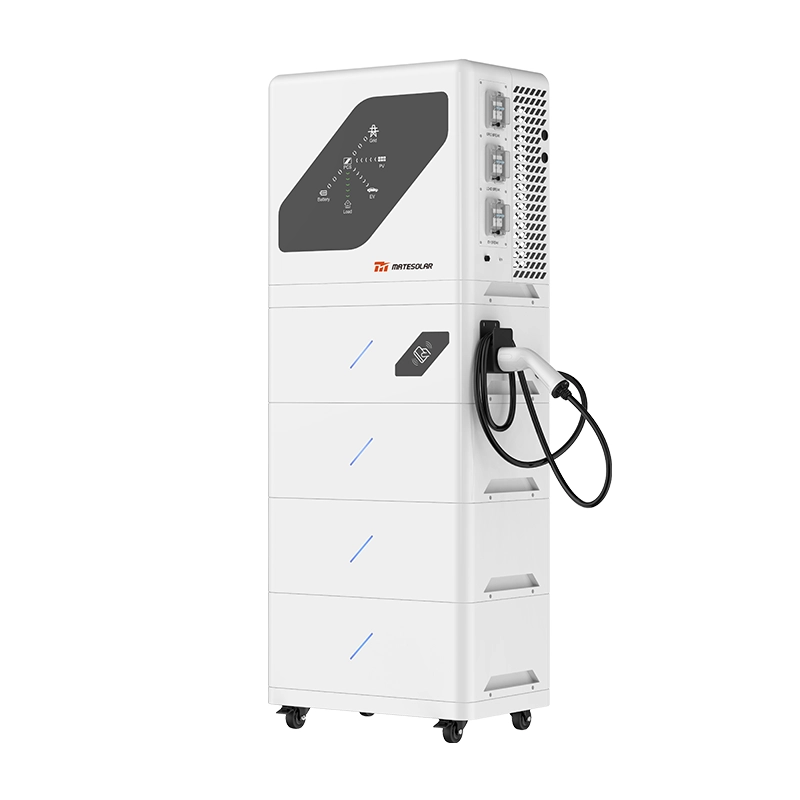
Where this fits in the MateSolar portfolio: the 100kW/232kWh and 125kW/261kWh Liquid-Cooled Outdoor Cabinet Energy Storage System is designed as an integrated outdoor AC block for commercial and industrial applications, combining LFP battery, PCS, thermal management, and monitoring in a single enclosure. For MiSpeL-oriented projects, the relevant question is not only the kW/kWh rating; it is whether the EMS layer can expose 15-minute origin-split data for settlement.
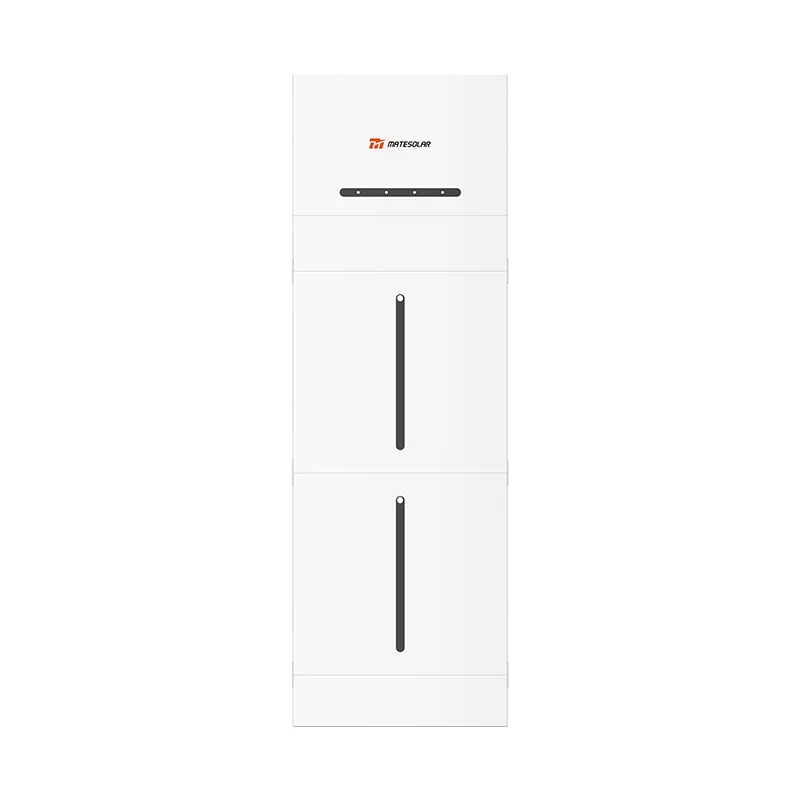
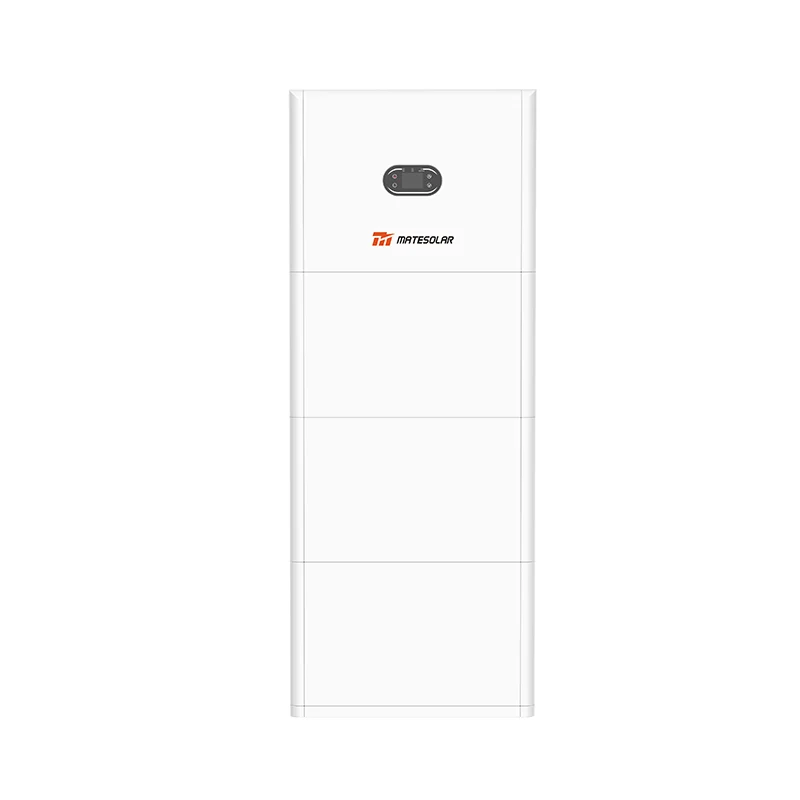
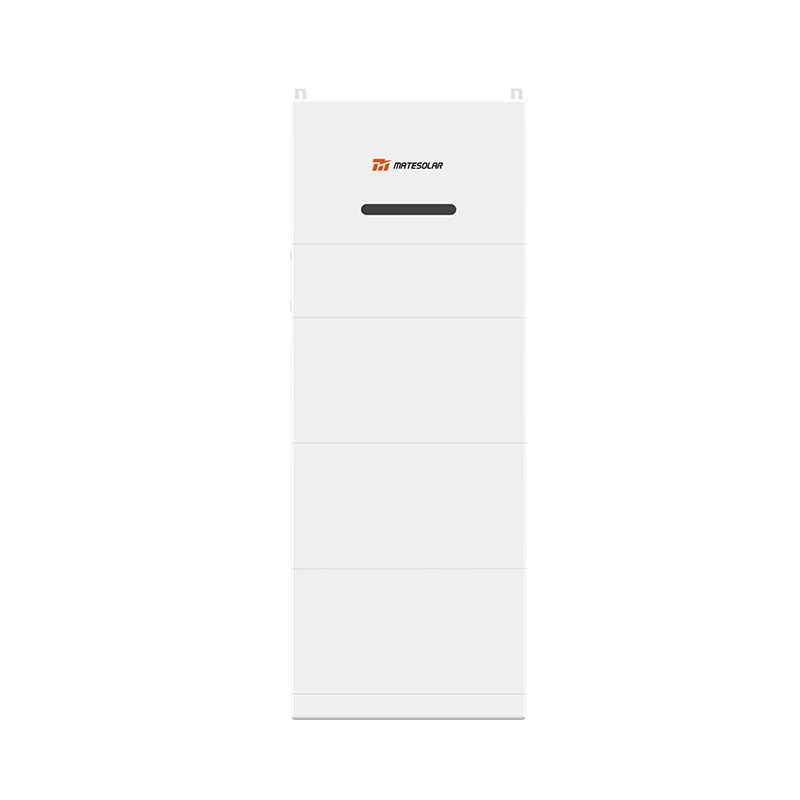
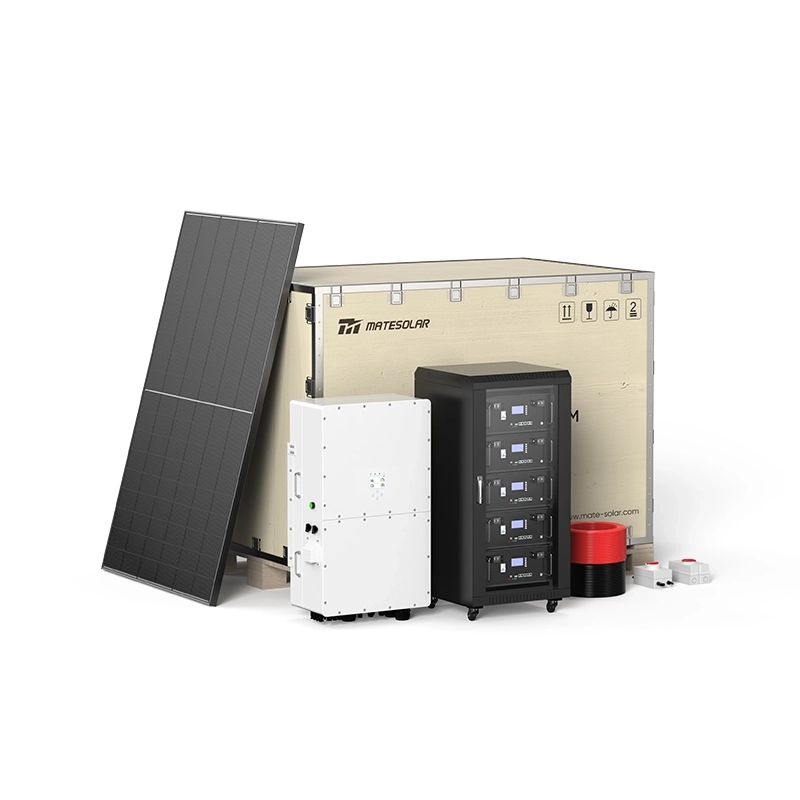
5.2 The 500 kW hybrid solar system: the integrated PV-plus-storage path
For a C&I customer with an existing or planned PV installation, a 500 kW hybrid solar system integrates PV generation, battery storage, and grid interaction in a single configured kit. The relevance to the MiSpeL window is direct: the hybrid architecture is the physical embodiment of the multi-use model. PV generation can serve the load directly, charge the battery, or export; the battery can absorb grid electricity for arbitrage and discharge into the load or the market.
The critical design question for a hybrid system is whether the DC/AC coupling and the EMS architecture allow the 15-minute origin split to be measured and settled. A hybrid inverter that can optimise self-consumption but cannot tag and export origin-split data at settlement-grade resolution is a partial MiSpeL solution. The buyer should ask for the metering interface diagram and a sample settlement output, not just the system schematic.
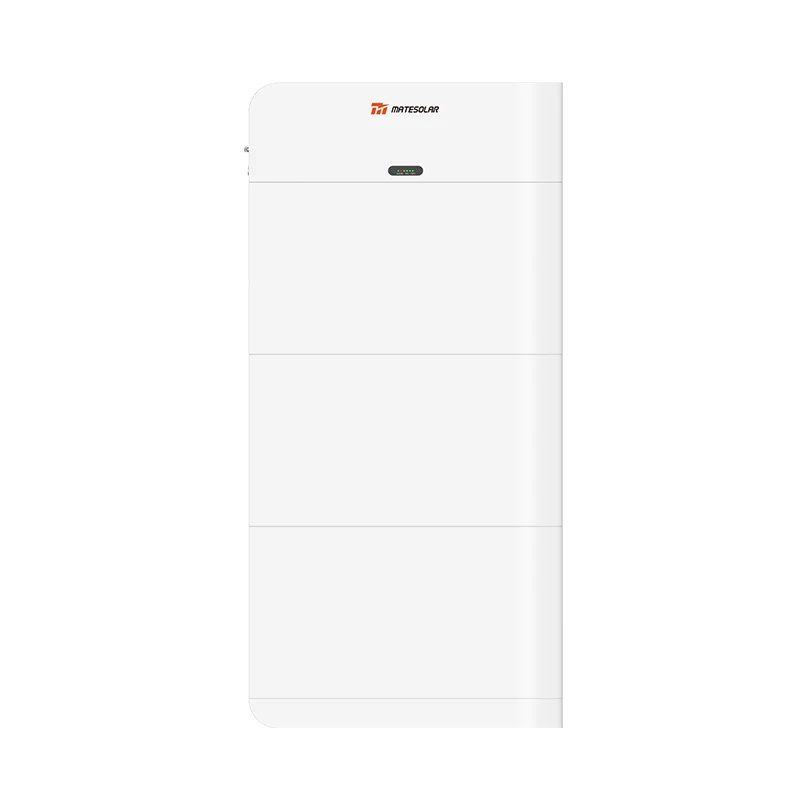
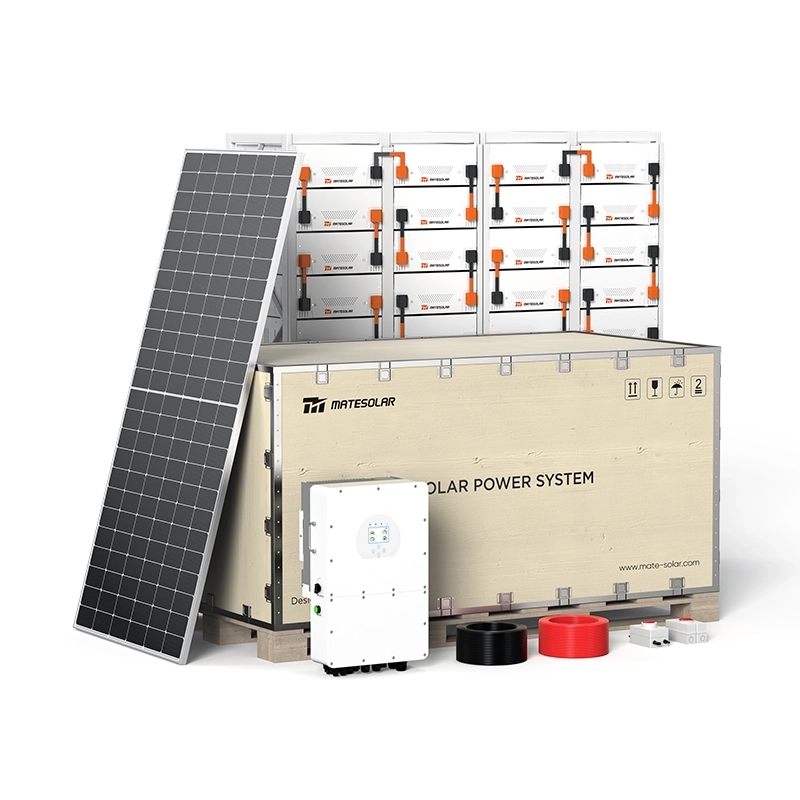
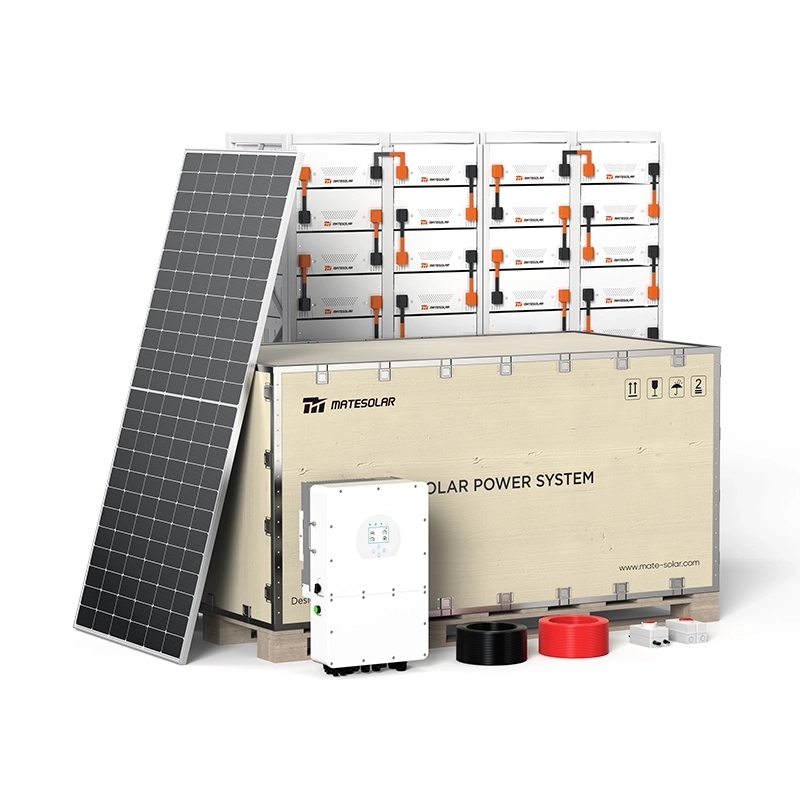
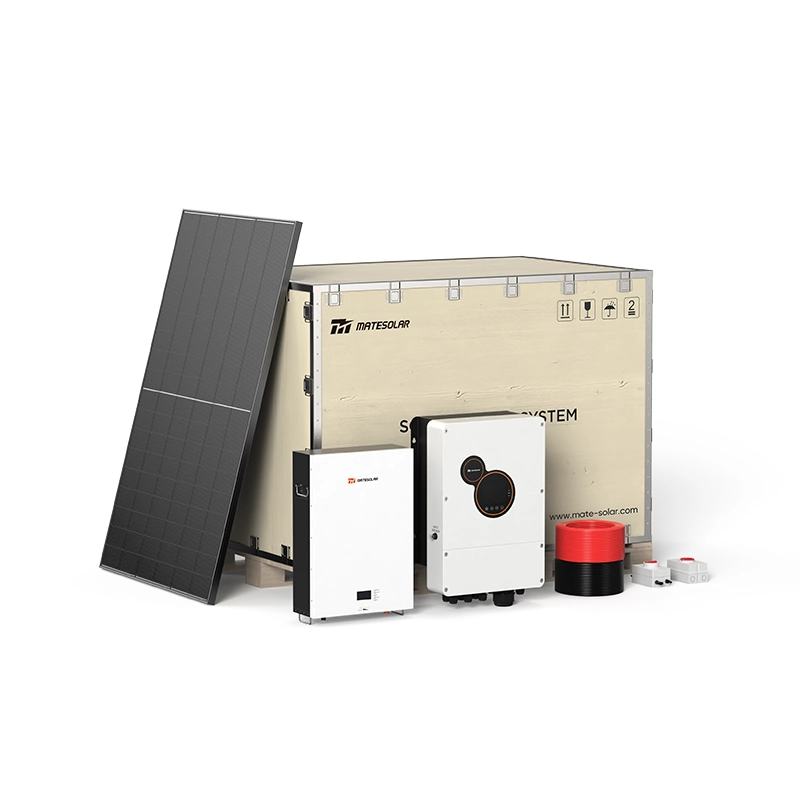
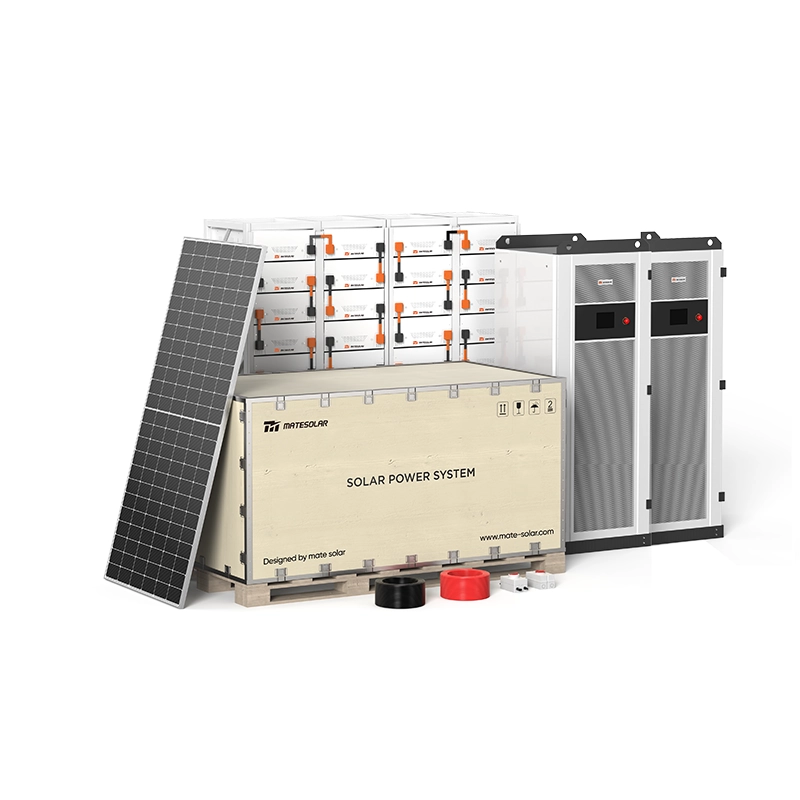
Where this fits in the MateSolar portfolio: the Commercial 500KW Hybrid Solar System is positioned as a pre-configured PV-plus-storage solution for larger commercial and industrial sites, with a hybrid inverter, LFP battery storage, and monitoring integration. For a customer planning a MiSpeL-compliant multi-use project, the system can serve as the generation-and-storage core, provided the metering and EMS layer is specified to produce the required 15-minute allocation.
5.3 The 40ft air-cooled container (1–2 MWh): the scalable C&I workhorse
The 40ft air-cooled container ESS in the 1–2 MWh range is the configuration that bridges the gap between a large commercial cabinet and a utility-scale container. It is relevant for industrial sites with a peak demand in the several-hundred-kW to low-MW range, where the peak-shaving requirement alone would justify a cabinet but the MiSpeL arbitrage and negative-price blockade value justifies a larger energy capacity.
The air-cooled format is a pragmatic choice for sites with moderate ambient temperatures and a preference for a simpler thermal-management architecture. The container format provides the energy capacity to ride through longer negative-price blocks and to participate in arbitrage across a wider daily price spread. For AgNes transition planning, the 1–2 MWh range offers enough energy to shape the load profile against an ordered capacity, not just shave a single 15-minute peak.
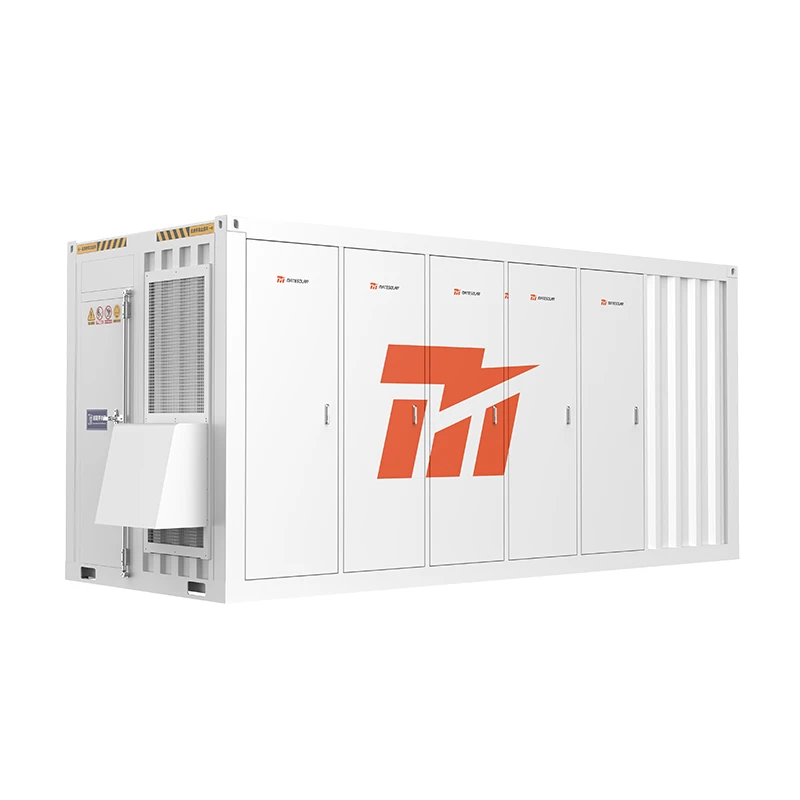
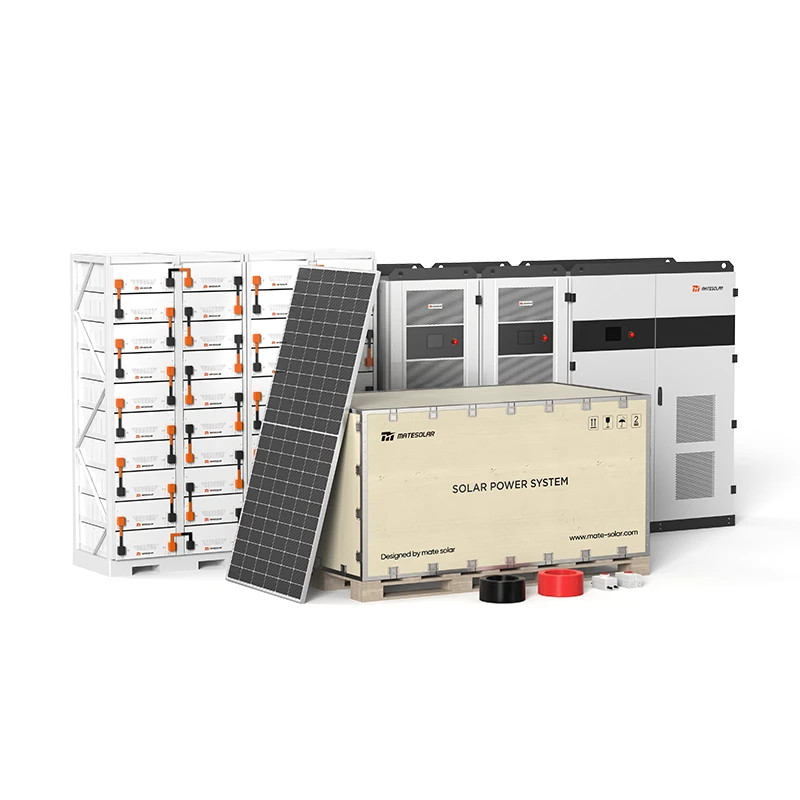
Where this fits in the MateSolar portfolio: the 40Ft 1MWh 2MWh Air-Cooled Container ESS is designed as a scalable containerised storage system for C&I and industrial applications, with LFP cells and a modular architecture. It is suited to projects where the primary revenue logic is a combination of peak shaping, MiSpeL arbitrage, and negative-price absorption, and where the site has the space for a containerised installation.
5.4 The 20ft liquid-cooled container (3–5 MWh): the high-energy-density option
The 20ft 3–5 MWh liquid-cooled container ESS is the high-energy-density configuration for larger C&I and industrial sites that need a substantial energy capacity within a compact footprint. It is relevant for sites with a multi-MW peak, a high PV share, and a need to cover extended negative-price windows and participate in multiple daily arbitrage cycles.
The liquid-cooled format provides tighter cell-temperature control and is better suited to high-ambient-temperature sites and high-cycling regimes. For the AgNes transition, the 3–5 MWh range offers the energy capacity to manage an ordered-capacity position across a full day, not just a single peak event. It also positions the site for aggregated flexibility participation, where energy capacity and grid-forming readiness become qualification criteria.
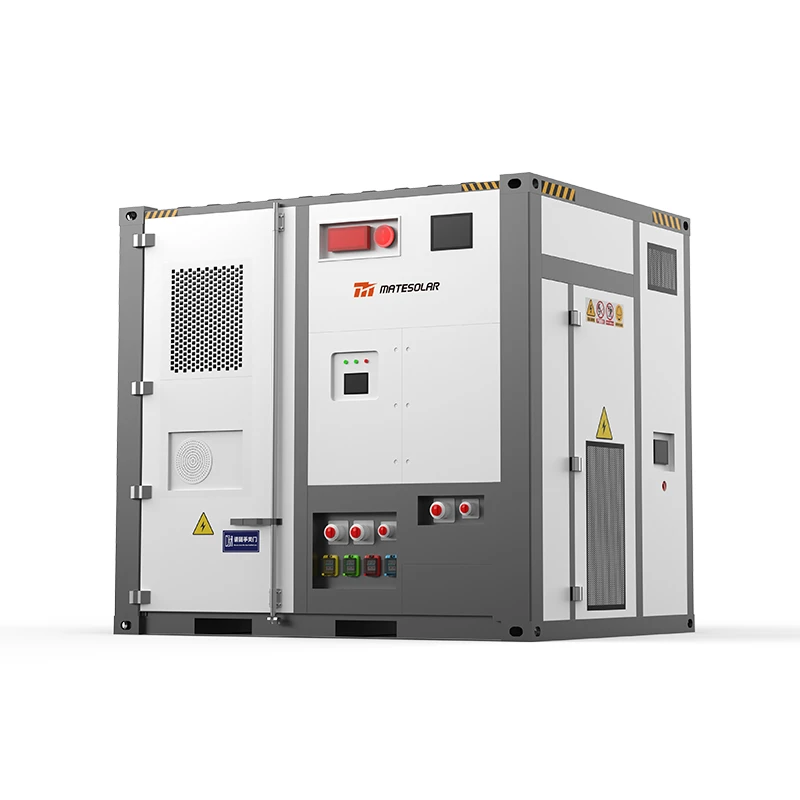
Where this fits in the MateSolar portfolio: the 20ft 3MWh 5MWh Liquid Cooling Container Energy Storage System is a compact, high-capacity containerised system using high-voltage LiFePO4 technology, designed for easy installation and high energy density. It is the appropriate building block for industrial sites and larger C&I portfolios that need to combine MiSpeL multi-use operation with AgNes capacity management and grid-forming readiness.
Table 8 — Matching MateSolar product families to the German C&I regulatory window
| Product family | Typical site | MiSpeL relevance | AgNes 2029 relevance | Grid-forming readiness |
| 100 kW/232 kWh & 125 kW/261 kWh liquid-cooled outdoor cabinet | Commercial site, medium-voltage or large low-voltage connection, 100–500 kW peak | Metering-node for two-meter Abgrenzungsoption; EMS origin-split capability is the key selection criterion | Peak shaping and ordered-capacity management; cabinet-level energy may be sufficient for short negative-price blocks | PCS selection should prioritise certified grid-code compliance and grid-forming readiness |
| 500 kW hybrid solar system | C&I site with existing or planned PV, 500 kW class | Integrated PV-plus-storage core for multi-use operation; metering interface and EMS allocation logic are decisive | PV self-consumption plus arbitrage provides a second revenue pillar beyond peak-charge savings | Hybrid inverter platform should be assessed for grid-forming capability and German grid-code certification |
| 40ft 1–2 MWh air-cooled container | Industrial site, several-hundred-kW to low-MW peak, space for container | Energy capacity for extended negative-price absorption and daily arbitrage | Capacity management across the day, not just peak shaving; supports ordered-capacity optimisation | Container PCS selection should include grid-forming-ready options |
| 20ft 3–5 MWh liquid-cooled container | Larger industrial site or C&I portfolio, multi-MW peak, high PV share | High-energy multi-use operation; liquid cooling supports high-cycling arbitrage regimes | Portfolio-level ordered-capacity management and flexibility participation | Grid-forming readiness is a portfolio-qualification criterion for aggregation and inertia participation |
6. Service Reality for C&I Storage in Germany: What the Contract Should Say
The German C&I storage market is increasingly served by international suppliers with remote support models. The service architecture is a legitimate part of the commercial evaluation, not an afterthought. A customer should know, before signing, how hardware faults, software issues, and commissioning support will be handled.
6.1 Hardware support model
For hardware quality issues, a practical model is parts shipment with remote-guided replacement, with the option of product replacement in more severe cases. This is not the same as an on-site service team with a local warehouse, but it is a workable model for standardised cabinet and container products with modular components. The key contractual questions are:
- What is the response time for a hardware-fault diagnosis?
- Which components are field-replaceable, and what documentation is provided?
- Under what conditions does the supplier replace the product rather than ship a part?
- Who bears the logistics cost for parts and replacements?
For large C&I and industrial projects, on-site commissioning and installation guidance by technical personnel can be arranged when the project scale and customer requirement justify it. This is not a standard inclusion for every cabinet project, but it is a realistic option for containerised systems and multi-unit installations. The customer should clarify the trigger conditions — project size, site complexity, and commissioning scope — in the commercial terms.
6.2 Software and remote support
Software issues — EMS configuration, communication faults, dispatch-logic errors, and MiSpeL allocation-output problems — are best handled through remote technical guidance. This is particularly relevant in the MiSpeL context, because the metering and settlement configuration is largely a software-and-data problem. A remote support model can be effective if the supplier has:
- remote access to the EMS and inverter logs (with customer consent and cybersecurity controls);
- a documented troubleshooting procedure for 15-minute data gaps and allocation errors;
- the ability to update EMS configuration parameters remotely;
- a clear escalation path to engineering for settlement-output discrepancies.
The customer should not assume that a remote-support model is equivalent to an on-site service contract. The contract should define what is remote, what is on-site, and what triggers an on-site intervention. A proposal that promises “24/7 local service” without a local entity is not credible; a proposal that clearly states the remote-first model and the conditions for on-site support is more trustworthy.
6.3 The MiSpeL and AgNes support gap
The most under-served service area in the current market is regulatory-configuration support. A C&I battery is not a static product; its revenue logic changes when MiSpeL settlement goes live, when the grid operator’s IT interface changes, and when AgNes replaces the capacity-charge model. The supplier’s service model should include:
- a MiSpeL metering and settlement configuration review at commissioning;
- a compatibility check against the local grid operator’s interface before the September 2027 deadline;
- an AgNes impact review before the 2029 tariff change, including a re-run of the dispatch and revenue model;
- a firmware/EMS update path for new settlement and tariff logic.
This is the difference between a battery vendor and an asset-lifecycle partner. The German regulatory window is too dynamic for a one-off hardware sale to be sufficient.
Table 9 — Service-model questions for a C&I storage contract
| Service area | Remote-first model | On-site escalation trigger | Contractual clarity needed |
| Hardware fault diagnosis | Remote log review and guided fault isolation | Repeated fault, safety-relevant component, or multi-unit site | Response time, parts logistics responsibility, replacement conditions |
| Part replacement | Parts shipment with remote-guided replacement | Complex container-level intervention or high-voltage work | Which parts are field-replaceable; who performs the work; warranty treatment |
| Product replacement | Supplier decision based on fault severity | Major manufacturing defect or repeated failure | Definition of “severe case”; logistics and downtime responsibility |
| Software/EMS | Remote configuration, log analysis, firmware update | Network or hardware interface fault that cannot be resolved remotely | Remote-access protocol; cybersecurity requirements; escalation path |
| Commissioning | Remote pre-commissioning checklist | Large C&I or container project requiring on-site guidance | Trigger conditions for on-site support; scope and cost responsibility |
| Regulatory configuration | Remote MiSpeL/AgNes configuration review | Complex multi-meter or multi-site portfolio | Whether regulatory-configuration support is included or a paid service |
7. FAQ: The Questions German C&I Buyers Are Actually Asking in November 2026
Q1. Does MiSpeL mean I can charge my battery from the grid and still keep the EEG subsidy on my PV electricity?
Yes, under the Abgrenzungsoption. The regulation allows a storage system to combine market-price optimisation and self-consumption optimisation without losing EEG support. The mechanism is separate metering with 15-minute digital recording of PV-origin and grid-origin electricity, so that the solar share can be identified and the EEG premium retained on the intermediate-stored solar electricity. The critical condition is that the metering and settlement architecture must be compatible with the grid operator’s MiSpeL implementation by the 30 September 2027 transition deadline. The legal right is broad; the revenue capture depends on the metering and EMS design.
Q2. How much does the MiSpeL metering actually cost?
The metering hardware and installation cost is modest relative to the project scale. Published industry calculations for a 2 MWp project put the practical MiSpeL cost at approximately €416 per year, less than 1% of the feed-in tariff value in that example. The larger cost risk is architectural: if the metering topology must be changed after the 2027 transition, the retrofit cost and the revenue interruption can far exceed the original metering cost. The procurement question should focus on compatibility and future-proofing, not on the meter bill alone.
Q3. What happens to my peak-shaving business case if the Leistungspreis disappears in 2029?
Peak reduction remains valuable, but the revenue mechanism changes. Under AgNes, larger consumers move to an ordered-capacity model (Bestellkapazitätsmodell), where the site orders an annual capacity and pays a capacity price on that volume, with excess consumption priced at 200–350% of the lower rate. A battery still helps by shaping the load and reducing the required ordered capacity, but the saving is no longer a simple “kW cut × €/kW” calculation. A 2026 project should be designed with a second revenue pillar — MiSpeL arbitrage, negative-price blockade, or flexibility value — so that the 2029 transition is a revenue-mix shift, not a cliff.
Q4. Is my project eligible for AgNes grandfathering?
Storage commissioned before 4 August 2029 can benefit from the existing twenty-year grid-fee exemption, provided a qualifying final investment decision is reached before the final AgNes determination enters into force and the project is commissioned by that date. The grandfathering is not automatic; it requires a documented FID and commissioning timeline. For a project contracted in late 2026, the grandfathering route is realistic, but it must be built into the project schedule and the commercial terms, not left as an assumption.
Q5. Do I need a grid-forming PCS for a 100 kW or 500 kW C&I system?
Not every C&I connection will require full grid-forming certification at the current threshold. But the direction of the German grid-code framework is clear: VDE FNN’s grid-forming guideline is the reference for medium- and high-voltage connection assessment and inertia-market access, and the first PCS prototype certificates are already being awarded. A C&I buyer should prioritise a PCS platform with a documented grid-forming verification path or certificate, because it reduces connection-acceptance risk and preserves optionality for aggregation, inertia participation, and future code tightening. A non-grid-forming PCS is not automatically non-compliant today, but it is a shorter-life asset in a tightening regulatory environment.
Q6. How should I size a battery for both MiSpeL arbitrage and AgNes capacity management?
The sizing logic should start from the site’s load profile, PV share, and negative-price exposure, not from a single peak-shaving calculation. A practical approach is to size the power rating for the peak-shaving requirement plus an arbitrage discharge margin, and the energy capacity for the longest expected negative-price block plus the evening discharge window. A 2–4 hour duration is a common starting point for dual-regime C&I systems, but the final ratio depends on the site’s load shape and the local grid operator’s capacity-charge structure. The EMS must be able to switch between peak-shaving, arbitrage, and negative-price-blockade modes without manual intervention.
Q7. Can a 100 kW/232 kWh outdoor cabinet handle MiSpeL multi-use operation?
Yes, if the cabinet’s EMS and metering interface are configured for the Abgrenzungsoption. The cabinet itself is a dispatch-and-storage asset; the MiSpeL compliance sits in the metering topology and the EMS allocation logic. The buyer should ask for the meter configuration list for the local grid-operator area, the 15-minute data-export capability, and a sample settlement output. A cabinet that can dispatch but cannot produce a settlement-grade origin split is not a complete MiSpeL solution.
Q8. What is the practical difference between the 40ft air-cooled and 20ft liquid-cooled container for a German C&I site?
The 40ft air-cooled container in the 1–2 MWh range is a pragmatic choice for sites with moderate ambient temperatures and a need for scalable energy capacity at a lower thermal-management complexity. The 20ft liquid-cooled container in the 3–5 MWh range offers higher energy density, tighter cell-temperature control, and a smaller footprint, making it better suited to high-ambient-temperature sites, high-cycling arbitrage regimes, and projects where space is constrained. The choice should be driven by the site’s load profile, cooling environment, and the duration of the negative-price and arbitrage windows, not by a generic preference for one cooling method.
Q9. How does the service model work if there is no local installation team?
The practical model is remote-first support with parts shipment and remote-guided replacement for hardware quality issues, and remote technical guidance for software and EMS issues. For large C&I and industrial projects, on-site commissioning and installation guidance by technical personnel can be arranged where the project scale and customer requirement justify it. The contract should clearly define the remote response times, the parts-replacement process, the conditions for product replacement, and the trigger conditions for on-site support. A proposal that claims a local service team without a local entity is not credible; a proposal that transparently explains the remote-first model and the escalation path is more useful for a realistic O&M plan.
Q10. What should I ask a supplier to prove that their system is MiSpeL-ready?
Ask for four documents: (1) a metering configuration list mapped to the specific grid-operator area, identifying the meter count, measurement points, and communication path; (2) a sample 15-minute settlement output showing how PV-origin and grid-origin electricity are allocated; (3) a transition plan describing how the metering architecture will migrate to full MiSpeL settlement without a hardware retrofit; and (4) a loss-accounting methodology for the re-feed calculation. A supplier who cannot provide these is offering a dispatch system, not a MiSpeL-ready revenue asset.
8. The November 2026 Decision: Lock the Metering, Hedge the Revenue, Certify the PCS
The German C&I storage market in November 2026 is not a market where the cheapest cabinet wins. It is a market where the asset architecture determines whether the regulatory opening becomes a revenue stream or a compliance liability.
Three decisions sit at the centre of a successful project:
1. Lock the metering architecture before the cabinet order. The MiSpeL Abgrenzungsoption is a 15-minute, origin-split settlement regime. The meter topology must be compatible with the local grid operator’s IT environment and must be able to migrate to full settlement by September 2027 without a retrofit. The EMS must produce a settlement-grade output, not just a dispatch signal. This is an engineering decision, not a legal formality.
2. Hedge the revenue against the 2029 reset. A battery sized only for the current Leistungspreis is a battery with a terminal revenue date. The project should combine peak shaping with MiSpeL arbitrage and negative-price blockade, and the sizing should reflect both the 2026–2028 regime and the post-2029 ordered-capacity regime. Grandfathering is a valuable option, but it is not a substitute for a second revenue pillar.
3. Certify the PCS for the grid-forming direction. Grid-forming is moving from a differentiator to a connection-assessment expectation. A PCS with a VDE FNN prototype certificate or a documented verification path reduces grid-operator acceptance risk and preserves optionality for aggregation and inertia participation. The PCS decision is a decade-long control-platform decision, not a short-term cost line.
MateSolar serves this market as a one-stop PV and storage solution provider, with a product portfolio that spans the 100 kW/232 kWh and 125 kW/261 kWh liquid-cooled outdoor cabinet, the 500 kW hybrid solar system, the 40ft 1–2 MWh air-cooled container, and the 20ft 3–5 MWh liquid-cooled container. The portfolio is designed to cover the range from a metering-ready commercial cabinet to a high-energy-density industrial container, with a remote-first service model and on-site commissioning support for larger C&I projects where the project scale and customer requirement justify it.
The MiSpeL window will not stay open indefinitely. The September 2027 metering deadline and the 2029 AgNes reset are the two dates that define the commercial life of a battery ordered in late 2026. The customer who treats those dates as design inputs — not as future problems — will own an asset that earns through the transition. The customer who treats MiSpeL as a checkbox and AgNes as a rumour will own a battery with a good round-trip efficiency and a revenue model that expires.