










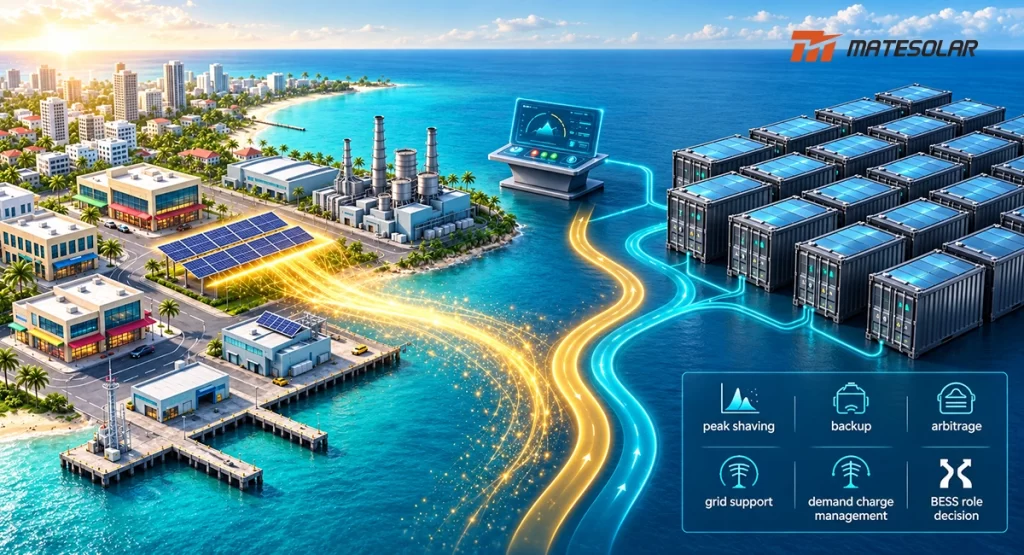
As of October 2026, Cuba’s electricity system is no longer experiencing a “crisis” in the conventional sense. It is in a condition of structural collapse that has become routine. National grid collapses have occurred at least six times since January 2026, with three separate total disconnections in July alone. Peak deficit forecasts have ranged from 1,585 MW to over 2,100 MW against a maximum demand of roughly 3,100–3,200 MW. In Havana, some communities report 20–22 hours of daily interruption. Roughly 80% of generating units are past their design life, and more than 1,400 MW of distributed oil-fired generation sits idle for lack of fuel.
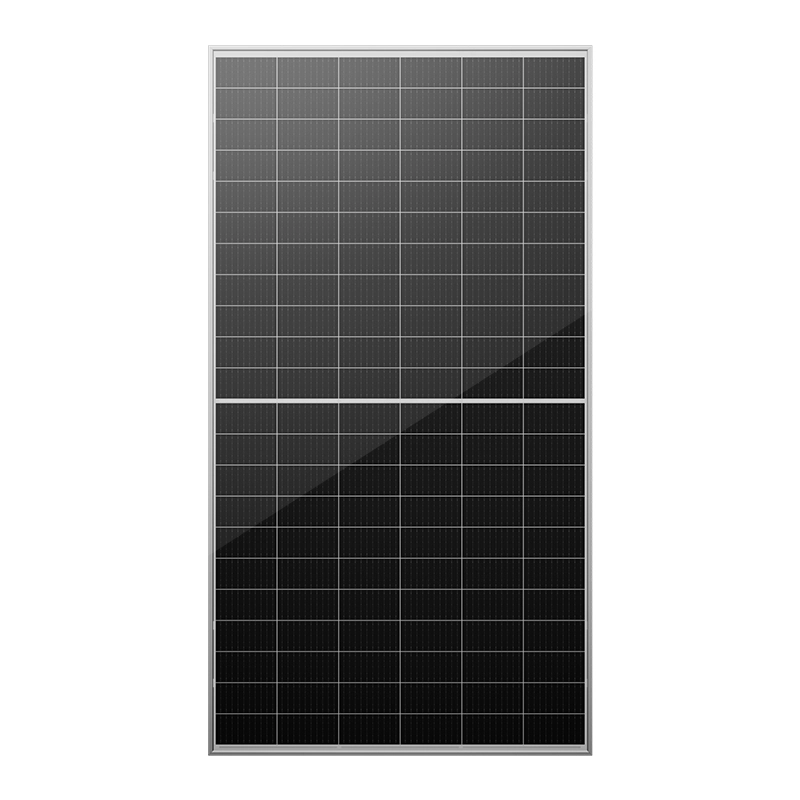
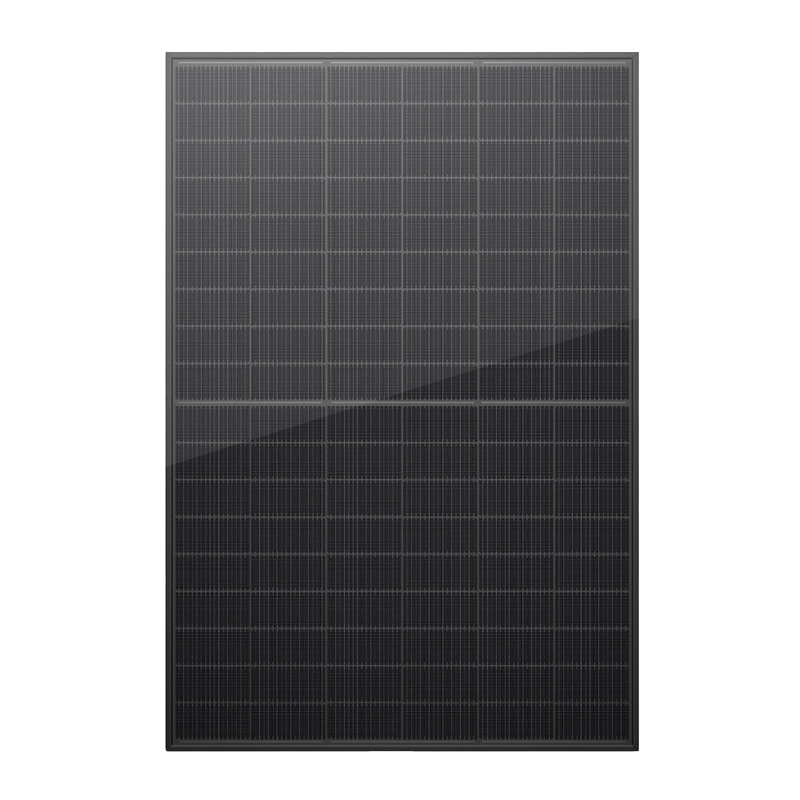
Solar photovoltaic (PV) is the only supply-side resource that can be deployed at scale quickly enough to matter. China shipped approximately USD 117 million of solar panels to Cuba in 2025, up from USD 3 million in 2023—a more than 34-fold increase. By March 2026, 49 solar parks were grid-connected, representing roughly 900–1,000 MW, with a stated target of 92 parks and 2,000 MW by 2028.
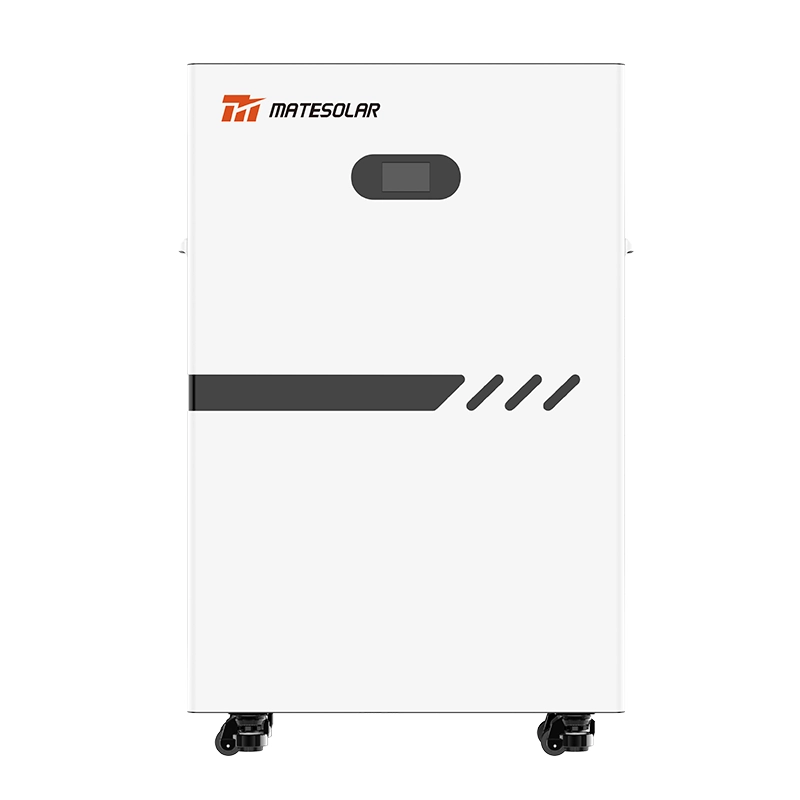
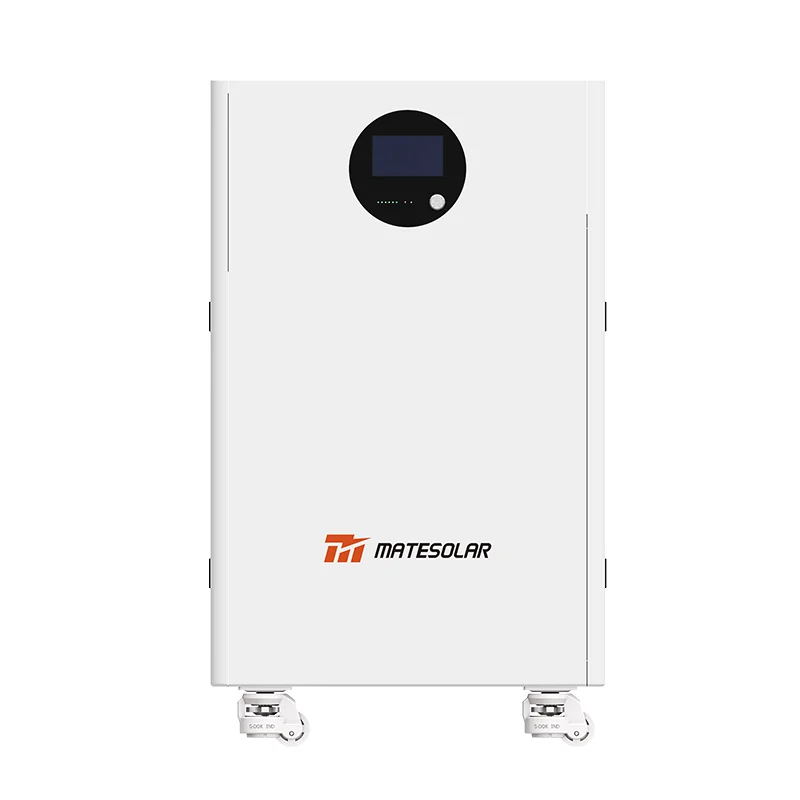
But a new problem has emerged, and it is more subtle than fuel scarcity. Cuba now has solar without sufficient dispatchable storage, and it is installing a large volume of storage that is not dispatchable from the grid’s perspective. This is the structural waste of 2026: midday solar relieves the deficit for a few hours, then vanishes at the evening peak, while a growing fleet of “inverter-plus-charger” backup cabinets draws energy from the grid to charge batteries and returns nothing to the system. The policy framework—zero tariffs and up to eight years of income-tax exemption—is increasingly conditioned on the ability to feed the SEN (Sistema Electroenergético Nacional). The market’s first instinct, however, remains “a bigger UPS to ride out the blackout.”
This report is written for C&I asset owners, EPCs, financiers, and policy-facing project developers who need to distinguish among three roles that are routinely conflated in Cuba: critical-load backup, frequency/primary-reserve service, and PV-coupled dispatchable output. The technical selection and revenue logic of these three roles are not interchangeable. Choosing the wrong role does not merely underperform—it can disqualify a project from the very tax incentives that make the economics work.
1. The October 2026 Baseline: A Grid That Cannot Be Assumed
1.1 Collapse frequency and the disappearing “firm” margin
Cuba’s SEN has crossed a threshold that matters for every C&I storage decision: the grid can no longer be treated as a reliable reference source. A total collapse is not a tail risk; it is a recurring operating condition.
| Indicator (2026) | Observed / forecast range | Implication for C&I storage |
| Total national grid collapses (Jan–Oct) | At least 6; 3 in July alone | Island-mode capability is not optional |
| Peak demand (national) | ~3,100–3,250 MW | Deficit dominates every dispatch decision |
| Available generation at peak (examples) | 935 MW (July 10); 1,223 MW (Oct 13); ~850 MW (July 30) | Firm capacity is a fraction of demand |
| Peak deficit | 1,585–2,200+ MW | Solar alone cannot close the evening gap |
| Havana outage duration (some communities) | 20–22 hours/day | “Backup” must be sized for extended autonomy, not minutes |
| Thermal fleet age | 40–60 years | Forced outages are frequent and unpredictable |
| Idle distributed oil generation | 1,400 MW (fuel-constrained) | Fuel logistics, not nameplate capacity, set the ceiling |
The July 10 collapse is illustrative: at 16:30 local time, the entire SEN disconnected. At the evening peak, available capacity was approximately 935 MW against demand of 3,100 MW—a deficit above 2,100 MW. More than 100 distributed generation plants were simultaneously offline for lack of fuel. The restoration sequence itself required the creation of regional micro-systems before main plants could be reconnected, a process that can take hours or days. For a commercial or industrial facility, this means the “grid” may be absent not for a scheduled block but for an indeterminate period, and may return in a weak, unstable condition.
1.2 The midday solar peak versus the evening demand peak
The most consequential mismatch in Cuba is temporal. On October 1, 2026, solar parks generated 3,169 MWh and reached a maximum instantaneous output of 493 MW during the highest-irradiance hours. By 21:00, PV output had effectively disappeared, and the deficit impact reached 2,059 MW. For the following day, UNE forecast demand of 3,100 MW against only 1,060 MW available—a projected deficit of 2,040 MW.
This is not an argument against solar. It is an argument against solar without storage that can move energy from midday to evening. A report from October 2026 put the problem directly: five months of added solar did not change the night; it got worse, because firm night megawatts must come from restarting idle engines with privately imported fuel and finishing the 200 MW storage program—not from the next tranche of solar parks.
For C&I storage, this defines the first technical requirement: the system must be able to charge from PV or the grid during the day and discharge into the facility or the SEN during the evening peak. A backup cabinet that charges from the grid and discharges only behind the meter may keep the lights on, but from the system operator’s perspective it is a net load, not a net source.
1.3 Why “solar plus any battery” is not the answer
Cuba’s own technical assessments have identified a typology problem. A review of 12 real PV-plus-battery projects found that 10 used “inverter-plus-charger” configurations—systems that draw energy from the grid to charge batteries and discharge during outages. From the grid’s perspective, these are net loads, not net generators. They contribute nothing to reducing the national deficit and can even aggravate system-balance stress during the charging window. The same analysis recommended removing tax incentives for this “charger-type” category and concentrating support on hybrid or grid-tied systems capable of injecting power into the SEN.
This is the policy-physics contradiction that defines the Cuban market in October 2026:
- Policy points toward grid-feed, dispatchable storage.
- The market’s revealed preference is toward behind-the-meter backup cabinets.
A product that can only perform the backup role risks being classified in the “charger-type” category in the next round of policy tightening. A product that can perform backup plus grid-feed plus frequency support sits on the right side of both the customer’s operating pain and the policy incentive.
2. The Policy Signal: Zero Tariffs, Eight-Year Exemptions, and the ONURE Gate
2.1 Resolution 41/2026: tariff elimination and income-tax relief
Resolution 41/2026, issued by Cuba’s Ministry of Finance and Prices in February 2026, eliminated import duties on PV modules, batteries, inverters, and related fundamental parts and components for both natural and legal persons. It also exempts profit tax (for legal persons) and personal income tax (for natural persons with economic activity) for investments in renewable energy for self-consumption or for sale to the national grid, for the duration of the investment recovery period—up to eight years.
Critically, the exemption is not automatic. The taxpayer must submit a pre-feasibility study and obtain certification from ONURE (Oficina Nacional para el Control del Uso Racional de la Energía). The eight-year window is therefore conditional on a technical approval that evaluates whether the project meets the intended renewable-energy purpose. A system that is designed and documented as a grid-interactive, dispatchable asset has a clearer path through the ONURE gate than a generic backup cabinet.
2.2 Resolution 169/2025: extending the incentive to MIPYMEs
Resolution 169/2025, adopted in May 2025, extended customs and income-tax benefits beyond state entities and approved foreign joint ventures to non-state management forms, including MIPYMEs and agricultural forms. MIPYMEs that pay the 35% profit tax are exempt from that tax liability if they install renewable-energy technologies, for up to eight years. Resolution 41/2026 ratified the 169/2025 framework while adding the zero-tariff import provision and clarifying the ONURE certification requirement.
For a Cuban MIPYME, this changes the calculus from “a generator is a cost” to “a compliant renewable asset is a tax-sheltered investment.” But the eligibility logic still hinges on the asset being a recognized renewable-energy investment, not merely a battery bank that happens to be imported under a renewable-energy tariff code.
2.3 The 90 CUP/kWh feed-in tariff: a price signal with a timing blind spot
Resolution 114/2026, published in May 2026, set a single purchase price of 90 Cuban pesos per kWh for renewable electricity delivered to the SEN, regardless of the time of day. This applies to both non-residential (C1F) and residential (CFR) producers. The tariff is a meaningful improvement over prior arrangements, but it contains a structural blind spot: it does not differentiate by delivery time. A midday kWh and an evening-peak kWh receive the same price, even though the system’s marginal cost of serving the evening peak is far higher.
This creates a paradox. The tariff encourages grid injection, but it does not by itself reward firm, dispatchable injection at the hours when the deficit is deepest. The value of storage therefore comes not from the tariff alone but from three stacked sources:
1. Avoided outage cost (lost production, spoiled inventory, restart delays).
2. Avoided diesel or fuel cost for self-generation.
3. Feed-in revenue at 90 CUP/kWh for exported energy, plus the tax exemption on the investment.
A system that can only perform (1) captures the smallest and most volatile value pool. A system that can perform (1), (2), and (3) simultaneously captures the full stack.
| Policy instrument | What it rewards | What it does not reward | Design implication |
| Resolution 41/2026 tariff exemption | Import of PV, batteries, inverters | Mere possession of equipment | Documentation must show renewable-energy function |
| 8-year income-tax exemption | Investment recovery in renewable assets | Backup-only architecture | Pre-feasibility and ONURE certification favor grid-interactive design |
| Resolution 169/2025 MIPYME extension | Non-state investment in renewables | Informal or non-compliant installations | Formal project structure matters |
| 90 CUP/kWh feed-in tariff | Any renewable kWh delivered to SEN | Time-of-delivery value | Storage is needed to shift energy to high-value hours, but tariff alone does not pay for it |
| Implicit policy direction (technical assessments) | Grid-tied hybrid systems capable of injection | “Charger-type” net-load systems | Avoid product positioning as a pure UPS |
3. The Three Roles: Backup, Frequency Service, and Dispatchable PV Firming
The central argument of this report is that “energy storage” is not a single product category in Cuba. It is at least three distinct roles, each with its own technical requirements, revenue logic, and policy treatment. Mixing them produces suboptimal—and sometimes non-compliant—outcomes.
3.1 Role A: Critical-load backup (the customer’s first instinct)
What it does: Maintains power to a defined set of loads during a grid outage.
Typical Cuban application: A MIPYME protecting refrigeration, POS systems, security, or a production line; a commercial building protecting elevators and emergency lighting; a telecom or water-pumping site requiring continuous operation.
Technical requirements:
- Autonomy duration matched to the realistic outage pattern, not a generic 1–2 hour assumption. In Havana communities experiencing 20–22 hours of interruption, a 2-hour cabinet is not a backup system; it is a bridge to the next outage.
- Island-mode stability with weak or absent grid reference. The inverter must be able to form voltage and frequency and manage inrush loads without collapsing.
- Fast transfer (or continuous double-conversion) for sensitive loads.
- Remote diagnostics because local service infrastructure is thin.
Revenue logic: Avoided economic loss. This is the easiest value to explain to a Cuban customer, but it is also the value pool most exposed to “good enough” competition from low-cost portable units and improvised lithium packs.
Policy risk: If the system is configured exclusively as an inverter-plus-charger that draws from the grid and never exports, it falls into the category that Cuban technical assessments have criticized as a net load. It may still receive tariff-free import treatment under a broad reading, but it is vulnerable to future eligibility tightening.
3.2 Role B: Frequency and primary-reserve service (the grid’s most urgent need)
What it does: Injects or absorbs active power within fractions of a second to arrest frequency excursions and provide primary reserve.
Why it matters in Cuba: The SEN is an isolated, weak system with a large share of variable PV and an aging thermal fleet. Frequency excursions propagate quickly and can trigger cascading disconnections. Cuba’s own BESS program is explicitly positioned as an instantaneous primary-frequency regulator. The first 50 MW unit at the El Cotorro substation is designed to inject or absorb energy in fractions of a second to counteract sudden fluctuations that would otherwise lead to mass outages or technical failures. The program envisages four 50 MW units totaling 200 MW.
The technical rule that matters for sizing: Cuban technical estimates indicate that for every 1,000 MW of PV generation, at least 100 MW of battery regulation is required. At 1,000 MW of installed PV, the regulation requirement is therefore on the order of 100 MW; at the 2,000 MW target, it is on the order of 200 MW. The 200 MW BESS program is broadly consistent with this ratio, but its deployment is lagging behind PV additions.
Technical requirements for Role B:
- High C-rate capability (not just energy capacity). A system designed only for 2–4 hour discharge may not have the inverter or thermal headroom for repeated sub-second frequency response.
- Grid-forming or advanced grid-following control capable of operating in a weak-grid environment with low short-circuit strength.
- Fast telemetry and dispatch interface compatible with UNE/despatch requirements.
- Thermal management designed for high-cycle, partial-state-of-charge duty.
Who can provide it: In the current Cuban market, Role B is primarily a utility-scale or aggregator function. A single 261 kWh C&I cabinet does not provide meaningful primary reserve to the SEN on its own. However, a fleet of grid-interactive C&I systems aggregated behind a common dispatch platform could, in principle, contribute. This is a medium-term opportunity, not a near-term revenue line for an individual MIPYME.
Policy fit: High. A system documented as capable of grid-frequency support aligns with the stated purpose of the national BESS program and with the ONURE logic of grid-beneficial renewable investment. But the revenue mechanism for distributed frequency service is not yet defined in the 90 CUP/kWh tariff, which pays for energy, not ancillary service. Role B is therefore policy-aligned but not yet bankable at the C&I scale without a bilateral or programmatic arrangement.
3.3 Role C: PV-coupled dispatchable output (the structurally missing piece)
What it does: Stores midday PV energy and discharges it during the evening peak, either behind the meter (displacing diesel or grid purchase) or into the SEN (earning the 90 CUP/kWh tariff).
Why it is the missing piece: Cuba’s problem is not a lack of solar energy in aggregate. It is a lack of firm, schedulable capacity at the hours when demand is highest. The October 1 example is decisive: 493 MW of solar at midday, 2,059 MW of deficit impact at 21:00. Without storage, the midday energy cannot be transferred to the evening. A backup-only system does not solve this; it may even charge from the grid at the wrong time.
Technical requirements for Role C:
- Sufficient energy-to-power ratio to cover the evening peak. A 261 kWh cabinet with a 125 kW inverter provides roughly 2 hours at full power; a 5 MWh container with a 1 MW-class inverter provides roughly 5 hours, which is more closely matched to the evening peak window.
- PV coupling (DC-coupled or AC-coupled) with the ability to charge from solar and discharge to the grid or the load.
- Grid-feed capability with anti-islanding, synchronization, and protection settings acceptable to UNE.
- Dispatch logic that can prioritize self-consumption, then grid export, then backup reserve, depending on the operating mode.
- Metering and documentation sufficient for ONURE certification and for settlement under the 90 CUP/kWh tariff.
Revenue logic: This is the only role that captures all three value pools simultaneously: avoided outage loss, avoided fuel/grid cost, and feed-in revenue. It is also the role that best matches the policy direction.
Policy fit: Highest. A PV-coupled, grid-interactive system is precisely the “hybrid/grid-tied” category that Cuban technical assessments have recommended supporting. It is the least vulnerable to being reclassified as a net-load backup cabinet.
| Dimension | Role A: Critical-load backup | Role B: Frequency / primary reserve | Role C: PV-coupled dispatchable output |
| Primary customer value | Avoided outage loss | System stability / ancillary service | Energy arbitrage + backup + feed-in |
| Minimum duration logic | Matched to outage pattern (could be 2–8+ h) | Minutes at high power; energy less important than speed | 2–5+ h to cover evening peak |
| C-rate requirement | Moderate | High | Moderate |
| Grid-feed capability | Often absent | Essential | Essential |
| Policy alignment (Oct 2026) | Ambiguous; risk of “charger-type” classification | High, but revenue mechanism immature at C&I scale | Highest; matches grid-beneficial hybrid logic |
| Revenue certainty | High (loss avoidance) | Low at distributed scale without program | Medium (tariff + tax exemption + loss avoidance) |
| Product implication | Outdoor cabinet with robust island-mode control | Containerized, high-power, grid-forming capable | Hybrid container or large cabinet with PV coupling and grid-feed certification |
4. The Product-Role Mapping: Why Capacity Alone Does Not Define Fitness
Cuba’s C&I storage demand spans a wide range of scales, from a single MIPYME cabinet to multi-megawatt containers serving industrial loads or aggregation. The critical question is not “how many kWh?” but “which role is this system certified, configured, and documented to perform?”
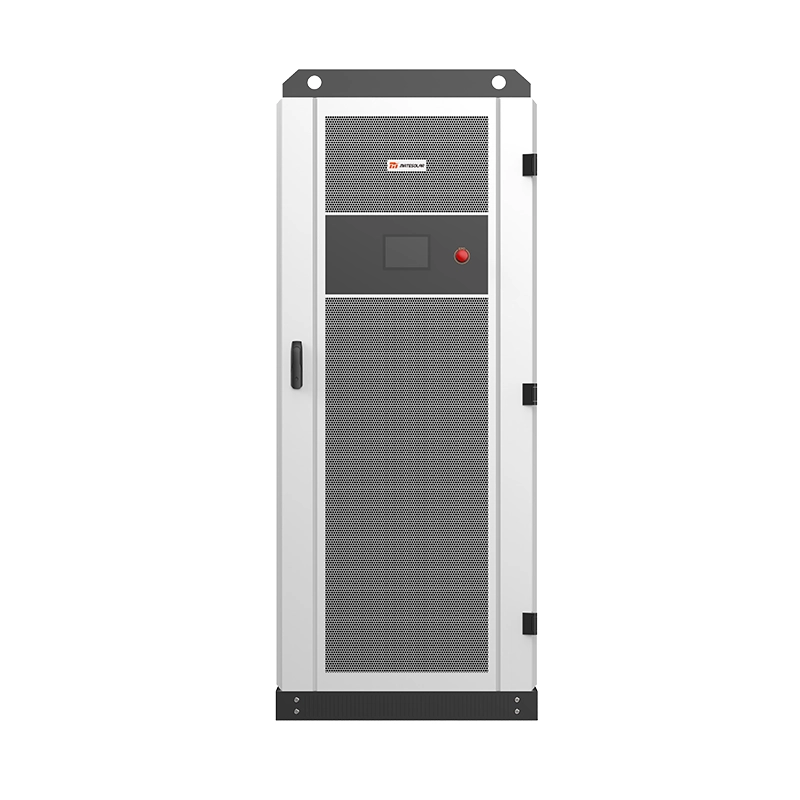
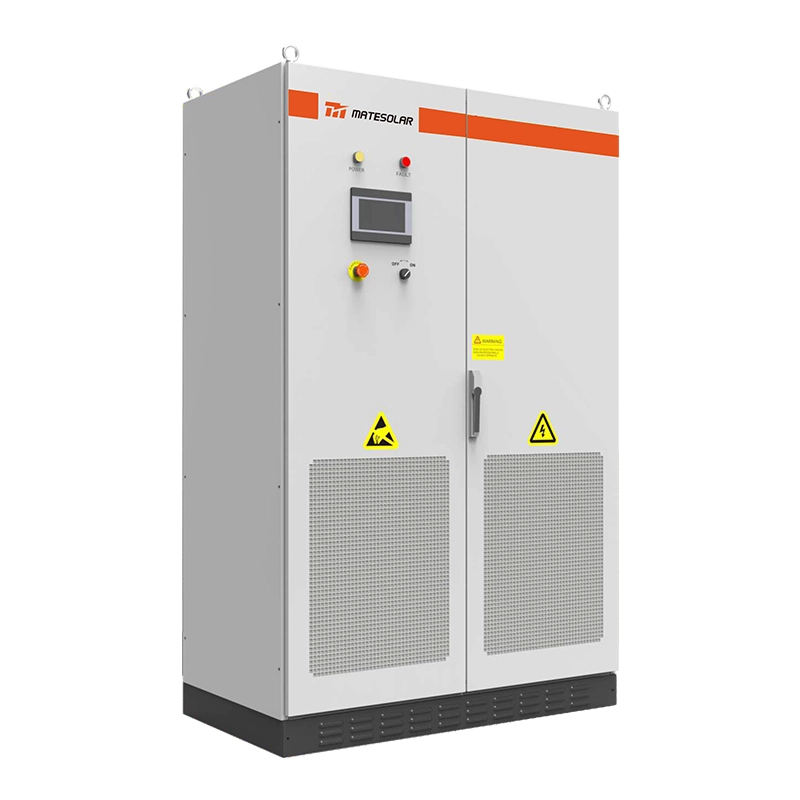
4.1 The outdoor cabinet tier: 100 kW/232 kWh and 125 kW/261 kWh
Best-fit role: Role A (critical-load backup) with optional Role C capability if configured for grid-feed and PV coupling.
Cuban use case: A MIPYME with a refrigeration load, a small manufacturing line, a commercial building, or a cluster of essential services. The cabinet format is appropriate because it can be delivered, installed, and commissioned without a large civil works program—an important consideration given the thin local installation ecosystem.
What to look for in a Cuba-appropriate cabinet:
- Liquid cooling for high ambient temperatures and high-cycle duty.
- Island-mode stability with the ability to start motor loads and ride through weak-grid conditions.
- Remote monitoring and firmware update capability, because local technical support may be limited and response times can be long.
- Clear documentation of grid-interactive capability (if Role C is intended) so that the project can pursue ONURE certification and the 90 CUP/kWh tariff.
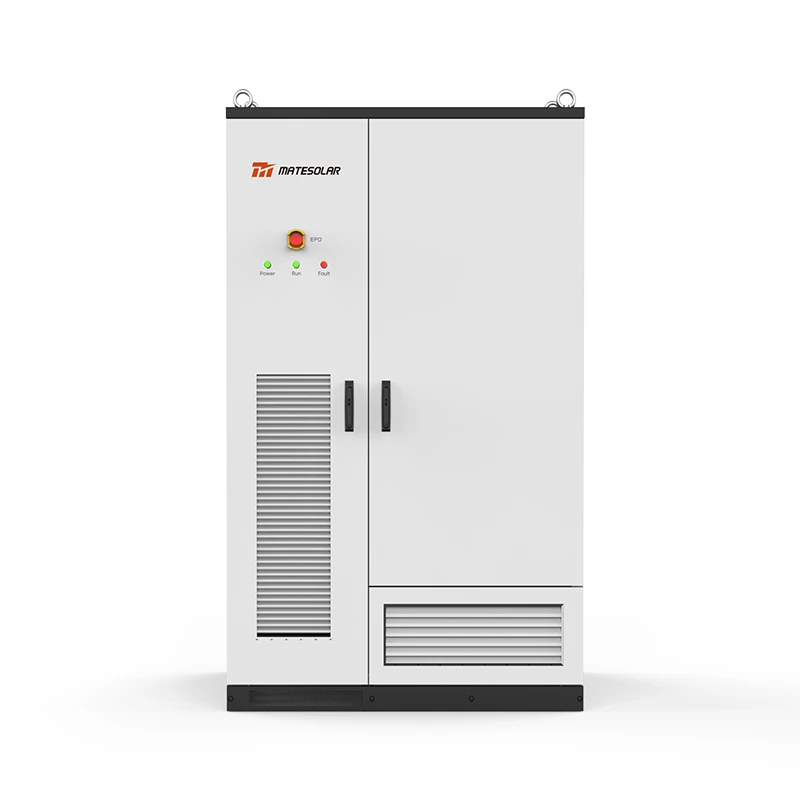
A 125 kW/261 kWh liquid-cooled outdoor cabinet is a workhorse format for Cuban C&I backup. But if it is sold only as a backup cabinet, it leaves the feed-in and dispatchable-value pools untouched. The product page for MateSolar’s 125 kW/261 kWh liquid-cooled outdoor cabinet describes the thermal and cycle-life characteristics that matter in Cuba’s climate; the project design must then specify the grid-interactive configuration if Role C is the objective.
4.2 The 40-ft container tier: 1 MWh / 2 MWh air-cooled
Best-fit role: Role C (PV-coupled dispatchable output) for larger C&I loads, or Role A for facilities with extended autonomy requirements.
Cuban use case: A factory, a large hotel, an agricultural processing facility, or a cluster of commercial loads with a daytime PV array and an evening load profile. The 40-ft format offers a balance between energy capacity and deployability.
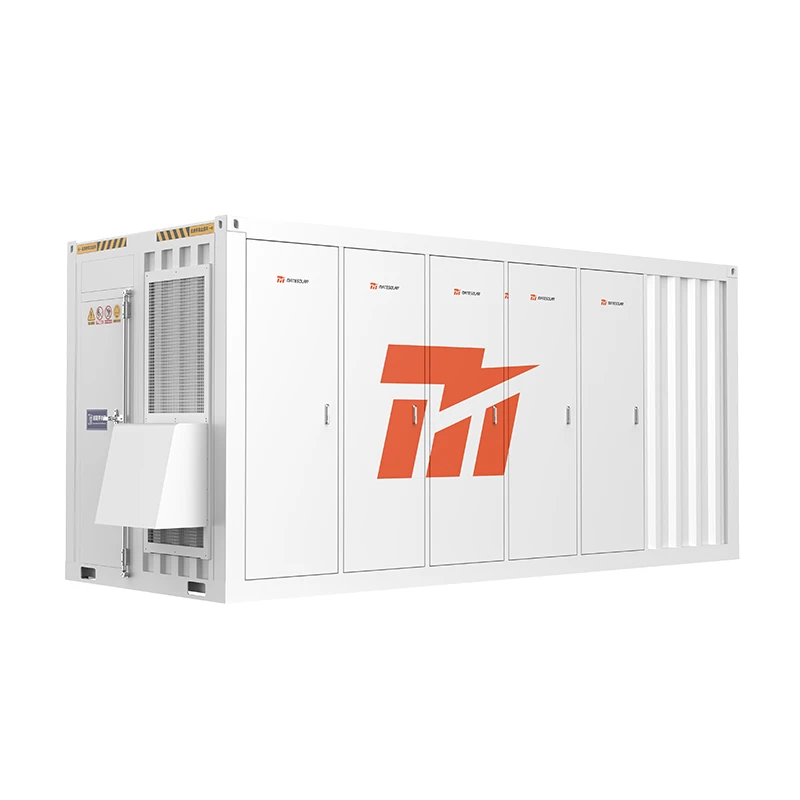
Trade-off to understand: Air-cooled containers are generally simpler and lower-cost, but thermal management becomes more critical in Cuba’s ambient conditions and under high-cycle operation. For Role C, where the system may cycle daily and operate at partial state of charge for extended periods, the thermal design and warranty terms deserve close scrutiny. The 40-ft 1 MWh/2 MWh air-cooled container ESS is a viable entry point for larger C&I projects where capital cost is a binding constraint and the duty cycle is moderate.
4.3 The 20-ft high-energy container tier: 3 MWh / 5 MWh liquid-cooled
Best-fit role: Role C at scale, with Role B capability if equipped with grid-forming controls and high-power inverters.
Cuban use case: An industrial facility with a multi-megawatt load, a utility-scale or aggregated C&I project, or a PV park that needs co-located storage to convert midday generation into evening firm output. The 5 MWh format is also relevant for the emerging programmatic BESS segment: Cuba’s 200 MW BESS program is utility-scale, but the same containerized architecture can serve large C&I and distributed aggregation projects.
Why liquid cooling matters more at this scale: Higher energy density and higher cycling amplify thermal gradients. In a weak-grid environment with frequent frequency events, the inverter and battery may see more stressful duty than a standard grid-following application. Liquid cooling provides tighter temperature control, which supports cycle life and warranty retention.
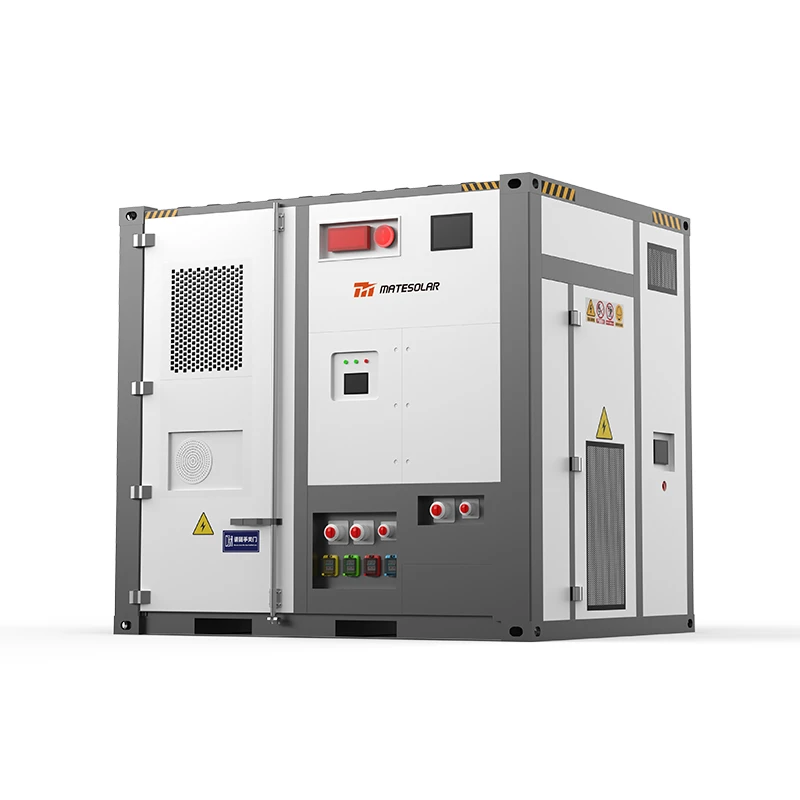
The 20-ft 3 MWh/5 MWh liquid-cooled container ESS is the format that most directly addresses the structural gap: it can be configured as a grid-interactive, PV-coupled asset that discharges into the evening peak, rather than a pure backup reservoir.
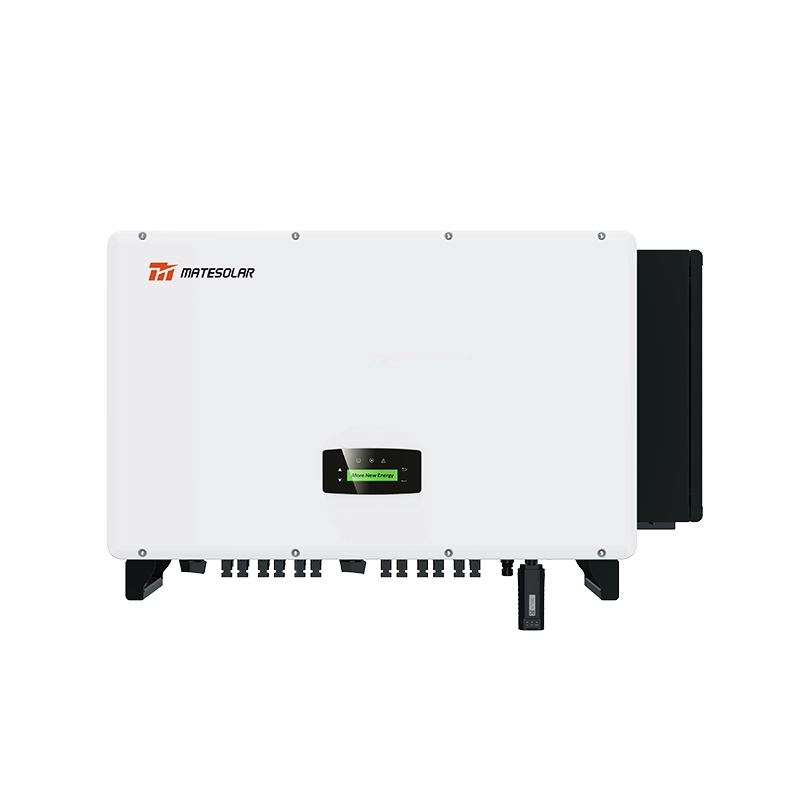
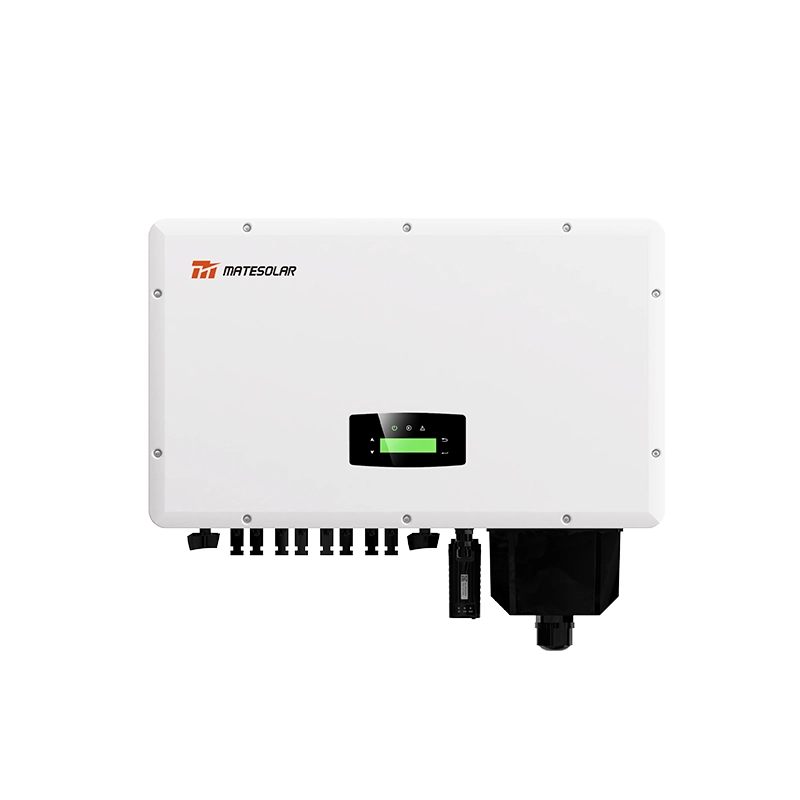
4.4 The 500 kW hybrid solar system tier
Best-fit role: Role C for medium-to-large C&I facilities that want a single integrated PV-plus-storage package.
Cuban use case: A facility with sufficient roof or ground area for PV, a daytime load, and an evening peak that can be served by stored solar. The hybrid architecture simplifies the interface between PV, storage, and the grid, and can be documented as a renewable-energy investment for ONURE purposes.
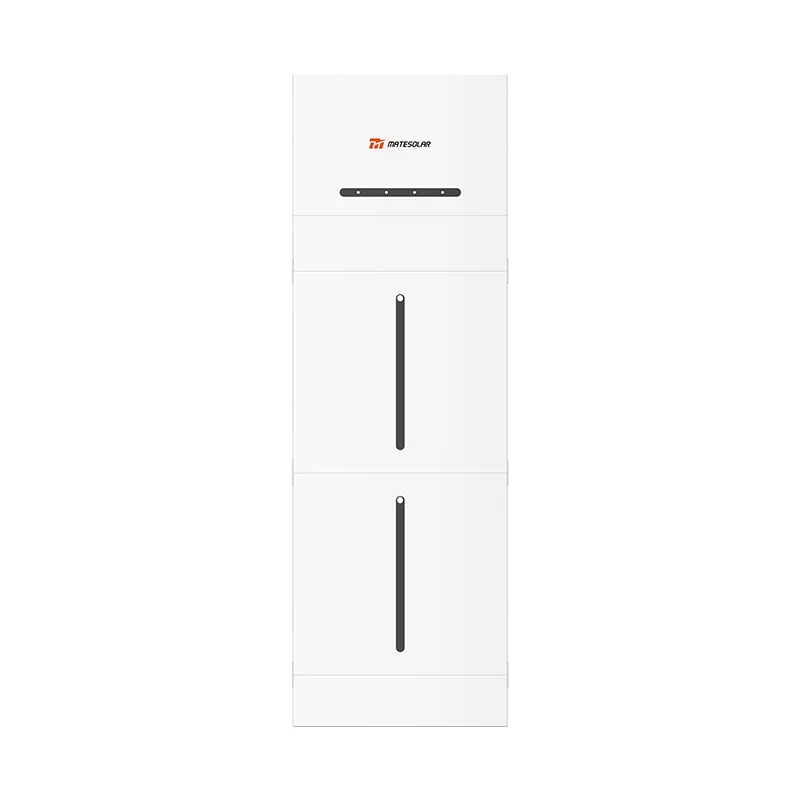
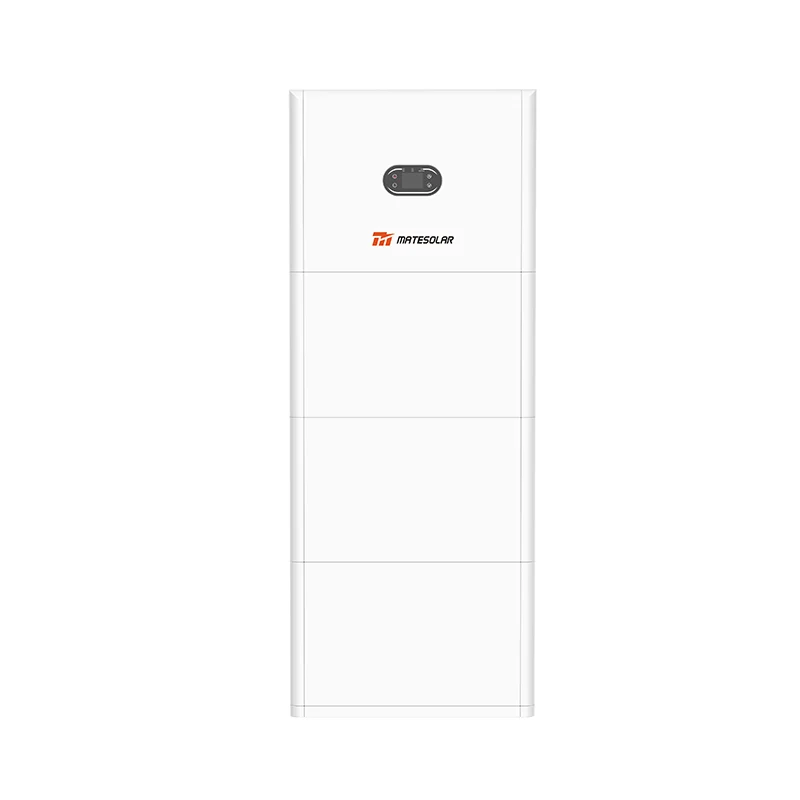
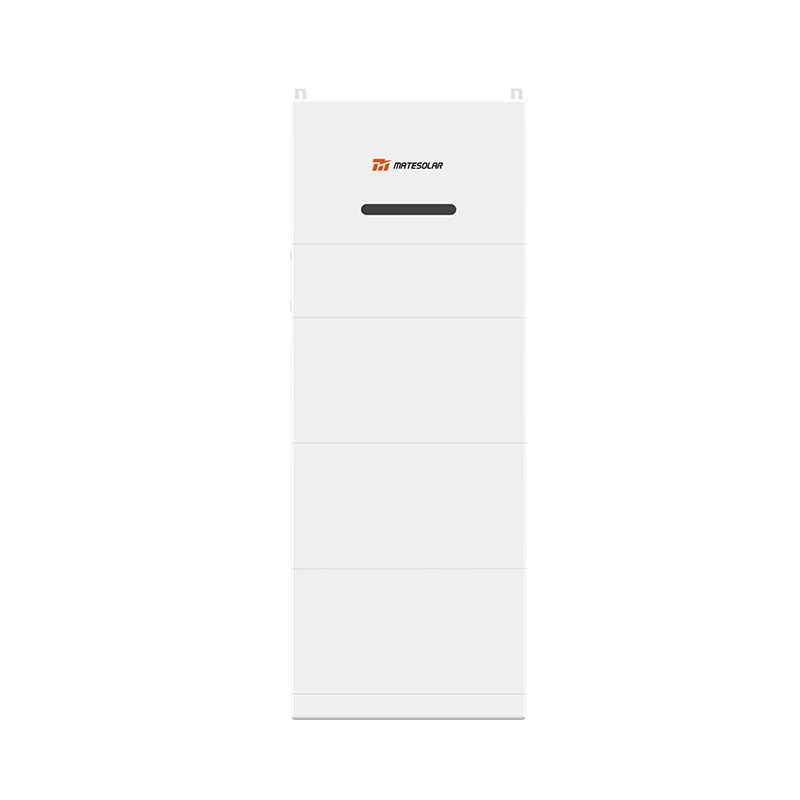
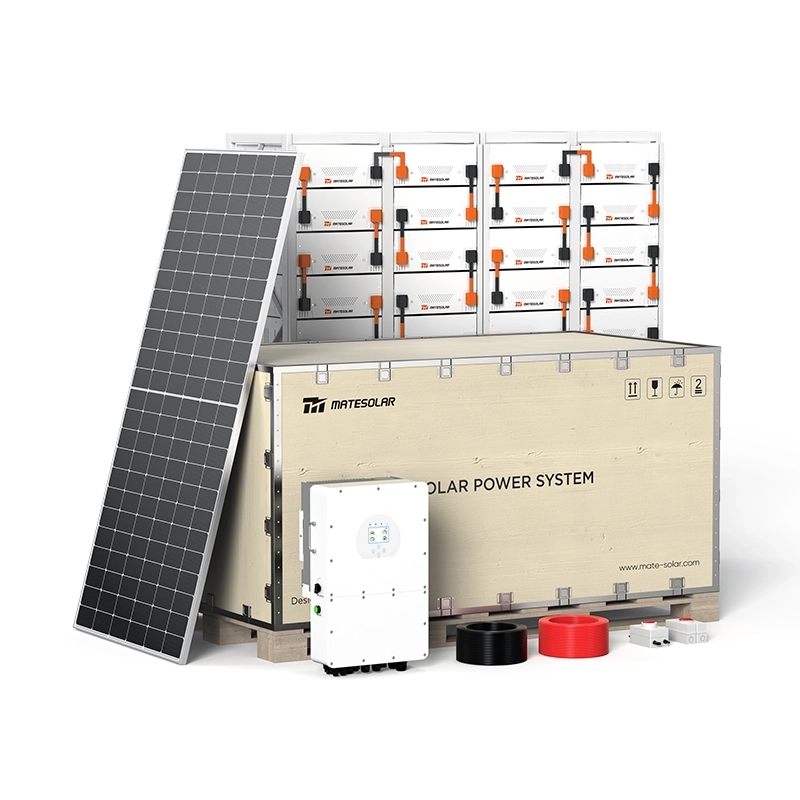
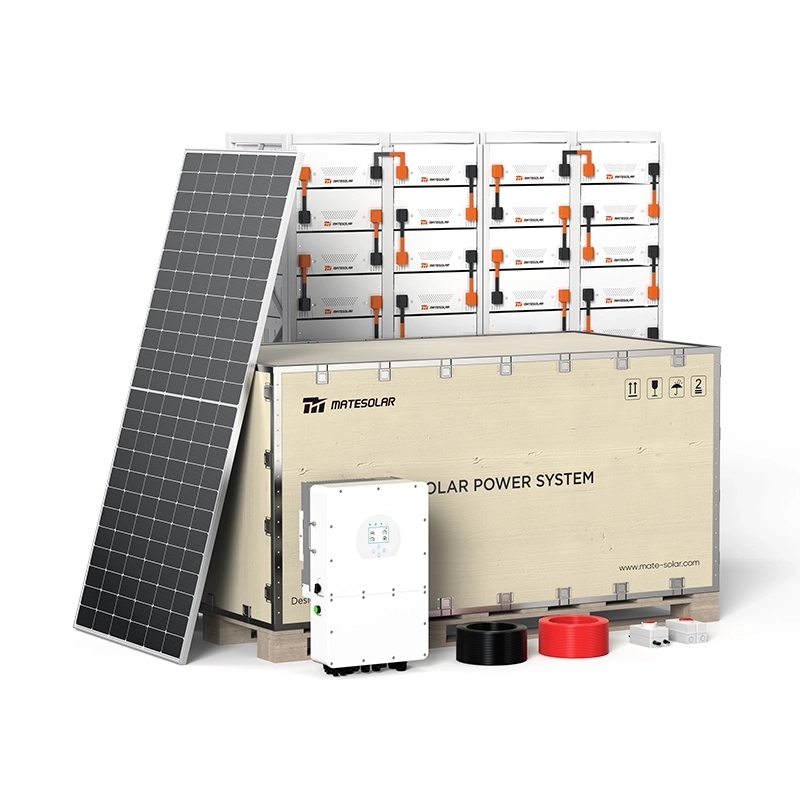
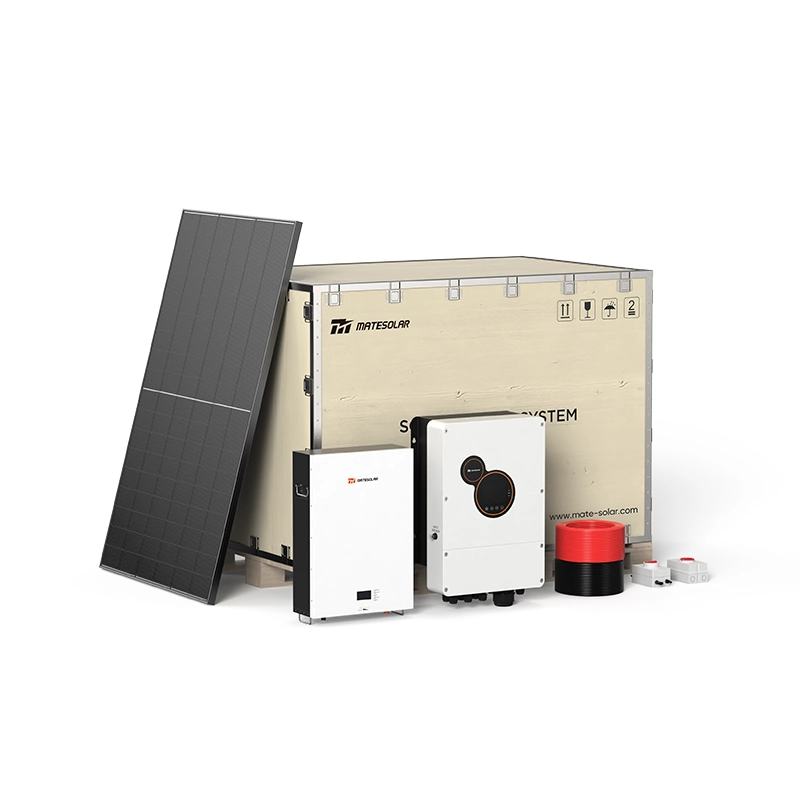
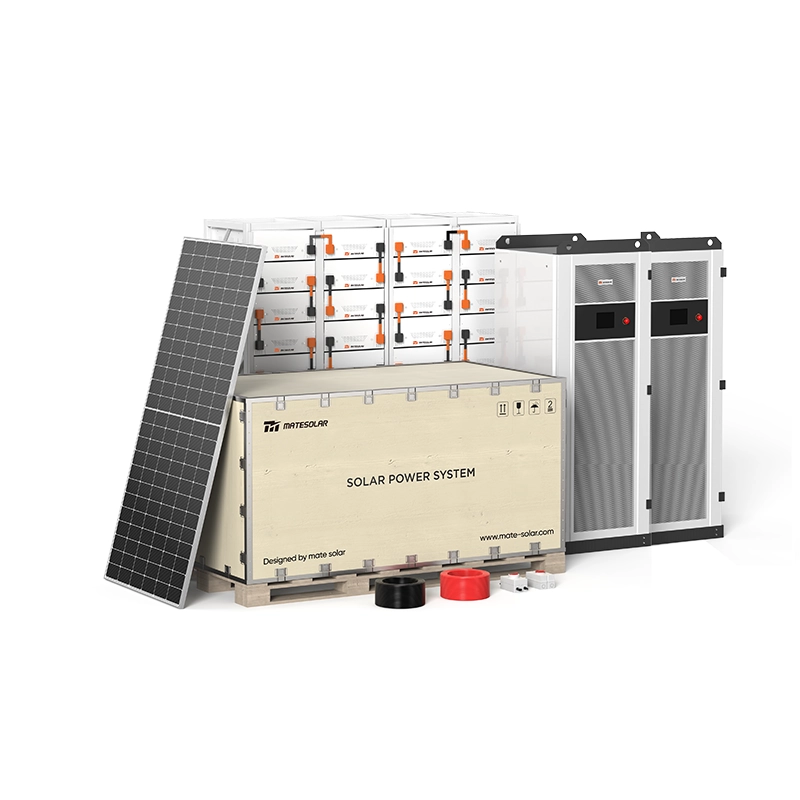
The Commercial 500 kW hybrid solar system is relevant where the customer wants a turnkey PV-plus-storage architecture rather than separate PV and storage procurement. In Cuba, integrated documentation—showing that the system is a renewable-energy asset with grid-interactive capability—can be as important as the hardware itself for tax and regulatory purposes.
5. The Deployment and Service Reality: What a Cuba-Compliant Commercial Model Looks Like
Cuba is not a market where a vendor can assume a local installation and service footprint. The practical model must be built around remote-first support, modular replacement, and escalation to on-site engineering only for large projects.
5.1 What can be supported remotely
- Commissioning guidance via video and remote monitoring.
- Software and firmware troubleshooting, including inverter settings, dispatch logic, and communication issues.
- Data analysis to diagnose underperformance, incorrect PV coupling, or battery imbalance.
- Training of local electricians or the customer’s technical staff on routine inspection and first-line fault identification.
5.2 What requires hardware logistics
- Component-level replacement (fan trays, communication modules, BMS slaves, fuses, contactors) shipped with installation guidance.
- Module or cabinet replacement in cases of manufacturing defect, with return of the faulty unit where logistics permit.
- Spare-parts kits sized to the project’s criticality and the expected shipping lead time.
5.3 When on-site engineering is justified
For large C&I and containerized projects, on-site commissioning and troubleshooting by the vendor’s technical team can be arranged when the project scale and customer requirements justify it. This is not a standard local-service promise; it is a project-specific escalation. The important discipline is to scope it explicitly in the commercial agreement rather than imply a permanent local presence.
| Service tier | Mechanism | Typical scope | Limitation to disclose |
| Remote software support | Secure remote access / guided troubleshooting | Inverter settings, dispatch logic, monitoring, firmware | Requires stable local communication link |
| Remote commissioning support | Video call + remote monitoring | Start-up checks, parameter verification, PV/storage integration | Local electrical work must be performed by qualified personnel |
| Parts replacement | International shipment + installation guidance | Modules, fans, BMS components, contactors | Lead time depends on customs and logistics |
| Unit replacement | Return-and-replace for qualifying defects | Cabinet or container module | Shipping and customs cost allocation must be agreed |
| On-site engineering (large projects) | Vendor technical team deployment | Commissioning, troubleshooting, acceptance testing | Project-specific; not a permanent local service |
| Local installation | Customer-appointed electrician / EPC | Mechanical and electrical installation | Vendor does not provide local installation labor |
6. Sizing Logic: From Outage Hours to Dispatchable Value
6.1 Backup sizing is not the same as dispatchable sizing
A backup sizing exercise asks: how much energy does the critical load need for the expected outage duration? A dispatchable sizing exercise asks: how much energy can be shifted from the PV charging window to the evening discharge window, and what power rating is needed to serve the load or the grid interface?
In Cuba, the two questions produce different answers. A facility with a 100 kW critical load and a 4-hour backup requirement needs roughly 400 kWh of usable energy, plus margin. The same facility with 200 kW of PV and an evening peak of 150 kW for 4 hours needs roughly 600 kWh of usable energy to shift the solar output, plus inverter capacity to discharge at 150 kW. A single cabinet sized only for backup may be too small for the dispatchable role; a container sized only for energy may have insufficient power for the load.
6.2 A practical sizing sequence for Cuban C&I projects
1. Characterize the outage pattern and the load. Separate critical loads from deferrable loads. Measure the actual evening peak, not the monthly maximum demand.
2. Characterize the PV generation profile. Use the actual array orientation, soiling, and inverter clipping. Do not assume nameplate output.
3. Define the role explicitly. Is the system intended to (a) ride through outages, (b) provide grid-frequency support, (c) shift PV to the evening peak, or (d) a combination? The role determines the C-rate, the energy-to-power ratio, and the control architecture.
4. Size the inverter for the role, not just the load. Role B and grid-forming Role C require higher power capability relative to energy than a pure backup system.
5. Specify the grid interface and metering. If feed-in is intended, the protection and metering must be designed for parallel operation with the SEN, not just island-mode transfer.
6. Document for ONURE and the tax authority. The pre-feasibility study should state the renewable-energy function, the expected grid interaction, and the investment recovery logic.
7. Plan the service model before shipment. Define spare-parts scope, remote-access requirements, and escalation triggers.
| Sizing parameter | Backup-only (Role A) | Dispatchable PV firming (Role C) |
| Primary driver | Outage duration × critical load | Evening peak × discharge duration |
| Energy-to-power ratio | Often 2–4 h | Often 3–5+ h |
| Inverter sizing | Load-following; surge capability for motors | Load-following + grid-feed; synchronization and protection |
| PV coupling | Optional | Essential or strongly preferred |
| Grid-feed capability | Usually absent | Required for full value stack |
| Control architecture | Island-mode transfer / UPS logic | Grid-interactive dispatch with mode switching |
| Documentation emphasis | Load list and autonomy | Renewable-energy function and grid interaction |
7. Frequently Asked Questions
Q1: Is Cuba’s grid likely to stabilize enough in 2027 that storage becomes less urgent?
A: The structural conditions—aging thermal fleet, fuel import constraints, and a generation mix that is adding PV faster than dispatchable capacity—are not reversible within a single year. Even if the 200 MW BESS program is completed on schedule, it represents only about 100 MW of regulation capacity per 1,000 MW of PV under Cuban technical estimates, and the program has already experienced delays. The evening deficit is a multi-year problem. Storage sized for the evening peak and for island-mode operation will remain relevant beyond 2027.
Q2: Can a 261 kWh cabinet participate in the 90 CUP/kWh feed-in tariff?
A: Technically, a grid-interactive cabinet can export if it is equipped with the appropriate inverter, protection, and metering, and if the interconnection is approved. Commercially, the transaction costs of metering and settlement may be disproportionate for a single small cabinet. The more realistic near-term value for a 261 kWh system is avoided outage loss, with feed-in as a secondary benefit where the facility has excess PV and a willing utility interface. For larger containers (1 MWh and above), the feed-in and dispatchable value stack becomes more material.
Q3: What is the difference between “grid-forming” and “grid-following” in Cuba’s weak-grid context?
A: A grid-following inverter synchronizes to an existing voltage and frequency reference. It works well when the grid is stiff, but can struggle or trip when the grid is weak or absent. A grid-forming inverter establishes its own voltage and frequency reference and can operate in island mode or support a weak grid. In Cuba, where the grid may be absent for extended periods and may return in a weak condition, grid-forming capability is a material advantage for both backup and dispatchable roles. It is not a marketing label; it affects the inverter’s control architecture and its ability to start motor loads and ride through disturbances.
Q4: Does the 8-year tax exemption apply to a backup-only system?
A: The exemption is framed around investment in renewable-energy sources for self-consumption or sale to the SEN. A backup-only system that charges from the grid and never uses renewable energy may not satisfy the substantive renewable-energy test, even if the imported equipment falls under a tariff heading that is otherwise exempt. The ONURE certification process is the gate. A project that can demonstrate PV coupling and grid-interactive capability has a stronger factual basis for the exemption than a pure charger-type installation.
Q5: What happens if the system fails and there is no local service team?
A: The practical model is remote diagnosis first, followed by component shipment with installation guidance, and escalation to on-site engineering for large projects where the commercial agreement provides for it. This means the original project design should include remote monitoring, accessible diagnostic data, and a spare-parts strategy. It also means the customer or a local electrician must be capable of performing basic mechanical and electrical tasks. A vendor that promises a permanent local service center in Cuba without a verifiable local presence is making a claim that should be tested.
Q6: Is air-cooled or liquid-cooled better for Cuba?
A: It depends on the duty cycle and the role. Air-cooled containers are simpler and lower-cost, and can be appropriate for moderate cycling in Role A or light Role C duty. Liquid-cooled systems provide tighter thermal control, which matters more under high ambient temperatures, high cycling, and partial-state-of-charge operation—conditions that are common in Role C and in aggregated frequency-support applications. The decision should be based on the expected annual throughput and the warranty terms, not on a generic preference.
Q7: Can a C&I storage system help with frequency regulation even if it is behind the meter?
A: In principle, an aggregated fleet of behind-the-meter systems with grid-forming capability and fast dispatch could provide frequency support. In practice, Cuba does not yet have a defined market or settlement mechanism for distributed ancillary services. The 90 CUP/kWh tariff pays for energy, not frequency response. A C&I owner should treat frequency support as a future option or a bilateral arrangement, not as a near-term revenue line.
Q8: What documentation should a Cuban C&I project prepare for ONURE and the tax authority?
A: At minimum: a pre-feasibility study that identifies the renewable-energy resource, the system configuration, the expected self-consumption and grid-export quantities, the investment cost, and the recovery period. The study should clearly distinguish the system from a charger-type backup installation by documenting PV coupling, grid-interactive capability, and the control logic that determines when the system charges and discharges. Supporting documents should include equipment specifications, single-line diagrams, and the proposed metering and protection scheme.
8. The Strategic Choice: Three Roles, One Coherent Architecture
The Cuban market in October 2026 presents a rare alignment of customer pain and policy direction—but only for the right kind of system. The customer’s pain is reliability. The policy’s direction is dispatchable renewable capacity. A product that addresses only the first is a backup cabinet. A product that addresses both is a grid-interactive, PV-coupled storage asset that can keep critical loads running, shift solar into the evening peak, and support the SEN’s frequency and reserve needs.
The technical implications are concrete:
- Role A requires robust island-mode control, adequate autonomy, and remote serviceability.
- Role B requires high power capability, grid-forming control, and fast telemetry—and is best pursued at aggregated or utility scale in the near term.
- Role C requires PV coupling, grid-feed capability, sufficient energy-to-power ratio for the evening peak, and documentation that satisfies ONURE and the tax authority.
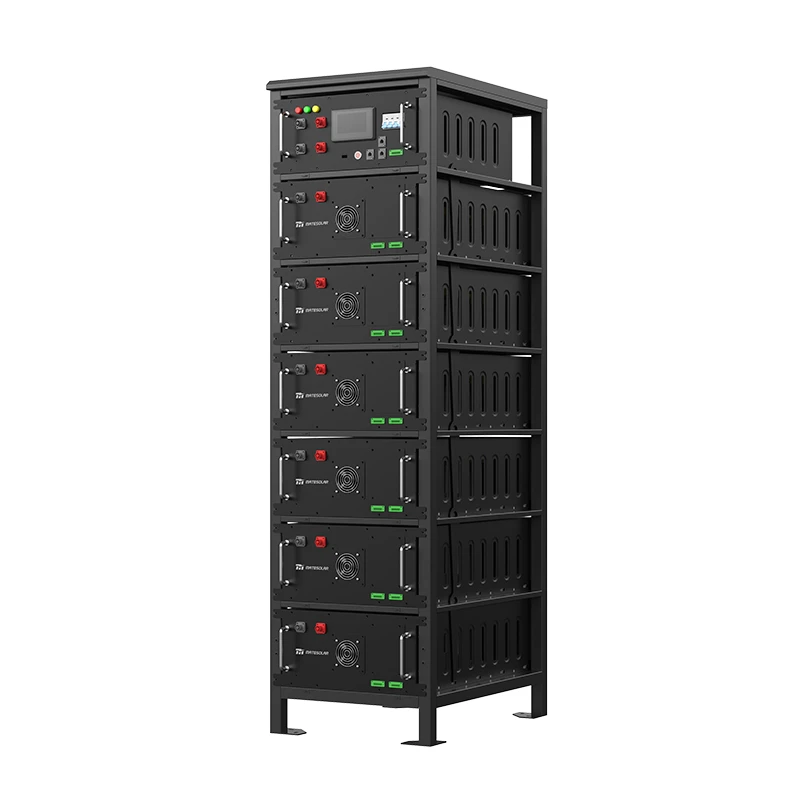
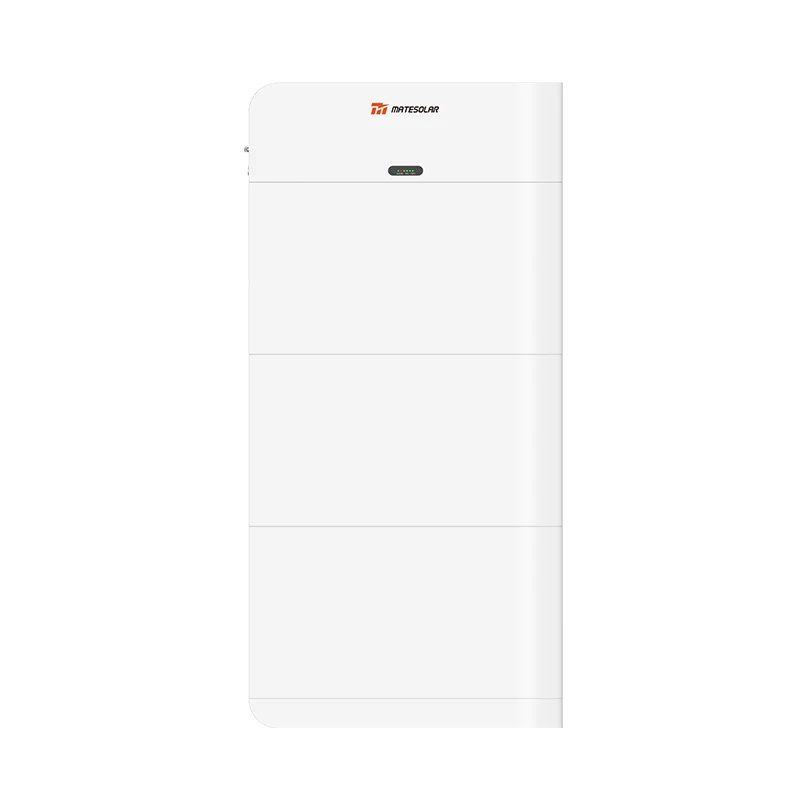
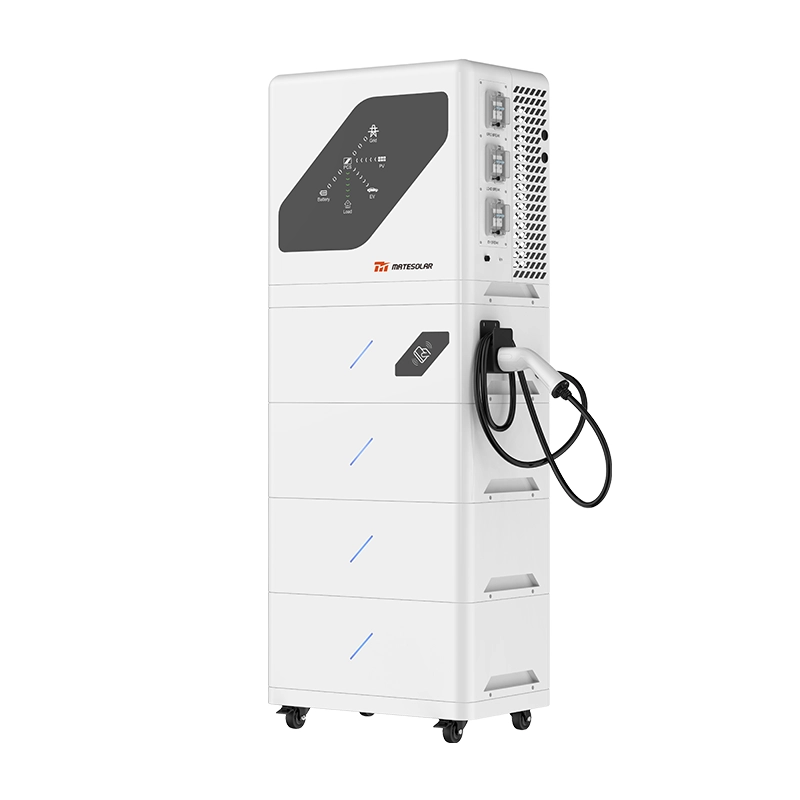
The product portfolio maps onto these roles, but the mapping is not automatic. A 125 kW/261 kWh liquid-cooled outdoor cabinet can be a strong Role A asset; it becomes a Role C asset only when configured and documented for PV coupling and grid interaction. A 40-ft 1 MWh/2 MWh air-cooled container can serve larger Role A or moderate Role C duty. A 20-ft 3 MWh/5 MWh liquid-cooled container is the natural building block for large Role C projects and for programmatic aggregation. A 500 kW hybrid solar system integrates the PV and storage functions in a single package, which can simplify both the physical installation and the regulatory narrative.
The structural waste of 2026 is not a shortage of batteries. It is a mismatch between the roles the grid needs and the roles the market is selling. The commercial opportunity—and the policy-compliant opportunity—is to close that gap with systems that are explicitly designed, configured, and documented as dispatchable, grid-interactive assets, not as oversized uninterruptible power supplies.
Conclusion: From “Having Solar” to “Having Firm Capacity”
Cuba’s electricity crisis has passed through several stages: fuel scarcity, thermal outage, and now the structural mismatch between midday solar and evening demand. The next stage will be defined by whether the country can convert its rapidly expanding PV fleet into firm, schedulable capacity. The 200 MW BESS program is a start, but it is not sufficient to cover the evening deficit on its own, and it does not address the distributed C&I segment where much of the private-sector investment is flowing.
For C&I owners and project developers, the decisive question is not whether to buy storage, but which role the storage will perform. A backup-only system protects the facility but leaves the system-level value untouched. A grid-interactive, PV-coupled system protects the facility, reduces the evening deficit, and aligns with the policy incentives that make the investment economically attractive. The difference between the two is not a matter of capacity—it is a matter of architecture, control, and documentation.
MateSolar is a one-stop PV and energy storage solutions provider, supporting C&I projects from system design and equipment supply through remote commissioning, software troubleshooting, and project-specific on-site engineering for large deployments. For Cuba’s C&I market in 2026 and beyond, the priority is clear: build systems that can do more than ride out the blackout—systems that can put stored solar back into the grid when it matters most.