

















Résumé : L'essor imparable de la révolution du stockage d'énergie au Chili
En mai 2026, la République du Chili est le leader incontesté de la révolution du stockage d'énergie en Amérique latine, et l'un des marchés de stockage par batteries à la croissance la plus rapide au monde. Porté par l'ensoleillement de classe mondiale du désert d'Atacama et les exigences incessantes de décarbonisation du secteur minier, le marché des systèmes de stockage d'énergie par batteries (BESS) du Chili est entré dans une phase de croissance exponentielle que peu d'analystes avaient prédite, même il y a deux ans.
Selon le Coordinateur Électrique National (CEN), le Chili dispose actuellement de 3 072 MW de capacité de systèmes de stockage d'énergie par batteries (BESS) en opération ou en phase de test en mai 2026, la majorité des projets étant concentrés dans la région du désert d'Atacama. L'opérateur national du réseau prévoit la mise en service de 5 400 MW supplémentaires de capacité de stockage d'ici décembre 2026, renforçant ainsi la position du Chili comme l'un des marchés du stockage à la croissance la plus rapide au monde.
Mais les chiffres vont encore plus loin. En mars 2026, la capacité installée totale en service du Chili avait atteint 38 193 MW (38 GW), dont plus de 51% provenaient désormais d’énergies renouvelables non conventionnelles (NCRE). Le portefeuille de projets de stockage comprend actuellement près de 22,5 GWh en cours de construction et plus de 52,8 GWh en cours d’évaluation environnementale — un chiffre impressionnant qui reflète l’ampleur des ambitions qui sous-tendent la transition énergétique chilienne.
Le rythme de croissance a ébranlé pratiquement toutes les prévisions initiales. ACERA prédit que si les tendances actuelles se maintiennent, le Chili disposera d'environ 9 GW de projets de stockage par batterie (durée moyenne de 4 heures) en exploitation d'ici la fin de 2026, atteignant ainsi l'objectif de déploiement initial du pays pour 2030, quatre ans à l'avance.
Le ministère chilien de l'Énergie a confirmé officiellement le 31 mars 2026 que l'objectif de 2 000 MW de stockage initialement fixé pour 2030 avait été atteint. Plus remarquable encore, compte tenu des projets en cours, l'objectif de 6 000 MW pour 2050 serait atteint d'ici la fin de 2026 ou début 2027.
Ce document sert de plan technique définitif pour naviguer dans le paysage du stockage d'énergie chilien en 2026. S'appuyant sur les données les plus récentes, les mises à jour réglementaires et les études de cas de projets réels, il aborde les cinq points sensibles critiques qui définissent le marché aujourd'hui :
- Point doloureux 1 : Décarbonisation de l'exploitation minière et besoin urgent d'une énergie verte 24h/24 et 7j/7 dans des environnements désertiques extrêmes
- Point sensible 2 : Propriétaires d'installations PMDG et entreprises commerciales et industrielles (C&I) cherchant à réduire la charge de pointe et à générer des rendements d'arbitrage à des prix de l'électricité de $0,207/kWh
- Point douloureux 3 : Les EPC et les développeurs de projets confrontés à des défis de conformité et de bankabilité pour la remise en état de la base installée de PMGD de 3 900 MW
- Point sensible 4 : Secteurs émergents à forte consommation (centres de données, hydrogène vert) nécessitant une réponse de niveau UPS inférieure à 10 ms et une durée de secours prolongée
- Point sensible 5 : Les investisseurs dans le stockage exigent une résilience environnementale extrême et des voies de monétisation des crédits carbone
Pour chacun de ces points de friction, ce blueprint fournit des solutions techniquement rigoureuses et conformes à la réglementation, fondées sur des références de projets réels et appuyées par des certifications internationalement reconnues, notamment UL9540, IEC62619, ISO 12944 C5 et les indices IP65/IP66.
Aperçu du marché : Pourquoi le Chili en 2026 ?
L'Avantage Atacama
Le désert d'Atacama offre le plus haut rayonnement solaire de la planète, avec une moyenne de plus de 2 500 kWh/m²/an. Cette dotation naturelle a fait du Chili une puissance solaire mondiale, mais elle a également créé un défi fondamental : l'énergie solaire est abondante pendant les heures de clarté, alors que la demande atteint son maximum le soir et la nuit.
Le stockage sur batterie est la solution. En associant d'immenses parcs solaires photovoltaïques à des systèmes de stockage d'énergie par batterie (BESS), le Chili est en mesure de “ décaler dans le temps ” la production solaire diurne pour la reporter pendant les périodes du soir et de la nuit, permettant ainsi au solaire de fonctionner comme une ressource capable de fournir une énergie de base, plutôt qu'une ressource intermittente.
Le projet Victor Jara — situé dans la région de Tarapacá — illustre cette stratégie. L'installation combine 231 MW de capacité solaire photovoltaïque avec un système de stockage d'énergie par batterie (BESS) de 200 MW/1,3 GWh, capable de fournir une puissance de sortie maximale soutenue pendant 6,5 heures après le coucher du soleil.
Vent d'optimisme politique : La nouvelle administration mise sur le stockage
La nouvelle administration gouvernementale du Chili a officiellement désigné le stockage d'énergie comme une priorité nationale. Selon les projections présentées par les membres de l'équipe chargée de la politique énergétique, le pays vise à atteindre environ 9 000 MW de capacité de stockage d'ici 2027 et environ 14 000 MW d'ici 2030.
Le cadre réglementaire a rapidement évolué pour soutenir cette ambition. Les principales étapes législatives comprennent :
| Instrument réglementaire | Disposition clé | Impact sur le stockage |
| Loi 21.505 (Stockage et Électromobilité) | Permet la participation des systèmes de stockage d'énergie par batteries (BESS) dans tous les segments du secteur de l'électricité ; autorise les systèmes de stockage à se charger à partir du réseau | Permet des revenus de stockage autonomes ; crée des opportunités d'arbitrage |
| DS 70/2023 (Réforme du paiement de la capacité) | Établit une méthodologie claire d'évaluation et de rémunération pour les contributions de capacité indépendantes des batteries (BESS) | Les BESS de longue durée (>5h) bénéficient de paiements de pleine capacité |
| DS 88 Amendement | Permet aux systèmes PMGD d'intégrer le stockage et de conserver les avantages du régime de prix stabilisé | Ouvre la possibilité de rénovation pour la flotte de PMGD de plus de 3 900 MW |
| Feuille de route des nouvelles énergies (2026) | Simplifie les processus d'autorisation ; accélère l'examen environnemental des projets de stockage | Réduit les délais de développement des projets |
La loi 21.505 a été particulièrement transformatrice. Elle autorise explicitement les systèmes de stockage à se charger depuis le réseau, à participer aux marchés de capacité et à être co-localisés avec des centrales de production existantes. Cette clarté juridique a débloqué le financement de projets auprès des banques de développement internationales (BID, Banque Mondiale) ainsi que des prêteurs commerciaux.
Le catalyseur minier
Le secteur minier chilien — premier producteur mondial de cuivre — subit une pression sans précédent pour se décarboner. La Politique minière nationale 2050 impose une réduction minimale des émissions de 50% pour les grandes exploitations minières d’ici 2030 et la neutralité carbone du secteur d’ici 2040, avec 90% de contrats d’électricité issue de sources renouvelables d’ici 2030 et 100% d’ici 2050.
Codelco, le géant minier public, a déjà signé des contrats pluriannuels d’approvisionnement en énergie renouvelable. Depuis janvier 2026, GR Power — la filiale commerciale de Grenergy spécialisée dans l’énergie au Chili — fournit 0,5 TWh d’énergie verte par an à Codelco. Codelco a également modifié ses contrats d’achat d’électricité afin de supprimer progressivement la production à partir du charbon à partir de 2026, avec pour objectif d’atteindre 100 % d’électricité propre d’ici 2030.
L'ampleur de la demande en stockage liée à l'exploitation minière est stupéfiante. D'ici 2030, les énergies renouvelables devraient couvrir 99% de la demande en électricité liée à l'exploitation du cuivre, la consommation cumulée issue des sources renouvelables atteignant près de 89% de la consommation totale d'électricité du secteur minier sur la période 2025-2034.
Le paysage des prix de l'électricité au Chili : l'opportunité d'arbitrage
Il est essentiel de bien comprendre la structure tarifaire de l'électricité au Chili pour prendre toute décision d'investissement dans le stockage. En mai 2026, les prix de l'électricité pour les professionnels au Chili s'élevaient en moyenne à environ $0,207 USD/kWh**, tandis que les tarifs pour les particuliers étaient encore plus élevés, à environ **$0,281 USD/kWh.
Ces tarifs reflètent un marché soumis à une pression à la hausse soutenue. L'enchère réglementée d'approvisionnement en électricité 2025/01 a permis d'obtenir 3,36 TWh à un prix moyen de $64,5/MWh pour un approvisionnement couvrant la période 2027-2030 — un niveau nettement supérieur à celui des cycles d'enchères précédents.
Crucialement, le marché chilien de l’électricité est entièrement libéralisé, les prix étant libres de fluctuer en fonction de l’offre et de la demande. Les écarts de prix entre heures pleines et heures creuses ont montré une tendance à l’élargissement soutenue, créant de solides opportunités d’arbitrage pour les opérateurs de stockage.
Compensation de capacité : le seuil de 5 heures
Dans le cadre des réglementations actuelles en vigueur jusqu'en 2034, les systèmes BESS dont la durée de stockage est de 5 heures ou plus sont éligibles à des paiements de compensation de pleine capacité. Selon l'analyse d'Aurora Energy Research, les batteries de 5 heures offrent la meilleure proposition de valeur sur le marché actuel, permettant aux opérateurs de monétiser les écarts de prix intrajournaliers tout en bénéficiant pleinement des mécanismes de paiement de capacité existants.
Cette conception réglementaire a fait de la durée de 5 heures la configuration dominante pour les nouveaux projets de BESS au Chili, un changement par rapport aux configurations de 2 à 4 heures courantes sur d'autres marchés.
Tableau 1 : Analyse du tarif d'électricité commerciale au Chili (mai 2026)
| Catégorie de client | Taux moyen (USD/kWh) | Surtaxe de période de pointe (estimé) | Tarif hors pointe (estim.) | Écart heures pleines-heures creuses |
| Commerciale de petite taille (<100 kW) | $0.207 | +15-20% | -15-20% | ~$ 0,040–0,060/kWh |
| Commercial de grande taille (100-500 kW) | $0,185–0,200 | +12-18% | -12-18% | ~$ 0,035–0,055/kWh |
| Industriel (>500 kW) | $0,160–0,180 | +10-15% | -10-15% | ~$ 0,030–0,045/kWh |
| Résidentiel réglementé | $0.281 | +20-25% | -20-25% | ~$ 0,070–0,090/kWh |
*Remarque : Les tarifs varient selon la région et la structure tarifaire de l'heure d'utilisation. Les périodes de pointe surviennent généralement pendant les heures du soir (18h00–23h00) lorsque la production solaire diminue mais que la demande reste élevée.*
Point sensible 1 : Décarbonation minière — Énergie verte 24h/24 et 7j/7 dans des environnements désertiques extrêmes
Le défi
Les exploitations minières du désert d'Atacama sont confrontées à un défi unique et urgent : elles doivent passer d'une alimentation électrique basée sur les combustibles fossiles à une électricité 100% issue de sources renouvelables, tout en assurant un fonctionnement ininterrompu 24 heures sur 24, 7 jours sur 7, dans l'un des environnements les plus hostiles de la planète.
L'énergie solaire diurne est abondante, mais la demande nocturne — quand les convoyeurs, les systèmes de ventilation, les usines de traitement et les installations de camp continuent de fonctionner — doit être satisfaite par l'énergie stockée. L'impératif opérationnel est clair : toute interruption de l'approvisionnement en énergie peut entraîner des millions de dollars de perte de production.
La Solution Technique : Système de stockage d'énergie par batterie de qualité industrielle avec contrôle de formation de réseau
Pour parvenir à une énergie verte véritablement ininterrompue (24h/24, 7j/7), les installations industrielles de stockage d'énergie par batterie (BESS) doivent intégrer une technologie de contrôle de formation de réseau (GFM) — la capacité d'établir indépendamment la tension et la fréquence sans l'aide du réseau. Contrairement aux onduleurs "Grid-Following" qui dépendent d'une référence externe, les onduleurs "Grid-Forming" peuvent fonctionner en mode îloté, maintenant une alimentation électrique stable même lorsqu'ils sont déconnectés du réseau principal.
Pour les applications minières, le BESS doit également prendre en charge stockage de plus de 4 heures pour combler le fossé entre le coucher du soleil et la production solaire matinale. La norme de 5 heures de durée, de plus en plus adoptée au Chili, est particulièrement adaptée aux applications minières, car elle permet une charge complète pendant les heures de clarté et une décharge pendant les périodes de forte demande en soirée.
Certifications essentielles pour les systèmes de stockage d'énergie sur batteries (BESS) dans les mines
Pour que les projets de BESS miniers obtiennent un financement et une approbation réglementaire, ils doivent détenir des certifications internationales clés :
| Certification | Portée | Pertinence pour le secteur minier |
| UL 9540 | Certification de sécurité complète pour les systèmes de stockage d'énergie | Exigé par les prêteurs et les assureurs ; valide la prévention des emballements thermiques au niveau du système |
| UL 9540A | Essais de propagation d'incendie par emballement thermique | Essentiel pour répondre aux exigences du code de sécurité incendie dans les actifs miniers de grande valeur |
| CEI 62619 | Sécurité des cellules et batteries au lithium secondaires industrielles | Norme internationale relative à la sécurité des batteries industrielles |
| CEI 60730 | Commandes électriques automatiques | Pertinent pour les fonctionnalités de protection du système |
| UN 38.3 | Sécurité lors du transport des batteries | Obligatoire pour l'expédition à l'international de composants de batteries |
L'UL 9540 est la norme de sécurité la plus reconnue pour les systèmes de stockage d'énergie dans les Amériques, évaluant la sécurité de l'ensemble du BESS — y compris les modules de batterie, les systèmes de conversion de puissance et les systèmes de contrôle — par des tests de emballement thermique simulés. L'IEC 62619 sert de référence mondiale pour la sécurité des batteries lithium industrielles.
Projets de référence éprouvés sur le marché
Le projet Monte Águila de Grenergy : ce projet phare, qui s'inscrit dans le cadre plus large de la plateforme Oasis, combine 340 MW d'énergie solaire photovoltaïque et une capacité de stockage BESS de 1,1 GWh. La plateforme Oasis prévoit au total 1,1 GW d'énergie solaire photovoltaïque et 4 GWh de stockage répartis sur cinq projets (Tamango, Teno, Planchón, Monte Águila et Sol de Caone), ce qui représente un investissement d'environ $900 millions. Toutes les phases devraient être opérationnelles entre 2026 et 2027.
Projet Trina Storage de 141 MW/722 MWh : Ce projet fournit une alimentation électrique stable aux principales villes minières de la région d'Antofagasta, démontrant la viabilité des systèmes de stockage d'énergie par batterie (BESS) à grande échelle pour les infrastructures de soutien à l'exploitation minière.
Projet CIP Patache (300 MW/1 500 MWh) : ce projet de Copenhagen Infrastructure Partners a déjà obtenu la certification d'un programme international de compensation carbone, établissant ainsi un modèle reproductible pour les structures à double source de revenus “ stockage + crédits carbone ”.
Projet Victor Jara : Situé dans la région de Tarapacá, ce complexe solaire de 231 MW couplé à un système de stockage de batteries (BESS) de 200 MW/1,3 GWh peut fournir une puissance maximale soutenue pendant 6,5 heures après le coucher du soleil, une capacité essentielle pour les opérations minières qui nécessitent une alimentation électrique prolongée pendant la nuit.
Tableau 2 : Spécifications du système BESS minier — Minimum recommandé
| Paramètres | Spécifications | Raison d'être |
| Puissance nominale | 5 à 50 MW par installation | Évolutif selon les exigences de la charge de la mine |
| Capacité énergétique | 4 à 8 heures (20 à 400 MWh) | 5 heures et plus se qualifient pour une indemnisation à pleine capacité |
| Technologie avec onduleur | Grid-Forming (GFM) en mode îlot | Permet une exploitation 24h/24 et 7j/7 sans dépendance au réseau |
| Efficacité de l'aller-retour | >85% | Maximiser le rendement économique |
| Temps de réponse | <50 ms (pleine puissance) | Correspond aux exigences du code de la grille |
| Plage de température de fonctionnement | -20°C à +55°C | Les écarts de température extrêmes entre le jour et la nuit de l'Atacama |
| Capacité d'altitude | Jusqu'à 3 500 m | De nombreux sites miniers en haute altitude |
| Indice de protection | IP65 minimum, C5 corrosion | Protection contre le sable, la poussière et le sel dans les zones désertiques/côtières |
| Cycle de vie | 6 000 cycles à un taux de décharge (DoD) de 80% | Correspond à une durée de vie des actifs de 15 à 20 ans |
Point sensible 2 : Propriétaires de centrales et entreprises C&I — Réduction des pointes et rendements d'arbitrage
Le défi
Le Chili dispose de plus de 3 900 MW de capacité installée de PMGD (Pequeños Medios de Generación Distribuida) — des systèmes de génération distribuée jusqu'à 9 MW connectés aux réseaux de distribution. Dans le cadre du régime de prix stabilisé créé par la loi 21.505, les systèmes PMGD ont historiquement rapporté environ deux tiers de plus que les actifs du marché de gros, créant ainsi de fortes incitations au développement solaire.
Cependant, à mesure que la pénétration solaire a augmenté, les risques de délestage et les événements de prix négatifs sont apparus comme des menaces réelles pour la rentabilité des PMGD. La solution ? L'ajout de stockage d'énergie aux systèmes PMGD existants pour stocker l'énergie solaire hors pointe à bas prix et la distribuer pendant les heures de pointe à prix élevé.
Pour les entreprises commerciales et industrielles autonomes — magasins de détail, hôtels, immeubles de bureaux, hôpitaux et sites industriels —, les avantages économiques sont tout aussi convaincants. Avec des tarifs d’électricité commerciaux s’élevant à $0,207/kWh, un système de stockage d’énergie par batterie (BESS) correctement dimensionné peut réduire les factures d’électricité de 20 à 40% grâce à l’écrêtement des pics de consommation (réduction des frais de puissance) et à l’arbitrage (achat à bas prix, vente/décharge à prix élevé).
La solution technique : Armoires extérieures modulaires et extensibles
La solution de stockage idéale pour les applications PMGD et C&I est un système d'armoires extérieures modulaires et évolutifs qui prend en charge un déploiement progressif pour gérer les flux de trésorerie. Cette approche permet aux clients de :
1. Commencez petit avec un seul cabinet pour valider la performance et le retour sur investissement
2. Développer progressivement à mesure que les besoins énergétiques augmentent ou que des financements supplémentaires deviennent disponibles
3. Dimensionner la capacité adéquate pour des profils de charge spécifiques plutôt que d'investir de manière excessive dès le départ
Certifications critiques pour les applications C&I
| Certification | Exigence | Pourquoi c'est important |
| CEI 62619 | Sécurité de la batterie | Obligatoire pour les systèmes de batteries industrielles |
| UL 9540 | Sécurité du système | Requis pour le financement et l'assurance |
| IP54 minimum (IP65 recommandé) | Protection contre les agressions de l'environnement | Essentiel pour les régions côtières à forte humidité et avec des embruns salés |
| CEI 61000 | Compatibilité électromagnétique | Veille à l'absence d'interférences du réseau |
| VDE-AR-N 4105 | Interconnexion au réseau (norme allemande, souvent référencée) | Démontre la conformité au code du réseau |
Les armoires classées IP65 offrent une protection complète contre la poussière et les jets d'eau à basse pression, ce qui est essentiel dans les régions côtières du nord du Chili où l'humidité élevée et les embruns salés constituent des défis constants. Pour les sites situés à moins de 5 km du littoral, une protection contre la corrosion C5 selon la norme ISO 12944 est fortement recommandée.
Le Cadre du ROI
Pour que le stockage C&I soit commercialement viable, la proposition de valeur doit être clairement quantifiable. Un modèle ROI robuste doit tenir compte de :
1. Réduction des pics d'économies : Réduction des frais de puissance (généralement le poste le plus important des factures d'électricité pour les professionnels et les industriels)
2. Revenu d'arbitrage Différence entre le prix d'achat hors pointe et la valeur en période de pointe
3. Compensation de capacité Pour les systèmes d'une durée >5 heures
4. Valeur de l'alimentation de secours : Coût de l'indisponibilité évité (critique pour les centres de données, les hôpitaux, le stockage frigorifique)
Un système de stockage commercial typique de 100 kW/232 kWh à Santiago ou Antofagasta peut atteindre un délai de récupération simple de 4 à 6 ans dans le cadre des structures tarifaires actuelles — considérablement plus rapide avec l'inclusion de la compensation de capacité.
Point douloureux 3 : EPC et développeurs de projets — Conformité et bancabilité PMGD pour les rénovations
Le défi
Le segment PMGD présente une opportunité de rénovation massive — mais aussi un champ de mines réglementaire. Avec près de 3 900 MW de capacité PMGD installée, bon nombre de ces systèmes ont été construits avant que l'intégration du stockage ne soit économiquement viable ou techniquement réalisable. Aujourd'hui, la rétroadaptation de ces systèmes avec du stockage offre une voie vers des rendements améliorés, mais les EPC doivent naviguer parmi :
- Conformité réglementaire avec les amendements de la loi 21.505 et du DS 88
- Exigences de raccordement au réseau pour les configurations solaires hybrides avec stockage
- Exigences de bancabilité pour sécuriser le financement de projets auprès de prêteurs et de banques de développement internationales
La Solution Technique : Forfaits de Rénovation Standardisés “ Solaire + Stockage ”
L'approche la plus efficace consiste à proposer des ensembles de rénovation standardisés qui comprennent :
- Modules BESS pré-conçus correspondant à la capacité existante du parc photovoltaïque
- Systèmes d'onduleurs hybrides capable de gérer le solaire et le stockage
- Logiciel de système de gestion de l'énergie (SGE) pour l'optimisation et le reporting
- Mise en service clés en main pour assurer la conformité au code réseau
La standardisation réduit les coûts d'ingénierie, raccourcit les délais de projet et — plus important encore — offre la cohérence et la prévisibilité que les prêteurs exigent pour le financement de projets.
L'impératif de bancabilité
Pour que les projets de modernisation de PMGD attirent des capitaux internationaux, ils doivent démontrer :
| Exigence de rentabilité | Comment atteindre |
| Sécurité certifiée | Certifications UL9540, IEC62619, UL9540A |
| Garantie de performance à long terme | Garantie produit de 10 ans + garanties de performance |
| Solidité financière de l'équipementier | Collaborer avec des fabricants établis de premier plan |
| Conformité réglementaire | Démontrer l'adhésion à la loi 21.505 et au code de réseau |
| Couverture d'assurance | Assurance tous risques auprès de souscripteurs reconnus |
Les banques internationales de développement — y compris la Banque interaméricaine de développement (BID), la Banque mondiale et la CAF (Banque de développement d'Amérique latine) — ont des exigences de plus en plus strictes pour le financement des projets de stockage. La certification UL9540 est désormais considérée comme une exigence minimale pour les projets financés par la BID.
Tableau 3 : Guide de dimensionnement du stockage pour la mise à niveau du PMGD
| Capacité PV Existante (MW) | Puissance de stockage recommandée (MW) | Énergie de stockage recommandée (MWh) | Durée estimée (heures) | Application typique |
| 1 à 3 MW | 0,5–1,5 MW | 2 à 6 MWh | 4 heures | Petit parc commercial / industriel |
| 3–6 MW | 1,5–3 MW | 7,5–15 MWh | 5 heures | Support industriel / minier moyen |
| 6–9 MW | 3–5 MW | 15–25 MWh | 5 heures | Grand PMGD avec compensation de capacité |
| 9 MW (PMG) | 5–10 MW | 25–50 MWh | 5 heures et plus | À l'échelle du réseau avec accès au marché de capacité |
*Note : La configuration d'une durée de 5 heures est recommandée pour les rétrofits PMGD visant une compensation de pleine capacité dans le cadre de la DS 70/2023.*
Point de douleur 4 : Industries émergentes à forte consommation — Réponse inférieure à 10 ms et sauvegarde longue durée
Le défi
Le Chili se positionne comme une plateforme mondiale pour la production d'hydrogène vert et l'expansion des centres de données alimentés par l'IA. Ces deux secteurs partagent une exigence essentielle : une alimentation électrique ininterrompue et de haute qualité, capable de réagir à la milliseconde près.
Les centres de données nécessitent une qualité d'alimentation de niveau onduleur, généralement définie comme un temps de transfert ≤ 10 ms lors de perturbations du réseau. Toute interruption plus longue peut entraîner des plantages de serveur, une corruption de données et des temps d'arrêt coûteux.
Les électrolyseurs à hydrogène vert sont tout aussi exigeants. L'électrolyse est un processus continu ; les interruptions de courant peuvent endommager les membranes, réduire l'efficacité et augmenter les coûts de production d'hydrogène.
La Solution Technique : PCS à Haute Vitesse avec Durée Étendue
Pour ces applications, le système de conversion d'énergie (PCS) doit prendre en charge :
- <10 ms temps de réponse pour une transition fluide du réseau vers l'île
- Autonomie de plus de 4 heures pour pallier les coupures prolongées
- Évolutivité pour faire face à la croissance future de la charge
- Compensation de puissance réactive (fonctionnalité SVG) pour l'amélioration de la qualité de l'énergie
La capacité SVG (Static Var Generator) est particulièrement importante pour les centres de données et les installations industrielles avec des charges non linéaires qui introduisent des harmoniques dans le réseau. En intégrant la fonctionnalité SVG dans le BESS, les opérateurs peuvent améliorer le facteur de puissance, réduire la distorsion harmonique et stabiliser la tension, tout en fournissant une alimentation de secours.
Certifications critiques pour les applications de qualité UPS
| Certification/Norme | Exigence |
| IEC 62040 | Systèmes d'alimentation sans interruption (ASI) |
| IEEE 1547 | Interconnexion avec les réseaux électriques |
| IEC 61000-4 | Compatibilité électromagnétique (immunité) |
| Rapport de test des fonctionnalités SVG | Vérification indépendante des capacités en matière de qualité de l'énergie |
Facteurs de marché
À mesure que la capacité de calcul dédiée à l'IA se développe à l'échelle mondiale et que la feuille de route du Chili en matière d'hydrogène s'accélère, la demande en systèmes de stockage d'énergie par batterie (BESS) hautement fiables et à longue durée de vie va exploser. Plusieurs projets d'hydrogène vert en sont déjà au stade de l'étude d'impact environnemental, chacun nécessitant une infrastructure de stockage dédiée pour gérer la production variable issue des énergies renouvelables.
Problématique n° 5 : les investisseurs dans le stockage — Résilience environnementale extrême et monétisation des crédits carbone
Le défi
Le désert d'Atacama n'est pas seulement la meilleure ressource solaire au monde — c'est aussi l'un des environnements les plus éprouvants pour l'équipement électronique. Les changements de température extrêmes (maximales diurnes supérieures à 40°C, minimales nocturnes inférieures à zéro), le fonctionnement en haute altitude (de nombreux sites au-dessus de 2 500 m) et les embruns salins corrosifs (opérations minières côtières) se combinent pour créer un environnement d'exploitation brutal.
Parallèlement, le Chili s'impose comme un leader mondial dans la monétisation des crédits carbone pour les projets de stockage. En vertu de l'article 6 de l'Accord de Paris, le Chili a déjà approuvé plusieurs projets BESS visant à générer et à vendre des crédits carbone dans le cadre d'accords bilatéraux, notamment avec la Suisse.
La solution technique : armoires certifiées C5, protégées selon la norme IP65 et refroidies par liquide
Dans les environnements extrêmes, la protection IP54 standard s'avère insuffisante. La solution recommandée comprend :
| Fonctionnalité de protection | Spécifications | Raison d'être |
| Protection contre les agressions | IP65 au minimum (IP66 recommandé) | Étanchéité à la poussière ; protège contre les jets d'eau à haute pression |
| Protection contre la corrosion | Certification ISO 12944 C5 | Conçu pour les environnements côtiers/industriels à forte corrosion |
| Gestion thermique | Refroidissement liquide intelligent | Maintient une température optimale à l'intérieur de la cellule, même lorsque la température ambiante varie considérablement |
| Indice d'altitude | Jusqu'à 4 000 m | De nombreux sites miniers et solaires chiliens en haute altitude |
| Assistance technique locale | Réponse sous 48 heures | Réduit les temps d'arrêt et les coûts d'exploitation et de maintenance |
La protection contre la corrosion C5 selon la norme ISO 12944 est la classification la plus élevée pour les environnements de corrosion atmosphérique, destinée aux endroits soumis à une salinité et une humidité très élevées — exactement les conditions rencontrées le long de la côte nord du Chili. Les systèmes certifiés C5 emploient des systèmes de revêtement multicouches (apprêt au zinc + intermédiaire époxy + couche de finition fluorocarbonée) qui offrent une durée de vie de 15 à 25 ans.
Les systèmes certifiés IP65 offrent une protection complète contre l'infiltration de poussière et contre les jets d'eau à basse pression provenant de toutes les directions, ce qui est essentiel pour les sites soumis aux tempêtes de poussière du désert et à l'humidité côtière.
Le refroidissement par liquide intelligent est nettement préférable au refroidissement par air dans les environnements désertiques à haute température. Le refroidissement par liquide permet de maintenir une uniformité de température au niveau des cellules de ±2 °C dans toutes les conditions de fonctionnement, prolongeant ainsi la durée de vie des cellules jusqu’à 20% par rapport aux systèmes à refroidissement par air.
Monétisation des crédits carbone
Le marché chilien des crédits carbone a connu une croissance spectaculaire. La demande de crédits carbone a été multipliée par 17 en 2024 pour atteindre 4,4 millions de tonnes. L'objectif de contribution déterminée au niveau national (NDC) du Chili, fixé à 95 MtCO2é d'ici 2030, crée un écart substantiel de réduction des émissions que les projets de stockage peuvent contribuer à combler.
Les projets notables de systèmes de stockage d'énergie par batterie (BESS) qualifiés pour les crédits carbone comprennent :
- Colbún Diego de Almagro Sud : 228 MW / 912 MWh SRES
- Arène CIP : 220 MW / 1 100 MWh SEC
- CIP Patache : 300 MW / 1 500 MWh — déjà qualifié pour les programmes internationaux de compensation carbone
Pour les investisseurs dans le stockage, le modèle “ stockage + crédits carbone ” offre une structure de revenus doubles qui peut réduire les délais de retour sur investissement de 1 à 2 ans par rapport aux modèles de revenus basés uniquement sur l'énergie.
Sélection de Technologie : Appariement des Solutions aux Applications
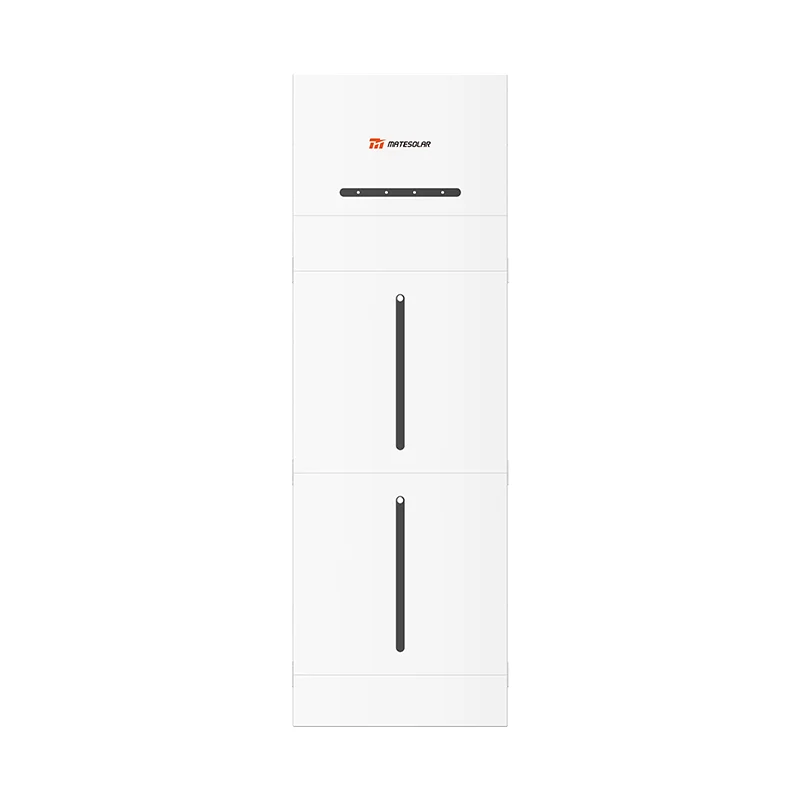
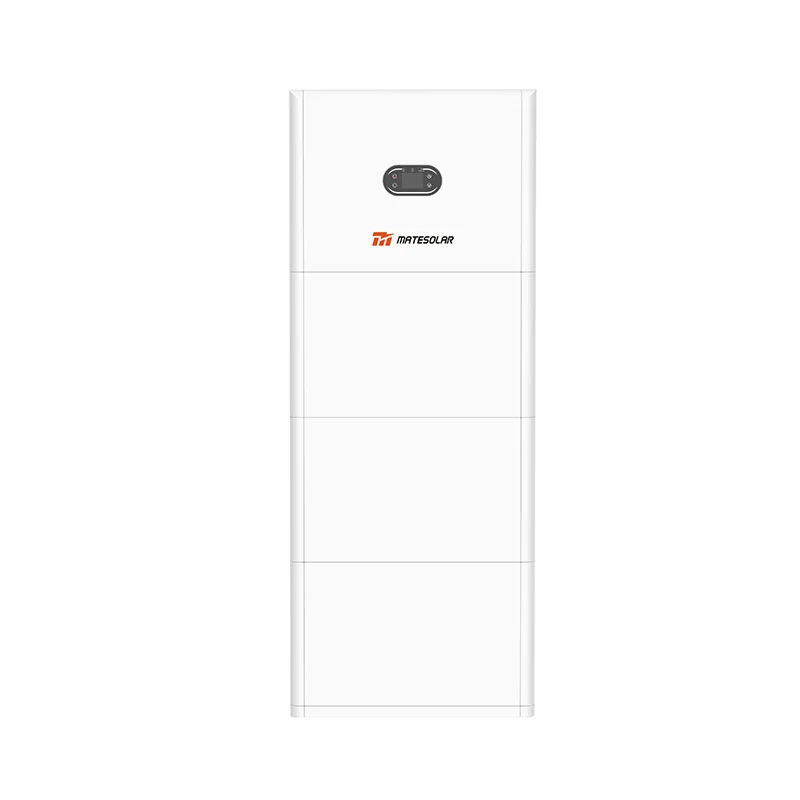
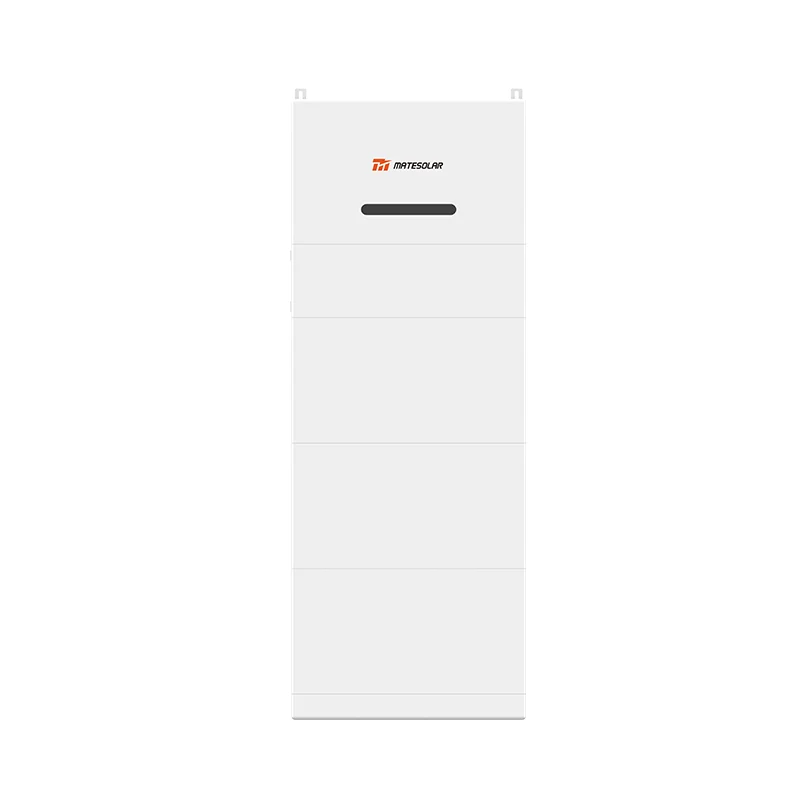
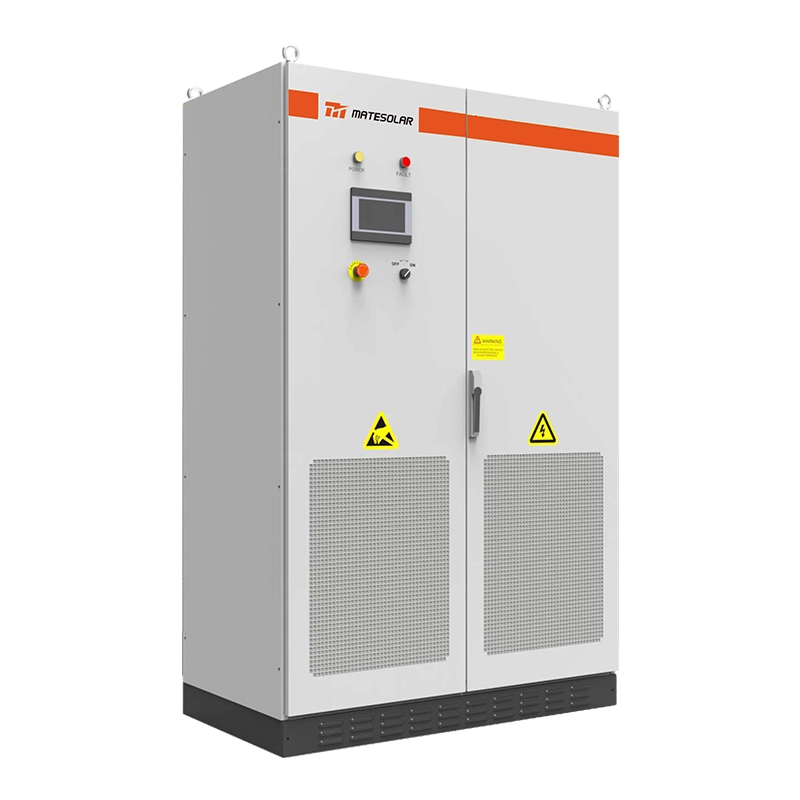
Système solaire hybride commercial de 500 kW
Pour les applications commerciales et industrielles de grande envergure nécessitant jusqu'à 500 kW de capacité d'énergie hybride, les systèmes solaires + stockage intégrés offrent l'équilibre idéal entre performance et simplicité.
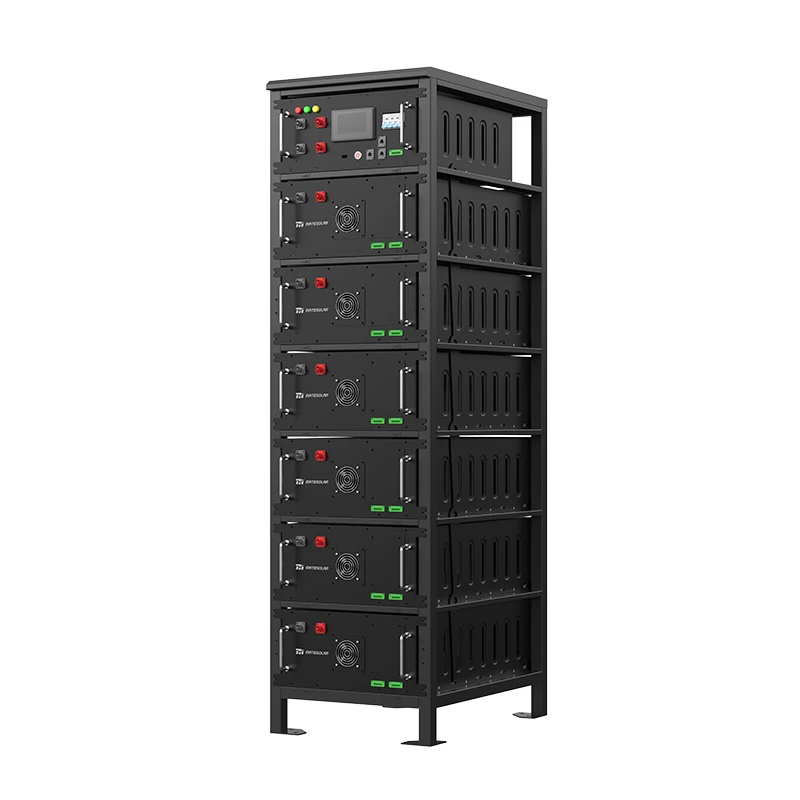
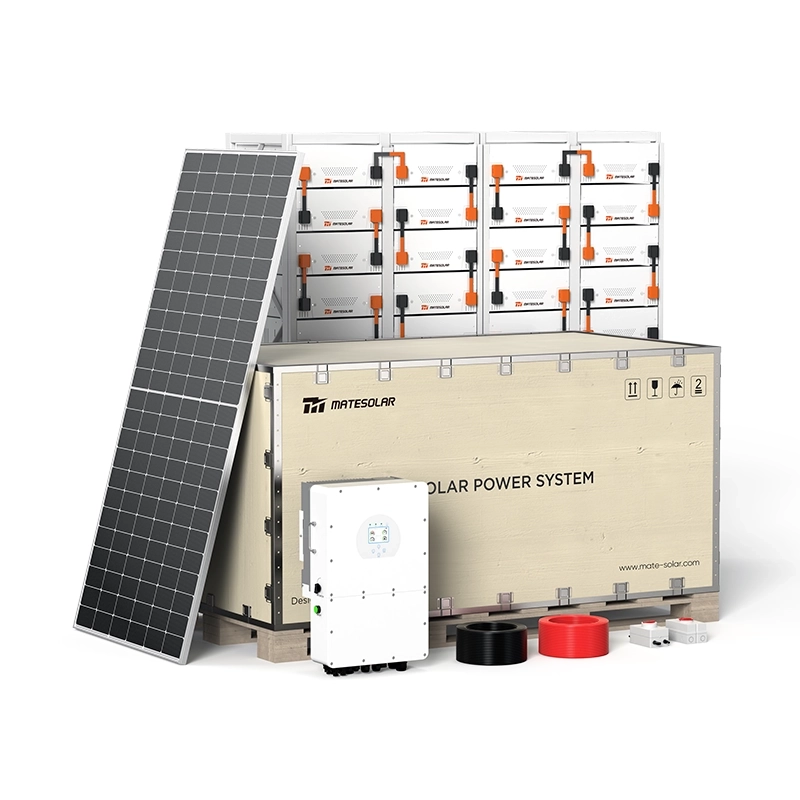
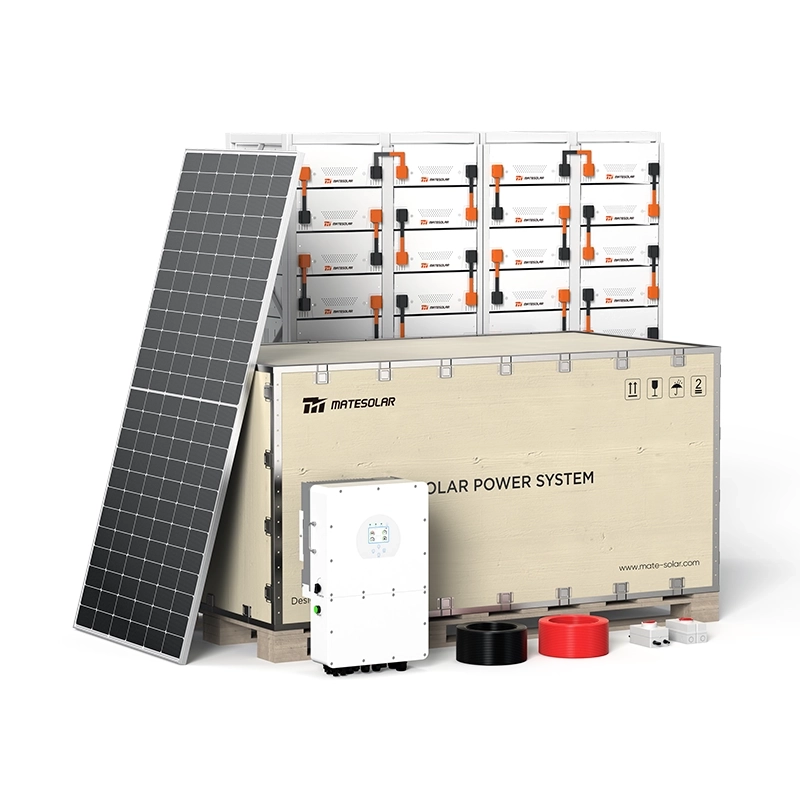
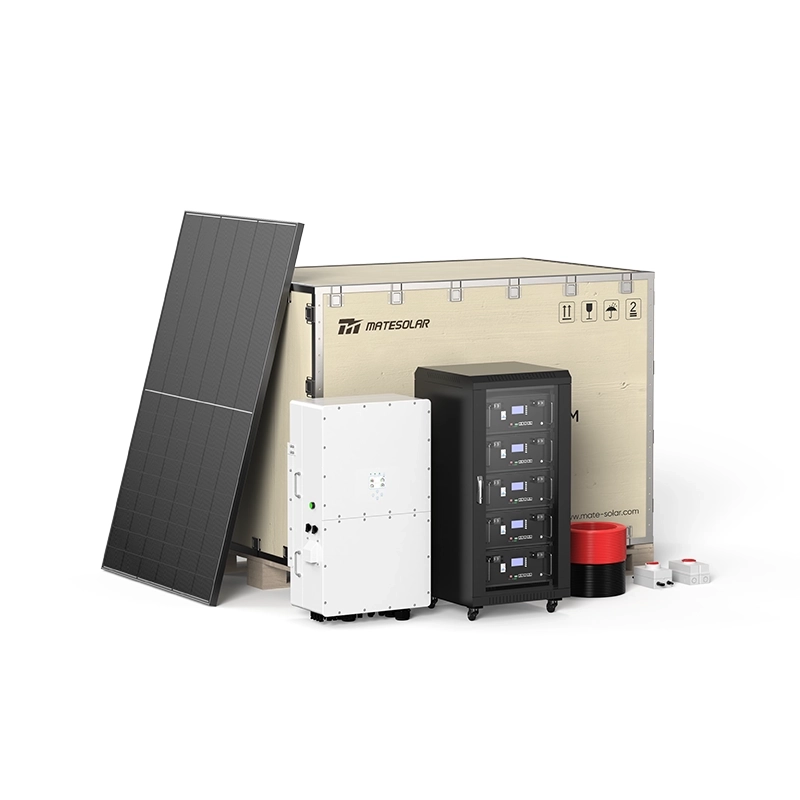
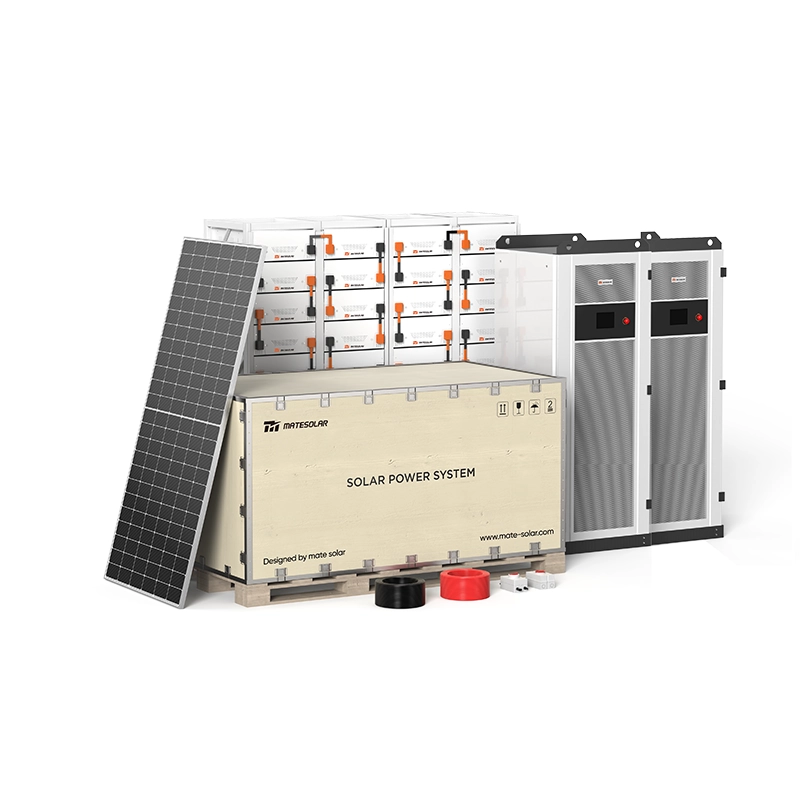
En savoir plus sur le Système solaire hybride commercial de 500 kW — Optimisé pour la réduction de la demande de pointe (peak shaving), la diminution des frais de demande, et les applications de secours du réseau. Comprend un onduleur solaire intégré, une gestion de batterie et des contrôles de dispatch d'énergie.
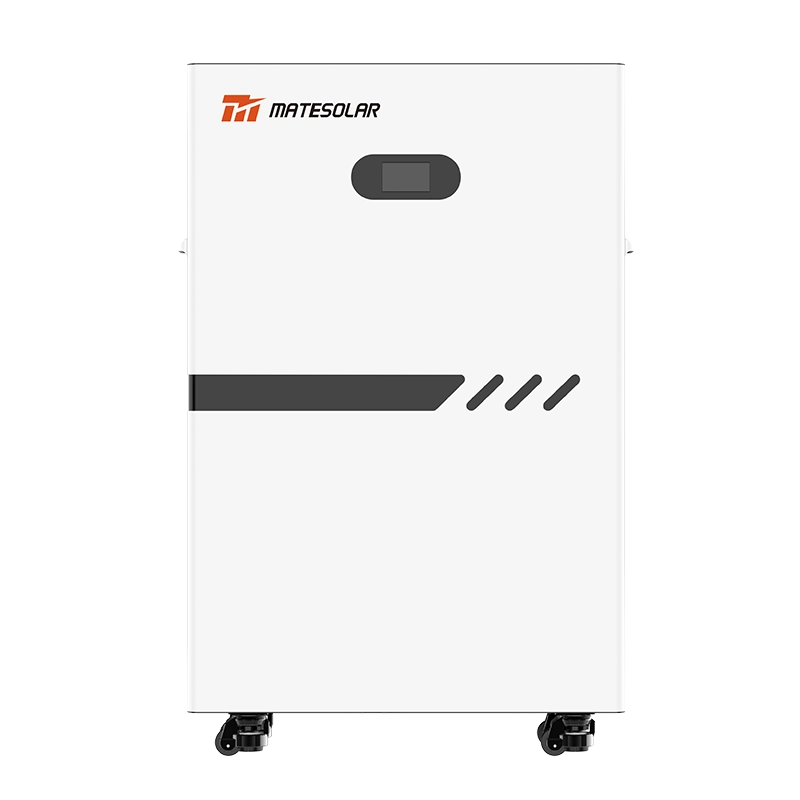
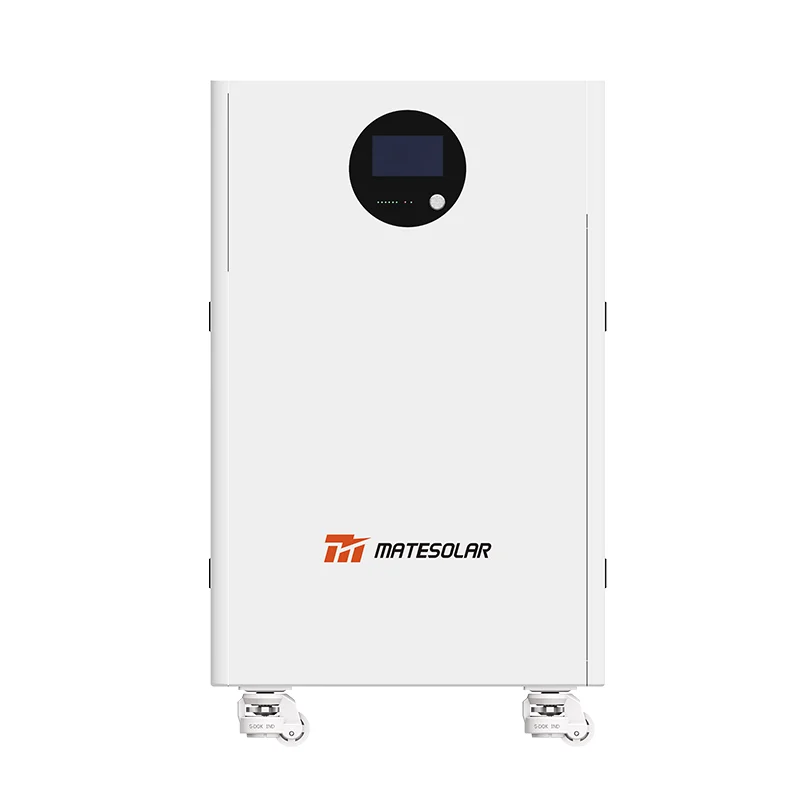
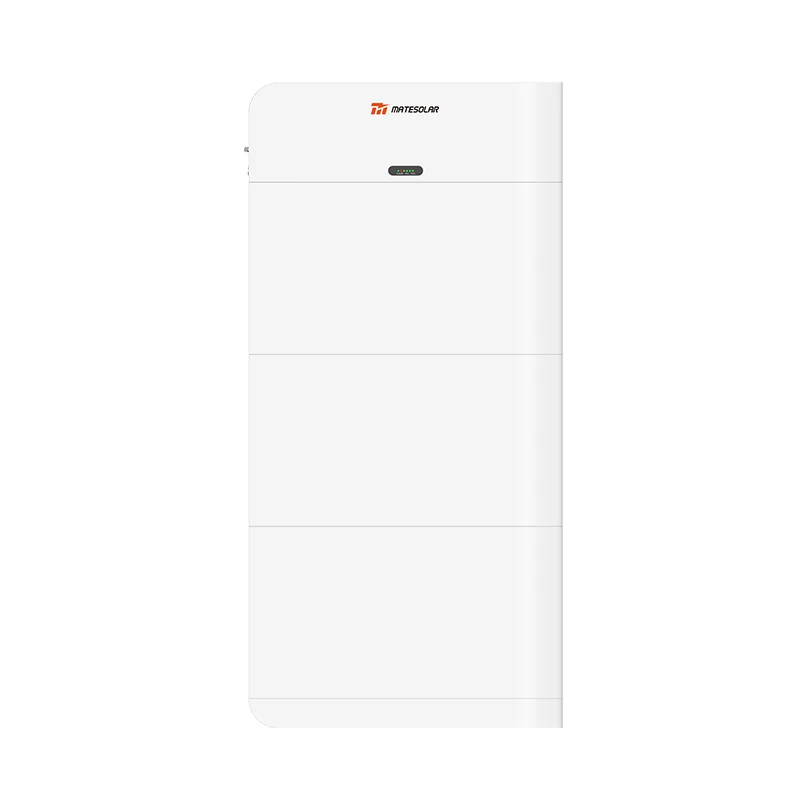
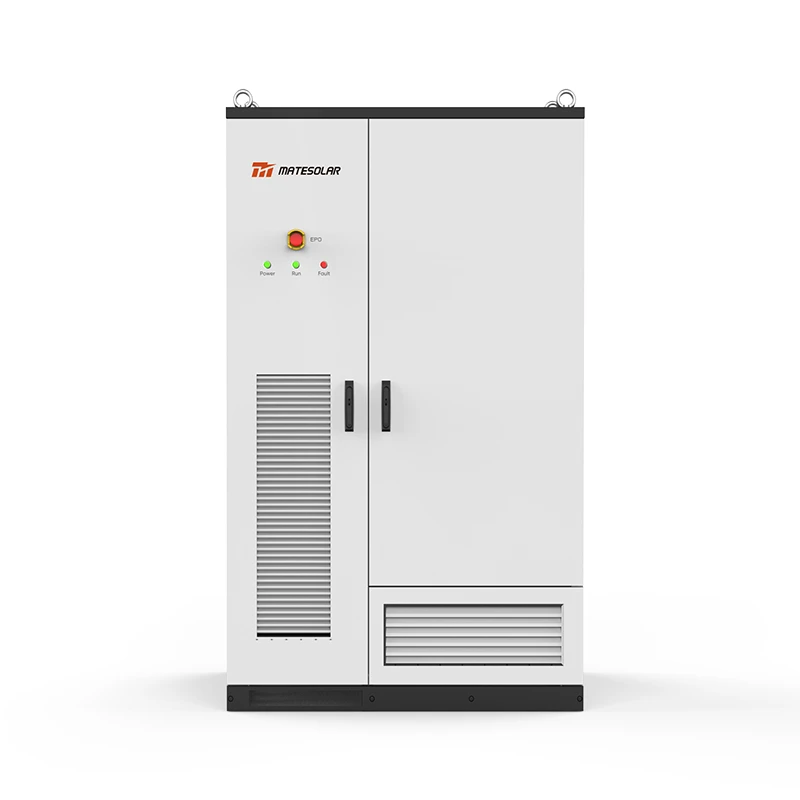
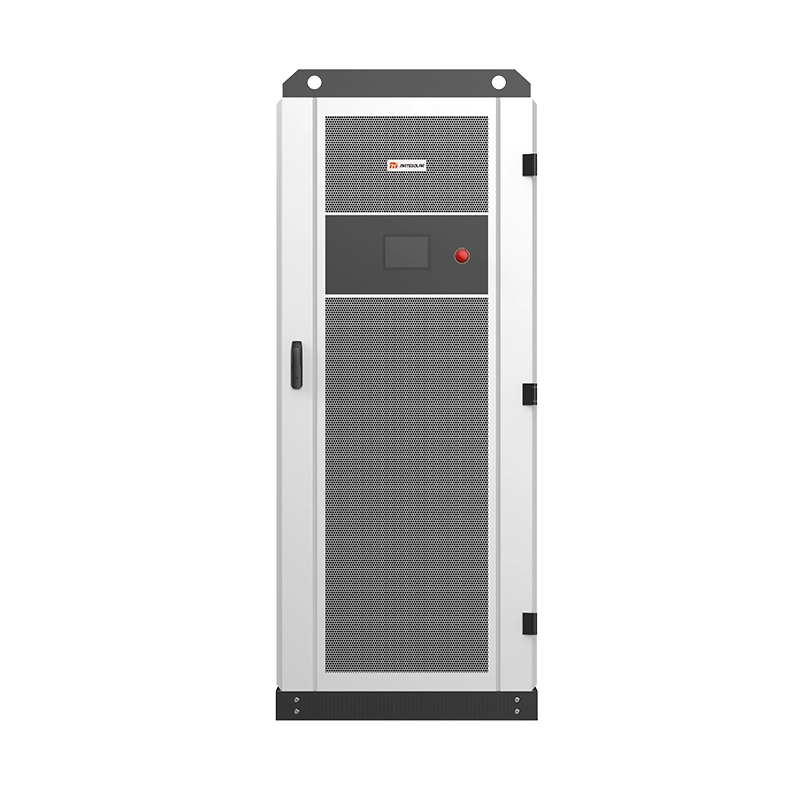
Armoire extérieure ESS : 100 kW/232 kWh et 125 kW/261 kWh refroidie par liquide
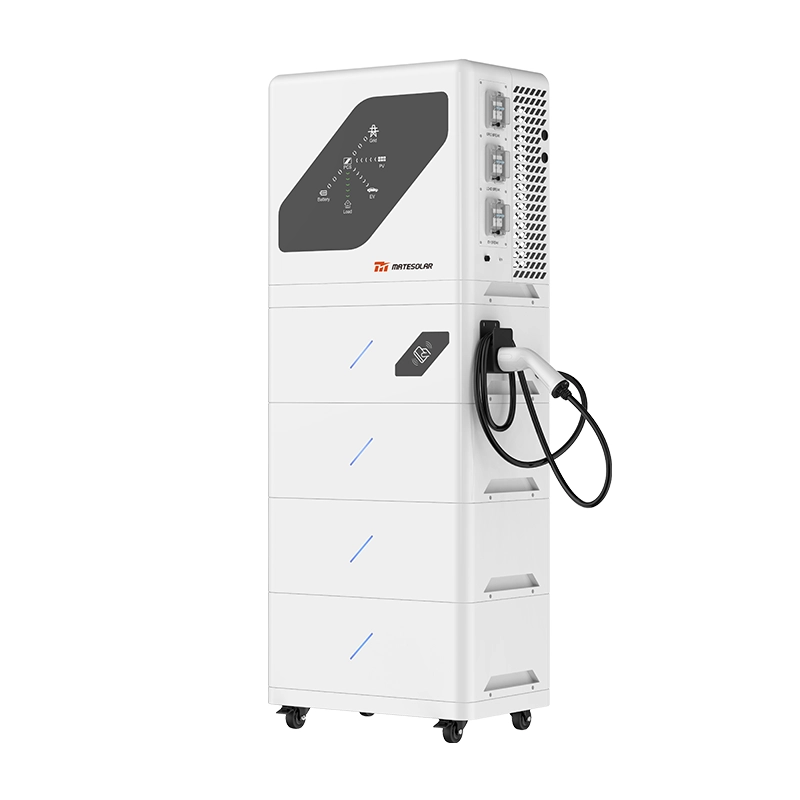
Pour le rééquipement des PMGD distribués et les applications indépendantes de C&I, les armoires extérieures refroidies par liquide offrent la combinaison idéale de modularité, d'évolutivité et de résilience environnementale.
Spécifications clés :
- 100 kW / 232 kWh configuration : Idéal pour les rénovations de petites et moyennes installations commerciales et industrielles (C&I) et de centrales solaires de raccordement au réseau (PMGD) (1–3 MW PV)
- 125 kW / 261 kWh configuration : Densité de puissance plus élevée pour les applications C&I et industrielles de plus grande taille
Les deux configurations proposent :
- Protection IP65 + certification corrosion C5
- Refroidissement liquide intelligent pour un fonctionnement à température extrême
- Certifié UL9540 et IEC62619
- Prend en charge une décharge de 5 heures pour l'éligibilité à la compensation de pleine capacité
- Capacité de déploiement progressif
En savoir plus sur le 100kW/232kWh et 125kW/261kWh Boîtier extérieur refroidi par liquide RES.
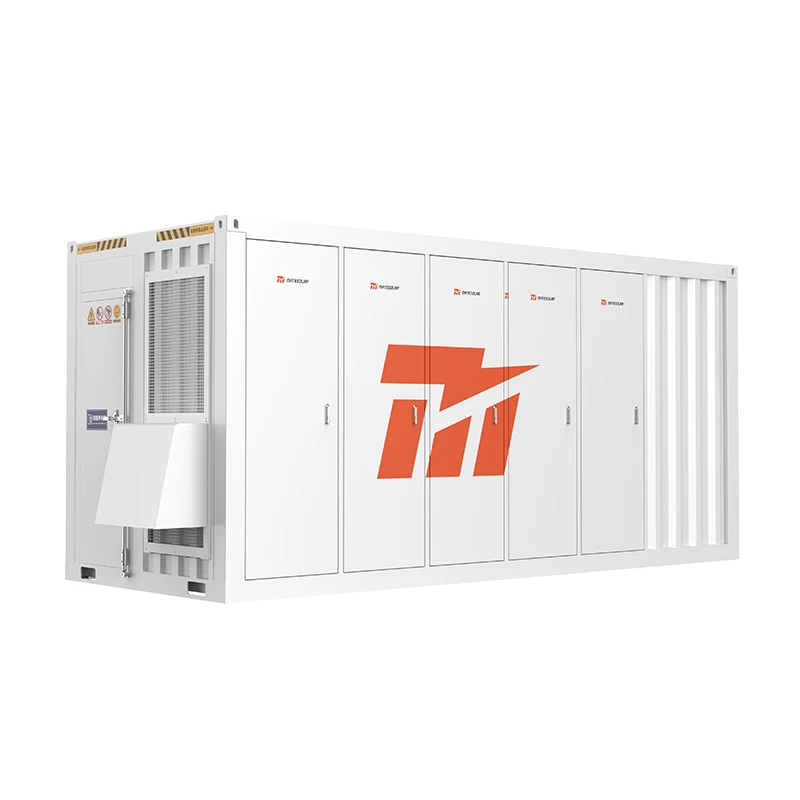
Conteneurisé ESS : 40 pieds 1MWh/2MWh Refroidi par air
Pour les rénovations de PMGD à grande échelle et les applications à l'échelle des services publics, les systèmes conteneurisés de 40 pieds offrent la capacité la plus rentable par watt installé.
Les configurations refroidies par air conviennent pour :
- Sites avec des températures ambiantes modérées (régions côtières et centrales)
- Applications où la simplicité d'installation est primordiale
- Déploiements économiques
En savoir plus sur le Conteneur 40 pieds CESA refroidi par air 1 MWh/2 MWh.
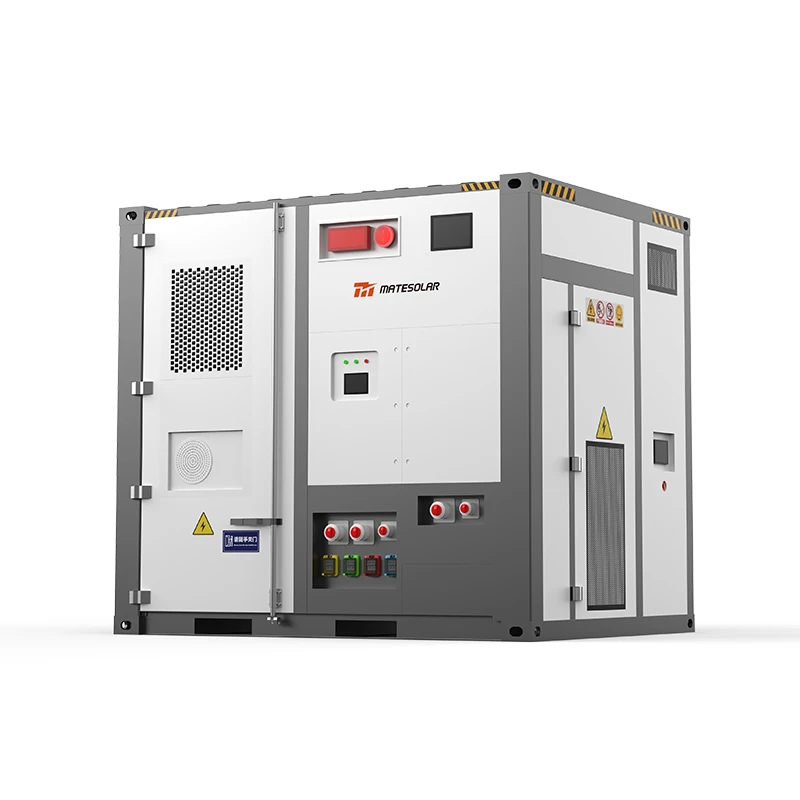
Conteneurisé ESS : Refroidissement liquide 20 pieds 3MWh/5MWh
Pour une densité d'énergie maximale dans des environnements extrêmes, les conteneurs de 20 pieds refroidis par liquide offrent une capacité leader du secteur dans un encombrement compact.
Avantages clés :
- Jusqu'à 5 MWh de capacité dans l'empreinte d'un conteneur maritime standard de 20 pieds
- Refroidissement par liquide assure un fonctionnement stable à des températures ambiantes supérieures à 40 °C
- Densité énergétique la plus élevée de toute solution conteneurisée sur le marché
- Idéal pour les sites où l'espace est limité et pour les installations extrêmes dans le désert
En savoir plus sur le Conteneur de stockage d'énergie à refroidissement liquide de 20 pieds, 3 MWh/5 MWh.
Tableau 4 : Matrice de sélection des technologies BESS pour les applications chiliennes
| Application | Produit recommandé | Caractéristiques principales | Raison d'être |
| Commerciale de grande taille (500 kW+) | Système Hybride Commercial 500kW | Solaire + stockage intégrés ; écrêtage de pointe | Installation simplifiée ; optimisé pour la réduction des frais de demande |
| Rénovation PMGD (100–500 kW) | Armoire extérieure 100 kW/232 kWh ou 125 kW/261 kWh | Modulaire ; refroidi par liquide ; C5/IP65 | Déploiement progressif ; prêt pour environnement extrême |
| Support industriel / minier (1–10 MW) | Conteneur 20 pieds de refroidissement liquide 3MWh/5MWh | Densité la plus élevée ; refroidissement liquide | Maximise la capacité dans un encombrement réduit ; résiste à la chaleur extrême |
| Échelle utilitaire / grande exploitation minière (>10 MW) | Plusieurs conteneurs de 20 pieds | Évolutif à n'importe quelle capacité | Meilleur rapport $/kWh à grande échelle |
| Utilité sous contrainte budgétaire | Conteneur 40 pieds 1MWh/2MWh refroidi par air | Coût initial le plus bas | Adapté aux zones climatiques modérées |
Foire aux questions (FAQ)
Q1 : Quelle est la capacité installée actuelle de BESS au Chili à partir de mai 2026 ?
En mai 2026, le Chili disposera de 3 072 MW de capacité BESS opérationnelle ou en cours de test, selon le Coordinador Eléctrico Nacional (CEN). L'opérateur du réseau national projette 5 400 MW supplémentaires d'ici décembre 2026, avec près de 22,5 GWh en construction et plus de 52,8 GWh en évaluation environnementale.
Q2 : Quelle est la signification de la durée de stockage de 5 heures au Chili ?
Selon la réglementation actuelle (en vigueur jusqu'en 2034), les systèmes BESS avec 5 heures ou plus de durée de stockage sont éligibles à des paiements de compensation de pleine capacité. Cette conception réglementaire a fait de la durée de 5 heures la configuration la plus courante, car elle permet aux exploitants de capter à la fois les revenus de l'arbitrage intrajournalier et les paiements de capacité simultanément.
Q3 : Quelles certifications sont nécessaires pour que les BESS soient bancables au Chili ?
Pour le financement international (BID, Banque Mondiale, prêteurs commerciaux), UL 9540 (sécurité complète du système) et IEC 62619 (sécurité des batteries industrielles) sont considérés comme essentiels. L'UL 9540A (tests de propagation de l'emballement thermique) est également fortement recommandé à des fins d'assurance. Pour les installations côtières, la certification de corrosion ISO 12944 C5 est fortement conseillée.
Q4 : Les systèmes solaires PMGD existants peuvent-ils être modernisés avec du stockage ?
Oui. La loi 21.505 et les modifications récentes du DS 88 permettent explicitement aux systèmes PMGD d'intégrer le stockage par batterie tout en conservant l'accès au régime de prix stabilisé. Des ensembles de modernisation normalisés sont disponibles pour les systèmes PMGD de toutes tailles, de 1 MW à 9 MW.
Q5: Quel est le tarif actuel de l'électricité commerciale au Chili ?
R : En mai 2026, le tarif moyen de l'électricité pour les professionnels au Chili s'élevait à environ **$0,207 USD/kWh**, tandis que le tarif pour les particuliers était d'environ $0,281 USD/kWh. Les tarifs varient selon les régions et les structures tarifaires en fonction des heures de consommation.
Q6 : Comment les projets de BESS peuvent-ils monétiser les crédits carbone au Chili ?
A: Le Chili a approuvé plusieurs projets de BESS (systèmes de stockage d'énergie par batterie) pour générer et vendre des crédits carbone dans le cadre de l'article 6 de l'Accord de Paris, y compris des accords bilatéraux avec la Suisse. Les projets Colbún Diego de Almagro Sur (228 MW/912 MWh) et CIP Arena (220 MW/1 100 MWh) en sont des exemples pionniers.
Q7 : Quels indices de protection sont nécessaires pour les installations du désert d'Atacama ?
Pour les environnements de désert et de côte extrêmes, une protection minimale IP65 (étanche à la poussière et aux jets d'eau à basse pression) et une certification anticorrosion ISO 12944 C5 sont recommandées. Le refroidissement liquide est fortement préféré au refroidissement par air pour gérer les changements de température extrêmes.
Q8 : Quelle est la différence entre les onduleurs Grid-Forming et Grid-Following ?
Les onduleurs formant réseau (GFM) peuvent établir indépendamment la tension et la fréquence, permettant un fonctionnement en mode îlot sans support du réseau. Les onduleurs suivant le réseau nécessitent une référence réseau externe. Pour les opérations minières nécessitant une disponibilité 24h/24 et 7j/7 dans des endroits éloignés, la capacité de formation de réseau (GFM) est essentielle.
Q9 : Quelle est la période de récupération de la capacité de stockage C&I au Chili ?
R : Selon les barèmes tarifaires actuels (tarifs commerciaux $0,207/kWh), un système de stockage commercial type de 100 kW/232 kWh permettant de générer des revenus grâce à l'écrêtement des pics de consommation et à l'arbitrage peut atteindre un délai de récupération simple de 4 à 6 ans. Les délais de retour sur investissement sont réduits de 1 à 2 ans lorsque l'on tient compte des crédits carbone et de la rémunération de capacité.
Q10 : Le Chili possède-t-il une industrie nationale de fabrication de BESS ?
A : Le Chili ne dispose pas de fabrication nationale significative de systèmes de stockage d'énergie par batterie (BESS). La grande majorité des équipements BESS, y compris les cellules de batterie, les modules et les conteneurs, est importée de fabricants internationaux de premier plan (Tier-1) en Asie, en Europe et en Amérique du Nord.
Perspective d'avenir : La trajectoire du stockage au Chili jusqu’en 2030
Les chiffres racontent une histoire de croissance accélérée. Le Chili a déjà :
- Atteint sa cible de stockage 2030 (2 GW) d'ici mars 2026
- Atteint sa cible de stockage de 2050 (6 GW) en avance sur le calendrier, prévision pour fin 2026
- Dépassé 38 GW de capacité totale installée avec 51% issu des énergies renouvelables
À l'avenir, la Politique minière nationale 2050 continuera de stimuler la demande en matière de stockage, les exploitants miniers étant tenus de s'approvisionner en électricité issue de sources renouvelables à hauteur de 100% d'ici 2050 et de réduire leurs émissions de 50% d'ici 2030.
Le secteur de l'hydrogène vert émergera comme le prochain moteur majeur de la demande de stockage, avec de multiples projets à grande échelle nécessitant des infrastructures de stockage dédiées pour gérer la production renouvelable variable.
L'expansion des centres de données — en particulier les installations compatibles avec l'IA exigeant une disponibilité de 99,999% — va générer une demande spécifique pour des systèmes de stockage d'énergie par batterie (BESS) de qualité UPS, offrant un temps de réponse inférieur à 10 ms et une autonomie prolongée.
Et dans tous les secteurs, le mécanisme de rémunération de capacité favorisant le stockage de 5 heures et plus restera en vigueur jusqu'en 2034, offrant une certitude de revenus à long terme pour les projets correctement configurés.
À propos de MateSolar
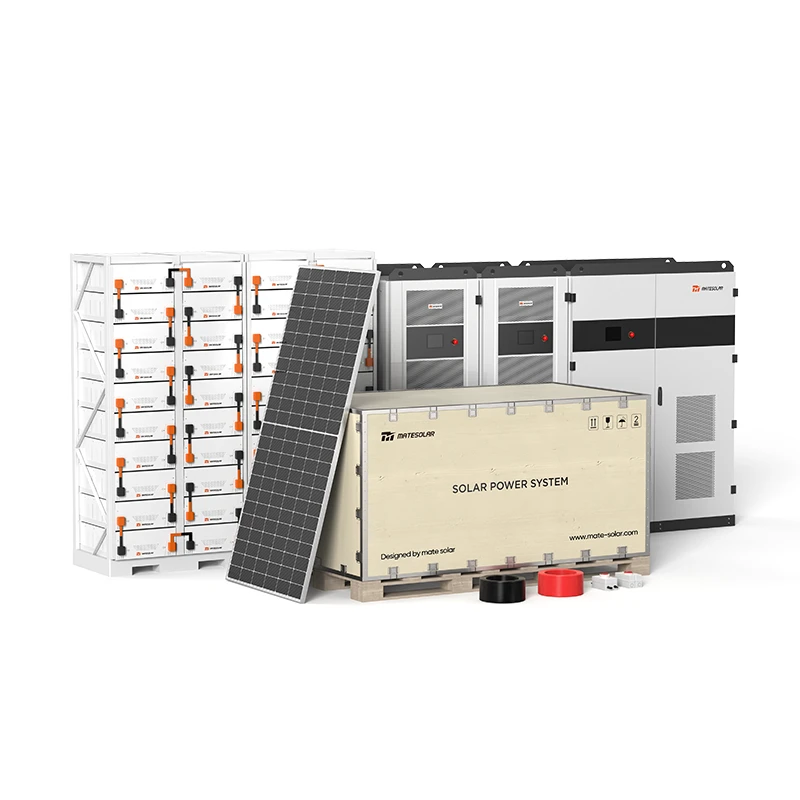
MateSolar est un fournisseur de solutions photovoltaïques et de stockage d'énergie tout-en-un de premier plan, dédié à la fourniture de solutions BESS performantes et finançables pour la transition énergétique mondiale. Avec un portefeuille de produits complet couvrant les systèmes hybrides commerciaux, les armoires extérieures à refroidissement liquide et les systèmes de stockage d'énergie conteneurisés de 1 MWh à 5 MWh et plus, MateSolar fournit l'expertise technique et les équipements certifiés dont les développeurs, les EPC et les investisseurs ont besoin pour réussir sur le marché en évolution rapide du stockage au Chili.
Notre mission est de rendre le stockage d'énergie fiable et abordable accessible à tous les segments du marché — des propriétaires de petites PMGD aux plus grandes opérations minières du monde. Avec des solutions certifiées selon les normes UL9540, IEC62619, ISO 12944 C5 et IP65, MateSolar est votre partenaire de confiance pour les projets solaires + stockage dans le désert d'Atacama et au-delà.
MateSolar — Alimenter la révolution du stockage d'énergie du Chili. Votre fournisseur unique de solutions PV + ESS.