










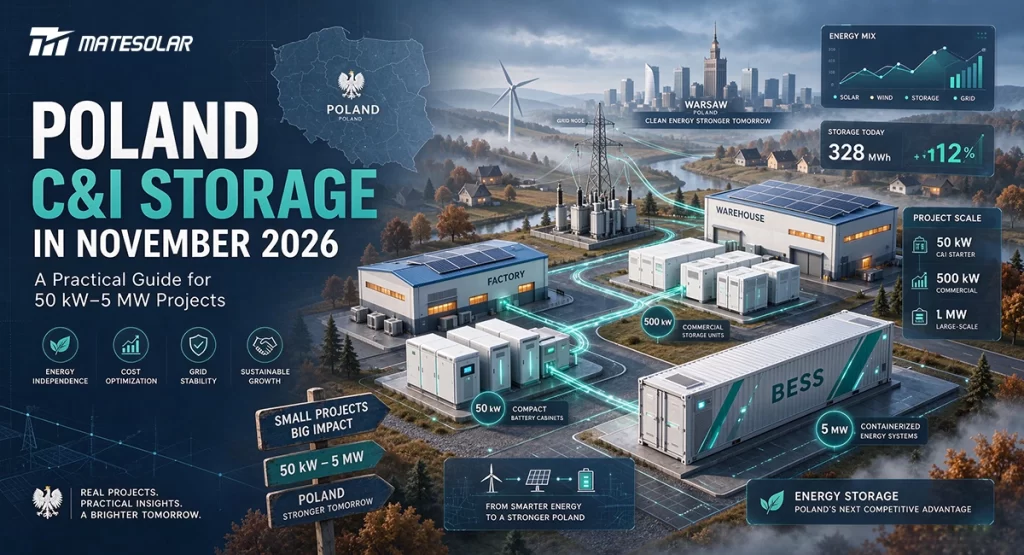
Let’s be blunt about Poland’s storage market. It is the most policy-dense storage market in Europe right now. Capacity auctions, NFOŚiGW subsidy programs, balancing market reform, the UC84 grid act, and a new fire-safety framework are all moving at once. That sounds like a policy success story. For commercial and industrial storage, it isn’t that simple.
The policy machinery has already done its biggest job: it launched front-of-meter, utility-scale storage. Poland has roughly 5.1 GW of contracted battery capacity and a project pipeline often cited around 12.5 GW. But the C&I segment—50 kW to 5 MW—is still small in absolute terms. The installed base was only about 350–500 MWh at the end of 2025. 2026 additions are expected in the 150–250 MWh range. Growth is above 60%, yes, but 60% of a small number is still a small number.
Here’s the awkward part. The capacity market is no longer a reliable C&I revenue anchor. The balancing market is thick with opportunity, but only for systems whose EMS can actually participate. UC84 has opened grid connections at constrained nodes, but it has also turned the grid right into a time-limited option. And PPOŻ fire approval is not a paperwork exercise—it is a project-specific technical argument.
This guide is not a market overview. It is a working note for developers, EPCs, and industrial energy managers who have to sign off on a project and defend the numbers. It focuses on the six issues that decide whether a Polish C&I project becomes an operating asset or a battery cabinet waiting for a grid right that expires.
1. The baseline in plain numbers
Poland’s storage story is easy to misread because the headline numbers are large. The C&I opportunity is real, but it sits in a different lane from the utility-scale wave. Table 1 gives the November 2026 baseline that matters for a 50 kW–5 MW project.
Table 1. Poland storage market baseline for C&I decision-making, November 2026
| Metric | November 2026 reading | What it means for C&I |
| Contracted battery capacity | ~5.1 GW | Mostly front-of-meter; not a C&I demand signal |
| Project pipeline | ~12.5 GW | Shows policy momentum, not bankability at C&I scale |
| Capacity market KWD for BESS, Dec 2025 auction | 13.39% | A 100 MW battery is paid on ~13.39 MW |
| C&I installed base, end-2025 | ~350–500 MWh | Small base; growth is fast but absolute volume is limited |
| Expected 2026 C&I additions | ~150–250 MWh | Growth >60%, but project sizes remain modest |
| TB4 average spread since Jan 2025 | PLN 695/MWh | Wider than day-ahead at PLN 654/MWh |
| TB4 peak, April 2026 | PLN 1,041/MWh | Spring solar surplus creates real battery value |
| Intraday spread, 2025 average | ~€153/MWh | About 17% wider than Germany |
| Intraday spread, Nov 2026 | €144–165/MWh | Still wide enough for arbitrage |
| July 2026 negative-price intervals | 115 intervals ≤ PLN 0/MWh; 78 strictly negative | Midday solar surplus is structural |
| UC84 entry into force | 30 April 2026 | Flexible and configurable grid connections |
| Connection conditions validity | 12 months, general rule | Grid rights can lapse |
| Milestone for storage/PV | 24 months to secure building permit covering 80% of contracted capacity | Delay can kill the connection right |
| PPOŻ trigger for C&I | Above 50 kW | Fire expert review and PSP notification |
| Draft fire-zone cap | 600 kWh per fire zone in non-dedicated buildings | Layout and siting constraint |
The key point is not that Poland lacks policy support. It is that the support has been designed around utility-scale storage. C&I clients cannot copy the utility-scale financial model and expect it to work at 232 kWh or 1 MWh.
2. Capacity market: stop using it as the anchor
The capacity market remains the single largest contractual driver of Polish battery deployment. Between 2022 and 2025, four auctions contracted roughly 5.1 GW of battery capacity. The December 2025 auction alone cleared about 5.1 GW of physical BESS. The 15-year, index-linked capacity contract was the reason many utility-scale projects existed at all.
But the derating factor—the KWD—has collapsed. In the 2023 auction, a battery was paid on about 95% of nameplate capacity. In 2024, that fell to roughly 60%. In December 2025, the KWD for storage was set at 13.39%. A 100 MW battery that would have been remunerated on 95 MW two years ago is now remunerated on 13.39 MW.
Two design features make this especially painful for C&I storage.
First, Poland’s derating is flat across durations. A 1-hour system and a 4-hour system get the same KWD. Unlike markets that reward longer duration with a higher derating factor, Poland does not scale the KWD with storage hours.
Second, the capacity market imposes a 4-hour continuous discharge obligation on winning projects. A 2-hour C&I system that wins a capacity contract must self-de-rate further—to roughly 30% of installed capacity—to ensure it can meet the obligation. The headline 13.39% is therefore not the whole story. The effective value for a 2-hour system is worse.
So what should a C&I client do? Treat capacity revenue as a contingent upside. Never as a base case. If a project is sized at 4 hours and clears a capacity contract, fine—that revenue becomes an additional layer. But the project must stand on demand-charge reduction, solar self-consumption, and balancing-market participation. A financial model that needs capacity payments to close is a model that will disappoint.
The narrative around the 15-year capacity contract is still floating around in developer decks. It belongs to the utility-scale era. C&I clients should ask a simple question: after the 13.39% KWD and the 4-hour obligation, what does the capacity contract actually pay per installed kWh? In most C&I cases, the answer is not enough to justify the extra duration.
3. TB4 is the thick revenue layer—but the EMS is the gate
If the capacity market has receded as a C&I anchor, the balancing market has moved in the opposite direction. Poland’s balancing market, reformed in June 2024, settles imbalance in 15-minute periods. It operates under a central dispatch model. PSE, the transmission system operator, activates balancing energy through an integrated scheduling process. Batteries do not self-dispatch against the imbalance price the way they might in Great Britain. They submit offers into PSE’s process, and revenue depends on how those offers are structured and whether PSE activates them.
The TB4 product—the 15-minute balancing energy product—has consistently cleared wider than the day-ahead market. Since January 2025, TB4 spreads have averaged PLN 695/MWh, compared with a day-ahead equivalent of PLN 654/MWh. In April 2026, as spring solar oversupply hit, TB4 spreads reached PLN 1,041/MWh.
The intraday picture says the same thing. Day-ahead spreads in Poland averaged about €153/MWh in 2025, roughly 17% wider than Germany. Through November 2026, daily maximum-minus-minimum hourly spreads have stayed in the €144–165/MWh range. In July 2026, there were 115 fifteen-minute intervals at or below PLN 0/MWh, and 78 intervals in strictly negative territory. Both were significantly above the prior year. Negative midday prices are structural: solar output coincides with must-run coal and cogeneration that cannot ramp down quickly enough. The same midday surplus creates a charging opportunity. The evening ramp creates a discharge opportunity.
This revenue stream is real. It is also accessible to C&I-scale systems. But accessibility depends entirely on the EMS.
A battery with a conventional day-ahead price-following algorithm cannot capture TB4 spreads. TB4 settlement is not a day-ahead price. It requires real-time or near-real-time offer optimization, response to PSE activation instructions, and settlement-grade 15-minute data logging. If the system participates through an aggregator or trading house, the EMS must also expose the right data interfaces to the aggregator’s platform. The aggregator handles prequalification and offer optimization. The EMS executes the physical response and reports it accurately.
There is also a priority conflict that many product brochures ignore. A C&I battery serves two masters. It must protect the host site from demand-charge spikes and maximize solar self-consumption. It may also be called to deliver balancing energy. Those objectives can collide. The load peak may occur at the same time as a TB4 activation signal. The EMS needs an explicit, configurable priority hierarchy. The client’s demand-charge threshold and solar self-consumption target should be hard constraints in the default operating mode. Balancing-market participation should be layered on top, with a defined deferral or curtailment rule when constraints bind. A system that defaults to one objective without a documented override logic creates either demand-charge risk for the client or non-delivery risk in the balancing market. Neither is acceptable in a bankable project.
Table 2. Illustrative annual revenue stack for a 100 kW / 232 kWh C&I system in Poland
| Revenue layer | Indicative annual contribution | Key dependency |
| Demand-charge reduction | €8,000–€14,000 | Load profile, tariff structure, EMS peak-shaving logic |
| Solar self-consumption shifting | €4,000–€8,000 | PV size and generation profile; AC or DC coupling |
| TB4 / balancing market participation | €6,000–€15,000 | EMS real-time optimization; aggregator/BSP arrangement |
| Intraday arbitrage, residual | €2,000–€5,000 | Price volatility; cycling capacity |
| Indicative total | €20,000–€42,000 | Stacking is essential; no single layer carries the case |
This table is illustrative, not a bankable forecast. It is calibrated to 2025–2026 Polish market ranges. The point is the relative weight of the layers. Capacity market revenue is deliberately excluded. At a 13.39% KWD and a 4-hour obligation, a 2-hour C&I system cannot treat capacity revenue as a material contribution.
4. UC84: a grid right with an expiry date
The UC84 grid act—the amendment to the Energy Law adopted 13 March 2026 and generally in force from 30 April 2026—introduced two new connection agreement types: flexible connection agreements and configurable connection agreements. These allow storage to connect at grid-constrained nodes if the system accepts operator curtailment or power limits. Cable pooling was also extended, so multiple installations, including storage, can share a connection point even when they belong to different entities.
On paper, this is a significant opening. Nodes that were effectively closed to new storage because of transmission or distribution constraints can now host storage under a flexible agreement. The grid queue becomes penetrable in places that previously had no queue to enter.
The catch is the deadline structure. UC84 shortened the validity of connection conditions from two years to 12 months as a general rule. It also introduced milestones. A connection agreement for a grid above 1 kV expires by operation of law if the investor fails to notify the operator, within 24 months of concluding the agreement, that it has obtained a final building permit covering at least 80% of the contracted connection capacity. For storage and PV, the milestone period is 24 months. An extension of up to 24 months is possible once, subject to an application before expiry and additional security of PLN 60/kW, capped at PLN 12 million.
The DSO landscape adds another layer of execution risk. As of mid-2026, none of the major Polish DSOs—PGE, Tauron, Enea, Energa, or Stoen—had published a standardized template for flexible connection agreements. There is no public curtailment algorithm, no accepted BESS sizing methodology for compliance, and no public approval checklist. DSO engineers are deciding case by case, based on the technical package the developer brings. That creates a first-mover window for developers who arrive with a defensible technical package. It also creates a closure risk for those who treat the flexible agreement as a post-connection formality.
For a C&I project, the implication is direct. The EMS and communication gateway must be able to adapt to DSO-specific active-power control, reactive-power setpoints, telemetry interfaces, and curtailment signal protocols within weeks, not months. If the EMS needs a factory return or a core hardware change to meet a DSO’s technical conditions, the milestone clock does not stop. A project that secures a flexible connection right but cannot demonstrate technical compliance within the 12-month connection-condition validity window risks losing the right before the first cabinet is energized.
Since 31 October 2026, holders of storage facilities above 50 kW have also been subject to new cooperation obligations with grid operators under the Act of 18 September 2026. These sit alongside UC84 and reinforce the same message: the grid interface is not a passive connection point. It is an active compliance surface. A system that cannot produce the required telemetry, respond to operator instructions, and demonstrate control-interface conformity is not a storage asset in the Polish regulatory sense. It is a battery awaiting a compliance pathway.
Table 3. UC84 connection timeline and compliance obligations for C&I storage
| Requirement | Duration or threshold | Consequence of non-compliance |
| Connection conditions validity | 12 months from delivery, general rule | Conditions lapse; re-application required |
| Milestone: final building permit notification | 24 months from agreement conclusion for storage and PV | Agreement expires by operation of law |
| Building permit coverage | At least 80% of contracted connection capacity | Milestone not met |
| Extension option | Up to 24 months once, with additional security | PLN 60/kW, capped at PLN 12 million |
| DSO flexible agreement template | No standardized template from major DSOs as of mid-2026 | Case-by-case technical justification required |
| Post-October 2026 cooperation duty | Storage above 50 kW | Grid-operator cooperation obligations apply |
5. PPOŻ: no BESS-specific code, so the technical dossier is the approval
Poland does not have a dedicated BESS fire safety regulation. The approval pathway is assembled from the Construction Law amendment that took effect on 7 January 2026, the draft regulation on fire requirements for battery storage published in August 2026, and a combination of referenced standards: NFPA 855 for separation distances, UL 9540A for thermal runaway propagation testing, and EN IEC 62485-3 for battery safety.
The January 2026 amendment set a capacity-graded approval ladder. Installations below 30 kWh are exempt from formalities. Installations between 30 kWh and 300 kWh require notification with fire-safety documentation. Installations above 300 kWh require a full building permit. Separately, any C&I storage above 50 kW must be reviewed by a fire-safety expert—the rzeczoznawca PPOŻ—and notified to the State Fire Service, PSP.
The August 2026 draft added a spatial constraint: in buildings not intended exclusively for energy storage, total battery capacity within a single fire zone must not exceed 600 kWh. Installations inside buildings must be separated by REI 60/120 fire-rated compartments. The Ministry has signaled that it does not intend to withdraw the 600 kWh limit in the near term.
Here is why this matters more than a generic certification. Because there is no BESS-specific code, the PPOŻ expert has substantial discretion. The outcome depends on the quality of the technical dossier. For outdoor cabinet installations, three variables decide whether approval is straightforward or prolonged.
First, separation distance. NFPA 855 provides default distances between battery units. A reduced distance can be proposed only if it is supported by UL 9540A large-scale fire test data showing that thermal runaway will not propagate at the proposed spacing. Without that data, the expert is likely to require the default distance. On a space-constrained industrial site, that can make the layout physically impossible.
Second, the thermal-runaway protection concept. The expert must be satisfied that detection, deflagration venting, and suppression are appropriate for the installation. A system whose protection architecture is well documented and aligned with solutions Polish experts commonly accept will move through review faster than one that needs project-specific redesign.
Third, the installation location. If cabinets are installed inside a building or adjacent to one, the REI 60/120 compartment requirement and the 600 kWh per-fire-zone cap become binding. A 4-hour configuration with multiple cabinets may exceed 600 kWh within a single zone, forcing a split layout across fire zones or a relocation to an outdoor, dedicated area.
There is also an insurance angle that is easy to overlook until after a loss. PPOŻ non-compliance can give an insurer grounds to deny a claim even when the fire originated outside the storage system. The approval is not only a construction-permit gate. It is a condition of insurability.
Table 4. Poland BESS fire approval ladder and spatial constraints, 2026
| Capacity or power threshold | Approval requirement | Spatial or technical note |
| Below 30 kWh | Exempt from formalities | / |
| 30–300 kWh | Notification plus fire-safety documentation | PPOŻ review may be triggered depending on location |
| Above 300 kWh | Full building permit | Fire-safety expert involvement mandatory |
| Above 50 kW C&I | PPOŻ expert review and PSP notification | Applies independently of the kWh threshold |
| Inside non-dedicated building | Max 600 kWh per fire zone; REI 60/120 compartments | Draft August 2026 regulation; limit retained |
| Outdoor cabinet spacing | NFPA 855 default unless UL 9540A data supports reduction | UL 9540A large-scale test data is the key lever |
The practical lesson is simple. Fire approval is not a generic certificate. It is a project-specific technical argument. The quality of the UL 9540A dataset, the thermal-runaway documentation, and the layout engineering determines whether the project proceeds on schedule or stalls in review.
6. Duration: 2 hours is the C&I default, 4 hours is an option
The typical Polish C&I application—demand-charge reduction, peak shaving, and solar self-consumption—is served by a 2-hour system. Load peaks are usually 1–2 hours long. A 2-hour battery clips them without oversizing capex. The capacity market’s 4-hour obligation does not apply unless the project participates in the capacity market. And if a 2-hour system does participate, it must self-de-rate to about 30% of installed capacity, which destroys the capacity revenue case.
The balancing market does not impose a 4-hour obligation. TB4 is a 15-minute product. Value depends on power response and cycling ability, not on a four-hour energy floor. But a longer-duration system can capture a wider set of TB4 and intraday opportunities because it has more energy to cycle through the midday negative-price window and the evening positive-price window without hitting state-of-charge limits.
So the question is not whether 2 hours or 4 hours is “correct” in the abstract. The question is which duration optimizes the revenue stack the client can actually access, while preserving the physical and electrical option to extend if market rules or the load profile change.
The configuration logic that fits Poland in late 2026 is 2-hour core capability with 4-hour extensibility. Specify the DC side, PCS rating, and electrical architecture so that additional battery capacity can be added without replacing the inverter or re-engineering the grid interface. That preserves the C&I economics of a 2-hour system for demand-charge reduction and self-consumption. It also keeps the capacity-market option open if the project later qualifies or the load profile shifts.
The 600 kWh per-fire-zone cap adds a spatial constraint. A 4-hour configuration of the same power rating has twice the energy capacity and roughly twice the cabinet count or footprint. On a constrained industrial site, the 4-hour layout may exceed the available fire-zone capacity even if the electrical architecture supports it. Duration is not only a financial-model decision. It is a site-layout and fire-approval decision.
For projects that combine PV and storage, the AC-versus-DC coupling choice also matters. An AC-coupled system lets the battery and PV inverters operate independently, which simplifies balancing-market response because the battery’s active-power setpoint can change without affecting PV production. A DC-coupled system can capture clipping losses and improve round-trip efficiency in self-consumption mode, but the EMS must coordinate the battery converter and PV MPPT at the DC bus level. The system selection should follow the revenue-stack priority, not the other way around.
Table 5. Product configurations mapped to Polish C&I use cases
| Product configuration | Typical C&I use case | Primary revenue streams | Polish regulatory note |
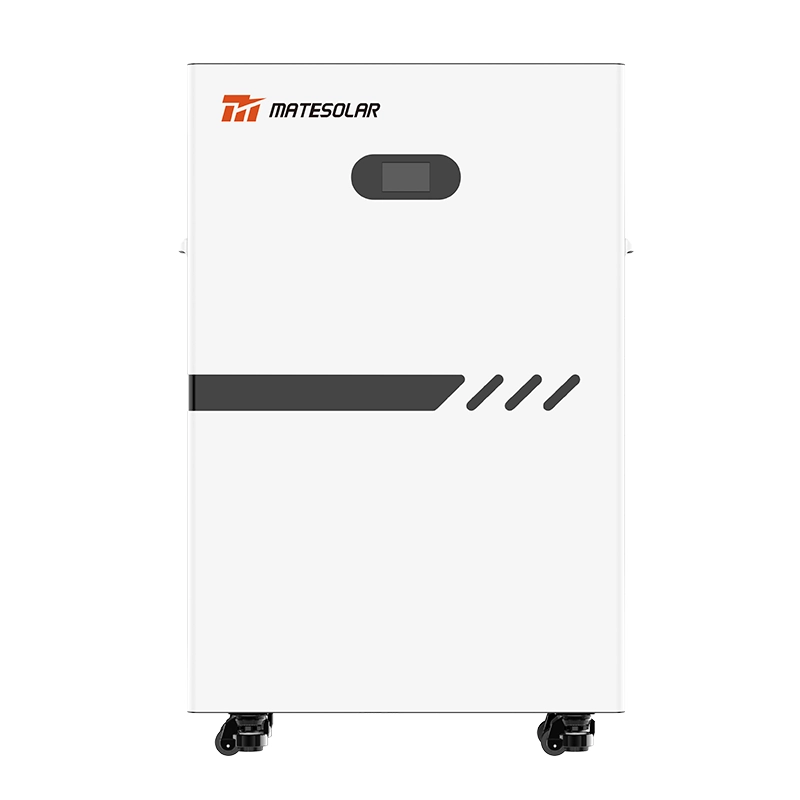
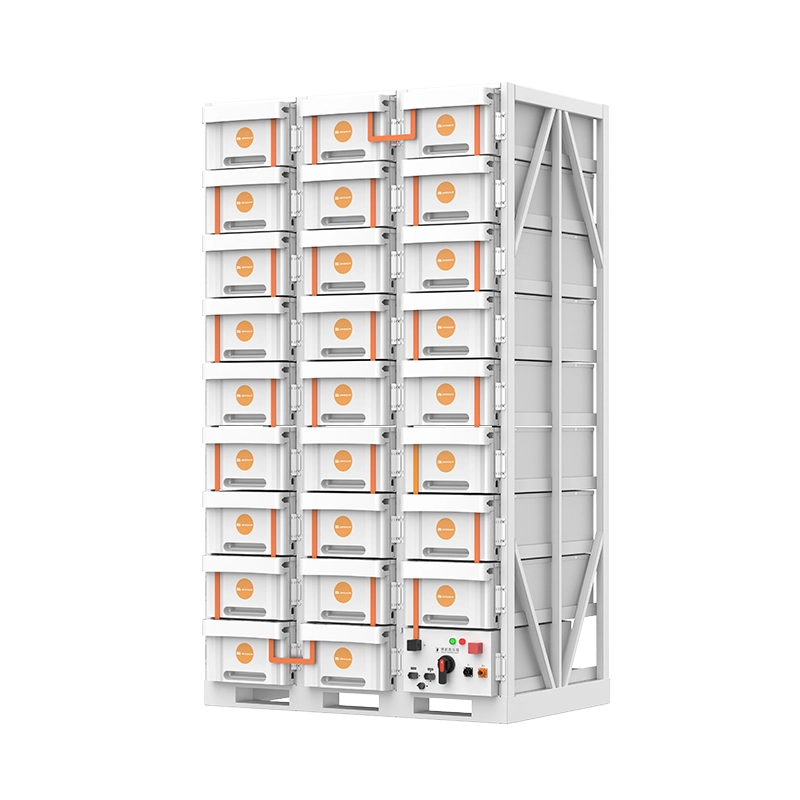
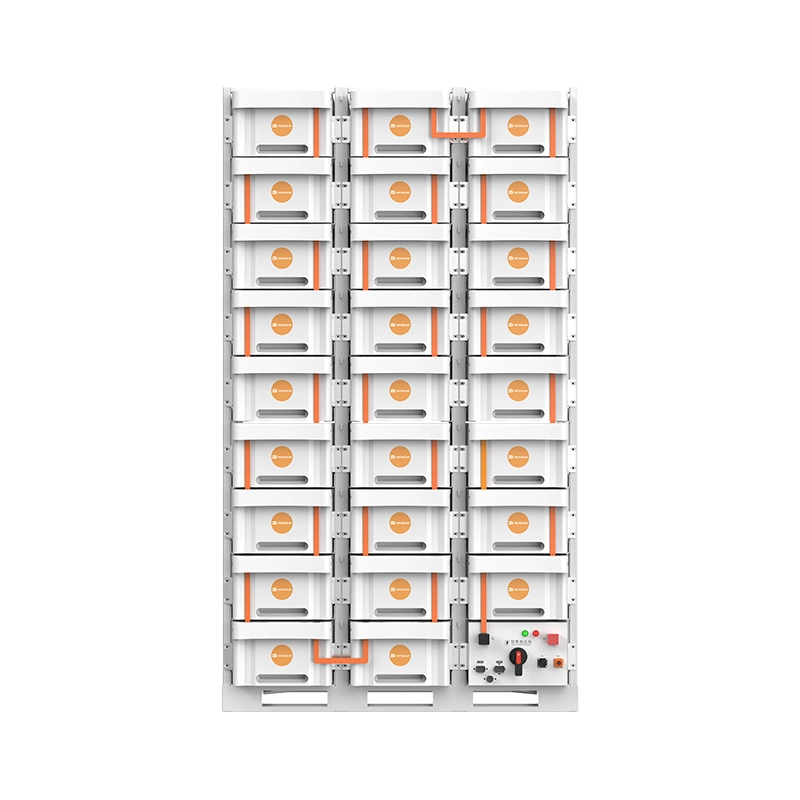
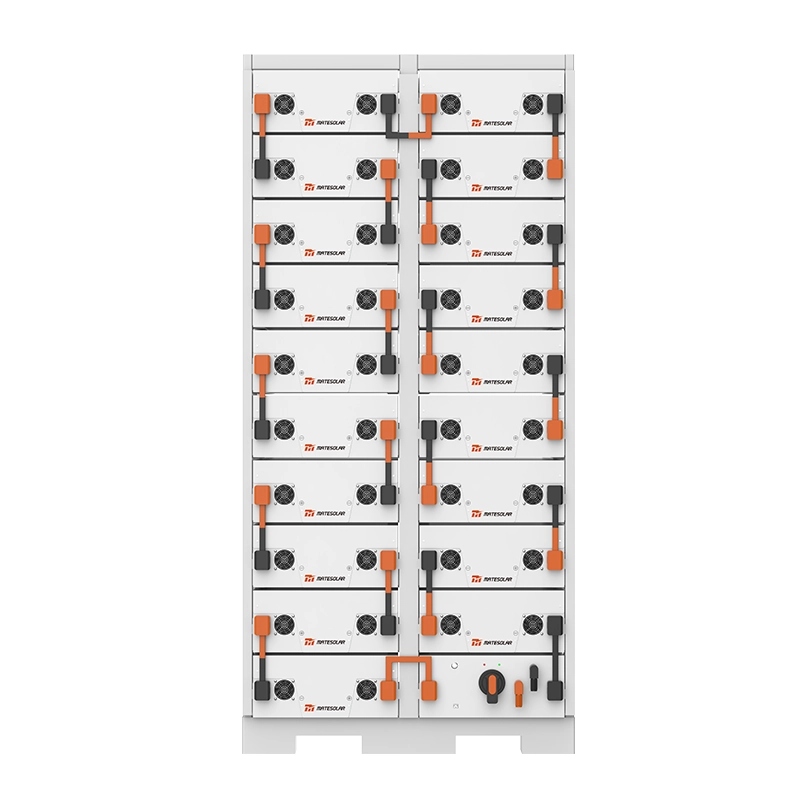
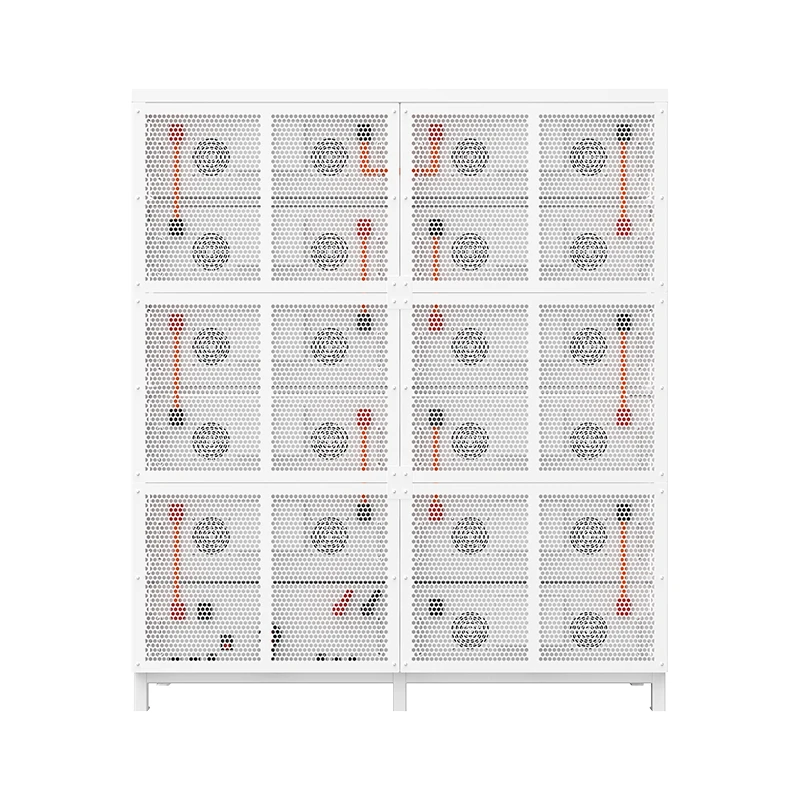
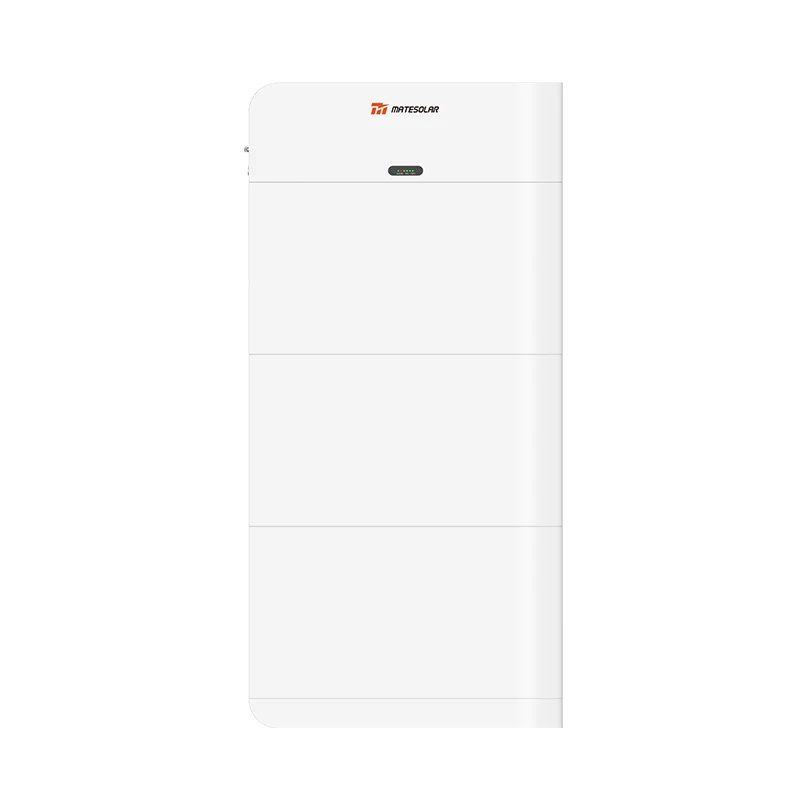
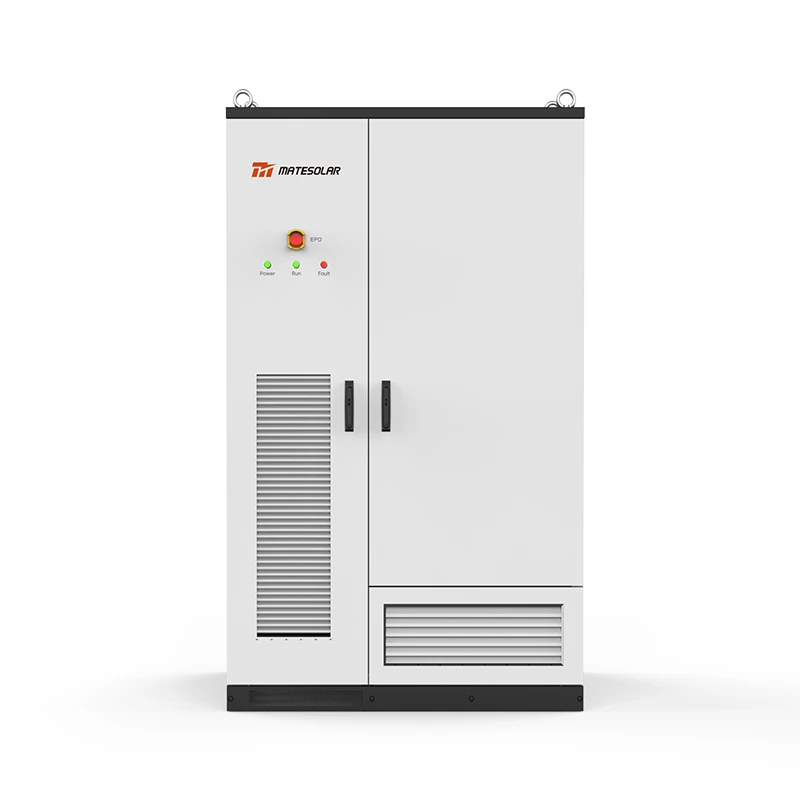
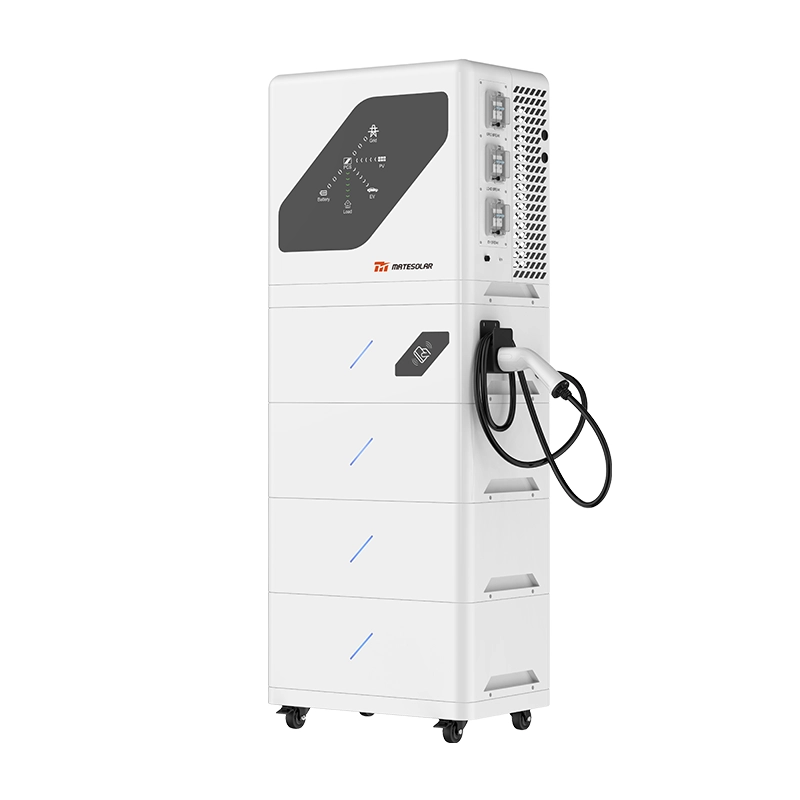
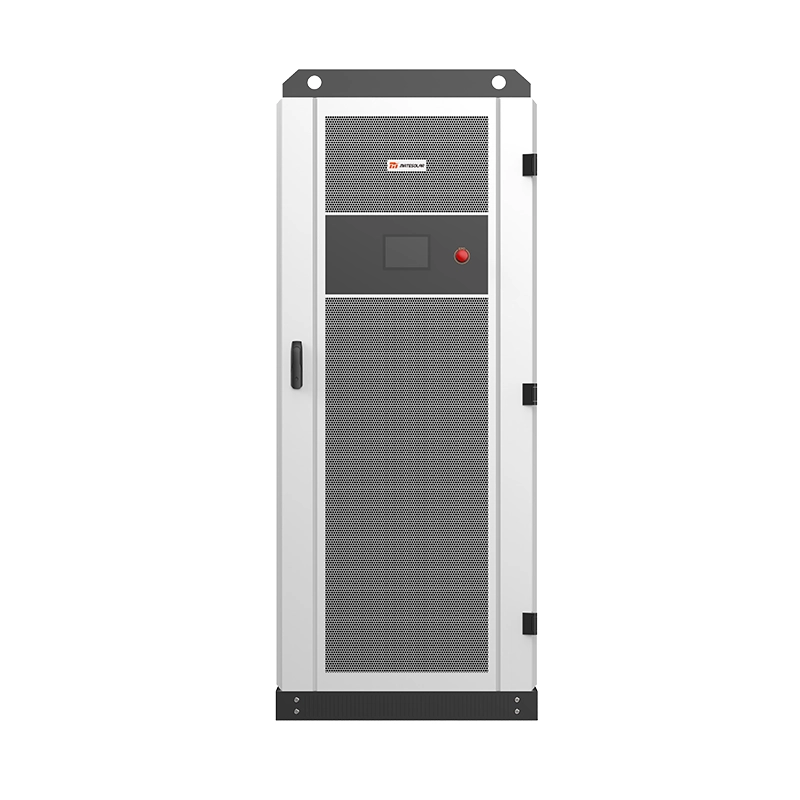
| 100kW/232kWh 125kW/261kWh Liquid-Cooled Outdoor Cabinet Energy Storage System | Factory, logistics center, commercial building; peak load 100–250 kW | Demand-charge reduction, solar self-consumption, TB4 | Outdoor enclosure avoids indoor REI 60/120 requirement; PPOŻ review required above 50 kW |
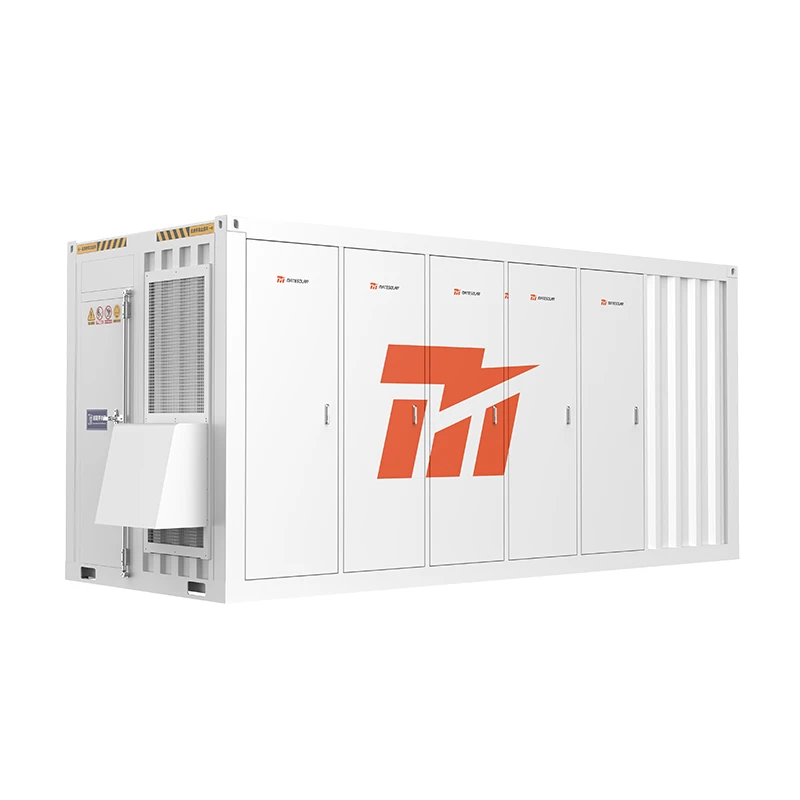
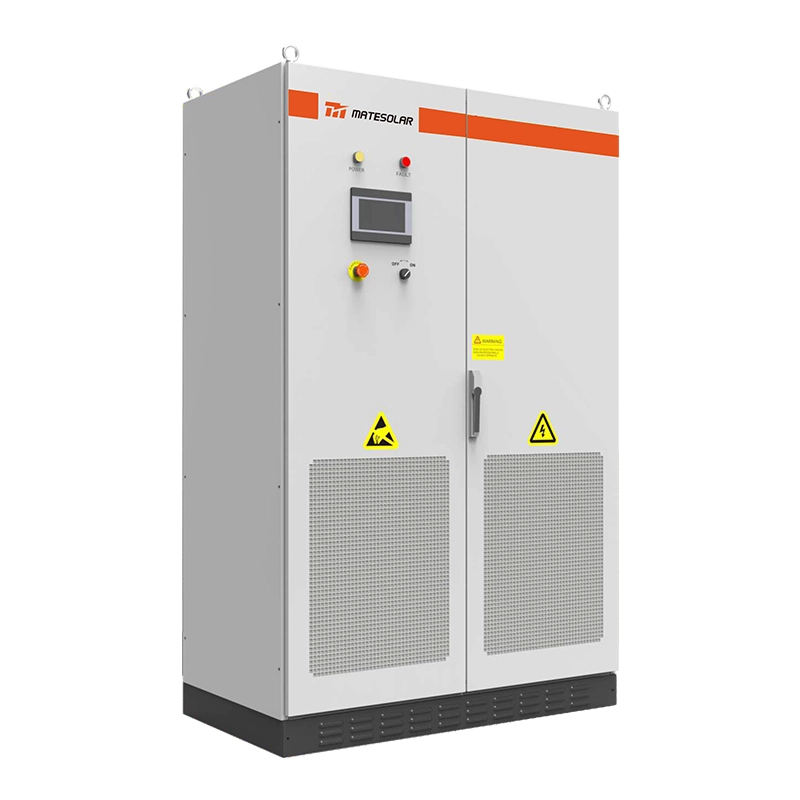
| 40Ft 1MWh 2MWh Air-Cooled Container ESS Energy Storage System | Larger industrial site; peak load 500 kW–1 MW | Peak shaving, solar shifting, intraday arbitrage | Outdoor layout must meet NFPA 855 spacing or UL 9540A-supported reduction |
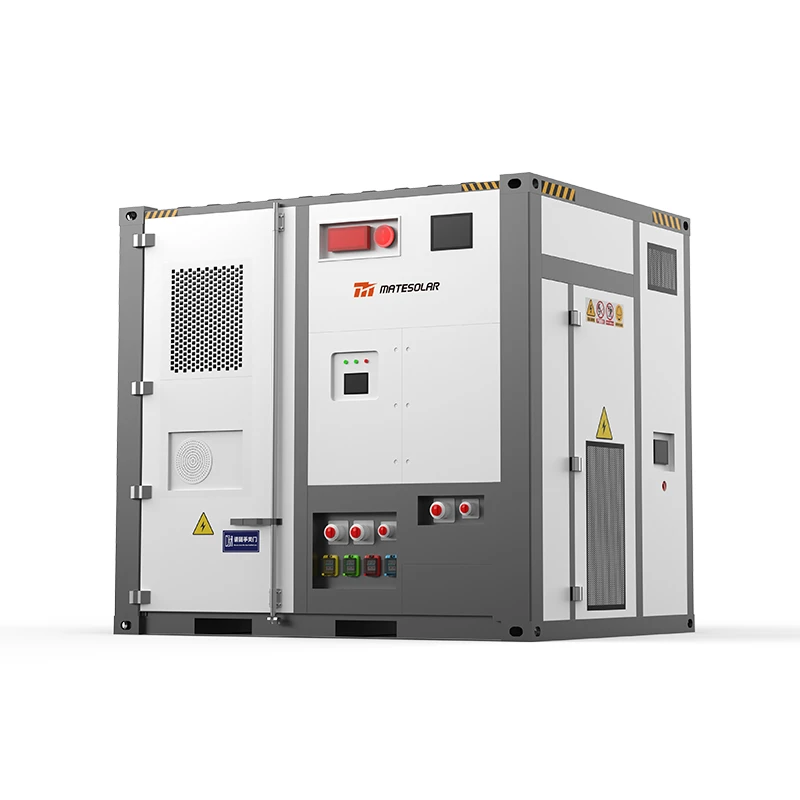
| 20ft 3MWh 5MWh Liquid Cooling Container Energy Storage System | Upper C&I or small utility-scale; 1–5 MW | TB4, intraday arbitrage, demand-charge reduction | Higher energy density per square meter; 600 kWh fire-zone cap favors outdoor siting |
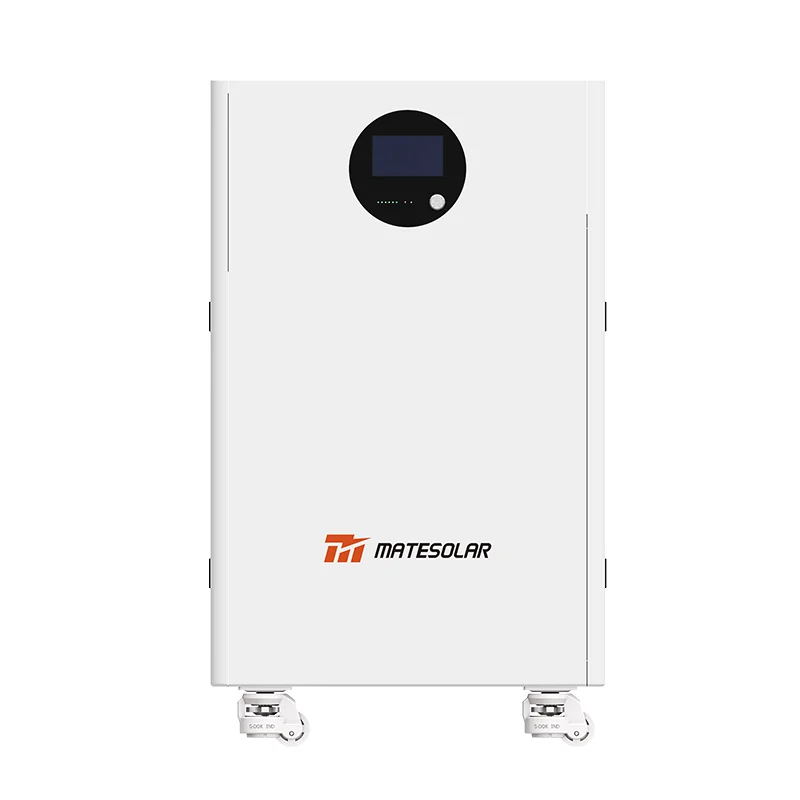
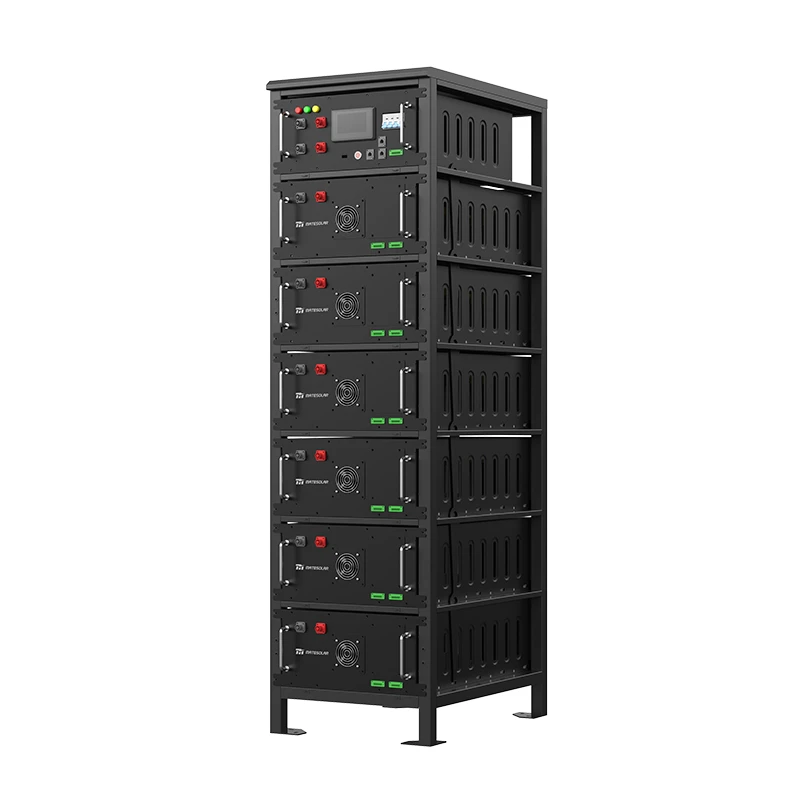
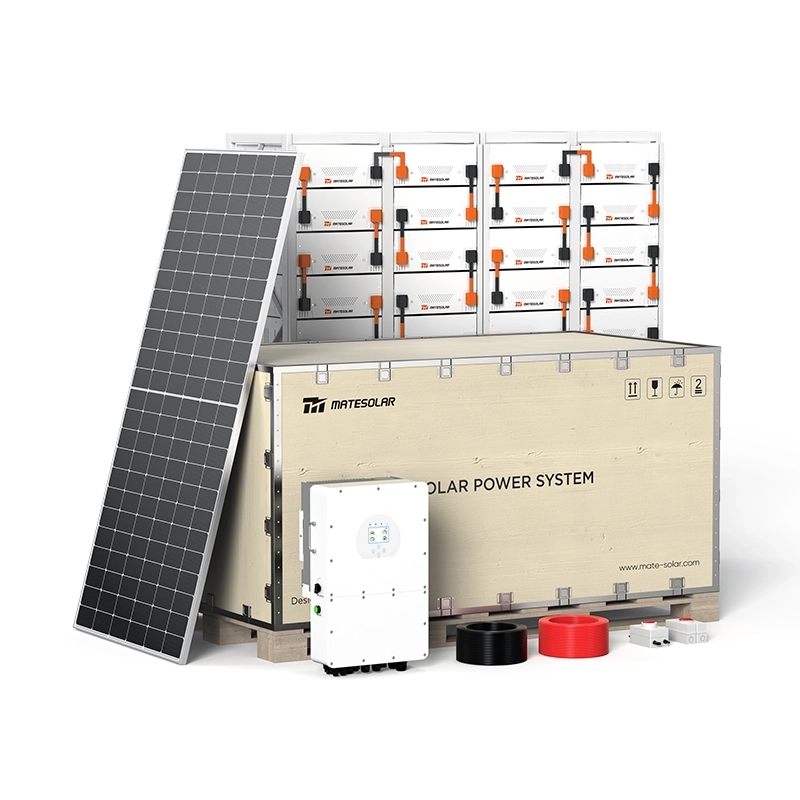
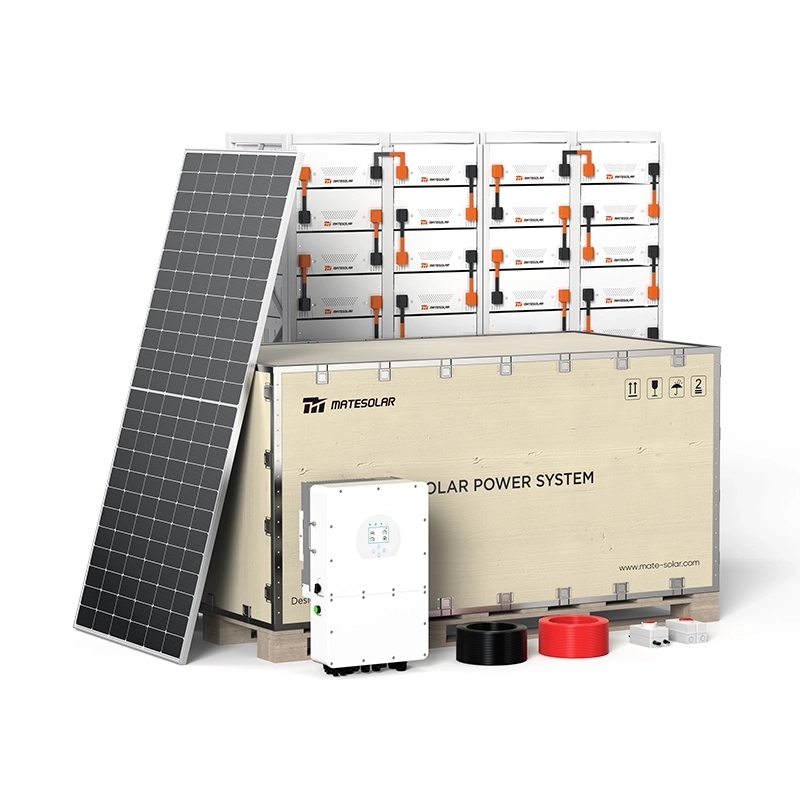
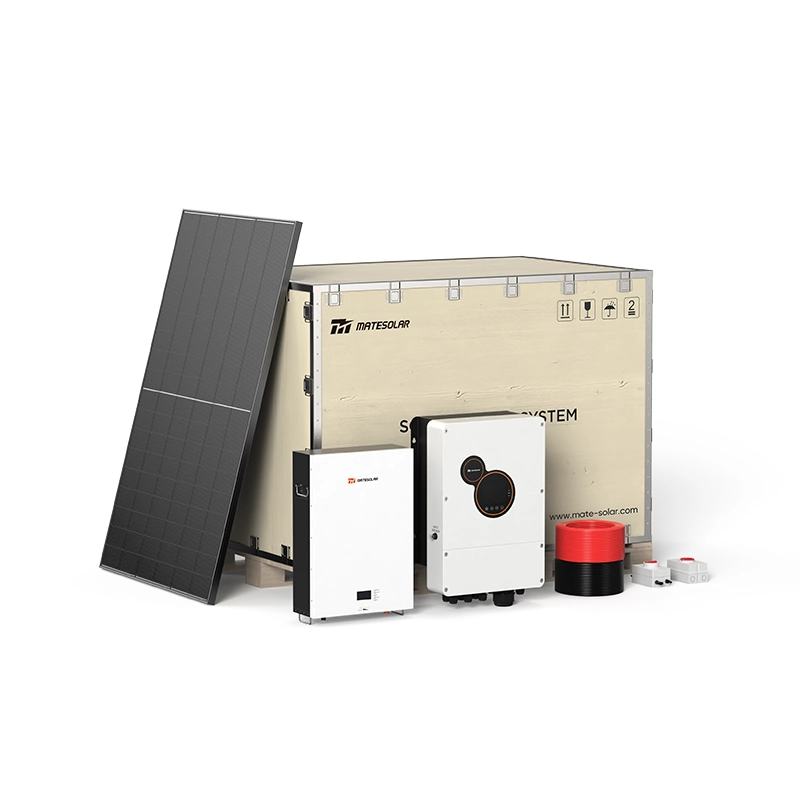
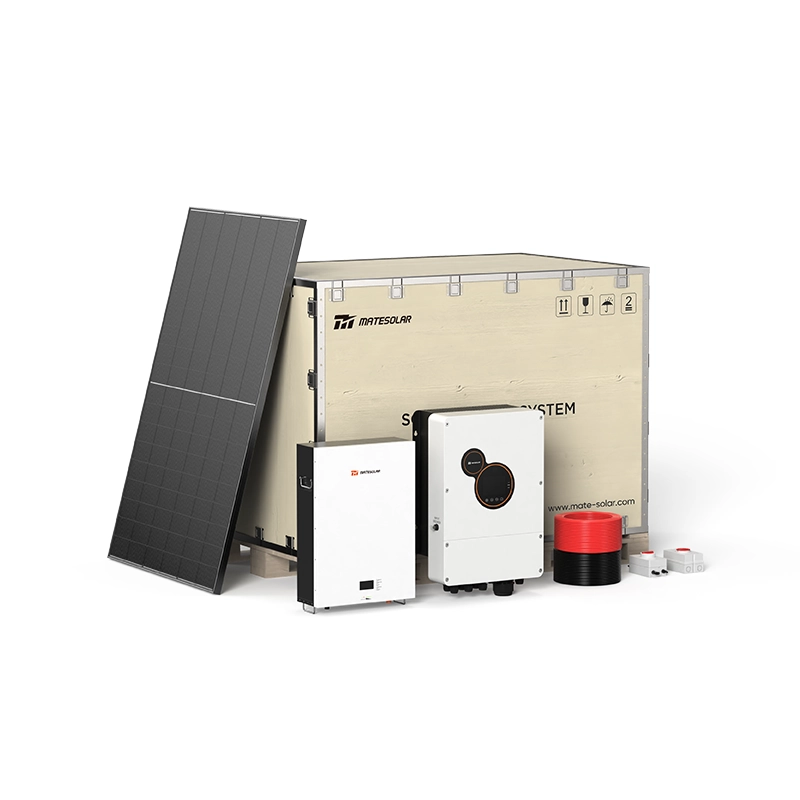
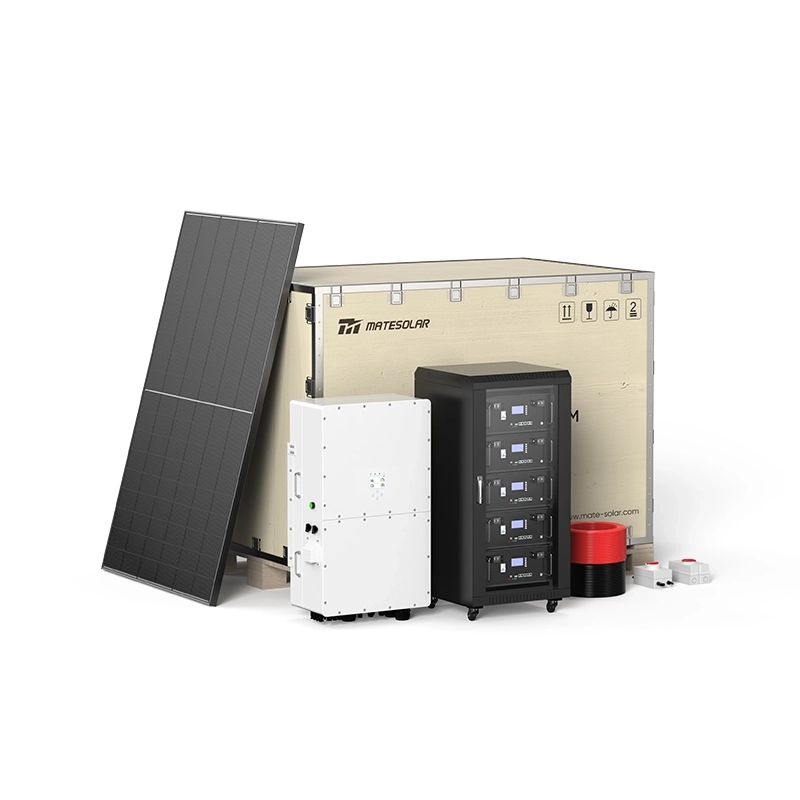
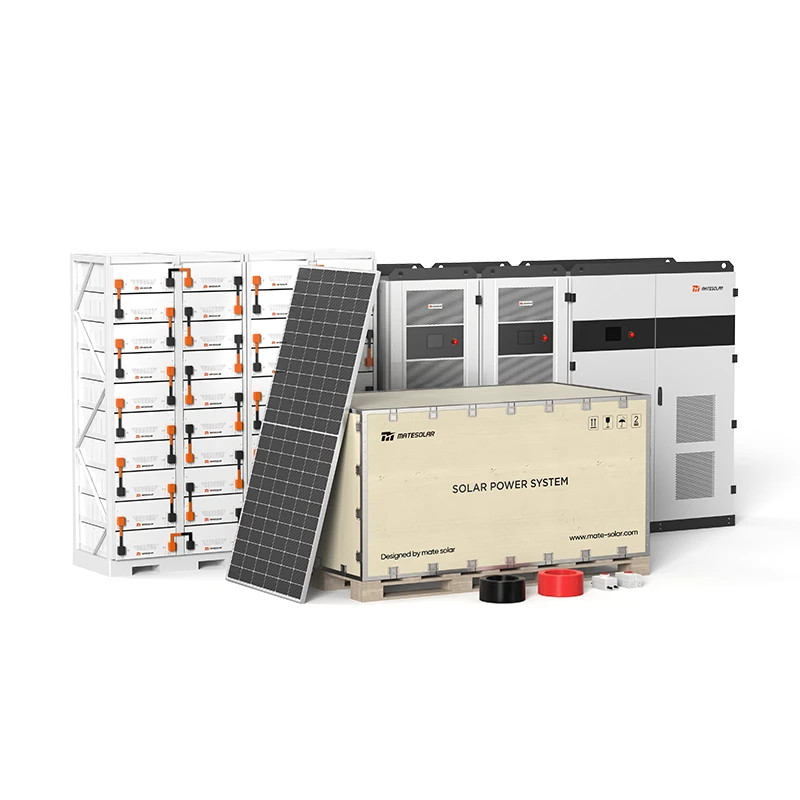
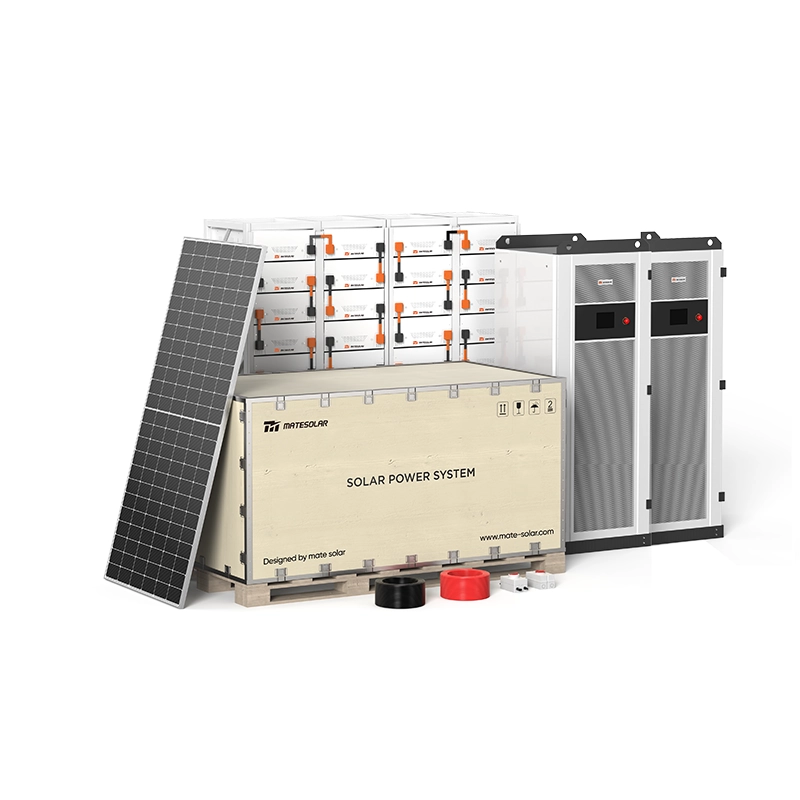
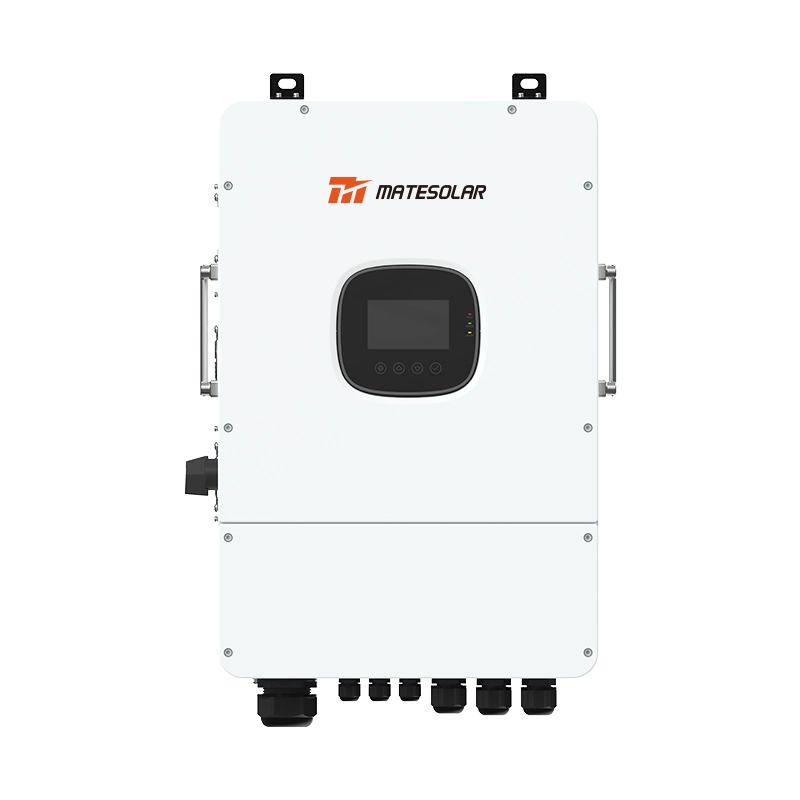
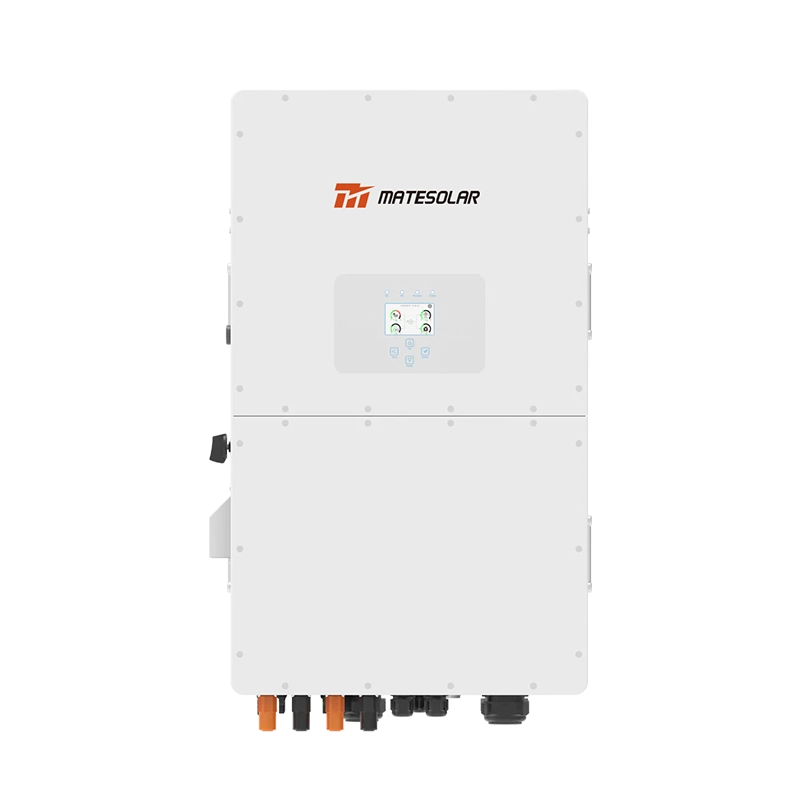
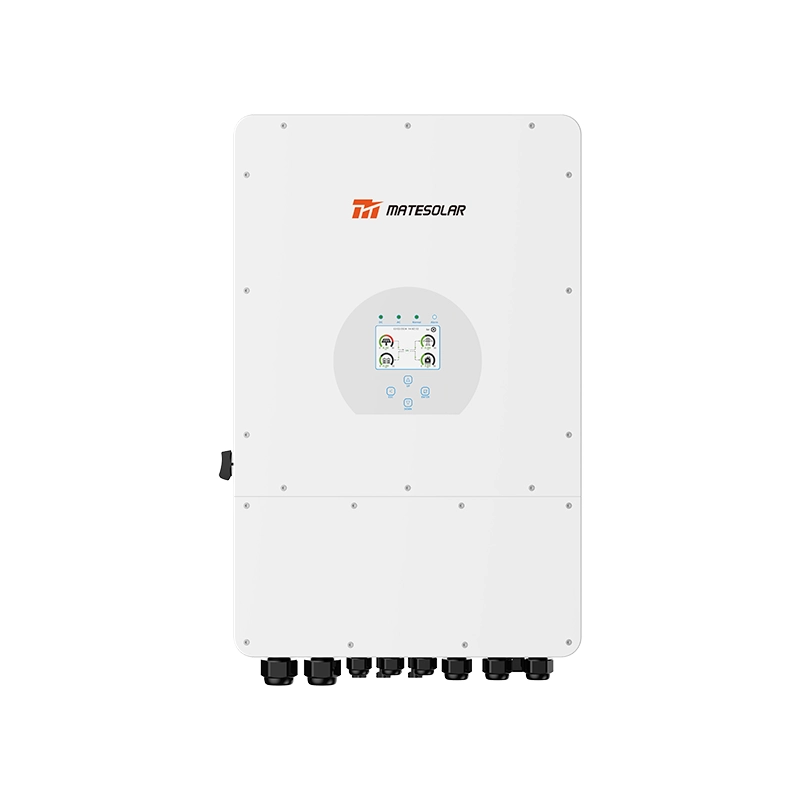
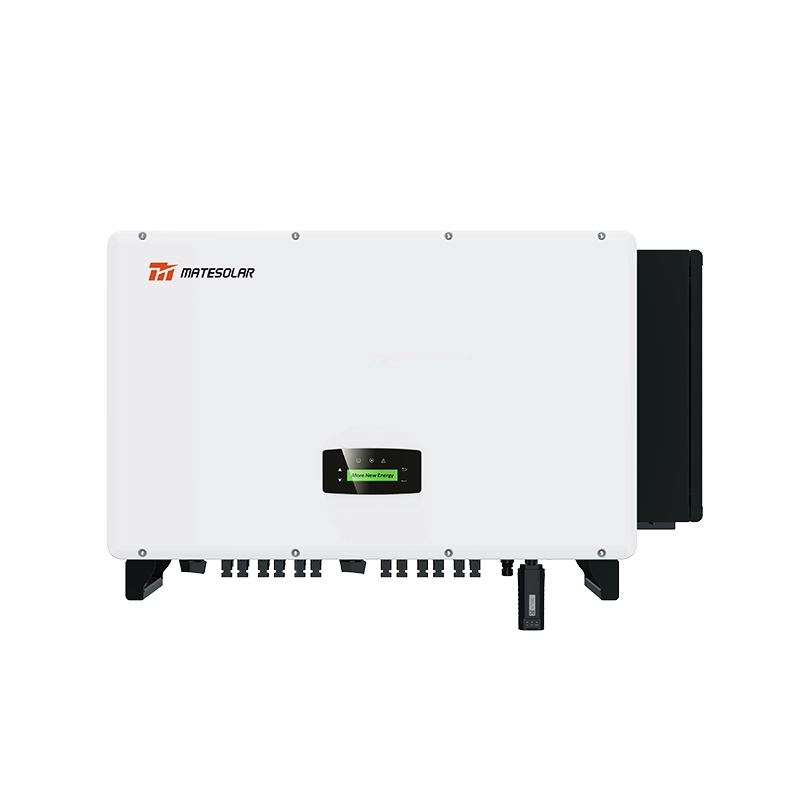
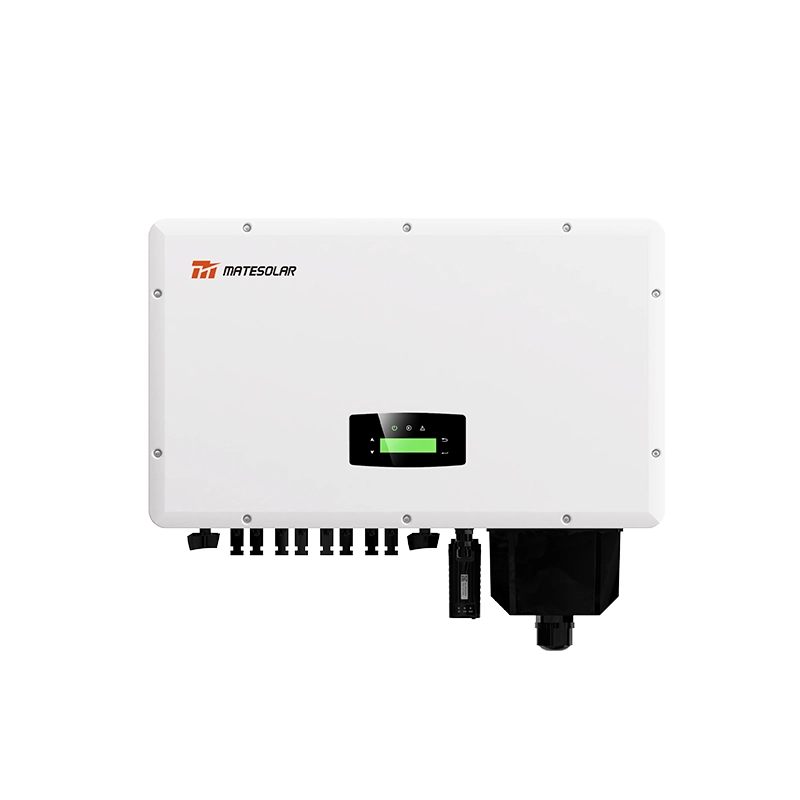
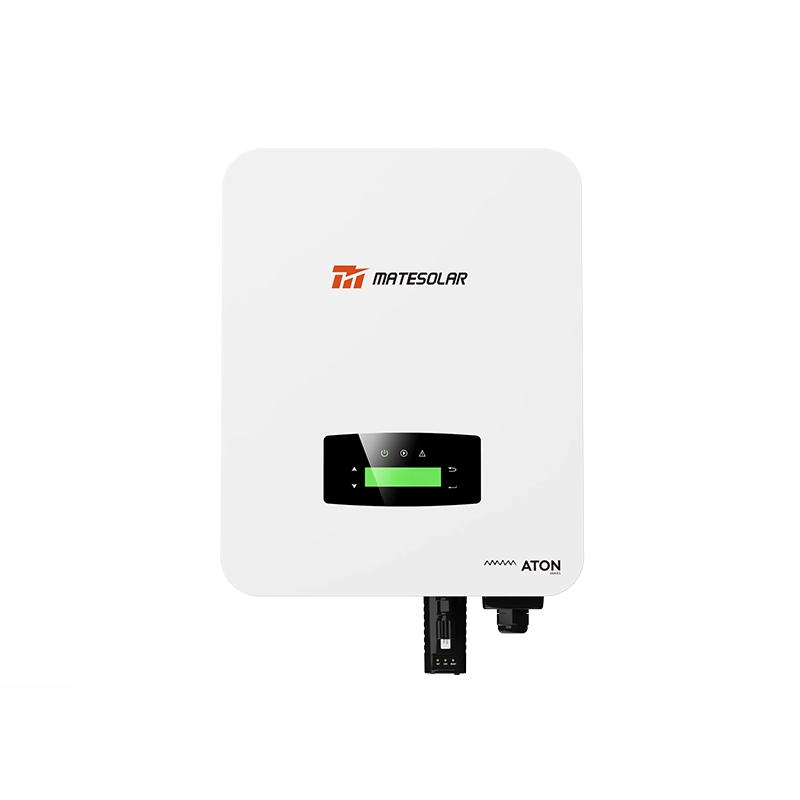
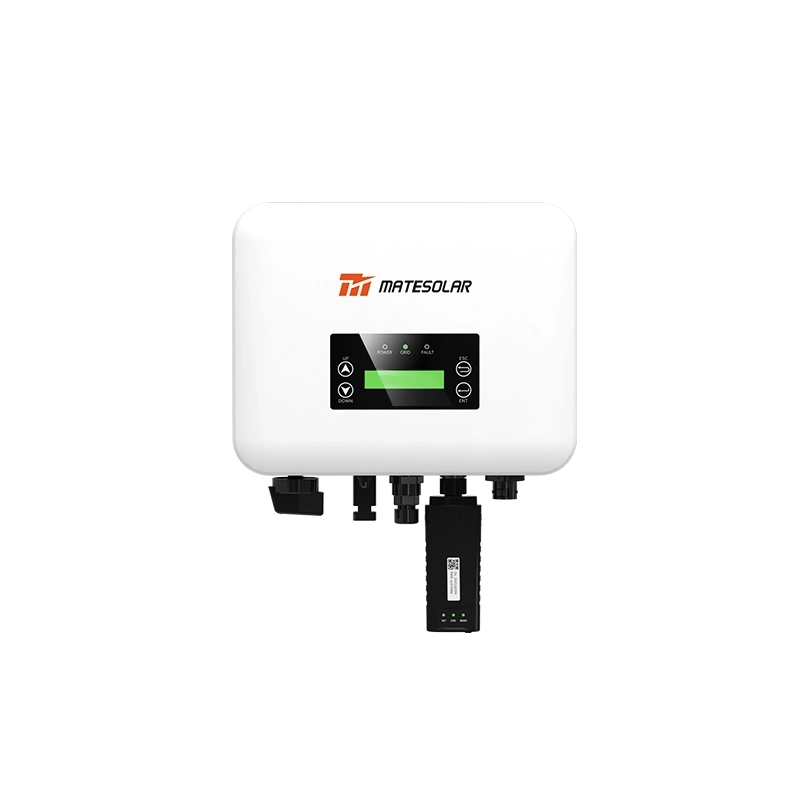
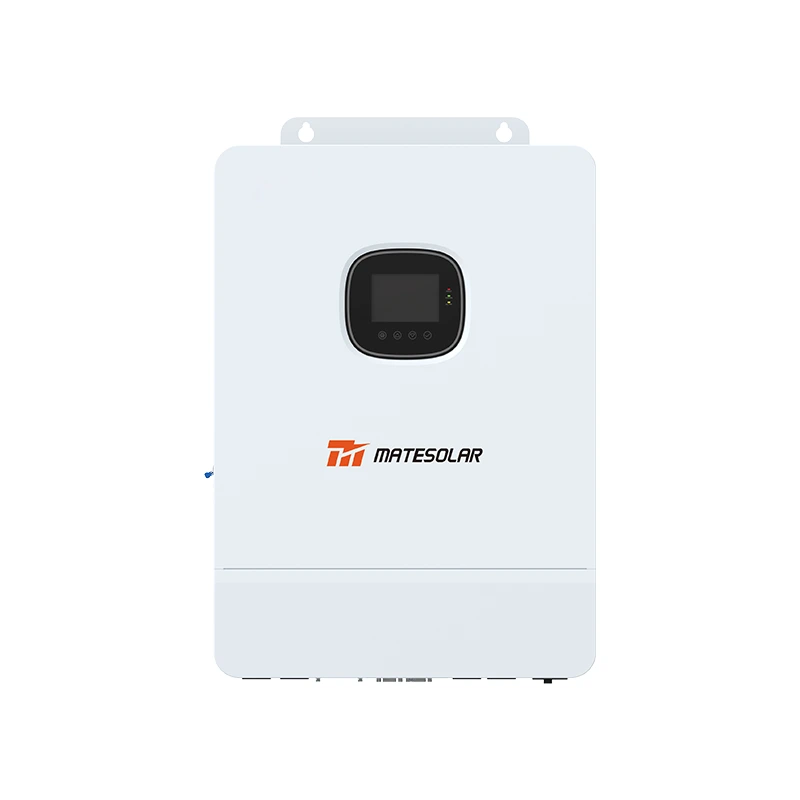
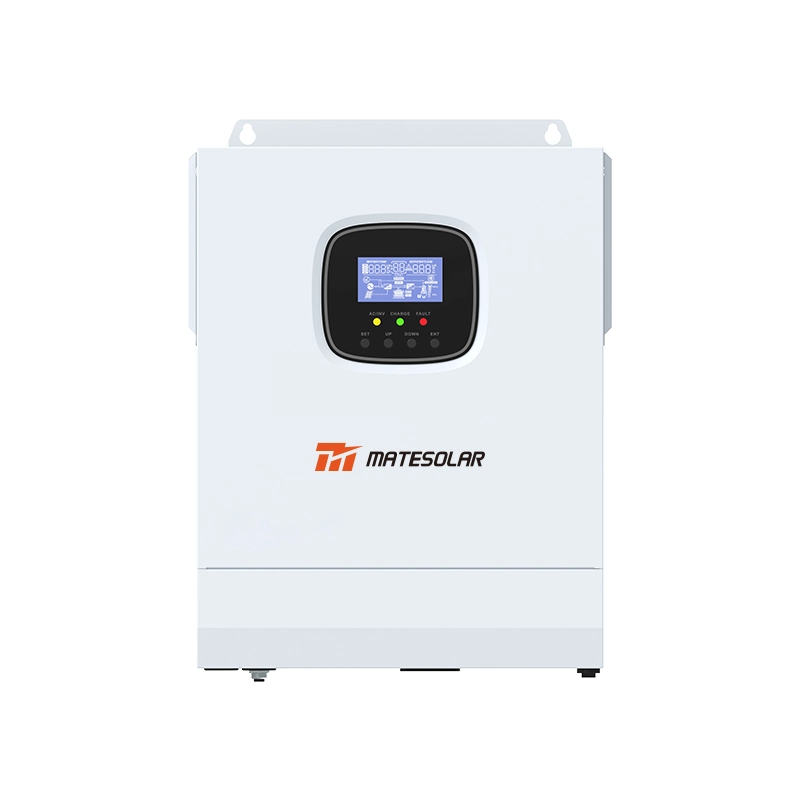
| Commercial 500KW Hybrid Solar System | PV-plus-storage integration for large C&I self-consumption | Solar self-consumption, demand-charge reduction, future grid services | Hybrid architecture; EMS integration required for balancing participation |
The 100–125 kW / 232–261 kWh liquid-cooled outdoor cabinet is the workhorse for the lower end of the C&I range. The liquid-cooling architecture provides tighter thermal management in a Polish climate that swings from sub-freezing winters to summer peaks above 30°C. The outdoor-rated enclosure avoids the indoor REI 60/120 compartment requirements. For PPOŻ approval, cabinet-level thermal-runaway containment and test data supporting the separation-distance argument are the critical determinants of approval speed.
At 1–2 MWh, the 40 ft air-cooled container fits larger industrial loads where peak shaving and solar shifting dominate. Air-cooling is cost-effective at this scale when the cycling profile is moderate and ambient conditions are within the design envelope. The 40 ft form factor also gives EPCs a familiar logistics and installation profile.
At 3–5 MWh, the 20 ft liquid-cooled container offers higher energy density in a smaller footprint. That matters in Poland because the 600 kWh per-fire-zone cap and NFPA 855 separation requirements put a premium on energy density per square meter. A 5 MWh container that fits in a smaller outdoor footprint can reduce balance-of-plant and civil works costs relative to multiple smaller cabinets. Liquid cooling also supports higher cycling throughput, which is relevant for projects that intend to participate in TB4 and intraday arbitrage alongside demand-charge reduction.
For clients approaching storage as an extension of PV, the Commercial 500KW Hybrid Solar System provides an integrated PV-plus-storage architecture under a common control layer. It is a sensible starting point for self-consumption and demand-charge reduction, with the option to add external EMS integration for balancing-market participation later.
7. Service: what “support” should mean in a dispersed C&I market
Poland’s C&I sites are geographically dispersed. Grid-connection and fire-safety approval timelines are measured in months. When a system faults or needs commissioning support, the difference between a real service model and a remote promise has a direct effect on revenue continuity. A demand-charge reduction system that is offline during a peak-load event loses the value it was installed to capture.
The Polish market has seen significant localization by Chinese storage brands. Tianneng International has signed a letter of intent with ELQ Energy for a 5 GWh assembly base in Częstochowa under a technology-output and joint-venture model. Linyang has localized its Poland regional headquarters across sales, technical, and delivery functions, established a European warehousing center that shortens delivery cycles by about 40%, and plans a European professional service center. Sungrow has established a Polish subsidiary and after-sales service center and adapted its systems to Polish grid codes. The competitive frontier has shifted from “who can ship the cabinet” to “who can support commissioning, spare parts, and grid compliance in Poland.”
For a C&I client, the practical questions are narrower. Can a failed component be replaced in days rather than weeks? Can the EMS and communication gateway be adapted to a DSO’s flexible-connection technical conditions without returning the unit to the factory? Can the supplier provide the PPOŻ technical dossier—UL 9540A data, thermal-runaway documentation, separation-distance justification—in a form the fire expert can review without a prolonged back-and-forth?
The honest service model in Poland in late 2026 is not “local everything.” It is tiered. Hardware quality issues are handled through spare-part shipping with remote-guided replacement instructions, or through product replacement if the fault is severe. Software and EMS issues are handled through remote technical support. For larger C&I projects, technical personnel can travel to site for commissioning guidance when the project scale and complexity justify it. Smaller jobs are handled remotely.
That model is not a weakness if it is transparent. The procurement question is not whether the supplier has a warehouse in Poland. It is whether the supplier’s actual response capability can keep the system operating within the project’s revenue window. A generic “local service” claim is less useful than a clear answer on spare-part logistics, remote diagnostics, and when on-site commissioning support is available.
Table 6. Service capability questions for Polish C&I storage procurement
| Service dimension | What to verify | Why it matters in Poland |
| Hardware fault response | Spare-part shipping and remote-guided replacement protocol | A demand-charge system offline during a peak event loses revenue immediately |
| Software or EMS issue | Remote technical support scope and response time | EMS configuration for TB4 and DSO interfaces is software-intensive |
| PPOŻ documentation | UL 9540A data and thermal-runaway dossier | Fire approval is project-specific; generic certificates are insufficient |
| Commissioning support | Remote or on-site scope for project scale | Large projects may justify on-site guidance; smaller projects can be supported remotely |
| DSO interface adaptation | Pre-engineered communication gateway and protocol library | The UC84 milestone clock does not pause for integration delays |
8. FAQ: the questions that decide C&I projects
Q1. Is the Polish capacity market still relevant for a 50 kW–5 MW C&I project?
Not as a base-case revenue source. The KWD fell to 13.39% in the December 2025 auction, and the 4-hour continuous discharge obligation makes a 2-hour C&I system self-de-rate to roughly 30% of installed capacity if it participates. Model capacity revenue as a contingent upside. The project must close on demand-charge reduction, solar self-consumption, and balancing-market participation.
Q2. Can a 2-hour C&I battery participate in the Polish balancing market?
Yes. TB4 is a 15-minute product, not a 4-hour obligation. A 2-hour system can participate in TB4 and intraday arbitrage if its EMS has real-time offer-scheduling and activation-response capability under PSE’s central dispatch model. The limitation is energy throughput. A 2-hour system has less energy to cycle through midday negative-price and evening positive-price windows than a 4-hour system, so TB4 capture may be lower on wide-spread days. But participation is technically feasible and commercially meaningful.
Q3. What EMS capability is non-negotiable for TB4 participation?
Real-time or near-real-time price-signal ingestion. Offer scheduling and activation response compatible with PSE’s integrated scheduling process. Settlement-grade 15-minute data logging. Data interfaces to the aggregator or BSP that handles prequalification and offer optimization. A day-ahead price-following EMS is not sufficient.
Q4. Does UC84 make it easier or harder to connect a C&I storage project?
Both. UC84 creates a pathway at constrained nodes through flexible connection agreements, which previously had no legal basis. But it shortens connection-condition validity to 12 months and imposes a 24-month milestone for a final building permit covering at least 80% of contracted capacity. DSOs do not yet have standardized flexible-agreement templates, so the technical package is assessed case by case. Connection becomes possible in more locations, but the execution timeline is tighter and the technical-compliance burden is higher.
Q5. What happens if the DSO does not have a flexible connection template?
The DSO engineer evaluates the application on the merits of the technical package. There is no published curtailment algorithm or accepted BESS sizing methodology for compliance. A developer who arrives with a well-documented control architecture, clear active-power and reactive-power response specifications, and a credible telemetry interface is more likely to secure an agreement than one who submits a generic application. The absence of a template is a first-mover opportunity for prepared developers and a delay risk for unprepared ones.
Q6. Is PPOŻ approval required for a 100 kW/232 kWh outdoor cabinet?
Yes. The PPOŻ review is triggered by the 50 kW threshold for C&I storage, independently of the kWh capacity ladder. A 100 kW/232 kWh outdoor cabinet is above 50 kW and therefore requires PPOŻ expert review and PSP notification, even though it is below the 300 kWh building-permit threshold.
Q7. Can UL 9540A data reduce the required separation distance between outdoor cabinets?
Yes, in principle. NFPA 855 provides default separation distances, but a reduced distance can be proposed if it is supported by UL 9540A large-scale fire test data showing that thermal runaway will not propagate at the proposed spacing. The PPOŻ expert has discretion to accept or reject the proposal based on the quality of the data and site conditions. Without UL 9540A data, the default distance is likely to apply, which can be a layout constraint on space-constrained sites.
Q8. Does the 600 kWh per-fire-zone limit apply to outdoor containers?
The 600 kWh limit in the August 2026 draft applies to buildings not intended exclusively for energy storage. It does not apply in the same form to outdoor, dedicated installations. However, an outdoor container installed adjacent to a building may trigger the REI 60/120 compartment requirement and the fire-zone capacity analysis if the expert determines that the installation is functionally part of the building’s fire compartment. Siting should be decided with the PPOŻ expert at the layout stage, not after the equipment is ordered.
Q9. Should a C&I project choose 2-hour or 4-hour duration?
The default C&I configuration should be 2-hour, because demand-charge reduction and solar self-consumption are served by 2-hour discharge. Specify the system with 4-hour extensibility so the client can add energy capacity without replacing the PCS or re-engineering the grid interface if the project later qualifies for a capacity contract or the load profile shifts. The duration decision must also account for the 600 kWh per-fire-zone cap and the available outdoor footprint.
Q10. Can a C&I battery capture both demand-charge reduction and TB4 revenue?
Yes, but the EMS must have a documented priority hierarchy. The default operating mode should treat the client’s demand-charge threshold and solar self-consumption target as hard constraints. Balancing-market participation should be layered on top with a defined deferral or curtailment rule when constraints bind. The priority logic must be configurable and visible to both the client and the aggregator.
Q11. What does a realistic payback look like for a Polish C&I storage project in late 2026?
Indicative payback for a stacked C&I project—demand-charge reduction, solar self-consumption, and grid services—has been estimated at 5–8 years. Projects that rely on demand-charge reduction alone are unlikely to close within that range. The lower end of the band requires access to at least two value streams beyond demand-charge reduction, and an EMS capable of executing the grid-service layer.
Q12. What is the most common mistake C&I clients make in Polish storage procurement in late 2026?
Treating the capacity market as a revenue anchor based on the 15-year contract narrative, without accounting for the 13.39% KWD and the 4-hour obligation. The second most common mistake is selecting an EMS for day-ahead price-following and assuming TB4 participation is a software add-on. The third is treating PPOŻ approval as a generic certification exercise rather than a project-specific technical argument. Each of these can turn a seemingly viable project into a stalled asset.
9. Conclusion: what “bankable” means in Poland now
Poland’s storage market is not short of policy activity. It is short of converted, operating C&I assets—projects that have moved from a capacity-market narrative to a functioning revenue stack, from a flexible connection right to a compliant grid interface, and from a fire-safety application to a PPOŻ approval that supports both construction and insurance.
The projects reaching commercial operation are the ones that accept three uncomfortable truths.
First, the capacity market is no longer a C&I revenue anchor. Build the stack on demand-charge reduction, solar self-consumption, and balancing-market participation. Treat capacity revenue as a contingent upside.
Second, the EMS is not a controller accessory. It is the infrastructure that determines whether the TB4 revenue layer is accessible at all. A day-ahead price-follower is not a Polish balancing-market asset.
Third, fire approval and grid connection are not administrative formalities. They are technical arguments with hard deadlines. They do not pause for equipment delivery or software integration.
The suppliers who will matter in this market are not the ones with the lowest cabinet price per kWh. They are the ones who can provide a verifiable EMS capability for the Polish balancing market, a PPOŻ documentation package that supports a project-specific approval argument, and a service model that keeps a dispersed C&I fleet operating within its revenue window.
MateSolar is a one-stop PV and storage solution provider serving commercial and industrial clients across Europe. The product range spans hybrid solar systems, liquid-cooled outdoor cabinets, and air-cooled and liquid-cooled container ESS configurations, supported by a tiered service model that combines remote technical support, spare-part logistics, and targeted on-site commissioning guidance for larger projects. For Polish C&I clients navigating the post-capacity-market transition, the starting point is not a product datasheet. It is a revenue-stack and compliance conversation—and that is the conversation MateSolar’s engineering and support teams are structured to have at the project level.
This article reflects market data and regulatory sources available as of 18 November 2026, including Modo Energy research on the Polish capacity and balancing markets, DZP and Garrigues analyses of the UC84 grid act, PSME and Portal Samorządowy reporting on the draft BESS fire regulation, and publicly disclosed localization announcements from storage suppliers active in Poland. Project economics are illustrative and must be validated with project-specific load data, tariff structures, and approved PPOŻ and DSO documentation.