

















Romania has emerged as one of the most dynamic battery energy storage markets in Southeastern Europe. As of August 1, 2026, Transelectrica data shows 989 MW of installed storage power and 1,975 MWh of storage capacity nationwide—a figure that has nearly doubled since the end of April. The country's storage project pipeline now exceeds 30 GW across 647 projects planned for 2026–2035, with approximately 2,050 MW expected to come online by the end of 2026.
ENTSO-E ranks Romania as the fourth most attractive energy storage market in Europe, with average daily revenues of approximately €792/MW, second only to Hungary. The government's target of exceeding 5 GW of storage deployment by the end of 2026 reflects the scale of ambition driving this market.
This report provides a comprehensive analysis of Romania's commercial and industrial (C&I) energy storage landscape as of August 2026, covering policy frameworks, project pipelines, financing mechanisms, and actionable strategies for market participants.
Part One: Romania's C&I Energy Storage Market — Current Status (August 2026)
1.1 Market Overview
Romania's battery storage sector has transitioned from early-stage deployment to rapid commercialization in 2026. The country added approximately 2.2 GW of solar capacity in 2025, bringing total installed solar past the 7 GW threshold. This rapid renewable expansion has created urgent demand for flexible storage capacity to balance intermittent generation.
Key Market Metrics (as of August 1, 2026):
| Metric | Value |
| Installed Storage Power | 989 MW |
| Storage Capacity | 1,975 MWh |
| Operational BESS Projects (excluding prosumers) | 30 projects, 599 MW |
| Project Pipeline (2026–2035) | 647 projects, ~30.4 GW |
| Expected 2026 Commissioning | ~2,050 MW across 36 projects |
Source: Transelectrica, August 2026
1.2 The Three Largest Operational Storage Facilities
Three large-scale battery installations account for approximately half of Romania's total installed storage capacity:
Florești (Nova Power & Gas) — 200 MW / 400 MWh
Commissioned in December 2025, this remains Romania's largest operational battery facility. The system comprises 45 battery containers of 4.5 MWh each, 30 transformation points, and a 110/33 kV power station. It is primarily deployed in the system services and balancing markets.
Gura Ialomiței (Aukera Energy) — 150 MW / 300 MWh
Completed in mid-June 2026, this facility was developed by Aukera Energy, a pan-European renewable energy platform backed by AtlasInvest, Reggeborgh, and Belgium's sovereign wealth fund SFPIM. A second phase of 100 MW / 200 MWh is under construction and expected by year-end.
Iaz (Energy Capital Group / Simtel) — 100 MW / 200 MWh
Completed in May 2026, this facility includes 44 lithium-ion battery containers, 528 high-power inverters, a 110 kV substation, and 11 transformer stations. The project received over RON 50 million in funding through Romania's National Recovery and Resilience Plan.
1.3 The C&I Segment: The Next Growth Frontier
While utility-scale storage has dominated headlines, the C&I segment is emerging as the next major growth vector. Several factors are converging to activate this market:
- Casa Verde policy shift from PV subsidies to storage
- €76 million C&I storage budget allocation
- ANRE's elimination of the "dual charging" fee for storage
- Growing commercial demand for peak shaving, load shifting, and energy cost optimization
Recent C&I deployments demonstrate accelerating momentum:
| Project | Capacity | Status | Application |
| Ganfeng Lithium Constanța | 13.76 MWh | Operational (April 2026) | C&I peak shaving |
| Skyworth Storage Romania | 31 MWh (combined with Cyprus) | Confirmed (August 2026) | C&I market entry |
| Dunext Romania | 40+ MWh containers | Deployed | Hotels, factories, farms, parking |
| WattRO × Chisage ESS | €3 million contract (2026) | Announced May 2026 | Integrated C&I systems |
Table 1: Recent C&I Energy Storage Deployments in Romania
Part Two: Policy and Regulatory Environment
2.1 EU-Approved €150 Million State Aid Scheme for Energy Storage
On March 6, 2026, the European Commission approved a €150 million (RON 764 million) Romanian state aid scheme to support electricity storage under the Clean Industrial Deal State Aid Framework (CISAF). This is the first Romanian scheme approved under the CISAF.
Key Scheme Parameters:
| Parameter | Detail |
| Total Budget | €150 million (RON 764 million) |
| Target Capacity | At least 2,174 MWh of new storage |
| Aid Form | Direct grants for standalone BESS |
| Funding Source | EU Modernisation Fund |
| Subsidy Cap | €69,000/MWh |
| Maximum per Beneficiary | €15 million |
| Application Window | September 1 – October 30, 2026 |
| Commissioning Deadline | 48 months from contract signing |
Source: European Commission, March 2026
The scheme was approved under Article 107(3)(c) of the Treaty on the Functioning of the EU. Beneficiaries will be selected through a competitive tendering procedure. Aid must be granted before December 31, 2030.
Critical Timeline Alert: The application window opens on September 1, 2026 and closes on October 30, 2026. As of this publication (August 26, 2026), applicants have approximately five weeks to prepare submissions.
2.2 AFM Prosumer Storage Program — €80 Million
On August 19, 2026, the Ministry of Environment published the financing guide for a 400 million lei (approximately €80 million) program dedicated exclusively to prosumer energy storage.
Key Program Details:
- Target Beneficiaries: Individuals (not legal entities) who already have photovoltaic panels installed and connected to the grid
- Funding Limit: Maximum of 15,000 lei per beneficiary
- Co-financing Requirement: Minimum 25%
- Target Capacity: At least 400 MWh new storage capacity
Minister of Environment Diana Buzoianu stated the program is intended "only for individuals who already have photovoltaic panels installed and connected to the grid". The guide and draft Ministerial Order are currently under public consultation.
Prime Minister Ilie Bolojan has indicated there will be another scheme, twice as large, dedicated to storage and financed through the Modernization Fund, which will most likely target companies.
2.3 Casa Verde Policy Pivot — From Solar to Storage
Since 2018, the Casa Verde photovoltaic program has helped Romania add over 3.7 GW of solar capacity among prosumers. In 2026, the program has been suspended for the second consecutive year.
The Strategic Shift:
The Environmental Fund Administration (AFM) has redirected approximately 400 million RON (€76 million) toward battery energy storage systems for existing prosumers. The logic is straightforward: Romania now has over 250,000 prosumers with solar installations, and the grid cannot absorb additional PV generation without storage.
For the C&I segment, the €76 million budget includes allocations for "residential and C&I installations". However, the specific application guidelines for C&I projects have not yet been finalized, leaving many commercial operators in a state of "knowing money exists but not knowing how to access it."
2.4 CfD (Contracts for Difference) Auctions
Romania's CfD mechanism, developed with technical assistance from the EBRD, aims to support the construction of 5 GW of new solar and onshore wind capacity. The first CfD auction was significantly oversubscribed, with 1.6 GW of solar capacity bids received.
Notable CfD Awards:
Econergy Părău 2 — 342 MW Solar + 150 MW / 300 MWh BESS
- Secured 125 MWac allocation in the first CfD auction
- Strike price: €49.4/MWh for 15 years
- Total debt financing: €229 million, including €120 million from EBRD
- Commercial operations expected: Late 2027 or early 2028
Rezolv Energy Dama — 1.2 GW Solar + BESS
- CfD-supported with co-located BESS
2.5 ANRE Grid Connection and Financial Guarantee Reforms (May–August 2026)
The May 25, 2026 Reform (ANRE Order No. 15/2026)
On May 25, 2026, Romania implemented its most significant grid connection reform to date:
1. Primary Grid Connection Guarantee: Increased from 5% to 20% of the grid connection tariff (excluding VAT) for production and production-and-consumption sites. This applies to projects larger than 1 MW.
2. Auction Participation Guarantee: Bidders must now deposit €20,000/MW of requested capacity to participate in available connection capacity auctions.
3. Stricter Deadlines: Developers must obtain setting-up authorisation within 12 months of signing the grid connection contract, and no later than 18 months from ATR issuance. Failure results in automatic ATR termination.
ANRE President George Niculescu stated: "We want the network to be accessible to projects that are actually being built, not indefinitely reserved for those that are not advancing". ANRE data showed 1,500 projects >1 MW with valid ATRs totaling over 86 GW — of which only 628 had concluded connection contracts and received building permits.
The August 25, 2026 ANRE Amendment — Hybrid Project Exemption
On August 25, 2026, ANRE published a draft order exempting storage installations co-located with solar or wind generation from the €30,000/MW financial guarantee.
Exempted Categories:
- Existing operational parks
- Beneficiaries of CfD contracts
- Projects that do not increase installed capacity
Rationale: The measure aims to accelerate storage investments by removing a significant financial barrier for hybrid projects. The guarantee is calculated at €30/kW of installed electrical power, and the exemption applies specifically to "the installed power of the new energy capacity added within the hybrid project".
2.6 Elimination of "Dual Charging" for Storage
Romania has eliminated the "dual charging" fee for energy storage, removing a major institutional barrier to C&I storage investment. This means storage operators are no longer charged twice for electricity that is stored and later discharged — a reform that significantly improves the economics of storage projects.
2.7 ANRE Order 20/2025 — The 5% Financial Guarantee Framework
ANRE Order 20/2025, which came into force on June 1, 2025, established the original 5% financial guarantee framework for grid connection. This required:
- A financial guarantee of 5% of the grid connection tariff before obtaining a new ATR
- Connection agreement extensions in 12-month increments, each requiring an additional 5% financial guarantee
The August 2026 ANRE draft further clarified the €30/kW guarantee procedure, including enforcement mechanisms, insurance instruments, and BESS exemptions.
Part Three: Major Storage Projects in Romania (2025–2026)
3.1 Utility-Scale Projects
| Project | Capacity | Status | Key Features |
| Nova Power & Gas Florești | 200 MW / 400 MWh | Operational (Dec 2025) | Largest in Romania; 45 battery containers |
| Simtel Iaz | 100 MW / 200 MWh | Operational (May 2026) | 44 Li-ion containers; RON 50M PNRR funding |
| Aukera Gura Ialomiței | 150 MW / 300 MWh | Operational (June 2026) | Phase 2 (100 MW/200 MWh) under construction |
| R.Power Scorniçesti | 127 MW / 254 MWh | Under construction | EBRD €44M financing; due late 2026/early 2027 |
| GEN-I Sonce Gheorgheni | 55 MW / 220 MWh | Construction started (Aug 2026) | Waldevar Energy as EPC |
| E-Infra Roșiori | 95 MW (Phase 1) | ANRE approval pending | Nova Power & Gas developing; hybrid PV+BESS |
| Trina Storage Gamma | 40 MW / 160.48 MWh | Installed (May 2026) | First Trina DC+AC project in Europe; Q3 2026 |
| Sungrow × ENEVO | 1 GWh portfolio | First 440 MWh by end-2026 | Liquid-cooled PowerTitan 2.0 |
| Yongtai × Metropolitan Energy | 135 MW / 270 MWh | Signed (Feb 2026) | Largest independent storage benchmark |
| PPC Fântânele Vest | 45.72 MW / 91.44 MWh | Announced (July 2026) | RON 98.35M investment |
Table 2: Major Utility-Scale BESS Projects in Romania
3.2 C&I and Commercial Projects
| Project | Capacity | Status | Application |
| Ganfeng Lithium Constanța | 13.76 MWh | Operational (April 2026) | C&I peak shaving |
| Skyworth Storage | 31 MWh (combined) | Confirmed (August 2026) | C&I market entry |
| Dunext Romania | 40+ MWh containers | Deployed | Multi-scenario C&I |
| WattRO × Chisage ESS | €3M contract (2026) | Announced May 2026 | Integrated C&I systems |
| WeLian × HOSTIX Zso | ~50 MWh (2-year plan) | Signed (July 2026) | SPower II 522kWh core product |
Table 3: C&I Energy Storage Deployments
Part Four: The Nine Critical Challenges Facing C&I Storage Investors
Challenge 1: The €150 Million State Aid Application Window — Only Weeks Remain
The Problem: The Modernisation Fund's €150 million storage aid scheme has an application window of September 1 – October 30, 2026. As of August 26, 2026, applicants have approximately five weeks to prepare submissions. Most potential applicants are unfamiliar with:
- The application process and eligibility criteria
- Project maturity requirements
- The MySMIS platform
- Competitive bidding procedures
The Solution:
Project Preparation Checklist:
1. Technical documentation: Complete feasibility studies, grid connection approvals (ATR), and environmental permits
2. Financial documentation: Detailed project budgets, co-financing commitments, and financial models demonstrating viability
3. MySMIS registration: Ensure the legal entity is registered on the MySMIS platform
4. Competitive bid strategy: Understand that aid is granted through a competitive tendering procedure
5. Capacity targets: The scheme targets at least 2,174 MWh of new storage
Expert Insight: The €69,000/MWh subsidy cap and €15 million per beneficiary maximum mean the scheme is best suited for medium-to-large projects. For smaller C&I projects, the AFM prosumer program or Casa Verde allocations may be more appropriate.
Challenge 2: The 20% Grid Connection Guarantee — Increased Upfront Capital Pressure
The Problem: ANRE Order No. 15/2026 increased the financial guarantee for grid connection from 5% to 20% of the connection tariff (excluding VAT). This applies to projects larger than 1 MW. Additionally, participation in capacity allocation auctions requires a €20,000/MW deposit.
For a typical 10 MW C&I project, this means:
- Connection guarantee: 20% of connection fee (historically ~€50-100/kW → now €10-20/kW, but the percentage increase is the key impact)
- Auction participation: €200,000 deposit
The Solution:
Strategy 1: Pursue Hybrid Project Status — As of August 25, 2026, ANRE has exempted storage co-located with solar/wind from the €30,000/MW financial guarantee. Hybrid projects benefit from this exemption, significantly reducing upfront costs.
Strategy 2: Leverage CfD Benefits — CfD beneficiaries are also exempt from the guarantee.
Strategy 3: Project Staging — Develop projects in phases to spread guarantee costs over time.
Strategy 4: Financial Guarantee Instruments — Work with financial institutions to provide guarantee instruments (bank guarantees, insurance bonds) rather than cash deposits.
Challenge 3: Hybrid Project Exemption from €30,000/MW Guarantee — How to Leverage This Policy Dividend
The Problem: The August 25, 2026 ANRE amendment exempting storage in hybrid projects from the €30,000/MW financial guarantee is one of the most significant policy developments of 2026 — yet most market participants are unaware of it or uncertain how to apply.
The Solution:
Eligibility Criteria for Exemption:
- Projects combining production capacity (solar/wind) with storage
- Existing operational parks adding storage
- CfD beneficiaries
- Projects that do not increase installed capacity
Implementation Steps:
1. Structure the project as hybrid: Ensure the BESS is co-located with solar or wind generation
2. Document the relationship: Technical connection approval should clearly indicate the hybrid nature of the project
3. Apply for exemption: The guarantee is calculated only by reference to the installed power of the new energy capacity added within the hybrid project
Strategic Implications:
- The exemption effectively creates a €30,000/MW subsidy for hybrid projects
- For a 10 MW BESS, this represents €300,000 in avoided guarantees
- This policy significantly tilts the investment case toward hybrid over standalone storage
Challenge 4: Casa Verde Policy Pivot — How C&I Projects Access the €76 Million Budget
The Problem: The Casa Verde program has been suspended for new PV, with approximately 400 million RON (€76 million) redirected to battery storage for existing prosumers. While the budget includes allocations for "residential and C&I installations", the specific C&I application guidelines have not yet been finalized.
The Solution:
Current Status (August 2026):
- AFM prosumer program guide published August 19 — but this is only for individuals (not legal entities)
- C&I-specific guidelines remain under development
- Prime Minister Bolojan has indicated a separate, larger scheme for companies through the Modernisation Fund
Action Plan:
1. Register as a prosumer if eligible (existing PV + grid connection)
2. Monitor AFM announcements for C&I-specific guidelines
3. Prepare project documentation in advance (feasibility studies, ATR, permits)
4. Consider the Modernisation Fund scheme for larger C&I projects
5. Engage with AFM directly for clarification on C&I eligibility
Table 4: Casa Verde Evolution Timeline
| Year | Program Focus | Budget |
| 2018–2025 | PV installation | Various (3.7+ GW installed) |
| 2025 | Suspended (first year) | N/A |
| 2026 | Suspended (second year) — redirected to storage | €76 million to storage |
Challenge 5: CfD Auction Competition — How to Improve Bid Success Rates
The Problem: The first CfD auction was over 3x oversubscribed, with 1.6 GW of solar capacity bids. CfD contracts are the cornerstone revenue guarantee for large hybrid projects — but securing an allocation requires sophisticated bidding strategy.
The Solution:
Case Study: Econergy Părău 2
- Capacity: 342 MW solar + 150 MW/300 MWh BESS
- Total Financing: €229 million
- EBRD Role: €120 million loan; first EBRD-financed solar+BESS project in Romania
Key Success Factors:
1. Bid Price Strategy: The €49.4/MWh strike price for Părău 2 provides a benchmark. Bids must be competitive with this reference point while remaining financially viable.
2. Hybrid Advantage: CfD beneficiaries are exempt from the €30,000/MW guarantee, improving project economics.
3. Technical Maturity: Projects with advanced development status (ATR obtained, permits secured) have an advantage.
4. Financing Readiness: EBRD financing for Părău 2 demonstrates the importance of having committed financing partners.
5. Scale: The largest CfD allocation in the first auction went to Părău 2 (125 MW). Scale matters in CfD competitiveness.
Challenge 6: Ancillary Services Market Saturation — Ensuring Long-Term Revenue
The Problem: Romania's balancing market already has 1.7 GW of storage capacity — enough to cover the entire ancillary service need. Market analysis indicates ancillary services "will saturate by next year". The battery investment boom risks creating "a much more competitive space than many developers currently anticipate".
The Solution:
Revenue Diversification Strategies:
1. Day-Ahead and Intraday Trading: "Moving forward, it's a pure day-ahead and intraday wholesale game". Revenue expectations for a 4-hour battery currently sit around €200,000/MW/year.
2. Energy Arbitrage: Capture price spreads between low-demand (solar peak) and high-demand periods.
3. Peak Shaving for C&I: Reduce demand charges for commercial and industrial customers — a revenue stream independent of ancillary services.
4. Hybrid Optimization: Co-located solar+BESS can shift generation to higher-price periods.
5. Future Markets: Monitor developments in 15-minute interval products and flexibility markets expected in 2026-2028.
Challenge 7: C&I Project Financing — How to Unlock Capital
The Problem: While large-scale projects have secured significant financing (R.Power: €44M from EBRD; Econergy Părău 2: €229M total debt; Simtel Iaz: RON 50M PNRR), smaller C&I customers lack equivalent financing access.
The Solution:
Financing Sources for C&I Projects:
| Source | Type | Suitable For | Example |
| PNRR (National Recovery Plan) | Grants | Green transition projects | Simtel Iaz (RON 50M) |
| EBRD | Project finance | Large projects | R.Power (€44M) |
| Commercial banks | Debt financing | Various | Părău 2 (€229M package) |
| Modernisation Fund | Grants | Storage projects | €150M scheme |
| Equipment financing | Leasing/loans | C&I equipment | Vendor financing programs |
| Energy Performance Contracts | Revenue-sharing | C&I customers | No upfront cost models |
Practical Steps:
1. Prepare bankable documentation: Feasibility studies, financial models, offtake agreements
2. Leverage CfD contracts as revenue certainty for financiers
3. Explore PNRR funding for green transition projects
4. Engage with EBRD's local partner banks for project finance
5. Consider equipment financing through storage vendors
Challenge 8: Outdoor Cabinet Suitability for Romanian Climate Conditions
The Problem: Romania has a continental climate with extreme seasonal variations — winter temperatures below -20°C and summer temperatures above 35°C. Outdoor storage cabinets must operate reliably across this wide temperature range.
The Solution:
Proven Solutions in the Romanian Market:
Dunext PowerHill 233 kWh (105 kW/233 kWh)
- Liquid-cooled outdoor cabinet
- Integrated battery pack, PCS, MPPT modules, and liquid cooling in a single cabinet
- Already deployed in Romania for hotels, factories, farms, and parking facilities
- Three PowerHill 233kWh systems deployed for a major Romanian bakery
- Liquid coolant designed for 10-year service life without replacement
Ganfeng Lithium Constanța — 13.76 MWh C&I project successfully connected to the grid in Constanța, demonstrating coastal climate suitability.
Technical Considerations for Romanian Climate:
| Factor | Requirement | Solution |
| Winter cold (-20°C) | Battery heating systems | Liquid cooling with integrated thermal management |
| Summer heat (35°C+) | Effective heat rejection | Active liquid cooling |
| Seasonal humidity | IP-rated enclosures | Outdoor-rated cabinets |
| Grid stability | Reliable power electronics | Integrated PCS with grid-forming capabilities |
Challenge 9: ANRE Order 20/2025 — 5% Financial Guarantee Compliance
The Problem: ANRE requires projects to post a 5% financial guarantee to filter out speculative projects. The August 2026 ANRE draft further clarified the €30/kW guarantee execution procedure. Understanding these requirements is essential for compliance.
The Solution:
Guarantee Framework Summary:
| Guarantee Type | Rate | Applicability |
| Grid connection guarantee (ATR) | 20% of connection tariff (previously 5%) | Projects >1 MW |
| Auction participation | €20,000/MW | Capacity allocation auctions |
| Establishment authorisation | €30/kW | All energy projects |
| Hybrid project exemption | €0/kW for storage portion | Solar/wind + BESS hybrids |
Compliance Checklist:
1. Determine applicable guarantees based on project type (standalone vs. hybrid)
2. For hybrid projects: Apply for the storage exemption under the August 25 ANRE order
3. For standalone projects: Budget for the full €30/kW guarantee
4. Engage financial institutions for guarantee instruments (bank guarantees, insurance)
5. Monitor ANRE updates for finalization of the draft procedure
Part Five: FAQ — Frequently Asked Questions
Q1: What is the current storage capacity in Romania as of August 2026?
A: As of August 1, 2026, Transelectrica data shows 989 MW of installed storage power and 1,975 MWh of storage capacity. This represents a near-doubling since the end of April 2026.
Q2: When is the application deadline for the €150 million state aid scheme?
A: The application window is September 1 – October 30, 2026. As of August 26, 2026, applicants have approximately five weeks to prepare and submit applications.
Q3: Are C&I projects eligible for the AFM prosumer storage program?
A: No. The AFM program published on August 19, 2026 is explicitly for individuals only (not legal entities) who already have photovoltaic panels installed and connected to the grid. However, Prime Minister Bolojan has indicated a separate, larger scheme for companies through the Modernisation Fund.
Q4: What is the hybrid project exemption and how does it work?
A: On August 25, 2026, ANRE proposed exempting storage co-located with solar or wind from the €30,000/MW financial guarantee. The exemption applies to existing parks, CfD beneficiaries, and projects that do not increase installed capacity. This effectively creates a significant cost advantage for hybrid projects.
Q5: How has the grid connection guarantee changed?
A: ANRE Order No. 15/2026 (May 25, 2026) increased the financial guarantee for grid connection from 5% to 20% of the connection tariff (excluding VAT) for projects larger than 1 MW. Additionally, participation in capacity allocation auctions requires a €20,000/MW deposit.
Q6: Can outdoor storage cabinets operate in Romania's climate?
A: Yes. Proven solutions like the Dunext PowerHill 233 kWh liquid-cooled outdoor cabinet have been successfully deployed in Romania. The system includes integrated thermal management for both winter heating and summer cooling, with coolant designed for 10-year service life.
Q7: Is the ancillary services market saturated?
A: Romania's balancing market already has 1.7 GW of storage capacity — enough to cover the entire ancillary service need. Market analysts indicate saturation is approaching. Projects should diversify revenue streams beyond ancillary services.
Q8: What is the CfD strike price benchmark?
A: The first CfD auction established a benchmark strike price of €49.4/MWh for 15 years, as secured by Econergy's Părău 2 project (125 MWac allocation).
Q9: What is the status of Casa Verde for 2026?
A: The Casa Verde photovoltaic program has been suspended for the second consecutive year. Approximately 400 million RON (€76 million) has been redirected to battery storage for existing prosumers. C&I-specific guidelines are still under development.
Q10: What is the "dual charging" fee and has it been eliminated?
A: Romania has eliminated the "dual charging" fee for energy storage. This means storage operators are no longer charged twice for electricity that is stored and later discharged — removing a major institutional barrier to storage investment.
Part Six: Recommended Energy Storage Solutions for the Romanian Market
Based on the policy environment, climate conditions, and market demands outlined above, the following solutions are best suited for different C&I applications in Romania:
For Large Commercial and Industrial Applications
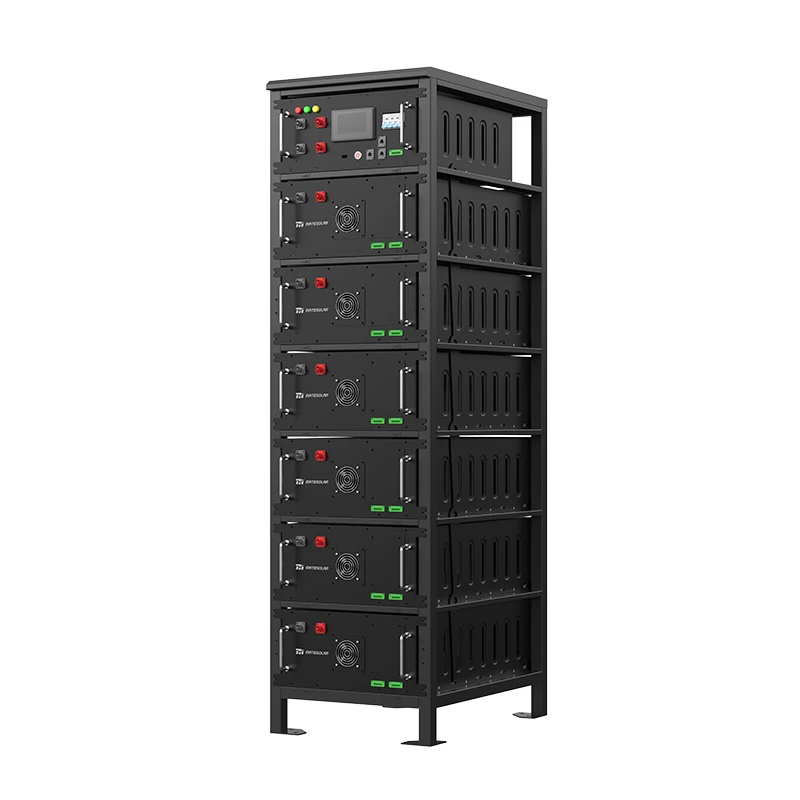
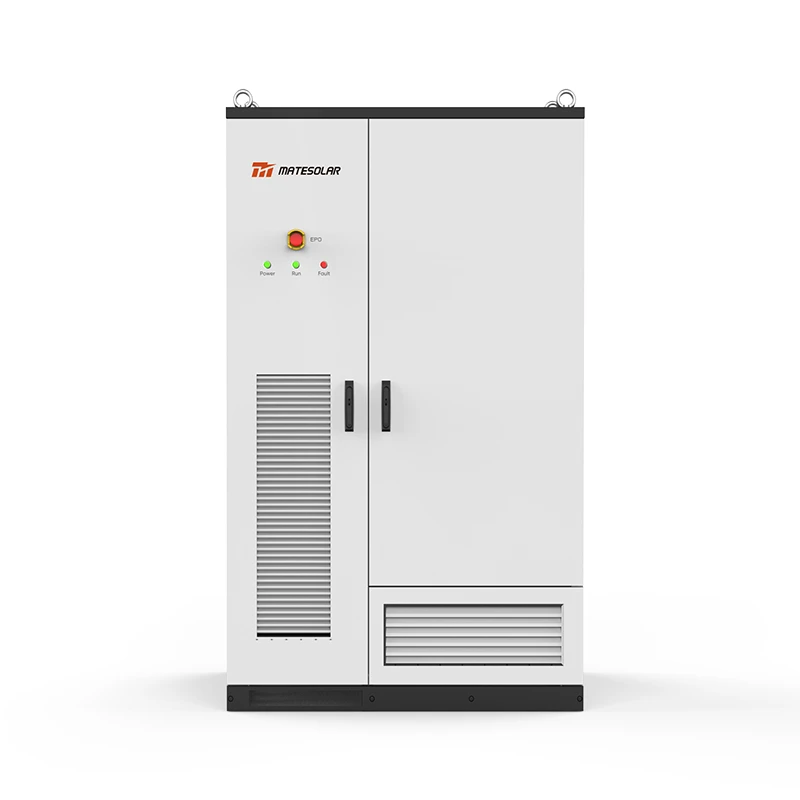
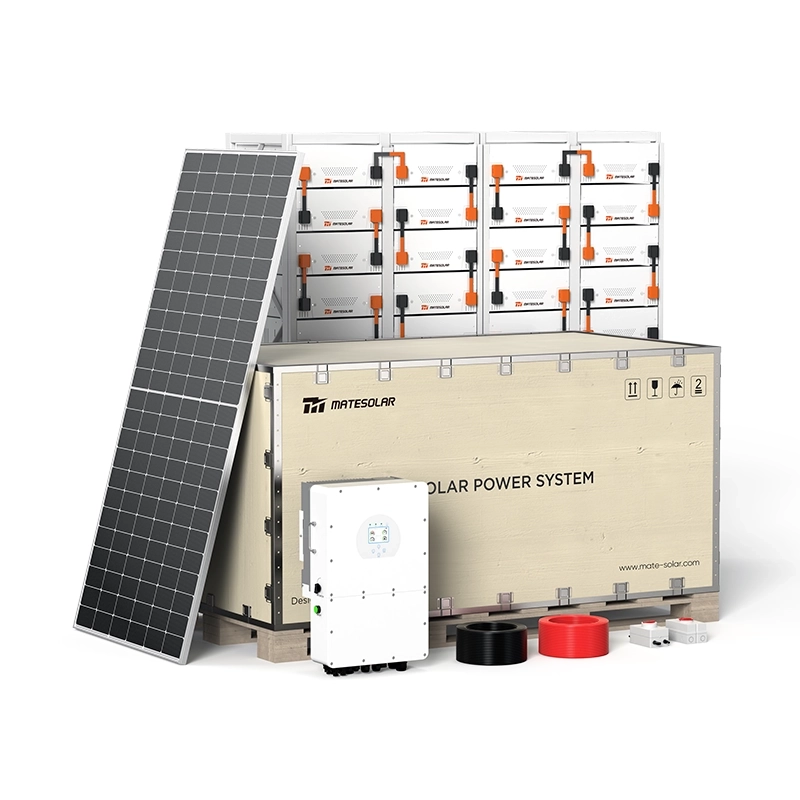
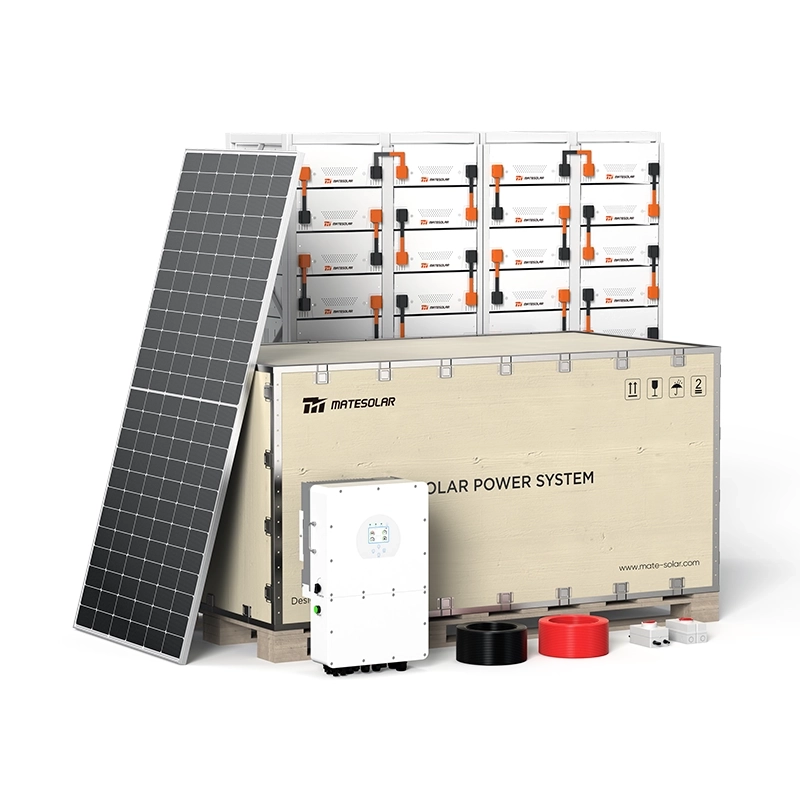
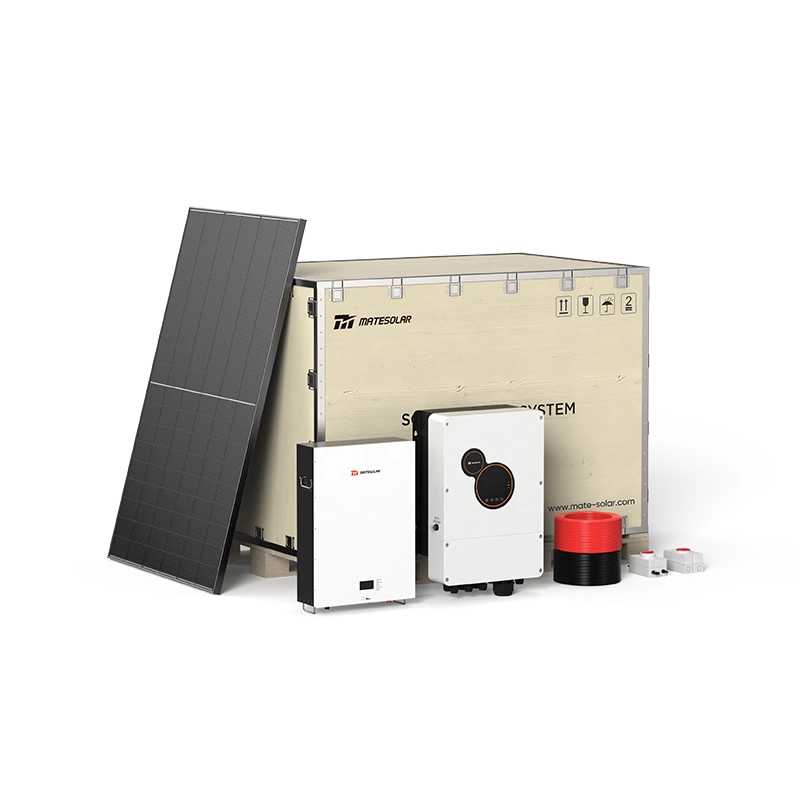
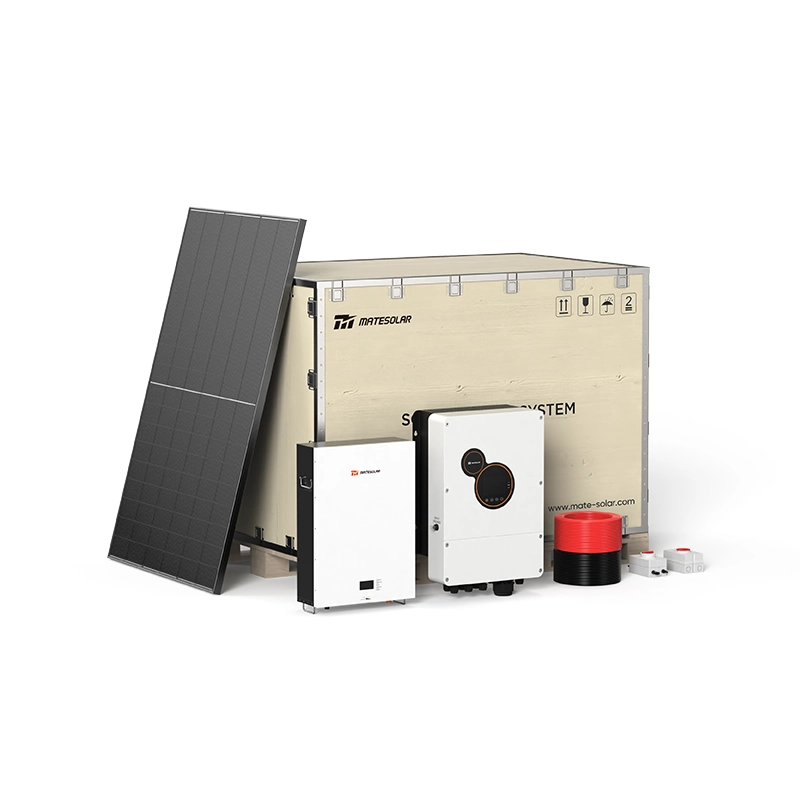
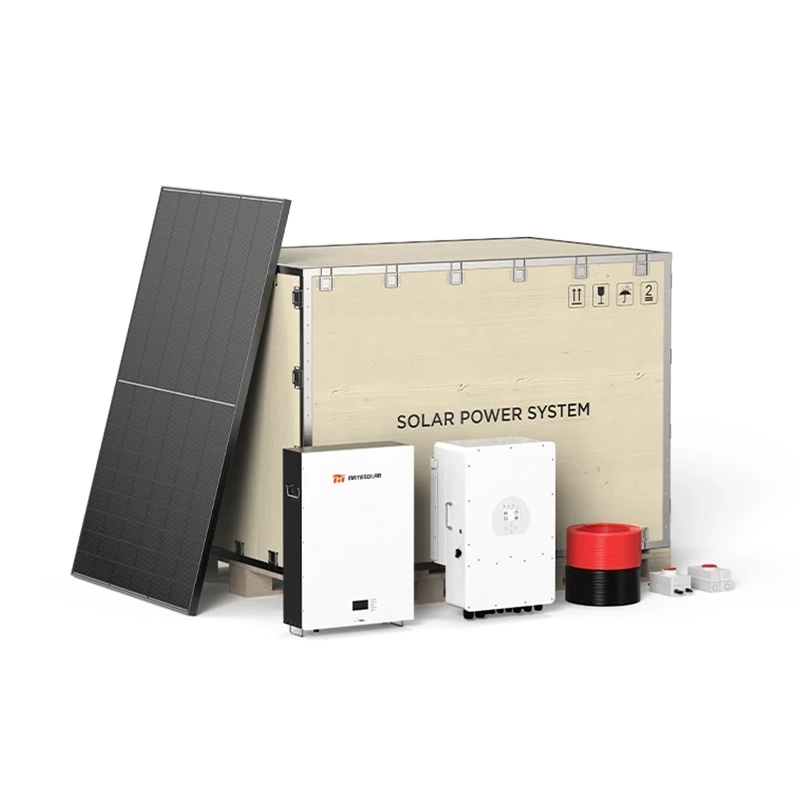
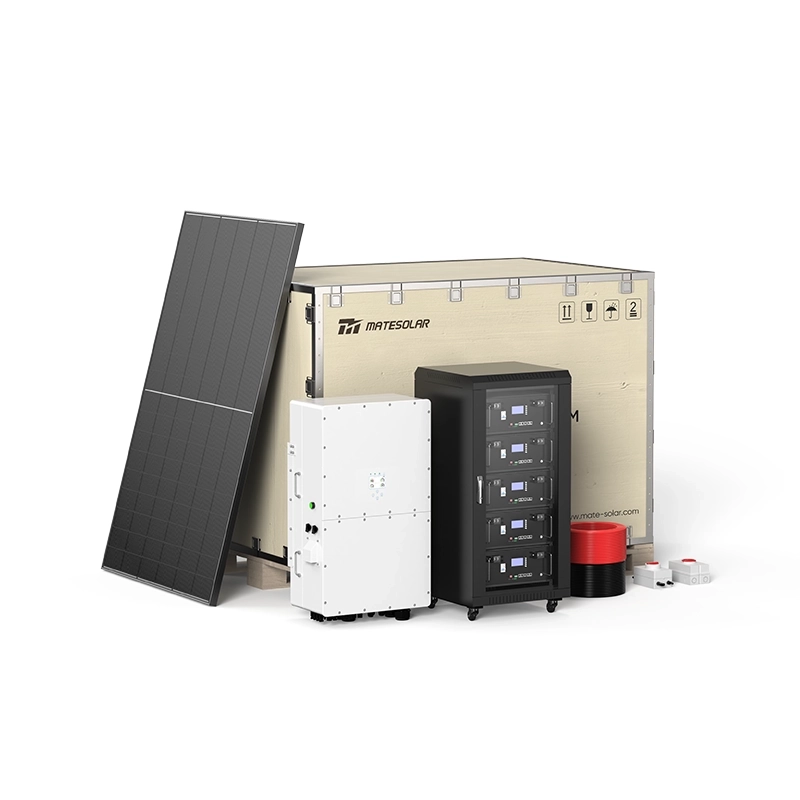
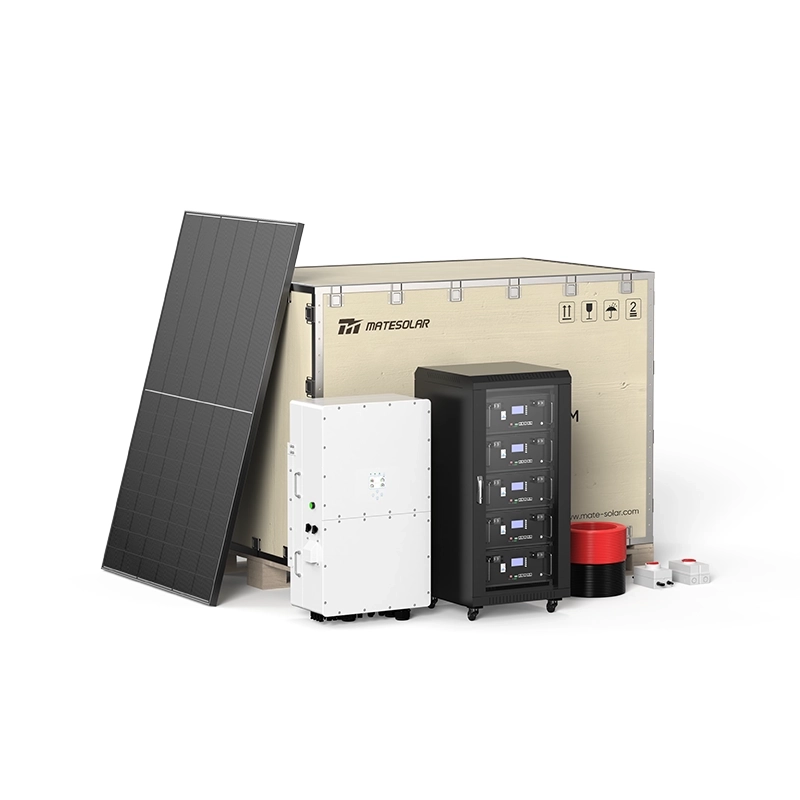
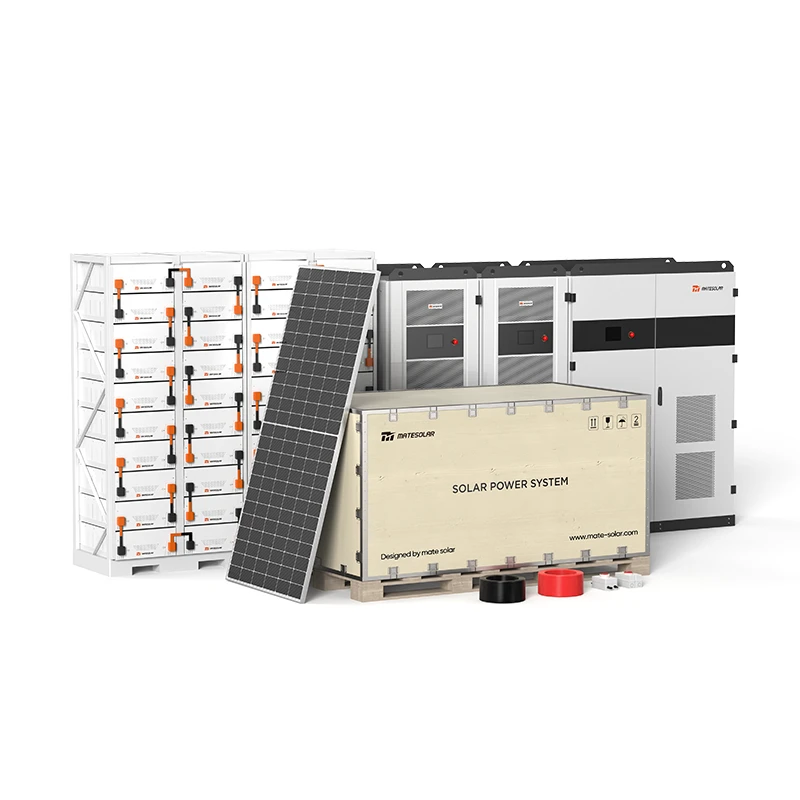
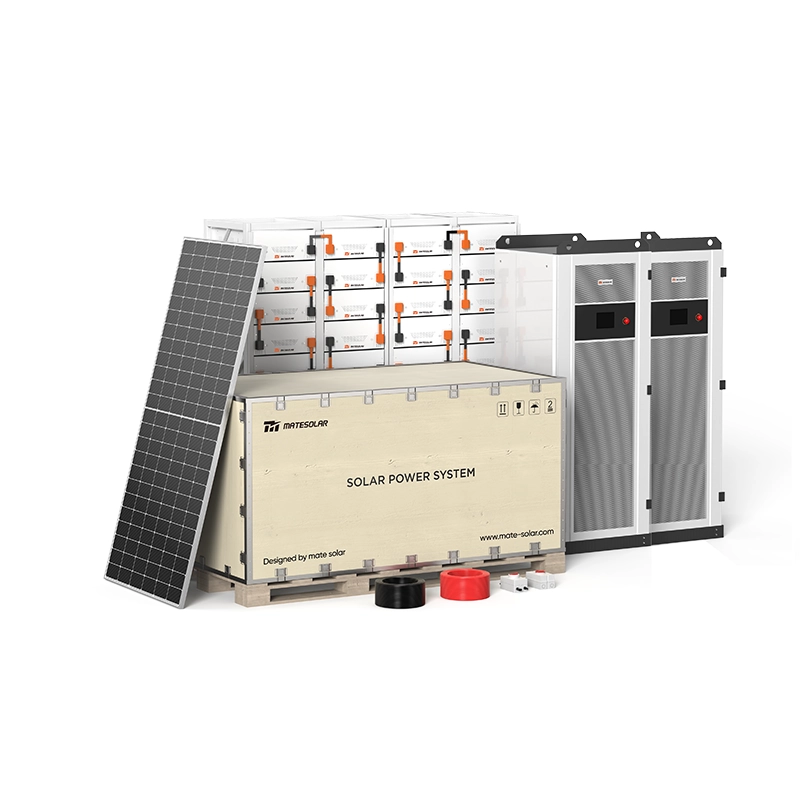
Commercial 500kW Hybrid Solar System
Designed for medium-to-large commercial and industrial facilities requiring substantial peak shaving and load shifting capabilities. This system integrates solar PV with battery storage to maximize self-consumption and reduce demand charges. Ideal for factories, large retail centers, and commercial complexes with high daytime electricity consumption.
[Learn more about the Commercial 500kW Hybrid Solar System →]
For Flexible C&I Deployment
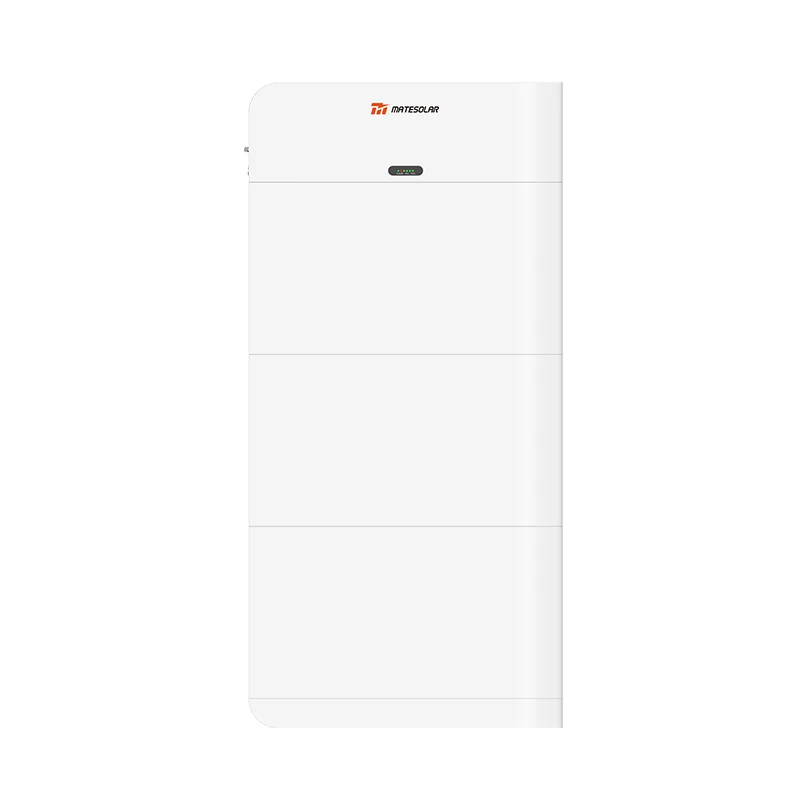
100kW/232kWh and 125kW/261kWh Liquid-Cooled Outdoor Cabinet Energy Storage System
100kW/232kWh and 125kW/261kWh Liquid-Cooled Outdoor Cabinet Energy Storage System
These outdoor cabinets are specifically designed for the Romanian climate, featuring integrated liquid cooling for year-round operation in temperatures ranging from -20°C to 35°C+. The all-in-one design combines battery packs, PCS, and thermal management in a single outdoor-rated enclosure. Ideal for hotels, office buildings, farms, and small-to-medium industrial facilities.
Key features:
- 105 kW / 233 kWh capacity
- Liquid cooling with 10-year coolant life
- LiFePO4 battery chemistry
- IP-rated outdoor enclosure
- EMS compatibility
[Learn more about the 125kW/261kWh Liquid-Cooled Outdoor Cabinet ESS →]
For Large-Scale C&I and Utility Projects
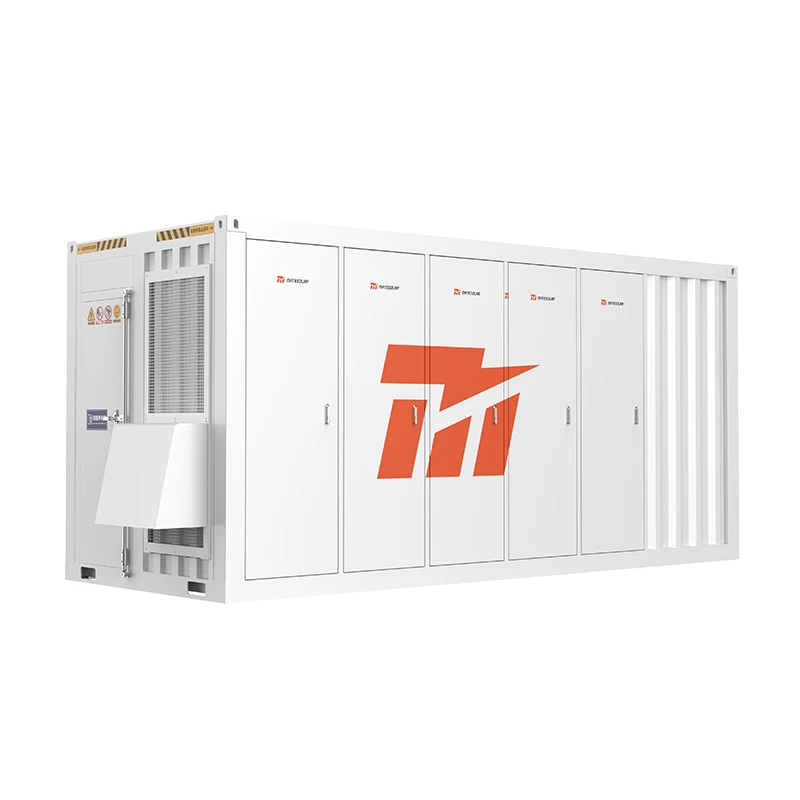
40ft 1MWh / 2MWh Air-Cooled Container ESS
Standardized containerized solutions for larger commercial and industrial applications. Air-cooled design simplifies maintenance while providing reliable operation. Suitable for:
- Large industrial parks
- Commercial complexes
- Microgrid applications
- Grid support services
[Learn more about the 40ft Air-Cooled Container ESS →]
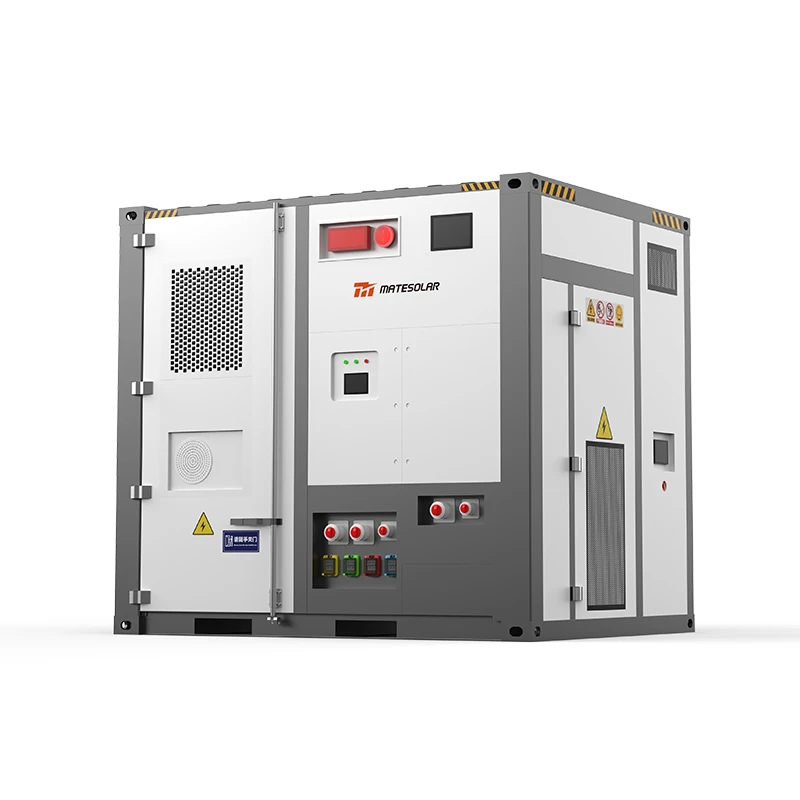
20ft 3MWh / 5MWh Liquid-Cooling Container ESS
High-density containerized storage for utility-scale and large C&I projects requiring maximum energy density. Liquid cooling enables superior thermal management in a compact footprint. Ideal for:
- Utility-scale storage projects
- Large hybrid solar+BESS installations
- Grid-scale energy storage
- Projects requiring maximum capacity in limited space
[Learn more about the 20ft Liquid-Cooling Container ESS →]
Part Seven: Market Outlook and Strategic Recommendations
7.1 Short-Term Outlook (Remaining 2026)
Key Catalysts:
- September 1: €150M state aid application window opens
- October 30: State aid application window closes
- Q3 2026: Trina Storage Gamma (40 MW/160 MWh) expected operational
- Q4 2026: Sungrow × ENEVO first 440 MWh delivery
- End-2026: ~2,050 MW expected to come online
7.2 Medium-Term Outlook (2027–2028)
- Ancillary services saturation will force revenue diversification
- Hybrid projects will dominate new development
- C&I segment expected to accelerate as policy clarity improves
- Market consolidation expected 2026-2028
- CfD auctions will continue to provide revenue certainty
7.3 Strategic Recommendations
For C&I Project Developers:
1. Prioritize hybrid projects — Leverage the €30,000/MW guarantee exemption
2. Prepare for the €150M scheme immediately — Application window opens in 5 days
3. Diversify revenue streams — Don't rely solely on ancillary services
4. Invest in climate-appropriate equipment — Liquid cooling is essential for Romanian conditions
5. Secure grid connection early — The 20% guarantee and tighter deadlines require early action
For Technology Providers:
1. Emphasize climate resilience — Romanian winters and summers require robust thermal management
2. Offer integrated solutions — Hybrid solar+BESS packages are increasingly preferred
3. Provide financing options — Equipment financing reduces barriers for C&I customers
4. Build local partnerships — Local EPC and distributor relationships are essential
For Financial Institutions:
1. Develop C&I-specific products — The market needs tailored financing solutions
2. Understand the policy landscape — Guarantees, exemptions, and CfD contracts affect project risk
3. Consider hybrid project premium — Hybrid projects have policy advantages over standalone
Romania's energy storage market has reached an inflection point in August 2026. With 989 MW/1,975 MWh operational, a 30+ GW pipeline, and a national target of 5 GW by year-end, the scale of opportunity is unprecedented.
For the C&I segment specifically, the convergence of:
- Policy support (€150M state aid, €76M Casa Verde redirection)
- Regulatory reforms (hybrid exemptions, dual charging elimination)
- Proven technology (liquid-cooled solutions deployed in Romania)
- Clear market demand (C&I deployments accelerating)
...creates a compelling investment case.
However, success requires navigating a complex and rapidly evolving landscape. The €150 million scheme application window opens in just days. The 20% grid connection guarantee and €30/kW establishment guarantee create new financial pressures. The ancillary services market is approaching saturation. And Casa Verde C&I guidelines remain in development.
For those prepared to act decisively — with the right technology partners, financing structures, and regulatory understanding — the Romanian C&I storage market offers exceptional opportunity.
MateSolar is a leading one-stop photovoltaic and energy storage solution provider, dedicated to empowering businesses and industries worldwide with reliable, cost-effective, and climate-resilient energy storage systems.
Our comprehensive product portfolio includes:
- Commercial Hybrid Solar Systems (500kW+)
- Liquid-Cooled Outdoor Cabinet ESS (100kW/232kWh, 125kW/261kWh)
- Air-Cooled Container ESS (40ft 1MWh/2MWh)
- Liquid-Cooling Container ESS (20ft 3MWh/5MWh)
With proven deployments across Europe and deep expertise in the Romanian market, MateSolar combines cutting-edge technology with practical, bankable solutions for the C&I storage sector.
Contact MateSolar today to discuss your Romanian energy storage project and navigate the policy landscape with confidence.