

















Rumänien hat sich zu einem der dynamischsten Märkte für Batteriespeicher in Südosteuropa entwickelt. Stand 1. August 2026 weisen Transelectrica-Daten landesweit eine installierte Speicherleistung von 989 MW und eine Speicherkapazität von 1.975 MWh aus – ein Wert, der sich seit Ende April nahezu verdoppelt hat.. Die Speicherprojekt-Pipeline des Landes umfasst mittlerweile über 30 GW in 647 geplanten Projekten für die Jahre 2026–2035, wobei voraussichtlich rund 2.050 MW bis Ende 2026 ans Netz gehen werden.
ENTSO-E stuft Rumänien als viertattraktivsten Energiespeichermarkt in Europa ein, mit durchschnittlichen täglichen Einnahmen von rund 792 €/MW, übertroffen nur von Ungarn. Das Ziel der Regierung, bis Ende 2026 eine Speicherkapazität von über 5 GW zu erreichen, spiegelt das Ausmaß des Ehrgeizes wider, antreibend für diesen Markt ist.
Dieser Bericht bietet eine umfassende Analyse der rumänischen Speicherlandschaft für gewerbliche und industrielle Energiespeicher (C&I) mit Stand August 2026 und deckt politische Rahmenbedingungen, Projektpipelines, Finanzierungsmechanismen und umsetzbare Strategien für Marktteilnehmer ab.
Teil eins: Rumäniens C&I-Energiespeichermarkt — Aktueller Status (August 2026)
1.1 Marktübersicht
Der rumänische Batteriespeichersektor hat sich im Jahr 2026 von der Frühphase der Implementierung zu einer rapiden Kommerzialisierung entwickelt. Das Land fügte im Jahr 2025 etwa 2,2 GW an Solarkapazität hinzu, womit die gesamte installierte Solarenergie die 7-GW-Schwelle überschritt.. Dieser rastige Ausbau der erneuerbaren Energien hat eine dringende Nachfrage nach flexiblen Speicherkapazitäten geschaffen, um die intermittierende Erzeugung auszugleichen..
Wichtige Marktkennzahlen (Stand: 1. August 2026):
| Metrisch | Wert |
| Installierte Speicherkapazität | 989 MW |
| Speicherkapazität | 1,975 MWh |
| Betriebsbereite BESS-Projekte (ohne Prosumer) | 30 Projekte, 599 MW |
| Projektpipeline (2026–2035) | 647 Projekte, ca. 30,4 GW |
| Geplante Inbetriebnahme 2026 | ~2.050 MW verteilt auf 36 Projekte |
Quelle: Transelectrica, August 2026
1.2 Die drei größten in Betrieb befindlichen Speicheranlagen
Drei groß angelegte Batterieanlagen machen etwa die Hälfte der gesamten installierten Speicherkapazität Rumäniens aus:
Florești (Nova Power & Gas) — 200 MW / 400 MWh
Die im Dezember 2025 in Betrieb genommene Anlage ist nach wie vor Rumäniens größte in Betrieb befindliche Batterieanlage. Das System umfasst 45 Batteriecontainer zu je 4,5 MWh, 30 Trafostationen und ein 110/33-kV-Unterwerk.. Es wird in erster Linie in den Systemdienstleistungs- und Ausgleichsmärkten eingesetzt.
Gura Ialomiței (Aukera Energy) — 150 MW / 300 MWh
Diese Anlage, die Mitte Juni 2026 fertiggestellt wurde, wurde von Aukera Energy entwickelt, einer paneuropäischen Plattform für erneuerbare Energien, die von AtlasInvest, Reggeborgh und dem belgischen Staatsfonds SFPIM unterstützt wird.. Eine zweite Ausbaustufe mit einer Leistung von 100 MW und einer Speicherkapazität von 200 MWh befindet sich derzeit im Bau und soll bis zum Jahresende fertiggestellt sein.
Iaz (Energy Capital Group / Simtel) — 100 MW / 200 MWh
Diese im Mai 2026 fertiggestellte Anlage umfasst 44 Lithium-Ionen-Batteriecontainer, 528 Hochleistungs-Wechselrichter, ein 110-kV-Unterwerk und 11 Trafo-Stationen.. Das Projekt wurde im Rahmen des rumänischen Nationalen Wiederaufbau- und Resilienzplans mit über 50 Millionen RON gefördert.
1.3 Das C&I-Segment: Die nächste Wachstumsfront
Während Großspeicher die Schlagzeilen dominiert haben, entwickelt sich das C&I-Segment zum nächsten großen Wachstumsvektor. Mehrere Faktoren kommen zusammen, um diesen Markt zu aktivieren:
- Änderung der Casa-Verde-Politik von PV-Fördermitteln bis hin zu Speichersystemen
- 76 Millionen Euro Budget für C&I-Speicher Zuweisung
- Die Abschaffung der Gebühr für die "doppelte Abrechnung" durch die ANRE zur Aufbewahrung
- Steigende Nachfrage seitens der Wirtschaft zur Spitzenlastabdeckung, Lastverschiebung und Optimierung der Energiekosten
Die jüngsten C&I-Implementierungen zeigen eine zunehmende Dynamik:
| Projekt | Kapazität | Status | Anmeldung |
| Ganfeng Lithium Constanța | 13,76 MWh | In Betrieb (April 2026) | C&I Lastspitzenkappung |
| Skyworth Storage Rumänien | 31 MWh (zusammen mit Zypern) | Bestätigt (August 2026) | Markteintritt im Gewerbe- und Industriekundenbereich |
| Dunext Rumänien | 40+ MWh-Container | Bereitgestellt | Hotels, Fabriken, Bauernhöfe, Parkplätze |
| WattRO × Chisage ESS | 3-Millionen-Euro-Vertrag (2026) | Ankündigung im Mai 2026 | Integrierte MSR-Systeme |
Tabelle 1: Jüngste C&I-Energiespeicherprojekte in Rumänien
Teil Zwei: Politik und regulatorisches Umfeld
2.1 Von der EU genehmigtes staatliches Förderprogramm in Höhe von 150 Millionen Euro für Energiespeicher
Am 6. März 2026 genehmigte die Europäische Kommission im Rahmen des Beihilferahmens „Clean Industrial Deal“ (CISAF) ein rumänisches Beihilfeprogramm in Höhe von 150 Millionen Euro (764 Millionen RON) zur Förderung der Stromspeicherung.. Dies ist das erste rumänische Programm, das im Rahmen der CISAF genehmigt wurde.
Wichtige Parameter des Schemas:
| Parameter | Einzelheiten |
| Gesamtes Budget | 150 Millionen Euro (764 Millionen RON) |
| Zielkapazität | Mindestens 2.174 MWh an neuer Speicherkapazität |
| Hilfsformular | Direktzuschüsse für unabhängige BESS |
| Finanzierungsquelle | EU-Modernisierungsfonds |
| Subventionsdeckelung | 69.000 €/MWh |
| Höchstbetrag pro Begünstigtem | 15 Millionen Euro |
| Bewerbungszeitraum | 1. September – 30. Oktober 2026 |
| Inbetriebnahmefrist | 48 Monate ab Vertragsunterzeichnung |
Quelle: Europäische Kommission, März 2026
Die Regelung wurde gemäß Artikel 107 Absatz 3 Buchstabe c des Vertrags über die Arbeitsweise der Europäischen Union genehmigt.. Die Begünstigten werden im Rahmen eines Ausschreibungsverfahrens ausgewählt. Die Beihilfe muss vor dem 31. Dezember 2030 gewährt werden.
Wichtiger Terminhinweis: Das Bewerbungsfenster öffnet sich am 1. September 2026 und schließt am 30. Oktober 2026. Zum Zeitpunkt dieser Veröffentlichung (26. August 2026) bleiben den Bewerbern noch etwa fünf Wochen Zeit, um ihre Unterlagen vorzubereiten.
2.2 AFM-Speicherprogramm für Prosumer – 80 Millionen Euro
Am 19. August 2026 veröffentlichte das Umweltministerium den Finanzierungsleitfaden für ein mit 400 Millionen Lei (rund 80 Millionen Euro) dotiertes Programm, das ausschließlich der Energiespeicherung durch Prosumer gewidmet ist..
Wichtige Programmdetails:
- Zielgruppe: Privatpersonen (keine juristischen Personen), die bereits Photovoltaik-Anlagen installiert und an das Stromnetz angeschlossen haben
- Förderobergrenze: Maximal 15.000 Lei pro Begünstigtem
- Kofinanzierungsanforderung: Mindestens 25%
- Zielkapazität: Mindestens 400 MWh neue Speicherkapazität
Umweltministerin Diana Buzoianu erklärte, das Programm sei "ausschließlich für Personen gedacht, die bereits Photovoltaikmodule installiert und an das Stromnetz angeschlossen haben".". Der Leitfaden und der Entwurf der Ministerialverordnung befinden sich derzeit in der öffentlichen Konsultation.
Ministerpräsident Ilie Bolojan hat angedeutet, dass es ein weiteres, doppelt so umfangreiches Programm geben wird, das auf die Speicherung ausgerichtet ist und aus dem Modernisierungsfonds finanziert wird; dieses wird höchstwahrscheinlich auf Unternehmen abzielen..
2.3 Kurswechsel bei Casa Verde – Von Solarenergie zu Energiespeicherung
Seit 2018 hat das Photovoltaikprogramm „Casa Verde“ dazu beigetragen, dass in Rumänien bei den Prosumern eine Solarkapazität von über 3,7 GW geschaffen wurde. Im Jahr 2026 wurde das Programm zum zweiten Mal in Folge ausgesetzt.
Der strategische Wandel:
Die Umweltfondsadministration (AFM) hat etwa 400 Millionen RON (76 Millionen Euro) für Batteriespeicher-Energiesysteme für bestehende Prosumer umgeleitet. Die Logik ist einfach: Rumänien hat mittlerweile über 250.000 Prosumer mit Solaranlagen, und das Netz kann ohne Speicher keine zusätzliche Photovoltaikerzeugung aufnehmen.
Für das C&I-Segment enthält das Budget in Höhe von 76 Millionen Euro Zuweisungen für "wohnwirtschaftliche und C&I-Installationen". Die konkreten Antragsrichtlinien für C&I-Projekte wurden jedoch noch nicht finalisiert, was viele gewerbliche Betreiber in dem Zustand belässt, "zu wissen, dass Geld vorhanden ist, aber nicht zu wissen, wie man darauf zugreifen kann."
2.4 Differenzverträge (CfD) Auktionen
Der mit technischer Unterstützung der EBWE entwickelte rumänische Differenzvertrag-Mechanismus (CfD) zielt darauf ab, den Bau von 5 GW neuer Solar- und Onshore-Windkraftkapazitäten zu unterstützen.. Die erste CfD-Auktion war deutlich überzeichnet, wobei Gebote für Solarkapazitäten in Höhe von 1,6 GW eingingen.
Bemerkenswerte CfD-Auszeichnungen:
Econergy Părău 2 — 342 MW Solar + 150 MW / 300 MWh BESS
- Zuteilung von 125 MWac in der ersten CfD-Auktion gesichert
- Basispreis: 49,4 €/MWh für 15 Jahre
- Gesamte Fremdfinanzierung: 229 Millionen Euro, davon 120 Millionen Euro von der EBWE
- Kommerzielle Inbetriebnahme erwartet: Ende 2027 oder Anfang 2028
Rezolv Energy Dama — 1,2 GW Solar + BESS
- CfD-gefördert mit am selben Standort installiertem BESS
2.5 ANRE-Netzanschluss- und Finanzgarantiereformen (Mai–August 2026)
Die Reform vom 25. Mai 2026 (ANRE-Verordnung Nr. 15/2026)
Am 25. Mai 2026 setzte Rumänien seine bisher bedeutendste Reform des Netzanschlusses um.:
1. Primäre Netzanschlussgarantie: Anhebung des Netzanschlussentgelts (ohne MwSt.) für Erzeugungs- und Erzeugungs- und Verbrauchsstandorte von 5% auf 20%. Dies gilt für Projekte mit einer Leistung von mehr als 1 MW.
2. Auktionsbeteiligungsgarantie: Bietende müssen nun 20.000 €/MW der beantragten Kapazität hinterlegen, um an Auktionen für verfügbare Anschlusskapazitäten teilzunehmen..
3. Strengere Fristen: Entwickler müssen die Genehmigung für die Errichtung innerhalb von 12 Monaten nach Unterzeichnung des Netzanschlussvertrags und spätestens 18 Monate nach Ausstellung der ATR einholen.. Bei Nichtbefolgung erfolgt eine automatische ATR-Beendigung..
ANRE-Präsident George Niculescu erklärte: "Wir wollen, dass das Netz für Projekte zugänglich ist, die tatsächlich gebaut werden, und nicht unbegrenzt für solche reserviert bleibt, die nicht vorankommen". Nach Angaben der ANRE gab es 1.500 Projekte mit einer Leistung von über 1 MW und gültigen ATRs mit einer Gesamtleistung von über 86 GW – von denen lediglich 628 einen Netzanschlussvertrag abgeschlossen und eine Baugenehmigung erhalten hatten.
ANRE-Änderung vom 25. August 2026 – Ausnahmeregelung für Hybridprojekte
Am 25. August 2026 veröffentlichte die ANRE einen Entwurf für eine Verordnung, die Speicheranlagen, die sich am selben Standort wie Solar- oder Windkraftanlagen befinden, von der finanziellen Sicherheit in Höhe von 30.000 €/MW ausnimmt.
Ausgenommene Kategorien:
- Bestehende Betriebsparks
- Begünstigte von CfD-Verträgen
- Projekte, die die installierte Leistung nicht erhöhen
Begründung: Die Maßnahme zielt darauf ab, Investitionen in Speicheranlagen zu beschleunigen, indem ein erhebliches finanzielles Hindernis für Hybridprojekte beseitigt wird. Die Garantie beläuft sich auf 30 € pro kW installierter elektrischer Leistung, und die Befreiung gilt speziell für "die installierte Leistung der im Rahmen des Hybridprojekts neu hinzugefügten Energiekapazität".
2.6 Beseitigung der "doppelten Abrechnung" für die Speicherung
Rumänien hat die "Doppelladegebühr" für Energiespeicher abgeschafft und damit eine große institutionelle Hürde für Investitionen in gewerbliche und industrielle Speicher (C&I) beseitigt. Dies bedeutet, dass Speicherbetreiber für Strom, der gespeichert und später wieder abgegeben wird, nicht mehr doppelt zur Kasse gebeten werden – eine Reform, die die Wirtschaftlichkeit von Speicherprojekten erheblich verbessert.
2.7 ANRE-Verordnung 20/2025 – Das Rahmenwerk für Finanzgarantien 5%
Mit der ANRE-Verordnung 20/2025, die am 1. Juni 2025 in Kraft trat, wurde der ursprüngliche Rahmen für finanzielle Sicherheiten im Zusammenhang mit dem Netzanschluss („5%“) festgelegt. Dieser sah Folgendes vor:
- Eine finanzielle Sicherheit in Höhe von 5% des Netzanschlusstarifs vor Erhalt einer neuen ATR
- Verlängerungen der Anschlussvereinbarungen in 12-Monats-Schritten, für die jeweils eine zusätzliche finanzielle Garantie in Höhe von 5% erforderlich ist
Der ANRE-Entwurf vom August 2026 hat das Verfahren für die 30-€/kW-Garantie weiter präzisiert, einschließlich von Durchsetzungsmechanismen, Versicherungsinstrumenten und BESS-Ausnahmen.
Teil 3: Große Speicherprojekte in Rumänien (2025–2026)
3.1 Projekte im Kraftwerksmaßstab
| Projekt | Kapazität | Status | Wesentliche Merkmale |
| Nova Power & Gas Florești | 200 MW / 400 MWh | In Betrieb (Dez. 2025) | Der größte in Rumänien; 45 Batteriecontainer |
| Simtel Iaz | 100 MW / 200 MWh | Betriebsbereit (Mai 2026) | 44 Li-Ionen-Container; 50 Mio. RON PNRR-Finanzierung |
| Aukera Gura Ialomiței | 150 MW / 300 MWh | In Betrieb (Juni 2026) | Phase 2 (100 MW/200 MWh) im Bau |
| R.Power Scornișești | 127 MW / 254 MWh | In Bearbeitung | EBRD-Finanzierung in Höhe von 44 Mio. €; fällig Ende 2026 / Anfang 2027 |
| GEN-I Sonce Gheorgheni | 55 MW / 220 MWh | Baubeginn (Aug 2026) | Waldevar Energy als EPC |
| E-Infra Roșiori | 95 MW (Phase 1) | Genehmigung der ANRE ausstehend | Nova Power & Gas entwickelt ein Hybridkonzept aus PV und BESS |
| Trina Storage Gamma | 40 MW / 160,48 MWh | Installiert (Mai 2026) | Erstes DC+AC-Projekt von Trina in Europa; 3. Quartal 2026 |
| Sungrow × ENEVO | 1-GWh-Portfolio | Erste 440 MWh bis Ende 2026 | Flüssigkeitsgekühlter PowerTitan 2.0 |
| Yongtai × Metropolitan Energy | 135 MW / 270 MWh | Unterzeichnet (Februar 2026) | Größter unabhängiger Speicher-Benchmark |
| PPC Fântânele Vest | 45,72 MW / 91,44 MWh | Angekündigt (Juli 2026) | Investition in Höhe von 98,35 Mio. RON |
Tabelle 2: Bedeutende BESS-Projekte im großtechnischen Maßstab in Rumänien
3.2 C&I- und gewerbliche Projekte
| Projekt | Kapazität | Status | Anmeldung |
| Ganfeng Lithium Constanța | 13,76 MWh | In Betrieb (April 2026) | C&I Lastspitzenkappung |
| Skyworth Speicher | 31 MWh (insgesamt) | Bestätigt (August 2026) | Markteintritt im Gewerbe- und Industriekundenbereich |
| Dunext Rumänien | 40+ MWh-Container | Bereitgestellt | C&I mit mehreren Szenarien; |
| WattRO × Chisage ESS | Vertrag über 3 Mio. Euro (2026) | Ankündigung im Mai 2026 | Integrierte MSR-Systeme |
| WeLian × HOSTIX Zso | ~50 MWh (2-Jahres-Plan) | Unterzeichnet (Juli 2026) | SPower II 522 kWh – Kernprodukt |
Tabelle 3: Einsatz von Energiespeichern im C&I-Bereich
Teil 4: Die neun entscheidenden Herausforderungen für Investoren im Bereich C&I-Speicher
Herausforderung 1: Das Antragsfenster für staatliche Beihilfen in Höhe von 150 Millionen Euro – nur noch wenige Wochen verbleiben
Das Problem: Das mit 150 Millionen Euro dotierte Förderprogramm des Modernisierungsfonds für Lagerkapazitäten sieht einen Antragszeitraum vom 1. September bis zum 30. Oktober 2026 vor. Ab dem 26. August 2026 haben Antragsteller etwa fünf Wochen Zeit, um ihre Anträge vorzubereiten. Den meisten potenziellen Antragstellern sind folgende Aspekte nicht bekannt:
- Das Bewerbungsverfahren und die Zulassungskriterien
- Anforderungen an die Projektreife
- Die MySMIS-Plattform
- Ausschreibungsverfahren
Die Lösung:
Checkliste zur Projektvorbereitung:
1. Technische Dokumentation Vollständige Machbarkeitsstudien, Netzanschlussgenehmigungen (ATR) und Umweltgenehmigungen
2. Finanzdokumentation Detaillierte Projektbudgets, Kofinanzierungszusagen und Finanzmodelle, die die Rentabilität belegen
3. MySMIS-Registrierung: Stellen Sie sicher, dass die juristische Person auf der MySMIS-Plattform registriert ist.
4. Wettbewerbsfähige Gebotsstrategie: Verstehen Sie, dass Beihilfen im Wege eines wettbewerblichen Ausschreibungsverfahrens gewährt werden
5. Kapazitätsziele: Das Programm zielt auf mindestens 2.174 MWh an neuer Speicherkapazität ab
Einblick von Experten: Der Subventionsdeckel von 69.000 €/MWh und das Maximum von 15 Millionen € pro Begünstigtem bedeuten, dass sich die Regelung am besten für mittelgroße bis große Projekte eignet. Für kleinere C&I-Projekte sind möglicherweise das AFM-Prosumer-Programm oder Casa-Verde-Zuweisungen besser geeignet.
Herausforderung 2: Die Netzanschlussgarantie 20% – Erhöhter Druck hinsichtlich der Anfangsinvestitionen
Das Problem: Mit der ANRE-Verordnung Nr. 15/2026 wurde die finanzielle Sicherheit für den Netzanschluss von 5% auf 20% des Anschlussentgelts (ohne Mehrwertsteuer) erhöht.. Dies gilt für Projekte mit einer Leistung von mehr als 1 MW. Zudem ist für die Teilnahme an Auktionen zur Kapazitätsvergabe eine Kaution in Höhe von 20.000 € pro MW erforderlich.
Für ein typisches 10-MW-C&I-Projekt bedeutet dies:
- Anschlussgarantie: 20% der Anschlussgebühr (früher ca. 50–100 €/kW → jetzt 10–20 €/kW, wobei der prozentuale Anstieg die entscheidende Auswirkung darstellt)
- Teilnahme an der Auktion: Kaution in Höhe von 200.000 €
Die Lösung:
Strategie 1: Hybriden Projektstatus anstreben — Seit dem 25. August 2026 hat die ANRE Speicherkapazitäten, die am selben Standort wie Solar- oder Windkraftanlagen betrieben werden, von der finanziellen Sicherheit in Höhe von 30.000 € pro MW befreit. Hybridprojekte profitieren von dieser Befreiung, wodurch sich die Vorlaufkosten erheblich reduzieren.
Strategie 2: Die Vorteile von CFDs nutzen — Auch CfD-Begünstigte sind von der Bürgschaft befreit.
Strategie 3: Projektphasen-Einteilung — Projekte in Phasen entwickeln, um die Garantiekosten über einen längeren Zeitraum zu verteilen.
Strategie 4: Finanzielle Sicherungsinstrumente — Zusammenarbeit mit Finanzinstituten, um anstelle von Bareinlagen Garantieinstrumente (Bankbürgschaften, Versicherungsbürgschaften) bereitzustellen.
Herausforderung 3: Befreiung von Hybridprojekten von der Bürgschaft in Höhe von 30.000 € pro MW – Wie lässt sich dieser politische Vorteil nutzen?
Das Problem: Die ANRE-Änderung vom 25. August 2026, durch die Speicherkapazitäten in Hybridprojekten von der finanziellen Garantie in Höhe von 30.000 € pro MW ausgenommen werden, ist eine der bedeutendsten politischen Entwicklungen des Jahres 2026 – doch die meisten Marktteilnehmer wissen nichts davon oder sind sich unsicher, wie sie diese Regelung anwenden sollen.
Die Lösung:
Voraussetzungen für eine Befreiung:
- Projekte, bei denen Erzeugungskapazitäten (Solar/Wind) mit Speicherkapazitäten kombiniert werden
- Bestehende Betriebsparks, die ihre Lagerkapazitäten erweitern
- CfD-Begünstigte
- Projekte, die die installierte Leistung nicht erhöhen
Umsetzungsschritte:
1. Das Projekt hybrid gestalten: Stellen Sie sicher, dass das BESS zusammen mit einer Solar- oder Windkraftanlage installiert wird.
2. Die Beziehung dokumentieren: In der technischen Anschlussgenehmigung sollte der hybride Charakter des Projekts eindeutig zum Ausdruck kommen
3. Beantragen Sie eine Befreiung: Die Garantie wird ausschließlich auf der Grundlage der installierten Leistung der im Rahmen des Hybridprojekts neu hinzugefügten Energiekapazität berechnet.
Strategische Implikationen:
- Durch die Ausnahmeregelung entsteht faktisch eine Förderung in Höhe von 30.000 € pro MW für Hybridprojekte
- Bei einem 10-MW-BESS entspricht dies einer Einsparung von 300.000 € an Bürgschaften
- Diese Richtlinie verschiebt das Investitionsargument deutlich zugunsten von Hybrid-Speichersystemen gegenüber eigenständigen Speichersystemen.
Herausforderung 4: Kurswechsel bei „Casa Verde“ – Wie C&I-Projekte Zugang zum 76-Millionen-Euro-Budget erhalten
Das Problem: Das "Casa Verde"-Programm wurde für neue PV-Anlagen ausgesetzt, wobei rund 400 Millionen RON (76 Millionen Euro) in Batteriespeicher für bestehende Prosumer umgeleitet wurden. Zwar sieht der Haushalt Mittel für „Anlagen in Privathaushalten sowie im Gewerbe- und Industriebereich“ vor, doch sind die konkreten Antragsrichtlinien für den Gewerbe- und Industriebereich noch nicht endgültig festgelegt worden.
Die Lösung:
Aktueller Stand (August 2026):
- Der AFM-Leitfaden für das Prosumer-Programm wurde am 19. August veröffentlicht – aber das ist nur für Privatpersonen (keine juristischen Personen)
- C&I-spezifische Richtlinien befinden sich nach wie vor in der Entwicklung
- Premierminister Bolojan hat eine separate, größere Regelung für Unternehmen über den Modernisierungsfonds in Aussicht gestellt.
Aktionsplan:
1. Als Prosumer registrieren sofern berechtigt (bestehende PV + Netzanschluss)
2. AFM-Mitteilungen überwachen für C&I-spezifische Richtlinien
3. Projektdokumentation erstellen im Vorfeld (Machbarkeitsstudien, ATR, Genehmigungen)
4. Betrachten Sie die Regelung des Modernisierungsfonds für größere C&I-Projekte
5. Mit AFM in Kontakt treten Wenden Sie sich direkt an uns, um Klarheit bezüglich der Förderfähigkeit im Bereich C&I zu erhalten
Tabelle 4: Zeitachse zur Entwicklung von Casa Verde
| Jahr | Programmschwerpunkt | Budget |
| 2018–2025 | PV-Anlage | Verschiedene (3,7+ GW installiert) |
| 2025 | Ausgesetzt (im ersten Jahr) | K.A. |
| 2026 | Suspendiert (zweites Jahr) — in den Lagerbestand umgeleitet | 76 Millionen Euro für die Lagerung |
Herausforderung 5: Differenzvertragsauktionen — Wie man die Erfolgsquote bei Geboten verbessern kann
Das Problem: Die erste CfD-Auktion war über dreifach überzeichnet, mit Geboten für Solarkapazitäten von 1,6 GW. CfD-Verträge sind die grundlegende Einnahmegarantie für große Hybridprojekte – aber die Sicherung einer Zuteilung erfordert eine ausgefeilte Gebotsstrategie.
Die Lösung:
Fallstudie: Econergy Părău 2
- Kapazität 342 MW Solar + 150 MW/300 MWh BESS
- Gesamtfinanzierung: 229 Millionen Euro
- Rolle der EBWE: Kredit in Höhe von 120 Millionen Euro; erstes von der EBWE finanziertes Solar- und BESS-Projekt in Rumänien
Schlüsselfaktoren für den Erfolg:
1. Strategie für den Geldkurs: Der Ausübungspreis von 49,4 €/MWh für Părău 2 dient als Richtwert. Die Angebote müssen im Vergleich zu diesem Richtwert wettbewerbsfähig sein und gleichzeitig finanziell tragfähig bleiben.
2. Hybrid-Vorteil: CFD-Begünstigte sind von der Sicherheit in Höhe von 30.000 €/MW ausgenommen, was die Projektwirtschaftlichkeit verbessert.
3. Technischer Reifegrad Projekte mit fortgeschrittenem Entwicklungsstand (ATR erhalten, Genehmigungen gesichert) sind im Vorteil.
4. Finanzierungsbereitschaft: Die Finanzierung des Projekts „Părău 2“ durch die EBWE verdeutlicht, wie wichtig es ist, engagierte Finanzierungspartner zu haben.
5. Maßstab: Die größte CfD-Zuteilung in der ersten Auktion ging an Părău 2 (125 MW). Bei der Wettbewerbsfähigkeit von CfDs spielt die Größe eine wichtige Rolle.
Herausforderung 6: Sättigung des Marktes für Systemdienstleistungen – Sicherung langfristiger Einnahmen
Das Problem: Der Ausgleichsmarkt Rumäniens verfügt bereits über eine Speicherkapazität von 1,7 GW – genug, um den gesamten Bedarf an Regeldiensten zu decken. Marktanalysen deuten darauf hin, dass der Markt für Regeldienste "bis zum nächsten Jahr gesättigt sein wird". Der Boom bei den Batterieinvestitionen birgt die Gefahr, dass "ein weitaus wettbewerbsintensiveres Umfeld entsteht, als viele Entwickler derzeit erwarten".
Die Lösung:
Strategien zur Umsatzdiversifizierung:
1. Day-Ahead- und Intraday-Handel: "In Zukunft handelt es sich um ein reines Day-Ahead- und Intraday-Großhandelsgeschäft. Die Umsatzerwartungen für eine 4-Stunden-Batterie liegen derzeit bei rund 200.000 €/MW/Jahr.
2. Energie-Arbitrage: Nutzen Sie die Preisdifferenzen zwischen Zeiten mit geringer Nachfrage (Solar-Spitzenzeiten) und Zeiten mit hoher Nachfrage.
3. Lastspitzenkappung für Gewerbe und Industrie: Reduzierung der Leistungspreise für Gewerbe- und Industriekunden – eine Einnahmequelle, die unabhängig von Regelleistungen ist.
4. Hybride Optimierung Kombinierte Solar- und Batteriespeicher (Solar+BESS) können die Stromerzeugung in Zeiten höherer Preise verlagern..
5. Zukunftsmärkte Beobachten Sie die Entwicklungen bei 15-Minuten-Intraday-Produkten und Flexibilitätsmärkten, die für die Jahre 2026-2028 erwartet werden.
Herausforderung 7: C&I-Projektfinanzierung — Wie man Kapital freisetzt
Das Problem: Während Großprojekte sich beträchtliche Finanzierungen gesichert haben (R.Power: 44 Mio. € von der EBWE; Econergy Părău 2: 229 Mio. € Gesamtschulden; Simtel Iaz: 50 Mio. RON PNRR), haben kleinere C&I-Kunden keinen gleichwertigen Zugang zu Finanzierungen.
Die Lösung:
Finanzierungsquellen für C&I-Projekte:
| Quelle | Typ | Geeignet für | Beispiel |
| Nationaler Wiederaufbauplan | Zuschüsse | Projekte für die grüne Wende | Simtel Iaz (RON 50M) |
| EBWE | Projektfinanzierung | Großprojekte | R.Power (44 Mio. €) |
| Geschäftsbanken | Fremdfinanzierung | Verschiedenes | Părău 2 (€229-Mio.-Paket) |
| Modernisierungsfonds | Zuschüsse | Speicherprojekte | 150-Millionen-Euro-Programm |
| Ausrüstungsfinanzierung | Leasing/Darlehen | Gewerbe- und Industrieausrüstung | Lieferantenfinanzierungsprogramme |
| Energieeinsparverträge | Umsatzbeteiligung | Gewerbe- und Industriekunden | Modelle ohne Vorauszahlungskosten |
Praktische Schritte:
1. Bankfähige Dokumentation erstellen: Machbarkeitsstudien, Finanzmodelle, Abnahmeverträge
2. CFD-Kontrakte nutzen als Einnahmensicherheit für Kapitalgeber
3. NRW-Mittel erkunden für Projekte der grünen Transformation
4. Nutzen Sie die lokalen Partnerbanken der EBWE für Projektfinanzierung
5. Erwägen Sie die Finanzierung von Ausrüstung durch Speicheranbieter
Herausforderung 8: Eignung von Outdoor-Schränken für die rumänischen Klimabedingungen
Das Problem: Rumänien hat ein kontinentales Klima mit extremen jahreszeitlichen Schwankungen – Wintertemperaturen unter -20 °C und Sommertemperaturen über 35 °C. Schränke für die Lagerung im Freien müssen in diesem großen Temperaturbereich zuverlässig funktionieren.
Die Lösung:
Bewährte Lösungen auf dem rumänischen Markt:
Dunext PowerHill 233 kWh (105 kW/233 kWh)
- Flüssigkeitsgekühlter Außenschrank
- Integrierter Akkupack, PCS, MPPT-Module und Flüssigkühlung in einem einzigen Schrank
- Bereits in Rumänien im Einsatz für Hotels, Fabriken, Landwirtschaftsbetriebe und Parkplätze
- Drei PowerHill 233kWh-Systeme für eine große rumänische Bäckerei im Einsatz
- Flüssigkühlmittel mit einer ausgelegten Lebensdauer von 10 Jahren ohne Austausch
Ganfeng Lithium Constanța — 13,76-MWh-Gewerbe- und Industrieprojekt erfolgreich in Constanța ans Netz angeschlossen, was die Eignung für das Küstenklima demonstriert.
Technische Überlegungen für das rumänische Klima:
| Faktor | Anforderung | Lösung |
| Winterkälte (-20°C) | Batterieheizsysteme | Flüssigkeitskühlung mit integriertem Wärmemanagement |
| Sommerhitze (35°C+) | Effiziente Wärmeabfuhr | Aktive Flüssigkeitskühlung |
| Saisonale Luftfeuchtigkeit | IP-geschützte Gehäuse | Für den Außenbereich geeignete Schränke |
| Netzstabilität | Zuverlässige Leistungselektronik | Integrierter PCS mit netzbildenden Eigenschaften |
Herausforderung 9: ANRE-Verordnung 20/2025 – Einhaltung der finanziellen Garantie gemäß 5%
Das Problem: Die ANRE verlangt von den Projekten die Hinterlegung einer Finanzgarantie gemäß 5%, um spekulative Projekte auszusortieren.. Der ANRE-Entwurf vom August 2026 stellte das Verfahren zur Durchsetzung der 30-€/kW-Garantie näher klar. Das Verständnis dieser Anforderungen ist für die Compliance von entscheidender Bedeutung.
Die Lösung:
Zusammenfassung des Garantierechtsrahmens:
| Garantieart | Bewerten | Anwendbarkeit |
| Netzanschlusszusage | 20% des Anschlussentgelts (bisher 5%) | Projekte >1 MW |
| Auktionsbeteiligung | 20.000 €/MW | Kapazitätszuteilungsauktionen |
| Betriebserlaubnis | 30 €/kW | Alle Energieprojekte |
| Hybrid-Projekt-Ausnahme | 0 €/kW für den Speicheranteil | Solar-/Wind- + BESS-Hybridsysteme |
Compliance-Checkliste
1. Geltende Garantien ermitteln basierend auf dem Projekttyp (Eigenständig vs. Hybrid)
2. Für hybride Projekte: Beantragen Sie die Speicherausnahme gemäß der ANRE-Verfügung vom 25. August
3. Für eigenständige Projekte: Budget für die vollständige 30-€/kW-Garantie
4. Finanzinstitute einbinden für Garantieinstrumente (Bankgarantien, Versicherungen)
5. ANRE-Updates überwachen zur Fertigstellung des Entwurfsverfahrens
Teil Fünf: FAQ – Häufig gestellte Fragen
F1: Wie hoch ist die aktuelle Speicherkapazität in Rumänien mit Stand August 2026?
A: Mit Stand vom 1. August 2026 weisen die Daten von Transelectrica eine installierte Speicherleistung von 989 MW und eine Speicherkapazität von 1.975 MWh aus.. Dies stellt seit Ende April 2026 eine Fast-Verdopplung dar..
F2: Wann ist die Bewerbungsfrist für die 150-Millionen-Euro-Beihilferegelung?
A: Das Anwendungsfenster ist 1. September – 30. Oktober 2026. Mit Stand vom 26. August 2026 haben die Bewerber etwa fünf Wochen Zeit, um ihre Bewerbungen vorzubereiten und einzureichen.
F3: Sind G&I-Projekte für das AFM-Prosumer-Speicherprogramm förderfähig?
A: Nein. Das am 19. August 2026 veröffentlichte AFM-Programm ist explizit für Nur Privatpersonen (keine juristischen Personen), die bereits Photovoltaikanlagen installiert und an das Stromnetz angeschlossen haben. Jedoch hat Premierminister Bolojan eine separate, größere Regelung für Unternehmen über den Modernisierungsfond in Aussicht gestellt..
F4: Was ist die Ausnahme für Hybridprojekte und wie funktioniert sie?
A: Am 25. August 2026 schlug die ANRE vor, Speicher, die mit Solar- oder Windkraftanlagen kombiniert sind, von der finanziellen Garantie in Höhe von 30.000 €/MW auszunehmen. Die Ausnahme gilt für besteende Parks, CfD-Begünstigte und Projekte, die die installierte Leistung nicht erhöhen. Dies verschafft Hybridprojekten effektiv einen erheblichen Kostenvorteil.
F5: Wie hat sich die Netzanschlussgarantie geändert?
A: Mit der ANRE-Verordnung Nr. 15/2026 (25. Mai 2026) wurde die finanzielle Sicherheit für den Netzanschluss bei Projekten mit einer Leistung von mehr als 1 MW von 5% auf 20% des Anschlussentgelts (ohne MwSt.) erhöht.. Zudem ist für die Teilnahme an Auktionen zur Kapazitätsvergabe eine Kaution in Höhe von 20.000 € pro MW erforderlich.
F6: Können Outdoor-Lässerschränke im rumänischen Klima betrieben werden?
A: Ja. Bewährte Lösungen wie der flüssigkeitsgekühlte Outdoor-Schrank Dunext PowerHill 233 kWh wurden erfolgreich in Rumänien eingesetzt. Das System umfasst ein integriertes Wärmemanagement sowohl für die Winterheizung als auch für die Sommerkühlung, wobei das Kühlmittel für eine Lebensdauer von 10 Jahren ausgelegt ist.
F7: Ist der Markt für Regelleistungen gesättigt?
A: Rumäniens Regelenergiemarkt verfügt bereits über 1,7 GW an Speicherkapazität – genug, um den gesamten Bedarf an Regelleistung zu decken. Marktanalysten weisen darauf hin, dass die Sättigung bevorsteht. Projekte sollten ihre Einnahmequellen über die Regelenergiedienste hinaus diversifizieren.
F8: Was ist der Referenzwert für den CfD-Ausübungspreis?
A: Die erste CfD-Auktion legte einen Referenz-Ausübungspreis von 49,4 €/MWh für 15 Jahre fest, wie durch das Projekt Părău 2 von Econergy (125 MWac Zuteilung) gesichert..
F9: Wie ist der Status von Casa Verde für 2026?
A: Das Photovoltaikprogramm Casa Verde wurde das zweite Jahr in Folge ausgesetzt. Etwa 400 Millionen RON (76 Millionen Euro) wurden für Batteriespeicher für bestehende Prosumer umgeleitet. Richtlinien speziell für Industrie und Gewerbe (C&I) befinden sich noch in der Entwicklung.
F10: Was ist die "Doppelladegebühr" und wurde sie abgeschafft?
A: Rumänien hat die "Doppelbelastung" von Stromspeichern durch Netzentgelte abgeschafft. Das bedeutet, dass Betreiber von Speichern für Strom, der gespeichert und später wieder abgegeben wird, nicht mehr doppelt zur Kasse gebeten werden – womit eine große institutionelle Hürde für Investitionen in Speicher abgebaut ist.
Teil sechs: Empfohlene Energiespeicherlösungen für den rumänischen Markt
Basierend auf den oben dargelegten politischen Rahmenbedingungen, Klimabedingungen und Marktanforderungen eignen sich die folgenden Lösungen am besten für verschiedene Gewerbe- und Industrieanwendungen in Rumänien:
Für große Gewerbe- und Industrieanwendungen
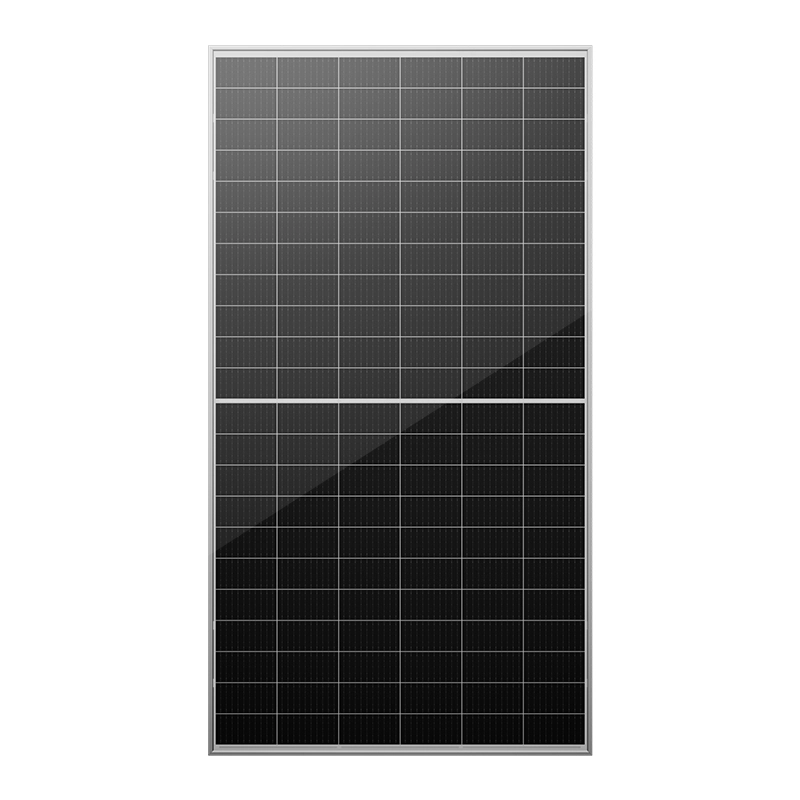
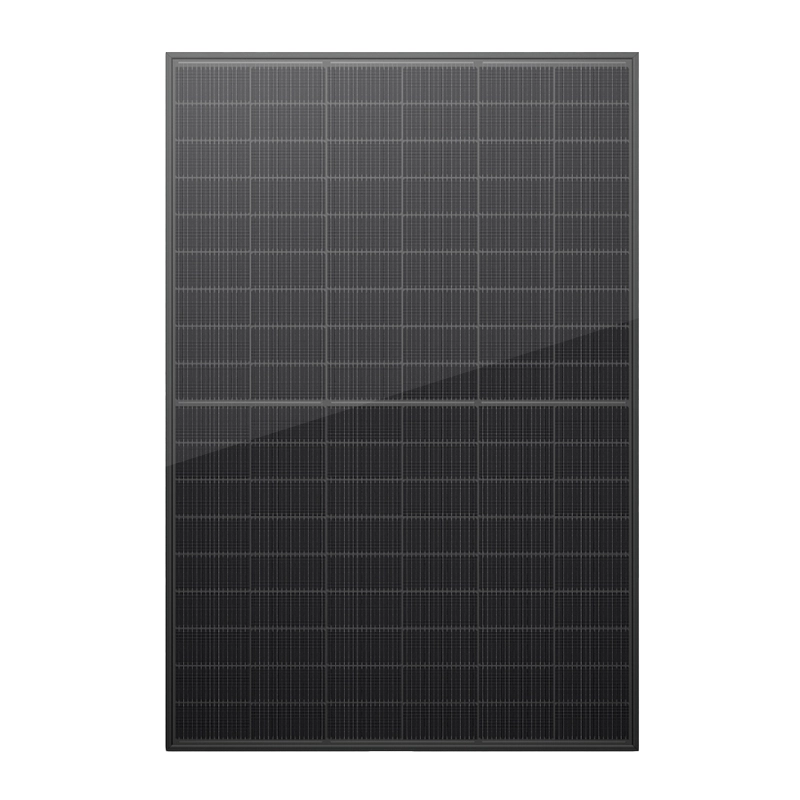
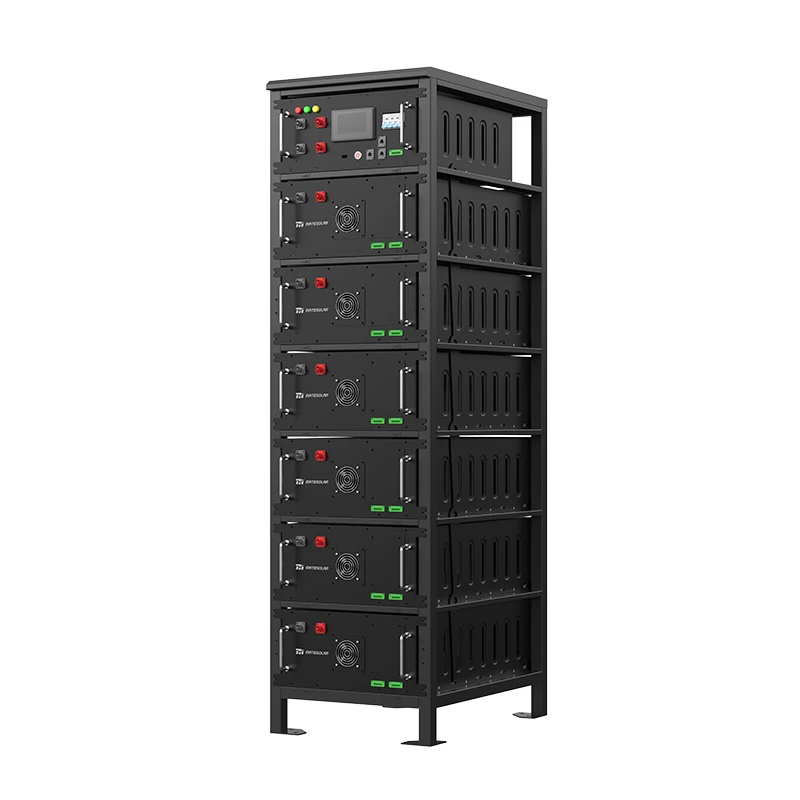
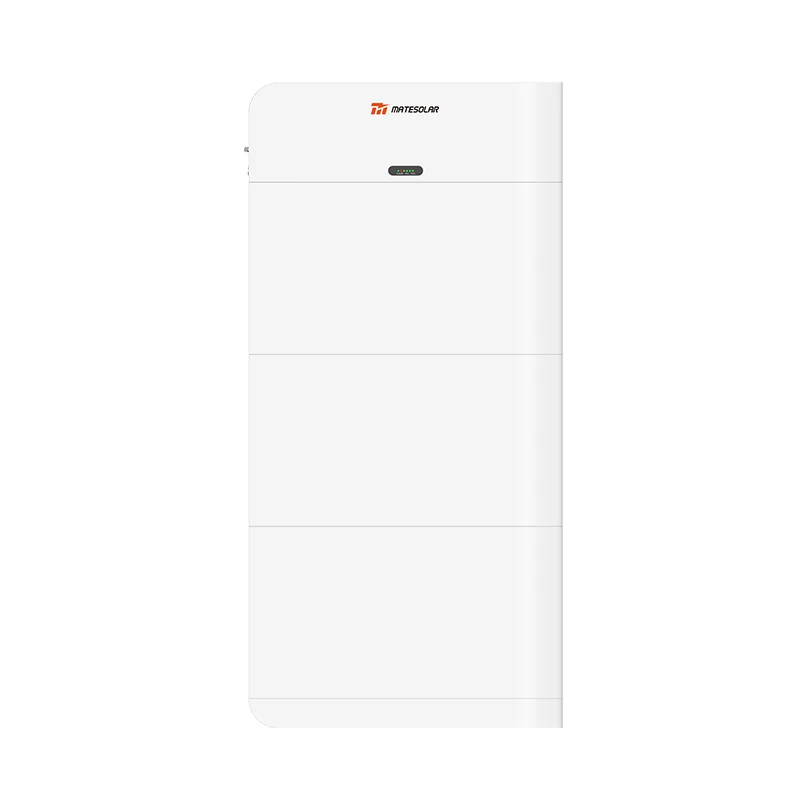
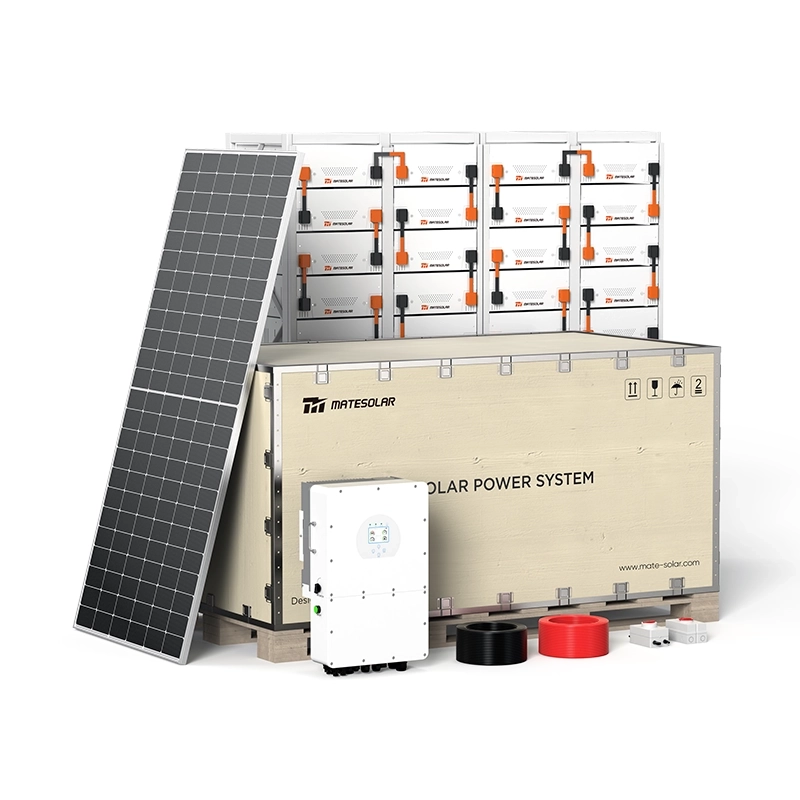
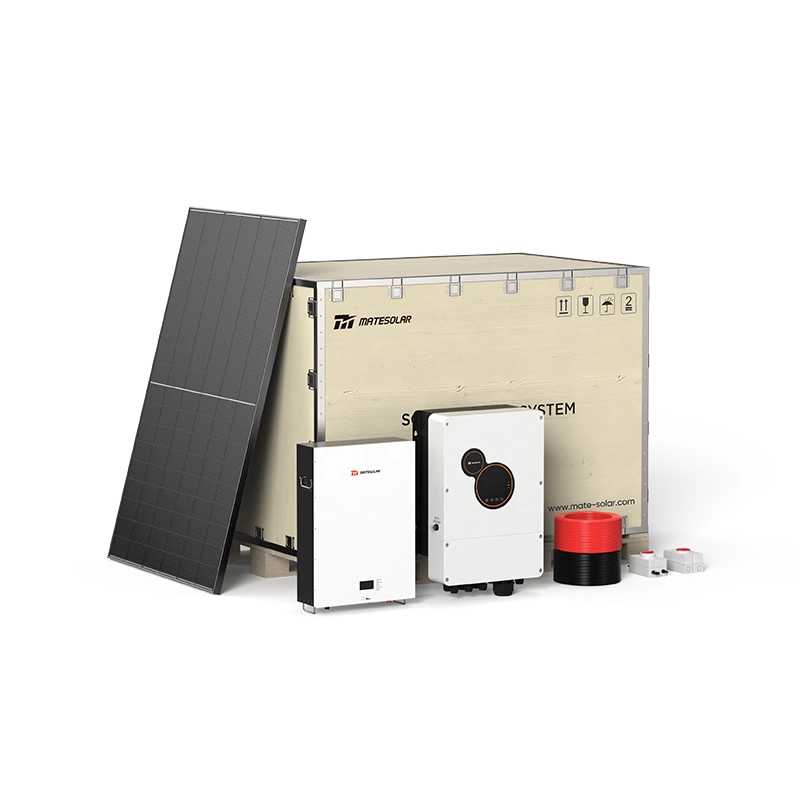
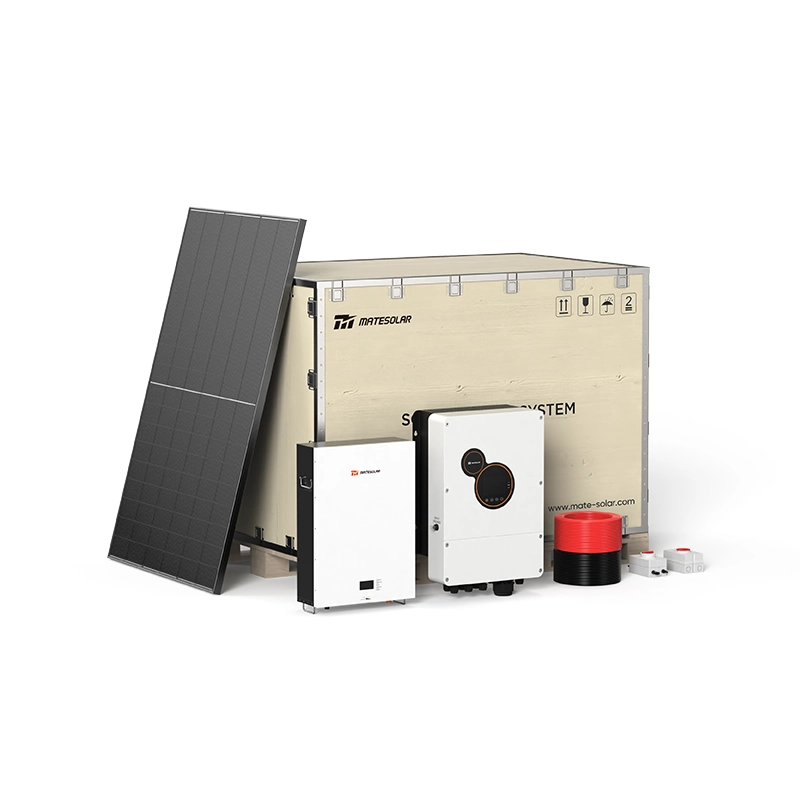
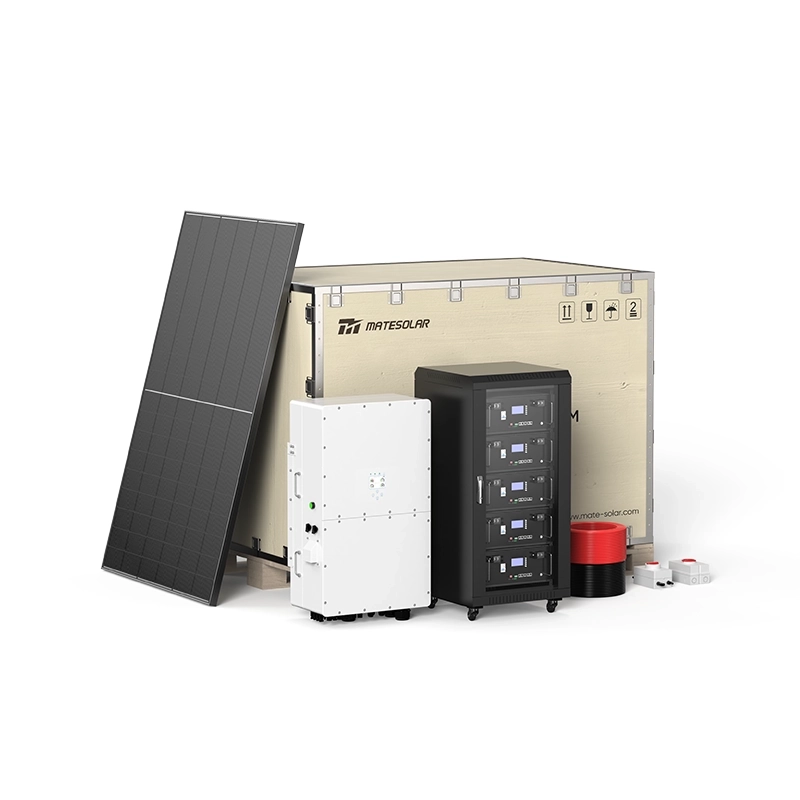
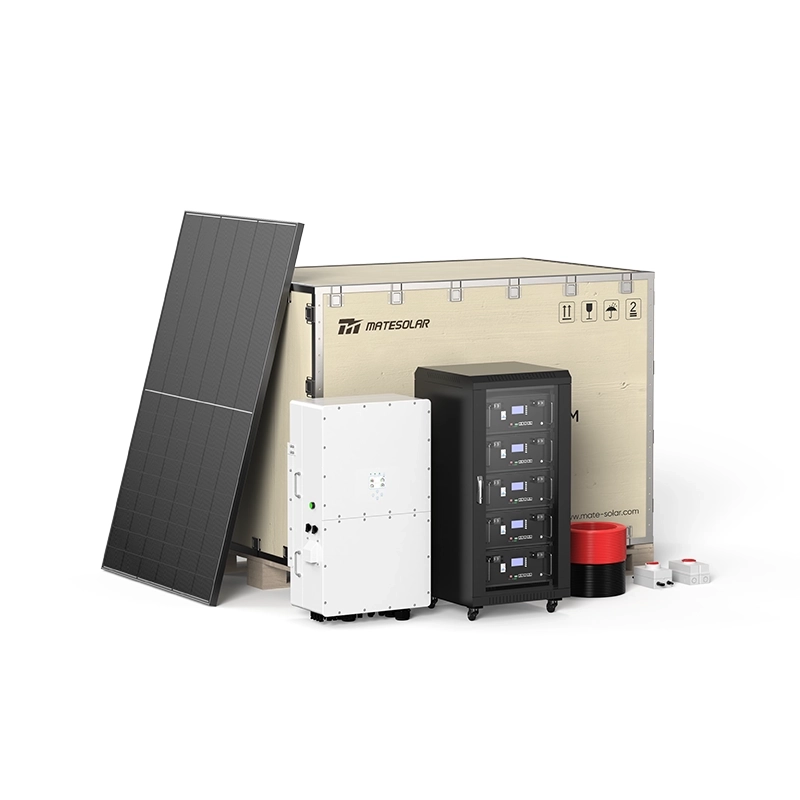
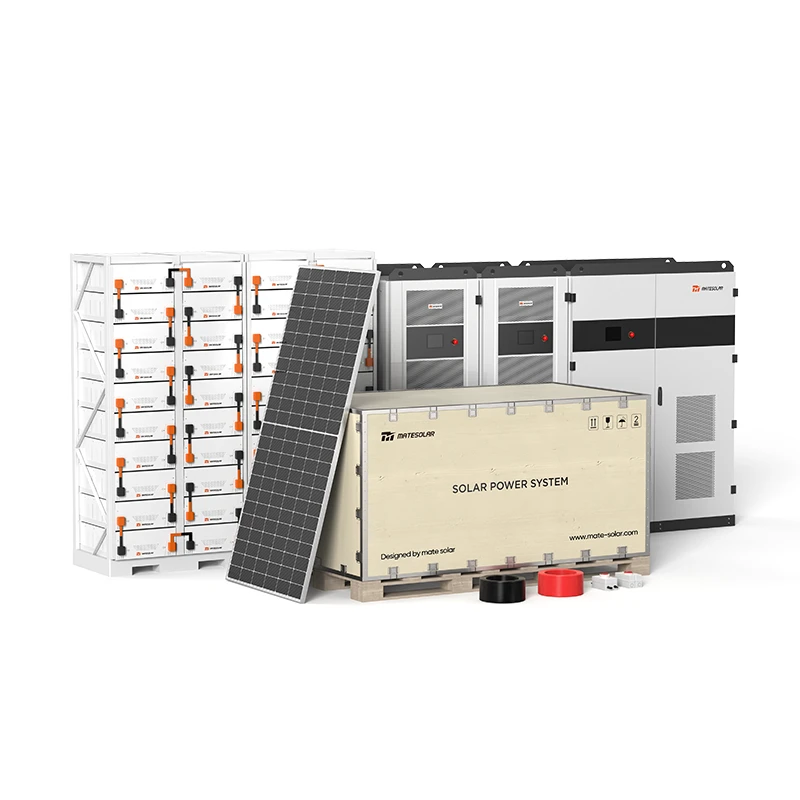
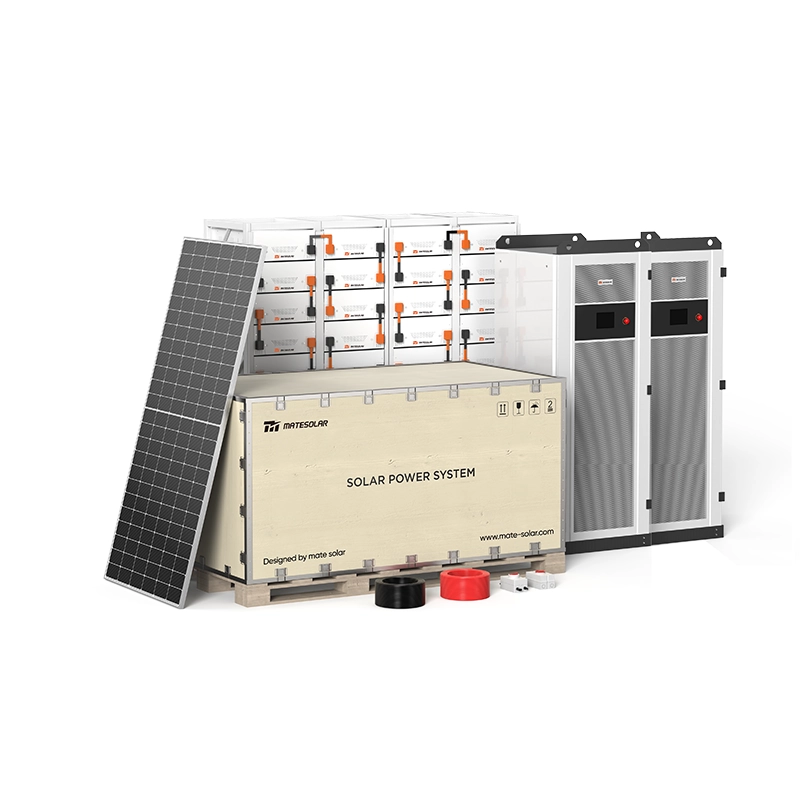
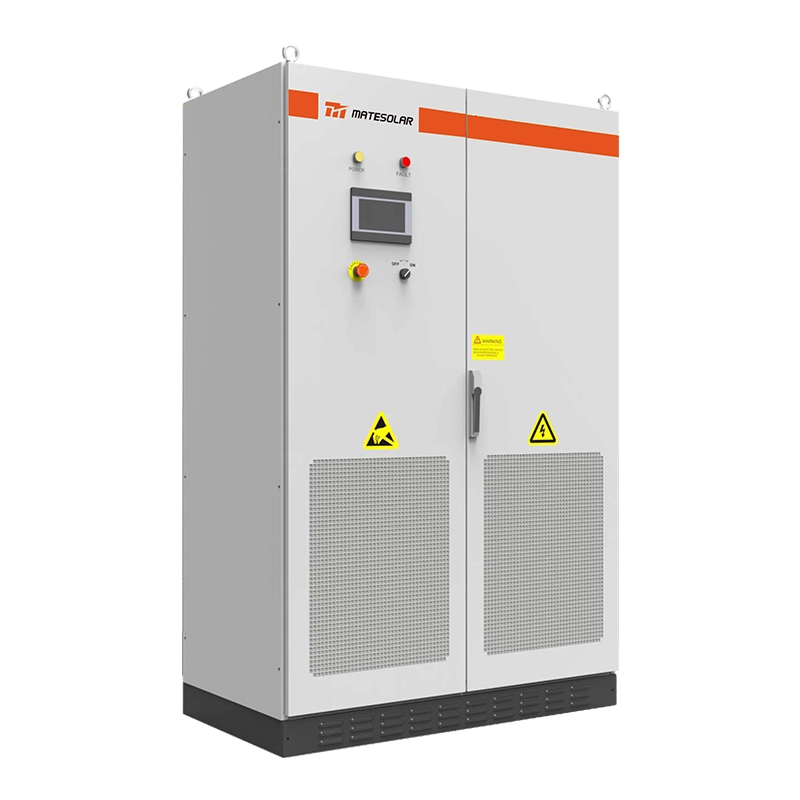
Kommerzielles 500kW Hybrid-Solarsystem
Entwickelt für mittelgroße bis große Gewerbe- und Industrieanlagen, die erhebliche Kapazitäten zur Lastspitzenkappung (Peak Shaving) und Lastverschiebung erfordern. Dieses System integriert Photovoltaik mit Batteriespeicher, um den Eigenverbrauch zu maximieren und Leistungspreise zu senken. Ideal für Fabriken, große Einzelhandelszentren und Gewerbegebäude mit hohem Stromverbrauch tagsüber.
[Erfahren Sie mehr über das kommerzielle 500-kW-Hybrid-Solarsystem →]
Für den flexiblen C&I-Einsatz
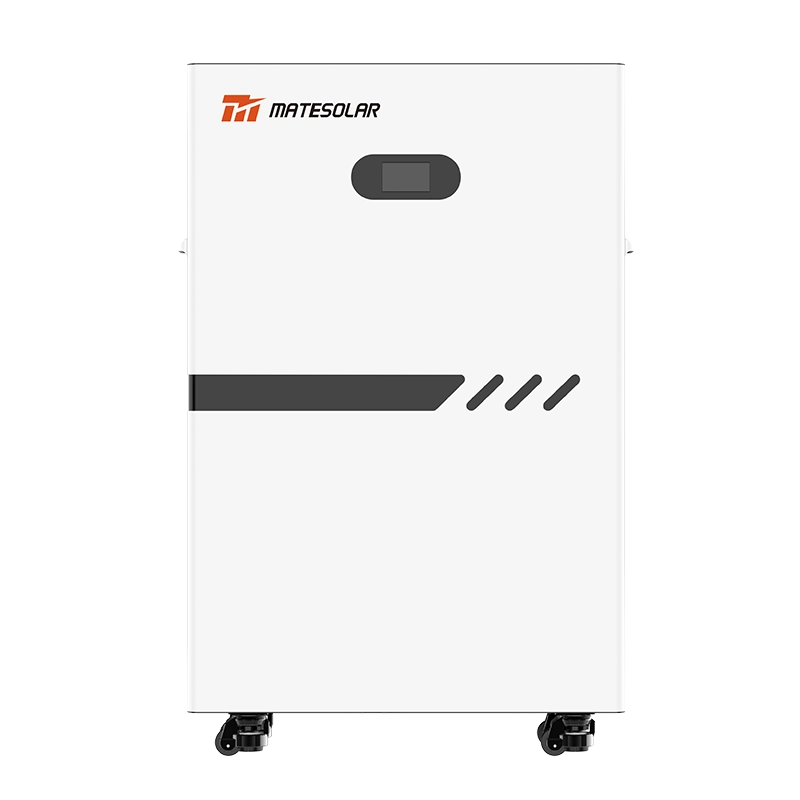
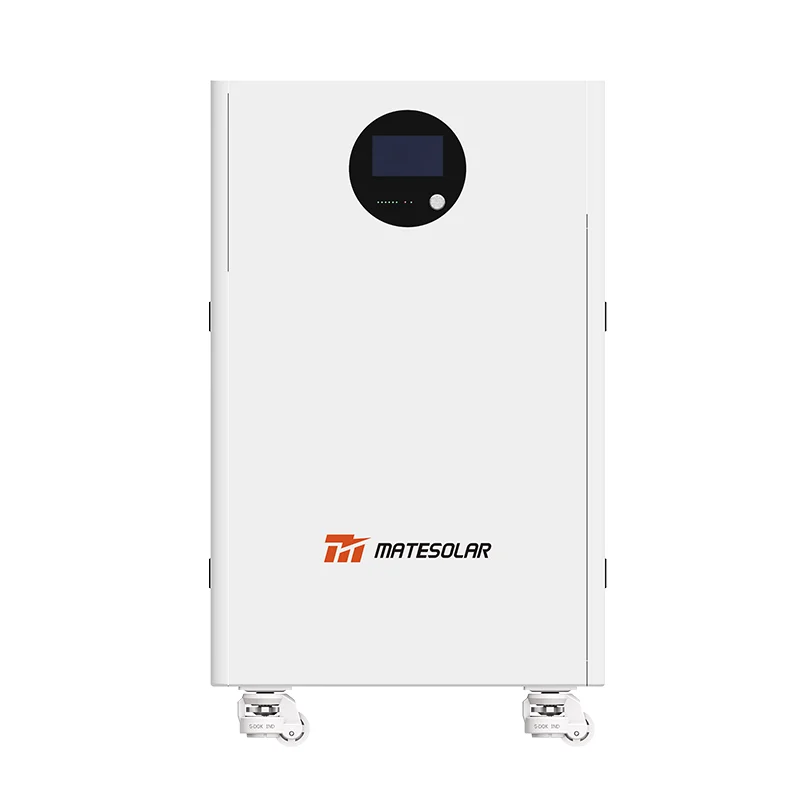
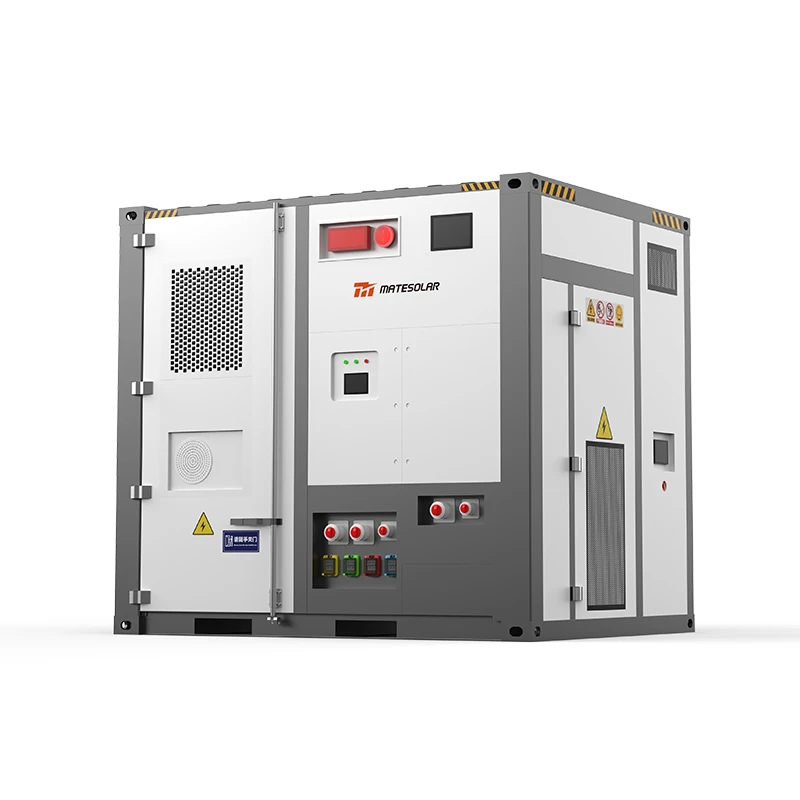
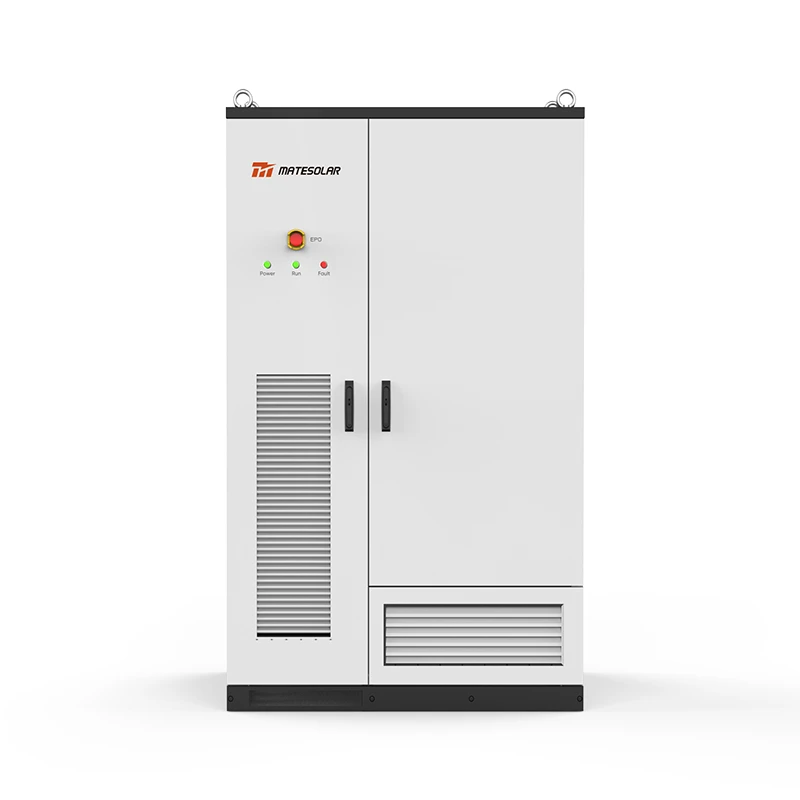
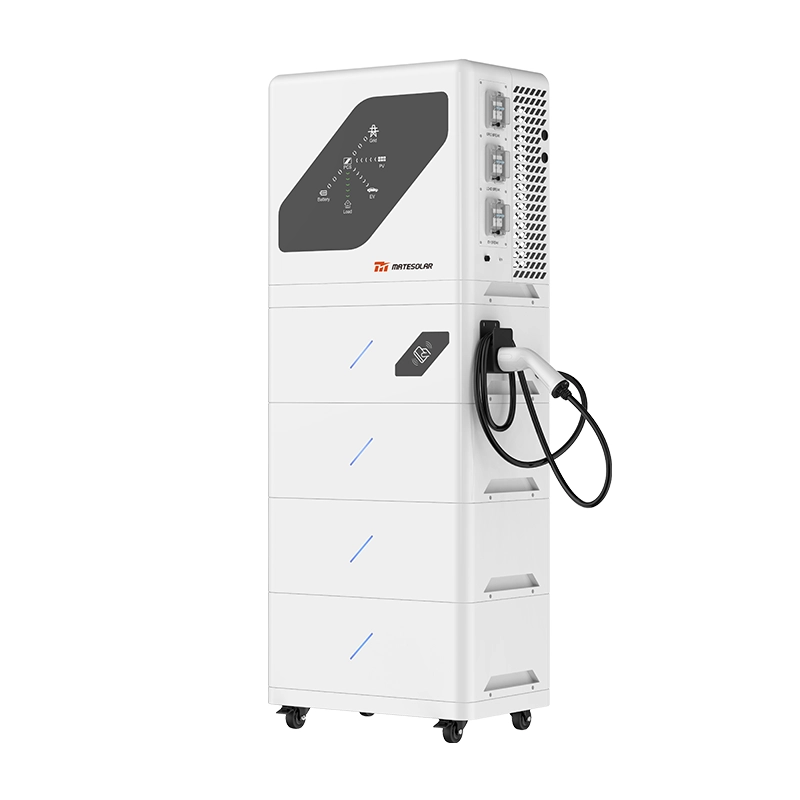
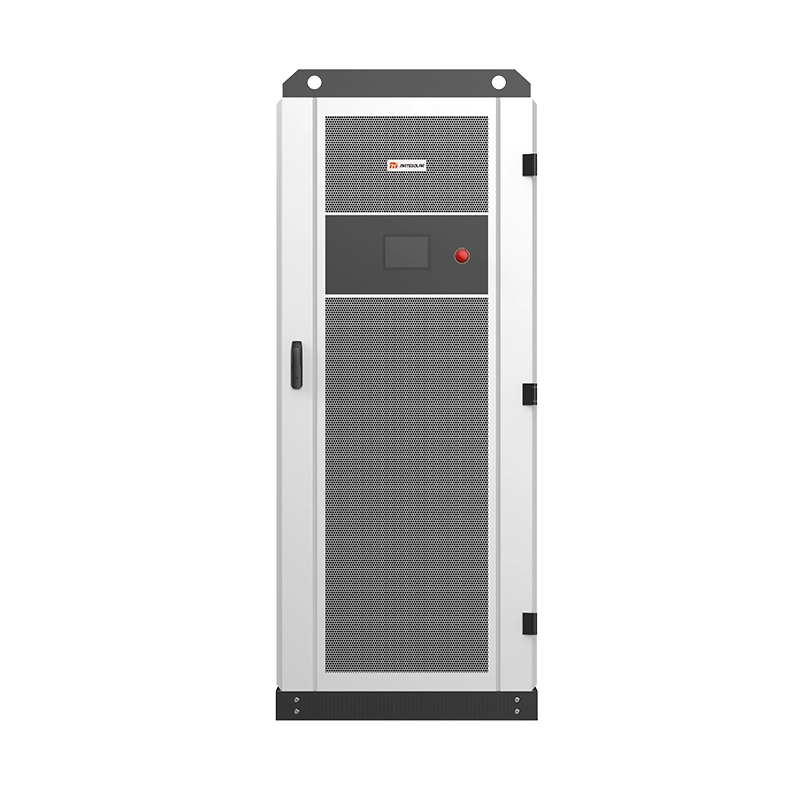
100kW/232kWh und 125kW/261kWh Flüssiggekühlte Outdoor-Schrank-Energiespeichersysteme
100kW/232kWh und 125kW/261kWh Flüssiggekühlte Outdoor-Schrank-Energiespeichersysteme
Diese Außenschränke wurden speziell für das rumänische Klima entwickelt und verfügen über eine integrierte Flüssigkeitskühlung für den ganzjährigen Betrieb bei Temperaturen von -20 °C bis über 35 °C. Das All-in-One-Design kombiniert Akkupacks, PCS und Thermomanagement in einem einzigen Gehäuse für den Außenbereich. Ideal für Hotels, Bürogebäude, Bauernhöfe und kleine bis mittlere Industrieanlagen.
Hauptmerkmale:
- 105 kW / 233 kWh Kapazität
- Wasserkühlung mit 10 Jahren Kühlmittel-Lebensdauer
- LiFePO4-Batteriechemie
- IP-geschütztes Außengehäuse
- EMV-Kompatibilität
[Erfahren Sie mehr über das flüssigkeitsgekühlte 125-kW-/261-kWh-Outdoor-Schrank-ESS →]
Für große Gewerbe- und Industrie- sowie Energieversorgerprojekte
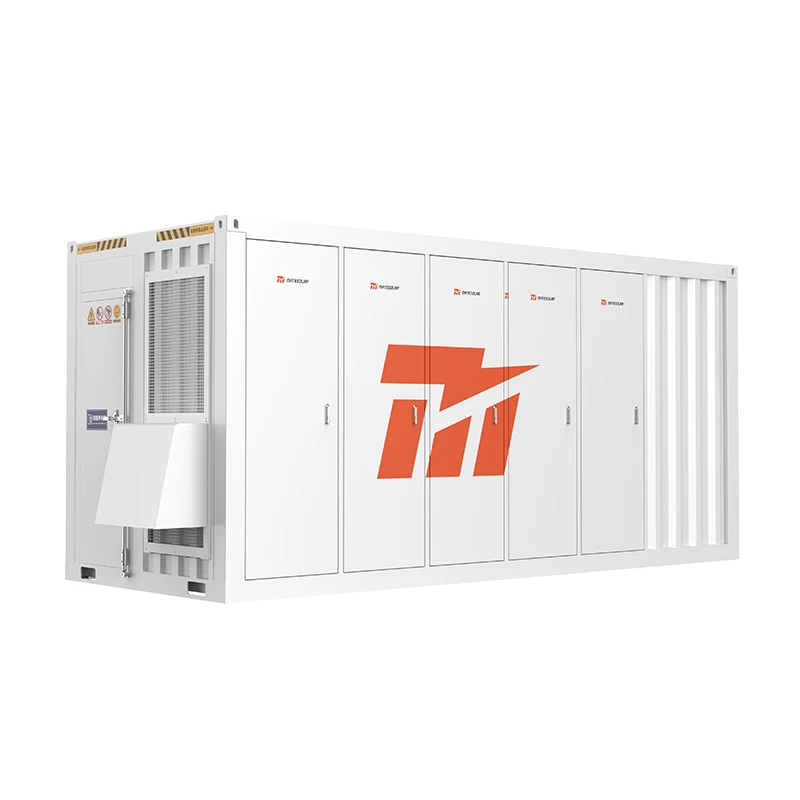
40ft 1MWh / 2MWh luftgekühlter Container ESS
Standardisierte containerbasierte Lösungen für größere gewerbliche und industrielle Anwendungen. Das luftgekühlte Design vereinfacht die Wartung und sorgt gleichzeitig für einen zuverlässigen Betrieb. Geeignet für:
- Große Industriegebiete
- Gewerbegebiete
- Mikronetz-Anwendungen
- Netzunterstützende Dienstleistungen
[Erfahren Sie mehr über das 40-Fuß-Container-ESS mit Luftkühlung →]
20 Fuß 3MWh / 5MWh Flüsigeitsgekühltes Container-ESS
Hochdichte containerbasierte Speicherung für große Energieversorgungs- und gewerbliche/industrielle Projekte, die eine maximale Energiedichte erfordern. Flüssigkühlung ermöglicht ein überlegenes Wärmemanagement auf kleinem Raum. Ideal für:
- Großkraftwerksspeicherprojekte
- Große hybride Solar- und BESS-Anlagen
- Netzgepasster Energiespeicher
- Projekte, die maximale Kapazität auf begrenztem Raum erfordern
[Erfahren Sie mehr über den 20-Fuß-Flüssigkeitskühlungs-Container-ESS →]
Teil sieben: Marktausblick und strategische Empfehlungen
7.1 Kurzfristiger Ausblick (Rest des Jahres 2026)
Wichtigste Katalysatoren:
- 1. September: Antragsfenster für 150-Millionen-Euro-Beihilfe öffnet sich
- 30. Oktober: Antragsfenster für Beihilfen schließt
- Q3 2026: Trina Storage Gamma (40 MW/160 MWh) voraussichtlich betriebsbereit
- Q4 2026: Sungrow × ENEVO erste 440-MWh-Lieferung
- Ende 2026: ~2.050 MW werden voraussichtlich ans Netz gehen
7.2 Mittelfristiger Ausblick (2027–2028)
- Sättigung bei Zusatzleistungen wird die Umsatzdiversifizierung vorantreiben
- Hybride Projekte neue Entwicklung dominieren
- Gewerbe- und Industriekunden-Segment voraussichtlich anziehen wird, da sich die politische Klarheit verbessert
- Marktkonsolidierung erwartet 2026-2028
- CfD-Auktionen wird weiterhin für Umsatzsicherheit sorgen
7.3 Strategische Empfehlungen
Für Gewerbe- und Industrieprojektentwickler:
1. Priorisieren Sie hybride Projekte — Nutzen Sie die Befreiung von der 30.000-€/MW-Garantie
2. Bereiten Sie sich sofort auf das 150-Millionen-Euro-Programm vor — Bewerbungsfenster öffnet in 5 Tagen
3. Einnahmequellen diversifizieren Verlassen Sie sich nicht ausschließlich auf Zusatzleistungen
4. Investieren Sie in klimagerechte Ausrüstung — Flüssigkühlung ist für rumänische Bedingungen unerlässlich
5. Sichern Sie den Netzanschluss frühzeitig — Die 20%-Garantie und die kürzeren Fristen erfordern frühzeitiges Handeln
Für Technologieanbieter:
1. Klimaresilienz stärken Rumänische Winter und Sommer erfordern ein robustes Wärmemanagement.
2. Integrierte Lösungen anbieten — Hybrid-Solar-plus-BESS-Pakete werden zunehmend bevorzugt
3. Finanzierungsoptionen anbieten — Ausrüstungsfinanzierung reduziert Hürden für gewerbliche und industrielle Kunden
4. Lokale Partnerschaften aufbauen Lokale EPC- und Vertriebspartnerbeziehungen sind unerlässlich.
Für Finanzinstitute:
1. Entwickeln Sie C&I-spezifische Produkte — Der Markt benötigt maßgeschneiderte Finanzierungslösungen
2. Verstehen Sie die politische Landschaft — Garantien, Befreiungen und Differenzverträge (CfD) beeinflussen das Projektrisiko
3. Betrachte das Hybrid-Projekt-Premium — Hybridprojekte haben politische Vorteile gegenüber eigenständigen Projekten
Rumäniens Energiespeichermarkt hat im August 2026 einen Wendepunkt erreicht. Mit 989 MW/1.975 MWh in Betrieb, einer Projektpipeline von über 30 GW und einem nationalen Ziel von 5 GW bis Jahresende, ist das Ausmaß der Möglichkeiten beispiellos.
Speziell für das Segment der Gewerbe- und Industriekunden (C&I) führt das Zusammenwachsen von:
- Politikunterstützung (150 Mio. € staatliche Beihilfe, 76 Mio. € Umleitung von Casa Verde)
- Regulatorische Reformen (hybride Ausnahmeregelungen, Abschaffung der doppelten Gebührenbelastung)
- Bewährte Technologie (flüssigkeitsgekühlte Lösungen in Rumänien im Einsatz)
- Klare Marktnachfrage (C&I-Installationen beschleunigen sich)
...bildet ein überzeugendes Investment-Argument.
Um erfolgreich zu sein, muss man sich jedoch in einem komplexen und sich rasch wandelnden Umfeld zurechtfinden. Das Antragsfenster für das mit 150 Millionen Euro dotierte Förderprogramm öffnet sich in wenigen Tagen. Die Netzanschlussgarantie 20% und eine Errichtungsgarantie von 30 €/kW erzeugen neuen finanziellen Druck. Der Markt für Regelleistungen nähert sich der Sättigung. Und die Richtlinien für Casa Verde C&I befinden sich nach wie vor in der Entwicklung.
Für diejenigen, die zu entschlossenem Handeln bereit sind – mit den richtigen Technologiepartnern, Finanzierungsstrukturen und regulatorischem Verständnis – bietet der rumänische C&I-Speichermarkt außergewöhnliche Chancen.
MateSolar ist ein führender Komplettanbieter für Photovoltaik- und Energiespeicherlösungen, der sich der Bereitstellung zuverlässiger, kostengünstiger und klimaresilienter Energiespeichersysteme für Unternehmen und Industrien weltweit widmet.
Unser umfassendes Produktportfolio umfasst:
- Kommerzielle hybride Solaranlagen (500 kW+)
- Flüssigkeitsgekühltes Outdoor-Batteriespeichersystem (100 kW/232 kWh, 125 kW/261 kWh)
- Luftgekühlter Container-ESS (40 Fuß 1 MWh/2 MWh)
- Flüssiggekühlter Container-ESS (20 Fuß 3 MWh/5 MWh)
Mit bewährten Installationen in ganz Europa und tiefgreifender Expertise auf dem rumänischen Markt verbindet MateSolar modernste Technologie mit praktischen, bankfähigen Lösungen für den gewerblichen und industriellen (C&I) Speichersektor.
Kontaktieren Sie MateSolar noch heute um Ihr rumänisches Energiespeicherprojekt zu besprechen und sich sicher im regulatorischen Umfeld zu bewegen.