










Executive Summary: The Dual Imperative of Access and Affordability
The nations of Latin America and the Caribbean stand at a pivotal juncture in their energy evolution. While the region boasts a near 97% average rate of electricity access, this figure masks severe disparities in quality, reliability, and cost. Countries like Haiti face a crisis, with only about 2% of its rural population having consistent access to power. Simultaneously, businesses and households across more developed economies grapple with spiraling electricity tariffs and grid instability that threaten economic competitiveness and quality of life.
The convergence of abundant solar resources and rapidly maturing energy storage technology presents a definitive solution. This analysis delves into the specific energy landscapes of eight critical markets—the Dominican Republic, Colombia, Peru, Argentina, Chile, Costa Rica, Jamaica, and Haiti—providing a roadmap for deploying photovoltaic (PV) and storage systems to solve foundational challenges. We move beyond theory to present actionable system architectures, economic models, and policy frameworks, establishing this document as an essential technical and commercial reference for stakeholders aiming to navigate and lead in this transformative sector.
Part 1: The Regional Landscape – Challenges and the Solar-Storage Promise
The electricity sector in Latin America is marked by a paradox of progress and persistent gaps. Non-technical grid losses average 16%, significantly higher than the 6% typical in OECD countries. The human and economic cost is staggering: power outages last 16 times longer and are 10 times more frequent than in the European Union. For the approximately 16 million people in the region still without electricity—primarily in rural and remote areas—the lack of power is a fundamental barrier to development.
The High Cost of Grid Dependency: In island states and regions with under-invested grids, reliance on imported fossil fuels for generation makes electricity exceptionally expensive and volatile. This burden cripples industrial productivity and household budgets alike.
Solar Energy: From Niche to Core Solution: The economic argument for solar PV is now incontrovertible. Costs have plunged by 90% between 2010 and 2023. Solar PV is not just the future; it is the present, leading global renewable capacity additions. In Latin America, with its exceptional solar irradiation from the Atacama Desert to the Caribbean coasts, the resource is unparalleled.
The Critical Role of Storage: However, solar generation is inherently variable. Energy storage systems (ESS) are the indispensable enabler, transforming intermittent solar power into a dispatchable, firm, and grid-stabilizing resource. They allow energy to be shifted from sunny afternoon periods to high-demand evening peaks, provide backup power during outages, and enable entirely off-grid communities to thrive. The region is taking note, with landmark projects like Chile's 221 MW solar + 1.2 GWh battery storage Quillagua plant setting a new benchmark.
Part 2: Targeted Market Analysis: Eight Nations at a Glance
The following table synthesizes the key drivers, challenges, and opportunities for solar-storage deployment in the eight focus countries, drawing on the latest market intelligence and policy developments.
*Table 1: Solar-Plus-Storage Market Analysis for Target Latin American & Caribbean Countries*
Part 3: Technical Solutions Architecture: From Residential to Grid-Scale
Selecting the correct system configuration is paramount to meeting technical requirements and achieving financial objectives. The solutions can be categorized by scale and application.
3.1 Distributed Generation & Self-Consumption Systems
These systems are installed behind-the-meter at homes, businesses, or industrial facilities.
- Basic Solar PV System (No Storage): Reduces daytime grid consumption. Ideal for markets with strong net metering and reliable grids.
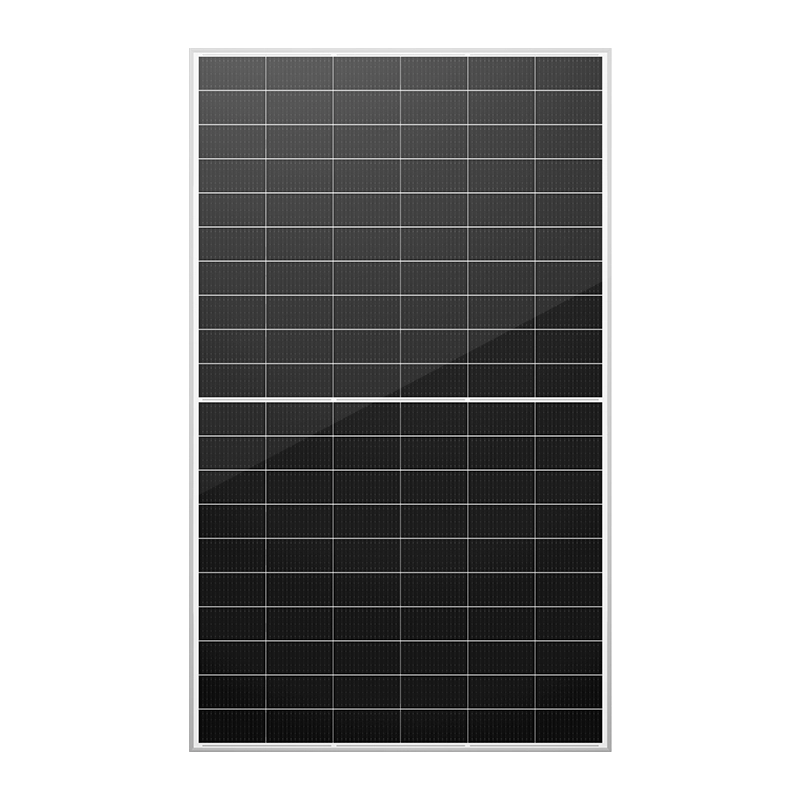
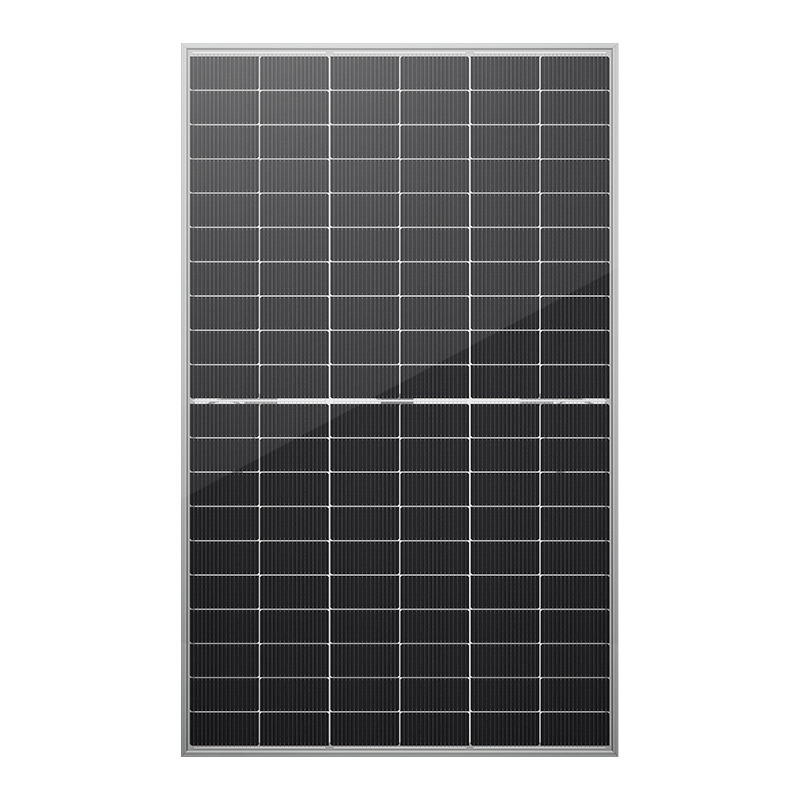
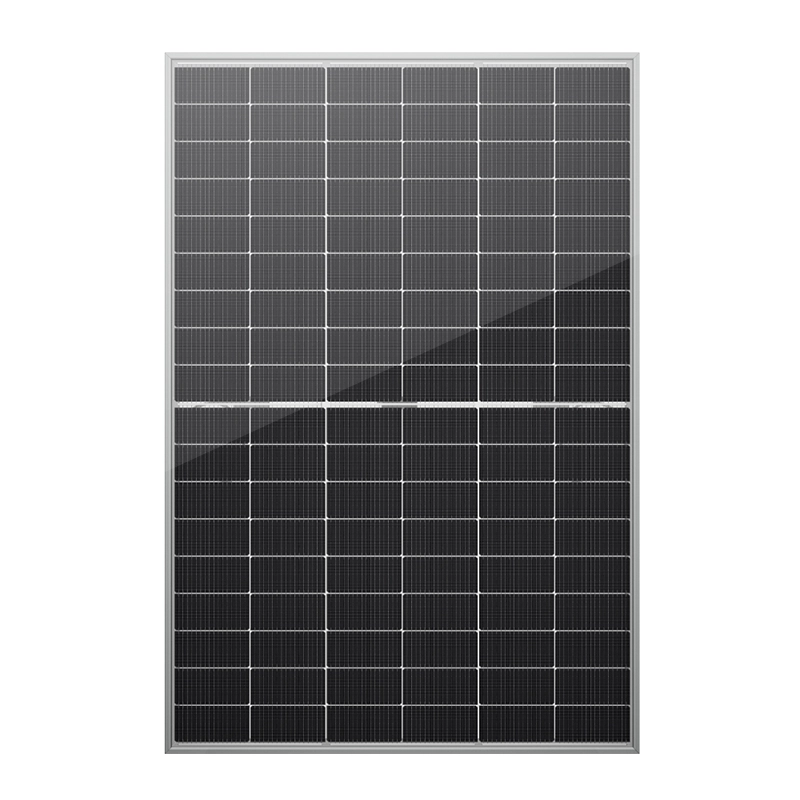
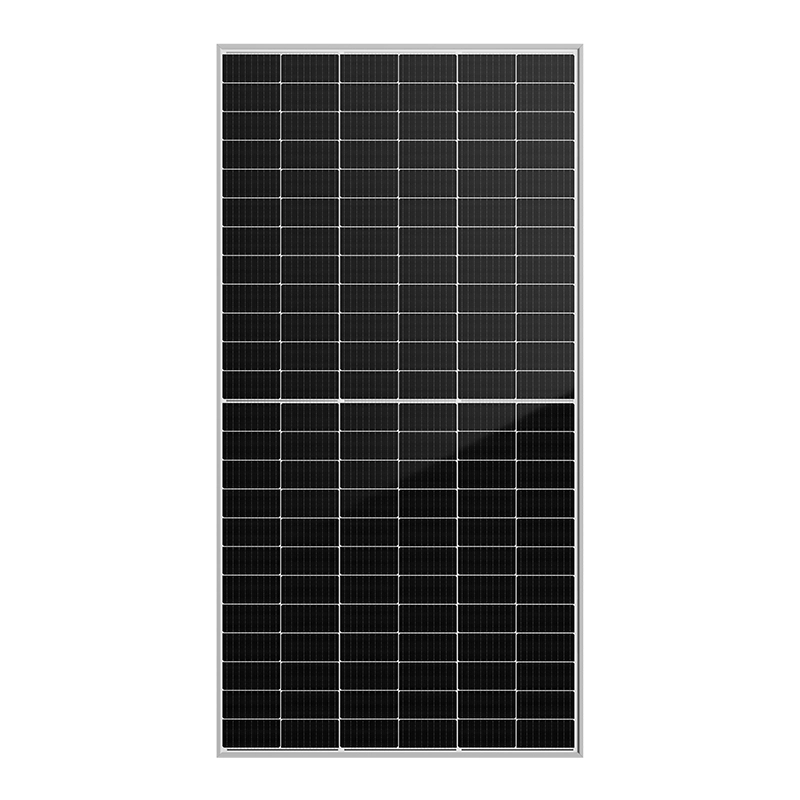
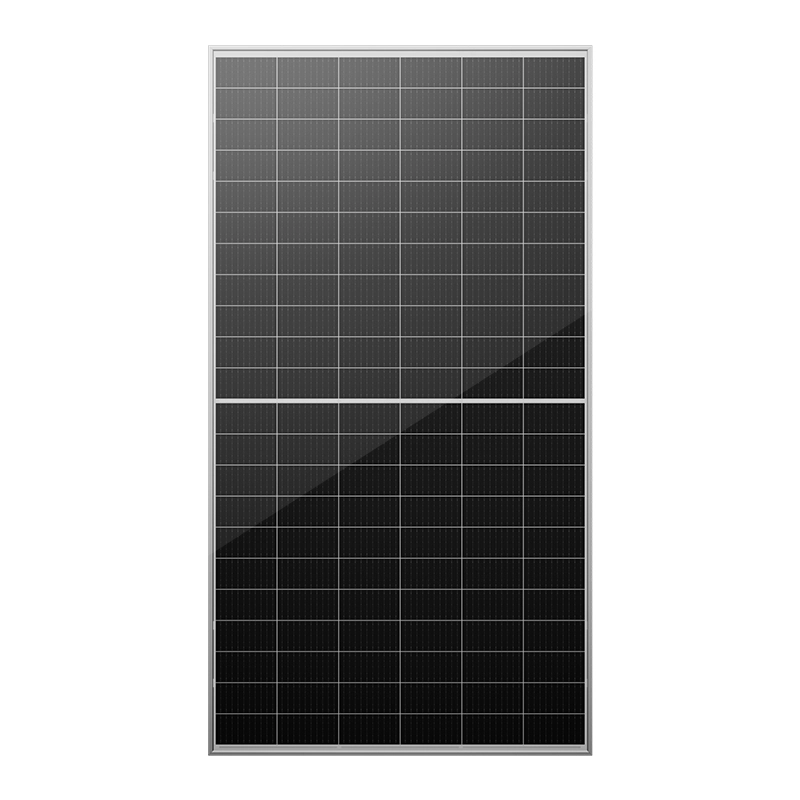
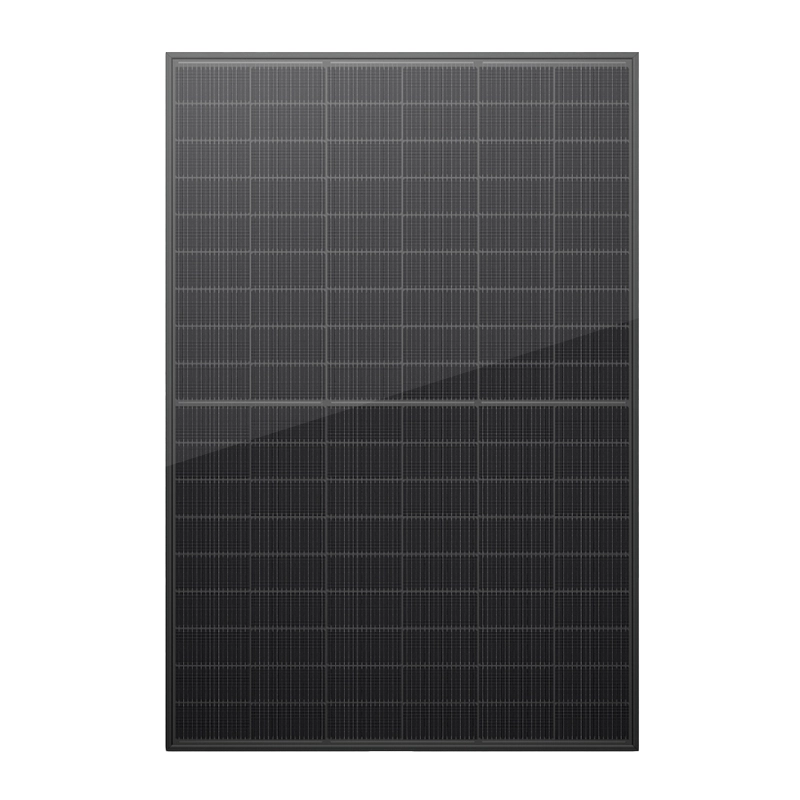
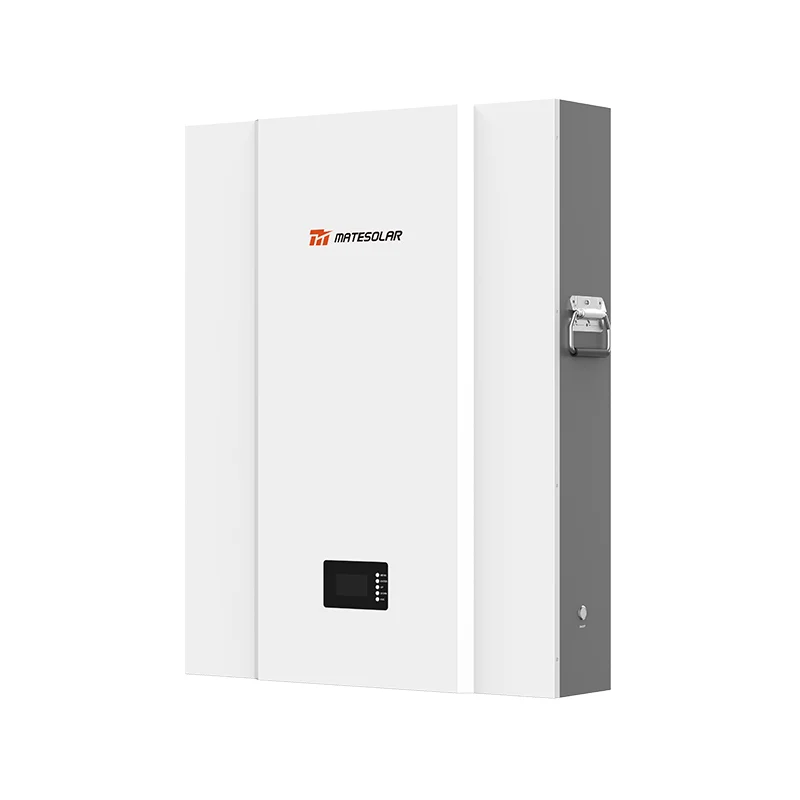
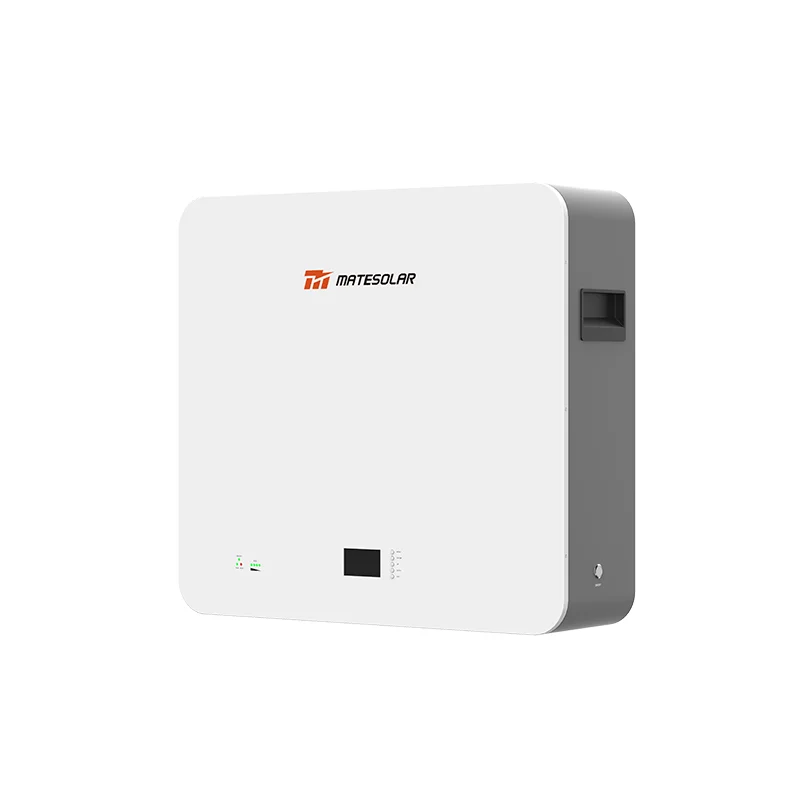
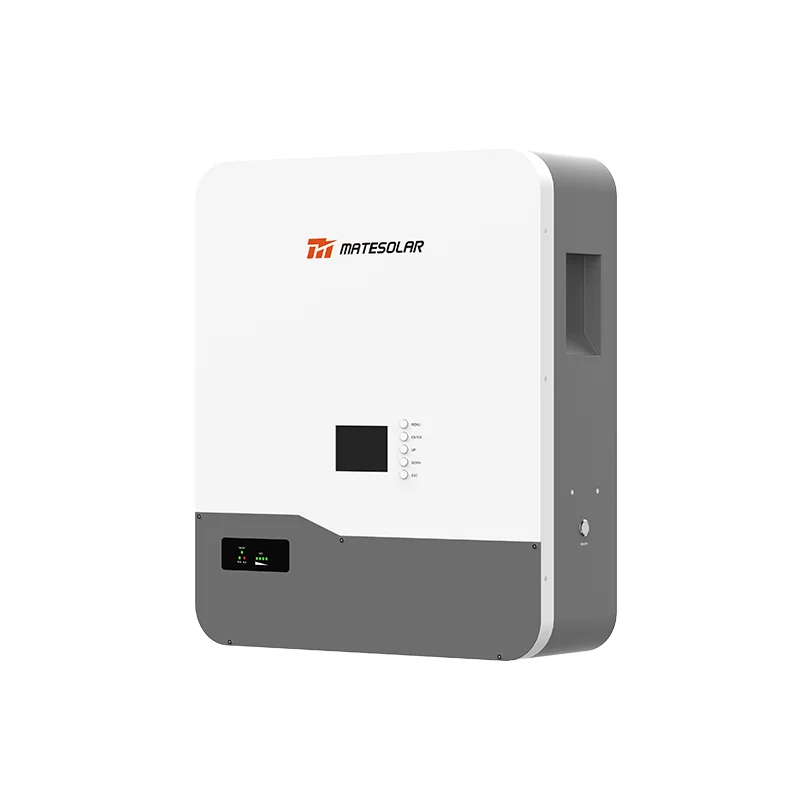
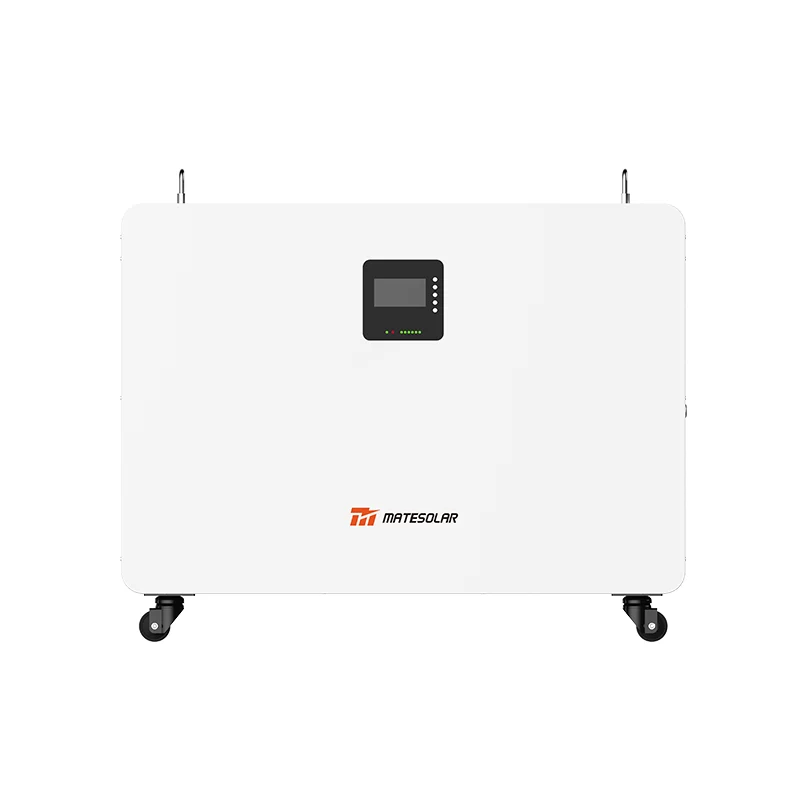
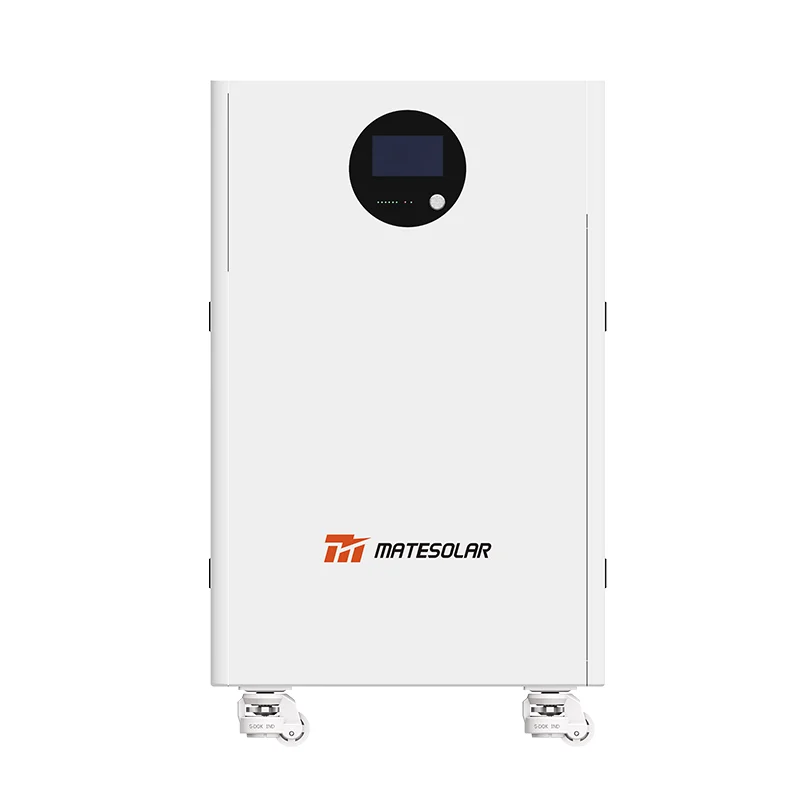
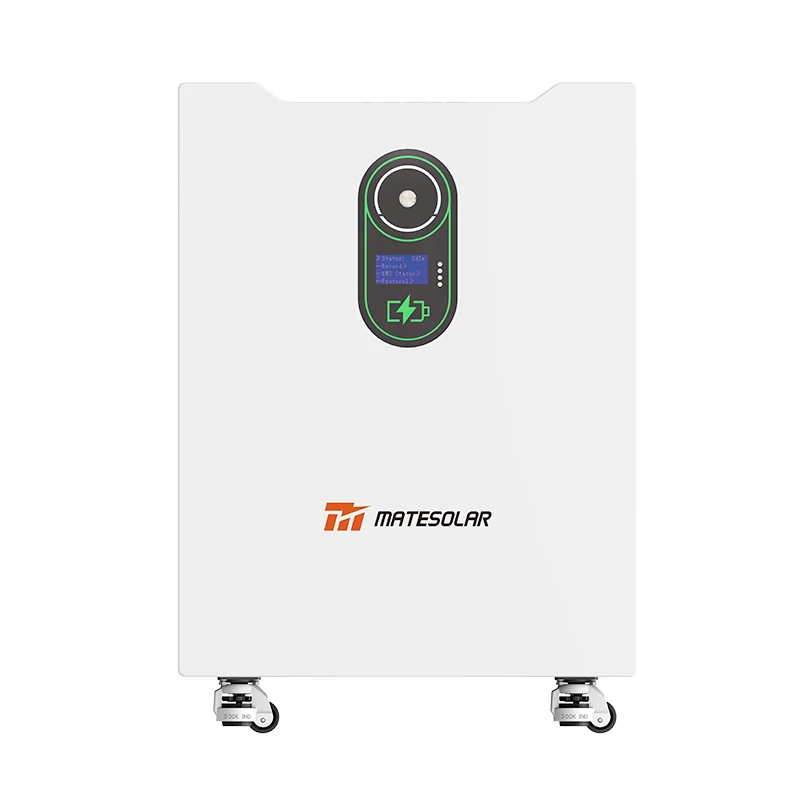
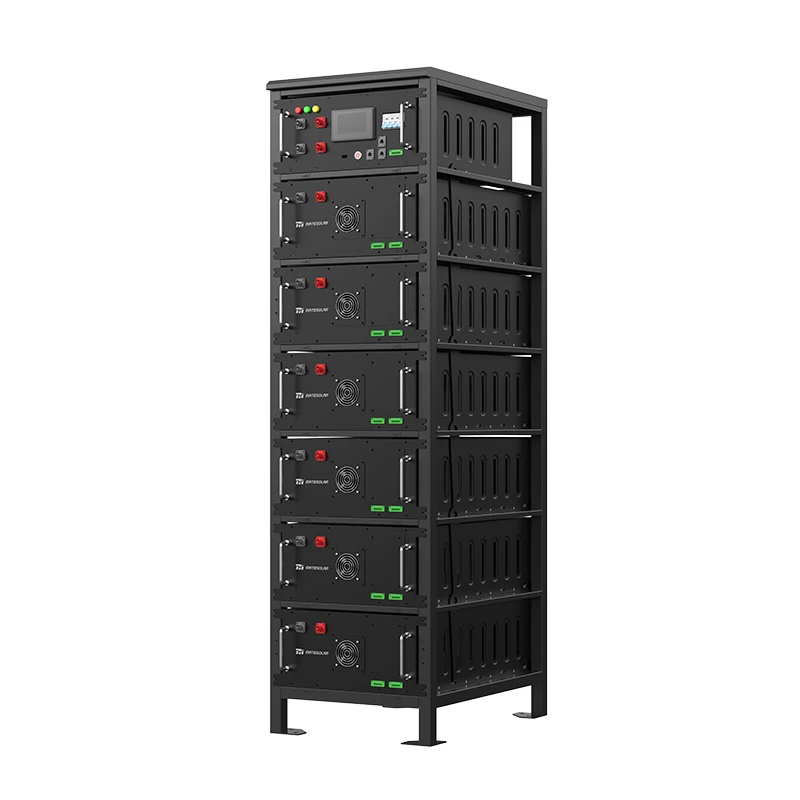
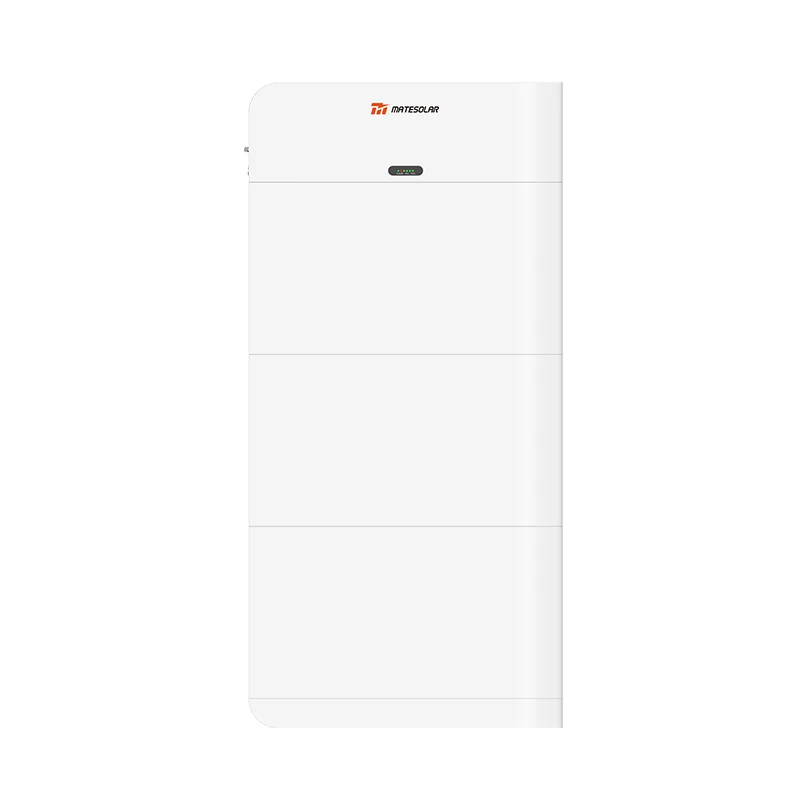
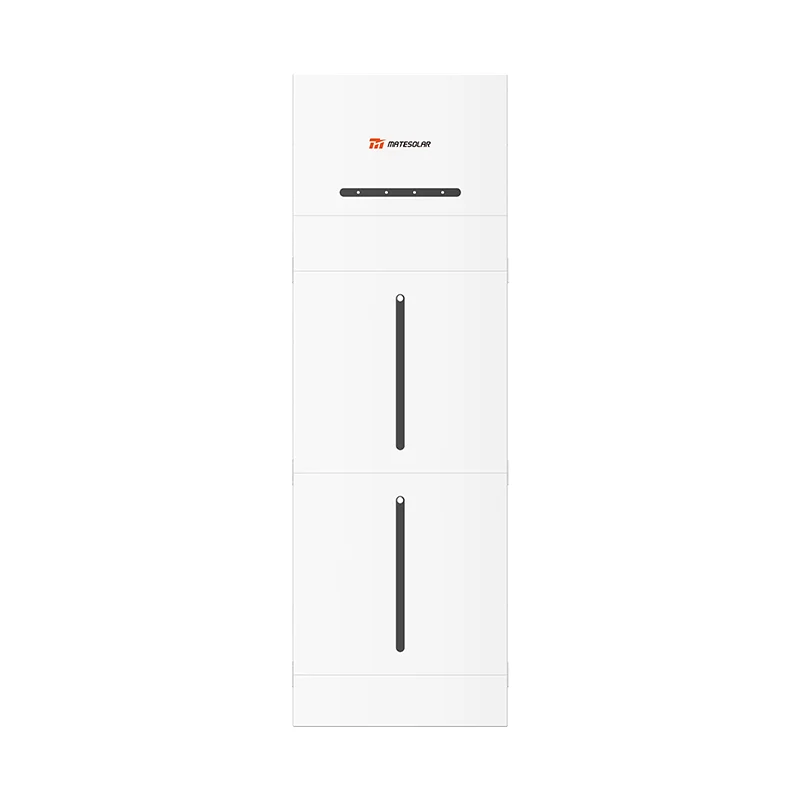
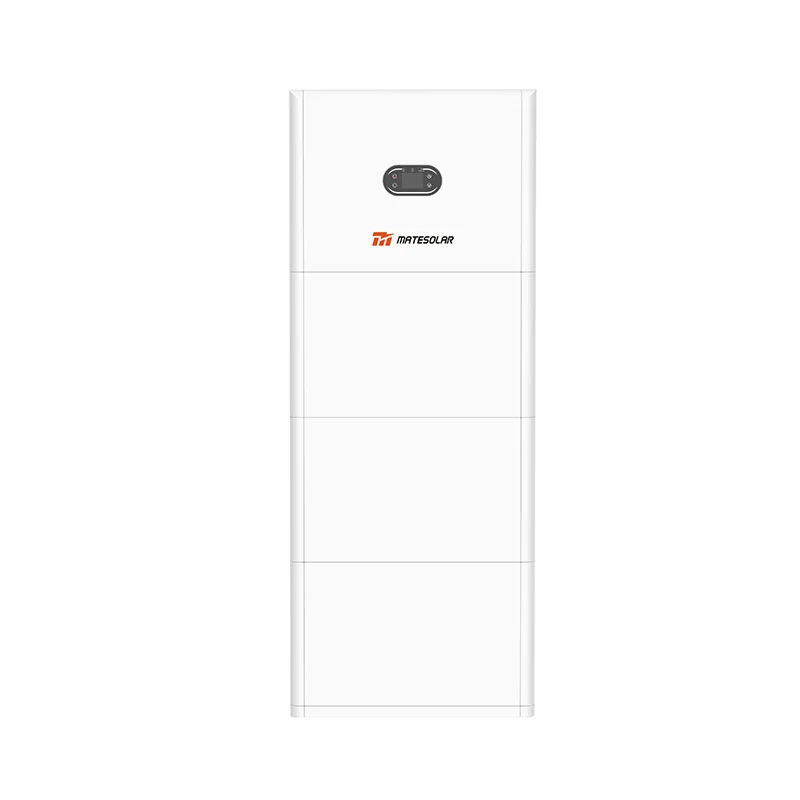
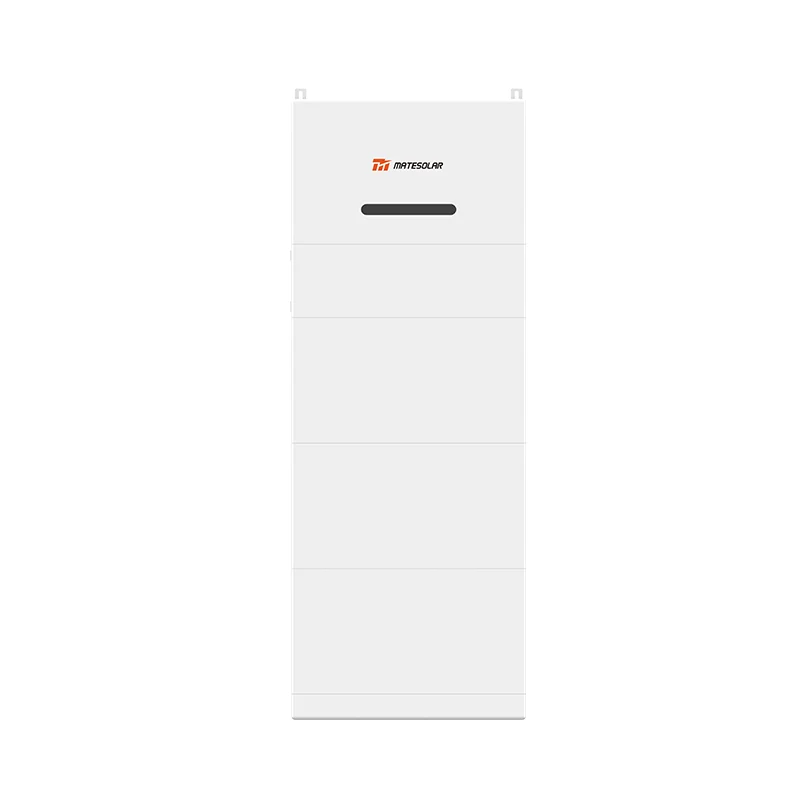
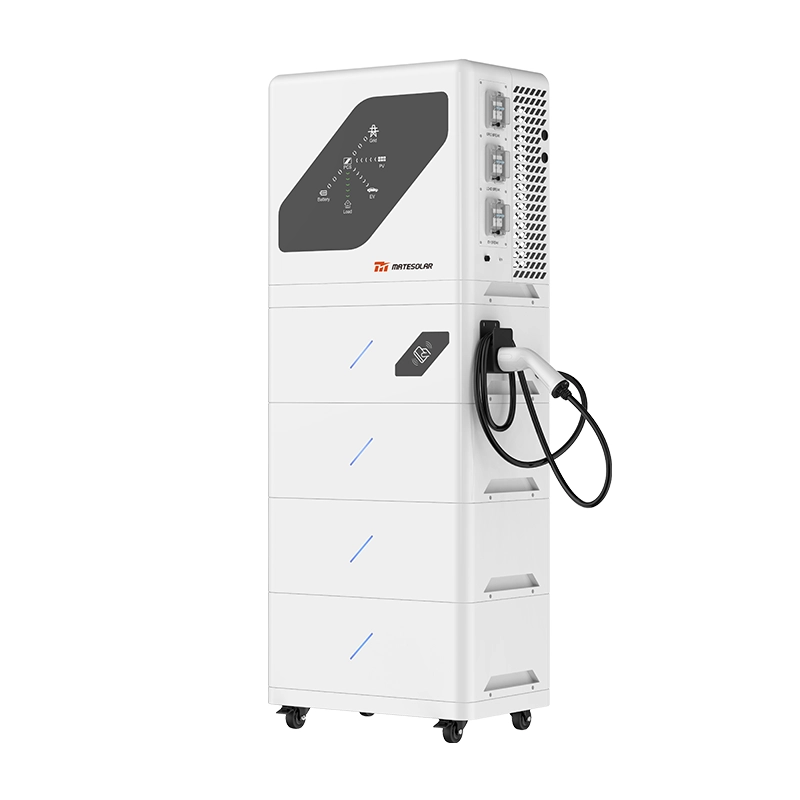
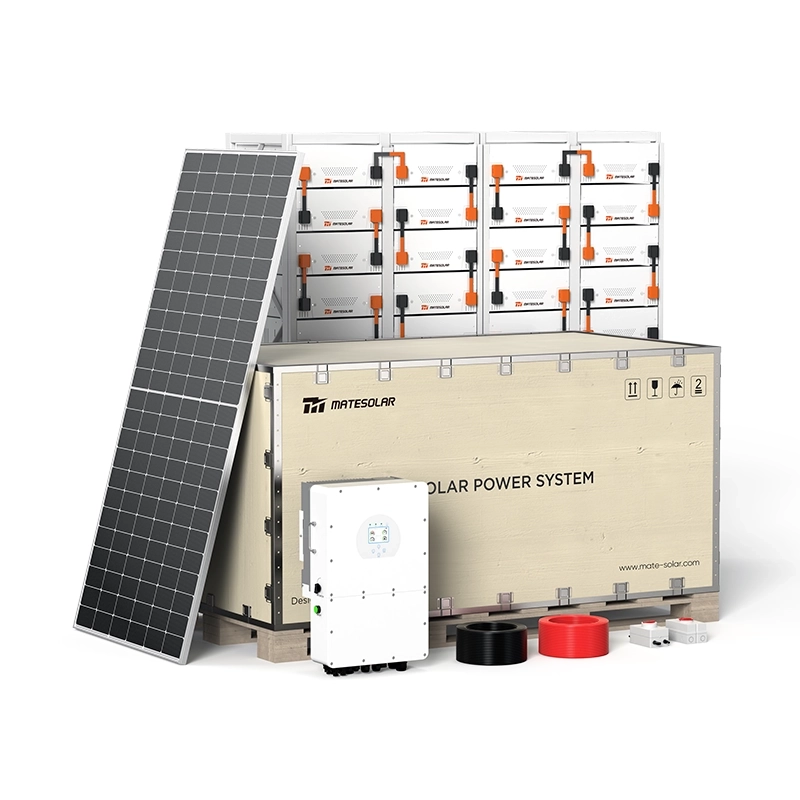
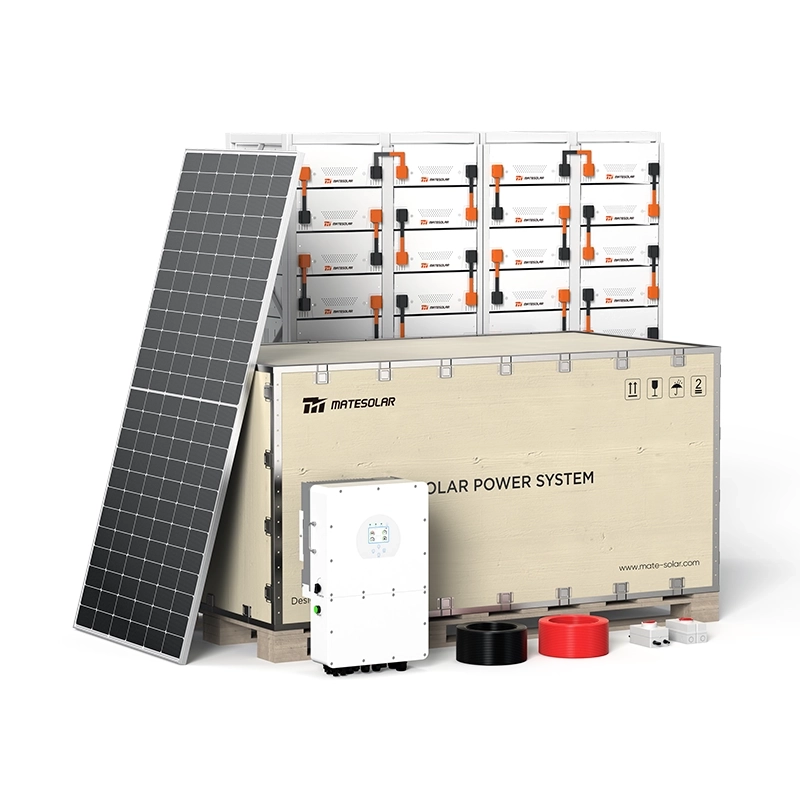
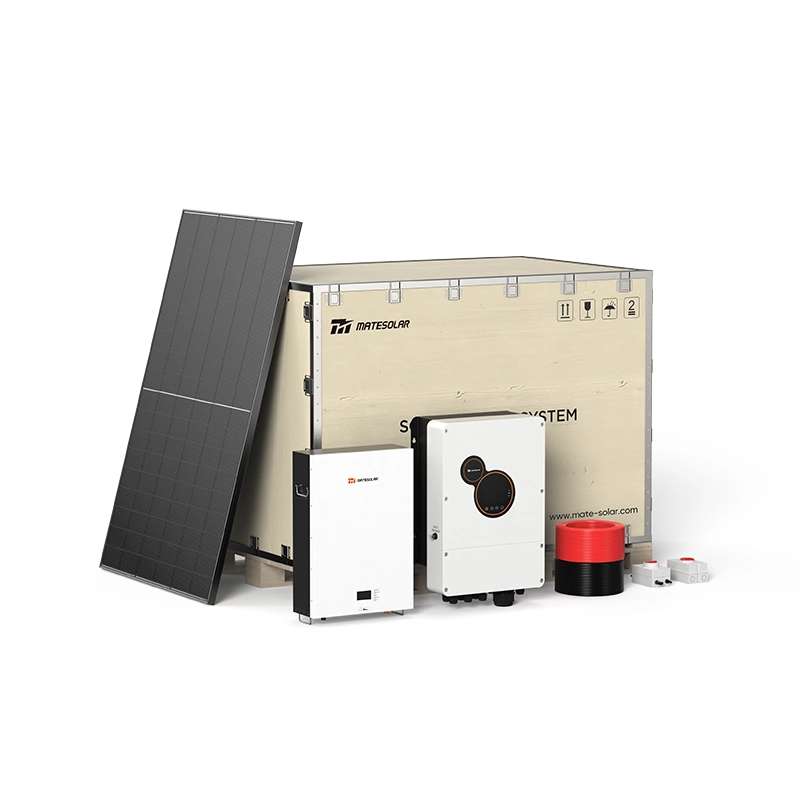
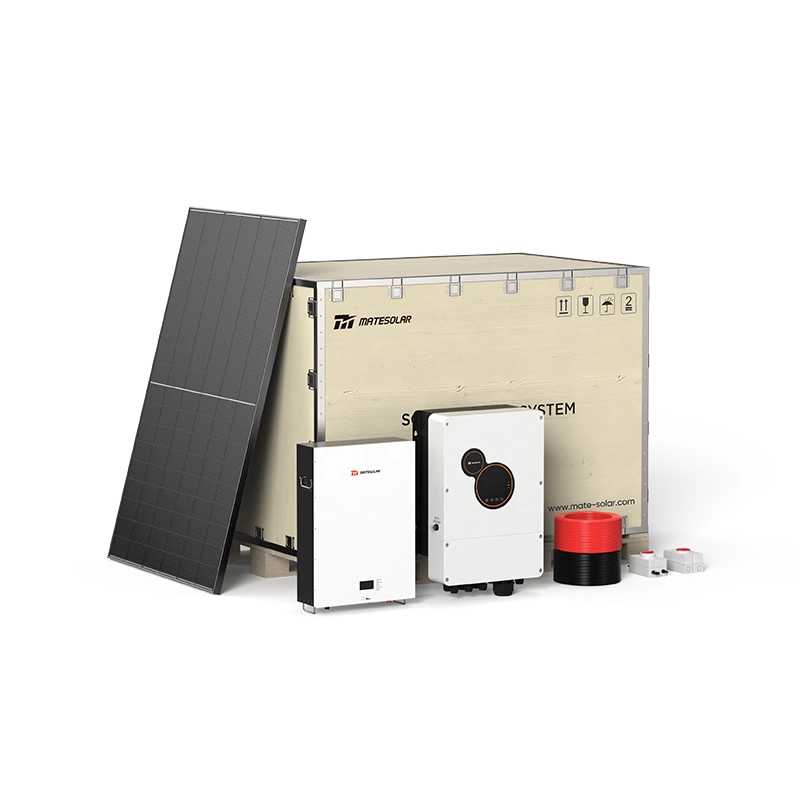
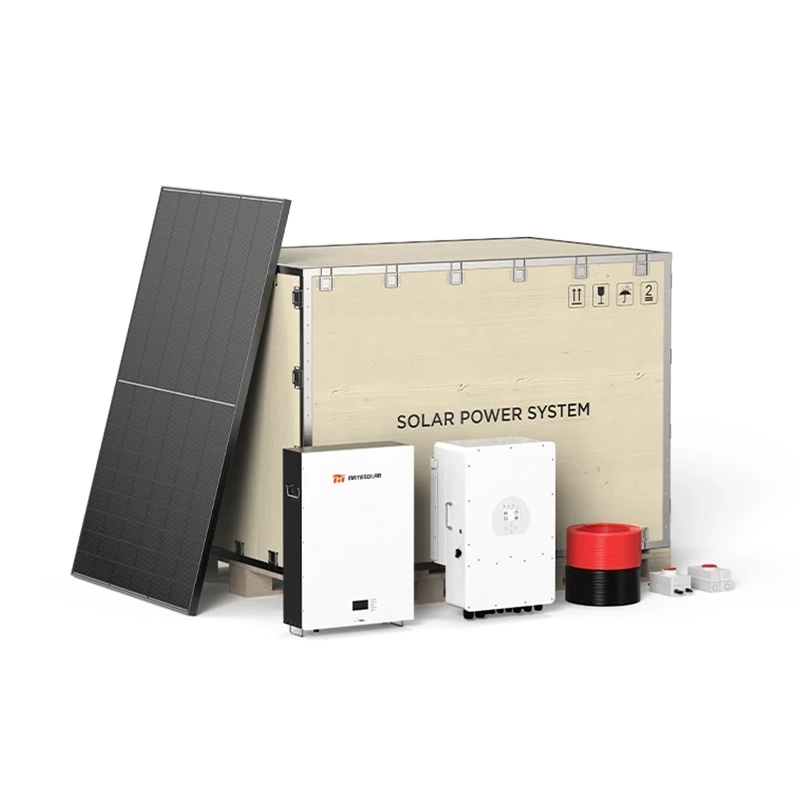
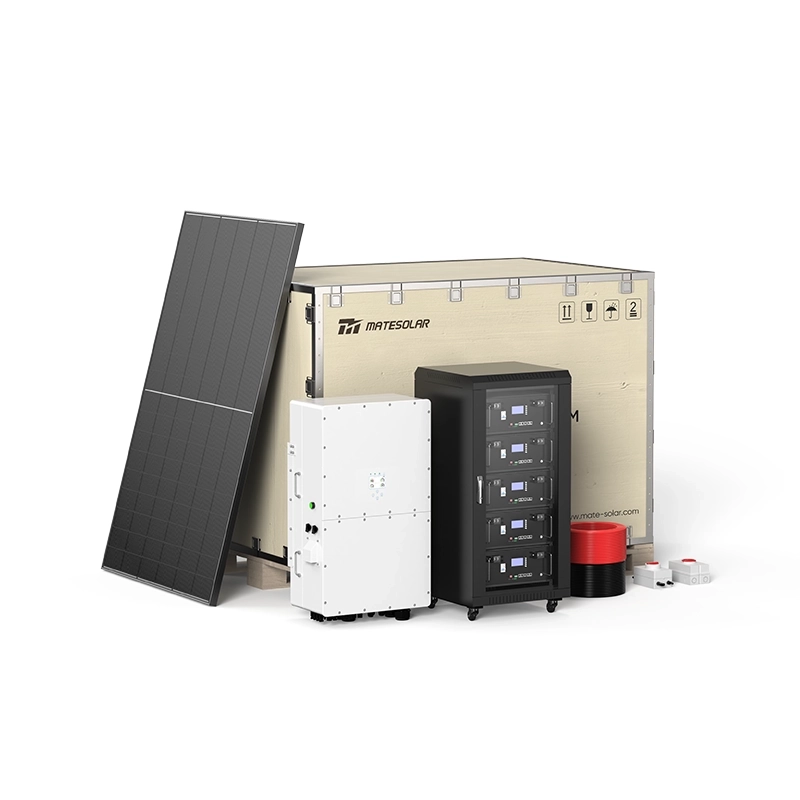
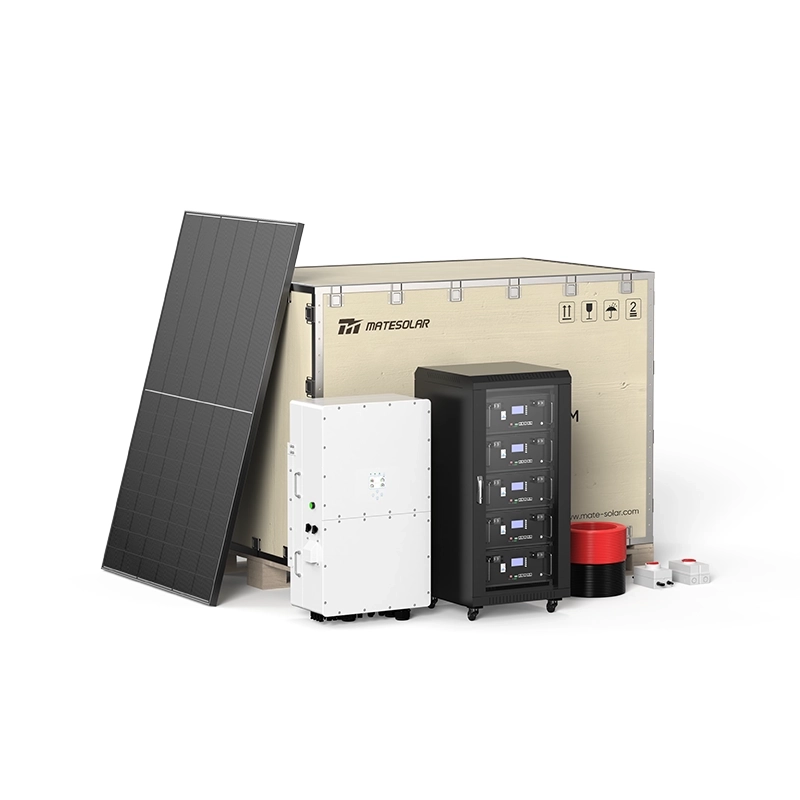
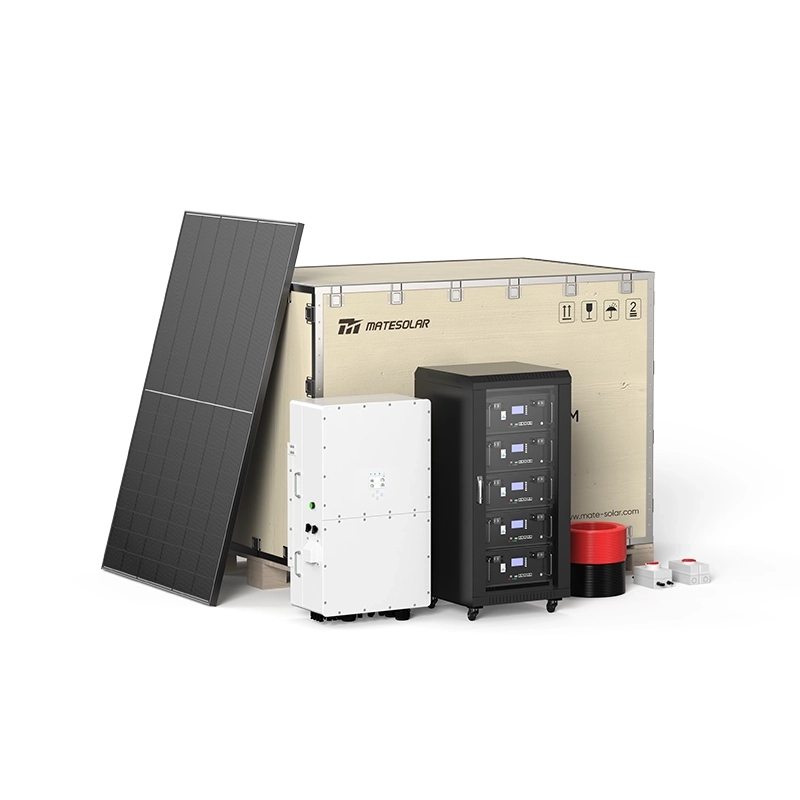
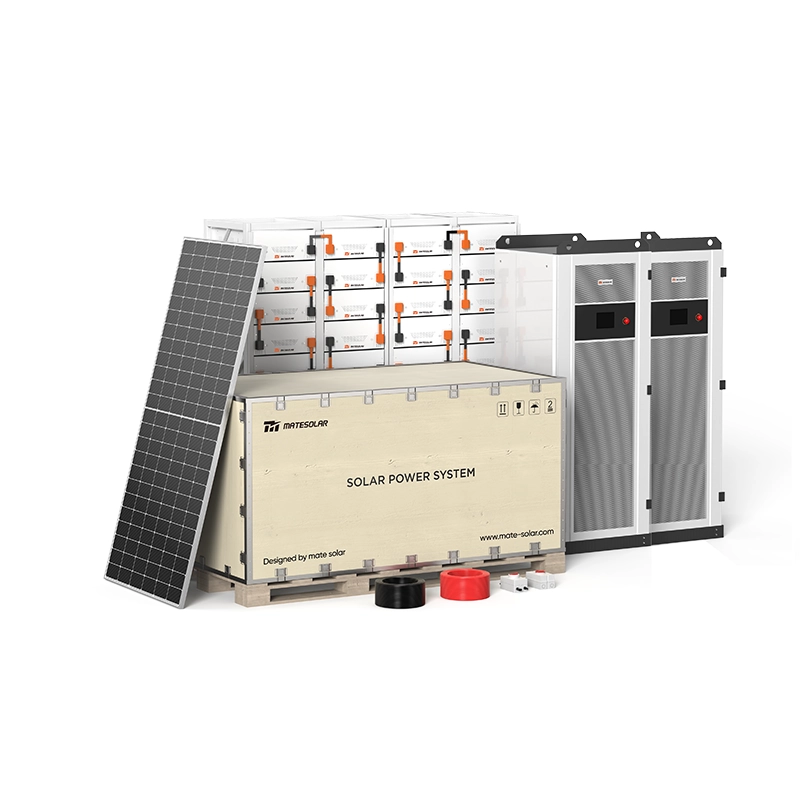
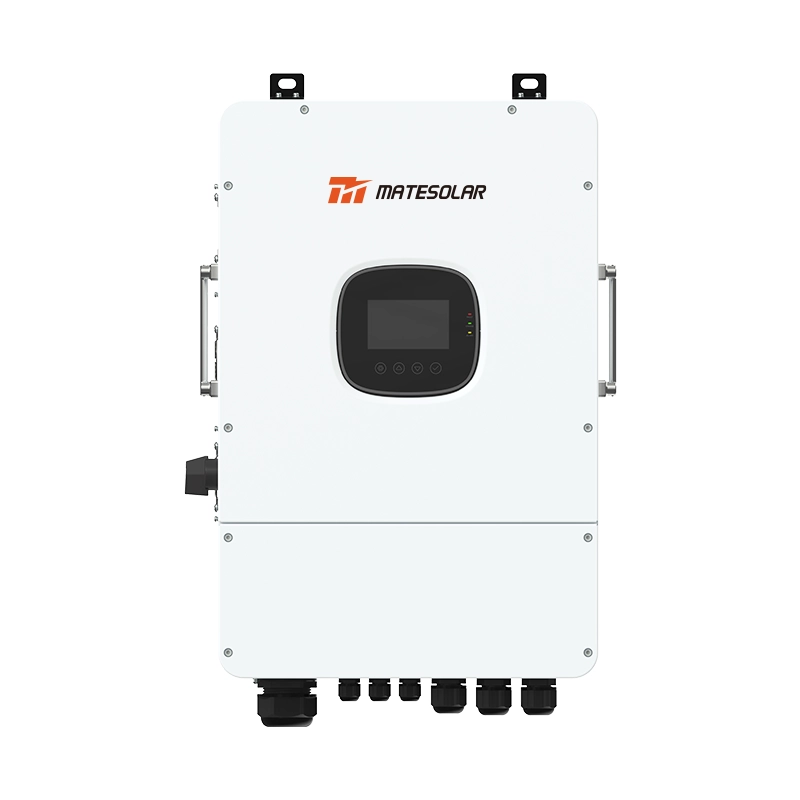
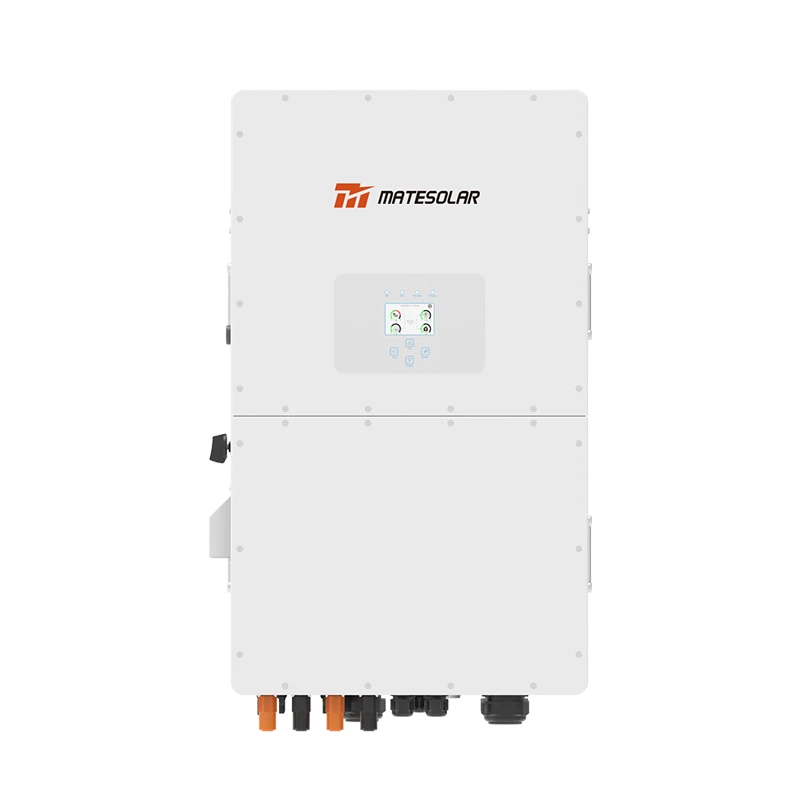
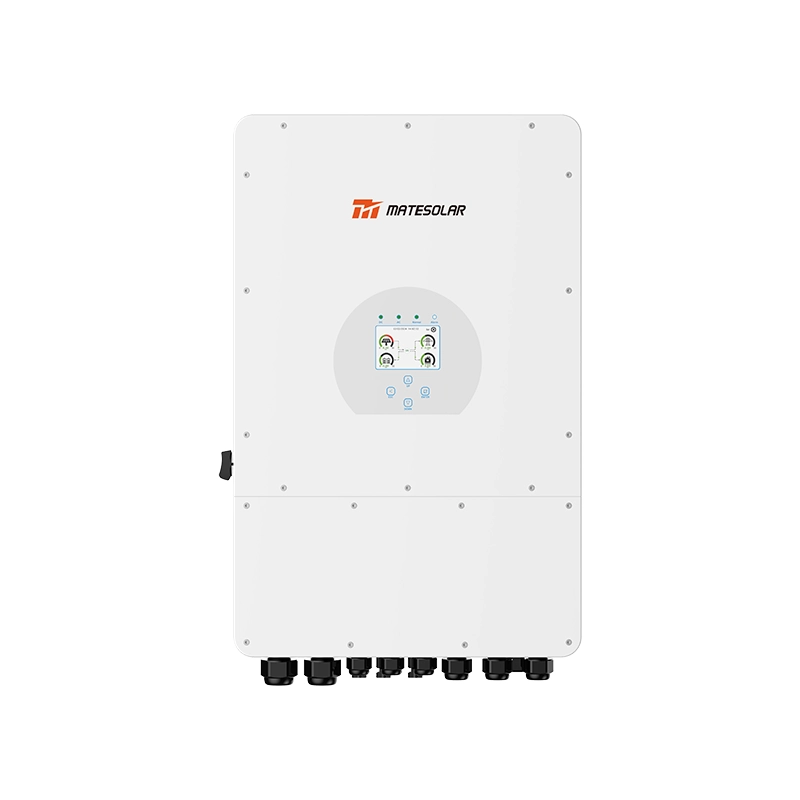
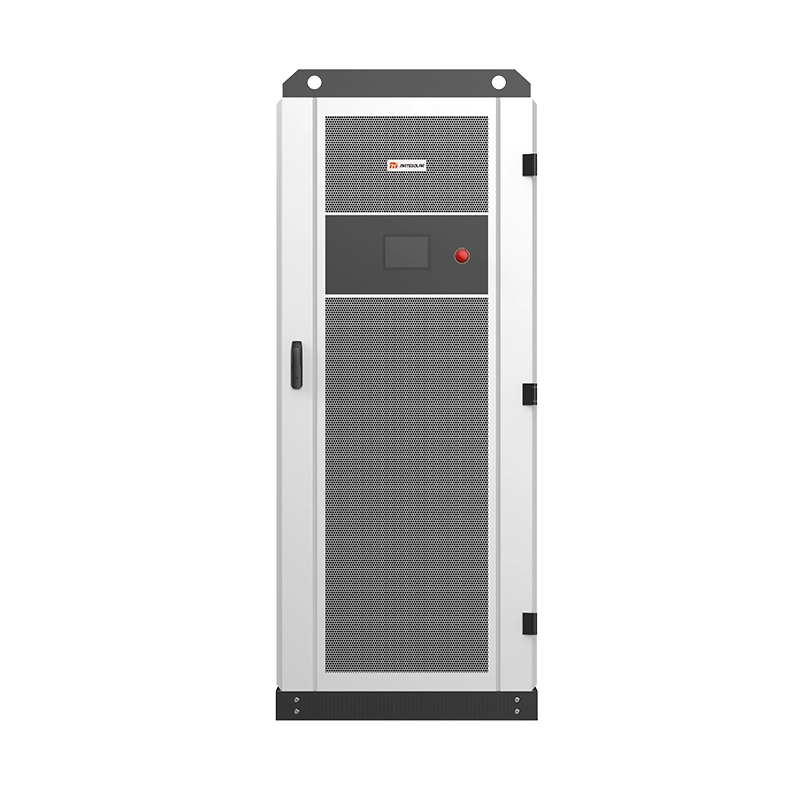
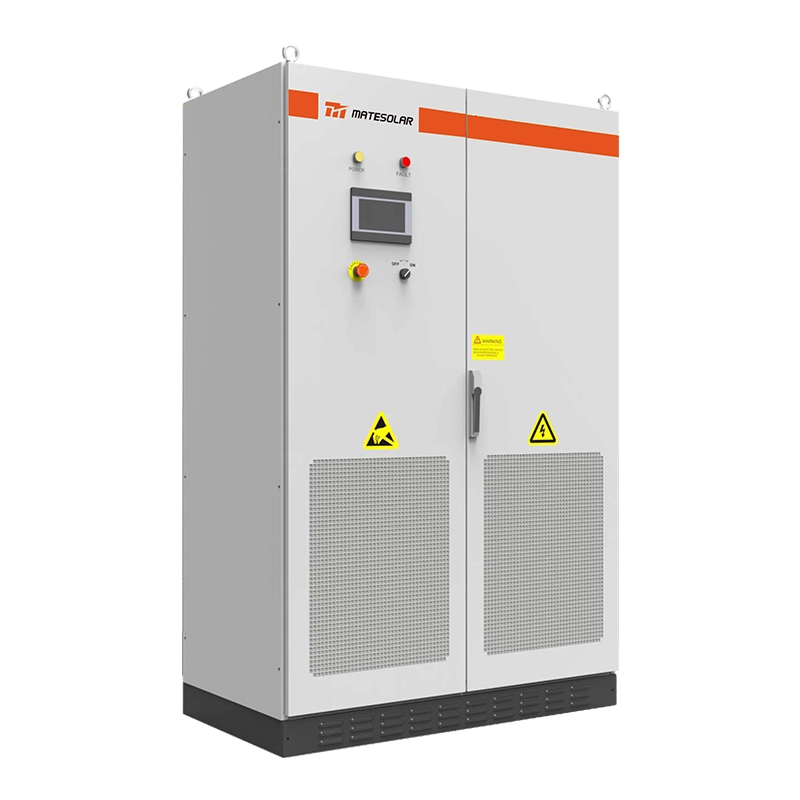
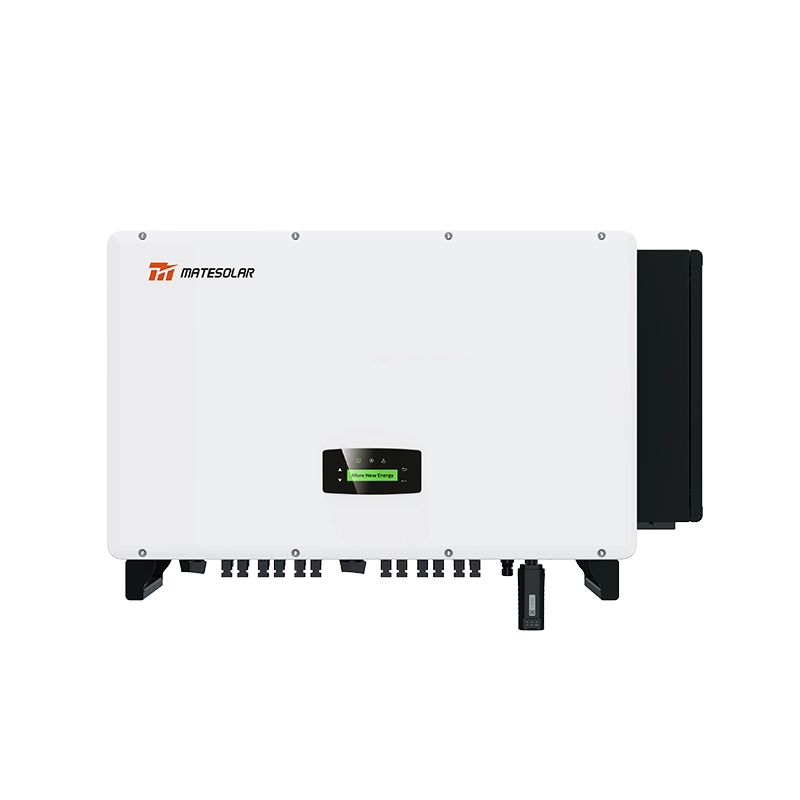
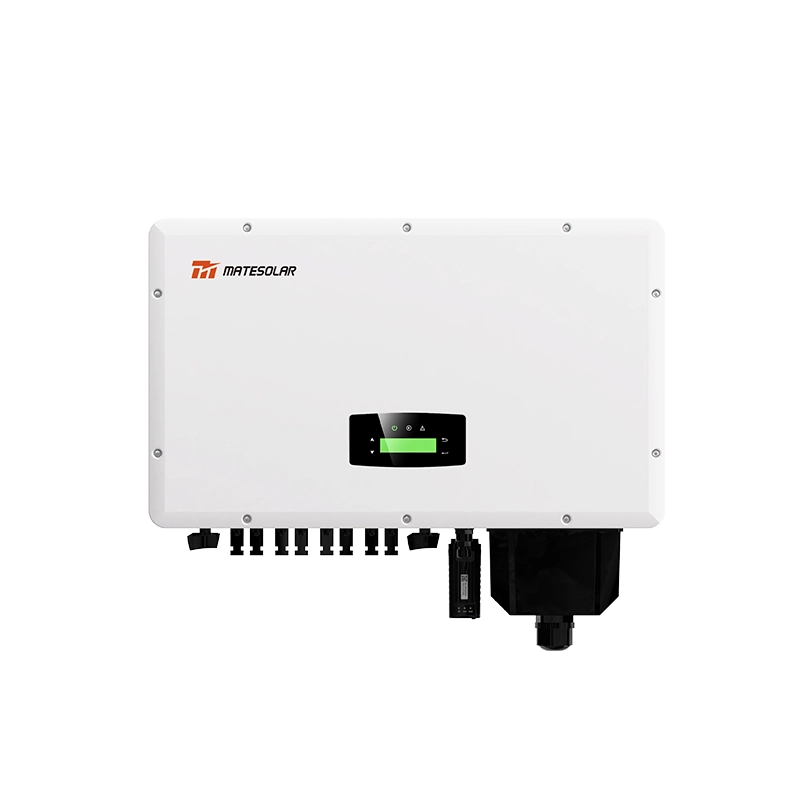
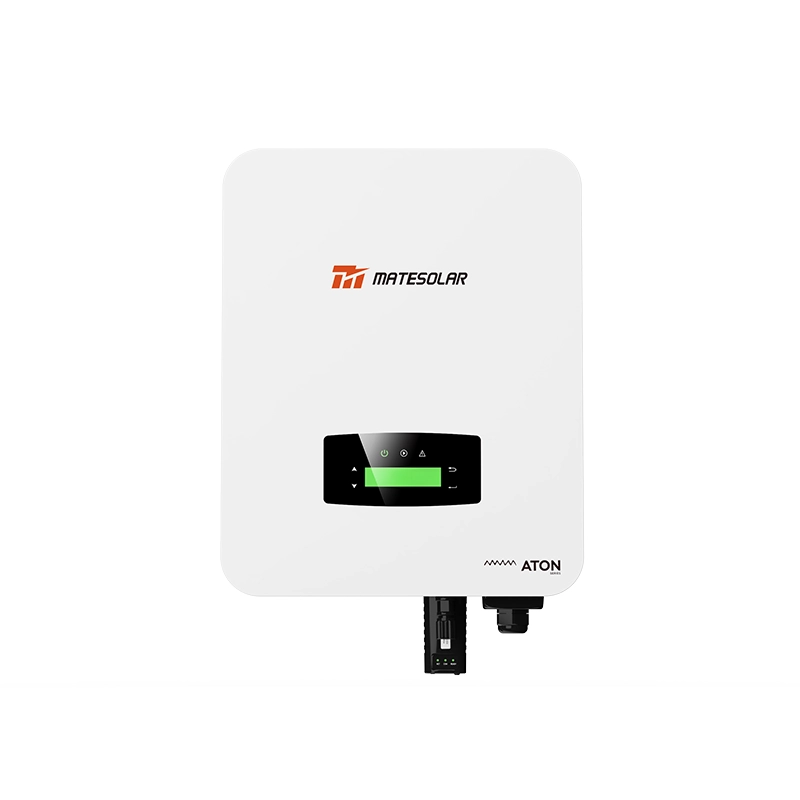
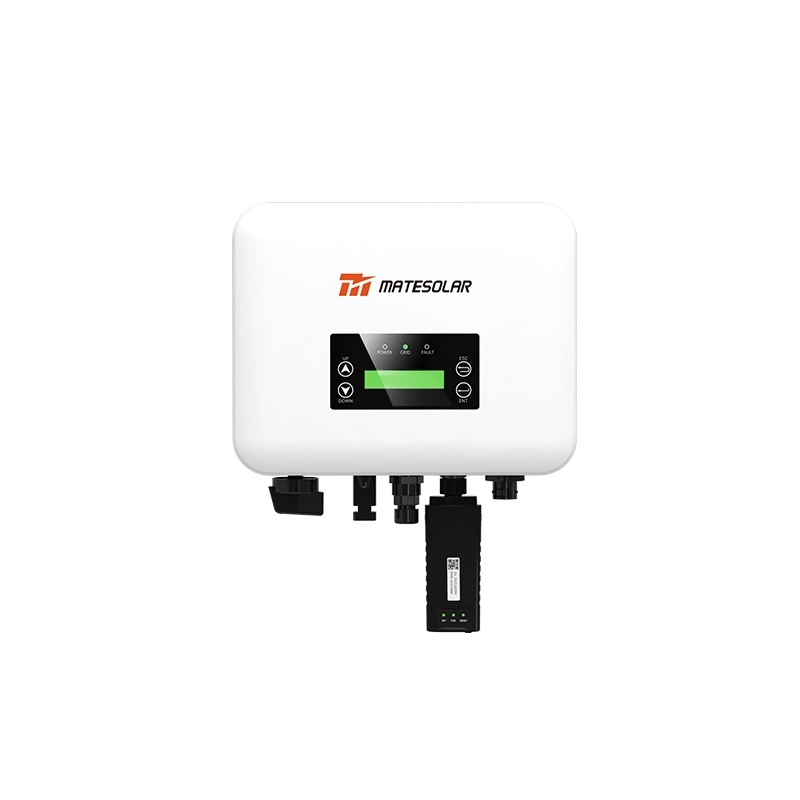
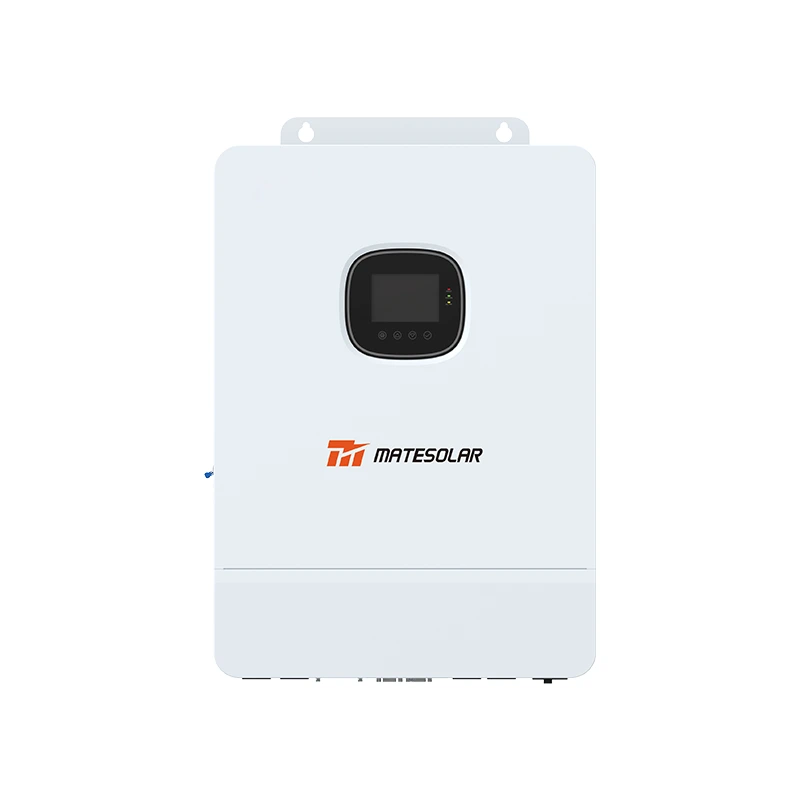
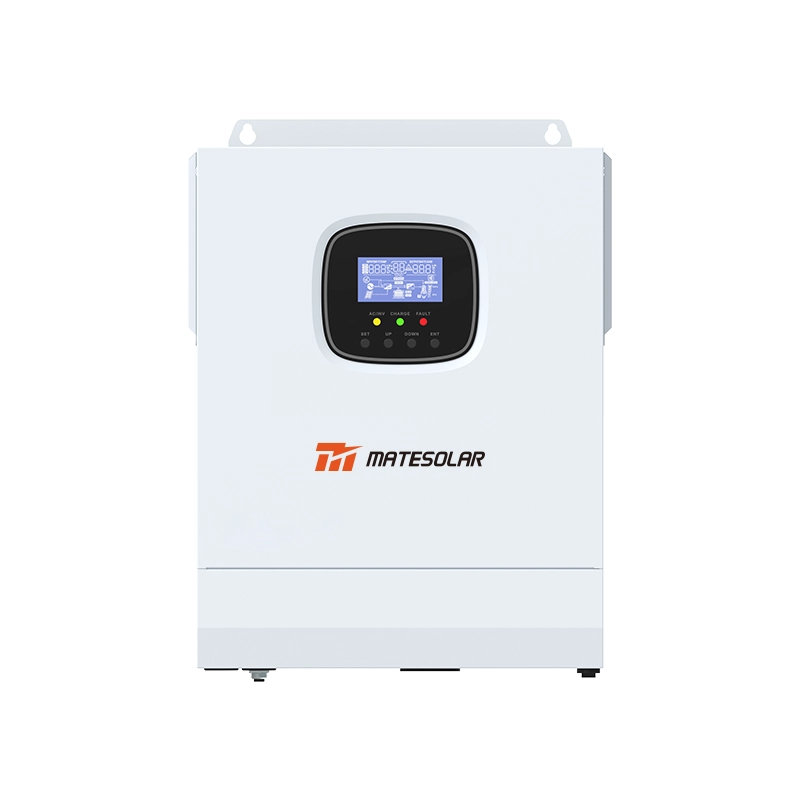
- Hybrid Solar-Storage System: Integrates batteries to store excess solar for use at night or during outages. This is the standard solution for tackling high electricity costs and unreliability. A typical configuration for a medium-sized factory might involve a 500KW hybrid solar system, which combines PV arrays, inverters, and a battery bank sized to cover evening shifts and critical loads.
- Advanced Microgrids: For campuses, remote industries, or communities, a controller manages multiple generation sources (solar, backup generator), storage, and loads as an independent grid, capable of operating in "island mode."
3.2 Utility-Scale & Large C&I Solutions
These are front-of-the-meter assets or very large behind-the-meter installations.
- Co-Located PV + Storage Plants: Large solar farms (dozens to hundreds of MW) paired with storage to provide firm, schedulable green power to the grid or via a PPA. Chile's Quillagua project is the regional archetype.
- Grid-Scale Standalone Storage: Independent storage assets providing frequency regulation, capacity reserves, or transmission upgrade deferral services to the grid operator.
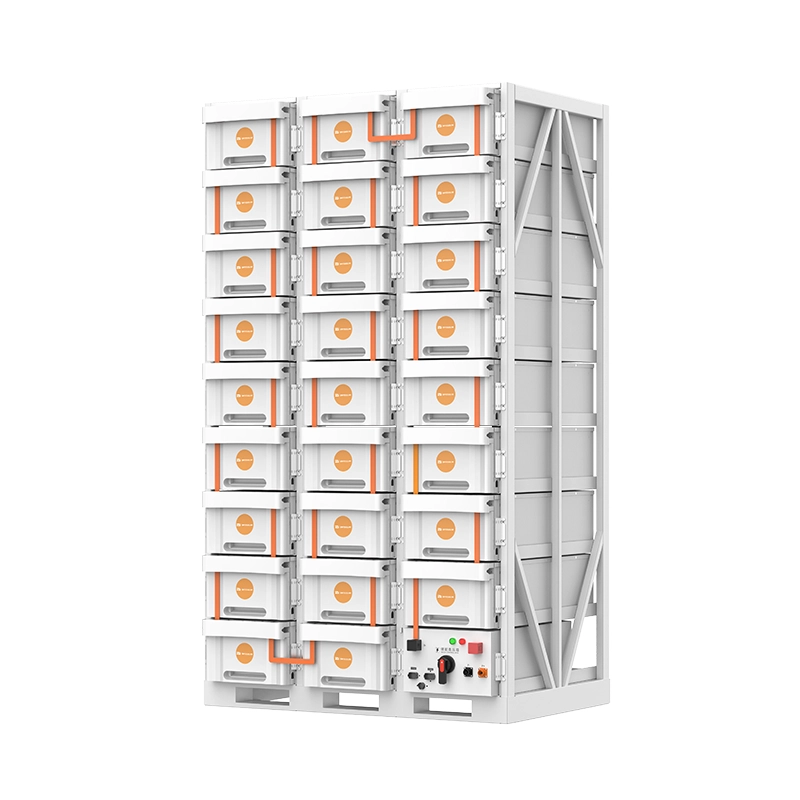
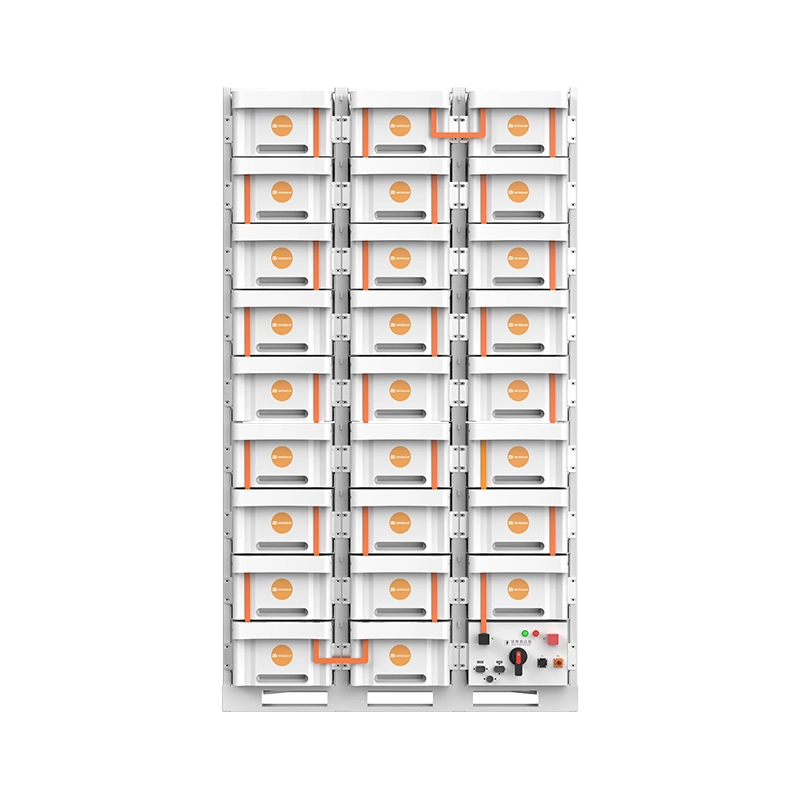
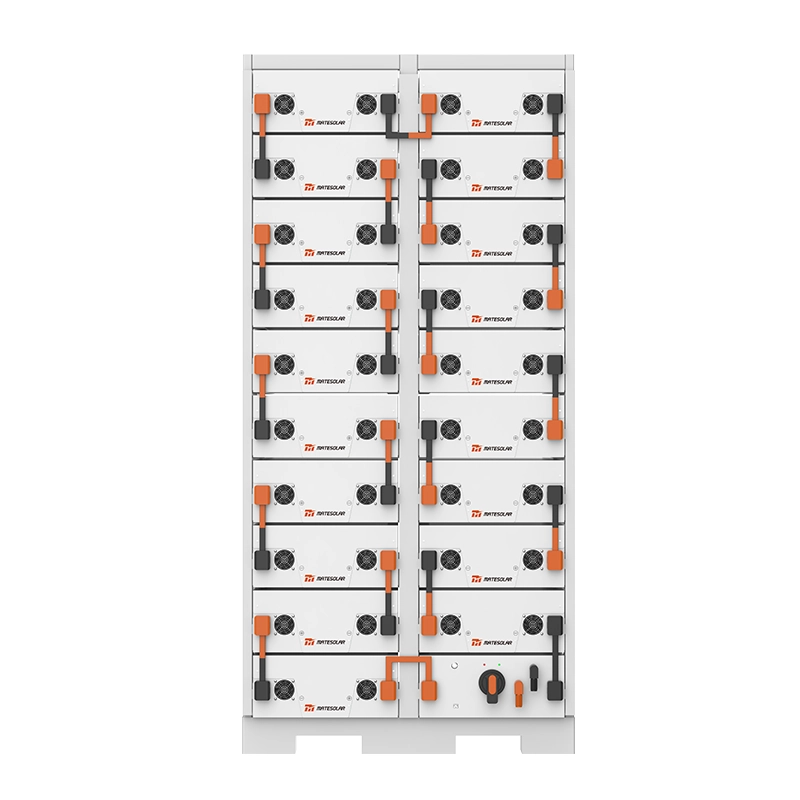
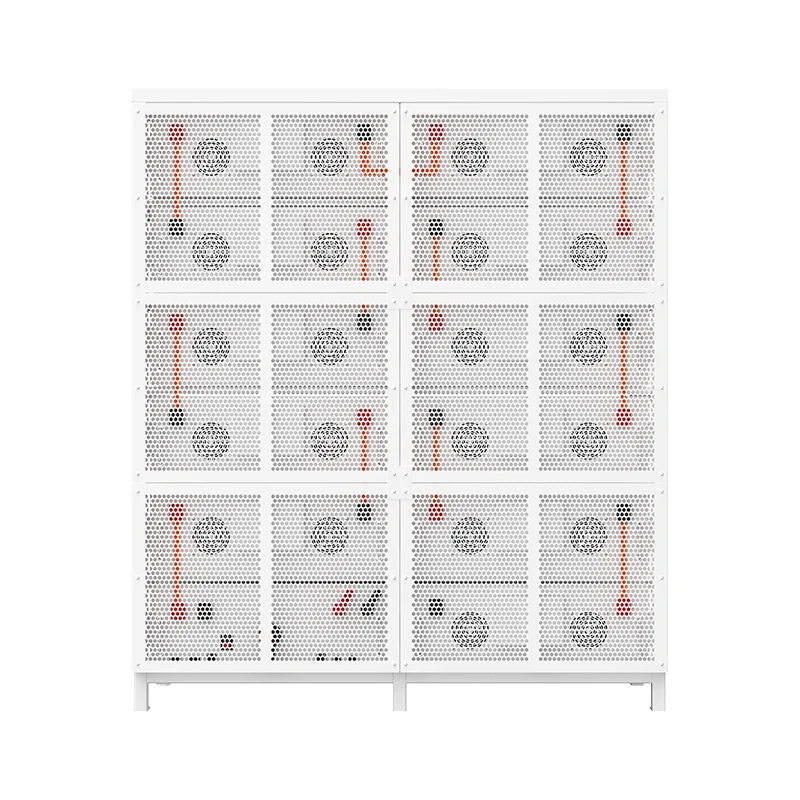
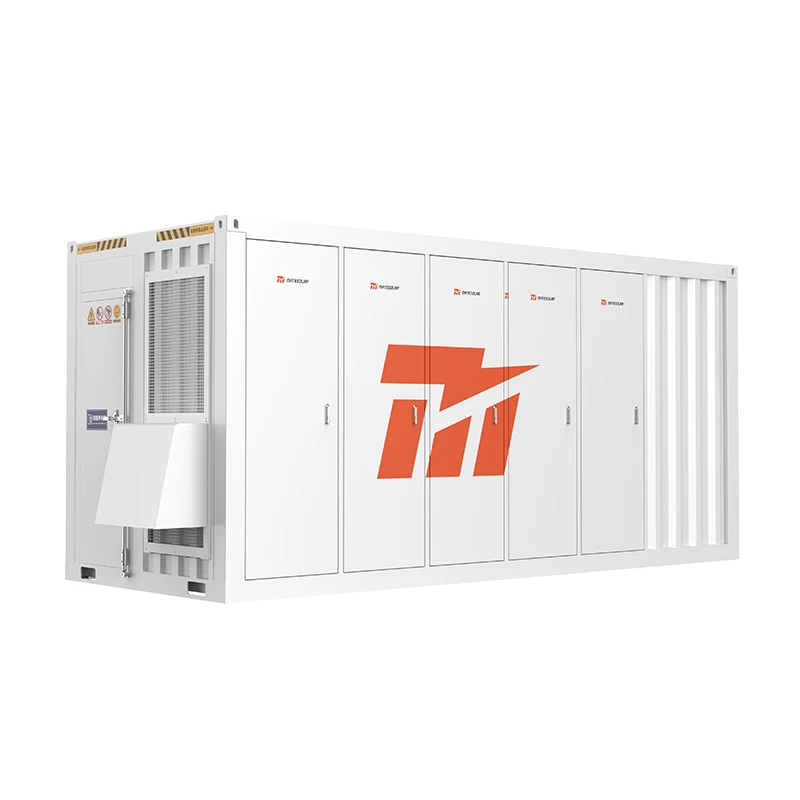
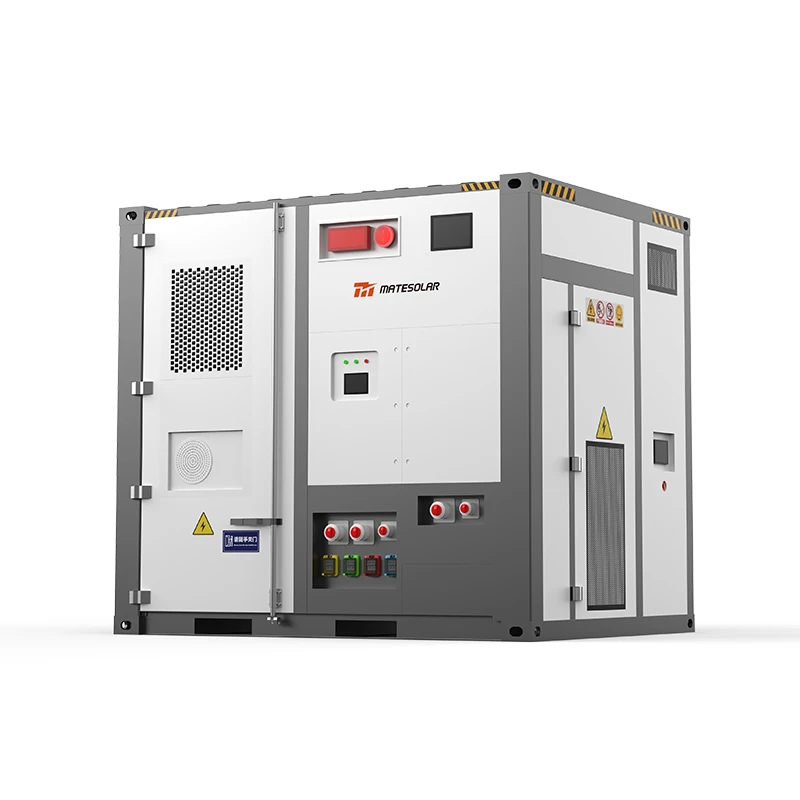
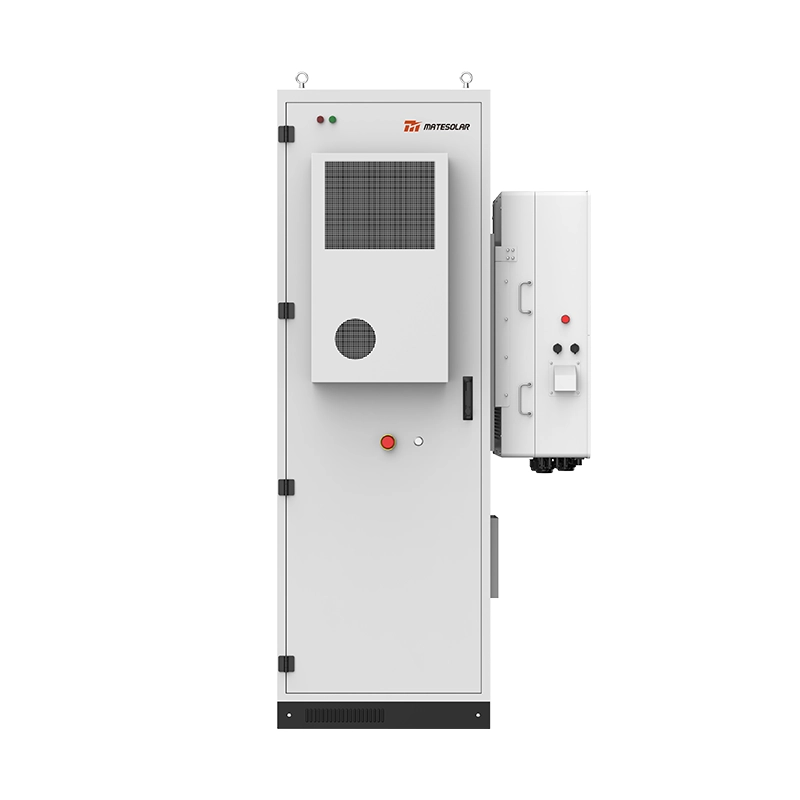
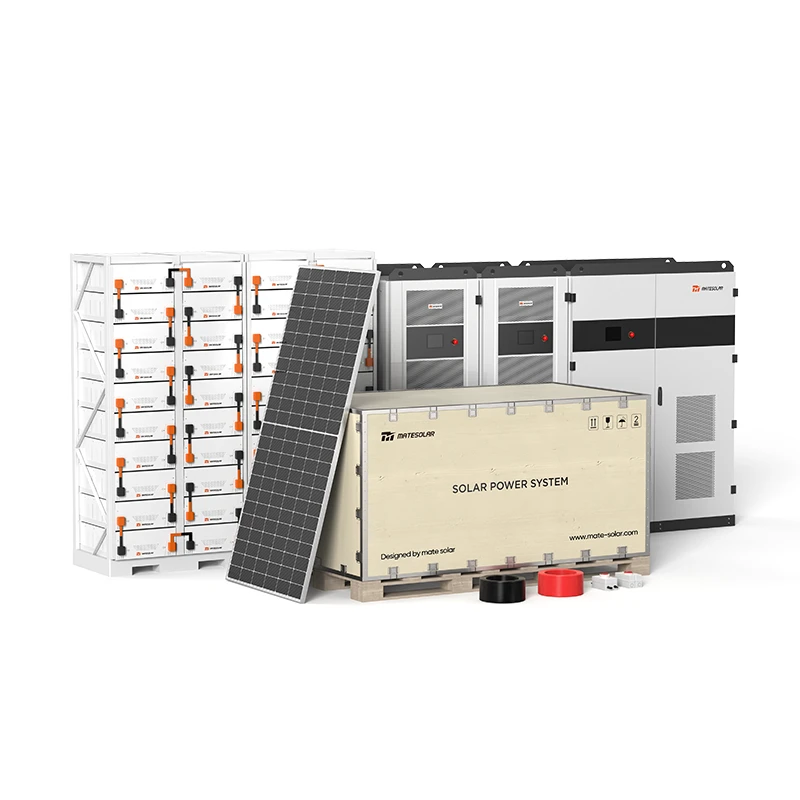
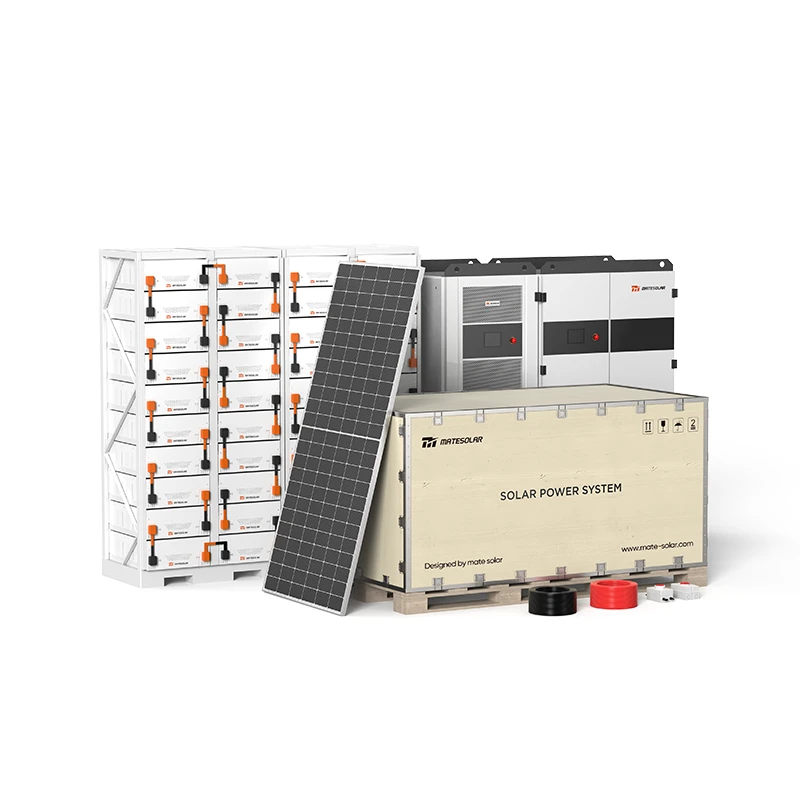
- Containerized Mega-Storage: For large C&I users or mini-grids, pre-fabricated, containerized energy storage systems offer plug-and-play deployment. A standard 40ft air-cooled container can house 1MWh to 2MWh of storage capacity, along with integrated power conversion and safety systems, offering a scalable building block for significant energy shifting and backup.
*Table 2: Solar-Storage System Selection Guide by Primary Objective*
| Primary Objective | Recommended System Type | Key Components | Ideal Market Context |
| Maximize Bill Savings (Time-of-Use tariffs) | Hybrid Solar-Storage | PV Panels, Hybrid Inverter, Battery Bank (Li-ion), Energy Management System | Dominican Republic, Jamaica, Chile, Peru (C&I & High-consumption Residential) |
| Ensure Backup Power / Resilience | Hybrid Solar-Storage + Islanding Capability | As above, with critical load panel and automatic transfer switch | All markets, especially those with frequent outages (Haiti, Dominican Republic, parts of Colombia) |
| Off-Grid Community Electrification | Solar-Diesel-Battery Mini-grid or Mesh Grid | PV Panels, Charge Controllers, Large Battery Bank, Diesel Genset (backup), Distribution Network | Haiti, Remote areas of Peru, Colombia, Argentina |
| Provide Firm, Dispatchable Renewable Power | Utility-Scale PV + Storage Plant | Utility-scale PV, Central Inverters, DC-coupled or AC-coupled Battery Storage, Grid Connection Equipment | Chile, Colombia (auction winners), Argentina (MATER PPA) |
| Reduce Demand Charges & Optimize Load | C&I-Scale Containerized ESS | Containerized Battery System (1MWh+), Bi-directional Inverter, Transformer | Jamaica, Chile, Colombia, Costa Rica (Large C&I facilities) |
Part 4: The Economic Equation: Costs, Financing, and ROI
The viability of any solar-storage project hinges on its financial model. While upfront capital expenditure (CAPEX) is a consideration, the focus is on life-cycle cost savings and value creation.
Key Financial Drivers:
1. Avoided Cost of Grid Electricity: The single largest saving. In Jamaica or the Dominican Republic, where commercial tariffs can exceed $0.25/kWh, savings accrue rapidly.
2. Avoided Demand Charges: For C&I customers, utilities often charge based on peak power draw (kW). Storage can "shave" these peaks, leading to substantial monthly savings.
3. Increased Resilience Value: For businesses, the cost of a power outage—lost production, data, spoiled inventory—can be immense. Storage provides insurance.
4. Fuel Savings: In off-grid or hybrid systems, solar-storage dramatically reduces diesel/generator run-hours, cutting fuel and maintenance costs.
Financing Models:
- Capital Purchase: Outright ownership yields the highest long-term return.
- Leasing/Power Purchase Agreement (PPA): A third-party developer owns and maintains the system. The host customer pays a lower, fixed rate for the solar electricity, often with no upfront cost. This is growing rapidly in C&I markets.
- Energy Community/Cooperative Models: As seen in Colombia, Brazil, and Costa Rica, communities pool resources to own a shared system, distributing benefits. This is vital for inclusive access.
Table 3: Illustrative ROI Analysis for a 500kW Commercial Hybrid System
| Parameter | Scenario: High-Cost Grid (e.g., Jamaica) | Scenario: Moderate-Cost, Unreliable Grid (e.g., Colombia) |
| System Size | 500kW PV + 750kWh Storage | 500kW PV + 500kWh Storage |
| Estimated CAPEX | $700,000 - $900,000 | $600,000 - $800,000 |
| Primary Savings Driver | Time-of-Use energy arbitrage & Demand Charge reduction | Peak shaving & Backup power value (avoided outage losses) |
| Annual Estimated Savings | $140,000 - $180,000 | $90,000 - $120,000 |
| Simple Payback Period | 4-6 years | 5-7 years |
| System Lifetime | 25+ years (PV), 10-15 years (battery) | 25+ years (PV), 10-15 years (battery) |
Part 5: Policy, Regulation, and the Rise of Energy Communities
Effective policy is the bedrock of market growth. The regulatory landscape is evolving from simple net-metering to more sophisticated frameworks that recognize the value of storage and community participation.
Colombia's Leadership in Energy Communities: The 2023 decree establishing a regulatory framework for energy communities is a landmark. It provides legal clarity for associations to generate, share, and sell renewable energy, directly addressing the needs of multi-user buildings, neighborhoods, and rural villages. This model is replicable across the region.
Chile's Focus on Storage Integration: Government investment in large-scale storage and market mechanisms to value its grid services is essential to unlocking the next phase of solar growth in Chile.
The Critical Need for Technical Standards: As noted by the IEA, establishing minimum technical standards for equipment and clear interconnection rules is vital for the safe and orderly expansion of distributed energy resources.
Part 6: Implementation and Sustainability
Overcoming Barriers:
- Financing: Develop partnerships with local banks, leverage international green climate funds, and promote ESCO (Energy Service Company) models.
- Technical Expertise: Invest in localized training and certification programs for installers and engineers. Quality installation is non-negotiable for system longevity.
- Supply Chain: Work with partners who have robust regional logistics and inventory to navigate import delays and provide long-term O&M support.
The Role of Digitalization: Smart energy management systems (EMS) and IoT monitoring are force multipliers. They optimize battery cycling, provide real-time performance data, enable predictive maintenance, and can even facilitate peer-to-peer energy trading within communities.
Conclusion: A Brighter, More Resilient Future
The path to solving Latin America and the Caribbean's dual crisis of energy access and affordability is illuminated by the sun and enabled by the battery. The technology is proven, and the economic case is solid. From the mesh grids powering Haitian homes to the gigawatt-hour-scale storage stabilizing Chile's grid, the revolution is underway.
Success requires a tailored approach that respects the unique economic, regulatory, and social fabric of each market. It demands high-quality, durable equipment, intelligent system design, and a deep commitment to local partnership and capacity building.
Frequently Asked Questions (FAQ)
Q1: What is the typical lifespan of a solar-plus-storage system, and what are the maintenance requirements?
A: High-quality solar PV panels typically carry 25-30 year performance warranties. Lithium-ion battery systems, depending on chemistry and usage, have operational lifespans of 10-15 years. Maintenance is minimal: periodic cleaning of panels, visual inspections, and monitoring system performance via software. Professional maintenance checks are recommended annually.
Q2: How does net metering work with a battery? Can I still sell power back to the grid?
A: Yes, in most markets with net metering. A hybrid system is designed to first use solar power directly, then charge the battery with any excess. Once the battery is full, further excess generation is exported to the grid for a credit. The battery primarily serves to power your home/business when solar isn't producing, reducing the need to buy power from the grid at retail rates, which is often more valuable than the credit for exports.
Q3: Are there specific certifications or standards I should look for in equipment for these markets?
A: Absolutely. Look for international certifications like IEC, UL, or TÜV for PV panels and inverters. Batteries should have UN38.3 certification for transport. Critically, ensure all equipment is certified by the local national utility or regulator (e.g., URE in Colombia, SEC in Chile) for grid interconnection. Using non-certified equipment can void warranties and prevent legal interconnection.
Q4: What happens during a prolonged period of cloudy weather? Will my system shut down?
A: A well-designed hybrid system accounts for local weather patterns. The battery bank is sized to cover multiple days of autonomy. If the battery runs low, a hybrid inverter will automatically switch to draw power from the grid (if available) or start a backup generator in a true off-grid system. You will not lose power, but your grid/generator consumption will increase during such periods.
Q5: How can a community or group of neighbors develop a shared solar-storage project?
A: The "energy community" model is gaining traction, especially with Colombia's new regulations. The process involves: 1) Forming a legal entity (cooperative, association), 2) Conducting a collective energy audit, 3) Securing financing (which can be easier as a group), 4) Installing a centralized or virtual net-metered system, and 5) Establishing a transparent model for sharing the costs and benefits (e.g., based on individual contribution or consumption).
Q6: For a large industrial facility, is it better to have one large storage container or several distributed units?
A: It depends on the electrical layout and objectives. A single, large containerized ESS (e.g., a 40ft 2MWh unit) is easier to permit, secure, and maintain in one location. Distributed, smaller units might be optimal if the facility has several separate electrical feeders or load centers that need localized backup and peak shaving. A detailed site-specific feasibility study is required to determine the optimal architecture.
Partnering for Your Energy Future
Navigating the complex landscape of solar and storage solutions across diverse Latin American markets requires a partner with deep technical expertise, regional experience, and a comprehensive product ecosystem. From designing a resilient commercial hybrid solar system for a factory in Peru, to engineering a large-scale containerized energy storage solution for a utility project in Chile, to supporting the deployment of community mesh grids in Haiti, a holistic approach is key.
MateSolar is committed to being that partner. As a one-stop provider of integrated photovoltaic and storage solutions, we combine premium, certified hardware with intelligent design software, project development support, and financing guidance. We empower businesses, communities, and utilities to build a more affordable, reliable, and sustainable energy future.
Explore our tailored solutions:
- For comprehensive system overviews and residential to commercial applications, visit our Solar System Solutions page.
- For detailed specifications on our robust 500KW Hybrid Solar System designed for medium-to-large commercial and industrial facilities.
- For mega-scale storage needs, learn about our plug-and-play 40ft Air-Cooled Container ESS, offering 1MWh to 2MWh of scalable storage capacity.
Take the first step toward energy independence—contact MateSolar today for a personalized commercial energy storage assessment!