

















À compter de septembre 2026, le marché suisse du stockage d'énergie pour le secteur commercial et industriel (C&I) entre dans une phase décisive. La convergence de prix de détail de l'électricité élevés, du déclassement nucléaire progressif, de strictes limitations d'injection photovoltaïque et de réglementations de sécurité en évolution a transformé le stockage par batteries, passant d'un outil d'optimisation de niche à un actif central pour les entreprises suisses. Ce guide fournit une analyse complète du contexte actuel du marché, des douze défis clients les plus urgents, ainsi que de stratégies techniques et commerciales réalisables. Il est conçu pour les gestionnaires d'installations, les consultants en énergie, les développeurs de projets et les responsables de la durabilité d'entreprise qui doivent prendre des décisions éclairées concernant l'intégration du stockage aux systèmes photovoltaïques dans l'environnement multirégional et très réglementé de la Suisse.
Les informations présentées ici sont basées sur le cadre réglementaire en vigueur à compter de septembre 2026, incluant la Stratégie énergétique suisse 2050, les normes d'installation NIBT 2020/NIN 2020, les exigences de certification de produits de l'IJS, les directives de protection contre l'incendie de l'AEAI et la loi fédérale suisse sur la protection des données (LPD). L'article fait également référence à des catégories de produits spécifiques pertinentes pour les applications commerciales et industrielles à haute efficacité, notamment les systèmes solaires hybrides, les armoires extérieures refroidies par liquide et les systèmes de stockage d'énergie en conteneur.
Table des matières
1. Aperçu du contexte du marché du stockage C&I en Suisse — Septembre 2026
2. Les douze problèmes critiques des clients et comment les résoudre
- 2.1 Maximisation de l'autoconsommation photovoltaïque et gestion des limites d'injection
- 2.2 Écrêtage des pics de puissance et optimisation des tarifs de réseau
- 2.3 Conformité au Code de Réseau avec la NIBT/NIN et NA/EEE
- 2.4 Sécurité des batteries, protection contre les incendies et acceptation par les assurances
- 2.5 Adaptabilité environnementale et contraintes de site pour les armoires d'extérieur
- 2.6 Cumul des revenus et accès au marché pour le solaire couplé au stockage à grande échelle
- 2.7 Sécurité énergétique hivernale et couplage des charges
- 2.8 Prise en charge multilingue et capacité de service local
- 2.9 Confidentialité des données et cybersécurité
- 2.10 Conformité des produits et durabilité de la chaîne d'approvisionnement
- 2.11 Subventions, financement et modèles de contrats
- 2.12 Intégration avec les systèmes de gestion de l'énergie existants
3. Tableaux de données clés pour la prise de décision en matière de stockage C&I en Suisse
4. Foire aux questions (FAQ)
5. Conclusion : La proposition de valeur du stockage suisse
6. À propos de MateSolar — Fournisseur de solutions solaires et de stockage tout-en-un
1. Aperçu du contexte du marché du stockage C&I en Suisse — Septembre 2026
1.1 La croissance photovoltaïque se poursuit ; l'autoconsommation est la logique centrale
La Suisse a connu une croissance constante des installations photovoltaïques sur les toits des bâtiments commerciaux, industriels et agricoles. L'Office fédéral de l'énergie (OFEN) indique que les ajouts annuels de PV sont restés supérieurs à 1,5 GW ces dernières années, une part importante étant installée sur les toits commerciaux, les centres logistiques et les bâtiments polyvalents. Les projets photovoltaïques de montagne, en particulier dans les cantons alpins du Valais, des Grisons et du Tessin, prennent également de l'ampleur en raison de leur potentiel de rendement hivernal plus élevé.
Le principal moteur économique du stockage pour le secteur commercial et industriel (C&I) en Suisse est l'optimisation de l'autoconsommation (Eigenverbrauchsoptimierung). La politique énergétique suisse encourage activement la consommation sur site de l'électricité solaire autoproduite. Cependant, la rémunération de l'électricité excédentaire injectée dans le réseau n'a cessé de diminuer. Selon le canton et le gestionnaire de réseau de distribution (GRD) local, les tarifs de rachat pour les installations photovoltaïques C&I en 2026 se situent généralement entre 4 et 12 centimes par kWh, alors que le prix de l'électricité au détail pour les consommateurs commerciaux dépasse souvent 25 à 35 centimes par kWh. Dans certaines régions, les GRD imposent des limites d'injection actives ou exigent une limitation dynamique de l'exportation en cas de congestion du réseau local. Ce décalage crée un puissant incitatif financier : chaque kilowatt-heure d'électricité solaire consommé en interne au lieu d'être exporté permet d'économiser la différence entre le tarif de détail et le tarif de rachat.
Le stockage par batterie comble directement cette lacune. En se rechargeant pendant les excédents solaires de midi et en se déchargeant pendant les pics de consommation en fin d’après-midi et en soirée, un système de stockage correctement dimensionné peut faire passer les taux d’autoconsommation de 30 à 50 % sans stockage à 70 à 90 % voire plus. Pour une entreprise suisse de taille moyenne typique, avec une consommation annuelle de 500 MWh et une installation photovoltaïque de 300 kWc, cela peut se traduire par des économies de 30'000 à 60'000 CHF par an, selon la structure tarifaire.
1.2 Progrès de la sortie du nucléaire ; l'incertitude quant à l'approvisionnement hivernal augmente
La sortie du nucléaire de la Suisse n'est plus un objectif politique lointain. La centrale nucléaire de Mühleberg a été définitivement arrêtée en décembre 2019, et les réacteurs restants — Beznau I et II, Gösgen et Leibstadt — approchent de la fin de leur durée de vie opérationnelle selon la politique actuelle. Bien qu'aucune date de fermeture fixe ne soit imposée pour toutes les centrales, le gouvernement suisse a constamment indiqué que l'énergie nucléaire ne serait pas remplacée par de nouvelles capacités nucléaires. Cela crée un déficit d'approvisionnement structurel, en particulier en hiver, lorsque la production hydroélectrique est plus faible et que la demande d'électricité atteint un pic en raison du chauffage et de l'éclairage.
Pour les consommateurs commerciaux et industriels, cela se traduit par deux risques concrets. Premièrement, les prix du marché au comptant en hiver peuvent flamber considérablement lors de vagues de froid ou de périodes de faible disponibilité de l'énergie hydroélectrique. Deuxièmement, les gestionnaires de réseau peuvent avoir de plus en plus recours à des mécanismes de flexibilité, notamment la réponse à la demande et des pénalités de pointe, pour gérer les charges de pointe hivernales. Le stockage par batterie offre un tampon local contre ces risques. Il peut être chargé pendant les périodes de prix bas ou à partir de la production sur site, et déchargé pendant les fenêtres de prix élevés ou les événements de tension sur le réseau. Pour les entreprises dotées de pompes à chaleur, d'infrastructures de recharge pour véhicules électriques ou de processus de production qui ne peuvent être interrompus, le stockage devient un outil de résilience essentiel.
1.3 Prix élevés de l'électricité ; tarifs de réseau fortement liés à la puissance de pointe
Les prix de l'électricité destinés aux professionnels en Suisse comptent parmi les plus élevés d'Europe. Le prix total pour un client C&I de taille moyenne se compose généralement de trois éléments : le prix de l'énergie (par kWh), les frais d'utilisation du réseau (par kWh et par kW de puissance de pointe), ainsi que les taxes et redevances. En Suisse, la redevance d'utilisation du réseau comprend souvent une redevance de capacité calculée sur la base de la demande moyenne de puissance la plus élevée sur une période de 15 minutes, mesurée au cours d'une période de facturation, généralement un mois ou un trimestre. Cette redevance de puissance de pointe peut représenter entre 20% et 40% de la facture d'électricité totale pour les installations présentant des profils de charge irréguliers, telles que celles équipées de moteurs électriques, de compresseurs, de pompes à chaleur ou de chargeurs rapides pour véhicules électriques.
Par exemple, prenons une entreprise agroalimentaire suisse ayant une consommation annuelle d'électricité de 1,2 GWh et une demande de pointe maximale sur 15 minutes de 800 kW. Si la redevance de capacité du réseau est de 90 CHF par kW et par an, le coût de la demande de pointe s'élève à lui seul à 72 000 CHF par an. Un système de stockage capable de réduire la demande de pointe de 200 kW pourrait permettre d'économiser 18 000 CHF par an en frais de réseau, en plus des avantages liés à l'arbitrage énergétique et à l'autoconsommation. Dans de nombreux cas, l'écrêtement des pointes est la source de revenus la plus attrayante pour le stockage commercial et industriel en Suisse, avec des périodes de retour sur investissement de 5 à 8 ans lorsqu'il est combiné à l'autoconsommation photovoltaïque.
1.4 Le cadre réglementaire mûrit ; le raccordement au réseau et la sécurité incendie sont stricts
La Suisse n'est pas membre de l'Union européenne, mais ses normes d'installation électrique — la norme sur les installations basse tension (NIBT) et la Niederspannungs-Installations-Norm (NIN) — sont étroitement alignées sur les normes CEI et EN. La version actuelle, NIBT 2020 / NIN 2020, intègre des exigences pour les ressources énergétiques distribuées, y compris les onduleurs de stockage par batterie. Les produits doivent également respecter les exigences de l'Inspection fédérale des installations à courant fort (ESTI) et porter les marques de conformité appropriées.
Pour les systèmes de stockage C&I (commerciaux et industriels), le processus de raccordement au réseau est régi par le gestionnaire de réseau de distribution (GRD) local, souvent appelé Elektrizitätswerk (EW) ou service public régional. Le GRD exige généralement une demande de raccordement au réseau (Netzanschlussgesuch - NA) et une demande d'installation de production d'énergie (Energieerzeugungsanlage - EEA) complètes, comprenant les fiches techniques, les réglages de protection et la preuve de conformité aux fonctions de soutien au réseau telles que le maintien de tension et de fréquence (ride-through), le contrôle de la puissance réactive et la protection contre ilotage. Une documentation incomplète ou non conforme est l'une des principales causes de retards de projets, prolongeant parfois le processus d'approbation de plusieurs mois.
La sécurité incendie est un autre domaine réglementaire essentiel. L'Association suisse des établissements cantonaux d'assurance incendie (AEAI) a émis des directives pour les systèmes de stockage par batteries lithium-ion, en particulier pour les installations situées dans les bâtiments ou à proximité de ceux-ci. Ces directives traitent de la prévention de l'emballement thermique, du compartimentage coupe-feu, de la ventilation, des systèmes de détection et d'alarme, ainsi que des distances de sécurité minimales. Les compagnies d'assurance en Suisse exigent de plus en plus la preuve du respect des directives de l'AEAI et des normes de sécurité reconnues sur le plan international telles que IEC 62619, UL 9540A ou VDE-AR-E 2510-50 avant d'accorder une couverture. Les clients commerciaux et industriels (C&I) doivent par conséquent sélectionner des systèmes de stockage dotés de certifications de sécurité robustes et d'un concept de protection contre l'incendie documenté.
1.5 Les exigences du marché multilingue et multirégional nécessitent une localisation
La Suisse est divisée en régions de langues allemande, française et italienne, chacune dotée de cultures d'entreprise, de nuances réglementaires et d'attentes de clients distinctes. Une solution de stockage qui réussit à Zurich peut faire face à des critères d'acceptation différents à Genève ou à Lugano. Le support linguistique local pour les interfaces utilisateur, la documentation technique, les contrats de service et le support client n'est pas optionnel — c'est une condition préalable pour gagner la confiance sur ce marché.
La protection des données et la cybersécurité sont également des sujets particulièrement sensibles. La loi fédérale suisse sur la protection des données (LPD), entièrement révisée à compter de septembre 2023, impose des exigences strictes en matière de traitement des données personnelles. Pour les systèmes de stockage d'énergie C&I (industriels et commerciaux), cela s'étend aux données opérationnelles, aux profils de consommation et aux informations de télésurveillance. De nombreuses entreprises suisses exigent que les données soient stockées soit sur site, soit dans des centres de données situés en Suisse. L'accès à distance doit être crypté, et un contrôle d'accès basé sur les rôles est exigé au minimum.
2. Les douze problèmes critiques des clients et comment les résoudre
Les douze sujets suivants représentent les défis les plus urgents et les plus fréquemment rencontrés exprimés par les clients C&I suisses évaluant le stockage d'énergie en 2026. Chaque section expose le point de douleur du client, les questions spécifiques qui doivent trouver une réponse et la proposition de valeur qu'un système de stockage bien conçu peut offrir.
2.1 Maximisation de l'autoconsommation photovoltaïque et gestion des limites d'injection
Point de douleur client
De nombreuses entreprises suisses ont déjà installé des systèmes photovoltaïques, souvent en partant du principe que la production excédentaire pourrait être revendu au réseau à des tarifs attractifs. En 2026, cependant, les tarifs de rachat ont chuté de manière significative et un nombre croissant de gestionnaires de réseau de distribution imposent des exigences de limitation active lorsque la tension du réseau local dépasse les seuils. Cela signifie qu'une grande partie de la production solaire de midi est soit exportée pour une rémunération minime, soit entièrement perdue en raison de la limitation de l'onduleur. Sans stockage, la rentabilité économique du système photovoltaïque est gravement compromise.
Questions critiques à répondre
- Comment un système de stockage peut-il transférer le surplus photovoltaïque de midi vers les périodes de consommation de la fin de l'après-midi et de la soirée ?
- Lorsque le gestionnaire de réseau de distribution impose des limites d'injection dynamiques, comment le système de stockage gère-t-il le contrôle anti-refoulement et le lissage de la puissance ?
- Comment la capacité de stockage optimale peut-elle être calculée sur la base des profils de charge réels et des courbes de production photovoltaïque ?
Approche de la solution et proposition de valeur
L'exigence technique fondamentale est un système de gestion de l'énergie (EMS) qui prend en charge l'optimisation de l'autoconsommation, le contrôle anti-refoulement et la prévision de la production photovoltaïque. L'EMS doit être capable d'échantillonner les données de charge et de production à des intervalles de 15 secondes à 1 minute, de prédire la production PV à l'aide de prévisions météorologiques et de piloter la batterie en conséquence. Pour les systèmes dotés de limites d'injection dynamiques, l'EMS doit mettre en œuvre une commande en boucle fermée qui mesure la puissance exportée au point de couplage commun et ajuste la charge de la batterie en quelques millisecondes pour éviter tout dépassement.
Une méthode pratique de dimensionnement consiste à analyser au moins un an de données de charge et de production photovoltaïque à intervalles de 15 minutes. La capacité de stockage optimale se situe généralement entre 1,5 et 2,5 kWh par kWc de puissance photovoltaïque installée, en fonction du profil de charge. Par exemple, une installation photovoltaïque de 300 kWc sur toiture alimentant un site dont la charge diurne est de 180 kW et la charge nocturne de 220 kW pourrait être associée à un système de batteries de 500 kWh. Cette configuration permet de faire passer l'autoconsommation de 45% à 85%, soit un gain d'environ 120 MWh d'énergie solaire autoconsommée par an.
La proposition de valeur pour le client doit être formulée ainsi : “ Votre système de stockage permettra de conserver un maximum d'électricité solaire au sein de votre installation, réduisant ainsi la dépendance aux tarifs de rachat bas et évitant les pertes liées au écrêtement. ” Cela répond directement au défi spécifiquement suisse de la baisse des rétributions de l'électricité injectée.
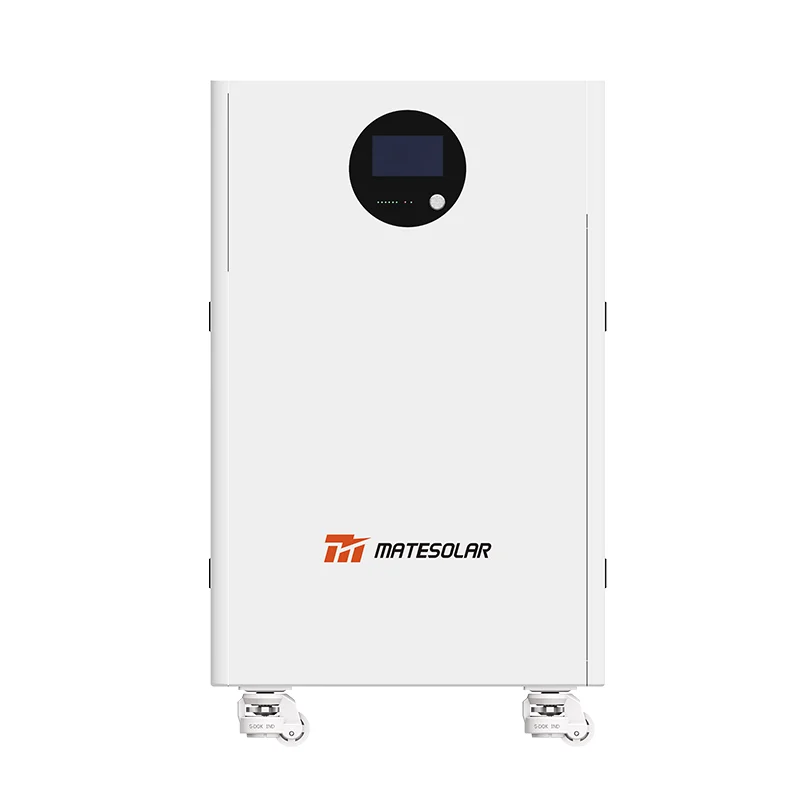
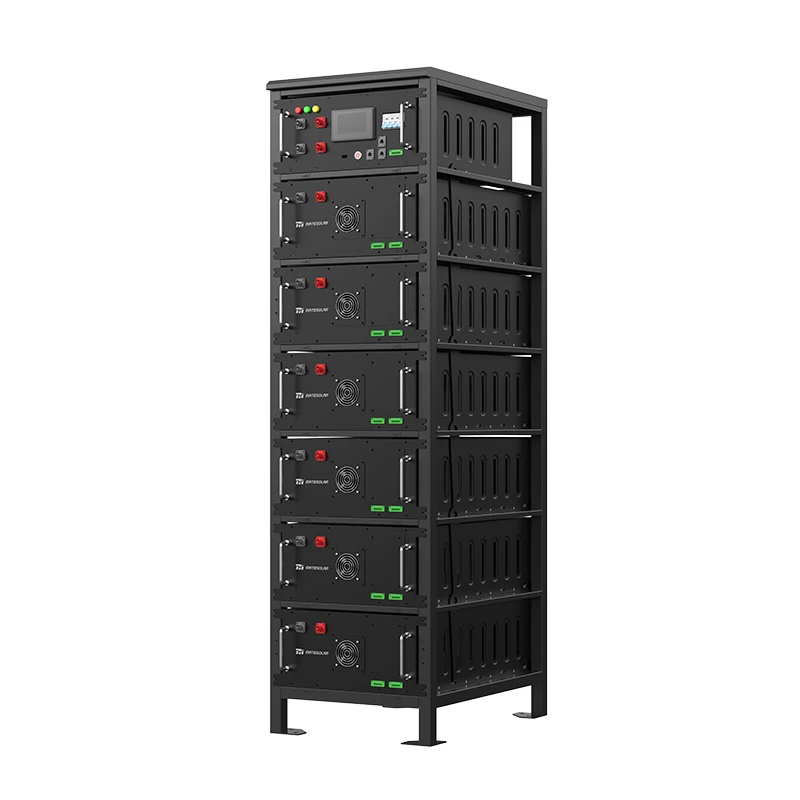
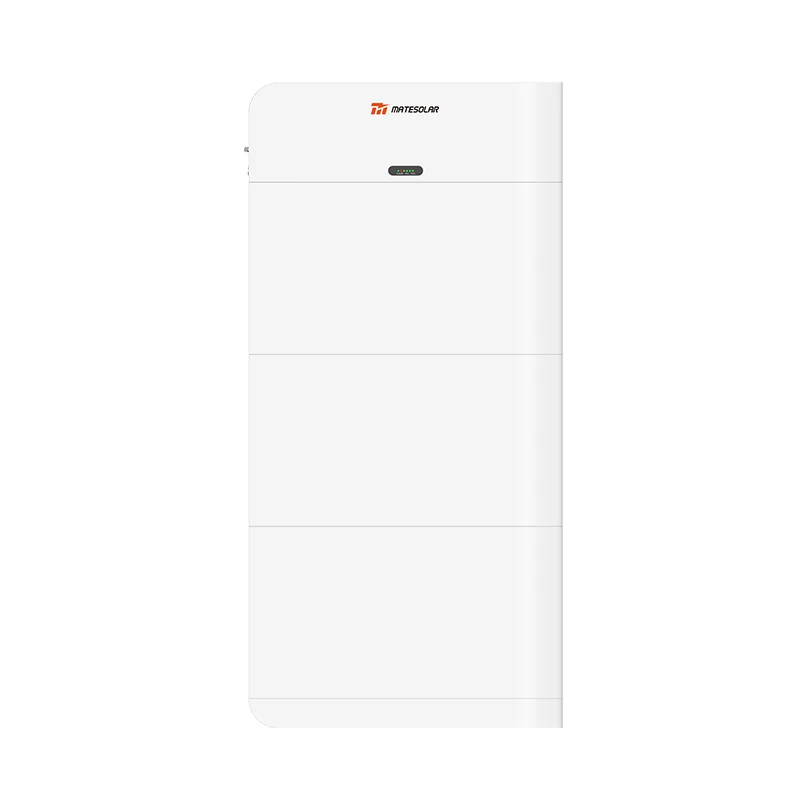
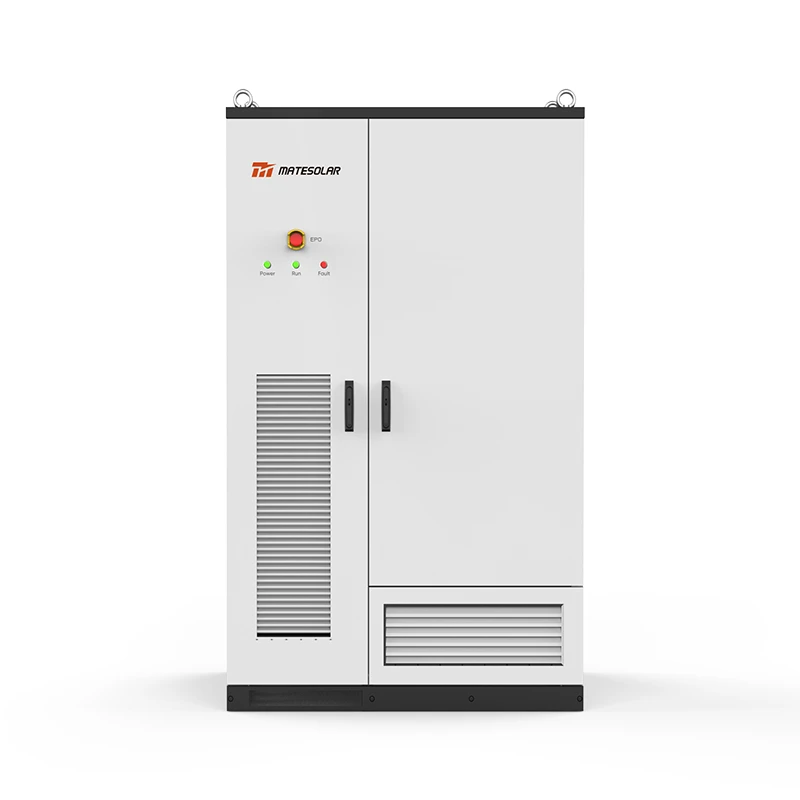
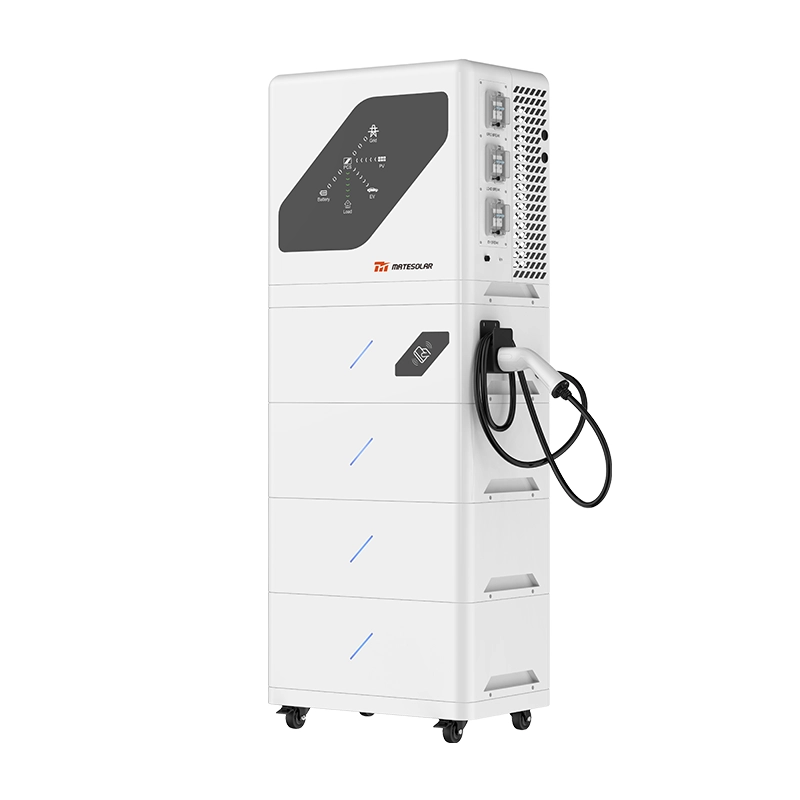
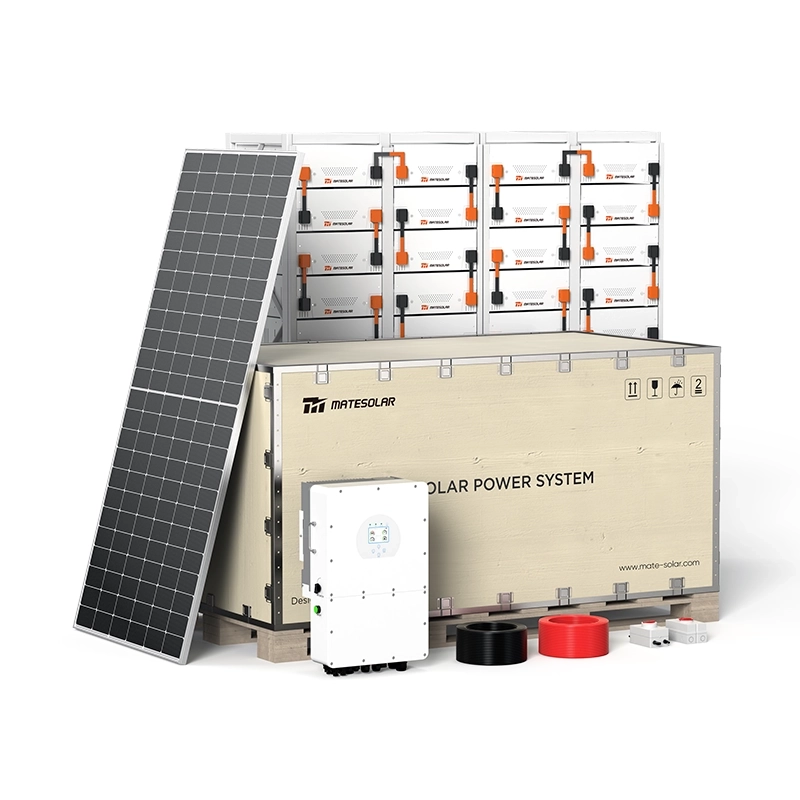
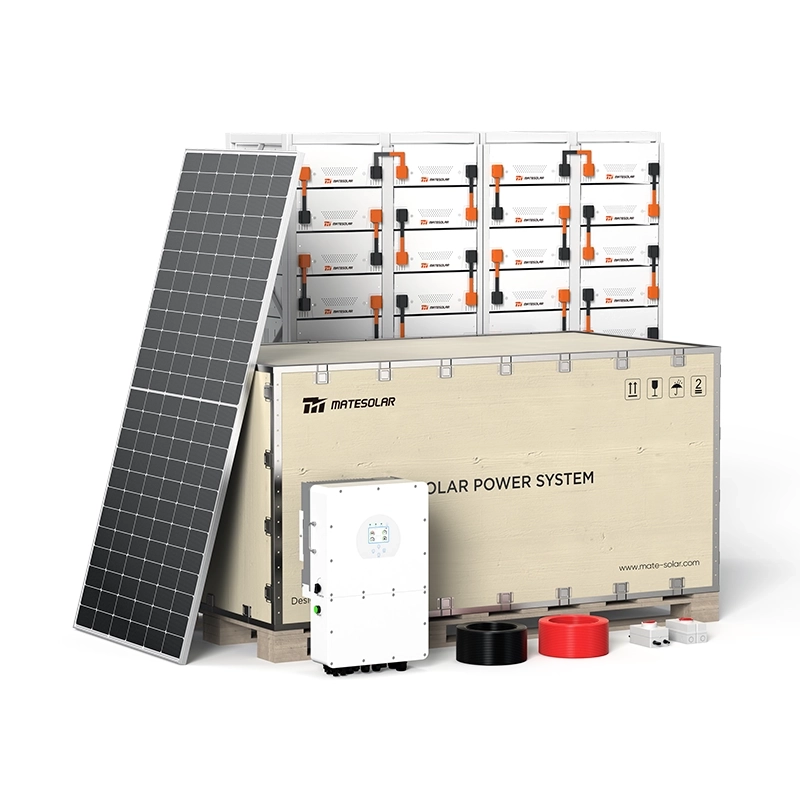
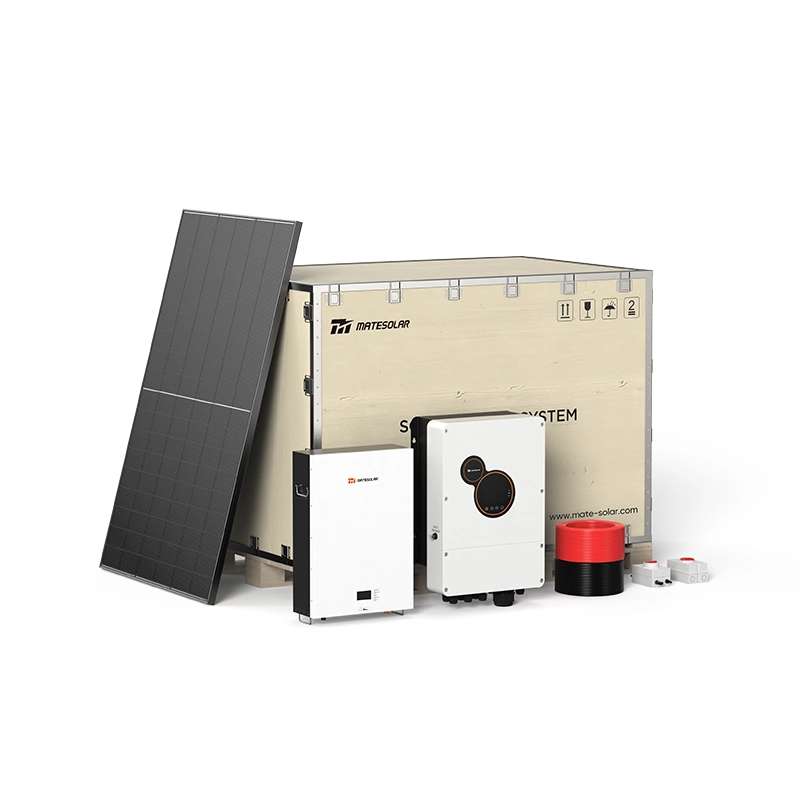
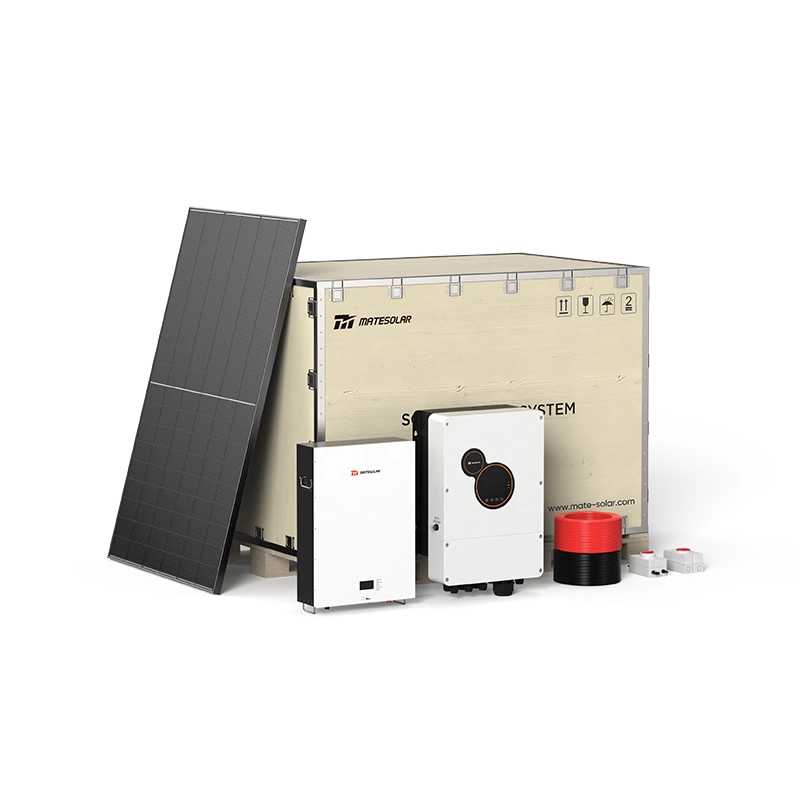
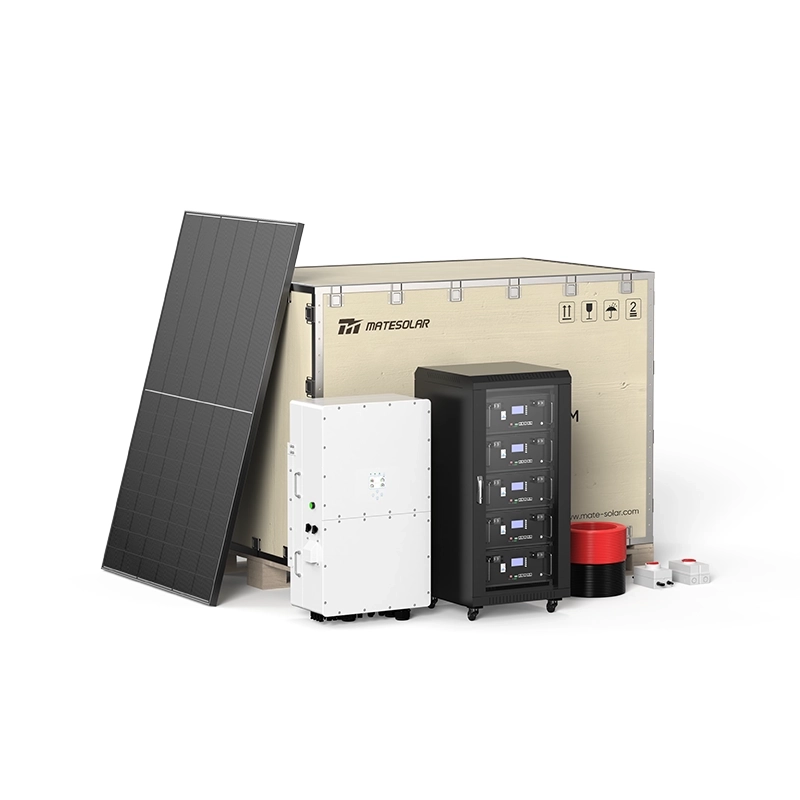
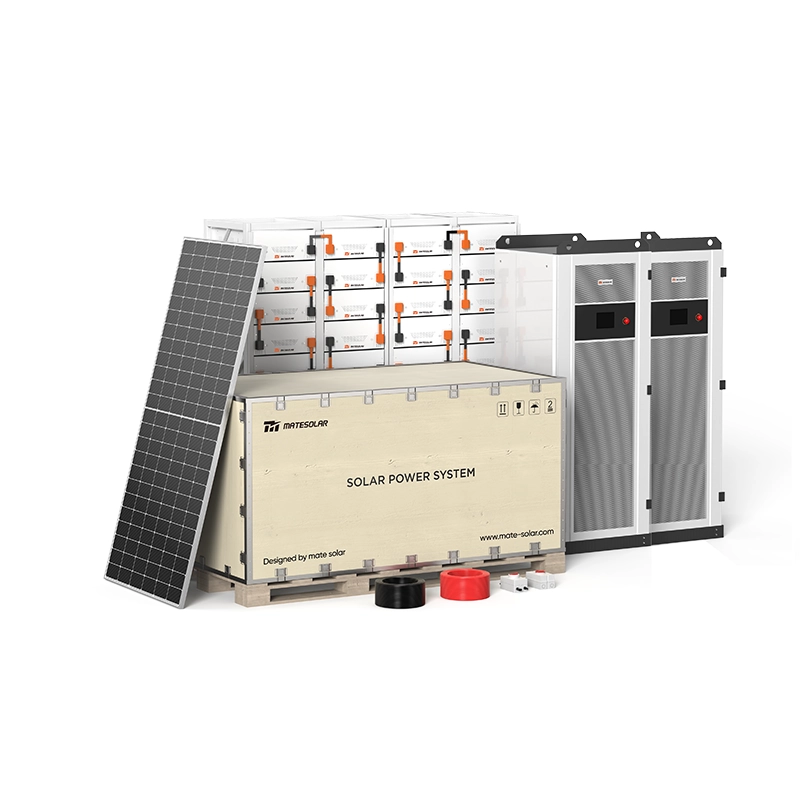
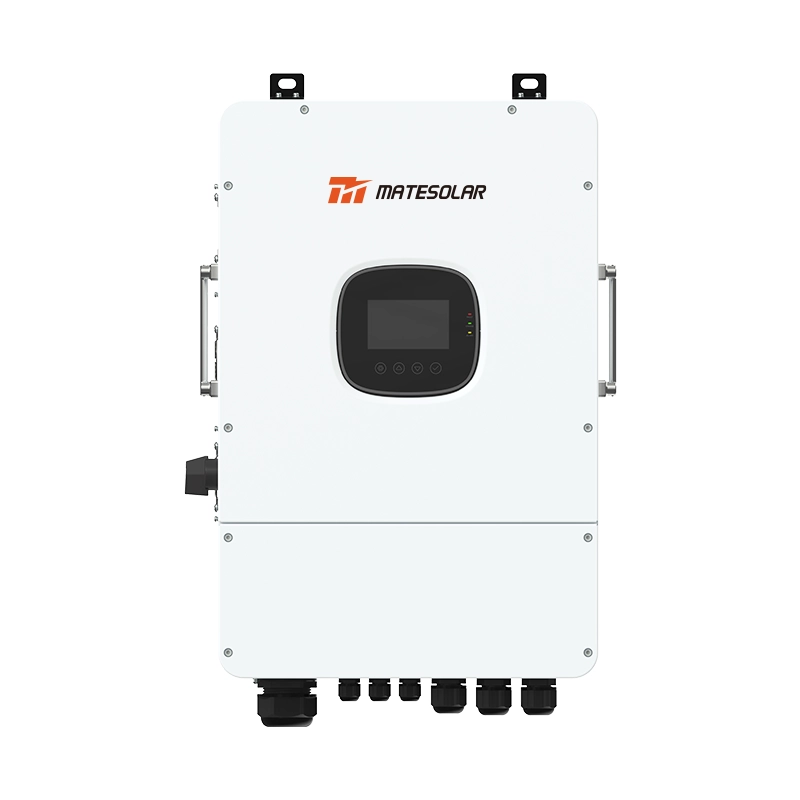
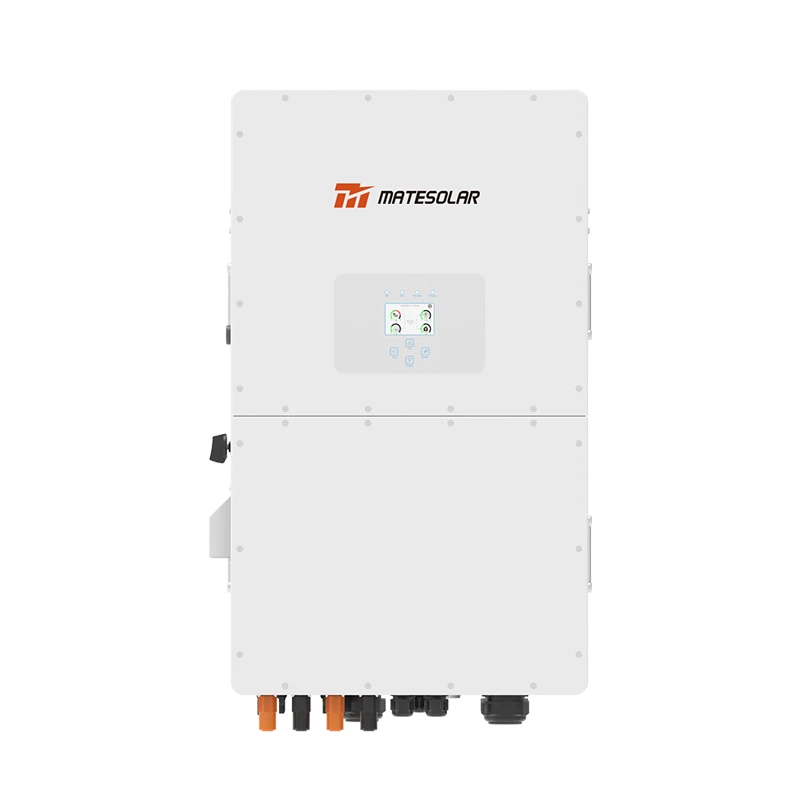
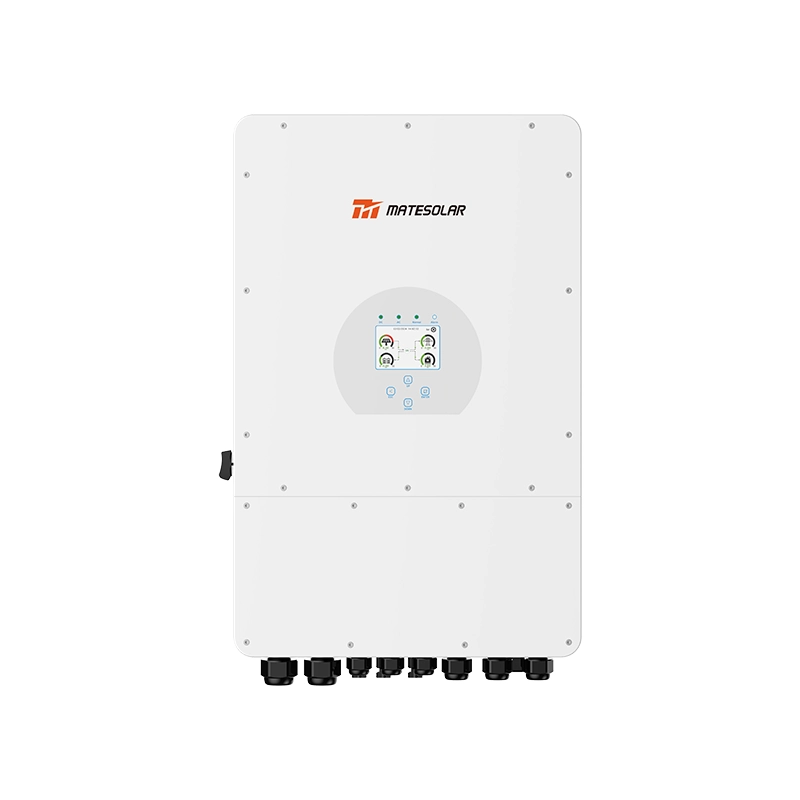
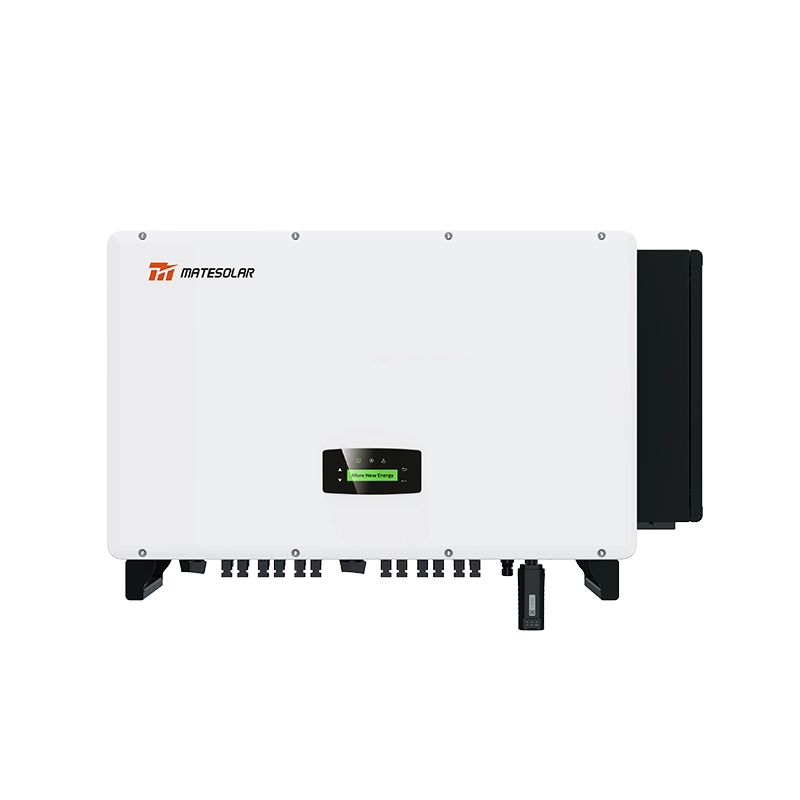
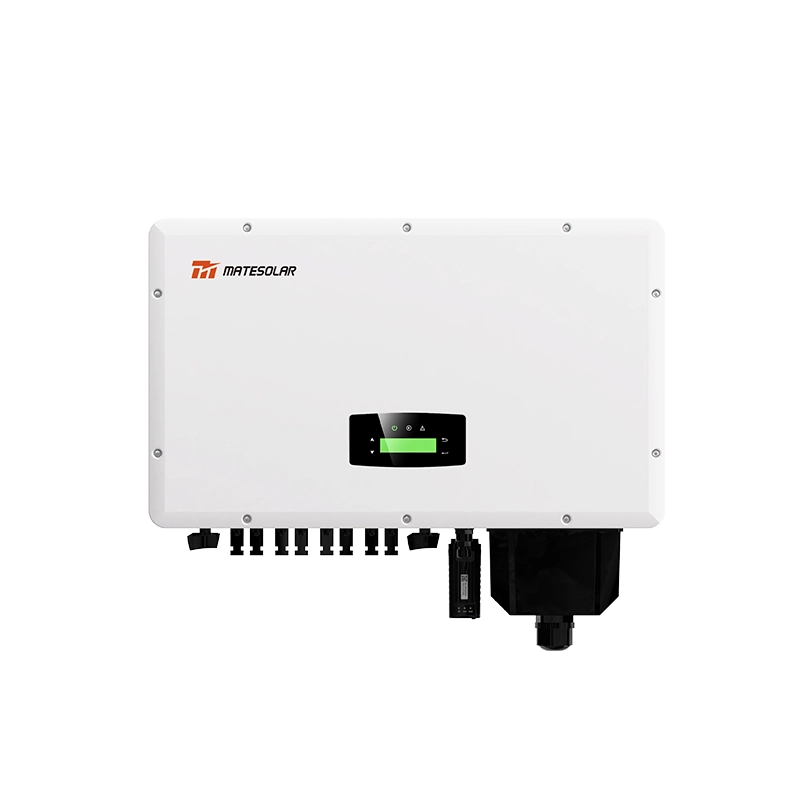
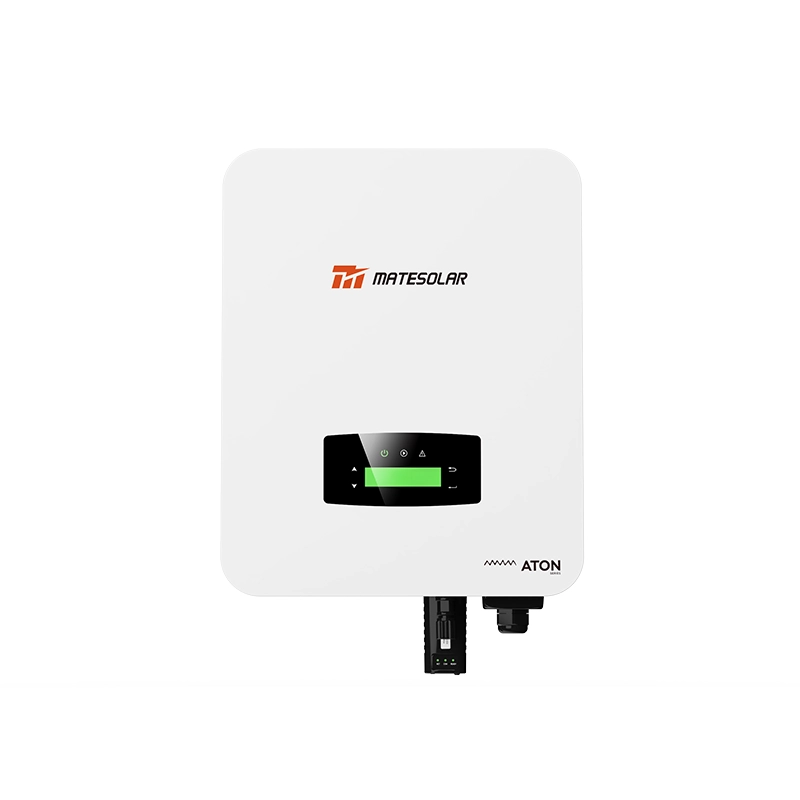
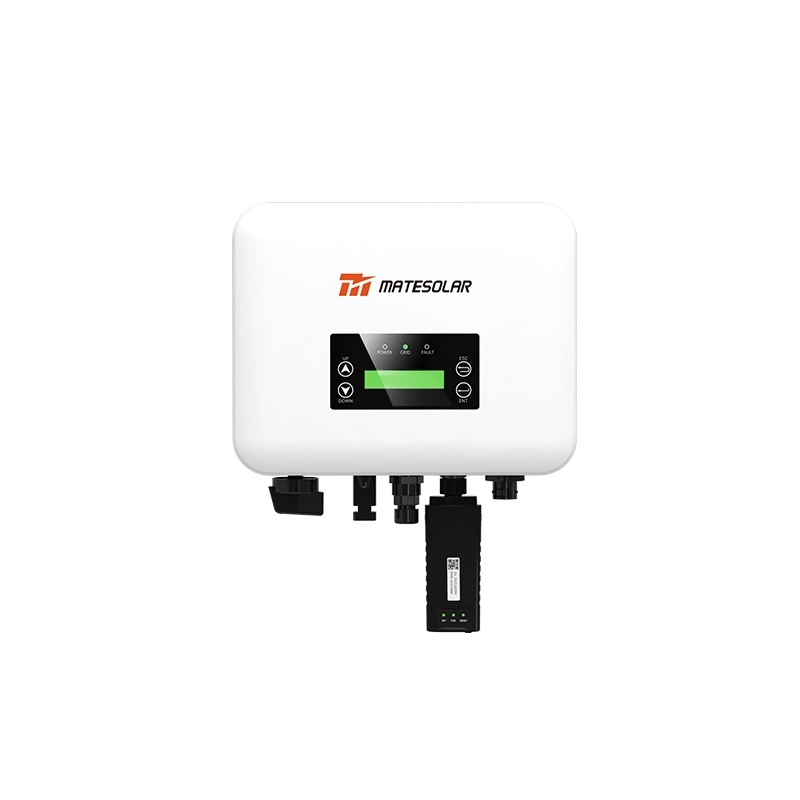
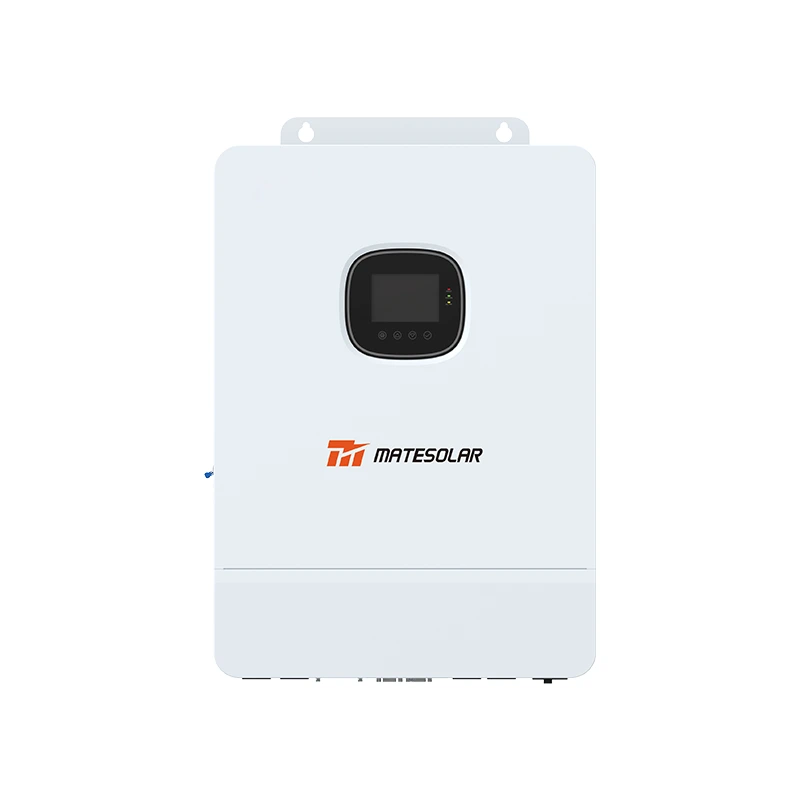
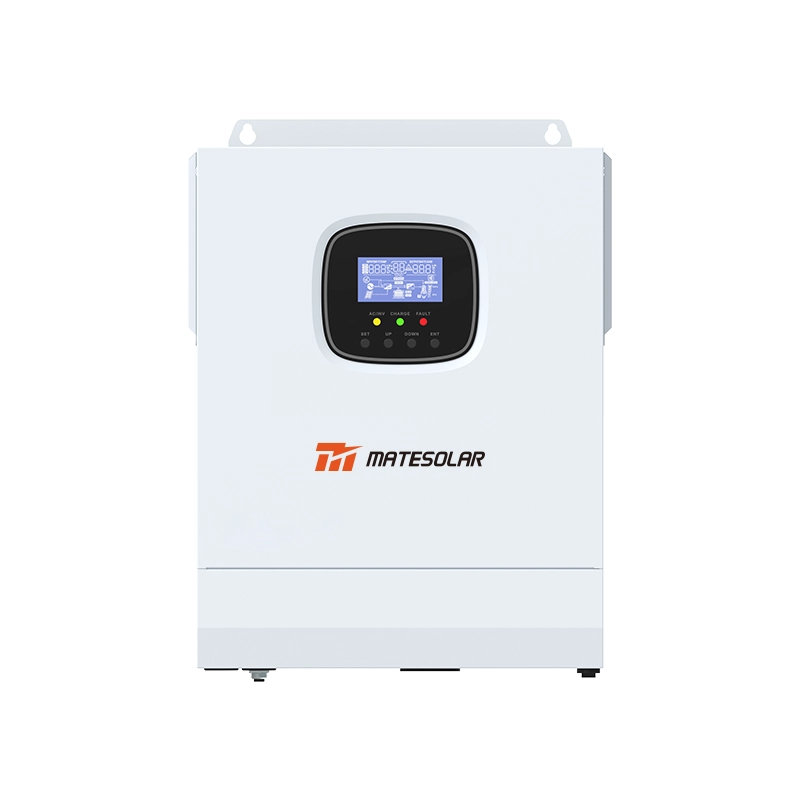
Pour les installations plus importantes, le Système solaire hybride commercial de 500 kW disponible chez MateSolar, propose une solution intégrée qui combine une conversion photovoltaïque à haute efficacité avec des capacités avancées de gestion de l'énergie (EMS) pour maximiser l'autoconsommation. Vous pouvez explorer les spécifications techniques sur la page produit dédiée : Système Solaire Hybride Commercial 500kW. Ce système est particulièrement adapté aux grands toits commerciaux et aux installations industrielles où les limitations d'injection sur le réseau constituent une préoccupation majeure.
2.2 Écrêtage des pics de puissance et optimisation des tarifs de réseau
Point de douleur client
Les tarifs de réseau suisses pour les clients commerciaux et industriels comprennent une redevance de puissance basée sur la moyenne de puissance sur 15 minutes la plus élevée mesurée au cours de la période de facturation. Pour les installations dotées d'équipements intermittents à haute puissance — tels que des compresseurs, des groupes d'eau glacée, des machines à souder, des pompes à chaleur ou des chargeurs rapides CC — un seul pic de courte durée peut déterminer la redevance de puissance pour tout le mois ou le trimestre. Cela crée une charge financière disproportionnée et est souvent mal compris par les gestionnaires d'installations.
Questions critiques à répondre
- Comment le stockage identifie-t-il et réduit-il la demande de pointe de puissance sur 15 minutes ?
- Comment le système gère-t-il les pics superposés causés par des démarrages simultanés d'équipements ?
- La vitesse de réponse du stockage est-elle suffisante pour garantir la précision du rasage ?
Approche de la solution et proposition de valeur
L'écrasement efficace des pointes de consommation nécessite trois éléments : un comptage de haute précision, une réponse rapide du système de conversion de puissance (PCS) et des algorithmes locaux d'intelligence artificielle de prévision des pointes. Le système de comptage doit échantillonner la puissance à des intervalles d'une seconde ou moins et calculer une moyenne glissante sur 15 minutes en temps réel. Le PCS doit être capable de passer de zéro à pleine puissance en moins de 100 millisecondes pour répondre aux pics de charge soudains. Le système de gestion de l'énergie (EMS) doit utiliser des algorithmes prédictifs qui anticipent les pics récurrents sur la base de schémas historiques et du comportement de la charge en temps réel.
Dans la pratique, un système de stockage bien conçu peut réduire les pics évitables de 70% à 90%. Par exemple, une usine de fabrication suisse dont la charge de base est de 400 kW et qui connaît de fréquents pics pouvant atteindre 650 kW dus au démarrage des moteurs peut être équipée d’un système de stockage de 250 kW / 500 kWh. Le système de gestion de l'énergie (EMS) détecte la hausse de la moyenne sur 15 minutes et décharge la batterie afin de maintenir la demande mesurée en dessous d'un seuil défini, par exemple 480 kW. Les économies annuelles réalisées grâce à la réduction des frais de capacité peuvent dépasser 15 000 à 25 000 CHF.
La proposition de valeur doit mettre l'accent sur des rapports d'économies quantifiables. Le SGE doit générer un “ rapport d'écrêtement des pointes ” mensuel qui compare la demande réelle mesurée avec et sans l'intervention du stockage. Cela permet au client de démontrer le bénéfice financier à la direction et de justifier l'investissement.
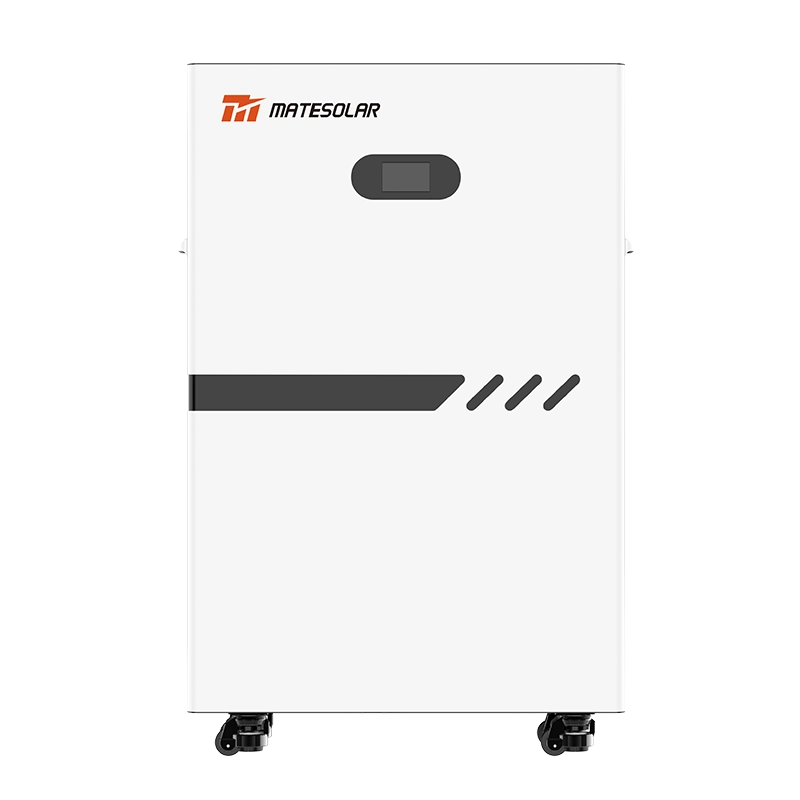
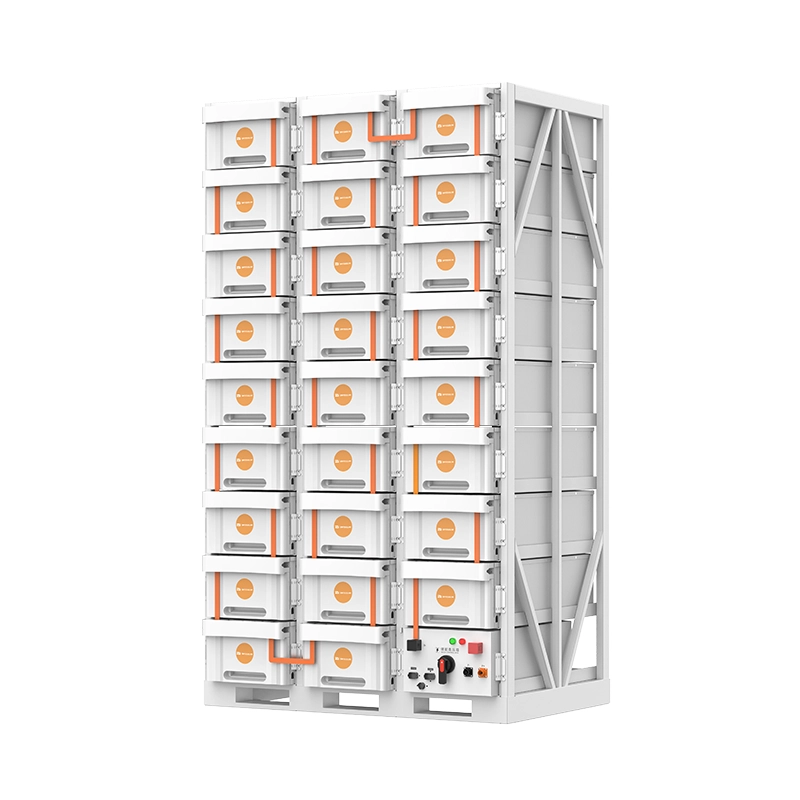
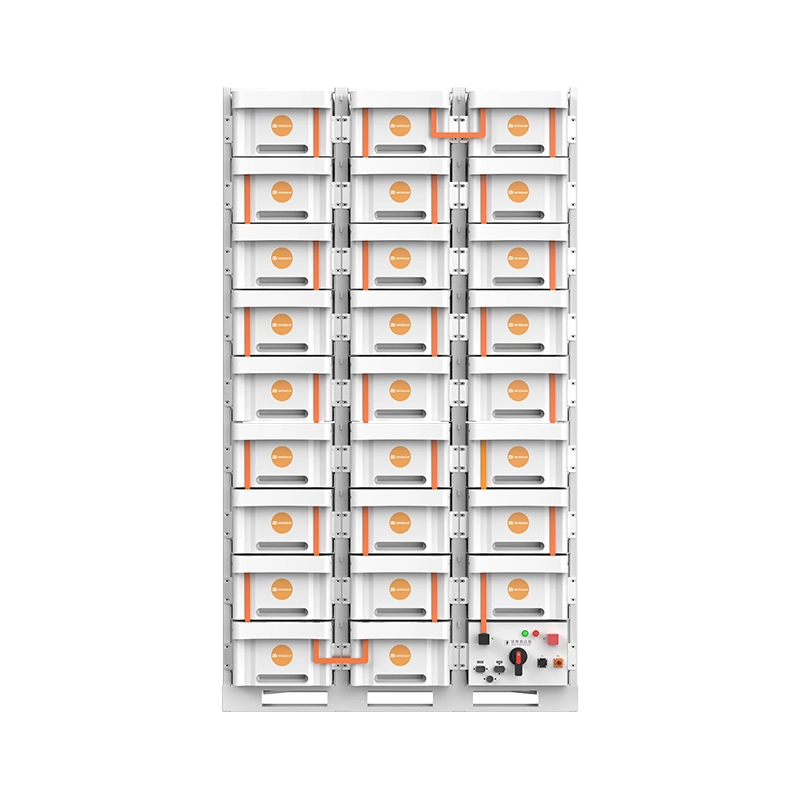
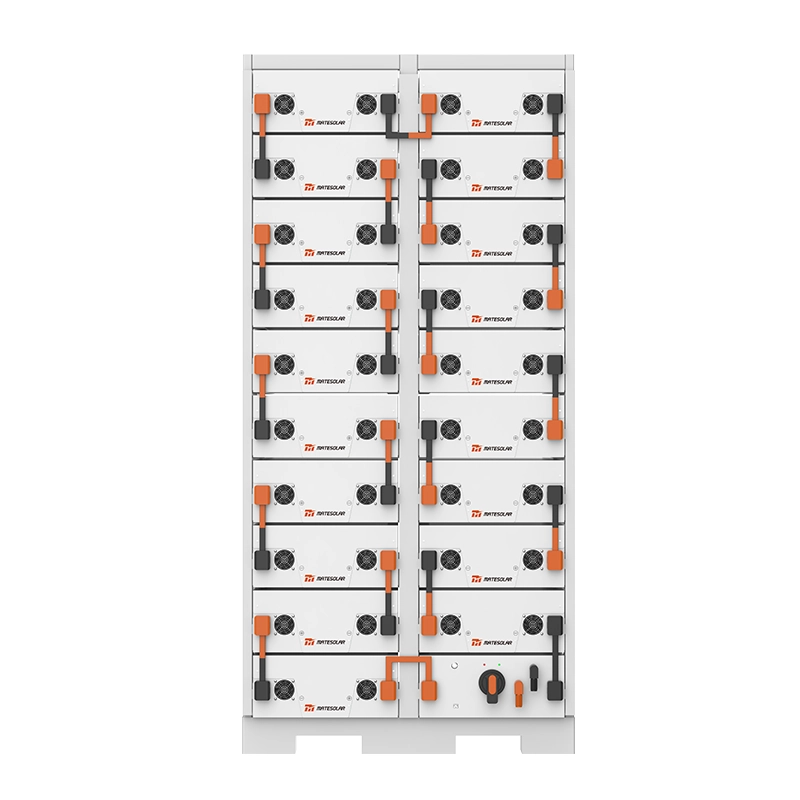
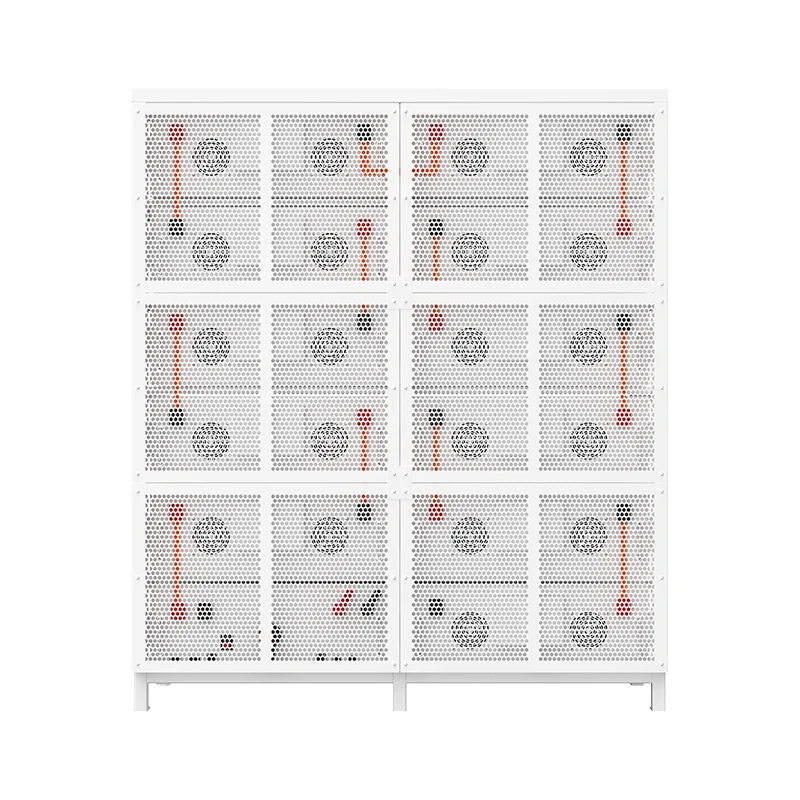
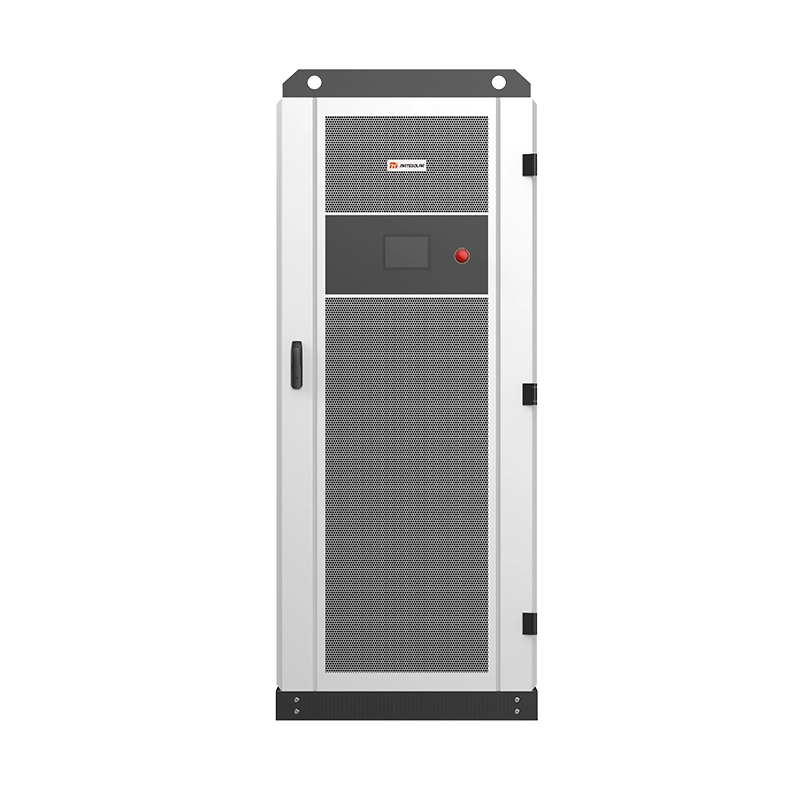
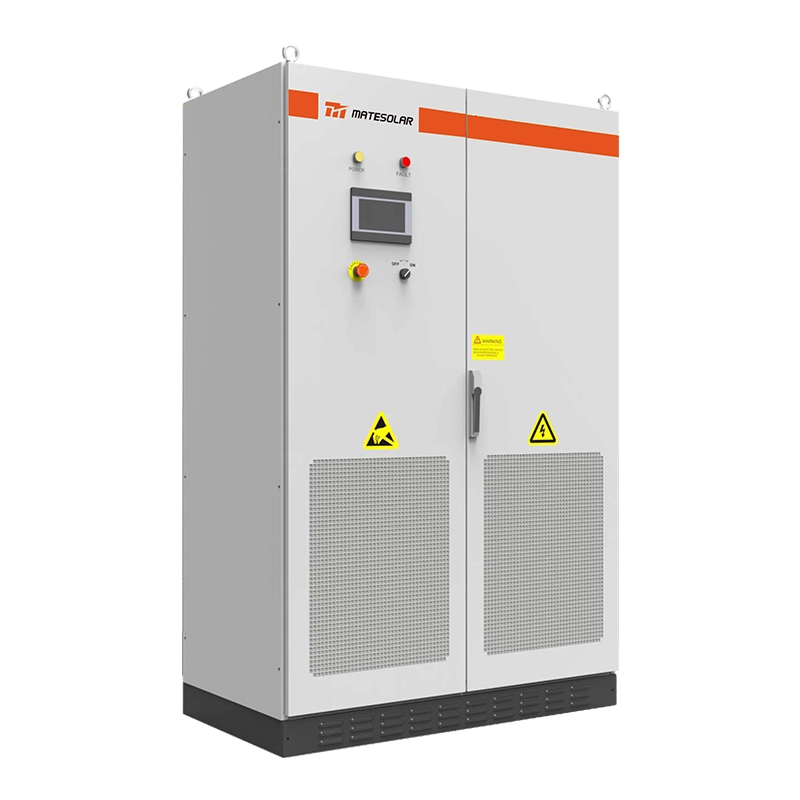
Pour les installations ayant une forte demande de pointe et un espace intérieur limité, MateSolar Système de stockage d'énergie en armoire extérieure refroidi par liquide de 100 kW/232 kWh et 125 kW/261 kWh fournit une solution compacte et haute performance. La conception refroidie par liquide garantit un fonctionnement stable sous des cycles fréquents de charge et de décharge à haute puissance, ce qui est essentiel pour les applications d'écrêtement des pointes. Plus de détails sont disponibles sur la page du produit : Système de stockage d'énergie en armoire extérieure refroidi par liquide 100kW/232kWh 125kW/261kWh.
2.3 Conformité au Code de Réseau avec la NIBT/NIN et NA/EEE
Point de douleur client
Raccorder un système de stockage par batterie au réseau suisse n'est pas un processus simple de type « brancher et utiliser ». Le gestionnaire de réseau de distribution (GRD) local exige un dossier complet de documents, comprenant notamment les demandes de raccordement au réseau (Netzanschlussgesuch - NA) et d'installation de production d'énergie (Energieerzeugungsanlage - EEA). Ces documents doivent démontrer que l'onduleur de stockage est conforme aux normes NIBT 2020 / NIN 2020, ce qui inclut les fonctions de soutien de la tension et de la fréquence, la protection contre îlotage, le contrôle de la puissance réactive et les capacités de tenue aux incidents (fault ride-through). Sans une documentation de conformité adéquate, la procédure d'approbation peut être bloquée pendant des mois, ce qui compromet les délais et les budgets des projets.
Questions critiques à répondre
- Le produit est-il certifié ESTI suisse ou est-il conforme aux normes IEC/EN pertinentes ?
- Existe-t-il des rapports d'essai de raccordement au réseau et des fiches de paramètres conformes aux exigences des GRD suisses ?
- Comment le processus de raccordement au réseau peut-il être accéléré pour les raccordements moyenne et basse tension ?
Approche de la solution et proposition de valeur
La solution commence par la sélection du produit. Seuls les systèmes de stockage disposant des déclarations de conformité nécessaires et ayant été testés selon les normes applicables doivent être pris en compte. L'onduleur doit prendre en charge des paramètres de protection réglables pour répondre aux exigences spécifiques du gestionnaire de réseau de distribution (GRD) local. Le fabricant ou le fournisseur du système doit être en mesure de fournir un ensemble complet de paramètres NA/EEA, comprenant :
- Certificat de conformité au code de réseau
- Paramètres des relais de protection et protocoles d'essai
- Courbes de capacité en puissance réactive
- Rapports de test anti-îlotage
- Déclarations de conformité CEM et sécurité
De plus, le fournisseur doit disposer d'un personnel technique qui connaît bien le paysage des gestionnaires de réseau de distribution (GRD) suisses. De nombreux GRD présentent de subtiles différences dans leurs exigences ; l'expérience de ces variations peut réduire les délais d'approbation de plusieurs mois à quelques semaines.
La proposition de valeur réside ici dans la rapidité et la fiabilité du raccordement au réseau. Un système de stockage livré avec un dossier de documentation complet, prêt pour le GRD, élimine l'un des goulets d'étranglement les plus courants dans les projets de stockage commercial et industriel en Suisse.
2.4 Sécurité des batteries, protection contre les incendies et acceptation par les assurances
Point de douleur client
Les systèmes de batteries lithium-ion font l'objet d'un examen minutieux de la part des autorités de construction suisses, des services d'incendie et des compagnies d'assurance. Les installations d'armoires extérieures situées à proximité de bâtiments commerciaux, d'entrepôts ou de structures de stationnement doivent respecter les directives de protection contre l'incendie de l'AEAI, notamment en ce qui concerne les distances de séparation minimales, la prévention de l'emballement thermique, l'extinction automatique des incendies et les exigences de ventilation. Les assureurs exigent souvent la preuve de la conformité aux normes de sécurité internationales telles que IEC 62619, UL 9540A et VDE-AR-E 2510-50. Le non-respect de ces normes peut entraîner un refus de couverture, une augmentation des primes ou des modifications coûteuses.
Questions critiques à répondre
- Le système est-il conforme aux réglementations suisses de protection contre l'incendie et aux directives de l'AEAI ?
- Le système est-il équipé d'une alerte précoce d'emballement thermique au niveau des modules, d'une suppression active des incendies et d'un cloisonnement coupe-feu ?
- Est-ce que les compagnies d'assurance accepteront la marque de la batterie et la conception de sécurité ?
Approche de la solution et proposition de valeur
Approche de la solution et proposition de valeur
La sécurité doit être intégrée dès le départ dans la conception du système. Les principales caractéristiques à rechercher comprennent :
- Détection de gaz et surveillance de la température au niveau du module pour la détection précoce de l'emballement thermique
- Extinction d'incendie active utilisant des agents aérosols ou à base d'eau
- Boîtiers ignifuges avec un cloisonnement interne pour empêcher la propagation
- Arrêt d'urgence et arrêt à distance capacités
- Documentation de conformité y compris les rapports d'essai UL 9540A et les attestations de conformité VKF
Le fournisseur doit fournir un concept complet de sécurité incendie qui peut être soumis directement aux autorités locales de lutte contre l'incendie et à la compagnie d'assurance. Ce concept doit comprendre des plans de disposition des systèmes, des spécifications de détection et d'extinction des incendies, des calculs de ventilation et des procédures de maintenance.
La proposition de valeur réside dans l'éligibilité à l'assurance et la tranquillité d'esprit. Un système de stockage conforme aux normes de sécurité suisses réduit les risques du projet et peut même réduire les primes d'assurance à long terme.
2.5 Adaptabilité environnementale et contraintes de site pour les armoires d'extérieur
Point de douleur client
La géographie diversifiée de la Suisse présente des défis environnementaux uniques. Les sites urbains et suburbains ont souvent des limites de bruit strictes, en particulier dans les zones mixtes commerciales et résidentielles. Les sites alpins et pré-alpins connaissent des variations de température extrêmes, de fortes charges de neige, un rayonnement UV élevé et une densité de l'air réduite en altitude. L'emprise au sol des sites est souvent limitée, en particulier dans les zones industrielles existantes ou les aires de stationnement. Une armoire de stockage extérieure doit fonctionner de manière fiable dans toutes ces conditions sans perturber les activités quotidiennes.
Questions critiques à répondre
- L'armoire extérieure peut-elle fonctionner de manière fiable à des températures allant de -20 °C à +40 °C ?
- Le niveau sonore est-il conforme aux normes suisses pour les zones commerciales et mixtes ?
- L'installation de fondations flexibles, la disposition compacte et le déploiement rapide sont-ils pris en charge ?
Approche de la solution et proposition de valeur
L'armoire d'extérieur idéale pour le marché suisse doit présenter les caractéristiques suivantes :
- Large plage de températures de fonctionnement avec des systèmes de chauffage et de refroidissement intégrés, utilisant généralement un refroidissement liquide pour une gestion thermique précise
- Conception à faible bruit, avec des niveaux sonores inférieurs à 60 dB(A) à 1 mètre, adaptés aux zones mixtes
- Indice de protection IP élevé (IP55 ou supérieur) et boîtier résistant à la corrosion
- Conception structurelle dimensionnée pour les charges de neige jusqu'à 1,5 kN/m² ou plus
- Conception modulaire montée sur skid pour un déploiement rapide sans travaux de génie civil étendus
La proposition de valeur doit mettre en avant l'adaptabilité aux conditions suisses, en particulier les performances en haute altitude. De nombreux systèmes de stockage sur le plan de marché ne sont pas conçus pour fonctionner au-dessus de 2000 mètres en raison du déclassement des systèmes de refroidissement et des distances d'isolement électrique. Un système qui prend explicitement en compte ces facteurs constitue un net avantage.
Pour les clients recherchant une solution d'armoire extérieure robuste, MateSolar propose Système de stockage d'énergie en armoire extérieure refroidi par liquide de 100 kW/232 kWh et 125 kW/261 kWh, qui est conçu pour des plages de températures étendues et un fonctionnement à faible bruit. Le système de refroidissement liquide maintient des températures de cellules optimales même sous des cycles de haute puissance, prolongeant la durée de vie de la batterie et garantissant des performances fiables dans les environnements alpins et urbains suisses. Visitez la page produit pour les spécifications complètes : Système de stockage d'énergie en armoire extérieure refroidi par liquide 100kW/232kWh 125kW/261kWh.
2.6 Cumul des revenus et accès au marché pour le solaire couplé au stockage à grande échelle
Point de douleur client
Les grands consommateurs d'énergie commerciaux et industriels en Suisse ont accès au marché de l'électricité libéralisé, ce qui ouvre la porte à de multiples sources de revenus au-delà de l'autoconsommation. Celles-ci comprennent la participation au marché suisse de réglage, la fourniture de services système et la collaboration directe avec les gestionnaires de réseau de distribution locaux pour le soutien au réseau. Cependant, les modèles de revenus sont complexes et les règles du marché varient selon la région et le gestionnaire de réseau. Les investisseurs et les développeurs de projets se méfient des rendements incertains et des exigences techniques pour la participation au marché.
Questions critiques à répondre
- Comment le stockage à grande échelle peut-il combiner autoconsommation, arbitrage heures pleines-heures creuses et services de réglage ?
- Le système a-t-il la capacité de participer au marché de réglage suisse ou de fournir des services ancillaires ?
- Comment dimensionner de manière optimale la capacité photovoltaïque, la capacité de stockage et la puissance du PCS pour une exploitation multi-revenus ?
Approche de la solution et proposition de valeur
Pour les grands systèmes, le SGE doit prendre en charge le cumul de multiples sources de revenus. Cela signifie que le système peut effectuer simultanément l'optimisation de l'autoconsommation, l'écrêtage des pointes et la fourniture de réserves, avec une logique de priorité définie par l'exploitant. Le système de stockage doit être capable de répondre rapidement et précisément aux signaux du réseau, généralement avec des temps de réponse inférieurs à 200 millisecondes pour la régulation de fréquence.
Le dimensionnement optimal dépend de la structure spécifique des revenus. Pour une installation dotée de 1 MWc de photovoltaïque et d'une charge de 800 kW, un système de stockage de 2 MWh avec un convertisseur (PCS) de 1 MW pourrait participer simultanément à l'autoconsommation, à l'écrêtement des pointes et à la réserve de contenance de fréquence (FCR). Le revenu annuel pourrait combiner :
- Économies liées à l'autoconsommation : 80 000 à 120 000 CHF
- Économies sur l'écrêtement des pointes : 20 000 à 40 000 CHF
- Revenus du marché de l'équilibrage : 30 000 à 60 000 CHF
- Total : CHF 130 000–220 000 par an
Le système de gestion de l'énergie (EMS) doit également fournir des interfaces ouvertes aux agrégateurs et aux plateformes de centrales électriques virtuelles (VPP), permettant au système de stockage d'être regroupé avec d'autres actifs pour participer au marché. Cela garantit la pérennité de l'investissement et permet au système de s'adapter à l'évolution des règles du marché suisse.
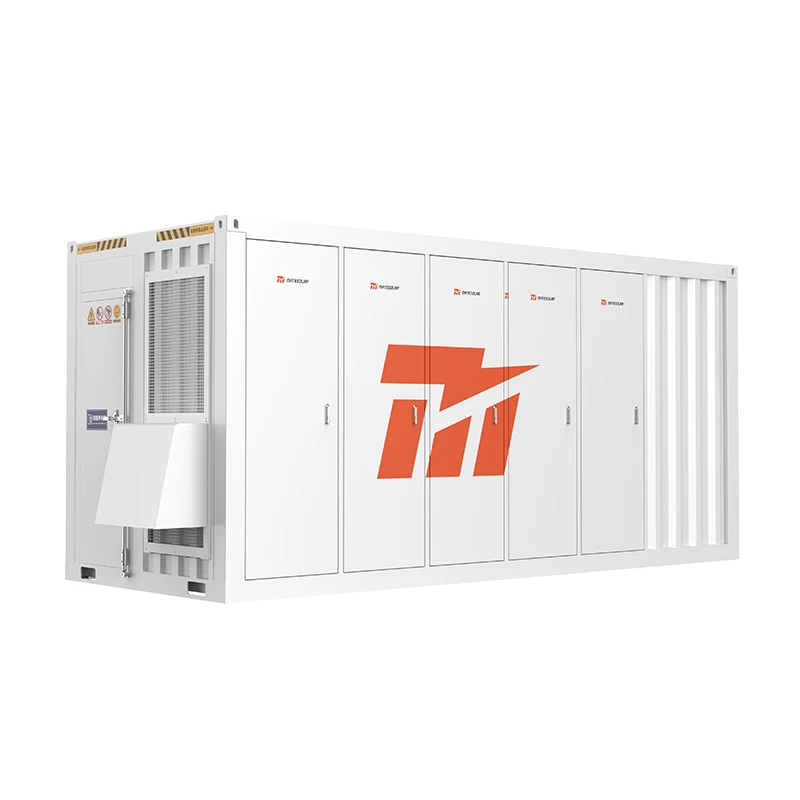
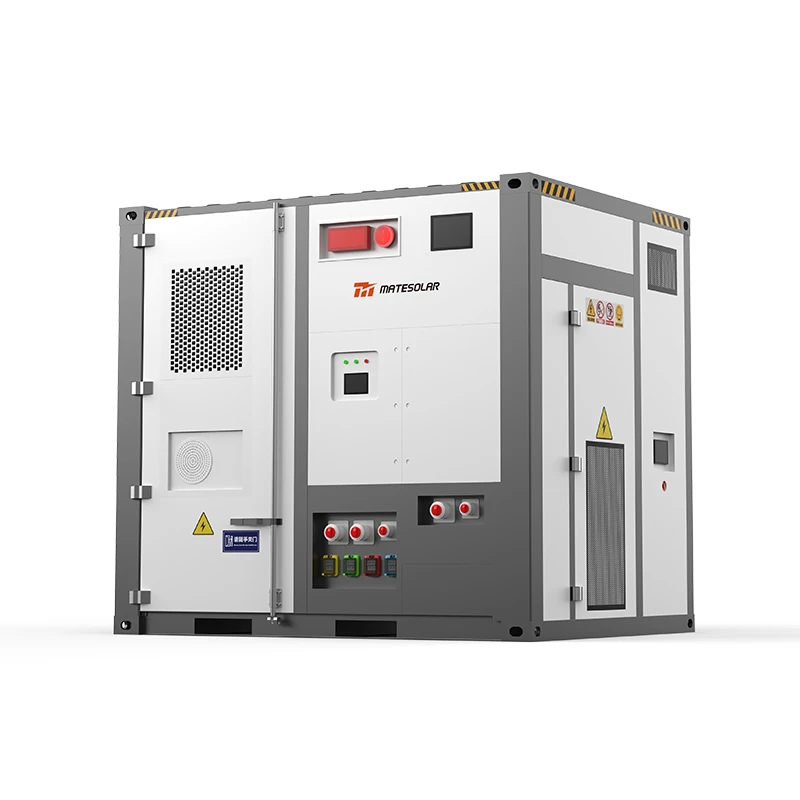
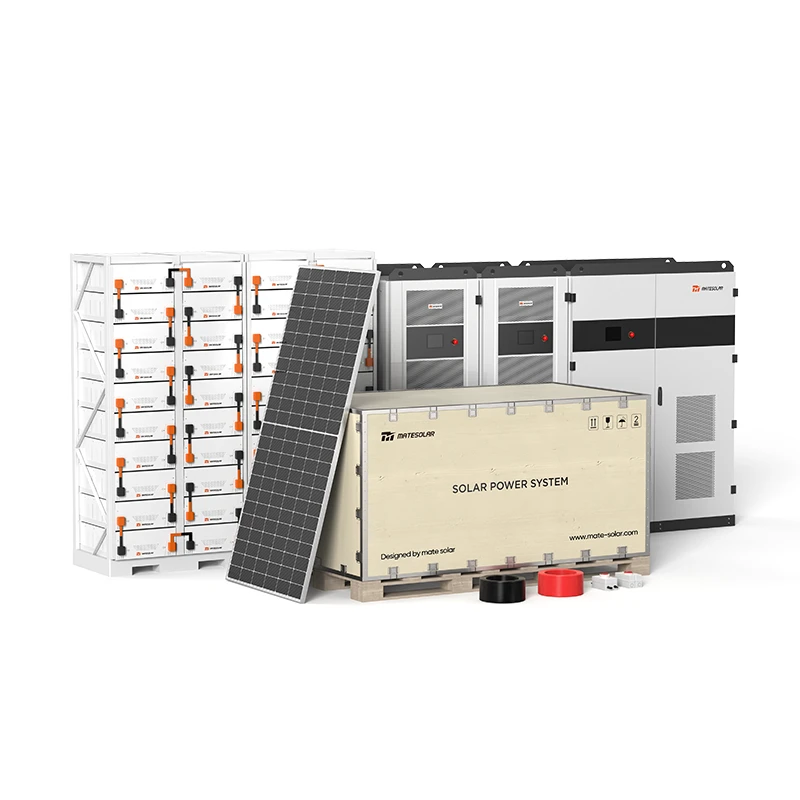
Pour les grandes applications conteneurisées, MateSolar propose deux options de conteneurs. Le Conteneur ESS 40 pieds refroidi par air 1 MWh / 2 MWh est idéal pour les projets nécessitant un déploiement rapide et une technologie refroidie par air éprouvée. Le Système de stockage d'énergie dans un conteneur à refroidissement liquide de 20 pieds 3MWh / 5MWh offre une densité énergétique plus élevée et une gestion thermique supérieure pour les applications exigeantes à revenus multiples. Les détails des produits sont disponibles sur les pages respectives : Système de stockage d'énergie par conteneur refroidi par air 40 pieds 1 MWh 2 MWh et Système de stockage d'énergie par conteneur à refroidissement liquide 20 pieds 3 MWh 5 MWh.
2.7 Sécurité énergétique hivernale et couplage des charges
Point de douleur client
Les hivers suisses se caractérisent par un faible ensoleillement et une forte demande en électricité pour le chauffage, la ventilation et, de plus en plus, pour les pompes à chaleur et la recharge des véhicules électriques. De nombreuses entreprises électrifient leurs flottes et leurs systèmes de chauffage, créant de nouvelles charges de pointe qui pèsent sur l'infrastructure électrique existante. La mise à niveau des transformateurs est coûteuse et prend du temps, et l'approvisionnement du réseau en hiver peut être limité en raison de la réduction de l'énergie hydraulique et de la sortie du nucléaire.
Questions critiques à répondre
- Comment le stockage peut-il se coordonner avec les pompes à chaleur et les chargeurs de véhicules électriques pour éviter le chevauchement des pics de consommation hivernaux ?
- Est-il possible de supporter des charges électrifiées supplémentaires sans mise à niveau du transformateur ?
- Le système peut-il utiliser la recharge aux heures creuses ou la capacité d'alimentation de secours pour améliorer la fiabilité de l'approvisionnement ?
Approche de la solution et proposition de valeur
La réponse réside dans des protocoles de communication ouverts et une gestion intelligente de la charge. Le système de gestion de l'énergie (EMS) du stockage doit prendre en charge l'OCPP pour l'intégration des chargeurs de VE, le Modbus TCP/RTU pour les systèmes de gestion de bâtiment et d'autres protocoles industriels. Cela permet au système de stockage d'agir comme un coordinateur central, reportant les charges non critiques aux heures creuses et utilisant l'énergie de la batterie pour couvrir les pics inévitables.
Par exemple, une entreprise de logistique suisse disposant de 20 camionnettes de livraison électriques et de 10 pompes à chaleur pourrait connaître un pic hivernal en soirée de 300 kW lorsque tous les chargeurs et pompes à chaleur fonctionnent simultanément. En intégrant le stockage au système de gestion de la charge, le système de gestion de l'énergie (SGE) peut planifier le début de la charge après le pic de soirée ou échelonner l'activation des chargeurs, tandis que la batterie couvre le pic résiduel. Cela évite la nécessité d'une mise à niveau du transformateur qui pourrait coûter entre 80 000 CHF et 150 000 CHF.
La proposition de valeur doit mettre l'accent sur la résilience hivernale et la facilitation de l'électrification. Le stockage devient le catalyseur d'une électrification accrue sans mises à niveau coûteuses du réseau.
2.8 Prise en charge multilingue et capacité de service local
Point de douleur client
La diversité linguistique de la Suisse constitue un défi pratique pour tout fournisseur de technologie. Un système doté d'une interface unilingue anglophone se heurte à des résistances dans les régions francophones et italophones. La documentation technique, les conditions de garantie et les manuels de sécurité doivent être disponibles en allemand, en français et en italien. La réactivité du service local est également primordiale ; un système de stockage qui ne peut pas être rapidement diagnostiqué et réparé perdra toute crédibilité.
Questions critiques à répondre
- L'interface système et la plateforme de surveillance prennent-elles en charge l'allemand, le français et l'italien ?
- Les documents techniques, les clauses de garantie et les manuels de sécurité sont-ils disponibles dans les langues locales ?
- Y a-t-il une équipe de service locale ou un réseau de partenaires pour une intervention rapide ?
Approche de la solution et proposition de valeur
Le système de stockage doit offrir une interface utilisateur multilingue à la fois sur l'IHM locale et sur la plateforme de surveillance cloud. La documentation doit être traduite par des professionnels, et non par machine, afin de garantir l'exactitude technique. Le fournisseur doit disposer d'un réseau de partenaires de service locaux ou au moins fournir un support à distance dans les langues concernées.
Pour les clients suisses, c'est souvent un facteur décisif. Un fournisseur qui ne peut pas fournir de documentation dans la langue du client aura du mal à conclure des affaires, indépendamment de ses mérites techniques.
2.9 Confidentialité des données et cybersécurité
Point de douleur client
La loi fédérale suisse sur la protection des données (LPD) impose des exigences strictes sur la manière dont les données personnelles et opérationnelles sont traitées. Pour les systèmes de stockage d'énergie, cela inclut les données de consommation, les profils de charge et les informations de surveillance à distance. De nombreuses entreprises suisses ont des politiques internes exigeant que les données opérationnelles soient stockées soit sur site, soit dans des centres de données suisses. L'accès à distance doit être chiffré et un contrôle d'accès basé sur les rôles est attendu. Les vulnérabilités de cybersécurité dans les appareils énergétiques connectés à l'IoT constituent une préoccupation croissante.
Questions critiques à répondre
- Où sont stockées les données du système de stockage ? Le stockage sur serveur local ou dans un centre de données suisse est-il pris en charge ?
- La communication est-elle cryptée ? Un VPN et la gestion des autorisations locales sont-ils pris en charge ?
- L'exploitation et la maintenance à distance sont-elles conformes aux exigences suisses en matière de protection des données ?
Approche de la solution et proposition de valeur
Le système de stockage doit offrir des options de stockage de données flexibles, incluant des serveurs locaux, un cloud privé ou des centres de données hébergés en Suisse. Toutes les communications doivent être cryptées à l'aide de TLS 1.3 ou supérieur, avec un support VPN optionnel pour un accès à distance sécurisé. Le système doit prendre en charge un contrôle d'accès granulaire basé sur les rôles, permettant au client de définir qui peut afficher, contrôler ou configurer le système.
La proposition de valeur repose sur la conformité et la confiance. Un système de stockage qui respecte les exigences de souveraineté des données en Suisse lève un obstacle majeur à l'adoption, en particulier pour les clients du secteur public, de la santé et des services financiers.
2.10 Conformité des produits et durabilité de la chaîne d'approvisionnement
Point de douleur client
Bien que la Suisse ne soit pas membre de l'UE, les clients suisses exigent souvent que les produits portent le marquage CE et soient conformes aux normes IEC pertinentes. De plus, les grandes entreprises et les institutions publiques exigent de plus en plus de transparence concernant l'empreinte carbone des batteries, la traçabilité de la chaîne d'approvisionnement et le recyclage en fin de vie. Le règlement européen sur les batteries, bien qu'il ne soit pas directement applicable en Suisse, exerce une forte influence indirecte sur les attentes.
Questions critiques à répondre
- Le produit dispose-t-il des certifications CE, IEC, UN38.3 et autres certifications requises ?
- Les matériaux des batteries sont-ils traçables ? Des données sur l'empreinte carbone peuvent-elles être fournies ?
- Un partenariat de recyclage des piles est-il disponible ?
Approche de la solution et proposition de valeur
Les fournisseurs doivent être prêts à fournir des dossiers de certification complets et des données de passeport de batterie, y compris l'origine des matières premières, le lieu de fabrication, l'empreinte carbone par kWh et les plans de recyclage. Cette transparence est de plus en plus une condition préalable pour les appels d'offres publics et les programmes de durabilité des entreprises.
La proposition de valeur repose sur la garantie réglementaire et la crédibilité en matière de durabilité. Un produit doté d'une chaîne d'approvisionnement transparente et d'une filière de recyclage claire est plus attractif pour les clients suisses qui privilégient la responsabilité environnementale à long terme.
2.11 Subventions, financement et modèles de contrats
Point de douleur client
Les programmes fédéraux et cantonaux suisses offrent diverses formes de soutien pour le stockage d'énergie, l'autoconsommation photovoltaïque et l'amélioration de l'efficacité des bâtiments. Cependant, les conditions d'octroi et les montants des subventions varient considérablement selon le canton et le programme. Les clients ont souvent du mal à comprendre ce qui est disponible et comment structurer l'investissement pour maximiser les rendements.
Questions critiques à répondre
- Quels cantons suisses ou programmes fédéraux soutiennent actuellement le stockage commercial ?
- Le produit répond-il aux seuils techniques d'éligibilité aux subventions ?
- Quel modèle de contrat — achat, location ou contrat de performance énergétique — est le plus adapté ?
Approche de la solution et proposition de valeur
Le fournisseur doit fournir des calculs de retour sur investissement (ROI) et une aide au dépôt de demandes de subvention. Cela comprend l'identification des programmes cantonaux applicables, la préparation de la documentation technique et le conseil sur les structures de financement. Des garanties de longue durée et de faibles taux de dégradation des batteries réduisent les risques liés au cycle de vie et rendent le financement plus attractif.
La proposition de valeur réside dans la clarté financière et la réduction des risques. En aidant le client à naviguer parmi les subventions et le financement, le fournisseur devient un conseiller de confiance plutôt qu'un simple vendeur de produits.
2.12 Intégration avec les systèmes de gestion de l'énergie existants
Point de douleur client
De nombreuses entreprises suisses disposent déjà de systèmes d'automatisation des bâtiments (BAS), de plates-formes SCADA ou de systèmes ERP qui gèrent la consommation d'énergie. Un système de stockage qui ne peut pas s'intégrer à ces systèmes existants crée un îlot d'information, réduisant l'efficacité globale de la gestion de l'énergie. Les clients s'attendent à ce que le stockage fasse partie d'un écosystème énergétique global, et non à ce qu'il soit un dispositif isolé.
Questions critiques à répondre
- Le système de gestion de l'énergie (EMS) prend-il en charge BACnet, Modbus TCP/RTU et d'autres protocoles industriels ?
- Peut-il s'intégrer à des ERP d'entreprise ou à des plateformes de gestion de l'énergie ?
- Une API ouverte est-elle disponible pour l'intégration de systèmes tiers ?
Approche de la solution et proposition de valeur
Le système de stockage doit être construit sur une architecture ouverte avec la prise en charge de multiples protocoles industriels et une API REST documentée. Cela permet une intégration transparente avec les systèmes existants de gestion des bâtiments, SCADA et de gestion de l'énergie. Le résultat est un environnement de gestion de l'énergie unifié où le stockage, le photovoltaïque, les charges et les interactions avec le réseau sont coordonnés pour une efficacité maximale.
La proposition de valeur est l'efficacité systémique. Un système de stockage qui s'intègre à l'infrastructure existante apporte plus de valeur qu'un système qui fonctionne de manière isolée.
3. Tableaux de données clés pour la prise de décision en matière de stockage C&I en Suisse
Les tableaux suivants fournissent des données de référence pour l'évaluation des projets de stockage en Suisse à compter de septembre 2026. Ces chiffres sont basés sur des conditions de marché typiques et peuvent varier selon le canton, le GRD et les structures tarifaires spécifiques.
Tableau 1 : Composantes typiques des tarifs d'électricité pour les entreprises en Suisse (2026)
| Composant | Unité | Plage typique | Notes |
| Prix de l'énergie | CHF/kWh | 0.12 – 0.22 | Varie selon le fournisseur et l'accès au marché |
| Consommation du réseau (énergie) | CHF/kWh | 0.06 – 0.12 | Frais de réseau de distribution |
| Utilisation du réseau (capacité) | CHF/kW/an | 60 – 120 | Sur la base de la demande moyenne maximale sur 15 minutes |
| Taxes et prélèvements | CHF/kWh | 0.02 – 0.04 | Fédéral et cantonal |
| Prix effectif total | CHF/kWh | 0.25 – 0.35 | Pour un client C&I typique |
Tableau 2 : Impact du dimensionnement du stockage sur le taux d'autoconsommation photovoltaïque
| Puissance PV (kWc) | Charge annuelle (MWh) | Capacité de stockage (kWh) | Autoconsommation sans stockage | Autoconsommation avec stockage | Potentiel d'économies annuelles (CHF) |
| 100 | 250 | 100 | 40% | 75% | 15,000 – 25,000 |
| 300 | 700 | 400 | 45% | 85% | 40,000 – 65,000 |
| 500 | 1,200 | 800 | 50% | 88% | 70,000 – 110,000 |
| 1,000 | 2,500 | 2,000 | 45% | 85% | 130,000 – 200,000 |
En supposant un tarif de détail de 0,30 CHF/kWh, un tarif de rachat de 0,08 CHF/kWh et une gestion optimale par le système de gestion de l'énergie (EMS).
Tableau 3 : Potentiel d'économies liées à l'écrêtage des pointes
| Pic de demande de référence (kW) | Cible d'effacement (kW) | Frais de capacité du réseau (CHF/kW/an) | Économies annuelles (CHF) |
| 400 | 80 | 80 | 6,400 |
| 600 | 150 | 90 | 13,500 |
| 800 | 200 | 100 | 20,000 |
| 1,200 | 300 | 110 | 33,000 |
Le tarif de capacité varie selon le gestionnaire de réseau de distribution ; les valeurs indiquées sont représentatives pour les clients commerciaux.
Tableau 4 : Exigences suisses en matière de sécurité incendie et de certification des produits
| Norme / Réglementation | Portée | Requis pour |
| NIBT 2020 / NIN 2020 | Installation électrique et raccordement au réseau | Toutes les installations |
| Conformité ESTI | Sécurité des produits pour les équipements électriques | Tous les produits connectés au réseau |
| Directives AEAI / VKF | Protection incendie pour les systèmes de batteries | Systèmes dans ou à proximité des bâtiments |
| CEI 62619 | Sécurité pour batteries industrielles | Modules et systèmes de batteries |
| UL 9540A | Test de propagation de l'emballement thermique | Systèmes à grande échelle |
| VDE-AR-E 2510-50 | Sécurité des systèmes de batteries fixes | Systèmes > 20 kWh |
| UN38.3 | Sécurité des transports | Transport de piles |
Tableau 5 : Exigences de performance environnementale pour les armoires d'extérieur en Suisse
| Paramètres | Exigence | Notes |
| Température de fonctionnement | -20 °C à +40 °C | Refroidissement liquide recommandé pour toute la gamme |
| Niveau de bruit | ≤ 60 dB(A) à 1 m | Zones mixtes commerciales et résidentielles |
| Indice de protection IP | ≥ IP55 | Installation extérieure |
| Charge de neige | ≥ 1,5 kN/m² | Régions alpines |
| Altitude | Jusqu'à 2 500 m sans déclassement | Capacité en haute altitude |
| Humidité | 5% – 95% RH | Conditions de condensation |
4. Foire aux questions (FAQ)
Q1 : Quel est le principal moteur économique du stockage C&I en Suisse en 2026 ?
R : Le principal facteur est l’optimisation de l’autoconsommation photovoltaïque. Les tarifs de rachat suisses sont faibles (souvent inférieurs à 10 centimes par kWh), tandis que les prix de détail de l’électricité pour les consommateurs professionnels varient entre 25 et 35 centimes par kWh. En stockant l’excédent solaire de midi et en l’utilisant pendant les périodes de pointe, les entreprises peuvent tirer pleinement parti de la valeur au détail de leur production solaire. L’écrêtement des pics de consommation, qui permet de réduire les frais de réseau liés à la capacité, constitue le deuxième facteur déterminant, représentant souvent entre 30 et 50% des économies totales.
Q2 : Combien de temps prend l'approbation du raccordement au réseau pour un système de stockage C&I en Suisse ?
A : Les délais d'approbation varient selon le canton et le GRD, mais les délais typiques s'étendent de 4 à 12 semaines lorsque toute la documentation est complète. Les retards sont le plus souvent causés par des dossiers de demande AE/EEE incomplets, des fiches de paramètres de protection manquantes ou le non-respect des exigences locales du GRD. Choisir un système de stockage doté d'un package de conformité suisse pré-préparé peut réduire considérablement ce délai.
Q3 : Quelles normes de sécurité incendie un système de stockage commercial doit-il respecter en Suisse ?
A : Le système doit être conforme aux directives de protection contre l'incendie de l'AEAI (VKF) et aux normes internationales telles que la norme CEI 62619 et, pour les grands systèmes, la norme UL 9540A. L'installation doit également respecter les réglementations locales en matière de construction concernant les distances de séparation, la ventilation et l'extinction des incendies. Les compagnies d'assurance exigent souvent une preuve documentée de conformité avant de fournir une couverture.
Q4 : Un système de stockage peut-il fonctionner de manière fiable dans les environnements alpins suisses soumis à un froid extrême et à la neige ?
R : Oui, à condition que le système soit conçu pour de larges plages de températures et des charges de neige élevées. Les systèmes à refroidissement liquide maintiennent des températures de batterie optimales même à -20 °C et empêchent la surchauffe à +40 °C. L'enveloppe doit avoir un indice de protection IP55 ou supérieur et être structurellement certifiée pour des charges de neige d'au moins 1,5 kN/m². Le fonctionnement en haute altitude jusqu'à 2 500 mètres ne devrait pas nécessiter de déclassement.
Q5 : Est-il possible de cumuler de multiples sources de revenus avec un seul système de stockage en Suisse ?
R : Oui. Un seul système de stockage peut optimiser l'autoconsommation, écrêter les pics de consommation et participer simultanément aux marchés de l'équilibrage, à condition que le système de gestion de l'énergie (EMS) prenne en charge une logique de répartition multi-revenus et que le système puisse répondre rapidement aux signaux du réseau. Les systèmes plus grands (1 MW ou plus) sont les mieux adaptés pour participer aux marchés, mais des systèmes plus petits peuvent également s'agréger via une plateforme de centrale électrique virtuelle (VPP).
Q6 : Quels protocoles de communication un système de stockage C&I doit-il prendre en charge pour l'intégration avec les systèmes de gestion de bâtiment existants ?
A: Au minimum, le système doit prendre en charge Modbus TCP/RTU, BACnet et OCPP (pour l'intégration des chargeurs de VE). Une API REST ouverte est fortement souhaitée pour les intégrations personnalisées avec les ERP ou les plateformes de gestion de l'énergie. Cela garantit que le système de stockage peut être intégré de manière transparente dans les environnements d'automatisation des bâtiments et SCADA existants.
Q7 : Quel est l'impact de la protection des données sur le choix des systèmes de stockage en Suisse ?
A : La loi fédérale sur la protection des données (LPD) suisse exige que les données personnelles et opérationnelles soient traitées avec la plus grande rigueur. De nombreuses entreprises exigent que les données soient stockées sur site ou dans des centres de données suisses. Le système de stockage doit offrir une communication chiffrée (TLS 1.3), la prise en charge de réseaux virtuels privés (VPN) et un contrôle d'accès granulaire basé sur les rôles. Le respect de ces exigences constitue souvent une condition préalable aux achats.
Q8 : Quel est le délai de retour sur investissement typique pour un projet de stockage C&I en Suisse ?
R: Les délais de récupération varient généralement de 5 à 9 ans, selon la structure tarifaire spécifique, le profil de production photovoltaïque et le coût du système de stockage. Les projets qui associent des gains d'autoconsommation élevés à des économies significatives sur l'écrêtement des pointes et, le cas échéant, à des revenus provenant du marché de l'équilibrage, tendent à atteindre un retour sur investissement plus rapide. Les subventions et les incitations cantonales peuvent encore réduire le délai de récupération.
Q9 : Existe-t-il des subventions spécifiques pour le stockage commercial en Suisse en 2026 ?
A : Les subventions varient selon les cantons. Certains cantons proposent des subventions directes pour les systèmes de stockage associés à de nouvelles installations photovoltaïques, tandis que d'autres offrent des incitations fiscales ou des prêts à faible taux d'intérêt. La stratégie énergétique de la Confédération soutient indirectement le stockage par le biais de réglementations sur l'autoconsommation. Un développeur de projets doit se renseigner auprès du service cantonal de l'énergie compétent concernant les programmes en vigueur.
Q10 : Quelle est la différence entre les systèmes de stockage en conteneur refroidis par air et refroidis par liquide ?
R : Les systèmes refroidis par air sont plus simples et présentent des coûts initiaux inférieurs, mais ils peuvent entraîner des gradients de température plus élevés et des performances réduites dans les climats extrêmes. Les systèmes refroidis par liquide offrent une distribution de température plus uniforme, une efficacité supérieure, une durée de vie de batterie plus longue et de meilleures performances en cas de cyclage à haute puissance. Pour les applications alpines suisses ou à haute puissance, le refroidissement liquide est généralement recommandé. MateSolar propose des options de conteneurs refroidis par air de 40 pieds (1 MWh/2 MWh) et refroidis par liquide de 20 pieds (3 MWh/5 MWh) pour répondre aux différentes exigences des projets.
5. Conclusion : La proposition de valeur du stockage suisse
En Suisse, la valeur du stockage d'énergie commercial et industriel en 2026 ne se résume pas à un simple arbitrage heures creuses/heures pleines. Elle est définie par trois priorités indissociables : maximiser l'autoconsommation photovoltaïque, réduire les frais de puissance de pointe et garantir une conformité totale au réseau ainsi qu'une sécurité irréprochable. Ces priorités reflètent le contexte suisse unique — des prix de l'électricité élevés, de faibles tarifs de rachat, des codes de réseau stricts, des réglementations rigoureuses en matière de sécurité incendie et une clientèle multilingue et sensible à la protection des données.
Un projet de stockage C&I réussi en Suisse ne se limite pas à une batterie et un onduleur. Il exige une approche systémique qui intègre :
- Un système de gestion d'énergie (EMS) doté d'une optimisation avancée de l'autoconsommation, d'un contrôle anti-refoulement et de la prédiction des pics
- Les produits qui possèdent les certifications suisses et internationales nécessaires
- Dispositifs de sécurité qui satisfont aux exigences de l'AEAI et de l'assureur
- Adaptabilité environnementale pour conditions alpines et urbaines
- Protocoles de communication ouverts pour l'intégration avec l'infrastructure existante
- Prise en charge multilingue et conformité en matière de souveraineté des données
Pour les grands toits commerciaux et les installations industrielles, le système solaire hybride commercial de 500 kW offre une base à haute efficacité pour l'optimisation de l'autoconsommation. Pour les applications compactes et hautes performances d'écrêtement des pointes, l'armoire extérieure refroidie par liquide de 100 kW/232 kWh et 125 kW/261 kWh offre un déploiement rapide et une gestion thermique fiable. Pour les projets multi-MWh nécessitant des solutions conteneurisées et évolutives, le système de stockage d'énergie (ESS) en conteneur refroidi par air de 40 pieds 1 MWh/2 MWh et l'ESS en conteneur à refroidissement liquide de 20 pieds 3 MWh/5 MWh couvrent un large éventail d'exigences en matière de capacité et d'environnement.
En résolvant les douze problèmes critiques des clients décrits dans ce guide, les promoteurs de projets, les intégrateurs de systèmes et les utilisateurs finaux peuvent aborder le marché suisse en toute confiance. Il en résulte un investissement dans le stockage qui génère des retours financiers mesurables, renforce la résilience énergétique et positionne l'entreprise pour un avenir d'électrification accrue et de flexibilité du réseau.
6. À propos de MateSolar — Fournisseur de solutions solaires et de stockage tout-en-un
MateSolar est un fournisseur de solutions photovoltaïques et de stockage d'énergie tout-en-un, engagé à fournir des produits haute performance, certifiés et fiables pour les applications commerciales et industrielles dans le monde entier. Avec un portefeuille comprenant des systèmes solaires hybrides, des armoires extérieures refroidies par liquide et des systèmes de stockage d'énergie en conteneur, MateSolar soutient les projets de la conception initiale jusqu'à la mise en service et l'exploitation à long terme.
MateSolar comprend que le marché suisse exige plus que du matériel. C'est pourquoi nous offrons un accompagnement avant-vente complet, comprenant la modélisation du retour sur investissement (ROI), la documentation sur la conformité au réseau et la préparation de concepts de sécurité incendie. Notre équipe d'ingénierie à distance aide à la guidance pour la mise en service, à la configuration logicielle et à l'optimisation des performances, garantissant que votre système de stockage fonctionne avec une efficacité maximale dès le premier jour. Pour les projets à grande échelle, MateSolar peut envoyer des experts techniques sur site pour l'assistance à la mise en service et le réglage du système.
Pour en savoir plus sur la manière dont MateSolar peut soutenir votre projet de stockage d'énergie commercial ou industriel en Suisse, contactez notre équipe dès aujourd'hui. Nous sommes prêts à vous aider à maximiser votre autoconsommation, à réduire drastiquement vos coûts liés aux pics de demande et à vous garantir une conformité réglementaire totale, grâce à des produits et à une expertise adaptés au marché suisse.