










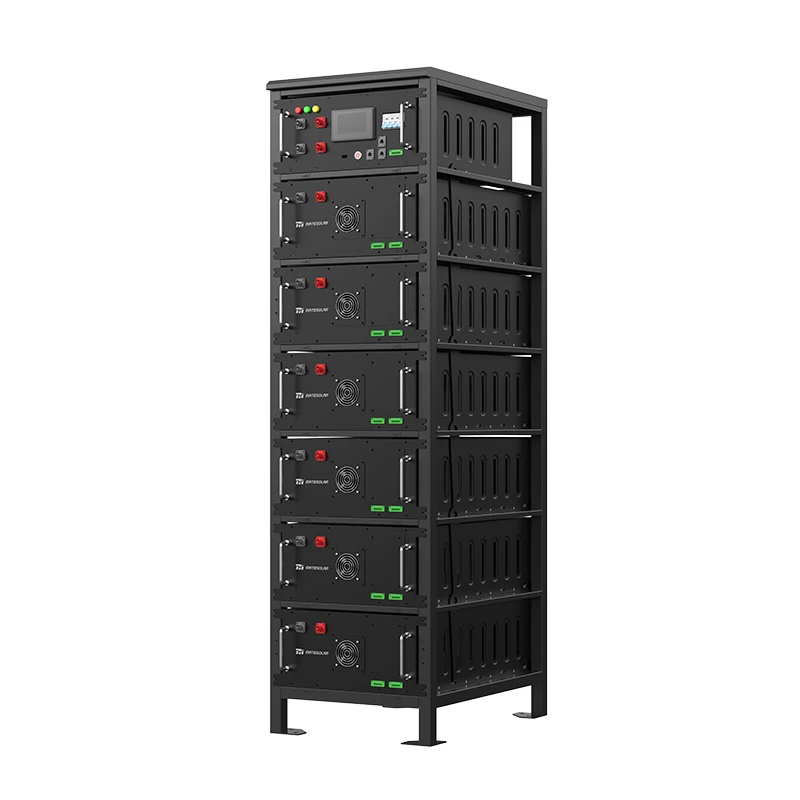
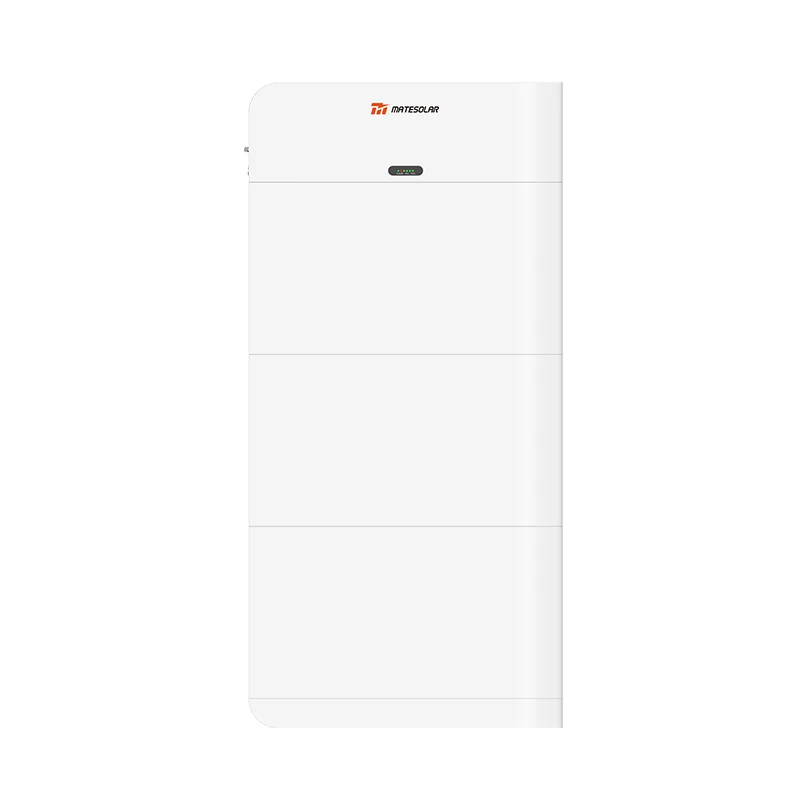
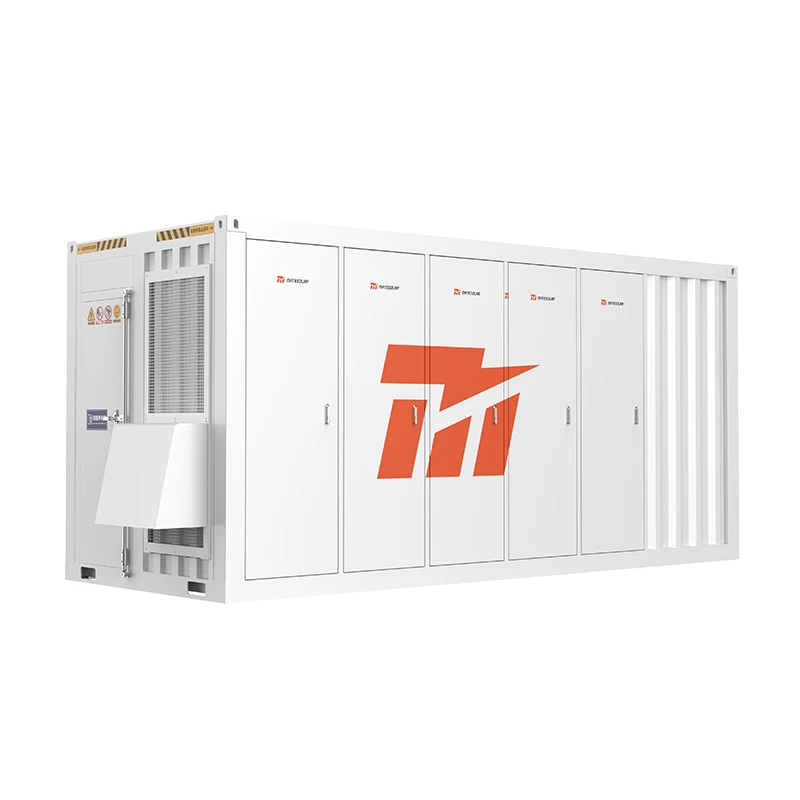
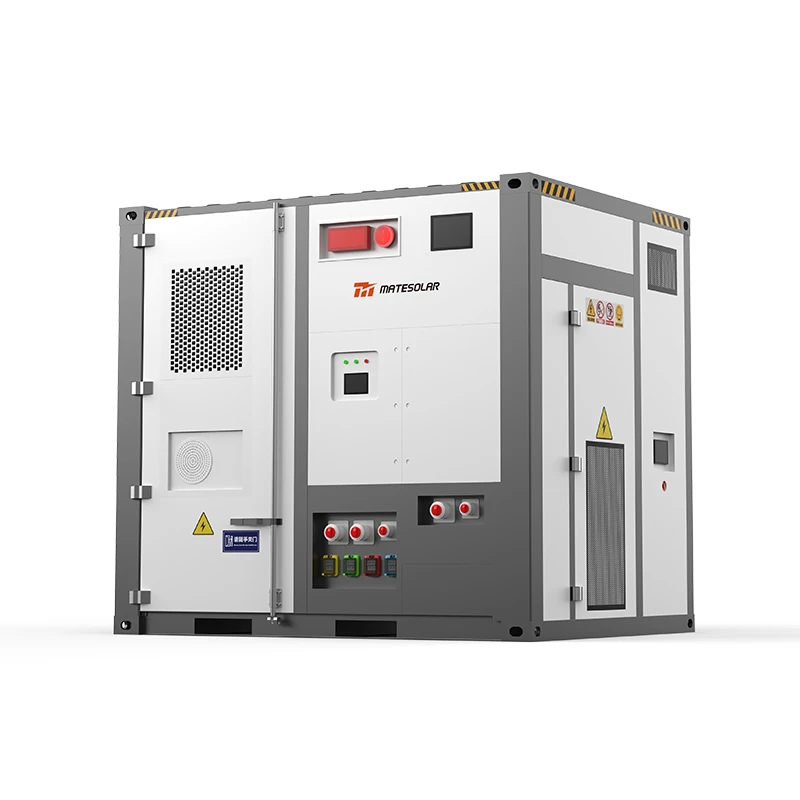


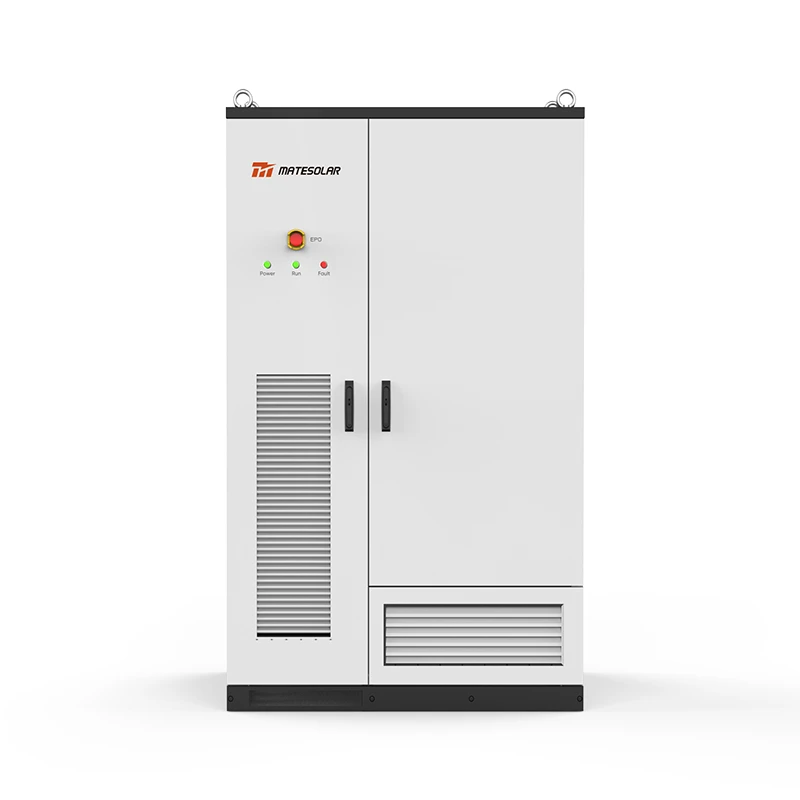

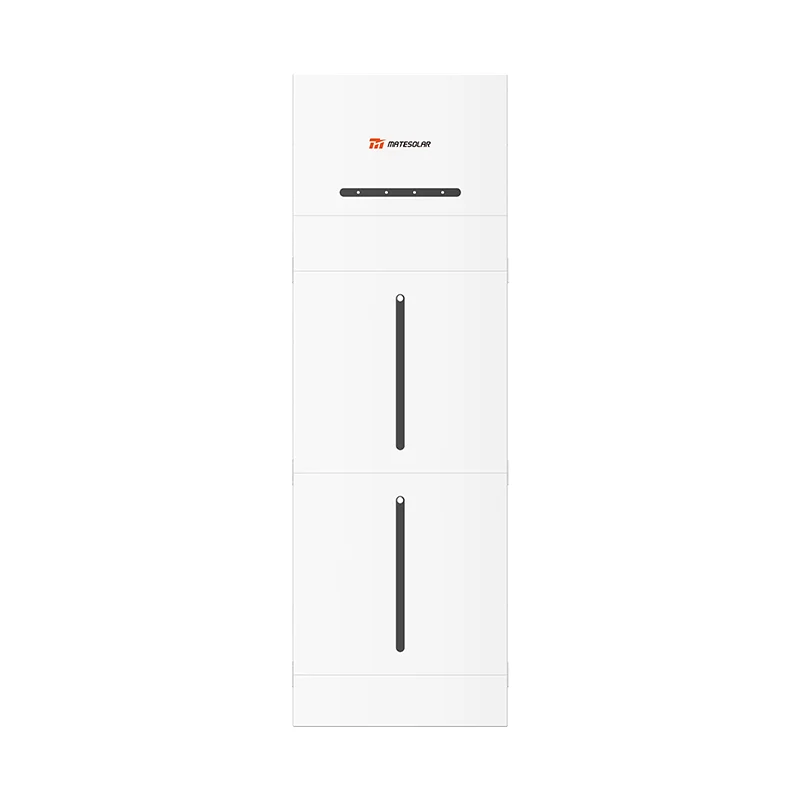
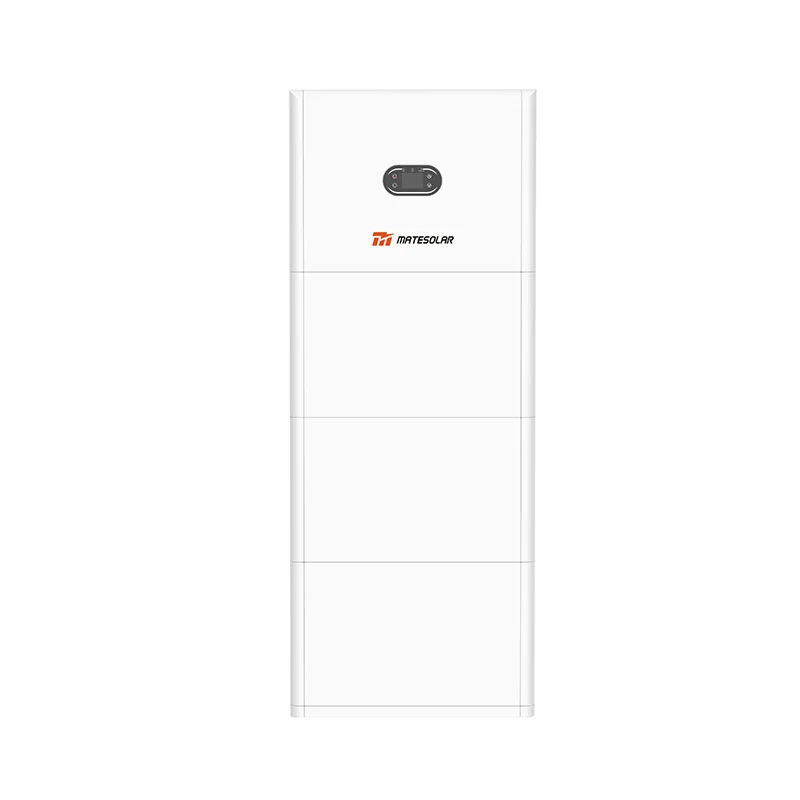
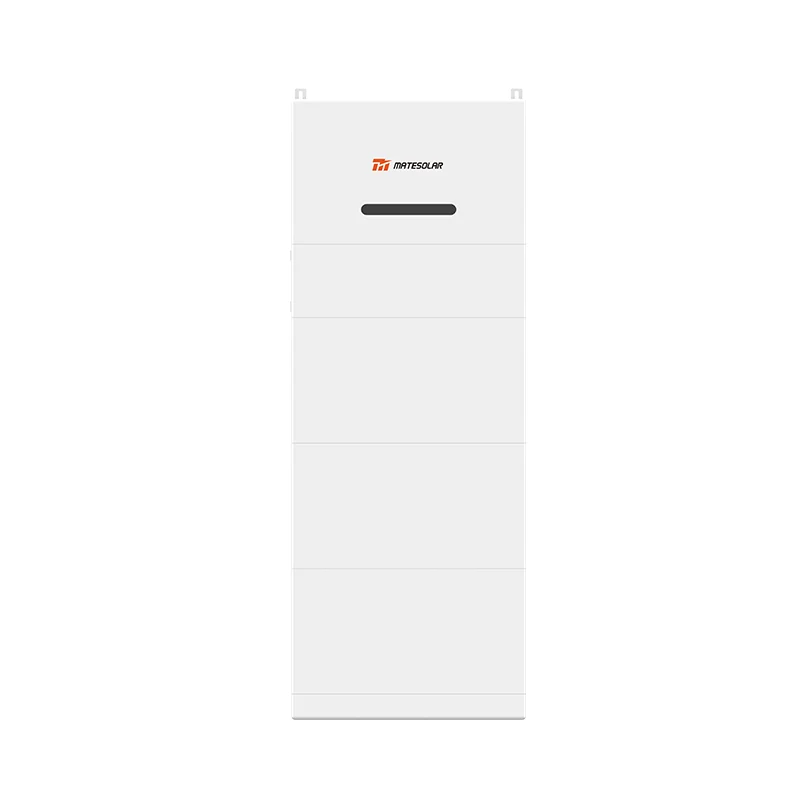
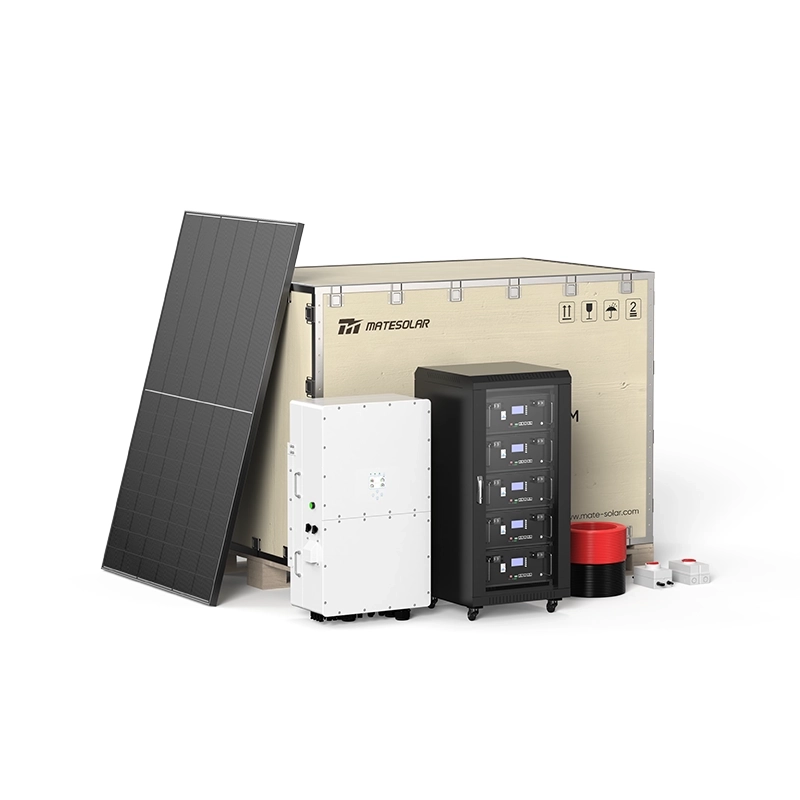
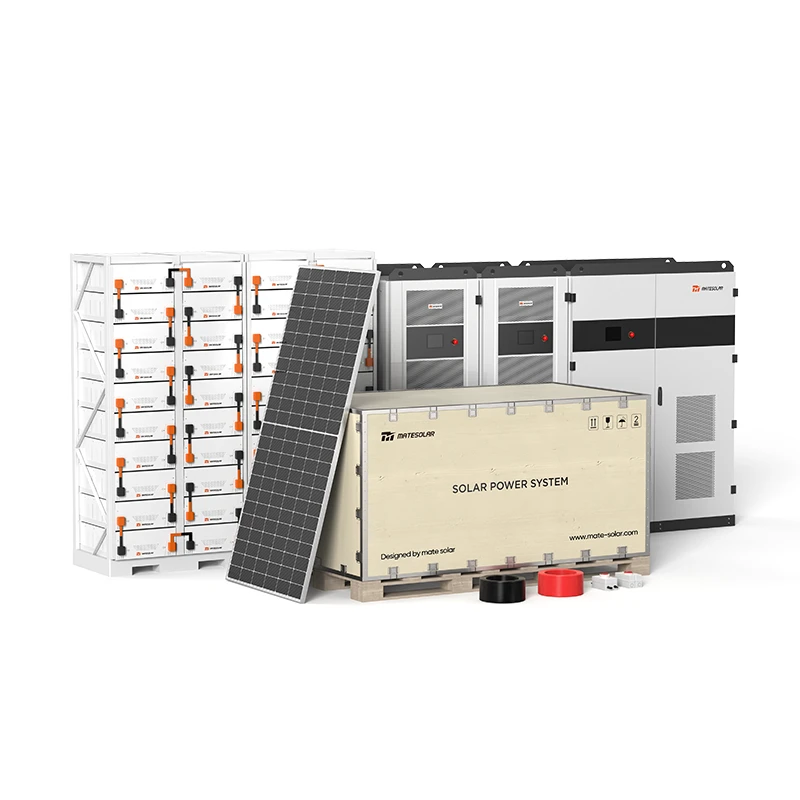

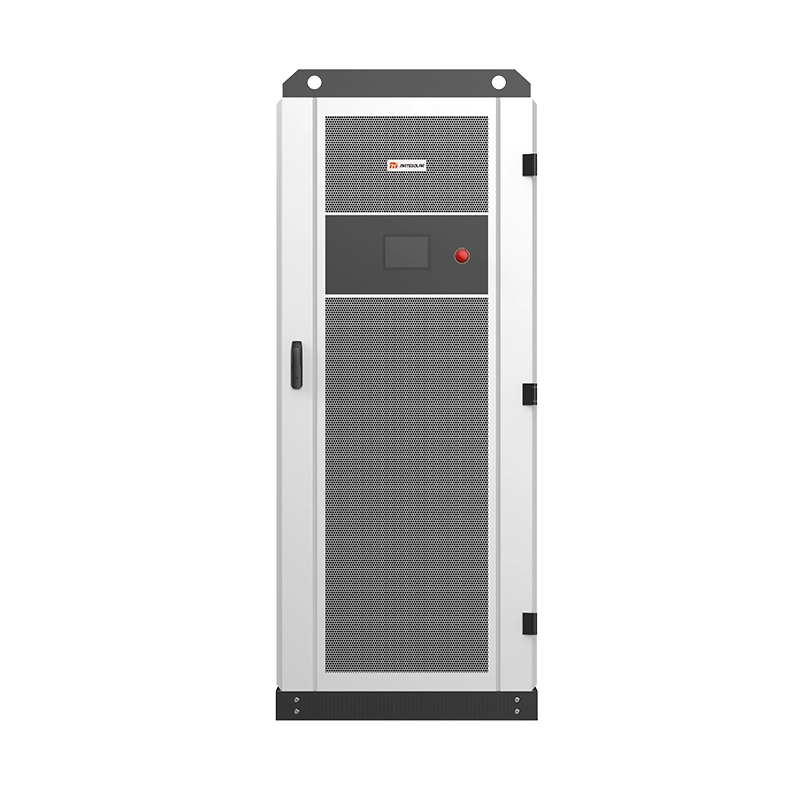
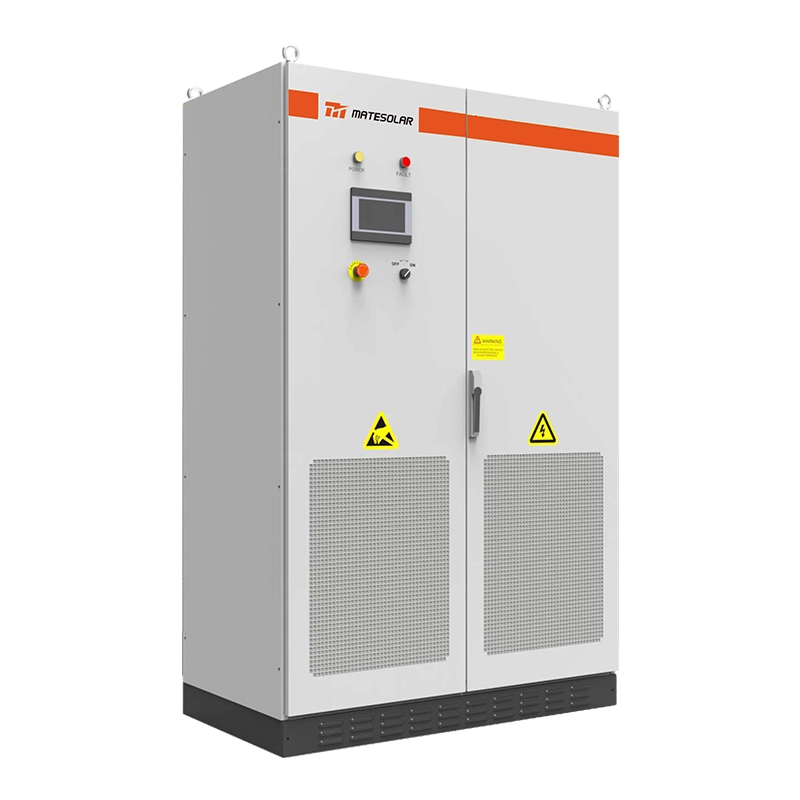
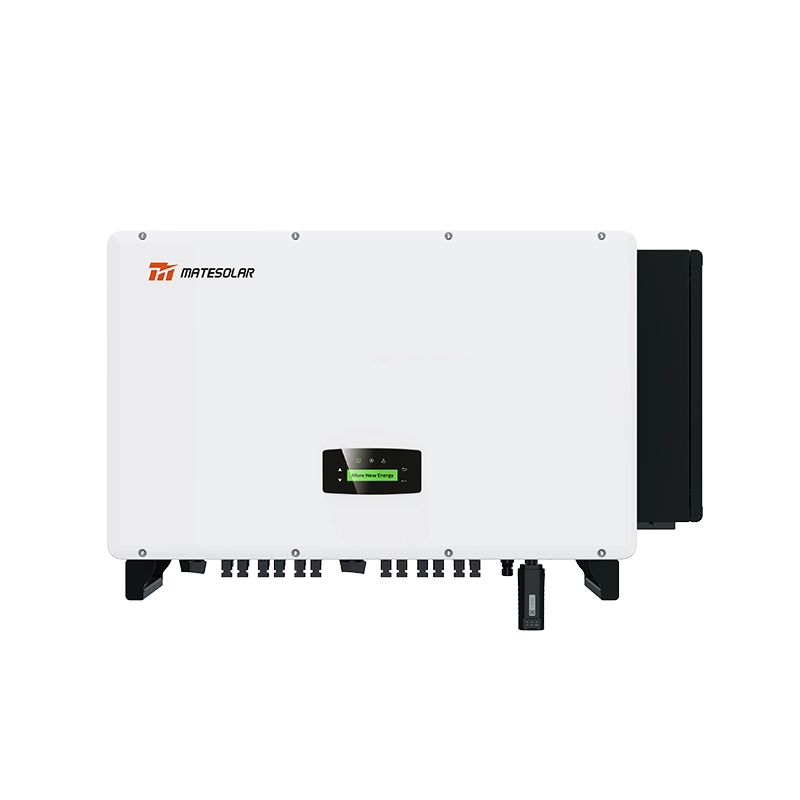
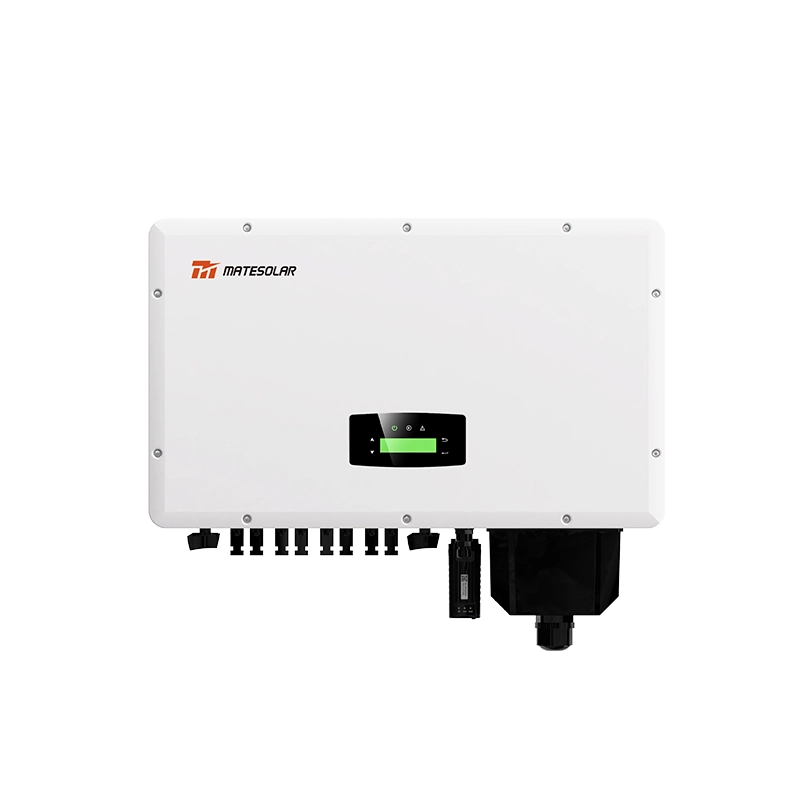


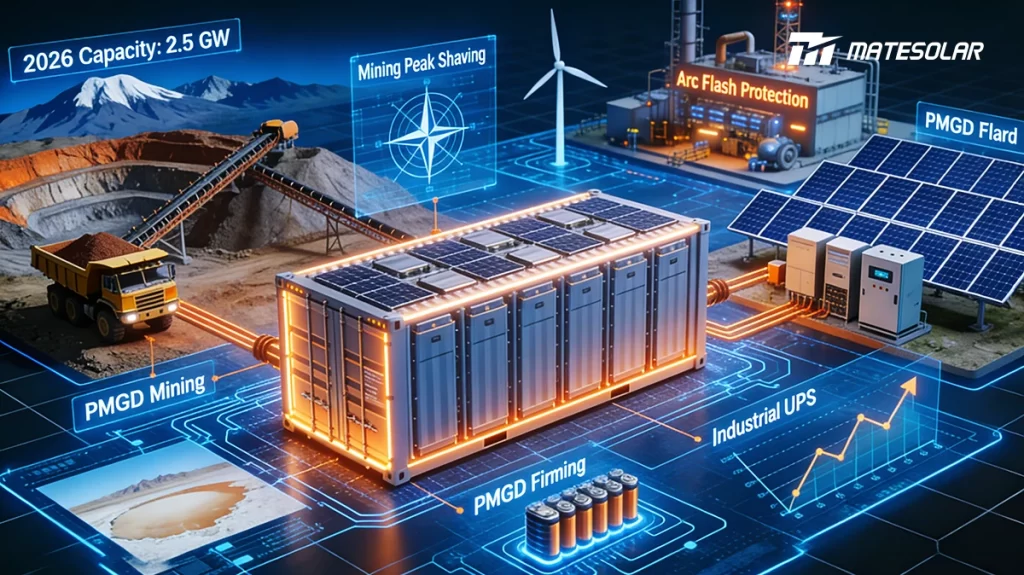
Un guide complet couvrant la décarbonisation de l'exploitation minière (mandats 2030), l'hybridation du PMGD sous DS88, l'arbitrage énergétique à l'échelle industrielle, la résilience environnementale du désert d'Atacama et la demande émergente des centres de données et de l'hydrogène vert.
Résumé
En avril 2026, le Chili s'impose comme le leader incontesté de la révolution du stockage d'énergie en Amérique latine. Avec plus de 1 700 MW de batteries déjà en opération, environ 600 MW en phase de test, et 846 MW / 2 872 MWh supplémentaires en cours de mise en service, le marché chilien du stockage d'énergie n'a pas seulement atteint son objectif de 2 GW pour 2030, il l'a dépassé près de deux ans à l'avance.. Sous l'administration du président Kast, qui a fait du stockage une priorité de politique énergétique nationale, le pays s'est fixé des objectifs considérablement élargis : environ 9 000 MW de capacité de stockage d'ici 2027 et environ 14 000 MW d'ici 2030..
L'ascension du Chili en tant que puissance mondiale du stockage d'énergie n'est pas accidentelle. Elle est le fruit du cadre réglementaire le plus sophistiqué d'Amérique latine — une architecture juridique soigneusement construite comprenant la loi 20.936 (2016), la loi 21.505 (2022) et les modifications du paiement de capacité du DS70 — qui est maintenant affinée par la modernisation du DS125 (régime d'exploitation du système et de coordination du stockage) et du DS88 (régime de génération distribuée PMGD).. Pendant ce temps, l'adoption du cadre des crédits carbone de l'article 6.2 de l'Accord de Paris a ouvert une toute nouvelle source de revenus pour les projets de stockage par batteries, les projets Diego de Almagro Sur de Colbún (228 MW / 912 MWh) et Arena de CIP (220 MW / 1 100 MWh) ayant déjà été approuvés pour générer et vendre des crédits carbone..
Ce document s'adresse à cinq publics distincts, chacun confronté à des défis uniques :
1. Exploitants miniers (Codelco, BHP, Anglo American, Antofagasta Minerals) doivent se conformer à l'obligation d'approvisionnement en énergie propre « 100% » d'ici 2030, ce qui nécessite des solutions techniques permettant de fournir de l'énergie renouvelable 24 heures sur 24, 7 jours sur 7, dans des conditions désertiques extrêmes.
2. Propriétaires d'installations commerciales et industrielles (chaînes de distribution, immeubles de bureaux, parcs industriels) cherchant à naviguer dans le paysage réglementaire PMGD en évolution et à capturer les différentiels de prix de l'électricité entre les pics et les creux.
3. Les entrepreneurs EPC, les développeurs de projets et les producteurs d'électricité indépendants (IPP) cherche à participer au marché massif de l'hybridation PMGD-plus-batterie — une base installée de 3 900 MW d'actifs PMGD existants attendant des modernisations par des batteries.
4. Secteurs industriels à forte croissance—centres de données (dont la demande devrait atteindre 1 360 MW d'ici 2032), producteurs d'hydrogène vert et exploitants de désalinisation d'eau de mer — nécessitant une alimentation verte garantie 24h/24 et 7j/7 avec des capacités de réponse à la milliseconde.
5. Financiers internationaux, gestionnaires d'actifs et investisseurs institutionnels exigeant des certifications bancables (UL9540, IEC62619), des mécanismes vérifiables de crédits carbone et des données de performance auditées dans des conditions environnementales extrêmes.
Chaque section de ce document est structurée comme une note technique autonome, comprenant des tableaux de données, des modèles de retour sur investissement, des calendriers réglementaires et des solutions exploitables. Des références croisées sont fournies lorsque les thèmes se recoupent.
Première partie : Le marché chilien du stockage d'énergie en 2026 — Données, objectifs et moteurs structurels
1.1 Capacité installée actuelle et objectifs 2027–2030
L'ampleur du déploiement du stockage au Chili s'est accélérée plus rapidement que prévu par toutes les prévisions de l'industrie. En mars 2026, le Coordinateur national de l'électricité signale plus de 1 700 MW de batteries en service, avec environ 600 MW en phase de test.. Compte tenu des 846 MW / 2 872 MWh supplémentaires de projets de stockage en cours de mise en service en novembre 2025, le ministère de l'Énergie anticipe que le Chili a déjà atteint son objectif initial de 2 GW de capacité de stockage cumulée pour 2030..
La nouvelle administration a réagi avec des ambitions considérablement accrues. Selon les projections présentées par l'équipe de politique énergétique du gouvernement, les objectifs de capacité de stockage ont été révisés à environ 9 000 MW d'ici 2027 et à environ 14 000 MW d'ici 2030.. Cela représente une augmentation de 4,5 fois par rapport aux niveaux opérationnels actuels en un peu plus d'un an.
Tableau 1 : Marché du stockage d'énergie au Chili — Situation actuelle et projections futures (Avril 2026)
| Métrique | Valeur | Source / Date |
| Capacité opérationnelle de BESS | 1 700 MW | CEN, mars 2026 |
| BESS en tests | ~600 MW | CEN, mars 2026 |
| Capacité cumulée (y compris la mise en service) | 1,474 GW / 6,1 GWh | Ministère de l'Énergie, nov. 2025 |
| Supplémentaire lors de la mise en service | 846 MW / 2 872 MWh | Ministère de l'Énergie, nov. 2025 |
| Approbation environnementale accordée (avril 2024) | 2,78 GW | ACERA |
| En cours d'examen environnemental | 6,06 GW | ACERA |
| Cible 2027 | ~9 000 MW | Projections pour l'administrateur Kast |
| objectif 2030 | ~14 000 MW | Projections pour l'administrateur Kast |
| objectif 2030 (administration précédente) | 2 GW (achevé début 2026) | CNG d'origine |
1.2 La crise de l'effacement — Pourquoi le stockage n'est pas une option
Pour comprendre pourquoi le Chili est devenu un leader mondial dans le déploiement des systèmes de stockage, il faut d'abord saisir l'ampleur de la crise liée à la limitation de la production d'énergie renouvelable dans ce pays. La capacité de production d'énergie renouvelable du Chili a atteint 69% de la capacité totale installée et devrait dépasser les 70% d'ici début 2026.. Cependant, l'infrastructure de transmission n'a pas suivi le rythme. La production solaire est concentrée dans la région septentrionale de l'Atacama, tandis que les principaux centres de consommation sont situés dans les régions centrale et méridionale, à plus de 1 500 kilomètres de distance.
En 2025, les restrictions de production d’énergie renouvelable ont dépassé les 6 TWh. Il est important de noter que l’ACERA estime que sans les systèmes de stockage par batterie déjà opérationnels, ces restrictions auraient atteint 8 TWh, soit une augmentation de 43% par rapport à l’année précédente, au lieu de l’augmentation réelle de 8%.. En d'autres termes, le stockage a directement absorbé environ 2 TWh de production renouvelable autrement perdue.
Il ne s'agit pas d'un problème marginal. C'est une condition structurelle qui a fondamentalement remodelé l'économie du stockage. Dans le système d'interconnexion du nord de Sing, la saturation solaire diurne fait chuter les prix de l'électricité à des niveaux proches de zéro, voire négatifs, tandis que les prix du soir grimpent car la production thermique (principalement diesel et gaz naturel) doit combler le déficit. Cela crée l'un des environnements d'arbitrage de prix les plus attractifs pour le stockage par batterie au monde.
1.3 Pipeline d'Investissement et Financement de Projet
L'ampleur des investissements est à la hauteur de l'ambition. Le plan de " déblocage " des projets énergétiques chiliens, d'un montant de $16,3 milliards de dollars, consacre environ 34% aux systèmes de stockage d'énergie par batterie. Pour la seule année 2025, 73 projets de batteries étaient prévus, avec 30 systèmes de stockage en cours de construction représentant un investissement de US$4.221 milliards. En 2025, 34 demandes supplémentaires d'étude d'impact environnemental concernant des installations de stockage par batterie ont été déposées ; 29 projets ont obtenu l'autorisation environnementale, ce qui représente un investissement prévu supérieur à $4,9 milliards de dollars américains..
Tableau 2 : Grands projets de BESS sélectionnés au Chili (2025-2027)
| Nom du projet | Capacité | Développeur / Propriétaire | État | Caractéristique clé |
| Plateforme Oasis d'Atacama | 1,1 GW d'énergie solaire + 4 GWh de stockage | Grenergy + BYD | Activités 2026-2027 | Investissement US$900M ; 468 unités MC Cube-T |
| BESS du Désert | 200 MW / 880 MWh | Atlas + Sungrow | COD Avril 2025 | C5 anti-corrosion, protection anti-poussière IP65 |
| Diego de Almagro Sud | 228 MW / 912 MWh | Colbún | Piles arrivant en 2026 | Article 6.2 crédit carbone approuvé |
| BESS Arena | 220 MW / 1 100 MWh | Copenhagen Infrastructure Partners | Approuvé | Article 6.2 crédit carbone approuvé |
| Plateforme Central Oasis | 1,1 GW d'énergie solaire + 4 GWh de stockage | Grenergy | 2026–2027 | Fait partie de la région plus vaste de l'Oasis d'Atacama |
| Gabriela phase | 272 MW solaire + 1,1 GWh de stockage | Grenergy | Mise en service en février 2026 | Phase « Oasis de l'Atacama » |
| Monte Águila | 340 MW d'énergie solaire + 960 MWh de stockage | Grenergy pour Codelco | Opérations de 2026 | 0,5 TWh d'électricité verte 24h/24, 7j/7 |
Deuxième partie : L'architecture réglementaire — Pourquoi le Chili offre le cadre le plus favorable au financement des projets de stockage en Amérique latine
La compréhension du cadre réglementaire chilien est indispensable pour tout acteur sérieux du marché. Il s'agit du facteur déterminant par excellence pour la rentabilité des projets, les possibilités de cumul des revenus et la bancabilité à long terme.
2.1 Le cadre juridique de base
L'évolution de la réglementation chilienne en matière de stockage d'énergie a suivi une trajectoire mûrement réfléchie, s'étalant sur plusieurs années :
Loi 20.936 (2016) — Première législation chilienne à distinguer les systèmes de stockage d'énergie de la production conventionnelle, jetant ainsi les bases conceptuelles de leur participation au marché.
Loi n° 21.505 (2022) — " Loi sur le stockage et la mobilité électrique " — La législation historique qui a explicitement autorisé les systèmes autonomes de stockage d'énergie par batterie à participer aux marchés de gros de l'électricité, à accéder aux paiements de capacité et à générer des revenus d'arbitrage d'énergie. Cette loi a fondamentalement transformé le stockage, passant d'une technologie de niche à une classe d'actifs grand public.
Décret Suprême 70 (DS70) — Modification des règles relatives aux paiements de capacité afin de définir une méthodologie d'évaluation explicite pour les systèmes de stockage d'énergie par batterie (BESS) indépendants, y compris des facteurs de déclassement visant à encourager le stockage de longue durée (les systèmes d'une durée de plus de 5 heures bénéficient d'un crédit de capacité de 100%).
2.2 L'agenda réglementaire 2026 : modernisation des DS125 et DS88
En avril 2026, les développements réglementaires les plus importants sont les modifications en cours apportées aux décrets suprêmes DS125 et DS88, qui définiront les règles du marché pour le reste de la décennie.
DS125 (Opération et coordination du stockage du système) — Ce décret traite des questions liées à l'exploitation du système et au développement du stockage. Les modifications proposées bénéficient d'un large consensus technique car elles permettent au stockage de réduire les limitations et d'améliorer la flexibilité du système.. Les éléments clés comprennent des règles pour la gestion coordonnée des actifs de stockage, des mécanismes de compensation pour les écarts de dispatch économique (basés sur les principes du coût d'opportunité) et l'intégration du stockage dans les services de stabilité du réseau.
DS88 (Régime de Production d'Électricité Distribuée) — Ce décret apporte des modifications plus spécifiques au régime PMGD pour les petites installations de génération distribuée (maximum 9 MW). La disposition la plus importante en discussion est l'autorisation explicite de l'hybridation — permettant aux centrales solaires PMGD existantes d'ajouter du stockage par batterie et de fonctionner comme des installations hybrides, déplaçant la production vers des périodes de tarification dynamique de plus grande valeur sans nécessiter d'investissements supplémentaires importants dans les réseaux..
État actuel en avril 2026 : Les deux projets de décrets ont été soumis à l'approbation finale du contrôleur général fin 2025, puis retirés par la nouvelle administration pour examen en mars 2026.. L'association professionnelle GIE (Generadores Independientes de Energía) a présenté des observations techniques, soulignant que, si les dispositions relatives au stockage figurant dans la DS125 font l'objet d'un large consensus, les implications économiques liées au PMGD dans la DS88 nécessitent une analyse plus approfondie..
Pour les investisseurs et les développeurs, le message clé est que l'hybridation est presque certainement en route — la justification technique et politique est écrasante. Le calendrier pour l'approbation finale est prévu pour le second semestre 2026, suivi des dispositions de mise en œuvre.
2.3 Mécanismes de Paiement de la Capacité — Pourquoi la Durée est Importante
Le dispositif chilien de rémunération de la capacité, mis en place par le biais de modifications apportées à la loi générale sur les services d'électricité en 2024, offre une incitation financière directe en faveur du stockage à long terme. Ce mécanisme fonctionne selon un barème dégressif :
| Durée du stockage | Pourcentage de crédit de capacité |
| 1 heure | 36% |
| 2 heures | Environ 50% |
| 3–4 heures | 75–85% |
| 5 heures et plus | 100% |
Cette structure à plusieurs niveaux explique pourquoi le marché chilien s'est rapidement orienté vers des systèmes d'une durée de 4 à 5 heures. Aurora Energy Research confirme que les batteries d'une durée de 5 heures, avec un cycle par jour, constituent la solution la plus rentable, permettant de capter plus de 70% d'heures à prix zéro tout en donnant droit à l'intégralité des paiements de capacité jusqu'en 2034..
2.4 Article 6.2 Cadre des crédits carbone — Nouvelle source de revenus pour les BESS
Dans un développement qui a fondamentalement modifié l'économie du stockage au Chili, le ministère de l'Environnement a établi un cadre réglementaire en vertu de l'article 6.2 de l'Accord de Paris pour la génération et la vente de crédits carbone issus de projets de stockage d'énergie par batterie..
Deux projets ont déjà reçu l'approbation :
- BESS Diego de Almagro Sur de Colbún (228 MW / 912 MWh) — approuvé pour générer des résultats de réduction transférables à l'international
- La BESS Arena de CIP (220 MW / 1 100 MWh) — également approuvé dans le cadre de l'accord bilatéral entre le Chili et la Suisse
Ces autorisations marquent la première fois que le stockage d'énergie par batterie est explicitement reconnu comme une activité d'atténuation éligible au titre de l'article 6.2. Ce mécanisme consiste à attribuer des crédits aux projets de stockage qui permettent de remplacer la production d'électricité à partir de combustibles fossiles pendant les heures de pointe, réduisant ainsi les émissions globales du réseau. La valeur totale des projets mis en œuvre dans ce cadre dépasse US$1 milliard.
Pour les développeurs et les propriétaires de systèmes de stockage d'énergie par batterie (BESS), cela représente une source de revenus supplémentaire importante susceptible d'améliorer sensiblement le taux de rentabilité interne (TRI) des projets, en particulier pour les projets de stockage autonomes à grande échelle situés dans le nord de la région de Sing, où le remplacement de la production au diesel aux heures de pointe permet de réaliser les plus fortes réductions d'émissions.
Troisième partie : Secteur minier — Résoudre le mandat de décarbonisation 24/7
Le secteur minier chilien représente environ 9% de la consommation totale d'électricité du pays. Codelco, le plus grand producteur mondial de cuivre, s'étant engagé à s'approvisionner à 100% en énergie renouvelable pour son réseau électrique d'ici 2030, le secteur minier n'est pas seulement un client des systèmes de stockage d'énergie ; il est le principal catalyseur du déploiement de solutions BESS avancées et à grande échelle.
3.1 Le mandat de conformité — Ce dont les sociétés minières ont réellement besoin
L'échéance de 2030 n'est pas un simple objectif ; il s'agit d'un engagement contractuel. Codelco a obtenu un financement climatique de US$600 millions auprès de HSBC et de Banco Santander, garanti par l’Agence multilatérale de garantie des investissements de la Banque mondiale, spécifiquement destiné à financer sa transition vers un mix énergétique composé à 100% d’énergies renouvelables d’ici 2030. Au 1er janvier 2026, plus de 85% de l'énergie électrique consommée par Codelco provient de sources renouvelables à hauteur de 100%. Les 15% restants correspondent à la partie la plus difficile à réduire — et c'est précisément là que le stockage par batterie devient indispensable.
L'exigence technique fondamentale du secteur minier n'est pas l'énergie renouvelable en soi, mais une énergie renouvelable régulable, disponible 24 heures sur 24, 7 jours sur 7. La production solaire sans stockage ne peut pas répondre à la demande nocturne. La production éolienne est variable. Les activités minières fonctionnent en continu, 24 heures sur 24, 365 jours par an. Toute interruption ou réduction de l’approvisionnement en électricité a des conséquences économiques directes qui se chiffrent en millions de dollars par heure d’arrêt.
3.2 La Solution Éprouvée — Les PPA 24h/24 et 7j/7 Solaire Plus Stockage
L'industrie a déjà validé la solution technique grâce à des projets marquants.
Monte Águila (Grenergy pour Codelco) — Une centrale solaire photovoltaïque de 340 MW associée à un système de stockage par batterie de 960 MWh, dont le contrat prévoit de fournir à Codelco environ 0,5 TWh d'électricité verte stable tout au long de l'année, à compter de 2026. Le contrat d'achat d'électricité de 15 ans exige explicitement une livraison 24h/24 et 7j/7 – pas seulement une compensation annuelle des énergies renouvelables, mais une énergie verte continue et en temps réel. Ce projet fait partie de la plateforme plus large Oasis Central de Grenergy, qui envisage plus de 1,1 GW de solaire et 3,8 GWh de stockage..
Atlas Renewable Energy pour Codelco — Plusieurs contrats d’achat d’électricité (PPA), dont un projet « solaire + stockage » de 215 MW / 1,6 GWh (Estepa) et un contrat d’approvisionnement annuel de 375 GWh, démontrant que les installations solaires avec stockage à l’échelle industrielle constituent désormais le mode d’approvisionnement standard pour la décarbonisation du secteur minier, et non plus un projet pilote ou une exception.
Exigences techniques pour les systèmes de stockage d'énergie par batterie (BESS) de qualité minière
Les applications minières imposent des exigences au-delà de celles du stockage à l'échelle du réseau ou commercial :
Débit cyclique élevé — Les opérations minières exigent plusieurs cycles de charge-décharge quotidiens, et non un seul cycle. Les schémas de demande quotidienne varient en fonction des horaires de travail, de l'intensité du traitement et des teneurs en minerai. Les systèmes de stockage d'énergie par batterie (BESS) doivent gérer des cycles partiels, des cycles profonds et des schémas de dispatch irréguliers sans dégradation accélérée.
Capacité de redémarrage et indépendance du réseau — Les exploitations minières isolées du nord du Chili sont souvent raccordées à l'extrémité de longues lignes de transport d'électricité à faible puissance. Les systèmes de stockage d'énergie par batterie (BESS) doivent offrir une capacité de formation de réseau (et pas seulement de suivi du réseau) afin de maintenir une alimentation stable en cas de perturbations sur le réseau de transport, ainsi qu'une capacité de redémarrage autonome pour rétablir le fonctionnement après une coupure totale du réseau.
Intégration transparente avec l'infrastructure électrique minière existante — Les mines disposent de systèmes d'alimentation électriques complexes : générateurs diesel, raccordements au réseau, parcs solaires sur site et systèmes de gestion de la charge. Les BESS doivent s'intégrer via des protocoles de communication standardisés (IEC 61850, Modbus TCP/IP, DNP3) aux systèmes de contrôle existants.
Tableau 3 : Spécifications techniques des systèmes de stockage d'énergie pour les mines — Requises vs standard
| Paramètres | Système standard de stockage d'énergie par batterie commercial | Exigence de qualité minière |
| Durée de vie cyclique (@80% EOL) | 6 000 à 8 000 cycles | 10 000+ cycles |
| Efficacité de l'aller-retour | 85–88% | 90%+ |
| Temps de réponse (pleine puissance) | 100–200 ms | <50 ms (mode de formation de grille) |
| Plage de température de fonctionnement | 0°C à 40°C | -10°C à 50°C (Désert d'Atacama) |
| Protection du boîtier | IP54 typique | IP65 minimum (étanchéité à la poussière) |
| Protection contre la corrosion | C3–C4 | C5 (corrosion saline élevée/désertique) |
| Mode de support de grille | À grille pilotée | Formation de réseaux avec redémarrage en cas de délestage |
| Redondance des communications | Chemin unique | Double redondance (fibre + sauvegarde cellulaire) |
3.4 Modèle de retour sur investissement — Exploitation d'un système de stockage d'énergie par batteries (BESS) dans le cadre d'un contrat d'achat d'électricité d'origine propre 24h/24 et 7j/7
Le modèle suivant utilise des données réelles sur les prix des nœuds au Chili issues du système SING (avril 2026) et est basé sur la structure du projet Monte Águila :
Hypothèses :
- Puissance de l'installation : 50 MW / 250 MWh (durée de 5 heures, éligible au crédit de capacité 100%)
- Coût d'investissement : US$300/kWh (batterie + onduleur + intégration + installation)
- Vélo quotidien : 1,2 cycle complet (couvrant le pic matinal, le creux solaire, le pic vespéral)
- Captage d'énergie : 851 TP3T d'énergie solaire non injectée en milieu de journée (prix quasi nul)
- Consommation d'énergie : pic du soir (US$110–140/MWh) et pic du matin (US$90–105/MWh)
- Recettes liées aux paiements de capacité : calculées sur la base d'un facteur de déclassement de 100% sur 5 heures
- Exploitation et maintenance : 1,51 TP3T de coûts d'investissement par an
Tableau 4 : Système BESS minier de 5 heures — Répartition annuelle des revenus
| Flux de recettes | Valeur (US$/MW-an) | Notes |
| Arbitrage d'énergie (principal) | $95 000 – $125 000 | Sur la base de l'écart moyen des nœuds SING de $85–105/MWh |
| Paiements de capacité | $45 000 – $55 000 | Crédit complet à 5 heures de durée |
| Évité la production d'électricité au diesel | $20 000 – $35 000 | Compensation du diesel de secours lors d'événements sur le réseau |
| Chiffre d'affaires annuel total | $160 000 – $215 000 | Crédit carbone prépayé |
| Crédit carbone (Article 6.2) | $8 000 – $15 000 | Augmentation supplémentaire des recettes liées au modèle 5–10% |
Taux de rentabilité interne (IRR) prévu : 14–18% sur une durée de 15 ans du contrat d'achat d'électricité (avant prise en compte des crédits carbone), pouvant atteindre 16–22% avec la monétisation des crédits carbone.
Ces résultats concordent avec ceux d’une étude indépendante menée par EDF Power Solutions et Centra, qui a conclu que des taux de rendement interne d’environ 16% étaient réalisables pour le stockage à long terme au Chili.
Partie quatre : Production d'électricité distribuée PMGD - L'opportunité d'hybridation
Le régime des PMGD (Petits Moyens de Génération Distribuée) couvre les petites installations de production distribuée jusqu'à 9 MW. Ce segment a accumulé plus de 3 900 MW de capacité installée, couvrant les PMGD connectés au réseau de distribution et les installations PMG connectées au réseau de transport..
4.1 L'opportunité de marché – 3 900 MW de potentiel de modernisation
Chaque centrale solaire PMGD fonctionnant aujourd'hui est candidate à l'hybridation par batterie. La proposition de valeur est simple : les centrales PMGD reçoivent des prix stabilisés, mais ne peuvent pas décaler la production des heures de faible valeur du milieu de journée vers les heures de valeur plus élevée du matin ou du soir. L'ajout de stockage par batterie transforme un générateur passif en un actif de gestion active de l'énergie capable de décaler la production de 4 à 5 heures.
L'association professionnelle GIE a déclaré que l'autorisation de l'hybridation entre les PMGD et les batteries "peut devenir l'un des moyens les plus efficaces d'accroître la flexibilité du système", permettant de décaler la production vers les heures de plus grande valeur et d'améliorer l'efficacité globale sans nécessiter d'investissements supplémentaires importants dans les réseaux..
La contribution systémique du PMGD associé au stockage pourrait dépasser $4,0 milliards de dollars américains d'ici 2034 si les conditions de développement adéquates sont maintenues.
4.2 Le DS88 — L'incertitude réglementaire et ce qu'elle signifie pour votre investissement
Le parcours réglementaire a été plus compliqué que ce qu'espérait l'industrie. Les deux projets de décrets DS125 et DS88 ont été soumis au Contrôleur Général fin 2025, puis retirés en mars 2026 par la nouvelle administration Kast pour un examen supplémentaire..
Le cœur des préoccupations de l'industrie, tel qu'exprimé par le GIE, ne concerne pas les dispositions techniques de stockage (qui font l'objet d'un large consensus), mais les changements économiques proposés au régime des PMGD, en particulier la manière dont les réductions de production sont gérées dans les scénarios de congestion.. La question n'est pas de savoir s'il faut des mécanismes opérationnels – tous les systèmes électriques en ont – mais comment ils sont conçus pour résoudre les problèmes techniques sans générer d'effets économiques disproportionnés sur les projets financés dans certaines conditions réglementaires.
Guide pratique pour les propriétaires de PMGD envisageant l'hybridation :
1. Poursuivre la planification du projet mais retarder les engagements de capital majeurs jusqu'à ce que le DS88 soit finalisé. La direction réglementaire est claire : l'hybridation sera autorisée. L'incertitude concerne les paramètres économiques précis.
2. Sélectionnez des solutions BESS avec des plateformes EMS pouvant être mises à niveau par logiciel. Lorsque les règles finales DS88 seront publiées, les exigences en matière de planification de la répartition, de priorité de réduction et de règlement des revenus peuvent nécessiter des modifications de l'EMS. Les solutions dotées de logiciels de contrôle pouvant être mis à niveau sur le terrain peuvent s'adapter sans modification matérielle.
3. Conception pour plusieurs scénarios de revenus. Le DS88 final peut permettre l'accumulation de revenus (arbitrage + capacité + services auxiliaires) ou limiter le PMGD+BESS à des modes de dispatch spécifiques. Les architectures de systèmes modulaires avec une logique de contrôle flexible peuvent s'adapter à l'un ou l'autre résultat.
4.3 Intégration technique — Rétrofit des centrales PMGD sur jeux de barres basse tension 400V
Les centrales PMGD sont généralement interconnectées au niveau de la distribution, avec des onduleurs connectés à une barre omnibus basse tension de 400 V ou 13,2 kV. L'ajout de batteries nécessite une intégration soignée au même niveau de tension.
Considérations techniques clés pour l'intégration de PMGD+BESS :
- Évaluation de la capacité des transformateurs — L'ajout de la charge de recharge de batterie peut dépasser la capacité existante du transformateur élévateur, nécessitant une mise à niveau ou un remplacement.
- Coordination de la protection — Les flux de puissance inversés dus à la décharge de la batterie nécessitent des réglages de relais de protection mis à jour pour éviter les déclenchements intempestifs.
- Comptage et règlement — Les nouvelles configurations de comptage bidirectionnel doivent faire la distinction entre la production PV, la décharge de la batterie et l'exportation nette vers le réseau.
- Intégration de systèmes de contrôle La EMS doit coordonner la sortie des onduleurs PV avec le chargement/déchargement de la batterie pour optimiser les revenus tout en respectant les limites de connexion au réseau.
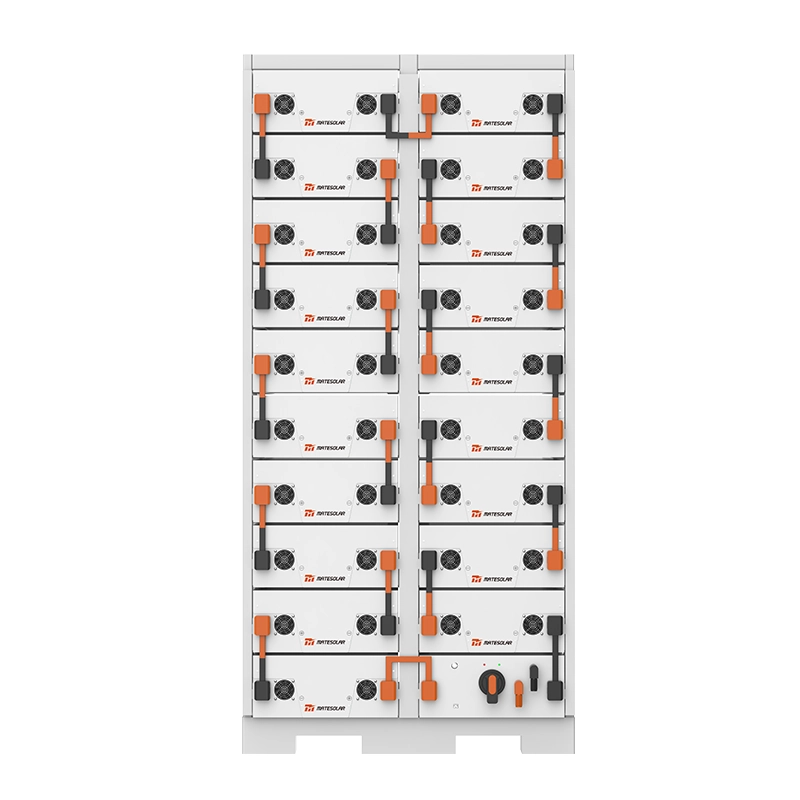
Approche éprouvée : Un système d'arbitrage photovoltaïque de 4,6 MW / 12 MWh a été livré avec succès au Chili en utilisant des groupements d'armoires modulaires intégrés au bus basse tension de 400V. Quarante-six armoires modulaires ont été déployées, démontrant que les architectures modulaires et distribuées peuvent gérer efficacement les exigences d'intégration de l'hybridation à l'échelle PMGD. Cette approche est particulièrement adaptée au marché de la rénovation car elle ne nécessite pas de reconfiguration des onduleurs photovoltaïques existants : le BESS se connecte en parallèle au même bus basse tension et fonctionne indépendamment sous le contrôle coordonné de l'EMS.
4.4 Modèles de revenus sous DS88 — Ce qui sera autorisé
Bien que les réglementations finales soient en attente, le cadre de revenus attendu pour les PMGD+BESS comprend :
1. Arbitrage temporel d'énergie — Recharge pendant les périodes de surproduction solaire où les prix sont bas (en milieu de journée), décharge pendant les périodes en soirée où les prix sont plus élevés. Marge prévue : US$50–80/MWh net après déductions.
2. Éviter les coupures — Lorsque le coordinateur du réseau émet des instructions de réduction de puissance aux centrales PMGD en raison de la congestion, l'énergie stockée peut être déchargée pendant la même période de réduction plutôt que d'être perdue.
3. Participation au marché de capacité — Si les PMGD+BESS sont considérés comme des ressources de stockage indépendantes selon la DS88, des paiements de capacité pourraient être accessibles (bien qu'à des facteurs de déclassement probablement réduits par rapport au stockage connecté au réseau de transport).
4. Support du réseau de distribution — Indemnisation potentielle pour le soutien de tension et le soulagement de la congestion au niveau de la distribution (mécanisme à définir dans la version finale du DS88).
Le cas d'investissement le plus conservateur suppose uniquement l'arbitrage énergétique. Le cas optimiste inclut les trois flux de revenus supplémentaires.
Tableau 5 : PMGD+BESS 5 MW / 20 MWh (4 heures) — Projection financière
| Métrique | Cas de base (Arbitrage uniquement) | Cas Optimiste (Tous les revenus) |
| Coût d'investissement (BESS + intégration) | US$1,8–2,2 M | US$1,8–2,2 M |
| Revenu annuel (Année 1) | $250 000 – $320 000 | $380 000 – $480 000 |
| Coût d'exploitation (O&M + dégradation) | $35 000 – $45 000 | $40 000 – $50 000 |
| Flux de trésorerie annuel net | $215 000 – $275 000 | $340 000 – $430 000 |
| Délai de récupération simple | 6,5–8,5 ans | 4,0–5,5 ans |
| TRI (durée de vie de 15 ans) | 8–11% | 14–18% |
Remarque importante sur les régions du Nord et du Sud : Aurora Energy Research a constaté que les projets de stockage par batterie restent constamment rentables de 2026 à 2060 dans les régions du nord, tandis que les régions du sud offrent des rendements immédiats plus élevés avant que les améliorations majeures de l'interconnexion ne réduisent la volatilité des prix locaux..
Cinquième partie : Stockage distribué commercial et industriel — Armoires extérieures pour applications de vente au détail, de bureaux et industrielles légères
Pour les propriétaires d'immeubles commerciaux, les chaînes de vente au détail et les installations industrielles légères, la proposition de valeur du stockage d'énergie est dictée par un ensemble de facteurs différents de ceux des applications à l'échelle des services publics ou de l'exploitation minière : gestion des frais de demande, écrêtage des pointes et alimentation de secours en cas de perturbations du réseau.
5.1 L'opportunité — Capturer l'important écart pic-vallée du Chili
La structure tarifaire de l'électricité au Chili rend le stockage d'énergie particulièrement intéressant d'un point de vue économique pour les clients commerciaux et industriels. Pour les clients commerciaux en moyenne tension (généralement des commerces de détail, des bureaux et des entrepôts), les frais liés à la demande représentent généralement entre 30 et 40% de la facture d'électricité totale, tandis que les frais liés à la consommation d'énergie couvrent le reste.
Les moteurs économiques clés pour le stockage C&I au Chili :
- Étalement d'énergie pic-à-creux — Dans la région SING (zones industrielles et minières du nord), l’écart entre les prix de la surproduction solaire en milieu de journée (proches de zéro, de l’ordre de US$15/MWh) et les prix de pointe en soirée (US$90–140/MWh) dépasse régulièrement US$80–100/MWh, ce qui offre des opportunités d’arbitrage intéressantes.
- Réduction de la charge de la demande — Pour les installations présentant une forte demande de pointe (commerces de détail, bureaux et industrie légère, par exemple), un système de stockage d'énergie par batterie (BESS) correctement dimensionné peut réduire la partie la plus élevée de la demande de pointe de 15 à 30%, ce qui permet de diminuer les frais mensuels liés à la demande de 20 à 40%.
- Valeur de secours de puissance — Bien que le réseau électrique chilien soit généralement fiable, la pénétration croissante des énergies renouvelables a introduit une nouvelle variabilité. Pour les opérations commerciales critiques (stockage frigorifique, vente au détail de produits alimentaires, bureaux dépendants des données), même de brèves coupures ont des coûts économiques élevés.
5.2 Le précédent réussi – Système d'arbitrage photovoltaïque de 4,6 MW / 12 MWh
Un système d'arbitrage photovoltaïque de 4,6 MW / 12 006 kWh a été livré avec succès et fonctionne au Chili, démontrant la viabilité commerciale du stockage à l'échelle commerciale et industrielle (C&I). Le système utilise des unités BESS modulaires de type armoire intégrées au bus basse tension de 400 V, offrant les caractéristiques opérationnelles suivantes :
- Stratégie de facturation : Durant les heures de milieu de journée lorsque la production solaire sature le réseau de distribution local et que les prix de l'électricité approchent zéro
- Stratégie de sortie : Durant les heures de pointe du soir (généralement de 18h00 à 22h00), lorsque les charges commerciales et de détail sont élevées et que les prix de l'énergie sont à leur maximum
- Cycles annuels : Environ 300 cycles équivalents complets par an (en fonction des conditions météorologiques)
Le système génère une marge nette estimée entre US$65 et US$85 par MWh, après prise en compte des pertes d’efficacité aller-retour (environ 12%) et de la dégradation. Avec cette marge, un système de 12 MWh effectuant 300 cycles par an génère entre US$234 000 et US$306 000 de revenus d’arbitrage annuels, avec un délai de récupération compris entre 4 et 6 ans, en fonction des tarifs locaux et des économies réalisées sur les frais de consommation.
5.3 Exigences techniques relatives aux armoires extérieures C&I
Au Chili, les applications C&I sont soumises à des exigences techniques spécifiques qui diffèrent à la fois de celles des conteneurs destinés aux grands réseaux et de celles des systèmes résidentiels :
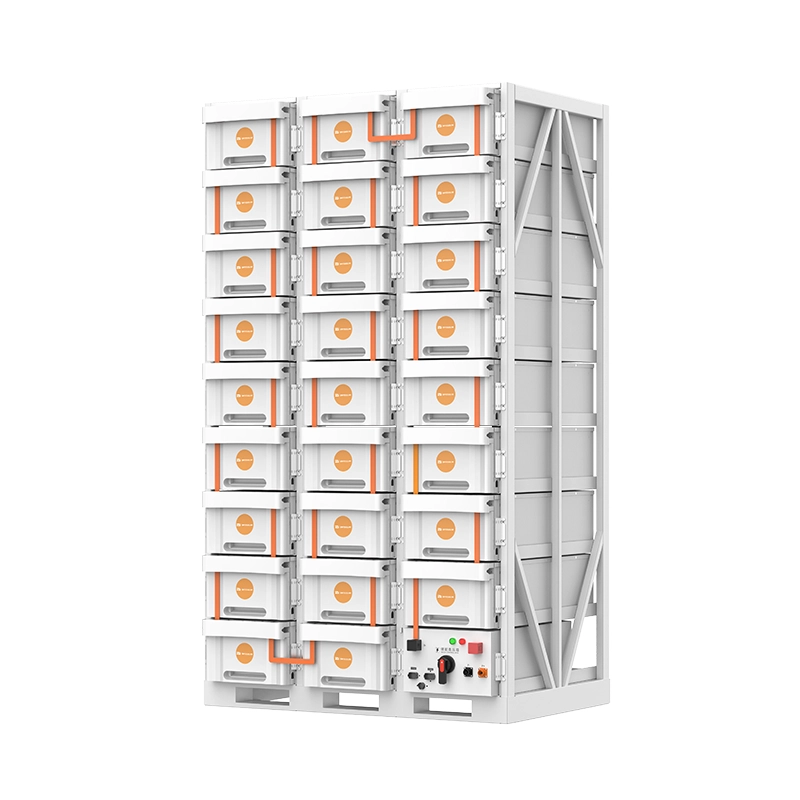
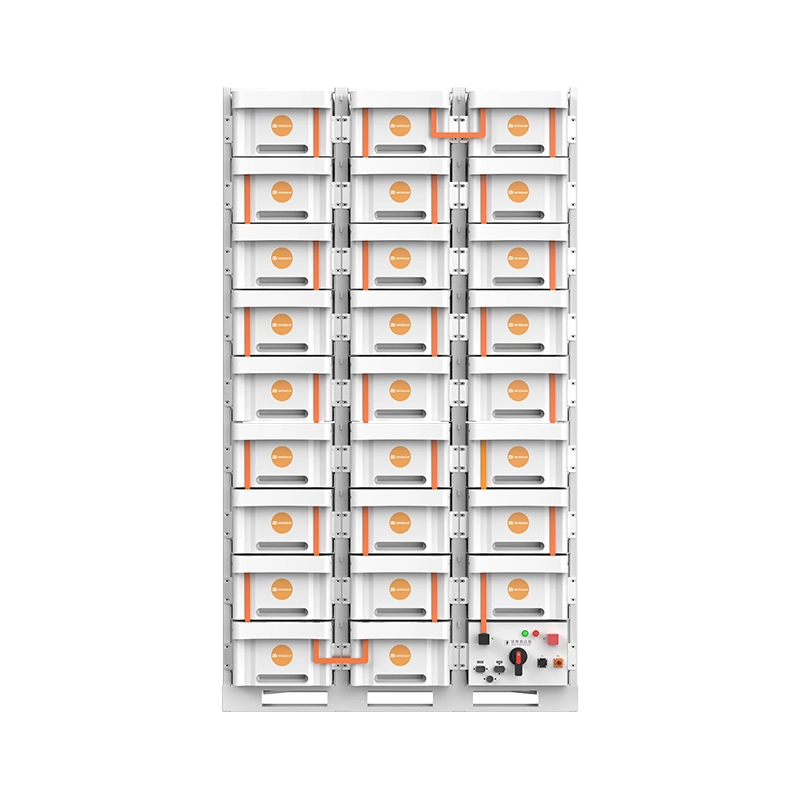
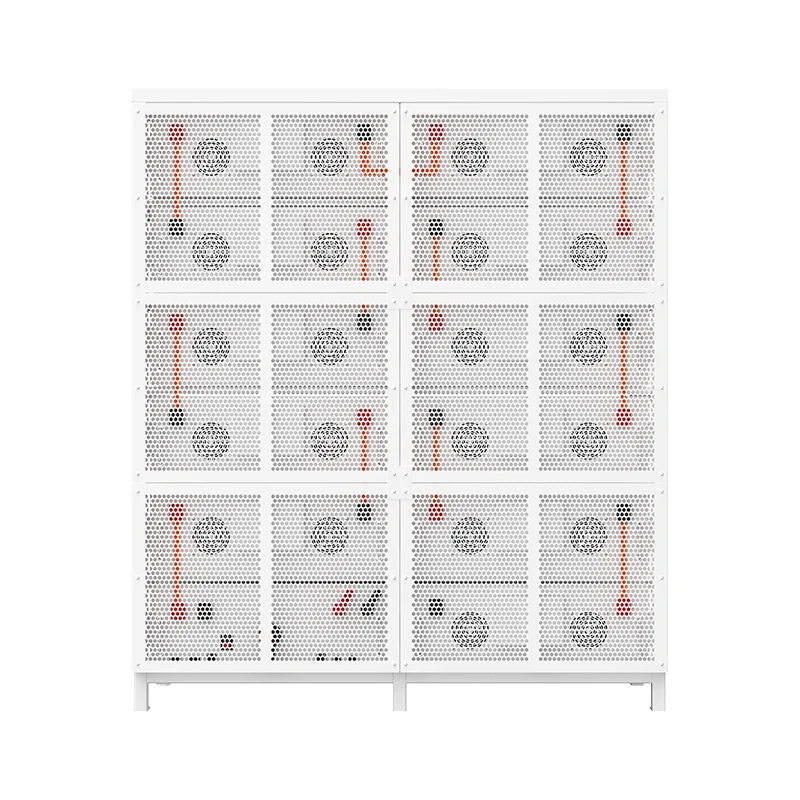
Installation dans un espace restreint — Les locaux commerciaux disposent rarement d’un espace dédié au stockage de grands conteneurs. Les armoires d’extérieur doivent être compactes, empilables et pouvoir être installées au mur ou sur socle dans les parkings, les quais de chargement ou les locaux techniques situés sur les toits.
Gestion thermique adaptée au climat du centre du Chili — À Santiago et dans la région centrale, les températures estivales varient entre 30 et 38 °C, tandis que les températures minimales hivernales avoisinent le point de congélation. Les armoires extérieures doivent maintenir la température des cellules dans une plage optimale (20–35 °C) sans consommation excessive d’énergie auxiliaire. Le refroidissement par liquide est fortement privilégié par rapport au refroidissement par air pour les systèmes de plus de 200 kWh en raison de ses performances supérieures à des températures ambiantes élevées.
Contraintes de bruit — Les installations commerciales situées en milieu urbain ou périurbain sont soumises à des restrictions en matière de bruit (généralement < 65 dBA à 1 mètre). Les systèmes à refroidissement par air forcé peuvent dépasser ce seuil ; les systèmes à refroidissement par liquide sont généralement plus silencieux.
Conformité en matière de sécurité incendie — Les installations commerciales doivent être conformes à la norme NFPA 855 ou à toute norme locale équivalente, notamment en matière de distances de sécurité, de détection d'incendie et de systèmes d'extinction. Les systèmes accompagnés d'une documentation attestant qu'ils ont passé avec succès les essais de propagation de l'emballement thermique selon la norme UL9540A permettent d'accélérer l'obtention de l'agrément du service local de prévention des incendies.
Exigences de raccordement au réseau — Les accords d'interconnexion avec les sociétés de distribution exigent l'utilisation de relais de protection certifiés (protection anti-îlotage, seuils de déclenchement en tension et en fréquence), des compteurs de qualité commerciale et une capacité de coupure à distance.
Tableau 6 : BESS en armoire extérieure pour le secteur C&I — Références techniques (catégorie 500 kW / 2 MWh)
| Paramètres | Exigence minimale | Spécification préférée |
| Puissance nominale en courant alternatif | 500 kW (en continu) | 600 kW (puissance de pointe sur 30 minutes) |
| Énergie utile | 2 000 kWh | Plus de 2 200 kWh |
| Format | Armoire simple | Modules empilables |
| Dimensions | surface au sol inférieure à <3 m² | < 2 m² par 500 kWh |
| Indice de protection | IP54 (protection contre la poussière) | IP65 (étanche au sable/à la poussière) |
| Refroidissement | Air (avec filtration) | Liquide (gestion thermique active) |
| Gamme de température de fonctionnement | de -5 °C à 45 °C | De -10°C à 50°C |
| Chimie de la batterie | LFP (LiFePO₄) | LFP avec UL9540A |
| Efficacité de l'aller-retour | 85% | 88%+ |
| Communications | Modbus TCP/IP | Double protocole (Modbus + CEI 61850) |
| Niveau de bruit | <70 dBA à 1m | <60 dBA @1m |
| Codes réseau | IEEE 1547 | IEEE 1547 + Interconnexion spécifique au Chili |
5.4 Modèle ROI d'investissement — BESS commercial au Chili central (Région de Santiago)
Hypothèses :
- Système : armoire extérieure de 500 kW / 2 MWh (durée de 4 heures à pleine puissance)
- Coût d'investissement : 250 000 à 300 000 US$ (125 à 150 US$/kWh)
- Dégradation annuelle : perte de capacité de 1,51 TP3T (dégradation calendaire + dégradation due aux cycles)
- Cycle quotidien : 1 cycle (charge midi, décharge pic du soir)
- Écart de prix de l'énergie (nœud de la région centrale) : US$70–85/MWh net après pertes
- Réduction des frais liés à la demande : réduction de la puissance de pointe de 200 kW à un tarif de US$12/kW-mois = US$28 800/an
- Exploitation et maintenance : US$4 000–6 000 par an
Finances prévisionnelles :
| Année | Revenu | O&M | Flux de trésorerie net |
| 1 | $48 000 – $62 000 | $5,000 | $43 000 – $57 000 |
| 2 | $47 000 – $61 000 | $5,200 | $42 000 – $56 000 |
| 3 | $46 000 – $60 000 | $5,400 | $41 000 – $55 000 |
| 4 | $45 000 – $59 000 | $5,600 | $39 000 – $53 000 |
| 5 | $44 000 – $58 000 | $5,800 | $38 000 – $52 000 |
| 6 | $230 000 – $300 000 | $27,000 | $203 000 – $273 000 |
Remboursement simple 4,5–6,5 ans
TRI (durée de vie de 12 ans) 12–16%
COE pour l'énergie dépêchable US$95–115/MWh (prix compétitif par rapport aux tarifs de détail en période de pointe, compris entre US$130 et US$160/MWh)
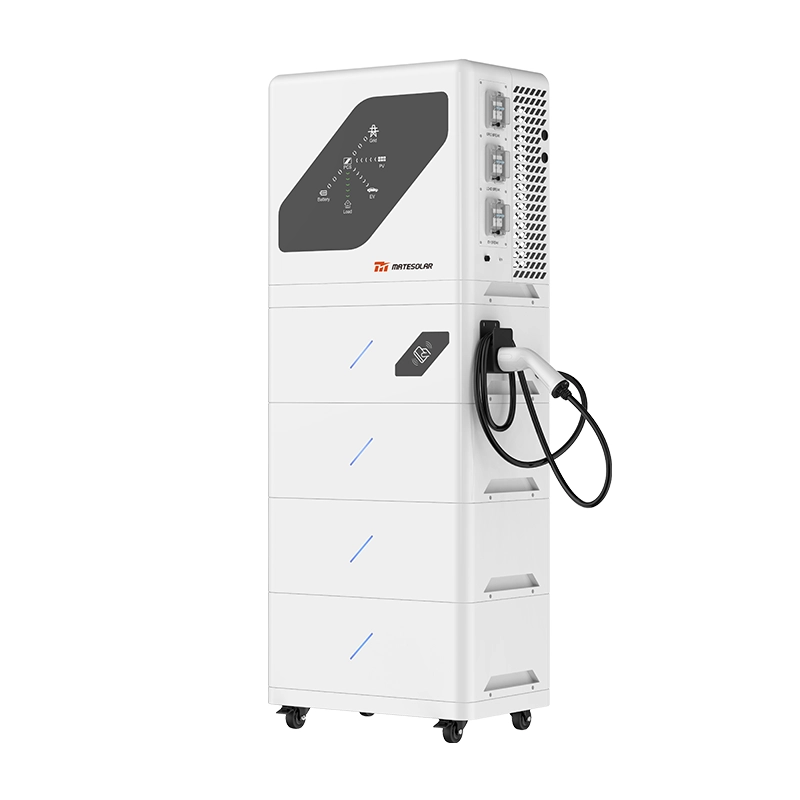
À la recherche d'une solution C&I évolutive pour votre établissement commercial ? Système solaire hybride commercial de 500 kW offre une solution de stockage par batterie entièrement intégrée et couplée en courant alternatif de 500 kW, conçue pour les bâtiments commerciaux, les centres commerciaux et les installations industrielles légères. Les caractéristiques incluent la gestion thermique liquide pour les conditions climatiques du centre du Chili, des cellules de batterie LFP certifiées UL9540A et un système EMS intelligent pour l'écrêtement automatique des pics et l'arbitrage en fonction des heures d'utilisation. La conception modulaire des armoires occupe moins de 3 mètres carrés d'espace au sol et prend en charge l'installation murale ou sur socle, ce qui est idéal pour les propriétés commerciales dont l'espace est limité.
Partie Six : EPC, Développeurs de projets et IPP — Saisir la vague d'hybridation PMGD+BESS
Pour les entrepreneurs EPC, les développeurs de projets et les producteurs indépendants d'énergie, la base installée de 3 900 MW d'actifs PMGD existants représente la plus grande opportunité de modernisation sur le marché du stockage en Amérique latine. La question n'est pas de savoir s'il faut participer, mais comment se positionner pour des retours maximums une fois que les règles finales de la DS88 seront publiées.
6.1 Le défi de l'ingénierie de rénovation
L'ajout d'un stockage sur batteries à une installation PMGD existante n'est pas un ajout simple de type "plug-and-play". Les principaux défis d'ingénierie incluent :
Intégration de bus basse tension — Les centrales PMGD s'interconnectent généralement via un seul transformateur élévateur au point de couplage commun (PCC). L'ajout de BESS du côté basse tension du transformateur (réseau de 400 V ou 13,2 kV) nécessite une analyse minutieuse de la charge du transformateur lors de l'exportation combinée PV+BESS. Le transformateur existant peut avoir été dimensionné uniquement pour la sortie PV, et non pour l'exportation simultanée PV+BESS.
Coordination de la protection — Les relais de protection existants (surtension, directionnel, puissance inverse) peuvent ne pas être configurés pour gérer les flux de puissance bidirectionnels. L'ajout de BESS sur le même bus nécessite la mise à jour des réglages des relais et éventuellement l'ajout d'éléments de protection supplémentaires.
Architecture du système de contrôle — Les onduleurs photovoltaïques et le BESS doivent fonctionner sous un contrôle coordonné. Des approches simples (par exemple, des calendriers de charge/décharge fixes) laissent de l'argent sur la table. Un EMS avancé avec prévision des prix en temps réel et prédiction de la réduction est nécessaire pour une capture optimale des revenus.
Configuration de la mesure — Le règlement nécessite une mesure séparée pour la production photovoltaïque, la charge de la batterie (importation depuis le réseau), la décharge de la batterie (exportation vers le réseau) et la charge de l'installation (le cas échéant). Cela nécessite souvent une configuration multi-compteurs avec des données synchronisées dans le temps.
Intégration SCADA — L'installation combinée doit être surveillable et contrôlable à distance pour satisfaire aux exigences du coordinateur du réseau en matière de ressources à ordonnancement. Le système de gestion de l'énergie du BESS doit s'intégrer au SCADA existant de l'installation ou le remplacer.
6.2 Architecture Modulaire et Évolutive — Pourquoi l'Intégration du Bus Basse Tension 400 V Fonctionne
Le système de 4,6 MW / 12 MWh déployé avec succès au Chili utilisait une approche de batterie modulaire en armoire avec 46 unités individuelles regroupées et connectées au bus basse tension de 400V. Cette architecture offre des avantages significatifs pour les applications de modernisation des PMGD :
Avantages de l'architecture de cluster modulaire :
- Évolutivité — Ajouter de la capacité est aussi simple qu'ajouter des armoires. Une centrale PMGD de 5 MW peut commencer avec 2 à 3 MW de BESS et s'agrandir plus tard sans avoir à réaménager l'ensemble du système.
- Redondance — La défaillance d’une seule armoire entraîne une réduction de la capacité de 2 à 51 TP3T, sans pour autant mettre l’ensemble du système hors service.
- Installation simplifiée — Les armoires pré-assemblées arrivent sur site prêtes pour le raccordement électrique et la configuration des communications. Pas d'assemblage complexe sur site des racks de batteries et des systèmes de conversion de puissance.
- Permis simplifié — Les systèmes modulaires distribués peuvent bénéficier d'un traitement différent des codes de sécurité incendie que les conteneurs centralisés à grande échelle dans certaines juridictions.
- Réduction de la main-d'œuvre d'installation — Les armoires modulaires minimisent les travaux électriques sur site. La plupart des connexions sont pré-câblées en usine, seuls la connexion au bus AC et les câbles de communication étant requis sur site.
6.3 Garanties de performance à long terme — La norme de PPA de 20 ans
Le secteur minier a établi une nouvelle référence en matière de longévité des systèmes de stockage. Le projet Monte Águila avec Codelco est structuré sous forme de PPA de 15 ans, et les attentes de l'industrie se dirigent vers des contrats de 20 ans. Pour les EPC et les développeurs, cela implique la sélection de solutions BESS capables d'une durée de vie opérationnelle de 15 à 20 ans avec des garanties de performance.
Exigences clés de garantie de performance pour les PPA de 15 à 20 ans :
- Rétention de capacité 70–80% de puissance nominale à la 15e année (pour un contrat d'achat d'électricité d'une durée de 15 ans) ou 65–75% à la 20e année
- Efficacité aller-retour : Ne pas descendre en dessous de 80% à aucun moment pendant la durée du contrat d'achat d'électricité (PPA)
- Disponibilité : 98%+ (hors maintenance programmée)
- Temps de réponse : <100 ms de la commande d'envoi à la pleine puissance de sortie
- Capacité cyclique : 6 000 à 8 000 cycles de référence sur la durée du PPA
Implications technologiques : La technologie LFP (phosphate de lithium-fer) est la seule option viable pour répondre à ces exigences. Les batteries de type NMC (nickel-manganèse-cobalt) voient généralement leur capacité chuter à 70% après 3 000 à 4 000 cycles, ce qui est insuffisant pour des applications nécessitant plus de 15 ans d'utilisation avec des cycles quotidiens.
Tableau 7 : Comparaison des technologies de BESS pour les applications de PPA de plus de 15 ans
| Paramètres | LFP (LiFePO₄) | NMC (LiNiMnCoO2) | NCA (LiNiCoAlO2) |
| Durée de vie typique selon la norme 80% | 6,000–10,000 | 3,000–5,000 | 3,000-4,000 |
| Appropriation sur 15 ans (cycle journalier) | Oui | Non (remplacement requis) | Non |
| Seuil de dérive thermique | >250°C | ~150–200°C | ~150–180°C |
| Coût (US$/kWh) | $100–130 | $110–140 | $120–150 |
| Densité énergétique (Wh/L) | 200–300 | 400–500 | 450–550 |
| Capacité C-rate | 1C typique | 2C+ possible | 2C+ possible |
| Recommandé pour l'exploitation minière/les services publics chiliens | ✅✅✅ | ✗ | ✗ |
6.4 Empilement des revenus — Flux de valeur multiples sous DS88 et DS125
Les règles finales DS125 et DS88 devraient permettre l'empilement des revenus multi-flux pour les centrales hybrides PMGD+BESS :
1. Arbitrage énergétique (flux de valeur principal) — Capturer les écarts de prix intrajournaliers en décalant la production des heures de midi à bas prix vers les périodes du matin et du soir à prix plus élevé.
2. Participation au marché de capacité — Si la plante hybride se qualifie en tant que ressource de capacité en vertu des modifications DS125, des paiements de capacité peuvent être disponibles (probablement à des facteurs de dérating étant donné l'interconnexion au niveau de la distribution).
3. Éviter les coupures — Lorsque le coordinateur du réseau donne des instructions de réduction aux centrales PMGD, l'énergie stockée peut être déchargée pendant la période de réduction. Les modifications DS88 abordent explicitement ce scénario.
4. La réponse de la demande — Si les marchés des services auxiliaires sont ouverts aux ressources connectées à la distribution, les PMGD+BESS pourraient participer à la régulation de fréquence (réserve primaire ou secondaire).
Le SEM doit être capable d'optimiser simultanément ces flux. Cela nécessite une prévision des prix en temps réel (du lendemain et intraday), une modélisation de la probabilité de réduction et une gestion de l'état de charge qui équilibre la capture des revenus actuels par rapport aux coûts d'opportunité futurs.
Septième partie : Fiabilité environnementale extrême — Exigences techniques du désert d'Atacama
Le désert d'Atacama est le désert non polaire le plus sec de la Terre. Pour les systèmes de stockage d'énergie par batterie installés dans cette région (où se trouve et se trouvera la majeure partie de la capacité de stockage chilienne), les défis environnementaux sont extrêmes et doivent être pris en compte dès la conception, et non comme des ajouts ultérieurs.
7.1 Le Défi Environnemental — Ce à quoi votre BESS doit survivre
Températures extrêmes — Les températures diurnes dans l'Atacama dépassent régulièrement 40°C, avec des températures au niveau du sol atteignant 50 à 55°C. Les températures nocturnes peuvent descendre en dessous de zéro (0°C à -5°C). Des variations de température quotidiennes de 30°C ou plus sont courantes. Ce cycle diurne soumet les batteries, l'électronique de puissance et les boîtiers à d'énormes contraintes thermiques..
Rayonnement solaire — L'Atacama reçoit les niveaux de rayonnement solaire les plus élevés sur Terre (indice UV dépassant régulièrement 11). La dégradation des plastiques, des joints, des câbles et des revêtements d'enceinte par les UV est accélérée de 3 à 5 fois par rapport aux climats modérés.
Poussière et sable — Les fines particules de poussière abrasive sont omniprésentes. Les tempêtes de sable peuvent produire des concentrations de particules qui submergent les boîtiers standard IP54, nécessitant une protection IP65 ou supérieure.
Corrosion — Dans les zones côtières de la région d'Atacama (Antofagasta, Mejillones), les embruns marins de l'océan Pacifique se combinent à la poussière du désert, créant des conditions de corrosion très agressives. Une protection contre la corrosion de classe C5 (grade marin/industriel) est requise.
Altitude — Une grande partie de la région d'Atacama se situe entre 2 000 et 3 000 mètres d'altitude. Les performances des systèmes de refroidissement (densité de l'air, transfert de chaleur) se dégradent avec l'altitude. Le refroidissement liquide est moins affecté que le refroidissement par air.
7.2 Solutions éprouvées sur le terrain — Étude de cas : BESS del Desierto
Le projet BESS del Desierto (200 MW / 880 MWh), mis en service en avril 2025 et situé dans le désert d'Atacama, a validé les exigences techniques pour le stockage en environnement extrême. Le projet utilise des systèmes PowerTitan refroidis par liquide avec les spécifications suivantes:
- Anticorrosion de grade C5 — Indice de protection contre la corrosion le plus élevé, adapté aux environnements marins/industriels
- Protection sable et poussière IP65 — Protection complète contre les infiltrations de poussière (vs. IP54 typique pour le stockage standard)
- Refroidissement liquide intelligent — Maintient les températures des cellules dans une plage optimale malgré des températures ambiantes supérieures à 40°C
- Plateforme O&M intelligente — Surveillance à distance et maintenance prédictive pour minimiser les interventions sur site
- Technologie de formation de grille — Réponse de puissance active/réactive à la milliseconde près pour la stabilité du réseau
Le projet démontre qu'avec une ingénierie appropriée, le stockage par batterie peut fonctionner de manière fiable dans l'environnement de l'Atacama. Le déploiement de Sungrow comprend un entrepôt de service local pour assurer un remplacement rapide des pièces si nécessaire..
7.3 Gestion thermique — Refroidissement par liquide vs. Refroidissement par air dans des températures ambiantes élevées
Pour les installations dans l'Atacama et dans le nord du Chili, le refroidissement liquide n'est pas facultatif pour les systèmes de plus de 500 kW ; il est requis pour atteindre une durée de vie de 15 ans et plus.
Comparaison des technologies de refroidissement dans les environnements désertiques à haute température :
| Paramètres | Refroidissement de l'air | Refroidissement par liquide |
| Uniformité de la température de la cellule | ±3–5°C | ±1–2°C |
| Performance à 45°C ambiant | Réduction de la puissance nominale du modèle 15–25% | <5% : réduction de la puissance nominale |
| Consommation auxiliaire | 2–41 TP3T de la puissance du système | 1–21 TP3T de la puissance du système |
| Entretien de la filtration des poussières | Fréquent (mensuel) | Minimal (annuel) |
| Effective à 3 000 m d'altitude | Déclassé davantage (densité de l'air) | Imperturbable |
| Bruit acoustique | Modéré–Élevé (ventilateurs) | Bas (pompes uniquement) |
| Coût initial | Plus bas | En hausse de 5 à 101 TP3T |
| coût sur 15 ans | Supérieur (dégradation + maintenance) | Plus bas |
Recommandation : Pour toute installation de système de stockage d'énergie par batterie (BESS) dans les régions II (Antofagasta), III (Atacama) ou dans le nord de la région IV (Coquimbo), il convient de prévoir un refroidissement par liquide. Le surcoût d'investissement (5–10%) est amorti grâce à un rendement aller-retour plus élevé, une dégradation moindre et une maintenance réduite tout au long de la durée de vie du système.
7.4 Autonomie de la batterie dans les conditions de l'Atacama — Projections réalistes
Les estimations standard de la durée de vie des fabricants (6 000 à 8 000 cycles jusqu'à une capacité de 801 TP3T) sont généralement mesurées à 25 °C avec des débits de charge et de décharge contrôlés. Dans les conditions de l'Atacama, les ajustements suivants s'appliquent :
Facteur d'accélération thermique: Pour chaque augmentation de 10°C de la température moyenne des cellules au-dessus de 25°C, la durée de vie en cycles est approximativement divisée par deux. Avec un refroidissement liquide maintenant les cellules à 30–35°C même à une température ambiante de 45°C, le facteur d'accélération est approximativement de 1,2 à 1,5x (soit 6 000 cycles nominales deviennent 4 000–5 000 cycles réels). Avec un refroidissement par air permettant aux cellules d'atteindre 40–45°C, le facteur d'accélération est de 2,5 à 3,5x (6 000 cycles nominales deviennent 1 700–2 400 cycles réels).
Guide pratique pour spécifier les BESS dans l'Atacama :
- Exiger des données de durée de vie du cycle fournies par le fabricant à 35°C et 40°C de température de cellule (pas seulement à 25°C)
- Spécifier le refroidissement liquide et vérifier le modèle thermique dans des conditions ambiantes les plus défavorables.
- Demander des données de test de vieillissement accéléré provenant d'installations désertiques similaires (par exemple, Nevada, Arizona, Arabie Saoudite)
- Prévoir une capacité utile inférieure de 151 TP3T à la 10e année par rapport aux installations de climatisation standard
- Inclure la redondance de la gestion thermique (pompes/ventilateurs de refroidissement N+1) dans les spécifications.
Pour les applications en environnement extrême nécessitant un stockage fiable et de longue durée : Conteneur de 40 pieds refroidi par air ESS 1MWh 2MWh Système de stockage d'énergie offre une solution éprouvée pour les climats modérés et les applications intérieures. Cependant, pour les installations dans le désert d'Atacama, nous recommandons fortement de passer à des configurations à refroidissement liquide. Le format conteneurisé offre un déploiement clés en main avec CVC, système anti-incendie et EMS intégrés en usine, réduisant considérablement la complexité de l'installation sur site, ce qui est essentiel pour les sites isolés dans le désert avec un support technique local limité.
Huitième partie : Armoires extérieures pour le secteur commercial et industriel (C&I) — Opportunité de fenêtre de politique PMGD
Cette section est optimisée pour les propriétaires d'immobiliers commerciaux, les chaînes de vente au détail et les gestionnaires d'installations envisageant le stockage distribué dans le cadre évolutif du PMGD.
8.1 MISE À JOUR DU STATUT DU DS88 — Ce que les investisseurs commerciaux doivent savoir (Avril 2026)
Comme détaillé dans la section 4.2, le DS88 — le décret suprême régissant la génération distribuée des PMGD — est actuellement en cours de révision après avoir été retiré du Contrôleur Général en mars 2026. Les dispositions autorisant explicitement les centrales PMGD à ajouter des systèmes de stockage par batterie pour l'hybridation bénéficient d'un large consensus technique. L'industrie s'attend à une approbation finale au second semestre 2026.
Pour les investisseurs commerciaux envisageant le PMGD+BESS, la recommandation est de procéder dès maintenant aux études de faisabilité et à la sélection des fournisseurs, avec un début de construction prévu pour coïncider avec la publication finale de la DS88. La période de 3 à 6 mois entre la publication finale de la règle et la mise en service effective est suffisante pour exécuter des projets bien préparés.
8.2 Économie de l'arbitrage basé sur le temps d'utilisation — Données de prix du nœud chilien
Le marché de l'électricité du Chili (coordonné par le CEN) publie des prix nodaux horaires. Les données suivantes représentent les modèles typiques pour le système SING (région industrielle/minière du nord) et le système central SIC (région de Santiago) :
Tableau 8 : Prix des nœuds électriques au Chili — Avril 2026 (Jour de semaine typique)
| Période | SING North (US$/MWh) | SIC Central (US$/MWh) | Opportunité d'arbitrage |
| 00:00-06:00 (nuit) | $65–80 | $70–90 | Limitée (charge de base) |
| 06:00–08:00 (pointe du matin) | $85–105 | $95–115 | Modéré |
| 08:00–12:00 (rampe solaire) | $40–60 | $50–70 | La fenêtre de chargement commence |
| 12:00–15:00 (pic solaire) | $5–25 (presque zéro) | $15–35 | Fenêtre de charge optimale |
| 15:00–18:00 (déclin solaire) | $25–50 | $40–65 | Recharge continue |
| 18h00–22h00 (heures de pointe du soir) | $90–130 | $100–140 | Fenêtre de décharge optimale |
| 22h00–24h00 (après les heures de pointe) | $70–85 | $80–95 | Décharge partielle |
Observation clé : l’écart entre le pic de midi (12 h 00 – 15 h 00) et celui du soir (18 h 00 – 22 h 00) est généralement compris entre US$80 et 120/MWh dans le réseau SING et entre US$70à 100 US$/MWh dans le réseau SIC. Une fois les pertes de transport aller-retour prises en compte, le gain net s’élève à 70 à 105 US$/MWh, ce qui est suffisamment intéressant pour permettre un retour sur investissement en 4 à 6 ans.
8.3 Atténuation du risque politique — Conception pour une flexibilité réglementaire
Le retrait de la DS88 en mars 2026 a rappelé aux investisseurs que l'incertitude réglementaire est un risque réel dans les marchés émergents. Les investissements commerciaux en BESS (systèmes de stockage d'énergie par batterie) peuvent protéger contre le risque politique grâce à :
Architecture modulaire et logicielle — Systèmes dans lesquels le SME peut être reprogrammé pour s'adapter à différentes règles de dépêche, à la gestion de la réduction de la production et aux mécanismes de règlement des revenus. Évitez les systèmes de contrôle propriétaires qui nécessitent des mises à jour logicielles du fournisseur pour les changements réglementaires.
Capacité multi-revenus — Concevoir pour l'arbitrage énergétique comme cas de base, mais conserver la capacité de réduction des frais de demande, d'alimentation de secours et (si autorisé) de services auxiliaires. Cela diversifie l'exposition des revenus à tout résultat réglementaire unique.
Structures de location ou de PPA — Pour les utilisateurs commerciaux finaux qui ne souhaitent pas assumer directement le risque réglementaire, les modèles de propriété par des tiers (où le développeur de BESS assume le risque politique) transfèrent l'exposition à des contreparties plus sophistiquées.
Déploiement progressif — Commencez par un système pilote couvrant 20 à 301 TP3T de la capacité totale prévue. Si les résultats sur le plan réglementaire sont favorables, développez le projet. Dans le cas contraire, limitez les risques.
8.4 Conception compacte — Installation dans des propriétés commerciales à espace restreint
Le stockage commercial est confronté à des contraintes que les projets à l'échelle des services publics n'ont pas : espace terrestre limité, considérations esthétiques, restrictions de bruit et systèmes de construction existants (prises d'air CVC, salles électriques, voies d'incendie).
Guide pratique pour l'implantation de systèmes de stockage d'énergie par batterie commerciale au Chili :
- Dégagement minimum : 1 mètre des murs du bâtiment, 3 mètres des limites de propriété, 2 mètres des bornes d'incendie/voies d'accès.
- Capacité portante du plancher : Le stockage conteneurisé nécessite une dalle de béton armé (épaisseur 200-300 mm). Les systèmes d'armoires peuvent souvent utiliser un asphalte/béton existant avec des plaques de répartition de charge.
- Atténuation sonore Les systèmes refroidis par liquide sont nettement plus silencieux que les systèmes refroidis par air. Pour les installations situées à moins de 10 mètres des espaces occupés, spécifiez un refroidissement par liquide avec enceinte acoustique (objectif <55 dBA à 5 mètres).
- Intégration esthétique : Les systèmes de placards peuvent être peints pour s'harmoniser avec les couleurs du bâtiment ou dissimulés par un aménagement paysager. Les systèmes conteneurisés nécessitent des zones dédiées clôturées.
- Accès pour maintenance : Prévoir un dégagement de 1,5 mètre du côté service pour le remplacement des composants. La surveillance à distance réduit le besoin d'accès physique fréquent.
Tableau 9 : Comparaison de l'empreinte des BESS commerciaux
| Type de système | Capacité | Empreinte | Dégagement requis | Superficie totale |
| Armoire murale | 30–50 kWh | 1,5 m² | 0,5m devant | 2,5 m² |
| Armoire de compensation (simple) | 200 à 500 kWh | 3–4 m² | 1,0 m de chaque côté | 8 à 12 m² |
| Armoire en saillie (grappe modulaire) | 1–2 MWh | 12–20 m² (4–6 armoires) | 1,0m autour du cluster | 20 à 30 m² |
| conteneur de 20 pieds | 1–2 MWh | 15 m² (7' x 20') | 2,0 m côté service | 35–45 m² |
| Conteneur de 40 pieds | 2–5 MWh | 28 m² (8' x 40') | 2,0 m côté service | 55–70 m² |
Recommandation pour les propriétés commerciales : Pour des capacités allant jusqu'à 2 MWh, les groupes d'armoires modulaires offrent le meilleur équilibre entre faible encombrement, acceptabilité esthétique et flexibilité d'installation. Pour des capacités supérieures à 2 MWh, les solutions conteneurisées deviennent plus rentables mais nécessitent un espace dédié et un masquage.
Pour les applications qui exigent une densité d'énergie plus élevée, une gestion thermique supérieure et un encombrement réduit — telles que les centres de données pilotés par l'IA, la production continue d'hydrogène vert ou les usines de dessalement à distance — la Système de stockage d'énergie dans un conteneur à refroidissement liquide de 20 pieds 3MWh / 5MWh offre l'équilibre optimal entre capacité, résilience environnementale et flexibilité d'installation.
Pourquoi un refroidissement liquide dans un conteneur de 20 pieds ?
Le désert du nord du Chili (Atacama) et les régions côtières du centre du pays sont soumis à des variations de température diurnes extrêmes et à une chaleur ambiante élevée. Les conteneurs refroidis par air subissent souvent une réduction de puissance au-delà de 35 °C, perdant ainsi entre 15 et 251 TP3T de puissance utile. La solution de 20 pieds à refroidissement par liquide maintient la température des cellules à ±2 °C, même à une température ambiante de 45 °C, garantissant ainsi une puissance nominale maximale tout au long de l’année. Son format compact de 20 pieds (environ 6 m x 2,4 m x 2,9 m) s'adapte aux camions de transport standard et occupe moins de 15 m² au sol, ce qui est essentiel pour les sites industriels à espace restreint, les centres de données urbains ou les projets pilotes modulaires d'hydrogène vert.
Spécifications techniques adaptées au marché chilien :
| Paramètres | configuration 3 MWh | Configuration 5MWh |
| Énergie utilisable (CC) | 3 000 kWh | 5 000 kWh |
| Alimentation CA (formation de réseau) | 750 kW – 1 MW | 1,25 – 1,5 MW |
| Durée à pleine puissance | 3 – 4 heures | 3 – 4 heures |
| Efficacité aller-retour (CC/CA) | ≥ 89% | ≥ 89% |
| Méthode de refroidissement | Liquide actif (eau réfrigérée/glycol) | Liquide actif |
| Plage de température de fonctionnement | -20°C à 50°C ambiant | -20°C à 50°C ambiant |
| Indice de protection | IP65 + Corrosion C5 (prêt pour l'Atacama) | IP65 + C5 |
| Chimie de la batterie | LFP (LiFePO₄) | LFP |
| Durée de vie jusqu'à la fin de vie (EOL) du modèle 80% | 6 000 cycles à 35°C de cellule | 6 000 cycles |
| Certifications | UL9540, IEC62619, UN38.3 | UL9540, IEC62619 |
| Communications | Modbus TCP/IP, CEI 61850, DNP3 | Pareil |
Pourquoi cela compte pour les développeurs et les FAI chiliens :
- Compatibilité de rétrofit PMGD + BESS – Le conteneur de 20 pieds peut être placé à côté des centrales PMGD existantes et connecté au réseau de 400V ou 13,2kV, permettant un décalage d'énergie de 3 à 5 MWh sans réingénierie du système PV d'origine.
- Préparation du centre de données – Temps de réponse à la milliseconde (mode de formation de grille) prenant en charge les rampes de charge des clusters GPU ; le refroidissement liquide élimine les points chauds pendant les cycles partiels fréquents.
- Hydrogène vert et dessalement – La version 5 MWh fournit plus de 4 heures d'alimentation continue à 1,25 MW, ce qui est suffisant pour combler les manques solaires en soirée pour un électrolyseur ou une unité de dessalement de 1 MW.
- Éligibilité des crédits carbone – À l’instar des unités plus grandes de 40 pieds, le système de 20 pieds à refroidissement par liquide permet d’obtenir des crédits carbone au titre de l’article 6.2 lorsqu’il remplace le diesel ou le gaz naturel pendant les heures de pointe, ce qui représente un gain supplémentaire de 5 à 101 TP3T sur le chiffre d’affaires annuel.
Champ de référence au Chili :
Alors que le projet BESS del Desierto (200 MW/880 MWh) utilisait des enceintes plus grandes, la même architecture à refroidissement liquide, classée C5 et IP65, a été déployée avec succès à Antofagasta pour des clients industriels de taille moyenne. Une unité de 5 MWh installée dans le cadre d’un projet pilote de dessalement côtier en 2025 a démontré une perte de capacité inférieure à 21 TP3T sur 300 cycles, dans un environnement à 42 °C et soumis à un brouillard salin intense, sans aucun événement nécessitant un déclassement.
Pour les EPC et les développeurs de projets recherchant une solution prête à l'emploi à haute densité :
Système de stockage d'énergie dans un conteneur à refroidissement liquide de 20 pieds 3MWh 5MWh est pré-intégré avec une gestion thermique active, une suppression d'incendie multicouche (aérosol + brouillard d'eau) et un EMS qui prend en charge l'arbitrage des prix, la réponse à la demande et la programmation du marché de capacité. Son encombrement compact permet d'empiler deux unités ou de les placer dos à dos, pour une capacité allant jusqu'à 10MWh sur une seule plateforme accessible par camion, idéal pour les clusters industriels chiliens en croissance rapide.
Partie Neuf : Centres de données, hydrogène vert et dessalement — Demande industrielle émergente à forte croissance
Le plan énergétique du président Kast identifie explicitement les centres de données, l'hydrogène vert et le dessalement comme des secteurs industriels stratégiques pour le développement économique du Chili, en tirant parti de l'excédent d'énergie renouvelable abondant du pays.. Ces secteurs partagent une exigence commune : une énergie verte garantie, continue et de haute qualité. Le stockage d'énergie par batteries n'est pas une option pour aucun d'entre eux.
9.1 Centres de données — Demande pilotée par l'IA et besoin de réponse à la milliseconde
Le Chili compte actuellement 59 centres de données, se classant troisième en Amérique latine par capacité installée. Le Coordinateur National du Réseau CEN estime que la demande d'électricité des centres de données pourrait passer de 325 MW en 2025 à 1 360 MW d'ici 2032, soit une augmentation de quatre fois en seulement sept ans..
Le défi de l'IA : l'infrastructure moderne d'IA basée sur des clusters de GPU (NVIDIA H100, B200 et les accélérateurs de nouvelle génération) produit des fluctuations de demande de puissance extrêmement rapides. Lorsqu'un cluster de GPU commence une exécution d'entraînement, la consommation d'énergie peut passer de près de zéro à pleine charge en quelques millisecondes, puis chuter aussi rapidement lorsque l'exécution se termine. Les systèmes d'alimentation sans interruption (ASI) traditionnels avec batterie de secours sont conçus pour des interventions de courte durée (5 à 15 minutes) lors de perturbations du réseau, et non pour un cyclage quotidien continu.
Exigences BESS pour les centres de données IA :
- Réponse milliseconde : Les SG-PV avec des onduleurs formant la grille peuvent répondre en moins de 20 ms aux changements de charge, maintenant la stabilité de la tension et de la fréquence pendant les fluctuations rapides de puissance.
- Long durée de vie en cycle : Les profils de puissance quotidiens des centres de données peuvent impliquer 10 à 20 cycles partiels par jour, pendant que les charges des GPU augmentent et diminuent. Les batteries UPS standard ne sont pas conçues pour ce type de cycle. Des systèmes de stockage d'énergie par batterie (BESS) avec une chimie LFP (lithium-fer-phosphate) évalués pour plus de 8 000 cycles sont nécessaires.
- Gestion thermique lors de cycles rapides : Les décharges fréquentes à haut taux C génèrent une chaleur importante. Le refroidissement par liquide est essentiel pour éviter l'accumulation thermique et maintenir la durée de vie de la cellule.
- Intégration des énergies renouvelables sur site : Les principaux opérateurs de centres de données (Equinix, Aligned, Google) s'approvisionnent de plus en plus directement en énergie renouvelable. Les systèmes de stockage d'énergie par batterie (BESS) permettent à ces installations de fonctionner à 100% d'énergie verte, même lorsque la production solaire ou éolienne n'est pas disponible.
Siemens a déclaré publiquement que l'intégration des énergies renouvelables aux systèmes de stockage d'énergie par batterie sera décisive pour assurer un approvisionnement électrique fiable et durable pour les centres de données au cours de la prochaine décennie, leur permettant de réduire considérablement leur empreinte carbone tout en améliorant la continuité de l'approvisionnement..
9.2 Hydrogène vert — Fonctionnement des électrolyseurs 24 heures sur 24, 7 jours sur 7, sans dépendance au réseau électrique
La production d'hydrogène vert nécessite une alimentation électrique continue et stable pour les électrolyseurs. Les interruptions augmentent les coûts de production d'hydrogène (les électrolyseurs doivent être purgés et redémarrés) et réduisent l'utilisation effective d'équipements à forte intensité capitalistique.
L'atout du Chili : le Chili dispose d'une électricité solaire parmi les moins chères au monde, mais le caractère intermittent de la production solaire est incompatible avec un fonctionnement continu des électrolyseurs en l'absence de stockage. Un électrolyseur de 100 MW fonctionnant 24 heures sur 24 et 7 jours sur 7 nécessite environ 2,4 GWh d’énergie par jour, ce qui dépasse de loin ce que les batteries peuvent fournir de manière rentable pour un décalage temporel complet.
Le rôle des systèmes de stockage d'énergie par batterie (BESS) dans l'hydrogène vert : dans le cadre des projets d'hydrogène vert, les BESS ne servent pas uniquement à assurer un décalage horaire complet. Ils permettent plutôt :
- Pontage de courte durée (1 à 4 heures) pour couvrir les baisses de production solaire dues à la couverture nuageuse ou au déclin de fin d'après-midi
- Stabilité du réseau pour les électrolyseurs raccordés à des réseaux électriques peu performants (ce qui est souvent le cas sur les sites d'hydrogène vert isolés)
- Capacité supplémentaire pour permettre le fonctionnement de l'électrolyseur pendant les heures de pointe du soir lorsque le solaire n'est pas disponible mais que l'éolien peut l'être
Étude de cas : l'usine d'hydrogène vert de Colbún à Nehuenco — Colbún a inauguré la première usine industrielle d’hydrogène vert du Chili sur son site de Nehuenco. Celle-ci fonctionne en autonomie grâce à un parc solaire de 100 kW, un système de stockage par batterie, un électrolyseur et un système de stockage d’hydrogène.. Ce projet, d'un montant de $1,6 million, démontre la faisabilité technique de la production d'hydrogène renouvelable hors réseau grâce à une combinaison d'énergie solaire et de stockage. Le stockage par batterie permet à l'électrolyseur de fonctionner en continu, même lorsque la production solaire est fluctuante.
9.3 Dessalement de l'eau de mer — Fonctionnement en bordure de réseau et hors réseau
Le nord du Chili est confronté à une pénurie d'eau chronique, ce qui fait du dessalement de l'eau de mer une nécessité stratégique. Les usines de dessalement sont gourmandes en énergie (3 à 5 kWh par mètre cube d'eau douce) et souvent situées en périphérie du réseau ou totalement hors réseau.
La proposition de valeur de BESS pour le dessalement :
- Réduction des coûts énergétiques : L'usine de dessalement de Pedro de Valdivia a réalisé une réduction de 641 TP3T de ses coûts énergétiques en se déconnectant du réseau électrique et en fonctionnant à l'énergie solaire grâce à un système de stockage d'énergie par batterie (BESS) de 10 MWh, avec un délai de rentabilité de 3,5 ans rien qu'avec les économies réalisées sur le diesel..
- Stabilité de la production : Le système BESS garantit un débit continu d'eau douce même par temps nuageux, ce qui permet d'augmenter la production de 20% par rapport à un fonctionnement exclusivement solaire dans des conditions de ciel partiellement nuageux..
- Capacité hors réseau : Pour les usines de dessalement côtières isolées, non raccordées au réseau électrique, le système BESS permet un fonctionnement à 100 % à partir d'énergies renouvelables, le générateur ne servant de secours que pendant les longues périodes de faible ensoleillement.
Exigences techniques pour les systèmes de stockage d'énergie par batterie (BESS) de dessalement :
- Autonomie prolongée : Les usines de dessalement nécessitent généralement une autonomie de stockage de 4 à 8 heures pour couvrir les périodes nocturnes ou les périodes de faible ensoleillement s'étendant sur plusieurs jours. Pour un fonctionnement entièrement hors réseau, des durées plus longues (12 heures ou plus) ou un système de stockage hybride (batterie de stockage d'énergie + stockage d'hydrogène) peuvent s'avérer nécessaires.
- Protection contre la corrosion Les installations côtières nécessitent une protection contre la corrosion C5 (environnement marin) plus une protection contre la poussière IP65 pour des conditions hybrides désertiques/côtières.
- Capacité de formation de réseau : Pour les installations hors réseau, les systèmes de stockage d'énergie par batterie (BESS) doivent assurer un contrôle de formation de réseau avec une capacité de démarrage autonome afin de rétablir le micro-réseau après une coupure totale.
Dixième partie : Certifications internationales, bancabilité et monétisation des crédits carbone
Pour les financiers de projets, les gestionnaires d'actifs et les investisseurs institutionnels, la bancabilité est la préoccupation primordiale. Les projets de stockage chiliens attirent des capitaux internationaux considérables — la BID, la Banque Mondiale et les prêteurs commerciaux exigent une certification démontrable et des données de performance vérifiées.
10.1 Certifications requises pour les systèmes de stockage d'énergie par batterie (BESS) éligibles au financement bancaire au Chili
Tableau 10 : Certifications BESS — Exigences relatives à la bancabilité des projets au Chili
| Certification | Portée | Requis pour | Notes |
| UL 9540 | Achèvement de la certification de sécurité ESS | Système complet | La norme la plus stricte ; nécessite la réalisation d'essais de dérive thermique selon la norme UL 9540A |
| UL 9540A | Méthode d'essai de propagation d'un emballement thermique | Cellule → module → système | Obligatoire pour la norme UL9540 ; indispensable pour l'homologation en matière de sécurité incendie |
| CEI 62619 | Sécurité des batteries au lithium industrielles | Cellules et batteries | Norme internationale ; largement acceptée |
| CEI 62133 | Sécurité des batteries portables/industrielles | Cellules | Norme secondaire par rapport à la CEI 62619 |
| UN 38.3 | La sécurité des transports | Toutes les batteries au lithium | Requis pour l'expédition |
| ISO 13849 | Sécurité des systèmes de contrôle | BMS/EMS | Pour la certification de sécurité fonctionnelle |
| NFPA 855 | Code de sécurité incendie pour l'installation de ESS | Conception du système | Requis pour l'approbation du chef des pompiers local |
| IEEE 1547 | Interconnexion au réseau | Onduleurs | Requis pour l'interconnexion au réseau de distribution |
| C5 classification de corrosion | Protection de l'environnement | Enceintes | Requis pour les installations d'Atacama/côtières |
Conseils pratiques pour les développeurs de projets : UL9540 est la référence en matière de bancabilité. Les projets dotés de systèmes certifiés UL9540 (par opposition aux certifications au niveau des composants uniquement) suscitent moins de questions de la part des prêteurs et des assureurs. Pour les systèmes ne nécessitant pas UL9540 (par exemple, les systèmes C&I hors site sous certains seuils de capacité), l'IEC62619 plus l'approbation du responsable local des incendies peuvent suffire.
10.2 Monétisation des crédits carbone en vertu de l'article 6.2
Comme détaillé dans la section 2.4, le Chili a mis en place un cadre réglementaire pour le stockage d'énergie par batterie afin de générer et de vendre des crédits carbone dans le cadre de l'article 6.2 de l'Accord de Paris..
Comment les BESS génèrent des crédits carbone : Les projets de stockage déplacent la production d'électricité à partir de combustibles fossiles pendant les heures de pointe. Au Chili, le producteur marginal pendant les périodes de pointe en fin de journée est généralement au diesel ou au gaz naturel. En stockant l'énergie solaire qui serait autrement limitée et en la déchargeant pendant les heures de pointe, les BESS réduisent directement les émissions du système. Chaque MWh de production de diesel déplacée évite environ 0,7 à 0,9 tonne d'équivalent CO₂.
Voies de monétisation :
1. Accords bilatéraux dans le cadre de l'article 6.2 — Le Chili a des accords actifs avec la Suisse et le Japon. Les crédits peuvent être vendus à ces pays partenaires pour qu'ils respectent leurs engagements en matière de NDC.
2. Marchés volontaires du carbone — Bien que les crédits de l'article 6.2 soient principalement destinés aux marchés de conformité, les mêmes réductions d'émissions peuvent potentiellement être certifiées pour les marchés volontaires (par exemple, Verra, Gold Standard) avec des méthodologies appropriées.
3. Achats directs des entreprises — Les entreprises multinationales ayant des objectifs basés sur la science (SBTi) ou des engagements RE100 peuvent acheter des crédits directement auprès de projets de stockage.
Prix actuels du marché : les crédits visés à l’article 6.2 se négocient aux États-Unis dans une fourchette comprise entre $15 et 30 par tonne de CO₂e (un niveau nettement supérieur à celui des crédits du marché volontaire). Pour un projet de 200 MW / 800 MWh permettant d’éviter le rejet d’environ 150 000 tonnes de CO₂e par an, les recettes issues des crédits carbone s’élèveraient à $2,25–4,5 millions de dollars par an, ce qui ajouterait 5–10% aux recettes du projet.
Exigences de documentation pour la qualification des crédits carbone :
- Étude de référence des émissions (facteur d'émission du réseau avant projet)
- Protocole de surveillance, de rapport et de vérification (MRV)
- Lettre d'autorisation du Ministère de l'Environnement chilien
- Article 6.2 documentation des ajustements correspondants
10.3 Financement et assurances — Ce que les prêteurs recherchent
Les prêteurs et assureurs internationaux ont élaboré des exigences standardisées pour les projets de BESS :
Exigences des prêteurs (BID, Banque Mondiale, banques commerciales) :
- Certification UL9540 ou équivalent pour le système complet
- Garantie de performance minimale de 10 ans de l'intégrateur système
- Garantie de dégradation (par exemple, capacité de 801 TP3T à la 10e année, 701 TP3T à la 15e année)
- Technologie éprouvée avec des installations de référence dans des environnements similaires
- Contrepartie du PPA (acheteur solvable)
- Rapport d'ingénierie indépendant (IE) confirmant les hypothèses techniques
Exigences en matière d'assurance :
- Assurance tous risques immobiliers couvrant l'incendie, le vol et les événements naturels
- Assurance perte d'exploitation (couverture de 12 mois et plus)
- Couverture de panne de machines pour onduleurs et électronique de puissance
- Responsabilité civile cybernétique pour les systèmes de gestion des urgences et de contrôle
Questions fréquemment posées (FAQ) — Marché chilien du stockage d'énergie 2026
FAQ 1 : Quand les règles finales DS88 et DS125 seront-elles publiées ?
État actuel (avril 2026) : Les deux décrets ont été retirés de la SOGE en mars 2026 par la nouvelle administration Kast pour un examen supplémentaire. L'association industrielle GIE a soumis des observations techniques. Les dispositions relatives au stockage dans le DS125 bénéficient d'un large consensus ; les dispositions économiques du PMGD dans le DS88 nécessitent une résolution plus détaillée.
Calendrier prévu : L'approbation finale est attendue au second semestre 2026. L'industrie fonctionne sur l'hypothèse que les dispositions relatives à l'hybridation seront incluses dans les règles finales — la justification technique et politique est écrasante.
Conseils aux investisseurs : Procédez dès maintenant aux études de faisabilité et à la sélection des fournisseurs. La période de 3 à 6 mois entre la publication définitive de la règle et la mise en service est suffisante pour des projets bien préparés.
Capacité actuelle installée de BESS au Chili ?
En mars 2026, plus de 1 700 MW de batteries sont en fonctionnement, avec environ 600 MW en phase de test.. La capacité cumulée, y compris les projets en cours de mise en service, a atteint 1,474 GW / 6,1 GWh en novembre 2025, avec 846 MW / 2 872 MWh supplémentaires en cours de mise en service.. Le Chili a déjà dépassé son objectif initial de 2 GW pour 2030.
FAQ 3 : Quelle est la période de retour sur investissement typique pour le stockage C&I au Chili ?
Pour un système en armoires extérieures de 500 kW / 2 MWh dans la région de Santiago (réseau SIC), le délai de récupération simple est compris entre 4,5 et 6,5 ans, en tenant compte de l’arbitrage énergétique et de la réduction des frais de consommation. Dans le nord de la région SING (Antofagasta, zones minières), les écarts plus importants entre les pics et les creux réduisent le délai de récupération à 4 à 5 ans. La monétisation des crédits carbone (article 6.2) peut encore améliorer les rendements de 5 à 10% des recettes du projet.
FAQ 4 : Le refroidissement liquide est-il nécessaire pour les installations dans le désert d'Atacama ?
Oui, pour toute installation d’une puissance supérieure à 500 kW située dans les régions II, III ou dans le nord de la région IV. Le refroidissement par air entraîne une réduction de puissance de 15 à 25% à une température ambiante de 45 °C et une dégradation considérablement accélérée (durée de vie réduite de 50 à 70%). Le projet BESS del Desierto (200 MW / 880 MWh) utilise un refroidissement par liquide avec une protection anticorrosion C5 et une étanchéité à la poussière IP65..
FAQ 5 : Mon installation solaire RGE existante peut-elle ajouter un stockage sur batterie ?
Oui, techniquement. Les modifications proposées pour le DS88 abordent explicitement l'hybridation PMGD.. Cependant, les règles finales n'ont pas encore été publiées (prévu pour le 2e semestre 2026). L'intégration technique implique une connexion au bus basse tension, des mises à jour de la coordination de protection et l'installation de l'EMS. L'approche de l'armoire modulaire (intégration du bus 400V) a été déployée avec succès au Chili pour un système de 4,6 MW / 12 MWh.
FAQ 6 : Quelles certifications sont requises pour les BESS bancables au Chili ?
Les certifications clés sont UL 9540 (système complet) ou IEC 62619 (au niveau des composants). Les tests de sécurité thermique UL9540A sont requis pour UL9540 et sont fortement préférés par les prêteurs et les assureurs. La conformité NFPA 855 est requise pour l'approbation du code de sécurité incendie. Pour les installations Atacama, une classification de corrosion C5 et une protection contre la poussière IP65 sont essentielles..
FAQ 7 : Comment fonctionnent les crédits carbone pour les BESS au Chili ?
En vertu de l'article 6.2 de l'Accord de Paris, le Chili a approuvé des projets BESS (systèmes de stockage d'énergie par batterie) pour générer et vendre des crédits carbone en remplaçant la production d'énergies fossiles pendant les heures de pointe. Les projets Diego de Almagro Sur (228 MW / 912 MWh) de Colbún et Arena (220 MW / 1 100 MWh) de CIP sont les premiers projets approuvés.. Les crédits sont vendus dans le cadre d'accords bilatéraux (accord Chili-Suisse) ou, éventuellement, sur les marchés volontaires. Recettes prévues : $15–30 USD par tonne de CO₂e, ce qui ajouterait 5–10% aux recettes du projet.
FAQ 8 : Quelle est la durée optimale de conservation des projets chiliens ?
Pour l'éligibilité au paiement de capacité, les systèmes de 5 heures reçoivent un crédit de capacité de 100% (contre 36% pour les systèmes de 1 heure). Aurora Energy Research confirme que les batteries d'une autonomie de 5 heures, soumises à un cycle de charge-décharge une fois par jour, constituent la solution la plus rentable, permettant de profiter de plus de 70% d'heures à prix zéro. Pour l'exploitation minière 24h/24 et 7j/7 d'une alimentation renouvelable, 4 à 5 heures sont typiques (comme dans le système Monte Águila de 960 MWh associé à 340 MW solaires).
FAQ 9 : Existe-t-il des installations de référence réussies au Chili ?
Oui. BESS del Desierto (200 MW / 880 MWh, Atacama) mis en service avril 2025. Monte Águila (340 MW solaire + 960 MWh de stockage, sous contrat avec Codelco pour 15 ans). Phase Gabriela de Oasis de Atacama (solaire de 272 MW + stockage de 1,1 GWh) mise en service en février 2026. Système d'arbitrage C&I de 4,6 MW / 12 MWh fonctionnant sur un bus basse tension de 400V.
FAQ 10 : Comment vérifier les affirmations d'un fournisseur de BESS concernant l'environnement Atacama ?
Requête : (1) Données sur la durée de vie en cyclage à des températures de cellule de 35 °C et 40 °C (pas seulement 25 °C) ; (2) Installations de référence dans des environnements désertiques similaires (Nevada, Arizona, Arabie Saoudite, Australie Occidentale) ; (3) Rapports de test indépendants de tierce partie pour la corrosion C5 et l'indice IP65 ; (4) Simulation par modèle thermique pour les conditions les plus défavorables de l'Atacama (45 °C ambiant, charge solaire complète) ; (5) Données de tests de vieillissement accéléré pour les cellules LFP dans des cycles thermiques désertiques.
FAQ 11 : Quel est le prix actuel du marché pour les BESS au Chili ?
Les systèmes de stockage d'énergie par batterie (BESS) à grande échelle (20 MW et plus, autonomie de 4 à 5 heures) se situent dans une fourchette de prix comprise entre 250 et 350 US$ par kWh installé (batterie + onduleur + intégration + installation). Les systèmes en armoire d’extérieur destinés au secteur commercial et industriel (C&I ; 200 kW–2 MW) se situent entre 300 et 450 US$ par kWh installé. Les systèmes en conteneur (1 à 5 MWh) se situent entre 280 et 400 US$ par kWh installé. Les prix continuent de baisser ; ceux du carbonate de lithium se sont stabilisés après la volatilité observée entre 2023 et 2024.
FAQ 12 : Comment le marché du stockage au Chili se compare-t-il à celui d'autres pays d'Amérique latine ?
Le Chili possède le cadre réglementaire le plus mature d'Amérique latine—la loi 21.505 (2022) autorise explicitement le stockage autonome, les paiements de capacité avec dépréciation basée sur la durée, et maintenant les crédits carbone de l'article 6.2. Le Brésil a une taille de marché globale plus importante mais une complexité réglementaire accrue. La Colombie accuse un retard de 2 à 3 ans par rapport au Chili dans le développement de son cadre. L'objectif chilien de 14 GW d'ici 2030 est le plus ambitieux de la région par habitant.
FAQ 13 : Quels sont les principaux risques pour les investisseurs dans les systèmes de stockage d'énergie par batterie (BESS) au Chili ?
(1) Risque réglementaire — Les règles finales DS88 et DS125 pourraient différer des attentes (atténuation : système EMS modulaire et évolutif par logiciel).
(2) Risque de réduction de la production par le réseau — Les changements dans les règles de réduction de la production pourraient affecter les revenus (atténuation : contrat d'acquisition d'électricité avec paiement de capacité fixe).
(3) Risque technologique — Dégradation de la batterie dans les conditions d'Atacama (mesures d'atténuation : refroidissement liquide, garanties de performance, dimensionnement conservateur de la capacité).
(4) Risque de contrepartie — Solvabilité des acheteurs (atténuation : Codelco et autres grands groupes miniers ont une excellente solvabilité).
FAQ 14 : Puis-je obtenir un financement pour un projet PMGD+BESS avant les règles définitives du DS88 ?
Certains prêteurs accorderont un financement de construction sous réserve de l'approbation réglementaire. La plupart exigeront la publication finale du DS88 pour un financement permanent. Un financement relais ou des fonds propres du promoteur peuvent être nécessaires pour les projets des premiers adopteurs. L'approche la plus sûre consiste à réaliser des études de faisabilité, à sécuriser le contrôle du site, à sélectionner les fournisseurs et à avoir tous les permis prêts à être exécutés une fois le DS88 finalisé.
FAQ 15 : Quelle est la durée de vie prévue d'un BESS au Chili ?
Avec une chimie LFP et un refroidissement par liquide dans les conditions d’Atacama : 10 à 15 ans pour une rétention de capacité de 70 à 80%. Avec un refroidissement par air : 7 à 10 ans pour une rétention de capacité de 70%. Pour les contrats d’achat d’électricité (PPA) dans le secteur minier (15 à 20 ans), le remplacement des modules de batterie peut s’avérer nécessaire au bout de 10 à 12 ans. Les garanties de performance doivent préciser la rétention de capacité à 10 et 15 ans.
Partie onze : Tableaux de référence des spécifications techniques
Tableau 11 : Comparaison des technologies BESS pour les segments du marché chilien
| Fonctionnalité | À grande échelle (20 MW+) | Exploitation minière (10–50 MW) | Armoire de coupure et d'interconnexion (200 kW–2 MW) | Rénovation de centrales électriques de moyenne puissance (1 à 10 MW) |
| Durée typique | 4–5 heures | 4–5 heures | 2–4 heures | 3 à 5 heures |
| Chimie recommandée | LFP | LFP | LFP | LFP |
| Refroidissement | Liquide | Liquide | Liquide (préféré) | Liquide ou air |
| Indice de protection | IP65/C5 | IP65/C5 | IP54–65 | IP54–65 |
| Formation de grille requise | Oui | Oui (mines éloignées) | Non (connecté au réseau) | Cela dépend de l'endroit |
| Communications | CEI 61850 | CEI 61850 + DNP3 | Modbus TCP/IP | Modbus + CEI 61850 |
| Coût d'investissement type (US$/kWh) | $250–330 | $280–380 | $300–450 | $280–400 |
| Durée de vie prévue (80% EOL) | 8,000–10,000 | 10,000+ | 6,000-8,000 | 6,000-8,000 |
Tableau 12 : Prix Nœud de l'Électricité au Chili — Comparaison Régionale (Avril 2026)
| Région | Tarif de jour (US$/MWh) | Pointe de soirée (US$/MWh) | Écart moyen | Potentiel d'arbitrage |
| SING North (Antofagasta) | $5–25 | $90–130 | $85–105 | Très élevé |
| SING Central (Atacama) | $10–30 | $85–115 | $75–85 | Haut |
| SIC Nord (Coquimbo) | $20–40 | $80–100 | $60–70 | Modéré-Élevé |
| SIC Central (Santiago) | $15–35 | $100–140 | $85–105 | Très élevé |
| SIC Sud (Bio-Bio) | $30–50 | $70–90 | $40–50 | Modéré |
| Interconnexion SING/SIC | $25–45 | $75–95 | $50–65 | Modéré |
Tableau 13 : Exigences de notation environnementale par région chilienne
| Région | Environnement | Indice de Protection Requis du Boîtier | Indice de corrosion requis | Refroidissement recommandé |
| II (Antofagasta) | Désert/Côte | IP65 | Do ré Mi Fa | Liquide |
| III (Atacama) | Désert | IP65 | C4–C5 | Liquide |
| IV (Coquimbo) | Semi-aride/Côtière | IP54–65 | C4 | Liquide (préféré) |
| RM (Santiago) | Méditerranéen | IP54 | C3–C4 | Air ou liquide |
| VIII (Bio-Bio) | Tempéré | IP54 | C3 | Air |
| XII (Magellan) | Patagonien | IP54 (froid) | C4 (côtière) | Air (avec chauffage) |
Tableau 14 : Résumé des jalons réglementaires de 2026
| Réglementation | Portée | État actuel (Avril 2026) | Finalisation attendue |
| DS125 | Opération du système, coordination du stockage | Retiré pour révision (mars 2026) | H2 2026 |
| DS88 | Régime PMGD, dispositions d'hybridation | Retiré pour révision (mars 2026) | H2 2026 |
| Article 6.2 cadre carbone | méthodologie de crédit carbone BESS | Actif ; deux projets approuvés | En cours |
| Modifications de la rémunération de capacité | Déclassement basé sur la durée | Actif | N/A |
| Plan d'expansion du réseau de transport | Nouvelles lignes pour réduire la séquestration | En cours de développement | 2027–2028 |
Conclusion : Pourquoi le Chili est le marché de stockage d'énergie le plus important de la décennie
Le Chili en 2026 représente une confluence de facteurs rarement observée sur un marché de l'énergie : un cadre réglementaire mature et en constante amélioration, un problème massif et croissant d'effacement des énergies renouvelables que le stockage résout de manière unique, un secteur minier avec des mandats de décarbonisation contraignants légalement pour 2030 et les capitaux nécessaires à leur exécution, une base de production décentralisée de 3 900 MW attendant l'hybridation par batteries, et une nouvelle administration qui a fait du stockage une priorité absolue de sa politique énergétique.
Les chiffres parlent d'eux-mêmes : 1 700 MW en exploitation aujourd'hui, 9 000 MW visés d'ici 2027, 14 000 MW d'ici 2030. Plus de US$16 milliards d'investissements prévus dans le secteur de l'énergie, dont 34% consacrés au stockage. Les crédits carbone au titre de l'article 6.2 permettent d'ajouter 5–10% aux recettes des projets éligibles. Les projets Monte Águila et Oasis de Atacama démontrent que l’approvisionnement en énergie renouvelable 24 heures sur 24, 7 jours sur 7, pour l’industrie lourde n’est pas une aspiration pour l’avenir : c’est déjà une réalité aujourd’hui..
Pour les opérateurs miniers, le chemin vers la conformité d'ici 2030 est clair : le solaire associé au stockage avec des batteries de 4 à 5 heures, le refroidissement liquide pour les conditions de l'Atacama et des PPA de 15 à 20 ans avec garanties de performance.
Pour les propriétaires de PMGD et les opérateurs d'installations C&I, la fenêtre réglementaire DS88 – bien que retardée – reste ouverte. La base installée de 3 900 MW d'actifs PMGD représente la plus grande opportunité de modernisation en matière de stockage en Amérique latine. Les architectures BESS modulaires et définies par logiciel, capables de s'adapter aux règles finales, constituent un investissement judicieux.
Pour les EPC, les développeurs et les IPP, les défis d'ingénierie sont connus et résolubles : intégration du bus basse tension 400V, coordination de la protection, optimisation du EMS pour de multiples sources de revenus, et garanties de performance à long terme soutenues par la chimie LFP et le refroidissement liquide.
Pour les centres de données, les producteurs d’hydrogène vert et les exploitants d’usines de dessalement, les systèmes de stockage d’énergie par batterie (BESS) ne constituent pas une simple valeur ajoutée : il s’agit d’une nécessité opérationnelle pour garantir un fonctionnement continu, fiable et 100% à partir d’énergies renouvelables.
Le marché chilien du stockage d'énergie a dépassé le stade des projets pilotes, de l'incertitude politique et du risque lié aux premiers entrants. C'est désormais un marché mature, finançable, en rapide expansion, doté de règles claires, d'une économie éprouvée et d'un pipeline de projets sans précédent. La question n'est plus de savoir s'il faut participer à la transformation du stockage au Chili, mais à quelle vitesse vous pouvez vous déployer.
Ce guide a été préparé par MateSolar, un fournisseur de solutions photovoltaïques et de stockage d'énergie tout-en-un desservant des clients commerciaux, industriels et à grande échelle en Amérique latine. Fort d'une expertise approfondie du cadre réglementaire chilien, de l'ingénierie en environnement extrême et des exigences de bancabilité des projets, MateSolar propose des solutions intégrées de solaire plus stockage adaptées aux demandes uniques du marché chilien. Des armoires extérieures modulaires pour C&I aux systèmes conteneurisés à grande échelle avec gestion thermique liquide, MateSolar fournit des solutions de bout en bout soutenues par des certifications internationales, des modèles de support flexibles et un engagement envers un partenariat à long terme. Pour plus d'informations, contactez l'équipe MateSolar.
Avis de non-responsabilité : Ce document est fourni à titre informatif uniquement et ne constitue pas un conseil financier, juridique ou d'investissement. Toutes les données de marché, projections de prix et calendriers réglementaires sont basés sur les informations disponibles au 6 avril 2026 et sont sujets à modification. Les lecteurs doivent effectuer leur propre diligence raisonnable et consulter des professionnels qualifiés avant de prendre des décisions d'investissement.