

















Résumé exécutif : Pourquoi mai 2026 sera un moment décisif pour le marché du stockage d'énergie au Honduras
Au 25 mai 2026, le Honduras se trouve au point d'inflexion le plus important de son histoire énergétique moderne. La convergence de quatre forces structurelles – la mise hors service obligatoire d'usines thermiques, un appel d'offres historique de 1,5 GW pour la production d'électricité, un arriéré croissant de paiements des services publics et une inflation soutenue des tarifs d'électricité – a créé un environnement de marché sans précédent en Amérique centrale. Pour les fabricants industriels, les entreprises commerciales, les promoteurs de projets et les communautés isolées, les 1 000 prochains jours détermineront non seulement leur viabilité opérationnelle, mais aussi leur survie à long terme.
Selon le Plan d'Expansion de la Génération (PIEG) 2026–2035 du Centre National de Disptache (CND), le système électrique hondurien fait face à la mise hors service obligatoire de 1 343 MW de capacité thermique, dont 886 MW sont prévus pour une mise hors service concentrée en 2029 et 276 MW supplémentaires en 2030. Il ne s'agit pas d'un document de planification abstrait. Pour les usines textiles du Corridor Industriel de San Pedro Sula, les usines de transformation alimentaire en chaîne du froid de La Ceiba, et les exploitations minières de l'ouest du Honduras, ces mises hors service représentent une menace existentielle : lorsque les centrales au fioul lourd cesseront de fonctionner, comment les chaînes de production continueront-elles ?
Parallèlement, la Société nationale de l’énergie électrique (ENEE) a soumis à la Commission de régulation de l’électricité (CREE) les conditions d’un appel d’offres international portant sur 1 500 MW de nouvelle capacité de production, avec l’exigence contraignante que 65% (975 MW) proviennent de sources d’énergie renouvelables entièrement intégrées à des systèmes de stockage d’énergie. Le calendrier de mise en service est ambitieux : 800 MW mis en service début 2028, 300 MW supplémentaires d’ici 2029 et les 400 MW restants d’ici 2030. L’appel d’offres repose sur un mécanisme d’enchères inversées comprenant plusieurs cycles d’évaluation économique, et le ministère de l’Énergie a déjà organisé des réunions d’information à l’intention de plus de 60 entreprises énergétiques chinoises, pour un investissement prévu d’environ 1,5 milliard de dollars américains.
Ces dynamiques du côté de l’offre sont toutefois assombries par une vulnérabilité structurelle persistante : les dettes accumulées par l’ENEE envers les producteurs privés ont dépassé les 17,385 milliards de lempiras (environ 655 millions de dollars américains), les retards de paiement de quatre à sept mois étant devenus la norme. Le nouveau gouvernement, qui a nommé Eduardo Oviedo à la fois ministre de l’Énergie et directeur général de l’ENEE en février 2026, a dévoilé une feuille de route énergétique en cinq volets à l’horizon 2030, comprenant notamment des objectifs de 80% de part des énergies renouvelables d’ici 2027 et une réduction de 40% des pertes du réseau. Mais le fossé entre les ambitions politiques et la réalité budgétaire reste immense.
Dans ce contexte, MateSolar—un fournisseur complet de solutions photovoltaïques et de stockage d'énergie, tout-en-un—a préparé ce plan comme une référence indispensable pour toutes les parties prenantes qui naviguent sur le marché hondurien du stockage d'énergie. S'appuyant sur des données faisant autorité de la CND, de l'ENEE, de la CREE, de la Banque interaméricaine de développement (BID) et du cadre du Cadre mondial de la porte d'entrée de l'UE, ce document aborde les cinq points de friction critiques auxquels sont confrontés différents segments d'utilisateurs et fournit des orientations techniques, financières et opérationnelles exploitables pour le déploiement de systèmes de stockage d'énergie qui sont non seulement techniquement solides, mais également pérennes face aux risques uniques du marché hondurien de l'électricité.
Ceci n'est pas un exercice académique. Ceci est un manuel de survie pour la transition 886 MW.
Première partie : Le paysage macroéconomique — Comprendre les forces qui remodèlent le secteur de l'énergie au Honduras
1.1 La falaise de mise hors service de 886 MW : pourquoi 2029 change tout
Le PIEG 2026-2035 de la CND constitue à ce jour la déclaration la plus définitive concernant l’évolution du mix énergétique du Honduras. Le scénario « Expansión V » de ce document, qui présente le coût d’investissement total le plus bas (3,66 milliards de dollars), prévoit que la part des énergies renouvelables dans le mix énergétique augmentera considérablement à partir de 2029, pour atteindre des valeurs pouvant aller jusqu’à 57%. Mais il s’agit là d’une transition forcée plutôt que d’une évolution organique.
Les 1 343 MW de capacité thermique destinés à la mise hors service — comprenant 886 MW concentrés en 2029 et 276 MW en 2030 — représentent une part importante de la production de base dispatchable du pays. Il ne s'agit pas de petites unités de pointe. Les centrales au fioul lourd dont la mise hors service est prévue pour 2029 comprennent des installations d'une capacité individuelle supérieure à 80 MW, dont beaucoup ont historiquement constitué l'épine dorsale de l'approvisionnement en électricité pour le corridor industriel reliant San Pedro Sula à Puerto Cortés.
Pour les clients industriels, ce calendrier de retraite crée un calendrier paradoxal : le déficit d'approvisionnement le plus aigu apparaîtra précisément au moment où la demande devrait connaître sa croissance la plus rapide. La demande de pointe nationale continue d'enregistrer des augmentations annuelles dues à l'expansion industrielle, à la croissance démographique et à l'augmentation des modes de consommation dans les secteurs résidentiel et commercial. Sans une intervention agressive par le biais de nouvelles capacités renouvelables et de stockage d'énergie intégré, la période 2029-2030 pourrait connaître des coupures de courant tournantes, des délestages et des limitations industrielles rappelant le début des années 2000.
1.2 L'appel d'offres national de 1,5 GW : Spécifications, calendriers et garanties financières
Cet appel d'offres de 1,5 GW, officiellement défini dans le cadre des procédures de passation de marchés de l'ENEE et relancé par l'administration d'Oviedo en février 2026, constitue la plus importante opération de passation de marchés de l'histoire du secteur énergétique hondurien. Ses spécifications techniques témoignent d’une compréhension approfondie des exigences actuelles en matière de réseau : 651 TP3T de la capacité attribuée doivent provenir de sources renouvelables associées à des systèmes de stockage, tandis que les 351 TP3T restants peuvent provenir de sources non renouvelables.
Le calendrier de mise en service échelonné — 800 MW d'ici début 2028, 300 MW d'ici 2029, 400 MW d'ici 2030 — crée des opportunités distinctes pour différentes échelles et échéances de projet. La mise en service début 2028 favorise les projets qui peuvent progresser rapidement en matière de développement, d'autorisation et de construction, tandis que les fenêtres de 2029 et 2030 permettent des configurations plus importantes et plus capitalistiques.
Notamment, l'appel d'offres comprend un mécanisme financier pour garantir le paiement des factures impayées aux producteurs, conçu pour offrir une plus grande certitude aux investisseurs et assurer la viabilité des projets attribués. Cette mesure soutient le Plan National de Réduction des Pertes (PNRP) de l'ENEE, qui vise à améliorer l'efficacité opérationnelle et à réduire le déficit financier du secteur. Cependant, les acteurs du marché doivent noter que l'écart entre l'intention du mécanisme de garantie et sa mise en œuvre pratique dépendra fortement de la capacité de l'administration Oviedo à restructurer le bilan de l'ENEE.
1.3 Retards de paiement de l'ENEE : Quantification du risque
En mars 2026, les passifs de l'ENEE envers les producteurs privés avaient atteint 17,385 milliards de HNL (environ 655 millions de dollars américains), avec des mois de retards accumulés ayant un impact direct sur la chaîne de paiement du système électrique. Il ne s'agit pas simplement d'un problème de fonds de roulement. La croissance soutenue de la dette de l'ENEE envers les producteurs privés est devenue l'un des principaux obstacles au développement des énergies renouvelables dans le pays, affectant la bancabilité des projets et les coûts de financement.
Le problème a été exacerbé par la position paradoxale de l'État : bien que l'ENEE puisse maintenir un flux de trésorerie opérationnel pour la production, elle ne peut pas honorer systématiquement ses obligations de paiement envers les producteurs privés ni obtenir de nouveaux financements dans les conditions actuelles. Cela a créé un dilemme pour les producteurs d'énergie indépendants : les nouveaux projets nécessitent un financement, le financement nécessite une certitude de paiement, et la certitude de paiement nécessite que l'ENEE règle ses arriérés, mais l'ENEE ne peut pas régler ses arriérés sans de nouveaux investissements.
Les institutions financières internationales comblent cette lacune. La BID a approuvé un prêt de 130 millions de dollars américains pour aider le Honduras à renforcer la planification, l'exploitation et le contrôle de son secteur de l'énergie, ainsi qu'un financement supplémentaire non remboursable de 2,5 millions de Lempiras pour soutenir les projets de décarbonisation et de viabilité financière de l'ENEE. Et le 8 mai 2026, le Honduras et l'Union européenne sont parvenus à un accord dans le cadre de l'initiative Global Gateway pour promouvoir les investissements durables dans des projets d'énergies renouvelables, y compris l'accès à un financement favorable et au transfert de technologies.
1.4 La trajectoire tarifaire : cinq augmentations consécutives et leur signification
La CREE a approuvé une hausse tarifaire de 4,111 TP3T pour le premier trimestre 2026, faisant passer les tarifs moyens de 4,6236 lempiras/kWh à 4,8136 lempiras/kWh, suivie d’une hausse supplémentaire d’environ 10% au deuxième trimestre, portant le tarif maximal moyen à 5,32 lempiras/kWh (environ 0,20 USD/kWh). Ces deux hausses représentent à elles seules une augmentation cumulée d’environ 141 TP3T au cours du premier semestre 2026.
Les tarifs industriels et commerciaux au Honduras sont désormais parmi les plus élevés d'Amérique centrale, allant d'environ 0,15 à 0,17 USD/kWh pour les utilisateurs industriels typiques et atteignant 0,22 à 0,28 USD/kWh pour certaines catégories commerciales et résidentielles. Le rapport Climatescope 2025 a documenté une augmentation d'environ 166 USD/MWh en 2023 à environ 178 USD/MWh en 2024, une tendance qui ne s'est accélérée qu'à travers 2026.
Face à la hausse des coûts de l'électricité pour les petites entreprises, le gouvernement a alloué 460 millions de HNL en avril 2026 à des subventions pour l'électricité : une subvention de 100% pour les micro, petites et moyennes entreprises (MPME) consommant moins de 1 000 kW, et une subvention de 50% pour celles consommant entre 1 000 kW et 3 000 kW. Cette mesure d'allègement, bien que bienvenue, ne résout pas la pression structurelle à la hausse sur les tarifs, et ne profite pas non plus aux grands consommateurs industriels, qui sont les plus exposés au « précipice de la mise hors service » de 2029.
1.5 L'Évolution Réglementaire : Amendement du Cadre d'Autoconsommation de la CRE
En mars 2026, la CRE a ouvert une consultation publique visant à modifier le cadre régissant l'autoconsommation, avec des propositions de modifications destinées à améliorer la norme technique pour les autoconsommateurs résidentiels et commerciaux et à harmoniser les normes connexes. Parmi les changements figurent des dispositions spécifiquement liées aux systèmes de stockage d'énergie et aux raccordements d'équipements, ainsi que l'introduction de nouvelles définitions pour le stockage d'énergie dans le cadre réglementaire.
La consultation, qui s'est déroulée jusqu'au 18 mars 2026, a invité les parties prenantes à commenter les éléments normatifs des systèmes de stockage d'énergie, signalant l'intention du régulateur d'établir une base juridique complète pour le déploiement des BESS. Cette évolution est essentielle pour les clients commerciaux et industriels à la recherche de clarté sur la facturation nette, les règles d'autoconsommation et les exigences de raccordement au réseau.
1.6 Projets de référence : Démonstration de faisabilité dans des conditions honduriennes
Plusieurs projets phares ont déjà démontré la viabilité technique et commerciale du stockage d'énergie dans les conditions honduriennes :
La SLET Amarateca de 75 MW/300 MWh. Ce projet, attribué à la société éolienne chinoise soutenue par l'État Windey et son partenaire local Equipos Industriales, devrait être opérationnel d'ici juin 2026. Le système stockera une partie de la capacité de production renouvelable existante du pays de 850 MW pour une distribution pendant la nuit ou les périodes de forte demande, améliorant ainsi l'intégration au réseau des ressources hydroélectriques et éoliennes. Les contrats de transport ont été finalisés, avec une livraison prévue pour achèvement d'ici juin 2026.
Micro-réseau hybride de l'île de Guanaja. Solartia, le développeur espagnol d'énergies renouvelables, s'est vu confier la deuxième phase d'une expansion de micro-réseau hybride sur l'île de Guanaja dans les îles de la Baie, ajoutant 6,34 MWc de photovoltaïque solaire et 2,32 MW de capacité de stockage à l'installation initiale. L'entreprise construit simultanément deux micro-réseaux hybrides supplémentaires au Honduras, représentant un total de 1 MWc de solaire, 2,19 MWh de stockage et 1 950 kVA de générateurs de secours.
Système hors réseau pour abattoir de volaille. Une installation hondurienne de transformation de volaille a déployé avec succès un parc photovoltaïque de 60 kW associé à un système de stockage sur batterie lithium de 200,7 kWh hors réseau, réalisant ainsi une alimentation électrique ininterrompue 24h/24 et 7j/7. Ce projet sert de modèle reproductible pour les installations industrielles cherchant l'indépendance vis-à-vis de l'instabilité du réseau et des cycles de paiement de l'ENEE.
Déploiement de 340 MWh par Chuanneng. Chuanneng (CN) a déjà expédié 340 MWh de conteneurs préfabriqués de stockage d'énergie au Honduras pour un projet stratégique national, démontrant que le déploiement à grande échelle de BESS dans les conditions honduriennes est non seulement réalisable mais déjà en cours. Les produits de l'entreprise fonctionnent sur une large plage de températures allant de -30°C à 60°C avec une durée de vie en cycles dépassant 12 000 cycles.
Deuxième partie : Cinq points de douleur critiques et comment les résoudre
Point sensible 1 : Industriel/Grand industriel—Les systèmes de stockage d'énergie peuvent-ils remplacer la production thermique de base ?
Le problème principal. Pour les usines textiles du corridor industriel de San Pedro Sula, les transformateurs de produits alimentaires en chaîne du froid de La Ceiba et les exploitants miniers de l'ouest du Honduras, les centrales au fioul lourd dont la mise hors service est prévue pour 2029 ne sont pas des sources auxiliaires, mais l'alimentation électrique principale. Ces clients industriels ont bâti leurs opérations sur l'hypothèse d'une génération thermique fiable et pilotable. Avec l'échéance de mise hors service de 2029 à moins de trois ans, la question n'est plus de savoir s'il faut adopter le stockage d'énergie, mais si les BESS modernes peuvent réellement jouer le rôle d'un générateur thermique de base.
Solution 1 : SG-BESS comme nouvelle source d'énergie principale.
Les systèmes traditionnels de stockage d'énergie par batterie sont souvent conçus comme des actifs suiveurs de réseau – ils réagissent aux conditions du réseau plutôt que de les définir. Pour les installations industrielles qui dépendent actuellement de centrales thermiques de plus de 80 MW comme source d'alimentation principale, la capacité de suivi de réseau est insuffisante. Ce qu'il faut, c'est une capacité de formation de réseau (Grid-Forming), permettant au BESS d'établir des références de tension et de fréquence pour un micro-réseau isolé, agissant efficacement comme la principale source de force du réseau.
Les systèmes de stockage d'énergie par batterie (BESS) industriels modernes, en particulier ceux utilisant la chimie de phosphate de fer et de lithium (LFP) avec des systèmes de gestion d'énergie (SGE) avancés, sont tout à fait capables de fonctionner comme des actifs primaires de formation de réseau. La technologie a été validée par des simulations académiques menées à l'Université Nationale Autonome du Honduras (UNAH), qui ont démontré les capacités d'îlotage du Système Interconnecté National dans des conditions de forte incertitude. La prochaine étape consiste pour les fournisseurs de BESS à offrir le même niveau de validation technique — rapports de simulation, tests Hardware-in-the-Loop (HIL) et vérification de modèles par des tiers — en tant que livrable standard pour les clients industriels.
Spécification recommandée pour les SRES industriels formant le réseau :
- Topologie de l'onduleur : 1500V DC avec modules de puissance en carbure de silicium (SiC) ou IGBT7
- Capacité de formation de grille : Machine Synchrone Virtuelle (VSM) ou contrôle en rampe avec redémarrage autonome
- Capacité de surcharge : 200% pendant 10 secondes, 300% pendant 3 secondes au démarrage du moteur
- Détection d'îlotage : méthodes passives et actives avec un temps de transfert inférieur à 100 ms
- Fonctionnement en parallèle : Jusqu'à 50 unités sans point de défaillance unique
Solution 2 : Puissance verte 24h/24 et 7j/7 grâce aux systèmes hybrides PV+BESS.
Les opérations minières et les installations de fabrication en continu exigent de l'électricité 24 heures sur 24, sept jours sur sept. La production solaire intermittente seule ne peut répondre à cette exigence, mais la combinaison du solaire photovoltaïque et du BESS le peut, à condition que le système de stockage ait une capacité suffisante pour combler le fossé entre le coucher et le lever du soleil.
Une micro-réseau hybride correctement conçue pour un fonctionnement 24h/24 et 7j/7 nécessite une durée de décharge du système de stockage d'énergie par batteries (SSD) d'au moins quatre à six heures, de préférence avec des réseaux photovoltaïques surdimensionnés capables de satisfaire simultanément les charges de jour et de charger le parc de batteries. Les applications minières, qui sont souvent confrontées à des connexions réseau faibles et à de grandes variations de charge dues à des équipements comme les camions de transport et les broyeurs, bénéficient spécifiquement des SSD à formation de réseau qui fournissent un support de tension et réduisent les besoins en groupes électrogènes diesel.
Configuration recommandée pour un système hybride industriel fonctionnant 24h/24 et 7j/7 (exemple pour une charge de 5 MW) :
| Paramètres | Valeur |
| Charge maximale | 5 MW |
| Charge moyenne | 3,5 MW |
| Taille du réseau photovoltaïque | 8 MWc (surdimensionné pour charger les batteries et alimenter la charge diurne) |
| Capacité BESS | 20MWh (minimum 4 heures en pointe, 6+ heures en moyenne) |
| BESS alimentation | 5 MW (capacité nominale du PCS) |
| Délestage diesel | 2 MW (réduit par rapport à la base de 5 MW) |
| Réduction attendue du diesel | 70–85% |
Solution 3 : Déploiement Modulaire et Évolutif Conforme au Calendrier de Retrait de 2029.
Les entreprises industrielles ne peuvent pas être tenues de financer et de déployer dès aujourd'hui la capacité complète de systèmes de stockage d'énergie par batterie (BESS) requise pour les opérations de 2029. Les contraintes de capital, l'évolution des coûts technologiques et le besoin de courbes d'apprentissage opérationnel plaident tous en faveur d'une stratégie de déploiement par étapes.
Les principaux fabricants de systèmes de stockage d'énergie par batterie (BESS) proposent désormais des systèmes modulaires et conteneurisés qui permettent d'augmenter progressivement la capacité grâce à des connexions en parallèle et à l'agrégation de capacité via un logiciel. Un client industriel peut ainsi déployer un système de 5 MW/20 MWh en 2026, puis ajouter un module supplémentaire de 5 MW/20 MWh en 2028, les deux systèmes fonctionnant de manière transparente comme une seule et même installation grâce à une coordination avancée via le système de gestion de l’énergie (EMS). Cette approche permet également aux clients de profiter de la baisse des prix des batteries — qui devraient encore diminuer de 15 à 251 TP3T entre 2026 et 2029 — tout en s'assurant une capacité suffisante avant la date limite de mise hors service.
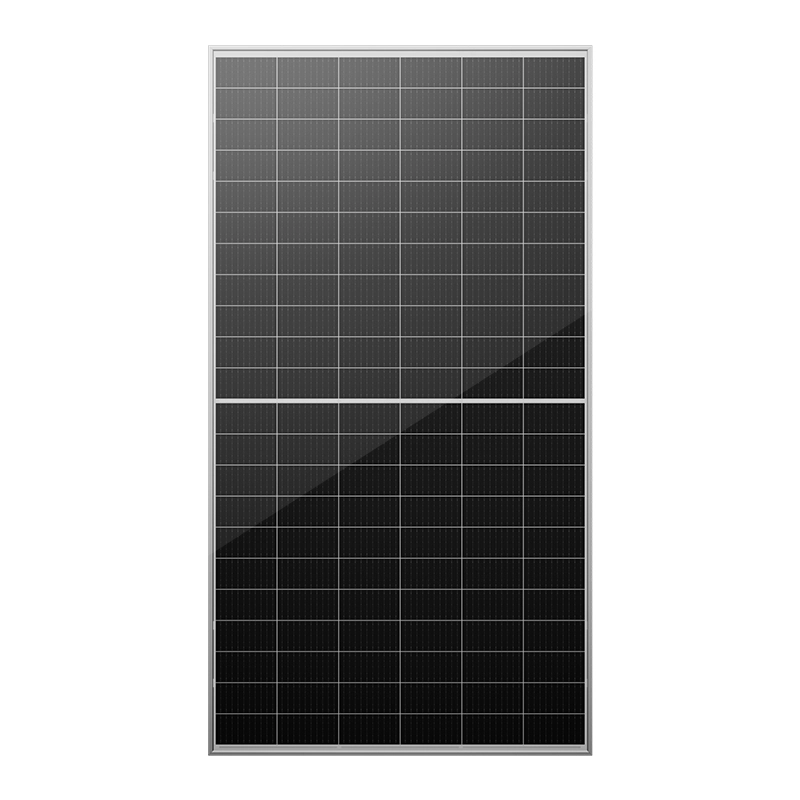
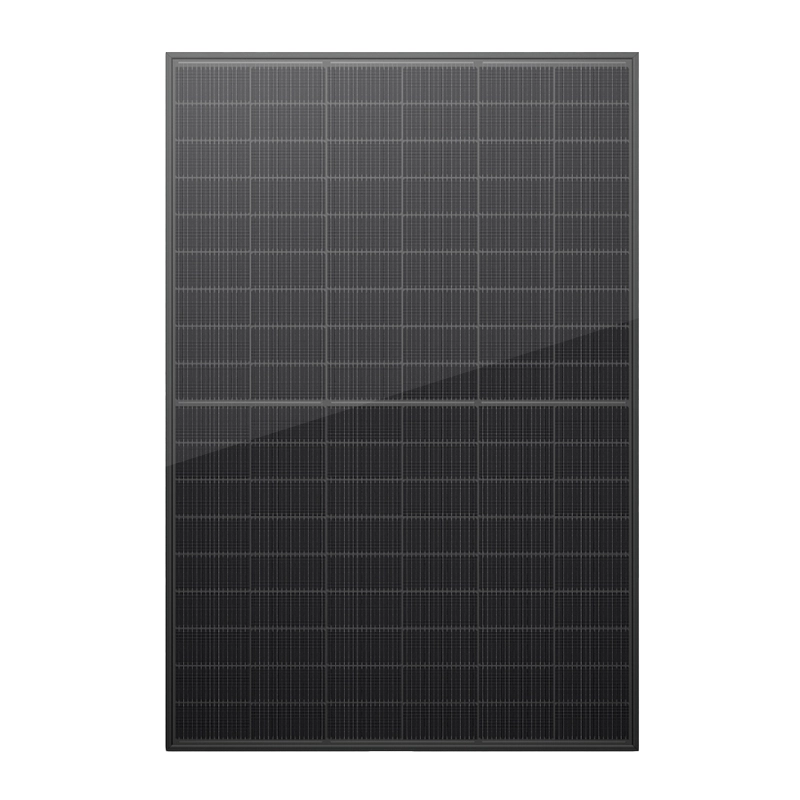
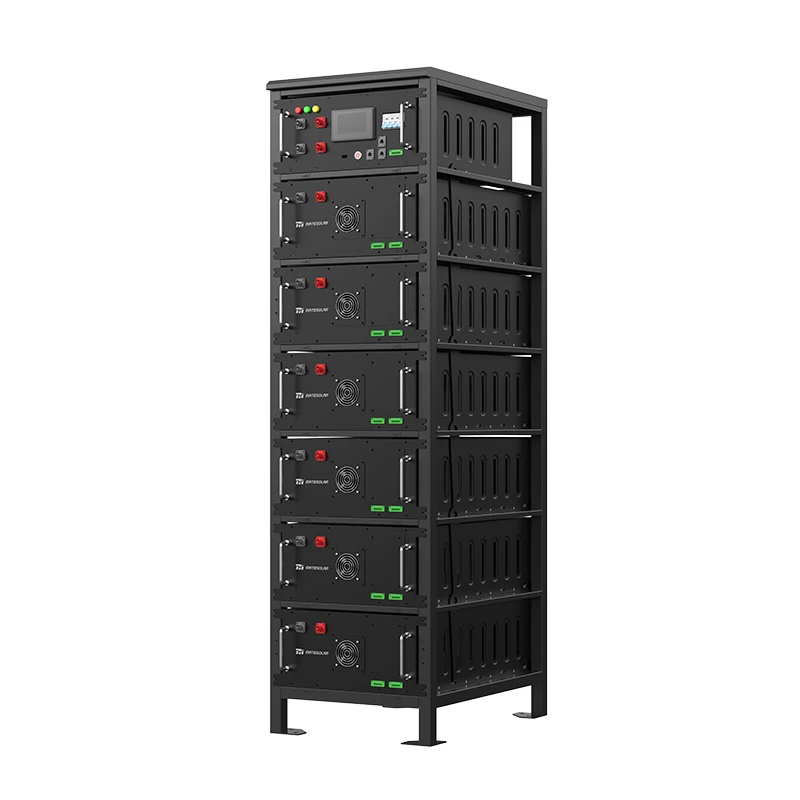
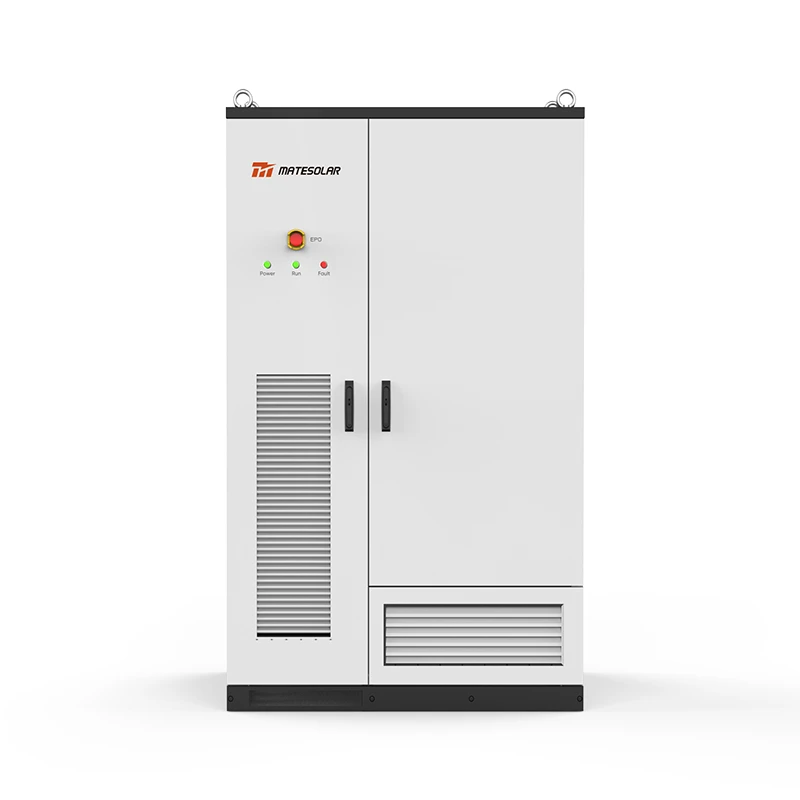
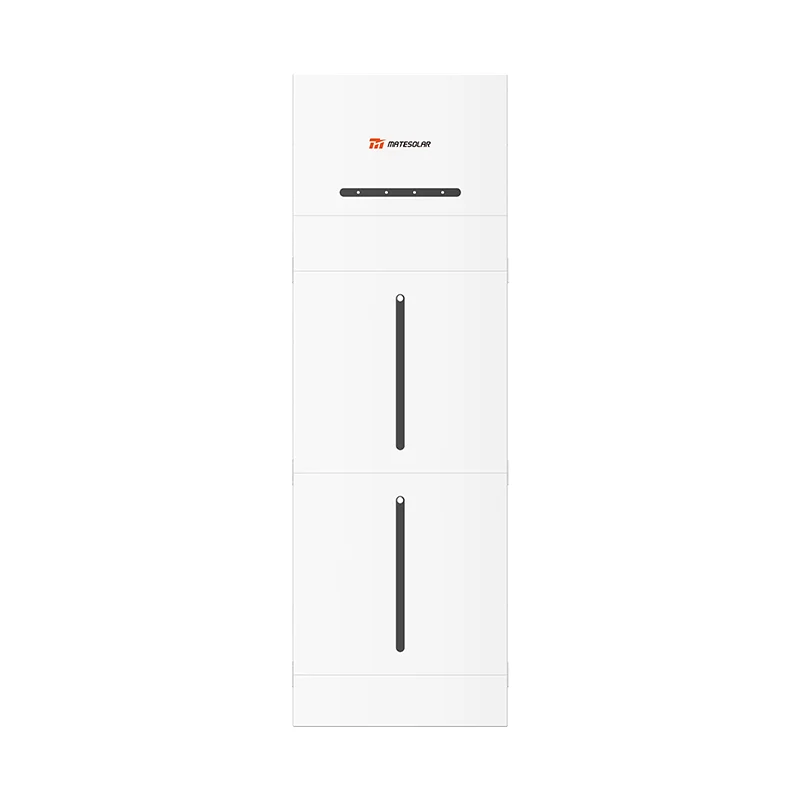
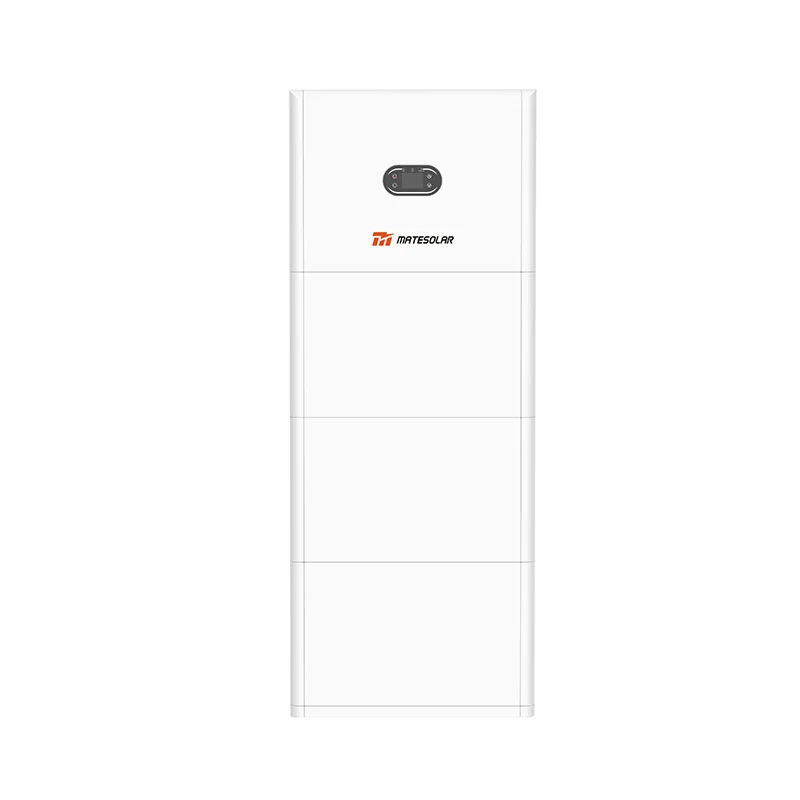
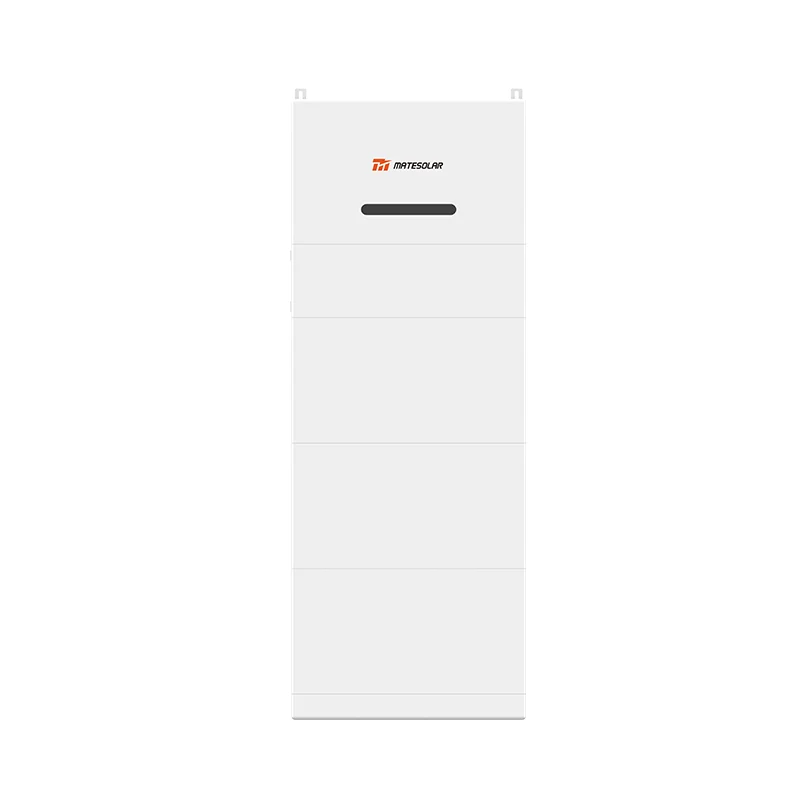
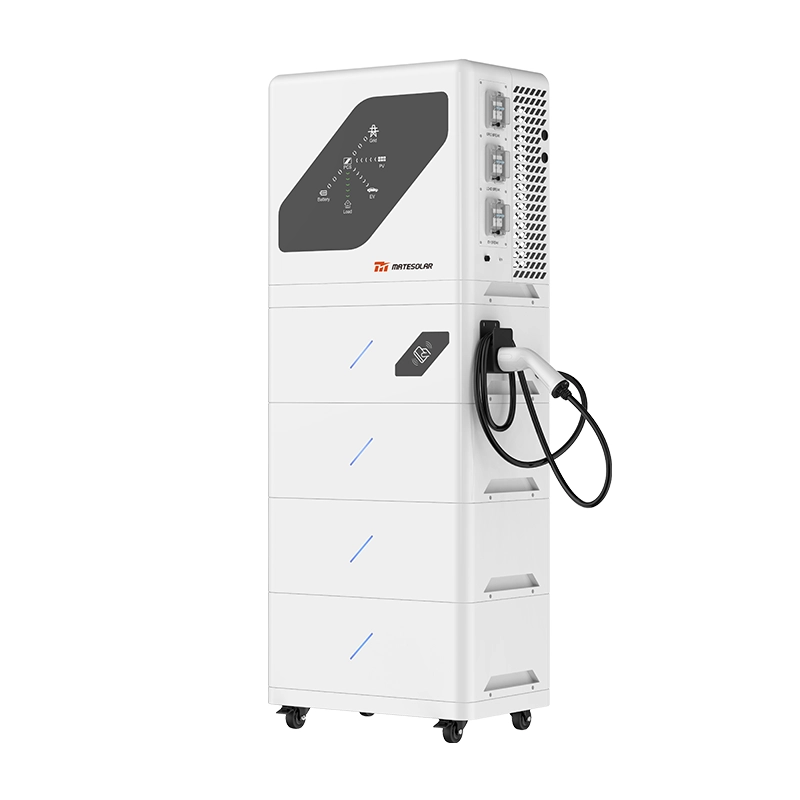
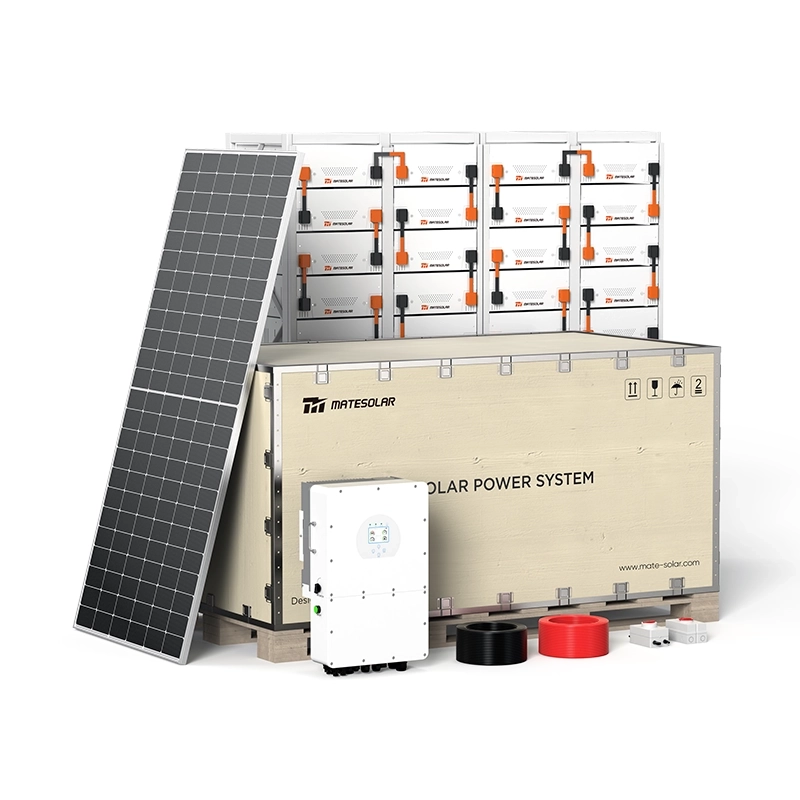
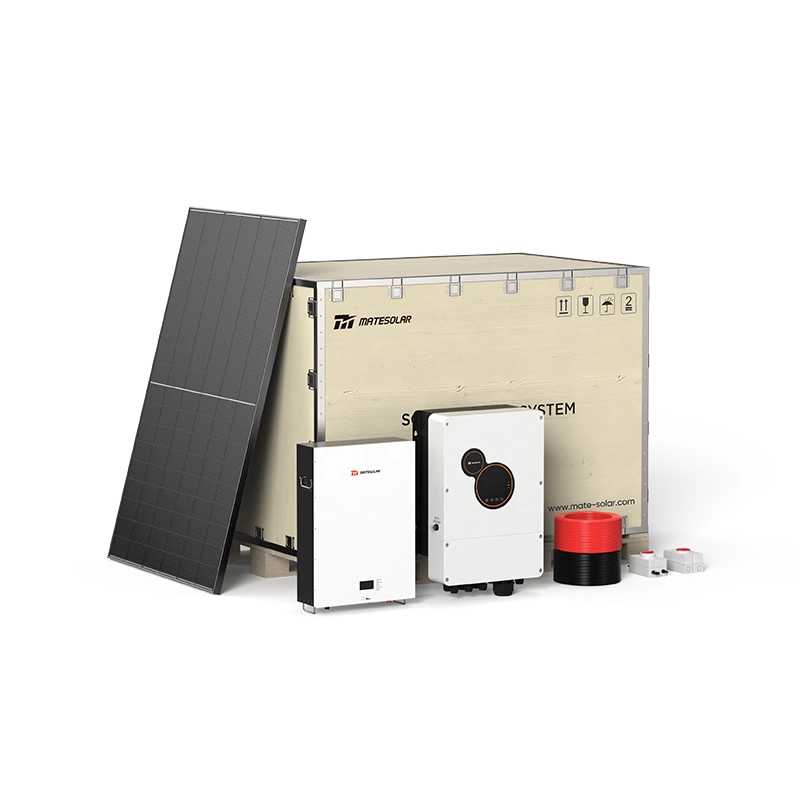
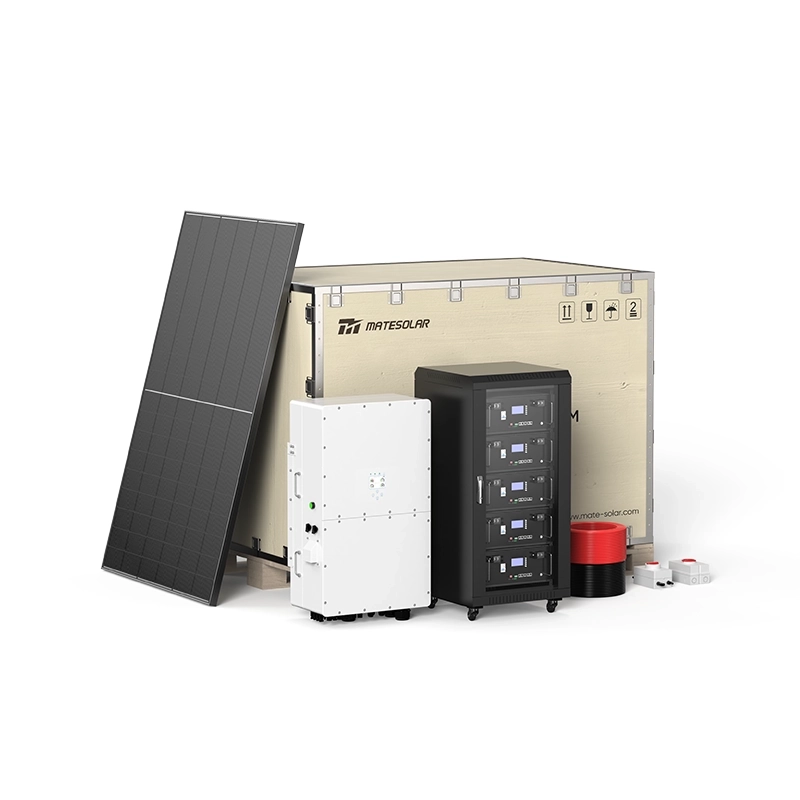
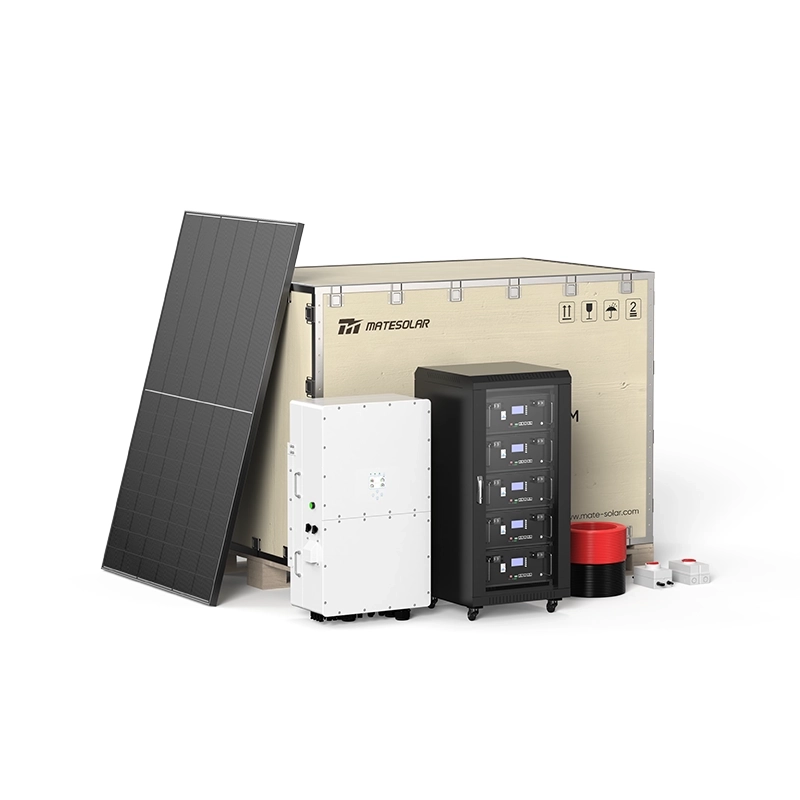
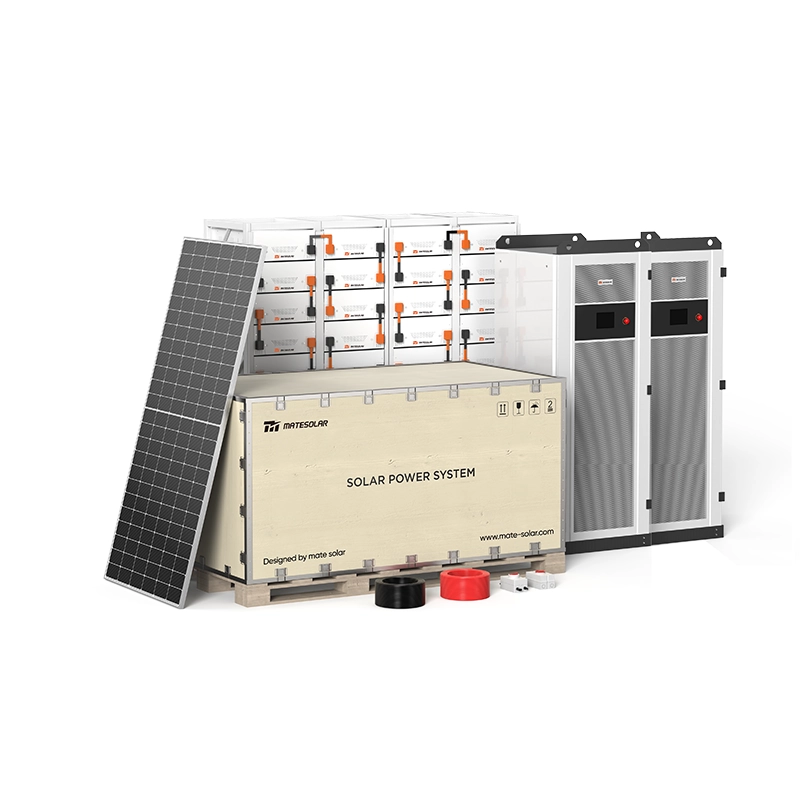
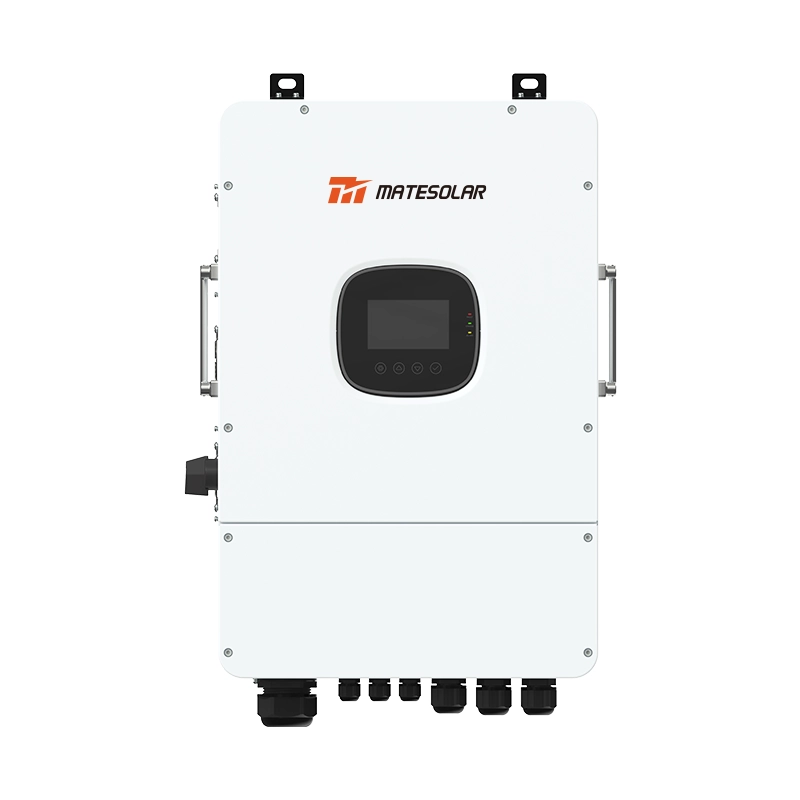
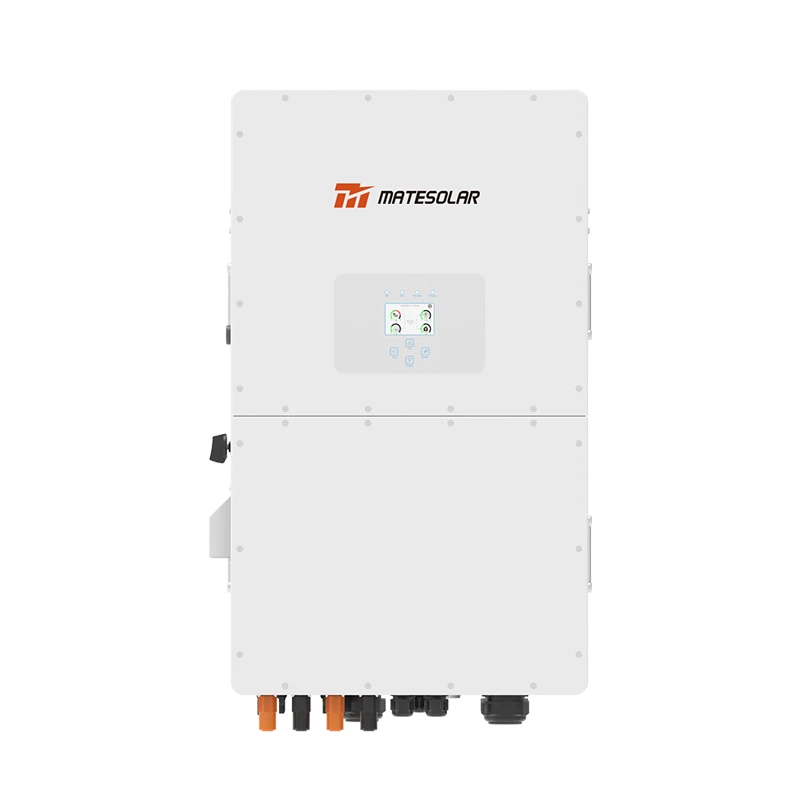
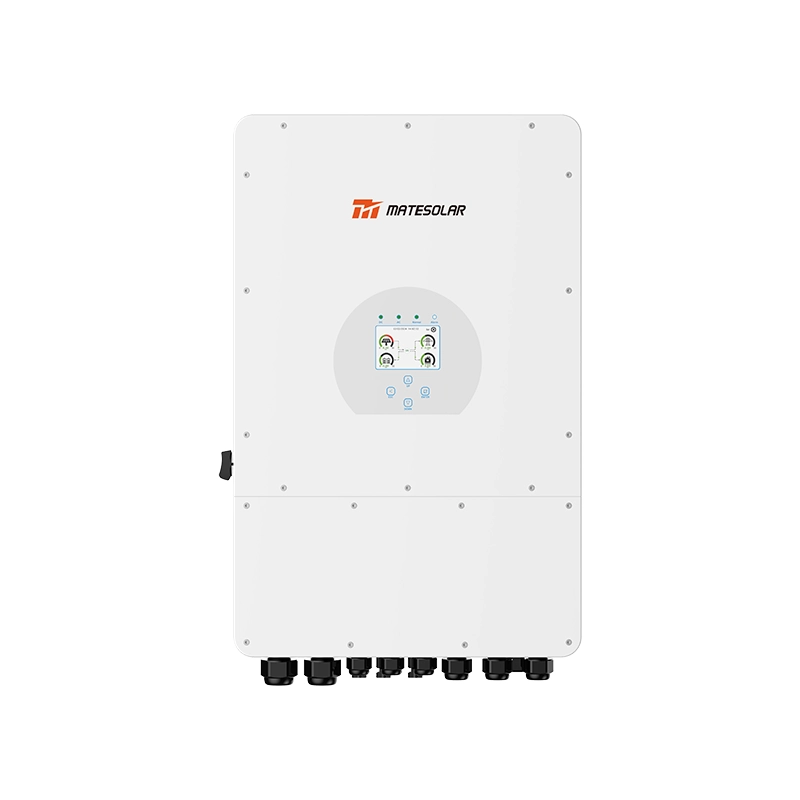
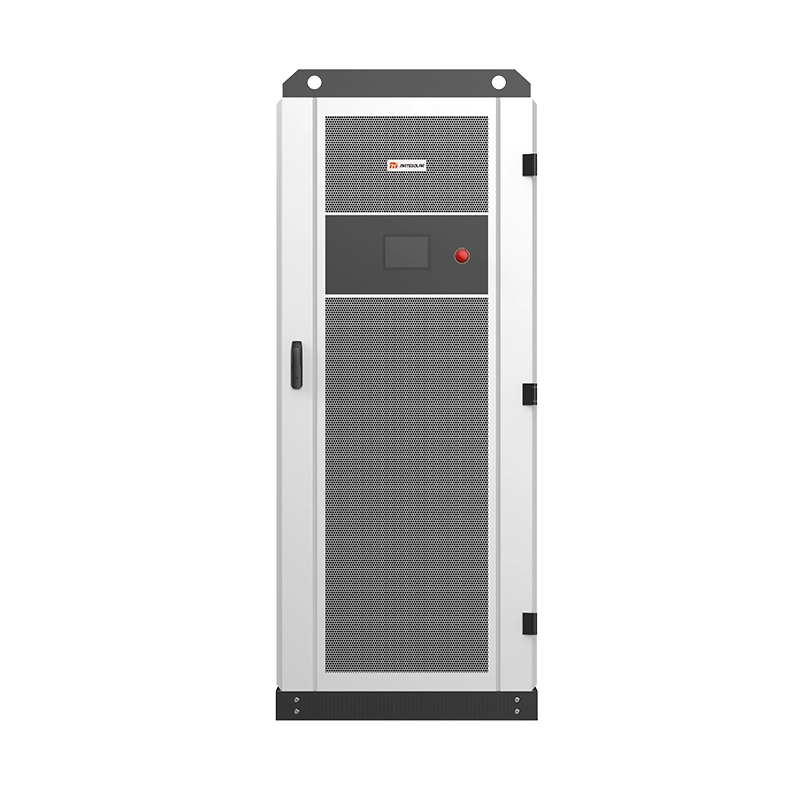
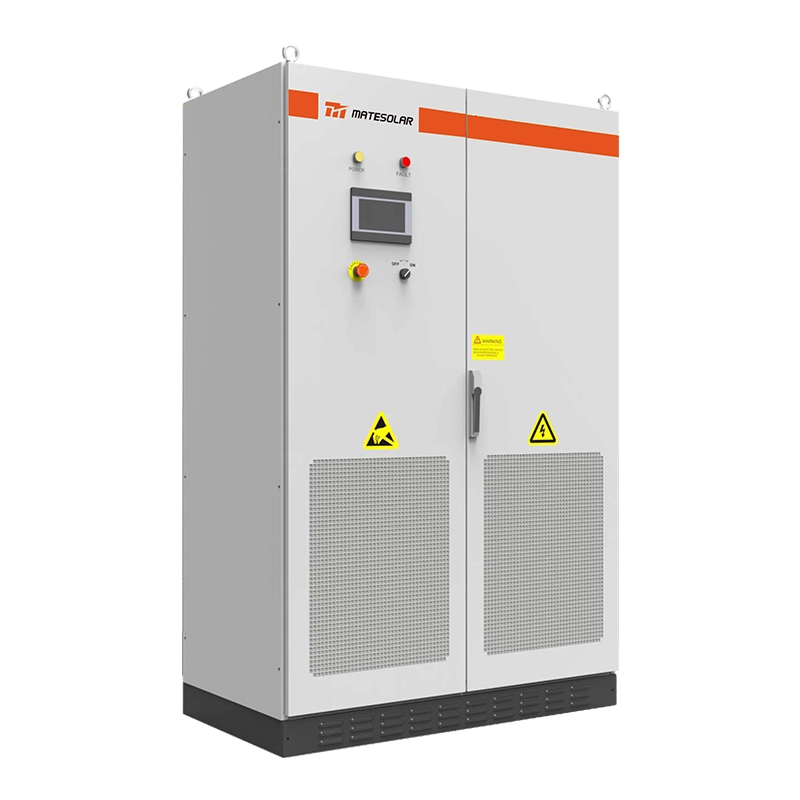
Pour le déploiement de systèmes de stockage d'énergie à grande échelle (BESS), MateSolar propose Système solaire hybride commercial de 500 kW —une solution prête pour la formation de réseau avec SGE intégré pour une alimentation industrielle 24h/24 et 7j/7.
Point sensible 2 : EPC/Développeur de projet/IPP — Répondre aux exigences de l'appel d'offres de 1,5 GW tout en gérant le risque de paiement de l'ENEE
Le problème principal. Pour les développeurs qui préparent des réponses à l'appel d'offres national de 1,5 GW, le chemin vers l'attribution est obstrué par trois obstacles interconnectés : répondre précisément aux spécifications techniques, obtenir un financement dans un environnement perçu comme à haut risque, et concevoir des structures commerciales qui restent viables malgré le bilan de paiement d'ENEE.
Solution 1 : Packs d'appels d'offres clés en main pour le solaire + stockage avec conformité technique complète.
L'appel d'offres porte sur une solution « 65% » combinant énergie renouvelable et stockage, et non pas simplement sur une énergie renouvelable à laquelle s'ajoute un système de stockage en complément. Cette distinction est importante. Les soumissionnaires doivent démontrer que le système de stockage est pleinement intégré à l'installation de production d'énergie renouvelable, qu'il est capable de décaler la production dans le temps, de fournir des services au réseau et de maintenir la capacité de régulation dans toutes les conditions d'exploitation.
Un dossier de soumission retenu doit comprendre :
- Modélisation de la performance PV spécifique au site à l'aide de données d'ensoleillement hondurien
- Dimensionnement des systèmes de stockage d'énergie par batterie (BESS) optimisé pour l'intégration photovoltaïque et la fourniture de services auxiliaires
- Études d'interconnexion au réseau démontrant la conformité aux normes techniques de la CREE
- Spécifications EMS montrant comment le stockage sera expédié pour consolider la production des énergies renouvelables
- Plans de mise en service alignés sur le calendrier triphasé : 800 MW d'ici début 2028, 300 MW d'ici 2029, 400 MW d'ici 2030
Solution 2 : Documentation de bancabilité et certification internationale.
Les institutions financières sont confrontées à un calcul difficile lors de l'évaluation des projets BESS au Honduras : le bilan de paiement de l'ENEE est médiocre, mais des institutions internationales, dont la BID et l'UE, soutiennent activement le secteur. Pour passer les comités de crédit, la documentation du projet doit inclure :
- Certification UL9540 pour système de stockage d'énergie complet (sécurité incendie et intégration du système)
- UL9540A pour les essais de propagation de l'emballement thermique (aux niveaux de la cellule, du module, de l'unité et de l'installation)
- Norme CEI 62619 relative à la sécurité des cellules et modules de batterie (applications industrielles)
- Norme CEI 62477 relative à la sécurité des systèmes de conversion de puissance
- ISO 9001 pour la gestion de la qualité dans la fabrication
- ISO 14001 pour le management environnemental
Au-delà des certifications, les développeurs de projets devraient présenter des études de cas illustrant des financements réussis de systèmes de stockage d'énergie par batterie (BESS) dans des contextes de paiement tout aussi difficiles — par exemple sur d'autres marchés d'Amérique centrale, dans des nations insulaires des Caraïbes ou sur des marchés africains où la qualité de crédit des services publics a constitué un frein.
Solution 3 : Structures commerciales atténuant le risque de paiement.
La réponse la plus innovante au risque de paiement d'ENEE est de minimiser les paiements d'ENEE dans leur ensemble. Les développeurs explorent de plus en plus :
Pôles énergétiques industriels. Un projet combinant énergie solaire et stockage peut être conçu pour approvisionner directement un ou plusieurs clients industriels via des lignes privées ou des accords de transport d’électricité, l’ENEE jouant alors un rôle de soutien plutôt que celui d’acheteur principal. Le cadre révisé de l’ENEE en matière d’autoconsommation, qui inclut désormais des dispositions relatives au stockage d’énergie, soutient ce type d’accords.
Agrégation au sein d’une centrale électrique virtuelle (VPP). En regroupant plusieurs installations de stockage décentralisées, les développeurs peuvent participer aux marchés des services auxiliaires (régulation de fréquence, soutien de tension, réserves d’urgence) qui sont rémunérés par des mécanismes distincts des paiements standard de l’ENEE pour l’énergie. Bien que le cadre réglementaire des services auxiliaires au Honduras soit encore en cours d’élaboration, les précédents régionaux au Mexique et en Colombie suggèrent que cette approche deviendra de plus en plus viable.
Mécanisme de garantie financière de l'ENEE. L'appel d'offres inclut explicitement un mécanisme financier pour garantir le paiement des factures impayées aux producteurs, et bien que son efficacité dépende de sa mise en œuvre, les développeurs devraient structurer leurs projets pour maximiser l'accès à ce mécanisme.
Cofinancement BID/UE. Le cadre « Global Gateway » de l’UE, renforcé par l’accord conclu le 8 mai 2026 entre le Honduras et l’UE, offre des conditions de financement avantageuses — durées plus longues, taux d’intérêt plus bas et clauses plus souples — pour les projets conformes aux normes de durabilité de l’UE.
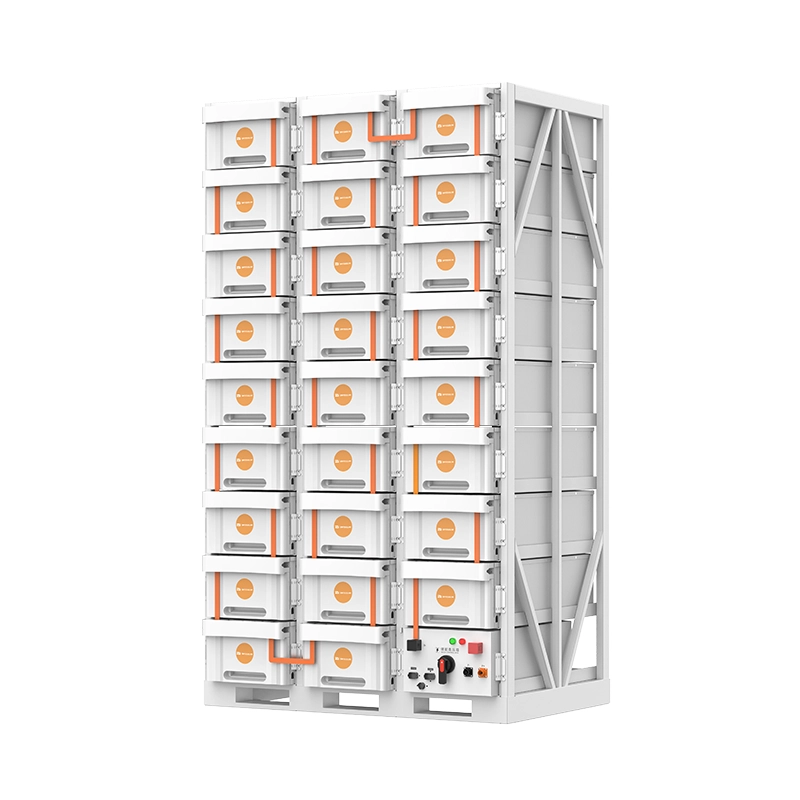
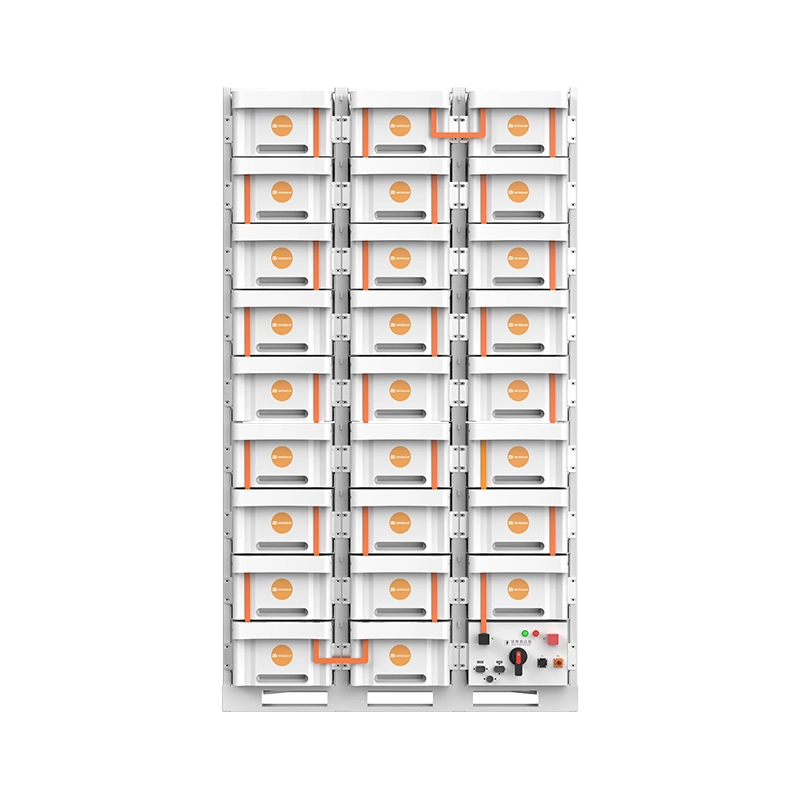
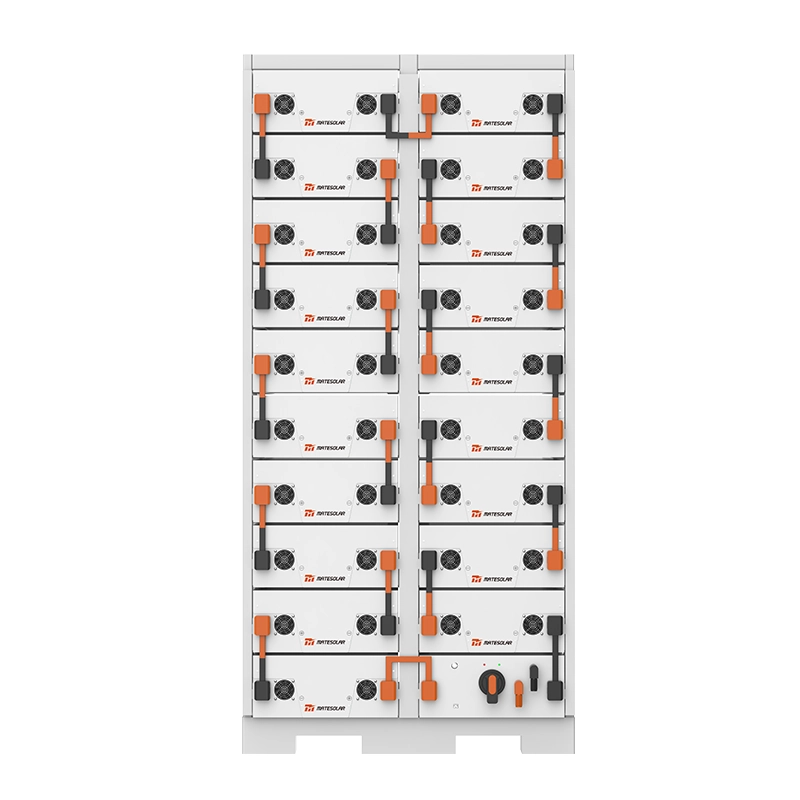
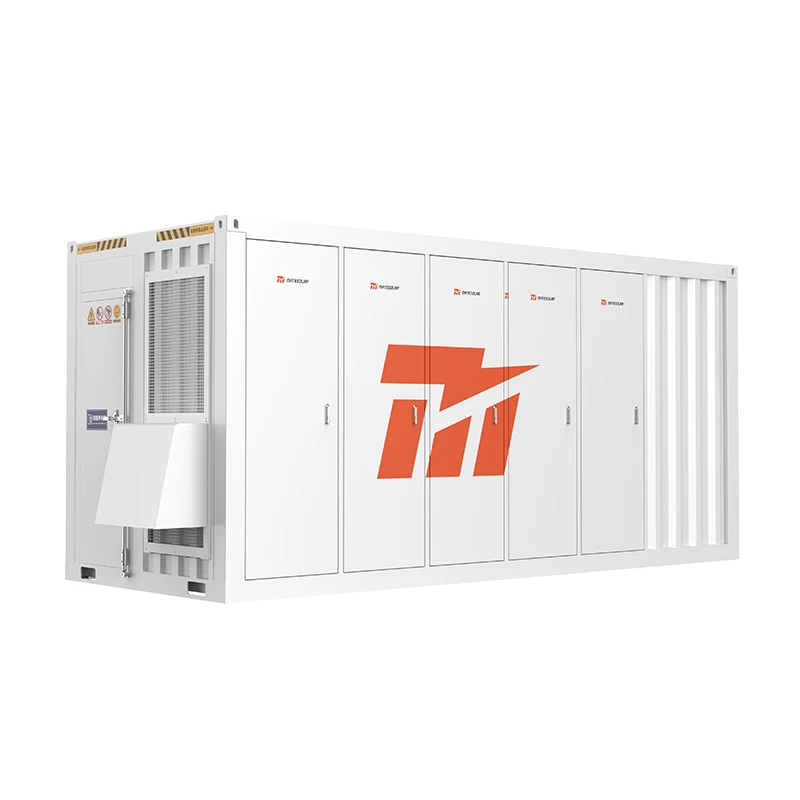
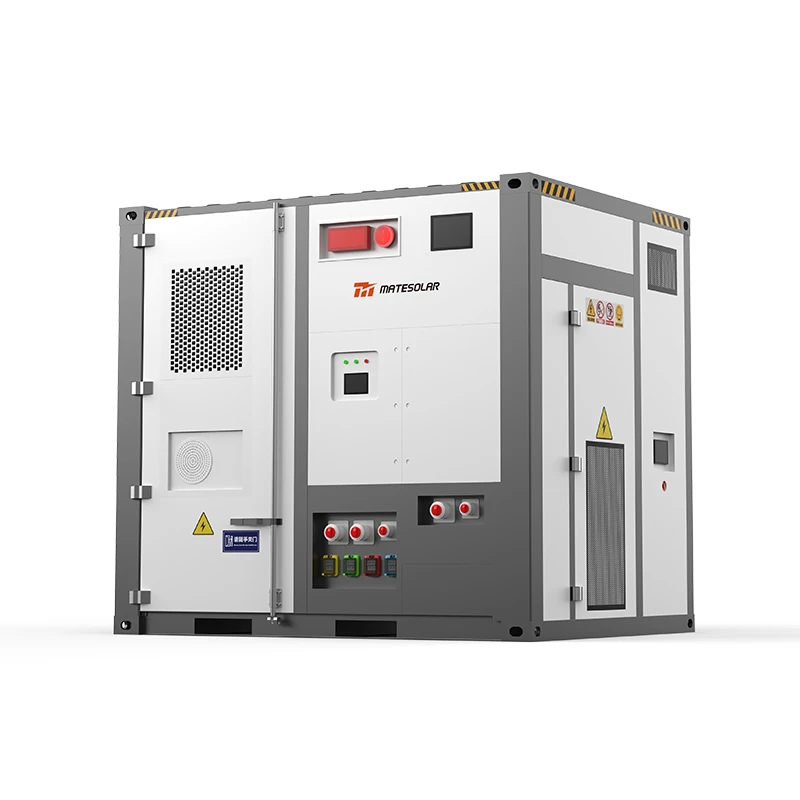
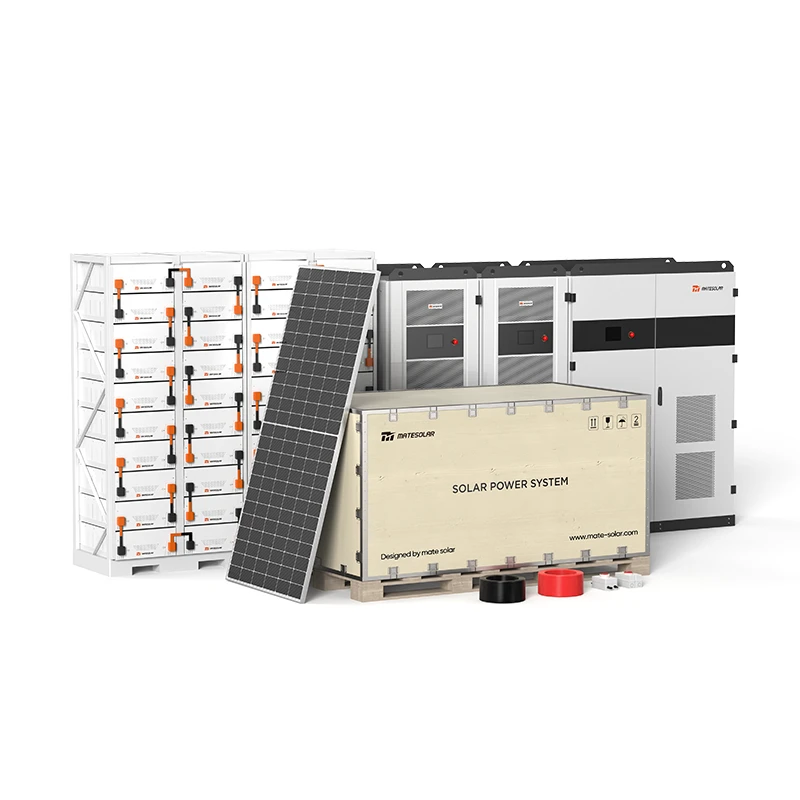
Pour les projets de stockage à grande échelle, les Conteneur de refroidissement liquide ESS de 3MWh / 5MWh de 20 pieds et Conteneur ESS de 40 pieds, 1 MWh / 2 MWh, refroidi par air proposer des solutions clés en main et bancables pour l'appel d'offres de 1,5 GW.
Solution n° 4 : Garantie de performance du contrat d'achat d'électricité (PPA) sur 20 ans.
L'appel d'offres de 1,5 GW porte sur des contrats d'achat d'électricité d'une durée de 20 ans. Les développeurs ont besoin de contreparties disposées à garantir les performances du système sur deux décennies, y compris la perte de capacité, la disponibilité et l'efficacité aller-retour. Les fournisseurs de BESS matures devraient offrir :
- Garantie de performance de 15 à 20 ans avec maintien défini de la capacité (par exemple, 80% à la 15e année, 70% à la 20e année)
- Garanties de disponibilité de 98% ou supérieures
- Gestion thermique refroidie par liquide pour un fonctionnement dans des températures ambiantes supérieures à 30 °C au Honduras
- Modèles de vieillissement cyclique validés par des laboratoires tiers
- Surveillance à distance et mises à jour logicielles over-the-air pour s'adapter aux exigences évolutives du réseau
Point sensible 3 : Petites et moyennes entreprises commerciales (hôtels, commerce de détail, agroalimentaire) — Tarifs élevés, complexité des subventions et sécurité dans les environnements urbains
Le problème central. Les petites et moyennes entreprises commerciales sont confrontées aux coûts d’électricité effectifs les plus élevés — pouvant atteindre 0,28 USD/kWh dans certaines régions — après six trimestres consécutifs de hausses tarifaires. Leurs installations disposent généralement d’un espace limité pour les équipements énergétiques, sont soumises à des exigences de sécurité accrues en raison de l’accès du public (hôtels, centres commerciaux, restaurants) et ont des budgets d’investissement restreints. Parallèlement, les subventions publiques à l’électricité destinées aux MPME (100% pour les consommateurs de moins de 1 000 kW, 50% pour celles consommant entre 1 000 et 3 000 kW) créent une situation économique complexe : les clients subventionnés sont moins incités dans l’immédiat à investir dans le stockage, mais ces subventions dépendent des dotations budgétaires annuelles et pourraient être réduites, voire supprimées.
Solution 1 : Armoires extérieures haute fiabilité pour climats tropicaux.
Le climat du Honduras — caractérisé par des températures élevées (entre 30 et 35 °C toute l'année dans les zones côtières et de plaine), une forte humidité relative (généralement comprise entre 70 et 85 %) et une exposition aux tempêtes tropicales et aux ouragans dans les îles de la Baie et sur la côte nord — impose des contraintes extrêmes aux équipements électriques installés à l'extérieur.
Les spécifications minimales pour les armoires extérieures commerciales devraient inclure :
- Indice de protection : IP65 minimum pour installation extérieure (étanche à la poussière et protégé contre les jets d'eau à basse pression)
- Gestion thermique : refroidissement liquide pour les systèmes dont la capacité de cellule est supérieure à 200 Ah, refroidissement par air actif avec ventilateurs redondants pour les systèmes plus petits, avec un fonctionnement démontré à 40 °C ambiant sans détarage.
- Plage de température de fonctionnement : -20°C à 60°C (ou plus large)
- Protection contre la corrosion : indice C5 ou NEMA 4X pour les installations côtières
- Durée de vie en cycles : 6 000 à 10 000 cycles à 25°C, ou 4 000 à 6 000 cycles à 35°C
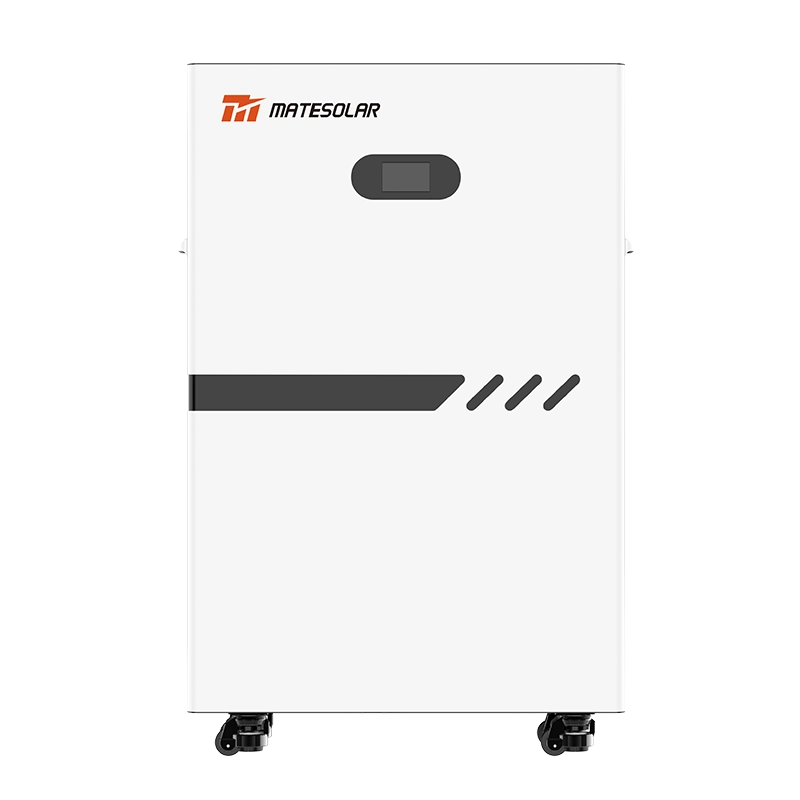
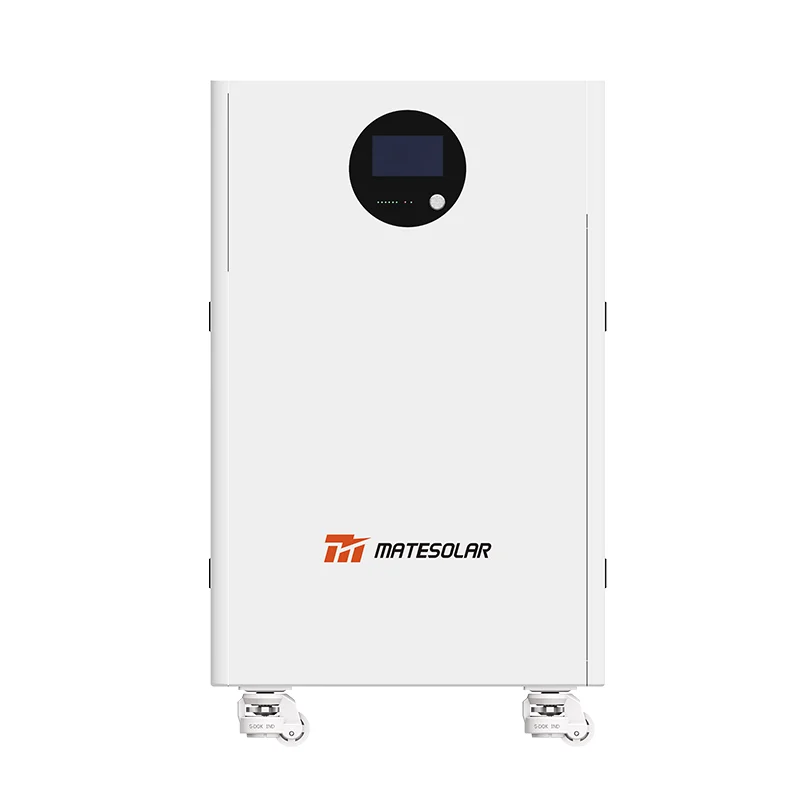
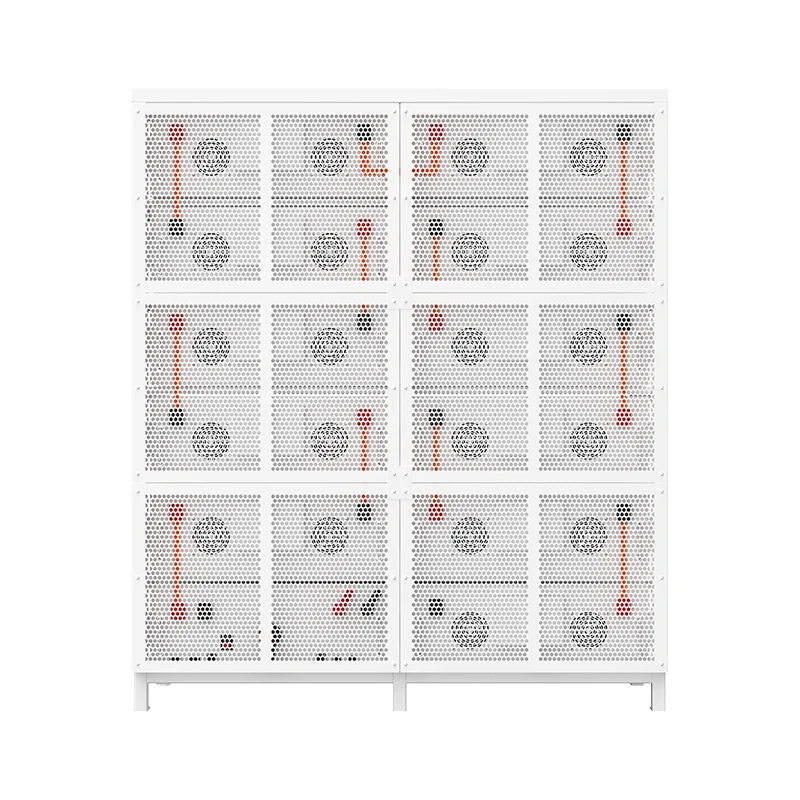
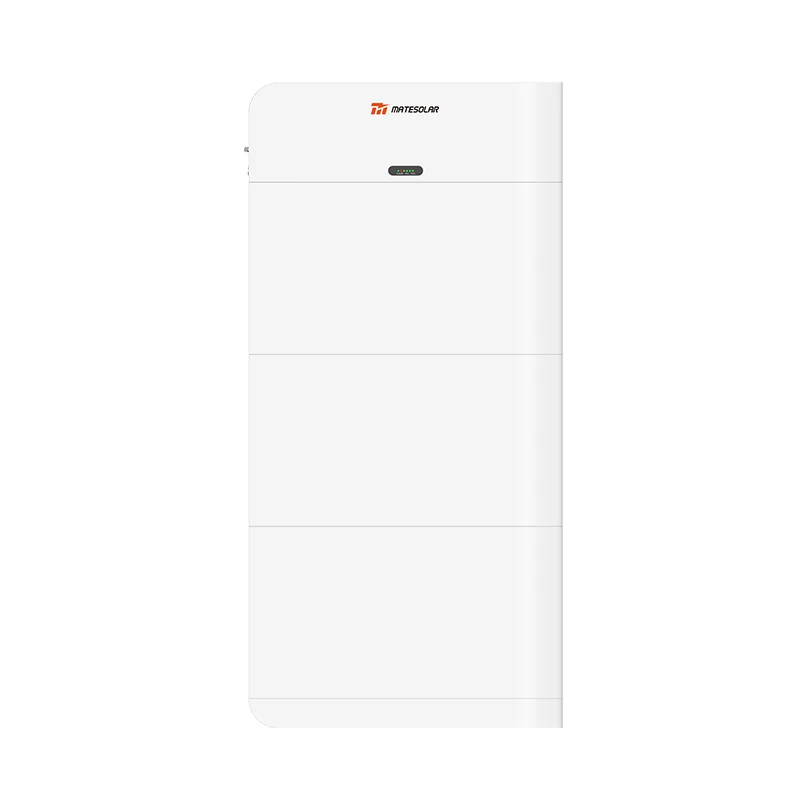
En Vedette : MateSolar Système de stockage d'énergie extérieur à refroidissement liquide de 100 kW/232 kWh et de 125 kW/261 kWh est conçu sur mesure pour le climat d'Amérique centrale, avec une protection IP65, un refroidissement liquide actif pour un fonctionnement à des températures ambiantes de plus de 30°C, et une suppression complète des incendies pour les environnements commerciaux denses en personnel.
Solution 2 : Empreinte compacte et conformité aux normes de sécurité incendie.
L'immobilier commercial est une denrée rare. Un hôtel dans le quartier commercial de Tegucigalpa ou un supermarché à San Pedro Sula ne peuvent pas consacrer de grandes surfaces à l'équipement énergétique. Les armoires extérieures sont le facteur de forme optimal, nécessitant généralement 1,5 à 3 mètres carrés d'espace au sol pour la gamme de 100 à 250 kWh.
La sécurité incendie est tout aussi importante. Les installations commerciales sont occupées par des employés et des clients, et les codes locaux de lutte contre les incendies font de plus en plus référence aux tests UL9540A pour les installations de BESS. Les caractéristiques du système devraient inclure :
- Prévention duemballement thermique au niveau des cellules (chimie LFP intrinsèquement plus sûre que NMC)
- Protection multicouche : fusibles de cellule, déconnexions au niveau du module, contacteurs au niveau du système
- Extinction d'incendie : aérosol ou agent propre (par exemple, Novec 1230 ou FM-200) avec détection précoce de gaz
- Conception compartimentée pour contenir tout événement thermique dans un seul module
- Conformité avec la NFPA 855 (code d'installation pour le stockage d'énergie stationnaire)
Solution 3 : Modélisation du ROI avec tarifs locaux et subventions.
Le retour sur investissement pour le stockage commercial dépend de manière critique des tarifs locaux de l'électricité, des profils de charge et des subventions applicables. En utilisant les tarifs actuels :
- Plage tarifaire : 4,81–5,32 lempiras/kWh (en moyenne 0,18–0,20 USD/kWh), avec des tarifs commerciaux de pointe pouvant atteindre 0,22–0,28 USD/kWh
- Croissance annuelle des tarifs : environ 8%, sur la base des hausses cumulées du premier semestre 2026
- Impact de la subvention : les MPME dont la puissance est inférieure à 1 000 kW bénéficient de la subvention 100%, ce qui supprime l'incitation liée au coût de l'électricité ; les clients dont la puissance est supérieure à 3 000 kW ne bénéficient d'aucune subvention
Exemple de calcul du retour sur investissement (client commercial non subventionné, consommation de 200 kWh/jour, tarif de 0,22 USD/kWh) :
| Paramètres | Valeur |
| Consommation quotidienne | 200 kWh |
| Taille du réseau photovoltaïque | 50 kWc |
| Capacité BESS | 100 kWh |
| Coût d'investissement (PV+BESS installé) | 120 000 USD |
| Économies annuelles d'électricité | 16 000 USD |
| Retour sur investissement simple | 7,5 années |
| Amortissement avec une indexation tarifaire annuelle de 8% | 6,2 ans |
| TIR à 15 ans | 11–13% |
Pour les clients bénéficiant d'une subvention complète (consommation inférieure à 1 000 kW), le cas économique nécessite une approche différente : ces installations devraient envisager le stockage pour l'alimentation de secours et la sécurité énergétique plutôt que l'arbitrage tarifaire.
Solution 4 : Conformité réseau pour le cadre révisé de l'autoconsommation.
La norme technique révisée de CREE pour l'auto-production, incluant désormais des dispositions spécifiques au stockage, exige que les systèmes connectés au réseau respectent des normes comprenant :
- Protection anti-îlotage (IEEE 1547)
- Capacité de correction du facteur de puissance (0,8 capacitif à 0,8 inductif)
- Contrôle de la vitesse de montée en puissance pour éviter que le flux de puissance inverse ne dépasse les limites de distribution
- Capacité de déconnexion à distance pour l'accès utilitaire
- Enregistrement et rapport des données pour la conformité réglementaire
Les systèmes de stockage commercial devraient être livrés avec une documentation complète de conformité au réseau, y compris des rapports de tests en usine, des certificats de type et des procédures de mise en service adaptées au cadre CREE.
Point sensible 4 : Zones isolées/hors réseau/insulaires/agricoles — Remplacement du diesel coûteux par des micro-réseaux hybrides fiables
Le Problème Central. Les îles de la Baie (Guanaja, Roatán, Utila), les zones agricoles rurales, ainsi que les sites miniers ou d'écotourisme éloignés partagent un modèle d'approvisionnement électrique commun : la génération au diesel. Le diesel livré à Guanaja coûte 35 à 40 Lempiras par litre (environ 1,35 USD/L) ou plus, ce qui se traduit par des coûts de production de 0,30 à 0,50 USD/kWh ou plus, avec les fardeaux supplémentaires de la logistique de transport de carburant, des émissions, du bruit et de la vulnérabilité de la chaîne d'approvisionnement. Le projet Solartia Guanaja a déjà démontré le modèle de micro-réseau hybride, mais son adoption reste limitée.
Solution 1 : Quantification des taux de remplacement du diesel et du retour sur investissement.
Un système hybride correctement conçu pour les conditions honduriennes devrait permettre une réduction de la consommation de diesel de 70% ou plus. Dans le cadre du projet de Guanaja, la phase initiale a permis de réaliser des économies de diesel supérieures à 80% pendant la journée, le fonctionnement nocturne nécessitant toutefois encore un apport de diesel. L'extension prévue dans le cadre de la deuxième phase, qui ajoutera 6,34 MWp d'énergie solaire et 2,32 MW de stockage, devrait permettre de réduire à zéro la consommation de diesel pendant la journée et de la diminuer de 60 à 70% pendant la nuit.
Comparaison économique (gîte isolé 500 kWh/jour, charge de pointe 100 kW) :
| Paramètres | Pur Diesel | Diesel + PV | PV + BESS Hybride |
| Consommation annuelle de diesel (litres) | 132,000 | 50,000 | 20,000 |
| Coût annuel du carburant (1,35 USD/L) | 178 200 USD | 67 500 dollars américains | 27 000 USD |
| Capital PV/BESS | / | 180 000 USD | 320 000 USD |
| Annuel O&M (groupe électrogène diesel) | 15 000 USD | 8 000 dollars américains | 4 000 USD |
| Remboursement simple vs. diesel pur | / | 2,1 années | 2 ans et demi |
| Coût total sur 10 ans | 1,93 million USD | 0,99 million de dollars US | 0,79 million USD |
Les durées de récupération de trois à six ans sont réalisables dans la plupart des applications isolées du Honduras, le résultat réel dépendant du prix local du diesel, de la ressource solaire (excellente dans la majeure partie du Honduras) et du profil de charge.
Solution 2 : Protection contre les environnements extrêmes.
Les installations à distance font face à toute la gamme des extrêmes environnementaux du Honduras :
- Température : 30-35°C+ avec un taux d'humidité élevé
- Corrosion saline : Golfe de Fonseca (côte sud) et Baie d'Honduras (côte nord)
- Vent Région sujette aux ouragans, avec des vitesses de vent de conception de 150 à 170 km/h (42 à 47 m/s) dans les zones côtières
- Poussière : Poussière de saison sèche dans les régions du sud et de l'ouest
- Éclair Orages fréquents, nécessitant une protection complète contre les surtensions
Spécifications minimales pour les systèmes distants :
- IP65 ou supérieur pour une installation extérieure
- C5-M indice de corrosivité (corrosivité marine très élevée) pour les sites côtiers et insulaires
- Résistance à la charge de vent de 47 m/s (105 mph) pour les zones côtières exposées
- Dispositifs de protection contre les surtensions de type 1+2 côté CC et côté CA
- Température de fonctionnement : -10°C à 55°C à pleine puissance, -20°C à 60°C avec détarage
Solution 3 : EMS avec optimisation multi-sources.
Le projet Solartia Guanaja a prouvé que les micro-réseaux hybrides PV-BESS-diesel sont techniquement réalisables. La technologie clé qui le rend possible est le système de gestion d'énergie (EMS), qui doit effectuer :
- Prévision de la charge : Prédire la charge du lendemain en fonction des tendances historiques et de la météo
- Prévision de la génération PV : Utiliser les données satellitaires/d'irradiance pour prédire la production solaire du lendemain
- Gestion de l'état de charge du BESS : Assurer une autonomie suffisante pour la nuit et les périodes nuageuses
- Optimisation de la répartition du diesel : Démarrer et arrêter les groupes électrogènes aux points de rendement optimal (généralement entre 40 et 80 % de charge)
- Détection d'îlotage à la milliseconde : Transition transparente vers le mode îlot en cas de perte du réseau
Pour les sites distants soumis à des contraintes logistiques, la conception du système doit également aborder la disponibilité des pièces de rechange. Un stock local de composants critiques (onduleurs, cartes BMS, contacteurs) associé à des capacités de diagnostic à distance peut maintenir les systèmes opérationnels pendant l'expédition des pièces de rechange depuis les entrepôts centraux.
Solution 4 : Déconnexion sans faille et capacité de démarrage sur réseau coupé.
Connectés au réseau ou non, les microréseaux isolés doivent gérer le scénario d'une coupure complète du système, que ce soit en raison d'une maintenance, d'une défaillance de composant ou d'intempéries. La capacité de redémarrage à froid (black start) permet au BESS de redémarrer à partir d'un état nul et d'alimenter le réseau local sans alimentation externe. Ceci nécessite :
- Onduleurs capables d'établissement de tension et de fréquence sans référence réseau
- Séquence de démarrage préprogrammée (batterie d'abord, puis PV lorsque l'irradiance est suffisante, puis diesel en dernier recours)
- Redondance de communication (Ethernet + CAN + contacts secs) pour assurer le bootstrap du système de contrôle
Pour les installations où une connexion au réseau existe mais est peu fiable, une transition sans interruption vers le fonctionnement en îlot—généralement spécifiée comme inférieure à 200 ms pour éviter que les charges sensibles ne chutent—est essentielle au fonctionnement continu.
Point sensible 5 : Tous les utilisateurs du stockage – Protection contre les risques de la chaîne de paiement d'ENEE
Le problème fondamental. Les 655 millions de dollars de dettes d'ENEE envers les producteurs privés ne constituent pas un problème statique, mais une caractéristique structurelle du secteur de l'électricité au Honduras. Tout projet qui dépend des paiements d'ENEE pour ses revenus se trouve ainsi confronté à une incertitude fondamentale. Les consommateurs industriels autonomes, qui ne vendent pas à ENEE, sont partiellement à l'abri, mais tous les utilisateurs partagent le risque que les difficultés financières d'ENEE puissent entraîner une instabilité tarifaire, une dégradation de la fiabilité du réseau ou un recul réglementaire.
Solution 1 : Diversification des revenus grâce aux EaaS, VPP et structures de prise en charge alternatives.
Énergie en tant que Service (EaaS). Dans le cadre d'un modèle EaaS, un tiers (souvent le fournisseur de BESS ou une société spécialisée dans les services énergétiques) possède et exploite le système de stockage, facturant au client des frais mensuels prévisibles basés sur la consommation d'énergie ou l'utilisation de la capacité. Le client réalise des économies par rapport à l'énergie du réseau sans investissement initial, et le propriétaire du système perçoit des revenus quelle que soit la situation de paiement de l'ENEE, potentiellement auprès de plusieurs clients sur un portefeuille.
Agrégation de centrales électriques virtuelles. Un portefeuille de systèmes de stockage distribués peut être agrégé en une VPP, participant aux marchés de gros de l'énergie (si libéralisés) ou fournissant des services réseau à l'opérateur du réseau. Alors que la conception du marché du Honduras est encore en évolution, la CREE a manifesté son ouverture à l'agrégation dans le cadre de la mise à jour du cadre d'autoconsommation.
CPPA avec un acheteur industriel. Un système de stockage peut contracter directement avec un grand client industriel, contournant complètement l'ENEE. Le cadre CREE offre désormais une base juridique plus claire pour de tels arrangements privés.
Solution 2 : Bancabilité grâce à une certification internationale complète et au transfert des risques par des tiers.
Les projets recherchant un financement dans le contexte hondurien doivent fournir aux prêteurs un maximum d'assurances. Outre les certifications UL/CEI évoquées précédemment, les éléments supplémentaires qui améliorent la bancabilité comprennent :
- Assurance de performance Assurances tierces garantissant un rendement spécifié du système, offrant aux prêteurs un recours au-delà du fabricant.
- Garantie prolongée Garantie de 15 à 20 ans d'un fabricant financièrement solide, avec des garanties définies de rétention de capacité et de disponibilité.
- Facilité de liquidité Une facilité de réserve pour couvrir le service de la dette pendant les périodes d'interruption des paiements de l'ENEE.
- Soutien multilatéral : La participation de la BID ou de l'UE au financement de projets, ce qui témoigne de la confiance des prêteurs commerciaux.
Solution 3 : Infrastructure de services locaux — Ce qui est possible et ce qui ne l'est pas au Honduras.
Une évaluation réaliste du support après-vente est essentielle pour la confiance des clients. Le modèle de support de MateSolar pour le Honduras est le suivant :
- Problèmes liés à la qualité du matériel : Pour les composants défectueux, MateSolar expédie des pièces de rechange accompagnées de guides d'installation détaillés, permettant aux électriciens locaux ou à l'équipe technique du client d'effectuer le remplacement. Dans les cas graves où le remplacement au niveau des composants n'est pas faisable, le produit peut être retourné pour un remplacement complet.
- Logiciels et problèmes de SGE : L'équipe de support technique de MateSolar résout la plupart des problèmes à distance, avec un accès au système EMS via une connexion Internet sécurisée ou un modem cellulaire. Les mises à jour du firmware et les changements de configuration sont déployés par liaison radio (OTA).
- Mise en service de projets à l'échelle des services publics : Pour les grands projets BESS industriels et utilitaires, MateSolar assure la supervision de la mise en service sur site. Du personnel technique se rend sur le site du projet au Honduras pour diriger la supervision de l'installation, le démarrage du système, les tests de performance et la formation de l'équipe locale.
- Pièces détachées et logistique : Les pièces de rechange critiques pour les modules onduleurs, les cartes du BMS, les interfaces de communication et les composants du système de refroidissement sont stockées dans un centre régional (Miami ou Panama), avec une livraison sous 48 à 72 heures vers les principales villes honduriennes. Les sites éloignés dans les îles de la Baie ou les zones rurales nécessitent 2 à 3 jours supplémentaires pour le transport par bateau ou par voie terrestre.
Ce modèle a été prouvé par des déploiements existants au Honduras, y compris le projet Chuanneng de 340 MWh et l'expansion de Solartia Guanaja, démontrant que la livraison, la mise en service et le support continu de systèmes de stockage d'énergie par batteries (BESS) à grande échelle dans les conditions honduriennes sont tout à fait réalisables.
Solution 4 : Adaptabilité aux évolutions des politiques et des structures de marché.
Le cadre réglementaire et de marché du Honduras est en transition, avec de nouvelles règles pour l'intégration du stockage, la facturation nette et les services de réseau attendues d'ici 2027-2028. Les systèmes BESS à l'épreuve du temps devraient inclure :
- Mises à jour de firmware par voie aérienne : Possibilité de pousser à distance de nouveaux codes de grille, une logique de participation au marché et des algorithmes d'optimisation EMS.
- Architecture de communication modulaire Support de protocoles multiples (Modbus TCP, IEC 61850, DNP3, OCPP) pour s'adapter aux exigences évolutives des services publics.
- Marge de manœuvre informatique Capacité de traitement pour les futures fonctionnalités telles que les enchères de marché en temps réel, la participation à la régulation de fréquence et la prévision avancée.
- API ouvertes : Accès aux données système pour l'intégration avec des plateformes d'analyse, de trading ou des agrégateurs tiers.
Partie III : Plongée technique - Architectures de produits comparatives pour les conditions honduriennes
Tableau 1 : Comparaison des systèmes BESS par segment d'application
| Fonctionnalité | Armoire extérieure (<250 kWh) | Conteneur — Refroidi par air (1-2 MWh) | Conteneur — Refroidi par liquide (3-5+ MWh) |
| Application cible | Petites entreprises commerciales, hôtels, PME, vente au détail | Micro-réseaux industriels à distance de moyenne échelle | Services publics/IPP, charge de base industrielle, appel d'offres de 1,5 GW |
| Empreinte | 1,5-3m² | 12m (conteneur de 40 pieds) | 12m (40 pieds) ou 6m (20 pieds) |
| Capacité typique | 100-260 kWh | 1-2 MWh | 3-5 MWh |
| Gestion thermique | Refroidissement liquide actif (préféré) ou à air forcé | Air pulsé avec ventilateurs redondants | Refroidissement liquide froid avec double pompe |
| Fonctionnement ambiant | -20°C à 55°C | -20°C à 50°C (réduction du rendement au-dessus de 45°C) | -30°C à 60°C (pas de réduction de puissance jusqu'à 50°C) |
| Protection contre la corrosion | IP65, C4-C5 | IP55, C4 | IP55-65, C5-M |
| Effort d'installation | Journée unique, petite équipe (2-3 personnes) | Déchargement par grue, 1-2 semaines, équipe spécialisée | Grue hors service, 2-4 semaines, équipe spécialisée BESS |
| Durée de vie typique (EoL 70%) | 6,000-8,000 | 6,000-8,000 | 8,000-12,000+ |
| Capables de formation de grille ? | Certains modèles (classe 100 kW et plus) | Oui, avec la PI appropriée | Oui, standard sur les systèmes 1500V |
| Fonctionnalités pour le Honduras | Encombrement compact, options de refroidissement passif, permis facile | Éprouvé dans un déploiement de 340 MWh, réparable sur le terrain | Pour un appel d'offres de 1,5 GW, une bancabilité maximale |
| Lien du produit MateSolar | Armoire extérieure 100 kW/232 kWh et 125 kW/261 kWh | Conteneur 40 pieds refroidi par air 1-2 MWh | Conteneur de refroidissement liquide 20 pieds 3-5 MWh |
Tableau 2 : Matrice de compatibilité du profil de charge industrielle
| Industrie | Profil de charge | Charge de pointe (typique) | Durée de sauvegarde nécessaire | Système recommandé | Formatage de réseau requis ? |
| Textile — San Pedro Sula | Continu, 24h/24 et 7j/7, variabilité modérée | 3-10 MW | 4-6 heures | Conteneur refroidi par liquide, 2-5 MWh par installation | Oui |
| Chaîne du froid — La Ceiba | Réfrigération continue, haute criticité | 1-3 MW | 4-8 heures | Conteneur refroidi par liquide, 1-3 MWh | Oui (en cas de perte totale du réseau) |
| Exploitation minière — Honduras occidental | Fortement variables, fortes charges de moteur | 2-8MW | 2-4 heures | Hybride PV+BESS+groupe électrogène, 2-5MWh | Oui (contexte de réseau faible) |
| Fabrication—mixte | Journée chargée, nuit modérée | 500 kW-2 MW | 6-10 heures (couverture de nuit) | Conteneur refroidi par air 1-2 MWh ou plusieurs armoires extérieures | Optionnel (connecté au réseau) |
Partie IV : FAQ — Réponses aux questions les plus urgentes sur le stockage d'énergie au Honduras
Section A : Questions techniques
Q1: Les BESS peuvent-ils réellement remplacer une centrale thermique en tant que source d'énergie de base ?
Oui, mais avec des réserves. Un BESS seul ne peut pas remplacer une centrale thermique car les batteries nécessitent d'être rechargées — leur énergie stockée est finie. Cependant, un système hybride PV+BESS peut efficacement remplacer une centrale thermique pour les applications de charge de base lorsque le système est correctement dimensionné (généralement 3-4 kWh de stockage par kW de charge de pointe pour des opérations 24h/24 et 7j/7). Le BESS fournit une capacité de formation de réseau, établissant la référence de tension et de fréquence pour l'ensemble du micro-réseau de l'installation, tandis que le solaire fournit l'énergie de recharge pendant la journée. Pour les industries ayant des charges 24h/24 et 7j/7, la durée de stockage requise varie généralement de 4 à 6 heures, ce qui est disponible dans le commerce et techniquement mature.
Q2 : Quelle est la durée de vie typique d'un BESS dans les conditions honduriennes (température ambiante de 30°C+, humidité élevée) ?
A2 : Les batteries LFP se dégradent plus rapidement à des températures élevées. À une température ambiante de 25 °C, un système LFP de qualité peut atteindre 8 000 à 10 000 cycles avec une rétention de capacité de 70%. À une température ambiante de 35 °C, la durée de vie en cycles peut être réduite de 25 à 35%. Les stratégies d’atténuation comprennent : (1) le refroidissement par liquide, qui maintient la température des cellules proche de la température ambiante quelles que soient les conditions extérieures ; (2) le surdimensionnement du système de 15 à 20% pour compenser la dégradation accélérée ; (3) le choix de cellules présentant une moindre sensibilité à la température. Les systèmes dotés d’un refroidissement liquide actif et d’une gestion thermique adéquate peuvent encore atteindre une durée de vie utile de plus de 12 ans dans les climats honduriens.
Q3 : Quelles certifications un BESS doit-il avoir pour le Honduras ?
A3 : Bien que CREE n'ait pas encore imposé de certifications spécifiques pour les BESS, les meilleures pratiques internationales et les exigences de bancabilité imposent : UL9540 (sécurité du système), UL9540A (tests de propagation de l'emballement thermique), IEC 62619 (sécurité des batteries pour applications industrielles), IEC 62477 (sécurité du PCS) et IEEE 1547 (interconnexion au réseau). Pour les projets recherchant un financement auprès de la BID ou de l'UE, ces certifications sont de facto obligatoires.
Q4: Les groupes électrogènes diesel existants peuvent-ils être intégrés avec de nouveaux systèmes de stockage d'énergie par batterie (BESS) ?
A4 : Oui, et c'est l'approche optimale pour de nombreuses applications isolées et industrielles. Le système de gestion de l'énergie (EMS) peut gérer les groupes électrogènes diesel comme ressources de secours, en les démarrant uniquement à leurs points de charge les plus efficaces (généralement entre 40 et 80% de leur capacité nominale) et en utilisant le système de stockage d'énergie par batterie (BESS) pour le suivi de la charge et le photovoltaïque pour l'énergie de base. Le projet Solartia Guanaja démontre que les systèmes hybrides diesel-BESS-PV peuvent réduire la consommation de diesel de 70 à 85%.
Q5 : Quelle est la différence entre les onduleurs suiveurs de réseau (grid-following) et les onduleurs formateurs de réseau (grid-forming), et pourquoi est-ce important pour le Honduras ?
Les onduleurs qui suivent le réseau exigent une référence de réseau stable pour fonctionner — ils injectent du courant mais n'établissent ni la tension ni la fréquence. Les onduleurs qui forment le réseau peuvent établir leur propre référence de tension et de fréquence, fonctionnant comme le " réseau " pour d'autres onduleurs. Pour les installations industrielles qui peuvent être isolées du réseau national pendant des pannes (ou volontairement, pour éviter des problèmes de paiement ENEE), la capacité de formation de réseau est essentielle.
Section B : Questions financières et commerciales
Q6 : Comment dois-je évaluer le retour sur investissement d'un projet de BESS compte tenu des problèmes de paiement de l'ENEE ?
A6 : La réponse dépend de votre rôle dans la chaîne de valeur. Pour les autoconsommateurs industriels (installations qui consomment l’électricité qu’elles produisent elles-mêmes), les problèmes de paiement liés à l’ENEE n’ont pratiquement aucune incidence sur le calcul du retour sur investissement : les économies proviennent de la réduction des achats sur le réseau. Utilisez les tarifs en vigueur et prévoyez une indexation annuelle de 6-8% sur la base des récents ajustements de la CREE. Pour les producteurs indépendants (IPP) vendant à l’ENEE, le calcul doit tenir compte du risque de retard de paiement. Actualisez les recettes attendues de 15 à 25% pour tenir compte des retards de paiement de 4 à 7 mois, et intégrez le mécanisme de garantie financière de l’appel d’offres le cas échéant.
Q7 : Quelles sont les options de financement disponibles pour les projets de SGES au Honduras ?
Plusieurs sources sont actives ou émergentes :
- IDB : Prêt de 130 millions de dollars des États-Unis pour le renforcement du secteur de l'énergie et financement non remboursable de 2,5 millions de Lempiras pour des projets de décarbonisation de l'ENEE
- Porte d'entrée mondiale de l'UE Cadre de 300 milliards de dollars américains à l'échelle mondiale ; l'accord Honduras-UE signé le 8 mai 2026 offre un accès
- BEI : 1 milliard d'euros pour des projets d'énergies renouvelables et de réseaux en Amérique centrale (novembre 2025)
- Banques commerciales : Sous réserve des garanties de paiement de l'ENEE ou de structures d'achat alternatives
- Financement d'équipement : Grâce aux modèles EaaS ou au crédit fournisseur (disponible auprès de MateSolar)
Q8 : Pouvez-vous fournir un modèle de retour sur investissement (ROI) pour une installation industrielle de 500 kW à San Pedro Sula ?
A8 :
| Paramètres | Valeur |
| Charge maximale de l'installation | 500kW |
| Consommation annuelle | 3 000 000 kWh |
| Tarif actuel | 0,17 USD/kWh (tarif industriel) |
| Dépenses annuelles du réseau | 510 000 USD |
| Panneau PV proposé | 800 kWc |
| Système de stockage d'énergie proposé | 2 MWh (4 heures à puissance de pointe) |
| Coût d'investissement estimé (PV+BESS installé) | 850 000 USD |
| Dépenses annuelles liées au réseau après installation d'un système photovoltaïque + BESS (autoconsommation 70%) | 153 000 USD |
| Économies annuelles | 357 000 USD |
| Retour sur investissement simple | 2,4 ans |
| Valeur actuelle nette sur 10 ans (taux d'actualisation 8%) | 1,9 million USD |
| TIR du projet | 38% |
*Ce calcul suppose qu'il n'y a pas de rachat sur le réseau (compensation nulle de la part de l'ENEE), aucune subvention et une échelonnement tarifaire 8%. Contactez MateSolar pour obtenir une simulation adaptée à votre site.*
Q9 : Quel est l'impact de la subvention sur l'électricité des PME sur le cas d'affaires du stockage ?
A9 : Les micro, petites et moyennes entreprises (MPME) dont la consommation est inférieure à 1 000 kW par mois bénéficient d’une subvention 100% sur leurs factures d’électricité, financée par une dotation gouvernementale de 460 millions HNL (avril 2026). Pour ces clients, le coût marginal de l’électricité du réseau est effectivement nul pendant la période de subvention : le stockage n’offre donc aucun avantage en termes d’arbitrage tarifaire. Le recours au stockage pour ces clients doit être évalué uniquement sous l’angle de la sécurité d’approvisionnement (alimentation de secours) et de la pérennité potentielle en cas de réduction des subventions. Les micro, petites et moyennes entreprises (MPME) consommant entre 1 000 et 3 000 kW bénéficient d’une subvention de 501 TP3T, ce qui réduit mais n’élimine pas la rentabilité économique. Les clients non subventionnés (consommation supérieure à 3 000 kW ou secteurs exclus) sont soumis aux tarifs pleins.
Section C: Questions relatives à la réglementation et à la conformité
Q10 : Quel est le statut de la réglementation sur l'autoconsommation et le stockage de CREE ?
A10 : En mars 2026, la CREE a ouvert une consultation publique (CREE-CP-04-2024) visant à modifier le cadre technique de l'autoproduction, avec des dispositions spécifiques ajoutées pour les systèmes de stockage d'énergie, les raccordements d'équipements et de nouvelles définitions. La consultation s'est déroulée jusqu'au 18 mars 2026. Bien que les réglementations finales soient en attente, la direction est claire : le stockage sera explicitement reconnu et réglementé dans le cadre de l'autoconsommation, avec des normes techniques alignées sur les normes internationales.
Q11 : Quelles sont les exigences de raccordement au réseau applicables aux BESS ?
Dans le cadre actuel, le raccordement des BESS suit les mêmes principes généraux que les autres productions, la norme technique du CREE spécifiant les exigences basse et moyenne tension. Les exigences spécifiques au stockage envisagées dans la consultation comprennent : (1) la protection anti-îlotage pour les systèmes connectés au réseau ; (2) la capacité de contrôle du facteur de puissance ; (3) la capacité de télécommande par l'opérateur du réseau ; (4) le reporting des données et la télémétrie.
Q12 : Puis-je revendre l'énergie stockée à ENEE dans le cadre de la mesure nette ?
A12: Les réglementations actuelles sur l'auto-production permettent aux auto-producteurs résidentiels et commerciaux d'injecter l'excédent d'énergie dans le réseau de distribution, mais le mécanisme de compensation est encore en évolution. Le cadre révisé en consultation pourrait clarifier les tarifs de compensation pour les exportations provenant du stockage. Pour l'instant, le modèle économique le plus fiable pour la plupart des clients est la maximisation de l'autoconsommation plutôt que l'exportation.
Section D : Questions sur l'installation et l'exploitation
Q13 : Combien de temps prend l'installation d'une BESS au Honduras ?
A13 : Armoires extérieures (100-250 kWh) : 1 à 2 jours pour un électricien local qualifié, en supposant une préparation du site adéquate (dalle de béton, disjoncteur AC, ligne de communication). Conteneurs (1-5 MWh) : 2 à 4 semaines à compter de la livraison, y compris le déchargement par grue, les travaux de génie civil pour la fondation, le câblage AC/DC, l'intégration des communications et la mise en service. Les délais de livraison depuis la fabrication à l'étranger sont généralement de 60 à 120 jours selon la capacité.
Q14 : Et si le système tombe en panne après l'installation, qui le répare ?
A14 : Modèle de support de MateSolar (voir partie II, problème 5, solution 3 pour plus de détails) : Pour les problèmes de qualité matérielle, MateSolar expédie des pièces de rechange avec des instructions d'installation, permettant aux électriciens locaux ou à l'équipe du client d'effectuer le remplacement. Dans les cas graves où le remplacement au niveau du composant n'est pas possible, le produit peut être retourné pour un remplacement complet. Pour les problèmes logiciels et d'EMS, MateSolar assure un diagnostic et une résolution à distance via la connexion Internet sécurisée du système ou un modem cellulaire, avec des mises à jour du firmware déployées par voie hertzienne. Pour les grands projets industriels et les projets de services publics, MateSolar assure la supervision de la mise en service sur site, avec du personnel technique se rendant sur le site du projet pour la supervision de l'installation, le démarrage du système, les tests de performance et la formation.
Q15 : Le système peut-il être surveillé à distance ?
Oui. Tous les systèmes MateSolar comprennent un système de gestion d'énergie (EMS) basé sur le cloud avec des capacités de surveillance à distance accessibles via un navigateur Web ou une application mobile. Les fonctions clés comprennent la visualisation de l'état en temps réel, l'analyse des performances historiques, la journalisation des alarmes et des événements, les mises à jour du micrologiciel à distance (OTA) et le réglage des paramètres à distance (avec des contrôles de cybersécurité appropriés). Cela permet à l'équipe de support technique de MateSolar de diagnostiquer et de résoudre la plupart des problèmes sans visite sur site.
Q16 : Quelles sont les exigences d'espace pour l'installation d'un SRES ?
A16 :
| Type de système | Empreinte | Exigence de dégagement | Poids |
| Armoire extérieure 100 kW / 232 kWh | 2,5 m² | 1m avant/arrière, 0,5m côtés | 2 500 kg |
| Conteneur 40 pieds refroidi par air (1-2 MWh) | 12m x 2,5m (30m²) | 1m de tout côté pour la ventilation | 15-20 tonnes |
| Conteneur refroidi par liquide de 20 pieds (3-5 MWh) | 6m x 2,5m (15m²) | 1 mètre de tous les côtés pour l'accès au service | 20-25 tonnes |
Toutes les installations nécessitent une fondation en béton armé capable de supporter le poids du système. Pour les conteneurs, un accès par grue pour le déchargement et le positionnement est requis.
Partie V : Recommandations stratégiques par segment d'utilisateurs
Pour les entreprises industrielles (Textiles, chaîne du froid, mining)
Action immédiate (2026) : Réaliser un audit de charge pour quantifier les besoins en alimentation 24h/24 et 7j/7 et évaluer l'exposition aux mises hors service thermiques de 2029. Engager des fournisseurs de systèmes de stockage d'énergie par batterie (BESS) pour réaliser des démonstrations de capacité de formation de réseau en utilisant des normes de simulation comme UNAH ou similaires.
Déploiement à court terme (2026-2027) : Installer un système de stockage d'énergie par batterie (BESS) de première phase, dimensionné pour couvrir 4 à 6 heures de charge de pointe, associé à du PV solaire pour démontrer une exploitation hybride 24h/24 et 7j/7. Utiliser une architecture modulaire pour permettre une expansion en 2028-2029 à l'approche de la date limite de mise hors service.
Critères de décision clés : Capacité de formation de réseau, garantie de performance de plus de 15 ans, refroidissement liquide pour la gestion thermique et évolutivité modulaire sans remplacement du système.
Pour les systèmes hybrides à l'échelle industrielle, le système solaire hybride commercial de 500 kW de MateSolar est le point de départ éprouvé.
Pour les développeurs EPC/Projets et les IPP
Action immédiate (2026) : Sécuriser le contrôle du site et préparer les études d'interconnexion pour l'appel d'offres de 1,5 GW. Engager des discussions avec la BID et les bureaux de programmes de l'UE pour explorer le cofinancement. Structurer les PPA avec le mécanisme de garantie financière de l'ENEE comme terme obligatoire.
Déploiement à court terme (2026-2028) : Développer un ensemble d'appels d'offres standardisé pour les projets solaires et de stockage avec une conformité technique complète, des dossiers de certification UL9540 et CEI complets, et une structure d'achat d'énergie bancable (garantie EaaS ou ENEE). Cibler la fenêtre de 800 MW d'ici début 2028 comme la période de mise en service la moins encombrée.
Critères de décision clés : Certification du système UL9540, garantie de performance de 20 ans, refroidissement liquide pour un fonctionnement à haute température ambiante, et projets de référence éprouvés dans des environnements de paiement difficiles.
Pour une participation à l'échelle utilitaire à l'appel d'offres de 1,5 GW, explorez les solutions clés en main de MateSolar que sont les systèmes de stockage d'énergie conteneurisés refroidis par liquide de 20 pieds (3 MWh / 5 MWh) et les systèmes de stockage d'énergie conteneurisés refroidis par air de 40 pieds (1 MWh / 2 MWh).
Pour les Petites et Moyennes Entreprises Commerciales (Hôtels, Commerce de Détail, Agro-industrie des PME)
Action immédiate (2026) : Vérifiez le statut de votre subvention. Si vous êtes entièrement subventionné (consommation <1 000 kWh), envisagez un stockage pour l'alimentation de secours plutôt que pour les économies de coûts. Si vous êtes partiellement ou non subventionné, obtenez un modèle de retour sur investissement spécifique au site en utilisant les tarifs actuels de CREE.
Déploiement à court terme (2026-2027) : Déployez une armoire extérieure (gamme 100-260 kWh) avec refroidissement liquide actif, protection IP65 et conformité aux normes de sécurité incendie UL9540A. L'encombrement réduit et les exigences de permis simplifiées font des armoires extérieures la solution optimale pour les sites commerciaux où l'espace est limité.
Critères de décision clés : IP65 minimum pour installation extérieure, conformité incendie UL9540A, refroidissement liquide pour une fiabilité dans des environnements à haute température, et compatibilité avec le cadre d'autoconsommation évolutif de CREE.
Pour les installations commerciales, les armoires extérieures refroidies par liquide pour systèmes de stockage d'énergie (ESS) de MateSolar, d'une capacité de 100 kW/232 kWh / 125 kW/261 kWh, sont spécialement conçues pour les environnements commerciaux urbains où l'espace est limité.
Pour les applications à distance / hors réseau / insulaires
Action immédiate (2026) : Calculer les coûts actuels de production d'électricité diesel, y compris la logistique et l'exploitation/maintenance (O&M). Se référer au modèle Solartia Guanaja (PV 6,34 MWc + stockage 2,32 MW + secours diesel). Évaluer la logistique pour la livraison d'équipements et de pièces de rechange.
Déploiement à court terme (2026-2027) : Mettre en place un système hybride photovoltaïque + BESS + diesel, dimensionné pour atteindre une réduction de la consommation de diesel de 70%+. Les conteneurs sont généralement privilégiés pour les sites isolés en raison de leur durabilité et des besoins réduits en travaux de construction sur site. Prévoir une protection complète contre la foudre et les surtensions.
Critères de décision clés : Indice de corrosion C5-M pour sites côtiers, résistance au vent de 47 m/s, indice IP65 pour environnements tropicaux et surveillance à distance avec sauvegarde cellulaire.
VIe partie : Perspectives — Le marché hondurien du stockage d'énergie jusqu'en 2030
2026 (Année actuelle) : La BESS Amarateca de 75 MW/300 MWh atteint sa phase opérationnelle. Le CREE finalise le cadre d'autoconsommation avec des dispositions de stockage. L'administration d'Oviedo fait progresser la restructuration de l'ENEE. Les fonds du Cadre Mondial de l'UE commencent à affluer suite à l'accord du 8 mai.
2027: L'ENEE vise une part des énergies renouvelables de 80%. Les résultats de l'appel d'offres portant sur 1,5 GW sont annoncés. Les premiers projets relevant du nouveau cadre parviennent à la clôture financière. Les autoconsommateurs industriels commencent à déployer des systèmes de stockage d'énergie par batterie (BESS) en réponse à la hausse des tarifs et aux craintes liées à la mise hors service des centrales thermiques.
2028: Les 800 premiers MW de capacité d'appel d'offres sont mis en service. Les mises hors service de centrales thermiques commencent. Les systèmes de stockage d'énergie par batterie formant la grille deviennent la norme pour les micro-réseaux industriels. Les projets de modernisation du réseau soutenus par la BID offrent une capacité de transmission améliorée.
2029: Le pic de retrait des centrales thermiques de 886 MW arrive. Les installations sans source d'alimentation alternative font face à des perturbations opérationnelles. Les systèmes hybrides BESS + PV déployés entre 2026 et 2028 prouvent leur valeur. La structure de paiement de l'ENEE se stabilise (scénario optimiste) ou se détériore davantage (scénario pessimiste).
2030: Mise en service des 400 MW restants de la capacité faisant l'objet de l'appel d'offres. Mise hors service des centrales thermiques restantes (276 MW). Le mix énergétique du Honduras atteint, voire dépasse, l'objectif de 70% en énergies renouvelables. Le marché a connu une transformation fondamentale, passant d'un système dépendant du thermique à un système dominé par les énergies renouvelables.
Facteurs de succès pour les parties prenantes
| Partie prenante | Le succès en 2026-2030 nécessite |
| Clients industriels | Déployer le BESS avant 2028, pas après 2029. Le déploiement modulaire réduit le capital initial tout en préservant les options d'expansion. |
| Producteurs indépendants d'électricité/développeurs | Établir des relations avec les bureaux des programmes de la BID et de l'UE ; structurer des PPA qui minimisent l'exposition aux paiements d'ENEE ; certifier les systèmes selon les normes UL9540 et CEI. |
| Clients commerciaux | Surveiller les évolutions réglementaires de CREE ; rechercher des solutions d'armoires extérieures qui minimisent l'espace et la complexité des permis ; modéliser le retour sur investissement avec et sans subventions. |
| Utilisateurs distants/isolés | Référencez le modèle Guanaja ; priorisez les composants de haute fiabilité avec réparabilité locale ; surdimensionnez la protection contre les surtensions et la foudre. |
| Tous les utilisateurs de stockage | Conception pour une adaptabilité future : mises à jour OTA, API ouvertes, expansion modulaire et capacité de redémarrage automatique. |
Conclusion : Il est temps d'agir de manière décisive
Le Honduras se trouve à la croisée des chemins. La mise hors service massive de centrales thermiques d’une puissance totale de 886 MW prévue pour 2029 n’est pas un horizon de planification lointain : elle aura lieu dans moins de trois ans. L’appel d’offres national de 1,5 GW a défini la norme technique : des énergies renouvelables avec stockage, une capacité de régulation fiable et des garanties de performance sur 20 ans. Les arriérés de l’ENEE, qui s’élèvent à 655 millions de dollars, ont fait du risque de paiement une constante du paysage commercial. De plus, les tarifs de l’électricité ont augmenté de 14% au cours du seul premier semestre 2026, et d’autres hausses sont presque certainement à prévoir.
Pour les entreprises industrielles, la question est de savoir s'il faut agir de manière décisive ou attendre passivement. Pour les développeurs de projets, la question est de savoir comment naviguer dans l'appel d'offres tout en gérant le risque de paiement. Pour les utilisateurs commerciaux et hors réseau, la question est de savoir quelle technologie et quel modèle économique correspondent le mieux à leur situation particulière.
La réponse dans chaque cas commence par une décision unique : déployer un stockage d'énergie moderne, certifié et prêt pour le Honduras, un équipement testé dans les climats tropicaux, certifié selon les normes de sécurité internationales et configuré avec une capacité de formation de réseau pour remplacer la charge de base 24h/24 et 7j/7.
La technologie existe. Le financement devient disponible par l'intermédiaire de la BID, du Cadre mondial de l'UE et d'un marché EaaS de plus en plus sophistiqué. Le cadre réglementaire évolue vers plus de clarté.
MateSolar — fournisseur complet de solutions photovoltaïques et de stockage d'énergie tout-en-un — est prêt à accompagner les clients industriels, commerciaux et de services publics au Honduras dans cette transition. Des armoires extérieures pour les petits sites commerciaux aux conteneurs refroidis par liquide pour les projets à grande échelle, MateSolar propose des solutions de stockage éprouvées, d'une grande fiabilité et prêtes pour le Honduras, soutenues par des capacités d'assistance à distance et une supervision de la mise en service sur site pour les installations de grande envergure.
Explorez la gamme complète de produits MateSolar pour le Honduras :
- Système solaire hybride commercial de 500 kW — Capable de former une grille, idéal pour le remplacement de la charge de base industrielle 24h/24 et 7j/7
- 100kW/232kWh et 125kW/261kWh Boîtier extérieur refroidi par liquide RES — Compact, protégé IP65, parfait pour les installations commerciales et les PME
- Conteneur ESS de 40 pieds, 1 MWh / 2 MWh, refroidi par air — Éprouvé sur le terrain, réparable, idéal pour les réseaux industriels de moyenne échelle et les micro-réseaux isolés
- Conteneur de refroidissement liquide ESS de 3MWh / 5MWh de 20 pieds — Densité maximale, capacité complète de formation de réseau, conçu pour l'appel d'offres national de 1,5 GW
La fenêtre de retraite de 2029 n'attendra pas. Les augmentations tarifaires ne s'inverseront pas. Le risque de paiement de l'ENEE ne disparaîtra pas du jour au lendemain. Mais les outils pour naviguer dans cet environnement – techniquement matures, commercialement viables et financièrement accessibles – sont disponibles dès maintenant.
La question n'est pas de savoir si le Honduras passera à un système d'alimentation combinant énergies renouvelables et stockage. La question est de savoir qui dirigera cette transition et qui sera laissé pour compte.
Choisissez de diriger. Choisissez MateSolar.