














El mercado de almacenamiento de energía de Ucrania ha experimentado una transformación sin precedentes en la historia moderna. Lo que comenzó como una transición energética gradual se ha acelerado hasta convertirse en un imperativo en tiempos de guerra, creando el mercado de almacenamiento de energía de más rápido crecimiento en Europa y, sin duda, del mundo. Solo en 2025, Ucrania puso en marcha aproximadamente 1 GW de nueva capacidad de almacenamiento de energía en baterías en todos los segmentos del mercado, y las instalaciones a escala de servicios públicos representaron 500 MW / 1.000 MWh. Para finales de 2026, se espera que el país añada otros 1,5 GW de capacidad de generación solar y más de 3 GWh de sistemas de almacenamiento de energía en baterías (BESS). El presidente del Comité de Energía del Parlamento ucraniano proyecta que la capacidad total de almacenamiento podría alcanzar 1,5 GW / 4 GWh para fin de año.
Para los consumidores de energía del sector comercial e industrial (C&I), lo que está en juego no podría ser más importante. La guerra ha desmantelado sistemáticamente la infraestructura energética centralizada de Ucrania: se han destruido o dañado más de 20 GW de capacidad de generación, lo que representa hasta el 50% de la capacidad del país antes de la guerra.. La energía nuclear representa actualmente casi el 80% del suministro eléctrico nacional, las redes de transmisión sufren una sobrecarga crónica y los cortes rotativos de suministro eléctrico se han convertido en algo habitual en el día a día de las empresas.
En este entorno, el almacenamiento de energía ha evolucionado de ser un accesorio de energía renovable "agradable de tener" a un imperativo de supervivencia. La capacidad de almacenamiento industrial en Ucrania ya ha alcanzado los 380 MW, y las empresas están implementando grandes sistemas de baterías para almacenar energía diurna de bajo costo para su uso o venta durante las horas pico.. Entre 2024 y el primer semestre de 2026, las empresas ucranianas han construido más de 4 GW de capacidad de generación distribuida.
Este informe sirve como la guía definitiva sobre el mercado de almacenamiento de energía comercial e industrial (C&I) de Ucrania en agosto de 2026. Aborda los nueve desafíos críticos a los que se enfrentan las empresas, proporciona información práctica sobre políticas, perfila proyectos emblemáticos y ofrece una hoja de ruta para una implementación exitosa en el mercado de almacenamiento de energía más exigente del mundo.
Parte I: Panorama del mercado — El auge del almacenamiento en tiempos de guerra
1.1 En cifras: El mercado de almacenamiento de Ucrania en 2026
| Métrica | Valor | Origen / Contexto |
| Total de BESS instalado (2025, todos los segmentos) | ~1 GW | SolarPower Europe / SEAU |
| BESS a escala de servicios públicos instalado (2025) | 500 MW / 1.000 MWh | SolarPower Europe |
| Capacidad total acumulada de almacenamiento de energía en baterías a escala de servicios públicos | 530 MW / 1.050 MWh | A finales de 2025 |
| Capacidad de almacenamiento industrial | 380 MW | Noticias UBN, agosto de 2026 |
| Energía solar fotovoltaica instalada (acumulada) | ~8.5 GW | SEAU |
| Nueva energía solar fotovoltaica (2025) | 1,5 GW | SEAU |
| Nueva previsión de energía solar fotovoltaica (2026) | ≥1,5 GW | Pronóstico SEAU |
| Nueva previsión de BESS (2026) | ≥3 GWh | Pronóstico SEAU |
| Almacenamiento total proyectado (fin de 2026) | 1,5 GW / 4 GWh | Comisión de Energía del Parlamento |
| Generación distribuida construida (2024–H1 2026) | > 4 GW | Instituto Ukrtransgaz |
| Capacidad de generación de energía perdida/dañada | >20 GW | SEAU / SolarPower Europe |
1.2 El mercado bipolar: almacenamiento a escala de red frente a almacenamiento de supervivencia
El mercado de almacenamiento de Ucrania se caracteriza por lo que los expertos de la industria describen como "crecimiento bipolar": los proyectos de servicios públicos a escala de red y el almacenamiento de grado de supervivencia para instalaciones críticas se están expandiendo en paralelo, con el almacenamiento comercial e industrial posicionado precisamente en su intersección.
Poste a escala de red Los grandes proyectos de servicios públicos, como la cartera Fluence de 200 MW / 400 MWh de DTEK, proporcionan regulación de frecuencia, estabilización de la red y capacidades de arranque en negro. Estos proyectos cuentan con el respaldo de financistas internacionales, incluido el BERD, y cuentan con contratos a largo plazo con el operador de la red Ukrenergo.
Polo a escala de supervivencia: Los hospitales, las empresas de servicios de agua, la infraestructura de telecomunicaciones y los centros de datos están implementando sistemas BESS como sistemas de respaldo de misión crítica. La empresa de servicios de agua de Zhytomyr instaló 2,3 MW de generación solar, lo que permitió ahorrar aproximadamente 150.000 € en 2025, y ahora está desarrollando una isla energética que combina 1,5 MW de energía solar con 6 MWh de almacenamiento en baterías.. En Cherkasy, se están construyendo tres islas energéticas con una capacidad combinada de inversores de 4 MW y 12 MWh de almacenamiento..
C&I en la intersección: El almacenamiento de energía comercial e industrial se encuentra entre estos polos: lo suficientemente grande como para proporcionar servicios significativos a la red y rendimientos económicos, pero lo suficientemente modular y desplegable como para servir como respaldo crítico para instalaciones individuales.
1.3 Dinámica del mercado de importación
Se prevé que el mercado ucraniano de importación de equipos eléctricos alcance los $4.2 mil millones en 2026, y que los equipos de almacenamiento de energía representen más del 50% ($2.1 mil millones), lo que supone un aumento de 180% con respecto a 2025. Esto convierte a Ucrania en el mercado de almacenamiento de más rápido crecimiento a nivel mundial.
Parte II: Marco Político y Regulatorio — Los Seis Pilares del Apoyo al Almacenamiento
El gobierno de Ucrania ha promulgado un marco regulatorio integral para acelerar el despliegue del almacenamiento de energía. Seis pilares políticos clave definen el panorama actual.
Pilar 1: Reforma de subastas verdes — Solar + BESS como categoría prioritaria
El 10 de febrero de 2026, el Parlamento de Ucrania aprobó la Ley n.º 4777-IX, que prorroga el mecanismo de "subastas verdes" hasta el 31 de diciembre de 2034. La ley reestructura fundamentalmente el apoyo a las energías renovables:
Distribución de la cuota de soporte anual:
- Energía solar fotovoltaica sin sistema de almacenamiento de energía (ESS): mínimo 5%
- Energía solar fotovoltaica con sistema de almacenamiento de energía (ESS): mínimo 10% (categoría de prioridad)
- Energía eólica: mínimo 5%
- Otras fuentes de energía renovable: mínimo 5%
Requisitos técnicos para proyectos solares + BESS:
- Capacidad del ESS ≥ 801 TP3T de capacidad de generación solar
- Mínimo 2 kWh de almacenamiento por cada 1 kW de energía solar
- Precio máximo de puja: 0,12 €/kWh
Mecanismo de soporte: La ley introduce una prima de mercado unilateral que sustituye al modelo anterior de contrato por diferencia. Los productores reciben pagos de primas cuando los precios de mercado caen por debajo de los precios de subasta, sin estar obligados a pagar al Comprador Garantizado cuando los precios superan los niveles de subasta..
Capacidad 2026: El estado respaldará un total de 1 GW de proyectos de energía renovable en 2026, con una cuota específica de 100 MW para proyectos híbridos de Solar + BESS.
Pilar 2: Subvención para préstamos destinados a la generación distribuida — Tipo de interés 10%
A partir del 1 de junio de 2026, el gobierno ucraniano puso en marcha un nuevo mecanismo de apoyo para medianas y grandes empresas que desarrollen proyectos de generación distribuida.
- Importe del préstamo: de 1 millón a 25 millones de euros (máximo 500.000 euros para las regiones de primera línea)
- Tasa de interés efectiva 10% al año
- Plazo del préstamo: hasta 5 años
- Periodo de gracia: hasta 12 meses para la puesta en marcha
- Centrales eléctricas de turbina de gas y de motor de gas (incluida la cogeneración)
- Instalaciones de energía renovable (biomasa, biogás, geotermia)
- Sistemas de almacenamiento de energía
- Microredes y sistemas de energía locales fuera de la red
Las solicitudes se presentan a través de bancos autorizados, y el Estado compensa la diferencia entre los tipos de interés de mercado y el tipo preferencial 10%..
Pilar 3: Estado de la infraestructura crítica para el almacenamiento de energía
El 21 de mayo de 2026, el Gabinete de Ministros modificó la lista de sectores de infraestructura crítica para permitir que los sistemas de almacenamiento de energía eléctrica (estaciones de baterías) sean clasificados como infraestructura crítica.
SignificadoEsta designación proporciona una protección física mejorada para las instalaciones de almacenamiento y mejora la resiliencia general de la red. Actualmente, se han instalado más de 500 MW de almacenamiento en Ucrania, y se han emitido especificaciones técnicas para otros 1.000 MW adicionales.
Pilar 4: Liberalización de Importaciones y Exenciones de Licencias
Permisos de importación eliminadosEl 29 de enero de 2026, el gobierno eliminó las baterías de iones de litio (código UKTZED 8507 60 00 00) de la lista de mercancías que requieren licencias de importación y exportación.. Esto elimina los requisitos de licencia que anteriormente retrasaban los envíos y creaban cargas administrativas.
umbral de licencia de 5 MWA partir del 7 de abril de 2026, las instalaciones de BESS de un solo sitio de hasta 5 MW ya no requieren licencias de almacenamiento de electricidad. Esto reduce drásticamente la barrera para los proyectos de almacenamiento comercial e industrial.
Agrupación de cablesLas instalaciones de BESS ahora pueden compartir un único punto de conexión a la red mediante mecanismos de agrupación de cables (cable pooling), lo que permite que múltiples instalaciones de generación o almacenamiento se conecten a través de un único punto..
Pilar 5: Exención de restricción de "Autosuficiencia 80%"
El 20 de agosto de 2026, el Gobierno anunció que las medidas de limitación del suministro no se aplicarán a los consumidores industriales y comerciales que cubran al menos el 80% de sus necesidades de electricidad mediante generación propia e importaciones..
Importancia estratégica: Esto supone un potente incentivo económico para que las empresas del sector comercial e industrial inviertan en sistemas solares con almacenamiento. Alcanzar el umbral 80% garantiza un funcionamiento ininterrumpido sin cortes rotativos de suministro eléctrico, lo que supone una ventaja competitiva en el actual panorama energético de Ucrania.
Pilar 6: Conexión simplificada a la red y al suelo
Simplificación del uso del sueloLas instalaciones de almacenamiento de energía se pueden construir en cualquier categoría de terreno (incluidos los terrenos agrícolas) sin requerir la recalificación del uso del suelo durante el tiempo de guerra y durante los 5 años posteriores a la guerra.
Plazos de conexión ampliadosLos plazos de presentación de los acuerdos de conexión a la red se han ampliado de 6 a 12 meses, y ya no se requiere la documentación del título de propiedad de la tierra en la fase de presentación.
Parte III: Proyectos Emblemáticos — Prueba de Concepto
3.1 Proyectos a escala de servicios públicos
| Proyecto | Capacidad | Características principales | Estado |
| Portafolio de DTEK × Fluence | 200 MW / 400 MWh | 6 ubicaciones en las regiones de Kiev y Dnipro; formación de red + arranque en negro; inversión de ~€125M | Por encargo |
| Risen Energy × Ascania Energy | 100 MW solar + 200 MWh de almacenamiento | Híbrido solar + almacenamiento; firmado el 14 de agosto de 2026 | Marco firmado |
| Hithium × KNESS | marco de 2 GWh | Centrado en Ucrania; entrega de 400 MWh en el T1 de 2026; sistemas de 6,25 MWh y 5 MWh | En entrega |
| Sistema de almacenamiento de energía financiado por Oschadbank | 50 MW / 131,2 MWh | Financiación de 23,6 millones de euros; seguro internacional de Lloyd's; contrato de Ukrenergo | Financiado |
| Plan ELQ | 2 GW de energía solar + almacenamiento | Inversión de 2500 millones de euros; respaldo de inversores estadounidenses y árabes; construcción en el segundo trimestre de 2026 | En construcción |
| Proyecto de Energía Sanyuan | 3,75 MW / 15 MWh | Formación de red de 4 horas; diseño de cabina prefabricada integrada | Enviado |
3.2 Proyectos Comerciales e Industriales
| Proyecto | Capacidad | Características principales | Estado |
| ZETATECH Chernivtsi | 1 MW / 2 MWh | BESS C&I conectado a la red; optimización de costos industriales + integración de energías renovables | Operacional |
| Expansión ZETATECH | 2 MW / 4 MWh | 16 armarios de baterías de 261 kWh + 4 armarios eléctricos centrales | Expansión en curso |
| Proyecto de Energía GSL | 160 kW / 418 kWh | Gabinete exterior refrigerado por líquido; operación a -20 °C en el invierno de Ucrania | Operacional |
| FFD POWER Telecom | 500 kW / 1.044 kWh | Armario de baterías para exteriores (BESS); STS integrado; conmutación sin interrupciones de 20 ms + nivelación de pico | Operacional |
| Comunidad de Hlobyne de DTEK | 30/40/102 kWh × 3 | Reserva municipal; 90%, financiado por DTEK | Operacional |
| DTEK × Proyecto RISE | 100 M€ | Solar en tejados + almacenamiento en baterías; empresa conjunta | En desarrollo |
Parte IV: Los nueve desafíos críticos — Y cómo resolverlos
Reto 1: Red Dañada por la Guerra — Garantizar la Continuidad de la Producción
El problema: el sistema eléctrico de Ucrania está sufriendo ataques constantes. Las grandes centrales térmicas han sido atacadas en repetidas ocasiones, lo que ha eliminado la capacidad de carga base. La capacidad hidroeléctrica de punta se ha visto mermada. Las redes de transporte están crónicamente sobrecargadas. La energía nuclear suministra ahora casi 80% de la electricidad nacional, lo que supone un precario punto único de fallo. Los cortes rotativos de suministro eléctrico son la norma.
La soluciónEl almacenamiento de energía ha pasado de ser un "accesorio de energía renovable" a un "sistema de supervivencia". Para instalaciones comerciales e industriales (C&I), el BESS proporciona:
- Operaciones ininterrumpidas durante los apagones de la red eléctrica
- Pico de afeitado para reducir la exposición a los precios volátiles del mercado diario
- Energía de respaldo para procesos de fabricación críticos
Realidad del mercadoEntre 2024 y el primer semestre de 2026, las empresas ucranianas construyeron más de 4 GW de capacidad de generación distribuida. La exención denominada "autosuficiencia 80%" supone un potente incentivo financiero para la inversión en almacenamiento en el sector comercial e industrial.
Desafío 2: Ciclos de proyectos ultra cortos (2–6 semanas): garantía de entrega rápida
El problemaEn el entorno de tiempos de guerra de Ucrania, los cronogramas de los proyectos se reducen a 2 o 6 semanas. Los enfoques tradicionales de desarrollo de proyectos —con prolongados ciclos de permisos, ingeniería y adquisiciones— son incompatibles con las realidades del mercado.
La soluciónLas soluciones de almacenamiento prefabricadas y "plug-and-play" son esenciales. El proyecto de 3,75 MW / 15 MWh de Sanyuan Energy demuestra el modelo: diseño de cabina prefabricada integrada con preensamblaje en fábrica, cableado y pruebas de sistema, requiriendo solo preparación del sitio y conexión a la red al llegar. El proyecto de 200 MW de DTEK × Fluence se entregó en solo 6 meses, algo notable para un proyecto de esta escala.
Modelos de implementación:
- Sistemas de gabinetes para exteriores (rango de 100 a 500 kW): ensamblado en fábrica, transportable en camión, despliegue en 2 a 4 semanas
- Sistemas en contenedores (rango de 1 a 5 MW): Premontado en fábrica, plazo de instalación de 4 a 6 semanas
- Matrices de contenedores a gran escala (5+ MW): Enfoque modular que permite una puesta en servicio por fases
Reto 3: Normas de las subastas de energía solar + sistemas de almacenamiento de energía (BESS): cómo sacar el máximo partido a las ventajas de las políticas
El problemaLa Ley N.º 4777-IX introdujo nuevas y complejas reglas de subasta para proyectos solares con BESS. Muchos desarrolladores no están familiarizados con:
- La cuota específica 10% para proyectos híbridos
- Requisitos técnicos (relación almacenamiento-energía solar de 80%, mínimo de 2 kWh/kW)
- El precio máximo de oferta de 0,12 €/kWh
- El mecanismo de prima tarifaria
- La cuota específica de 100 MW para 2026
La soluciónLos proyectos deben estructurarse para cumplir con los requisitos técnicos desde el principio:
- Dimensionamiento de almacenamientoPara una instalación solar de 10 MW, el almacenamiento mínimo = 8 MW / 20 MWh
- Estrategia de puja: Para poder participar, haz una oferta inferior a 0,12 €/kWh
- Cálculo de la primaEntender el mecanismo de prima de mercado unilateral
Consejo proLa ley define Solar + BESS como un "área prioritaria de apoyo estatal". Los proyectos que cumplen los requisitos técnicos reciben un trato preferente en la adjudicación de la subasta.
Reto 4: Subvención para préstamos 10% — Cómo gestionar el proceso de solicitud
El problema: El programa de préstamos para la generación distribuida 10% se puso en marcha el 1 de junio de 2026, pero el conocimiento de los trámites de solicitud, las entidades bancarias autorizadas y los requisitos de documentación sigue siendo escaso.
La solución:
- ElegibilidadEmpresas medianas y grandes
- Rango de préstamos: 1 M€ – 25 M€ (500 K€ en las regiones de primera línea)
- AplicaciónA través de los bancos autorizados (lista disponible en la Agencia Nacional para la Ejecución de Planes de Sostenibilidad)
- DocumentaciónPlan de negocio, especificaciones técnicas del proyecto, estados financieros
- Cronologíaplazo de 5 años con un período de gracia de hasta 12 meses
Desafío 5: ROI del almacenamiento: demostración de la viabilidad económica
El problemaLos clientes comerciales e industriales (C&I) carecen de herramientas confiables de cálculo de ROI y de datos del mercado local.
La solución: Los datos son convincentes. Un estudio de JSC "Market Operator" y SEAU analizó el arbitraje de precios de BESS en el mercado diario de Ucrania (DAM). El modelo más rentable resultó ser un ESS de 1 MW / 3 MWh con un periodo de recuperación de aproximadamente 3,7 años.
| Configuración de almacenamiento | Periodo de amortización | Supuestos Clave |
| 1 MW / 3 MWh | ~3,7 años | Arbitraje en el DAM exclusivamente |
| Varias configuraciones C&I | 3,5–4 años | Datos operativos del mundo real |
| Estimación conservadora | 4,5–5 años | Incluyendo todos los riesgos |
| Fotovoltaica solar + almacenamiento (vs. solo fotovoltaica) | 6 frente a 7.5–8 años | Comparación de empresas industriales |
Flujos de ingresos para el almacenamiento C&I:
1. arbitraje en el DAMCargar durante los periodos de baja tarifa (típicamente durante el pico solar diurno), descargar durante los picos vespertinos
2. Pico de afeitadoReducir los cargos por demanda
3. Valor de respaldoPérdidas evitadas por paradas de producción
4. Servicios de redRegulación de frecuencia (solo a escala de servicios públicos)
5. "Exención por "autosuficiencia 80%»Evite pérdidas de producción relacionadas con apagones
Los proyectos de BESS en Ucrania están obteniendo una rentabilidad anual de entre 20 y 221 TP3T.
Reto 6: "Autosuficiencia 80%": ayudar a los clientes a alcanzar el umbral
El problema: La decisión del Gobierno del 20 de agosto de 2026 exime de los planes de cortes de suministro a los consumidores industriales y comerciales que cubran al menos el 80% de sus necesidades de electricidad mediante generación propia e importaciones.. Muchos clientes no saben cómo calcular o alcanzar este umbral.
La soluciónEl almacenamiento es el facilitador clave. Una instalación C&I con:
- Solar in situ: 30–40% de consumo
- AlmacenamientoPermite trasladar la generación solar a las horas de la tarde/noche, aumentando el autoconsumo efectivo.
- Asignación de importaciónAcuerdos de importación estratégicos para las necesidades restantes
Ejemplo de cálculoLa instalación consume 10 MWh/día.
- La energía solar genera 4 MWh al día (40%)
- El almacenamiento permite trasladar 2 MWh de energía solar a la tarde (lo que supone, en la práctica, un autoabastecimiento de 60%).
- Importación de 2 MWh/día (20%)
- Autoabastecimiento total = 80% Exento de apagones
Desafío 7: Temperaturas invernales extremas: rendimiento de gabinetes para exteriores
El problemaLos inviernos de Ucrania pueden descender por debajo de los -20 °C. Las soluciones de almacenamiento estándar pueden funcionar mal o fallar en frío extremo.
La soluciónLos diseños especializados para clima frío son esenciales. GSL Energy ha implementado con éxito un sistema de gabinetes para exteriores con refrigeración líquida de 160 kW / 418 kWh en Ucrania, diseñado específicamente para un funcionamiento fiable en condiciones bajo cero. Los gabinetes de baterías de 261 kWh de ZETATECH también han logrado un despliegue a escala en las condiciones invernales de Ucrania.
Consideraciones clave de diseño para climas fríos:
- Gestión térmica de líquidos: Mantiene un rango óptimo de temperatura de la batería independientemente de las condiciones ambientales
- Sistemas de calefacciónCalefacción integrada para celdas de batería durante frío extremo
- Recintos aisladosMinimizar la pérdida de calor
- Componentes aptos para bajas temperaturasTodos los componentes electrónicos con clasificación para funcionamiento a -25°C
Desafío 8: Financiamiento y seguros en tiempos de guerra: Liberación de capital
El problemaEl riesgo de guerra dificulta la financiación de proyectos tradicional. Los clientes no saben cómo acceder a la financiación internacional ni a los seguros contra riesgos de guerra.
La soluciónEl panorama de la financiación está evolucionando rápidamente:
- OschadbankSe aportaron 23,6 millones de euros para un proyecto de 50 MW / 131,2 MWh, el primer proyecto energético con cobertura de seguro de riesgo de guerra internacional de Lloyd's.
- DTEK × Octopusempresa conjunta de 100 millones de euros para el Proyecto RISE (solar en azoteas + almacenamiento)
- BERDHasta 50 millones de euros para la fase II del proyecto Power One
- ELQinversión de 2500 millones de euros con socios estadounidenses y árabes
Vías de financiación:
1. Préstamos estatales: Programa 10% a través de bancos autorizados
2. Instituciones financieras de desarrollo internacional: BERD, CFI, BEI
3. Bancos comerciales: Con seguro de riesgo de guerra (Lloyd's, etc.)
4. Empresas conjuntasAsociarse con actores establecidos (DTEK, KNESS, etc.)
Reto 9: Exención de licencia de 5 MW — Vía rápida para el almacenamiento en PYMES
El problemaEl cambio de política del 7 de abril de 2026 que exime a los sistemas de almacenamiento de energía en baterías (BESS) de un solo emplazamiento de hasta 5 MW de los requisitos de licencia no es ampliamente conocido. Los clientes continúan preparando documentación de permisos innecesaria.
La soluciónBajo las nuevas reglas:
- No se requiere licencia de generación de electricidad para BESS ≤5 MW por sitio
- No se requiere licencia de almacenamiento de electricidad
- No se requiere licencia de suministro eléctrico
Esto simplifica y acelera drásticamente el despliegue de almacenamiento C&I. Los proyectos que antes requerían meses de tramitación de permisos ahora pueden avanzar inmediatamente tras la aprobación de la conexión a la red.
Parte V: Selección de tecnología — Soluciones para cada escala
5.1 Tabla de comparación de tecnologías
| Tecnología | Lo mejor para | Ventajas principales | Consideraciones |
| Sistema solar híbrido comercial de 500 kW | Comercial e industrial de tamaño mediano, manufactura, comercio minorista | Solar + almacenamiento integrado; optimizado para el autoconsumo; escalable | Requiere espacio en el techo o en el suelo para energía solar |
| Gabinete para exteriores refrigerado por líquido de 100 kW/232 kWh | Pequeños C&I, telecomunicaciones, municipal | Listo para usar; ensamblado en fábrica; operación a -20 °C; preparación mínima del sitio | Duración limitada (2,3 horas a plena potencia) |
| Gabinete exterior refrigerado por líquido de 125 kW/261 kWh | Comercial e industrial de mediana escala, salud, centros de datos | Duración extendida (2.1 horas); gestión térmica; apto para exteriores | Huella similar a la de la unidad de 100 kW |
| Contenedor refrigerado por aire de 40 pies y 1 MWh | Gran C&I, parques industriales, microredes | Rentable; tecnología comprobada; fácil transporte; duración de más de 4 horas | La refrigeración por aire es menos eficiente con calor extremo |
| Contenedor refrigerado por aire de 40 pies y 2 MWh | Gran escala industrial y de servicios públicos | Alta densidad de energía; duración de más de 4 horas | Limitaciones del enfriamiento por aire |
| Contenedor de 20 pies y 3MWh refrigerado por líquido | A escala de servicios públicos, gran industria | Alta densidad; gestión térmica líquida; larga duración | Mayor costo inicial |
| Contenedor refrigerado por líquido de 20 pies y 5 MWh | Aplicaciones de máxima densidad | Densidad líder en la industria; gestión térmica eficiente; espacio reducido | Solución prémium |
5.2 Marco de selección
Para instalaciones con una demanda pico de 100 a 500 kW:
- Considerar: gabinetes para exteriores de 100kW/232kWh o 125kW/261kWh
- Aplicaciones: Respaldo + reducción de picos + integración solar
- Despliegue típico: 2–4 semanas
Para instalaciones con una demanda pico de 500 kW – 2 MW:
- Considerar: Sistema Solar Híbrido de 500kW o contenedores de 40 pies
- Aplicaciones: Optimización del autoconsumo + protección contra apagones
- Implementación típica: 4–6 semanas
Para instalaciones con una demanda máxima de 2 o más MW:
- Considerar: contenedores de 40 pies y 2 MWh o de 20 pies y 3–5 MWh
- Aplicaciones: Servicios de red + respaldo + arbitraje
- Despliegue típico: 6–8 semanas
Parte VI: Mejores prácticas de implementación
6.1 Lista de verificación para la evaluación del sitio
- Análisis de perfiles de carga (se prefieren datos en intervalos de 15 minutos)
- Evaluación del recurso solar (si se integra fotovoltaica)
- Viabilidad de conexión a la red (punto único o múltiple)
- Evaluación del espacio físico (armarios frente a contenedores)
- Condiciones ambientales (temperatura, humedad, riesgo de inundación)
- Requisitos de seguridad (elegibilidad para el estatus de infraestructura crítica)
6.2 Hoja de ruta de cumplimiento normativo
1. Determinar si se requiere licencia: ≤5 MW = sin licencia
2. Solicitud de conexión a la redPresentar dentro del plazo de 12 meses
3. Uso de suelo: No se requiere recalificación para ninguna categoría de suelo (disposición en tiempo de guerra)
4. Aduana de importaciónNo se requiere licencia para las baterías de iones de litio
5. Infraestructura críticaSolicite el estatus si es elegible (protección mejorada)
6.3 Cronograma del proyecto (Típico)
| Fase | Duración | Actividades clave |
| Viabilidad y Diseño | 1–2 semanas | Análisis de carga, dimensionamiento del sistema, modelado financiero |
| Permiso | 1–2 semanas | Solicitud de conexión a la red, confirmación de uso de suelo (no se necesita licencia para ≤5MW) |
| Adquisiciones y Manufactura | 2–4 semanas | Producción de fábrica (soluciones estándar disponibles) |
| Pruebas de fábrica | 1 semana | Pruebas y validación previa al envío |
| Envíos | 1–2 semanas | Transporte a Ucrania |
| Instalación en sitio | 1–2 semanas | Preparación del sitio, colocación de equipos, conexión a la red |
| Puesta en marcha | 1 semana | Pruebas de sistema, transferencia |
| Total | 2–6 semanas | Para soluciones prefabricadas |
Parte VII: Preguntas Frecuentes
P1: ¿Cuál es la capacidad instalada actual de almacenamiento de energía en Ucrania?
AA partir de agosto de 2026, Ucrania cuenta con más de 500 MW de capacidad de BESS instalada, con especificaciones técnicas emitidas para 1.000 MW adicionales.. Solo en 2025, se pusieron en servicio aproximadamente 1 GW en todos los segmentos, y la escala de servicios públicos representó 500 MW / 1.000 MWh. El almacenamiento industrial se sitúa específicamente en 380 MW.
Pregunta 2: ¿Cómo funciona la exención por "autosuficiencia 80%"?
A: Los consumidores industriales y comerciales que cubran al menos el 80% de sus necesidades de electricidad mediante generación propia e importaciones están exentos de los horarios de cortes rotativos de suministro eléctrico. Esto crea un potente incentivo para la inversión en energía solar y almacenamiento comercial e industrial. El almacenamiento de energía es fundamental para alcanzar este umbral al trasladar la generación solar a las horas de la tarde y la noche.
Q3: ¿Cuál es el período de recuperación de la inversión para un sistema de almacenamiento C&I en Ucrania?
AEl modelo más rentable analizado por la JSC "Market Operator" es un ESS de 1 MW / 3 MWh con un periodo de recuperación de aproximadamente 3,7 años. Los datos de funcionamiento en condiciones reales indican un periodo de entre 3,5 y 4 años, con estimaciones conservadoras que sitúan esa cifra entre 4,5 y 5 años. Se pueden alcanzar rendimientos anuales de entre 20 y 22%.
P4: ¿Necesito una licencia para instalar un BESS en Ucrania?
ANo, para instalaciones BESS de un solo emplazamiento de hasta 5 MW, no se requiere ninguna licencia de generación, almacenamiento o suministro de electricidad. Esta exención simplifica y acelera significativamente los proyectos C&I.
Pregunta 5: ¿Cómo puedo acceder al programa de préstamos del Gobierno 10%?
AEl programa se lanzó el 1 de junio de 2026 a través de bancos autorizados. Las empresas que cumplan los requisitos pueden obtener préstamos de entre 1 millón y 25 millones de euros (500 000 euros en las regiones más afectadas) a un tipo de interés del 10% anual durante un máximo de 5 años, con un periodo de carencia de 12 meses.. Las solicitudes se presentan a través de los bancos participantes.
Q6: ¿Pueden los sistemas de gabinetes para exteriores operar en los inviernos de -20°C de Ucrania?
R: Sí. Los sistemas de armarios para exteriores especializados y refrigerados por líquido están diseñados para un funcionamiento fiable en condiciones bajo cero. GSL Energy ha desplegado con éxito sistemas de 160 kW / 418 kWh en Ucrania, y los armarios de 261 kWh de ZETATECH han logrado un despliegue a escala en todas las condiciones invernales de Ucrania.
Q7: ¿Cuáles son los requisitos técnicos para los proyectos de subastas de Solar + BESS?
ABajo la Ley N.º 4777-IX, los proyectos Solar + BESS deben contar con:
- Capacidad del ESS ≥ 801 TP3T de capacidad de generación solar
- Mínimo 2 kWh de almacenamiento por cada 1 kW solar
- Precio de puja máximo: 0,12 €/kWh
Los proyectos que cumplan estos requisitos podrán optar a la cuota anual de subasta específica 10%..
Q8: ¿Cómo puedo financiar un proyecto de almacenamiento dados los riesgos de guerra?
AExisten múltiples vías:
- Préstamos 10% con garantía estatal a través de bancos autorizados
- IFD internacionales (BERD, CFI, BEI)
- Bancos comerciales con seguro de riesgo de guerra de Lloyd's (precedente de Oschadbank)
- Empresas conjuntas con actores establecidos (DTEK, KNESS, etc.)
P9: ¿Cuál es el cronograma para implementar un sistema de almacenamiento C&I?
ACon soluciones prefabricadas, los plazos típicos son de 2 a 6 semanas desde el pedido hasta la puesta en marcha. El premontaje en fábrica, las pruebas y los diseños "plug-and-play" permiten un despliegue rápido.
¿Qué sucede si el equipo falla durante el período de garantía?
APara problemas de calidad del hardware, se pueden enviar piezas de repuesto para su instalación y sustitución guiadas, o se puede devolver el producto para un nuevo reemplazo si el problema es grave. Para problemas de software, se dispone de soporte técnico remoto. Para proyectos comerciales e industriales (C&I) a gran escala, se puede organizar soporte técnico in situ para la puesta en marcha y la orientación en la instalación si es necesario.
Parte VIII: Soluciones de productos para el mercado ucraniano
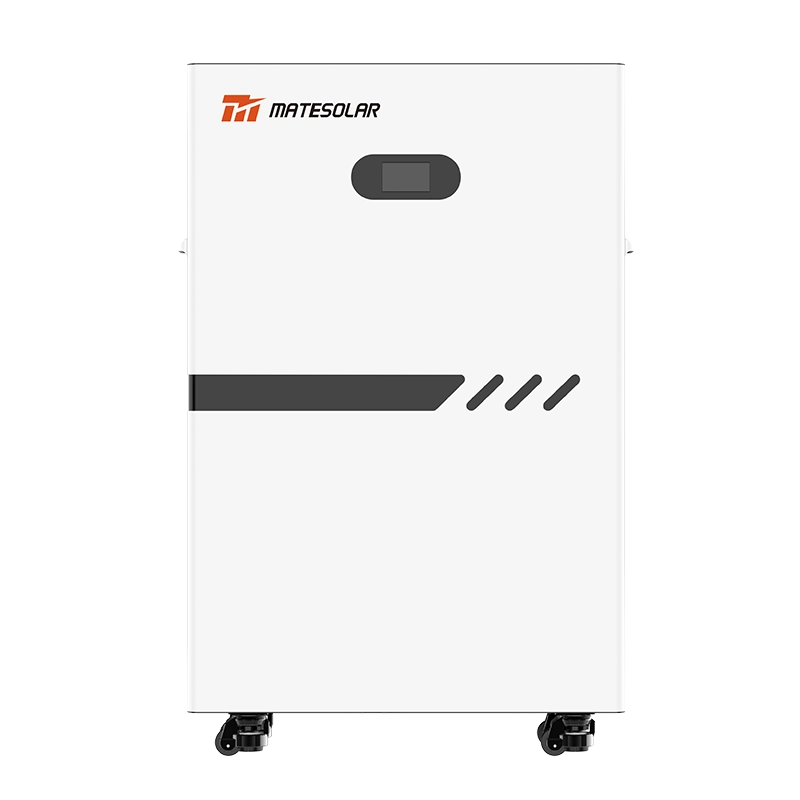
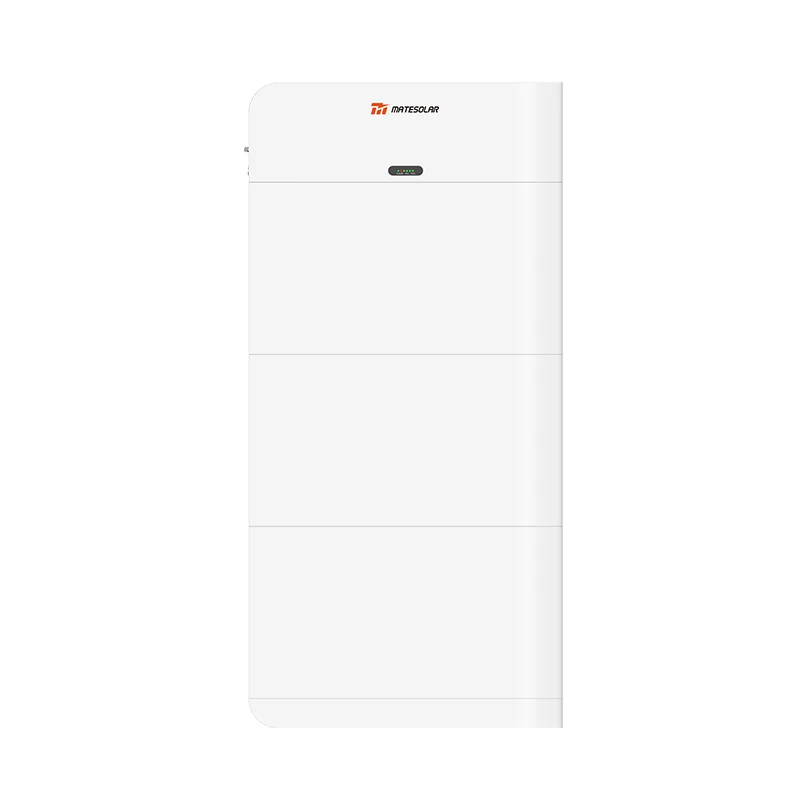
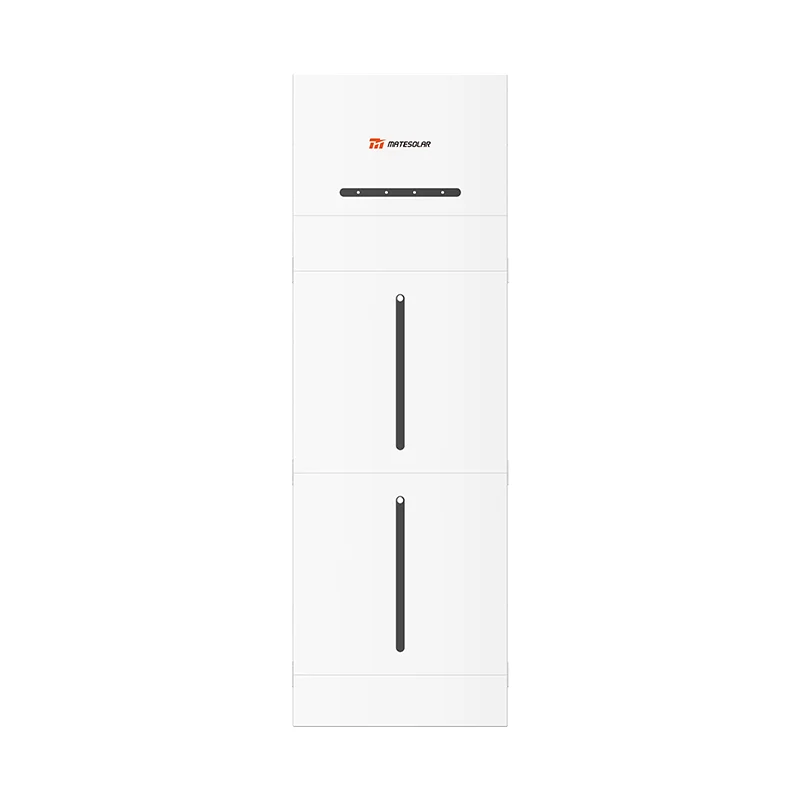
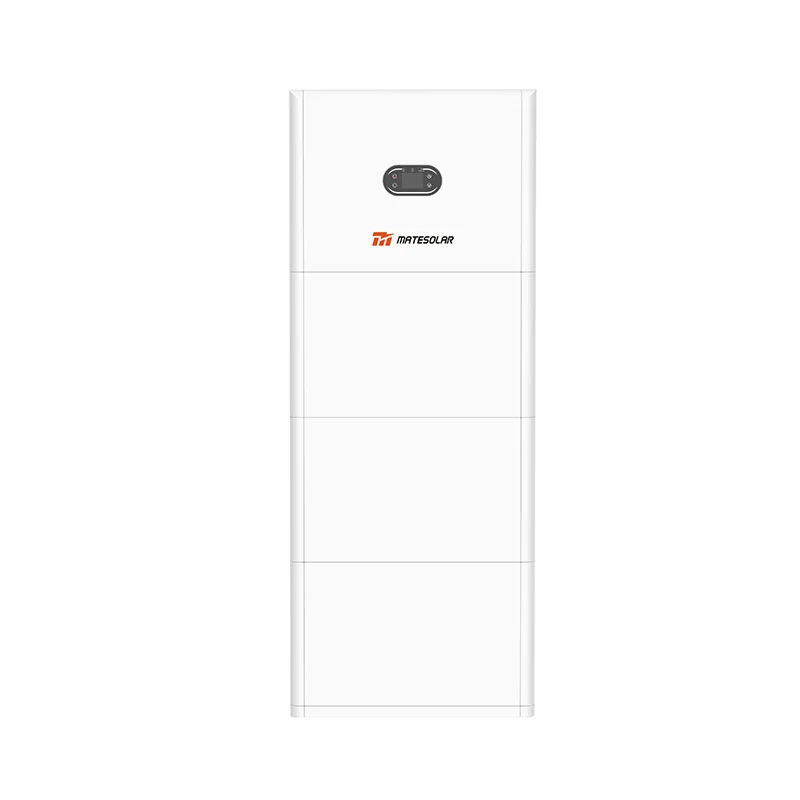
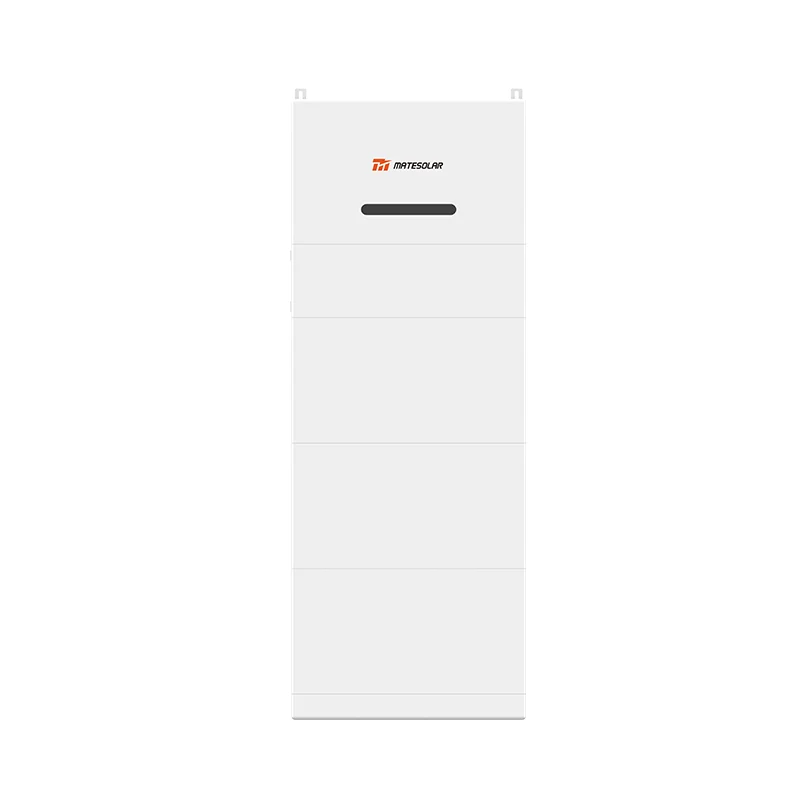
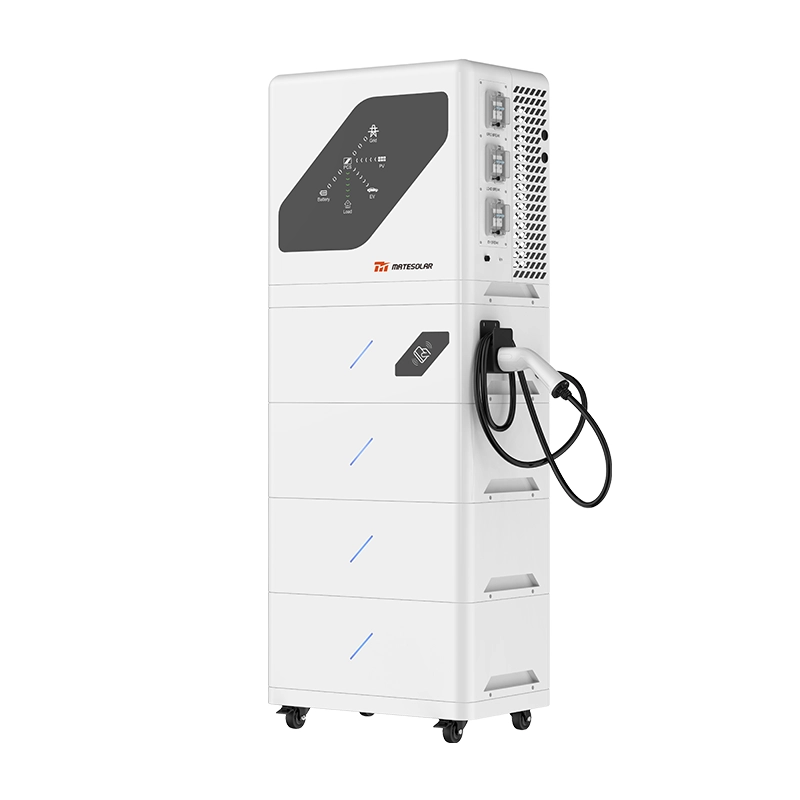
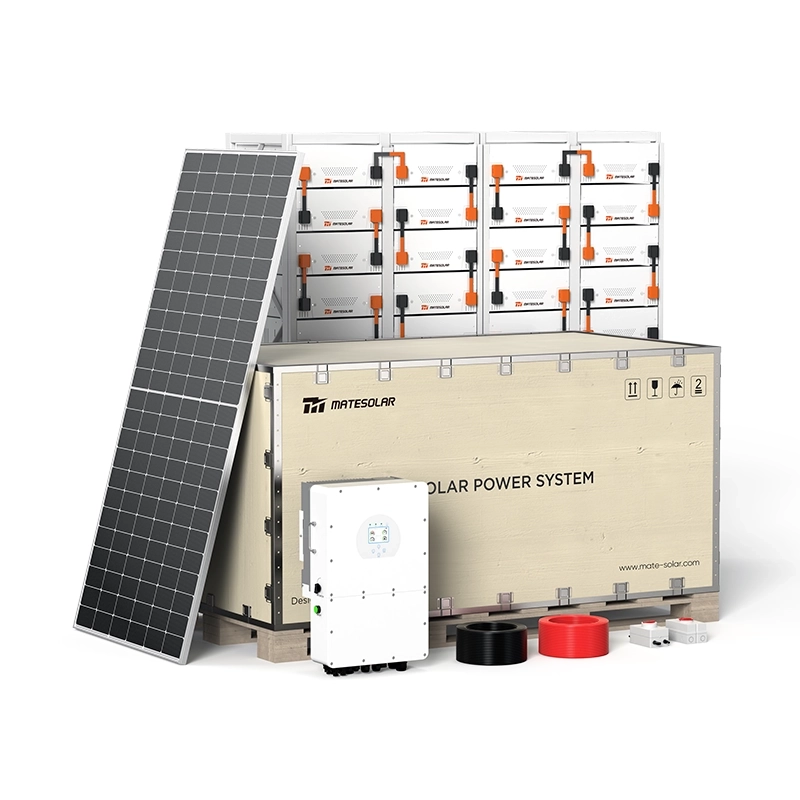
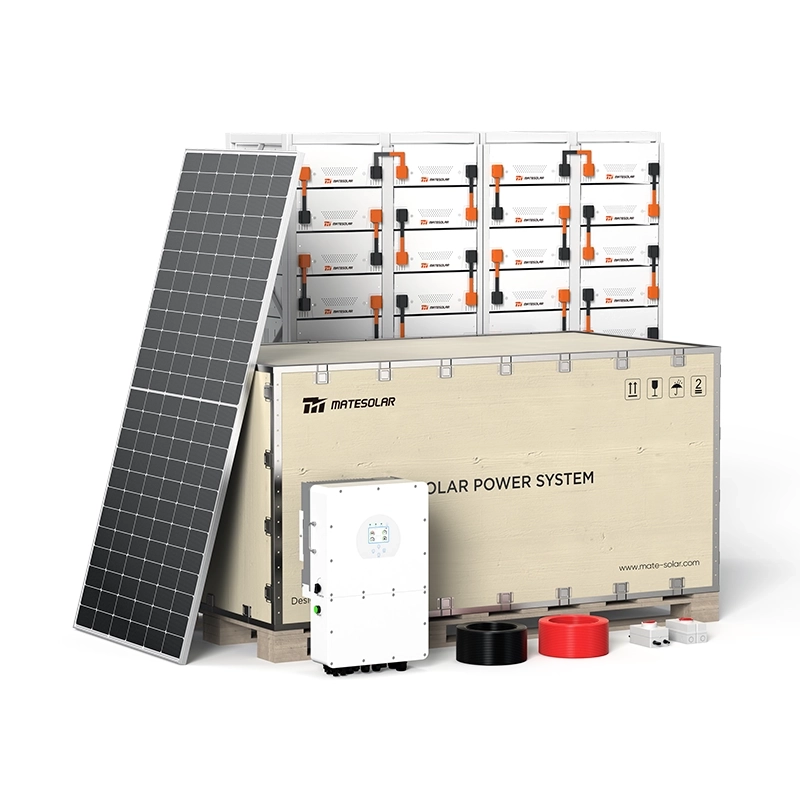
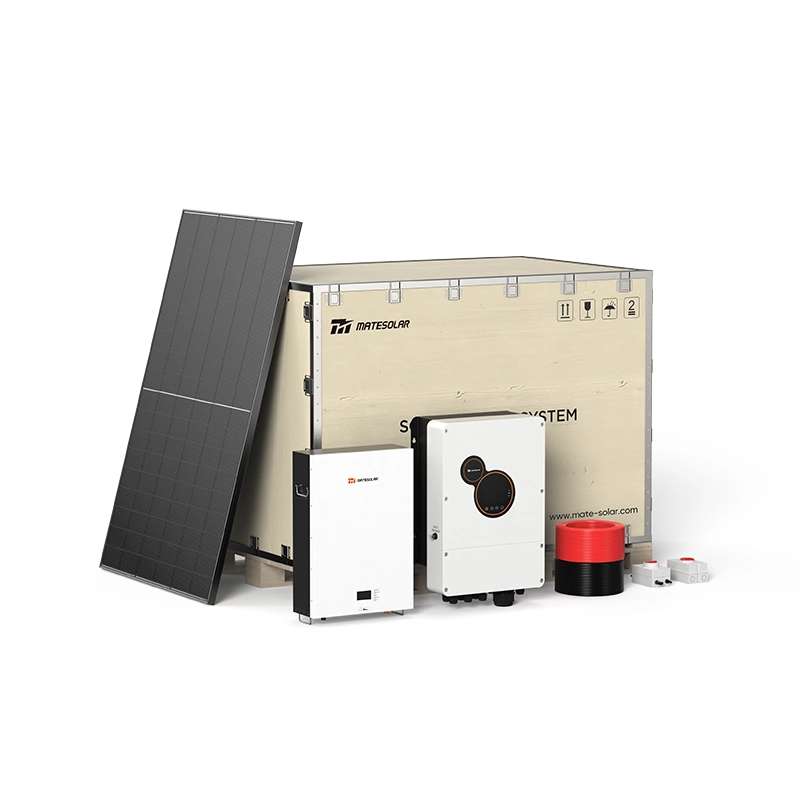
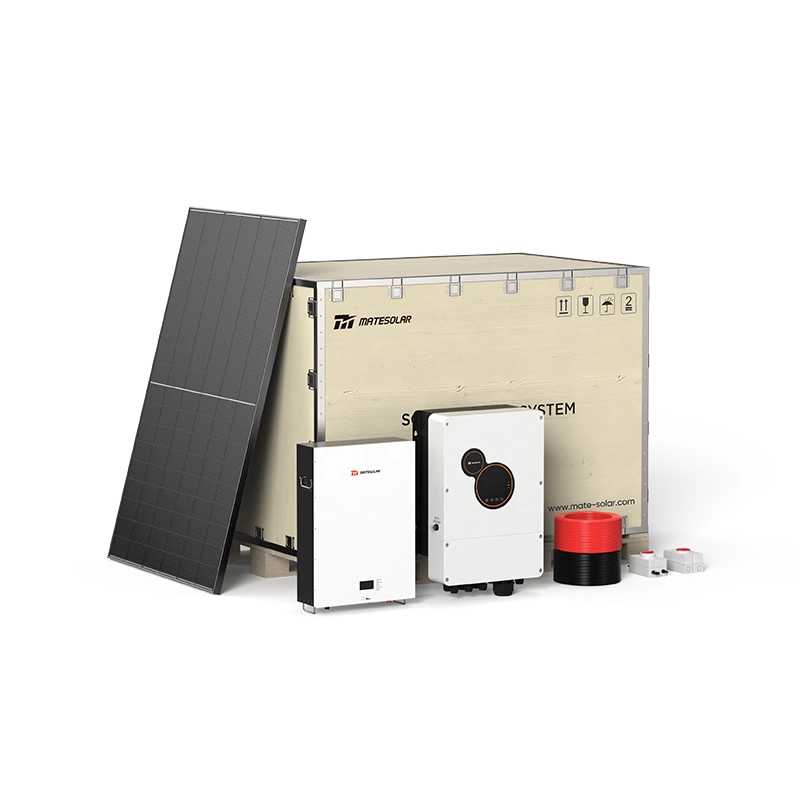
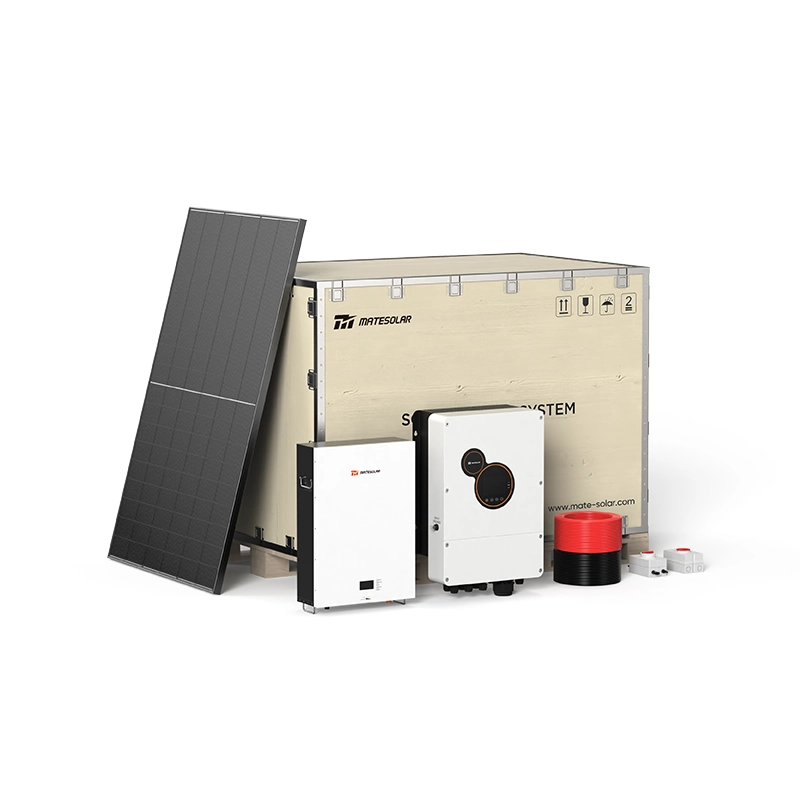
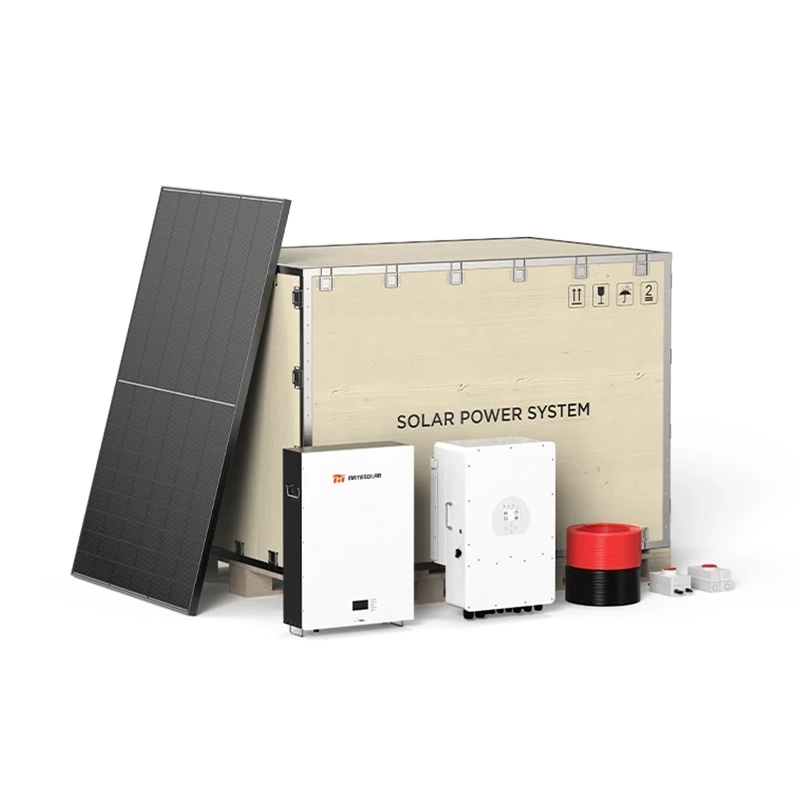
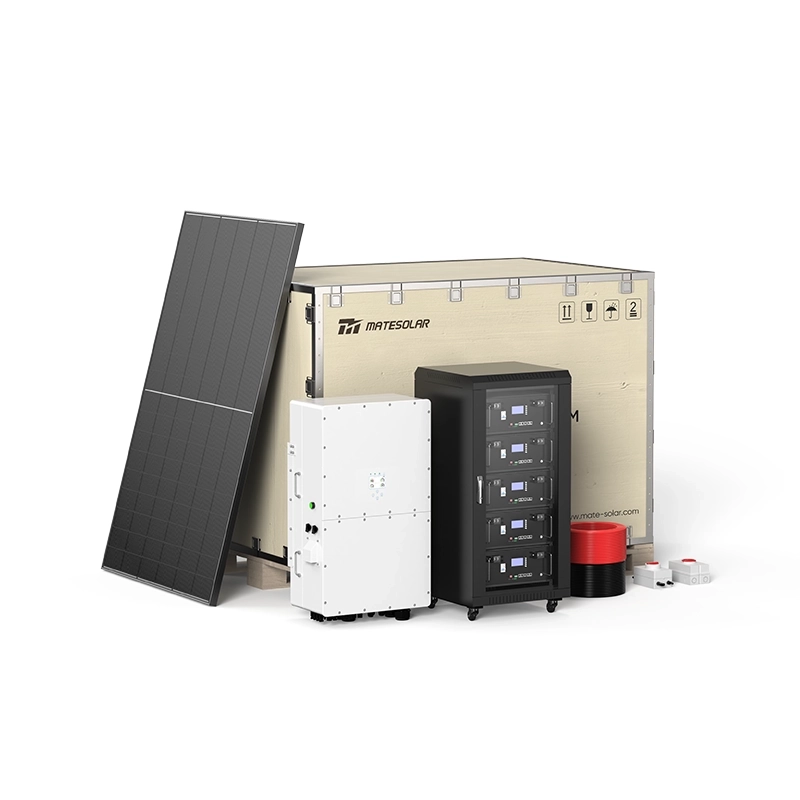
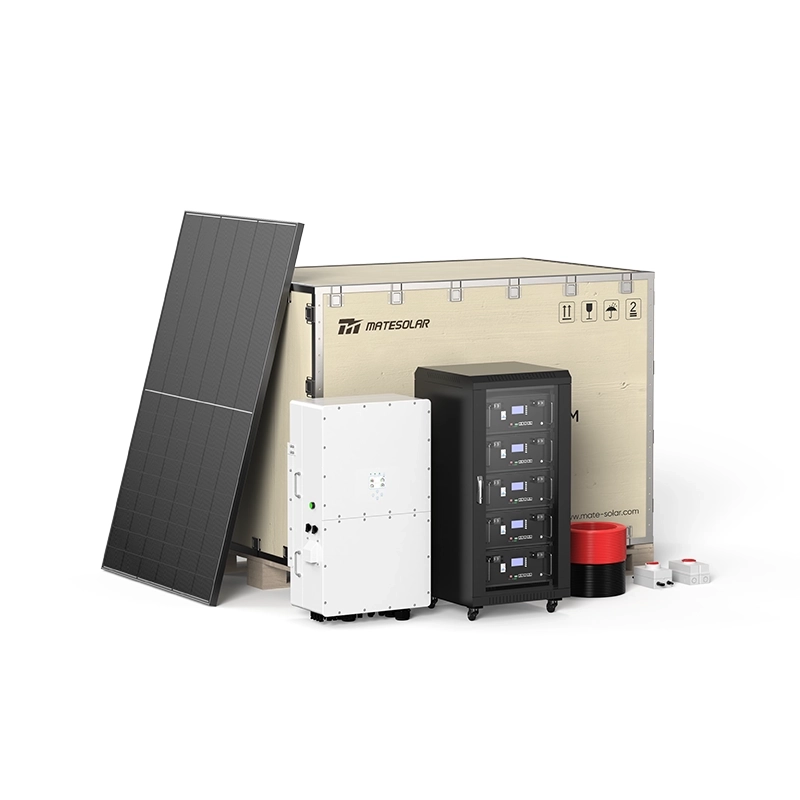
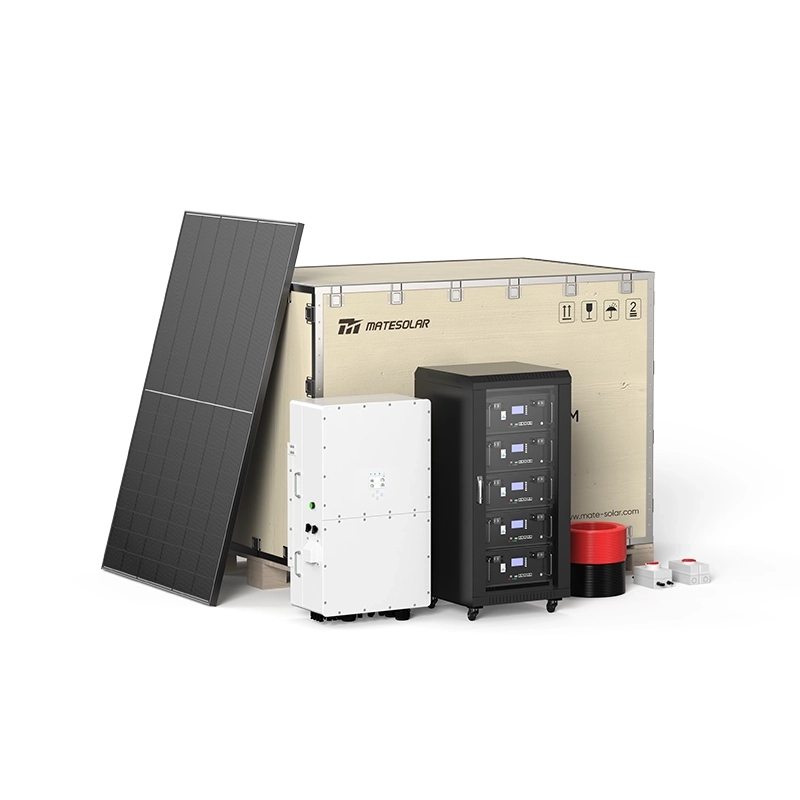
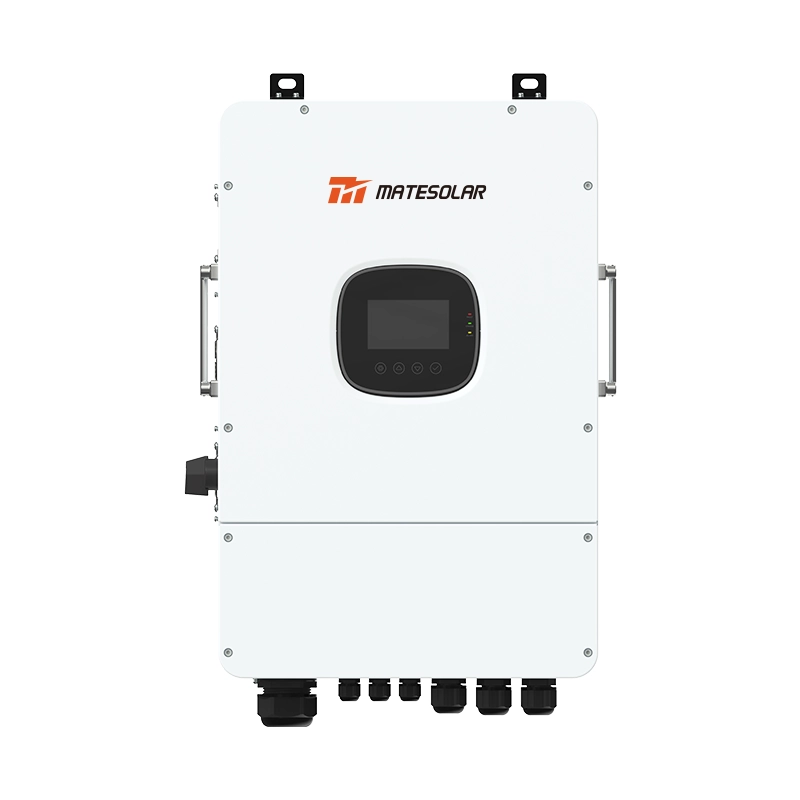
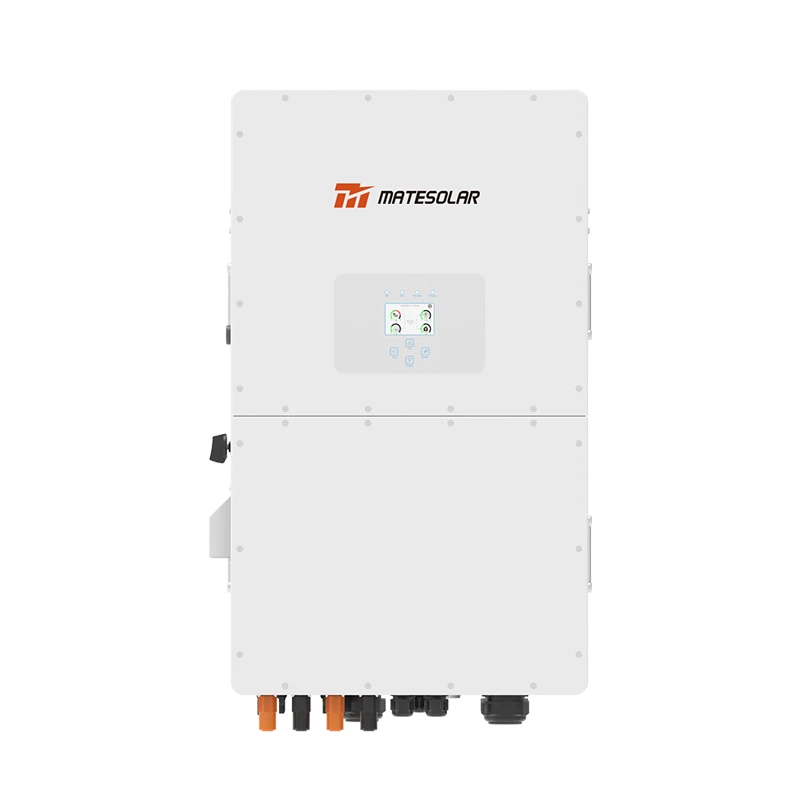
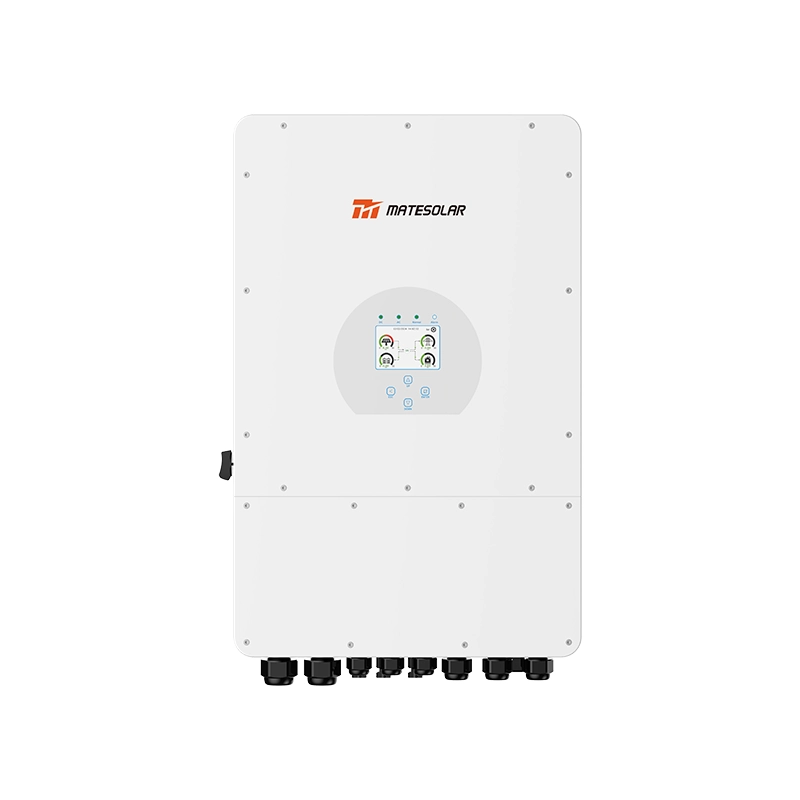
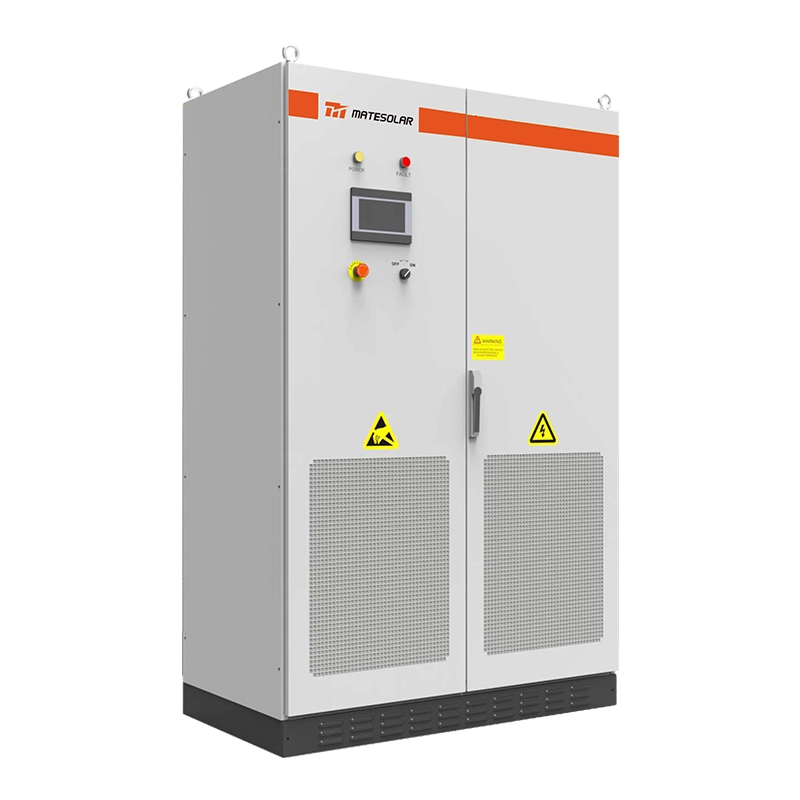
Sistema solar híbrido comercial de 500 kW
Para instalaciones comerciales e industriales de tamaño medio a grande que requieran soluciones integradas de energía solar y almacenamiento, el sistema solar híbrido comercial de 500 kW ofrece capacidades optimizadas de autoconsumo, reducción de picos de demanda y respaldo. Esta solución es ideal para plantas de fabricación, centros comerciales y parques industriales que deseen alcanzar el umbral de autosuficiencia 80% y, al mismo tiempo, reducir los costes energéticos.
[Enlace: Página del producto de Sistema Solar Híbrido Comercial de 500 kW]
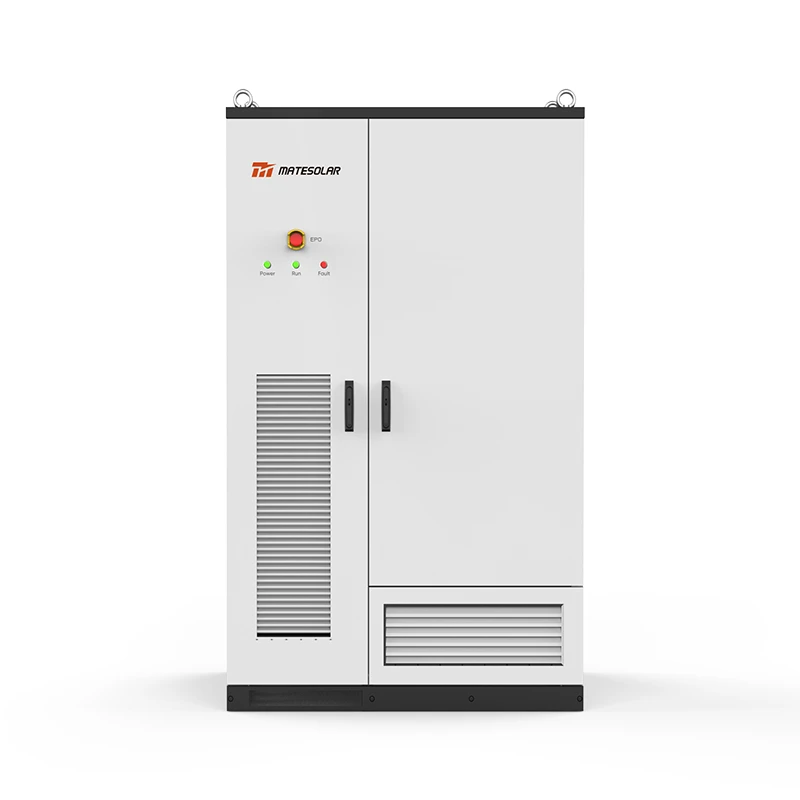
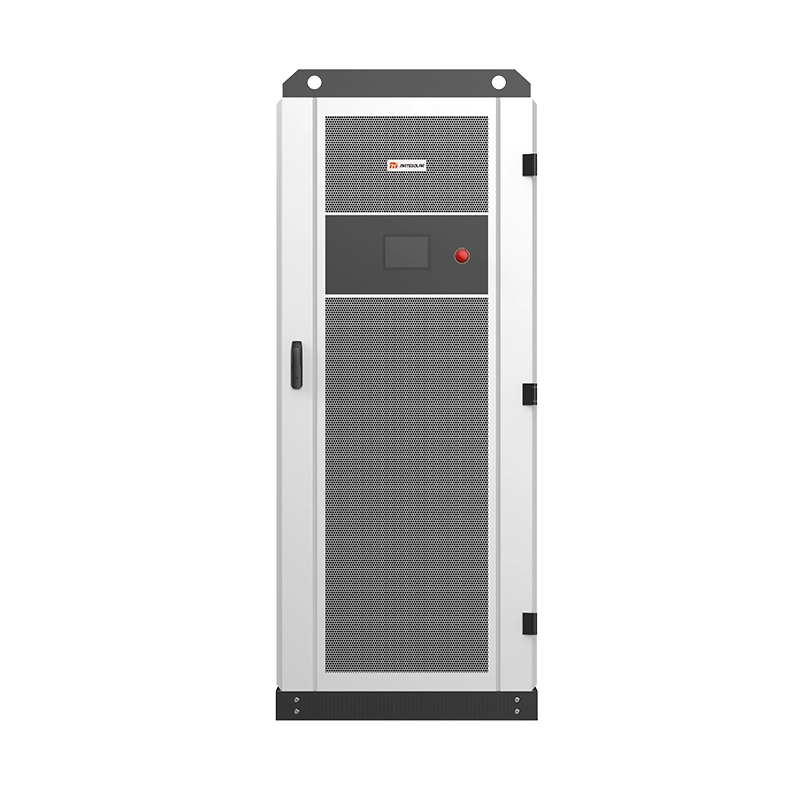
Gabinete exterior ESS de refrigeración líquida de 8.2 100kW/232kWh y 125kW/261kWh
Para instalaciones comerciales e industriales más pequeñas, infraestructura de telecomunicaciones y aplicaciones municipales, estos sistemas de gabinetes para exteriores proporcionan:
- Premontaje en fábrica para un despliegue rápido
- Gestión térmica líquida para operación en invierno a -20°C
- Instalación listo para usar con una preparación mínima del sitio
- Configuraciones escalables
[Enlace: página del producto ESS de gabinete exterior refrigerado por líquido de 100kW/232kWh 125kW/261kWh]
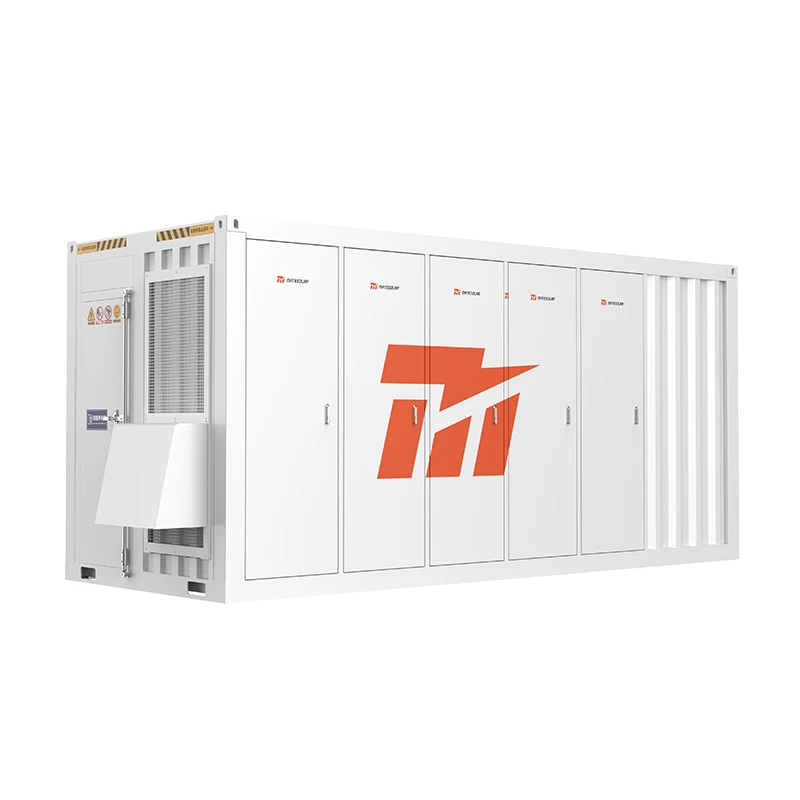
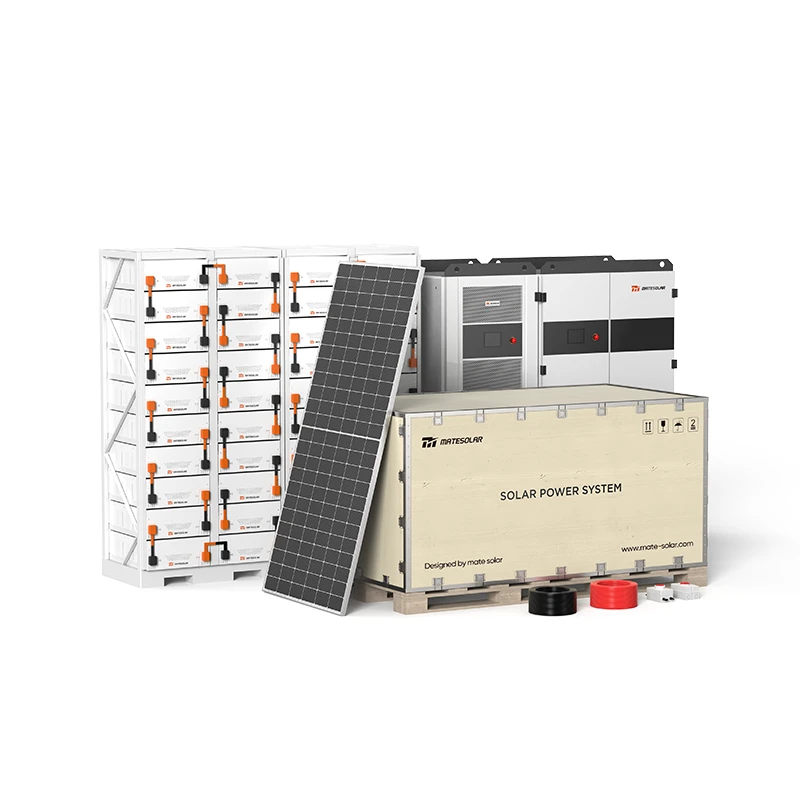
8.3 40 pies 1MWh / 2MWh Sistema de Almacenamiento de Energía en Contenedor Refrigerado por Aire
Para aplicaciones industriales más grandes y microredes, estas soluciones en contenedores ofrecen:
- Tecnología comprobada refrigerada por aire
- Más de 4 horas de duración de almacenamiento
- Fácil transporte e instalación en el sitio
- Densidad energética rentable
[Enlace: Página de producto del ESS contenedorizado de 40 pies, 1MWh y 2MWh refrigerado por aire]
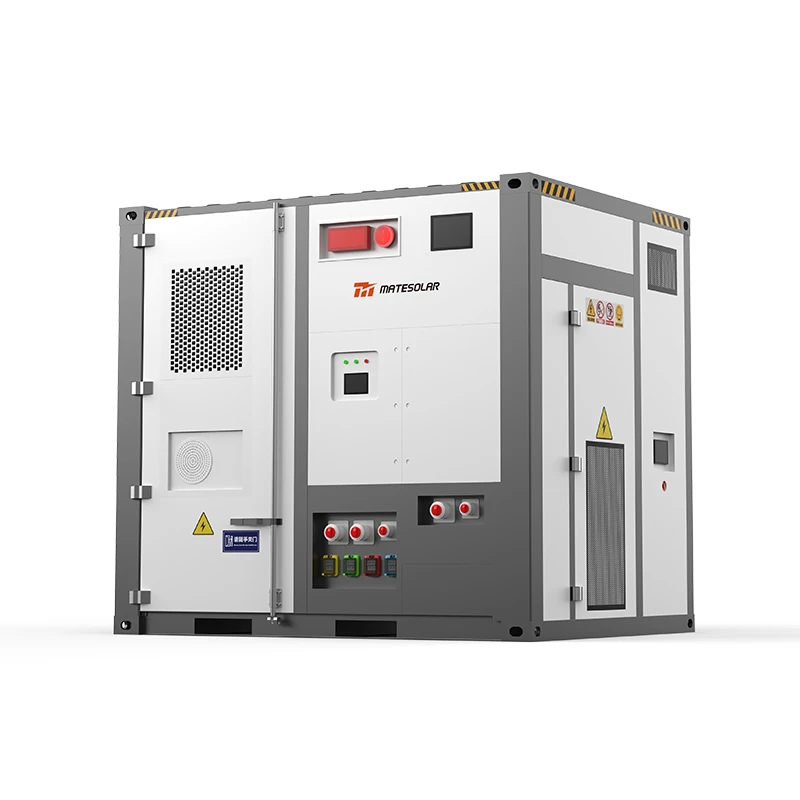
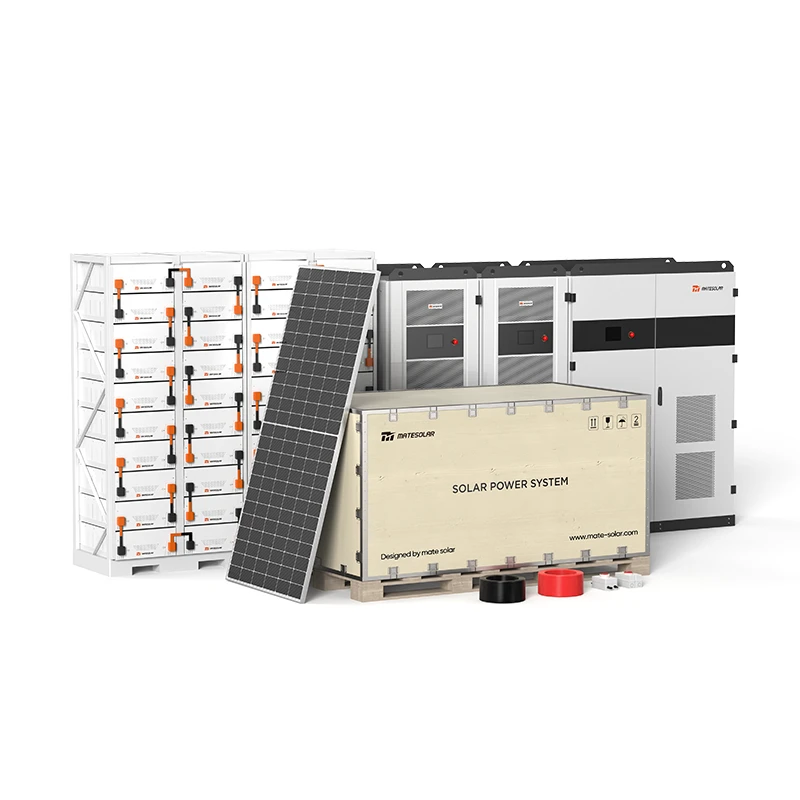
8.4 20 pies 3MWh / 5MWh ESS en contenedor refrigerado por líquido
Para aplicaciones a escala de servicios públicos y grandes aplicaciones industriales que requieren la máxima densidad de energía:
- Gestión térmica líquida líder en la industria
- Configuraciones de mayor densidad disponibles
- Almacenamiento de duración extendida
- Huella reducida por MWh
[Enlace: página del producto ESS contenedor de refrigeración líquida de 20 pies, 3MWh y 5MWh]
Parte IX: Mirando hacia el futuro: Las perspectivas para 2026-2030
9.1 Proyecciones de mercado
| Año | Adición de energía solar fotovoltaica | Adición de BESS | Principales impulsores |
| 2026 | ≥1,5 GW | ≥3 GWh | Subastas verdes, préstamos 10%, condición de infraestructura crítica |
| 2027 | 1,5–2 GW | 3–4 GWh | El mecanismo de prima por inyección madura, la financiación internacional se escala |
| 2028 | 2–2,5 GW | 4–5 GWh | Las exenciones de IVA y aranceles continúan hasta 2028 |
| 2029–2030 | 2.5+ GW | 5+ GWh | Plena madurez de mercado, integración en la UE |
9.2 Tendencias clave a seguir
1. Implementación de la prima por inyecciónLegislación secundaria prevista dentro de los 6 meses posteriores a la Ley N.º 4777-IX
2. Financiación internacional a escalaBERE, IFC y bancos comerciales amplían los préstamos con cobertura de riesgo de guerra
3. Restricciones de conexión a la redLa deuda del mercado de balance (~45 mil millones de UAH) sigue siendo un desafío
4. integración europeaLa armonización del mercado energético de Ucrania con las regulaciones de la UE se acelerará
5. Evolución de la tecnologíaLa refrigeración líquida se está convirtiendo en estándar; la duración se extiende de 2 a 4 horas a más de 6 horas
9.3 Recomendaciones estratégicas para clientes comerciales e industriales
Inmediato (3.º - 4.º trimestre de 2026) :
1. Realizar el análisis de carga y el dimensionamiento del almacenamiento
2. Solicitar el préstamo público 10% a través de los bancos autorizados
3. Presentar solicitudes de conexión a la red (plazo de 12 meses)
4. Estructurar los proyectos para cumplir con los requisitos de las subastas de Solar + BESS en caso de participar
A corto plazo (2027) :
1. Integrar el almacenamiento con la energía solar in situ y otra generación distribuida
2. Participar en subastas ecológicas para proyectos solares + BESS
3. Explorar fuentes de ingresos por servicios auxiliares (regulación de frecuencia)
4. Considerar la solicitud de estatus de infraestructura crítica
Largo plazo (2028–2030) :
1. Integrar el almacenamiento con la energía solar in situ y otra generación distribuida
2. Participar en el mercado de balance y servicios auxiliares
3. Exportar el exceso de capacidad a la red bajo el mecanismo de prima por inyección
4. Aprovechar la integración de Ucrania en el mercado energético de la UE
Conclusión: Ucrania como el laboratorio de almacenamiento global
Como declaró Vladyslav Sokolovskyi, presidente de la Asociación de Energía Solar de Ucrania: "Hoy en día, Ucrania se ha convertido en un campo de pruebas real y único donde las tecnologías de almacenamiento en baterías se están implementando bajo las condiciones más difíciles imaginables. La experiencia que estamos adquiriendo —cómo construir rápidamente, integrar sistemas de almacenamiento de energía en baterías (BESS) bajo ataques constantes y desarrollar servicios de balance desde cero— es valiosa para toda Europa."
Ucrania no se limita simplemente a reconstruir su sistema energético; está creando una nueva arquitectura energética en la que la generación solar, los sistemas de almacenamiento de energía mediante baterías y la generación distribuida constituyen la base de la resiliencia energética del país. Para los clientes comerciales e industriales (C&I), esto representa tanto un imperativo como una oportunidad: el imperativo de asegurar las operaciones frente a una red eléctrica poco confiable, y la oportunidad de participar en uno de los mercados de almacenamiento de energía de más rápido crecimiento e innovación del mundo.
Las herramientas están listas: políticas de apoyo, financiación accesible, tecnología probada y un conjunto cada vez mayor de proyectos de referencia exitosos. La cuestión ya no es si se debe implementar el almacenamiento de energía, sino con qué rapidez.
Acerca de MateSolar
MateSolar es un proveedor líder integral de soluciones fotovoltaicas y de almacenamiento de energía, dedicado a ofrecer sistemas integrales de energía solar y almacenamiento para aplicaciones comerciales, industriales y de escala de servicios públicos en todo el mundo. Con un enfoque en la implementación rápida, la confiabilidad en entornos extremos y la rentabilidad bancaria de los proyectos, MateSolar ofrece soluciones de extremo a extremo que incluyen diseño de sistemas, suministro de equipos, logística y soporte técnico.
Para los clientes C&I en Ucrania, MateSolar ofrece:
- Sistemas preingenierizados y probados en fábrica para un despliegue de 2 a 6 semanas
- Diseños optimizados para clima frío para funcionamiento en invierno a -20°C
- Soporte postventa integralpiezas de repuesto de hardware con instalación guiada, resolución de problemas de software a distancia y soporte técnico in situ para proyectos a gran escala
Contacte a MateSolar hoy mismo para analizar sus necesidades de almacenamiento de energía comercial e industrial (C&I) y proteger sus operaciones frente a los cambiantes desafíos energéticos de Ucrania.