













Der ukrainische Markt für Energiespeicher hat eine in der modernen Geschichte beispiellose Transformation durchlaufen. Was als allmähliche Energiewende begann, hat sich zu einem kriegsbedingten Erfordernis beschleunigt, wodurch der am schnellsten wachsende Energiespeichermarkt Europas – und wohl auch der Welt – entstanden ist. Allein im Jahr 2025 nahm die Ukraine über alle Marktsegmente hinweg rund 1 GW an neuer Batteriespeicherkapazität in Betrieb, wobei auf großskalige Anlagen (Utility-Scale) 500 MW / 1.000 MWh entfielen. Bis Ende 2026 wird das Land voraussichtlich weitere 1,5 GW an Solarerzeugungskapazität und über 3 GWh an Batteriespeichersystemen (BESS) hinzufügen. Der Vorsitzende des Energieausschusses des ukrainischen Parlaments prognostiziert, dass die Gesamtspeicherkapazität bis Jahresende 1,5 GW / 4 GWh erreichen könnte.
Für gewerbliche und industrielle Energieverbraucher (C&I) steht unglaublich viel auf dem Spiel. Der Krieg hat die zentralisierte Energieinfrastruktur der Ukraine systematisch zerstört – über 20 GW Erzeugungskapazität wurden zerstört oder beschädigt, was bis zu 50% der Vorkriegskapazität des Landes entspricht.. Die Kernenergie deckt mittlerweile fast 80% der nationalen Stromversorgung ab, die Übertragungsnetze sind chronisch überlastet, und rollierende Stromausfälle sind aus dem täglichen Geschäftsbetrieb nicht mehr wegzudenken.
In diesem Umfeld hat sich die Energiespeicherung von einem "Nice-to-Have"-Zubehör für erneuerbare Energien zu einem Überlebensgebot entwickelt. Die industrielle Speicherkapazität in der Ukraine hat bereits 380 MW erreicht; Unternehmen setzen große Batteriesysteme ein, um günstigen Strom aus den Mittagsstunden für die Nutzung oder den Verkauf während der Spitzenlastzeiten zu speichern.. Zwischen 2024 und dem ersten Halbjahr 2026 haben ukrainische Unternehmen über 4 GW dezentrale Erzeugungskapazität aufgebaut..
Dieser Bericht dient als definitiver Leitfaden für den ukrainischen C&I-Energiespeichermarkt im August 2026. Er befasst sich mit den neun kritischen Herausforderungen, vor denen Unternehmen stehen, bietet umsetzbare politische Erkenntnisse, porträtiert wegweisende Projekte und bietet einen Fahrplan für eine erfolgreiche Umsetzung im anspruchsvollsten Energiespeichermarkt der Welt.
Teil I: Marktüberblick — Der Boom bei Kriegsspeichern
1.1 In Zahlen: Der ukrainische Speichermarkt im Jahr 2026
| Metrisch | Wert | Quelle / Kontext |
| Gesamte installierte BESS (2025, alle Segmente) | ~1 GW | SolarPower Europe / SEAU |
| Installierter Batteriespeicher im Großmaßstab (2025) | 500 MW / 1.000 MWh | SolarPower Europe |
| Gesamtkapazität von Batteriespeichern (BESS) im kommerziellen und industriellen Maßstab (kumuliert) | 530 MW / 1.050 MWh | Stand Ende 2025 |
| Industrielle Lagerkapazität | 380 MW | UBN-Nachrichten, August 2026 |
| Installierte Photovoltaikleistung (kumuliert) | ca. 8,5 GW | SEAU |
| Neue Photovoltaikanlage (2025) | 1,5 GW | SEAU |
| Neue Photovoltaik-Prognose (2026) | ≥ 1,5 GW | SEAU-Prognose |
| Neue BESS-Prognose (2026) | ≥3 GWh | SEAU-Prognose |
| Projizierte Gesamtspeicherkapazität (Ende 2026) | 1,5 GW / 4 GWh | Parlamentarischer Ausschuss für Energie |
| Dezentrale Erzeugung errichtet (2024–H1 2026) | > 4 GW | Institut Ukrtranshas |
| Verlorene/beschädigte Stromerzeugungskapazität | >20 GW | SEAU / SolarPower Europe |
1.2 Der zweipolige Markt: Großspeicher im Netzmaßstab vs. Notstromspeicher
Der ukrainische Speichermarkt ist durch ein von Branchenexperten als "bipolares Wachstum" bezeichnetes Phänomen gekennzeichnet: Großprojekte im Versorgungsmaßstab und Notstromspeicher für kritische Einrichtungen expandieren parallel, während gewerbliche und industrielle Speicher (C&I) genau an deren Schnittstelle positioniert sind.
Netzanschlussmast Große Energieversorgungsprojekte wie das 200-MW-/400-MWh-Fluence-Portfolio von DTEK bieten Frequenzregelung, Netzstabilisierung und Schwarzstartfähigkeit.. Diese Projekte werden von internationalen Finanzierern einschließlich der EBWE unterstützt und beinhalten langfristige Verträge mit dem Netzbetreiber Ukrenergo.
Überlebensskala-Pfahl: Krankenhäuser, Wasserversorger, Telekommunikationsinfrastruktur und Rechenzentren setzen BESS als geschäftskritische Notstromsysteme ein. Das Wasserversorgungsunternehmen Schytomyr hat 2,3 MW Solarenergie installiert, wodurch im Jahr 2025 etwa 150.000 € eingespart wurden, und entwickelt nun eine Energieinsel, die 1,5 MW Solarenergie mit 6 MWh Batteriespeicher kombiniert.. In Tscherkassy werden drei Energieinseln mit einer kombinierten Wechselrichterleistung von 4 MW und einer Speicherkapazität von 12 MWh gebaut..
C&I am Schnittpunkt: Gewerbliche und industrielle Energiespeicher bewegen sich zwischen diesen Polen – groß genug, um nützliche Netzdienste und wirtschaftliche Erträge zu erbringen, und dennoch modular und flexibel einsetzbar genug, um als kritische Notstromversorgung für einzelne Anlagen zu dienen.
1.3 Importmarktdynamik
Der ukrainische Importmarkt für Stromausrüstung wird im Jahr 2026 voraussichtlich ein Volumen von $4,2 Milliarden erreichen, wobei Energiespeichersysteme einen Anteil von über 50% ($2,1 Milliarden) ausmachen werden – was einem Anstieg von 180% gegenüber 2025 entspricht. Damit ist die Ukraine der weltweit am schnellsten wachsende Markt für Energiespeicher.
Teil II: Politik- und Regulierungsrahmen — Die sechs Säulen der Speicherförderung
Die ukrainische Regierung hat einen umfassenden Regulierungsrahmen erlassen, um den Ausbau von Energiespeichern zu beschleunigen. Sechs zentrale politische Säulen definieren die aktuelle Landschaft.
Säule 1: Grüne Auktionsreform — Solar + BESS als Prioritätskategorie
Am 10. Februar 2026 verabschiedete das ukrainische Parlament das Gesetz Nr. 4777-IX, mit dem der Mechanismus der "Grünen Auktionen" bis zum 31. Dezember 2034 verlängert wird.. Das Gesetz strukturiert die Förderung erneuerbarer Energien grundlegend um:
Verteilung der jährlichen Support-Quote:
- Photovoltaikanlage ohne Energiespeichersystem: mindestens 5%
- Photovoltaikanlage mit Energiespeichersystem: mindestens 10% (Prioritätskategorie)
- Windenergie: mindestens 5%
- Sonstige RES: mindestens 5%
Technische Anforderungen für Solar- und BESS-Projekte:
- ESS-Kapazität ≥ 801 TP3T Solarstromerzeugungskapazität
- Mindestens 2 kWh Speicher pro 1 kW Solarleistung
- Maximaler Gebotspreis: 0,12 €/kWh
Unterstützungsmechanismus Das Gesetz führt eine einseitige Marktprämie (Einspeisevergütung) ein, die das bisherige Differenzvertragsmodell ersetzt. Erzeuger erhalten Prämienzahlungen, wenn die Marktpreise unter die Auktionspreise fallen, ohne dass sie den Garantiekäufer bezahlen müssen, wenn die Preise das Auktionsniveau übersteigen..
Kapazität 2026: Der Staat wird im Jahr 2026 insgesamt 1 GW an Projekten im Bereich erneuerbare Energien unterstützen, mit einer speziellen Quote von 100 MW für Solar- und Batteriespeicher-Hybridprojekte..
Säule 2: Darlehenszuschuss für dezentrale Energieerzeugung – Zinssatz 10%
Mit Wirkung zum 1. Juni 2026 hat die ukrainische Regierung einen neuen Unterstützungsmechanismus für mittlere und große Unternehmen ins Leben gerufen, die Projekte im Bereich der dezentralen Erzeugung entwickeln..
- Kreditbetrag: 1 Mio. € bis 25 Mio. € (maximal 500.000 € für Frontregionen)
- Effektivzinssatz: 10% pro Jahr
- Kreditlaufzeit: bis zu 5 Jahre
- Nachfrist: bis zu 12 Monate für die Inbetriebnahme
- Gaskraftwerke und Gasmotorenkraftwerke (einschließlich Kraft-Wärme-Kopplung)
- Anlagen für erneuerbare Energien (Biomasse, Biogas, Geothermie)
- Energiespeichersysteme
- Mikronetze und lokale netzunabhängige Stromversorgungssysteme
Die Anträge werden über autorisierte Banken eingereicht, wobei der Staat die Differenz zwischen den Marktzinsen und dem Vorzugszinssatz 10% ausgleicht..
Säule 3: Status der kritischen Infrastruktur für Energiespeicher
Am 21. Mai 2026 hat das Ministerkabinett die Liste der kritischen Infrastrukturbereiche geändert, um die Einstufung von Stromspeichersystemen (Batteriestationen) als kritische Infrastruktur zu ermöglichen..
BedeutungDiese Bezeichnung bietet einen erhöhten physischen Schutz für Speicheranlagen und verbessert die allgemeine Netzresilienz.. Derzeit sind in der Ukraine über 500 MW an Speicherkapazität installiert, und für weitere 1.000 MW wurden technische Spezifikationen ausgestellt..
Säule 4: Importliberalisierung und Lizenzbefreiungen
Einfuhrgenehmigungen abgeschafftAm 29. Januar 2026 strich die Regierung Lithium-Ionen-Batterien (UKTZED-Code 8507 60 00 00) von der Liste der Waren, für die Import- und Exportlizenzen erforderlich sind.. Dadurch entfallen Lizenzanforderungen, die zuvor Lieferungen verzögerten und administrative Belastungen verursachten..
5-MW-LizenzierungsschwelleMit Wirkung zum 7. April 2026 ist für BESS-Einzelstandortinstallationen bis zu 5 MW keine Stromspeicherlizenz mehr erforderlich. Dies senkt die Hürde für gewerbliche und industrielle (C&I) Speicherprojekte drastisch.
Kabel-PoolingBESS-Anlagen können nun über Kabel-Pooling-Mechanismen einen einzigen Netzanschlusspunkt gemeinsam nutzen, wodurch mehrere Erzeugungs- oder Speicheranlagen über einen einzigen Punkt angeschlossen werden können..
Säule 5: Ausnahmeregelung für Stromausfälle im Rahmen des "80%-Selbstversorgungsplans"
Am 20. August 2026 gab die Regierung bekannt, dass Maßnahmen zur Begrenzung der Stromversorgung nicht für Industrie- und Gewerbekunden gelten, die mindestens 80% ihres Strombedarfs durch Eigenerzeugung und Importe decken..
Strategische Bedeutung: Dies schafft einen starken wirtschaftlichen Anreiz für C&I-Unternehmen, in Solar- und Speichersysteme zu investieren. Das Erreichen des 80%-Schwellenwerts bedeutet einen unterbrechungsfreien Betrieb ohne rollierende Stromausfälle – ein Wettbewerbsvorteil im aktuellen Energieumfeld der Ukraine.
Säule 6: Optimierte Land- und Netzanbindung
Vereinfachung der LandnutzungEnergiespeicheranlagen können während des Krieges und für 5 Jahre nach Kriegsende auf jeder Landrubrik (einschließlich landwirtschaftlicher Flächen) ohne Umwidmung der Landnutzung errichtet werden.
Verlängerte VerbindungszeitpläneDie Fristen für die Einreichung von Netzanschlussverträgen wurden von 6 auf 12 Monate verlängert, und der Nachweis des Eigentumstitels ist zum Zeitpunkt der Einreichung nicht mehr erforderlich.
Teil III: Wegweisende Projekte — Machbarkeitsnachweis
3.1 Projekte im Kraftwerksmaßstab
| Projekt | Kapazität | Wesentliche Merkmale | Status |
| DTEK × Fluence Portfolio | 200 MW / 400 MWh | 6 Standorte in den Regionen Kiew & Dnipro; netzbildend + Schwarzstart; ~125 Mio. € Investition | Im Auftrag |
| Risen Energy × Ascania Energy | 100-MW-Solaranlage + 200-MWh-Speicher | Solar-Speicher-Hybrid; unterzeichnet am 14. August 2026 | Rahmenvertrag unterzeichnet |
| Hithium × KNESS | 2-GWh-Rahmenvertrag | Ukraine-Fokus; 400 MWh Lieferung im 1. Quartal 2026; 6,25-MWh- und 5-MWh-Systeme | In Zustellung |
| Oschadbank-finanzierter BESS | 50 MW / 131,2 MWh | 23,6 Mio. € Finanzierung; internationale Lloyd's-Versicherung; Ukrenergo-Vertrag | Finanziert |
| ELQ-Plan | 2 GW Solar + Speicher | 2,5 Mrd. € Investition; Unterstützung durch US-amerikanische und arabische Investoren; Baubeginn Q2 2026 | In Bearbeitung |
| Sanyuan-Energieprojekt | 3,75 MW / 15 MWh | 4-stündiger netzbildender; integrierter Fertigkabinen-Entwurf | Versendet |
3.2 Kommerzielle und industrielle Projekte
| Projekt | Kapazität | Wesentliche Merkmale | Status |
| ZETATECH Tscherniwzi | 1 MW / 2 MWh | Netzgekoppeltes Gewerbe- und Industrie-BESS (Batteriespeichersystem); industrielle Kostenoptimierung + Integration erneuerbarer Energien | Betrieblich |
| ZETATECH-Erweiterung | 2 MW / 4 MWh | 16 × 261 kWh Batterieschränke + 4 zentrale Schaltschränke | Erweiterung im Gange |
| GSL-Energieprojekt | 160 kW / 418 kWh | Flüssigkeitsgekühlter Außenschrank; Betrieb im ukrainischen Winter bei -20 °C | Betrieblich |
| FFD POWER Telecom | 500 kW / 1.044 kWh | Außenbereich-Batteriespeicher (BESS); integrierter STS; 20 ms unterbrechungsfreie Umschaltung + Lastspitzenkappung | Betrieblich |
| Gemeinde Hlobyne von DTEK | 30/40/102 kWh × 3 | Kommunale Unterstützung; 90%, finanziert durch DTEK | Betrieblich |
| DTEK × Octopus Project RISE | 100 Mio. € | Aufdachanlagen mit Batteriespeicher; Joint Venture | In Entwicklung |
Teil IV: Die neun entscheidenden Herausforderungen – und wie man sie löst
Herausforderung 1: Kriegsgeschädigtes Stromnetz – Gewährleistung der Produktionskontinuität
Das Problem: Das ukrainische Stromnetz ist unerbittlichen Angriffen ausgesetzt. Große Wärmekraftwerke wurden wiederholt getroffen, wodurch Grundlastkapazitäten ausgefallen sind. Die Spitzenlastkapazitäten der Wasserkraftwerke wurden beeinträchtigt. Die Übertragungsnetze sind chronisch überlastet. Die Kernenergie liefert mittlerweile fast 80% des nationalen Stroms – ein prekärer Single Point of Failure. Rollierende Stromausfälle sind an der Tagesordnung.
Die LösungEnergiespeicher haben sich von einem "Zubehörteil für erneuerbare Energien" zu einem "Überlebenssystem" gewandelt.". Für gewerbliche und industrielle Anlagen bietet BESS:
- Ununterbrochener Betrieb bei Stromausfällen
- Rasierspitzen zur Verringerung der Exposition gegenüber volatilen Day-Ahead-Marktpreisen
- Notstromversorgung für kritische Fertigungsprozesse
MarktrealitätZwischen 2024 und dem ersten Halbjahr 2026 bauten ukrainische Unternehmen über 4 GW dezentrale Erzeugungskapazität auf. Die Ausnahmeregelung "80% Selbstversorgung" schafft einen starken finanziellen Anreiz für Investitionen in Speicheranlagen im Gewerbe- und Industriebereich.
Herausforderung 2: Ultrashorze Projektzyklen (2–6 Wochen) – Sicherstellung einer schnellen Lieferung
Das Problem: Angesichts der Kriegssituation in der Ukraine verkürzen sich die Projektlaufzeiten auf 2 bis 6 Wochen. Herkömmliche Ansätze zur Projektentwicklung – mit langwierigen Genehmigungs-, Planungs- und Beschaffungsprozessen – sind mit den Realitäten des Marktes nicht vereinbar.
Die LösungVorgefertigte "Plug-and-Play"-Speicherlösungen sind unverzichtbar. Das Sanyuan Energy 3,75-MW-/15-MWh-Projekt veranschaulicht dieses Modell: integriertes, vorgefertigtes Kabinendesign mit werksseitiger Vormontage, Verdrahtung und Systemtests – vor Ort sind bei der Ankunft nur noch die Standortvorbereitung und der Netzanschluss erforderlich. Das 200-MW-Projekt von DTEK × Fluence wurde in nur 6 Monaten realisiert – bemerkenswert für ein Projekt dieser Größenordnung.
Bereitstellungsmodelle:
- Schranksysteme für den Außenbereich (Leistungsbereich 100–500 kW): Werkseitig montiert, per Lkw transportierbar, Einsatzbereitstellung innerhalb von 2–4 Wochen
- Containerisierte Systeme (1–5-MW-Bereich): Vormontiert im Werk, Bereitstellung in 4–6 Wochen
- Großflächige Container-Arrays (5+ MW): Modularer Ansatz, der eine schrittweise Inbetriebnahme ermöglicht
Herausforderung 3: Solar- + BESS-Auktionsregeln — Maximierung der Politischen Vorteile
Das ProblemDas Gesetz Nr. 4777-IX hat komplexe neue Auktionsregeln für Solar- + BESS-Projekte eingeführt. Viele Projektentwickler sind nicht vertraut mit:
- Die spezielle Quote 10% für Hybridprojekte
- Technische Anforderungen (Speicher-Solar-Verhältnis 80%, mindestens 2 kWh/kW)
- Der Höchstgebotspreis von 0,12 €/kWh
- Der Marktprämienmechanismus
- Die spezielle Quote von 100 MW für das Jahr 2026
Die LösungProjekte müssen von Anfang an so strukturiert sein, dass sie die technischen Anforderungen erfüllen.
- Dimensionierung des SpeicherplatzesFür eine 10-MW-Solaranlage: Mindestspeicherung = 8 MW / 20 MWh
- GebotsstrategieBieten Sie unter 0,12 €/kWh, um sich zu qualifizieren.
- PrämienberechnungDen Mechanismus der einseitigen Marktprämie verstehen
GeheimtippDas Gesetz definiert Solar + BESS als "Vorranggebiet der staatlichen Unterstützung".". Projekte, die die technischen Anforderungen erfüllen, werden bei der Auktionszuteilung bevorzugt behandelt.
Herausforderung 4: 10%-Darlehenszuschuss – So meistern Sie das Antragsverfahren
Das Problem: Das Darlehensprogramm 10% für dezentrale Energieerzeugung wurde am 1. Juni 2026 ins Leben gerufen, doch der Bekanntheitsgrad hinsichtlich der Antragsverfahren, der zugelassenen Banken und der erforderlichen Unterlagen ist nach wie vor gering.
Die Lösung:
- Berechtigung: Mittlere und große Unternehmen
- Darlehensbetrag: 1 Mio. € – 25 Mio. € (500.000 € frontnahe Regionen)
- AnmeldungDurch autorisierte Banken (Liste erhältlich bei der Nationalen Agentur für die Umsetzung von Nachhaltigkeitsplänen)
- DokumentationGeschäftsplan, technische Projektspezifikationen, Finanzberichte
- Zeitleiste5-jährige Laufzeit mit einer tilgungsfreien Zeit von bis zu 12 Monaten
Herausforderung 5: Speicher-ROI — Nachweis der wirtschaftlichen Rentabilität
Das ProblemC&I-Kunden verfügen nicht über verlässliche ROI-Berechnungstools und lokale Marktdaten.
Die Lösung: Die Daten sprechen für sich. Eine Studie der JSC "Market Operator" und der SEAU analysierte die BESS-Preisarbitrage am ukrainischen Day-Ahead-Markt (DAM). Das profitabelste Modell erwies sich als ein 1-MW-/3-MWh-ESS mit einer Amortisationszeit von etwa 3,7 Jahren..
| Speicher-Konfiguration | Amortisationszeit | Schlüsselannahmen |
| 1 MW / 3 MWh | ~3,7 Jahre | Nur DAM-Arbitrage |
| Verschiedene C&I-Konfigurationen | 3,5–4 Jahre | Betriebsdaten aus der Praxis |
| Konservative Schätzung | 4,5–5 Jahre | Unter Einschluss aller Risiken |
| Solar-PV + Speicher (im Vergleich zu nur PV) | 6 vs. 7,5–8 Jahre | Industriebetriebsvergleich |
Einnahmequellen für C&I-Speicher:
1. DAM-ArbitrageLaden in Zeiten niedriger Preise (typischerweise tagsüber bei Sonnenspitze), Entladen während der Abendspitzen
2. RasierspitzenLeistungsgebühren senken
3. SicherungswertVermiedene Verluste durch Produktionsstillstände
4. NetzdiensteFrequenzregelung (nur im Versorgungsmaßstab)
5. "Ausnahmeregelung "80%-Selbstversorgung“Produktionsausfälle durch Stromausfälle vermeiden
BESS-Projekte in der Ukraine erzielen jährliche Renditen von 20–221 TP3T.
Herausforderung 6: "80% Selbstversorgung" – Kunden dabei unterstützen, die Schwelle zu erreichen
Das Problem: Der Beschluss der Regierung vom 20. August 2026 befreit Industrie- und Gewerbekunden, die mindestens 80% ihres Strombedarfs durch Eigenerzeugung und Importe decken, von den Stromausfallplänen.. Viele Kunden wissen nicht, wie sie diesen Schwellenwert berechnen oder erreichen sollen.
Die LösungSpeicher ist der entscheidende Enabler. Eine C&I-Anlage mit:
- Solarstrom vor Ort: 30–40% Verbrauch
- LagerungErmöglicht die Verschiebung der Solarstromerzeugung in die Abend- und Nachtstunden, wodurch der effektive Eigenverbrauch erhöht wird.
- ImportzuteilungStrategische Importregelungen für den verbleibenden Bedarf
RechenbeispielDie Anlage verbraucht 10 MWh/Tag.
- Die Solaranlage erzeugt 4 MWh pro Tag (40%)
- Durch die Speicherung können 2 MWh Solarstrom auf den Abend verschoben werden (was effektiv einer Eigenversorgung von 60% entspricht).
- Import von 2 MWh/Tag (20%)
- Gesamt-Eigenversorgung = 80% → Stromausfallsicher
Herausforderung 7: Extreme Wintertemperaturen — Leistung von Außenschränken
Das ProblemDie Winter in der Ukraine können auf unter -20 °C fallen. Standard-Lamellenspeicher können bei extremer Kälte versagen oder eine verminderte Leistung aufweisen.
Die LösungSpezialisierte Designs für kaltes Wetter sind unerlässlich. GSL Energy hat erfolgreich ein flüssigkeitsgekühltes 160-kW-/418-kWh-Außenschranksystem in der Ukraine eingesetzt, das speziell für einen zuverlässigen Betrieb bei Temperaturen unter dem Gefrierpunkt entwickelt wurde. Auch die 261-kWh-Batterieschränke von ZETATECH haben einen großflächigen Einsatz unter ukrainischen Winterbedingungen erreicht.
Wichtige Konstruktionsüberlegungen für kalte Klimazonen:
- FlüssigwärmemanagementHält den optimalen Batterietemperaturbereich unabhängig von den Umgebungsbedingungen aufrecht
- HeizungsanlagenIntegrierte Beheizung der Batteriezellen bei extremer Kälte
- Isolierte GehäuseWärmeverluste minimieren
- Für Kälte ausgelegte KomponentenAlle Elektronikteile sind für den Betrieb bis -25 °C ausgelegt.
Herausforderung 8: Kriegsfinanzierung und -versicherung – Kapital freisetzen
Das ProblemKriegsrisiken erschweren die traditionelle Projektfinanzierung. Kunden wissen nicht, wie sie Zugang zu internationaler Finanzierung oder Kriegsrisikoversicherungen erhalten.
Die LösungDie Finanzierungslandschaft entwickelt sich rasant weiter:
- OschadbankBereitstellung von 23,6 Millionen Euro für ein 50-MW-/131,2-MWh-Projekt – das erste Energieprojekt mit internationaler Kriegsrisikoversicherung von Lloyd's
- DTEK × Octopus100-Mio.-€-Joint-Venture für das Projekt RISE (Aufdach-Solar + Speicher)
- EBWEBis zu 50 Millionen Euro für die zweite Phase des Projekts Power One
- ELQ2,5 Milliarden Euro Investition mit US-amerikanischen und arabischen Partnern
Finanzierungswege:
1. Staatlich gestützte Kredite: 10%-Programm über autorisierte Banken
2. Internationale DFIsEBWE, IFC, EIB
3. Geschäftsbanken: Mit Kriegsrisikoversicherung (Lloyd's usw.)
4. Joint VenturesMit etablierten Marktteilnehmern (DTEK, KNESS usw.) zusammenarbeiten
Herausforderung 9: 5-MW-Lizenzbefreiung – Beschleunigung von KMU-Speichern
Das ProblemDie politische Änderung vom 7. April 2026, die netzgekoppelte Batteriespeicher (BESS) bis 5 MW an einem Standort von den Genehmigungspflichten ausnimmt, ist nicht weitläufig bekannt. Kunden bereiten weiterhin unnötige Antragsunterlagen vor.
Die LösungUnter den neuen Regeln:
- Keine Stromerzeugungslizenz erforderlich für BESS ≤5 MW pro Standort
- Keine Stromspeicherlizenz erforderlich
- Keine Stromlieferlizenz erforderlich
Dies vereinfacht und beschleunigt die Bereitstellung von G&I-Speichern erheblich. Projekte, die zuvor monatelange Genehmigungsverfahren erforderten, können nun direkt nach der Genehmigung des Netzanschlusses fortgesetzt werden.
Teil V: Technologieauswahl — Lösungen für jeden Maßstab
5.1 Technologietabelle
| Technologie | Am besten für | Hauptvorteile | Überlegungen |
| Kommerzielles 500kW Hybrid-Solarsystem | Mittelständische Gewerbe- und Industrieunternehmen (C&I), produzierendes Gewerbe, Einzelhandel | Integrierte Solar- + Speichersysteme; optimiert für den Eigenverbrauch; skalierbar | Benötigt Dach-/Bodenfläche für Solar |
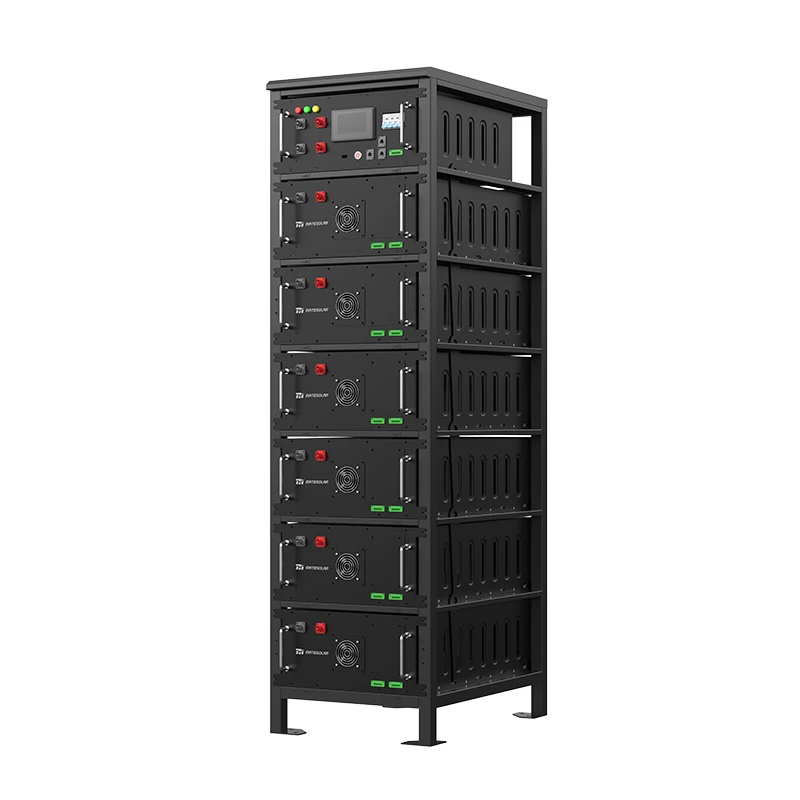
| 100kW/232kWh flüssigkeitsgekühlter Outdoor-Schrank | Gewerbe und Industrie (KMU), Telekommunikation, Kommunen | Plug-and-Play; werksmontiert; Betrieb bei -20 °C; minimaler bauseitiger Aufwand | Begrenzte Dauer (2,3 Stunden bei voller Leistung) |
| 125kW/261kWh Flüssiggekühlter Außenschrank | Mittelständische Gewerbe- und Industrieunternehmen, Gesundheitswesen, Rechenzentren | Verlängerte Laufzeit (2,1 Stunden); Wärmemanagement; für den Außenbereich geeignet | Ähnlicher Platzbedarf wie die 100-kW-Einheit |
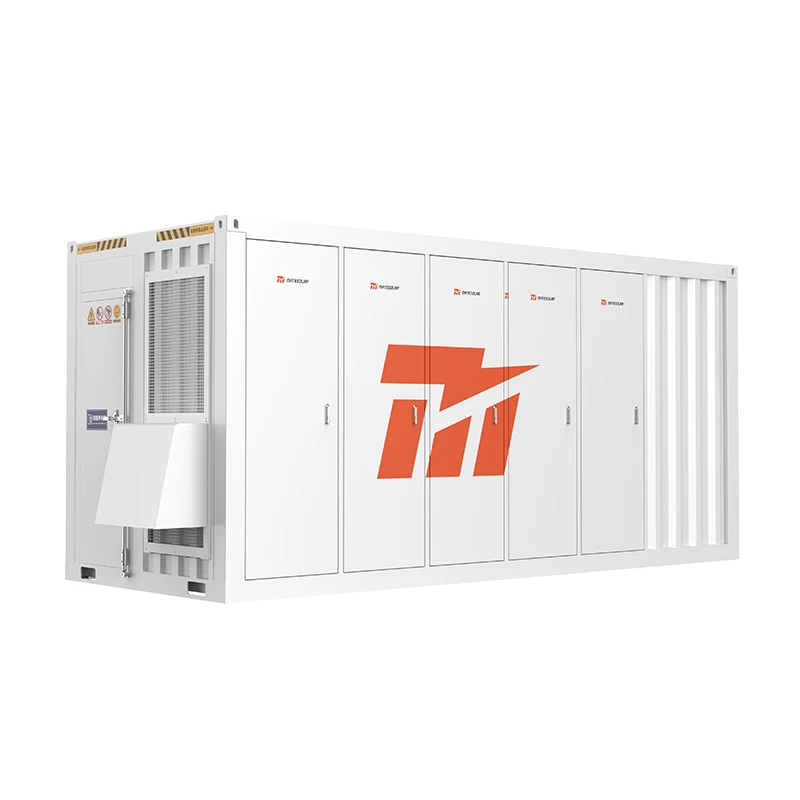
| 40-Fuß 1-MWh-luftgekühlter Container | Großgewerbe und -industrie, Industrieparks, Mikronetze | Kostengünstig; bewährte Technologie; einfacher Transport; 4+ Stunden Laufzeit | Luftkühlung bei extremer Hitze weniger effizient |
| 40-Fuß-2-MWh-Container mit Luftkühlung | Großindustriell, im industriellen Maßstab | Hohe Energiedichte; 4+ Stunden Dauer | Grenzen der Luftkühlung |
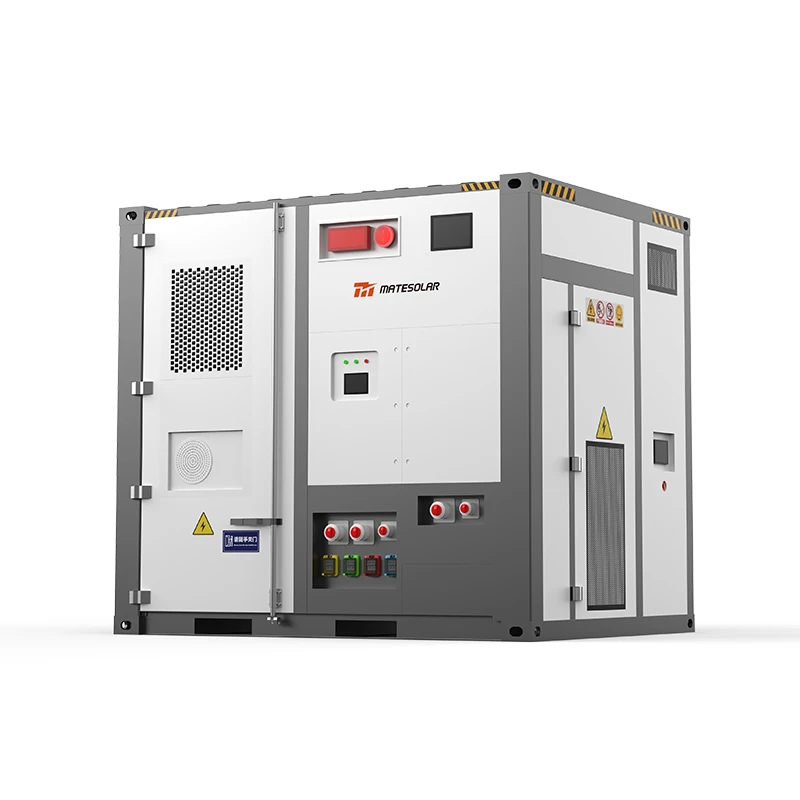
| 20 Fuß 3 MWh flüssigkeitsgekühltes Container | Kraftwerksmaßstab, große Industrie | Hohe Dichte; Flüssigwärmemanagement; lange Lebensdauer | Höhere Anschaffungskosten |
| 20 Fuß 5 MWh flüssigkeitsgekühlter Container | Anwendungen mit maximaler Dichte | Branchenführende Dichte; effizientes Wärmemanagement; reduzierter Platzbedarf | Premium-Lösung |
5.2 Auswahlrahmen
Für Anlagen mit einer Höchstlast von 100–500 kW:
- Berücksichtigen: 100kW/232kWh oder 125kW/261kWh Außenschränke
- Anwendungen: Backup + Lastspitzenkappung + Solarintegration
- Typische Bereitstellung: 2–4 Wochen
Für Anlagen mit 500 kW – 2 MW Spitzenbedarf:
- Zum Vergleich: 500-kW-Hybrid-Solaranlage oder 40-Fuß-Container
- Anwendungen: Eigenverbrauchsoptimierung + Notstromschutz
- Typische Bereitstellung: 4–6 Wochen
Für Anlagen mit einem Spitzenbedarf von 2 MW oder mehr:
- Zu berücksichtigen: 40ft 2MWh oder 20ft 3–5MWh Container
- Anwendungsbereiche: Netzdienstleistungen + Absicherung + Arbitrage
- Typische Einführungszeit: 6–8 Wochen
Teil VI: Best Practices für das Deployment
6.1 Checkliste für die Standortbeurteilung
- Lastprofilanalyse (15-Minuten-Intervall-Daten bevorzugt)
- Solarressourcenbewertung (bei Integration von PV)
- Machbarkeit des Netzanschlusses (einzelner Punkt oder mehrere)
- Bewertung des physischen Raums (Schränke vs. Container)
- Umgebungsbedingungen (Temperatur, Luftfeuchtigkeit, Hochwassergefahr)
- Sicherheitsanforderungen (Berechtigung für den Status als kritische Infrastruktur)
6.2 Fahrplan für die Einhaltung gesetzlicher Vorschriften
1. Prüfen, ob eine Lizenz erforderlich ist: ≤5 MW = keine Genehmigung
2. NetzanschlussantragInnerhalb eines 12-Monats-Fensters einreichen
3. Landnutzung: Für keine Grundstückskategorie ist eine Neueinstufung erforderlich (Kriegsbestimmung)
4. EinfuhrzollKeine Lizenz für Lithium-Ionen-Batterien erforderlich
5. Kritische InfrastrukturStatus beantragen, falls berechtigt (erweiterter Schutz)
6.3 Projektzeitplan (typisch)
| Phase | Dauer | Wichtigste Aktivitäten |
| Machbarkeit & Design | 1–2 Wochen | Lastenanalyse, Systemdimensionierung, Finanzmodellierung |
| Genehmigung | 1–2 Wochen | Netzanschlussantrag, Bestätigung der Flächennutzung (keine Genehmigung erforderlich für ≤ 5 MW) |
| Beschaffung & Fertigung | 2–4 Wochen | Serienfertigung (Standardlösungen verfügbar) |
| Werksprüfung | 1 Woche | Vorabprüfung und Validierung vor dem Versand |
| Versand | 1–2 Wochen | Transport in die Ukraine |
| Vor-Ort-Installation | 1–2 Wochen | Baustelleneinrichtung, Geräteplatzierung, Netzanschluss |
| Inbetriebnahme | 1 Woche | Systemtest, Übergabe |
| Insgesamt | 2–6 Wochen | Für vorgefertigte Lösungen |
Teil VII: Häufig gestellte Fragen
F1: Wie hoch ist die derzeit installierte Kapazität der Energiespeicherung in der Ukraine?
AMit Stand August 2026 verfügt die Ukraine über eine installierte BESS-Kapazität von über 500 MW, wobei technische Spezifikationen für weitere 1.000 MW veröffentlicht wurden.. Allein im Jahr 2025 wurden in allen Segmenten rund 1 GW in Betrieb genommen, wobei der Großanlagenbereich 500 MW / 1.000 MWh ausmachte.. Konkret beläuft sich der Industriestromspeicher auf 380 MW.
Frage 2: Wie funktioniert die Ausnahmeregelung "80% Selbstversorgung"?
A: Industrie- und Gewerbekunden, die mindestens 80% ihres Strombedarfs durch Eigenerzeugung und Importe decken, sind von den rotierenden Stromausfällen ausgenommen. Dies schafft einen starken Anreiz für gewerbliche und industrielle Solar- und Speicherinvestitionen. Energiespeicher sind entscheidend, um diesen Schwellenwert zu erreichen, indem sie die Solarstromerzeugung in die Abend- und Nachtstunden verlegen.
F3: Wie lange ist die Amortisationszeit für ein C&I-Speichersystem in der Ukraine?
ADas vom "Market Operator" analysierte profitabelste Modell ist ein ESS mit 1 MW / 3 MWh und einer Amortisationszeit von ca. 3,7 Jahren.. Betriebsdaten aus der Praxis deuten auf eine Lebensdauer von 3,5 bis 4 Jahren hin, wobei konservative Schätzungen von 4,5 bis 5 Jahren ausgehen. Jährliche Erträge von 20 bis 221 TP3T sind erreichbar.
F4: Benötige ich eine Lizenz zur Installation eines Batteriespeichers (BESS) in der Ukraine?
ANein, für BESS-Installationen an einzelnen Standorten bis zu 5 MW ist keine Stromerzeugungs-, Speicher- oder Lieferlizenz erforderlich. Diese Ausnahme vereinfacht und beschleunigt C&I-Projekte erheblich.
Frage 5: Wie kann ich das staatliche Darlehensprogramm 10% in Anspruch nehmen?
ADas Programm wurde am 1. Juni 2026 über autorisierte Banken gestartet.. Förderfähige Unternehmen können Darlehen in Höhe von 1 Million bis 25 Millionen Euro (500.000 Euro in besonders betroffenen Regionen) zu einem Zinssatz von 10% pro Jahr für eine Laufzeit von bis zu 5 Jahren mit einer tilgungsfreien Zeit von 12 Monaten in Anspruch nehmen.. Die Anträge werden über teilnehmende Banken eingereicht.
F6: Können Außenschranksysteme in den -20°C-Wintern der Ukraine betrieben werden?
A: Ja. Spezielle flüssigkeitsgekühlte Outdoor-Schranksysteme sind für einen zuverlässigen Betrieb bei Minustemperaturen ausgelegt. GSL Energy hat erfolgreich 160 kW / 418 kWh Systeme in der Ukraine eingesetzt, und die 261 kWh Schränke von ZETATECH wurden in großem Umfang unter ukrainischen Winterbedingungen implementiert.
F7: Was sind die technischen Anforderungen für Solar + BESS-Auktionsprojekte?
AGemäß Gesetz Nr. 4777-IX müssen Solar- + BESS-Projekte über Folgendes verfügen:
- ESS-Kapazität ≥ 801 TP3T Solarstromerzeugungskapazität
- Mindestens 2 kWh Speicher pro 1 kW Solarleistung
- Höchstgebotspreis 0,12 €/kWh
Projekte, die diese Anforderungen erfüllen, kommen für die spezielle jährliche Auktionsquote 10% in Frage.
F8: Wie kann ich angesichts von Kriegsrisiken ein Speicherprojekt finanzieren?
AEs gibt mehrere Wege:
- Staatlich geförderte 10%-Kredite über zugelassene Banken
- Internationale EIs (EBWE, IFC, EIB)
- Kommerzielle Banken mit Lloyd’s-Kriegsrisikoversicherung (Oschadbank-Präzedenzfall)
- Joint Ventures mit etablierten Akteuren (DTEK, KNESS usw.)
F9: Wie sieht der Zeitplan für die Bereitstellung eines C&I-Speichersystems aus?
ABei vorgefertigten Lösungen betragen die typischen Zeitpläne 2–6 Wochen von der Bestellung bis zur Inbetriebnahme. Die werkseitige Vormontage, Prüfung und die "Plug-and-Play"-Konstruktion ermöglichen eine schnelle Bereitstellung.
F10: Was passiert, wenn Geräte während der Garantiezeit ausfallen?
ABei Hardware-Qualitätsproblemen können Ersatzteile für eine geführte Installation und einen Austausch geliefert oder das Produkt bei einem schwerwiegenden Problem gegen ein neues ausgetauscht werden. Bei Softwareproblemen steht ein technischer Fernsupport zur Verfügung. Bei großen C&I-Projekten kann bei Bedarf technischer Support vor Ort für die Inbetriebnahme und Installationsberatung arrangiert werden.
Teil VIII: Produktlösungen für den ukrainischen Markt
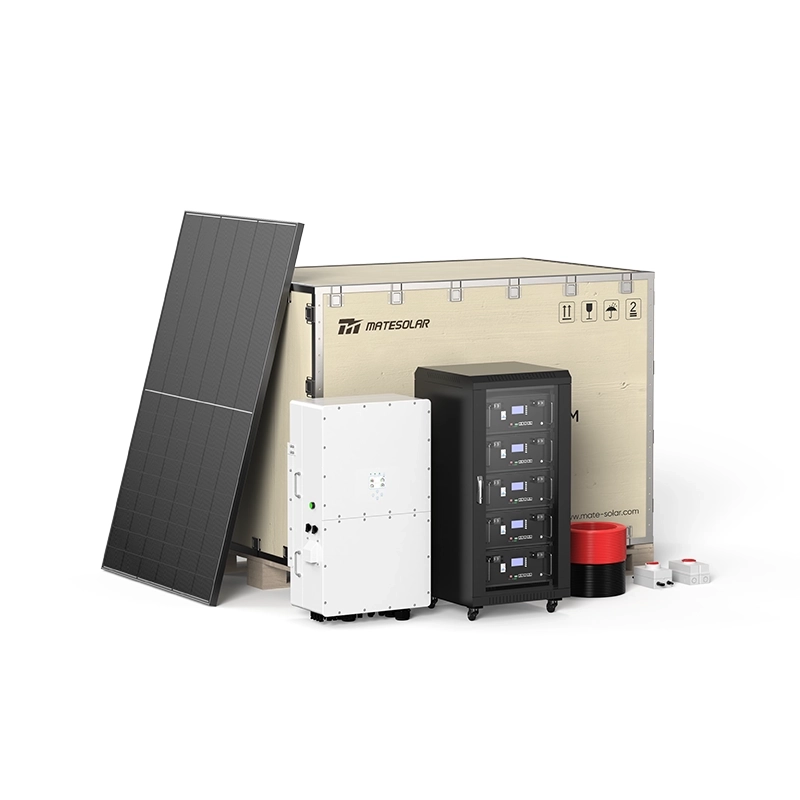
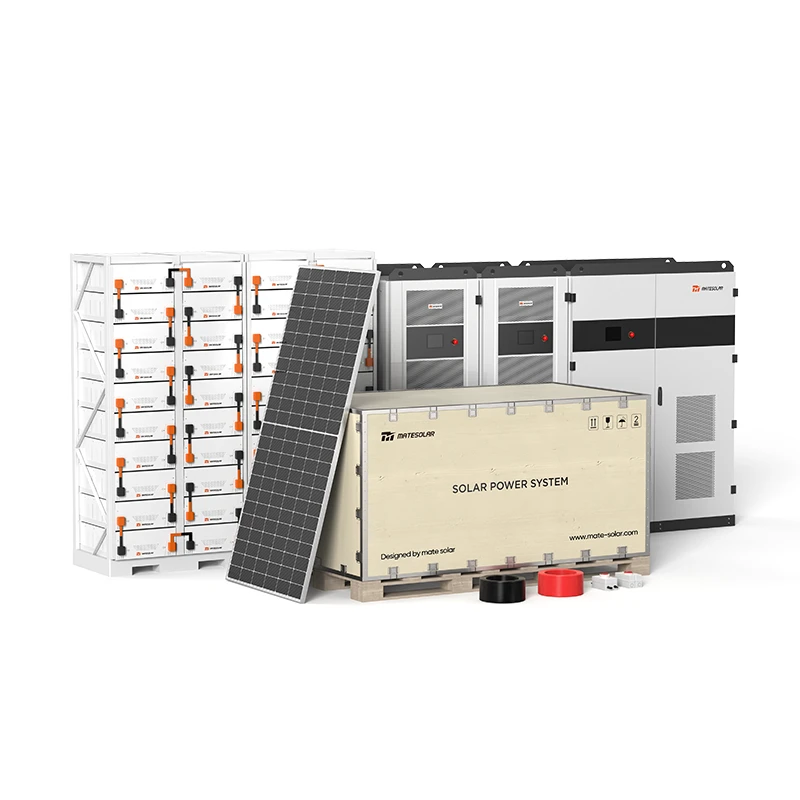
8,1 Kommerzielles 500kW Hybrid-Solarsystem
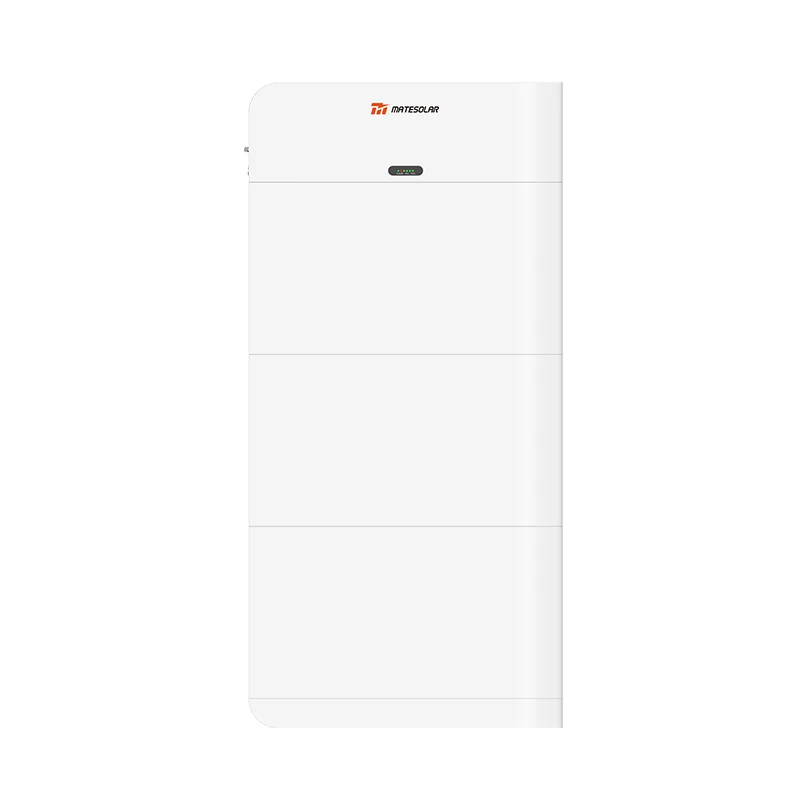
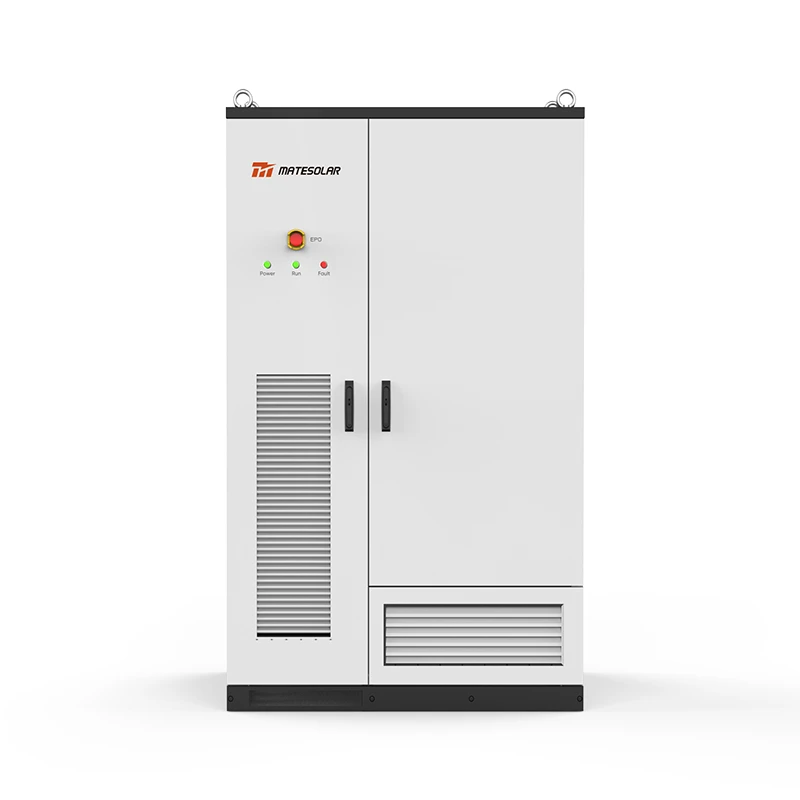
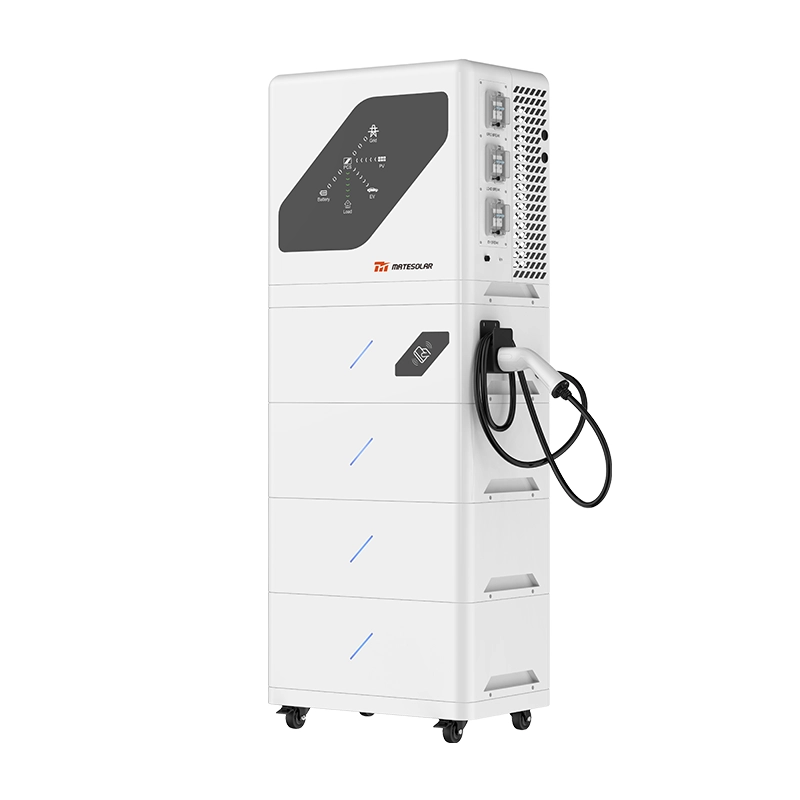
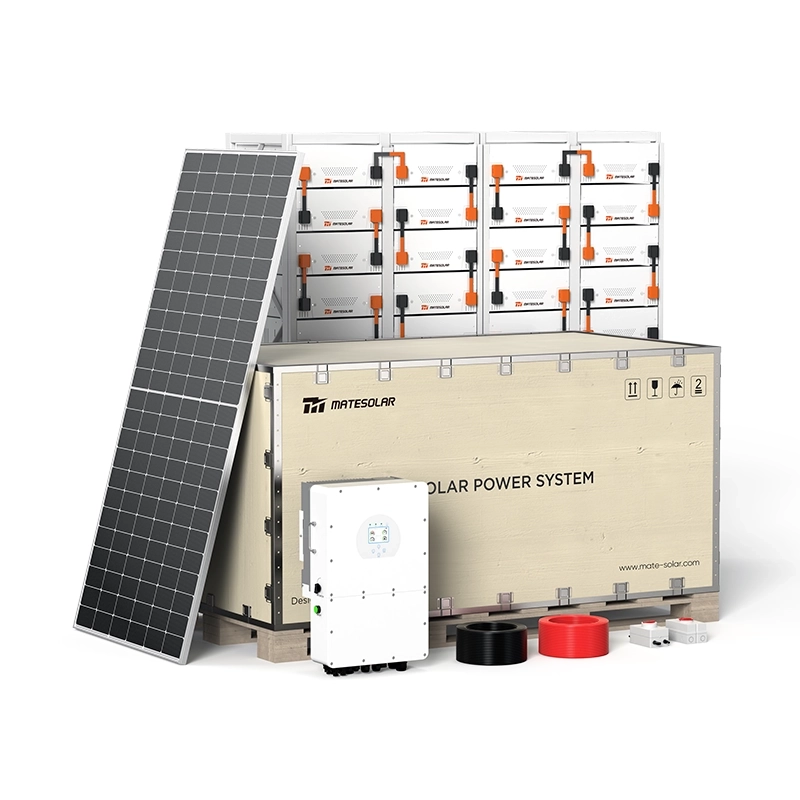
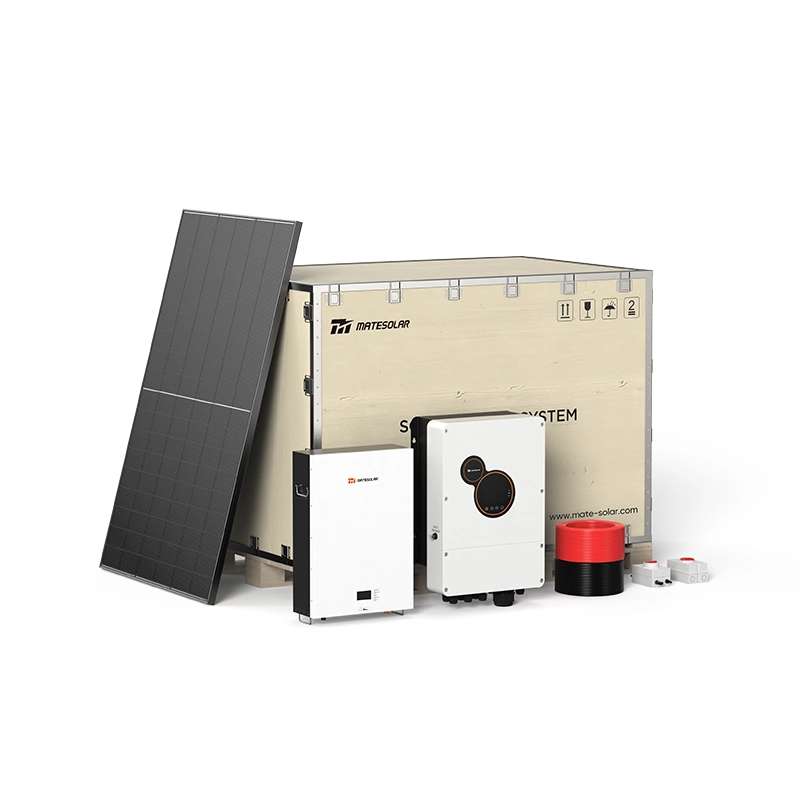
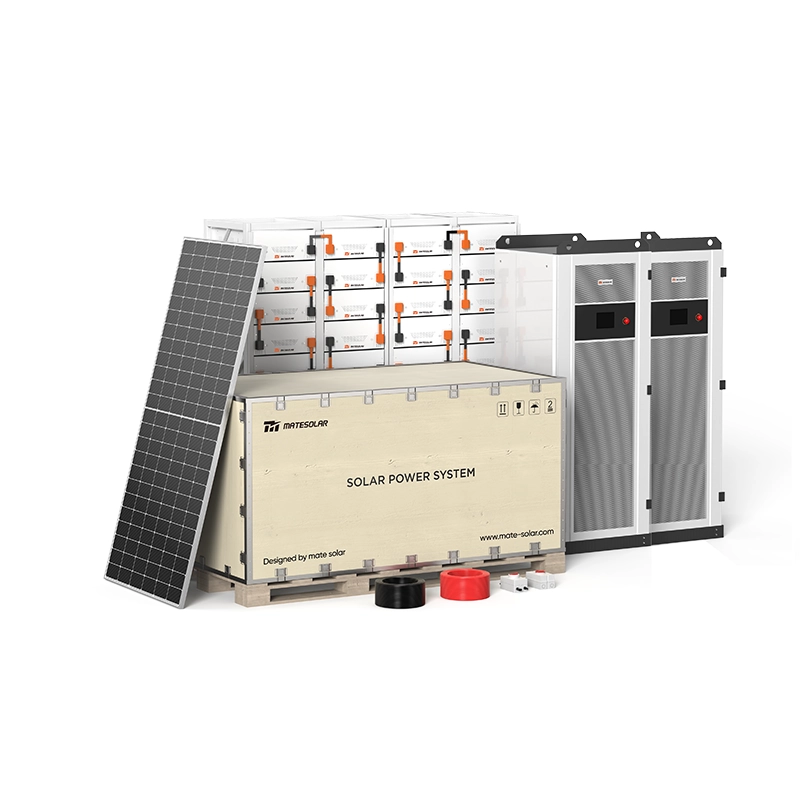
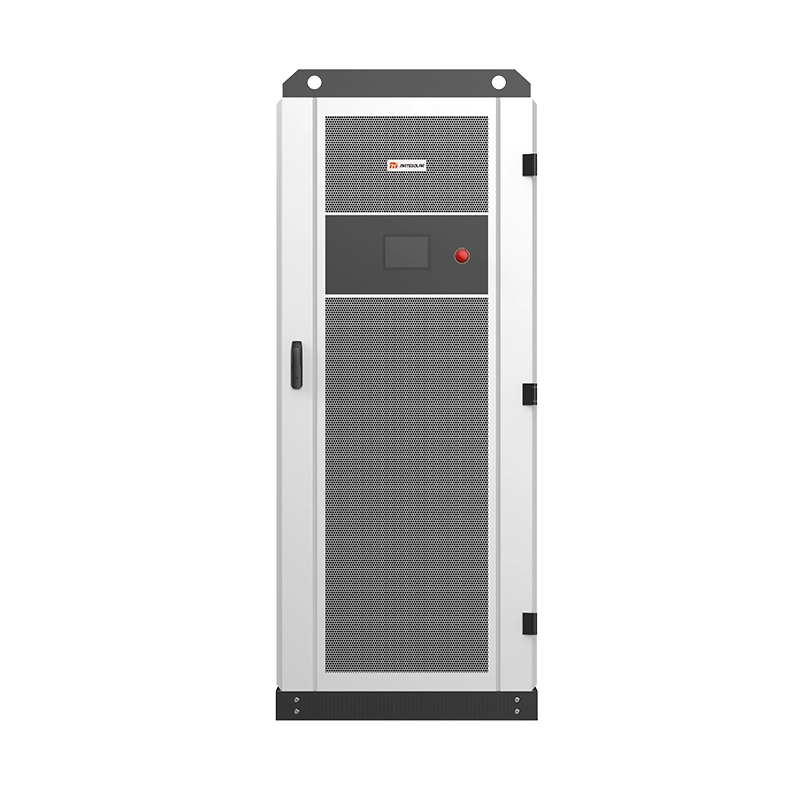
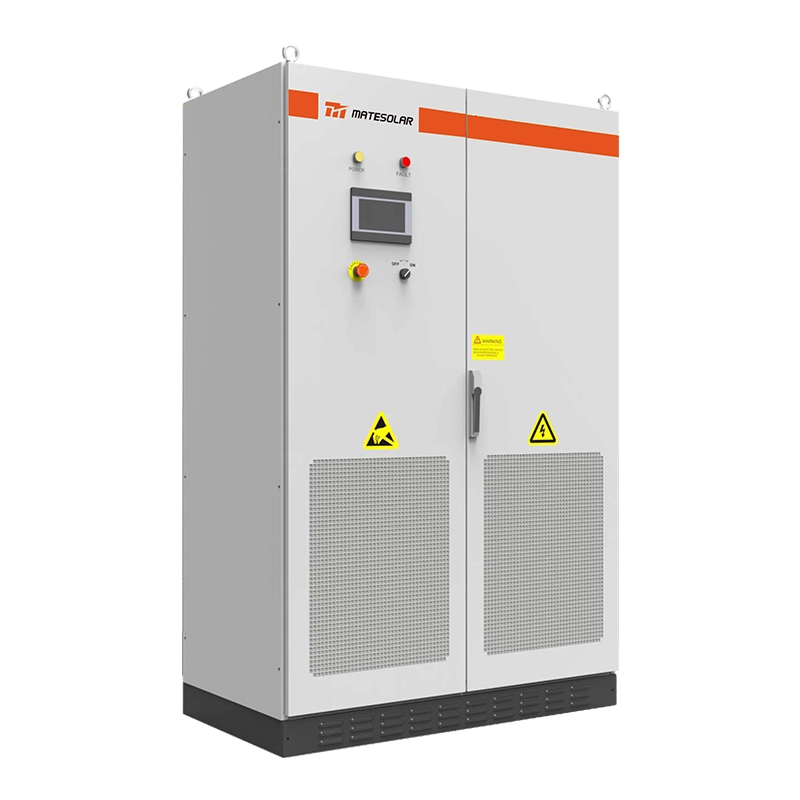
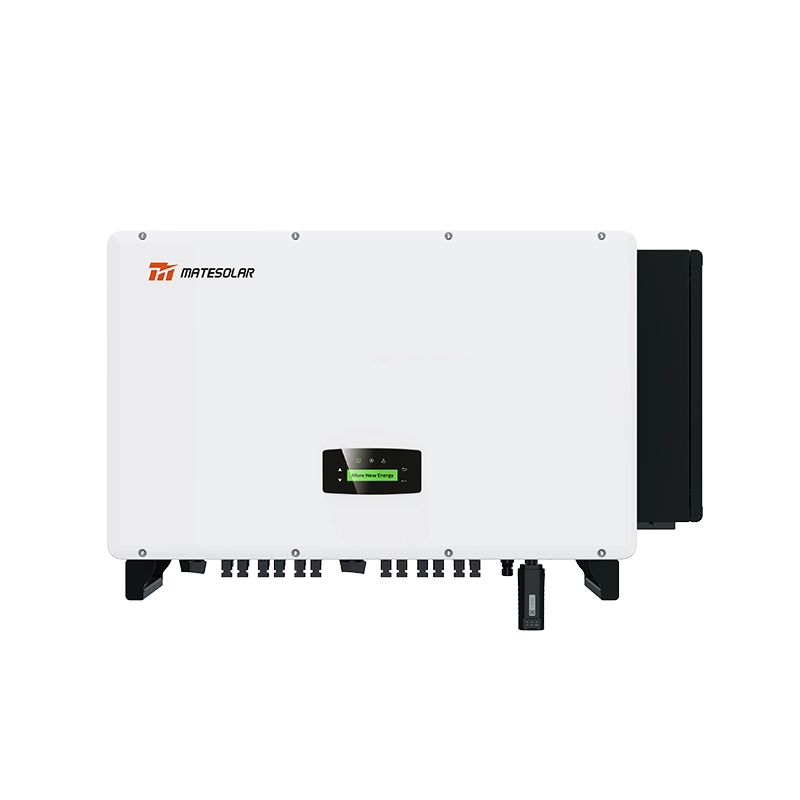
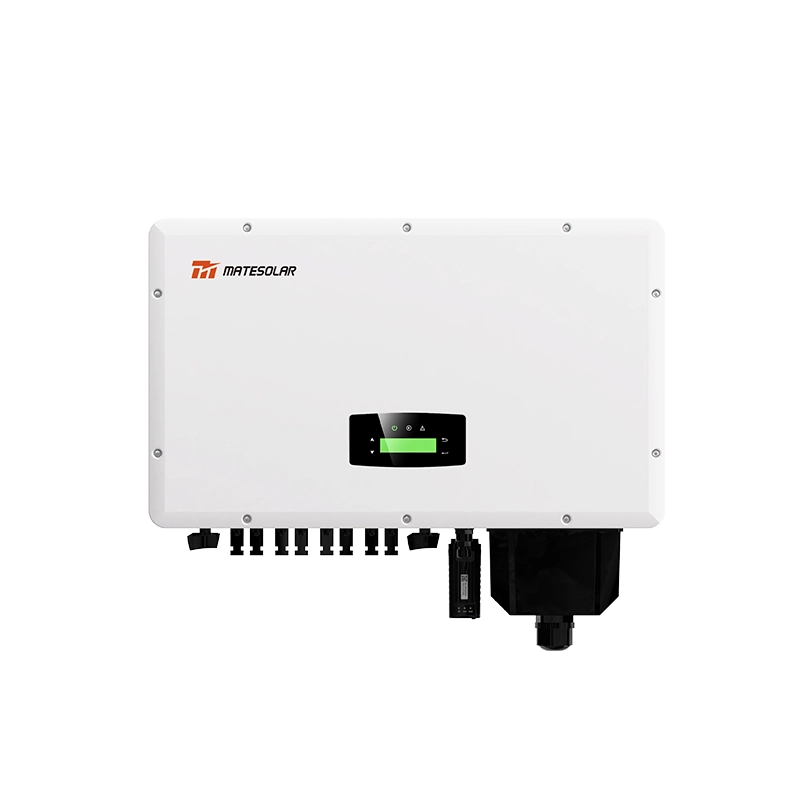
Für mittelgroße bis große Gewerbe- und Industrieanlagen, die integrierte Solar- und Speicherlösungen benötigen, bietet die kommerzielle 500-kW-Hybrid-Solaranlage optimierte Möglichkeiten für Eigenverbrauch, Spitzenlastabdeckung und Notstromversorgung. Diese Lösung eignet sich ideal für Produktionsstätten, Einkaufszentren und Industrieparks, die die Selbstversorgungsschwelle gemäß 80% erreichen und gleichzeitig ihre Energiekosten senken möchten.
[Link: Produktseite für gewerbliches 500-kW-Hybridsolarstromsystem]
8.2 100kW/232kWh & 125kW/261kWh flüssigkeitsgekühlter Outdoor-Schrank-ESS
Für kleinere C&I-Anlagen, Telekommunikationsinfrastrukturen und kommunale Anwendungen bieten diese Außengehäusesysteme:
- Werksseitige Vormontage für einen schnellen Einsatz
- Flüssiges Wärmemanagement für den Winterbetrieb bei -20 °C
- Plug-and-Play-Installation mit minimaler bauseitiger Vorbereitung
- Skalierbare Konfigurationen
[Link: Produktseite für flüssigkeitsgekühltes 100kW/232kWh 125kW/261kWh Outdoor-Batteriespeichersystem]
8,3 40ft 1MWh / 2MWh luftgekühltes Container-ESS
Für größere Industrieanwendungen und Mikronetze bieten diese Containerlösungen:
- Bewährte luftgekühlte Technologie
- 4+ Stunden Speicherdauer
- Einfacher Transport und einfache Montage vor Ort
- Wirtschaftliche Energiedichte
[Link: Produktseite für luftgekühlten 40ft 1MWh 2MWh Container-ESS]
8,4 20ft 3MWh / 5MWh flüssigkeitsgekühltes Container-ESS
Für Anwendungen im Kraftwerks- und Großindustrie-Bereich, die eine maximale Energiedichte erfordern:
- Branchenführendes flüssigkeitsgekühltes Wärmemanagement
- Verfügbar in Konfigurationen mit höchster Dichte
- Langzeitspeicherung
- Reduzierter Fußabdruck pro MWh
[Link: Produktseite für 20 Fuß 3MWh 5MWh Flüssigkeitskühlungs-Container-ESS]
Teil IX: Der Blick nach vorn — Der Ausblick 2026–2030
9.1 Marktprognosen
| Jahr | Zubau von Photovoltaikanlagen | BESS-Erweiterung | Haupttreiber |
| 2026 | ≥ 1,5 GW | ≥3 GWh | Grüne Auktionen, 10%-Kredite, Status als kritische Infrastruktur |
| 2027 | 1,5–2 GW | 3–4 GWh | Marktreife des Einspeiseprämien-Mechanismus, Skalierung der internationalen Finanzierung |
| 2028 | 2–2,5 GW | 4–5 GWh | Die Befreiung von der Mehrwertsteuer und den Zöllen gilt weiterhin bis 2028. |
| 2029–2030 | 2,5+ GW | 5+ GWh | Volle Marktreife, EU-Integration |
9.2 Wichtige Trends, die man im Auge behalten sollte
1. Einführung der EinspritzprämieSekundärgesetzgebung innerhalb von 6 Monaten nach dem Gesetz Nr. 4777-IX erwartet
2. Internationale Finanzierung skalierenEBWE, IFC und Geschäftsbanken weisen Kredite mit Kriegsrisikoabsicherung aus
3. NetzanschlussbeschränkungenDie Schulden auf dem Ausgleichsmarkt (ca. 45 Mrd. UAH) bleiben eine Herausforderung
4. EU-IntegrationDie Harmonisierung des ukrainischen Energiemarktes mit den EU-Vorschriften wird sich beschleunigen
5. Technologische EntwicklungFlüssigkühlung wird zum Standard; die Dauer verlängert sich von 2–4 Stunden auf 6+ Stunden
9.3 Strategische Empfehlungen für G&I-Kunden
Sofort (Q3–Q4 2026) :
1. Lastanalyse und Speicherdimensionierung durchführen
2. Beantragen Sie ein 10%-Staatsdarlehen über autorisierte Banken
3. Einreichung von Netzanschlussanträgen (12-Monats-Fenster)
4. Strukturieren Sie Projekte so, dass sie die Anforderungen von Solar- + BESS-Auktionen erfüllen, sofern Sie daran teilnehmen
Mittelfristig (2027) :
1. Integration von Stromspeichern mit Photovoltaik-Anlagen vor Ort und anderen dezentralen Erzeugungsanlagen
2. Teilnahme an grünen Auktionen für Solar- + BESS-Projekte
3. Erschließung zusätzlicher Einnahmequellen aus Systemdienstleistungen (Regelenergie)
4. Antrag auf Status als kritische Infrastruktur
Langfristig (2028–2030) :
1. Integration von Stromspeichern mit Photovoltaik-Anlagen vor Ort und anderen dezentralen Erzeugungsanlagen
2. Teilnahme am Regelleistungsmarkt und an Systemdienstleistungen
3. Einspeisung von Überschusskapazität in das Stromnetz im Rahmen des Marktprämienmodells
4. Nutzung der Integration der Ukraine in den EU-Energiemarkt
Fazit: Die Ukraine als globales Speicherlaboratorium
Wie Vladyslav Sokolovskyi, der Vorsitzende des Ukrainischen Solarenergieverbandes, erklärte: "Heute ist die Ukraine zu einem einzigartigen realen Testgelände geworden, auf dem Batteriespeichertechnologien unter den denkbar schwierigsten Bedingungen eingesetzt werden. Die Erfahrungen, die wir sammeln – wie man schnell baut, BESS unter ständigen Angriffen integriert und Ausgleichsdienstleistungen von Grund auf entwickelt –, sind für ganz Europa wertvoll."
Die Ukraine baut ihr Energiesystem nicht einfach nur wieder auf; sie schafft eine neue Energiearchitektur, in der Solarenergie, Batteriespeichersysteme und dezentrale Erzeugung das Fundament der Energieresilienz des Landes bilden. Für Gewerbe- und Industriekunden stellt dies sowohl eine Notwendigkeit als auch eine Chance dar: die Notwendigkeit, den Betrieb gegen ein unzuverlässiges Stromnetz abzusichern, und die Chance, an einem der weltweit am schnellsten wachsenden und innovativsten Energiespeichermärkte teilzunehmen.
Die Instrumente sind vorhanden: eine unterstützende Politik, zugängliche Finanzierung, bewährte Technologie und eine wachsende Zahl erfolgreicher Referenzprojekte. Die Frage ist nicht mehr, ob Energiespeicher eingesetzt werden sollen, sondern wie schnell.
Über MateSolar
MateSolar ist ein führender schlüsselfertiger Anbieter von Photovoltaik- und Energiespeicherlösungen, der sich der Bereitstellung umfassender Solar- und Speichersysteme für kommerzielle, industrielle und großtechnische Anwendungen weltweit widmet. Mit dem Fokus auf schnelle Bereitstellung, Zuverlässigkeit in extremen Umgebungen und bankfähige Projektökonomie bietet MateSolar End-to-End-Lösungen einschließlich Systemdesign, Ausrüstungslieferung, Logistik und technischem Support.
Für Gewerbe- und Industriekunden in der Ukraine bietet MateSolar:
- Vorgefertigte, im Werk getestete Systeme für einen Einsatz von 2–6 Wochen
- Für kaltes Wetter optimierte Designs für den Winterbetrieb bis -20 °C
- Umfassender KundendienstHardware-Ersatzteile mit geführter Installation, Remote-Software-Fehlerbehebung und technischem Support vor Ort für Großprojekte
Kontaktieren Sie MateSolar noch heute zur Besprechung Ihres gewerblichen und industriellen Energiespeicherbedarfs und zur Absicherung Ihres Betriebs gegen die sich wandelnden Energieherausforderungen in der Ukraine.