









Executive Summary: Why Ontario Matters
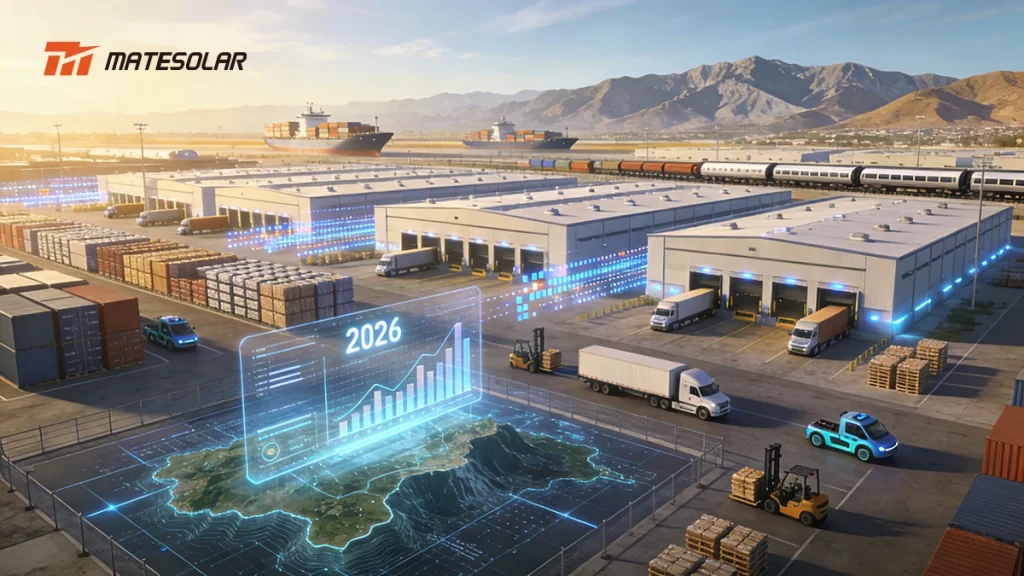
The City of Ontario, California—located approximately 35 miles east of Los Angeles at the heart of the San Bernardino County logistics corridor—represents one of the most compelling industrial storage markets in the Western United States. With the highest concentration of warehousing and distribution infrastructure in the nation, over 400 million square feet of logistics space within a 15-mile radius, and direct access to the Burlington Northern Santa Fe (BNSF) Intermodal Facility—the largest west of the Mississippi—Ontario's industrial ecosystem is undergoing a fundamental energy transition.
This analysis examines the 2026 market reality for commercial and industrial Battery Energy Storage Systems (BESS) in Ontario, California, with specific focus on three critical customer segments: logistics and warehousing facilities, light to medium manufacturing operations, and data center developments. We integrate current policy frameworks, utility rate structures, and project economics to provide a comprehensive market entry strategy for industrial storage providers.
Part One: Ontario's Industrial Profile—The Inland Empire's Energy Epicenter
1.1 Geographic and Economic Context
The City of Ontario sits at the crossroads of the Inland Empire's industrial powerhouse. Key infrastructure includes:
- Ontario International Airport (ONT) : The 15th busiest cargo airport in the United States, handling over 800,000 tons of air freight annually with major expansion plans underway through 2028
- BNSF San Bernardino Intermodal Facility: The largest rail-to-truck transfer facility in the western United States, processing over 1.2 million containers annually
- I-10 and I-15 Corridors: The primary trucking arteries connecting Southern California to the entire western United States, with over 250,000 truck trips daily through the Ontario metropolitan area
- Industrial Real Estate Density: Over 120 million square feet of warehousing and distribution space within Ontario city limits alone, with another 200+ million square feet in adjacent communities (Rancho Cucamonga, Fontana, Jurupa Valley)
This industrial concentration translates directly to energy intensity. According to Southern California Edison (SCE) load data, the Ontario sub-area (SCE Planning Area 12) has one of the highest commercial and industrial load densities in the SCE service territory, with over 2.8 GW of peak demand served through the local distribution network.
1.2 The Electricity Infrastructure Reality
Ontario's industrial customers face three interconnected electricity challenges in 2026:
Challenge 1: Transformer Capacity Saturation. The distribution infrastructure serving Ontario's warehouse corridors was largely built during the 1980s and 1990s expansion. Substations serving the BNSF intermodal area, Milliken Avenue industrial corridor, and Haven Avenue logistics cluster are operating at or near firm capacity. SCE's 2025 Distribution Capacity Map shows 12 of 17 distribution circuits in the Ontario area with less than 15% remaining firm capacity for new large loads.
Challenge 2: Extreme Peak Demand Pricing. SCE's TOU-GS-3 rate structure (applicable to most industrial customers with demands above 500 kW) features summer on-peak demand charges exceeding $23/kW during the 4-9 PM window. For a 2 MW facility, this represents potential monthly demand charges of $46,000 during the five-month summer season.
Challenge 3: Public Safety Power Shutoff (PSPS) Risk. Ontario lies within High Fire Threat Districts (Zone 2) for portions of the northern industrial areas near the San Gabriel Mountains foothills. SCE's 2025 PSPS mitigation plan identifies multiple distribution lines serving industrial customers in north Ontario as potential de-energization candidates during Santa Ana wind events. For 24/7 logistics operations supporting just-in-time retail supply chains, a multi-day outage represents catastrophic business interruption risk.
Part Two: The California Policy Framework—2026 Update
2.1 SGIP Transition and the "California Bonus"
The Self-Generation Incentive Program (SGIP) has been the foundational policy supporting behind-the-meter storage in California. Effective January 1, 2026, the program underwent significant restructuring:
- Equity Resiliency Budget: Remains available for industrial facilities in Disadvantaged Communities (DACs) and Low-Income communities. Portions of eastern Ontario (census tracts 4103, 4104, 4105) qualify for Equity Resiliency incentives up to $1.00/Wh for storage systems providing backup power capability.
- Standard Budget: For non-equity industrial projects, the incentive has been reduced to $0.15/Wh for storage only, with a maximum incentive cap of $5 million per project.
- California Manufacturing Incentive: A 20% adder remains available for storage systems manufactured in California. This applies to systems where the battery modules, inverters, or containers are assembled in-state. For a 5 MWh system, this can represent an additional $150,000-$200,000 in incentive value.
2.2 The ITC Landscape in 2026
Under the Inflation Reduction Act's technology-neutral provisions, standalone storage projects placed in service in 2026 qualify for the Investment Tax Credit as follows:
| ITC Component | Percentage | Eligibility Criteria |
| Base Credit | 30% | Prevailing wage + apprenticeship requirements met |
| Domestic Content Bonus | 10% | 40% steel/iron + 25% manufactured products U.S.-sourced |
| Energy Community Bonus | 10% | Brownfield sites or census tracts with fossil fuel employment |
| Low-Income Communities Bonus | 10-20% | Competitive allocation for projects serving qualifying areas |
Total Potential ITC: Up to 70% for qualifying projects meeting all bonus criteria.
For Ontario industrial facilities, the Energy Community bonus is particularly relevant. The Ontario-Montclair area was designated as a "brownfield" zone under the 2025 EPA Brownfields grant awards, potentially qualifying industrial sites with prior contamination history for the 10% adder.
2.3 California ISO (CAISO) Market Evolution
Two major market changes effective in 2026 directly impact behind-the-meter storage economics for Ontario industrial customers:
Extended Day-Ahead Market (EDAM) Launch. CAISO launched EDAM in spring 2026, creating a consolidated day-ahead market spanning California, Oregon, Washington, Nevada, Utah, and portions of Arizona. For behind-the-meter storage, EDAM enables participation in day-ahead energy arbitrage with locational marginal pricing (LMP) signals transmitted to participating resources.
Soft Offer Cap Increase. Effective summer 2026, CAISO increased the soft offer cap from $1,000/MWh to $2,000/MWh. This allows storage resources to bid at higher prices during scarcity events, capturing peak pricing that would previously have been capped. For a 4-hour industrial BESS discharging during a CAISO Flex Alert event, this can represent revenue uplift of 30-50%.
2.4 AB 3121 and Load Flexibility Requirements
Assembly Bill 3121, effective January 1, 2026, amended Public Utilities Code Section 379.6 to require that all incentive-eligible storage systems demonstrate the ability to "shift onsite energy use to off-peak time periods or reduce demand from the grid by offsetting some or all of the customer's onsite energy load".
For Ontario industrial customers, this means that storage systems seeking SGIP incentives must be configured for daily dispatch, not merely emergency backup. The California Public Utilities Commission (CPUC) implementing rules require:
- Minimum 200 cycles per year dispatched for economic purposes
- Real-time telemetry to verify dispatch activity
- Participation in demand response programs where available
This regulatory push transforms storage from passive backup to active grid asset—a fundamental shift that industrial facility owners must incorporate into their economic modeling.
Part Three: Ontario Industrial Customer Segments—Three Distinct Opportunities
3.1 Segment 1: Large-Scale Warehousing and Logistics Facilities
Customer Profile: Class A warehouse and distribution centers, typically 500,000 to 2 million square feet, operating 24/6 or 24/7 with high-density lighting, extensive material handling equipment (forklifts, conveyors, sortation systems), and increasingly, refrigerated storage for perishables.
Typical Load Characteristics:
- Peak demand: 1.5 MW to 4 MW
- Load factor: 55-70% (highly variable depending on shift operations)
- Critical loads: Refrigeration (where applicable), security systems, IT/server rooms
Primary Pain Points:
Demand Charges Dominate the Bill. For a typical 2 MW warehouse on SCE's TOU-GS-3 rate, demand charges represent 45-55% of the total electricity bill. A facility with 2 MW peak demand pays approximately $40,000-$50,000 annually in demand charges alone, with summer on-peak demand charges of $23/kW creating extreme cost spikes during 4-9 PM operation.
Refrigeration Load Vulnerability. Cold storage warehouses (increasingly common in Ontario due to e-commerce grocery expansion) face catastrophic loss risk during outages. A 12-hour PSPS event in September 2025 affecting the Milliken Avenue corridor resulted in $2.3 million in product loss for three cold storage facilities
Peak Shaving Economics. With 4-9 PM on-peak window aligning with evening sortation shifts for e-commerce fulfillment centers, the ability to shave 500 kW-1,000 MW during these hours generates immediate payback. Modeling by the California Energy Storage Alliance shows 2-3 year paybacks for warehouse storage systems sized at 25-30% of peak demand.
The BESS Solution:
For this segment, the optimal configuration is a 2-4 hour duration system sized at 20-30% of facility peak demand. A 500 kW / 2 MWh system can:
- Shave 500 kW during the 4-9 PM window, reducing annual demand charges by $25,000-$35,000
- Provide 4+ hours of backup for critical refrigeration and IT loads during PSPS events
- Capture energy arbitrage value by charging overnight at $0.12/kWh and discharging during $0.35-$0.45/kWh on-peak periods
- Participate in SCE's Capacity Bidding Program (CBP) demand response, earning $8-$12/kW-month for summer availability
3.2 Segment 2: Light to Medium Industrial Manufacturing
Customer Profile: Plastics forming, metal fabrication, food processing, and assembly operations. These facilities typically operate single or double shifts with significant motor loads (compressors, conveyors, pumps) and process heating/cooling requirements.
Typical Load Characteristics:
- Peak demand: 750 kW to 3 MW
- Load factor: 40-60% (often lower due to shift schedules)
- Critical loads: Process controls, compressors for automation, limited production equipment
Primary Pain Points:
Process Interruption Costs. For continuous process manufacturing (extrusion lines, injection molding, food processing lines), an unplanned outage costs $5,000-$20,000 per hour in lost production plus restart waste. A 4-hour PSPS event can cost $60,000-$100,000 in lost margin.
Power Quality Sensitivity. Manufacturing facilities with variable frequency drives (VFDs), robotics, and precision controls are sensitive to voltage sags and momentary interruptions. SCE's distribution system in the Haven Avenue industrial area experiences 3-5 momentary interruptions annually, each capable of tripping sensitive production lines.
Electrification Expansion Pressure. Many Ontario manufacturers are under corporate sustainability mandates to electrify process heat (replacing natural gas boilers with heat pumps) and transition forklift fleets to electric. Both trends increase electrical load—often beyond existing transformer capacity.
The BESS Solution:
For this segment, the optimal configuration is a 2-4 hour system sized for both peak shaving and power quality. A 750 kW / 3 MWh system can:
- Provide 4 hours of full-load backup for critical production lines during outages (avoiding $60,000+ in lost production per event)
- Condition power to protect sensitive VFDs and controls from voltage sags
- Enable electrification of process heat or forklift charging without transformer upgrades (using BESS to absorb new load peaks)
- Capture demand charge reduction (30-40% reduction achievable)
3.3 Segment 3: Data Center and High-Tech Facilities
Customer Profile: Colocation data centers, enterprise IT facilities, and increasingly, edge computing nodes supporting logistics operations. Ontario's proximity to Los Angeles and affordable power has attracted multiple data center developments along the I-10 corridor.
Typical Load Characteristics:
- Peak demand: 2 MW to 15 MW (for larger facilities)
- Load factor: 85-95% (near flat 24/7 operation)
- Critical loads: 100% of facility (N+1 or 2N redundancy typical)
Primary Pain Points:
Resilience Is Non-Negotiable. Data centers require 100% uptime. Traditional solutions rely on diesel generators and UPS flywheels, but these face increasing regulatory pressure (SCAQMD rules on diesel generator runtime limits) and fuel supply vulnerability during extended outages.
Power Usage Effectiveness (PUE) Pressure. Corporate sustainability mandates and customer requirements are driving data center operators to improve PUE and increase renewable energy utilization. A Google-commissioned study found that data centers with on-site solar + storage can achieve PUE improvements of 8-12% through reduced grid dependence and more efficient UPS operation.
Capacity Expansion Constraints. Data center expansions in Ontario face the same transformer saturation issues as other industrial segments. The 46 MW of new data center load proposed in the Ontario Milliken corridor since 2024 has been delayed by 18-24 months due to SCE substation upgrade requirements.
The BESS Solution:
For data centers, the optimal configuration is a 4-8 hour system integrated with the facility's UPS architecture. A 2 MW / 16 MWh system can:
- Replace diesel generators for backup duty (eliminating emissions, fuel storage, and runtime restrictions)
- Provide 8+ hours of full-load backup during extended outages
- Participate in CAISO ancillary services markets (regulation, spinning reserve) when not in backup mode, generating $100,000-$200,000 annually
- Enable "green UPS" operation, reducing grid dependence during peak periods and improving PUE
Part Four: The Long-Duration Storage Mandate—Prairie Song and the 8-Hour Benchmark
4.1 The Prairie Song Reliability Project
On February 24, 2026, the California Energy Commission held its first public meeting for the Prairie Song Reliability Project, a proposed 1,150 MW / 9,200 MWh battery energy storage system in Acton, Los Angeles County—approximately 40 miles west of Ontario.
While this is a front-of-meter transmission-connected project, its significance for Ontario industrial customers lies in what it signals about California's storage requirements:
- 8-Hour Duration Is the New Standard: Prairie Song's 8-hour specification reflects CAISO's determination that the Los Angeles Basin needs long-duration storage to replace retiring gas plants and manage the evening ramp when solar generation disappears. For behind-the-meter industrial storage, this signals that 4-hour systems may become the minimum for capacity value in future market designs.
- Opt-In Certification Program: Prairie Song is proceeding through the CEC's Opt-In Certification program, which provides a 270-day environmental review timeline—dramatically faster than traditional permitting. This same pathway is available to qualifying behind-the-meter industrial projects in Ontario, offering accelerated approval for storage systems meeting CEC criteria.
- Fire Safety Requirements: The Prairie Song application includes comprehensive fire safety measures: thermal infrared cameras, deflagration panels, real-time air/water monitoring, and NFPA 855 compliance. These same requirements apply to industrial BESS installations in Ontario, particularly those near populated areas.
4.2 What 8-Hour Duration Means for Industrial Customers
The shift toward longer-duration storage has three implications for Ontario industrial facilities planning BESS investments in 2026:
Implication 1: Capacity Value Migration. CAISO's resource adequacy rules increasingly value duration. A 4-hour resource receives full capacity credit only during the 4-8 PM net peak window; an 8-hour resource can also provide overnight reliability value. By 2028, industry analysts expect CAISO to differentiate RA payments by duration, with 8-hour resources earning 20-30% premium over 4-hour
Implication 2: Electrification Headroom. Industrial facilities planning electrification of forklifts, process heat, or fleet vehicles should size storage for the future load, not current load. A 2 MW / 8 MWh system installed in 2026 can support 2 MW of new EV charging load added in 2028, avoiding a second storage investment.
Implication 3: Multi-Day Outage Protection. PSPS events in high-fire-threat areas can last 3-5 days. While full-site backup for 5 days is economically prohibitive, a properly sized long-duration system can support critical loads (refrigeration, security, IT, minimal production) for 24-48 hours, bridging until diesel generators can be refueled or grid returns.
Part Five: Economic Modeling—2026 Project Returns for Ontario Industrial
5.1 Base Case Assumptions
For a representative 2 MW industrial facility in Ontario (warehouse or light manufacturing), we model the economics of a 500 kW / 2 MWh BESS (25% peak shaving capability) with the following assumptions:
| Parameter | Value | Source |
| System Size | 500 kW / 2 MWh | MateSolar baseline |
| Installed Cost (2026) | $1,600/kW or $400/kWh AC turnkey | Industry average |
| Total Capex | $800,000 | 500 kW × $1,600 |
| ITC (base) | 30% | IRA technology-neutral |
| SGIP (standard) | $0.15/Wh = $300,000 | For non-equity |
| Net Customer Cost | $260,000 | After incentives |
5.2 Revenue Stack Components
Demand Charge Reduction:
- Summer on-peak demand charge: $23/kW (June-September)
- Winter on-peak demand charge: $8/kW (October-May)
- Shaving 400 kW during peak windows annually
- Annual savings = (4 months × $23 × 400 kW) + (8 months × $8 × 400 kW) = $36,800 + $25,600 = $62,400/year
Energy Arbitrage (Day-Ahead Market):
- Charging at $0.035/kWh (overnight minimums)
- Discharging at $0.12/kWh (average on-peak CAISO prices, 2025 actuals)
- 2 MWh × 300 cycles/year × $0.085 spread = $51,000/year
Demand Response (CBP):
- 400 kW commitment, summer availability
- Average payment: $10/kW-month × 4 months × 400 kW = $16,000/year
Total Annual Gross Revenue: $129,400
5.3 Return Metrics
| Metric | Value |
| Net Installed Cost (after incentives) | $260,000 |
| Annual Net Revenue | $129,400 |
| Simple Payback | 2.0 years |
| 10-Year IRR (after O&M) | 28-32% |
| 10-Year NPV @ 8% discount | $680,000 |
*Note: Excludes additional value of outage avoidance (PSPS protection), which can add $20,000-$100,000 in avoided losses depending on facility type and vulnerability.*
Part Six: Ontario-Specific Implementation Considerations
6.1 Utility Coordination with Southern California Edison
All behind-the-meter industrial storage projects in Ontario must coordinate with SCE for interconnection. Key 2026 requirements:
- Rule 21 Interconnection: Projects under 1 MW typically qualify for the Simplified or Fast Track process (30-60 days review). Projects above 1 MW may require Supplemental Review (90-120 days) with potential distribution upgrade studies.
- Net Energy Metering (NEM) for Storage: SCE allows storage-only NEM agreements where the battery can charge from grid and discharge to load, with net consumption settled monthly. However, projects exporting to grid require a separate generator interconnection agreement.
- Demand Response Registration: Storage systems participating in SCE's Capacity Bidding Program must be registered through the utility's DR portal with telemetry verification. Lead time: 60-90 days before summer season.
6.2 Fire Safety and Permitting
The City of Ontario Fire Department has adopted NFPA 855 as the governing standard for energy storage systems. Key requirements for industrial BESS installations:
- Separation Distances: Containerized systems must maintain 3-foot separation between units and 10-foot separation from property lines or buildings (may be reduced with fire-rated construction).
- Deflagration Venting: Enclosures must provide pressure relief in accordance with NFPA 68.
- Emergency Response Plan: Facility must maintain site-specific plan reviewed by Ontario Fire Department.
- Thermal Runaway Testing: Cells must be UL 9540A tested, with documentation provided to AHJ.
Effective January 1, 2026, the California Fire Code was updated to include enhanced BESS safety standards developed through the Governor's cross-agency collaborative. These standards apply to all new industrial installations.
6.3 Environmental Review
While most behind-the-meter industrial BESS installations are categorically exempt from CEQA (Class 1 exemption for existing facilities), projects exceeding certain thresholds may require review:
- Noise: SCE's Ontario service territory has strict noise ordinances. BESS cooling systems (fans, HVAC) must comply with local noise limits, typically 55-60 dBA at property line during nighttime hours.
- Hazardous Materials: LFP batteries are non-hazardous for transport and storage under California DTSC regulations, but facilities must maintain SPCC plans for any electrolyte spill potential.
- Visual Impact: The City of Ontario's design guidelines require screening of ground-mounted equipment in visible locations. Containerized systems should be finished in non-reflective colors consistent with industrial surroundings.
Part Seven: Product Configurations for Ontario Industrial Applications
Based on the market analysis above, we recommend the following product configurations for Ontario industrial customers:
For Logistics/Warehousing Customers
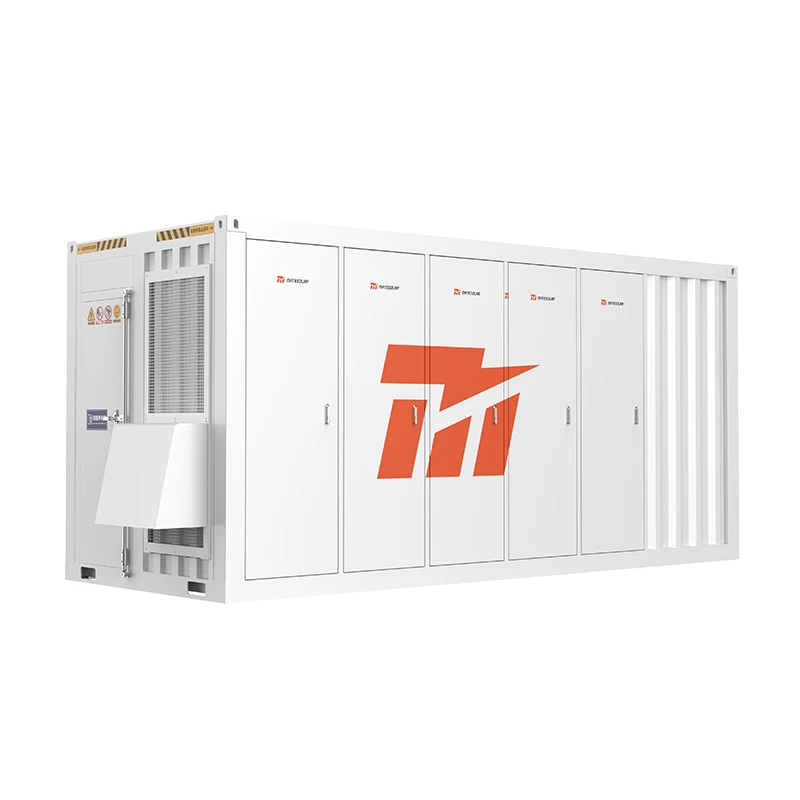
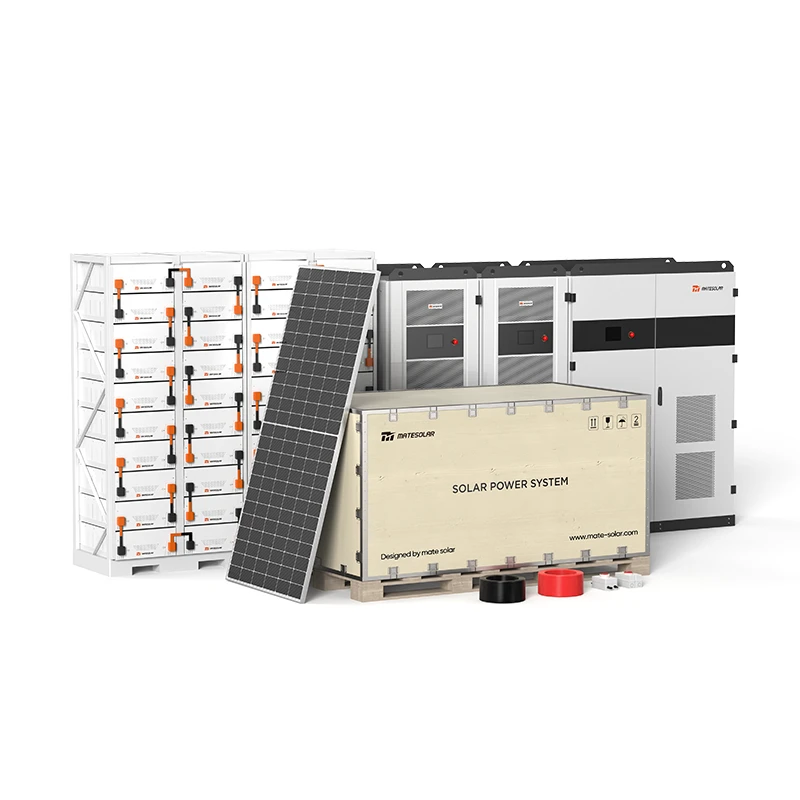
Recommended: 40Ft Air-Cooled Container ESS 1MWh 2MWh
- 2-hour duration sufficient for peak shaving during 4-9 PM window
- Air-cooled reliability for moderate Inland Empire climate
- Modular design allows expansion as electrification load grows
- Typical configuration: 500 kW / 1 MWh for smaller warehouses; 1 MW / 2 MWh for major distribution centers
For Manufacturing Customers
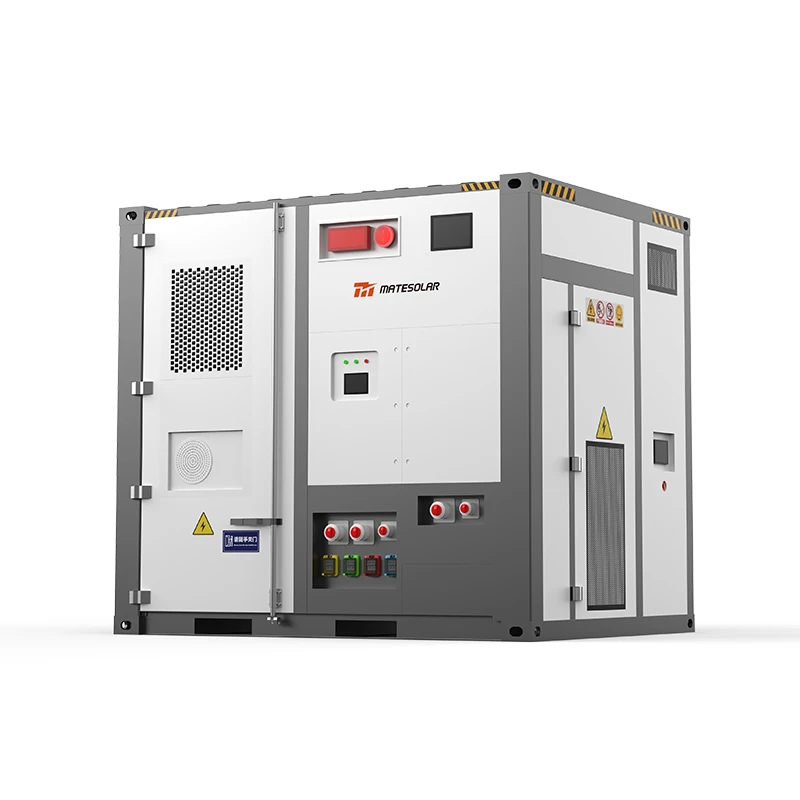
Recommended: 20ft 3MWh 5MWh Liquid Cooling Container
- 4+ hour duration supports overnight backup for critical processes
- Liquid cooling enables compact footprint for constrained industrial sites
- Higher energy density accommodates future electrification without additional footprint
- Typical configuration: 1 MW / 4 MWh for medium manufacturing
For Smaller Industrial/Initial Pilots
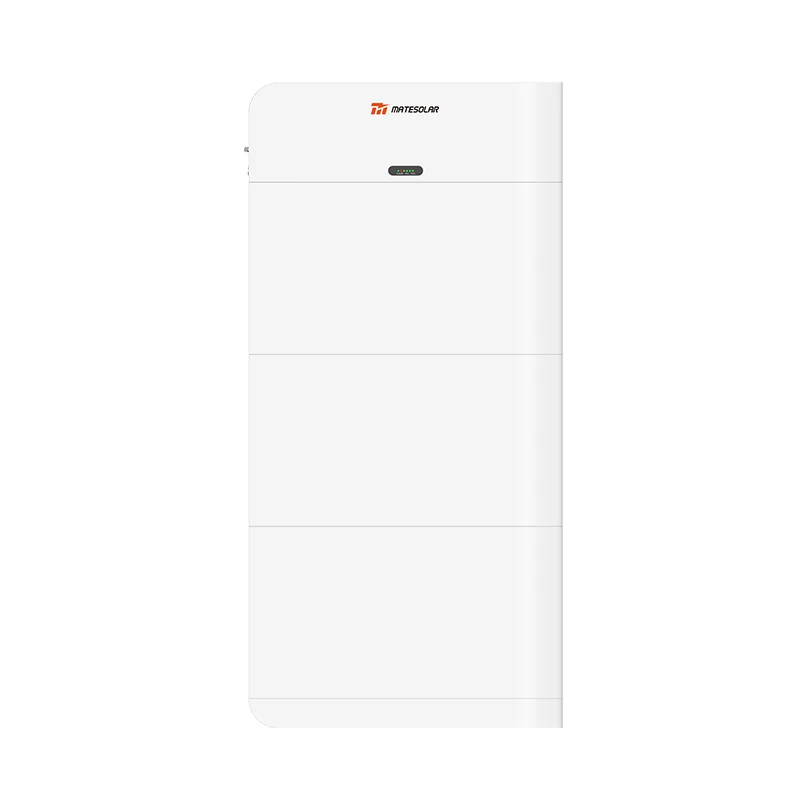
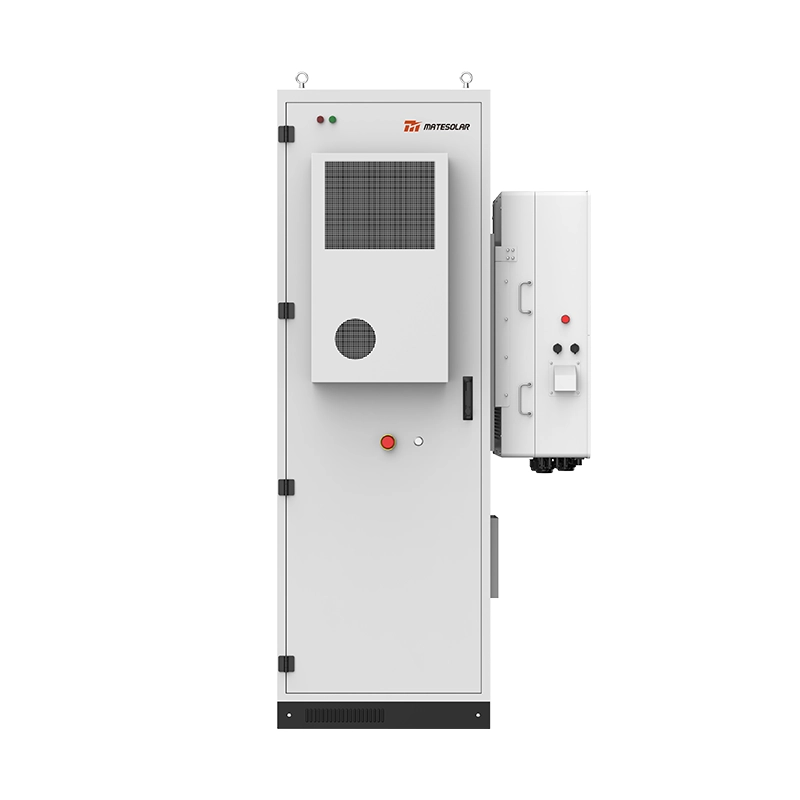
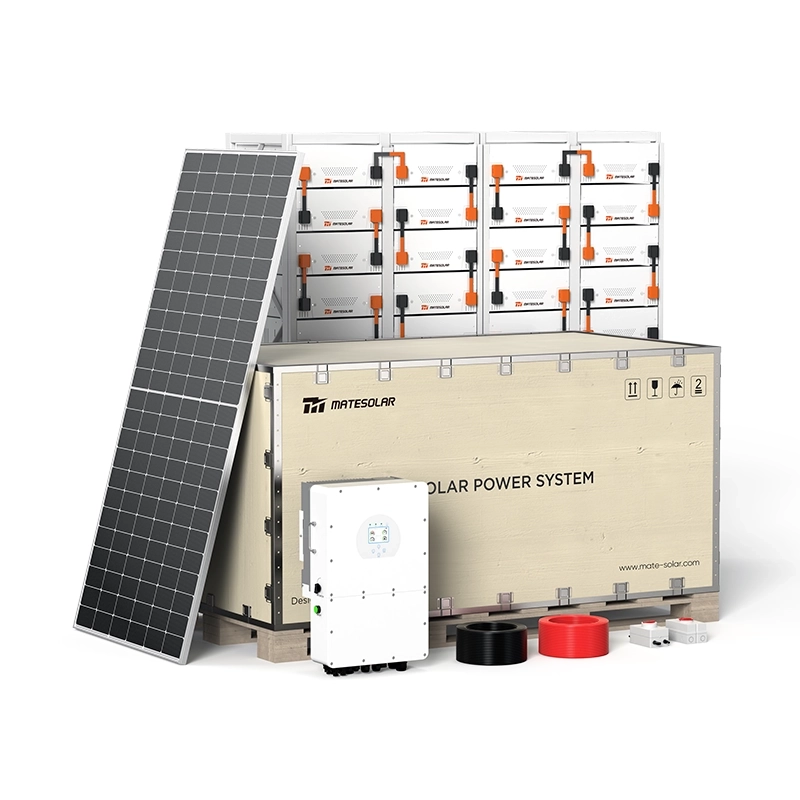
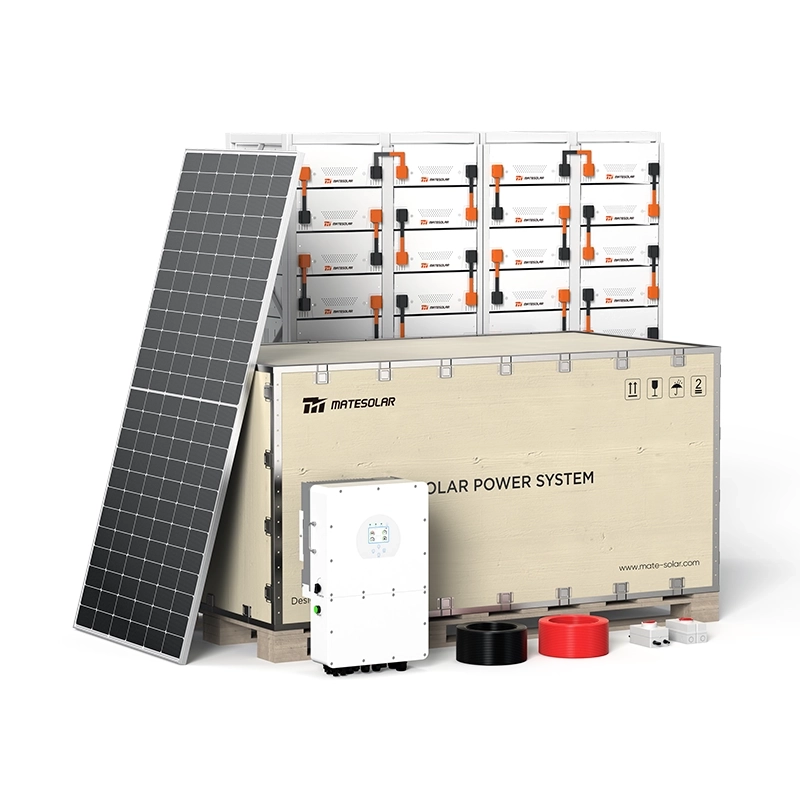
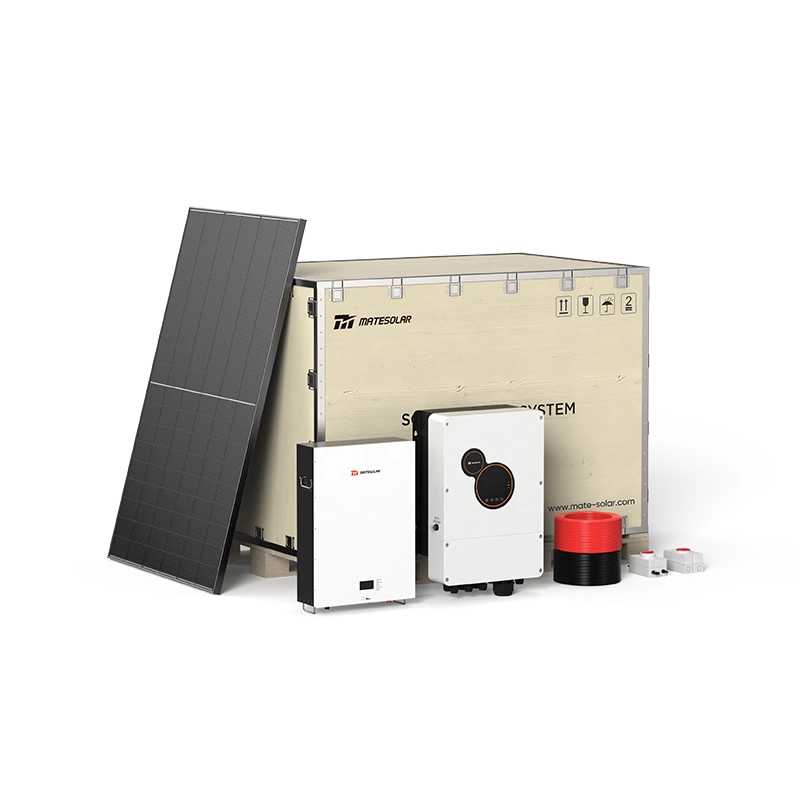
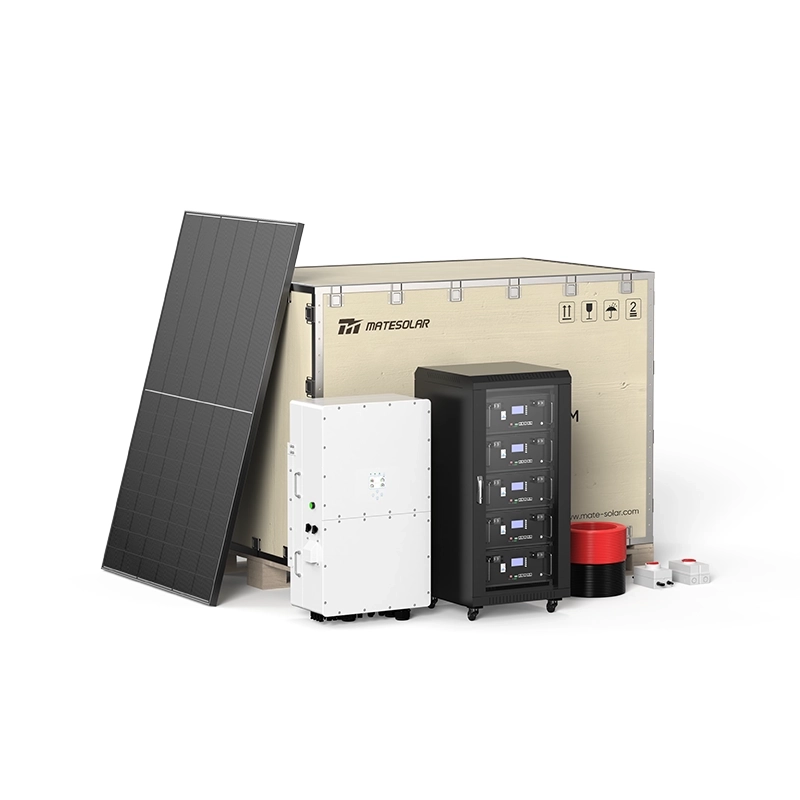
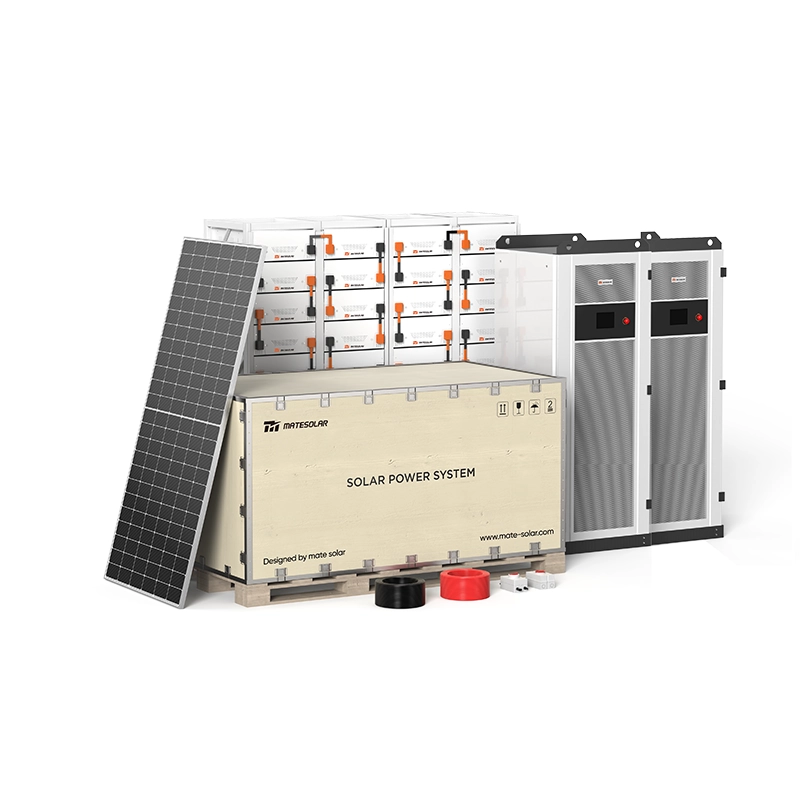
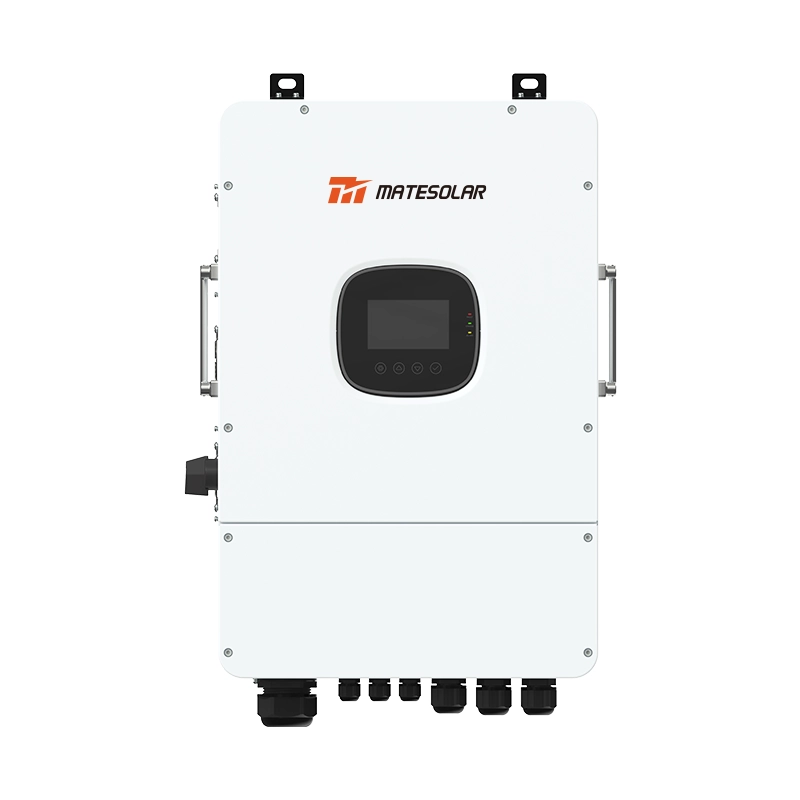
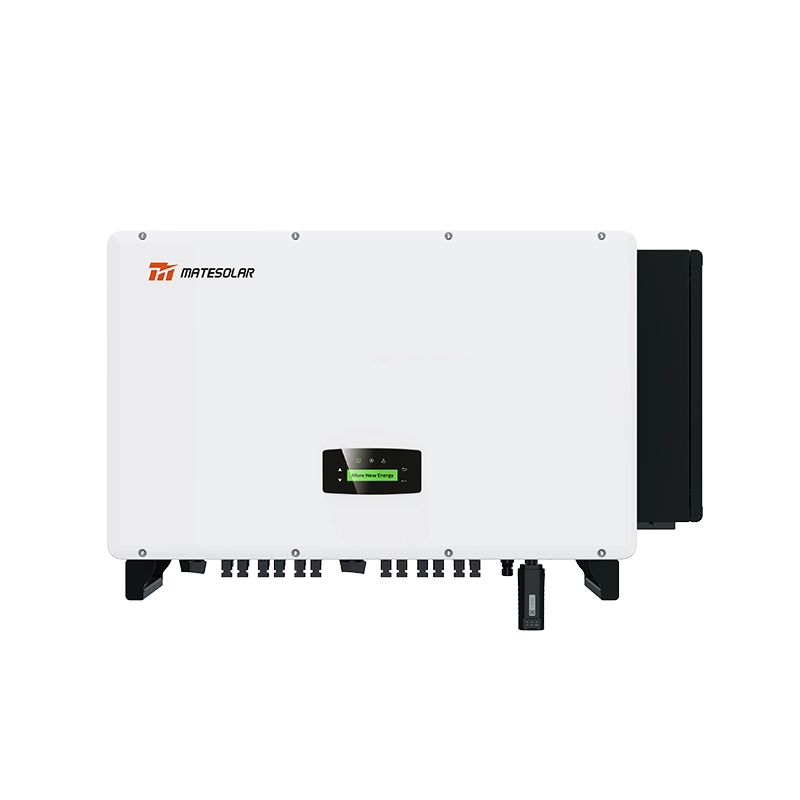
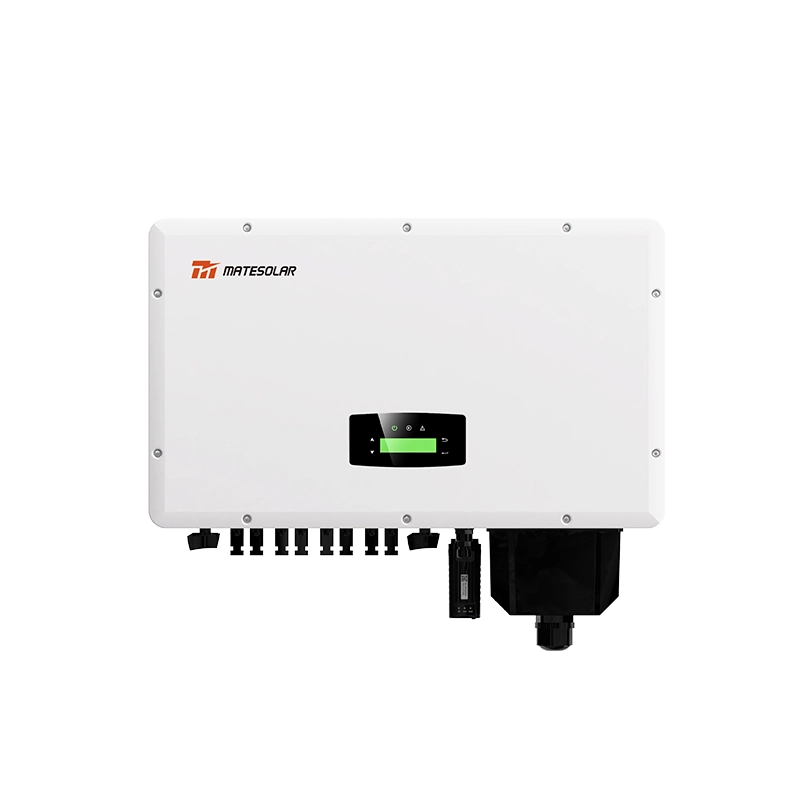
Recommended: Commercial 500KW Hybrid Solar System
- Integrated PV inputs for facilities with rooftop solar
- Scalable to 2 MW for phased deployment
- Ideal for facilities testing storage before full commitment
- Typical configuration: 500 kW / 1.5-2 MWh with PV combiner
Part Eight: Frequently Asked Questions—Ontario Industrial BESS Edition
FAQ 1: Does Ontario have specific fire code requirements for BESS?
Yes. The City of Ontario has adopted NFPA 855 as the governing standard, with additional requirements from the 2026 California Fire Code update. All installations require permit review by the Ontario Fire Department, with emphasis on thermal runaway prevention, deflagration venting, and emergency response planning
FAQ 2: Can I get SGIP incentives in Ontario?
Yes, but availability depends on your facility's location within Ontario's census tracts. Portions of eastern Ontario qualify for Equity Resiliency incentives (up to $1.00/Wh). Standard SGIP incentives ($0.15/Wh) are available citywide, though funds are allocated on a first-come, first-served basis through SCE's program administrator.
FAQ 3: How do I participate in CAISO markets from my Ontario facility?
Behind-the-meter storage can participate in CAISO markets through either:
- Direct participation: Register as a Participating Load with CAISO (requires telemetry, scheduling coordinator, and minimum 500 kW capability)
- Aggregator participation: Work with a Demand Response provider or Virtual Power Plant operator who aggregates multiple sites
The launch of EDAM in 2026 makes participation more valuable, as day-ahead price signals enable optimized charging/discharging.
FAQ 4: What is the 4-hour vs. 8-hour debate for industrial customers?
For most Ontario industrial customers in 2026, 4-hour duration is the sweet spot—sufficient for peak shaving, backup for critical loads, and participation in most CAISO market products. However, facilities planning significant electrification (EV fleets, process heat pumps) or those with 24/7 critical operations (data centers, cold storage) should consider 6-8 hour systems to capture future RA value and provide overnight protection.
FAQ 5: Can I pair BESS with rooftop solar?
Yes, and this is increasingly common for Ontario warehouses with large roof areas. The Commercial 500KW Hybrid Solar System is specifically designed for this application, with integrated PV inputs and hybrid inverter controls that optimize solar self-consumption, battery charging, and grid export.
FAQ 6: How does AB 3121 affect my storage project?
AB 3121 requires that incentive-eligible storage systems demonstrate active load shifting capability—not just emergency backup. Your system must be configured for daily economic dispatch, with telemetry to verify operation. This aligns with good economic practice anyway, as daily cycling generates the revenue that pays back the investment.
FAQ 7: What is the Ontario-Montclair brownfield designation?
The EPA designated portions of the Ontario-Montclair area as brownfield zones under the 2025 grant awards. For energy storage, this matters because the Energy Community bonus ITC (10% adder) applies to projects located in brownfield sites. If your industrial facility has any prior contamination history (even remediated), you may qualify.
Part Nine: 2026–2027 Outlook—The Ontario Storage Window
9.1 Near-Term Catalysts
Three factors create urgency for Ontario industrial storage investment in 2026:
SCE General Rate Case Outcome. SCE's 2026 GRC (filed September 2025) proposes significant increases to transmission and distribution demand charges, with on-peak rates potentially rising to $28-$30/kW by 2027. Early action locks in savings against these increases.
SGIP Fund Depletion. Standard SGIP funds for 2026 are expected to be fully subscribed by Q3 2026. Projects not in the queue by summer 2026 will miss this incentive opportunity.
EDAM Revenue Opportunity. The spring 2026 EDAM launch creates new arbitrage opportunities that early adopters can capture. As more storage enters the market (CAISO projects 8 GW of new storage by 2028), these spreads will compress.
9.2 The Transformer Capacity Window
For industrial facilities facing transformer saturation, the 2026-2027 period represents the last opportunity to use BESS as a "non-wire alternative" before SCE's Distribution Resources Plan (DRP) cycle resets. Facilities that deploy storage now can:
- Add load without waiting for transformer upgrades
- Demonstrate load flexibility to SCE, potentially qualifying for future grid services tariffs
- Avoid paying for utility-side upgrades under Rule 2 (which can exceed $500,000 for new transformer banks)
Conclusion: The Ontario Industrial Storage Imperative
The City of Ontario represents a concentrated opportunity for industrial storage deployment unmatched in Southern California. With dense logistics infrastructure, saturated distribution circuits, extreme peak demand pricing, and supportive state policy, the economics for behind-the-meter BESS are compelling.
Key takeaways for Ontario industrial facilities:
- Act now on incentives. SGIP funds are depleting, and ITC bonus adders require projects to begin construction before 2027 for maximum value.
- Size for the future. With electrification of forklifts, fleet vehicles, and process heat accelerating, storage systems installed in 2026 should accommodate 30-50% load growth over the next 5 years.
- Think 4-hour minimum. California's grid is moving toward longer-duration requirements; 4-hour systems preserve optionality for future RA markets and overnight backup.
- Integrate with facility planning. Storage is not a stand-alone investment—it enables broader electrification, reduces exposure to rate volatility, and protects against outage risk.
For facility owners, energy managers, and sustainability officers across Ontario's industrial landscape, the message is clear: 2026 is the year to move from storage consideration to storage deployment.
About MateSolar: Your Ontario Industrial Storage Partner
At MateSolar, we specialize in delivering turnkey BESS solutions for the unique demands of Southern California's industrial facilities. With systems configured specifically for the Inland Empire's climate, utility rate environment, and policy framework, we provide the full stack—engineering, procurement, construction, and long-term asset management.
Our 2026 Ontario industrial storage offerings include:
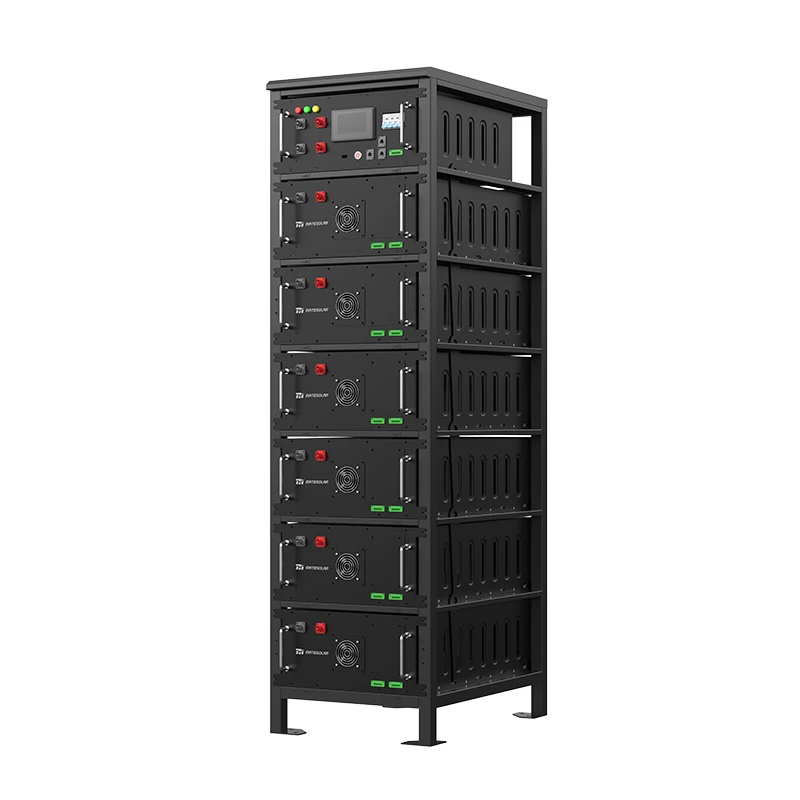
- Commercial 500KW Hybrid Solar System — Ideal for smaller industrial facilities and pilot projects, with integrated PV inputs and scalability to 2 MW.
- 40Ft Air-Cooled Container ESS 1MWh 2MWh — Modular, reliable, and field-proven for logistics and warehousing applications.
- 20ft 3MWh 5MWh Liquid Cooling Container — High-density storage for manufacturing and data center applications requiring 4+ hour duration.
Every system is UL9540A certified, NFPA 855 compliant, and designed for seamless integration with SCE's distribution system and CAISO market participation.
Our approach: We treat your storage investment as strategic infrastructure—not just equipment. From site feasibility and economic modeling through permitting, construction, and ongoing optimization, we ensure your system delivers maximum value over its 20-year life.
Contact MateSolar today for a preliminary feasibility assessment of your Ontario industrial facility. We'll analyze your load data, transformer capacity, and site constraints—and deliver a 10-year economic model that quantifies exactly what storage can do for your operation.
*Analysis Date: March 5, 2026. All data current as of publication date. Market conditions, incentives, and regulatory frameworks are subject to change. Consult with qualified professionals for project-specific advice.*
Sources: California Energy Commission, California Legislative Information, CAISO Market Surveillance Committee, CESC Industry Analysis, CESA EDAM Webinar, Agilitech Industry Report, MateSolar proprietary analysis.