










By MateSolar Insights Team
Published: February 23, 2026
Houston, Texas
Just thirty days ago, on January 27, 2026, Gulf Companies—a name synonymous with engineering and construction in the Houston energy corridor—closed a deal that sent ripples through the underground storage community. They acquired WSP USA’s Underground Storage Business (UGS), a team responsible for over 300 salt cavern projects across the United States.
The official statement from Gulf Companies President & CEO Kent Wilfur was characteristically direct: "We firmly believe additional cavern development along the U.S. Gulf Coast will be essential to support LNG growth and the expanding energy demands of AI data centers".
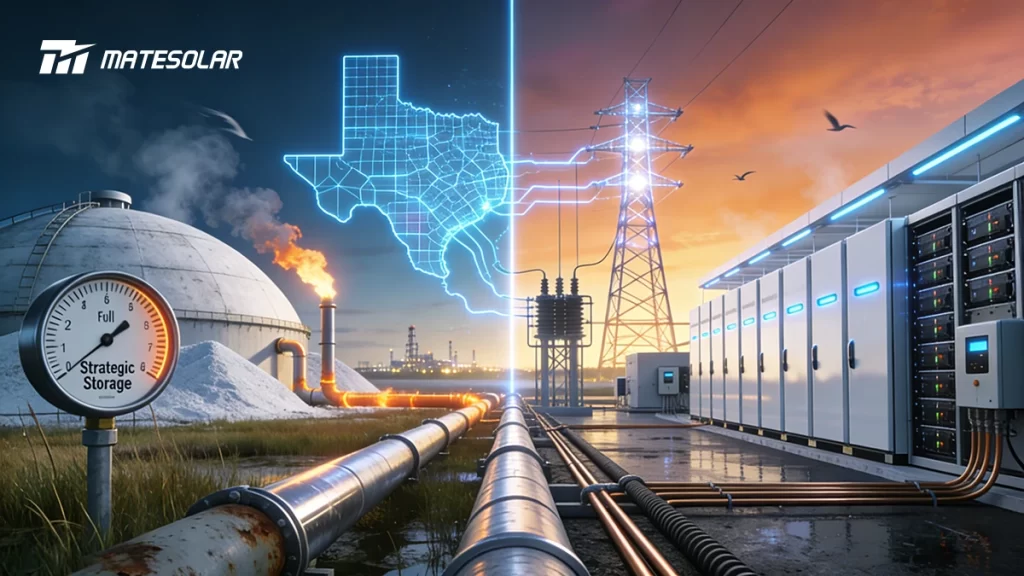
What caught our attention was what wasn't stated explicitly in the press release. Buried beneath the headlines about subsurface expertise and cavern development lies a massive, largely unspoken opportunity: the surface power infrastructure required to make these underground assets work.
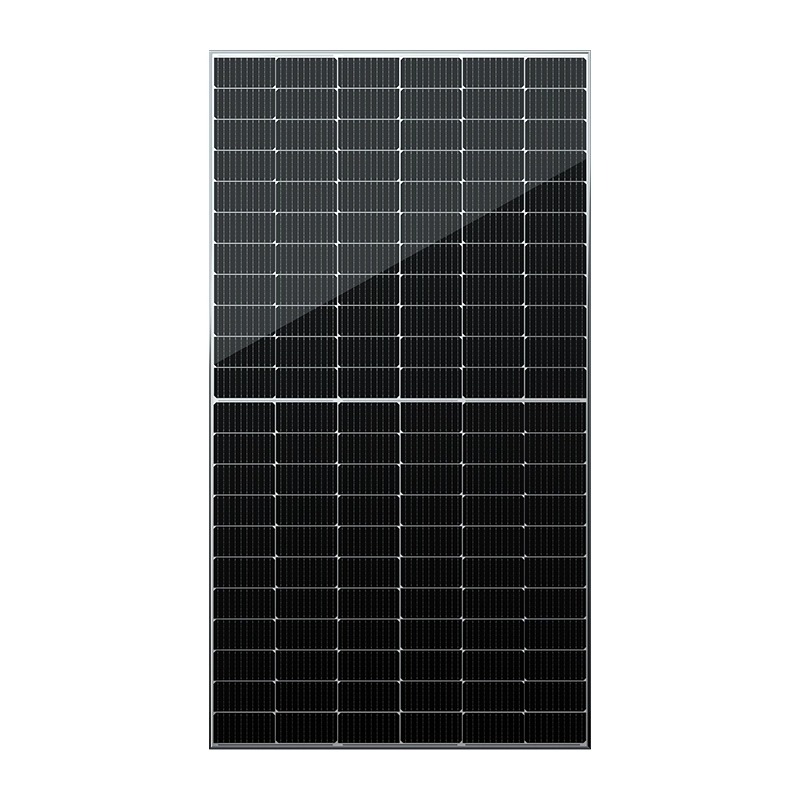
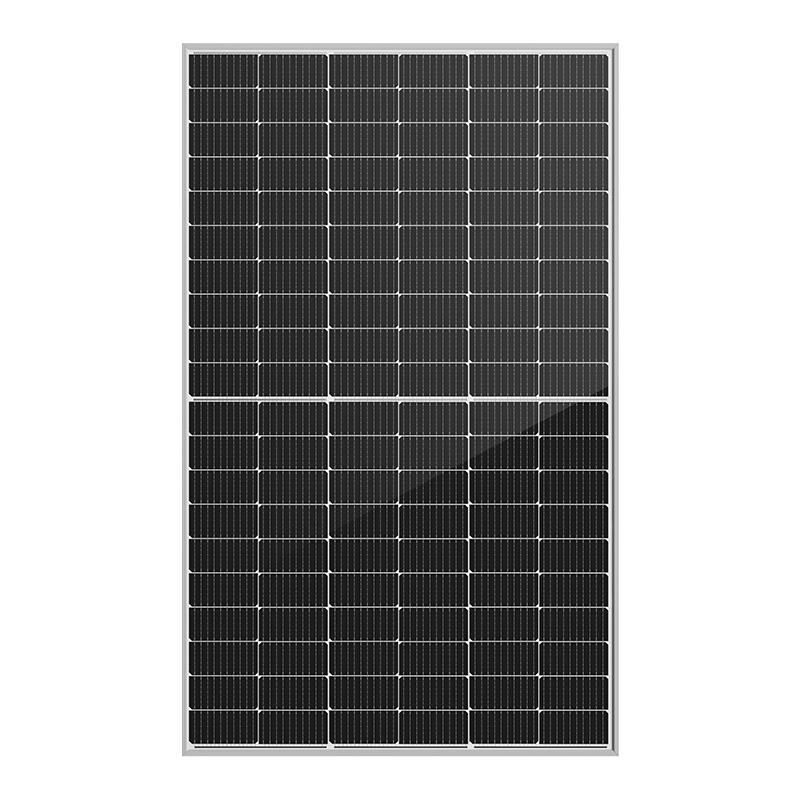
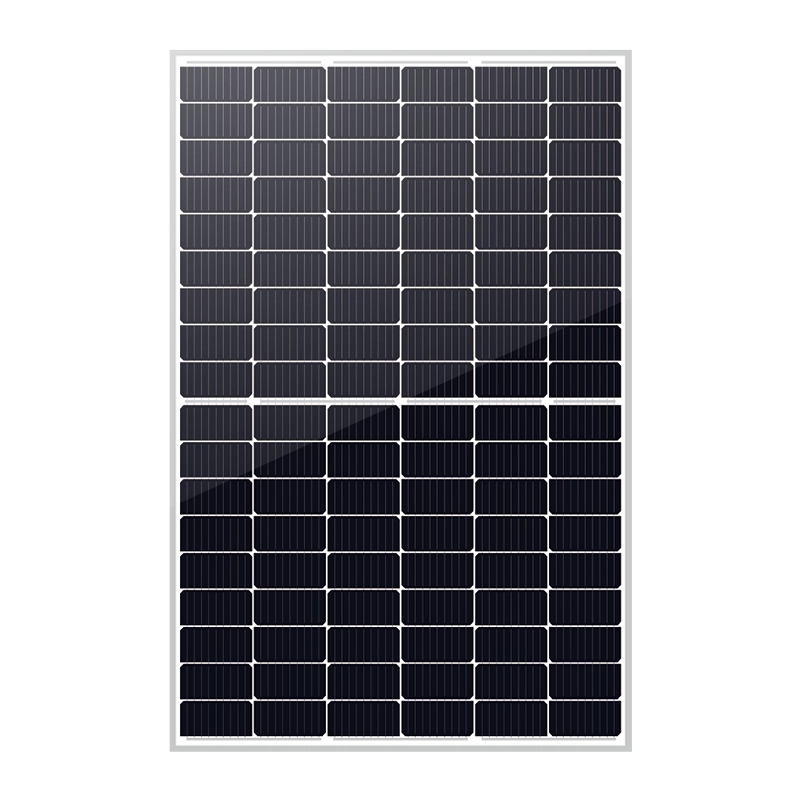
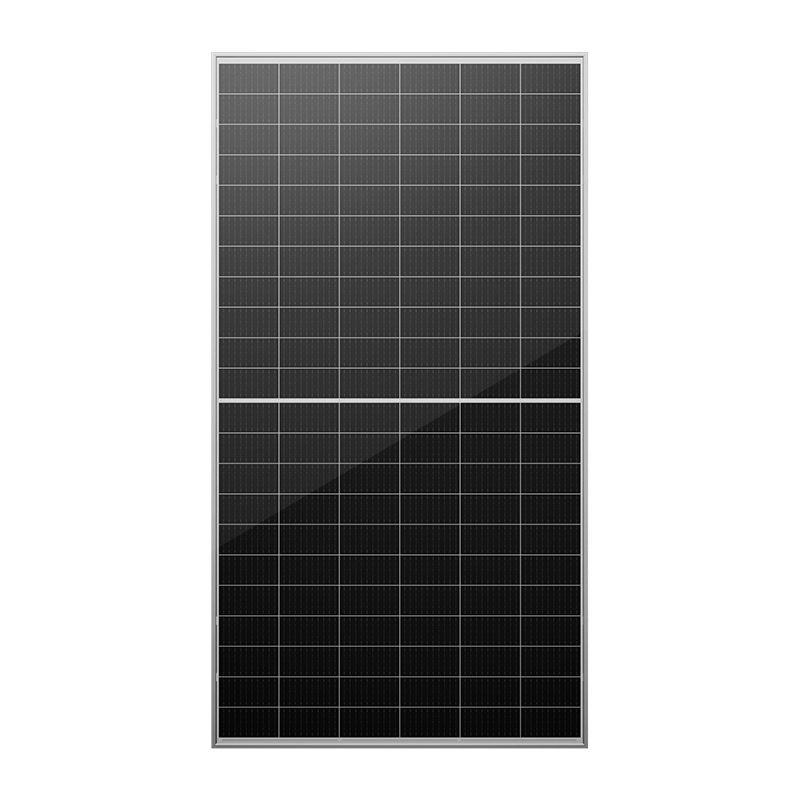
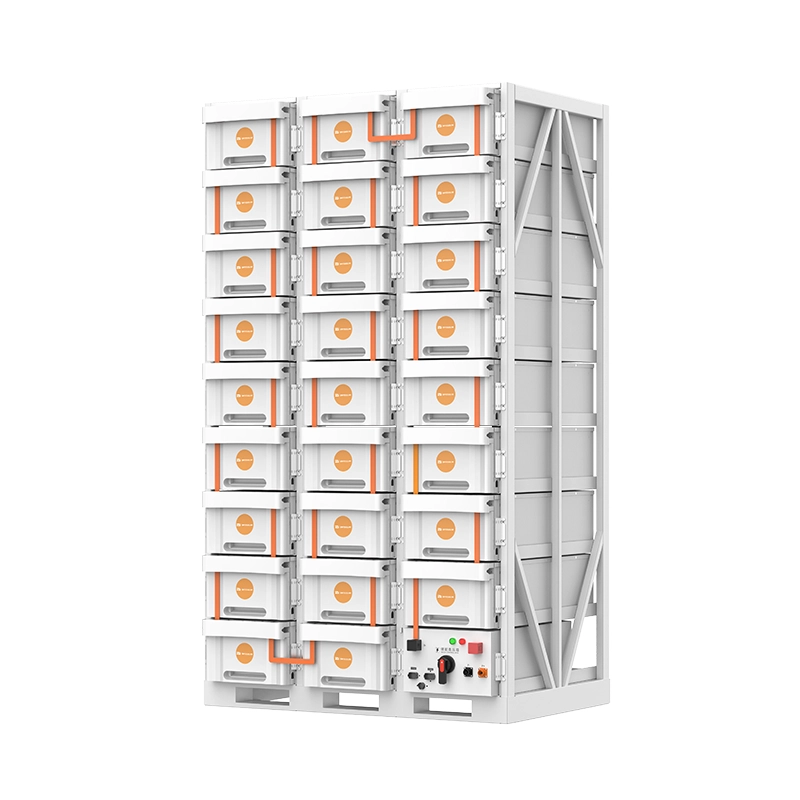
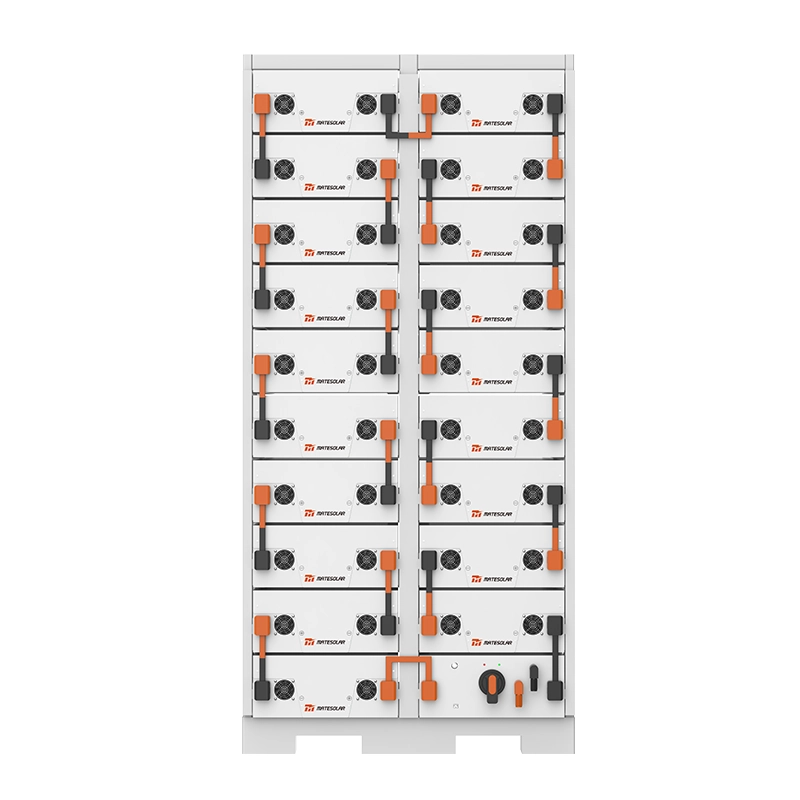
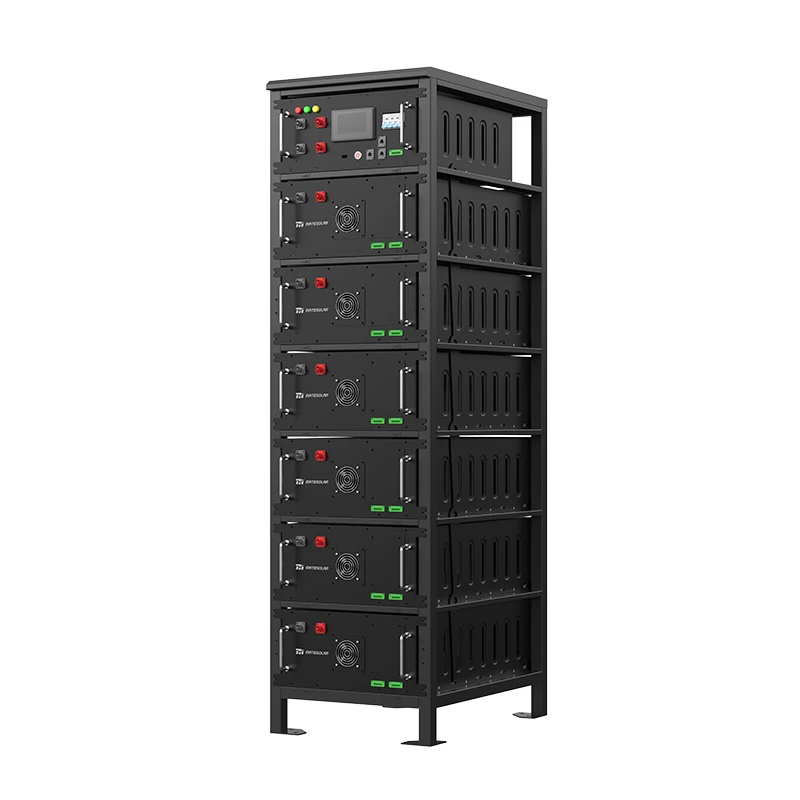
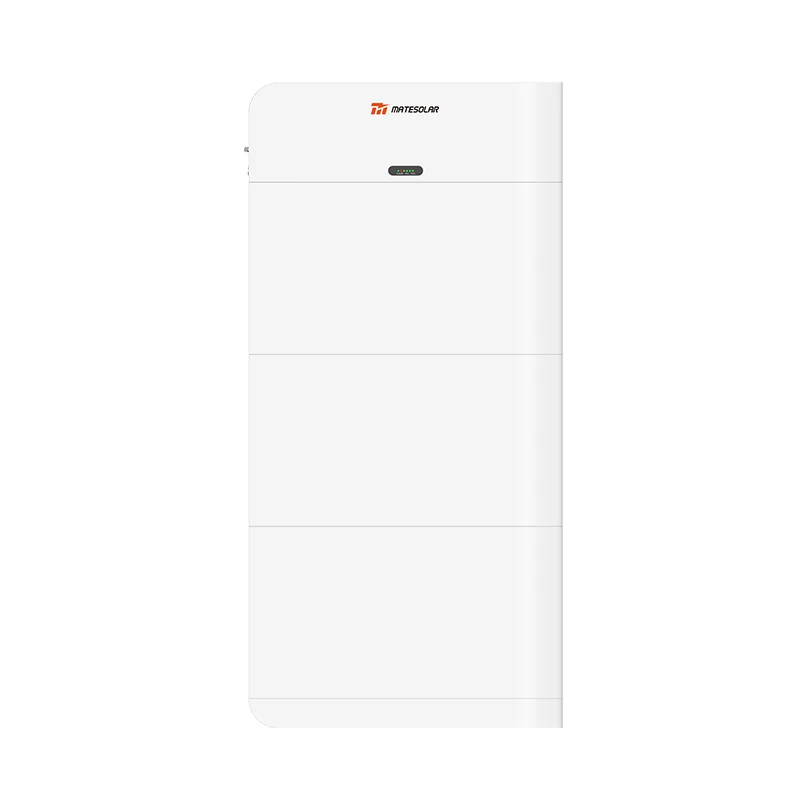
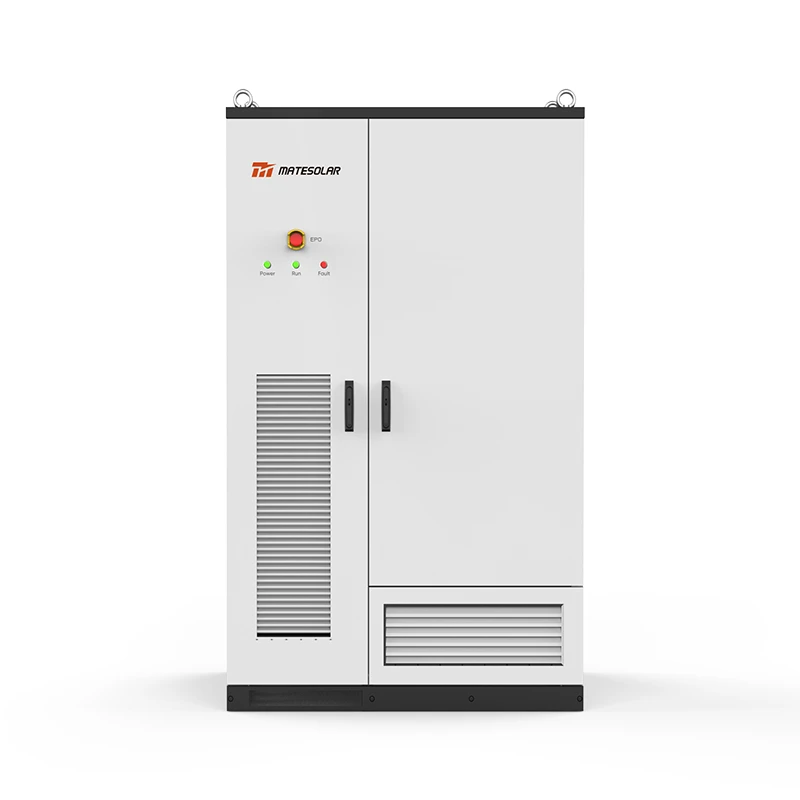
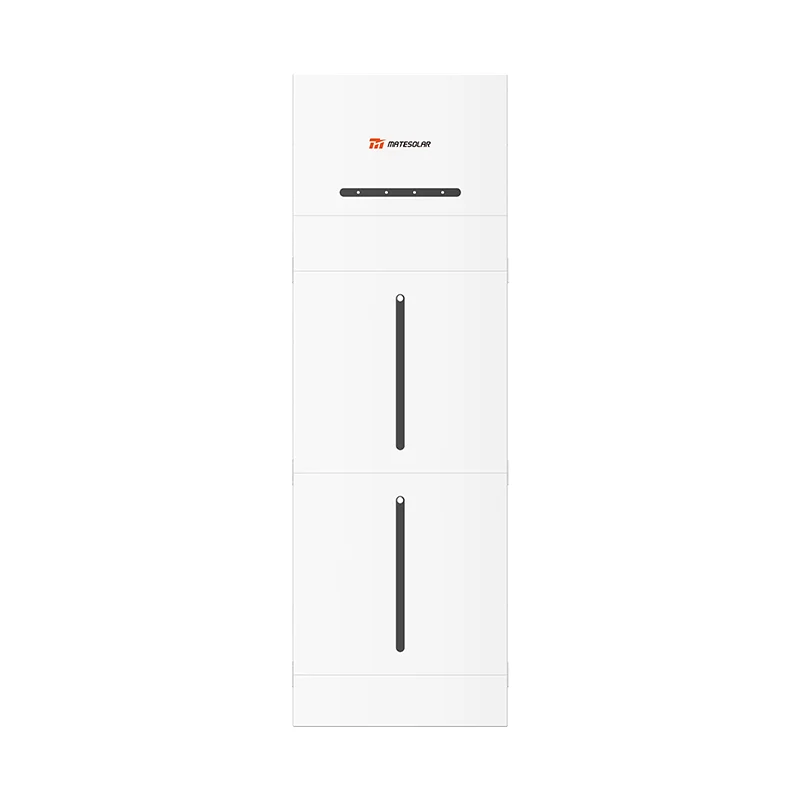
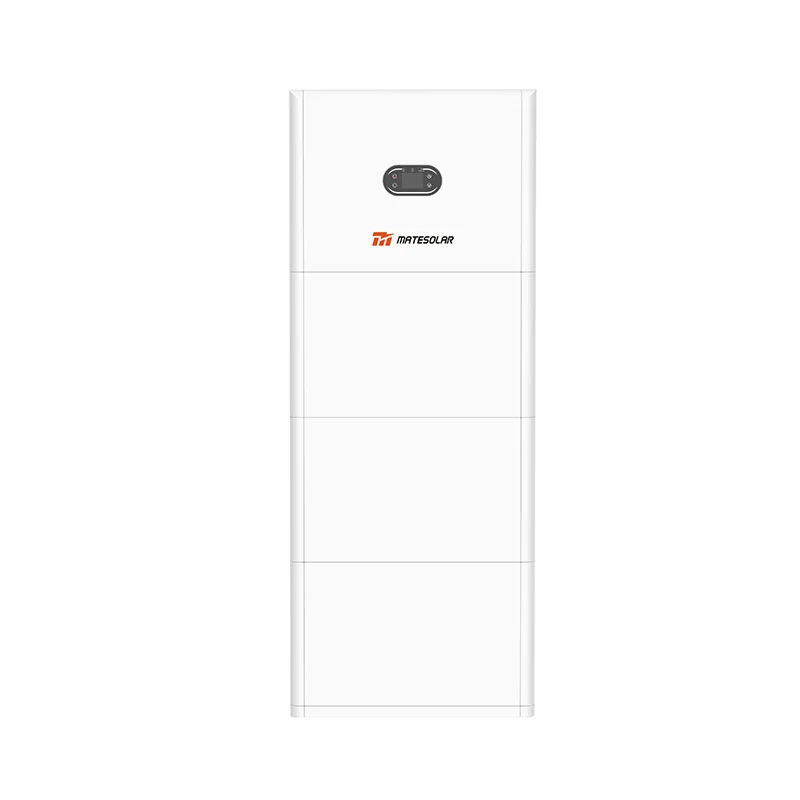
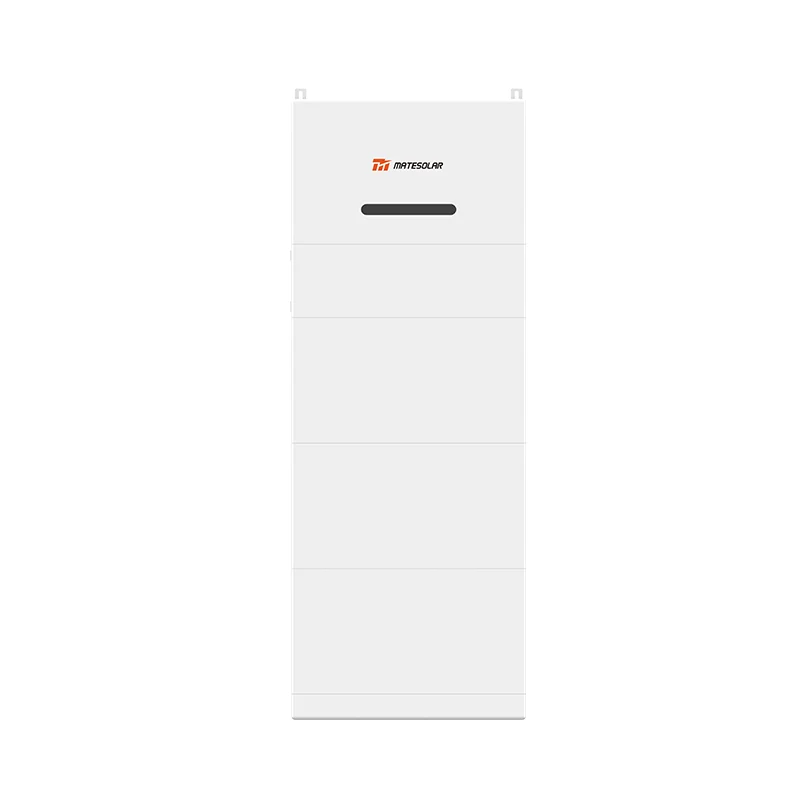
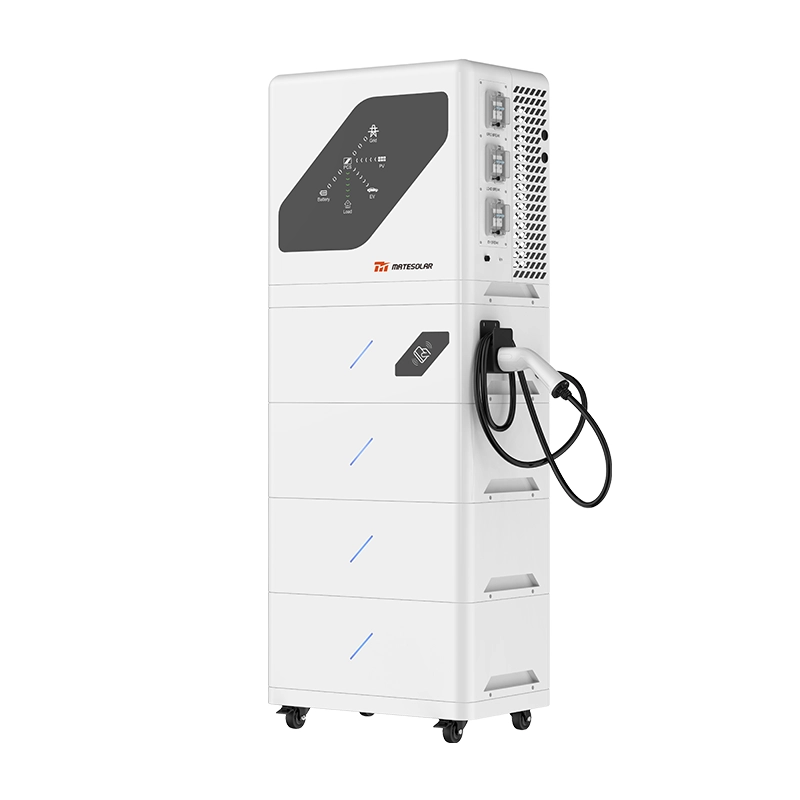
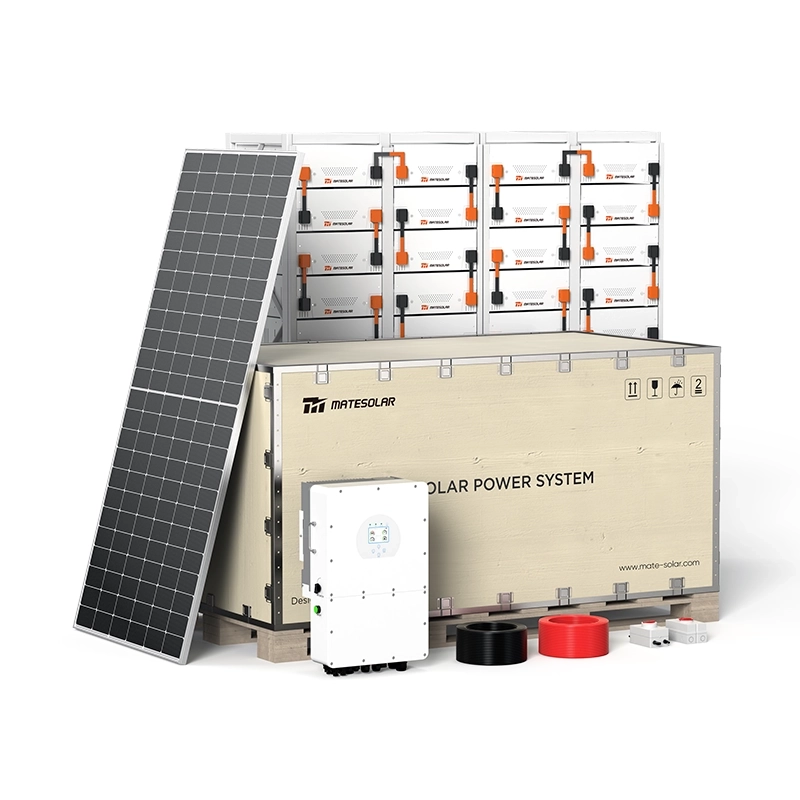
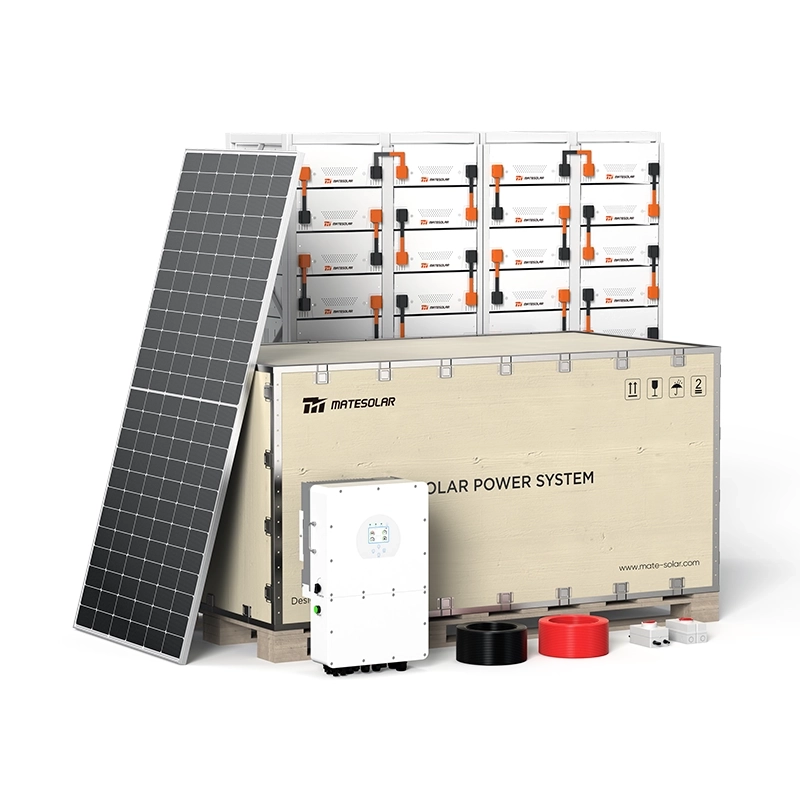
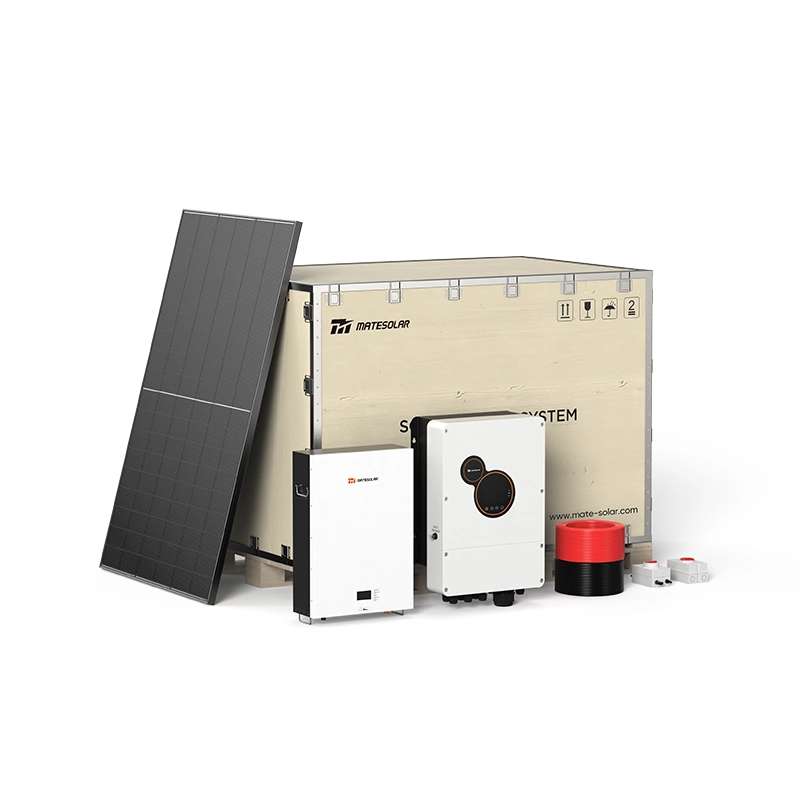
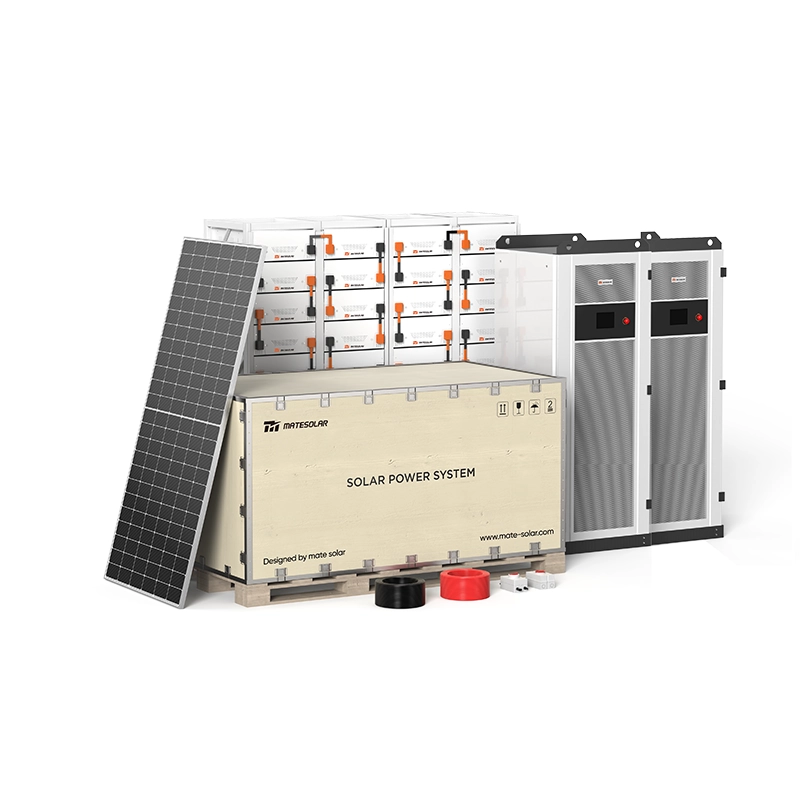
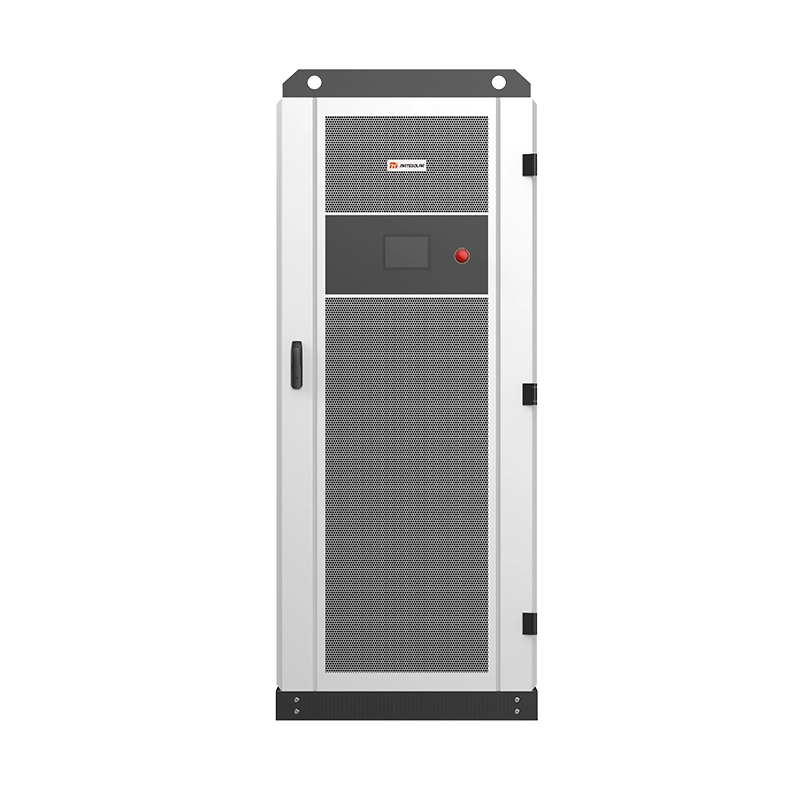
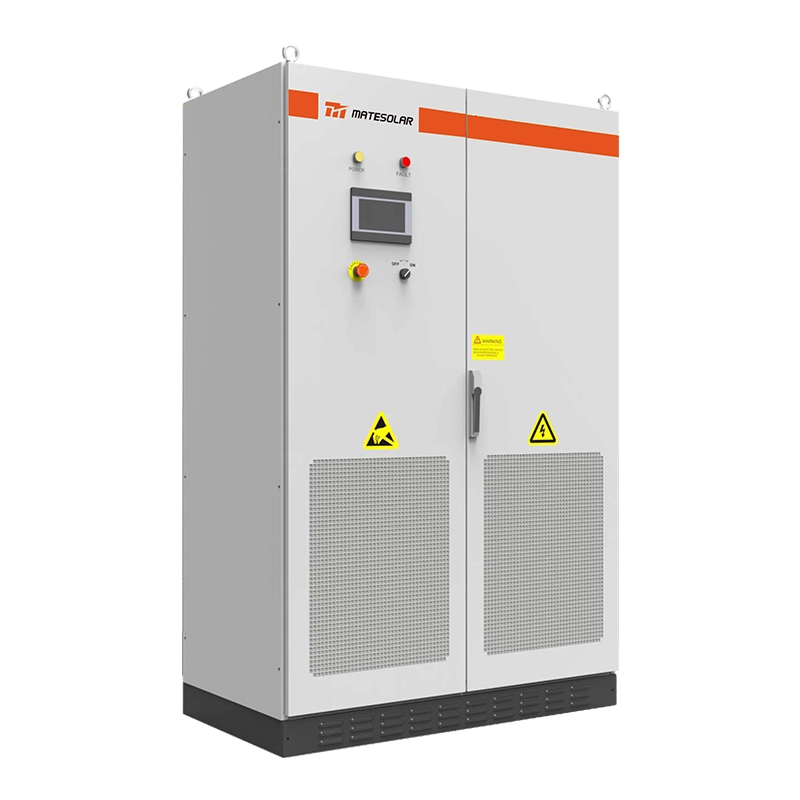
This article is the first comprehensive examination of why underground storage operators—from Gulf Companies to Linde to the dozens of midstream players along the Gulf Coast—are becoming an urgent new addressable market for Battery Energy Storage Systems (BESS). We will explore the technical symbiosis between salt caverns and batteries, quantify the economic drivers, and explain why MateSolar is positioning its Commercial 500KW Hybrid Solar System, 40Ft Air-Cooled Container ESS, and 20ft Liquid Cooling Container Energy Storage System as critical enablers for the underground storage renaissance.
Part I: Understanding the January 2026 Inflection Point
The Gulf Companies-UGS Acquisition: A Strategic Autopsy
To understand why this acquisition matters beyond the obvious consolidation play, we need to examine the assets and expertise that Gulf Companies just acquired.
UGS brings more than 50 years of experience in subsurface energy storage. Their team has supported the engineering, design, and execution of over 300 underground cavern projects, spanning solution-mined salt caverns and hard-rock formations. This isn't theoretical expertise—this is the team that built the infrastructure that keeps the U.S. Gulf Coast's petrochemical and industrial complex running.
But here's the critical detail: UGS's expertise covers "complex cavern design, drilling engineering, facility operations, and long-term maintenance". What it doesn't cover—and what Gulf Companies now needs—is the modern, high-speed power electronics required to optimize these assets in an era of volatile electricity prices and increasing grid strain.
The AI Data Center Connection
Wilmur's mention of "AI data centers" was not casual. In the weeks following the announcement, the energy trade press has been flooded with analysis of the AI-energy nexus. Microsoft's CEO recently admitted that the company owns thousands of GPUs sitting unused—not because of supply shortages, but because they lack the energy and data center capacity to power them.
The math is straightforward. Each ChatGPT query consumes approximately ten times the electricity of a standard Google search. As large language models proliferate, the demand curve for electricity—particularly reliable, 24/7 power—is steepening dramatically. Data center operators are scouring the Gulf Coast for sites with two attributes: access to natural gas for baseload power, and the ability to secure firm, uninterruptible electricity supply.
This is where salt cavern storage intersects with the AI boom. Natural gas stored in salt caverns provides the seasonal buffer that allows gas-fired power plants to serve AI data centers year-round. But the caverns themselves require electricity to operate.
Linde's Existing Infrastructure: The Template
Linde has been operating the world's first commercial hydrogen high-purity cavern for over a decade in Texas. Their underground storage cavern is integrated into a 340-mile hydrogen pipeline network that serves more than 50 refineries and chemical plants from Sweeny, Texas, to Lake Charles, Louisiana.
Linde's cavern is designed to provide customers with hydrogen during periods of planned and unplanned peak demand. When a refinery needs additional hydrogen for a processing swing, or when a pipeline disruption occurs, Linde withdraws stored hydrogen from the cavern and pushes it into the pipeline network.
But here's the operational reality that few discuss: withdrawing gas from a salt cavern requires compression. Lots of it. When hydrogen or natural gas is stored in a salt cavern, it's held at pressure. To withdraw it at rates sufficient to meet industrial demand, compressors must ramp up, often rapidly. These compressors are typically electric motor-driven. They draw significant power from the grid.
And when they draw that power, they incur demand charges.
Part II: The Technical Case for Surface BESS at Underground Storage Sites
The Physics of Salt Cavern Storage
Salt caverns are not passive storage vessels. They are dynamic pressure vessels created through solution mining—a process where water is injected into salt formations to dissolve the salt and create a cavity. Once formed, these caverns are used to store natural gas, hydrogen, helium, and other products under pressure.
The operational parameters are significant. A typical salt cavern used for natural gas storage might operate between 5 MPa and 14 MPa (approximately 725 to 2,030 psi). The working gas capacity—the volume that can be withdrawn and injected on a regular basis—represents a substantial energy inventory.
However, moving gas in and out of the cavern requires work. Injection requires compressors to push gas into the cavern against increasing pressure. Withdrawal requires either natural pressure depletion (which slows as pressure drops) or compression to boost flow rates.
Why Compressor Loads Are Ideal for BESS
Electric motor-driven compressors exhibit a specific load profile that makes them excellent candidates for BESS integration:
High starting currents: Compressor motors draw significant inrush current during startup, creating demand spikes that drive utility demand charges.
Cyclical operation: Storage facilities don't inject or withdraw continuously. They respond to market signals, pipeline nominations, and customer demands. This creates a cyclical load pattern.
Critical operation requirements: When a customer needs gas, they need it now. Interruptible power isn't acceptable for most industrial gas users.
Predictable scheduling: While some events are unplanned, much of the injection and withdrawal activity is scheduled based on seasonal patterns, commodity prices, and known customer requirements.
The Synergy Matrix: Underground Storage + Surface BESS
To understand why these technologies are complementary rather than competitive, we need to examine their distinct roles in the energy landscape.
Table 1: Comparative Analysis of Underground Storage vs. Surface BESS
| Parameter | Underground Salt Cavern Storage | Surface Battery Energy Storage (BESS) |
| Primary Medium | Natural Gas, Hydrogen, Helium, NGLs | Electricity (DC coupled to AC grid) |
| Storage Duration | Seasonal (weeks to months) | Short-duration (1-4 hours typical) |
| Response Time | Hours to days (ramp-up limited by compression) | Milliseconds to seconds |
| Primary Value Proposition | Commodity arbitrage, supply security, pipeline balancing | Grid services, demand charge reduction, backup power |
| Round-Trip Efficiency | ~70-75% for CAES applications; N/A for commodity storage | 85-95% typical |
| Capital Intensity | High ($/MCF or $/kg stored) | Moderate ($/kWh installed) |
| Operating Life | 40+ years | 10-15 years typical |
| Geographic Constraints | Requires suitable salt geology | Minimal constraints |
The table reveals the fundamental complementarity. Underground storage handles the "big swing"—the seasonal accumulation of energy inventory. Surface BESS handles the "fast twitch"—the instantaneous power quality, demand response, and grid interaction.
Quantifying the Opportunity: Compressor Load Analysis
For a typical salt cavern storage facility along the Gulf Coast, compressor loads can represent a significant electricity expense. Let's examine representative data.
Table 2: Representative Compressor Load Profiles at Salt Cavern Storage Facilities
| Facility Type | Compressor Rating (MW) | Annual Operating Hours | Typical Demand Charge ($/kW-month) | Estimated Annual Electricity Cost |
| Natural Gas Storage (Large) | 5-15 MW | 2,000-4,000 | $15-25 | $1.2M - $3.5M |
| Hydrogen Storage (Linde-type) | 3-8 MW | 1,500-3,000 | $15-25 | $0.8M - $2.2M |
| NGL Storage | 2-5 MW | 1,000-2,500 | $15-25 | $0.4M - $1.2M |
| Helium Storage (Caliche-type) | 1-3 MW | 500-1,500 | $15-25 | $0.2M - $0.6M |
*Note: Based on MateSolar analysis of Gulf Coast industrial tariff structures, 2025-2026.*
The demand charge component—the fee utilities charge based on the highest 15-minute power draw during a billing cycle—can represent 30-50% of a facility's total electricity bill. For a facility with a 10 MW compressor that operates intermittently, a single simultaneous startup event can establish a peak demand that drives charges for an entire year.
This is the economic opening for BESS.
Part III: The Technical Architecture of Storage-Site BESS
Primary Use Cases for BESS at Underground Storage Facilities
1. Demand Charge Mitigation
When compressors start, they draw significant power. A BESS can be dispatched to "peak shave"—discharging during these startup events to reduce the facility's peak demand as measured by the utility. A 1 MW/2 MWh BESS system can typically shave 500-800 kW of peak demand, generating $50,000-$150,000 in annual savings depending on local tariff structures.
2. Backup Power for Critical Controls
Salt cavern storage facilities require continuous monitoring and control. Pressure transducers, flow computers, communication systems, and safety systems must remain operational even during grid outages. A BESS with islanding capability can provide seamless backup power for these critical loads, replacing or supplementing diesel generators.
3. Renewable Integration Support
As storage facility operators increasingly contract for renewable power to meet corporate sustainability goals, BESS provides the buffer that allows solar or wind to reliably serve compressor loads. A compressor that operates for four hours can be served by solar plus BESS even when the sun isn't shining.
4. Grid Service Revenue
Facilities with appropriately sized BESS can participate in ancillary service markets, providing frequency regulation or spinning reserves to the grid during periods when compressors aren't operating. This creates a revenue stream that offsets BESS capital costs.
Sizing Considerations for Storage-Site BESS
Unlike typical commercial or industrial BESS applications, storage facilities present unique sizing considerations.
Table 3: BESS Sizing Guidelines for Underground Storage Facilities
| Facility Characteristic | BESS Sizing Recommendation | Rationale |
| Single large compressor (5-15 MW) | 1-3 MW / 2-6 MWh | Peak shaving for startup events |
| Multiple small compressors | 500 kW - 1 MW / 1-2 MWh | Coincident peak mitigation |
| Critical control loads only | 100-250 kW / 400-800 kWh | Backup power for instrumentation |
| Grid services participation | 1-4 MW / 1-4 MWh | Optimized for frequency regulation |
| Solar integration | 20-50% of solar DC capacity | Smoothing and time-shifting |
The sweet spot for most midstream storage facilities appears to be in the 1-3 MW range—large enough to meaningfully impact demand charges, but small enough to achieve attractive payback periods of 3-6 years under current Gulf Coast tariffs.
Part IV: The Gulf Coast Opportunity Map
Identifying the Addressable Market
The U.S. Gulf Coast is home to the densest concentration of underground storage assets in North America. From the Stratton Ridge salt dome near Freeport to the Spindletop dome near Beaumont, solution-mined salt caverns riddle the Texas and Louisiana coastal plains.
Table 4: Major Salt Cavern Storage Operators on the U.S. Gulf Coast
| Operator | Location | Storage Type | Estimated Capacity | Surface Infrastructure Requirements |
| Linde | Multiple (Sweeny to Lake Charles) | Hydrogen | 340-mile pipeline network, multiple caverns | Compression, dehydration, pipeline interconnection |
| Gulf Companies (post-acquisition) | Multiple U.S. sites | Natural Gas, NGLs | 300+ projects experience | Cavern facilities, surface piping, compression |
| Caliche Development Partners | Beaumont, TX | Helium | 3+ BCF helium cavern | Compression, purification, pipeline interconnection |
| Boardwalk Pipeline Partners | Petal, MS | Natural Gas | Multiple facilities | Compression, dehydration, pipeline interconnection |
| Enbridge | Egan, LA; Moss Bluff, TX | Natural Gas | 23 Bcf expansion (2025) | Multiple compressor stations |
| Exxon | Multiple LA sites | CCS/CO2 | Commercial CCS operations (Feb 2026 start) | Compression, monitoring |
Sources: Company announcements, Pipeline & Gas Journal, MateSolar analysis
Each of these facilities represents a potential BESS deployment opportunity. The compressor stations that serve these caverns are distributed across the region, often located in remote areas where grid reliability may be less robust than urban centers. This creates both a challenge and an opportunity.
The Linde Case Study: Why Hydrogen Storage Needs BESS
Linde's hydrogen storage operations on the Gulf Coast provide a compelling template for understanding the BESS opportunity.
Linde supplies more than 50 refineries and chemical plants from their hydrogen pipeline network. The network operates on a steady-state basis, but peak capacity exceeds steady-state by approximately 8% (1.3 BCF/day peak vs. 1.2 BCF/day steady-state).
To achieve these peak flows, Linde must withdraw hydrogen from storage and inject it into the pipeline at high rates. This requires compression. Significant compression.
When a refinery calls for additional hydrogen—perhaps because they're processing a heavier crude slate or ramping up a hydrocracker—Linde needs to respond quickly. The compressors must ramp. The grid must supply power. And the demand charges begin accruing.
A BESs installed at the cavern site would allow Linde to:
1. Run the compressors from battery power during peak demand periods, reducing the facility's contribution to monthly peak demand;
2. Provide backup power to ensure withdrawal capability even during grid disturbances;
3. Potentially participate in demand response programs, offering to reduce grid draw during system emergencies in exchange for payments.
The Caliche/Linde Helium Connection
In August 2025, Caliche Development Partners placed the world's largest helium salt cavern into operation at its Golden Triangle Storage project in Beaumont, Texas—and Linde signed a long-term contract for storage services.
Helium storage presents unique challenges. Helium is a small molecule that requires exceptional sealing. It's also a critical resource for semiconductor manufacturing, MRI machines, and aerospace applications. When a semiconductor fab needs helium for chip manufacturing, interruptions aren't acceptable.
The Beaumont cavern can store more than 3 BCF of helium. Withdrawing helium at the rates required to serve industrial customers demands compression—and the power reliability requirements for helium service are even more stringent than for natural gas or hydrogen.
This facility represents an ideal BESS candidate. A 1-2 MW BESS would provide both demand charge mitigation and the backup power essential for mission-critical helium delivery.
Part V: The MateSolar Solution Set for Underground Storage Operators
Why Standardized Products Fit the Storage Facility Market
Underground storage facilities are distributed assets. While a major midstream company might operate dozens of caverns across multiple salt domes, each site has its own electrical service, its own compressor configuration, and its own load profile.
This distributed nature makes standardized, modular BESS solutions ideal. Rather than engineering a custom solution for each site—a costly and time-consuming process—operators can deploy pre-engineered, factory-tested systems that are optimized for the 1-5 MW range.
MateSolar offers three product platforms that align with the specific requirements of underground storage facilities.
Commercial 500KW Hybrid Solar System
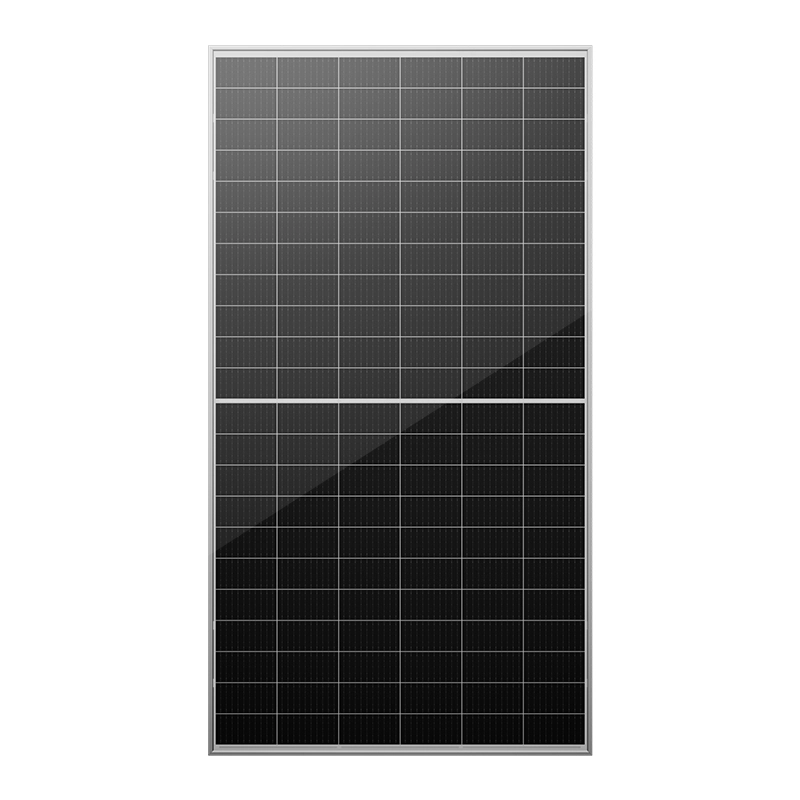
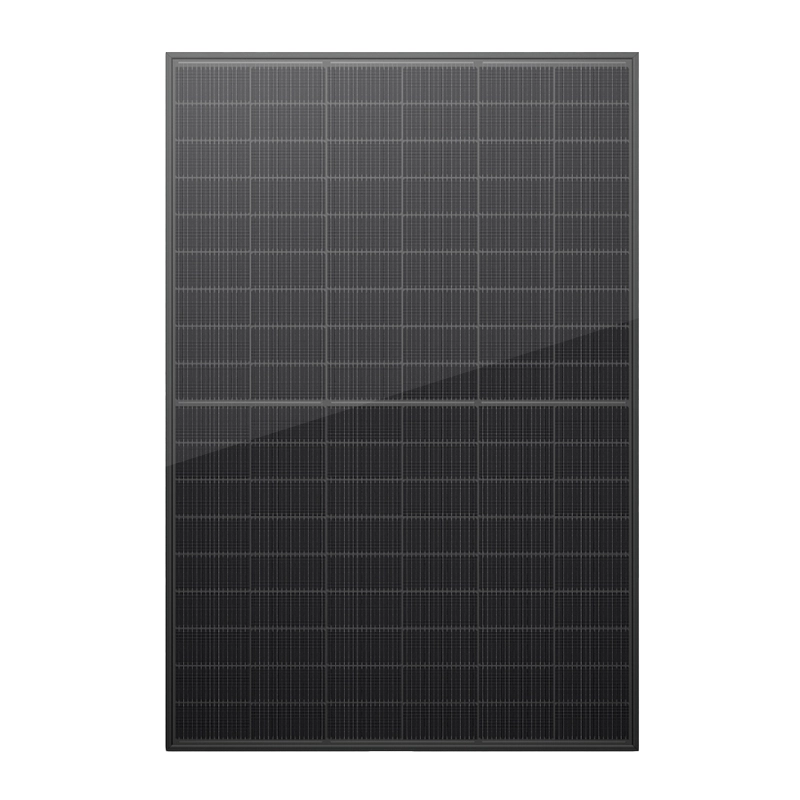
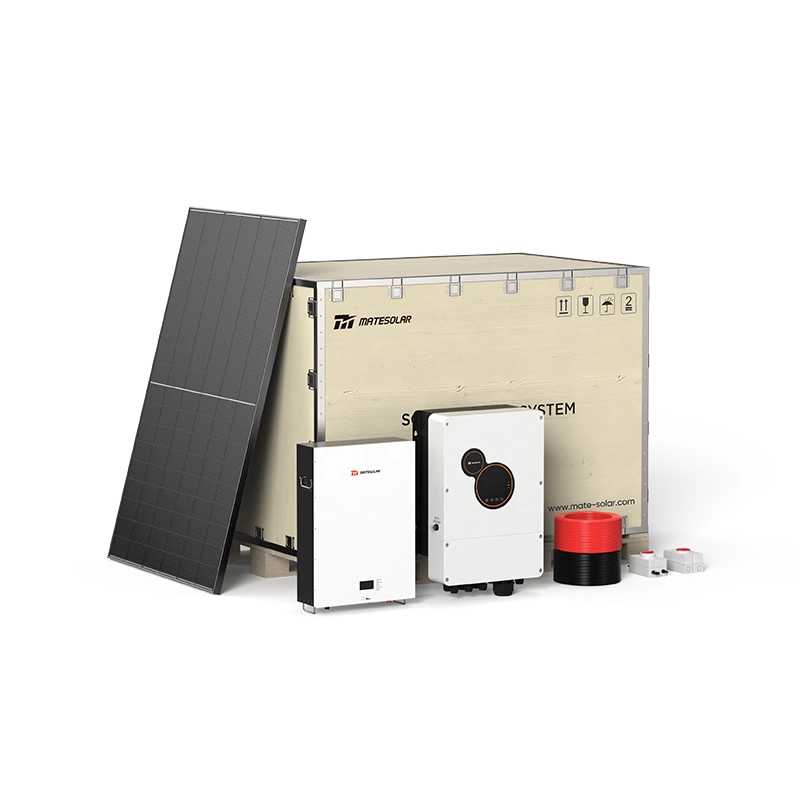
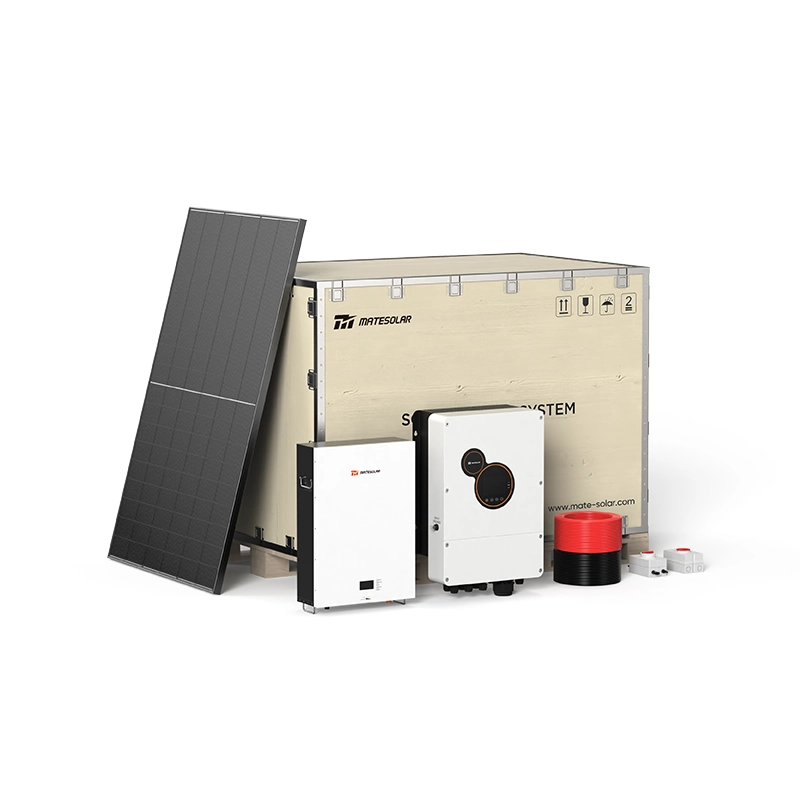
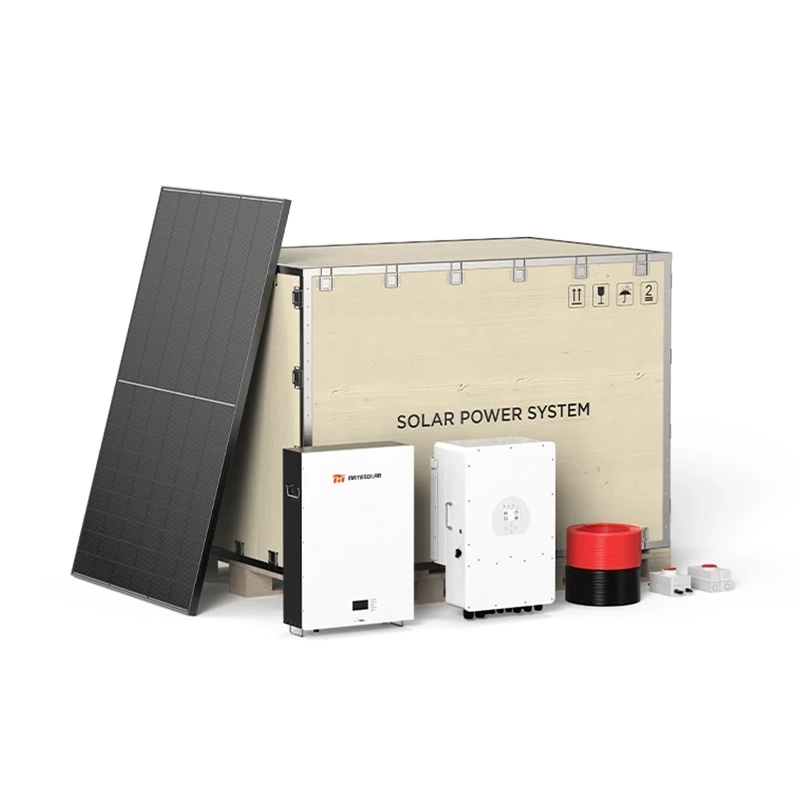
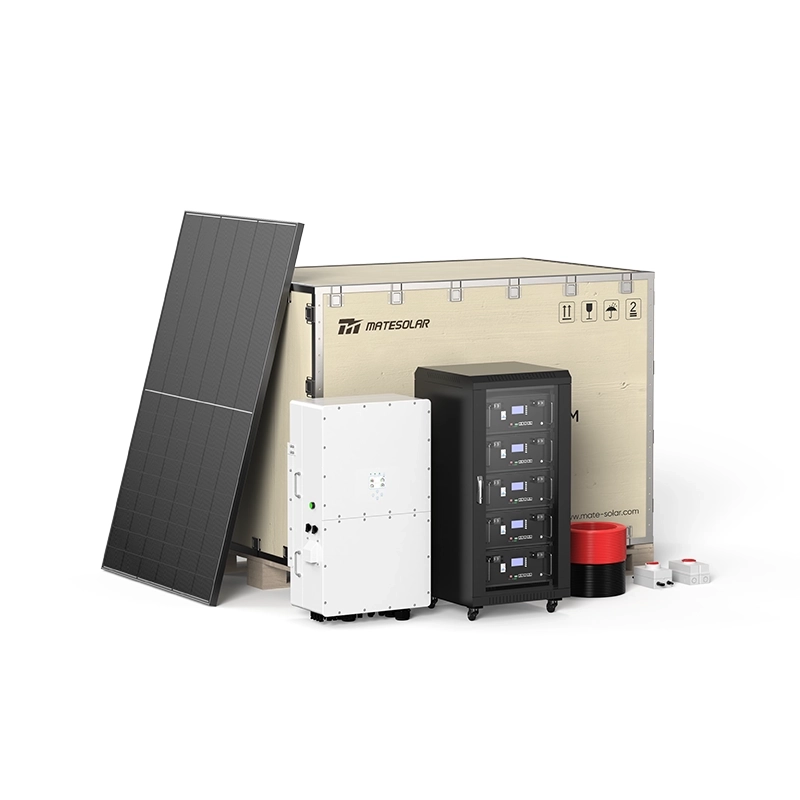
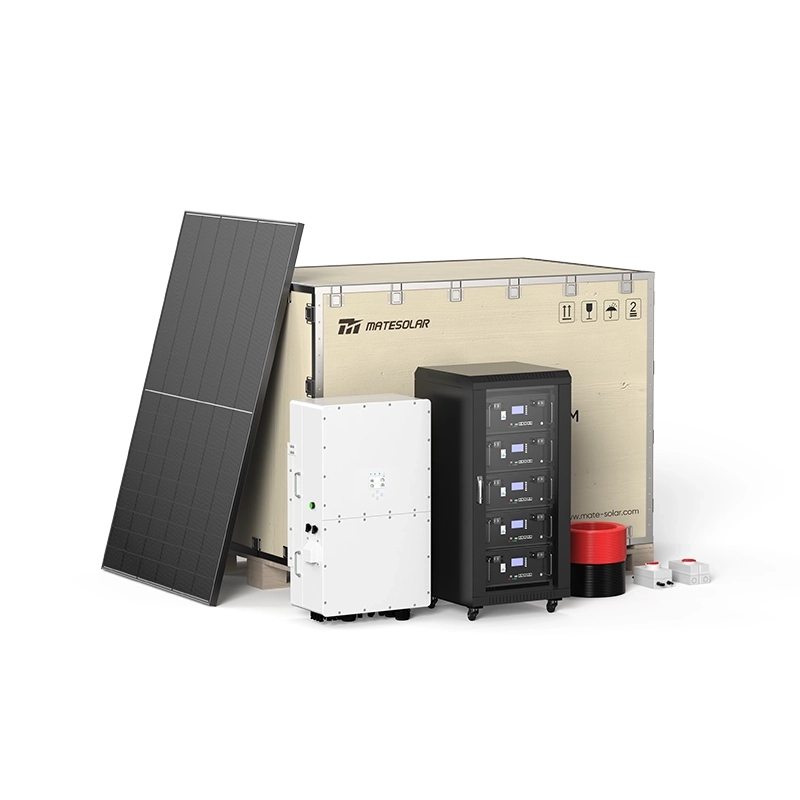
For smaller storage facilities or satellite compression stations, the Commercial 500KW Hybrid Solar System provides an entry point into energy optimization. This system combines solar PV with battery storage in an integrated platform that can:
- Offset daytime compression loads with solar generation
- Store excess solar energy for evening compression events
- Provide backup power for critical controls
- Reduce demand charges through peak shaving
The 500kW scale is particularly well-suited for helium and smaller NGL storage facilities where compressor loads are modest.
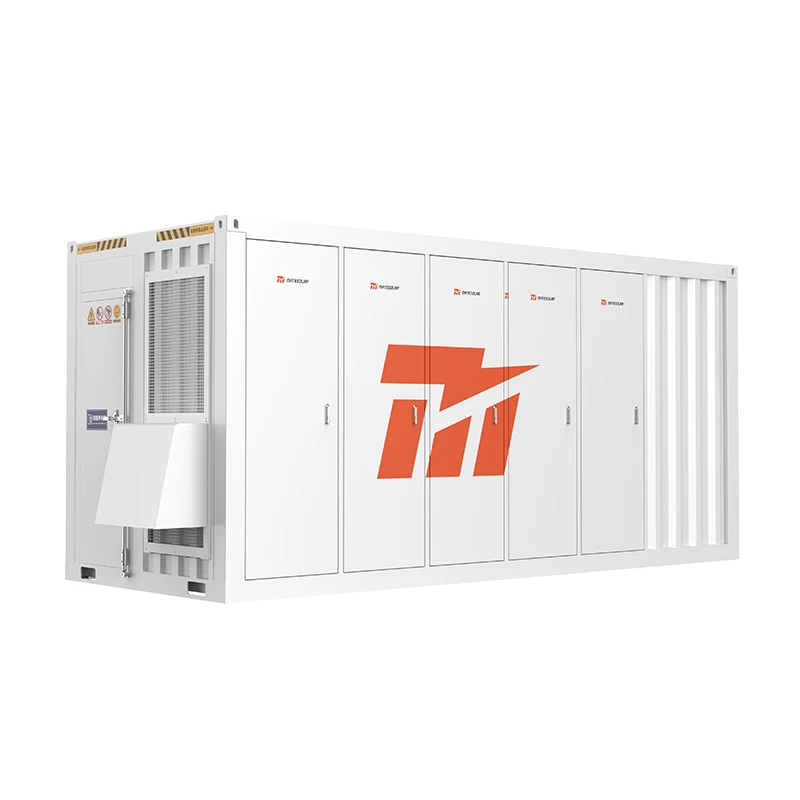
40Ft Air-Cooled Container ESS (1MWh / 2MWh)
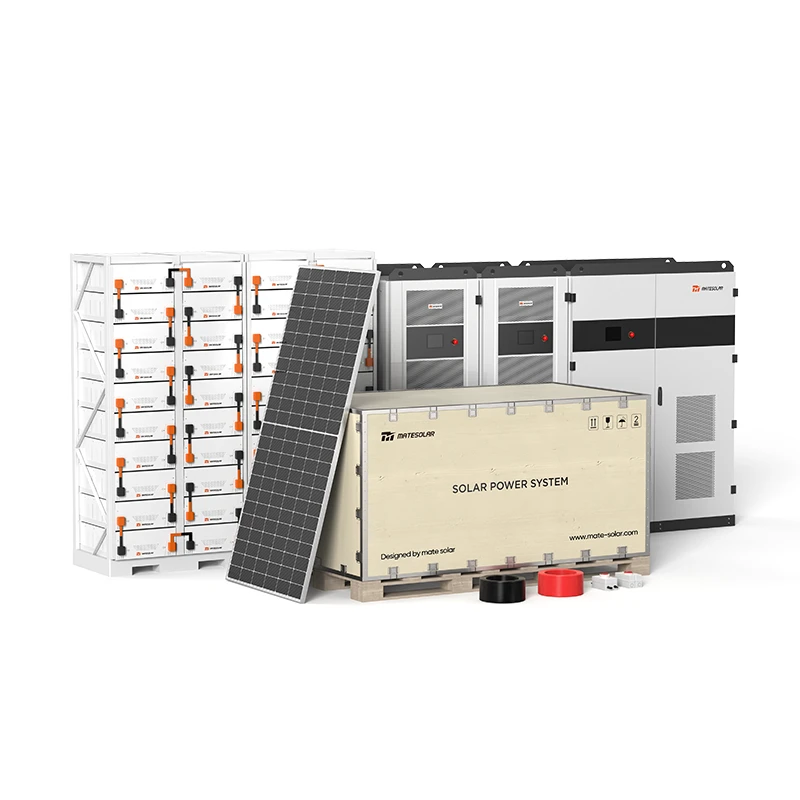
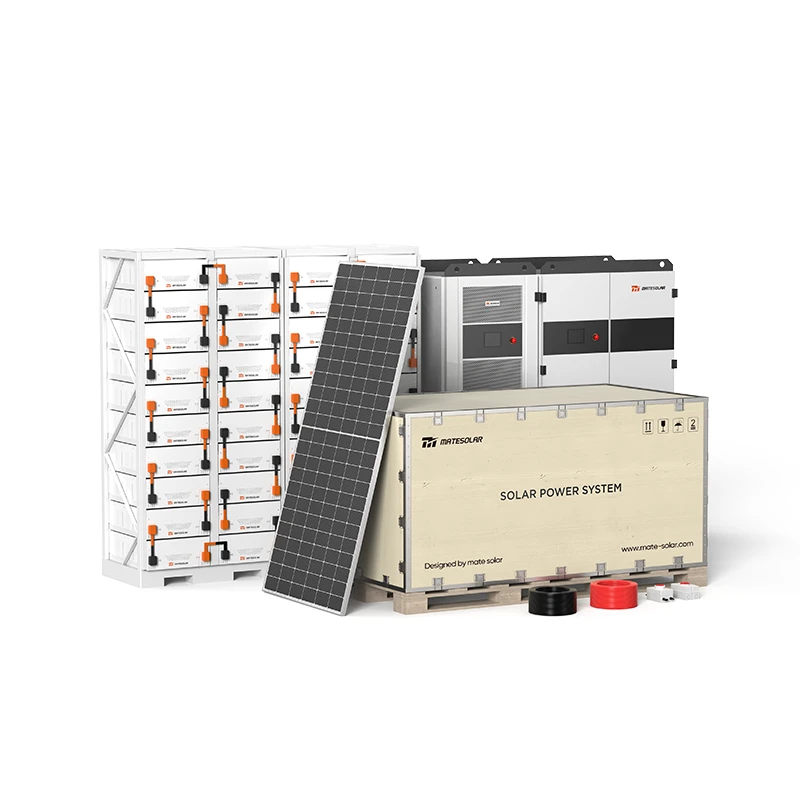
For mid-sized compressor stations and facilities with 2-5 MW loads, the 40Ft Air-Cooled Container ESS offers a proven, cost-effective solution. Available in 1MWh and 2MWh configurations, these systems feature:
- Robust air-cooled thermal management suitable for Gulf Coast ambient conditions
- Modular architecture allowing parallel operation for capacity expansion
- Grid-forming capability for islanded operation during outages
- Remote monitoring and control via MateSolar's cloud platform
The air-cooled design minimizes maintenance requirements—a critical consideration for remote storage sites where specialized service technicians may not be readily available.
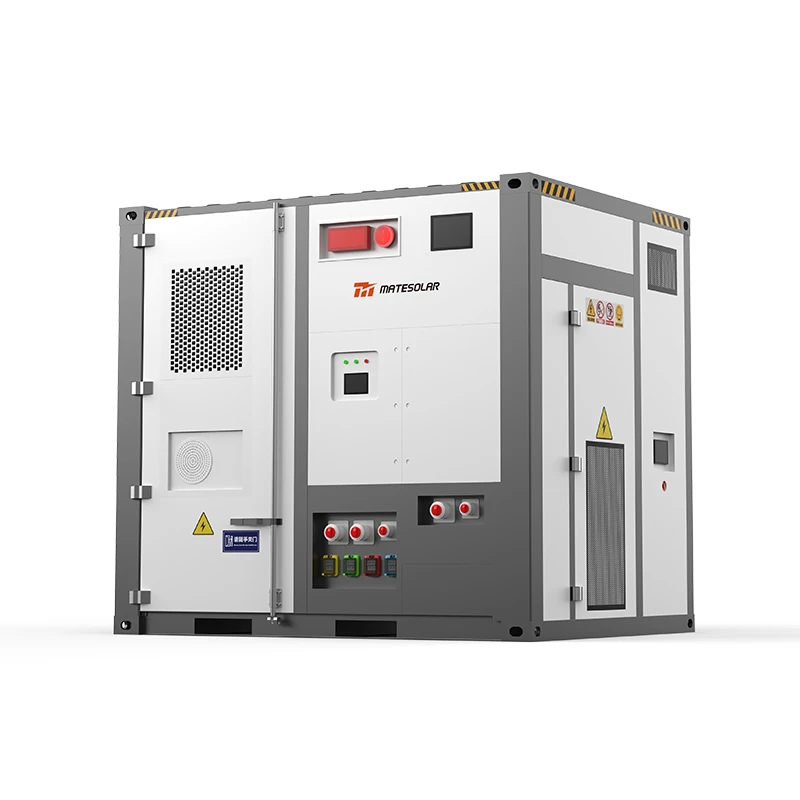
20ft 3MWh / 5MWh Liquid Cooling Container Energy Storage System
For major storage hubs with multiple large compressors, the 20ft Liquid Cooling Container system delivers maximum energy density in a compact footprint. Features include:
- Advanced liquid thermal management for sustained high-power operation
- 3MWh or 5MWh configurations in a single 20ft container
- Suitable for 1-4 hour discharge applications
- Seamless integration with site SCADA systems
- Enhanced cycle life for daily peak shaving applications
The liquid cooling architecture allows these systems to deliver full rated power even during Texas summer peak conditions, when air temperatures can exceed 100°F and air-cooled systems may derate.
Part VI: Economic Modeling for Storage-Site BESS
Base Case Assumptions
To understand the economic case for BESS at underground storage facilities, we've modeled a representative installation at a mid-sized natural gas storage facility with a 7.5 MW compressor that operates 2,500 hours annually.
Table 5: Representative BESS Economics – Gulf Coast Natural Gas Storage Facility
| Parameter | Value | Notes |
| Facility Location | Brazoria County, TX | Typical Gulf Coast industrial zone |
| Compressor Load | 7.5 MW | Single large electric motor |
| Annual Operating Hours | 2,500 | Seasonal injection/withdrawal |
| Electricity Rate | $0.065/kWh | Energy charge |
| Demand Charge | $18.00/kW-month | Typical Texas coastal industrial tariff |
| Current Annual Electric Bill | $1,621,875 | ($0.065 × 7.5MW × 2500h × 1000) + ($18 × 7500kW × 12) |
| BESS Size | 2 MW / 4 MWh | Lithium-ion, 2-hour duration |
| Estimated BESS Installed Cost | $1.2M - $1.6M | 2026 pricing, fully installed |
| Expected Peak Reduction | 1,200 kW | Based on compressor startup profile |
| Annual Demand Charge Savings | $259,200 | 1,200kW × $18 × 12 |
| Additional Energy Arbitrage | $40,000 - $80,000 | Charging off-peak, discharging during peak periods |
| Estimated Simple Payback | 3.5 - 5.5 years | Before incentives |
This model suggests that even without incentives, BESS installations at storage facilities can achieve attractive payback periods. With federal investment tax credits available for standalone storage (subject to prevailing guidance in 2026), paybacks may compress further.
Sensitivity Analysis
The economics are sensitive to several variables:
Demand charge magnitude: Facilities in regions with higher demand charges (some Gulf Coast industrial tariffs exceed $25/kW-month) see proportionally faster paybacks.
Compressor utilization: Facilities with more frequent startup events achieve greater peak reduction value.
Grid service participation: Facilities willing to let their BESS participate in ERCOT or other ancillary service markets can generate additional revenue, though this requires careful coordination with primary compression duties.
Solar integration: Adding solar to the BESS can further reduce energy costs and provide additional demand charge mitigation during daytime peak periods.
Part VII: Implementation Considerations for Storage Operators
Site Assessment Requirements
For storage operators considering BESS, several site-specific factors require evaluation:
Electrical service configuration: Understanding the facility's service entrance, transformer capacity, and existing switchgear is essential for determining interconnection points.
Load profile granularity: Fifteen-minute interval data is essential for accurately modeling demand charge reduction potential. Monthly billing data is insufficient.
Compressor starting characteristics: Some compressors use soft-starts or variable frequency drives that reduce starting current; others are across-the-line starts that create significant demand spikes.
Space constraints: While BESS containers have a relatively small footprint, storage facilities often have limited real estate near electrical services.
Environmental considerations: Gulf Coast facilities must account for hurricane-prone locations, potential flooding, and corrosive salt air.
Integration with Existing Controls
Modern storage facilities use SCADA systems to monitor and control compression, pressures, and flows. Integrating a BESS into this control architecture requires:
- Communication protocol compatibility (Modbus, DNP3, or IEC 61850 typically)
- Dispatch logic that prioritizes compression requirements over economic optimization
- Remote monitoring and alarming integrated into existing systems
- Cybersecurity considerations for grid-connected assets
MateSolar's systems are designed for seamless integration with industrial control systems, supporting multiple communication protocols and providing configurable dispatch logic.
Part VIII: The Regulatory and Market Context
FERC Orders and Storage Value
Recent Federal Energy Regulatory Commission actions have enhanced the value of energy storage by recognizing its contributions to grid reliability and allowing storage assets to participate in organized markets on a comparable basis to generation.
For storage facility operators, this means that a BESS installed at a cavern site can potentially:
- Participate in ERCOT's ancillary service markets (subject to qualified scheduling entity requirements)
- Provide black-start capability if appropriately configured
- Offer voltage support through reactive power capability
State-Level Incentives
Texas has historically taken a market-driven approach to energy development, with fewer direct subsidies than some other states. However, the Texas Energy Fund, established in recent legislation, provides loans and incentives for dispatchable generation—and storage qualifies under certain interpretations.
Storage facility operators should consult with tax advisors regarding the applicability of federal investment tax credits, which have undergone significant evolution in recent years.
Part IX: Future Outlook – The Convergence Deepens
Hydrogen Hub Development
The U.S. Department of Energy's Hydrogen Hub program, including the Gulf Coast Hydrogen Hub, will drive significant investment in hydrogen infrastructure over the coming decade. Salt cavern storage is central to these plans—hydrogen must be stored somewhere, and salt caverns offer the most cost-effective solution for large-scale storage.
As hydrogen hubs develop, the compression requirements for hydrogen storage will grow. Hydrogen's low density means that compression energy per unit of energy delivered is higher than for natural gas. This amplifies the value proposition for BESS.
AI Data Center Proliferation
The AI data center boom shows no signs of abating. As Microsoft, Google, Amazon, and others continue to expand their AI infrastructure, the demand for firm, reliable power will intensify. Natural gas-fired generation, backed by salt cavern storage, will play a crucial role in meeting this demand.
Each new data center that contracts for firm gas supply creates downstream value for the storage facilities that supply that gas—and for the BESS systems that optimize those facilities' operations.
CCUS Integration
Exxon's recent commencement of commercial CCS operations in Louisiana (announced February 4, 2026) signals the accelerating pace of carbon capture deployment . CCS requires compression—lots of it. Captured CO2 must be compressed to supercritical pressures for injection into geologic storage.
These compression loads mirror those of natural gas storage facilities, creating identical opportunities for BESS integration.
Part X: The Path Forward for Gulf Companies and Peers
A Call to Action
For Gulf Companies, now operating the former WSP UGS team, the path forward is clear. The subsurface expertise is in place. The caverns are developed or under development. The customers—LNG exporters, AI data centers, industrial gas users—are waiting.
What remains is the surface power infrastructure. The compressors need electricity. The electricity needs optimization. And that optimization requires battery storage.
Gulf Companies has stated its intention to pursue "larger, more complex projects" and deliver "integrated, fit-for-purpose solutions". An integrated solution for salt cavern storage must include the surface power systems that make caverns operate efficiently.
The Technical Dialogue We Propose
MateSolar extends an invitation to Gulf Companies, Linde, Caliche, Boardwalk, Enbridge, and every operator of underground storage assets along the Gulf Coast:
Let us present the technical and economic case for BESS at your storage facilities. We will bring:
- Load profile analysis based on actual compressor duty cycles
- System sizing recommendations tailored to your specific tariff structures
- Integration plans that work with your existing SCADA infrastructure
- Economic models with transparent assumptions
- References from industrial BESS installations in similar applications
The conversation costs nothing. The potential savings are substantial. And as AI data centers and LNG exporters increasingly demand every molecule these caverns can deliver, the compressors will run more often—making the economic case for BESS stronger with each passing month.
Frequently Asked Questions
Q1: Aren't salt cavern storage and battery storage competitors? Don't they both store "energy"?
A: No—and this is a crucial distinction. Salt caverns store commodities (natural gas, hydrogen, helium) that can be converted to energy. Batteries store electricity directly. A salt cavern might hold the energy equivalent of thousands of MWh in the form of compressed gas, but it cannot respond to grid signals in milliseconds. Batteries cannot hold seasonal energy reserves. They are complements, not substitutes.
Q2: How quickly can a BESS respond to a compressor startup event?
A: Modern lithium-ion BESS systems can respond in less than 100 milliseconds—effectively instantaneously for demand charge purposes. When the compressor contactors close, the BESS can detect the power draw and begin discharging before the 15-minute demand interval even registers the event.
Q3: What happens if the BESS is depleted when a compressor needs to start?
The BESS control system is designed to prioritize site operations. If the battery is depleted, the compressor draws from the grid normally. The BESS simply captures value when it's available; it never prevents necessary operations. This is "value capture" rather than "load limiting."
Q4: Can a BESS power compressors directly during a grid outage?
Yes, if the BESS is configured with islanding capability and the compressors are compatible with the BESS output characteristics. This typically requires a transfer switch and careful engineering to ensure safe isolation from the grid. For critical storage facilities, this black-start capability can be extremely valuable.
Q5: How does salt air affect BESS equipment on the Gulf Coast?
MateSolar's containers are designed with marine-grade coatings and sealing suitable for coastal environments. The liquid cooling systems on our 20ft containers are particularly well-suited for corrosive environments because they minimize air movement through sensitive electronic components.
Q6: What is the typical lead time for a storage facility BESS project?
For standardized systems like the 40Ft Air-Cooled Container ESS or 20ft Liquid Cooling system, typical project timelines are 4-6 months from order to commissioning, assuming site electrical infrastructure is ready. Custom engineering can extend this timeline.
Q7: Can BESS help with renewable energy goals for storage facilities?
Absolutely. Many midstream companies have announced sustainability targets. A BESS paired with on-site solar can directly reduce Scope 2 emissions from compressor operations while improving economics. The Commercial 500KW Hybrid Solar System is specifically designed for this application.
Q8: How does the recent Gulf Companies acquisition affect the BESS opportunity?
The acquisition brings over 300 cavern projects' worth of experience under one roof, with explicit strategic focus on serving LNG and AI data center growth. This creates a centralized decision-making structure for a large portfolio of storage assets—exactly the type of customer that benefits from standardized BESS deployments across multiple sites.
Conclusion: The Subsurface Meets the Surface
The January 2026 acquisition of UGS by Gulf Companies marks more than a corporate transaction. It signals the maturation of a thesis that MateSolar has long held: the future of energy storage lies not in choosing between technologies, but in integrating them intelligently.
Salt caverns will hold the seasonal reserves—the natural gas for winter heating, the hydrogen for industrial processing, the helium for semiconductor fabs. Batteries will manage the instantaneous—the compressor startups, the demand peaks, the grid interactions.
For the operators of these critical infrastructure assets, the question is not whether to adopt BESS, but when and how. The economic case is compelling. The technical path is proven. The strategic imperative—to serve LNG exporters and AI data centers with maximum reliability and minimum cost—is clear.
MateSolar stands ready to support this integration. With standardized products spanning the Commercial 500KW Hybrid Solar System, the 40Ft Air-Cooled Container ESS, and the 20ft Liquid Cooling Container Energy Storage System, we offer solutions matched to the scale and complexity of Gulf Coast storage operations.
The subsurface experts have done their work. The caverns are ready. Now it's time to optimize the surface.
MateSolar: Your Partner in Integrated Energy Storage Solutions
MateSolar is a leading provider of commercial and industrial energy storage systems, specializing in applications for midstream energy infrastructure. You are welcome to contact us with any questions regarding BESS.
This article is published for informational purposes only and does not constitute an offer to sell or a solicitation of an offer to buy any securities or financial instruments. All economic projections are estimates based on current market conditions and subject to change. Readers should conduct their own due diligence before making investment or procurement decisions.