










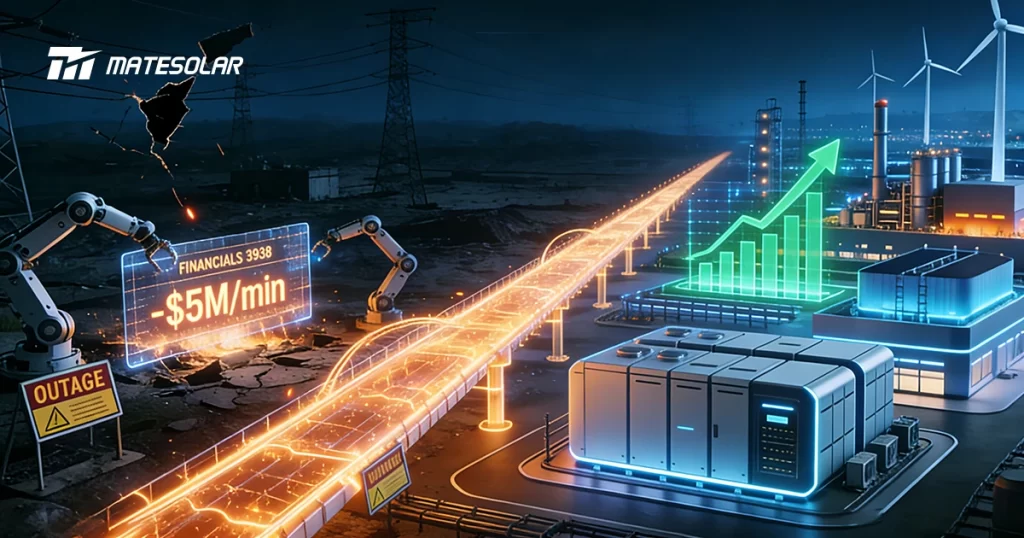
A Post-Event Analysis of the January 2026 ERCOT Emergency and the Economic Imperative for Targeted Battery Energy Storage Systems (BESS) in Petrochemical and Continuous Process Industries
By MateSolar Technical Applications Engineering Team
Published: February 18, 2026
Executive Summary: The Shifting Paradigm from Efficiency to Survival
On January 25, 2026, at the peak of the most recent Arctic intrusion to slam the Texas Gulf Coast, the Electric Reliability Council of Texas (ERCOT) faced a moment of truth. While the grid did not catastrophically fail as it did during Winter Storm Uri in 2021, the data tells a story of profound vulnerability. According to real-time analysis from Energy Ventures Analysis, dispatchable generation—the natural gas and coal fleet that Texas relies upon when renewables are frozen—was stretched to its absolute limit. To meet the 50.9 GW of fossil-fuel generation required that Sunday, the thermal fleet had to perform at levels exceeding its historical winter average. The margin for error was zero.
For the general public, this translated to appeals for conservation. For the industrial corridor stretching from Houston to Corpus Christi—the "Chemical Coast" that supplies a significant percentage of the nation's base chemicals, ethylene, and polymers—the stakes were existential. The freeze did not merely cause discomfort; it caused non-planned production stoppages (NPS) . The reported figures are stark: on that single Sunday, natural gas demand destruction (the "freeze-off") reached a staggering 17 billion cubic feet (Bcf) per day. Facilities operated by majors like LyondellBasell, Celanese, and INEOS reported operational upsets, flaring events, and proactive shutdowns to protect equipment.
This white paper, published by MateSolar, serves as a post-incident engineering review and a forward-looking risk mitigation guide. We move beyond the simplistic narrative of "grid hardening" to address a specific, quantifiable industrial problem: How do you guarantee power to your safety-critical and process-critical loads when the grid is no longer a reliable anchor?
We argue that the era of viewing battery energy storage solely through the lens of "peak shaving" or "energy arbitrage" is over. For the plant Environmental, Health, and Safety (EHS) Director and the Plant General Manager, the value proposition has shifted decisively to "risk currency." This article demonstrates, with empirical data and engineering rigor, why isolating your DCS, Safety Instrumented Systems (SIS), emergency lighting, and critical pumping loads behind a 2-4 hour industrial-grade energy storage containers is the most cost-effective insurance policy you can purchase in 2026.
1. The January 2026 Event: A Forensic Analysis of Industrial Vulnerability
To prescribe the correct cure, we must accurately diagnose the disease. The January 2026 event was a "stress test" that the grid passed by a hair, but one that the industrial end-user failed in specific, costly ways.
1.1 The Generation Gap: Why "Ancillary Services" Failed the Industrial Consumer
While ERCOT maintained system integrity, the quality and reliability of power at the distribution level for industrial facilities were compromised in three critical ways:
1. Voltage Sags and Frequency Excursions: As the grid scraped against its operating limits, momentary sags and swells became common. For large induction motors driving pumps and compressors, a 10% voltage sag can result in a 20-30% torque reduction, potentially tripping motor contactors and triggering unnecessary process interrupts.
2. Natural Gas Fuel Starvation: The irony of the Texas grid is that its primary generation source (gas) is also its primary vulnerability. As the freeze caused wellhead freeze-offs (the 17 Bcf/day loss), gas-fired plants faced fuel supply pressure drops. This created a cascading risk where the very plants supplying the grid were competing with industrial facilities for pipeline capacity.
3. The "Last Mile" Distribution Failure: Substation equipment, switchgear, and transformers are not immune to ice loading and mechanical stress. Localized outages due to downed lines, as noted by officials, isolate plants even when the high-voltage transmission grid is intact.
1.2 Quantifying the Loss: The 17 Bcf and $MM/Day Reality
The industrial impact was not abstract. The reported 17 Bcf/day production freeze-off translates directly to financial loss. For a major integrated refinery or chemical cracker, a non-planned shutdown is not a simple "stop and restart" event. It involves:
- Flaring of process gasses: Wasted feedstock and environmental compliance costs.
- Product quality off-spec: Transitioning periods yield unusable intermediate product.
- Thermal stress on reactors and furnaces: Uneven cooling can cause refractory damage and metal fatigue, shortening asset life.
- Loss of market share: In a tight market, unfulfilled contracts carry penalties.
A conservative estimate for a mid-to-large scale chemical operation places the cost of a 4-hour unplanned outage well into the seven-figure range when factoring in lost production, remediation, and restart costs. This is the financial anchor point for any resilience investment.
2. Redefining the Scope: From "Full Plant Backup" to "Critical Load Resilience"
The most common misconception among facility managers is that grid resilience requires backing up the entire plant. This is economically prohibitive. A 100 MW petrochemical facility would require an equally massive, and massively expensive, battery bank.
The engineering discipline we introduce here is Critical Load Segmentation.
2.1 Identifying the "Must-Run" Bus
In any continuous process facility, there exists a subset of electrical loads that cannot tolerate interruption without triggering a safety event or a full process trip. These include:
- Distributed Control Systems (DCS) and PLCs: The brains of the operation. Loss of power here means loss of visibility and control.
- Safety Instrumented Systems (SIS) and Emergency Shutdown (ESD) Systems: These must remain armed to initiate a safe shutdown if conditions deteriorate.
- Critical Rotating Equipment: Lube oil pumps for large compressors and turbines, seal oil pumps, and reactor feed pumps that must run to prevent coking or solidification.
- Emergency Lighting and Egress: For safe personnel evacuation.
- Critical HVAC and Pressurization: For control rooms and electrical rooms to prevent electronics overheating and to maintain positive pressure against hazardous gas ingress.
2.2 Load Shedding and Isolation Strategy
Modern power management systems can be programmed to perform a "shed" scenario upon detection of grid instability. When a voltage sag or frequency drop is detected, the main breaker can open, isolating the plant from the failing grid. Simultaneously, a fast-acting static transfer switch connects the pre-identified "critical bus" to a dedicated energy storage system.
This is not theoretical. It is a replicable architecture that we term the "Critical Process Island."
Table 1: Typical Critical Load Analysis for a Hypothetical Gulf Coast Chemical Plant
| Load Category | Example Equipment | Typical Power Demand (kW) | Critical Duration Required (Hours) | Consequence of Interruption |
| Instrumentation & Control | DCS, SIS, PLC Racks, Workstations | 50 - 150 | 4+ (until safe state) | Loss of process visibility, inability to monitor safe shutdown |
| Safety Systems | Fire Alarm Panel, Emergency Lighting, Egress Signs | 25 - 75 | 4+ (per NFPA/OSHA) | Impaired emergency response, regulatory violation |
| Critical Rotating Machinery | Turbine Lube Oil Pumps, Compressor Seal Oil Pumps | 200 - 500 | 2 - 4 | Bearing wipe, seal failure, catastrophic rotating equipment damage |
| Reactor Support | Agitators (low speed), Quench Pumps, Reflux Pumps | 300 - 800 | 2 - 4 | Polymerization in reactor, hot spots, runaway reaction risk |
| Critical Infrastructure | Control Room HVAC, Electrical Room HVAC | 75 - 150 | 4+ | Electronics overheating, control system failure |
| Estimated Total Critical Load | 650 - 1,675 kW | 2 - 4 Hours | $MM in potential damages + Safety risk |
Source: MateSolar Engineering Analysis, based on typical industry load profiles.
3. The Technology Solution: Industrial Storage as the New UPS
For decades, the solution for critical loads was the Uninterruptible Power Supply (UPS) with a bank of valve-regulated lead-acid (VRLA) batteries, often backed up by a diesel generator. This architecture is no longer fit for purpose in the modern industrial environment.
3.1 The Failure Modes of Legacy Diesel + VRLA Systems
The traditional approach is plagued by reliability and maintenance issues:
- Diesel Generator "Start and Run" Risk: A generator is a mechanical system with a prime mover that must start under load. Statistics show a significant failure rate for emergency generators during the first 15 minutes of a run, often due to fuel gelling (in cold weather), dead starter batteries, or coolant issues. The January freeze specifically threatened diesel fuel gelling and waxing.
- VRLA Battery Degradation: Lead-acid batteries are notoriously sensitive to temperature. In the hot, humid environment of a Texas Gulf Coast electrical room, battery life is often cut in half. As documented in industry case studies, VRLA failures are a leading cause of UPS output failure during actual events.
- Fuel Logistics: In a region-wide emergency, diesel fuel for generators is a contested resource. Road closures and high demand can interrupt resupply, limiting runtime to whatever is in the day tank.
- Maintenance Burden: Weekly testing, load bank exercising, and fluid level checks consume valuable EHS and electrical technician hours.
3.2 The Industrial BESS Advantage: Silicon, Not Pistons
Modern industrial Battery Energy Storage Systems (BESS), specifically utilizing Lithium Iron Phosphate (LFP) chemistry, address these failure points directly.
- Instantaneous Response: Power electronics provide sub-cycle (millisecond) transfer, far faster than any mechanical transfer switch or generator start-up. The DCS never knows the grid went away.
- Zero Fuel Dependency: The stored energy is in the batteries. Runtime is deterministic based on the capacity installed (2-4 hours). There is no reliance on external supply chains.
- Low Maintenance: LFP systems require minimal maintenance compared to lead-acid or diesel. No watering, no fuel polishing, no engine overhauls.
- Dual-Use Capability: Unlike a diesel set that sits idle 99.9% of the time, a BESS can provide economic value during normal grid operations. It can perform peak shaving, reducing demand charges, or provide power factor correction, effectively paying down its capital cost while waiting for a grid event. This transforms the asset from a "cost center" (insurance) to a "profit center" (grid-interactive asset).
Table 2: Comparison of Critical Backup Technologies for Industrial Applications
| Feature / Criteria | Traditional UPS + VRLA Battery | Diesel Generator Set | Industrial Lithium BESS (LFP) |
| Response Time | Milliseconds (Online) | 10-60 seconds (Start & Transfer) | Milliseconds (Grid-Following to Grid-Forming) |
| Runtime Determinism | Minutes (limited by battery size) | Hours (dependent on fuel resupply) | Deterministic (2-4 hours, scalable) |
| Cold Weather Reliability | Poor (capacity loss) | Poor (fuel gelling, starting issues) | Good (with integrated battery heating) |
| Fuel Dependence | None | High (diesel) | None |
| Maintenance Intensity | High (battery replacements every 3-5 yrs) | Very High (engine, cooling, fuel) | Low (minimal moving parts) |
| Environmental Compliance | Lead-acid disposal issues | Emissions, Spill risk, Noise | Clean, silent, recyclable LFP |
| Economic Value (Normal Ops) | None | None | High (Peak Shaving, PF Correction) |
| Space Footprint (per kWh) | Large | Large | Compact (High Energy Density) |
Source: MateSolar Technology Comparison Matrix, 2026.
4. Engineering the Solution: Direct Coupling and System Architecture
The key to successful deployment is not just the battery, but the integration. For a plant EHS director or General Manager, the technical differentiators to look for in a proposal include:
4.1 Direct Coupling to the Critical Load Bus
The BESS must be integrated directly downstream of the main plant incomer, but upstream of the critical load distribution panel. This allows the system to act as a "bridge."
1. Normal Mode: The critical bus is fed from the grid. The BESS inverter is in standby, fully charged, or actively performing peak shaving.
2. Event Detection: The BESS inverter senses a grid anomaly (voltage/frequency outside setpoints).
3. Island Mode: The BESS inverter opens its grid-side contactor and forms its own voltage and frequency island, seamlessly powering the critical load bus. The plant's main breaker can remain open, protecting the rest of the plant from grid instability.
4.2 Sizing for 2-4 Hours: The Risk-ROI Sweet Spot
Why 2-4 hours? This duration is not arbitrary. It is derived from operational data:
- The "Ride-Through" Window: Many grid disturbances, like voltage sags from distant faults, clear in seconds or minutes. A 2-hour window covers 99% of transient events.
- The "Safe State" Window: For a process upset, 2-4 hours is typically sufficient to execute a controlled and safe shutdown, bringing the unit to a stable, idle condition without flaring or equipment damage.
- The "Restoration" Window: If a major grid event occurs, 2-4 hours aligns with the time it takes for utility crews to begin restoring distribution feeders, or for the plant to secure alternative fuel supplies for on-site generation.
A 2-4 hour reserve specifically for the critical load (typically 1-5 MW) is a fraction of the cost of backing up the entire 50-100 MW facility. It represents a quantifiable, optimized risk mitigation investment.
4.3 System Configurations: From Hybrid to Full-Scale Containerization
MateSolar offers scalable solutions tailored to the load profile and footprint of Gulf Coast facilities.
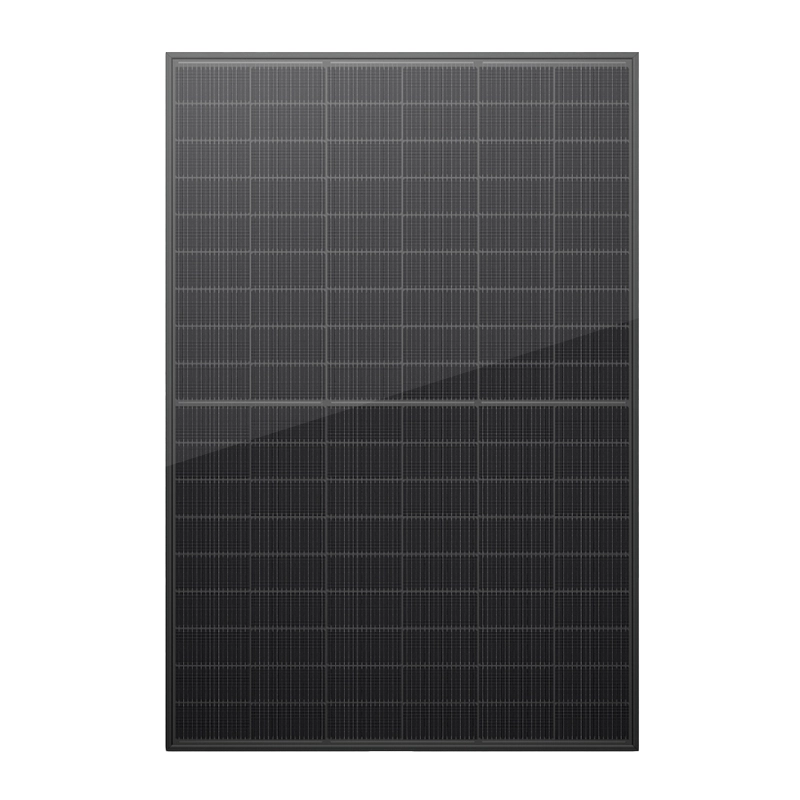
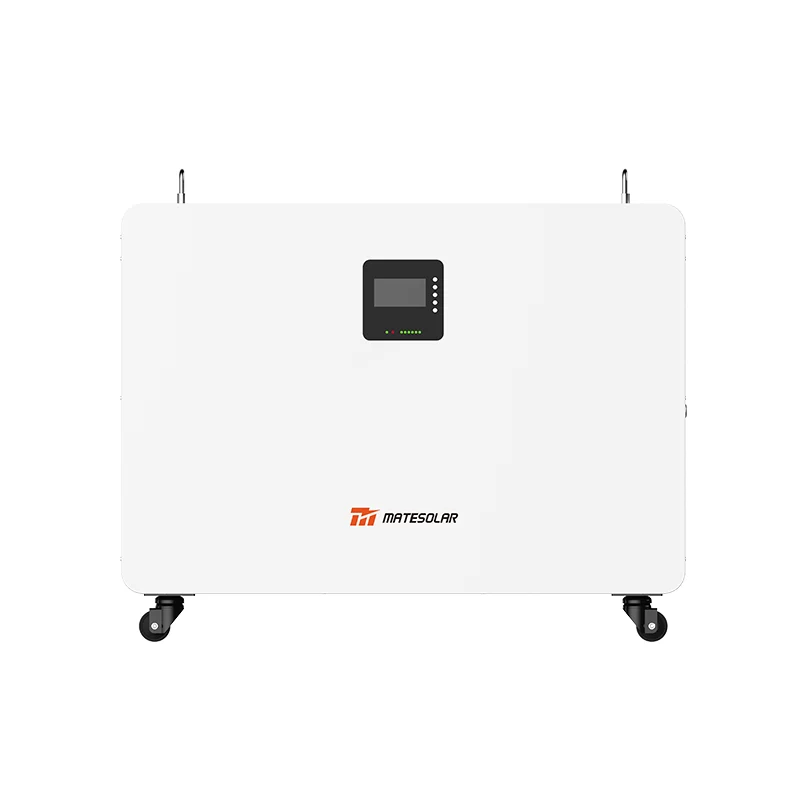
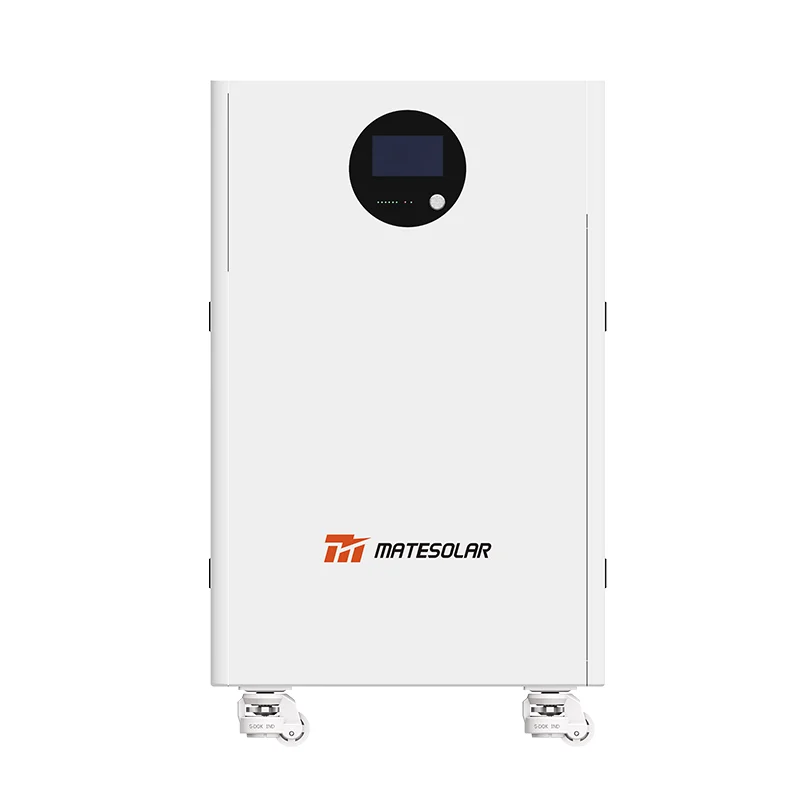
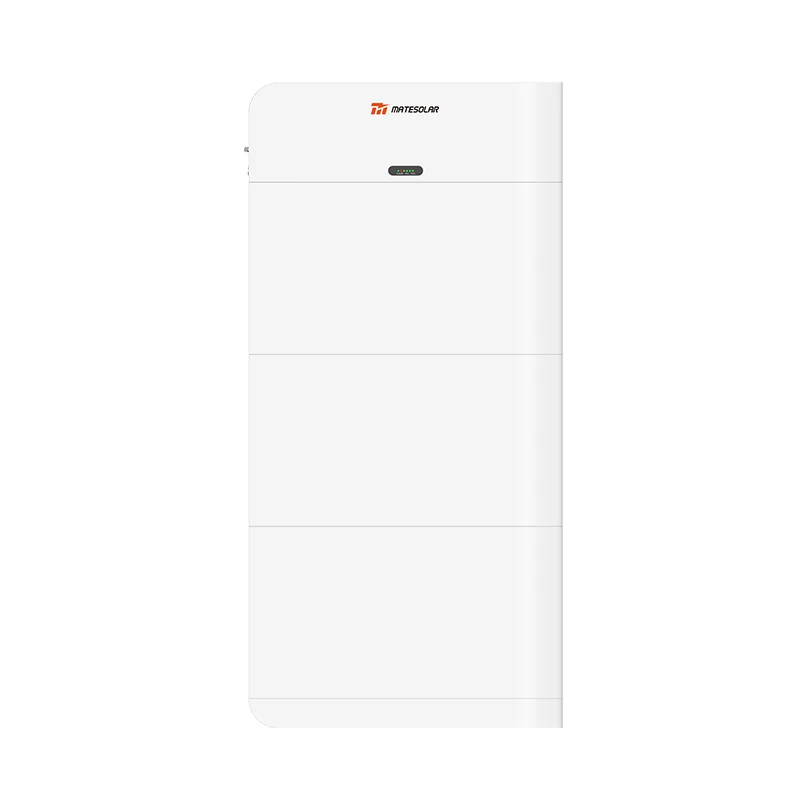
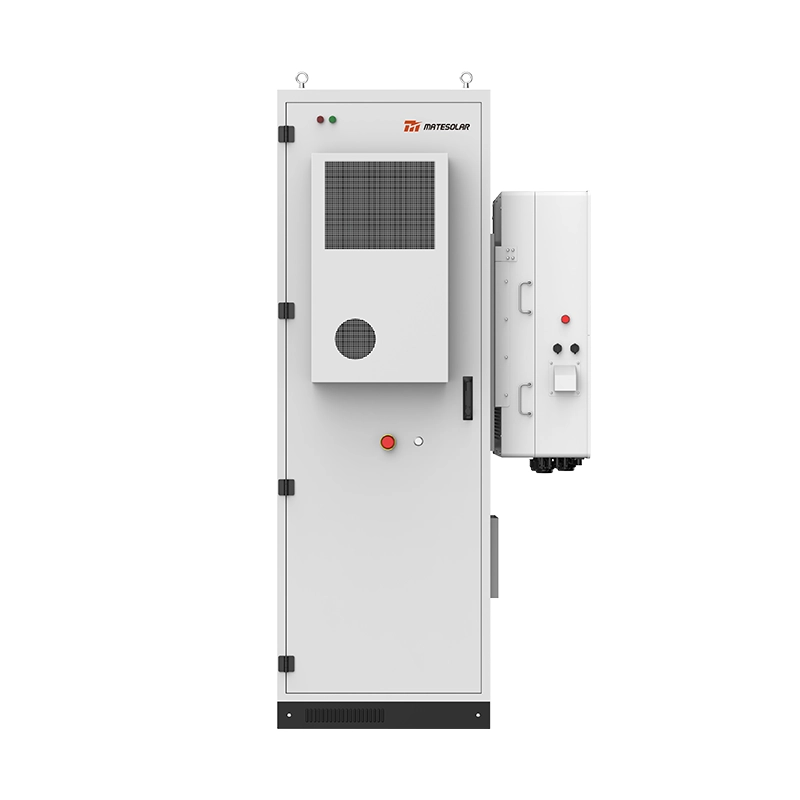
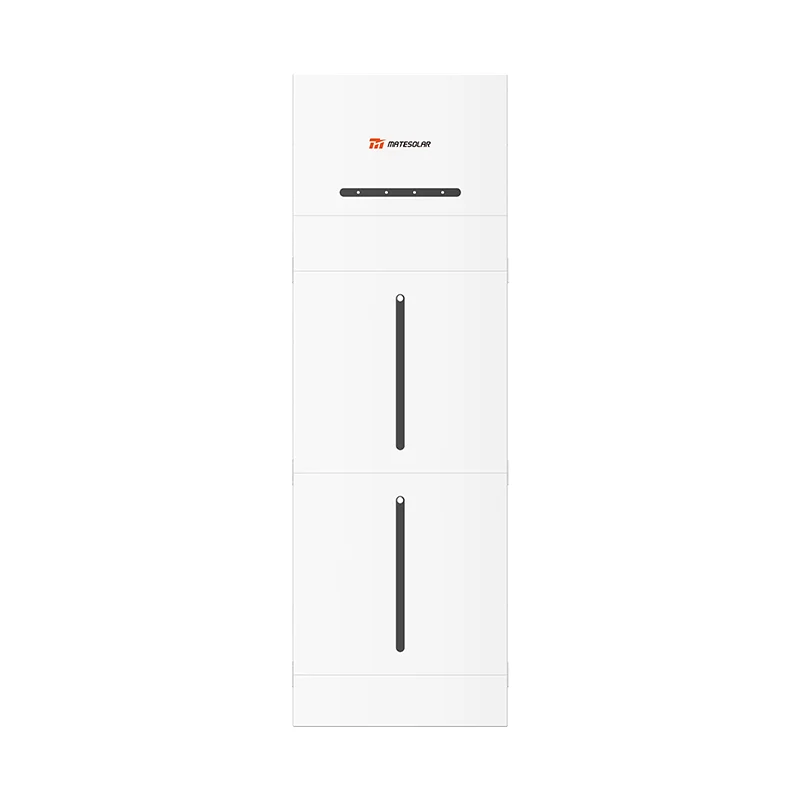
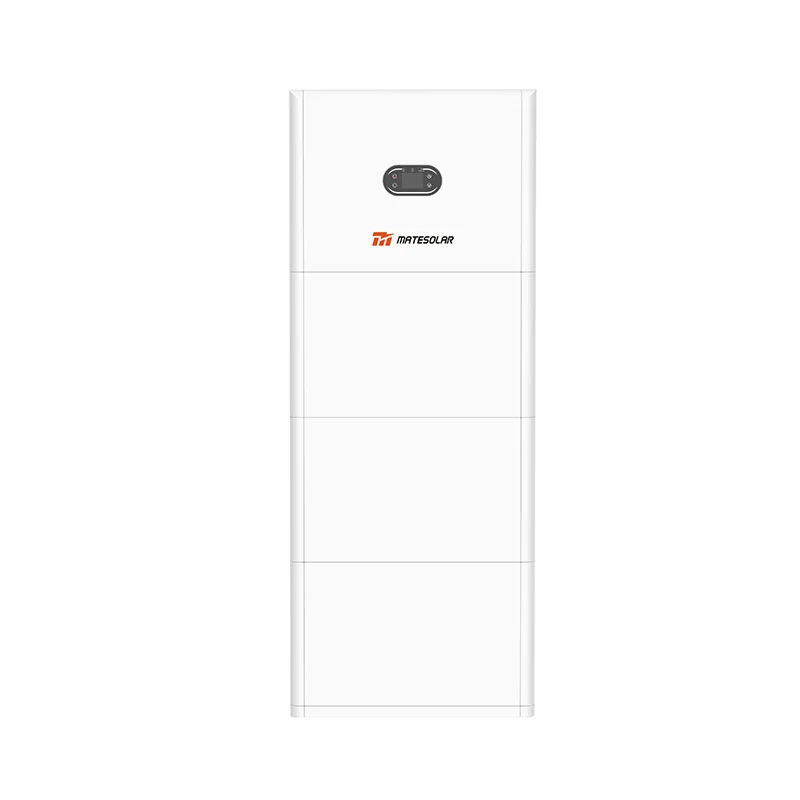
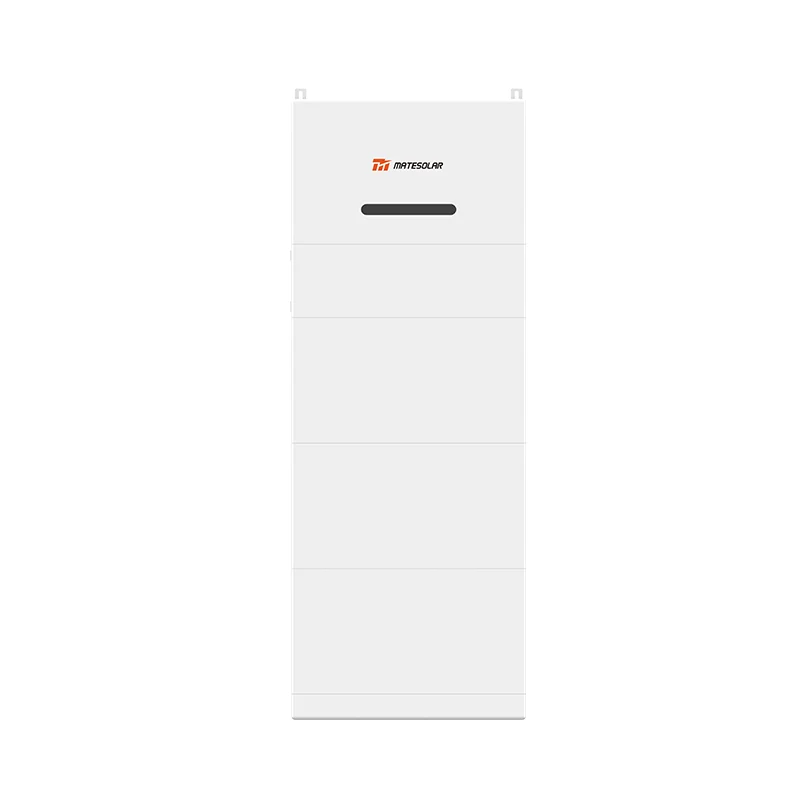
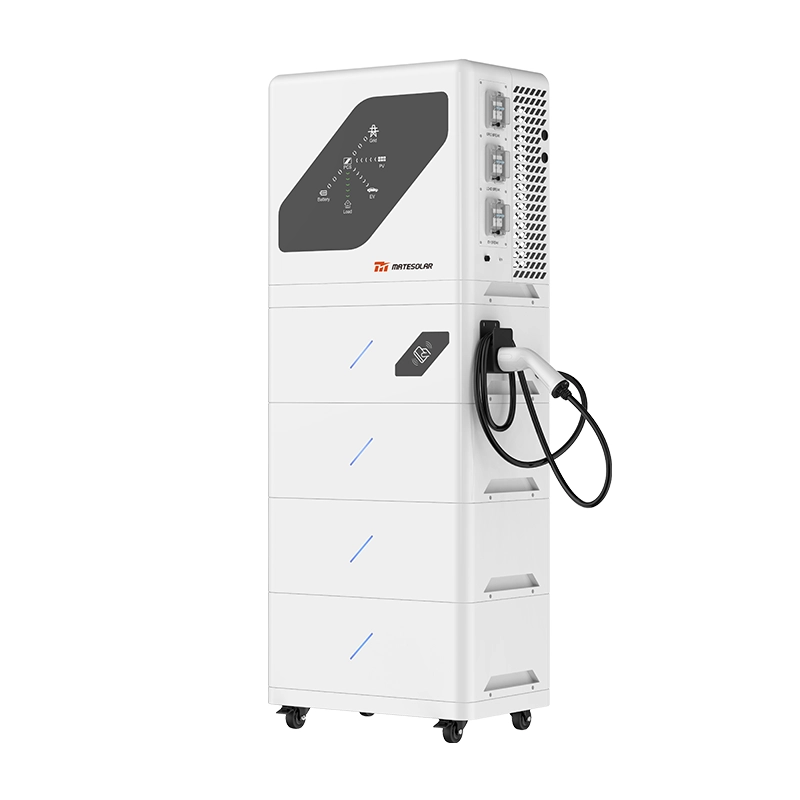
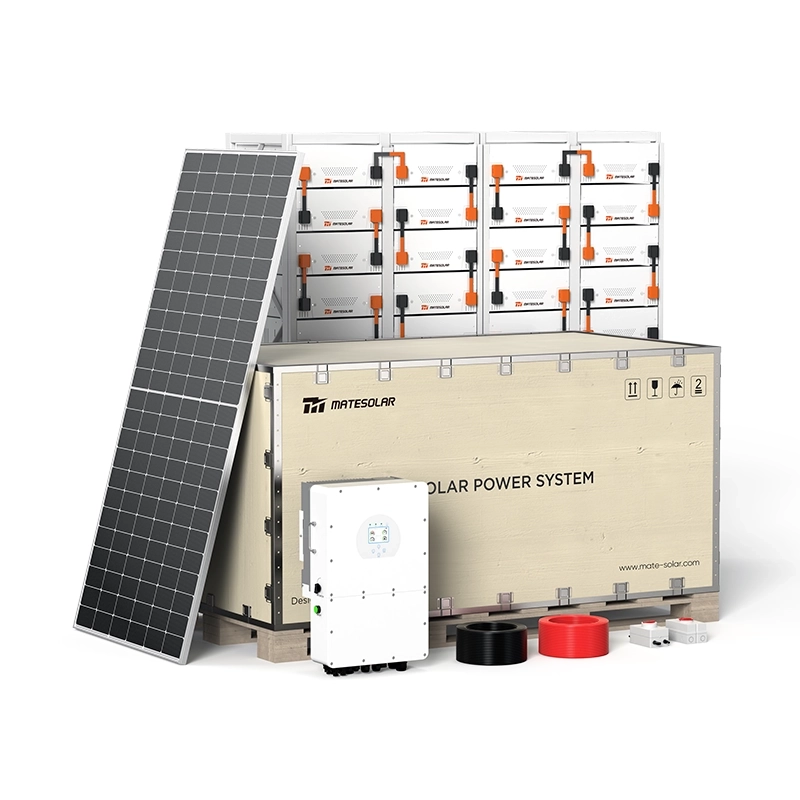
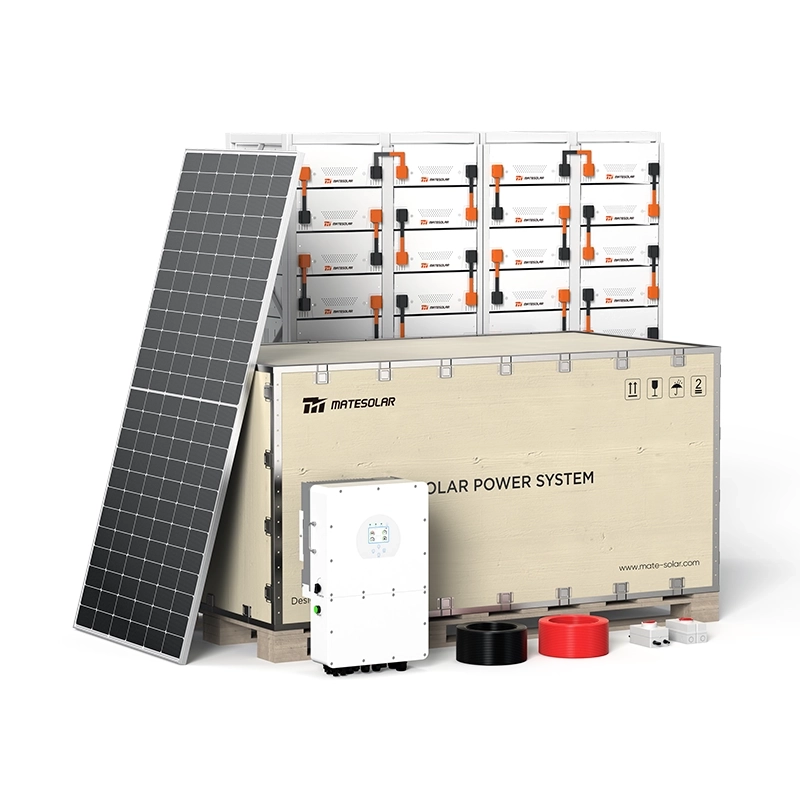
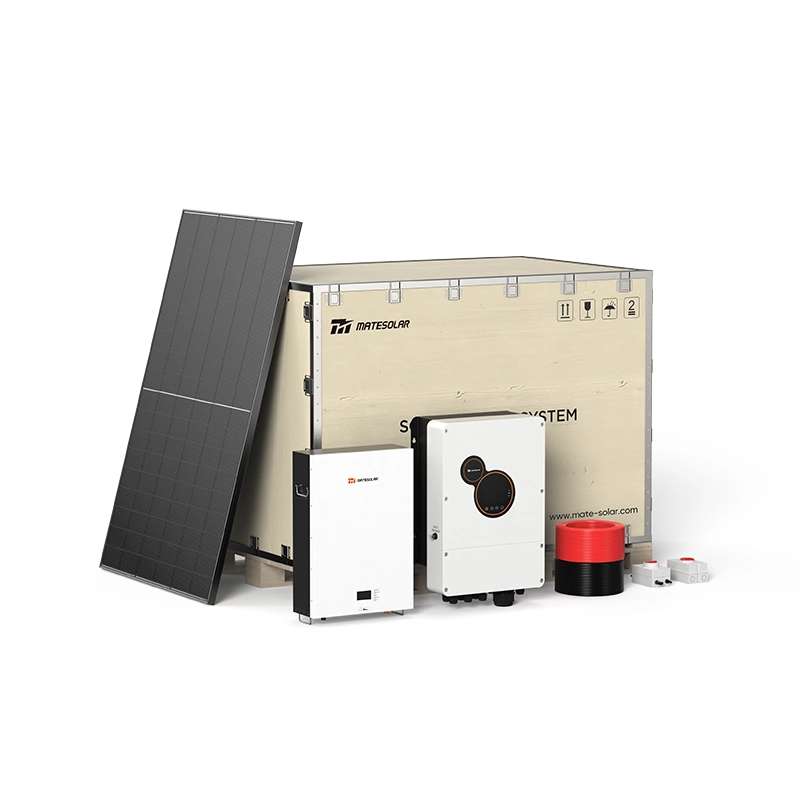
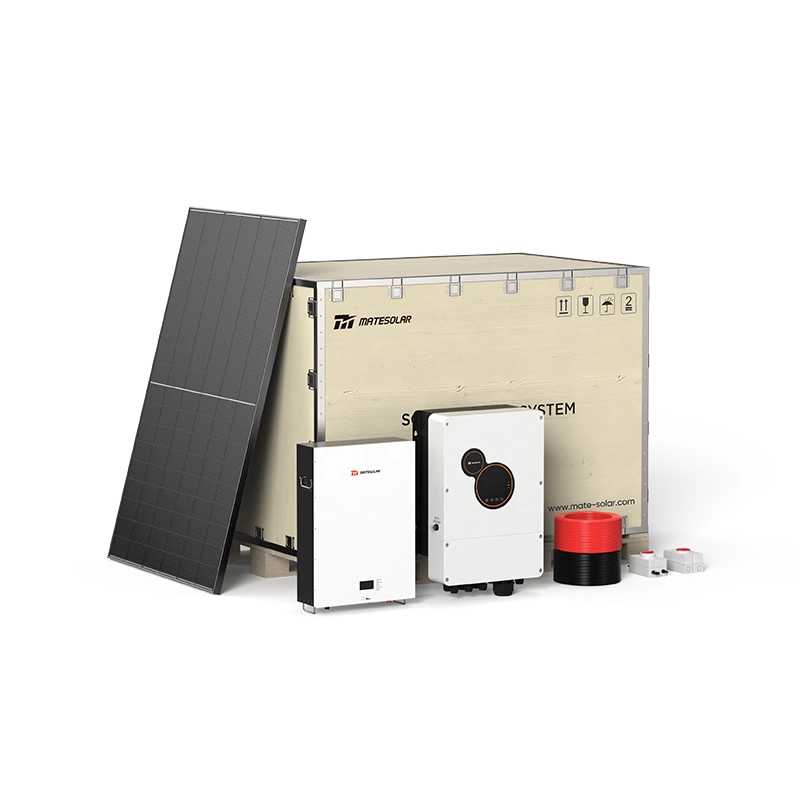
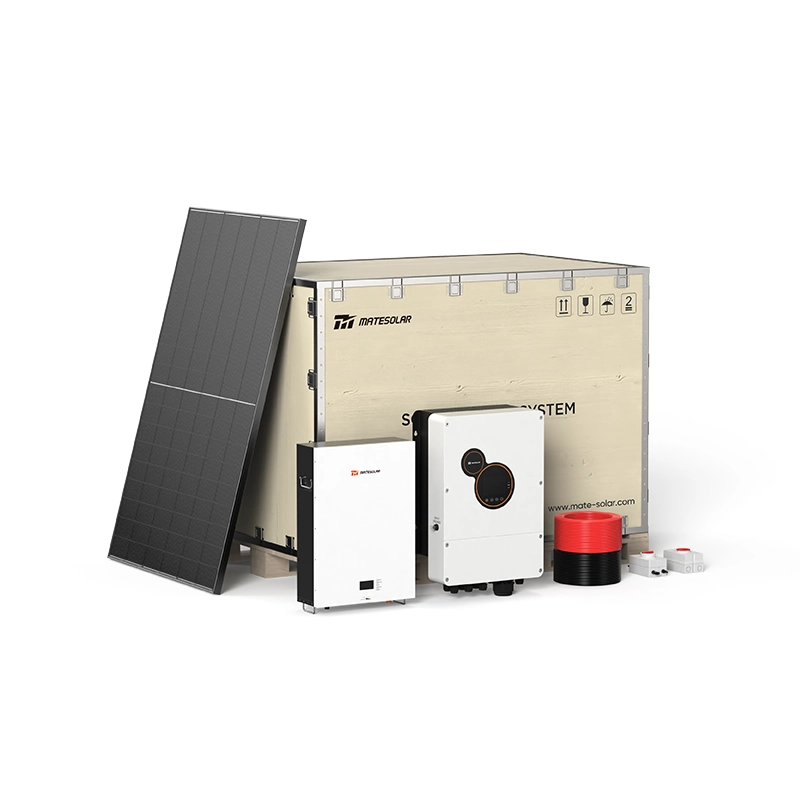
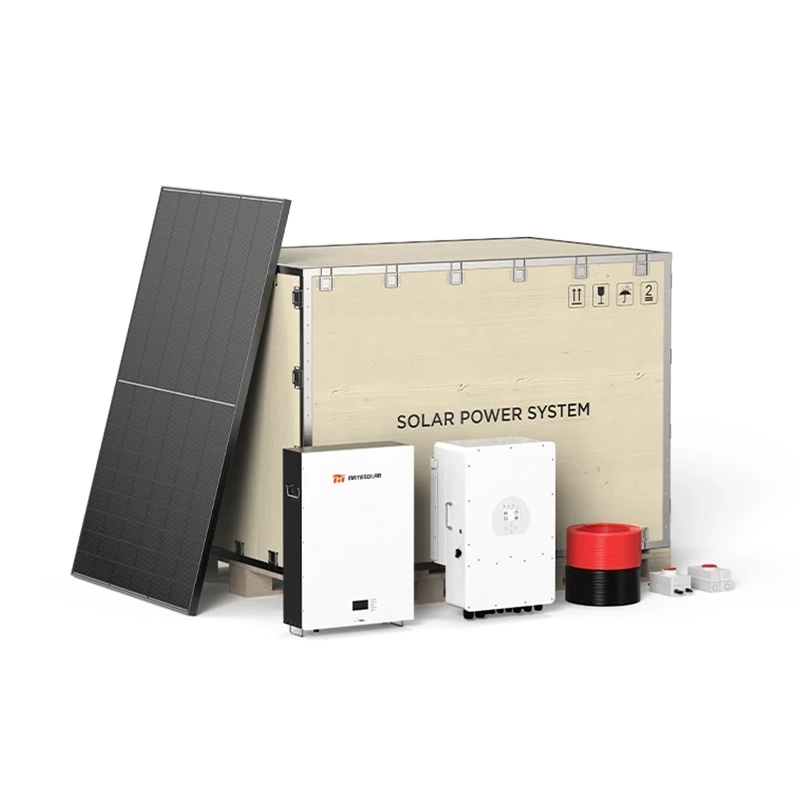
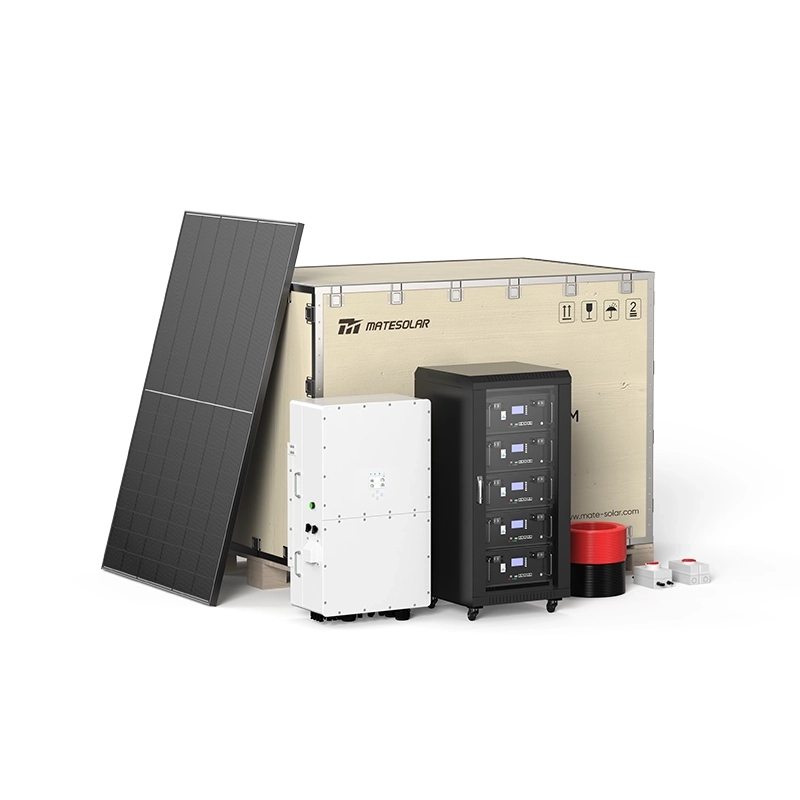
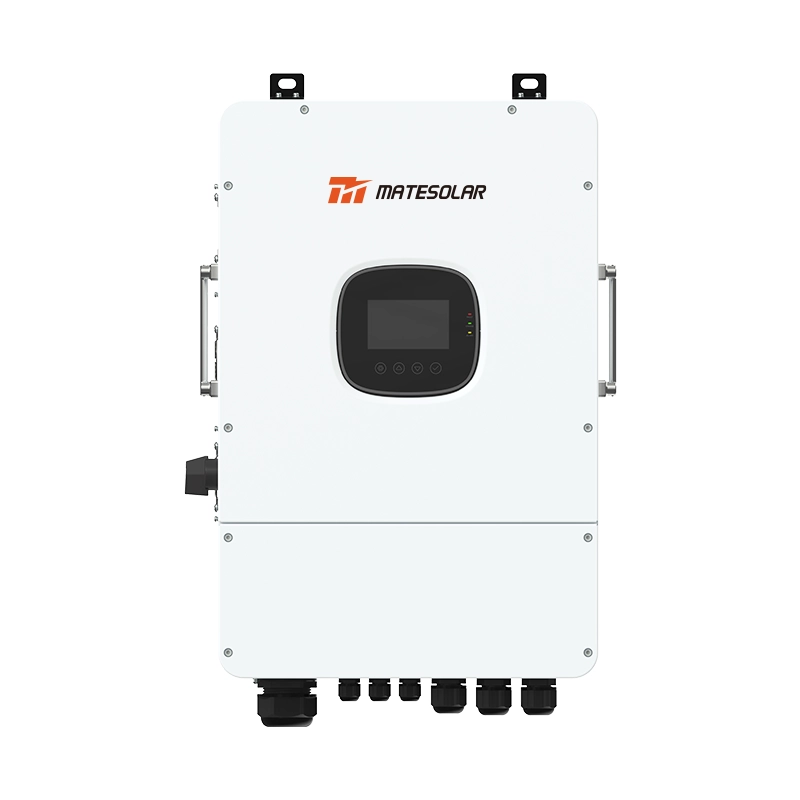
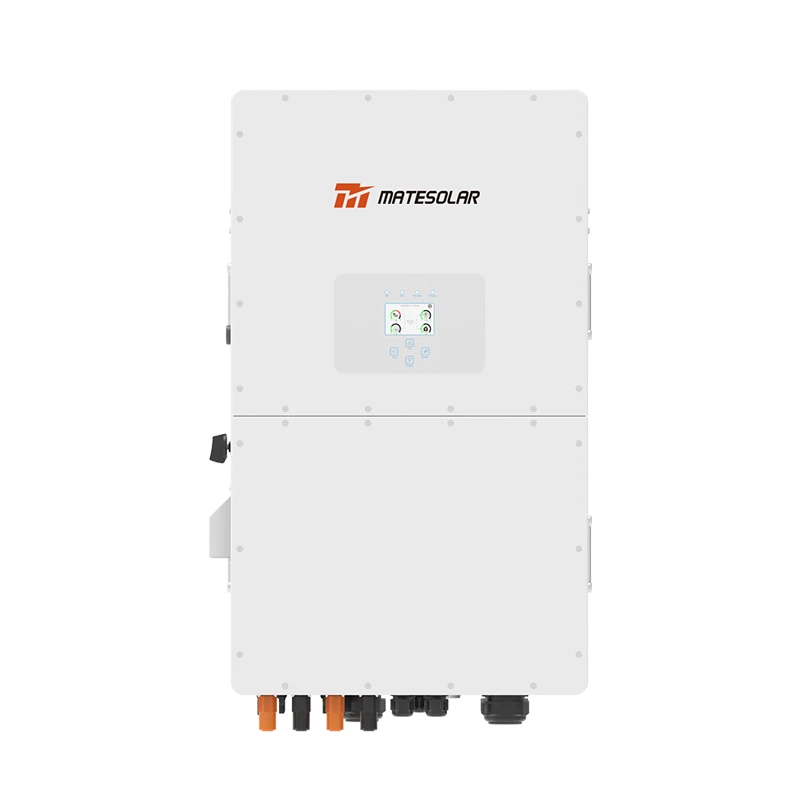
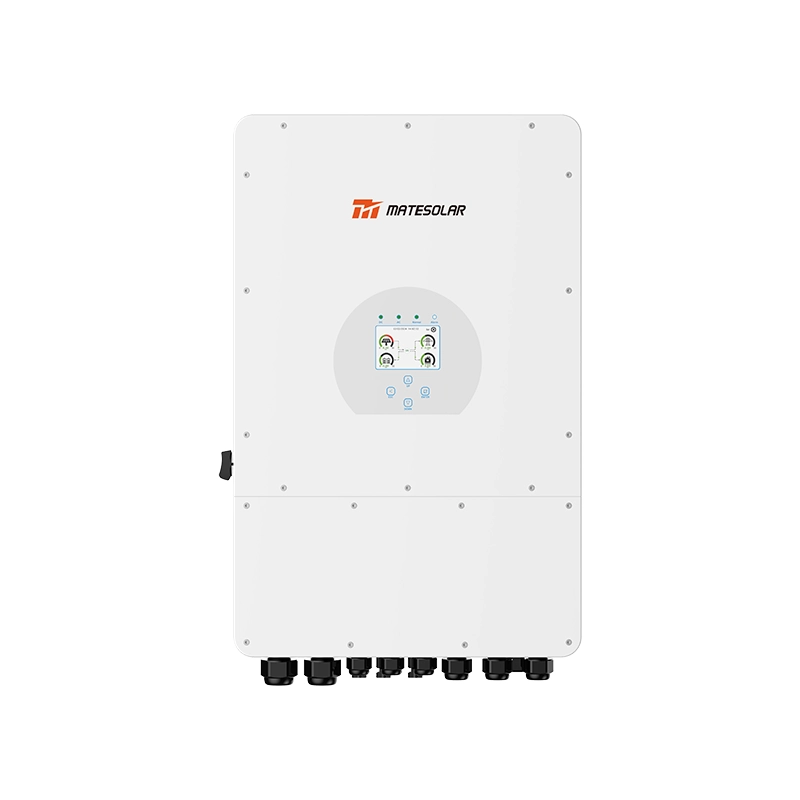
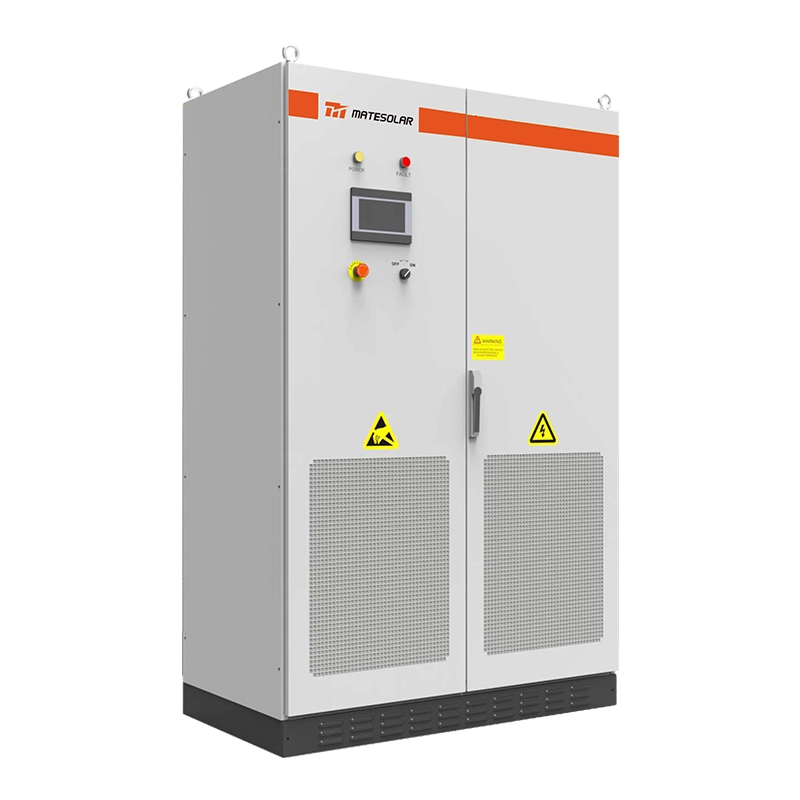
For facilities with existing solar assets looking to maximize sustainability while ensuring resilience, the Commercial 500KW Hybrid Solar System provides a grid-tied, battery-backed solution ideal for smaller critical loads or administrative/control buildings.
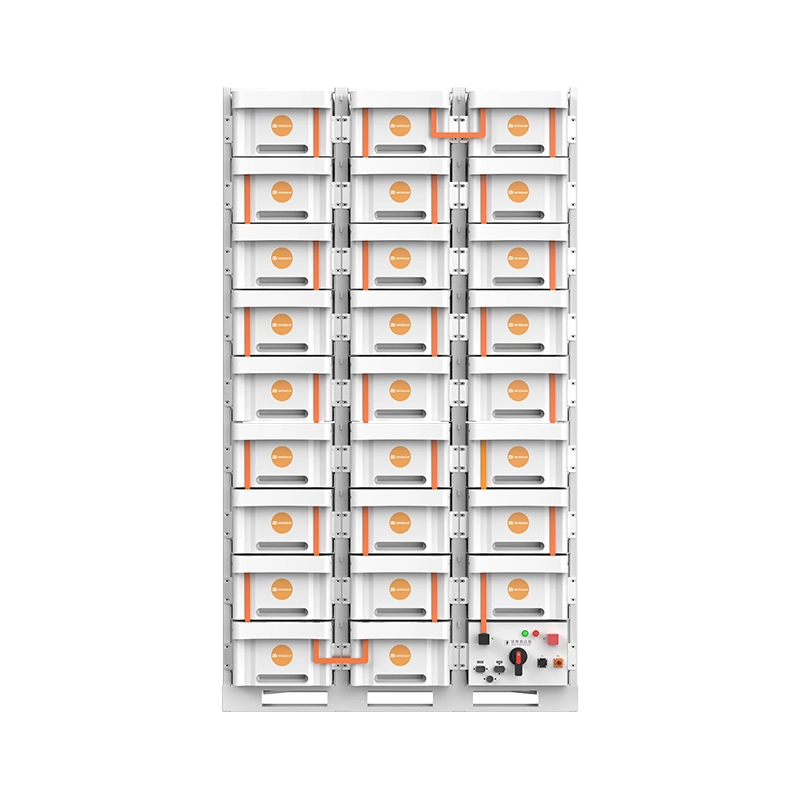
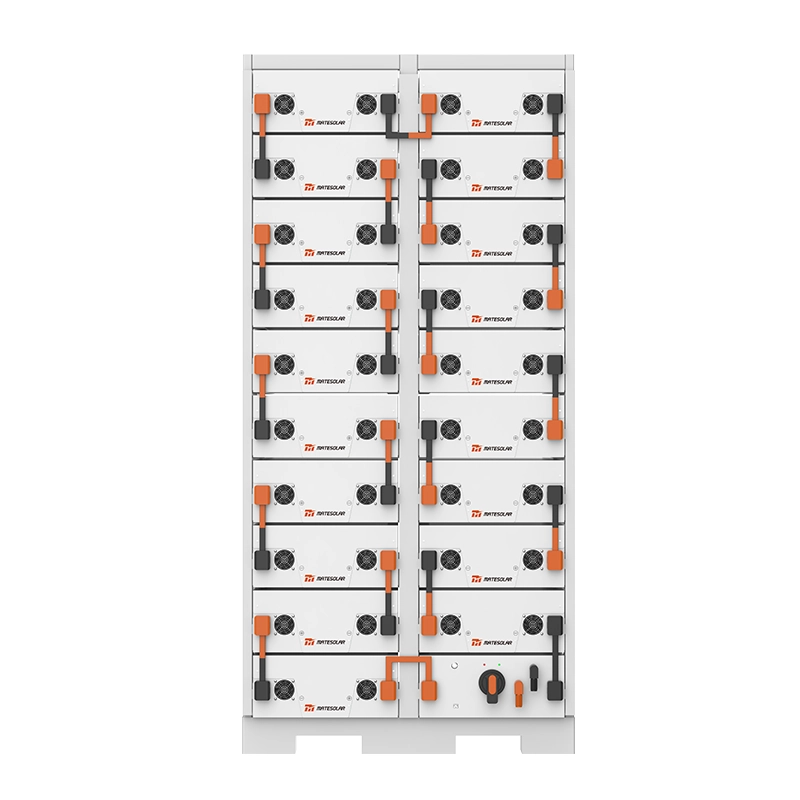
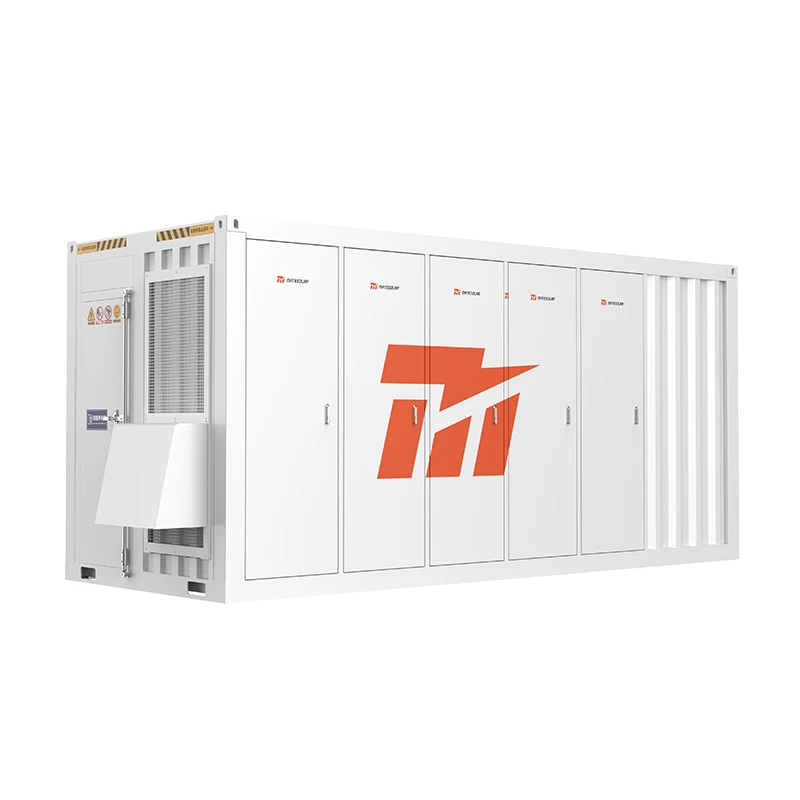
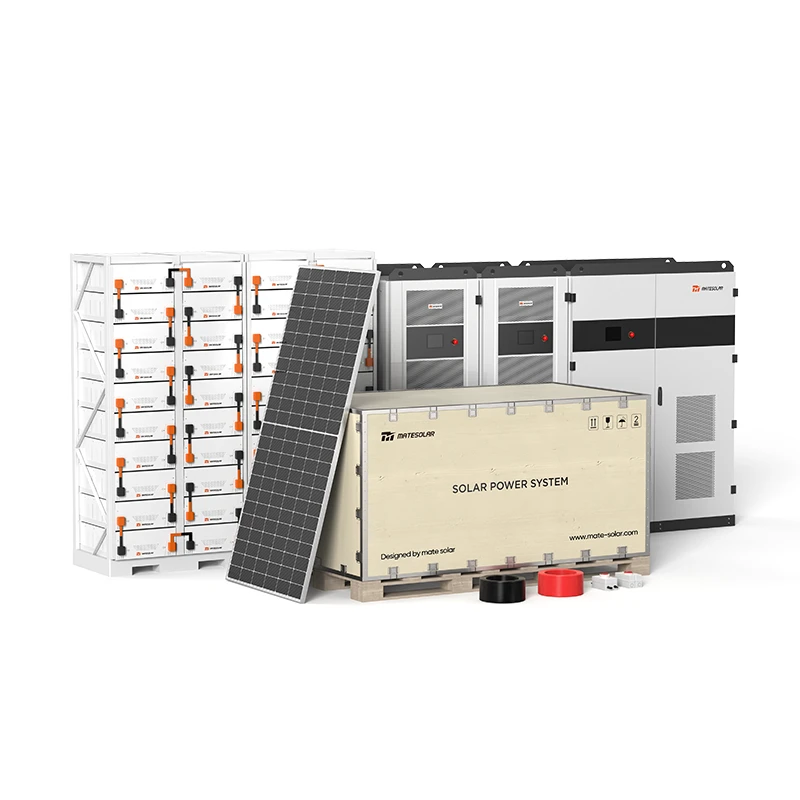
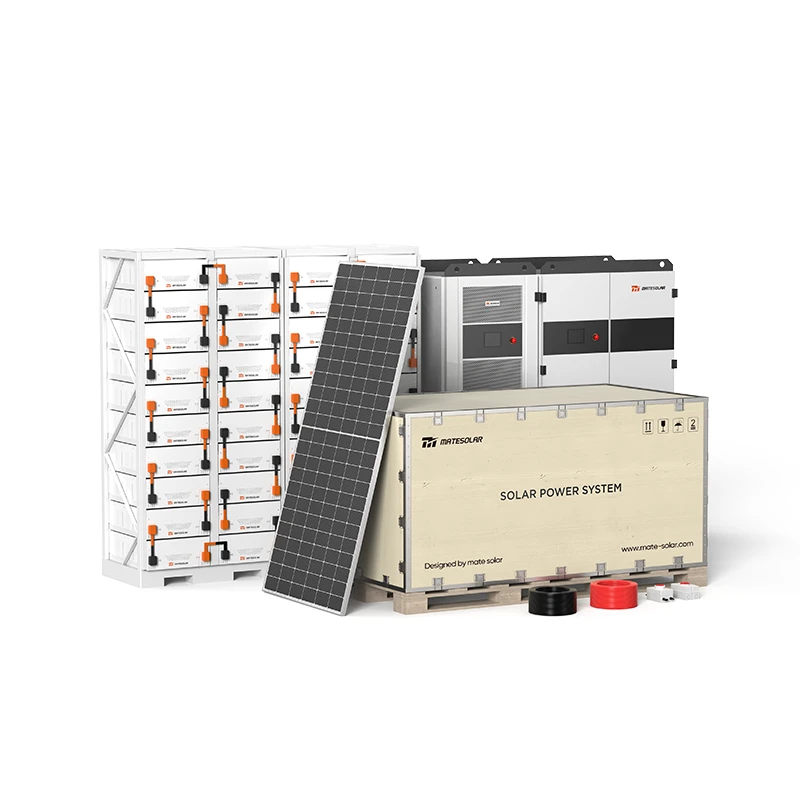
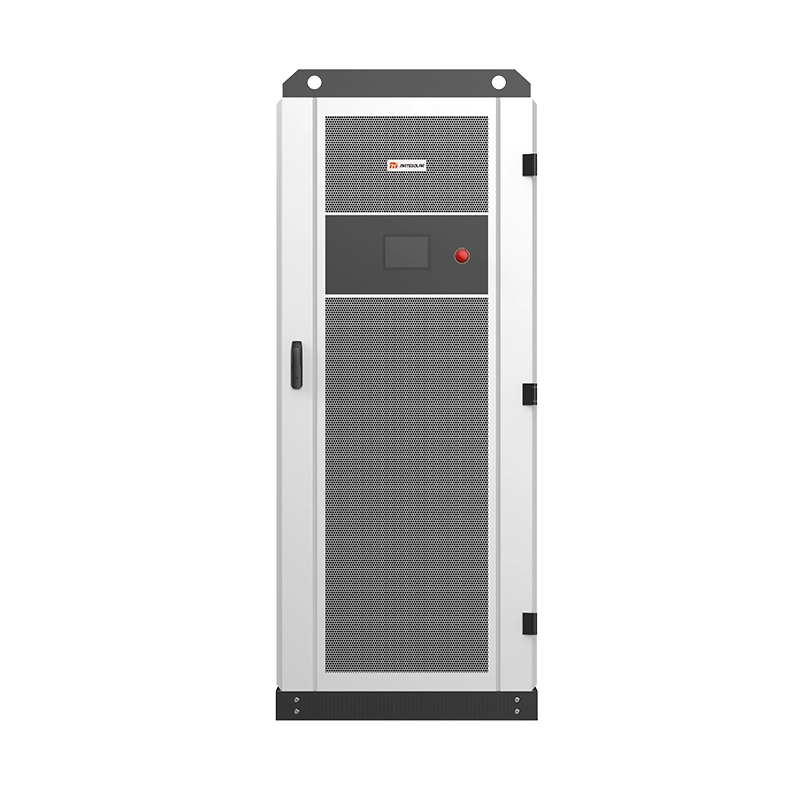
For larger, centralized critical loads, the 40Ft Air-Cooled Container ESS 1MWh 2MWh Energy Storage System offers a plug-and-play solution. This system is pre-integrated with HVAC, fire suppression, and a bi-directional inverter, designed for rapid deployment on a prepared concrete pad. Its air-cooled thermal management is robust and proven for the Texas climate.
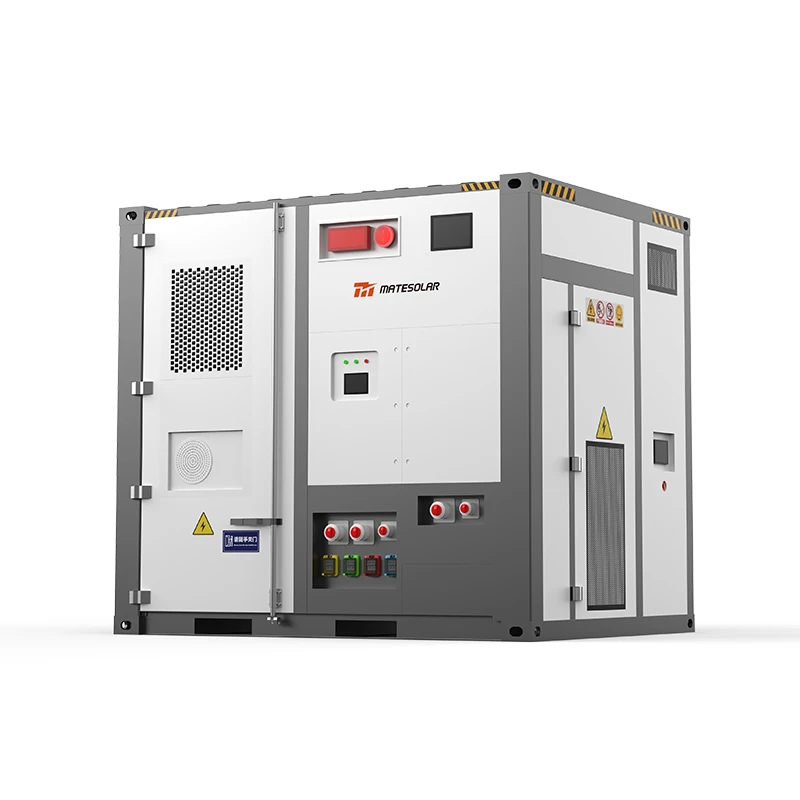
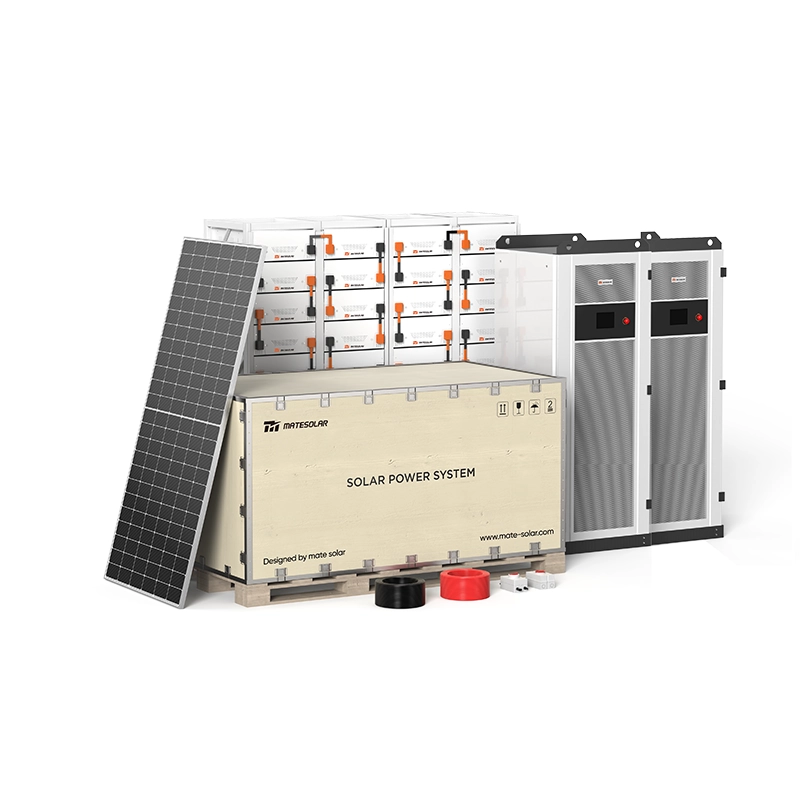
For the highest energy density requirements, particularly where footprint is at a premium, the 20ft 3MWh 5MWh Liquid Cooling Container Energy Storage System represents the pinnacle of storage technology. Liquid cooling maintains tighter cell temperature uniformity, extending battery life and enabling higher charge/discharge rates—ideal for the high-inertia starting requirements of large critical pump motors.
5. Economic Validation: The "Risk Currency" Model
To secure capital for a project, you must speak the language of the CFO. The "Risk Currency" model translates avoided losses into a financial return.
The Calculation:
- Identified Risk (Cost of Failure): Let's assume a 4-hour unplanned outage costs your facility $2,000,000 in lost production, feedstock waste, and restart costs.
- Probability of Event: Based on the frequency of severe grid alerts and winter weather events in the post-2021 era, let's assume a conservative 10% annual probability of a grid event severe enough to threaten your critical loads.
- Annual Loss Exposure (Risk): $2,000,000 (loss) * 10% (probability) = $200,000 per year.
Now, consider the investment in a 1.5 MW / 4 MWh industrial BESS (sized for a typical critical load) at a capital cost of approximately $1,000,000 - $1,300,000 installed.
The Payback:
If the BESS prevents just one major unplanned outage over its 15-year design life, it has effectively paid for itself. When you layer on the additional revenue streams from peak shaving (which can generate $50,000 - $100,000 annually in demand charge reduction), the financial case becomes overwhelming. The BESS is no longer an expense; it is a capital asset with a tangible ROI driven by risk reduction and operational savings.
Table 3: Sample ROI Analysis for a 1.5MW / 4MWh Industrial BESS
| Financial Metric | Value | Notes |
| Capital Investment (Installed) | $1,200,000 | 40ft Air-Cooled Container ESS + Integration |
| Estimated Avoided Loss per Event | $2,000,000 | Lost production, equipment stress, restart costs |
| Estimated Probability of Event/Year | 10% | Based on historical frequency of major grid events |
| Annual Risk-Adjusted Savings (Insurance Value) | $200,000 | $2M * 10% (Prevents financial ruin) |
| Annual Peak Shaving Savings | $80,000 | Demand charge reduction from daily cycling |
| Total Annual Economic Benefit | $280,000 | Risk Savings + Operational Savings |
| Simple Payback Period | 4.3 Years | Based on total annual benefit |
| 15-Year Net Present Value (NPV) | ~$2.5M | Assuming 3% discount rate, including one avoided event in Year 5 |
Note: This is a simplified model for illustrative purposes. Actual figures depend on specific utility rates, load profiles, and risk tolerance.
6. Frequently Asked Questions (FAQs): Addressing the Critical Concerns of Industrial Leadership
To further clarify the value proposition, we address the direct questions posed by EHS Directors and Plant Managers.
Q1: "My DCS and safety systems are already on a UPS. Why do I need this?"
A: Your existing UPS is designed for minutes, not hours. It bridges the gap until a generator starts. Our proposal targets the failure mode where the generator fails to start or run. Furthermore, traditional UPS systems do not support motor loads like pump skids. An industrial BESS provides the high surge capability required for motor starting and can sustain those loads for hours, not minutes, keeping your critical process fluids moving and your instrumentation active long after a standard UPS would have depleted its batteries.
Q2: "We have diesel generators. Aren't they sufficient?"
A: Diesel generators are a critical part of a layered defense, but they have well-documented single points of failure, particularly during extreme cold (fuel gelling) and during the critical first few minutes of operation. They also require massive maintenance attention. An industrial BESS acts as the perfect complement—it provides instantaneous, flawless power while the generator starts, and can even allow the generator to be turned off during extended outages, saving fuel and reducing emissions. Moreover, in a region-wide emergency, securing a diesel resupply is not guaranteed. With a BESS, the energy is already stored and ready.
Q3: "We only have limited space in our electrical house. Where would this go?"
A: This is where modern containerized solutions excel. The 40Ft Air-Cooled Container ESS and the 20ft Liquid Cooling Container ESS are designed for outdoor installation. They sit on a concrete pad outside your electrical room, directly adjacent to your facility. High-voltage DC cabling runs from the container to a new interface panel in your switchgear room. It requires no indoor space, no ventilation modifications, and no battery room build-out. It is a truly "plug-and-play" asset that respects your existing footprint.
Q4: "Is Lithium Iron Phosphate (LFP) battery technology safe for a hazardous chemical environment?"
A: Yes. LFP is the chemistry of choice for stationary storage due to its exceptional thermal stability. It does not undergo the same runaway reactions as other lithium chemistries. Our industrial containers include multi-layered safety systems: cluster-level fusing, active gas detection, and a deflagration panel system. The system is engineered to meet NFPA 855 and the stringent requirements of the international fire code for installed energy storage systems. It can be safely located within industrial perimeters when proper hazard zoning and spacing are observed.
Q5: "How does this integrate with our existing power management system (PMS) or DCS?"
A: Seamlessly. The BESS is equipped with an Energy Management System (EMS) that communicates via standard industrial protocols (Modbus TCP/IP, DNP3, or Profibus). It can receive a simple "island mode enable" dry contact from your protective relays, or it can be fully integrated into your SCADA for real-time monitoring and control. Our engineering team works with your controls integrator to ensure the handshake is fail-safe.
Q6: "This sounds expensive. What is the real return on investment?"
A: That depends on how you define "return." If you define it solely by energy saved, the payback from peak shaving alone might be 5-7 years. But if you define it by risk mitigation, the return is infinite. If the system prevents one catastrophic, multi-million dollar shutdown, it has paid for itself a hundred times over. We help you quantify that risk in the financial language your board understands—turning a safety and reliability project into a capital preservation strategy.
7. Conclusion: The Resilient Industrial Facility of the Future
The January 2026 freeze was not an anomaly; it was a signpost. The ERCOT grid, while improved, operates in a new climate reality where extreme weather—from deep freezes to hurricane-force winds—will continue to stress generation and distribution assets. For the industrial facilities that form the backbone of the Gulf Coast economy, waiting for the grid to become "perfect" is not a strategy.
The strategic imperative has shifted from passive connection to active isolation. The ability to instantly disconnect from a failing grid and sustain critical safety and process systems for a defined period—2 to 4 hours—is no longer a luxury; it is a core component of operational risk management.
By segmenting your critical loads and coupling them directly to a modern, industrial-grade Lithium BESS, you achieve several decisive advantages:
- You protect life and environment by ensuring safety systems remain armed.
- You protect capital assets by enabling controlled, safe shutdowns that prevent equipment damage.
- You protect profitability by avoiding the multi-million dollar cost of unplanned downtime.
- You protect sustainability goals by reducing reliance on diesel and enabling higher utilization of clean energy.
At MateSolar, we specialize in engineering and deploying these resilient power architectures. We move beyond generic energy storage to provide Critical Process Islanding solutions tailored to the specific electrical topology and risk profile of your facility. Our systems, from the Commercial 500KW Hybrid System to the high-density 20ft Liquid Cooling Container ESS are designed for the harsh realities of the Texas Gulf Coast and the relentless demands of 24/7 industrial processing.
The question posed by the January freeze is not "Will the grid hold?" but rather, "When it wavers, will my plant stand firm?" We invite you to quantify your risk and engineer your resilience.
MateSolar is a premier provider of one-stop photovoltaic and energy storage solutions for commercial and industrial applications worldwide. We specialize in risk mitigation through advanced microgrid and critical power architectures, helping continuous process industries navigate the transition to a more volatile energy landscape. For a detailed critical load audit and resilience assessment, contact our industrial engineering team.
This article is for informational purposes only and does not constitute professional engineering or financial advice. All system designs must be reviewed and approved by qualified professionals based on specific site conditions and applicable codes.