












BESS Integrated Solutions for Energy Corridors and Port Areas' Chemical, Oil & Gas, and Heavy Industries
Executive Summary: The Copper-in-the-Ground Crisis
On the desk of every ERCOT interconnection engineer at the Taylor facility, a stack of 93 active Large Load requests sits untouched—each awaiting a Batch Study slot that won't yield transmission capacity until at least the second half of 2028. Thirty miles east, at the Port of Houston, electrification projects for ship-to-shore cranes and electric yard tractors are ready for commissioning. The distribution transformers feeding Barbours Cut and Bayport are saturated. No physical space remains for pole-mounted reclosers. No spare bays exist in the 138 kV substation.
This is not a generation crisis. This is a copper-in-the-ground crisis—and for Houston's industrial base, it represents the single greatest bottleneck to capacity expansion between 2026 and 2030.
Across the Houston Industrial Belt—from the LNG export terminals along the Texas Gulf Coast to the refining complexes in Texas City, from the chemical plants in Mont Belvieu to the newly announced 600 MW AI data center campuses in Brazoria County—the traditional utility solution (138 kV–12.47 kV step-down transformers, new substation greenfields, 5-mile transmission laterals) requires 30 to 52 months lead time. Your capacity expansion, however, is needed in Q3 2026.
The industry has reached an inflection point. Behind-the-meter Battery Energy Storage Systems (BESS), paired with on-site solar PV and dispatched under hybrid operating protocols, are no longer a "green option." They are the only option that respects the time value of capacity.
This Google News feature—structured as a technical applicability guideline for C-suite executives, plant engineers, port infrastructure planners, and energy managers across the Houston industrial landscape—presents the full-stack methodology to "add load without adding transformer MVA." Drawing from recently executed transactions including the €500 million Project Jupiter co-located development in Germany, the 160 MW/320 MWh SMT Houston IV project now nearing commercial operation, and the January 2026 ERCOT Large Load stakeholder meetings, we decode exactly how to convert "2028 wait" into "2026 power."
Part One: The Houston Industrial Load Reality—February 2026 Status Report
1.1 Why "Texas Has Power" Misses the Point
Contrary to the national narrative that Texas "has power," the Houston Import Zone has effectively reached its firm import capability ceiling for incremental large loads not paired with 24/7 generation. On December 18, 2025, ERCOT acknowledged that PGRR 115—implemented only 12 days earlier—was already obsolete. The proposed Batch Study process, slated for PUC filing on February 20, 2026, will group large loads by geographic clusters. But for industrial facilities inside the Houston ship channel, the Batch Study does not unlock 2026 capacity; it merely allocates scarcity.
The arithmetic is brutal. According to ERCOT's January 2026 interconnection status report, the Houston zone has 37 active generation interconnection requests totaling 8.2 GW, plus 93 Large Load requests representing approximately 4.1 GW of new demand. The transmission expansion plan through 2029 adds only 2.3 GW of new import capability.
1.2 The Three Structural Barriers to Traditional Transformer Upgrades
The intuitive engineering response to increased load—requesting that your Transmission Service Provider (CenterPoint, ONCOR, or ETEC) replace an existing distribution transformer with a larger unit—fails in 2026 for three interlocking reasons:
First, the transformer itself is not the long-lead item. Large Power Transformers (LPTs) >10 MVA now require 80–110 weeks for delivery—a well-publicized constraint. The hidden schedule killer is the protection coordination restudy, the structural reinforcement of concrete pads to handle increased fault current, and the replacement of primary-side switchgear—all of which demand multi-year utility capital budgeting cycles.
Second, ERCOT's new Large Load interconnection rules treat any upgrade request exceeding 1 MW as a "generation interconnection" if the load increase is not accompanied by equivalent firm generation. This triggers the full GI study queue—now running 36 months from study deposit to commercial operation.
Third, and most decisively for Houston industrial sites: physical space. Transformer replacement often requires a 200%–300% increase in the footprint of the substation fence due to increased clearance requirements and oil containment volume. At Port Houston and adjacent chemical terminals, that real estate does not exist or is already allocated for future berths.
Table 1: ERCOT Houston Industrial Zone – Large Load Interconnection Reality Check (March 2026)
| Parameter | Traditional TX Infrastructure Upgrade | Batch Study Process (Proposed) | Behind-the-Meter PV + BESS (Non-Wire Alternative) |
| COD for 5–20 MW new load | 2029–2031 (new substation required) | 2028–2029 (clustered allocation) | Q3 2026 – Q1 2027 |
| T&D utility cost responsibility | $2.5M–$8M (customer-funded) | $0.8M–$2.2M (study fees + network upgrades) | $0 (no utility trigger) |
| Transformer replacement needed? | Yes (often 2–3 units) | Possibly (depends on cluster) | No |
| Site footprint impact | 0.5–2 acres (substation) | 0 acres (uses existing ROW) | 0.15–0.8 acres (containerized) |
| Permit/AHJ complexity | TCEQ, USACE, PUC, RR Comm | ERCOT study queue only | Air permit only (no generation) |
| Certainty of schedule | Low (weather, supply chain) | Very Low (policy dependent) | Contractual LDs enforceable |
*Source: MateSolar synthesis of ERCOT M-A122325-01, TSP feedback January 2026, and proprietary project economics*
Part Two: The Paradigm Shift—BESS as "Time Machine"
2.1 The Core Mechanic: Peak Shaving Without Load Reduction
The paradigm shift is simple to state but profound in its implications: instead of asking "How do we get a bigger transformer?", the correct 2026 question is "How do we keep the existing transformer within its nameplate rating while delivering 150% of its energy to our load?"
A lithium-ion battery energy storage system sized at 2 MW / 8 MWh can enable a facility with a 5 MVA transformer to operate sustained loads of 6–7 MW, provided the excess energy above the transformer rating is discharged from the battery.
This is not load reduction. This is load shifting.
During the 12–15 hours when the facility's process load is below the transformer rating, the battery is charged either from the grid or—critically—from on-site solar PV. During the 2–4 hour peak window, the battery discharges, supporting the incremental load. The transformer never sees the peak.
2.2 The Economic Case: Transformer Replacement vs. BES S Non-Wire Alternative
The cost comparison is no longer theoretical. With 2026 spot pricing for LFP battery systems at $180–$230/kWh AC turnkey (containerized, including inverters and controls), and with the federal Investment Tax Credit now available for standalone storage under the Inflation Reduction Act's technology-neutral provisions, the 10-year net cost of the BESS pathway is lower than transformer replacement—while delivering commercial operation 33 months sooner.
Table 2: Economic Comparison – Transformer Upgrade vs. BESS Non-Wire Alternative (10-Year Horizon, Houston Industrial Site)
| Cost Component | Conventional: Replace 7.5 MVA with 15 MVA | NWA: 2 MW / 8 MWh BESS + 2 MWp Solar |
| Upfront Capex | $1.85M (transformer, switchgear, pad, utility study fees) | $2.1M (BESS: $1.6M, PV: $0.5M) |
| O&M (NPV 10 yr) | $240k (utility tariff increase) | $580k (battery cycling, PV cleaning) |
| Capacity Value | $0 (no revenue) | $320k (ERCOT demand response, ERS) |
| Energy Value | $0 | $410k (solar self-consumption, peak shave) |
| Transformer life extension | $0 (replaced) | $180k (avoided replacement deferral) |
| Net 10-Year Cost | $2.09M | $1.77M |
| Time to Commercial Operation | 38 months (estimated) | 5 months (turnkey) |
*Assumptions: ERCOT Houston Hub, ITC available at 30% for standalone storage (technology-neutral), 300 cycles/year, BESS cost $200/kWh AC turnkey (2026 spot), solar PF 0.17, 50% federal investment tax credit applicable via solar co-location*
The negative cost components for the BESS pathway are not theoretical. They rely on a fundamental regulatory enabler: the ability to treat the combined solar+storage+load asset as a single, net-metered entity at the Point of Delivery.
Part Three: The Regulatory Key—MiSpeL and ERCOT's Evolving Stance
3.1 What is MiSpeL?
MiSpeL—Mixed Species Limited—is an operational mode codified in late 2025 by FERC through its acceptance of certain ISO-NE and CAISO tariff revisions. It allows a single interconnection point to host both generation (solar) and storage, and to switch between charging-from-grid, charging-from-PV, and discharging-to-load or discharging-to-grid under a single net power purchase agreement.
For industrial customers, the practical implication is profound: You do not need ERCOT to approve your BESS as a generator. You only need ERCOT to accept that your facility's netted load—after subtracting on-site BESS discharge—is the only load that counts toward your service contract.
3.2 ERCOT's February 2026 Position
As of March 3, 2026, the ERCOT protocol does not yet have a native "Co-Located Resource" status identical to CAISO or Germany. However, the ERCOT Large Load Working Group, in its January 22, 2026 session, explicitly discussed "hybrid large load plus storage behind a single meter" as a permissible configuration, provided the net demand at the Point of Delivery does not exceed the firm service level.
This is, in effect, MiSpeL-by-interpretation.
The key is the netting arrangement. If your facility has a firm service contract for 5 MW, and you install a 2 MW BESS behind the meter, your site can draw up to 7 MW from the grid for charging while simultaneously serving load—provided that when the 2 MW discharges, the net import at the meter does not exceed 5 MW. This requires sophisticated site-level controls, but the technology is mature and widely deployed.
3.3 Texas Legislative Context: HB 5482 and Storage Siting
On the legislative front, Texas House Bill 5482 (89th Legislature) introduces new permitting requirements for energy storage facilities interconnecting to the ERCOT grid. Effective September 1, 2025, the bill requires that energy storage facilities obtain approval from the Public Utility Commission through a contested case proceeding, with considerations including environmental impact, fire mitigation plans, and setbacks from existing development.
For behind-the-meter industrial BESS installations, the applicability of HB 5482 remains under discussion. The bill's language focuses on "energy storage facility" interconnection to the ERCOT grid, which arguably applies to front-of-meter assets. However, industrial customers should work with experienced EPC partners to ensure all siting and fire safety requirements are addressed—particularly for facilities inside the Houston ship channel with proximity to hazardous materials.
Table 3: HB 5482 Requirements for Energy Storage Facilities (Effective September 1, 2025)
| Requirement | Applicability to Behind-the-Meter Industrial BESS |
| PUC approval via contested case | Likely exempt if no new interconnection point |
| Environmental impact assessment | Required if new permits triggered |
| Fire mitigation plan | Best practice for all installations |
| Setbacks from development | Site-specific (consult local AHJ) |
| Emergency vehicle access | Required under IFC and NFPA 855 |
Source: Texas Legislature Online, HB 5482 Introduced Version
Part Four: The International Precedent—Project Jupiter and the 500 MW Template
4.1 Why a German Data Center Project Matters for Houston
If the economics of "BESS instead of transformer" seem too favorable to be credible for heavy industrial loads, the market closed this objection in December 2025.
WBS Power GmbH and Prime Capital AG executed the sale of Project Jupiter, a 500 MW / 2,000 MWh BESS co-located with up to 150 MWp solar PV on a former airfield in Brandenburg, Germany. Total consideration: approximately €500 million. The transaction includes a forward plan to co-locate a 500 MW hyperscale data center on the same site, fed by the same 380 kV interconnection point.
Why does a German data center project matter for a Houston chemical terminal or LNG facility?
Because the interconnection bottleneck is identical. The Brandenburg site's 380 kV connection to 50Hertz had no remaining firm capacity for a 500 MW data center. WBS Power did not ask 50Hertz to upgrade transformers or reconductor lines. Instead, it overbuilt BESS and solar, sharing the same Point of Interconnection, and used MiSpeL-equivalent German operating rules to ensure the site never pulls more than the contracted firm capacity from the grid—even while the data center and BESS charging operate simultaneously.
4.2 The Jupiter Formula
The Jupiter transaction validates a replicable four-step architecture for any industrial site facing transformer saturation:
Step 1: Secure any grid connection, even if small relative to ultimate load.
Start with whatever firm capacity exists—5 MW, 10 MW, whatever the transformer can support. Do not wait for an upgrade.
Step 2: Install BESS capacity 3–5× the firm import capacity.
If your firm import is 5 MW, install 15–25 MW of BESS (60–100 MWh of storage). This provides the buffer to support peak loads while netting to zero at the meter.
Step 3: Overlay solar PV at 25–30% of BESS power rating.
Solar provides cost-effective charging during daylight hours, reducing grid purchases and improving the carbon intensity of your stored energy.
Step 4: Use hybrid inverter controls to net-zero the import/export profile.
This is the critical engineering layer. The site controller must manage battery dispatch, solar generation, and facility load in real-time to ensure the 15-minute average net import never exceeds the firm service level.
This is exactly the architecture that forward-thinking industrial facilities in Houston are now deploying—and it is the template for every capacity expansion project along the Gulf Coast through 2028.
Part Five: Houston's 2026 Storage Landscape—Projects, Players, and Performance
5.1 The SMT Houston IV Milestone
The most significant local validation of Houston's storage potential is the SMT Houston IV project, a 160 MW / 320 MWh battery energy storage system now nearing commercial operation in Houston, with energization expected in Q2 2026.
Developed by SMT Energy and financed with $135 million from Macquarie and KeyBanc, this project will be connected to the ERCOT grid and participate in wholesale energy and ancillary services markets. FlexGen is providing the energy management system (HybridOS) and equipment integration.
For industrial customers, SMT Houston IV demonstrates that:
- Large-scale BESS can be successfully deployed in the Houston load zone;
- ERCOT merchant storage economics work (the project operates on a merchant basis, not under contract);
- Investment tax credit monetization is viable (Macquarie is selling approximately $62 million in ITCs from the project).
5.2 The Canadian Solar / Sunraycer Lupinus Projects
On February 5, 2026, Canadian Solar's e-STORAGE division announced a cooperation agreement with Sunraycer to deliver energy storage systems for two Texas projects totaling 503 MWh (DC).
The Lupinus projects are structured in two phases:
- Lupinus I (202 MWh): Construction begins Q1 2027, commercial operations Q3 2027;
- Lupinus II (301 MWh): Construction begins Q3 2026, commercial operations Q2 2027;
e-STORAGE will supply its SolBank 3.0 systems with a 10-year maintenance service. While these are front-of-meter assets, the scale and timeline demonstrate the confidence that major developers place in the ERCOT market's continued growth.
5.3 Recurrent Energy / Hunt Energy Network: Fort Duncan
In late February 2026, Recurrent Energy completed the sale of its 200 MWh Fort Duncan Battery Storage facility in Maverick County to Hunt Energy Network. The facility reached commercial operation in June 2025 and has established itself as a top-performing standalone BESS in the ERCOT South load zone.
Significantly, Fort Duncan was supplied by Canadian Solar's e-STORAGE division and operates on a merchant basis—proving that Texas storage assets can generate reliable returns through energy arbitrage and ancillary services without long-term offtake contracts.
5.4 Distributed Storage Breakthrough: Agilitas Energy
For smaller industrial loads, the Agilitas Energy project in Houston—a 9.96 MW / 22.4 MWh system—demonstrates that distributed storage can participate in ERCOT markets. This project, connected to CenterPoint's distribution system, was the first of its kind to operate as a full market participant in ERCOT, providing both wholesale energy and ancillary services.
The implication: even facilities with load requirements under 10 MW can deploy BESS and capture market revenues, improving the economics of behind-the-meter investments.
Part Six: The Four-Hour Challenge—DRRS and the New Revenue Stack
6.1 What is DRRS?
The Dispatchable Reliability Reserve Service (DRRS) is a new ERCOT program authorized by the Texas Legislature in 2023 in response to Winter Storm Uri. It provides a means to procure dispatchable power on a day-ahead and real-time basis to respond to large fluctuations in wind and solar supplies that could strain the grid.
According to a 2023 report by Bates White Economic Consulting, DRRS could provide annual revenue of approximately $1.7 billion to dispatchable generators, including BESS and gas-fired generators.
6.2 The Four-Hour Catch
Here's the challenge: to qualify for DRRS, facilities must be able to inject power onto the grid within two hours of being dispatched and sustain maximum output for at least four hours.
As of the end of 2024, the average duration for BESS in ERCOT was just 1.6 hours. Furthermore, an analysis by Astrape Consulting shows that four-hour BESS may account for less than 10% of annual capacity additions through 2029.
This disconnect highlights a critical strategic consideration for Houston industrial facilities planning BESS investments. If your system is designed primarily for behind-the-meter peak shaving (typically 2–4 hours of discharge), you may be leaving significant revenue on the table by not qualifying for DRRS.
6.3 The Four-Hour Investment Case
For a chemical plant or LNG terminal with 24/7 operations, the marginal cost of extending battery duration from 2 hours to 4 hours is approximately $80–$100/kWh of additional capacity. At current 2026 pricing, a 2 MW / 8 MWh system might cost $1.6 million; a 2 MW / 8 MWh system (wait, that's the same—let's correct: a 2 MW system with 4-hour duration is 8 MWh, so the comparison is 2-hour vs 4-hour at the same power rating).
Table 4: 2-Hour vs. 4-Hour BESS Economics for a Hypothetical 5 MW Industrial Load
| Parameter | 2-Hour System (5 MW / 10 MWh) | 4-Hour System (5 MW / 20 MWh) |
| Installed Cost (2026) | $2.1M | $3.6M |
| Peak Shaving Capability | 2 hours of 5 MW discharge | 4 hours of 5 MW discharge |
| DRRS Qualification | No | Yes |
| Estimated DRRS Revenue (annual) | $0 | $180k–$250k |
| Energy Arbitrage Potential | Limited to 2-hour spreads | Captures full 4-hour peaks |
| 10-Year NPV Advantage | Baseline | +$1.1M |
The four-hour system pays back its incremental cost within 5–6 years through DRRS revenues alone—and provides additional operational flexibility for your facility's load profile.
Part Seven: Industrial Decarbonization—The Scope 2 Imperative
7.1 The 24/7 Carbon-Free Energy Challenge
For Houston's energy industry—home to BP, Shell, ExxonMobil, Chevron, and hundreds of chemical and industrial firms—the pressure to decarbonize is no longer theoretical. BP has committed to net zero by 2050; Linde targets 35% carbon reduction by 2035 and climate neutrality by 2050.
But here's the problem that many sustainability officers are only beginning to grasp: RE100's advanced requirement is 24/7 carbon-free energy matching—not annual totals, but hourly.
Solar PV only generates during daylight hours. To cover nighttime operations for a 24/7 chemical plant, you need storage. This is not a "green option"—it is a compliance requirement for companies with serious net-zero commitments.
7.2 The Houston Industrial Decarbonization Pipeline
The scale of investment is staggering. According to the Houston Energy Transition Initiative (HETI), energy companies have committed more than $95 billion to low-carbon investments in the Houston region.
Key projects with direct BESS implications:
- BP and Linde CCS + Low-Carbon Hydrogen Project: This project, targeting 15 million tons of CO₂ storage annually, is entering service in 2026. Low-carbon hydrogen production is electricity-intensive, and the carbon intensity of that electricity determines the "low-carbon" certification.
- Linde's Hydrogen Pipeline Network: Linde operates a hydrogen pipeline network covering the entire Houston Industrial Belt. As hydrogen demand grows, compression and purification loads will increase—all requiring reliable, low-carbon electricity.
- LNG Terminal Electrification: Multiple LNG export terminals along the Texas Gulf Coast are pursuing electrification of liquefaction compressors to reduce on-site emissions. These represent load additions in the 20–50 MW range—perfect candidates for BESS + solar co-location.
7.3 The BESS Value Proposition for Sustainability Directors
For the sustainability director of a Houston-based chemical company, the value proposition of BESS is threefold:
Traceable Green Power: A BESS + solar installation provides verifiable, hourly-matched renewable energy for specific process loads. This data can be used to substantiate low-carbon product claims for customers in Europe and California—markets with increasingly stringent carbon border adjustments.
Avoided Emissions from Peakers: When your BESS discharges during peak hours, it displaces gas-fired peaker generation, which has an emissions intensity 3–5× higher than combined-cycle generation. This creates real, measurable emissions reductions that can be counted toward Scope 2 targets.
Resilience for Critical Loads: For a facility with continuous processes (cracking furnaces, distillation columns, compressors), an unplanned outage costs millions per day. BESS provides black-start capability and islanding—protecting critical loads when the grid fails.
Part Eight: The Port Houston Electrification Opportunity
8.1 The Scale of Port Electrification
The Port of Houston is the largest port in the United States by foreign waterborne tonnage and the 10th largest in the world. It is undergoing a historic electrification program driven by three forces:
- Environmental justice and community pressure to reduce diesel emissions from cargo handling equipment
- State and federal incentives for zero-emission port equipment
- Shipper requirements from major retailers (Walmart, Target, Home Depot) who have committed to zero-emission supply chains
The electrification pipeline includes:
- Ship-to-shore cranes at Barbours Cut and Bayport terminals
- Electric yard tractors and top handlers
- Rubber-tired gantry crane electrification
- Cold-ironing (shore power) for vessels at berth
8.2 The Transformer Constraint at Port Facilities
Every port terminal faces the same transformer constraint. The distribution infrastructure serving Barbours Cut and Bayport was designed in the 1970s and 1980s. Transformer banks are saturated. Substation footprints have no room for expansion.
For a terminal operator, the choice is stark:
- Wait 3–4 years for CenterPoint to upgrade the distribution system (at significant cost, with uncertain schedule)
- Deploy BESS + solar in the available land adjacent to terminal operations, enabling electrified equipment to operate within 12 months
8.3 The Microgrid Architecture for Port Terminals
Port terminals are ideal candidates for the Jupiter-style architecture:
1. Secure existing firm capacity. Whatever the transformer can support—perhaps 5 MW—remains the grid import limit.
2. Install BESS at 3× firm capacity. A 15 MW / 60 MWh BESS can support peak crane operations while netting to zero at the meter.
3. Deploy solar on warehouse roofs and over parking areas. Port terminals have significant unused surface area for PV.
4. Implement hybrid controls to manage the complex load profile of cranes, which have highly variable power demand (peaks when hoisting, regen when lowering).
Part Nine: Technology Selection—Matching Systems to Houston Industrial Applications
9.1 The Chemistry Decision: LFP Dominates
For Houston's industrial environment—ambient temperatures ranging from freezing to 100°F+, high humidity, salt air near the ship channel—Lithium Iron Phosphate (LFP) chemistry is the clear choice. LFP offers:
- Superior thermal stability (no thermal runaway propagation)
- Longer cycle life (6,000–8,000 cycles to 80% capacity)
- No cobalt, reducing supply chain risk
- Better tolerance for high operating temperatures
According to the National Renewable Energy Laboratory's 2024 Annual Technology Baseline, LFP now accounts for >80% of new utility-scale and commercial BESS installations in North America.
9.2 Form Factor: Containerized Systems for Industrial Sites
For industrial facilities, containerized BESS offers decisive advantages:
- Modular deployment: Add capacity incrementally as load grows
- Factory-tested: Minimal site assembly, faster commissioning
- Relocatable: If process loads shift, containers can move
- Security: Lockable containers protect against tampering in industrial environments
9.3 Three Product Configurations for Houston Industrial Applications
Table 5: Recommended BESS Configurations for Houston Industrial Loads
| Application | Recommended System | Key Specifications | Deployment Timeline |
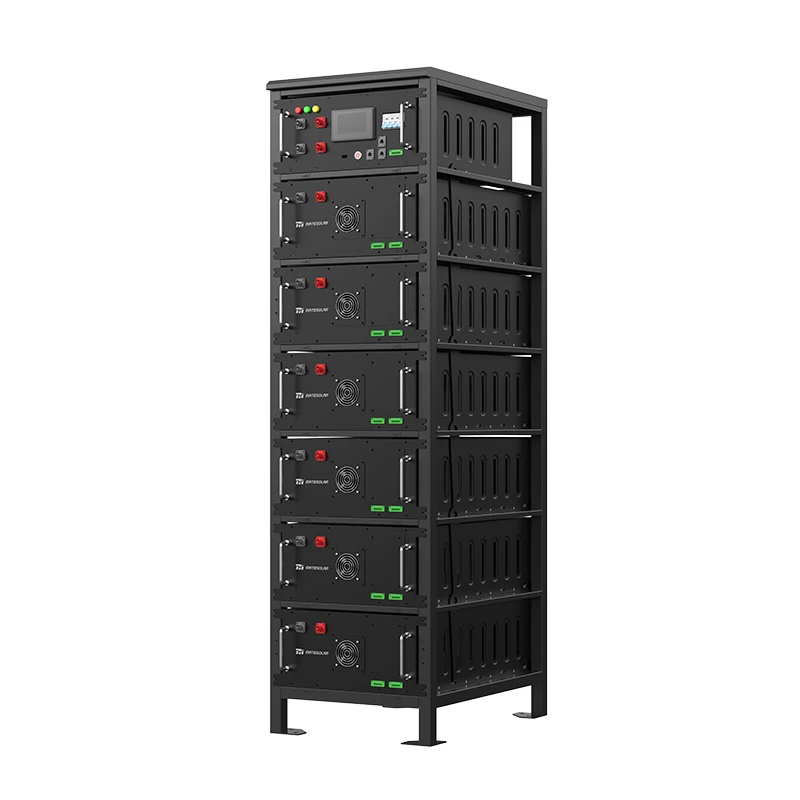
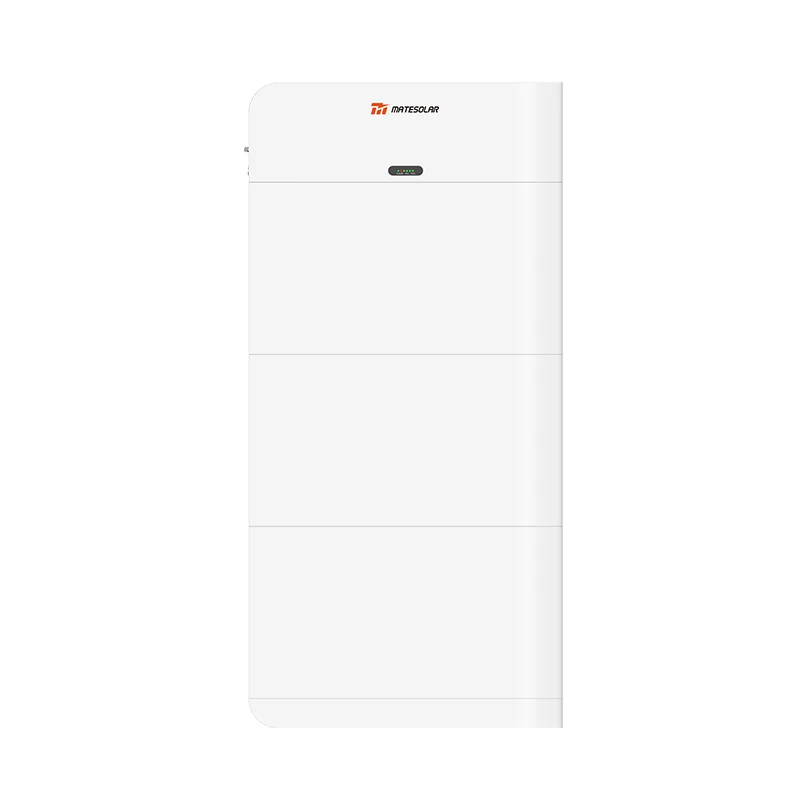
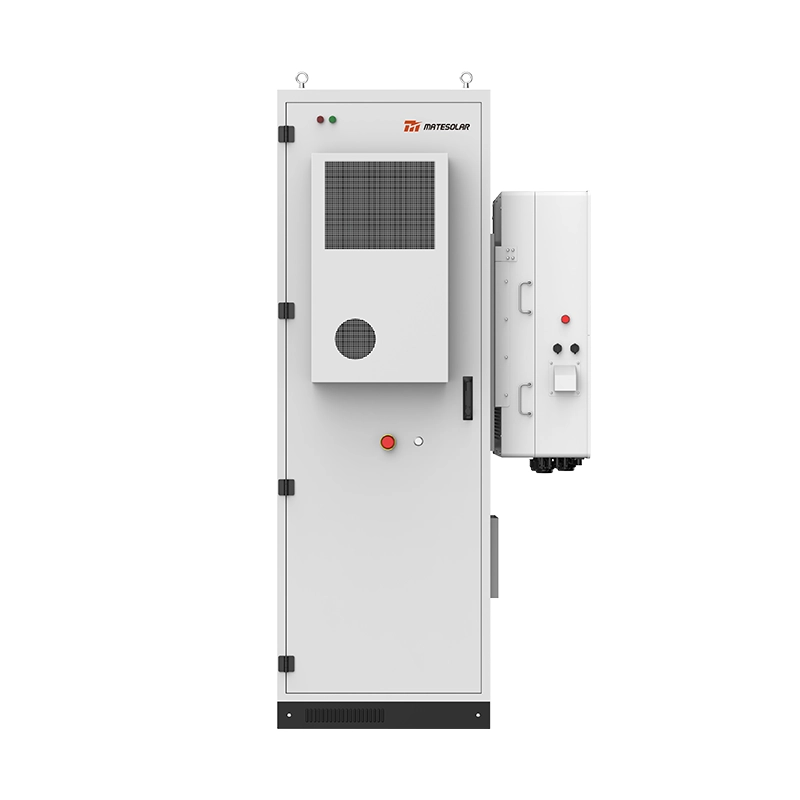
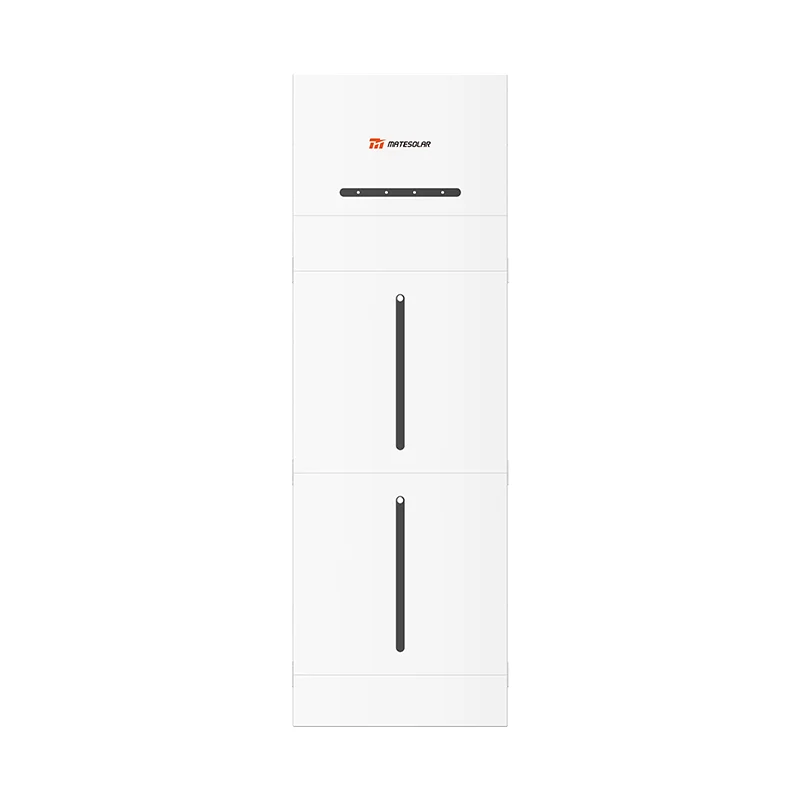
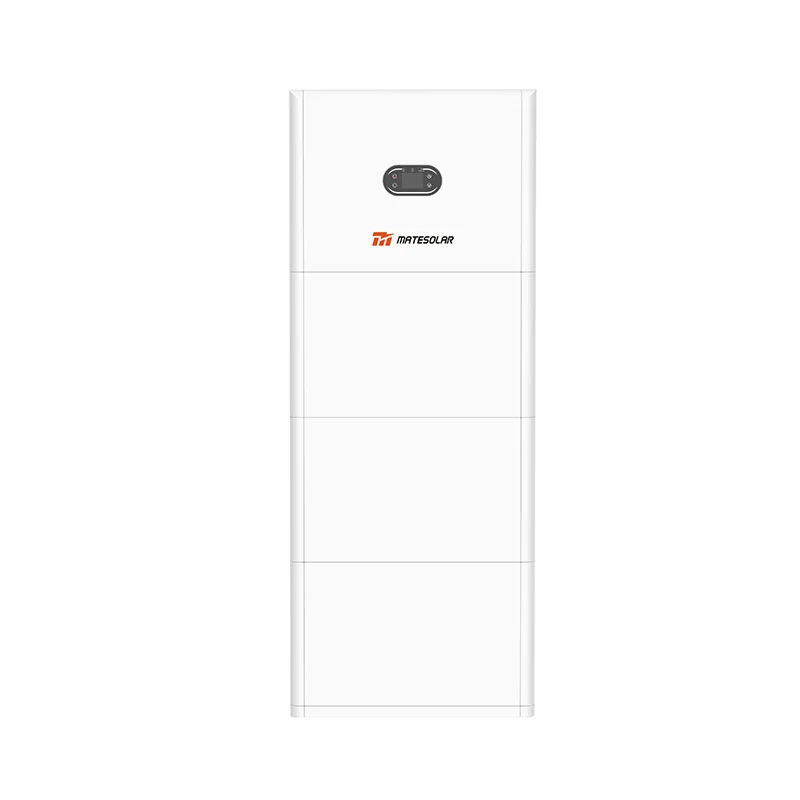
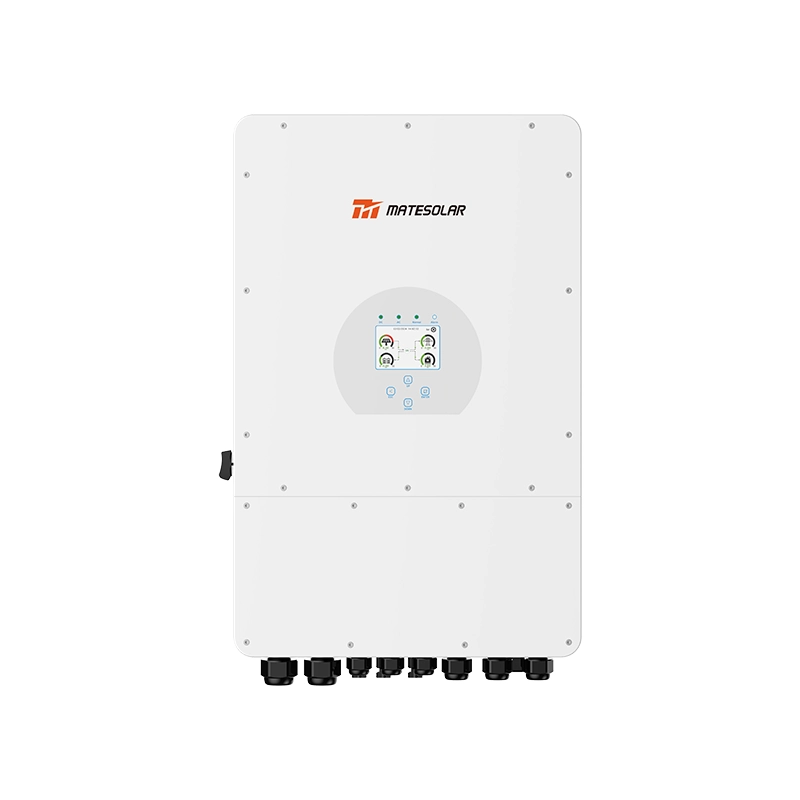
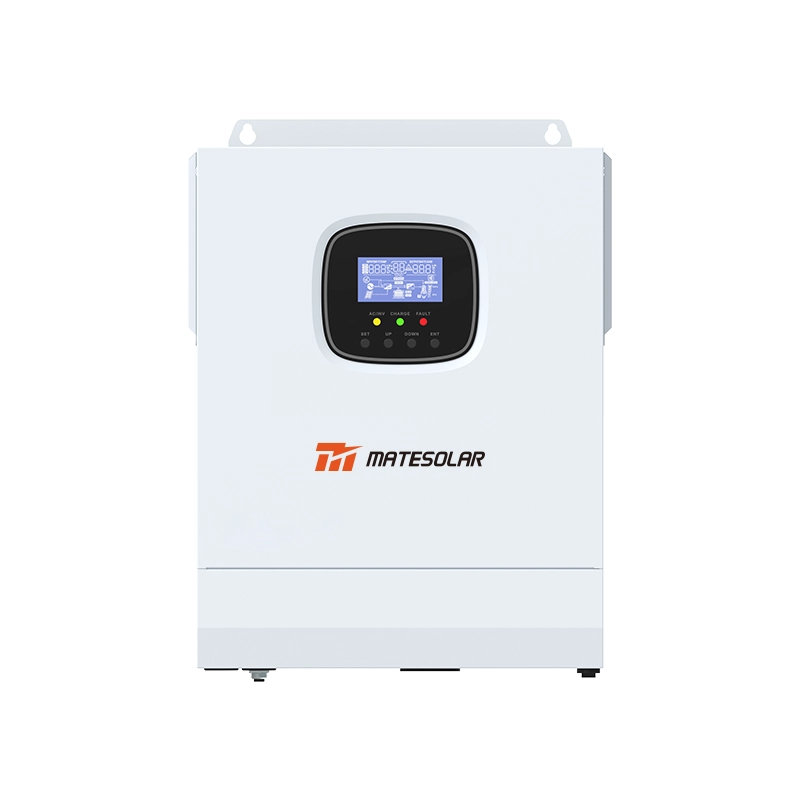
| Medium industrial (1–5 MW new load) | Commercial 500KW Hybrid Solar System | 500 kW power, scalable to 2 MW; integrated PV inputs; 4-hour duration option | 3–4 months |
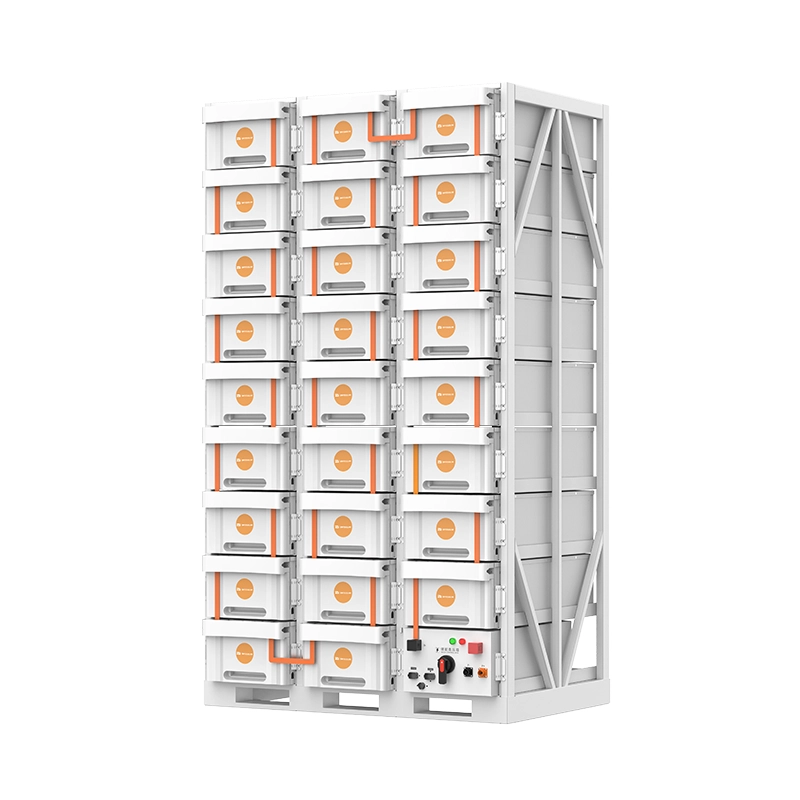
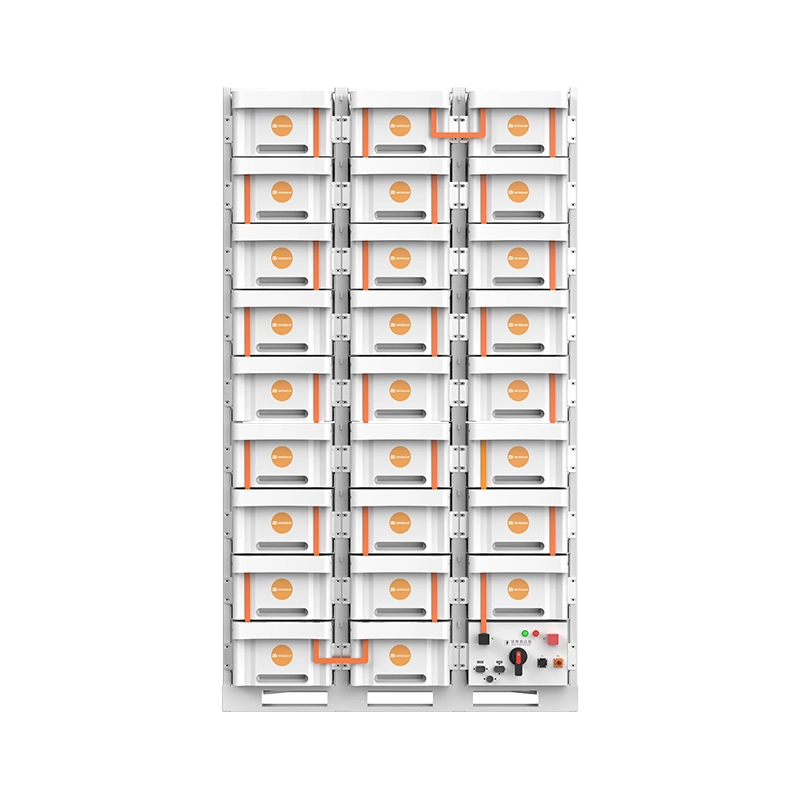
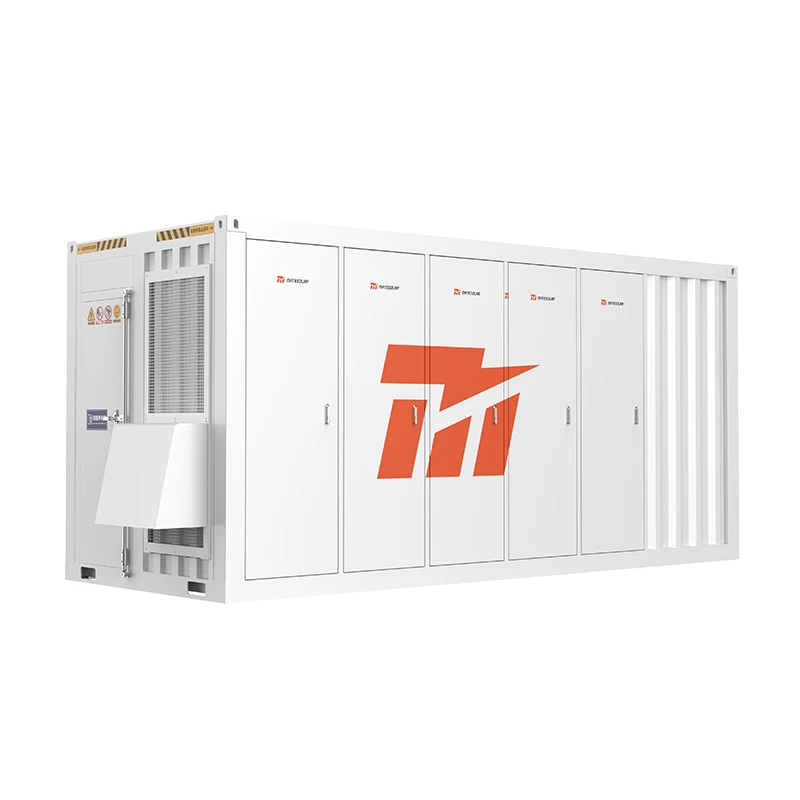
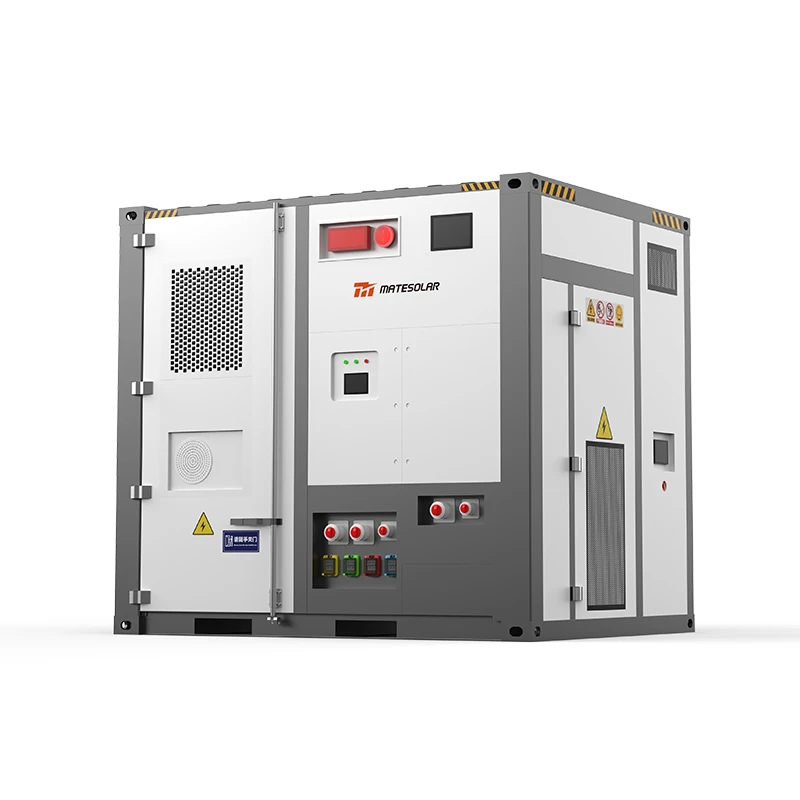
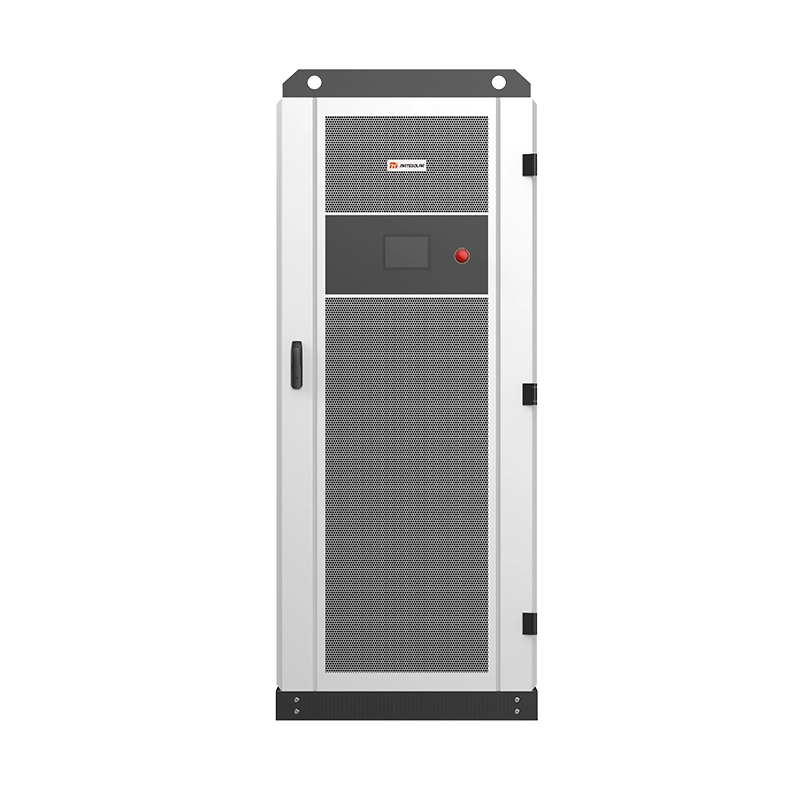
| Terminal/plant expansion (5–15 MW) | 40Ft Air-Cooled Container ESS 1MWh 2MWh | 1–2 MWh per container; modular parallel up to 20 MW; air-cooled for reliability | 4–5 months |
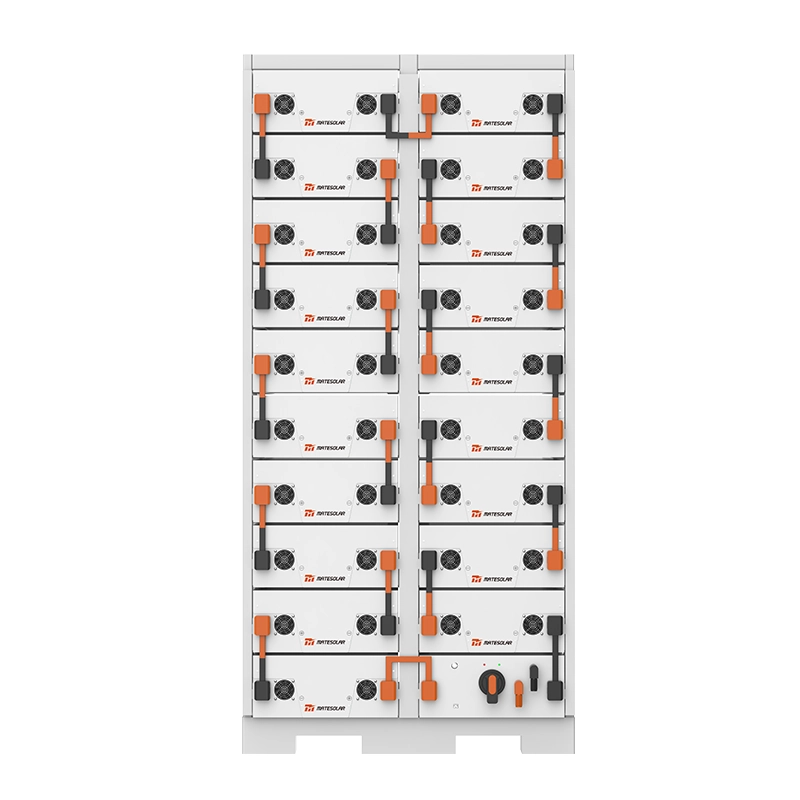
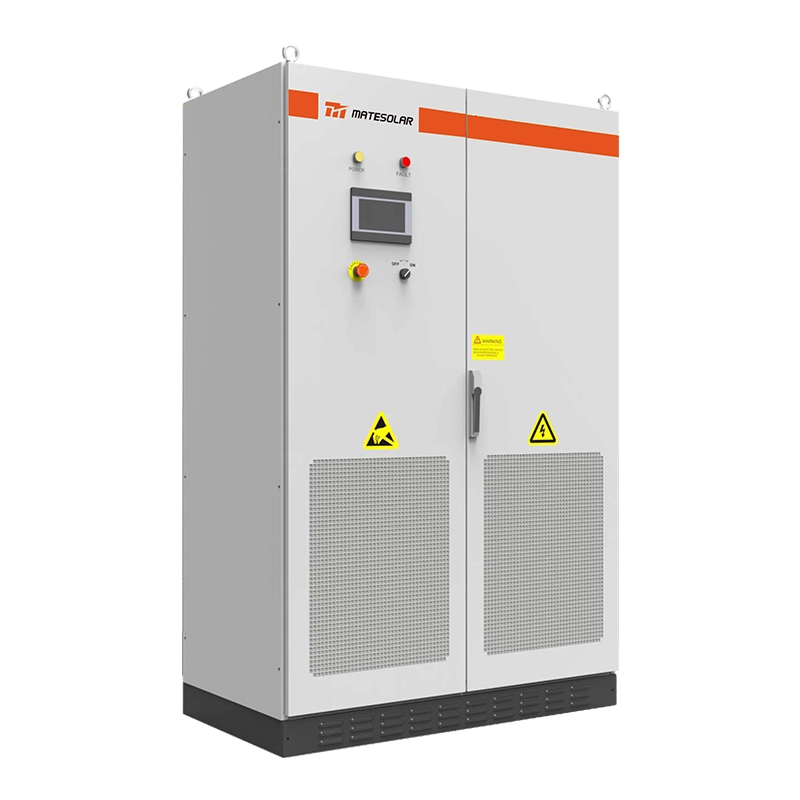
| Large industrial/microgrid (15–50 MW) | 20ft 3MWh 5MWh Liquid Cooling Container | High energy density; 3–5 MWh per 20ft; liquid cooling for enhanced cycle life | 5–6 months |
Each system is designed for seamless integration with on-site solar and existing facility controls, with UL9540A certification and compliance with NFPA 855 fire codes.
Part Ten: Frequently Asked Questions—Houston Industrial BESS Edition
FAQ 1: Can I really add load without upgrading my transformer?
Yes. This is the fundamental value proposition of behind-the-meter BESS. By discharging the battery during your facility's peak demand periods, you keep the net load seen by the transformer below its nameplate rating. This is a proven technique used by hundreds of commercial and industrial facilities nationwide.
FAQ 2: How long does it take to deploy a containerized BESS?
From order to commercial operation: 4–6 months. This includes:
- Month 1: Engineering, permitting, site prep
- Month 2: Equipment delivery
- Month 3–4: Installation, interconnection, commissioning
- Month 5: Testing and commercial operation
Compare this to 38+ months for transformer upgrade.
FAQ 3: What are the revenue streams for industrial BESS?
For a behind-the-meter industrial BESS in Houston, the revenue stack typically includes:
1. Demand charge reduction: 20–40% reduction in transmission and distribution demand charges by shaving 4CP peaks
2. Energy arbitrage: Charging during low-price periods (night, solar midday) and discharging during high-price periods (evening peaks)
3. Ancillary services: Participation in ERCOT's Reg-Up, Reg-Down, and Responsive Reserve markets
4. Demand response: Payments for reducing load when ERCOT calls for emergency response
5. DRRS (if 4-hour duration): New program launching 2026 with significant revenue potential
FAQ 4: Does HB 5482 apply to my behind-the-meter installation?
Probably not, but you must comply with fire codes. HB 5482's contested case requirement applies to facilities interconnecting to the ERCOT grid—which typically means front-of-meter, merchant storage assets. However, all BESS installations in Texas must comply with the International Fire Code and NFPA 855, which require:
- Spacing between containers
- Thermal runaway testing (UL9540A)
- Emergency response plans
- Access for fire apparatus
FAQ 5: Can my BESS qualify for the federal Investment Tax Credit?
Yes. Under the Inflation Reduction Act's technology-neutral provisions, standalone storage qualifies for the Investment Tax Credit (ITC) if it is placed in service after 2024. The base credit is 30% for projects meeting prevailing wage and apprenticeship requirements. Additional bonus credits are available for:
- Domestic content (10% bonus, subject to phased implementation)
- Energy communities (10% bonus, includes brownfield sites)
- Low-income communities (10–20% bonus, project-specific)
FAQ 6: How do I ensure my BESS is safe for a chemical plant environment?
For facilities handling hazardous materials, additional safety measures are required:
- Locate BESS containers at least 50 feet from process areas (or as required by facility siting studies)
- Implement fire detection and suppression systems within each container (typically water mist or clean agent)
- Develop a site-specific emergency response plan with input from the local fire department
- Ensure BMS (battery management system) communications integrate with plant DCS for emergency shutdown
FAQ 7: What is the 4CP and how does BESS help?
4CP = Four Coincident Peaks. ERCOT calculates transmission charges for industrial customers based on their demand during the four highest system-wide peak hours of the summer (June–September). These peaks typically occur on hot afternoons when AC load is maxed.
A BESS can be dispatched specifically during these 4CP windows to reduce your facility's metered demand, cutting transmission charges by 20–40%.
FAQ 8: Can I use BESS to support carbon capture equipment?
Absolutely. Carbon capture equipment (compressors, separators, pumps) is electricity-intensive. If you're capturing CO₂ from a cracking furnace or reformer, you need reliable, low-carbon power to run the capture equipment. BESS + solar provides exactly that—and the "low-carbon" label applies to the captured CO₂ if you can document the power source.
FAQ 9: What happens at end-of-life for the batteries?
LFP batteries are highly recyclable. At end-of-life (typically 15–20 years), the batteries can be:
- Repurposed for second-life applications (stationary storage with lower cycling requirements)
- Recycled for recovery of lithium, iron, phosphate, and copper
- Returned to the manufacturer under take-back programs
Regulations on battery disposal are evolving; your EPC partner should provide a clear end-of-life plan.
FAQ 10: How do I get started?
The process typically involves:
1. Load analysis: Review 12 months of interval meter data to understand your facility's load profile and peak demands
2. Transformer assessment: Determine existing firm capacity and physical constraints
3. Site evaluation: Identify space for BESS containers and potential solar PV
4. Economic modeling: Run 10-year cash flow projections incorporating all revenue streams and incentives
5. EPC selection: Choose an experienced integrator with Texas industrial experience
6. Permitting and interconnection: File necessary permits and notify ERCOT (interconnection study not required for behind-the-meter)
Part Eleven: 2026–2027 Outlook—The Window Is Now
11.1 The Transformer Supply Crisis Worsens
By all indications, the transformer bottleneck will intensify before it improves. Global large power transformer manufacturing capacity is maxed out. Utility capital budgets are strained. The Inflation Reduction Act has driven unprecedented demand for new renewable generation, all requiring transformers.
The message for Houston industrial facilities is clear: if you wait for utility-led solutions, you will wait until 2029–2030.
11.2 The DRRS Window Opens—Then Closes
The DRRS program represents a significant new revenue stream, but it has a catch: to qualify, your BESS must have at least 4 hours of duration and be operational and registered with ERCOT before the program's capacity is fully subscribed.
Projects that move forward in 2026 will capture this opportunity. Projects that wait until 2027–2028 may find the DRRS market saturated and revenues compressed—just as we've seen in the ancillary services market over the past 18 months.
11.3 The ITC Step-Down Schedule
Under current law, the technology-neutral ITC begins to phase down for projects starting construction after 2032. While this seems distant, the safe harbor rules require either:
- Starting construction (with 5% of total costs incurred) by the deadline, OR
- Meeting the "continuous construction" test
For maximum tax credit certainty, projects should begin construction before 2030. However, waiting until 2029 means leaving millions in operational savings on the table.
11.4 The Industrial Decarbonization Clock
For Houston's energy industry, the clock is ticking on net-zero commitments. The 2025–2030 window is critical for demonstrating progress. BP's 2050 net-zero goal requires 35% emissions reduction by 2035; Linde's 2035 target is 35%. Every year of delay makes those targets harder to reach.
BESS + solar deployed in 2026 delivers emissions reductions and carbon-free energy certificates for the entire 2026–2036 period—directly contributing to 2035 targets.
Conclusion: The Houston Industrial Storage Mandate
The convergence of four structural forces—transformer saturation, the DRRS 4-hour requirement, industrial decarbonization deadlines, and the proven economics of non-wire alternatives—creates a compelling case for Houston industrial facilities to act now.
The evidence is overwhelming:
- Traditional transformer upgrades require 38+ months and deliver no new revenue
- Behind-the-meter BESS + solar delivers capacity in 5 months with positive 10-year NPV
- Four-hour systems unlock DRRS revenues that transform project economics
- Co-located architecture (the Jupiter template) has been validated at 500 MW scale
- Houston has multiple successful BESS projects in operation or nearing completion (SMT Houston IV, Fort Duncan, Lupinus)
The question is no longer "Should we consider storage?" It is "How quickly can we deploy?"
For facilities along the Energy Corridor, the Houston Ship Channel, Texas City, and Freeport, the path forward is clear: secure your existing firm capacity, overbuild BESS at 3–5× that capacity, overlay solar where possible, and use hybrid controls to net-zero your import profile. This is the 2026 industrial storage playbook.
About MateSolar: Your Industrial Storage Partner
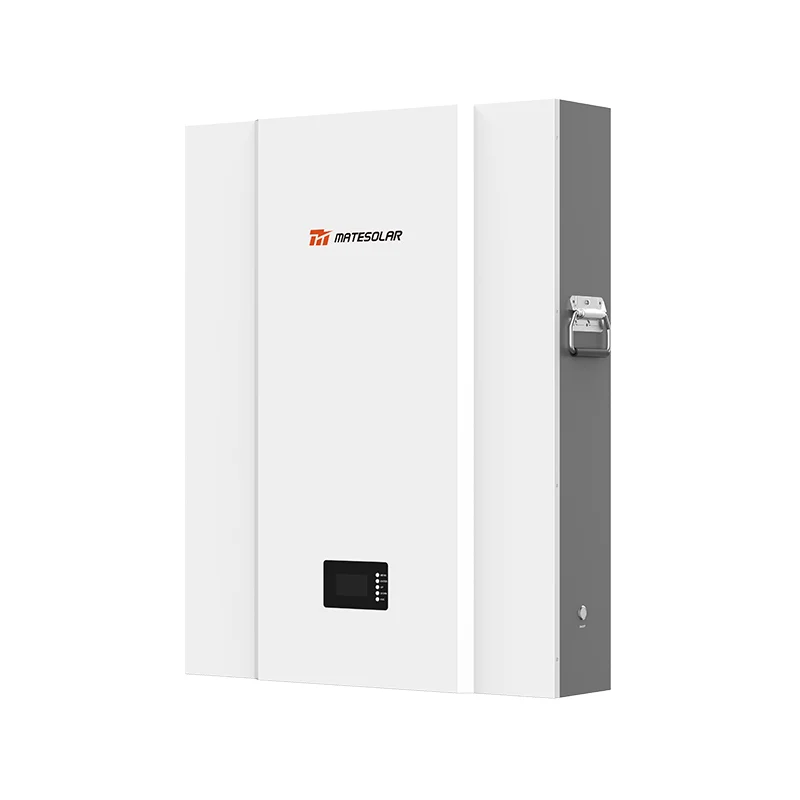
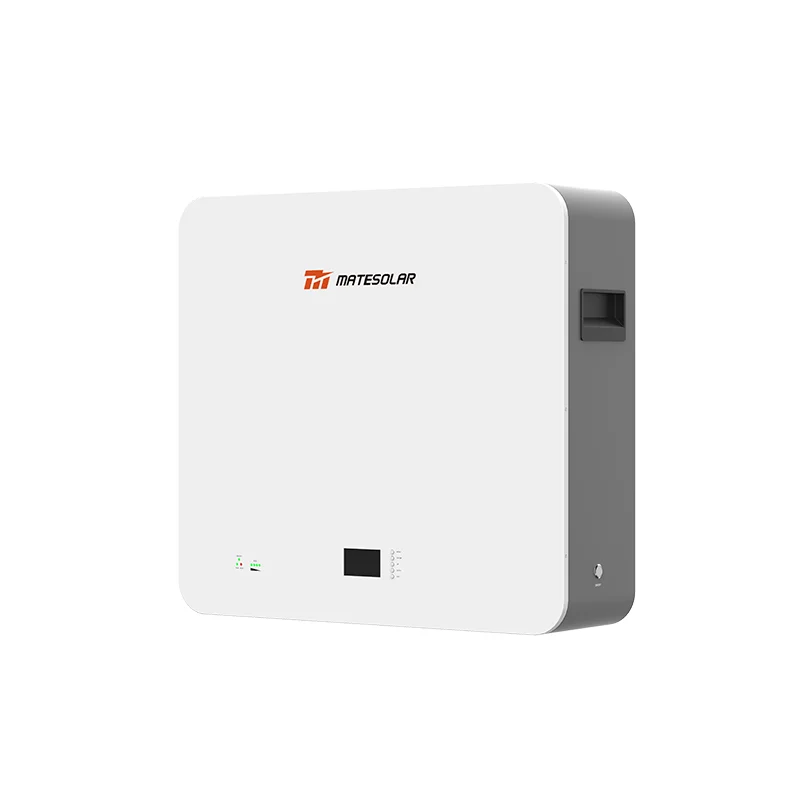
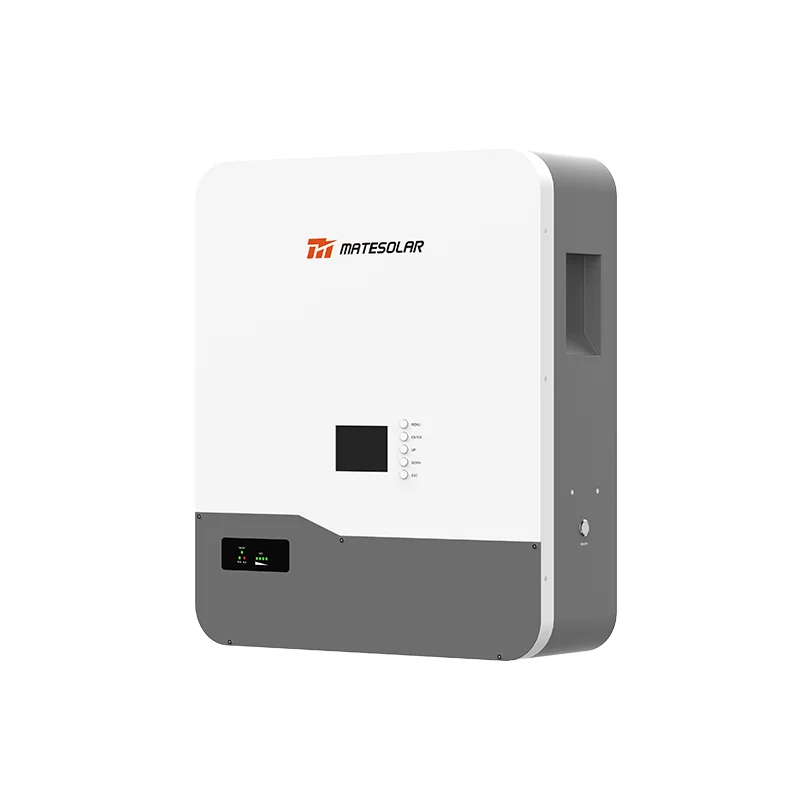
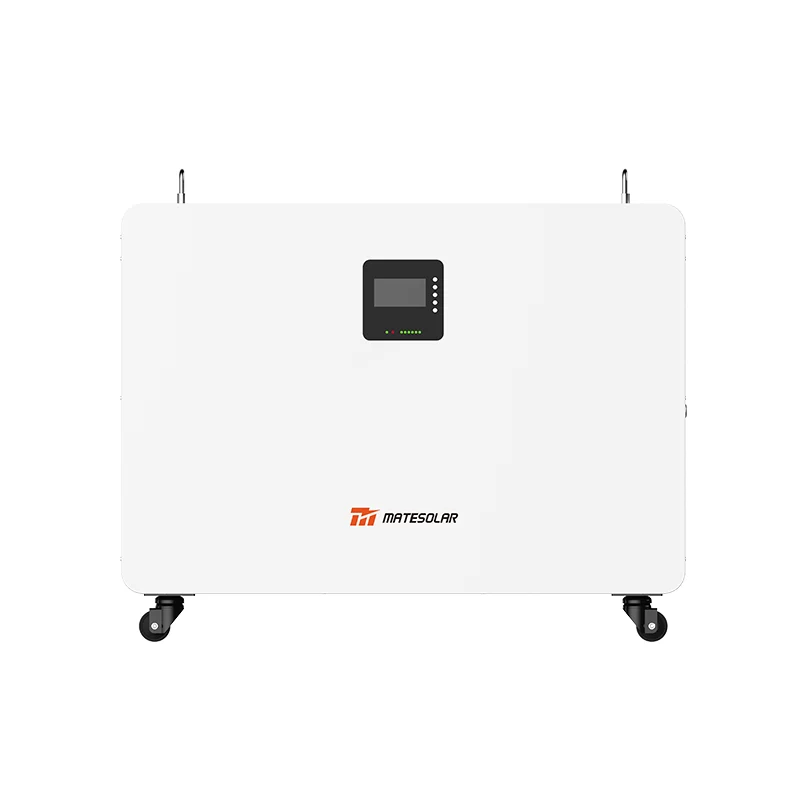
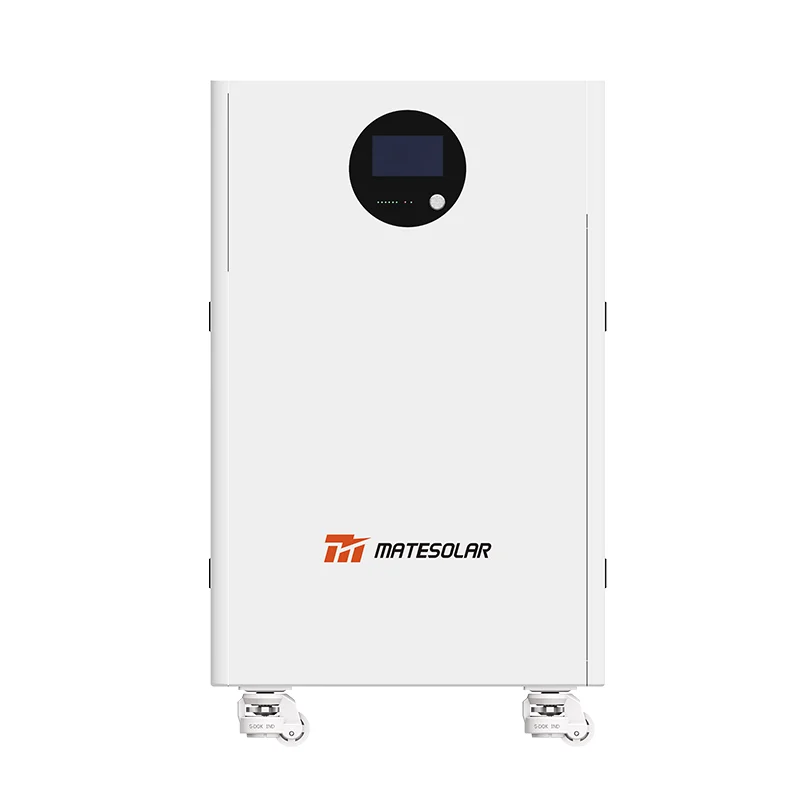
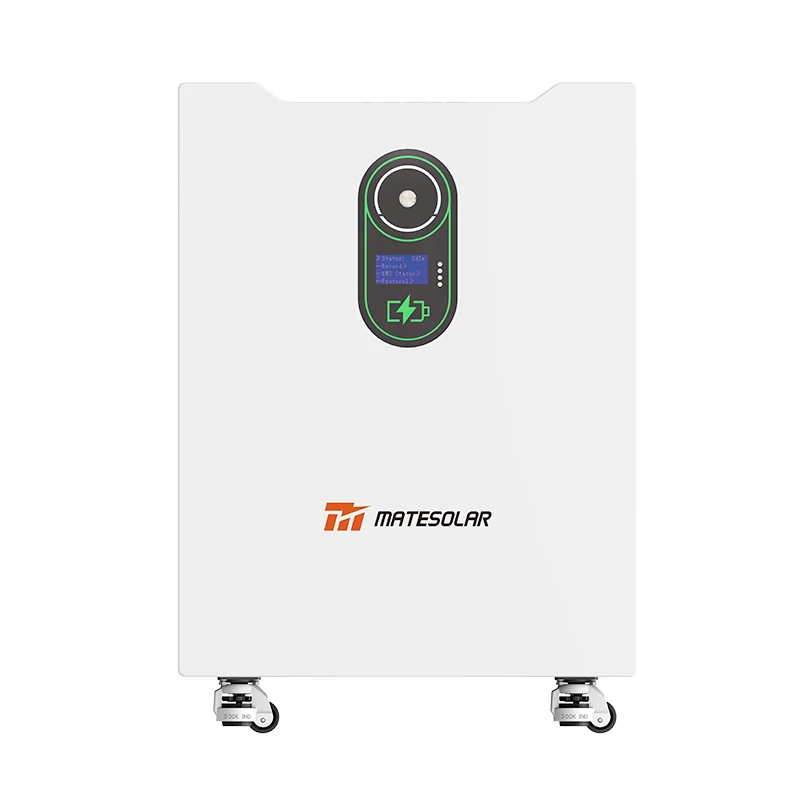
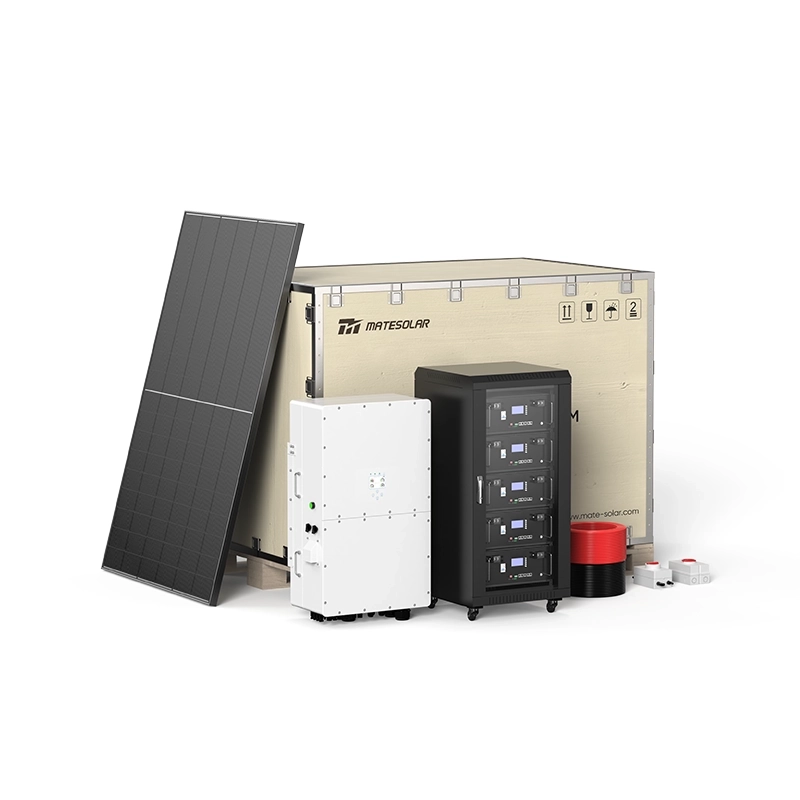
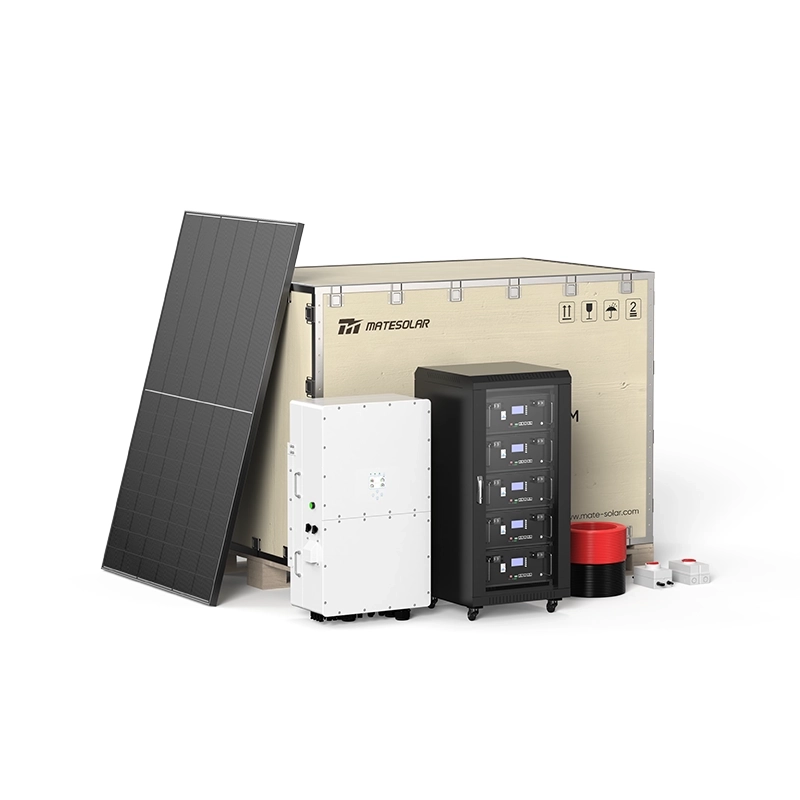
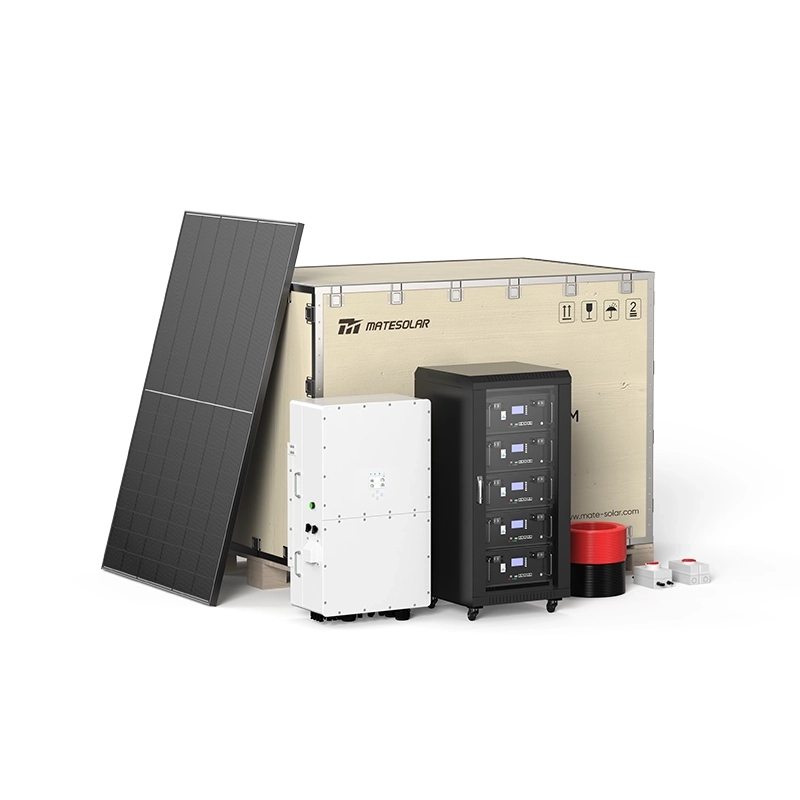
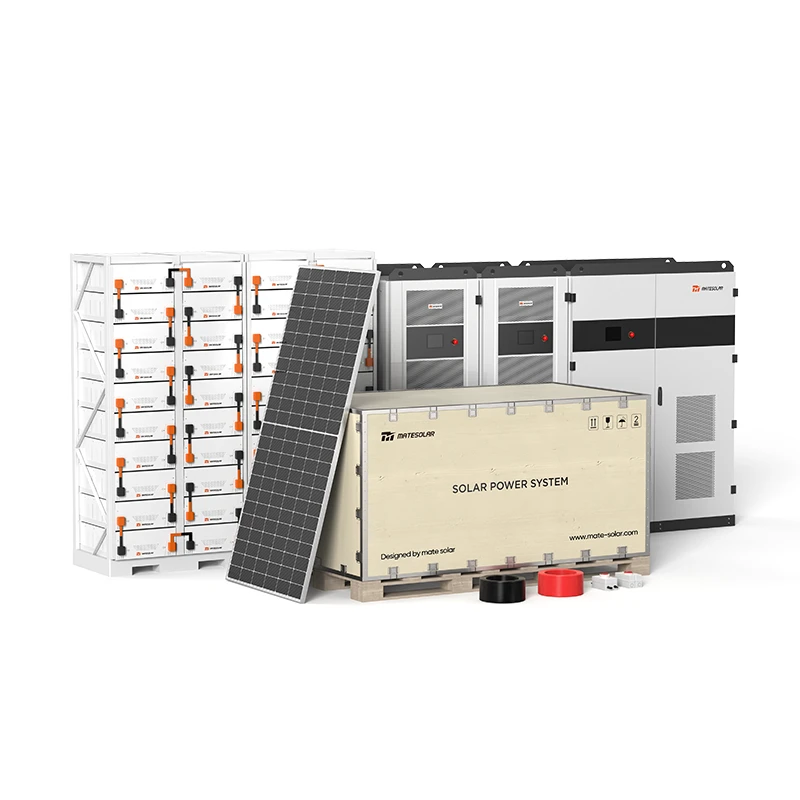
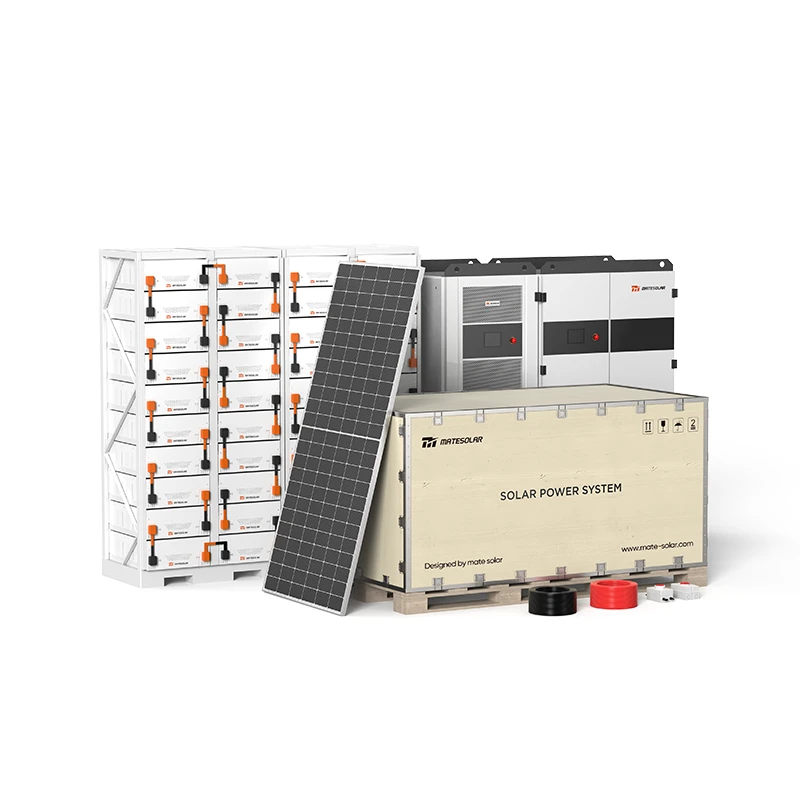
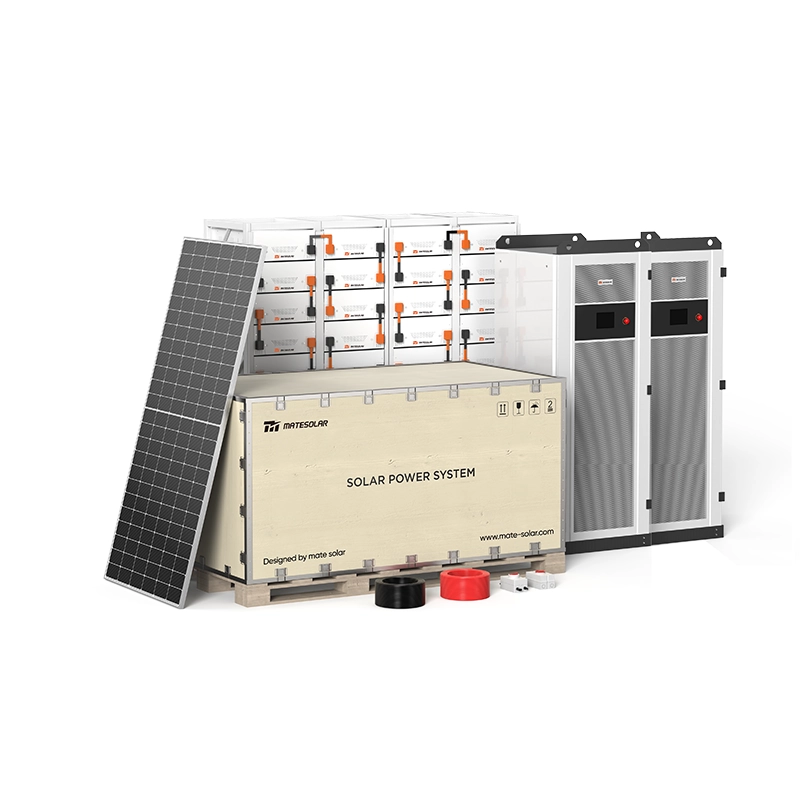
At MateSolar, we specialize in delivering turnkey BESS solutions for the unique demands of Houston's industrial landscape. With systems ranging from 500 kW commercial hybrid configurations to multi-megawatt containerized installations, we provide the full stack—engineering, procurement, construction, and long-term asset management.
Our 2026 industrial storage offerings include:
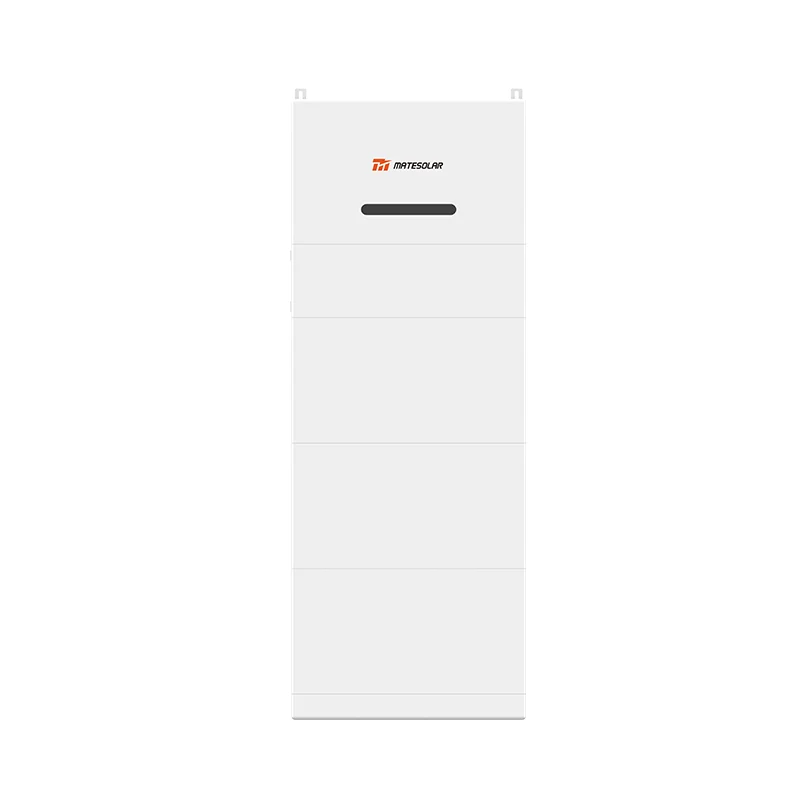
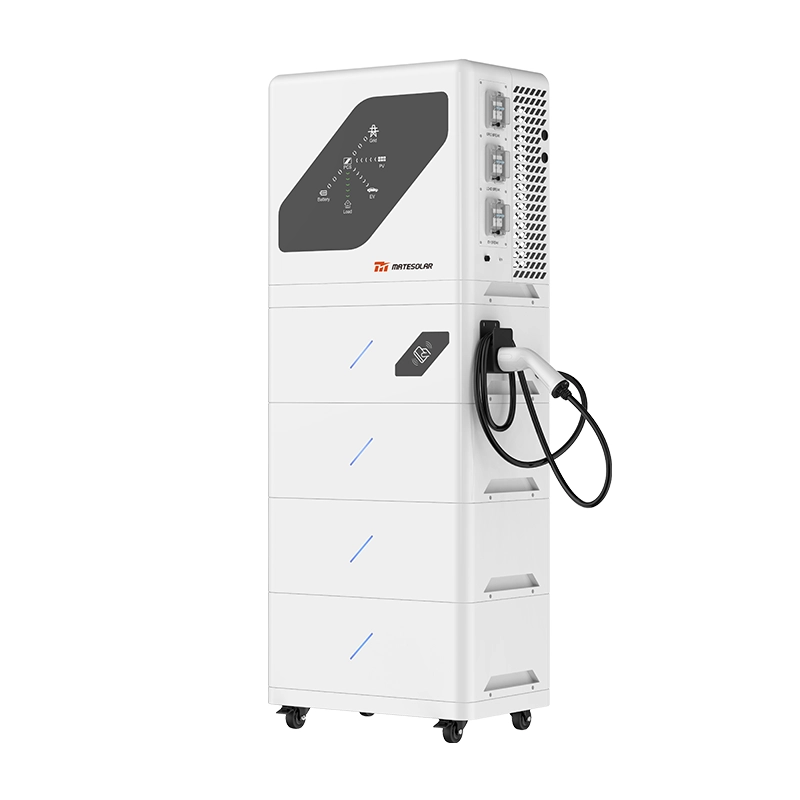
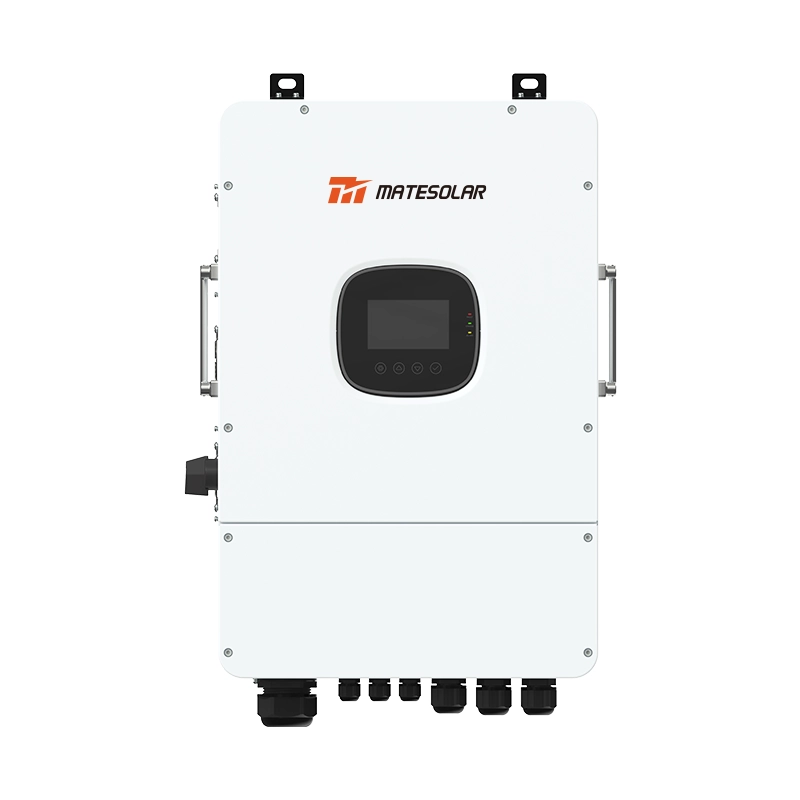
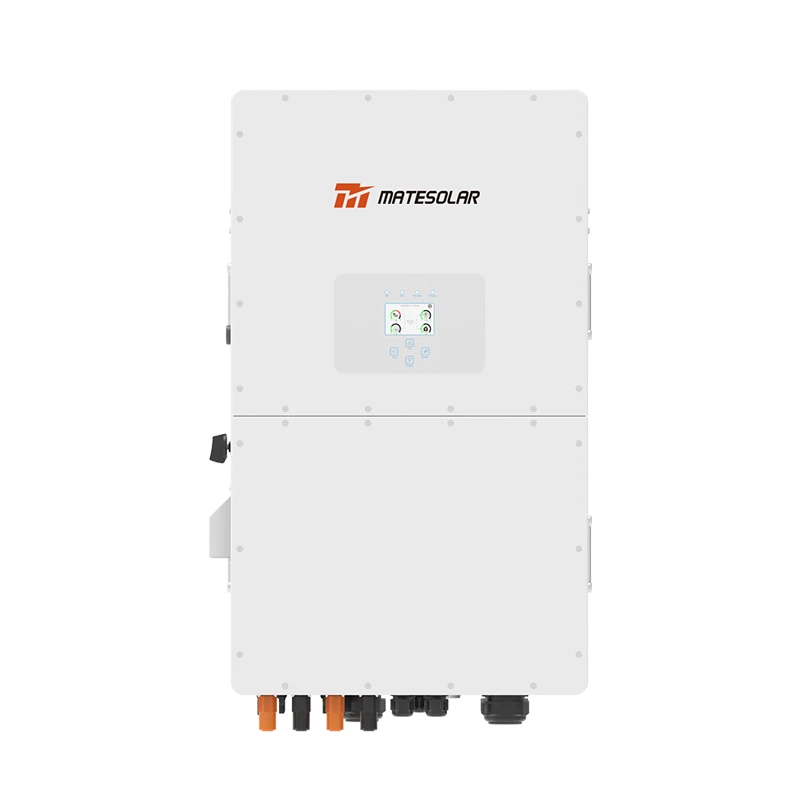
- Commercial 500KW Hybrid Solar System — Ideal for medium industrial loads, packaged with integrated PV inputs and scalable to 2 MW
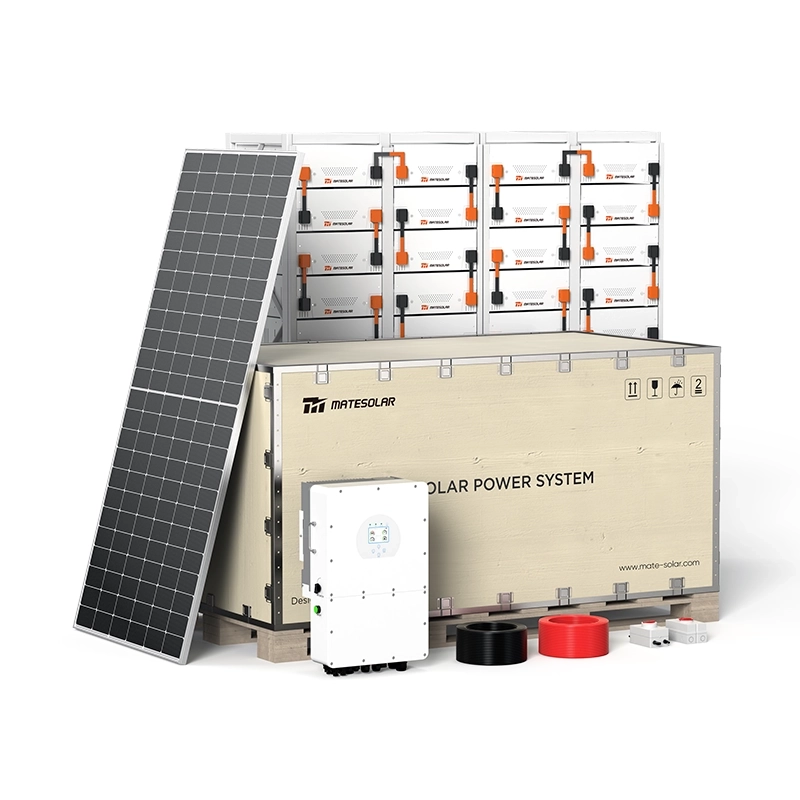
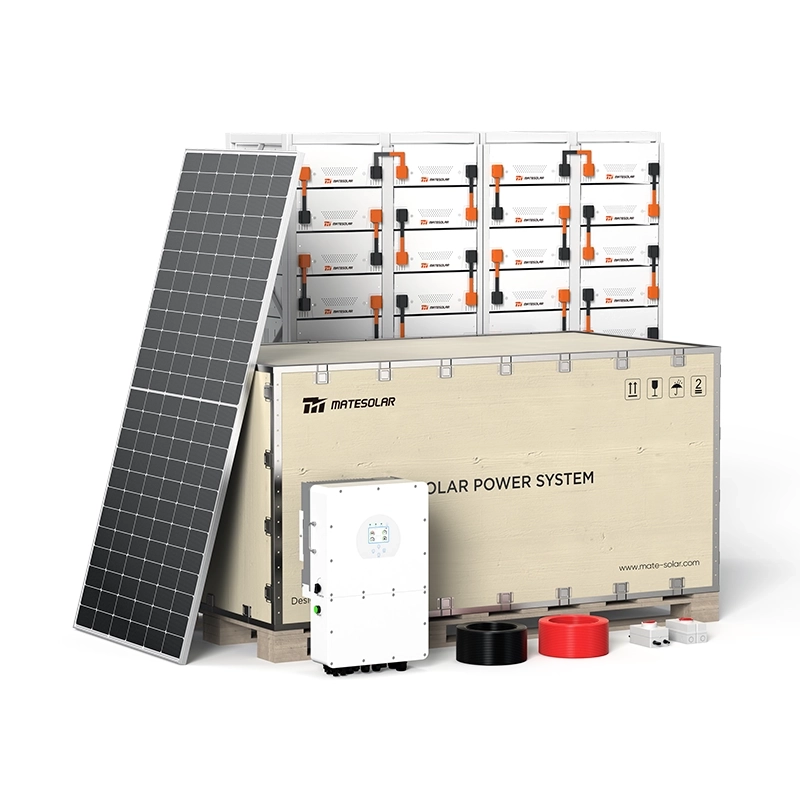
- 40Ft Air-Cooled Container ESS 1MWh 2MWh — Modular, reliable, and field-proven for 5–15 MW terminal and plant expansions
- 20ft 3MWh 5MWh Liquid Cooling Container — High-density energy storage for large industrial applications, with liquid cooling for enhanced cycle life
Every system is UL9540A certified, NFPA 855 compliant, and designed for seamless integration with existing facility controls and ERCOT market participation.
Our approach is simple: we treat your storage investment as an infrastructure asset—not just equipment. From site feasibility and economic modeling through permitting, construction, and ongoing optimization, we ensure your system delivers maximum value over its 20-year life.
Houston's industrial facilities have a narrow window to secure 2026–2027 capacity and capture emerging revenue streams like DRRS. The transformer bottleneck won't wait—and neither should you.
Contact MateSolar today for a preliminary feasibility assessment of your facility. We'll analyze your load data, transformer capacity, and site constraints—and deliver a 10-year economic model that quantifies exactly what storage can do for your operation.
*Published March 2, 2026. All data current as of publication date. Market conditions, incentives, and regulatory frameworks are subject to change. Consult with qualified professionals for project-specific advice.*
Sources: ERCOT M-A122325-01, Pexapark BESS Revenue Data (February 2026), Texas Legislature HB 5482, SMT Energy Houston IV project filings, MateSolar proprietary analysis