









Table of Contents
1. Market at a Glance: From Rapid Growth to Strategic Maturation
2. The Residential Segment: Market Consolidation and Evolving Value Propositions
3. The Large-Scale BESS Surge: Data, Drivers, and Grid Integration
4. Policy Deep Dive: Regulation as a Market Shaper
5. Navigating Bottlenecks: Grid Congestion and Competitive Intensity
6. Strategic Outlook for Project Developers
7. Appendix: FAQ on the German Storage Market
Germany's energy storage sector stands at a pivotal juncture. Having achieved remarkable growth, the market is now characterized by a clear dichotomy: a maturing, slightly cooling residential segment and an explosively growing large-scale battery energy storage system (BESS) sector. This article provides a comprehensive, data-driven analysis of the current landscape, the regulatory framework, and the concrete implications for project developers navigating this new era.
1. Market at a Glance: From Rapid Growth to Strategic Maturation
The German energy storage market has been a global frontrunner, with its total installed stationary storage capacity experiencing a five-fold increase over the past five years, now exceeding 25 GWh. This growth trajectory remains positive, with approximately 600,000 new systems adding 6.5 GWh of capacity commissioned in 2025 alone.
However, aggregate numbers mask a significant shift. The market is decisively moving beyond its initial phase of broad-based expansion and is now entering a stage of strategic differentiation and segmentation.
The following table summarizes the key characteristics of the three main market segments:
The data underscores a critical insight: while small-scale systems dominate the existing installed base, the large-scale BESS segment is undeniably the current and future growth engine. This divergence sets the stage for the detailed analysis that follows.
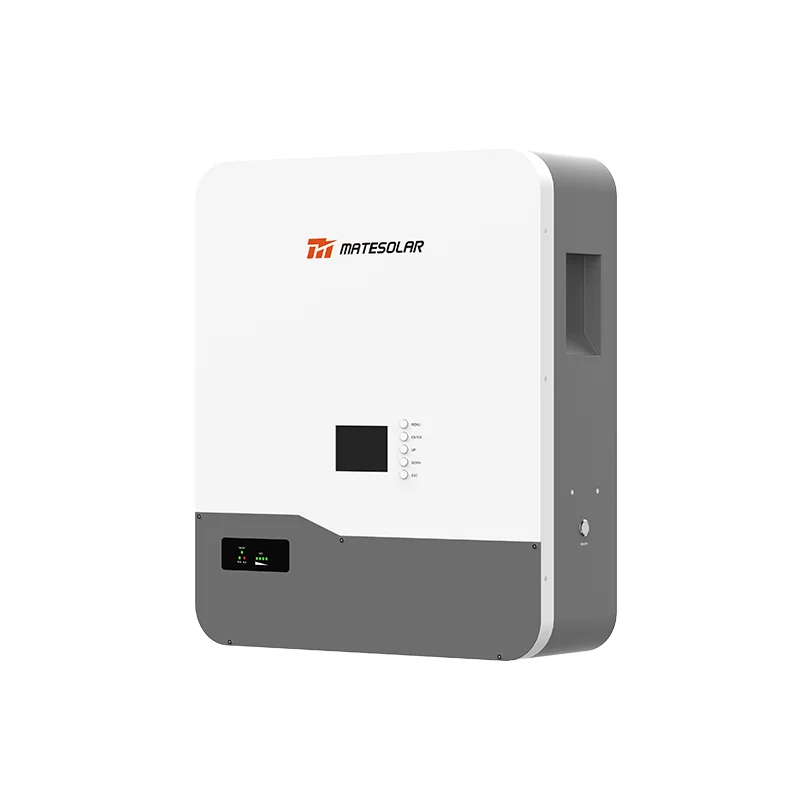
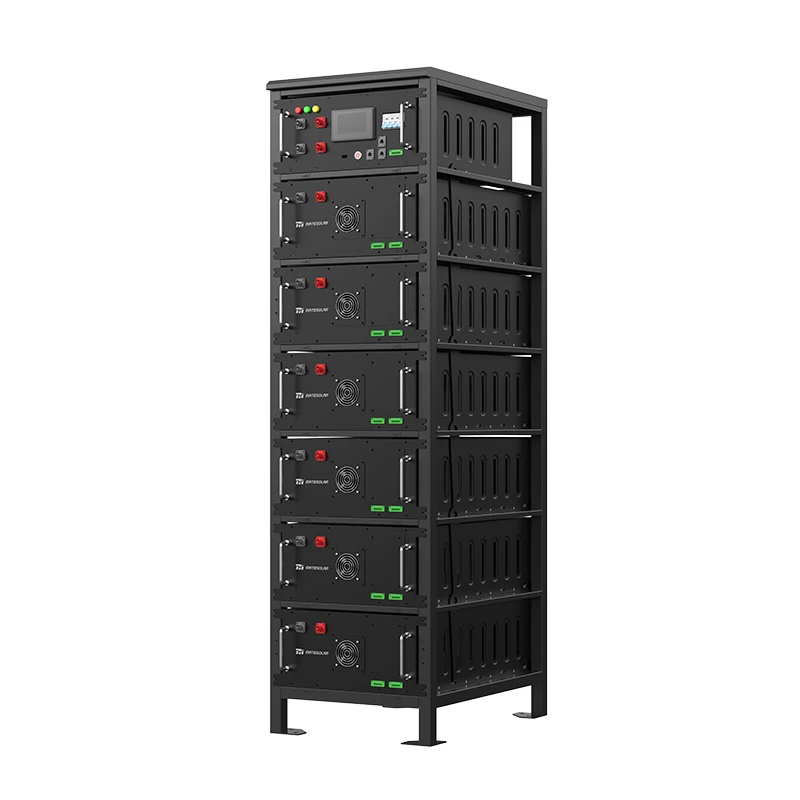
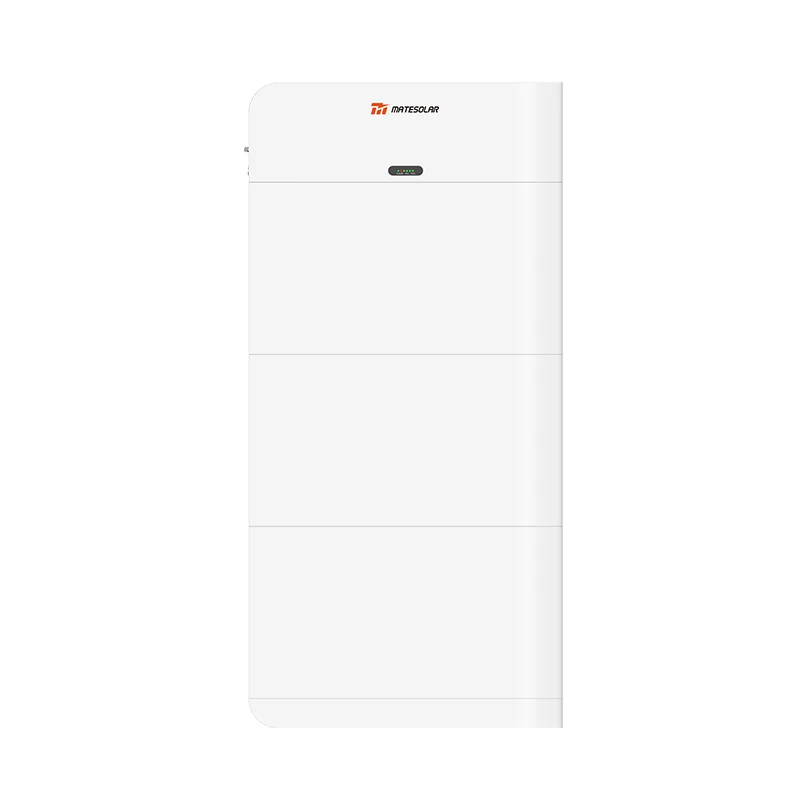
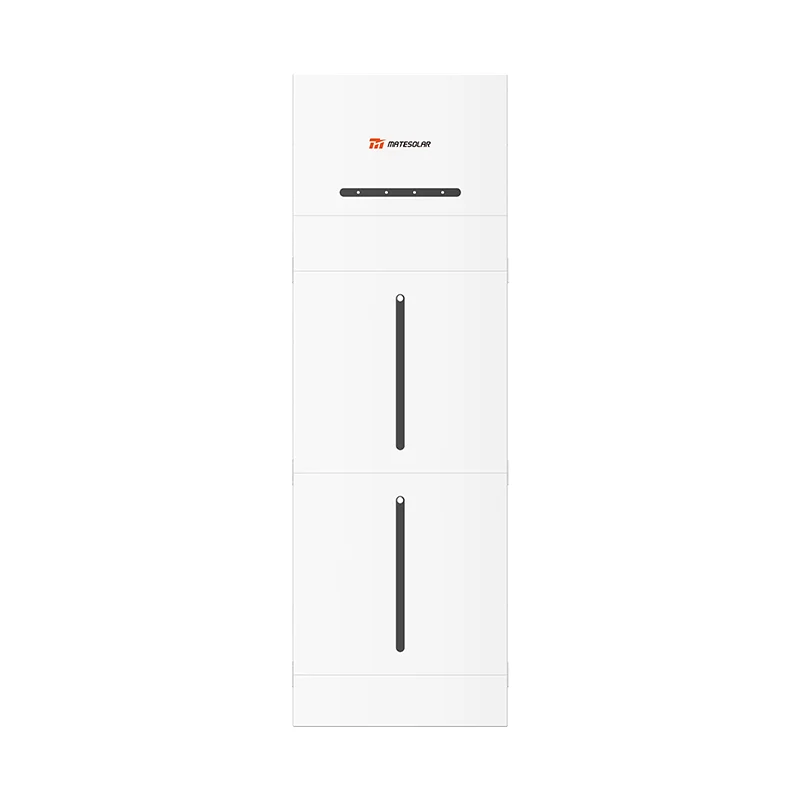
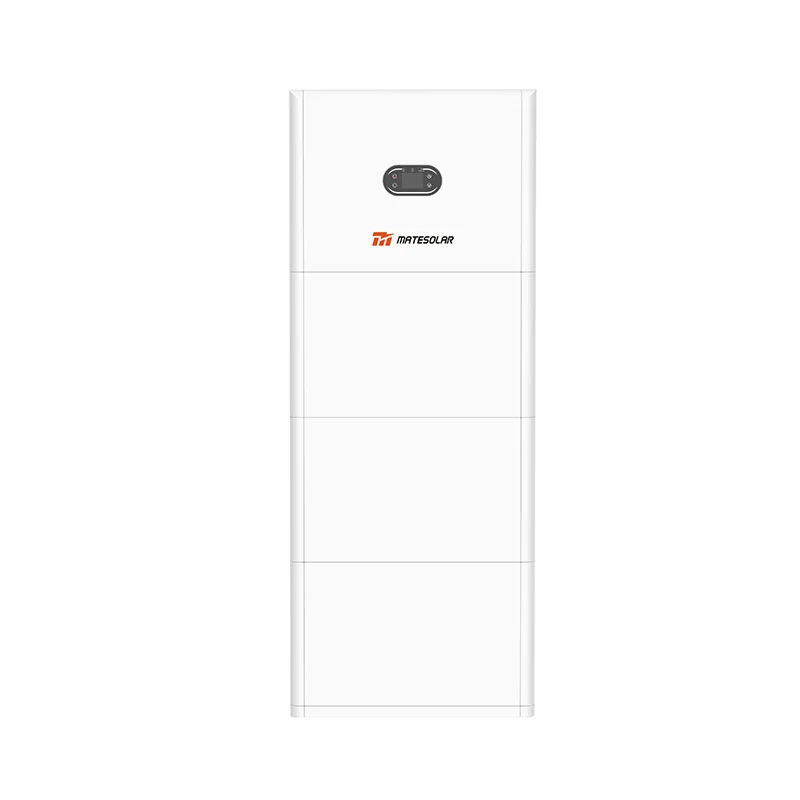
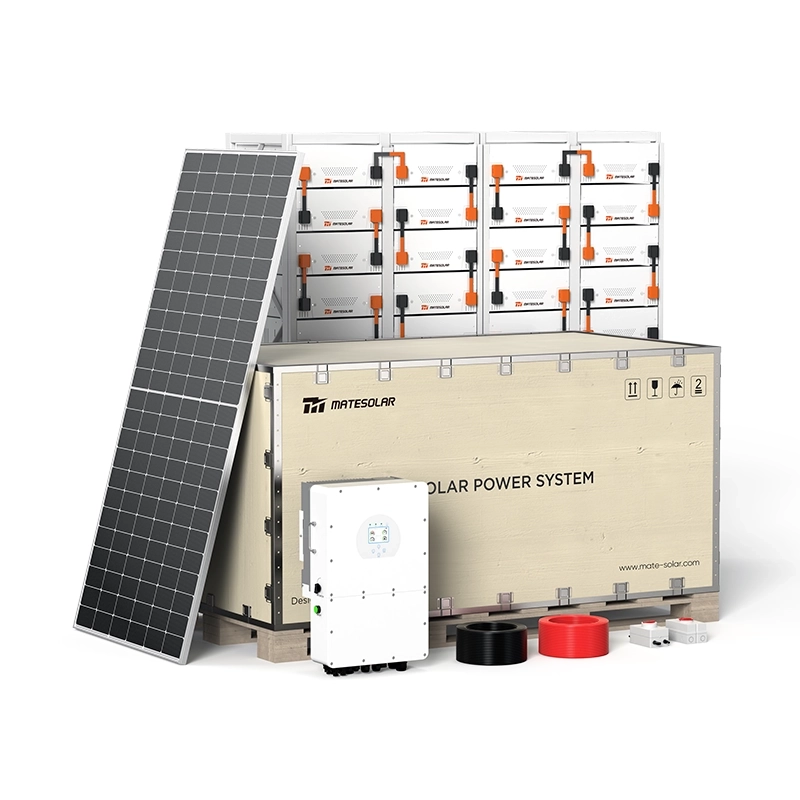
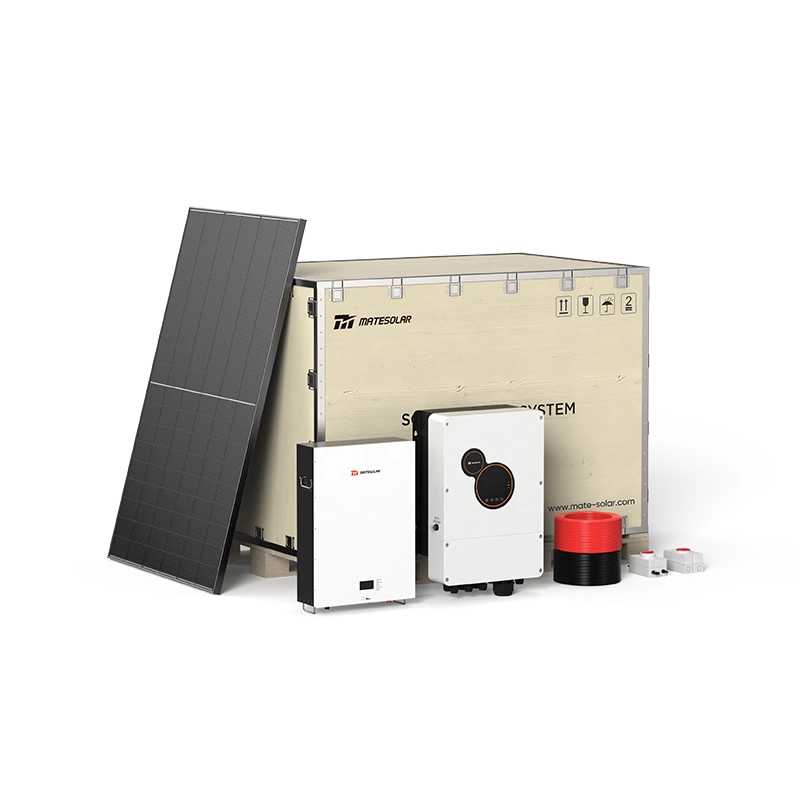
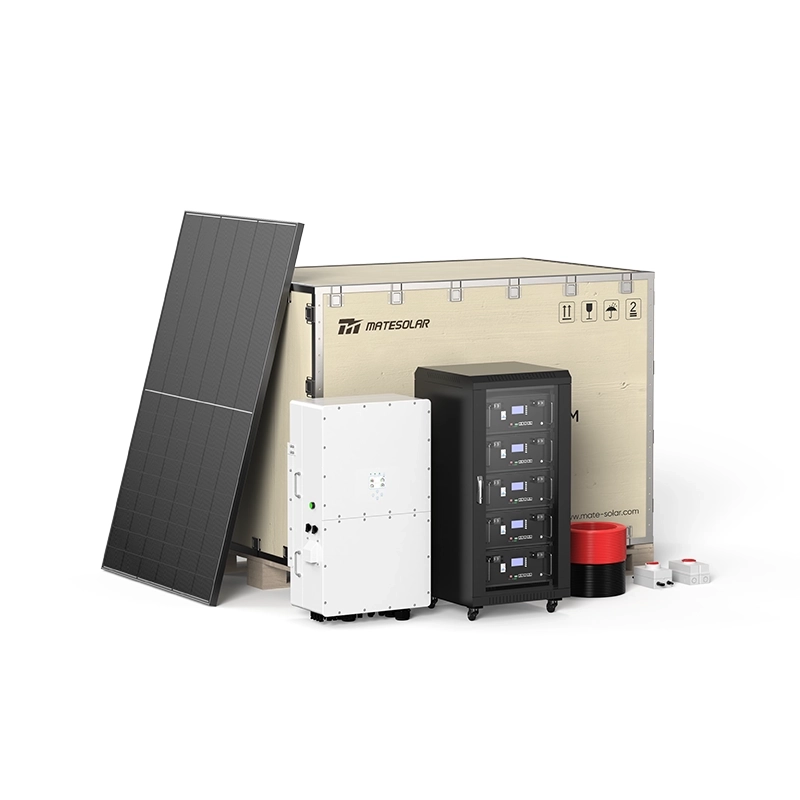
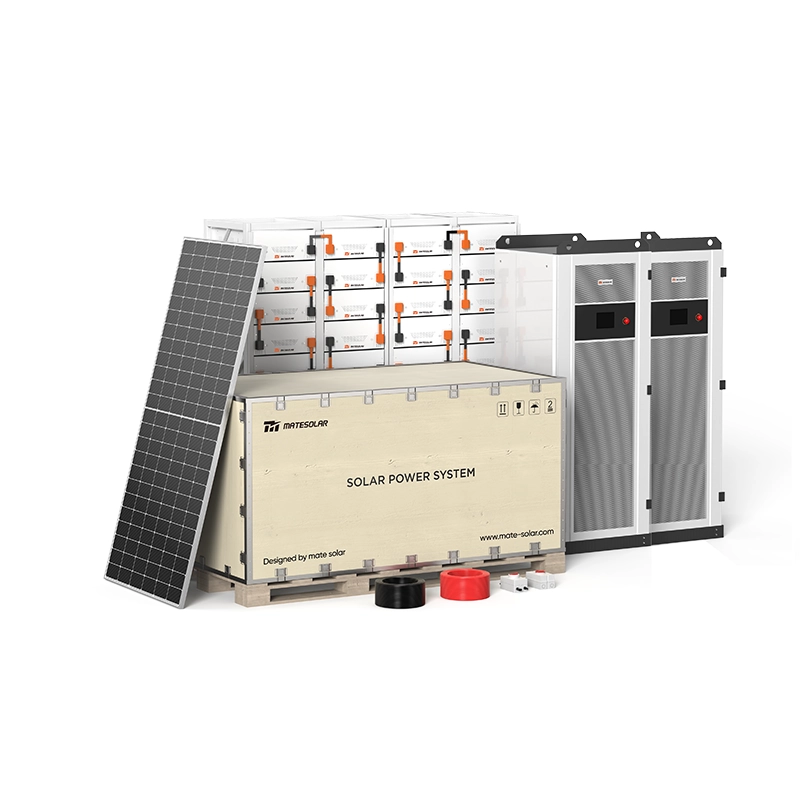
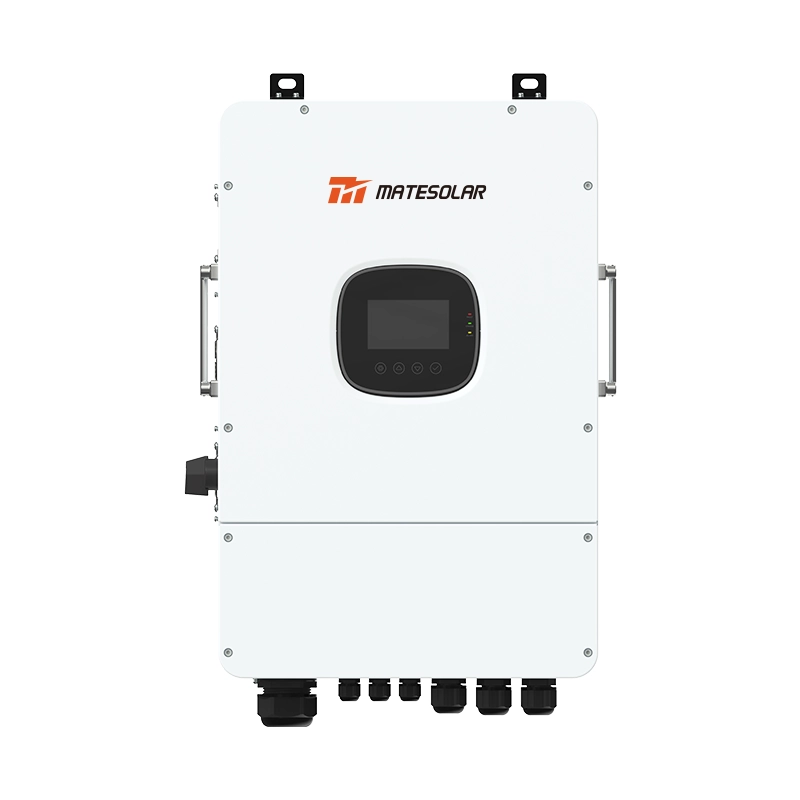
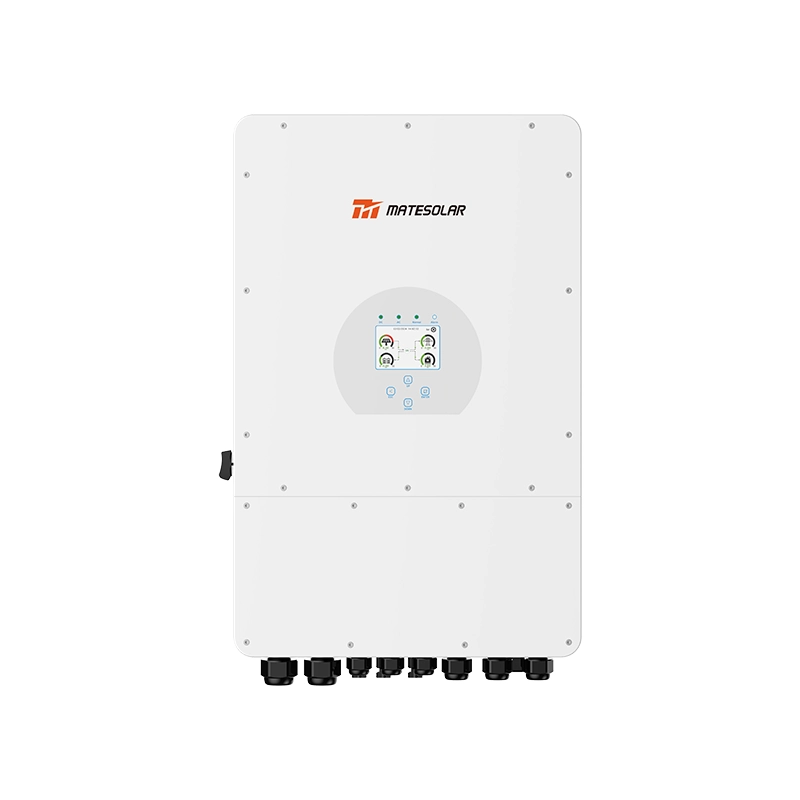
For homeowners looking to maximize self-consumption from a new solar installation under the latest regulations, a tailored Residential 25KW Hybrid Solar System offers an integrated and future-proof solution.
2. The Residential Segment: Market Consolidation and Evolving Value Propositions
The residential storage market, once the undisputed driver of Germany's "Energiewende" (energy transition), is showing signs of normalization. After years of exponential growth, demand saw a year-on-year decline of around 8% in 2025. This does not signal a collapse but rather a natural market correction following high saturation in early-adopter segments and a temporary pull-forward of demand.
Despite this slowdown, the fundamental logic for residential storage remains strong. The coupling of solar PV with storage has become the de facto standard, with 77% of all new residential PV systems installed in 2023 being equipped with a battery. This trend is now being reinforced by policy: for new PV systems above 7 kW, output to the grid is limited to 60% of the system's capacity unless it is paired with a storage system. This rule makes storage an economic imperative for new installations seeking to maximize feed-in revenue.
The future of the residential segment will depend heavily on its ability to evolve from a simple self-consumption tool into a grid-interactive asset. Regulatory discussions are ongoing about allowing home storage systems to participate directly in the electricity market and provide grid services. This could open new revenue streams and reinvigorate growth by improving system economics.
3. The Large-Scale BESS Surge: Data, Drivers, and Grid Integration
In stark contrast to the residential segment, the large-scale BESS market is experiencing a true boom. Capacity in this segment more than doubled in 2025, with other reputable sources like Fraunhofer ISE noting a ~60% growth from 2.3 GWh to 3.7 GWh. The project pipeline is enormous, with 440 large-scale projects totaling 8.72 GWh currently in the planning stage.
Several powerful drivers are converging to fuel this growth:
- Policy Catalysts: The cancellation of feed-in tariffs during negative electricity price hours has created a direct economic incentive for storage. Instead of feeding power into the grid for no reward, operators can use BESS to shift that energy to more profitable periods.
- Strong Economics: Analysts point to compelling business cases, with some project models achieving investment payback periods as short as 3 years, against an expected battery lifespan of 15 years.
- Grid Necessity: Large-scale storage is increasingly recognized as critical grid infrastructure. So-called "Grid Boosters"—large, strategically placed BESS—are being deployed to alleviate congestion, particularly in managing the north-south imbalance where wind power in the north cannot reach demand centers in the south. This provides a cost-effective alternative to building new power lines.
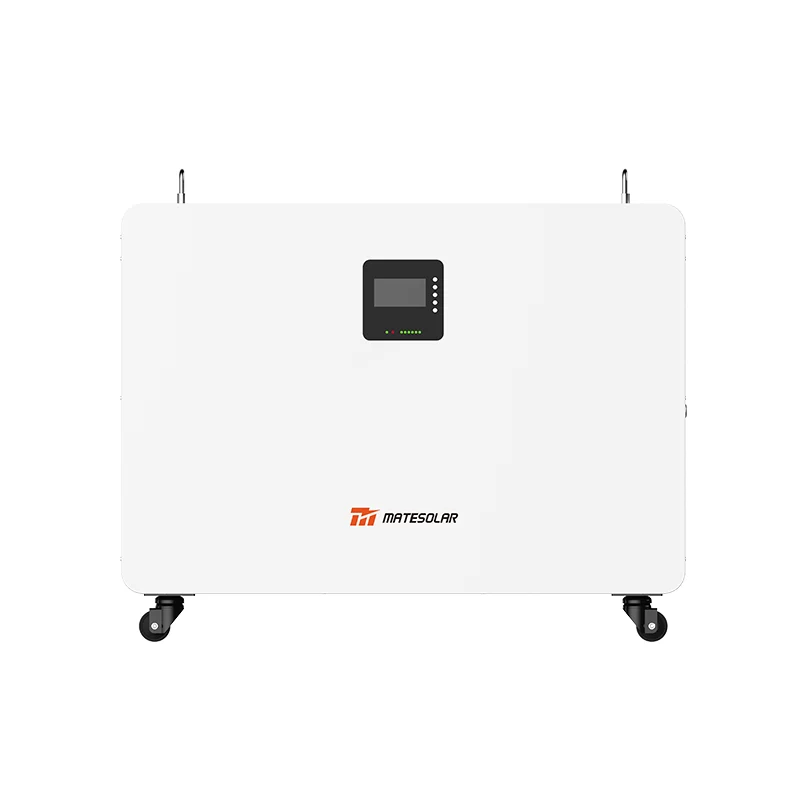
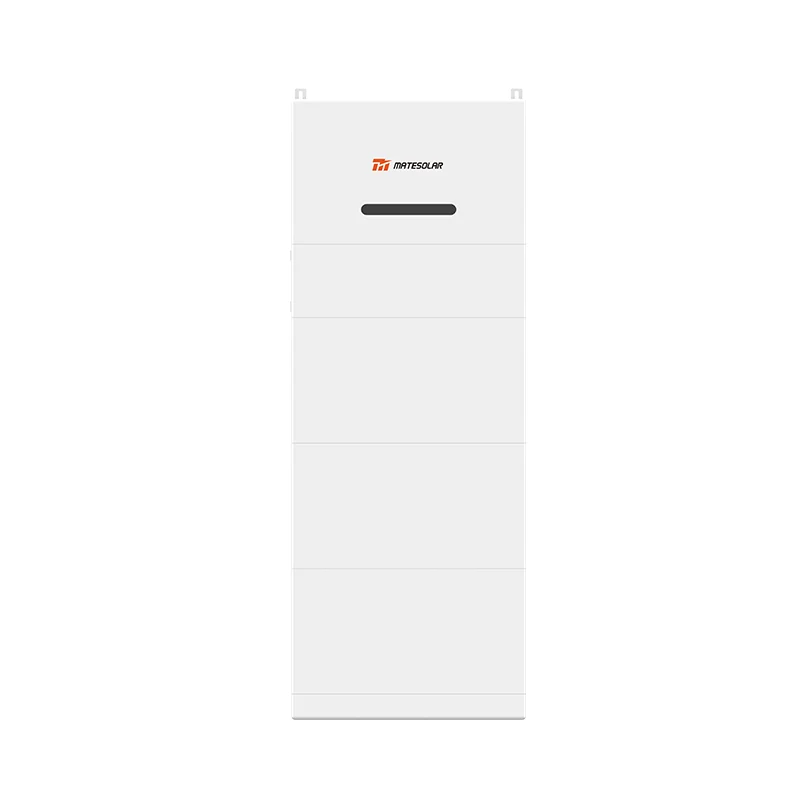
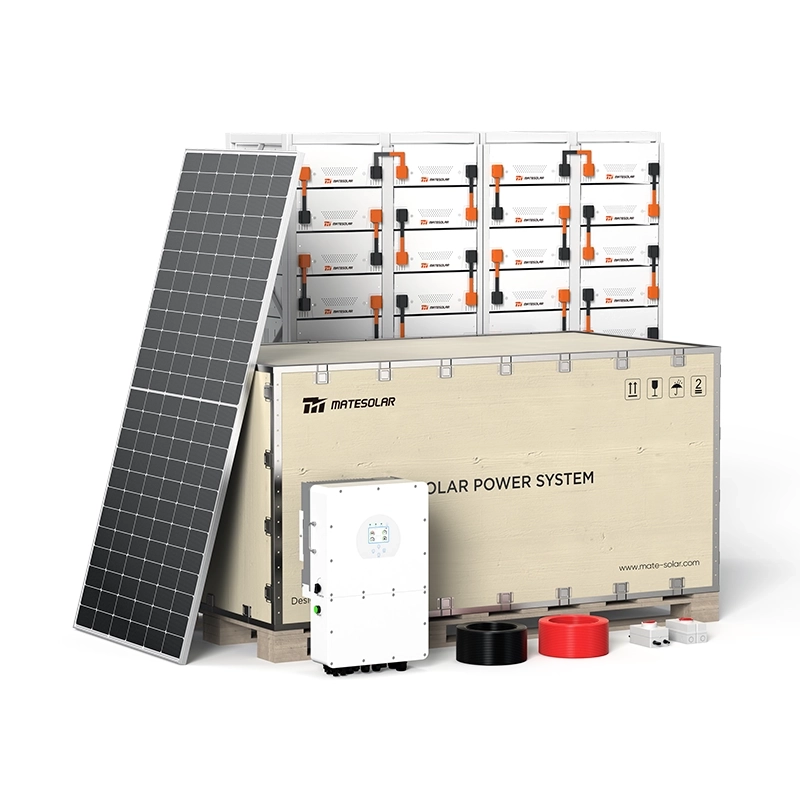
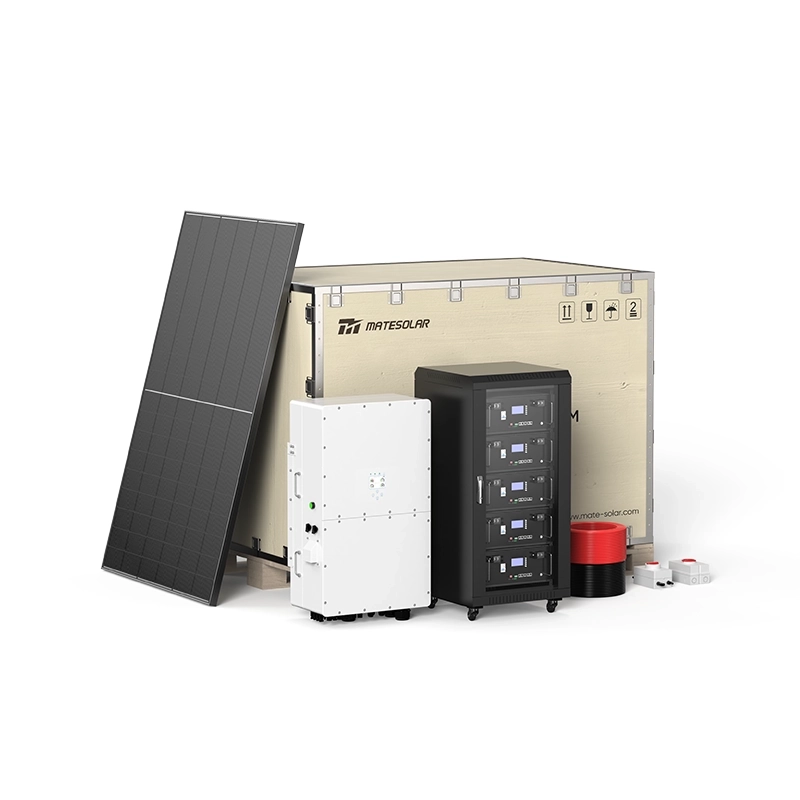
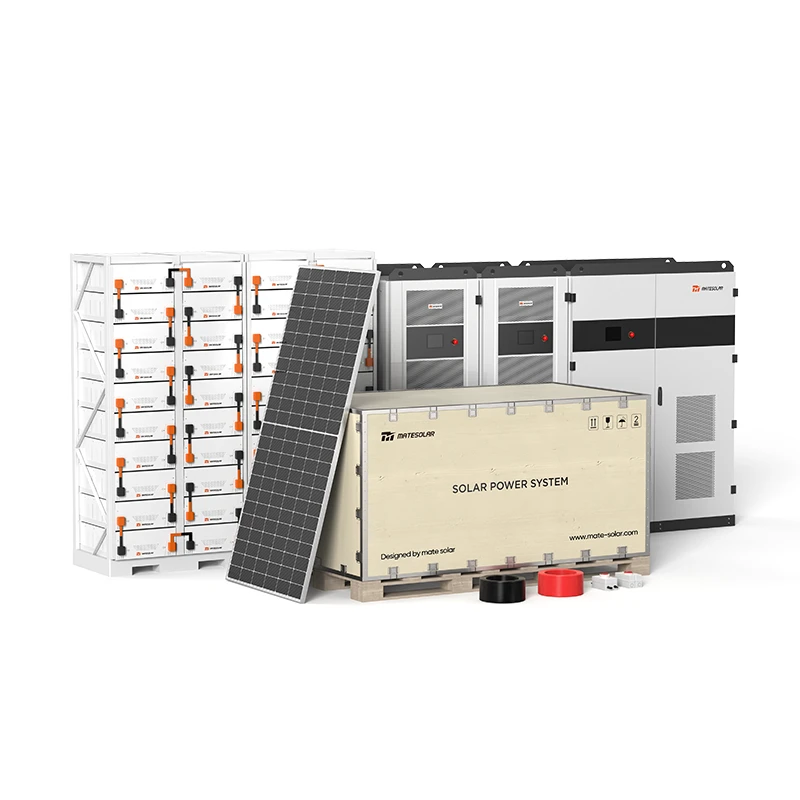
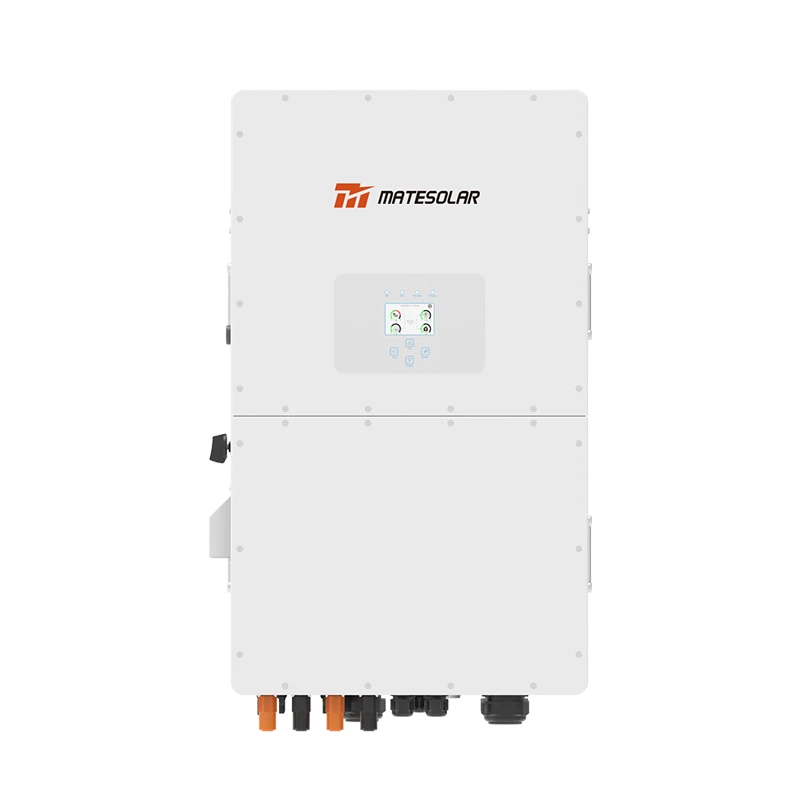
For commercial and industrial enterprises aiming to capitalize on this shift, a Commercial 250KW Hybrid Solar System can provide the ideal foundation for energy independence and participation in flexibility markets.
4. Policy Deep Dive: Regulation as a Market Shaper
German energy policy is actively steering the storage market. Three key policy initiatives are currently defining the playing field:
1. Abolition of Negative Price Subsidies & Output Limitation: This is perhaps the most direct policy intervention. For new PV systems larger than 7 kW, feed-in power is capped at 60% of capacity unless paired with storage. This rule effectively makes storage a prerequisite for maximizing the financial return of new commercial and larger residential solar projects.
2. Revision of Grid Connection Regulations (Grid Connection Ordinance): Recognized as the primary bottleneck for large-scale projects, the current "first-come, first-served" grid connection process is under reform. The Federal Ministry for Economic Affairs and Climate Action aims to revise the ordinance to accelerate connection procedures for storage systems, with a draft expected in Q1 2026. The goal is to remove storage from the sequential queue that is designed for conventional power plants, acknowledging its unique role as a grid asset.
3. Local Subsidy Amplification: The Berlin SolarPLUS Case: While federal policy sets the framework, local initiatives add significant momentum. Berlin's SolarPLUS program is a prime example, offering a holistic subsidy covering not only PV and storage hardware but also planning costs like roof assessments and feasibility studies. Crucially, it provides a storage subsidy of approximately €300 per kWh. This model of supporting the entire project value chain, from planning to implementation, significantly de-risks investments and could serve as a blueprint for other regions.
5. Navigating Bottlenecks: Grid Congestion and Competitive Intensity
The bullish outlook for large-scale storage is tempered by significant practical challenges that developers must navigate.
- Grid Congestion and Connection Queues: The physical and administrative capacity of the grid is the single biggest constraint. The north-south electricity transit corridor in Germany is perpetually congested. While storage is part of the solution, getting a large BESS connected itself can take years under the current regime. The promised revision of the Grid Connection Ordinance is the critical awaited fix for this issue.
- Intensifying Market Competition: The attractive economics of the BESS market are drawing in a flood of developers, investors, and equipment suppliers. This is driving innovation and cost reduction but also increasing pressure on margins and making access to prime grid connection points and offtake agreements highly competitive.
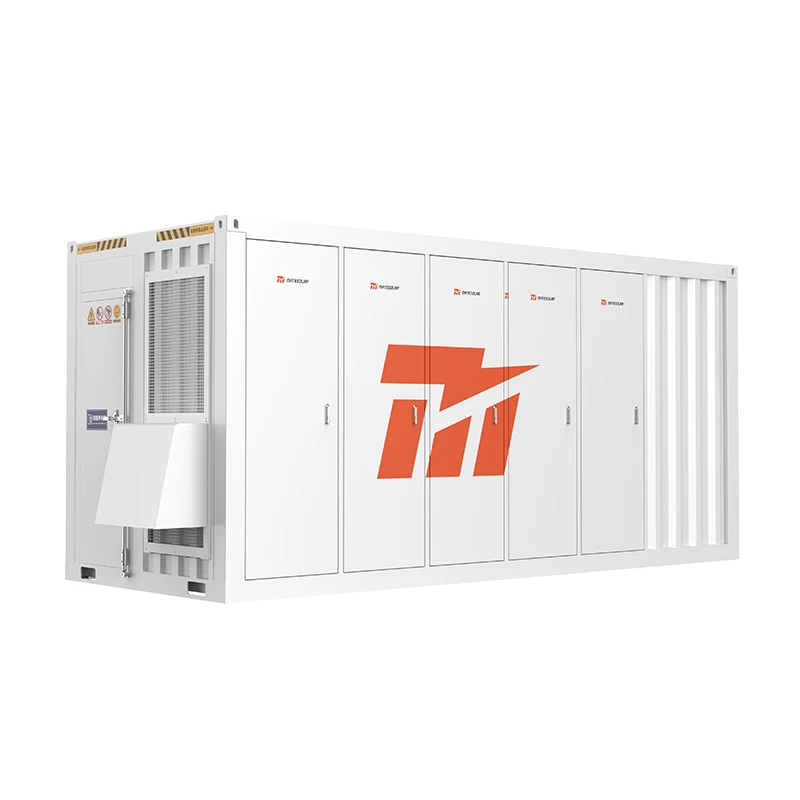
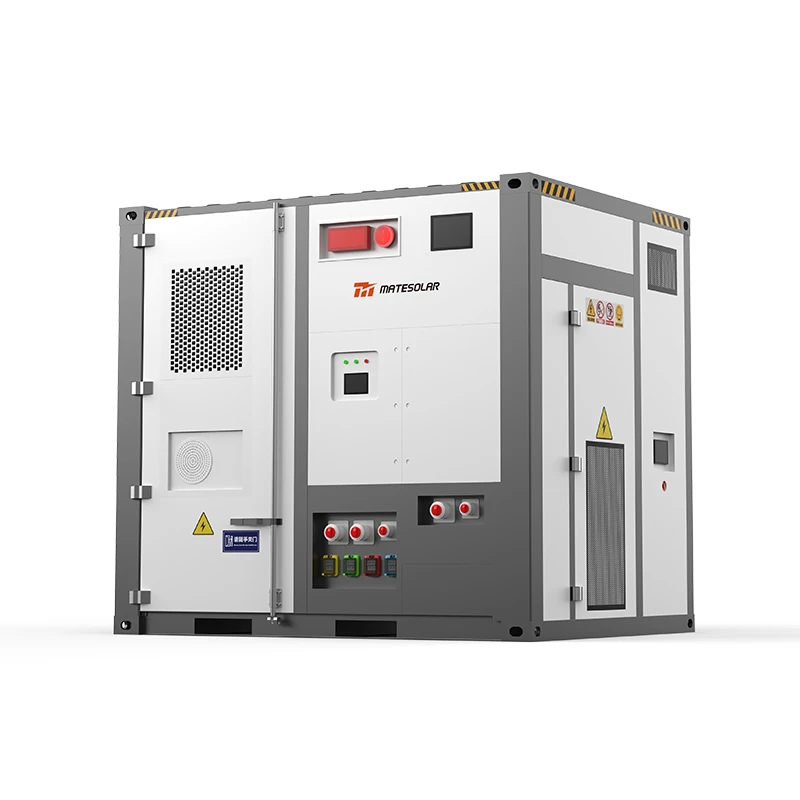
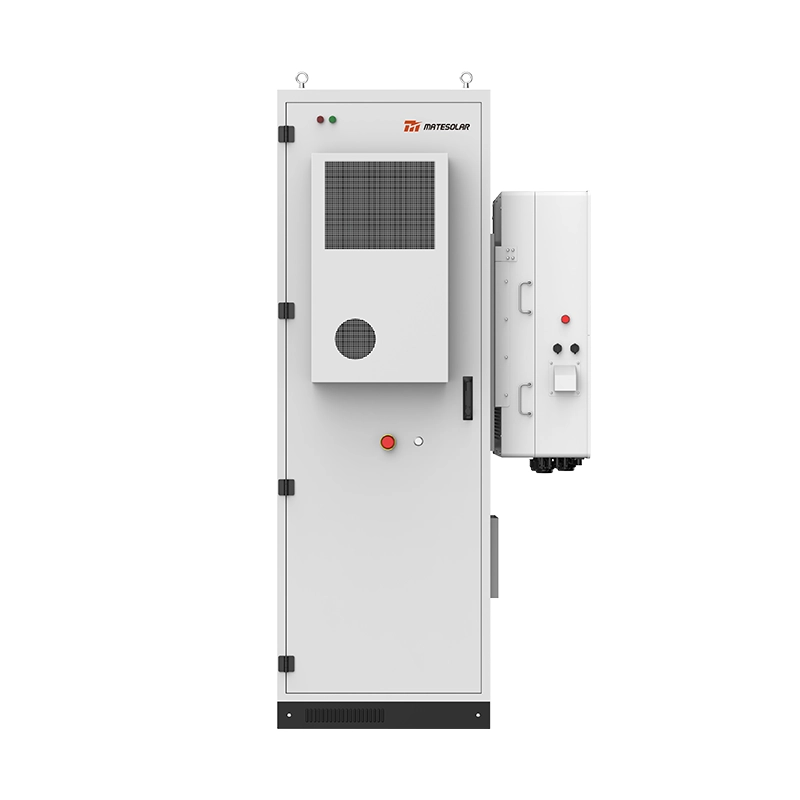
For developers of utility-scale projects, standardized yet high-performance solutions are key to managing timelines and costs. Pre-assembled, containerized systems like the 20ft 3MWh/5MWh Liquid Cooling Container Energy Storage System can significantly reduce on-site installation time and complexity, which is a major advantage in a race against regulatory and grid connection deadlines.
6. Strategic Outlook for Project Developers
For a project developer asking, "What do the revised grid connection rules mean for my project's 2026 timeline and revenue model?" the implications are concrete:
- Timeline (Opportunity & Risk): The proposed reforms aim to decouple storage from the conventional generator queue. If implemented effectively in 2026, this could dramatically shorten the development cycle for projects not yet in the queue. However, there is implementation risk. Developers should prepare all technical documentation to a high standard to be "shovel-ready" the moment new procedures are announced, while closely monitoring the legislative process.
- Revenue Model (Enhanced Value): Faster grid connection translates directly into earlier revenue generation, improving project IRR. Furthermore, the policy shift recognizes storage as a grid service provider, not just a generation asset. This legitimacy paves the way for more sophisticated and potentially higher-value revenue stacking, combining wholesale arbitrage with capacity markets and ancillary services.
The overarching strategy for success in the new German market is agility and integration. Winning projects will be those that:
1. Design for multi-service revenue models from the outset.
2. Engage early and proactively with grid operators (TSOs/DSOs).
3. Leverage integrated, grid-code compliant technology to minimize technical interconnection hurdles.
4. Actively explore and apply for complementary local subsidy programs like Berlin's SolarPLUS.
7. Appendix: FAQ on the German Storage Market
Q1: Has the German residential storage market peaked?
A: Not necessarily. It is experiencing a temporary correction after rapid growth. The new regulation mandating output limitation for PV systems above 7 kW without storage creates a fresh baseline demand. The future growth vector will be expanding into new customer segments and unlocking additional value through virtual power plants (VPPs) and grid services.
Q2: What is the single biggest risk for a large-scale BESS project in Germany today?
A: Grid connection delay. The uncertainty around connection timelines under the current "first-come, first-served" system is a major financing and planning risk. Thorough grid feasibility studies and early dialogue with the responsible grid operator are essential first steps.
Q3: Can projects benefit from both federal EEG incentives and local subsidies like SolarPLUS?
A: Yes, in many cases, policies are designed to be complementary. For instance, a project in Berlin can receive the federal EEG feed-in tariff (where applicable) and also apply for the capital expenditure and planning subsidies from the SolarPLUS program. Always check the specific guidelines of each funding scheme.
Q4: How critical is software and AI for the economics of a large-scale BESS?
A: Extremely critical. With revenue potentially coming from multiple streams (day-ahead market, intraday trading, frequency containment reserve), advanced optimization software is crucial for maximizing portfolio value. Companies are emerging that specialize in this algorithmic trading, with some claiming to optimize returns to achieve payback periods of 3-4 years.
Q5: Where can I find reliable, up-to-date market data on German storage?
A: Key authoritative sources include the German Solar Industry Association (BSW-Solar), which publishes regular market data, and the Fraunhofer Institute for Solar Energy Systems (ISE). The official "Marktstammdatenregister" (market master data register) is the government's registry for all power generation and storage units.
This deep-dive analysis underscores that Germany's energy storage revolution is entering a more complex, mature, and strategically nuanced phase. Success in this market requires moving beyond generic solutions to highly tailored, policy-aware, and grid-integrated projects.
Navigating this evolving landscape demands a partner with both technological expertise and market-specific insight. At MateSolar, we are committed to being that partner. As a one-stop provider of comprehensive PV and energy storage solutions, we offer the hardware, software, and strategic guidance to help developers, businesses, and homeowners successfully build their future in the new German energy market.
To explore system solutions tailored to the opportunities described in this article, visit our dedicated pages for Residential Systems, Commercial & Industrial Solutions, and Utility-Scale Storage Products.