

















Le marché canadien du stockage d’énergie dans les secteurs commercial et industriel (C&I) a atteint un point d’inflexion. Ce qui était autrefois un domaine d’avant-garde, caractérisé par des projets pilotes et des investissements prudents, s’est transformé en un environnement de déploiement à forte croissance et et hautement prévisible, soutenu par des crédits d’impôt à l’investissement fédéraux totalisant jusqu’à 45%, des programmes d’approvisionnement provinciaux offrant des contrats à revenus fixes sur 22 ans, et un pipeline de plus de 25 GW de capacité de stockage en attente de raccordement au réseau.
Les chiffres racontent l'histoire : le marché du stockage stationnaire de batteries derrière le compteur (BTM) au Canada devrait passer de 1,2 à 1,6 milliard de dollars canadiens en 2026 à 4,5 à 6,0 milliards de dollars canadiens d'ici 2035.. Le marché du stockage stationnaire à l'échelle industrielle — englobant les actifs utilitaires de première ligne et les grandes installations C&I — devrait passer de 1,8 à 2,2 milliards de dollars canadiens en 2026 à 8 à 12 milliards de dollars canadiens d'ici 2035.. Les systèmes C&I d'une capacité comprise entre 30 kWh et 5 MWh représentent plus de 55% de la valeur totale du marché BTM.
Ce guide est conçu comme la référence faisant autorité pour les promoteurs de projets, les propriétaires d'installations, les entreprises d'ingénierie, d'approvisionnement et de construction (EPC) et les investisseurs naviguant dans le paysage du stockage d'énergie au Canada pour les immeubles commerciaux et industriels (C&I) en 2026. Nous abordons les six points sensibles critiques qui définissent la réussite ou l'échec des projets sur ce marché : les retards d'interconnexion, la maximisation des crédits d'impôt à l'investissement (ITC), la participation aux achats de l'IESO, les pénuries d'installateurs, le risque de la chaîne d'approvisionnement et la résilience aux conditions climatiques extrêmes.
Partie I : Aperçu du marché – Le point de basculement est arrivé
1.1 Taille du marché et trajectoire de croissance
Le marché canadien du stockage de l'énergie n'est plus spéculatif ; il génère des rendements mesurables dans tous les segments. Le marché du stockage par batteries stationnaires BTM (Behind-the-meter) à lui seul devrait atteindre 4,5 à 6,0 milliards de dollars canadiens d'ici 2035, ce qui représente un taux de croissance annuel composé plaçant le Canada parmi les marchés de stockage de l'énergie à la croissance la plus rapide en Amérique du Nord.
Tableau 1 : Prévisions du marché canadien du stockage par batteries stationnaires (2026-2035)
| Segment du marché | Valeur 2026 (CAD) | Valeur 2035 (CAD) | CAGR |
| Stockage stationnaire BTM | 1,2–1,6 milliard | 4,5–6,0 milliards | 14–16% |
| Stockage stationnaire industriel | 1,8–2,2 milliard | 8,0–12,0 milliards | 18–22% |
| Marché total combiné | 3,0–3,8 milliards | 12,5 à 18,0 milliards | 16–19% |
Sources : IndexBox Market Reports (2026)
Plusieurs moteurs structurels sous-tendent cette croissance :
- Augmentation des tarifs d'électricité dans toutes les provinces rendent le stockage derrière le compteur économiquement intéressant pour les consommateurs d'énergie commerciaux et industriels.
- Exposition à la demande de puissance—notamment en Ontario, en Alberta et en Colombie-Britannique—crée des économies immédiates et quantifiables pour les installations C&I qui déploient des systèmes de stockage pour réduire les pics de charge.
- Programmes incitatifs fédéraux et provinciaux ont réduit les périodes de récupération compressées de 10 à 14 ans en 2020 à 6 à 10 ans pour les applications C&I typiques aujourd'hui.
- Engagements de développement durable des entreprises entraînent une demande de stockage d'énergie renouvelable, les opérateurs de centres de données et les installations industrielles concluant des accords d'achat à long terme.
1.2 Feuille de route technologique : Domination des LFP et baisses de coûts
La technologie au lithium-fer-phosphate (LFP) s'est imposée de manière décisive dans la course technologique pour les applications de stockage d'énergie dans le secteur commercial et industriel (C&I) au Canada. Le LFP représente désormais 80 à 85% des nouvelles installations BTM et plus de 80% des contrats de systèmes signés en 2025–2026, supplantant ainsi le nickel-manganèse-cobalt (NMC) pour des raisons de sécurité, de durée de vie et de coût..
L'évolution des coûts est tout aussi convaincante. Les coûts moyens d'installation des systèmes C&I en 2026 sont estimés entre 800 et 1 100 CAD par kWh, ce qui représente une baisse de 25 à 30% par rapport à 2022.. Au niveau des cellules, les prix des batteries LFP sont tombés en dessous de 90 $US/kWh, rendant cette chimie de plus en plus dominante dans les applications résidentielles, C&I (commerciales et industrielles) et à l'échelle d'utilité publique..
Tableau 2 : Tendances des coûts de stockage de batteries C&I (2022-2026)
| Année | Coût d'installation moyen (CAD/kWh) | Baisse d'une année sur l'autre |
| 2022 | 1,200–1,500 | / |
| 2024 | 950–1,250 | ~15% |
| 2026 | 800–1,100 | ~12% |
| 2030 (projeté) | 500–700 | ~25% |
Sources : IndexBox Market Reports (2026)
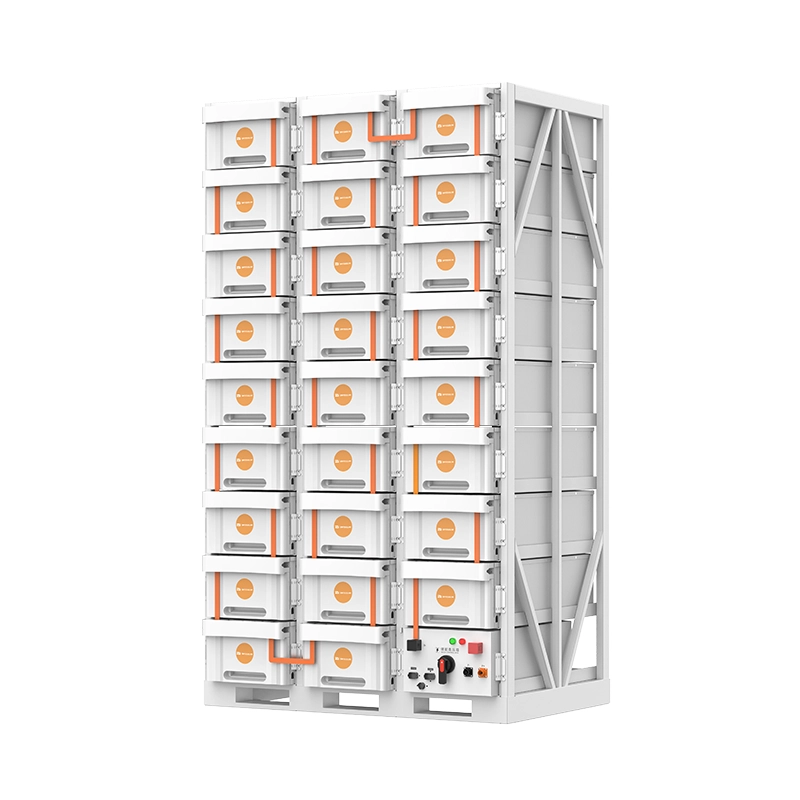
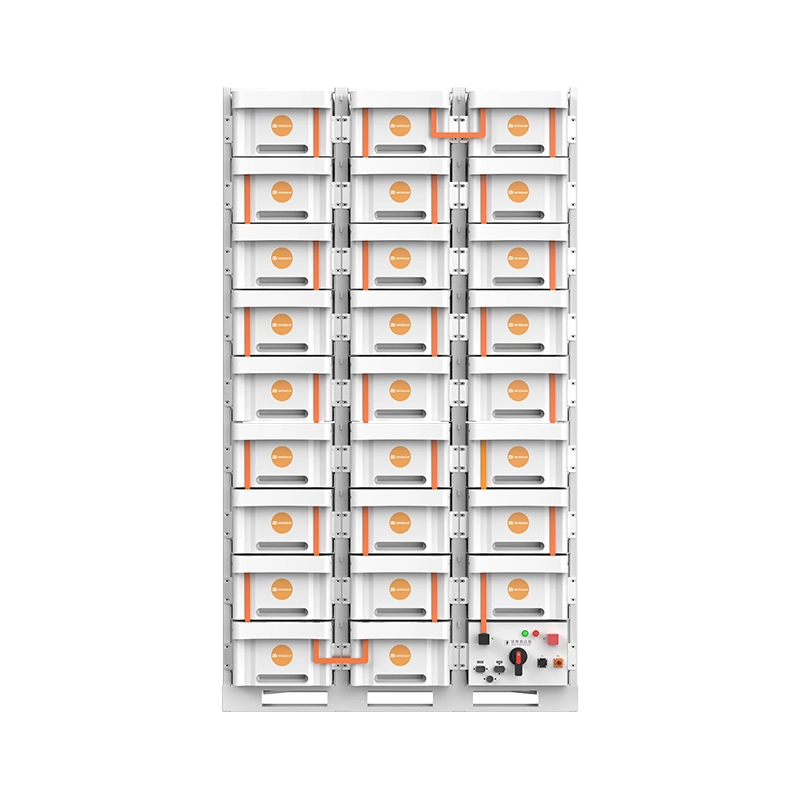
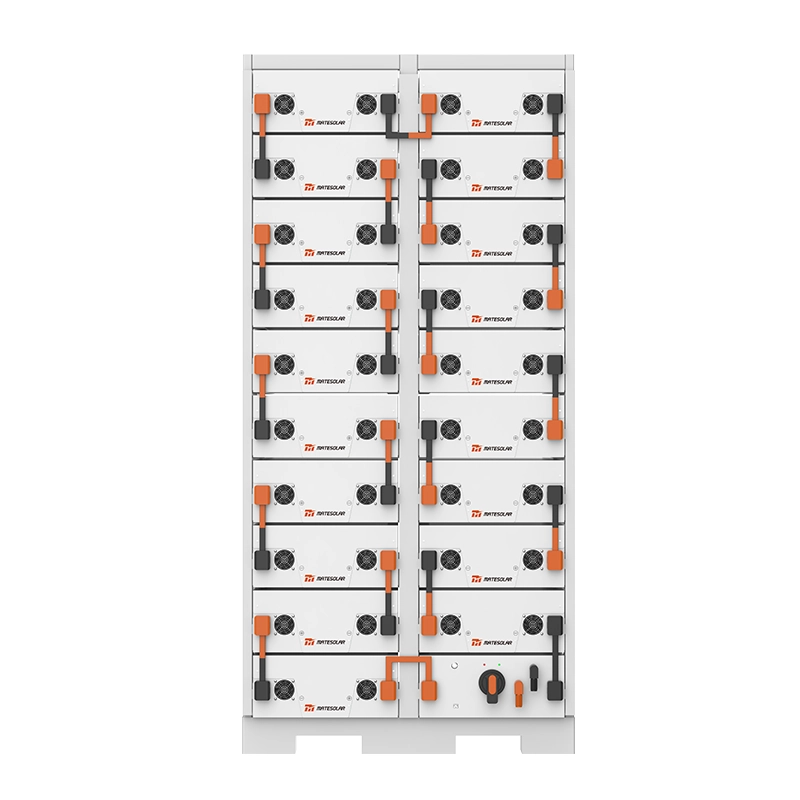
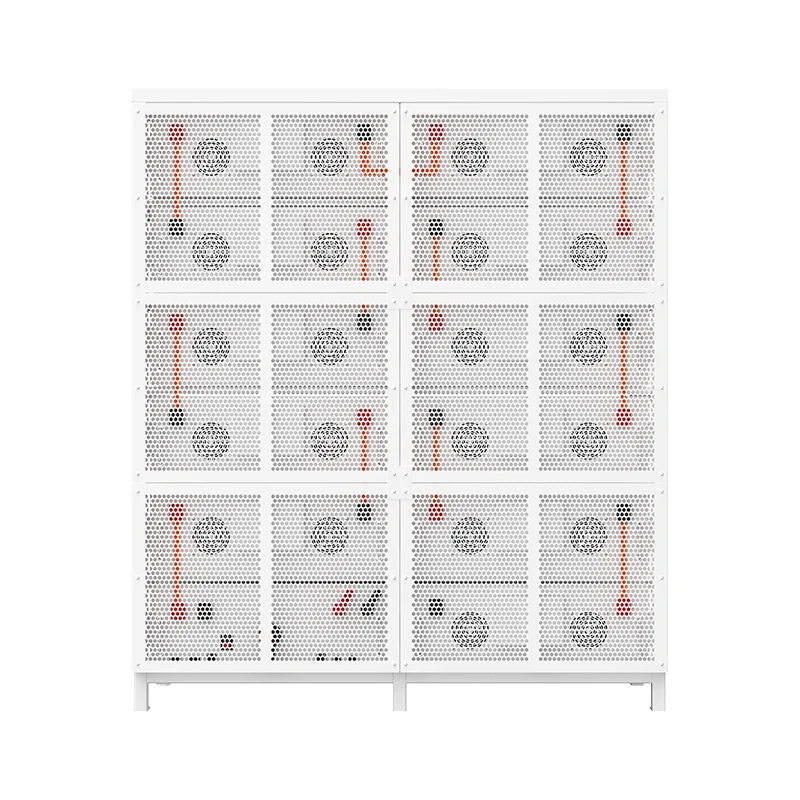
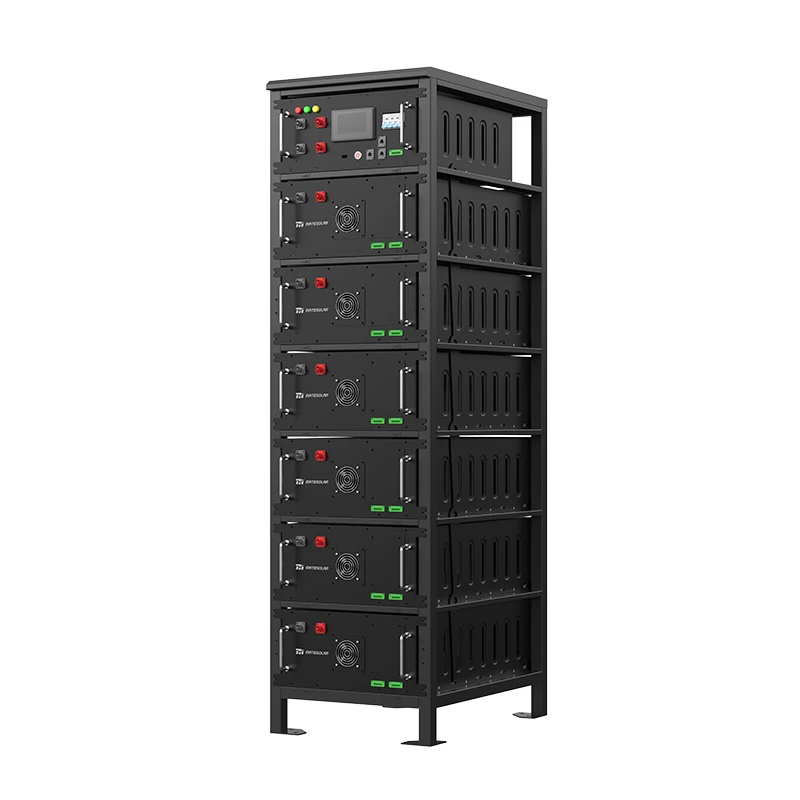
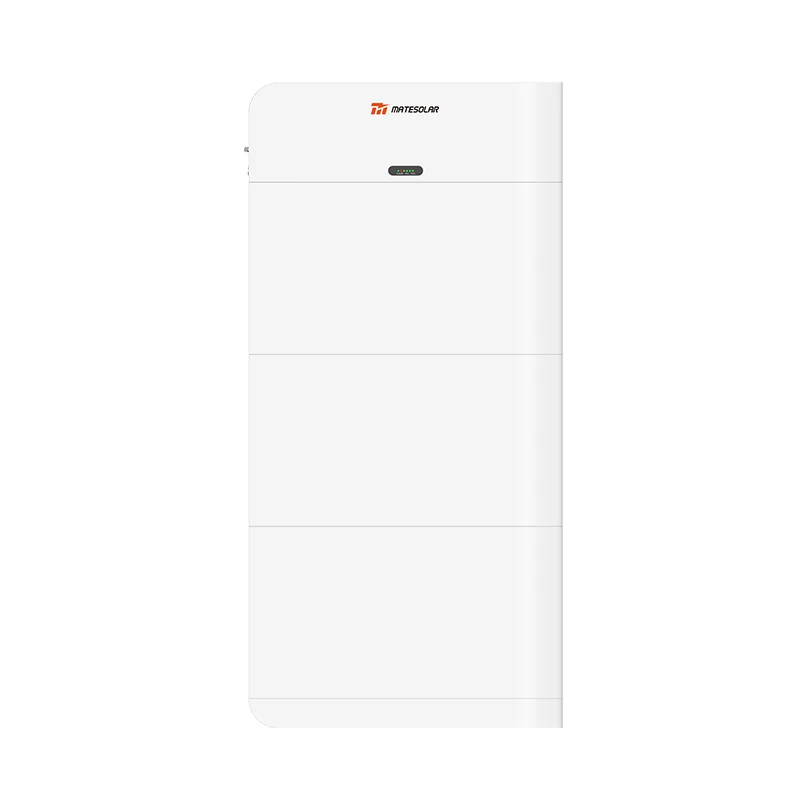
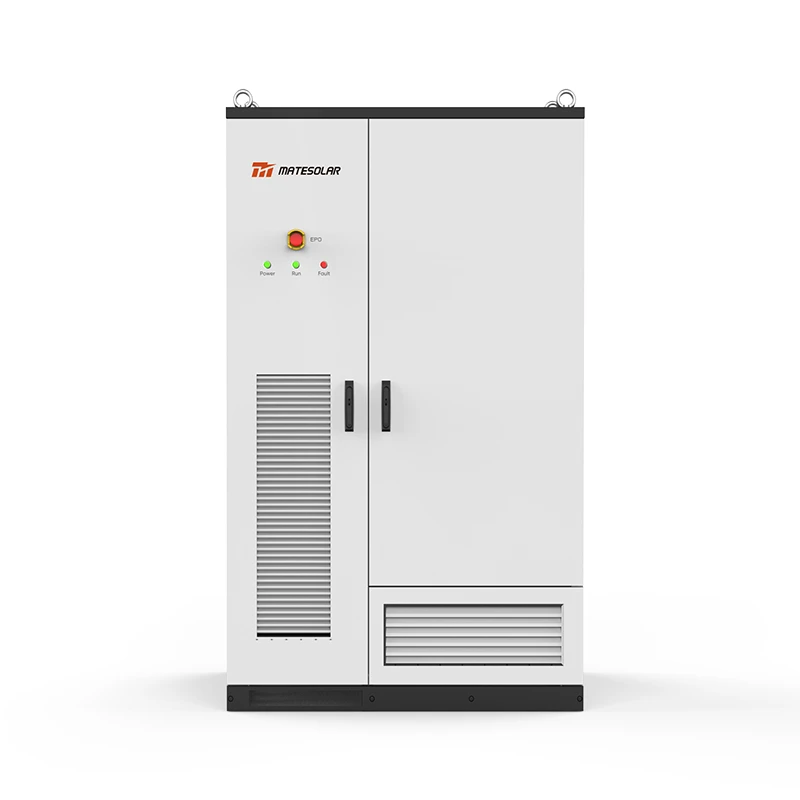
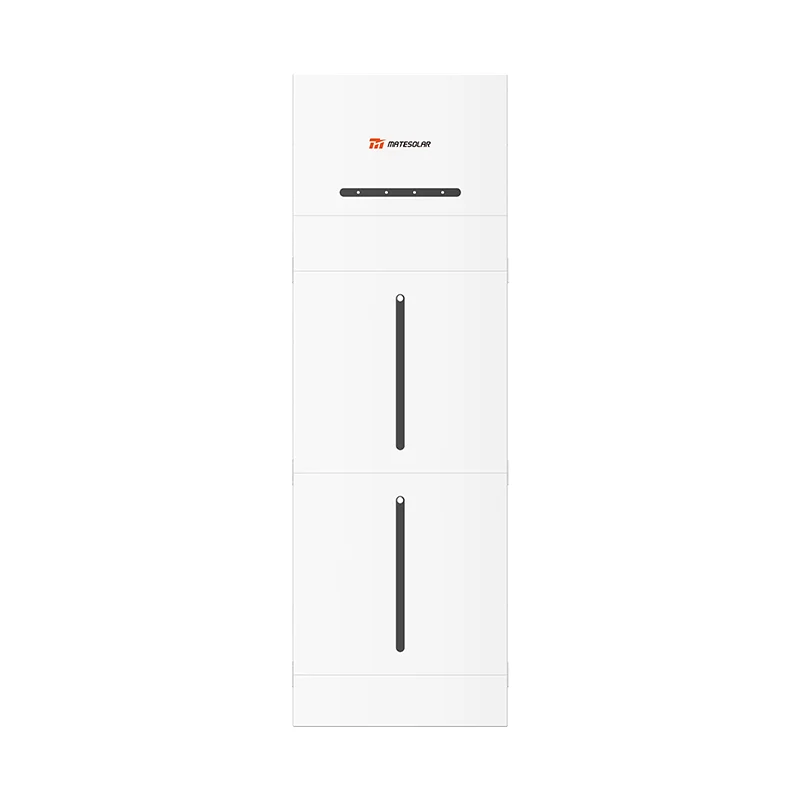
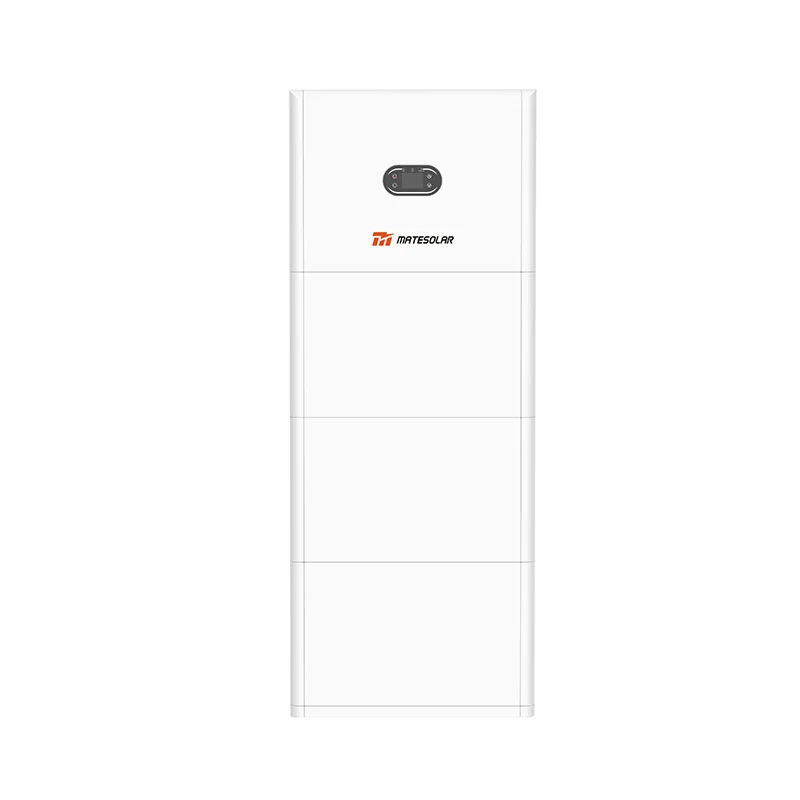
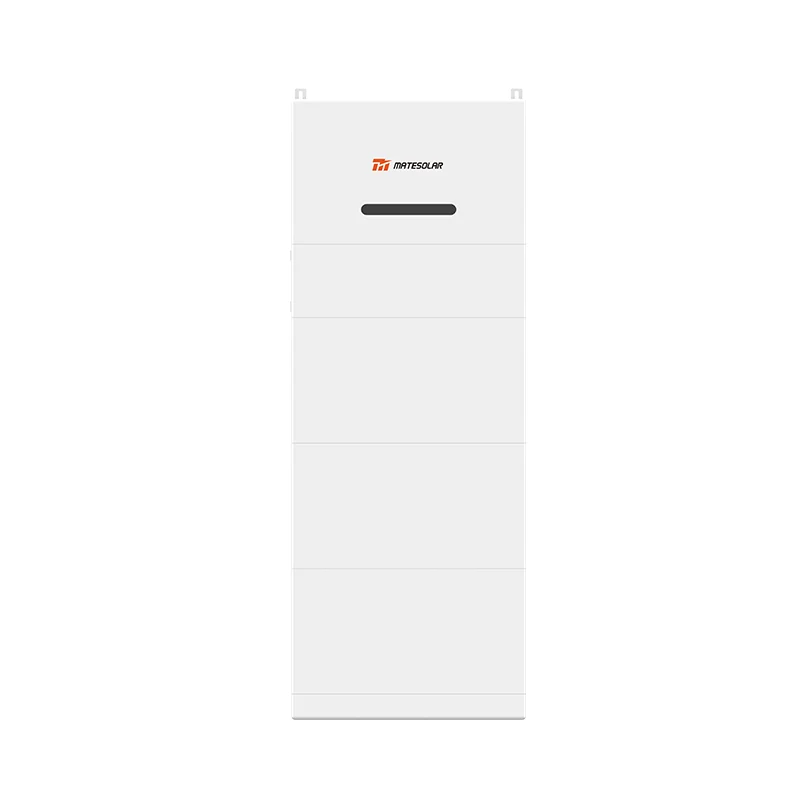
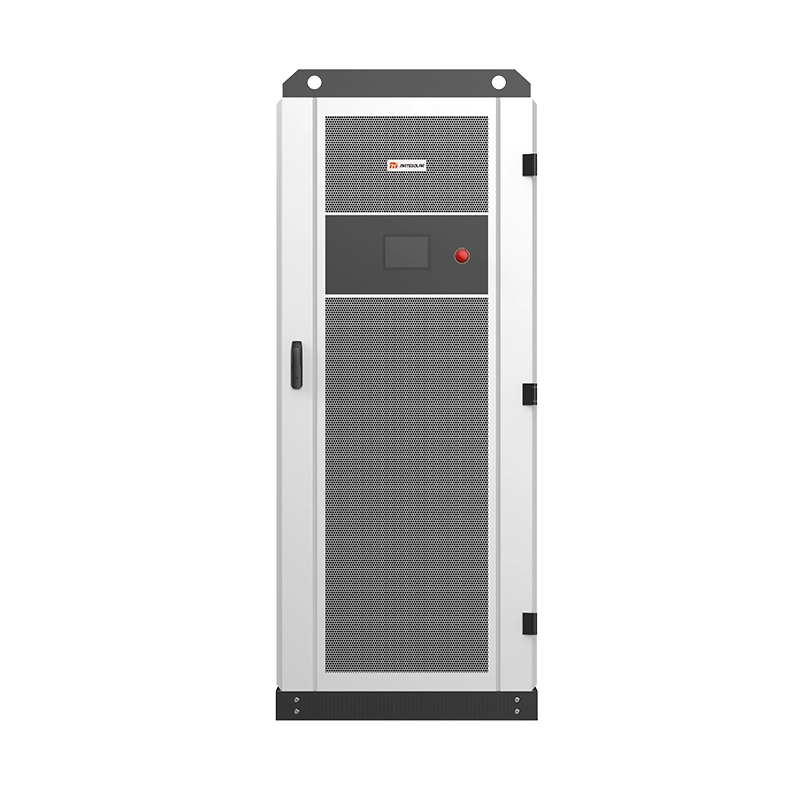
Les solutions BESS en conteneurs représentent désormais environ 75% des nouvelles commandes à l'échelle industrielle, privilégiées pour leur déploiement plus rapide et leur fabrication standardisée. Pour les applications C&I, les solutions d'armoires extérieures allant de 100 kW/232 kWh à 125 kW/261 kWh gagnent en préférence pour leur modularité, leur capacité de déploiement rapide et leurs exigences réduites en matière de préparation du site.
1.3 Paysage de déploiement régional
Ontario continue de diriger le déploiement du stockage d'énergie au Canada grâce au cadre d'approvisionnement à long terme de l'Independent Electricity System Operator (IESO). La province a maintenant mobilisé environ 3,6 GW de capacité de stockage par batteries à l'échelle des services publics grâce aux programmes LT1 et LT2.. La fenêtre de capacité LT2 n° 1, dont les résultats ont été annoncés le 16 juin 2026, a permis d’obtenir 640 MW de stockage par batterie d’une durée de huit heures répartis sur trois projets, tous comportant une participation des populations autochtones selon le modèle 50%..
Alberta émerge comme un marché important grâce à l'approbation par l'Alberta Utilities Commission de plusieurs projets de solaire-plus-stockage, notamment Red Willow (225 MWac + 200 MWh) et Dolcy (300 MWac + 200 MWh). Le marché de l'électricité déréglementé de la province crée des opportunités de revenus de marché qui complètent les paiements de capacité.
Colombie-Britannique fait progresser le déploiement du stockage d'énergie BTM grâce à des partenariats avec BC Hydro, y compris une collaboration avec Ameresco sur des initiatives de stockage distribué. La feuille de route CleanBC de la province et le cadre de tarification du carbone soutiennent davantage l'adoption du stockage d'énergie.
Île-du-Prince-Édouard recherche activement un exploitant d'installation de stockage d'énergie de 10 à 50 MW, ce qui témoigne de l'intérêt croissant des provinces Maritimes pour le stockage en tant qu'outil de fiabilité du réseau.
Partie II : Cadre stratégique – L'opportunité ITC 45%
2.1 Crédit d'impôt pour l'investissement dans les technologies propres (CTITC) – 30%
Le crédit d'impôt à l'investissement dans les technologies propres offre un crédit remboursable de 30% sur le coût d'acquisition des biens éligibles relevant des technologies propres, notamment les installations photovoltaïques solaires, les systèmes de stockage d'électricité fixes et les équipements connexes.. Fonctionnalités clés :
- Période d'admissibilité: Actif acquis et disponible pour utilisation entre le 28 mars 2023 et avant 2034.
- Besoins en main-d'œuvre: Pour bénéficier du taux plein 30%, les projets doivent respecter les exigences en matière de salaire en vigueur et d'apprentissage. Tout manquement à ces exigences entraîne une réduction du taux 10%..
- Remboursabilité: Le crédit 40% est remboursable pour les sociétés — il est versé même en l'absence d'obligation fiscale.
- Matériel éligible: Panneaux solaires photovoltaïques, onduleurs, systèmes de montage, câblage électrique, appareillage de commutation et systèmes de stockage sur batterie stationnaire installés dans le cadre du projet solaire.
2.2 Crédit d'impôt à l'investissement dans l'électricité propre (CEITC) – 15%
Le crédit d'impôt à l'investissement dans l'électricité propre, instauré par la loi C-15 en mars 2026, prévoit un crédit remboursable supplémentaire de 15% pour les investissements dans des systèmes de production d'électricité à faibles émissions et dans des systèmes de stockage d'électricité fixes qui n'utilisent pas de combustibles fossiles lors de leur fonctionnement..
Distinctions critiques du CTITC :
- Éligibilité élargie: Accessible aux entités non imposables, notamment les communes, les services publics et les sociétés détenues par des populations autochtones.
- Portée du projet: Couvre les systèmes fixes de stockage d'électricité, qu'ils soient ou non implantés sur le même site que la production.
- Valeur à vie: Le gouvernement canadien estime que le CEITC apportera un soutien de 27,3 milliards de dollars canadiens sur toute sa durée de vie.
Tableau 3 : Barème fédéral des crédits d'impôt à l'investissement (ITC) pour les projets de stockage d'énergie dans le secteur commercial et industriel (C&I)
| Crédit d'impôt | Évaluer | Entités éligibles | Conditions essentielles |
| CTITC | 30% | Sociétés canadiennes assujetties à l'impôt | Respect de la réglementation du travail obligatoire |
| CTITC | 15% | Entités imposables et non imposables | Stockage fixe éligible |
| Combiné | Jusqu'à 45% | Cela varie selon le type d'entité | Documentation critique |
Sources : Agence du revenu du Canada, Fasken (2026)
2.3 Exigence de contenu national (DCR) – Ce qu'il faut savoir
Le gouvernement du Canada a mené une consultation publique du 13 février au 13 mars 2026 sur l'introduction éventuelle d'une exigence de contenu national (ECN) pour les crédits d'impôt à l'investissement (CII) liés aux technologies propres et à l'électricité propre..
Bien que le DCR n'ait pas encore été finalisé, la consultation indique clairement la voie à suivre : à l'avenir, pour pouvoir bénéficier des taux pleins de l'ITC, il pourrait être nécessaire que les équipements éligibles comportent un pourcentage minimum de contenu canadien. La consultation a porté sur l'application de ces dispositions à l'acier de construction, aux produits manufacturés de pointe (notamment les modules photovoltaïques et les modules de batterie) et à d'autres composants..
Pour les promoteurs de projets et les propriétaires d'actifs, cela signifie :
- La stratégie d'approvisionnement est importanteLes décisions de sourcing prises aujourd'hui affecteront l'admissibilité au crédit d'impôt si le DCR est adopté rétroactivement ou avec une période de transition.
- La documentation est essentielle: La certification du pays d'origine et la traçabilité de la chaîne d'approvisionnement deviendront des exigences réglementaires incontournables.
- La localisation constitue une protection: La collaboration avec des partenaires canadiens spécialisés dans l'assemblage de modules et l'intégration de systèmes permet de réduire le risque lié au DCR tout en favorisant le développement de la chaîne d'approvisionnement nationale.
2.4 Amortissement accéléré des immobilisations (AAI)
Outre la pile ITC, les équipements d'énergie propre éligibles peuvent bénéficier de la déduction pour amortissement capital (CCA) de la classe 43.1, avec amortissement immédiat selon la règle 100% pour les biens disponibles à l'utilisation avant 2030.. Cet amortissement accéléré permet de bénéficier d'un allègement fiscal significatif à court terme, ce qui renforce encore la rentabilité du projet.
Partie III : Achats à long terme de l'IESO – L'ancrage des revenus sur 22 ans
3.1 Le cadre LT1 et LT2
L'IESO de l'Ontario a établi le cadre d'approvisionnement en stockage d'énergie à long terme le plus solide d'Amérique du Nord. L'approvisionnement LT1, le plus grand approvisionnement en stockage par batterie de l'histoire canadienne, a attribué des contrats de capacité BESS de plus de 850 MW en deux tranches en 2023..
L'appel d'offres LT2, annoncé en août 2024, vise à acquérir 3 TWh de production d'énergie ainsi que 600 MW de nouvelles capacités de ressources.. Les résultats de la première fenêtre de capacité ont été annoncés le 16 juin 2026, garantissant 640 MW de stockage par batterie de huit heures répartis sur trois projets..
3.2 Structure du contrat $1,221/MW/jour
Les contrats de capacité de l'IESO offrent un paiement de capacité mensuel fixe indexé sur l'inflation. Pour le programme E-LT1, dans le cadre duquel le projet SFF-06 de PowerBank a obtenu un contrat de 22 ans, la structure de paiement est de 1 221 CAD.
Cette structure contractuelle offre :
- Certitude de revenus sur 22 ansLes paiements à capacité fixe fournissent des flux de trésorerie bancables et prévisibles.
- Protection contre l'inflationLes paiements indexés conservent leur valeur réelle sur la durée du contrat.
- Prime de performanceLes frais de non-performance assurent la responsabilisation tout en récompensant une exploitation fiable.
3.3 Exigences relatives aux partenariats autochtones
L’une des caractéristiques marquantes du programme d’approvisionnement en systèmes de stockage d’énergie de l’Ontario réside dans l’importance accordée à la participation des communautés autochtones au capital. Les trois projets de la fenêtre 1 du programme LT2 « Capacity » prévoient une participation au capital des communautés autochtones selon le modèle 50%.. Le projet SFF-06 est financé à hauteur de 50% par PowerBank et de 50% par un partenariat regroupant des communautés des Premières Nations de l'Ontario.
Pour les porteurs de projets, cela représente à la fois une exigence et une opportunité :
- Avantage concurrentiel: Les propositions s'appuyant sur un partenariat significatif avec les communautés autochtones sont nettement privilégiées lors des évaluations menées par l'IESO.
- Avantages pour la communautéLa propriété autochtone apporte des avantages économiques directs aux communautés locales et renforce la licence sociale du projet..
- Financement de l'accèsLes partenariats autochtones peuvent débloquer des sources de financement supplémentaires et réduire le risque des projets.
3.4 LT2 Fenêtre 2 et au-delà
L'IESO prévoit d'organiser plusieurs nouvelles phases d'appel d'offres dans le cadre du programme LT2. La soumission des propositions pour la « Fenêtre 2 » est désormais prévue pour le deuxième trimestre 2027, les étapes clés de la mise en service commerciale ayant été repoussées à 2032. L'appel d'offres « Long Lead-Time », lancé en mai 2026, vise à acquérir jusqu'à 800 MW de stockage d'énergie à longue durée..
Pour les fournisseurs de solutions de stockage d'énergie destinés aux secteurs C&I, le cadre LT2 offre un portefeuille d'opportunités sur plusieurs années, caractérisé par des cycles d'approvisionnement prévisibles et des critères d'évaluation transparents.
Partie IV : Grands projets opérationnels – Le marché en action
4.1 PowerBank SFF-06 – Un modèle de réussite
Le projet SFF-06, désormais en exploitation commerciale à Cramahe, en Ontario, illustre parfaitement le modèle de mise en œuvre réussi des projets canadiens de stockage d'énergie. Ses principales caractéristiques sont les suivantes :
- Capacité: Système de stockage d'énergie par batterie de 4,99 MW
- Contrat: contrat IESO E-LT1 d'une durée de 22 ans à 1 221 CAD/MW/jour
- Colocation: Exploité sur le site d'un projet solaire au sol existant
- Propriété: PowerBank 50%, communautés des Premières Nations 50%
- Financement: ligne de crédit de 28,1 millions de dollars canadiens accordée par la Banque Royale du Canada
Le projet SFF-06 démontre la viabilité de la co-implantation d'installations solaires et de systèmes de stockage, la viabilité financière des contrats conclus avec l'IESO, ainsi que la reproductibilité des modèles de partenariat avec les communautés autochtones.
4.2 Projets de la fenêtre 1 du programme LT2
Les trois projets sélectionnés dans le cadre du volet « Capacités » (LT2) de la première phase constituent une nouvelle référence en matière de déploiement des systèmes de stockage d'énergie au Canada :
- Capacité totale: 640 MW de stockage par batterie d'une autonomie de huit heures
- Équité autochtone: 50% pour l'ensemble des projets
- Réduction des coûts: Les coûts liés à la capacité du système BESS sont inférieurs de 36% à ceux de l'option « Expedited-LT1 » et de 16% à ceux de l'option « LT1 »
- Durée du contrat: contrats d'une durée de 20 ans, dont la mise en service commerciale est prévue d'ici le 1er mai 2030
4.3 BESS de la Route Trail – Le Projet Phare d'Ottawa
Scout Clean Energy a entamé la construction de la BESS Trail Road de 150 MW à Ottawa, un coentreprise avec la Première Nation des Algonguins de Pikwàkanagàn.. Le projet représente la tendance croissante du déploiement de stockage d'énergie à l'échelle utilitaire dans l'Est de l'Ontario et l'intégration croissante des partenariats autochtones.
Partie V : Les Six Points de Douleur Critiques – Solutions pour 2026
Point sensible 1 : Files d'attente d'interconnexion – Le goulet d'étranglement de 3 à 5 ans
Le Problème
Les retards dans la file d'attente d'interconnexion au réseau, d'une durée moyenne de 3 à 5 ans pour les grands projets, représentent le principal obstacle à l'accélération du déploiement du stockage d'énergie au Canada.. Plus de 25 GW de capacité de stockage proposée attendent l'approbation de connexion.. Le modèle de traitement basé sur les files d'attente, tout en évoluant vers des approches de type “premier arrivé, premier servi”, entraîne toujours des délais de plusieurs années qui menacent la viabilité des projets.
La Solution : Déploiement Derrière le Compteur
Les systèmes de stockage d'énergie BTM (Behind-The-Meter) contournent entièrement la file d'attente d'interconnexion en fonctionnant derrière le compteur électrique existant du client. Un système BTM peut être déployé en quelques semaines ou quelques mois, et non en quelques années, offrant des économies immédiates sur les coûts d'énergie et une réduction des frais de demande pendant que le processus d'interconnexion est en cours en parallèle pour les futurs services réseaux.
Considérations clés pour le déploiement de BTM :
- Infrastructure existanteLes systèmes BTM se connectent au niveau basse ou moyenne tension, ne nécessitant aucune nouvelle infrastructure de transmission.
- Approche par étapes: Déployez le stockage BTM dès maintenant pour des économies immédiates ; ajoutez les services réseau plus tard, une fois l'interconnexion sécurisée.
- Co-implantation solaire: En 2026, plus de 60% de nouvelles installations de stockage BTM seront déployées conjointement avec des systèmes photovoltaïques installés sur les toits ou au sol, tirant ainsi parti des infrastructures solaires existantes.
L'avantage MateSolar
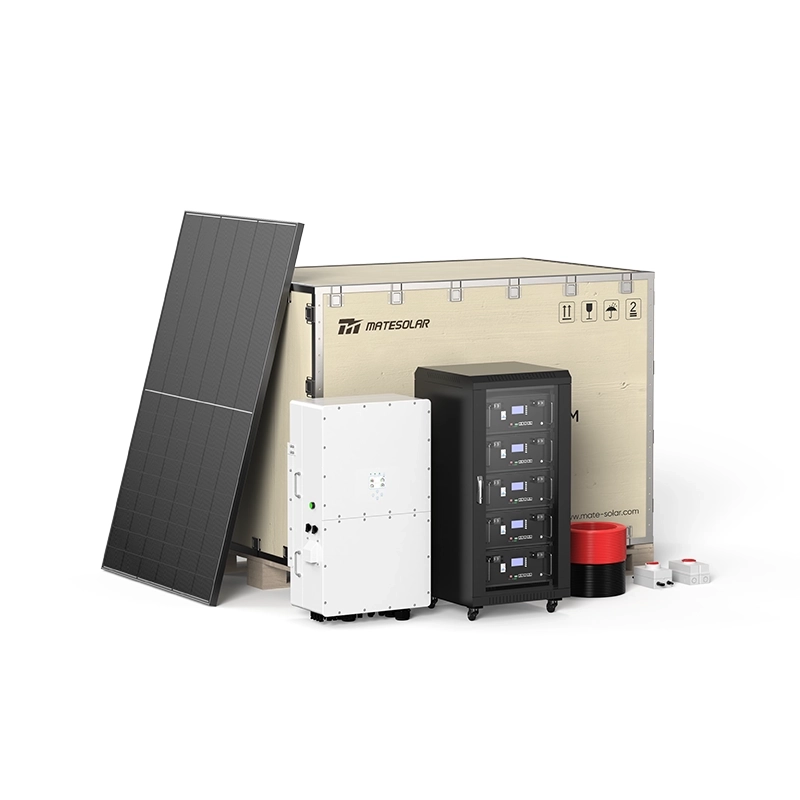
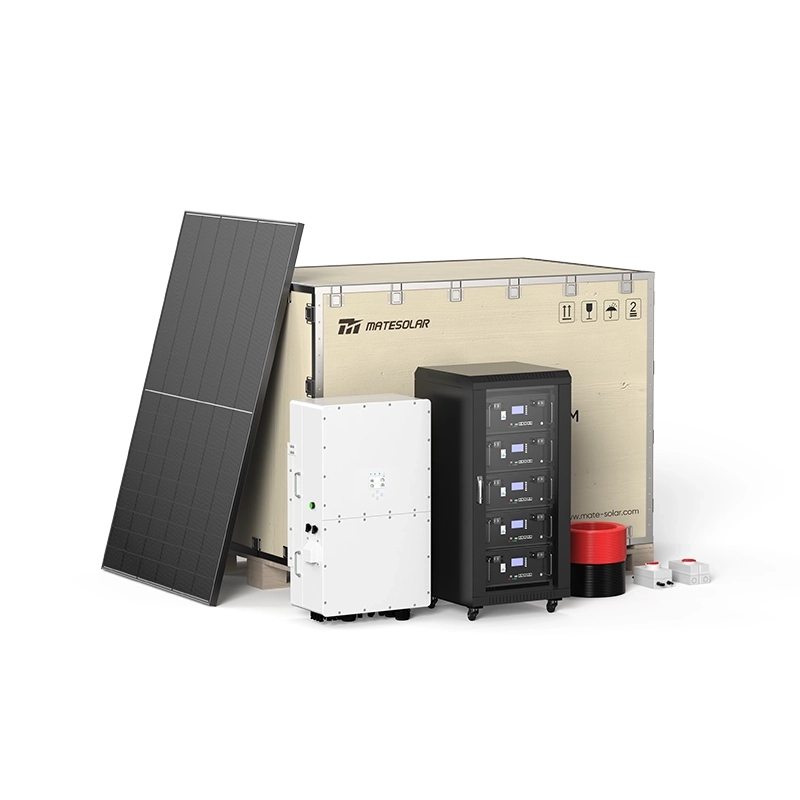
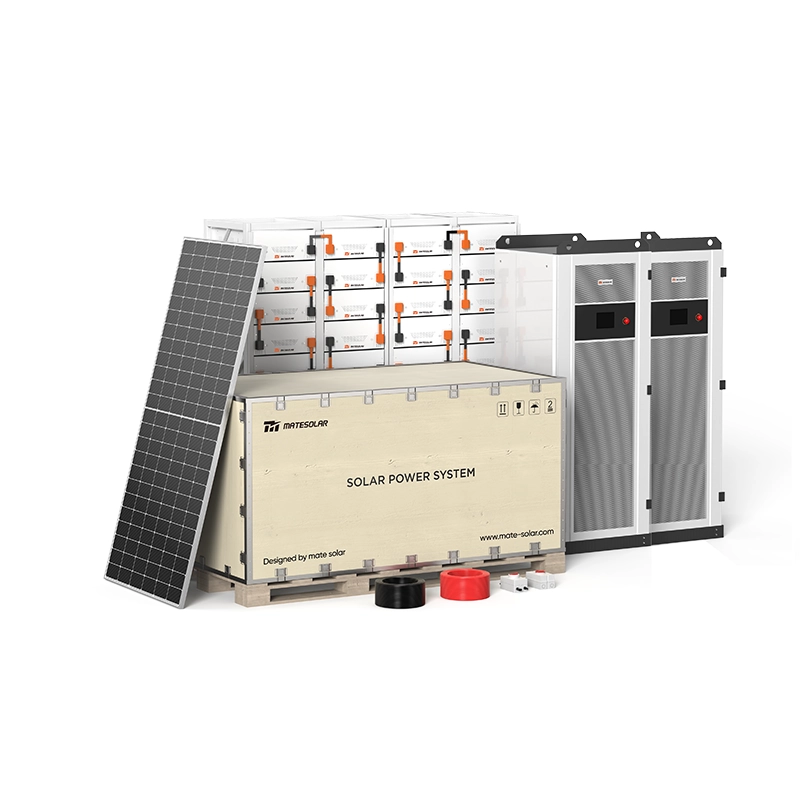
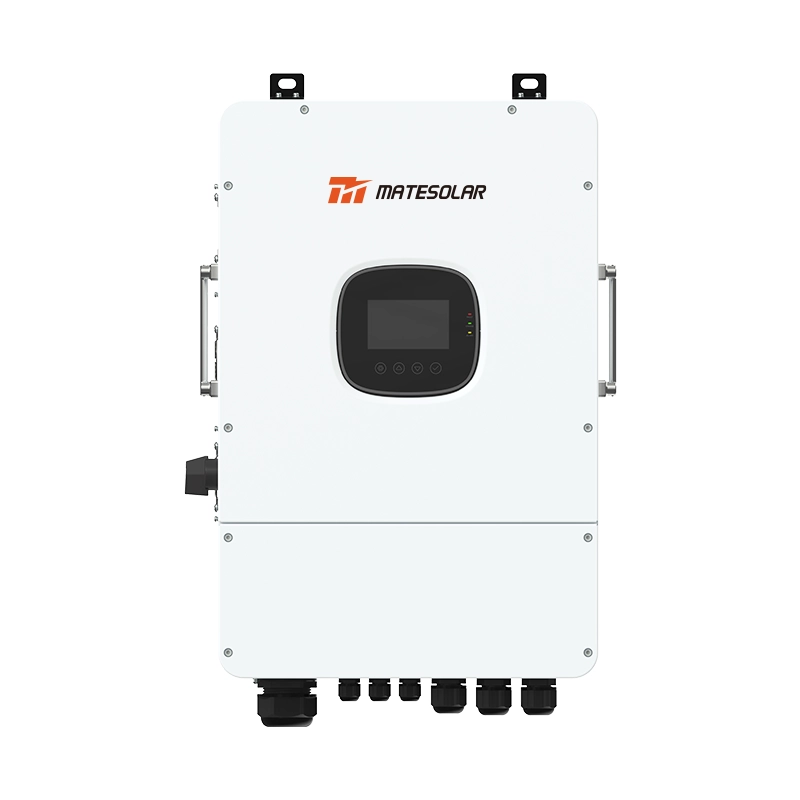
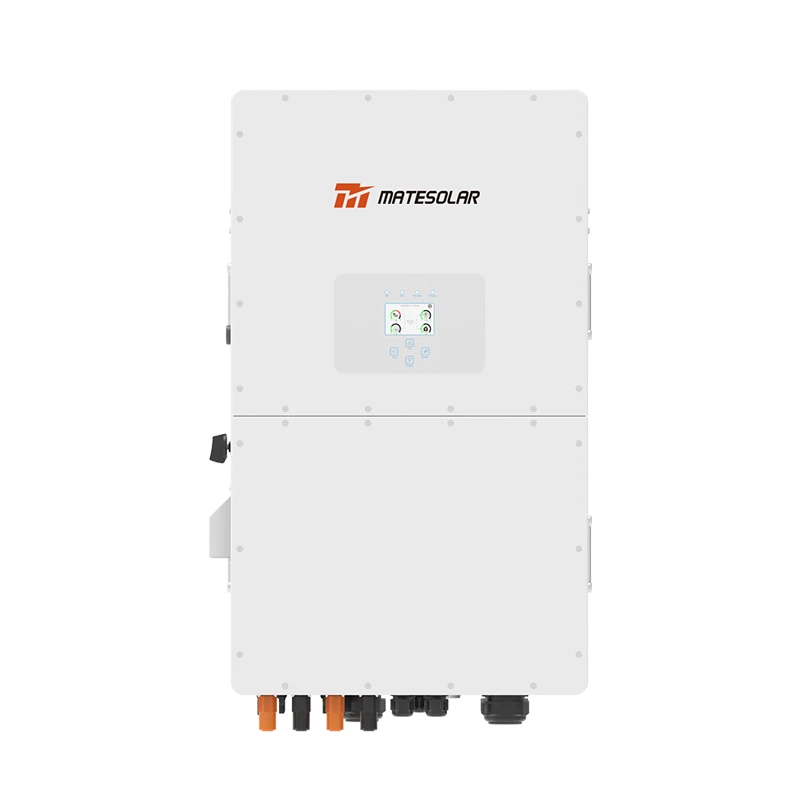
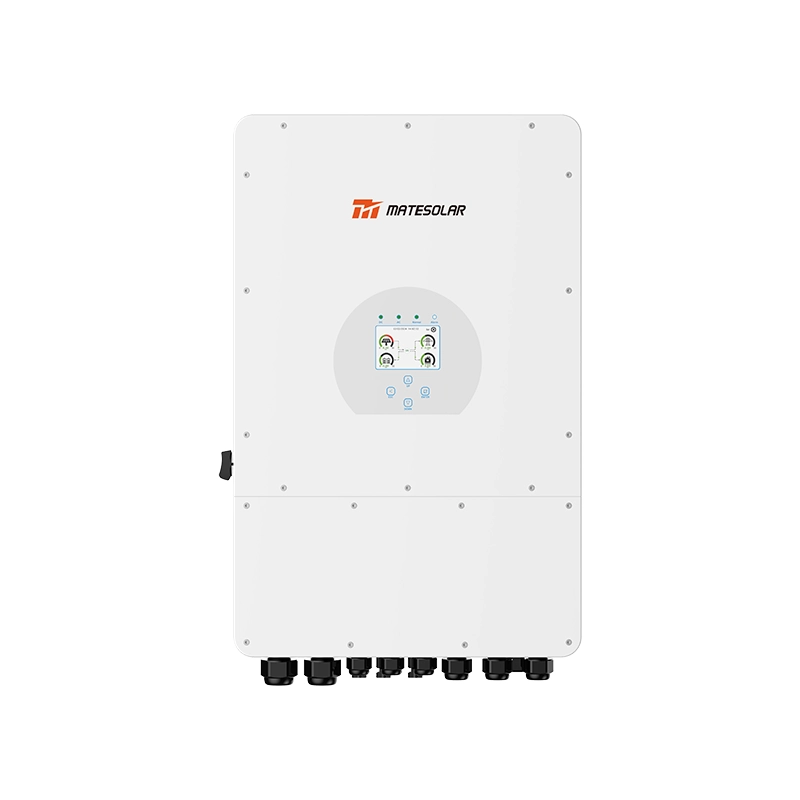
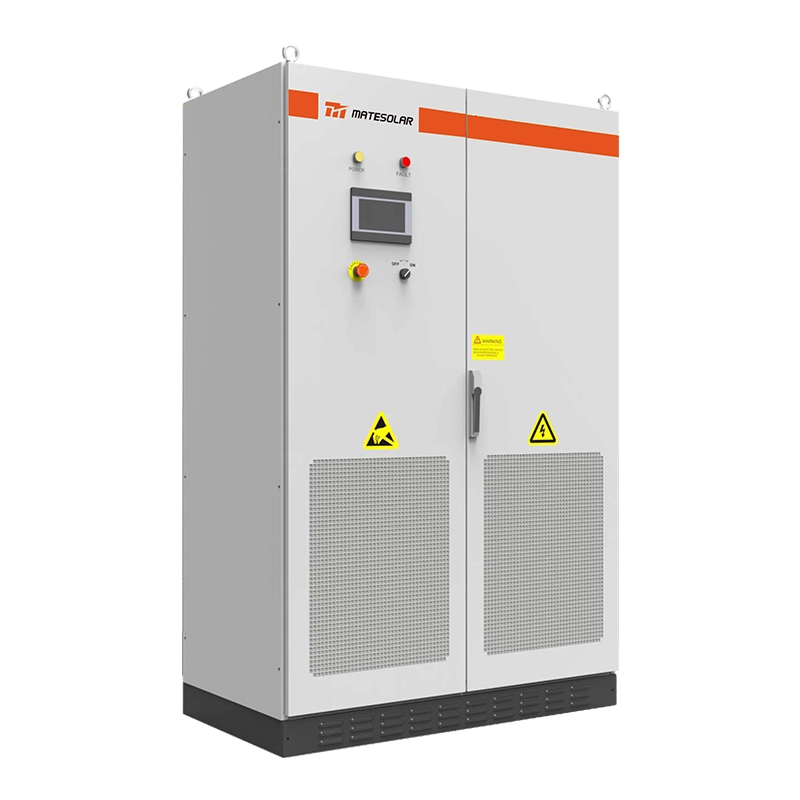
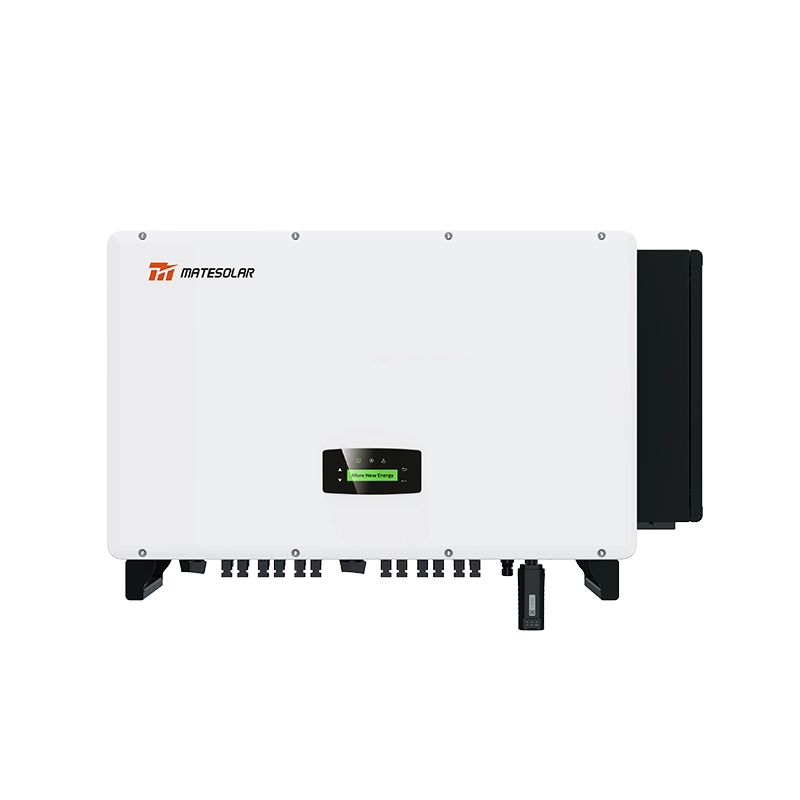
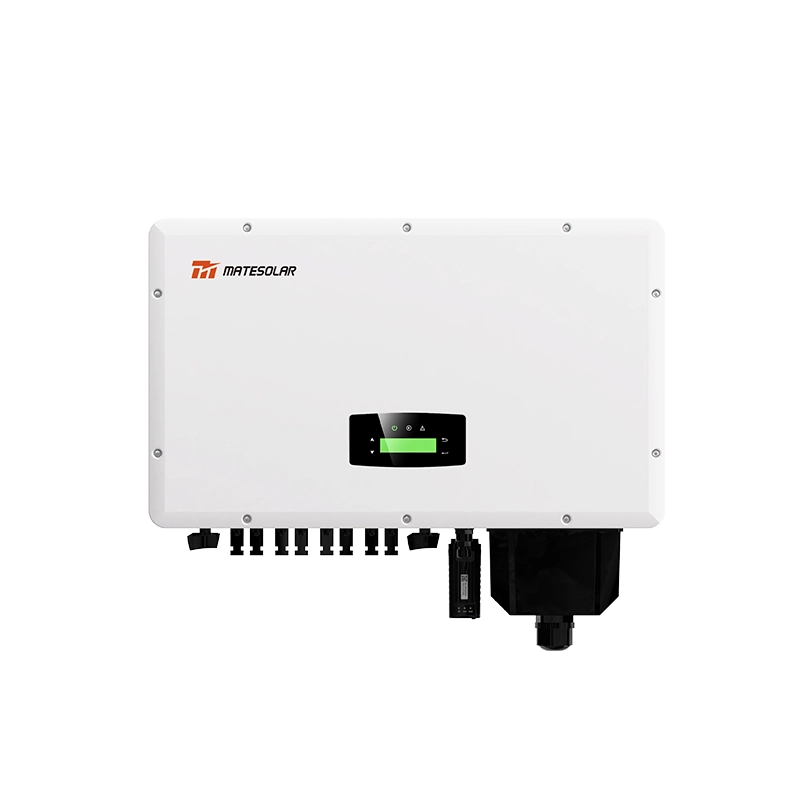
Notre système solaire hybride commercial de 500 kW est conçu pour une intégration transparente avec les installations photovoltaïques existantes, permettant un déploiement rapide en aval du compteur (BTM) sans délais d'interconnexion. Pour les clients nécessitant des services réseau, nos systèmes sont conçus avec la flexibilité d'ajouter une fonctionnalité orientée réseau une fois l'interconnexion approuvée.
Problématique n° 2 : Optimisation de l'ITC – Concrétiser le modèle 45%
Le Problème
Le dispositif fédéral ITC offre jusqu’à 45% de crédits d’impôt, mais la procédure de demande est complexe et l’Agence du revenu du Canada (ARC) applique des mécanismes de contrôle préalable rigoureux. La documentation est le facteur de réussite le plus important — et la cause d’échec la plus courante.
La Solution : Préparation complète aux TIC
Exigences en matière de documentation :
- Pièces justificatives d'éligibilité: Prouver que le bien est neuf, qu'il a été acquis au cours de la période admissible et qu'il est disponible pour être utilisé au Canada.
- Documentation de conformité du travail: Justifier le paiement des salaires en vigueur et le respect du nombre d'heures d'apprentissage afin de bénéficier du taux CTITC 30% dans son intégralité.
- Suivi des coûts: Tenir des registres détaillés des coûts en capital — les coûts de main-d'œuvre ne sont pas admissibles à la DCITC, seuls les coûts en capital des équipements sont admissibles.
- Documentation de synchronisationLes crédits doivent être réclamés dans les 18 mois suivant la fin de l'exercice fiscal au cours duquel l'actif est devenu disponible pour utilisation..
Préparation à la DCR :
- Cartographie de la chaîne d'approvisionnementDocumentez l'origine de tous les composants majeurs (cellules, modules, onduleurs, acier de structure).
- Stratégie de localisation: Faire appel à des partenaires canadiens spécialisés dans l'assemblage de modules et l'intégration de systèmes afin de renforcer la part de contenu national.
- Approvisionnement flexible: Entretenir des relations avec des fournisseurs situés dans plusieurs juridictions afin de s'adapter à l'évolution des exigences.
Optimisation de la structure du projet :
- Sélection d'entitésLes sociétés canadiennes imposables peuvent accéder à la fois au CTITC et au CEITC ; les entités non imposables (municipalités, sociétés autochtones) peuvent accéder au CEITC.
- Mise en service progressive: Échelonner la mise en service des projets afin d'optimiser le calendrier des crédits d'impôt sur l'ensemble des exercices fiscaux.
- Empilement de crédits: Associez l'ITC à un amortissement accéléré au titre de la CCA (amortissement en année 1 selon la méthode 100%) pour bénéficier d'un allègement fiscal maximal à court terme.
Problématique n° 3 : Appels d’offres à long terme de l’IESO – Garantir des recettes sur 22 ans
Le Problème
Les contrats de paiement de capacité à durée fixe de 22 ans conclus par l’IESO offrent une sécurité de revenus à long terme rare en Amérique du Nord. Cependant, l’appel d’offres LT2 est très concurrentiel, et pour y participer avec succès, il faut disposer d’une expérience avérée, d’une capacité à établir des partenariats avec les communautés autochtones et de garanties de performance technique.
La Solution : Préparation éprouvée de l'IESO
L'expérience IESO compteLe projet SFF-06 de PowerBank, qui a obtenu un contrat de 22 ans avec l'IESO grâce à l'appel d'offres E-LT1, démontre la viabilité du stockage d'énergie à l'échelle C&I dans les acquisitions de l'IESO.
Facteurs clés de succès pour la participation à l'IESO :
- Performance technique: Les contrats d'une durée de 22 ans nécessitent des systèmes BESS présentant une durée de vie ultra-longue et une dégradation minimale. La chimie LFP, avec sa capacité de plus de 6 000 cycles à une profondeur de décharge de 80%, est la seule solution viable pour les contrats de plus de 20 ans.
- Partenariat autochtone: Les propositions prévoyant une participation des populations autochtones au capital selon le modèle 50% seront nettement privilégiées. Impliquer les communautés des Premières Nations dès le début du processus de développement du projet.
- Soutien municipal: Le LT2 exige des résolutions de soutien municipales (RSM) pour la soumission des propositions. Établissez des relations communautaires avant la publication de l'appel d'offres.
- Préparation au financementLes contrats de 22 ans nécessitent des structures de financement de projet qui correspondent à la durée du contrat. Impliquez les prêteurs dès le début du processus de développement.
Garantie de bonne exécution du contrat
- Redondance du systèmeConcevoir des systèmes BESS avec une redondance N+1 pour assurer la disponibilité des performances sur toute la durée du contrat.
- Surveillance des performancesDéployez des systèmes avancés de gestion de l'énergie avec une analyse prédictive afin d'identifier et de traiter la dégradation des performances avant qu'elle n'affecte le respect des contrats.
- Planification de la maintenanceÉtablir des accords de longue durée pour l'exploitation et la maintenance (O&M) qui correspondent à la durée du contrat.
Point douloureux 4 : Pénuries d'installateurs – L'écart de 1 500 à 2 000 personnes
Le Problème
Le Canada fait face à une pénurie de 1 500 à 2 000 installateurs qualifiés de systèmes de stockage par batterie, et les programmes de formation nécessitent 12 à 18 mois pour former des travailleurs qualifiés. L'industrie croît plus rapidement que le vivier de talents, créant des risques d'exécution de projets.
La Solution : Livraison Clé en Main et Pré-Intégration en Usine
Service clé en main tout-en-un: Dans le contexte actuel de pénurie d'installateurs, les clients ont besoin de bien plus que du simple matériel : ils ont besoin d'une prise en charge complète de leur projet. Les solutions « clé en main », qui englobent l'ingénierie, l'approvisionnement, la construction et la mise en service, permettent d'alléger la charge pesant sur les ressources locales d'installation, déjà limitées.
Pré-intégration et pré-mise en service en usineLes solutions BESS extérieures en armoire et conteneurisées, pré-assemblées en usine, pré-câblées et pré-mises en service, réduisent considérablement les exigences d'installation sur site. Nos armoires extérieures refroidies par liquide de 100 kW/232 kWh et 125 kW/261 kWh arrivent sur site en tant que systèmes complets et testés ne nécessitant que la connexion électrique et la mise en service finale.
Mise en service et formation à distanceLe support de mise en service à distance réduit le besoin de ressources techniques sur site. Les programmes de formation pour les partenaires d'installation locaux développent des capacités à long terme tout en permettant une exécution immédiate des projets.
L'avantage clé de MateSolar
Nos solutions sont conçues pour un déploiement rapide avec une expertise minimale sur site :
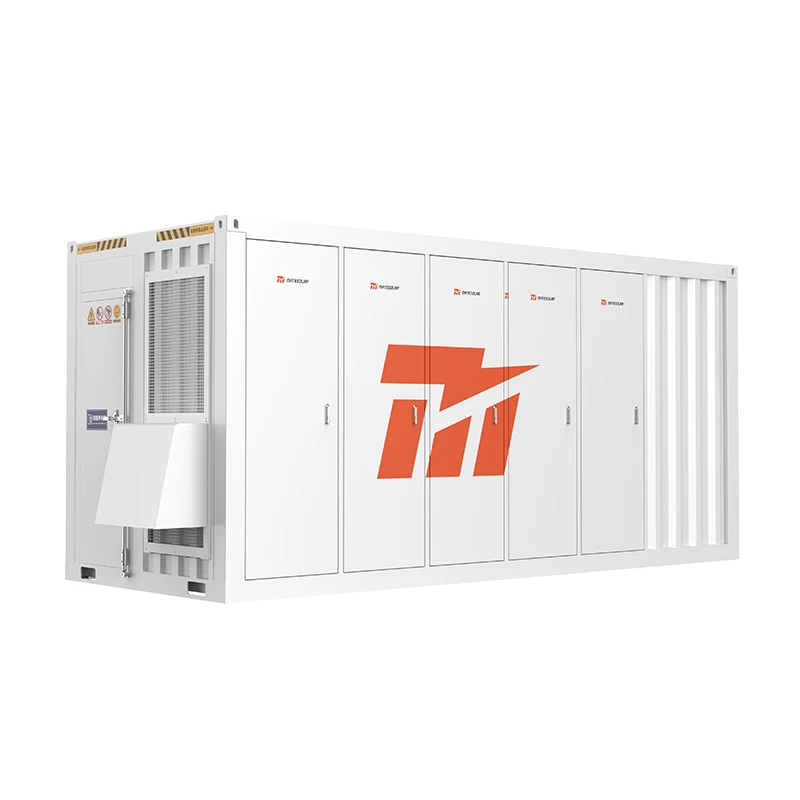
- Conteneur ESS 40 pieds refroidi par air 1 MWh/2 MWh: Assemblé et testé en usine, prêt pour un déploiement prêt à l'emploi
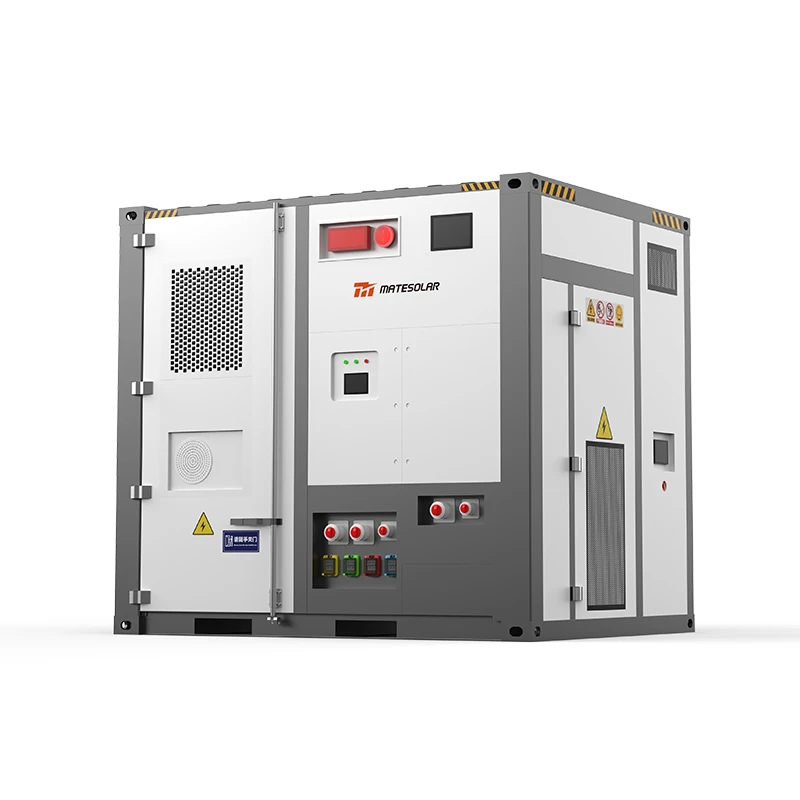
- Conteneur de stockage d'énergie à refroidissement liquide de 20 pieds, 3 MWh/5 MWhHaute densité, pré-commissionné et prêt pour l'expédition dans des conteneurs pour la logistique mondiale
- Armoires extérieures 100 kW/232 kWh et 125 kW/261 kWhModulaire, évolutif et préintégré pour les applications commerciales
Problématique n° 5 : Risque lié à la chaîne d'approvisionnement en LFP – Dépendance vis-à-vis des importations de 90%
Le Problème
Le Canada importe plus de 90% de ses cellules de batterie d'Asie, la production mondiale de matériaux cathodiques à base de LFP étant concentrée à plus de 85% en Chine.. Les prix du lithium et du graphite varient de 30 à 50% d'une année sur l'autre, ce qui engendre un risque économique important pour le projet.
La Solution : Approvisionnement Diversifié et Protection des Prix
Chaîne d'approvisionnement multi-sources: Collaborer avec des fournisseurs situés dans plusieurs pays — la Chine, la Corée du Sud et des sources émergentes en Amérique du Nord — afin de réduire le risque de concentration. Bien que le Canada reste structurellement dépendant des importations, les capacités nationales d’assemblage de modules et d’intégration de systèmes se développent rapidement en Ontario, au Québec et en Colombie-Britannique.
Capacité d'assemblage nationalL'assemblage de modules canadiens et l'intégration de systèmes réduisent la dépendance vis-à-vis des systèmes entièrement importés. Les partenariats avec des installations d'assemblage canadiennes peuvent fournir du contenu national qui positionne favorablement les projets pour d'éventuelles exigences de contenu canadien.
Mécanismes de verrouillage des prix: Les contrats-cadres à long terme avec des prix fixes ou indexés protègent contre la volatilité des prix des batteries. Les engagements de volume et les accords pluriannuels offrent de la visibilité aux fournisseurs tout en garantissant des coûts prévisibles pour les développeurs de projets.
Offre intérieure émergenteLes entreprises canadiennes développent une capacité de production nationale de cathodes LFP, avec des accords d'approvisionnement commerciaux initiaux destinés aux applications de stockage d'énergie d'ici la fin de 2026. Bien qu'à un stade précoce, ces développements signalent une tendance à long terme vers la localisation de la chaîne d'approvisionnement.
Point sensible 6 : Climat extrême – Performance de -40 °C à +40 °C
Le Problème
Les extrêmes climatiques du Canada — des températures hivernales aussi basses que -40 °C et des températures estivales dépassant +40 °C — créent des défis techniques uniques pour les systèmes de stockage d'énergie par batterie. La préoccupation la plus directe des clients est simple : la batterie fonctionnera-t-elle quand il fera -40 °C ?
La Solution : Systèmes d'Ingénierie Climatique
Large plage de températures de fonctionnementLes équipements BESS doivent être conçus pour fonctionner sur l'ensemble du spectre climatique canadien. Les systèmes doivent maintenir l'efficacité de charge/décharge à -40 °C grâce à des systèmes de chauffage actifs qui maintiennent les cellules dans des plages de fonctionnement optimales.
Gestion thermique intelligenteLes systèmes de chauffage et de refroidissement actifs maintiennent les températures des cellules dans la plage optimale de 15 à 35 °C, quelles que soient les conditions ambiantes. Les systèmes de refroidissement liquide offrent une uniformité de température supérieure par rapport au refroidissement par air, ce qui est particulièrement important pour les applications à haut débit C et les températures ambiantes extrêmes.
Protection de l'environnementLes indices de protection IP54 ou NEMA 3R minimum garantissent une résistance à la glace, à la neige, à la pluie verglaçante, au brouillard salin et à l'humidité. Les boîtiers doivent être conçus pour empêcher l'infiltration d'humidité qui pourrait compromettre les systèmes électriques.
Validation des performances par temps froidLes conceptions de systèmes doivent être validées par des tests tiers à des températures extrêmes. La certification UL 9540, bien que principalement axée sur la sécurité, offre une assurance de l'intégrité du système dans des conditions extrêmes.
Sixième partie : Solutions techniques pour le marché canadien de C&I
6.1 Système solaire hybride commercial de 500 kW
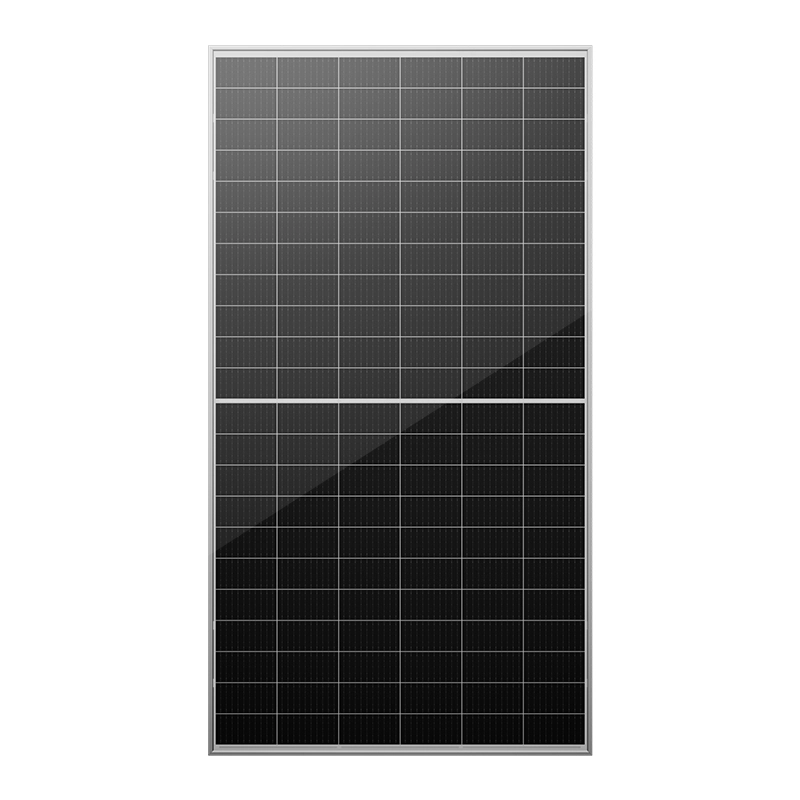
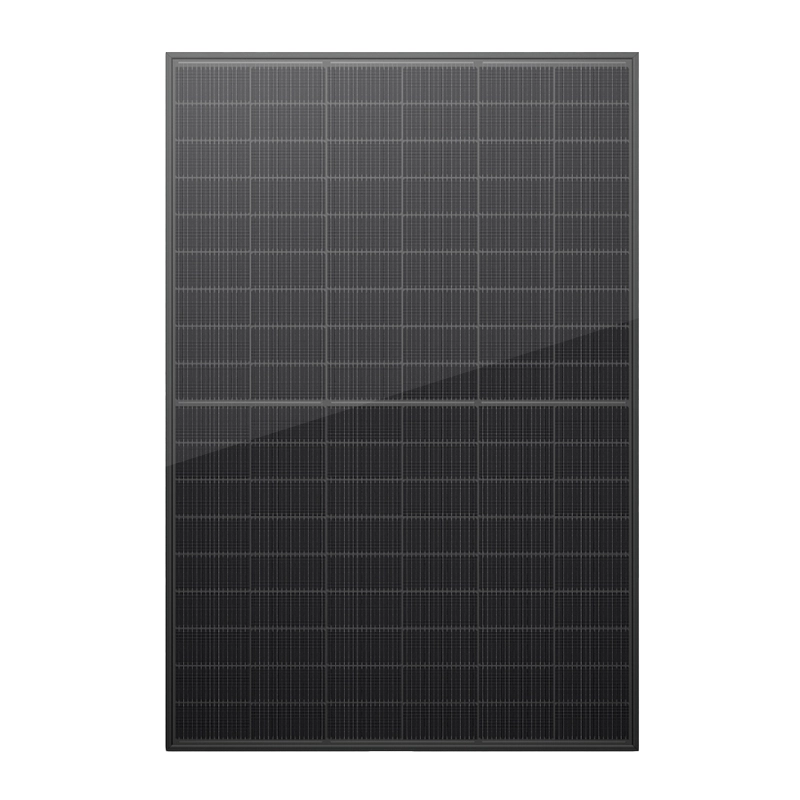
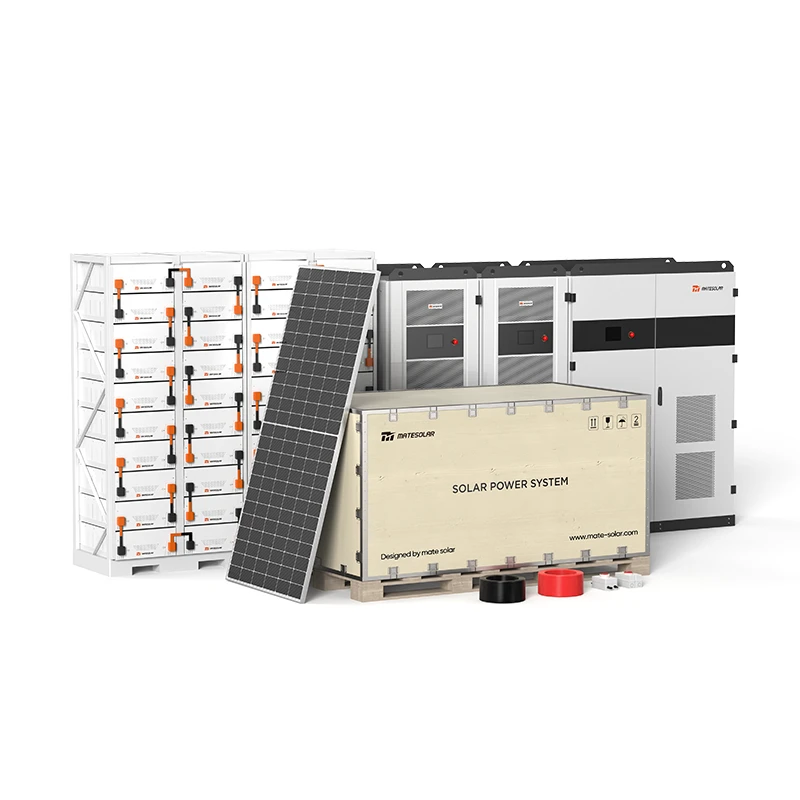
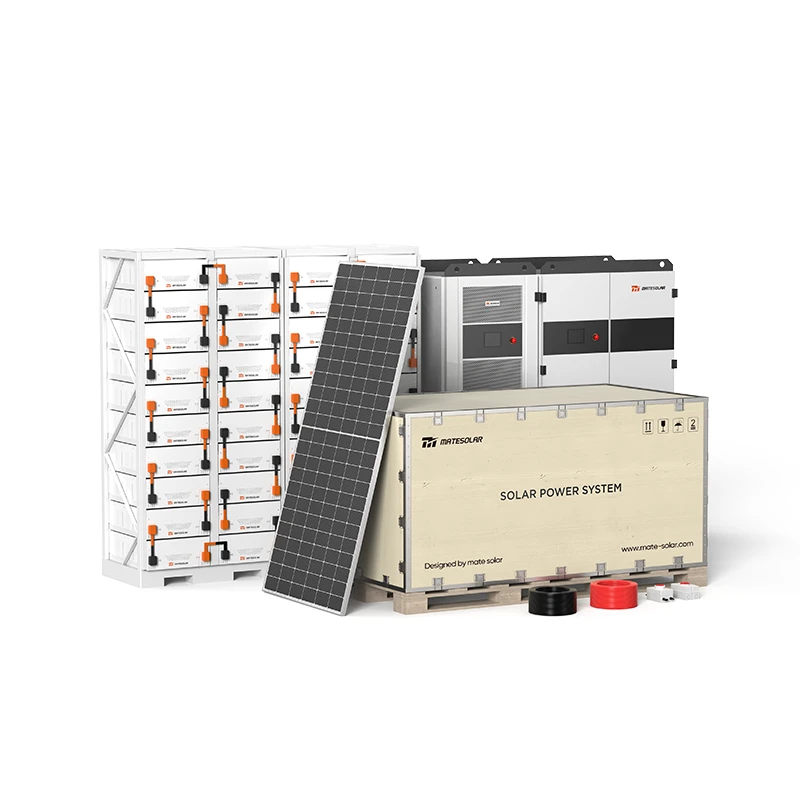
Pour les grandes installations commerciales et industrielles cherchant à maximiser l'autoconsommation solaire tout en réduisant les frais de demande, le système solaire hybride commercial de 500kW offre une solution complète et intégrée. Conçu pour une intégration transparente avec l'infrastructure électrique existante, ce système fournit :
- 500 kW de capacité photovoltaïque solaire avec des modules à haut rendement
- Stockage de batterie intégré pour l'écrêtage de pointe et l'alimentation de secours
- Gestion avancée de l'énergie pour une autoconsommation optimisée
- Compatibilité avec le réseau électrique pour la participation aux programmes de réponse à la demande
[En savoir plus sur le système solaire hybride commercial de 500 kW →]
6.2 Armoires d'extérieur à refroidissement par liquide de 100 kW/232 kWh et 125 kW/261 kWh
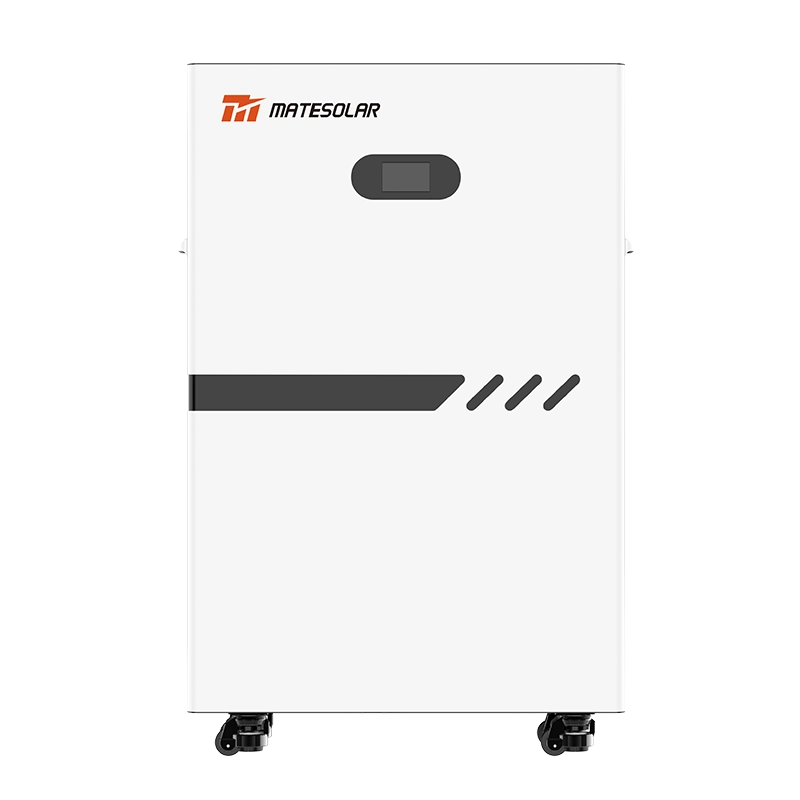
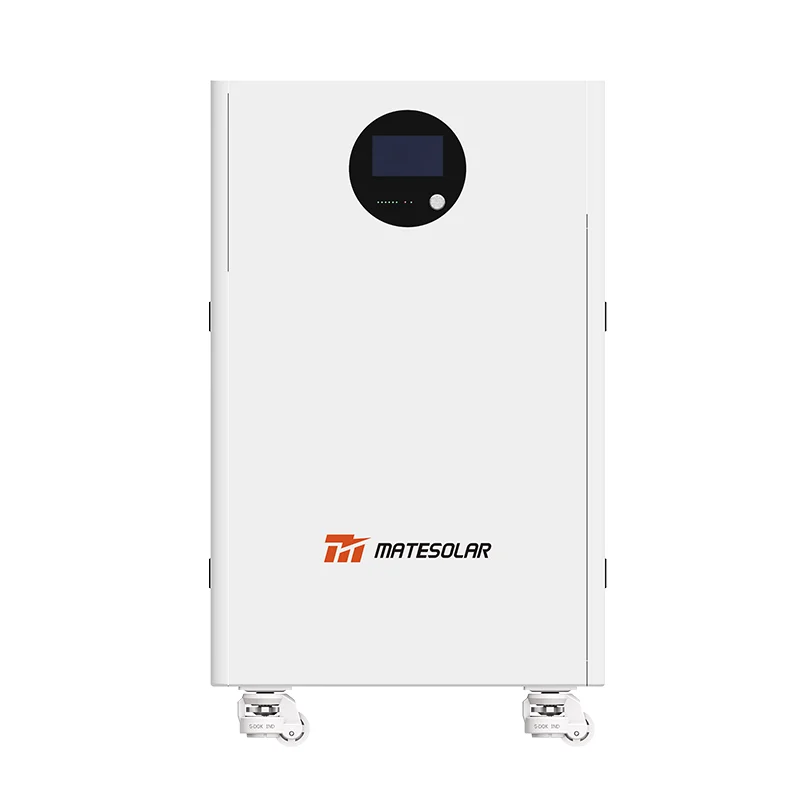
Pour les clients C&I nécessitant un stockage d'énergie modulaire et évolutif dans un encombrement compact, nos armoires extérieures refroidies par liquide représentent la solution la plus avancée de l'industrie pour les applications de stockage distribué :
- Pré-assemblé et testé en usine: Exigences d'installation sur site minimales
- Gestion thermique liquide: Une uniformité thermique supérieure pour une durée de vie prolongée
- Architecture évolutivePlusieurs armoires peuvent être mises en parallèle pour une extension de capacité
- Boîtier adapté à une utilisation en extérieurProtection IP54 pour un fonctionnement canadien par tous les temps
- Surveillance et commande à distance: Visibilité et contrôle complets grâce à une plateforme basée sur le cloud
[Découvrez les armoires d'extérieur à refroidissement liquide de 100 kW/232 kWh et 125 kW/261 kWh →]
6.3 40 pieds 1MWh/2MWh conteneur refroidi par air ESS
Pour les clients qui ont besoin d'une plus grande capacité dans un format standardisé et rapidement déployable, la solution en conteneur de 40 pieds offre :
- une capacité de 1 MWh ou 2 MWh dans un seul conteneur de 40 pieds
- Gestion thermique par refroidissement à air: Un système de refroidissement éprouvé et nécessitant peu d'entretien
- Déploiement « plug-and-play »: Usine pré-mise en service pour une installation rapide sur site
- Compatibilité avec les conteneurs ISO: Encombrement standard d'un conteneur d'expédition pour la logistique internationale
- Raccordement prêt pour le réseau: Appareillage de commutation et commandes intégrés
[Découvrez le conteneur ESS refroidi par air de 40 pieds 1 MWh/2 MWh →]
6,4 conteneurs de stockage d'énergie (ESS) de 20 pieds à refroidissement liquide, d'une capacité de 3 MWh/5 MWh
Pour les applications C&I et utilitaires à haute densité, à grande échelle, notre conteneur refroidi par liquide de 20 pieds offre une densité énergétique de pointe dans l'industrie :
- une capacité de 3 MWh ou 5 MWh sur une surface au sol compacte de 20 pieds
- Refroidissement par liquide: Performances thermiques supérieures pour les applications à taux de charge élevé
- Haute densité énergétique: Optimise la capacité par pied carré de la superficie du site
- Pré-mis en service en usine: Réduction du temps d'installation sur site et des exigences en matière d'expertise
- ÉvolutifPlusieurs conteneurs peuvent être déployés en parallèle pour des projets à l'échelle GWh
[Voir le conteneur de refroidissement liquide ESS de 20 pieds 3MWh/5MWh →]
Partie VII : Foire aux questions
FAQ 1 : Quelle est la différence entre le CTITC et le CEITC, et puis-je bénéficier des deux ?
R : Oui, vous pouvez demander les deux crédits pour un même projet si vous remplissez les conditions d'éligibilité pour chacun d'entre eux. Le CTITC (30%) s'applique aux biens liés aux technologies propres éligibles acquis et disponibles à l'utilisation entre le 28 mars 2023 et avant 2034.. Le CEITC (15%) s'applique aux systèmes fixes de stockage d'électricité qui n'utilisent pas de combustibles fossiles lors de leur fonctionnement. Les sociétés canadiennes imposables peuvent bénéficier des deux crédits ; les entités non imposables (municipalités, services publics, sociétés autochtones) peuvent bénéficier du CEITC. Combinés, ces deux crédits peuvent compenser jusqu’à 45% de coûts d’investissement admissibles.
FAQ 2 : Combien de temps faut-il pour déployer un système de stockage d'énergie BTM C&I au Canada ?
Les systèmes BTM peuvent être déployés en quelques semaines à quelques mois, contre 3 à 5 ans pour les projets à l'échelle des services publics dépendants de l'interconnexion.. Le calendrier exact dépend des exigences de préparation du site, des délais d'approvisionnement des équipements et des permis locaux. Les solutions pré-assemblées en usine, telles que nos armoires extérieures et systèmes conteneurisés, peuvent réduire le temps de déploiement en éliminant l'assemblage et les tests sur site.
FAQ 3 : Que se passe-t-il si l'Exigence de Contenu National (ECN) est introduite ?
Le gouvernement du Canada a terminé une consultation publique sur la DCR en mars 2026. Si elles sont adoptées, les pleins taux de l'ITC pourraient exiger un pourcentage minimum de contenu canadien dans l'équipement admissible. Pour nous prémunir contre ce risque, nous recommandons :
- Documenter l'origine de tous les composants majeurs
- Partenaires d'assemblage de modules canadiens et d'intégration de systèmes engageants
- Maintenir des relations flexibles dans la chaîne d'approvisionnement
- Surveillance des annonces gouvernementales pour les règles finales de DCR
FAQ 4 : Le stockage BTM peut-il participer aux marchés de capacité de l'IESO ?
Oui. Les systèmes de stockage BTM peuvent participer aux marchés de capacité IESO s'ils répondent aux exigences techniques et sont agrégés à une échelle suffisante. Les appels d'offres LT1 et LT2 de l'IESO ont inclus des projets à l'échelle BTM, et l'agrégation de centrales électriques virtuelles (VPP) émerge comme une voie pour les systèmes plus petits d'accéder aux revenus de capacité..
FAQ 5 : Comment le froid extrême affecte-t-il les performances de la batterie ?
Les batteries LFP peuvent fonctionner à -40°C avec une gestion thermique appropriée. Les systèmes de chauffage actifs maintiennent les cellules dans des plages de fonctionnement optimales, préservant ainsi l'efficacité de la charge/décharge. Nos systèmes refroidis par liquide offrent une uniformité de température supérieure, garantissant des performances fiables sur tout le spectre climatique du Canada. Les boîtiers certifiés IP54 ou NEMA 3R protègent contre la glace, la neige et l'infiltration d'humidité.
FAQ 6 : Quelle est la période de récupération typique d'un système de stockage d'énergie pour les entreprises et l'industrie (C&I) au Canada?
R : Grâce à la combinaison du crédit d'impôt fédéral 45% et de la déduction pour amortissement accéléré (CCA), les délais de rentabilité types des projets C&I sont passés de 10 à 14 ans en 2020 à 6 à 10 ans en 2026.. Le retour sur investissement réel dépend de la taille du système, des tarifs d'électricité, de l'exposition aux frais de demande et des incitations provinciales.
FAQ 7 : Comment fonctionne le contrat de 22 ans de l'IESO ?
Le contrat de capacité de l'IESO prévoit un paiement mensuel fixe de capacité, généralement de 1 221 CAD/MW par jour ouvrable, indexé sur l'inflation. La durée du contrat est de 20 à 22 ans. Les paiements sont soumis à des ajustements de performance — des frais de non-performance sont déduits du paiement mensuel. Les projets doivent atteindre l'exploitation commerciale à la date limite spécifiée pour éviter un défaut.
FAQ 8 : Quel est le coût d'installation actuel du stockage d'énergie pour les C&I au Canada ?
Les coûts d'installation moyens pour les systèmes C&I en 2026 sont estimés entre 800 et 1 100 CAD par kWh.. Les systèmes à l'échelle utilitaire vont de 550 à 750 dollars canadiens par kWh. Les coûts ont baissé de 25 à 30% depuis 2022 et devraient atteindre 500 à 700 CAD par kWh d'ici 2030.
FAQ 9 : Quelles certifications de sécurité sont requises pour les SIES au Canada ?
Les systèmes de stockage d'énergie par batterie doivent être conformes à la norme UL 9540 (systèmes et équipements de stockage d'énergie) et à la norme NFPA 855 (installation de systèmes de stockage d'énergie stationnaires).. Ces certifications ajoutent 6 à 12 mois aux délais des projets. Travailler avec des fournisseurs dont les systèmes sont pré-certifiés peut réduire considérablement ce délai.
FAQ 10 : Comment puis-je participer aux futures fenêtres IESO LT2 ?
A : Les futures fenêtres LT2 seront annoncées par l'IESO. Les étapes clés de préparation comprennent :
- Sécurisation précoce des résolutions de soutien municipal (RSM)
- Élaboration de propositions de partenariat avec les communautés autochtones (priorité accordée aux entreprises détenues à 50%)
- Susciter l'intérêt des prêteurs pour le financement de projets
- Sélectionner une technologie de BESS (Système de Stockage d'Énergie par Batterie) avec une capacité de performance de plus de 20 ans
- Surveillance des annonces de l'IESO pour les délais d'appel d'offres
Partie VIII : Recommandations stratégiques pour 2026–2027
Pour les propriétaires d'installations commerciales et industrielles
Agissez maintenant sur le déploiement des TGM: Avec des délais de rentabilité compris entre 6 et 10 ans et la possibilité de bénéficier du crédit d'impôt 45%, les arguments économiques en faveur du stockage d'énergie pour les secteurs commercial et industriel n'ont jamais été aussi solides. Les systèmes installés en aval du compteur (BTM) contournent les files d'attente de raccordement au réseau, permettant ainsi de réaliser des économies immédiates tout en préparant les installations à générer de futurs revenus liés aux services au réseau.
Maximiser la pile ITCTravaillez avec des conseillers fiscaux qui comprennent les exigences de la CTITC et de la CEITC. Documentez tout : l'approche pré-vérification de l'ARC signifie que la documentation est votre meilleure défense.
Considérer le solaire plus stockage: Plus de 601 TP3T de nouvelles installations BTM sont déployées conjointement avec des systèmes photovoltaïques solaires. Les centrales solaires existantes peuvent être modernisées avec du stockage pour une économie améliorée.
Pour les développeurs de projets
Impliquer les partenaires autochtones dès le début: Dans le cadre de ses appels d'offres, l'IESO accorde une forte préférence aux projets comportant une participation autochtone de type 50%. Un engagement précoce établit des relations et renforce les propositions.
Préparez-vous pour le DCRMême avant l'annonce des règles définitives, la documentation de la chaîne d'approvisionnement et les stratégies de localisation réduisent les risques et positionnent favorablement les projets.
Conception pour 20 ans et plusLes contrats de l'IESO exigent une performance sur 20 à 22 ans. Sélectionner la chimie LFP avec une capacité de plus de 6 000 cycles et concevoir des systèmes avec redondance pour une fiabilité à long terme.
Pour les entreprises EPC et les installateurs
Investir dans la formationL'écart de 1 500 à 2 000 installateurs représente à la fois un défi et une opportunité. Les entreprises qui développent des capacités de formation capteront des parts de marché.
Exploiter les solutions pré-intégréesLes systèmes pré-assemblés en usine réduisent les besoins d'installation sur site, permettant ainsi de réaliser davantage de projets avec une main-d'œuvre qualifiée limitée.
Développer des capacités de mise en service à distanceLa mise en service et le support à distance réduisent le besoin de ressources techniques sur site tout en permettant une livraison de projet plus rapide.
Conclusion : L'opportunité du stockage d'énergie canadien
Le marché canadien du stockage d’énergie à usage commercial et industriel est arrivé à un tournant décisif. Grâce au soutien fédéral sous forme de crédits d'impôt à l'investissement (ITC) pouvant atteindre 45%, aux programmes d'achat provinciaux garantissant des revenus sur 22 ans et à la baisse des coûts technologiques, désormais compris entre 800 et 1 100 CAD par kWh, les arguments économiques fondamentaux en faveur du stockage d'énergie dans les secteurs commercial et industriel n'ont jamais été aussi convaincants..
Les défis sont réels : des files d'attente pour le raccordement d'une durée moyenne de 3 à 5 ans, des pénuries d'installateurs dépassant 1 500 travailleurs qualifiés, une concentration de la chaîne d'approvisionnement en Asie et des extrêmes climatiques allant de -40 °C à +40 °C.. Mais ces défis sont solubles grâce au déploiement stratégique de BTM, à la livraison de projets clés en main, à des chaînes d'approvisionnement diversifiées et à une conception de système ingénierée pour le climat.
Les projets livrent déjà des résultats. Le projet SFF-06 de PowerBank est en exploitation commerciale dans le cadre d'un contrat de 22 ans avec l'IESO. La fenêtre de capacité LT2 1 a sécurisé 640 MW de stockage par batterie.. L'Ontario a maintenant acquis 3,6 GW de capacité de stockage à l'échelle d'Hydro-Québec.. Le marché n'arrive pas—il est là.
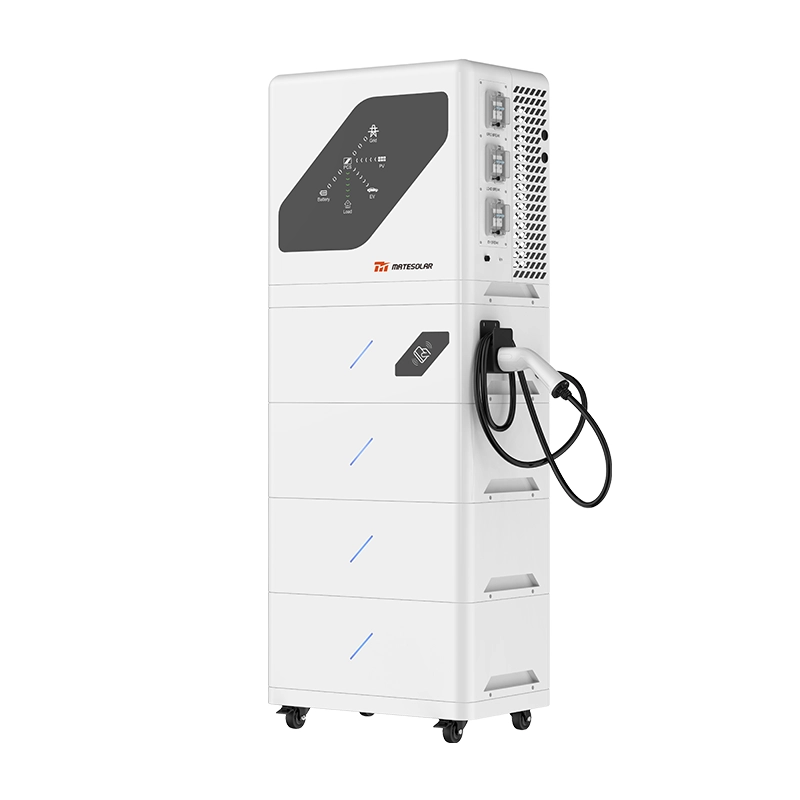
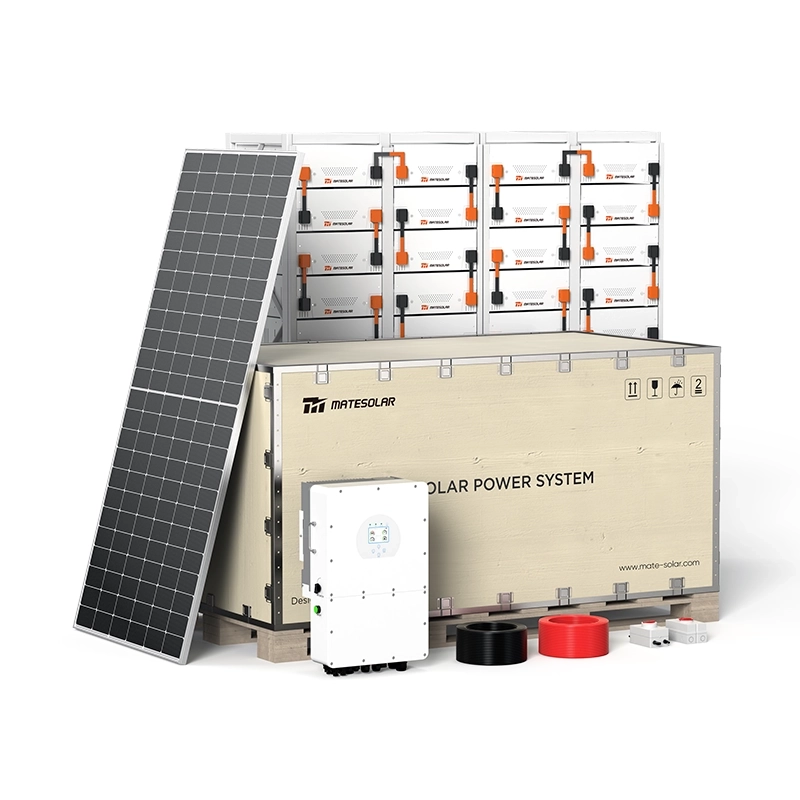
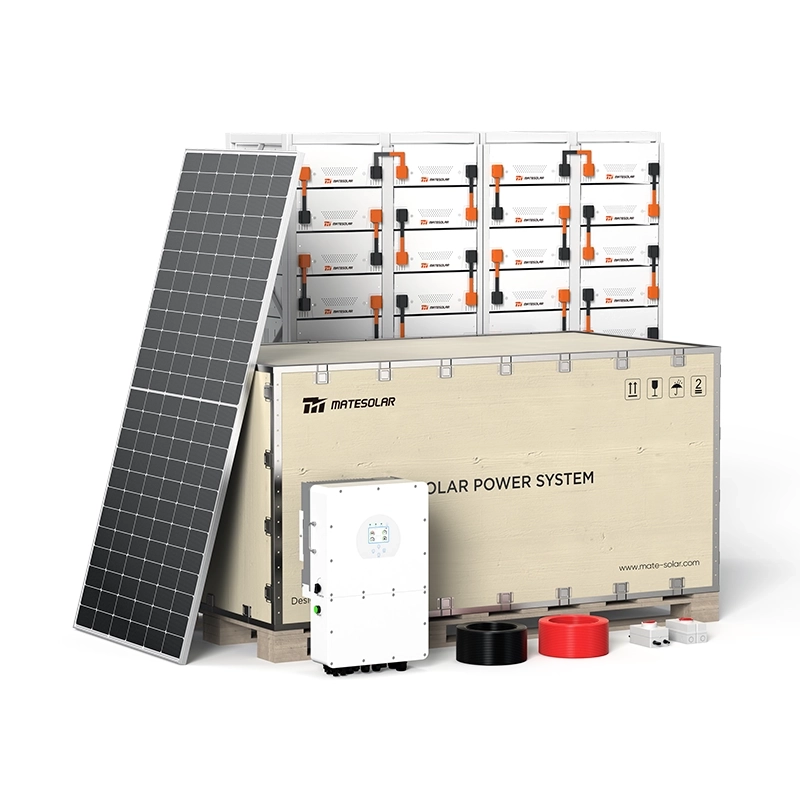
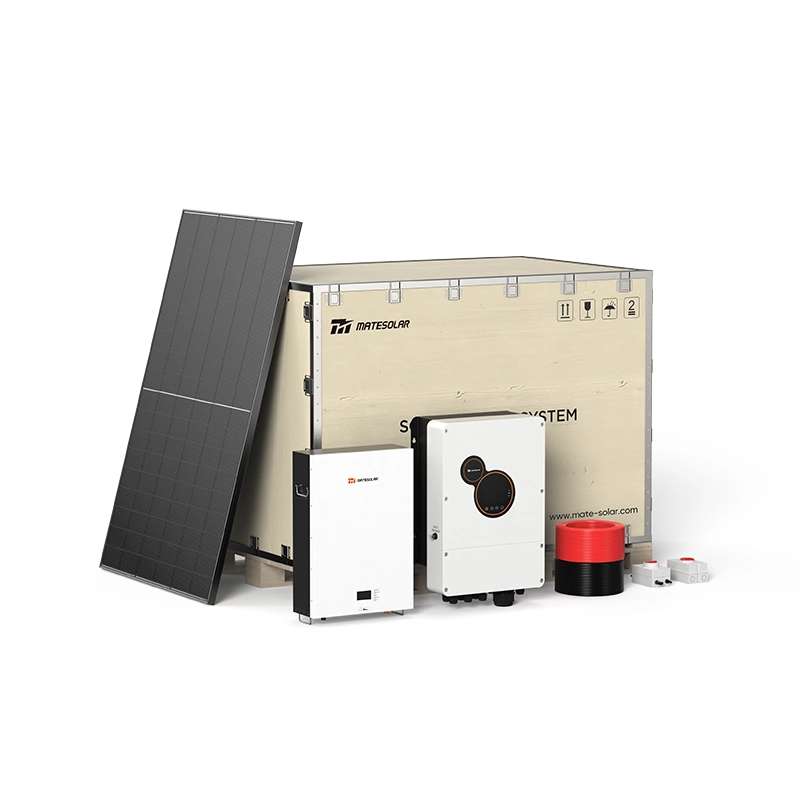
MateSolar est votre fournisseur unique de solutions de stockage d'énergie photovoltaïque, offrant des systèmes de stockage d'énergie complets pour les entreprises et les industries conçus pour le marché canadien. De notre système solaire hybride commercial de 500 kW à nos armoires extérieures refroidies par liquide et nos solutions de stockage d'énergie conteneurisées, nous fournissons la technologie, l'expertise et la livraison clé en main qu'exige la réussite d'un projet.
Contactez MateSolar dès aujourd'hui pour discuter des besoins de votre projet de stockage d'énergie C&I.