

















En mai 2026, le marché du stockage d'énergie de la Barbade se trouve à un point d'inflexion historique. Après des années de planification stratégique et de travaux préparatoires sur les politiques, la nation insulaire exécute actuellement le programme de déploiement de systèmes de stockage d'énergie par batterie (BESS) le plus ambitieux des Caraïbes. Avec des appels d'offres nationaux consécutifs totalisant 210 MW de stockage à l'échelle du réseau, un marché solaire commercial et industriel (C&I) florissant confronté à des pressions aiguës de limitation, et des tarifs d'électricité en hausse qui rendent l'économie du stockage de plus en plus attrayante, la Barbade est entrée dans sa phase de “ réelle exécution ”.
Pourtant, sous la surface de cet enthousiasme du marché se cache une réalité frappante, familière aux développeurs, aux EPC, aux propriétaires d'actifs et aux gestionnaires d'énergie de toute l'île : les chaînes d'approvisionnement mondiales en batteries sont tendues, les files d'attente pour l'interconnexion s'étendent sur des années, le réseau suit les normes britanniques (230V/50Hz) souvent confondues avec les normes nord-américaines, et les conditions maritimes tropicales exigent des équipements conçus pour une corrosion et une chaleur extrêmes.
Ce rapport sert de guide définitif pour 2026 sur le marché du stockage d'énergie à la Barbade, un plan rédigé à l'intention des développeurs de projets, des propriétaires d'installations commerciales et industrielles, des exploitants hôteliers et des propriétaires d'actifs solaires qui naviguent dans ce paysage complexe mais riche en opportunités. S'appuyant sur les dernières mises à jour politiques des annonces de mai 2026 du ministre Kerrie Symmonds, sur le plan intégré des ressources et de la résilience (IRRP) et sur des renseignements de terrain provenant de projets actifs, nous abordons les cinq points de douleur les plus urgents auxquels sont confrontés les participants du marché et proposons des solutions exploitables, étayées par des données techniques, des exemples concrets et des certifications bancables.
Table des matières
1. Aperçu du marché – Le tournant pour le stockage d'énergie à la Barbade
- 370 MW de capacité obligatoire : ce que l'IRRP signifie réellement
- Appels d'offres doubles nationaux : 60 MW BOO + 150 MW BESS de stabilisation du réseau
- Projets deutables majeurs (Renewstable Barbados, VPP Pilot)
2. Top 5 des points sensibles auxquels sont confrontés les acteurs du marché de la Barbade
- Point sensible 1 – EPC/Développeur de projet/IPP : Certitude de la chaîne d'approvisionnement et accélération de l'interconnexion
- Point sensible 2 – Propriétaires de centrales solaires photovoltaïques existantes/proposées : atténuation de la réduction et protection des contrats d'achat d'électricité
- Point sensible 3 – Grands commerces et industrie / Hôtellerie : Remplacement du diesel et alimentation électrique ininterrompue
- Point sensible 4 – Clients commerciaux et industriels (PME) : Contraintes d'espace et conformité 230V/50Hz
- Point sensible 5 – Tous les utilisateurs de stockage : résilience climatique, bancabilité et maintenance à long terme
3. Ingénierie tropicale : Comment construire des systèmes de stockage d'énergie par batterie qui durent 20 ans à la Barbade
- Indice de protection IP et normes de corrosion C5 : les exigences non négociables
- Refroidissement liquide vs. air : données de performance sous la chaleur des Caraïbes
- Sélection de la chimie des cellules : LFP vs. NMC dans les environnements à forte humidité
4. Banques et Financement : les certifications requises par la BID et la SFI
- Matrice de Certification Obligatoire (IEC 62619, UL 1973, UL 9540A)
- Cadres de financement internationaux actifs à la Barbade (BID, IFC, Fonds vert pour le climat)
5. Code du réseau de la Barbade et plan directeur d'interconnexion (230V/50Hz, normes britanniques)
- Configurations de tension, de fréquence et de phase par catégorie de client
- Exigences de connexion modifiées de la BLPC pour BESS en 2024
- Dossier standardisé pour accélérer les approbations
6. Paysage réglementaire et incitatif
- Facturation nette avec crédit reporté (Tarifs FIT : 0,416 USD/kWh pour le PV solaire)
- Législation sur la Copropriété par Fractions : Ouvrir les Projets aux Petits Investisseurs
- Incitations fiscales (exonération d’impôt sur le revenu pendant 10 ans, importation d’équipement hors taxes)
7. Matrice de solutions produits pour le marché de la Barbade
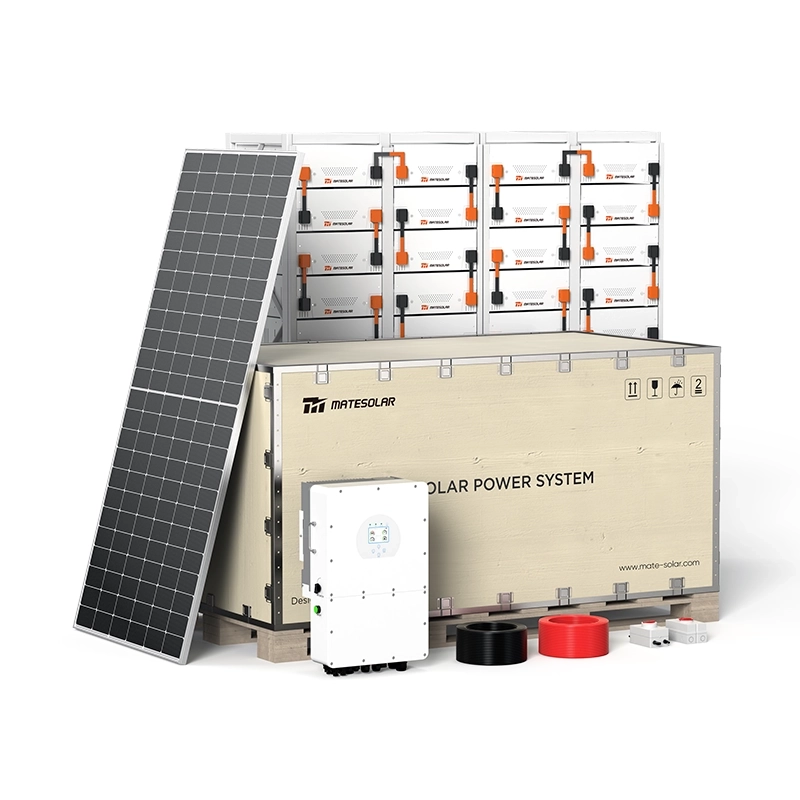
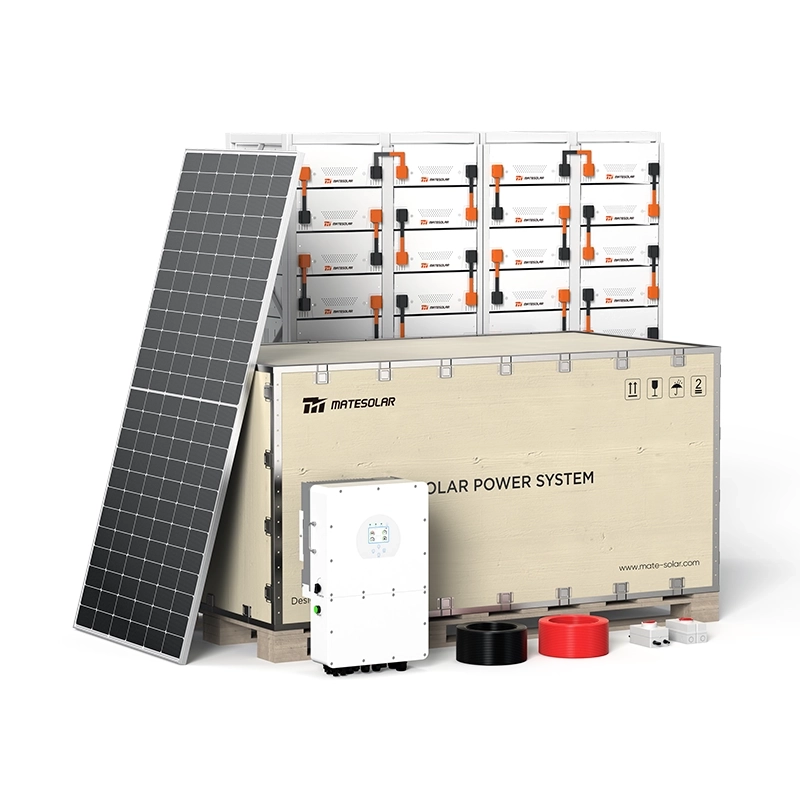
- Système solaire hybride commercial de 500 kW – Pour les grandes entreprises commerciales et industrielles
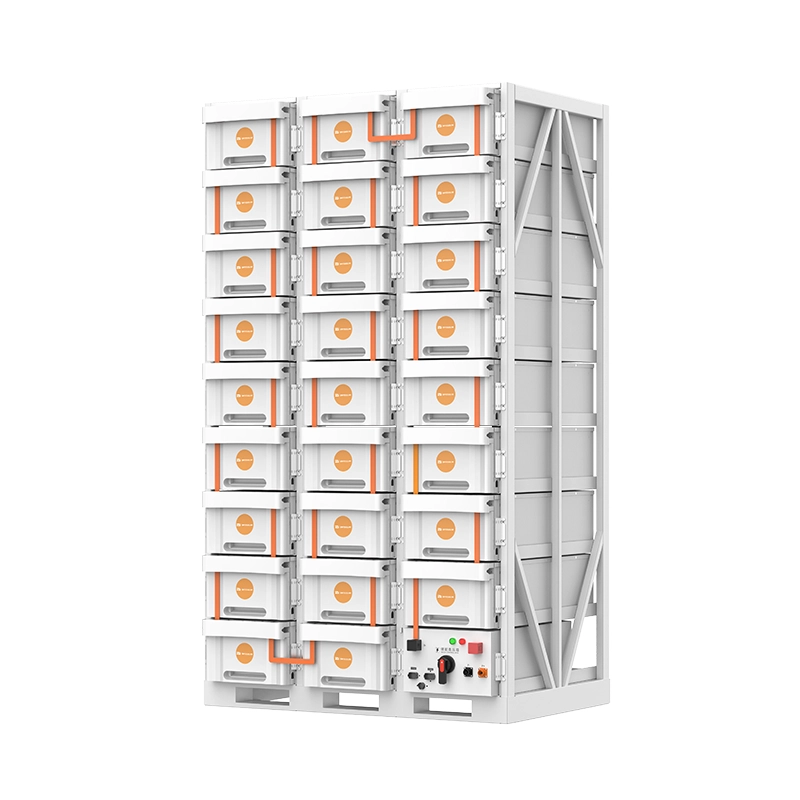
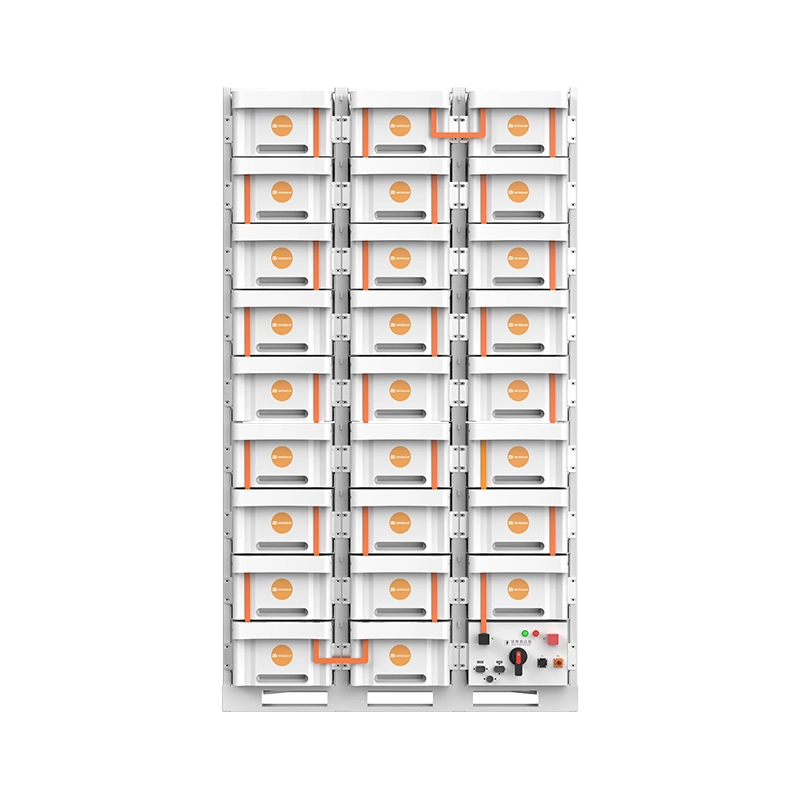
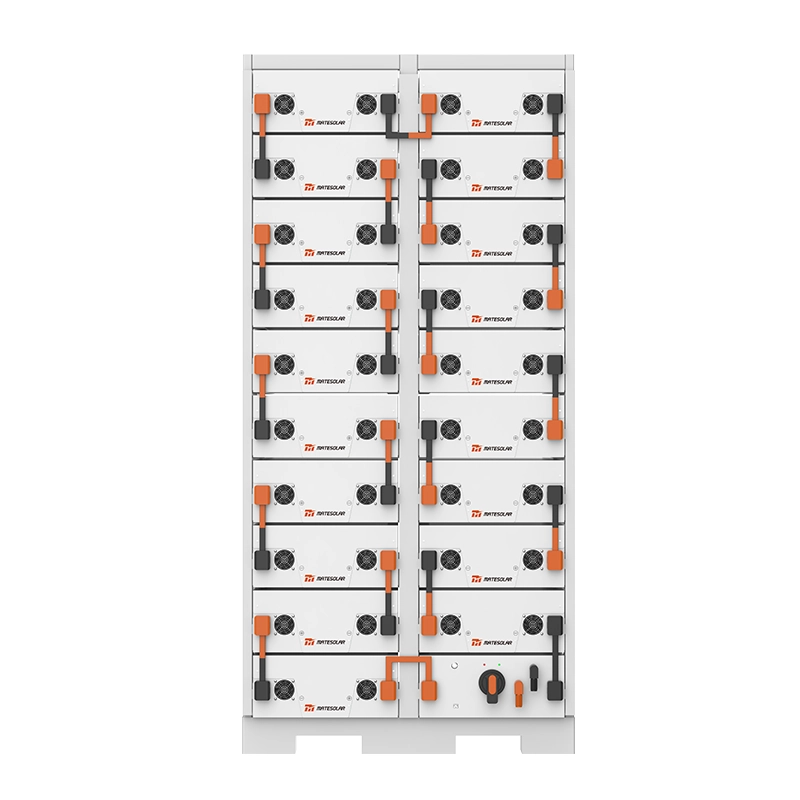
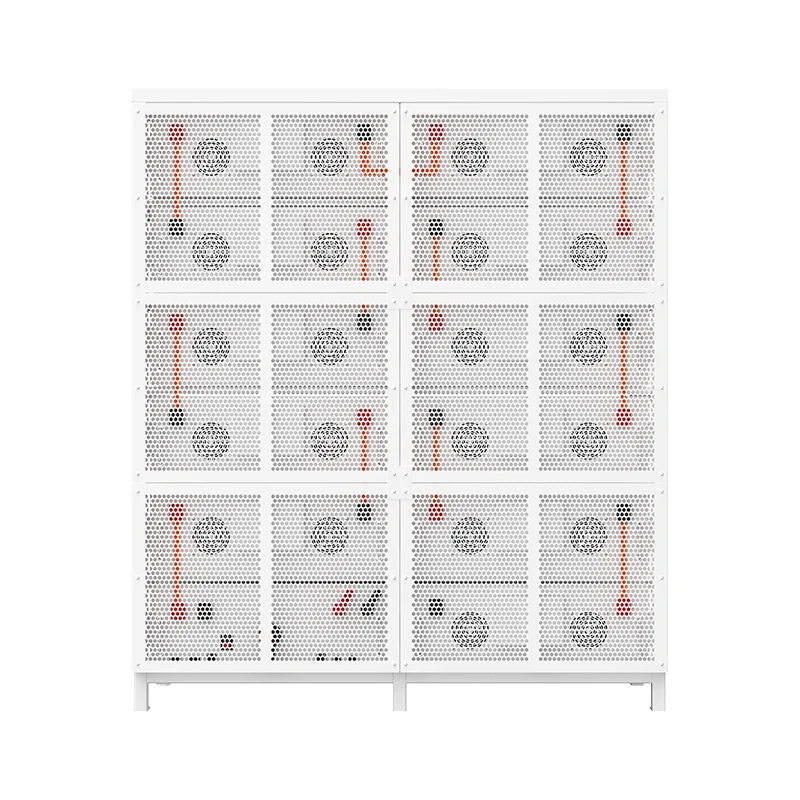
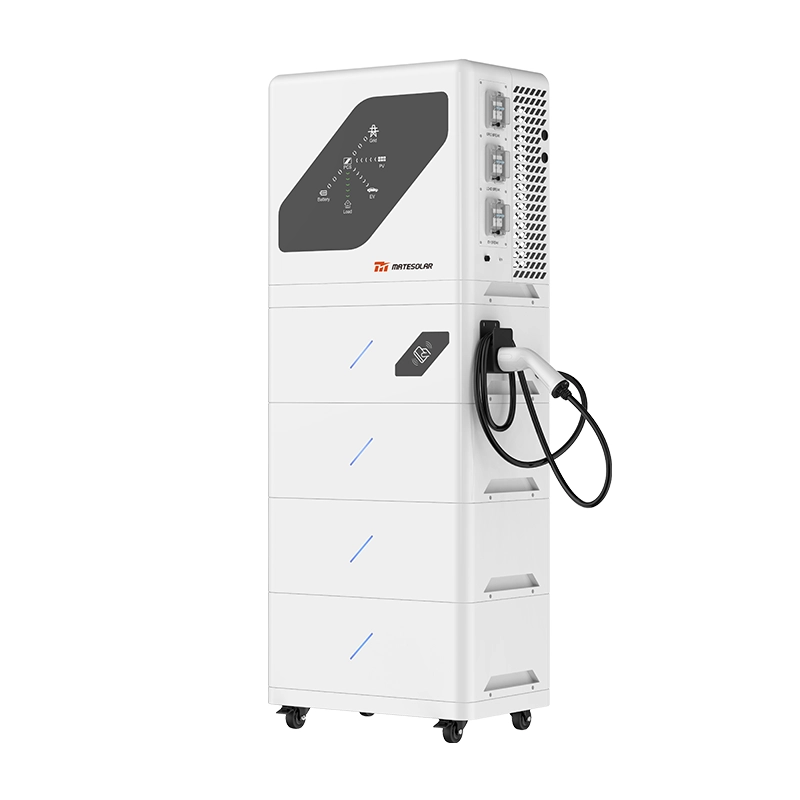
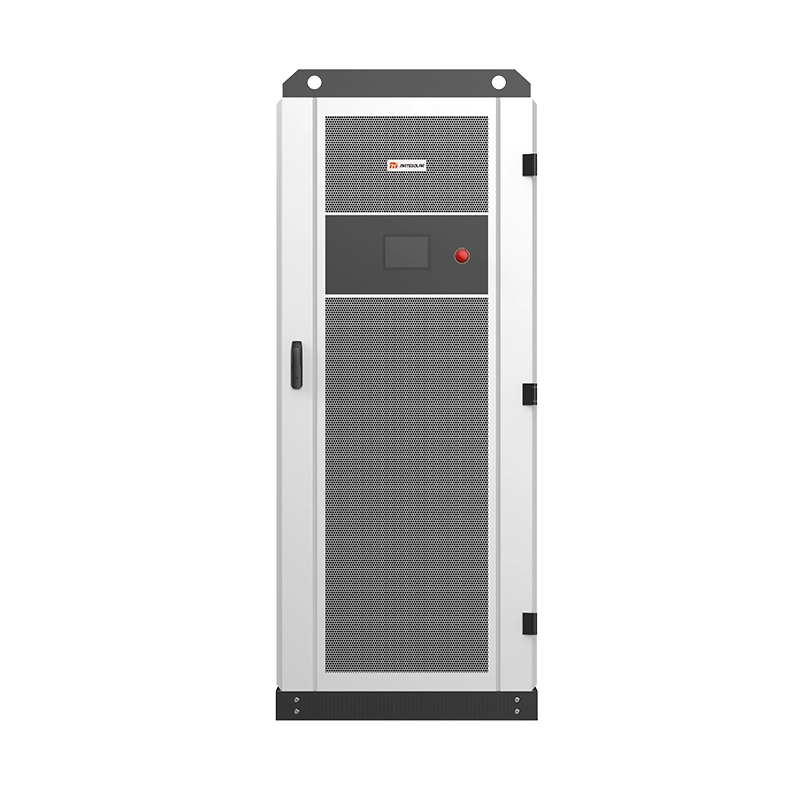
- Armoire extérieure refroidie par liquide de 100 kW/232 kWh et 125 kW/261 kWh – Moyenne taille C&I
- Conteneur ESS refroidi par air de 40 pieds, 1 MWh/2 MWh – Projets d'utilitaires/développeurs
- 20 pieds 3 MWh/5 MWh conteneur de refroidissement liquide ESS – Projets de réseau à grande échelle
8. Foire aux questions (FAQ)
9. Conclusion : L'impératif d'exécution
1. Aperçu du marché – Le point d'inflexion pour le stockage d'énergie à la Barbade
La Barbade est depuis longtemps un chef de file régional en matière d'ambitions en matière d'énergies renouvelables. La Barbados National Energy Policy (BNEP) 2019–2030 engage la nation à atteindre 100 % de production d'énergies renouvelables et un statut neutre en carbone d'ici 2030, un objectif parmi les plus ambitieux pour n'importe quel petit État insulaire en développement (PEID). Cependant, l'ambition seule ne stabilise pas un réseau ni n'attire les investissements. L'élément manquant a toujours été le stockage d'énergie à grande échelle et contrôlable.
Cette pièce manquante est en cours d'installation.
1.1 370 MW de capacité obligatoire : ce que signifie réellement le PRII
Le Plan intégré des ressources et de la résilience (PIRR), élaboré en accord avec le BNEP, estime qu'pour soutenir l'expansion prévue des énergies renouvelables variables (éolien et solaire) et maintenir la stabilité du réseau d'ici 2030, la Barbade a besoin d'environ 370 MW de capacité de stockage d'énergie connectée au réseau national. Il ne s'agit pas d'une prévision spéculative, mais d'un mandat réglementaire intégré dans le cadre de planification énergétique à long terme du pays.
Pour mettre ce chiffre en perspective : la Barbade ne dispose actuellement que d'environ 5 MW de capacité BESS opérationnelle à l'échelle du réseau déployée début 2026, alors que le Plan intégré d'approvisionnement en électricité (IRRP) prévoyait initialement un besoin de 150 MW lors des cycles de planification précédents. L'écart entre le déploiement actuel et l'exigence de 2030 représente l'une des plus grandes opportunités de déploiement de stockage par habitant dans l'hémisphère occidental.
Tableau 1 : Analyse de l'écart de stockage d'énergie à la Barbade (2026 contre l'objectif de 2030)
| Métrique | Actuel (2026) | Objectif PRRI 2030 | Écart |
| Opérationnel de SGDE à l'échelle du réseau | ~5 MW | 370 MW | 365 MW |
| Capacité solaire PV distribuée | ~94 MW | 250+ MW | 156 MW |
| Part des énergies renouvelables (% de la production) | ~15% | 100% | 85% |
| Charge de pointe (MW) | ~170 MW | ~210 MW | 40 MW |
Sources : Projections de l'IRRP, registres d'interconnexion du BLPC, dépôts de la FTC.
1.2 Appel d'offres à double nationalité pour le déploiement
Le gouvernement de la Barbade, par l'intermédiaire du ministère de l'Énergie et des Affaires et de la Commission de régulation du commerce (FTC), a lancé deux processus d'appel d'offres concurrentiels majeurs qui représentent ensemble l'acquisition de stockage par batterie la plus importante de l'histoire des Caraïbes.
Appel d'offres 1 : SESS de 60 MW (240 MWh) sur base BOO
Lancé en décembre 2025 avec une date limite de soumission des offres fixée au 6 mars 2026, il s'agit de la première vente aux enchères compétitive de systèmes de stockage d'énergie par batterie à la Barbade. L'appel d'offres recherche 60 MW de puissance nominale avec une durée de quatre heures (240 MWh), à livrer dans le cadre d'un modèle de construction-propriété-exploitation (BOO). Cette structure offre aux développeurs internationaux — et aux institutions financières qui les soutiennent — un cadre opérationnel transparent et à long terme. Plus de 200 représentants de plus de 40 entreprises ont assisté à la conférence pré-bid organisée par le ministère de l'Énergie et des Affaires le 23 janvier 2026, témoignant d'un intérêt exceptionnellement fort du marché.
Essentiel pour les développeurs : L'AO intègre des modèles standard pour la licence de stockage d'énergie, l'accord de stockage d'énergie (ESAG), l'accord d'interconnexion et une garantie de soutien de liquidité de la Banque centrale des Barbades, rendant le processus d'approvisionnement finançable dès le premier jour.
Appel d'offres 2 : Acquisition d'un nouveau système de stockage d'énergie par batterie (BESS) de 150 MW (Annoncé le 20 mai 2026)
Le 20 mai 2026, la ministre de l'Énergie, Kerrie Symmonds, a annoncé que le gouvernement lancera un appel d'offres international supplémentaire pour environ 150 MW de stockage par batterie à l'échelle du réseau afin de stabiliser un réseau électrique surchargé et d'ouvrir la voie à une nouvelle vague d'investissements solaires. Cette annonce a effectivement doublé l'objectif d'approvisionnement du pays en matière de stockage en une seule journée et reflète la reconnaissance urgente que la congestion du réseau est devenue une ‘ question de sécurité nationale “, comme l'a lui-même qualifié le ministre Symmonds dans une interview exclusive accordée à Barbados TODAY quelques semaines plus tôt.
Ce programme de 150 MW revêt une importance particulière en raison de son objectif déclaré : non seulement la stabilité du réseau dans l'abstrait, mais spécifiquement pour débloquer des milliers de demandes d'interconnexion solaire en attente qui sont bloquées sur une liste d'attente de deux ans. Les systèmes solaires approuvés ont été installés avec des onduleurs prêts mais sans endroit où envoyer l'électricité car le réseau national a été déclaré “saturé”. Les batteries sont le mécanisme de déblocage du réseau.
Tableau 2 : Appels d'offres nationaux BESS de la Barbade – Aperçu comparatif (2025–2026)
| Paramètres | 60 MW Appel d'offres BOO | 150 MW Nouvelle acquisition |
| Date d'annonce | Décembre 2025 | 20 mai 2026 |
| Capacité | 60 MW / 240 MWh (4 heures) | ~150 MW (durée à déterminer) |
| Modèle de contrat | Construire-Exploiter-Posséder (CEP) | Achats internationaux |
| Date limite de soumission | 6 mars 2026 | Lancement au 3e/4e trimestre 2026 |
| Soutien financier | Garantie de liquidité CBB, ESAG, modèles IA | TBD (structure probablement similaire) |
| Objectif principal | Services auxiliaires, arbitrage énergétique | Stabilisation du réseau + déverrouillage solaire |
| Intérêt des parties prenantes | 200+ répétitions / 40+ entreprises en pré-offre | Annoncé à la réunion du COSIL |
1.3 Grands projets de pipelines déjà en cours
Au-delà des marchés publics, plusieurs projets d’envergure privés et public-privés sont déjà en cours :
Renewstable Barbados (RSB) : ce projet phare, développé par HDF Energy en partenariat avec Rubis Energie, associe une centrale solaire photovoltaïque de 50 MWp à une batterie lithium-ion de 15 MW (30 MWh) et à un système de stockage d’hydrogène de 90 MWh. Le projet a obtenu un financement garanti de premier rang estimé à $130 millions de dollars US auprès d’IDB Invest et d’autres institutions de financement du développement. RSB est conçu pour fournir de l’électricité renouvelable 24 heures sur 24, 7 jours sur 7, remplaçant ainsi efficacement la production au diesel dans la région de St. Philip. Il a reçu son autorisation d’exploitation et entre désormais en phase de construction.
Pilote de centrale électrique virtuelle (VPP) : Le gouvernement a commencé à concevoir un projet pilote de centrale électrique virtuelle qui regroupera les systèmes d'énergie renouvelable distribuée avec des technologies de stockage pour fournir des services de support au réseau. Le pilote VPP comprendra des ressources énergétiques distribuées (RED), des systèmes de stockage d'énergie par batterie et des chargeurs de véhicules électriques, testant comment les actifs décentralisés peuvent être intégrés dans les opérations des services publics. Bien qu'encore en phase de conception, ce projet pilote ouvre la voie aux petits systèmes de stockage C&I et résidentiels pour participer aux marchés des services auxiliaires.
Projet de stockage en forte demande : Le ministère de l'Énergie a reçu 96 demandes officielles pour des projets de stockage d'énergie, ce qui témoigne de l'intense intérêt du secteur privé à entrer sur ce marché.
2. Les 5 principaux points de friction pour les acteurs du marché barbadien
L'opportunité de marché est claire. Mais les obstacles le sont aussi. Sur la base d'échanges directs avec des développeurs de projets, des entrepreneurs EPC, des propriétaires d'actifs solaires, des exploitants d'hôtels et des gestionnaires d'installations industrielles à la Barbade, nous avons identifié cinq points sensibles qui définissent “ l'anxiété de l'acheteur ” sur le marché actuel. Pour chacun, nous proposons des solutions techniques et commerciales éprouvées dans des environnements de réseau insulaire comparables.
Point sensible 1 – EPC / Développeur de projet / IPP : Certitude de la chaîne d’approvisionnement et accélération de l’interconnexion
Le Problème
La ruée mondiale pour les cellules de batteries, les systèmes de conversion de puissance (PCS) et les composants de systèmes annexes a créé de graves pénuries d'équipements. Pour la Barbade, une petite économie insulaire avec une demande absolue modeste, obtenir des dates de livraison fermes de la part des fournisseurs de premier rang est notoirement difficile. Les fabricants mondiaux privilégient les acheteurs à l'échelle des services publics aux États-Unis, en Europe et en Chine. Les projets des Caraïbes, quelle que soit leur importance stratégique, se classent souvent en bas des listes d'allocation.
Côté interconnexion, le retard est tout aussi décourageant. La Barbade a connu des listes d'attente pour l'installation de panneaux solaires allant jusqu'à deux ans. Pour les projets de stockage, la situation est compliquée par le fait que BLPC n'a officiellement modifié son code de réseau pour inclure les exigences d'interconnexion des BESS qu'en novembre 2024. De nombreux développeurs sont encore en train de naviguer dans le processus d'approbation pour la première fois, sans modèles de documents standardisés ni délais clairs.
La Solution : Fiabilité Équipement + Paket d'Interconnexion Standardisé
Certitude de la chaîne d'approvisionnement :
Le chemin le plus sûr pour obtenir des équipements fiables sur le marché barbadien consiste à travailler avec des fabricants qui disposent d'entrepôts régionaux et d'une allocation de capacité de production dédiée aux projets caribéens. Recherchez des fournisseurs qui proposent :
- Dates de livraison fermes dans les contrats d'achat avec clauses de dommages-intérêts prédéterminés
- Documentation de la capacité de fabrication dédiée aux marchés d'exportation
- Entreposage dans la région (Miami, Panama ou directement à la Barbade) pour réduire les risques d'expédition
- Capacité à approvisionner à partir des stocks actuels, pas seulement des créneaux de production futurs
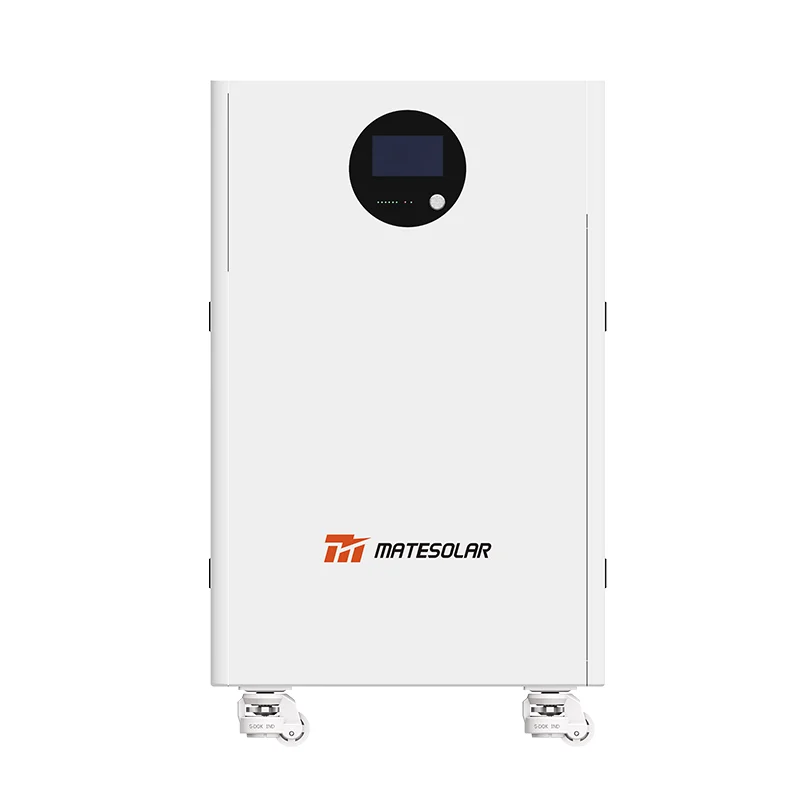
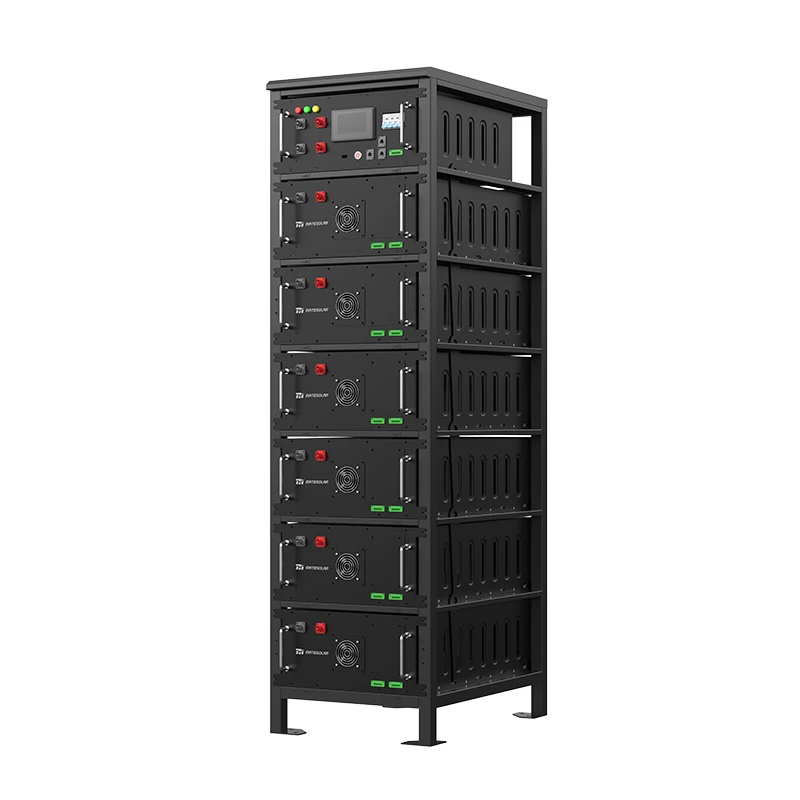
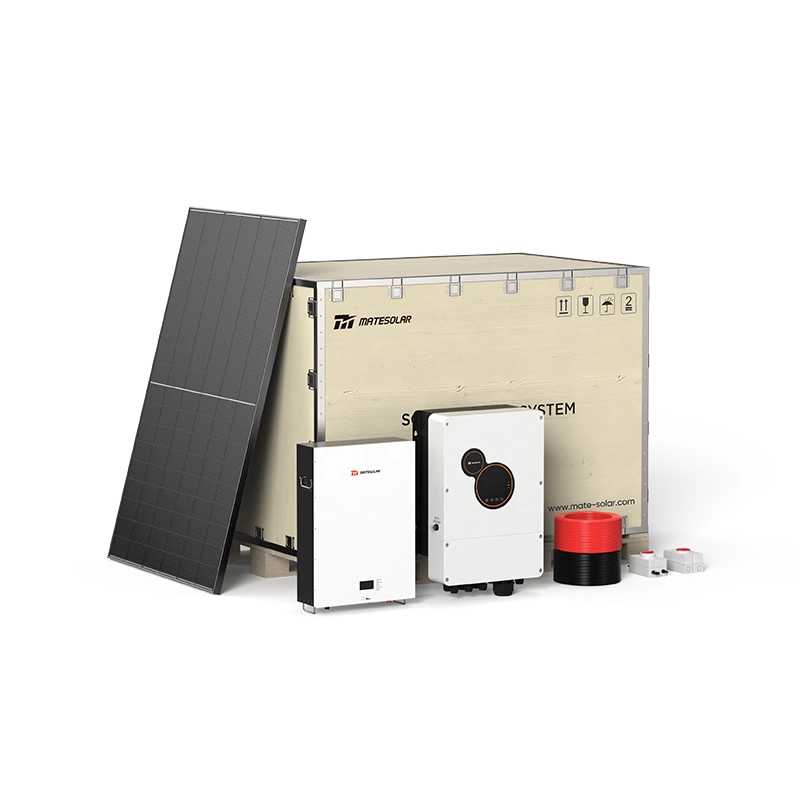
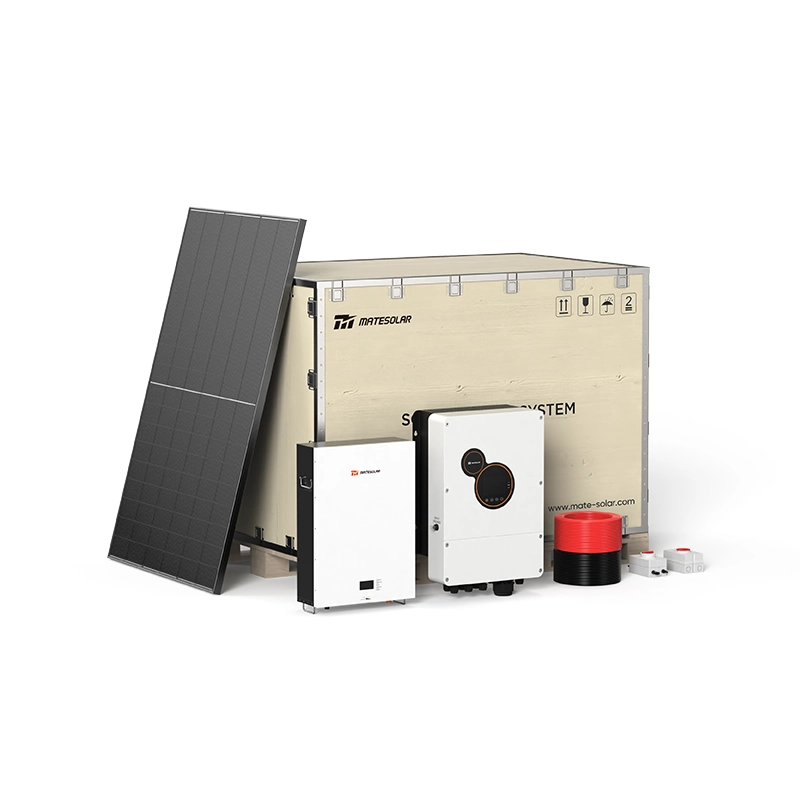
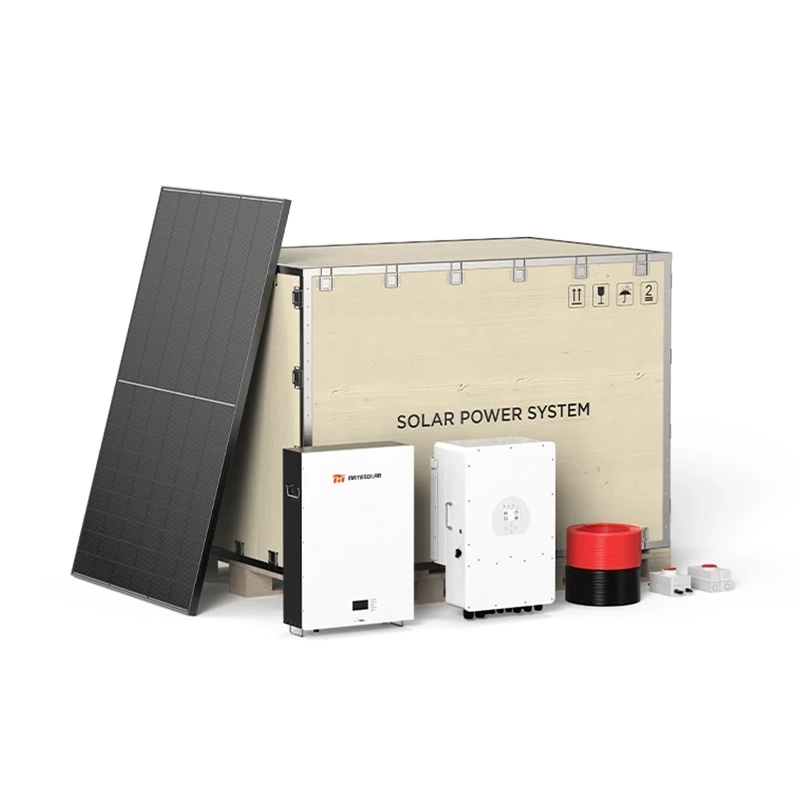
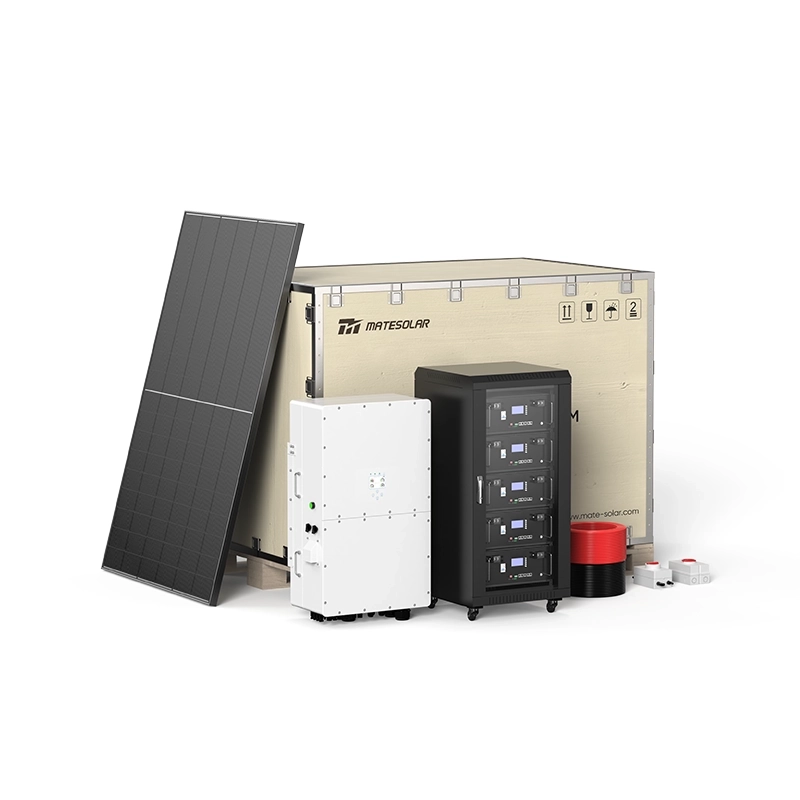
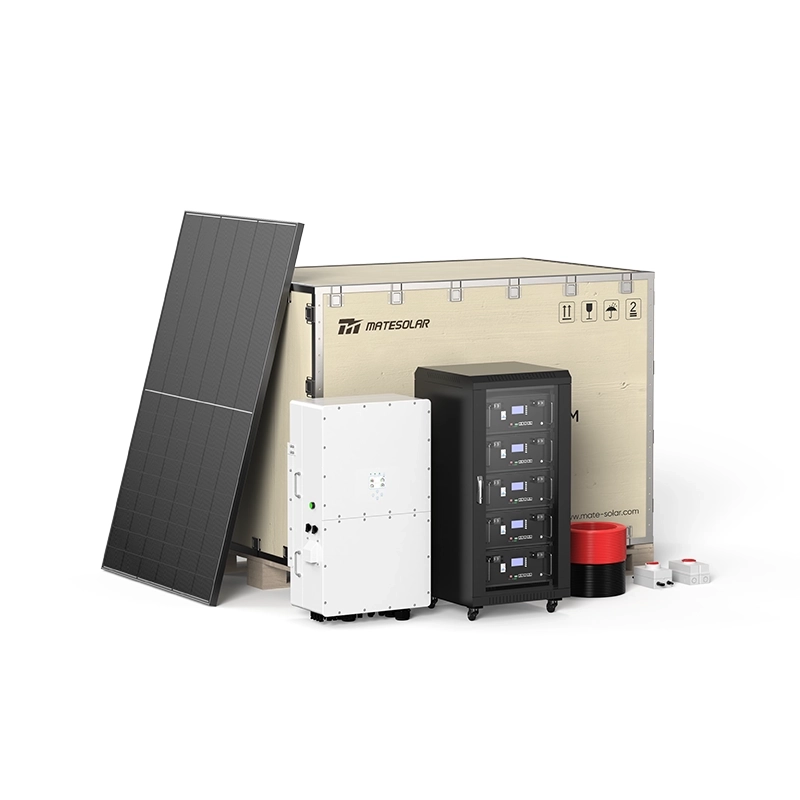
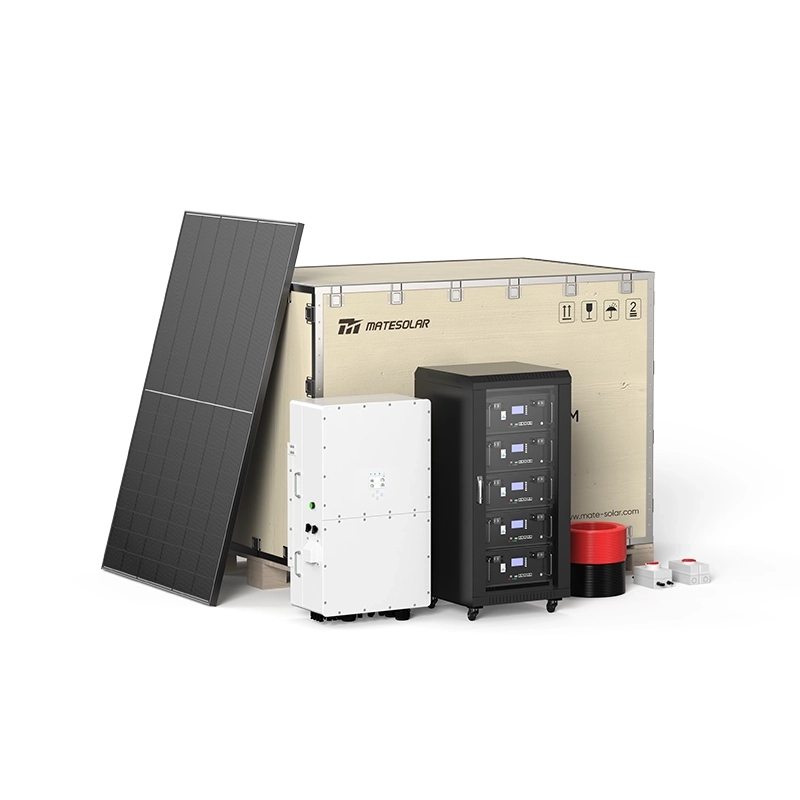
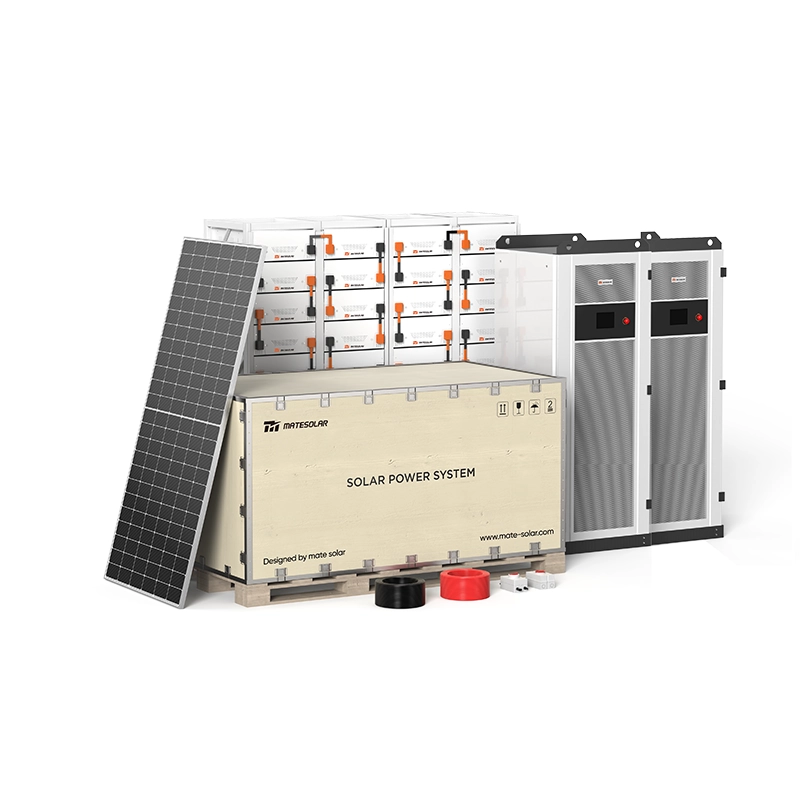
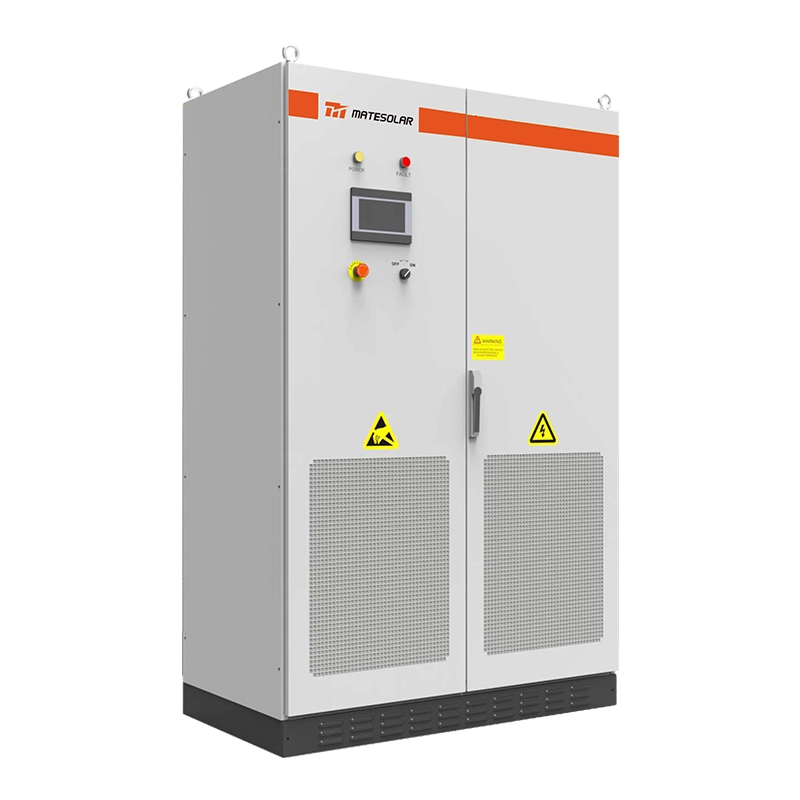
Système solaire hybride commercial de 500 kW – Conçu pour les grandes applications C&I avec une sortie onduleur configurée selon la norme triphasée de la Barbade de 230 V/400 V. Le système peut être déployé comme un système de stockage d'énergie (SSE) autonome raccordé au réseau ou intégré à des systèmes photovoltaïques nouveaux/existants. Délai de livraison type : 8 à 10 semaines à compter de la confirmation de la commande.
Accélération de l'interconnexion :
La stratégie la plus efficace pour accélérer l'approbation des BLPC consiste à présenter un dossier d'interconnexion complet et prévalidé. Les documents requis comprennent :
1. Schéma unifilaire – Présentation du point de couplage commun, des relais de protection et des points d'isolement
2. Certificat de conformité au code réseau – Démonstration de la conformité de l'onduleur aux exigences d'interconnexion des systèmes de stockage d'énergie de BLPC pour 2024
3. Étude de coordination de la protection – Vérifié par un ingénieur électricien agréé inscrit à la Barbade
4. Plan d'exploitation et de maintenance – Incluant la surveillance à distance et les protocoles d'intervention d'urgence
La FTC et la BLPC ont établi des exigences d'interconnexion formelles pour les BESS se connectant à des tensions égales ou inférieures à 24,9 kV. Les développeurs qui soumettent des dossiers complets et sans erreur dès le premier jour peuvent réduire les délais d'approbation de plusieurs mois à quelques semaines.
Conformité aux normes techniques
La Barbade fonctionne selon les normes électriques britanniques/britanniques : 230 V monophasé, fréquence de 50 Hz. Pour les systèmes commerciaux triphasés, la tension est de 400 V (entre phases), dérivée de 230 V de phase à neutre. Ce n'est pas négociable. Les onduleurs configurés pour le courant biphasé nord-américain de 120/240 V, 60 Hz échoueront aux inspections d'interconnexion et présenteront un risque d'incendie pour les appareils locaux. Chaque système de conversion d'énergie destiné à la Barbade doit être configuré en usine pour un fonctionnement à 50 Hz et doit prendre en charge les protocoles de communication réseau de BLPC (généralement Modbus TCP/IP ou IEC 61850 pour les installations plus importantes).
Adaptabilité de la propriété fractionnée
Le gouvernement introduit activement une législation sur la propriété fractionnée qui permettra aux Barbadiens ordinaires et aux petites entreprises d'investir dans des projets d'énergies renouvelables à grande échelle par le biais de fonds fiduciaires ou d'instruments financiers similaires. Pour les développeurs de projets, cela crée une exigence que les actifs BESS soient structurellement divisibles à des fins de comptabilité et de reporting de performance, permettant à chaque investisseur fractionné de suivre sa part proportionnelle des opérations de génération et de stockage. Les systèmes de gestion de l'énergie (EMS) devraient prendre en charge des tableaux de bord de performance multi-locataires et une allocation automatisée des revenus.
Point sensible 2 – Propriétaires existants/proposés d’installations solaires photovoltaïques : Atténuation de la réduction de puissance et protection des contrats d’achat d’électricité
Le Problème
La Barbade a connu un “ boom solaire ” qui a poussé le réseau électrique à ses limites opérationnelles. À midi, la production solaire dépasse souvent la capacité d’absorption du réseau, ce qui oblige le gestionnaire à limiter — ou à réduire intentionnellement — la production solaire. Pour les propriétaires de centrales solaires, cette limitation se traduit directement par une perte de revenus, en particulier pour les centrales ayant signé des contrats de tarif de rachat (FIT) ou d’achat d’électricité (PPA) d’une durée de 20 ans avec BLPC. La saturation du réseau est devenue si grave que certains systèmes solaires approuvés ont des panneaux installés et des onduleurs prêts depuis des mois, voire des années, sans pouvoir acheminer l’électricité nulle part.
La Solution : Retrofit de systèmes de stockage d'énergie par batteries pour la récupération des réductions de production
Comment les SRES capturent l'énergie écrêtée :
Lorsque la production d'une centrale solaire dépasse la capacité d'absorption du réseau, l'énergie excédentaire est généralement perdue. Un système de stockage d'énergie par batterie (BESS) correctement configuré et installé au point de raccordement absorbe cet excédent d'énergie pendant les périodes de restriction de production et le redistribue pendant les heures de pointe (généralement en soirée, lorsque la production solaire est nulle mais que la demande en électricité et les prix sont à leur plus haut niveau).
Pour les centrales solaires existantes relevant d’anciens contrats d’achat d’électricité (PPA), le raisonnement économique est simple : chaque kilowattheure stocké qui, autrement, aurait été limité, représente un revenu récupéré. Dans le cadre du système de facturation nette en vigueur à la Barbade, l’excédent de production solaire vendu au réseau donne lieu à un crédit au tarif en vigueur (actuellement de $0,416 US$/kWh pour le solaire photovoltaïque dans le cadre du programme de tarif de rachat garanti (FIT) pour les installations de plus de 3 kW). Les systèmes de stockage d’énergie (BESS) permettent aux propriétaires de centrales de transférer la production réduite des périodes de midi, à faible valeur, vers les périodes de pointe, à plus forte valeur.
Modélisation du ROI pour les projets de modernisation du stockage :
Le délai de rentabilité lié à l'ajout d'un système de stockage d'énergie par batterie (BESS) à une centrale solaire existante à la Barbade varie généralement entre 4 et 7 ans, en fonction de la taille de l'installation, de la fréquence des restrictions de production et du prix de l'électricité. Les projets financés par des prêts concessionnels de la BID ou de la SFI peuvent afficher des délais de rentabilité encore plus courts grâce à un coût de capital réduit.
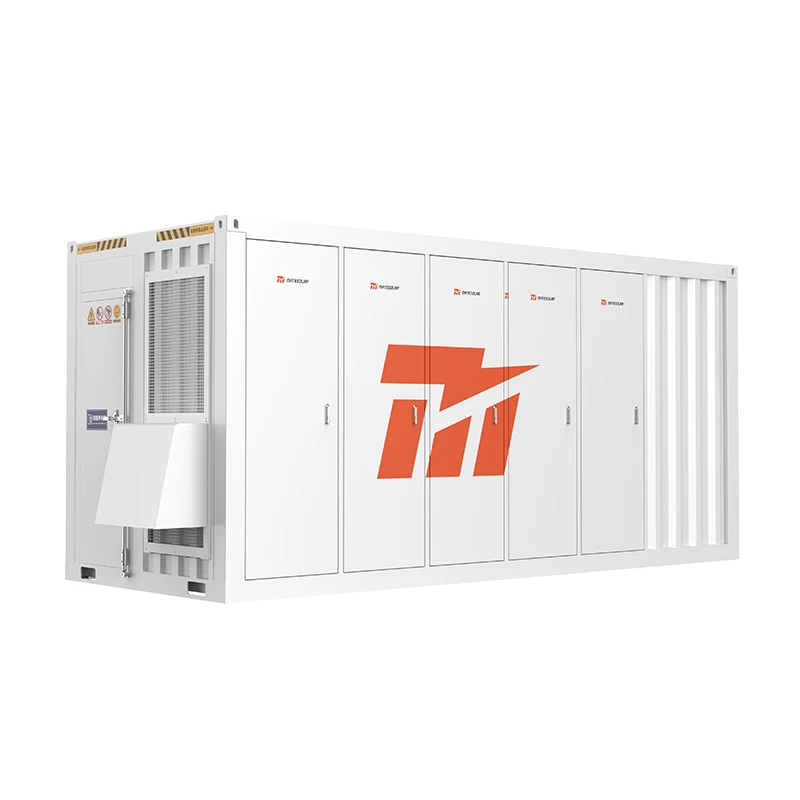
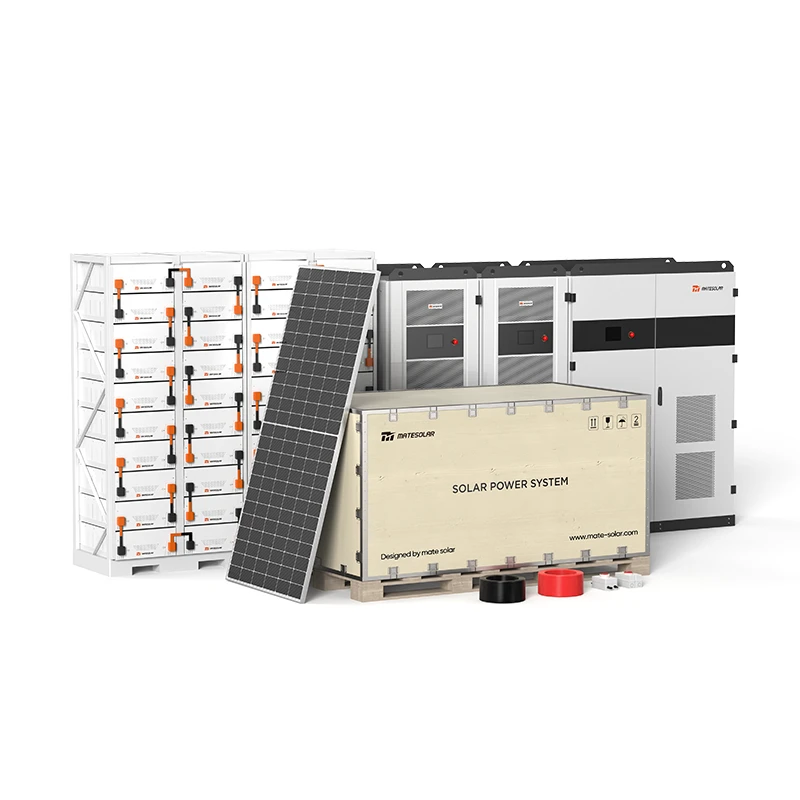
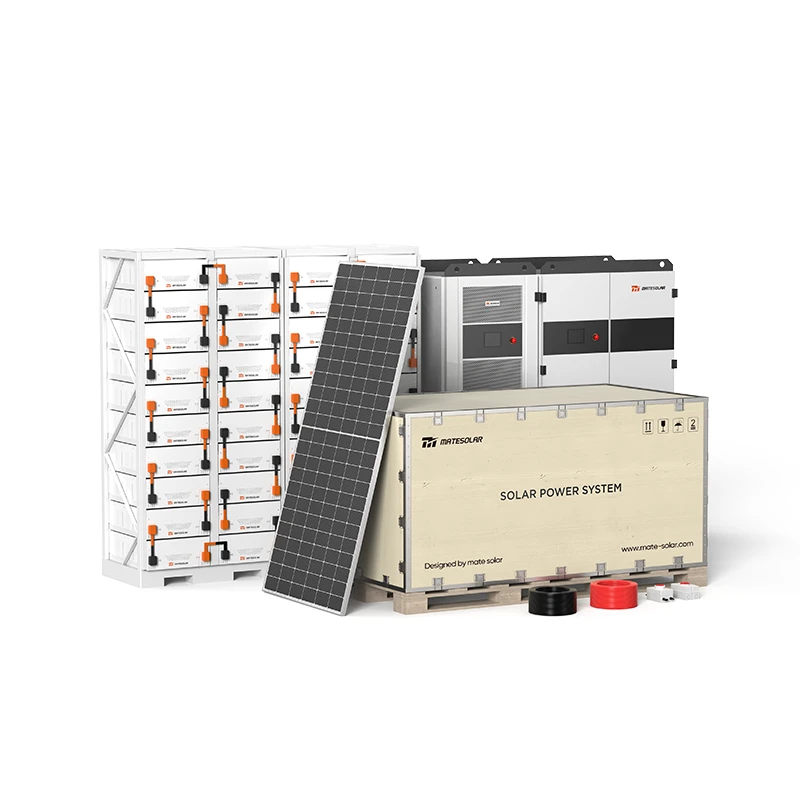
40 pieds 1MWh / 2MWh conteneur CAREFREE ESS – La configuration privilégiée pour les rénovations solaires + stockage à échelle utilitaire à la Barbade. La conception refroidie par air réduit la complexité et les besoins de maintenance dans les climats chauds. L'empreinte standard d'un conteneur de 40 pieds (12,2 m × 2,44 m) s'intègre dans la plupart des postes électriques solaires existants. L'interconnexion plug-and-play aux barres omnibus de moyenne tension (400 V à 24,9 kV) permet le déploiement sans mettre la centrale solaire hors service.
Quantifier l'opportunité de récupération de délestage :
Les centrales solaires qui installent une BESS dimensionnée à 25 à 50 % de leur capacité solaire (par exemple, une BESS de 5 MW associée à une capacité solaire de 10 à 20 MWc) permettent généralement de récupérer 85 à 95 % des pertes dues à l'écrêtement, transformant ainsi une source de revenus négatifs en un nouveau centre de profit.
“Intégration Rétrofit ”Plug-and-Play" :
Pour les centrales solaires opérationnelles existantes, la solution BESS idéale minimise les temps d'arrêt pendant l'installation. Les armoires extérieures refroidies par liquide peuvent être installées sans mettre la centrale solaire hors ligne en se connectant en parallèle au réseau basse tension de 400 V ou en s'intégrant directement au niveau de moyenne tension (11 kV/24 kV) à l'aide d'un transformateur élévateur dédié.
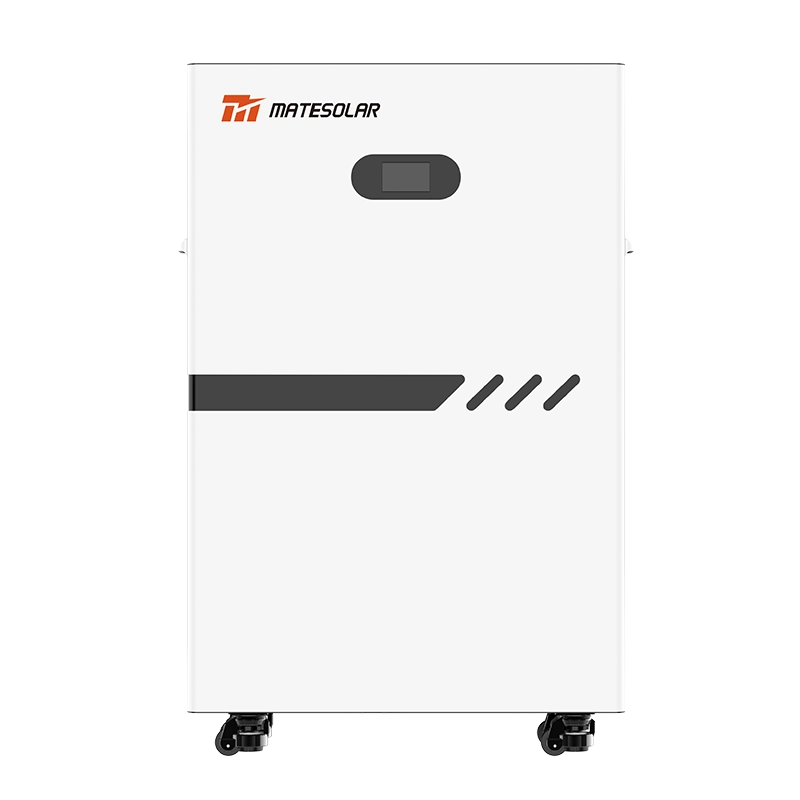
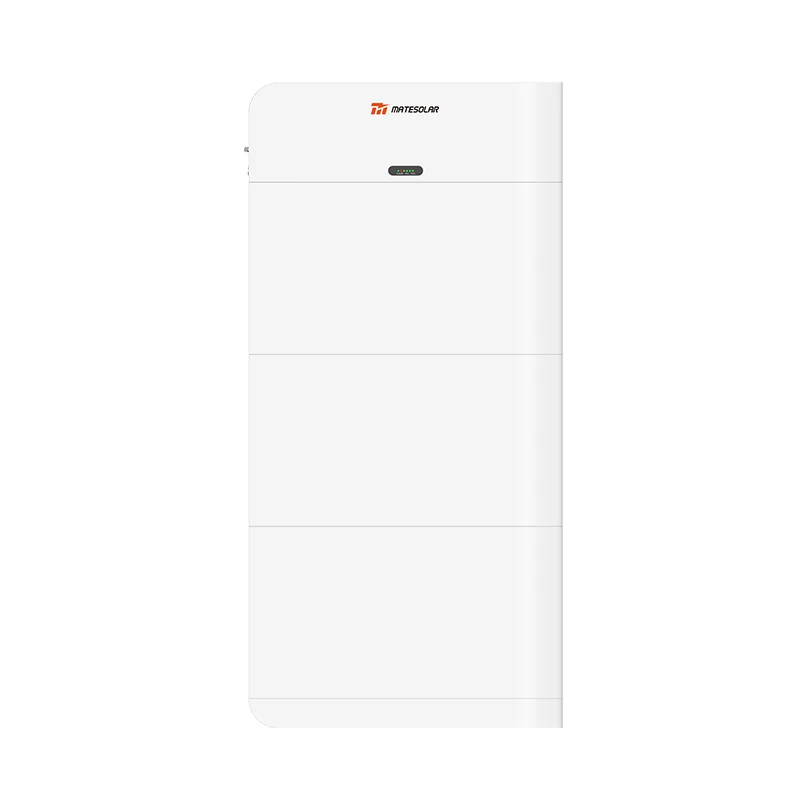
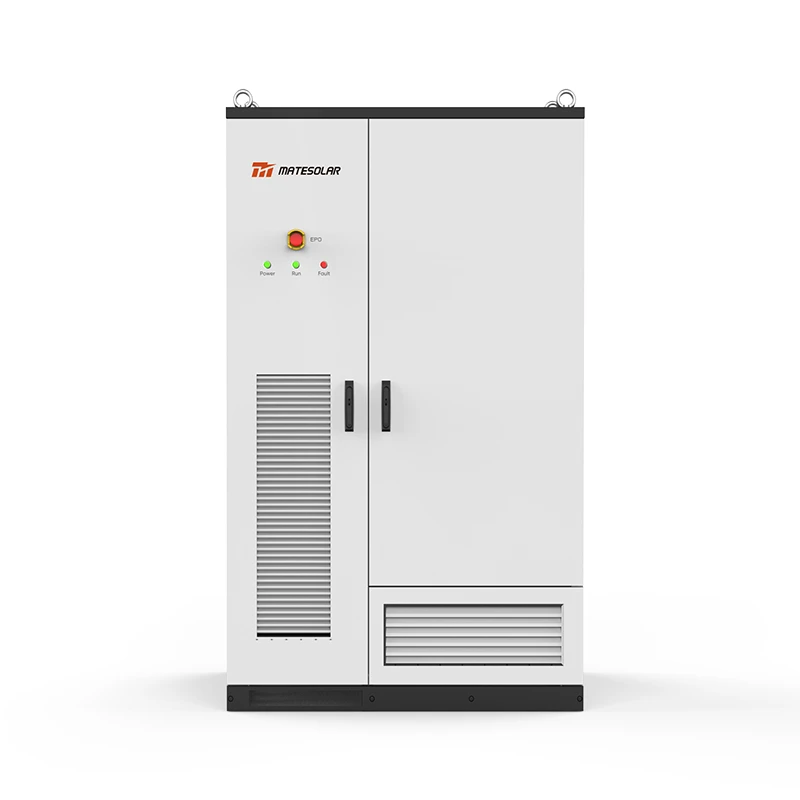
100kW/232kWh et 125kW/261kWh Boîtier extérieur refroidi par liquide RES – Conçu pour un déploiement rapide dans les applications de rénovation. Le boîtier classé IP55 avec des modules de batterie IP67, une protection contre la corrosion C5 et un refroidissement liquide intelligent maintient la température optimale de la batterie (25±2°C) même dans des conditions ambiantes de +35°C. L’architecture modulaire permet d’évoluer de 100 kW à l’échelle MW en parallélisant plusieurs armoires. L’installation ne nécessite qu’une dalle de béton et des connexions électriques, généralement achevée en 7 à 10 jours sans interruption opérationnelle de la centrale solaire existante.
Point sensible 3 – Grands commerces et industrie / Hôtellerie : Remplacement du diesel et alimentation électrique ininterrompue
Le Problème
La Barbade a les tarifs d'électricité les plus élevés des Caraïbes, avec des tarifs commerciaux moyens d'environ 0,309 USD/kWh (en septembre 2025). L'île produit environ 80 % de son électricité à partir de combustibles fossiles importés, ce qui rend les prix de détail de l'électricité très sensibles aux fluctuations du marché mondial du pétrole. Pour les grandes installations industrielles, les hôtels et les complexes hôteliers – dont beaucoup fonctionnent 24 heures sur 24 – les coûts de l'électricité représentent une dépense d'exploitation importante et volatile.
À cela s'ajoute le recours généralisé aux groupes électrogènes diesel pour l'alimentation de secours. Les groupes électrogènes diesel sont coûteux à exploiter (généralement entre 0,40 et 0,60 USD le kWh rien qu'en carburant, hors maintenance), nuisibles pour l'environnement et peu fiables pour les charges sensibles telles que les centres de données, le matériel médical et les cuisines commerciales qui nécessitent une alimentation ininterrompue.
La Solution : Systèmes Hybrides Solaires + Stockage + Diesel
Remplacer le diesel : l'économie
Un système solaire avec stockage correctement configuré peut permettre de remplacer 70 % ou plus de la consommation de diesel dans le climat de la Barbade, où les ressources solaires sont abondantes (irradiation quotidienne moyenne : 5,5 à 6,0 kWh/m²). Pendant la journée, l’énergie photovoltaïque alimente les charges de l’installation tandis que le système de stockage (BESS) se recharge grâce à l’excédent de production. Après le coucher du soleil, le BESS se décharge pour couvrir les charges du soir. Les générateurs diesel sont relégués à un véritable rôle de secours : ils ne fonctionnent que pendant les longues périodes de faible production solaire (par exemple, plusieurs jours nuageux consécutifs) ou lors d’arrêts pour maintenance.
Économie comparative : Diesel vs. Solaire + Stockage :
| Métrique | Groupe électrogène diesel | PV Solaire + BESS Hybride |
| Coût actualisé de l'énergie (CAE) | USD 0,45-0,65/kWh | USD 0,12-0,18/kWh |
| Coût du carburant | USD 0,40‑0,50/kWh (diesel importé) | Zéro |
| Coût de la maintenance | 0,05-0,10 USD/kWh | 0,005-0,010 USD/kWh |
| Émissions | Élevé (CO₂, NOx, particules) | Zéro |
| Bruit | Élevé (70-90 dB) | Négligeable (<25 dB) |
| Durée de vie typique | 10-15 ans (O&M élevé) | 15 à 20 ans |
Alimentation ininterrompue : commutation inférieure à 10 ms
Pour les établissements hôteliers et les installations critiques, la capacité de tolérance aux pannes de réseau est non négociable. Les meilleures solutions BESS pour le marché de la Barbade offrent :
- Commutation transparente <10 ms de la grille à la batterie lorsqu'un défaut de grille est détecté
- Capacité d'îlotage de 12 à 24 heures lorsqu'il est associé à une capacité de batterie suffisante (par exemple, 500 kWh à 2 MWh pour un hôtel de taille moyenne)
- Capacité de démarrage à froid permettre la restauration de l'alimentation à partir de batteries après un effondrement complet du réseau
Le Système solaire hybride commercial de 500 kW inclut un EMS avancé qui priorise automatiquement la consommation solaire, gère la charge/décharge de la batterie en fonction des prix de l'électricité en temps réel et se coordonne avec les groupes électrogènes diesel existants pour les maintenir dans des cycles d'entretien optimaux. Le système prend en charge le mode de formation de réseau pour un fonctionnement autonome lors de pannes du réseau.
Économie de la facturation nette pour les clients C&I :
La Barbade fonctionne avec un système de facturation nette avec crédit reporté pour les systèmes d'énergies renouvelables connectés au réseau. Dans le cadre de cet arrangement :
- Les clients sont facturés à leur tarif d'électricité habituel pour toute l'énergie consommée du réseau.
- L'excédent de production solaire exporté vers le réseau génère un crédit au tarif FIT (actuellement 0,416 USD/kWh pour le photovoltaïque solaire)
- Les crédits sont reportés de mois en mois ; tout crédit restant en fin d'année est versé au client
Cette structure favorise fortement l'autoconsommation par rapport à l'exportation pure, car le tarif de vente au détail de l'électricité évité (0,309 USD/kWh ou plus pour les gros consommateurs) est généralement inférieur au crédit FIT reçu. Le modèle économique optimal pour les clients C&I est le suivant :
1. Utiliser le solaire pour compenser les charges diurnes de l'installation (coût de détail évité : 0,309 USD/kWh)
2. Utiliser des BESS pour décaler la production solaire vers les heures du soir. (coût de détail évité en période de pointe : jusqu'à 0,35-0,40 USD/kWh)
3. Exporter seulement l'énergie vraiment excédentaire (Crédit FIT : 0,416 USD/kWh)
Un EMS intelligent exécute automatiquement cette stratégie à l'aide de signaux de prix en temps réel et de prévisions de charge.
Point sensible 4 – Petites et moyennes entreprises C&I : Contraintes d'espace et conformité 230V/50Hz
Le Problème
Les petites entreprises, les restaurants, les magasins de détail et les installations industrielles légères à la Barbade sont confrontés à deux contraintes aiguës : un espace physique limité pour le matériel de stockage d'énergie et une confusion généralisée quant aux normes électriques locales qui a entraîné des erreurs coûteuses en matière d'onduleurs.
Le piège 230V/50Hz :
On ne saurait trop insister sur ce point : la Barbade utilise du 230 V monophasé, 50 Hz (norme britannique/Royaume-Uni). Les onduleurs conformes aux spécifications américaines dont la sortie est de 120/240 V en monophasé dédoublé à 60 Hz ne peuvent pas être interconnectés au réseau BLPC. L'installation de tels équipements entraînera :
- Échouer à l'inspection d'interconnexion menée par BLPC
- Endommager ou détruire des appareils de 230V lorsqu'ils sont mis sous tension par inadvertance
- Annuler la couverture d'assurance et potentiellement créer des dangers d'incendie
De nombreuses petites entreprises ont appris cette leçon à leurs dépens, achetant en ligne des onduleurs à des prix attractifs pour découvrir ensuite qu'ils sont incompatibles avec le réseau de la Barbade. Tout fournisseur réputé desservant le marché de la Barbade doit fournir un guide de sélection clair et audité précisant quels modèles d'onduleurs sont conformes aux configurations monophasées 230V/50Hz et triphasées 400V/50Hz.
La Solution : Coffrets extérieurs compacts, sûrs et certifiés 50 Hz
Optimisation de l'espace :
Pour les petites applications C&I, les armoires extérieures au sol sont préférées aux systèmes conteneurisés en raison des contraintes d'espace. Indicateurs clés d'efficacité spatiale :
- Empreinte Une armoire de 100 kW / 232 kWh occupe généralement 1,2 m × 1,5 m (≈ 1,8 m²)
- Options de montage : Fixation murale ou au sol ; empilage possible pour extension de capacité
- Installation en toiture : Les versions d'armoires plus légères (≤ 1 500 kg) peuvent être installées sur des toits commerciaux structurellement renforcés.
Certifications de sécurité pour environnements urbains denses :
Pour les petites entreprises opérant dans des quartiers commerçants ou des immeubles à usage mixte, la certification de sécurité est non négociable pour la conformité aux assurances et aux réglementations. Les certifications requises comprennent :
- UL 9540A – Tests de propagation d'incendie par emballement thermique (la référence absolue en matière de sécurité des batteries)
- UL 1973 – Norme de sécurité des batteries stationnaires pour les marchés de référence nord-américains et de la CARICOM
- CEI 62619 – Norme de sécurité internationale pour les batteries de stockage industrielles
100kW/232kWh et 125kW/261kWh Boîtier extérieur refroidi par liquide RES est conforme aux trois certifications. L'armoire comprend une suppression des incendies multicouche (à base d'aérosol ou de gaz, avec déclencheurs thermiques), un boîtier étanche IP65 pour la protection contre la poussière et les infiltrations d'eau, et une isolation au niveau du module de batterie pour contenir tout événement thermique.
“Configuration ”Compagnon Solaire" :
Pour les petites entreprises qui ont déjà installé des panneaux solaires photovoltaïques sur leur toit, l'armoire extérieure sert de “ compagnon solaire ” :
- Augmentation de l'autoconsommation De 40-50 % typiques (solaire seul) à 85‑95 pour cent (solaire + stockage)
- Indépendance du réseau : 4 à 8 heures d'alimentation de secours pour les charges essentielles (réfrigération, éclairage, systèmes de paiement)
- L'écrêtement des pointes : Réduit les frais de demande de BLPC pour les installations sur des tarifs basés sur l'utilisation (TOU) ou basés sur la demande
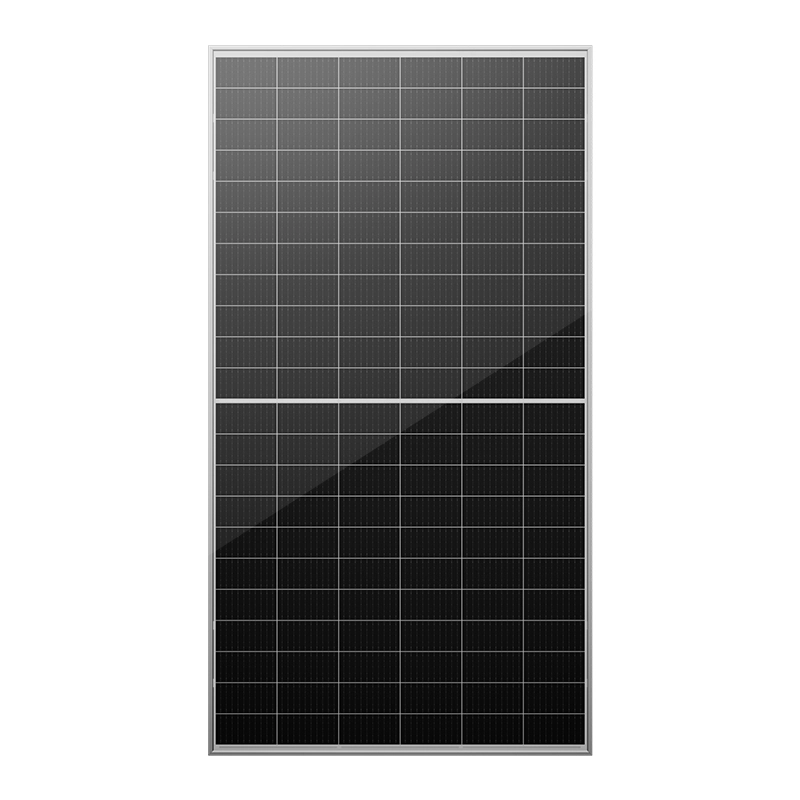
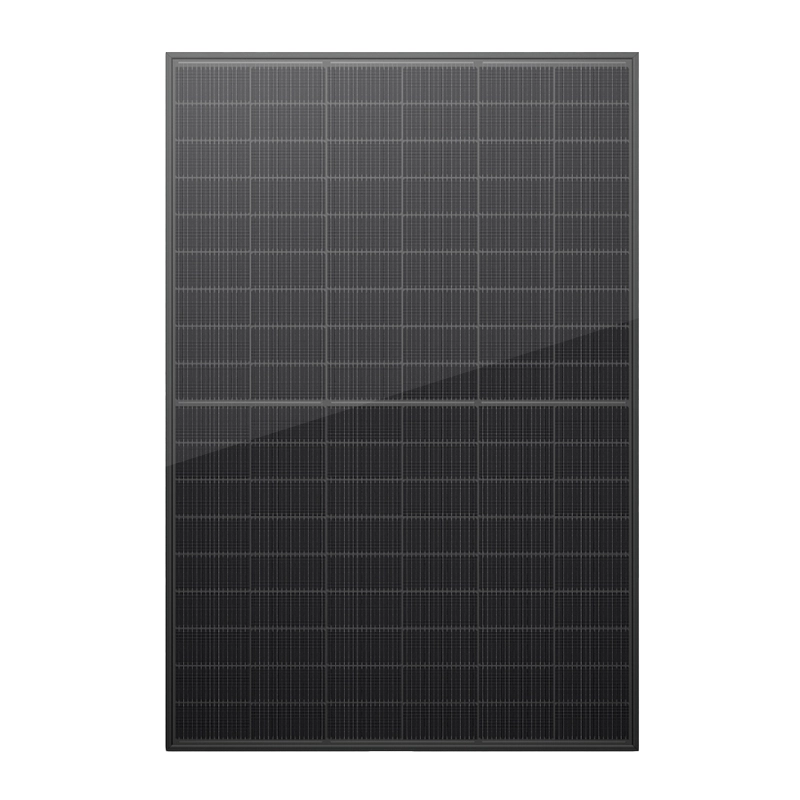
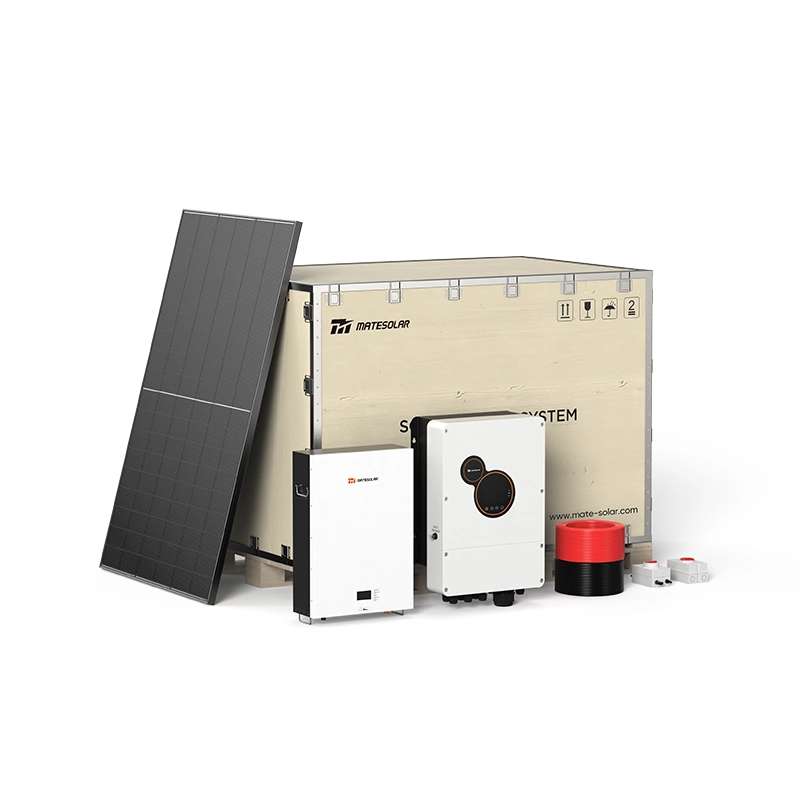
Pour les nouveaux clients sans système solaire existant, le même rack intègre de manière transparente de nouveaux panneaux photovoltaïques sur toiture. MateSolar propose des solutions intégrées “solaire + stockage” tout-en-un comprenant les panneaux, le système de fixation, l'onduleur, le rack de batterie BESS et la documentation d'interconnexion.
Ressource pour l'équipe commerciale – Guide de sélection des onduleurs 230 V/50 Hz :
| Application | Tension | Fréquence | Phase | Types d'onduleurs conformes |
| Petite boutique / restaurant | 230V | 50 Hz | Simple | Spécification européenne (modèles Schneider, SMA, Victron EU) |
| Bureaux / commerce de proximité | 230/400V | 50 Hz | Trois | Spécifique à l'Europe ; certifié G99 |
| Hôtel / complexe hôtelier | 230/400V | 50 Hz | Trois | Spécifications européennes ; unités parallélisables |
| Installation industrielle | 400V / 11 kV | 50 Hz | Trois | Onduleurs de moyenne tension pour centrales solaires |
Les onduleurs aux normes américaines (120/240V monophasé, 60 Hz) ne sont PAS conformes et ne peuvent pas être utilisés.
Point sensible 5 – Tous les utilisateurs de stockage : Résilience climatique, bancabilité et O&M à long terme
Le Problème
Les environnements maritimes tropicaux font partie des conditions d'exploitation les plus difficiles pour les équipements de stockage d'énergie. La Barbade connaît :
- Températures ambiantes élevées : Moyenne de 28 à 32 °C, avec des pics dépassant 35 °C en saison sèche
- Humidité relative élevée : Typiquement 70-85 pour cent, atteignant 100 pour cent pendant la saison des pluies
- Brumes salines / Corrosion côtière : Pour les installations situées à moins de 1 à 5 km de la côte, l'air chargé de sel accélère la corrosion des métaux.
- Tempêtes tropicales fréquentes : La saison des ouragans (de juin à novembre) apporte des vents forts, de fortes pluies et des risques d'inondation
Sans une protection environnementale robuste, les équipements BESS à la Barbade subiront une dégradation accélérée : durée de vie des batteries écourtée par les températures élevées, corrosion des boîtiers entraînant des infiltrations d'eau et des défaillances électriques, et efficacité réduite des onduleurs dans des conditions de forte humidité.
La Solution : Protection contre la Corrosion C5 + Gestion Thermique Avancée
Protection contre la corrosion – Norme ISO 12944 C5 :
Le niveau de protection minimum acceptable pour les installations de la Barbade est C5 (corrosivité très élevée) selon la norme ISO 12944. Les revêtements de qualité C5 protègent les enceintes en acier dans les environnements à forte salinité et humidité, conditions que l'on retrouve partout à la Barbade.
Fonctionnalités clés de protection C5 à vérifier :
- Système de peinture du boîtier : Épaisseur totale du film sec minimale de 240 à 320 microns, primaire époxy + couche de finition polyuréthane
- Quincaillerie en acier inoxydable : Toutes les fixations, charnières et presse-étoupes fabriqués en acier inoxydable 316 (ou équivalent)
- Passages de câbles étanches : Presse-étoupes IP66/IP67 empêchant la migration de l'humidité dans les armoires de commande
Indice de Protection (IP) :
Pour les armoires extérieures placées dans des endroits exposés (par exemple, parkings, toits, sites côtiers) :
- Minimum IP55 : Protégé contre la pénétration de poussière et les jets d'eau à basse pression
- IP65 préféré : Étanches à la poussière et protégés contre les jets d'eau à basse pression de toutes les directions
- Modules de batterie : Devrait atteindre IP67 (immersion temporaire jusqu'à 1 mètre) pour la résilience aux inondations
Refroidissement Liquide Avancé pour les Climats Tropicaux :
Les systèmes BESS refroidis par liquide surpassent considérablement les conceptions refroidies par air dans les environnements à haute température. Avantages techniques :
- Uniformité de température supérieure : Le refroidissement liquide permet d'obtenir une variance de température inter-cellules de ≤0,5 °C, comparativement à 6,1 °C pour le refroidissement par air
- Températures de fonctionnement plus basses : Le refroidissement liquide réduit la température moyenne de la batterie de environ 17°C comparé au refroidissement par air, supprimant la température maximale des cellules jusqu'à 18°C et prolongeant considérablement la durée de vie du cycle
- Maintenance réduite du ventilateur : Les systèmes refroidis par air nécessitent un nettoyage régulier des filtres et un remplacement des ventilateurs ; les systèmes refroidis par liquide comportent peu de composants de ventilation et des besoins de maintenance continue moindres.
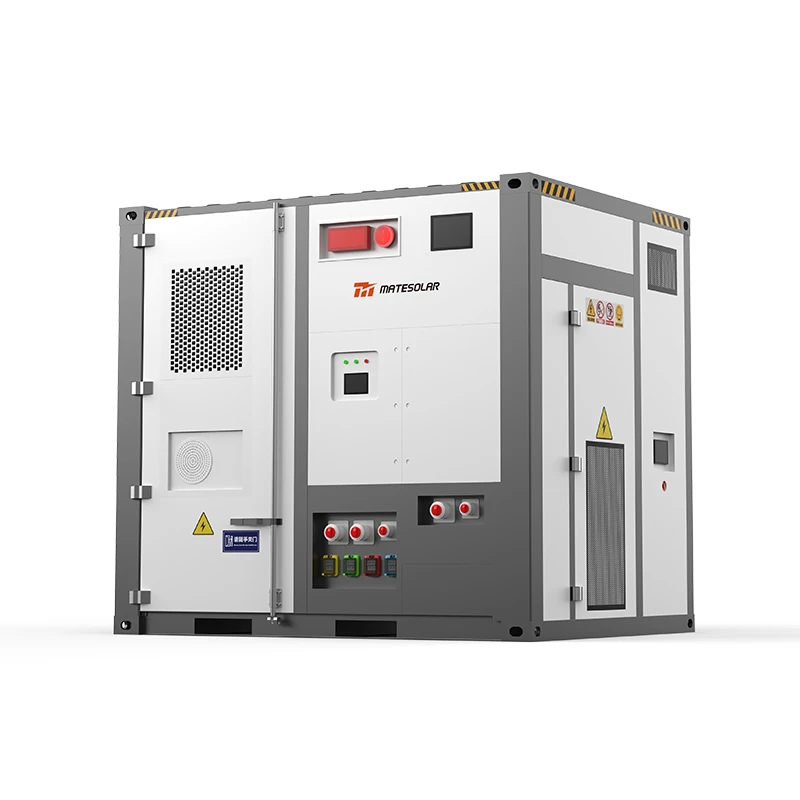
Conteneur 20ft de stockage d'énergie par refroidissement liquide (ESS) 3 MWh / 5 MWh est conçu pour un déploiement tropical. Les caractéristiques comprennent une protection de conteneur IP54, une norme anticorrosion C4/C5, un refroidissement liquide maintenant la température de fonctionnement de la batterie à 25±2°C dans des conditions ambiantes allant jusqu'à 45°C, et une suppression des incendies intégrée avec des agents Novec 1230 ou aérosols.
Tableau 3 : Guide des spécifications de protection de l'environnement pour le BESS de la Barbade
| Fonctionnalité de protection | Norme minimale | Norme préférée | Méthode de vérification |
| Protection contre la corrosion des boîtiers | C4 (ISO 12944) | C5 (ISO 12944) | Fiche technique du fabricant |
| Indice de Protection (IP) des Enceintes | IP54 | IP65 / IP66 | Rapport de test d'un tiers |
| Indice de protection IP du module de batterie | IP54 | IP67 | Certificat UL / CEI |
| Gestion thermique | Air pulsé | Refroidissement par liquide | Spécification technique |
| Plage de température de fonctionnement | 0‑40°C | -20°C à +55°C | Fiche technique / Essai de type |
| Durée du test de brouillard salin | 72 heures (ASTM B117) | 500+ heures (ISO 9227) | Rapport de test |
Rentabilité – Les certifications que les prêteurs exigent :
Les institutions de financement du développement international actives à la Barbade, y compris la BID, la SFI, le Fonds vert pour le climat et la Banque européenne d'investissement, exigent que les équipements BESS soient dotés de certifications de sécurité et de performance spécifiques. Sans ces certifications, le financement de projets est pratiquement impossible.
Certifications obligatoires pour les BESS bancables :
| Certification | Portée | Requis pour |
| CEI 62619 | Sécurité des batteries industrielles | Tous les systèmes de batteries |
| UL 1973 | Sécurité des batteries stationnaires | Projets recherchant un financement américain/international |
| UL 9540A | Essais de propagation d'incendie par emballement thermique | Conformité aux assurances et aux codes incendie |
| CEI 62933 | Sécurité du système BESS (système complet) | Projets à l'échelle industrielle et projets C&I |
| UN 38.3 | Sécurité du transport des batteries au lithium | Expédition vers la Barbade |
Note : les certifications UL ne sont pas légalement requises à la Barbade mais le sont requis par la BID, la SFI et la plupart des assureurs internationaux. Les projets sans UL 9540A auront du mal à obtenir une assurance habitation.
3. Ingénierie tropicale : Comment construire une BESS qui dure 20 ans à la Barbade
La durée de vie de conception de 15 à 20 ans est réalisable dans le climat tropical de la Barbade, mais seulement avec des choix d'ingénierie délibérés. Les principes de conception suivants ont été validés dans des environnements de réseaux insulaires comparables (Hawaï, Porto Rico, les îles Vierges américaines, Maurice) :
Gestion de la corrosion
L'embrun marin côtier est la principale menace pour la longévité des BESS à la Barbade. La norme de protection ISO 12944 C5 est largement référencée dans les environnements à forte corrosion. Les armoires extérieures et les systèmes de conteneurs MateSolar sont fabriqués avec des systèmes de peinture classés C5 et du matériel en acier inoxydable 316 comme spécifications standard pour tous les équipements destinés aux Caraïbes.
3.2 Matrice de sélection de la gestion thermique
| Taille du système | Température ambiante (Moyenne/Pic) | Refroidissement recommandé |
| < 100 kW / < 250 kWh | moins de 30°C | Refroidi par air acceptable |
| < 100 kW / < 250 kWh | 30°C | Refroidi par liquide de préférence |
| 100-500 kW / 250-1 500 kWh | N'importe quel | Refroidissement liquide obligatoire |
| 500 kW / > 1.5 MWh | N'importe quel | Refroidi par liquide |
Les performances thermiques supérieures du refroidissement liquide se traduisent directement par une durée de vie plus longue des cycles de batterie. À une température de fonctionnement donnée, les batteries LFP perdent environ 30 % de leur durée de vie de cycle pour chaque augmentation de 10°C au-dessus de 25°C. Maintenir la température de la batterie à 25 ± 2°C grâce au refroidissement liquide (comparativement à 35-40°C avec le refroidissement par air) peut prolonger la durée de vie utile de 8 à 10 ans à 15 à 20 ans.
3.3 Sélection de la chimie de la batterie : LFP pour les climats tropicaux
La chimie lithium-fer-phosphate (LFP) est la technologie de batterie privilégiée pour les installations à la Barbade :
- Seuil de fuite thermique plus élevé (270°C contre 150-170°C pour NMC)
- Durée de vie du cycle plus longue (6 000 à 10 000 cycles contre 3 000 à 5 000 pour les NMC)
- Meilleure stabilité à haute température Le LFP se dégrade plus gracieusement au-dessus de 35°C
- Risque réduit de propagation thermique (confinement du feu plus facile)
Les batteries NMC (Nickel Manganèse Cobalt), courantes dans certains produits de stockage stationnaire dérivés des véhicules électriques, ne sont pas recommandées pour les installations tropicales en extérieur en raison de leur faible stabilité thermique.
3.4 Durée de conception et garanties de performance
MateSolar offre des garanties de performance système (SLA) de 15 ans pour les installations à la Barbade, avec les conditions clés suivantes :
- Rétention de capacité ≥ 70 pour cent de la capacité nominale à l'année 15
- Efficacité aller-retour : ≥ 85 % (AC à AC) sur la durée de vie du système
- Garantie de disponibilité : 99,5 pour cent de disponibilité pour les installations à l'échelle des services publics, 99,0 pour cent pour les installations commerciales et industrielles
- Surveillance à distance : Surveillance du système 24h/24 et 7j/7 avec alertes automatisées
- Intervention d'urgence : Triage à distance dans les 24 à 48 heures ; intervention sur site dans les 72 heures pour les titulaires de SLA contractuels
4. Cadre réglementaire et incitatif
4.1 Tarification d'achat de l'électricité (FIT) et facturation nette
La BLPC gère un programme de tarif d'achat pour les producteurs d'énergie renouvelable :
| Taille du système | Tarif d'Achat Actuel (Solaire PV) | Terme du contrat |
| ≤ 25 kW (résidentiel) | 0,18 USD/kWh | 20 ans |
| 25 kW (commercial) | 0,416 USD/kWh | 20 ans |
| Vent (toute taille) | 0,315 USD/kWh | 20 ans |
Les tarifs FIT sont sujets à des réductions progressives planifiées. La prochaine réduction de tarif prévue pour les systèmes photovoltaïques solaires de plus de 25 kW est de 0,13 USD/kWh après 2027.
La facturation nette fonctionne sur une base de crédit renouvelable : les crédits de la production exportée s'appliquent aux factures futures, tout crédit restant en fin d'année étant versé au client.
4.2 Incitations fiscales pour les équipements d'énergies renouvelables
La Barbade offre des incitations fiscales substantielles pour les équipements d'énergie renouvelable, y compris les systèmes de stockage d'énergie par batterie (BESS) :
- Franchises de droits de douane sur les équipements d'énergie renouvelable importés
- Exonération fiscale de 10 ans sur le revenu pour les développeurs, fabricants ou installateurs de systèmes d'énergies renouvelables et de produits à efficacité énergétique
- TVA à taux zéro sur tous les systèmes et produits d'énergies renouvelables et d'efficacité énergétique produits à la Barbade
Ces incitations réduisent le coût effectif du capital pour le déploiement de systèmes de stockage d'énergie (BESS) de 15 à 25 pour cent, améliorant ainsi considérablement les TRI des projets.
4.3 Propriété fractionnée – Ouvrir l'investissement immobilier à tous les Barbadier
En mars 2025, le gouvernement a annoncé des plans pour lancer des instruments financiers permettant aux Barbadiens ordinaires d'investir directement dans des projets d'énergie renouvelable par le biais de participations en actions et en dettes. Le ministre des Finances, Ryan Straughn, a déclaré lors de la présentation du budget 2025-26 : “ Nous pensons que les Barbadiens devraient avoir un intérêt dans la transition énergétique ”.
Pour les développeurs de projets de stockage d'énergie par batteries (BESS), la propriété fractionnée crée une nouvelle source de capital local et aligne les intérêts de la communauté sur le succès du projet. Le logiciel de gestion d'énergie (EMS) doit prendre en charge le suivi des performances multi-propriétaires et la distribution automatisée des revenus.
4.4 Exigences en matière de contenu et de propriété locales
Le gouvernement s'est engagé à un minimum de 30 % de propriété locale dans tous les projets d'énergies renouvelables. Combiné avec des structures de propriété fractionnée, cela crée une voie claire pour la participation du capital national dans le déploiement de 370 MW de stockage.
5. Foire aux questions (FAQ)
Q1 : L'équipement 60 Hz est-il acceptable à la Barbade ?
Non. Le réseau de la Barbade fonctionne à 50 Hz. Tout onduleur conçu pour un fonctionnement à 60 Hz (équipement typiquement nord-américain) ne peut pas se synchroniser avec le réseau BLPC, ne passera pas l'inspection d'interconnexion et pourrait endommager les charges connectées. Tout l'équipement doit être à 50 Hz, 230/400 V.
Q2 : Quelle est la période de retour sur investissement typique pour un système solaire + stockage C&I à la Barbade ?
Pour une installation commerciale typique (50‑200 kW solaire + 100‑400 kWh de stockage), les périodes de retour sur investissement varient de 4 à 7 ans en fonction des taux d'autoconsommation, des prix de l'électricité et des incitations fiscales disponibles. Les installations qui atteignent plus de 90 % d'autoconsommation (utilisant le BESS pour décaler le solaire vers les heures du soir) peuvent atteindre des retours sur investissement inférieurs à 5 ans.
Q3 : Puis-je ajouter un système de stockage d'énergie par batterie (BESS) à une centrale solaire existante sans annuler mon contrat d'achat d'électricité (PPA) ?
Oui. La plupart des PPA existants avec BLPC n'interdisent pas explicitement le stockage derrière le compteur. L'essentiel est de s'assurer que le BESS n'augmente pas les exportations au-delà de la capacité contractuelle du PPA. Le BESS doit être configuré pour se charger uniquement à partir du solaire limité ou excédentaire, et non à partir du réseau à des fins d'arbitrage, sauf si le PPA l'autorise spécifiquement. Consultez un conseiller juridique pour examiner la langue spécifique du PPA.
Combien de temps prend l'approbation de l'interconnexion au réseau?
Pour les projets BESS, le délai est actuellement de 3 à 9 mois à compter de la soumission d'un dossier de demande complet. La soumission d'un dossier incomplet ou nécessitant des clarifications peut prolonger ce délai à 12-18 mois. Les approbations les plus rapides proviennent de projets utilisant des modèles d'onduleurs pré-approuvés et soumettant l'ensemble des documents dès le premier jour (schéma unifilaire, étude de protection, certificats de conformité, plan de maintenance et d'exploitation).
Q5 : Le BESS nécessite-t-il un entretien régulier ?
Oui, mais minime. Les produits MateSolar BESS sont conçus pour un fonctionnement nécessitant peu d'entretien. Programme d'entretien recommandé :
- Mensuel : Vérification de l'état du système distant (automatisée)
- Trimestriellement : Inspection visuelle du boîtier et des connexions de câbles
- Annuellement : Imagerie thermique des modules de batterie, vérifications du couple des contacteurs, mises à jour du firmware
- Tous les 5 ans : Remplacement du liquide de refroidissement (systèmes refroidis par liquide), nettoyage du filtre du ventilateur (refroidi par air)
Q6 : Que se passe-t-il en cas de défaillance matérielle ?
Pour les problèmes de qualité matérielle, MateSolar fournit des pièces de rechange expédiées à la Barbade avec des conseils à distance pour l'installation/la réparation par des électriciens agréés locaux. Pour les problèmes logiciels, le support technique à distance résout la majorité dans les 24 à 48 heures. Pour les pannes matérielles majeures sous garantie, nous proposons l'expédition d'unités de remplacement et la logistique de retour pour l'unité défectueuse. Pour les projets d'utilité publique à grande échelle, MateSolar peut organiser un support technique sur site de la part de notre équipe d'ingénieurs pour la mise en service et le dépannage.
Q7 : Les produits BESS de MateSolar sont-ils éligibles au financement de la BDI/SFI ?
Oui. La gamme de produits de MateSolar possède l'ensemble complet des certifications requises pour le financement par la BID et la SFI : IEC 62619, UL 1973, UL 9540A (réussie), et IEC 62933. Nous avons fourni avec succès des équipements pour des projets financés par des banques multilatérales de développement dans des environnements de réseaux insulaires comparables (Hawaï, Porto Rico, USVI et Philippines).
Q8 : Un système de conteneur de 20 pieds peut-il être installé sur un site standard accessible par camion ?
Oui. Un conteneur de 20 pieds (6,058 m L × 2,438 m l × 2,896 m H) peut être livré par un camion plateau standard et mis en place par une grue ou un camion ampliroll. Les exigences du site incluent une dalle de béton plane, un accès pour grue (dégagement minimum de 3 mètres sur trois côtés) et des points de raccordement aux utilités à moins de 15 mètres de l'emplacement du conteneur.
Q9 : Quelle surface au sol un armoire extérieure de 100 kW/232 kWh nécessite-t-elle ?
Le pied de l'armoire fait environ 1,2 m (L) × 1,5 m (l) = 1,8 m². Un dégagement supplémentaire de 1 mètre en façade est requis pour l'accès de service. Le dégagement sur les côtés et à l'arrière peut être de seulement 100 à 200 mm si l'armoire est classée IP65 avec un accès de service uniquement par l'avant. Les versions murales réduisent l'empreinte au sol à zéro.
Q10 : Quelle est la garantie sur les produits MateSolar BESS pour la Barbade ?
A : MateSolar offre une garantie standard de 10 ans sur le produit (capacité de la batterie ≥ 70 % à l'année 10) avec une extension optionnelle à 15-20 ans avec SLA de performance. Toutes les garanties sont entièrement transférables aux propriétaires successifs, soutenant la valeur des actifs sur les marchés secondaires.
6. Matrice des solutions produits pour le marché de la Barbade
Le tableau ci-dessous résume le portefeuille de produits BESS de MateSolar par rapport aux segments d'application à la Barbade.
| Segment d'application | Produit recommandé | Caractéristiques spécifiques à la Barbade |
| Grandes installations commerciales et industrielles (charges de 500 kW et plus) | Système solaire hybride commercial de 500 kW | Sortie 230/400V 50 Hz ; capacité de formation de réseau ; intégration de groupe électrogène diesel ; commutation <10 ms |
| Moyenne entreprise C&I / Hôtel | Armoire extérieure refroidie par liquide de 100 kW/232 kWh et 125 kW/261 kWh | Indice IP65 / C5 ; refroidissement liquide ; UL 9540A ; <1,8 m² d'empreinte au sol ; empilable modulaire |
| Utilitaires / Projets développeur | 40 pieds 1MWh / 2MWh conteneur CAREFREE ESS | Empreinte standard de 40 pieds ; simplicité refroidie par air ; durée de vie de plus de 6000 cycles ; livraison rapide en 8 semaines |
| Grands Projets de Grille | Conteneur 20ft de stockage d'énergie par refroidissement liquide (ESS) 3 MWh / 5 MWh | Densité énergétique la plus élevée par empreinte ; corrosion C5 ; suppression d'incendie intégrée ; refroidissement liquide |
7. Conclusion : L'impératif d'exécution
La Barbade a franchi le seuil de l'ambition en matière d'énergies renouvelables pour passer à l'exécution. Avec 370 MW de capacité de stockage imposée, deux appels d'offres nationaux actifs (60 MW et 150 MW), un projet phare de 50 MW combinant solaire, hydrogène et stockage solaire qui avance vers la construction, et un projet pilote de VPP en cours de conception, les signaux du marché sont sans équivoque : il est temps de déployer des BESS (Battery Energy Storage Systems) à la Barbade.
Pourtant, réussir sur ce marché exige plus qu'une batterie quelconque. Il exige un équipement conçu pour les conditions techniques, environnementales et réglementaires spécifiques de la Barbade : réseaux de 230 V/50 Hz, chaleur tropicale et embruns salins, codes de connexion d'inspiration britannique et les normes rigoureuses de bancabilité de la BID et de la SFI. Il exige des partenaires de la chaîne d'approvisionnement qui privilégient les projets caribéens sur un marché mondial où les batteries restent rares. Et il exige un modèle de support qui reconnaît l'éloignement de la Barbade des grands centres de fabrication, avec des diagnostics à distance, une logistique des pièces de rechange et un support de mise en service qui fonctionne entre les fuseaux horaires.
Chez MateSolar, nous avons consacré des ressources d'ingénierie et de chaîne d'approvisionnement au marché des Caraïbes, avec un accent particulier sur la Barbade. Notre gamme de produits BESS est entièrement certifiée selon les normes qui comptent (IEC 62619, UL 1973, UL 9540A, corrosion C5, conformité au code réseau 50 Hz). Nous maintenons une capacité de production engagée pour les projets caribéens, offrons des dates de livraison fermes et soutenons les déploiements avec une surveillance à distance, un stock de pièces de rechange et, pour les grands projets d'utilité publique, une ingénierie de mise en service sur site.
L'exigence de stockage de 370 MW n'est pas un objectif lointain. Il s'agit d'un pipeline d'approvisionnement continu que la Barbade devra exécuter au cours des 48 prochains mois. MateSolar est prêt à s'associer aux EPC, aux promoteurs, aux propriétaires d'actifs et aux exploitants d'installations pour fournir un stockage d'énergie bancable et résistant au climat pour l'avenir renouvelable de la Barbade.
Contactez MateSolar dès aujourd'hui pour discuter de votre projet BESS à la Barbade, qu'il s'agisse d'une armoire commerciale de 100 kW pour un hôtel de Bridgetown, d'un conteneur de 2 MWh pour la modernisation d'une centrale solaire, ou d'un système à l'échelle utilitaire de 50 MW pour l'appel d'offres national de 150 MW.
La transition énergétique de la Barbade se construit aujourd'hui. Construisez-la avec des équipements durables.
MateSolar – Votre fournisseur unique de solutions de stockage d'énergie pour la Barbade et les Caraïbes.