












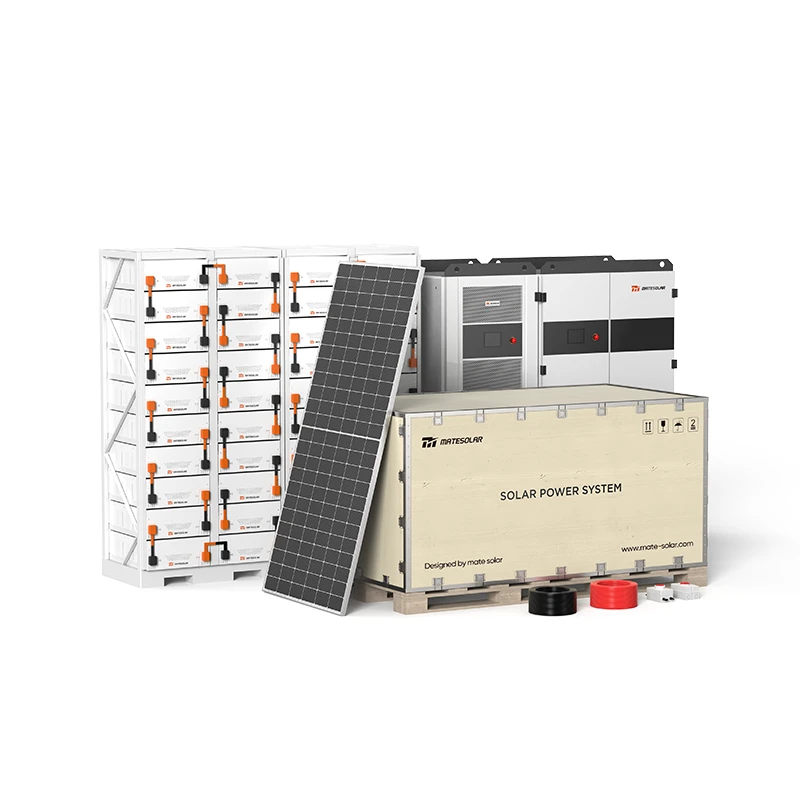
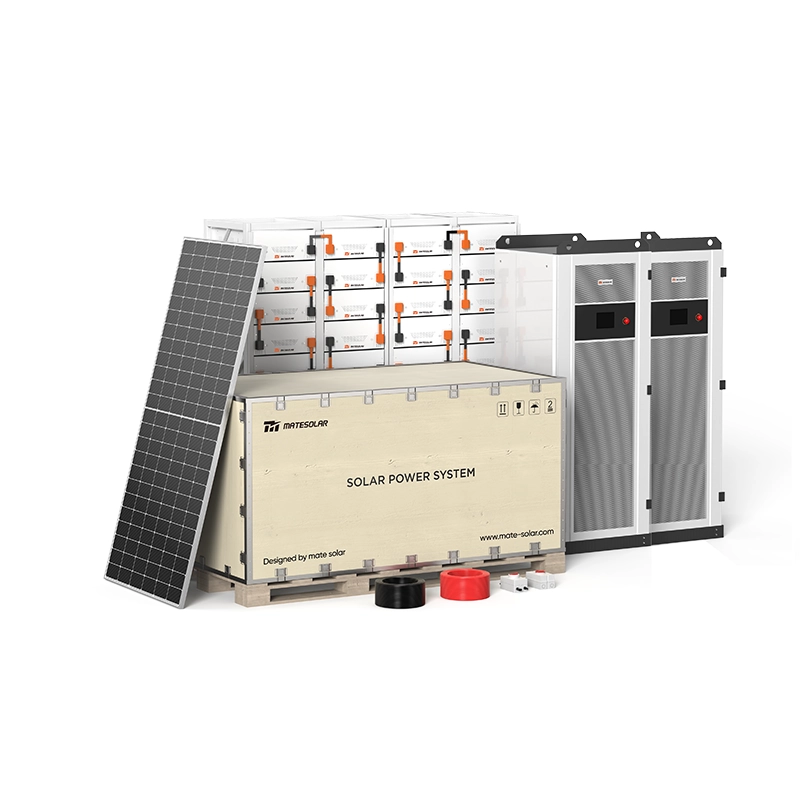

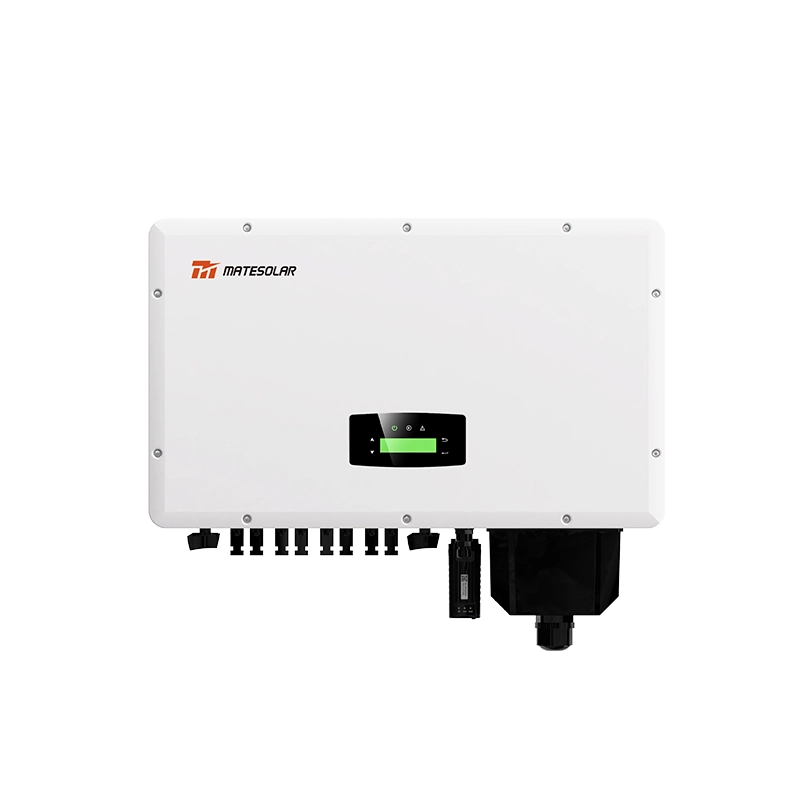
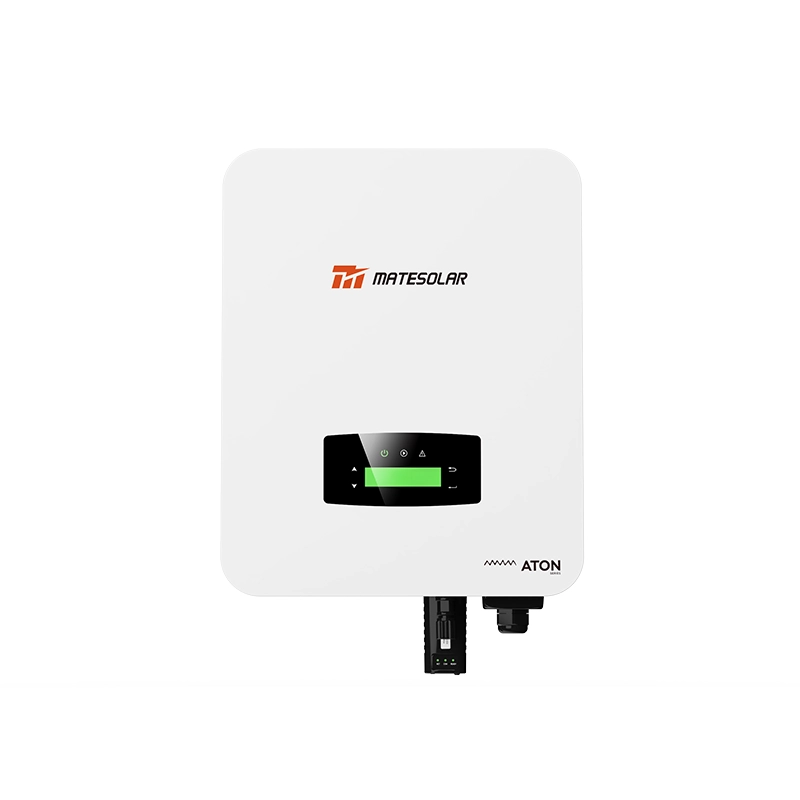
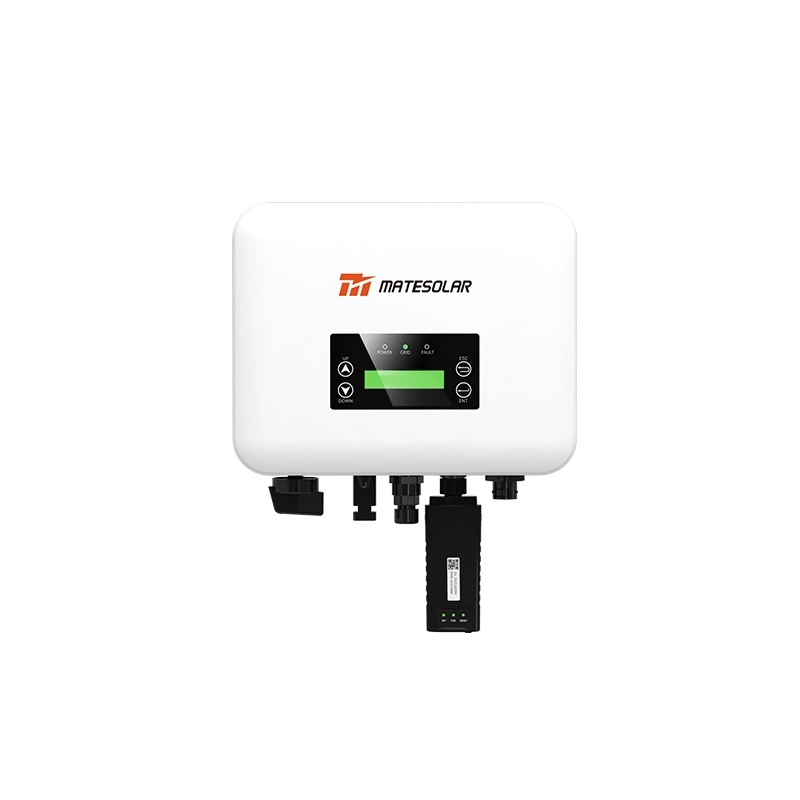


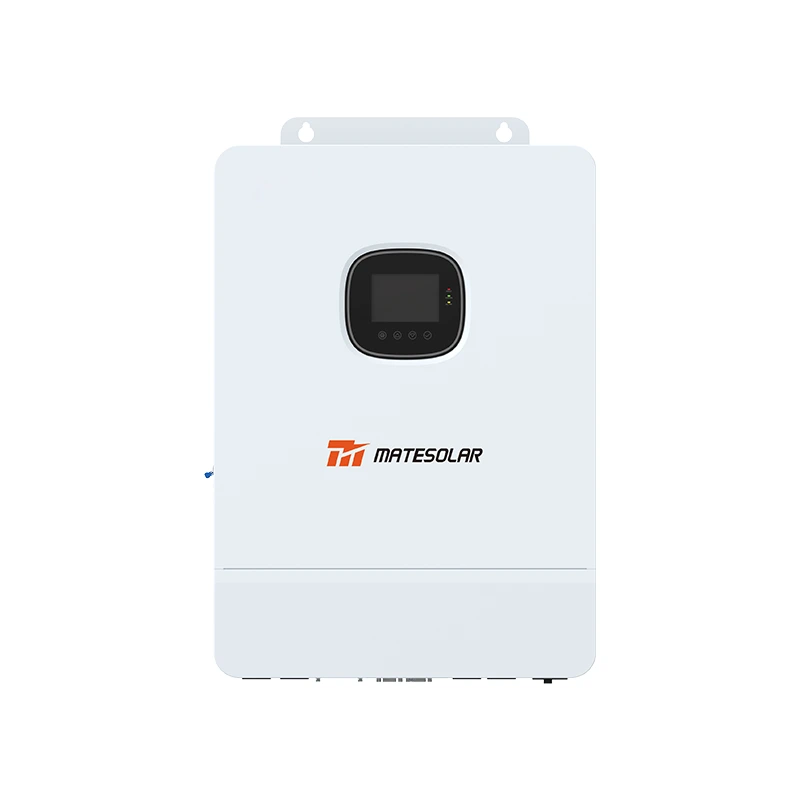
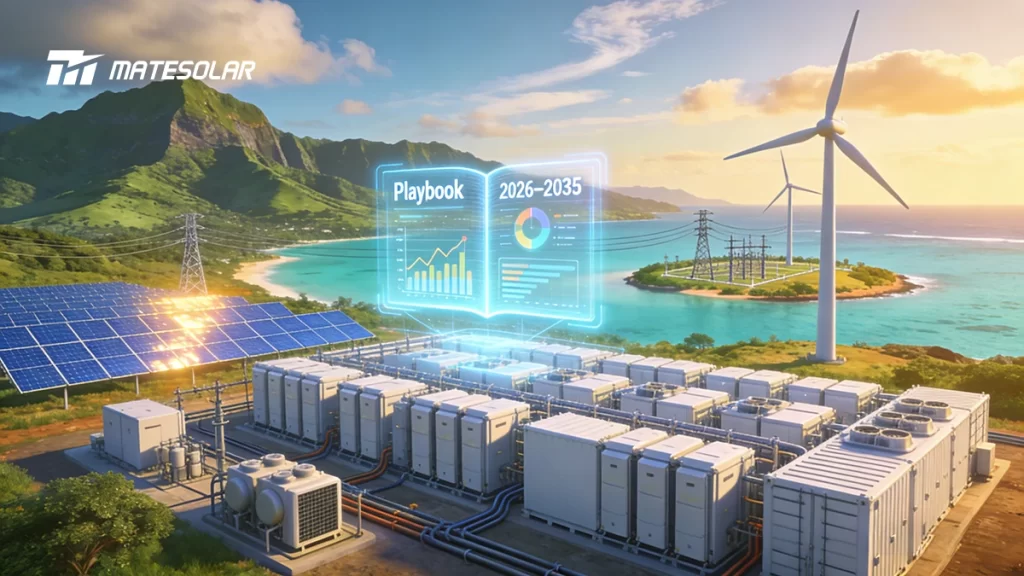
Una guía técnica y económica dirigida a las grandes empresas y las pymes del sector del níquel que deben hacer frente al plazo de STENC 2.0, la saturación de la red eléctrica y el auge de los sistemas de almacenamiento que contribuyen a la estabilidad de la red.
Fecha: 18 de marzo de 2026
En 2026, el panorama energético de Le Caillou ha llegado a un punto de inflexión. Ahora que los disturbios sociales de 2024 han dado paso a un impulso frágil, pero decidido, hacia la autosuficiencia económica, una cosa está clara: el futuro de Nueva Caledonia se alimentará de energías renovables o no tendrá suministro eléctrico alguno.
Las cifras son contundentes. El plan STENC 2.0 (Schéma de Transition Énergétique de la Nouvelle-Calédonie) del Gobierno establece una reducción de 70% en las emisiones de gases de efecto invernadero para 2035, en comparación con los niveles de 2019. Para el sector metalúrgico —que consume casi dos tercios de la electricidad del territorio—, esto se traduce en un objetivo vinculante: al menos 50% de energía renovable en la combinación energética industrial para 2030, y una transformación completa para 2035.
Al mismo tiempo, la red gestionada por Enercal se enfrenta al problema de la "curva del pato" en un contexto insular. La saturación de la red en zonas clave está frenando las nuevas conexiones solares, mientras que la dependencia del gasóleo importado para las provincias del norte y las Islas Loyalty sigue suponiendo una carga económica.
En marzo de 2026, faltarán nueve años para la fecha límite de 2035. En el caso de una mina de níquel, donde los ciclos de inversión en activos fijos (CapEx) de los equipos se miden en décadas, es ahora cuando hay que actuar. Esta guía sirve como hoja de ruta definitiva para afrontar estos retos, aprovechando lo último en tecnología de formación de redes (GFM) y arquitectura de almacenamiento modular.
Analizaremos en profundidad los dos mercados distintos que están surgiendo en Nueva Caledonia —el complejo industrial y el sector descentralizado de las pymes y las comunidades— y proporcionaremos los modelos técnicos y financieros necesarios para lograr el cumplimiento normativo y la independencia.
Parte 1: El complejo industrial: la búsqueda de soluciones para el níquel, la energía y el plazo de 2035
La industria del níquel es el corazón de Nueva Caledonia, pero se trata de un corazón que, en la actualidad, funciona con fuelóleo pesado (HFO) y carbón. Empresas como SLN (Société Le Nickel) y KNS (Koniambo Nickel SAS) se enfrentan a un reto existencial: descarbonizar sus plantas de procesamiento situadas en yacimientos profundos o enfrentarse a gravos impuestos sobre el carbono y a la pérdida de acceso al mercado europeo en virtud del Mecanismo de Ajuste en Frontera por las Emisiones de Carbono (CBAM).
Mientras que el proyecto solar de 160 MW + 340 MWh de TotalEnergies para Prony Resources sentó un precedente , no todas las instalaciones cuentan con la ventaja de disponer de grandes extensiones de terreno o de un contrato de compra de energía (PPA) con un único comprador. Para la mayoría, la vía para cumplir con la normativa pasa por la adaptación de las operaciones existentes mediante la instalación de sistemas de almacenamiento de energía en baterías (BESS) a escala industrial.
Problema 1: La brecha de cumplimiento para 2035: rehabilitación frente a construcción nueva
La mayoría de las explotaciones mineras cuentan con contratos de suministro eléctrico o centrales eléctricas propias diseñadas para la generación de carga base con fuelóleo pesado (HFO) las 24 horas del día, los 7 días de la semana. La incorporación de energía solar fotovoltaica sin almacenamiento puede desestabilizar la red eléctrica local y rara vez supera una tasa de penetración del 15-20%. Para alcanzar el objetivo del 50% de energías renovables, el almacenamiento es imprescindible.
La solución: acoplamiento directo de alta tensión
Los sistemas modernos de almacenamiento de energía por batería (BESS) deben ser capaces de realizar un acoplamiento en corriente continua con nuevas instalaciones solares fotovoltaicas o un acoplamiento en corriente alterna con centrales de combustible pesado ya existentes. Esto permite el "estabilización solar", es decir, trasladar los picos de producción solar diurnos al turno de noche, cuando continúan las operaciones mineras.
Tabla 1.0: Plan de cumplimiento para las empresas mineras de Nueva Caledonia (2026-2035)
| Fase | Cronología | Acción clave | Tecnología necesaria | Blanco de penetración RE |
| Fase 1: Auditoría y proyecto piloto | 2026-2028 | Integración de BESS con plantas HFO existentes para permitir el desplazamiento de reserva giratoria. | Sistemas de fosfato de litio y hierro (LFP) de 5-10 MW / 20-40 MWh | 15% -> 25% |
| Fase 2: Hibridación | 2028-2032 | Integración total de parques solares específicos con sistemas de almacenamiento de energía en batería (BESS); retirada de 30% de capacidad térmica. | Sistemas de 20-50 MW / 80-200 MWh con un sistema avanzado de gestión de energía (EMS) | 30% -> 45% |
| Fase 3: Descarbonización profunda | 2032-2035 | Los sistemas de almacenamiento de energía por baterías (BESS) que forman parte de la red permiten el funcionamiento en isla temporal de la red de la mina; la energía térmica se utiliza únicamente como respaldo. | Inversores de formación de red (GFM); más de 100 MW / más de 400 MWh de almacenamiento | 50%+ |
Punto Doloroso 2: La economía del desplazamiento del fueloil pesado
A fecha del primer trimestre de 2026, el coste de entrega del fuelóleo pesado (HFO) en Nueva Caledonia sigue siendo volátil, vinculado al índice de Singapur más importantes recargos por flete. El coste nivelado de la energía (LCOE) de la energía híbrida solar + BESS es ahora más bajo que el de la generación térmica.
La solución: optimización multieje
Olvídate de limitarte a "almacenar energía solar". Un sistema de gestión energética (EMS) de nivel industrial debe llevar a cabo el "arbitraje temporal" y el "refuerzo de la capacidad".
- Arbitraje temporal: Cargar el sistema de almacenamiento de energía por batería (BESS) durante los periodos de baja carga (a mediodía) y descargarlo durante el pico de demanda de la tarde, evitando así la costosa puesta en marcha de un segundo generador de fuelóleo pesado.
- Consolidación de la capacidad: Suavizar las tasas de crecimiento de la energía solar fotovoltaica para evitar la inestabilidad de la red, lo que permite que la mina funcione con un mayor porcentaje de energías renovables "invisibles".
Tabla 2.0: Comparación de costes: fuelóleo pesado frente a energía solar + BESS (a escala industrial)
*Supuestos: precio del fuelóleo pesado (HFO) a $0,28/kWh (variable), impuesto sobre el carbono a $50/tCO₂e (previsión para 2027), vida útil del sistema de almacenamiento de energía por batería (BESS) de 8.000 ciclos.*
| Métrica | Gasóleo pesado (autónomo) | Energía solar fotovoltaica (autónoma) | Energía solar fotovoltaica + sistema industrial de almacenamiento de energía en batería (por ejemplo, un contenedor de 40 pies) |
| LCOE (USD/kWh) | $0,28 – $0,35 | $0.06 – $0.09 (solo durante el día) | $0.14 – $0.19 (Alimentación constante 24/7) |
| Intensidad de CO₂ (gCO₂/kWh) | ~800 | 0 | ~50 (incorporado + residual) |
| Servicio de estabilidad de la red | Sí (Inercia) | No (Variable) | Sí (Capaz de formar red) |
| ¿Listo para el cumplimiento en 2035? | No | No | Sí |
Punto de Dolor 3: Estabilidad de la Red en una Red Insular Débil
El proyecto Akuo Boulouparis (50 MW / 200 MWh) no es solo otra batería. Es un hito porque utiliza tecnología grid-forming (GFM). A diferencia de los inversores grid-following que se desconectan cuando la frecuencia se desvía, los inversores GFM pueden arrancar el sistema eléctrico desde cero y crear su propia fuente de voltaje.
Para un complejo minero, esto es crítico. Una caída de voltaje causada por el arranque de un gran.
- Perspicacia única: Para 2027, cuando la instalación de Akuo entre en funcionamiento, proporcionará regulación de frecuencia y soporte de voltaje a toda la Provincia Sur. . Las minas de la región podrán esencialmente "montarse" a la espalda de este activo a escala de servicios públicos. Sin embargo, las minas del norte, carentes de dicha infraestructura, deben implementar sus propios activos de GFM internamente para mantener la estabilidad ante una alta penetración de RE.
Para clientes industriales, la pregunta ya no es "si" almacenar, sino "qué tan rápido" pueden responder los inversores. Recomendamos consultar nuestra gama industrial dedicada para comprender los tiempos de respuesta.
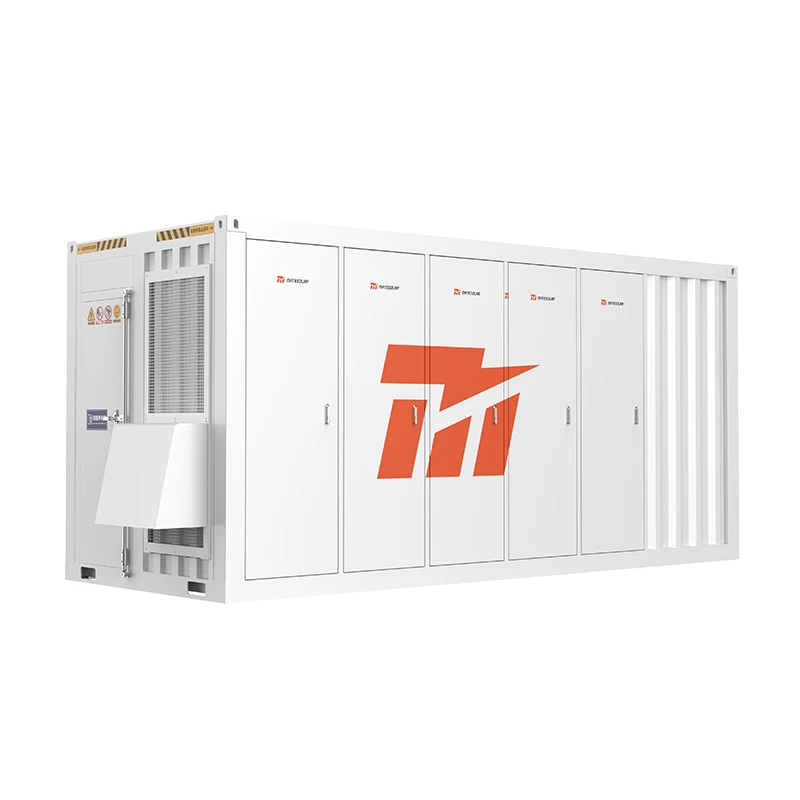
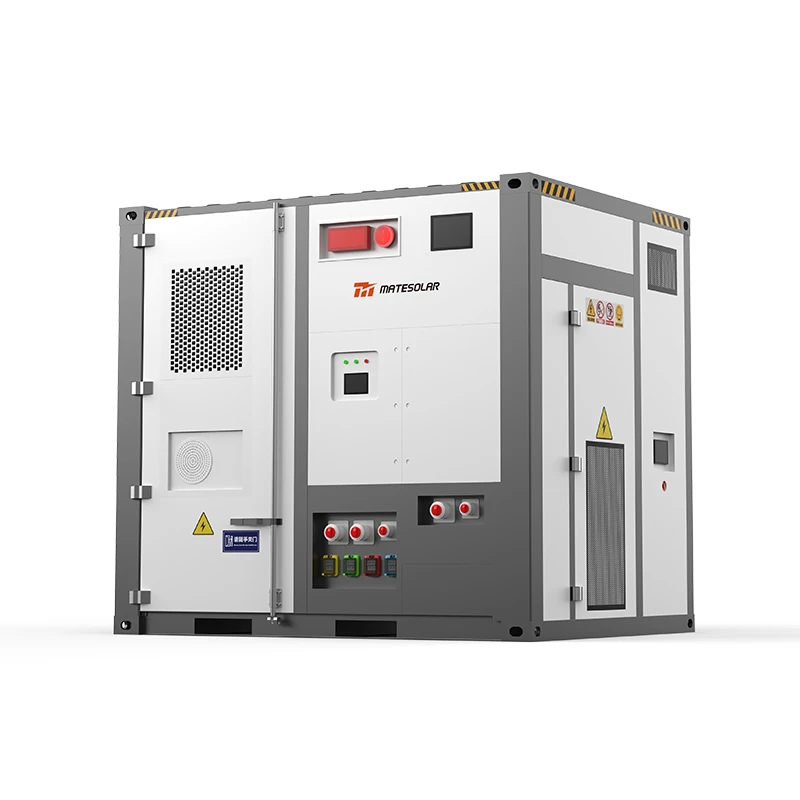
[Enlace interno: Descubre el Sistema de Almacenamiento de Energía de Contenedor Refrigerado por Aire de 40 pies, 1MWh - 2MWh - diseñado para hibridación industrial plug-and-play.]
Parte 2: La Red Descentralizada – PYMES, Agricultura y Deserción Isleña
Fuera de la zona industrial del Gran Sud, la realidad es distinta. Pequeñas y medianas empresas (PYMES), complejos turísticos y comunidades tribales enfrentan problemas de acceso a la red. Enercal ha declarado que en ciertas áreas, la red ha alcanzado su límite de capacidad de acogida para nuevas inyecciones solares. ¿La solución? La defección.
Punto de Dolor 4: Saturación de la Red y el Dilema de la "No Exportación"
Un hotel en Bourail o una granja en Pouembout quiere instalar paneles solares, pero el transformador local está al límite de su capacidad. No pueden exportar el exceso de energía. Sin almacenamiento, un sistema solar se vuelve inútil en el momento de máxima generación.
La Solución: El Gabinete Exterior de "Fuga de la Red"
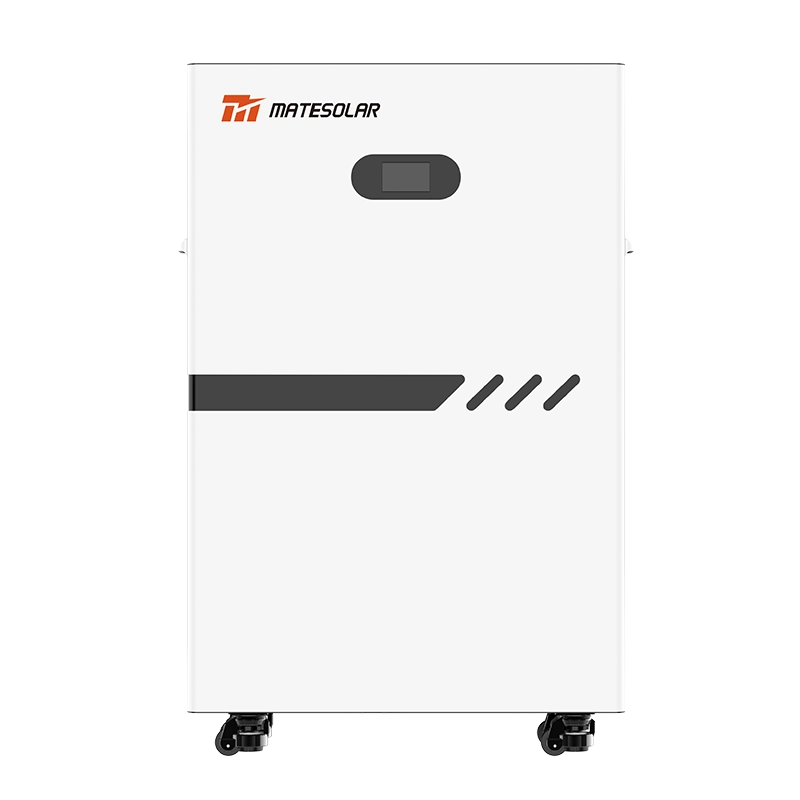
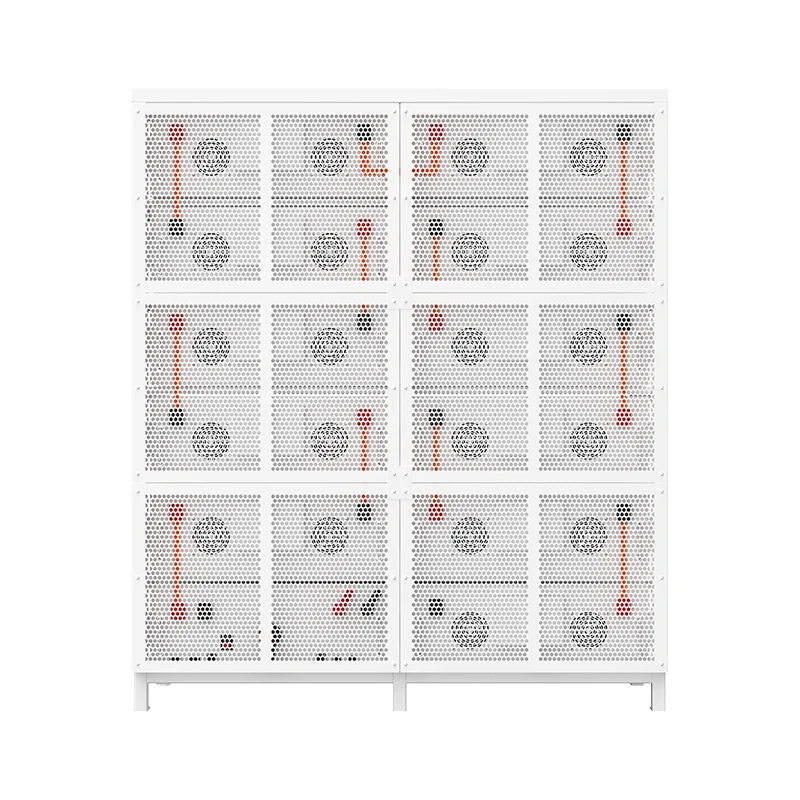
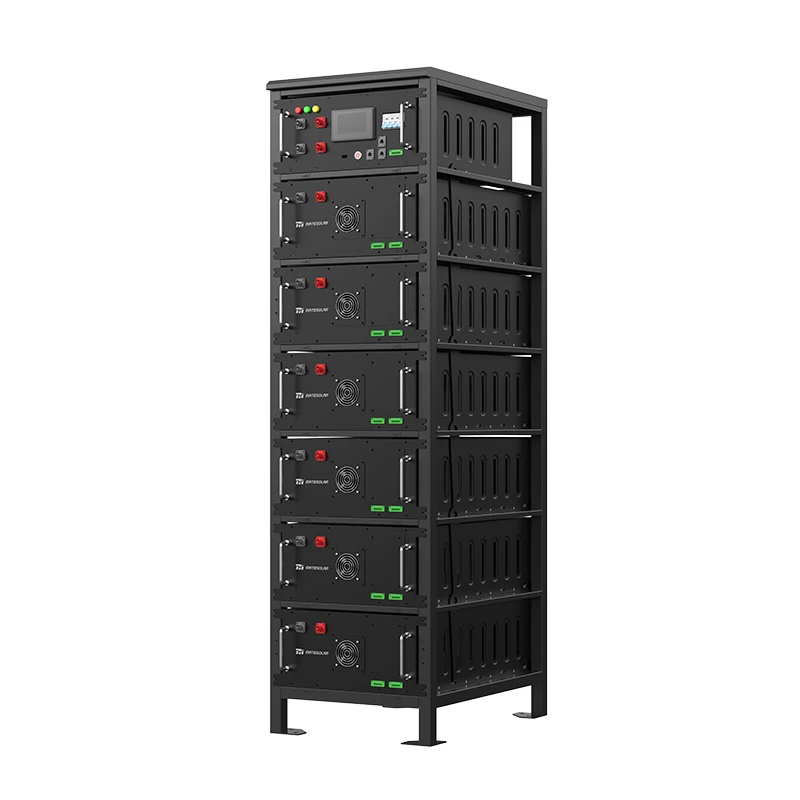
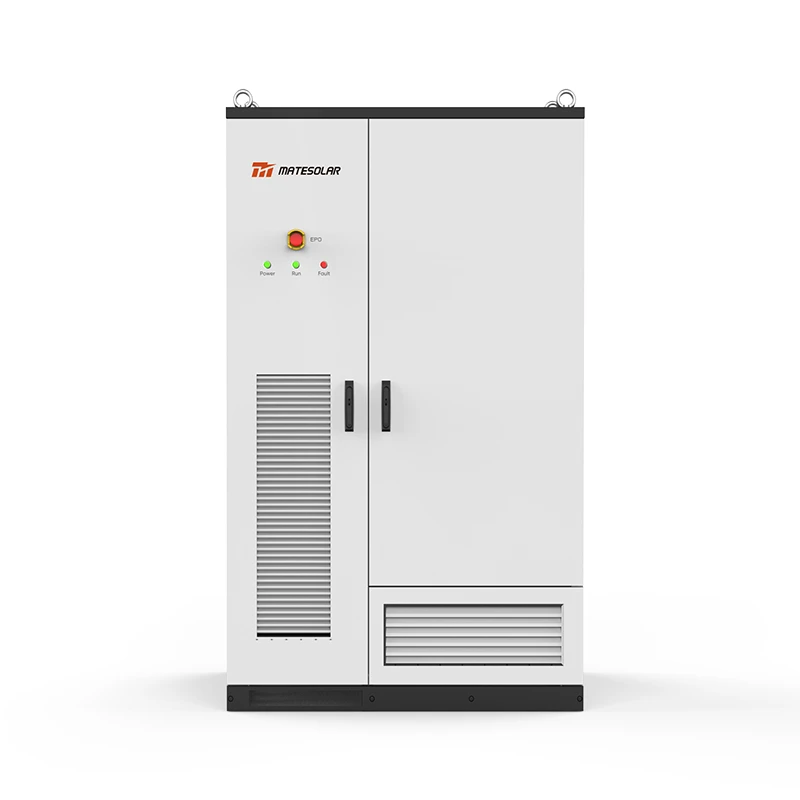
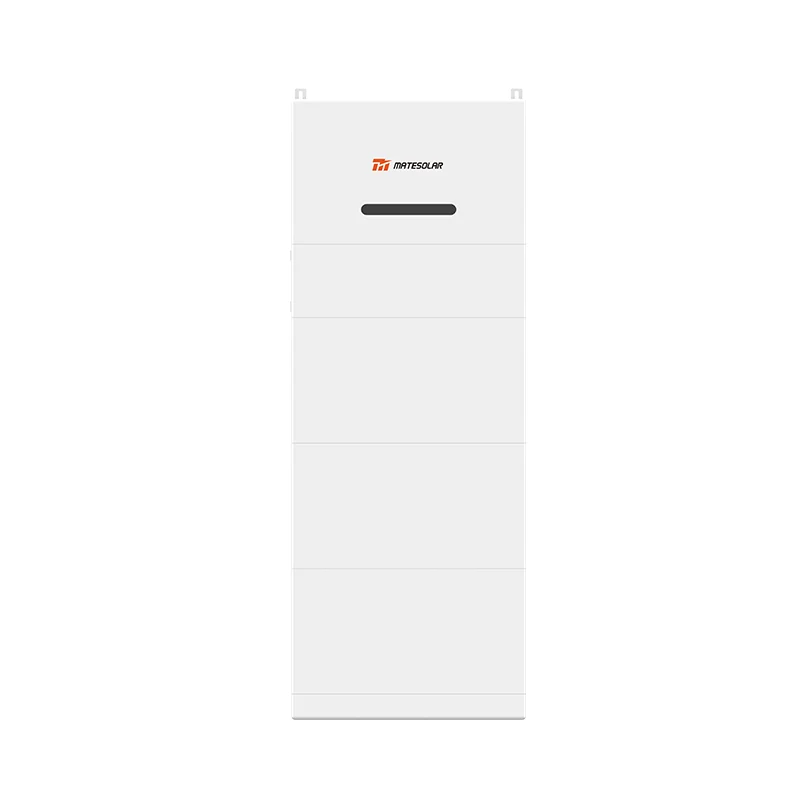
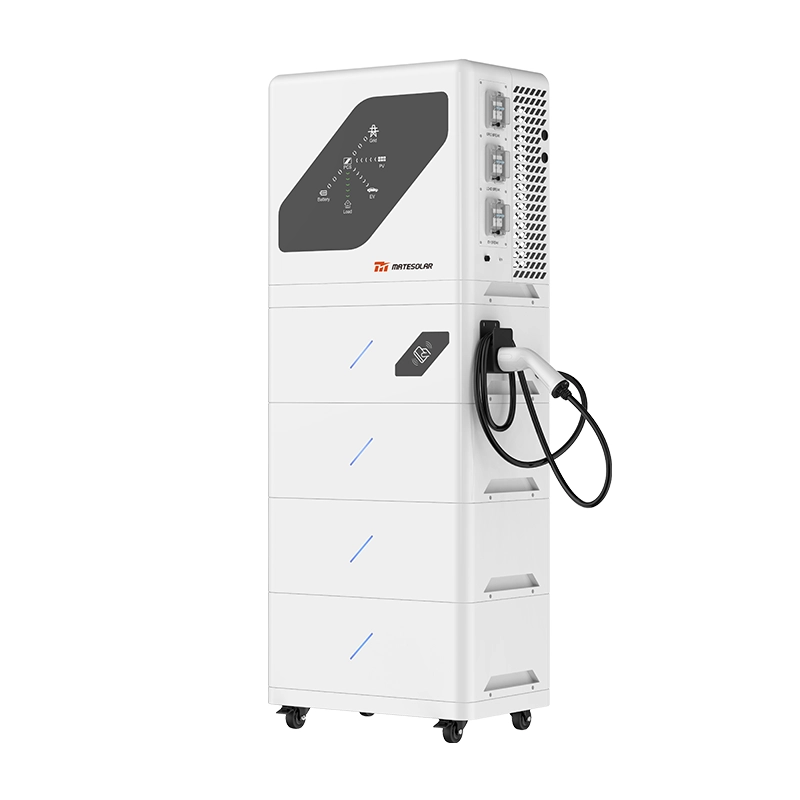
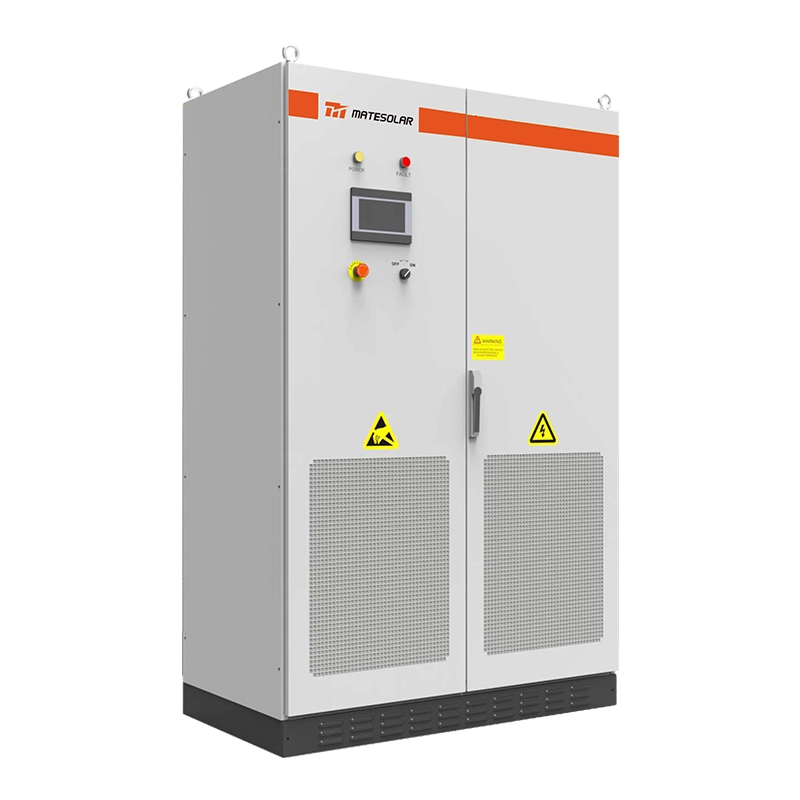
La respuesta es un armario exterior C&I configurado para "exportación cero". Este sistema combina la energía fotovoltaica con una batería dimensionada para absorber todo el exceso de energía solar. La red eléctrica percibe la instalación como una simple carga sin retroalimentación, mientras que el propietario de la instalación disfruta de una autosuficiencia del 70-80%.
Tabla 3.0: Guía de Dimensionamiento para Sistemas C&I de Exportación Cero (Contexto de Nueva Caledonia)
| Tipo de negocio | Carga diaria promedio | Tamaño de PV recomendado | Gabinete exterior BESS recomendado | Autosuficiencia Esperada |
| Hotel / Lodge pequeño | 150 kWh | 40 kWp | 60 kW / 120 kWh | 75% |
| Procesamiento Agrícola | 300 kWh | 80 kWp | 100 kW / 200 kWh | 80% |
| Comercio minorista / Supermercado | 80 kWh | 25 kWp | 30 kW / 60 kWh | 70% |
| Tribu Remota (Comunidad) | 50 kWh | 20 kWp | 30 kW / 60 kWh | 90% (con sistema de respaldo diésel) |
Punto débil 5: El retorno de la inversión entre diésel y batería
La generación de energía diésel en las Islas Loyalty (Lifou, Maré, Ouvéa) puede costar más de 0,40 €/kWh (aprox. $0,43 USD) debido a los gastos de transporte y logística. Una cabina para exteriores de LFP de alta calidad supone un coste inicial, pero el ahorro en los gastos de funcionamiento se nota rápidamente.
La Solución: Energía como Servicio (EaaS)
Dado el alto costo inicial de capital en el territorio, el modelo de "Energía como Servicio" está ganando terreno. Bajo este modelo, un proveedor como MateSolar posee el activo en el techo o terreno del cliente. El cliente simplemente paga una tarifa mensual inferior a su factura histórica de diésel.
- Modelo Tradicional: El cliente invierte $100 000 por adelantado. Plazo de amortización: 4-5 años.
- Modelo EaaS El cliente invierte $0. El proveedor se encarga de las inversiones de capital. Cuota mensual: $1.500 (frente a la factura anterior de gasóleo de $3.000). Ahorro inmediato.
Punto Débil 6: Resiliencia a Ciclones (Categoría 4/5)
Marzo de 2026 es el corazón de la temporada de ciclones. El equipo en Nueva Caledonia debe sobrevivir a vientos que superan los 250 km/h y a la salpicadura de sal que corroe los gabinetes eléctricos estándar en cuestión de meses.
La Solución: Metalurgia de Grado Marino
Las carcasas estándar IP54 son insuficientes. Los armarios exteriores destinados a Nueva Caledonia requieren:
- Protección contra la corrosión C5-M: La calificación más alta para entornos marinos.
- Integridad estructural Puntos de anclaje clasificados para cargas de viento de 290 km/h.
- Reconexión Rápida: Arneses precableados que permiten enchufar rápidamente un generador móvil al bus de CC o a la salida de CA después de una tormenta.
Consejo de experto: Después de un ciclón, la red eléctrica puede estar inoperativa durante semanas. Un sistema solar+almacenamiento configurado en "modo tormenta" puede retener suficiente reserva para alimentar cargas críticas (bombas de agua, almacenamiento en frío) indefinidamente, recargándose durante las horas de luz del día incluso sin la red eléctrica.
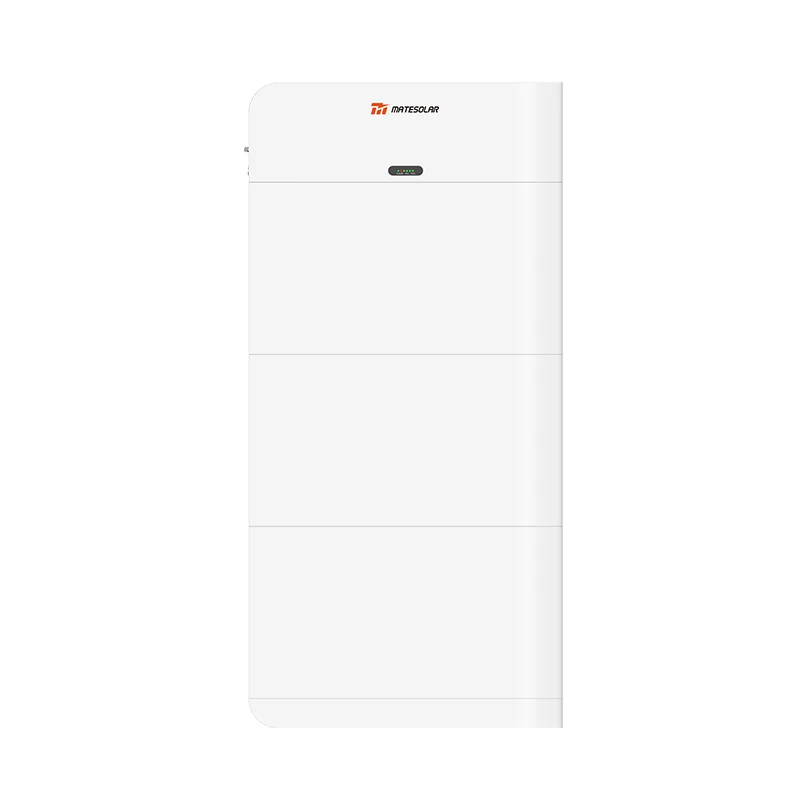
[Enlace interno: Descubre el Sistema Solar Híbrido Comercial de 100KW, ideal para hoteles y cooperativas agrícolas que buscan respaldo silencioso y libre de diésel.]
Parte 3: Inmersión Tecnológica – Adecuación del Hardware al Clima del Pacífico
A partir de 2026, el debate sobre la química de las baterías está en gran medida resuelto para la región del Pacífico: LFP (fosfato de hierro y litio) es la opción dominante debido a su estabilidad térmica y vida útil de ciclos. Sin embargo, la estrategia de gestión térmica (refrigeración por aire frente a refrigeración líquida) sigue siendo un punto de decisión crítico basado en la aplicación.
Contenedores refrigerados por aire vs. refrigerados por líquido
Nueva Caledonia no experimenta frío extremo, pero sí experimenta altas temperaturas ambientales (+30°C) junto con alta humedad. Las celdas de la batería deben mantenerse por debajo de 35°C para prevenir un envejecimiento acelerado.
- 40 pies de ESS refrigerado por aire (1MWh - 2MWh)
- Mejor para: Aplicaciones de corta duración (1-2 horas), regulación de frecuencia y sitios con menor polvo ambiental.
- Ventajas: Menor carga parasitaria, mantenimiento más sencillo (sin bombas/fugas de refrigerante), menor costo inicial.
- Desventajas: Menos eficiente en la eliminación de calor; requiere unidades de manejo de aire más grandes; potencial de gradientes térmicos dentro del rack.
- Aplicación: Hibridación de centrales diésel existentes donde el BESS funciona intensamente en ráfagas cortas.
- 20 pies, Sistema de Almacenamiento con Refrigeración Líquida (3MWh - 5MWh):
- Mejor para: Requisitos de alta densidad de energía, larga duración (más de 4 horas), sitios con alta temperatura ambiente.
- Ventajas: 50-100%: mayor densidad energética (ahorra espacio), temperatura uniforme de las celdas (prolonga la vida útil en un 20%), carcasa sellada (ideal para entornos con mucho polvo o polen).
- Desventajas: Mayor CapEx; requiere mantenimiento especializado para sistemas de refrigeración.
- Aplicación: Potenciación solar a gran escala para minas con espacio limitado y baterías que funcionan de forma continua durante horas.
Tabla 4.0: Gestión Térmica Recomendada por Región de Nueva Caledonia
| Región | Desafío Climático | Tecnología recomendada | Razonamiento |
| Costa Oeste (Boulouparis, La Foa) | Caliente, seco, polvoriento | Refrigeración líquida de 20 pies | El sistema sellado evita la entrada de polvo; la refrigeración superior maneja el calor ambiental elevado. |
| Costa Este (Houaïlou, Poindimié) | Húmedo, Lluvias abundantes | Refrigeración líquida de 20 pies | Sistema sellado que previene la corrosión por humedad en la electrónica interna. |
| Southern Industrial (Prony) | Moderado, Industrial | 40 pies refrigerado por aire | Temperaturas ambientales más bajas; mantenimiento más fácil para el personal industrial. |
| Islas de la Lealtad | Marina, Salada, Caliente | Refrigeración líquida de 20 pies | Calificación C5-MH esencial; alta densidad reduce la huella en logística ajustada. |
[Enlace interno: Echa un vistazo al Sistema de almacenamiento de energía en contenedores de refrigeración líquida de 20 pies y 3 MWh / 5 MWh para aplicaciones industriales de alta densidad y alta temperatura.]
Parte 4: El Horizonte Regulatorio – Qué observar en 2026-2027
A partir de este marzo, el gobierno de Nueva Caledonia está finalizando la estructura de incentivos para los objetivos STENC 2.0. Los desarrollos clave esperados en los próximos 18 meses incluyen:
1. El umbral de carbono: Es probable que las importaciones de HFO se enfrenten a un gravamen de carbono progresivamente creciente a partir de 2027. Esto ampliará la brecha económica entre los combustibles fósiles y la energía solar + BESS.
2. La prima del "níquel verde": Los fabricantes de automóviles europeos exigen níquel certificado como de bajas emisiones de carbono. Las minas que puedan demostrar que utilizan energía renovable 50%+ en el proceso de fundición obtendrán una prima de precio del 15-20% sobre su níquel en mata o hidróxido.
3. Código de Red de Enercal: Enercal está redactando nuevos requisitos técnicos para la conexión a la red que favorecen en gran medida las capacidades de formación de red. El hardware del inversor debe ser capaz de proporcionar inercia sintética para pasar las nuevas pruebas de cumplimiento para 2028.
Preguntas más frecuentes (FAQ)
Con la fecha límite de 2035 acechando, ¿es demasiado tarde para que una mina comience su viaje de descarbonización?
R: En absoluto. 2026 es el momento óptimo. Dado que disponemos de un plazo de 9 años, se puede aplicar un enfoque por fases. Empiece con un proyecto piloto de BESS de entre 10 y 20 MW en 2026-2027 para demostrar la viabilidad del concepto híbrido. Para 2030, se podrá ampliar hasta alcanzar una penetración del 50%. Esperar hasta 2030 hará que la transición resulte peligrosamente precipitada y costosa.
R: ¿Mi empresa está en la red de Enercal, pero me negaron la conexión solar. ¿Aún puedo instalar paneles?
Sí. Necesita una configuración de "Cero Exportación" o "Seguimiento de Red con Limitador". Al instalar un gabinete BESS exterior, puede consumir toda la energía solar que genera en el sitio. La batería almacena el exceso, asegurando que no fluya energía de regreso al nodo de red saturado.
R: ¿Cómo sobrevive un BESS a un ciclón?
Requiere un endurecimiento físico y una pre-planificación digital. Físicamente, el gabinete debe estar clasificado para altas velocidades de viento y atornillado a una losa reforzada. Digitalmente, el EMS debe tener un "Modo Ciclón" que mantenga la batería en un alto estado de carga antes de que llegue la tormenta y aísle las cargas críticas, permitiendo una energía de respaldo inmediata una vez que los vientos disminuyan.
¿Cuál es el costo real del almacenamiento en CFP (francos del Pacífico) en 2026?
A: Para un contenedor industrial completamente instalado (40 pies, 1 MWh), se espera un costo de aproximadamente 55 a 70 millones de CFP por MWh, dependiendo de la complejidad de la conexión a la red y la logística. Para gabinetes exteriores más pequeños (20-100 kWh), el precio por kWh es más alto, variando entre 80.000 y 120.000 CFP por kWh instalado debido a los costos del balance del sistema.
R: ¿Es seguro el ion de litio en nuestro clima cálido?
Sí, específicamente la química LFP (fosfato de hierro y litio). La LFP es la química de litio más segura debido a su alto umbral de fuga térmica (que excede los 270 °C). Combinado con un sistema de enfriamiento líquido que mantiene las celdas a una temperatura estable de 25 °C, el riesgo se minimiza a casi cero.
Conclusión: El Punto de Inflexión de 2026
Para Nueva Caledonia, 2026 no es un año para la planificación; es un año para la adquisición y la construcción. Las políticas están definidas, la tecnología está probada y los modelos financieros son viables.
El proyecto Akuo en Boulouparis ha encendido la mecha, demostrando que el almacenamiento a gran escala y formador de red no solo es posible en el Pacífico, sino esencial. Para la industria del níquel, el camino hacia 2035 requiere una acción inmediata para modernizar los sistemas eléctricos existentes con BESS de grado industrial. Para las PYMES y las comunidades remotas, el camino hacia la independencia energética reside en los gabinetes exteriores robustos, inteligentes y resistentes a la intemperie que les permiten desconectarse de una red saturada.
La solución no es un único producto, sino un portafolio de tecnologías adaptadas a las restricciones específicas de la red, la carga y el medio ambiente de Le Caillou.
En MateSolar, servimos como el socio integral para esta transición. Desde los sistemas híbridos de 100 kW que alimentan un hotel boutique hasta los contenedores de refrigeración líquida de varios MW que estabilizan una operación minera, brindamos la experiencia técnica, el hardware y la estructura financiera (EaaS) para hacer realidad la transición energética de Nueva Caledonia.
El reloj avanza hacia 2035. Asegurémonos de que las luces, y las fundiciones, sigan encendidas, alimentadas por el sol y el almacenamiento más inteligente del planeta.
Contacte a MateSolar hoy mismo para obtener su estudio de viabilidad específico del sitio y su hoja de ruta de cumplimiento.