









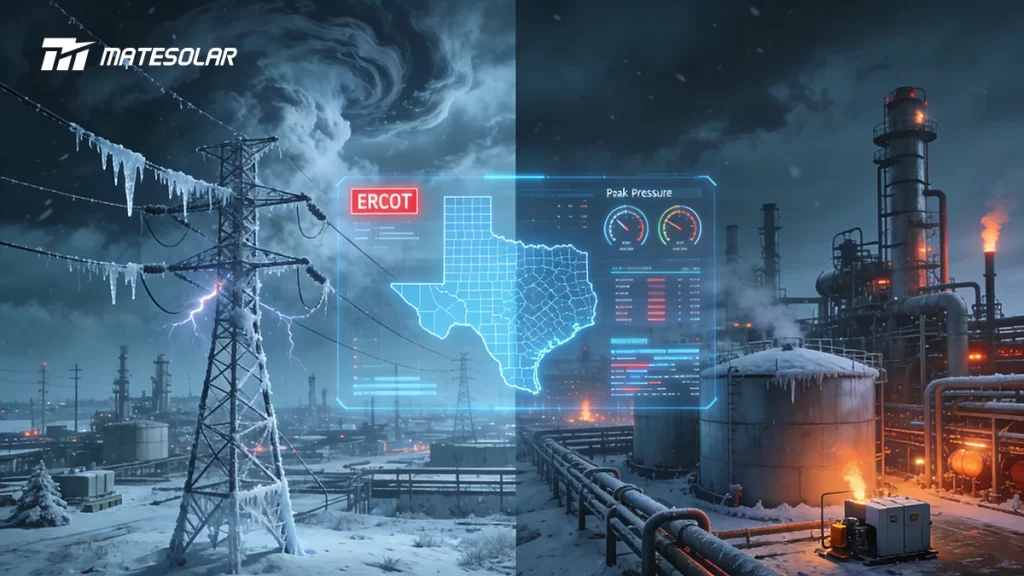
Dateline: February 25, 2026
Just over a month has passed since the mercury plunged and Winter Storm Fern tightened its grip on the Texas Gulf Coast. For the general public, memories of the January cold snap may be fading. But for the Environmental Health & Safety (EHS) directors, plant managers, and continuity planners overseeing the sprawling petrochemical complex east of Houston, the events of January 24-27, 2026, are not just a memory—they are a fresh data point in a worrying trend.
While the Electric Reliability Council of Texas (ERCOT) managed to avoid a catastrophic, multi-day grid failure like the 2021 disaster, the fragility of the system upon which billion-dollar facilities depend was once again starkly exposed. The U.S. Department of Energy was forced to issue emergency orders under Section 202(c) of the Federal Power Act, authorizing ERCOT and others to run specific resources regardless of environmental limits to keep the lights on. This is not a sign of a grid that has been "fixed." It is a sign of a grid that is being held together by emergency measures and sheer force of will during peak stress.
For the continuous process industries that form the backbone of the regional economy, the threat matrix has evolved. The question is no longer solely about the grid's ability to recover. It is about your facility's ability to operate—or safely shut down and preserve assets—in the moments before the grid fails you. This article serves as a technical guide and a strategic blueprint for moving from a posture of passive vulnerability to one of active risk mitigation through targeted, industrial-grade energy storage.
The January 26 Reality Check: Beyond the Headlines
The official reports from the late January freeze were cautiously optimistic. Headlines proclaimed, "Few Refineries Report Problems" as the Arctic air blasted the coast. But a closer look reveals the inherent instability that plant operators on the front lines had to manage.
According to reports, ExxonMobil initiated precautionary unit shutdowns at its massive Baytown complex, a site that includes a 564,440-barrel-per-day refinery and a world-scale petrochemical facility. Simultaneously, Citgo Petroleum confirmed a process malfunction at its 165,000-bpd Corpus Christi refinery, leading to flaring as safety systems were activated.
Let us decode what "precautionary shutdown" and "process malfunction" mean in the language of risk and finance. They represent:
1. Safety System Challenges: When power quality degrades or becomes uncertain, Distributed Control Systems (DCS) and Safety Instrumented Systems (SIS) can behave erratically. A flicker or a brief outage can cause a cascade of false trips, forcing operators into a manual, high-stress intervention.
2. Production Deferral and Loss: A "precautionary" move is a rational response to an irrational power situation. Faced with the choice between a controlled shutdown and a potential uncontrolled catastrophe, the decision is clear. But that controlled shutdown carries a massive financial penalty. The single-day record of 17 Bcf of natural gas production freeze-offs reported on January 25th highlights the sheer scale of energy supply disruption. For a refinery, a day of lost production can mean millions in deferred revenue.
3. The Cost of Restart: Shutting down a major unit is only half the problem. Restarting a catalytic cracker or a reformer is a complex, time-consuming, and energy-intensive process that can take days. Every hour the unit is not producing is an hour of negative cash flow.
These events were not caused by a complete grid blackout. They were caused by the threat of instability—the very real possibility that the grid, while still energized, could no longer guarantee the uninterrupted, high-quality power that a modern chemical plant requires.
Table 1: Quantifying the Risk - The Impact of Power Instability on a Hypothetical Gulf Coast Chemical Facility
| Impact Category | Description of Event | Estimated Financial & Operational Consequence |
| Lost Production | 24-hour unplanned outage of a mid-sized Olefins plant (e.g., 1.5 billion lbs/year ethylene capacity). | $1.5M - $3.5M in lost margin/opportunity cost, assuming $0.10-$0.23/lb margin. |
| Asset Damage | Power sag causing DCS to malfunction, leading to improper valve sequencing and thermal shock in a critical reactor or cracking furnace. | $500k - $5M+ for inspection, repair, and replacement of damaged refractory or internals. |
| Safety Incident | Loss of power to critical ventilation or SIS during a unit upset, allowing a flammable or toxic release. | Incalculable (Potential for loss of life, environmental disaster, and complete plant shutdown for months). |
| Restart Costs | Extended restart procedure following a freeze-off or protective shutdown, requiring external energy (steam, power) and specialized crew overtime. | $250k - $750k in incremental operational expenditure for a complex unit restart. |
| Environmental Penalty | Process malfunction (like the flaring event in Corpus Christi) resulting in reportable emissions exceeding permitted limits. | $50k - $100k+ in potential fines, plus significant reputational damage and increased regulatory scrutiny. |
Note: Figures are based on industry averages and publicly available data for typical Gulf Coast operations. Actual costs can vary significantly based on facility size and market conditions.
The Critical Load Conundrum: What Really Needs to Run?
The instinctive reaction to grid instability is to look for backup power for the entire facility. This is often prohibitively expensive and logistically complex. This is where a strategic shift in thinking is required. You are not backing up the whole factory; you are insuring your ability to fail safely and restart quickly.
This is the "risk mitigation" narrative. For a fraction of the cost of whole-plant backup, you can create a hardened microgrid around your most critical systems. The question every EHS Director and Plant Manager must ask is: "If the grid goes down right now, what are the loads I simply cannot afford to lose for the next 2 to 4 hours?"
These loads typically fall into three categories:
1. The Safety and Control Layer: This is non-negotiable. Your DCS, your SIS, and your emergency lighting. These systems have brains and eyes, but no muscles. They require a modest but absolutely clean and uninterruptible power supply to maintain situational awareness and automated safety functions.
2. The Essential Mechanical Layer: Certain pumps and valves are critical for maintaining safe inventory levels, circulating cooling water to prevent freezing, or providing makeup flow to critical seals. These are often medium-voltage motors that need a significant, but finite, amount of power to operate during a crucial window.
3. The "Black Start" Enablers: To restart a unit, you need power. If you can keep a few key pumps and your DCS online, you are hours ahead in the restart sequence compared to a "dead" plant where every single system must be powered up from a single, massive diesel generator.
Table 2: The "Risk Mitigation" Portfolio - Identifying Your Critical 2-4 Hour Loads
| Load Category | Typical Components | Power Demand Profile | Consequence of Extended Outage |
| Safety & Control | DCS, SIS, emergency lighting, gas detection systems, control room HVAC. | Low, but critical. 50-150 kW. Requires perfect power quality (no sags or flickers). | Loss of process control, inability to monitor for releases, potential for unsafe shutdowns, complex "blind" restart. |
| Critical Rotating Equipment | Specific lube oil pumps, seal water pumps, cooling tower fans for essential services, reactor feed pumps on minimum flow. | Medium, intermittent. 200-800 kW. Motor starting characteristics are a key consideration. | Equipment damage (e.g., seal failure, bearing wipe), process line freezing, inability to circulate vital fluids. |
| Emergency Response | Fire water pumps, critical area ventilation. | High, but on-demand. 300 kW+ for fire pumps. | Inability to respond to a secondary incident triggered by the power outage, violating API 752/753 risk management standards. |
By isolating and coupling an industrial energy storage system to this specific bus, you move away from the "all or nothing" gamble of the wider grid. You create an island of certainty in a sea of uncertainty.
Why the Old Guard (Diesel) is Failing the New Reality
For decades, the answer to power outages has been the diesel generator. It is a mature, understood technology. However, for the modern chemical plant operating under intense environmental scrutiny and demanding flawless reliability, the diesel gen-set is becoming a liability.
The Case for Industrial Storage: Beyond "Clean and Green"
While environmental benefits are a positive externality, the true value proposition for an EHS Director is rooted in certainty and reliability.
1. The Fuel Supply Paradox: A diesel generator is useless without diesel fuel. In a widespread weather event like Winter Storm Fern, roads are impassable. Fuel supply chains are disrupted. Your on-site tank of diesel is a finite resource. How long does it last? 24 hours? 48? What then? An energy storage system is refueled by the grid when it is up, and its "fuel" (stored electricity) is 100% available, on-site, and known. It doesn't rely on a delivery truck making it through the ice.
2. The Response Time Chasm: This is the most critical technical differentiator. A traditional Automatic Transfer Switch (ATS) and diesel generator might take 10 to 30 seconds to detect an outage, start, synchronize, and accept load. For a DCS or a variable frequency drive on a critical pump, 10 seconds is an eternity. In that window, the process can trip, pressures can surge, and interlocks can fire.
3. The Environmental Compliance Burden: Operating a diesel generator under an air permit is increasingly difficult. In the January 2026 emergency, the DOE had to suspend environmental rules to allow backup generation to run. In a non-emergency, testing and running diesel engines exposes the facility to regulatory risk and community scrutiny. Energy storage is silent, produces zero on-site emissions, and simplifies the permitting pathway for backup power.
The advanced solution involves a static transfer switch (STS) . Unlike a mechanical ATS, an STS uses solid-state components to transition power from the failing grid to the energy storage system in milliseconds—typically 2 to 4 milliseconds. This is "seamless" or "no-break" power. The motors don't decelerate. The DCS doesn't reboot. The process doesn't know the grid event ever happened.
Table 3: Technology Comparison - Backup Power for Industrial Critical Loads
| Feature | Traditional Diesel Generator + ATS | Industrial Energy Storage System (ESS) + STS |
| Transition Time | 10 - 30 seconds (or more). | < 4 milliseconds (seamless). |
| Process Impact | Guaranteed process trip. Restart required. | Zero impact. Process continues uninterrupted ("ride-through"). |
| Fuel Source | On-site diesel tank (finite, subject to supply chain). | Grid (when available) / Solar (as an option). "Fuel" is stored electricity (finite but fully known). |
| Maintenance Burden | High. Moving parts, fluids, filters, testing requirements, potential for wet-stacking under light load. | Low. No moving parts in the power conversion chain. Predominantly monitoring and thermal management. |
| Environmental | On-site combustion emissions (NOx, SOx, PM). Noise pollution. Subject to regulatory limits. | Zero on-site emissions. Silent operation. Aligns with corporate sustainability goals. |
| Risk Profile | Fuel may not arrive. Engine may fail to start. Slow transfer time guarantees a process disruption. | Highly predictable. State of charge is known. Power is available instantly. |
The choice is between a solution that guarantees a process interruption (diesel) and one that guarantees process continuity for your critical loads (storage).
The Technical Architecture: Your Industrial-Strength Island
How does this work in practice for a facility in Baytown, Freeport, or Corpus Christi? It requires a shift from thinking about "backup generators" to designing a critical load microgrid. This is not theoretical; it is an engineered solution based on proven industrial components.
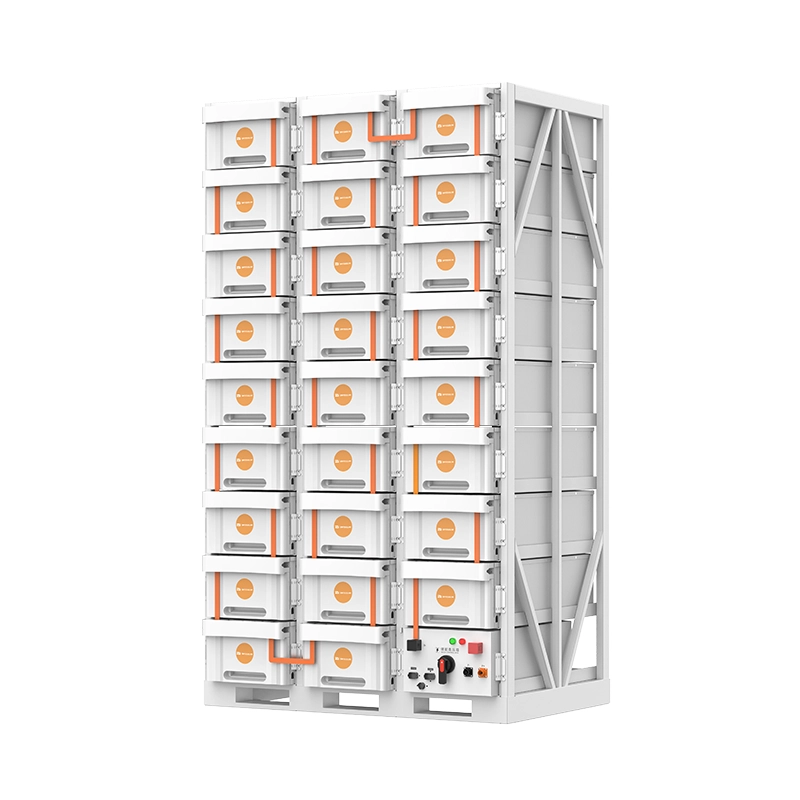
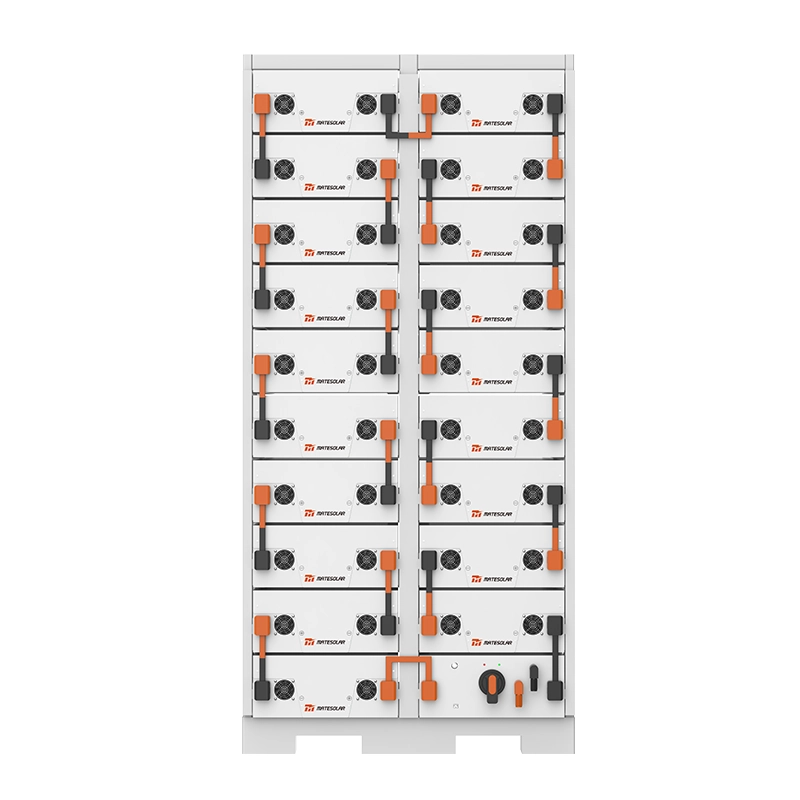
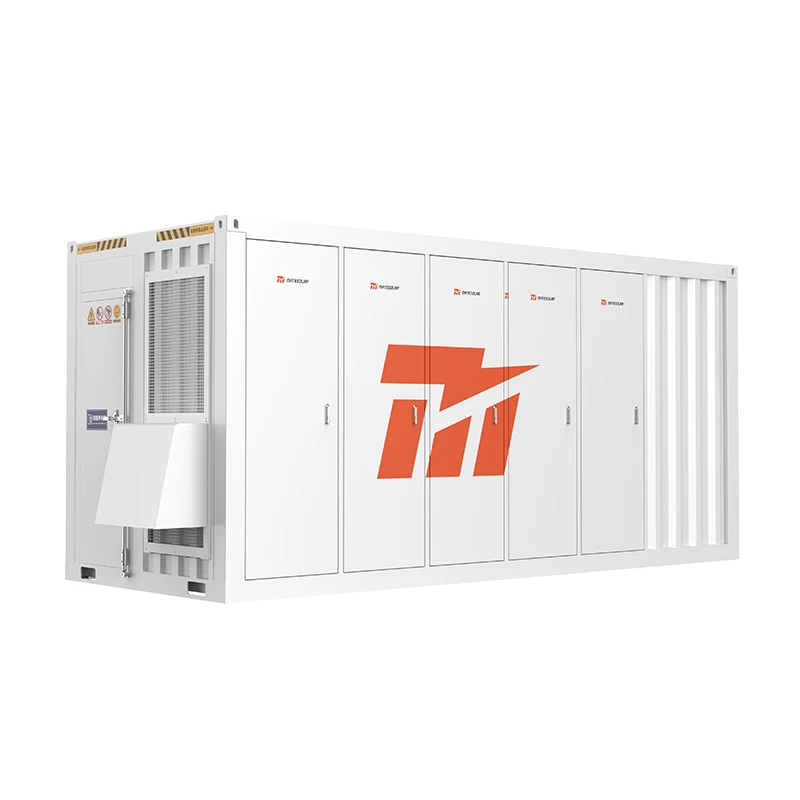
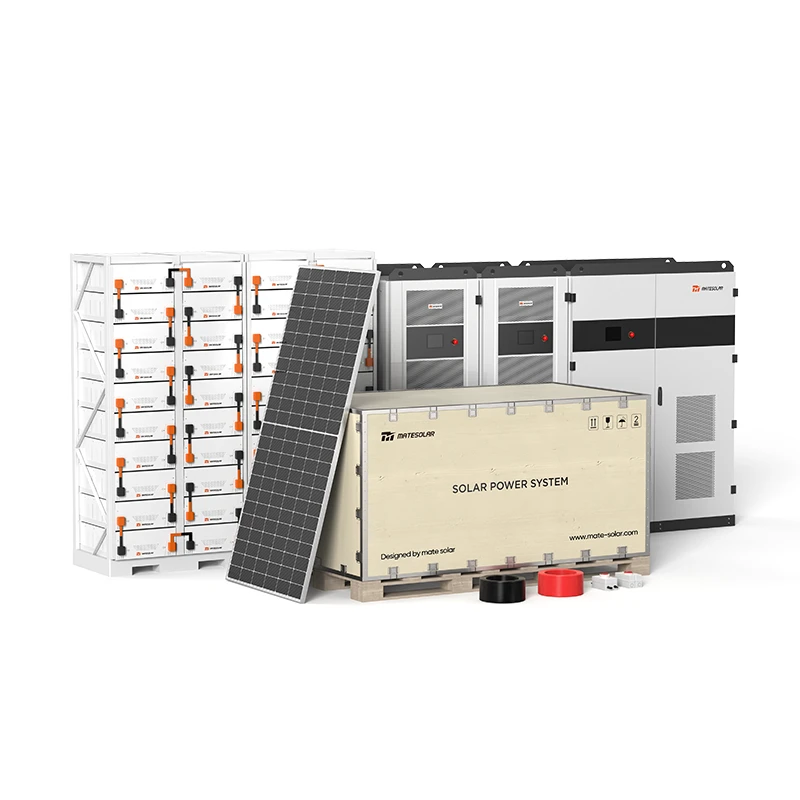
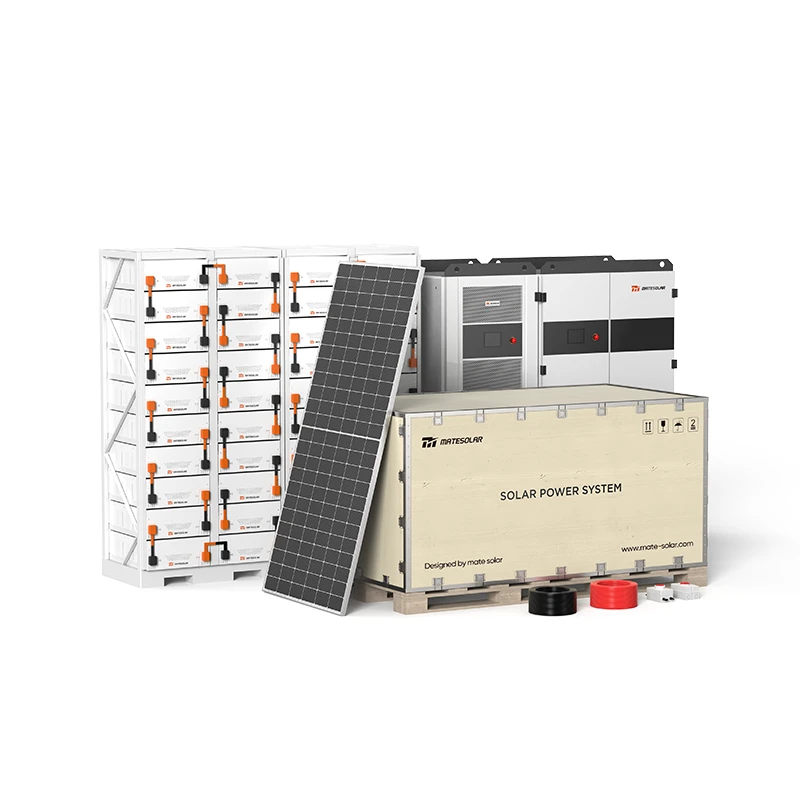
At the heart of this microgrid is an industrial-grade energy storage system—specifically, a containerized solution like the 20Ft Air-Cooled Container ESS 500kWh 1MWh Energy Storage System. For many critical load portfolios, a 1MWh system provides the necessary 2-4 hour buffer for essential safety and rotating equipment. Its robust, IP54-rated enclosure is designed to withstand the corrosive marine and industrial environment of the Gulf Coast, operating reliably from -30°C to 55°C.
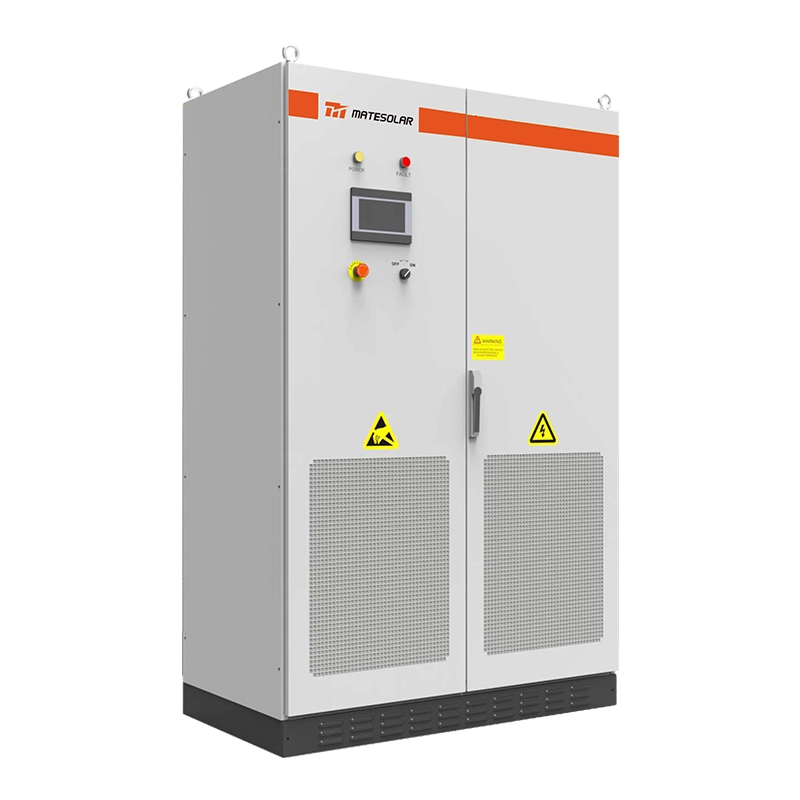
This container is directly coupled to your critical load bus via a hybrid inverter and a static switch. Under normal conditions, it can perform ancillary functions like power factor correction or peak shaving, providing a return on investment. But its primary mission is defensive.
When the grid wavers, the STS detects the anomaly and commands the inverter to island the critical bus. The battery begins discharging instantly, maintaining voltage and frequency within the tight tolerances required by sensitive electronics and motors. The facility's critical loads continue to run as if nothing happened.
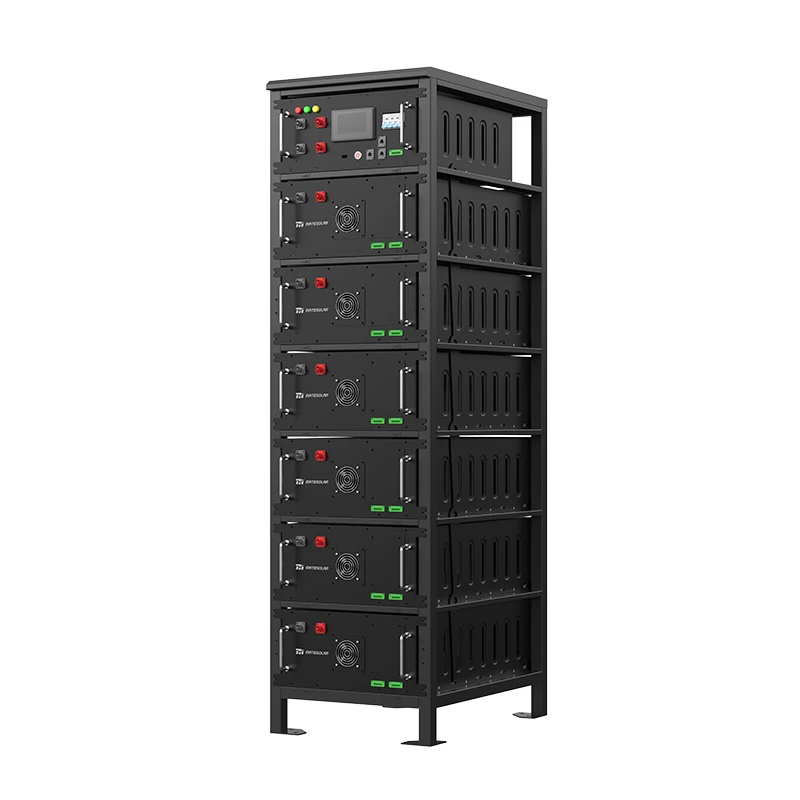
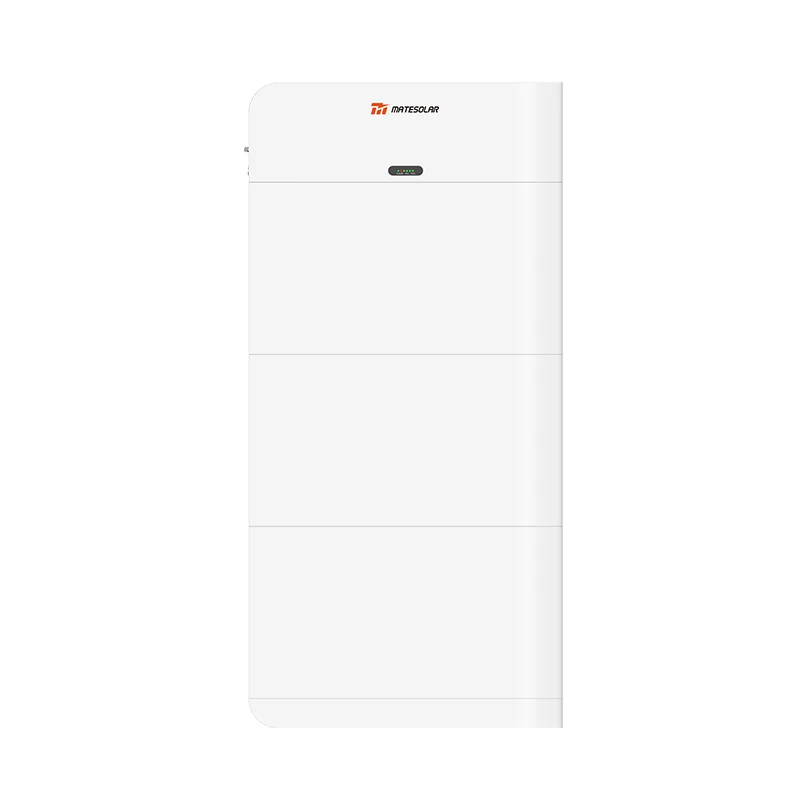
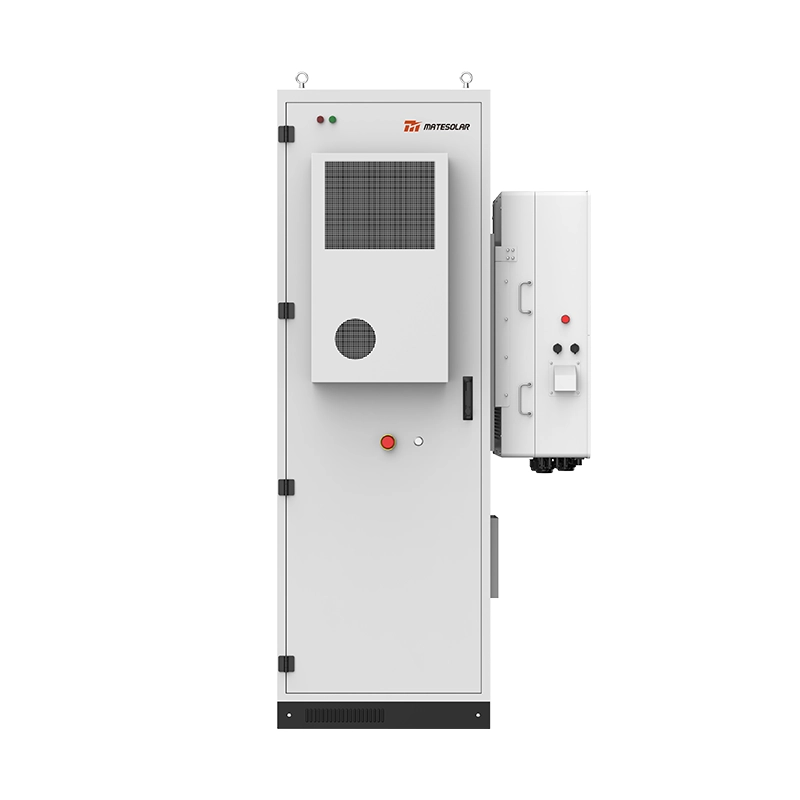
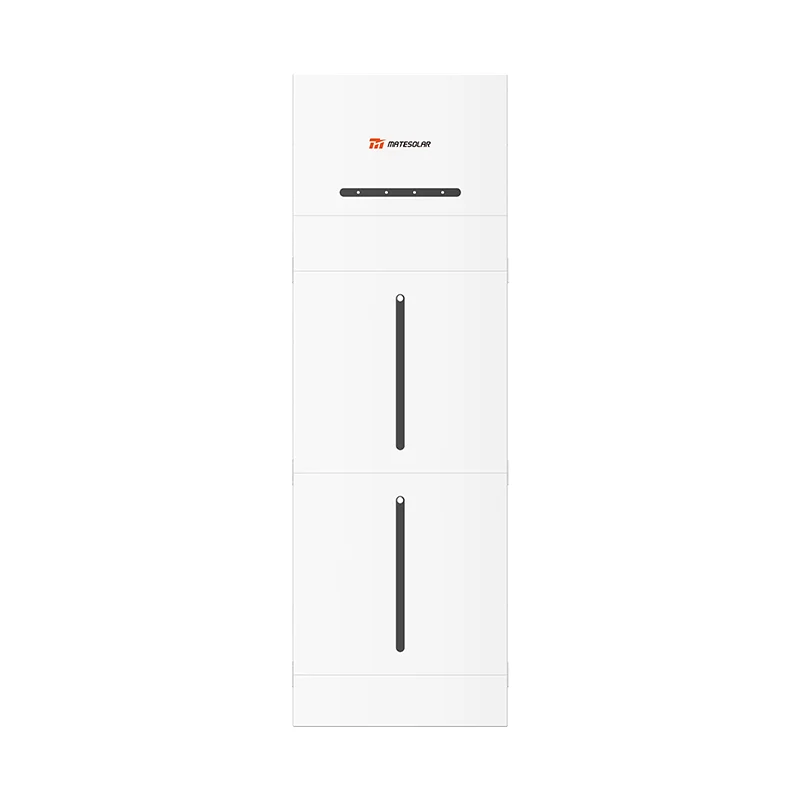
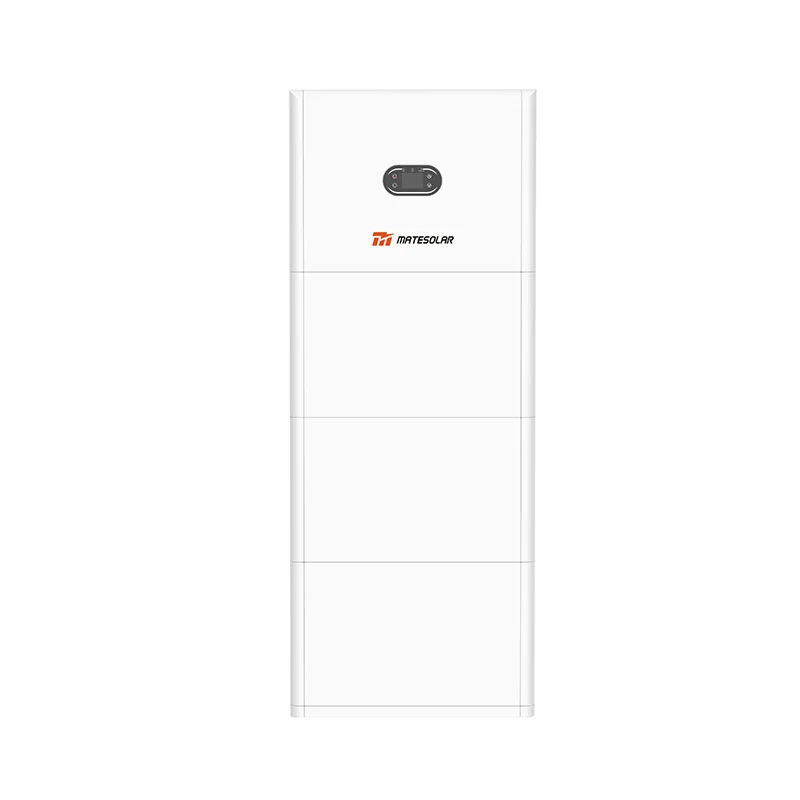
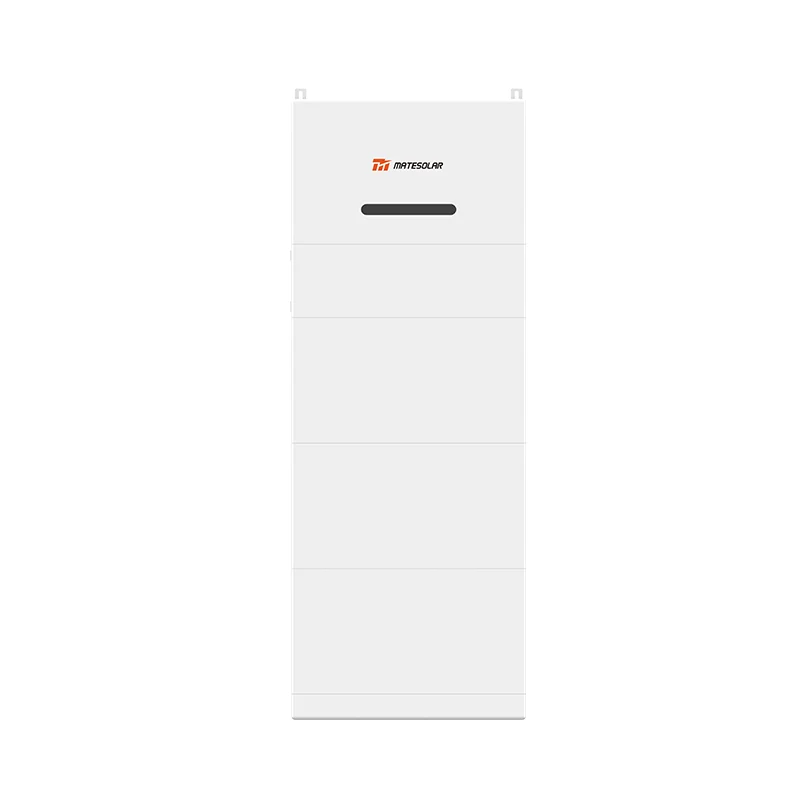
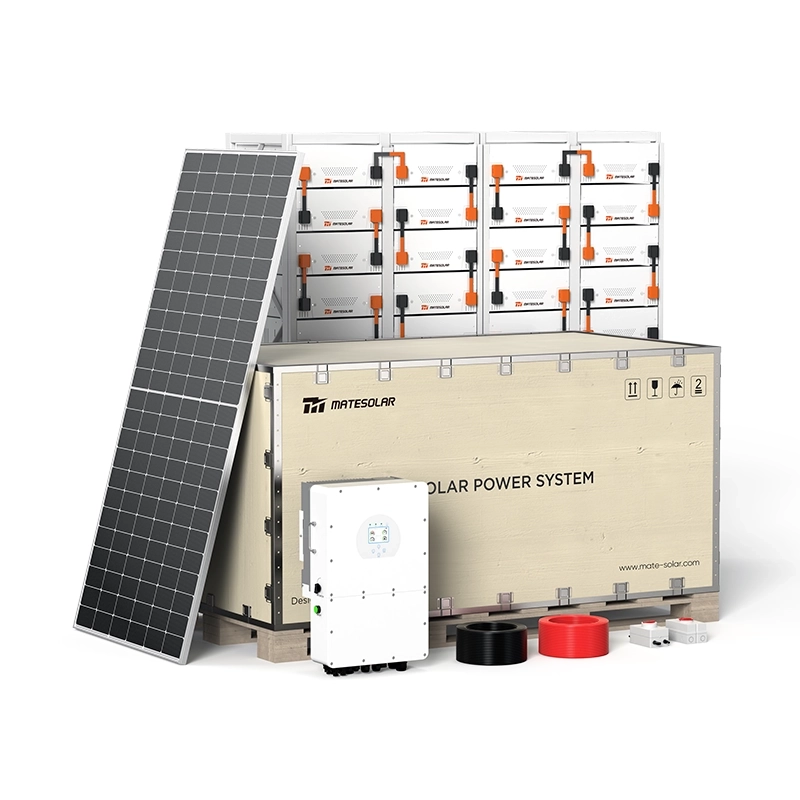
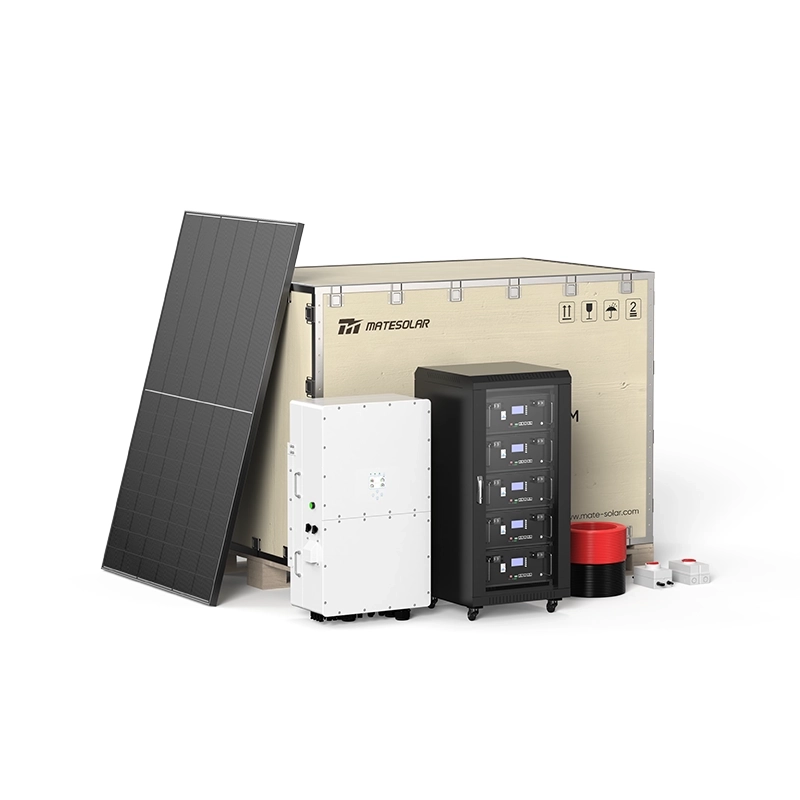
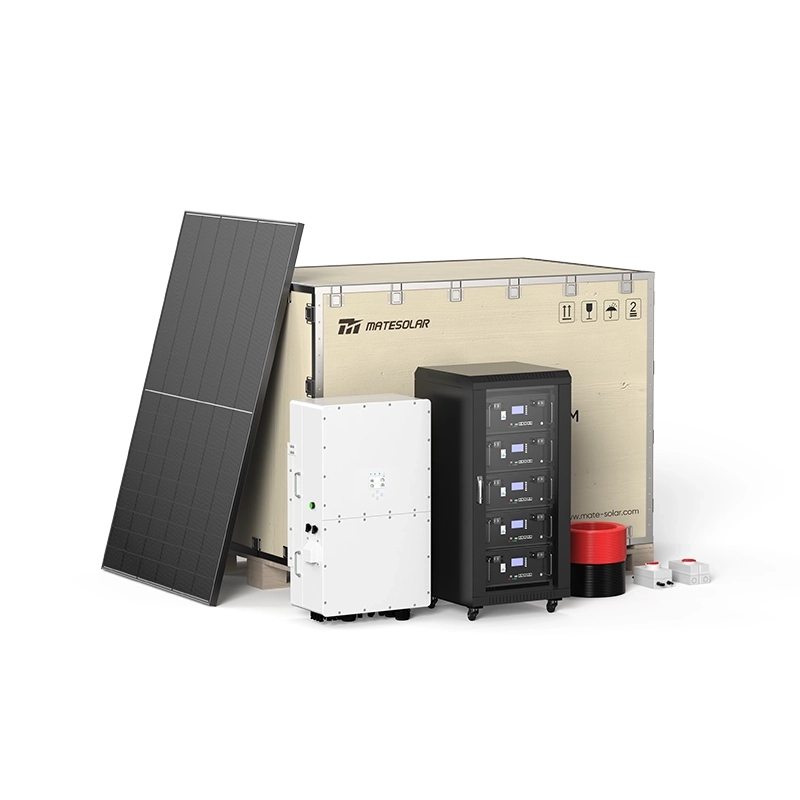
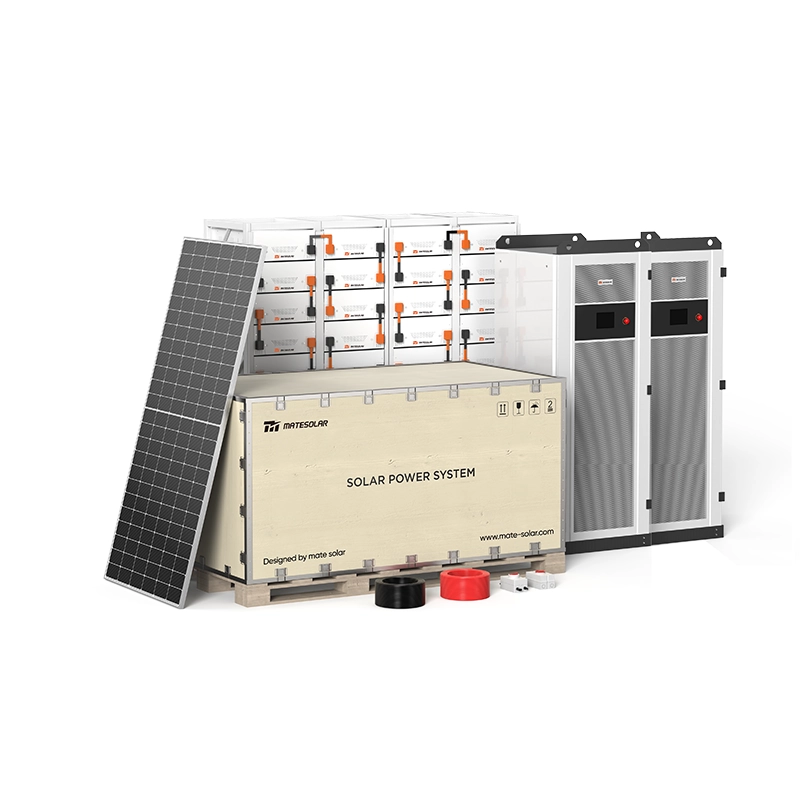
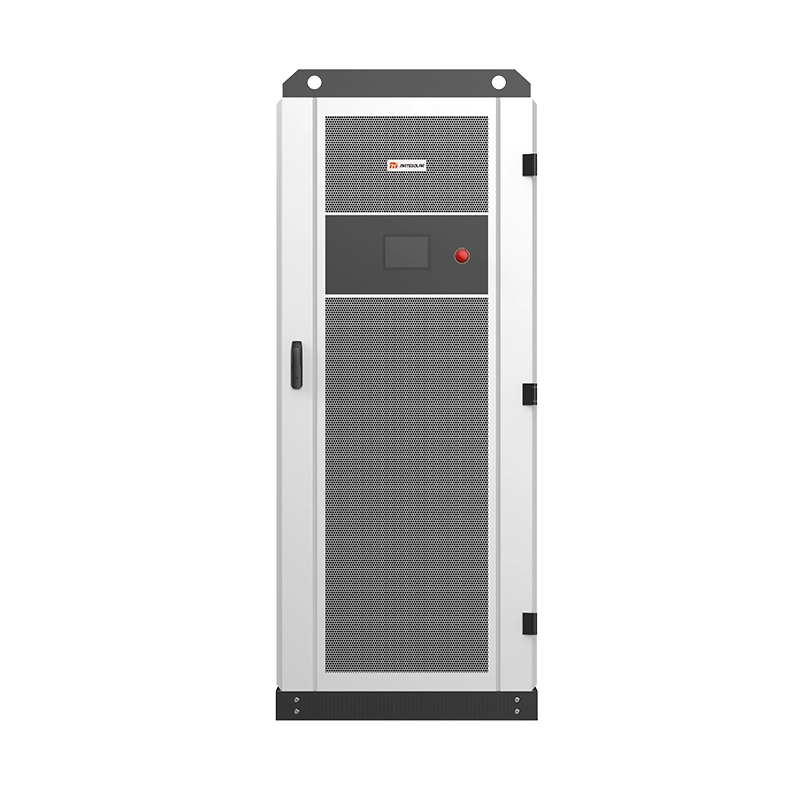
For facilities with a smaller footprint or those looking to integrate solar generation into their risk mitigation strategy, the Commercial 250KW Hybrid Solar System offers a scalable entry point. This system pairs solar generation with hybrid inverter technology, ensuring that during an extended outage, the batteries can be recharged by the sun, extending the facility's endurance indefinitely. This moves you from a 4-hour hedge to true energy resilience.
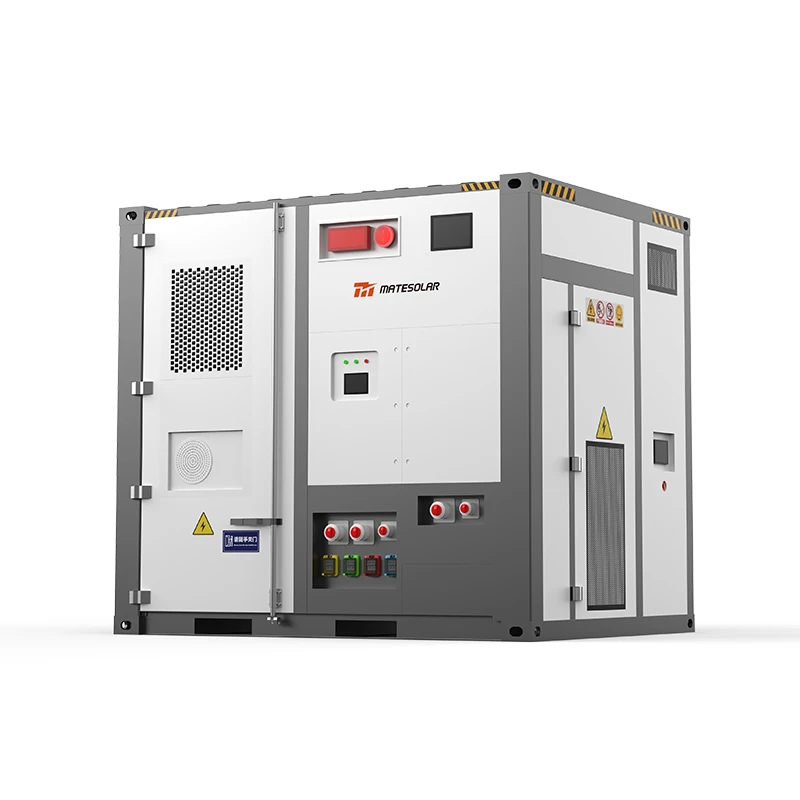
For larger petrochemical complexes with substantial power needs for critical processes, scaling up is essential. The 20ft 3MWh 5MWh Liquid Cooling Container Energy Storage System provides the high energy density and advanced thermal management required for such demanding applications. Utilizing high-voltage LiFePO4 technology and a liquid cooling system, this solution can handle larger pump loads and provide extended runtimes for entire process units deemed critical, all while maintaining the compact footprint of a standard 20-foot container . This is not just backup; it is a dedicated, high-capacity power plant for your most vital assets.
A New Paradigm: Energy Storage as a Risk Transfer Instrument
The most compelling way to frame this investment is not as a capital expenditure on equipment, but as a premium paid for a risk transfer. You are transferring the risk of a grid-induced safety incident or a multimillion-dollar unplanned outage to a hardened, predictable asset.
Consider the financials. If a 2-4 hour outage at your facility carries a potential loss of $2 million (conservatively, from the table above), that is the risk you are self-insuring every day. An investment in a targeted energy storage solution might represent a fraction of that potential single-event loss. The ROI is not measured in energy savings alone; it is measured in loss avoidance.
This is the language that resonates with corporate leadership and financial controllers. It moves the conversation from the "cost of sustainability" to the "value of resilience." It provides a clear, data-backed justification for an asset that protects both the balance sheet and the workforce.
Navigating the Energy Transition with Certainty
The ERCOT grid is under unprecedented stress. Demand is rising, driven by population growth and the explosive expansion of data centers and industrial electrification, while the generation mix becomes more weather-dependent. The NERC 2025-2026 Winter Reliability Assessment explicitly warned of elevated blackout risks during extreme weather. This is the new normal.
For the industrial facilities that power the American economy, waiting for the grid to become perfect is not a strategy. The strategy must be to build resilience at the point of use. By decoupling your critical safety and control systems from the vagaries of the wider grid, you take control of your own destiny.
The technology is mature, the engineering is proven, and the business case has shifted from "green" to "essential." The question posed at the beginning of this article—"How long can your critical load last?"—now has a clear answer. With a properly designed industrial storage microgrid, the answer is: As long as we need it to.
Frequently Asked Questions (FAQ): Industrial Energy Storage for Critical Loads
Q1: Our facility already has diesel generators. Why would we need to add batteries?
A: Diesel generators and batteries serve different, but complementary, roles. The fatal flaw of a diesel gen-set for critical processes is its 10-30 second start-up time. In that window, your DCS can crash, your pumps can trip, and your process can go into an unsafe state. An energy storage system with a static switch bridges that gap perfectly, providing instantaneous, seamless power that keeps your critical loads online. The diesel can then be used as a "reserve of last resort" for longer-duration outages, starting into a stable, already-energized microgrid, which is much healthier for the generator. This hybrid approach gives you the best of both worlds: seamless protection and extended endurance.
Q2: We are concerned about the safety of large lithium-ion batteries on a chemical plant site.
A: This is a paramount concern, and the industry has responded with multiple layers of safety, particularly with the Lithium Iron Phosphate (LFP) chemistry. LFP batteries, like those used in our containerized systems, are inherently more thermally stable than other lithium-ion chemistries. They are far less prone to thermal runaway. Furthermore, industrial-grade systems like the MateSolar containers include:
- Multi-layer BMS: Battery Management Systems that monitor every cell for voltage, temperature, and current.
- Active Thermal Management: Liquid cooling or advanced air cooling maintains the cells at their optimum temperature, preventing overheating.
- Integrated Fire Suppression: Systems often include FM200 or similar clean agent suppression systems within the container.
- Robust Enclosures: IP55-rated containers protect the batteries from the corrosive Gulf Coast environment and provide physical isolation.
Q3: How do we determine the right size for our energy storage system?
A: Sizing is a collaborative engineering process, not a guess. It begins with a detailed load study of your facility. We work with your electrical engineers to identify the specific critical loads we discussed—the DCS, SIS, emergency lighting, and key pumps. We analyze their power draw, their starting characteristics (inrush current for motors), and the desired runtime (e.g., 2, 4, or 8 hours). This data allows us to model the exact capacity, in kWh, and the power rating, in kW, required. The goal is to optimize the system to protect the "risk mitigation portfolio" without overbuilding for loads that can safely be taken offline.
Q4: What happens when the battery runs out after 4 hours?
A: A properly designed risk mitigation system provides a safe harbor. The goal of the 2-4 hour window is to allow for a controlled, safe shutdown of non-essential processes or to bridge the gap until grid power returns. In many weather-related outages, the grid disturbance is often shorter than 4 hours. If the outage is longer, you have options:
1. Recharge from the Grid: If the grid comes back online, the system can automatically begin recharging.
2. Integration with Generation: The system can be paired with on-site solar or a diesel generator. The battery handles the critical instantaneous transfer, and the generator can start up and take over the load or recharge the batteries for extended endurance.
3. Load Shedding: You complete your controlled shutdown within that window, preserving asset integrity and safety.
Q5: What is the difference between an ATS and an STS, and why does it matter for my plant?
A: This is the most critical technical distinction.
- ATS (Automatic Transfer Switch): A mechanical switch. It physically moves a contactor from one power source (grid) to another (generator). This takes time—typically several seconds. For a computer or a motor drive, several seconds without power is a crash.
- STS (Static Transfer Switch): An electronic switch using components like silicon-controlled rectifiers (SCRs). It has no moving parts and can transfer power in a fraction of a cycle (<4 milliseconds). This speed is so fast that the downstream loads never "see" the interruption. For your DCS and critical processes, this is the difference between a "brown event" that forces a restart and a completely transparent event that you might only read about in a log later.
Conclusion: From Vulnerability to Industrial-Strength Resilience
The memory of January's freeze is a strategic asset. It is a reminder that the fundamental equation of grid reliability is changing. For the safety leaders and plant managers of the Houston Industrial Belt, the lesson is clear: passive dependence on ERCOT is a risk no longer worth taking.
The tools for a different approach are here today. By leveraging industrial-grade energy storage, advanced power electronics, and a laser focus on critical load protection, your facility can achieve a state of true operational resilience. You can protect your people, your assets, and your bottom line from the next inevitable grid event.
At MateSolar, we are not just equipment suppliers; we are your partners in engineering this resilience. As a leading one-stop photovoltaic and energy storage solution provider, we offer the full spectrum of expertise and technology—from the Commercial 250KW Hybrid Solar System for integrated solar+storage applications, to the rugged 20Ft Air-Cooled Container ESS for targeted critical load backup, and the high-density 20ft Liquid Cooling Container Energy Storage System for large-scale industrial power assurance.
We understand the unique challenges of the Gulf Coast environment and the non-negotiable demands of continuous process safety. We invite you to move beyond the narrative of "backup" and into the new paradigm of "risk mitigation." Contact MateSolar today to conduct a critical load assessment and build your island of certainty before the next storm tests the grid.