










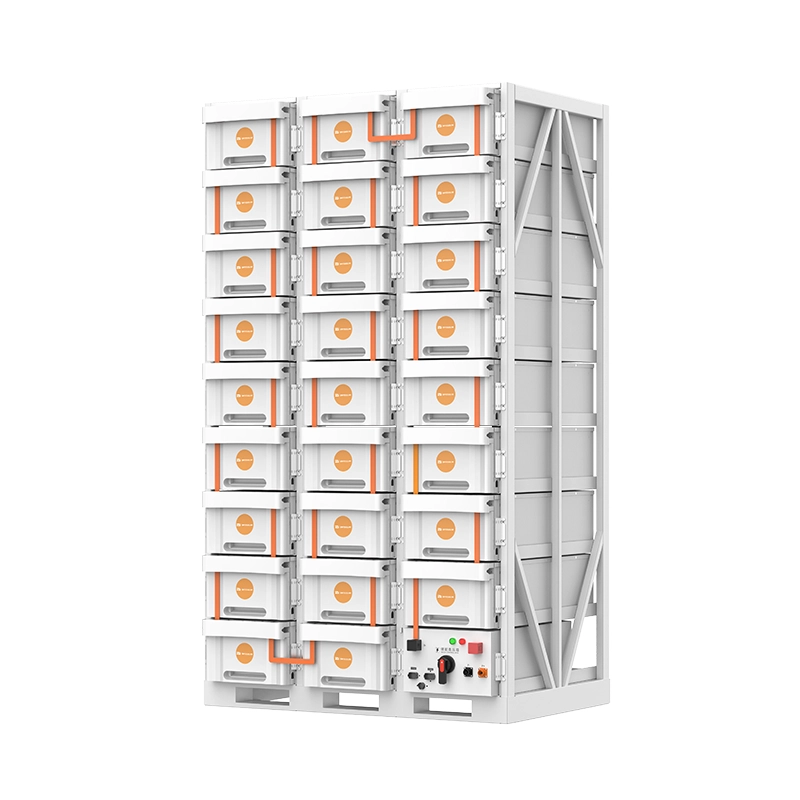
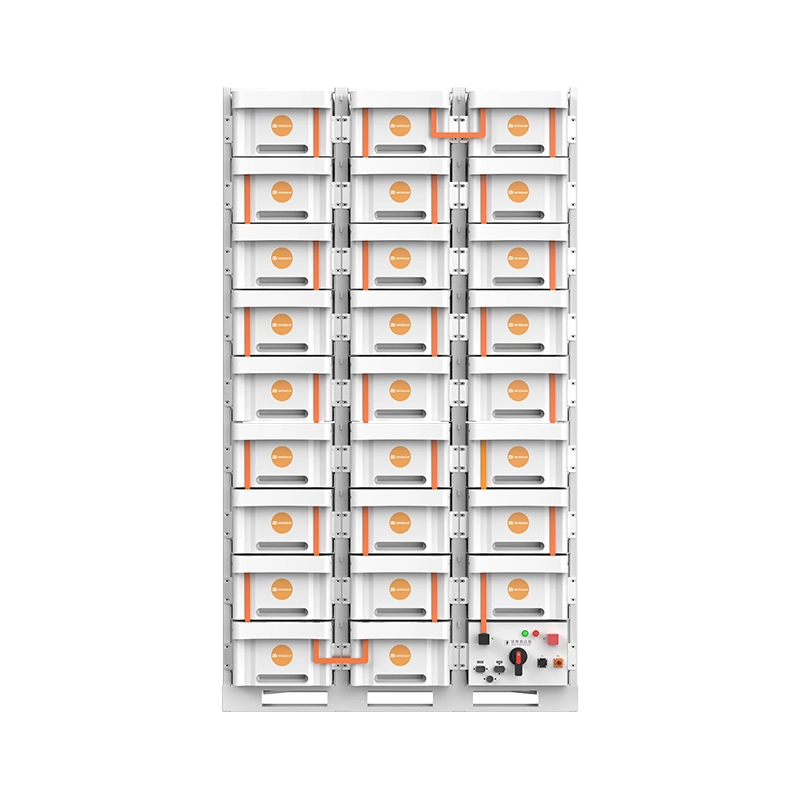
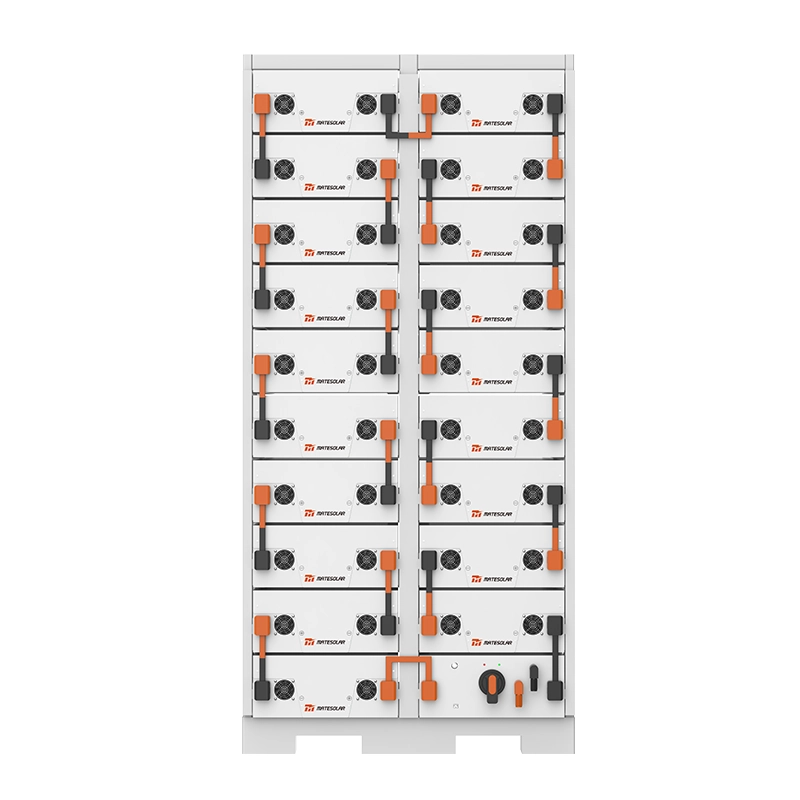
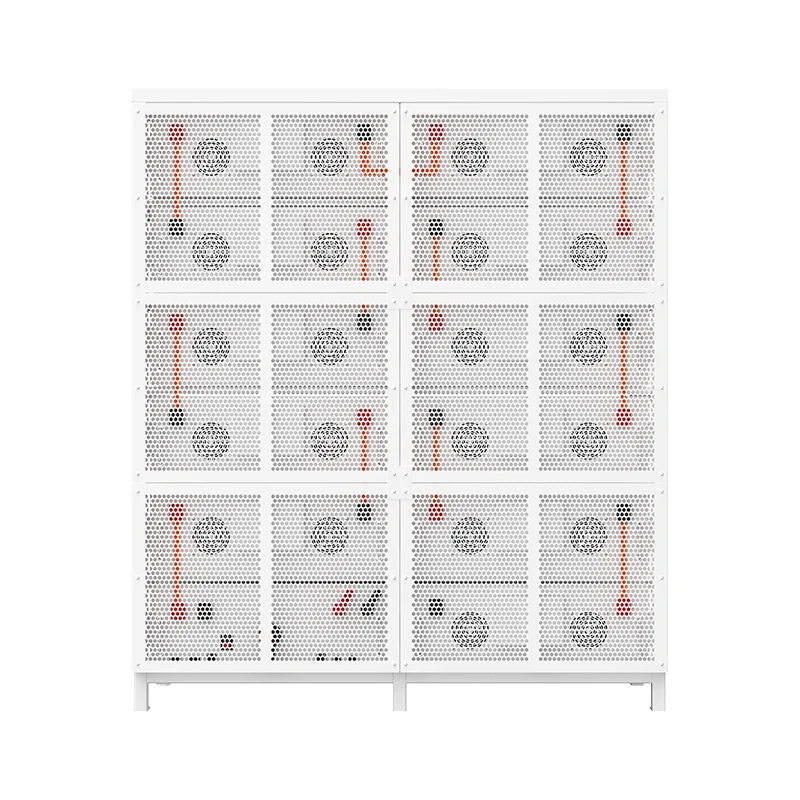







Ab September 2026 tritt der Schweizer Markt für gewerbliche und industrielle Energiespeicher (C&I) in eine entscheidende Phase ein. Das Zusammentreffen von hohen Stromendkundenpreisen, dem fortschreitenden Atomausstieg, strengen Einspeisebegrenzungen für Photovoltaik und sich wandelnden Sicherheitsvorschriften hat Batteriespeicher von einem Nischenoptimierungswerkzeug zu einem Kernelement für Schweizer Unternehmen gemacht. Dieser Leitfaden bietet eine umfassende Analyse des aktuellen Markthintergrunds, der zwölf dringendsten Kundenherausforderungen sowie umsetzbarer technischer und kommerzieller Strategien. Er richtet sich an Facility Manager, Energieberater, Projektentwickler und unternehmerische Nachhaltigkeitsbeauftragte, die fundierte Entscheidungen über die Integration von Speichern in Photovoltaikanlagen im multiregionalen und stark regulierten Umfeld der Schweiz treffen müssen.
Die hier präsentierten Informationen basieren auf dem zum Stand September 2026 geltenden regulatorischen Rahmen, einschließlich der Schweizer Energiestrategie 2050, den Installationsnormen NIBT 2020/NIN 2020, den ESTI-Produktzertifizierungsanforderungen, den VKF-Brandschutzrichtlinien und dem Schweizerischen Datenschutzgesetz (DSG). Der Artikel verweist zudem auf spezifische Produktkategorien, die für gewerbliche und industrielle Hocheffizienzanwendungen (C&I) relevant sind, darunter hybride Solaranlagen, flüssigkeitsgekühlte Outdoor-Schränke und containerbasierte Energiespeichersysteme.
Inhaltsübersicht
1. Hintergrund des Schweizer C&I-Speichermarkts auf einen Blick — September 2026
2. Die zwölf kritischen Kundenprobleme und wie man sie löst
- 2.1 Maximierung des PV-Eigenverbrauchs und Management der Einspeisebegrenzung
- 2.2 Spitzenlastkappung und Netztarifoptimierung
- 2.3 Netzcode-Konformität mit NIBT/NIN und NA/EEA
- 2.4 Batteriesicherheit, Brandschutz und Versicherungsakzeptanz
- 2.5 Umweltanpassungsfähigkeit und Standortbeschränkungen für Außenschränke
- 2.6 Erlösstapelung und Marktzugang für Solar-plus-Speicher-Großanlagen
- 2.7 Winter-Stromversorgungssicherheit und Lastkopplung
- 2.8 Mehrsprachige Unterstützung und lokaler Service
- 2.9 Datenschutz und Cybersicherheit
- 2.10 Produktkonformität und Nachhaltigkeit der Lieferkette
- 2.11 Subventionen, Finanzierung und Vertragsmodelle
- 2.12 Integration in bestehende Energiemanagementsysteme
3. Wichtigste Datentabellen für die Entscheidungsfindung bei Schweizer C&I-Speichern
4. Häufig gestellte Fragen (FAQ)
5. Fazit: Das Schweizer Wertversprechen für die Speicherung
6. Über MateSolar — Komplettanbieter für Solar- und Speicherlösungen
1. Hintergrund des Schweizer C&I-Speichermarkts auf einen Blick — September 2026
1.1 Photovoltaik-Wachstum hält an; Eigenverbrauch ist die Kernlogik
Die Schweiz verzeichnet ein kontinuierliches Wachstum von Aufdach-Photovoltaikanlagen auf Gewerbe-, Industrie- und Landwirtschaftsgebäuden. Das Bundesamt für Energie (BFE) berichtet, dass die jährlichen PV-Zubauten in den letzten Jahren über 1,5 GW geblieben sind, wobei ein signifikanter Teil auf Gewerbedächern, Logistikzentren und Mehrzweckgebäuden installiert wurde. Auch alpine Photovoltaikprojekte, insbesondere in den Alpenkantonen Wallis, Graubünden und Tessin, gewinnen aufgrund ihres höheren Winterertragspotenzials an Dynamik.
Der zentrale wirtschaftliche Treibstoff für C&I-Speicher in der Schweiz ist die Eigenverbrauchsoptimierung. Die Schweizer Energiepolitik fördert aktiv den Verbrauch von selbst erzeugtem Solarstrom vor Ort. Allerdings ist die Vergütung für überschüssigen Strom, der ins Netz eingespeist wird, kontinuierlich gesunken. Je nach Kanton und lokalem Verteilnetzbetreiber (VNB) bewegen sich die Einspeisetarife für C&I-PV-Anlagen im Jahr 2026 typischerweise zwischen 4 und 12 Rappen pro kWh, während der Stromendkundenpreis für Gewerbekunden oft über 25 bis 35 Rappen pro kWh liegt. In einigen Regionen erheben VNB aktive Einspeisebeschränkungen oder verlangen eine dynamische Abregelung der Einspeisung bei lokalen Netzüberlastungen. Dieses Missverhältnis schafft einen starken finanziellen Anreiz: Jede Kilowattstunde Solarstrom, die eigenverbraucht statt eingespeist wird, spart die Differenz zwischen dem Endkundentarif und dem Einspeisetarif.
Batteriespeicher schließen diese Lücke direkt. Durch das Laden bei Solarstromüberschüssen am Mittag und das Entladen während der Lastspitzen am späten Nachmittag und Abend kann ein richtig dimensioniertes Speichersystem die Eigenverbrauchsquote von 30–50% ohne Speicher auf 70–90% oder mehr steigern. Für ein typisches mittelständisches Unternehmen in der Schweiz mit einem Jahresverbrauch von 500 MWh und einer 300-kWp-PV-Anlage kann dies je nach Tarifstruktur zu Einsparungen von 30'000 bis 60'000 CHF pro Jahr führen.
1.2 Atomausstieg schreitet voran; Unsicherheit bezüglich der Winterversorgung steigt
Der Ausstieg der Schweiz aus der Kernenergie ist kein entferntes politisches Ziel mehr. Das Kernkraftwerk Mühleberg wurde im Dezember 2019 endgültig abgeschaltet, und die verbleibenden Reaktoren – Beznau I und II, Gösgen und Leibstadt – nähern sich gemäß der aktuellen Politik dem Ende ihrer Betriebsdauer. Zwar sind nicht für alle Kraftwerke feste Abschalttermine vorgeschrieben, doch die Schweizer Regierung hat stets signalisiert, dass die Kernenergie nicht durch neue Kernkraftkapazitäten ersetzt wird. Dies führt zu einer strukturellen Versorgungslücke, insbesondere im Winter, wenn die Wasserkraftproduktion geringer ist und der Strombedarf durch Heizung und Beleuchtung seinen Höchststand erreicht.
Für gewerbliche und industrielle Verbraucher übersetzt sich dies in zwei konkrete Risiken. Erstens können die Preise am Winter-Spotmarkt bei Kältewellen oder geringer Wasserkraftverfügbarkeit drastisch ansteigen. Zweitens setzen Netzbetreiber möglicherweise verstärkt Flexibilitätsmechanismen ein, darunter Laststeuerung (Demand Response) und Lastspitzenstrafen, um die winterlichen Spitzenlasten zu bewältigen. Batteriespeicher bieten einen lokalen Puffer gegen diese Risiken. Sie können in Zeiten niedriger Preise oder durch Eigenerzeugung geladen und in Hochpreisphasen oder bei Netzengpässen entladen werden. Für Unternehmen mit Wärmepumpen, Ladeinfrastruktur für Elektrofahrzeuge oder nicht unterbrechbaren Produktionsprozessen wird ein Speicher zu einem wesentlichen Resilienzwerkzeug.
1.3 Hohe Strompreise; Netzentgelte stark an die Spitzenlast gekoppelt
Die gewerblichen Strompreise in der Schweiz gehören zu den höchsten in Europa. Der Gesamtpreis für einen mittelgroßen C&I-Kunden setzt sich in der Regel aus drei Komponenten zusammen: dem Energiepreis (pro kWh), der Netznutzungsgebühr (pro kWh und pro kW Spitzenlast) sowie Steuern und Abgaben. Die Netznutzungsgebühr in der Schweiz beinhaltet häufig eine Kapazitätsgebühr, die auf dem höchsten gemessenen 15-Minuten-Durchschnittsleistungsbedarf während eines Abrechnungszeitraums basiert, der in der Regel einen Monat oder ein Quartal umfasst. Diese Spitzenlastgebühr kann bei Anlagen mit stark schwankenden Lastprofilen – beispielsweise solchen mit Elektromotoren, Kompressoren, Wärmepumpen oder Schnellladestationen für Elektrofahrzeuge – 20% bis 40% der gesamten Stromrechnung ausmachen.
Betrachten Sie zum Beispiel ein Schweizer Lebensmittelverarbeitungsunternehmen mit einem jährlichen Stromverbrauch von 1,2 GWh und einer maximalen 15-Minuten-Lastspitze von 800 kW. Wenn der Netznutzungstarif für die Leistung 90 CHF pro kW und Jahr beträgt, belaufen sich allein die Kosten für die Jahreshöchstlast auf 72.000 CHF. Ein Speichersystem, das in der Lage ist, die Lastspitze um 200 kW zu senken, könnte zusätzlich zu den Vorteilen aus Energie-Arbitrage und Eigenverbrauch 18.000 CHF pro Jahr an Netzkosten einsparen. In vielen Fällen ist das Lastspitzenkappern (Peak Shaving) die attraktivste Einnahmequelle für Gewerbe- und Industriespeicher in der Schweiz, mit Amortisationszeiten von 5 bis 8 Jahren in Kombination mit PV-Eigenverbrauch.
1.4 Regulatorischer Rahmen reift; Netzanschluss und Brandschutz sind streng
Die Schweiz ist kein Mitglied der Europäischen Union, aber ihre Elektroinstallationsnormen – die Niederspannungs-Installationsnorm (NIBT) und die Niederspannungs-Installations-Norm (NIN) – sind eng an die IEC- und EN-Normen angelehnt. Die aktuelle Version, NIBT 2020 / NIN 2020, enthält Anforderungen an dezentrale Energieressourcen, einschließlich Batteriespeicher-Wechselrichtern. Produkte müssen zudem die Anforderungen des Eidgenössischen Starkstrominspektorats (ESTI) erfüllen und die entsprechenden Konformitätszeichen tragen.
Für gewerbliche und industrielle (C&I) Speicheranlagen wird der Netzanschluss-Prozess vom lokalen Verteilnetzbetreiber (VNB) geregelt, der oft als Elektrizitätswerk (EW) oder regionales Energieversorgungsunternehmen bezeichnet wird. Der VNB verlangt in der Regel ein vollständiges Netzanschlussgesuch (NA) und einen Antrag für eine Energieerzeugungsanlage (EEA), einschließlich technischer Datenblätter, Schutzeinstellungen und Konformitätsnachweise für Netzstützungsfunktionen wie Spannungshaltung (Voltage Ride-Through) und Frequenzhaltung (Frequency Ride-Through), Blindleistungsregelung und Inselschutz. Unvollständige oder nicht konforme Unterlagen sind eine Hauptursache für Projektverzögerungen und verlängern den Genehmigungsprozess bisweilen um Monate.
Die Brandsicherheit ist ein weiterer kritischer Regulierungsbereich. Die Vereinigung Kantonaler Feuerversicherung (VKF / AEAI) hat Richtlinien für Lithium-Ionen-Batteriespeichersysteme herausgegeben, insbesondere für Installationen in oder in der Nähe von Gebäuden. Diese Richtlinien befassen sich mit der Verhinderung von thermischem Durchgehen, der Brandabschnittsbildung, der Lüftung, den Erkennungs- und Alarmsystemen sowie den Mindestabständen. Versicherungsgesellschaften in der Schweiz verlangen zunehmend den Nachweis der Einhaltung der VKF-Richtlinien und international anerkannter Sicherheitsstandards wie IEC 62619, UL 9540A oder VDE-AR-E 2510-50, bevor sie Versicherungsschutz gewähren. Gewerbe- und Industriekunden (C&I) müssen daher Speichersysteme wählen, die über robuste Sicherheitszertifizierungen und ein dokumentiertes Brandschutzkonzept verfügen.
1.5 Mehrsprachige und multiregionale Märkte erfordern Lokalisierung
Die Schweiz ist in deutschsprachige, französischsprachige und italienischsprachige Regionen unterteilt, die jeweils über eigene Geschäftskulturen, regulatorische Nuancen und Kundenerwartungen verfügen. Eine Speicherlösung, die in Zürich erfolgreich ist, kann in Genf oder Lugano mit anderen Akzeptanzkriterien konfrontiert sein. Lokaler sprachlicher Support für Benutzeroberflächen, technische Dokumentationen, Serviceverträge und den Kundendienst ist nicht optional – er ist eine Voraussetzung, um in diesem Markt Vertrauen zu gewinnen.
Datenschutz und Cybersicherheit sind ebenfalls besonders sensible Themen. Das per September 2023 vollständig revidierte Schweizer Datenschutzgesetz (DSG) stellt strenge Anforderungen an die Bearbeitung von Personendaten. Bei C&I-Energiespeichersystemen erstreckt sich dies auf Betriebsdaten, Verbrauchsstrukturen und Informationen zur Fernüberwachung. Viele Schweizer Unternehmen verlangen, dass Daten entweder lokal (on-premises) oder in Schweizer Rechenzentren gespeichert werden. Der Fernzugriff muss verschlüsselt sein, und eine rollenbasierte Zugriffskontrolle wird als Mindeststandard erwartet.
2. Die zwölf kritischen Kundenprobleme und wie man sie löst
Die folgenden zwölf Themen repräsentieren die dringendsten und am häufigsten genannten Herausforderungen, die Schweizer Industrie- und Gewerbekunden bei der Evaluierung von Energiespeichern im Jahr 2026 äussern. Jeder Abschnitt skizziert den Schmerzpunkt des Kunden, die spezifischen Fragen, die beantwortet werden müssen, und das Wertversprechen, das ein gut konzipiertes Speichersystem bieten kann.
2.1 Maximierung des PV-Eigenverbrauchs und Management der Einspeisebegrenzung
Kundenproblem
Viele Schweizer Unternehmen haben bereits Photovoltaikanlagen installiert, oft in der Annahme, dass überschüssiger Strom zu attraktiven Tarifen ins Netz eingespeist werden kann. Im Jahr 2026 sind die Einspeisetarife jedoch stark gesunken, und immer mehr Verteilnetzbetreiber verlangen eine aktive Drosselung, wenn die lokale Netzspannung Schwellenwerte überschreitet. Das bedeutet, dass ein großer Teil der Solarenergie am Mittag entweder zu minimaler Vergütung eingespeist oder durch die Drosselung des Wechselrichters komplett verloren geht. Ohne Speicher wird die wirtschaftliche Leistung der PV-Anlage stark beeinträchtigt.
Kritische Fragen, die beantwortet werden müssen
- Wie kann ein Speichersystem den mittäglichen PV-Überschuss in die Verbrauchszahlen des späten Nachmittags und Abends verschieben?
- Wenn der VNB dynamische Einspeisebegrenzungen vorschreibt, wie führen Speicher eine Blindleistungs- bzw. Einspeisebegrenzung (Anti-Reverse Flow Control) und Glättung der Wirkleistung aus?
- Wie lässt sich die optimale Speicherkapazität auf der Grundlage von tatsächlichen Lastprofilen und PV-Erzeugungskurven berechnen?
Lösungsansatz und Wertversprechen
Die zentrale technische Anforderung ist ein Energiemanagementsystem (EMS), das Eigenverbrauchsoptimierung, Einspeisebegrenzung (Anti-Reverse-Flow-Steuerung) und PV-Prognosen unterstützt. Das EMS muss in der Lage sein, Last- und Erzeugungsdaten in Intervallen von 15 Sekunden bis 1 Minute abzutasten, die PV-Leistung anhand von Wettervorhersagen zu prognostizieren und die Batterie entsprechend zu steuern. Bei Systemen mit dynamischen Einspeisegrenzen muss das EMS eine Regelschleife implementieren, die die Einspeiseleistung am Verknüpfungspunkt misst und die Batterieladung innerhalb von Millisekunden anpasst, um Grenzwertüberschreitungen zu verhindern.
Eine praxisorientierte Methode zur Dimensionierung umfasst die Analyse von Last- und PV-Ertragsdaten im 15-Minuten-Takt über einen Zeitraum von mindestens einem Jahr. Die optimale Speicherkapazität liegt in der Regel bei 1,5 bis 2,5 kWh pro kWp installierter PV-Leistung, abhängig vom Lastprofil. Beispielsweise könnte eine 300-kWp-Dach-PV-Anlage, die eine Anlage mit einer Tageslast von 180 kW und einer Abendlast von 220 kW versorgt, mit einem 500-kWh-Batteriesystem kombiniert werden. Diese Konfiguration kann den Eigenverbrauch von 45% auf 85% steigern und so jährlich etwa 120 MWh zusätzlich an selbstverbrauchte Solarenergie liefern.
Das Nutzenversprechen an den Kunden sollte wie folgt formuliert werden: “Ihr Speichersystem hält die maximale Menge an Solarstrom in Ihrer Anlage, wodurch die Abhängigkeit von niedrigen Einspeisetarifen verringert und Abregelungsverluste vermieden werden.” Dies adressiert direkt die spezifische Schweizer Herausforderung des Rückgangs der Einspeisevergütung.
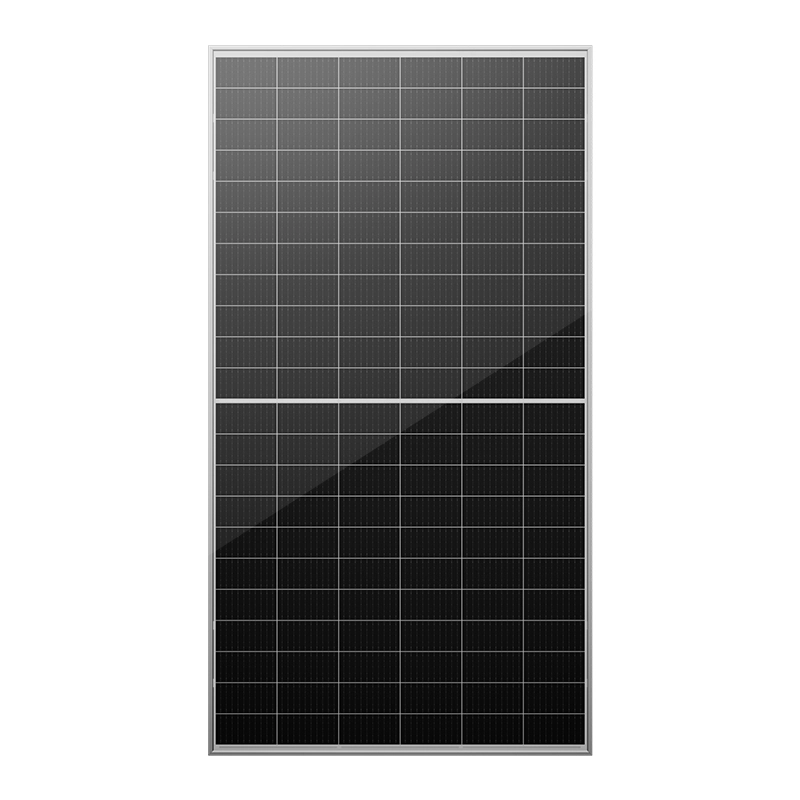
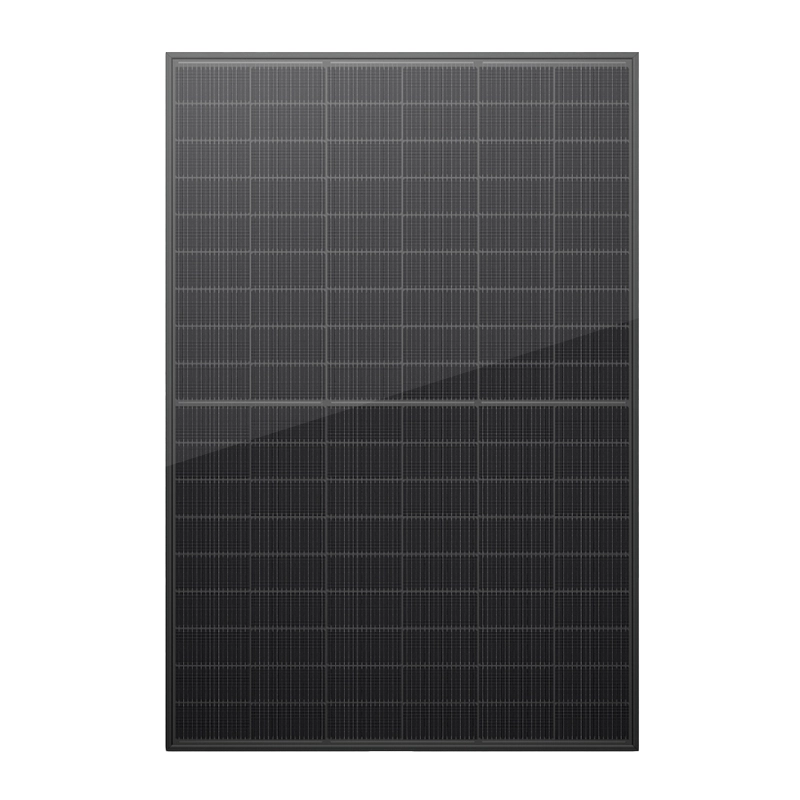
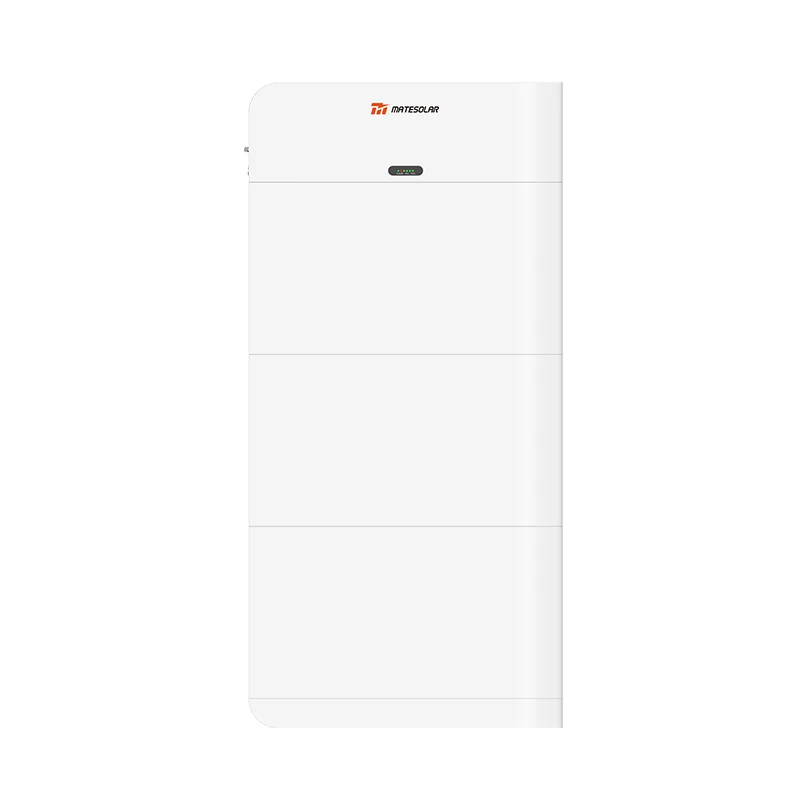
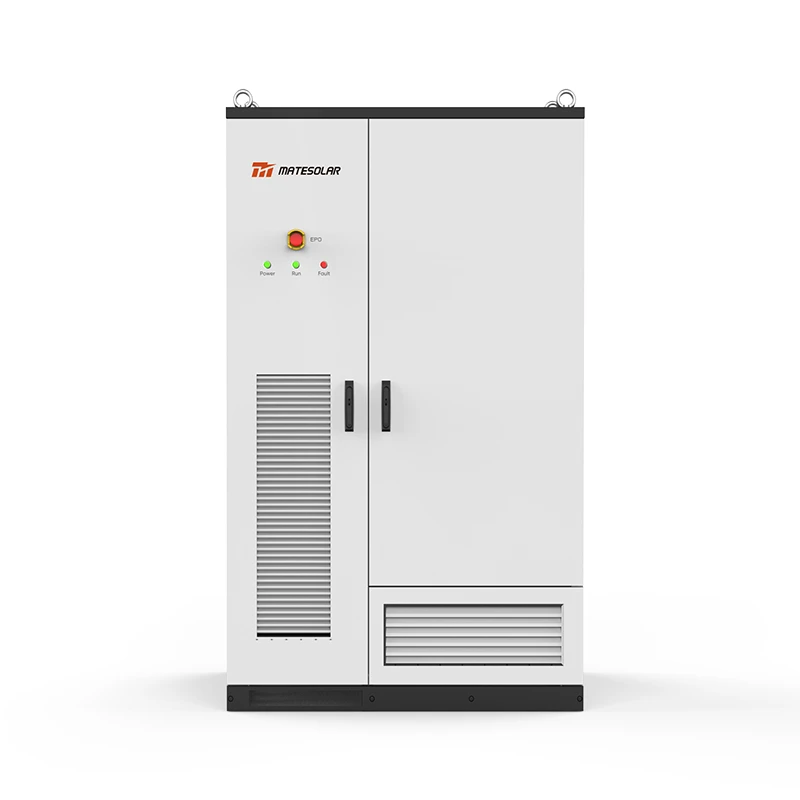
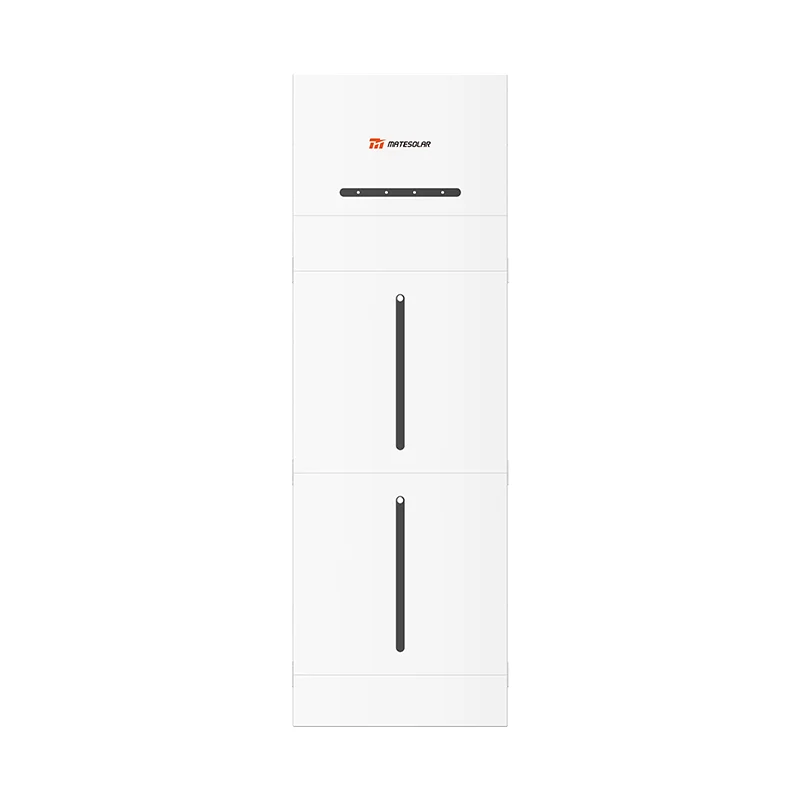
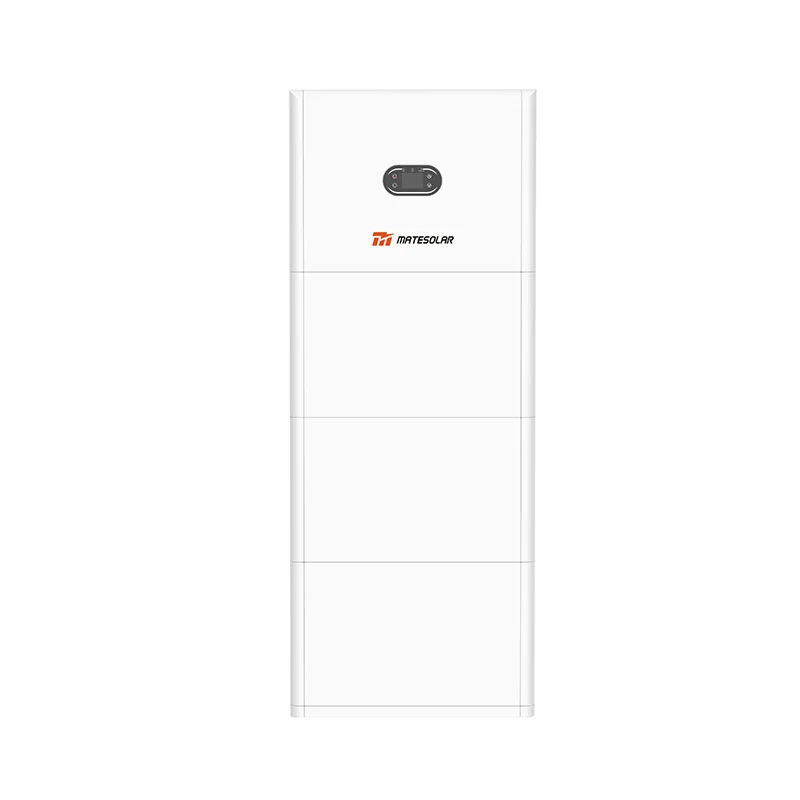
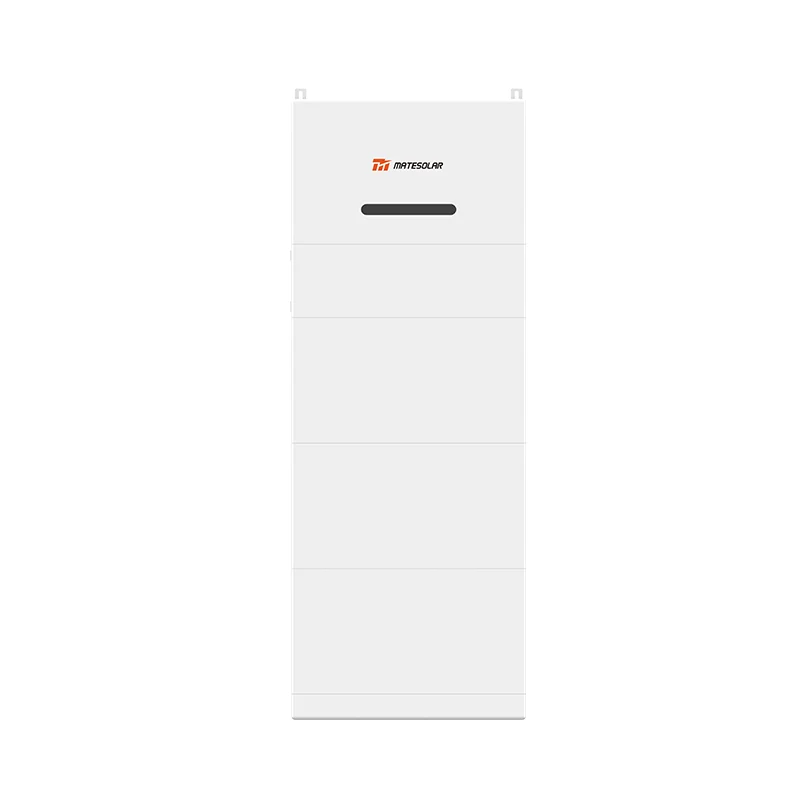
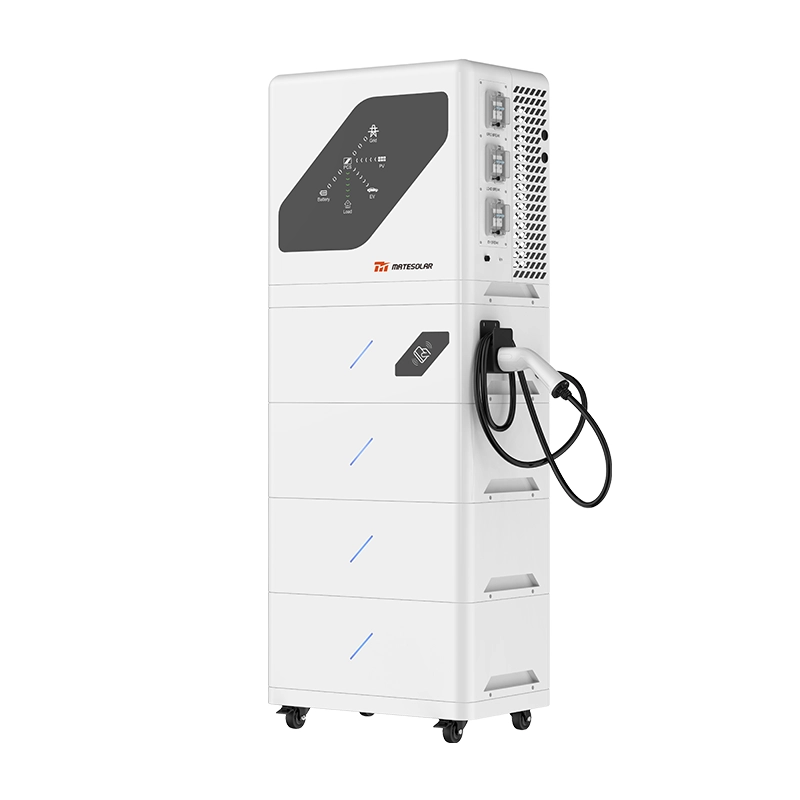
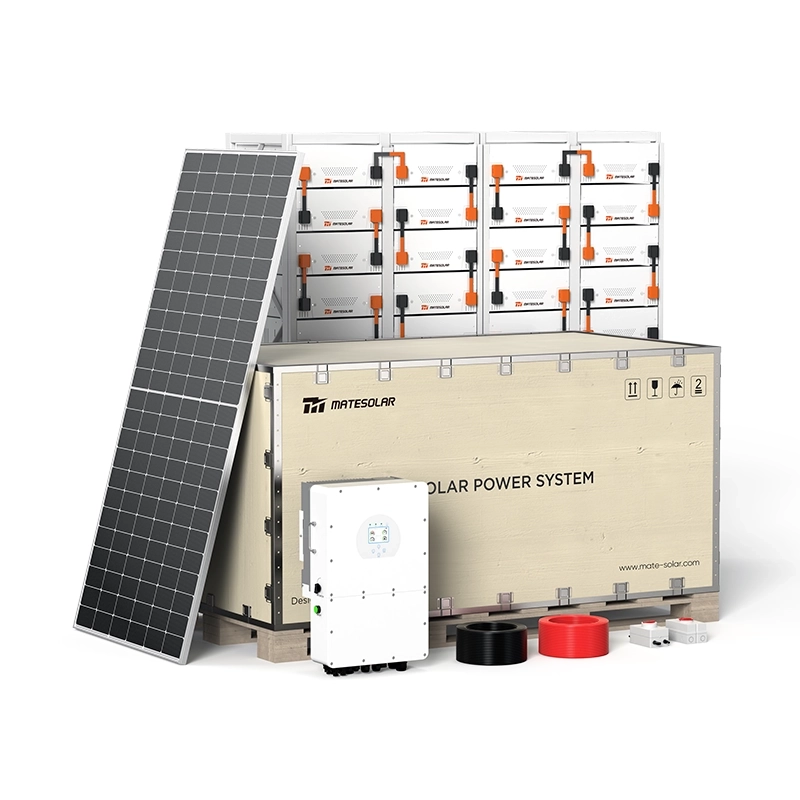
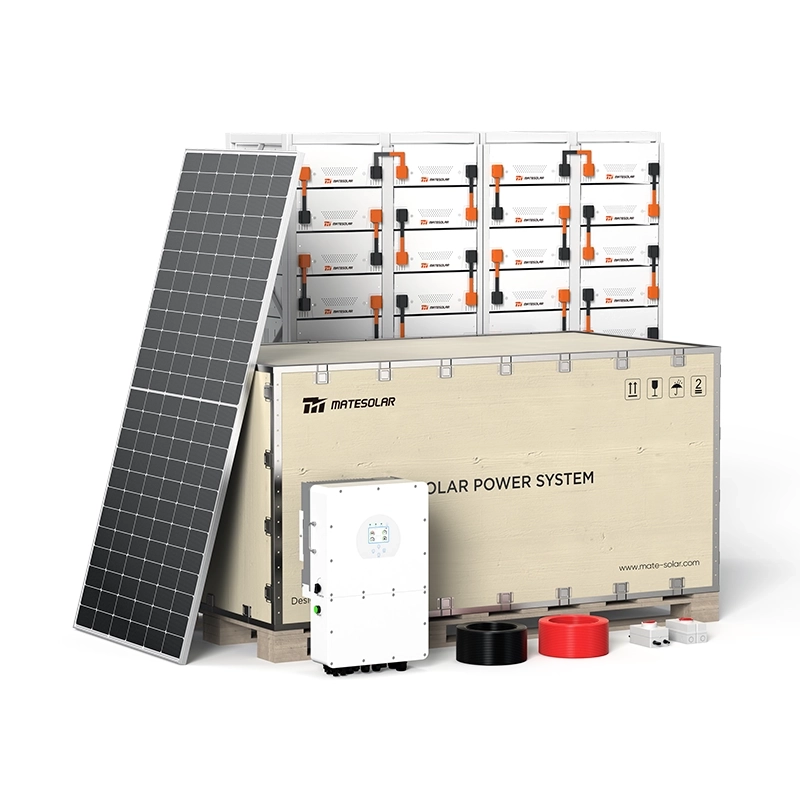
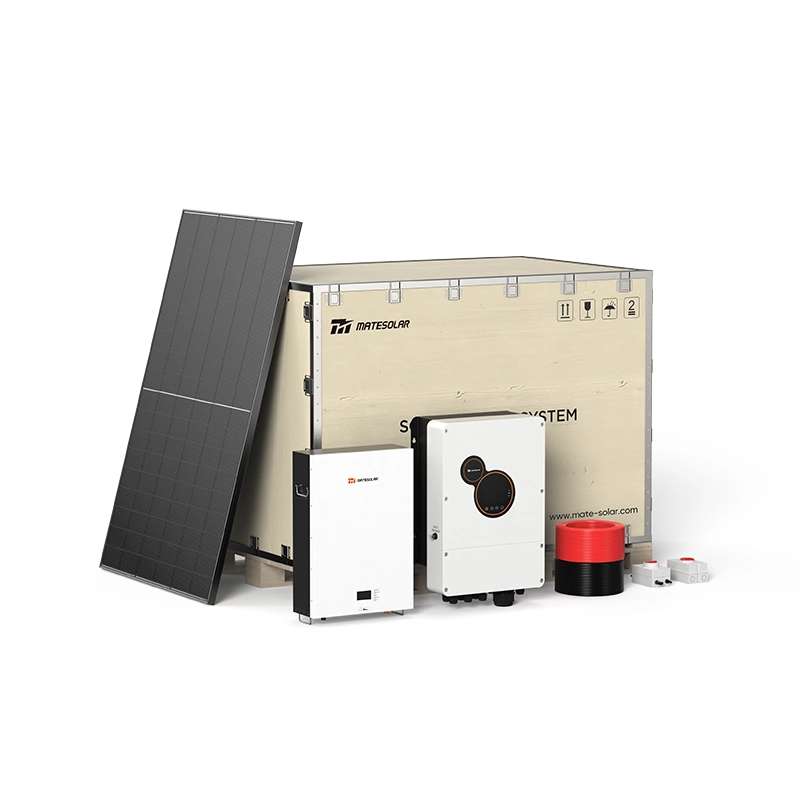
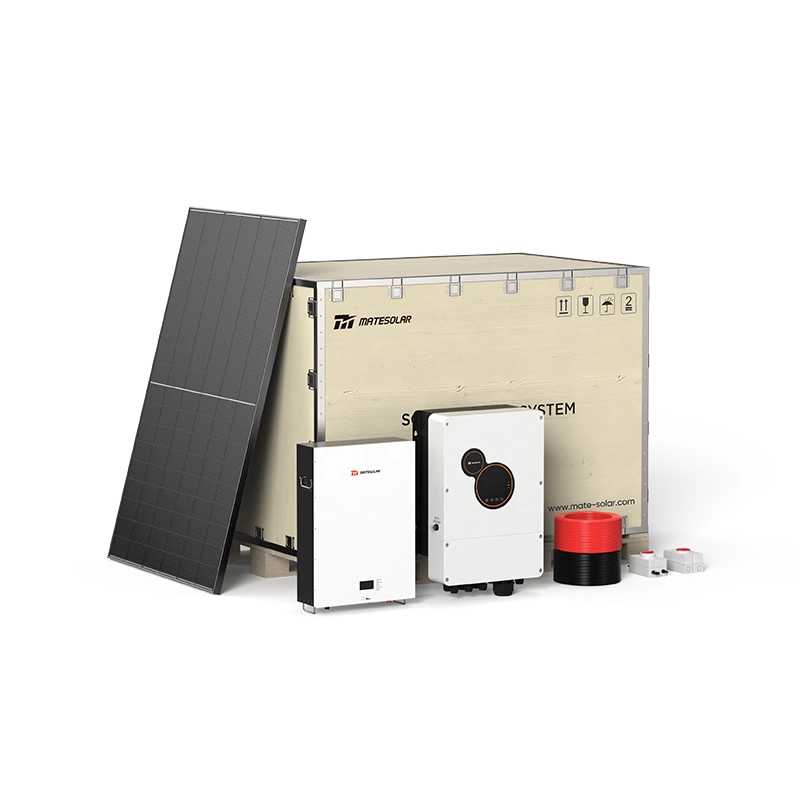
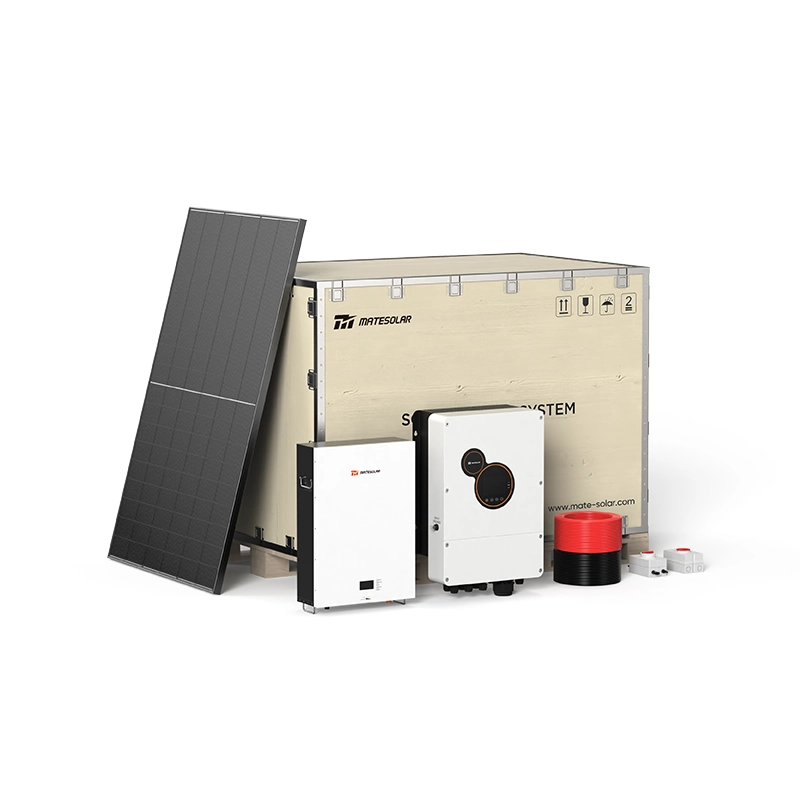
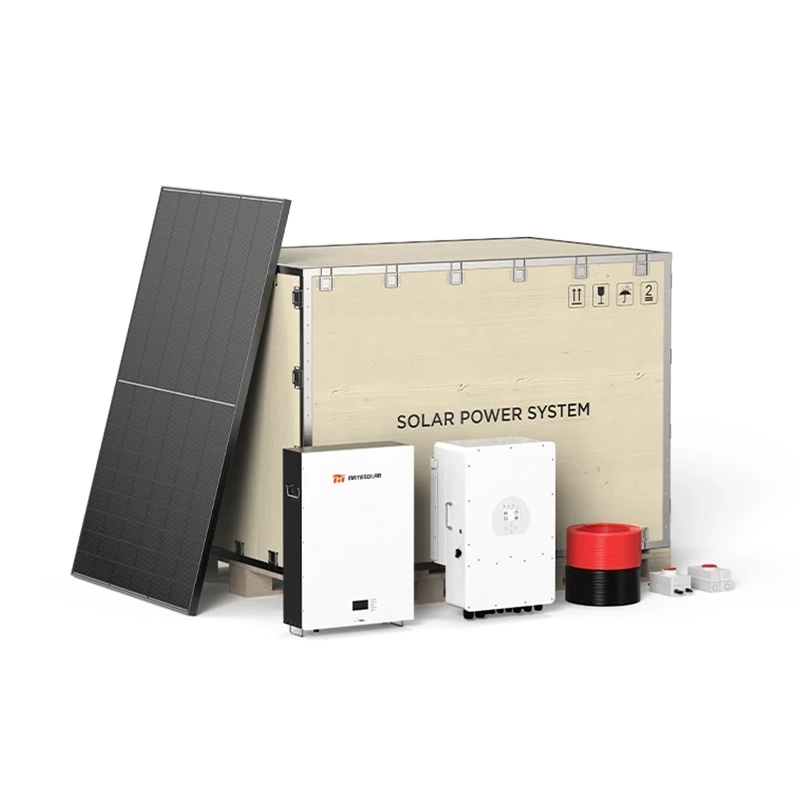
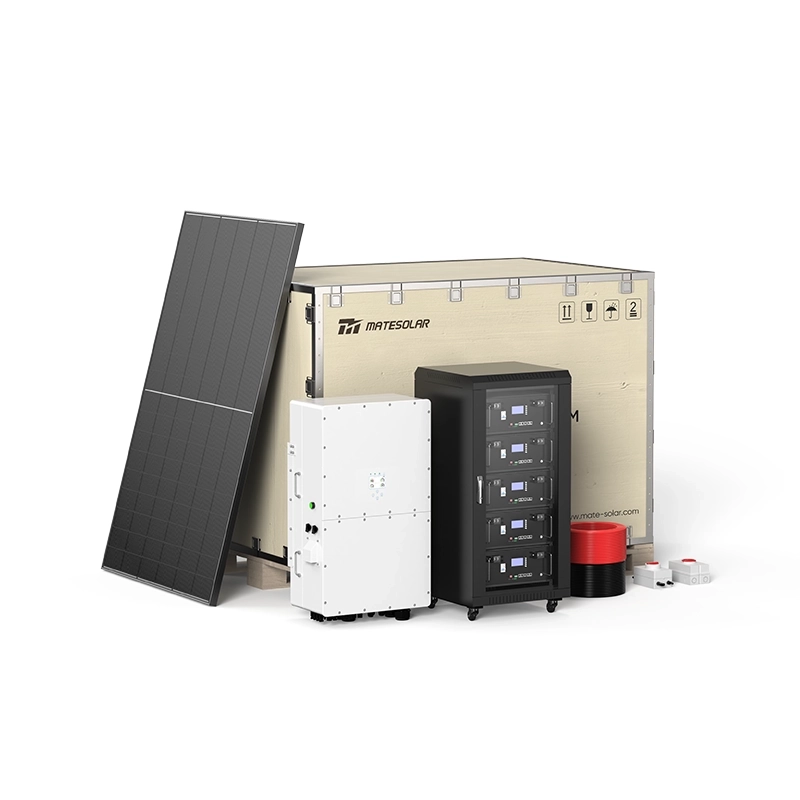
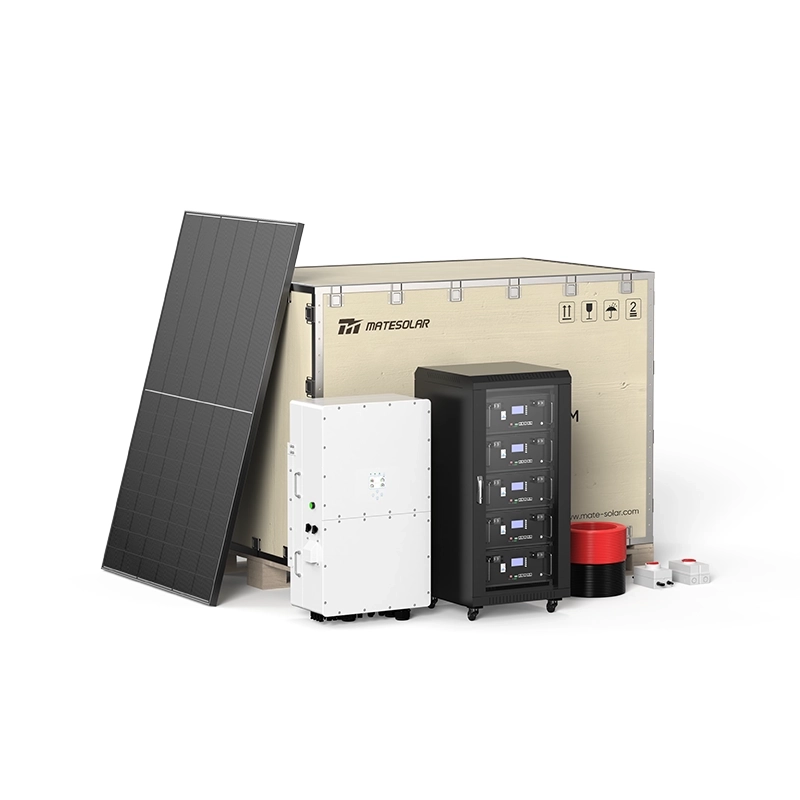
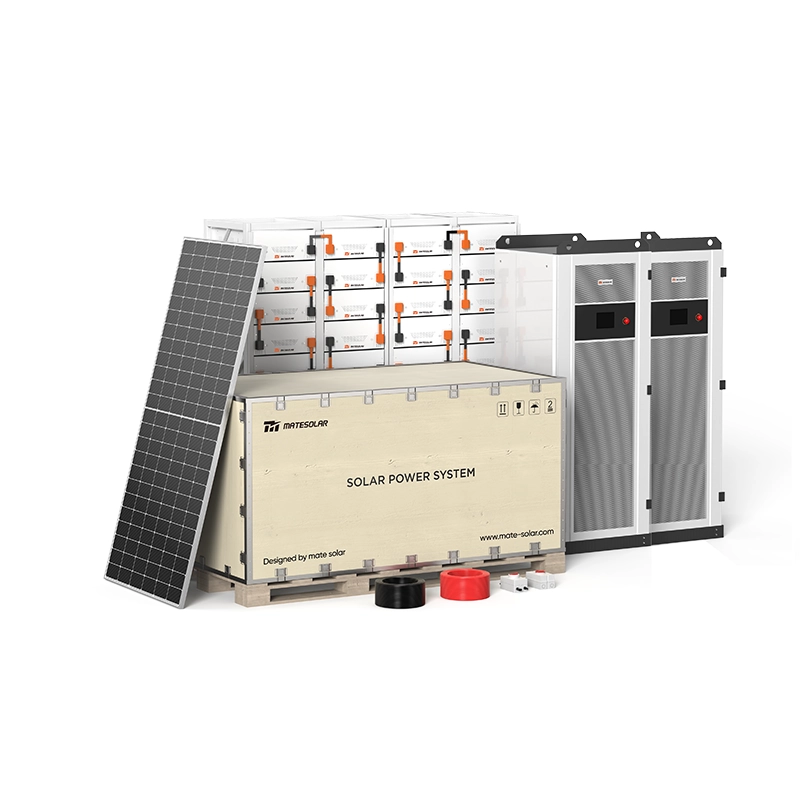
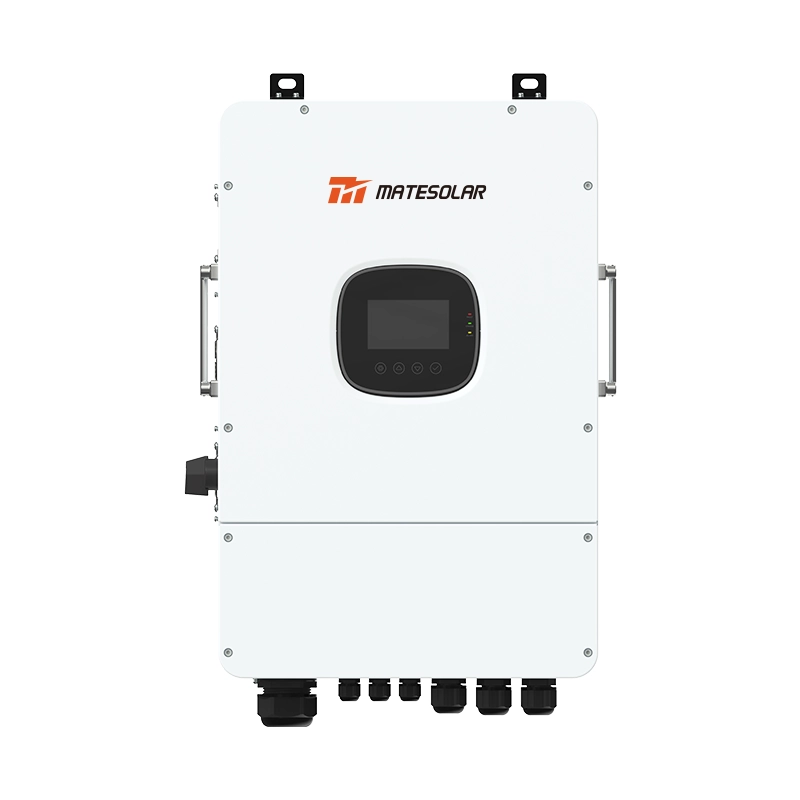
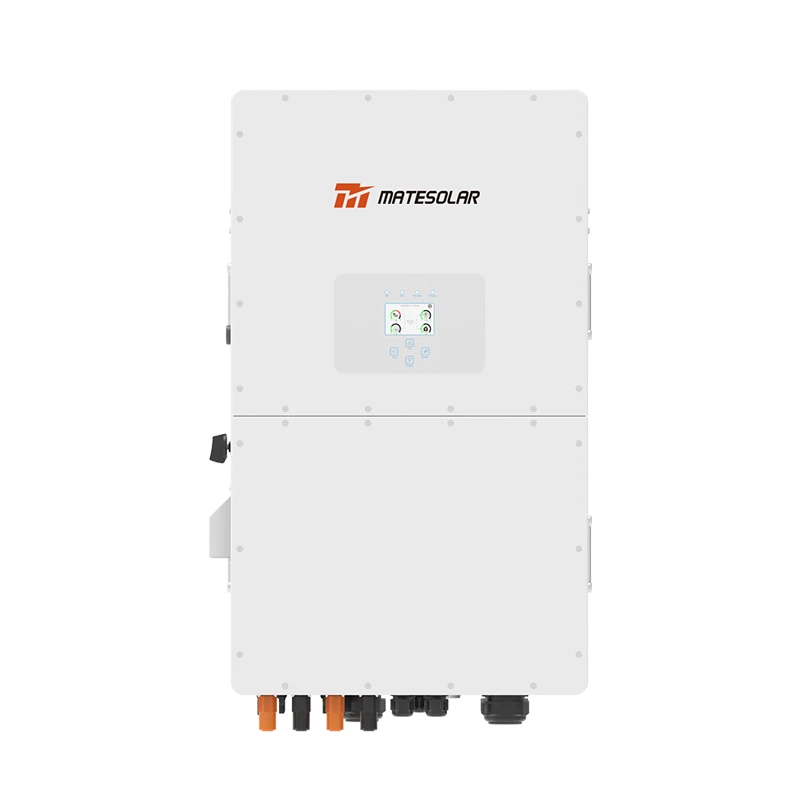
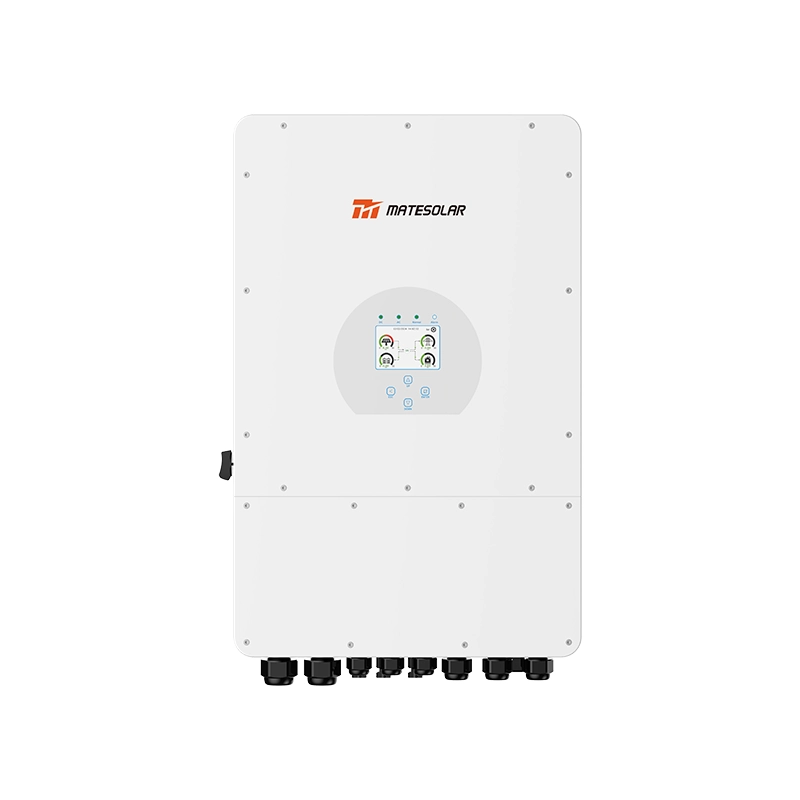
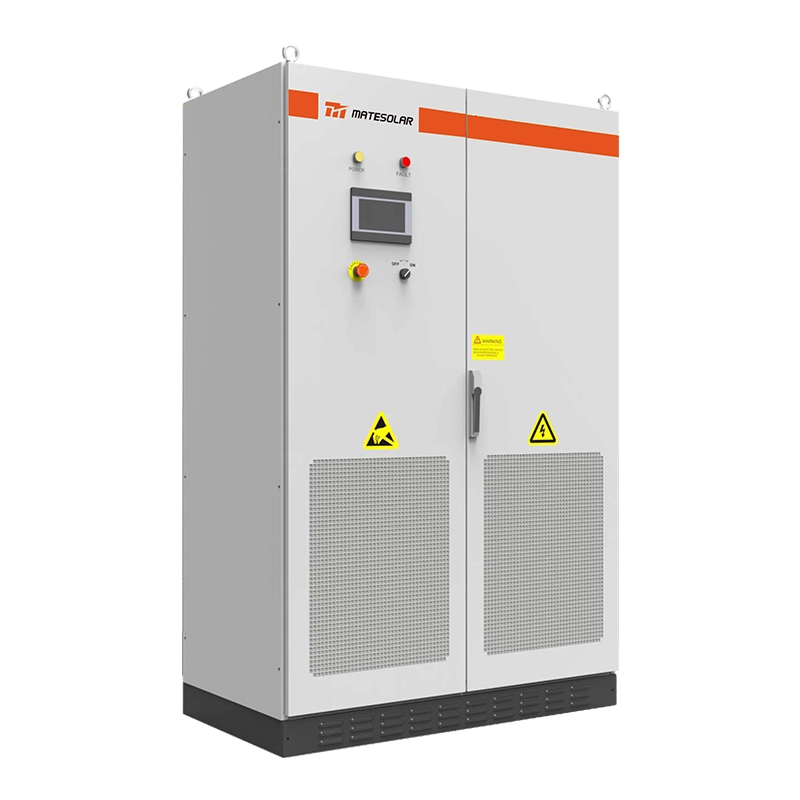
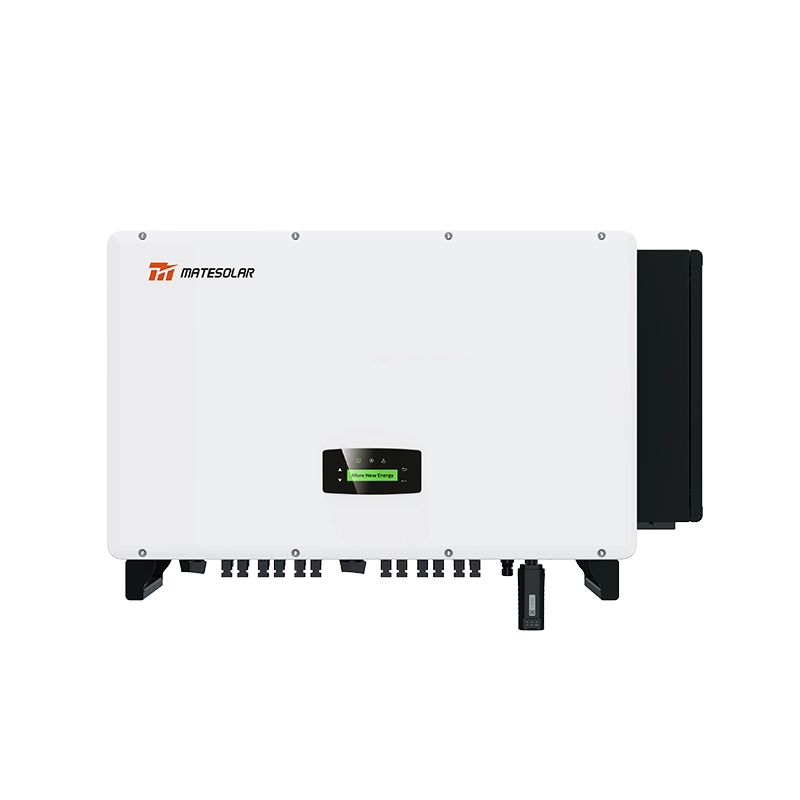
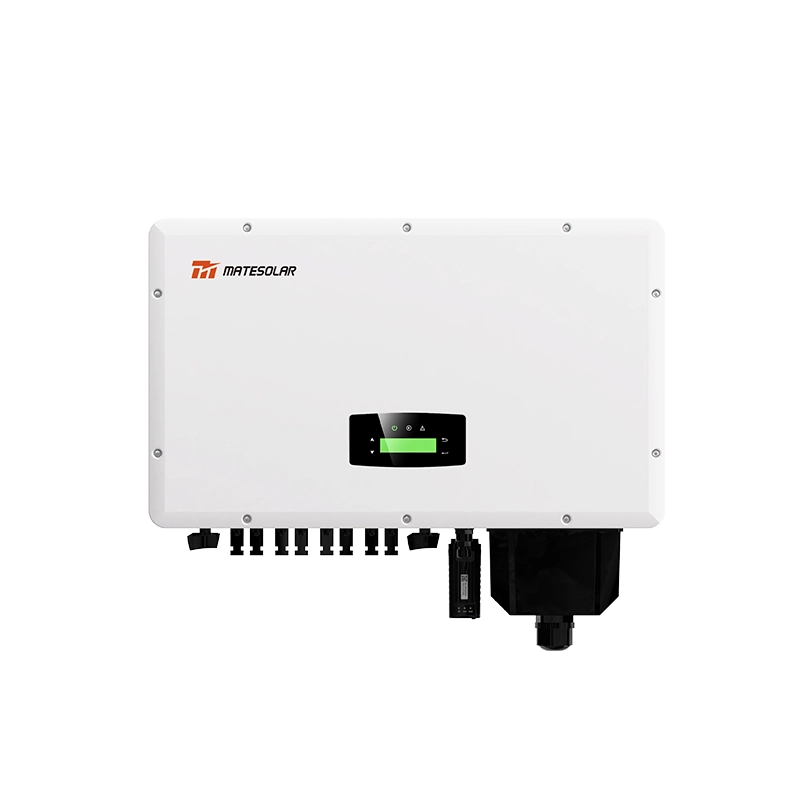
Für größere Installationen die Kommerzielles 500kW Hybrid-Solarsystem Das von MateSolar erhältliche System bietet eine integrierte Lösung, die eine hocheffiziente PV-Umwandlung mit fortschrittlichen EMS-Funktionen zur Maximierung des Eigenverbrauchs kombiniert. Die technischen Daten können Sie auf der dedizierten Produktseite einsehen: Kommerzielles 500kW-Hybrid-Solarsystem. Dieses System eignet sich besonders für große gewerbliche Dächer und Industrieanlagen, bei denen Einspeisebeschränkungen ein Hauptanliegen sind.
2.2 Spitzenlastkappung und Netztarifoptimierung
Kundenproblem
Die Schweizer Netztarife für Gewerbe und Industrie beinhalten einen Leistungstarif, der auf dem höchsten 15-Minuten-Mittelwert der Leistung basiert, der während der Abrechnungsperiode gemessen wurde. Bei Anlagen mit unregelmässig betriebenen Grossverbrauchern – wie Kompressoren, Kältemaschinen, Schweißgeräten, Wärmepumpen oder DC-Schnellladestationen – kann eine einzige kurzzeitige Lastspitze den Leistungstarif für den gesamten Monat oder das gesamte Quartal bestimmen. Dies führt zu einer unverhältnismässigen Kostenbelastung und wird von Betriebsleitern oft nur unzureichend verstanden.
Kritische Fragen, die beantwortet werden müssen
- Wie identifiziert und kappt ein Batteriespeicher die 15-minütige Spitzenstromnachfrage?
- Wie geht das System mit sich überlappenden Lastspitzen um, die durch gleichzeitige Anlageneinschaltungen verursacht werden?
- Ist die Speicherreaktionsgeschwindigkeit ausreichend, um die Rasierpräzision zu garantieren?
Lösungsansatz und Wertversprechen
Effizientes Peak Shaving erfordert drei Elemente: hochpräzise Messung, eine schnelle LeistungsUmwandlungsSystem-Reaktion (PCS) und lokale KI-basierte Lastspitzen-Vorhersagealgorithmen. Das Messsystem muss die Leistung in Intervallen von einer Sekunde oder weniger abtasten und in Echtzeit einen gleitenden 15-Minuten-Durchschnitt berechnen. Das PCS muss in der Lage sein, innerhalb von weniger als 100 Millisekunden von null auf volle Leistung hochzufahren, um auf plötzliche Lastspitzen zu reagieren. Das EMS muss prädiktive Algorithmen einsetzen, die wiederkehrende Lastspitzen auf der Grundlage historischer Muster und des Echtzeit-Lastverhaltens vorhersehen.
In der Praxis kann ein gut konzipiertes Speichersystem vermeidbare Spitzenlasten von 70% bis 90% einsparen. Beispielsweise kann ein Schweizer Produktionsbetrieb mit einer Grundlast von 400 kW und häufigen Spitzen von bis zu 650 kW aufgrund von Motorstarts mit einem 250-kW-/500-kWh-Speichersystem ausgestattet werden. Das EMS erkennt den steigenden 15-Minuten-Durchschnitt und entlädt die Batterie, um den gemessenen Bedarf unter einem festgelegten Schwellenwert, z. B. 480 kW, zu halten. Die jährlichen Einsparungen durch reduzierte Kapazitätsgebühren können zwischen 15'000 und 25'000 CHF liegen.
Das Wertversprechen sollte messbare Einsparberichte betonen. Das Energiemanagementsystem sollte einen monatlichen “Peak-Shaving-Bericht” erstellen, der den tatsächlichen gemessenen Leistungsbedarf mit und ohne Speichereinsatz vergleicht. Dies ermöglicht es dem Kunden, dem Management den finanziellen Nutzen zu demonstrieren und die Investition zu rechtfertigen.
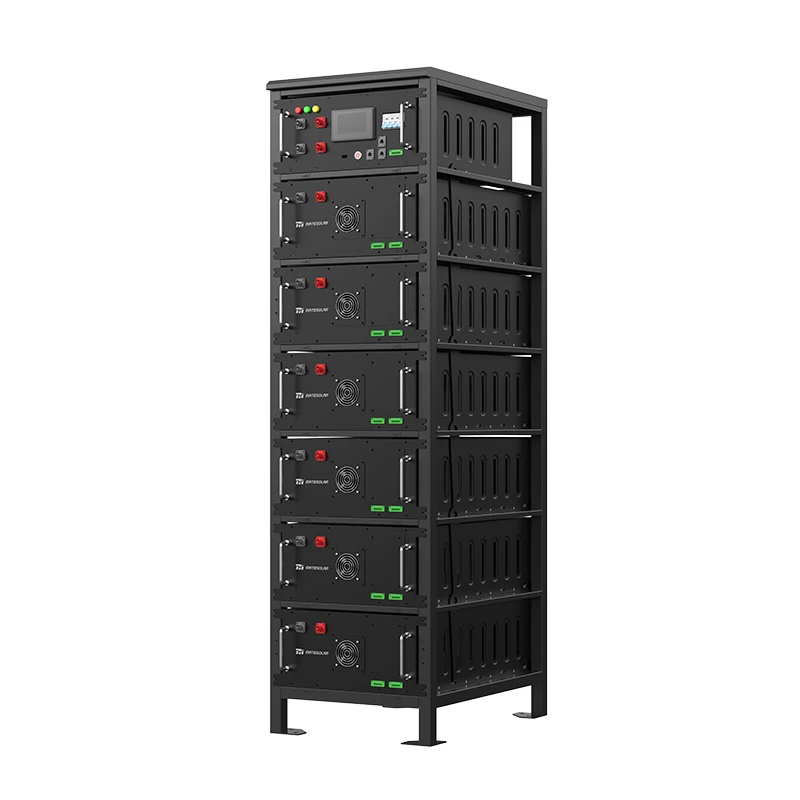
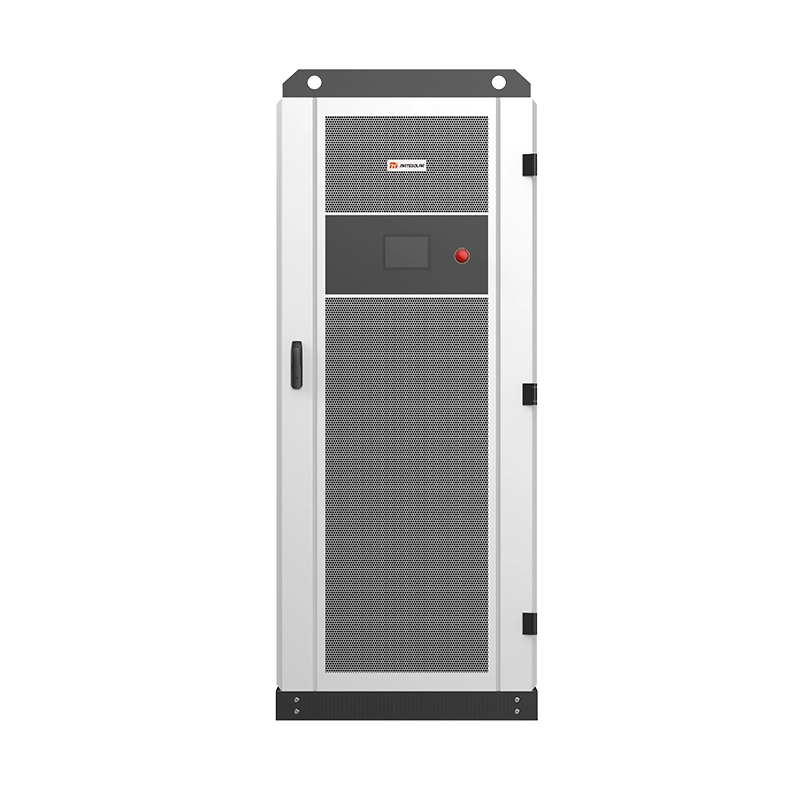
Für Anlagen mit hoher Spitzenlast und begrenztem Platz im Innenbereich bietet MateSolar 100kW/232kWh und 125kW/261kWh Flüssiggekühlte Outdoor-Schrank-Energiespeichersysteme bietet eine kompakte, leistungsstarke Lösung. Das flüssigkeitsgekühlte Design sorgt für einen stabilen Betrieb bei häufigen Lade- und Entladezyklen mit hoher Leistung, was für Lastspitzenkappungsanwendungen unerlässlich ist. Weitere Details finden Sie auf der Produktseite: 100kW/232kWh 125kW/261kWh Flüssigkeitsgekühltes Energiespeichersystem für den Außenbereich.
2.3 Netzcode-Konformität mit NIBT/NIN und NA/EEA
Kundenproblem
Der Anschluss eines Batteriespeichersystems an das Schweizer Stromnetz ist kein einfacher Plug-and-Play-Prozess. Der lokale Verteilnetzbetreiber (VNB) verlangt einen vollständigen Satz von Unterlagen, einschließlich des Netzanschlussgesuchs (NA) und des Antrags für eine Energieerzeugungsanlage (EEA). Diese Dokumente müssen nachweisen, dass der Speicherwechselrichter die NIBT 2020 / NIN 2020 erfüllt, einschließlich Spannungs- und Frequenzhaltungsfunktionen, Insellokalisierungsschutz, Blindleistungsregelung und Fault-Ride-Through-Fähigkeiten. Ohne die korrekten Konformitätsdokumente kann sich der Genehmigungsprozess über Monate hinziehen, was Projektzeitpläne und Budgets gefährdet.
Kritische Fragen, die beantwortet werden müssen
- Verfügt das Produkt über eine Schweizer ESTI-Zertifizierung oder entspricht es den relevanten IEC/EN-Normen?
- Sind Netzanschluss-Prüfberichte und Datenblätter verfügbar, die den Anforderungen der Schweizer VNB entsprechen?
- Wie kann der Netzanschlussverfahren für Mittel- und Niederspannungsanschlüsse beschleunigt werden?
Lösungsansatz und Wertversprechen
Die Lösung beginnt mit der Produktauswahl. Es sollten nur Speichersysteme in Betracht gezogen werden, die über die erforderlichen Konformitätserklärungen verfügen und nach den relevanten Normen geprüft wurden. Der Wechselrichter muss einstellbare Schutzeinstellungen unterstützen, um den spezifischen Anforderungen des lokalen VNB zu entsprechen. Der Hersteller oder Systemanbieter muss in der Lage sein, ein vollständiges NA/EEA-Parameterpaket bereitzustellen, einschließlich:
- Netzkonformitätszertifikat
- Schutzrelais-Einstellungen und Prüfprotokolle
- Blindleistungs-Fähigkeitskurven
- Prüfberichte zum Inselschutz
- EMV- und Konformitätserklärungen
Darüber hinaus sollte der Anbieter über technisches Personal verfügen, das mit der Schweizer VNB-Landschaft vertraut ist. Viele VNB weisen feine Unterschiede in ihren Anforderungen auf; Erfahrung mit diesen Abweichungen kann die Genehmigungszeiten von mehreren Monaten auf einige Wochen verkürzen.
Das Wertversprechen liegt hier in der Geschwindigkeit und Zuverlässigkeit des Netzanschlusses. Ein Speichersystem, das mit einem vollständigen, VNB-fertigen Dokumentationspaket geliefert wird, beseitigt einen der häufigsten Engpässe bei Schweizer C&I-Speicherprojekten.
2.4 Batteriesicherheit, Brandschutz und Versicherungsakzeptanz
Kundenproblem
Lithium-Ionen-Batteriesysteme geraten zunehmend in den Fokus von Schweizer Baubehörden, Feuerwehren und Versicherungsgesellschaften. Aussenaufstellungen von Schränken in der Nähe von Gewerbegebäuden, Lagerhallen oder Parkhäusern müssen die VKF-Brandschutzrichtlinien erfüllen, einschliesslich Mindestabständen, der Verhinderung von thermischem Durchgehen (Thermal Runaway), aktiven Feuerlöscheinrichtungen und Belüftungsanforderungen. Versicherer fordern häufig den Nachweis der Einhaltung internationaler Sicherheitsstandards wie IEC 62619, UL 9540A und VDE-AR-E 2510-50. Die Nichterfüllung dieser Standards kann zum Ausschluss des Versicherungsschutzes, zu höheren Prämien oder zu kostspieligen Nachrüstungen führen.
Kritische Fragen, die beantwortet werden müssen
- Entspricht das System den Schweizer Brandschutzvorschriften und VKF-Richtlinien?
- Verfügt das System über eine modulbezogene Frühwarnung vor thermischem Durchgehen, eine aktive Feuerlöschanlage und eine brandschutztechnische Unterteilung?
- Werden Versicherungsgesellschaften die Batteriemarke und das Sicherheitsdesign akzeptieren?
Lösungsansatz und Wertversprechen
Lösungsansatz und Wertversprechen
Sicherheit muss von Anfang an in das System integriert werden. Zu den wichtigsten Merkmalen, auf die man achten sollte, gehören:
- Modulbasierte Gasdetektion und Temperaturüberwachung zur frühzeitigen Warnung vor thermischem Durchgehen
- Aktive Feuerbekämpfung unter Verwendung von Aerosolen oder Mitteln auf Wasserbasis
- Feuerfeste Gehäuse mit interner Unterteilung zur Verhinderung einer Ausbreitung
- Not-Aus und Fernabschaltung Fähigkeiten
- Compliance-Dokumentation einschließlich UL 9540A Prüfberichten und VKF-Konformitätserklärungen
Der Lieferant sollte ein vollständiges Brandschutzkonzept vorlegen, das direkt bei der örtlichen Feuerwehr und der Versicherungsgesellschaft eingereicht werden kann. Dieses Konzept muss Anlagenlayoutzeichnungen, Spezifikationen für Brandmelde- und Löschanlagen, Lüftungsberechnungen sowie Wartungsverfahren umfassen.
Das Nutzenversprechen umfasst Versicherungsschutz und Sicherheit. Ein Speichersystem, das Schweizer Sicherheitsstandards erfüllt, reduziert Projektrisiken und kann langfristig sogar die Versicherungsprämien senken.
2.5 Umweltanpassungsfähigkeit und Standortbeschränkungen für Außenschränke
Kundenproblem
Die vielfältige Geografie der Schweiz stellt einzigartige Umweltanforderungen. Städtische und vorstädtische Standorte unterliegen oft strengen Lärmschutzgrenzwerten, insbesondere in Misch- und Wohngebieten. Alpine und Voralpenstandorte sind extremen Temperaturschwankungen, hohen Schneelasten, starker UV-Strahlung und einer geringeren Luftdichte in der Höhe ausgesetzt. Die Grundstücke sind oft begrenzt, insbesondere in bestehenden Industriegebieten oder auf Parkplätzen. Ein Outdoor-Lagerschrank muss unter all diesen Bedingungen zuverlässig funktionieren, ohne den täglichen Betrieb zu beeinträchtigen.
Kritische Fragen, die beantwortet werden müssen
- Kann der Außenschrank bei Temperaturen von -20 °C bis +40 °C zuverlässig betrieben werden?
- Entspricht der Lärmpegel den Schweizer Normen für Gewerbe- und Mischzonen?
- Werden eine flexible Fundamentmontage, ein kompaktes Layout und ein schneller Einsatz unterstützt?
Lösungsansatz und Wertversprechen
Der ideale Gartenschrank für den Schweizer Markt sollte folgende Eigenschaften aufweisen:
- Weiter Betriebstemperaturbereich mit integrierten Heiz- und Kühlsystemen, die typischerweise Flüssigkeitskühlung für ein präzises Wärmemanagement nutzen
- Geräuscharmes Design, mit Schallpegeln unter 60 dB(A) in 1 Meter Entfernung, geeignet für gemischt genutzte Gebiete
- Hohe IP-Schutzart (IP55 oder höher) und korrosionsbeständiges Gehäuse
- Für Schneelasten ausgelegte Tragwerksplanung bis zu 1,5 kN/m² oder mehr
- Modulares, auf Kufen montiertes Design für einen schnellen Einsatz ohne aufwendige Tiefbauarbeiten
Das Wertversprechen sollte die Anpassungsfähigkeit an Schweizer Verhältnisse hervorheben, insbesondere die Leistung in grossen Höhen. Viele Speichersysteme auf dem Markt sind aufgrund von Leistungsminderungen der Kühlsysteme und unzureichenden Luft- und Kriechstrecken nicht für den Betrieb oberhalb von 2000 Metern ausgelegt. Ein System, das diese Faktoren explizit berücksichtigt, bietet einen klaren Vorteil.
Für Kunden, die eine robuste Outdoor-Gehäuselösung suchen, bietet MateSolar 100kW/232kWh und 125kW/261kWh Flüssiggekühlte Outdoor-Schrank-Energiespeichersysteme, das für weite Temperaturbereiche und einen geräuscharmen Betrieb ausgelegt ist. Das Flüssigkühlsystem hält die optimalen Zelltemperaturen auch bei hoher Zyklenleistung aufrecht, verlängert die Lebensdauer der Batterie und gewährleistet eine zuverlässige Leistung in Schweizer Alpen- und Stadtumgebungen. Besuchen Sie die Produktseite für die vollständigen Spezifikationen: 100kW/232kWh 125kW/261kWh Flüssigkeitsgekühltes Outdoor-Schrank-Energiespeichersystem.
2.6 Erlösstapelung und Marktzugang für Solar-plus-Speicher-Großanlagen
Kundenproblem
Große Gewerbe- und Industrieverbraucher in der Schweiz haben Zugang zum liberalisierten Strommarkt, was die Tür zu mehreren Einnahmequellen jenseits des Eigenverbrauchs öffnet. Dazu gehören die Teilnahme am Schweizer Regelleistungsmarkt, die Bereitstellung von Systemdienstleistungen und die direkte Zusammenarbeit mit lokalen VNB zur Netzunterstützung. Die Erlösmodelle sind jedoch komplex, und die Marktregeln variieren je nach Region und VNB. Investoren und Projektentwickler stehen unsicheren Renditen und den technischen Anforderungen für die Marktteilnahme skeptisch gegenüber.
Kritische Fragen, die beantwortet werden müssen
- Wie können Großspeicher Eigenverbrauch, Lastspitzenkappung (Peak-Shaving) und Regelenergiedienstleistungen miteinander kombinieren?
- Verfügt das System über die Fähigkeit, am Schweizer Regelenergiemarkt teilzunehmen oder Regelleistung bereitzustellen?
- Wie sollten PV-Leistung, Speicherkapazität und WR-Leistung (PCS) für den Betrieb mit mehreren Erlösquellen optimal dimensioniert werden?
Lösungsansatz und Wertversprechen
Für Großanlagen muss das EMS Multi-Revenue-Stacking unterstützen. Das bedeutet, dass das System gleichzeitig Eigenverbrauchsoptimierung, Lastspitzenkappung (Peak Shaving) und Regelleistungsbereitstellung durchführen kann, wobei die Prioritätenlogik vom Betreiber definiert wird. Das Speichersystem muss in der Lage sein, schnell und präzise auf Netzesignale zu reagieren, typischerweise mit Reaktionszeiten von unter 200 Millisekunden für die Frequenzregelung.
Die optimale Dimensionierung hängt vom spezifischen Erlös-Mix ab. Bei einer Anlage mit 1 MWp Photovoltaik und einer Last von 800 kW könnte ein 2-MWh-Speichersystem mit einem 1-MW-Wechselrichter (PCS) gleichzeitig an Eigenverbrauch, Lastspitzenkappung (Peak Shaving) und Primärregelleistung (FCR) teilnehmen. Die jährlichen Einnahmen könnten Folgendes kombinieren:
- Einsparungen durch Eigenverbrauch: 80.000–120.000 CHF
- Einsparungen durch Lastspitzenkappung: CHF 20.000–40.000
- Regelleistungserlöse: CHF 30.000–60.000
- Gesamt: CHF 130.000–220.000 pro Jahr
Das EMS muss zudem offene Schnittstellen zu Aggregatoren und Plattformen für virtuelle Kraftwerke (VPP) bereitstellen, damit das Speichersystem für die Marktteilnahme mit anderen Anlagen gebündelt werden kann. Dies macht die Investition zukunftssicher und stellt sicher, dass sich das System an die Entwicklung der Schweizer Marktregeln anpassen kann.
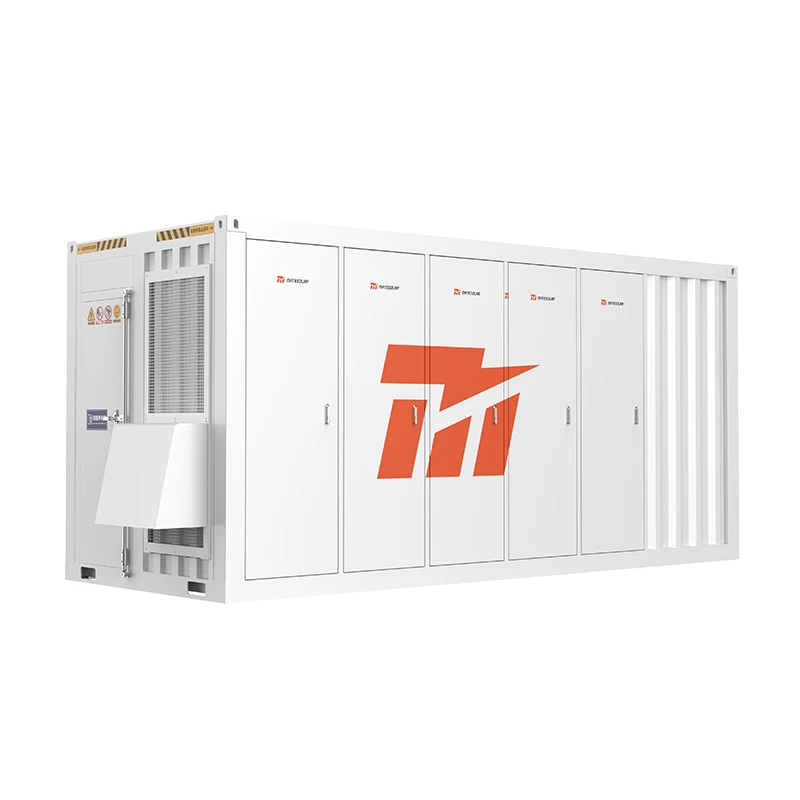
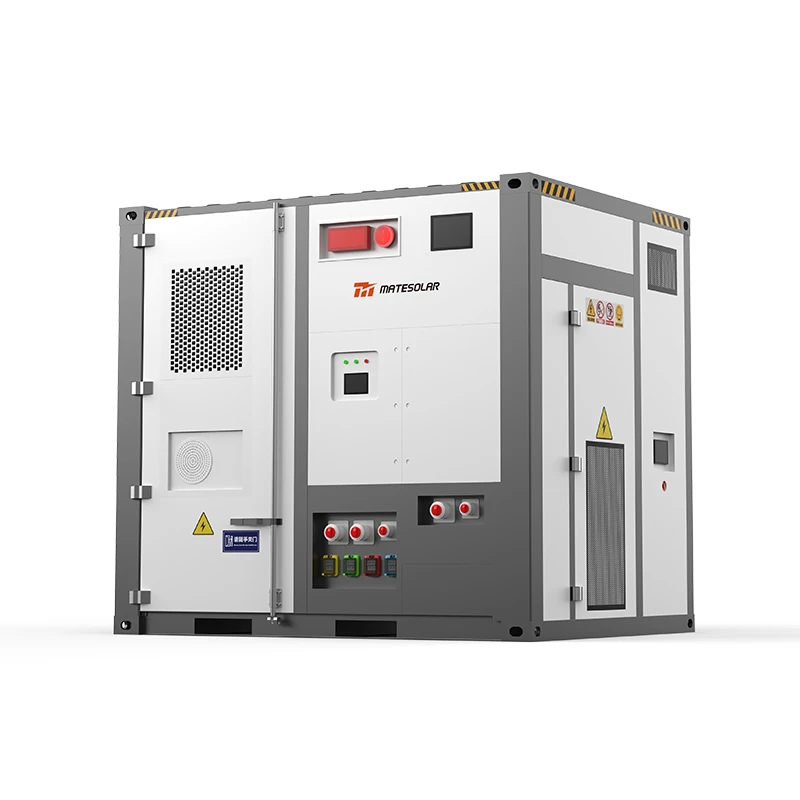
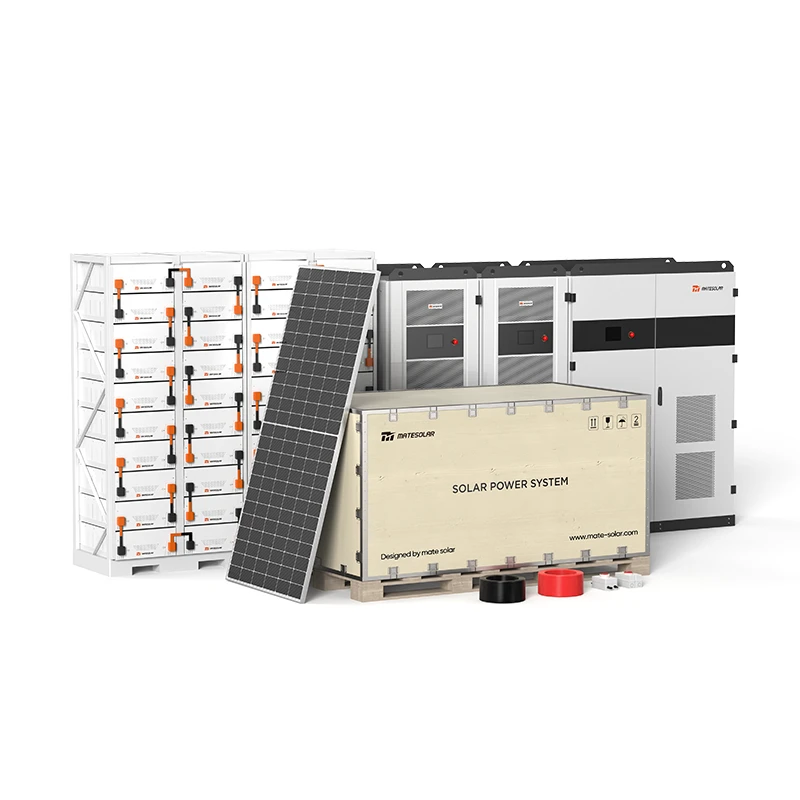
Für große containerbasierte Anwendungen bietet MateSolar zwei Container-Optionen an. Die 40Fuß 1MWh / 2MWh luftgekühlter Container ESS ist ideal für Projekte, die einen schnellen Einsatz und bewährte luftgekühlte Technologie erfordern. Die 20ft 3MWh / 5MWh Flüssigkeitskühlcontainer-Energiespeichersystem bietet eine höhere Energiedichte und ein überlegenes Wärmemanagement für anspruchsvolle Anwendungen mit mehreren Einnahmequellen. Produktdetails finden Sie auf den jeweiligen Seiten: 40Ft 1MWh 2MWh Air-Cooled Container ESS Energy Storage System und 20ft 3MWh 5MWh Liquid Cooling Container Energy Storage System.
2.7 Winter-Stromversorgungssicherheit und Lastkopplung
Kundenproblem
Schweizer Winter sind durch geringe Sonneneinstrahlung und einen hohen Strombedarf für Heizung, Lüftung und zunehmend auch für Wärmepumpen und das Laden von Elektrofahrzeugen gekennzeichnet. Viele Unternehmen elektrifizieren ihre Flotten und Heizsysteme, wodurch neue Spitzenlasten entstehen, die die bestehende elektrische Infrastruktur belasten. Transformator-Aufrüstungen sind teuer und zeitaufwändig, und die Stromversorgung des Netzes im Winter kann aufgrund reduzierter Wasserkraft und des Atomausstiegs eingeschränkt sein.
Kritische Fragen, die beantwortet werden müssen
- Wie kann Speicher mit Wärmepumpen und E-Auto-Ladegeräten koordiniert werden, um eine Überlappung der Winterlastspitzen zu vermeiden?
- Ist es möglich, zusätzliche elektrifizierte Lasten ohne Trafo-Upgrade zu unterstützen?
- Kann das System netzdienliches Laden in Schwachlastzeiten oder Notstrom-Funktionen nutzen, um die Versorgungssicherheit zu verbessern?
Lösungsansatz und Wertversprechen
Die Antwort liegt in offenen Kommunikationsprotokollen und intelligentem Lastmanagement. Das Energiemanagementsystem (EMS) des Speichers sollte OCPP für die Integration von Ladestationen, Modbus TCP/RTU für Gebäudeleittechnik und andere industrielle Protokolle unterstützen. Dies ermöglicht es dem Speichersystem, als zentraler Koordinator zu fungieren, der unkritische Lasten in Nebenzeiten verlagert und Batteriestrom nutzt, um unvermeidbare Lastspitzen abzudecken.
Ein Schweizer Logistikunternehmen mit beispielsweise 20 E-Lieferwagen und 10 Wärmepumpen könnte an Winternachmittagen einen Spitzenbedarf von 300 kW verzeichnen, wenn alle Ladegeräte und Wärmepumpen gleichzeitig laufen. Durch die Integration von Speicher in das Lastmanagement-System kann das EMS den Ladevorgang so planen, dass er nach der abendlichen Spitzenlast beginnt oder die Aktivierung der Ladegeräte gestaffelt erfolgt, während die Batterie die verbleibende Lastspitze abdeckt. Dadurch wird ein Transformator-Upgrade vermieden, das 80.000 bis 150.000 CHF kosten könnte.
Das Wertversprechen sollte Winterfestigkeit und die Ermöglichung der Elektrifizierung betonen. Speicher werden zum Wegbereiter für die weitere Elektrifizierung ohne kostspielige Netzausbauten.
2.8 Mehrsprachige Unterstützung und lokaler Service
Kundenproblem
Die sprachliche Vielfalt der Schweiz ist eine praktische Herausforderung für jeden Technologieanbieter. Ein System mit einer rein englischen Benutzeroberfläche wird in der französisch- und italienischsprachigen Region auf Widerstand stoßen. Technische Dokumentationen, Garantiebedingungen und Sicherheitshandbücher müssen auf Deutsch, Französisch und Italienisch verfügbar sein. Auch die lokale Reaktionsfähigkeit des Service ist entscheidend; ein Speichersystem, das nicht schnell diagnostiziert und repariert werden kann, verliert an Glaubwürdigkeit.
Kritische Fragen, die beantwortet werden müssen
- Unterstützen die Systemschnittstelle und die Überwachungsplattform Deutsch, Französisch und Italienisch?
- Sind technische Dokumente, Garantieklauseln und Sicherheitshandbücher in den Landessprachen verfügbar?
- Gibt es ein lokales Serviceteam oder ein Partnernetzwerk für schnelles Handeln?
Lösungsansatz und Wertversprechen
Das Speichersystem sollte sowohl auf dem lokalen HMI als auch auf der Cloud-Monitoring-Plattform eine mehrsprachige Benutzeroberfläche bieten. Die Dokumentation sollte professionell und nicht maschinell übersetzt sein, um die technische Genauigkeit zu gewährleisten. Der Lieferant sollte über ein Netz lokaler Servicepartner verfügen oder zumindest Remote-Support in den entsprechenden Sprachen anbieten.
Für Schweizer Kunden ist dies oft ein entscheidender Faktor. Ein Lieferant, der keine Dokumentation in der Sprache des Kunden bereitstellen kann, wird Schwierigkeiten haben, Aufträge abzuschließen, unabhängig von der technischen Qualität.
2.9 Datenschutz und Cybersicherheit
Kundenproblem
Das Schweizer Bundesgesetz über den Datenschutz (DSG) stellt strenge Anforderungen an die Verarbeitung von Personen- und Betriebsdaten. Bei Energiespeichersystemen betrifft dies Verbrauchsdaten, Lastprofile und Informationen zur Fernüberwachung. Viele Schweizer Unternehmen verfügen über interne Richtlinien, die verlangen, dass Betriebsdaten entweder lokal (on-premises) oder in Schweizer Rechenzentren gespeichert werden. Der Fernzugriff muss verschlüsselt sein, und es wird eine rollenbasierte Zugriffskontrolle erwartet. Cybersicherheitslücken in IoT-verbundenen Energiegeräten geben zunehmend Anlass zur Sorge.
Kritische Fragen, die beantwortet werden müssen
- Wo werden die Daten des Speichersystems gespeichert? Werden lokale Server oder die Speicherung in einem Schweizer Rechenzentrum unterstützt?
- Ist die Kommunikation verschlüsselt? Werden VPN und lokale Berechtigungsverwaltung unterstützt?
- Entsprechen die Fernwartung und -instandhaltung den Schweizer Datenschutzanforderungen?
Lösungsansatz und Wertversprechen
Das Speichersystem sollte flexible Speicheroptionen bieten, einschließlich lokaler Server (On-Premises), einer Private Cloud oder in der Schweiz gehosteter Rechenzentren. Die gesamte Kommunikation muss mit TLS 1.3 oder höher verschlüsselt werden, mit optionaler VPN-Unterstützung für einen sicheren Fernzugriff. Das System sollte eine granulare, rollenbasierte Zugriffskontrolle unterstützen, die es dem Kunden ermöglicht festzulegen, wer das System anzeigen, steuern oder konfigurieren kann.
Das Wertversprechen besteht aus Compliance und Vertrauen. Ein Speichersystem, das die Schweizer Anforderungen an die Datensouveränität erfüllt, beseitigt eine wichtige Hürde für die Einführung, insbesondere für Kunden aus dem öffentlichen Sektor, dem Gesundheitswesen und dem Finanzdienstleistungssektor.
2.10 Produktkonformität und Nachhaltigkeit der Lieferkette
Kundenproblem
Obwohl die Schweiz kein EU-Mitglied ist, verlangen Schweizer Kunden häufig, dass Produkte eine CE-Kennzeichnung tragen und die relevanten IEC-Standards einhalten. Darüber hinaus fordern große Unternehmen und öffentliche Institutionen zunehmend Transparenz in Bezug auf den CO2-Fußabdruck von Batterien, die Rückverfolgbarkeit der Lieferkette und das Recycling am Ende der Lebensdauer. Die EU-Batterieverordnung hat, obwohl sie in der Schweiz nicht direkt anwendbar ist, einen starken indirekten Einfluss auf die Erwartungen.
Kritische Fragen, die beantwortet werden müssen
- Verfügt das Produkt über CE-, IEC-, UN38.3- und andere erforderliche Zertifizierungen?
- Sind Batteriematerialien rückverfolgbar? Können Daten zum CO2-Fußabdruck bereitgestellt werden?
- Gibt es eine Partnerschaft für das Batterie-Recycling?
Lösungsansatz und Wertversprechen
Lieferanten sollten darauf vorbereitet sein, vollständige Zertifizierungsdossiers und Daten für den Batteriepass vorzulegen, einschließlich der Herkunft der Rohstoffe, des Herstellungsortes, des CO2-Fußabdrucks pro kWh und der Recyclingpläne. Diese Transparenz ist zunehmend eine Voraussetzung für öffentliche Ausschreibungen und unternehmerische Nachhaltigkeitsprogramme.
Das Nutzenversprechen besteht aus regulatorischer Sicherheit und Glaubwürdigkeit im Bereich der Nachhaltigkeit. Ein Produkt mit einer transparenten Lieferkette und einem klaren Recyclingweg ist für Schweizer Kunden, die langfristige Umweltverantwortung priorisieren, attraktiver.
2.11 Subventionen, Finanzierung und Vertragsmodelle
Kundenproblem
Schweizer Bundes- und Kantonsprogramme bieten verschiedene Formen der Unterstützung für Energiespeicher, PV-Eigenverbrauch und Massnahmen zur Gebäudeenergieeffizienz. Die Antragsbedingungen und Förderbeträge variieren jedoch von Kanton zu Kanton und von Programm zu Programm erheblich. Kunden haben oft Schwierigkeiten zu verstehen, was verfügbar ist und wie sie die Investition strukturieren sollen, um die Rendite zu maximieren.
Kritische Fragen, die beantwortet werden müssen
- Welche Schweizer Kantone oder Bundeprogramme unterstützen derzeit die kommerzielle Speicherförderung?
- Erfüllt das Produkt die technischen Schwellenwerte für die Förderfähigkeit?
- Welches Vertragsmodell — Kauf, Leasing oder Energieliefervertrag — ist am besten geeignet?
Lösungsansatz und Wertversprechen
Der Lieferant sollte ROI-Berechnungen und Unterstützung bei Förderanträgen bereitstellen. Dies umfasst die Identifizierung anwendbarer kantonaler Programme, die Erstellung technischer Dokumentationen und die Beratung zu Finanzierungsstrukturen. Lange Garantien und geringe Batterie-Degradationsraten reduzieren das Lebenszyklusrisiko und machen die Finanzierung attraktiver.
Das Wertversprechen besteht in finanzieller Klarheit und Risikominderung. Indem der Lieferant dem Kunden bei der Navigation durch Subventionen und Finanzierungen hilft, wird er zu einem vertrauenswürdigen Berater statt nur zu einem Produktverkäufer.
2.12 Integration in bestehende Energiemanagementsysteme
Kundenproblem
Viele Schweizer Unternehmen verfügen bereits über Gebäudeautomationssysteme (BAS), SCADA-Plattformen oder ERP-Systeme zur Steuerung des Energieverbrauchs. Ein Speichersystem, das sich nicht in diese bestehenden Systeme integrieren lässt, schafft ein Informationssilo und mindert die Gesamteffektivität des Energiemanagements. Kunden erwarten, dass Speicher Teil eines ganzheitlichen Energieökosystems sind und kein isoliertes Gerät darstellen.
Kritische Fragen, die beantwortet werden müssen
- Unterstützt das EMS BACnet, Modbus TCP/RTU und andere industrielle Protokolle?
- Lässt es sich in Unternehmens-ERP- oder Energiemanagementplattformen integrieren?
- Steht eine offene API für die Integration von Drittanbietersystemen zur Verfügung?
Lösungsansatz und Wertversprechen
Das Speichersystem sollte auf einer offenen Architektur basieren, die Unterstützung für mehrere Industrieprotokolle und eine dokumentierte REST-API bietet. Dies ermöglicht eine nahtlose Integration in bestehende Gebäudeleittechnik-, SCADA- und Energiemanagementsysteme. Das Ergebnis ist eine einheitliche Energiemanagement-Umgebung, in der Speicher, Photovoltaikanlagen, Lasten und Netzinteraktionen für maximale Effizienz aufeinander abgestimmt sind.
Das Wertversprechen ist systemische Effizienz. Ein Speichersystem, das sich in die bestehende Infrastruktur integriert, liefert mehr Wert als eines, das isoliert arbeitet.
3. Wichtigste Datentabellen für die Entscheidungsfindung bei Schweizer C&I-Speichern
Die folgenden Tabellen enthalten Referenzdaten zur Bewertung von Speicherprojekten in der Schweiz mit Stand September 2026. Diese Zahlen basieren auf typischen Marktbedingungen und können je nach Kanton, VNB und spezifischen Tarifstrukturen variieren.
Tabelle 1: Typische Komponenten der Schweizer Industriestromtarife (2026)
| Komponente | Einheit | Typischer Bereich | Anmerkungen |
| Energiepreis | CHF/kWh | 0.12 – 0.22 | Variiert je nach Lieferant und Marktzugang |
| Netznutzung (Energie) | CHF/kWh | 0.06 – 0.12 | Verteilnetzentgelt |
| Netznutzung (Kapazität) | CHF/kW/Jahr | 60 – 120 | Basierend auf dem höchsten 15-Minuten-Mittelwert der Last |
| Steuern und Abgaben | CHF/kWh | 0.02 – 0.04 | Bund und Kantonen |
| Gesamteffektivpreis | CHF/kWh | 0.25 – 0.35 | Für einen typischen Gewerbe- und Industriekunden |
Tabelle 2: Einfluss der Speichergröße auf den PV-Eigenverbrauchszuwachs
| PV-Leistung (kWp) | Jahreslast (MWh) | Speicherkapazität (kWh) | Eigenverbrauch ohne Speicher | Eigenverbrauch mit Speicher | Jährliches Einsparpotenzial (CHF) |
| 100 | 250 | 100 | 40% | 75% | 15,000 – 25,000 |
| 300 | 700 | 400 | 45% | 85% | 40,000 – 65,000 |
| 500 | 1,200 | 800 | 50% | 88% | 70,000 – 110,000 |
| 1,000 | 2,500 | 2,000 | 45% | 85% | 130,000 – 200,000 |
Angenommen werden ein Stromtarif von CHF 0,30/kWh, eine Einspeisevergütung von CHF 0,08/kWh und ein optimaler EMS-Einsatz.
Tabelle 3: Einsparpotenzial durch Lastspitzenkappung
| Basis-Spitzenlast (kW) | Lastspitzenkürzungssoll (kW) | Netzkapazitätsgebühr (CHF/kW/Jahr) | Jahresersparnis (CHF) |
| 400 | 80 | 80 | 6,400 |
| 600 | 150 | 90 | 13,500 |
| 800 | 200 | 100 | 20,000 |
| 1,200 | 300 | 110 | 33,000 |
Der Leistungspreis variiert je nach VNB; die angegebenen Werte sind repräsentativ für Gewerbekunden.
Tabelle 4: Schweizer Brandschutz- und Produktzertifizierungsanforderungen
| Standard / Verordnung | Umfang | Erforderlich für |
| NIBT 2020 / NIN 2020 | Elektroinstallation und Netzanschluss | Alle Installationen |
| ESTI-Konformität | Produktsicherheit für elektrische Betriebsmittel | Alle ans Netz angeschlossenen Produkte |
| VKF / AEAI Richtlinien | Brandschutz für Batteriesysteme | Systeme in oder in der Nähe von Gebäuden |
| IEC 62619 | Sicherheit für Industriebatterien | Batteriemodule und -systeme |
| UL 9540A | Thermisches Durchgehen Ausbreitungstest | Großangelegte Systeme |
| VDE-AR-E 2510-50 | Sicherheit stationärer Batteriesysteme | Systeme > 20 kWh |
| UN38.3 | Transportsicherheit | Batterietransport |
Tabelle 5: Umweltanforderungen für Outdoor-Gehäuse in der Schweiz
| Parameter | Anforderung | Anmerkungen |
| Betriebstemperatur | -20 °C bis +40 °C | Flüssigkühlung für den gesamten Bereich empfohlen |
| Geräuschpegel | ≤ 60 dB(A) in 1 m Entfernung | Gemischte Wohn- und Gewerbegebiete |
| IP-Einstufung | ≥ IP55 | Freiluftinstallation |
| Schneelast | ≥ 1,5 kN/m² | Alpine Regionen |
| Höhenlage | Bis zu 2.500 m ohne Leistungsderating | Höhentauglichkeit |
| Luftfeuchtigkeit | 5% – 95% RH | Kondensationsbedingungen |
4. Häufig gestellte Fragen (FAQ)
F1: Was ist 2026 der primäre wirtschaftliche Treiber für Gewerbe- und Industriespeicher (C&I-Speicher) in der Schweiz?
A: Der wichtigste Treiber ist die Optimierung des Eigenverbrauchs von Solarstrom. Die Einspeisevergütungen in der Schweiz sind niedrig (oft unter 10 Rappen pro kWh), während die Strompreise für gewerbliche Verbraucher zwischen 25 und 35 Rappen pro kWh liegen. Durch die Speicherung von Solarüberschüssen am Mittag und deren Nutzung in Spitzenverbrauchszeiten können Unternehmen den vollen Marktwert ihrer Solarstromerzeugung ausschöpfen. Die Spitzenlastabdeckung zur Senkung der kapazitätsbasierten Netzentgelte ist der zweite wichtige Faktor, der oft 30–50% der Gesamteinsparungen ausmacht.
F2: Wie lange dauert die Genehmigung für den Netzanschluss eines C&I-Speichersystems in der Schweiz?
A: Die Genehmigungszeiten variieren je nach Kanton und VNB, aber typische Zeitrahmen liegen zwischen 4 und 12 Wochen, wenn alle Unterlagen vollständig sind. Verzögerungen werden meistens durch unvollständige NA/EEA-Anträge, fehlende Schutzparameterblätter oder die Nichteinhaltung lokaler VNB-Anforderungen verursacht. Die Wahl eines Speichersystems mit einem vorbereiteten Schweizer Konformitätspaket kann diesen Zeitrahmen erheblich verkürzen.
F3: Welche Brandschutzstandards muss ein kommerzielles Speichersystem in der Schweiz erfüllen?
Das System muss den VKF/AEAI-Brandschutzrichtlinien und internationalen Standards wie IEC 62619 und bei größeren Systemen UL 9540A entsprechen. Die Installation muss zudem die örtlichen Bauvorschriften hinsichtlich Abständen, Belüftung und Feuerlöscheinrichtungen erfüllen. Versicherungsgesellschaften verlangen häufig einen dokumentierten Nachweis der Konformität, bevor sie Versicherungsschutz gewähren.
F4: Kann ein Speichersystem in alpinen Schweizer Umgebungen mit extremer Kälte und Schnee zuverlässig betrieben werden?
A: Ja, vorausgesetzt, das System ist für große Temperaturbereiche und hohe Schneelasten ausgelegt. Flüssigkeitsgekühlte Systeme halten die Batterietemperaturen selbst bei -20 °C optimal und verhindern eine Überhitzung bei +40 °C. Das Gehäuse sollte mindestens die Schutzart IP55 aufweisen und für Schneelasten von mindestens 1,5 kN/m² statisch zertifiziert sein. Der Betrieb in Höhenlagen bis zu 2.500 Metern sollte keine Leistungsherabsetzung erfordern.
F5: Ist es in der Schweiz möglich, mehrere Einnahmequellen mit einem einzigen Speichersystem zu kombinieren?
A: Ja. Ein einzelnes Speichersystem kann gleichzeitig die Eigenverbrauchsoptimierung und Lastspitzenkappung durchführen sowie an Regelleistungsmärkten teilnehmen, vorausgesetzt, das EMS unterstützt eine Dispatch-Logik für mehrere Erlösströme und das System kann schnell auf Netzzugangssignale reagieren. Größere Systeme (1 MW oder mehr) eignen sich am besten für die Marktteilnahme, aber auch kleinere Systeme können sich über eine VPP-Plattform zusammenschließen.
F6: Welche Kommunikationsprotokolle sollte ein C&I-Speichersystem zur Integration in bestehende Gebäudeleitsysteme unterstützen?
A: Das System sollte mindestens Modbus TCP/RTU, BACnet und OCPP (für die Integration von Ladestationen) unterstützen. Eine offene REST-API ist für kundenspezifische Integrationen mit ERP- oder Energiemanagementplattformen äußerst wünschenswert. Dies stellt sicher, dass das Speichersystem nahtlos in bestehende Gebäudeautomation- und SCADA-Umgebungen integriert werden kann.
F7: Wie beeinflusst der Datenschutz die Auswahl von Speichersystemen in der Schweiz?
A: Das Schweizer Datenschutzgesetz (DSG) verlangt, dass personenbezogene und operative Daten mit strenger Sorgfalt behandelt werden. Viele Unternehmen fordern, dass Daten vor Ort (on-premises) oder in Schweizer Rechenzentren gespeichert werden. Das Speichersystem sollte verschlüsselte Kommunikation (TLS 1.3), VPN-Unterstützung und eine granulare, rollenbasierte Zugriffskontrolle bieten. Die Einhaltung dieser Anforderungen ist oft eine Voraussetzung für die Beschaffung.
F8: Was ist die typische Amortisationszeit für ein GuV-Speicherprojekt in der Schweiz?
A: Die Amortisationszeiten liegen je nach konkreter Tarifstruktur, PV-Erzeugungsprofil und Kosten des Speichersystems typischerweise zwischen 5 und 9 Jahren. Projekte, die hohe Eigenverbrauchsgewinne mit beträchtlichen Einsparungen durch Lastspitzenkappung und gegebenenfalls Einnahmen aus dem Regelenergiemarkt kombinieren, erzielen tendenziell die schnellste Amortisation. Subventionen und kantonale Anreize können die Amortisationszeit weiter verkürzen.
F9: Gibt es im Jahr 2026 spezifische Förderungen für kommerzielle Speicher in der Schweiz?
A: Die Subventionen variieren je nach Kanton. Einige Kantone bieten direkte Zuschüsse für Speichersysteme in Verbindung mit neuen PV-Anlagen, während andere Steueranreize oder zinsgünstige Darlehen gewähren. Die Energiestrategie des Bundes unterstützt Speicher indirekt durch Eigenverbrauchsvorschriften. Ein Projektentwickler sollte sich beim zuständigen kantonalen Energieamt über aktuelle Programme informieren.
F10: Was ist der Unterschied zwischen luftgekühlten und flüssigkeitsgekühlten Containerspeichersystemen?
A: Luftgekühlte Systeme sind einfacher und haben geringere Anschaffungskosten, weisen jedoch in extremen Klimazonen möglicherweise größere Temperaturgradienten und eine geringere Leistung auf. Flüssigkeitsgekühlte Systeme bieten eine gleichmäßigere Temperaturverteilung, höhere Effizienz, eine längere Lebensdauer der Batterien und eine bessere Leistung bei hoher Zyklenbelastung. Für Schweizer Alpen- oder Hochleistungsanwendungen wird im Allgemeinen eine Flüssigkeitskühlung empfohlen. MateSolar bietet sowohl luftgekühlte 40-Fuß-1MWh/2MWh- als auch flüssigkeitsgekühlte 20-Fuß-3MWh/5MWh-Containeroptionen an, um unterschiedlichen Projektanforderungen gerecht zu werden.
5. Fazit: Das Schweizer Wertversprechen für die Speicherung
In der Schweiz wird der Wert von gewerblichen und industriellen Energiespeichern im Jahr 2026 nicht durch einfaches Peak-Valley-Arbitrage definiert. Er wird durch drei miteinander verknüpfte Prioritäten bestimmt: Maximierung des PV-Eigenverbrauchs, Senkung der Lastspitzen sowie die Gewährleistung der vollständigen Netzkonformität und Sicherheit. Diese Prioritäten spiegeln den einzigartigen Schweizer Kontext wider – hohe Strompreise, niedrige Einspeisetarife, strenge Netzanschlussregeln, rigide Brandschutzvorschriften und einen mehrsprachigen, datensiblen Kundenstamm.
Ein erfolgreiches Schweizer GuV-Speicherprojekt erfordert mehr als nur eine Batterie und einen Wechselrichter. Es verlangt einen Systemansatz, der Folgendes integriert:
- Ein EMS mit erweiterter Eigenverbrauchsoptimierung, Einspeisegrenzregelung und Spitzenlastprognose
- Produkte, die über die erforderlichen Schweizer und internationalen Zertifizierungen verfügen
- Sicherheitseinrichtungen, die den VKF- und Versicherungsanforderungen entsprechen
- Umweltanpassung für alpine und urbane Bedingungen
- Offene Kommunikationsprotokolle zur Integration in bestehende Infrastrukturen
- Mehrsprachige Unterstützung und Einhaltung der Datensouveränität
Für große gewerbliche Dächer und Industrieanlagen bietet das Commercial 500kW Hybrid Solar System ein hocheffizientes Fundament zur Optimierung des Eigenverbrauchs. Für kompakte, leistungsstarke Peak-Shaving-Anwendungen bietet der 100kW/232kWh und 125kW/261kWh Liquid-Cooled Outdoor Cabinet eine schnelle Bereitstellung und ein zuverlässiges Wärmemanagement. Für Multi-MWh-Projekte, die skalierbare, containerbasierte Lösungen erfordern, decken der 40Ft 1MWh/2MWh Air-Cooled Container ESS und der 20ft 3MWh/5MWh Liquid Cooling Container ESS ein breites Spektrum an Kapazitäts- und Umweltanforderungen ab.
Indem sie die zwölf in diesem Leitfaden dargelegten kritischen Kundenprobleme adressieren, können Projektentwickler, Systemintegratoren und Endbenutzer sich sicher auf dem Schweizer Markt bewegen. Das Ergebnis ist eine Speicherinvestition, die messbare finanzielle Erträge liefert, die Energieresilienz erhöht und das Unternehmen für eine Zukunft mit verstärkter Elektrifizierung und Netzflexibilität positioniert.
6. Über MateSolar — Komplettanbieter für Solar- und Speicherlösungen
MateSolar ist ein Komplettanbieter für Photovoltaik- und Energiespeicherlösungen, der sich der Bereitstellung leistungsstarker, zertifizierter und zuverlässiger Produkte für kommerzielle und industrielle Anwendungen weltweit verschrieben hat. Mit einem Portfolio, das Hybrid-Solaranlagen, flüssigkeitsgekühlte Außenschränke und containerbasierte Energiespeichersysteme umfasst, unterstützt MateSolar Projekte von der ersten Planung über die Inbetriebnahme bis hin zum langfristigen Betrieb.
MateSolar versteht, dass der Schweizer Markt mehr als nur Hardware verlangt. Aus diesem Grund bieten wir umfassenden Pre-Sales-Support, einschließlich ROI-Modellierung, Dokumentation zur Netzkonformität und Ausarbeitung von Brandschutzkonzepten. Unser Remote-Engineering-Team unterstützt bei der Inbetriebnahmeregelung, Softwarekonfiguration und Leistungsoptimierung und stellt sicher, dass Ihr Speichersystem vom ersten Tag an mit Spitzenwirkungsgrad arbeitet. Für Großprojekte kann MateSolar technische Experten zur Inbetriebnahmesystemunterstützung und Systemabstimmung vor Ort entsenden.
Um mehr darüber zu erfahren, wie MateSolar Ihr Schweizer Gewerbe- oder Industriespeicherprojekt unterstützen kann, kontaktieren Sie noch heute unser Team. Wir sind bereit, Ihnen zu helfen, den Eigenverbrauch zu maximieren, Lastspitzengebühren zu senken und die volle regulatorische Konformität zu erreichen – mit Produkten und Fachwissen, die auf den Schweizer Markt zugeschnitten sind.