




















Veröffentlicht: 7. August 2026 | Von MateSolar — Anbieter von Solar- und Speicherlösungen für ein einzelnes Bundesland
Argentinien entwickelt sich rasant zu einem der dynamischsten Märkte für Batteriespeichersysteme (BESS) in Lateinamerika. Während die Energiespeicherlandschaft des Landes lange Zeit von Großprojekten (Utility-Scale) dominiert wurde, markiert das Jahr 2026 den Zeitpunkt, an dem gewerbliche und industrielle (C&I) Speicher entschlossen in den Vordergrund treten. Eine Reihe beispielloser politischer Maßnahmen – von der historischen AlmaSADI-Ausschreibung bis hin zu gezielten Steueranreizen für kleine und mittlere Unternehmen – hat die Investitionslandschaft neu gestaltet. Dieser umfassende Leitfaden beleuchtet den aktuellen Stand des argentinischen C&I-Speichermarktes, entschlüsselt den regulatorischen Rahmen, analysiert die zentralen Herausforderungen, mit denen Unternehmen konfrontiert sind, und präsentiert technologische Lösungsansätze, die direkt auf die drängendsten Energiebedürfnisse der Region eingehen. Ob Sie Betreiber einer Produktionsstätte sind, der mit schwerwiegenden Stromausfällen zu kämpfen hat, ein landwirtschaftlicher Verarbeiter, der Vorhersehbarkeit bei den Energiekosten sucht, oder ein Investor, der die nächste Grenze Lateinamerikas erkundet – dieser Artikel bietet die analytische Tiefe, die Daten und die umsetzbaren Erkenntnisse, die erforderlich sind, um sich in diesem sich schnell entwickelnden Markt zu orientieren.
1. Die Marktlandschaft für Energiespeicher in Argentinien (August 2026)
Der argentinische Markt für Batterie-Energiespeicher hat eine entscheidende Schwelle überschritten. Im Jahr 2024 belief sich das Gesamtmarktvolumen für Batterie-Energiespeicher (BESS) auf rund 182 Millionen US-Dollar. Prognosen deuten auf einen steilen Wachstumskurs hin, der bis 2030 voraussichtlich 1,315 Milliarden US-Dollar erreichen wird. Allein das Segment der fortschrittlichen Batterien wird voraussichtlich von 600 Millionen US-Dollar im Jahr 2026 auf 1,1 Milliarden US-Dollar bis 2031 anwachsen, was einer durchschnittlichen jährlichen Wachstumsrate (CAGR) von 12,9% entspricht. Darüber hinaus deuten umfassende Analysen der Pipeline für den Einsatz von Speichersystemen auf eine nachhaltige CAGR von 22–28% zwischen 2026 und 2035 hin.
Um die wahre Chance jedoch zu verstehen, muss man über die Schlagzeilen hinausblicken. Im Gegensatz zu Märkten wie Deutschland, in denen Speicher für Wohngebäude, Gewerbe und Großkraftwerke in einem relativ ausgeglichenen Ökosystem koexistieren, ist Argentiniens Speichermarkt überwiegend auf große, netzgebundene Projekte konzentriert. Das C&I-Segment, das Produktionsstätten, Kühlhäuser, gewerbliche Immobilien, landwirtschaftliche Verarbeitungsbetriebe und mittelgroße Industrieparks umfasst, ist nach wie vor deutlich unterdurchschnittlich durchdringend. Dies ist kein Zeichen für eine schwache Nachfrage – es ist die direkte Folge historischer Finanzierungsengpässe, regulatorischer Unklarheiten und eines Mangels an maßgeschneiderten Produktangeboten. Da nun durch das Dekret 242/2026 spezifische steuerliche Anreize für BESS-Investitionen von KMU eingeführt wurden und das umfassendere Anreizregime für Großinvestitionen (RIGI) einen stabilen Weg für ausländisches Kapital ebnet, wandelt sich das C&I-Segment von einer latenten Chance zu einem aktiven Wachstumsmotor.
Tabelle 1: BESS-Markt in Argentinien – Wichtigste Kennzahlen auf einen Blick (2024–2035)
| Metrisch | Wert / Bereich | Quelle / Kontext |
| Gesamtmarktgröße für BESS (2024) | 182 Millionen US-Dollar | Branchenschätzungen |
| Projizierte BESS-Marktgröße (2030) | 1,315 Milliarden USD | Marktforschungskonsens |
| Markt für fortschrittliche Batterien (2026) | 600 Millionen US-Dollar | Segmentspezifische Prognose |
| Markt für fortschrittliche Batterien (2031) | 1,1 Milliarden USD | CAGR 12,91 TP3T |
| CAGR der Speichersysteminstallationen (2026–2035) | 22–28% | Pipeline- und richtliniengesteuerte Prognosen |
| AlmaSADI Ausschreibung – Gesamte vergebene Kapazität | 700,5 MW / 4 Stunden Dauer | 20 Projekte, 700 Millionen USD Investition |
| AlmaSADI Ausschreibung – eingegangene technische Angebote | 235 Gebote, 8.338 MW | Überzeichnungsquote: ca. 12x |
| Spannweite der Gewinngebote | 7.632 – 9.705 USD/MW-Monat | Durchschnitt: 8.427 USD/MW-Monat |
| BESS-Plan für die Provinz Buenos Aires | 25 MW / 125 MWh | 4 Knoten, operatives Ziel Januar 2027 |
| KMU-Speicherförderung (Dekret 242/2026) | Sonderabschreibung + vorgezogene Mehrwertsteuererstattung | Erster direkter Steueranreiz für KMU-Batteriespeicher in Argentinien |
Die Konzentration der jüngsten Zuschläge auf fünf große Akteure bei der AlmaSADI-Auktion unterstreicht ein strukturelles Merkmal des Marktes: Großspeicher sind hart umkämpft und kapitalintensiv. Für die breitere Wirtschaft liegt das wahre ungenutzte Potenzial jedoch in den Hunderten von mittelständischen Unternehmen, die dem unzuverlässigen Stromnetz und den volatilen Strompreisen Argentiniens ausgesetzt sind, aber noch nie – bis jetzt – mit einem tragfähigen Wertversprechen für Energiespeicher ausgestattet wurden.
2. Politik und regulatorischer Rahmen: Die Game-Changer des Jahres 2026
Der Boom der Energiespeicher in Argentinien ist kein Zufall. Er ist das direkte Ergebnis einer sorgfältig aufeinander abgestimmten Reihe regulatorischer Eingriffe, die darauf abzielen, Investitionen anzuziehen, das Stromnetz zu stärken und private Energieverbraucher zu unterstützen. Für jedes Unternehmen, das den Markteintritt in den argentinischen C&I-Speichermarkt prüft, ist das Verständnis dieser Maßnahmen nicht optional – es ist das Fundament eines erfolgreichen Business Case.
2.1 AlmaSADI – Die nationale Großspeicherausschreibung
Im März 2026 erließ das argentinische Energieminisekretariat die Resolution 50/2026 und leitete damit die Ausschreibung AlmaSADI ein. Die Ausschreibung zielte auf 700 MW an eigenständigen Batteriespeichersystemen ab, die strategisch an kritischen Knotenpunkten des argentinischen Verbundsystems (SADI) platziert werden sollten, mit einer obligatorischen minimalen Entladedauer von 4 Stunden. Die Hauptziele waren klar: Übertragungsengpässe zu lindern, die Häufigkeit und Schwere von Stromausfällen in überlasteten Regionen zu verringern und Systemdienstleistungen zur Stabilisierung des Netzes bereitzustellen.
Die Resonanz der Industrie war überwältigend. Bis zum Stichtag am 9. Juli 2026 waren beim Sekretariat 235 technische Angebote eingegangen, was einer enormen Leistung von 8.338 MW entspricht – fast dem Zwölffachen der angestrebten Kapazität. Nach einer strengen technischen Prüfung wurden 232 Angebote für zulässig befunden und gelangten in die finanzielle Phase. Die finalen Zuschläge, die durch die Resolution 155/2026 bestätigt wurden, umfassten 20 Projekte mit einer Gesamtleistung von 700,5 MW und einem geschätzten Gesamtinvestitionsvolumen von 700 Millionen USD.
Die geografische Verteilung der Zuschlagsprojekte unterstreicht die strategische Absicht der Regierung, Schwachstellen im nationalen Stromnetz zu stärken. Die Projekte verteilen sich auf sieben Regionen, darunter 185 MW in der Provinz Buenos Aires, 161,5 MW im Nordosten (Chaco-Formosa) und 150 MW im Nordwesten. Die erfolgreichen Bieter – Genneia (7 Projekte, 421 MW), DQD Energy (8 Projekte, 149,5 MW), 360 Energy Solar (3 Projekte, 68 MW), Aluar (1 Projekt, 50 MW) und Intermepro (1 Projekt, 12 MW) – eilen nun auf Fristen für die Inbetriebnahme zu, die auf Anfang 2027 festgelegt sind.
Während AlmaSADI direkt auf die Anforderungen im Kraftwerksmaßstab eingeht, sind die Auswirkungen auf C&I-Speicher gravierend. Durch die Einspeisung von 700 MW an schnell ansprechenden Kapazitäten in das SADI wird die Ausschreibung die allgemeine Netzqualität in mehreren Industriekorridoren verbessern. Sie löst jedoch nicht die Herausforderungen hinter dem Zähler für einzelne Anlagen. Wenn überhaupt, haben die engen Zeitpläne und konzentrierten Zuschläge ein großes Segment mittlerer Energieverbraucher zu der Erkenntnis geführt, dass sie ihre eigenen Resilienzstrategien verfolgen müssen – was einen Sog-Effekt für C&I-Speicherlösungen erzeugt.
2.2 Dekret 242/2026 – Steueranreiz für KMU-Speicher (RIMI)
Wenn AlmaSADI die Schlagzeile ist, dann ist das Dekret 242/2026 der Geheimtipp, der das Spiel für gewerbliche und industrielle Energiespeicher verändert. Das im Mai 2026 erlassene Dekret begründet das “Förderregime für mittlere Investitionen” (RIMI – Régimen de Incentivo para la Mediana Inversión), das gezielt darauf ausgelegt ist, steuerliche Unterstützung an kleine und mittlere Unternehmen zu leiten, die in produktive Anlagen investieren, darunter Photovoltaikanlagen, Batterie-Energiespeichersysteme und hocheffiziente elektrische Geräte.
Zu den wichtigsten steuerlichen Vorteilen für qualifizierte Unternehmen gehören:
- Degressive AbschreibungKMU können ihre BESS-Anlagen über einen deutlich verkürzten Zeitraum abschreiben und so das zu versteuernde Einkommen in den kritischen ersten Betriebsjahre reduzieren.
- Frühere MehrwertsteuerrückerstattungAnstelle der in Argentinien weit verbreiteten Liquiditätsherausforderung, Mehrwertsteuerguthaben über längere Zeiträume vorzutragen, können berechtigte Unternehmen eine vorzeitige Erstattung der auf BESS-Ausrüstung und -Installation gezahlten Mehrwertsteuer erhalten.
Dies ist das erste Mal in der Geschichte Argentiniens, dass die Steuerpolitik direkt auf Investitionen von KMU in Batteriespeicher abzielt. In der Vergangenheit machten die Kombination aus hoher Inflation, eingeschränktem Zugang zu langfristigen Krediten und komplexer Steuerbürokratie die Energiespeicherung für die meisten mittelständischen Unternehmen finanziell unrentabel. Das Dekret 242/2026 ändert diese Situation grundlegend. Für einen mittelständischen Lebensmittelverarbeitungsbetrieb oder ein gewerbliches Kühlhaus kann die Möglichkeit, die Abschreibung zu beschleunigen und die Mehrwertsteuer schnell zurückzufordern, die effektiven Anschaffungskosten eines Batteriespeichers (BESS) um 20–30% senken und so die Amortisationszeiten drastisch verkürzen.
2.3 RIGI – Das große Investitionsanreizregime und der Zugang für ausländisches Kapital
Im Februar 2026 wurde das Dekret 105/2026 veröffentlicht, mit dem der Regulierungsrahmen für das Anreizregime für Großinvestitionen (RIGI – Régimen de Incentivo para Grandes Inversiones) aktualisiert wurde. RIGI bietet qualifizierten Investitionen ein Paket von Vorteilen, das eine 30-jährige regulatorische Stabilität, Steueranreize und einen erleichterten Zugang zu den Devisenmärkten umfasst. Für internationale BESS-Hersteller, -Entwickler und -EPC-Auftragnehmer beseitigt RIGI einige der historisch größten Hürden beim Markteintritt in Argentinien: das Risiko der Nichtkonvertierbarkeit von Währungen, plötzliche Änderungen der Steuervorschriften und Beschränkungen bei der Gewinnrepatriierung.
Als Präsident Javier Milei im März 2026 weitere Maßnahmen zur Deregulierung des Strommarktes ankündigte, war das kombinierte Signal für die globale Energiespeicherindustrie unmissverständlich: Argentinien ist bereit für Geschäfte, und die Regeln werden nicht mitten im Spiel geändert. Für ein ausländisches Unternehmen, das die Lieferung von BESS-Hardware, -Technologie oder -Integrationsdienstleistungen in den argentinischen C&I-Sektor in Betracht zieht, bietet das RIGI einen rechtlichen und finanziellen Schutzschirm, der vor zwei Jahren schlicht noch nicht vorhanden war.
2.4 BESS-Plan für die Provinz Buenos Aires – Ein subnationales Modell
Am 7. August 2026 – heute – bestätigte die Provinz Buenos Aires über ihr Energieunternehmen BAESA den Start eines provinziellen BESS-Einsatzprogramms. Mit einer prognostizierten Gesamtinvestition von 31,2 Milliarden ARS wird die Initiative insgesamt 25 MW Leistung und 125 MWh Speicherkapazität an vier strategischen Knotenpunkten installieren: Mar del Tuyú, Carmen de Areco, Arrecifes und Capitán Sarmiento. Der Baubeginn ist für das zweite Halbjahr 2026 geplant, wobei alle Standorte voraussichtlich bis Januar 2027 den Betrieb aufnehmen sollen.
Diese Initiative der Provinz ist für den gewerblichen und industriellen Sektor von besonderer Bedeutung. Die vier ausgewählten Knotenpunkte befinden sich in Gebieten mit starker landwirtschaftlicher und industrieller Aktivität, in denen Spannungsschwankungen und Engpässe bei der Spitzenlast regelmäßig den Betrieb stören. Durch die Installation von vom Versorgungsunternehmen verwalteten Speichern an diesen Punkten will die Provinz Spitzenlasten kappen, teure Netzausbauten aufschieben und die Dienstleistungsqualität für die umliegenden Unternehmen verbessern. Sie dient zudem als nachahmbares Modell: Wenn sie erfolgreich ist, dürften andere Provinzen mit ähnlichen Netzherausforderungen folgen.
Tabelle 2: Zusammenfassung der wichtigsten politischen Instrumente zur Unterstützung von C&I-Speichern in Argentinien (2026)
| Richtlinie / Dekret | In Kraft getreten am | Kernmechanismus | Relevanz für G&V-Speicher |
| AlmaSADI (Beschl. 50/2026, 155/2026) | Mär–Jul 2026 | Beschaffung eines autarken BESS mit 700 MW; 4 Stunden Speicherdauer | Verbessert die Netzstabilität in Industriegebieten; signalisiert das Engagement der Regierung für Speicher |
| Dekret 242/2026 (RIMI) | Mai 2026 | Sonderabschreibung + vorgezogene Mehrwertsteuererstattung für KMU-BESS-Investitionen | Senkt direkt die Kosten von C&I-Projekten; erschließt das KMU-Segment |
| Dekret 105/2026 (RIGI-Aktualisierung) | Feb 2026 | 30 Jahre regulatorische Stabilität, Steuervergünstigungen, Devisenzugang für Großinvestitionen | Ermöglicht ausländischen BESS-Anbietern und Projektfinanzierung |
| BESS-Plan für die Provinz Buenos Aires | Aug. 2026 | 25 MW / 125 MWh an 4 Knoten; 31,2 Milliarden ARS | Zeigt subnationales Engagement; kommt den umliegenden Gewerbe- und Industrieverbrauchern zugute |
| Deregulierung des Strommarktes (Ankündigung von Milei) | März 2026 | Liberalisierung der Strommarktregeln | Eröffnet Möglichkeiten für Stromspeicher hinter dem Zähler und Stromabnahmeverträge |
3. Aktuelle Projektreferenzen: Von der Ausschreibung bis zum Financial Close
Ein Markt lässt sich am besten anhand seiner realen Meilensteine verstehen. Seit Ende 2025 haben mehrere wegweisende Projekte den Finanzierungsabschluss erreicht, mit dem Bau begonnen oder den Betrieb aufgenommen, von denen jedes wertvolle Anhaltspunkte für potenzielle Anwender von C&I-Speichern bietet.
Tabelle 3: Nennenswerte argentinische BESS- und Hybridprojekte (2025–2027)
| Projekt / Einheit | Skala | Wichtige Details | Status / Zeitplan |
| Nationale Ausschreibung AlmaSADI | 20 Projekte, 700,5 MW | 4-Stunden-BESS; 7 Regionen; 700 Mio. USD Investition; 5 erfolgreiche Bieter | Bekanntgabe der Auszeichnungen im Juli 2026; Inbetriebnahme-Ziele (COD) von Ende 2026 bis Januar 2027 |
| Genneia + IDB Invest | 340 MW Solar + 40 MW BESS | IDB Invest 185-Millionen-USD-Finanzierungspaket; BESS an das Umspannwerk Maschwitz angeschlossen | Wird gebaut; BESS-Integration läuft |
| Trina Storage Lateinamerika BESS | 90 MW / 481 MWh (Argentinische Komponente) | Bewältigung saisonaler Kapazitätsengpässe in der Provinz Buenos Aires | Bereitstellungsphase |
| Buenos Aires Provincial BESS (BAESA) | 25 MW / 125 MWh | 4 Knoten; 31,2 Milliarden ARS | Baubeginn H2 2026; Inbetriebnahme Jan 2027 |
| Solarstrom und Speicher von Coral | 260 MW Solarleistung bis Ende 2026 betriebsbereit | Expansion zu großen BESS und Corporate PPAs | Solaranlage im Bau; BESS in Planung |
| DQD Energy | 400-MW-BESS-Ziel (2026) | 1,2 GW PV-EPC-Referenzen; Ausweitung auf 15-MWh-BESS-Installationen | Aktive Projektentwicklung |
Die Vielfalt dieser Projekte – von reinen Speicherausschreibungen bis hin zu Solar-Plus-Speicher-Hybriden, von der Finanzierung durch internationale Entwicklungsbanken bis hin zu Programmen der Provinzregierungen – verdeutlicht die zahlreichen Wege, die für den Einsatz von Energiespeichern in Argentinien zur Verfügung stehen. Für Gewerbe- und Industriekunden ist die wichtigste Erkenntnis, dass das Ökosystem aus Lieferanten, Integratoren und Finanziers rasant reift. Unternehmen, die jetzt in den Markt eintreten, können die aus diesen Pionierprojekten gewonnenen Erkenntnisse nutzen.
4. Die sieben entscheidenden Herausforderungen für gewerbliche und industrielle Energieverbraucher – und wie man sie löst
Trotz günstiger politischer Rückenwindfaktoren und einer wachsenden Projektpipeline stehen argentinische Unternehmen, die Investitionen in Energiespeicher in Betracht ziehen, vor einer Reihe spezifischer Herausforderungen. Dies sind keine theoretischen Bedenken, sondern die täglichen Realitäten, die von Werksleitern, Facility-Direktoren und Finanzvorständen im ganzen Land geäußert werden. Im Folgenden analysieren wir jede Herausforderung und präsentieren praktische Lösungsansätze mit spezifischen technologischen Wegen, die direkt an den zugrunde liegenden Problemen ansetzen.
Herausforderung #1: Wie lässt sich das Potenzial im Bereich C&I-Speicher jenseits von AlmaSADI nutzen?
Das Problem: AlmaSADI hat erfolgreich 700 MW an Batteriespeichern im Großmaßstab beschafft, aber die 20 vergebenen Projekte konzentrierten sich auf fünf große, etablierte Marktteilnehmer. Für die große Mehrheit der argentinischen Unternehmen – mittelständische Hersteller, Agrarverarbeiter, Einzelhandelsketten, Kühlhausbetreiber – ist der AlmaSADI-Rahmen nicht direkt zugänglich. Dennoch bleibt der Bedarf an Energiesicherheit, Kostenmanagement und Nachhaltigkeit akut. Die Frage ist nicht, ob eine Chance besteht, sondern wie ein Energiespeicherprojekt hinter dem Zähler (Behind-the-Meter) oder ein Mikronetz-Speicherprojekt ohne ein zentralisiertes Beschaffungsprogramm strukturiert werden kann.
Der Lösungsrahmen: Die AlmaSADI-Ausschreibungen haben die Tür für C&I-Speicher keineswegs geschlossen, sondern ein Zeitfenster für neue Möglichkeiten geöffnet. Die Ausschreibung hat Speicher als Kernnetzkomponente bestätigt, Richtpreise (7.600–9.700 USD pro MW-Monat) festgelegt und globale Ausrüstungslieferanten und Integratoren nach Argentinien gelockt. C&I-Kunden können diese Welle nun nutzen, indem sie eigeninitiative Projekte verfolgen und dabei die neu verfügbaren steuerlichen Anreize nutzen.
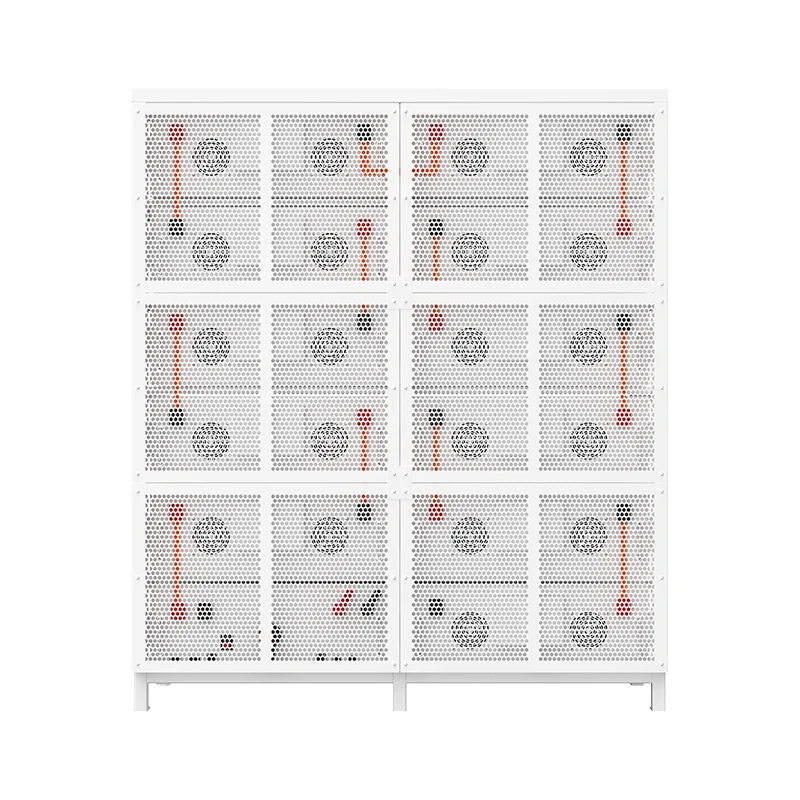
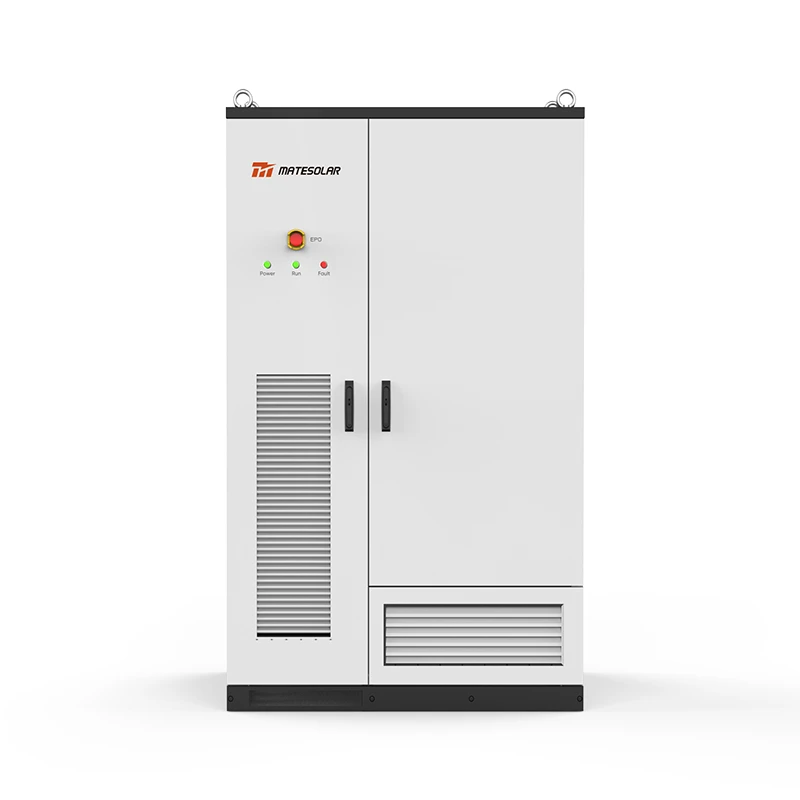
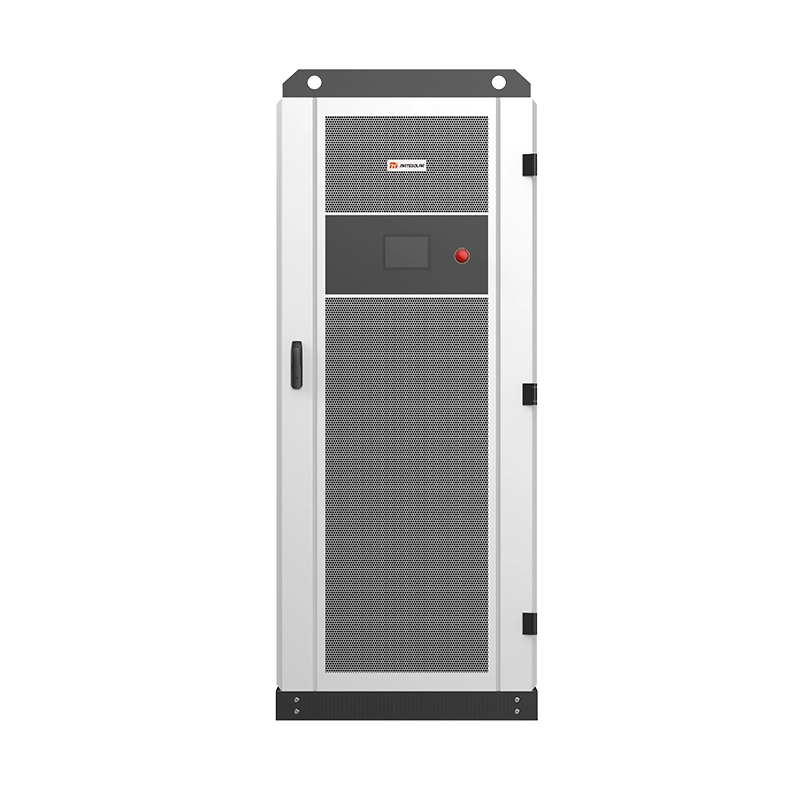
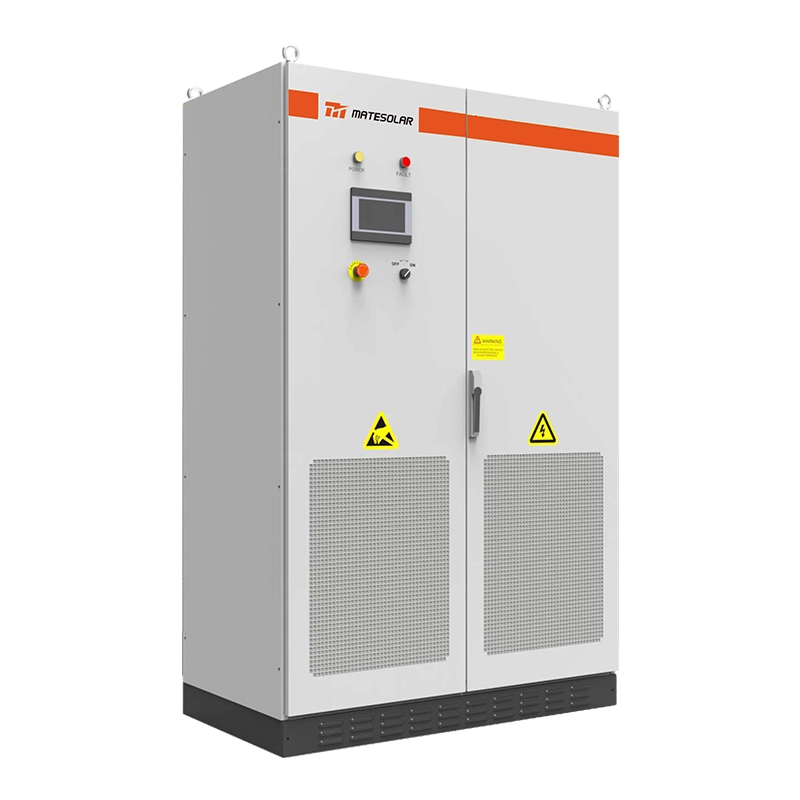
Technologiepfad für kleine und mittlere gewerbliche und industrielle (C&I) Anlagen: Für eine typische, mittelgroße Industrieanlage, die 100 kW bis 500 kW an Last-Verteilter-Speicherung benötigt – mit der Flexibilität, Aufdach- oder Freiflächen-Solaranlagen zu integrieren –, ist eine kompakte, werksintegrierte Outdoor-Schrankschlösung oft die optimale Wahl. Die 100kW/232kWh 125kW/261kWh Flüssigkeitsgekühltes Outdoor-Schrank Energiespeichersystem ist genau für dieses Anwendungsprofil konzipiert. Sein flüssigkeitsgekühltes Wärmemanagement gewährleistet einen stabilen Betrieb in den vielfältigen Klimazonen Argentiniens, von der feuchten Pampa bis zum trockenen Nordwesten. Vorkommissioniert und in einem einzigen Außengehäuse containerisiert, minimiert es die baulichen Maßnahmen vor Ort und die Installationskomplexität – ein entscheidender Vorteil in Regionen, in denen spezialisierte Arbeitskräfte für die BESS-Installation Mangelware sind.
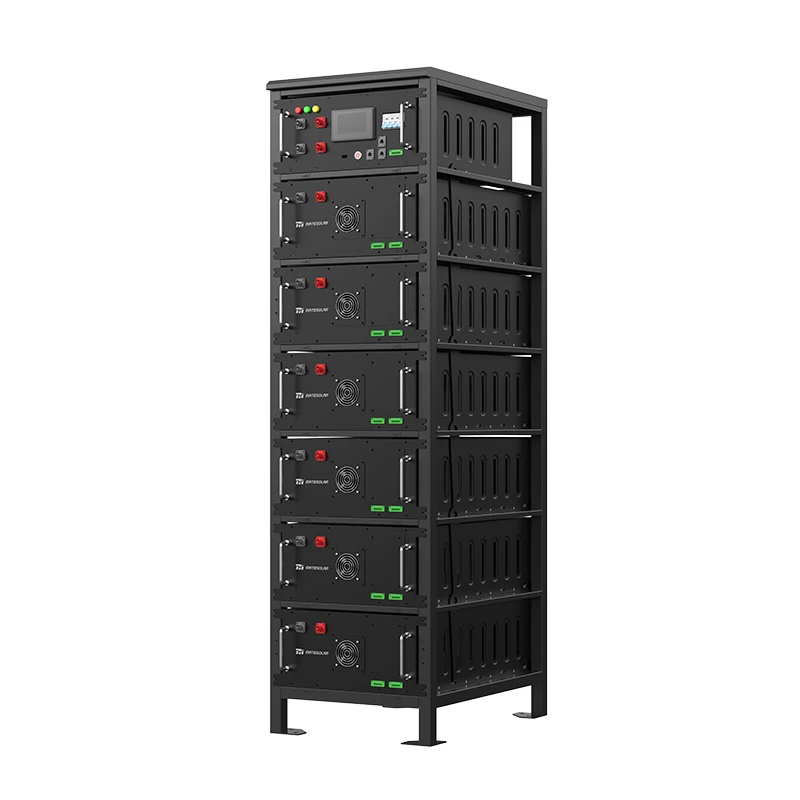
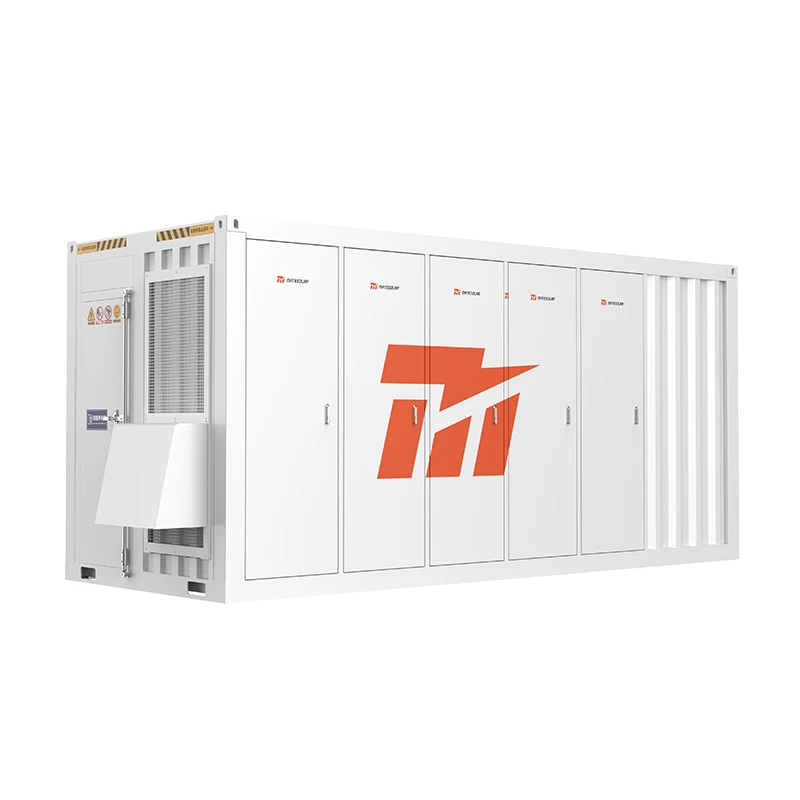
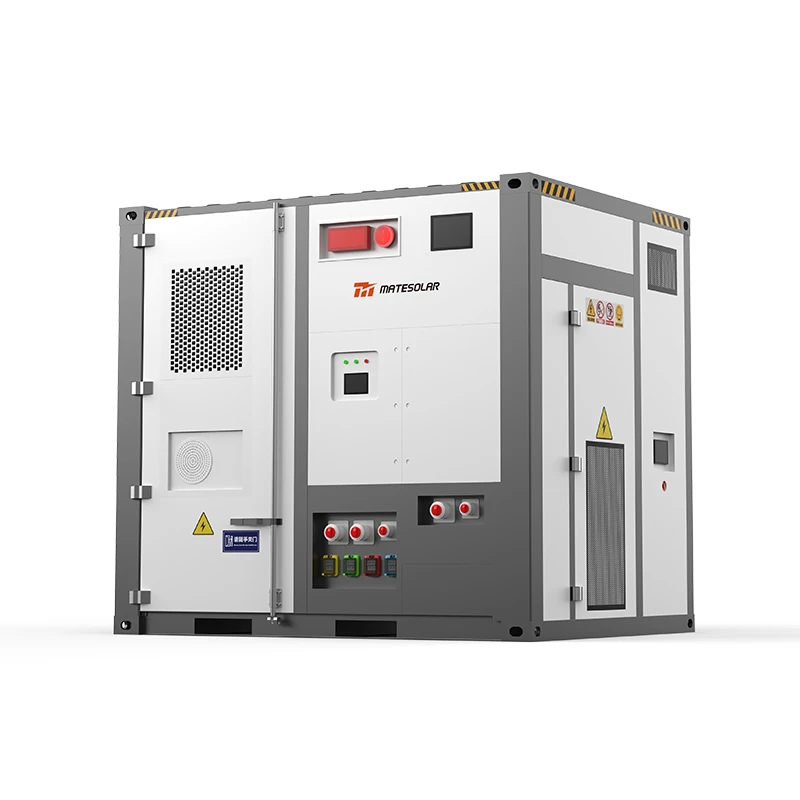
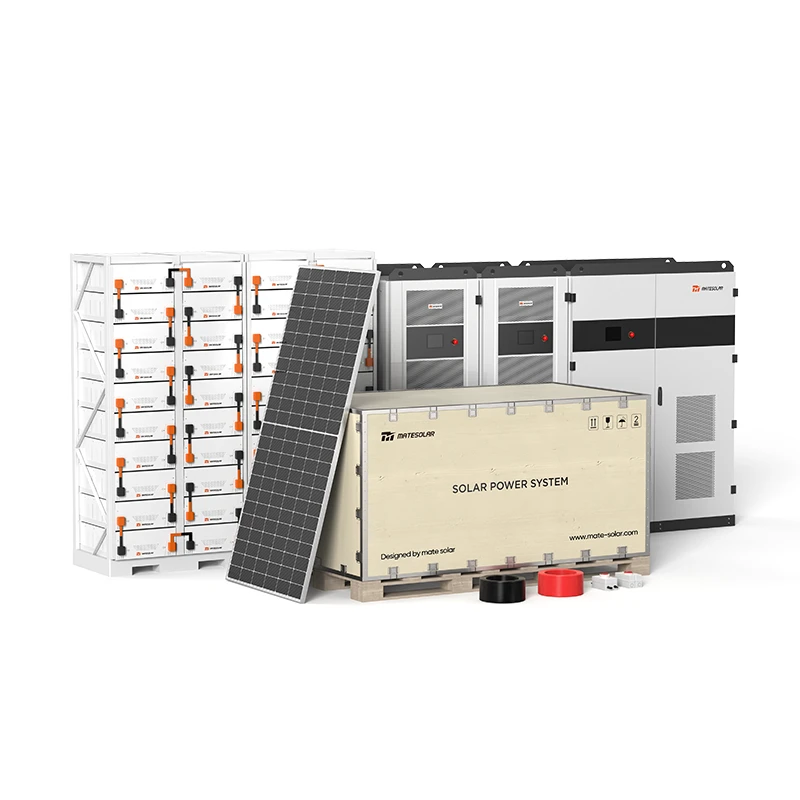
Für größere Gewerbe- und Industriekunden oder solche, die eine zukünftige Erweiterung planen, bietet eine skalierbare Containerlösung einen pragmatischen Weg. Die 40-Fuß-Container-ESS-Energiespeichersystem mit 1 MWh und 2 MWh, luftgekühlt bietet eine kostenoptimierte, luftgekühlte Architektur, die sich gut für weniger extreme Temperaturbereiche eignet und eine zuverlässige Energieverschiebung sowie Spitzenlastkappung (Peak Shaving) ermöglicht. Wo eine höhere Energiedistanz und eine fortschrittliche thermische Leistung erforderlich sind – zum Beispiel in den Hochtemperaturzonen im Norden Argentiniens – bietet die 20ft 3MWh 5MWh Flüssigkeitskühlcontainer Energiespeichersystem verpackt branchenführende Kapazität in eine kompakte Grundfläche, was den Flächenbedarf und die Systemkosten (Balance of System) erheblich reduziert.
Aufgabe #2: Wie lässt sich mithilfe von RIGI und steuerlichen Anreizen eine optimale Finanzierungsstrategie entwickeln?
Das Problem: Die im Dekret 242/2026 vorgesehenen beschleunigten Abschreibungen und die vorzeitige Mehrwertsteuerrückerstattung stellen in Verbindung mit den 30-jährigen Stabilitätsgarantien der RIGI eine beispiellose Kombination politischer Maßnahmen dar. Dennoch fehlt es den meisten argentinischen KMU und sogar mittelständischen Unternehmen an internem Fachwissen, um die kumulativen Auswirkungen dieser Vorteile auf die Wirtschaftlichkeit von Projekten zu modellieren. Durch Missverständnisse oder die unzureichende Nutzung der verfügbaren Anreize können 15–25% des potenziellen Werts ungenutzt bleiben.
Der Lösungsrahmen: Ein präzises Finanzmodell muss die Wechselwirkung mehrerer Leistungsebenen berücksichtigen:
1. Degressive AbschreibungDurch die vorgezogene Abschreibung mindert das BESS-Anlagevermögen das zu versteuernde Einkommen in den Jahren 1 bis 3, wenn die Cashflows des Projekts in der Regel am knappsten sind. Dies ist keine Stundung – es handelt sich um eine dauerhafte Steuerersparnis im Sinne des Barwerts.
2. Frühere MehrwertsteuerrückerstattungIn Argentinien kann sich der Standard-Mehrwertsteuerrückerstattungszyklus für Investitionsgüter auf 12–18 Monate erstrecken. Der Mechanismus der vorzeitigen Rückerstattung verkürzt dies auf nur noch 60–90 Tage nach der Installation, wodurch genau dann Liquidität zugeführt wird, wenn sie am dringendsten benötigt wird.
3. RIGI-StabilitätsbestimmungenFür größere C&I-Projekte, die die RIMI-Schwellenwerte überschreiten und sich für RIGI qualifizieren, eliminiert die 30-jährige Bindung an steuerliche und regulatorische Bedingungen politische Risikoprämien, die ansonsten die Abzinsungssätze um 300 bis 500 Basispunkte erhöhen.
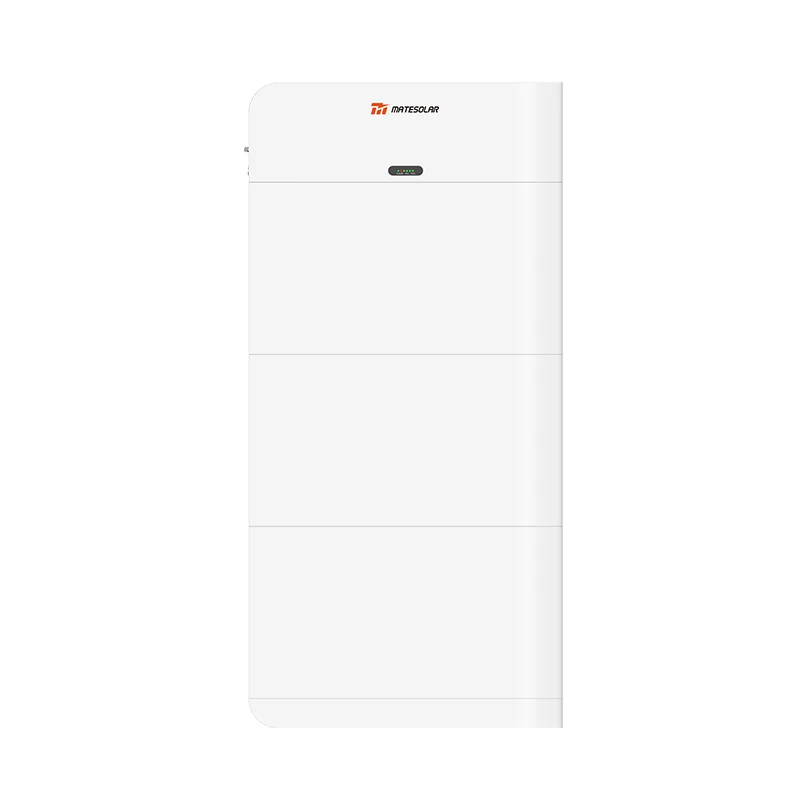
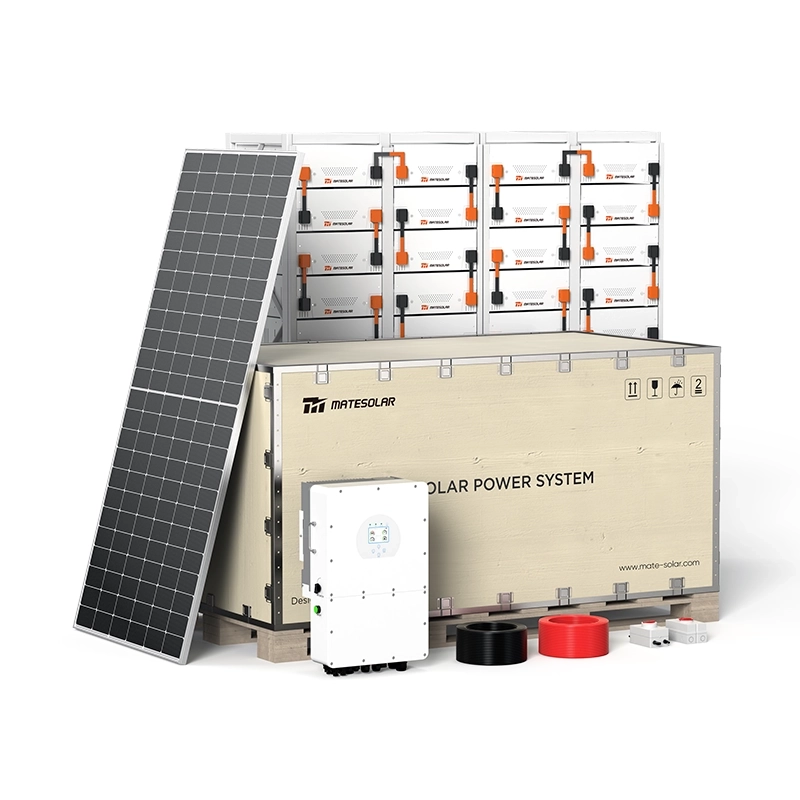
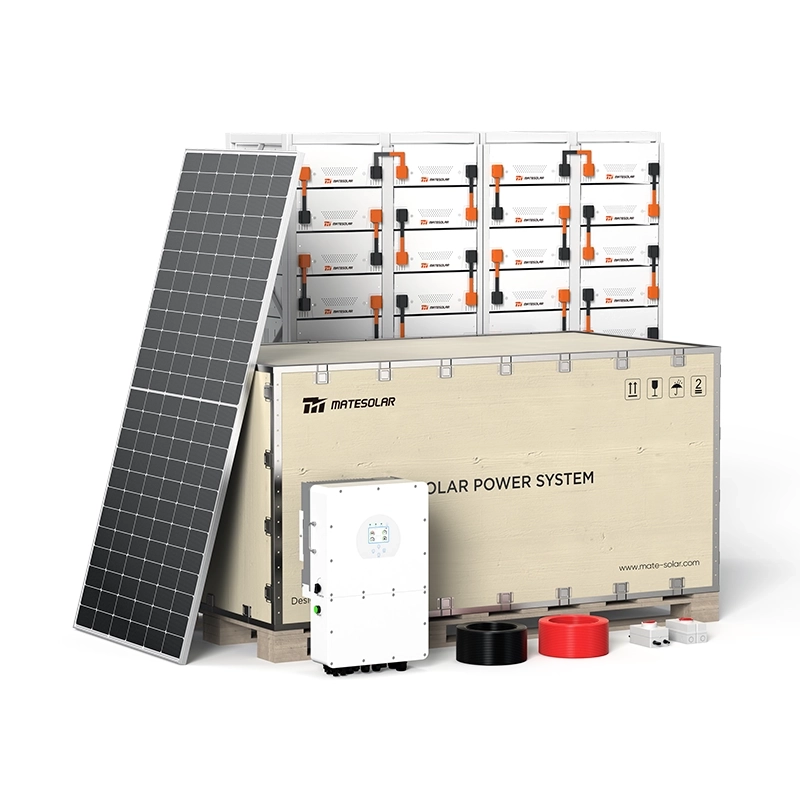
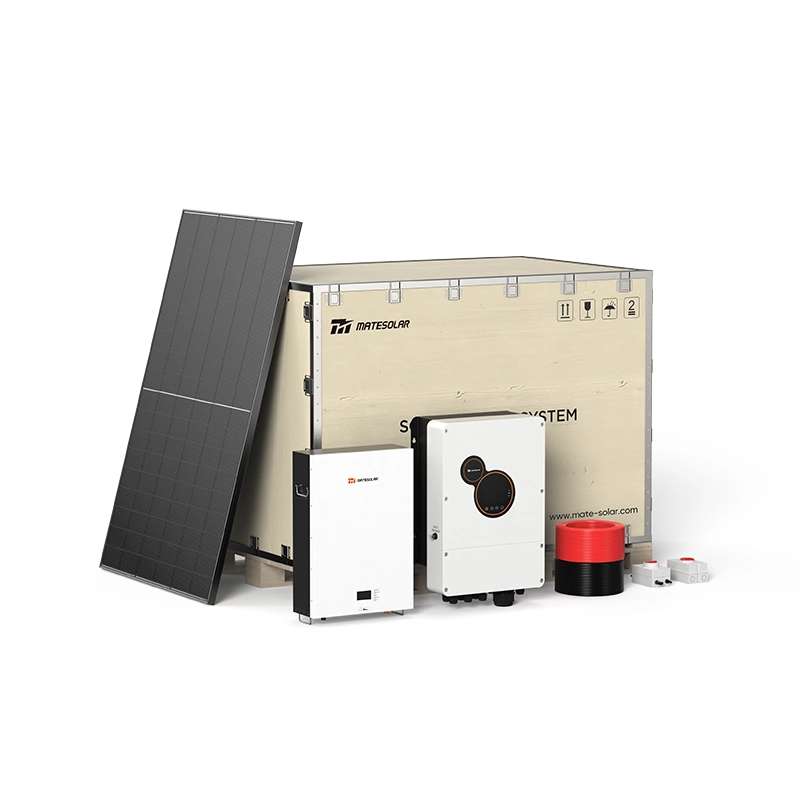
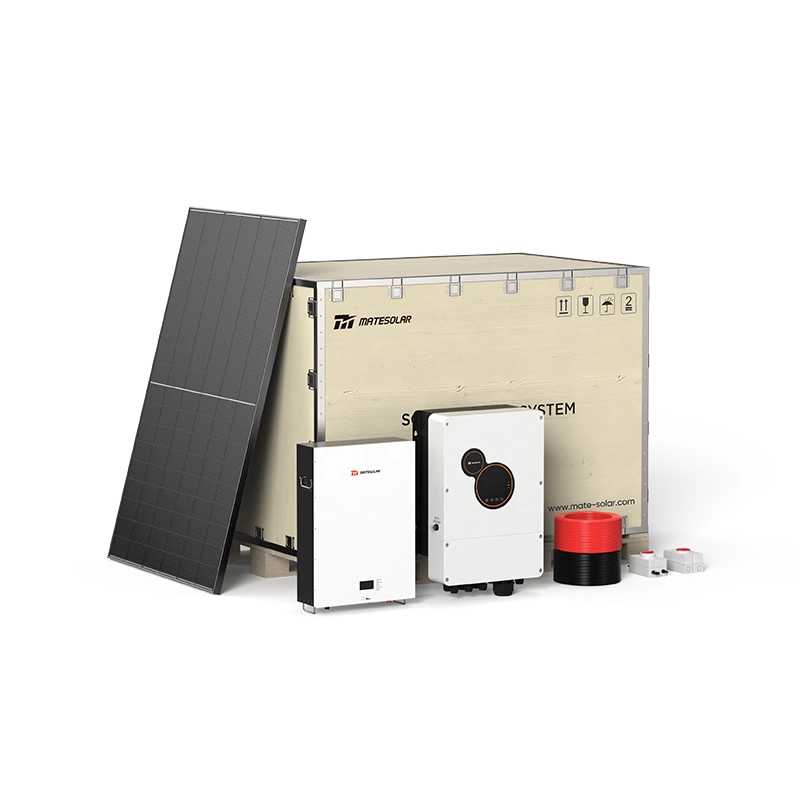
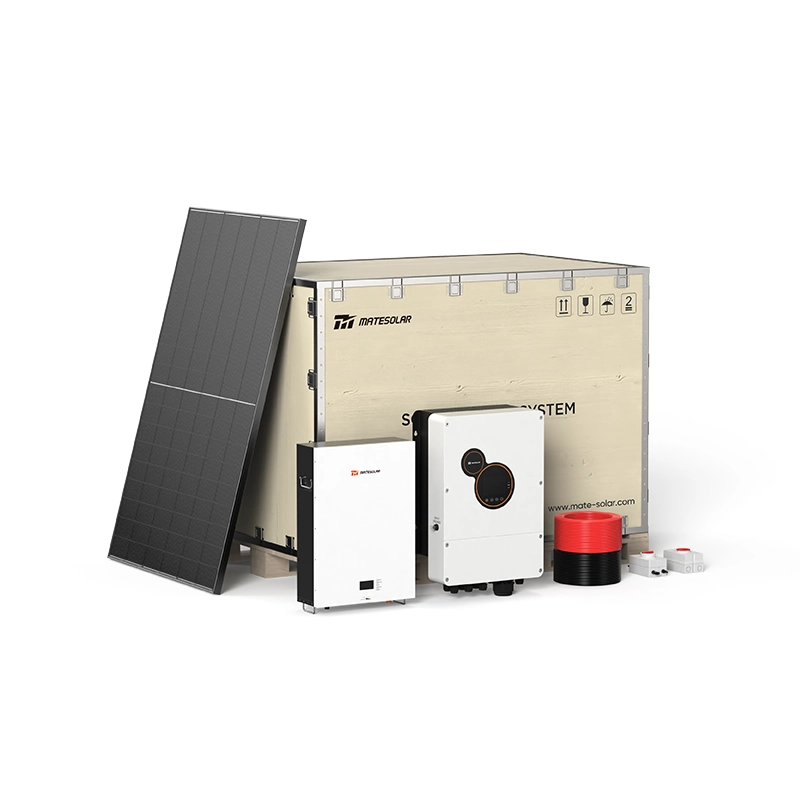
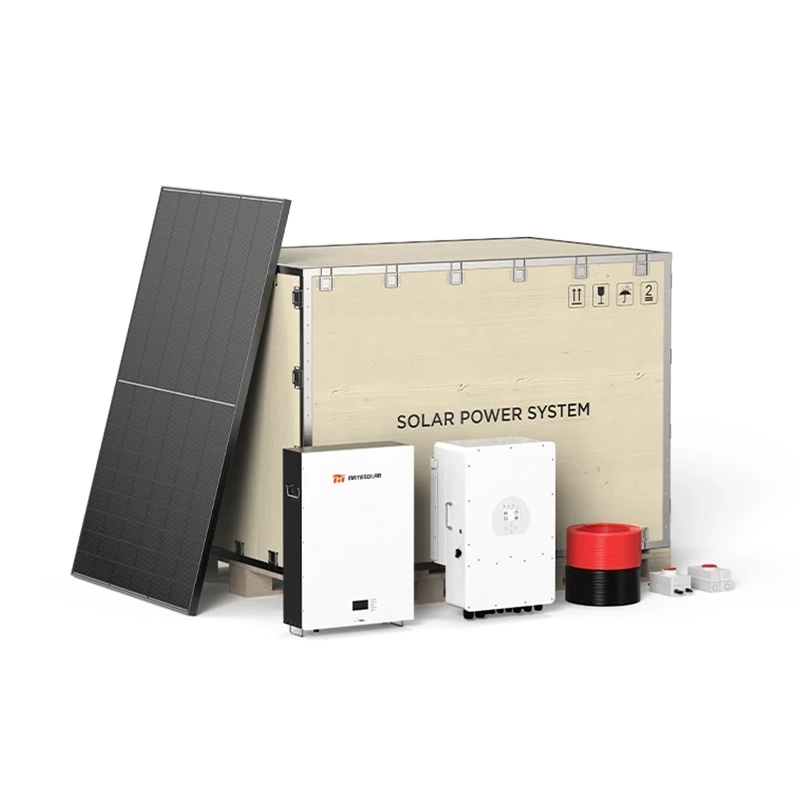
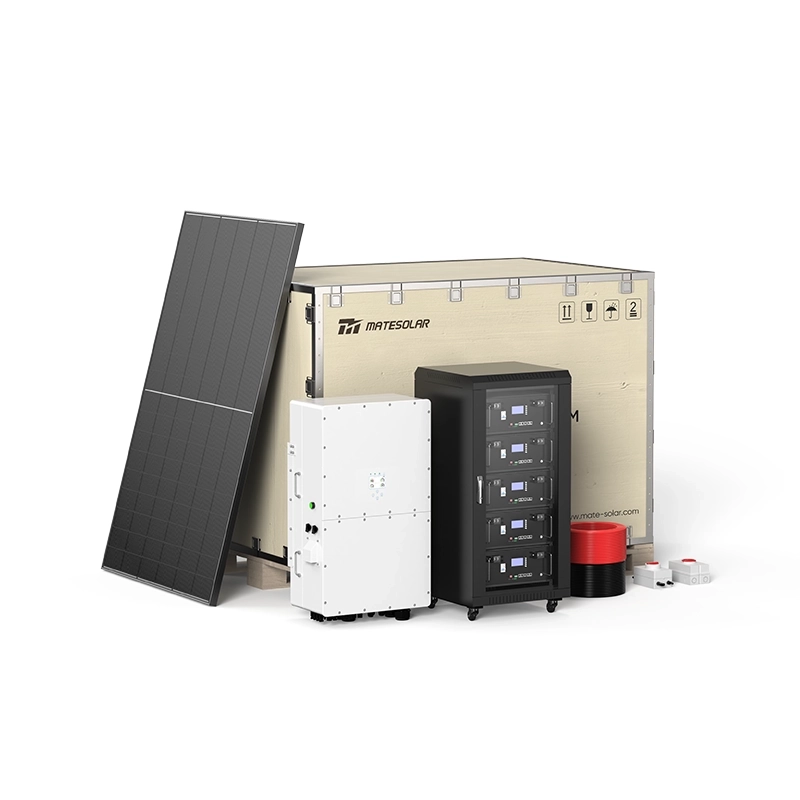
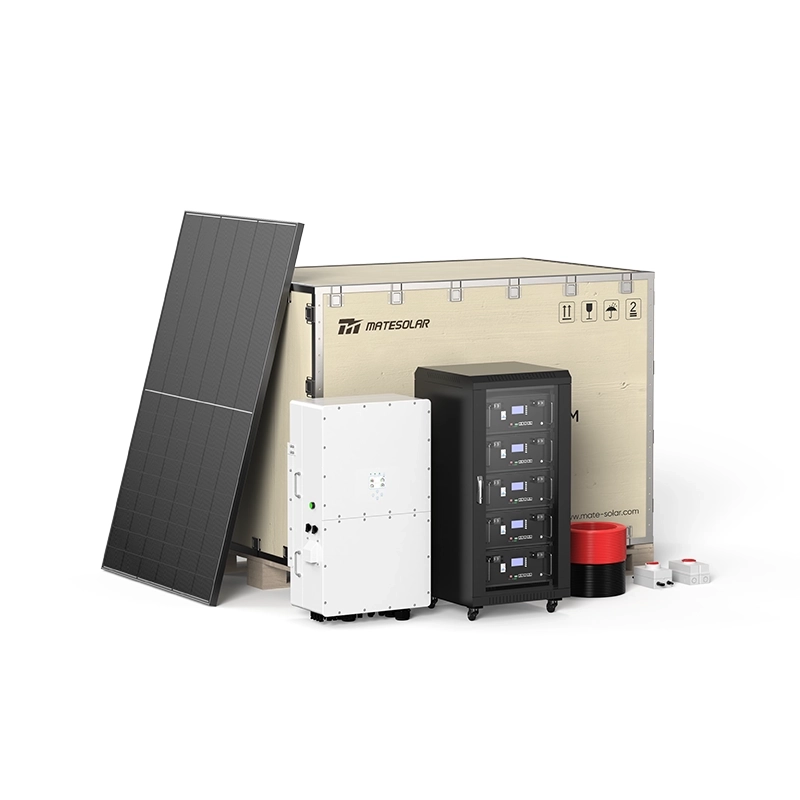
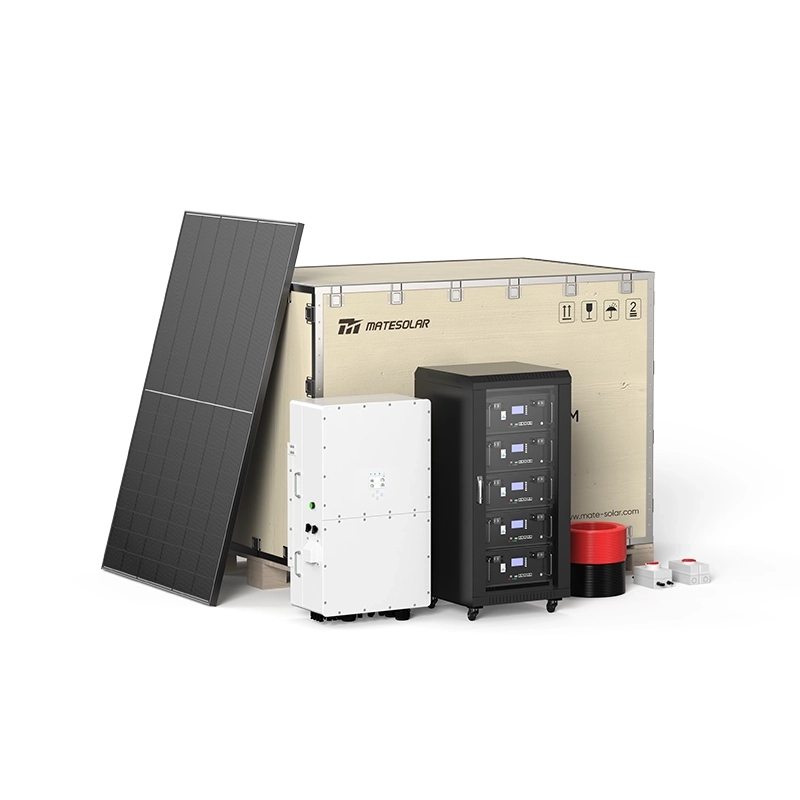
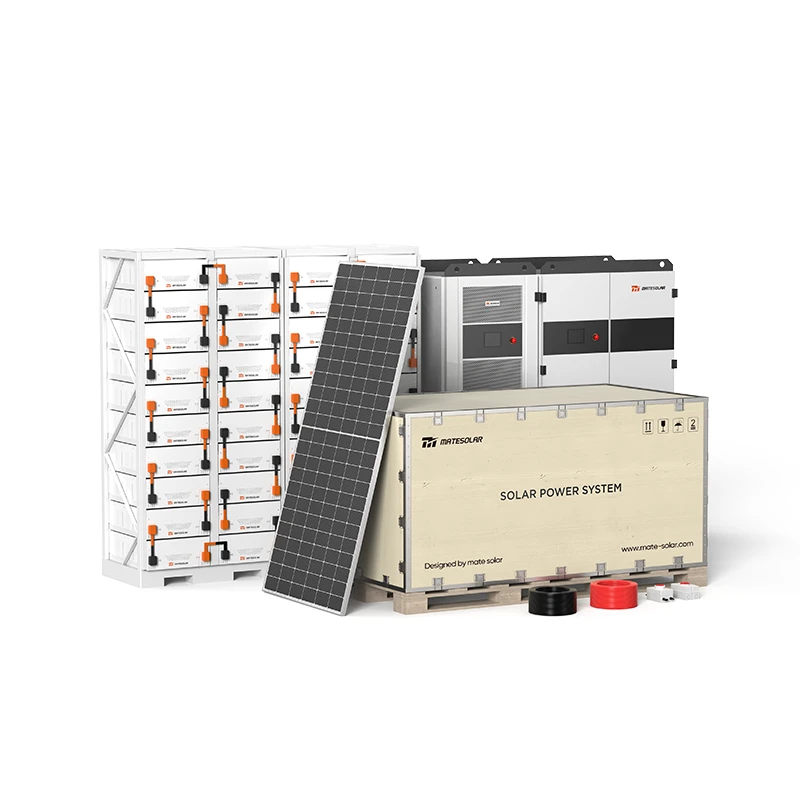
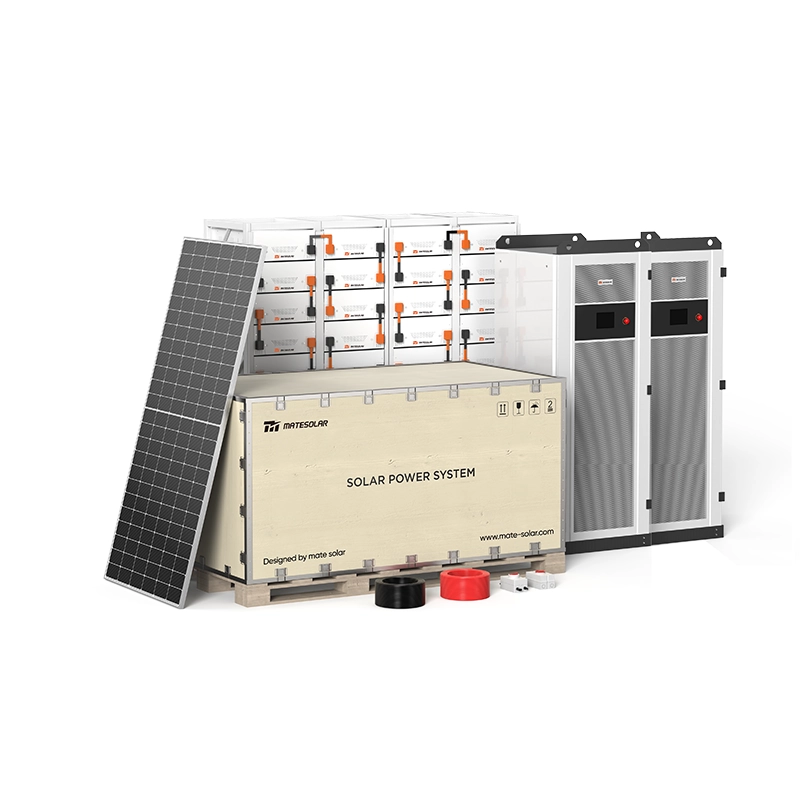
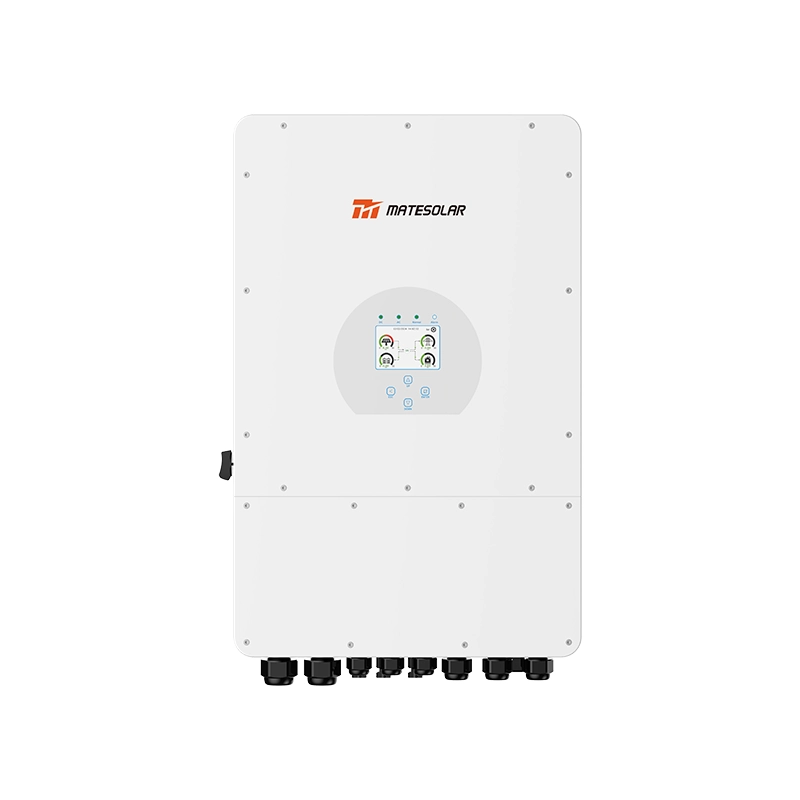
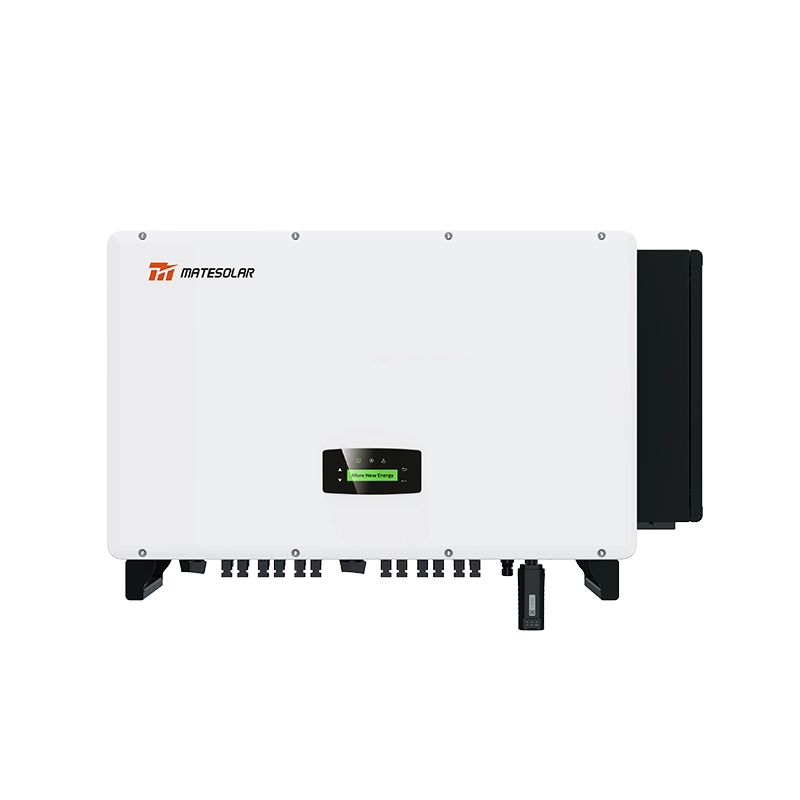
Integration von Solarstrom zur Ertragsmaximierung: Ein reines BESS bietet Arbitrage, Lastspitzenkappung und Notstrom. Das Hinzufügen von Solarstrom verändert den Business Case. Das Kommerzielles 500KW Hybrid-Solarsystem ist so konzipiert, dass es sich nahtlos mit einem Batteriespeicher koppeln lässt und so ein integriertes Mikronetz bildet, das 60–80% des Netzstromverbrauchs einer Anlage ausgleichen und gleichzeitig überschüssige Energie zur späteren Nutzung in den Speicher einspeisen kann. Nach argentinischen Vorschriften entfallen bei der vor Ort verbrauchten Stromerzeugung hinter dem Zähler Netzentgelte, Übertragungsgebühren und ein erheblicher Teil der im Stromendverbrauchertarif enthaltenen Steuern. In Kombination mit den steuerlichen Anreizen für BESS kann die interne Rendite (IRR) des Gesamtprojekts selbst bei konservativen Annahmen zur Strompreissteigerung von einstelligen Werten auf Werte im mittleren Zehnerbereich steigen.
Herausforderung #3: Gewährleistung der Produktionskontinuität bei häufigen Netzausfällen
Das Problem: Argentiniens Übertragungs- und Verteilungsinfrastruktur leidet unter chronischen Unterinvestitionen. Engpässe im SADI führen zu Frequenzschwankungen, Spannungsabfällen und im schlimmsten Fall zu kaskadierenden Stromausfällen, die Produktionslinien stundenlang lahmlegen können. Für Kühlhäuser bedeutet ein vierstündiger Ausfall verdorbenen Bestand. Beim Spritzgießen von Kunststoffen können die Kosten für das Neustarten und Spülen der Maschinen 10.000 USD pro Vorfall übersteigen. AlmaSADI selbst wurde entwickelt, um diese systemischen Probleme zu entschärfen, aber netzgebundene Speicher können keine Fehler auf Verteilungsebene oder lokale Unterstationsausfälle beseitigen. Unternehmen benötigen Ausfallsicherheit hinter dem Zähler.
Der Lösungsrahmen: Ein entsprechend dimensioniertes BESS mit Inselbetriebsfähigkeit sorgt für eine unterbrechungsfreie Notstromversorgung. Zu den wichtigsten technischen Anforderungen gehören:
- Schaltgeschwindigkeit auf Niveau einer unterbrechungsfreien Stromversorgung (USV) (<20 ms), um ein Abschalten der Geräte zu verhindern.
- Schwarzstartfähigkeit zur Wiedereinschaltung einer Anlage ohne Netzbezug.
- Ausreichende Speicherkapazität, um typische Stromausfallzeiten zu überbrücken, die in Argentinien oft zwischen 2 und 6 Stunden liegen.
Die 100kW/232kWh und 125kW/261kWh Außenschränke, können mit ihren integrierten Leistungsumwandlungssystemen und dem intelligenten Energiemanagement für einen vollständigen Netzausfallbetrieb konfiguriert werden. Für größere Lasten bieten die Containerlösungen eine skalierbare Backup-Kapazität. Ein regionaler Lebensmittelverarbeitungsbetrieb, der ein 500-kW-Hybrid-Solarsystem in Kombination mit einem 1-MWh-luftgekühlten Container installiert, kann die allermeisten Netzstörungen überbrücken, ohne jemals einen Dieselgenerator starten zu müssen – wodurch die Treibstoff- und Wartungskosten drastisch gesenkt und gleichzeitig die Integrität der Kühlkette ohne Unterbrechung gewährleistet wird.
Herausforderung #4: Sind Produkte für den Außenbereich den unterschiedlichen geografischen und klimatischen Bedingungen in Argentinien gewachsen?
Das Problem: Argentinien erstreckt sich über 3.700 km von Norden nach Süden und umfasst Klimazonen, die vom subtropischen Nordosten (Chaco-Formosa, mit Sommertemperaturen von über 45 °C und hoher Luftfeuchtigkeit) über die ariden Andenausläufer des Nordwestens (intensive Sonneneinstrahlung, extreme tägliche Temperaturschwankungen) bis hin zu den windigen, salzhaltigen Küstengebieten der Provinz Buenos Aires reichen. Das AlmaSADI-Bewertungsgremium hob insbesondere hervor, dass der Standort Tocota “weltweit einzigartige Bedingungen” aufweist. Ein Einheitsdesign für Gehäuse ist in mindestens einigen dieser Umgebungen zum Scheitern verurteilt.
Der Lösungsrahmen: Moderne flüssigkeitsgekühlte Außenschränke sind speziell für solche Extreme konzipiert. 125kW/261kWh Flüssiggekühlter Außenschrank nutzt einen geschlossenen Kältekreislauf, der die Batteriezellen-Temperatur unabhängig von den äußeren Umgebungsbedingungen in einem engen Bereich von 2–3 °C über die Module hinweg hält. Im Gegensatz zu luftgekühlten Systemen, die auf den Austausch von Umgebuluft angewiesen und daher anfällig für das Eindringen von Staub, Salzsprühnebelfräß und Feuchtigkeitskondensation sind, isoliert die Flüssigkeitskühlung den Wärmemanagement-Kreislauf von der externen Umgebung. Das IP55-zertifizierte Gehäuse des Schranks in Kombination mit einer C5-Korrosionsschutzbehandlung gewährleistet eine lange Lebensdauer selbst in Küsten- oder agrarindustriellen Umgebungen.
Für gewerbliche und industrielle Standorte in weniger aggressiven Klimazonen, bei denen die Minimierung der Investitionskosten im Vordergrund steht, bieten die luftgekühlten Containerlösungen eine hervorragende Balance. Der Schlüssel liegt darin, die Technologie des Wärmemanagements auf das spezifische Umweltprofil des Standorts abzustimmen – eine Auswahlentscheidung, die eine detaillierte klimatologische Analyse und Daten zur Gerätqualifizierung erfordert.
Herausforderung #5: Einhaltung ehrgeiziger Projekttermine
Das Problem: Die AlmaSADI-Ausschreibung hat einen Präzedenzfall für komprimierte Zeitpläne geschaffen: Kommerzielle Betriebstermine sind für Januar 2027 anvisiert, kaum sechs Monate nach der Vergabe. Der Plan der Provinz Buenos Aires spiegelt diese Dringlichkeit wider. Selbst bei privaten C&I-Projekten sehen sich Facility-Manager oft mit internen Fristen konfrontiert, die durch Budgetzyklen, bevorstehende Tariferhöhungen oder saisonale Produktionsspitzen angetrieben werden. In der Branche besteht die spürbare Sorge, dass “strukturelle und technische Probleme in der zur Verfügung stehenden kurzen Zeit nicht gelöst werden können”.”
Der Lösungsrahmen: Die Antwort liegt in vorgefertigten, werksintegrierten Systemen, die den Bauaufwand vor Ort minimieren. Herkömmliche BESS-Projekte erfordern die getrennte Beschaffung von Batterien, Leistungsumwandlungssystemen, Transformatoren, Schaltanlagen, HLK-Systemen, Feuerlöscheinrichtungen und Steuerungen, gefolgt von einer aufwendigen Integration und Inbetriebnahme vor Ort – ein Prozess, der leicht 12 bis 18 Monate in Anspruch nehmen kann. Vorgeintegrierte Lösungen hingegen werden vor dem Versand im Werk montiert, getestet und in Betrieb genommen. Die Arbeiten vor Ort beschränken sich darauf, den Container oder Schaltschrank auf einem vorbereiteten Fundament zu platzieren, AC- und Kommunikationskabel anzuschließen und einen funktionalen Abnahmetest vor Ort durchzuführen. Dieser Ansatz kann die Bereitstellungszeit von der Lieferung bis zur Inbetriebnahme auf 12 bis 16 Wochen verkürzen.
Das 20-Fuß-Flüssigkeitskühlungscontainer zum Beispiel wird als einzelne, vollständig verkabelte Einheit geliefert, bei der Batterien, PCS, Wärmemanagement, Brandschutz und Energiemanagement-System bereits integriert sind. Ein Team qualifizierter Techniker kann die physische Installation innerhalb weniger Tage abschließen. Für Kunden, die über keine lokale Installationsexpertise verfügen, bietet MateSolar umfassende Unterstützung bei der Remote-Inbetriebnahme, wobei erfahrene Ingenieure den lokalen Elektroinstallateur über Echtzeit-Videoverlinkung, Augmented-Reality-Tools und Fernzugriff auf die SCADA-Schnittstelle (Supervisory Control and Data Acquisition) des Systems durch jeden Schritt des Prozesses leiten. Im Falle eines Hardwarefehlers werden Ersatzteile mit detaillierten Foto- und video-basierten Installationsanweisungen per Expressversand geliefert, wodurch Ausfallzeiten minimiert werden. Für große Gewerbe- und Industrieprojekte, bei denen die Komplexität eine Präsenz vor Ort rechtfertigt, kann MateSolar Außendienstingenieure entsenden, um eine praxisnahe Inbetriebnahme und Bedienerschulung durchzuführen.
Herausforderung #6: Aufrechterhaltung der Kostenwettbewerbsfähigkeit in einem von aggressiven Preispraktiken geprägten Umfeld
Das Problem: Die Ergebnisse der AlmaSADI-Auktion zeigten eine Gebotsspanne von 7.397 USD pro MW-Monat bis über 12.500 USD. Bei 8.338 MW an technischen Geboten, die ein Ziel von 700 MW jagten, war der Preiswettbewerb brutal. Diese Preissensibilität erstreckt sich auch auf den C&I-Bereich, in dem Anlagenbesitzer Speicher mit der Alternative einer Dieselstromerzeugung oder der einfachen Hinnahme von Produktionsverlusten vergleichen. Die strombezogenen Speicherkosten (Levelized Cost of Storage, LCOS) sind die entscheidende Messgröße.
Der Lösungsrahmen: Um bei LCOS erfolgreich zu sein, ist ein ganzheitlicher Ansatz erforderlich, der Anschaffungskosten, Effizienz, Lebensdauer und Betriebskosten umfasst. Flüssigkeitsgekühlte Batteriesysteme sind zwar in der Anschaffung etwas teurer als luftgekühlte Alternativen, bieten jedoch aufgrund ihrer überlegenen Temperaturregelung in der Regel eine um 20–30% längere Lebensdauer, was den Energieertrag über die gesamte Lebensdauer – der den Nenner der LCOS-Gleichung bildet – direkt verbessert. Die 20 Fuß 3MWh/5MWh Container mit Flüssigkeitskühlung, durch die Maximierung der Energiedichte pro Grundfläche reduziert es zudem den Landerwerb, die Fundament- und die Verkabelungskosten.
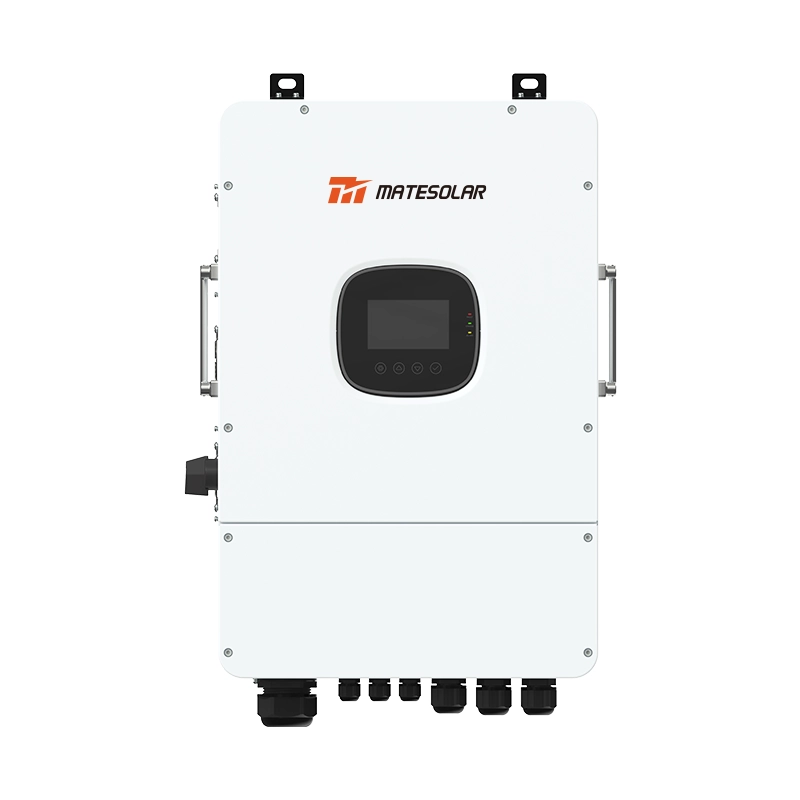
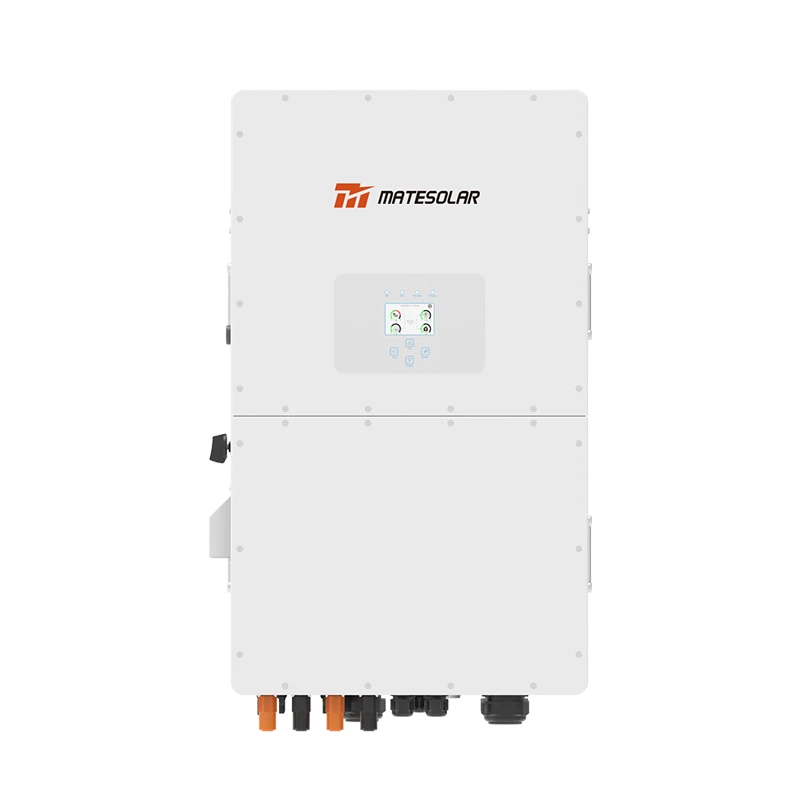
Auf der Leistungswandlungsseite eliminieren hybride Solar, die PV-Wechselrichter und Batterie-Wechselrichter in einer integrierten Architektur kombinieren, die bei AC-gekoppelten Nachrüstungen inhärenten Doppelwandlungsverluste. Das 500-kW-Hybridsolarsystem erzielt einen Wirkungsgradvorteil beim Hin- und Rückweg von 2 bis 4 Prozentpunkten gegenüber separat installierten Solar- und Speichersystemen. Über eine Projektlaufzeit von 15 Jahren kann allein diese Effizienzdifferenz die Stromgestehungskosten (LCOS) um mehrere Dollar pro Megawattstunde verschieben – oft der ausschlaggebende Unterschied zwischen einem Projekt, das das Investitionskomitee passiert, und einem, das dies nicht tut.
Herausforderung #7: Umgang mit Devisenkontrollen und Zugang zu Finanzmitteln
Das Problem: Argentiniens Geschichte von Devisenbeschränkungen und Kapitalkontrollen ist gut dokumentiert. Selbst mit den Bestimmungen des RIGI hinsichtlich des Devisenzugangs und der Repatriierung ist die operative Vertrautheit mit den Mechanismen gering, insbesondere bei mittelständischen Unternehmen, die sich noch nie mit internationaler Projektfinanzierung befasst haben. Große Projekte wie das 340-MW-Solar-Speicher-Projekt von Genneia haben sich unterdessen erhebliche multilaterale Finanzierungen gesichert (185 Millionen USD von IDB Invest), doch dieser Weg bleibt kleineren C&I-Vorhaben in der Regel verschlossen.
Der Lösungsrahmen: Der Finanzierungsstapel für C&I-Speicher in Argentinien entwickelt sich rasant. Drei parallele Trends demokratisieren den Zugang zu Kapital:
1. LieferantenfinanzierungGlobale BESS-Lieferanten gehen zunehmend Partnerschaften mit lokalen Finanzinstituten und multilateralen Klimafonds ein, um Mietkaufmodelle (Lease-to-Own), Stromabnahmeverträge (PPAs) und Energy-as-a-Service-Modelle anzubieten. Diese Strukturen verlagern die anfängliche finanzielle Last auf den Kapitalgeber, während der Endverbraucher eine feste monatliche Gebühr oder einen Betrag pro kWh zahlt, der niedriger ist als die vermiedenen Strombezugskosten aus dem Netz.
2. RIMI-unterstützte SelbstfinanzierungFür Unternehmen, die sich selbst finanzieren können, verkürzen die degressive Abschreibung und die vorgezogene Mehrwertsteuerrückerstattung die effektive Amortisationszeit um 1,5 bis 2 Jahre, wodurch die Investition aus dem operativen Cashflow ohne externe Verschuldung finanziert werden kann.
3. AggregationsplattformenMehrere Fintech- und Energiedienstleistungsunternehmen entstehen, um mehrere kleinere C&I-Projekte zu Portfolios zusammenzufassen, die groß genug sind, um institutionelles Fremdkapital anzuziehen. Ein Portfolio von zehn 250-kWh-Installationen bei landwirtschaftlichen Genossenschaften erreicht beispielsweise die Größe und Diversifizierung, die Kreditausschüsse verlangen.
Was das Währungsrisiko betrifft, so bietet die Strukturierung von Ausrüstungslieferverträgen in USD in Kombination mit Abnahmeeinsparungen, die effektiv an die Großhandelspreise für Strom gekoppelt sind (welche auf USD lautende Erzeugungskosten abbilden), eine natürliche Absicherung. Der rechtliche Rahmen von RIGI unterstützt dies, indem er die Möglichkeit garantiert, Offshore-USD-Konten zu unterhalten und ausländische Verpflichtungen zu bedienen.
5. Der Weg vor uns: 2027 und darüber hinaus
Das Zusammentreffen von Ereignissen im Jahr 2026 – die AlmaSADI-Vergabe, der KMU-Steueranreiz, RIGI-Aktualisierungen, provinziale BESS-Programme und der Markteintritt globaler Tier-1-Ausrüstungshersteller – hat ein einzigartiges Zeitfenster für gewerbliche und industrielle Energiespeicher in Argentinien geschaffen. Der Markt befindet sich im Übergang von einer Phase politischer Ankündigungen zu einer Phase konkreter Projektumsetzung. Das provinziale BESS-Programm mit 25 MW und die 700 MW an AlmaSADI-Projekten werden bis Mitte 2027 einen Live-Nachweis der Zuverlässigkeit und des wirtschaftlichen Wertes von Speichern erbringen, was wahrscheinlich eine zweite Welle privat initiierter C&I-Installationen auslösen wird.
Lieferketten passen sich ebenfalls an. Die Verfügbarkeit von lokalisiertem technischen Support, Ersatzteillagern und geschulten Installationspartnern – wenngleich noch in den Anfängen – wächst Monat für Monat. Ausrüstungslieferanten, die frühzeitig in den Aufbau von Remote-Support-Fähigkeiten und Partnerschaften mit lokalen Elektroinstallateuren investieren, werden am besten positioniert sein, um die sich beschleunigende Nachfrage zu bedienen.
Für argentinische Unternehmen lautet die strategische Frage nicht länger “Sollten wir in Energiespeicher investieren?”, sondern vielmehr “Wie schnell können wir eine Lösung implementieren, die die verfügbaren politischen Vorteile maximiert und unseren Betrieb vor dem nächsten Netzausfall schützt?”. Die Vorreiter werden sich nicht nur eine überlegene Projektwirtschaftlichkeit sichern, sondern auch wertvolle betriebliche Erfahrungen sammeln, die sich in einen dauerhaften Wettbewerbsvorteil umsetzen lassen.
Häufig gestellte Fragen (FAQ)
F1: Was ist der Unterschied zwischen Energiespeichern im Versorgungsmaßstab (Utility-Scale) und gewerblichen sowie industriellen (C&I) Energiespeichern in Argentinien?
Großspeicher (Utility-scale storage) bezeichnet große Batteriesysteme (typischerweise >10 MW), die direkt an das Übertragungs- oder Verteilnetz angeschlossen sind und oft über zentrale Ausschreibungen wie AlmaSADI beschafft werden. C&I-Speicher werden bei Gewerbe- oder Industrieanlagen “hinter dem Zähler” installiert und sind so dimensioniert, dass sie den Eigenverbrauch decken, Lastspitzengebühren senken, Notstrom bereitstellen oder an Nachfrageflexibilisierungsprogrammen teilnehmen.
F2: Wie viel kann ein argentinisches KMU mit einem BESS gemäß Dekret 242/2026 einsparen?
A: Durch die Kombination aus beschleunigter Abschreibung und vorzeitiger Mehrwertsteuerrückerstattung lassen sich die effektiven Netto-Anfangskosten um 20–30% senken, je nach Steuersatz und Cashflow-Profil des Unternehmens. Die Amortisationszeiten für typische C&I-Projekte in Argentinien liegen nun zwischen 4 und 7 Jahren, gegenüber 6–10 Jahren vor Einführung der Fördermaßnahme.
F3: Welche Batterietechnologie ist am besten für das Klima Argentiniens geeignet?
A: Lithium-Eisenphosphat (LFP) ist aufgrund seines Sicherheitsprofils, seiner langen Lebensdauer und seiner thermischen Stabilität die vorherrschende Chemie. Flüssigkeitsgekühlte LFP-Systeme werden für heiße, staubige oder feuchte Regionen empfohlen; luftgekühlte LFP-Container sind eine kostengünstige Option für mildere Klimazonen.
F4: Kann ich Batteriespeicher in eine bestehende Solaranlage integrieren?
A: Ja. Sowohl wechselstromseitig gekoppelte Nachrüstungen (Hinzufügen eines Batteriewechselrichters und von Batterien auf der AC-Seite des bestehenden PV-Wechselrichters) als auch gleichstromseitig gekoppelte Lösungen sind technisch machbar. Bei Neuinstallationen erzielt ein integriertes Hybrid-Wechselrichtersystem, wie das 500-kW-Hybrid-Solar-System, typischerweise den höchsten Gesamtwirkungsgrad.
F5: Welche Art von Wartung erfordert ein flüssigkeitsgekühlter Außenschrank?
A: Flüssigkeitsgekühlte Schränke sind für minimalen Wartungsaufwand ausgelegt. Das Kühlsystem ist ein geschlossener Kreislauf, der eine regelmäßige Inspektion der Kühlmittelstände und der Pumpenfunktion erfordert, typischerweise auf jährlicher Basis. Batteriemodule, Leistungselektronik und das Gehäuse selbst enthalten keine vom Benutzer zu wartenden Teile und werden aus der Ferne überwacht. Wenn ein Hardwarefehler auftritt, werden Ersatzkomponenten mit detaillierten Anweisungen geliefert, damit ein qualifizierter Elektriker vor Ort den Austausch unter Fernüberwachung durch das technische Support-Team des Herstellers durchführen kann.
F6: Wie lange dauert die Installation eines containerisierten BESS auf meinem Standort?
A: Von der Anlieferung bis zur Inbetriebnahme kann ein vorintegrierter Container in nur 2 bis 4 Wochen betriebsbereit sein, vorausgesetzt, das Fundament und der Netzanschlusspunkt sind im Voraus vorbereitet. Die eigentliche Aufstellung des Containers und die Verkabelung nehmen 3 bis 5 Tage in Anspruch. Die Ferninbetriebnahme und -prüfung erfolgen an den darauffolgenden Tagen.
F7: Ist es möglich, eine Finanzierung für ein C&I-Speicherprojekt in Argentinien zu erhalten?
A: Ja. Zu den Optionen gehören die Selbstfinanzierung mit den steuerlichen Anreizen von RIMI, vom Anbieter unterstützte Leasing- oder PPA-Strukturen und – bei größeren Projekten – die Finanzierung durch multilaterale oder lokale Banken. Das Finanzierungsökosystem entwickelt sich noch, aber die Tendenz ist stark positiv.
F8: Was passiert, wenn das Stromnetz ausfällt? Hält das BESS meine Fabrik am Laufen?
A: Wenn das System für den Inselbetrieb mit einem automatischen Umschalter konfiguriert ist, kann sich das BESS vom Stromnetz trennen und Ihre Anlage innerhalb von Millisekunden mit Strom versorgen. Die Überbrückungszeit hängt von der gespeicherten Energie (kWh) im Verhältnis zu Ihrer Last ab. Ein 261-kWh-Schrank kann eine kritische Last von 50 kW etwa 5 Stunden lang versorgen.
F9: Wie werden diese Systeme vor Cyber-Bedrohungen geschützt?
A: Moderne BESS-Plattformen verfügen über eine mehrschichtige Cybersicherheit, einschließlich verschlüsselter Kommunikationsprotokolle, durch Firewalls geschützter Netzwerkarchitekturen, rollenbasierter Zugriffskontrollen und regelmäßiger Over-the-Air-Sicherheits-Patches. Der Fernzugriff erfolgt über sichere VPN-Tunnel.
F10: Bietet MateSolar lokale Installation und Wartung in Argentinien an?
A: MateSolar bietet umfassenden technischen Remote-Support, einschließlich videobasierter Inbetriebnahme in Echtzeit, Fernwartung zur Fehlerbehebung und Software-Updates. Bei Hardwareproblemen werden Ersatzteile umgehend mit detaillierten Installationsanleitungen geliefert; im Falle eines größeren Defekts ist im Rahmen der Garantie ein kompletter Geräteaustausch möglich. Für große Gewerbe- und Industrieprojekte, die eine Präsenz vor Ort erfordern, kann MateSolar erfahrene Außendienstingenieure entsenden, um die Inbetriebnahme und Bedienerschulung zu überwachen. Das Unternehmen unterhält keine permanente lokale Installations- oder Reparaturbelegschaft, sondern unterstützt stattdessen Kunden und deren beauftragte Elektrofachbetriebe durch eine branchenführende Remote-Support-Infrastruktur.
Fazit: Ein Markt an einem Wendepunkt
Der C&I-Energiespeichermarkt in Argentinien ist im August 2026 von einer seltenen Übereinstimmung aus politischem Entschluss, bewährten Projektreferenzen und dringender Endanwendernachfrage geprägt. Die AlmaSADI-Ausschreibung hat das Engagement des Staates in großem Maßstab demonstriert. Das Dekret 242/2026 hat das fehlende fiskalische Puzzleteil für das KMU-Segment geliefert. RIGI hat eine Brücke für internationale Technologie und Kapital geschlagen. Und vor Ort fragen Unternehmen nicht mehr, ob Speicher funktionieren – sie fragen, welches System eingesetzt werden soll und wie schnell.
Für Anlagenbesitzer und Energiemanager, die sich in diesem Umfeld bewegen, umfasst der Weg nach vorn drei Schritte: Erstens, quantifizieren Sie die Energieresilienzlücke und das Kostenrisiko Ihrer Anlage; zweitens, modellieren Sie die Wirtschaftlichkeit unter Einbeziehung des gesamten Spektrums der verfügbaren Steueranreize; und drittens, wählen Sie einen Technologiepartner, dessen Produktpalette – von kompakten, flüssigkeitsgekühlten Außen-Schaltschränken bis hin zu hochdichten Containersystemen und integrierten Hybrid-Solarlösungen – sich an Ihre spezifischen Standortbedingungen, Skalierungsanforderungen und Ihr Budget anpassen kann.
MateSolar ist ein Komplettanbieter für Photovoltaik- und Energiespeicherlösungen, der es sich zum Ziel gesetzt hat, Unternehmen weltweit mit den Werkzeugen auszustatten, um Energieunabhängigkeit, Kostenvorhersehbarkeit und Betriebskontinuität zu erreichen. Über unsere weltweit bewährten Produktplattformen – darunter der flüssigkeitsgekühlte 100 kW/232 kWh 125 kW/261 kWh Outdoor-Schrank, das 40-Fuß-luftgekühlte Container-ESS, das 20-Fuß-High-Density-flüssigkeitsgekühlte Container-ESS und das gewerbliche 500-kW-Hybrid-Solarsystem – liefern wir werksintegrierte, schnell einsetzbare Energielösungen, die durch eine Remote-Support-Infrastruktur unterstützt werden, die geografische Barrieren überwinden soll. In einem Markt, der sich so schnell bewegt wie der argentinische, ist der richtige Technologiepartner nicht nur ein Lieferant; er macht den Unterschied zwischen dem Ergreifen der Chance und dem Verstreichenlassen. Die Zeit zu handeln ist jetzt.