

















Veröffentlicht: 12. August 2026 | Von MateSolar — Anbieter von Solar- und Speicherlösungen aus einer Hand
Texas hat seine Position als dominanter Energiespeichermarkt in den Vereinigten Staaten – und wohl auch weltweit – gefestigt. Stand März 2026 hatte der Netzbetreiber Electric Reliability Council of Texas (ERCOT) 14 GW an Batteriespeicherinfrastruktur im Großmaßstab installiert, was den zu Jahresbeginn 2025 installierten Wert von 7,8 GW nahezu verdoppelt.. Bis zum Ende des ersten Quartals 2026 hatte die Kapazität von ERCOT 19,678 GW erreicht, was 38,61 TP3T der gesamten US-Kapazität entspricht, und überholte damit Kalifornien als größten Speichermarkt des Landes.
Während Speicherkapazitäten im Großmaßstab bereits einen "Superboom" erlebt haben, steht das Segment der gewerblichen und industriellen Speicher (C&I) kurz vor einem explosiven Wachstum. Im ersten Quartal 2026 wurden landesweit 648 MWh an C&I-Speicherkapazitäten Speicherkapazität installiert, wobei das Segment „Community, Commercial and Industrial“ (CCI) 97,7 MW beisteuerte – ein Anstieg von 27% gegenüber dem Vorquartal und ein Sprung von 193% gegenüber dem Vorjahreszeitraum. Texas, Kalifornien und Arizona führen nach wie vor die landesweite Bereitstellung von Speichern in allen Segmenten an..
Dieser Bericht untersucht die treibenden Kräfte des texanischen Marktes für gewerbliche und industrielle Stromspeicher im Jahr 2026, die politischen Rahmenbedingungen für Investitionsentscheidungen, jüngste Projektmeilensteine sowie die entscheidenden Herausforderungen, vor denen gewerbliche und industrielle Energieverbraucher stehen. Für Geschäftsinhaber, Betriebsleiter und Energieeinkäufer, die in ERCOT tätig sind, dient dieses Dokument als unverzichtbarer Leitfaden zur Navigation durch einen der dynamischsten Energiemärkte der Welt.
Teil eins: Der Energiemarktspeicher in Texas — Aktueller Stand (August 2026)
1.1 Der Boom im Bereich der Großspeicher
Texas ging mit einer netztechnischen Batteriespeicherkapazität von 14 GW in das Jahr 2026 – fast doppelt so viel wie die zu Beginn des Jahres 2025 installierten 7,8 GW.. Dieser historische Ausbau stellt eine der rasantesten Infrastrukturmaßnahmen in der amerikanischen Energiegeschichte dar. Noch vor fünf Jahren galt der netzgebaute Batteriespeicher in Texas als experimentelle Randnotiz; heute ist er der wichtigste Stoßdämpfer, der das ERCOT-Stromnetz am Laufen hält..
Tabelle 1: ERCOT-Wachstumstrajektorie für Batteriespeicher
| Periode | Installierte Kapazität | Wachstum |
| Januar 2025 | 7,8 GW | Basislinie |
| März 2026 | 14,0 GW | +79% |
| Ende Q1 2026 | 19.678 GW | +152% ab Januar 2025 |
Quellen: ERCOT, Modo Energy, KilowattLogic
Die zu Beginn des Jahres 2026 installierte Leistung von 14 GW umfasst sowohl Lithium-Ionen-Systeme mit einer Laufzeit von 4 Stunden (die überwiegende Mehrheit) als auch ein wachsendes Segment von Systemen mit einer Laufzeit von 2 Stunden, die für Hilfsdienste und Frequenzregelung optimiert sind.. Batteriespeicher und Solarenergie machten im Laufe des Jahres 2025 praktisch alle Kapazitätszuwächse im texanischen Stromnetz aus..
Mit Blick auf die Zukunft wird Texas voraussichtlich mehr als die Hälfte der 24 GW an neuer Batteriekapazität ausmachen, die Entwickler im Jahr 2026 landesweit in Betrieb nehmen wollen. Dies stellt eine beispiellose Konzentration von Investitionen in Speicherkapazitäten auf einem einzigen Markt dar.
1.2 Die Speicherchancen im C&I-Bereich
Während Speicherkapazitäten im Großmaßstab für Schlagzeilen gesorgt haben, bietet das C&I-Segment gewerblichen und industriellen Energieverbrauchern überzeugende Chancen. Das erste Quartal 2026 war das stärkste erste Quartal seit Beginn der Aufzeichnungen für das C&I-Segment, mit 97,7 MW an Neuinstallationen – ein Anstieg von 193% gegenüber dem Vorjahreszeitraum..
Der US-amerikanische Energiespeichermarkt wird voraussichtlich in den nächsten sechs Jahren nahezu vervierfacht und bis 2031 eine kumulierte installierte Leistung von etwa 200 GW/655 GWh erreichen.. Während für den großtechnischen Speichersektor das stärkste Wachstum prognostiziert wird, soll das CCI-Segment bis 2031 voraussichtlich stetig auf rund 26% wachsen.
Für gewerbliche und industrielle Kunden in Texas wird das Potenzial für die Speicherung von Strom durch drei einzigartige Marktmerkmale noch verstärkt:
1. Der 4CP-Kostenverteilungsmechanismus von ERCOT, wodurch die Übertragungsgebühren 30–50% der monatlichen Stromkosten ausmachen können
2. Rasant steigender Strombedarf angetrieben durch Rechenzentren und KI-Infrastruktur
3. Bedenken hinsichtlich der Netzzuverlässigkeit nach den jüngsten extremen Wetterereignissen
1.3 Der explosionsartige Anstieg der Nachfrage nach Rechenzentren
Die vielleicht bedeutendste Entwicklung auf der Nachfrageseite des texanischen Marktes ist der explosionsartige Anstieg des Stromverbrauchs von Rechenzentren. ERCOT prüft derzeit Anträge auf Netzanschlüsse mit einer Gesamtleistung von über 400 GW, wobei mehr als 70% auf Rechenzentren entfallen.. Der Auftragsbestand hat sich gegenüber den 63 GW vor nur 18 Monaten um das 6,5-Fache erhöht.
ERCOT prognostiziert für 2035 einen Spitzenbedarf von Rechenzentren in Höhe von rund 35 GW – fast die Hälfte der heutigen Systemspitzenlast. Der Gesamtstrombedarf im ERCOT-Versorgungsgebiet wird für das Jahr 2026 voraussichtlich um 14% steigen, was vor allem auf Rechenzentren, Anlagen zum Schürfen von Kryptowährungen und das anhaltende Bevölkerungswachstum zurückzuführen ist.
Dieses Nachfragewachstum ist trotz des massiven Ausbaus der Batteriekapazitäten zu beobachten. Wie ein Analyst feststellte: "Das Gleichgewicht zwischen Angebot und Nachfrage ist angespannter, als die niedrigen Spotpreise vermuten lassen.". Für Energieabnehmer aus dem Gewerbe- und Industriebereich bedeutet dies, dass die Großhandelspreise zwar durch den Einsatz von Speicherkapazitäten gedämpft werden können, die zugrunde liegenden Fundamentaldaten von Angebot und Nachfrage jedoch weiterhin angespannt bleiben.
Teil 2: Politisches und regulatorisches Umfeld – Wesentliche Veränderungen im Jahr 2026
2.1 Bundesinvestitionssteuergutschrift (ITC) — Das "goldene Fenster" für gewerbliche und industrielle (C&I) Energiespeicher
Die Investitionssteuergutschrift des Bundes bleibt auch im Jahr 2026 der wichtigste finanzielle Anreiz für gewerbliche Energiespeicher. Gewerbliche Energiespeichersysteme haben weiterhin Anspruch auf die Investitionssteuergutschrift (ITC) 30% des Bundes gemäß Abschnitt 48E, deren Geltungsdauer bis 2033 verlängert wurde.
Wichtiger Hinweis: Die Steuergutschrift gemäß Abschnitt 25D für Solaranlagen in Privathaushalten ist am 31. Dezember 2025 ausgelaufen. Die Steuergutschrift für gewerbliche Energiespeicher (ITC) bleibt jedoch weiterhin in vollem Umfang in Kraft – daher ist es für gewerbliche und industrielle Kunden von entscheidender Dringlichkeit, zu handeln, solange diese Möglichkeit noch besteht.
Tabelle 2: Förderstruktur für ITC-Anreize im Bereich kommerzieller Energiespeicher (2026)
| Anreizkomponente | Vorteil | Berechtigung |
| Grundlegende ITC (Abschnitt 48E) | 30% der Kapitalkosten | Alle gewerblichen Lagerprojekte |
| Energie Gemeinschaftsbonus | +10% | Projekte in ausgewiesenen Energiegemeinden |
| Gesamtes Potenzial | Bis zu 40% | Kombiniertes Grundgehalt + Bonus |
| MACRS-Abschreibung | 20% zusätzliche Abschreibung im ersten Jahr | Steuerjahr 2026 |
Leitfaden zu Abschnitt 48E des US-Steuergesetzes (IRS), Davis Graham
Bei Projekten in "Energie-Gemeinden" – Gebieten mit einem hohen Beschäftigungsanteil im Bereich fossiler Brennstoffe oder mit stillgelegten Kohlebergwerken – kann der 10%-Bonus die Gesamtamortisation der Kapitalkosten im ersten Jahr auf 40% erhöhen. In Kombination mit der Abschreibung nach dem „Modified Accelerated Cost Recovery System“ (MACRS), die im Jahr 2026 einen zusätzlichen Abschreibungsvorteil von 20% im ersten Jahr bietet, sind die Steuervorteile für gewerbliche Speicherprojekte beträchtlich.
⚠️ Wichtige Mitteilung: Im Rahmen des TCEQ-Förderprogramms „New Technology Implementation Grant“ (NTIG) stehen $16,5 Millionen zur Verfügung, wobei mindestens $1 Million für Stromspeicherprojekte im Zusammenhang mit erneuerbaren Energien vorgesehen sind. Die Anträge müssen bis zum 25. September 2026 eingereicht werden – etwa sechs Wochen nach Veröffentlichung dieses Berichts. Um förderfähig zu sein, müssen die Projekte eine Nennleistung von mindestens einem Megawatt aufweisen.
2.2 Anreize auf Ebene des Bundesstaates Texas
Während Texas kein staatliches Förderprogramm für Stromspeicher anbietet, stehen verschiedene andere Unterstützungsmaßnahmen zur Verfügung:
Grundsteuerbefreiung: Kommerzielle Energiespeichersysteme kommen in Texas für die 100%-Befreiung vom geschätzten Mehrwert für Solar-plus-Speicher-Anlagen in Frage. Diese Befreiung kann die laufenden Betriebskosten von Speicheranlagen über deren gesamte Betriebsdauer hinweg erheblich senken.
Kreisweite Steuererleichterungen: Viele texanische Landkreise bieten im Rahmen von Kapitel 312 des texanischen Steuergesetzbuchs Grundsteuererleichterungen für Energiespeicherprojekte an, wodurch die Bezirksgerichte befugt sind, den Anstieg des Grundstückswerts für bis zu 10 Jahre ganz oder teilweise von der Steuer zu befreien. Das O'Bannion-Energiespeicherprojekt sicherte sich beispielsweise eine 100%-Ermäßigung mit PILOT-Zahlungen (Payments in Lieu of Taxes, Zahlungen anstelle von Steuern).
TCEQ Zuschuss zur Einführung neuer Technologien (NTIG)Wie oben erwähnt, bietet dieses Programm wettbewerbsfähige Zuschüsse für Stromspeicherprojekte. Die Antragsfrist endet am 25. September 2026.
2.3 ERCOT-Verbindungsregeländerungen — Gültig ab 1. April 2026
Eine der folgenreichsten regulatorischen Änderungen für Projektentwickler von Speichern im Jahr 2026 sind die neuen Advanced Grid Support (AGS)-Anforderungen von ERCOT. Mit Wirkung zum 1. April 2026 müssen Energiespeicher (Energy Storage Resources, ESRs) mit Standard Generation Interconnection Agreements (SGIAs), die an oder nach diesem Datum abgeschlossen wurden, die AGS-Anforderungen erfüllen – was im Wesentlichen netzformende (GFM) Inverter-Technologie erfordert..
Was das bedeutet:
- Neue Speicherprojekte müssen mit netzbildenden Wechselrichtern ausgestattet sein, die in Zeigern die interne Spannung aufrechtzuerhalten und sich bei dynamischen Ereignissen mit dem Netz zu synchronisieren vermögen
- Ältere netzgeführte (GFL) Speicheranlagen werden GFL-zu-GFM-Wechselrichter-Nachrüstungen erfordern, um wettbewerbsfähig zu bleiben
- ERCOT hat ein **Förderprogramm in Höhe von $1.500/MW** mit einer Gesamtfördersumme von maximal $25 Millionen vorgeschlagen, um die freiwillige Einführung von AGS-Fähigkeiten bei bestehenden Anlagen zu fördern.
Projekte mit SGIA, die vor dem 1. April 2026 abgeschlossen werden, fallen im Allgemeinen unter die Bestandsregelung und können für das Anreizprogramm in Frage kommen. Neue Projekte müssen jedoch von Anfang an GFM-Technologie einplanen.
2.4 RTC+B – Die größte Marktdesignänderung seit der Einführung der Knotenpreise
Der im Dezember 2025 eingeführte Mechanismus zur Echtzeit-Kooktimierung plus Batterien (RTC+B) von ERCOT stellt die bedeutendste Marktdesignänderung seit der Einführung der Knotenpreisbildung dar.. RTC+B kooptimiert Energie und Systemdienstleistungen sowohl im Day-Ahead- als auch im Echtzeitmarkt und stellt sicher, dass die Kapazität aus den kostengünstigsten Ressourcen beschafft wird..
Hauptmerkmale von RTC+B:
- Simultane Optimierung des Abrufs von Energie und Regelleistung alle fünf Minuten
- Batterien als erstklassige Teilnehmer mit Ladezustandsbilanzierung behandelt
- Wegfall des ORDC-Knappheitszuschlags
- Stabilisierungsphase endete am 31. Januar 2026 – die Regeln sind nun festgelegt
Für Betreiber von Batteriespeichern ermöglicht RTC+B die gleichzeitige Teilnahme sowohl am Energiemarkt als auch an den Märkten für Zusatzdienstleistungen, wodurch sich die Ertragsmöglichkeiten erheblich erweitern. Erste Daten zeigen eine messbare Verringerung der Preisspitzen am Abend, obwohl extreme Engpasssituationen ($5.000/MWh ERCOT-Engpasspreis) bei systemweiten Belastungssituationen weiterhin möglich sind..
2.5 Regeln für den Anschluss großer Lasten — Senatsgesetzentwurf 6
Der im Juni 2025 verabschiedete Senate Bill 6 verlieh ERCOT neue Befugnisse über Großverbraucher-Netzanschlüsse.. Bei Lasten über 75 MW müssen Anlagen strenge technische Anforderungen bezüglich des Durchfahrens von Netzfehlern ("Ride-Through") erfüllen – sie müssen bei Spannungs- oder Frequenzstörungen am Netz bleiben, andernfalls droht ihnen eine Zwangstrennung.
Diese Verordnung hat erhebliche Auswirkungen auf Rechenzentren und andere große industrielle Lasten, da sie praktisch Energiespeicher vor Ort oder Notstromgeneratoren erfordert, um die Compliance aufrechtzuerhalten.
2.6 FEOC-Beschränkungen – Das Erfordernis der Lieferketten-Compliance
Die Beschränkungen für ausländische Organisationen von Bedenken (Foreign Entity of Concern, FEOC) sind nun in Kraft und schaffen ein neues Compliance-Erfordernis für Speicherentwickler und -käufer. Batteriespeicherprojekte, die "erhebliche Unterstützung" von FEOC-Organisationen erhalten, könnten ihre Anspruchsberechtigung auf Bundessteueranreize verlieren.
Schwellenwerte für die FEOC-Compliance:
- Projekte 2026: 55%-Schwellenwert für Komponenten aus FEOC-Quellen
- 2029 und darüber hinaus: Der Schwellenwert steigt auf 75%
Projekte, die bereits "wesentliche Fortschritte" erzielt haben, können nach den bisherigen Regeln fortgeführt werden. Entwickler beeilen sich jedoch, FEOC-konforme Ausrüstungen zu sichern und ihre Projektpelines abzusichern ("safe harbor"), um die Berechtigung für Steueranreize aufrechtzuerhalten.
Für C&I-Käufer bedeutet dies, dass die Überprüfung der Einhaltung von Lieferkettengesetzen nicht länger optional ist – sie ist eine Voraussetzung für den Zugang zu bundesstaatlichen Anreizen. Institutionelle Käufer fordern nun dokumentierte FEOC-Konformität als Bedingung für die Projektfinanzierung.
Teil drei: Jüngste Projektmeilensteine — August 2026
3.1 Ørsted Old 300 Speicher — 250 MW / 500 MWh
Am 5. August 2026 gab Ørsted bekannt, dass sein Speicherprojekt Old 300 in Needville, Texas, den kommerziellen Betrieb aufgenommen hat und vollständig in das ERCOT-Stromnetz integriert ist.. Das 250-MW/500-MWh-Batteriespeichersystem nutzt Tesla-Megapacks, die in Teslas Megafactory in Lathrop, Kalifornien, hergestellt werden..
Projekt-Highlights:
- Zusammen mit dem 430-MW-Solarprojekt Old 300
- Arbeitet unabhängig von der Solaranlage und sorgt für Netzflexibilität
- Geschätzte $110 Millionen an Grundsteuereinnahmen für die lokale Infrastruktur
- Es demonstriert die Lebensfähigkeit von Outdoor-Schrankaufbewahrungslösungen im anspruchsvollen Klima von Texas.
Dieses Projekt bestätigt, dass netzgeführte Outdoor-Schrankspeicher unter den extremen Bedingungen in Texas, von der Feuchtigkeit der Golfküste bis hin zu sommerlichen Hitzewellen, erfolgreich betrieben werden können.
3.2 Spearmint Red Egret — 300 MW / 600 MWh
Spearmint Energy hat im Mai 2026 Projektfinanzierungen in Höhe von rund $450 Millionen abgeschlossen, um das eigenständige Batteriespeicherprojekt „Red Egret“ in Texas City, Texas, zu unterstützen. Die Anlage mit einer Leistung von 300 MW und einer Speicherkapazität von 600 MWh soll voraussichtlich im Jahr 2027 den Betrieb aufnehmen.
Das Finanzierungspaket zeigt die anhaltende Stärke des texanischen Marktes für die Finanzierung von Speicherprojekten, da institutionelles Kapital in ERCOT-Speicheranlagen fließt.
3.3 esVolta Boxcar — 150 MW / 300 MWh
esVolta hat am 24. März 2026 mit MUFG eine Projektfinanzierung in Höhe von $139,6 Millionen für das 150-MW/300-MWh-Projekt „Boxcar Energy Storage“ in Wylie, Texas, abgeschlossen. Die Inbetriebnahme des Projekts ist für 2027 geplant.
3.4 OCI Energy Alamo City — 240 MW / 480 MWh
OCI Energy hat mit Greenprint Capital eine Tax-Equity-Finanzierung in Höhe von $130 Millionen für das Alamo City BESS abgeschlossen, ein eigenständiges Batterieprojekt mit einer Leistung von 120 MW und einer Speicherkapazität von 480 MWh in der Nähe von San Antonio. Der erste Spatenstich für das Projekt erfolgte im Mai 2026; die Inbetriebnahme ist für 2027 geplant.
3,5 Greenflash Soho — 400 MW / 800 MWh
Das Projekt Soho von Greenflash Infrastructure, ein eigenständiges Batteriespeicherprojekt mit 400 MW/800 MWh im Brazoria County, ist das derzeit größte im Bau befindliche eigenständige BESS in Texas. Das Projekt lag vor dem Zeitplan für die Inbetriebnahme im ersten Quartal 2026, wobei der kommerzielle Betrieb im zweiten Quartal erreicht wurde. Die Deutsche Bank stellte eine innovative hybride Steuerkapital- und Fremdfinanzierung zur Verfügung.
3.6 GridStor Hidden Lakes — 220 MW / 440 MWh
Das „Hidden Lakes“-Projekt von GridStor im Galveston County schreitet weiter voran, wobei das Unternehmen im März 2026 zudem eine Finanzierung in Höhe von $120 Millionen für sein „Gunnar Reliability“-Projekt gesichert hat. Die Bauarbeiten sind im Gange, die Inbetriebnahme ist für Ende 2026 vorgesehen.
3.7 Weitere nennenswerte Projekte
- Bimergen EnergyErwerb von acht fortgeschrittenen dezentralen Erzeugungsbatterieprojekten in ERCOT South, von denen einige voraussichtlich bis Ende 2026 in Betrieb gehen sollen
- Frontier Power USA: $263 Millionen aufgebracht, um Batteriespeicherprojekte mit einer Kapazität von 800 MWh voranzutreiben
- SMT EnergyUnterzeichnung eines 120-MW-Batteriespeicher-Swap-Abkommens mit einer Laufzeit von sieben Jahren für das Houston-IV-BESS, ein 160-MW-/320-MWh-System
Tabelle 3: Größte Batteriespeicherprojekte in Texas (2026)
| Projekt | Kapazität | Status | Wichtige Details |
| Ørsted Old 300 | 250 MW/500 MWh | Betriebsbereit (August 2026) | Tesla Megapacks, kombiniert mit 430 MW Solarleistung |
| Greenflash Soho | 400 MW / 800 MWh | Operativ (Q2 2026) | Größtes eigenständiges BESS in Texas |
| Spearmint Red Egret | 300 MW/600 MWh | Konstruktion | $450M-Finanzierung |
| OCI Energy Alamo City | 240 MW/480 MWh | Bauausführung (Mai 2026) | $130M Tax-Equity-Finanzierung |
| GridStor Hidden Lakes | 220 MW/440 MWh | Entwicklung | Galveston County |
| esVolta Boxcar | 150 MW / 300 MWh | Entwicklung | $139,6 Mio. Finanzierung |
Teil Vier: Kritische Herausforderungen für Gewerbe- und Industriekunden im Energiebereich
4.1 Herausforderung Eins: ERCOT 4CP — Die größte versteckte Kostenart bei Gewerbestrom
Der 4CP-Mechanismus (Four Coincident Peak) ist der mit Abstand größte Treibermotor für die Einführung kommerzieller Energiespeicher in Texas – und die am meisten missverstandene Kostenkomponente auf den Stromrechnungen von Unternehmen.
Wie 4CP funktioniert:
ERCOT ermittelt die jeweils höchste Nachfragestunde (15-Minuten-Intervall) in jedem der vier Sommermonate (Juni, Juli, August, September). Die jährlichen Netzentgelte eines Kunden werden dann auf der Grundlage seines Stromverbrauchs während dieser vier kritischen Stunden berechnet. Ein einziges Spitzenlastereignis kann für einen großen Geschäftskunden Zehntausende von Dollar kosten.
Die finanziellen Auswirkungen:
Die 4CP-Gebühren können 15–30% der gesamten Stromrechnung eines großen Gewerbekunden ausmachen. Die Gebühren der Übertragungs- und Verteilungsnetzbetreiber (TDU) machen 30–50% der monatlichen Gesamtkosten für Gewerbekunden mit Leistungsmessung aus.
Beispiele für reale Einsparungen:
| Art der Einrichtung | Spitzenglättung | Jährliche 4CP-Einsparungen |
| 5-MW-Gewerbeanlage | 3 MW Reduzierung | $72,000 - $180,000 |
| 10-MW-Industrie- | 7-MW-Reduzierung | $168,000 - $420,000 |
WATTMORE 4CP-Analyse
Die Speicherlösung:
Batterie-Energiespeichersysteme können sich während 4CP-Ereignissen automatisch entladen und so den Energiebedarf der Anlage in diesen kritischen Zeitfenstern senken. Ein gut konzipiertes Speichersystem mit intelligenter 4CP-Optimierung kann den 4CP-Beitrag einer Anlage um 50–70% reduzieren, was bei großen Anlagen zu jährlichen Einsparungen im sechsstelligen Bereich führt.
Warum das jetzt wichtig ist: Der 4CP-Kostenzuweisungsmechanismus von ERCOT belohnt Lasten, die während der vier sommerlichen Spitzenlast-Intervalle von jeweils 15 Minuten drosseln. Da die Nachfrage von ERCOT im Juli 2026 Rekordwerte erreichte – das Stromnetz stellte am 21. und 22. Juli 2026 nacheinander historische Nachfragerekorde auf –, werden 4CP-Ereignisse häufiger und teurer. Gewerbekunden ohne Speicher sind zunehmend volatilen Übertragungskostenzuweisungen ausgesetzt.
4.2 Herausforderung zwei: Netzstabilität — Produktionskontinuität in Gefahr
Die Sommerspitze 2026:
Am 21. und 22. Juli 2026 stellte ERCOT nacheinander historische Rekorde beim Strombedarf auf. Diese Rekordspitzen traten trotz des massiven Ausbaus von Batteriespeichern im Umfang von 14 GW auf, was den Ernst der Herausforderung durch das Nachfragewachstum verdeutlicht, vor dem das texanische Stromnetz steht.
Das Problem des Lastwachstums:
ERCOT prüft derzeit Anträge auf Netzanschlüsse mit hoher Last von insgesamt über 233 GW, darunter 70% aus Rechenzentren.. ERCOT prognostiziert, dass die Spitzenstromnachfrage bis 2030 217 GW erreichen wird, gegenüber etwa 89 GW im Jahr 2025.. Neue Übertragungsleitungen werden frühestens 2030 in Betrieb gehen.
Das Wetterrisiko:
Texas ist mit extremen Wetterereignissen an beiden Enden des Spektrums konfrontiert – sommerliche Hitzewellen, die einen Rekordbedarf an Klimaanlagen verursachen, und Winterstürme, die einen Zusammenbruch des Stromnetzes drohen. Während des Wintersturms „Heather“ im Januar 2024 sparten gewerbliche Energiespeichersysteme dem Markt schätzungsweise $750 Millionen ein. Während eines kurzen Kälteeinbruchs im Februar 2026 lieferten Batteriesysteme gleichzeitig eine Rekordleistung von 4.100 MW ab.
Der Business Case für Resilienz:
Für Gewerbe- und Industrieanlagen ist die Netzzuverlässigkeit kein abstraktes Anliegen, sondern eine Notwendigkeit für die Kontinuität der Produktion. Ein einziger witterungsbedingter Stromausfall kann Millionen an Produktionsausfällen, verdorbenem Inventar und beschädigter Ausrüstung kosten. Batteriespeicher vor Ort mit Inselnetzfähigkeit bieten:
- Notstromversorgung bei Stromausfällen
- Spannungs- und Frequenzunterstützung für empfindliche Geräte
- Reduzierung des Leistungspreises während Spitzenlastzeiten
- Umsatzgenerierung durch die Teilnahme an Regelleistungsmärkten
4.3 Herausforderung Drei: Engpässe in der Einspeisewarteschlange — Das Zeitfenster schließt sich
Die Warteschlangen-Krise:
Die Warteliste für Netzanschlüsse bei ERCOT ist auf über 400 GW angewachsen, wobei derzeit nur 1,8% der in der Warteliste stehenden Projekte in Betrieb sind. Die Warteliste hat sich gegenüber den 63 GW vor nur 18 Monaten um das 6,5-Fache vergrößert. Die Zahl der neuen Anträge ging in der zweiten Jahreshälfte 2025 um 501 TP3T zurück, da die Projektentwickler den Engpass in der Warteschlange erkannten.
Wartezeiten:
Die Zeitpläne für die Einspeisewarteschlangen haben sich auf vier Jahre oder mehr verlängert. Die nach dem Prinzip "Wer zuerst kommt, mahlt zuerst" vergebenen Einspeiseplätze werden rasch von großen Portfolio-Akteuren beansprucht. Attraktive Entwicklungsstandorte und Einspeisepositionen werden zunehmend knapp.
Die Initiative "Batch Zero":
Der im März 2026 eingereichte Batch-Zero-Prozess von ERCOT beschleunigt Projekte, die die Kontrolle über den Standort, unterzeichnete Übertragungsdienstleistungsverträge und eine Bereitschaft von 18 bis 24 Monaten nachweisen. Dieses beschleunigte Verfahren ist jedoch äußerst wettbewerbsintensiv und begünstigt kapitalstarke Projektentwickler mit fortgeschrittenen Projektpipelines.
Was dies für Gewerbe- und Industriekunden bedeutet:
Für gewerbliche und industrielle Kunden, die Speicherlösungen vor Ort in Betracht ziehen, schafft der Engpass in der Netzanschlusswarteschlange Dringlichkeit. Projekte, die sich heute Netzanschlussplätze sichern, werden einen erheblichen Vorteil gegenüber denjenigen haben, die warten. Die Kombination aus Warteschlangenüberlastung und den GFM-Anforderungen vom 1. April 2026 erzeugt eine "Nutze es oder verliere es"-Dynamik für Netzanschlussplätze.
4.4 Herausforderung Nr. 4: Das politische Zeitfenster für ITC – Wie lange wird 30% noch Bestand haben?
Während die kommerzielle Speicher-ITC bis 2033 verlängert wurde, bleibt die politische Unsicherheit ein anhaltendes Problem.
Die politischen Risiken:
- Texanische Abgeordnete diskutieren über verbindliche Mindestmengen für Erdgas, die die Marktposition von Speichern beeinträchtigen könnten
- FEOC-Beschränkungen verschärfen die Anforderungen an die Lieferkette
- Das TCEQ NTIG-Förderprogramm läuft am 25. September 2026 aus – das sind nur noch sechs Wochen
- Zünftige Kongresse könnten Steueranreize ändern oder aufheben
Die "Sicherer Hafen"-Strategie:
Entwickler bemühen sich mit Hochdruck darum, ihre Projektpipelines in den "sicheren Hafen" zu bringen – indem sie Projektkosten in Höhe von 5% oder mehr erreichen oder einen kontinuierlichen Bauablauf gewährleisten –, um sich die derzeitige steuerliche Behandlung zu sichern. Für C&I-Kunden bedeutet dies, dass Projekte, deren Entwicklung jetzt beginnt, die derzeitigen Förderhöhen sichern können, selbst wenn sich die Richtlinien in Zukunft ändern sollten.
4.5 Fünfte Herausforderung: FEOC-Konformität – Die "rote Linie" in der Lieferkette"
Die Compliance-Anforderung:
FEOC-Beschränkungen sind nun Realität für Speicherprojekte, die bundesstaatliche Anreize beantragen. Batteriespeicherprojekte, die "erhebliche Unterstützung" von FEOC-Einheiten – einschließlich bestimmter chinesischer Batteriehersteller – erhalten, könnten ihre Berechtigung für die ITC verlieren.
Der Compliance-Zeitplan:
- 2026: Schwellenwert für die FEOC-Komponente 55%
- 2029: Schwellenwert 75%
Die Lieferkettenkrise:
Entwickler bemühen sich hektisch, FEOC-konforme Ausrüstung und inländische Lieferketten zu sichern. Greenflash Infrastructure hat beispielsweise über 10 GWh an Lithium-Ionen-Batteriesicherspeichersystemen auf Lager, um sich gegen Unterbrechungen der Lieferkette abzusichern.
Für Gewerbe- und Industriekunden:
Die Überprüfung der FEOC-Konformität ist nicht länger optional – sie ist eine Voraussetzung für den Zugang zu federalen Steueranreizen. Gewerbliche Kunden sollten von ihren Speicheranbietern eine dokumentierte FEOC-Konformität als Bedingung für die Projektfinanzierung fordern.
4.6 Herausforderung Sechs: Maximierung der Erlöse aus Energiespeichern in ERCOT-Märkten
Die RTC+B-Chance:
RTC+B ermöglicht es Batterien, gleichzeitig Gebote für Energie- und RegelleistungsMärkte abzugeben. Dies schafft mehrere Einnahmequellen für ein einzelnes Speichersystem:
1. EnergiearbitrageLaden in Zeiten niedriger Strompreise (typischerweise zur Solar-Mittagszeit) und Entladen in Zeiten hoher Strompreise (Abendspitzen)
2. ZusatzleistungenBereitstellung von Frequenzregelung, Betriebsreserven und anderen Netzdienstleistungen
3. 4CP-Lastspitzenkappung: Senkung der Übertragungskostenzuweisungen
4. LastgangflexibilisierungTeilnahme an ERCOT-Nachfragefragmentierungsprogrammen
Die Stau-Herausforderung:
Die Überlastungen im ERCOT-Übertragungsnetz führen zu erheblichen lokalen Preisunterschieden. Einige veraltete Kohlekraftwerke, die hinter Engpässen liegen, erzielen Preise von über $500/MWh. Speichersysteme, die intelligent auf knotenspezifische Preissignale reagieren können – anstatt sich auf einfache systemweite Arbitrage zu beschränken –, können deutlich höhere Erlöse erzielen.
Umsatzschwankung:
Die Speichererlöse im ERCOT-Gebiet sind bekanntermaßen sehr schwankungsanfällig. Die monatlichen Erlöse schwankten zwischen $46.264/MW/Jahr im Januar 2026 und nur $15.306/MW/Jahr im Februar, um dann im April auf $38.145 zu steigen.. Die Preisdifferenzen gingen bis Juni 2026 im Vergleich zum Vorjahreszeitraum um etwa 50% zurück..
Die Dauer ist wichtig:
Zweistündige Akkusysteme erzielten zwei Jahre lang in jedem Monat durchweg höhere Erträge als einstündige Systeme, wobei die Rendite zwischen 15% und 81% lag.. Die Prämie ist in den Wintermonaten am höchsten.. Für Gewerbe- und Industriekunden deutet dies darauf hin, dass Speicher mit längerer Dauer (2-4 Stunden) im Vergleich zu Systemen mit kürzerer Dauer eine überlegenere Wirtschaftlichkeit bieten.
4.7 Herausforderung Sieben: Outdoor-Schrankprodukte — Können sie dem texanischen Klima standhalten?
Die Klima-Herausforderung:
Texas-Projekte erstrecken sich über eine enorme geografische Fläche – von der feuchten Golfküste bis zur trockenen Wüste Westtexas. Die klimatischen Bedingungen sind extrem:
- Sommerliche Temperaturen von über 45 °C (113 °F)
- Winterliche Eisstürme und Frostbedingungen
- Hurrikangefahr an der Golfküste
- Schwere Gewitter und Tornados
Der Beweispunkt:
Tesla-Megapacks, die beim Projekt „Old 300“ von Ørsted in Fort Bend County eingesetzt wurden, haben erfolgreich gezeigt, dass Schranklösungen für den Außenbereich in Texas praktikabel sind.. Die Megapacks werden in Teslas Megafactory in Lathrop, Kalifornien, hergestellt und wurden in ganz Texas, in den gesamten USA und in über 65 Ländern weltweit eingesetzt..
Fords Einstieg:
Ford brachte im Mai 2026 DC-Speicherschränke mit einem Betriebstemperaturbereich von -35 °C bis 55 °C (-31 °F bis 131 °F) auf den Markt, was zeigt, dass große Hersteller Produkte speziell für die extremen Bedingungen in Texas entwickeln.
Wichtigste technische Daten für den Einsatz in Texas:
- Betriebstemperaturbereich: mindestens -30°C bis 55°C
- IP65 oder höherer Schutzgrad gegen Staub und Wasser
- Hurrikansichere strukturelle Integrität für Küstenanlagen
- Integriertes Wärmemanagement für Kühlung und Heizung
4.8 Herausforderung Acht: Finanzierung – Zugang zu Projektkapital
Der Finanzierungsmarkt:
Die Finanzierung von Speichern in Texas bleibt solide, und im Laufe des Jahres 2026 werden weiterhin große Geschäfte abgeschlossen:
- Spearmint Energy: $450 Millionen
- esVolta Boxcar: $139,6 Millionen
- OCI Energy Alamo City: $130 Millionen Steuer-Equity
- GridStor Gunnar: $120 Millionen
- Frontier Power USA: $263 Millionen
Die Herausforderung für den gehobenen Mittelstand im Gewerbe- und Industriekundenbereich:
Während groß angelegte Projektfinanzierungen leicht verfügbar sind, stehen gewerbliche und industrielle Kunden im Mid-Market-Bereich (1-10 MW) oft vor begrenzten Finanzierungsmöglichkeiten. Herkömmliche Bankenfinanzierungen erfordern möglicherweise eine umfangreiche Due Diligence, während spezialisierte Speicherfinanzierer Mindestprojektgrößen verlangen können.
Verfügbare Optionen:
- Steuer-Equity-Finanzierung: Nutzung der 30%-ITC zur Senkung der Investitionskosten
- Energie-as-a-Service (EaaS)Eigentum durch Dritte ohne Vorkapital
- AusrüstungsfinanzierungDurch die Lagergeräte besicherte Kredite
- Property Assessed Clean Energy (PACE)Finanzierung, die durch Grundsteuern abgelöst wird
- LeasingstrukturenLeasingverhältnisse mit monatlichen Festzahlungen
Teil fünf: Lösungen für gewerbliche und industrielle Energieverbraucher in Texas
5.1 Das Lagerpotenzial Ihrer Anlage verstehen
Bevor sie spezifische Speicherlösungen evaluieren, sollten Gewerbe- und Industriekunden eine umfassende Energieanalyse durchführen:
Schritt 1: Analysieren Sie Ihr Lastprofil
- Wie hoch ist Ihr Spitzenbedarf (kW)?
- Wann treten die Spitzenwerte auf (Tageszeit, Jahreszeit)?
- Wie hoch ist Ihr jährlicher Energieverbrauch (kWh)?
- Haben Sie Leistungspreise? Wie werden diese berechnet?
Schritt 2: Berechnen Sie Ihr 4CP-Exposure
- Wie hoch ist Ihr aktueller 4CP-Beitrag?
- Wie hoch wären die jährlichen Einsparungen bei einer Verringerung der 4CP-Nachfrage um 50%?
- Sind Sie in 4CP-Managementprogramme eingeschrieben?
Schritt 3: Bewerten Sie Ihren Bedarf an Notstrom
- Wie hoch ist Ihre Ausfalltoleranz?
- Welche Geräte benötigen eine unterbrechungsfreie Stromversorgung?
- Wie hoch sind die Kosten für eine Stunde Ausfallzeit?
Schritt 4: Bewerten Sie Ihre Netzanschlussmöglichkeiten
- Verfügen Sie über freie Netzkapazitäten?
- Wie sieht der Zeitplan für den Netzanschluss aus?
- Habt ihr einen Einspeisevertrag abgeschlossen?
5.2 Speicheroptionen für gewerbliche und industrielle Anwendungen in Texas
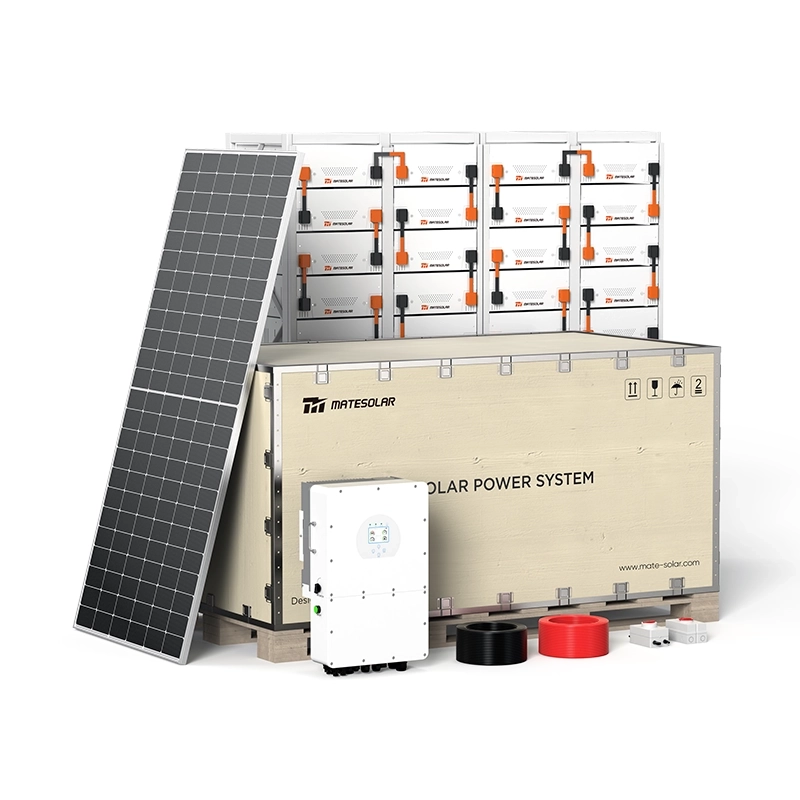
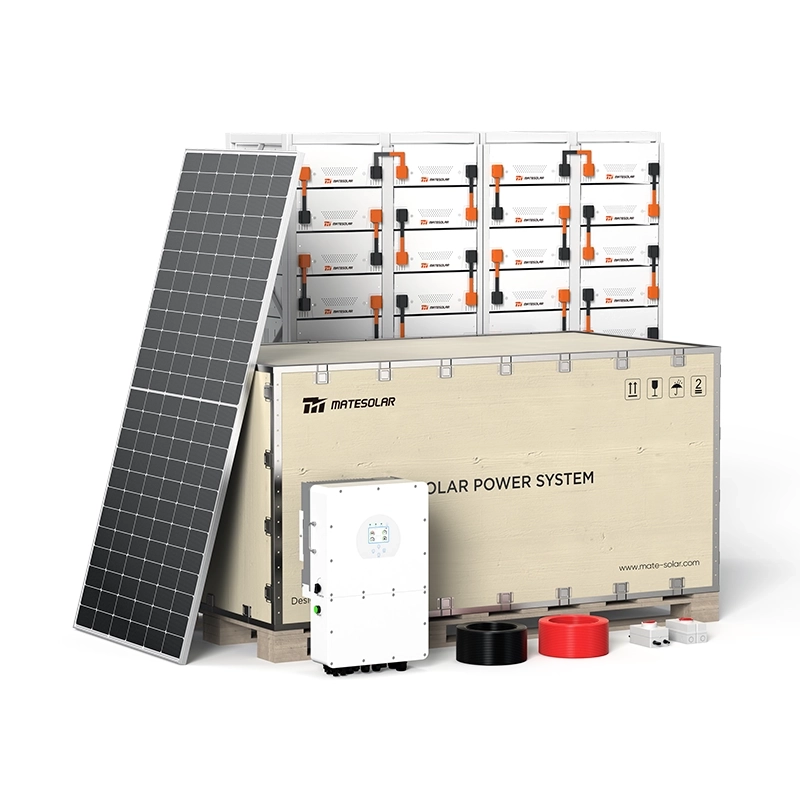
Option 1: Gewerbliches 500kW Hybridsolarstromsystem
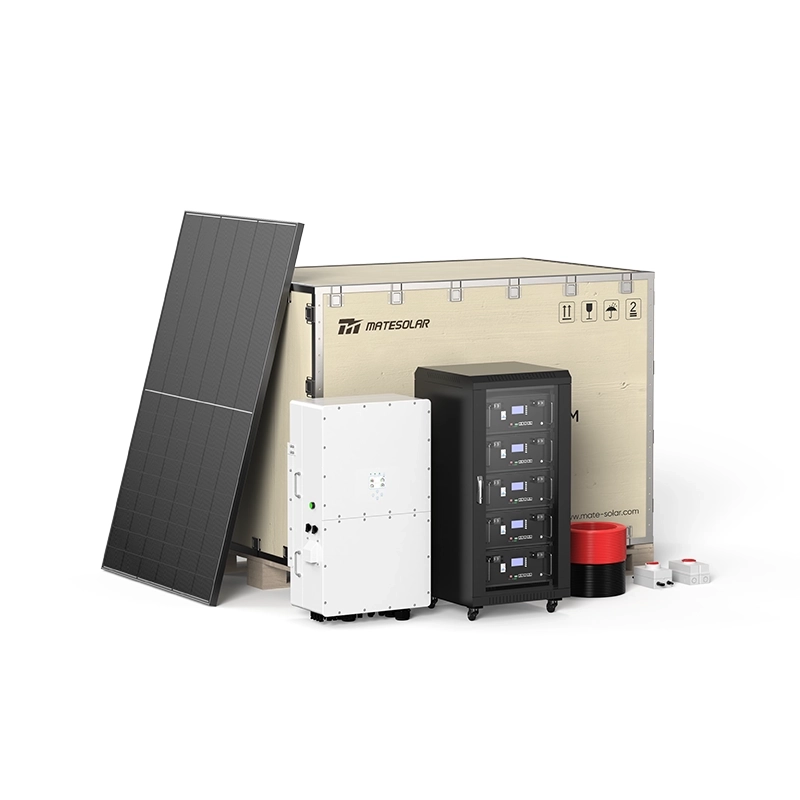
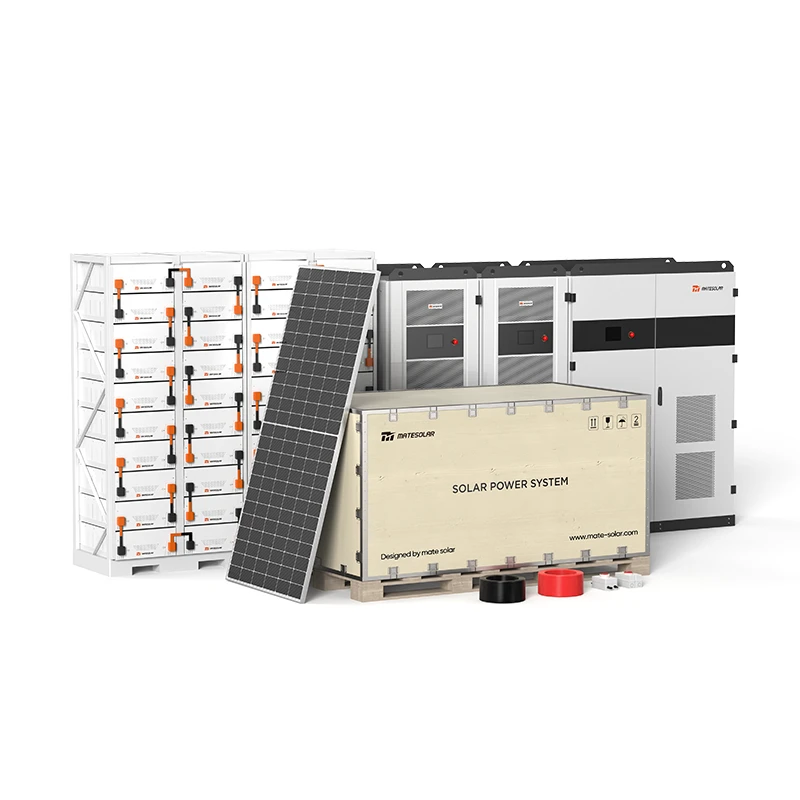
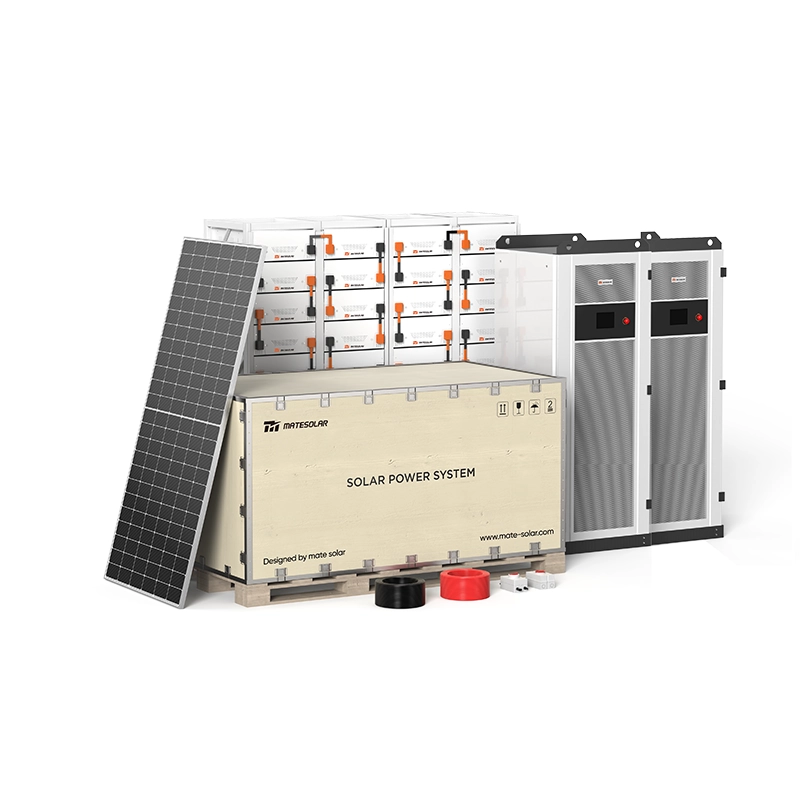
Für große Gewerbe- und Industrieanlagen bietet das gewerbliche 500-kW-Hybrid-Solarstromsystem eine umfassende Lösung, die Solarstromerzeugung mit Batteriespeicher kombiniert. Dieser integrierte Ansatz maximiert die Nutzung erneuerbarer Energien vor Ort und bietet gleichzeitig eine Senkung der Lastspitzen, Notstromversorgung und Einnahmen aus Netzdienstleistungen.
[Erfahren Sie mehr über das kommerzielle 500-kW-Hybrid-Solarsystem →]
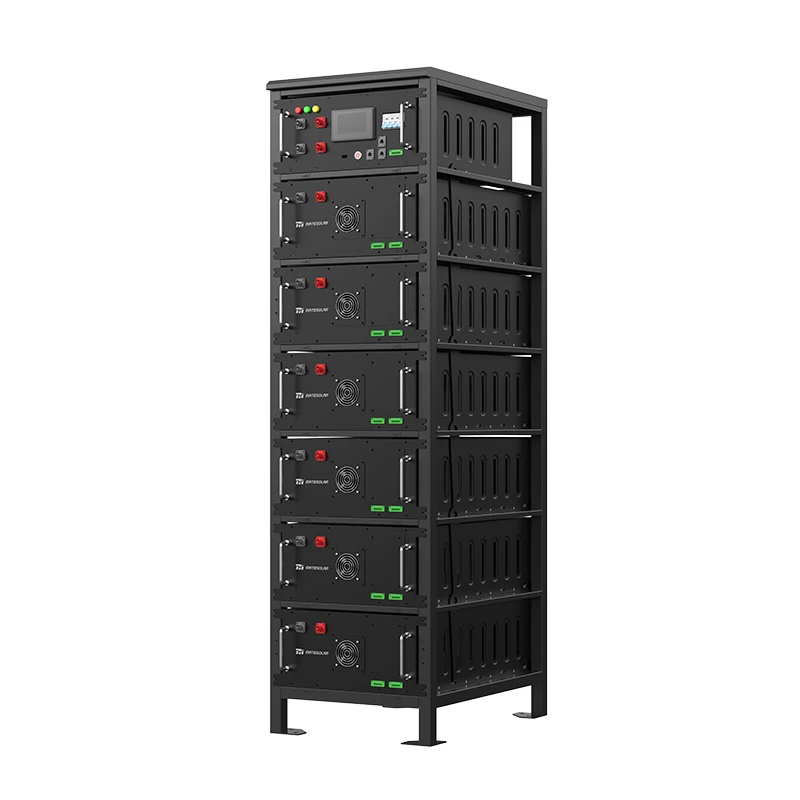
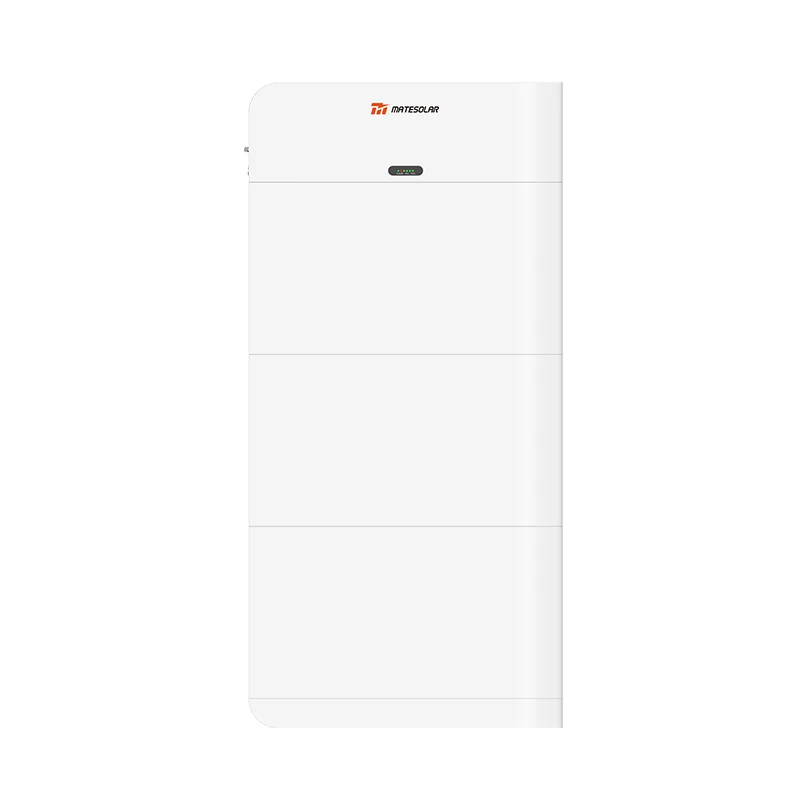
Option 2: 100 kW / 232 kWh & 125 kW / 261 kWh flüssigkeitsgekühlter Outdoor-Schrank-ESS
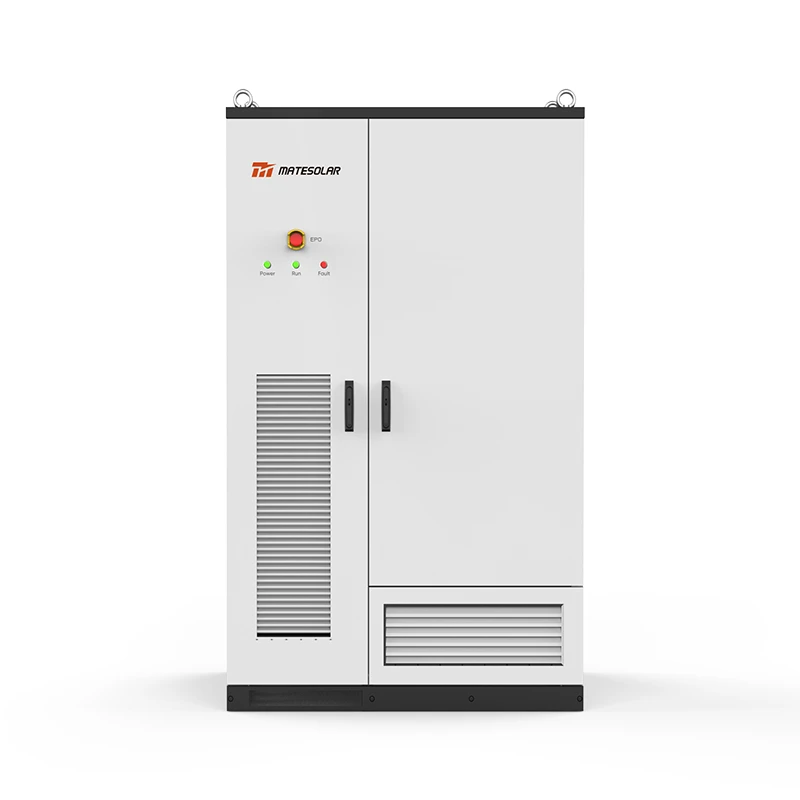
Für mittelgroße gewerbliche Anwendungen bieten flüssigkeitsgekühlte Außenschranksysteme die ideale Balance aus Kapazität, Platzbedarf und Klimabeständigkeit. Diese Systeme sind für den extremen Temperaturbereich in Texas ausgelegt und verfügen über ein integriertes Wärmemanagement sowohl zum Kühlen als auch zum Heizen. Das modulare Design ermöglicht einen skalierbaren Einsatz bei wachsenden Anforderungen der Anlage.
[Entdecken Sie das flüssigkeitsgekühlte 100kW/232kWh & 125kW/261kWh Outdoor-Schrank-ESS →]
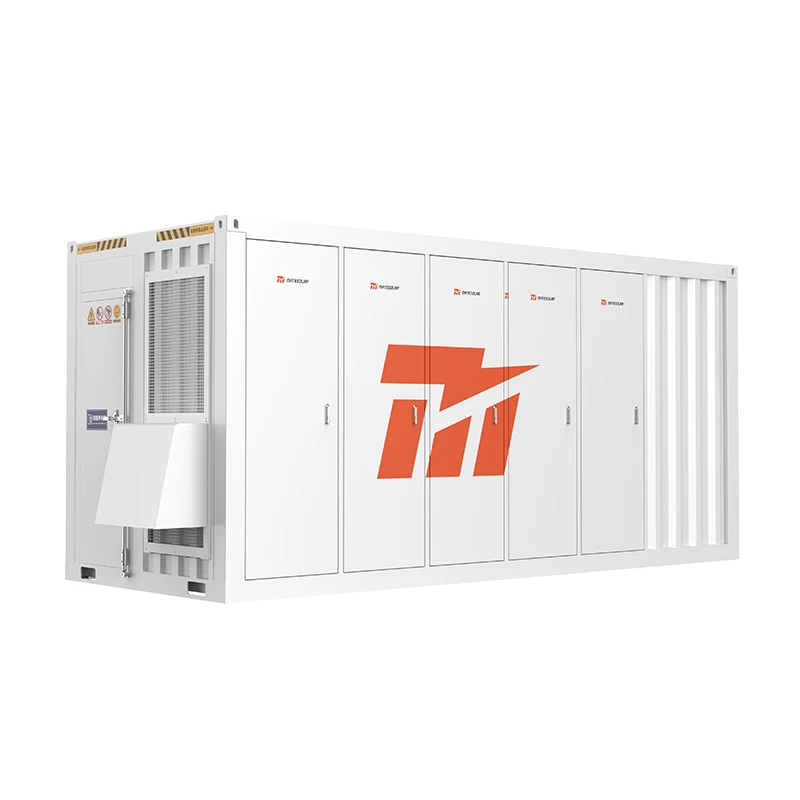
Option 3: 40 Fuß 1 MWh & 2 MWh luftgekühlter Container-ESS
Für größere gewerbliche und industrielle (C&I) Anlagen bieten containerisierte, luftgekühlte Systeme eine schlüsselfertige Bereitstellung mit minimaler Standortvorbereitung. Diese Systeme sind im Werk montiert und geprüft, was Installationszeit und -komplexität reduziert. Luftgekühlte Systeme eignen sich besonders gut für die trockenen Klimaregionen von Texas, in denen die Umgebungsbedingungen eine effiziente Luftkühlung ermöglichen.
[Entdecken Sie das 40-Fuß-1-MWh- und 2-MWh-Container-ESS mit Luftkühlung →]
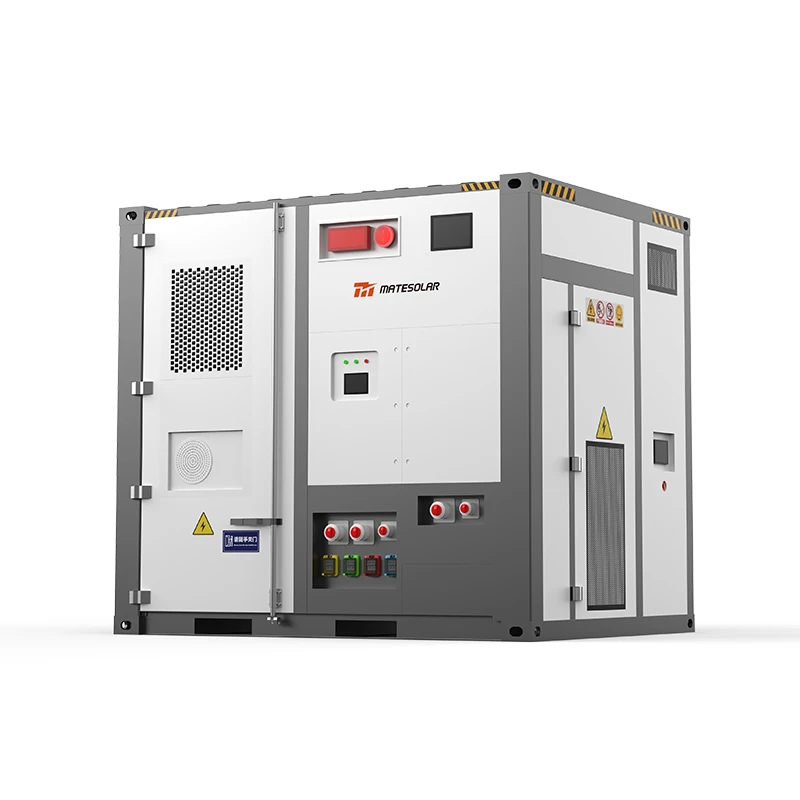
Option 4: 20ft 3MWh & 5MWh Flüssigkeitsgekühlter Container-ESS
Für die größten C&I-Anwendungen und Versorgerprojekte bieten flüssigkeitsgekühlte Containersysteme mit hoher Dichte maximale Energiedichte bei minimalem Platzbedarf. Diese Systeme sind ideal für Standorte mit Platzbeschränkungen oder dort, wo maximale Speicherkapazität erforderlich ist. Die Flüssigkeitskühlung sorgt für ein überlegenes Wärmemanagement bei den heißesten Bedingungen in Texas.
[Das 20-Fuß-Flüssigkühlungs-Container-ESS (3 MWh & 5 MWh) ansehen →]
5.3 Auswahl des richtigen Lagerpartners
Bei der Evaluierung von Speicheranbietern für den Einsatz in Texas sollten Gewerbe- und Industriekunden (C&I) Folgendes berücksichtigen:
Produktqualität und Zuverlässigkeit
- Erfüllt das Produkt die Klimaanforderungen von Texas?
- Wie lang ist die Garantiezeit und was ist abgedeckt?
- Wurde das Produkt in ähnlichen Umgebungen eingesetzt?
Technische Support-Fähigkeiten
- Sind Fernwartung und Software-Support verfügbar?
- Können Hardwareprobleme durch den Austausch von Komponenten behoben werden?
- Sind Inbetriebnahmedienstleistungen vor Ort für große Projekte verfügbar?
Lieferkette und FEOC-Compliance
- Ist die Lieferkette FEOC-konform?
- Werden die Komponenten von konformen Herstellern bezogen?
- Kann die FEOC-Konformität für Steuergutschriften dokumentiert werden?
Integrations- und Softwarefunktionen
- Integriert sich das System in bestehende Gebäudeleitsysteme?
- Kann die Software für 4CP, Arbitrage und Regelleistung optimieren?
- Ist das System zu einem netzbildenden (GFM) Betrieb fähig?
Teil sechs: Häufig gestellte Fragen
FAQ 1: Was ist der 4CP-Mechanismus und warum ist er für mein Unternehmen wichtig?
A: Der „Four Coincident Peak“ (4CP)-Mechanismus ist das von ERCOT angewandte Verfahren zur Verteilung der Übertragungskosten. ERCOT ermittelt in jedem der vier Sommermonate (Juni bis September) das 15-Minuten-Intervall mit dem höchsten Einzelbedarf. Ihre jährlichen Übertragungsgebühren basieren auf Ihrem Verbrauch während dieser vier kritischen Stunden. Bei großen Gewerbekunden können die 4CP-Gebühren 15–30% der gesamten Stromrechnung ausmachen. Ein einzelnes Spitzenereignis während eines 4CP-Zeitfensters kann Kosten in Höhe von mehreren Zehntausend Dollar verursachen. Batteriespeicher, die sich während 4CP-Ereignissen automatisch entladen, können Ihren 4CP-Beitrag um 50–70% senken und so jährliche Einsparungen im sechsstelligen Bereich erzielen.
FAQ 2: Ist die Bundes-ITC 30% für gewerbliche Speicheranlagen noch verfügbar?
A: Ja. Die ITC für gewerbliche Speicher gemäß § 48E bleibt uneingeschränkt in Kraft und wurde bis 2033 verlängert. Projekte in ausgewiesenen "Energie-Gemeinden" können möglicherweise einen zusätzlichen Bonus in Höhe von 10% erhalten, wodurch sich die Kapitalkostenrückerstattung im ersten Jahr auf bis zu 40% beläuft. Dies ist ein entscheidender Unterschied zur Solarstromanlage für Privathaushalte, bei der die Steuergutschrift gemäß Abschnitt 25D am 31. Dezember 2025 ausgelaufen ist..
FAQ 3: Was hat sich am 1. April 2026 hinsichtlich des ERCOT-Netzanschlusses geändert?
AMit Wirkung zum 1. April 2026 müssen neue Speicherprojekte, die Standard Generation Interconnection Agreements (SGIAs) abschließen, die Anforderungen für erweiterte Netzunterstützung (Advanced Grid Support, AGS) erfüllen – was im Wesentlichen netzbildende (Grid-Forming, GFM) Inverter-Technologie erfordert.. Ältere, netzgeführte Anlagen müssen von GFL auf GFM umgerüstet werden. ERCOT hat einen Anreiz in Höhe von $1.500/MW (insgesamt $25 Millionen) vorgeschlagen, um die freiwillige Einführung von GFM zu fördern..
FAQ 4: Wie lange dauert der Netzanschluss in ERCOT?
ADie Fristen für die Einspeisewarteschlange haben sich verlängert auf vier Jahre oder mehr. Der Auftragsbestand ist auf über 400 GW angewachsen, wobei derzeit nur 1,81 TP3T der in der Warteschlange befindlichen Projekte in Betrieb sind. Die Zahl der neuen Anträge ging in der zweiten Hälfte des Jahres 2025 um 501 TP3T zurück, da die Entwickler den Engpass erkannten. Das im März 2026 eingereichte "Batch Zero"-Verfahren beschleunigt Projekte, bei denen die Standortkontrolle und -bereitschaft nachgewiesen sind.
FAQ 5: Hält die Aufbewahrung im Outdoor-Schrank dem extremen Klima von Texas stand?
AJa. Die am Old-300-Projekt von Ørsted in Texas installierten Tesla-Megapacks haben die Eignung von Schaltschränken für den Außenbereich erfolgreich unter Beweis gestellt.. Ford hat im Mai 2026 Gleichstrom-Speicherschränke mit einem Betriebsbereich von -35 °C bis 55 °C auf den Markt gebracht. Für den Einsatz in Texas sollte nach Systemen mit einem Betriebsbereich von -30 °C bis 55 °C, der Schutzart IP65 oder höher, einer hurrikansicheren strukturellen Integrität und einem integrierten Wärmemanagement gesucht werden.
FAQ 6: Was ist RTC+B und wie wirkt es sich auf die Speicherkosten aus?
ARTC+B (Real-Time Co-optimization plus Batteries) ist ERCOTs neues Marktdesign, das im Dezember 2025 eingeführt wird. Es co-optimisiert die Bereitstellung von Energie und Regelleistung und behandelt Batterien dabei als Teilnehmer erster Klasse.. Dadurch können Batterien gleichzeitig auf mehreren Märkten Angebote abgeben, was die Umsatzchancen erweitert. Die Umsätze sind jedoch schwankungsanfällig – die monatlichen Speicherumsätze im ERCOT-Gebiet lagen Anfang 2026 zwischen $15.306 und $46.264 pro MW.
FAQ 7: Was sind FEOC-Beschränkungen und betreffen sie mich?
A: Die FEOC-Beschränkungen (Foreign Entity of Concern) schränken die Berechtigung für steuerliche Anreize auf Bundesebene für Projekte ein, bei denen FEOC-Unternehmen in erheblichem Umfang in die Lieferkette eingebunden sind. Für Projekte im Jahr 2026 liegt der Schwellenwert bei 55% Komponenten aus FEOC-Quellen und steigt bis 2029 auf 75% an. C&I-Abnehmer sollten von Speicheranbietern einen dokumentierten Nachweis der FEOC-Konformität verlangen, um die ITC-Berechtigung aufrechtzuerhalten.
FAQ 8: Wie viel kann ich mit gewerblichen Speichern in Texas sparen?
AEinsparungen variieren je nach Anlagengröße und Lastprofil. Zu den typischen Einsparungen gehören:
- 4CP-Reduzierung: $72.000–$420.000 jährlich für Anlagen mit einer Leistung von 5–10 MW
- Senkung der Nachfragesätze: 20-40% – Senkung der TDU-Gebühren
- EnergiearbitrageErfassung von Preisspreads in ERCOT-Märkten
- ZusatzleistungenZusätzliche Einnahmen aus Netzdienstleistungen
- ITC-Vergünstigung: 30-40% Kapitalkostendeckung
Zur Schätzung spezifischer Einsparungen ist eine umfassende Energieberatung erforderlich.
FAQ 9: Kann ein Stromspeicher bei Stromausfällen Notstrom bereitstellen?
AJa, aber mit wichtigen Einschränkungen. Die meisten netzgekoppelten Speichersysteme können bei Stromausfällen Notstrom liefern, wenn sie mit einer Inselbetriebsfunktion konfiguriert sind. Die Dauer der Notstromversorgung hängt von der Systemgröße und der Last der Anlage ab. Für kritische Lasten sollten Systeme mit 2-4 Stunden Notstrom bei Volllast oder länger mit Lastabwurfstrategien in Betracht gezogen werden. Tesla Megapacks im Old 300 haben die Zuverlässigkeit moderner Speichersysteme bei Netzbelastung unter Beweis gestellt..
FAQ 10: Wie finanziere ich ein gewerbliches Speicherprojekt?
AZu den Optionen gehören:
- Steuer-Equity-FinanzierungNutzung von ITC zur Kapitalherabsetzung
- Energy-as-a-ServiceEigentum durch Dritte ohne Vorkapital
- AusrüstungsfinanzierungDurch Lagergeräte besicherte Kredite
- PACE-Finanzierung: Durch Grundsteuerveranlagungen zurückgezahlt
- LeasingstrukturenFeste monatliche Zahlungen
Mittelständische C&I-Kunden (1-10 MW) sollten mehrere Finanzierungsoptionen prüfen und die Einbeziehung spezialisierter Speicherfinanzierer in Betracht ziehen.
FAQ 11: Was ist der TCEQ NTIG-Zuschuss und wann ist die Frist?
A: Im Rahmen des „New Technology Implementation Grant“-Programms (NTIG) der Texas Commission on Environmental Quality stehen $16,5 Millionen** zur Verfügung, wobei mindestens **$1 Million für Stromspeicherprojekte im Zusammenhang mit erneuerbaren Energien reserviert sind. Die Projekte müssen eine Nennleistung von mindestens 1 MW aufweisen. Die Bewerbungsfrist endet am 25. September 2026 um 17:00 Uhr CT – etwa sechs Wochen ab dem Datum dieses Berichts.
FAQ 12: Wie lange dauert die Installation eines gewerblichen Speichersystems?
ABereitstellungszeitplan variiert je nach Projektumfang:
- Gewerbe und Industrie (Kleinformat, 100-500 kW)3-6 Monate von der Bestellung bis zum Betrieb
- Mittlere gewerbliche und industrielle Kunden (500 kW-5 MW): 6-12 Monate
- Großgewerbe und -industrie (5+ MW)12–18 Monate
Die Einspeisewarteschlange ist der primäre Engpass – Projekte mit bestehenden Einspeiseverträgen können deutlich schneller realisiert werden als solche, die neue Warteschlangenpositionen benötigen.
Teil 7: Strategische Empfehlungen für kommerzielle und industrielle Energiekunden in Texas
7.1 Sofortige Maßnahmen (nächste 60 Tage)
1. Bewerten Sie Ihre 4CP-Exposition: Überprüfen Sie das Lastprofil Ihrer Anlage und berechnen Sie die potenziellen 4CP-Einsparungen. Schon eine Senkung des 4CP-Bedarfs um 30% kann jährliche Einsparungen im sechsstelligen Bereich erzielen.
2. Bewertung der Berechtigung für TCEQ NTIG: Der Stichtag am 25. September 2026 rückt mit großen Schritten näher. Wenn Ihr Projekt eine Leistung von 1 MW oder mehr hat und die Speicherung erneuerbarer Energien umfasst, könnte der TCEQ-Zuschuss bis zu 50% der Projektkosten abdecken.
3. Sichere VerbindungspositionenMit Warteschlangen-Zeitplänen von über vier Jahren sollte die Sicherung von Netzanschlussverträgen für jede Anlage, die Speicherung in Betracht zieht, oberste Priorität haben.
4. FEOC-Konformität überprüfenDokumentieren Sie die Lieferkettenkonformität für alle in Betracht gezogenen Lagergeräte. FEOC-Beschränkungen sind nun durchsetzbar.
7.2 Mittelfristige Maßnahmen (6–12 Monate)
1. Entwickeln Sie eine umfassende SpeicherstrategieErwägen Sie hybride Solar- und Speicherlösungen, die die Stromerzeugung vor Ort maximieren und gleichzeitig Speichervorteile bieten. Das gewerbliche 500-kW-Hybrid-Solarsystem bietet einen integrierten Ansatz.
2. Evaluation mehrerer SpeicherformateVergleichen Sie Optionen für Außenschränke, luftgekühlte Container und flüssigkeitsgekühlte Container im Hinblick auf Ihre spezifischen Standortbedingungen. Aufgrund der klimatischen Vielfalt in Texas variiert die optimale Lösung je nach Standort.
3. Sichere FinanzierungVerhandeln Sie mit Tax-Equity-Investoren, spezialisierten Kreditgebern und EaaS-Anbietern, um eine optimale Finanzierung zu strukturieren. Der robuste texanische Markt für Speicherfinanzierung bietet zahlreiche Möglichkeiten.
4. Plan zur Einhaltung der GFM-RichtlinienFalls Ihr Projekt nach dem 1. April 2026 eine SGIA durchführt, Stellen Sie von Anfang an sicher, dass Ihr Lagersystem GFM-fähig ist.
7.3 Langfristige Überlegungen (1-3 Jahre)
1. Überwachung der Marktentwicklung von RTC+BRTC+B ist die größte Marktveränderung seit der Einführung der Knotenpreise. Das Verständnis der Optimierung des Speichereinsatzes zwischen Energie- und Regelleistungsdiensten wird für die Maximierung der Erträge von entscheidender Bedeutung sein.
2. Wachstum der Rechenzentrumslast verfolgenDa ERCOT bis 2035 eine Nachfrage von rund 35 GW durch Rechenzentren prognostiziert, wird das Lastwachstum das Angebots- und Nachfrageverhältnis weiter anspannen und den Wert der Speicher vor Ort erhöhen.
3. Plan für mögliche Richtlinienänderungen: Während die ITC bis 2033 verlängert wird, werden die FEOC-Schwellenwerte bis 2029 auf 75% angehoben. Bei der Lieferkettenplanung sollten diese Änderungen berücksichtigt werden.
4. Netzbildende Eigenschaften berücksichtigen: Im Zuge des Übergangs von ERCOT zu einem von Wechselrichtern dominierten Netz werden GFM-fähige Speicher zunehmend an Bedeutung gewinnen. Das Förderprogramm „$1.500/MW“ bietet eine kurzfristige Gelegenheit, die GFM-Technologie zu übernehmen.
Fazit: Die Texas Storage Opportunity
Texas hat sich als unbestrittener Vorreiter bei Energiespeichern in den USA etabliert, wobei mit Stand März 2026 eine netzgekoppelte Batteriekapazität von 14 GW installiert ist und der Bundesstaat mehr als die Hälfte aller für 2026 geplanten nationalen Zubauten ausmacht. Das C&I-Speichersegment (gewerblich und industriell) stellt, obwohl in absoluten Zahlen kleiner, den nächsten Wachstumsbereichen dar – angetrieben durch das Zusammentreffen von:
- Der 4CP-Mechanismus von ERCOT wodurch die Übertragungskosten zur größten versteckten Ausgabe für Gewerbekunden werden
- RTC+B-Marktdesign Schaffung beispielloser Einnahmemöglichkeiten für Speicheranlagen
- Wachstum der Rechenzentrumslast sich verknappende Angebot-Nachfrage-Bilanzen und die steigende Bedeutung von Erzeugung und Speicherung vor Ort
- Bedenken hinsichtlich der Netzzuverlässigkeit die Sicherstellung der Produktionskontinuität zu einer kritischen Geschäftsanforderung machen
- Bundesweite und staatliche Anreize attraktive finanzielle Renditen bieten
Das Zeitfenster für Gelegenheiten ist real und schließt sich immer mehr. Die Wartelisten für Netzanschlüsse erstrecken sich über vier Jahre oder länger. Das TCEQ-NTIG-Förderprogramm endet am 25. September 2026. Die Anforderungen zur FEOC-Compliance werden verschärft. Die GFM-Anforderungen vom 1. April 2026 sind bereits in Kraft getreten.
Für gewerbliche und industrielle Energieverbraucher in Texas stellt sich nicht mehr die Frage, ob sie Speicher einführen sollen, sondern wie schnell sie sich Netzanschlusspositionen, Finanzierungen und Ausrüstung sichern können. Die Unternehmen, die 2026 entschlossen handeln, werden die Vorteile des dynamischsten Energiespeichermarktes in den Vereinigten Staaten nutzen. Diejenigen, die warten, müssen mit längeren Zeitplänen, höheren Kosten und mehr Wettbewerb um knappe Netzanschlussplätze rechnen.
Über MateSolar
MateSolar ist ein Komplettanbieter für Solar- und Energiespeicherlösungen, der sich darauf spezialisiert hat, gewerblichen und industriellen Kunden bei der Bewältigung der komplexen Energielandschaft zu helfen. Von der ersten Machbarkeitsprüfung über den Systementwurf, die Beschaffung bis hin zur Unterstützung bei der Inbetriebnahme liefert MateSolar integrierte Lösungen, die auf die spezifischen Anforderungen des texanischen Marktes zugeschnitten sind.