








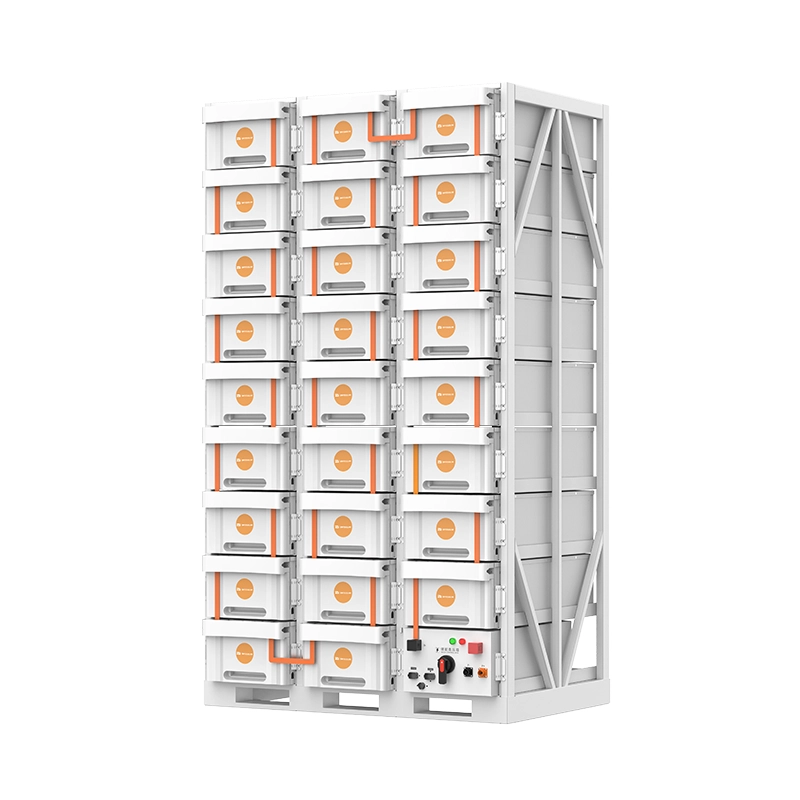
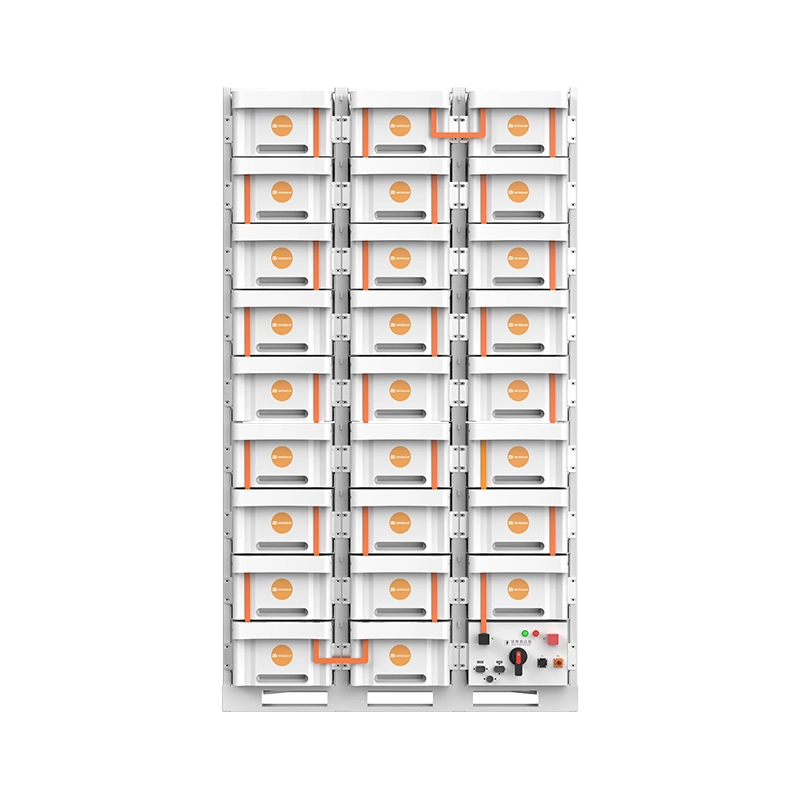
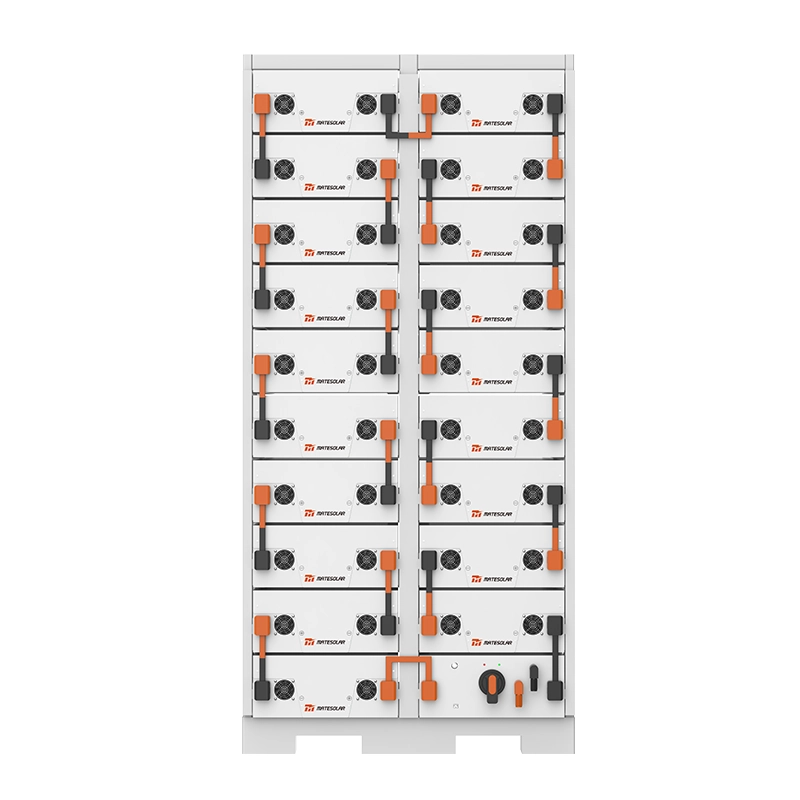
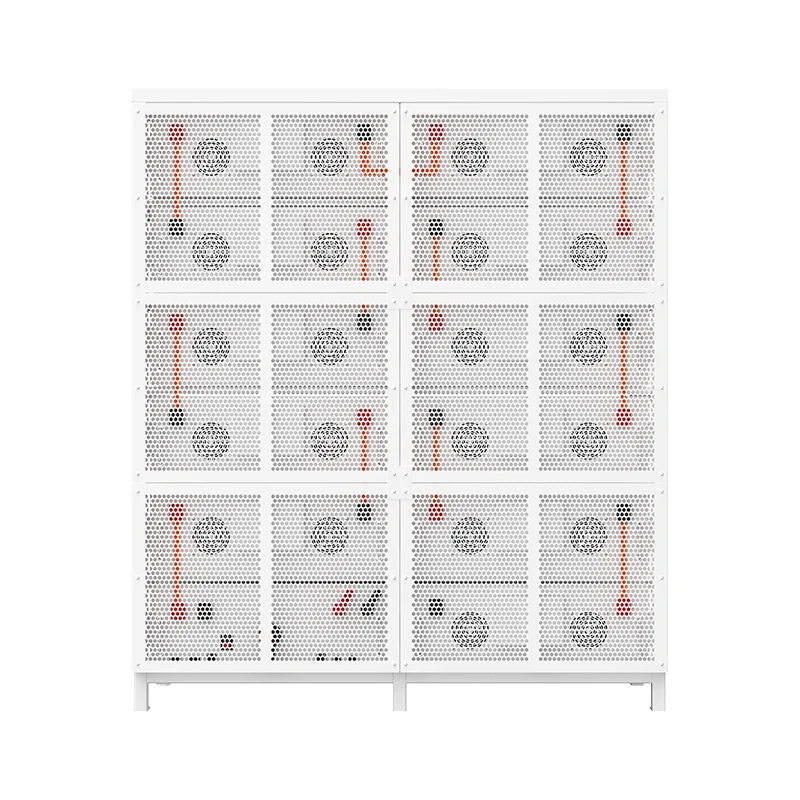


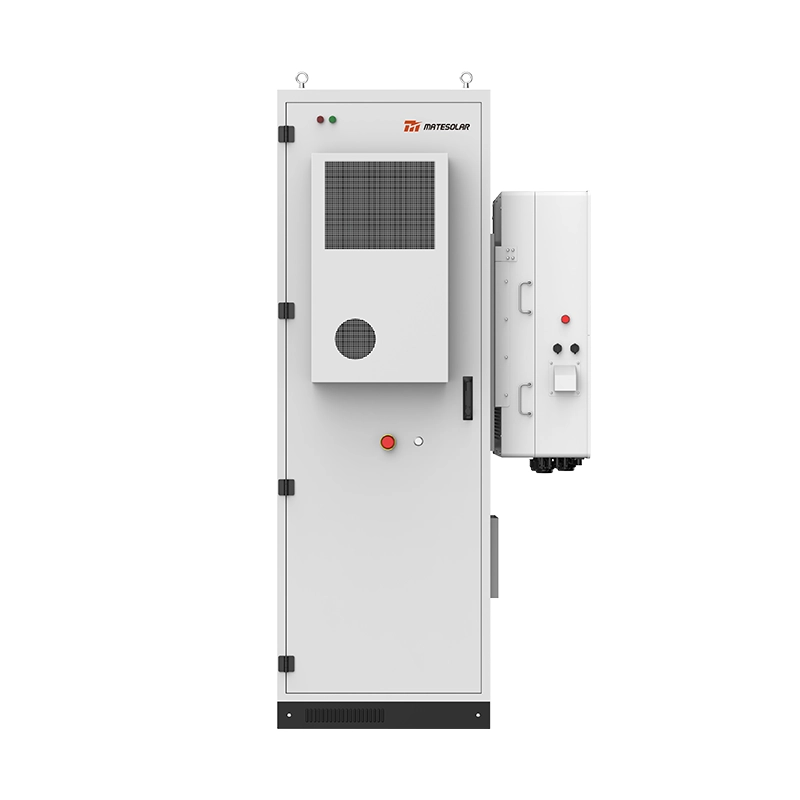
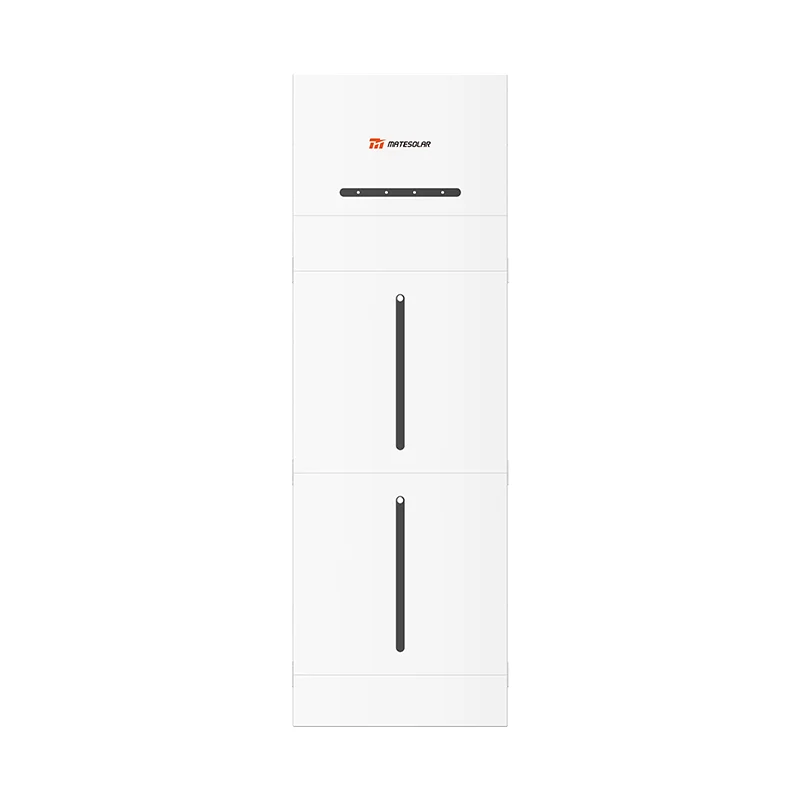
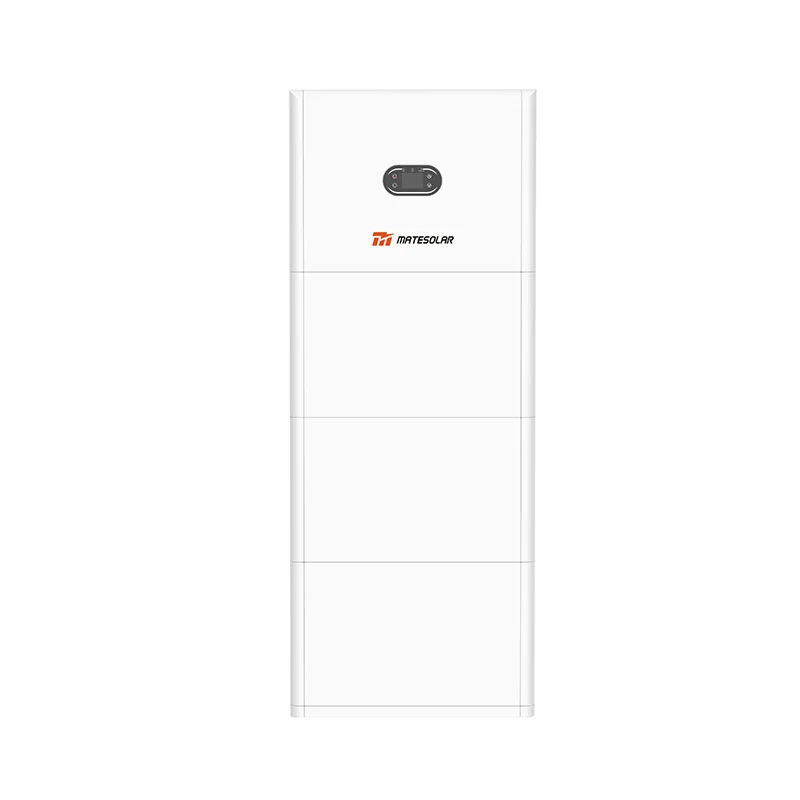

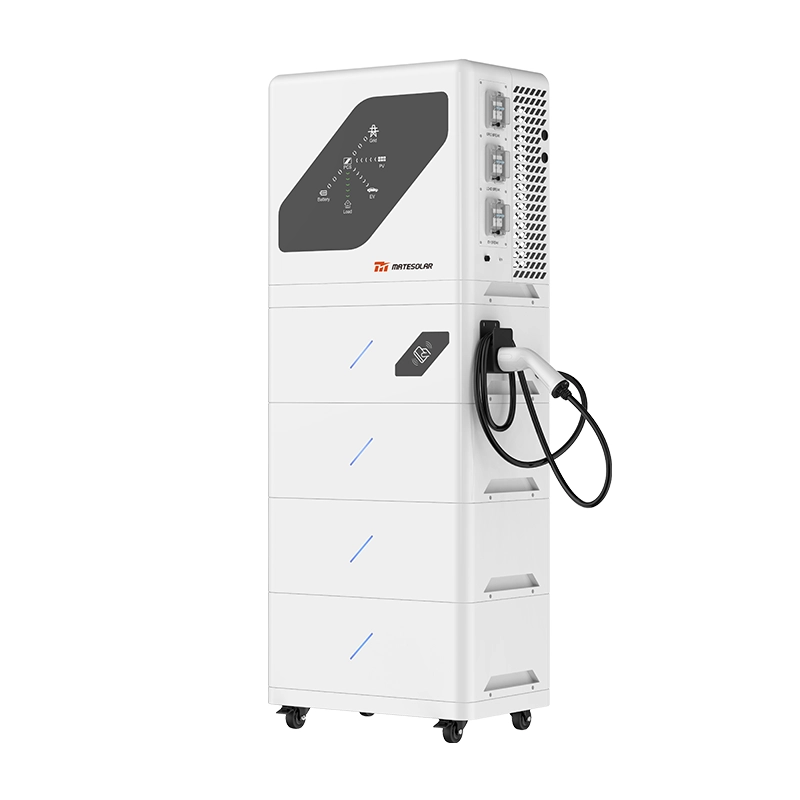
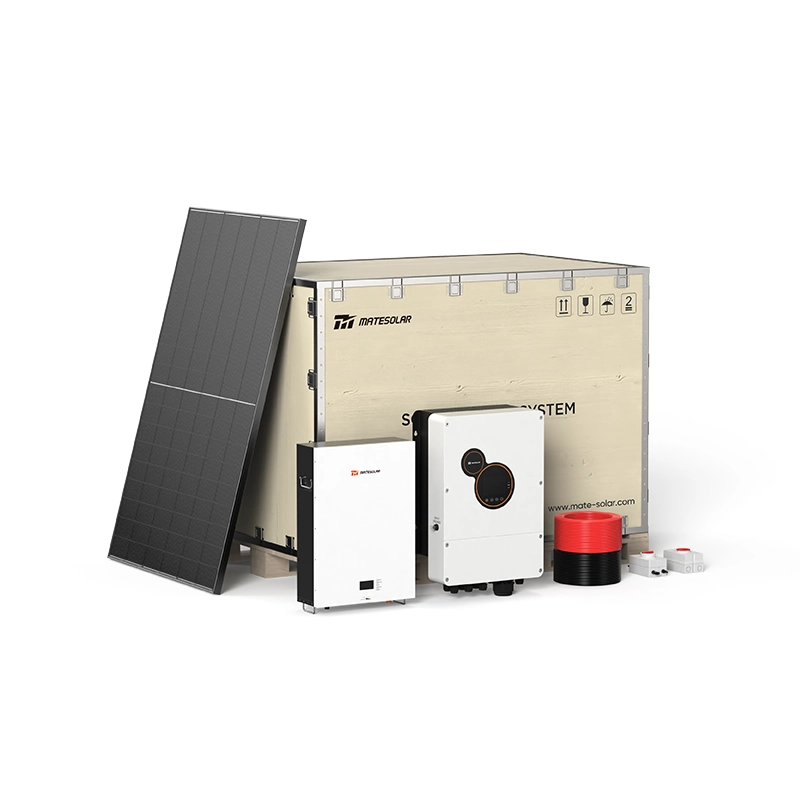
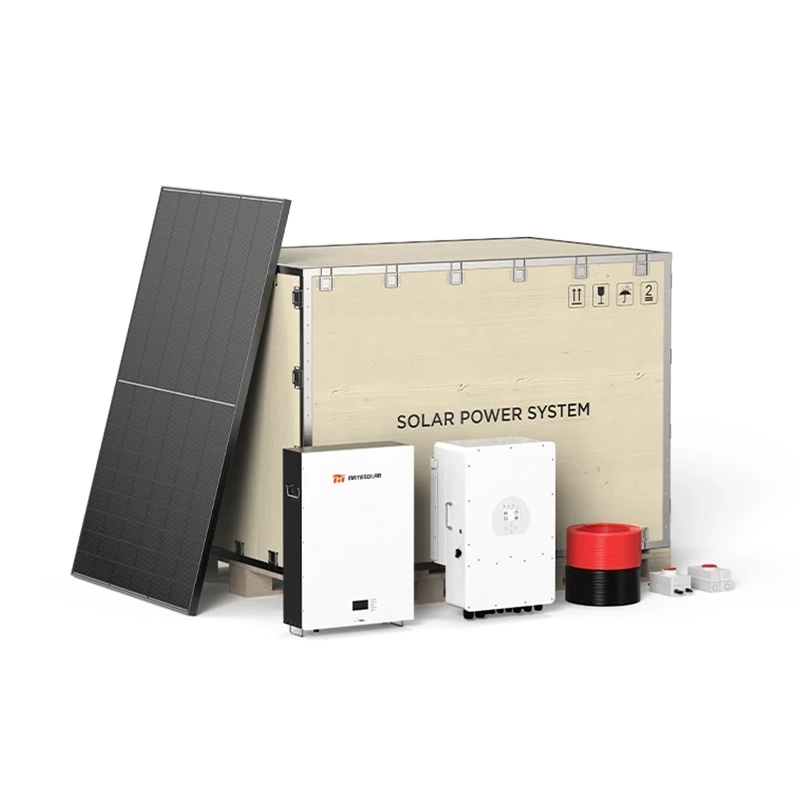
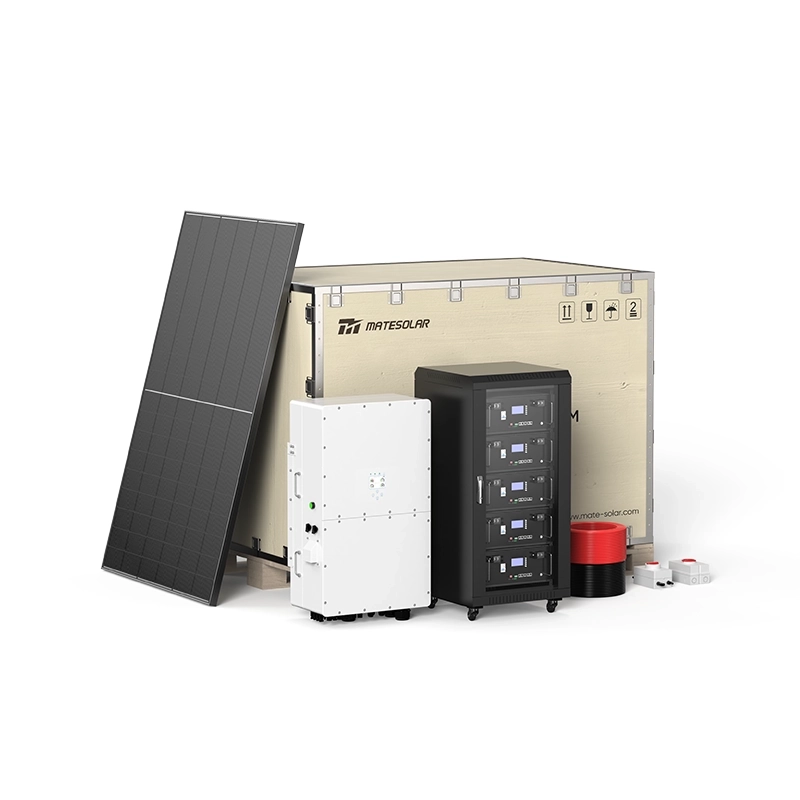
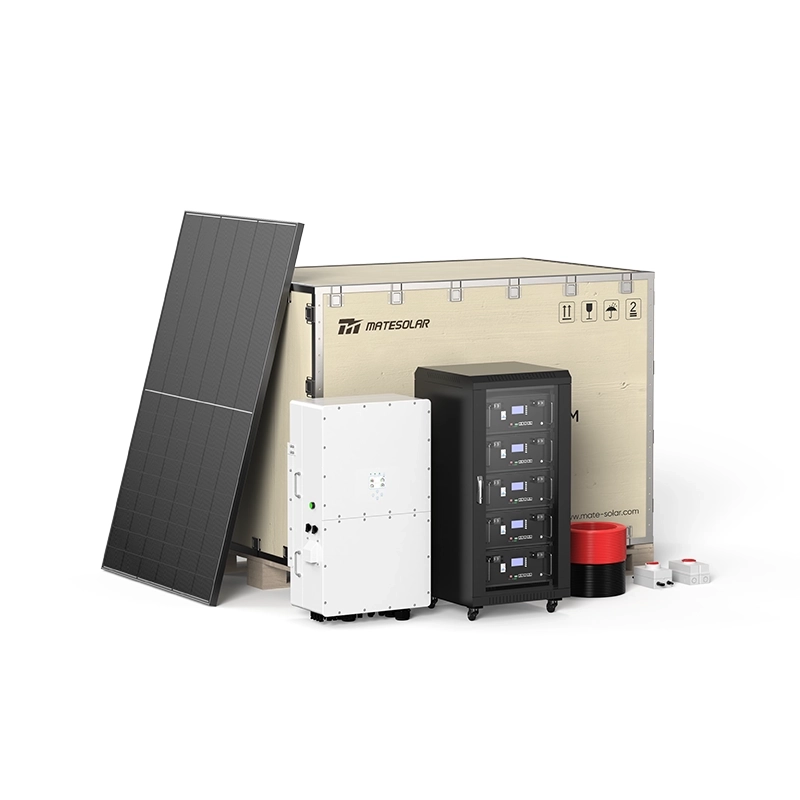
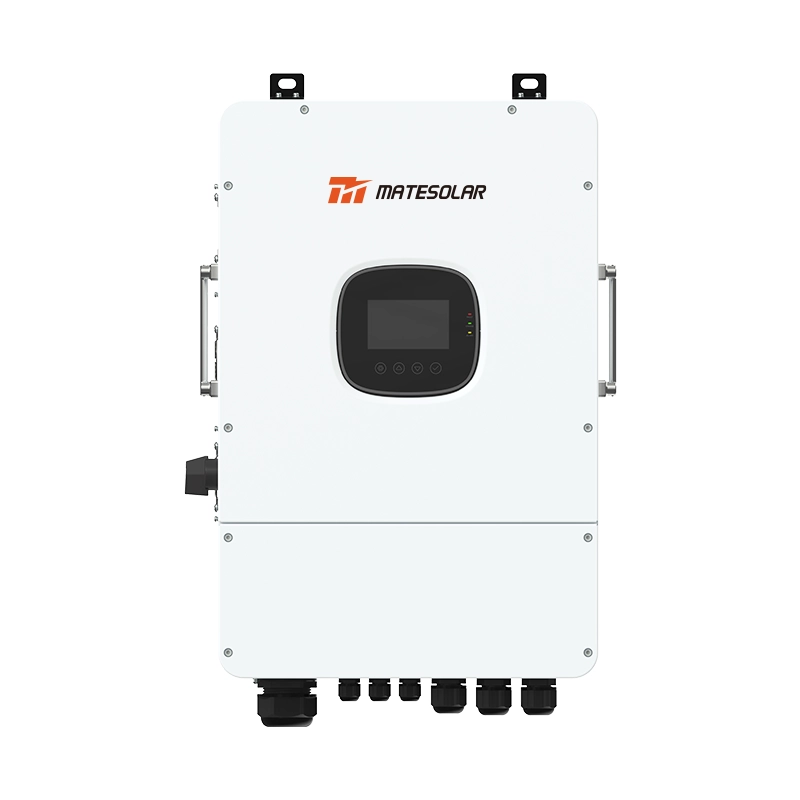

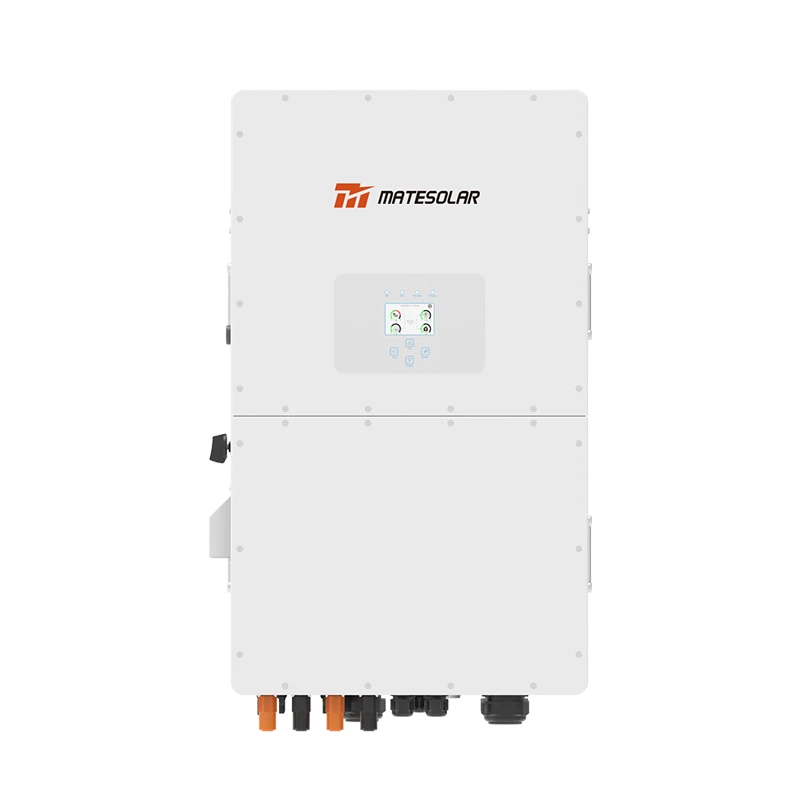
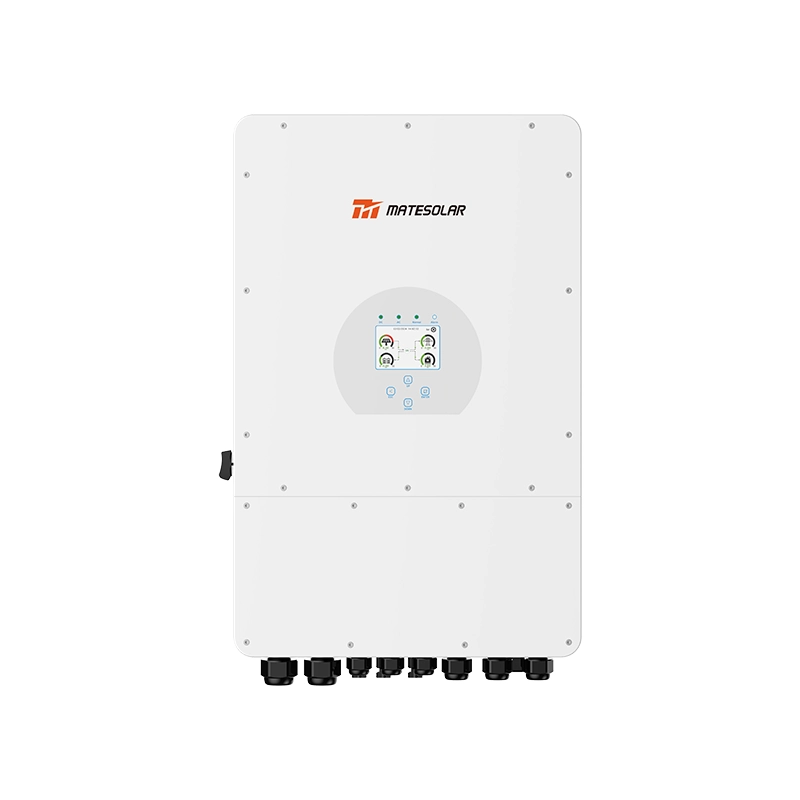
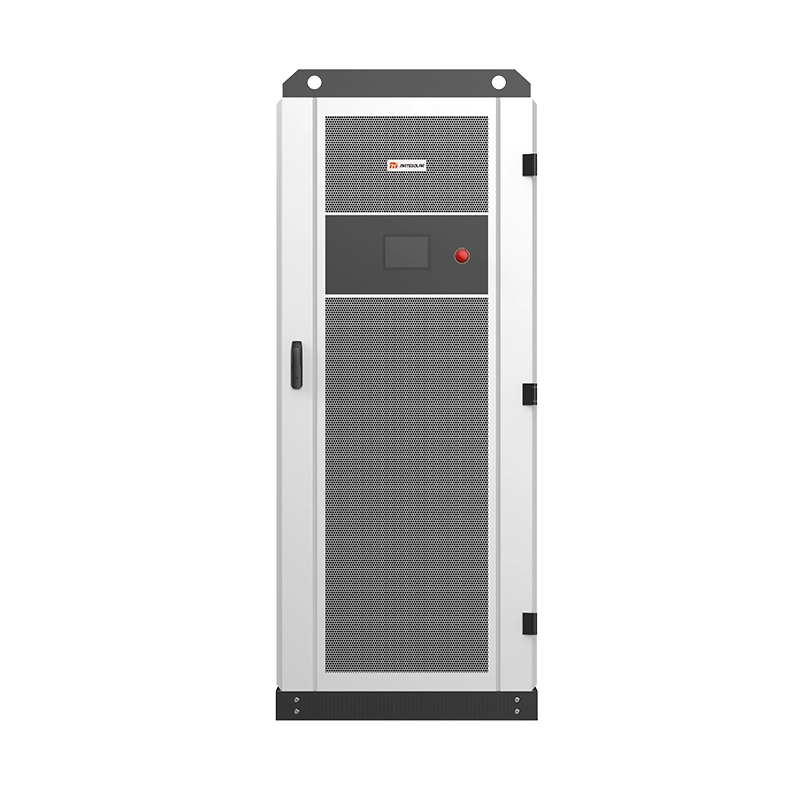


Across Canada, from industrial facilities in Ontario to remote First Nations communities in the Yukon, a powerful transformation is underway. Businesses, institutions, and communities are actively seeking control over their energy costs, resilience against outages, and a tangible path to meet ambitious sustainability goals. The confluence of supportive federal and provincial policies, maturing energy storage technology, and the urgent need for grid modernization has created an unprecedented opportunity. For commercial, industrial, and community project developers, solar-plus-storage (photovoltaic with battery energy storage systems, or PV+BESS) has evolved from a niche concept into a mainstream, economically compelling solution.
This comprehensive guide serves as an authoritative blueprint for navigating the Canadian solar-plus-storage landscape. We will delve into the intricate fabric of federal and provincial incentive programs, provide robust financial modeling frameworks, and address the unique technical challenges of deploying systems in Canada's diverse and often harsh climate. Our goal is to position you not merely as a project developer, but as a strategic architect of resilient, cost-competitive, and clean energy assets.
Part 1: The Policy Engine – A Roadmap to Federal and Provincial Incentives
The economic viability of solar-plus-storage in Canada is fundamentally driven by a multi-layered framework of incentives. Understanding and strategically layering these programs is the first critical step toward optimizing project returns.
1.1 Federal Backbone: Investment Tax Credits (ITCs) and Strategic Funding
At the federal level, the cornerstone incentive is the Clean Technology Investment Tax Credit (ITC). This program provides a refundable tax credit of up to 30% on the capital cost of eligible clean energy generation and storage equipment. For a qualifying solar-plus-storage project, this directly reduces the upfront capital expenditure by nearly one-third, dramatically improving the internal rate of return (IRR).
Complementing the ITC is the Smart Renewables and Electrification Pathways Program (SREPs), administered by Natural Resources Canada. Its Critical Regional Priorities (CRP) stream is particularly relevant for larger or strategically important projects. The CRP stream provides direct funding for "deployment-ready clean energy generation, energy storage, and grid modernization projects" that are deemed essential for provincial or territorial decarbonization goals. This stream is designed to fill funding gaps beyond what is available through the ITC alone and requires engagement with provincial governments.
1.2 Provincial Acceleration: Tailored Programs for Local Impact
Provincial programs add another layer of financial support and are often more accessible for mid-sized commercial and community projects.
- Ontario's Leadership: As of January 2025, Ontario launched a landmark Energy Efficiency Framework featuring a rebate of up to 30% (maximum $10,000) for behind-the-meter solar and storage installations for homeowners and small businesses. This is a direct catalyst for commercial entities with suitable rooftop or land space. Furthermore, Ontario's Independent Electricity System Operator (IESO) runs long-term procurement programs, such as the E-LT1 auction, which has secured 22-year capacity contracts for storage projects at fixed, attractive rates (e.g., $1,221 USD/MW/day). The province also supports innovation through its Smart Grid Fund, investing in projects that integrate storage, EV charging, and microgrids.
- First Nations Partnership Models: A significant and growing trend is the co-development of projects with First Nations communities. These partnerships, often structured as equity joint ventures (e.g., 50:50 ownership), are not only aligned with reconciliation goals but also frequently unlock additional support and create stable, long-term revenue streams for communities.
The table below summarizes the key incentive pathways:
*Table 1: Key Canadian Solar-Plus-Storage Incentive Programs*
Part 2: The Economic Pathway – Modeling Viability and Returns
With incentives defined, the next step is rigorous financial modeling. The business case for solar-plus-storage is built on multiple, often stacked, revenue streams and cost savings.
2.1 Core Value Drivers: More Than Just Bill Savings
1. Energy Arbitrage & Time-of-Use (ToU) Optimization: Charge batteries with cheap or solar-generated power during off-peak hours, discharge during expensive on-peak periods. A techno-economic study in Ontario confirmed that ToU pricing structures create a more advantageous economic case for PV systems compared to flat tiered rates.
2. Demand Charge Reduction: For commercial and industrial users, a significant portion of the electricity bill is based on the highest 15-minute power draw (peak demand) in a billing period. Storage can seamlessly discharge to "shave" these peaks, leading to substantial, recurring savings.
3. Grid Services Revenue: Larger systems can participate in wholesale markets or ancillary service programs, providing frequency regulation or capacity to the grid, as seen in the Ontario E-LT1 contract.
4. Resilience & Backup Power: The value of avoided downtime during grid outages for critical facilities (data centers, manufacturing, remote communities) is increasingly quantifiable and significant.
2.2 Building a Project Investment Model
A simplified pro forma for a 500 kW solar + 1 MWh storage project for a manufacturing facility in Ontario might look like this:
*Table 2: Simplified Investment Analysis for a 500kW Solar + 1MWh Storage Project*
Note: This model is illustrative. A full analysis requires detailed site-specific load profiling, local utility rate analysis, and degradation assumptions.
Part 3: Conquering the Climate – Technical Solutions for Cold Regions
Canada's climate poses unique challenges: reduced PV yield in winter, battery efficiency loss and lifespan concerns in cold temperatures, and increased heating loads. Successful projects integrate these realities into their core design.
3.1 Cold-Climate Optimized Technology Stack
1. PV Module Selection: Prioritize panels with a low temperature coefficient (the rate at which power output decreases as temperature rises). Paradoxically, PV cells operate more efficiently in cold, sunny weather, but snow cover and low-angle winter sun are the real challenges, necessitating careful array tilt and snow-shedding design.
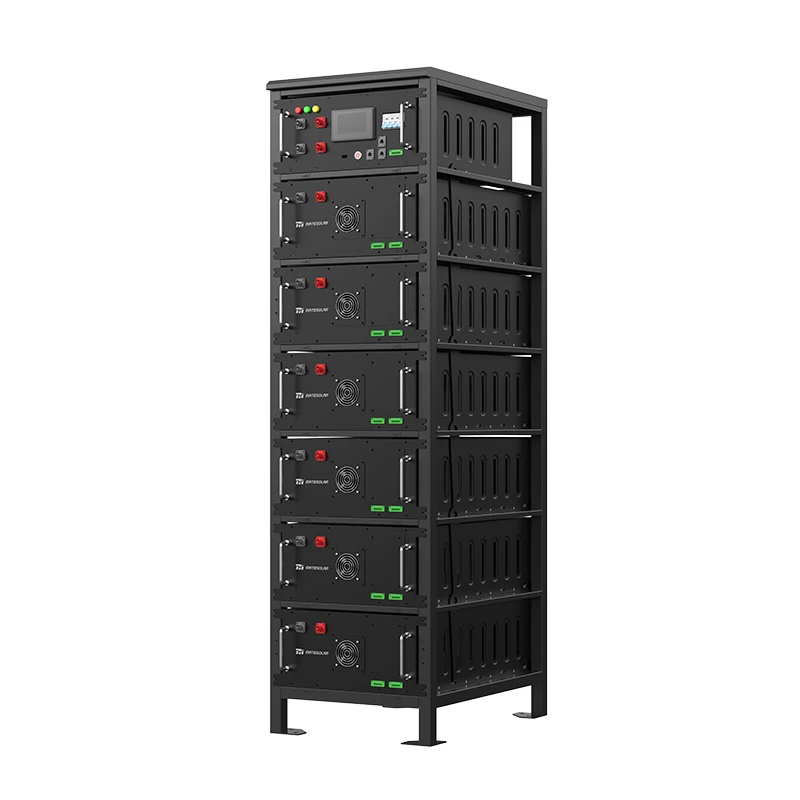
2. Advanced Battery Technologies: The standard solution for lithium-ion batteries in cold climates is an integrated heating system (HVAC) within the enclosure, powered by the system itself, to keep batteries within their ideal operating range (typically 15-25°C). New technological frontiers include:
- Hybrid Sodium-Ion (Na-Ion) & Lithium-Ion (LFP) Systems: Emerging solutions use Na-ion batteries, which demonstrate superior performance in extreme cold with less capacity fade, for low-temperature operation, paired with traditional LFP batteries for optimal overall lifecycle cost and performance.
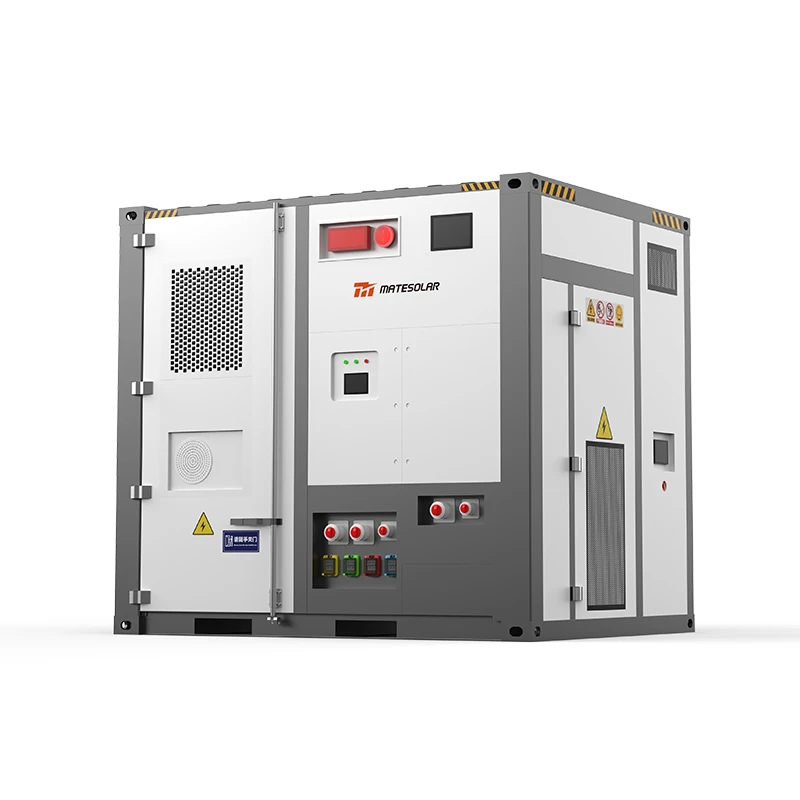
- Thermal Management Focus: Cutting-edge containerized systems, like some advanced liquid-cooled designs, offer superior temperature uniformity and safety, which is critical for longevity in thermal cycling environments.
3. Integrated PV/Thermal (PV/T) & Thermal Storage: An innovative approach for cold climates combines PV panels with a thermal collector to capture waste heat. This heat can be stored in insulated water tanks and used for building space heating, dramatically increasing the total system efficiency. A study for a school near Montreal found an optimal configuration using PV/T collectors, a 908L thermal tank, and a modest 10 kWh battery could achieve over 8 hours of self-sufficiency in winter. This is a compelling model for community buildings, schools, and campuses.
Table 3: Technology Configuration Comparison for Cold Climates
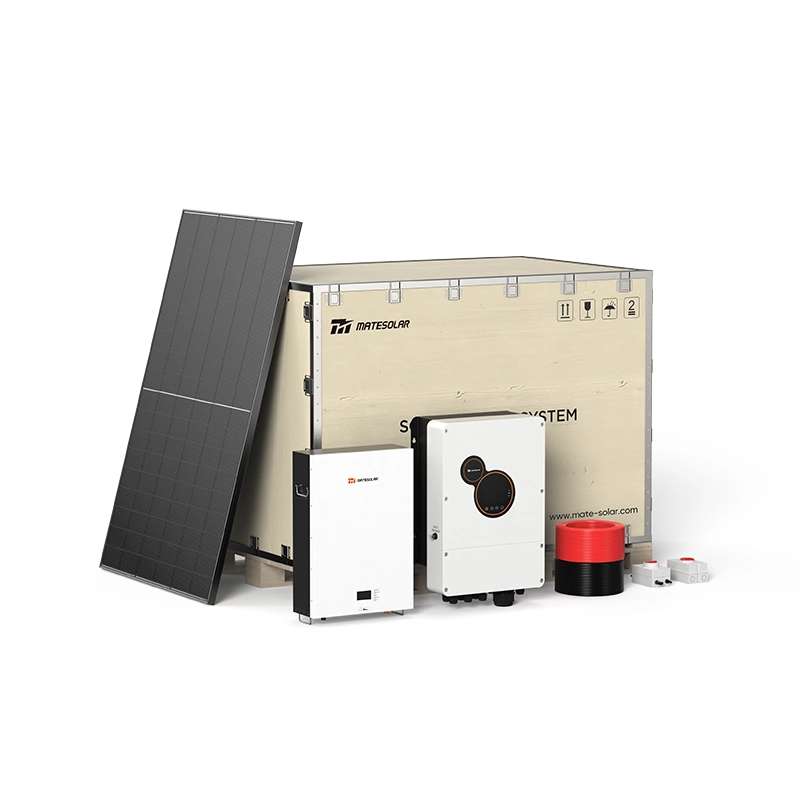
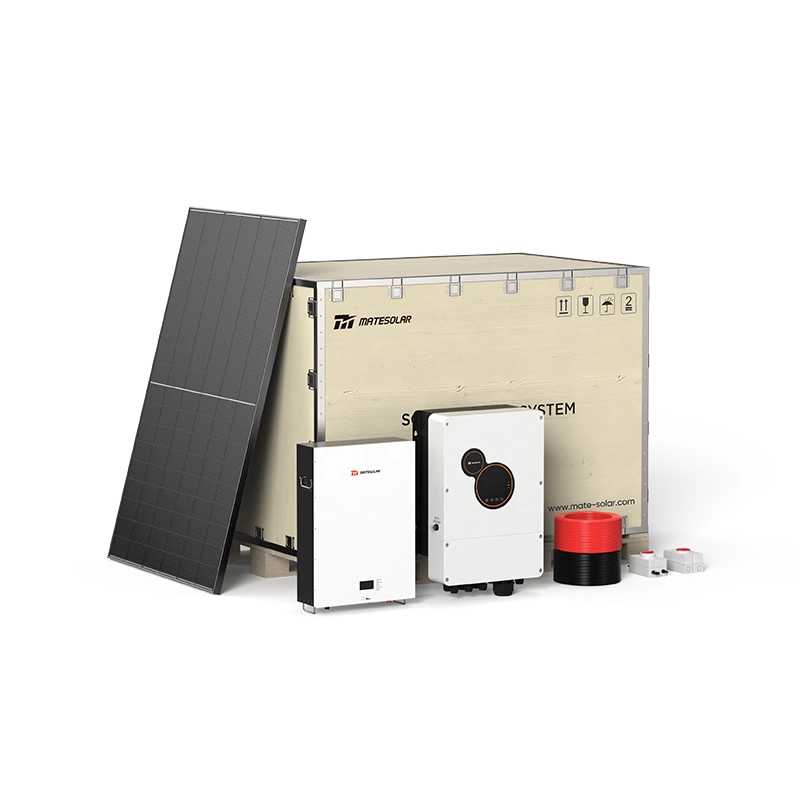
To explore a range of system solutions engineered for diverse applications and climates, visit our dedicated Solar & Storage System portfolio page.
Part 4: From Blueprint to Reality – Project Development Checklist
1. Site Assessment & Load Analysis: Gather 12 months of utility bills. Analyze load profiles and peak demand.
2. Incentive Pre-Qualification: Engage with a specialist (like MateSolar) to confirm eligibility and application pathways for ITCs and provincial programs.
3. Preliminary Design & Financial Model: Size the system based on goals (bill savings vs. resilience vs. revenue). Create a detailed pro forma.
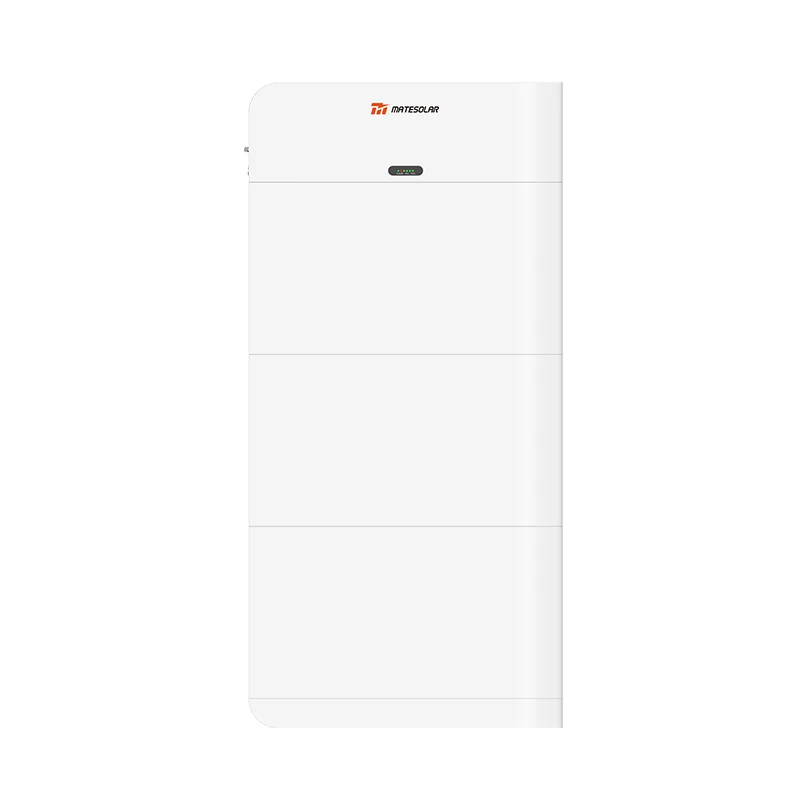
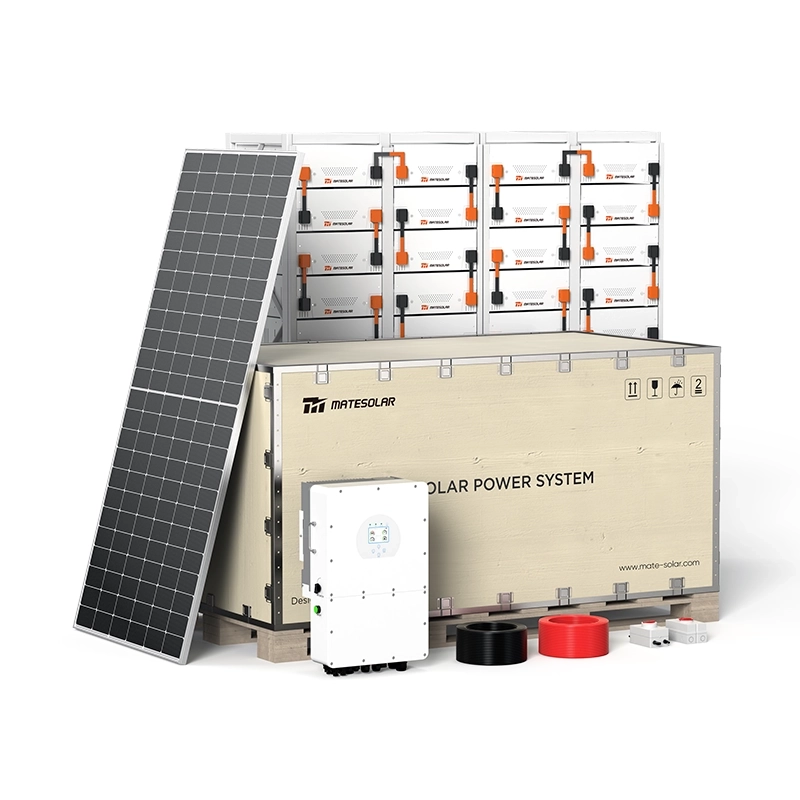
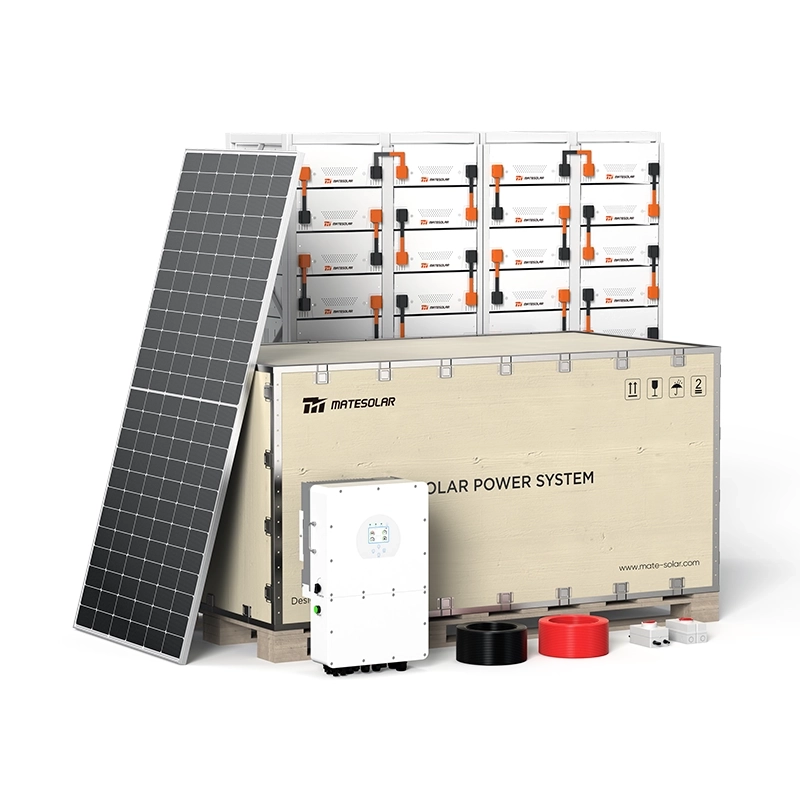
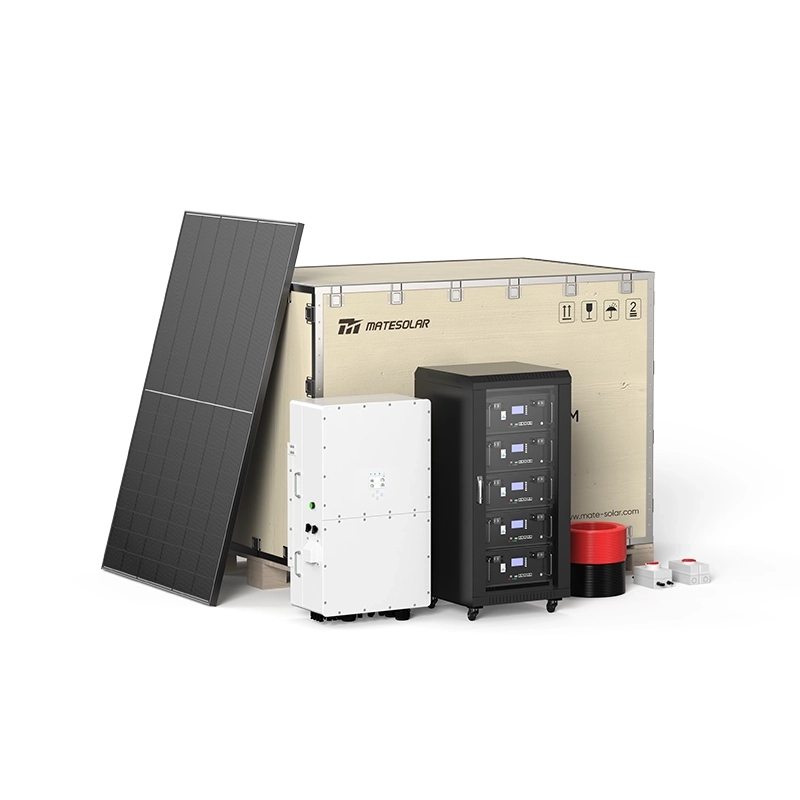
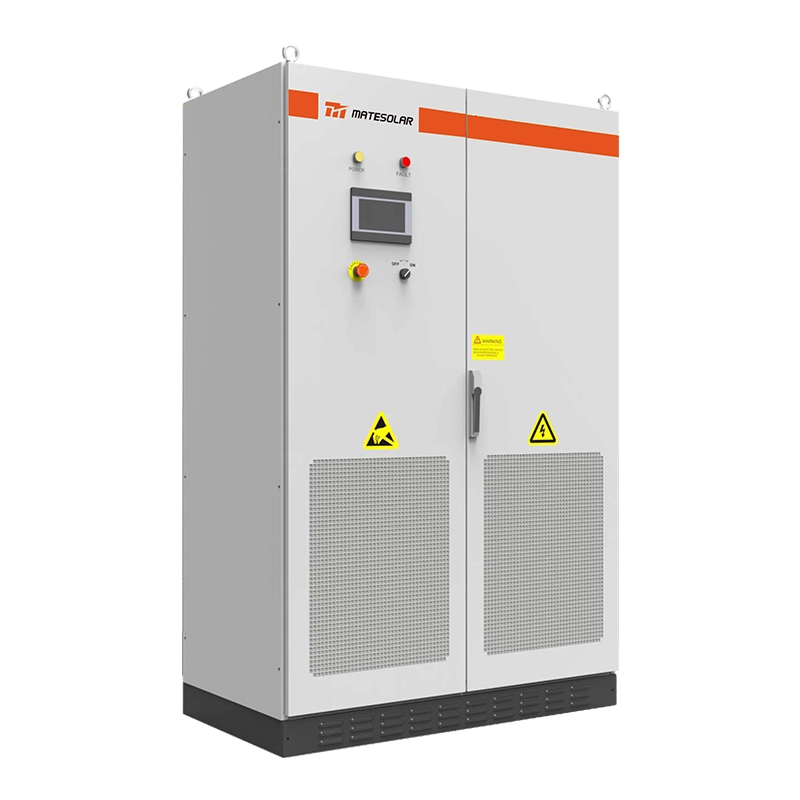
4. Technology Procurement: Select equipment matched to your climate and economic model. For efficient, all-in-one solutions suitable for many commercial sites, consider a pre-engineered option like our Commercial 500KW Hybrid Solar System.
5. Financing & Incentive Application: Secure project financing and submit formal applications for identified grants and tax credits.
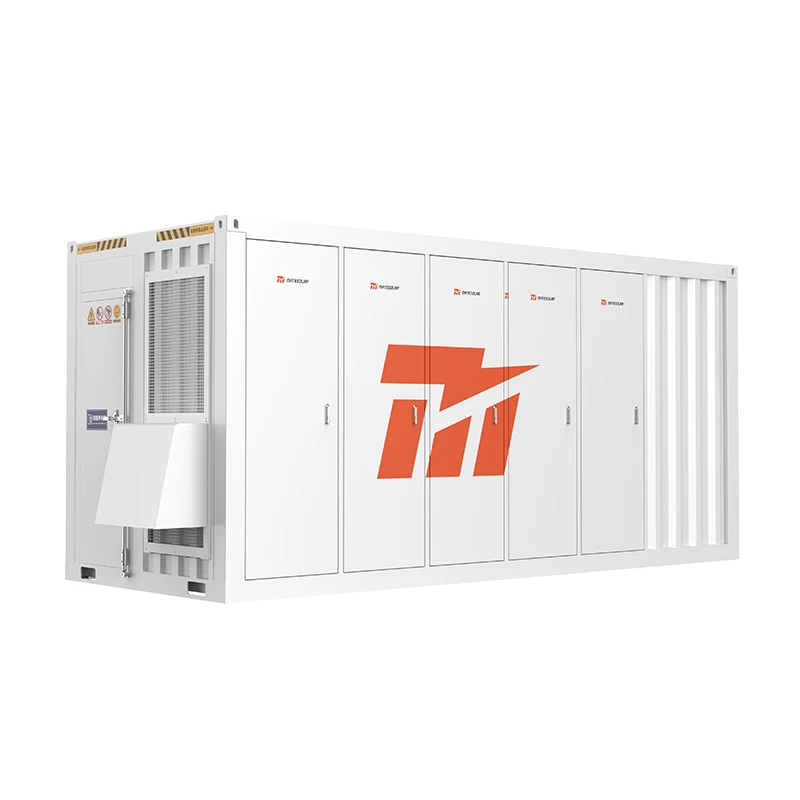
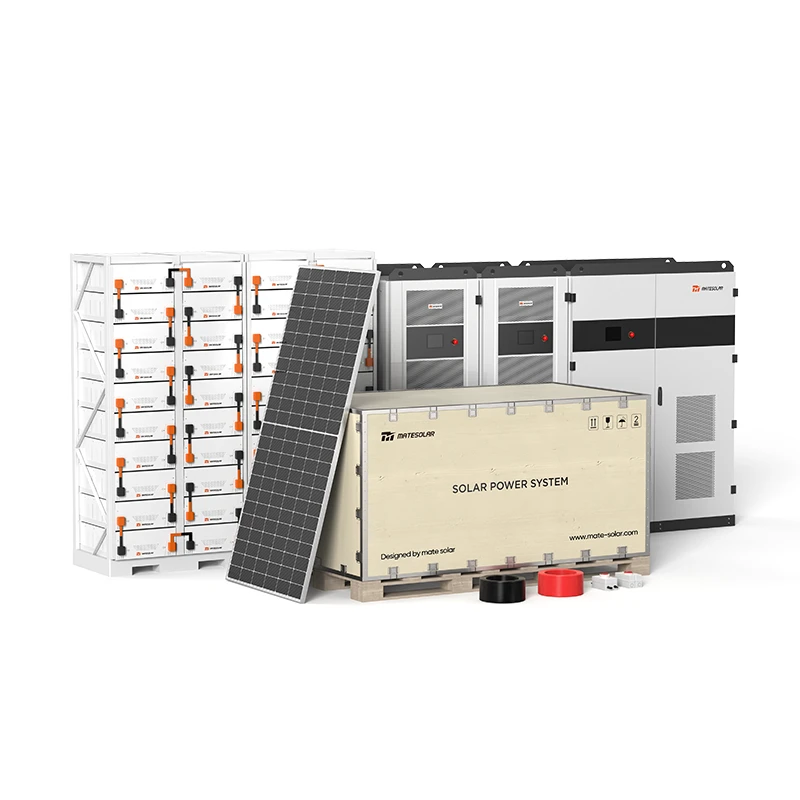
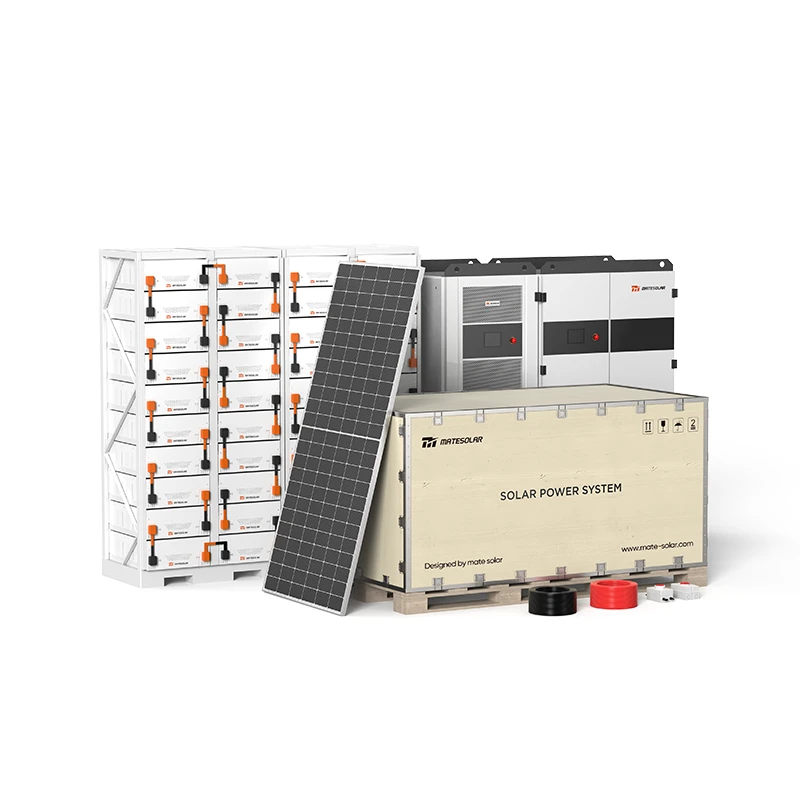
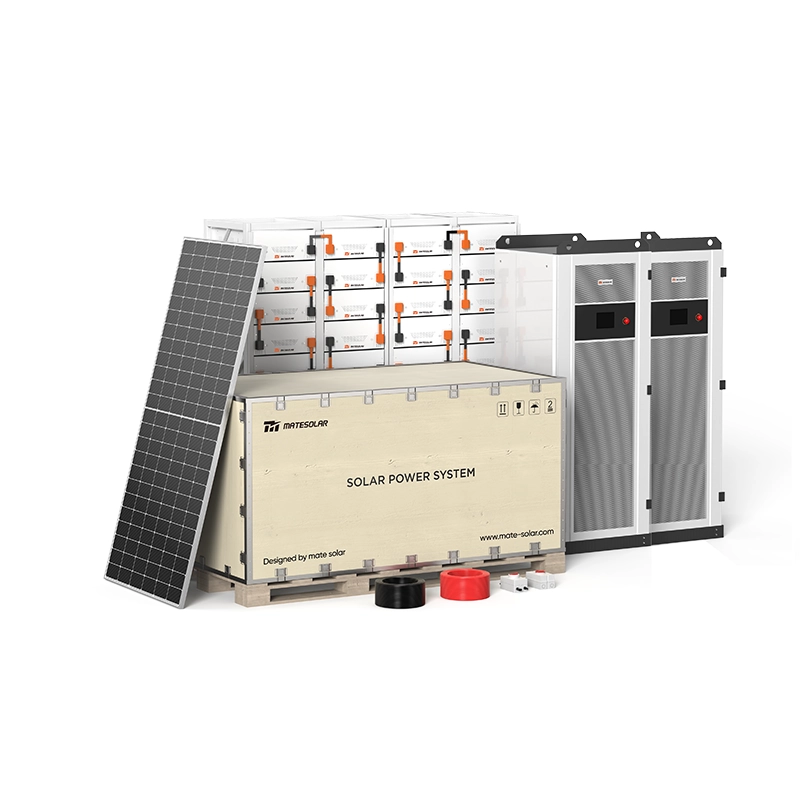
6. Installation & Commissioning: For larger, utility-connected projects, consider the speed and simplicity of a containerized solution. Our 20ft 3MWh / 5MWh Liquid Cooling Container Energy Storage System offers a rapid-deployment, utility-ready package with superior thermal management.
7. Grid Interconnection: Work with your local distribution company (LDC) to complete the connection agreement.
8. Monitoring, Operations & Revenue Optimization: Continuously monitor system performance and, where applicable, participate in grid markets to maximize returns.
Frequently Asked Questions (FAQ)
Q1: Can I still benefit from the Federal ITC if my business doesn't have a large tax liability?
A: Yes. The Clean Technology ITC is refundable. This means if the credit value exceeds your tax payable, the government will pay you the difference as a refund, making it highly accessible.
Q2: How do I know if my project is "deployment-ready" for the SREPs CRP stream?
A: "Deployment-ready" typically means the project has completed key development milestones: site control, interconnection studies, environmental assessments, and a robust business case. The stream is highly competitive and requires provincial government nomination.
Q3: Are batteries economical in Ontario given current electricity prices?
A: The economics are highly site-specific. While a 2025 study suggested standalone battery adders might have marginal economics under some rates, the combination with solar for behind-the-meter applications—especially when layering bill savings (ToU arbitrage, demand charge reduction) with incentives—is increasingly robust. The long-term grid service contracts from IESO auctions provide a stable revenue floor for front-of-meter assets.
Q4: What is the single biggest technical risk for storage in Canada, and how is it mitigated?
A: Low-temperature performance and lifespan degradation. Mitigation strategies include specifying batteries with integrated and efficient thermal management systems, oversizing the battery capacity to account for winter efficiency dips, or exploring new chemistry configurations like hybrid systems designed for cold climates.
Q5: How can a First Nations partnership improve my project's chances of success?
A: Beyond being the right thing to do, such partnerships can facilitate community support, streamline permitting on traditional lands, unlock dedicated funding or grant opportunities, and create a stable, long-term ownership model that aligns with community energy sovereignty goals.
Conclusion: Seizing the Canadian Energy Opportunity
The Canadian market for solar-plus-storage has reached a pivotal inflection point. The alignment of generous, multi-level incentives with proven technology and growing economic imperative creates a window of exceptional opportunity. Success, however, demands more than just purchasing equipment. It requires a strategic partner with deep expertise in policy navigation, climate-adaptive engineering, and financial optimization.
This is where MateSolar stands as your definitive guide and executor. We are not just suppliers; we are your one-stop photovoltaic energy storage system solution provider. From the initial incentive screening and precise financial modeling to the deployment of frost-optimized technology like our advanced containerized storage systems, we provide an integrated, turnkey partnership. Our expertise ensures your project—whether it's a manufacturing plant, a municipal building, or a remote community microgrid—is engineered to maximize every available dollar of policy support and deliver reliable, clean power for decades to come.
The future of Canadian energy is distributed, resilient, and clean. The tools and the policy support are in place. The time to build is now.