









Executive Summary: The Caribbean’s Most Dynamic Energy Storage Market Enters a New Era
As of March 30, 2026, Barbados stands at a pivotal crossroads in its clean energy transition. The island nation—historically dependent on imported fossil fuels—has just closed the most significant competitive procurement for battery energy storage systems (BESS) in its history. With the 60MW/240MWh national BESS tender officially concluding on March 6, 2026, the market now shifts from planning to execution, creating unprecedented opportunities for developers, industrial energy users, and commercial property owners.
The timing is critical. Barbados’ Integrated Resource and Resiliency Plan (IRRP) identifies a need for approximately 370MW of energy storage capacity to stabilize the grid as renewable energy penetration increases . Currently, only 5MW (the Trents grid project) is operational, with an additional 15MW approved. This leaves a staggering 350MW+ gap that must be filled over the coming years.
This report provides a comprehensive analysis of the Barbados energy storage landscape as of Q2 2026. Drawing on official government documents, regulatory decisions from the Fair Trading Commission (FTC), and real-time market intelligence from the recently concluded 60MW procurement, we address the critical questions facing four distinct stakeholder groups:
1. Industrial & Commercial Energy Users – Hotels, manufacturers, and large facilities grappling with high electricity costs and reliability risks.
2. EPC Firms & Project Developers – Companies positioning for the next wave of utility-scale and distributed storage opportunities.
3. Small-to-Medium Commercial Enterprises – Retailers, office buildings, and SMEs navigating the 96 pending storage applications and "interconnection anxiety."
4. All Stakeholders – The universal challenges of tropical climate resilience, bankability, and long-term operational support.
This document serves as a technical guide, a strategic roadmap, and a practical toolkit for anyone serious about participating in the Barbados energy storage market.
Section 1: Market Context – Why Barbados Is Different
1.1 The 60MW/240MWh National BESS Procurement: What Just Happened?
The Government of Barbados, through the Ministry of Energy and Business and the Renewable Energy Procurement Committee, launched the Request for Proposals (RFP) for 60MW (240MWh) of energy storage services in December 2025. The procurement utilized a Build-Own-Operate (BOO) model, with the Barbados Light and Power Company (BLPC) acting as the Buyer.
Key timeline:
- RFP Release: December 15, 2025
- Pre-Bid Conference: January 22, 2026 (attended by 200+ participants from 40+ companies)
- Questions Due: February 19, 2026
- Bid Submission Deadline: March 6, 2026
Why this procurement matters beyond the numbers:
The RFP introduced a standardized, bankable framework that will serve as the template for future tenders. Key features include:
- Standardized Energy Storage Licence templates
- Energy Storage Agreement templates with clear commercial terms
- Interconnection Agreement templates aligned with BLPC’s Grid Code
- Central Bank Liquidity Support Guarantee, providing sovereign credit enhancement
As of today (March 30, 2026), the evaluation process is underway. Successful bidders are expected to be announced in the coming weeks, with commercial operation targets set for 2027-2028.
1.2 Market Demand Signals: Beyond the Utility-Scale Tender
The market is not waiting for the utility-scale results. Since the government opened the formal application process for energy storage projects in November 2025, 96 applications have been submitted and are currently undergoing validation. This surge represents:
- Commercial and industrial (C&I) projects ranging from 100kW to several MW
- Behind-the-meter installations at hotels, manufacturing facilities, and retail centers
- Front-of-the-meter distributed storage seeking to participate in grid services
1.3 The Regulatory Foundation: Fair Trading Commission's Energy Storage Tariff (EST) Framework
The regulatory architecture for storage in Barbados was established through the Fair Trading Commission’s Decision on Energy Storage Framework and Tariffs (Document No.: FTCUR/DECEST/2023-03). Key provisions include:
- Four-Year Pilot Project: Designed to gather data on storage performance and grid services
- Ten-Year Tariff Eligibility: Projects licensed during the pilot phase receive tariff payments for 10 years
- "Used and Useful" Requirement: BESS must provide three or more storage power services and two or more voltage/reactive power services simultaneously to qualify for EST payments
- Capacity Degradation Guarantee: Systems must not degrade more than 50% over 10 years or 5% annually (based on 365 cycles/year)
Table 1: Fair Trading Commission Energy Storage Tariff Rates (as of March 2026)
| Battery Duration | Size Category | LCOS (BBD$/kWh) | LCOS (BBD$/kW-month) | Contract Term |
| 2-hour | Up to 25 kW | 0.675 | 56.78 | 10 years (under pilot) |
| 3-hour | >25 kW – 1 MW | 0.404 | 33.95 | 10 years (under pilot) |
| 3-hour | >1 MW – 10 MW | 0.292 | 24.61 | 10 years (under pilot) |
| 4-hour | >25 kW – 1 MW | 0.374 | 41.95 | 10 years (under pilot) |
| 4-hour | >1 MW – 10 MW | 0.270 | 30.34 | 10 years (under pilot) |
*Source: Fair Trading Commission Decision FTCUR/DECEST/2023-03*
1.4 Regional Aggregation: The Caribbean Aggregation Procurement Programme (CAPP)
Barbados is a core participant in the Caribbean Aggregation Procurement Programme (CAPP), a joint initiative of the Renewable Energy and Energy Efficiency Partnership (RELP) and the Organisation of Caribbean Utility Regulators (OOCUR). The program aims to:
- Create a coordinated project pipeline across 10-12 Caribbean countries
- Standardize procurement documentation and contractual structures
- Aggregate demand to attract larger-scale investment and lower generation costs
For developers and equipment suppliers, this means that investments in Barbados today create a platform for accessing the broader Caribbean market under harmonized frameworks.
Section 2: Industrial & Commercial Energy Users – The High-Electricity-Cost Dilemma
2.1 The Core Problem: Expensive, Unreliable Power
Barbados’ electricity costs remain among the highest in the Caribbean, driven by the country’s continued reliance on imported fossil fuels. The national utility, BLPC, operates under a fuel clause adjustment mechanism that passes fuel price volatility directly to end-users. For hotels, manufacturers, and large commercial operations, electricity is typically the second-largest operating expense after labor.
Simultaneously, grid stability is challenged by increasing renewable energy penetration. As solar PV accounts for a growing share of generation during daylight hours, grid operators face ramping challenges during evening peaks when solar output declines but hotel occupancy-driven air conditioning loads surge.
2.2 Targeted Solution: Industrial-Grade BESS for Peak Shaving and Backup
For industrial and large commercial users, the question is no longer whether to deploy storage, but how to maximize the economic and operational value.
Key capabilities required:
Peak Shaving & Cost Locking:
A properly sized BESS can charge during low-cost periods (typically daytime when solar is abundant) and discharge during high-cost peak periods (evenings, when hotels are at full occupancy and AC loads peak). This peak shaving function reduces demand charges and hedges against fuel price volatility.
Diesel Generator Replacement:
Many hotels and industrial facilities currently rely on diesel generators for backup power. These systems carry high fuel costs, generate noise and emissions, and require regular maintenance. A BESS paired with solar can provide seamless islanding during grid faults, operating as a microgrid without the operational expenses of diesel.
Virtual Power Plant (VPP) Readiness:
The Government of Barbados has begun designing a Virtual Power Plant (VPP) pilot project, which will aggregate distributed renewable energy and storage systems to provide grid support services. For commercial users, participating in the VPP offers a pathway to monetize idle storage capacity.
Table 2: Comparative Economics – Diesel Generator vs. BESS for a 500kW Hotel Load
| Parameter | Diesel Generator | Solar + BESS (500kW/2MWh) |
| Capital Cost | $50,000–$80,000 (installed) | $450,000–$550,000 (installed) |
| Fuel/Operating Cost | $0.42–$0.48/kWh (diesel) | $0.02–$0.04/kWh (solar marginal) |
| Annual Operating Cost | $15,000–$25,000 (maintenance + fuel) | $2,000–$4,000 (minimal) |
| Carbon Emissions | High (diesel combustion) | Zero (during solar + battery operation) |
| Noise Level | 80–100 dB | <40 dB (inaudible) |
| Grid Services Revenue | None | $15,000–$25,000/year (VPP participation) |
| Simple Payback | Not applicable (expense) | 4–6 years (including avoided costs + revenue) |
2.3 Critical Technical Considerations
Islanding Capability: For hotels and critical facilities, the ability to seamlessly disconnect from the grid during faults and operate independently (island mode) is non-negotiable. Advanced BESS systems must include automatic transfer switches and black-start capability to ensure continuous power to essential loads.
EMS Integration: To participate in VPP programs, the Energy Management System (EMS) must support third-party dispatch signals and allow for remote control by aggregators. This requires open communication protocols (Modbus TCP, IEC 61850) and cybersecurity hardening.
Scalability: For hotels with phased expansion plans, the BESS should be modular, allowing capacity additions without replacing existing equipment.
Section 3: EPC Firms & Developers – Positioning for the Next Wave
3.1 The Opportunity: 370MW Total Demand, First 60MW Tender Closed
With the first 60MW/240MWh BOO procurement now in the evaluation phase, developers and EPC firms must look beyond the initial award to the remaining 310MW+ of storage required under the IRRP framework. The government has made clear that this is not a one-time procurement but a sustained pipeline.
Key upcoming opportunities:
1. Second Utility-Scale Tender (Expected 2027): The government has signaled intentions to launch additional BOO procurements as the grid reaches higher renewable penetration levels.
2. Distributed Storage Program: The 96 pending applications demonstrate substantial demand for behind-the-meter and front-of-the-meter distributed storage. These projects range from 100kW to 5MW.
3. Community Storage Projects: The FTC framework includes provisions for community-based energy storage initiatives, offering a pathway for aggregating residential and small commercial systems.
4. CAPP Regional Procurement: As the regional aggregation program matures, developers with Barbados experience will be well-positioned to bid on harmonized tenders across the Caribbean.
3.2 Standardized Frameworks: Adapting to the BLPC Template
The recently concluded 60MW procurement established a template that will likely govern future tenders. Key documents include:
- Energy Storage Licence: Governs the authorization to own and operate storage assets
- Energy Storage Agreement: Defines the commercial relationship with BLPC, including dispatch rights, payment mechanisms, and performance requirements
- Interconnection Agreement: Technical requirements for connecting to the grid, aligned with BLPC’s Grid Code and the November 2024 Grid Code Amendment for Battery Storage.
For developers preparing for future tenders, the ability to demonstrate experience with these standardized frameworks is essential. Systems must be designed to meet BLPC’s technical requirements, including:
- Ability to provide autonomous grid services or respond to utility dispatch signals
- Compliance with power quality standards (voltage control, frequency response, power factor correction)
- Telemetry and data reporting capabilities to satisfy FTC quarterly reporting requirements
3.3 BOO Model Requirements
The BOO model shifts operational risk from the utility to the developer. Successful participants must demonstrate:
- 15-20 Year Long-Term Operations & Maintenance (O&M) Capability: Developers must commit to maintaining systems for the full contract term, with guaranteed availability and performance.
- Local Service Infrastructure: While specialized equipment may be sourced globally, developers need established relationships with local electrical contractors and logistics providers.
- Financial Closing Capability: The Central Bank liquidity support reduces sovereign risk, but developers must still arrange project finance with international lenders. This requires equipment with proven bankability.
3.4 CAPP Participation: Regional Scale
For developers seeking to maximize return on investment, the CAPP framework offers a pathway to scale across multiple Caribbean jurisdictions. Barbados, Jamaica, and other participating countries are working to align their procurement processes, creating opportunities for standardized product offerings and shared technical resources.
Key CAPP milestones:
- Q2-Q3 2026: Regional workshop in Barbados to finalize harmonized procurement documentation
- Late 2026: Country engagement and readiness assessments
- 2027-2028: Launch of aggregated/harmonized auction programs
Section 4: Small-to-Medium Commercial – Overcoming Interconnection Anxiety
4.1 The Challenge: 96 Applications and Counting
Since the government opened the application process in November 2025, 96 submissions have been received, representing a diverse cross-section of commercial and industrial projects . This surge, while demonstrating strong market interest, has created significant pressure on the approval pipeline.
Common concerns among applicants:
- Processing Delays: With a backlog of applications, developers and property owners are concerned about extended wait times for interconnection approval.
- Technical Deficiencies: Many initial applications lack complete technical documentation, leading to requests for additional information and repeated review cycles.
- Changing Requirements: As the market matures, BLPC and the Fair Trading Commission are refining technical requirements, creating uncertainty for projects already in the pipeline.
4.2 Solution: Complete Technical Packages for Seamless Approval
For small-to-medium commercial installations (retail centers, office buildings, light industrial), the key to rapid approval is providing a complete, compliant technical package upfront. This requires equipment that is pre-engineered to meet BLPC’s Grid Code requirements.
Essential technical documentation:
- One-Line Diagrams: Showing all electrical connections, protection devices, and metering points
- Grid Protection Settings: Documentation of anti-islanding protection, voltage and frequency trip settings, and coordination with existing utility protection
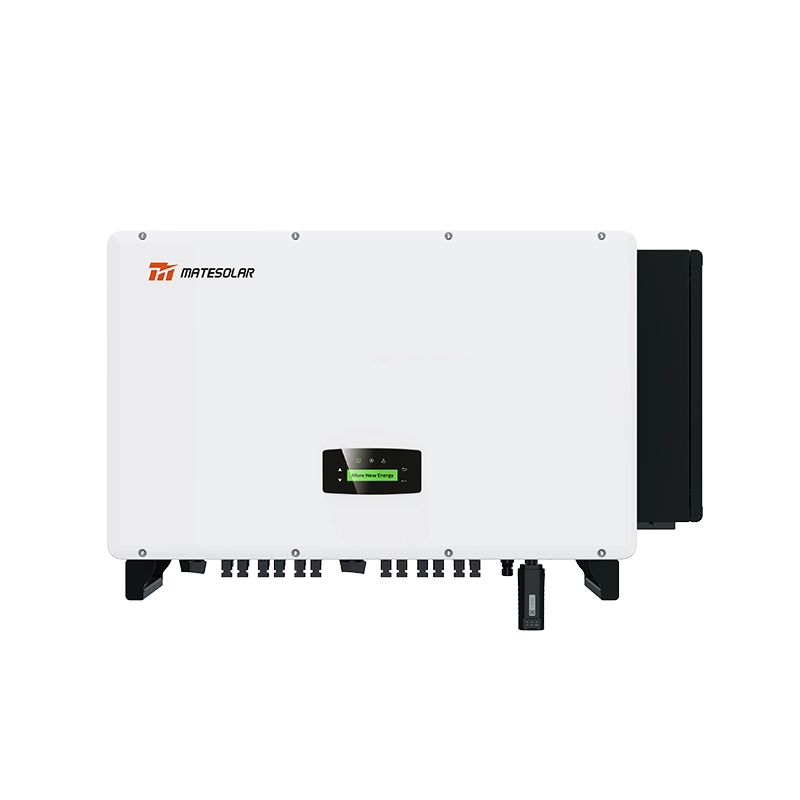
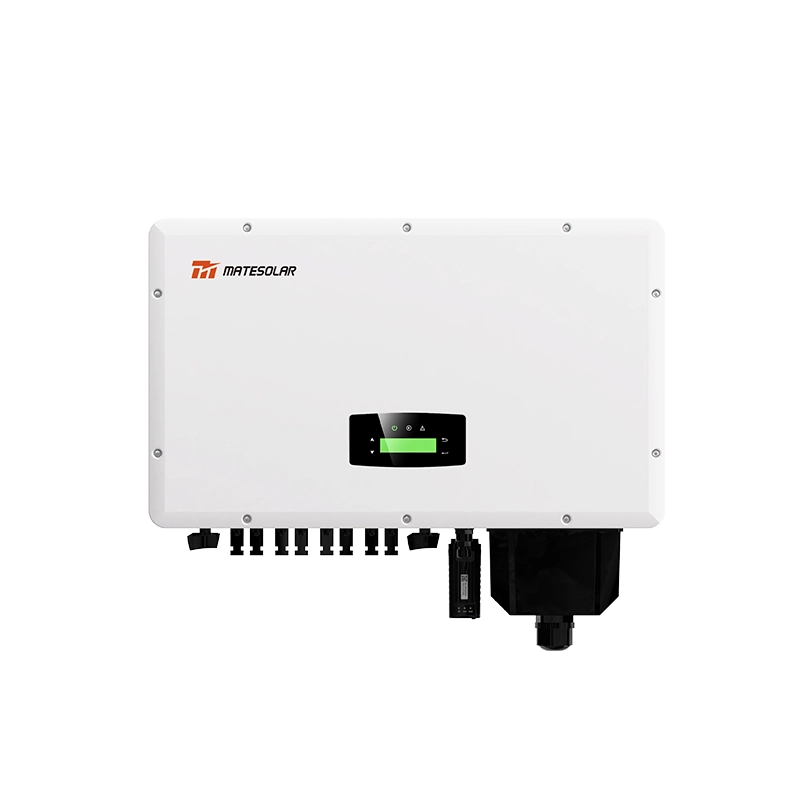
- Power Quality Compliance: Verification that the inverter system can provide power factor control (typically 0.95 leading to 0.95 lagging), harmonic filtering, and voltage regulation
- Metering and Telemetry: Specifications for revenue-grade metering and remote monitoring capabilities
- Grid Code Compliance Certificate: Third-party certification that the equipment meets BLPC’s Grid Code Amendment for Battery Storage
Table 3: Key Technical Requirements for Grid Interconnection (≤24.9kV)
| Requirement | Specification | Testing/Validation Method |
| Anti-Islanding Protection | <2 seconds detection, automatic disconnect | UL 1741 SA / IEEE 1547 |
| Voltage Regulation | ±5% of nominal, with reactive power capability | Factory testing + site commissioning |
| Frequency Response | 59.3–60.5 Hz operating range, trip outside | IEC 61727 compliance |
| Power Factor | Adjustable 0.95 leading to 0.95 lagging | On-site verification |
| Harmonics | THD <5%, individual <3% | IEEE 519 compliance |
| Remote Dispatch | Modbus TCP or IEC 61850 protocol | Factory acceptance test |
Sources: BLPC Grid Code Amendment (November 2024); FTC EST Framework.
4.3 Space-Constrained Installations: Outdoor Cabinet Solutions
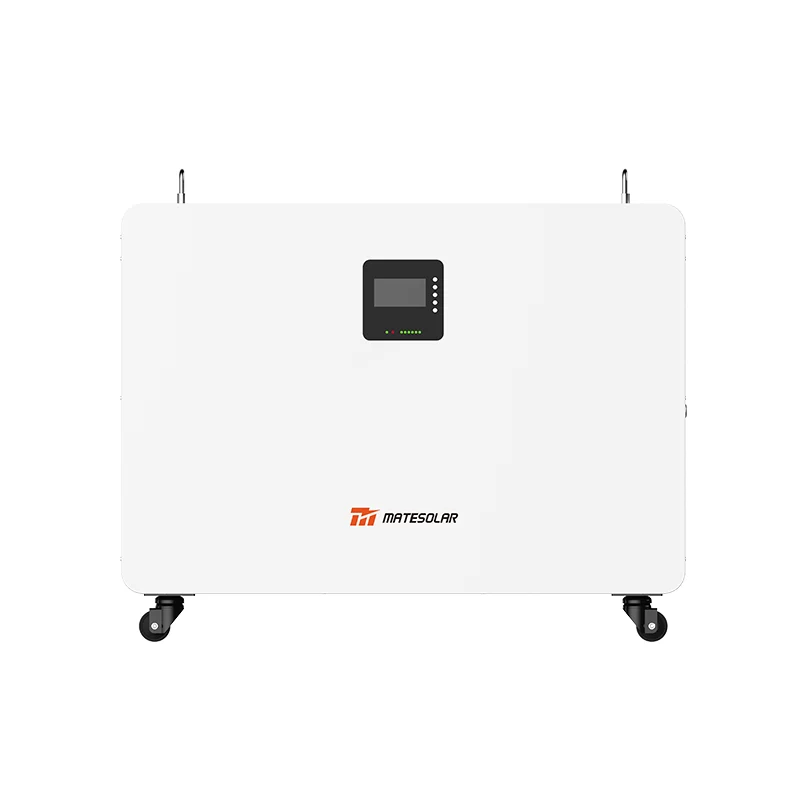
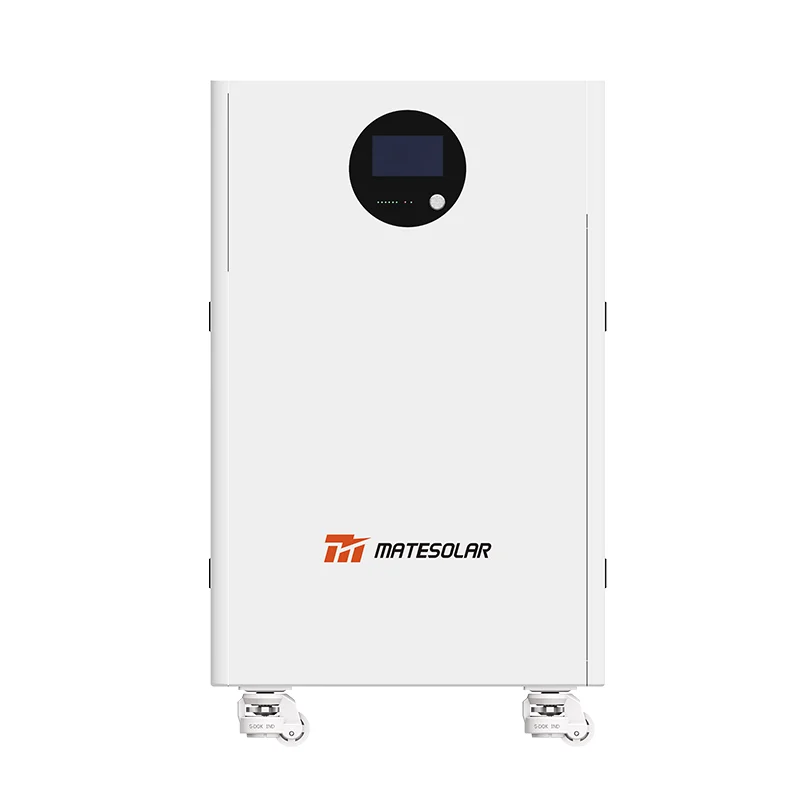
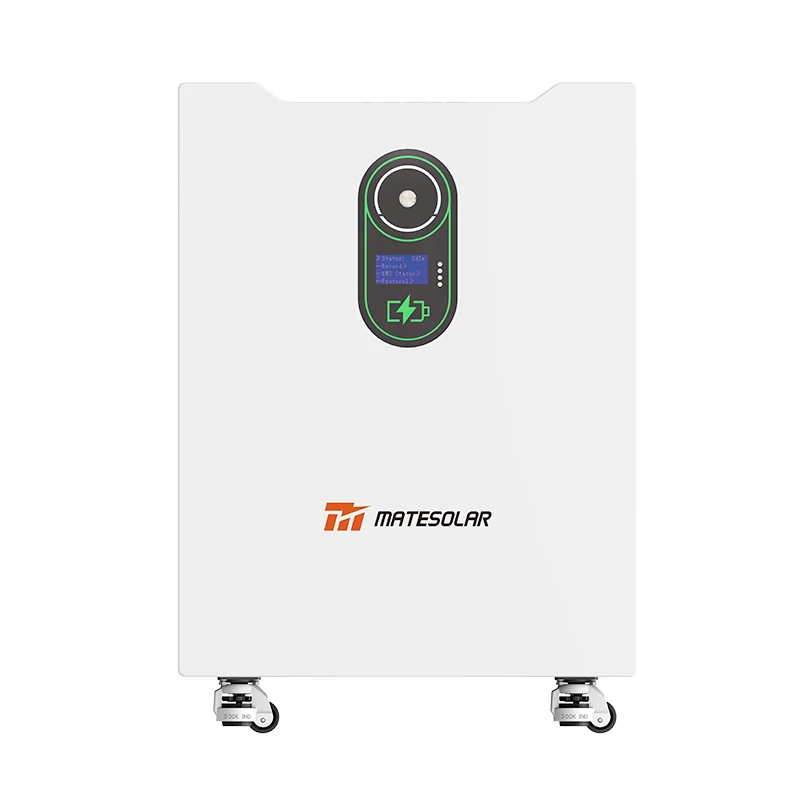
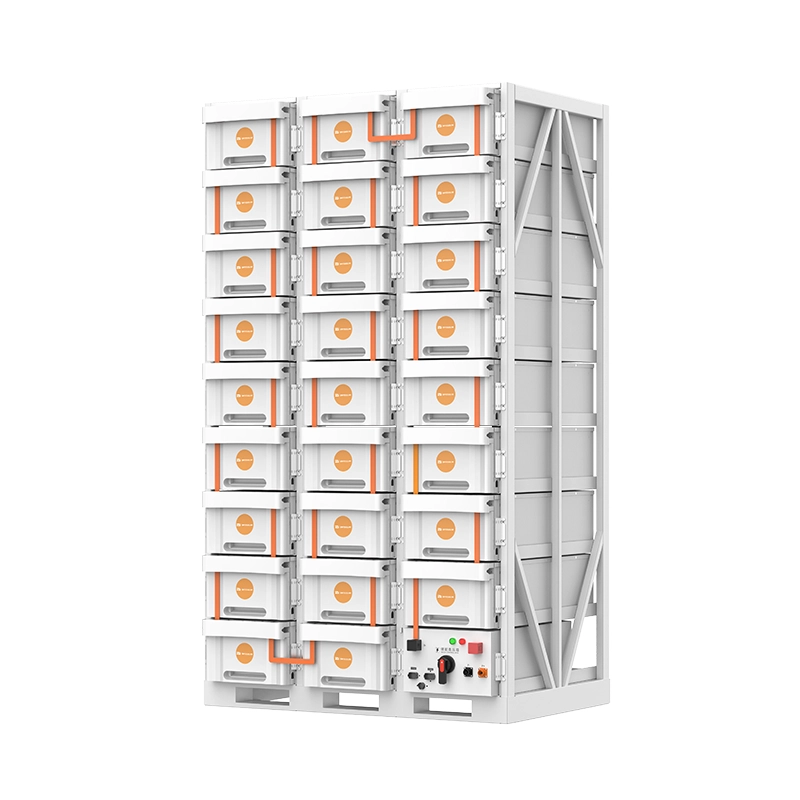
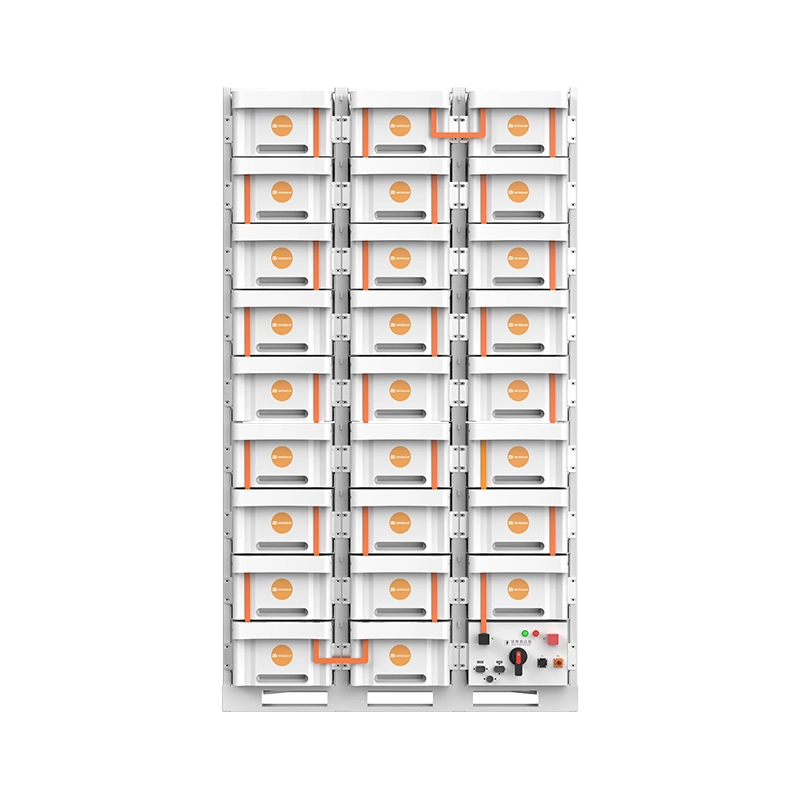
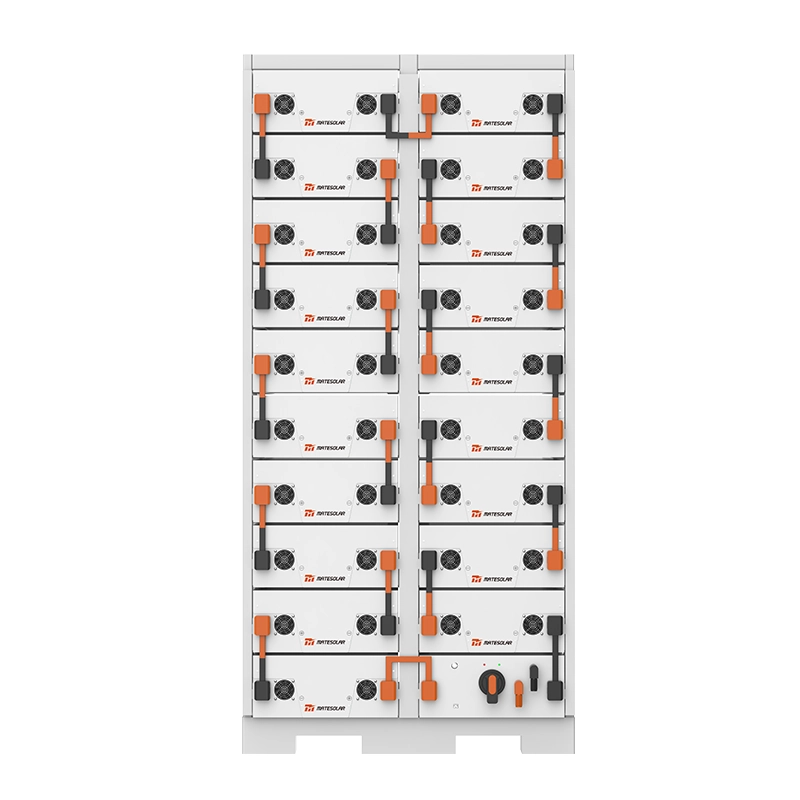
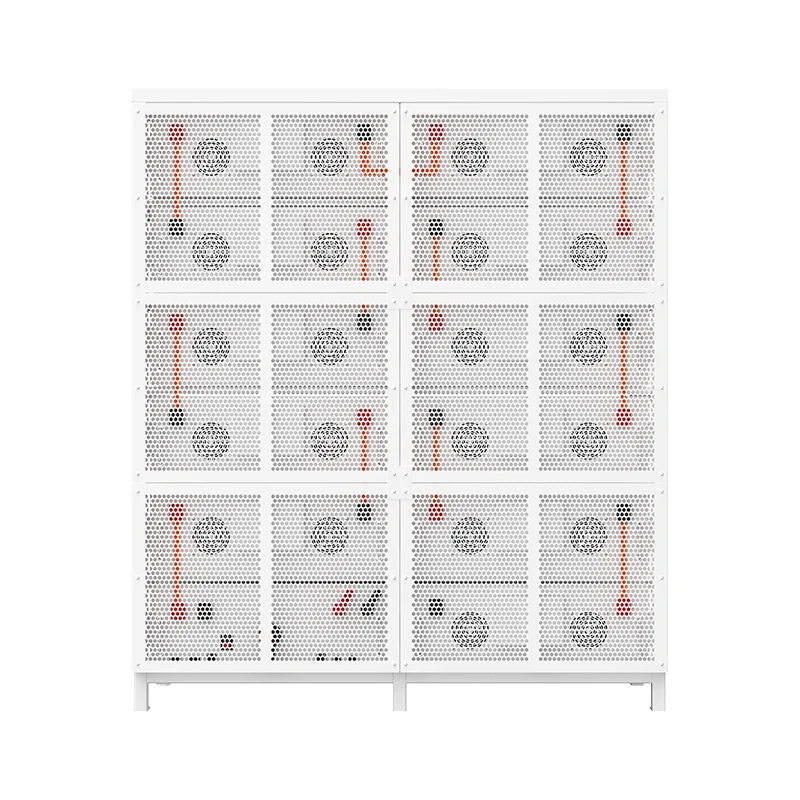
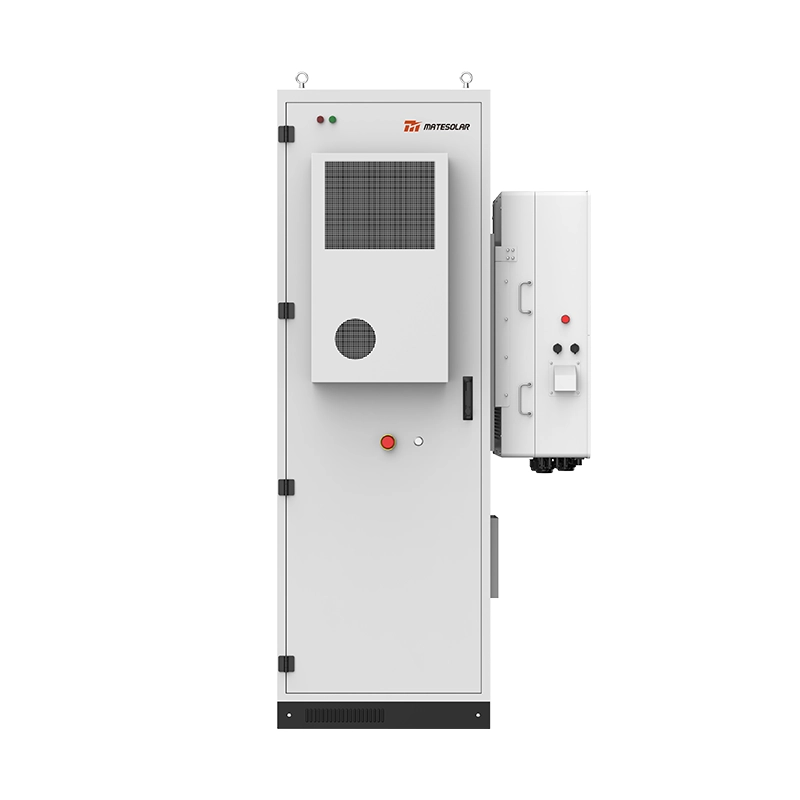
For commercial properties in urban areas, space is often a limiting factor. Outdoor cabinet-style storage systems offer a compact solution that minimizes footprint while maintaining performance in Barbados’ tropical climate.
Critical design features:
- Compact Footprint: 40ft container systems can deliver 1MWh–2MWh of storage in approximately 30 sq. meters, suitable for existing commercial parking lots or loading docks
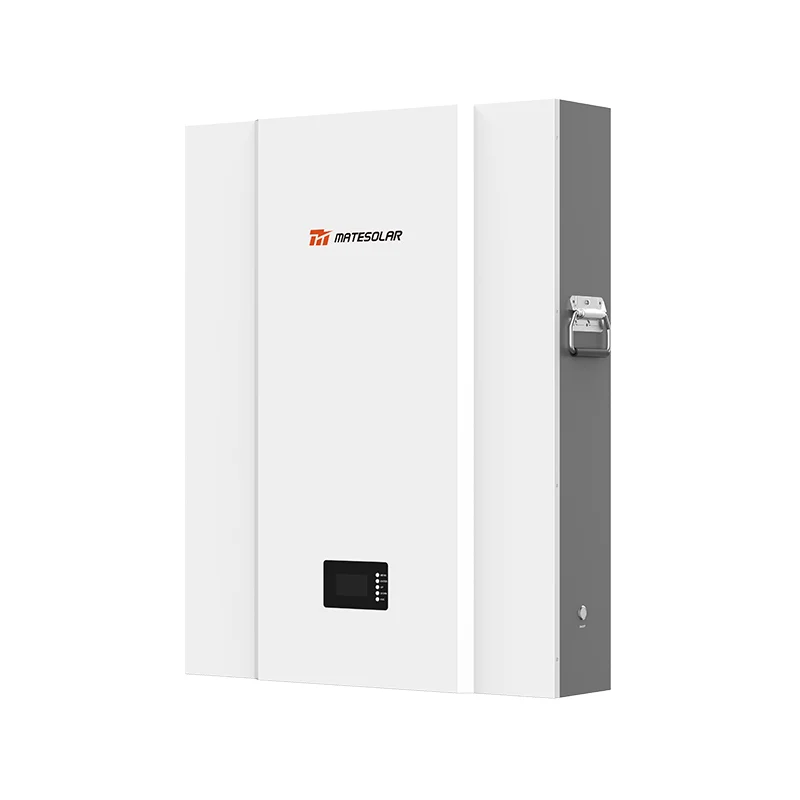
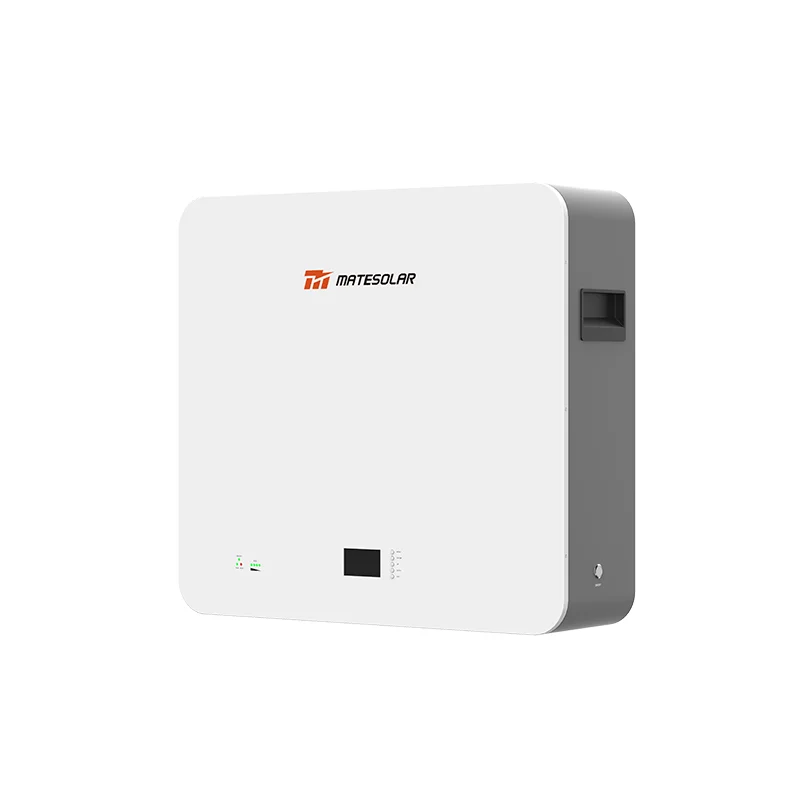
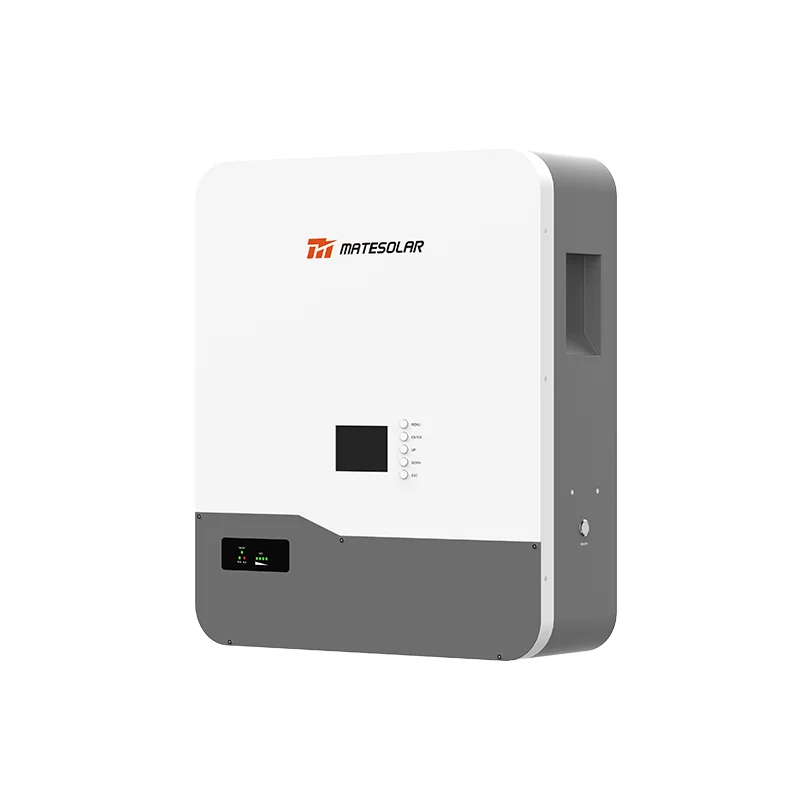
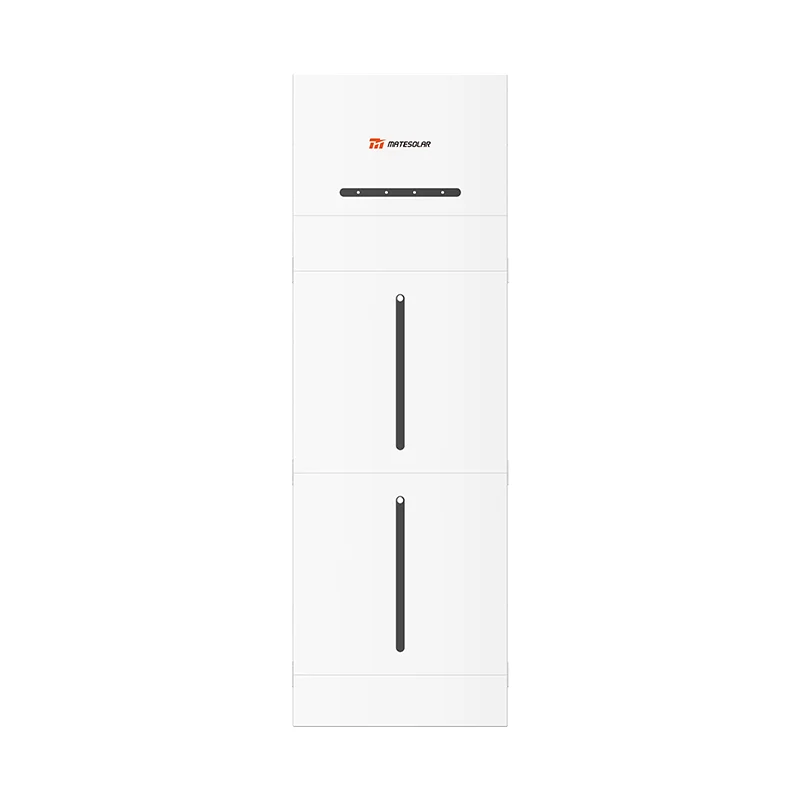
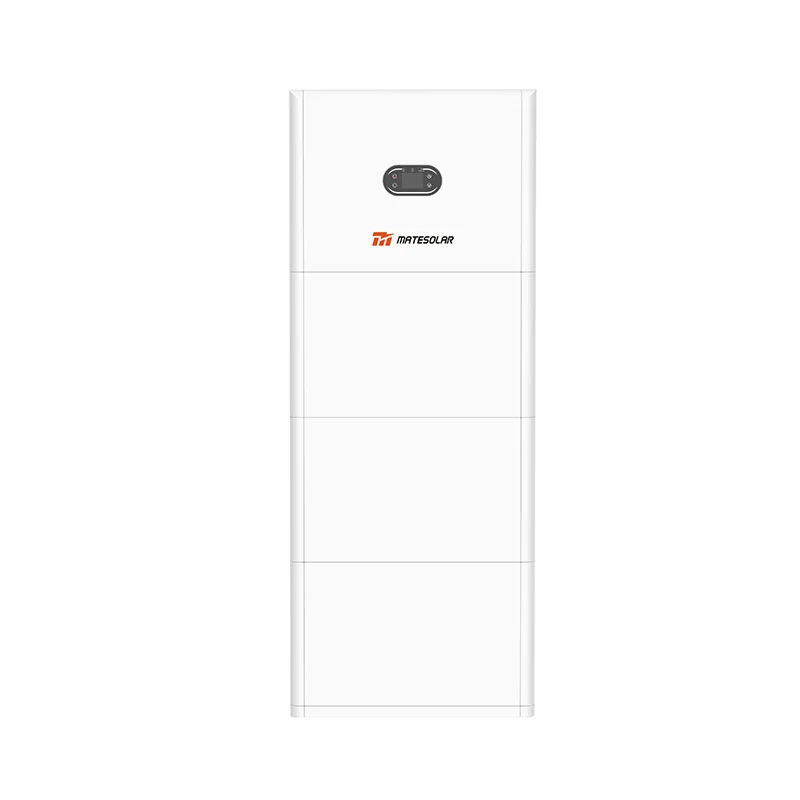
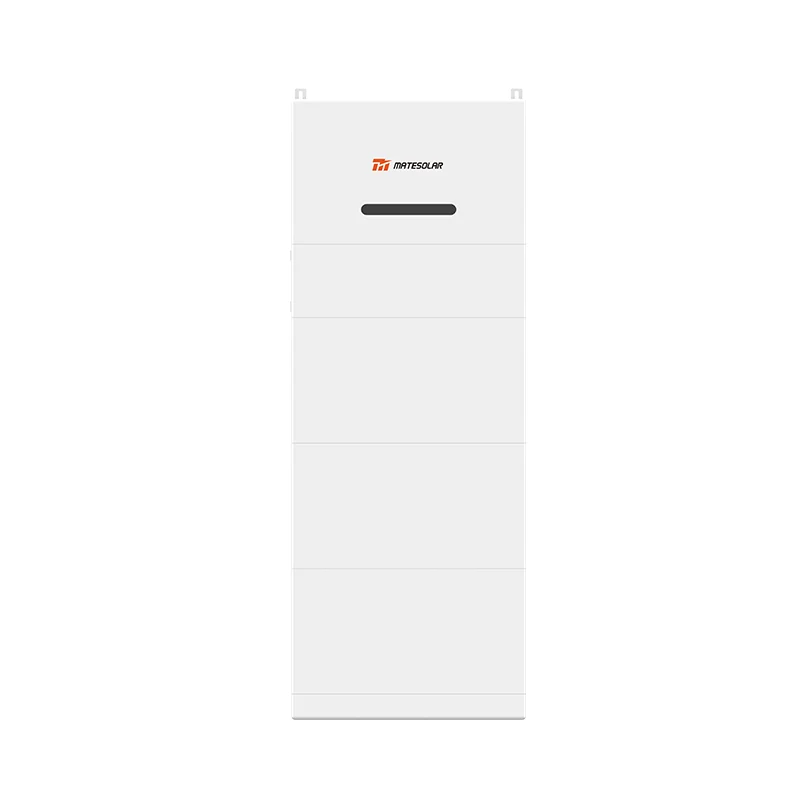
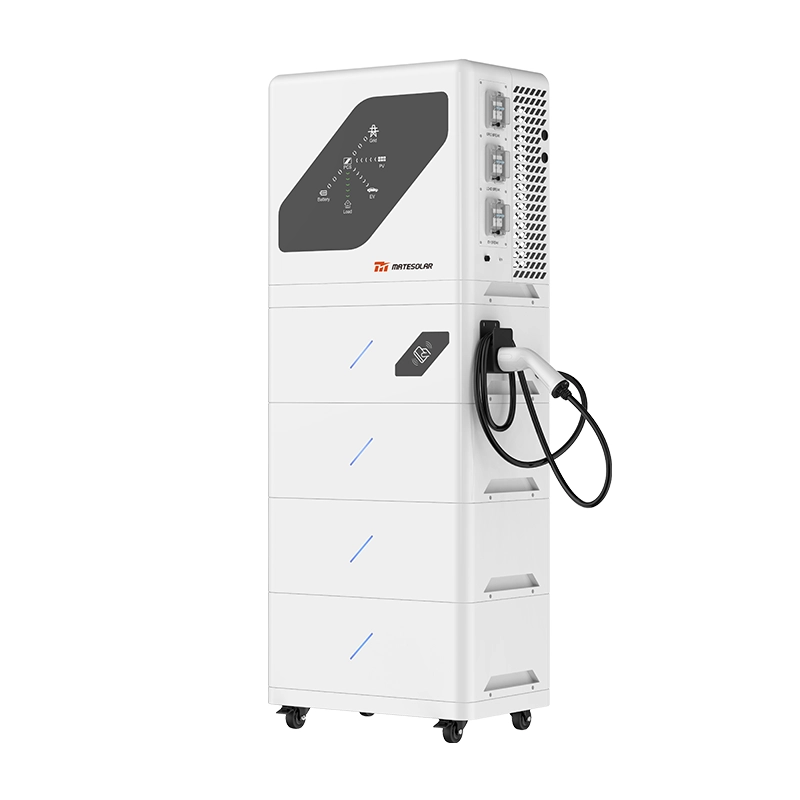
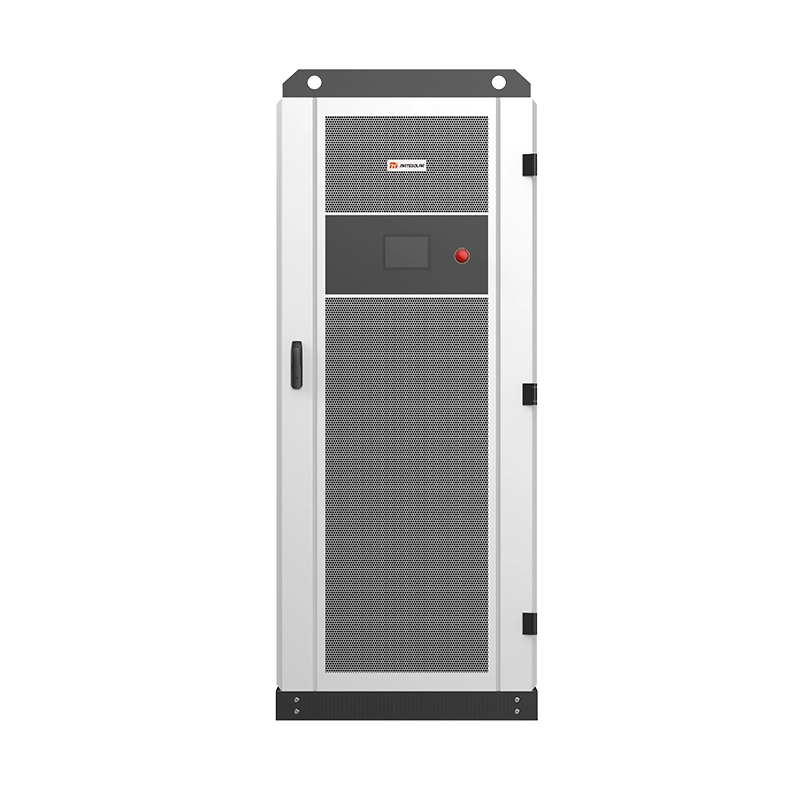
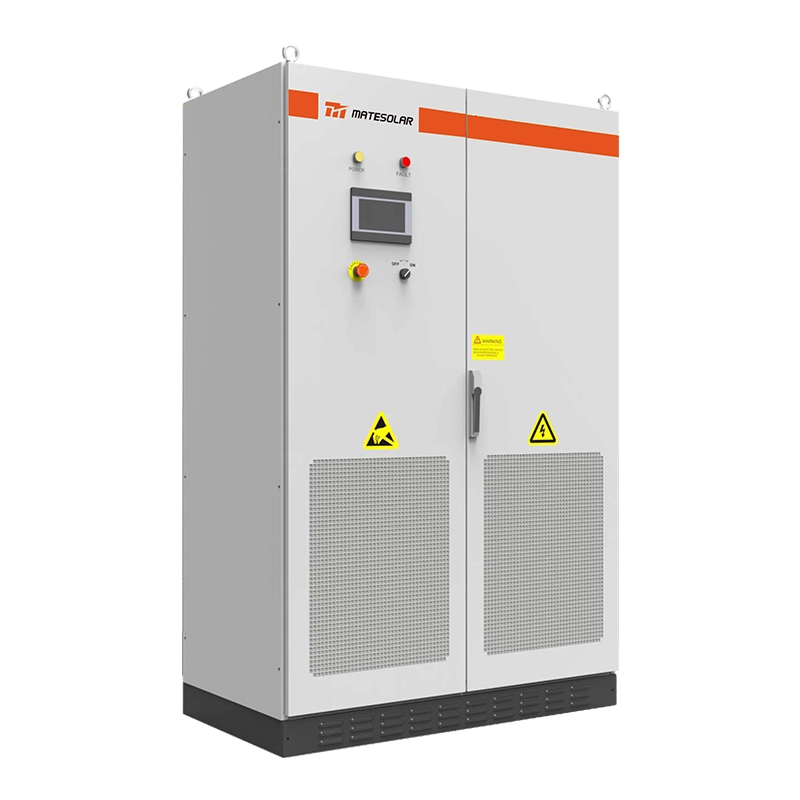
- Wall-Mountable Options: For smaller systems (50kW–200kW), wall-mounted or ground-mounted cabinets with minimal clearance requirements
- Ventilation and Thermal Management: In Barbados’ ambient temperatures (typically 25–32°C year-round), air-cooled systems must be properly sized for continuous operation; liquid-cooled systems offer superior thermal management for high-cycle applications
Section 5: Universal Challenges – Tropical Climate Resilience & Bankability
5.1 Environmental Demands: Heat, Salt, and Hurricanes
Barbados’ tropical marine environment imposes severe demands on electrical equipment. Salt-laden air accelerates corrosion; high ambient temperatures reduce battery cycle life; and hurricane-season winds (June–November) require robust structural design.
Table 4: Environmental Requirements for Barbados BESS Deployments
| Environmental Factor | Barbados Condition | Required Mitigation |
| Temperature | 25–32°C ambient (annual average); peak 35°C+ | Active thermal management (liquid cooling for high-cycle applications); oversized cooling capacity for safety margins |
| Relative Humidity | 70–85% (coastal); up to 95% during wet season | IP55 minimum enclosure rating; IP65 for critical electronics; desiccant breathers for outdoor cabinets |
| Salt Spray | High (coastal zones, Category C5-M marine environment) | C5-M corrosion protection (heavy-duty coating); stainless steel hardware; marine-grade aluminum or galvanized steel |
| Wind Loading | Hurricane-prone; design wind speed 180–200 km/h | Structural certification to ASCE 7-16; ground-mounted systems require reinforced foundations; rooftop systems require verified attachment points |
| Lightning | High incidence (tropical thunderstorms) | Type 1+2 surge protection at AC and DC inputs; proper grounding per IEEE 142 |
5.2 Battery Life in Tropical Climates
Lithium-ion battery degradation accelerates with temperature. For every 10°C increase above 25°C, the rate of capacity fade can double. In Barbados’ ambient conditions, without active cooling, a battery rated for 6,000 cycles at 25°C might deliver only 3,000–4,000 cycles before reaching 80% capacity.
FTC requirements:
The Fair Trading Commission’s EST framework explicitly requires that BESS capacity not fade more than 50% over 10 years or more than 5% in any single year, based on 365 cycles per year of use. Systems that exceed these degradation thresholds are subject to a "true-up mechanism" where payments are refunded proportionally.
How to ensure compliance:
- Liquid Cooling Systems: For high-cycle applications (daily cycling for peak shaving), liquid cooling maintains cells within optimal temperature ranges (25–30°C), preserving cycle life.
- Thermal Runaway Prevention: Advanced battery management systems (BMS) with cell-level temperature monitoring and automatic derating.
- Oversized Capacity: Specifying systems with 10–15% excess capacity ensures that even with expected degradation, usable capacity meets contract requirements through year 10.
5.3 Certification & Bankability
International lenders require that BESS equipment carry recognized certifications. The 60MW procurement’s Central Bank guarantee reduced sovereign risk, but project-specific financing still depends on equipment bankability.
Required certifications for Barbados:
- UL 9540 (Energy Storage Systems and Equipment): The most widely recognized safety standard for BESS, covering electrical, mechanical, and thermal safety.
- UL 9540A (Thermal Runaway Fire Propagation): Required by many insurers and lenders to demonstrate fire safety, particularly for indoor or densely deployed systems.
- IEC 62619 (Secondary Cells and Batteries – Safety Requirements): International standard for industrial lithium-ion batteries.
- IEC 62477 (Safety Requirements for Power Electronic Converter Systems): Covers inverter and PCS safety.
- IEEE 1547 / UL 1741 SA: Grid interconnection standards required by BLPC.
Bankability factors:
- Track Record: Projects with equipment from Tier 1 manufacturers with >500MW deployed globally
- Performance Guarantees: Liquidated damages for underperformance; capacity degradation warranties
- Insurance: All-risk insurance covering transport, installation, and operation
5.4 Service & Support in a Small Island Market
For developers and end-users in Barbados, the availability of local service and support is a critical decision factor. The island’s size means that specialized technical resources are limited, and shipping times for replacement parts from North America or Europe can range from 2–6 weeks.
Our approach at MateSolar:
We recognize that establishing a full-time local service team in Barbados is not economically feasible given the current market scale. Instead, we have developed a hybrid support model that balances responsiveness with cost-effectiveness:
- Remote Diagnostics: All BESS systems are equipped with cellular or satellite-enabled remote monitoring. Our technical team can access system data, diagnose faults, and perform software updates without on-site visits.
- Guided Troubleshooting: For issues requiring physical intervention, our technicians provide step-by-step video guidance to local electricians. Most issues can be resolved within 24 hours using this approach.
- Replacement Parts Inventory: A strategic inventory of critical components (battery modules, BMS boards, inverters) is maintained in a regional hub. Expedited shipping can deliver parts within 48–72 hours.
- On-Site Support for Large Projects: For utility-scale projects (>5MW), we deploy field engineers for the duration of installation and commissioning. Ongoing maintenance is handled through a combination of remote monitoring and scheduled quarterly inspections.
- Return/Replacement Warranty: Quality issues are addressed through replacement of affected components or, where necessary, complete system replacement. We do not require on-site repairs beyond component-level swaps.
Response time commitments:
- Remote diagnostics: Within 4 hours of notification
- Parts dispatch: Within 24 hours of diagnosis
- Technical guidance: Continuous during business hours; emergency support 24/7
Section 6: Technical Deep Dive – BESS Architectures for Barbados Applications
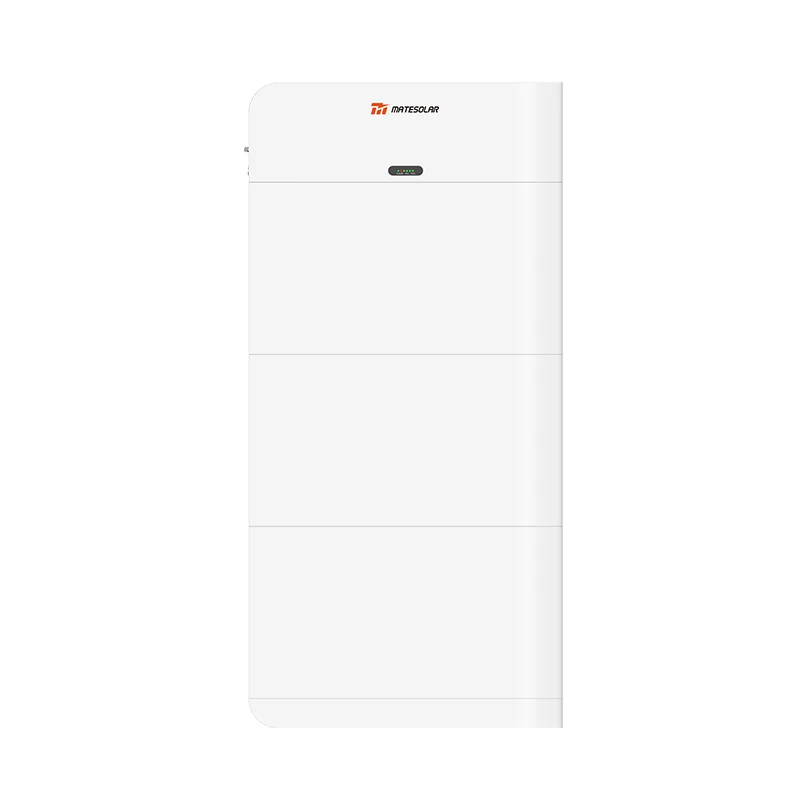
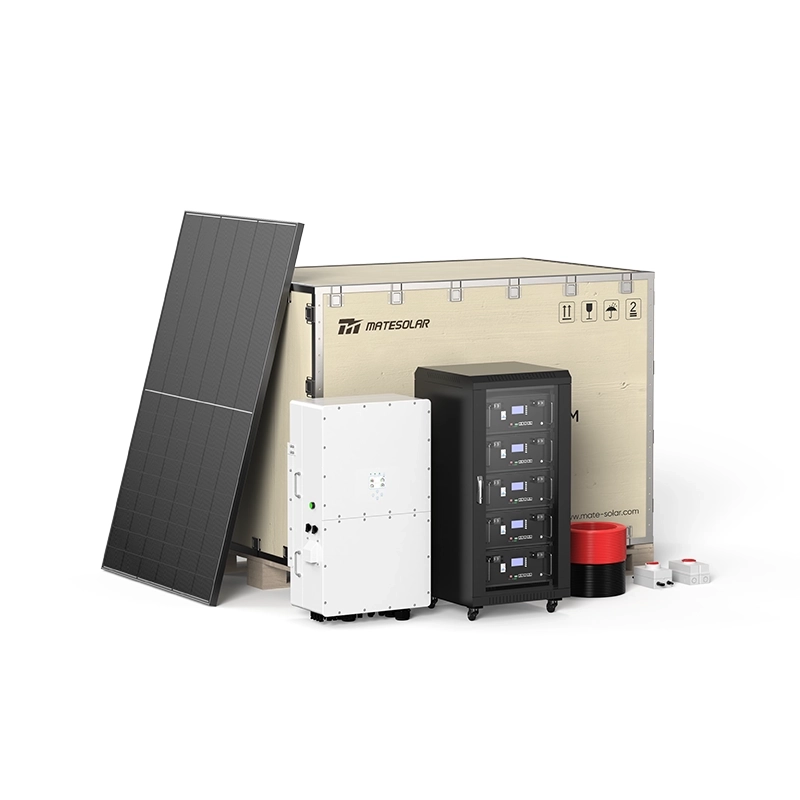
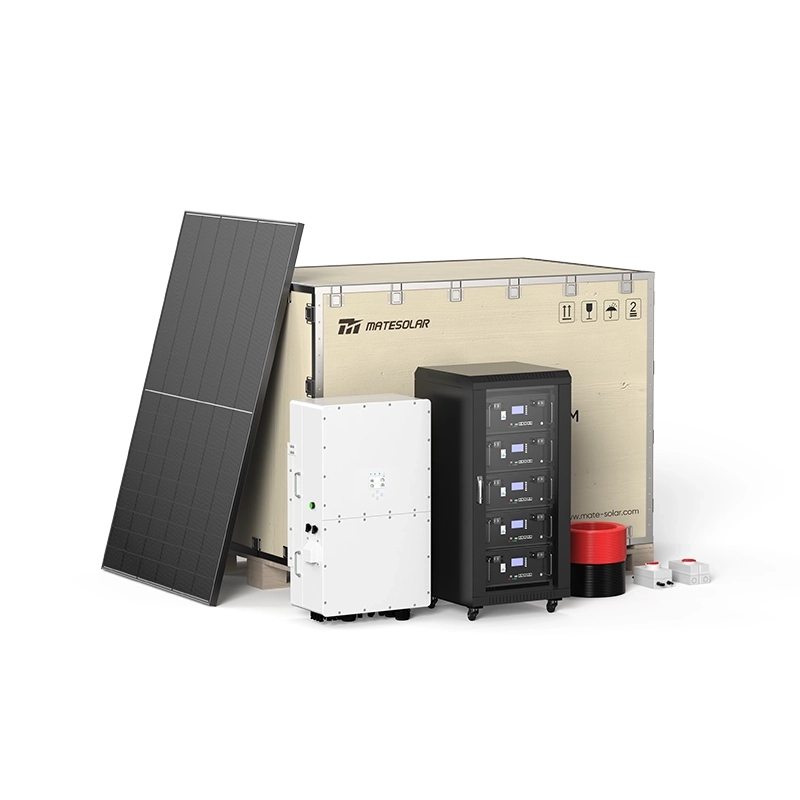
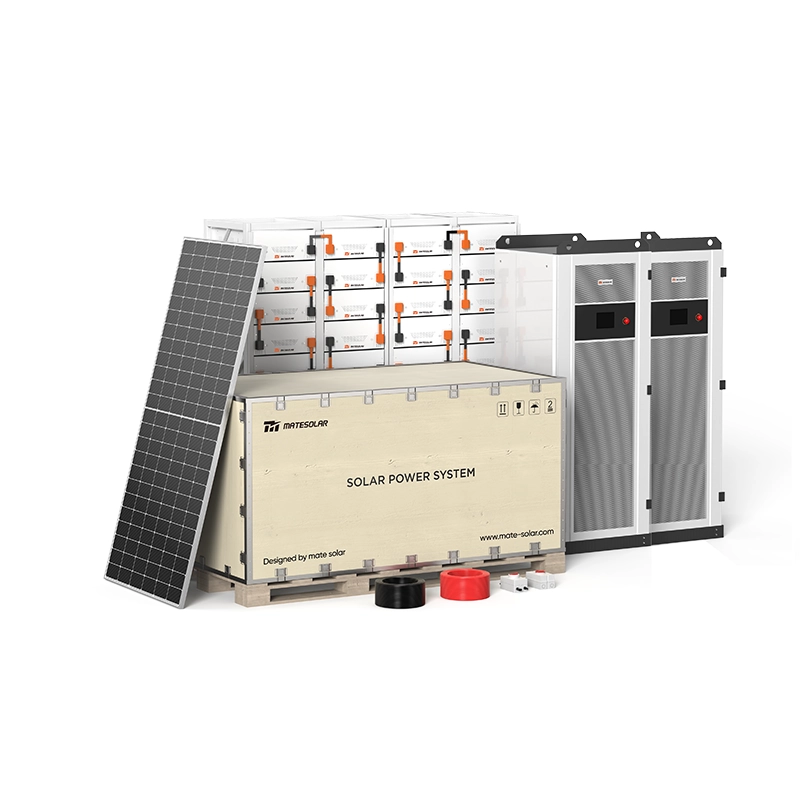
6.1 Commercial 500kW Hybrid Solar System
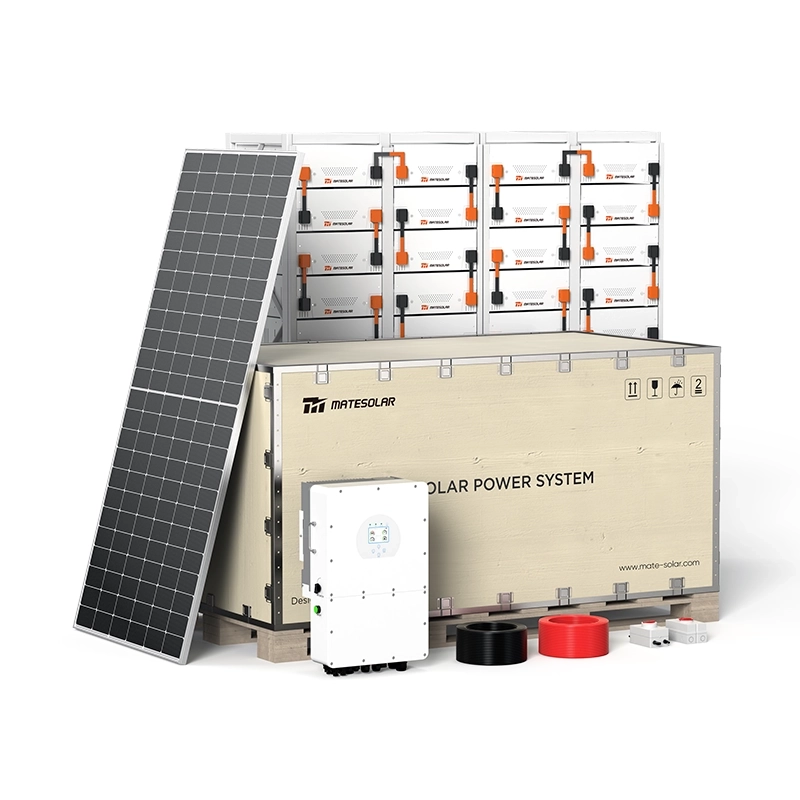
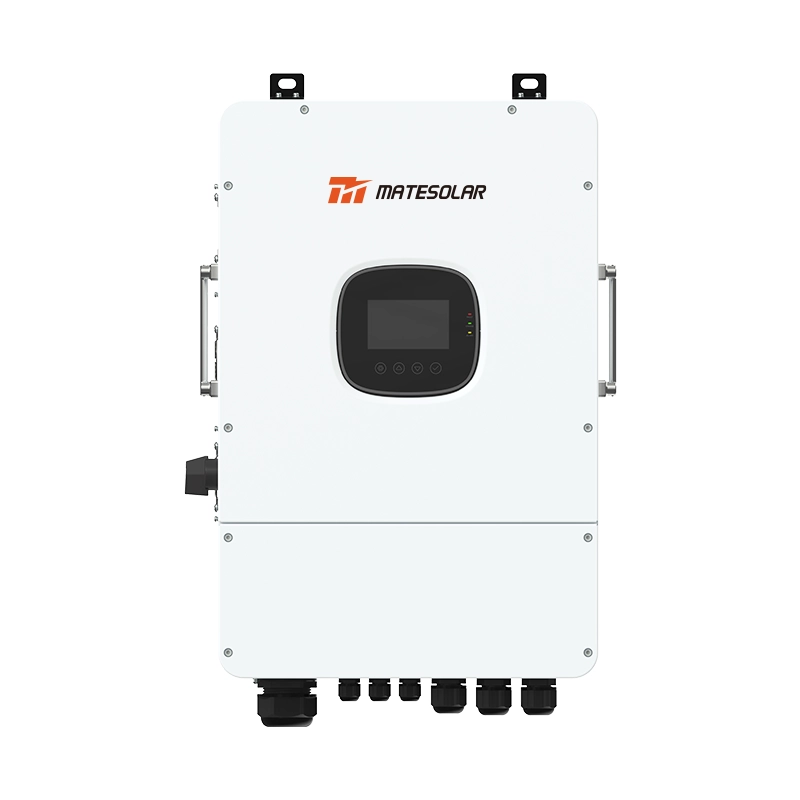
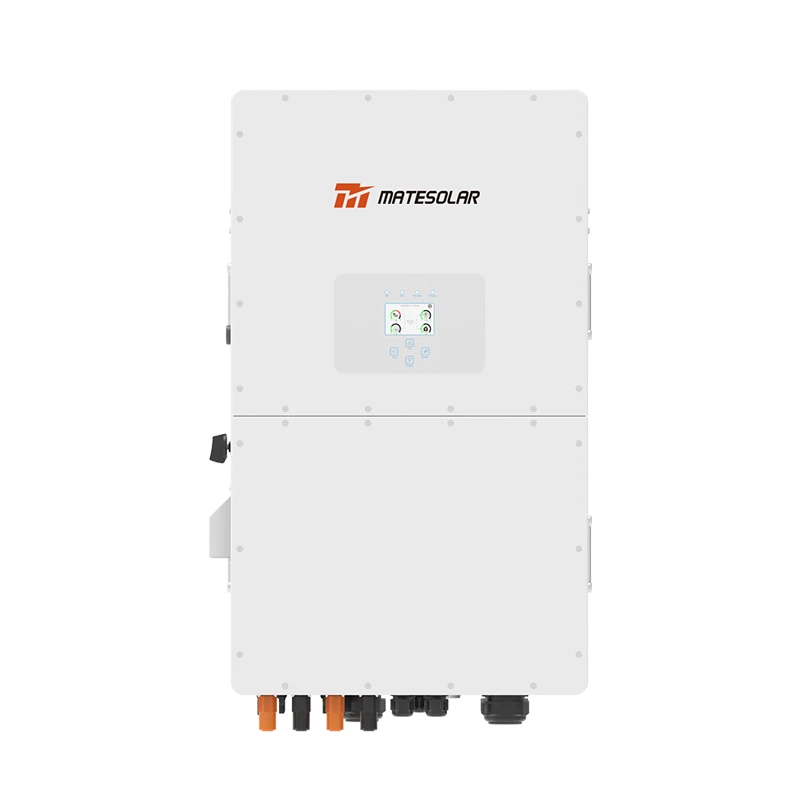
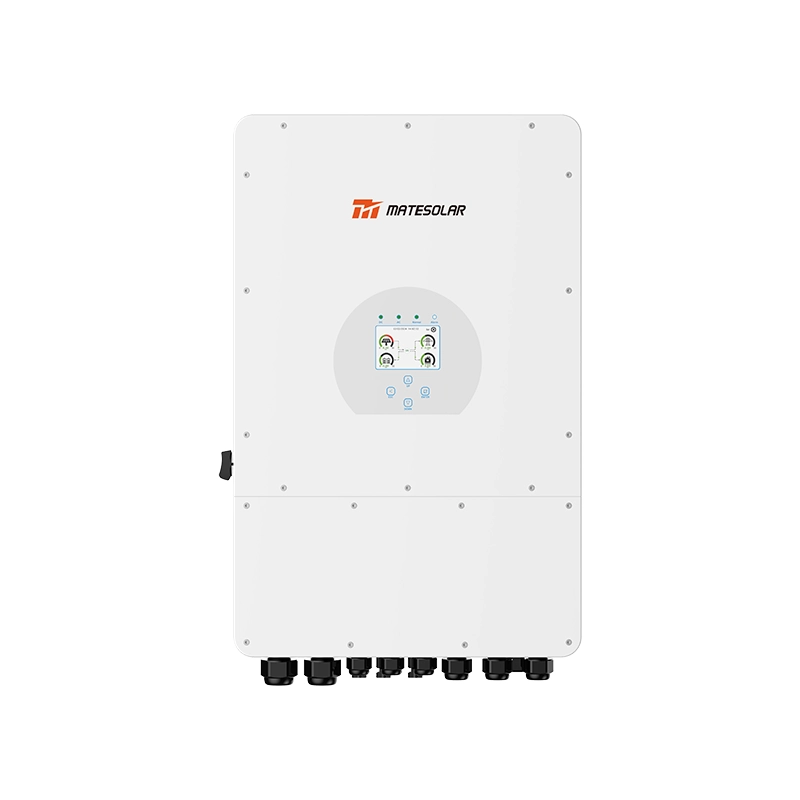
For hotels, manufacturing facilities, and large commercial operations, the 500kW hybrid system represents an optimal balance of scale and flexibility. This configuration pairs a 500kW bi-directional inverter with 1–2MWh of battery storage, integrated with new or existing solar PV.
Key features:
- Grid-Tied with Islanding Capability: Seamless transition to off-grid operation during utility faults
- Peak Shaving Automation: AI-driven forecasting of facility load and solar generation optimizes battery dispatch
- VPP Ready: Open EMS platform supports third-party aggregation protocols
- Comprehensive Certification: UL 9540, IEC 62619, IEEE 1547 compliant
[Learn more about Commercial 500kW Hybrid Solar System →]
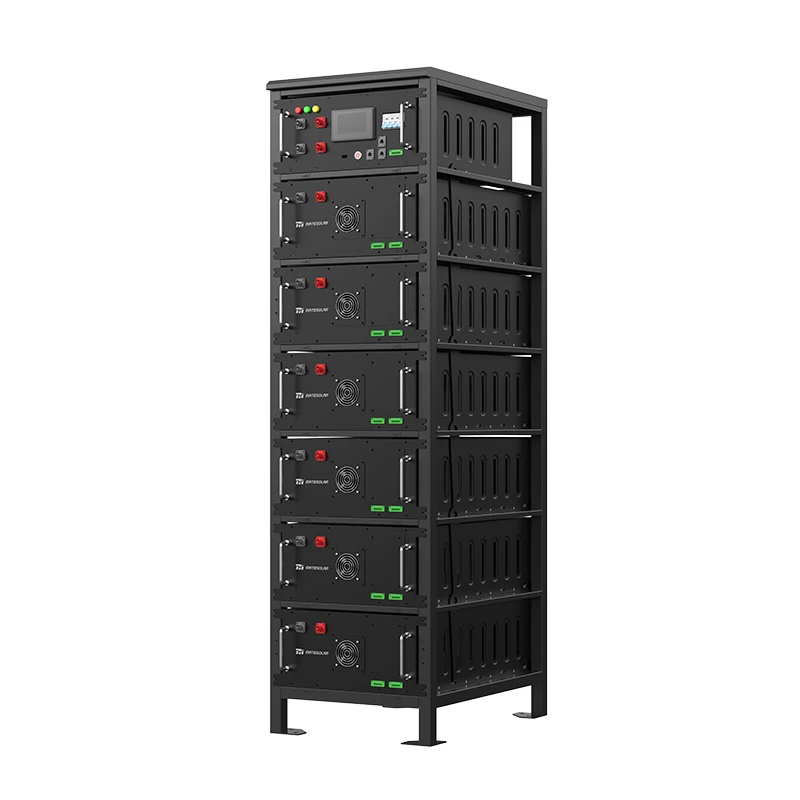
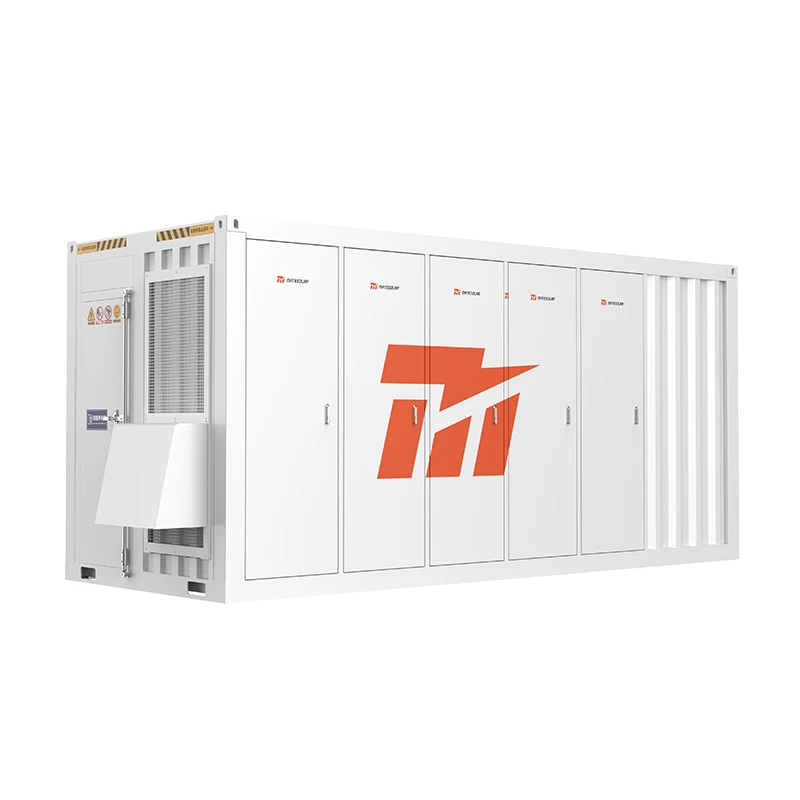
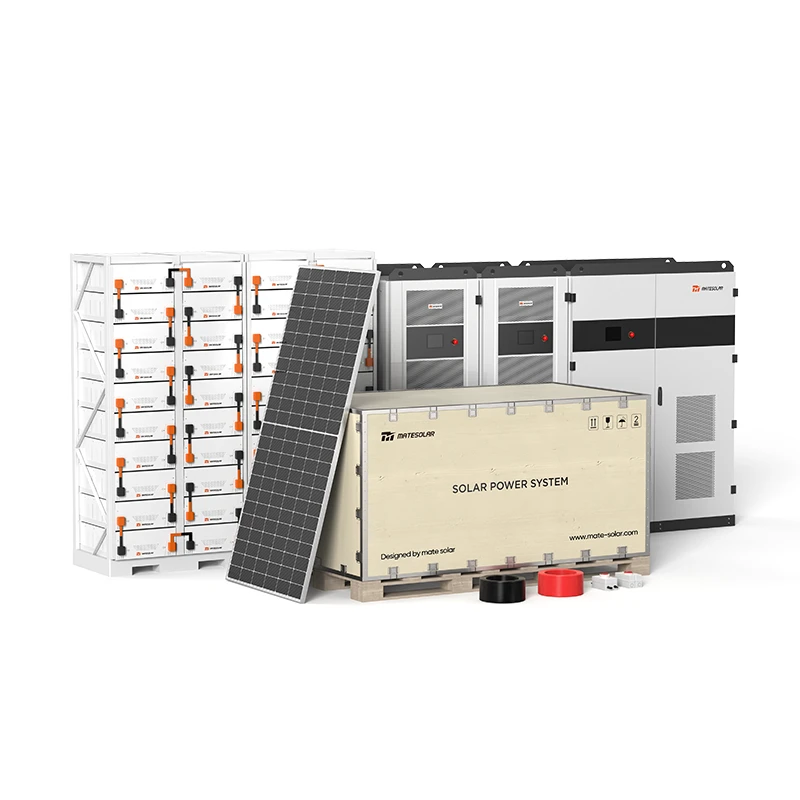
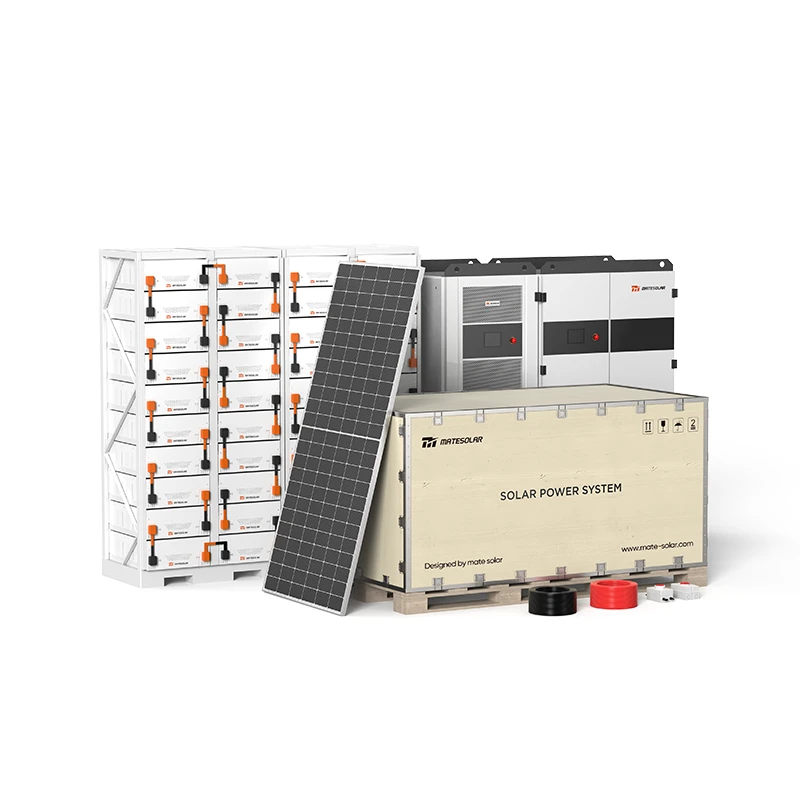
6.2 40ft Air-Cooled Container ESS (1MWh / 2MWh)
For distributed applications where space is available and ambient temperatures are moderate, air-cooled container systems offer a cost-effective solution. The 40ft ISO container format simplifies transport and installation, with all components pre-integrated and factory-tested.
Typical applications:
- Front-of-meter distributed storage (1–5MW clusters)
- Commercial parks and industrial zones
- Community storage projects
Specifications:
- Capacity: 1,000kWh or 2,000kWh per container
- Cooling: Integrated air conditioning units with redundant design
- Enclosure: IP55 rating for outdoor installation
- Compliance: UL 9540, UN 38.3 (transport), ISO 14001 (environmental)
[Explore 40ft Air-Cooled Container ESS →]
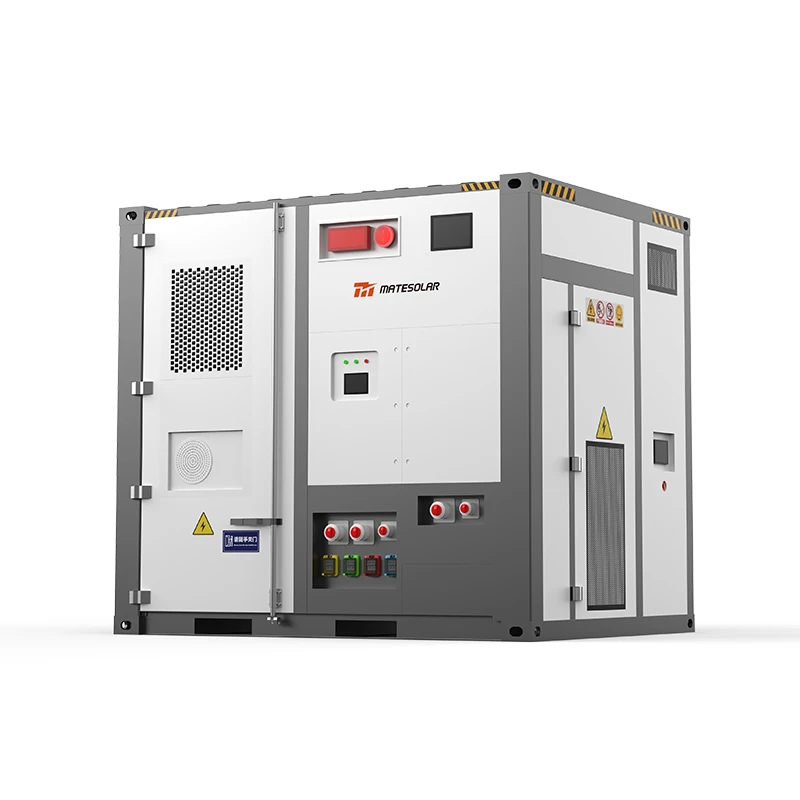
6.3 20ft 3MWh / 5MWh Liquid Cooling Container ESS
For high-cycle applications where energy density and long-term reliability are paramount, liquid-cooled systems provide superior thermal management. The 20ft container format maximizes power-to-footprint ratio, ideal for space-constrained installations.
Key advantages:
- Higher Energy Density: 3–5MWh in a 20ft footprint (vs. 1–2MWh in 40ft air-cooled)
- Extended Cycle Life: Liquid cooling maintains cell temperature within ±2°C, preserving cycle life for 8,000+ cycles
- Quiet Operation: Reduced fan noise compared to air-cooled systems
- Seamless Scalability: Multiple containers can be paralleled for utility-scale applications
Typical applications:
- Utility-scale BESS projects (including BOO tenders)
- High-cycle C&I applications (daily peak shaving)
- Microgrid anchor storage
[View 20ft Liquid Cooling Container ESS →]
Section 7: Frequently Asked Questions (FAQ)
Section 7.1: For Industrial & Commercial Users
Q: How quickly can a BESS system be installed at my hotel or factory?
A: From order to commissioning, typical lead times are 12–16 weeks for containerized systems and 8–12 weeks for cabinet-style systems. This includes manufacturing, ocean freight to Barbados, and on-site installation. Expedited options are available for urgent projects.
Q: What happens to my BESS during a hurricane?
A: All systems are designed to withstand hurricane-force winds (ASCE 7-16, 180–200 km/h). Before a storm, systems can be remotely shut down and disconnected from the grid. Post-storm, they can resume operation immediately once utility power is restored.
Q: Can I participate in the VPP pilot with my existing solar system?
A: Yes, if your solar inverter is compatible with AC coupling. A hybrid inverter or retrofit storage system can be added to existing PV installations. The EMS must support remote dispatch signals from the VPP aggregator.
Q: What is the expected lifespan of the battery?
A: Our systems are warranted for 10 years or 6,000 cycles (whichever comes first), with end-of-life defined as 70% of initial capacity. Under typical C&I usage patterns (1–2 cycles per day), this corresponds to 8–12 years of operation before replacement is needed.
Section 7.2: For Developers & EPCs
Q: Does your BESS equipment meet the BLPC Grid Code requirements?
A: Yes. Our systems are certified to IEEE 1547 and UL 1741 SA, which align with BLPC’s Grid Code Amendment for Battery Storage. We provide complete technical documentation packages required for interconnection applications, including protection settings, one-line diagrams, and third-party test reports.
Q: Can you support BOO model projects?
A: Absolutely. We work with developers to provide equipment supply, long-term warranty, and performance guarantees. For BOO structures, we can provide:
- 15-year capacity degradation warranties
- Availability guarantees (typically 98–99%)
- Extended technical support contracts
- Performance modeling data for project finance
Q: What is your experience with the Caribbean Aggregation Procurement Programme?
A: We have actively participated in regional working groups to align our product specifications with CAPP harmonized standards. Our systems are designed to meet the technical requirements expected for aggregated procurement across participating Caribbean countries.
Q: How do you handle equipment financing?
A: While we do not provide project finance directly, we work closely with development finance institutions (DFIs) and commercial lenders to provide equipment specifications, performance data, and warranty documentation required for financing approval. Our Tier 1 certification status and global track record facilitate lender acceptance.
Section 7.3: For Small-to-Medium Commercial
Q: How long does grid interconnection approval take?
A: BLPC’s target for DG interconnection review is 30–60 days for complete applications. Incomplete submissions or projects requiring technical revisions can extend to 90+ days. Our technical packages are designed to meet all requirements upfront, minimizing delays.
Q: What is the typical ROI for a 100kW–500kW system?
A: Based on current BLPC commercial tariffs ($0.35–$0.45/kWh including fuel adjustment) and the FTC’s EST rates, simple payback for solar+storage systems ranges from 4–6 years. The table below provides indicative returns for a 200kW/400kWh system.
Table 5: Sample ROI Calculation – 200kW/400kWh Commercial System
| Parameter | Value | Notes |
| System Cost (installed) | $280,000–$320,000 | Solar + BESS, turnkey |
| Annual Electricity Savings | $55,000–$70,000 | Based on peak shaving + TOU arbitrage |
| EST Revenue (if eligible) | $12,000–$18,000/year | For grid services under pilot |
| VPP Revenue (future) | $5,000–$10,000/year | Estimated based on regional programs |
| Total Annual Benefit | $72,000–$98,000 | Savings + incentives |
| Simple Payback | 3.5–4.5 years | Without VPP: 4.5–5.5 years |
| 10-Year IRR | 18–24% | Assuming 10-year EST contract |
Note: Actual returns depend on specific site conditions, load profile, and eligibility for EST payments.
Q: Can I install the system myself with my local electrical contractor?
A: Yes, for systems under 500kW, we provide detailed installation manuals, wiring diagrams, and remote technical support. A licensed local electrician can handle mechanical installation and AC/DC connections. We conduct remote commissioning and final testing before handover.
Section 7.4: For All Users – Technical & Support
Q: What certifications does your equipment hold?
A: All systems are certified to:
- UL 9540 (Energy Storage Systems)
- UL 9540A (Thermal Runaway Fire Propagation Testing)
- IEC 62619 (Battery Safety)
- UL 1741 SA / IEEE 1547 (Grid Interconnection)
- UN 38.3 (Transport of Lithium Batteries)
- ISO 9001 (Quality Management)
Q: How do you handle warranty claims from Barbados?
A: Warranty claims are processed through our regional support center. For components, we dispatch replacement parts via expedited freight (48–72 hours). If a system cannot be restored through remote guidance and parts replacement, we arrange for system return and replacement under our warranty terms. We do not maintain on-site repair staff in Barbados but provide comprehensive remote and guided support.
Q: Can you provide on-site installation support?
A: For projects under 1MW, installation is typically managed by local electrical contractors with our remote guidance. For utility-scale projects (>5MW) or complex microgrid applications, we can deploy field engineers to Barbados for the duration of installation and commissioning. This is coordinated on a project-by-project basis.
Q: What is the lead time for spare parts?
A: Critical spare parts are stocked in a regional hub (Miami or Panama). Delivery to Barbados typically takes 3–5 business days. Non-critical parts have a lead time of 2–3 weeks.
Section 8: Outlook – The Next 24 Months in Barbados Energy Storage
8.1 Immediate (Q2-Q3 2026)
- 60MW Tender Award: Expected announcement of winning bidders for the first utility-scale BOO procurement
- Application Validation: Completion of validation for the 96 distributed storage applications, with approvals beginning to issue
- Grid Code Implementation: Full enforcement of the November 2024 Grid Code Amendment for all new storage interconnections
- CAPP Workshop: Regional working session in Barbados to finalize harmonized procurement documentation
8.2 Near-Term (Late 2026 – 2027)
- Second Utility-Scale Tender: Likely launch of a follow-on BOO procurement targeting additional 50–100MW
- VPP Pilot Launch: Initial deployment of the virtual power plant pilot project, with 5–10 MW of aggregated distributed storage
- EST Pilot Data Collection: First full year of operational data from EST pilot participants, informing potential tariff adjustments
- Regional Procurement Launch: First aggregated procurement under CAPP framework, with Barbados as anchor participant
8.3 Medium-Term (2028–2030)
- Grid Transformation: With 370MW of storage online, Barbados will achieve 50–70% renewable penetration, reducing fossil fuel imports and stabilizing electricity costs
- Mature Market Structure: Standardized frameworks will enable repeatable, lower-cost project development, attracting new entrants and driving technology cost reductions
- Regional Expansion: Successful Barbados model replicated across CAPP participating countries, creating a regional market of 1GW+ storage demand
Conclusion: Your Partner in the Barbados Energy Transition
The Barbados energy storage market is at an inflection point. With the 60MW/240MWh BOO procurement recently closed, 96 distributed applications pending, and regulatory frameworks firmly established, the next 12–24 months will determine the trajectory of the country’s clean energy transition.
For industrial and commercial energy users, the economic case for storage has never been stronger. High electricity costs, grid reliability concerns, and emerging revenue opportunities from VPP participation create compelling returns with 4–6 year paybacks.
For developers and EPCs, the combination of sovereign-backed tenders, standardized frameworks, and regional aggregation programs offers a scalable investment opportunity. The 350MW+ gap between current installed capacity and IRRP targets represents billions in capital deployment over the coming decade.
At MateSolar, we bring global experience, certified equipment, and a proven support model to the Barbados market. Our products are engineered for tropical marine environments, certified to international bankability standards, and backed by responsive remote support with expedited parts delivery.
Whether you are:
- A hotel operator seeking to lock in electricity costs and eliminate diesel generators
- A developer preparing for the next utility-scale BOO tender
- A commercial property owner navigating interconnection approval
- Or any stakeholder concerned with tropical climate resilience and project bankability
We are ready to partner with you.
Contact our Barbados desk today to discuss your project requirements.
About MateSolar
MateSolar is a global provider of integrated solar and energy storage solutions for commercial, industrial, and utility-scale applications. With deployments across 40+ countries and a product portfolio spanning commercial hybrid systems, air-cooled container ESS, and liquid-cooled high-density storage, we deliver reliable, bankable, climate-resilient energy solutions. Our commitment to remote technical support and expedited parts logistics ensures that even in small island markets, your system performs to specification.
References:
1. RELP. (2026). Strong market interest in the Barbados BESS Competitive Procurement
2. Government of Barbados. (2025-2026). Request for Proposals: 60MW (240MWh) Energy Storage Services – BOO Basis
3. Barbados Today. (2026). Govt advances renewable energy drive with grid storage projects
4. RELP & OOCUR. (2026). RELP and OOCUR formalise cooperation to scale clean energy through regional aggregation
5. Barbados Light & Power. (2024). Grid Code Amendment for Battery Storage
6. Fair Trading Commission (Barbados). (2023). Decision on Energy Storage Framework and Tariffs (Document No.: FTCUR/DECEST/2023-03)