










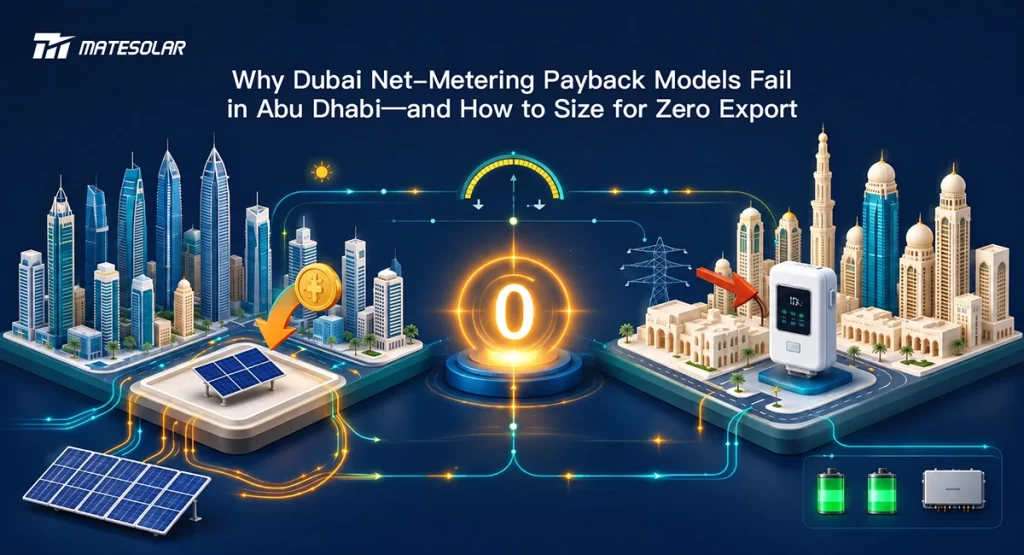
Abu Dhabi and Dubai are 150 kilometres apart. They share a solar resource, a currency, and a federal grid. For a commercial or industrial storage project, though, they operate under two different sets of physics.
The divergence is regulatory, and it is absolute. Abu Dhabi's 2026 Self-Supply Policy states, in the regulator's own words, that exported solar is "not subject to netting or offset," and that net metering "is not permitted." A DoE official put it more bluntly: "At this stage, net metering or energy exports are not permitted under the policy." Dubai, through DEWA's Shams Dubai programme, does the opposite. Surplus solar earns full retail-rate credits (1:1) that roll over indefinitely.
That single difference rewrites the financial model. A Dubai spreadsheet carried into Abu Dhabi will overstate returns by capitalising a revenue stream that does not exist. An Abu Dhabi model carried into Dubai will under-invest in the value streams the battery can actually capture. This is not a matter of tweaking a tariff input. It is a matter of building two different models.
Here is what that means for sizing, dispatch, and procurement.
1. The Regulatory Line: What Each Emirate Actually Permits
Abu Dhabi: Self-Supply Is Literal
The operative document is the DoE's 2026 policy on "Use of Solar Photovoltaic and Battery Energy Storage Systems for Self Supply," effective 5 February 2026. Its language leaves no room for creative interpretation. "Export Electricity" is defined as electricity delivered to the grid, "metered separately from imported electricity and not subject to netting or offset." The policy also states that nothing in it "shall be construed as permitting net metering… unless explicitly authorised by the DoE."
One source of confusion deserves clearing up. Abu Dhabi had a 2017 netting regulation that allowed a kWh-for-kWh offset. Some industry material still cites it. But the 2026 self-supply policy is the current rule, and the 2017 framework should not be used to justify export credits under self-supply. Even under the old regime, no cash ever changed hands; the offset was a kWh credit, not a payment. From 2026, that credit is gone for self-supply installations.
The practical consequence is simple. A kilowatt-hour exported to the grid in Abu Dhabi earns zero. Not a credit, not a future offset, not a payment. The grid is a sink.
Dubai: The Credit Rolls, Forever
Dubai's Shams Dubai framework is net metering in the conventional sense. Solar serves on-site load first. Surplus is exported. The exported kilowatt-hour is credited at the full retail rate against future consumption, and credits carry forward indefinitely. Exports and carried credits are deducted from grid imports before DEWA's tariff slabs and fuel surcharge are applied, which means the credit offsets the most expensive energy the site would otherwise buy.
No cheque arrives. But the credit is financially real. It absorbs seasonal mismatch between summer cooling load and milder-month generation. It also means a site can size PV above its instantaneous daytime load without economically wasting every surplus kilowatt-hour.
2. Tariffs: Two Different Signals for Storage
A battery only earns money by reducing a charge the site actually pays. Abu Dhabi and Dubai present different charge structures, and storage responds to each in a different way.
Abu Dhabi: A Flat Rate and a Self-Consumption Case
Abu Dhabi's commercial tariff is a flat 20 fils/kWh (AED 0.200), with industrial customers at 15 fils and a small monthly meter fee. There is no fuel surcharge on the commercial rate, and the published tariff literature does not feature a recurring demand charge (AED/kVA) for standard C&I connections in the way some other markets do.
That flat structure matters. With no consumption slabs, the value of avoiding a kilowatt-hour does not change depending on how much the site consumes. Every avoided kilowatt-hour is worth roughly the same energy-charge value. The dominant economic signal in Abu Dhabi is energy volume and self-consumption, not demand ratchets or time-of-use spreads.
Abu Dhabi is moving on demand response. The DoE has run pilot programmes with major C&I facilities and has set a 200 MW demand-response target by 2030. That signals a future revenue or incentive stream for flexibility. But for a 2026 storage investment case, the bankable value sits in avoided energy charges and self-consumption, not in a demand-charge line item that the standard tariff does not publish.
Dubai: Slabs, a Surcharge, and a Demand Signal
Dubai's commercial tariff is progressive. The slabs run 23 fils/kWh for the first 2,000 kWh per month, 28 fils up to 4,000, 32 fils up to 6,000, and 38 fils above 6,000. A fuel surcharge of roughly 6 fils/kWh is added, plus 5% VAT. A large C&I site sitting in the top slab is avoiding energy that costs roughly 44 fils/kWh all-in—more than double Abu Dhabi's flat commercial rate.
Demand charges are a murkier picture. Industry sources cite a demand charge in the AED 15–25 per kVA range based on peak demand during the billing period, and at least one source frames battery value partly around "DEWA peak-demand charge reduction." But another assessment states flatly that no UAE utility publishes a demand, kVA, or power-factor charge, and that the published tariffs carry no recurring demand component.
The honest reading for a project developer is this: demand-charge applicability in Dubai is connection- and contract-specific. It may exist for some C&I connections and not for others. A financial model should not assume a demand-charge saving as a universal Dubai benefit without verifying the specific account's billing determinants. Where it does apply, peak shaving is a value stream that net-metering credits do not address. Where it does not, the Dubai battery case leans harder on resilience and on the operational value of dispatchable capacity.
What is not present in Dubai is a time-of-use arbitrage spread for residential or standard commercial customers. DEWA's tariff is banded by monthly consumption, not by time of day. A battery cannot buy low at night and discharge high in the evening because there is no cheap overnight window and no expensive evening window to trade against. That eliminates a value stream that storage developers in other markets routinely rely on.
3. The Two Models, Side by Side
The table below is the core of the argument. The same battery, under the same sun, serves two different economic masters.
| Model element | Abu Dhabi (Self-Supply, 2026) | Dubai (Shams Dubai, 2026) |
| Value of exported PV kWh | Zero—no credit, no offset, no cash | Full retail-rate credit, rolling indefinitely |
| Dominant storage value | Self-consumption ratio increase | Peak-demand management (where applicable) / resilience / credit timing |
| Counterfactual to storage | Wasted export | Free, lossless, indefinitely bankable grid credit |
| PV sizing rule | Size to daytime base load, not annual consumption or roof area | Can be sized above daytime load without zero-value waste, within DEWA capacity limits |
| Battery sizing rule | Size to evening/shoulder load PV cannot reach | Size to peak-shaving or resilience requirement, not surplus capture |
| Dominant financial risk | PV oversizing relative to load—oversized kWh are unrecoverable capital | Battery oversizing relative to demand-charge or resilience value—net metering already handles surplus |
| Relevant tariff context | Flat ~20 fils/kWh; no published recurring demand charge in standard C&I tariff | 23–38 fils slabs + ~6 fils fuel surcharge; demand signal may exist by contract |
| Grid as a storage asset | Does not exist for export | Exists, at 100% round-trip efficiency and zero marginal cost |
The asymmetry in the last row is the point that most often gets lost. In Dubai, the utility already provides a storage service for surplus solar that is, from the customer's perspective, perfectly efficient and free at the margin. A battery cannot beat that on surplus shifting alone. It has to do something the credit mechanism cannot: shave a peak, ride through an outage, or manage power quality.
4. Sizing for Abu Dhabi: Load Profile First, Battery Second, PV Third
The most consequential Abu Dhabi sizing error is treating the PV array as the anchor and sizing the battery to "capture the surplus." There is no surplus value to capture. The anchor must be the load.
Step 1: Find the Daytime Base Load
The first data requirement is a 15-minute interval load profile covering at least 12 months, ideally 24 to capture seasonal cooling variation. The objective is to identify the demand that is reliably present while the sun is up: HVAC base cooling, lighting, plug loads, refrigeration, continuous process equipment.
PV should be sized so that its output curve sits close to that daytime load curve during the shoulder hours, without pushing significant energy into a zero-value export. In Abu Dhabi, an exported kilowatt-hour is a capital loss. If the array produces 1,000 kWh and the daytime load absorbs 700, the remaining 300 is wasted unless a battery charges on it and discharges it later into a load that would otherwise import from the grid. The battery does not monetise the export. It monetises the avoided future import.
Step 2: Size the Battery to the Evening Window
Once the daytime load is established, the question becomes how much energy the site consumes after PV output falls and before the next day's generation begins. That is the eligible discharge window.
A practical starting heuristic is 4 to 6 hours of average evening load, adjusted for the site's tolerance for grid import during unusually high evening peaks. A site with a 200 kW average evening load and a 6-hour window targets roughly 800–1,000 kWh usable, which lands in the 1 MWh-class system range after depth-of-discharge and degradation reserve. A smaller site with a 100 kW evening load and a 4-hour window targets 300–400 kWh usable, which sits in the modular outdoor cabinet class.
These are starting points, not answers. The correct size maximises the net present value of avoided imports minus the incremental battery capital cost, run on the site's actual profile. Research on Abu Dhabi commercial building PV-storage optimisation has shown that the battery size minimising levelised cost of storage can differ materially from the size maximising raw self-consumption. Beyond the evening-load window, the marginal value of additional storage capacity often falls faster than its marginal cost.
Step 3: Run the Wasteful Case
Every Abu Dhabi model should include an explicit sensitivity in which the battery is undersized relative to available PV and a portion of generation is exported at zero value. If the investment case breaks under a realistic wasteful-case outcome, the PV array is too large relative to the battery and the load. Rebalance before procurement, not after.
5. Sizing for Dubai: Peak First, Surplus Last
Dubai's sizing logic starts from a different question: what is the site's peak demand, and how much of it can a battery shave without operational risk?
Peak Shaving Sets the Power Rating
Where a demand charge applies, the battery's kW rating is driven by the desired peak reduction. A site with a 1,200 kW monthly peak and a 15% shaving target aims to reduce 180 kW. If the peak event lasts two hours, the usable energy requirement is roughly 360 kWh, plus degradation and control margin. That is a different sizing axis from Abu Dhabi, where the energy rating is driven by evening-load duration and the power rating is secondary.
Net Metering Makes Surplus Capture a Poor Justification
In Dubai, a battery does not need to capture every surplus kilowatt-hour, because the credit already captures that surplus at full retail value with no round-trip loss. The battery's incremental value from surplus shifting is the avoided efficiency loss relative to the credit—a small number—plus any peak or resilience benefit from discharging during a demand event. A Dubai battery justified primarily on "storing excess solar" is likely to disappoint on payback, because the grid is already doing that job at zero capital cost and 100% efficiency.
This is why the strongest Dubai cases are peak and resilience cases. A cold-chain facility, a data centre, or a manufacturing line with high downtime cost can justify storage on continuity alone. A site with a sharp, contract-specific demand charge can justify it on shaving. A site whose only objective is "use more of my own solar" should first verify that the credit is not already delivering that benefit more cheaply.
6. The Multi-Emirate Group: Two Models, One Platform
A C&I group with assets in both emirates faces a predictable temptation: standardise on one model to simplify board reporting and procurement. In the 2026 regulatory landscape, that simplification is a distortion.
A group model that assumes net-metering credits for Abu Dhabi assets overstates returns by capitalising a nonexistent revenue stream. A group model that assumes zero export value for Dubai assets understates returns and may lead to underinvestment in peak shaving where it would have been accretive. The error runs in both directions, and it is largest where the capital commitment is largest: in PV oversizing and battery sizing.
The workable architecture is two financial models, one technology platform. The models are separate because the counterfactuals are separate. The platform can be shared because the physics of lithium-ion storage, thermal management, and grid interaction do not change at the emirate border. What changes is the configuration and dispatch logic: a longer-duration, daily-deep-cycle profile for Abu Dhabi self-consumption; a higher power-to-energy ratio and peak-focused dispatch for Dubai demand management.
7. Heat Is a Financial Variable, Not a Datasheet Footnote
No UAE storage model is complete without a thermal assumption that reflects the actual operating environment. Cells above roughly 35°C lose capacity faster, and sites without thermal control can see degradation nearly double. The NREL has data showing that for every 10°C above 25°C, lithium-ion battery lifetime can be halved.
The cooling architecture therefore sits directly inside the financial model.
Liquid-cooled LFP packs commonly achieve 4,000–6,000 cycles at 80% depth of discharge, compared with roughly 3,000–4,000 cycles for equivalent air-cooled packs in hot-climate duty. Liquid cooling also holds cells in a tighter 20–30°C band even at high ambient, with cell-to-cell variation of 2–3°C in well-designed systems versus 8–15°C in some air-cooled designs. That uniformity slows divergence in cell aging and supports capacity retention over a 10- to 15-year horizon.
For an Abu Dhabi self-supply project cycling daily, that cycle-life differential is not a premium feature. It is a bankability requirement for the financial model to hold. If the model assumes 6,000 cycles and the installed system delivers 3,500 in the actual thermal environment, the replacement or augmentation schedule moves forward by years and the NPV moves with it.
For a Dubai peak-shaving project with lower annual cycle count, air cooling can be economically appropriate—provided the model uses realistic hot-climate derating and does not import temperate-climate cycle-life figures. The decision should be driven by duty cycle, ambient conditions, and the owner's lifecycle cost tolerance, not by a generic preference for one cooling medium.
8. Product Pathways
The technology that serves these two models does not need to be different in kind. It needs to be different in configuration.
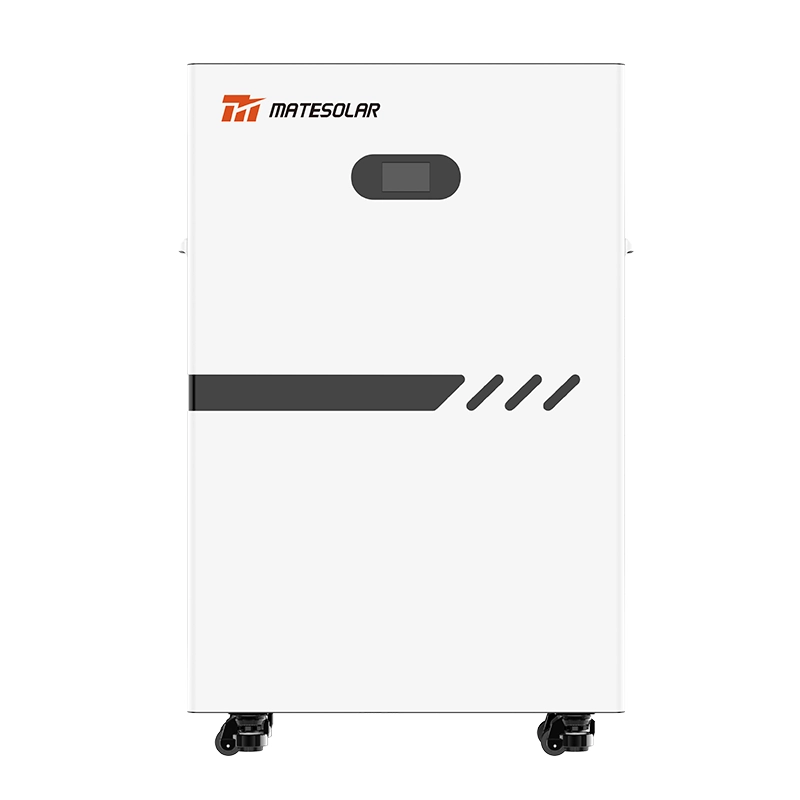
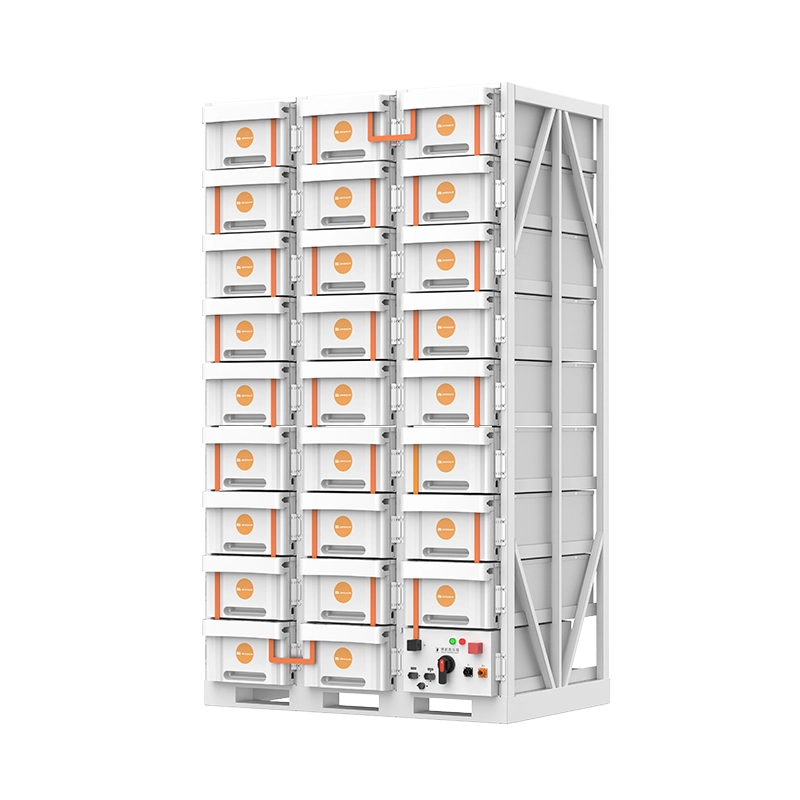
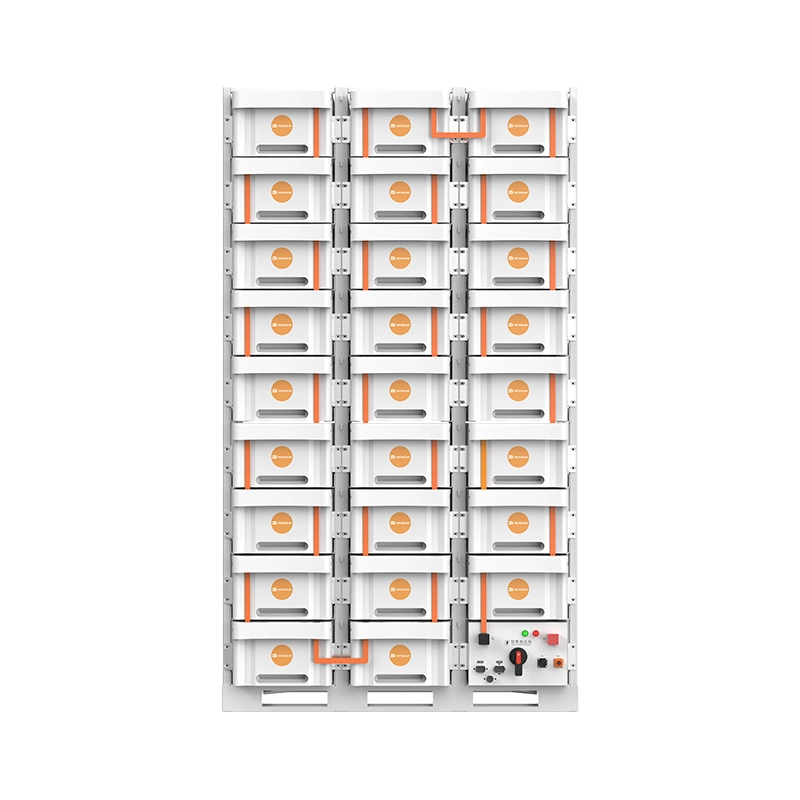
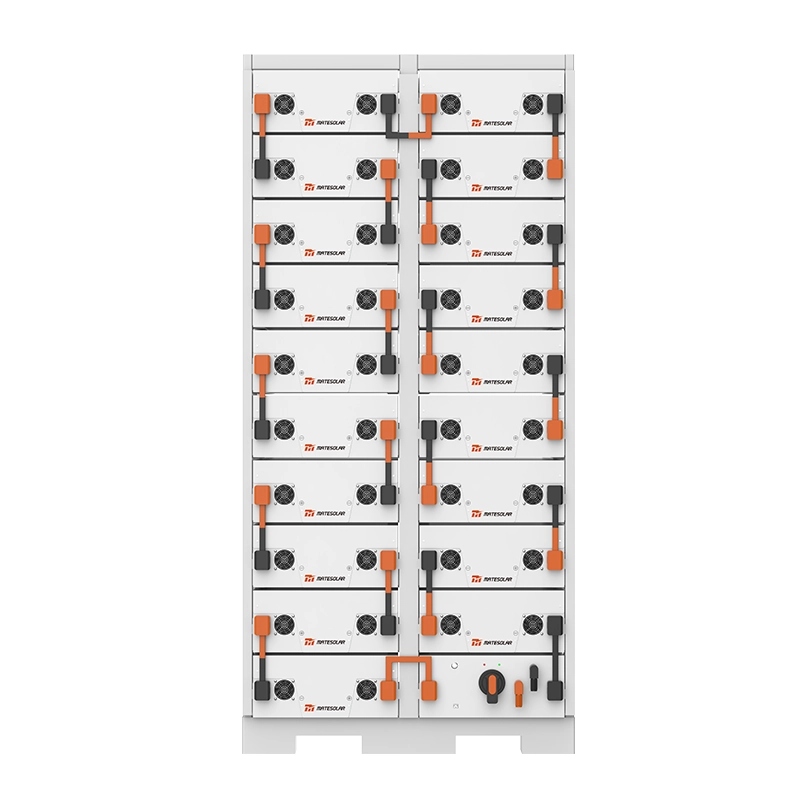
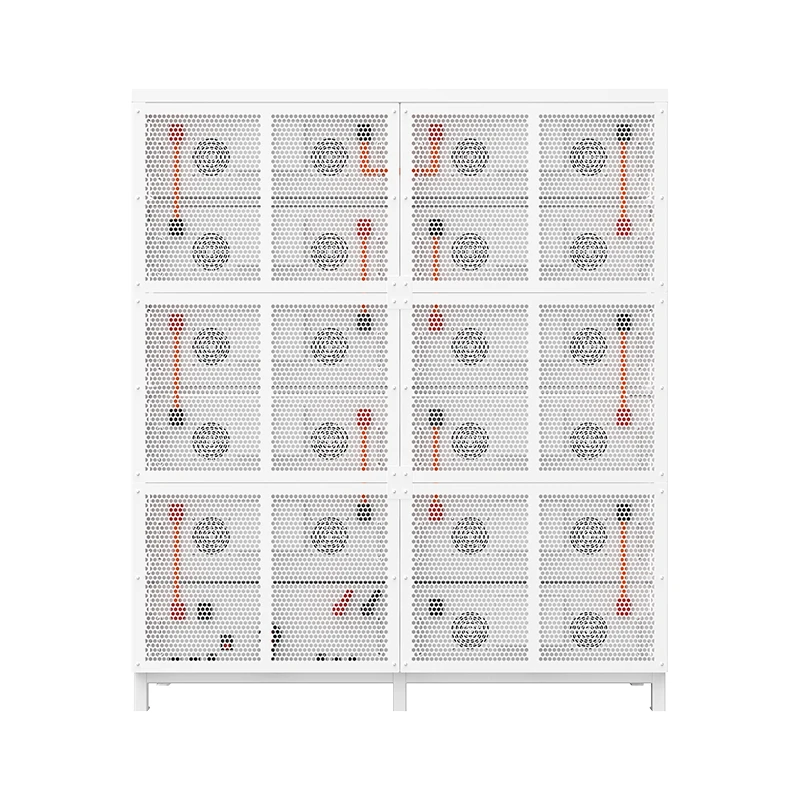
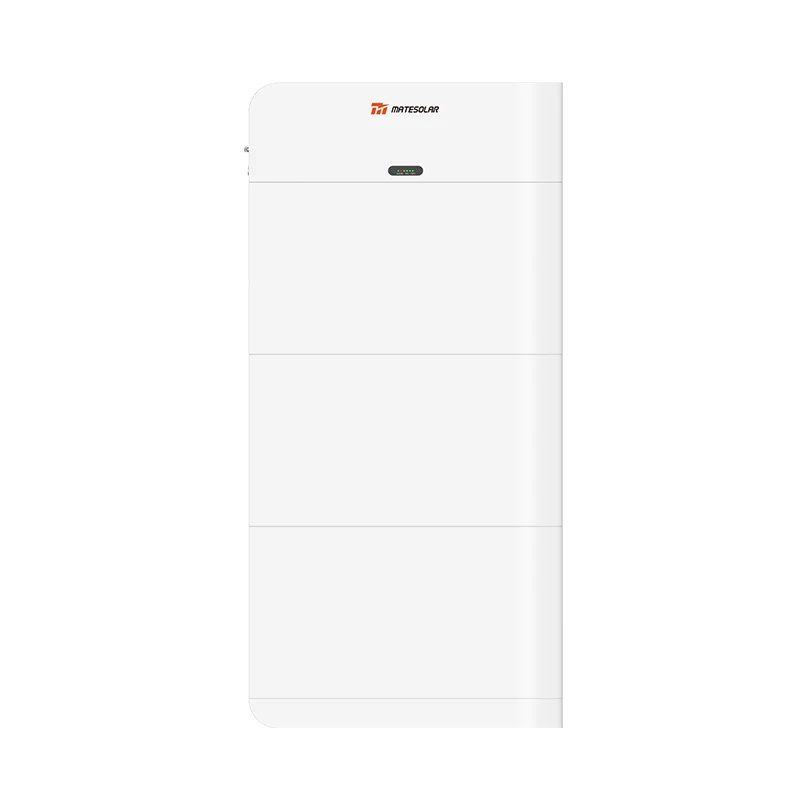
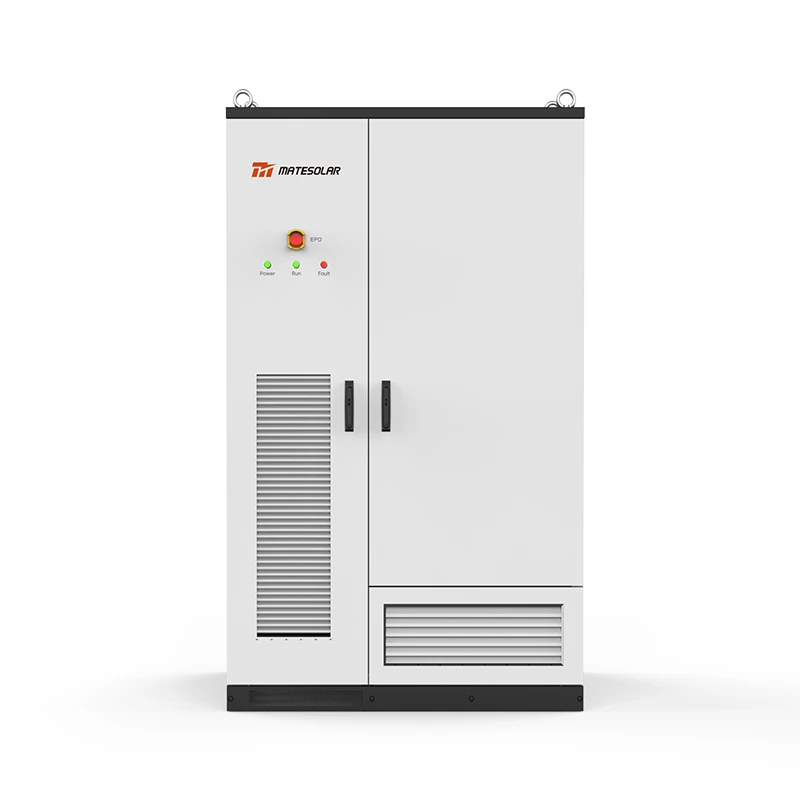
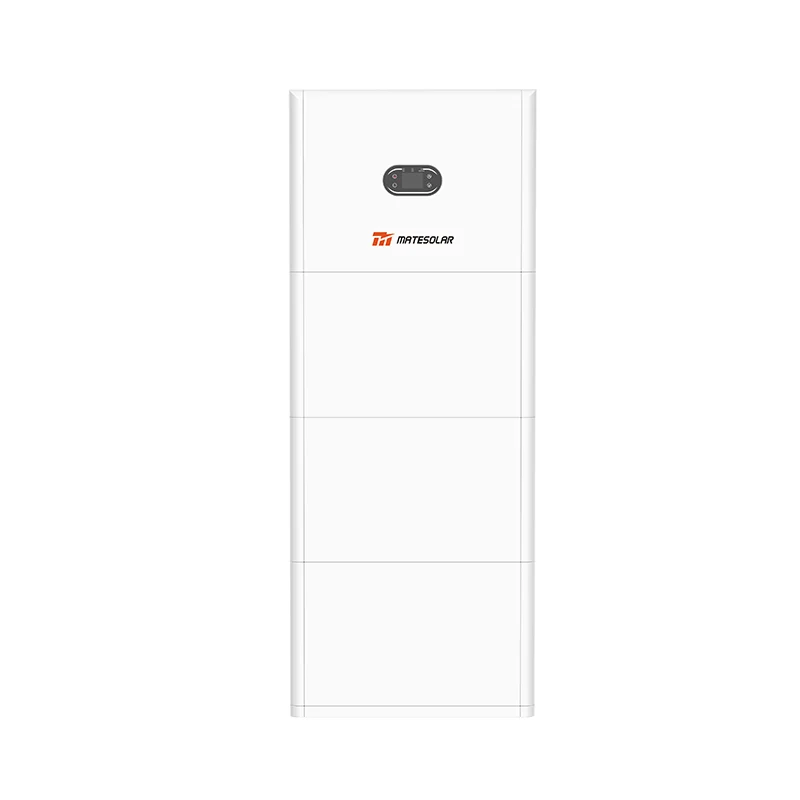
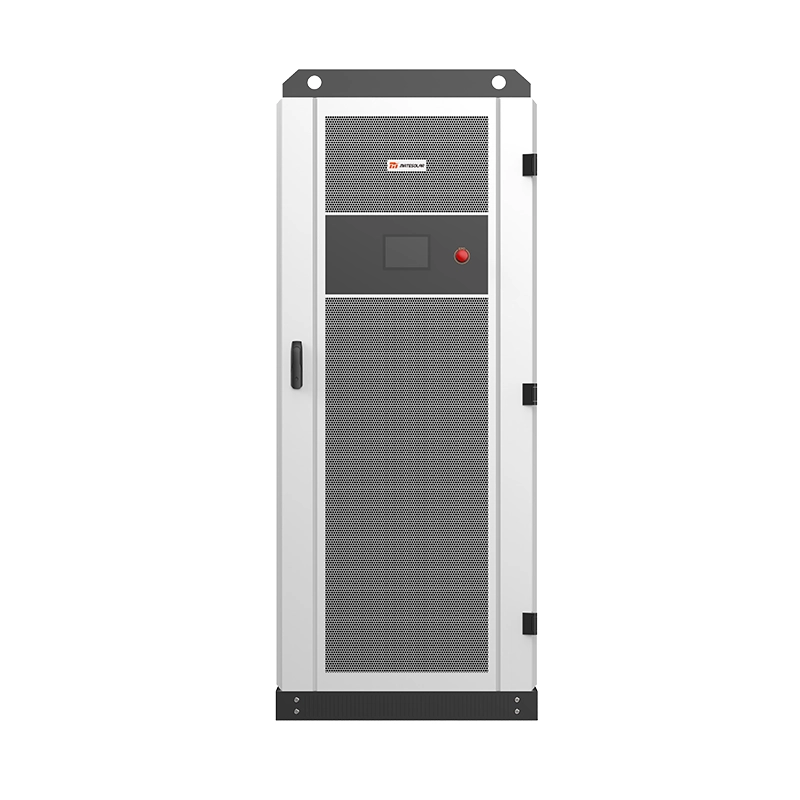
For distributed self-consumption (Abu Dhabi and smaller Dubai sites): A liquid-cooled outdoor cabinet in the 100 kW/232 kWh or 125 kW/261 kWh class integrates LFP batteries, PCS, energy distribution, temperature control, fire protection, and monitoring in a single outdoor enclosure, with IP67 battery protection and IP55 enclosure protection. The all-in-one architecture reduces field integration, and the liquid loop maintains cell temperature uniformity in UAE ambient conditions. See the 100kW/232kWh & 125kW/261kWh Liquid-Cooled Outdoor Cabinet Energy Storage System.
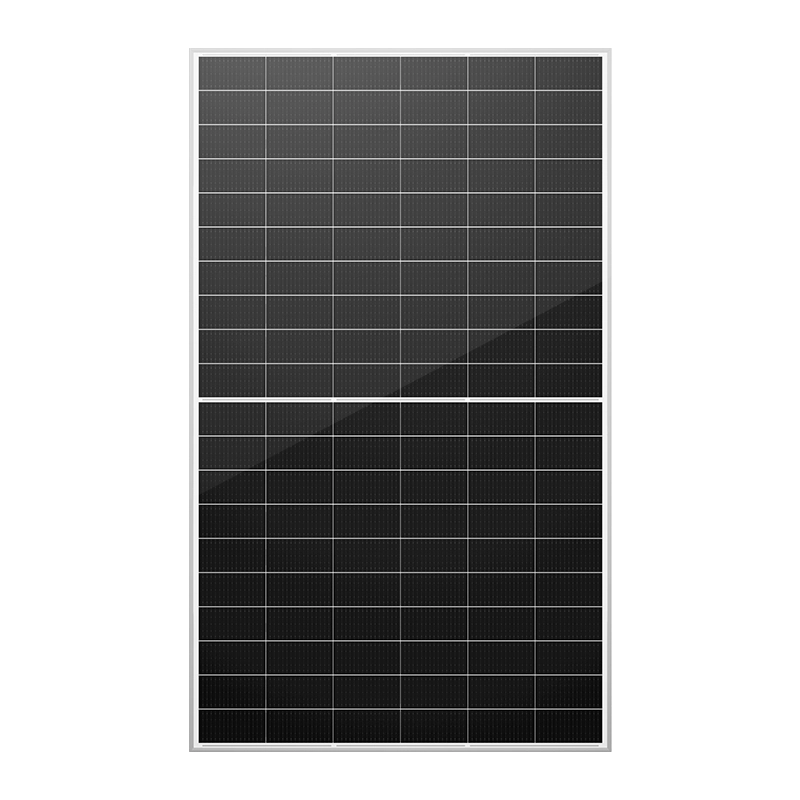
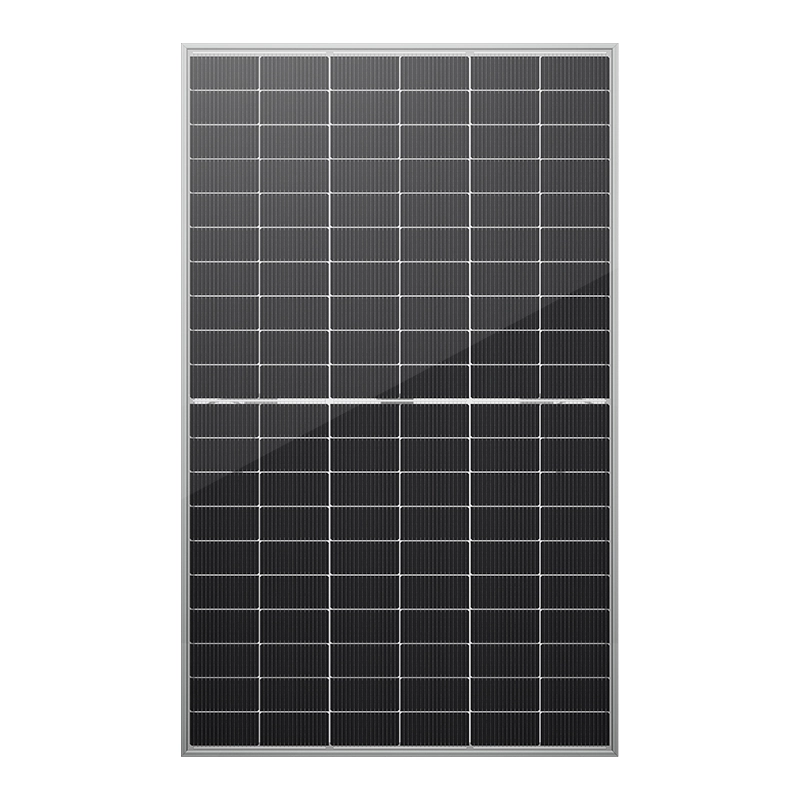
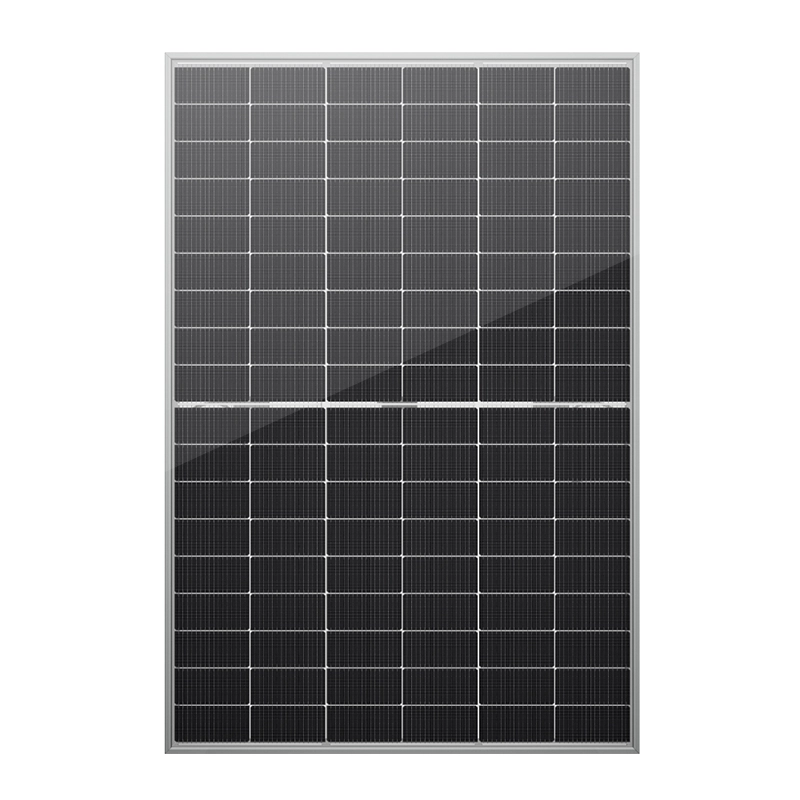
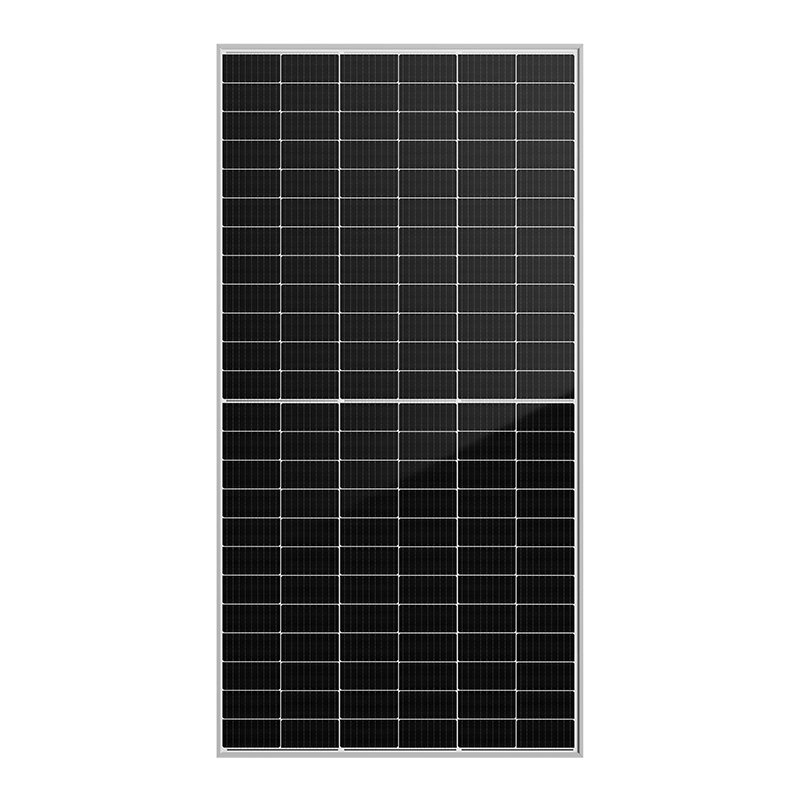
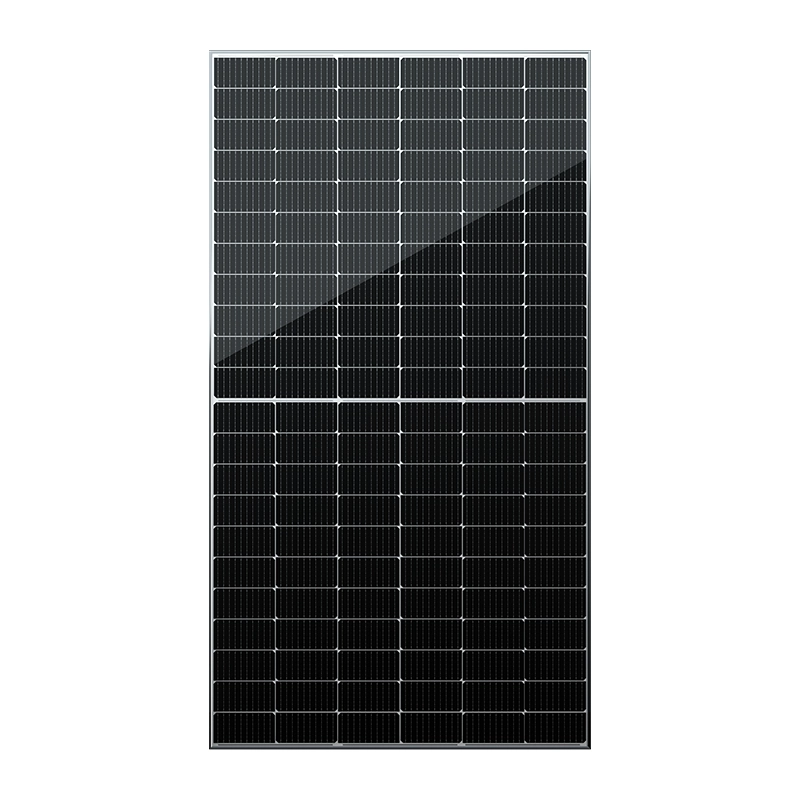
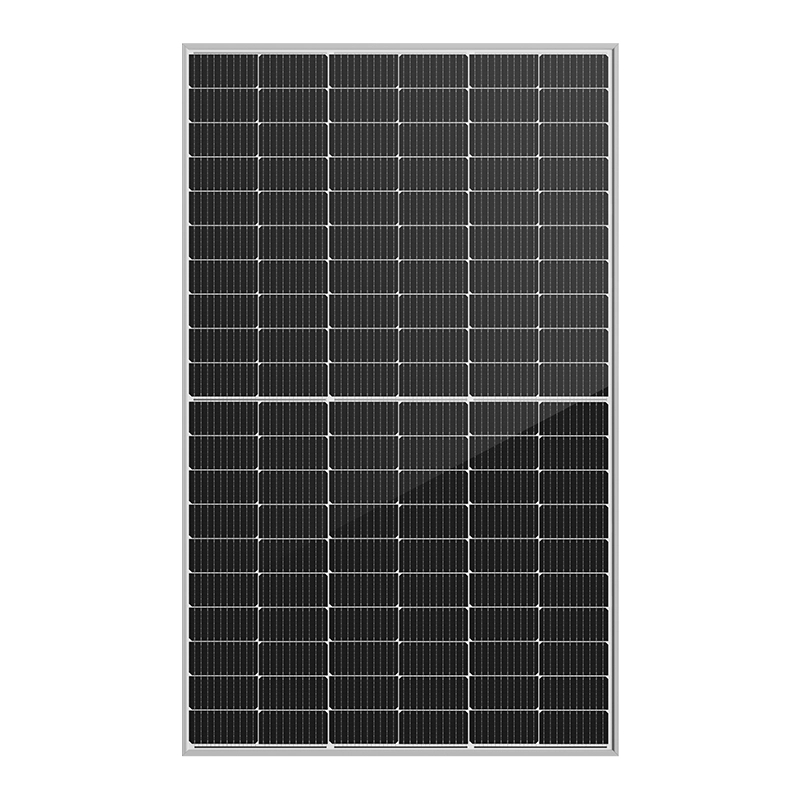
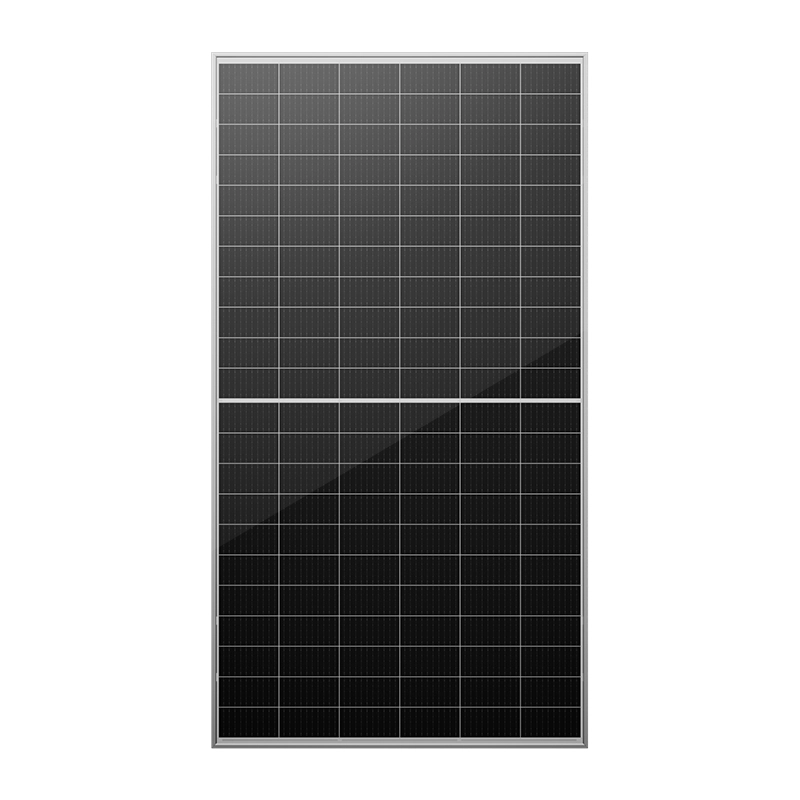
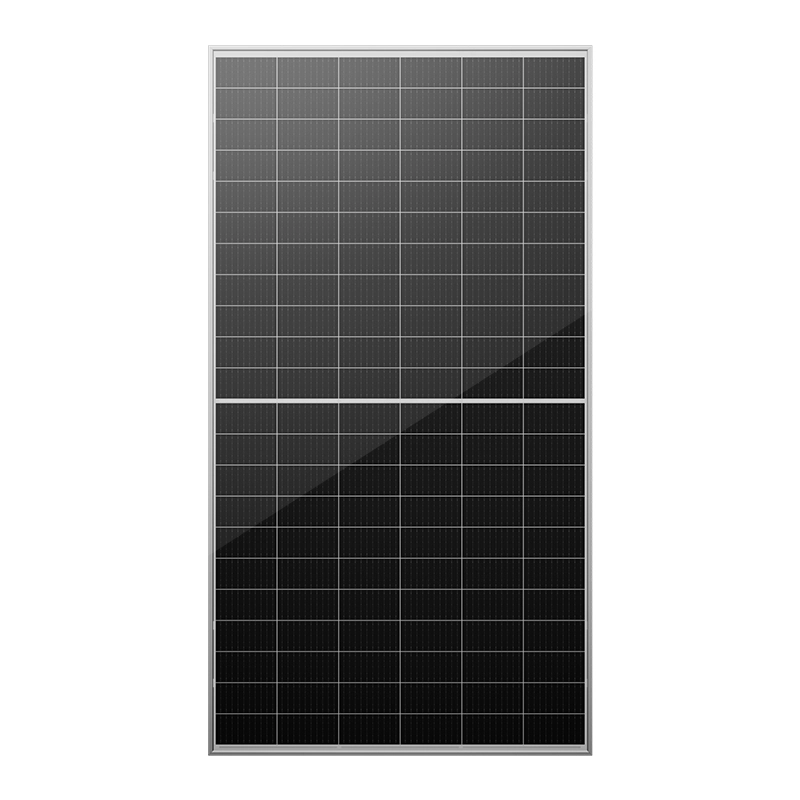
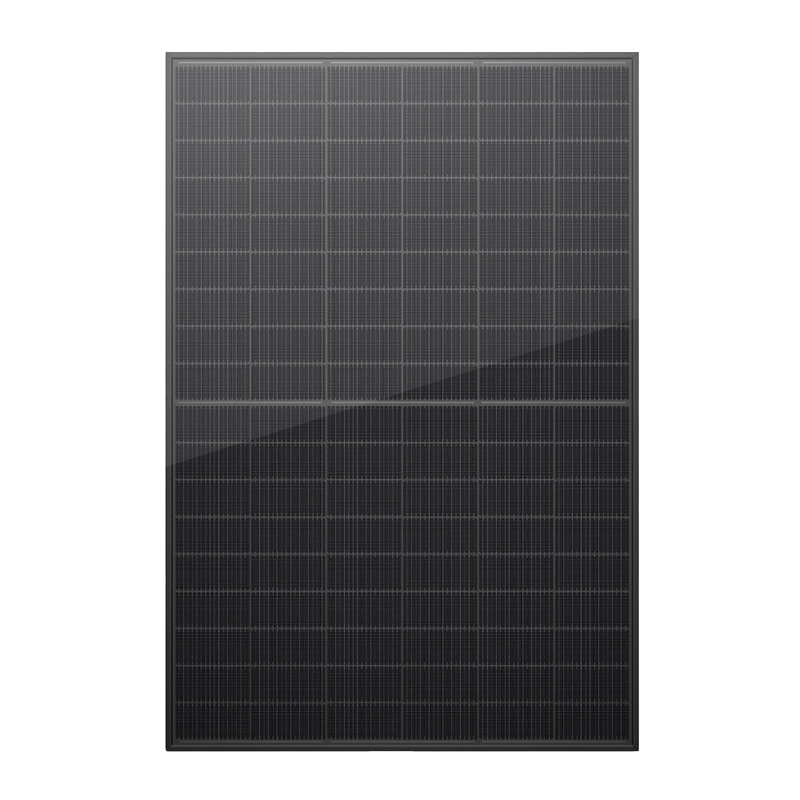
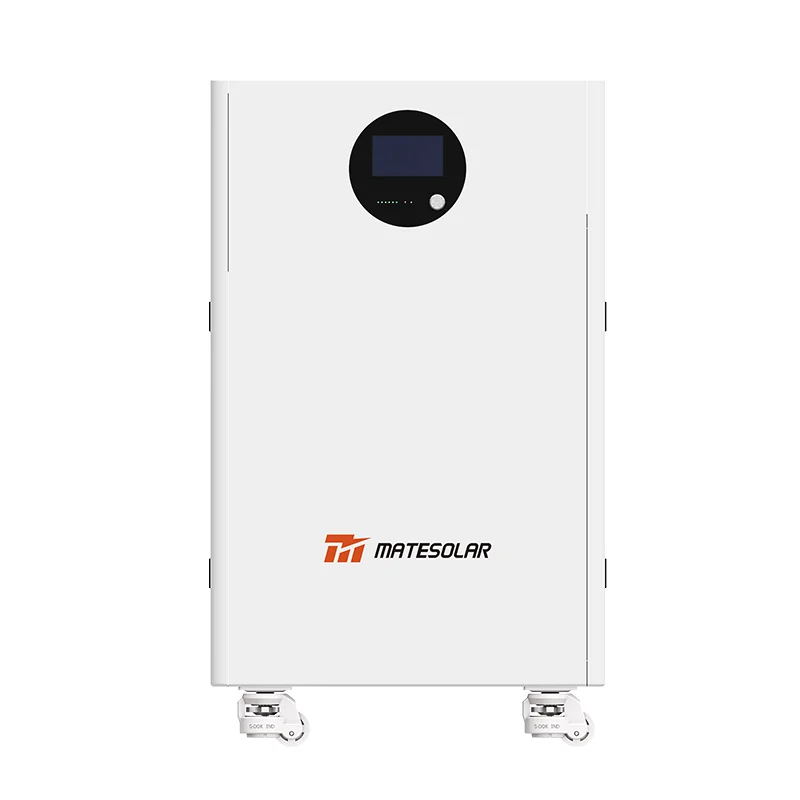
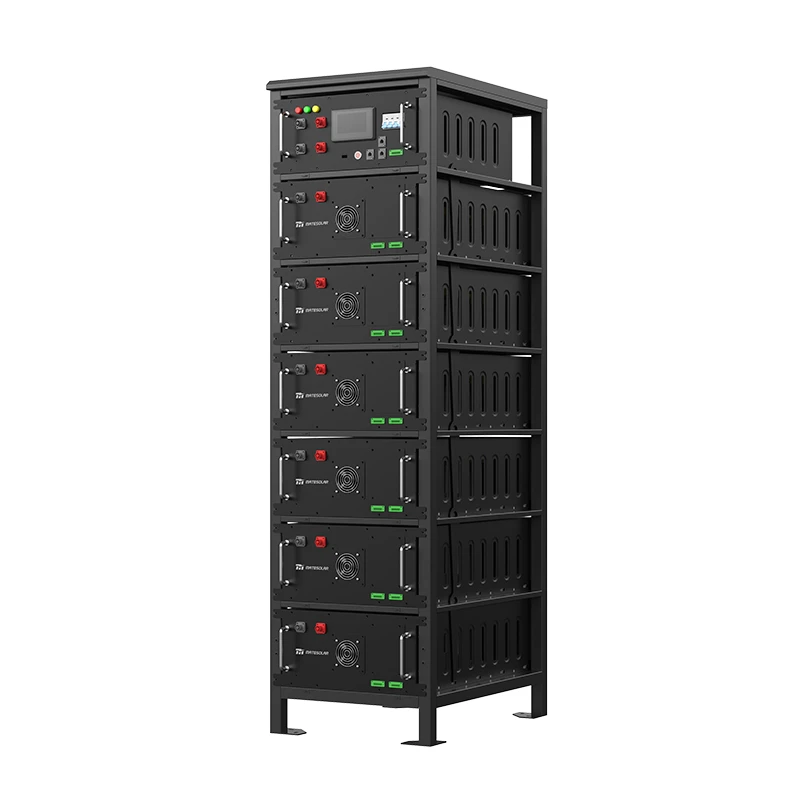
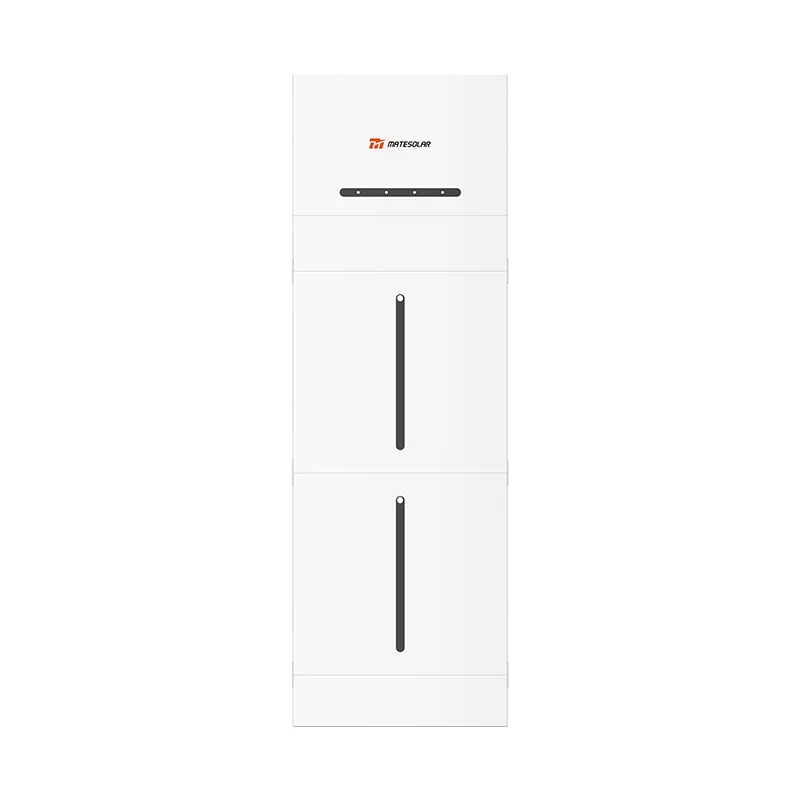
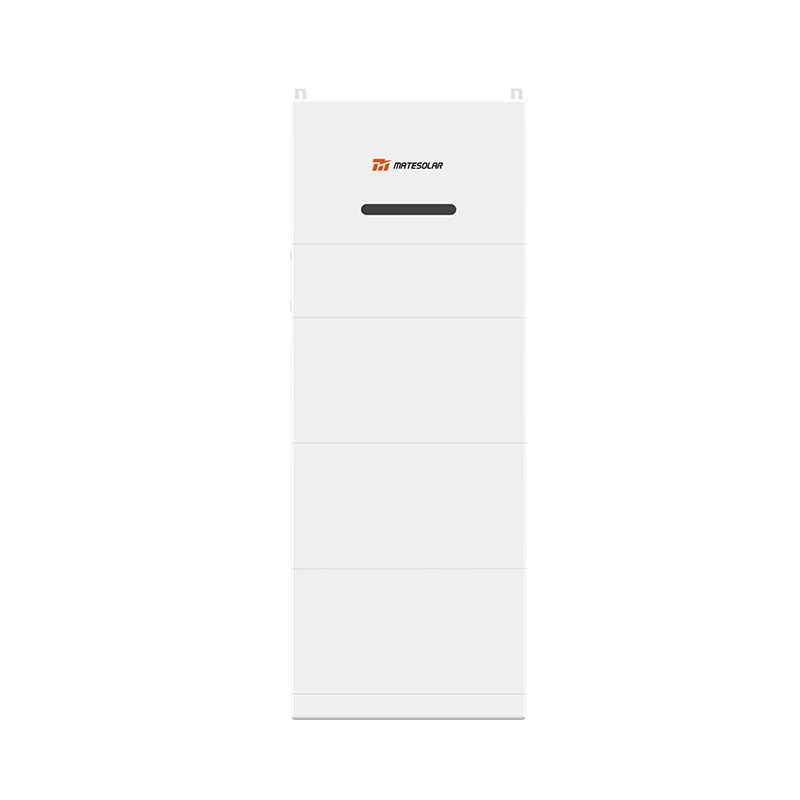
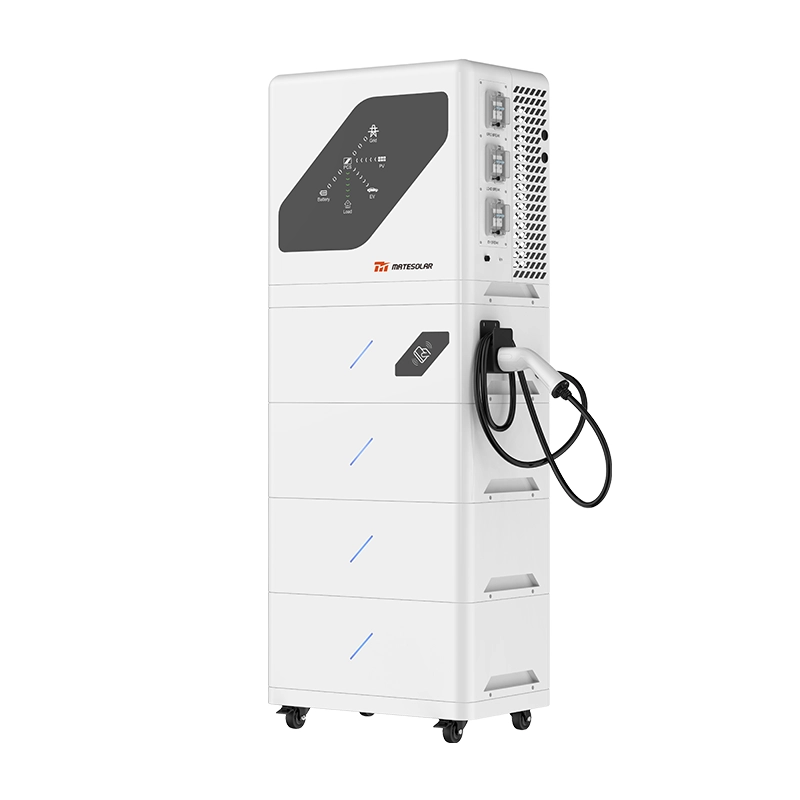
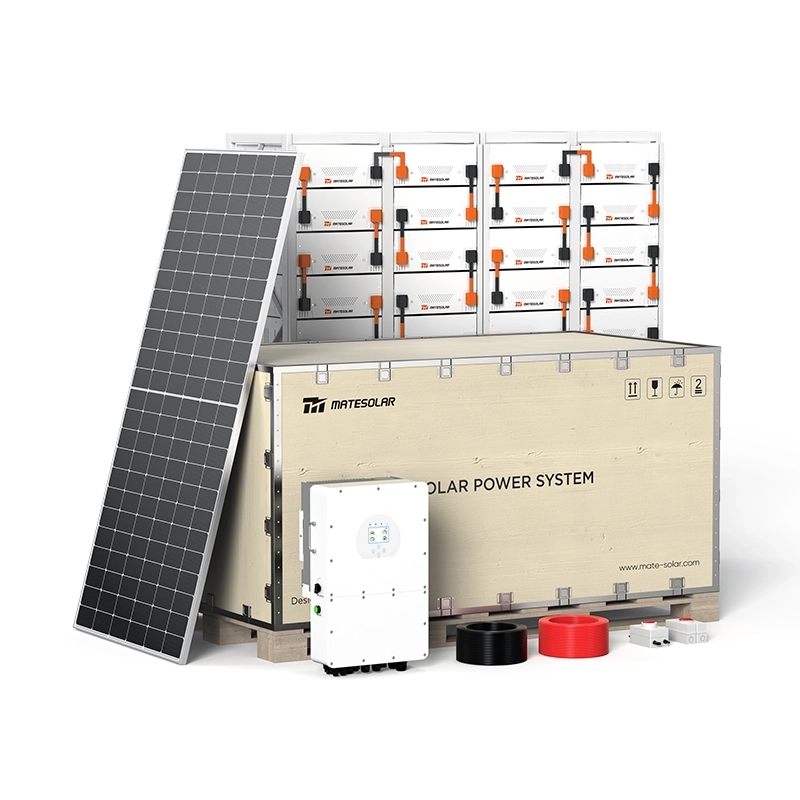
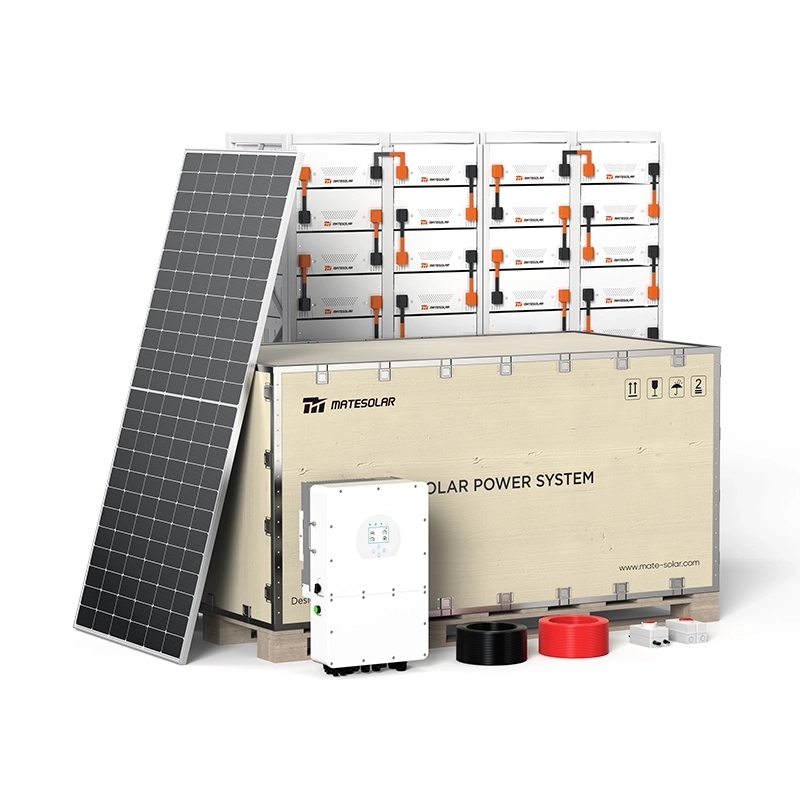
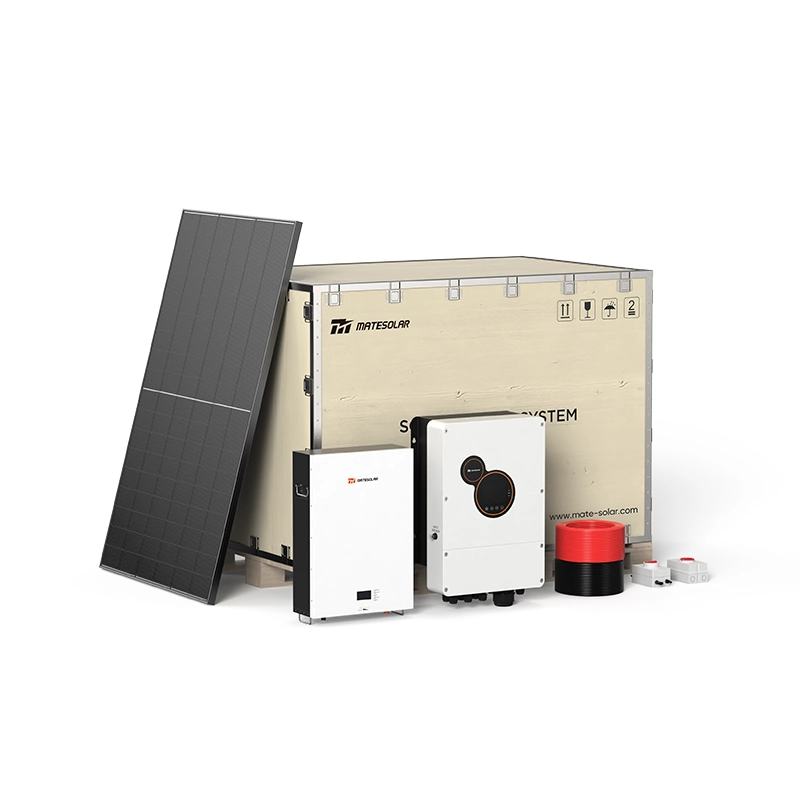
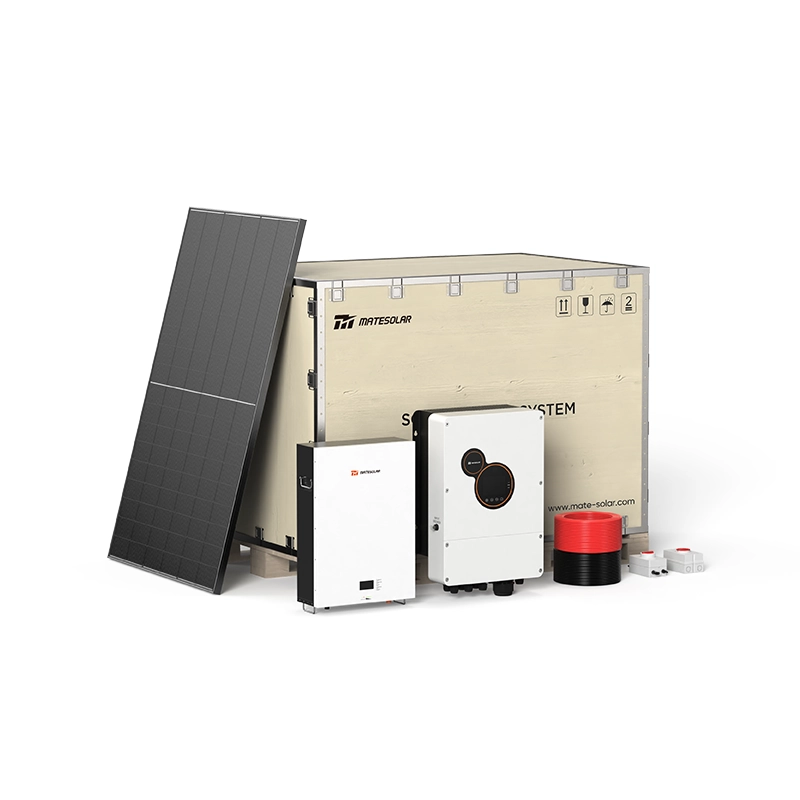
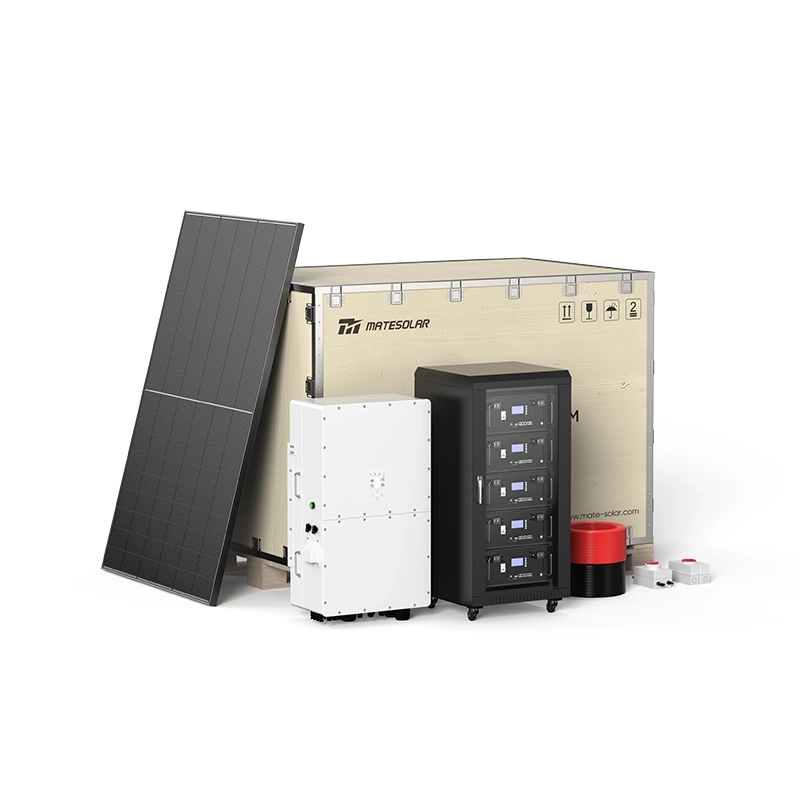
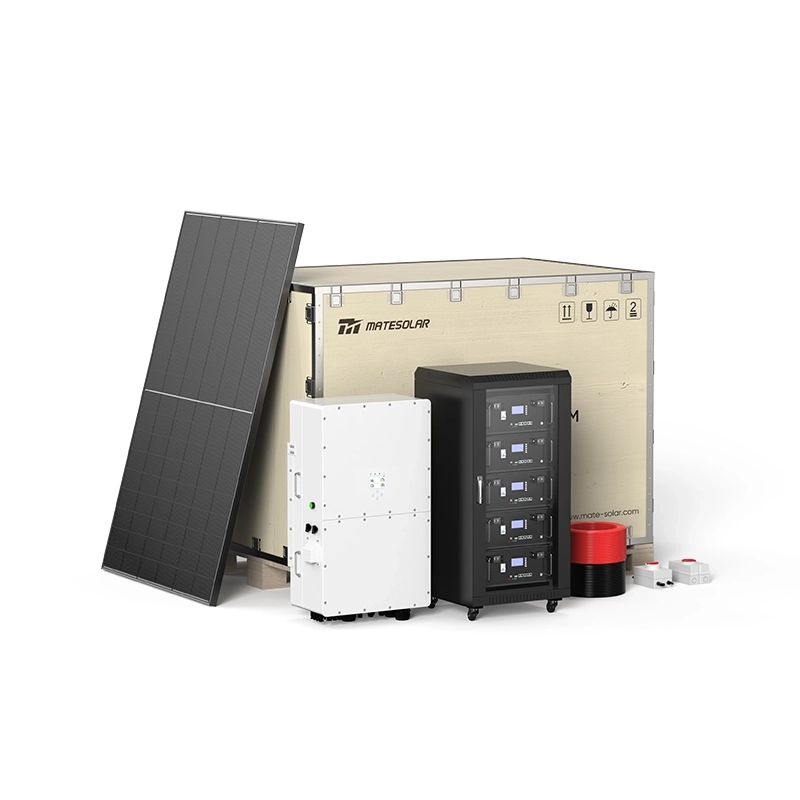
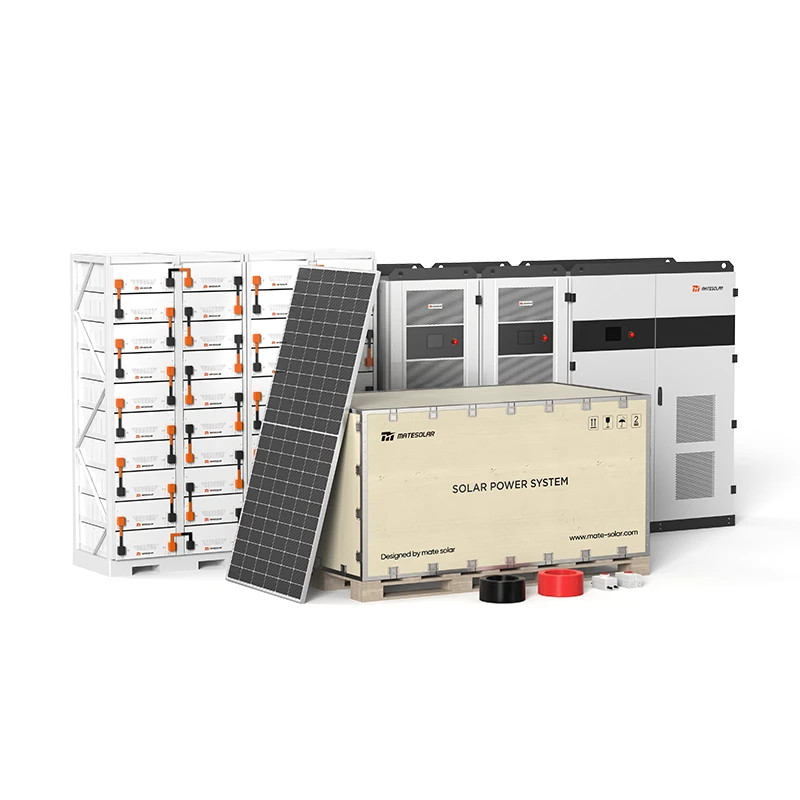
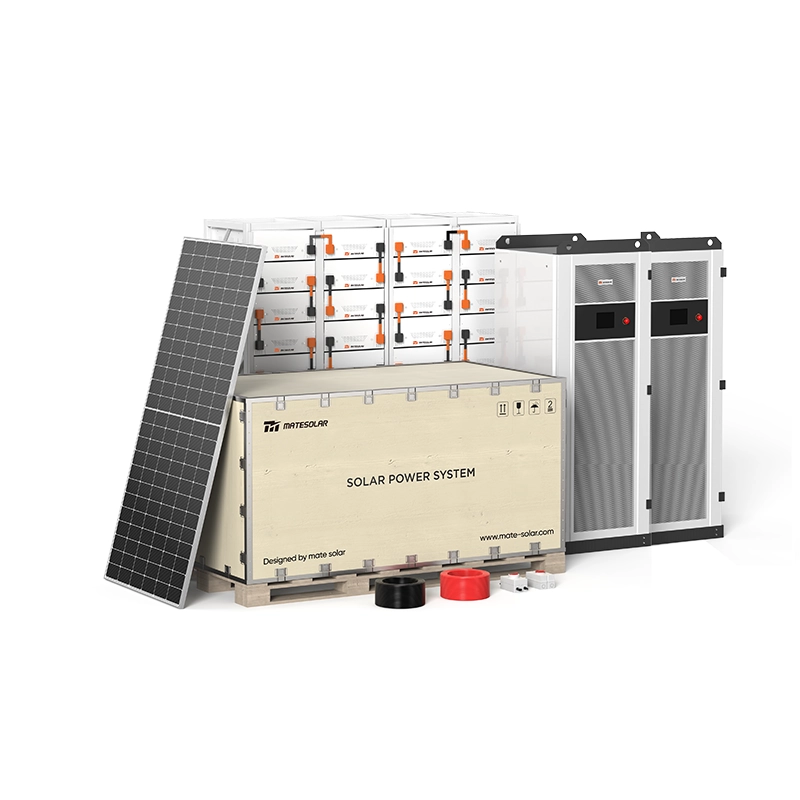
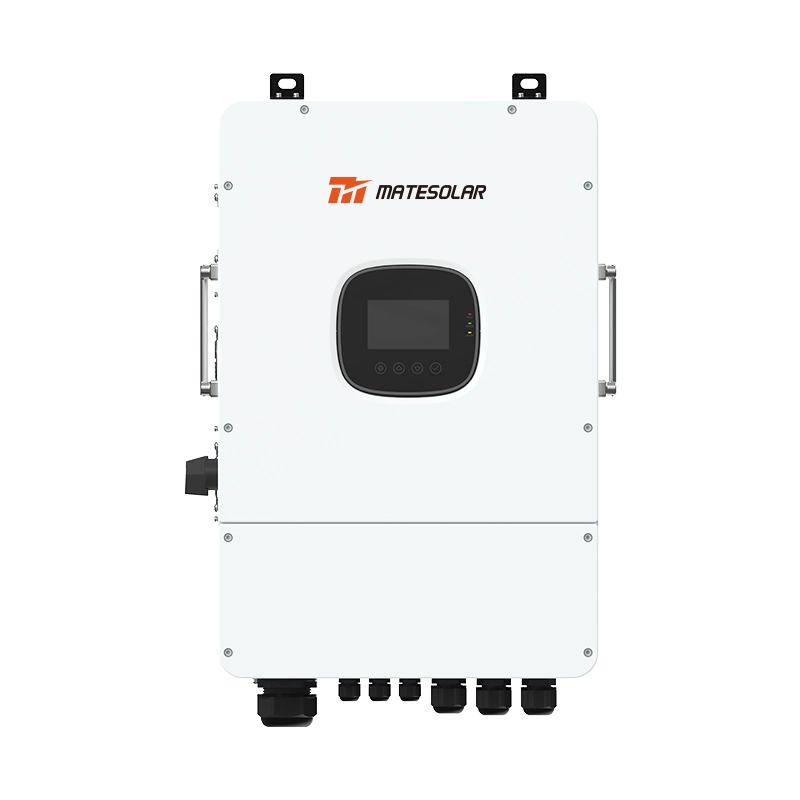
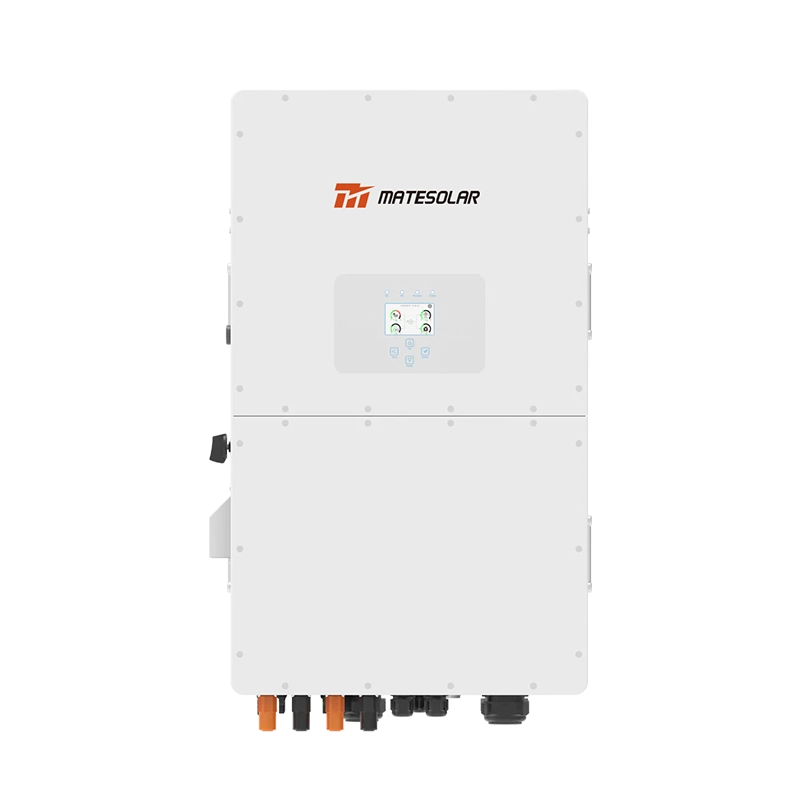
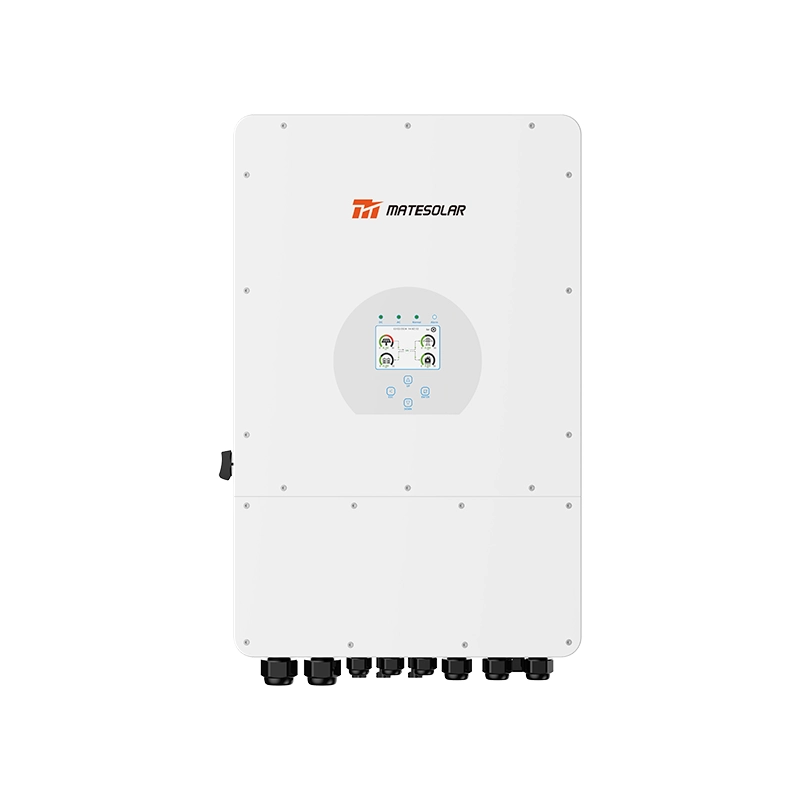
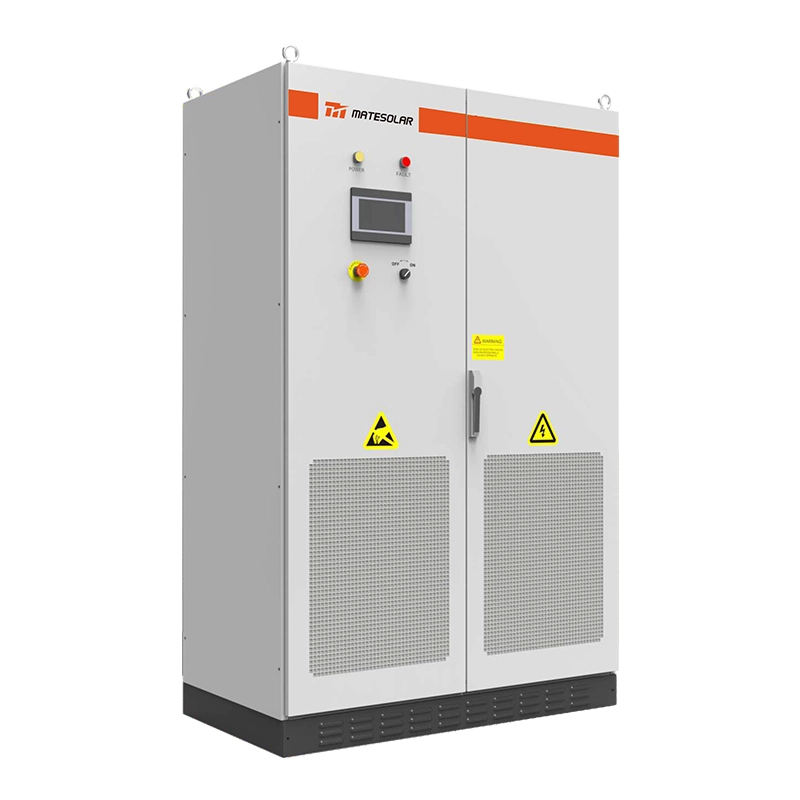
For integrated PV-storage self-supply: A Commercial 500KW Hybrid Solar System combining high-efficiency PV, a 500 kW hybrid inverter managing PV, battery, and grid flows, and LFP storage provides a pre-configured platform for the Abu Dhabi sizing logic—PV matched to daytime load, battery matched to evening window. The hybrid inverter's multi-mode control can prioritise self-consumption and limit export, which maps directly onto the self-supply rule. See the Commercial 500KW Hybrid Solar System.
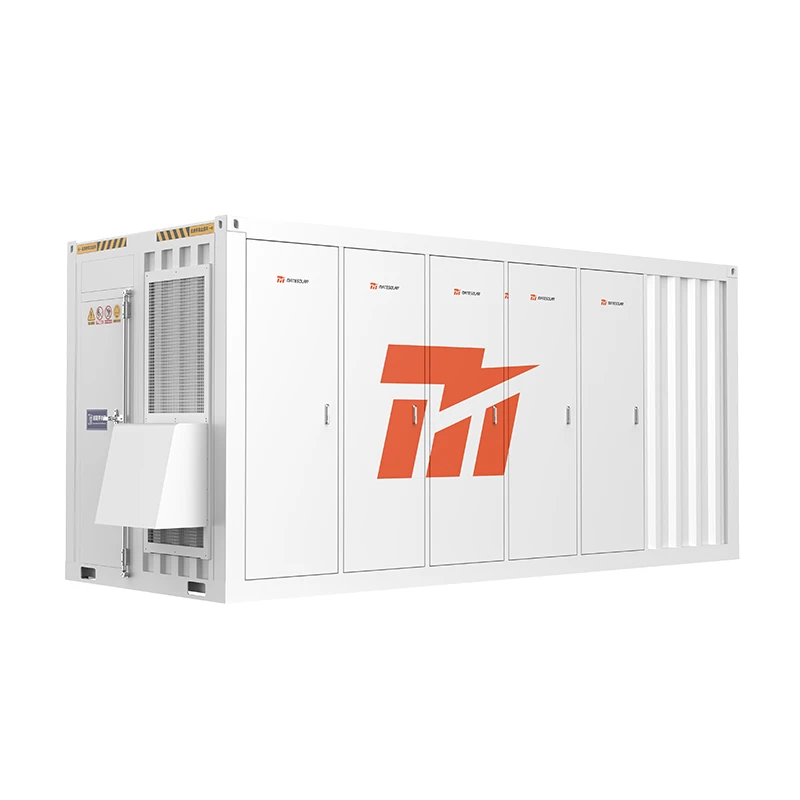
For cost-sensitive, lower-cycle applications: A 40ft air-cooled container ESS at 1–2 MWh suits logistics, light industrial, or Dubai commercial sites where annual cycle count is moderate and the duty cycle is less thermally punishing. The modular design allows capacity expansion without redesigning the thermal strategy. See the 40Ft 1MWh 2MWh Air-Cooled Container ESS.
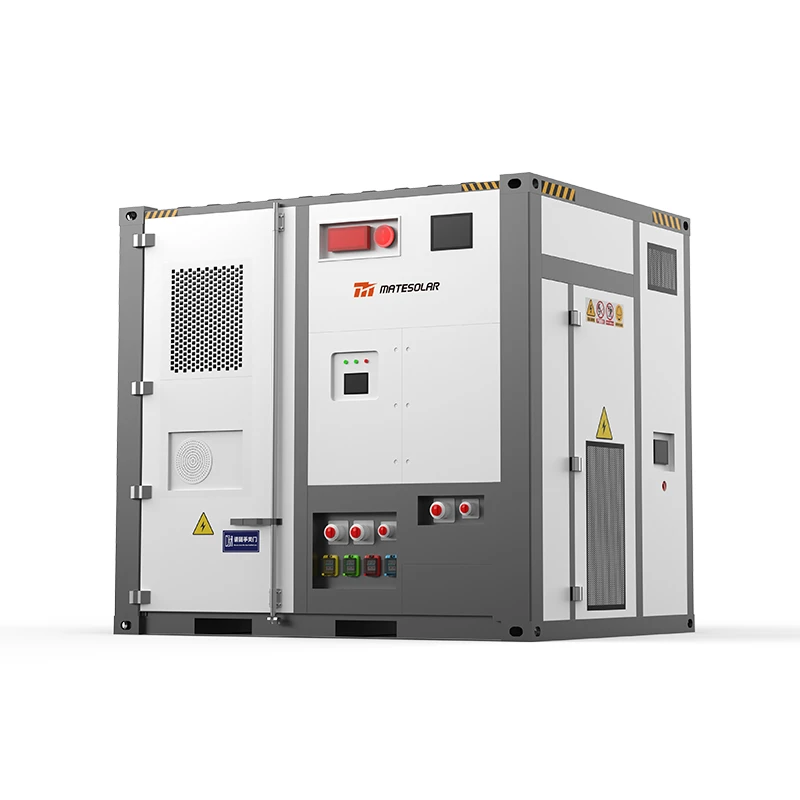
For large-scale, high-utilisation projects: A 20ft liquid-cooled container at 3–5 MWh provides higher energy density per footprint and a thermal architecture suited to sustained cycling in high ambient temperatures. The pre-assembled ISO format enables rapid outdoor deployment, and the high-voltage LFP architecture reduces current and cabling losses. See the 20ft 3MWh 5MWh Liquid Cooling Container Energy Storage System.
9. Service Reality: What the O&M Line Should Actually Reflect
A storage financial model that assumes nameplate availability with zero interventions is a model that will fail at the first BMS alarm.
The service architecture that is realistic in the current UAE C&I market has three layers. Hardware faults are addressed through parts shipment and remote-guided replacement, with full unit replacement for major failures within warranty. Software and control issues—BMS communication, dispatch logic, monitoring connectivity—are resolved through remote diagnostics and guided intervention. Large C&I commissioning can warrant on-site technical support from the vendor's engineers where the project scale justifies it.
This is not a limitation unique to any vendor; it reflects the stage of the market. What matters for the financial model is that the availability assumption and the O&M budget are built around this architecture, not around an assumption of immediate local repair. A project that assumes 99% availability without remote monitoring, a spare-parts strategy, and a commissioning protocol that verifies every control mode under load is assuming a service level the market does not universally provide.
10. FAQ
Can I use a Dubai net-metering payback estimate for an Abu Dhabi project?
No. Abu Dhabi's 2026 Self-Supply Policy does not permit net metering or offset for exported solar. A Dubai model that includes export credits overstates Abu Dhabi revenue by the value of every exported kilowatt-hour—which in an oversized-PV design can be 30–50% of generation.
In Abu Dhabi, how do I size the battery if exported solar is worth nothing?
Start with the interval load profile. Size PV to daytime base load, not annual consumption. Size the battery to 4–6 hours of average evening load as a starting point. Run a wasteful-case sensitivity; if the project fails when part of PV is unavoidably exported, the PV is too large relative to the battery and the load.
In Dubai, is storage worth it if net metering already banks my surplus?
Yes, but the value proposition is different. The Dubai battery should be justified on peak-demand management where the account carries a demand charge, on resilience, or on power quality—not on surplus capture, because the net-metering credit already does that at zero capital cost and 100% round-trip efficiency.
Does Abu Dhabi have a demand charge storage can reduce?
The standard commercial tariff is flat, and the published literature does not feature a recurring demand charge for standard C&I connections. Demand-response programmes are being piloted and a 200 MW target is in place, but the bankable storage value in Abu Dhabi is self-consumption, not demand-charge shaving.
Does Dubai's slab tariff going to 38 fils make storage more valuable there than in Abu Dhabi's 20 fils flat rate?
The higher marginal energy value raises the value of avoided imports, but Dubai also allows full-retail-rate credits. The net value of storage depends on what the battery does that the credit and the slab structure do not already provide—peak shaving, resilience, or power quality.
Can I use the same battery in both emirates?
The hardware platform can be shared, but configuration and dispatch should differ. Abu Dhabi self-consumption typically needs longer duration and daily deep cycling. Dubai peak management may need higher power-to-energy ratio and peak-focused dispatch. Identical configurations across both emirates are likely to be suboptimal in at least one.
How does UAE heat change the model?
Heat reduces round-trip efficiency, increases auxiliary cooling load, and accelerates capacity fade. Liquid-cooled systems in hot climates can deliver 4,000–6,000 cycles at 80% DoD versus roughly 3,000–4,000 for air-cooled equivalents, with tighter cell temperature uniformity. A model using temperate-climate figures overstates throughput and understates lifecycle cost.
Is liquid cooling necessary everywhere?
No. It is strongly preferable for daily-deep-cycle Abu Dhabi self-consumption, where capacity retention drives the NPV. For lower-cycle Dubai peak shaving, a well-designed air-cooled container can be appropriate if the model uses realistic hot-climate derating.
What happens if there is a hardware fault and no local installation team?
The workable model is remote diagnosis, parts shipment, and guided replacement, with full unit replacement for major failures within warranty. Large C&I projects can arrange on-site commissioning support where scale justifies it. The O&M budget should reflect this architecture.
Do we need two separate strategies for a group with assets in both emirates?
Yes. The financial models should be separate because the counterfactuals are separate. The platform can be common, but sizing, power-to-energy ratio, and dispatch logic should be emirate-specific.
11. What to Take to the Investment Committee
A UAE C&I storage decision in 2026 should not be presented as a single payback figure. It should be two business cases, each with its own regulatory premise and its own sensitivity range.
For Abu Dhabi, the case rests on self-consumption ratio and avoided energy charges. The key sensitivities are the daytime load profile, the evening load duration, usable capacity over time, and round-trip efficiency at actual operating temperatures. The key risk is PV oversizing relative to load.
For Dubai, the case rests on peak-demand management where the account carries a demand charge, on resilience, and on operational value that the credit mechanism cannot provide. The key sensitivities are the peak-demand profile, the applicable demand-charge structure, battery power rating and dispatch reliability, and the stability of the net-metering credit over the horizon. The key risk is justifying storage on surplus capture that the grid already provides.
The technology follows the model. Abu Dhabi self-supply benefits from integrated PV-storage, liquid-cooled thermal management for daily cycling, and a sizing discipline that puts the load profile before the roof. Dubai demand management benefits from a power-focused configuration, peak-event dispatch, and a clear-eyed recognition that the grid credit is a substitute for the battery's surplus-storage function, not a complement to it.
12. About MateSolar
MateSolar is a one-stop solar and energy storage solutions provider for C&I customers across the UAE and the wider Middle East. The platforms referenced here—the Commercial 500KW Hybrid Solar System, the 100kW/232kWh and 125kW/261kWh Liquid-Cooled Outdoor Cabinet, the 40Ft 1MWh 2MWh Air-Cooled Container ESS, and the 20ft 3MWh 5MWh Liquid Cooling Container—are configured against the load profile and the regulatory model of each project, not sold as a generic package. Service is delivered through remote monitoring and diagnostics, parts shipment with guided replacement, and on-site commissioning support for large C&I deployments where scale requires it.
The two emirates do not share a storage economics model. They do share a need for a technology partner that understands why the models are different—and configures accordingly.