








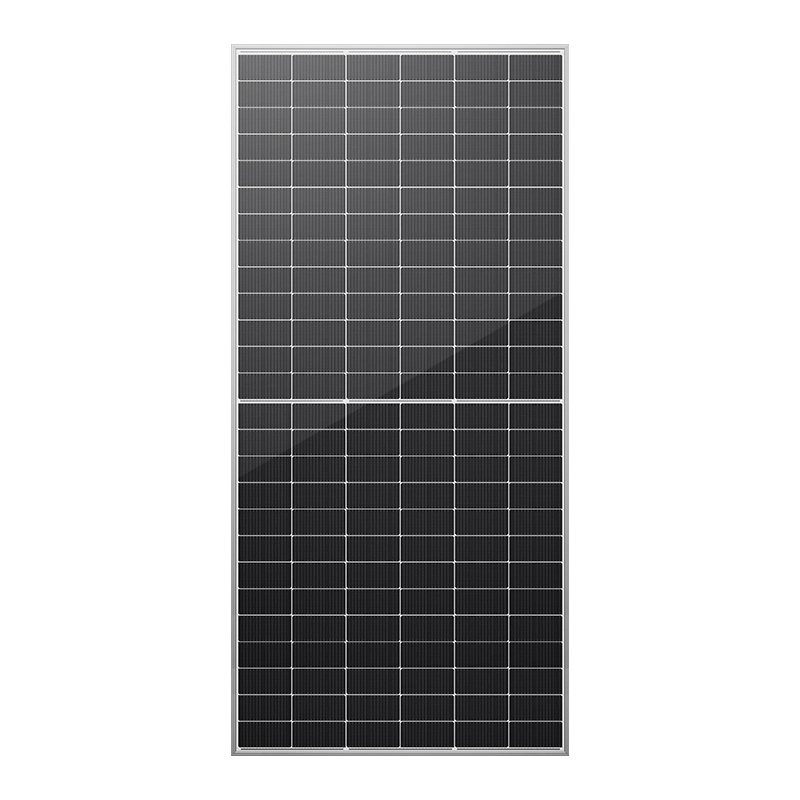
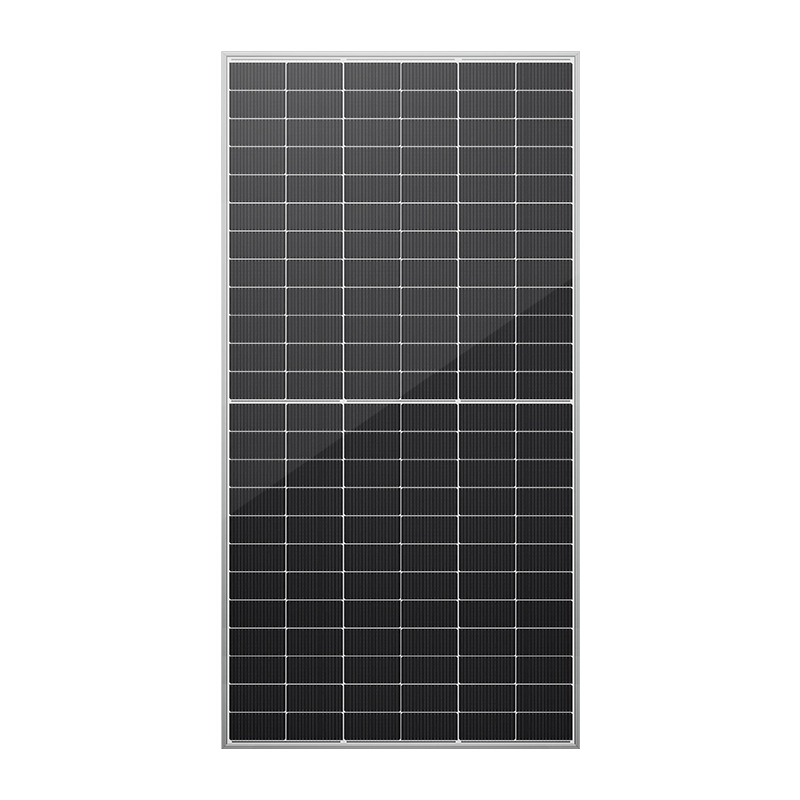
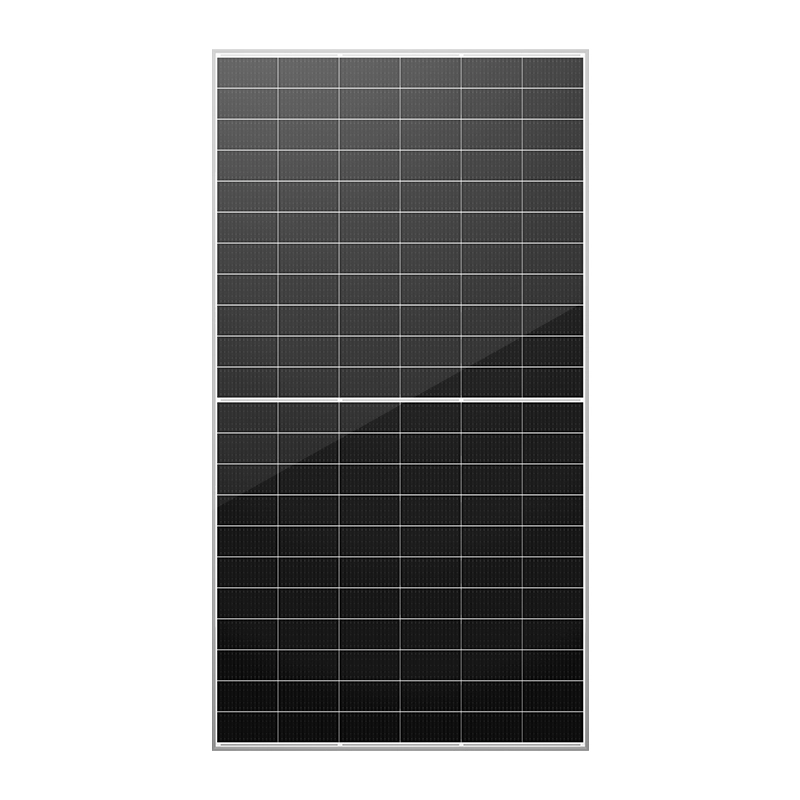
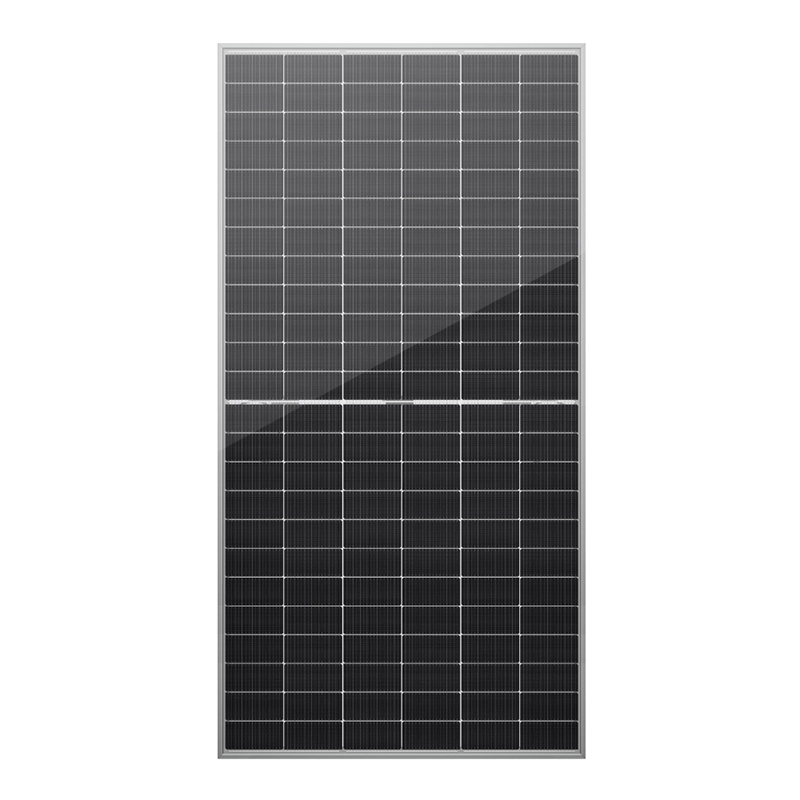
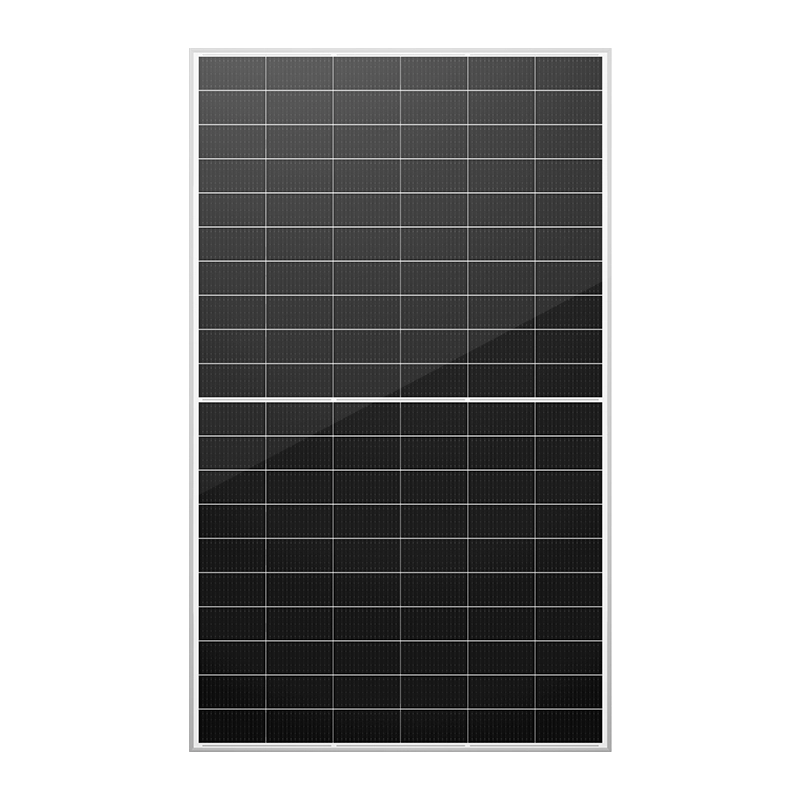
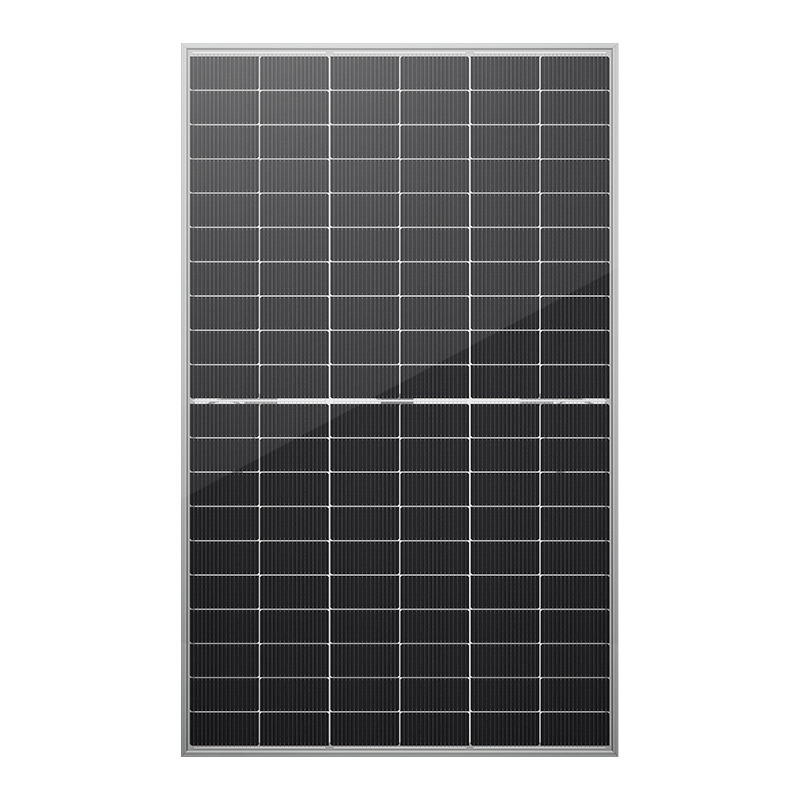
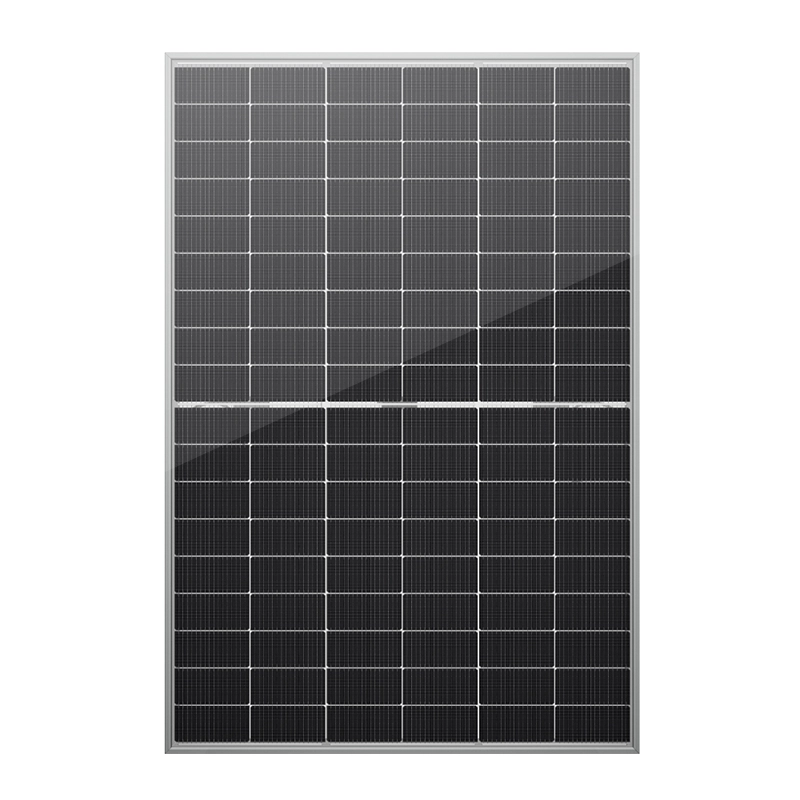
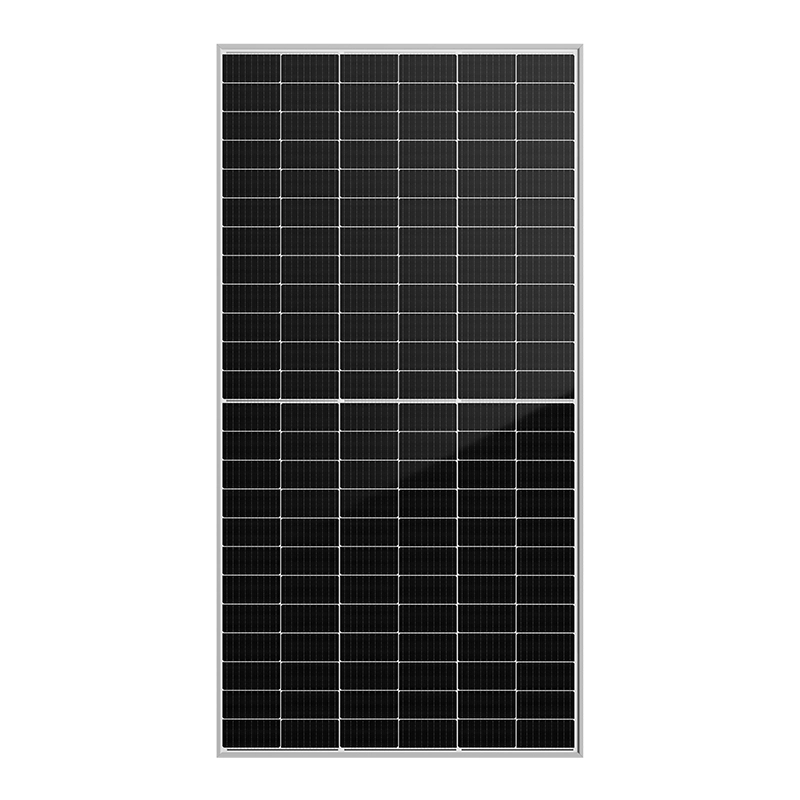






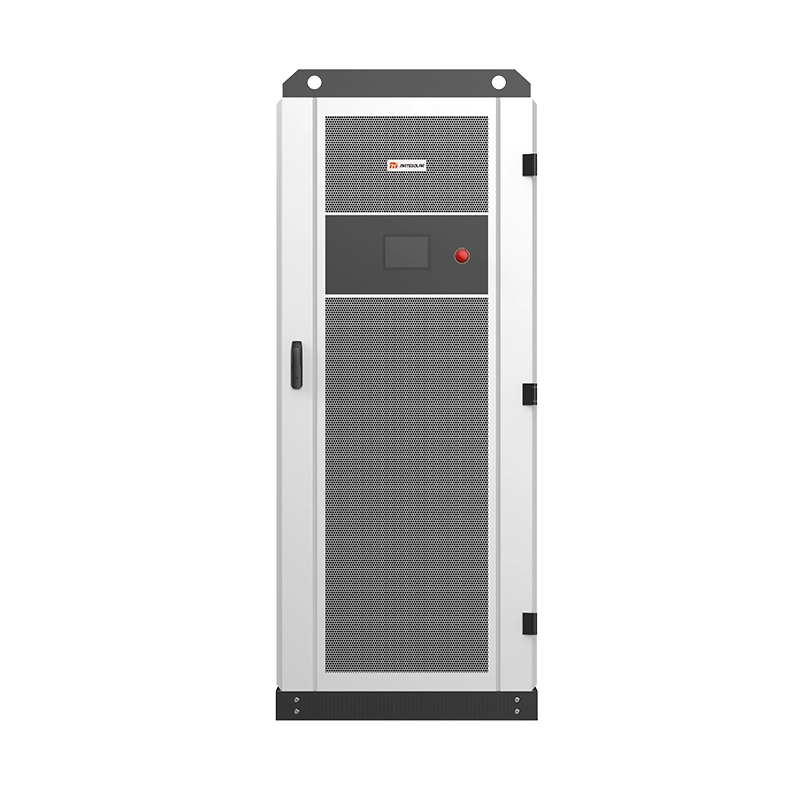
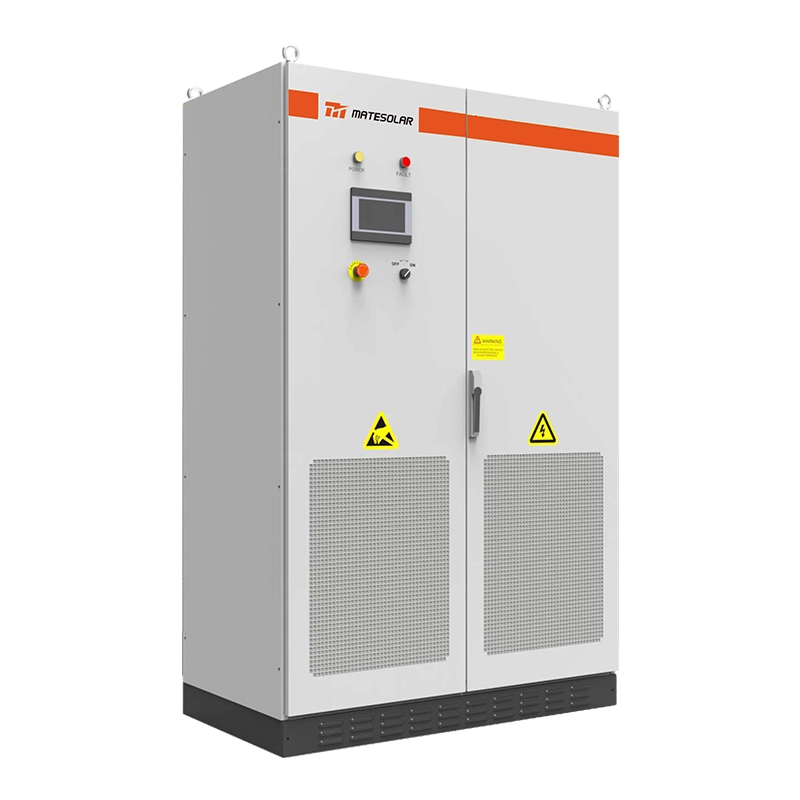
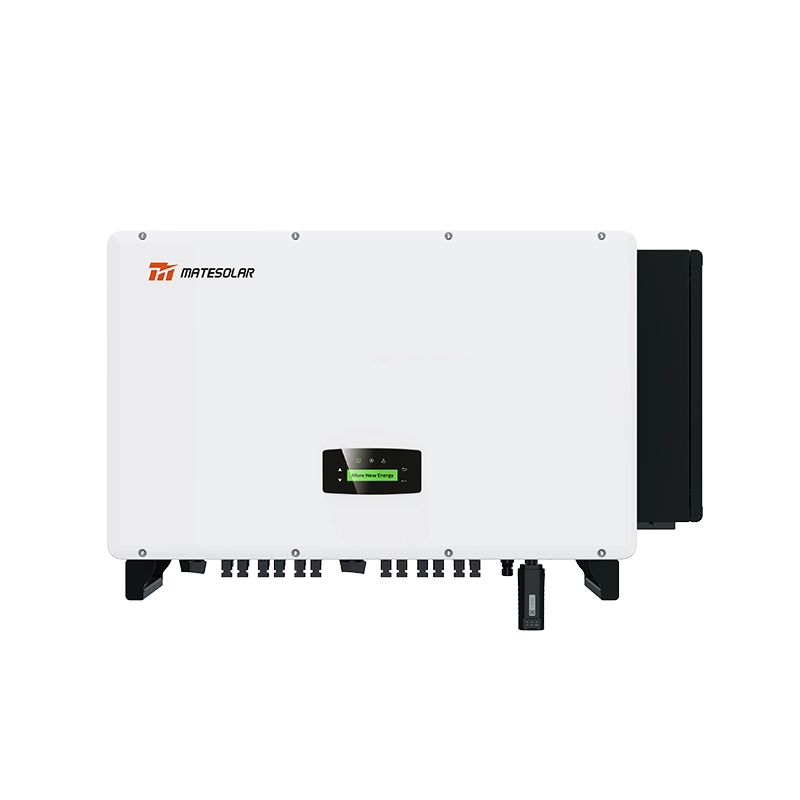
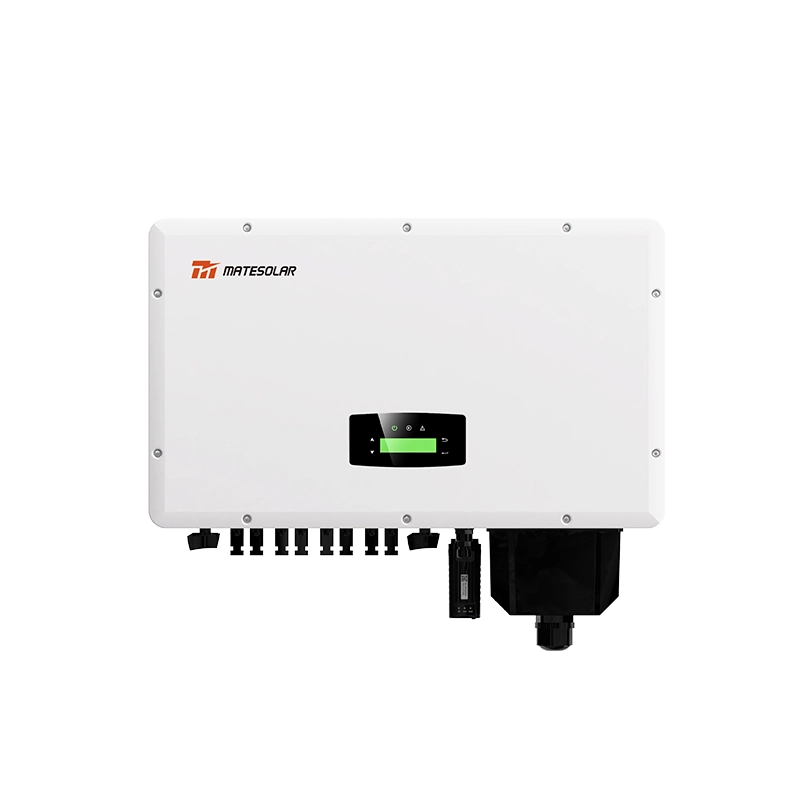



The Republic of El Salvador has emerged as Central America's most dynamic renewable energy market following a cascade of legislative breakthroughs that took full effect in early 2026. With solar photovoltaic (PV) now accounting for 21.1% of national electricity production and total installed PV capacity reaching 633 MW, the country's energy matrix has undergone a fundamental transformation—bringing unprecedented opportunities and equally unprecedented technical challenges.
The convergence of three landmark policies—the Renewable Energy Promotion Law (effective February 2026), the Retail Electricity Market Reform (passed April 10, 2026), and the National Energy Storage Plan (pilot phase launched November 2025)—has created a regulatory environment uniquely positioned to accelerate battery energy storage system (BESS) deployment across utility, commercial, and industrial segments.
This comprehensive guide serves as the definitive industry reference for navigating El Salvador's rapidly evolving energy storage landscape. Drawing from official SIGET data, ETESAL infrastructure roadmaps, BloombergNEF market forecasts, and real-world project case studies, this publication addresses the pressing technical and commercial challenges confronting grid operators, industrial energy consumers, small-to-medium enterprises, and local EPC partners.
Within these pages, decision-makers will find actionable solutions to the four most critical pain points shaping El Salvador's energy transition:
- Grid stability amid record solar penetration
- Retail market participation for industrial and commercial electricity consumers
- Regulatory navigation for small and medium enterprises
- Financing and bankability for local system integrators
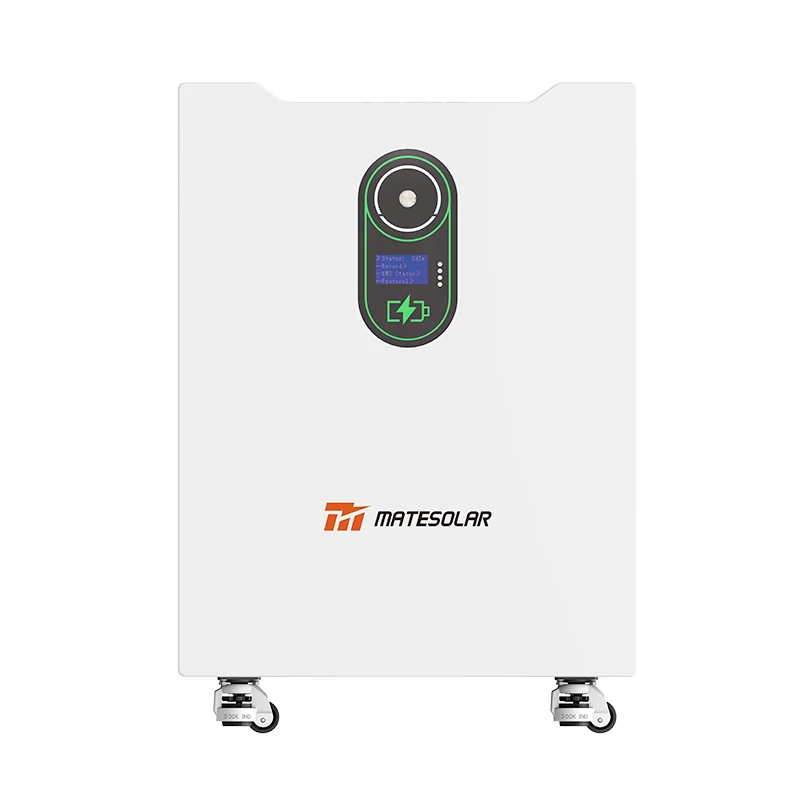
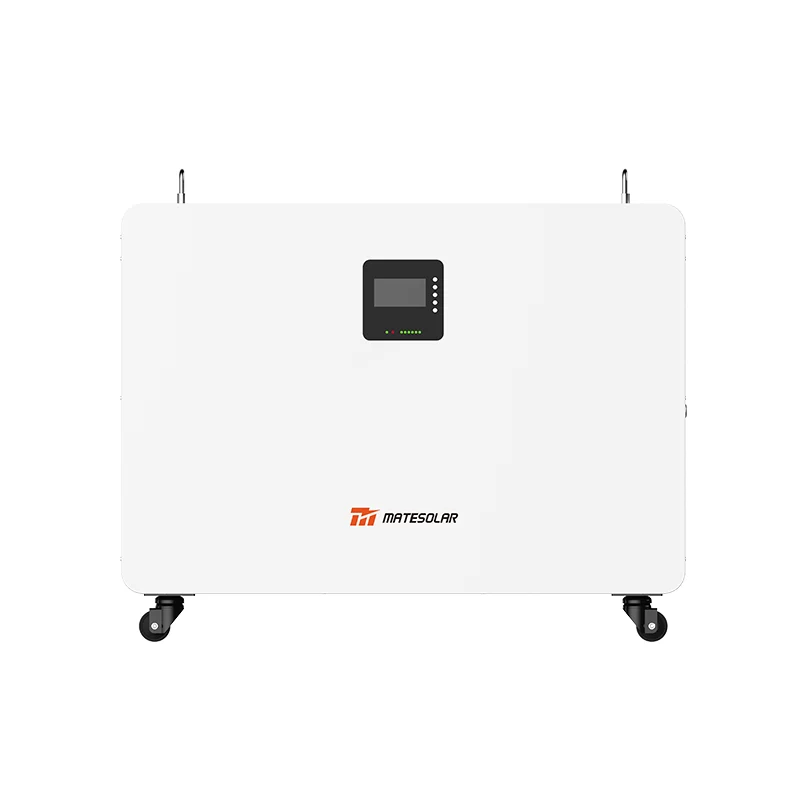
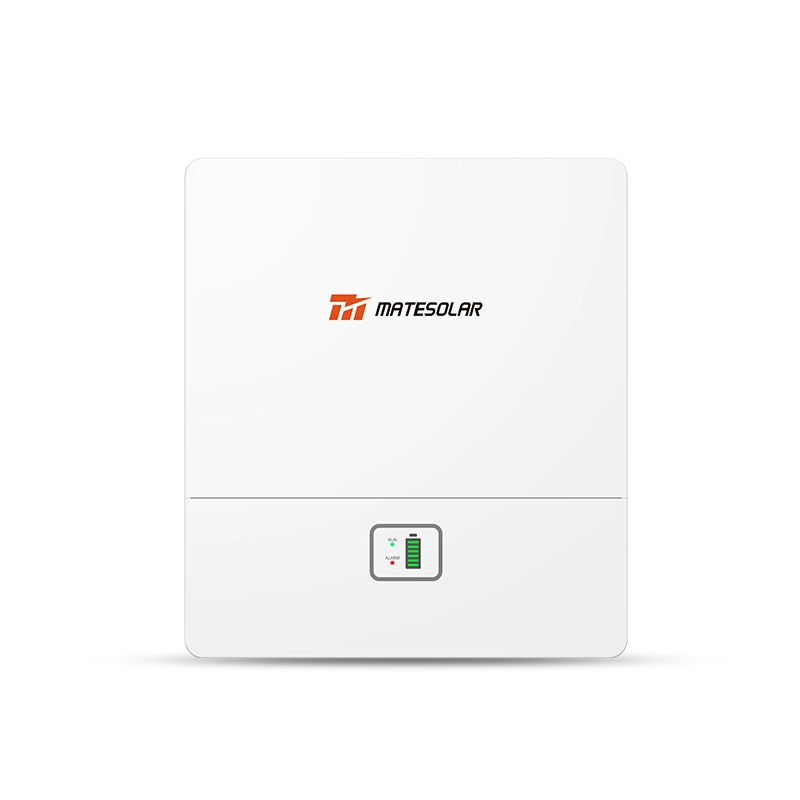
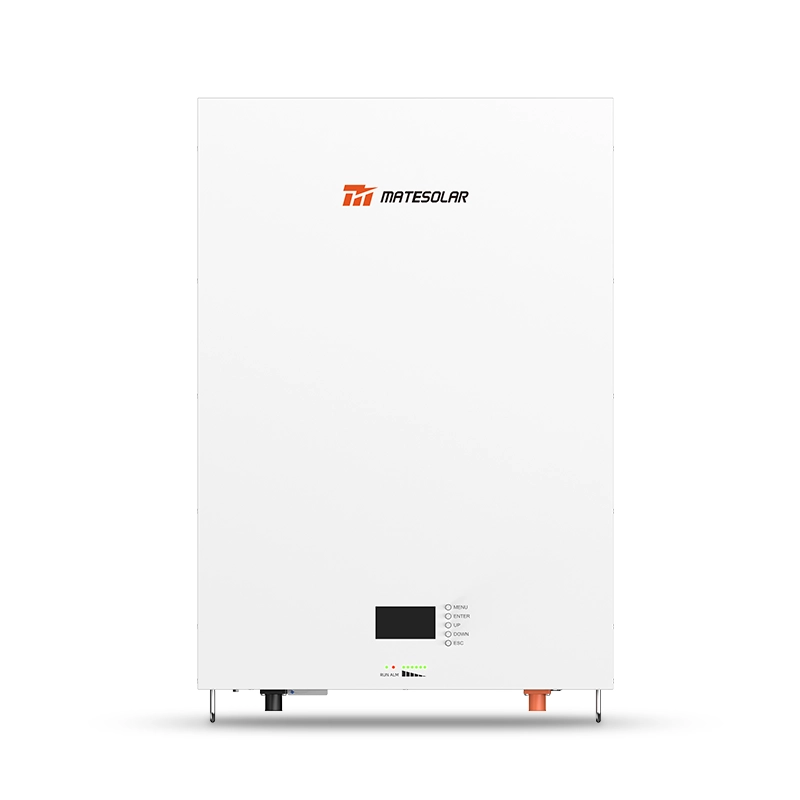
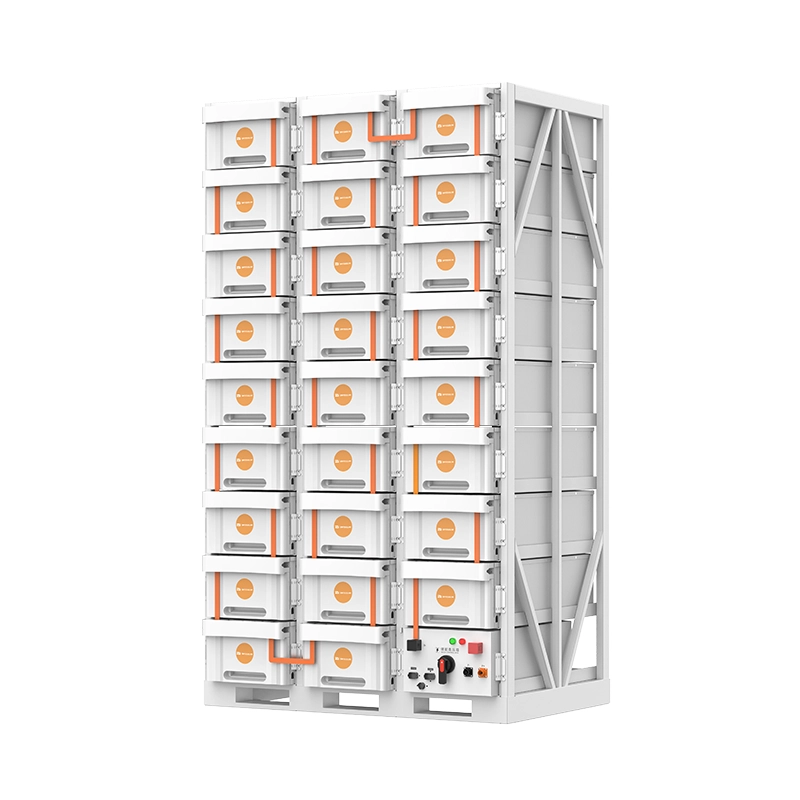
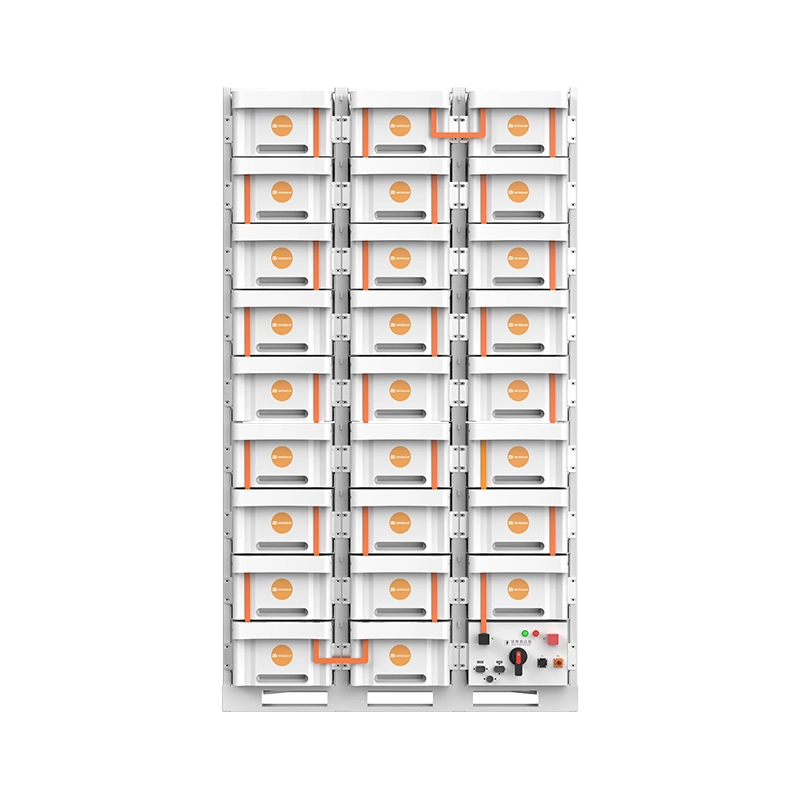
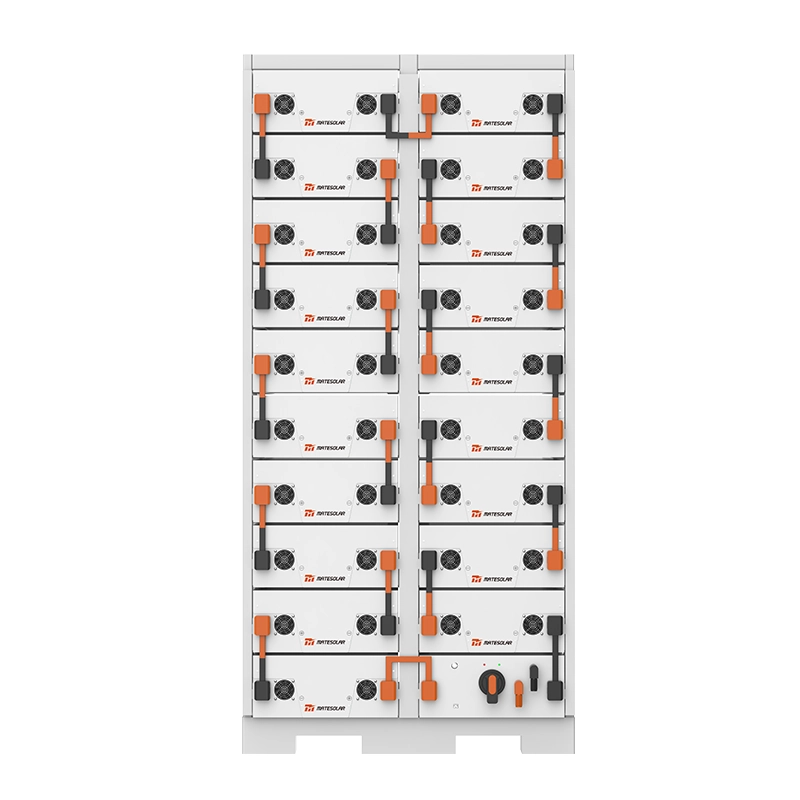
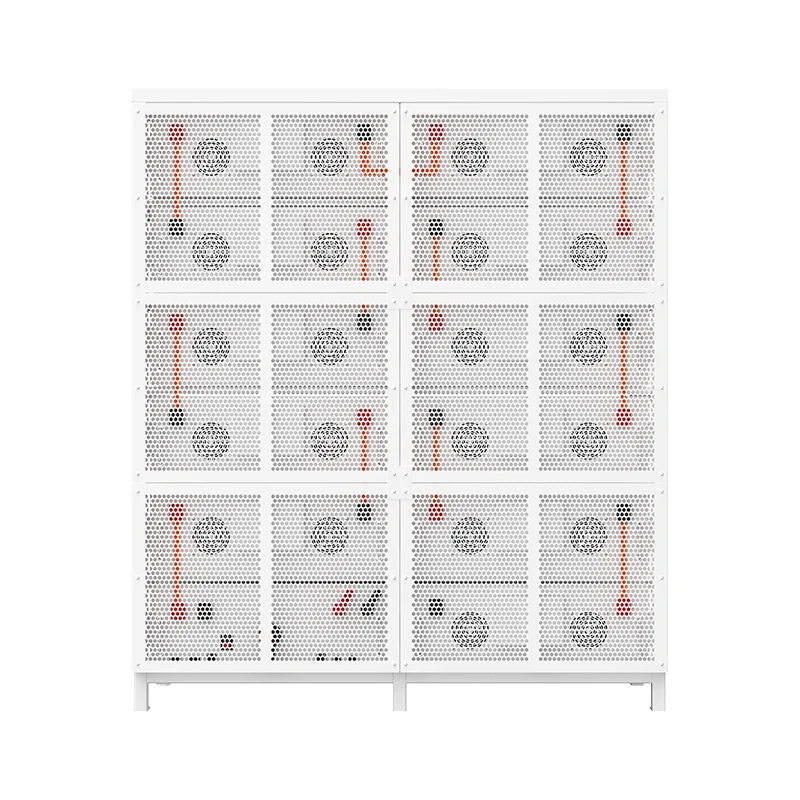
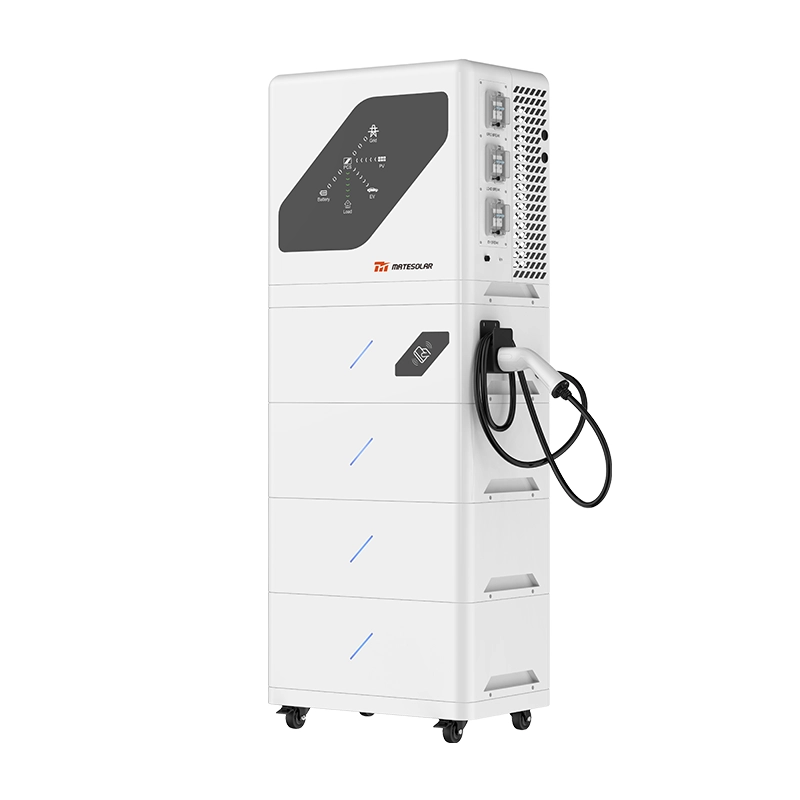
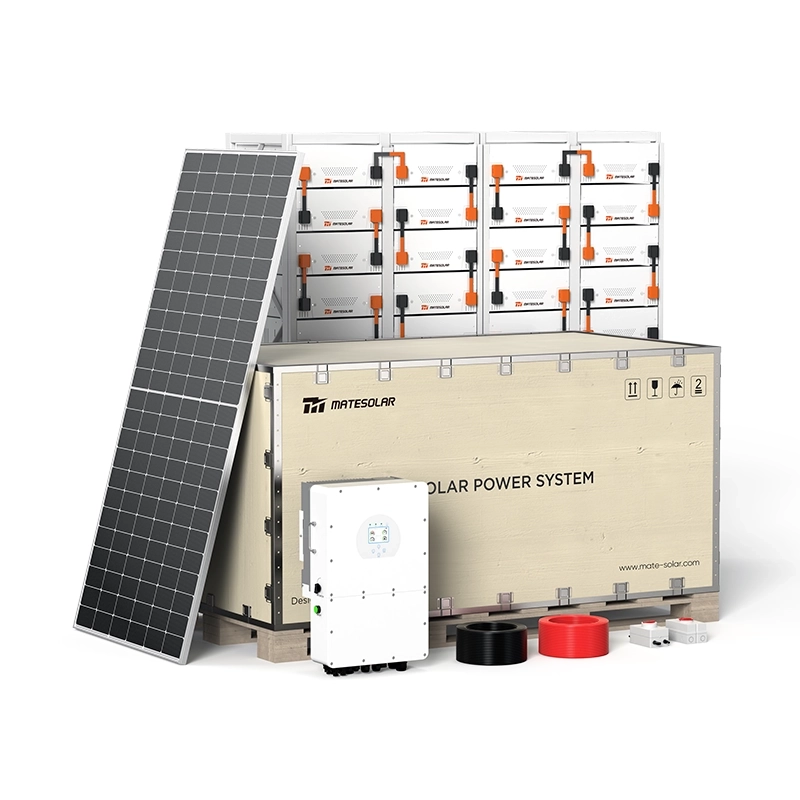
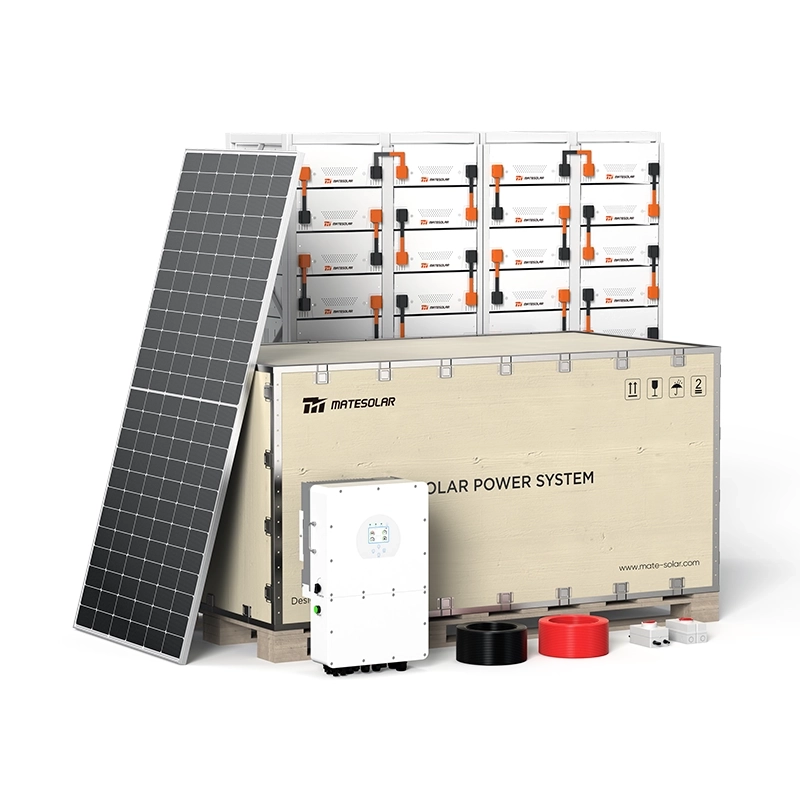
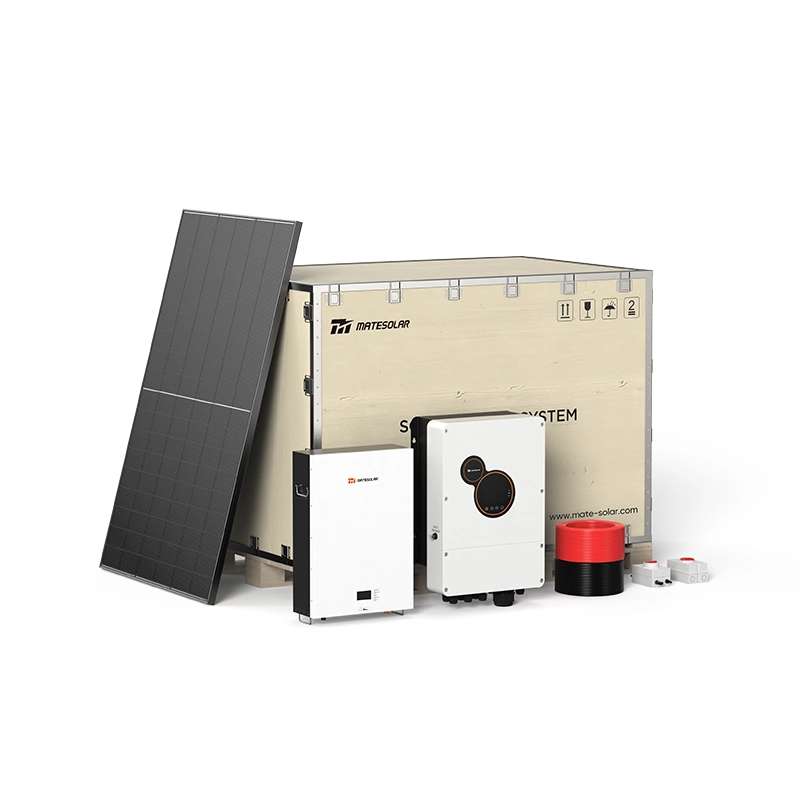
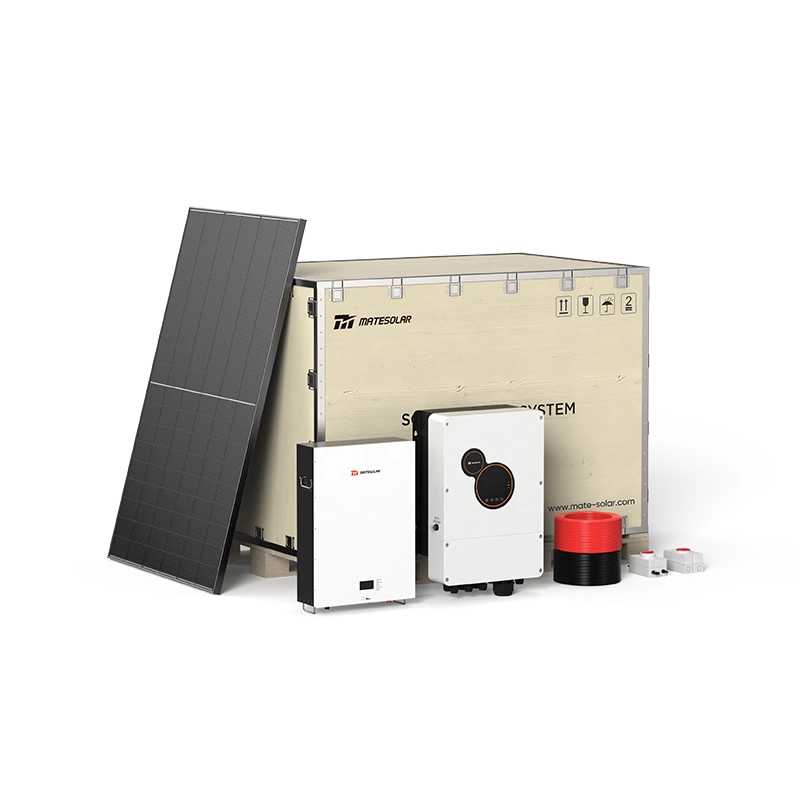
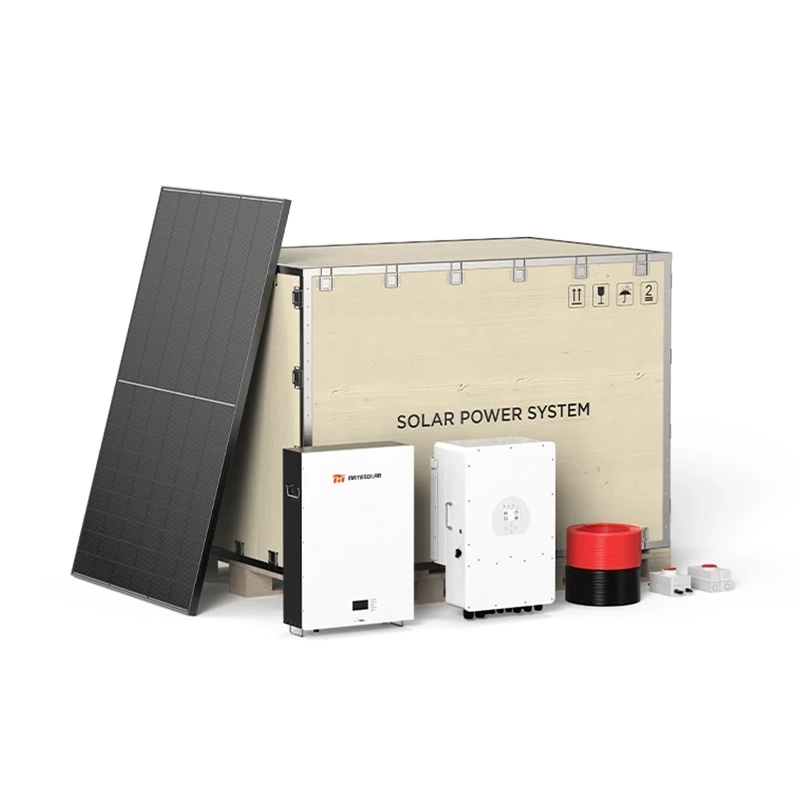
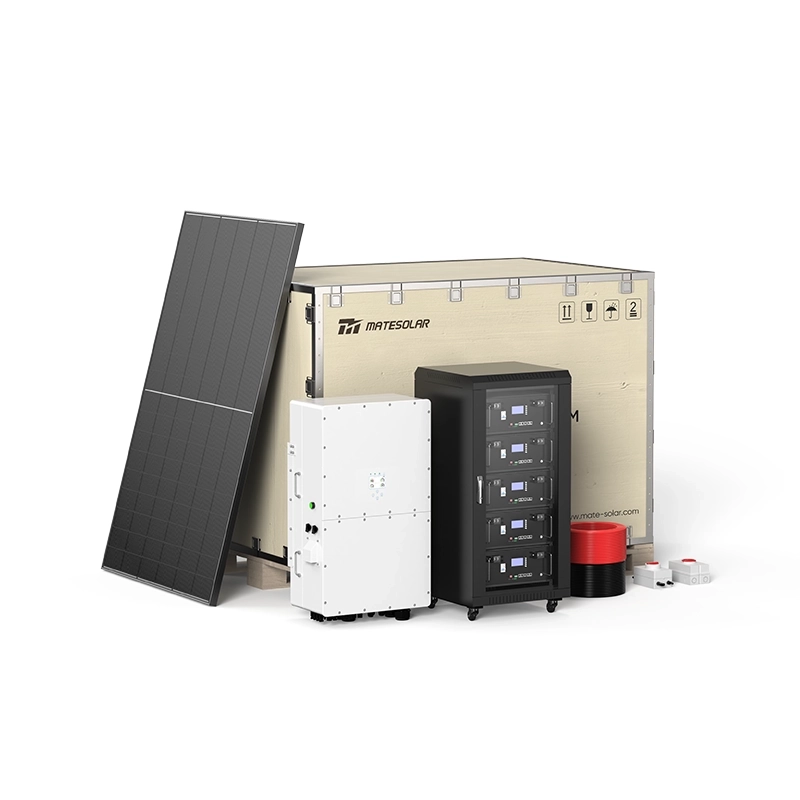
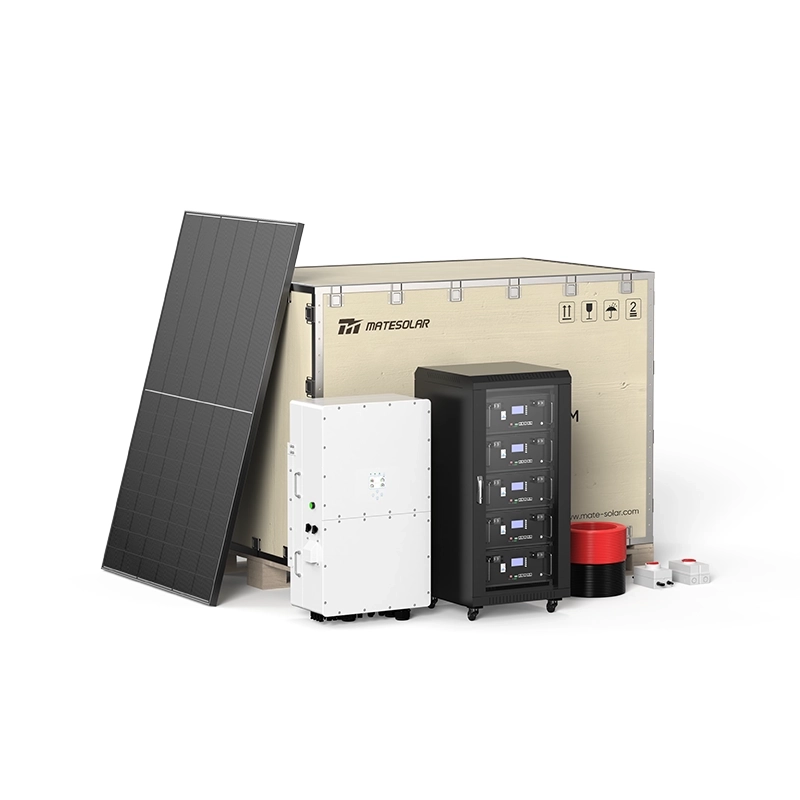
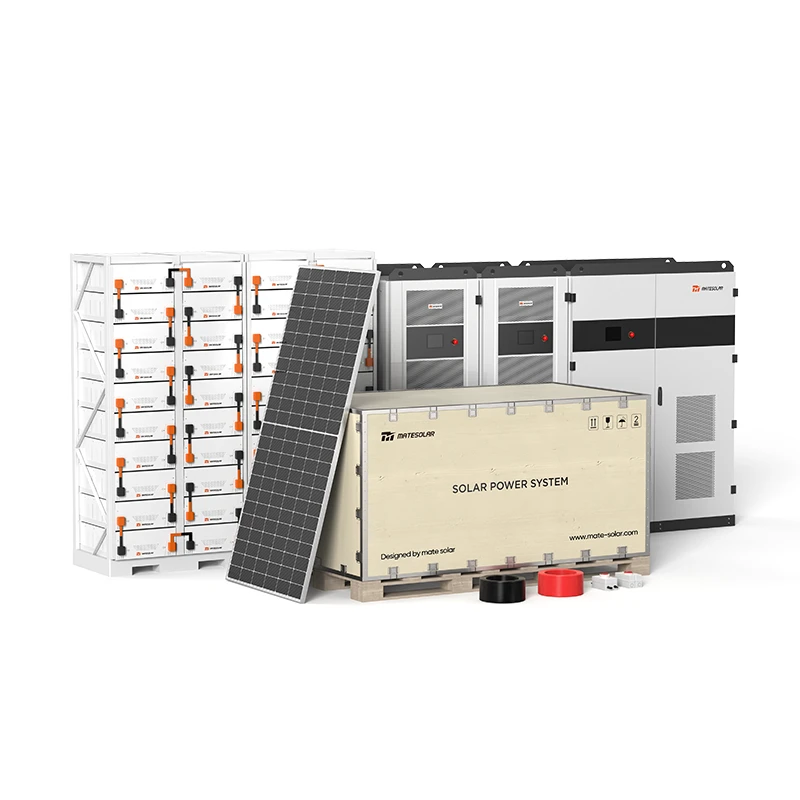
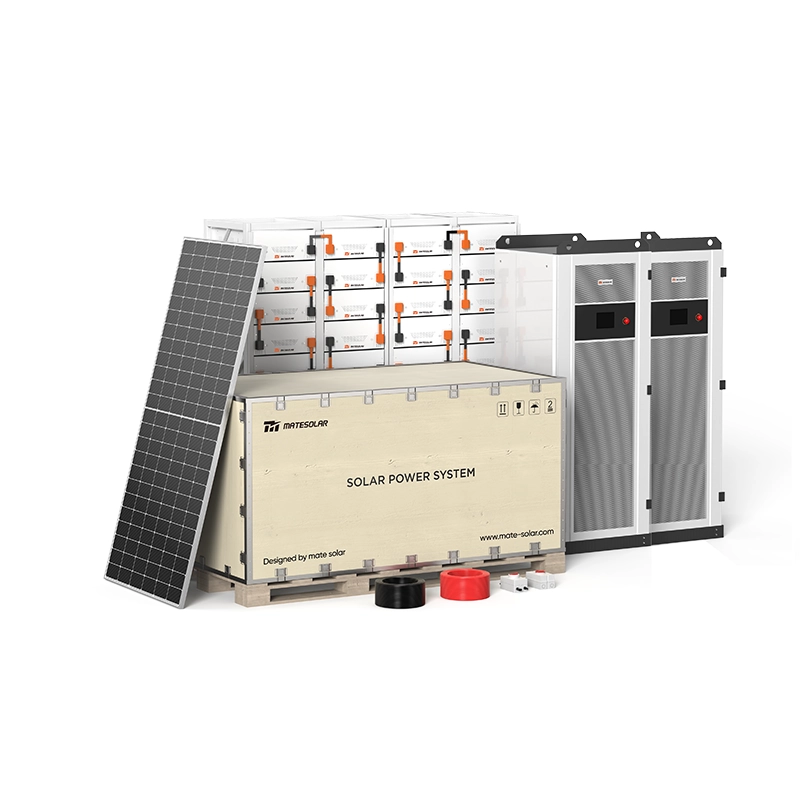
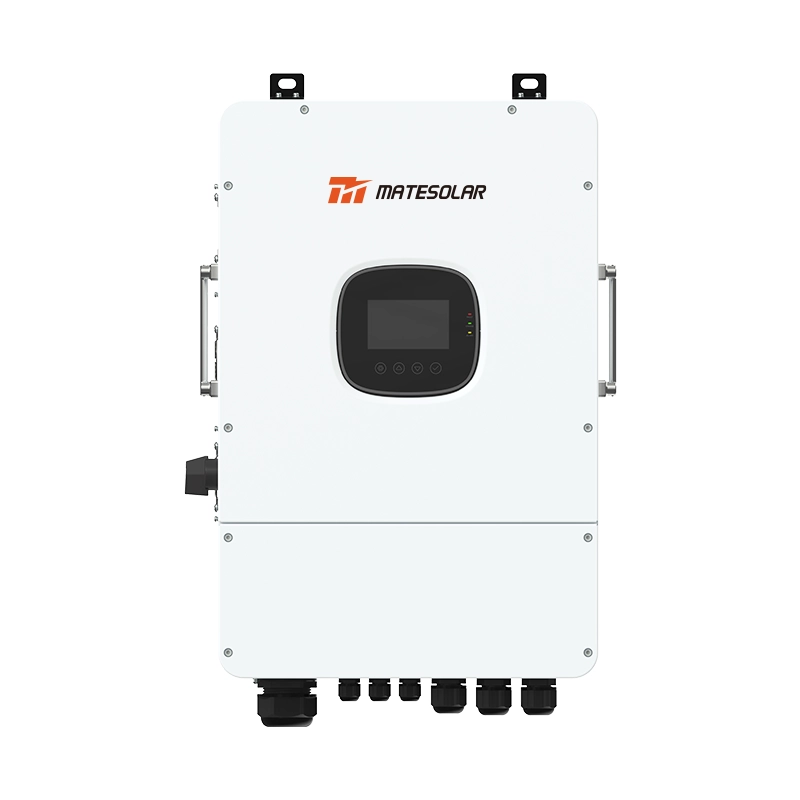
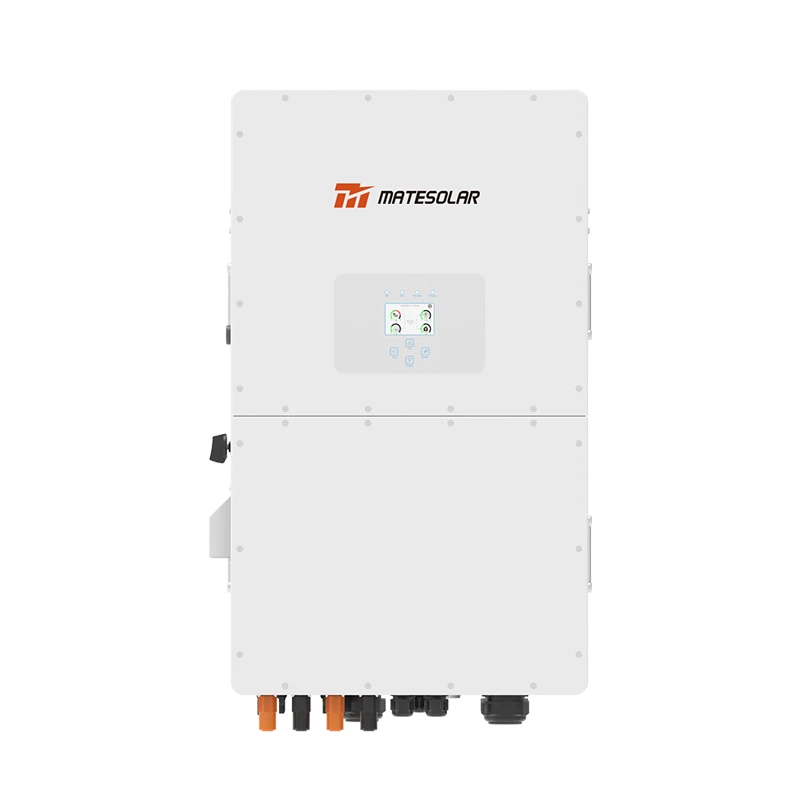
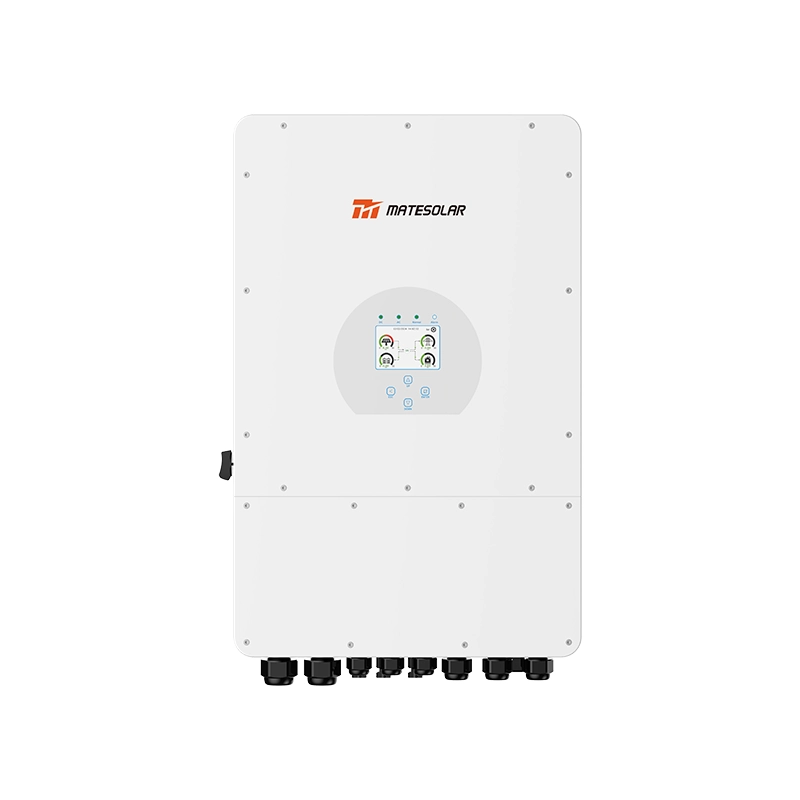
As the market matures, MateSolar stands ready as a comprehensive one-stop photovoltaic and energy storage solution provider, offering fully integrated systems designed specifically for El Salvador's unique operating environment.
Chapter 1: Policy Framework Reset – The Most Consequential Regulatory Shift in a Decade
1.1 The Renewable Energy Promotion Law (Law for the Promotion of the Use of Renewable Energy)
Passed by the Legislative Assembly in October 2025 and entering into full force in February 2026, this landmark legislation establishes a 10-year incentive framework that fundamentally alters the economics of renewable energy and storage adoption.
Core Provisions for End Users:
| Incentive Type | Details | Duration | Eligibility Conditions |
| VAT Exemption | Full exemption on purchase, installation, and maintenance of renewable generation and storage systems | 10 years (until February 2036) | Equipment must be acquired from certified qualified suppliers listed in SIGET catalogue |
| Income Tax Deduction | Full deduction of purchase and installation expenses from taxable income in the same fiscal year | Permanent (per fiscal period) | Systems must be for self-consumption purposes |
| Surplus Energy Compensation | Payment for electricity injected into distribution grid at rates determined by SIGET; credit applied as monthly bill discount, accumulable for up to six consecutive months | Ongoing | Requires bidirectional metering and compliance with interconnection technical standards |
Qualified Supplier Benefits:
| Incentive Type | Details |
| Income Tax Exemption | Full exemption on revenues derived from incentivized renewable energy activities |
| VAT Exemption | Full exemption on sales and installation services |
| Import Duty Exemption | Full exemption on essential equipment, materials, and spare parts required for sale, supply, or installation |
The law explicitly includes energy storage systems, their installation, operation, and maintenance within the scope of covered activities—a critically important inclusion that distinguishes El Salvador from many regional peers that treat storage as an afterthought.
A Special Regulation published in the Official Gazette on April 20, 2026 provides the operational framework for implementation. Key provisions include:
- Elimination of additional charges by distribution companies for renewable energy injection into the grid
- Mandatory IEC and UL certifications for all equipment and components
- Submission requirements including technical memoranda, single-line diagrams, and detailed equipment specifications
- SIGET review and approval timelines ranging from three to twenty business days depending on system capacity
- Specific compliance guidelines for systems incorporating storage, monitoring, and protection equipment
The regulation explicitly creates a catalogue of certified qualified suppliers maintained by SIGET, with supplier certification valid for two years and subject to renewal upon meeting same criteria.
1.2 Retail Electricity Market Reform: General Electricity Law Amendments
On April 27, 2026, the Salvadoran Legislative Assembly voted 56-0 to approve sweeping reforms to the General Electricity Law, creating a regulated retail electricity market that fundamentally restructures how distributed generation and self-consumption systems interact with the grid.
The new market framework is designed to:
- Regulate energy transactions within distribution networks, complementing the existing wholesale market
- Provide price transparency reflecting the true cost advantages of renewable technologies
- Precisely determine generated energy, energy injected into the grid, and its impact on final user tariffs through regulated commercial metering
- Strengthen interconnection procedures, mandatory capacity studies, and real-time monitoring mechanisms
The reform comes as El Salvador already has 553 MW of installed capacity under distributed generation and self-consumption schemes, underscoring the urgent need for a modernized regulatory framework.
Under current practice, energy prices are calculated based on bunker fuel or diesel costs—significantly higher than renewable energy generation costs. The new market design explicitly aims to enable lower final electricity prices by allowing the cost advantages of solar and storage to be reflected in tariffs.
Distribution companies now face enhanced obligations to report periodic information on interconnection processes and provide technical data facilitating national electricity system planning.
1.3 National Energy Storage Plan and ETESAL Initiatives
On November 25, 2025, Edwin Núñez, President of ETESAL (the sole energy transmission company in El Salvador), announced the launch of the pilot phase of the National Energy Storage Plan, under which battery banks will be installed at each substation as part of a comprehensive grid modernization strategy.
The plan is organized in two phases:
| Phase | Timeline | Scope |
| Phase 1 | 2025–2034 | Installation of battery storage systems at ETESAL substations; completion of strategic substation projects in Tamanique and Morazán |
| Phase 2 | 2040 | Full expansion of substation-based storage network |
Recent strategic substation completions include the Tamanique substation (improving service quality along the coastal strip of La Libertad and La Paz) and the Talnique–Tamanique transmission line (strengthening regional distribution).
According to Núñez, El Salvador currently has installed generation capacity exceeding 3,000 MW, while peak consumption reaches approximately 1,162 MW—a substantial surplus that facilitates grid resilience but also creates complex balancing requirements that storage is uniquely positioned to address.
1.4 Grid Digitalization: Private Sector Investment Landscape
Private grid operators are simultaneously executing major digitalization programs. AES El Salvador, serving over 1.5 million customers and covering approximately 80% of Salvadoran territory, has executed a Technological Digitalization Plan with total investment exceeding US$67 million.
Key components include:
| Technology | Investment | Function |
| Advanced Metering Infrastructure (AMI) | US$7.2 million | Smart meters transmitting real-time consumption data via advanced communication network |
| Advanced Distribution Management System (ADMS) | US$7.6 million | Reduces response times during contingencies; integrates all IT components of distribution network |
| Customer Digital Ecosystem (ACE) | US$51.9 million | Automates and optimizes all commercial management processes |
| Digital Grid Management (DGM) Solution | Part of ADMS | AspenTech ADMS + DERMS platform enabling transition from traditional one-way network to Distributed System Operator (DSO) |
The ADMS implementation delivers advanced DSCADA, distribution power flow, switch order management, DERMS, fault location/isolation/service restoration, and outage management system capabilities. Daniel Bernardez, Operations VP of AES El Salvador, states the system enables "rapid detection and isolation of electrical outages, minimizing recovery time during emergencies and substantially increasing overall reliability for our customers".
AES also plans to allocate an additional US$3.3 million for 12 new smart grid projects across the country in the coming years.
Chapter 2: The Solar Imperative – Record Growth, Mounting Grid Challenges
2.1 Solar Penetration Statistics
According to SIGET data:
| Metric | Value | As of |
| Solar share of national electricity production | 21.1% | December 2023 |
| Total installed PV capacity (SIGET) | 633 MW | December 2023 |
| Total installed capacity (including self-generation) | 734.23 MW (1,953 solar plants) | December 2024 |
| National total installed capacity (all sources) | 3,101.24 MW | End of 2024 |
Solar energy is now the second largest contributor to El Salvador's grid, behind only fossil fuel plants (757.12 MW) and ahead of hydropower in terms of number of generation facilities.
The 97% majority of El Salvador's generation plants are now photovoltaic facilities, reflecting the nation's strategic deployment of its abundant solar resource.
2.2 Major Utility-Scale PV Projects
Recent and ongoing utility-scale solar developments include:
| Project | Capacity | Status | Notes |
| El Malcotal | 273 MWp | Operational (2026 Q1) | Largest single PV installation in the country; significantly consolidating energy matrix |
| Capella Solar | 50 MW + 3 MW/1.5 MWh BESS | Operational | Includes battery storage for grid code compliance (3% primary reserve requirement) |
| Floating solar pipeline | ~186.27 MWp | 2025–2033 | INE initiative for reservoir-based solar deployment |
2.3 Grid Stability: Quantifying the Challenge
High solar penetration introduces well-documented technical challenges. El Salvador's grid exhibits:
- Voltage fluctuations and power quality issues, particularly in rural areas and older industrial zones
- Frequency instability correlated with solar intermittency and rapid ramp rates during cloud cover events
- Midday overgeneration risk as solar output peaks when demand may be lower
The Problem of Curtailment:
Without adequate storage, solar-rich periods force grid operators to curtail renewable generation—effectively throwing away clean, low-cost energy. Early-stage projects with storage integration have achieved quantifiable improvements:
- Curtailment reduction from 12.7% to 3.2%
- Frequency response time compression to 80 milliseconds
- Improved grid code compliance for primary reserve services
Grid Code Requirements:
For reference, El Salvador's grid code requires primary reserved service of 3% for primary regulation—a requirement that Capella Solar's 3 MW/1.5 MWh battery system is explicitly designed to meet.
2.4 Grid Infrastructure Gaps: Voltage Volatility Exposed
Despite substantial investment in grid modernization, voltage volatility remains a significant concern for sensitive industrial equipment.
A comparative analysis of power fluctuation incidents across Salvadoran regions from 2015–2025 reveals:
| Region | 2015–2020 Annual Average Incidents | 2021–2025 Annual Average Incidents | Change | Primary Drivers |
| Metropolitan San Salvador | 12.4 | 8.2 | -34% | ADMS + smart meter deployment |
| Industrial corridor (Santa Ana, Sonsonate) | 18.7 | 15.9 | -15% | Partial modernization; legacy infrastructure persists |
| Rural zones (Morazán, Usulután, La Unión) | 26.3 | 24.8 | -6% | Minimal ADMS coverage; distribution length issues |
| Export processing zones (San Salvador metro) | 9.8 | 6.1 | -38% | Private substation upgrades; higher grid investment |
Note: "Incidents" defined as voltage deviations exceeding ±10% of nominal for durations exceeding 100 milliseconds, as reported by distribution companies to SIGET.
The Critical Gap:
While ADMS has demonstrably improved fault detection and service restoration, the time required for physical switching and load restoration remains non-trivial. For semiconductor fabrication, precision manufacturing, and data center operations, even millisecond-scale interruptions can result in significant production losses. This is where BESS provides essential functionality: grid-forming capability, seamless islanding transition, and uninterruptible power supply (UPS) functionality.
Chapter 3: Technical Blueprint – Four Market Segments, Four Solutions, One Platform
3.1 Pain Point 1: Grid Operators and Utility-Scale IPP/EPC – Curtailment & Frequency Regulation
The central challenge facing ETESAL, AES El Salvador, and large-scale PV developers is maintaining frequency stability as intermittent solar generation grows. With utility-scale capacity reaching 633 MW and new projects coming online, the window for effective primary and secondary frequency regulation is narrowing.
3.1.1 The Technical Challenge
Midday Curtailment:
Solar generation peaks between 10:00–14:00, frequently exceeding real-time demand. Without storage, the grid operator must curtail generation—accepting financial losses from unused renewable energy capacity. For a 50 MW solar plant, each percentage point of annual curtailment represents a revenue loss of approximately US$35,000–50,000 annually.
Frequency Regulation Needs:
El Salvador's grid requires ancillary services across multiple timescales:
| Service Type | Response Time Requirement | Duration | BESS Suitability |
| Primary regulation | Sub-second to 5 seconds | Seconds to minutes | Excellent (sub-100ms achievable) |
| Secondary regulation | 15 seconds to 5 minutes | 5–15 minutes | Excellent |
| Tertiary/spinning reserve | 5–15 minutes | 15+ minutes | Good with adequate duration |
| Black start | N/A (post-outage) | As needed | Yes, with grid-forming inverters |
3.1.2 The BESS Solution for Utility-Scale Grid Support
For utility-scale applications, containerized storage systems offer the optimal combination of power capacity, energy duration, and bankability.
Recommended configuration for 50 MW+ PV + storage hybrid:
- System Architecture: DC- or AC-coupled BESS integrated at the point of interconnection or within the PV plant switchyard
- Duration: 1–2 hours (optimized for frequency regulation and peak shaving)
- Control Strategy: Grid-following for energy time-shift; grid-forming for black start and islanded operation
Case Study Reference: Proven Performance
A 50 MW PV plant in El Salvador equipped with BESS achieved:
- Curtailment reduction: 12.7% → 3.2% (74.8% reduction in energy shedding)
- Frequency regulation response: <80 milliseconds (grid code secondary regulation requirement met)
- Primary reserve availability: 3% capacity guaranteed 100% of operating hours
- Additional revenue: Frequency regulation service payments from the wholesale market
3.1.3 Long-Term Asset Strategy
For PPAs extending 15+ years (the industry standard for bankable utility-scale projects), storage systems must provide verifiable performance guarantees under El Salvador's tropical operating conditions. Key selection criteria:
- Cycle life: minimum 6,000 cycles at 80% depth of discharge (DoD) before reaching 80% state of health (SoH)
- Calendar life guarantees: 15–20 years with ≤1.5% annual degradation rate
- Thermal management: active liquid cooling maintaining cell temperature within 15–35°C range despite ambient temperatures reaching 40°C+ in the eastern region
- Warranty structure: performance-based with linear capacity fade curve; replacements shipped for field installation by local technicians
3.1.4 Smart Microgrids and Fault Isolation
Even with ADMS deployment, certain loads in industrial parks and remote substations require guaranteed power continuity. BESS with black start capability—the ability to energize a network segment in island mode following an outage—provides critical redundancy. Key technical requirements:
- Island detection and seamless transition: <20 milliseconds for the BESS to detect grid loss and transition to island mode
- Frequency and voltage reference: grid-forming inverter providing stable reference
- Synchronization capability: ability to resynchronize to the main grid when restored
Technical Summary Table: Utility-Scale BESS Specifications
| Parameter | Minimum Requirement | Preferred Specification |
| Power capacity | 10 MW (per site) | 20–50 MW scalable |
| Energy capacity | 10 MWh (1-hour) | 30–100 MWh (1–2 hour) |
| Round-trip efficiency | >85% | >88% |
| Response time (full power) | <200 ms | <100 ms |
| Cycle life (80% DoD) | 6,000 cycles | 8,000+ cycles |
| Operating temperature range | 0°C to 40°C | -10°C to 50°C |
| Container IP rating | IP54 | IP65 |
3.2 Pain Point 2: Large Industrial Consumers & Export Processing Zones – Retail Market Optimization
El Salvador's commercial electricity tariff stands at US$0.24/kWh as of September 2025, among the highest in Central America. For textile manufacturers, food processing plants, and the export processing zones surrounding San Salvador, power costs constitute 15–30% of operating expenses.
The new Retail Electricity Market creates unprecedented opportunity for large consumers to actively manage their energy costs.
3.2.1 The Business Case: Peak Shaving and Arbitrage
Business Economics Overview:
| Parameter | Value |
| Commercial tariff (grid purchase) | $0.24/kWh |
| Commercial tariff (peak period rate) | $0.27–0.32/kWh (estimated after market opening) |
| Solar LCOE (utility-scale, 2026) | $0.08–0.10/kWh |
| BESS levelized cost of storage (4-hour duration) | $0.078/kWh (global benchmark, 2025) |
| Annual savings potential (1 MW plant, 30% solar offset, 50% stored) | $120,000–200,000 |
Understanding the 15% Investment Tax Credit:
The Renewable Energy Promotion Law provides a 15% tax credit on commercial storage installations, but crucially, this credit is available only through the end of 2026. Companies with installation projects not completed by December 31, 2026, will lose this benefit.
The credit applies to:
- Battery energy storage system equipment
- Installation labor and materials
- Electrical interconnection components
- Monitoring and control systems
Urgent Recommendation: For any C&I project with capacity exceeding 100 kW, initiate interconnection study applications with SIGET immediately. The approval process requires 3–20 business days for review and additional time for site inspection. Delays risk missing the 2026 tax credit deadline.
3.2.2 The BESS Solution: C&I Systems for Industrial Facilities
For large energy consumers, outdoor cabinet-style storage systems offer the optimal balance of scalability, reliability, and ease of deployment.
Example: 100kW/232kWh and 125kW/261kWh Liquid-Cooled Outdoor Cabinet Systems
Key features for Salvadoran industrial environments:
| Feature | Benefit for Industrial Customer |
| IP65 or higher outdoor rating | Withstands tropical humidity, dust, and salt spray (critical for coastal processing zones) |
| Liquid thermal management | Maintains cell temperature despite 40°C+ ambient temperatures; extends calendar life |
| Modular design | Supports incremental capacity additions from 232 kWh to multi-MWh |
| RS485/Modbus communication | Compatible with existing plant SCADA and energy management systems |
| Anti-reverse power protection | Prevents unintentional grid injection, avoiding regulatory issues |
Application: Peak Shaving + Arbitrage Strategy
- Set peak shaving threshold to 80% of facility's maximum demand to avoid peak period charges
- Schedule arbitrage cycles: Charge BESS during solar production hours (10:00–14:00) or overnight off-peak (if retail market implements time-of-use rates); discharge during peak rate periods (typically 18:00–21:00)
- Expected ARR savings: 20–30% reduction in demand charges + 15–25% reduction in energy charges, depending on facility load profile
3.2.3 Green Energy Certification and Export Compliance
For export-oriented operations (textiles, apparel, electronics, specialty foods), multinational buyers increasingly require 24/7 carbon-free energy for Scope 2 emissions compliance. Solar+storage enables:
- Time-stamped renewable energy certificates demonstrating round-the-clock clean energy usage
- Verifiable carbon reduction meeting RE100, SBTi, or customer-specific requirements
- Competitive advantage in markets with carbon border adjustment mechanisms
3.2.4 Facility Backup and Power Quality
For facilities with sensitive equipment, the BESS provides critical ride-through during grid voltage sags. Integration points:
- Diesel generator coordination: BESS covers the 5–15 seconds required for generator start and synchronization
- UPS functionality: Sub-10ms switchover for critical machinery
- Harmonic filtering: Some BESS units provide active power filter capabilities
Industrial BESS Selection Criteria Checklist:
1. Does the BESS support multiple operating modes (peak shaving, arbitrage, backup, demand response)?
2. Is the unit rated for 40°C+ ambient without derating?
3. Are cycle life guarantees provided with performance-based payout if degradation exceeds thresholds?
4. Does the supplier have demonstrated experience with SIGET interconnection requirements?
5. Can the system be expanded from initial capacity to larger configurations without replacing core components?
3.3 Pain Point 3: Small-to-Medium Businesses, Hotels, Farms, Logistics Parks – Navigating Self-Consumption
For SMEs, hotels (now abundant along El Salvador's growing Pacific coastal tourism corridor), dairy and coffee farms, and logistics facilities, the combination of VAT exemption, income tax deductibility, and 15% investment tax credit makes solar+storage economics compelling—provided the deployment process is straightforward.
Survey data indicates 96–100% of SMEs cite high upfront costs and policy uncertainty as the primary barriers to adoption.
3.3.1 The Regulatory Navigation Challenge
The renewable self-consumption approval process requires:
1. Submission of technical study with single-line diagram and equipment specifications
2. SIGET review (3–20 business days depending on capacity)
3. Site inspection by SIGET (typically scheduled 7–14 days after approval)
4. Final permit issuance and energization
The Bottleneck: Many local engineers submit incomplete applications missing required certifications (IEC, UL) or failing to use equipment from SIGET's certified qualified supplier catalogue.
The Solution: Plug-and-play outdoor cabinets with pre-engineered, SIGET-compliant designs that include:
- Pre-filled technical memoranda for common installation scenarios
- Verified IEC/UL certifications for all components
- Integrated anti-islanding and grid protection functionality
- Simplified single-line diagrams pre-approved by SIGET for standard configurations
3.3.2 Technical Specifications for Tropical Operating Environments
El Salvador's climate (average temperature 25–32°C, humidity 60–85%, coastal salt exposure, volcanic dust) demands equipment with:
| Specification | Requirement | Why It Matters |
| IP rating | IP65 minimum (outdoor) or NEMA 4X | Prevents moisture, dust, and salt ingress |
| Cell chemistry | Lithium iron phosphate (LFP) | Superior thermal stability; lower fire risk |
| Thermal management | Active liquid cooling or high-efficiency forced air with desiccant | Prevents capacity degradation in high humidity; maintains cycle life |
| Operating temperature range | Charge: 0–50°C; Discharge: -20–55°C | Accommodates warehouse/rooftop installations without HVAC |
| Salt spray resistance | IEC 60068-2-52 severity 5 | Essential for coastal hotels and logistics centers (La Libertad, La Paz, Usulután coast) |
Distributors/installers should verify that storage cabinets include air intake filters with humidity control to prevent condensation-induced corrosion of internal electronics.
3.3.3 Modularity and Incremental Expansion
Many SMEs cannot afford full capacity upfront but expect business growth over 3–5 years. The ideal solution supports:
- Base configuration: 50 kW / 100 kWh (sufficient for 40–60% self-consumption for medium-sized hotel or small factory)
- Incremental expansion: Additional battery modules installed in parallel communication without core controller replacement
- Scalable inverter architecture: Inverter capacity sized for ultimate expansion; initial deployment uses lower battery capacity
- Plug-and-play module addition: Field-upgradeable with minimal downtime (target <4 hours per +50 kWh module)
Example Deployment Strategy:
- Year 1: 50 kW / 200 kWh system covering 50% of daytime load
- Year 2: Add 50 kWh module to reach 250 kWh; increase self-consumption to 65%
- Year 3: Add second inverter module and 100 kWh battery; achieve 85% self-consumption; add EV charging infrastructure
3.3.4 Financial Drivers
For hotel operations (24/7 power requirements for refrigeration, air conditioning, lighting, kitchen equipment) and logistics centers (refrigerated warehouses, EV charger depots), the economics work:
- Electricity cost savings from self-consumption: 12–15% annual reduction in power bills
- VAT exemption on equipment purchase: 13% immediate savings
- Income tax deductibility of system cost: Full deduction in year of purchase
- 15% tax credit on storage component (expires Dec 2026): Additional 15% reduction
- Surplus energy injection compensation: Avoids zero-value curtailment of excess solar
Simplified ROI Calculator for Hotel (150 kWh/day consumption):
| Component | Value |
| Daily grid consumption | 150 kWh |
| Proposed solar capacity | 60 kWp |
| Proposed storage capacity | 100 kWh |
| Estimated solar self-consumption | 65% (97.5 kWh/day) |
| Annual grid electricity saved | 35,588 kWh |
| Annual cost savings (@ $0.24/kWh) | $8,541 |
| System installation cost (gross) | $45,000 |
| VAT exempt (13%) | -$5,850 |
| Tax deduction (30% corporate rate on $45,000) | -$13,500 effective tax impact |
| Net cost after incentives | $25,650 |
| Simple payback | 3.0 years |
| 10-year cumulative savings | $85,410 |
3.4 Pain Point 4: Distributors, Integrators, EPC Partners – Financing and Bankability
The final barrier to mass deployment is financing. Local EPC partners have extensive customer relationships but lack the balance sheet strength to offer extended payment terms. Customers remain hesitant to absorb 100% upfront payment.
3.4.1 Competitively Priced Supply Chain
For containerized systems (40ft, 1MWh–2MWh air-cooled or 20ft, 3MWh–5MWh liquid-cooled units), the global benchmark for utility-scale Li-ion BESS pricing reached record lows in 2025:
- Global 4-hour BESS LCOE benchmark: $78/MWh (27% YoY decline)
- System-level Li-ion battery pack pricing:
95–115/kWh (cell-level; China domestic market); Integrated containerized system pricing: 130–170/kWh (including delivery).
Distributors partnering with vertically integrated suppliers can pass these cost reductions through to end customers, improving project IRRs.
3.4.2 Presenting the IRR Case
A properly structured solar+storage project in El Salvador should demonstrate:
Sample Financial Model for 500 kWp / 1 MWh C&I installation:
| Metric | Without Incentives | With Full Incentive Stack |
| Initial CAPEX | $250,000 | $250,000 |
| VAT exemption (@13%) | 0 | -$32,500 effectively |
| 15% storage tax credit | 0 | -$37,500 |
| Net CAPEX after incentives | $250,000 | $180,000 |
| Annual O&M | $5,000 | $5,000 |
| Annual energy savings (@ $0.24/kWh avoided) | $65,000 | $65,000 |
| Annual surplus energy revenue (if applicable) | $3,000 | $3,000 |
| Net annual benefit | $63,000 | $63,000 |
| Simple payback | 4.0 years | 2.9 years |
| 10-year IRR | 21% | 30% |
| 10-year cumulative savings | $580,000 | $580,000 |
Note: IRR assumes no residual value at year 10, US$15,000 inverter replacement at year 10, and linear battery degradation to 70% capacity.
3.4.3 Innovative Financing Solutions
The absence of local bank financing for green energy projects is being addressed through several channels:
- Inter-American Development Bank (IDB) technical cooperation for MSME financing — approved August 2025, implementation underway
- Flexible payment structures from suppliers — down payment + progress payments + 12–24 month payment schedules
- Energy-as-a-Service (EaaS) models — customer pays for energy delivered rather than upfront equipment (requires supplier balance sheet capacity)
Recommendation for Distributors:
1. Build certification as a Qualified Supplier under the Renewable Energy Promotion Law. Registration requires demonstrating technical capability, presenting equipment catalogues with IEC/UL certifications, and obtaining tax authority registration. Certification is valid for two years.
2. Establish partnerships with suppliers offering structured payment terms for large orders.
3. Train in-house resources on preparing SIGET-compliant interconnection applications (3–20 business day approval timeline).
4. Develop standardised proposal templates that automatically present the full incentive stack and financial analysis.
3.4.4 Hardware Quality and Service Support
The following table maps product lines to market segments:
| Market Segment | Primary Product Sizing | Product Type | Installation Complexity | Service Model |
| Utility / IPP | 20ft 3–5 MWh, 40ft 1–2 MWh | Liquid-cooled or air-cooled container | High. Field technician deployment available from partner network. On-site commissioning included. | Hardware: Parts shipped for local replacement or full replacement. Software: Remote diagnostics and repair. |
| Large C&I | 20ft container (3–5 MWh) or multiple outdoor cabinets | Liquid-cooled container or outdoor cabinets | Medium–High. Field deployment available. On-site commissioning included. | Hardware: Replacement units shipped. Software: Remote support. |
| SME / Hotel / Farm | 50–250 kW capacity | Outdoor cabinet | Low–Medium. Pre-engineered for SIGET approval. | Hardware: Parts shipped. Software: Remote diagnostics. |
| EPC / Distributor | All sizes | All types | Varies by size. Technical documentation provided. | Hardware: Replacement policy. Software: Remote support. |
Service Model Summary for El Salvador:
- No local installation team — all systems are shipped with comprehensive technical documentation and video guides. For container and large outdoor cabinet systems, partner field technicians can be arranged for commissioning and startup.
- No local repair technicians — hardware issues are resolved by shipping replacement components or complete units for local replacement by customer's electrician. Large accounts receive priority dispatch for parts.
- Remote software support — all systems include remote monitoring connectivity. Software issues diagnosed and resolved remotely.
- Full replacement guarantee — for major hardware failures under warranty, complete replacement units are shipped. Customer's local electrician performs the swap following guided instructions.
- On-site support available for large projects — for utility-scale and large industrial container projects, on-site technical supervision for commissioning can be arranged where required by project complexity or customer contract.
Chapter 4: Market Outlook – Opportunities Beyond Current Demand
4.1 Regional Growth Trajectory
According to BloombergNEF analysis, Central America's container storage market is projected to exceed US$2.7 billion by 2030, driven by falling lithium battery costs and government subsidy policies.
Key drivers:
- Lithium battery costs: Expected annual decline of 8.5% through 2030
- Solar + storage LCOE parity: Achieved in most Central American markets by 2027
- Regulatory harmonization: Regional Electricity Market regulations effective November 2025 support cross-border energy trade and storage integration
4.2 Gap Analysis: Current Penetration vs. 2030 Potential
El Salvador currently has limited utility-scale BESS deployment (Capella 3MW/1.5MWh, Jinko ESS 2.15MWh C&I deployment, Neoen 14MW/10MWh across multiple sites). The market remains in early adoption phase, creating a first-mover advantage window for suppliers, EPCs, and early-adopter customers.
4.3 Risk Factors and Mitigation Strategies
| Risk | Likelihood | Impact | Mitigation |
| 15% tax credit expires Dec 2026 | Certain | High | Accelerate Q3/Q4 2026 installations |
| SIGET approval delays | Medium | Medium | Use pre-engineered designs; apply early |
| Grid voltage quality | High | Medium (for sensitive loads) | Specify BESS with UPS-grade switchover; add line conditioning |
| High temperature degradation | High | Medium | Specify liquid-cooled or high-temp-rated LFP; monitor SoH |
| Currency exchange volatility | Medium | Low | price in USD; maintain USD accounts |
| Financing availability | Medium | High | Partner with IDB-backed MSME programs; offer EaaS models |
Chapter 5: Technical Specifications for Product Implementation
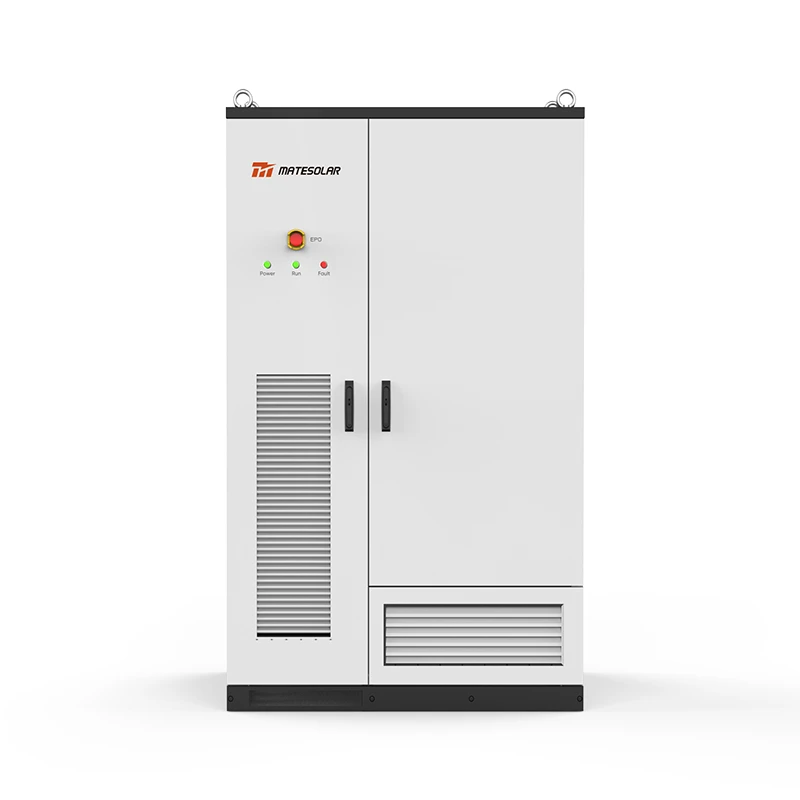
5.1 Commercial 500kW Hybrid Solar System
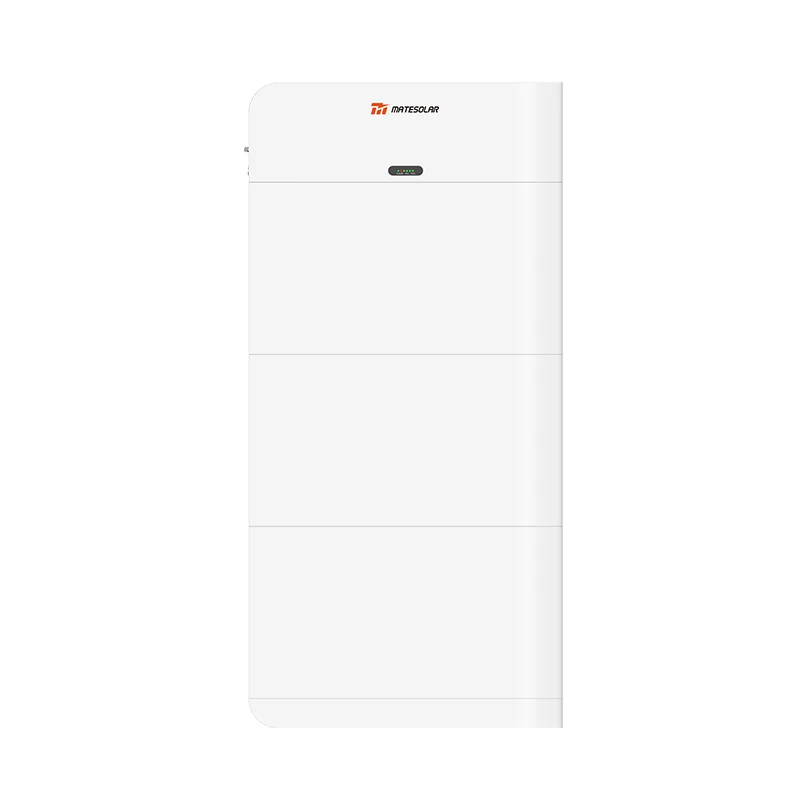
The Commercial 500kW Hybrid Solar System is designed for medium-to-large industrial facilities and commercial campuses requiring substantial daily energy offset and backup capacity.
Key Specifications:
- 500 kW inverter capacity compatible with Salvaradoran grid standards (120/208V, 277/480V, adjustable for local utility interconnection)
- Integrated battery ready for LV or MV AC coupling
- Supports peak shaving, arbitrage, and backup modes
- Includes anti-islanding protection, RS485/Modbus TCP communications, and remote monitoring platform
- Pre-engineered for SIGET approval via certified qualified supplier pathway
The Commercial 500kW Hybrid Solar System is available through the certified qualified supplier catalogue. [Product page link pending publication.]
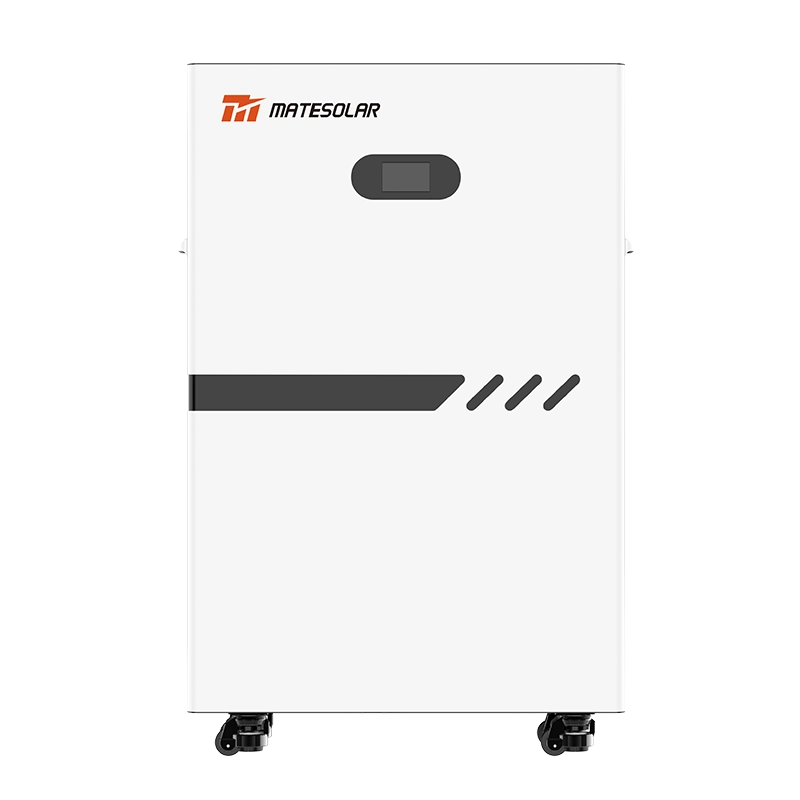
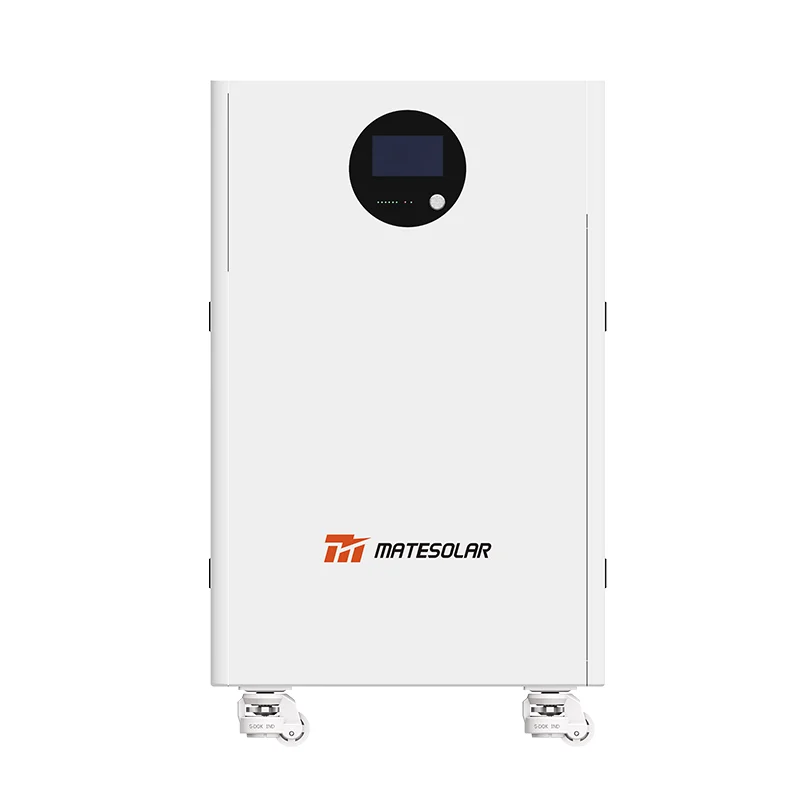
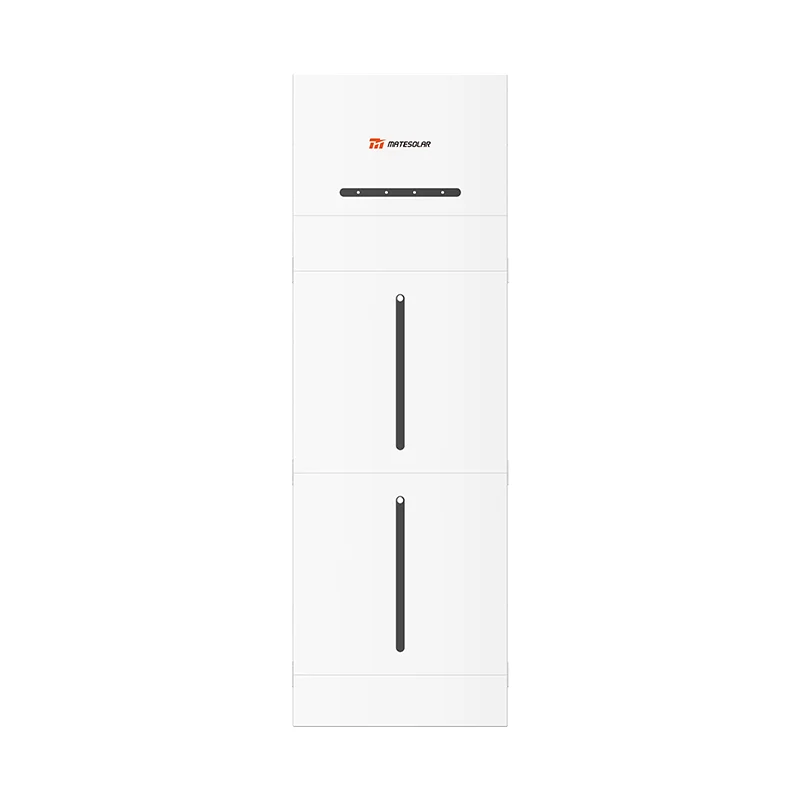
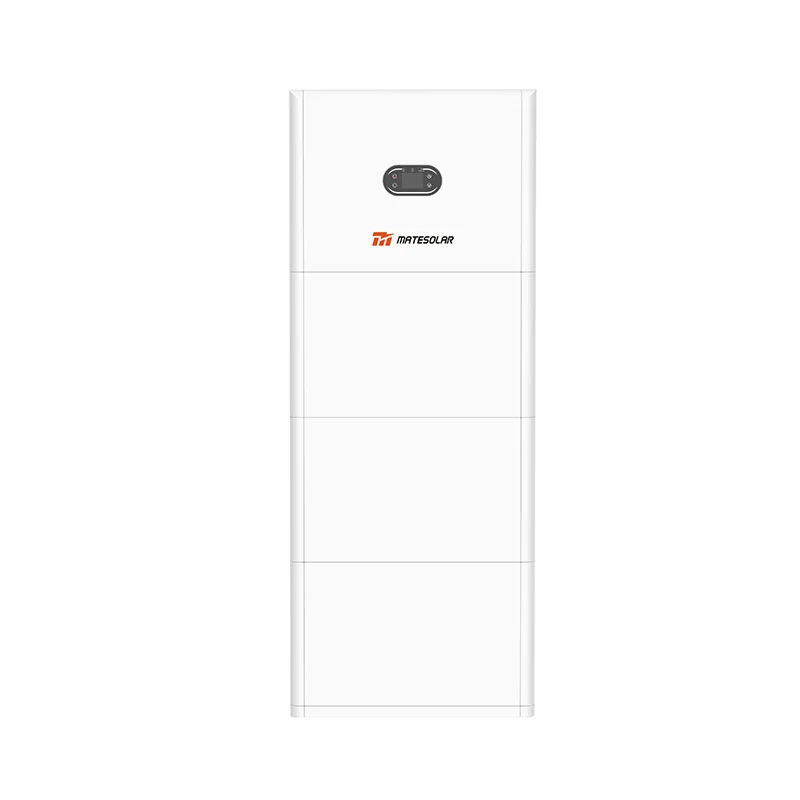
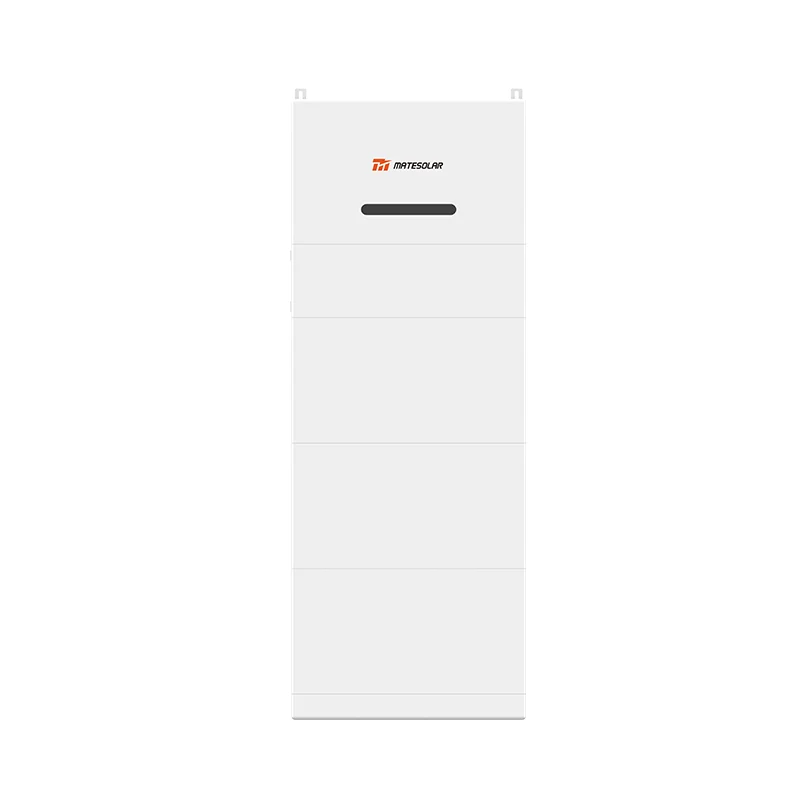
5.2 Outdoor Cabinet Storage Systems (100kW/232kWh, 125kW/261kWh)
The liquid-cooled outdoor cabinet energy storage system is ideally suited for SME, hotel, farm, and light industrial applications requiring IP65 environmental protection and modular expandability.
Key Specifications:
- Nominal energy capacity: 232 kWh (100 kW variant) / 261 kWh (125 kW variant)
- Peak power: 110 kW / 138 kW (10 seconds)
- Cell chemistry: LFP
- Thermal management: Liquid cooling, maintaining 20–35°C cell temperature in 40°C ambient
- Enclosure rating: IP65 (dust-tight, water jets from any direction)
- Operating temperature: -20°C to 55°C (charge derated above 50°C)
- Communications: RS485, CAN, Modbus TCP/IP, optional 4G/WiFi monitoring gateway
- Cycle life: 6,500 cycles @ 25°C, 80% DoD, to 70% SoH
- Safety certifications: UL 1973, IEC 62619, UN 38.3
- Dimensions: Approximately 1,400 × 1,200 × 2,200 mm (W × D × H)
- Weight: Approximately 2,600 kg (fully loaded)
- Installation requirements: Concrete pad, clear access for thermal exhaust, minimum 600 mm perimeter clearance
*The 100kW/232kWh and 125kW/261kWh Liquid-Cooled Outdoor Cabinet systems are available through the certified qualified supplier catalogue. [Product page link pending publication.]*
5.3 Container Energy Storage Systems
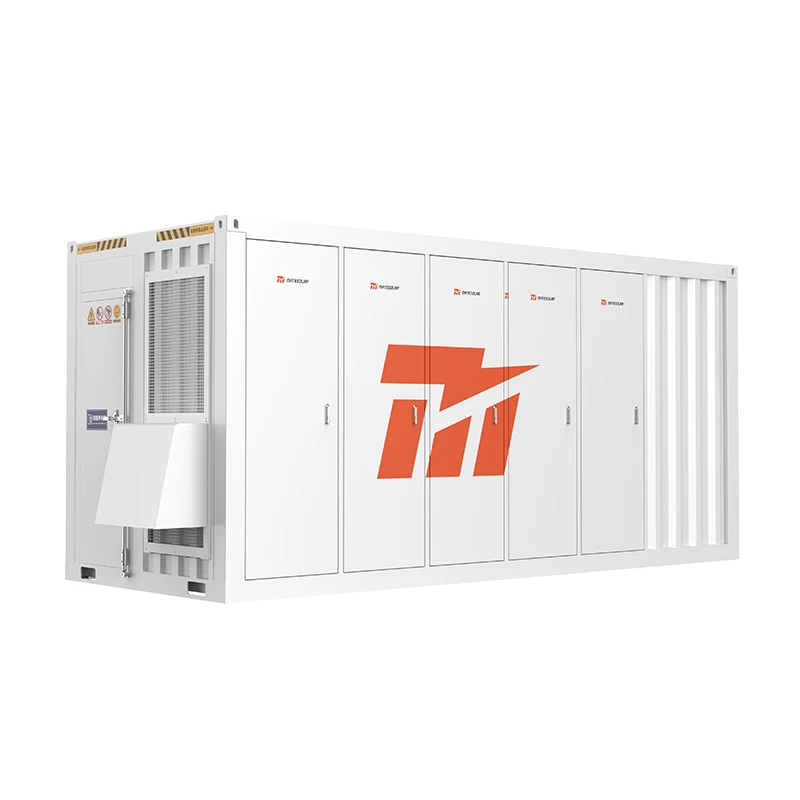
5.3.1 40ft Air-Cooled Container (1MWh, 2MWh)
Designed for medium-scale C&I applications and small utility projects.
Key Specifications:
- Container dimensions: 12.2 m × 2.44 m × 2.9 m (20ft footprint available for smaller installations)?、
- Nominal capacity options:
- Configuration A: 1,000 kWh / 500 kW
- Configuration B: 2,000 kWh / 1,000 kW
- Cell chemistry: LFP
- Thermal management: Forced air (high-efficiency with humidity/filtration)
- Enclosure rating: IP54 (protected against dust ingress and water spray)
- Cycle life: 5,000 cycles @ 25°C, 80% DoD, to 70% SoH
- Communications: Modbus TCP/IP, optional SCADA integration
- Installation requirements: Crane offload, concrete foundation, minimum 3 m service access
- Shipment: Shipped fully assembled; prepared for field interconnection
*The 40ft 1MWh and 2MWh Air-Cooled Container ESS systems are available through the certified qualified supplier catalogue. [Product page link pending publication.]*
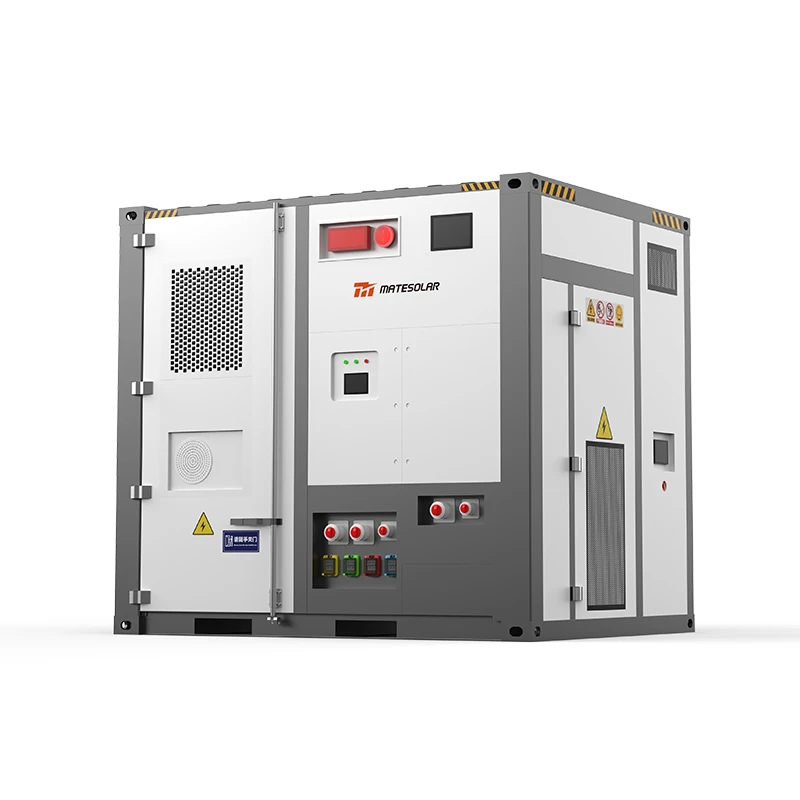
5.3.2 20ft Liquid-Cooled Container (3MWh, 5MWh)
Optimized for utility-scale, large industrial parks, and grid-support applications requiring high energy density and superior thermal management.
Key Specifications:
- Container dimensions: 6.058 m × 2.438 m × 2.591 m (standard 20ft ISO)
- Nominal capacity options:
- Configuration C: 3,000 kWh / 1,500 kW (2-hour duration)
- Configuration D: 5,000 kWh / 2,500 kW (2-hour duration)
- Cell chemistry: LFP
- Thermal management: Active liquid cooling (glycol-based)
- Enclosure rating: IP55 (reduced dust ingress, water jets from any direction)
- Cycle life: 8,000 cycles @ 25°C, 80% DoD, to 70% SoH
- Round-trip efficiency (AC–AC): >88%
- Response time: <80 ms full-power
- Grid-forming capability: included (supports black start and islanding)
- Communications: Modbus TCP/IP, IEC 61850, SCADA-ready
- Safety: UL 9540A thermal runaway tested (cell-level propagation resistance)
- Installation requirements: Crane offload, concrete foundation, 3 m service access, fire suppression system (included)
- Shipment: Shipped filled and fully assembled; start-up commissioning by supplier partner available for large projects
*The 20ft 3MWh and 5MWh Liquid-Cooling Container ESS systems are available through the certified qualified supplier catalogue. [Product page link pending publication.]*
Chapter 6: Frequently Asked Questions (Technical & Commercial)
Q1: What is the actual timeline for SIGET interconnection approval under the new regulation?
A: According to the Special Regulation published April 27, 2026, SIGET review and approval timelines are:
- Systems ≤31.5 kW: approval required within 3 business days
- Systems 31.5 kW to 150 kW: approval required within 10 business days
- Systems >150 kW and commercial/industrial: approval required within 20 business days
These timelines begin upon submission of a complete technical application including single-line diagram, equipment specifications (with IEC/UL certificates), supplier certification evidence, and signed interconnection agreement. Incomplete applications restart the clock. Site inspection occurs after approval and adds 7–14 days before final energization.
Q2: How does the 15% tax credit work for storage, and is it still available?
A: The 15% investment tax credit applies to commercial/industrial energy storage system installations. The credit is calculated on the total installed cost of the storage system (equipment + installation). The credit is available only through December 31, 2026. For project contracts signed but installation not yet completed, the credit is still claimable on the 2026 tax filing (due April 2027). For new projects after January 1, 2027, the 15% credit is no longer available, though VAT exemption and income tax deductibility remain.
Q3: Does the new retail electricity market allow me to sell stored solar energy back to the grid at market rates?
A: Yes, but with important qualifications:
- Under the new retail framework, surplus energy injection is compensated as a credit on your monthly bill, not cash payment.
- The credit is calculated using a formula established by SIGET (as of May 2026, the specific rate schedule is still in final review but is expected to be based on avoided generation cost—approximately $0.10–0.14/kWh rather than full retail rate).
- Credits can accumulate for up to six consecutive months but do not generate cash refunds; they are applied against future consumption.
- Systems with injection capacity must include certified bidirectional meters and anti-islanding protection.
For business models based on pure energy sales (i.e., generating primarily for export), the wholesale market—not retail—is still the appropriate channel, requiring different licensing and PPA structures.
Q4: What happens if my BESS fails and I don‘t have a local repair team?
A: The service model is remote + replacement:
- Hardware failure: Supplier ships replacement components (module, inverter, controller board, etc.) for your local electrical contractor to install following guided instructions. For wholesale module/container failures under warranty, the supplier ships a complete replacement unit; your crew performs the swap.
- Software and configuration: Remote diagnostics via the unit‘s monitoring gateway. The supplier’s software team logs in, diagnoses, and resolves configuration issues.
- Major container system failure: For utility/Large C&I projects meeting certain thresholds, the supplier can deploy a field technician to site for commissioning assistance and major repairs (this is specified in the project contract, not standard warranty coverage).
The key requirement is that the customer must have or contract a local electrician capable of following guided replacement instructions—no in-country repair inventory is maintained.
Q5: Is LFP (lithium iron phosphate) battery chemistry safe for tropical outdoor installation?
A: Yes—LFP is the preferred chemistry for tropical applications. Advantages include:
- Superior thermal stability: LFP does not undergo thermal runaway at the cell level below approximately 270°C, compared to NMC (Nickel Manganese Cobalt) cells which can experience runaway at 150–200°C.
- No cobalt: Eliminates supply chain and ethical concerns.
- Longer cycle life: LFP typically achieves 6,000–8,000 cycles versus 3,000–5,000 cycles for NMC.
- Lower energy density but acceptable for stationary applications.
Installation requirements: Regardless of chemistry, outdoor BESS must be installed with shade (or active cooling) in El Salvador to prevent ambient temperatures from exceeding recommended operating ranges. Liquid cooling is strongly recommended for all outdoor systems in coastal or eastern region installations.
Q6: How do I qualify as a Certified Supplier under the Renewable Energy Promotion Law?
A: The supplier certification process, defined in the April 2026 Special Regulation, requires:
1. Registration with the Ministry of Finance's tax authority (DGII)
2. Demonstration of technical capability (submit engineer credentials, completed project references, internal quality control procedures)
3. Presentation of a catalogue of offered systems and equipment, all conforming to IEC/UL certifications
4. For imported equipment, evidence of customs clearance pathway (simplified process for renewable energy equipment)
5. Payment of applicable registration fee
Certification is valid for two years and must be renewed upon meeting the same criteria. SIGET maintains the official catalogue of certified suppliers on its website (www.siget.gob.sv). Uncertified suppliers cannot offer the VAT exemption or tax deduction benefits to customers.
Q7: What is the current commercial tariff, and how much can I save with self-consumption?
A: As of September 2025, commercial electricity tariff is US$0.24/kWh. Significant self-consumption savings are achievable:
- Solar LCOE (self-generation): $0.08–0.10/kWh
- Savings margin: $0.14–0.16/kWh for every kWh self-consumed (66% savings)
- A 100 kWp solar + 200 kWh storage system can offset 150,000 kWh annually, saving $21,000–24,000 per year
- Many installations achieve payback in 3–5 years; with full incentives, 2–3 years.
After the retail market fully implements rate transparency (expected by late 2026), peak period rates may increase the savings potential while off-peak rates decline.
Q8: Can I install solar+storage on a rooftop without structural engineering?
A: Under the Special Regulation, all systems must comply with National Electrical Code (NEC) requirements. For rooftop installations, structural engineering certification is required for:
- Systems exceeding 31.5 kW capacity
- Installations on buildings without available structural drawings
- Any installation where panel weight (typically ~15–20 kg per panel × number of panels) plus wind loading exceeds 10% of roof design live load
For small installations (≤31.5 kW), the simplified permitting pathway may not require structural certification but SIGET can request it if visual inspection indicates potential overloading risk. Many SMEs work with local structural engineers to obtain certification; the cost ($500–1,500) is typically recouped within 2–3 months of power savings.
Q9: What is the actual performance of outdoor BESS in 40°C+ ambient temperatures?
A: Performance depends on thermal management.
- Passively cooled enclosures: Experience 15–25% capacity derating and accelerated calendar aging (2.5–3.5% annual degradation versus 1.5% at 25°C)
- Active fan cooling with high-efficiency filters: A 5–10% derating in 40°C ambient; degradation rate 2.0–2.5% annual
- Liquid cooling (glycol loops): Minimal derating (<2%) up to 45°C ambient; degradation rate 1.2–1.6% annual. Recommended for all installations expecting >3,000 cycles or requiring >10-year service life.
Always request from suppliers: (a) the BESS‘s power derating curve vs. ambient temperature, (b) the projected cycle life at 40°C vs. datasheet performance, and (c) field data from deployments in tropical climates (e.g., Thailand, Brazil, India).
Q10: How do container systems (40ft 1–2 MWh) compare with outdoor cabinets (100–250 kWh) for mixed C&I applications?
A:
| Factor | Outdoor Cabinet (100–250 kWh) | Container (1–5 MWh) |
| Deployment speed | 2–4 weeks | 4–8 weeks |
| Permitting complexity | Low | Medium–High |
| Unit cost ($/kWh delivered) | Higher ($180–250/kWh) | Lower ($130–170/kWh) |
| Footprint | Low (1–2 pallets) | High (container) |
| Scalability | High (modular addition of cabinets) | Medium (full container additions) |
| Ideal segment | SME, hotels, farms | Large industrial, utility PPAs |
For most C&I applications below 500 kWh total storage, cabinets are preferred for speed, simplicity, and incremental scalability. For new industrial parks, export processing zones, or multi-building campuses exceeding 1 MWh capacity, containers offer lower lifecycle cost and centralized control advantages.
Q11: How do I maximise the 15% storage tax credit (expires Dec 2026) if my budget is limited in 2026?
A: Strategically, you can:
1. Design for phased installation within the same single application. Request SIGET approval for the ultimate capacity (e.g., 500 kWh) but contract to install only the initial capacity (e.g., 300 kWh) in 2026 and the remaining capacity in 2027. However, the tax credit applies only to equipment paid for and installed in 2026, not future capacity. Partial payment for future equipment not delivered does not qualify.
2. Minimum viable storage (MVS) approach: For 2026, install the smallest capacity that qualifies for the credit while designing for expansion. Example: For a facility needing 500 kWh total storage, install 150 kWh in 2026 (claiming 15% credit on the full 150 kWh), then add the remaining 350 kWh in 2027 (no tax credit but VAT exemption still applies). The 2026 installation must include the control/communication infrastructure for future capacity (inverters, breakers, monitoring) to avoid double infrastructure cost.
3. Accelerate project timeline by engaging a supplier with pre-engineered SIGET applications to shorten approval from weeks to days.
Q12: Are there any co-financing facilities for MSMEs in El Salvador?
A: Yes. The Inter-American Development Bank (IDB) approved a Technical Cooperation project (ES-T1405) on August 12, 2025, to support financing MSME investments in energy efficiency and renewable energy in El Salvador. The project is currently in implementation (status as of May 2026). It is designed to facilitate access to working capital and green financing specifically for smaller enterprises. Eligible companies should contact IDB or participating local banks (list not public as of May 2026) for application details. Additional private financing options may be available from suppliers offering structured payment terms (e.g., 30% down, 30% on shipment, 40% on commissioning).
Q13: What are the specifications for a reliable inverter in a tropical environment with fluctuating voltage?
A: For El Salvador's grid conditions (voltage variability ±10–15%, occasional frequency excursions), inverters for BESS systems should have:
- Wide input voltage range: 150–500 VDC minimum (string-level MPPT range); many industrial sites require 1,000–1,500 VDC input capability
- Grid-connected certification: UL 1741 (North American standard, widely accepted by SIGET) or IEC 62109
- Low-voltage ride-through (LVRT) capability: Ability to stay online during voltage sags down to 0% of nominal for up to 150 ms (typical grid code requirement)
- Frequency regulation mode: Must support primary frequency response (droop or isochronous control)
- Anti-islanding detection: Positive Sequence Voltage Shift + Frequency Shift methods (both required)
- Remote monitoring: Portal for regional performance visibility and software updates
For 500 kW systems, modular inverter architecture (2–4 parallel 125–250 kW modules) is recommended for redundancy—if one inverter module fails, others continue operating. The system should automatically detect failure and notify remote monitoring service (supplier will guide your electrician to replace the failed module from shipped stock).
Conclusion: The Window of Opportunity Is Now
El Salvador stands at a historic inflection point. The confluence of the Renewable Energy Promotion Law, the Retail Electricity Market Reform, the National Energy Storage Plan, and record-breaking solar penetration has created a market environment more favourable to energy storage than any other in Central America.
For grid operators, BESS offers the most cost-effective path to managing curtailment and frequency regulation. For industrial energy consumers, storage unlocks the full value of solar self-generation while providing backup and power quality capabilities. For SMEs, modular outdoor cabinets and the full incentive stack turn energy independence from an aspiration into an immediate financial reality. For distributors and EPCs, the expanding market, combined with falling battery costs, creates a once-in-a-decade growth opportunity.
The 15% investment tax credit for commercial storage expires in just seven months. Every month of delay reduces available incentives and delays savings.
The technical specifications are proven. The regulatory framework is in place. The grid requires it. The economics work. The question is not whether El Salvador will deploy significant storage capacity — the question is which projects will capture value first, and which suppliers will build the market relationships that define the industry for the next decade.
The information provided in this publication represents the most current data available as of May 6, 2026. Readers are encouraged to verify regulatory details with SIGET (www.siget.gob.sv) and project eligibility requirements with their tax advisors.
For specific product inquiries, technical specifications, and partnership opportunities, please refer to the product pages linked throughout this document.
About MateSolar
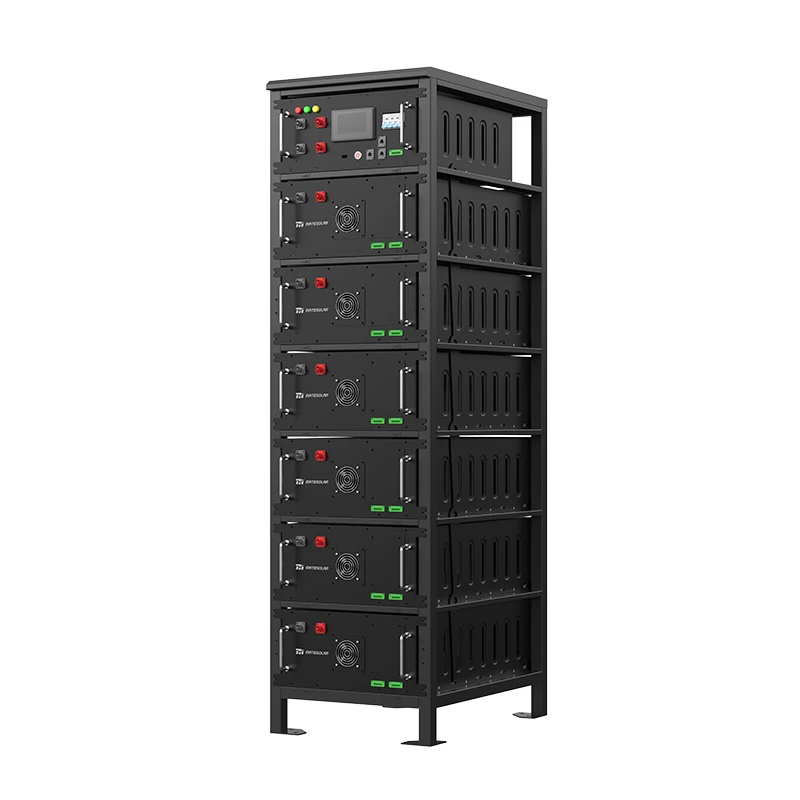
MateSolar is a comprehensive one-stop photovoltaic and energy storage solution provider, delivering integrated systems designed for performance, reliability, and regulatory compliance across global markets. Our portfolio includes the Commercial 500kW Hybrid Solar System, 100kW/232kWh and 125kW/261kWh Liquid-Cooled Outdoor Cabinet ESS, 40ft 1MWh–2MWh Air-Cooled Container ESS, and 20ft 3MWh–5MWh Liquid-Cooling Container ESS — each engineered to meet the specific technical and environmental demands of El Salvador's evolving energy landscape.
As a certified supplier under applicable regulatory frameworks, MateSolar partners with local distributors, EPCs, and direct customers to accelerate El Salvador's energy transition with bankable, deliverable, and supportable solutions.
Warranty terms, product specifications, and support conditions are detailed in individual product documentation and supply agreements.