















Executive Summary: The Dawn of a New Energy Era in Mexico
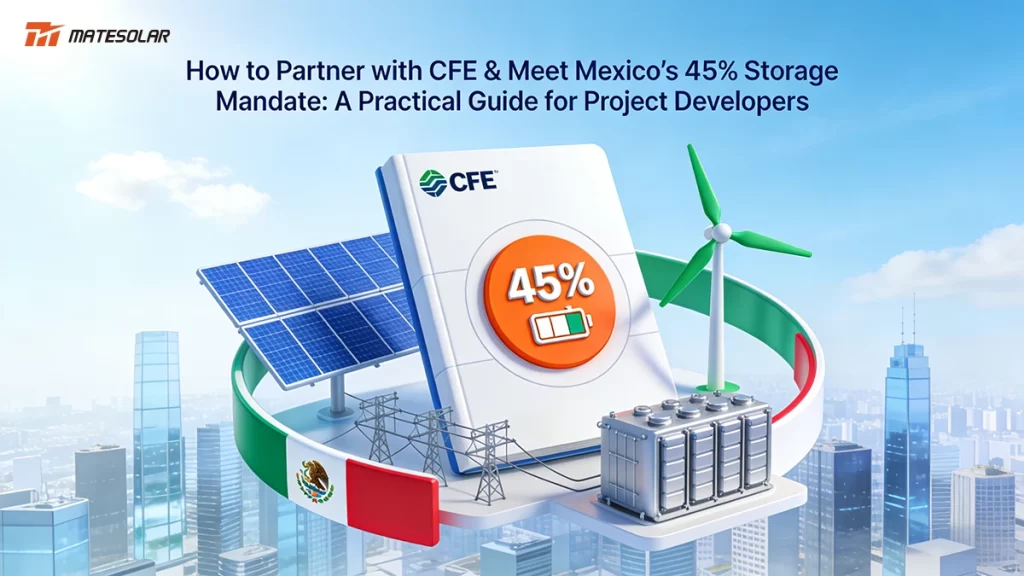
Mexico stands at a pivotal moment in its energy transformation. With the recent approval of 3.3 gigawatts (GW) of new renewable projects under the innovative "Binding Planning" mechanism, coupled with a staggering 1,488 MW of mandated energy storage, the market has sent a clear signal: the future is high-penetration renewables backed by robust, grid-scale storage. This paradigm shift, demanding storage ratios as high as 45% of generation capacity, is not merely a regulatory hurdle but a monumental opportunity for private capital to partner with the state utility CFE (Comisión Federal de Electricidad) in reshaping the nation's power grid. For industrial and mining operations, this translates into an urgent need for reliable, cost-effective power solutions that can overcome Mexico's unique challenges—from complex climates to nascent local supply chains. This comprehensive guide decodes the new regulatory landscape, presents actionable technical and commercial strategies, and illustrates how standardized, high-safety energy storage systems are the key to rapid, compliant, and profitable project deployment.
Part 1: Decoding Mexico's Binding Planning Mechanism and the Private Capital Playbook
1.1 The Binding Planning Mechanism: Structure and Strategic Imperatives
Mexico's "Planeación Vinculante" (Binding Planning) is a landmark policy framework designed to accelerate energy transition while asserting state control. Its core characteristics redefine project development:
- Integrated Process: It consolidates multi-stage permitting into a unified framework, theoretically accelerating project timelines.
- The 54% Rule: The state, through CFE, retains a minimum of 54% control and ownership in all approved projects. Private investment is invited, but within a clearly defined partnership structure.
- Grid-Centric Development: Projects are no longer isolated initiatives. They must be embedded within CFE's master grid planning, which is supported by a concurrent $7.78 billion grid modernization plan.
The recent approval of 20 projects (15 solar, 5 wind) totaling 3.32 GW is the first fruit of this mechanism. The attached 1,488 MW storage requirement underscores that storage is no longer an optional grid enhancement but a non-negotiable foundation for new renewable generation.
1.2 Pathways for Private Capital: Partnering with CFE
Navigating the 54% state-control mandate requires strategic alignment. Private investors typically engage through three primary models:
1. Build-and-Sell (Power Purchase Agreement - PPA): The private entity develops and operates the generation and storage facility, selling 100% of the green electricity to CFE under a long-term contract.
2. Joint Venture (JV) with CFE: A more integrated partnership where private capital forms a JV with CFE. Notably, foreign ownership in such ventures is typically capped at 46%, aligning with the state's majority stake requirement.
3. Independent Power Producer (IPP) in the Wholesale Market: The private developer participates directly in the wholesale electricity market, but the project's planning and grid connection remain tied to CFE's binding framework.
Table 1: Comparison of Private Capital Participation Models in Mexico's Binding Planning Mechanism
| Model | Control Structure | Revenue Stream | Risk Profile | Best Suited For |
| Build-and-Sell (PPA) | Private operational control, CFE as sole offtaker | Fixed or indexed tariff from CFE | Lower market risk, dependent on CFE credit | Investors seeking stable, long-term returns |
| CFE Joint Venture | Shared control (CFE ≥54%, Private ≤46%) | Shared profits from market sales or PPAs | Medium risk, shared operational burden | Strategic players seeking deep market integration |
| Wholesale Market IPP | Private control, subject to grid planning | Variable market prices + capacity payments | Higher market and regulatory risk | Aggressive players with strong risk management |
1.3 The Critical Timeline: An Urgent Call for Action
The approved projects are on a fast track, with 78% slated for connection in 2028. Furthermore, a second bidding round is anticipated imminently, signaling a rapid and sustained pipeline. This compressed timeline makes speed-to-market a critical competitive advantage. Delays in securing compliant, high-performance storage solutions can jeopardize project viability and concession rights.
Part 2: The Technology Imperative: Meeting the 45% Mandate with Speed and Reliability
2.1 The Standardized Containerized ESS: Your Accelerated Deployment Solution
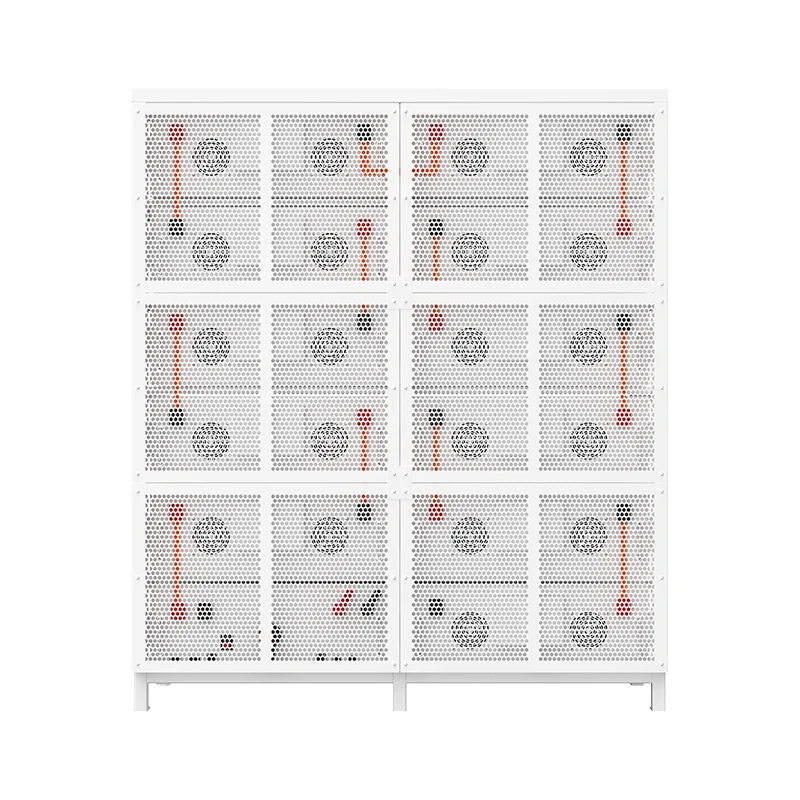
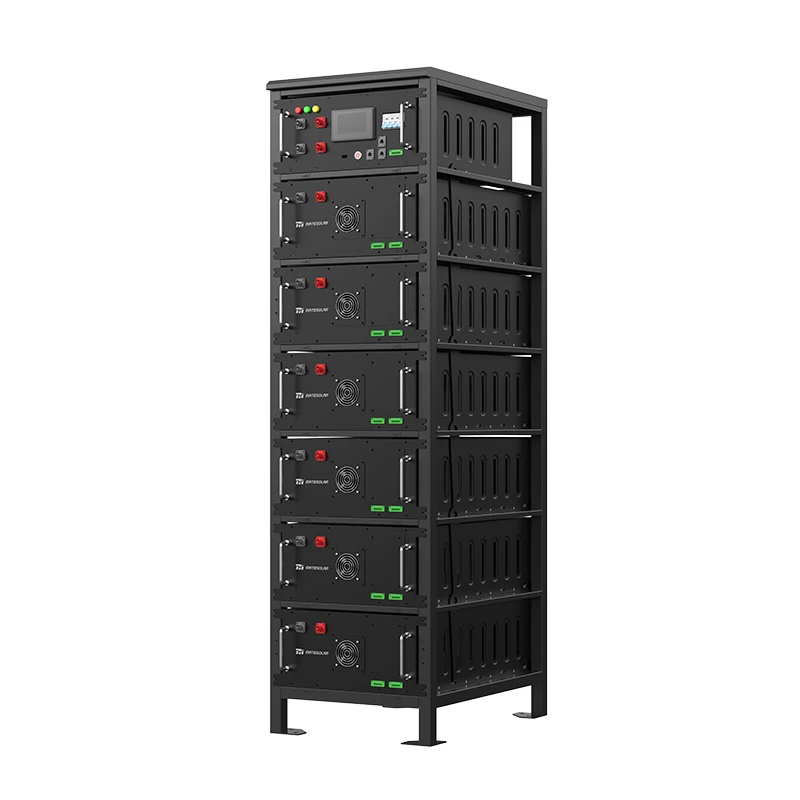
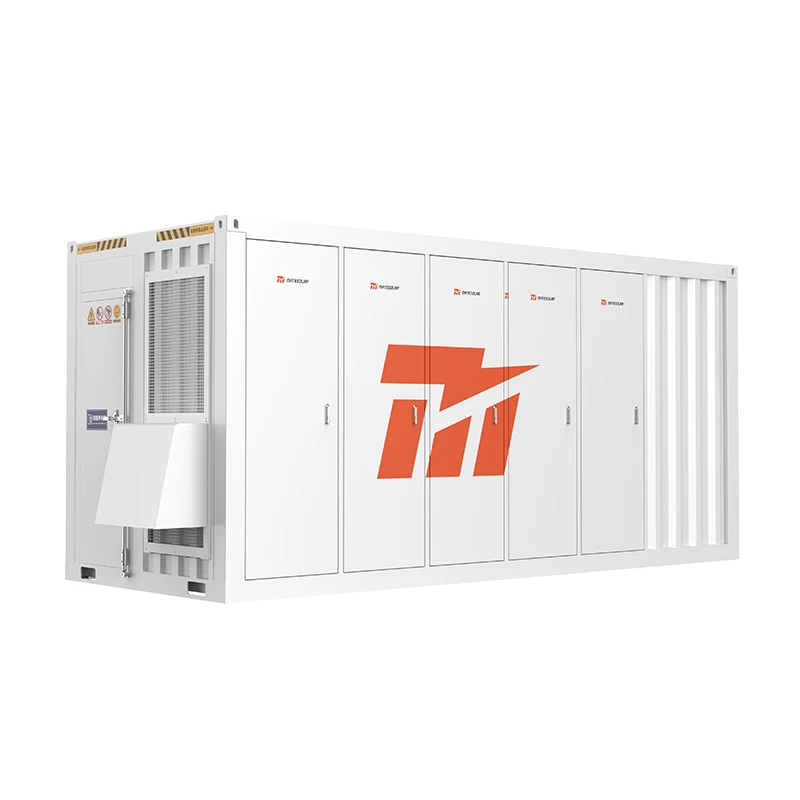
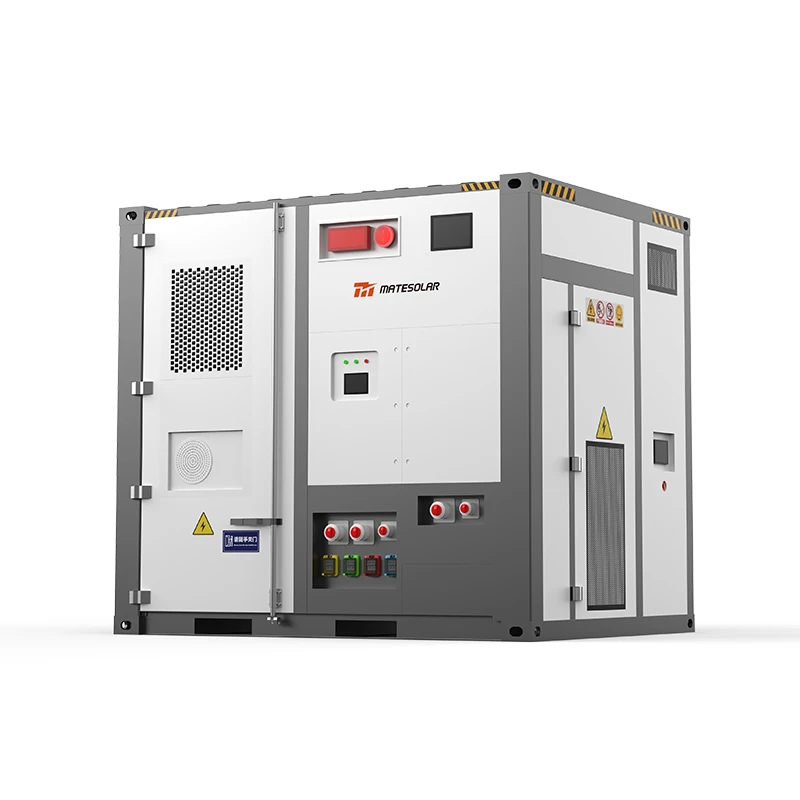
In a race against regulatory clocks, standardized, pre-integrated solutions are not just convenient—they are essential. A 15MW standardized energy storage container is the pivotal tool for success. Unlike custom-engineered systems that require lengthy design and validation cycles, a pre-certified, factory-integrated container offers:
- Plug-and-Play Deployment: Significantly reduces on-site construction, wiring, and commissioning time from months to weeks.
- Predictable Performance and Compliance: Pre-tested systems ensure guaranteed performance metrics (efficiency, response time) that are crucial for meeting grid code (Grid Code) requirements in diverse Mexican states.
- Scalability: Modular design allows capacity to be scaled precisely to meet the 45% (or higher) mandate by adding units, future-proofing the investment.
For a detailed look at a scalable, utility-grade containerized solution, explore our 40Ft Air-Cooled Container ESS, offering configurations from 1MWh to 2MWh, ideal for meeting large-scale project mandates.
2.2 Overcoming Local Supply Gaps: The Strategic Advantage of Proven LFP Technology
A defining challenge in Mexico is the absence of domestic battery cell manufacturing, creating a supply bottleneck for new projects. This reality makes the choice of battery chemistry and the reliability of the global supply chain paramount.
Phosphorus Iron Lithium (LFP) batteries have emerged as the undisputed standard for grid and industrial storage due to their superior safety, long cycle life, and thermal stability. Our systems utilize grade-A LFP cells sourced from top-tier manufacturers, directly addressing market concerns about quality and safety in a supply-constrained environment. The safety case is critical; LFP's stable chemistry dramatically reduces thermal runaway risk, a vital feature for installations near industrial or mining sites.
Table 2: Addressing Mexican Market Challenges with LFP-Based ESS Technology
| Market Challenge | Technology Response with LFP ESS | Benefit to Project Developer/Operator |
| No local cell production | Integrated global supply chain for certified, high-quality LFP cells. | Eliminates supply chain uncertainty; ensures project timeline integrity. |
| Complex & varied climates | Advanced liquid cooling and HVAC systems designed for -30°C to +50°C operation. | Guarantees performance and longevity in coastal humidity, desert heat, or high-altitude cold. |
| High grid stability demands | Sub-second response time, IEEE 1547 compliance, and advanced grid-forming capabilities. | Ensures compliance with CFE's Grid Code, avoids penalties, and supports grid resilience. |
| Total Cost of Ownership (TCO) pressure | >6,000 cycle life, minimal degradation, and low maintenance requirements. | Maximizes return on investment over the 15-20 year project life, outperforming lesser technologies. |
2.3 From CAPEX to Service: The "Energy-as-a-Service" Model for Industrial and Mining Clients
For industrial and mining companies—often operating in remote areas with unstable grids or expensive diesel backup—the capital expenditure (CAPEX) for a large-scale solar-plus-storage system can be prohibitive. This is where innovative business models bridge the gap.
The "Energy-as-a-Service" (EaaS) model, pioneered by leading players in the region, allows enterprises to access stable, low-cost, green power without any upfront investment. Under this model:
- A service provider (like us, MateSolar, in partnership with local experts) finances, owns, installs, and maintains the solar and storage system on the client's property.
- The client signs a long-term power purchase agreement (PPA) to buy the electricity generated at a predictable, discounted rate, typically below their current grid or diesel cost.
- The provider guarantees system performance and uptime, transferring all technology and operational risks.
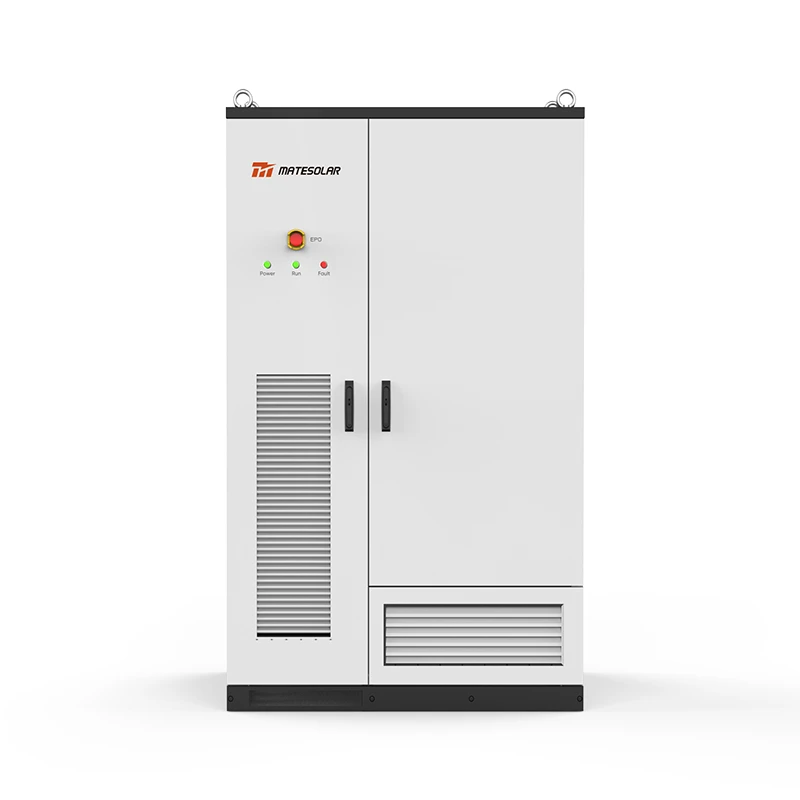
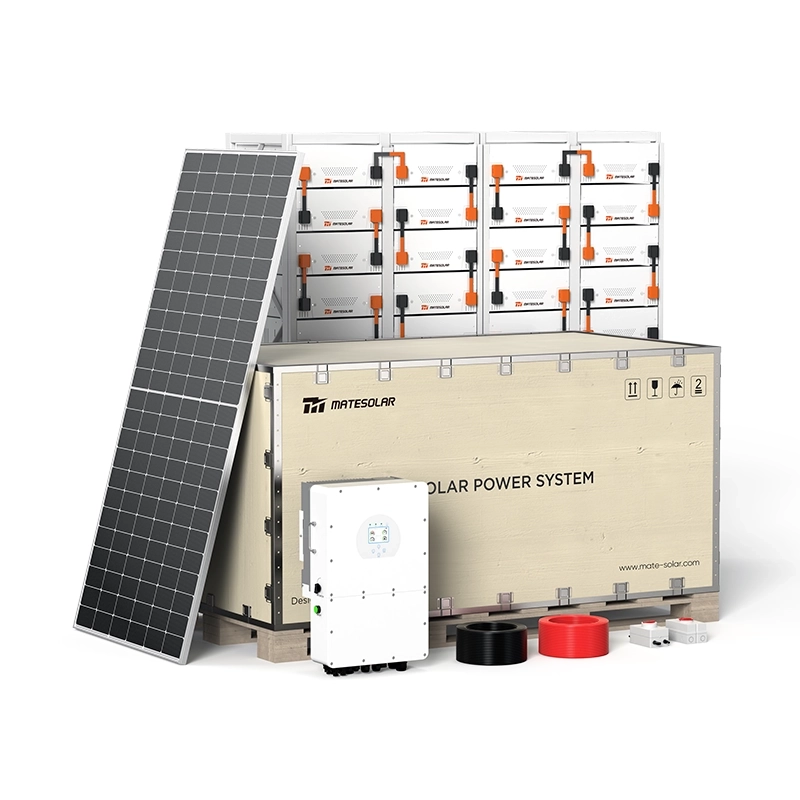
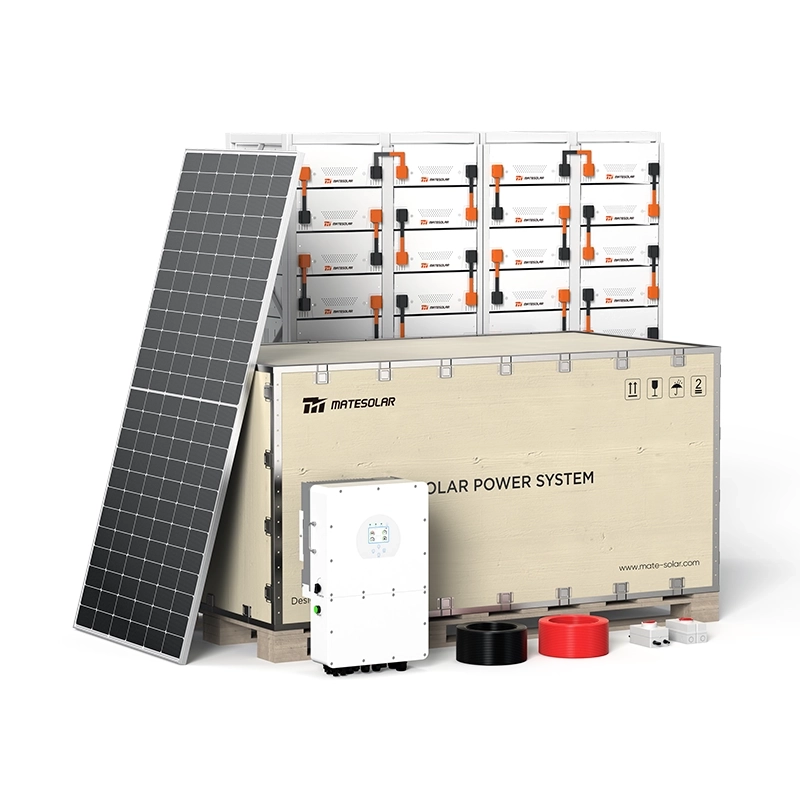
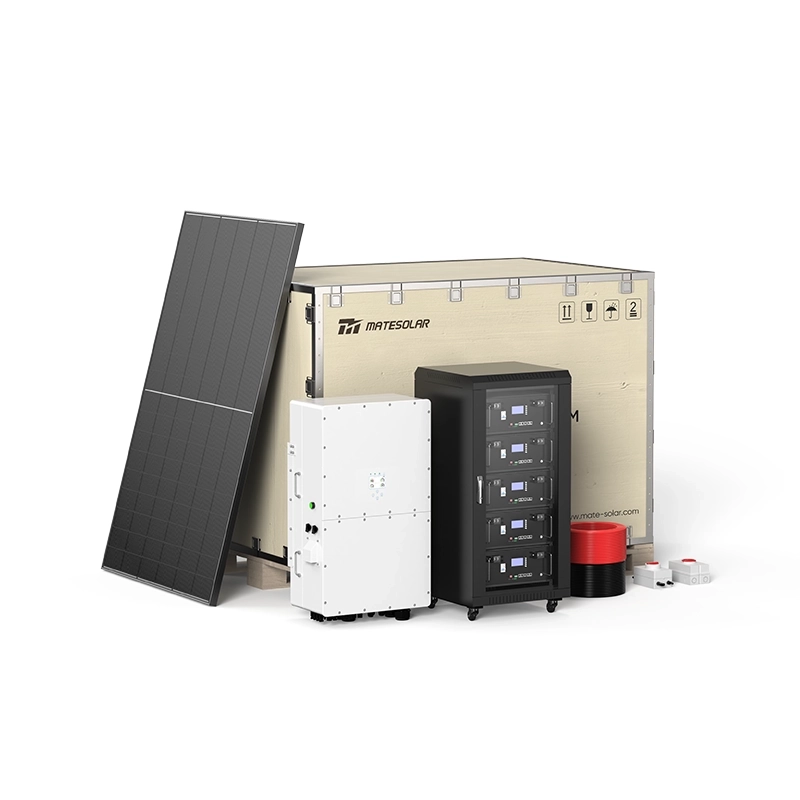
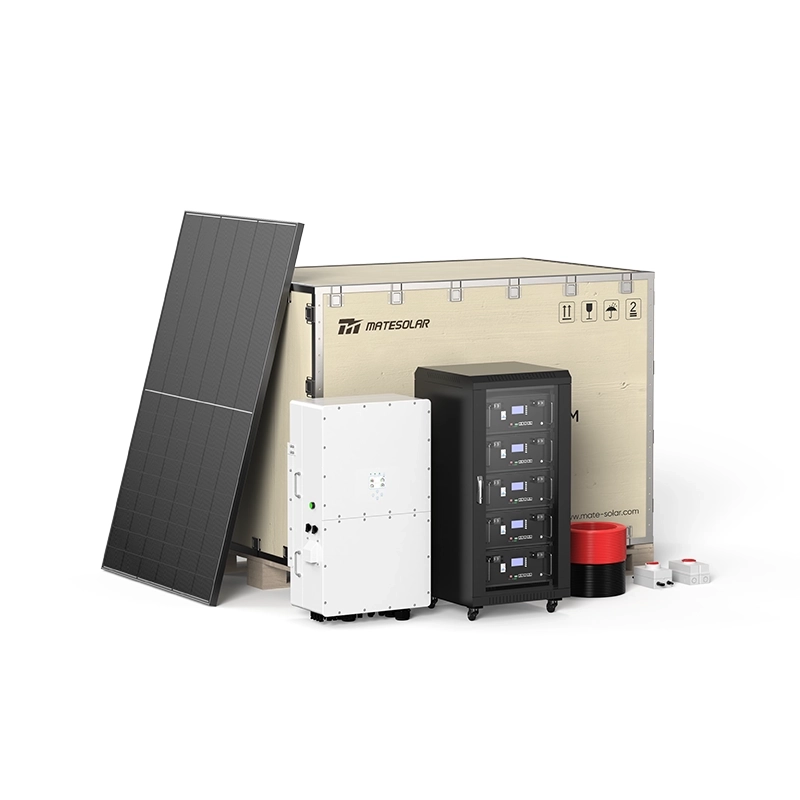
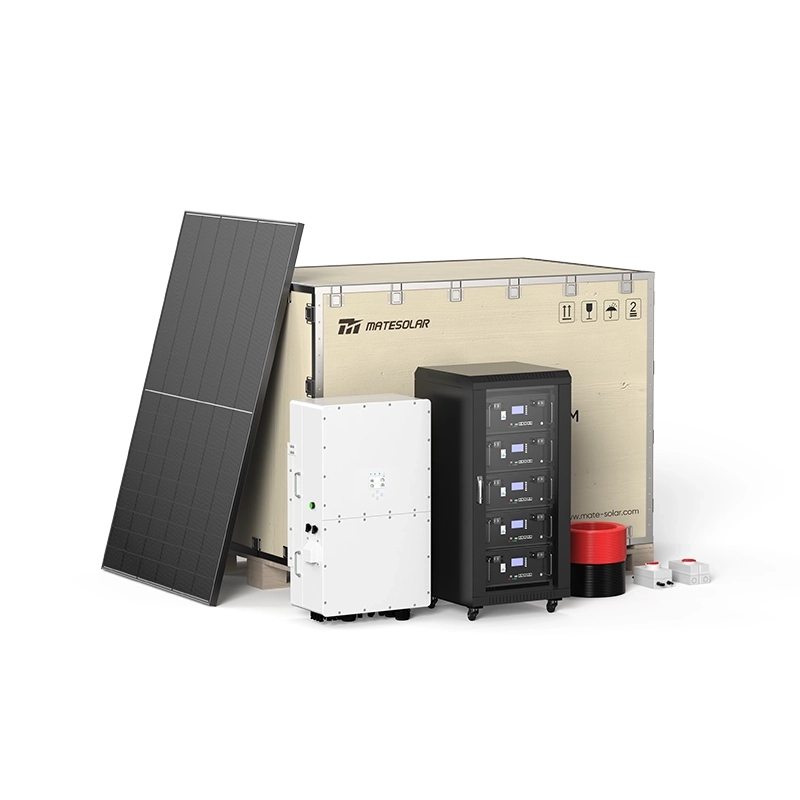
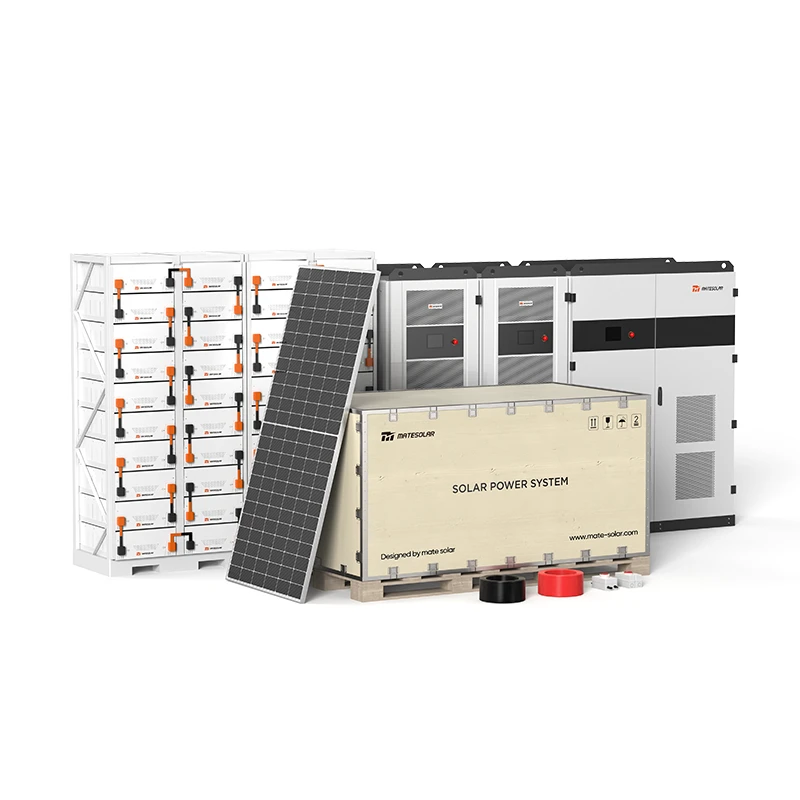
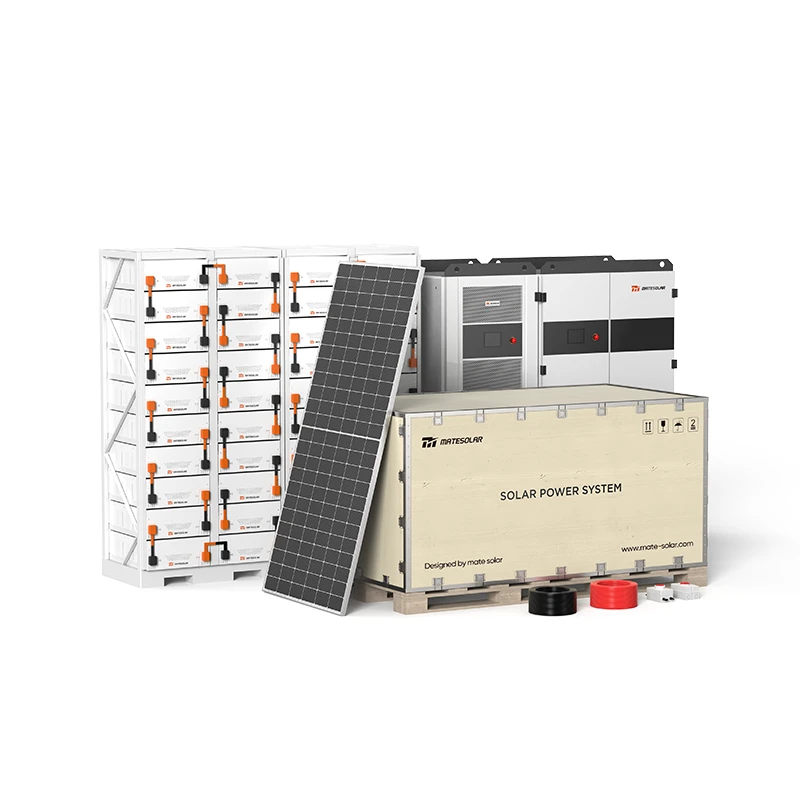
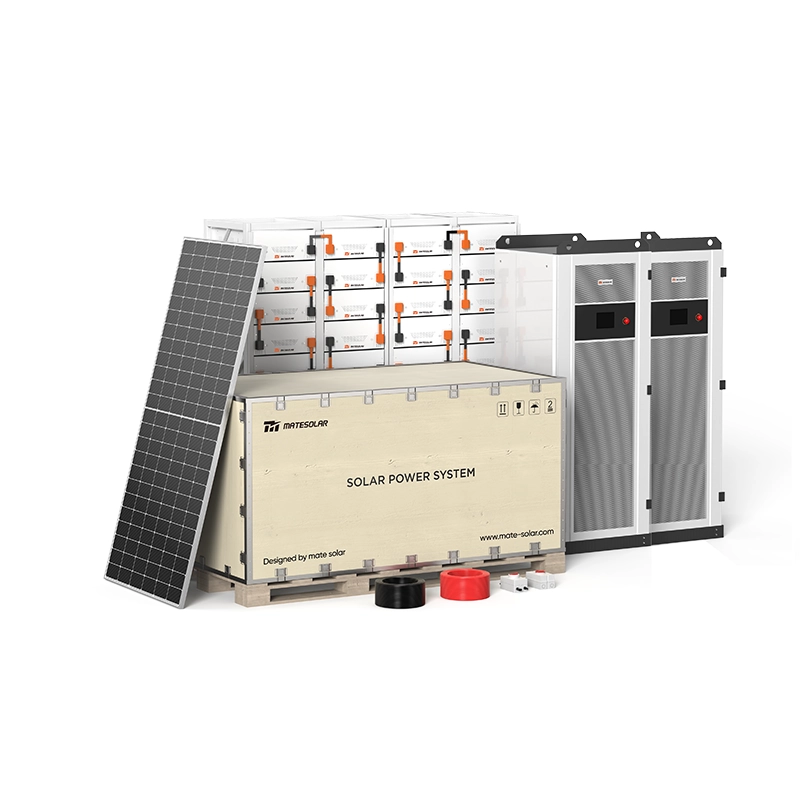
This model is transformative for mines and factories, turning a capital-intensive project into an operational expense that delivers immediate cost savings and energy security. For a comprehensive view of integrated solar and storage systems tailored for business continuity, consider our Commercial 500KW Hybrid Solar System.
Part 3: Execution Roadmap: From Concept to Grid Connection
3.1 Phase 1: Project Inception and Partnership Structuring (Months 1-3)
- Secure Development Rights: Engage with CFE and SENER (Ministry of Energy) early in the Binding Planning process.
- Model Selection: Decide on the optimal partnership model (PPA, JV, IPP) based on risk-return appetite.
- Technical Pre-feasibility: Conduct preliminary site assessments and model energy yields with integrated storage dispatch.
3.2 Phase 2: Design, Procurement, and Financing (Months 4-9)
- ESS Technology Lock-in: This is the most critical step. Partner with a technology provider offering pre-approved, standardized container solutions to shave 4-6 months off the design-bid cycle. Ensure the technology meets all Mexican norms (NOMs) and grid codes.
- EPC Contracting: Engage an Engineering, Procurement, and Construction (EPC) firm with proven experience in Mexico. Leverage the provider's logistics expertise to navigate import and customs processes for oversized equipment.
- Financial Close: Finalize debt and equity financing, incorporating available tax incentives and carbon credit benefits for renewable-plus-storage projects.
3.3 Phase 3: Construction, Commissioning, and Operation (Months 10-20)
- Staged Deployment: Utilize the modular nature of containerized ESS for phased grid connection, aligning with CFE's rollout schedule.
- Performance Validation: Execute rigorous commissioning tests to verify response times, capacity, and grid support functions as per the concession agreement.
- Long-Term O&M: Implement a remote monitoring and predictive maintenance plan, supported by local technical partners, to ensure 20+ years of optimal performance.
Part 4: Frequently Asked Questions (FAQ)
Q1: Is the 45% storage mandate a fixed ratio for all future projects?
A: While the first batch of Binding Planning projects set a precedent at ~45%, the official mandate from 2025 is 30% of nameplate capacity for at least 3 hours. However, the 45% ratio in the approved projects indicates that SENER and CFE are applying stricter requirements where grid stability needs are acute. Future projects should be prepared for ratios between 30% and 50%, depending on location and grid congestion.
Q2: Can we use second-life EV batteries or other chemistries to reduce costs?
A: While technically possible, this approach carries significant risk for large-scale, compliance-driven projects. Grid codes require guaranteed performance, safety certifications, and multi-decade warranties that are typically only provided by new, grade-A LFP cells. The marginal savings are outweighed by the risk of non-compliance, shorter lifespan, and potential liability issues.
Q3: How does the "Energy-as-a-Service" model work for a mining operation with a 20-year life?
A: The EaaS agreement is structured to match the operational life of the mine. A 15-20 year PPA is standard, ensuring energy cost certainty for the mine's lifespan. The service provider assumes the risk of technology evolution and is responsible for system upgrades or end-of-life recycling, which is often a valuable benefit for the asset owner.
Q4: What are the key logistical challenges in importing ESS to Mexico, and how are they managed?
A: Transporting 40-foot, weight-optimized containers requires specialized logistics. Key challenges include route planning for oversized cargo, customs clearance for lithium batteries, and final delivery to often remote sites. Proven providers manage this through established partnerships with global and local freight forwarders, "door-to-site" Incoterms, and experienced in-house logistics teams to handle all documentation and compliance.
Q5: How critical is local content, and can a fully imported ESS comply?
A: Mexico has discussed local content rules (e.g., 30% for components), though their application to the storage sector is evolving. A smart strategy involves partnering with a provider that can integrate local value in balance of plant (BOS), civil works, installation, and long-term operations & maintenance (O&M). The core battery containers may be imported, but significant local economic participation in deployment and service is crucial for regulatory and community goodwill.
Conclusion: Seizing the Moment with the Right Partner
Mexico's binding planning mechanism has irrevocably changed the game. Success is no longer just about winning a bid; it's about executing with precision, speed, and technological excellence under a complex partnership framework. The difference between profit and loss will be determined by the ability to deploy high-performance, compliant storage at record speed and to offer flexible commercial models that meet diverse client needs.
This demands a partner that is more than a vendor—it requires a technology integrator with global expertise and local execution capability. At MateSolar, we embody this role as a one-stop integrated photovoltaic energy storage solution provider. Our standardized, high-safety LFP containerized ESS is engineered specifically to meet the urgency and rigor of the Mexican market. From partnering with you to navigate the CFE JV process, to delivering a financed EaaS solution for your industrial client, to ensuring seamless logistics and decades of reliable operation—we provide the full-stack expertise to turn Mexico's energy mandate into your tangible success.
Explore our core solutions designed for every segment of the Mexican market:
- For a comprehensive overview of our system architectures: Visit our Solar PV Energy Storage System category page.
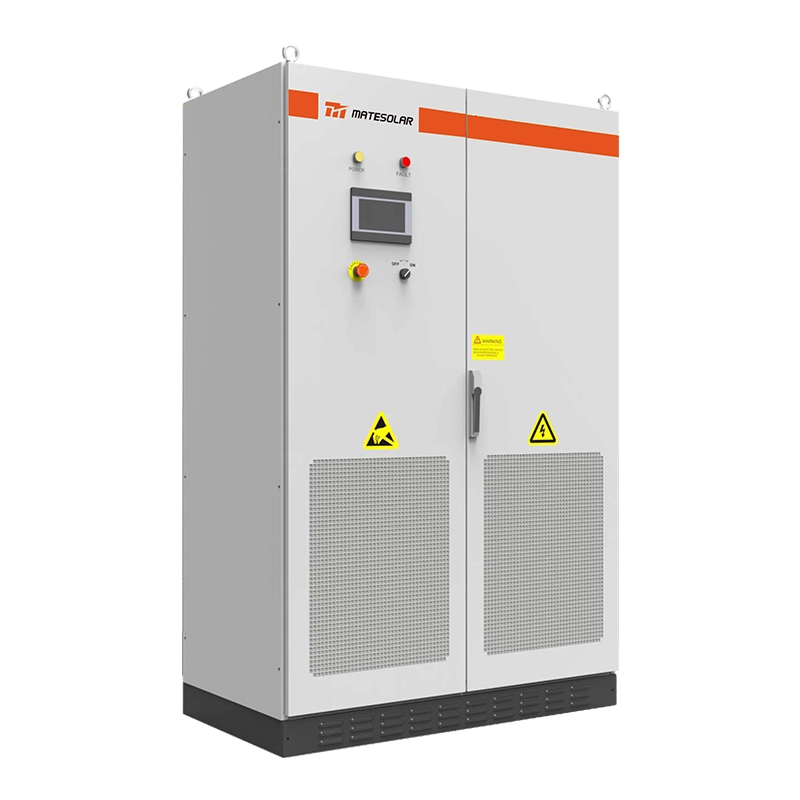
- For mid-sized industrial and commercial applications: Discover the Commercial 500KW Hybrid Solar System.
- For utility-scale project development: Investigate the scalable 40Ft Air-Cooled Container ESS (1MWh/2MWh).
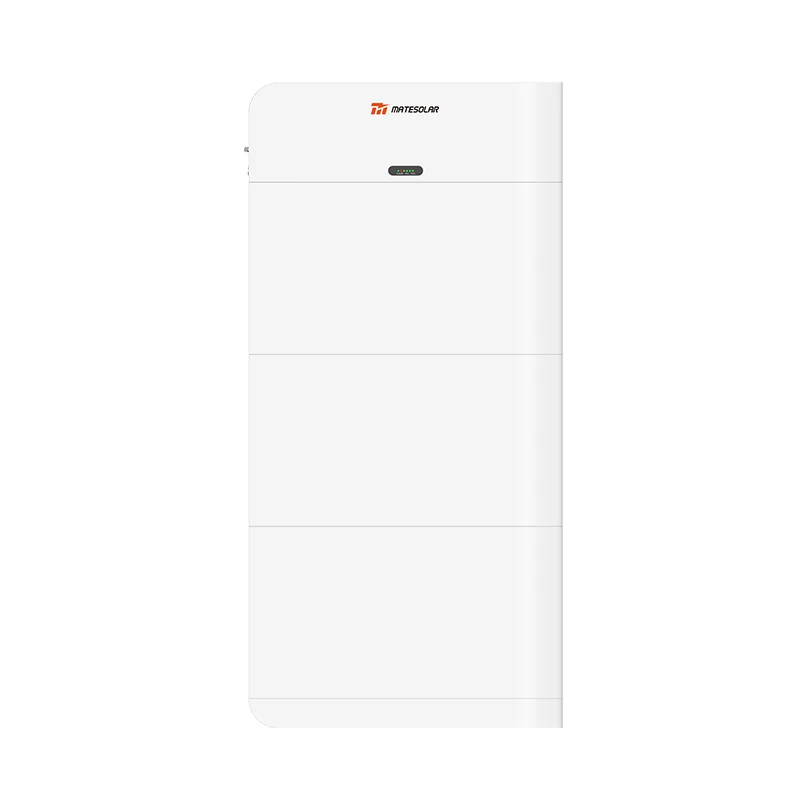
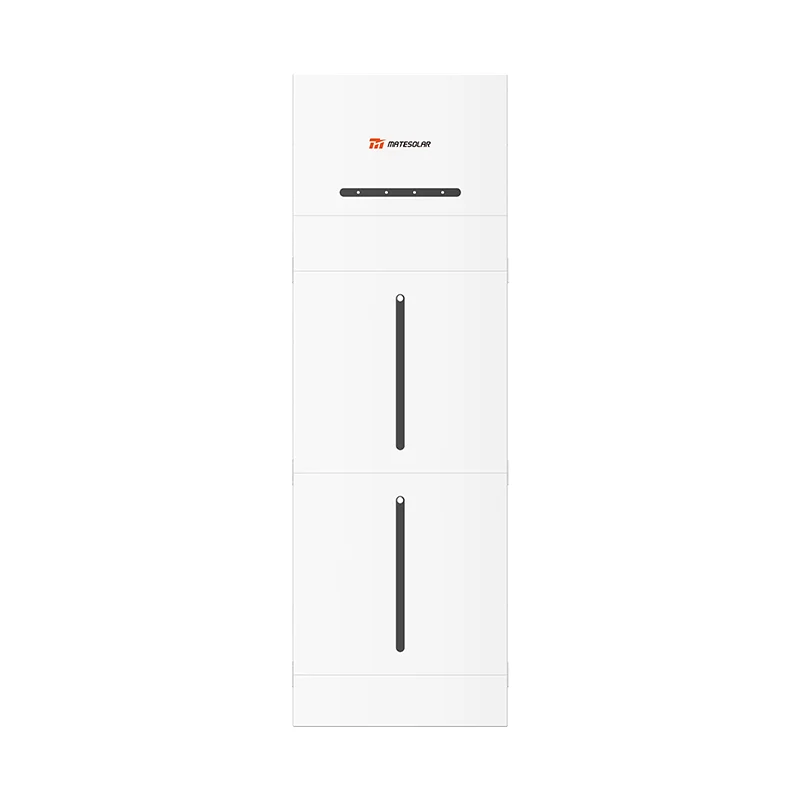
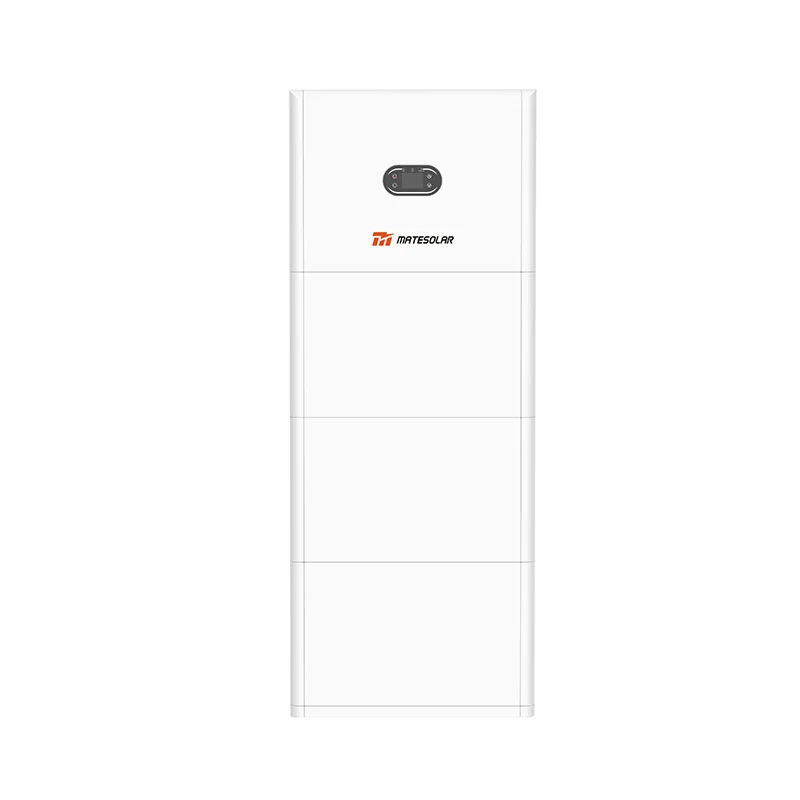
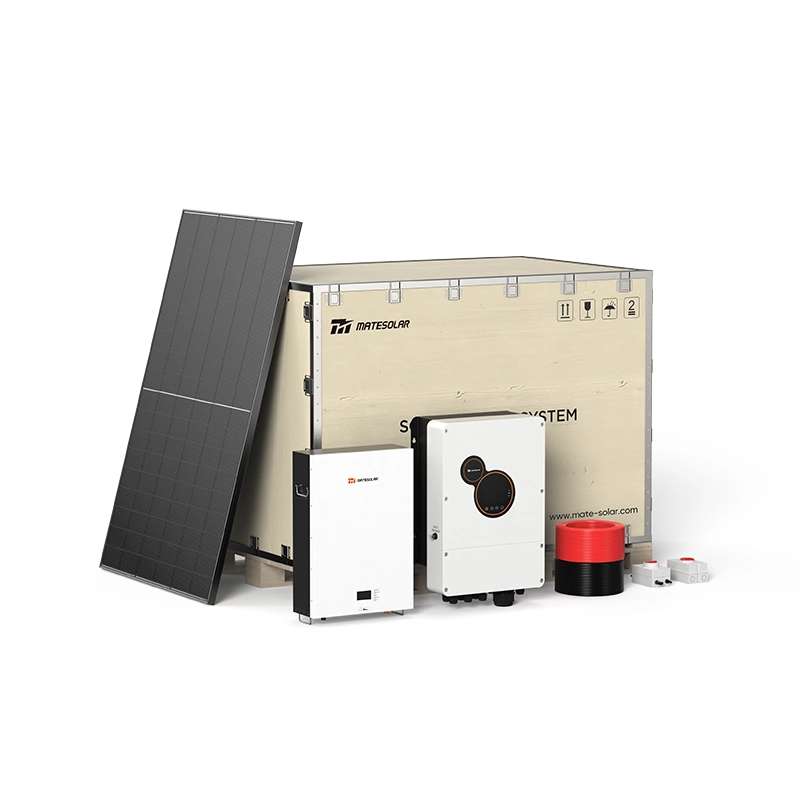
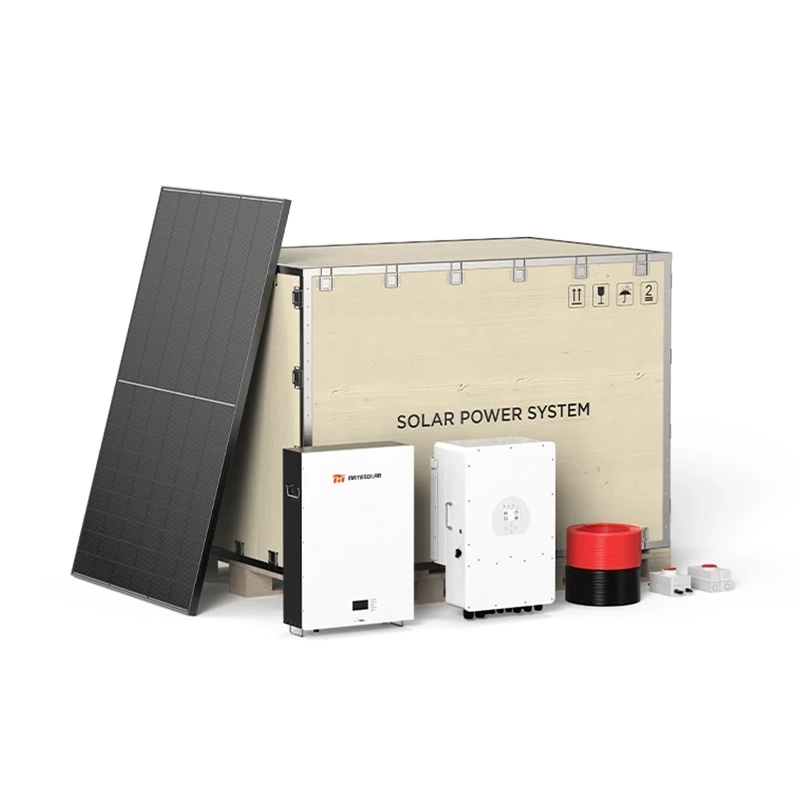
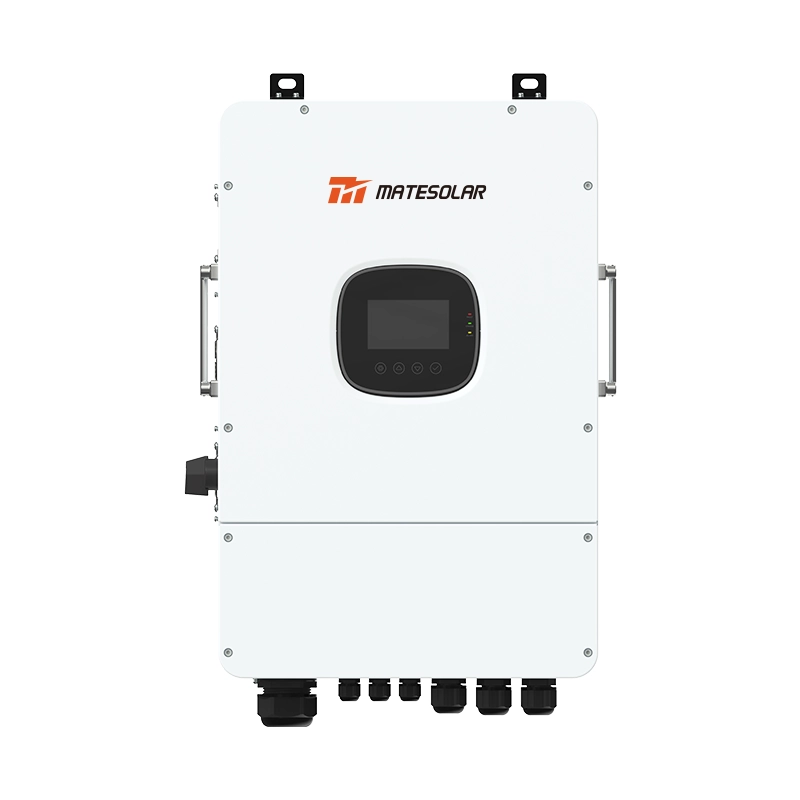
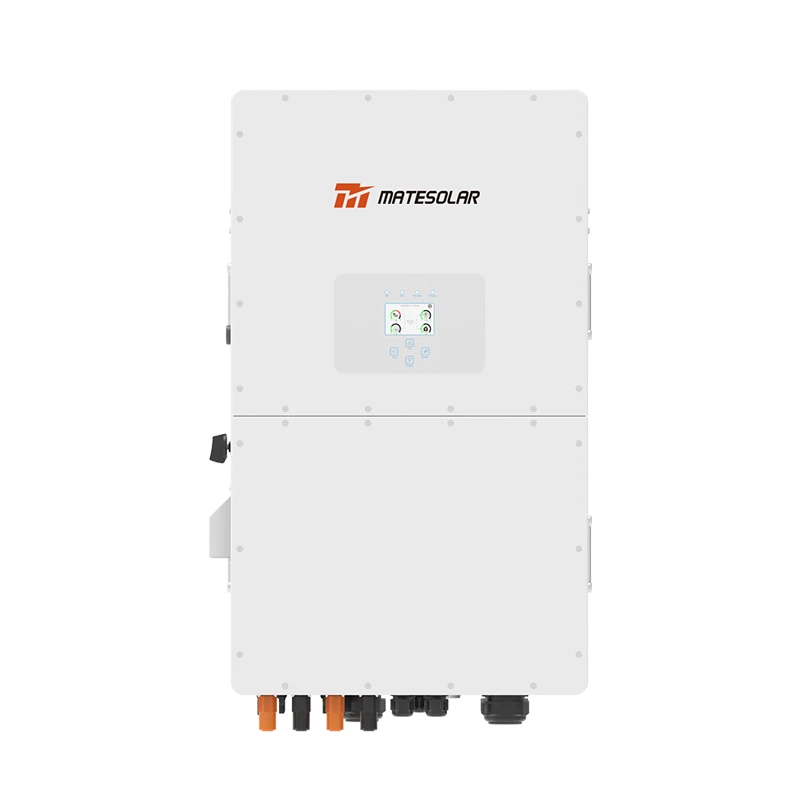
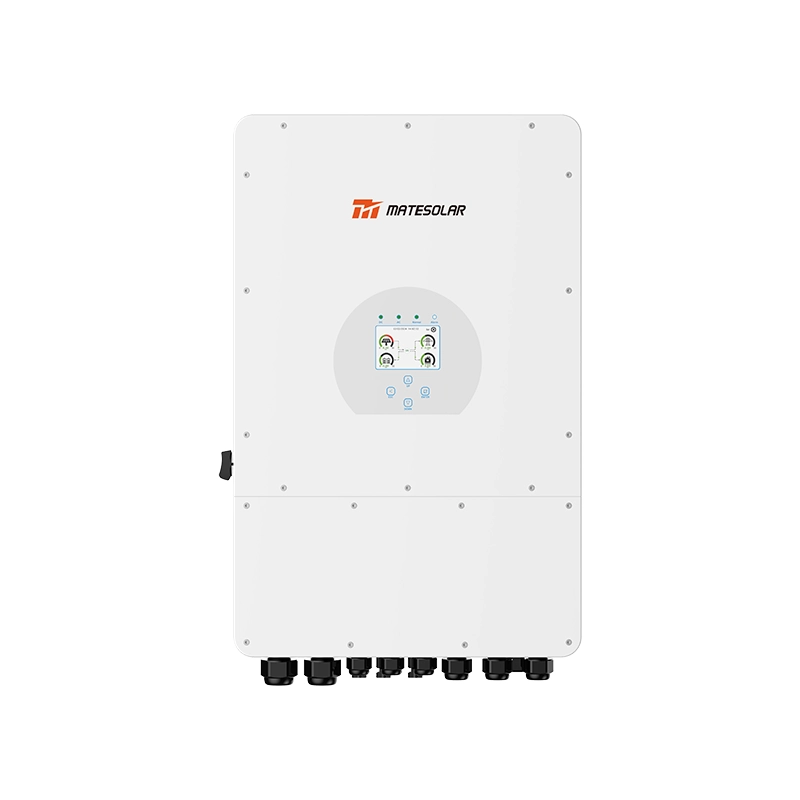
- For residential and small business energy independence: Learn about our Residential 20KW Hybrid Solar System.
Contact our North America & Latin America strategy team today to schedule a detailed consultation on your Mexico project. Let's build a resilient, profitable, and green energy future together.