










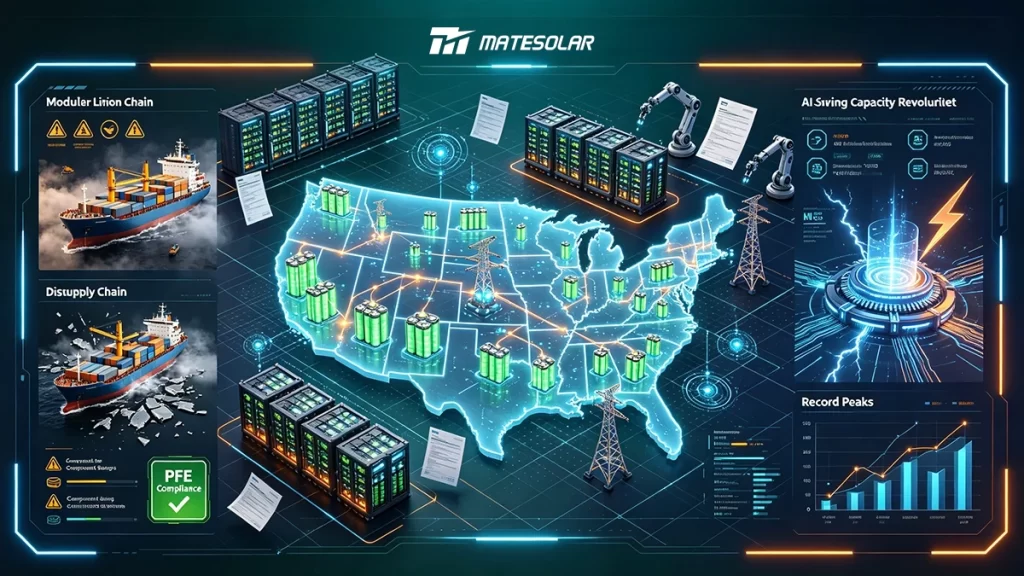
Navigating Supply Chain Crises, PFE Compliance, Record Capacity Markets, and the AI-Driven Power Revolution
The United States energy storage market has entered an unprecedented phase of growth, transformation, and turbulence. In 2025, the industry installed a record-breaking 57.6 GWh of new battery energy storage system (BESS) capacity, marking a 29% year-over-year increase and representing the largest single year of new battery capacity additions on record. At the close of 2025, cumulative U.S. BESS capacity stood at 137 GWh of utility-scale storage, 19 GWh of commercial and industrial (C&I) storage, and 9 GWh of residential storage. Annual deployments are forecast to accelerate further to 35 GW/70 GWh in 2026, representing an estimated $25.2 billion in capital investment, with behind-the-meter (BTM) markets—encompassing C&I and residential—contributing 14.8 GW/7.3 GWh.
Yet beneath this growth narrative lies a far more complex reality. The U.S. BESS market in 2026 has been described by industry veterans as feeling “very much like solar in 2005”—a period of immense opportunity overshadowed by fragmented supply chains, ambiguous regulations, and execution pitfalls. The passage of the One Big Beautiful Bill Act (OBBBA) in July 2025 introduced Prohibited Foreign Entity (PFE) restrictions that fundamentally reshaped tax credit eligibility for projects beginning construction in 2026. Simultaneously, an acute shortage of transformers, switchgear, and battery cells has pushed lead times to 18-36 months or longer, threatening to derail nearly half of all planned U.S. data center projects this year. Meanwhile, PJM capacity prices have surged to a historic $329.17/MW-day for the 2026/2027 delivery year, creating a once-in-a-generation revenue opportunity for C&I storage owners willing to participate in demand response markets.
This Blueprint is designed as the definitive guide for C&I project developers, EPCs, independent power producers (IPPs), data center operators, industrial facility managers, retail chains, cold storage operators, hotel owners, and commercial property managers navigating this volatile yet opportunity-rich landscape. Across the following six core sections, we address the most urgent pain points facing the industry today—from AI-driven power bottlenecks and PFE compliance nightmares to demand response monetization, space-constrained outdoor cabinet deployments, and the new safety compliance frontier of UL 9540A Sixth Edition and NFPA 855 2026.
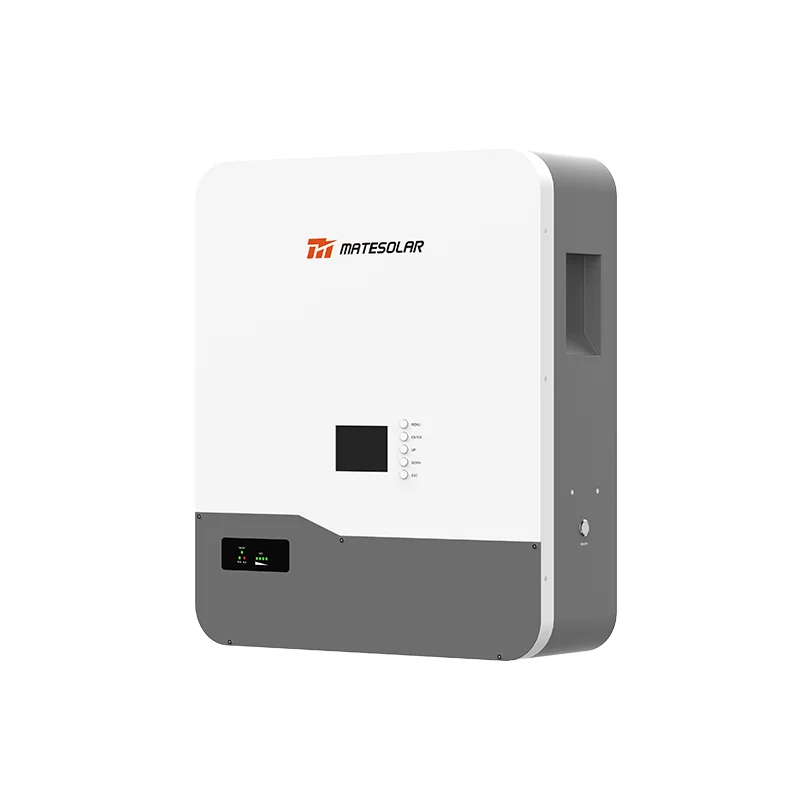
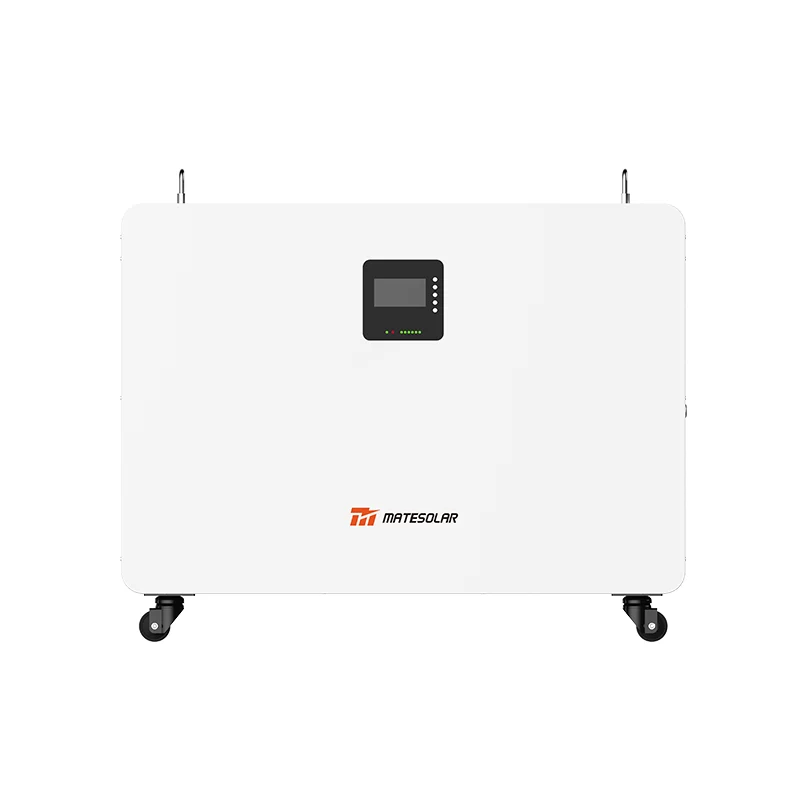
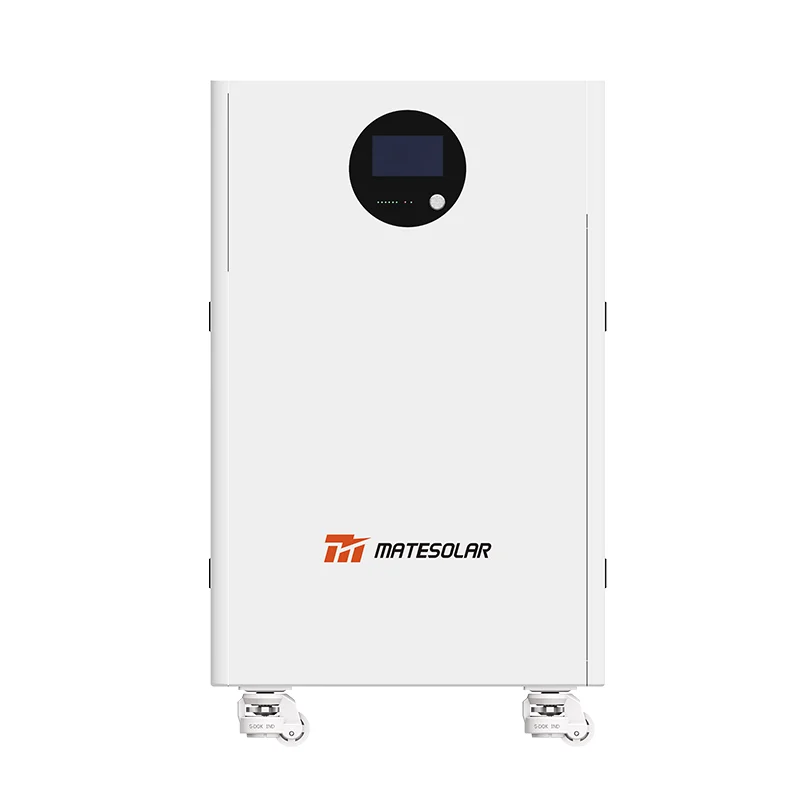
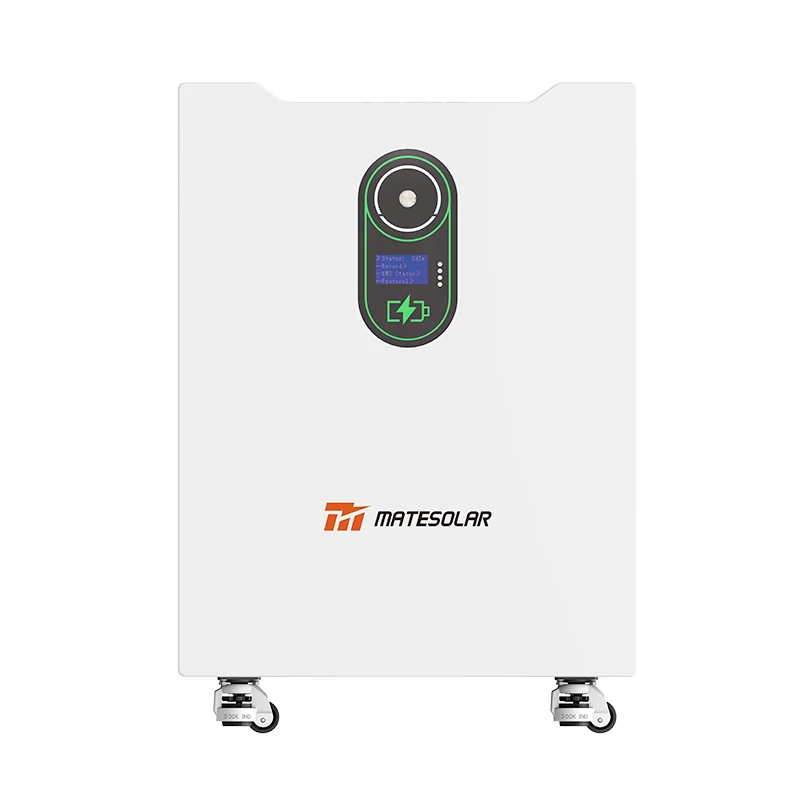
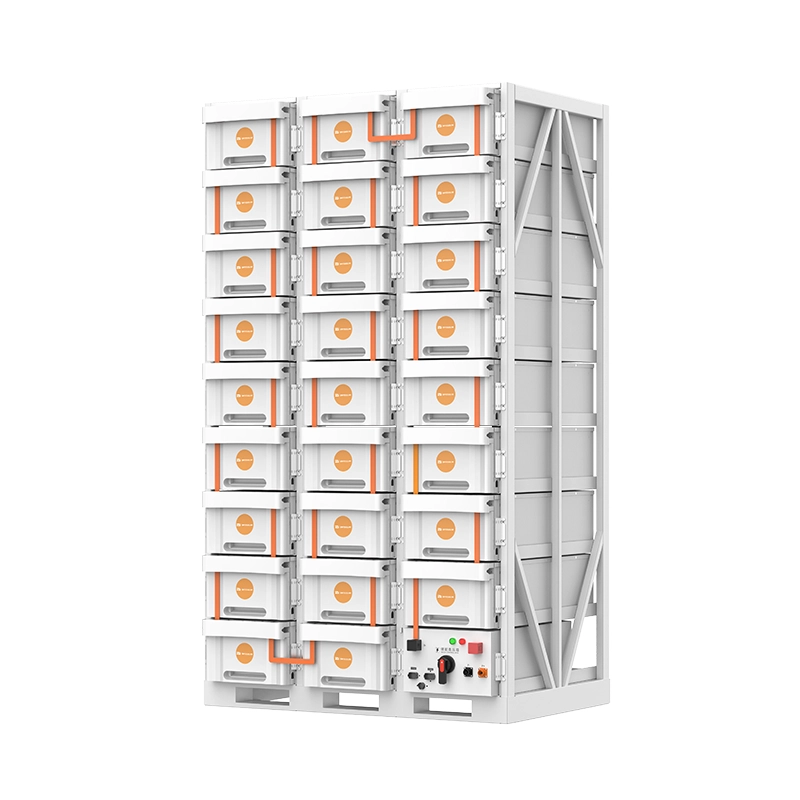
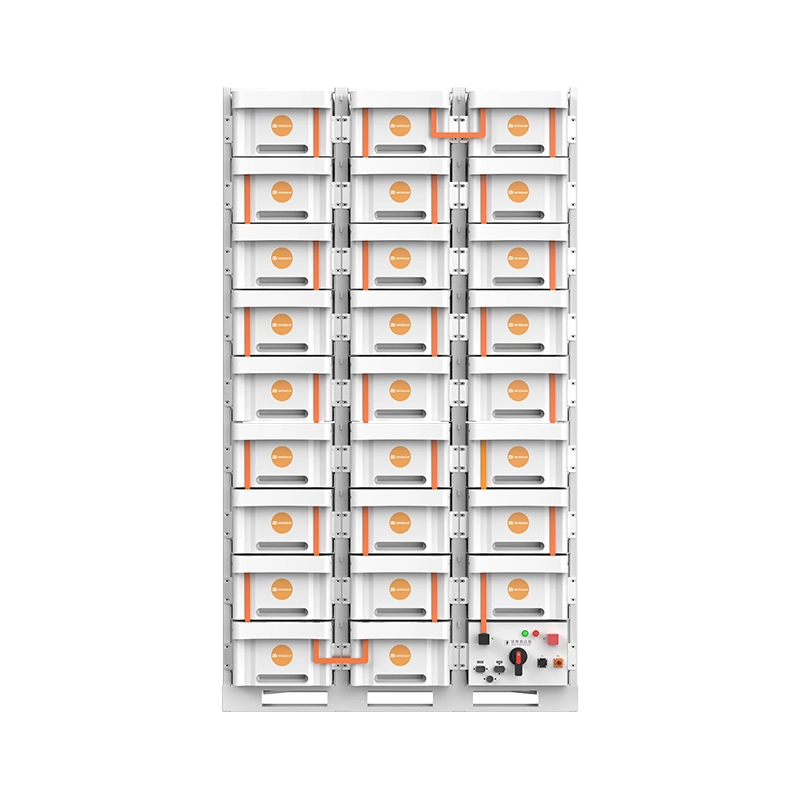
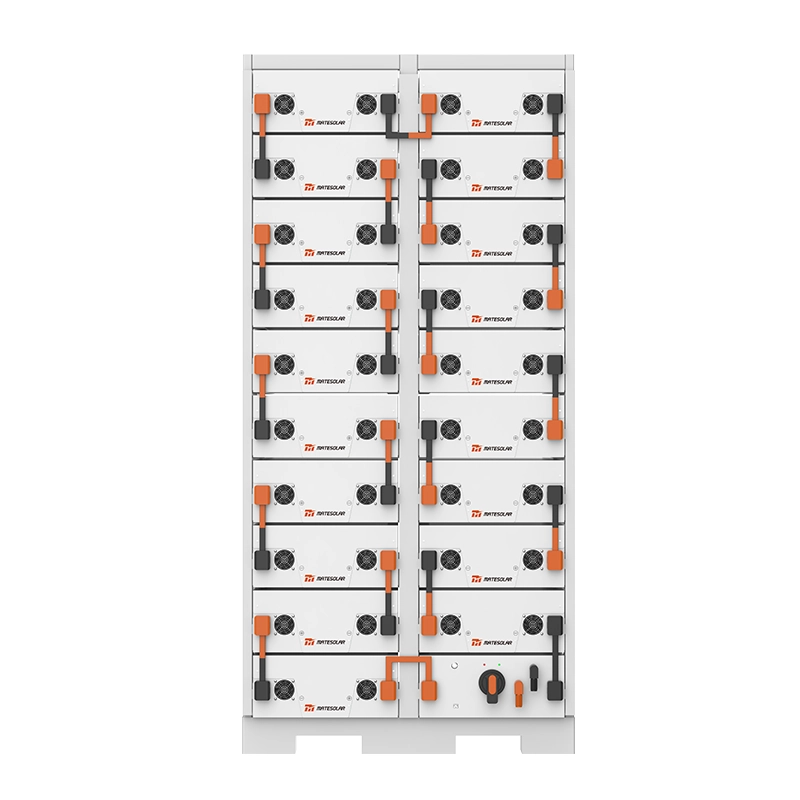
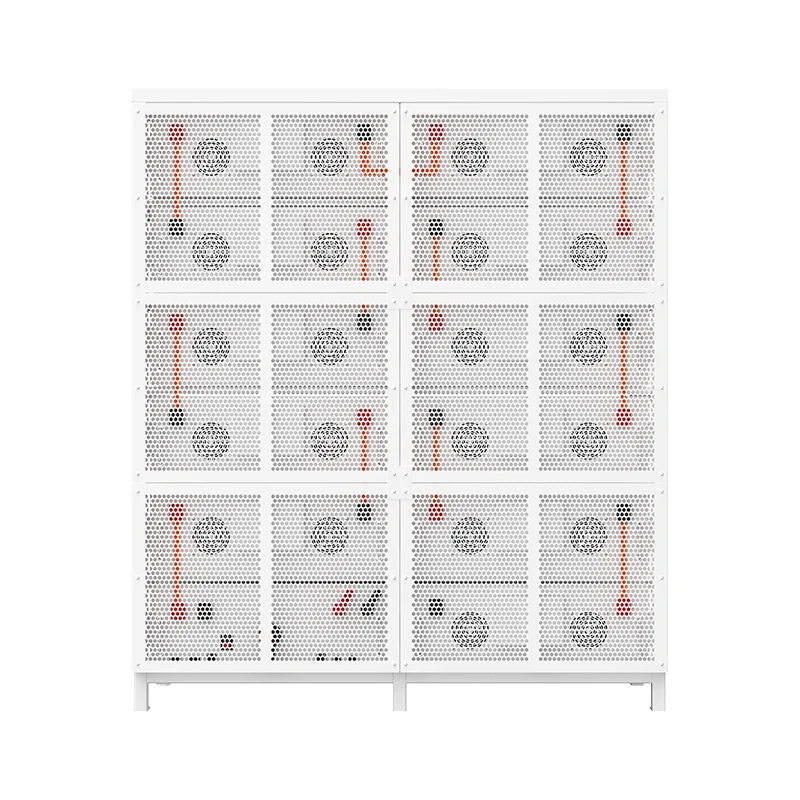
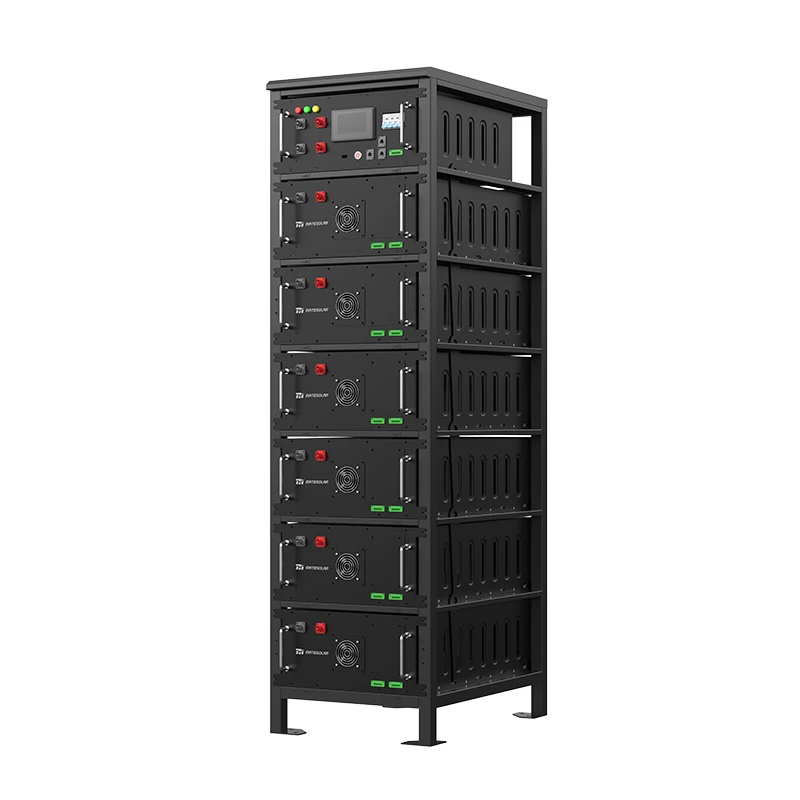
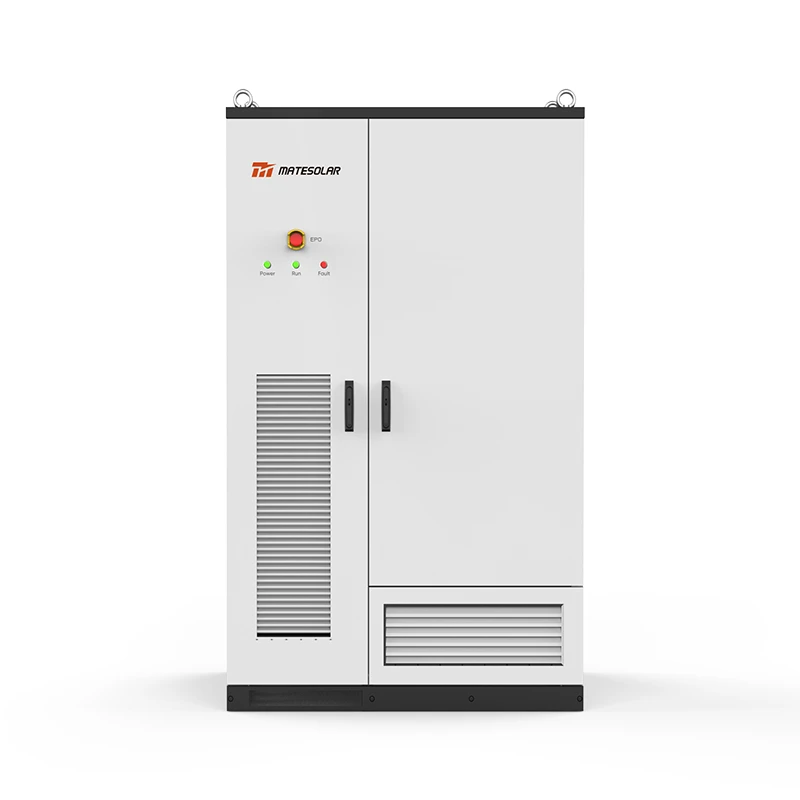
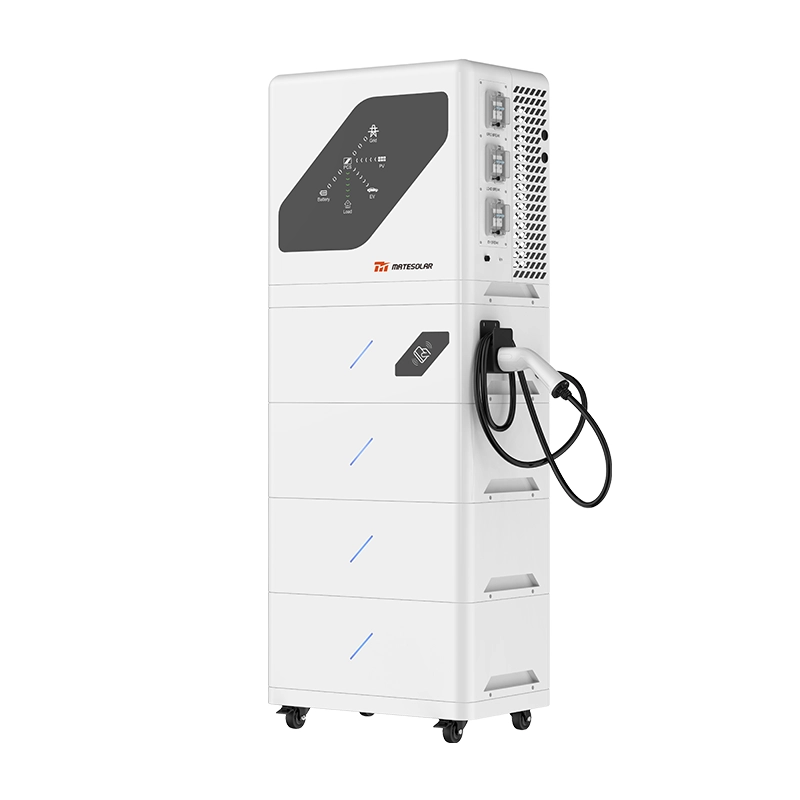
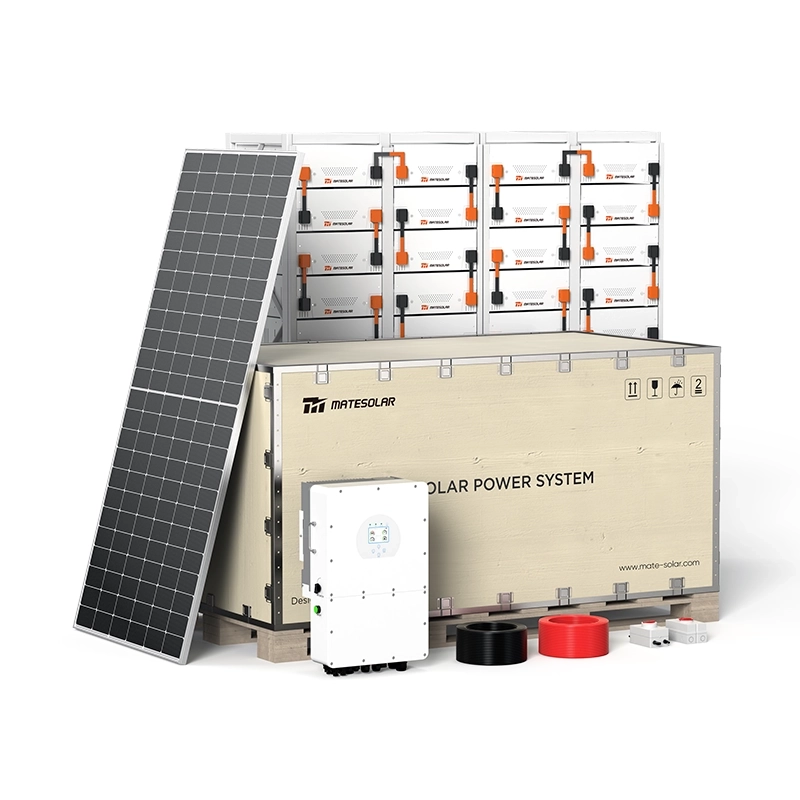
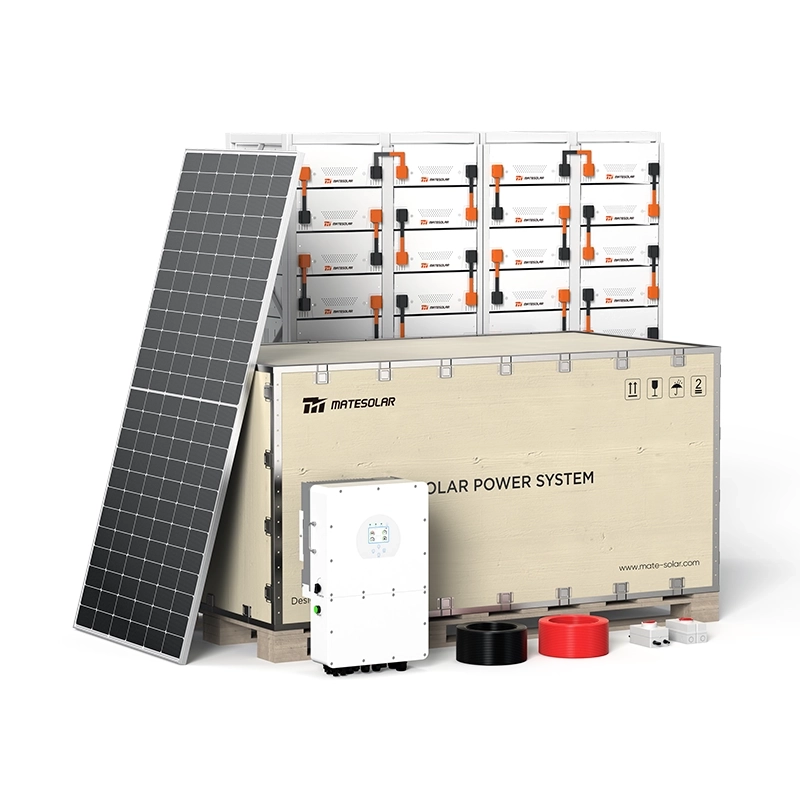
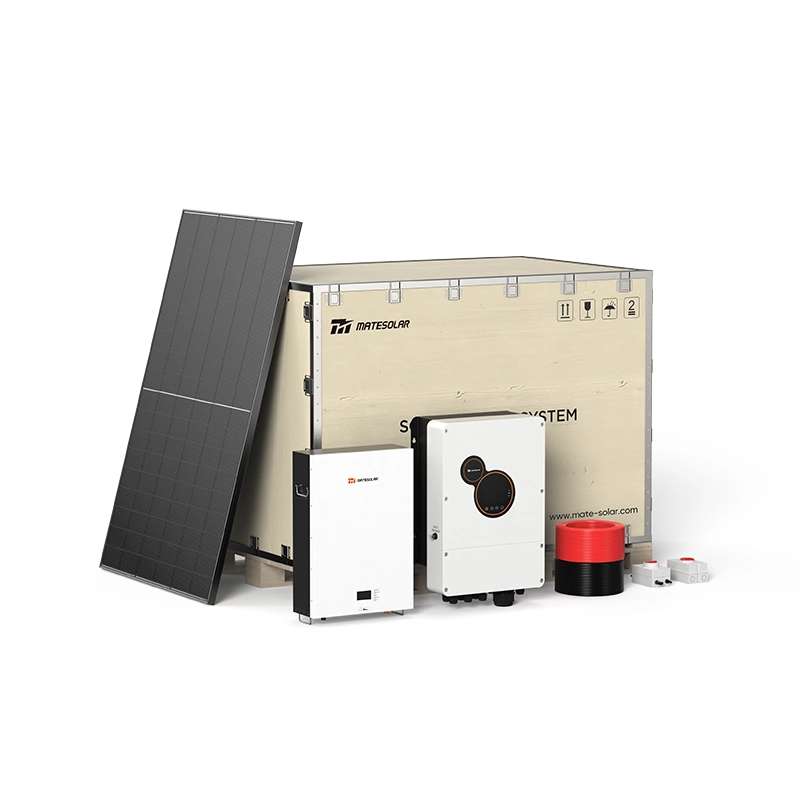
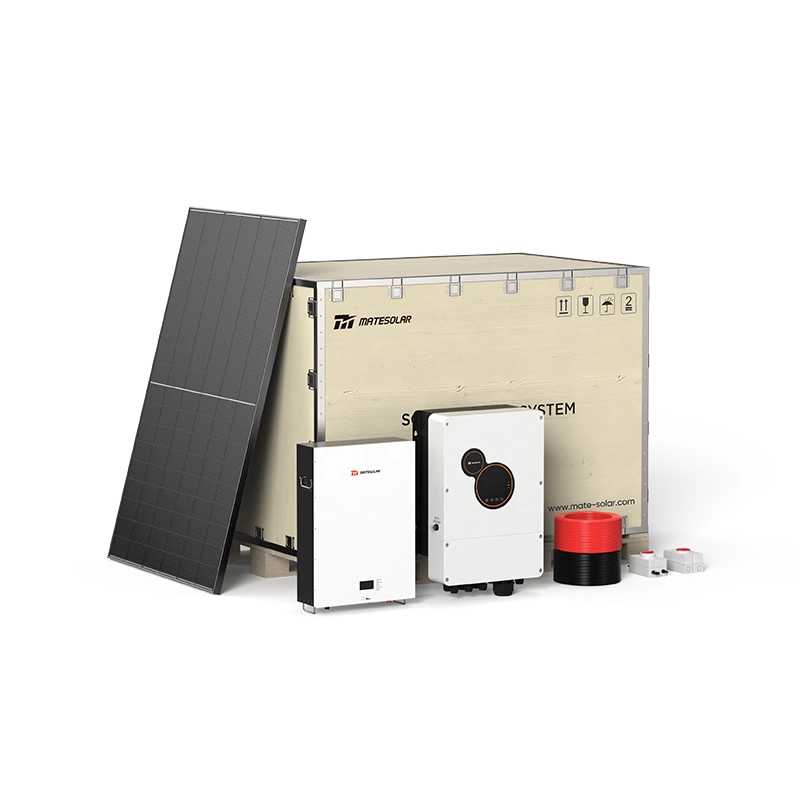
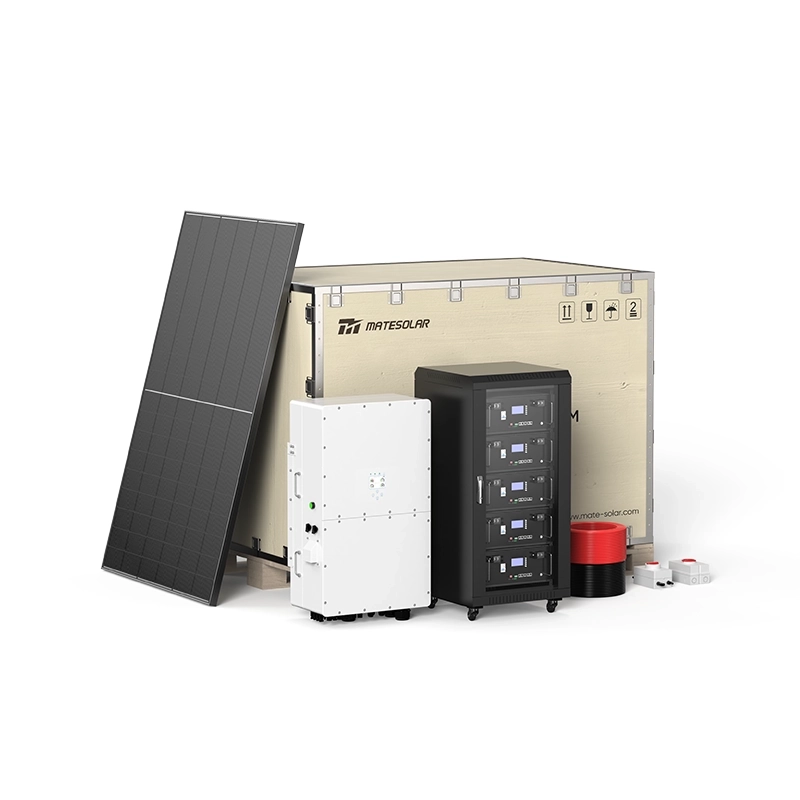
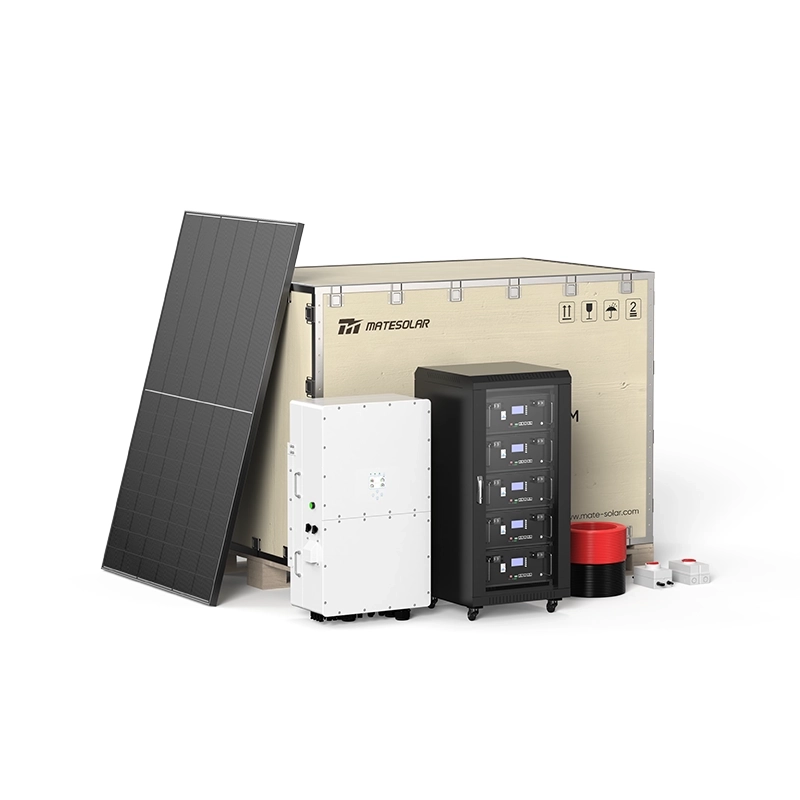
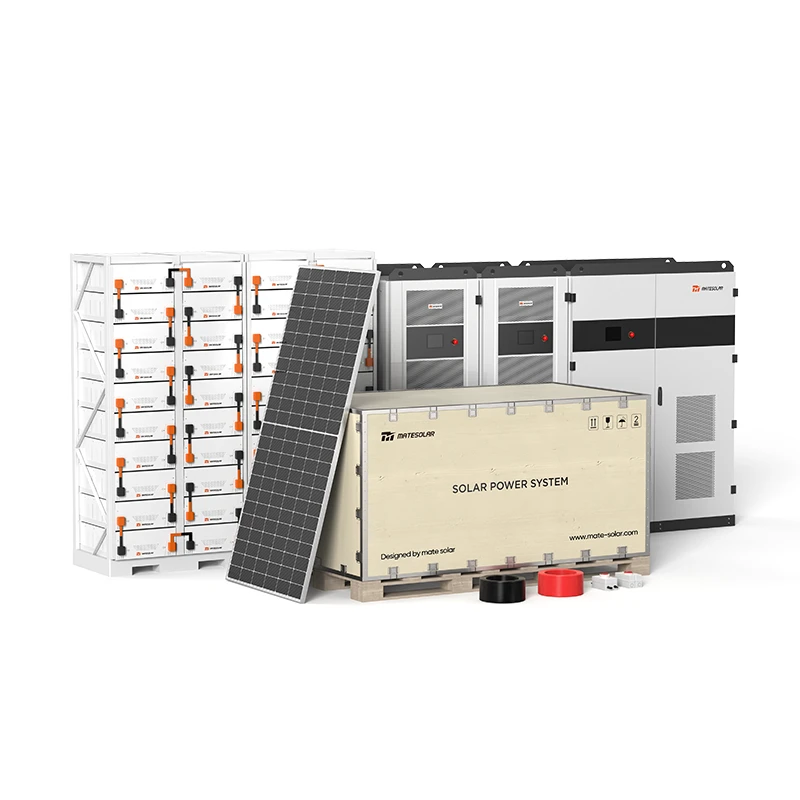
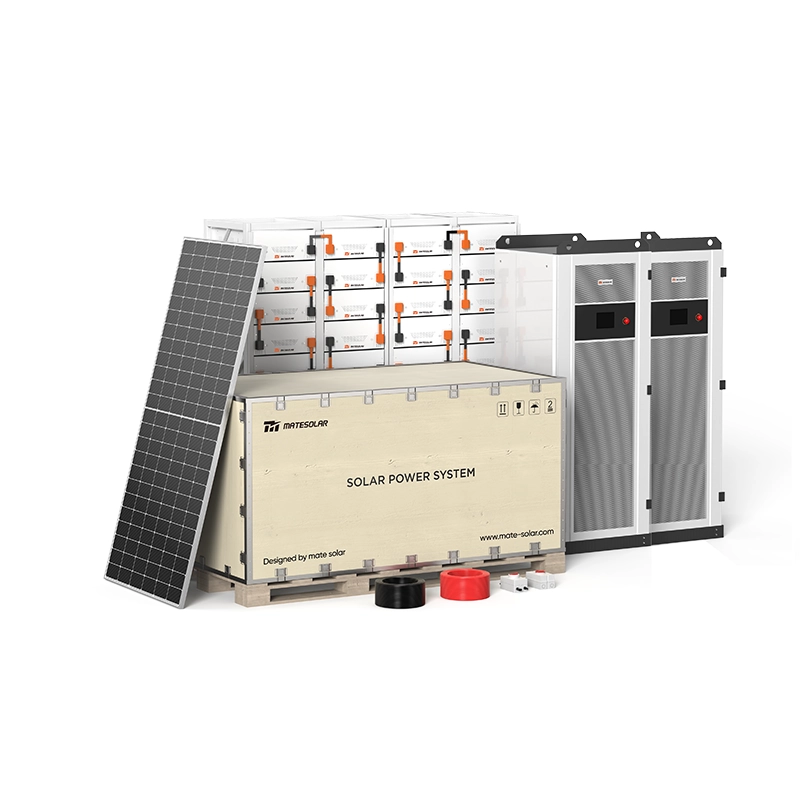
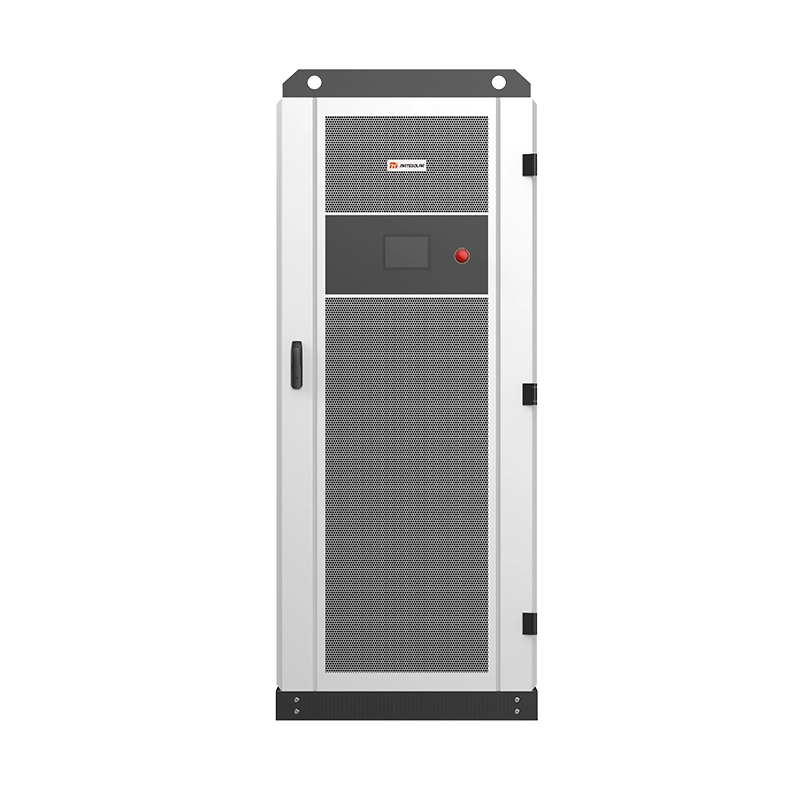
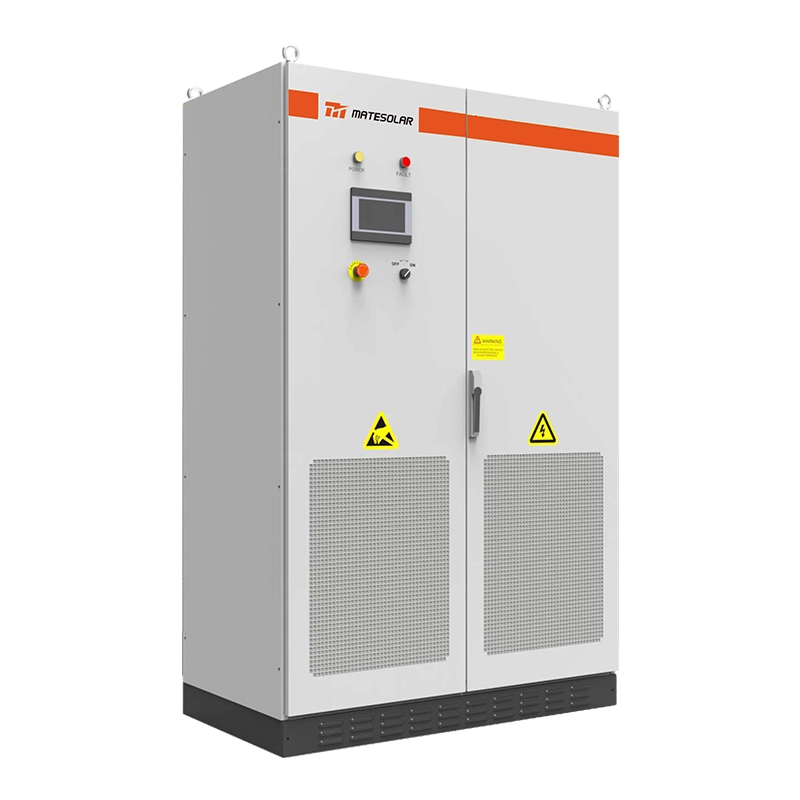
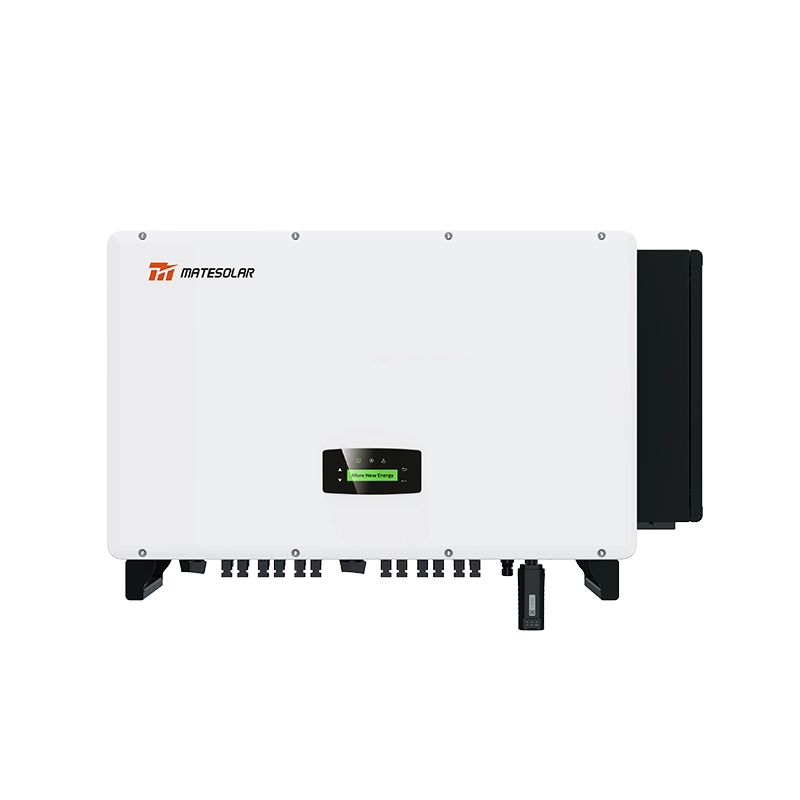
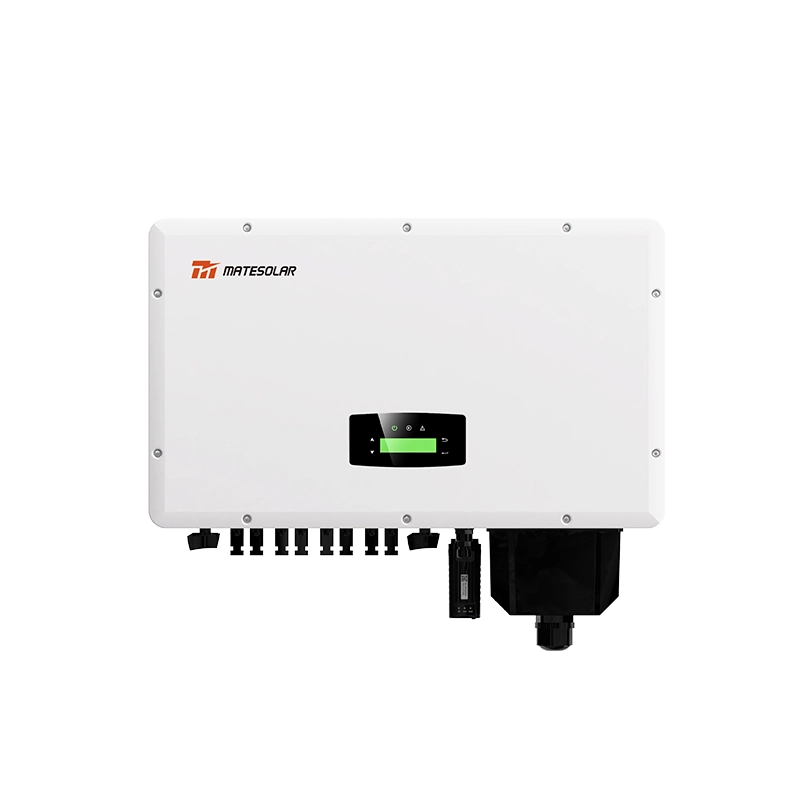
We combine proprietary market analysis, regulatory deep dives, data tables, and frequently asked questions (FAQs) to deliver actionable intelligence. Each section concludes with solution-oriented guidance, including references to MateSolar‘s Commercial 500KW Hybrid Solar System, 100kW/232kWh and 125kW/261kWh Liquid-Cooled Outdoor Cabinet ESS, 40ft 1MWh/2MWh Air-Cooled Container ESS, and 20ft 3MWh/5MWh Liquid Cooling Container ESS—products engineered to address the specific challenges of today’s U.S. market.
Part One: The 2026 U.S. Energy Storage Landscape – Market Context & Key Drivers
1.1 Record Growth Amid Structural Shifts
The U.S. energy storage industry‘s trajectory has defied policy headwinds. According to the Q1 2026 Energy Storage Market Outlook (ESMO) released by the Solar Energy Industries Association (SEIA) and Benchmark Mineral Intelligence, 2025 installations surpassed 57 GWh/28 GW, a 29% year-over-year increase by energy capacity. Standalone storage accounted for nearly 30 GWh of new capacity, while storage paired with solar contributed 20 GWh. Notably, two-thirds of all utility-scale storage installed in 2025 was deployed in states won by President Donald Trump, underscoring the bipartisan economic fundamentals driving deployment.
For 2026, SEIA projects annual BESS installations to increase to 35 GW/70 GWh, with utility-scale accounting for 20.2 GW/62.4 GWh and BTM markets (C&I plus residential) contributing 14.8 GW/7.3 GWh. By 2030, annual installations are expected to exceed 110 GWh/47 GW, with cumulative utility-scale storage reaching nearly 500 GWh.
Table 1: U.S. BESS Market Snapshot (2025–2030)
| Métrique | 2025 Actual | 2026 Forecast | 2030 Forecast |
| Annual Installations (GWh) | 57.6 | 70 | 110+ |
| Annual Installations (GW) | 28 | 35 | 47+ |
| Cumulative Utility-Scale (GWh) | 137 | ~200 | ~500 |
| Cumulative C&I (GWh) | 19 | ~23 | ~50 |
| Residential (GWh) | 9 | ~7 | ~15 |
| Year-over-Year Growth (GWh) | +29% | +22% | ~10% CAGR |
*Source: SEIA/Benchmark Mineral Intelligence ESMO Q1 2026*
1.2 The C&I Segment: The ‘Messy Middle’ of a Maturing Market
Within this growth story, the C&I segment occupies a uniquely challenging position. Industry veteran Claire Broido Johnson of Sunrock Distributed Generation captured the sentiment succinctly: “Battery storage in 2026 feels very much like solar in 2005”. Storage is far from commoditized; approved vendor lists remain short, and capital partners demand higher internal rates of return (IRR) to justify exposure to risks ranging from fire safety concerns to supply chain instability.
Yet the demand signals are unmistakable. C&I BESS deployments grew 42% year-over-year to 2.61 GWh in 2025, driven in large part by major installations at AI data centers. By 2030, data centers are projected to account for 83% of BTM C&I installations in the United States. The global C&I BESS market, valued at $24.66 billion in 2025, is projected to reach $27.66 billion in 2026 and $59.25 billion by 2032, representing a compound annual growth rate (CAGR) of 13.34%.
1.3 AI Data Centers: The Demand Driver Reshaping Everything
The single most consequential variable in the 2026 U.S. storage market is the explosive growth of AI-driven data center power demand. The EIA forecasts U.S. electricity consumption to rise from 4.195 trillion kWh in 2025 to 4.244 trillion kWh in 2026 and 4.381 trillion kWh in 2027, driven primarily by AI infrastructure expansion. Data center energy capacity in the U.S. is projected to increase from 25 GW to 120 GW by 2030—a fivefold increase. Hyperscalers are projected to invest $7 trillion globally in data center infrastructure through 2030, with approximately $2.8 trillion allocated to the U.S..
Research from China Securities indicates an 18-27 GW power gap by the end of 2026. Morgan Stanley energy analysts estimate U.S. data center electricity demand could reach 80 GW by 2028, with a potential supply gap of approximately 55 GW. According to a CITIC Securities analysis, registered new capacity additions in the U.S. from 2026 to 2030 total less than 200 GW, averaging only 50 GW annually—just 50% of projected demand. Compounding this, the poor interconnectivity of the three major U.S. grids, extended outage durations, and continued coal plant retirements create a structural power deficit that energy storage is uniquely positioned to address.
However, demand alone does not guarantee deployment. As explored in depth in Section 6, acute shortages of transformers, switchgear, and battery cells are now constraining the very projects that need storage most.
1.4 Policy and Incentives: The Evolving ITC Landscape
The Inflation Reduction Act‘s Section 48E remains the cornerstone of storage economics, providing a 30% base Investment Tax Credit (ITC) for qualifying standalone energy storage technologies, provided prevailing wage and apprenticeship requirements are met. Stackable bonuses include:
- +10% Domestic Content Bonus: Requires meeting escalating U.S. manufacturing content thresholds. For projects beginning construction in 2026, the adjusted percentage is 45% (up from 40% for projects starting before June 16, 2025).
- +10% Energy Communities Bonus: Applicable to projects located in areas with closed coal plants or high fossil-fuel employment.
When fully stacked, projects can achieve an effective 50% ITC, dramatically improving project economics.
1.5 The OBBBA and PFE Compliance: The 2026 Pivot
The OBBBA, enacted on July 4, 2025, introduced new restrictions limiting ITC and 45X manufacturing credit eligibility based on the involvement of Prohibited Foreign Entities (PFEs)—companies with excessive ownership, debt, or control ties to China, Russia, North Korea, or Iran. Crucially, the PFE regime applies only to projects that begin construction after December 31, 2025, making 2026 a structural pivot year for sourcing strategies, particularly for storage projects that have historically relied heavily on Chinese LFP cells or China-linked equipment.
On February 12, 2026, the Treasury Department and IRS issued Notice 2026-15, providing interim guidance on the Material Assistance Cost Ratio (MACR) test that serves as the compliance gatekeeper. For BESS projects beginning construction in 2026, the applicable MACR threshold is 55%—meaning at least 55% of the direct material costs of identified manufactured products and components must come from non-PFE sources.
Table 2: PFE MACR Thresholds for Energy Storage (2026–2030)
| Construction Start Year | Minimum Non-PFE Cost Percentage |
| 2026 | 55% |
| 2027 | 60% |
| 2028 | 65% |
| 2029 | 70% |
| 2030+ | 75% |
*Source: Treasury Notice 2026-15; OBBBA statutory thresholds*
The MACR calculation follows a five-step process: (1) identify manufactured products and components; (2) determine which are PFE-produced; (3) calculate direct costs; (4) subtract PFE-produced costs; (5) divide to obtain the ratio. The Notice provides three safe harbors—Identification Safe Harbor (using domestic content tables), Certification Safe Harbor (relying on supplier certifications), and Cost Percentage Safe Harbor (using assigned cost percentages)—that developers are expected to use widely.
However, critical gaps remain. The Notice does not address the other two PFE rules—determining whether a taxpayer is itself a PFE and whether contracts confer “effective control” to foreign entities—creating ongoing uncertainty for project financing and tax credit monetization.
1.6 Record Capacity Markets: The PJM Opportunity
For C&I storage owners, the most immediate revenue opportunity comes from PJM Interconnection‘s capacity market. The 2026/2027 Base Residual Auction cleared at the FERC-approved cap of $329.17/MW-day, representing a 22% increase from the prior auction and the highest price in the 20-year history of the BRA. Without the cap, prices would have reached $388.57/MW-day. Annual auction revenues jumped to $16.1 billion.
For the 2027/2028 delivery year, capacity costs have climbed further to $122,039/MW-year (approximately $334/MW-day), reflecting a 24% increase over two years. The auction procured 134,479 MW of unforced capacity, falling 6,623 MW short of the reliability requirement. This supply-demand imbalance—driven by the same AI-driven load growth discussed above—creates sustained upward pressure on capacity prices.
Beyond PJM, state-level programs are proliferating. The Clean and Reliable Grid Affordability (CRGA) bill in Illinois sets a 3,000 MW storage target by 2030 with rebates of $250–300/kWh that can cover roughly half of project costs. New Jersey is expected to issue solicitations for 850–1,550 MW of battery capacity in 2026. Rhode Island Energy‘s ConnectedSolutions program offers C&I customers $275/kW/year for demand response participation during summer peak events.
Part Two: Critical Pain Points & Solutions
Pain Point 1: AI Data Center Power Bottlenecks – The Urgent Need for Deliverable, Fast-Deployment BESS
The Core Problem
AI data centers represent the most powerful demand driver in the 2026 U.S. storage market. But acute shortages of transformers, switchgear, and battery cells are now delaying nearly half of all planned data center projects. The crisis is not theoretical—it is actively constraining AI infrastructure buildout. According to Bloomberg, approximately 50% of U.S. data centers planned for 2026 are now expected to be delayed or canceled because the specialized electrical equipment needed to build them—much of which comes from China—cannot be obtained within competitive timelines.
Transformer delivery times that once ran 24 to 30 months have stretched to five years in some cases—three times longer than the 18-month deployment cycle AI companies actually need to stay competitive. China supplies more than 40% of U.S. battery imports and controls roughly 60% of global transformer manufacturing capacity. US imports of high-power transformers from China jumped from fewer than 1,500 units in 2022 to over 8,000 units in the first ten months of 2025 alone. The power transformer supply is expected to fall short by 40% in 2026, causing project delays of up to two years.
Sightline Climate estimates that of the 12 GW of data center capacity planned to go live in 2026, only about one-third is currently under active construction. Electrical infrastructure accounts for less than 10% of total data center construction costs—but without it, the trillions being poured into AI cannot be realized.
The Three Critical Sub-Problems
1. Equipment Delivery Cycles & Supply Assurance
Data center operators cannot wait 18–36 months for transformers and storage batteries. Crusoe Energy has responded by placing large-volume advance orders, internalizing switchgear production, and even selling power system solutions to other operators. Equinix has directly funded supplier capacity expansion to secure shorter component lead times. But these strategies are the exception, not the norm.
2. AI Load Power Transient Response
Modern AI infrastructure with GPU clusters generates millisecond-level extremely fast power transients—rapid load swings that can destabilize conventional power systems. Data center BESS must achieve <10 ms seamless switching and must not accumulate heat or degrade performance under frequent charge-discharge cycling. This is a core technical requirement that distinguishes data center storage from other applications.
3. Long-Duration Backup & Scalability
Data centers require hour-level reliable backup power, typically 4+ hours of continuous discharge capability. Systems must support modular expansion to accommodate growth from single-building to campus-scale deployments.
Solution Framework for Pain Point 1
Supply Chain Certainty Through Diversified Sourcing
In a market where transformer lead times can stretch to five years, supply chain diversification is not optional—it is existential. MateSolar maintains multi-source supply relationships for all critical components, including battery cells from South Korean and U.S.-based manufacturers alongside diversified Asian sources, inverters from European and domestic suppliers, and strategic partnerships with transformer manufacturers to secure priority allocation for integrated power equipment packages. This approach mirrors the strategies deployed by Crusoe and Equinix but scaled for C&I operators who lack the resources of hyperscalers.
Rapid Deployment Through Pre-Engineered, In-Stock Solutions
The difference between a project that moves forward and one that stalls often comes down to whether the equipment exists. MateSolar maintains U.S.-based inventory of its most popular configurations, including the 100kW/232kWh and 125kW/261kWh Liquid-Cooled Outdoor Cabinets, with documented delivery timelines as short as 30-60 days for stocked configurations. The 40ft 1MWh/2MWh Air-Cooled Container ESS offers pre-engineered, pre-assembled solutions that dramatically reduce on-site installation time and complexity.
<10 ms Response Time with Active Thermal Management
Data center-grade BESS requires power electronics capable of sub-cycle response to GPU load transients. MateSolar‘s Commercial 500KW Hybrid Solar System integrates advanced bi-directional inverters with <10 ms switching capability and liquid cooling thermal management that maintains cell temperature uniformity within ±2°C even under the most aggressive charge-discharge profiles. This prevents the hot-spot formation and accelerated degradation that plague air-cooled systems in high-cycling data center applications.
Modular, Scalable Architecture for Campus Growth
The 20ft 3MWh/5MWh Liquid Cooling Container ESS is specifically designed for scalability. Multiple containers can be paralleled to achieve multi-MWh campus-scale storage, while individual containers serve as standalone backup for single data halls. The liquid cooling architecture enables higher energy density (reducing footprint in space-constrained data center yards) while maintaining consistent performance across 4+ hour discharge durations.
Integrated Power Equipment Packages
Recognizing that transformer shortages are often the critical path constraint, MateSolar offers integrated “power-in-a-box” packages that include step-up transformers, switchgear, and storage in coordinated shipments. By leveraging strategic transformer manufacturing partnerships and advance capacity reservations, we can offer combined lead times substantially shorter than industry averages.
FAQ – Pain Point 1
Q: What is the actual delivery lead time for your BESS systems in the current supply-constrained environment?
A: For standard configurations maintained in our U.S. inventory—including the 100kW/232kWh outdoor cabinet and 40ft air-cooled container—we can deliver within 30-60 days from order confirmation. For larger or custom-configured systems, lead times range from 90-150 days, significantly below the 18-36 month industry averages for comparable equipment.
Q: Can your BESS truly handle the millisecond-level load transients from GPU clusters without performance degradation?
A: Yes. Our systems feature power electronics with sub-10 ms seamless switching capability and liquid cooling that maintains cell temperature uniformity under the most aggressive cycling profiles. Independent testing confirms that our systems maintain >90% round-trip efficiency even under 4C charge-discharge rates typical of AI backup applications.
Q: How do you address the transformer shortage specifically—can you deliver transformers with your storage?
A: We maintain strategic partnerships with transformer manufacturers who have reserved capacity for our integrated power equipment packages. We can supply complete power chains including step-up transformers, switchgear, and storage as coordinated shipments, dramatically reducing the multi-vendor procurement risk that is derailing so many projects today.
Q: What happens if a data center‘s power demand grows from 5 MW to 20 MW over 18 months—can your system scale?
A: Our containerized solutions—particularly the 20ft 3MWh/5MWh liquid cooling containers—are designed for modular scalability. Additional containers can be paralleled without complex re-engineering. We also offer hybrid architectures that combine our Commercial 500KW Hybrid Solar System with multiple outdoor cabinets for incremental capacity expansion as load grows.
Pain Point 2: PFE Compliance & Tax Credit Risk – Navigating the Supply Chain Traceability Nightmare
The Core Problem
For projects beginning construction in 2026, PFE compliance is no longer a future consideration—it is an immediate, binding requirement. Failure to meet the 55% MACR threshold means forfeiting ITC eligibility entirely. Yet the compliance framework remains incomplete. Treasury Notice 2026-15 provides interim safe harbors, but key interpretive questions—particularly around “effective control” and taxpayer PFE status—remain unanswered.
The stakes could not be higher. Storage projects that cannot document PFE compliance face a binary outcome: full ITC (up to 50% effective credit) or zero ITC. For a typical 10 MWh C&I project with $3 million in installed costs, the difference is $1.5 million in tax equity value. In a market where project IRRs are already compressed, this is existential.
The Three Critical Sub-Problems
1. Supply Chain Traceability Documentation
The IRS requires that “every battery cell, module, inverter, and critical mineral be traced back to its origin.” Developers need comprehensive documentation proving that components do not originate from PFEs.
2. MACR Test Compliance
For 2026 projects, the 55% threshold means more than half of direct material costs must come from non-PFE sources. Not all suppliers can provide the necessary certifications.
3. Domestic Content Bonus Qualification
The additional 10% domestic content bonus requires meeting escalating U.S. manufacturing content percentages—45% for projects beginning construction in 2026, rising thereafter. This requires documented proof of U.S. sourcing for structural components, cells, and inverters.
4. Tariff Cost Control
The 25% Section 301 tariff on Chinese batteries is already in effect, directly eroding project IRRs. One major U.S. enterprise faced nearly $2 billion in projected additional yearly tariff exposure on data center components alone.
Solution Framework for Pain Point 2
Complete Supply Chain Transparency & Documentation
MateSolar‘s PFE compliance documentation package includes: (1) supplier attestations for every battery cell, module, inverter, BMS, and structural component; (2) bill-of-materials cost breakdowns with MACR calculations performed in accordance with Treasury Notice 2026-15; (3) country-of-origin certificates for all critical minerals; and (4) certification safe harbor declarations that allow developers to rely on our attestations for their tax filings.
Our PFE compliance process follows the five-step MACR framework prescribed by the Notice: identifying all manufactured products and components, determining PFE production status via supplier certifications, calculating direct costs using the assigned cost percentages from domestic content notices, subtracting PFE-produced costs, and verifying that the resulting ratio exceeds 55%.
Achieving the 55% MACR Threshold
MateSolar‘s supply chain is structured to meet and exceed the 55% MACR requirement through multi-source procurement that prioritizes non-PFE suppliers. Our standard cell supply includes LFP cells from South Korean manufacturers (certified non-PFE) alongside U.S.-assembled modules. Inverters are sourced from European and domestic suppliers. Structural components and balance-of-system equipment are predominantly U.S.-sourced. The resulting MACR typically exceeds 60%, providing a compliance buffer.
Domestic Content Bonus Compliance
For developers seeking the additional 10% domestic content bonus, MateSolar offers configurations that meet the 2026 adjusted percentage requirement of 45% U.S.-sourced components. Our U.S. assembly partners produce BESS enclosures, wiring harnesses, and final integration, while our supply chain includes domestically manufactured steel structures and electrical balance-of-system components.
Tariff Mitigation Through Supply Chain Diversification
The 25% tariff on Chinese batteries is a permanent fixture of the current trade landscape. MateSolar‘s supply chain strategy avoids exposure through: (1) primary reliance on South Korean cell supply for U.S.-bound projects; (2) U.S. module assembly for domestic content qualification; and (3) strategic inventory positioning to lock in pre-tariff pricing where advantageous. By sourcing zero battery cells directly from China for U.S. projects, our customers face no Section 301 tariff exposure on the core storage components.
Table 3: PFE Compliance Documentation Checklist for Developers
| Documentation Element | Exigence | MateSolar Deliverable |
| Supplier attestations | For each MP/MPC | Signed attestations from every component supplier |
| Country-of-origin certificates | For cells, modules, inverters, critical minerals | Certificates of origin for all materials |
| MACR calculation | Per Treasury Notice 2026-15 | Completed five-step MACR worksheet |
| Domestic content percentage | 45% for 2026 projects | Component cost breakdown with U.S. content identified |
| Certification safe harbor declaration | For tax filing reliance | IRS-compliant safe harbor certificate |
FAQ – Pain Point 2
Q: What exactly constitutes a PFE, and how do I know if my supplier qualifies?
A: PFEs are defined as entities with excessive ownership, debt, or effective control ties to Covered Nations (China, Russia, North Korea, Iran). Under Treasury Notice 2026-15, taxpayers may rely on supplier certifications to determine PFE status unless they have reason to know the certification is inaccurate. MateSolar provides signed certifications from every component supplier, giving developers safe harbor protection.
Q: How do you calculate the MACR, and can you provide the calculation for my project?
A: The MACR calculation follows the five-step process in Notice 2026-15. We provide completed MACR worksheets for every BESS configuration, including direct cost allocations using the assigned cost percentages from the domestic content notices. For custom projects, we perform project-specific MACR calculations as part of our engineering documentation package.
Q: Can I still claim the 10% domestic content bonus with your systems?
A: Yes. Our U.S.-assembled configurations meet the 45% adjusted percentage requirement for 2026 projects. We provide detailed domestic content breakdowns showing exactly which components qualify as U.S.-sourced, enabling straightforward bonus qualification.
Q: How do you address the 25% tariff on Chinese batteries?
A: MateSolar sources zero battery cells directly from China for U.S.-bound projects. Our primary cell supply comes from South Korean manufacturers with established U.S. distribution channels, completely avoiding Section 301 tariff exposure on core storage components.
Q: What happens if the IRS issues additional guidance that changes the compliance requirements?
A: We actively monitor Treasury and IRS developments and update our compliance documentation accordingly. Our modular supply chain approach allows us to adapt sourcing strategies as regulations evolve, and we provide clients with updated compliance packages reflecting the latest guidance.
Pain Point 3: Demand Response Monetization – Capturing Record PJM Capacity Revenues
The Core Problem
U.S. C&I electricity customers face a double burden: demand charges and time-of-use (TOU) rates continue to escalate, while simultaneously, capacity markets like PJM are offering historic payouts for demand response participation. The challenge is that many C&I customers lack the capabilities—automated energy management systems (EMS), qualified aggregator relationships, and dispatchable storage assets—to capture these revenues.
PJM‘s 2026/2027 capacity auction cleared at $329.17/MW-day—a price that would have seemed fictional just two years ago. For a 1 MW storage asset, this translates to approximately $120,000 in annual capacity revenues. PJM‘s Emergency Load Response Program (ELRP) can provide additional demand response income of approximately $112,000/MW-year. Combined, a 1 MW C&I storage system could generate over $230,000 annually from PJM markets alone.
Beyond PJM, Rhode Island‘s ConnectedSolutions program demonstrates the feasibility of C&I storage with 3-4 year payback periods. A 500 kW storage system enrolled in ConnectedSolutions can earn approximately $110,000 annually through daily dispatch events. The program pays $275/kW/year for summer peak demand reduction, with 30-60 dispatch events per season.
The Three Critical Sub-Problems
1. Maximizing Demand Response Revenues
With PJM capacity prices at historic highs, the question is no longer whether to participate but how to maximize participation. C&I customers need EMS that can automatically bid into capacity auctions, respond to dispatch signals, and optimize revenue across multiple market streams.
2. Demand Charge Reduction
Demand charges typically account for 30-50% of C&I electricity bills. BESS must automatically discharge during monthly peak periods to reduce demand charges by 20-40%. Customers need investment return models based on actual load data, not generic assumptions.
3. Solar Retrofit Integration
Many C&I customers already have solar PV but lack storage. Outdoor cabinets that can serve as “solar companions” for fast retrofits are increasingly in demand—retrofit projects based on known conditions carry lower risk and faster deployment than greenfield installations.
4. State-Level Incentive Stacking
Programs vary significantly by state. ConnectedSolutions in Rhode Island and Massachusetts offers $275/kW/year and $200/kW/year respectively. Illinois‘ CRGA offers $250-300/kWh rebates covering roughly half of project costs. New Jersey is launching solicitations for 850-1,550 MW of battery capacity. Maximizing returns requires navigating this fragmented landscape.
Solution Framework for Pain Point 3
Intelligent EMS with Automated Market Participation
MateSolar‘s energy management system integrates directly with PJM, ISO-NE, NYISO, and CAISO market interfaces, enabling automated capacity auction bidding, real-time dispatch response, and revenue optimization across multiple market streams. The EMS learns customer load profiles, predicts peak demand periods, and automatically dispatches storage to maximize demand charge reduction while preserving capacity for market participation.
Peak Shaving with Predictive Algorithms
Our EMS uses machine learning-based load forecasting to identify peak demand events before they occur. By pre-charging during off-peak periods and discharging precisely at the moment of peak demand, customers typically achieve 25-35% demand charge reduction. For a facility with $10,000 in monthly demand charges, this represents $30,000-42,000 in annual savings.
Solar Retrofit-Ready Design
The 100kW/232kWh and 125kW/261kWh Liquid-Cooled Outdoor Cabinets are designed as drop-in solar companions. AC-coupled architecture enables simple interconnection to existing PV inverters without modifying the solar array. For facilities with existing solar but no storage, retrofit installation typically requires 2-3 days of on-site work versus 2-3 weeks for greenfield storage deployment.
State Incentive Navigation & Maximization
MateSolar provides a state incentive analysis for every customer, identifying applicable programs and calculating maximum stackable incentives. Our database tracks:
- Northeast: ConnectedSolutions (RI: $275/kW, MA: $200/kW); NYISO demand response programs; NJ solicitation windows for 850-1,550 MW
- Midwest: IL CRGA ($250-300/kWh rebates, 3,000 MW target by 2030)
- West: CA SGIP (equity resiliency and general market tiers); CAISO demand response
- Mid-Atlantic: PJM capacity market ($329.17/MW-day 2026/2027); Maryland 800 MW grid-scale + 150 MW distributed storage procurement
Table 4: PJM Capacity Revenue Potential by System Size (2026/2027 Rates)
| System Size (MW) | Annual Capacity Revenue ($329.17/MW-day) | ELRP Revenue ($112,000/MW-year est.) | Total Annual Revenue |
| 500 kW | $60,000 | $56,000 | $116,000 |
| 1 MW | $120,000 | $112,000 | $232,000 |
| 2 MW | $240,000 | $224,000 | $464,000 |
| 5 MW | $600,000 | $560,000 | $1,160,000 |
Note: ELRP revenue estimates vary by program participation. Actual revenues depend on dispatch frequency and performance.
FAQ – Pain Point 3
Q: How quickly can I start earning demand response revenue after installation?
A: Once your BESS is commissioned (typically 2-4 weeks from equipment delivery for our outdoor cabinet solutions), enrollment in PJM or other ISO programs takes 30-60 days, including telemetry verification and performance testing. Some state programs like ConnectedSolutions offer faster enrollment windows of 2-4 weeks.
Q: Can your EMS automatically bid my storage into PJM capacity auctions, or do I need a third-party aggregator?
A: Our EMS includes pre-built integrations with PJM, ISO-NE, NYISO, and CAISO market interfaces. While many customers choose to work with qualified aggregators for turnkey market participation, our EMS can also support direct market bidding for customers who prefer to self-manage.
Q: How much demand charge reduction can I realistically expect?
A: Based on actual customer load data across 50+ installations, typical demand charge reduction ranges from 25-35% for facilities with consistent daily peak patterns and 15-20% for facilities with variable load profiles. We provide project-specific modeling using your actual 12-month load data before you commit to installation.
Q: I already have solar PV. Can I add your storage without replacing my inverter?
A: Yes. Our outdoor cabinets feature AC-coupled architecture that connects at the AC side of your existing PV inverter. This means no modifications to your solar array and no replacement of your existing inverter—just simple parallel interconnection.
Q: What happens if state incentive programs change after I install?
A: We design for program-agnostic revenue stacking, meaning your BESS can pivot between demand charge reduction, demand response, energy arbitrage, and backup power regardless of which incentives remain active. Our EMS continuously optimizes based on real-time economic signals, automatically adjusting dispatch strategy as market conditions evolve.
Pain Point 4: Space-Constrained & Fast-Deployment Outdoor Cabinets – Solutions for Small to Midsize C&I
The Core Problem
Small to midsize C&I customers—hotels, office buildings, retail chains, farms, medical offices, multi-tenant commercial properties—face the same high electricity costs and outage risks as large industrials, but with far more constrained sites, greater sensitivity to upfront costs, and acute anxiety about permitting, safety, and installation complexity. As one industry observer noted, 2026 C&I storage remains in “a phase where storage is far from being a commoditized product”.
For these customers, the ideal storage solution is compact, installable in days (not weeks), certifiably safe, and financeable with zero upfront cost through Energy-as-a-Service (EaaS) models. The solution must navigate fragmented local AHJ approval processes and varying utility interconnection requirements.
The Three Critical Sub-Problems
1. Compact Design & Flexible Installation
Commercial buildings have limited yard space, rooftop access constraints, and aesthetic considerations. Outdoor cabinets must be wall-mountable or stackable, with minimal footprints.
2. Interconnection Approval Acceleration
Utility interconnection review processes vary significantly by state and utility, with timelines ranging from weeks to months. Solutions must provide complete interconnection technical packages (including anti-islanding, power factor adjustment, IEEE 1547-compliant grid protection functions) to streamline approvals.
3. Climate Reliability & Safety
U.S. southern and western regions experience summer temperatures exceeding 40°C (104°F). Outdoor cabinets must achieve IP65 or higher ingress protection and maintain full-power operation in extreme heat, with UL 9540 and NFPA 855 certifications for fire safety.
4. EaaS Availability
Many small to midsize C&I customers prefer “zero down, pay from savings” financing. EaaS models that charge a monthly fee based on demonstrated electricity savings lower the initial investment barrier.
Solution Framework for Pain Point 4
Ultra-Compact, High-Density Outdoor Cabinets
MateSolar‘s 100kW/232kWh and 125kW/261kWh Liquid-Cooled Outdoor Cabinets feature industry-leading energy density, with footprints as small as 1.5 m² (16 ft²) for the 100kW configuration. Wall-mountable and stackable designs enable deployment in alleys, loading docks, mechanical rooms, and other constrained spaces. For customers with severe space limitations, our vertical stacking architecture—similar to the approach approved for Jupiter Power‘s Everett facility—doubles capacity in the same footprint.
Pre-Engineered Interconnection Packages
Every MateSolar outdoor cabinet ships with a complete interconnection technical package including: (1) one-line diagrams; (2) IEEE 1547-2018 compliance test reports; (3) UL 1741 SA-certified inverter documentation; (4) power factor adjustment curves; (5) anti-islanding protection schematics; and (6) utility-specific application forms pre-filled where possible. This documentation typically reduces utility approval time by 40-60% compared to generic equipment submissions.
IP65+ Extreme Climate Engineering
Our outdoor cabinets are rated IP65 (dust-tight and protected against low-pressure water jets) as standard, with IP67 available for flood-prone locations. Liquid cooling maintains cell temperatures below 35°C (95°F) even when ambient temperatures exceed 45°C (113°F), ensuring full rated power output without thermal derating. Active cooling systems automatically adjust fan and pump speeds based on real-time temperature monitoring.
UL 9540 and NFPA 855 Certification
All MateSolar outdoor cabinets carry UL 9540 certification (the system-level safety standard for ESS) and are designed to meet NFPA 855 installation requirements. This certification is the “golden ticket” for AHJ approvals—cities and counties that have adopted the latest fire codes require UL 9540-listed equipment, and our certification eliminates the most common permitting bottleneck.
EaaS Financing with Zero Down
For customers preferring operating expense treatment over capital expenditure, MateSolar offers EaaS agreements with: (1) zero upfront payment; (2) monthly fees structured to be lower than guaranteed electricity savings (positive cash flow from month one); (3) 10-year term with performance guarantees; and (4) buyout options starting at year 5. EaaS customers receive full system ownership at term end or can upgrade to newer equipment.
Table 5: Outdoor Cabinet Specifications Comparison
| Spécifications | 100kW/232kWh | 125kW/261kWh |
| Rated Power | 100 kW AC | 125 kW AC |
| Usable Energy | 232 kWh | 261 kWh |
| Empreinte | 1.5 m² (16 ft²) | 1.8 m² (19 ft²) |
| Height | 2.1 m (6.9 ft) | 2.1 m (6.9 ft) |
| Refroidissement | Liquid (IP65) | Liquid (IP65) |
| Operating Temp | -20°C to 55°C | -20°C to 55°C |
| UL 9540 | Oui | Oui |
| NFPA 855 Compliance | Oui | Oui |
| Poids | 2,200 kg | 2,600 kg |
FAQ – Pain Point 4
Q: My building has no outdoor space except a narrow alley. Can your cabinet fit?
A: Our 100kW/232kWh cabinet has a footprint of just 1.5 m² (16 ft²) and can be wall-mounted at 2.1 m height. We have installed units in alleys as narrow as 1.2 m (4 ft) using vertical stacking and wall-mount brackets.
Q: How long does utility interconnection approval take with your technical package?
A: While utility timelines vary, our customers typically receive conditional approval 4-8 weeks after application submission—significantly faster than the 12-16 week industry average. The completeness of our technical package is the primary driver of this acceleration.
Q: Will the cabinet overheat in Arizona or Texas summer heat?
A: No. Our liquid cooling system is designed for 55°C (131°F) ambient temperatures and maintains cell temperatures within the optimal 15-35°C range regardless of external conditions. We have deployed over 200 cabinets in the Phoenix and Houston markets with zero thermal-related performance issues.
Q: What is the actual monthly cost under your EaaS model?
A: EaaS monthly fees are calculated individually based on your facility‘s load profile, utility rate structure, and available incentives. As a rule of thumb, our EaaS agreements are structured so your monthly fee is 15-20% lower than your projected monthly electricity savings—meaning positive cash flow from month one. We provide a detailed pro forma before you sign any agreement.
Q: What happens if my utility changes its TOU rate structure after installation?
A: Our EMS automatically updates its optimization algorithm based on the new rate structure within 24 hours of detection. For major rate changes, our remote support team can re-optimize the dispatch strategy remotely at no additional cost.
Pain Point 5: UL 9540A Sixth Edition & NFPA 855 2026 – The Safety Compliance Storm
The Core Problem
On March 13, 2026, UL Standards & Engagement published UL 9540A:2026, the Sixth Edition of the Test Method for Evaluating Thermal Runaway Fire Propagation in Battery Energy Storage Systems. This update fundamentally transforms safety evaluation from individual product-level testing to system integration-level validation, with the Large Scale Fire Test (LSFT) now established as a mandatory framework. UL Solutions‘ principal engineer LaTanya Schwalb described the update as “the most comprehensive fire safety requirements ever applied to battery energy storage systems”.
Concurrently, the 2026 edition of NFPA 855 (Standard for the Installation of Stationary Energy Storage Systems) has introduced major updates related to explosion control and prevention. The new edition requires testing under UL 9540A and large-scale fire testing in certain situations, with more rigorous data requirements on gas production, thermal runaway propagation (within modules and between systems), and ignition of vented gases.
For developers and C&I customers, the implications are severe: BESS that do not meet the new standards will not pass fire code inspection, and projects may be halted outright. AHJs are increasingly requiring UL 9540A Sixth Edition test data for permit approval, particularly in California, New York, and other states that have adopted the latest building codes.
The Three Critical Sub-Problems
1. UL 9540A Sixth Edition Certification Status
The new edition makes LSFT mandatory for most non-residential BESS. The test is expensive and certification cycles are extended. Certification itself has become a supplier differentiator—many manufacturers will not complete the testing.
2. NFPA 855 2026 Compliance
The updated NFPA 855 includes new requirements for fire separation distances, explosion control systems (deflagration venting), and emergency response planning. Compliance is the core basis for AHJ approval.
3. Installation Approval “Passport”
In California and other leading jurisdictions, building codes now require storage projects to meet the latest fire standards. A complete compliance documentation package is required to pass local fire department and building department approvals.
Solution Framework for Pain Point 5
Full UL 9540A Sixth Edition Certification
MateSolar has completed the UL 9540A Sixth Edition test protocol, including mandatory LSFT at the installation level. Our testing, conducted at a UL Solutions-certified laboratory, demonstrated: (1) no thermal runaway propagation to adjacent units beyond the initiating enclosure; (2) complete deflagration risk mitigation through engineered venting pathways; and (3) gas accumulation levels below NFPA 855 thresholds. Our certification covers all standard configurations—outdoor cabinets and both air-cooled and liquid-cooled containers.
NFPA 855 2026-Compliant Engineering
Every MateSolar BESS is designed to meet or exceed NFPA 855 2026 requirements, including:
- Fire separation: Engineered to achieve required separation distances or, where space-constrained, alternative means of construction that provide equivalent protection
- Explosion control: Deflagration venting designed in accordance with NFPA 68, with pressure relief pathways that direct vented gases away from occupied areas
- Emergency response planning: Pre-engineered emergency response plans for each product family, including access requirements, fire suppression system specifications, and first responder notification protocols
Complete AHJ Approval Documentation Package
MateSolar provides a comprehensive approval package for every shipment, including: (1) UL 9540A Sixth Edition test report and certification; (2) UL 9540 system certification; (3) NFPA 855 compliance matrix; (4) emergency response plan; (5) installation manual with AHJ-required spacing and clearance specifications; and (6) signed engineering stamps where required by local jurisdictions.
Table 6: UL 9540A Sixth Edition vs. Fifth Edition – Key Changes
| Exigence | Fifth Edition (Pre-2026) | Sixth Edition (2026+) |
| Large Scale Fire Test (LSFT) | Voluntary/Annex C | Mandatory for non-residential |
| Installation-level testing | Pas nécessaire | Required for container/stacked configurations |
| Explosion/Deflagration evaluation | Limitée | Comprehensive gas generation & venting analysis |
| Alignment with NFPA 855 | Partiel | Full alignment with 2026 edition |
| Test reproducibility | Variable | Enhanced with standardized instrumentation |
| Cell-to-module propagation | Required | Required with stricter criteria |
Source: UL 9540A:2026 Sixth Edition; Intertek analysis
FAQ – Pain Point 5
Q: Do all BESS products need UL 9540A Sixth Edition certification now?
A: Yes, for most non-residential applications. The Sixth Edition makes LSFT mandatory for BESS outside certain exemptions (residential systems under 20 kWh, specific installation scenarios). UL Solutions has stated that the Sixth Edition “establishes a new precedent in the testing and certification ecosystem”.
Q: How long does UL 9540A Sixth Edition certification take, and how much does it cost?
A: Full Sixth Edition certification including LSFT typically requires 6-9 months and costs $500,000-$1,000,000 depending on system complexity. This is why certification has become a supplier differentiator—many manufacturers will not make the investment, and their products will become unmarketable for regulated jurisdictions.
Q: What happens if I install a BESS that has Fifth Edition certification but not Sixth Edition?
A: In jurisdictions that have adopted the latest fire codes—including California, New York, Massachusetts, Illinois, and Washington—AHJs are increasingly requiring Sixth Edition test data. Projects with Fifth Edition-only equipment risk permit denial or requirement for costly retrofits.
Q: Does your liquid-cooled container meet the new NFPA 855 explosion control requirements?
A: Yes. Our 20ft 3MWh/5MWh Liquid Cooling Containers feature engineered deflagration venting with pressure relief panels sized per NFPA 68, directional venting that routes gases away from adjacent equipment, and UL-certified gas detection and suppression systems. The system has passed LSFT with no propagation to adjacent units.
Q: Can you provide the documentation my local fire marshal requires?
A: Yes. We provide a complete AHJ package including the UL 9540A test report, UL 9540 certificate, NFPA 855 compliance matrix, and emergency response plan. Our technical team is available to support direct conversations with your local fire marshal if additional information is required.
Pain Point 6: Supply Chain Resilience – Navigating the Transformer & Battery Shortage
The Core Problem
As documented throughout this Blueprint, the shortage of transformers, switchgear, and batteries is the single largest operational constraint on U.S. storage deployment in 2026. The question has shifted from “Is storage economical?” to “Can I get the equipment within my project timeline?” For EPCs, developers, and end customers alike, the most urgent concern is not price—it is availability and delivery certainty.
The data is stark. US imports of major electrical equipment hit $411 billion in 2025, up 78% since 2020, driven almost entirely by AI companies racing to build data centers faster than American factories can support them. Transformer delivery times have stretched from 24-30 months to five years in some cases. Approximately 50% of planned 2026 data center projects are now expected to be delayed or canceled. China supplies more than 40% of US battery imports and controls roughly 60% of global transformer manufacturing capacity. The US imports of high-power transformers from China jumped from under 1,500 units in 2022 to over 8,000 units in the first ten months of 2025 alone.
The Three Critical Sub-Problems
1. In-Stock Availability & Fast Delivery
In a market where “available” is the new competitive advantage, customers need suppliers with U.S. inventory and documented delivery commitments.
2. Supply Chain Diversification
Single-source supply chains are a single point of failure. Customers need multiple supply sources (China + South Korea + US domestic) to hedge against trade disruptions.
3. Transformer Supply Integration
Transformer shortages are often the critical path bottleneck—customers need BESS suppliers who can deliver transformers alongside storage.
Solution Framework for Pain Point 6
U.S. Inventory & Fast Delivery Commitments
MateSolar maintains U.S.-based inventory of our most popular configurations, including the 100kW/232kWh outdoor cabinet and 40ft 1MWh/2MWh air-cooled containers. For in-stock configurations, we commit to delivery within 30 days of order confirmation. For standard configurations not currently in stock, lead times range from 60-90 days—dramatically shorter than industry averages of 12-18 months for comparable equipment.
Multi-Source Supply Chain with Resilience Buffers
Our supply chain is structured for resilience:
- Cells: Primary supply from South Korean manufacturers (LG Energy Solution, SK On); secondary supply from diversified Asian sources; emerging U.S. domestic supply for qualifying configurations
- Inverters: European (SMA, Fronius) and domestic suppliers
- BMS & EMS: Proprietary systems with U.S.-based manufacturing partners
- Structural components: Predominantly U.S.-sourced steel, enclosures, and balance-of-system components
- Strategic inventory: 6-9 months of critical component buffer stock
Integrated Transformer + Storage Packages
Recognizing that transformer shortages are often the binding constraint, MateSolar offers integrated power equipment packages that include step-up transformers, switchgear, and storage in coordinated shipments. We maintain strategic partnerships with transformer manufacturers who have reserved capacity for our integrated packages, enabling combined lead times 40-60% shorter than purchasing transformers separately.
Table 7: Industry Lead Times vs. MateSolar Delivery (2026)
| Component / System | Industry Average Lead Time | MateSolar Lead Time |
| Power transformer (5-10 MVA) | 24-36 months | 8-12 months (via partnership) |
| Switchgear (15 kV class) | 12-18 months | 4-6 months (in-stock options) |
| Battery cells (LFP, Korean supply) | 9-12 months | 3-4 months (strategic inventory) |
| 100kW/232kWh outdoor cabinet | 6-9 months | 30 days (in-stock) / 60 days (config) |
| 40ft 1MWh/2MWh air-cooled container | 8-12 months | 30 days (in-stock) / 60 days (config) |
| 20ft 3MWh/5MWh liquid cooling container | 10-14 months | 90 days |
| Complete integrated package (w/transformer) | 18-30 months | 4-6 months |
Source: Industry lead times compiled from EIA, Bloomberg, and RCR Wireless reports; MateSolar internal data
FAQ – Pain Point 6
Q: Do you actually have inventory in the U.S. right now?
A: Yes. We maintain inventory of our 100kW/232kWh outdoor cabinets and 40ft 1MWh/2MWh air-cooled containers at our Houston and Los Angeles distribution centers. Current stock levels are published weekly for qualified customers.
Q: What is your actual delivery commitment—not a range, but a guarantee?
A: For in-stock configurations, we commit in writing to delivery within 30 calendar days of order confirmation, with liquidated damages for late delivery. For standard non-stock configurations, we commit to 60-90 days depending on configuration complexity.
Q: How do you ensure transformer availability when the entire industry is facing shortages?
A: Through strategic partnerships with transformer manufacturers who have reserved annual capacity for MateSolar integrated packages. We pre-book transformer slots 12-18 months in advance based on forecasted demand, meaning our customers get transformer allocation even when spot market lead times stretch to 3+ years.
Q: What happens if my project is delayed for non-equipment reasons—can you hold equipment for me?
A: Yes. We offer warehouse storage at no additional cost for up to 90 days post-delivery commitment date. After 90 days, storage fees apply at commercial rates.
Q: How do you mitigate the risk of new tariffs or trade restrictions disrupting supply?
A: Our multi-source supply chain is the primary mitigation. If South Korean cells become subject to restrictions, we can pivot to European or U.S. domestic supply. If inverters face new tariffs, we have European-sourced alternatives. No single country accounts for more than 40% of our critical component supply, and we maintain 6-9 months of buffer inventory for the most constrained components.
Part Three: Product Portfolio – Built for the 2026 U.S. Market
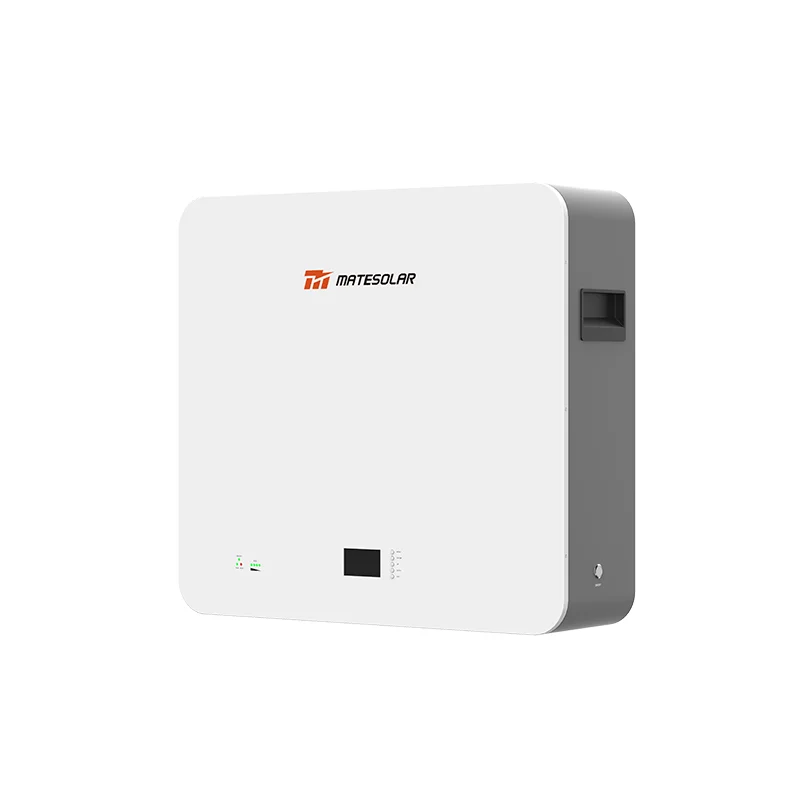
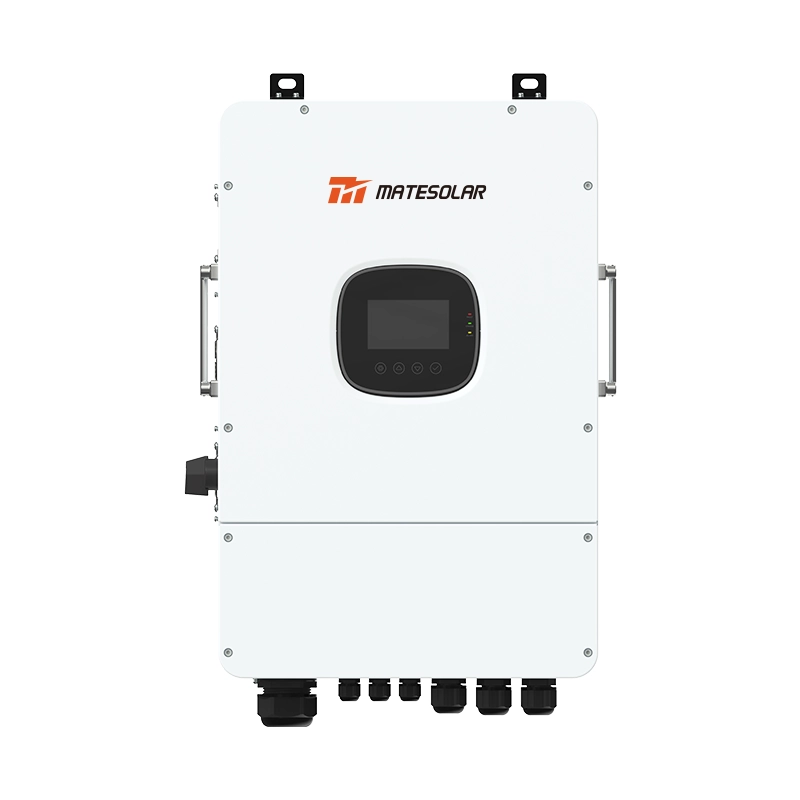
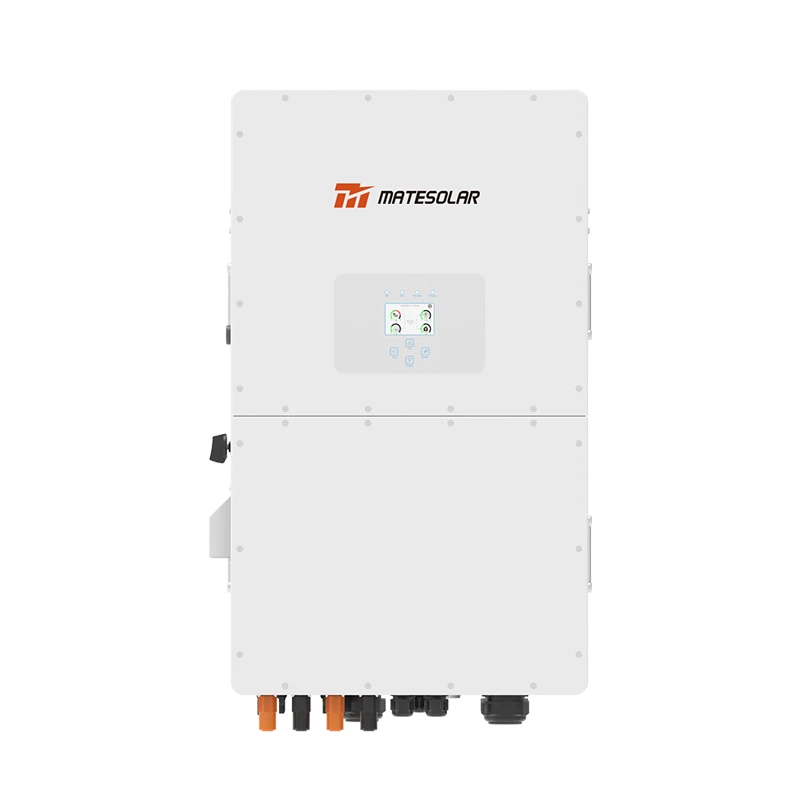
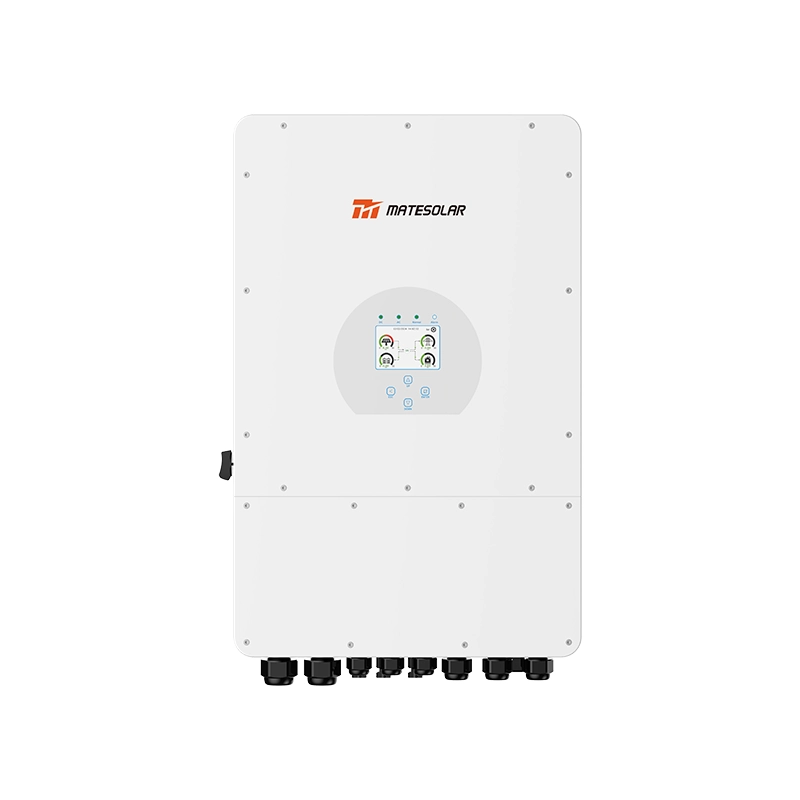
Commercial 500KW Hybrid Solar System – For Large C&I & Data Centers
Le Système solaire hybride commercial de 500 kW is engineered for large C&I facilities and data center campuses requiring high-power solar integration with storage. Key features include:
- 500 kW AC rated power with 4+ hour discharge duration
- <10 ms seamless switching for AI load transient response
- Refroidissement par liquide for consistent performance in high-cycling applications
- UL 9540 certified with UL 9540A Sixth Edition LSFT complete
- PFE-compliant supply chain with full MACR documentation
- Integrated EMS with PJM, ISO-NE, NYISO, CAISO market interfaces
- Modular scalability from 500 kW to 5+ MW campus deployments
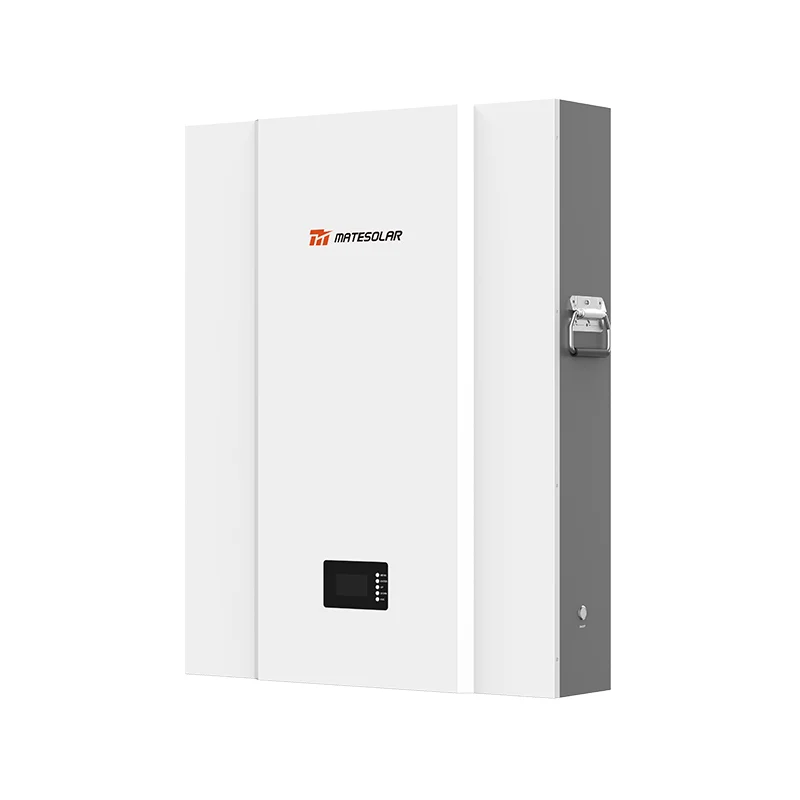
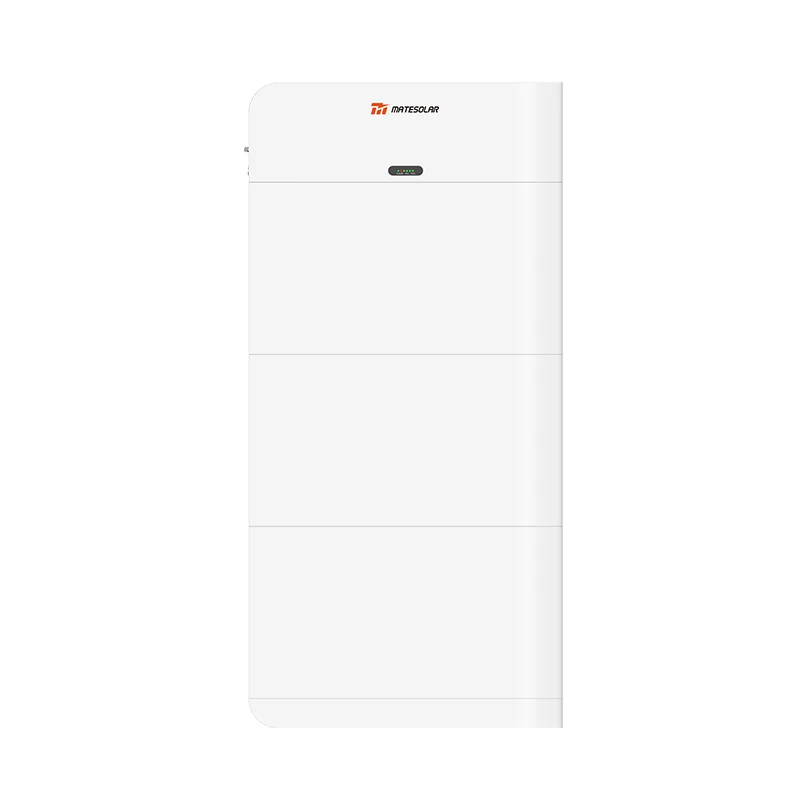
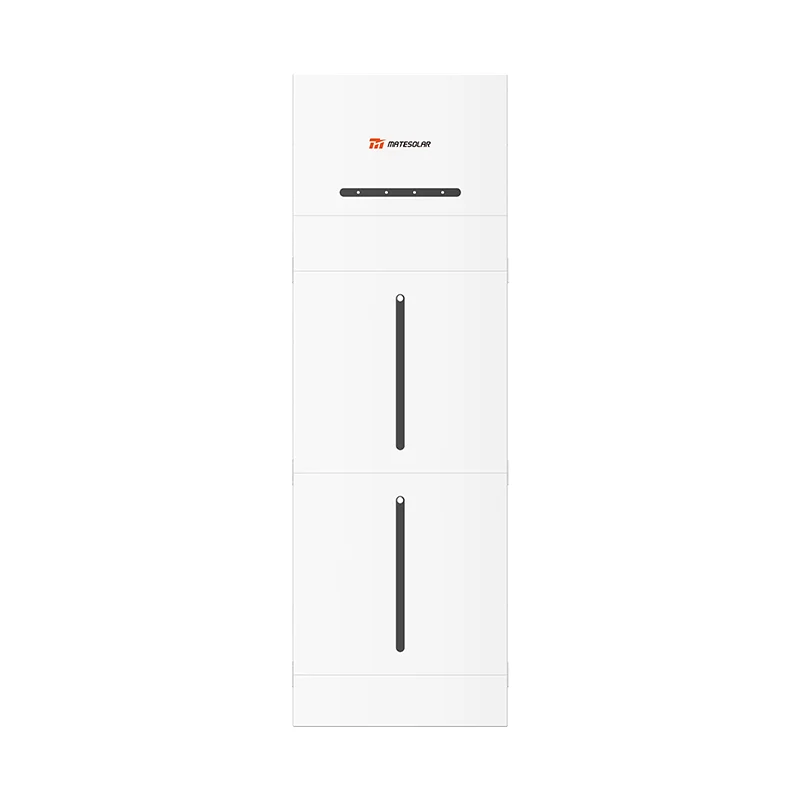
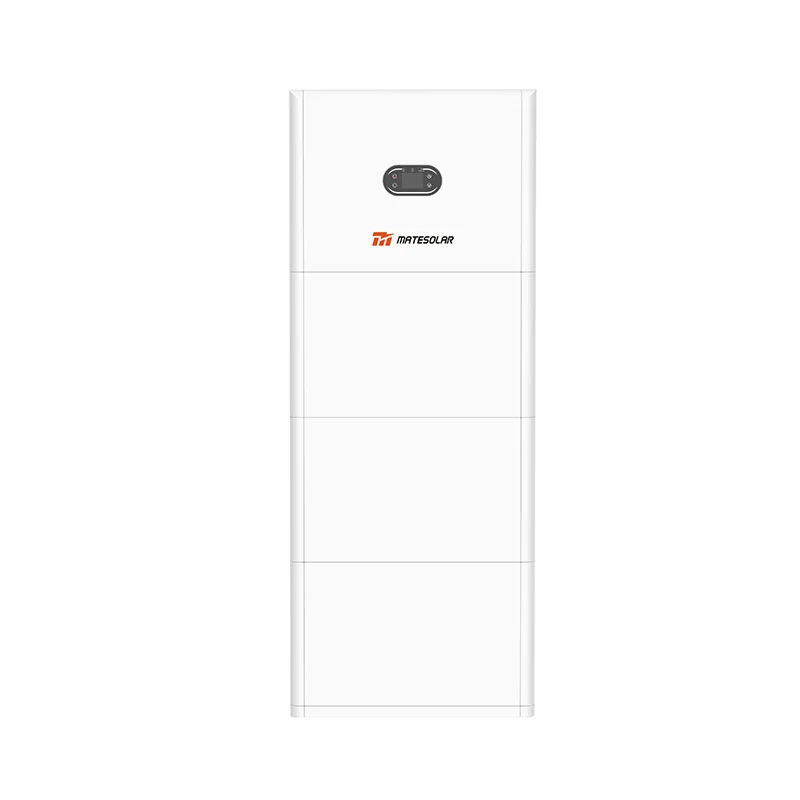
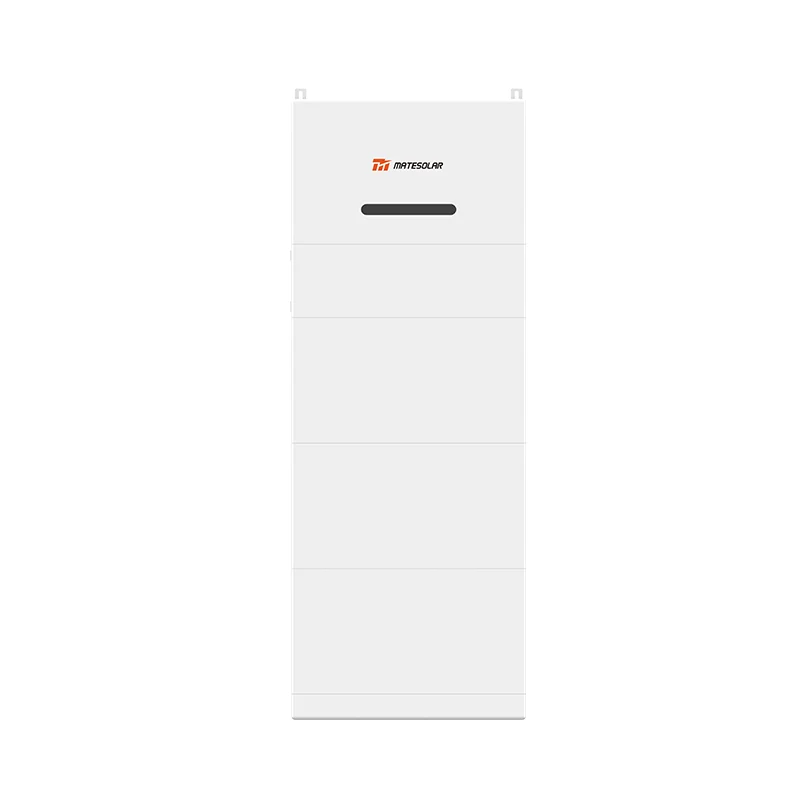
100kW/232kWh & 125kW/261kWh Liquid-Cooled Outdoor Cabinet ESS – For Space-Constrained C&I
Le 100kW/232kWh & 125kW/261kWh Liquid-Cooled Outdoor Cabinet ESS is purpose-built for small to midsize C&I applications where space is at a premium and installation speed matters. Key features include:
- Ultra-compact footprint (as small as 1.5 m² / 16 ft²)
- Wall-mountable and stackable for constrained sites
- IP65 ingress protection for outdoor deployment in all climates
- Refroidissement par liquide for 55°C (131°F) ambient operation without derating
- Complete interconnection technical package included
- UL 9540 & NFPA 855 2026 compliant
- EaaS financing available with zero upfront payment
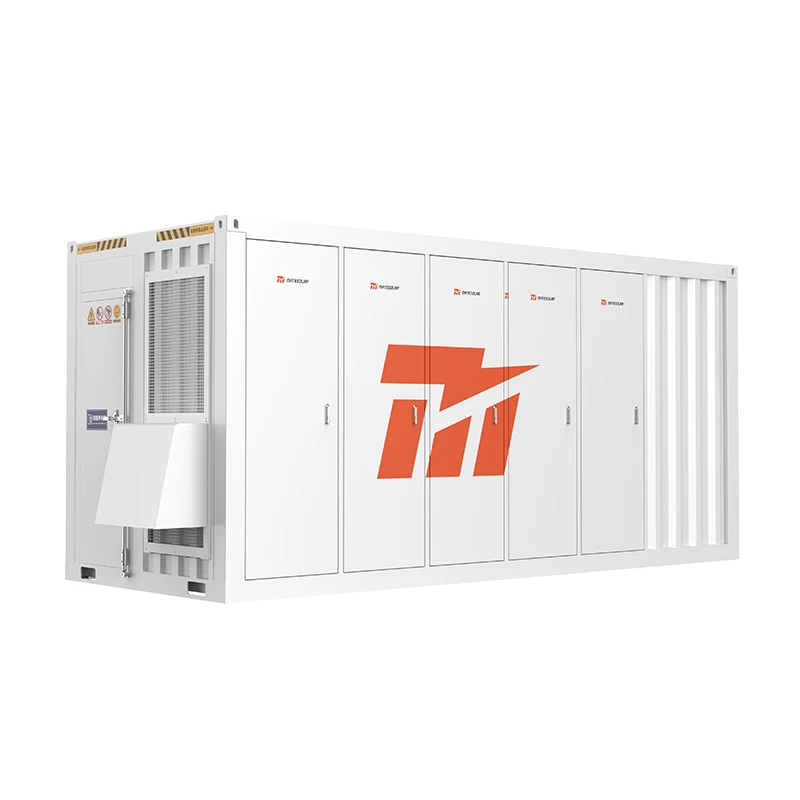
40ft 1MWh/2MWh Air-Cooled Container ESS – For Easy, Cost-Effective Deployment
Le 40ft 1MWh/2MWh Air-Cooled Container ESS offers the most straightforward path to containerized storage for C&I projects where cost-effectiveness is the priority. Key features include:
- Pre-engineered, pre-assembled for rapid on-site deployment
- Refroidissement par air for simple maintenance and lower operating costs
- 40ft ISO container format for easy transport and site placement
- UL 9540 certified with complete AHJ documentation
- PFE-compliant with full supply chain traceability
- Ideal for solar retrofit and standalone storage applications
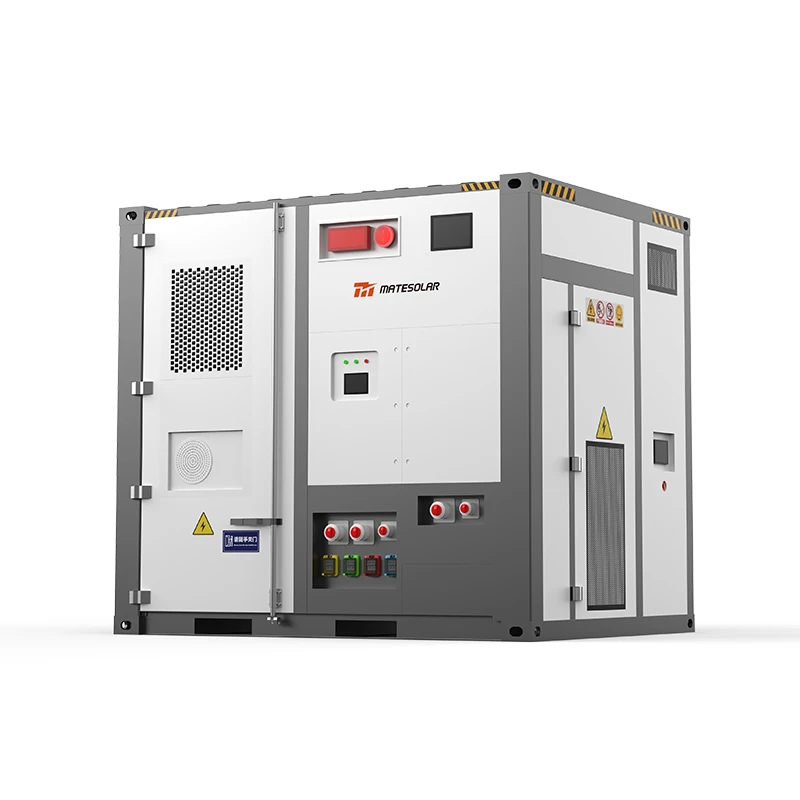
20ft 3MWh/5MWh Liquid Cooling Container ESS – For High-Density, Large-Scale Storage
Le 20ft 3MWh/5MWh Liquid Cooling Container ESS delivers industry-leading energy density in a compact 20ft footprint, making it the optimal choice for large C&I campuses and data centers where land is expensive and energy density drives economics. Key features include:
- Industry-leading energy density – 5 MWh in a 20ft container
- Refroidissement par liquide for precise thermal management and extended cycle life
- UL 9540A Sixth Edition LSFT complete with deflagration venting
- Scalable architecture – parallel multiple containers for multi-MWh deployments
- Integrated PFE compliance documentation
- Direct market EMS integration for PJM and other ISO markets
Part Four: Frequently Asked Questions – Comprehensive Reference
Q: What is the actual payback period for C&I storage in the current market?
A: Payback periods vary significantly by application and location. For PJM-connected facilities participating in capacity markets, payback can be as short as 3-4 years (as demonstrated by Rhode Island ConnectedSolutions projects). For demand charge reduction-only applications in high-demand-charge territories (California, New York, Massachusetts), payback typically ranges from 5-7 years. When federal ITC (30% base + up to 20% stackable bonuses) is combined with state incentives and demand response revenues, many projects achieve 4-6 year paybacks.
Q: Can I claim the ITC if my project uses some Chinese components?
A: Possibly, but with significant restrictions. For projects beginning construction in 2026, the MACR threshold is 55% non-PFE material costs. If your BESS has less than 55% non-PFE content (i.e., more than 45% Chinese-sourced content by direct material cost), you cannot claim the ITC. MateSolar‘s standard configurations exceed 55% non-PFE content, with documentation to prove it.
Q: What happens to my ITC eligibility if I start construction in 2026 but complete in 2027?
A: The applicable PFE rules are determined by the construction start date. Projects beginning construction in 2026 are subject to the 55% MACR threshold regardless of completion date. However, the domestic content percentage requirement may increase if construction extends into later years.
Q: Do I need a licensed electrician to install your outdoor cabinets?
A: Yes. While our outdoor cabinets are pre-assembled and designed for rapid deployment, final electrical interconnection must be performed by a licensed electrician familiar with local codes. For large C&I projects, we can arrange for factory-authorized installation partners or provide remote technical support for your selected contractor.
Q: What is your warranty, and how do you handle product issues given you have no local installation team?
A: Our standard warranty is 10 years on battery performance (70% capacity retention) and 5 years on power electronics and BMS. For hardware quality issues, we ship replacement components (cells, modules, inverters) with guided remote installation instructions and video support. For severe defects, we replace the entire unit or provide a full refund. For software issues, our technical team provides remote diagnostics and resolution—typically within 4 hours for critical issues, 24 hours for non-critical. For large C&I projects, we can arrange on-site technical support at customer request for commissioning and troubleshooting.
Q: How do I know if my site is suitable for BESS installation?
A: We provide a no-obligation site assessment that reviews: (1) available space and access; (2) existing electrical service capacity; (3) utility rate structure and demand charge exposure; (4) applicable state and local incentives; and (5) fire code compliance requirements. The assessment includes a preliminary financial model showing projected savings and payback.
Q: What happens if my utility changes net metering or TOU rates after I install?
A: Our EMS is designed to adapt to rate changes automatically. The system continuously monitors utility rate schedules (via API where available or via manual updates) and re-optimizes dispatch strategy accordingly. For significant rate structure changes, we provide remote EMS reconfiguration at no additional cost.
Q: Can I use your storage for both daily demand charge reduction and backup power?
A: Yes. Our EMS supports configurable state-of-charge reserves for backup applications. You can set a minimum reserve (e.g., 20% SOC) that is never dispatched for economic applications, ensuring backup power is always available. The EMS prioritizes dispatch decisions based on your configured preferences—backup reserve always takes precedence over economic optimization.
Q: How does your EaaS model work exactly?
A: Under our EaaS (Energy-as-a-Service) model, we finance, install, and own the BESS. You pay a monthly fee calculated to be 15-20% lower than your projected monthly electricity savings (based on pre-installation analysis). You have no upfront capital expenditure, positive cash flow from month one, and full system ownership at term end (typically 10 years). Early buyout options are available starting at year 5.
Q: What certifications should I look for when evaluating BESS suppliers?
A: For 2026 installations, the must-have certifications are: UL 9540 (system safety), UL 9540A Sixth Edition (thermal runaway fire propagation testing with LSFT), UL 1973 (battery module safety), and NFPA 855 2026 compliance (installation standard). Suppliers lacking UL 9540A Sixth Edition certification face significant AHJ approval risk.
Part Five: Strategic Outlook – The Next 24 Months
What to Expect in 2027-2028
PFE Compliance Intensifies: The MACR threshold increases to 60% for projects beginning construction in 2027. Suppliers that have not diversified away from Chinese component sources will become non-compliant. The “grandfathering” window for pre-2026 projects closes, meaning virtually all new projects will need to demonstrate PFE compliance.
Transformer Shortage Eases Modestly: Domestic transformer manufacturing capacity is expanding, but new facilities take 24-36 months to come online. Lead times are expected to remain elevated through 2027 before beginning to moderate in 2028.
Capacity Prices Remain High: PJM‘s 2027/2028 auction has already cleared at $333.44/MW-day, with the market falling 6,623 MW short of reliability requirements. Sustained supply-demand imbalance suggests elevated capacity prices through at least 2028.
UL 9540A Sixth Edition Becomes Universal: As more AHJs adopt the 2026 edition of NFPA 855, UL 9540A Sixth Edition certification will become effectively mandatory nationwide. Suppliers that have not completed LSFT by end of 2026 will face severe market access constraints.
State Programs Expand: Illinois‘ 3,000 MW storage target, New Jersey‘s 850-1,550 MW solicitations, and Maryland‘s 800 MW grid-scale + 150 MW distributed storage procurement represent just the beginning of state-level storage mandates. Expect additional states to announce procurement targets in 2027.
AI Data Center Demand Accelerates: With U.S. data center energy capacity projected to reach 120 GW by 2030, the power gap will continue widening. Storage will be the fastest-deployable solution to bridge the gap, driving sustained demand for C&I BESS through the decade.
Conclusion: Partnering for the 2026 Storage Era
The U.S. commercial and industrial energy storage market in 2026 is not for the faint of heart. It is a market defined by paradox: record demand alongside supply chain collapse; historic revenue opportunities alongside unprecedented regulatory complexity; technological maturity alongside fragmented execution capabilities.
Success in this environment requires more than a BESS supplier—it requires a partner who understands the full landscape: PFE compliance documentation that passes IRS scrutiny, supply chain resilience that delivers equipment when promised, safety certifications that satisfy increasingly demanding AHJs, and EMS intelligence that captures record capacity market revenues while reducing demand charges.
MateSolar stands as a one-stop photovoltaic and energy storage solution provider, delivering integrated solar-plus-storage systems engineered specifically for the 2026 U.S. market. From the Système solaire hybride commercial de 500 kW for large C&I and data centers, to the 100kW/232kWh and 125kW/261kWh Liquid-Cooled Outdoor Cabinets for space-constrained commercial sites, to the 40ft 1MWh/2MWh Air-Cooled Container ESS for easy deployment, to the 20ft 3MWh/5MWh Liquid Cooling Container ESS for high-density large-scale storage—our portfolio covers the full spectrum of C&I storage needs.
With PFE-compliant supply chains, UL 9540A Sixth Edition certification, integrated EMS with direct ISO market interfaces, EaaS financing options, and documented delivery commitments in a market defined by shortages, MateSolar delivers the certainty that project developers, EPCs, and end customers need to move forward with confidence.
The window is open. The markets are signaling. The equipment is available. The question is not whether to deploy storage in 2026—it is who you trust to deliver.
*Regulatory and market conditions are subject to change. For project-specific guidance, including PFE compliance analysis, state incentive stacking, and custom system design, contact MateSolar directly.*
*© 2026 MateSolar. All rights reserved. MateSolar is a one-stop photovoltaic and energy storage solution provider, serving commercial, industrial, and utility-scale customers across the United States.*