


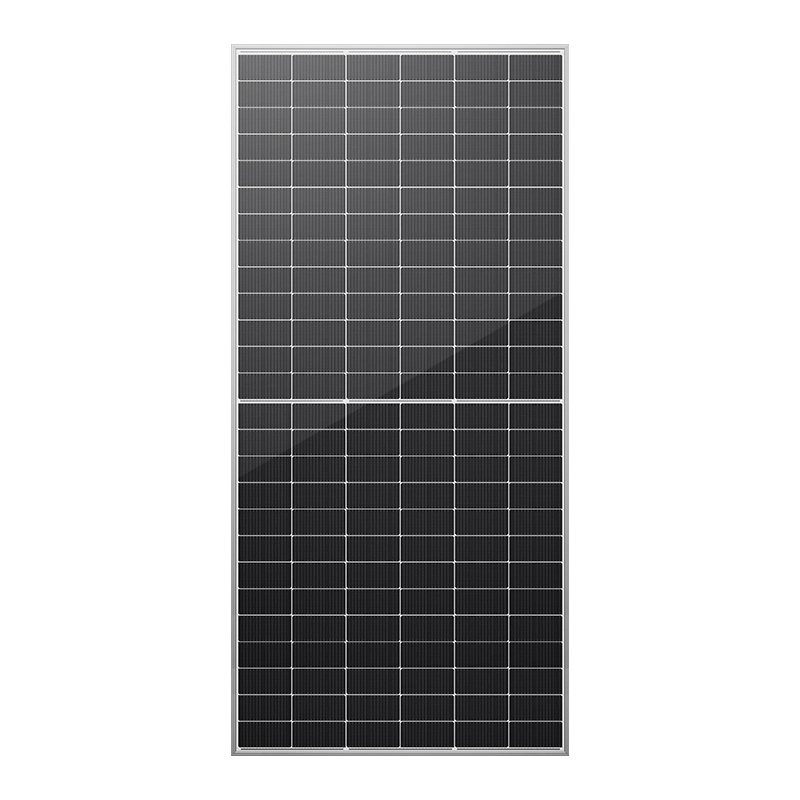
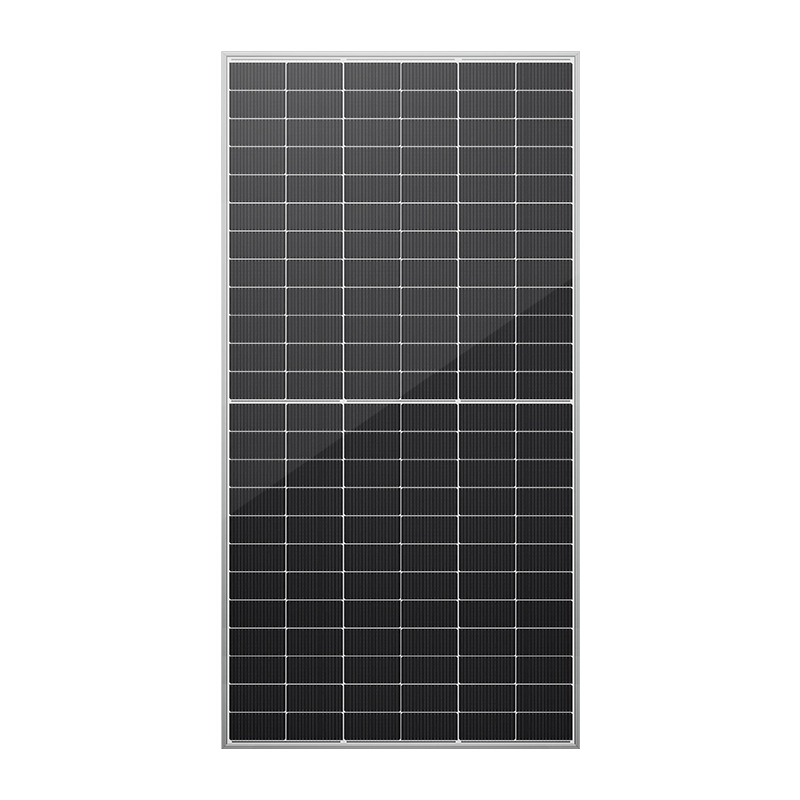
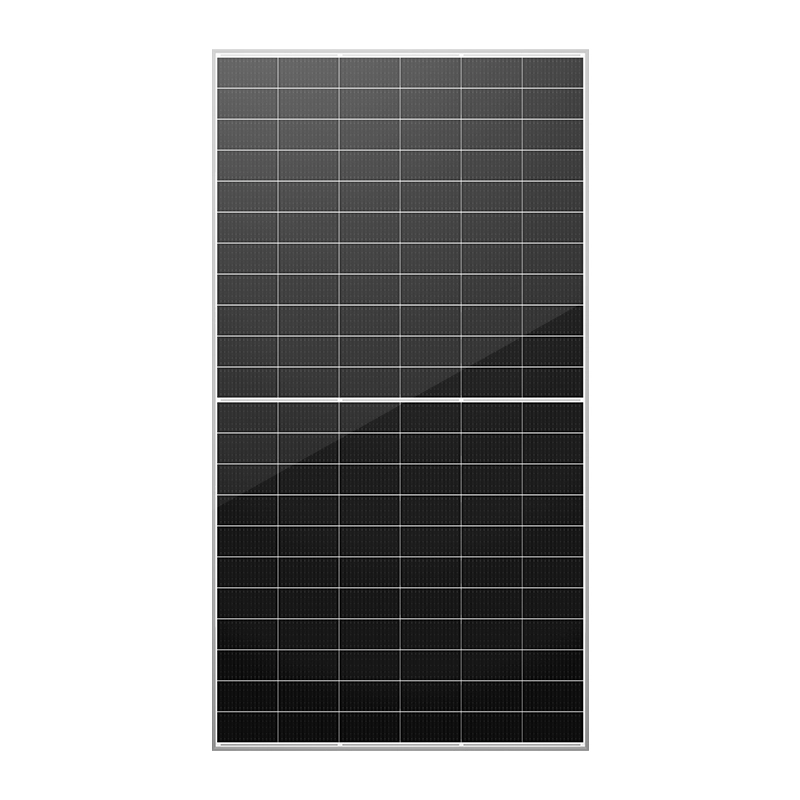
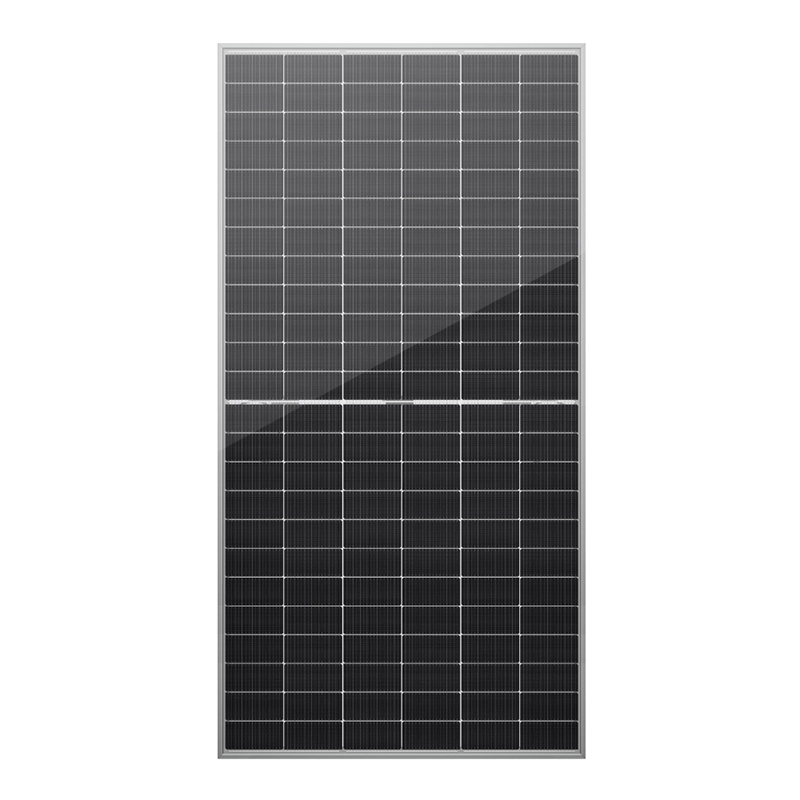
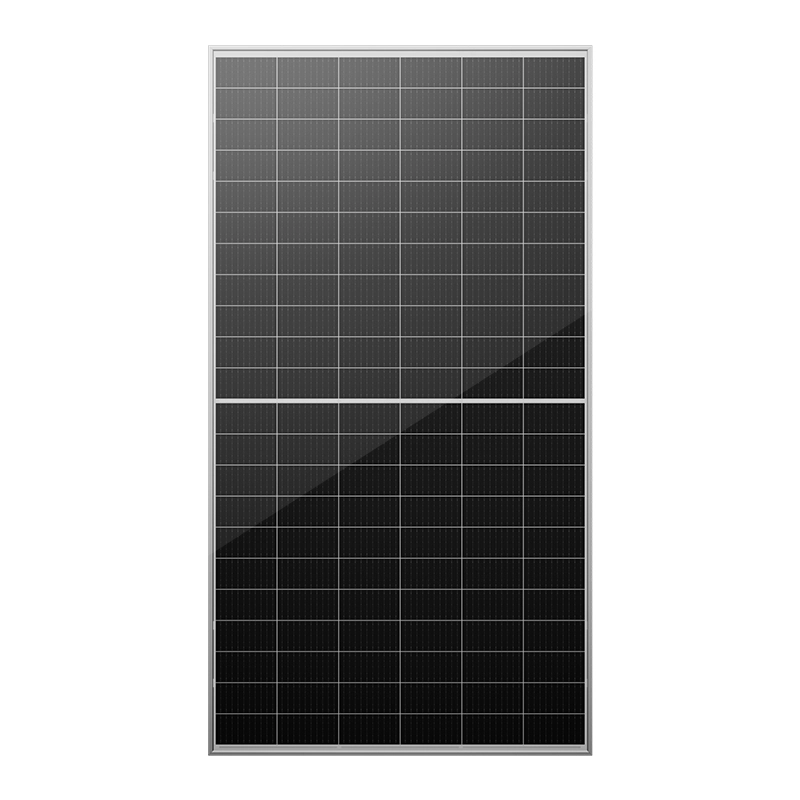


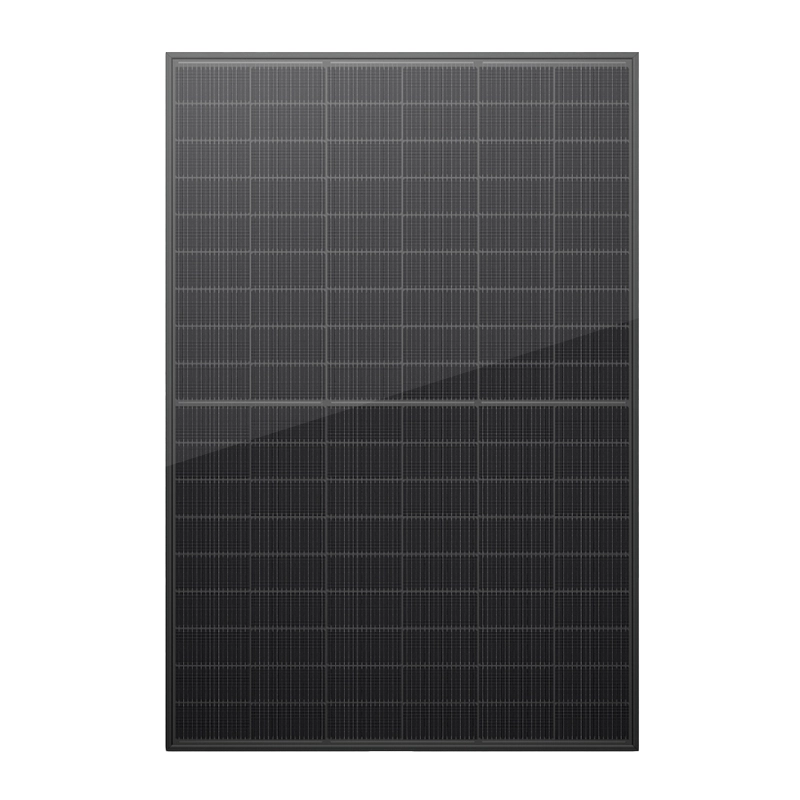
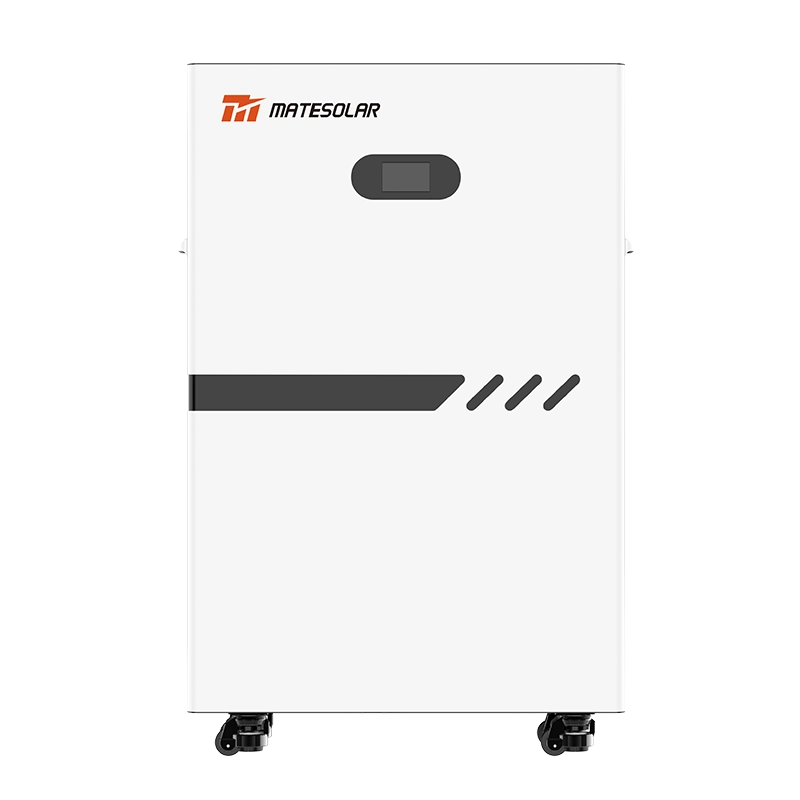
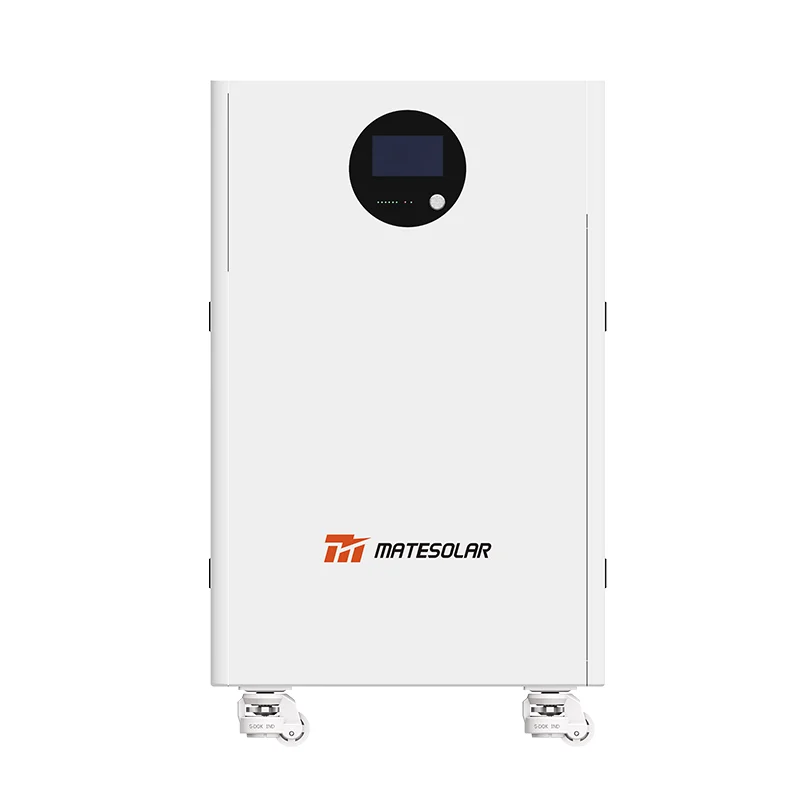






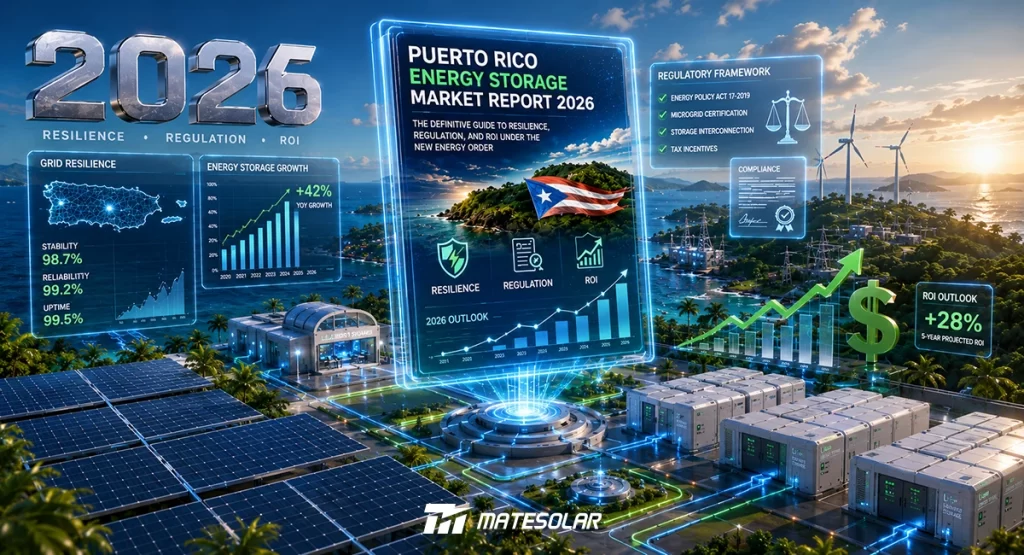
Puerto Rico’s energy storage market has reached a historic inflection point. As of April 2026, 171,372 households and businesses have deployed distributed battery storage systems, aggregating 2,864 MWh of energy capacity—enough to power the entire municipality of San Juan for nearly 24 hours. Residential solar penetration has hit 1,456 MW, representing 20% of total installed generation capacity, with rooftop systems accounting for 81% of all new capacity additions between 2016 and 2025.
But beneath these headline figures lies a market of stark contrasts and strategic urgency. The July 1, 2026 electricity rate restructuring doubles fixed residential charges from 4 to 8, with further increases scheduled through 2028,” while consumption charges decline—a polarizing shift that penalizes low-consumption users and rewards high-volume consumers. Net metering protections under Act 10-2024, which guarantee solar export credits through 2031, face active legal challenges from the Financial Oversight and Management Board (FOMB), while the NPP’s proposed “sun tax” would impose an 11.5% sales tax on solar equipment.
Meanwhile, grid-scale deployments are accelerating on an unprecedented scale. The Genera PR 430 MW/1720 MWh Tesla Megapack project, funded entirely by $767 million in pre-allocated FEMA/HUD recovery funds, is slated for full operation by 2027, with construction already underway at Cambalache. Additionally, the DOE has committed over $1.2 billion in low-interest loans to support 202 MW of solar and 455 MW of storage capacity.
This report examines the five most urgent customer pain points defining Puerto Rico’s energy storage landscape in mid-2026—from hospitality continuity risks to industrial revenue modeling to contractor policy navigation—and provides actionable frameworks for navigating a market where the only certainty is uncertainty.
Part I: Market Foundations — The Data That Defines 2026
Table 1: Puerto Rico Energy Storage Market at a Glance (May 2026)
| Métrique | Valeur | Data Source |
| Distributed BESS installations (households + businesses) | 171,372 | PREB via EIA, April 2026 |
| Total distributed battery energy capacity | 2,864 MWh | PREB via EIA, April 2026 |
| Average residential storage system size | 16–17 kWh / 4-hour | Industry estimate |
| Cumulative residential solar systems | 191,929 | PREB via EIA, April 2026 |
| Rooftop solar capacity | 1,456 MW | EIA, April 2026 |
| Solar share of total generation capacity | 20% | EIA, April 2026 |
| Solar share of new capacity (2016–2025) | 81% | EIA, April 2026 |
| Average monthly solar installations (2025) | 3,850 systems | EIA, April 2026 |
| Grid-scale BESS (Genera PR program) | 430 MW / 1,720 MWh | Genera PR via FEMA/HUD |
| DOE loan commitments | $1.2B+ | DOE Loan Programs Office |
| 5-year IRP target (solar + storage) | 1.8 GW solar / 920 MW storage | PREPA Integrated Resource Plan |
| Coal plant retirement target (now extended) | 2032 (from 2028) | PREB, January 2026 |
| 50% renewable energy target | 2033 (from 2030) | PREB, January 2026 |
Part II: The Policy Landscape — Navigating Protection and Risk
The Net Metering Paradox
Act 10-2024 extended Puerto Rico’s net metering protections through 2031, guaranteeing rooftop solar owners the right to sell excess generation back to the grid at retail rates. This protection was designed as a cornerstone of distributed generation investment confidence.
Yet FOMB has actively challenged the law’s legality in federal court, arguing it imposes unreasonable costs on PREPA’s restructuring. Twenty-eight organizations, including SESA-PR and environmental justice groups, have filed amicus briefs supporting Act 10’s preservation. The legal uncertainty creates planning challenges for commercial facilities evaluating long-term solar-plus-storage payback periods.
The “Sun Tax” Debate
In January 2026, the ruling NPP proposed tax reforms that would eliminate the sales tax exemption on solar equipment, imposing an 11.5% levy on panels, inverters, and storage batteries. Opposition leader Jesús Manuel Ortiz described it as “irresponsible and poor policy… at a time when Puerto Rico is facing an energy crisis,” while SESA-PR has mounted aggressive opposition campaigns.
For commercial energy storage buyers, this debate underscores a critical principle: never model investment returns on current incentives alone. Any BESS vendor engagement should include downside scenarios examining the impact of sales tax exposure on project IRR.
Renewable Target Rollbacks
The January 2026 policy shift extended the life of Puerto Rico’s only remaining coal-fired generation unit through 2032 (previously scheduled for 2028 retirement) and pushed the 50% renewable energy target from 2030 to 2033. While this creates breathing room for thermal generators, it simultaneously reduces near-term urgency for grid-scale renewables—but does nothing to reduce customer-side economics. For behind-the-meter storage buyers, the business case remains overwhelmingly driven by outage protection, demand charge management, and VPP participation revenue, not policy mandates.
Part III: Five Customer Pain Points Defining the 2026 Market
Pain Point 1: Hospitality & Large Commercial — Hurricane Season Operational Continuity
The Core Problem: Puerto Rico’s tourism sector—accounting for approximately 7% of GDP—faces existential risk from grid fragility. Between 2021 and 2024, customers experienced an average of 27 hours of power interruption annually, with over 100 load-shedding events recorded in the past year. For a 300-room San Juan resort, a 48-hour power failure can generate 300,000–1 million in lost revenue from cancellations, spoilage, and guest compensation.
The Atlantic hurricane season runs June through November. For hospitality operators, energy storage isn’t a cost-reduction tool—it’s a business continuity insurance policy.
Critical Questions Resolved
Q: Can storage systems withstand Category 5 hurricane-force winds (250+ km/h)?
A: Yes, but only with purpose-engineered infrastructure. Outdoor cabinets require structural hardening to UL 2703 standards for wind-borne debris resistance. Concrete anchors must be rated for uplift forces exceeding 200 mph. For coastal properties, ingress protection ratings must meet IP66 or higher to resist salt-spray corrosion and horizontal rain infiltration during eyewall passage.
Q: What is the minimum continuous runtime requirement for full-service hospitality?
A: A luxury resort’s critical load profile typically consumes 200–500 kW in base mode (security lighting, elevators, fire alarms, limited kitchen refrigeration). Full-service mode—HVAC, full kitchen operations, guest room power, laundry facilities—requires 1–3 MW depending on property size. Four-hour storage systems common in residential deployments are inadequate. Hospitality installations require 12–24 hours of runtime at 60–70% load or hybrid microgrid configurations integrating solar self-generation with storage.
Q: How does storage integrate with existing diesel generators?
A: Diesel generators in Puerto Rico typically store 24–72 hours of fuel on-site. Historically, operators burned diesel continuously during multi-day outages, exhausting reserves within 48 hours. Solar+storage+diesel microgrids solve this through layered logic: storage handles load during daylight solar generation and evening hours; diesel activates only when storage depth-of-discharge exceeds 70% or when heavy loads (laundry compressors, commercial kitchens) simultaneously demand high power. This approach extends diesel reserves 4–7× while reducing fuel costs by 60–80% during emergencies.
Table 2: Hospitality Load Profile & Storage Sizing (300-Room Resort Example)
| Catégorie de charge | Typical kW Draw | Critical Priority | Minimum Runtime Required |
| Security/Life safety | 25–40 kW | Essential | 48+ hours |
| Food storage refrigerators | 15–25 kW | Essential | 48+ hours |
| Elevators (×2–4) | 30–60 kW per unit | Haut | 24+ hours |
| Guest room base power | 30–50 kW | Moyen | 12+ hours |
| Kitchen equipment (peak)* | 150–300 kW | Conditional | 8–12 hours |
| Central HVAC | 200–500 kW | Conditional | Variable |
| Laundry facilities | 75–150 kW | Deferrable | N/A |
| Storage sizing recommendation | 200–300 kW base load | 12–24 hours | 2.4–7.2 MWh usable capacity |
*Kitchen operations can be cycled—storage supports through meal service hours, defers to generator during off-peak.
Pain Point 2: Small-to-Medium Commercial, Retail, Restaurants — Rate Restructuring Uncertainty
The Core Problem: PREB’s approved rate restructuring, effective July 1, 2026, represents the most significant shift in Puerto Rico’s industrial electricity pricing since PREPA’s 2017 bankruptcy. The new structure:
- Doubles fixed monthly charges for residential customers (4→8), with scheduled increases through 2028
- Reduces per-kWh consumption charges, benefiting high-volume users
- Penalizes low-consumption users, who see less benefit from rate reductions
- Accelerates inclusion of PREPA’s $9B debt and 1,700 retiree pension obligations into base rates through 2028
For a small restaurant consuming 8,000–15,000 kWh monthly, the math may worsen. For a big-box retailer consuming 200,000+ kWh monthly, improvements may materialize. The uncertainty is the problem.
Critical Questions Resolved
Q: How do I model storage economics under the new rate structure?
A: Legacy storage economics relied on “peak shaving”—charging during low-rate nights and discharging during expensive peak periods. Under the new structure, demand charges (kW) become more significant than energy charges (kWh) for many C&I customers. The correct approach:
- Step 1: Obtain 12 months of 15-minute interval load data from PREPA
- Step 2: Model peak demand reduction—every 100 kW trimmed saves $X thousand annually
- Step 3: Integrate fixed charge impact—storage alone doesn’t reduce fixed fees
- Step 4: Optimize for behind-the-meter VPP participation, not just self-consumption
Q: Does my EMS adapt automatically to rate changes?
A: Essential requirement. Your Energy Management System must support real-time tariff table updates via cloud-based API and automated optimization logic that recalculates charge/discharge schedules when rates change. Systems requiring manual reprogramming will underperform within months.
Q: Am I eligible for LUMA’s CBES VPP program? What’s the compensation?
A: The Customer Battery Energy Sharing (CBES) program has transitioned from pilot status through fiscal years 2026–2028, with expanded participation capacity. Compensation rates in 2026:
- LUMA CBES events: 1.00–1.25 per kWh dispatched
- Tesla VPP program: $1.00 per kWh payment rate
- Annual event frequency: 75–125 dispatch events
For a 200 kWh C&I battery, annual VPP revenue potential: 200×1.10 avg × 100 events = $22,000/year.
Q: Can I start small and expand capacity as cash flow permits?
A: Yes, but this requires module scalability in hardware design. Outdoor cabinets with modular battery trays allow 50–100 kWh increments without replacing inverters or EMS controller. Also evaluate “Energy-as-a-Service” (EaaS) zero-down contracts where a third-party financier owns the asset and you pay a fixed monthly energy fee aligned with savings.
Table 3: VPP Revenue Potential by Commercial Segment (Projected 2026–2027)
| Segment | Typical System Size | Estimated Annual CBES Dispatch Hours | Annual VPP Revenue (Est.) |
| Small retail (coffee shop, small pharmacy) | 30–50 kWh | 40–60 hours | $1,200–3,750 |
| Medium retail/restaurant | 75–150 kWh | 60–80 hours | $4,500–15,000 |
| Large retail/supermarket | 200–500 kWh | 80–100 hours | $16,000–62,500 |
| Office building | 150–300 kWh | 50–70 hours | $7,500–26,250 |
| Petite industrie manufacturière | 300–1,000 kWh | 80–120 hours | $24,000–150,000 |
Assumptions: 1.00–1.25 per kWh compensation, actual dispatches vary by grid conditions.
Pain Point 3: Industrial, Cold Chain, Data Centers, Manufacturing — Balancing Backup Cost with Production Continuity
The Core Problem: Puerto Rico industrial electricity rates average 24.22¢/kWh—173% higher than the US mainland average of 8.86¢/kWh. For a pharmaceutical facility or cold storage warehouse, a 2-hour production outage can destroy temperature-sensitive product worth millions. Yet relying solely on diesel generators exposes operators to fuel supply risks—exactly as occurred following Hurricane María, when diesel shortages affected island-wide operations for over a month.
Manufacturing executives face a brutal tradeoff: maintain expensive diesel redundancy or accept outage risks that destabilize supply chain commitments.
Critical Questions Resolved
Q: What is the minimum backup duration for industrial critical loads?
A: This varies by operation, but baseline requirements from our industrial client base:
- Pharmaceutical manufacturing (GMP facilities): 6–8 hours minimum for batch completion; 12–24 hours preferred for process freeze protection
- Cold chain/freezer warehouses: 4–6 hours before temperature rise compromises inventory; 8–12 hours to allow dispatch/logistics
- Data center (Tier III+): 2–4 hours storage buffer before generator engagement; UPS batteries already provide <15 minutes for transition
- Continuous process manufacturing (e.g., chemicals, plastics): 4–6 hours to complete batch or safe shutdown; 8–12 hours to avoid feedstock waste
Q: Can storage achieve <10 ms transfer time for sensitive equipment?
A: Yes, but dependent on inverter design. Line-interactive UPS-function storage systems achieve 4–10 ms transfer via continuous grid synchronization. On-line double-conversion systems (battery always supplies inverter, grid only charges) achieve 0 ms with minor efficiency penalty (typically 93–95% vs 97–98%). For sensitive medical device manufacturing or semiconductor support equipment, specify UL 1741 SA compliance with <10 ms certified response.
Q: Can storage provide power quality improvement beyond backup?
A: Yes, and this is frequently undervalued. Puerto Rico’s grid experiences voltage sags and frequency excursions multiple times daily—enough to degrade sensitive electronics and increase motor failure rates 30–50% in industrial settings.
Modern BESS with SVG (Static VAR Generator) functionality delivers:
- Compensation de puissance réactive (power factor correction to 0.95+)
- Harmonic filtering (3rd, 5th, 7th order mitigation)
- Voltage stabilization (within ±5% of nominal)
- Uninterruptible power quality (no load interruption during grid transients)
For a 500 kW manufacturing facility, power quality improvements alone typically generate 15,000–30,000 annual savings through extended equipment life and reduced maintenance.
Q: What’s the financial case for industrial storage when I already own diesel generators?
A: This is the most common objection. The answer is fuel savings + demand charge reduction + VPP revenue.
- Fuel displacement: Diesel costs 3.50–5.00+/gallon delivered during emergencies. At 15 kWh/gallon (typical generator efficiency), diesel backup costs 0.23–0.33/kWh just for fuel—excluding maintenance and capital. Storage discharged at 0.06–0.08/kWh (over asset lifecycle) saves $0.15+/kWh every time diesel isn’t burned.
- Demand charge management: Industrial kW demand charges in Puerto Rico range 10–25/kW monthly. A 500 kW facility can save 60,000–150,000 annually by peak shaving 500 kW for 1–2 hours daily.
- CBES VPP revenue: 1.00+per kWh for dispatched capacity. A2,000kWh industrial battery could generate 200,000+ annually from VPP participation alone.
Composite ROI for 1 MW/2 MWh industrial system in 2026: 18–24 months for users with existing diesel exposure.
Pain Point 4: EPCs, Project Developers, Independent Power Producers — Navigating ASAP Program Uncertainty and FOMB Delays
The Core Problem: Puerto Rico’s Accelerated Storage Addition Program (ASAP) has created a clear framework for utility-scale storage deployment, but execution remains mired in regulatory cross-wind. The Puerto Rico Energy Bureau (PREB), FOMB, LUMA, PREPA, and FEMA each hold veto power over different aspects of project approval—creating what developers call the “Five-Body Problem.”
The 12 billion+ FEMA/HUD reconstruction fund comes with strict procurement compliance requirements. DOE’s 1.2 billion in loan commitments require meeting Buy America provisions. The LUMA-PREPA interface for scheduling and dispatch remains technically incomplete at some interconnection points.
Critical Questions Resolved
Q: What are the successful ASAP project models I can benchmark?
A: Polaris SO1 Agreement (February 2026): 71.4 MW BESS (two 35.7 MW units) co-located at Punta Lima wind facility. Contract terms: 20-year Standard Offer 1 agreement with monthly fixed + performance-based payments. Commercial operation forecast 12 months from final SO1 execution. Critical takeaway: This model works—but requires thorough compliance with LUMA’s ADMS scheduling protocols and interconnection requirements.
AES 285 MW / 2026: Secured firm contracts under ASAP Phase 1, though earlier LUMA-IPP disputes caused temporary delays. Convergent 150 MW / 2026 similarly locked in. These projects demonstrate that while friction exists, pathfinding developers are advancing.
Genera PR Tesla Megapack (430 MW/1,720 MWh): Six-site deployment at Vega Baja, Cambalache, Costa Sur, San Juan, Palo Seco, Yabucoa, Aguirre. $767 million fully funded by pre-allocated FEMA/HUD recovery funds. Construction begins 2026, full operational by 2027.
Q: What are the specific compliance requirements for FEMA/HUD funds?
A: Federal disaster recovery funding attached to Puerto Rico energy projects imposes:
- Buy America/Buy American Act compliance for iron, steel, manufactured goods, and construction materials
- Davis-Bacon Act prevailing wage requirements for labor
- National Environmental Policy Act (NEPA) review for projects above funding thresholds
- Uniform Guidance (2 CFR 200) procurement and cost documentation standards
- Quarterly performance reporting through FEMA’s Grants Portal
Procurement documentation must demonstrate competitive bidding—the Genera PR project was awarded following an October 2024 open international bid against 130 competitors. Single-source sole sourcing invites audit exceptions.
Q: How do I ensure my BESS complies with LUMA/PREPA interconnection standards?
A: Key documents to obtain in pre-contract phase:
1. PREPA Interconnection Requirements for Generation Facilities (latest revision)
2. LUMA’s Distribution System Interconnection Guide (requires UL 1741 SA or Rule 21 compliance)
3. LUMA ADMS (Advanced Distribution Management System) communication protocol specs—typically DNP3 or IEC 61850 over secure SCADA channels
4. CBES Program Technical Requirements for VPP aggregators
5. DER Aggregator registration forms for market participation
The most common technical delay: failure to commission LUMA’s preferred SCADA interface before interconnection testing. Build 3–6 months into project schedule for protocol testing and acceptance.
Q: What microgrid opportunities exist under FEMA’s resilience mandate?
A: FEMA’s court-ordered remediation framework explicitly requires consideration of rooftop solar + energy storage as a feasible alternative to fossil-fuel grid reinforcement. This has opened opportunities for community microgrids serving priority facilities:
- Vieques Island microgrid (FEMA-funded, ~$100M): 15 MW solar + 11.6 MWh storage at existing diesel plant
- Culebra Island resilience system (under development)
- Central Mountain Region microgrids: 10-site program expanding community energy resilience to four municipalities
For EPCs, the opportunity lies in modular “microgrid-in-a-box” containerized systems that interconnect to serve schools, hospitals, fire stations, and municipal water pumps—all eligible for FEMA hazard mitigation funding.
Table 4: Utility-Scale Storage Project Pipeline (Selected Contracts, May 2026)
| Projet | Capacité | État | Est. COD | Funding Source |
| Genera PR / Tesla Megapack | 430 MW / 1,720 MWh | Construction started (Cambalache 52 MW segment) | Late 2026 (Cambalache); Full 2027 | FEMA/HUD ($767M) |
| Polaris SO1 (Punta Lima) | 71.4 MW / co-located | PREPA approved Feb 2026; FOMB pending | Q3 2026 (forecast) | ASAP Standard Offer |
| Convergent Energy | 150 MW | Contract secured | 2026 | DOE loan-enabled |
| AES Corp | 285 MW | Contract secured | 2026 | DOE loan-enabled |
| Tranche 1 (PREB) | 578.8 MW solar + 350 MW storage | Under development | 2025–2026 | Private + federal mix |
| Tranche 2 (PREB) | 66 MW solar + 60 MW storage | Under development | 2026 | Private + federal mix |
Pain Point 5: Universal Customer Concerns — Policy Risk Hedging, UL9540A Compliance, VPP Accessibility
The Core Problem: Regardless of facility size or sector, all energy storage stakeholders face three universal challenges in 2026 Puerto Rico: uncertainty about policy durability, fire code certification evolution, and equitable access to monetization programs.
Critical Questions Resolved
Q: How do I hedge net metering and incentive policy risk?
A: Smart buyers build three financial models before committing:
Scenario A (Policy Optimistic): Act 10-2024 survives FOMB challenge; solar tax exemption preserved; net metering credit rates stable. IRR target: 15–20%.
Scenario B (Policy Neutral): Moderate erosion—net metering limited to 60% of export compensation; 5% sales tax on equipment; CBES program maintains $0.85/kWh rate. IRR target: 10–15%.
Scenario C (Policy Pessimistic): Net metering substantially reduced; 11.5% “sun tax” applied; VPP compensation compressed to $0.60/kWh. Test if project IRR remains above hurdle rate (typically 8–10%) in island mode—i.e., revenue from self-consumption and outage protection alone, without export or VPP income.
If Scenario C IRR stays above zero, the project is policy-resilient.
Crucially, ask your BESS vendor: Does your system support full off-grid operation without utility interconnection? If net metering or VPP access disappears, island-capable inverters maintain all on-site self-consumption benefits.
Q: Is UL9540A large-scale fire testing (LSFT) required in Puerto Rico?
A: Yes, as of the March 2026 UL 9540A update. The Large Scale Fire Test (LSFT) protocol—which requires intentionally igniting a full containerized system with all fire suppression disabled to measure worst-case propagation—is now effectively mandatory for:
- All containerized ESS above 50 kWh (20ft and 40ft containers)
- Outdoor cabinets installed within 3 meters of buildings or property lines
- Systems deployed in high-occupancy settings (hotels, retail, offices)
What UL 9540A actually tests: Thermal runaway behavior and fire propagation risk from battery cell → module → unit → installation levels, generating hazard data for AHJs and fire marshals. UL 9540A is not a pass/fail certificate, but authorities having jurisdiction (AHJs) in Puerto Rico now universally require a UL 9540A test report for permitting.
Consequence: Any BESS without a valid UL 9540A report from an accredited NRTL will not receive building or fire permits in 2026.
Additionally, NFPA 855 (2026 edition) now mandates Hazard Mitigation Analysis (HMA) for battery systems exceeding 20 kWh installed in commercial environments. The 2026 NFPA update also formally incorporates LSFT into the standard—intentionally burning a containerized system with all fire protection disabled to simulate worst-case scenarios.
Q: How do I access VPP monetization for smaller commercial systems?
A: LUMA’s CBES program has been approved for fiscal years 2026–2028 expansion. The path:
1. Install UL 1741 SA-compliant inverter with grid islanding capability
2. Register with a CBES program aggregator (Tesla, Sunrun, Sunnova)
3. Execute agreement allowing LUMA to dispatch up to 70% of nameplate usable capacity during grid events
4. Receive compensation through your aggregator per kWh dispatched
Without aggregator partnership, individual systems below 500 kW cannot direct-market VPP services. Small-to-medium businesses should select BESS vendors with pre-integrated aggregator partnerships.
Q: Is ACT 225 Green Energy Incentive still available for small businesses?
A: ACT 225 (the Puerto Rico Green Energy Incentive Program) provides grants covering up to 60% of solar+storage project costs for eligible small-to-medium enterprises, with a maximum benefit of $50,000 per business. Qualifying businesses typically have less than 50 employees and annual revenue below certain thresholds. Grant applications are processed through the Puerto Rico Energy Affairs Administration. Your BESS vendor should provide ACT 225 application support as a standard service.
Part IV: The Technical Baseline — What Every Buyer Must Verify
Table 5: Essential Certifications for Puerto Rico Commercial Storage (2026 Edition)
| Certification | Portée | Required for Puerto Rico? | Update Notes (2026) |
| UL 9540 | Complete ESS (battery + PCS + EMS) system certification | Yes—grid-connected systems increasingly required | AHJs now universally require system-level, not component-level certification |
| UL 9540A | Thermal runaway fire propagation testing report | Yes—required by fire marshals for permitting | March 2026 update adds LSFT mandatory for large systems |
| UL 1973 | Battery module/cell safety | Yes—minimum per-cell requirement | Not sufficient alone; must pair with UL 9540 |
| UL 1741 SA | Inverter grid interconnection (IEEE 1547) | Yes—LUMA interconnection requirement | Confirm support for islanding and VPP command interfaces |
| NFPA 855 (2026) | Stationary ESS installation standard | Yes—fire code primary reference | 2026 edition mandates LFFS testing for large installations |
| UN38.3 | Lithium battery transport certification | Yes—shipping into Puerto Rico | DOT requirement for air/sea freight |
| ISO 9001 / 14001 | Mfr quality + environmental management | Recommended—facilitates financing | Banks increasingly require audited manufacturers |
Part V: Products Built for Puerto Rico’s Realities
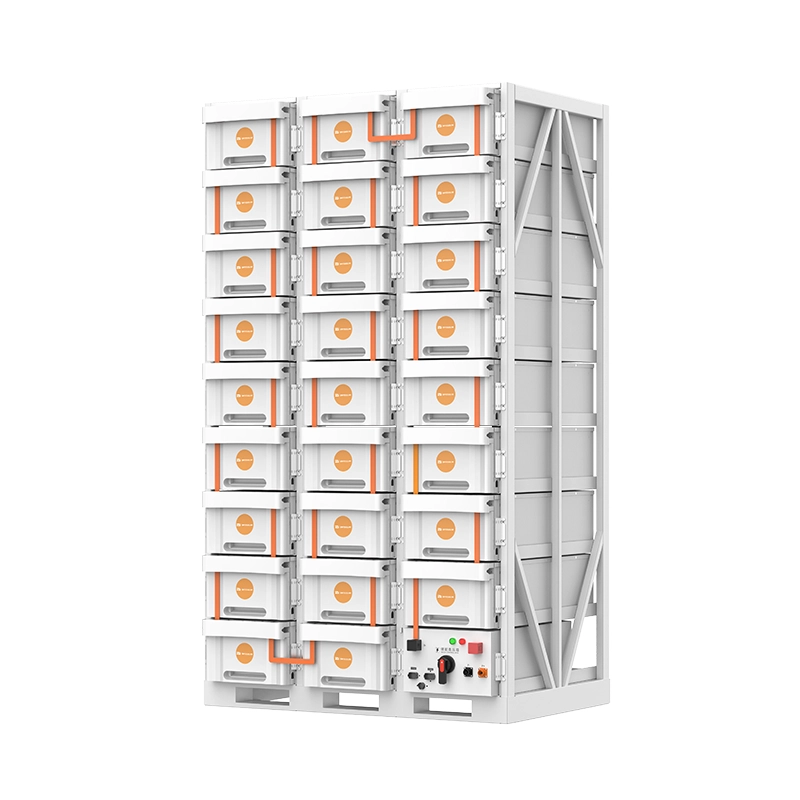
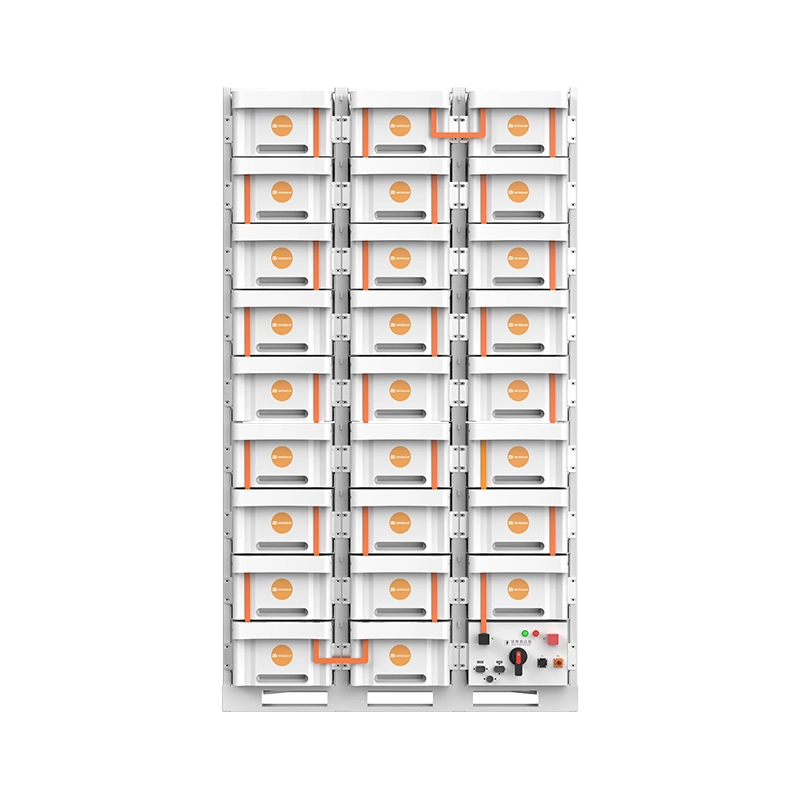
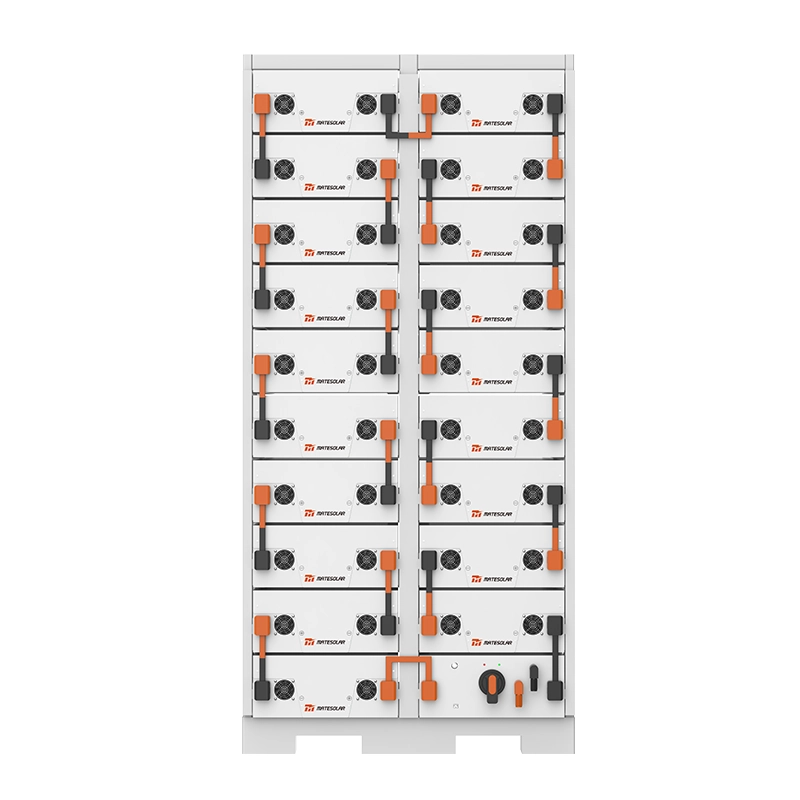
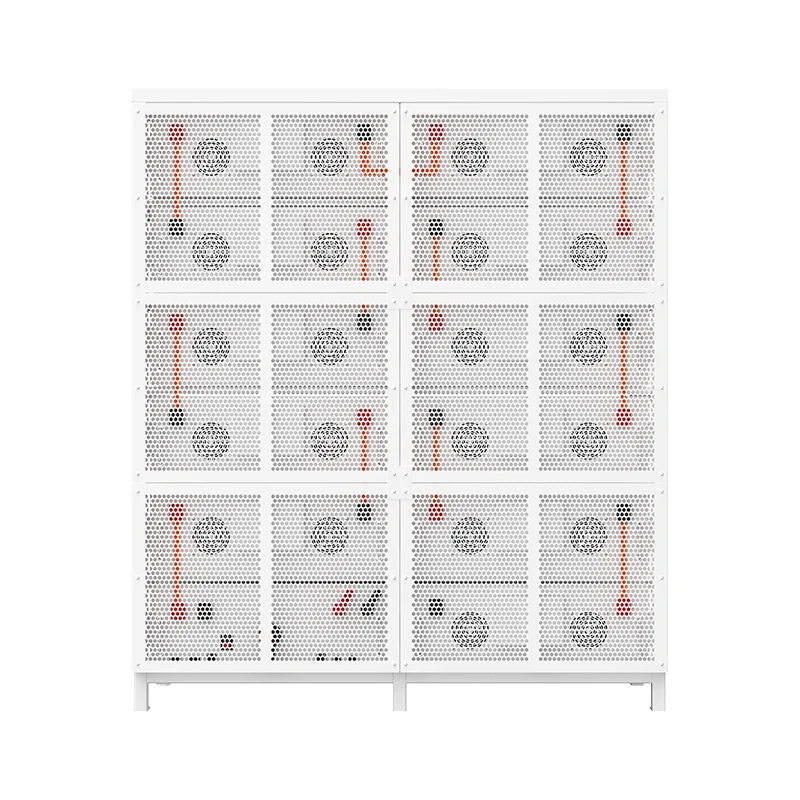
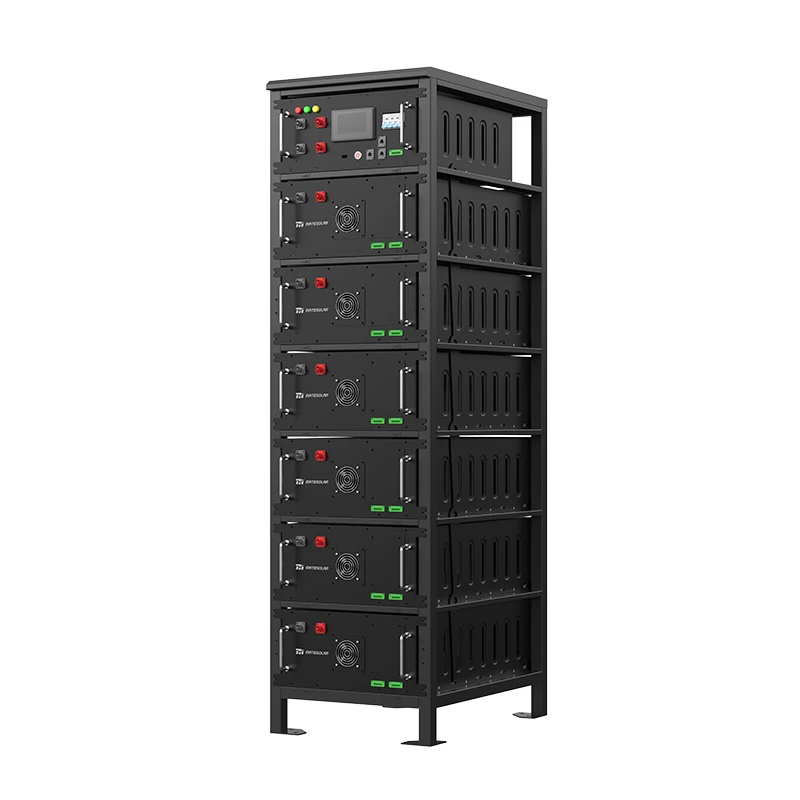
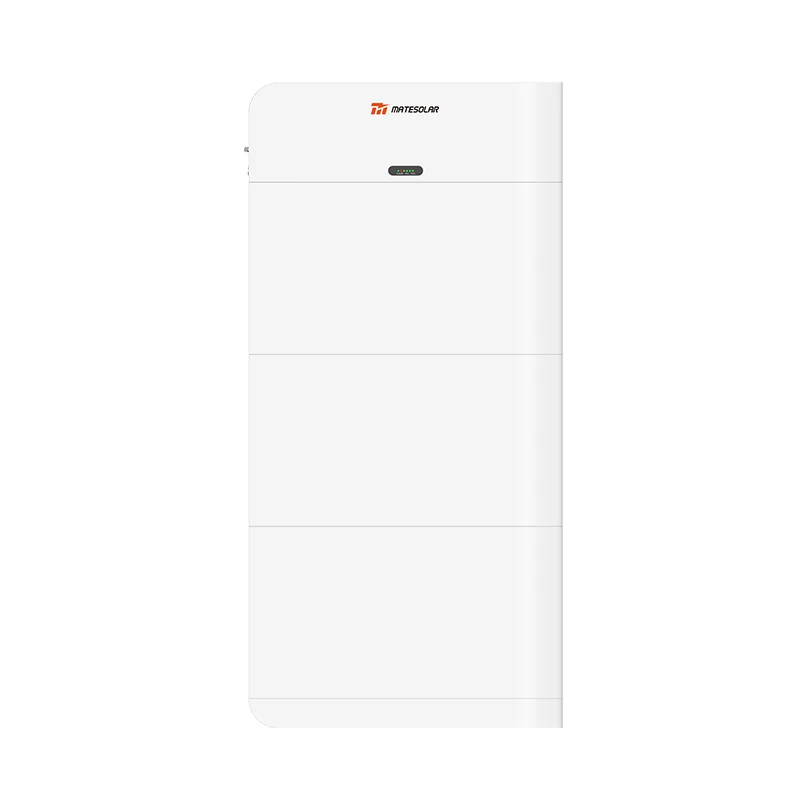
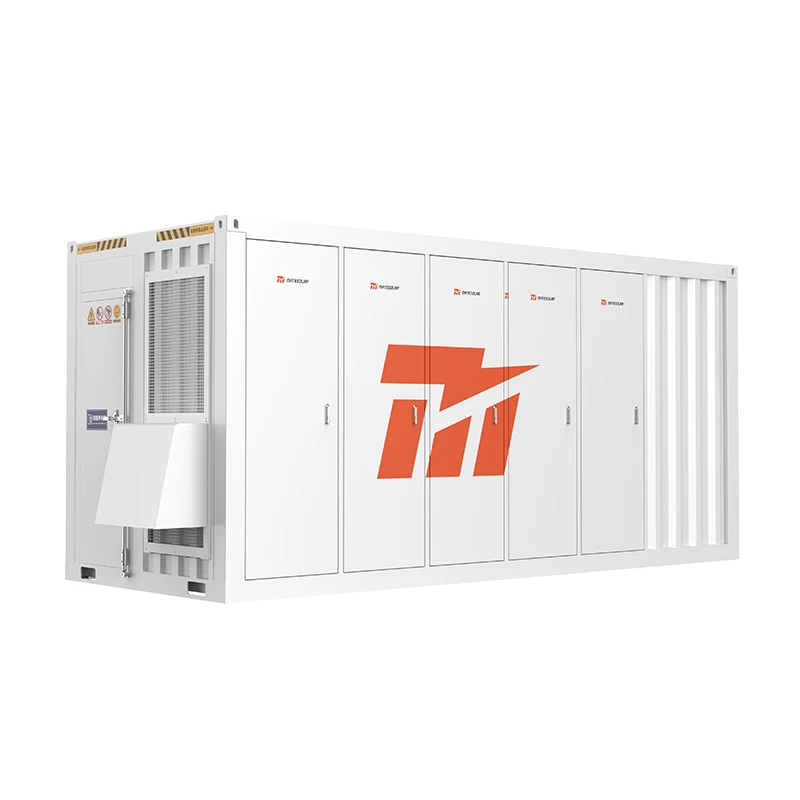
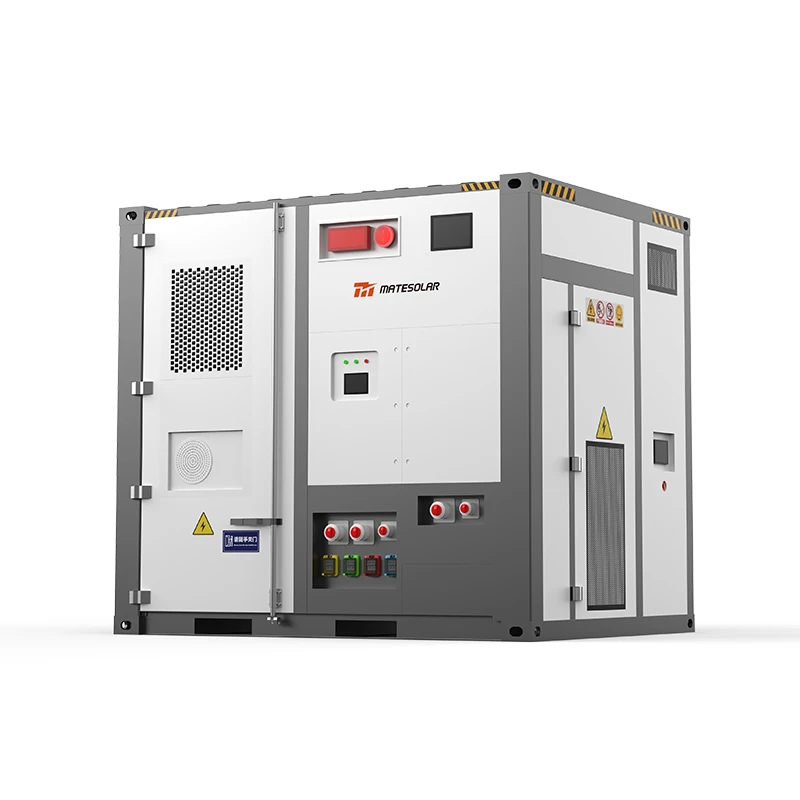
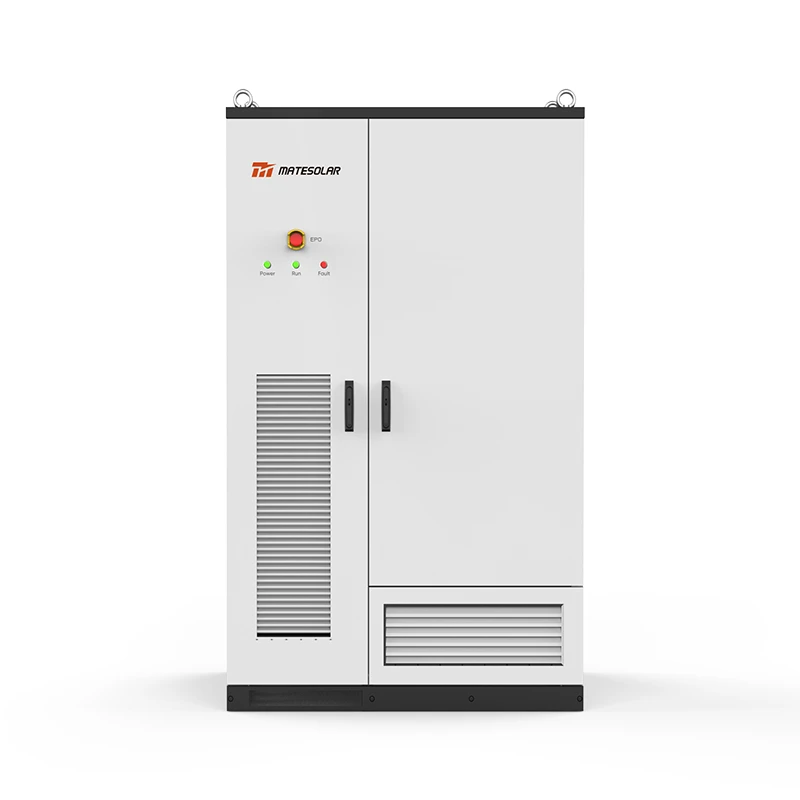
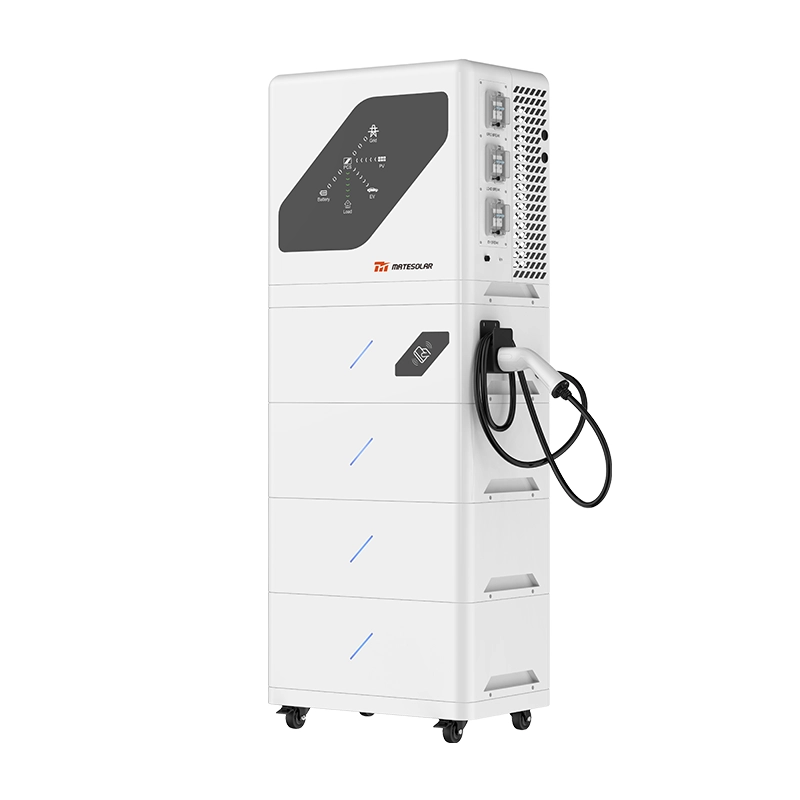
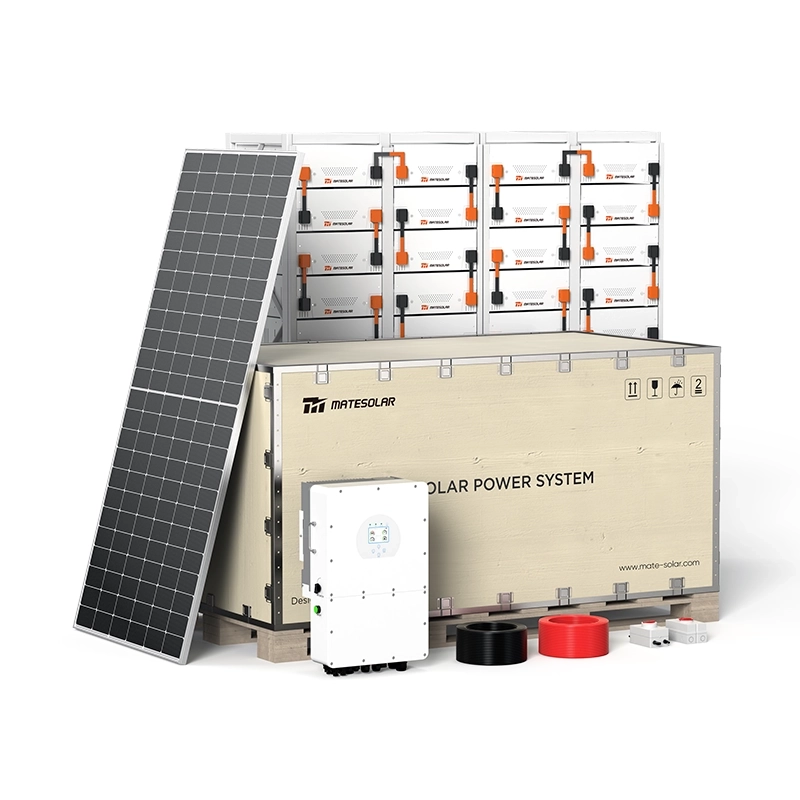
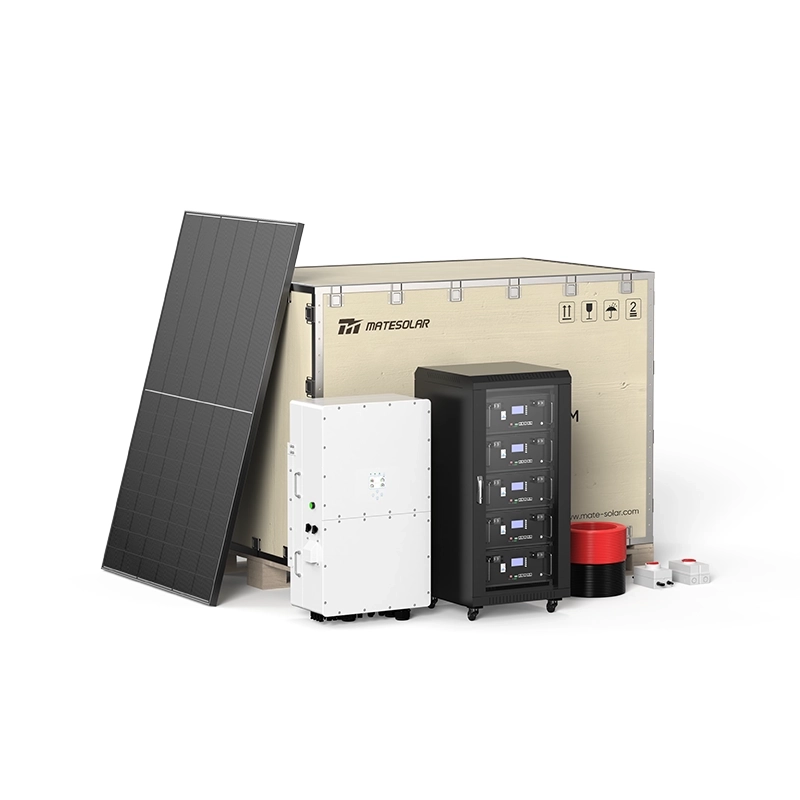
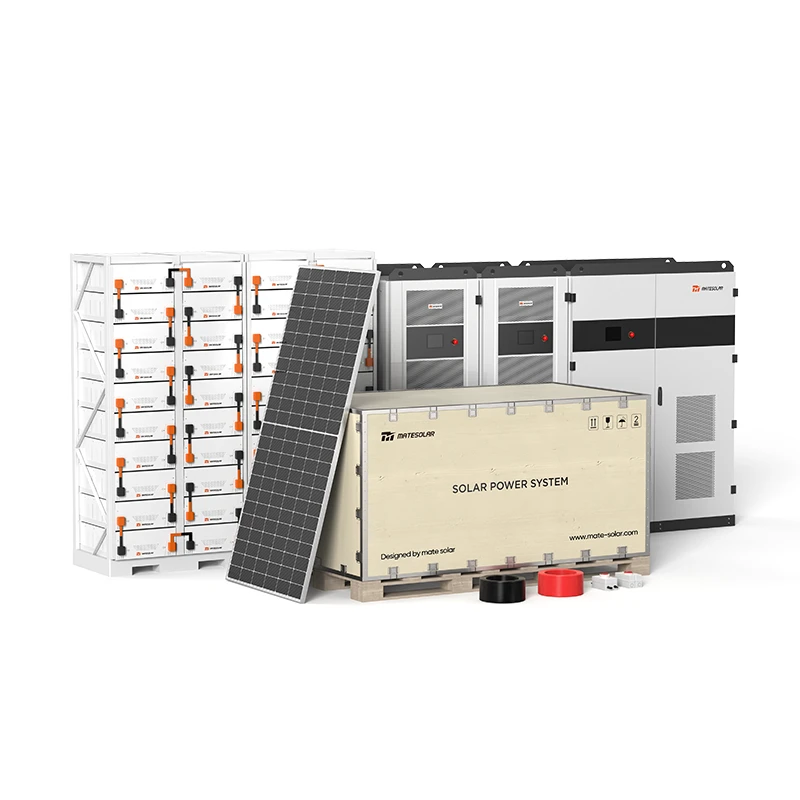
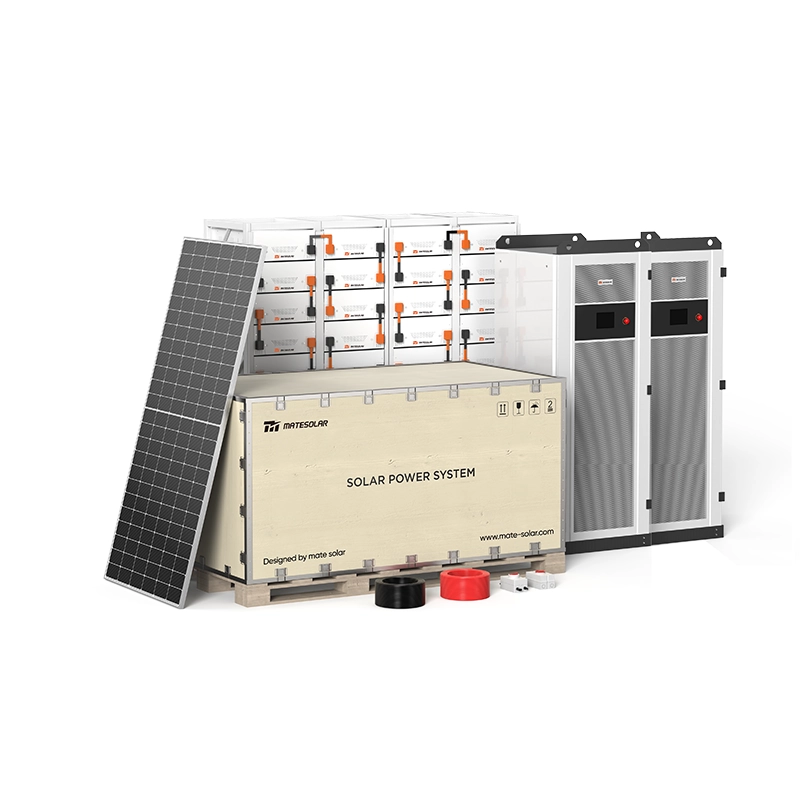
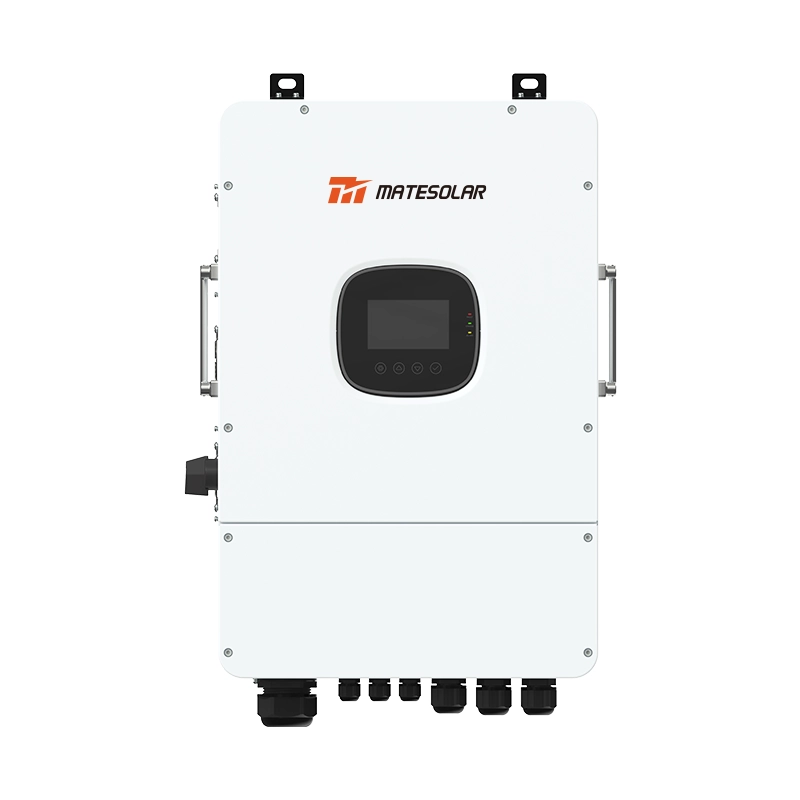
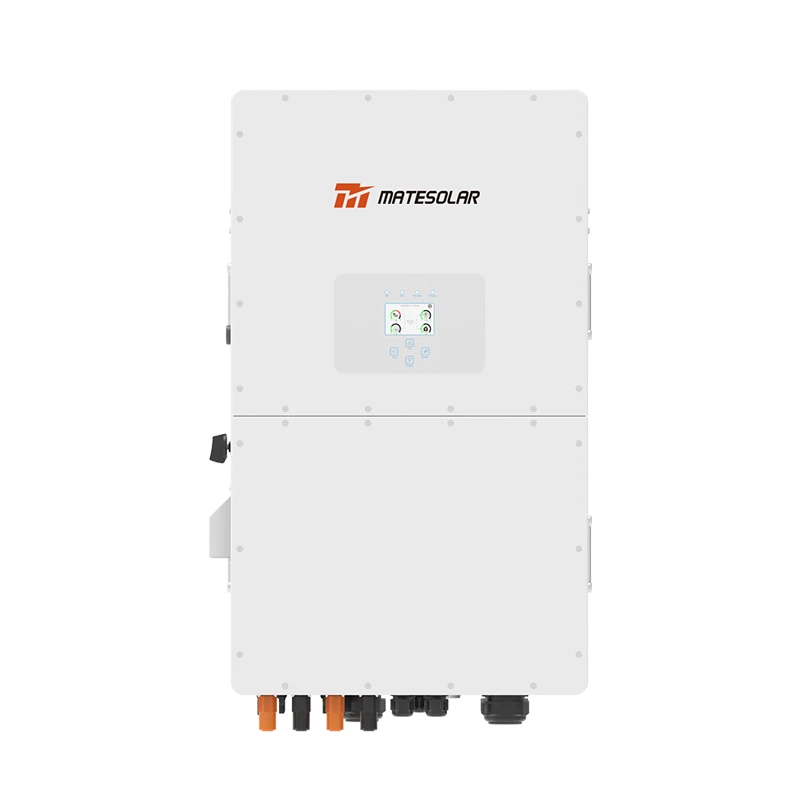
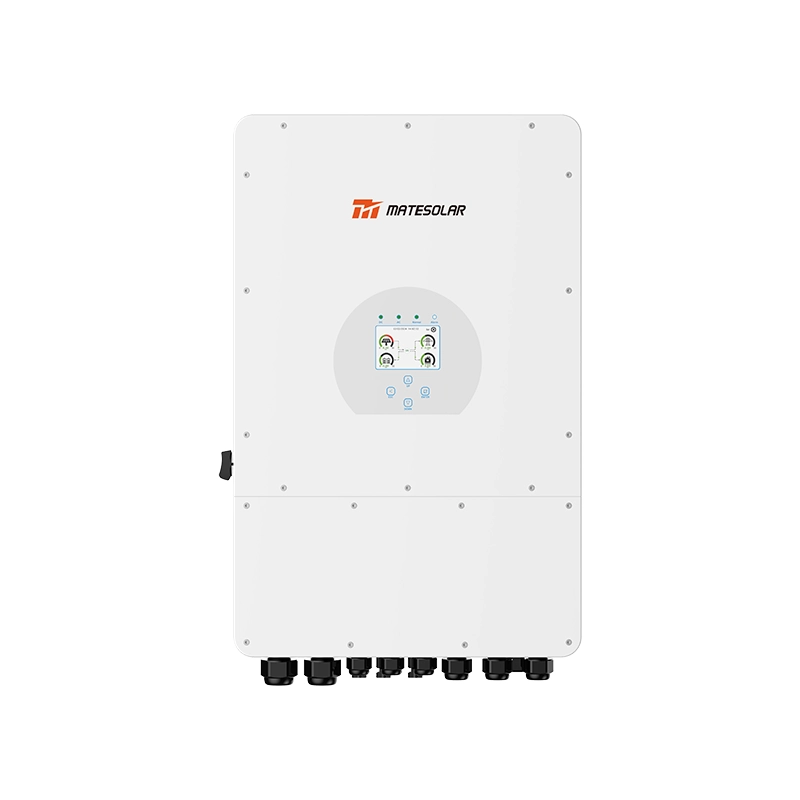
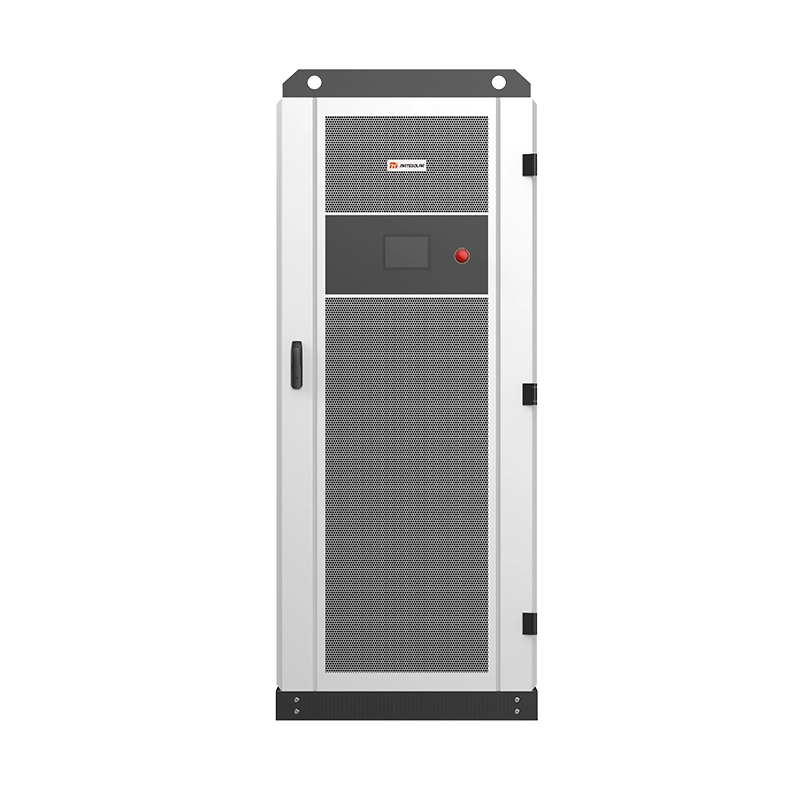
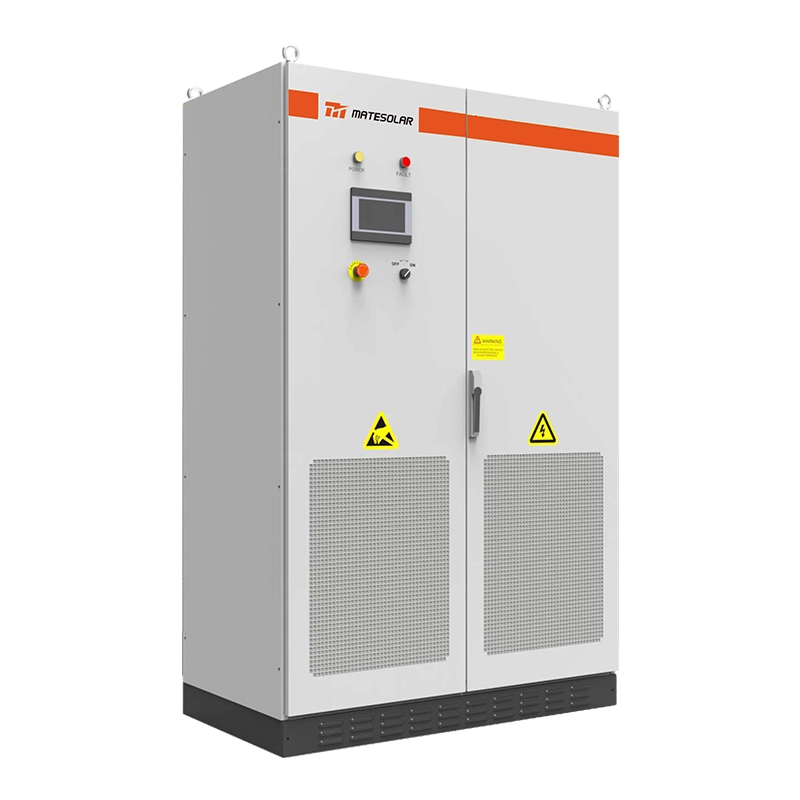
The storage market in Puerto Rico requires specific hardware categories to address distinct use cases. Large hospitality and C&I facilities require centralized high-capacity systems with integrated microgrid controls. Deployable containerized solutions support scalable utility and industrial needs across multiple sites. Outdoor cabinet systems address modular capacity expansion for businesses needing staged deployment.
For full specification sheets, technical data, and island-specific deployment consulting, visit the following product pages:
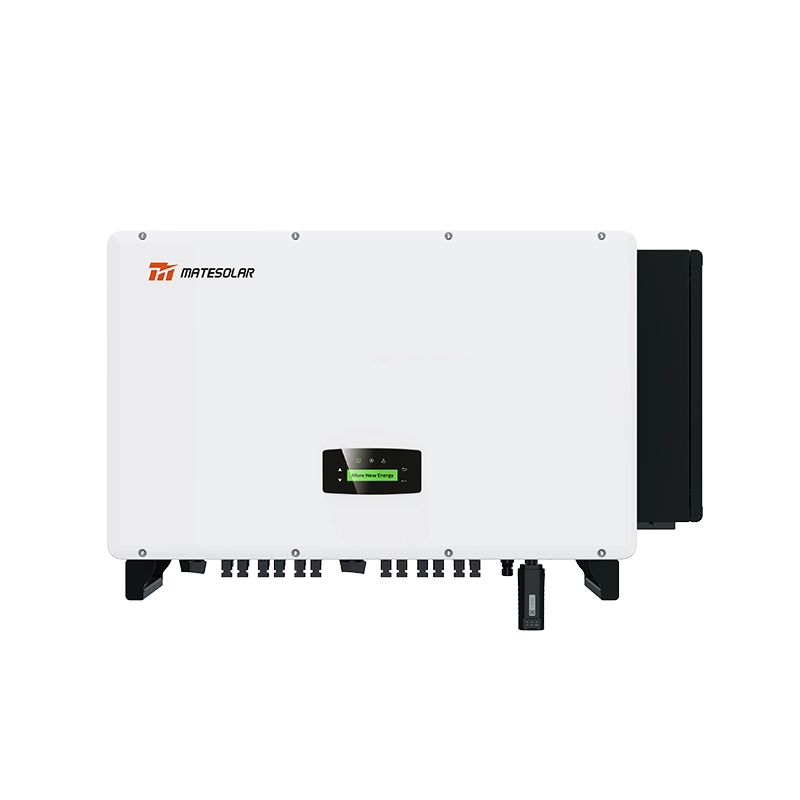
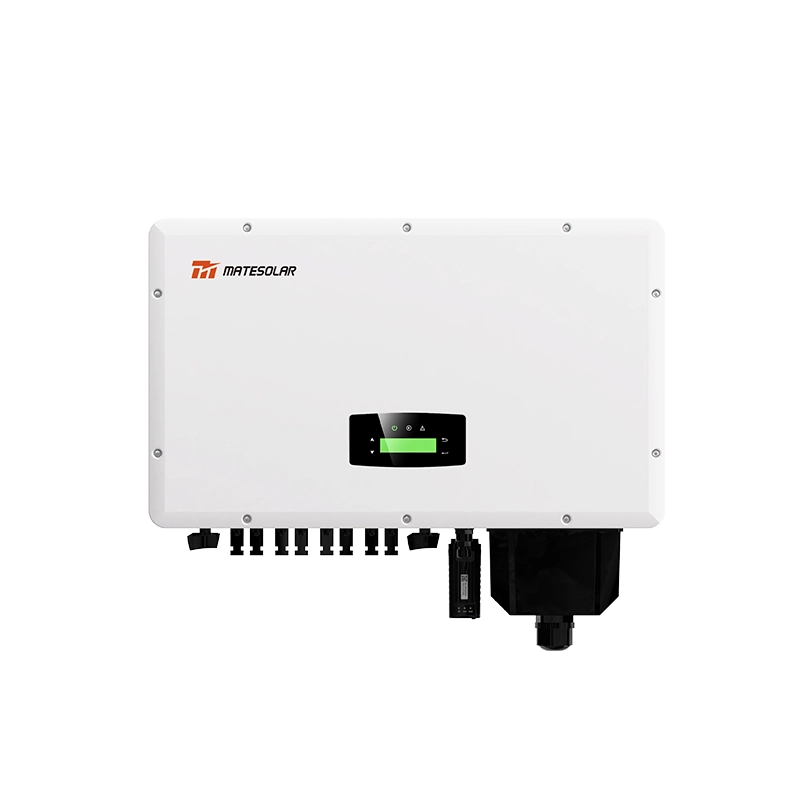
Commercial 500KW Hybrid Solar System — High-Efficiency C&I Solution
*Ideal for: Hotels, resorts, large retail, office complexes, light industrial. Features: Bi-directional inverter, integrated microgrid controller, 98.5% MPPT efficiency, 1,000 VDC input.*
100kW/232kWh & 125kW/261kWh Liquid-Cooled Outdoor Cabinet ESS — Modular C&I Deployable Storage
*Ideal for: Small-to-medium commercial, retail chains, restaurants needing scalable capacity. IP66 weatherproof rating, ISO module design for staged capacity expansion, >6,000 cycle life at 80% DoD, liquid thermal management for tropical climate performance.*
40Ft 1MWh/2MWh Air-Cooled Container ESS — Utility-Ready Deployable Storage
*Ideal for: Island microgrids, industrial parks, FEMA-funded community resilience projects. Factory pre-assembled, plug-and-play deployment <48 hours, integrated fire suppression, meets NFPA 855 2026 requirements.*
20Ft 3MWh/5MWh Liquid Cooling Container ESS — High-Density Utility Storage
*Ideal for: Utility-scale projects, ASAP program deployment, power plant co-location (Punta Lima model). Highest energy density per footprint in market, liquid cooling supports 1C+ charge/discharge rates, ASIL B safety-rated battery management, FEMA/HUD compliance documentation available.*
Part VI: Frequently Asked Questions (FAQ)
Q1: What happens to Puerto Rico’s energy market if the “sun tax” passes?
A: The 11.5% sales tax on solar equipment would increase upfront capital costs by 11.5%, extending payback periods by 18–24 months for smaller systems. However, the tax would impact new installations only—existing systems are grandfathered. Many industry observers believe final passage is not guaranteed, given SESA-PR’s political influence and the NPP’s internal divisions. Clients should build sales tax contingency into financial models but continue project development with a June-July 2026 watch period.
Q2: How do I verify a BESS vendor’s UL 9540A LSFT compliance status in 2026?
A: Request the vendor’s official test report from an NRTL (e.g., UL, Intertek, TÜV Rheinland). Verify:
- Test date (post-March 2026 LSFT standard)
- System configuration matches your proposed deployment (same cell chemistry, same cooling method, similar enclosure volume)
- Cell-level, module-level, and unit-level propagation data included
- Test was conducted with fire suppression disabled per LSFT protocol
Beware vendors offering “UL 9540A pending” or “UL 9540A ready” without a report in hand—permitting will be blocked.
Q3: Can I claim both CBES VPP payments and net metering export credits from the same battery?
A: Yes, with coordination. The battery can serve multiple functions: charge from solar during daylight, discharge to home/commercial loads, export surplus to grid under net metering, and reserve capacity for CBES dispatch events (typically <50% of usable capacity during VPP events). Your EMS must manage competing priorities: self-consumption > net metering export > VPP reserve. Most aggregators (Tesla, Sunrun) handle this in their platform logic automatically.
Q4: What is the realistic CBES dispatch frequency for commercial systems?
A: LUMA forecasts 75–125 dispatch events annually, each lasting 1–4 hours. However, actual dispatch quantity depends on grid conditions, seasonal hurricane activity, and generation shortfalls. Commercial systems should assume 50–100 hours of dispatched runtime annually for revenue modeling.
Q5: How do I qualify for the ACT 225 Green Energy Incentive grant?
A: Small-to-medium businesses (typically <50 employees or $3M annual revenue) apply through the Puerto Rico Energy Affairs Administration. Required documentation includes:
1. Business registration certificate
2. Tax compliance certification (CRIM)
3. Project proposal with certified BESS specifications
4. Cost breakdown (equipment, installation, engineering)
5. Pro forma financial showing cost-effectiveness
Approval typically takes 60–90 days. Your BESS vendor should provide complete documentation packages to streamline submission.
Q6: What is the integration timeline for a 500 kW commercial BESS in Puerto Rico?
A: Typical project timeline, assuming permits secured and all approvals in place:
- Weeks 1–4: Site assessment, engineering design, electrical study
- Weeks 5–8: Permitting (municipal, fire marshal, PREPA interconnection application)
- Weeks 9–12: Site preparation, concrete pad, trenching for AC/DC conduits
- Weeks 13–16: Equipment delivery and installation
- Week 17: Interconnection and commissioning with LUMA witness testing
- Week 18: Final acceptance and commercial operation
Total: 18–20 weeks. Add 3–6 months if LUMA interconnection queue is congested. Expedited timelines available for emergency backup installations under FEMA resiliency funding.
Q7: What’s the battery lifespan expectation under Puerto Rico’s tropical conditions?
A: High-quality LFP (lithium iron phosphate) cells in temperature-controlled enclosures deliver:
- 6,000–8,000 cycles at 80% depth of discharge (~15–20 years at one cycle/day)
- Heat impact: Every 10°C above 25°C reduces cycle life 30–50%—non-negotiable requirement for refroidissement liquide for outdoor enclosures in Puerto Rico’s 32–40°C ambient environment
- Salt-spray corrosion resistance: IP66 minimum for coastal installations within 2 km of shoreline
Q8: Can I use BESS for both daily peak shaving and hurricane backup without conflicting?
A: Yes, through intelligent energy management programming:
- Normal mode (non-hurricane season): Daily peak shaving + solar time-shifting + VPP participation
- Hurricane watch mode (72 hours pre-landfall): Full charge to 100% SoC; suspend peak shaving and VPP exports; prioritize 100% self-sufficiency from stored energy
- Hurricane emergency mode (post-landfall): Islanded microgrid operation with load shedding (non-critical circuits de-energized)
The EMS must transition between modes automatically based on weather alerts (NOAA National Hurricane Center feeds) or manual override.
Q9: What demand response opportunities exist beyond CBES?
A: Commercial and industrial facilities with flexible loads (HVAC, lighting schedules, industrial process timing) can register for LUMA’s Emergency Demand Response Program, which provides 0.50–1.20/kWh for load reduction events separate from battery dispatch. For facilities with both batteries and flexible loads, revenue can double: shed load AND discharge batteries simultaneously during extreme grid stress.
Q10: How do I ensure my BESS supply chain meets FEMA Buy America requirements for funded projects?
A: FEMA-funded Puerto Rico projects require certified Buy America/Buy American Act compliance. Key steps:
- Request manufacturer’s Made in USA compliance certification for all steel/enclosure components
- Verify final assembly location (50%+ cost of components manufactured in US)
- Retain procurement records for audit (5 years minimum)
- Include compliance as a contractual term in supplier agreements
Non-compliant procurement is grounds for FEMA funding clawback, so certification must be obtained upfront.
Part VII: Looking Forward — Roadmap for the Remainder of 2026
Q3 2026 (July–September):
- July 1: New rate structure takes effect—actual bill impacts become measurable
- Hurricane season peak (August–September) provides real-world testing of storage resilience
- Polaris 71.4 MW system expected Q3 commercial operations
- FOMB ruling on Act 10-2024 net metering challenge may materialize
Q4 2026 (October–December):
- Cambalache 52 MW Tesla Megapack expected operational
- DOE’s $1.2 billion facility loans expected to fund project starts
- CBES program enrollment expansion continues through fiscal year
- Hurricane season concludes—Q4 typically higher VPP dispatch frequency due to damaged generation assets
2027 Outlook:
- Full Genera PR 430 MW system operational (expected 90% load-shedding reduction)
- 6–8 of 8 planned microgrid systems completed
- FEMA court-ordered community resilience framework fully executed
- Fixed charges continue scheduled annual increases through 2028
Conclusion: The Moment of Strategic Commitment
Puerto Rico’s energy storage market in May 2026 presents a study in contradictions. Distributed storage adoption has already crossed the mass-market thresholds. Utility-scale deployment is funded and accelerating. Rate restructuring and grid instability continue strengthening the storage business case. Yet policy uncertainty, certification evolution, and regulatory fragmentation demand technical diligence and strategic patience.
For commercial facility operators, the question is no longer “whether to install storage” but “which configuration, which vendor, and which financing model best hedge against multiple futures.” For EPCs and developers, the opportunity lies in navigating FEMA compliance, UL9540A standards, and LUMA interconnection protocols that remain the primary deployment friction points.
The data is clear: 171,372 storage customers have already validated the value proposition. The Genera PR/Tesla partnership demonstrates that utility-scale deployment at 430 MW/1,720 MWh is technically and financially feasible. The DOE’s $1.2 billion commitment confirms federal alignment with Puerto Rico’s energy transition.
For the remainder of 2026 and beyond, successful storage deployment in Puerto Rico requires more than hardware—it requires a partner who understands the island’s unique hurricane exposure, regulatory architecture, evolving fire code requirements, and the delicate balance between policy risk and economic return.
MateSolar provides comprehensive one-stop solar-plus-storage solutions for commercial, industrial, utility, and microgrid applications across Puerto Rico and the Caribbean. From system design and product specification through compliance documentation and technical commissioning support, our team delivers the expertise required for successful deployment in this distinctive market environment.
For project inquiries, product specifications, or technical consultation: [Contact MateSolar]