










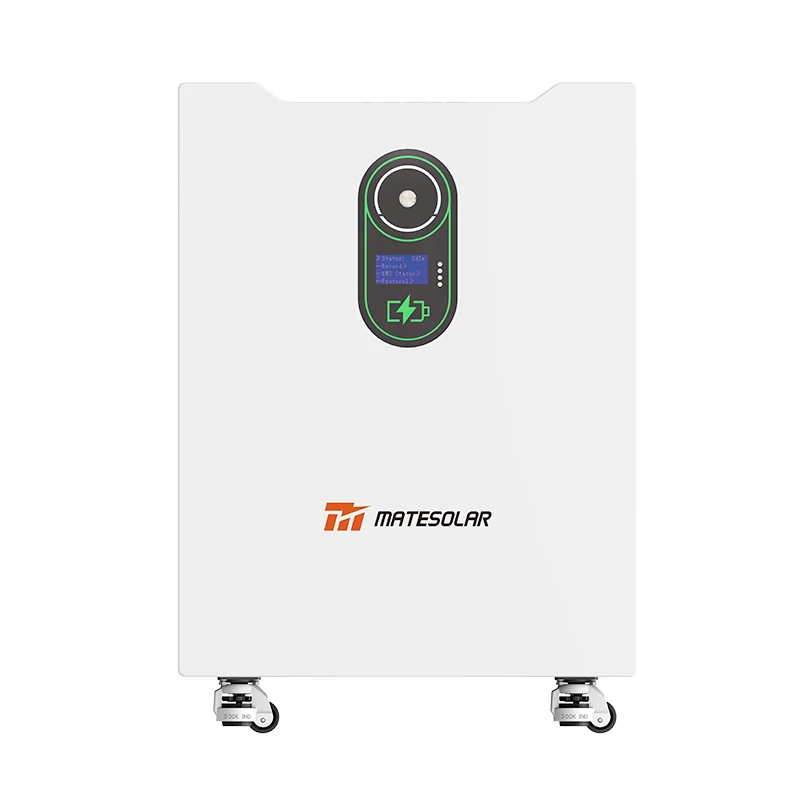
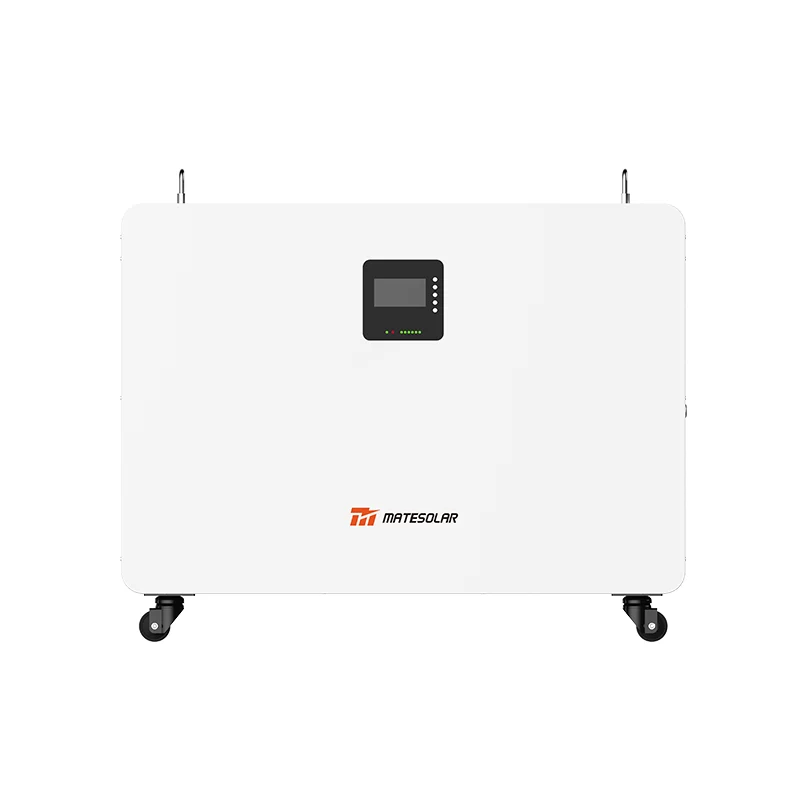
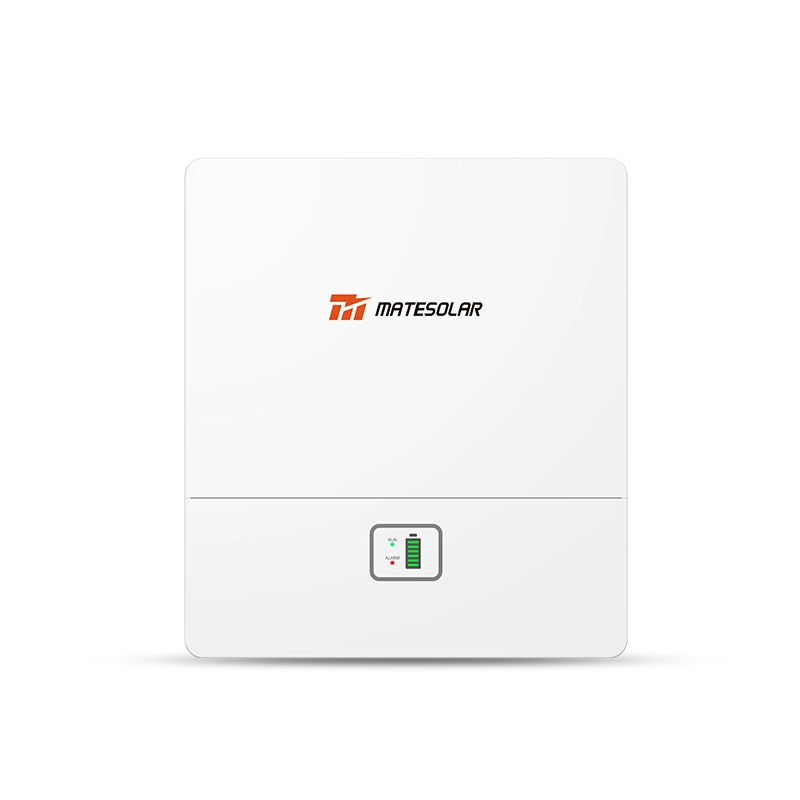
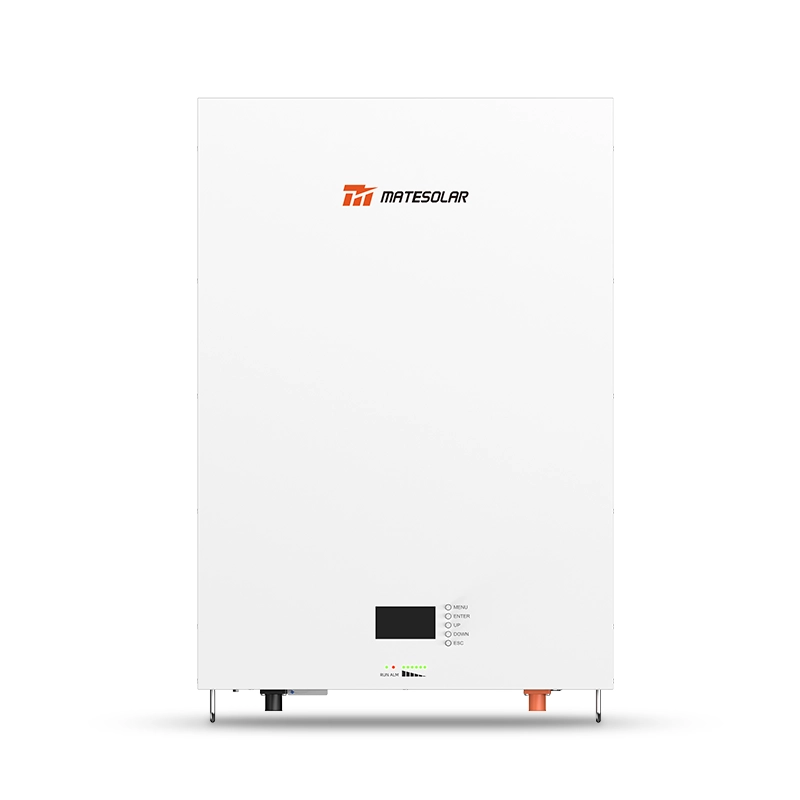
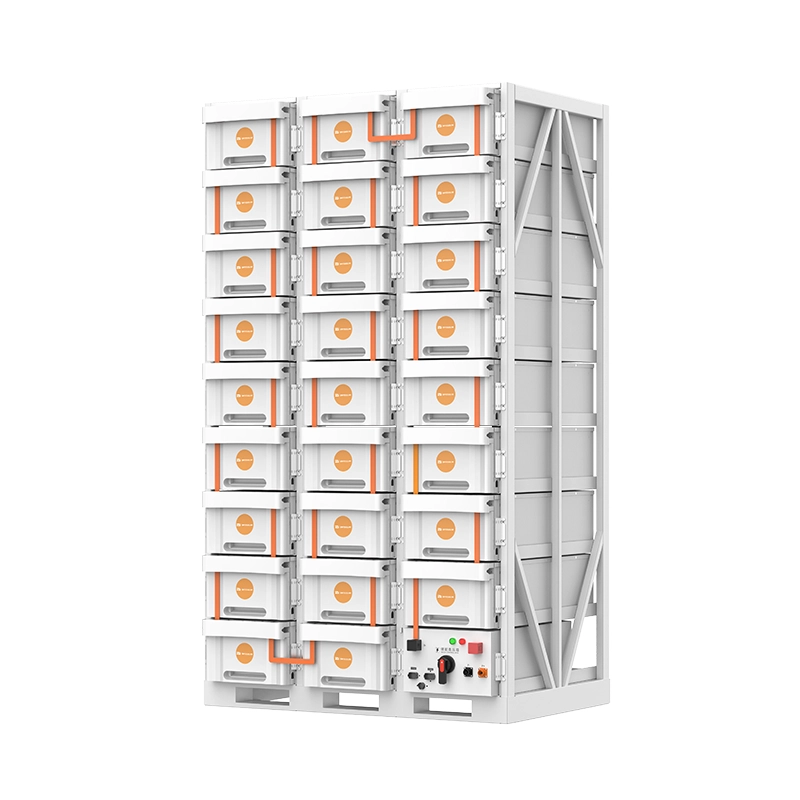
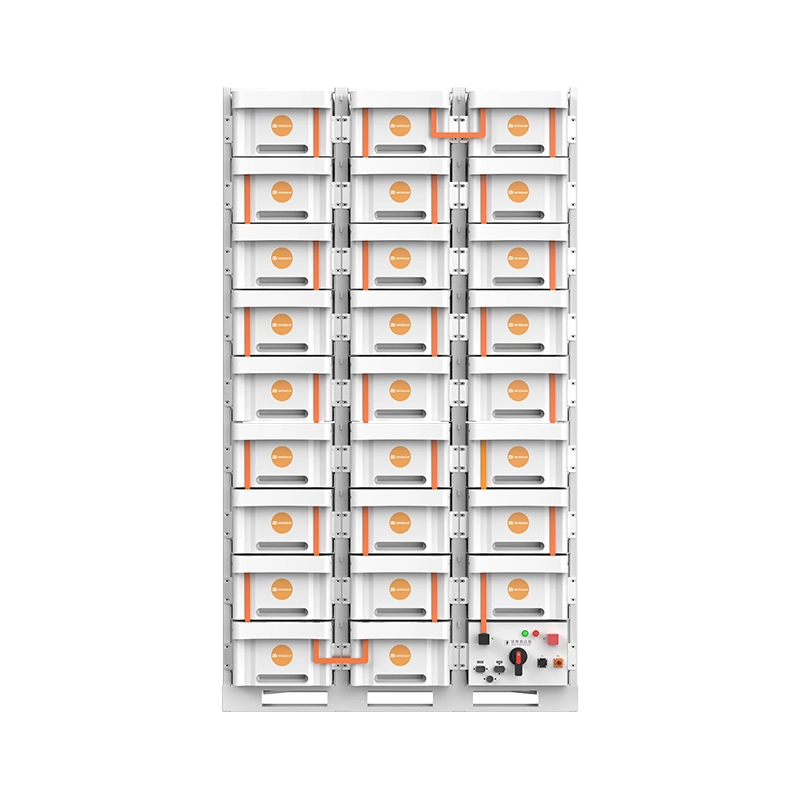
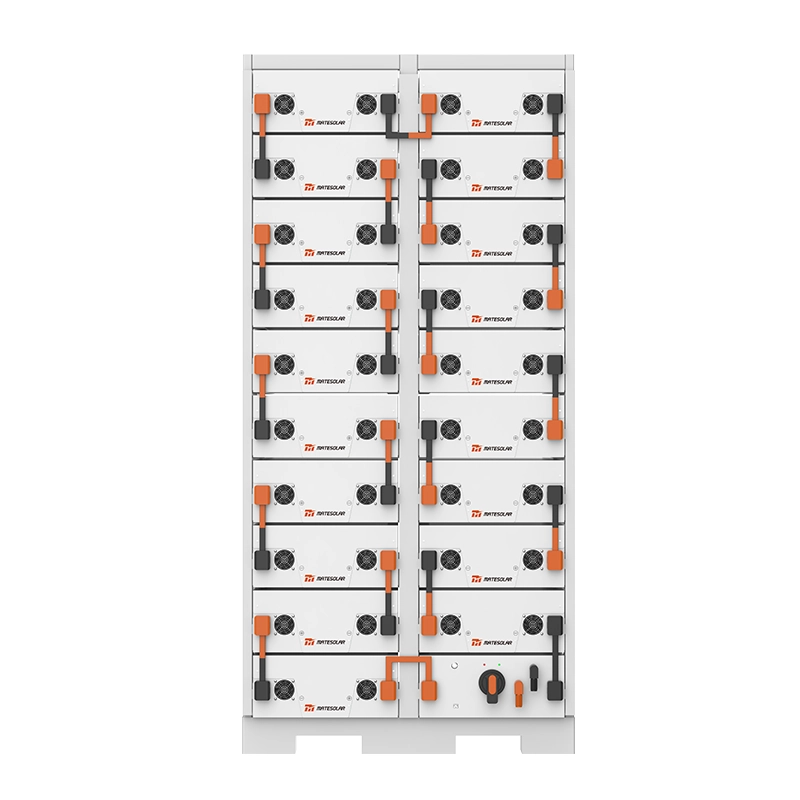
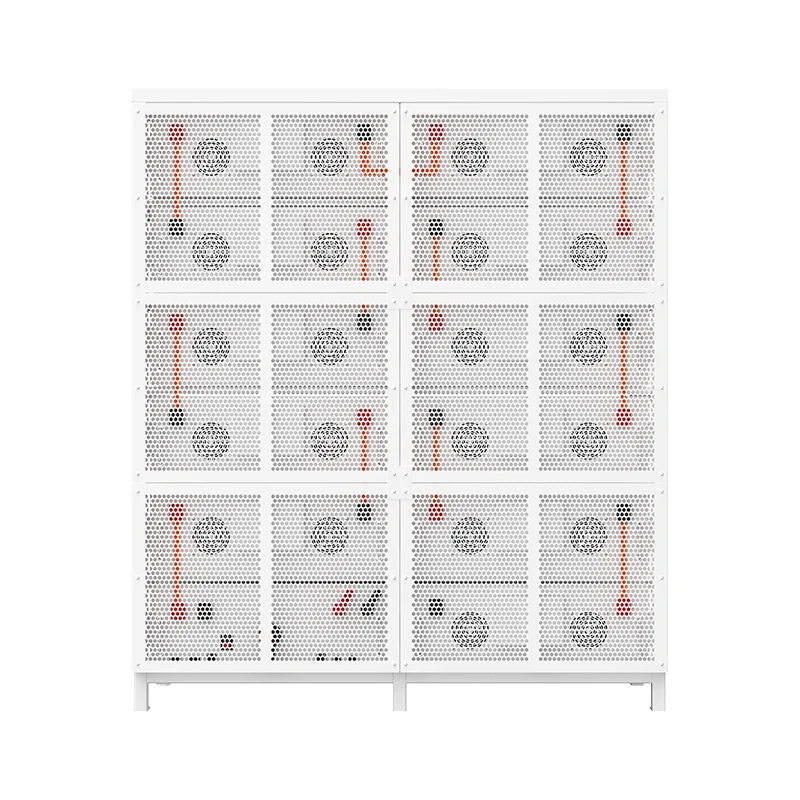







El mercado estadounidense de almacenamiento de energía comercial e industrial (C&I) está experimentando una transformación estructural impulsada por cuatro fuerzas convergentes: el aumento de la demanda de electricidad de los centros de datos de IA, cambios históricos en las políticas fiscales federales, cuellos de botella persistentes en la cadena de suministro y la actualización más importante de los estándares de seguridad en una década.
Según el informe «Perspectivas del mercado del almacenamiento de energía del segundo trimestre de 2026», elaborado por Benchmark Mineral Intelligence para la Asociación de Industrias de Energía Solar (SEIA), Estados Unidos instaló 9,7 GWh de almacenamiento de energía en baterías durante el primer trimestre de 2026, lo que supone el mayor primer trimestre registrado hasta la fecha y un aumento interanual del 32%. Para el conjunto del año 2026, se prevé que las instalaciones totales alcancen los 35 GW / 70 GWh, de los cuales 20,2 GW / 62,4 GWh corresponderán a instalaciones a escala de red y 14,8 GW / 7,3 GWh en el segmento «behind-the-meter» (residencial y comercial e industrial combinados). El almacenamiento acumulado en el sector comercial e industrial se situó en 19 GWh a finales de 2025 y se prevé que supere los 600 GWh en 2030.
Este informe proporciona un análisis completo y basado en datos de las nuevas realidades del mercado y ofrece soluciones prácticas para cada segmento de clientes principal.
Parte I: Las Cuatro Fuerzas que Redefinen el Mercado
1. Centros de datos de IA: El shock de demanda
En julio de 2025, PJM Interconnection cerró su subasta residual básica para 2026/27 a $329,17 por MW-día, aproximadamente diez veces los promedios históricos. La subasta de 2027/28 se mantuvo en niveles igualmente elevados. PJM ha advertido de que, para 2030, la carga incremental de los centros de datos de IA representará hasta 95% de su crecimiento regional. El déficit de capacidad se amplió de 208,7 MW a más de 6,5 GW entre ambas subastas. PJM ha iniciado formalmente un rediseño integral del mercado mayorista de la electricidad. Tal y como afirmó el director ejecutivo, David Mills: “El mecanismo de mercado debe rediseñarse para dar cabida al crecimiento de la carga impulsado por la IA”.”
Para el almacenamiento comercial e industrial, esto se traduce en una oportunidad de ingresos única en una década para la respuesta a la demanda, la reducción de picos y la participación en el mercado de capacidad.
2. Política Fiscal Federal: Contenido Nacional de la ITC y Cumplimiento de FEOC
La Ley «One Big Beautiful Bill» (OBBBA) mantuvo el crédito fiscal a la inversión (ITC) 30% para el almacenamiento de energía, al tiempo que introdujo umbrales cada vez más estrictos en materia de contenido nacional y de entidades extranjeras de interés (FEOC).
| Año | Requisito de contenido nacional (para el sumador 10%) | Umbral FEOC MACR (para elegibilidad básica de ITC, BESS >1 MW) |
| 2026 | 50%: Coste de fabricación de origen estadounidense | Costes no atribuibles a PFE de la partida 55% |
| 2027 | 55%: coste de origen estadounidense | Costes no derivados de PFE del 60% |
| 2028 | 55%: coste de origen estadounidense | 65%: gastos no procedentes de PFE |
El 12 de febrero de 2026, el IRS y el Tesoro emitieron la Notificación 2026-15, la primera guía formal sobre FEOC. Sin embargo, los detalles de cumplimiento continúan evolucionando, creando una incertidumbre considerable para los desarrolladores.
3. Cuellos de botella en la cadena de suministro: Escasez de transformadores
Según un estudio de Morgan Stanley publicado en junio de 2026, los plazos de entrega de los transformadores de potencia se han disparado, pasando de entre 12 y 16 semanas antes de la pandemia a entre 128 y 144 semanas (entre 2,5 y 2,8 años), y hasta cinco años en los segmentos con mayor demanda. Aproximadamente el 80% de los transformadores de potencia de EE. UU. son importados. Bloomberg prevé que, de los aproximadamente 12 GW de capacidad prevista para los centros de datos estadounidenses en 2026, solo un tercio se encuentra en fase de construcción activa, mientras que casi la mitad se enfrenta a posibles retrasos debido a la escasez de transformadores.
4. Normas de seguridad: UL 9540A Sexta edición y NFPA 855 2026
El 13 de marzo de 2026, UL publicó la Sexta Edición de UL 9540A, convirtiendo las Pruebas de Incendio a Gran Escala (LSFT) en un requisito obligatorio para la certificación de BESS no residenciales. La edición de 2026 de NFPA 855 designa ahora UL 9540A como el único método de prueba de incendios y explosiones referenciado; no se aceptan alternativas. Los sistemas sin certificación LSFT no pueden obtener la aprobación del departamento de bomberos, y los proyectos corren el riesgo de ser bloqueados por completo.
5. Liderazgo en el mercado regional
Texas superó a California como el mercado de almacenamiento a gran escala más grande de EE. UU. por capacidad instalada en 2025. Sin embargo, California sigue siendo el líder acumulativo (59.8 GWh), seguido por Texas (26.3 GWh), Arizona (19.3 GWh) y Nevada (6.3 GWh). California continúa liderando en almacenamiento C&I detrás del medidor, impulsado por la economía de NEM 3.0 que ha hecho del almacenamiento una necesidad en lugar de una opción.
Parte II: Cinco problemas clave de los clientes y sus soluciones
Problema 1: Operadores de centros de datos: escasez de equipos de alimentación eléctrica y retrasos en los proyectos
El problema: Las empresas de IA suelen requerir plazos de entrega de 18 meses, pero los plazos de entrega de los transformadores ahora se extienden a cinco años. De los 12 GW de capacidad de centro de datos planeada para 2026, solo alrededor de un tercio está en construcción. Sin transformadores y almacenamiento, los proyectos no pueden energizarse.
Lo que necesitan los operadores:
- Documentación sobre la resiliencia de la cadena de suministro con plazos de entrega vinculantes (3-6 meses)
- Vías de entrega de transformadores acelerada
- Paquetes eléctricos «llave en mano» que incluyen transformadores
Solución de MATE SOLAR
MATE SOLAR cuenta con una cadena de suministro diversificada y con múltiples proveedores para todos los componentes críticos de los sistemas de almacenamiento de energía en baterías (BESS):
| Componente | Fuentes primarias | Plazo de entrega (2026) |
| Celdas LFP | Corea del Sur, Japón, EE. UU. | 8–12 semanas |
| PCS/Inversor | EE. UU., Europa | 10-14 semanas |
| Transformador elevador | EE. UU. (Texas), México, Corea del Sur | 12-16 semanas |
| BMS/EMS | EE. UU., Europa | 6–8 semanas |
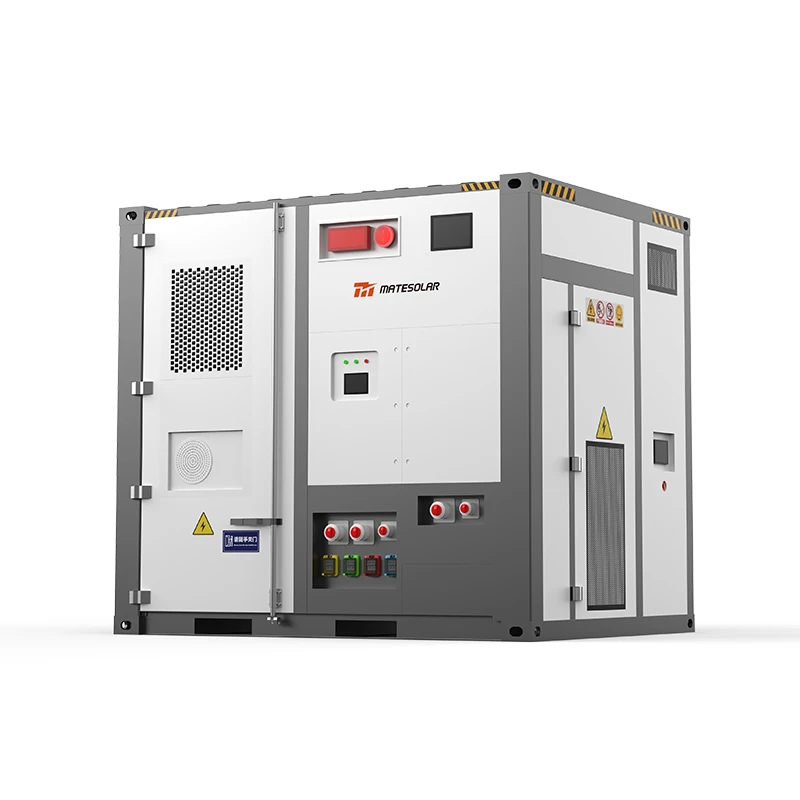
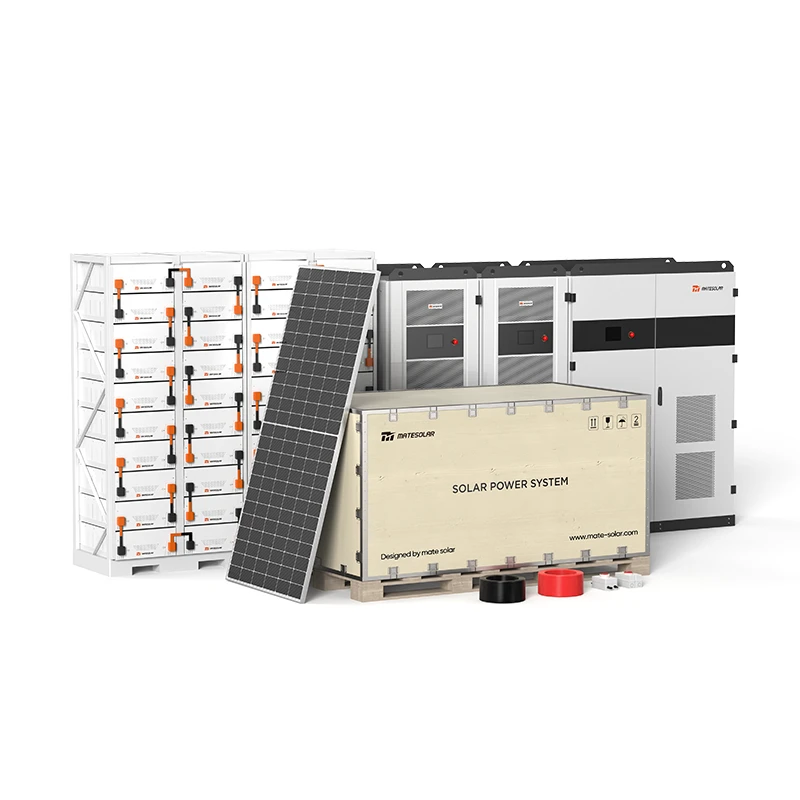
Mientras que el mercado en general se enfrenta a plazos de entrega de transformadores de más de 128 semanas, MATE SOLAR ha firmado acuerdos de capacidad de producción exclusiva con fabricantes de transformadores con sede en EE. UU. y de países aliados, lo que permite una entrega acelerada de entre 3 y 6 meses para los proyectos que cumplan los requisitos. Nuestro paquete eléctrico «llave en mano» incluye el transformador elevador, el cuadro eléctrico, el sistema de conversión de corriente (PCS) y un sistema de almacenamiento de energía en batería (BESS) totalmente contenedorizado, lo que elimina los retrasos derivados de la coordinación entre múltiples proveedores.
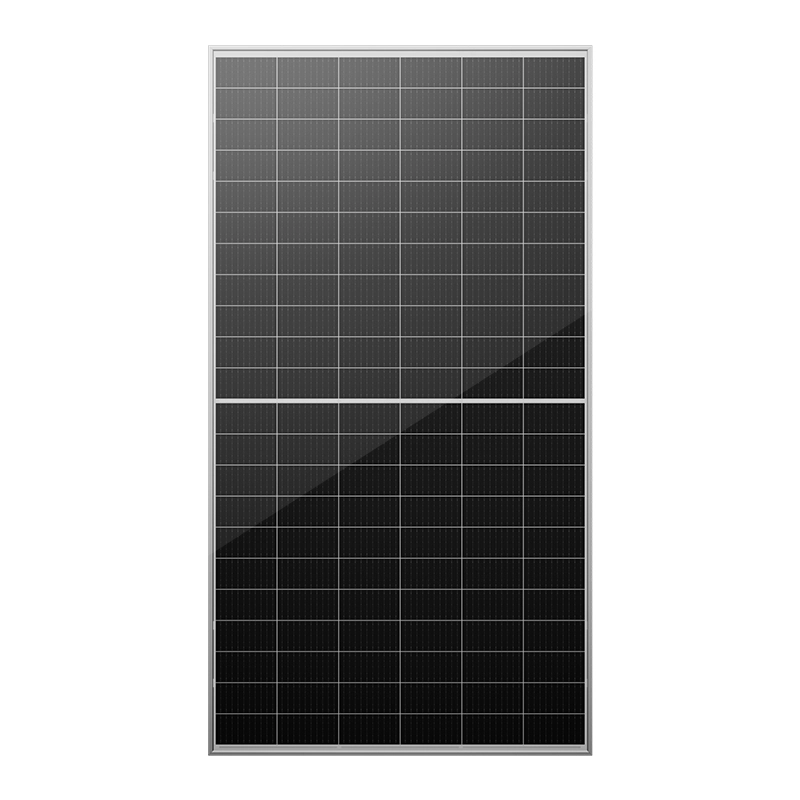
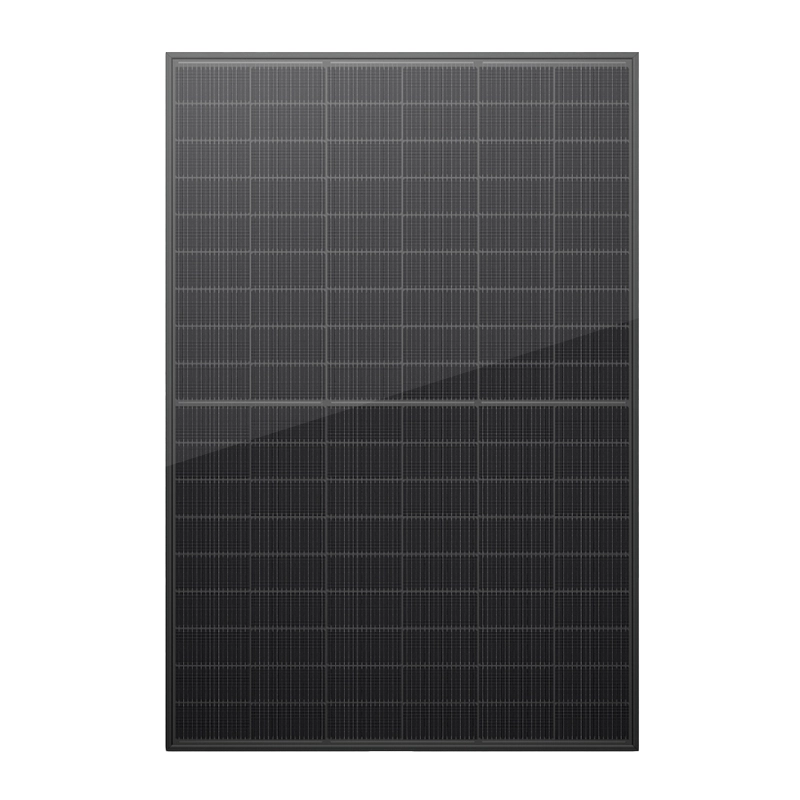
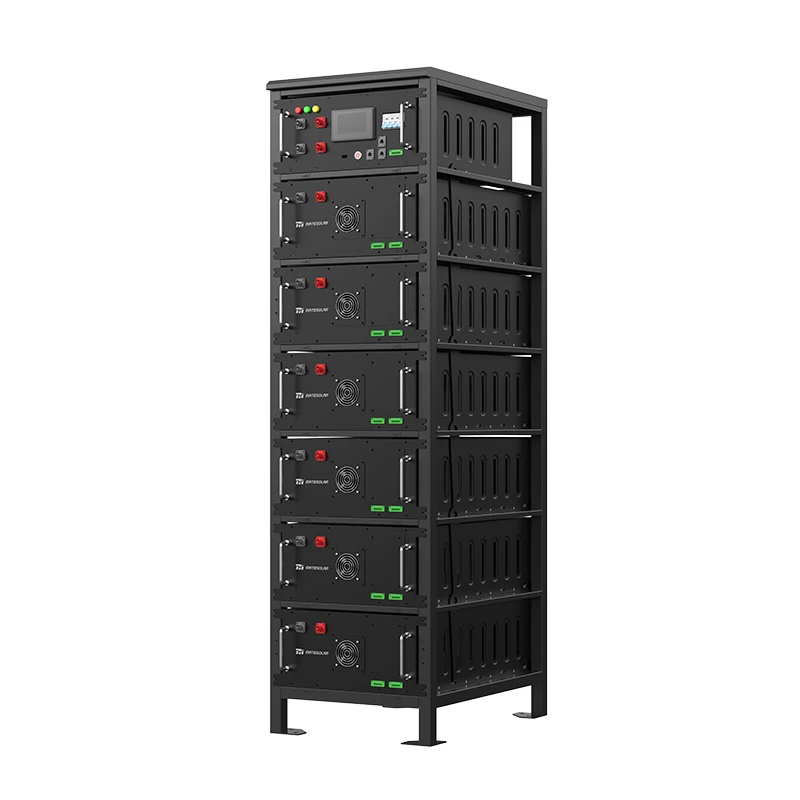
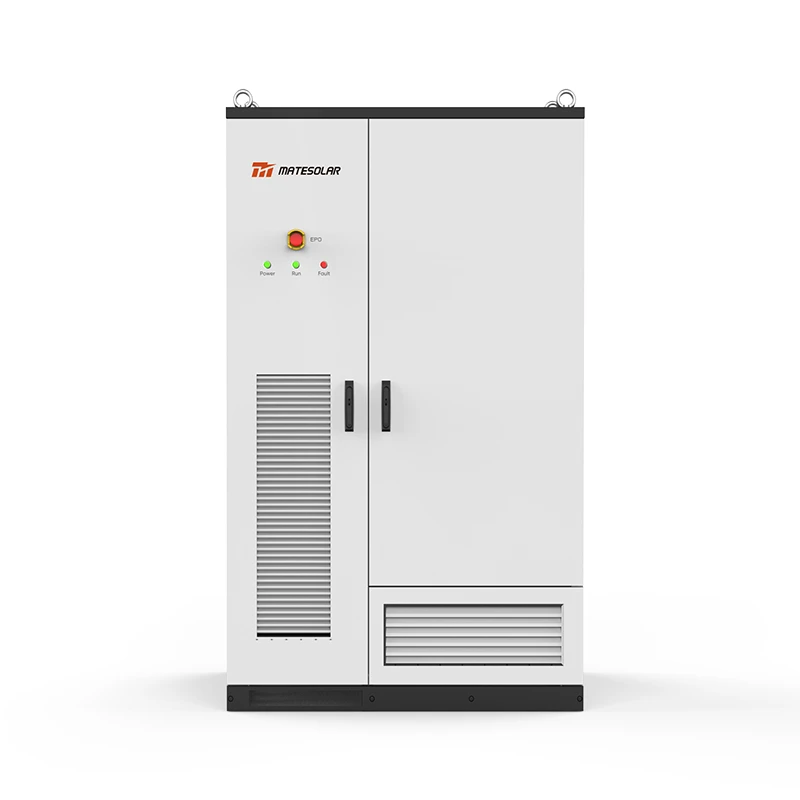
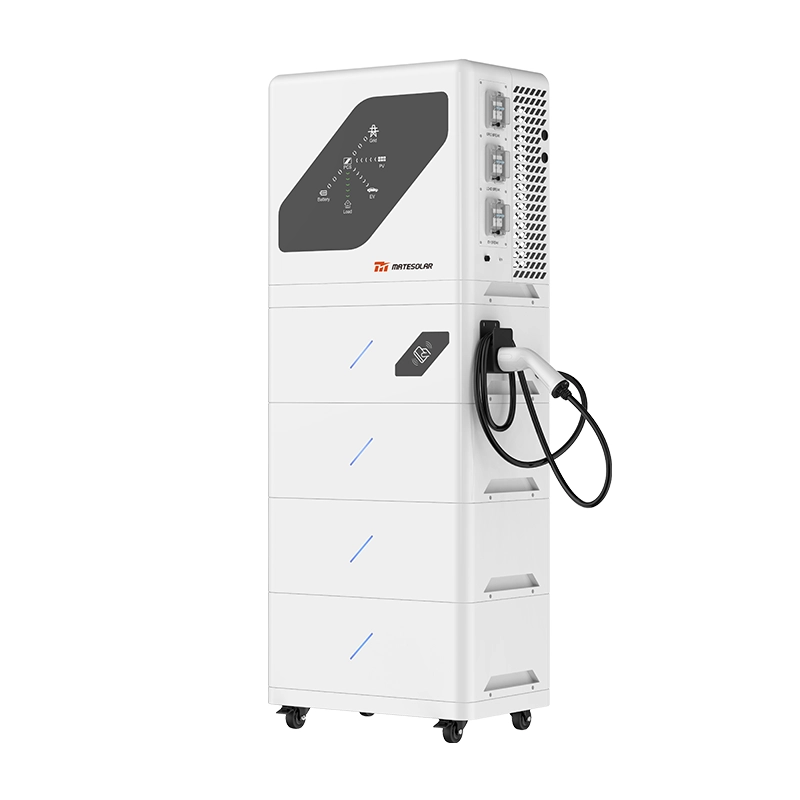
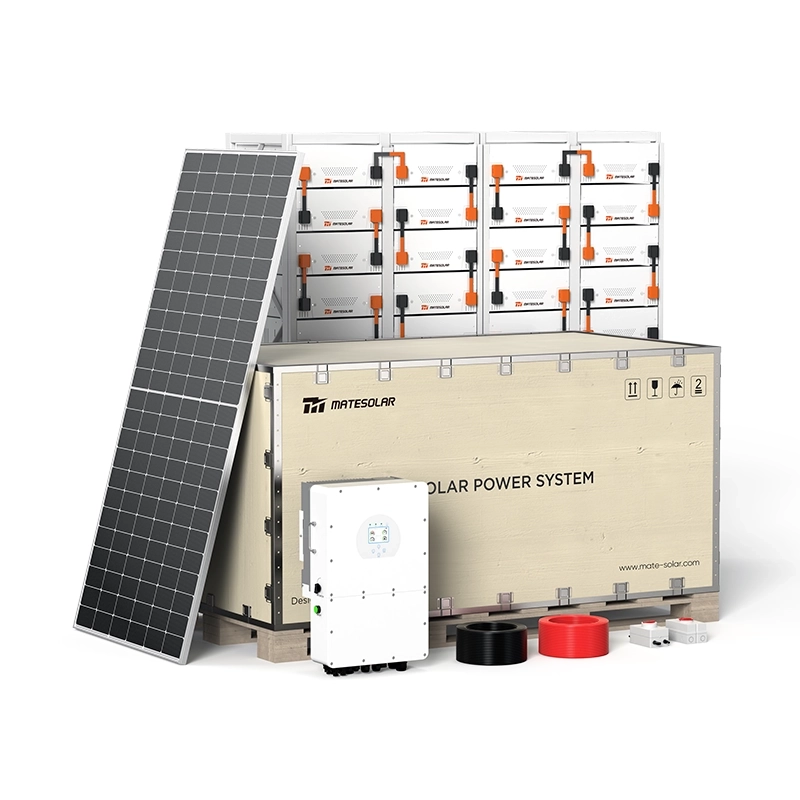
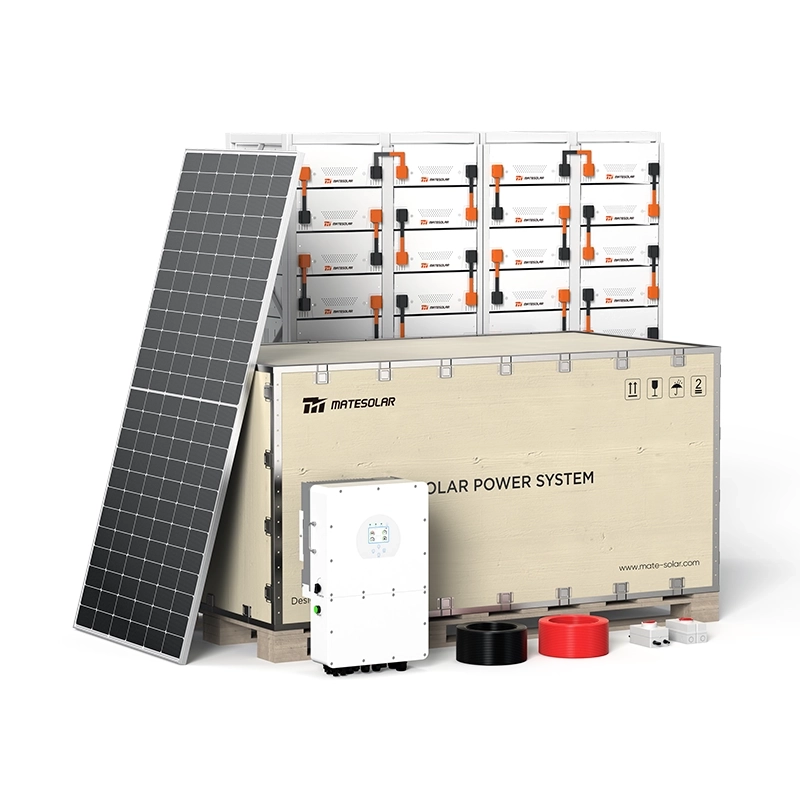
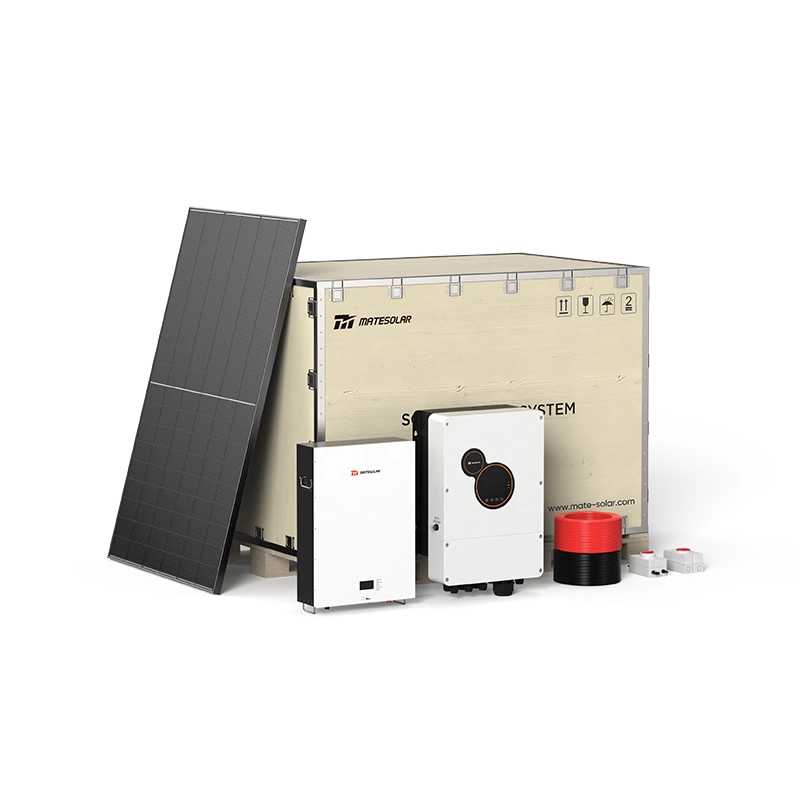
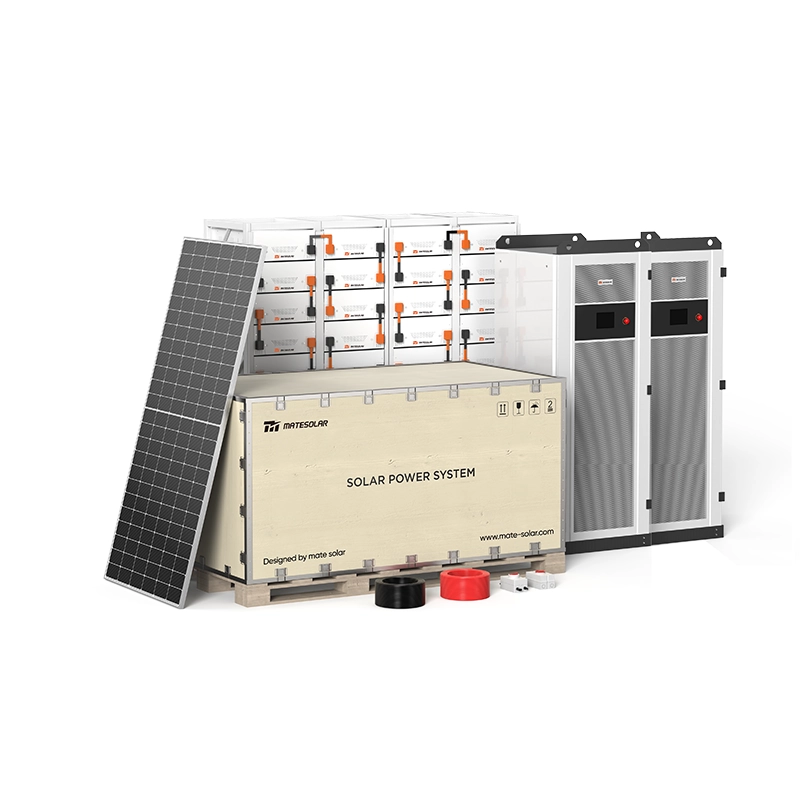
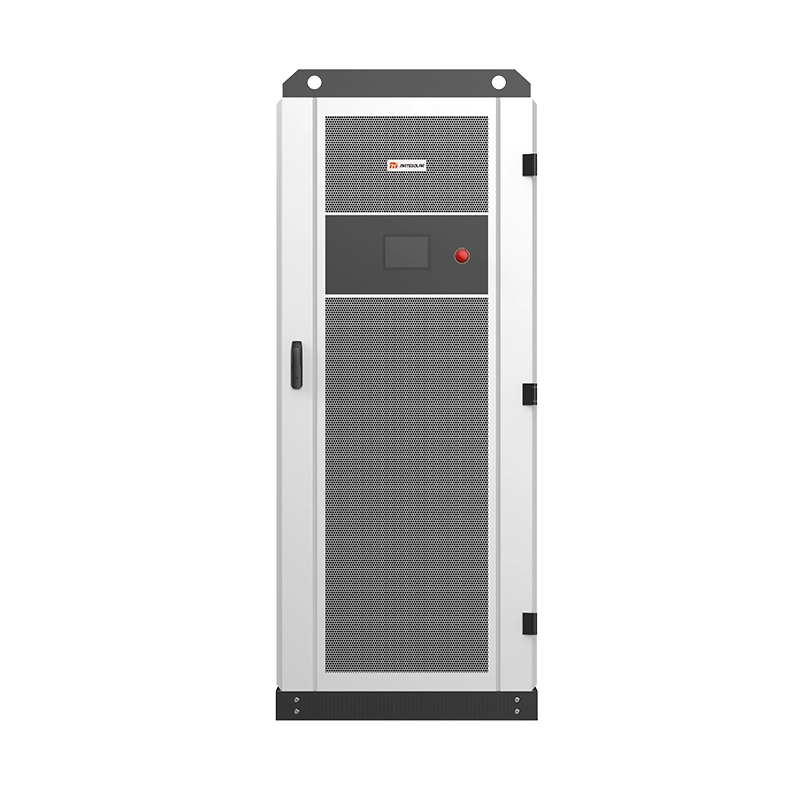
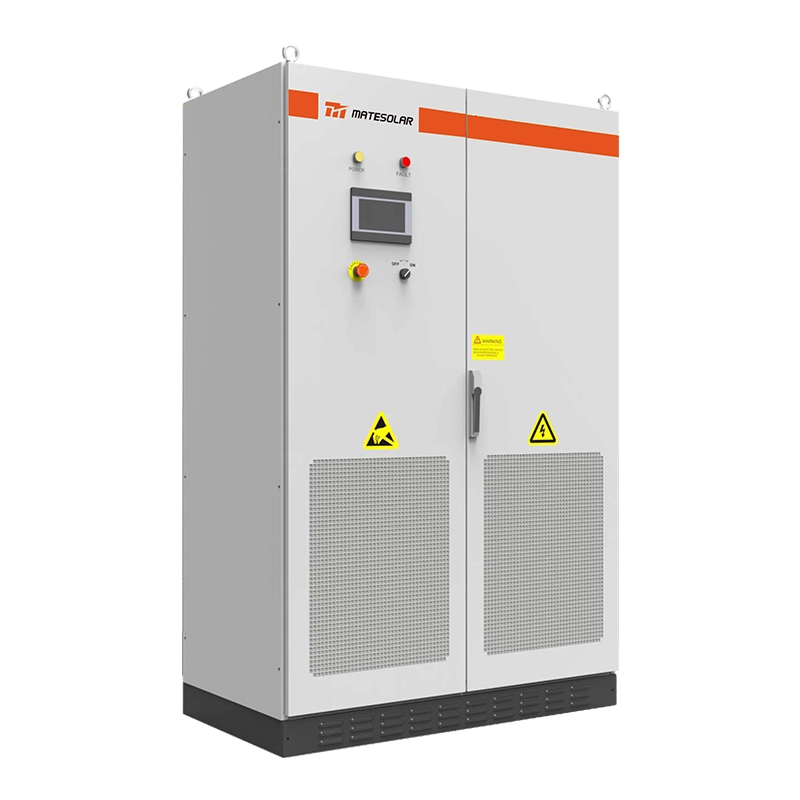
Aprende más sobre nuestro Sistema Solar Híbrido Comercial de 500kW – ideal para aplicaciones industriales y de centros de datos a gran escala.
Problema 2: EPC y promotores de proyectos: cumplimiento de las normas FEOC/PFE y presión en materia de contenido nacional
El problema: Para los proyectos de 2026, los sistemas BESS de más de 1 MW CA deben cumplir un umbral de coste de 55% procedente de fuentes distintas de PFE para poder optar al ITC básico, mientras que el complemento por contenido nacional exige un coste de fabricación de origen estadounidense de 50%. Ambos umbrales aumentarán en 2027. El incumplimiento de los umbrales del FEOC invalida la totalidad del ITC, no solo el complemento.
Lo que los desarrolladores necesitan:
- Certificación de cumplimiento de FEOC de terceros para todos los componentes
- Metodología de cálculo de contenido nacional y certificación
- Mitigación de la exposición arancelaria a través de cadenas de suministro diversificadas
Solución de MATE SOLAR
MATE SOLAR ha estructurado toda su línea de productos para cumplir con los requisitos FEOC y de contenido nacional de 2026:
| Componente | Estado de FEOC | Nacional de EE. UU. % | Contribución MACR |
| Celdas LFP (Coreano/Japonés) | No-FEOC | 0% | 32% |
| PCS (fabricado en EE. UU.) | No-FEOC | 18% | 18% |
| BMS (fabricado en EE. UU.) | No-FEOC | 6% | 6% |
| Cerramiento y Térmico (EE. UU./UE) | No-FEOC | 8% | 8% |
| Transformador (fabricado en EE. UU.) | No-FEOC | 15% | 15% |
| Total | 100% sin FEOC | 47% | 79% |
*Los porcentajes varían según la configuración del producto. Cálculo de contenido nacional según el Aviso 2026-15 del IRS.*
Nuestro Paquete de Cumplimiento de FEOC incluye: Informes de Trazabilidad de Fuentes de Materiales, Hojas de Cálculo de Cálculo de MACR, Certificados de Auditoría de FEOC de Terceros, Cartas de Certificación de Contenido Doméstico y Documentación de Soporte para la Presentación de ITC.
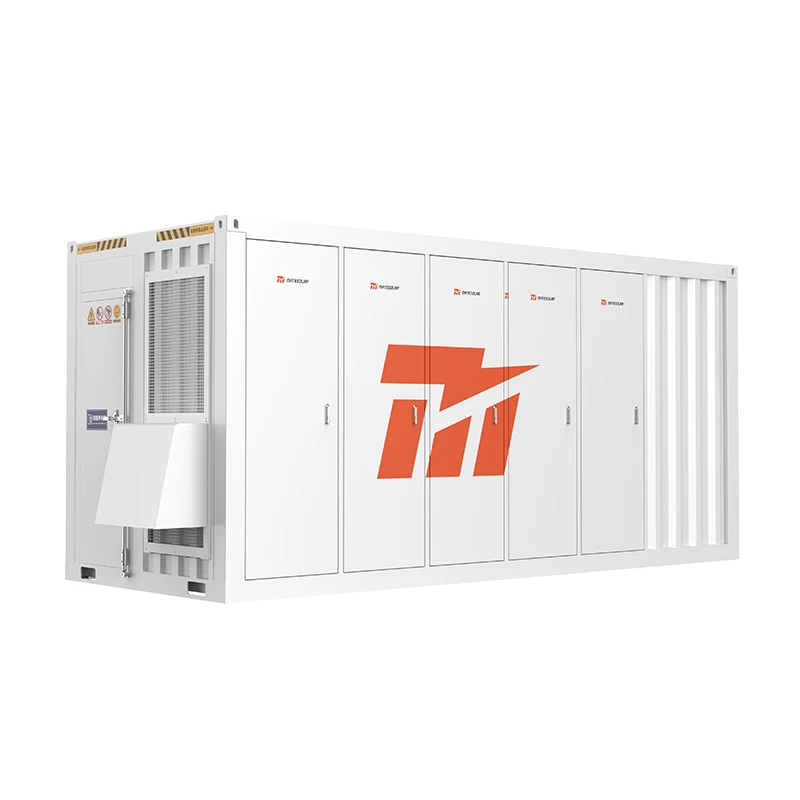
Explore nuestro contenedor ESS refrigerado por aire de 40 pies y 1 MWh y 2 MWh: diseñado para el cumplimiento de FEOC y grandes proyectos C&I.
Punto de Dolor 3: Industrial y Comercial a Gran Escala – Arbitraje del Mercado de Capacidad de PJM
El problema: La subasta de capacidad de PJM para 2026/27 se cerró en $329,17 por MW-día, diez veces por encima de las medias históricas. Para un sistema de almacenamiento de energía en batería (BESS) de 1 MW, esto por sí solo genera aproximadamente $120 000 al año en ingresos por capacidad, además de ingresos adicionales procedentes de programas de respuesta a la carga de emergencia y del arbitraje energético. Potencial de ingresos anuales totales: entre $200 000 y 300 000 por MW. Mientras tanto, el NEM 3.0 de California ha reducido la compensación por exportación de energía solar a entre $0,05 y 0,08 por kWh (desde $0,28–0,35 por kWh), lo que ha elevado las tarifas de combinación con almacenamiento de 15–20% a más de 60%.
Lo que necesitan los clientes industriales:
- EMS que admite la participación automatizada en el Programa de Respuesta a la Demanda de Emergencia (ELRP) y la licitación de capacidad de PJM
- Modelado de reducción de cargos por demanda específicos del sitio
- Estrategia de despacho prioritaria de almacenamiento para NEM 3.0
Solución de MATE SOLAR
Los sistemas solares híbridos comerciales de 500 kW y las líneas ESS de contenedores de MATE SOLAR están diseñados para una participación fluida en el mercado mayorista:
- EMS integrado con algoritmos de licitación PJM ELRP preconfigurados
- Tiempo de respuesta inferior a 500 ms para la regulación de frecuencia
- Pujas automatizadas en el mercado de capacidad con señales de precios en tiempo real
- Conectividad API a plataformas agregadoras
Ejemplo de reducción de cargo por demanda – instalación industrial típica de 1 MW:
| Métrica | Sin BESS | Con BESS de 1 MW / 2 MWh |
| Demanda máxima mensual (kW) | 1.000 kW | 650 kW (reducción de 35%) |
| Cuota mensual por consumo ($15/kW) | $15,000 | $9,750 |
| Cargo de demanda anual | $180,000 | $117,000 |
| Ahorro en cargos por demanda anual | / | $63,000 |
| Ingresos por capacidad de PJM | / | $120,000 |
| Arbitraje de energía (est.) | / | $50,000 |
| Beneficio anual total | / | $233,000 |
Para los clientes del NEM 3.0 de California, la estrategia de gestión de la energía de MATE SOLAR, que da prioridad al almacenamiento, almacena la generación fotovoltaica durante el día y la descarga durante las horas de máxima demanda de la tarde (de 16:00 a 21:00), y considera la exportación de energía solar como último recurso, lo que permite alcanzar un autoconsumo del 90–95% y un periodo de amortización de entre 3 y 6 años.
Conozca más sobre nuestros Contenedores de Refrigeración Líquida ESS de 20 pies, 3 MWh y 5 MWh, ideales para la gestión de la demanda a gran escala en la industria y la participación en PJM.
Punto de Dolor 4: PYMES C&I – Restricciones de Espacio y Necesidad de NEM 3.0
El problema: Los hoteles, edificios de oficinas, tiendas minoristas e instalaciones agrícolas enfrentan altos costos de electricidad, pero tienen espacio limitado, capital ajustado y una mayor preocupación por las aprobaciones de seguridad. Bajo la NEM 3.0, los períodos de recuperación de la energía solar por sí sola se han extendido a 9-12 años, mientras que la energía solar + almacenamiento mantiene una economía sólida con períodos de recuperación de 5-7 años, lo que hace que el almacenamiento sea obligatorio.
Lo que los pequeños clientes C&I necesitan:
- Gabinetes compactos para exteriores que se pueden montar en la pared, apilar o instalar en el techo.
- Certificación UL 9540A Sexta Edición LSFT para aprobación del jefe de bomberos
- Documentación de permisos compatible con SolarAPP+
- Servicio Energético (EaaS) sin capital inicial
Solución de MATE SOLAR
El gabinete exterior MATE SOLAR con enfriamiento líquido ESS (100kW/232kWh y 125kW/261kWh) está diseñado específicamente para aplicaciones con espacio limitado:
| Modelo | Dimensiones (An×Pr×Al) | Huella | Opciones de montaje |
| 100 kW / 232 kWh | 1.400 × 1.100 × 2.200 mm | 1,54 m² | Soporte, soporte de pared, techo |
| 125kW / 261kWh | 1.600 x 1.200 x 2.300 mm | 1,92 m² | Pastilla, pared, apilado (2 unidades) |
Ambos modelos logran un índice de protección IP55 (NEMA 3R). MATE SOLAR completó las pruebas LSFT UL 9540A Edición Sexta bajo protocolos supervisados por UL en abril de 2026, siendo de los primeros gabinetes para exteriores en obtener la certificación. Nuestro paquete de cumplimiento NFPA 855 incluye informes de prueba completos, especificaciones de ventilación contra deflagraciones y plantillas prellenadas para la solicitud de permisos del jefe de bomberos.
Compatibilidad con SolarAPP+ La documentación de MATE SOLAR genera paquetes de permisos compatibles con SolarAPP+, que incluyen diagramas unilineales, hojas de especificaciones de equipos y plantillas de planos del sitio, reduciendo la aprobación de semanas a horas.
Modelo de «energía como servicio»: Para los clientes que cumplan los requisitos, MATE SOLAR ofrece un servicio EaaS sin entrada inicial, con pagos estructurados como una cuota mensual fija basada en el 70–80% del ahorro eléctrico previsto. En el caso de una instalación típica de 100 kW/232 kWh destinada a un hotel de California:
| Métrica | Valor |
| Factura mensual de electricidad (pre-BESS) | $12,000 |
| Ahorro mensual previsto | $ 3.600–4.800 (30–40%) |
| Pago mensual de EaaS | $2.500–3.000 |
| Ahorro neto mensual del cliente | $600–2.300 (flujo de caja positivo desde el primer día) |
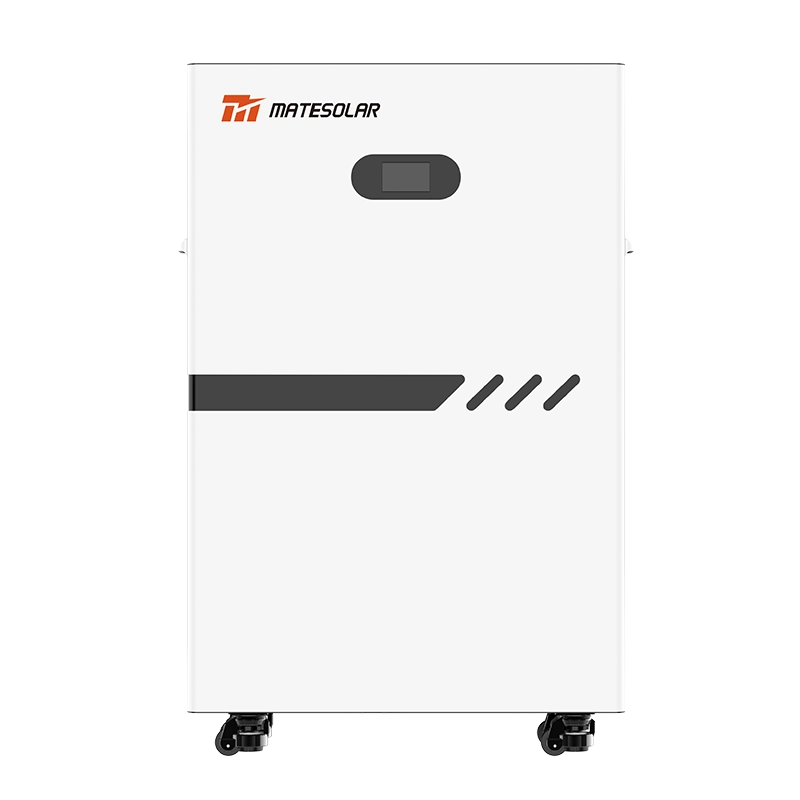
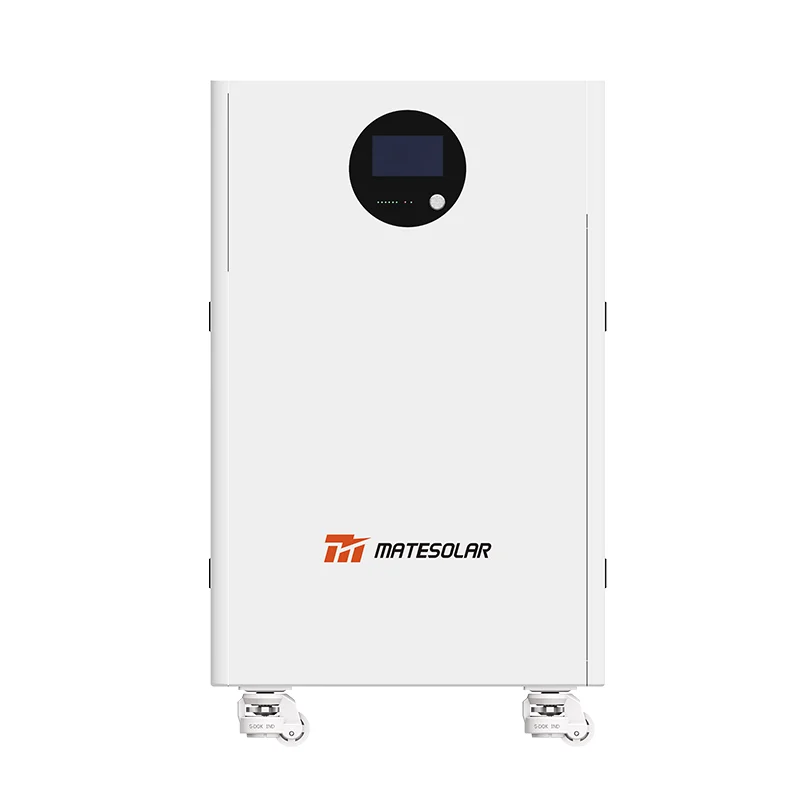
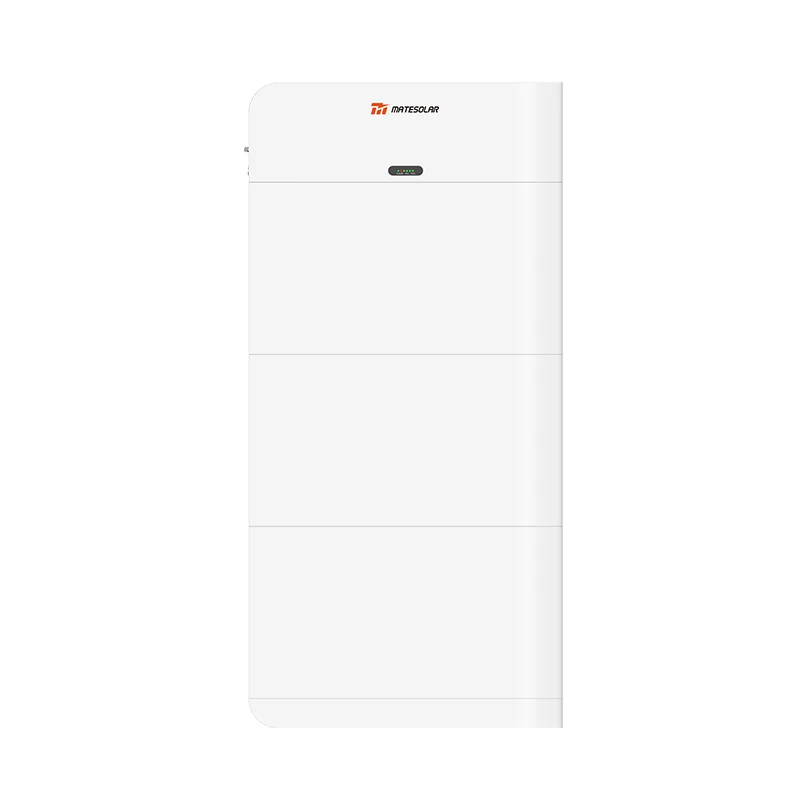
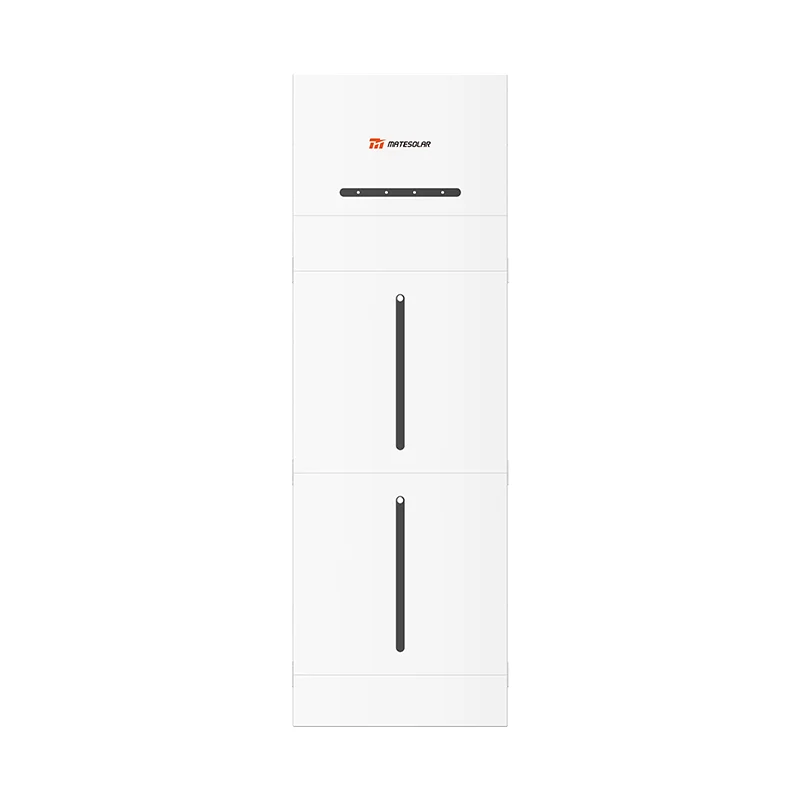
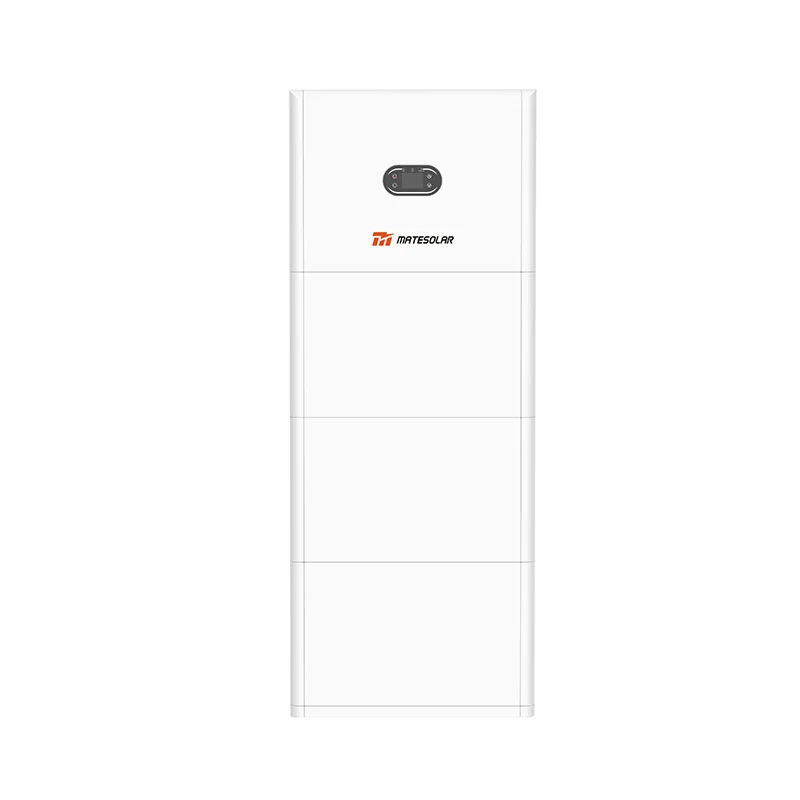
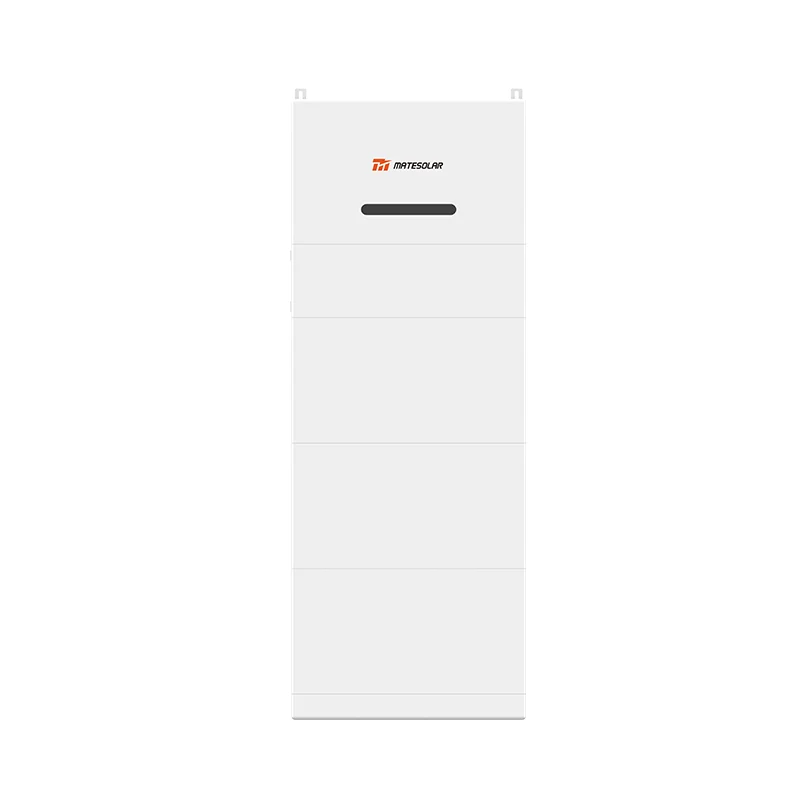
Descubre nuestros sistemas de almacenamiento de energía (ESS) para exterior con refrigeración líquida de 100 kW/232 kWh y 125 kW/261 kWh: compactos, con certificación UL 9540A (6.ª edición) y preparados para EaaS.
Problema 5: Todos los usuarios de C&I; – Norma UL 9540A, sexta edición: seguridad y adaptabilidad a condiciones climáticas extremas
El problema: El LSFT es ahora obligatorio. Los sistemas que no lo incorporen no podrán obtener la autorización del cuerpo de bomberos, por lo que los proyectos quedarán bloqueados. Al mismo tiempo, los sistemas BESS deben funcionar de forma fiable en todos los climas de EE. UU.: desde más de 40 °C en el suroeste hasta -20 °C en el norte. Las altas temperaturas aceleran el envejecimiento (la vida útil se reduce entre un 20 % y un 40 %); las bajas temperaturas reducen la capacidad hasta en un 30 %.
Lo que todos los clientes necesitan:
- Se ha completado la certificación UL 9540A, sexta edición, con LSFT
- Garantías de rendimiento a temperaturas extremas
- Servicio técnico y recambios en EE. UU.
Solución de MATE SOLAR
UL 9540A Sexta Edición – certificación completa lograda:
| Gama de productos | LSFT finalizado | NFPA 855 2026 | Validación de la autoridad competente |
| Gabinete exterior de 100 kW/232 kWh | Abril de 2026 | Conforme | California, Texas, Nueva York, Florida |
| Armario para exteriores de 125 kW/261 kWh | Abril de 2026 | Conforme | En curso |
| Contenedor de 40 pies, 1-2 MWh | Mayo de 2026 | Conforme | CA, TX |
| Contenedor de 20 pies y 3-5 MWh | Mayo de 2026 | Conforme | CA, TX, AZ |
Validación en condiciones climáticas extremas (probado por terceros):
| Zona climática | Temperatura | Rendimiento a los 15 años |
| Suroeste desértico | 42°C día / 28°C noche | Capacidad nominal de 92%; impacto en la vida útil <8% |
| Alta humedad costera | 35 °C / 85% de humedad relativa | Capacidad nominal 96%; grado de protección IP55 mantenido |
| Clima frío | -23°C a -12°C | Capacidad nominal de 89% con precalentamiento; impacto en la vida útil del ciclo <5% |
Nuestro sistema de refrigeración líquida mantiene los diferenciales de temperatura de las celdas dentro de ±2°C. La refrigeración activa opera hasta 50°C de temperatura ambiente; el precalentamiento integrado permite la carga hasta -20°C.
Garantías de rendimiento (vinculantes, por escrito):
| Parámetro | Garantía |
| Capacidad utilizable (año 1) | 100% de potencia nominal |
| Capacidad utilizable (año 10) | ≥80% de la potencia nominal |
| Capacidad utilizable (año 15) | ≥70% de la potencia nominal |
| Eficiencia de ida y vuelta (CC, nueva) | ≥90% |
| Temperatura de funcionamiento | -20°C a +50°C (descarga) |
Soporte con sede en EE. UU.: MATE SOLAR mantiene inventario regional de repuestos (Los Ángeles, Houston, Chicago, Atlanta), monitoreo remoto 24/7 a través de EMS basado en la nube, diagnóstico remoto de 24 horas para problemas de software, envío de piezas de 48 horas para reemplazo de hardware y una garantía de rendimiento de 15 años. Para grandes proyectos C&I, MATE SOLAR puede coordinar personal técnico in situ para la puesta en marcha y orientación de la instalación caso por caso, según lo acordado en los contratos de proyecto.
Parte III: Matriz de Selección de Productos
| Producto | Capacidad | Lo mejor para | Característica clave |
| Gabinete exterior de 100 kW/232 kWh | 232 kWh | Hoteles, oficinas, comercios | Compacto, financiación EaaS |
| Armario para exteriores de 125 kW/261 kWh | 261 kWh | Minorista grande, industrial pequeño | Apilable (2 unidades) |
| Contenedor de 40 pies 1MWh (Refrigerado por aire) | 1.000 kWh | Industrial mediano | El menor costo inicial |
| Contenedor de 40 pies y 2 MWh (refrigerado por aire) | 2.000 kWh | Respaldo de centro de datos | Paralelismo escalable |
| Contenedor de 20 pies y 3 MWh (refrigerado por líquido) | 3.000 kWh | Industrial a gran escala | La mayor densidad |
| Contenedor de 20 pies y 5 MWh (Refrigerado por líquido) | 5.000 kWh | Microgrid del campus | Mejor $/kWh |
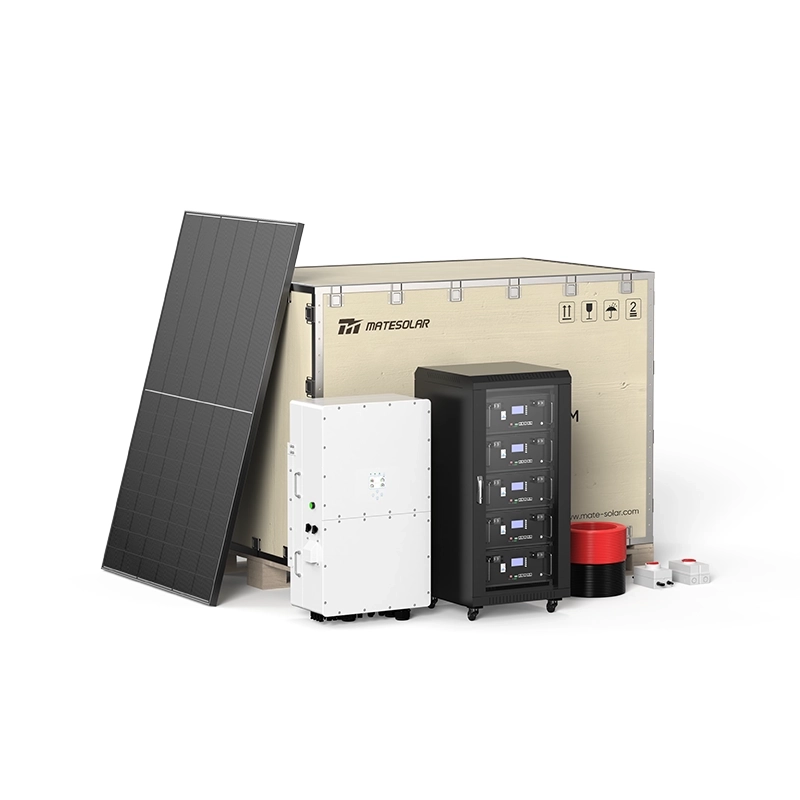
| Sistema solar híbrido de 500 kW | 500 kW AC | PV comercial+ESS | Solución llave en mano |
Parte IV: Preguntas Frecuentes
Pregunta 1: ¿Cómo confirmo que un BESS cumple con la UL 9540A, sexta edición?
Solicite el informe de prueba UL 9540A Edición Sexta del fabricante, específicamente la sección de Prueba a Gran Escala de Incendios (LSFT) a Nivel de Instalación. El informe debe tener fecha posterior al 13 de marzo de 2026 y hacer referencia a “UL 9540A Edición 6”. MATE SOLAR proporciona informes de prueba completos tras la ejecución de un acuerdo de confidencialidad (NDA).
Q2: ¿Qué sucede si mi proyecto no supera el umbral FEOC MACR?
Si su sistema de almacenamiento de energía (BESS) de más de 1 MW CA tiene un coste de fabricación inferior a 55% procedente de fuentes distintas de PFE (para 2026), el proyecto queda totalmente excluido del ITC, sin derecho a crédito parcial. La opción más segura es una cadena de suministro 100% no FEOC, que ofrece MATE SOLAR.
P3: ¿Puedo añadir almacenamiento a un sistema solar existente de NEM 2.0 sin perder el estado de NEM 2.0?
Sí. La CPUC dictaminó que las adiciones de almacenamiento no activan la reclasificación NEM 3.0. Esta es una oportunidad crítica: los sistemas NEM 2.0 solo solares pueden agregar almacenamiento para la descarga pico vespertina mientras mantienen tarifas de exportación NEM 2.0 favorables. MATE SOLAR se especializa en reacondicionamientos que cumplen con NEM 2.0.
P4: ¿Cuál es el retorno de la inversión real para un BESS de 100kW/232kWh en California bajo NEM 3.0?
Solo energía solar: 9–12 años. Energía solar + almacenamiento: 5–7 años. Con el ITC 30% + el complemento por contenido nacional 10% + el SGIP (si se cumple los requisitos), la amortización efectiva puede reducirse a 3–5 años. MATE SOLAR ofrece modelos de retorno de la inversión personalizados utilizando sus datos de consumo reales y la tarifa de la compañía eléctrica.
P5: ¿Cómo verifico el cumplimiento de FEOC de un proveedor?
Solicitud: (1) Certificado de Cumplimiento FEOC de un auditor externo reconocido, (2) Informe de Trazabilidad de la Fuente del Material, (3) Hoja de Cálculo de Cálculo de MACR, (4) Atestación de Cumplimiento del Aviso 2026-15 del IRS, y (5) Declaración de Propiedad de la Entidad. MATE SOLAR proporciona los cinco documentos para cada envío.
¿MATE SOLAR ofrece servicios de instalación?
MATE SOLAR es un fabricante y proveedor, no un contratista de instalación. Para problemas de hardware, las piezas de repuesto se envían con instrucciones detalladas y guía remota. Para defectos de hardware significativos, se ofrece el reemplazo directo del producto bajo garantía. Para problemas de software, se incluye solución de problemas remota 24/7. Para proyectos comerciales e industriales a gran escala, MATE SOLAR puede enviar personal técnico para la puesta en marcha in situ y la orientación de la instalación caso por caso según lo acordado en los contratos de proyecto. MATE SOLAR también mantiene una red nacional de socios de instalación cualificados y puede facilitar referencias.
Q7: ¿Qué transformadores ofrece MATE SOLAR y cuáles son los plazos de entrega?
Transformadores elevadores (de 480 V a 13.8 kV/34.5 kV) de 500 kVA a 3 MVA: 12–16 semanas. Elevadores (de 480 V a 69 kV/138 kV) de 3–10 MVA: 20–24 semanas. Los plazos de entrega del mercado son de 128–144+ semanas. Los acuerdos de capacidad de MATE SOLAR aseguran espacios de producción prioritarios.
Pregunta 8: ¿Cuál es la garantía?
Células de batería (LFP): 15 años prorrateados (≥80% de capacidad al décimo año, ≥70% al decimoquinto año). PCS, BMS, EMS, carcasa y sistema térmico: 10 años. Supervisión y asistencia remotas: 15 años. Disponible una cobertura total ampliada a 20 años.
Conclusión: La ventana de oportunidad es ahora
El mercado de almacenamiento de energía C&I de EE. UU. en junio de 2026 presenta una rara convergencia de condiciones favorables y demanda urgente. El crecimiento de la carga impulsado por la IA ha llevado los precios de la capacidad de PJM a máximos de diez años. Las reglas FEOC y de contenido nacional han creado complejidad de cumplimiento, pero también una ventaja competitiva para los proveedores que invirtieron temprano en cadenas de suministro diversificadas y compatibles. UL 9540A Sexta Edición ha elevado permanentemente el nivel de seguridad.
Para los clientes C&I, los EPC, los desarrolladores y las IPP, los próximos 12 a 18 meses determinarán el liderazgo en el mercado por el resto de la década. Los proyectos que avancen ahora —con equipos compatibles con FEOC, sistemas certificados por UL 9540A y entrega acelerada de transformadores— capturarán ingresos del mercado de capacidad, beneficios de ITC y acceso a la red que pueden volverse más restringidos en los próximos años.
MATE SOLAR se posiciona como su proveedor integral de soluciones solares y de almacenamiento de energía, entregando productos de BESS totalmente compatibles con FEOC, certificados según la UL 9540A Edición Sexta y validados para el clima de EE. UU., desde gabinetes exteriores hasta sistemas a escala de contenedores, respaldados por compromisos de entrega vinculantes y soporte técnico con sede en EE. UU.
El mercado se está transformando. Las políticas se están endureciendo. Los estándares están aumentando. La fecha para actuar es junio de 2026.
MATE SOLAR – Proveedor Integral de Soluciones Solares y Almacenamiento de Energía
¿Está planeando un proyecto solar + almacenamiento comercial e industrial (C&I) en EE. UU.? Obtenga una solución personalizada gratuita y un análisis de retorno de la inversión (ROI) de nuestros expertos en 24 horas.