
















Нормативно-правова база CNE від 16 квітня 2026 року змінює ринок накопичення енергії в Мексиці — практичний план дотримання нормативних вимог та оптимізації до доходів для промислових і комерційних забудовників

16 квітня 2026 року Національна енергетична комісія Мексики (CNE) опублікувала в Офіційному віснику федерації Загальні адміністративні положення щодо інтеграції систем накопичення електричної енергії в Національну електричну систему. Разом із Законом про сектор електроенергетики (LSE) та його Регламентом (RLSE) ці положення становлять першу всеосяжну регуляторну базу, що визначає інтеграцію, експлуатацію та участь у ринку систем накопичення енергії на акумуляторах (BESS) у Мексиці..
Цей регуляторний етап настає у критичний момент. Плановий документ Мексики PLADESE передбачає приблизно 6 ГВт накопичувачів на батареях до 2030 року, тоді як перший великий тендер на відновлювані джерела енергії передбачав 3,3 ГВт відновлюваних джерел у поєднанні з 1,5 ГВт акумуляторів.. Другий конкурс стратегічних проєктів, запущений у травні 2026 року, встановив вимогу щодо автономних систем накопичення енергії (BESS) потужністю 935 МВт у семи регіональних зонах управління, причому очікується, що більшість проєктів забезпечать тригодинну тривалість зберігання.. Однак регуляторна база, розроблена для розблокування цього потоку інвестицій, з'явилася якраз тоді, коли глобальні ланцюжки постачань високовольтного електричного обладнання зазнають найпотужнішого затяжного тиску з 2022 року.
Цей посібник містить вичерпний аналіз п'яти модальностей участі, шляхів їх дотримання нормативних вимог, стратегій оптимізації доходу, тендерних вимог та практичних рішень щодо розгортання для розробників, інвесторів і промислових користувачів, які орієнтуються в новому ландшафті систем накопичення енергії (BESS) у Мексиці.
Частина 1: Розуміння нормативно-правової бази — П'ять модальностей участі
1.1 Регуляторний контекст та правова архітектура
Загальні адміністративні положення CNE встановлюють вимоги, яким повинні відповідати Системи накопичення електричної енергії (SAEE) для інтеграції в Національну електричну систему (SEN), послуги, які вони можуть надавати, доступні модальності участі, а також умови для групового встановлення.
Цей фреймворк замінює положення Угоди A/113/2024, опублікованої 7 березня 2025 року, і діє узгоджено з обов'язковим плануванням, операційним контролем Національного центру енергетичного контролю (CENACE) та Правилами Опитового ринку електроенергії (MEM).
Критична технічна вимога застосовується до всіх модальностей: SAEE на основі силової електроніки, які здійснюють вливання до Національної мережі передачі (RNT) або Загальних розподільчих мереж (RGD), повинні впроваджувати технологію формування мережі та подавати запит на проведення досліджень взаємозв'язку для вливання та, де застосовно, підключення для відбору енергії. За відсутності офіційного мексиканського стандарту вимагається дотримання стандартів IEC 62619, IEC 62933-5-1/5-2, UL 1973 та UL 9540..
Ці технічні стандарти мають прямі наслідки для вибору обладнання. Проєкти комунального масштабу (utility-scale), що підключаються на рівні передачі, повинні використовувати інвертори, що формують мережу (grid-forming), здатні забезпечувати синтетичну інерцію та підтримку напруги — здатність, яка відрізняє вдосконалені платформи BESS від звичайних систем, що слідують за мережею (grid-following).
1.2 П’ять модальностей участі: Порівняльний огляд
| Модальність | Абревіатура | Основний варіант використання | Потрібен дозвіл на зберігання? | Участь у ринку |
| Пов'язані з електростанціями | SAEE-CE | Електростанції з відновлюваних джерел енергії (сонячні/вітрові) з дозволами на генерацію MEM | Ні — невіддільна частина заводських потужностей | Дозвіл на генерацію; участь у ринку електричної енергії (РДД/ВР) через учасника ринку електростанції |
| Пов'язані з розподільчими щитами | SAEE-CC | Промислові/комерційні розподільні пристрої, що забезпечують власні потреби споживання | Ні — невіддільна частина обладнання розподільного центру | За лічильником; без участі в оптовому ринку електроенергії безпосередньо |
| Пов'язане з владним споживанням | SAEE-Autoconsumo | Користувачі для власého споживання або власники дозволів на генерацію за схемою власного споживання | Ні — за умови, що потужність ВДЕ ≤ попиту центру споживання | Рамка для власного споживання; застосовуються правила продажу надлишків |
| Пов'язано з інфраструктурою передачі та розподілу електроенергії | SAEE-RNT/RGD | Інфраструктура, інтегрована з CFE, для суспільних послуг передачі/розподілу | Інтегровано CFE як елемент інфраструктури | що управляється CFE; переносне відповідно до обов'язкового планування |
| Автономний | SAEE не асоційований | Незалежне зберігання складовою компанією (альмасенадорою) | Так — необхідний дозвіл на зберігання | Безпосередня участь у MEM як оператор складу (almacenadora) або через представництво генератора/постачальника |
Загальні адміністративні положення CNE від 16 квітня 2026 року; аналіз DLA Piper; резюме Greenberg Traurig
1.3 Детальний розгляд: SAEE, пов'язані з електростанціями (SAEE-CE)
Ця модальність є ексклюзивною для електростанцій на відновлюваних джерелах енергії, які мають дозвіл на генерацію у статусі генерації для Оптового ринку електроенергії (Generación para el Mercado Eléctrico Mayorista).. Сховище відпрацьованого ядерного палива вважається невіддільною частиною споруд електростанції, а тому не потребує окремого дозволу на зберігання.
Ключовий шлях дотримання вимог:
- Система зберігання енергії має бути включена до сфери дії існуючого дозволу станції на генерацію
- Дослідження взаємопідключення повинні враховувати комбінований профіль генерації та накопичення
- Реєстрація учасника ринку електростанції в CENACE поширюється на об'єкт зберігання
- Облік здійснюється в точці підключення заводу
Стратегічні міркування: цей підхід пропонує найшвидший шлях дотримання вимог, оскільки він використовує чинний дозвіл на генерацію. Для розробників відновлюваних джерел енергії, які реагують на обов'язкову вимогу щодо зберігання 30%, SAEE-CE є шляхом з найменшими регуляторними перешкодами. Результати тендеру за грудень 2025 року це продемонстрували: усі 3,3 ГВт відзначених проєктів відновлюваної енергетики включали розміщені на одному майданчику СНЗ, причому два найбільші проєкти — Ла-Алегрія (694,2 МВт сонячної енергії + 177,6 МВт накопичення) та Ла-Есперанса (350,7 МВт сонячної енергії + 86,19 МВт накопичення) — були структуровані за цією модальністю.
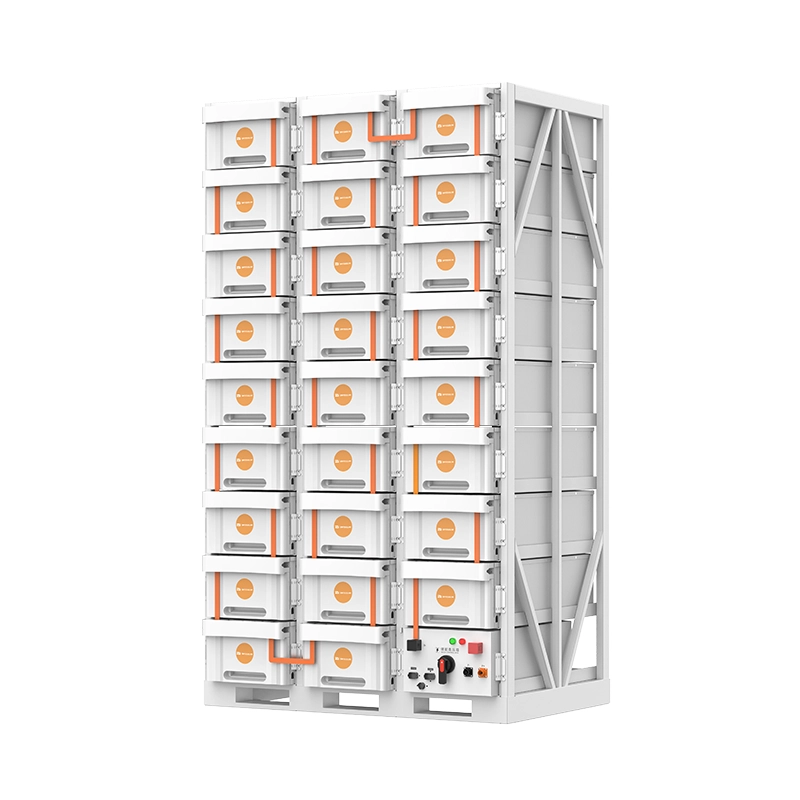
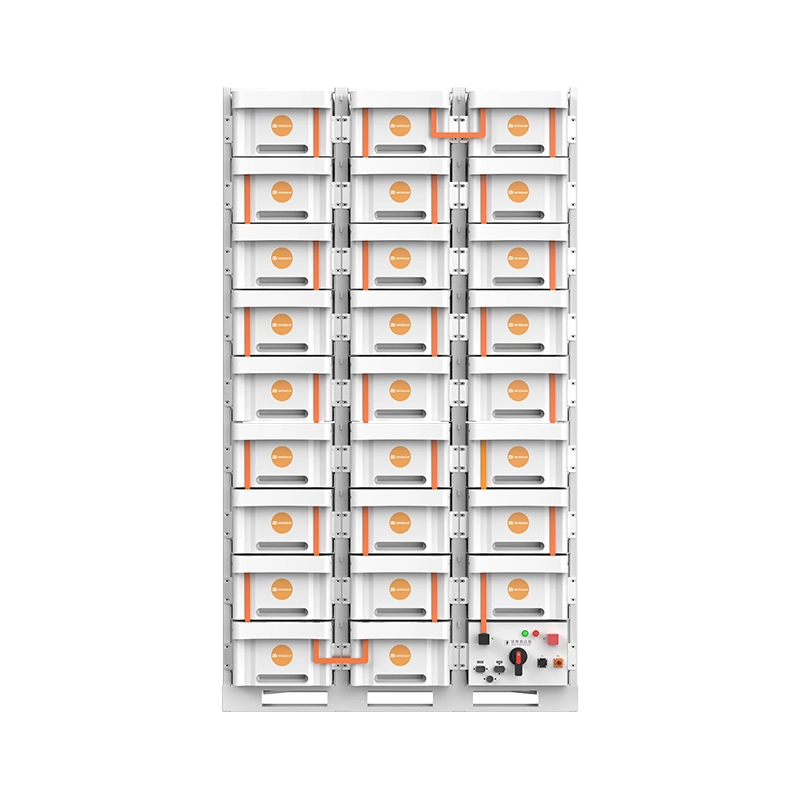
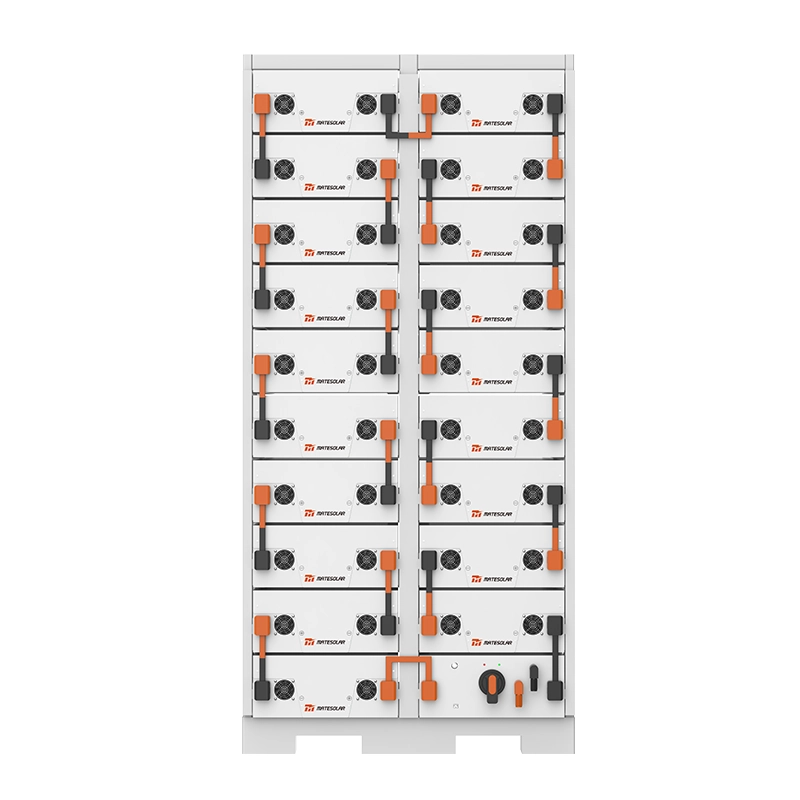
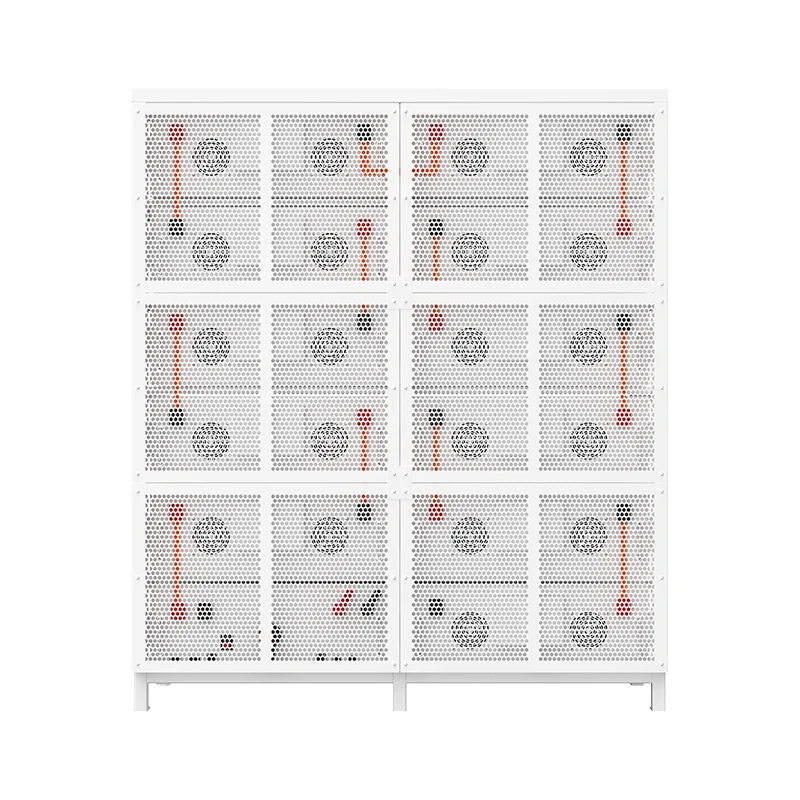
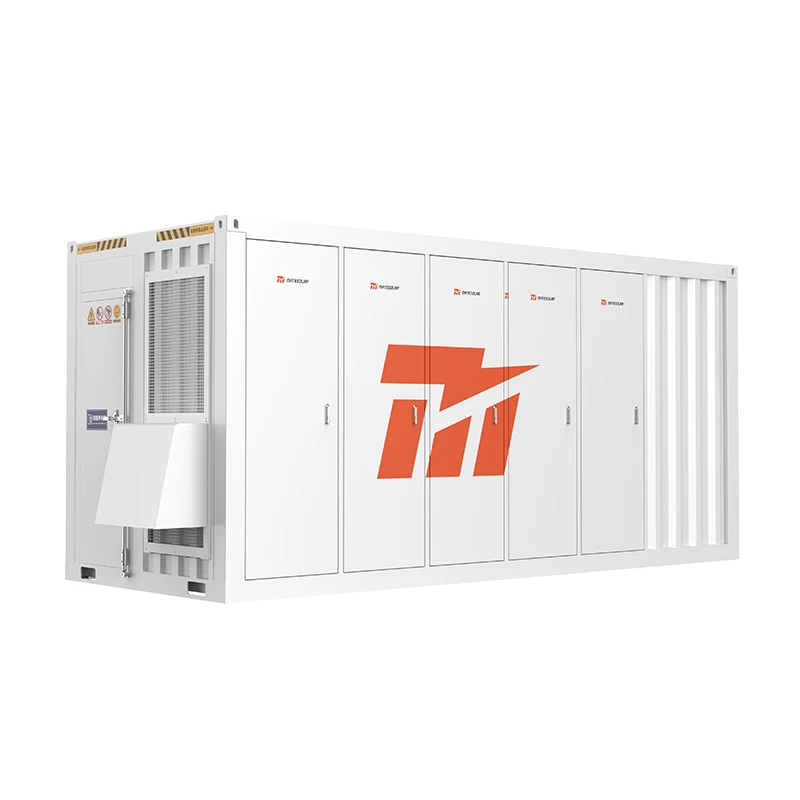
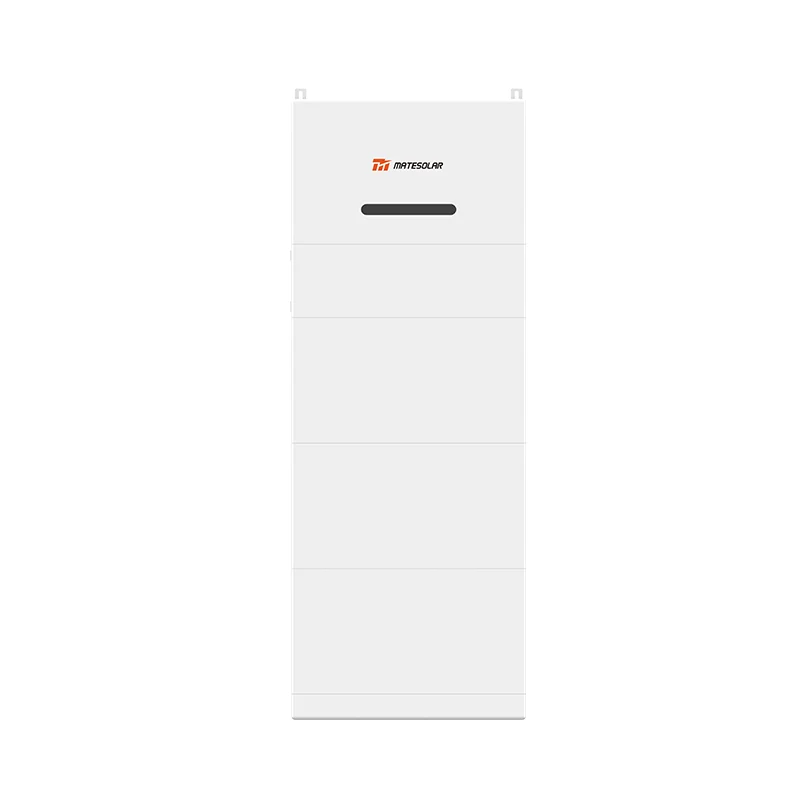
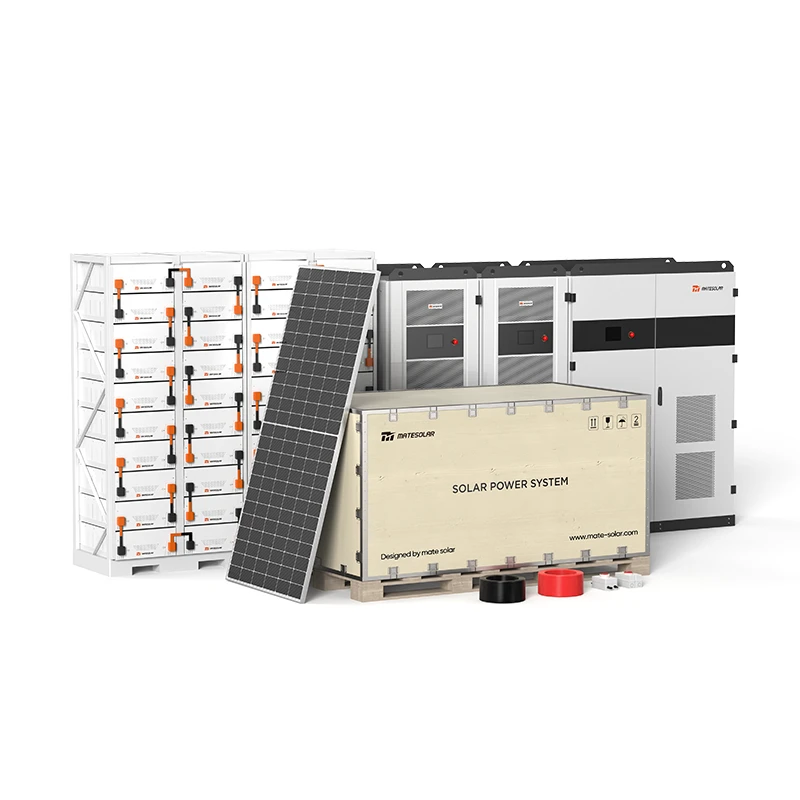
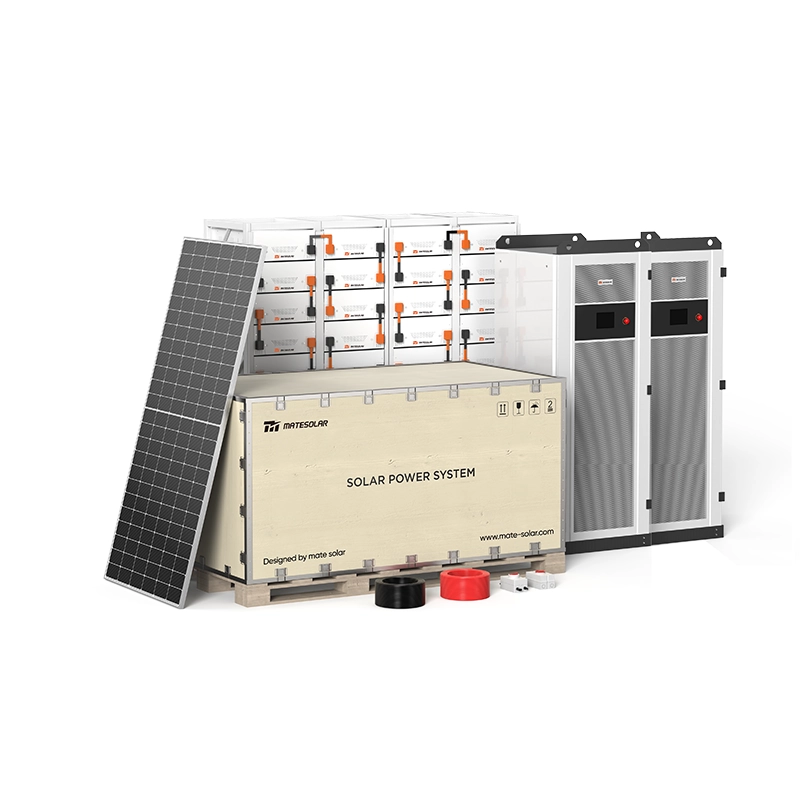
Для розробників, які шукають оптимізоване, попередньо розроблене рішення для розміщених на одному майданчику проєктів відновлюваної енергії та накопичення енергії, Система накопичення енергії MateSolar 40 футів 1МВт·год 2МВт·год з повітряним охолодженням у контейнерному виконанні пропонує контейнеризовану конфігурацію, яку можна розгортати паралельно з сонячними електростанціями, що забезпечує швидку інтеграцію в існуючі структури дозволів на генерацію. Конструкція з повітряним охолодженням спрощує експлуатацію та технічне обслуговування в різних кліматичних зонах Мексики, зберігаючи при цьому надійність, необхідну для відновлюваної генерації з можливістю диспетчеризації.
1.4 Детальний огляд: SAEE, пов'язані з центрами навантаження (SAEE-CC)
Ця модальність застосовується, коли центр навантаження інтегрує SAEE виключно для задоволення потреб цього центру навантаження. Як і SAEE-CE, система зберігання вважається частиною об'єктів центру навантаження і не потребує дозволу на зберігання.
Ключовий шлях дотримання вимог:
- Держенергоефективності працює повністю за лічильником
- Заявки на дозвіл на зберігання до CNE не потрібно
- Існуюча угода про підключення центру навантаження охоплює накопичувальний об'єкт
- Вимірювання здійснюється на в вводі розподільчого щита
Стратегічні міркування: Це найпоширеніший формат для комерційних та промислових (C&I) об'єктів, зокрема готелів, комерційних комплексів, індустріальних парків та виробничих підприємств. Основними джерелами створення цінності є зниження плати за максимальну потужність та згладжування пікових навантажень без прямої участі в MEM. Проте структура не забороняє участь у ринках потужності за допомогою механізмів агрегації, які можуть виникнути в рамках вторинного законодавства.
1.5 Детальний розгляд: SAEE, пов'язані з самоспоживанням (SAEE-Autoconsumo)
Ця модальність застосовується до споживачів для власного споживання та власників дозволів на генерацію за схемою власного споживання, незалежно від того, чи є вони ізольованими, чи з'єднаними між собою. Застосовується критичний поріг: SAEE може бути встановлено без дозволу на зберігання за умови, що потужність SAEE дорівнює або є меншою за попит центру споживання.
Ключовий шлях дотримання вимог:
- Потужність ВДЕ не повинна перевищувати попит центру споживання
- Дослідження підключення до електромережі є обов'язковими для об'єднаних енергосистем
- Правила продажу надлишкової енергії застосовуються залежно від конкретної підмодальності власного споживання
- Для систем потужністю від 0,7 МВт до 20 МВт «єдине вікно» для власнного споживання забезпечує прискорений процес
Поріг у 0,7 МВт є значущим: проєкти такої чи більшої потужності підпадають під дію рамкової програми конкурсу стратегічних проєктів та можуть отримати дозвіл за прискореною процедурою, яка скорочує зазвичай тривалий процес від 12 до 24 місяців до спрощеного шляху погодження.
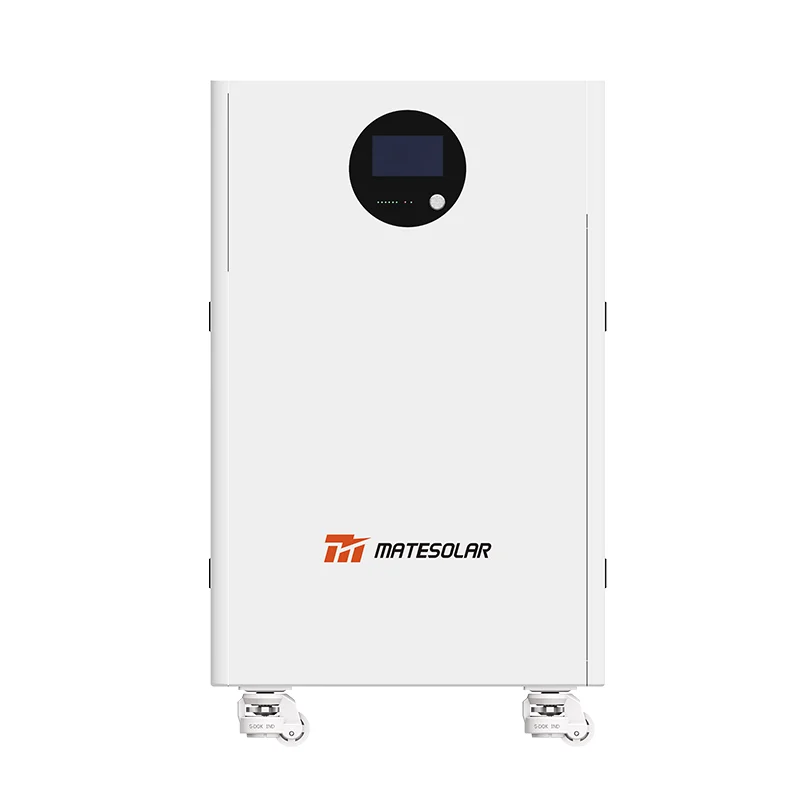
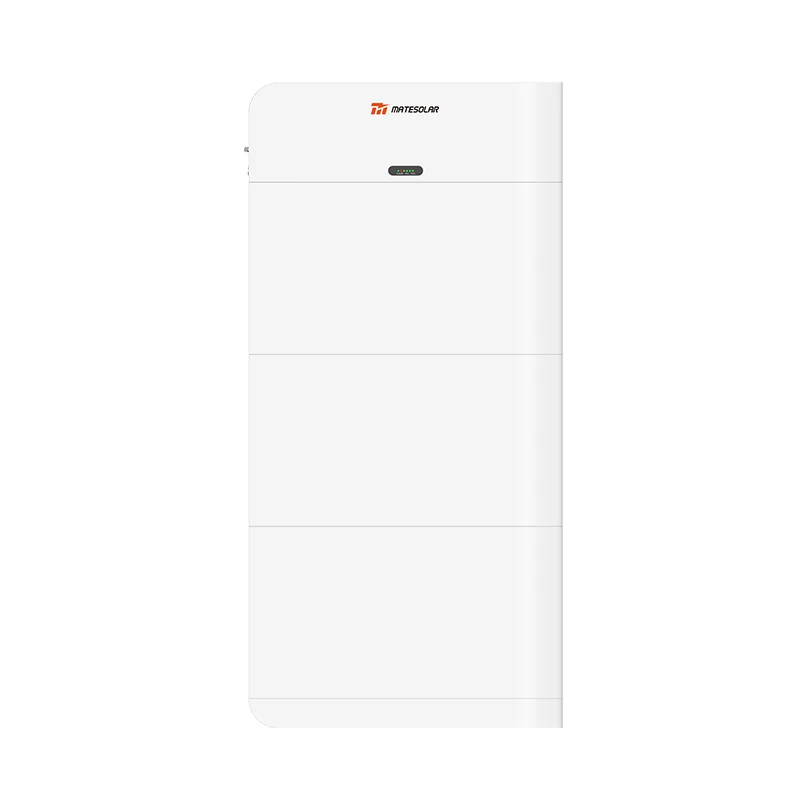
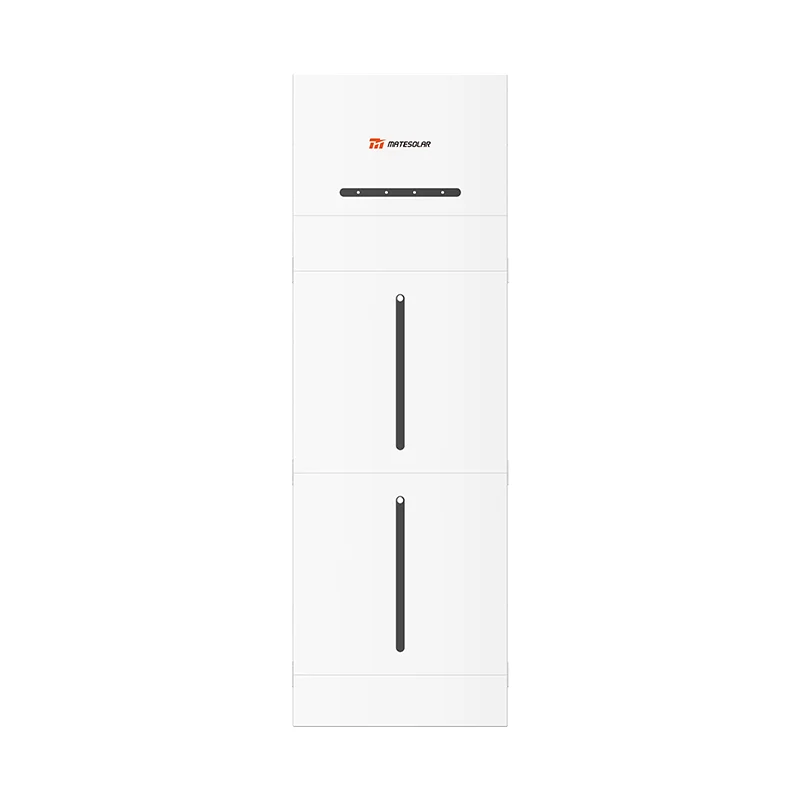
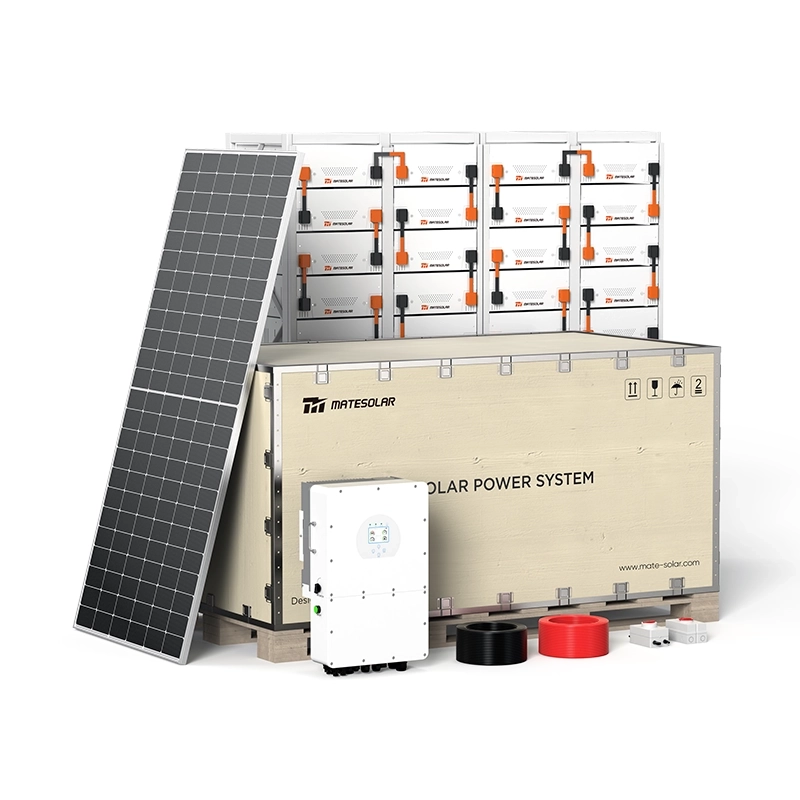
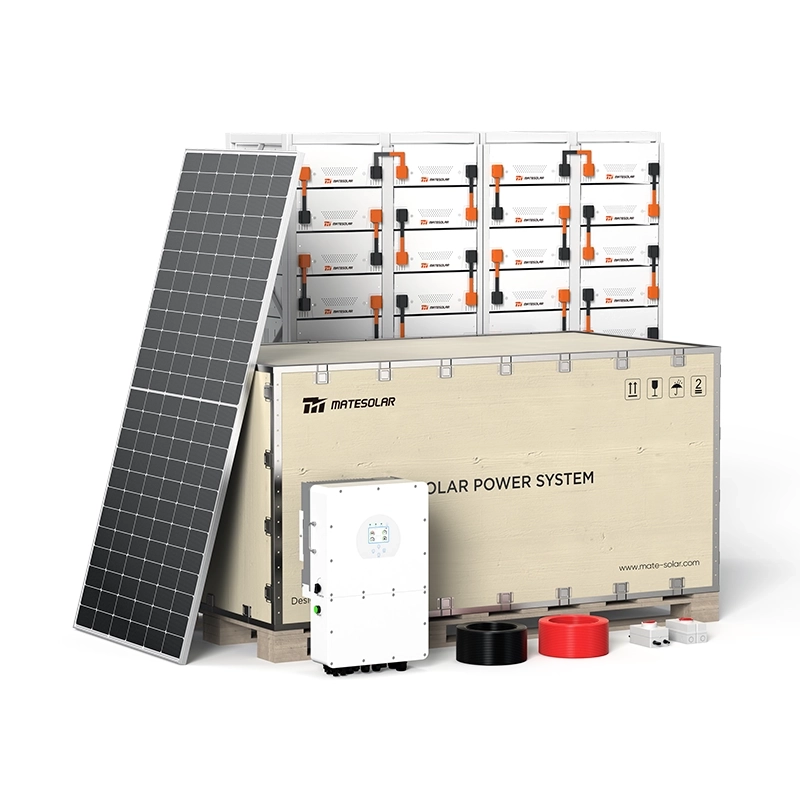
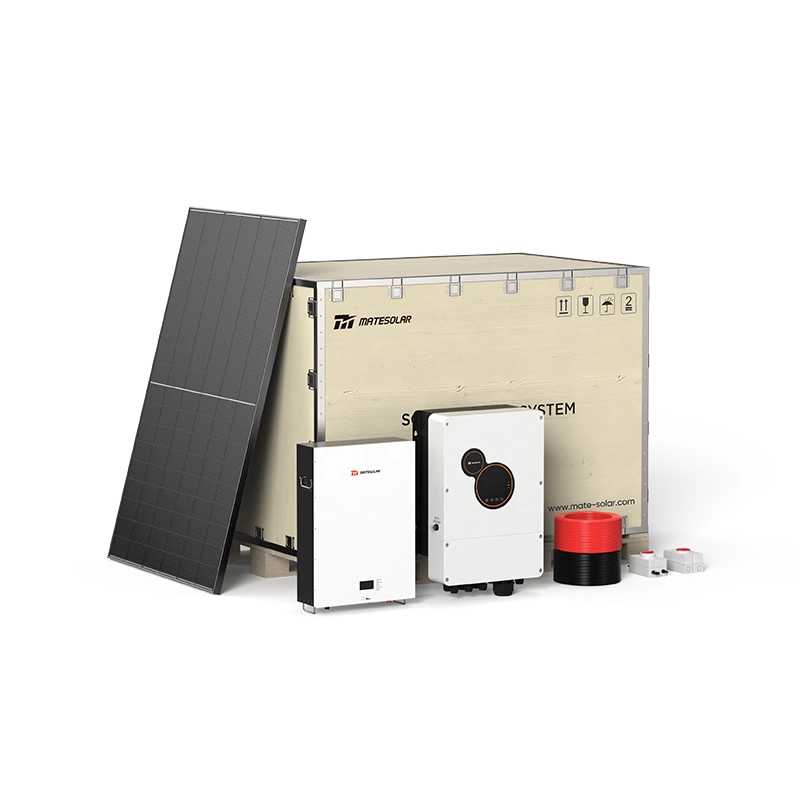
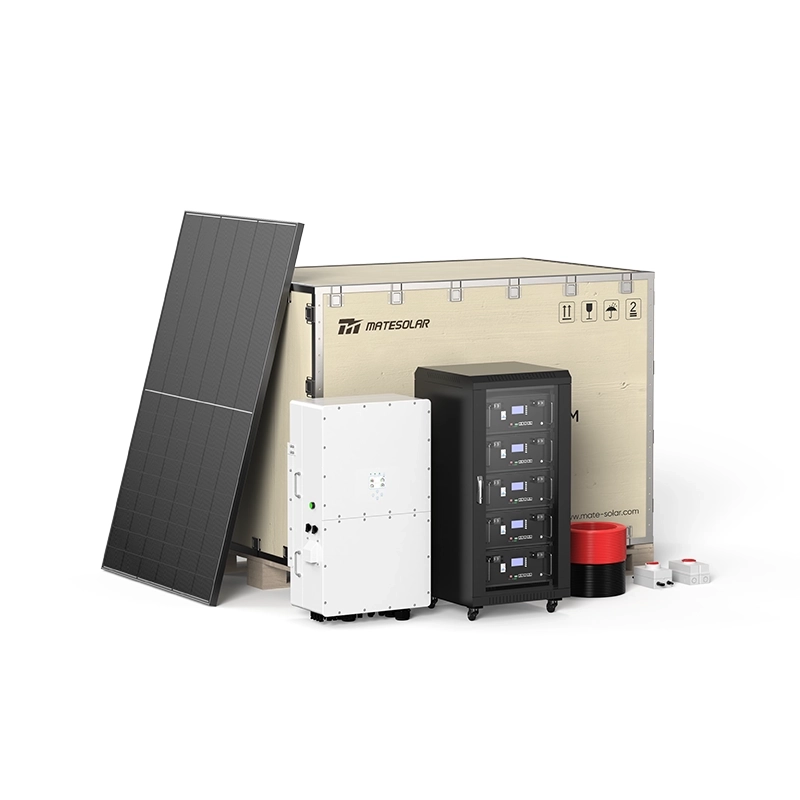
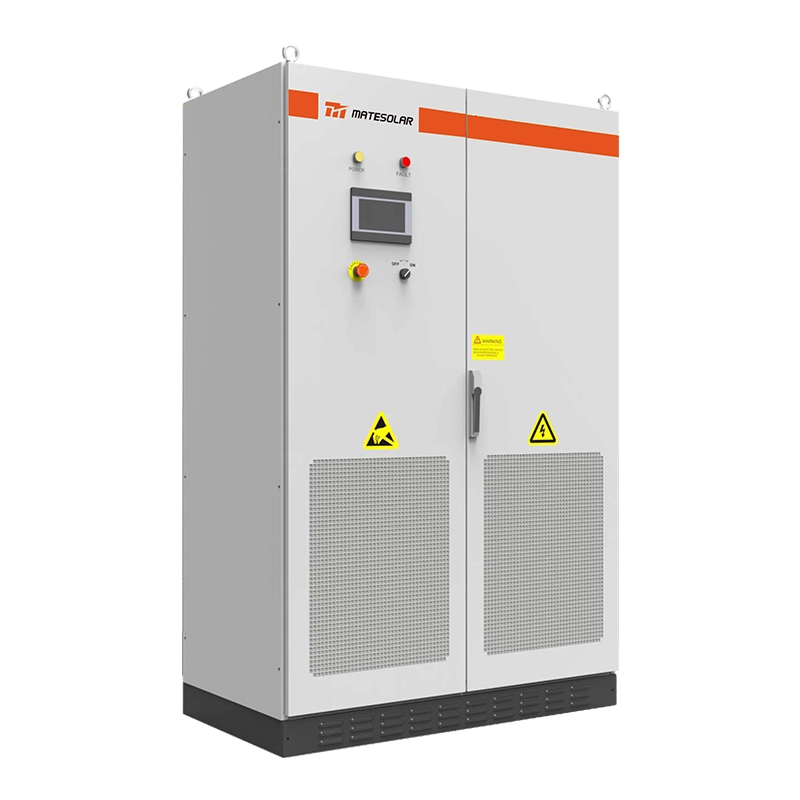
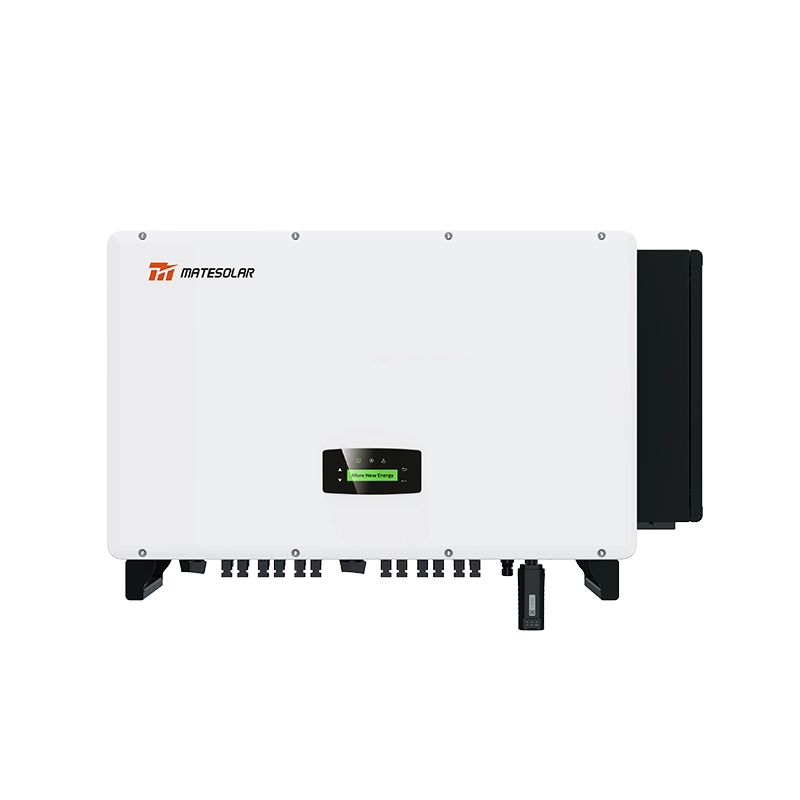
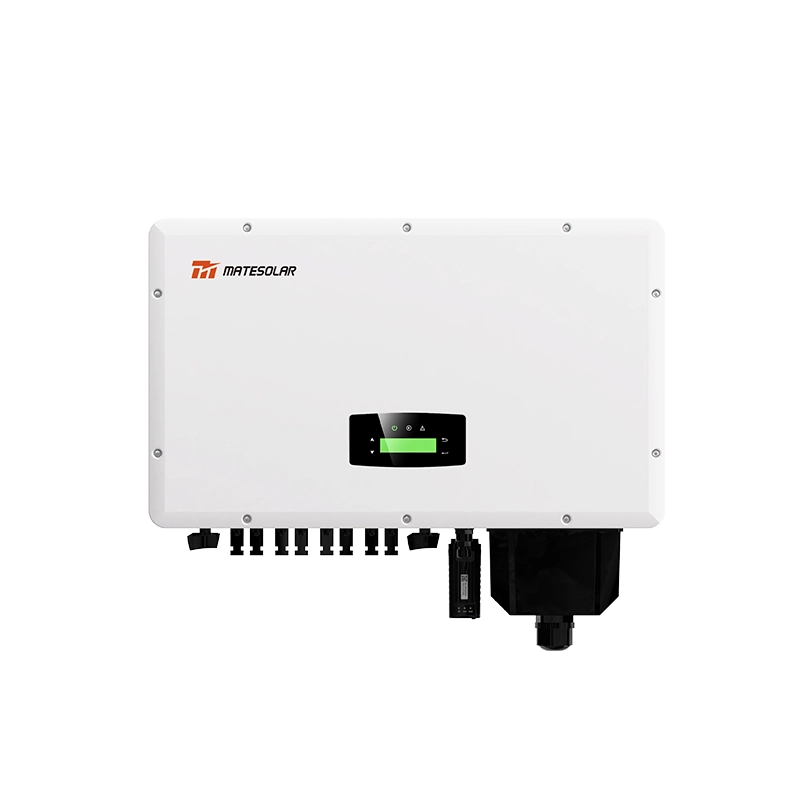
Для промислових об'єктів такого діапазону потужності, Комерційна гібридна сонячна система потужністю 500 кВт від MateSolar забезпечує інтегроване рішення «сонячна енергія + накопичення», розроблене спеціально для великих комерційних і промислових споживачів електроенергії. Гібридна архітектура забезпечує одночасну оптимізацію власного споживання та управління попитом із можливістю гнучкого масштабування ємності сховища до порогового значення споживання об'єкта без необхідності отримання дозволів на зберігання.
1.6 Поглиблений розгляд: SAEE, пов'язані з інфраструктурою передачі та розподілу (SAEE-RNT/RGD)
Ця модальність охоплює SAEE, інтегровану Федеральною комісією з електроенергетики (CFE) як елемент інфраструктури, призначеної для надання послуг громадської передачі або розподілу. Ці системи можна переміщувати в інші місця в межах SEN, коли прив'язне планування визначає це доцільним.
Ця модальність експлуатується виключно CFE. Приватні розробники не можуть впроваджувати SAEE в рамках цієї категорії, хоча вони можуть брати участь через партнерські структури CFE в рамках схеми змішаного розвитку.
1.7 Детальне дослідження: неасоційовані SAEE (SAEE no Asociado)
Ця модальність застосовується до SAEE, інтегрованої компанією зі зберігання (almacenadora), яка не є частиною електростанції, центру навантаження або інфраструктури громадського користування. Ці системи можуть брати участь у MEM як almacenadora або бути представленими генератором чи постачальником.
Ключовий шлях дотримання вимог:
- Дозвіл на зберігання від CNE є обов'язковим
- Реєстрація Учасника ринку в CENACE є обов'язковою
- Мінімальний поріг потужності 0,7 МВт для участі в РДР
- Мінімальна тривалість три години для участі в ринку потужності
- Дослідження взаємозв'язку для видачі та підключення потужності
Доступні джерела доходу:
- Енергетичний арбітраж на оптовому ринку електроенергії (ОРЕ)
- Допоміжні послуги (регулювання частоти, підтримка напруги)
- Виплати за ринок потужності
- Договори Механізму закупівлі надійності з CENACE
Aurora Energy Research прогнозує додавання 3,8 ГВт акумуляторів у Мексиці найближчими роками, причому допоміжні послуги відіграватимуть ключову роль у структурах доходів систем накопичення енергії (BESS). Затверджена у квітні 2026 року структура чітко встановлює, що акумулятори можуть отримувати дохід від торгівлі енергією на оптовому ринку, допоміжних послуг та ринків потужності.
Виcritical market timing: поточний тендер на автономні сховища — з вимогою 935 МВТ, розподіленою між сімома регіонами — зарезервований виключно для партнерств з CFE. Приватні незалежні розробники систем накопичення енергії (BESS) повинні або стати партнерами CFE в межах схем змішаного розвитку, або чекати на наступний раунд тендеру на неасоційоване сховище за межами структури партнерства з CFE.
Частина 2: Арбітраж піків і долин та управління платою за максимальну потужність
2.1 Розуміння структури тарифів на промислову електроенергію в Мексиці
Промислові споживачі електроенергії в Мексиці стикаються з однією із найскладніших тарифних структур у Латинській Америці. Промисловий рахунок CFE може містити від 12 до 18 різних рядків нарахування платні, причому реальну середню вартість у песо за кВт-год можна отримати лише після декомпозиції всіх компонентів.
Три найважливіші промислові тарифи:
| Tariff | Full Name | Voltage Level | Hourly Differentiation | Типове застосування |
| HM | Hourly Medium-Voltage Demand | Medium voltage (typically 13.8 kV) | Yes — base, mid, peak | Moderate hourly variation |
| GDMTH | Large Hourly Medium-Voltage Demand | Medium voltage, large load centers | Yes — base, mid, peak | Most common for medium-to-large plants |
| GDMTO | Large Ordinary Medium-Voltage Demand | Medium voltage | No — uniform price | Profiles where hourly differentiation adds no value |
Source: CFE tariff schedules, 2026; Enerlogix analysis
2.2 The True Cost of Peak Demand
Every component of the industrial electricity bill matters:
Energy charge (kWh): Calculated by multiplying kWh consumed in each hourly block by the price of the corresponding block. In hourly tariffs (HM, GDMTH), prices change among base, mid, and peak hours. A simplified example: a plant consuming 250,000 kWh/month distributed as 120,000 kWh in base, 100,000 in mid, and 30,000 in peak — with prices of $1.20, $2.00, and $3.50 per kWh respectively — faces an energy charge of $674,000.
Demand charge (kW): Calculated by multiplying the maximum demand peak in the period by the unit price of the demand charge. This is where most companies lose money without noticing: a single poorly coordinated startup at peak time can set a peak that gets billed for the entire month. If a facility's monthly peak was 1,800 kW when operational demand was only 1,200 kW, the facility pays demand charges on 600 kW of phantom demand.
Power factor charge: Penalty if power factor falls below 0.9, or bonus if it exceeds certain thresholds.
2.3 Market Price Volatility: The Case for Storage
Wholesale power prices in Mexico's main electricity market showed extreme volatility in 2025. Prices peaked between April and August, reaching an average of 1,112 pesos per megawatt-hour (US$63/MWh) in May. Summer evening prices topped US$90/MWh around 9 p.m., while midday prices dropped to approximately US$30/MWh.
This spread — approximately US$60/MWh between midday trough and evening peak — represents the core arbitrage opportunity for BESS operators. Admonitor described the April-August period as a "key window for charging during trough hours and discharging at peak times".
2.4 Synergizing Arbitrage with Demand Charge Management
The optimal BESS control strategy for C&I applications must simultaneously address two value streams:
Peak shaving for demand charge reduction: The BESS discharges during the facility's peak demand periods — typically 18:00-22:00 in summer months — to reduce the maximum demand reading that determines the monthly demand charge.
Energy arbitrage for energy charge reduction: The BESS charges during base hours (low-cost periods, typically overnight and midday) and discharges during peak hours when energy charges are highest.
The synergy: A single BESS asset can capture both value streams by using a sophisticated energy management system (EMS) that:
1. Predicts the facility's load profile based on historical data and production schedules
2. Monitors real-time MEM prices for arbitrage signals
3. Coordinates discharge timing to capture both peak energy prices and peak demand periods
4. Reserves sufficient state-of-charge for both applications
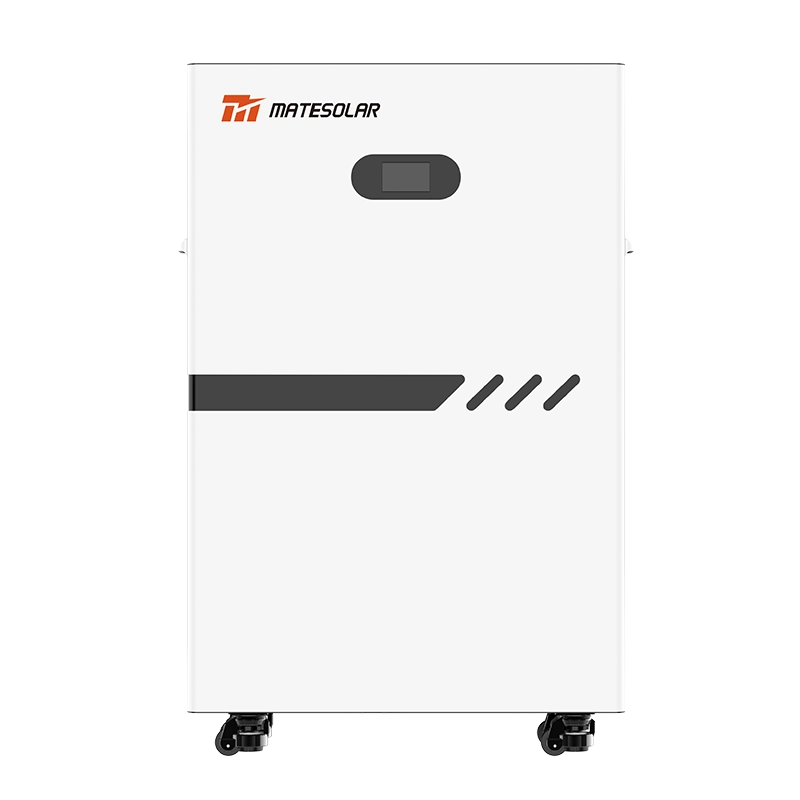
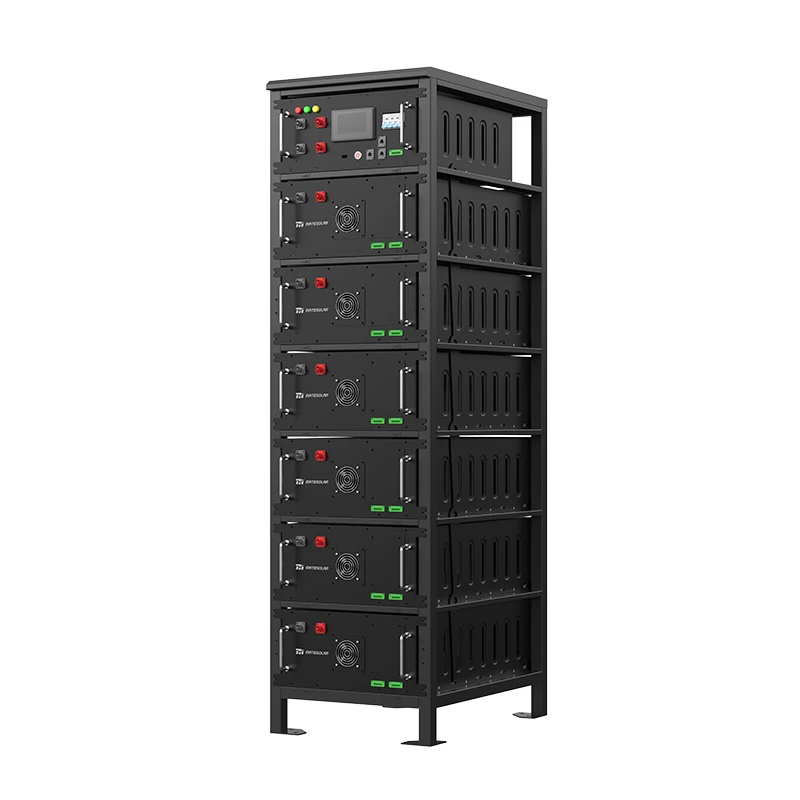
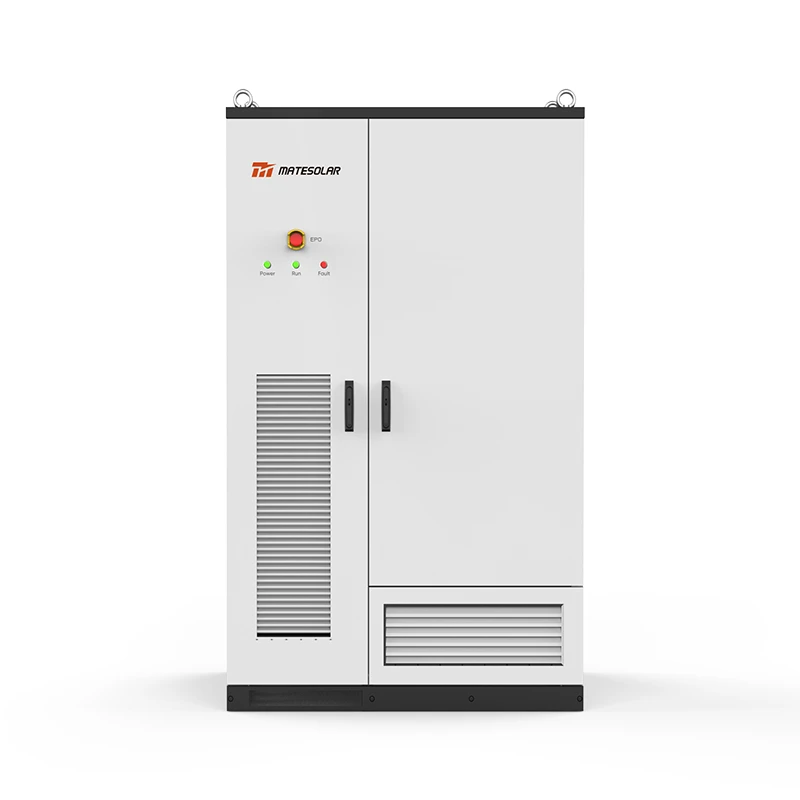
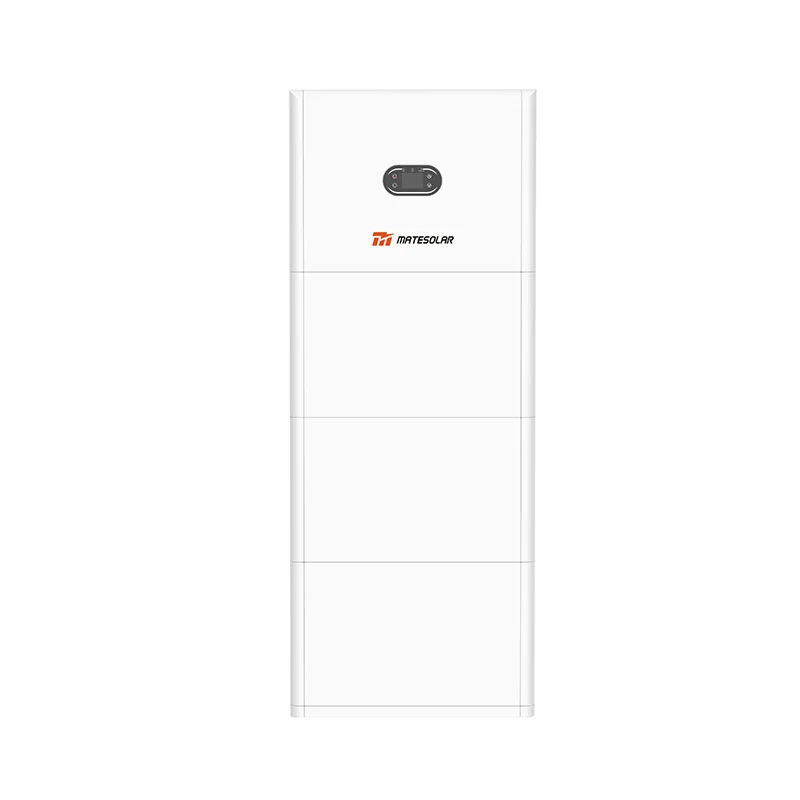
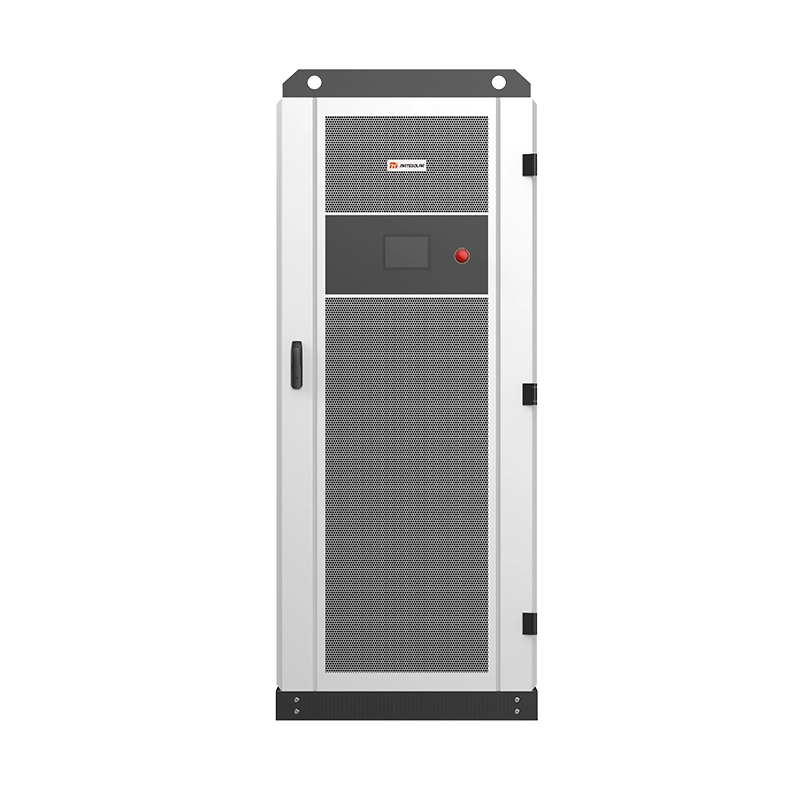
For C&I applications requiring this level of control sophistication, MateSolar's 100kW/232kWh and 125kW/261kWh Liquid-Cooled Outdoor Cabinet Energy Storage System provides a compact, cabinet-based solution with integrated EMS capable of executing multi-objective dispatch strategies. The liquid-cooling architecture ensures thermal stability under Mexico's demanding ambient conditions while maintaining high round-trip efficiency — a critical factor when every percentage point of efficiency translates directly into arbitrage margin.
2.5 Table: Illustrative Monthly Savings Analysis — 1 MW / 2 MWh BESS at GDMTH Tariff
| Параметр | Без BESS | With BESS (Optimized) | Monthly Savings |
| Peak demand (kW) | 1,800 | 1,200 | 600 kW avoided |
| Demand charge (MXN/kW) | $180 | $180 | $108,000 |
| Peak energy consumption (kWh) | 30,000 | 15,000 | 15,000 kWh shifted |
| Peak energy price (MXN/kWh) | $3.50 | $3.50 | / |
| Base energy for charging (kWh) | / | 18,000 | +18,000 kWh at $1.20 |
| Energy cost — peak (MXN) | $105,000 | $52,500 | $52,500 |
| Energy cost — base (MXN) | $0 | $21,600 | ($21,600) |
| Net monthly savings | / | $138,900 | |
| Річна економія | / | $1,666,800 |
Note: Illustrative figures based on GDMTH tariff structures. Actual savings depend on load profile, tariff zone, and dispatch optimization. Does not include capacity market or ancillary services revenue.
The new Reliability Procurement Mechanisms, effective April 6, 2026, allow CENACE to bypass economic merit dispatch when system reliability is at risk. CENACE can activate these mechanisms when it detects insufficient generation capacity or potential system failures, triggering immediate purchases of energy at prices that may exceed normal market levels.
The trigger conditions include operating reserve levels falling below Grid Code thresholds, accumulation of scheduled and forced outages, emergency operating state declarations, and delays in generation or transmission project commissioning.
The cost impact: For MEM participants and Qualified Users, emergency purchases translate into imminent volatility in Local Marginal Prices (PML) and an increase in additional system charges. Diego Rasilla, Director of Government Affairs at Quartux, warns that "if large industries don't protect themselves financially and technically, they will end up paying out of pocket for the prorated cost overruns of these emergency acquisitions".
The BESS solution: On-site storage transforms industrial consumers from price-takers to price-managers. During emergency procurement events, a facility with sufficient BESS capacity can:
- Discharge stored energy to cover critical loads, avoiding exposure to emergency pricing
- Maintain production continuity during grid instability events
- Reduce the facility's contribution to system peak demand, lowering exposure to redistributive system charges
With CENACE averaging approximately 100 critical alerts per year and industrial losses from blackouts estimated at around US$150 million, the financial case for reliability-focused BESS deployment extends well beyond simple arbitrage.
Part 3: Mandatory 30% Storage Requirement — Tender Compliance and Optimization
3.1 The Regulatory Requirement
Mexico's renewable energy tenders now mandate that projects incorporate batteries representing 30% of the plant's capacity, with a minimum duration of 3 hours. Commercial operation must commence between 2027 and the first half of 2030.
The first tender round, launched in October 2025, originally required storage equivalent to at least 25% of installed capacity. The December 2025 resolution awarded 3.3 GW of renewables and 1.5 GW of batteries — approximately 55% of the volume offered — demonstrating that the market has embraced the storage requirement.
The second call, published May 11, 2026, reinforced the 30% requirement with a minimum three-hour duration. The remaining capacity for this round depends on the results of the CFE mixed scheme joint ventures, with 81 projects progressing under the mixed scheme following an initial phase in which over 220 initiatives totaling 38 GW were submitted.
3.2 The 935 MW Standalone BESS Tender
The Strategic Projects Call includes a dedicated standalone BESS component with 935 MW of required capacity across seven regional control areas, all with a reference duration of three hours:
| Регіон | Required Capacity (MW) | Тривалість зберігання |
| North | 245 | 3 hours |
| East | 180 | 3 hours |
| Northwest | 160 | 3 hours |
| Baja California | 140 | 3 hours |
| Peninsula | 140 | 3 hours |
| Baja California Sur | 50 | 3 hours |
| West | 20 | 3 hours |
Source: SENER Strategic Projects Call, May 2026; Energy-Storage.news analysis
If the full volume materializes at three-hour duration, this represents approximately 2,805 MWh of storage capacity.
Registration deadline: The storage registration window was extended to October 30, 2026, providing an additional 58 calendar days compared to the original schedule.
Critical constraint: Non-associated storage systems under this call are reserved exclusively for partnerships with CFE. Private developers must structure Mixed Development Schemes to participate in this tender round.
3.3 Optimal Sizing for 3-Hour Storage Systems
The 3-hour duration requirement creates specific engineering considerations for co-located renewable + storage projects:
Energy-to-power ratio: A 3-hour system requires an energy-to-power (E/P) ratio of 3.0. For a 100 MW solar plant with 30 MW of storage, the BESS must deliver 90 MWh of usable energy (30 MW × 3 hours). With typical depth-of-discharge (DoD) of 90% for lithium iron phosphate (LFP) systems, the nameplate capacity should be approximately 100 MWh.
Sizing considerations for the 30% requirement:
| Solar Plant Capacity | Required BESS Power | Required BESS Energy (3-hr) | Recommended Nameplate Capacity |
| 50 МВТ | 15 MW | 45 MWh | 50 MWh |
| 100 МВТ | 30 MW | 90 MWh | 100 MWh |
| 200 MW | 60 MW | 180 MWh | 200 MWh |
| 300 МВт | 90 MW | 270 MWh | 300 MWh |
| 500 МВт | 150 МВт | 450 MWh | 500 MWh |
Oversizing strategy: A growing trend among developers is to oversize storage capacity beyond the 30% minimum to capture additional revenue from capacity markets and ancillary services. The regulatory requirement to reserve capacity for CENACE is pushing promoters to oversize storage to participate in the capacity market and capture additional income streams.
3.4 Project Economics Under the Storage Mandate
Industry expectations for bid prices range from US$35 to US$70 per MWh, with storage being a key requirement for competitiveness. The storage component introduces upward pressure on bid prices, but this is partially offset by:
- Capacity market revenue: The capacity balance market has averaged over US$200/MWh in the last three years due to firm capacity deficits
- Допоміжні послуги: Frequency regulation and voltage support provide additional revenue streams
- Reduced curtailment: Storage allows renewable plants to store excess generation during curtailment events and discharge during high-price periods
Illustrative economics — 100 MW solar + 30 MW/120 MWh BESS:
| Потік доходів | Річна оцінка (USD) | Примітки |
| Енергетичний арбітраж | $2,400,000 | Based on US$60/MWh spread, 300 cycles/year |
| Capacity market | $1,800,000 | Based on US$200/MWh, 3-hour duration, 300 days |
| Допоміжні послуги | $600,000 | Frequency regulation, voltage support |
| Reduced curtailment | $900,000 | Estimated 5% curtailment reduction on 100 MW plant |
| Total annual BESS revenue | $5,700,000 |
Note: Illustrative estimates only. Actual results depend on market conditions, dispatch optimization, and regulatory evolution.
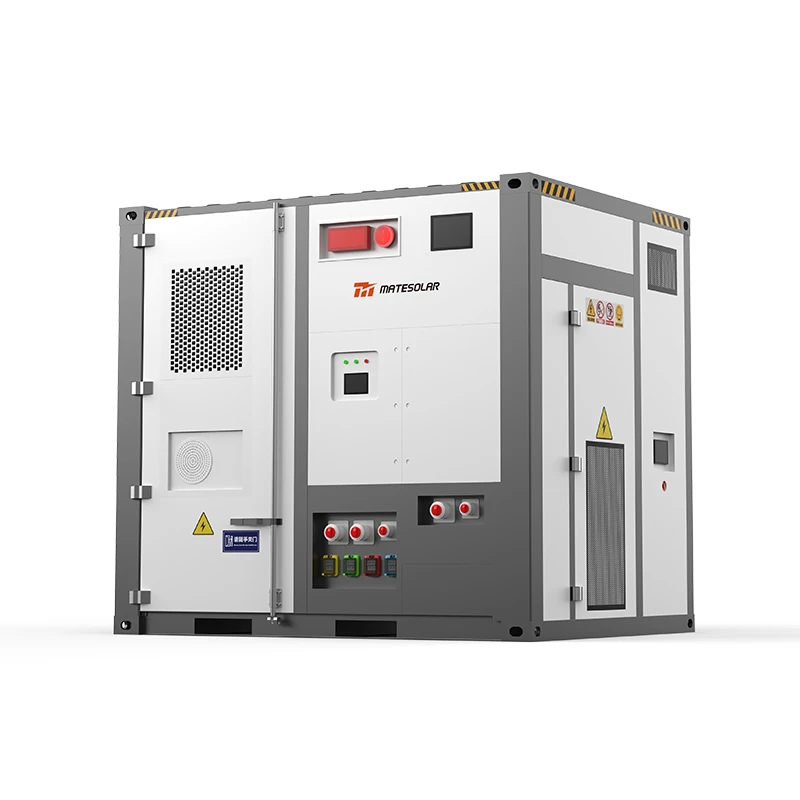
For developers requiring a standardized, containerized solution that meets the 3-hour duration requirement, MateSolar's 20ft 3MWh and 5MWh Liquid Cooling Container Energy Storage System delivers high energy density in a compact footprint. The 20ft form factor enables efficient logistics and site layout, while the liquid-cooling thermal management system maintains optimal cell temperatures for maximum cycle life — a critical factor when the BESS must perform 300+ cycles per year over a 15-20 year project life.
Part 4: Supply Chain Bottlenecks and Deployment Strategies
4.1 The Global Equipment Supply Challenge
Global supply chains for high-voltage electrical equipment have been under sustained pressure since 2022, driven by concurrent grid modernization programs across Europe, North America, and Asia. The specific challenge for Mexico: the regulatory framework that was designed to unlock BESS investment arrived precisely when the physical components needed to execute that investment are hardest to source.
Higher order volumes in the United States have elevated delivery times for inverters, transformers, and batteries, potentially translating into CAPEX increases for projects still in financial close stages in Mexico.
4.2 Regulatory Timeline Volatility
Beyond physical supply chain constraints, the regulatory approval process introduces significant timeline uncertainty. Project closure calendars are highly dependent on visibility regarding necessary permits. While authorities face technical requirements that demand rapid assessment, the specific streamlined pathway is currently missing a standardized execution process under the regulation, leaving developers exposed to unpredictable bureaucratic demands.
The fast-track permitting programme launched in May 2026 aims to address this: CENACE must complete grid connection studies within 30 days and provide upfront cost estimates for necessary transmission upgrades. Developers have six days to accept or decline these costs, with no option to renegotiate after acceptance.
4.3 Deployment Strategies for Constrained Supply Chains
Strategy 1: Deploy BESS before transformer arrival
One of the most effective approaches to accelerating project timelines is deploying the BESS itself while the high-voltage transformer is still in the procurement queue. The BESS can be installed, commissioned, and tested using temporary power or existing medium-voltage infrastructure, with final grid interconnection completed once the transformer arrives.
This approach is particularly viable for SAEE-CC and SAEE-Autoconsumo modalities, where the storage operates behind the meter and can begin delivering value through peak shaving and demand management immediately.
Strategy 2: Operate without additional transformers
For facilities with existing medium-voltage service entrances that have available capacity, BESS can often be deployed without requiring a new transformer. This requires careful analysis of the facility's existing service capacity, the BESS's charging load profile, and the facility's peak demand to ensure the combined load does not exceed the service entrance rating.
Strategy 3: Local spare parts and service capability
The reliability of BESS installations depends critically on the availability of spare parts and service capability. Global supply chain constraints affect not only new equipment delivery but also the availability of replacement components for maintenance and repairs.
For project developers and industrial users in Mexico, ensuring that their BESS supplier has robust service infrastructure in the region — including local spare parts warehousing, remote monitoring capabilities, and rapid-response technical support — is essential for maintaining system availability and protecting the investment.
MateSolar addresses this through a comprehensive service model that includes:
- Віддалена технічна підтримка for software configuration, EMS optimization, and troubleshooting
- Spare parts delivery for hardware issues requiring component replacement, with installation guidance provided remotely
- On-site commissioning support for large-scale C&I and utility projects, where MateSolar's technical team can be dispatched to the project site for debugging and commissioning
- Warranty-backed replacement for hardware defects that cannot be resolved through component-level repair
This service architecture is designed for the Mexican market reality: while local installation and maintenance teams may be limited, remote diagnostics and guided repair protocols can resolve the majority of operational issues without requiring physical presence. For complex commissioning or troubleshooting, technical personnel can be deployed to site.
Part 5: Frequently Asked Questions
Q1: What is the difference between a storage permit and a generation permit under the new framework?
A storage permit (permiso de almacenamiento) is required only for Non-Associated SAEE (SAEE no Asociado). For SAEE associated with power plants, load centers, or self-consumption installations, no separate storage permit is required — the storage is considered an integral part of the existing permitted facility. However, all SAEE integrating into the SEN must comply with interconnection study requirements and CENACE registration.
Q2: Can a load center install a BESS larger than its consumption demand?
Under the SAEE-Autoconsumo modality, the SAEE capacity must be equal to or less than the demand of the consumption center to avoid the storage permit requirement. If the SAEE capacity exceeds the consumption center demand, the installation would likely fall under the Non-Associated modality, triggering a full storage permit application and MEM participation requirements.
Q3: What are the metering requirements for each modality?
All SAEE integrating into the SEN must have a Measurement System at the Interconnection Point or Point of Common Coupling. For SAEE-CE, metering is at the plant's interconnection point and covers the combined generation + storage profile. For SAEE-CC and SAEE-Autoconsumo, metering is at the load center's service entrance. For SAEE no Asociado, separate metering for charging and discharging is required to support MEM settlement.
Q4: How does the 0.7 MW threshold affect project structuring?
The 0.7 MW threshold determines whether a project falls under the Strategic Projects Call framework for fast-track permitting. Projects at or above 0.7 MW can access the expedited approval pathway; projects below this threshold follow standard permitting procedures. For self-consumption projects between 0.7 MW and 20 MW, the Single Window for Self-Consumption provides a specific expedited mechanism.
Q5: What grid-forming technology is required?
SAEE based on power electronics that inject into the RNT or RGD must implement grid-forming technology. This is a more advanced requirement than grid-following inverters, as grid-forming inverters must be capable of establishing voltage and frequency references, providing synthetic inertia, and supporting grid stability during disturbances. Not all BESS inverters on the market today have this capability — it is a critical specification to verify during procurement.
Q6: What standards must BESS equipment comply with in Mexico?
Where no Official Mexican Standard (NOM) exists for a specific aspect of BESS, compliance with IEC 62619 (safety requirements for industrial batteries), IEC 62933-5-1 and 5-2 (grid integration of energy storage), UL 1973 (batteries for stationary applications), and UL 9540 (energy storage systems and equipment) is required.
Q7: Can a private developer participate in the standalone BESS tender without CFE partnership?
No. The current 935 MW standalone BESS tender is reserved exclusively for partnerships with CFE under Mixed Development Schemes. Private developers wishing to deploy standalone BESS outside the CFE partnership framework must await future tender rounds or explore opportunities in the C&I behind-the-meter segment under SAEE-CC or SAEE-Autoconsumo modalities.
Q8: What is the minimum duration for capacity market eligibility?
Batteries with a duration of 3 hours or more are eligible for capacity market participation. This aligns with the minimum duration requirement in the renewable tender mandate and the 935 MW standalone BESS tender reference specification.
Q9: How does CENACE's emergency procurement affect BESS economics?
CENACE's Reliability Procurement Mechanisms introduce price volatility that increases the value of on-site storage. During emergency events, MEM prices can spike well above normal levels, creating additional arbitrage opportunities for BESS operators. More importantly, on-site storage provides physical protection against supply disruptions, allowing industrial facilities to maintain operations during grid emergencies.
Q10: What is the typical lead time for BESS equipment delivery to Mexico?
While lead times vary by supplier and configuration, global supply chain constraints have extended delivery schedules for high-voltage electrical equipment, including transformers, inverters, and batteries. For containerized BESS solutions, lead times typically range from 12 to 20 weeks depending on the specific configuration and the supplier's existing inventory position. Early engagement with suppliers is critical for projects targeting 2027-2028 commercial operation dates.
Q11: Can BESS be deployed before the transformer arrives?
Yes, in many cases. For behind-the-meter applications (SAEE-CC and SAEE-Autoconsumo), the BESS can often be connected to existing medium-voltage infrastructure and commissioned before a new transformer is installed. This "storage-first, transformer-later" approach can accelerate project timelines by 3-6 months. For utility-scale projects, the interconnection sequence is more complex and typically requires the transformer to be in place before grid connection can be completed.
Q12: What support is available for BESS installation and maintenance in Mexico?
Given the evolving nature of Mexico's BESS service infrastructure, remote technical support capabilities are essential. Software issues can typically be resolved through remote diagnostics and configuration adjustments. Hardware issues requiring component replacement can be addressed through spare parts delivery with guided installation support. For large-scale C&I and utility projects, on-site commissioning support can be arranged. This hybrid service model is designed to provide reliable support across Mexico's diverse geography.
Q13: How does the 30% storage requirement apply to hybrid projects?
For hybrid renewable projects (solar + wind), the 30% storage requirement is calculated on the total installed generation capacity. For example, a 200 MW hybrid plant (120 MW solar + 80 MW wind) would require 60 MW of storage capacity with a minimum 3-hour duration (180 MWh minimum energy capacity).
Q14: What is the process for obtaining environmental permits for BESS projects?
Projects must obtain environmental permits within six months of receiving generation permits. The environmental permitting process evaluates socio-environmental contributions, grid reliability improvements, congestion relief, and operational flexibility. Projects offering the greatest benefits to the National Electric System receive priority when multiple proposals compete for the same grid connection points.
Q15: How does the Mixed Development Scheme with CFE work?
The Mixed Development Scheme allows private developers to partner with CFE through joint ventures, long-term production agreements, or other structures permitted under CFE's enabling legislation. Projects developed in partnership with CFE receive priority coordination with grid operators and streamlined regulatory treatment.
Part 6: Strategic Recommendations by Stakeholder Type
6.1 For Renewable Energy Developers
Recommended modality: SAEE-CE (Associated with Power Plants)
Rationale: This modality offers the fastest compliance pathway for renewable projects subject to the 30% storage mandate. By integrating storage into the existing generation permit, developers avoid the separate storage permitting process while maintaining full MEM participation rights.
Key action items:
1. Verify that the BESS configuration meets grid-forming requirements if interconnecting at transmission level
2. Ensure metering at the plant interconnection point covers combined generation + storage flows
3. Evaluate oversizing strategies beyond the 30% minimum to capture capacity market and ancillary services revenue
4. Initiate CENACE interconnection studies early — the 30-day completion requirement applies only after formal submission
6.2 For Industrial and Commercial Facility Operators
Recommended modality: SAEE-CC (Associated with Load Centers) or SAEE-Autoconsumo
Rationale: Behind-the-meter storage delivers immediate economic value through demand charge reduction and peak shaving without the regulatory complexity of MEM participation. The SAEE-CC modality is particularly attractive because it requires no storage permit and leverages the existing service entrance infrastructure.
Key action items:
1. Conduct a comprehensive load profile analysis to identify demand charge reduction potential and peak energy consumption patterns
2. Size the BESS to stay within the consumption center demand threshold to avoid triggering the storage permit requirement under SAEE-Autoconsumo
3. Implement an EMS with multi-objective optimization capability to capture both arbitrage and demand management value
4. Evaluate resilience benefits in light of CENACE's emergency procurement mechanisms and grid reliability trends
6.3 For Independent Storage Developers
Recommended modality: SAEE no Asociado (Non-Associated)
Rationale: Standalone storage offers the highest revenue stack potential — energy arbitrage, ancillary services, capacity payments, and reliability contracts. However, the current tender round requires CFE partnership, so private developers must either structure Mixed Development Schemes or focus on behind-the-meter opportunities in the near term.
Key action items:
1. Prepare for the storage permit application process, including interconnection studies and CENACE Market Participant registration
2. Develop revenue optimization models that account for the full value stack: energy, ancillary services, and capacity
3. Monitor the regulatory evolution of aggregation mechanisms that may allow smaller standalone systems to participate in capacity markets
4. Evaluate CFE partnership structures under the Mixed Development Scheme framework
Part 7: The Road Ahead — Market Outlook and Key Dates
7.1 Near-Term Milestones
| Дата | Подія | Значення |
| October 30, 2026 | Storage registration deadline for Strategic Projects Call | Final opportunity for BESS projects under current tender framework |
| Q4 2026 | Publication of final results for Strategic Projects Call | Determines awarded BESS capacity across seven regions |
| 2027 | First projects under new framework expected to reach commercial operation | Validates regulatory execution and market readiness |
| First half of 2030 | Deadline for commercial operation of tender-awarded projects | Defines the execution window for current pipeline |
7.2 Market Forecast
Aurora Energy Research forecasts 3.8 GW of batteries to be added in Mexico in the coming years. The PLADESE planning document targets approximately 6 GW of battery storage by 2030, with 6,145 MW of storage included in the overall electricity expansion plan.
The private sector is expected to contribute 2,480 MW of battery storage, while CFE would concentrate 3,071 MW — roughly equivalent roles in the market.
7.3 The Critical Success Factors
The regulatory framework is a necessary condition for market growth, but not a sufficient one. As Andrea Lozano, Director General of BID Energy, cautioned: "The fact that a regulatory framework exists does not necessarily mean that a market exists. It is up to us to build that market".
The developers, financiers, and industrial users who succeed in Mexico's BESS market will be those who:
- Master the regulatory pathway selection process
- Optimize revenue stacking across energy, capacity, and ancillary services
- Navigate supply chain constraints through strategic procurement and phased deployment
- Implement robust operational capabilities that maximize system availability and performance
Conclusion: Building Mexico's Energy Storage Market
Mexico's BESS regulatory framework represents a watershed moment for the country's electricity sector. For the first time, developers, investors, and industrial users have a clear legal architecture for integrating energy storage into the National Electric System — with defined participation modalities, permit pathways, metering requirements, and market participation rules.
The economic case for BESS in Mexico is compelling: peak-valley spreads of US$60/MWh, capacity market prices averaging over US$200/MWh, demand charges that can be reduced by 30-40% through intelligent peak shaving, and reliability benefits that protect industrial operations from a grid that issues approximately 100 critical alerts per year.
The regulatory case is now equally compelling: five distinct participation modalities, each with its own compliance pathway, offering flexibility for different project structures and business models.
MateSolar is a one-stop photovoltaic and energy storage solutions provider dedicated to empowering Mexico's energy transition. From the Комерційна гібридна сонячна система потужністю 500 кВт for large commercial and industrial electricity consumers, to the 100кВт/232кВт·год та 125кВт/261кВт·год зовнішня шафа енергосховища з рідинним охолодженням for distributed C&I applications, to the 40-футова система зберігання енергії (ESS) з повітряним охолодженням, 1 МВт·год, 2 МВт·год for scalable utility-scale projects, and the 20-футовий контейнерний накопичувач енергії з рідким охолодженням 3 МВт/год 5 МВт/год for high-density, high-cycle-life storage requirements — MateSolar delivers the technology, the compliance expertise, and the service support needed to succeed in Mexico's BESS market.
The regulatory framework is in place. The economic drivers are undeniable. The market is waiting to be built.
This article is for informational purposes only and does not constitute legal or financial advice. Project developers should consult qualified legal counsel and financial advisors for specific project guidance. Regulatory requirements are subject to change — refer to the most current CNE and CENACE publications for authoritative requirements.