

















Why June 2026 Is a Watershed Moment for Honduras's Energy Storage Market
As of June 17, 2026, Honduras stands at the most consequential inflection point in its modern energy history. The convergence of four structural forces—compulsory thermal plant retirements, a landmark 1.5GW generation tender, mounting utility payment arrears, and sustained electricity tariff inflation—has created a market environment unlike any other in Central America. For industrial manufacturers, commercial enterprises, project developers, and remote communities, the next 1,000 days will determine not only operational viability but long-term survival.
According to the National Dispatch Center (CND)'s 2026–2035 Generation Expansion Indicative Plan (PIEG), the Honduran power system faces the mandatory retirement of 1,343MW of thermal capacity, of which 886MW is scheduled for a concentrated retirement in 2029 and an additional 276MW in 2030. For the textile mills operating around the clock in the San Pedro Sula Industrial Corridor, the food processing plants requiring uninterrupted cold chains in La Ceiba, and the mining operations in the western mountains relying on high-current machinery, this presents an existential question: What runs when the bunker fuel plants stop?
Simultaneously, the National Electric Energy Company (ENEE) has launched an international public tender of 1,500MW of new generation capacity, with a binding requirement that 65% (975MW) must come from renewable energy sources fully integrated with energy storage systems. The commissioning schedule is aggressive: 800MW online by early 2028, an additional 300MW by 2029, and the final 400MW by 2030.
Yet these supply-side dynamics are shadowed by a persistent structural vulnerability: ENEE's accumulated payables to private generators have exceeded 17.385 billion lempiras (approximately USD 655 million), with payment delays of four to seven months having become the norm. The state-owned utility operates with monthly losses of approximately 1.5 billion lempiras (USD 50 million daily) and carries a historical debt approaching 120 billion lempiras.
Against this backdrop, this article serves as an indispensable technical guide and investment blueprint for all stakeholders navigating the Honduran energy storage market. Drawing on authoritative data from CND, ENEE, CREE, and international financial institutions, this document addresses the critical pain points facing distinct user segments and provides actionable technical, financial, and operational guidance for deploying energy storage systems that are not only technically sound but future-proof against the unique risks of the Honduran electricity market.
Part I: The Macro Landscape—Understanding the Forces Reshaping Honduras's Power Sector
1.1 The 886MW Thermal Retirement Cliff: Why 2029 Changes Everything
The CND's PIEG 2026–2035, published in January 2026, details a forced retirement schedule that every industrial energy consumer in Honduras must internalize. The document identifies 1,343MW of thermal capacity scheduled for mandatory decommissioning, with the vast majority concentrated in a two-year window.
Table 1: Honduras Thermal Capacity Retirement Schedule (2026–2035)
| Рік | Thermal Capacity Retired (MW) | Cumulative Retired (MW) | Percentage of Total Thermal Fleet |
| 2026 | 0 | 0 | 0% |
| 2027 | 0 | 0 | 0% |
| 2028 | 0 | 0 | 0% |
| 2029 | 886.06 | 886.06 | 66.0% |
| 2030 | 276.52 | 1,162.58 | 86.6% |
| 2031-2035 | 180.42 | 1,343.00 | 100% |
Source: CND PIEG 2026–2035
The concentration of retirements in 2029—886MW in a single year—represents what industry analysts have termed a "retirement cliff". This is not an abstract planning document. These are heavy fuel oil and bunker-fired plants that have historically provided the baseload power for Honduras's industrial backbone.
The analysis in the PIEG recommends incorporating 3,296MW of new capacity, of which 54.5% would be renewable, 39% thermal, and 6.5% battery energy storage systems. However, the gap between the thermal retirement schedule and the new capacity commissioning timeline presents a critical risk.
1.2 The 1.5GW National Tender: Structure, Timeline, and Requirements
The Honduran Ministry of Energy has published bidding terms for a 1.5GW auction, marking the largest procurement exercise in the country's history. The tender employs a reverse auction mechanism with successive rounds for economic evaluation of offers.
Table 2: 1.5GW Tender Structure and Commissioning Schedule
| Компонент | Потужність (МВт) | Відсоток | Commissioning Deadline |
| Renewable Energy with Storage | 975 | 65% | Phased: 800MW by early 2028, 300MW by 2029, 400MW by 2030 |
| Non-Renewable Energy | 525 | 35% | Phased per above schedule |
| Всього | 1,500 | 100% | Full commissioning by 2030 |
Source: Honduras Ministry of Energy Tender Documents (2026)
The tender features several notable innovations:
- BOT (Build-Operate-Transfer) Model: Projects operate for 15 years before transfer to the state
- Reverse Auction Format: Multiple rounds for economic evaluation
- Financial Mechanism: Includes provisions to guarantee payment of overdue bills to generators
- International Participation: The bidding process has been presented to a forum of Chinese investors, with anticipated investment of approximately USD 1.5 billion
The tender also includes a financial mechanism to guarantee payment of overdue bills to generators, aiming to provide greater certainty to investors and ensure the viability of awarded projects.
1.3 ENEE's Financial Crisis: The "Gray Rhino" in the Room
While the thermal retirement and tender create unprecedented demand for energy storage, ENEE's financial fragility represents the single greatest obstacle to project bankability. The state utility's liabilities with power generators have reached HNL 17.385 billion (approximately USD 655 million), with payment delays of four to seven months now standard practice.
Eduardo Bennaton, president of the Honduran Renewable Energy Association (AHER), warned in a recent interview that "it is not just a financial problem, it is a country trust issue," pointing to the central factor currently limiting sector growth. The direct consequence is a rise in the cost of capital or the migration of investment to more stable markets.
Table 3: ENEE Financial Distress Indicators (as of June 2026)
| Метрика | Значення |
| Total payables to private generators | USD 655 million+ (HNL 17.385 billion) |
| Monthly operating losses | HNL 1.5 billion (~USD 50 million/day) |
| Historical debt | ~HNL 120,000 billion |
| Average payment delay | 4–7 months |
| Regulatory payment deadline | 45 calendar days |
| System loss rate | ~38% (combined technical and non-technical) |
Source: ENEE Financial Reports, AHER, Energía Estratégica (2026)
Under current rules, ENEE has a 45-calendar-day period to settle each month of electricity supply. However, these funds have not been fully allocated to settle outstanding commitments with private generators.
The impact goes beyond current projects and affects Honduras's regional positioning. While the country has competitive renewable resources, it faces a bottleneck linked to the credibility of its electricity system, limiting its ability to attract new developments compared to countries with more predictable frameworks.
1.4 Electricity Tariff Inflation: The Rising Cost of Grid Dependence
Honduran industrial and commercial consumers are experiencing accelerating electricity tariff increases that make the business case for self-generation and storage increasingly compelling.
For the second quarter of 2026, the Electricity Regulatory Commission (CREE) authorized a 10.49% increase to the electricity tariff, representing a variation of 51 centavos, bringing the average kilowatt-hour (kWh) value to 5.32 lempiras. The cumulative increase to the tariff schedule through mid-2026 reached 14.6%, equivalent to 70 centavos.
For the third quarter of 2026 (July through September), analysts project an additional adjustment of between 10% and 15%. Energy expert Dante Mossi noted that "Honduras consumes approximately 40% of its energy generated from fuels, and bunker is the cheap part—in the past three months we have had prices 40% to 50% above normal".
Table 4: Honduras Electricity Tariff Trends (2026)
| Період | Tariff Adjustment | Average Tariff (HNL/kWh) | Average Tariff (USD/kWh)* |
| Q1 2026 | +4.11% | ~4.82 | ~$0.19 |
| Q2 2026 | +10.49% | 5.32 | ~$0.21 |
| Q3 2026 (projected) | +10% to 15% | 5.85–6.12 | ~$0.23–$0.24 |
| Cumulative 2026 | ~25–30% | ~5.85–6.12 | ~$0.23–$0.24 |
Note: USD conversion approximate at exchange rate of ~25.4 HNL/USD
Source: CREE, La Prensa (2026)
For industrial consumers in the San Pedro Sula corridor, where monthly demand often exceeds 1,000kW, these increases compound rapidly. The cumulative 2026 tariff increase of approximately 25–30% transforms the economics of on-site solar-plus-storage systems from attractive to essential.
Part II: Critical Pain Points—Solutions for Every Stakeholder
Pain Point 1: Industrial Manufacturers & Large Enterprises—The 2029 Thermal Retirement Cliff
The Question: "Our factory depends on heavy fuel oil generation, but the plant will shut down in 2029. Can your energy storage system serve as a primary power source and replace the thermal plant entirely?"
The Core Reality: Industrial clients are not seeking backup power. They need 24/7 continuous operation—baseload power that can displace traditional thermal generation entirely. The textile mills of San Pedro Sula, cold-chain food processing in La Ceiba, and mining operations in the western mountains all face the same existential question.
The Technical Solution: Grid-Forming BESS as Baseload Replacement
The most persistent misconception in the Honduran industrial sector is that Battery Energy Storage Systems (BESS) are merely "backup" devices—suitable for 30-minute outages but incapable of sustaining continuous production. This perception, rooted in early-generation lead-acid UPS systems, is not only outdated but dangerous for planning purposes.
Modern industrial BESS, particularly those utilizing Lithium Iron Phosphate (LFP) chemistry with advanced Energy Management Systems (EMS), are fully capable of acting as primary grid-forming assets. When paired with on-site solar PV generation, they form a hybrid microgrid that can displace the 80 MW ELCOSA-type heavy fuel oil plants that industrial parks have historically relied upon.
Grid-Forming vs. Grid-Following: The Critical Distinction
To understand how BESS replaces a thermal generator, one must understand the concept of "grid-forming" versus "grid-following" inverters. Traditional solar PV installations are grid-following: if the grid goes down, they shut off. They require a stable voltage and frequency reference from the utility.
Industrial-scale BESS deployed today can operate in grid-forming mode. Through the use of advanced silicon carbide (SiC) inverters and fast-reacting control loops, the battery acts as the voltage source for the entire facility. It can synchronize with existing diesel gensets for hybrid operation or island the facility completely. A recent 2025 study from the National Autonomous University of Honduras (UNAH) modeled the National Interconnected System (NIS) operating in island mode under severe contingencies.
Key Technical Specifications for Industrial Baseload Replacement:
| Вимоги | Специфікація |
| System architecture | PV + BESS hybrid microgrid with grid-forming inverters |
| Хімія акумулятора | LFP (Lithium Iron Phosphate) for safety and cycle life |
| Тривалість | 4+ hours at rated power (sufficient for overnight/cloudy periods) |
| Control system | Advanced EMS with load forecasting and dispatch optimization |
| Islanding capability | Seamless transition to off-grid operation |
| Можливість чорного старту | Ability to restart from complete shutdown |
The Deployment Strategy: Phased Capacity Expansion
Industrial clients cannot afford to wait until 2029 to begin their transition. The optimal strategy involves phased deployment:
Етап 1 (2026–2027): Deploy a foundational PV + BESS system sized for 40–60% of baseload requirements. This immediately reduces grid dependence and locks in tariff savings.
Етап 2 (2028): Expand capacity to 70–85% of baseload as thermal retirements approach. This phase can leverage the operational data from Phase 1 to optimize system design.
Phase 3 (2029): Complete the transition to full baseload replacement as the 886MW thermal capacity retires. The system installed in 2026 must still retain at least 80% of its initial usable capacity in 2041.
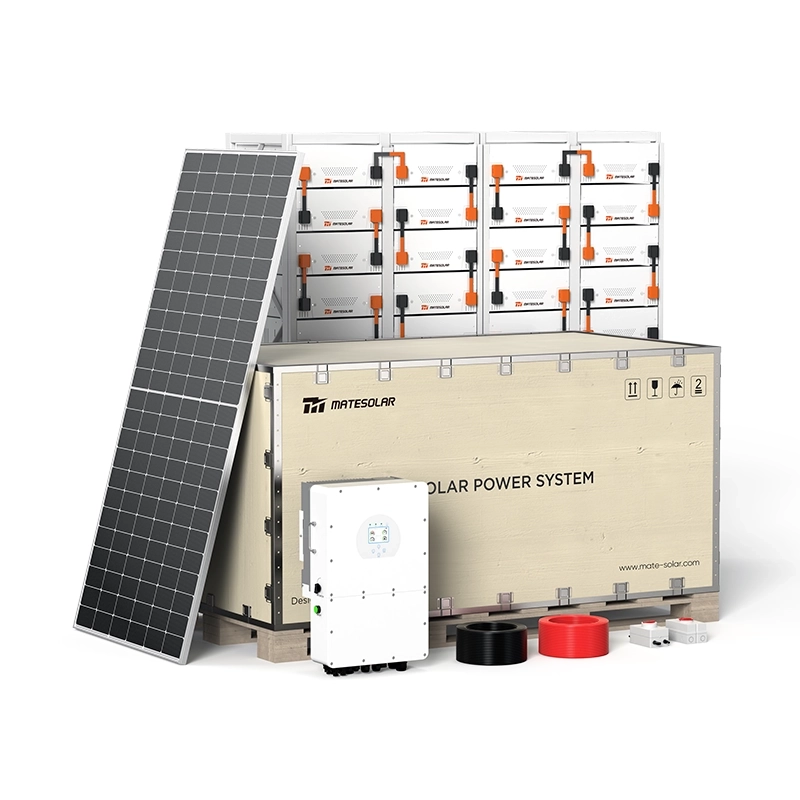
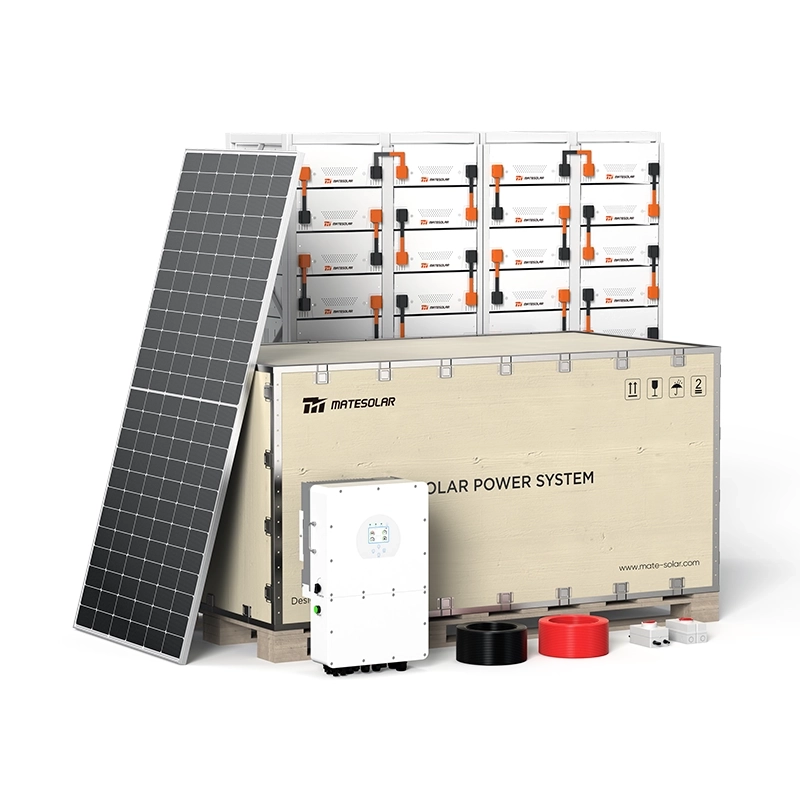
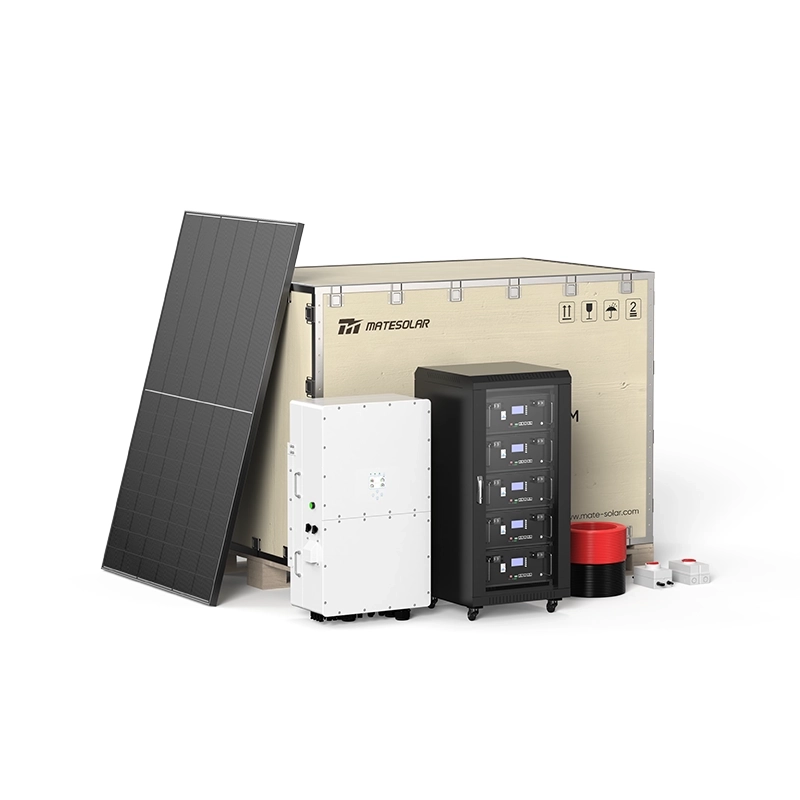
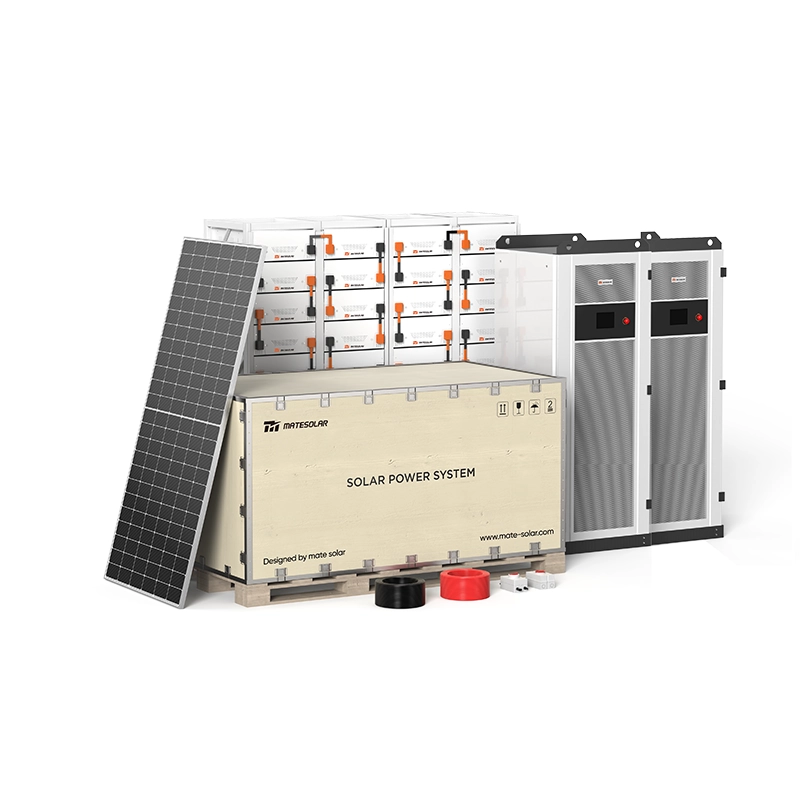
For industrial clients requiring large-scale solutions, the Комерційна гібридна сонячна система потужністю 500 кВт offers a proven architecture for baseload replacement in the Honduran context.
Pain Point 2: EPCs, Project Developers & IPPs—The 1.5GW National Tender Opportunity
The Question: "The 1.5GW tender is the biggest opportunity, but ENEE's payment arrears are severe. How can projects be financed? With a 15-year transfer requirement, how does the revenue model work?"
The Core Reality: Developers need to meet the 65% renewable-with-storage technical requirement while designing commercial structures that mitigate ENEE payment risk and achieve bankability.
Technical Solution: Standardized "Solar + Storage" Bid Packages
The tender requires 65% renewable energy with storage, with specific commissioning deadlines: 800MW by early 2028, 300MW in 2029, and 400MW by 2030. This creates demand for standardized, pre-engineered bid packages that can be rapidly deployed.
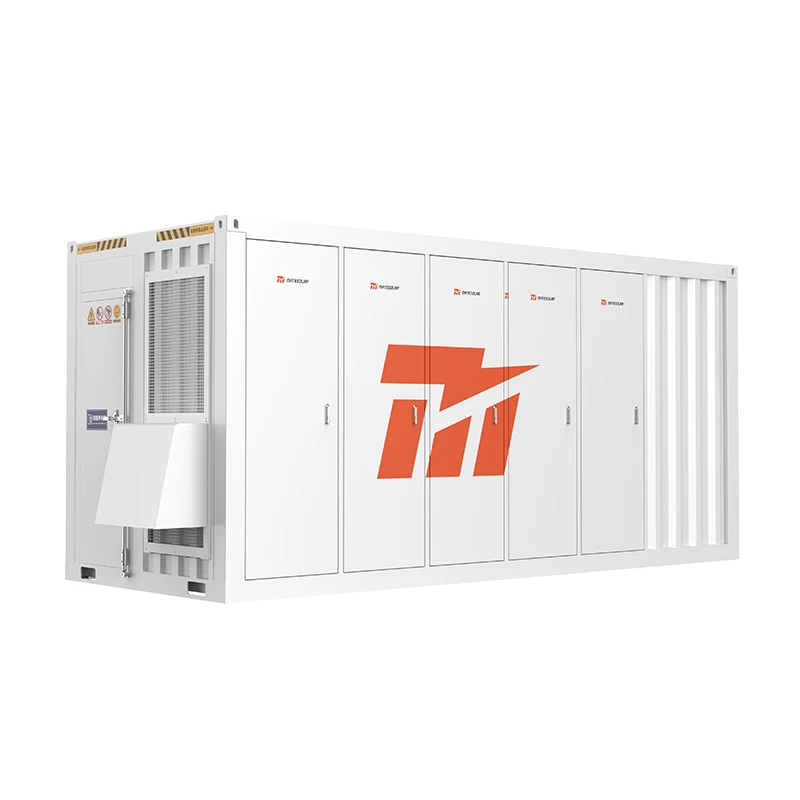
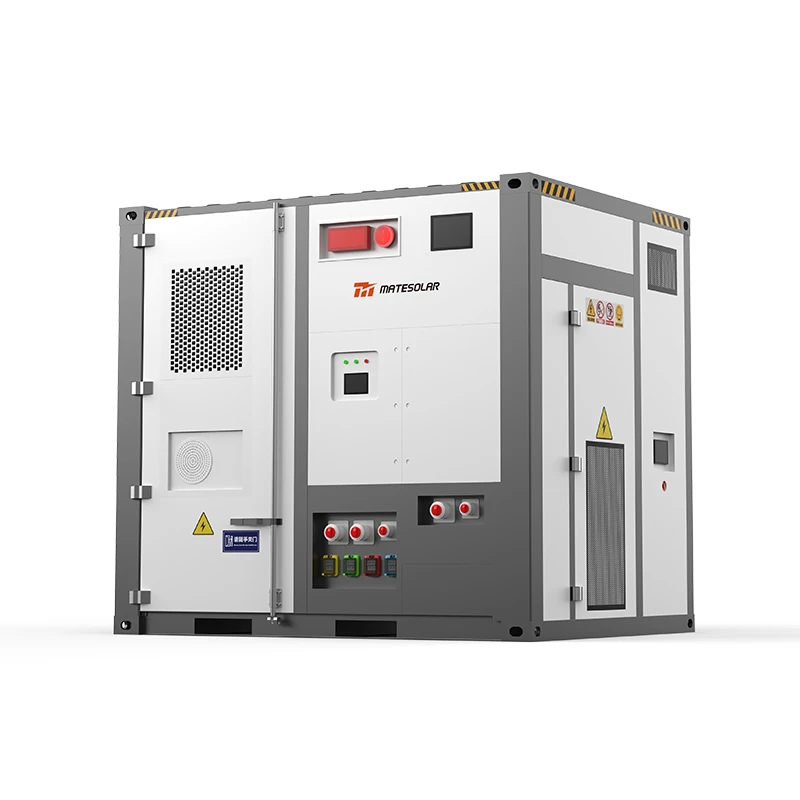
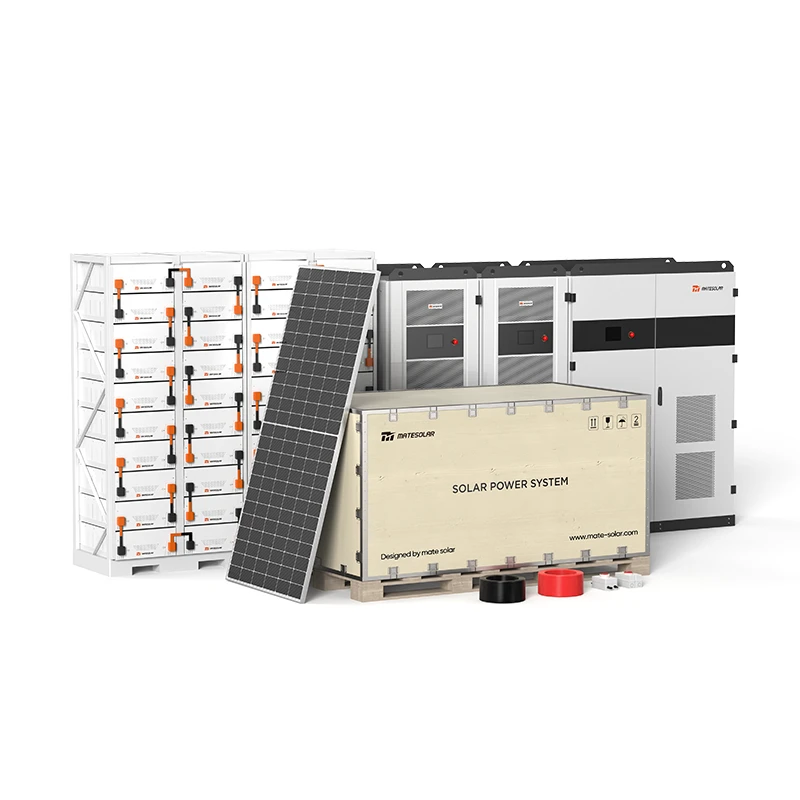
For utility-scale projects, the 40Ft 1MWh / 2MWh Air-Cooled Container ESS provides a proven, scalable solution. For larger capacity requirements, the 20-футовий контейнер 3 МВт·год / 5 МВт·год з рідинним охолодженням ESS offers higher energy density and superior thermal management for demanding tropical conditions.
Key Technical Specifications for Tender Compliance:
| Вимоги | Technical Solution |
| 65% renewable + storage | Integrated PV + BESS with hybrid inverter architecture |
| 4-hour duration capability | LFP batteries sized for 4+ hours at rated power |
| Grid-forming capability | Advanced inverters capable of voltage/frequency regulation |
| 15-year operational life | Systems designed for >6,000 cycles at 80% depth of discharge |
| Tropical environment suitability | IP65 or higher protection, liquid cooling for temperature management |
Bankability: The Critical Path to Project Financing
The path to bankability in Honduras requires addressing several key concerns:
1. International Certifications: Projects must carry IEC, UL, and other internationally recognized certifications to satisfy lender requirements. This includes UL 9540A for thermal runaway propagation, IEC 62619 for battery safety, and IEC 62477 for power conversion systems.
2. Proven Track Record: Lenders require evidence of successful project execution and operational performance. Demonstrating previous successful projects with international financial institution backing is essential.
3. Revenue Certainty: The BOT structure with 15-year operation and transfer requires careful revenue modeling. The PPA must be structured to provide sufficient cash flow to service debt while accounting for ENEE's payment delays.
Risk Isolation: Structuring for ENEE Payment Risk
The deterioration of the payment chain introduces uncertainty into projected cash flows, affecting bankability and increasing lenders' requirements. Several structural mechanisms can help isolate ENEE payment risk:
Special Purpose Vehicle (SPV) Structure: Establishing an independent SPV for each project creates a legal firewall between project assets and ENEE's broader financial challenges.
USD-Denominated PPA: Structuring the power purchase agreement in US dollars (rather than lempiras) provides currency stability and aligns with international financing.
International Credit Insurance: Export credit agencies and multilateral development banks offer political risk insurance that can cover payment default by state utilities.
Escrow or Letter of Credit Mechanisms: Requiring ENEE to establish escrow accounts or provide letters of credit can provide additional payment security.
Multilateral Development Bank Involvement: Projects backed by institutions like the Inter-American Development Bank (IDB), World Bank, or CAF (Development Bank of Latin America) carry implicit guarantees that enhance bankability.
Pain Point 3: Small & Medium Commercial Enterprises, Hotels & Farms—Energy Independence and Cost Control
The Question: "Electricity prices keep rising and we experience frequent outages. Our site has limited space. Is energy storage safe? What's the return on investment?"
The Core Reality: Small and medium commercial enterprises (SMEs) want to escape grid dependency and reduce electricity costs but are highly sensitive to initial investment, space constraints, and equipment safety.
The Technical Solution: Compact, Safe, and Scalable Systems
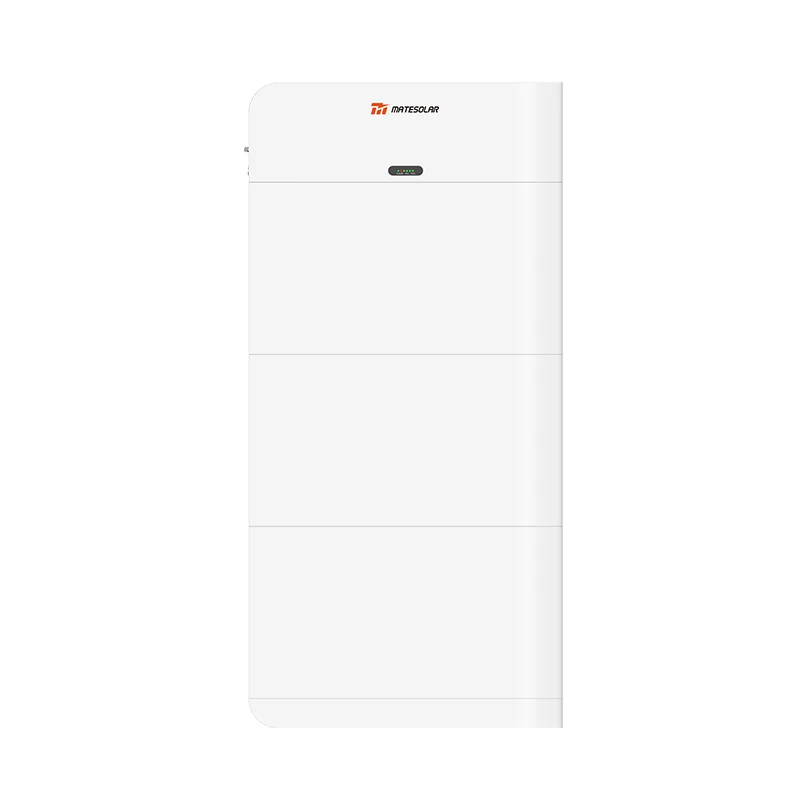
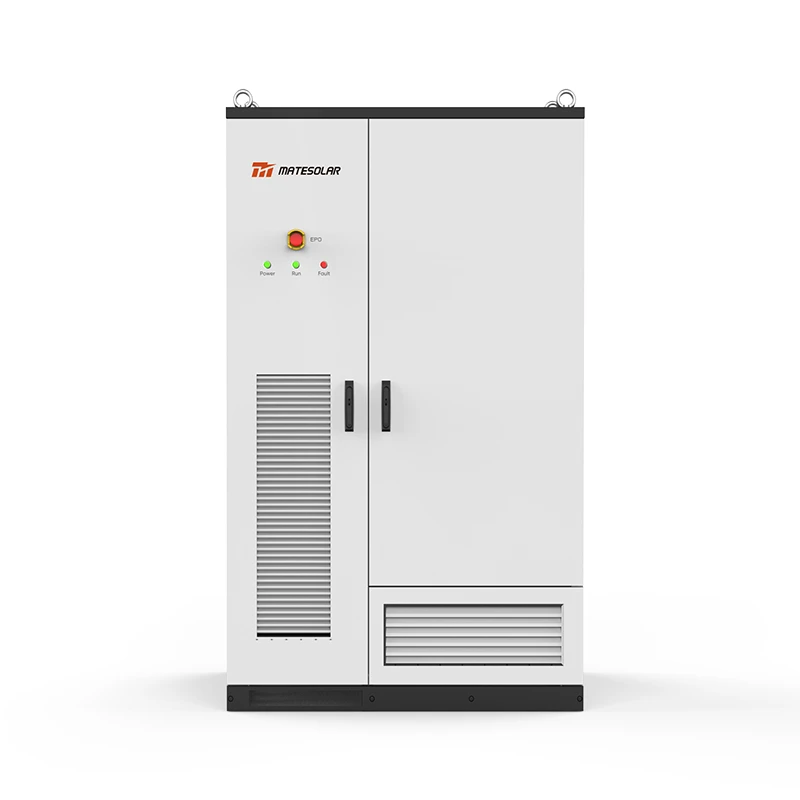
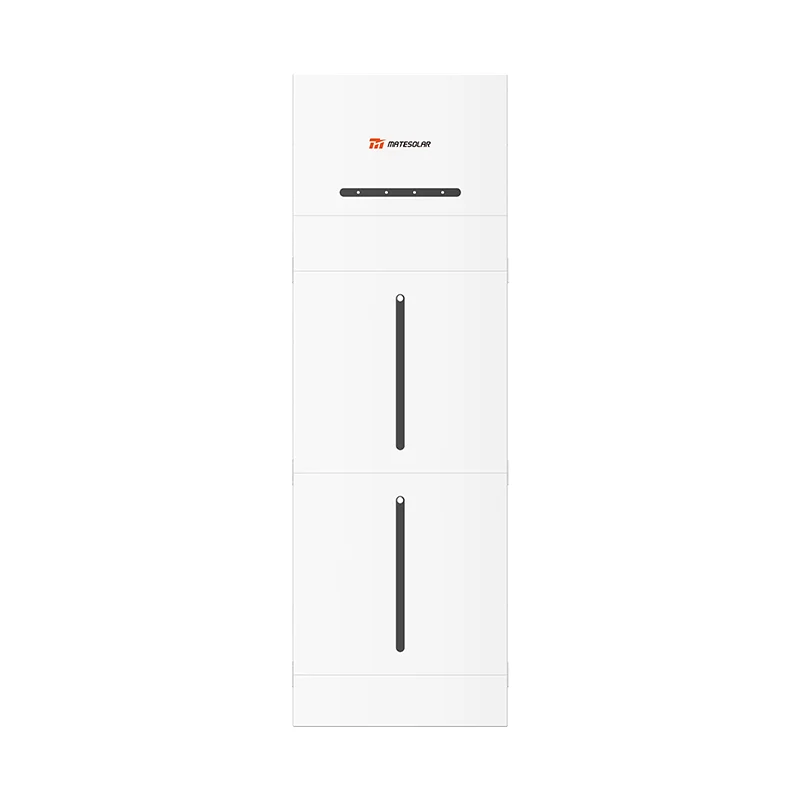
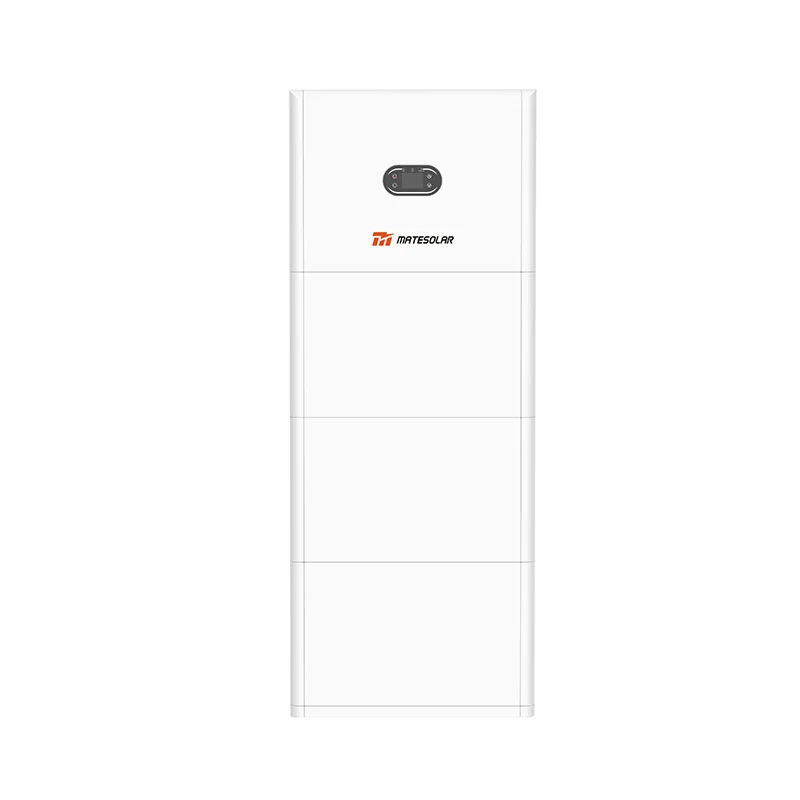
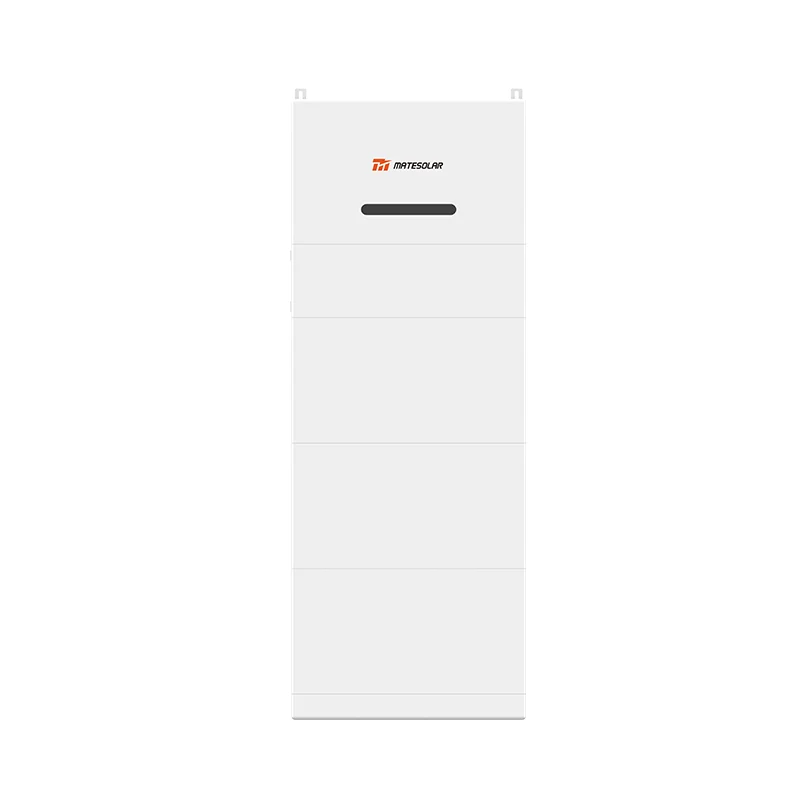
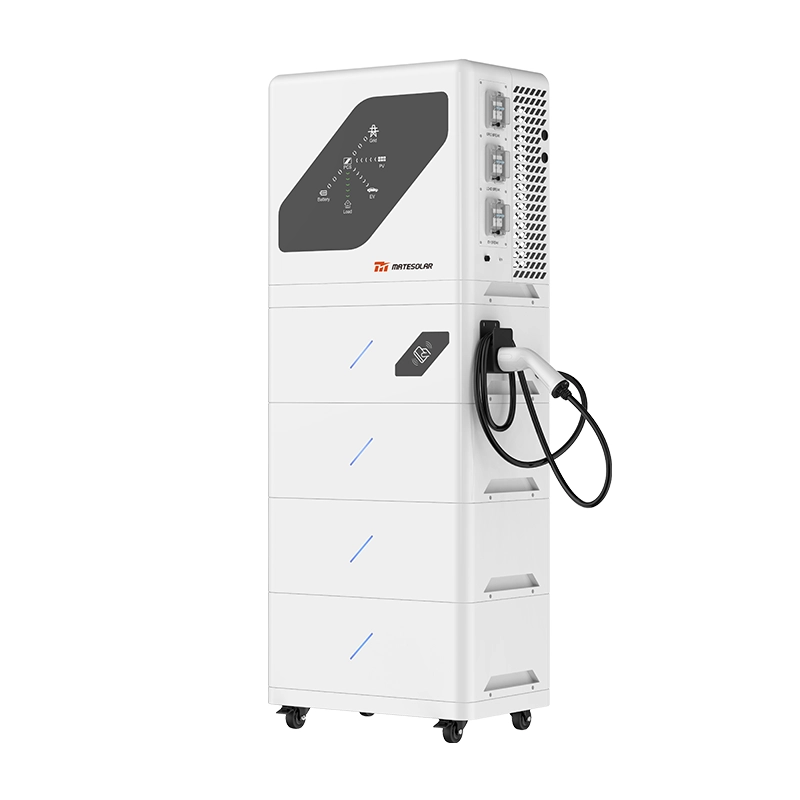
For SMEs with limited space, the 100kW/232kWh Liquid-Cooled Outdoor Cabinet ESS і 125kW/261kWh Liquid-Cooled Outdoor Cabinet ESS offer compact, floor-space-efficient solutions. These outdoor cabinets feature:
- Small Footprint: Minimal ground space requirement, ideal for hotels, farms, and commercial properties
- IP65 Protection: Dust-tight and water-resistant for outdoor installation in tropical environments
- LFP Battery Chemistry: Inherently safer than other lithium chemistries, with no thermal runaway risk
- UL 9540A Certification: Passed rigorous thermal runaway propagation testing
- Liquid Cooling: Superior thermal management for consistent performance in high ambient temperatures
Real-World Success Story: Poultry Processing Plant Microgrid
A poultry processing facility in Honduras successfully deployed a 60kW PV + 200.7kWh lithium battery storage system. The solution integrates high-efficiency photovoltaic generation with a hybrid inverter and large-capacity battery storage to ensure consistent power supply throughout the day and night. The system has enabled the facility to achieve over six months of 100% off-grid operation, demonstrating the viability of PV + BESS as a primary power source for commercial and light industrial applications.
Business Model Innovation: Energy as a Service (EaaS)
For SMEs concerned about upfront capital expenditure, the Energy as a Service (EaaS) model offers a path to energy independence with zero initial investment:
How EaaS Works:
1. The system is installed at no cost to the customer
2. The customer pays a monthly fee based on energy delivered (typically below grid tariff)
3. The service provider owns, operates, and maintains the system
4. The customer achieves immediate cost savings without capital outlay
Economic Analysis: SME PV + BESS Investment
| Параметр | Значення |
| System size | 60kW PV + 200kWh BESS |
| Estimated capital cost | ~$120,000–$150,000 |
| Annual grid electricity offset | ~150,000–180,000 kWh |
| Grid tariff (2026 Q2) | $0.21/kWh |
| Annual grid cost avoidance | ~$31,500–$37,800 |
| Простий термін окупності | 3.2–4.8 years |
| System useful life | 15+ years |
| Lifetime savings (15 years) | ~$350,000–$470,000 |
Note: Assumes 5.32 HNL/kWh tariff, 25.4 HNL/USD exchange rate, 4% annual tariff escalation
Pain Point 4: Remote/Off-Grid Communities and Commercial Entities
The Question: "The grid doesn't reach us, or connection costs are prohibitive. Can a solar + storage + diesel microgrid really operate reliably?"
The Core Reality: Remote mining operations, agricultural facilities, and island communities need a microgrid system that operates independently of the main grid with 24/7 reliability.
The Technical Solution: Hybrid Microgrid Architecture
A mature "PV + Storage + Diesel Generator" hybrid microgrid solution ensures round-the-clock power supply. The architecture includes:
1. Primary Power Source: Solar PV arrays sized to meet daytime load requirements
2. Energy Storage: Battery systems to provide night-time power and grid stabilization
3. Backup Generation: Diesel generators for extended cloudy periods and maintenance
4. Control System: Advanced EMS that optimizes dispatch among all sources
Key Operational Capabilities:
Millisecond Seamless Switching: The system can transition between grid-connected and island modes in milliseconds, ensuring uninterrupted power during grid disturbances.
Здатність до відновлення роботи від непрацюючого стану The system can restart from a complete shutdown without external power, using the battery to energize the inverter and gradually bring the entire microgrid online.
Remote Monitoring and O&M: Advanced remote monitoring capabilities enable real-time performance tracking, predictive maintenance, and remote troubleshooting—critical for偏远 locations where on-site technical support is limited.
Redundancy and Reliability: The hybrid architecture provides multiple layers of redundancy. If solar generation is insufficient, the battery provides stored energy. If the battery is depleted, the diesel generator provides backup.
Part III: Technical Deep Dive—Energy Storage Technologies for the Honduran Context
3.1 Battery Chemistry Selection: Why LFP Dominates
For the Honduran market, Lithium Iron Phosphate (LFP) chemistry has emerged as the preferred technology for several compelling reasons:
Безпека: LFP batteries have superior thermal stability compared to other lithium chemistries. They do not experience thermal runaway even when punctured or overheated, making them ideal for tropical environments with high ambient temperatures.
Cycle Life: LFP batteries offer 6,000+ cycles at 80% depth of discharge, translating to 15+ years of useful life—matching the BOT transfer timeline for the 1.5GW tender.
Performance in High Temperatures: LFP chemistry maintains stable performance across a wide temperature range, critical for Honduras's tropical climate.
Cost-Effectiveness: LFP batteries avoid cobalt and other expensive materials, offering the lowest levelized cost of storage among lithium chemistries.
3.2 Cooling Strategies: Air-Cooled vs. Liquid-Cooled
The choice between air-cooled and liquid-cooled systems has significant implications for performance and longevity in the Honduran context:
Air-Cooled Systems:
- Lower initial cost
- Simpler maintenance requirements
- Suitable for moderate ambient temperatures
- Higher space requirements for airflow
Liquid-Cooled Systems:
- Superior thermal management in high temperatures
- More uniform cell temperature distribution
- Extended battery life in tropical conditions
- Higher energy density (more capacity in less space)
Для 40Ft 1MWh / 2MWh Air-Cooled Container ESS, the air-cooled design offers simplicity and cost-effectiveness for applications with moderate ambient conditions. For higher-density requirements in the 20-футовий контейнер 3 МВт·год / 5 МВт·год з рідинним охолодженням ESS, liquid cooling provides superior thermal management essential for maximizing battery life in tropical environments.
3.3 Grid-Forming Technology: The Foundation of Baseload Replacement
Grid-forming technology represents the most significant technical advancement enabling BESS to replace thermal generation. Key technical considerations include:
Virtual Synchronous Machine (VSM) Control: Advanced inverters emulate the behavior of synchronous generators, providing inertia and damping to the grid.
Voltage and Frequency Regulation: Grid-forming inverters establish and maintain voltage and frequency references, enabling islanded operation.
Fault Ride-Through: The ability to remain connected during grid disturbances, supporting grid stability rather than disconnecting.
Black Start: The capability to restart the grid from a complete shutdown, essential for remote and island applications.
3.4 System Integration and Control: The EMS Brain
The Energy Management System (EMS) is the "brain" of any advanced BESS installation. In the Honduran context, the EMS must address several unique challenges:
- Load Forecasting: Predicting industrial load patterns to optimize battery dispatch
- Solar Forecasting: Incorporating weather data to anticipate PV generation
- Tariff Optimization: Maximizing savings by charging during low-tariff periods and discharging during high-tariff periods
- Grid Stability Support: Providing ancillary services to ENEE when grid-connected
- Island Mode Management: Seamless transition and stable operation in off-grid mode
- Remote Monitoring: Real-time performance tracking and predictive maintenance
Part IV: Commercial and Financial Framework
4.1 Project Economics in the Honduran Context
The economic case for energy storage in Honduras has never been stronger, driven by three converging factors:
1. Rising Grid Tariffs: With cumulative 2026 increases of 25–30% and projected continued escalation, the cost of grid electricity is approaching $0.24/kWh.
2. Declining Storage Costs: Battery prices have declined by approximately 80% over the past decade, with further reductions expected.
3. Thermal Retirement Risk: The cost of inaction—production shutdowns, supply chain disruptions, and lost revenue—far exceeds the cost of deployment.
Levelized Cost of Storage (LCOS) Comparison:
| Технологія | LCOS (USD/kWh delivered) | Примітки |
| Grid electricity (2026 Q2) | $0.21 | Rising |
| Grid electricity (2026 Q3 projected) | $0.23–$0.24 | Rising |
| Solar PV only | $0.03–$0.05 | Non-dispatchable |
| BESS (4-hour LFP) | $0.08–$0.12 | Dispatchable |
| PV + BESS hybrid | $0.11–$0.16 | Fully dispatchable |
Note: LCOS estimates vary based on system size, location, and financing terms
4.2 Financing Options for Honduran Projects
Project Finance:
- Debt-to-equity ratios of 70:30 to 80:20
- Tenors of 12–15 years matching the BOT transfer timeline
- Interest rates of 8–12% depending on perceived risk
Leasing:
- Operating leases with monthly payments
- No upfront capital required
- Maintenance and performance guarantees included
Energy Service Agreements (ESA):
- Pay only for energy delivered
- Service provider owns and operates the system
- Customer achieves savings without capital investment
Multilateral Development Bank Financing:
- IDB, World Bank, and CAF offer preferential terms
- Political risk guarantees available
- Technical assistance and capacity building included
4.3 Risk Mitigation Strategies
| Ризик | Стратегія пом'якшення |
| ENEE payment default | USD-denominated PPA, escrow accounts, political risk insurance |
| Коливання валюти | USD-denominated contracts, natural hedging |
| Продуктивність технологій | Proven LFP chemistry, international certifications, performance guarantees |
| Operational issues | Remote monitoring, predictive maintenance, comprehensive warranty |
| Regulatory changes | Long-term PPAs, regulatory consultations, industry associations |
Part V: The Chinese Factor—Why Honduras Is Looking East
Chinese companies have emerged as significant players in the Honduran energy storage market. A consortium formed by Chinese wind turbine manufacturer Windey and Spanish company Equinsa has won a bid for a 75MW/300MWh battery energy storage project in Honduras, with a contract value of USD 50.2 million. This project, located at the Amarateca substation, is scheduled for full commercial operation by the end of 2026 and will be the largest energy storage project in Central America.
Chinese EPC giants such as China Energy Engineering Group (CEEC) have also established a deep presence in the region. The Global Energy Interconnection Development and Cooperation Organization (GEIDCO) has signed a letter of intent with the Honduran Ministry of Energy, signaling strong institutional ties.
The Honduras Ministry of Energy has already conducted promotional briefings for more than 60 Chinese energy companies. This reflects a strategic alignment: Honduras needs rapid, cost-effective deployment of energy storage infrastructure, while Chinese manufacturers and EPCs bring scale, competitive pricing, and proven technology.
Part VI: Frequently Asked Questions (FAQ)
Q1: Can battery storage really replace a thermal power plant as a primary power source?
A: Yes. Modern industrial-scale BESS with grid-forming inverters can provide the voltage and frequency reference that was traditionally the domain of synchronous generators. When paired with on-site solar PV, a hybrid microgrid can entirely displace thermal generation for industrial facilities. The key is proper sizing—typically 4+ hours of storage duration at rated power—and advanced EMS control.
Q2: How do I finance a project given ENEE's payment issues?
A: Several structures can mitigate ENEE payment risk:
- Establish an independent SPV for each project
- Structure PPAs in US dollars
- Secure political risk insurance from multilateral development banks
- Include escrow or letter of credit mechanisms in the PPA
- Seek involvement from IDB, World Bank, or CAF, which provide implicit guarantees
Q3: What certifications should I look for in a BESS for Honduras?
A: Critical certifications include:
- UL 9540A: Thermal runaway propagation testing (safety)
- IEC 62619: Battery safety requirements
- IEC 62477: Power conversion system safety
- IP65 or higher: Environmental protection for tropical conditions
- ISO 9001: Quality management system
Q4: How long will a BESS last in Honduras's tropical climate?
A: With LFP chemistry and proper thermal management (liquid cooling recommended for high ambient temperatures), a BESS can achieve 6,000+ cycles at 80% depth of discharge, translating to 15+ years of useful life. This aligns with the 15-year BOT transfer timeline for the national tender.
Q5: What happens if the battery fails?
A: For hardware quality issues, components can be shipped for replacement with remote guidance for installation. For severe cases, the product can be returned for a new replacement. Software issues can be resolved through remote technical support. For large-scale industrial and utility projects, on-site technical support can be arranged for commissioning and debugging.
Q6: Is there a minimum system size for economic viability?
A: For commercial and industrial applications, systems as small as 60kW PV + 200kWh BESS have demonstrated economic viability in Honduras. For larger industrial and utility applications, containerized solutions from 1MWh to 5MWh offer the best economics.
Q7: How do I size a system for my facility?
A: Proper sizing requires:
1. Load profile analysis (hourly/daily consumption patterns)
2. Solar resource assessment (for PV integration)
3. Tariff structure analysis (peak/off-peak rates)
4. Thermal retirement timeline (for baseload replacement)
5. Future expansion planning
Q8: Can the system operate during grid outages?
A: Yes. With grid-forming inverters and islanding capability, the system can seamlessly transition to off-grid operation during grid disturbances. This includes black start capability for complete system restart.
Q9: What is the payback period for a typical commercial installation?
A: For a 60kW PV + 200kWh BESS system, the simple payback period is approximately 3.2–4.8 years based on current grid tariffs, with lifetime savings of $350,000–$470,000 over 15 years.
Q10: How does the 1.5GW tender work?
A: The tender requires 65% renewable energy with storage (975MW) and 35% non-renewable (525MW). Projects are commissioned in phases: 800MW by early 2028, 300MW in 2029, and 400MW by 2030. The BOT model involves 15 years of operation followed by transfer to the state. The reverse auction format includes multiple rounds of economic evaluation.
Part VII: Looking Ahead—The Next 1,000 Days
The period from June 2026 through early 2029 represents the most critical window for Honduras's energy transition. The following milestones will define the market:
2026:
- Q3: CREE announces third-quarter tariff adjustment (projected 10–15%)
- Ongoing: 1.5GW tender bidding process
- End of 2026: 75MW/300MWh Amarateca BESS project commissioned
- Ongoing: CREE consultation on self-generation framework amendments
2027:
- Target: 80% renewable energy share
- Continued tariff escalation
- Phase 1 of 1.5GW tender projects begin construction
2028:
- Early 2028: First 800MW of 1.5GW tender capacity online
- Continued thermal plant operation
- Industrial PV + BESS deployments accelerate
2029:
- Critical year: 886MW thermal capacity retired
- Additional 300MW of tender capacity online
- Industrial facilities without alternative power face shutdown risk
2030:
- Additional 276MW thermal capacity retired
- Final 400MW of tender capacity online
- Full transition to new generation mix
The message for industrial, commercial, and project development stakeholders is clear: the time to act is now. The 886MW thermal retirement cliff is not a distant planning horizon—it is a countdown with less than 1,000 days remaining. Facilities that begin their transition today will have operational systems with proven performance by the time the thermal plants retire. Those that wait will face production shutdowns, supply chain disruptions, and competitive disadvantage.
Conclusion: A Market at Inflection
Honduras's energy storage market is defined by a unique combination of forces: mandatory thermal retirements creating existential risk for industrial consumers, a historic 1.5GW tender creating unprecedented opportunity for developers, and ENEE's financial fragility creating persistent risk for all stakeholders.
The technical solutions exist. Grid-forming BESS, hybrid microgrids, and advanced EMS can deliver reliable, cost-effective power that replaces thermal generation. The commercial structures exist. Project finance, EaaS, and risk-isolation mechanisms can address ENEE payment concerns. The financing exists. Multilateral development banks, export credit agencies, and international investors are ready to deploy capital.
What remains is action. The next 1,000 days will determine which facilities thrive and which struggle. The window of opportunity is open—but it is closing.
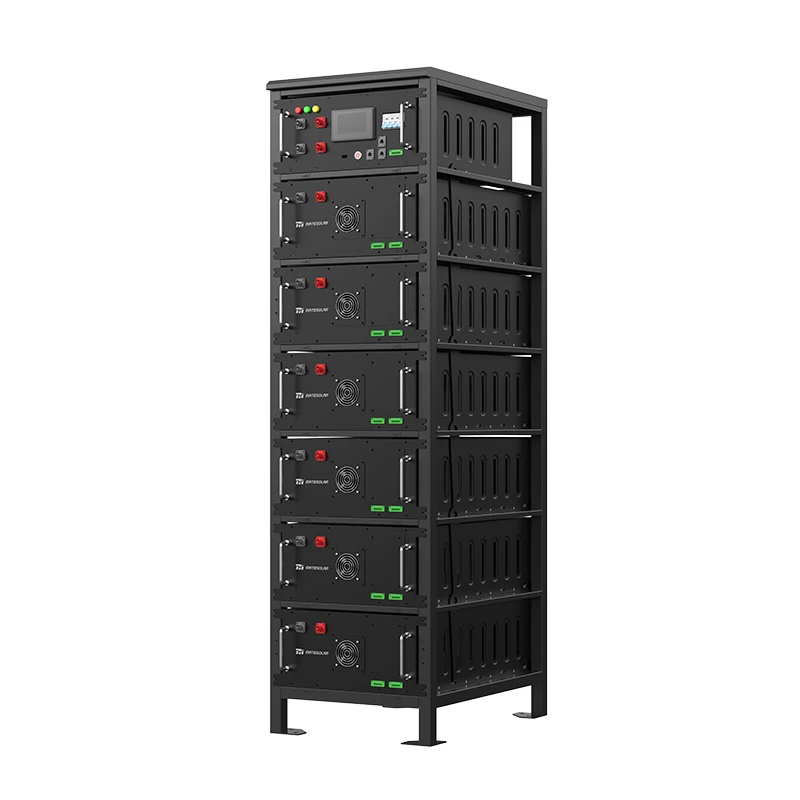
For industrial facilities facing the 2029 retirement cliff, the Комерційна гібридна сонячна система потужністю 500 кВт provides a proven path to baseload replacement. For projects requiring compact, safe deployment in space-constrained environments, the 100kW/232kWh Liquid-Cooled Outdoor Cabinet ESS і 125kW/261kWh Liquid-Cooled Outdoor Cabinet ESS offer turnkey solutions. For utility-scale and large industrial applications, the 40Ft 1MWh / 2MWh Air-Cooled Container ESS і 20-футовий контейнер 3 МВт·год / 5 МВт·год з рідинним охолодженням ESS deliver the scale and performance required for the 1.5GW national tender.
Про MateSolar
MateSolar is a comprehensive one-stop photovoltaic and energy storage solution provider, committed to delivering reliable, bankable, and future-proof energy systems for industrial, commercial, and utility applications worldwide. With deep expertise in grid-forming technology, hybrid microgrid architecture, and project finance structuring, MateSolar partners with clients to navigate the complexities of the energy transition—from initial feasibility studies through commissioning and long-term operations.
For more information on how MateSolar can support your energy storage project in Honduras, visit www.mate-solar.com.