










Резюме: Ринок у точці перелому
The Republic of El Salvador is undergoing an unprecedented transformation in its energy landscape. In the first half of 2026 alone, two landmark legislative developments have fundamentally reshaped the commercial and industrial (C&I) energy storage market, creating what industry analysts are calling the most attractive investment environment for battery energy storage systems (BESS) in Central America.
On February 10, 2026, the Renewable Energy Promotion Law (Ley de Fomento al Uso de Energías Renovables — LFUER) officially entered into force, delivering an extraordinary package of tax incentives including full VAT exemption on renewable energy systems and storage, a 10‑year income tax holiday for qualified providers, and import duty exemptions on essential equipment. Two months later, on April 20, 2026, reforms to the General Electricity Law (LGE) came into effect, creating a retail electricity market and establishing a clear regulatory framework for distributed generation interconnection.
These policy breakthroughs coincide with remarkable market fundamentals. Solar PV now accounts for 21.1% of national electricity generation, with installed capacity reaching 633 MW. The commercial electricity tariff stands at approximately USD 0.240 per kWh — 111.86% above the North American average. Import shipments of solar energy storage products achieved a CAGR of 14.45% from 2020 to 2024, accelerating to 40.34% growth between 2023 and 2024.
Against this backdrop, energy storage has transitioned from a speculative technology to an economic necessity for Salvadoran businesses. The region’s first BESS pilot program, launched on May 14, 2026, projects that businesses can achieve electricity cost reductions of 40% to 60% through smart storage integration with solar generation. This is not a distant promise — it is a present reality.
This comprehensive guide addresses the five most pressing questions facing stakeholders in the Salvadoran C&I energy storage ecosystem. Whether you are an EPC developer navigating the 10‑year policy window, an industrial manufacturer confronting USD 0.240/kWh electricity costs, a hotel operator seeking a compact all‑in‑one solution, or an institutional investor evaluating risk‑adjusted returns, this document provides the analytical framework, technical specifications, and strategic insights required to make informed decisions.
Part One: Market Foundations — Why El Salvador, Why Now
1.1 The Legislative Double Catalyst of 2026
The confluence of the LFUER and the LGE reforms represents a structural shift rather than a transient policy window. Understanding the precise mechanics of each is essential for optimizing investment returns.
The Renewable Energy Promotion Law (LFUER) — In Force Since February 10, 2026
Passed by the Legislative Assembly in October 2025 and effective February 2026, the LFUER establishes a comprehensive incentive framework for renewable energy systems, including energy storage. The law’s core provisions include:
| Incentive Category | Benefit | Duration / Terms |
| Value‑Added Tax (VAT) Exemption | Full exemption on purchase, installation, and maintenance of renewable energy systems (including storage) through qualified providers | Immediate upon law enactment; applies retroactively to qualifying projects from 2026 onward |
| Income Tax Exemption | Full income tax exemption on incentivized activities | 5 to 10 years, depending on investment scale and project classification |
| Import Duty Exemption | Full customs duties (DAI) exemption on machinery, equipment, materials, and spare parts required for renewable energy systems | Up to 10 years |
| Carbon Credit Tax Exemption | Total tax exemption on revenues from the sale of Certified Emission Reductions (CERs) | Unlimited, subject to project verification |
The law explicitly incorporates energy storage systems, their installation, operation, and maintenance within the definition of incentivized activities. This is critical: storage is not an afterthought but a co‑equal beneficiary of the incentive regime.
The General Electricity Law (LGE) Reforms — In Force Since April 20, 2026
The LGE amendments, published in the Official Gazette on April 13, 2026, and effective from April 20, create a retail electricity market that fundamentally changes how distributed generation participates in the national grid. Key provisions include:
- Creation of the retail electricity market, allowing direct energy transactions within distribution networks as a complement to the wholesale market
- Clear regulatory pathway for distributed generation (DG) interconnection, covering solar, storage, and hybrid systems
- Empowerment of the Transmission Unit (UT) to operate the retail market and issue instructions to distributors regarding DG plant operations
- Guidelines for the eventual reinjection of surplus electricity into the distribution grid, establishing the legal basis for net billing and feed‑in arrangements
This framework eliminates the regulatory ambiguity that historically discouraged distributed storage investments. For the first time, businesses can confidently design PV‑plus‑storage systems knowing that grid interconnection follows defined, enforceable rules.
1.2 Market Size, Growth Trajectory, and Import Dynamics
The policy tailwinds are translating into measurable market expansion. According to import shipment data, El Salvador’s solar energy storage import market achieved a CAGR of 14.45% from 2020 to 2024, with extraordinary year‑over‑year growth of 40.34% between 2023 and 2024. The top exporting countries in 2024 were China, India, the United States, Germany, and Japan, indicating a diverse and competitive supply chain.
For grid‑scale stationary battery storage, the market recorded a CAGR of 8.93% from 2020 to 2024, with continued momentum projected through 2032. Meanwhile, the distributed solar power generation segment has grown at a remarkable CAGR of 33.26% from 2020 to 2024, with explosive annual growth of 98.94% between 2023 and 2024.
1.3 The Economic Imperative: USD 0.240/kWh and Rising
As of June 2026, the average commercial electricity tariff in El Salvador is USD 0.240 per kWh — 111.86% above the North American average. This rate, which includes all distribution, transmission, and tax components, places Salvadoran businesses at a significant competitive disadvantage relative to regional peers.
Industrial leaders have repeatedly noted that El Salvador’s electricity rates are among the highest in Central America, with the Salvadoran Association of Industrialists (ASI) actively advocating for off‑peak rate mechanisms to reduce costs. However, the absence of meaningful wholesale price declines — despite increasing renewable penetration — underscores a fundamental structural reality: without storage, even low‑cost renewable generation cannot fully offset peak‑period consumption.
Part Two: The Five Critical Pain Points — Solutions for Every Stakeholder
Pain Point 1: EPCs and Project Developers — Navigating the 10‑Year Policy Window and Designing Bankable Projects
The Challenge
For EPCs and developers, the 10‑year tax holiday and VAT exemption window presents both an extraordinary opportunity and a formidable challenge. The incentives are generous, but they require precise qualification, proper documentation, and demonstrable compliance with regulatory requirements. Simultaneously, developers face intense competitive bidding pressure and substantial CAPEX burdens. The central questions are: How can a developer fully capture all available tax benefits? And what evidence is required to secure financing from international institutions such as IDB Invest?
Solution Framework
Capturing the Full Benefit Stack:
The LFUER’s incentives are not automatic — they require engagement with qualified providers and proper certification. Developers must structure their procurement and installation contracts to explicitly reference the law and document eligible expenditures. The full benefit stack includes:
- 100% VAT Exemption: Applicable to the purchase, installation, and maintenance of renewable energy systems through qualified providers
- 10‑Year Income Tax Exemption: For qualified providers’ incentivized activities, with potential extension based on project scale
- Import Duty Exemption: Full DAI exemption on machinery, equipment, materials, and spare parts
- Carbon Credit Exemption: Full tax exemption on CER revenues, opening an additional revenue stream that is often overlooked
The combined effect on project IRR is substantial. A typical 500 kWh / 1 MWh C&I BESS project in El Salvador, assuming USD 250/kWh all‑in installed cost, can achieve a payback period of 3.5 to 4.5 years under current tariff conditions, compared to 5.5 to 7 years without the tax incentives.
Achieving Bankability:
Institutional lenders such as IDB Invest have financed renewable energy and storage projects in El Salvador, including the Neoen battery financing through the Canadian Climate Fund for the Private Sector of the Americas (C2F2) Phase II. To access such financing, developers must provide:
- International certifications including IEC 62619, UL 9540A, and CE EMC compliance for system components
- Verified performance data from third‑party testing laboratories
- Guaranteed cycle life and capacity retention specifications
- Comprehensive operations and maintenance protocols
Competitive Bidding Strategy:
At system prices ranging from USD 200 to 300 per kWh for C&I BESS, developers can construct competitive bids by optimizing system configuration based on actual load profiles. The key is moving beyond generic sizing to site‑specific modeling that accounts for:
- Hourly load curves to identify peak demand periods
- Local tariff structures, including demand charges and energy charges
- Solar generation profiles for PV‑integrated projects
- Weather patterns affecting both solar yield and thermal management requirements
Pain Point 2: Industrial Manufacturers and Export Processing Zones — Achieving 40‑60% Electricity Cost Reductions Under the New Law
The Challenge
For industrial facilities operating in El Salvador’s export processing zones, electricity costs above USD 0.240/kWh are eroding international competitiveness. The BESS pilot program launched on May 14, 2026, in partnership with Trinergy and Operadores Nacionales, has demonstrated cost reduction potential of 40% to 60% through smart storage deployment. However, industrial decision‑makers need quantifiable answers: How much will my facility save? How do I finance the system? Can storage truly replace expensive diesel generators?
Solution Framework
Customized ROI Modeling:
A robust financial model for industrial C&I BESS must account for three primary value streams:
1. Пік гоління: Reducing demand charges by discharging batteries during the facility’s highest consumption periods
2. Енергетичний арбітраж: Charging during off‑peak hours (typically 10:00 PM to 8:00 AM) and discharging during peak rate periods
3. Резервне живлення: Avoiding production losses during grid outages
Table 1: ROI Model for a 1 MWh / 500 kW C&I BESS at USD 0.240/kWh
| Параметр | Значення |
| System Capacity | 1,000 kWh usable |
| Power Rating | 500 kW AC |
| Estimated System Cost (installed) | USD 250,000 – 280,000 |
| Daily Energy Arbitrage (peak/off‑peak differential @ USD 0.08/kWh) | USD 60 – 80 per day |
| Monthly Demand Charge Reduction (assuming 300 kW peak reduction) | USD 1,800 – 2,400 |
| Annual Diesel Avoidance (assuming 2 outages/year, 4 hours each) | USD 4,000 – 6,000 |
| Annual VAT Savings (through LFUER) | USD 25,000 – 30,000 |
| Total Annual Savings (Year 1) | USD 60,000 – 75,000 |
| Простий період окупності | 3.5 – 4.5 years |
| 15‑Year IRR | 18% – 24% |
Operational Resilience:
Critical industrial processes — including cold storage, HVAC for pharmaceutical manufacturing, and data center operations — require continuous power. The EMS must execute seamless islanding transitions (<20 ms) upon grid failure, with battery capacity sized for 4‑6 hours of backup operation. This is achievable with properly configured BESS using LFP chemistry, which provides stable voltage output throughout the discharge curve.
Diesel Displacement and ESG Certification:
For export‑oriented manufacturers, demonstrating emissions reductions is increasingly a contractual requirement. A well‑designed PV‑plus‑storage system can achieve 70% or greater diesel replacement for backup and peak‑shaving applications. The LFUER’s carbon credit revenue exemption creates a direct pathway to monetize verified emissions reductions, either through voluntary carbon markets or compliance frameworks.
Pain Point 3: Small and Medium Commercial — Hotels, Supermarkets, Offices — Compact Solutions Under VAT Exemption
The Challenge
Small and medium commercial enterprises (SMEs) — hotels, supermarkets, office buildings, and retail establishments — face the same high electricity rates as large industrials but with distinct constraints. Space is often limited. Initial capital sensitivity is acute. Safety concerns around energy storage in occupied buildings are paramount. And the local market still lacks accessible turnkey solutions.
Solution Framework
Space‑Optimized Design:
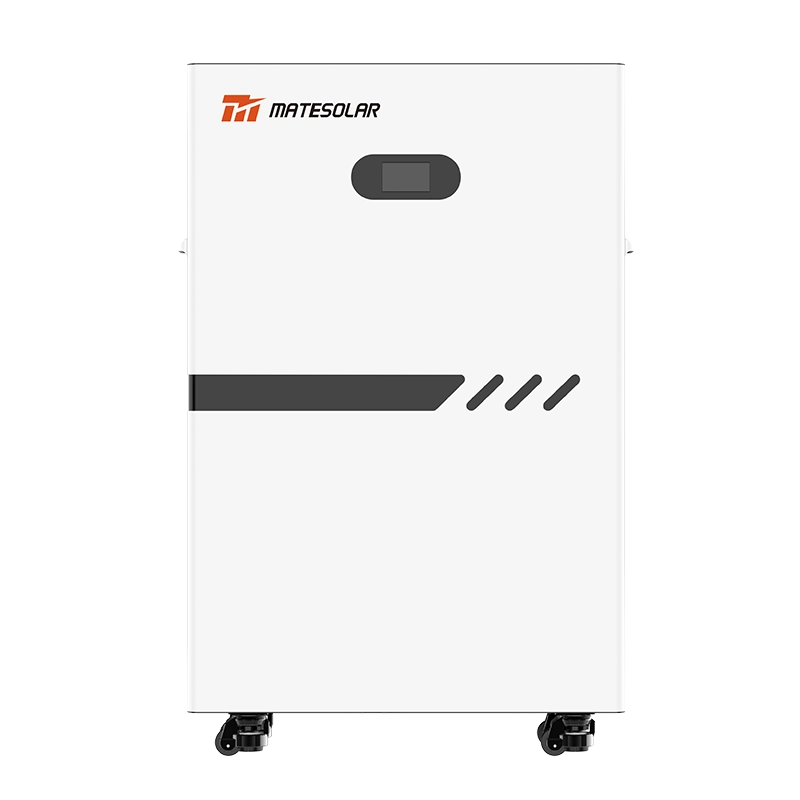
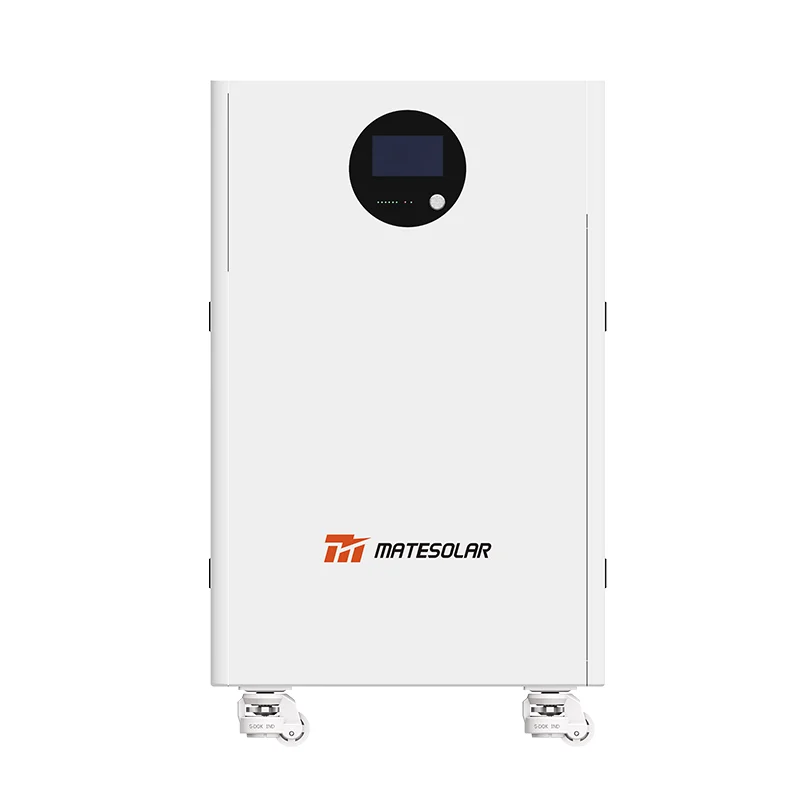
Modern outdoor cabinet BESS for C&I applications can occupy less than 2 square meters of footprint while delivering 100‑250 kWh of usable capacity. Stackable configurations allow vertical expansion to multiply capacity without expanding footprint — a critical feature for urban commercial properties where every square meter has opportunity cost.
Table 2: Compact C&I BESS Suitability by Commercial Application
| Заявка | Typical Peak Demand | Recommended BESS Size | Слід | Payback (est.) |
| Small Hotel (30‑50 rooms) | 50‑80 kW | 100‑150 kWh | 1.5‑2.0 m² | 3.5‑4.5 years |
| Supermarket (500‑1,000 m²) | 100‑150 kW | 200‑300 kWh | 2.5‑3.5 m² | 3‑4 years |
| Office Building (medium) | 80‑120 kW | 150‑250 kWh | 2.0‑3.0 m² | 3.5‑5 years |
| Retail Store | 30‑60 kW | 60‑100 kWh | 1.0‑1.5 m² | 4‑6 years |
Safety Certifications:
For installations in occupied commercial spaces, safety documentation must include UL 9540A (thermal runaway propagation testing), UL 1973 (stationary battery certification), and IEC 62619 (safety requirements for secondary lithium cells). UL 9540A is particularly critical as it demonstrates that a single cell’s thermal event will not propagate to adjacent cells — the foundational safety requirement for indoor or near‑occupied installations.
Energy as a Service (EaaS) Financing:
For SMEs sensitive to upfront CAPEX, EaaS models eliminate the initial investment barrier entirely. Under a typical EaaS structure:
- Zero capital outlay for the customer
- Monthly payments based on actual energy savings (typically 80‑90% of realized savings)
- System ownership and maintenance retained by the EaaS provider
- Contract terms of 5‑10 years, with buyout options
The VAT exemption under LFUER applies to EaaS contracts structured through qualified providers, further improving the economics.
Pain Point 4: Grid Compliance and Tropical Climate Adaptation — Localization Requirements for Every Investor
The Challenge
El Salvador’s grid operates at 60 Hz with single‑phase 120/240 V and three‑phase configurations. The use of mismatched equipment designed for other markets creates operational hazards and interconnection barriers. Simultaneously, the tropical climate — characterized by high temperatures (often exceeding 35°C), high humidity, and coastal salt exposure — imposes severe durability requirements. Storage investors need products that are precisely engineered for local conditions and backed by robust service guarantees.
Solution Framework
Precise Grid Compatibility:
El Salvador’s electrical system operates at 60 Hz frequency, with nominal voltages of 120 V single‑phase and 240 V split‑phase. Average grid frequency is maintained near 60 Hz, with typical variation between 59.93 Hz and 60.07 Hz. PCS and EMS products must be certified for these parameters, with third‑party testing to confirm:
- Voltage regulation within ±5% of nominal
- Frequency response capable of both under‑frequency and over‑frequency events
- Anti‑islanding protection meeting local utility requirements
Tropical Climate Engineering:
The Salvadoran climate demands engineering specifications that exceed generic “outdoor” ratings:
| Environmental Parameter | Вимоги | Standard / Test |
| Діапазон робочих температур | -10°C to 55°C continuous; 60°C peak | IEC 60068‑2 |
| Відносна вологість | 5% – 95% non‑condensing | IEC 60068‑2‑78 |
| Ingress Protection (Enclosure) | IP55 minimum; IP65 for power electronics | IEC 60529 |
| Corrosion Protection | C5‑M (high maritime/industrial) | ISO 12944 |
| Salt Mist Resistance | 720+ hours without degradation | IEC 60068‑2‑52 |
| Seismic Qualification | Zone 4 (high seismic activity) | ASCE 7 / ICC‑ES AC156 |
Jinko ESS’s SunGiga deployment in El Salvador demonstrated that liquid‑cooled systems provide superior thermal management in tropical conditions compared to forced‑air alternatives, with measurable improvements in cycle life and system uptime.
Service Level Agreements:
The absence of local installation teams does not preclude robust service delivery. For the Salvadoran market, MateSolar’s support model includes:
- Hardware Warranty: Advanced replacement for defective components; defective units replaced with new product rather than repaired
- Remote Technical Support: 24‑hour response for software issues; EMS troubleshooting and OTA updates conducted remotely
- Component Logistics: Spare parts inventory maintained for rapid shipment; defective components returned for analysis
- Field Support for Large Projects: For major utility‑scale or multi‑megawatt industrial installations, site commissioning and troubleshooting can be supported by technician dispatch
Pain Point 5: Financial Risk Mitigation and Long‑Term Value Assurance
The Challenge
Even with favorable policy, storage investors worry about market volatility, equipment degradation, service continuity, and overall project certainty over 15‑20 year horizons. Without robust guarantees and risk transfer mechanisms, even attractive IRRs may fail to clear institutional investment committees.
Solution Framework
Long‑Term Performance Guarantees:
Industry‑leading BESS providers offer 15‑20 year system performance guarantees covering both capacity retention and operational uptime. Typical guarantees include:
- Capacity Retention: ≥70% of nameplate capacity at year 15; ≥80% at year 10
- Round‑Trip Efficiency: >85% guarantee for system lifetime
- Throughput Guarantee: Specified minimum lifetime energy throughput (MWh)
- Uptime Guarantee: ≥99% system availability, exclusive of planned maintenance
Insurance Coverage:
Third‑party insurance for energy storage projects is now widely available from major carriers. Policies typically cover:
- Physical damage to the storage system (fire, flood, seismic events)
- Business interruption losses from system downtime
- Performance shortfall below guaranteed thresholds
- Third‑party liability
Multiple Revenue Stacking:
The most sophisticated investors recognize that storage value is multi‑dimensional. A single BESS installation can simultaneously capture:
- Energy Arbitrage Revenue: Charging at low off‑peak rates, discharging at peak rates
- Зменшення плати за попит: Lowering maximum demand readings each billing period
- Backup Power Value: Avoided cost of diesel generation plus productivity preservation
- Carbon Credit Revenue: Selling CERs from emissions reduction (tax‑exempt under LFUER)
- Ancillary Services Revenue: Frequency regulation and voltage support to the grid (subject to utility approval)
Remote Monitoring and OTA Updates:
Modern IoT‑connected BESS platforms provide real‑time performance monitoring, predictive maintenance alerts, and over‑the‑air (OTA) firmware updates. For Salvadoran installations, remote monitoring enables:
- 24/7 visibility into system health and performance
- Proactive identification of underperforming cells or modules
- Remote parameter tuning to optimize for changing tariff structures
- Cybersecurity patch management without on‑site visits
Part Three: Technical Specifications and Product Portfolio
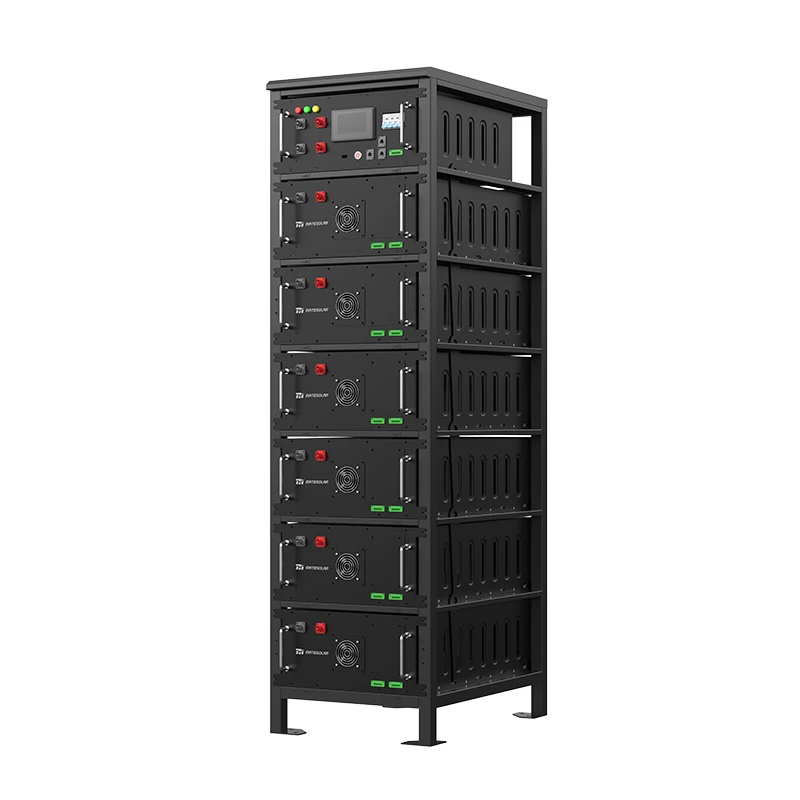
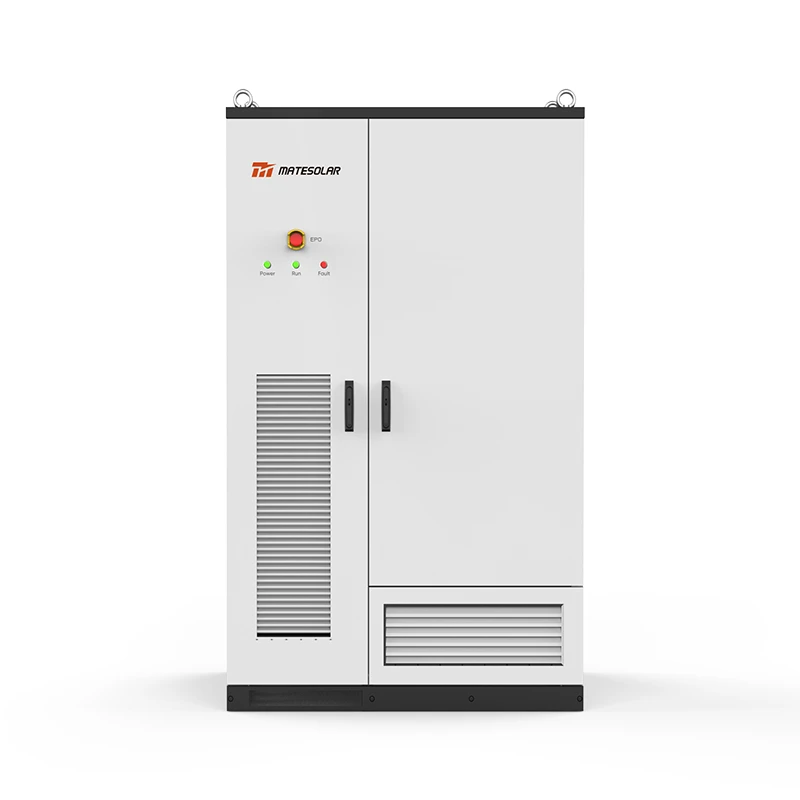
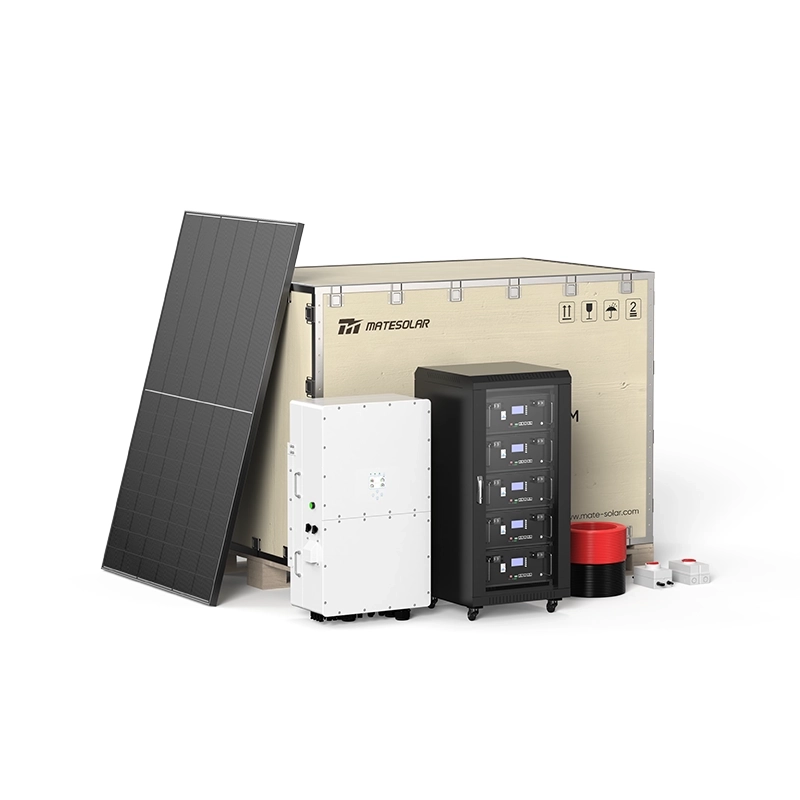
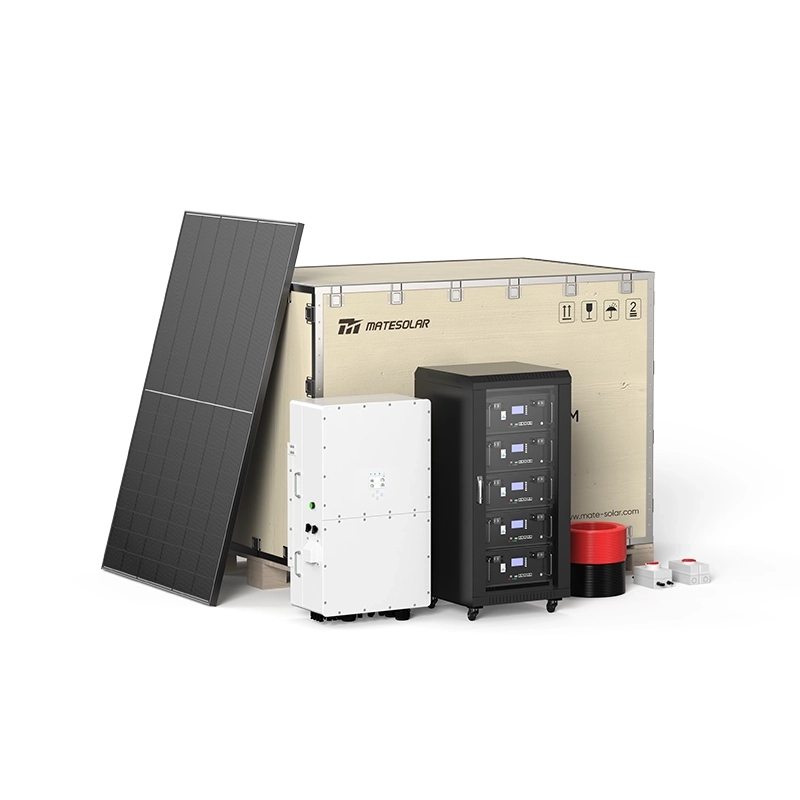
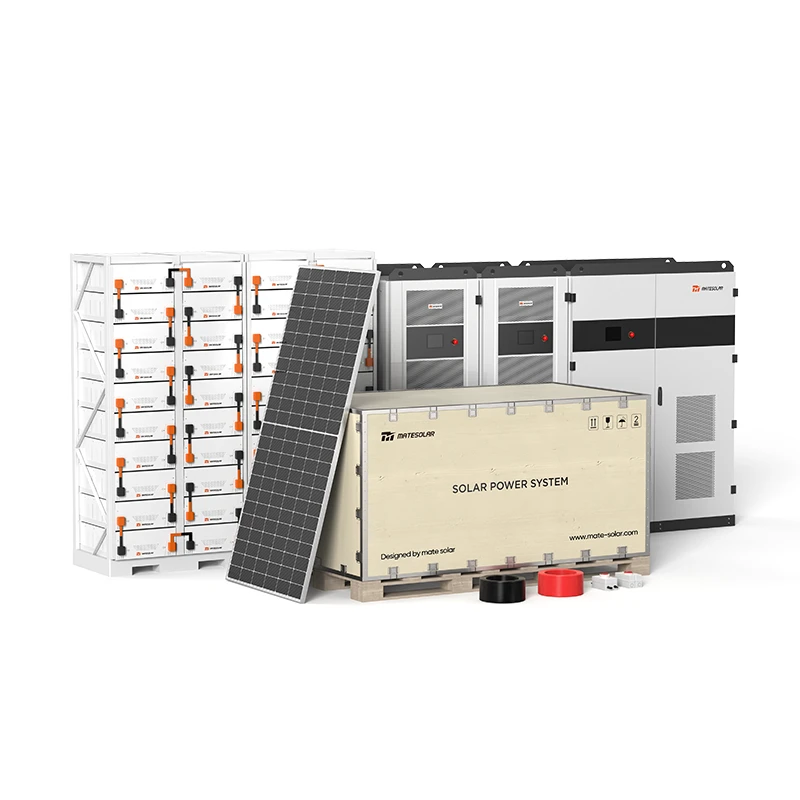
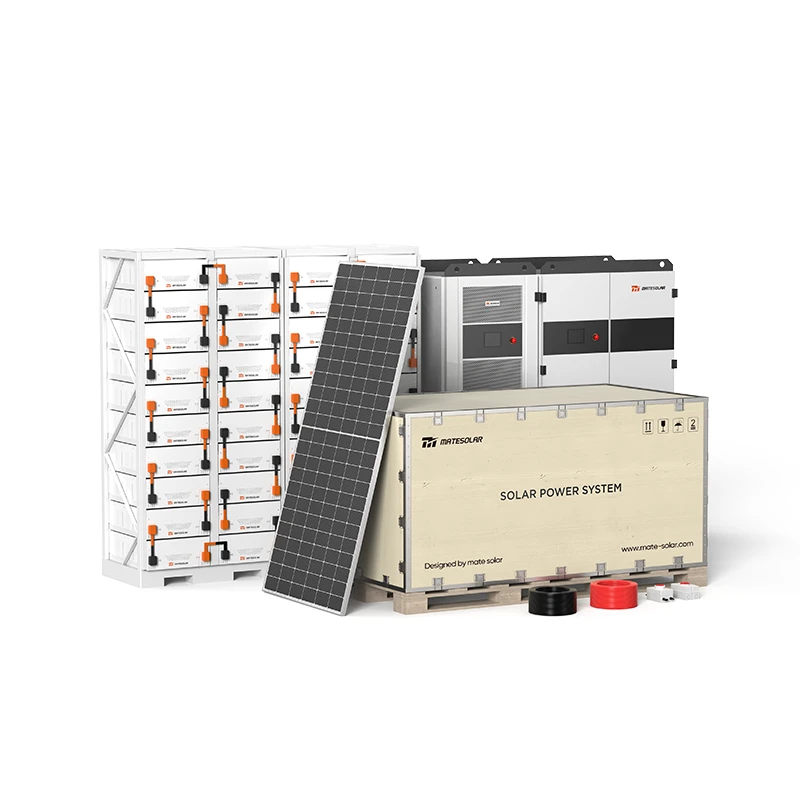
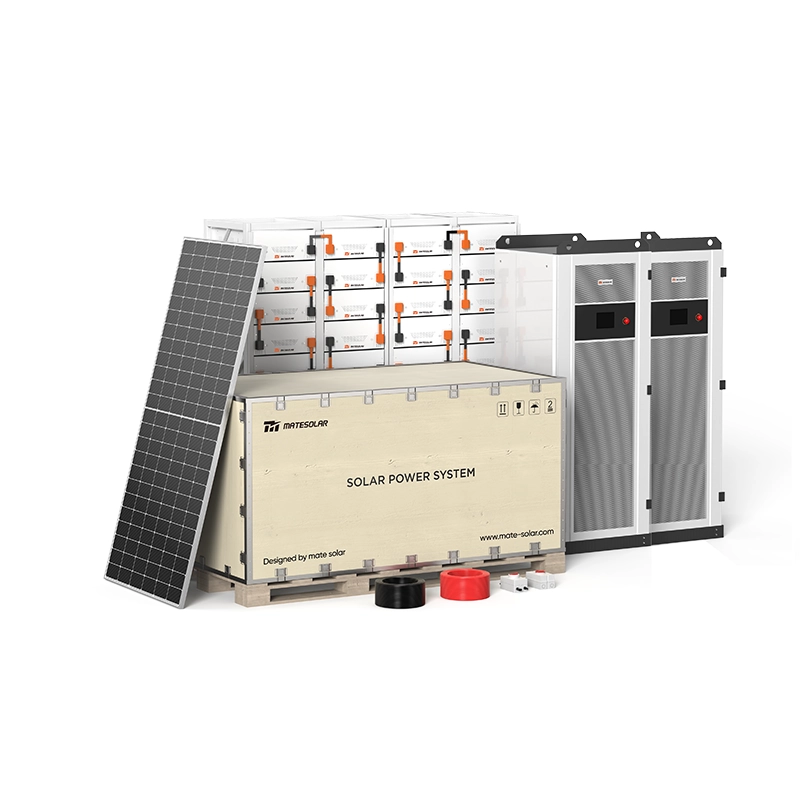
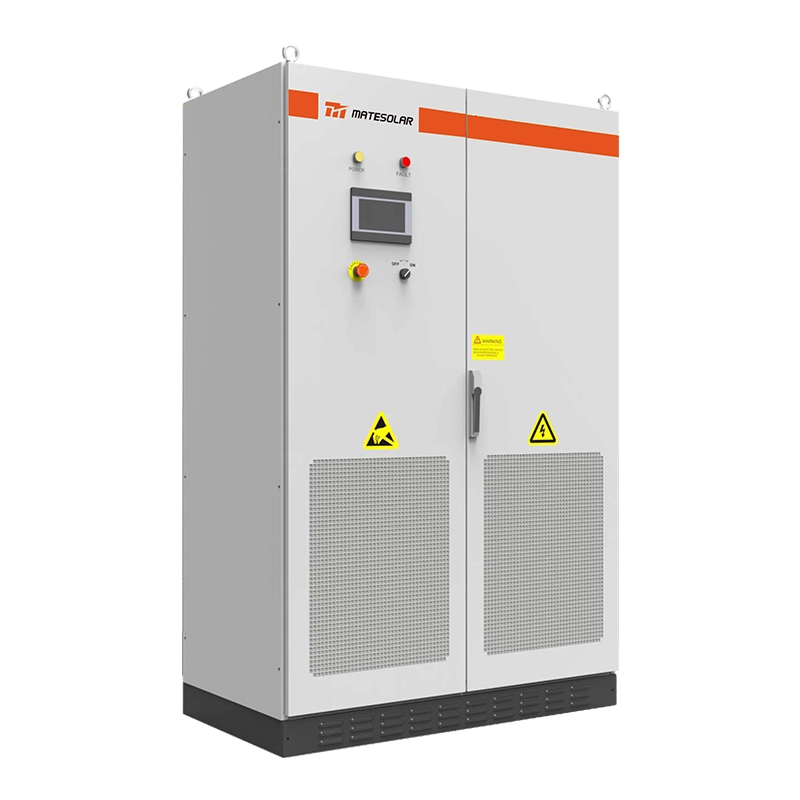
3.1 Commercial 500 kW Hybrid Solar System
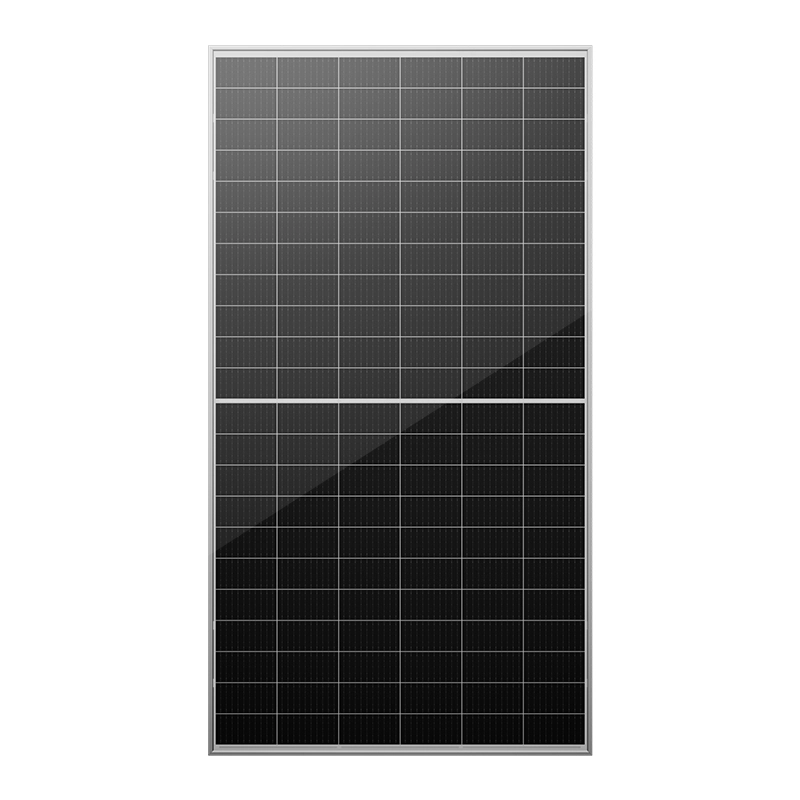
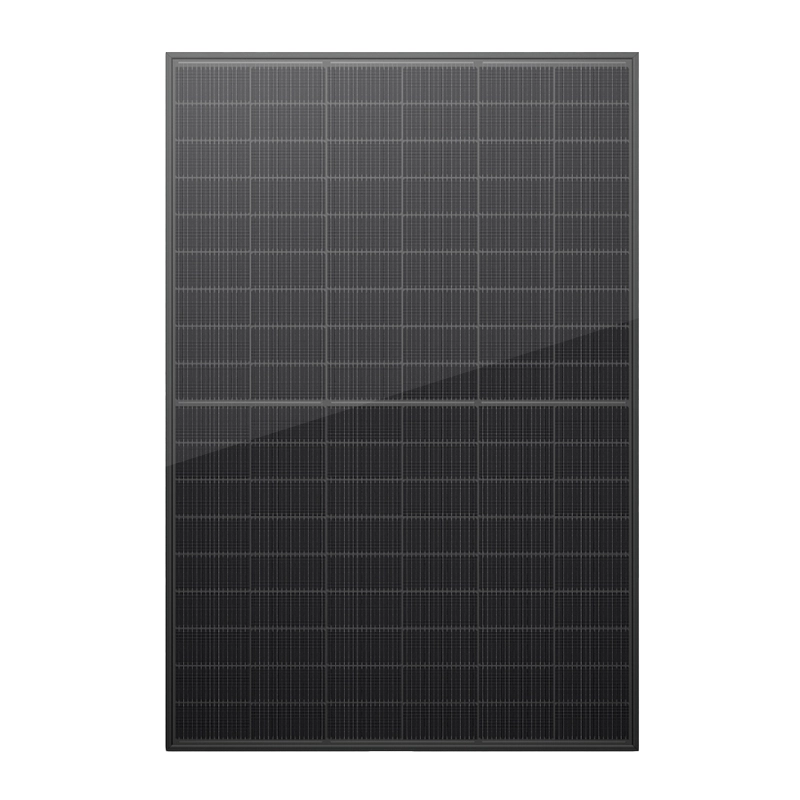
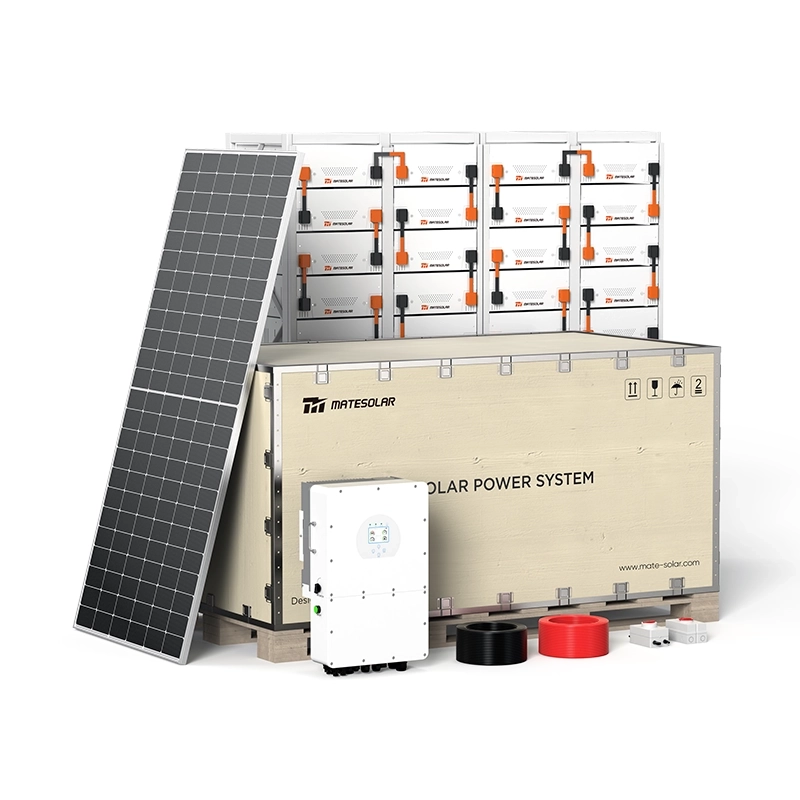
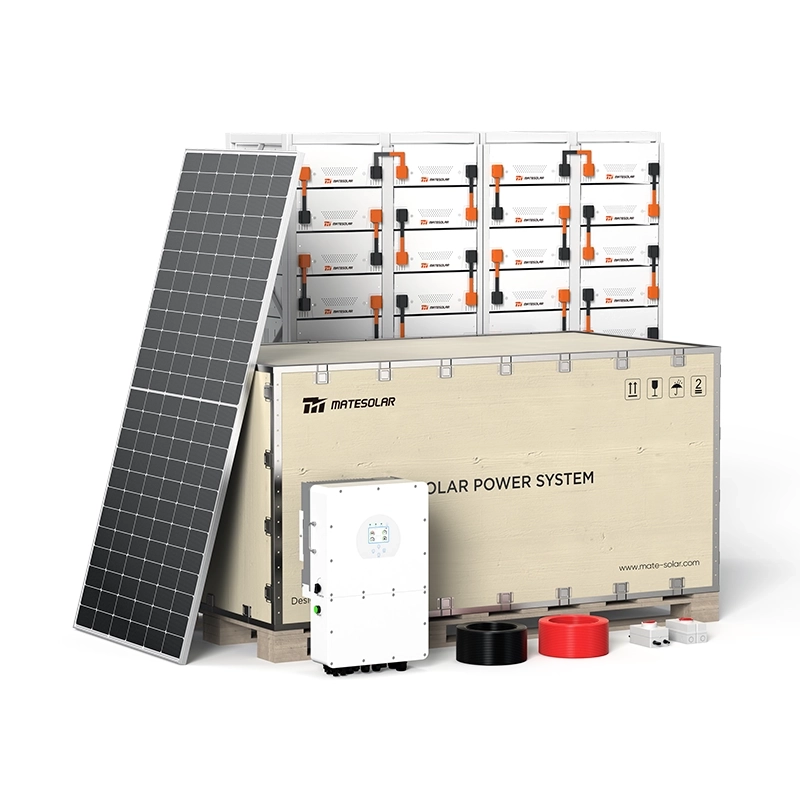
For commercial operations seeking integrated solar‑plus‑storage deployment at medium to large scale, the Commercial 500 kW Hybrid Solar System delivers a complete solution optimized for Salvadoran grid conditions and tropical climate requirements. The system is engineered for straightforward installation and integration with existing electrical infrastructure.
🔗 [View the Commercial 500kW Hybrid Solar System product page →]
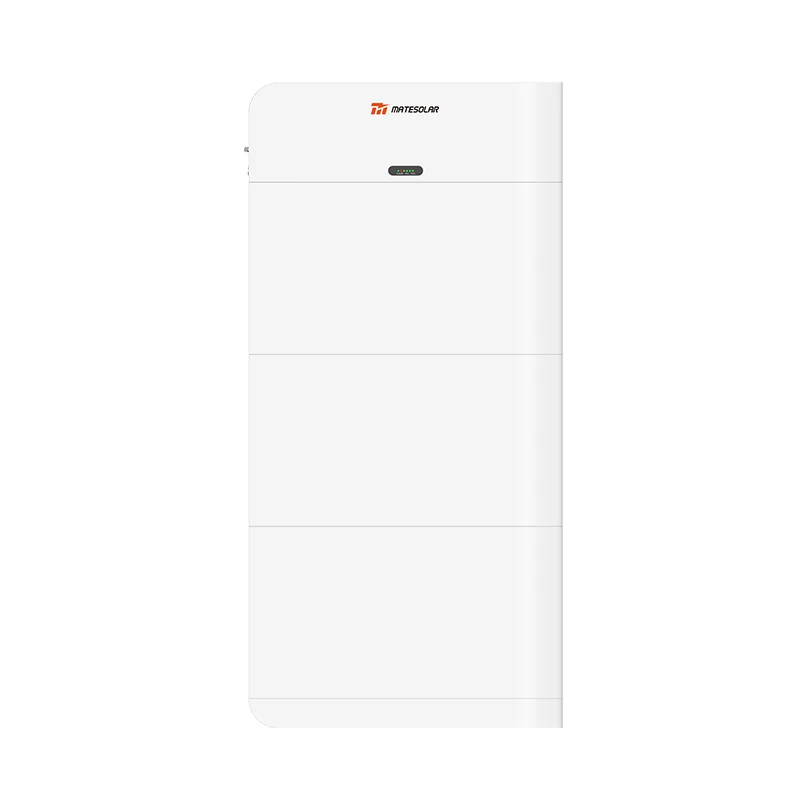
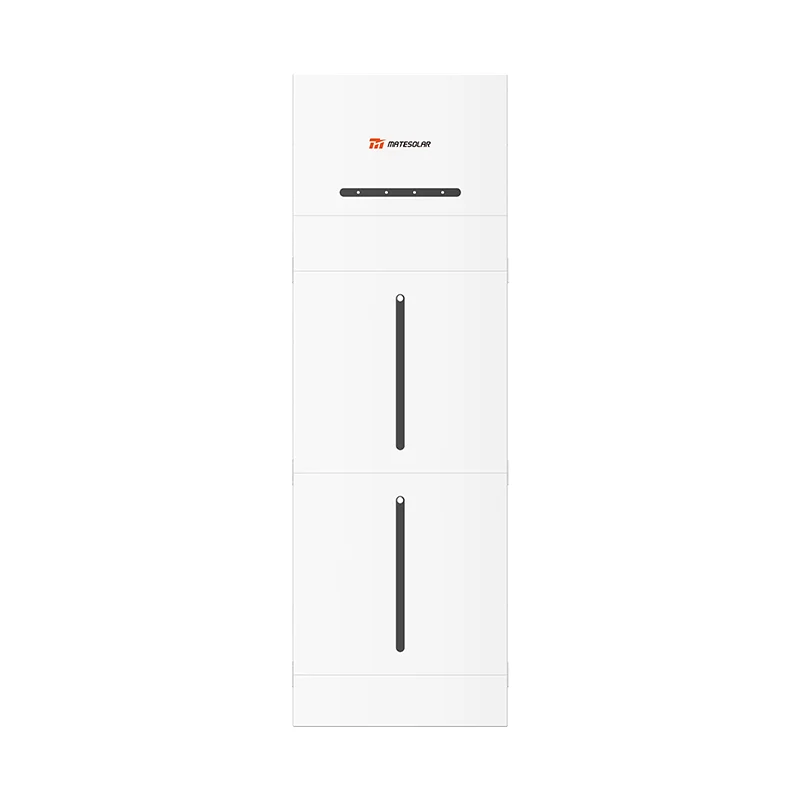
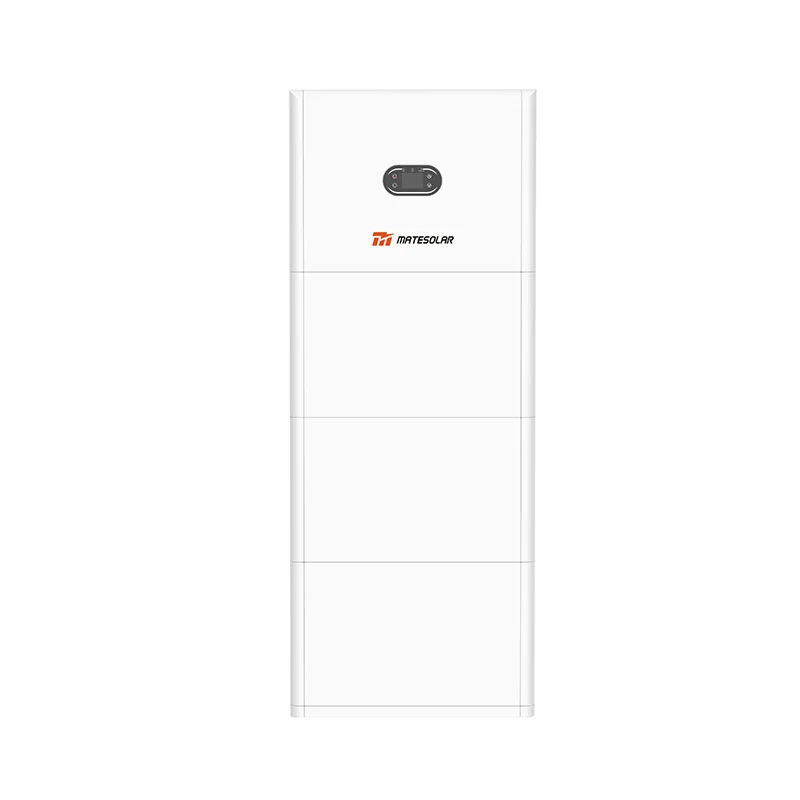
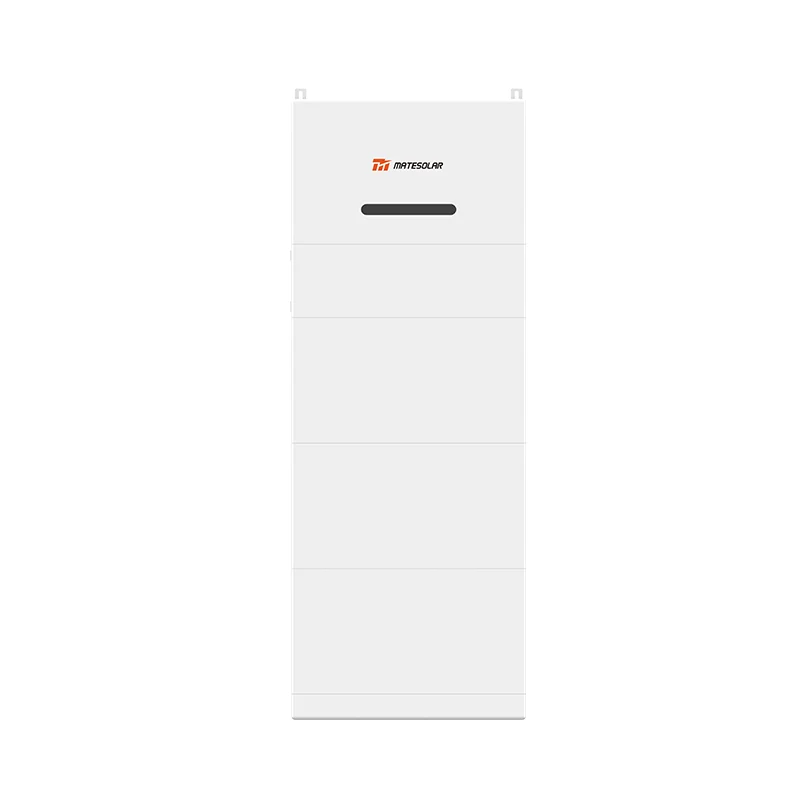
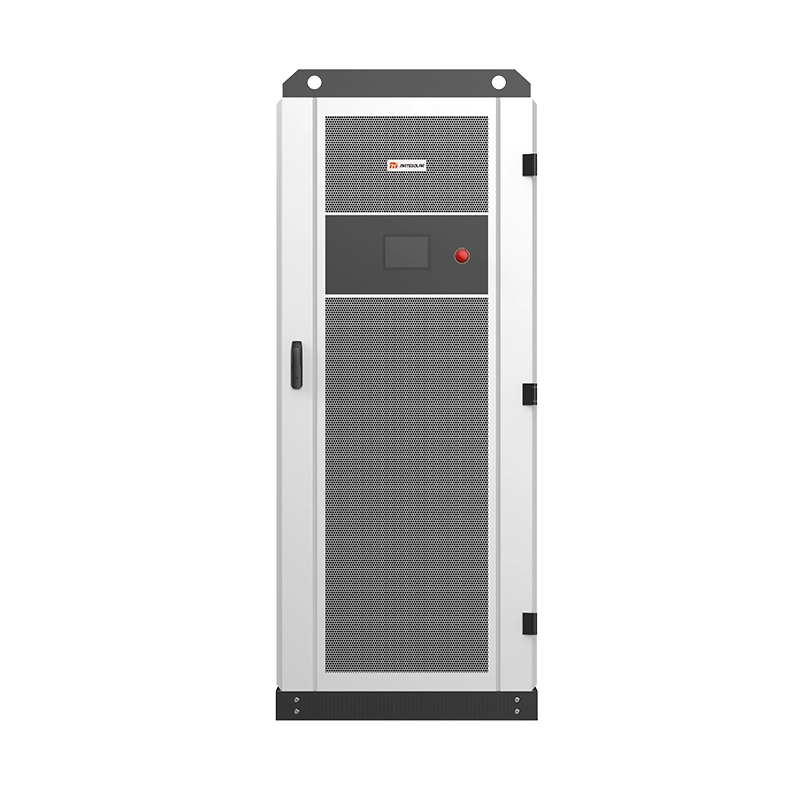
3.2 Outdoor Cabinet Energy Storage — 100kW/232kWh and 125kW/261kWh Liquid‑Cooled Systems
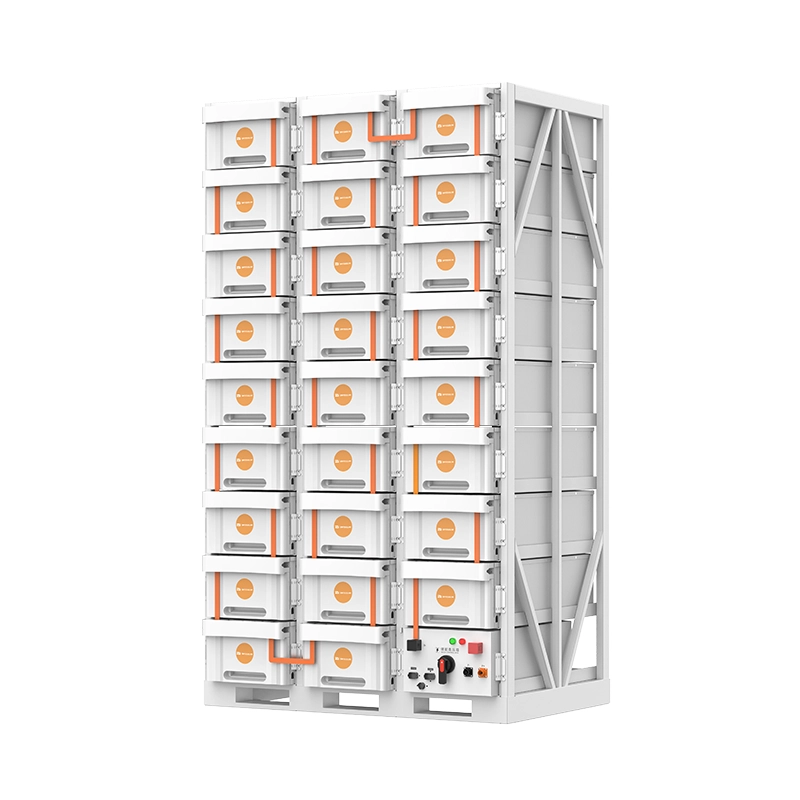
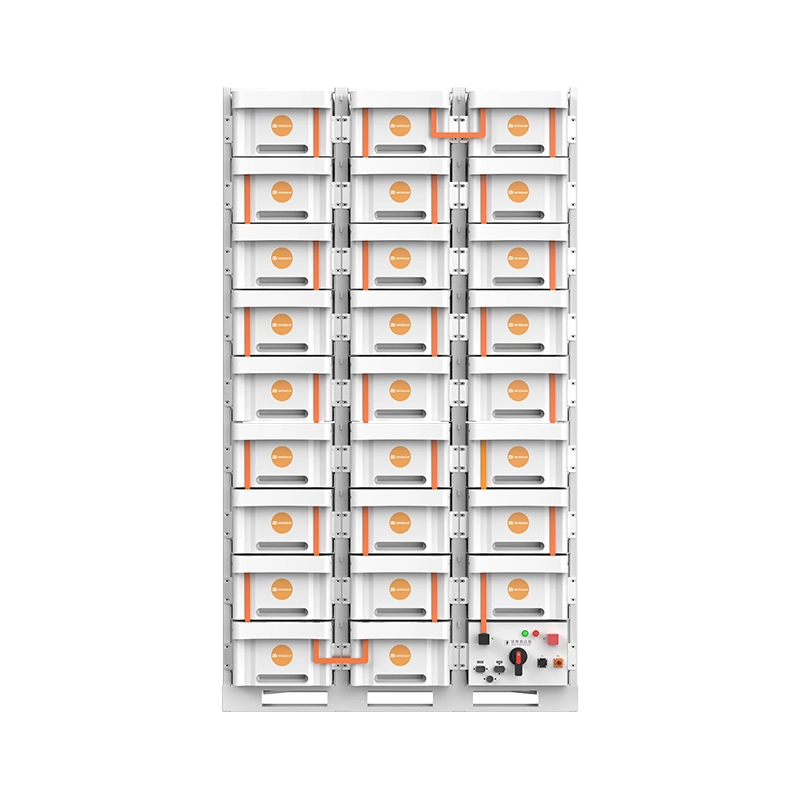
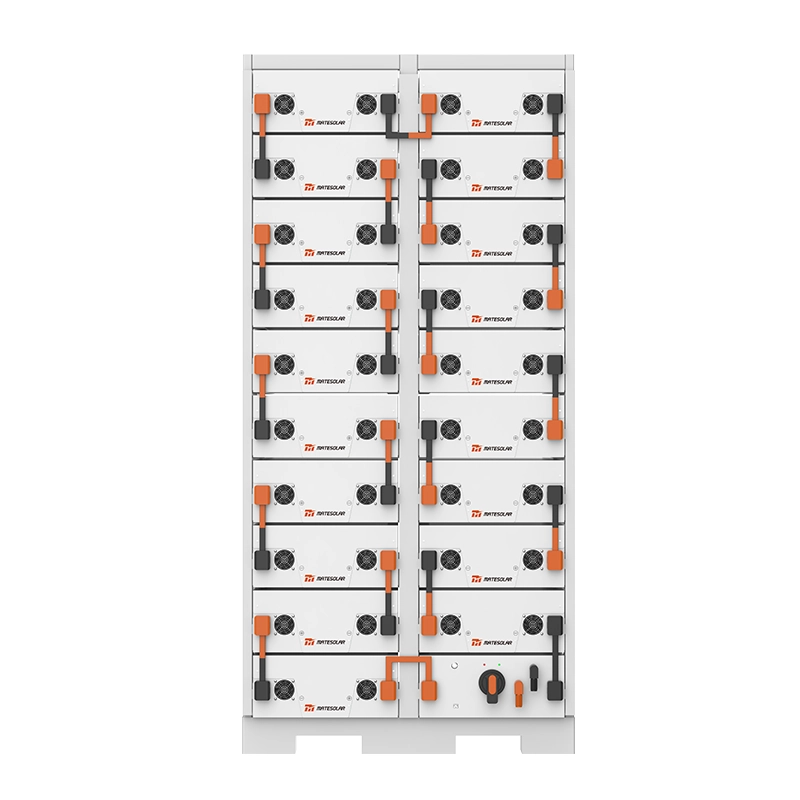
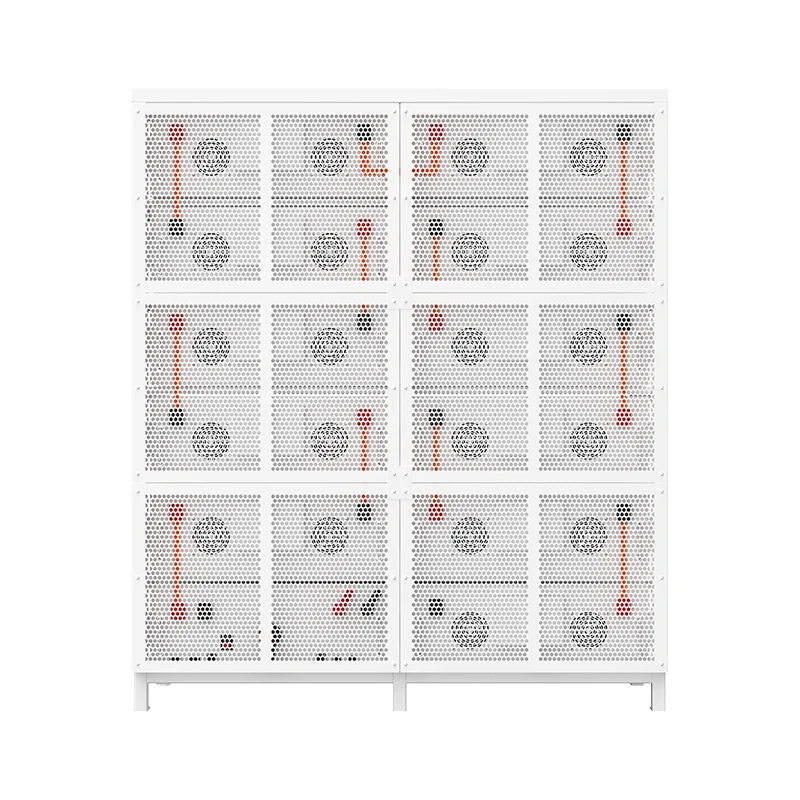
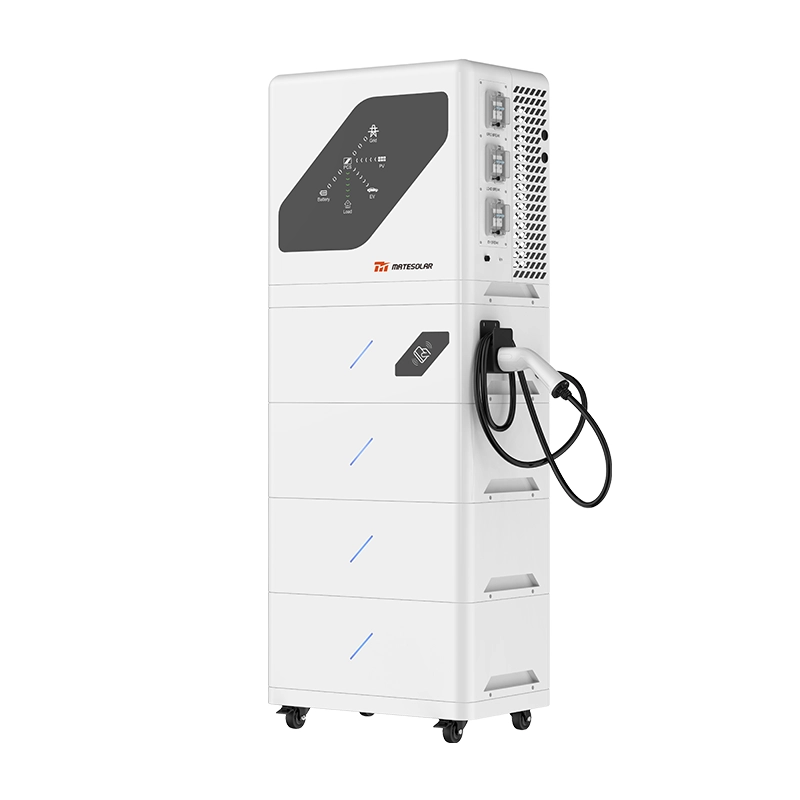
Liquid‑cooled outdoor cabinet BESS represents the optimal form factor for the majority of C&I applications in El Salvador. These units combine PCS, battery modules, BMS, thermal management, and fire suppression in a self‑contained enclosure requiring minimal site preparation. The liquid‑cooling architecture ensures stable battery temperatures even in tropical ambient conditions, preserving cycle life and maintaining nameplate capacity.
Key specifications:
| Параметр | Model A | Model B |
| AC Power Rating | 100 kW | 125 kW |
| Usable Energy Capacity | 232 kWh | 261 kWh |
| Хімія акумуляторів | LFP (літій-залізо-фосфат) | LFP |
| Спосіб охолодження | Liquid‑cooled | Liquid‑cooled |
| Enclosure Rating | IP55 | IP55 |
| Corrosion Protection | C5 | C5 |
| Сертифікати | UL 9540A, IEC 62619, CE EMC | UL 9540A, IEC 62619, CE EMC |
| Слід | 1.8 m² | 1.9 m² |
🔗 [View the 100kW/232kWh and 125kW/261kWh Liquid-Cooled Outdoor Cabinet ESS product pages →]
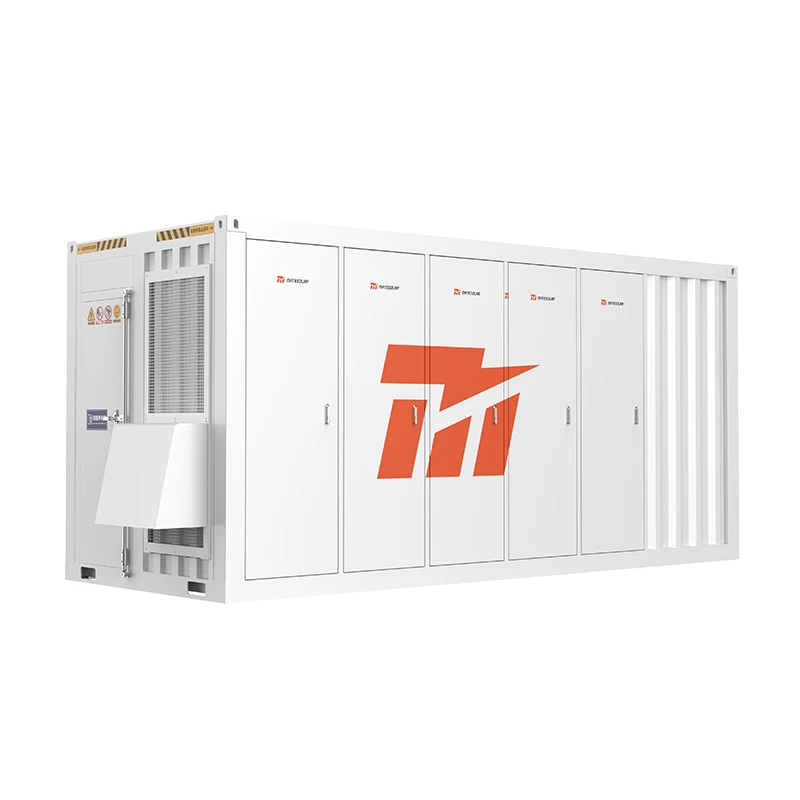
3.3 40‑Foot Container ESS — 1 MWh / 2 MWh Air‑Cooled Systems
Containerized energy storage systems are the workhorse solution for manufacturing campuses, industrial parks, and large commercial facilities requiring 1‑2 MWh of storage capacity. The 40‑foot ISO container format enables rapid deployment — the unit arrives pre‑assembled, pre‑wired, and ready for connection to the facility’s medium‑voltage distribution. Air‑cooled architecture reduces complexity and maintenance requirements for moderate‑size installations.
🔗 [View the 40ft 1MWh / 2MWh Air-Cooled Container ESS product pages →]
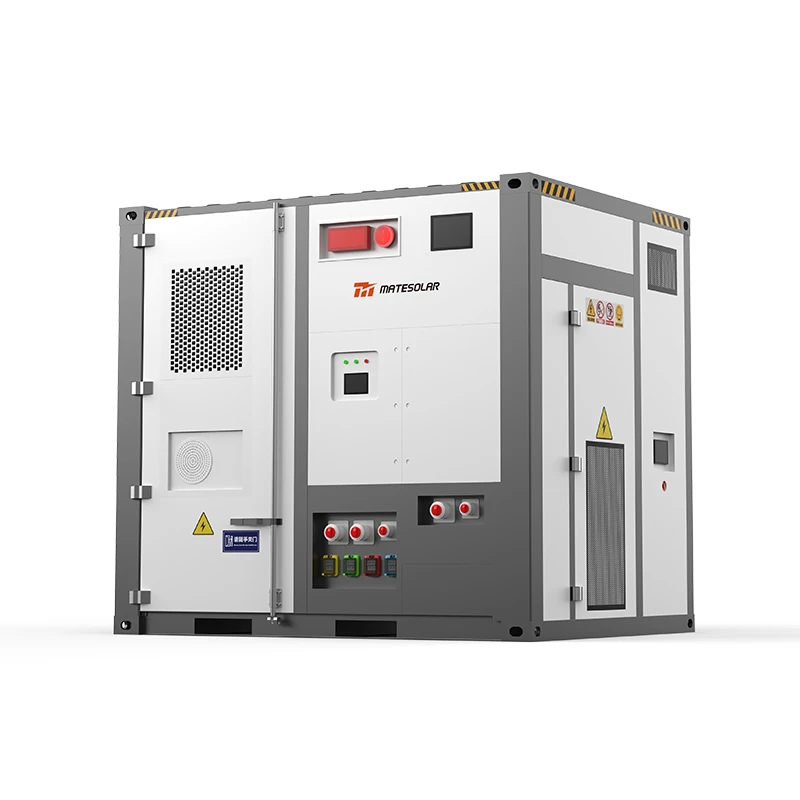
3.4 20‑Foot Container ESS — 3 MWh / 5 MWh Liquid‑Cooled Systems
For utility‑scale C&I applications — large industrial users, microgrids, and multi‑facility campuses — liquid‑cooled container ESS delivers the highest energy density and most robust thermal performance. The 20‑foot footprint is optimized for sites with space constraints, while liquid cooling allows aggressive charge/discharge rates without thermal derating, even in El Salvador’s hottest months.
Key specifications:
| Параметр | Model C | Model D |
| AC Power Rating | 1.5 MW | 2,5 МВТ |
| Usable Energy Capacity | 3,000 kWh | 5,000 kWh |
| Щільність енергії | 150 kWh/m² | 250 kWh/m² |
| Спосіб охолодження | Liquid‑cooled | Liquid‑cooled |
| Container Rating | 20 ft ISO; IP55 | 20 ft ISO; IP55 |
| Сертифікація | UL 9540A, IEC, CE | UL 9540A, IEC, CE |
🔗 [View the 20ft 3MWh / 5MWh Liquid-Cooling Container ESS product pages →]
Part Four: Comparative Market Analysis
4.1 El Salvador vs. Regional Peers
| Параметр | El Salvador | Guatemala | Honduras | Коста-Ріка | Nicaragua |
| Commercial Electricity Tariff (USD/kWh) | 0.240 | 0.195 | 0.210 | 0.175 | 0.220 |
| Solar PV Penetration | 21.1% | 12.3% | 8.7% | 6.9% | 10.2% |
| BESS Policy Framework | Full VAT + income tax exemption, 10‑yr window | Partial incentives | Emerging | Mature (non‑tax incentives) | Обмежений |
| Grid Frequency | 60 Hz | 60 Hz | 60 Hz | 60 Hz | 60 Hz |
| IDB Invest Active | Так. | Так. | Обмежений | Так. | Обмежений |
El Salvador’s combination of high electricity costs, rapidly growing solar capacity, and the Western Hemisphere’s most aggressive storage‑specific tax incentive regime makes it the most compelling C&I storage market in Central America in 2026.
4.2 Policy Impact on System Economics
Table 3: IRR Comparison — With and Without LFUER Incentives (1 MWh C&I BESS)
| Revenue Component | Without LFUER | With LFUER |
| Energy Arbitrage (annual) | $22,000 | $22,000 |
| Demand Charge Reduction (annual) | $18,000 | $18,000 |
| Backup Power Value (annual) | $4,000 | $4,000 |
| Carbon Credit Revenue (annual) | $2,500 | $2,500 |
| Annual Pre‑Tax Cash Flow | $46,500 | $46,500 |
| VAT Expense (13% on equipment) | ($32,500) | $0 |
| Income Tax (30% of pre‑tax cash flow) | ($13,950) | $0 |
| Net Annual Cash Flow | $33,050 | $46,500 |
| Initial Investment (USD) | $270,000 | $237,500 |
| Проста відплата | 8.2 years | 5.1 years |
| 15‑Year IRR | 9.2% | 18.7% |
Source: MateSolar internal modeling based on June 2026 Salvadoran tariff and cost data
The table above illustrates the dramatic impact of the LFUER’s VAT and income tax exemptions. By eliminating both upfront VAT and ongoing income tax liability, the policy reduces initial investment by approximately 12% (VAT removal) and increases annual after‑tax cash flow by over 40% (income tax elimination). The combined effect more than doubles the 15‑year IRR from 9.2% to 18.7% and reduces payback period by more than three years.
Part Five: Frequently Asked Questions
FAQ 1: What specific documents are required to claim the LFUER VAT exemption?
The VAT exemption applies through qualified providers — suppliers or installers that have registered with the relevant Salvadoran authorities. Documentation must include: (1) an invoice from the qualified provider explicitly referencing the LFUER and the VAT exemption; (2) proof that the system is for self‑consumption of renewable energy or storage; (3) installation certificates confirming proper deployment; and (4) where applicable, import documentation showing duty‑free entry of equipment. Businesses should work with local legal counsel to ensure full compliance with the exemption’s documentation requirements.
FAQ 2: How does the new retail electricity market affect behind‑the‑meter storage?
The April 2026 LGE reforms created a retail electricity market that regulates energy transactions within distribution networks, complementing the wholesale market. For behind‑the‑meter storage, this means: (1) a clear legal pathway for surplus energy reinjection into the distribution grid; (2) transparent pricing mechanisms for distributed generation; and (3) defined rights and obligations for DG operators. While full net metering is not yet implemented, the reforms establish distributed generation as a recognized participant in the national electricity system, which is a necessary precursor to more favorable export compensation mechanisms.
FAQ 3: What is the actual cost range for C&I BESS in El Salvador in 2026?
Current landed and installed costs for C&I BESS in El Salvador range from USD 200 to 300 per kWh, depending on system size, configuration, and site conditions. For a 500 kWh system, all‑in costs typically fall between USD 120,000 and 150,000. For a 1 MWh system, costs range from USD 230,000 to 280,000. These figures reflect ex‑VAT pricing through qualified LFUER providers; without the VAT exemption, add approximately 13% to these figures.
FAQ 4: How does the absence of local installation teams affect project execution?
MateSolar operates a distributed support model that prioritizes component quality and remote serviceability over local physical presence. For hardware issues, the process is: (1) remote diagnosis through connected EMS data; (2) if confirmed, shipping of replacement components; (3) guided installation by customer’s on‑site personnel (or local electrical contractors) using detailed video/photo instructions; (4) return of defective components. For severe hardware failures, full unit replacement is available. For software issues, remote technician access enables troubleshooting and OTA fixes within 24 hours. For large utility or industrial projects, MateSolar can arrange technician dispatch to site for commissioning and integration when contractually specified.
FAQ 5: What are the most critical safety certifications for C&I BESS in El Salvador?
For installations in commercial or industrial settings, the essential certifications include: UL 9540A — the industry standard for thermal runaway propagation testing, demonstrating that a single cell failure will not cascade; UL 1973 — certification for stationary battery systems; IEC 62619 — international safety requirements for secondary lithium cells and batteries; CE EMC — electromagnetic compatibility certification ensuring the system does not interfere with other equipment. For containerized systems, IEC 62477 (power conversion equipment safety) and seismic certification appropriate for Zone 4 seismic activity are also recommended.
FAQ 6: Can storage systems be installed without on‑site solar PV?
Absolutely. Standalone BESS for peak shaving, energy arbitrage, and backup power does not require solar integration. In fact, pure peak‑shaving applications often achieve faster paybacks than PV‑integrated systems because the storage can be sized specifically to the facility’s peak demand pattern rather than to solar generation availability. That said, PV‑plus‑storage provides the highest long‑term operational cost reduction by shifting both energy consumption and generation patterns.
FAQ 7: How are carbon credit revenues verified and monetized?
Under the LFUER, revenues from the sale of Certified Emission Reductions (CERs) are fully tax‑exempt. CERs can be generated through: (1) displacement of grid electricity with storage‑enabled solar self‑consumption; (2) displacement of diesel generation with stored renewable energy; or (3) emissions reduction from peak shaving that avoids marginal high‑carbon generation. Verification follows internationally recognized protocols (e.g., CDM methodologies, Gold Standard, Verra VCS). CERs can be sold on voluntary carbon markets or, for eligible projects, through compliance mechanisms. The growing corporate demand for verified offsets — particularly from multinational buyers — has created a robust market for Salvadoran CERs.
FAQ 8: What is the expected cycle life of LFP BESS in tropical climates?
Lithium iron phosphate (LFP) batteries are inherently more stable and longer‑living than other lithium chemistries, particularly in elevated temperatures. For liquid‑cooled systems operating within designed temperature ranges (cell temperature maintained below 35°C), 8,000 to 10,000 cycles to 70% capacity retention is achievable over 15‑20 years. For air‑cooled systems with ambient temperatures exceeding 40°C, cycle life may be reduced by 15‑25% unless additional thermal management measures are implemented. This is why liquid cooling is strongly recommended for Salvadoran installations — the marginal increase in upfront cost is typically recovered through extended service life and reduced degradation.
FAQ 9: How does the 2026 LGE reform affect net billing for distributed generation?
The reform’s primary effect is establishing the legal and operational framework within which net billing or similar export compensation mechanisms can operate. The UT is empowered to issue instructions to distributors regarding DG plant operations, including metering and payment arrangements for exported energy. While specific tariff rates for distributed generation have not been finalized, the reform removes the regulatory uncertainty that previously prevented utilities from compensating DG exports. The August 2026 deadline for industrial and commercial consumer migration marks the next key milestone.
FAQ 10: What financing options exist for C&I storage in El Salvador beyond EaaS?
Multiple financing pathways are available in 2026: (1) Institutional lending — IDB Invest has demonstrated interest in battery storage financing in El Salvador, particularly through climate funds. (2) Equipment financing — some international equipment providers offer lease‑to‑own or equipment financing programs. (3) Local commercial bank loans — as the market matures, Salvadoran banks are developing green lending products for renewable energy and storage. (4) Carbon‑backed financing — for projects generating verified CERs, carbon credit forward sales can finance upfront capital. (5) Vendor financing — certain system integrators offer deferred payment or milestone‑based payment structures.
Part Six: Implementation Roadmap and Strategic Recommendations
6.1 Immediate Actions (Q2–Q3 2026)
For businesses and developers seeking to enter the Salvadoran C&I storage market, the following steps are recommended within the next 90 to 180 days:
| Action | Хронологія | Responsible Party |
| Conduct site‑specific load and tariff analysis | 2‑4 weeks | Facility operator + engineering consultant |
| Verify qualified provider status under LFUER | 1‑2 weeks | Legal counsel + equipment supplier |
| Complete preliminary ROI modeling | 1‑2 weeks | Financial analyst |
| Secure interconnection pre‑approval (if grid export intended) | 4‑8 weeks | EPC + local utility |
| Issue equipment purchase order to lock current pricing | 2‑4 weeks | Project owner |
| Arrange financing (EaaS, institutional, or self‑funded) | 4‑12 weeks | Financial institution + project sponsor |
6.2 Strategic Considerations for 2026–2028
For EPCs and Developers:
- Establish qualified provider status early. The LFUER’s incentives flow through qualified providers; first‑mover advantage in registration is significant.
- Develop local partnerships. While international equipment can be shipped and supported remotely, local electrical contractors and legal advisors are essential for interconnection and compliance.
- Standardize system configurations. The Salvadoran market will reward repeatable, well‑documented designs over bespoke engineering. Develop reference configurations for 100‑250 kWh, 250‑500 kWh, and 500‑1,000 kWh classes.
For Industrial and Commercial End‑Users:
- Prioritize peak‑shaving applications. In the current tariff environment, demand charge reduction often delivers higher ROI than pure energy arbitrage.
- Consider phased deployment. Start with a smaller system targeting the most expensive demand period; add capacity as operating data validates projections.
- Integrate storage with existing solar. If your facility already has PV, storage can increase self‑consumption from 30‑50% to 70‑90%, dramatically improving PV system economics.
For Investors and Financial Institutions:
- Model with and without carbon credits. The LFUER’s carbon revenue exemption creates a potentially material incremental return stream that is often ignored in preliminary analysis.
- Account for price trends. C&I BESS prices continue to decline. By 2027–2028, expect installed costs in the USD 180‑250/kWh range, which will further accelerate payback periods.
- Monitor utility interconnection policies. The August 2026 migration deadline for industrial and commercial consumers will likely trigger more detailed interconnection rules; stay updated through UT announcements.
6.3 Risk Mitigation Matrix
| Risk | Probability | Вплив | Mitigation Strategy |
| Policy sunset or modification | Low (10‑yr window legislated) | Високий | Accelerate deployment; lock in benefits before potential 2036 expiration |
| Equipment degradation in tropical climate | Moderate (mitigable) | Помірний | Specify liquid‑cooled systems; ensure IP55+/C5 ratings; require 15‑yr capacity guarantee |
| Grid interconnection delays | Помірний | Помірний | Engage local counsel early; budget 8‑12 weeks for approval process |
| Utility tariff structure changes | Низький | Помірний | Design system for multiple value streams (peak shaving + arbitrage + backup) |
| Component supply disruptions | Низький | Низький | Maintain 6‑month warranty stock; multiple supplier qualification |
| Currency/economy volatility | Помірний | Помірний | Denominate contracts in USD; structure financing with local currency hedges where possible |
Conclusion: The Window Is Open — And Narrowing
El Salvador in June 2026 presents a rare convergence of favorable conditions for commercial and industrial energy storage: supportive legislation, high electricity tariffs, growing renewable penetration, and demonstrated project economics. The LFUER’s 10‑year incentive window, combined with the LGE’s retail market creation, provides a policy foundation that few developing economies can match.
Yet windows close. While the 10‑year horizon appears generous, the most attractive opportunities — facilities with ideal load profiles, sites with available space, early‑mover interconnection positions — will be captured by those who act in 2026 and 2027. Delaying until 2028 means competing for less advantageous sites, facing potential capacity constraints in the supply chain, and possibly confronting revised interconnection rules as the retail market matures.
The Salvadoran C&I storage market is not a speculative pilot project. It is a commercial reality with audited results, bankable projects, and measurable returns. The pilot program launched on May 14, 2026, targeting 40‑60% electricity cost reductions, is not a promise — it is a proof point.
For EPCs, developers, industrial operators, commercial property owners, and financial institutions, the question is no longer whether energy storage makes sense in El Salvador. The question is who will capture the value first.
This guide was prepared by MateSolar, a leading one‑stop provider of integrated photovoltaic and energy storage solutions for commercial, industrial, and utility‑scale applications. With a global portfolio spanning multiple continents and decades of cumulative engineering experience, MateSolar delivers bankable, climate‑adapted energy storage systems backed by industry‑leading performance guarantees and responsive technical support.
*For project‑specific analysis, customized ROI modeling, or technical consultation, contact MateSolar’s energy storage team. Visit the product pages linked throughout this document to explore our complete C&I BESS portfolio, including the Commercial 500kW Hybrid Solar System, 100kW/232kWh and 125kW/261kWh Liquid‑Cooled Outdoor Cabinets, 40ft 1MWh/2MWh Air‑Cooled Containers, and 20ft 3MWh/5MWh Liquid‑Cooling Containers.*
MateSolar — Powering the energy transition, one storage system at a time.