

















Опубліковано: 12 серпня 2026 р. | Автор: MateSolar — постачальник комплексних рішень для сонячної енергетики та систем зберігання енергії
Техас закріпив за собою позицію найвпливовішого ринку накопичення енергії у Сполучених Штатах і, мабуть, у всьому світі. Станом на березень 2026 року Рада з надійності електропостачання Техасу (ERCOT) розгорнула 14 ГВт мережевих акумуляторних сховищ, майже подвоївши 7,8 ГВт, встановлених на початку 2025 року.. На кінець першого кварталу 2026 року потужність ERCOT досягла 19,678 ГВт, що становить 38,61 TP3T від загальної потужності США, і, випередивши Каліфорнію, система стала найбільшим ринком енергозберігання в країні.
У той час як сектор промислових систем накопичення енергії досяг статусу "супербуму", сегмент комерційних та промислових (C&I) систем накопичення перебуває на порозі стрімкого зростання. У першому кварталі 2026 року в країні було встановлено 648 МВт·год систем накопичення енергії для сегмента C&I по всій країні, причому сегмент комунальних, комерційних та промислових об’єктів (CCI) додав 97,7 МВт — це зростання на 27% порівняно з попереднім кварталом та стрибок на 193% порівняно з аналогічним періодом минулого року. Техас, Каліфорнія та Аризона продовжують лідирувати в країні за обсягами введення в експлуатацію систем зберігання енергії у всіх сегментах..
У цьому звіті досліджуються чинники, що стимулюють ринок комерційних і промислових систем зберігання енергії в Техасі у 2026 році, політичне середовище, яке формує інвестиційні рішення, останні досягнення в проєктах, а також критичні виклики, з якими стикаються комерційні та промислові споживачі енергії. Для власників бізнесу, керівників підприємств та фахівців із закупівлі енергії, що працюють в ERCOT, цей документ є незамінним керівництвом для навігації на одному з найдинамічніших енергетичних ринків світу.
Частина перша: Ринок накопичувачів енергії в Техасі — поточний стан (серпень 2026 року)
1.1 Надбум систем зберігання енергії комунального масштабу
Техас увійшов у 2026 рік із 14 ГВт потужності акумуляторних сховищ промислового масштабу — майже вдвічі більше порівняно із 7,8 ГВт, встановленими на початку 2025 року. Ця історична розбудова є одним із найшвидших впроваджень інфраструктури в американській енергетичній історії. Лише п'ять років тому накопичувачі енергії комунального масштабу в Техасі вважалися експериментальною приміткою; сьогодні вони є головним амортизатором, що підтримує мережу ERCOT у робочому стані.
Таблиця 1: Траєкторія зростання накопичувачів енергії ERCOT
| Період | Встановлена потужність | Зростання |
| Січень 2025 року | 7,8 ГВт | Базовий рівень |
| Березень 2026 | 14,0 ГВт | +79% |
| Кінець 1-го кварталу 2026 року | 19,678 ГВт | +152% з січня 2025 року |
Джерела: ERCOT, Modo Energy, KilowattLogic
14 ГВт, встановлених на початок 2026 року, включають як 4-годинні літій-іонні системи (переважна більшість), так і зростаючий сегмент 2-годинних систем, оптимізованих для допоміжних послуг та регулювання частоти. Акумуляторні накопичувачі та сонячна енергетика склали практично всі нові потужності, додані до енергомережі Техасу протягом 2025 року.
Дивлячись у майбутнє, Техас готовий забезпечити понад половину з 24 ГВт нової акумуляторної ємності, яку розробники планують ввести в експлуатацію по всій країні у 2026 році. Це свідчить про безпрецедентну концентрацію інвестицій у накопичувачі енергії на одному ринку.
1.2 Можливості для комерційних та промислових систем зберігання енергії
Хоча в ЗМІ найбільше уваги приділяється системам накопичення енергії промислового масштабу, сегмент C&I відкриває привабливі можливості для комерційних та промислових споживачів енергії. Перший квартал 2026 року став найрезультативнішим першим кварталом за всю історію існування сегмента C&I: було введено в експлуатацію нові потужності загальним обсягом 97,7 МВт, що на 193% більше, ніж за аналогічний період минулого року.
Прогнозується, що американський ринок енергозберігаючих систем зросте майже в чотири рази протягом наступних шести років, досягнувши приблизно 200 ГВт / 655 ГВт·год сукупної встановленої потужності до 2031 року. Хоча, за прогнозами, найшвидше розширення очікується у секторі промислових систем накопичення енергії, сегмент CCI, за прогнозами, буде стабільно зростати на рівні близько 26% до 2031 року.
Для комерційних і промислових споживачів у Техасі можливості зберігання енергії посилюються трьома унікальними ринковими характеристиками:
1. Механізм розподілу витрат 4CP від ERCOT, через що витрати на передачу можуть становити 30–50% від загальних щомісячних витрат на електроенергію
2. Швидко зростаючий попит на електроенергію що керується дата-центрами та інфраструктурою штучного інтелекту
3. Проблеми з надійністю електромережі після нещодавніх екстремальних погодних умов
1.3 Вибуховий попит на центри обробки даних
Мабуть, найважливішою зміною на ринку Техасу з боку попиту є стрімке зростання навантаження на центри обробки даних. Наразі ERCOT розглядає запити на підключення об’єктів з великим навантаженням загальною потужністю понад 400 ГВт, причому понад 70% припадає на центри обробки даних. Черга зросла у 6,5 раза порівняно з 63 ГВт лише 18 місяців тому.
ERCOT прогнозує близько 35 ГВт пікового попиту від дата-центрів до 2035 року — майже половину поточного системного піку. За прогнозами, загальний попит на електроенергію в зоні обслуговування ERCOT у 2026 році зросте на 14% завдяки центрум обробки даних, об’єктам з майнінгу криптовалют та постійному зростанню чисельності населення.
Цє зростання попиту відбувається попри масштабне будівництво акумуляторів. Як зазначив один аналітик, "баланс попиту та пропозиції є більш жорстким, ніж це здається на тлі низьких спотових цін". Для корпоративних та промислових споживачів енергії це означає, що хоча оптові ціни можуть стримуватися завдяки введенню в експлуатацію накопичувачів енергії, базові ринкові фундаментальні показники попиту та пропозиції залишаються напруженими.
Частина друга: Політичне та регуляторне середовище — критичні зміни у 2026 році
2.1 Федеральний інвестиційний податковий кредит (ITC) — "Золоте вікно" для систем зберігання енергії для комерційного та промислового секторів (C&I)
Федеральний податковий кредит на інвестиції залишається найважливішим фінансовим стимулом для комерційних систем накопичення енергії у 2026 році. Комерційні системи накопичення енергії й надалі відповідають вимогам для отримання федерального податкового кредиту на інвестиції (ITC) 30% відповідно до розділу 48E, термін дії якого продовжено до 2033 року.
Важлива відмінність: податковий кредит на житлові сонячні панелі за розділом 25D закінчився 31 грудня 2025 року. Проте інвестиційний податковий кредит (ITC) на комерційні накопичувачі енергії залишається повністю чинним, що створює гостру необхідність для комерційних і промислових клієнтів діяти, поки вікно можливостей залишається відкритим.
Таблиця 2: Структура стимулів ITC для комерційних систем зберігання енергії (2026)
| Компонент заохочення | Перевага | Право на участь |
| Базовий податковий кредит на інвестиції (Розділ 48E) | 30% капітальних витрат | Усі комерційні проєкти зі зберігання енергії |
| Бонус Енергетичного Співтовариства | +10% | Проєкти у визначених енергетичних спільнотах |
| Загальний потенціал | До 40% | Сукупна база + бонус |
| Амортизація за системою MACRS | 20% — додаткова амортизація за перший рік | податковий рік 2026 року |
Розділ 48E Податкового кодексу США (IRS Section 48E), Davis Graham
Для проєктів, розташованих у "енергетичних громадах" — регіонах із значною часткою робочих місць у секторі викопного палива або де закриваються вугільні шахти — додатковий бонус 10% може збільшити загальний рівень окупності капітальних витрат у перший рік до 40%. У поєднанні з амортизацією за модифікованою системою прискореного відшкодування витрат (MACRS), яка у 2026 році забезпечує додаткову амортизаційну вигоду у розмірі 20% у перший рік, податкові переваги для комерційних проектів зі зберігання енергії є суттєвими.
⚠️ Важливе попередження: У рамках програми грантів на впровадження нових технологій (NTIG) від TCEQ виділено $16,5 млн, причому щонайменше $1 млн зарезервовано для проєктів зі зберігання електроенергії, пов’язаних із відновлюваними джерелами енергії. Заявки приймаються до 25 вересня 2026 року — приблизно через шість тижнів після дати публікації цього звіту. Щоб відповідати вимогам, номінальна потужність проектів повинна становити не менше одного мегавата.
2.2 Стимули на рівні штату Техас
Хоча Техас не пропонує програми субсидування систем зберігання енергії на рівні штату, доступно кілька інших механізмів підтримки:
Звільнення від податку на нерухомість: Комерційні системи накопичення енергії мають право на пільгу 100% щодо додаткової оціночної вартості систем «сонячна енергія плюс накопичення» у штаті Техас. Ця пільга може суттєво знизити поточні витрати на утримання об’єктів накопичення енергії протягом усього терміну їх експлуатації.
Податкові пільги на рівні повіту: Багато округів штату Техас надають пільги з податку на нерухомість для проєктів зі зберігання енергії відповідно до розділу 312 Податкового кодексу штату Техас, що дозволяє комісіям округів звільняти від оподаткування частину або весь обсяг приросту вартості нерухомості на строк до 10 років. Наприклад, проєкт O'Bannion Energy Storage отримав пільгу за програмою 100% із виплатами PILOT (платежі замість податків).
Грант TCEQ на впровадження нових технологій (NTIG)Як зазначено вище, ця програма надає конкурентні гранти для проєктів зберігання електроенергії. Прийом заявок закривається 25 вересня 2026 року.
2.3 Зміни до правил об’єднаної енергосистеми ERCOT — дата набрання чинності 1 квітня 2026 року
Одна з найважливіших регуляторних змін для розробників систем зберігання енергії у 2026 році — це нові вимоги ERCOT щодо вдосконаленої підтримки мережі (AGS). З 1 квітня 2026 року ресурси зберігання енергії (ESR) зі стандартними угодами про підключення до мережі (SGIA), укладеними в цю дату або після неї, повинні відповідати вимогам AGS, що по суті вимагає технології інверторів із формування мережі (GFM)..
Що це означає:
- Нові накопичувальні проєкти повинні бути оснащені інверторами, що формують мережу, здатними підтримувати внутрішні вектори напруги та синхронізуватися з мережею під час динамічних подій
- Старіші сховища енергії, що працюють за принципом відстеження мережі (GFL), потребуватимуть модернізації інверторів із GFL на GFM, щоб залишатися конкурентоспроможними
- ERCOT запропонувала **програму стимулювання «$1,500/МВт»** із загальним обсягом фінансування, обмеженим сумою $25 мільйонів, з метою заохочення добровільного впровадження функцій AGS на існуючих об’єктах
Проєкти з укладеними SGIA до 1 квітня 2026 року зазвичай підпадають під дію правила «grandfathering» (збереження попередніх умов) і можуть мати право на участь у програмі стимулювання. Проте нові проєкти повинні планувати використання технології GFM від самого початку.
2.4 RTC+B — Найбільша зміна дизайну ринку з часів нодового ціноутворення
Механізм реального часу ко-оптимізації плюс акумулятори (RTC+B) від ERCOT, впроваджений у грудні 2025 року, є найсуттєвішою зміною дизайну ринку з моменту переходу на нодове ціноутворення. RTC+B спільно оптимізує енергію та допоміжні послуги як на ринку на день уперед, так і в реальному часі, гарантуючи, що потужність закупляється у найменш витратних ресурсів..
Основні функції RTC+B:
- Одночасна оптимізація диспетчеризації енергії та допоміжних послуг кожні п'ять хвилин
- Акумулятори розглядаються як повноправні учасники з облік стану заряду
- Видалення надбавки за дефіцит ORDC
- Фаза стабілізації завершилася 31 січня 2026 року — правила остаточно закріплено
Для операторів акумуляторних систем RTC+B дає змогу одночасно брати участь як у ринках енергії, так і на ринках допоміжних послуг, що значно розширює можливості отримання доходу. Попередні дані свідчать про помітне зменшення вечірніх стрибків цін, хоча під час системних навантажень все ще можливі випадки екстремального дефіциту (ціноутворення ERCOT за дефіцитом $5,000/МВт·год)..
Правила підключення великих навантажень — Сенатський білль 6
Законопроєкт Сенату 6, ухвалений у червні 2025 року, наділив ERCOT новими повноваженнями щодо підключення великих навантажень. Для навантажень понад 75 МВт об'єкти повинні відповідати суворим технічним вимогам щодо "перенапруги/витримування" (ride-through) — вони повинні залишатися підключеними під час збурень напруги або частоти, інакше їм загрожує примусове відключення.
Цей нормативний акт має значні наслідки для центрів обробки даних та інших великих промислових споживачів, фактично вимагаючи наявності накопичувачів енергії на місці або резервної генерації для дотримання вимог.
2.6 Обмеження щодо FEOC — Імператив дотримання вимог ланцюжка постачання
Обмеження щодо іноземних суб’єктів викликають занепокоєння (FEOC) наразі набрали чинності, створюючи новий імператив дотримання вимог для розробників систем зберігання енергії та покупців. Проєкти акумуляторних сховищ, які отримують "суттєву підтримку" від суб’єктів FEOC, можуть втратити право на федеральні податкові пільги.
Порогові значення відповідності вимогам FEOC:
- Проєкти 2026 року: поріг 55% для компонентів, що походять з FEOC
- 2029 рік і далі: поріг підвищується до 75%
Проєкти, які вже досягли "суттєвого прогресу", можуть продовжуватися за попередніми правилами. Однак девелопери поспішають забезпечити обладнання, що відповідає вимогам FEOC, та застосувати до своїх портфелів проєктів статус "безпечної гавані", щоб зберегти право на отримання податкових пільг.
Для комерційних та промислових покупців це означає, що перевірка дотримання вимог ланцюжка постачання більше не є необов'язковою — вона є передумовою для доступу до федеральних стимулів. Інституційні покупці тепер вимагають задокументованої відповідності вимогам FEOC як умову для фінансування проєктів.
Частина третя: Останні віхи проєкту — серпень 2026 року
3.1 Ørsted Old 300 Storage — 250 МВт / 500 МВт-год
5 серпня 2026 року Ørsted оголосила, що її проєкт накопичення енергії Old 300 Storage у Лідвіллі, штат Техас, досяг комерційної експлуатації та був повністю інтегрований до енергомережі ERCOT. Акумуляторна система зберігання енергії потужністю 250 МВт / 500 МВт-год використовує Tesla Megapacks, які виготовляються на заводі Tesla Megafactory в Лейтропі, штат Каліфорнія..
Основні моменти проєкту:
- Розташований на одному майданчику з сонячним проєктом Old 300 Solar потужністю 430 МВт
- Працює незалежно від сонячної станції, забезпечуючи гнучкість мережі
- Очікувані надходження від податку на нерухомість у розмірі $110 мільйонів на фінансування місцевої інфраструктури
- Демонструє життєздатність рішень для зберігання у вуличних шафах у вимогливому кліматі Техасу
Цей проєкт підтверджує, що зовнішні системи зберігання енергії комунального масштабу можуть успішно працювати в екстремальних умовах Техасу — від вологості узбережжя Мексиканської затоки до літніх хвиль спеки.
3.2 Spearmint Red Egret — 300 МВт / 600 МВт-год
У травні 2026 року компанія Spearmint Energy залучила близько $450 мільйонів у рамках проектного фінансування для підтримки автономного проекту акумуляторного сховища Red Egret у місті Тексас-Сіті, штат Техас. Очікується, що система потужністю 300 МВт/600 МВт·год почне працювати у 2027 році.
Фінансовий пакет демонструє триваючу міцність ринку фінансування проєктів накопичення енергії в Техасі, оскільки інституційний капітал надходить в активи зберігання енергії ERCOT.
3.3 esVolta Boxcar — 150 МВт / 300 МВт·год
24 березня 2026 року компанія esVolta уклала угоду з MUFG про проектне фінансування на суму $139,6 млн для проекту системи накопичення енергії Boxcar потужністю 150 МВт/300 МВт·год у місті Вайлі, штат Техас. Початок комерційної експлуатації проекту заплановано на 2027 рік.
3.4 OCI Energy Alamo City — 240 МВт / 480 МВт·год
Компанія OCI Energy уклала угоду з Greenprint Capital про фінансування у формі податкового капіталу на суму $130 мільйонів для проекту Alamo City BESS — автономної акумуляторної станції потужністю 120 МВт/480 МВт·год, що розташована поблизу Сан-Антоніо. Будівництво проекту розпочалося у травні 2026 року, а введення в комерційну експлуатацію заплановано на 2027 рік.
3.5 Greenflash Soho — 400 МВт / 800 МВт·год
Проєкт Soho компанії Greenflash Infrastructure, автономний проєкт акумуляторного накопичення енергії потужністю 400 МВт / 800 МВт-год у окрузі Бразорія, є найбільшим автономним BESS, який наразі будується в Техасі. Проєкт випереджав графік щодо підключення до електромережі в першому кварталі 2026 року, а комерційну експлуатацію планувалося розпочати у другому кварталі. Deutsche Bank надав інноваційне гібридне податкове та боргове фінансування.
3.6 GridStor Hidden Lakes — 220 МВт / 440 МВт·год
Проект GridStor «Hidden Lakes» в окрузі Галвестон продовжує розвиватися; крім того, у березні 2026 року компанія залучила фінансування в розмірі $120 мільйонів для свого проекту «Gunnar Reliability». Будівництво вже триває, а введення в експлуатацію заплановано на кінець 2026 року.
3.7 Інші помітні проєкти
- Бімерген ЕнерджіПридбано вісім розподілених генеруючих акумуляторних проєктів на пізній стадії в ERCOT South, кілька з яких планується ввести в експлуатацію до кінця 2026 року
- Фронтьєр Павер США: Залучено $263 млн для реалізації проектів зі створення акумуляторних систем загальною потужністю 800 МВт·год
- SMT ЕнерджіПідписано угоду про обмін потужностями систем зберігання енергії на акумуляторах обсягом 120 МВт строком на сім років для Houston IV BESS — системи потужністю 160 МВт / 320 МВт-год
Таблиця 3: Основні проєкти накопичення енергії в батареях у Техасі (2026)
| Проєкт | Ємність | Статус | Основні деталі |
| Орстед Старий 300 | 250 МВт / 500 МВт·год | Введено в експлуатацію (серпень 2026 р.) | Тесла Мегапаки, розташовані спільно з сонячною електростанцією потужністю 430 МВт |
| Greenflash Soho | 400 МВт/800 МВт·год | Введено в експлуатацію (II квартал 2026 року) | Найбільша автономна система зберігання енергії в Техасі |
| М'ята червона чапля | 300 МВт / 600 МВт·год | Будівництво | Фінансування $450M |
| OCI Energy Alamo City | 240 МВт/480 МВт·год | Будівництво (травень 2026) | Фінансування за принципом «податкової справедливості» за програмою $130M |
| ГрідСтор Гідден Лейкс | 220 МВт / 440 МВт·год | Розвиток | Округ Галвестон |
| esVolta Boxcar | 150 МВт / 300 МВт·год | Розвиток | Фінансування в розмірі $139,6 млн |
Частина четверта: Критичні виклики, що постають перед комерційними та промисловими споживачами енергії
4.1 Виклик перший: ERCOT 4CP — Найбільша прихована вартість комерційної електроенергії
Механізм чотирьох збіжних піків (4CP) є найбільшим рушієм впровадження комерційних систем накопичення енергії в Техасі — і найбільш неправильно зрозумілою складовою витрат у комерційних рахунках за електроенергію.
Як працює 4CP:
ERCOT визначає єдину годину з найвищим попитом (15-хвилинний інтервал) у кожному з чотирьох літніх місяців (червень, липень, серпень, вересень). Річні плати за передачу електроенергії для клієнта потім розподіляються на основі споживання електроенергії під час цих чотирьох критичних годин. Одна подія пікового навантаження може коштувати великому комерційному клієнту десятки тисяч доларів.
Фінансовий вплив:
Витрати за тарифом 4CP можуть становити 15–30% від загальної суми рахунку за електроенергію великого комерційного споживача. Витрати на послуги з передачі та розподілу електроенергії (TDU) становлять 30–50% від загальних щомісячних витрат комерційних споживачів, у яких облік споживання здійснюється за лічильником.
Приклади економії з реального життя:
| Тип об'єкта | Зрізання пікових навантажень | Щорічна економія 4CP |
| комерційний потужністю 5 МВт | Зменшення на 3 МВт | $72,000 - $180,000 |
| промислова потужністю 10 МВт | Зменшення на 7 МВт | $168,000 - $420,000 |
Аналіз WATTMORE 4CP
Рішення для зберігання даних:
Системи акумулювання енергії на батареях можуть автоматично розряджатися під час подій 4CP, зменшуючи споживання об’єктом енергії в ці критичні періоди. Правильно спроектована система акумулювання з інтелектуальною оптимізацією 4CP може зменшити внесок об’єкта в 4CP на 50–70%, що для великих об’єктів означає щорічну економію в розмірі шестизначної суми.
Чому це важливо зараз: механізм розподілу витрат 4CP від ERCOT винагороджує споживачів, які знижують навантаження протягом чотирьох пікових 15-хвилинних інтервалів щоліта. Оскільки попит у ERCOT у липні 2026 року досяг рекордних рівнів (енгосистема встановлювала послідовні абсолютні рекорди попиту 21–22 липня 2026 року), події 4CP стають дедалі частішими та дорожчими. Комерційні споживачі без накопичувачів енергії зазнають впливу дедалі більш волатильних розподілів витрат на передачу електроенергії.
4.2 Завдання друге: Надійність енергомережі — Безперервність виробництва під загрозою
Літній пік 2026 року:
21–22 липня 2026 року ERCOT встановив поспіль абсолютні рекорди споживання електроенергії. Ці пікові показники були досягнуті попри масштабне будівництво акумуляторних батарей потужністю 14 ГВт, що підкреслює серйозність проблеми зростання попиту, з якою стикається енергосистема Техасу.
Проблема зростання навантаження:
Наразі ERCOT розглядає заявки на підключення об’єктів з великим споживанням загальною потужністю понад 233 ГВт, з яких 70% припадає на центри обробки даних. ERCOT прогнозує, що піковий попит досягне 217 ГВт до 2030 року порівняно з приблизно 89 ГВт у 2025 році.. Очікується, що нові лінії електропередачі будуть введені в експлуатацію не раніше 2030 року.
Погодний ризик:
Техас стикається з екстремальними погодними явищами обох типів — літніми спекотними хвилями, що спричиняють рекордний попит на кондиціонування, та зимовими бурями, які загрожують зривом роботи енергосистеми. Під час зимової бурі «Хізер» у січні 2024 року комерційні системи накопичення енергії заощадили ринку, за оцінками, $750 мільйонів. Під час короткого зимового похолодання у лютому 2026 року акумуляторні системи одночасно розрядили рекордні 4 100 МВт.
Економічне обґрунтування забезпечення стійкості:
Для комерційних та промислових об'єктів надійність електромережі — це не абстрактна турбота, а вимога безперервності виробництва. Єдине пов'язане з погодними умовами відключення може коштувати мільйони у вигляді втраченого виробництва, зіпсованих матеріалів та пошкодженого обладнання. Власні акумуляторні системи зберігання енергії з можливістю роботи в ізольованому режимі забезпечують:
- Резервне живлення під час відключень електроенергії
- Підтримка напруги та частоти для чутливого обладнання
- Зменшення плати за попит у години пік
- Отримання доходу через участь у допоміжних послугах
4.3 Виם3: Вузькі місця в черзі на підключення — вікно зачиняється
Криза черг:
Черга на підключення до мережі ERCOT зросла до понад 400 ГВт, при цьому лише 1,81 TP3T проектів із цієї черги наразі знаходяться в експлуатації. Черга збільшилася в 6,5 разів порівняно з 63 ГВт, які були в ній лише 18 місяців тому. У другій половині 2025 року кількість нових заявок скоротилася на 501 TP3T, оскільки девелопери усвідомили існування «вузького місця» у черзі.
Час очікування:
Терміни черги на підключення зросли до чотирьох років і більше. Слоти для підключення за принципом "хто перший прийшов, того й обслуговують" швидко заповнюються великими портфельними гравцями. Найкращі локації для розвитку та позиції для підключення стають все більш дефіцитними.
Ініціатива "Партія нуль":
Процес Batch Zero від ERCOT, поданий у березні 2026 року, прискорює реалізацію проєктів, які демонструють контроль над майданчиком, укладені угоди про послуги з передачі електроенергії та готовність протягом 18-24 місяців. Проте цей прискорений процес є надзвичайно конкурентним і надає перевагу добре капіталізованим девелоперам із розширеними проєктними портфелями.
Що це означає для комерційних та промислових клієнтів:
Для комерційних і промислових споживачів, які розглядають можливість встановлення систем зберігання енергії на місцях, вузьке місце черги на підключення створює гостру необхідність. Проєкти, які забезпечать собі позиції для підключення сьогодні, матимуть значну перевагу над тими, що чекають. Поєднання перевантаження черги та вимог GFM від 1 квітня 2026 року створює для слотів підключення динаміку за принципом "використай або втрати".
4.4 Виклик № 4: «Вікно» політики ITC — як довго проіснує 30%?
Хоча комерційний інвестиційний податковий кредит (ITC) на накопичувачі енергії було продовжено до 2033 року, політична невизначеність залишається постійною проблемою.
Політичні ризики:
- Законодавці Техасу обговорюють обов'язкові мінімальні обсяги природного газу, що може вплинути на ринкову позицію сховищ
- Обмеження щодо FEOC посилюють вимоги до ланцюжка постачань
- Програма грантів TCEQ NTIG закривається 25 вересня 2026 року — залишилося лише шість тижнів
- Майбутні конгреси можуть змінити або скасувати податкові пільги
Стратегія "Безпечна гавань"
Девелопери поспішають забезпечити своїм проектам у стадії розробки "безпечну гавань" — досягнувши рівня 5% або більше від вартості проекту чи забезпечивши безперервне будівництво — щоб закріпити за собою чинний режим оподаткування. Для клієнтів сектору комерційної та промислової нерухомості (C&I) це означає, що проекти, розробка яких розпочинається зараз, зможуть зберегти нинішні рівні стимулювання навіть у разі зміни політики в майбутньому.
4.5 Виם'я п'яте: Відповідність вимогам FEOC — "Риса на піску" у ланцюжку постачання"
Вимога щодо дотримання нормативних актів:
Обмеження щодо FEOC тепер є реальністю для проєктів накопичення енергії, які претендують на федеральні стимули. Проєкти акумуляторних сховищ, які отримують "суттєву підтримку" від суб'єктів FEOC, включно з певними китайськими виробниками акумуляторів, можуть втратити право на отримання податкового кредиту на інвестиції (ITC).
Графік дотримання нормативних вимог:
- 2026: поріг компонента FEOC 55%
- 2029: поріг 75%
Криза ланцюгів постачання:
Розробники намагаються забезпечити обладнання, що відповідає вимогам FEOC, та внутрішні ланцюги постачання. Наприклад, компанія Greenflash Infrastructure створила запаси понад 10 ГВт-год систем зберігання енергії на літій-іонних акумуляторах, щоб застрахуватися від перебоїв у ланцюгах постачання.
Для комерційних та промислових покупців:
Перевірка відповідності вимогам FEOC більше не є необов'язковою — це передумова для отримання федеральних податкових стимулів. Комерційні клієнти повинні вимагати задокументованого підтвердження дотримання вимог FEOC від своїх постачальників систем зберігання енергії як умову фінансування проєкту.
4.6 Виклик шість: Максимізація доходу від зберігання на ринках ERCOT
Можливість RTC+B:
RTC+B дозволяє акумуляторам одночасно брати участь у торгах на ринках електроенергії та допоміжних послуг. Це створює кілька джерел доходу для одного накопичувача енергії:
1. Енергетичний арбітражЗарядка під час періодів низьких цін (зазвичай у сонячний полудень) та розрядка під час періодів високих цін (вечірні піки)
2. Допоміжні послугиЗабезпечення регулювання частоти, операційних резервів та інших послуг енергомережі
3. зглагоджування пікових навантажень 4CPЗменшення розподілу витрат на передачу електроенергії
4. Реагування на попитУчасть у програмах реагування на попит ERCOT
Проблема заторів:
Перевантаженість передавальної мережі ERCOT призводить до значних місцевих розбіжностей у цінах. Деякі застарілі теплові електростанції, розташовані за вузькими місцями в мережі, продають електроенергію за цінами, що перевищують $500/МВт·год. Системи накопичення енергії, здатні інтелектуально реагувати на цінові сигнали конкретних вузлів мережі — на відміну від простого арбітражу в масштабах всієї системи — можуть забезпечувати значно вищі доходи.
Волатильність доходу:
Доходи від зберігання в ERCOT відомі своєю нестабільністю. Щомісячні доходи коливалися від $46 264/МВт/рік у січні 2026 року до всього $15 306/МВт/рік у лютому, а потім до $38 145 у квітні. До червня 2026 року цінові спреди знизилися приблизно на 50% у порівнянні з аналогічним періодом минулого року.
Тривалість має значення:
Системи з двома годинами автономної роботи стабільно приносили більший прибуток, ніж системи з однією годиною, щомісяця протягом двох років, причому премія коливалася в діапазоні від 15% до 81%. У зимові місяці премія є найбільшою. Для комерційних та промислових споживачів це свідчить про те, що накопичувачі більшої тривалості (2-4 години) забезпечують кращі економічні показники порівняно з системами меншої тривалості.
4.7 Випробування сьоме: Вуличні шафи — чи витримають вони клімат Техасу?
Кліматичний виклик:
Проєкти в Техасі охоплюють величезну географічну зону — від вологого узбережжя Мексиканської затоки до посушливої пустелі Західного Техасу. Кліматичні умови екстремальні:
- Літні температури, що перевищують 45°C (113°F)
- Зимові крижані бурі та морозні умови
- Ризик ураганів уздовж узбережжя Мексиканської затоки
- Сильні грози та торнадо
Доказова точка:
Tesla Megapacks, встановлені на проєкті Ørsted Old 300 у окрузі Форт-Бенд, успішно довели життєздатність рішень із зовнішніми шафами в Техасі. Мегапаки виробляються на суперфабриці Tesla в Латропі, штат Каліфорнія, і були встановлені в Техасі, по всій території США та в понад 65 країнах світу..
Вхід Форда:
Ford випустила накопичувальні батареї постійного струму в травні 2026 року з діапазоном робочих температур від -35°C до 55°C (від -31°F до 131°F), що демонструє, що великі виробники розробляють продукцію спеціально для екстремальних умов Техасу.
Основні технічні характеристики для розгортання в Техасі:
- Діапазон робочих температур: від -30°C до 55°C мінімум
- Ступінь захисту IP65 або вище від пилу та води
- Конструктивна цілісність, стійка до ураганів, для прибережних об'єктів
- Інтегрована терморегуляція для охолодження та обігріву
4.8 Виклик восьмий: Фінансування — Доступ до капіталу проєкту
Ринок фінансування:
Фінансування проєктів накопичення енергії в Техасі залишається стабільним, оскільки у 2026 році укладаються значні угоди:
- Spearmint Energy: $450 мільйонів
- esVolta Boxcar: $ 139,6 млн
- OCI Energy Alamo City: $130 мільйонів у вигляді податкового капіталу
- GridStor Gunnar: $120 мільйонів
- Frontier Power USA: $263 млн
Виклик для середнього сегмента C&I:
Хоча фінансування великомасштабних проєктів є легкодоступним, комерційні та промислові клієнти середнього сегмента (1-10 МВт) часто стикаються з обмеженими можливостями фінансування. Традиційне банківське фінансування може вимагати ретельної перевірки (дю діліженс), тоді як спеціалізовані фінансисти у сфері систем зберігання енергії можуть мати вимоги щодо мінімального розміру проєкту.
Доступні опції:
- Фінансування за рахунок податкового капіталу: Використання технології 30% ITC для зниження капітальних витрат
- Енергія як послуга (EaaS)Стороннє володіння без початкового капіталу
- Фінансування обладнанняКредити під заставу складського обладнання
- Енергоефективність з погашенням за рахунок податку на нерухомість (PACE)Фінансування, що погашається за рахунок податкових зборів на нерухомість
- Структури лізингуОпераційна оренда з фіксованими місячними платежами
Частина п'ята: Рішення для промислових і комерційних споживачів енергії в Техасі
5.1 Розуміння можливостей зберігання вашого об'єкта
Перш ніж оцінювати конкретні рішення для зберігання енергії, комерційні та промислові споживачі повинні провести всебічну енергетичну оцінку:
Крок 1: Проаналізуйте ваш профіль навантаження
- Яке ваше пікове навантаження (кВт)?
- Коли виникають піки (час доби, сезон)?
- Яке ваше річне споживання енергії (кВт·год)?
- Чи є у вас плата за попит? Як вона розраховується?
Крок 2: Розрахунок вашої експозиції 4CP
- Який ваш поточний внесок у 4CP?
- Скільки можна було б заощадити щорічно завдяки скороченню попиту на 4CP на 50%?
- Чи зареєстровані ви в програмах управління 4CP?
Крок 3. Оцініть свої потреби в резервному живленні
- Який ваш рівень допуску до збоїв у роботі?
- Яке обладнання потребує безперебійного живлення?
- Скільки коштує година простою?
Крок 4: Оцініть варіанти підключення
- Чи є у вас доступна міжсистемна пропускна спроможність?
- Які часові рамки підключення?
- Чи уклали ви угоду про приєднання?
5.2 Варіанти систем зберігання енергії для комерційних та промислових об'єктів у Техасі
Варіант 1: Комерційна гібридна сонячна система потужністю 500 кВт
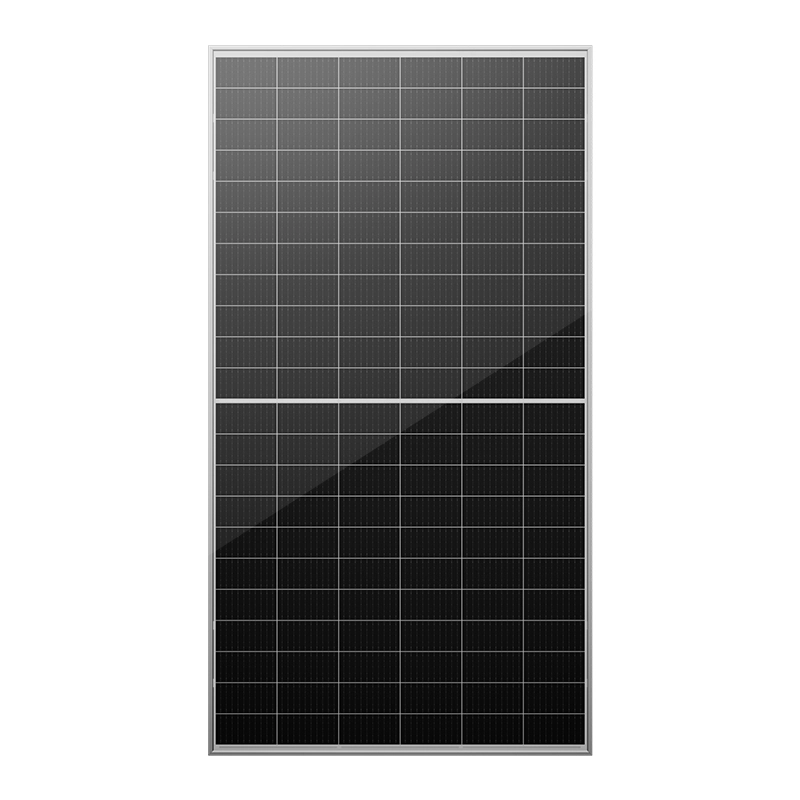
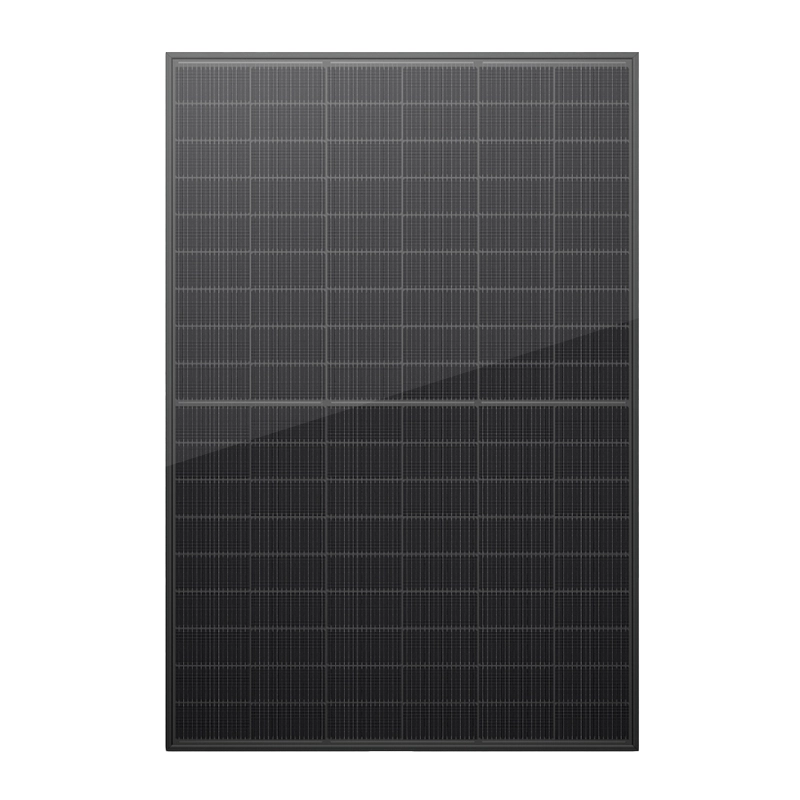
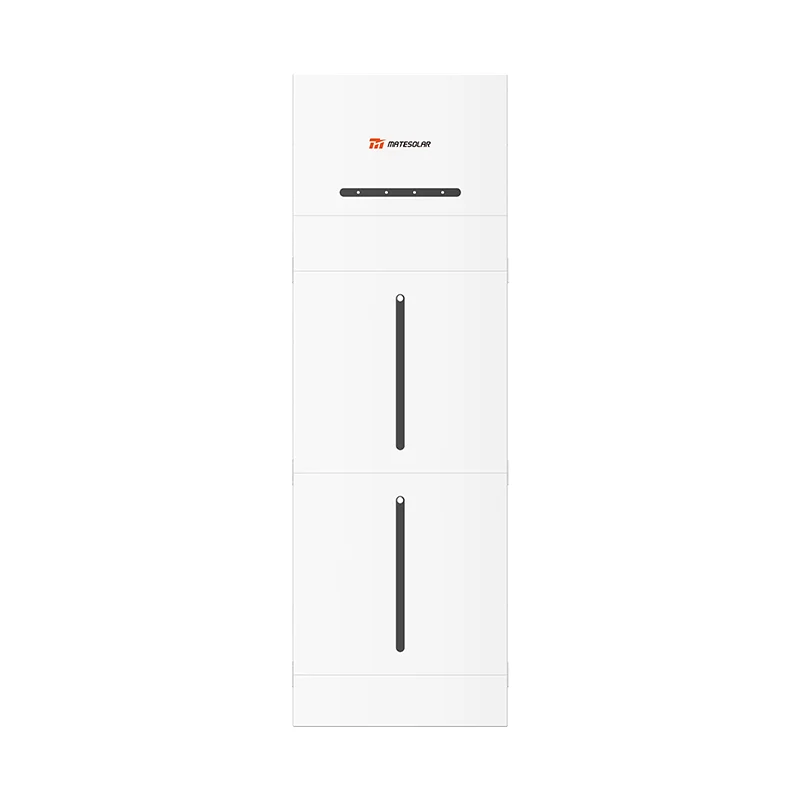
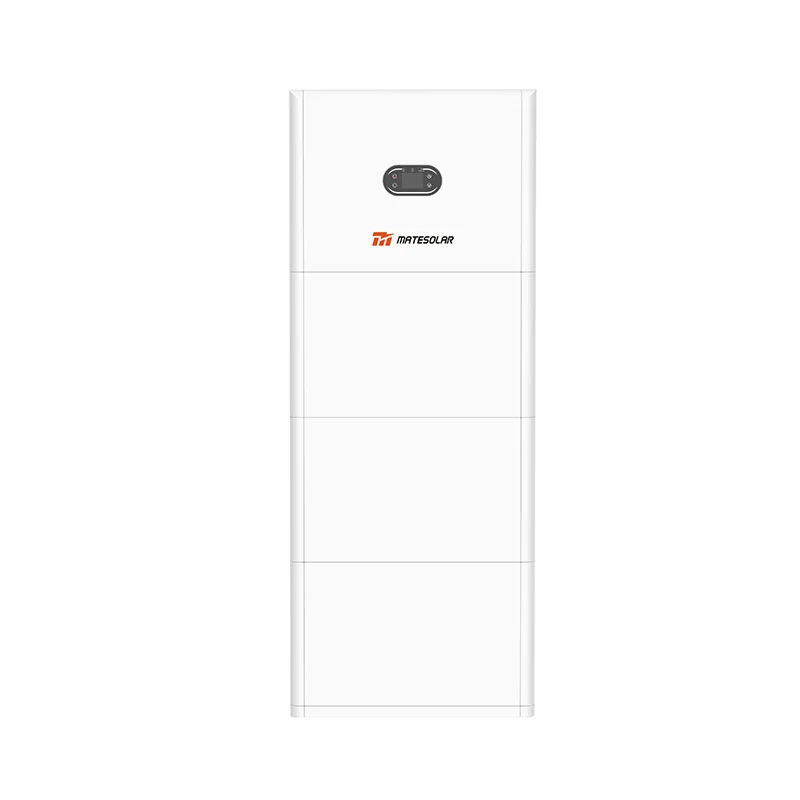
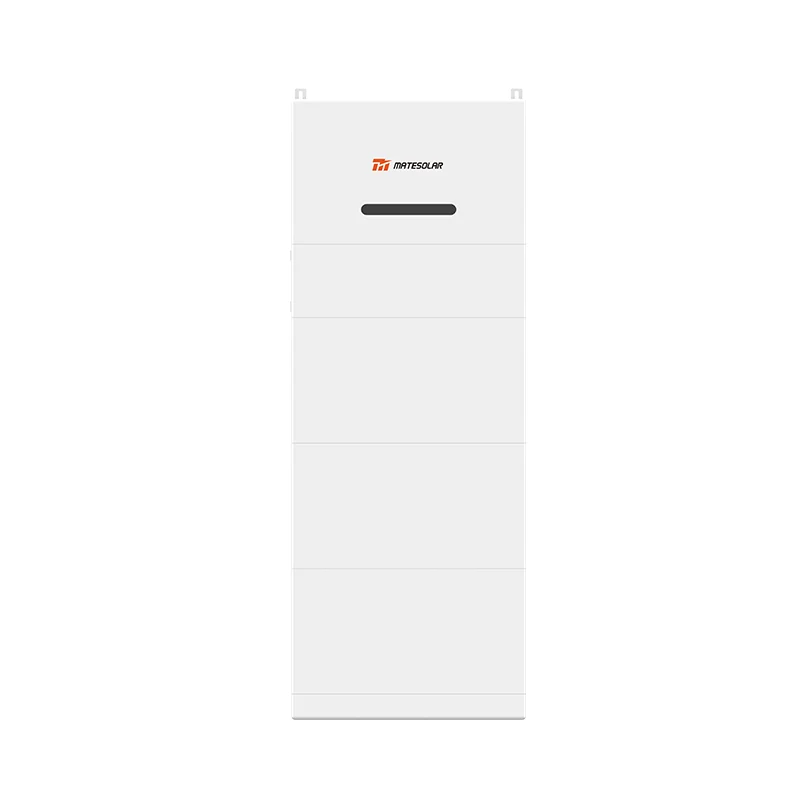
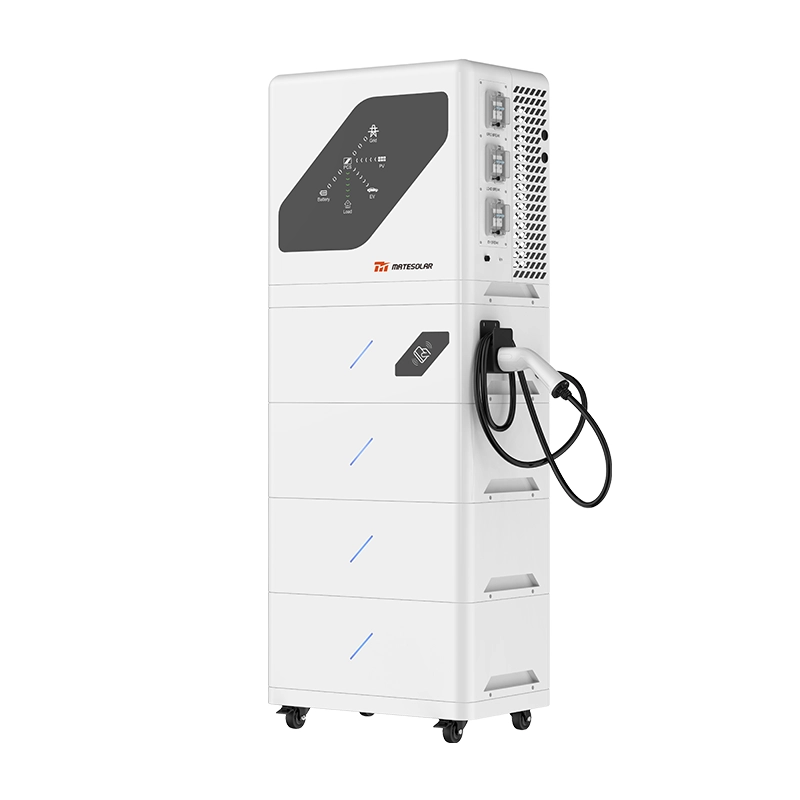
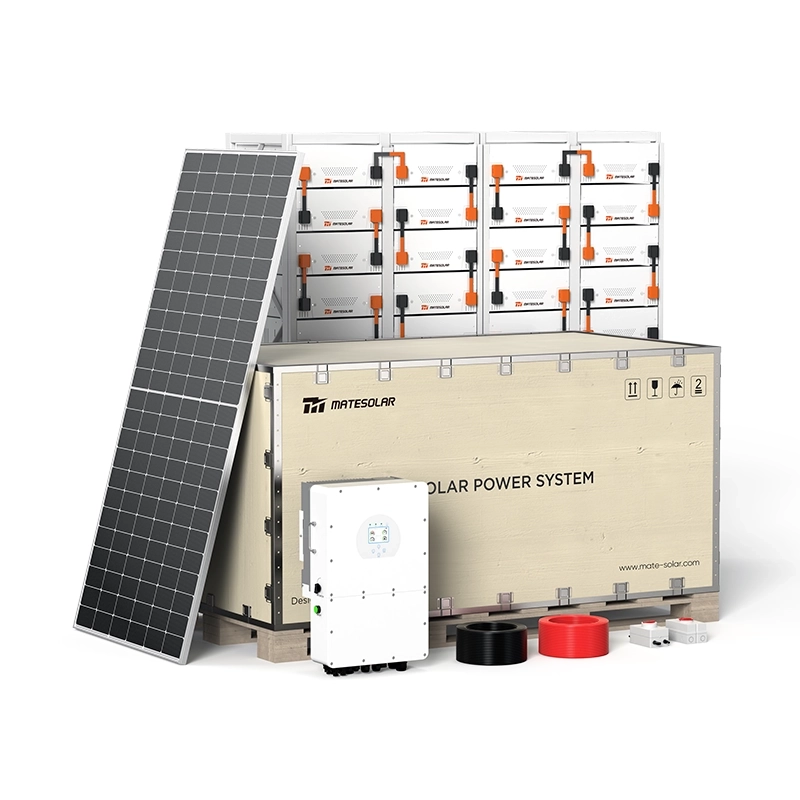
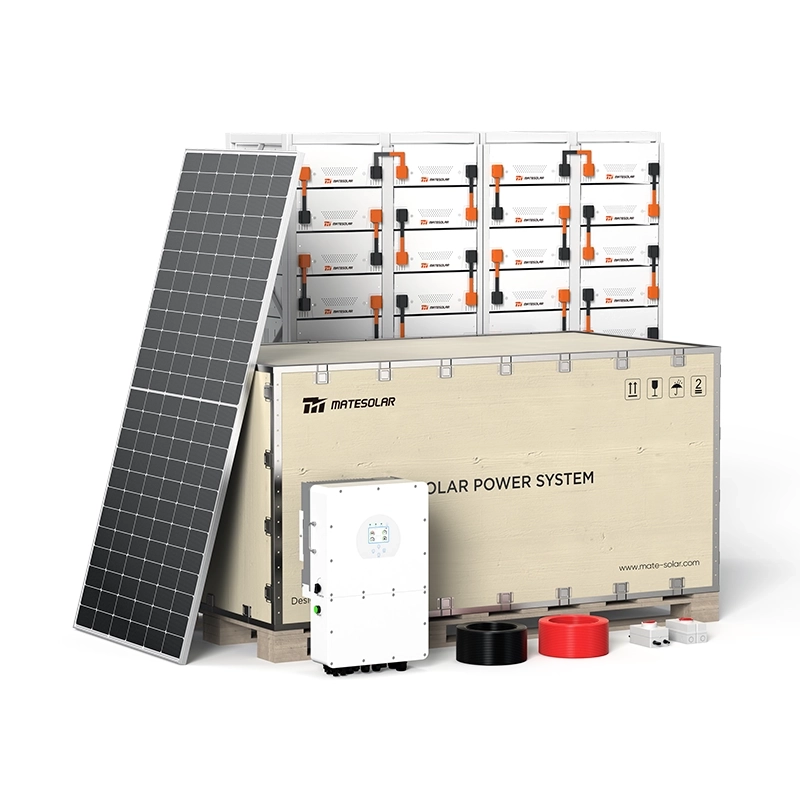
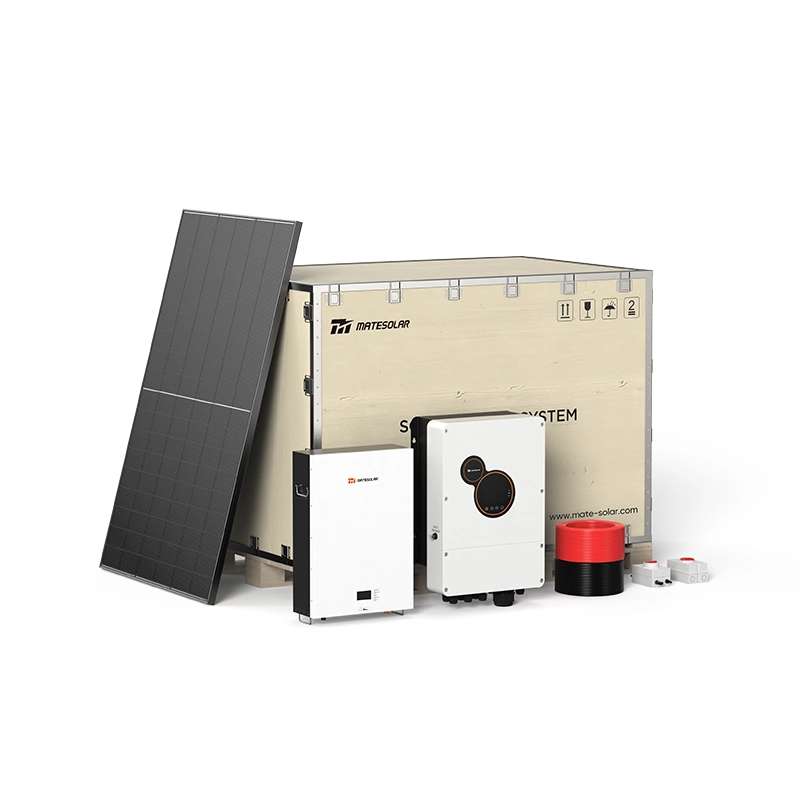
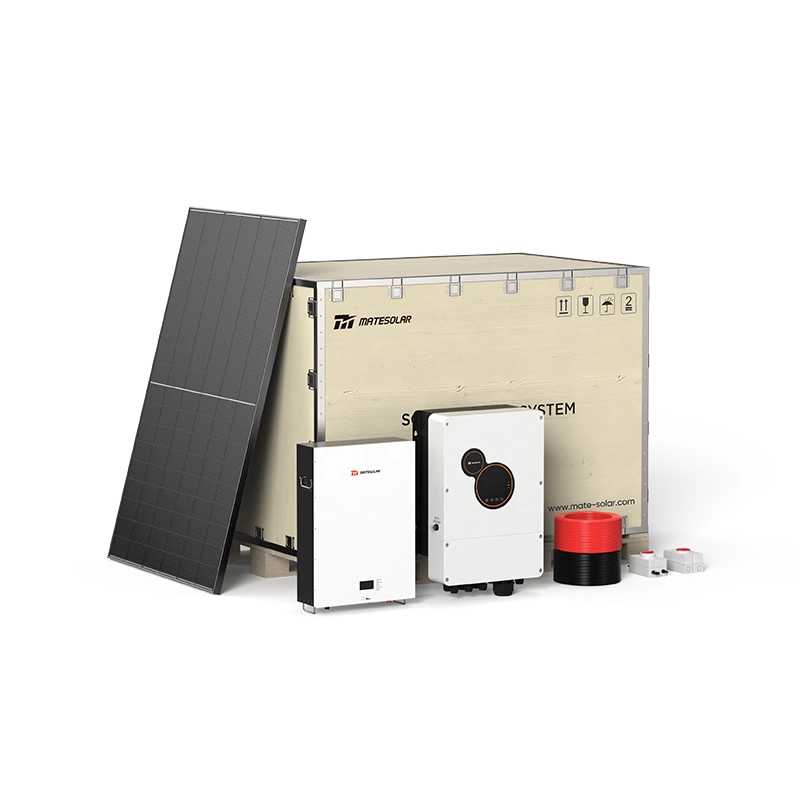
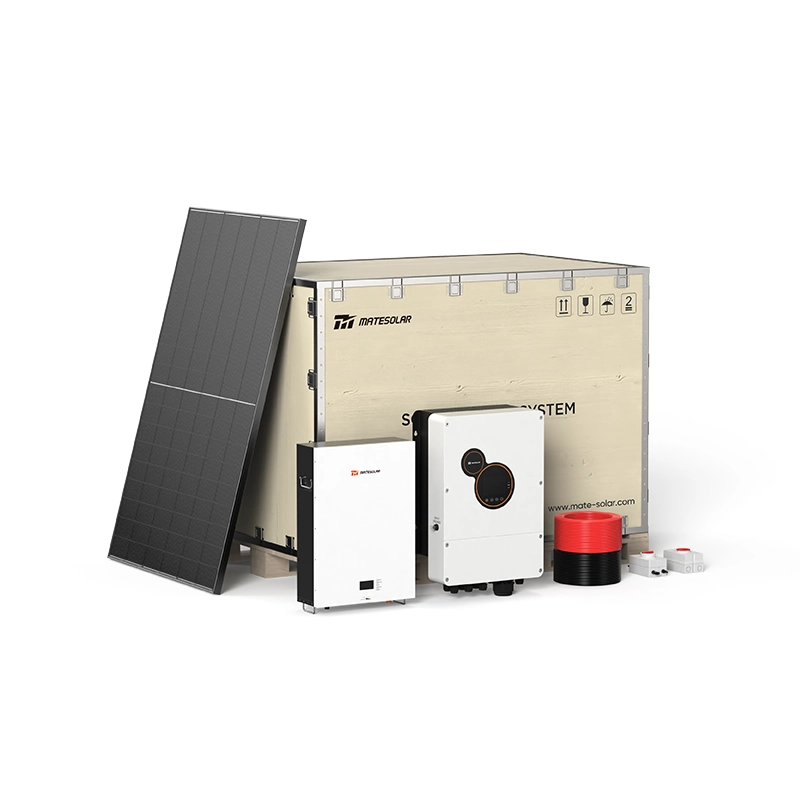
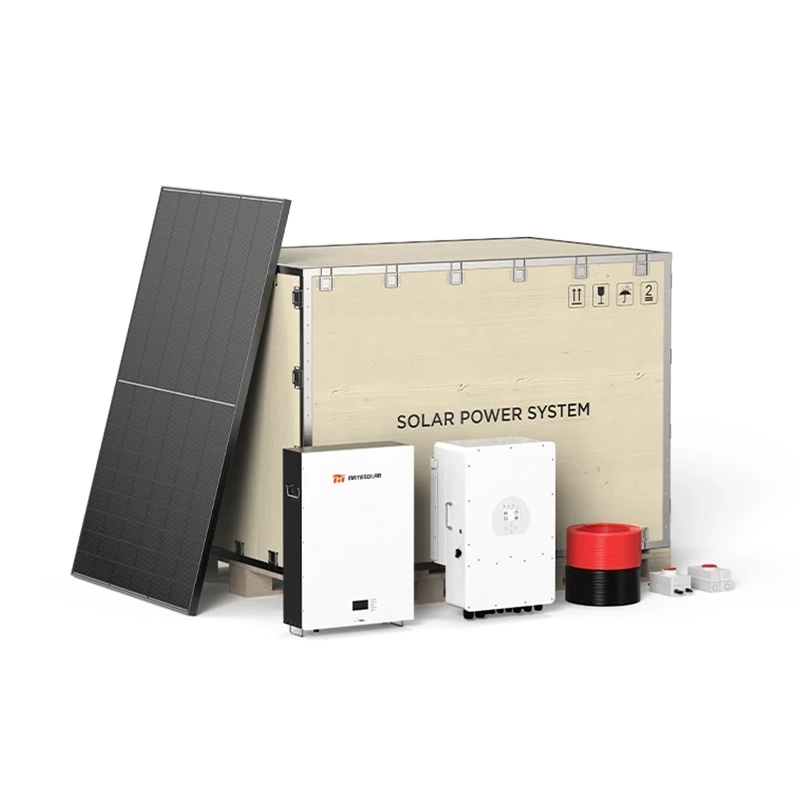
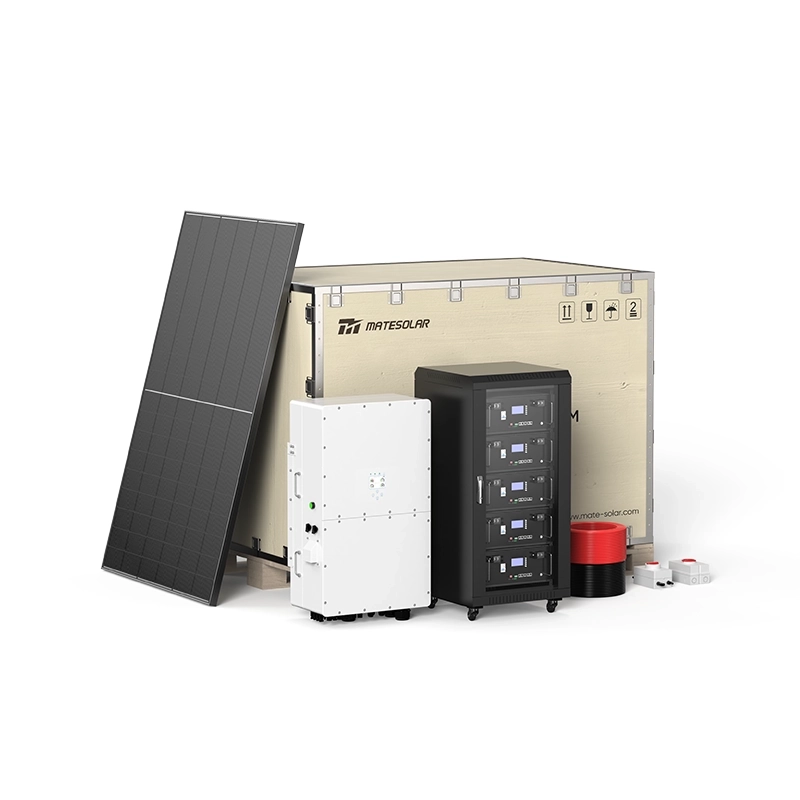
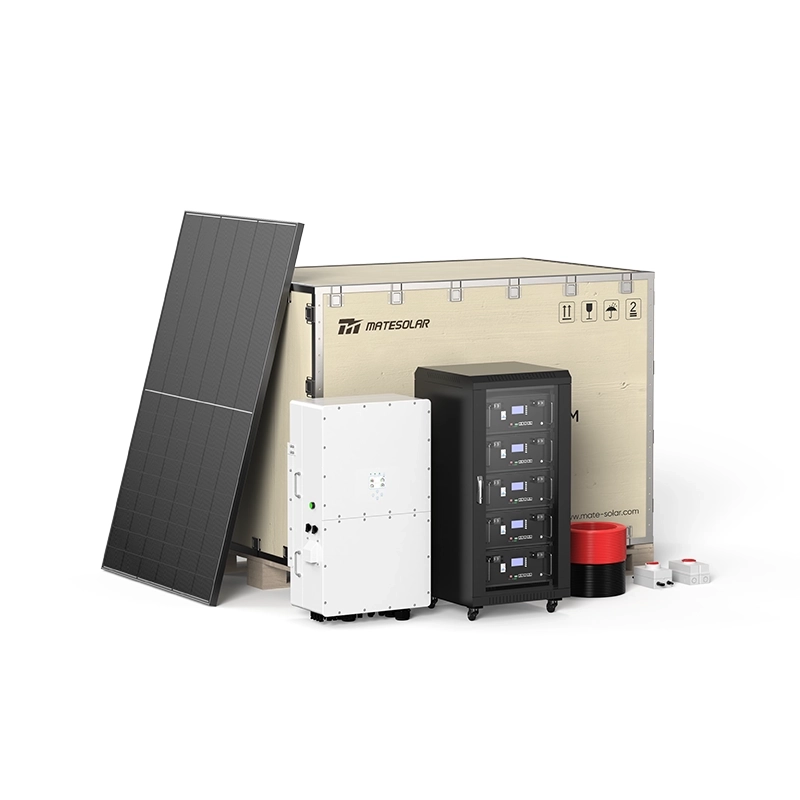
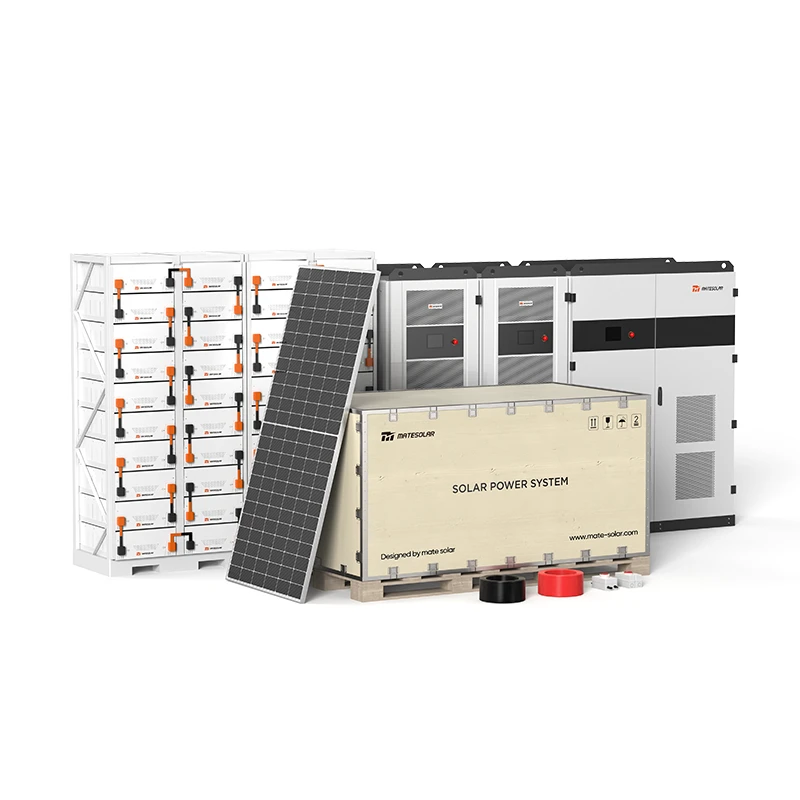
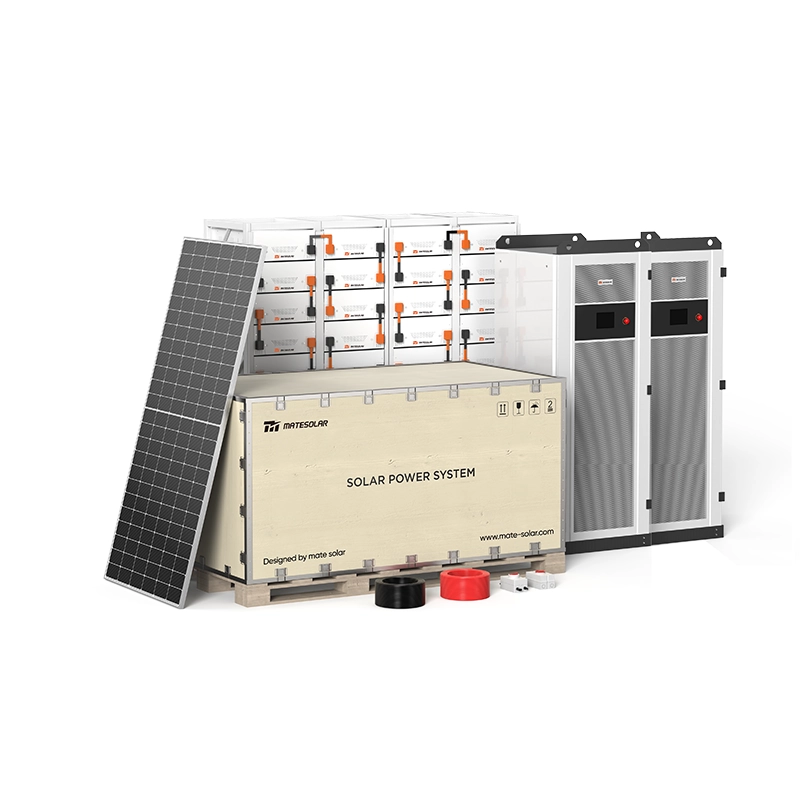
Для великих комерційних та промислових об'єктів гібридна сонячна система Commercial 500kW пропонує комплексне рішення, що поєднує генерацію сонячної енергії з акумуляторними накопичувачами. Цей інтегрований підхід максимізує використання відновлюваних джерел енергії на місці, забезпечуючи водночас зниження плати за пікове навантаження, резервне живлення та дохід від послуг для мережі.
[Дізнатися більше про комерційну гібридну сонячну систему на 500 кВт →]
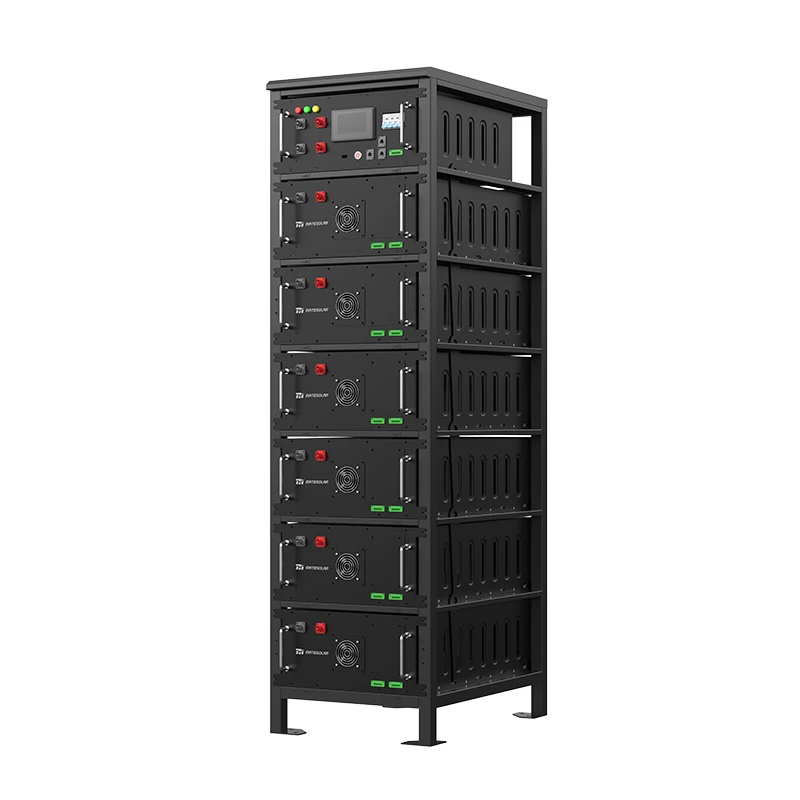
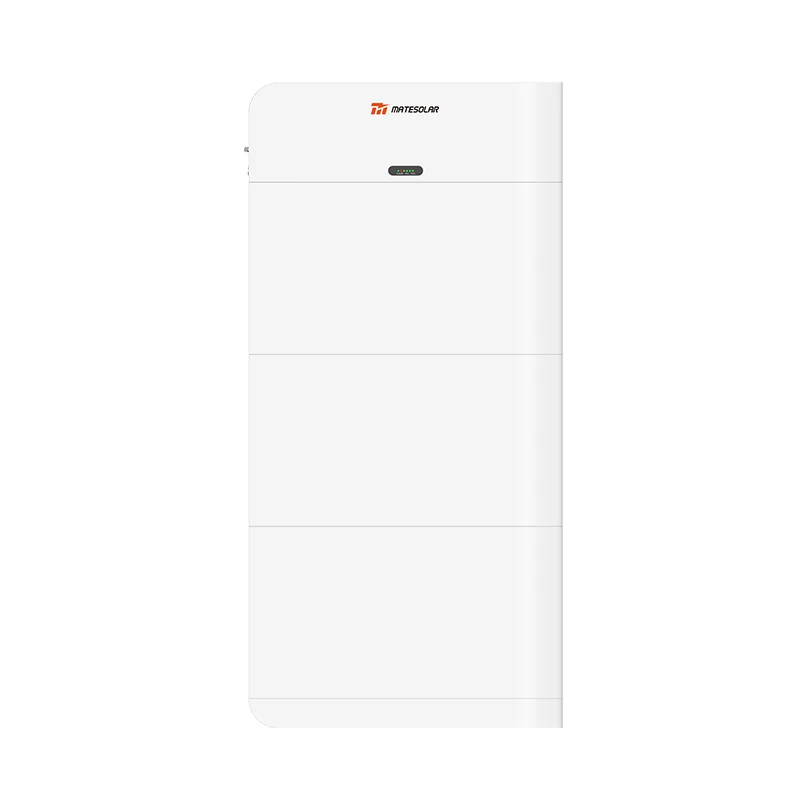
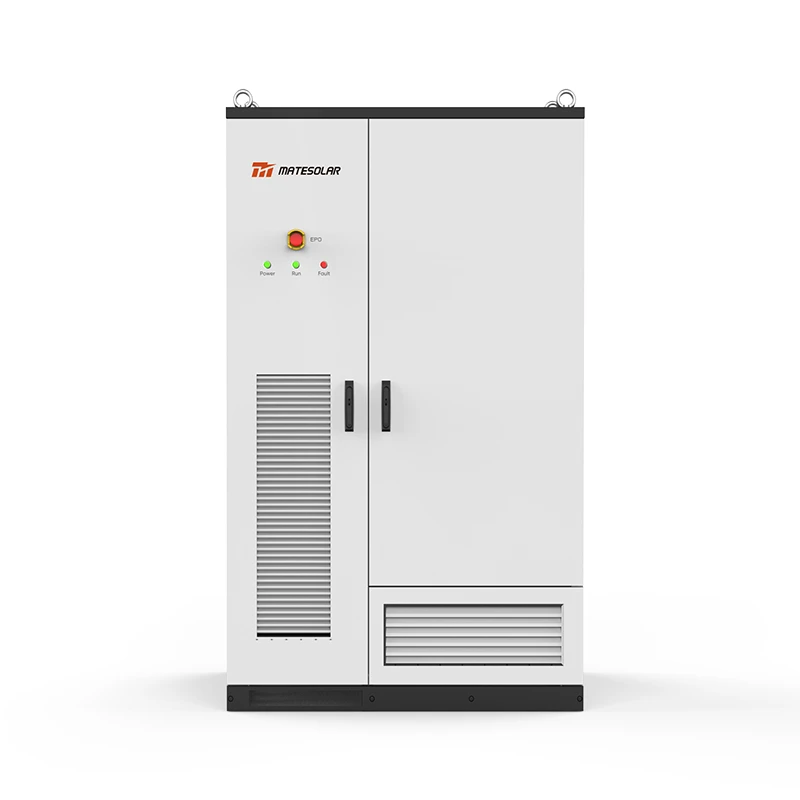
Варіант 2: 100 кВт/232 кВт-год і 125 кВт/261 кВт-год зовнішня шафа накопичення енергії з рідинним охолодженням
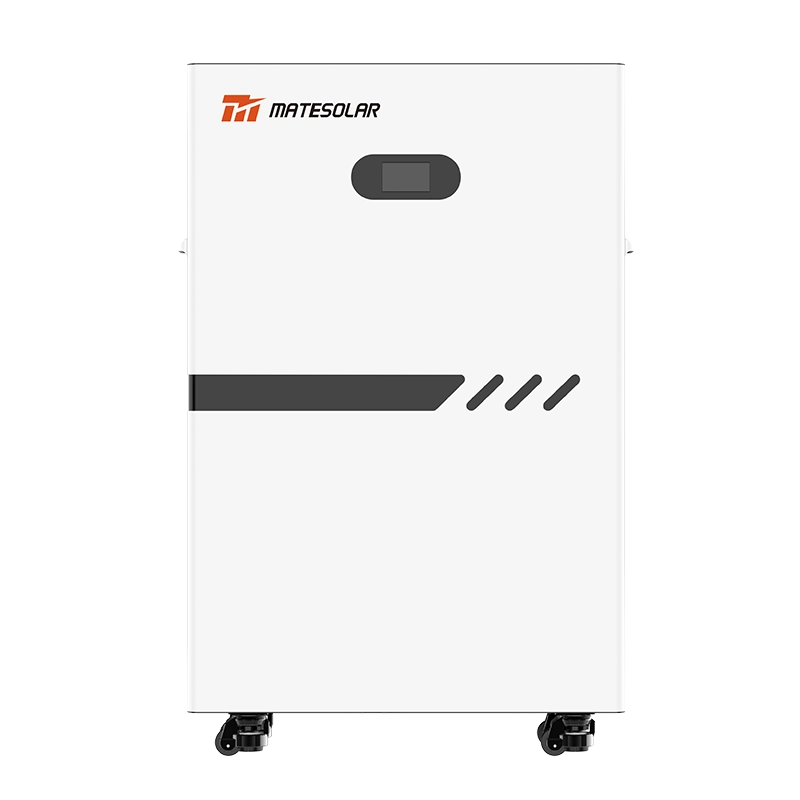
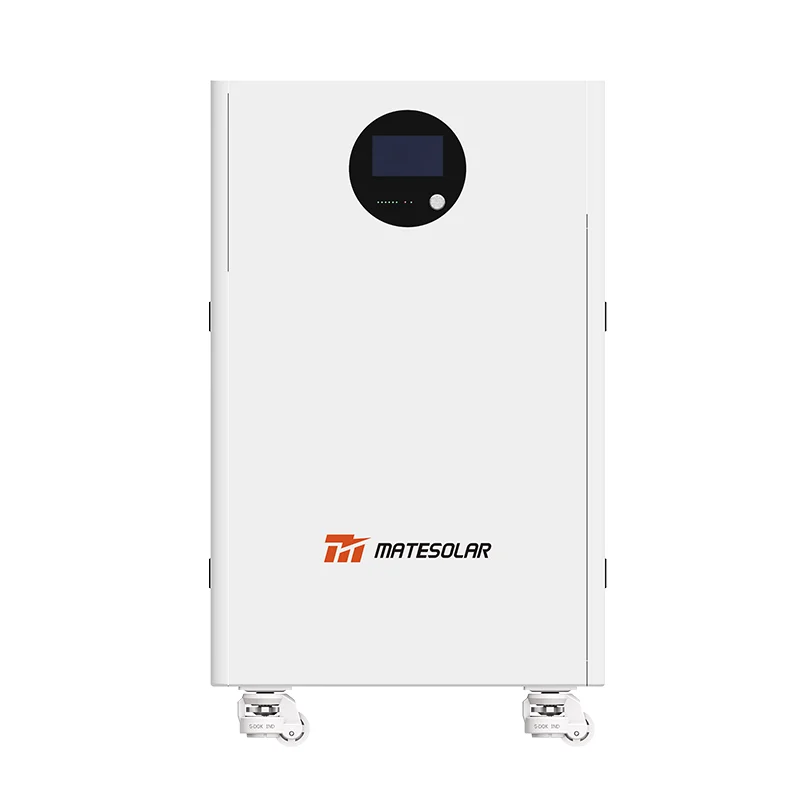
Для середніх комерційних застосувань системи зовнішніх шаф із рідинним охолодженням пропонують ідеальний баланс місткості, займаної площі та стійкості до кліматичних умов. Ці системи розроблені для екстремального температурного діапазону Техасу та оснащені інтегрованою системою терморегуляції як для охолодження, так і для нагріву. Модульна конструкція дає змогу масштабувати розгортання в міру зростання потреб об'єкта.
[Дослідити систему накопичення енергії у зовнішній шафі з рідинним охолодженням 100 кВт/232 кВт·год та 125 кВт/261 кВт·год →]
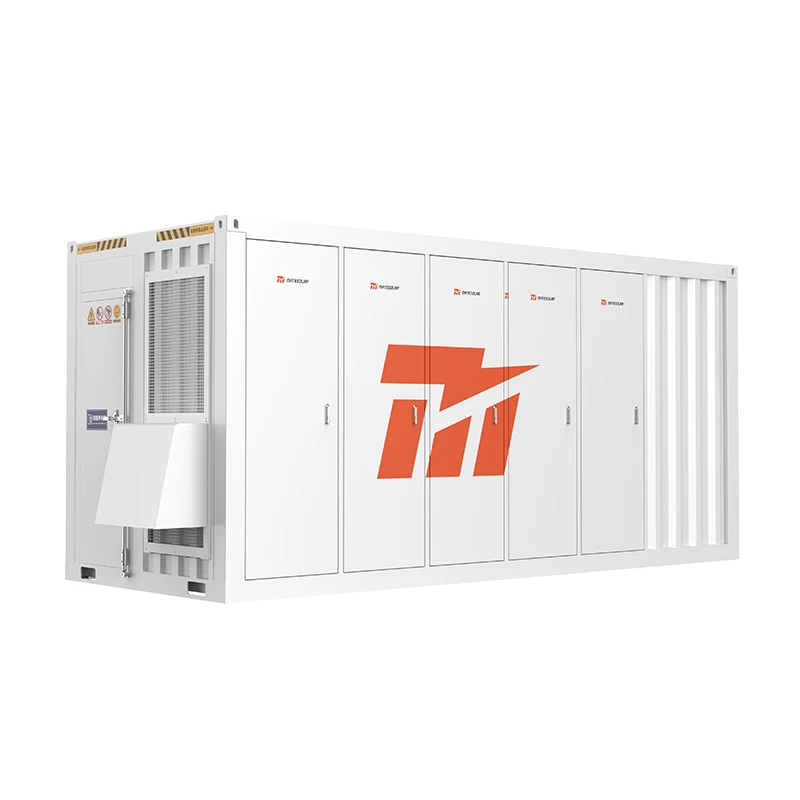
Варіант 3: Контейнерна система накопичення енергії (ESS) повітряного охолодження 40 футів, 1 МВт-год і 2 МВт-год
Для більших комерційних та промислових (C&I) установок контейнерні системи з повітряним охолодженням забезпечують розгортання «під ключ» із мінімальною підготовкою майданчика. Ці системи збираються та тестуються на заводі, що зменшує час та складність монтажу. Системи з повітряним охолодженням особливо добре підходять для регіонів Техасу з сухим кліматом, де навколишні умови забезпечують ефективне повітряне охолодження.
[Дізнайтеся про 40-футові контейнерні накопичувачі енергії (ESS) на 1 МВт·год та 2 МВт·год з повітряним охолодженням →]
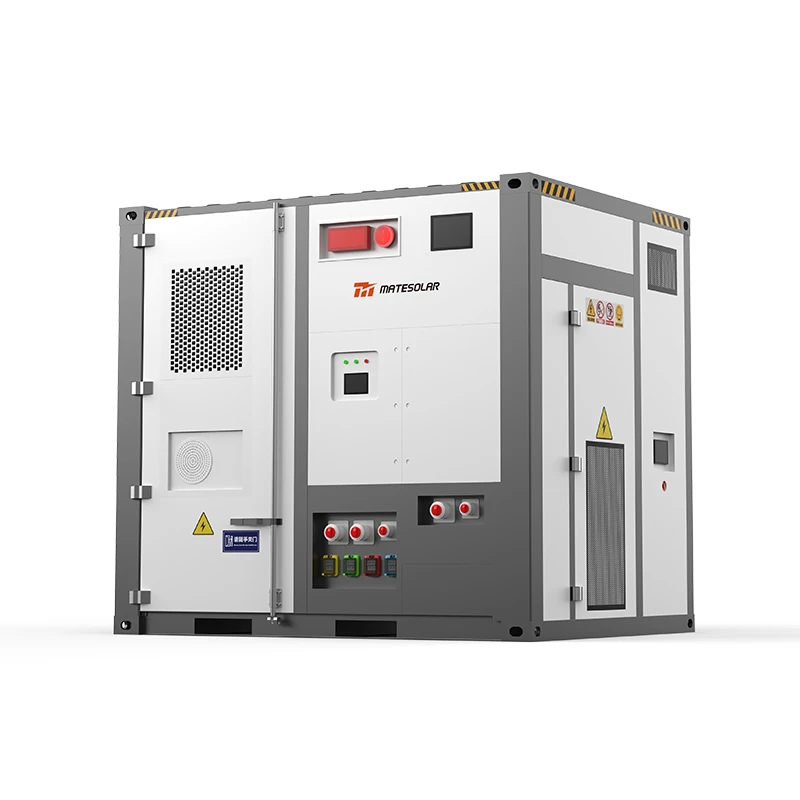
Варіант 4: 20-футовий контейнерний накопичувач енергії (ESS) з рідинним охолодженням на 3 МВт·год і 5 МВт·год
Для найбільших комерційних та промислових (C&I) об'єктів і проєктів комунального масштабу контейнерні системи рідинного охолодження високої щільності забезпечують максимальну енергоємність за мінімальної площі. Ці системи ідеально підходять для майданчиків з обмеженим простором або там, де потрібна максимальна ємність зберігання. Рідинне охолодження забезпечує чудовий термічний менеджмент для найспекотніших умов Техасу.
[Переглянути 20-футовий контейнерний накопичувач енергії 3MWh & 5MWh з рідинним охолодженням →]
5.3 Вибір правильного партнера зі зберігання даних
Оцінюючи постачальників систем зберігання для розгортання в Техасі, комерційні та промислові споживачі повинні враховувати:
Якість та надійність продукції
- Чи відповідає продукт кліматичним вимогам штату Техас?
- Який гарантійний термін і що він покриває?
- Чи розгортався цей продукт у подібних середовищах?
Можливості технічної підтримки
- Чи доступні віддалене усунення несправностей та підтримка програмного забезпечення?
- Чи можна вирішити апаратні проблеми шляхом заміни компонентів?
- Чи доступні послуги введення в експлуатацію на місці для великих проєктів?
Ланцюг постачання та відповідність вимогам FEOC
- Чи відповідає ланцюжок постачання вимогам FEOC?
- Чи постачаються компоненти від відповідальних виробників?
- Чи можна задокументувати відповідність вимогам FEOC для цілей податкового кредиту?
Інтеграція та можливості програмного забезпечення
- Чи інтегрується система з наявними інженерними системами будівлі?
- Чи може програмне забезпечення оптимізувати для 4CP, арбітражу та допоміжних послуг?
- Чи здатна система працювати в режимі формування мережі (grid-forming, GFM)?
Частина шоста: Часті запитання
Поширені запитання 1: Що таке механізм 4CP і чому він важливий для мого бізнесу?
A: Механізм «Чотири збіжні пікові години» (4CP) — це метод ERCOT, що використовується для розподілу витрат на передачу електроенергії. ERCOT визначає один 15-хвилинний інтервал з найвищим попитом у кожному з чотирьох літніх місяців (червень–вересень). Ваші річні витрати на передачу електроенергії розраховуються на основі споживання протягом цих чотирьох критичних годин. Для великих комерційних споживачів витрати за механізмом 4CP можуть становити від 15 до 30% від загальної суми рахунків за електроенергію. Один піковий випадок протягом періоду 4CP може коштувати десятки тисяч доларів. Акумуляторні батареї, що автоматично розряджаються під час подій 4CP, можуть зменшити вашу частку витрат за 4CP на 50–70%, забезпечуючи щорічну економію в розмірі шестизначних сум.
Питання № 2: Чи діє федеральна податкова пільга (ITC) за кодом 30% для комерційних сховищ?
A: Так. Податковий кредит на комерційні системи накопичення енергії (ITC) згідно з розділом 48E залишається в силі в повному обсязі, а його дія продовжено до 2033 року. Проєкти у визначених "енергетичних громадах" можуть претендувати на додатковий бонус у розмірі 10%, що збільшить загальну суму відшкодування капітальних витрат у перший рік до 40%. Це є важливою відмінністю від сонячних систем для житлових будинків, де термін дії податкового кредиту згідно з розділом 25D закінчився 31 грудня 2025 року..
ПОШИРЕНІ ЗАПИТАННЯ 3: Що змінилося щодо підключення до ERCOT 1 квітня 2026 року?
AПочинаючи з 1 квітня 2026 року, нові проєкти накопичення енергії, що виконують Стандартні угоди про підключення генерації (SGIA), повинні відповідати вимогам удосконаленої підтримки мережі (AGS) — що по суті вимагає використання інверторних технологій із формування мережі (GFM).. Старі об’єкти, що працюють у режимі слідування за мережею, потребуватимуть модернізації з переходу з GFL на GFM. ERCOT запропонував заохочувальний пакет у розмірі $1 500/МВт (загалом $25 мільйонів) для стимулювання добровільного переходу на GFM.
Поширені запитання 4: Скільки часу триває підключення до мережі в ERCOT?
AСтроки черги підключення подовжилися до чотири роки або більше. Обсяг проектів у черзі зріс до понад 400 ГВт, при цьому на даний момент в експлуатації перебуває лише 1,81 ТП3Т проектів із черги. У другій половині 2025 року кількість нових заявок скоротилася на 501 ТП3Т, оскільки девелопери усвідомили наявність "вузького місця". Процедура «Batch Zero», запроваджена в березні 2026 року, забезпечує прискорене розглядання проектів, для яких підтверджено контроль над ділянкою та готовність до реалізації.
Поширені запитання 5: Чи витримує сховище у вулижній шафі екстремальний клімат Техасу?
AТак. Системи Tesla Megapacks, встановлені на проєкті Old 300 компанії Ørsted у Техасі, успішно продемонстрували життєздатність зовнішніх шаф. У травні 2026 року Ford випустив накопичувальні шафи постійного струму з діапазоном робочих температур від -35°C до 55°C. Для розгортання в Техасі шукайте системи з діапазоном робочих температур від -30°C до 55°C, захистом класу IP65 або вище, структурною цілісністю, розрахованою на урагани, та інтегрованим управлінням температурним режимом.
ЧаПи 6: Що таке RTC+B та як це впливає на економіку зберігання?
ARTC+B (Real-Time Co-optimization plus Batteries) — це новий дизайн ринку ERCOT, запроваджений у грудні 2025 року.. Він спільно оптимізує видачу енергії та допоміжних послуг, розглядаючи акумулятори як повноправних учасників. Це дає змогу акумуляторним батареям одночасно брати участь в аукціонах на кількох ринках, розширюючи можливості отримання доходу. Однак доходи є нестабільними — на початку 2026 року щомісячний дохід від накопичення енергії в ERCOT коливався в діапазоні від $15 306 до $46 264 за МВт.
Часті запитання 7: Що таке обмеження FEOC і чи стосуються вони мене?
A: Обмеження щодо FEOC (іноземних суб’єктів, що викликають занепокоєння) звужують право на отримання федеральних податкових пільг для проєктів, у ланцюгу постачання яких значну частку займають компоненти, що походять від FEOC. Для проектів 2026 року поріг становить 55% компонентів, що походять з FEOC, і зросте до 75% до 2029 року. Покупці з секторів C&I повинні вимагати від постачальників систем зберігання енергії документального підтвердження відповідності вимогам щодо FEOC, щоб зберегти право на отримання податкової пільги ITC.
FAQ 8: Скільки я можу заощадити за допомогою комерційного сховища в Техасі?
AЕкономія залежить від розміру об'єкта та профілю навантаження. Типова економія включає:
- Зменшення 4CP: $72 000–$420 000 на рік для об’єктів потужністю 5–10 МВт
- Зниження плати за споживання: 20-40% — зниження тарифів TDU
- Енергетичний арбітражФіксація цінових спредів на ринках ERCOT
- Допоміжні послугиДодатковий дохід від послуг у мережі
- Пільга ITC: 30-40% — відшкодування капітальних витрат
Для оцінки конкретних заощаджень необхідне комплексне енергетичне обстеження.
ЧаПи 9: Чи може накопичувач енергії забезпечити резервне живлення під час відключень?
AТак, але із застереженнями. Більшість систем зберігання енергії, підключених до мережі, можуть забезпечити резервне живлення під час аварійних відключень, якщо вони налаштовані з функцією ізоляції. Тривалість резервного живлення залежить від розміру системи та навантаження об'єкта. Для критичних навантажень розгляньте системи з 2–4 годинами резервного копіювання при повному навантаженні або довше зі стратегіями зменшення навантаження. Tesla Megapacks на Old 300 продемонстрували надійність сучасних систем зберігання під час навантаження на мережу.
Поширені запитання 10: Як профінансувати проєкт комерційного сховища?
A: Варіанти включають:
- Фінансування за рахунок податкового капіталуВикористання ITC для зменшення капіталу
- Енергія як послугаСтороннє володіння без початкового капіталу
- Фінансування обладнанняКредити під заставу складського обладнання
- Фінансування PACEПогашається за рахунок нарахувань податку на майно
- Структури лізингуФіксовані щомісячні платежі
Клієнти середнього сегмента C&I (1–10 МВт) повинні оцінити кілька варіантів фінансування та розглянути можливість залучення спеціалізованих фінансистів у сфері накопичення енергії.
Поширені запитання 11: Що таке грант TCEQ NTIG і коли кінцевий термін подачі заявки?
В: У рамках програми грантів на впровадження нових технологій (NTIG) Техаської комісії з якості навколишнього середовища виділено $16,5 млн**, причому щонайменше **$1 млн** зарезервовано для проєктів зі зберігання електроенергії, пов’язаних із відновлюваними джерелами енергії. Номінальна потужність проєктів повинна становити 1 МВт або більше. Кінцевий термін подання заявок — 25 вересня 2026 року о 17:00 за центральним часом (CT) — приблизно через шість тижнів з дати опублікування цього звіту.
Поширені запитання 12: Скільки часу потрібно для розгортання комерційної системи зберігання енергії?
A: Терміни розгортання залежать від масштабу проєкту:
- Малий комерційний та промисловий сегмент (100–500 кВт): 3-6 місяців від замовлення до експлуатації
- Середній комерційний та промисловий сегмент (500 кВт–5 МВт)6-12 місяців
- Великі C&I (від 5 МВт): 12-18 місяців
Черга на підключення є основним вузьким місцем: проєкти з наявними угодами про підключення можуть розгортатися значно швидше, ніж ті, що потребують нових позицій у черзі.
Частина сьома: Стратегічні рекомендації для комерційних та промислових споживачів енергії в Техасі
7.1 Негайні дії (наступні 60 днів)
1. Оцініть свій вплив 4CP: Проаналізуйте профіль споживання вашого об’єкта та розрахуйте потенційну економію за показником 4CP. Навіть зниження споживання за показником 4CP на 30% може забезпечити щорічну економію в розмірі шестизначної суми.
2. Оцінити відповідність критеріям прийнятності TCEQ NTIG: Термін подання заявок — 25 вересня 2026 року — стрімко наближається. Якщо потужність вашого проєкту становить 1 МВт або більше і передбачає використання систем накопичення енергії з відновлюваних джерел, грант від TCEQ може покрити до 50% витрат на проєкт.
3. Безпечні точки з’єднанняОскільки терміни очікування в черзі перевищують чотири роки, отримання договорів про підключення має бути головним пріоритетом для будь-якого об'єкта, що розглядає можливість встановлення накопичувачів енергії.
4. Перевірити дотримання вимог щодо FEOCДокументуйте дотримання ланцюжка постачання для будь-якого обладнання для зберігання даних, яке розглядається. Обмеження щодо FEOC тепер є обов'язковими для виконання.
7.2 Середньострокові заходи (6-12 місяців)
1. Розробити комплексну стратегію зберіганняРозгляньте гібридні сонячно-акумуляторні рішення, які максимізують генерацію на місці та водночас забезпечують переваги накопичення енергії. Комерційна гібридна сонячна система потужністю 500 кВт пропонує інтегрований підхід.
2. Оцініть кілька форм-факторів накопичувачівПорівняйте варіанти зовнішньої шафи, контейнера з повітряним охолодженням та контейнера з рідинним охолодженням для вашої конкретної локації. Кліматичне різноманіття Техасу означає, що оптимальне рішення залежить від місця розташування.
3. Забезпечити фінансуванняВзаємодіяти з інвесторами у податковий капітал, спеціалізованими кредиторами та постачальниками послуг EaaS для структурування оптимального фінансування. Надійний ринок фінансування систем зберігання в Техасі пропонує безліч варіантів.
4. План дотримання GFM: Якщо у рамках вашого проєкту буде реалізовано SGIA після 1 квітня 2026 року, переконайтеся, що ваша система зберігання даних з самого початку підтримує GFM.
7.3 Дострокові міркування (1-3 роки)
1. Моніторинг еволюції ринку RTC+BRTC+B — це найбільша зміна на ринку з часів впровадження вузлового ціноутворення. Розуміння того, як оптимізувати розподіл обсягів зберігання з урахуванням енергетичних та допоміжних послуг, матиме вирішальне значення для досягнення максимальної прибутковості.
2. Відстежуйте зростання навантаження на дата-центрВраховуючи, що ERCOT прогнозує близько 35 ГВт попиту від дата-центрів до 2035 року, зростання навантаження й надалі звужуватиме баланс попиту й пропозиції та підвищуватиме цінність локального зберігання.
3. План можливих змін у політиці: Хоча термін дії ITC продовжено до 2033 року, до 2029 року порогові значення FEOC будуть знижені до 75%. При плануванні ланцюга поставок слід враховувати ці зміни.
4. Розгляньте можливості формування мережі: У міру переходу ERCOT до енергосистеми, в якій переважають інвертори, системи накопичення енергії з підтримкою GFM ставатимуть дедалі ціннішими. Програма стимулювання $1,500/MW забезпечує короткострокову можливість для впровадження технології GFM.
Висновок: Техаська можливості зберігання
Техас закріпив за собою статус беззаперечного лідера у сфері накопичення енергії в США: станом на березень 2026 року в штаті було введено в експлуатацію акумуляторні батареї мережевого масштабу загальною потужністю 14 ГВт, а на частку штату припадає понад половина всіх запланованих на 2026 рік додаткових потужностей у країні. Сегмент систем накопичення енергії для комерційних та промислових об’єктів (C&I), хоча й менший в абсолютних показниках, є наступним напрямком зростання, що зумовлено поєднанням таких факторів:
- Механізм 4CP від ERCOT перетворюючи витрати на передачу електроенергії на найбільшу приховану витрату для комерційних споживачів
- Дизайн ринку RTC+B створенні безпрецедентних можливостей для отримання прибутку від активів зберігання
- Зростання навантаження на дата-центри посилення балансу попиту та пропозиції та підвищення цінності генерації та накопичення енергії безпосередньо на місцях
- Проблеми з надійністю електромережі перетворення безперервності виробництва на критичний бізнес-імператив
- Федеральні та державні стимули забезпечення привабливої фінансової прибутковості
Вікно можливостей існує і звужується. Черги на підключення тривають чотири роки або більше. Грант TCEQ NTIG закінчується 25 вересня 2026 року. Вимоги щодо дотримання норм FEOC посилюються. Вимоги GFM від 1 квітня 2026 року вже набули чинності.
Для комерційних та промислових споживачів енергії в Техасі питання полягає вже не в тому, чи варто впроваджувати накопичувачі енергії, а в тому, як швидко вони зможуть забезпечити місця для підключення, фінансування та обладнання. Компанії, які діятимуть рішуче у 2026 році, пожнуть переваги найдинамічнішого ринку накопичення енергії у Сполучених Штатах. Ті, хто чекатиме, зіткнуться з довшими термінами, вищими витратами та більшою конкуренцією за дефіцитні слоти для підключення.
Про MateSolar
MateSolar — це постачальник комплексних рішень у сфері сонячної енергетики та накопичення енергії, який допомагає комерційним і промисловим клієнтам орієнтуватися в складному енергетичному середовищі. Від первинної оцінки доцільності до проєктування систем, закупівлі та підтримки під час введення в експлуатацію, MateSolar надає інтегровані рішення, адаптовані до унікальних потреб ринку Техасу.