










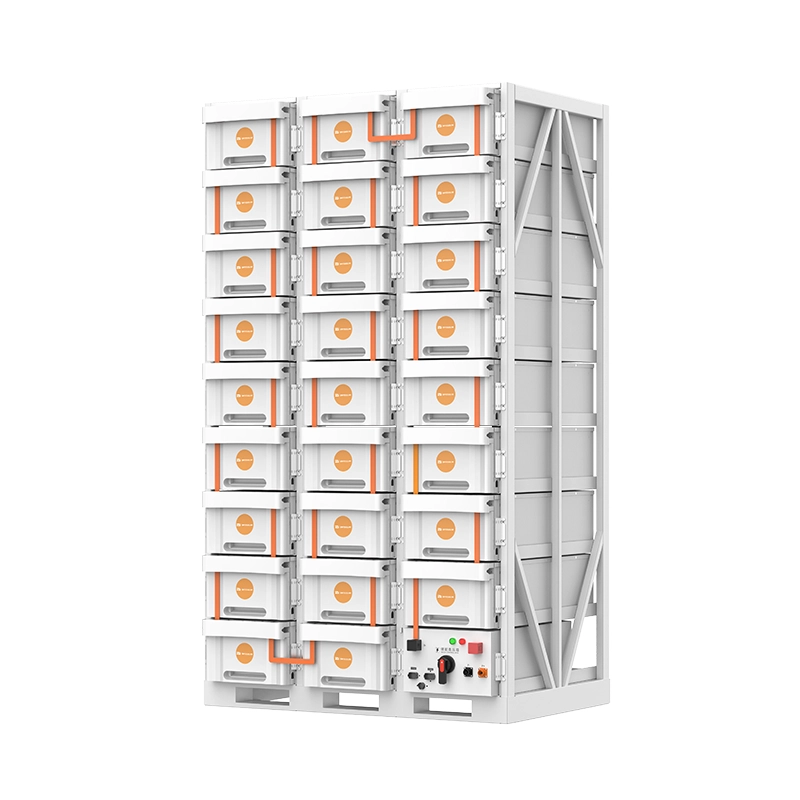
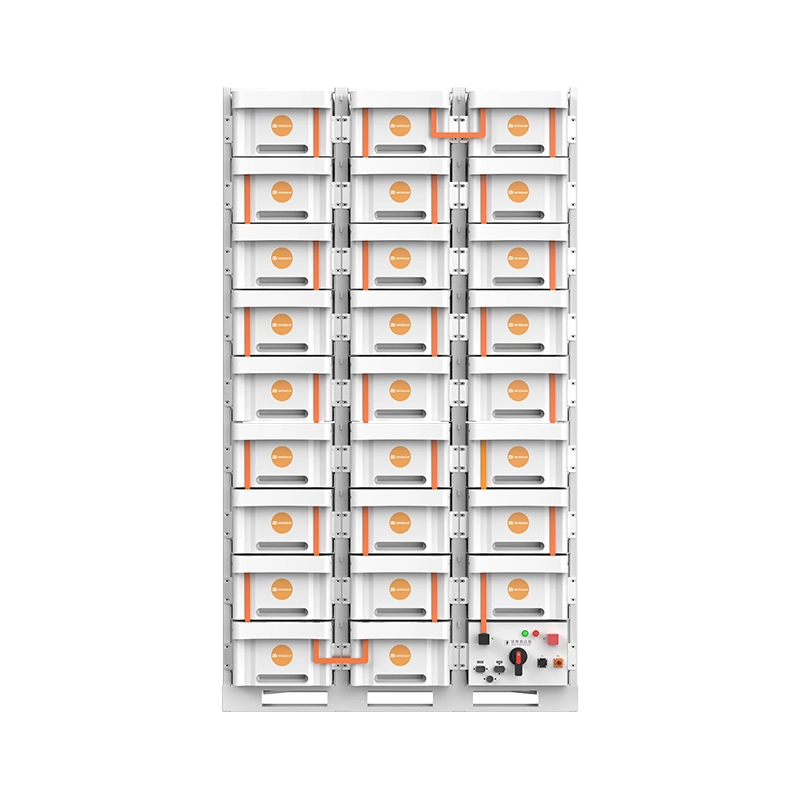
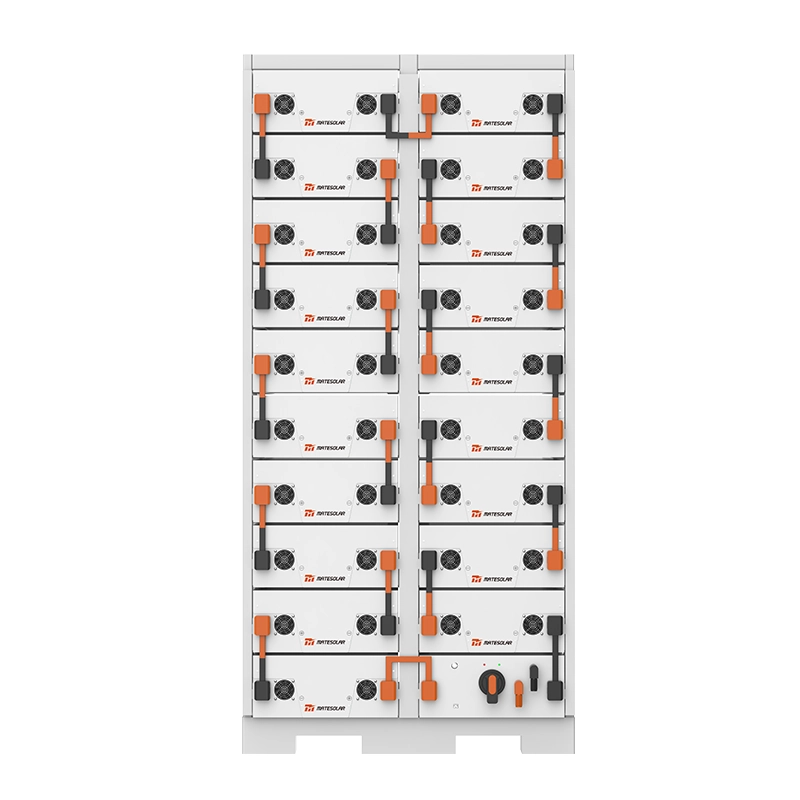
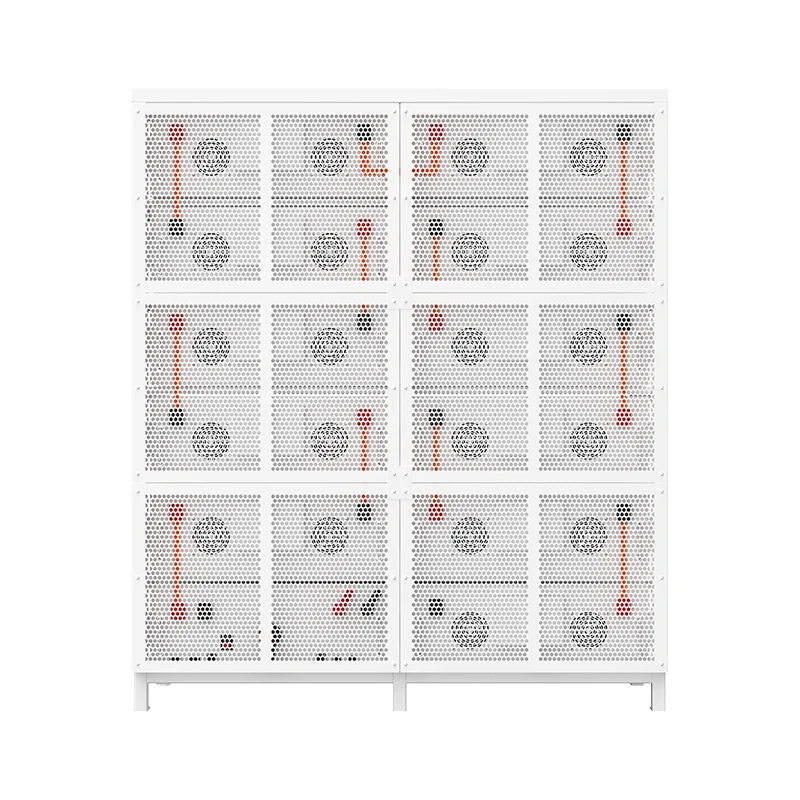



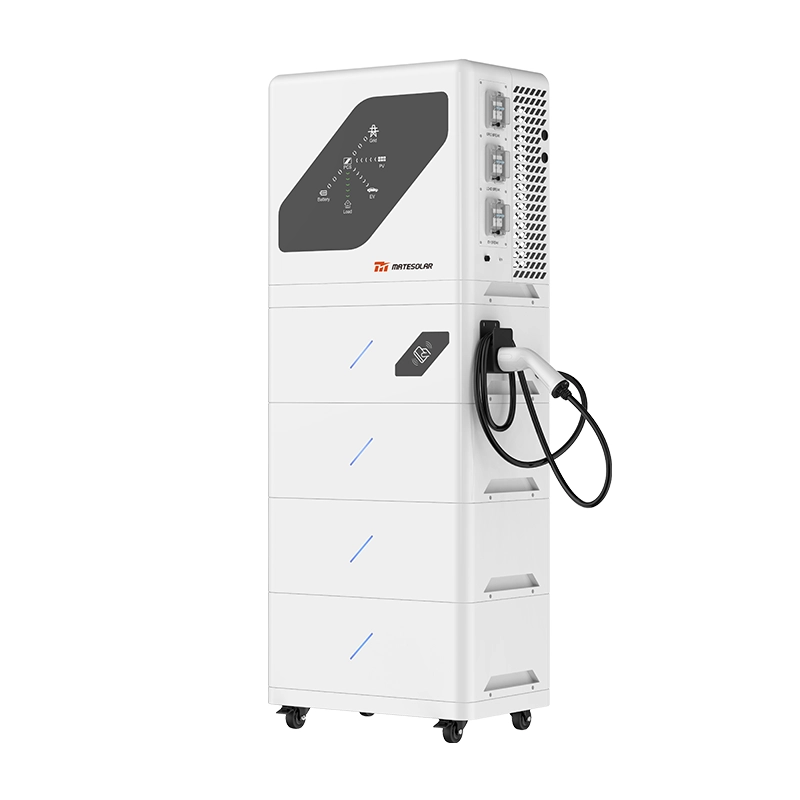
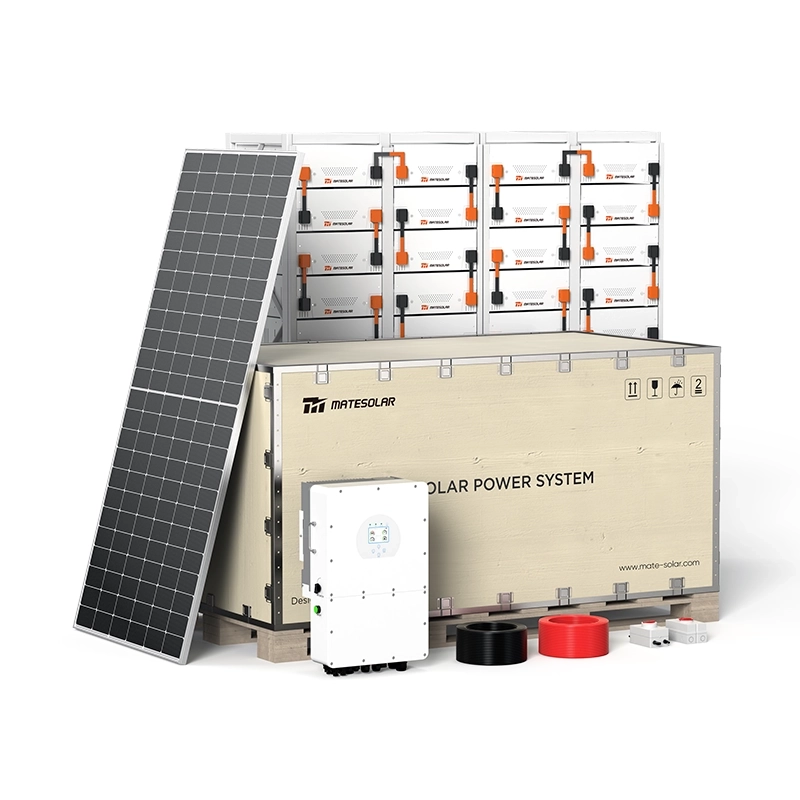
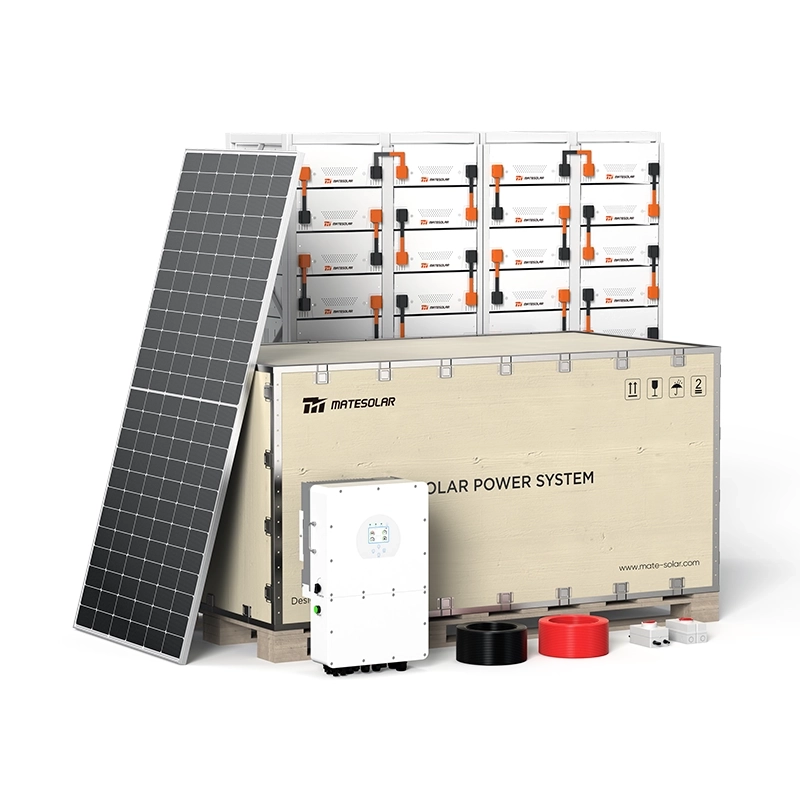
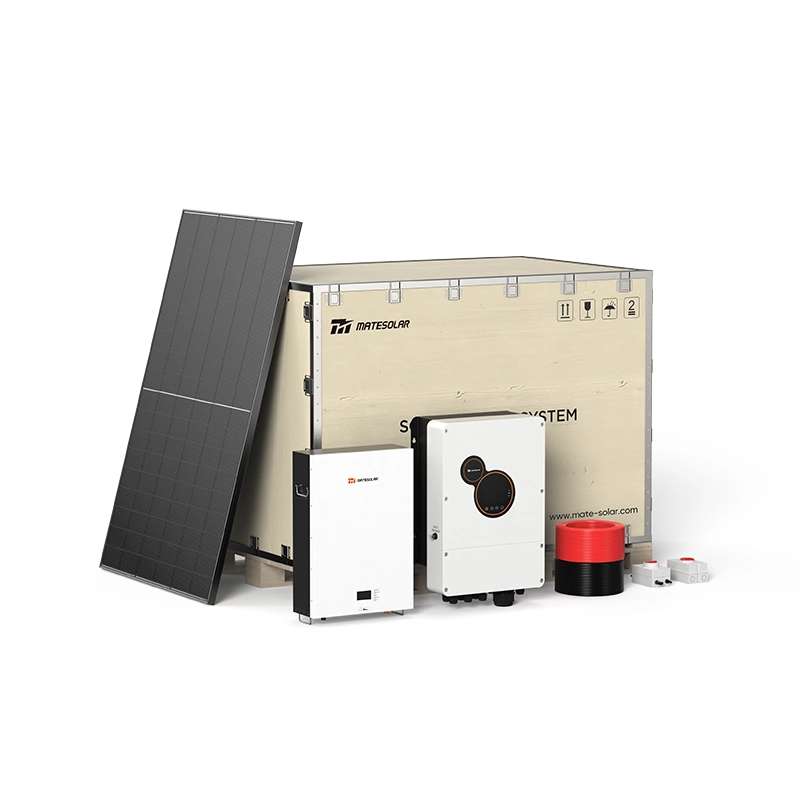




З огляду на те, що до 2030 року з експлуатації буде виведено 1 343 МВт теплової потужності в Гондурасі, а тендер на 1,5 ГВт передбачає використання 65% — поєднання відновлюваних джерел енергії та систем накопичення, — цей комплексний технічний посібник аналізує рішення BESS, що формують енергосистему, для заміщення промислового базового навантаження, 20-річні гарантії ефективності за моделлю BOO, зовнішні шафи, що відповідають стандарту UL9540, для користувачів комерційного та промислового секторів, а також архітектури автономних мікромереж для громад, що не підключені до енергомережі. Посібник містить технічні характеристики продукції, фінансові схеми для управління ризиком контрагента ENEE та графіки введення в експлуатацію, узгоджені з критичним терміном 2029 року, пов’язаним із 886 МВт.
ВСТУП: Чому квітень 2026 року вимагає негайних дій
22 квітня 2026 року комерційний та промисловий енергетичний баланс Гондурасу фундаментально змінився з теоретичного планування переходу до операційної кризи, що вимагає негайної технічної та фінансової мобілізації. Одночасно сходяться три структурні тиски.
Спочатку, Орієнтовний план розширення генерації (PIEG) на 2026–2035 роки Національного диспетчерського центру (CND) підтверджує виведення з експлуатації 1 343 МВт теплових потужностей, 886,06 МВт з яких заплановано до виведення з експлуатації лише у 2029 році, а ще 276,52 МВт – у 2030 році.. Для промислових об'єктів, зосереджених у промисловому коридорі Сан-Педро-Сула, зоні холодної переробки Ла-Сейба та гірничодобувних підприємствах у західних гірських районах, це створює неминучий дефіцит постачання, який повинні заповнити децентралізовані системи зберігання енергії на акумуляторах (BESS).
По-друге, Національна компанія з електроенергетики (ENEE) та Комісія з регулювання електроенергетики (CREE) проводять знаковий тендер на постачання електроенергії потужністю 1,5 ГВт, який передбачає використання 65% відновлюваних джерел енергії, інтегрованих із системами накопичення енергії — що еквівалентно 975 МВт потужності, що складається з відновлюваних джерел енергії та систем накопичення. Графік поетапного введення в експлуатацію вимагає введення в експлуатацію 800 МВт на початку 2028 року, за ним 300 МВт у 2029 році та останні 400 МВт до 2030 року, створюючи вікно збіжних інвестицій, яке безпосередньо передує критичному періоду виведення з експлуатації теплових потужностей.
По-третє, компанія CREE затвердила підвищення тарифів на 4,111 TP3T у першому кварталі 2026 року, а потім — на 10,491 TP3T з 1 квітня, в результаті чого максимальні середні комерційні тарифи зростуть з 4,81 HNL/кВт·год до 5,32 HNL/кВт·год (приблизно з 0,197 до 0,22 USD/кВт·год). Аналітики галузі прогнозують подальше зростання на 20% до кінця року. Водночас сукупна заборгованість ENEE перед приватними виробниками електроенергії перевищила 17,385 млрд лемпір — приблизно $655 млн доларів США — причому затримки з оплатою становлять від чотирьох до семи місяців понад передбачений договором 45-календарний термін розрахунку.
Цей документ є остаточним технічним та фінансовим довідником для промислових виробників, незалежних виробників електроенергії (IPPs), компаній з інжинірингу, закупівель та будівництва (EPC), комерційних та промислових (C&I) підприємств, а також розробників автономних проектів, що працюють або виходять на ринок Гондурасу. Він розглядає чотири критичні проблеми, які визначають поточний ринковий ландшафт, обґрунтовує кожну рекомендацію на перевірених нормативних та технічних даних і надає структуровані шляхи для виконання інвестиційно-привабливих проектів.
РОЗДІЛ 1: Макроекономічний та регуляторний контекст (квітень 2026 року)
1.1 Обов'язковий тендер на зберігання потужності 1,5 ГВт: структура та терміни
Міжнародний публічний тендер, ініційований ENEE та схвалений CREE, є найважливішою подією в історії енергетики Центральної Америки, як за масштабом, так і за обов'язковим інтегруванням накопичення енергії з відновлюваним виробництвом..
У рамках тендеру передбачено виділення загальної потужності в розмірі 1 500 МВт, що складається з двох окремих категорій: 975 МВт енергії з відновлюваних джерел із вбудованими системами накопичення (65% загалом) та 525 МВт енергії з невідновлюваних джерел (35% загалом). Цей розподіл є непорушним. Для розробників відновлюваних джерел енергії це означає, що будь-який проєкт сонячної, вітрової, гідро- чи біомасової енергії, відзначений у цьому тендері, повинен включати акумуляторне сховище, достатнє для забезпечення надійної керованої потужності, а не лише періодичної генерації.
Графік введення в експлуатацію є поетапним із конкретними щорічними етапами: до початку 2028 року забудовники повинні ввести в дію 800 МВт, потім 300 МВт до кінця 2029 року, а решту 400 МВт – до кінця 2030 року.. Методологія зворотної закупівлі з послідовними раундами економічної оцінки відрізняється від попередніх закупівельних процесів і спрямована на досягнення прозорих, конкурентних цін..
Важливе оновлення станом на квітень 2026 року: згідно з аналітичними звітами з Аргентини, тендер опинився в політичному глухому куті через питання призначення керівництва як в ENEE, так і в CREE, що змусило продовжити на три місяці термін подання пропозицій, який спочатку був призначений на лютий 2026 року. Девелопери повинні врахувати цю процедурну затримку у своїх графіках реалізації проектів, залишаючись готовими до швидкого розгортання робіт, щойно процес стабілізується.
Наслідки для розробників проектів: Вимога щодо введення в експлуатацію об’єктів потужністю 800 МВт на початку 2028 року, у поєднанні з виведенням з експлуатації теплових електростанцій потужністю 886 МВт у 2029 році, свідчить про небезпечний часовий розрив. Переможці тендеру повинні розпочати будівництво протягом кількох місяців після присудження контракту, щоб не поглибити дефіцит енергопостачання у 2029 році.
1.2 Скеля відмови від теплової генерації потужністю 1343 МВт: перевірений зворотний відлік
План управління енергоспоживанням у промисловості (PIEG) CND на 2026–2035 роки, опублікований у січні 2026 року, деталізує графік вимушеного виведення з експлуатації, який має врахувати кожен промисловий споживач енергії в Гондурасі.
Таблиця 1: Графік виведення з експлуатації зареєстрованих теплових потужностей (МВт)
| Пенсійний період | Потужність (МВт) | Представлені об'єкти | Основне паливо |
| До кінця 2029 року | 886.06 МВт | Кластер ELCOSA, численні заводи-виробники | Бункер С / Важке мазутове паливо |
| До кінця 2030 року | 276,52 МВт | Додатковий тепловий парк | Мазут С / Дизель |
| Всього | 1 162,58 МВт | Весь флот, що використовує нафту типу «Бункер С», підлягає поступовому виведенню з експлуатації | Мазут |
Джерело: CND, PIEG 2026–2035
Цей графік безпосередньо становить загрозу базовому постачанню промислового поясу Сан-Педро-Сула, де розташовані текстильні фабрики, харчові підприємства та складальні виробництва, на яких працюють десятки тисяч робітників. Холодова інфраструктура Ла-Сейби та гірничодобувні підприємства в західних горах так само піддаються ризику.
Основними рушійними факторами є як нормативно-правові, так і екологічні міркування: Гондурас у рамках низки міжнародних угод взяв на себе зобов’язання диверсифікувати джерела енергії, відмовившись від бункерного палива, поліпшити якість повітря в міських промислових коридорах та привести свою політику у відповідність до шляхів декарбонізації, розроблених Міжамериканським банком розвитку (IDB) та Національною лабораторією відновлюваної енергії (NREL). Економічна доцільність відмови від теплової енергетики підкріплюється міжнародною волатильністю цін на паливо, що вже призвело до затвердженого CREE підвищення тарифів.
1.3 Модернізація мережі: Приклад системи зберігання енергії Amarateca потужністю 75 МВт / 300 МВт·год
Перший проект системи акумулювання енергії (BESS) мережевого масштабу — система потужністю 75 МВт / 300 МВт·год на підстанції «Амаратека» — планується ввести в повну комерційну експлуатацію до кінця 2026 року. Цей проект тривалістю 4 години, реалізований у рамках гранту LPI-001-ENEE-UEPER-2024, не тільки є найбільшою в Центральній Америці установкою для зберігання енергії, підключеною до енергомережі, але й слугує нормативним та технічним орієнтиром для всіх подальших проектів зі зберігання енергії в країні.
Операційний прецедент, створений компанією «Амаратека», має три аспекти. По-перше, він визначає технічні вимоги до підключення до енергосистеми, включаючи моделювання PSSE та дослідження з координації систем захисту. По-друге, він підтверджує економічну доцільність використання систем накопичення енергії з 4-годинною тривалістю роботи в умовах енергосистеми Гондурасу. По-третє, він демонструє міжнародним кредиторам, що великомасштабні системи акумулювання енергії (BESS) можуть бути успішно реалізовані в рамках ENEE за умови належної структуризації.
Паралельні модернізації передачі, включаючи 20 нових трансформаторів потужністю 50 МВт та виділені лінії живлення, відчу.
1.4 Платіжна криза в системі ENEE: кількісна оцінка ризику контрагента
Станом на березень 2026 року заборгованість ENEE перед приватними виробниками електроенергії перевищила 17,385 млрд лемпір (приблизно $655 млн доларів США), причому затримки з оплатою вже поставленої, спожитої та оплаченої кінцевими споживачами електроенергії становили від чотирьох до семи місяців. ENEE має договірний період врегулювання, що становить 45 календарних днів, який вона регулярно не дотримується.
Едуардо Беннатон, президент Гондураської асоціації відновлюваної енергетики (AHER), чітко окреслив наслідки: “Це не лише фінансова проблема, а й питання довіри до країни”, додавши, що коли невизначеність доходів зростає, “вартість капіталу збільшується, або інвестиції просто переміщуються на інші ринки”.”.
Наразі тривають кілька структурних реформ. CABEI затвердила для ENEE кредитну лінію в розмірі $300 мільйонів, призначену саме для задоволення потреб у оборотних коштах, пов’язаних з оплатою рахунків за енергоносії. Європейський інвестиційний банк (ЄІБ) зобов'язався виділити 200 мільйонів євро на будівництво та модернізацію ліній електропередач, що є частиною ширшої регіональної інвестиційної програми на 1 мільярд євро. GET.transform сприяє налагодженню структурованого технічного діалогу між CREE, партнерами з ЄС та ЄІБ для посилення регуляторних рамок.
Однак станом на квітень 2026 року ці заходи залишаються на стадії впровадження. Тому розробники проєктів повинні включити конкретні договірні та фінансові механізми, включаючи інструменти кредитного забезпечення, структури суверенних гарантій та угоди про факторинг рахунків-фактур, як детально описано в Розділі 3.
РОЗДІЛ 2: Проблема #1 — Промислові підприємства та великі гірничодобувні підприємства
Основний виклик: Заміна базового теплового навантаження до 2029 року
Для промислових об'єктів, які звикли до безперебійного, надійного живлення від електростанцій, що працюють на важкому паливі, перехід на відновлювані джерела енергії плюс накопичувачі – це не екологічна мета, а необхідність для забезпечення безперервності діяльності. Найбільш стійким хибним уявленням є те, що системи накопичення енергії (BESS) слугують лише як резервні джерела живлення, придатні для короткочасних перебоїв, але не здатні підтримувати безперервне виробництво 24/7..
Це сприйняття, що ґрунтується на технології свинцево-кислотних джерел безперебійного живлення, є застарілим і операційно небезпечним.
2.1 Від резервного до базового навантаження: необхідність формування мережі
Сучасні промислові системи накопичення енергії (BESS), особливо ті, що використовують літій-залізо-фосфатну (LFP) хімію з передовими системами управління енергією (EMS), можуть повністю замінити теплову базове генерацію. Відмінною технічною можливістю є архітектура інвертора, що формує мережу (GFM), на відміну від інвертора, що слідує за мережею (grid-following).
Традиційні фотоелектричні установки є сітково-слідувальними: вони вимагають стабільну опорну напругу та частоту від комунальної мережі. Коли мережа виходить з ладу, вони відключаються. Однак промислові акумуляторні системи зберігання енергії (BESS), що працюють у режимі формування мережі, виступають джерелом напруги для всього об'єкта.. Завдяки передовим інверторам на карбіді кремнію (SiC) та швидкодіючим контурам керування, системи накопичення енергії (BESS), що формують сітку, можуть:
- Синхронізація з дизельними генераторами на місці для гібридної роботи;
- Ізолюйте об'єкт повністю від несправної мережі;
- Поглинати та вводити активну та реактивну потужність для підтримки стабільності напруги;
- Забезпечення можливості запуску після повного знеструмлення.
Дослідження Національного автономного університету Гондурасу (UNAH) 2025 року моделювало роботу Національної інтегрованої системи (NIS) в острівному режимі під час серйозних надзвичайних ситуацій, підтвердивши, що BESS, які формують сітку, можуть математично замінити функції регулювання частоти та напруги, які раніше забезпечувалися тепловими резервами, що обертаються..
Перевірка технічної специфікації: Промислові покупці, які оцінюють BESS для заміни базового навантаження, повинні перевіряти наявність можливості формування сітки (grid-forming capability) у специфікаціях постачальника. Інвертори GFM повинні демонструвати:
- Виявлення острівної роботи та безшовний перехід до автономного режиму в межах значень, що перевищують субцикл;
- Незалежна генерація опорних значень напруги та частоти;
- Можливість запуску з повністю знеструмленого стану.
2.2 Цілодобове зелене живлення з гібридною архітектурою PV+BESS
Текстильні фабрики, яким потрібне цілодобове виробництво, та холодильні склади, яким потрібне постійне охолодження, не можуть покладатися виключно на сонячну генерацію. Рішенням є гібридна архітектура, що поєднує власну PV-генерацію з відповідною потужністю BESS та опціональним дизельним резервом.
Для об'єкта з базовим навантаженням 5 МВт оптимальна конструкція зазвичай включає:
- 6–8 МВт пікових сонячних фотоелектричних потужностей для покриття базового навантаження вдень та одночасної зарядки акумуляторів;
- 15–20 МВт·год ємності LFP-батареї, що забезпечують 4–6 годин диспетчеризованої потужності;
- Система керування енергоспоживанням (EMS), що приймає рішення щодо заряду/розряду на основі прогнозування навантаження в реальному часі, передбачення сонячної радіації та стану доступності мережі.
Протягом світлового дня фотоелектричні системи (ФЕС) забезпечують базове навантаження об'єкта, тоді як надлишок генерації використовується для заряджання системи накопичення енергії (СНЕ). Після заходу сонця або під час хмарності СНЕ розряджається для підтримки безперервної роботи. Дизель-генератори залишаються доступними як третинний резерв, але рідко вмикаються, коли гібридна система має відповідні розміри.
Дані про об’єкт: Об’єкт, що працює цілодобово без вихідних, який за поточних тарифних умов у Гондурасі замінює 100% свого споживання електроенергії з мережі за допомогою належним чином налаштованої системи «PV+BESS» (0,22/кВт·год) досягає середньої вартості енергії (LCOE) у діапазоні 0,12–0,16/кВт·год, що означає негайне скорочення витрат на електроенергію на 25–45% без урахування економії від уникнення перебоїв у електропостачанні або витрат, пов’язаних із погіршенням якості електроенергії.
2.3 Модульне поетапне розгортання відповідно до графіка виведення з експлуатації
Об'єкти, що розширюють виробничі потужності, не можуть дозволити собі надмірні інвестиції у потужності BESS задовго до того, як вони знадобляться. Так само вони не можуть дозволити собі чекати до 2029 року, щоб розпочати розгортання. Рішенням є модульна, паралельно-здійсненна архітектура BESS.
Промисловий парк потужністю 20 МВт, який вимагає повної заміни теплопостачання до 2029 року, може впровадити поетапний план розгортання:
Етап 1 (2026–2027): Установка потужністю 5 МВт / 20 МВт, що покриває критичне навантаження, забезпечує негайне зниження вартості енергії та служить полігоном для випробування впровадження. Підключення 20 нових трансформаторів по 50 МВт та виділених ліній живлення забезпечує достатню пропускну здатність мережі.
Етап 2 (2028): Додати 7 МВт / 28 МВт·год для розширення покриття до 60% загального навантаження, що збігається з виведенням з експлуатації перших теплових електростанцій у прилеглому регіоні.
Етап 3 (1-й квартал – 2-й квартал 2029 року): Фінальне розширення на 8 МВт / 32 МВт·год, що забезпечить повне покриття до граничного терміну виведення з експлуатації теплової потужності 886 МВт.
Модульні системи, що підтримують безшовне паралельне розширення — без заміни або модернізації наявного обладнання — є важливими для цього підходу.
FAQ 1: Чи може накопичувач енергії (BESS) повністю замінити спеціалізовану теплову електростанцію для виробничого підприємства з безперервним процесом?
Так, за умови дотримання двох умов: по-перше, система BESS повинна мати здатність до формування електромережі, тобто бути здатною слугувати еталоном напруги та частоти під час відключення від енергомережі. По-друге, при розрахунку потужності фотоелектричної системи та системи BESS необхідно враховувати найгірші сонячні умови (кілька послідовних днів з низьким рівнем сонячної інтенсивності) — або шляхом збільшення ємності акумуляторної батареї, або шляхом забезпечення резервного дизельного живлення. Для більшості промислових об’єктів у Гондурасі 4-годинна тривалість роботи системи BESS у поєднанні з 5–6 сонячними годинами та невеликим дизельним резервом забезпечує надійність на рівні 99,9%+ без необхідності покладатися на нестабільну мережу.
FAQ 2: Що станеться, якщо електромережа вийде з ладу на кілька днів поспіль?
Промислові системи BESS з інверторами, що формують сітку, можуть працювати в острівному режимі необмежено довго, якщо сонячна батарея генерує достатньо денної енергії для підзарядки накопичувача. У умовах тривалого низького сонячного випромінювання система управління енергією (EMS) автоматично переходить на дизельну генерацію, підзаряджаючи акумулятори від дизельної енергії, доки сонячні умови не покращаться. Дизельний генератор у гібридній мікромережі зазвичай працює 50–150 годин на рік порівняно з безперервною роботою у конфігурації, що працює лише на дизелі.
Таблиця 2: Посібник з підбору розміру промислових систем зберігання енергії (BESS) за профілем навантаження об'єкта
| Базова потужність (МВт) | Години роботи | ВИСИН. необх. (МВт пік) | Ємність Акумуляторної Енергосистеми (МВт·год) | Дизель резерв (кВА) | Оцінена LCOE (USD/кВт·год) |
| 1 МВт | 24/7 | 1.5 | 4 – 6 | 500 | $0,13 – 0,16 |
| 3 МВТ | 24/7 | 4.5 | 12 – 18 | 1 | $0,12 – 0,15 |
| 5 МВТ | 24/7 | 7.5 | 20 – 30 | 2 | $0,11 – 0,14 |
| 10 МВт | 24/7 | 15 | 40 – 60 | 3.5 | $0,10 – 0,13 |
(Припущення: сонячна опроміненість 5,0 кВт·год/м²/день, вартість дизельного палива 1.325/L,коммЕРКяужariфф0,22/кВт·год, термін експлуатації LFP — 6 000 циклів при глибині розряду 80%)*
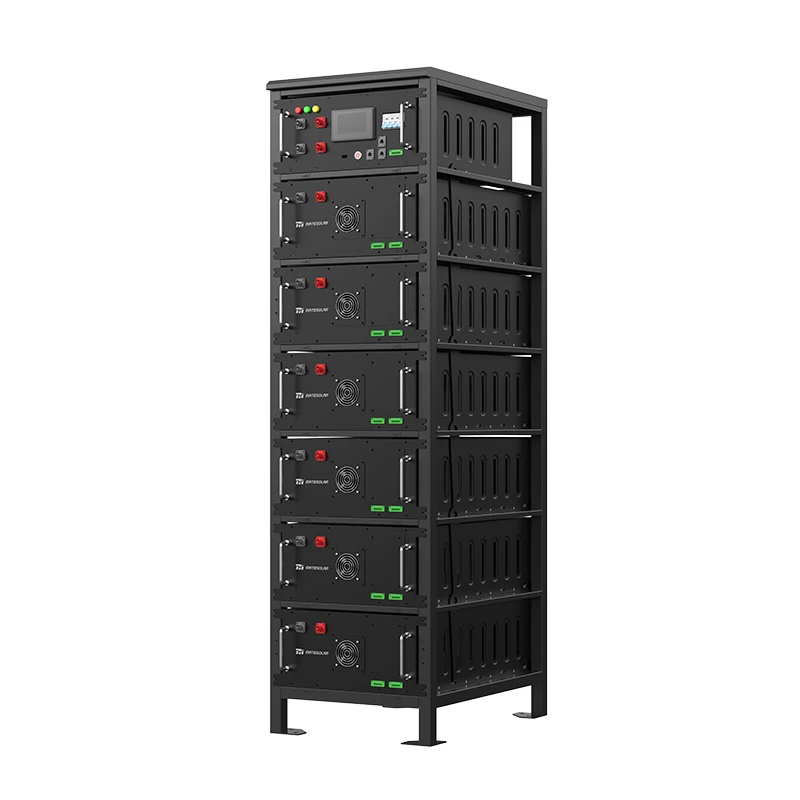
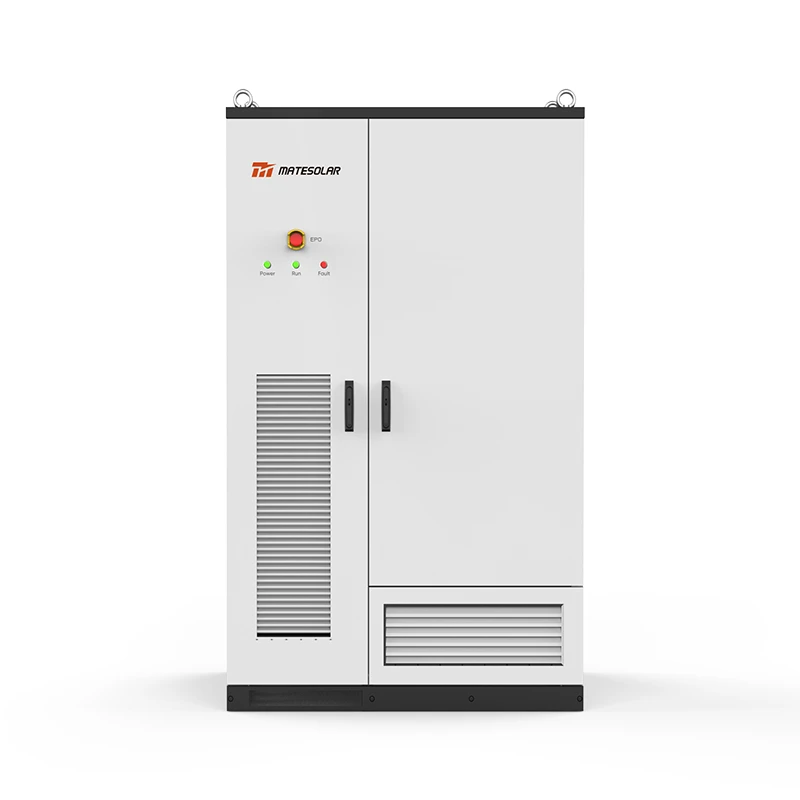
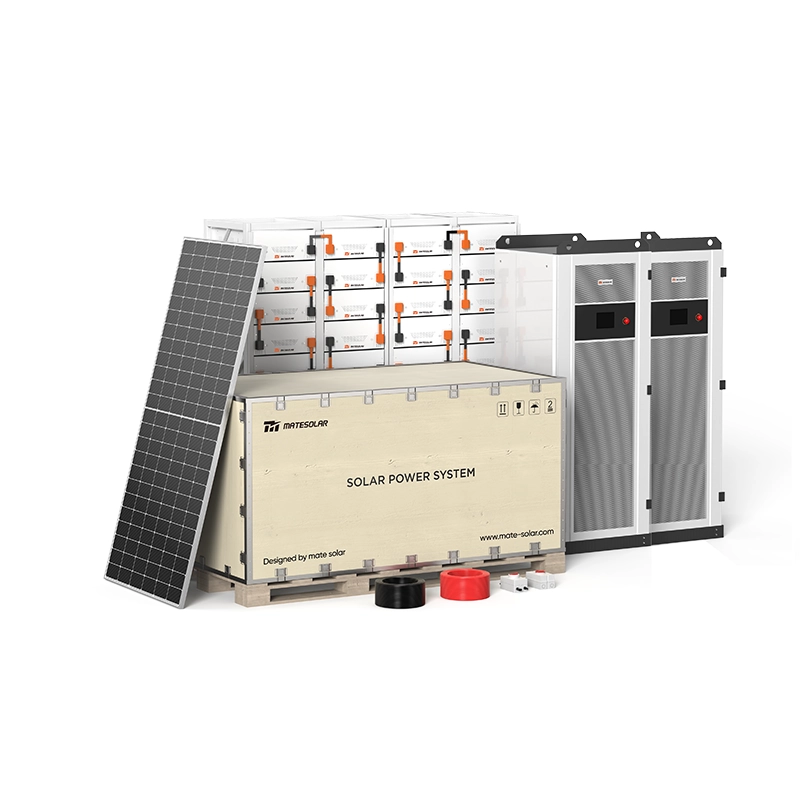
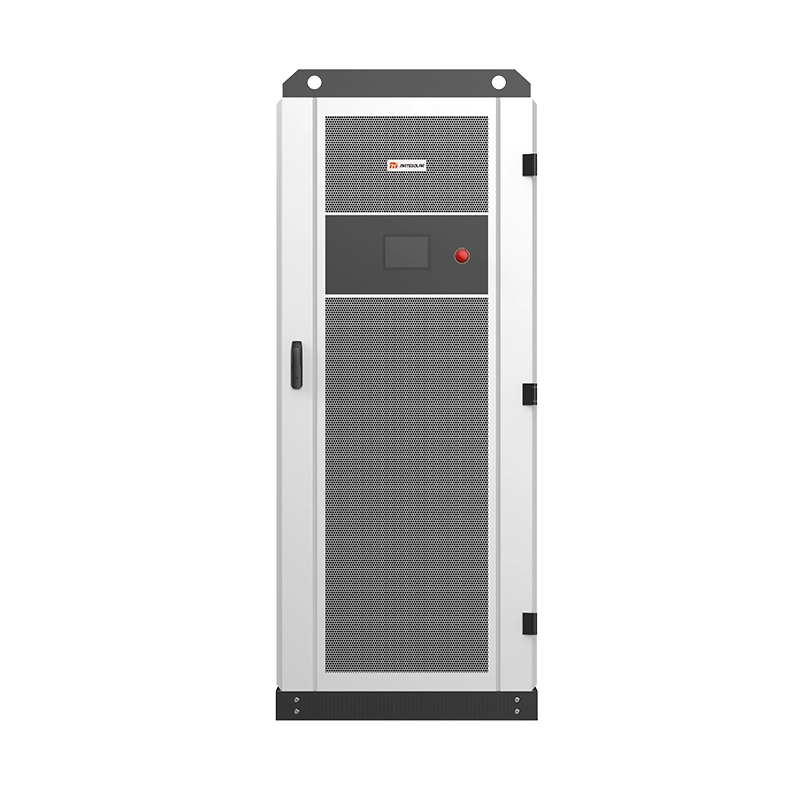
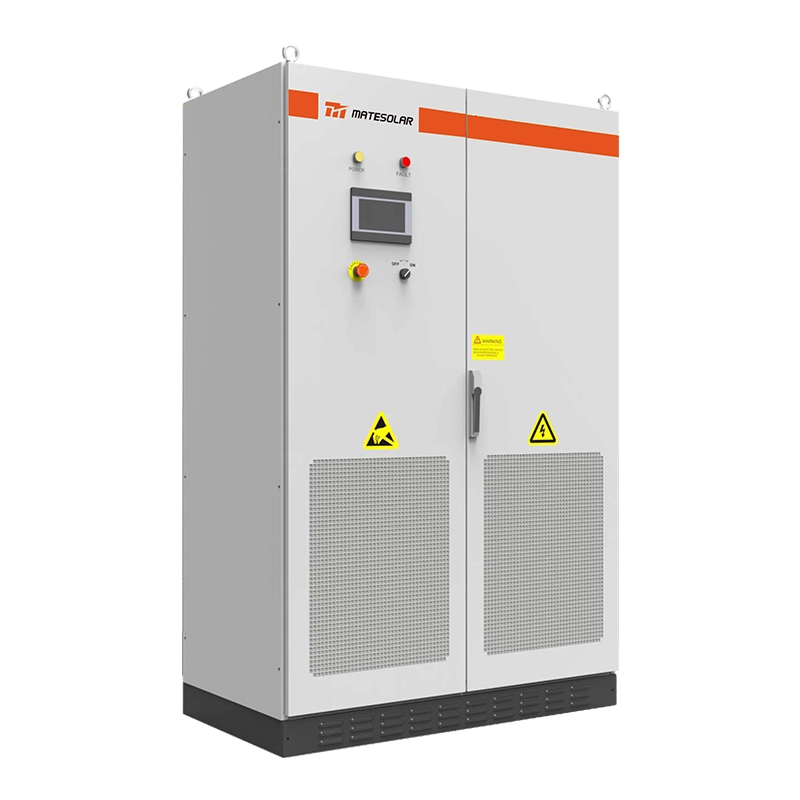
Рішення Spotlight: Для підприємств, які оцінюють промислові гібридні архітектури, Комерційна гібридна сонячна система потужністю 500 кВт забезпечує перевірену на практиці силову мережеутворену здатність з модульною масштабованістю від 500 кВт до конфігурацій на кілька мегават.
РОЗДІЛ 3: Проблема № #2 — EPC-компанії, розробники проектів та незалежні виробники електроенергії (IPP)
Основна проблема: Навігація за обов'язковим мандатом на зберігання потужністю 975 МВт з мінімізацією ризику контрагента ENEE
Для EPC-компаній, розробників проєктів та незалежних виробників електроенергії, які готують заявки на тендер потужністю 1,5 ГВт, подвійні виклики є очевидними: реалізація технічно відповідних проєктів відновлюваної енергетики з інтегрованими системами зберігання та структурування фінансових домовленостей, які витримають нерегулярні платежі з боку ENEE.
3.1 Технічна відповідність вимогам директиви 65% щодо зберігання енергії з відновлюваних джерел
Вимога тендеру щодо 975 МВт розподіленої потужності, яка має бути відновлюваним джерелом генерації з накопичувачами, є недвозначною. Розробники повинні продемонструвати інтеграцію накопичувачів на етапі подання заявки, а не як подальший крок.
CREE опублікував детальні технічні вимоги до приєднання сховища, що базуються на специфікаціях Amarateca BESS та подальших дослідженнях моделювання PSSE. Основні вимоги включають:
- Тривалість: Мінімальна місткість зберігання 4 години при номінальній вихідній потужності;
- Час відповіді: 50–100 мілісекунд для регулювання частоти;
- Відповідність кодексу мережі: Здатність до проходження провалів напруги/несправностей відповідно до специфікацій CND;
- Телеметрія: Зв'язок у реальному часі з SCADA-системами CND;
- Координація захисту: Налаштування реле перевірено за допомогою досліджень енергосистеми.
Стандартизовані рішення з сонячної енергії та накопичувачів, які можна повторювати на різних об’єктах, надають перевагу над індивідуальними інженерними рішеннями для кожної заявки.
3.2 Банківська прийнятність та міжнародна сертифікація
Міжнародні кредитори, включаючи IDB, CABEI, EIB та інституції розвитку з Європи та Азії, стають все більш активними в Гондурасі, але всі вимагають доведеного технічного зниження ризиків. Для обладнання BESS це означає наявність специфічних сертифікацій.
Таблиця 3: Обов'язкові сертифікати BESS для міжнародного фінансування
| Сертифікація | Сфера | Застосовний стандарт |
| UL 9540 | Завершення безпеки ESS для ринку Північної Америки | Системи рівня, що включає UL 1973 + UL 1741 |
| УЛ 9540А | Тестування розповсюдження термічного розгону | Комірка → Модуль → Блок → Рівні встановлення |
| UL 1973 | Безпека акумуляторної системи | Акумуляторні блоки та модулі LFP |
| IEC 62619 | Безпека промислових літієвих батарей | Міжнародний стандарт для стаціонарних сховищ |
| IEC 62933 | Безпека енергосистеми, підключеної до мережі | Встановлення та експлуатація системи |
Міжнародні органи стандартизації
UL 9540 охоплює всю систему зберігання енергії — акумуляторні модулі, системи перетворення потужності та системи керування — і є еталонним стандартом, визнаним фінансовими установами в Північній та Латинській Америці. Тестування за UL 9540A забезпечує валідацію на рівні встановлення щодо стримування термічного розгону та пожежної безпеки, що особливо важливо для BESS, розташованих поблизу зайнятих територій або критично важливої інфраструктури.
Для EPC та розробників, зазначення сертифікованого обладнання від постачальників з усталеною репутацією в Латинській Америці є найефективнішим засобом прискорення затвердження фінансування та зниження вартості капіталу.
3.3 20-річні гарантії продуктивності за моделями BOO/BOT
Тендерні закупівлі, ймовірно, будуть здійснюватися за моделями BOO (будівництво-володіння-експлуатація) або BOT (будівництво-експлуатація-передача) з 20-річними угодами про купівлю електроенергії (PPA). Це вимагає від постачальників систем зберігання енергії (BESS) надавати довгострокові гарантії ефективності, що охоплюють:
- Гарантія пропускної здатності енергії: Мінімальна кількість МВт·год, доставлена протягом терміну дії контракту.;
- Гарантія ефективності в обидва боки: Розклад деградації RTE протягом життєвого циклу системи;
- Гарантія на спад ємності: Збереження продуктивності наприкінці терміну експлуатації (зазвичай 70–80% на 20-му році);
- Доступність системи: Відсоток часу роботи без урахування запланованого обслуговування;
- Дотримання часу відповіді Деградація характеристик відгуку з часом.
Гарантії продуктивності, на відміну від гарантій доступності, вимірюють, наскільки добре система фактично працює під час експлуатації, зосереджуючись на збереженні потужності, ефективності та виході енергії. Продавці додатково повинні пропонувати довгострокові угоди про обслуговування (LTSA), які включають дистанційний моніторинг та планове профілактичне обслуговування як стандартні включення.
Для EPC, що працюють без місцевих монтажних команд в Гондурасі, практична модель підтримки добре налагоджена: для великих комунальних проектів інженери з введення в експлуатацію виїжджають на об'єкт для початкового монтажу та перевірки підключення до мережі. Для апаратних проблем під час експлуатації стандартною є заміна на рівні компонентів авіаперевезенням плюс дистанційне керівництво установкою, з повною заміною продукту, запропонованою для підтверджених виробничих дефектів.
3.4 Зменшення ризиків оплати ENEE: рішення з фінансового інжинірингу
Проблема заборгованості перед ENEE у розмірі $655 мільйонів є реальною, задокументованою на найвищих рівнях AHER і активно вирішується різними шляхами. Однак забудовники не можуть просто чекати на її вирішення, перш ніж брати участь у тендері.
Практичні механізми зниження ризиків для поточних учасників торгів:
1. Ескроу та акредитивні структури: ППФ, структуровані з механізмами забезпечення платежів, включаючи підтверджені безвідкличні акредитиви (LC) від міжнародних банків та багатотраншові ескроу-рахунки, що фінансуються безпосередньо з надходжень від кінцевих користувачів, а не з корпоративної казначейської діяльності.
2. Кредитне поліпшення, підтримане донорами ЄІБ, CABEI та IDB розробляють механізми структурованого фінансування, в рамках яких багатосторонні гарантії покривають частину (зазвичай 30–50%) платіжних зобов’язань ENEE за новими договорами про купівлю електроенергії (PPA).
3. Факторинг рахунків та страхування дебіторської заборгованості Сторони, які купують рахунки-фактури ENEE зі знижкою (зазвичай 85–95% від номінальної вартості) з положеннями про право регресу або полісами кредитного страхування, що покривають політичні та комерційні ризики.
4. Номінація ППА у твердій валюті: Визначити PPA в доларах США з механізмами коригування обмінного курсу для усунення ризику девальвації лемпіри.
5. Моделі агрегації віртуальних електростанцій: Для портфелів менших проєктів, об'єднуючи генерацію з кількох об'єктів та укладаючи угоди безпосередньо з надійними комерційними споживачами, оминаючи ENEE, де це дозволяє доступ до розподільчої мережі.
Керівництво AHER чітко заявило щодо відновлення довіри інвесторів: “якщо це питання буде виправлено, інвестиції повернуться; якщо ні, ми продовжимо втрачати регіональну конкурентоспроможність”. Виправлення в процесі, але розробники не повинні вважати його завершеним. Поточні учасники тендеру повинні враховувати ризик контрагента у своїх фінансових моделях та структурувати проекти так, щоб вони залишалися життєздатними навіть за умов затримок платежів.
FAQ 3: Як кредитори розглядають ризик контрагента ENEE для нових проєктів BESS?
Багатосторонні кредитори (ІБР, CABEI, ЄІБ) готові фінансувати проєкти за наявності договірних гарантій. Це включає суверенні гарантії, ескроу-рахунки та інструменти покращення кредитоспроможності. Комерційні кредитори вимагають більш значного зниження ризиків; для забезпечення банкованості проєкти можуть потребувати гарантій установ розвитку (DFI). Ринок зараз перебуває у стані переходу — банковані структури існують, але потребують спеціалізованого юридичного та фінансового структурування.
FAQ 4: Чи реалістичні 20-річні гарантії на роботу систем накопичення енергії (BESS) з огляду на деградацію акумуляторів?
Так, за умови правильної конструкції. Хімічний склад LFP з активним балансуванням елементів та рідинним терморегулюванням забезпечує прогнозований календарний термін експлуатації понад 20 років та циклічний ресурс понад 6 000 циклів при глибині розряду 80%. Гарантія повинна охоплювати збереження ємності (наприклад, ≥70% номінальної ємності на 20-му році експлуатації) та графіки зниження ефективності при циклічних зарядно-розрядних циклах. Гарантії, як правило, не поширюються на випадки грубої недбалості оператора та форс-мажорних обставин, але в інших випадках є повністю обов’язковими до виконання завдяки положенням про штрафні санкції.
РОЗДІЛ 4: Проблема #3 — користувачі з галузей промисловості та індустрії, готельного бізнесу, холодового ланцюга та сільського господарства
Основна проблема: стрімке зростання тарифів та обмеженість простору за високих температур і вологості
Для малих та середніх підприємств — готелів, ресторанів, холодильних складів, супермаркетів, підприємств харчової промисловості та сільськогосподарських господарств — прогнозоване на кінець 2026 року потенційне підвищення тарифів на електроенергію 20% становить пряму загрозу для операційної рентабельності. На відміну від великих промислових споживачів з власним інженерним персоналом, ці підприємства потребують готових рішень, які є безпечними, компактними та забезпечують підтверджену рентабельність інвестицій.
4.1 Надійність в умовах тропічного кліматичного стресу
У Гондурасі середня температура протягом року становить 25–32 °C (77–90 °F), а відносна вологість повітря часто перевищує 80%. Прибережні та низовинні райони стикаються з додатковими проблемами: корозією від солоного туману, високою ймовірністю утворення конденсату та регулярними грозами.
BESS, розгорнута в цих умовах, потребує:
- Рейтинг захисту від проникнення (IP) IP65 або вище: Повний захист від проникнення пилу плюс захист від струменів води низького тиску з будь-якого напрямку. Цей рейтинг є обов'язковим для захисту від тропічних злив та очищення струменем води.
- Точне теплове керування: Системи рідинного охолодження підтримують перепад температур на рівні окремих комірок у межах 3 °C, що подовжує термін експлуатації на 15–20% порівняно з конструкціями з повітряним охолодженням, які працюють за високих температур навколишнього середовища. Для систем, що встановлюються у відкритих шафах, вбудована система опалення, вентиляції та кондиціонування повітря (HVAC) з функцією контролю конденсації є обов’язковою умовою.
- Захист від корозії: Морські покриття (класу C5-M або еквіваленту) для прибережних установок, що особливо важливо для об'єктів у Ла-Себі, Пуерто-Кортесі та на островах Бей.
- Захист від перенапруги: Тип 1+2 захисту від перенапруг з обох сторін змінного та постійного струму для протистояння наслідкам удару блискавки, поширеним під час сезону дощів з травня по листопад.
Очікувана тривалість проектування: Належним чином сконструйовані зовнішні шафи в умовах Гондурасу повинні забезпечувати 10+ років надійної роботи з обслуговуванням на рівні компонентів та 15+ років для преміальних систем із рідинним охолодженням.
4.2 Компактний розмір і пожежна безпека UL9540A
Власники готелів та керівники супермаркетів, зрозуміло, стурбовані розміщенням літій-іонних акумуляторних систем поблизу заселених зон. Рішення складається з трьох частин.
Перш за все, хімія. Акумулятори LFP (літій-залізо-фосфатні) забезпечують внутрішню термічну стабільність, перевершуючи аналоги NMC (нікель-марганець-кобальт). Комірки LFP не зазнають термічного розгону до приблизно 270°C, порівняно з 150–180°C для NMC, і виділяють значно менше кисню під час теплових подій.
Друге, валідація UL9540A. Тестування UL9540A на рівнях комірки, модуля, блока та установки демонструє, що термічний розгін в одній комірці не поширюється на сусідні комірки, модулі чи корпус. Системи, що пройшли UL9540A, можуть безпечно встановлюватися в зайнятих будівлях за умови дотримання вимог NFPA 855 щодо відстані та шляхів евакуації.
По-третє, компактна інтегрована конструкція. Сучасні зовнішні шафи досягають щільності потужності, що вимагає лише 1,4–2,5 квадратних метрів площі на 100 кВт номінальної потужності. Це дозволяє розміщувати їх біля зовнішніх стін будівель, на плоских дахах або у визначених зонах для обладнання, а не займати цінний торговий чи операційний простір.
Перелік заходів пожежної безпеки для систем накопичення енергії C&I:
- Пожежогасіння на рівні блока (окремого модуля батареї) (перфторгексанон або еквівалент)
- Виявлення газу з автоматичним запуском вентиляції
- Дефлаграційна панель для скидання тиску
- Трирівневий захист (комірка → модуль → система)
- Дистанційний моніторинг з попереднім сповіщенням про тривогу
- Дотримання вимог NFPA 855 щодо відстані та максимальних лімітів енергії
4.3 Економіка дизельних двигунів в умовах поточного ринку
Станом на квітень 2026 року ціни на дизельне паливо в Гондурасі перевищили $1,325 доларів США за літр, що зумовлено коливаннями світових цін на нафту та внутрішніми логістичними витратами. Для готелю, який експлуатує дизельний генератор потужністю 200 кВА протягом 8 годин щодня в періоди нестабільності електромережі, лише щорічні витрати на паливо є значними, не враховуючи витрати на технічне обслуговування генератора, заміну масла та капітальний ремонт.
Порівняння: тільки мережа, дизель і сонячна енергія + система накопичення енергії (BESS) для об'єкта з середнім навантаженням 200 кВт
| Витратна складова | Тільки сітка | Тільки дизель | Гібрид "Сонячна енергія + Система накопичення енергії" |
| Річна вартість енергії (200 кВт × 24 × 365) | 385, 440@0.22/кВт-год | 1,070,000+(паливо@1,325/л, ККД 35%) | $ 80 000 – 120 000 (композиція сітки) |
| Генератор OPEX | Н/Д | 1TP4 25 000 – 40 000 на рік | $ 5 000 – 10 000 на рік |
| Сонячна+BESS капітальна амортизація (10 років) | Н/Д | Н/Д | $ 60 000 – 90 000 на рік |
| Загальна річна вартість | $385, 440 | $1,095,000+ | $ 145 000 – 220 000 |
*Примітка: Дані для дизельних генераторів розраховані виходячи з коефіцієнта ефективності 3,5 кВт/год на літр дизельного палива, що є стандартним галузевим наближенням для генераторів середнього розміру. Дані про ціни на паливо відображають ринкові умови квітня 2026 року.*
Гібридний сценарій «сонячна енергія плюс BESS» передбачає використання фотоелектричної установки потужністю 400 кВтп, акумуляторної системи BESS ємністю 500 кВт·год та 10-річного терміну окупності капіталу за процентною ставкою 6%. Термін окупності таких систем за поточних тарифних умов становить від 5 до 8 років, після чого об’єкт експлуатується з витратами на електроенергію, що залежать від мережі, на рівні приблизно 60–70%.
FAQ 5: Що станеться, якщо система накопичення енергії (BESS) виявить апаратний дефект? Чи існує підтримка встановлення в Гондурасі?
Для апаратних проблем на рівні компонентів (відмова інвертора, несправність BMS, деградація комірок) модель підтримки передбачає відправку запасних частин авіатранспортом з віддаленим керівництвом зі встановлення. Для підтверджених виробничих дефектів надається повна заміна продукту. Для програмних проблем стандартом є віддалена діагностика та оновлення прошивки. Для великих проектів масштабу комунальних підприємств технічні спеціалісти можуть виїжджати для початкового введення в експлуатацію та перевірки підключення до мережі.
FAQ 6: Чи можна встановити СЕС на даху готелю з обмеженим простором?
Так. Сучасні зовнішні шафи займають 1,5–2,5 м² на 100 кВт — приблизно площу двох стандартних піддонів. Шафа потужністю 100 кВт / 232 кВт зручно розміститься в зоні шахти ліфта готелю або в зоні механічного обладнання. Вимоги до дотримання протипожежних норм (зазвичай 0,9–1,5 м з усіх боків) збільшують загальну площу, але залишаються прийнятними на стандартних дахах комерційних будівель.
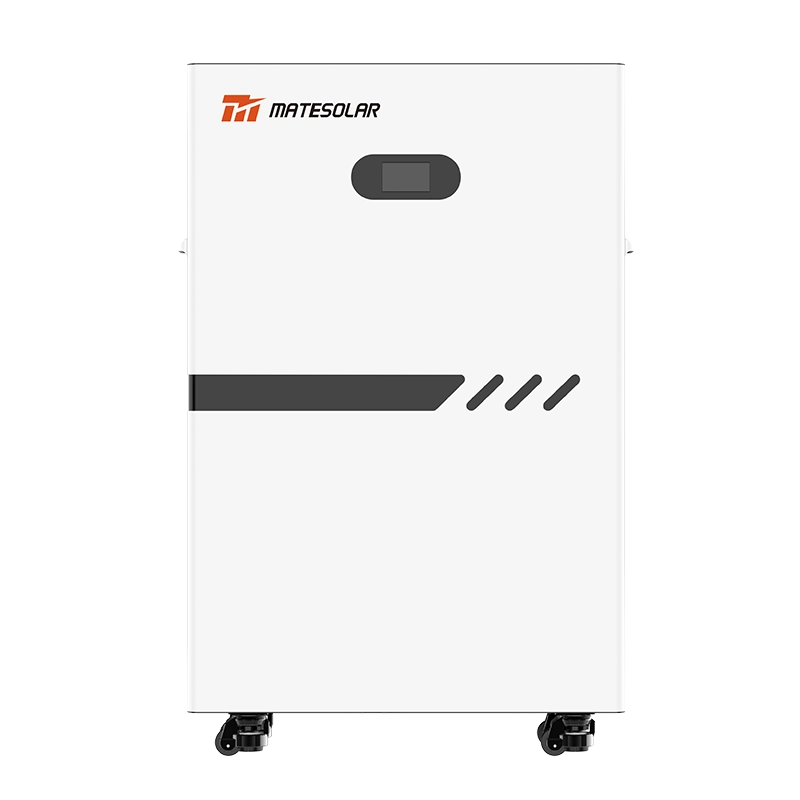
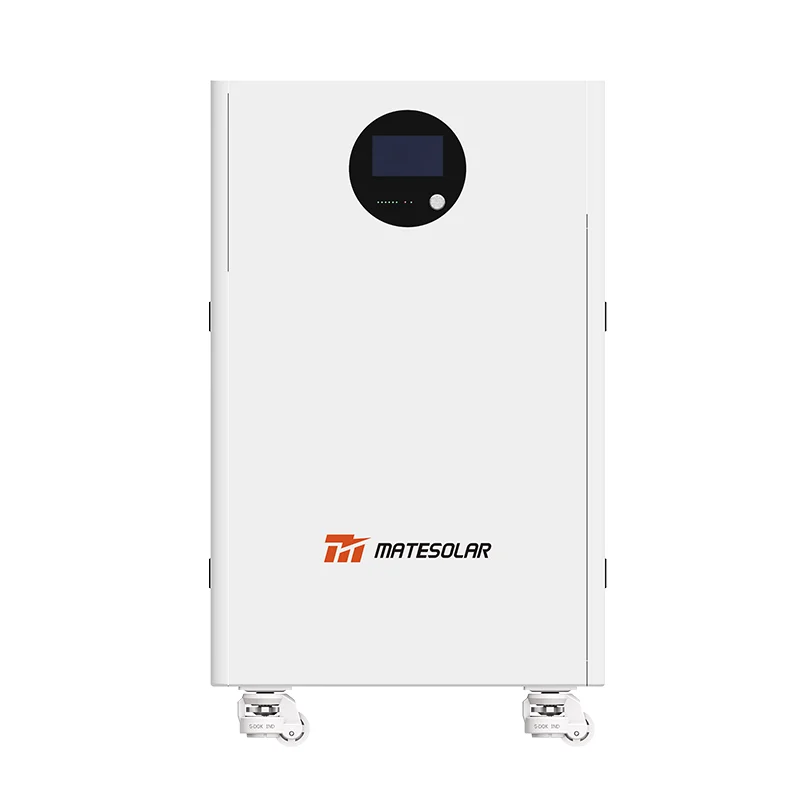
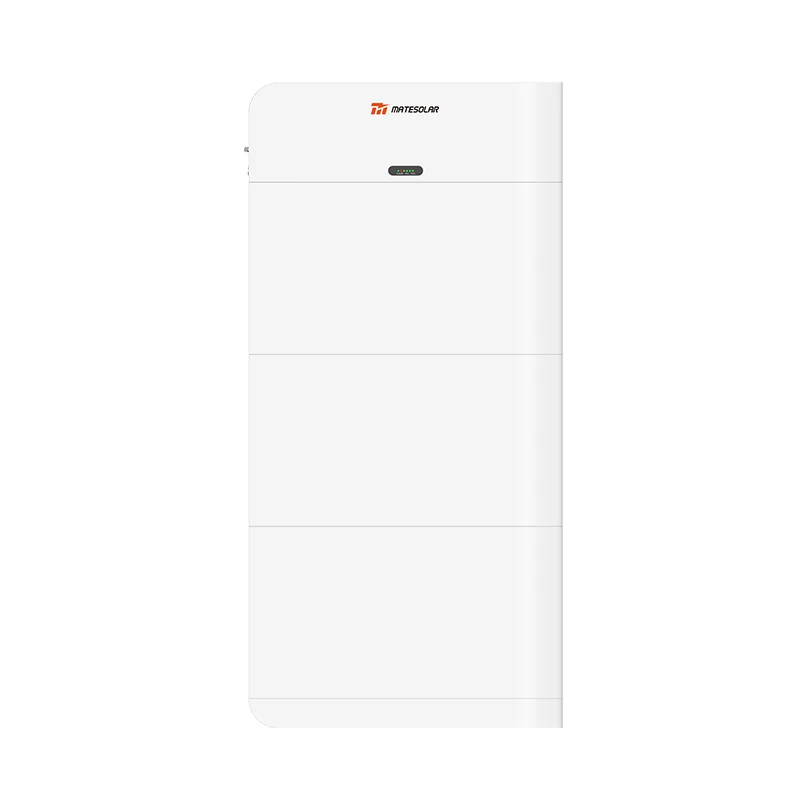
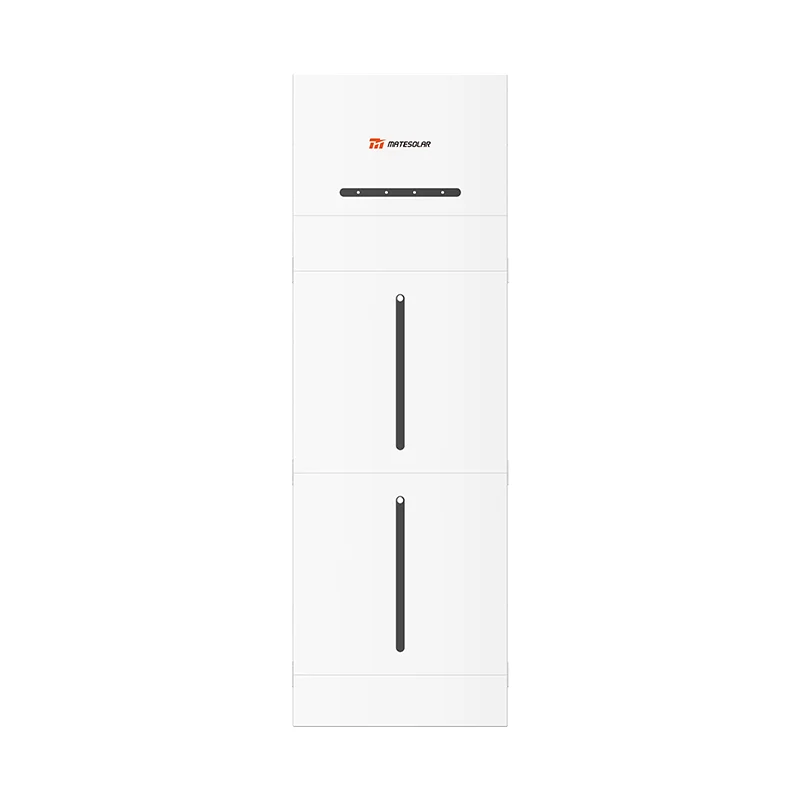
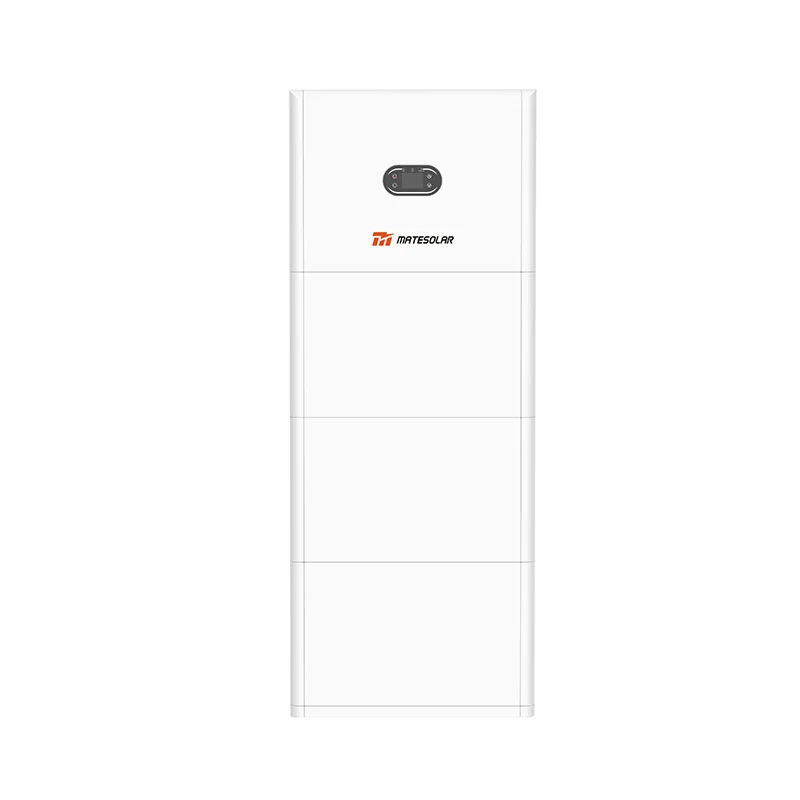
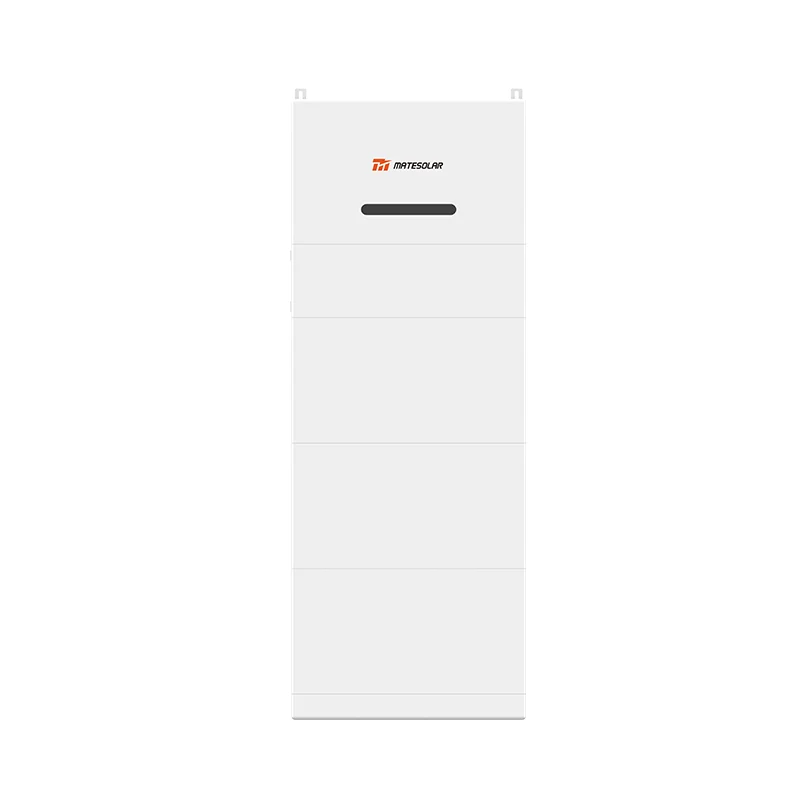
Огляд продукту: Система накопичення енергії у вигляді зовнішнього шафи з рідинним охолодженням потужністю 100 кВт/232 кВт·год та 125 кВт/261 кВт·год надає користувачам C&I захист стандарту IP65, управління температурою на рівні комірок і безпеку, підтверджену UL9540A, для розгортання в комерційних умовах з обмеженим простором.
РОЗДІЛ 5: Проблема #4 — віддалені громади та комерційні кластери, що не підключені до енергомережі
Основна проблема: створення незалежних мікромереж в умовах слабкої чи відсутньої мережі
Гондурас стикається зі значними викликами в доступі до енергії в сільській місцевості, де слабка розподільна інфраструктура та високі технічні втрати роблять розширення мережі економічно невигідним. Комерційні проєкти – еко-курорти, пляжні готелі, гірничодобувні табори, підприємства з переробки сільськогосподарської продукції – у віддалених регіонах потребують стійкості енергосистеми, незалежної від роботи розподільчої мережі ENEE.
5.1 Безперебійне відключення від мережі та здатність автономної роботи
Для туристичних об'єктів на Бей-Айлендс, виробників рому на північному узбережжі або гірничодобувних підприємств у західних високогір'ях, збої в електромережі — це не рідкісні події, а нормальні робочі умови. Об'єкти не можуть дозволити собі час реагування на відновлення роботи після збоїв у сільській місцевості, який зазвичай становить 2–12 годин.
Сучасні мікромережеві системи зберігання енергії (BESS) забезпечують безперебійне перемикання в автономний режим менш ніж за 200 мілісекунд — цього достатньо, щоб запобігти перезавантаженню комп'ютерів, зупинці холодильних компресорів або скиданню логіки промислових контролерів. Можливість «чорного старту» означає, що повністю знеструмлена мікромережа може перезапуститися тільки від акумуляторів, без зовнішнього пускового живлення.
Послідовність керування для автономного острова:
1. Частота мережі відхиляється за межі допустимого діапазону (зазвичай ±2,5 Гц)
2. Статичний перемикач навантаження розмикає з'єднання з мережею протягом 20 мілісекунд
3. Система накопичення енергії (BESS), що формує сітку, розпізнає перехід і встановлює еталонну напругу
4. Загальне навантаження об'єкта переноситься на BESS протягом 80–120 мс
5. Фотоелектрична масив продовжує генерувати (інвертор, що формує сітку, підтримує еталон)
6. Дизель-генератори синхронізуються з референсом BESS і запускаються за потреби
7. СУБ відновить з'єднання з мережею після відновлення стабільності та синхронізації перед передачею.
Уся послідовність є автоматичною і не потребує втручання оператора.
5.2 Багатокроновеческое управління енергосистемою для оптимізації PV+BESS+Diesel
Для автономних систем система управління енергією повинна координувати три джерела живлення: сонячну фотоелектричну систему (найнижча гранична вартість, змінна), акумуляторну систему зберігання енергії (середня вартість, керована) та дизельну генерацію (найвища вартість, надійна). Оптимальна логіка роботи, перевірена на реальних установках Honda, виглядає наступним чином:
Дизельні генератори працюють у трьох режимах. **Перший режим — без використання дизельного палива, коли фотоелектрична система та система акумулювання енергії (BESS) повністю покривають навантаження. Другий режим — режим мінімального часу роботи, коли дизельний генератор працює 2–4 години на добу при оптимальному навантаженні (зазвичай 60–80 % номінальної потужності) для підзарядки акумуляторів, якщо вироблення сонячної енергії було недостатнім. Третій режим — режим безперервної роботи дизельного генератора**, коли дизельний генератор працює цілодобово, якщо система BESS або фотоелектрична система недоступні.
Приклад мікромережі в Гондурасі на острові Гуанаха: фотоелектрична установка потужністю 600 кВтп у поєднанні з акумуляторною батареєю LFP ємністю 576 кВт·год та дизельним резервним джерелом живлення потужністю 3 184 кВА дозволила скоротити час роботи дизельного генератора на понад 85%, забезпечивши при цьому час безперебійної роботи на рівні 99,9%.
Оптимальний порядок логіки диспетчеризації для системи управління енергоспоживанням (EMS) автономної мікромережі:
1. Сонячна фотоелектрична система забезпечує все можливе навантаження протягом денних годин
2. Плата за надлишок генерації сонячної енергії заряджає BESS до повного
3. Якщо сонячної енергії недостатньо, система зберігання енергії (BESS) розряджається для покриття дефіциту
4. Коли рівень заряду акумуляторної системи (BESS) досягає мінімального значення (20–30%), дизельний(і) генератор(и) запускається(ються) і працює(ють) з оптимальною ефективністю, одночасно заряджаючи акумуляторну систему (BESS)
5. Коли рівень заряду акумуляторної батареї BESS досягає 80–90%, дизельні генератори зупиняються (або їх кількість зменшується до одного, якщо навантаження все ще перевищує потужність фотоелектричних систем)
6. Повторювати цикл щодня
Логіка керування вимагає перегляду прогнозу на один-два секунди на основі історичних кривих навантаження, поточного сонячного випромінювання та стану акумулятора.
5.3 Конструкційна цілісність для зон ураження ураганами та сейсмічних зон
Гондурас розташований у басейні Атлантичного океану, де відбуваються урагани (червень-листопад), а також уздовж активних сейсмічних розломів, пов'язаних з межею Карибської плити. BESS, що встановлюється на відкритому повітрі, повинен витримувати:
- Навантаження від вітру: мінімальний сталий вітер 28 метрів на секунду (100 км/год), з проектною потужністю знесення, що перевищує 45 м/с (160 км/год) для прибережних установок у зонах, схильних до ураганів. Монтажні системи повинні бути спроектовані відповідно до стандартів навантаження від вітру ASCE 7.
- Сейсмічне прискорення 0.3–0.4g пікового прискорення ґрунту для більшості населених пунктів, з вищими значеннями поблизу активних розломів. Шафи потребують сейсмічного кріплення відповідно до IBC або еквівалентних норм.
- Затоплення: Для установок у зонах 50-річних повеней, BESS, розташовані вище проектної позначки повені на піднятих платформах або основах обладнання, з корпусами NEMA 4X/IP66 для уникнення роботи в умовах затоплення (не занурення).
Будівельний контрольний список для віддалених систем зберігання енергії (BESS) в умовах Гондурасу:
- Структурний IBC або ASCE 7, сертифікований для вітрового та сейсмічного навантаження
- Захист від корозії C5-M для прибережних середовищ
- Сертифікація рівня повені для місць у визначених зонах затоплення
- Системи блискавкозахисту (зовнішні повітряні термінали та грозозахисні розрядники)
- Заземлення відповідно до IEEE 80 для високого опору ґрунту (поширене в гірських районах)
FAQ 7: Чи може віддалений еко-курорт працювати повністю на сонячних батареях + BESS без дизельного резервного живлення?
Так, але з певними умовами. Система повинна включати великогабаритні фотоелектричні панелі (PV) та накопичувачі енергії для покриття найгірших сценаріїв погоди (кілька днів поспіль з низькою сонячною активністю). Для більшості комерційних застосувань дизельне паливо залишається глибоким резервом (працює 5-50 годин на рік), а не основним джерелом живлення. Чиста сонячна енергія + BESS (система накопичення енергії) без будь-якого резервного джерела на основі спалювання можлива для навантажень, які допускають обмеження, але не рекомендується для критично важливих систем охолодження чи основних систем об'єктів без значного збільшення потужності (у 3-5 разів від нормальної місткості накопичувача).
FAQ 8: Як довго служить шафа BESS, встановлена на шлакоблок, під впливом солоного морського бризу?
Шафи зі ступенем захисту IP65 та антикорозійним захистом C5-M: 15–20 років до заміни корпусу. Електронні компоненти (інвертори, плати BMS) зазвичай мають менший термін служби — 10–15 років у прибережних умовах — і повинні бути оснащені конформним покриттям на друкованих платах. Щорічне профілактичне обслуговування, що включає очищення контактів та перевірку на корозію, є стандартом для всіх прибережних установок.
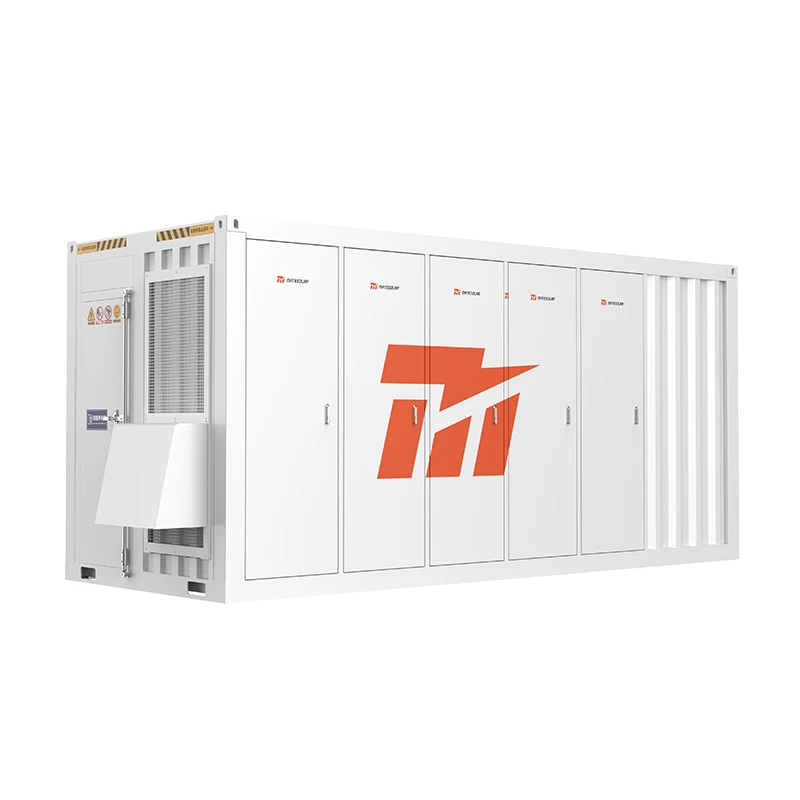
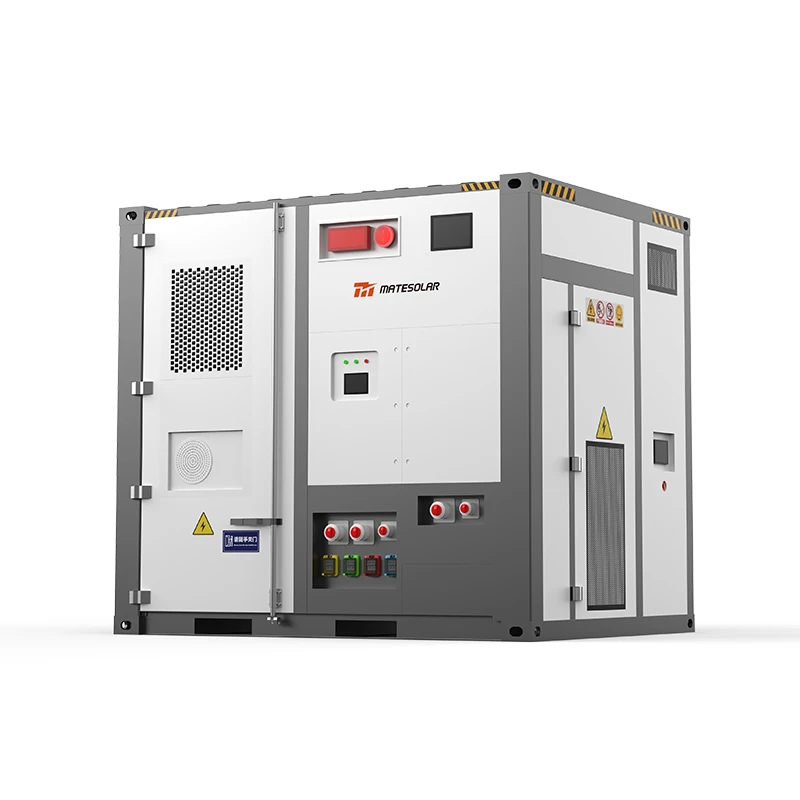
Огляд продукту: 40-футовий 1 МВт·год 2 МВт·год контейнерний енергоблок з повітряним охолодженням надає готові контейнерні рішення для зберігання енергії для великомасштабних комунальних та автономних систем, тоді як 20-футовий контейнерний накопичувач енергії з рідким охолодженням 3 МВт/год 5 МВт/год пропонує високощільне зберігання енергії для мережевих та віддалених установок, що вимагають тривалого запасу потужності.
РОЗДІЛ 6: Технічні довідкові таблиці та листи даних
Таблиця 4: Матриця сертифікації BESS для Латинської Америки (Значення для Гондурасу)
| Стандартний | Регуляторний орган | Обсяг сертифікації | Актуальність для тендеру на 1,5 ГВт |
| UL 9540 | UL (США) | Завершення безпеки системи ESS | Високий — вимагається більшістю міжнародних кредиторів |
| УЛ 9540А | UL (США) | Поширення термічного розгону | Високий — Установки в зайнятих будівлях |
| UL 1973 | UL (США) | Безпека акумуляторних блоків/модулів | Високий — Перевірка безпеки елементів живлення |
| IEC 62619 | МЕК | Безпека промислових літієвих батарей | Високий — Міжнародний стандарт для стаціонарних сховищ |
| IEC 62933 | МЕК | Безпека енергосистеми, підключеної до мережі | Середовище — Вимоги до встановлення та експлуатації |
| НФПА 855 | НФПА (США) | ESS встановлення пожежний кодекс | Середнє — Вимоги до монтажних проміжків/евакуації |
| ООН 38.3 | ООН | Транспортування літієвих батарей | Високий — Обов'язково для всіх авіа/морських вантажів |
| IEEE 1547 | ІЕЕЕ | Підключення до мережі | Високий — Відповідність коду мережі для CND |
Таблиця 5: Модель витрат на розгортання BESS в Гондурасі (USD/кВт·год, 2026)
| Компонент/Метрика | Малі C&I (<500 кВт-год) | Середнє C&I (500–2 000 кВт·год) | Масштабні (>10 МВт·год) |
| Акумуляторні елементи (LFP, доставлені) | $115 – 135/кВт·год | $100 – 120/кВт·год | $85 – 105/кВт·год |
| BMS + EMS (встановлено) | $50 – 70/кВт·год | $30 – 50/кВт·год | $20 – 35/кВт·год |
| Інвертор/ДПП (встановлений) | $80 – 120/кВт | $60 – 90/кВт | $45 – 70/кВт |
| Огорожа + монтаж | $40 – 60/кВт·год | $30 – 45/кВт·год | $20 – 35/кВт·год |
| Інженерія, дозволи, вантаж | $30 – 50/кВт·год | $20 – 35/кВт·год | $15 – 25 за кВт·год |
| Загальні капітальні витрати (USD/кВт-год) | $315 – 435/кВт·год | $200 – 300/кВт·год | $185 – 270/кВт·год |
*Примітки: Вартість включає лише акумуляторну систему (BESS), без урахування сонячних фотоелектричних модулів (зазвичай до вартості фотоелектричних модулів додається $400–600/кВтп). Ціни на LFP-елементи відповідають кон’юнктурі світового ринку станом на квітень 2026 року з урахуванням доставки до Пуерто-Кортеса. Елементи NMC мають приблизно на 15–20% нижчі капітальні витрати (CAPEX), але коротший термін експлуатації. Витрати на допоміжне обладнання (BOS) вищі для віддалених місцевостей без доступу до кранів або асфальтованих доріг. Встановлення на вежах/телекомунікаційних майданчиках додає 25–35% через логістичні обмеження.*
Таблиця 6: Порівняльна таблиця комерційних продуктів BESS
| Виробнича лінія | Номінальна потужність | Діапазон потужності | Охолодження | Ступінь захисту | Основне застосування |
| Комерційний 500 кВт гібридний | 500 кВт | 1 000–2 000 кВт·год (конфігурується) | Рідинне охолодження | Стандарт IP54, опціонально IP65 | Індустріальні парки, виробництво, гібридні мікромережі |
| 100кВт/232кВт-год Зовнішній Шафа | 100 кВт / 125 кВт | 232 кВт·год / 261 кВт·год | Рідинне охолодження | IP65 + C5-M корозія | Гостиниці, супермаркети, холодильні камери, C&I |
| 40-футовий контейнер з повітряним охолодженням | До 1 МВт на одиницю | 1–2 МВт·год на контейнер | Примусове повітря з ОВК | IP54 | Віддалені мікромережі, будівельні майданчики, тимчасове живлення |
| 20-футовий контейнер з рідинним охолодженням | До 1,5 МВт на одиницю | 3–5 МВт·год на контейнер | Рідинне охолодження | IP55 | Масштабні, великі промислові, підтримка мережі |
Виробничі специфікації та дані випробувань третьою стороною
РОЗДІЛ 7: Поширені запитання (Вичерпно)
FAQ 9: Чи можна інтегрувати наявні дизельні генератори з новими системами накопичення енергії (BESS)?
Так. Стандартні гібридні контролери мікромереж включають інтерфейси для запуску/зупинки дизельних генераторів, їх роботи з оптимальним навантаженням та паралельного підключення BESS до виходу дизельного генератора. Інтеграція дизельного генератора + BESS також може бути реалізована за допомогою універсального контакту, використовуючи сигнали 4–20 мА, у багатьох випадках не вимагаючи модифікації контролера генератора.
FAQ 10: Як розрахувати період окупності для встановлення BESS для комерційних та промислових підприємств в Гондурасі?
Скористайтеся цією спрощеною моделлю: Річна економія = (тариф на електроенергію в мережі – LCOE системи BESS) × (кількість кВт·год, що постачається з акумуляторної системи щодня × 365). Наприклад: тариф 0,22 USD/кВт·год – LCOE системи BESS 0,13 USD/кВт·год = маржа 0,09 USD/кВт·год. Помножте на 400 кВт·год/день × 365 = 13 140 річна економія. Для встановленої системи $100 000 термін окупності становить 7,6 року. Додайте сонячні фотоелектричні панелі, щоб знизити вартість за кВт·год і ще більше прискорити окупність інвестицій.
FAQ 11: Який типовий термін введення в експлуатацію великої промислової системи BESS?
Стандартний термін: Підписання контракту та оплата (1-й місяць), інжиніринг та виробництво, а також заводські приймальні випробування (2–4-й місяць), морські перевезення з Азії через Пуерто-Кортес (5–6-й місяць), митне оформлення та внутрішня логістика (7-й місяць), нагляд за монтажем + місцеве підключення до електромережі, включаючи перевірку відповідності коду мережі (8-й місяць), повне введення в експлуатацію та передача технічної документації (9-й місяць). Прискорені проєкти можна скоротити до 6–7 місяців, використовуючи експрес-доставку та попереднє отримання дозволів.
FAQ 12: Чи надійні китайські виробники LFP-акумуляторів для проєктів у Латинській Америці?
Так, за умови належного забезпечення якості. Кроки перевірки включають незалежні сторонні заводські аудити, тестування продуктивності на зразках елементів перед завантаженням контейнера та перевірку сертифікації UL9540/UL9540A/IEC62619. Ключовим відмінним фактором є не країна походження, а системи якості постачальника, умови гарантії та інфраструктура обслуговування в Латинській Америці. Запросіть наявні великомасштабні референтні проєкти в Латинській Америці та контакти кінцевих користувачів.
FAQ 13: Який телекомунікаційний інтерфейс потрібен для віддаленого моніторингу BESS?
Мінімум: інтернет-з'єднання (дозволяється модем 4G) для хмарного підключення EMS. Деякі системи вимагають дротового підключення Modbus TCP/IP до локальної SCADA. Для дистанційної діагностики несправностей стандартною практикою є віддалений доступ до контролера EMS за допомогою віддаленого робочого столу під час введення в експлуатацію та для постійної підтримки. Усі вхідні з'єднання повинні здійснюватися через ізольований VLAN з автентифікацією на основі сертифікатів, а не за допомогою паролів за замовчуванням.
Питання № 14: Як потенційне підвищення тарифів 20% впливає на економічну ефективність проектів BESS?
Безпосередньо та позитивно. Підвищення тарифу 20% означає зростання комерційного тарифу з 0,22/кВт·год до приблизно 0,264/кВт·год. Якщо припустити, що LCOE системи BESS залишається незмінним, маржа арбітражу відповідно збільшується, скорочуючи терміни окупності на 1–3 роки. Оптимістичний сценарій щодо тарифів на 2026–2027 роки дозволяє багатьом проектам у секторі комерції та промисловості (C&I) досягти позитивного грошового потоку швидше, ніж передбачали попередні інженерні розрахунки.
РОЗДІЛ 8: Дорожня карта впровадження та стратегічні рекомендації
8.1 Негайні дії (квітень–червень 2026 р.)
Промислові енергетичні менеджери повинні завершити профілювання навантаження та моніторинг якості електроенергії, що охоплюють щонайменше один репрезентативний виробничий цикл. Початкові дослідження доцільності слід доручити технічним консультантам з досвідом роботи з BESS в Латинській Америці. IPP повинні підтвердити готовність EPC до тендеру на 1,5 ГВт після остаточного визначення термінів подання заявок.
8.2 Середньостроковий (липень–грудень 2026)
Переговори щодо контрактів та фінансове закриття мають бути завершені для проєктів ранніх послідовників, націлених на вікно введення в експлуатацію 2027–2028 років. Користувачі C&I повинні забезпечити умови PPA для проєктів сонячної енергії плюс BESS, скориставшись переглянутою системою чистого вимірювання в рамках правил Гондурасу щодо власної генерації.
8.3 Довгострокова перспектива (2027–2029)
Усі зацікавлені сторони повинні реалізовувати проєкти для узгодження введення в експлуатацію з припиненням роботи теплової потужності 886 МВт у 2029 році. Тарифи, засновані на потужності, слід відстежувати, оскільки продовжаться щоквартальні коригування CREE. Розширення портфеля на кількох об’єктах слід планувати, оскільки модульні системи досягають стандартизованих специфікацій розгортання.
ВИСНОВОК: Вердикт щодо BESS Гондурасу наприкінці квітня 2026 року
Гондурас у 2026 році демонструє роздвоєний ринок. Для непідготовлених промислових споживачів та забудовників, яким бракує технічних знань, збіг термінів виведення з експлуатації теплових потужностей, невизначеність щодо платежів ENEE та прискорена інфляція тарифів становлять суттєвий ризик. Для тих, хто має відповідні технічні специфікації, фінансові структури та відносини з постачальниками, ті самі умови створюють виняткову можливість.
Тендер на 1,5 ГВт з обов’язковою складовою зберігання 65% не є добровільним. Графік виведення з експлуатації теплових електростанцій потужністю 1 343 МВт не є гнучким. Тариф у розмірі 0,22 за кВт·год, скоригований у бік підвищення протягом двох кварталів поспіль (і ймовірні подальші підвищення), є фактом. Заборгованість ENEE у розмірі 655 мільйонів є реальною, але її вирішують за допомогою багатосторонніх заходів.
Проєкти, які будуть успішними на цьому ринку, матимуть специфічні характеристики: ВЕП з можливістю формування сітки для застосувань заміщення базового навантаження; сертифіковане за UL9540 обладнання, прийняте міжнародними кредиторами; 20-річні гарантії експлуатаційних характеристик для моделей контрактів BOO (будівництво-володіння-експлуатація); зовнішні шафи з класом захисту IP65 для тропічного клімату; системи керування енергією (EMS), що підтримують багатьох постачальників і здатні оптимізувати роботу сонячних електростанцій, ВЕП та дизельних генераторів; а також договірні структури, які зменшують ризики контрагента ENEE через ескроу-рахунки, покращення кредитного рейтингу або прямий комерційний збут.
Інформація та аналіз, представлені в цьому документі, безпосередньо спираються на План розподілу енергії та послуг Grid CND на 2026–2035 роки (PIEG), тарифні заявки CREE за 1-й та 2-й квартали 2026 року, опубліковані умови тендерів ENEE, оголошення про фінансування CABEI та EIB, ринкові коментарі AHER та операційні дані проекту зберігання енергії на 75 МВт/300 МВт-год в Амаратеці — остаточну instalaцію для зберігання енергії в Центральній Америці (BESS).
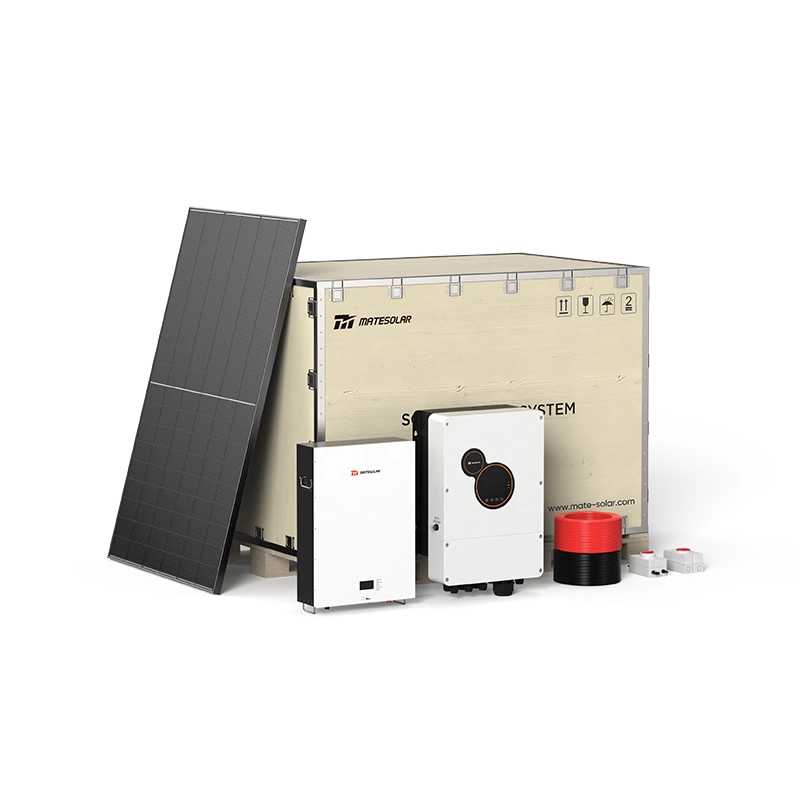
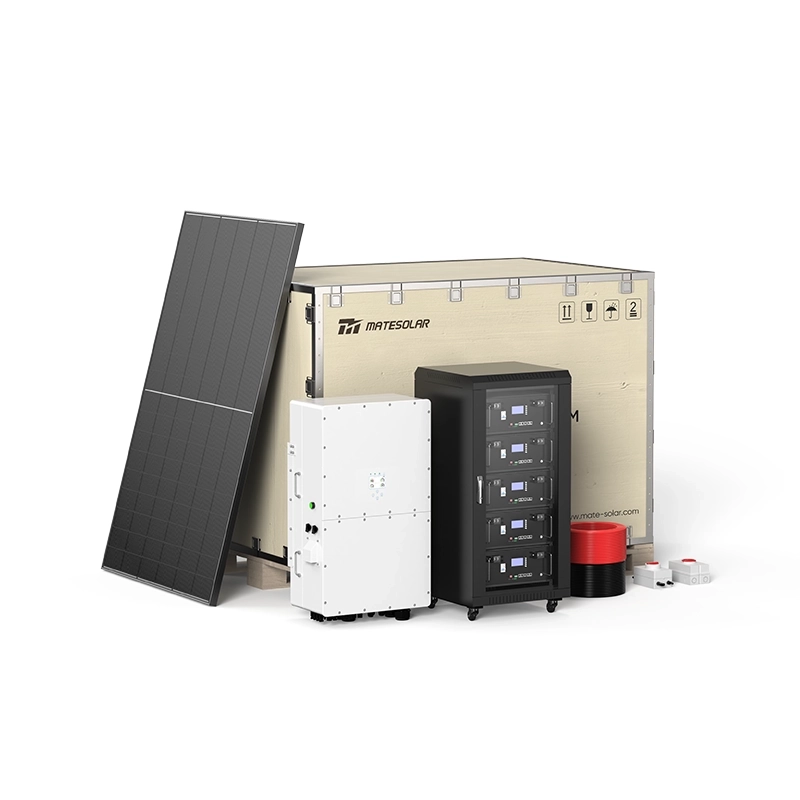
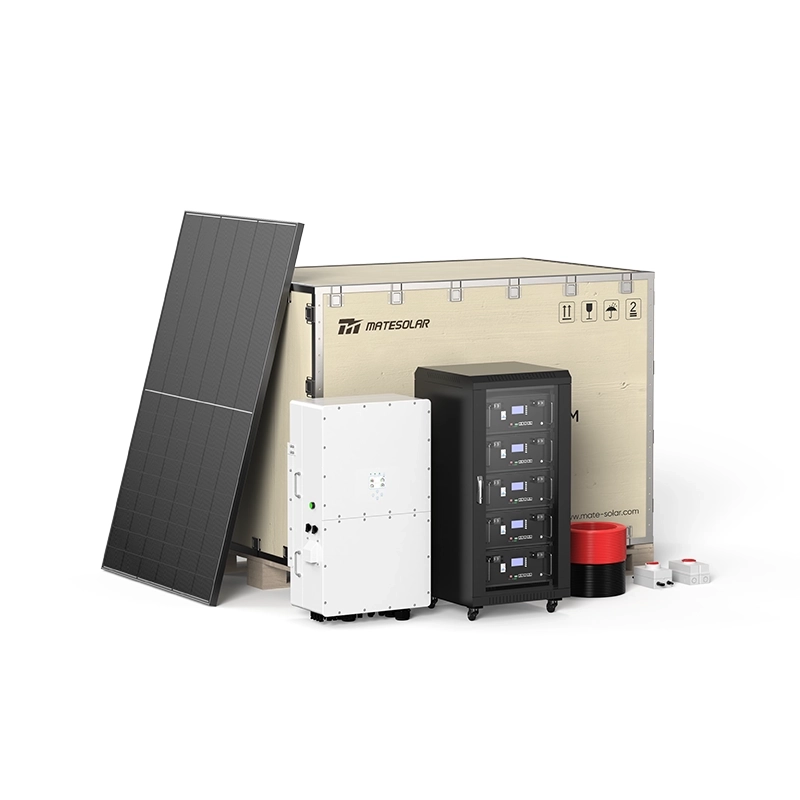
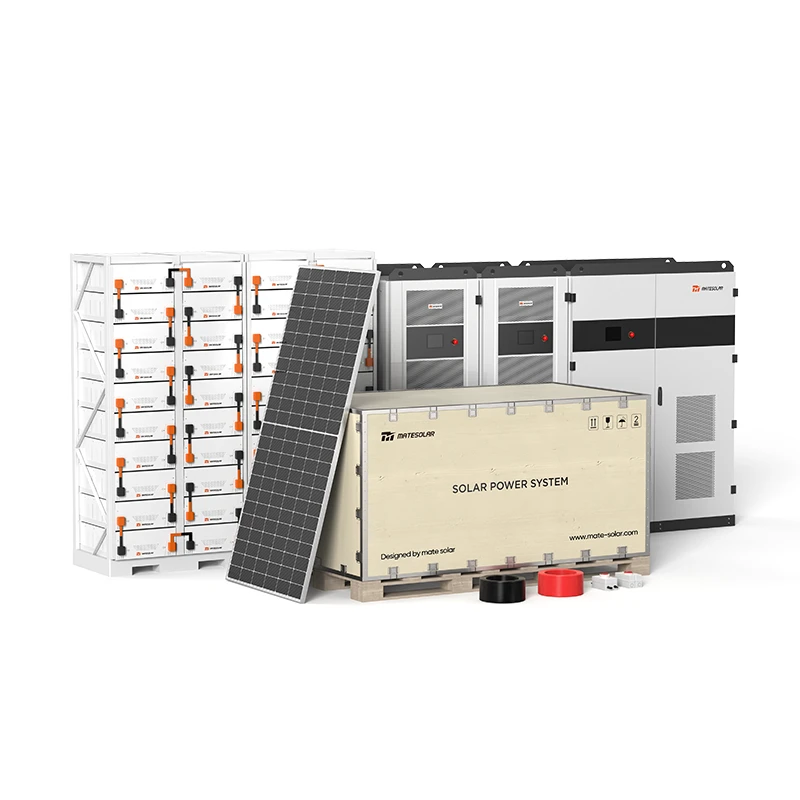
MateSolar пропонує комплексні універсальні рішення сонячної енергії плюс накопичення енергії для всього спектра застосувань в Гондурасі — від промислових систем формування мережі, що замінюють теплову базову потужність, до сертифікованих за UL9540A зовнішніх шаф для арбітражу тарифів C&I, від 40-футових контейнерів з повітряним охолодженням для гірничодобувних таборів до 20-футових контейнерів з рідинним охолодженням для стабілізації потужності комунального масштабу. Відвідайте офіційні сторінки продуктів MateSolar, щоб отримати повні технічні характеристики, інструменти для моделювання фінансування проектів та інформацію про нашу команду розгортання в Латинській Америці. До переходу Гондурасу на нову енергетику залишається 1000 днів до "теплового обриву" — інженерні та закупівельні рішення, прийняті сьогодні, визначатимуть, які об’єкти ще будуть працювати у 2030 році.