













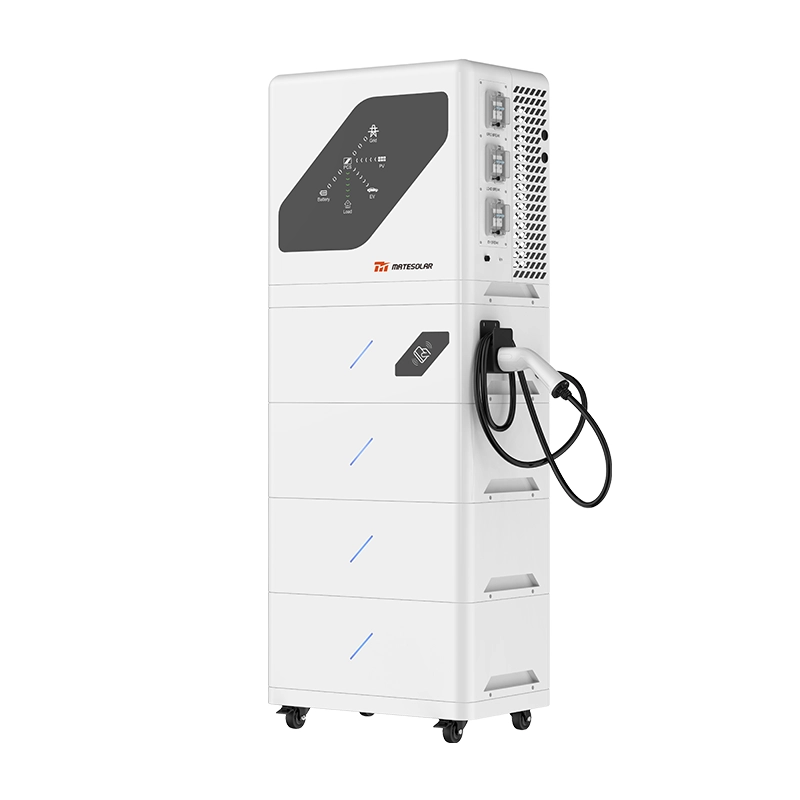
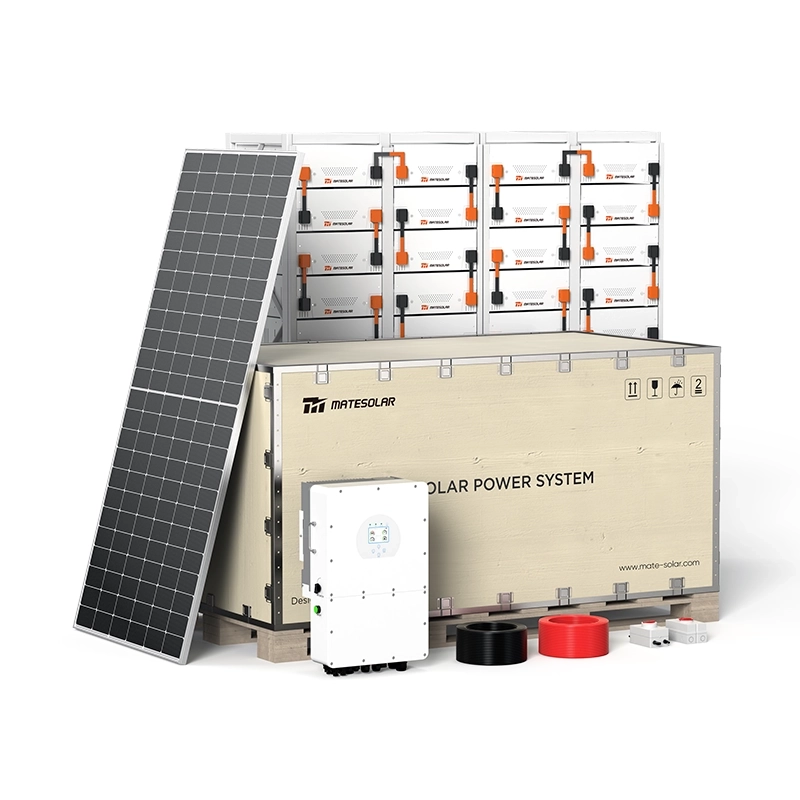
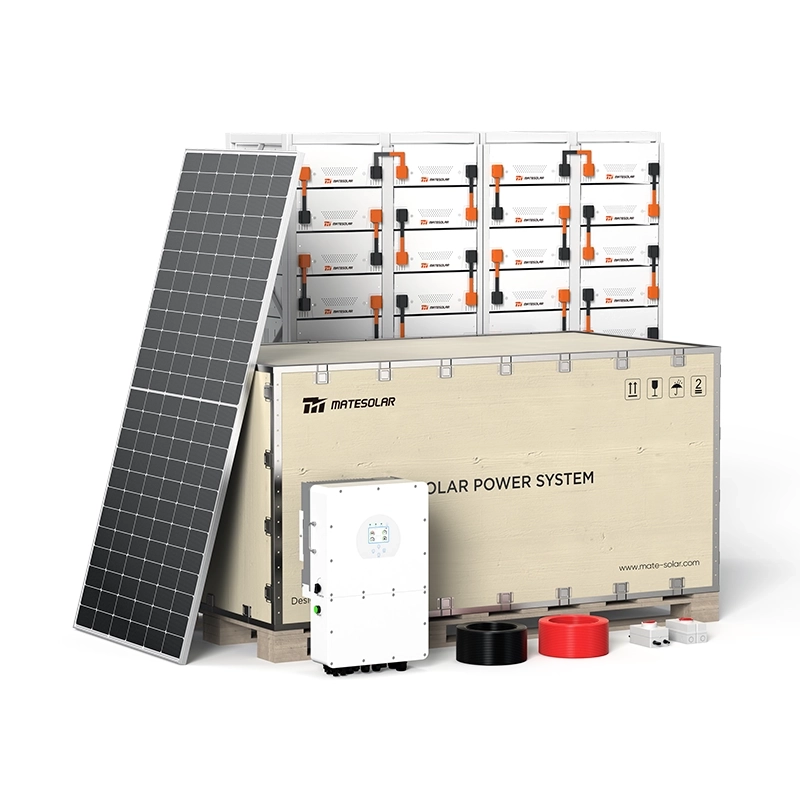
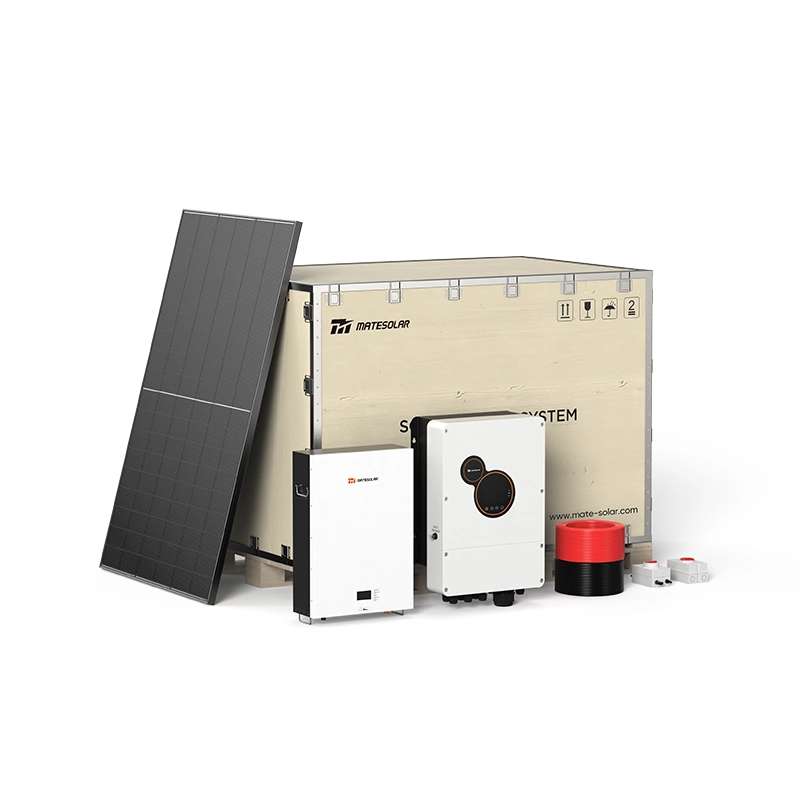




Résumé Exécutif : L'Aube de la Décennie du Stockage en Jamaïque
En avril 2026, la Jamaïque se trouve à un point d'inflexion historique dans sa transition énergétique. La Generation Procurement Entity (GPE) a lancé le plus grand appel d'offres obligatoire pour les énergies renouvelables et le stockage par batterie dans les Caraïbes anglophones — 220 MW de nouvelle capacité de production renouvelable associés à des systèmes de stockage d'énergie par batterie (BESS) de 110 MW / 220 MWh, avec une chimie LFP obligatoire et une durée de décharge de deux heures. La phase de Demande d'Information (RFI) se termine le 10 avril 2026, et la vente aux enchères formelle devrait être lancée au troisième trimestre 2026.
Cet approvisionnement fait suite à la première vente aux enchères de GPE en 2023, qui a suscité une sursouscription de cinq fois le montant, avec une offre moyenne pondérée de seulement 61,58 USD/MWh – un prix déjà inférieur de 14 % au coût actualisé de l'énergie (LCOE) moyen régional des Caraïbes pour les projets solaires. Cette première tranche devrait permettre de réaliser environ 415 millions de dollars de réduction des dépenses en combustibles fossiles sur sa durée de contrat de 20 ans.
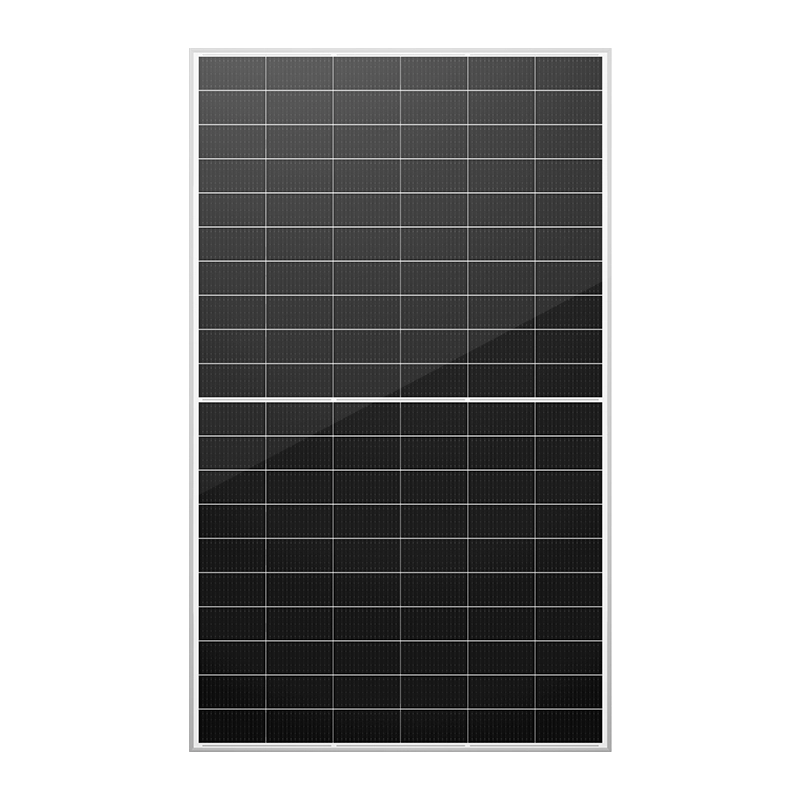
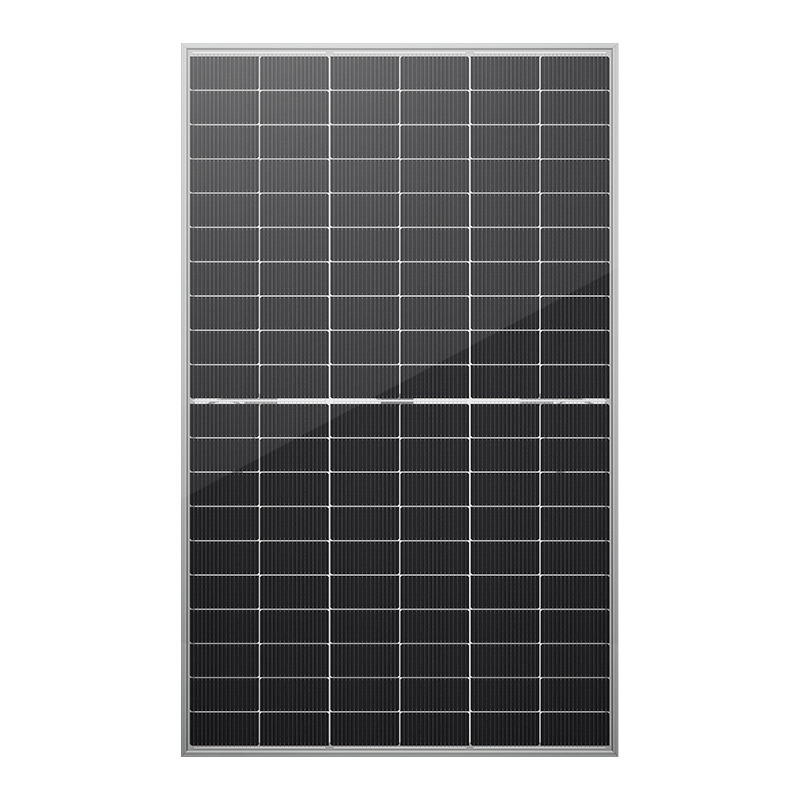
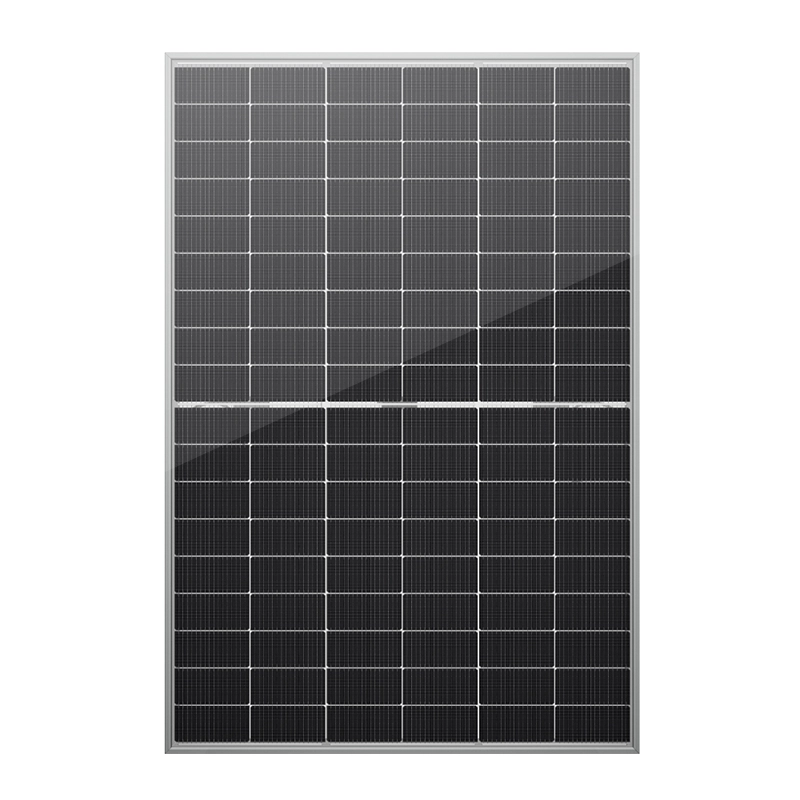
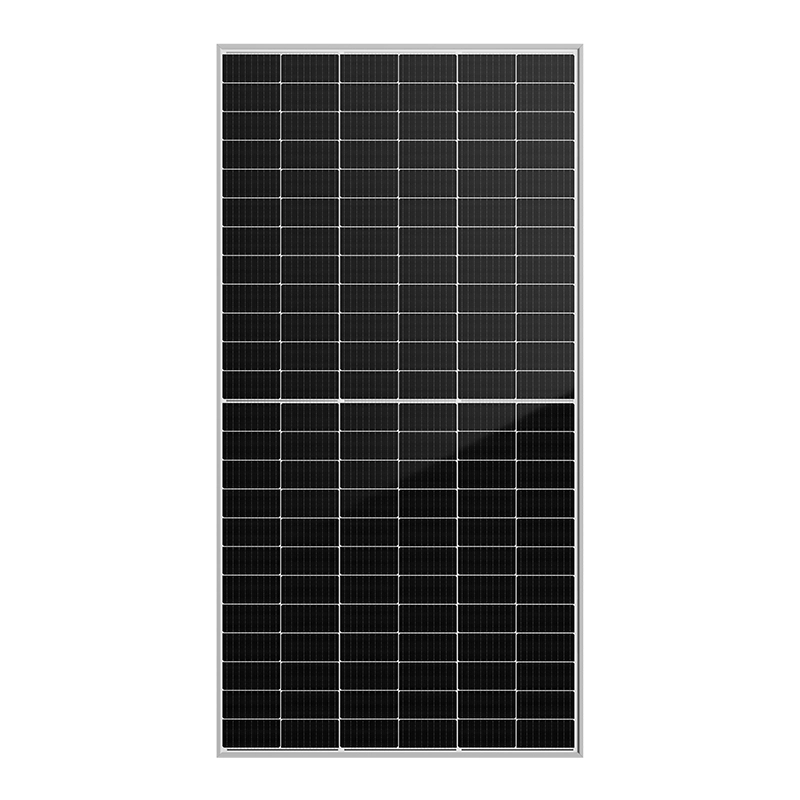
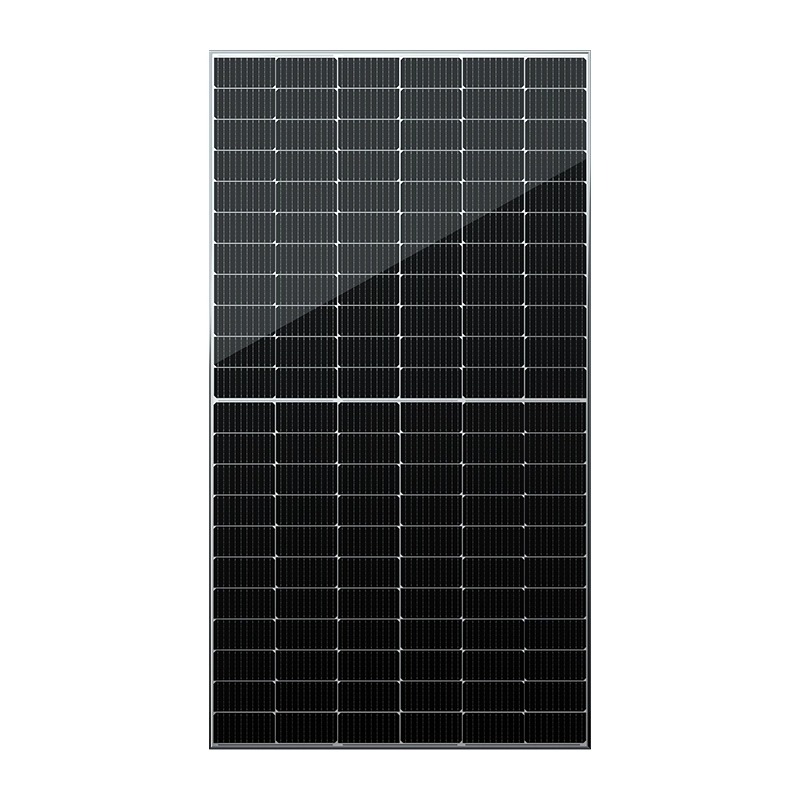
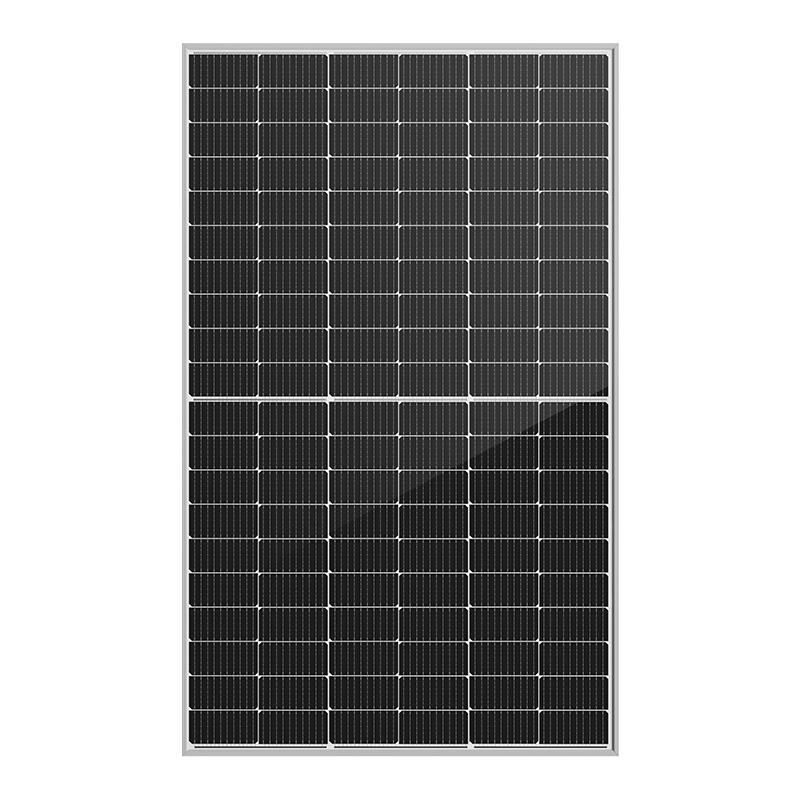
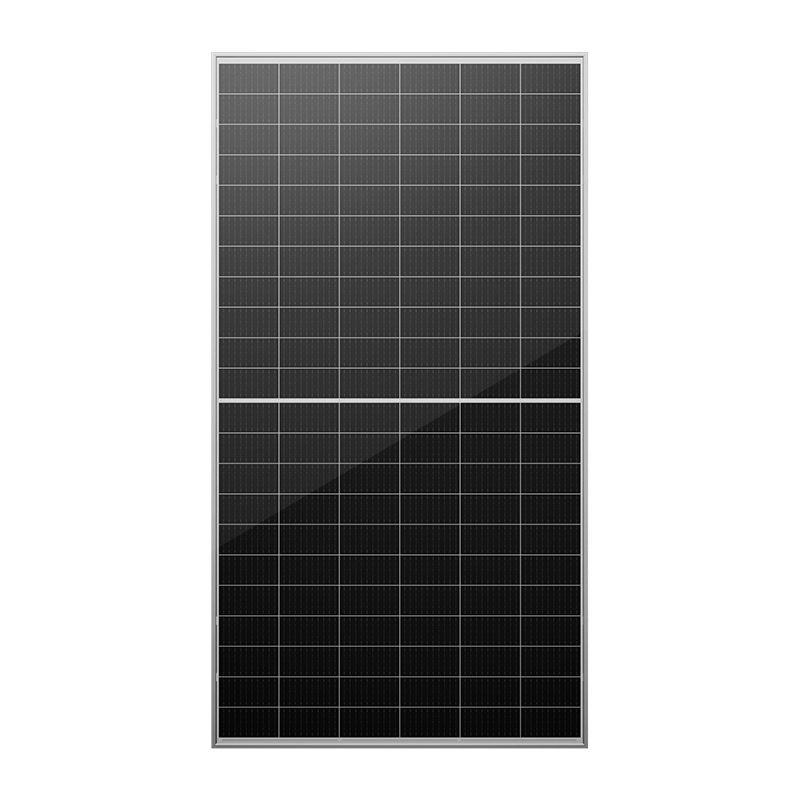
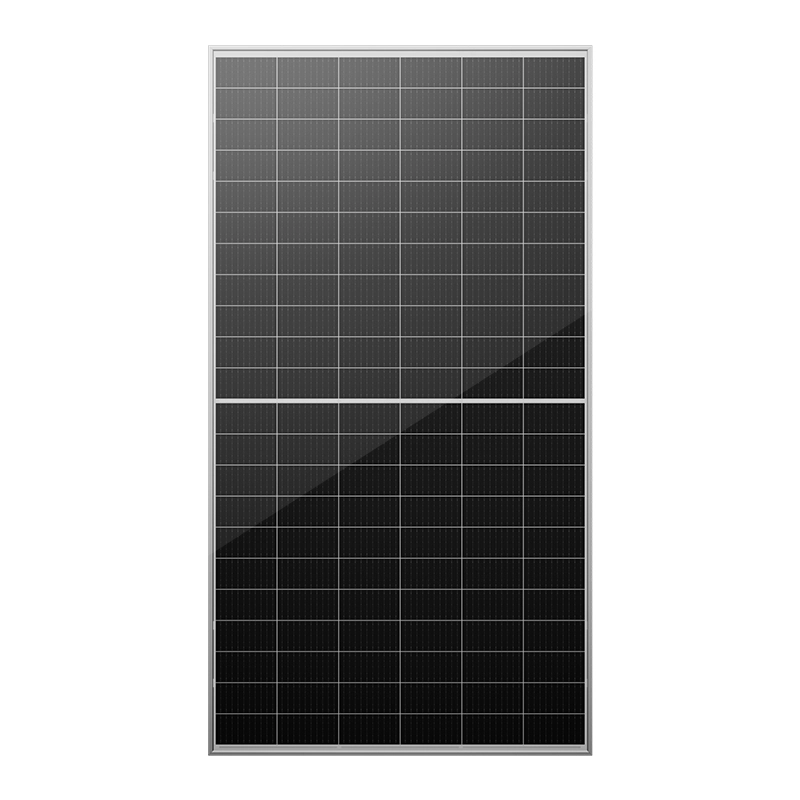
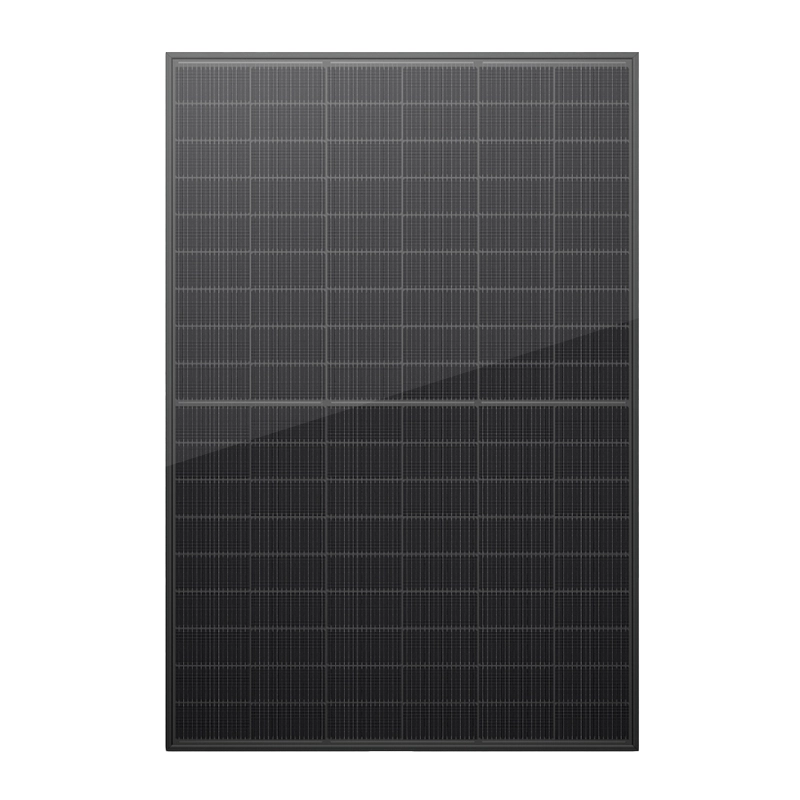
Mais le paysage a radicalement changé depuis 2023. L'ouragan Melissa, une tempête de catégorie 5 qui a touché terre le 28 octobre 2025, a dévasté la plus grande centrale solaire de l'île, la centrale de Paradise Park de 38 MW, et a laissé environ 540 000 clients, soit 70 % des utilisateurs du réseau électrique de l'île, sans électricité. L'ouragan a fondamentalement réécrit le calcul des risques de la Jamaïque pour les infrastructures d'énergies renouvelables. Les responsables gouvernementaux et les développeurs exigent désormais des résistances au vent allant jusqu'à 200 miles par heure pour les panneaux solaires et une intégrité structurelle correspondante pour les enceintes des systèmes de stockage d'énergie par batteries (BESS).
Pendant ce temps, les tarifs commerciaux de l'électricité restent excessivement élevés à 0,237 USD/kWh, les tarifs résidentiels étant à 0,289 USD/kWh. La forte dépendance de la Jamaïque au diesel et au gaz naturel importés — les factures d'importation de pétrole brut ayant atteint 728 millions de dollars américains en 2022 et toujours à 512 millions de dollars américains en 2024 — signifie que chaque choc géopolitique sur les marchés mondiaux de l'énergie se traduit directement par des coûts d'électricité plus élevés pour les entreprises et les ménages.
Dans ce contexte, ce guide fournit une feuille de route complète, techniquement rigoureuse et commercialement réalisable pour :
- EPC, promoteurs de projet et IPP concourir dans le cadre de l'appel d'offres historique du GPE de 220 MW + 110 MW de BESS
- Entreprises industrielles et commerciales cherchant à échapper aux droits de douane élevés grâce au stockage derrière le compteur
- Petites et moyennes entreprises naviguer les contraintes d'espace et les obstacles d'interconnexion au réseau
- Toutes les parties prenantes nécessitant une clarification sur la résilience climatique tropicale, la conformité au financement international et l'incertitude future du réseau
Première Partie : Les Quatre Piliers de l'Explosion du Stockage en Jamaïque
1.1 La Deuxième Tranche du GPE : Spécifications Techniques et Cadre Commercial
La deuxième tranche d'enchères de la GPE est l'acquisition de stockage d'énergie la plus importante de l'histoire des Caraïbes. Comprendre son architecture technique et commerciale précise est la première étape vers une offre gagnante.
Objectif d'approvisionnement : 220 MW de nouvelle capacité de production renouvelable (solaire PV, éolien ou configurations hybrides) plus 110 MW / 220 MWh de stockage d'énergie par batterie (durée de deux heures). La composante BESS est obligatoire — aucune offre uniquement renouvelable ne sera acceptée.
Cahier des charges chimie : Le LFP (phosphate de fer lithié) est explicitement requis. Ceci reflète les meilleures pratiques mondiales en matière de stockage à l'échelle utilitaire, privilégiant la stabilité thermique, la durée de vie en cycle et la sécurité par rapport à la densité énergétique supérieure des chimies NMC.
Structure commerciale : Les soumissionnaires retenus signeront des contrats d'achat d'électricité (PPA) d'une durée de 20 ans dans le cadre d'un modèle de type « costruire-posséder-exploiter » (BOO). La structure de rémunération utilise un tarif en deux parties – paiements de capacité (pour la disponibilité) plus paiements d'énergie (pour l'électricité produite) – ce qui réduit les risques liés aux flux de revenus et améliore la bancabilité.
Chronologie : RFI lancé le 19 mars 2026 ; retour des parties prenantes attendu le 10 avril 2026 ; lancement officiel de la vente aux enchères au T3 2026.
Point de référence — Performance de la première tranche : La vente aux enchères de 2023 pour 100 MW de capacité renouvelable (sans exigence de stockage) a attiré des offres d'un total de 500 MW — sursouscription quintuplée — avec un prix moyen pondéré de 61,58 USD/MWh. Ce prix était inférieur au LCOE moyen régional des Caraïbes pour le solaire de 14 %, démontrant que le modèle d'approvisionnement de la Jamaïque offre de réelles efficacités de coûts.
1.2 Ouragan Melissa: Le test de stress qui a tout changé
Le 28 octobre 2025, l'ouragan Melissa a frappé la côte sud de la Jamaïque en tant que tempête de catégorie 5. Les dégâts causés à Paradise Park — la plus grande centrale solaire de l'île, avec 38 MW — ont été suffisamment graves pour déclencher une réévaluation à l'échelle de l'industrie des normes d'infrastructure d'énergies renouvelables.
Le directeur technique du ministère de l'Énergie de la Jamaïque, Steve Dixon, a déclaré sans équivoque lors de la session de lancement de RFI que la Jamaïque a besoin de “ portefeuilles d'énergies renouvelables plus diversifiés, y compris l'éolien et l'hydroélectrique ”, ajoutant : “ Nous devons tirer parti de ces expériences et construire un réseau plus résilient ”. Benjamin Daley, directeur général du promoteur local Reil Energy, est allé plus loin, recommandant que le gouvernement impose des modules solaires d'une résistance au vent d'environ 200 mph et intègre cette norme dans la méthodologie de notation de l'appel d'offres.
Pour les fournisseurs de BESS, les implications sont directes et immédiates : l'intégrité structurelle des enceintes, les systèmes d'ancrage et les évaluations de la charge de vent au niveau des composants seront scrutés comme jamais auparavant. Les enceintes standard IP54 ou IP55 — suffisantes pour les climats modérés — ne sont plus adéquates pour le profil de risque de la Jamaïque.
1.3 L'impératif tarifaire : 0,237 USD/kWh et ça continue de monter
Les tarifs d'électricité de la Jamaïque se classent parmi les plus élevés des Caraïbes, conséquence directe de la dépendance de l'île aux combustibles fossiles importés. En juin 2025, les clients commerciaux payaient 0,237 USD/kWh, tandis que les clients résidentiels payaient 0,289 USD/kWh. Ces chiffres comprennent toutes les composantes — production, transport, distribution, taxes et bénéfices des services publics.
Tableau 1 : Tarifs d'électricité en Jamaïque par rapport aux indices régionaux et mondiaux (2025-2026)
| Marché / Type de client | Tarif moyen (USD/kWh) | Source de production primaire |
| Jamaïque — Commercial | $0.237 | Diesel / gaz naturel importés |
| Jamaïque — Résidentiel | $0.289 | Diesel / gaz naturel importés |
| Barbade — Commercial | $0.22 – $0.25 | Combustibles fossiles importés + énergies renouvelables |
| Trinité-et-Tobago — Commercial | $0.05 – $0.08 | Gaz naturel domestique |
| Moyenne nationale américaine — Commercial | $0.12 – $0.13 | Mixte (gaz, charbon, nucléaire, énergies renouvelables) |
| Allemagne — Commercial | $0.20 – $0.22 | Mélangé + impôts élevés |
L'écart entre la Jamaïque et des marchés plus compétitifs comme Trinité-et-Tobago (qui bénéficie du gaz naturel domestique) met en évidence le désavantage structurel auquel sont confrontées les entreprises jamaïcaines. Chaque kilowattheure de déplacement par solaire-plus-stockage génère des économies qui seraient insignifiantes sur d'autres marchés, mais qui sont transformatrices dans l'environnement coûteux de la Jamaïque.
1.4 Le pipeline de projet multicouche
Au-delà de l'appel d'offres pour le GPE, le marché du stockage en Jamaïque est construit à partir de trois couches distinctes :
Échelle utilitaire, côté réseau : Jamaica Public Service Company (JPS) investit 300 millions de dollars américains dans ce qui deviendra la plus grande installation solaire avec stockage de l'île — 133 MW de panneaux solaires photovoltaïques plus 171,5 MW de stockage sur batterie — qui sera déployée par phases entre 2025 et 2028. Ce projet est conçu pour remplacer les vieilles centrales électriques alimentées au pétrole de Hunts Bay à Kingston.
Commercial et Industriel Derrière le Compteur : Un système solaire de 500 kW associé à un stockage de 1 MWh a déjà été livré pour une importante chaîne de supermarchés jamaïcains, démontrant la viabilité technique et commerciale du stockage C&I. Le cas d'usage des supermarchés est particulièrement convaincant car les charges de réfrigération et de CVC (Chauffage, Ventilation et Climatisation) sont fortement corrélées avec les périodes de tarifs de pointe.
Production décentralisée : Environ 150 MW de projets solaires ont déjà été approuvés pour une installation à moyen terme, avec 115 MW supplémentaires de nouvelle capacité renouvelable dont la mise en service commerciale est attendue d'ici la fin de 2026. Ce pipeline solaire distribué crée un marché naturel adressable pour les améliorations de stockage — les tableaux solaires existants sans stockage laissent de l'argent sur la table chaque après-midi lorsque la production atteint son maximum mais que la demande est faible.
1.5 Agrégation régionale et études de grille
Deux initiatives de soutien ajoutent un élan supplémentaire :
Programme d'approvisionnement agrégé des Caraïbes (CAPP) : En février 2026, le Partenariat pour les énergies renouvelables et l'efficacité énergétique (RELP) et l'Organisation des régulateurs des services publics des Caraïbes (OOCUR) ont officialisé un accord de coopération pour faire progresser les enchères agrégées d'énergies renouvelables et de stockage par batterie dans les Caraïbes. La Jamaïque est un pays participant clé. Cela signifie que les solutions de systèmes de stockage d'énergie par batterie (BESS) déployées en Jamaïque aujourd'hui devraient être conçues en tenant compte de l'interopérabilité avec les futures normes régionales d'approvisionnement – les fournisseurs qui peuvent démontrer une compatibilité interjuridictionnelle auront un avantage distinct.
Étude de Caractérisation du Réseau : Le GPE mène une étude complète de caractérisation du réseau, soutenue par la Global Energy Alliance for People and Planet (GEAPP) et la Banque Interaméricaine de Développement (BID). Cette étude vise à évaluer les conditions actuelles du réseau, à identifier de nouveaux points d'interconnexion et à optimiser les emplacements de déploiement des BESS. Pour les développeurs, cela signifie que les paramètres d'interconnexion peuvent évoluer pendant le processus d'appel d'offres — les systèmes EMS dotés de capacités adaptatives de couplage au réseau seront mieux positionnés pour s'adapter aux changements.
Deuxième partie : Plongées en profondeur spécifiques à l'auditoire
2.1 Pour les EPC, les développeurs de projets et les IPP : Comment remporter le plus grand appel d'offres obligatoire de BESS dans les Caraïbes
Le Défi dans son Contexte
L'appel d'offres de la GPE portant sur 220 MW d'énergies renouvelables + 110 MW de BESS est l'occasion d'approvisionnement en stockage d'énergie la plus compétitive des Caraïbes anglophones. La dynamique du premier tour — sursouscription quintuple et un prix plancher record de 61,58 USD/MWh — indique que seules les offres les plus affinées techniquement et les plus agressives commercialement réussiront.
Votre solution de système de stockage d'énergie par batterie (BESS) doit atteindre simultanément trois objectifs apparemment contradictoires : (1) correspondre précisément à la spécification LFP de 110 MW / 220 MWh de l'appel d'offres, (2) surpasser un point de référence de prix qui était déjà inférieur de 14 % aux moyennes régionales, et (3) dépasser les normes de résilience post-ouragan Melissa qui n'étaient même pas à l'ordre du jour lors de la première enchère.
Spécifications Techniques — Obtenir les bons chiffres
L'appel d'offres requiert une capacité de puissance BESS de 110 MW avec une capacité d'énergie de 220 MWh, ce qui correspond à une durée de deux heures. C'est une spécification simple, mais les détails de mise en œuvre sont extrêmement importants.
Ratio Puissance/Énergie : À 2:1 (110 MW de puissance, 220 MWh d'énergie), l'appel d'offres cible des applications de lissage des pics et de régulation de fréquence plutôt que de stockage de longue durée. Votre architecture système doit privilégier une capacité de C-rate élevée - la capacité de fournir une puissance de sortie maximale sans affaissement excessif de la tension ni contraintes thermiques.
Vérification de la chimie LFP : L'appel d'offres impose explicitement la chimie LFP. C'est non négociable. Votre proposition doit inclure une certification par une tierce partie confirmant la chimie LFP, ainsi que des rapports de tests de sécurité (UL 9540A pour la propagation d'emballement thermique, UN 38.3 pour le transport).
Efficacité aller-retour (RTE) : Aux tarifs commerciaux de 0,237 USD/kWh, chaque point de pourcentage de RTE se répercute directement sur la rentabilité du projet. Visez un minimum de 88 % de RTE AC-AC à puissance nominale. Les systèmes fonctionnant en dessous de 85 % auront du mal à répondre au pro forma financier requis pour la bancabilité.
Exigences de durée de vie du cycle : La durée du PPA de 20 ans signifie que votre BESS doit fournir des performances fiables pendant deux décennies. Bien que les cellules LFP atteignent régulièrement 6 000 à 8 000 cycles à 80 % de profondeur de décharge (DoD), l'environnement d'exploitation tropical accélérera la dégradation. Demandez des garanties de performance qui garantissent une rétention minimale de 70 % de la capacité à l'année 15 — c'est la référence de l'industrie pour les contrats de stockage de longue durée dans les climats difficiles.
Tableau 2 : Spécifications techniques recommandées pour les systèmes de stockage d'énergie par batterie (BESS) pour les offres de la deuxième tranche du programme GPE
| Paramètres | Spécification recommandée | Raison d'être |
| Chimie des batteries | LFP (LiFePO₄) | Mandat d'appel d'offres ; stabilité thermique supérieure |
| Pouvoir / Énergie | 110 MW / 220 MWh (2 heures) | Correspondance exacte avec l'objectif d'approvisionnement |
| Rendement aller-retour (CA-CA) | ≥ 881 TP3T à la puissance nominale | Maximise les revenus par MWh distribué |
| Durée de vie (jusqu'à un niveau de santé de la batterie (SOH) de 80%) | ≥ 6 000 cycles à 25°C | Supporte une durée de vie opérationnelle de 15 à 20 ans |
| Plage de température de fonctionnement | -20°C à +50°C (charge) | Le climat tropical de la Jamaïque exige une enveloppe large |
| Protection contre les infiltrations | IP65 minimum (extérieur), IP55 (intérieur du conteneur) | Protège contre la poussière, la pluie et les embruns salins |
| Indice de charge de vent | ≥ 160 mph (équivalent catégorie 4/5) | Exigence post-ouragan Melissa |
| Protection contre la corrosion | C5-M selon l'ISO 12944 | Protection de l'environnement marin côtier |
| Capacité de formation de réseau | Oui (démarrage sur réseau auxiliaire, fonctionnement en îlot) | Améliore le score technique de résilience du réseau |
Résilience face aux ouragans — Le nouveau facteur de différenciation
La destruction de Paradise Park a changé la donne. Votre enceinte BESS doit résister à des charges de vent qui auraient auparavant été considérées comme excessives.
Ingénierie du vent : Le Code national du bâtiment jamaïcain exige un espacement minimum de fixation de 9 pouces pour les tôles d'acier et de 8 pouces pour l'aluminium. Pour les enceintes de systèmes de stockage d'énergie par batterie (BESS), il s'agit d'un point de départ, pas d'une cible. Spécifiez une capacité nominale de charge de vent minimale de 160 mph (équivalent catégorie 4), avec une préférence de 180 à 200 mph pour les installations au sol dans les zones côtières exposées.
Systèmes d'ancrage : Les unités BESS montées au sol nécessitent des fondations en béton profondes avec du matériel d'ancrage en acier inoxydable. Évitez les boulons d'ancrage standard — spécifiez des boulons en acier galvanisé à chaud ou en acier inoxydable de classe 8.8 avec des composés de freinage de filet pour éviter le desserrage sous l'effet des vibrations.
Résistance aux impacts de débris : Les ouragans génèrent des débris en vol à des vitesses mortelles. Votre enceinte doit inclure des persiennes et des grilles d'admission résistantes aux impacts pour empêcher l'entrée de débris par les évents de refroidissement. Les enceintes NEMA 4X ou IP66 offrent une protection supérieure contre les débris projetés par le vent, l'IP66 offrant le plus haut niveau de protection contre l'infiltration pratique pour les équipements électriques extérieurs.
Références de projets éprouvés : La preuve la plus solide est une mise en œuvre préalable dans des zones cycloniques ou d'ouragans. Si votre BESS a fonctionné aux Philippines (ceinture de typhons), en Floride (zone d'ouragans) ou à Taïwan (région de typhons), documentez la survie de l'installation lors de tempêtes nommées. Des photographies de systèmes intacts après la tempête, accompagnées de données d'anémomètre de l'événement, valent mieux que toute analyse d'ingénierie théorique.
Interconnexion au réseau et exigences du SEM
L'étude de caractérisation du réseau de la GPE, soutenue par la GEAPP et la BID, évalue activement les conditions du réseau et identifie de nouveaux points d'interconnexion. Cela crée à la fois une opportunité et une incertitude. Votre EMS doit être suffisamment flexible pour s'adapter aux codes de réseau en évolution.
Grid-Following vs. Grid-Forming : L'exigence minimale pour tout BESS interconnecté au réseau JPS est la capacité de suivi du réseau (grid-following) — la capacité de se synchroniser avec la fréquence et la tension du réseau. Cependant, pour maximiser votre score technique, incluez la capacité de formation du réseau (grid-forming) — la capacité d'établir la tension et la fréquence du réseau de manière autonome, permettant le démarrage à froid et le fonctionnement en îlot. Les onduleurs de formation de réseau (grid-forming) sont de plus en plus spécifiés dans les appels d'offres caribéens, les services publics reconnaissant la valeur de résilience des systèmes de stockage qui peuvent fonctionner indépendamment lors de perturbations du réseau.
Compatibilité des protocoles de communication : Les systèmes SCADA de JPS utilisent généralement les protocoles IEC 61850 et DNP3. Votre EMS doit prendre en charge les deux, avec une interopérabilité prouvée. Incluez une matrice de conformité des communications dans votre proposition technique.
Réponse en Fréquence Primaire (RFP) : Le réseau JPS exige une capacité de RFP de toutes les sources de production interconnectées dépassant un seuil de taille (généralement 5 MW). Votre BESS doit répondre aux déviations de fréquence dans un délai de 1 seconde et maintenir la réponse pendant une durée minimale (généralement 10 à 15 minutes). Spécifiez explicitement les paramètres de RFP de votre système – bande morte, réglage de la pente, et taux de rampe.
Support tension/VAR : La capacité de puissance réactive est de plus en plus importante à mesure que la Jamaïque intègre une plus grande part de ressources basées sur des onduleurs. Spécifiez la plage de facteur de puissance de votre BESS (généralement de 0,9 en avance à 0,9 en retard) et le mode de contrôle (facteur de puissance constant, puissance réactive constante ou régulation de tension).
Stratégie commerciale — Concurrencer sur les prix sans compromettre la qualité
Le prix moyen pondéré de 61,58 USD/MWh pour la première enchère établit un point de référence exigeant. Mais n'oubliez pas : ce prix concernait uniquement la production renouvelable, sans stockage. La deuxième tranche comprend un système de stockage par batteries (ESSB) obligatoire, donc le prix combiné sera plus élevé. Votre défi est de minimiser le coût supplémentaire du stockage tout en maintenant l'excellence technique.
Optimisation des paiements de capacité : La structure tarifaire en deux parties (paiements de capacité + paiements d'énergie) récompense la disponibilité. Concevez votre BESS avec une redondance N+1 sur les sous-systèmes critiques — refroidissement, conversion de puissance et racks de batterie — pour maximiser le temps de fonctionnement. Un système qui atteint 99,5 % de disponibilité générera des revenus de capacité substantiellement plus élevés qu'un système à 98 %, même si son prix de l'énergie est légèrement plus élevé.
Garanties de performance : Proposer des garanties de performance de 15 ans avec une rétention de capacité de 70 à 80 %, soutenues par des clauses de dommages liquidés commercialement raisonnables. Des garanties trop agressives peuvent être rejetées comme irréalistes ; des garanties trop conservatrices perdront face aux concurrents. Le juste milieu est de 80 % de rétention de capacité à l'année 10 et de 70 % à l'année 15.
Coût du Cycle de Vie : Les acheteurs avisés évalueront les offres sur la base du Coût Lissé du Stockage (LCOS), et non du CAPEX initial. Présentez votre calcul de LCOS de manière transparente, en incluant :
- Dépenses d'investissement initiales (USD/kWh)
- Opérations et maintenance (USD/kW/an)
- Coûts de remplacement (modules de batterie, onduleurs)
- Mise hors service en fin de vie
- Courbe de dégradation des performances
- Frais de financement (le cas échéant)
Contenu local et impact économique : Le gouvernement jamaïcain attache de l'importance à la participation économique locale. Incluez un plan de contenu local dans votre proposition — formation de techniciens jamaïcains, utilisation de fournisseurs locaux de construction et de logistique, et accords de transfert de technologie. Ces facteurs non liés au prix peuvent faire pencher la balance dans un concours serré.
À quoi ressembleront les soumissionnaires retenus
Compte tenu de la dynamique du premier tour, les offres gagnantes dans la deuxième tranche partageront probablement ces caractéristiques :
1. Une technologie éprouvée — Systèmes de stockage d'énergie par batterie (BESS) avec une capacité déployée d'au moins 100 MWh dans des environnements tropicaux ou côtiers
2. Tarification agressive mais réaliste — Stockage LCOS dans la fourchette de 100 à 130 USD/MWh, mélangé à une production renouvelable pour obtenir un prix tout compris compétitif
3. Références de résilience supérieures — Documentation des essais de charge de vent, de la résistance aux impacts de débris et de la protection contre la corrosion par brouillard salin
4. Capacités avancées de prise en charge du réseau — Onduleurs formant la grille, redémarrage autonome et fonctionnalités complètes de puissance réactive
5. Forts partenariats locaux — Partenaires EPC ou O&M jamaïcains avec une présence et des relations établies
6. Garanties de performance complètes — Garanties de plus de 15 ans avec support bancaire
2.2 Pour les entreprises industrielles, les grands établissements commerciaux, les hôtels et les centres de données : Évasion économique à partir de 0,237 USD/kWh
L'argument économique en faveur du stockage derrière le compteur
Avec un tarif d'électricité commerciale de 0,237 USD/kWh, la Jamaïque n'a pas seulement un prix élevé, il est structurellement punitif,. Pour une usine de fabrication consommant 5 millions de kWh par an (typiquement pour une opération de transformation alimentaire ou d'assemblage de taille moyenne), les coûts d'électricité dépassent 1,18 million de USD par an. Un système solaire avec stockage bien conçu peut réduire ce montant de 50 à 70 %.
Économie de l'écrêtement des pointes : La structure tarifaire de JPS comprend des éléments de tarification horaire (TOU), avec des tarifs plus élevés pendant les heures de pointe du soir (généralement de 18h00 à 22h00) lorsque la demande commerciale et résidentielle converge. Un système de stockage d'énergie par batteries (BESS) se charge pendant les périodes les moins chères – la nuit ou pendant la production solaire de midi – et se décharge pendant les périodes de pointe, capturant ainsi la différence tarifaire.
Tableau 3 : Économie illustrative de la réduction des pics de demande pour une installation jamaïcaine C&I (500 kW solaire + 1 MWh BESS)
| Paramètres | Valeur | Notes |
| Tarif commercial (heures de pointe) | 1 TP 4 T 0,237/kWh | Taux effectif JPS |
| Tarif commercial (heures creuses) | 1 TP4T 0,19/kWh (estimation) | Différentiel horaire typique |
| Décalage horaire journalier (batterie 1 MWh) | 1 000 kWh/jour | Une décharge complète par jour |
| Économies quotidiennes grâce à l'arbitrage | 1 TP 4 T 47 par jour | ($0,237 - $0,19) × 1 000 kWh |
| Économies annuelles (250 jours ouvrables) | $11,750 | Exclut les week-ends et les jours fériés |
| Rehaussement de l'autoconsommation solaire | +1 TP 4 T 0,10–0,15/kWh | Valeur de l'évitement des exportations |
| Économies annuelles combinées (solaire + stockage) | $ 60 000–80 000 | Pour 500 kW solaire + 1 MWh BESS |
| Capex système estimé (solaire + stockage) | $400 000–550 000 | Varie selon les spécificités du site |
| Délai de récupération simple | 5-7 ans | Avant les incitations fiscales |
| Durée de vie du système | 15–20 ans | Chimie LFP |
| Épargne vie (20 ans) | 1 TP 400 000 – 1,2 million | Net après capex |
Au-delà de l'arbitrage : La valeur du remplacement du diesel
De nombreuses installations industrielles jamaïcaines disposent de génératrices diesel pour l'alimentation de secours. Ces génératrices sont coûteuses à exploiter (typiquement 0,40–0,60 USD/kWh, incluant le carburant, la maintenance et l'amortissement du capital), émettent des polluants importants et nécessitent des essais réguliers ainsi qu'une rotation du carburant.
Une BESS avec intégration solaire peut :
- Substitution du diesel pour les pannes de réseau — Transition sans interruption vers l'îlotage maintient les charges critiques
- Réduire le temps d'exécution du générateur Le système de stockage gère les pannes de courte durée (moins de 2 à 4 heures), réservant le diesel pour les événements prolongés.
- Réduction des besoins de stockage de carburant — La réduction de la consommation de diesel implique des réservoirs de carburant plus petits sur site et moins de livraisons
Exigence technique — Capacité d'îlotage : Votre système de stockage d'énergie sur batterie (BESS) doit inclure des commutateurs de transfert automatiques et des onduleurs formant réseau pour passer du mode connecté au réseau au mode isolé sans interruption de charge. Le temps de transfert doit être inférieur à 20 millisecondes, une durée suffisamment rapide pour que les lumières ne vacillent pas et que les ordinateurs ne redémarrent pas.
Centres de données et infrastructures critiques : le segment de la fiabilité extrême
Le partenariat de Tropical Battery Group en mars 2026 avec Wright Energy Storage Technologies cible spécifiquement les centres de données et les applications à haute fiabilité avec la technologie des supercondensateurs. Cela signale un segment de marché en croissance avec des exigences techniques uniques.
Qualité de l'alimentation et réponse transitoire : les centres de données modernes, en particulier ceux qui abritent des clusters d'apprentissage de l'IA, génèrent des transitoires de puissance extrêmes. Les clusters de GPU peuvent passer de l'inactivité à la pleine charge en quelques millisecondes, créant des fluctuations rapides du tirage de courant qui peuvent déstabiliser les systèmes de batteries conventionnels. Votre BESS doit offrir des temps de réponse de l'ordre de la milliseconde pour le conditionnement de l'alimentation et résister à des transitions fréquentes de charge-décharge sans accumulation thermique ni dégradation accélérée.
Fonctionnalité d'alimentation sans interruption (ASI) : Sur le marché des centres de données, le stockage n'est pas une optimisation économique, mais une exigence de fiabilité essentielle. Votre BESS devrait fournir une fonctionnalité ASI en ligne à double conversion avec :
- Plage de tension d'entrée : ±10 % de la valeur nominale
- Régulation de la tension de sortie : ±1 pour cent
- Régulation de fréquence : ±0,05 Hz
- Temps de transfert : Zéro (double conversion continue)
- Efficacité : >95 % en mode en ligne, >98 % en mode éco
Gestion thermique pour les charges informatiques à haute densité : les charges de refroidissement des centres de données sont substantielles et fortement corrélées à la charge informatique. Votre système de gestion thermique BESS doit être coordonné avec les commandes CVC de l'installation pour éviter les points de consigne de température concurrents. Le refroidissement liquide est généralement préféré pour les déploiements de BESS dans les centres de données car il minimise la dissipation de chaleur dans l'espace informatique.
Hôtels : Gérer les pics de charge saisonniers
Le secteur du tourisme en Jamaïque — la plus grande source de devises étrangères de l'économie — est confronté à un défi énergétique unique : la demande électrique de pointe pendant la saison touristique hivernale (décembre à avril) coïncide avec les pics de consommation dus à la climatisation. Les chambres d'hôtel affichent un taux d'occupation maximal, les restaurants fonctionnent avec des horaires prolongés, et les piscines, spas et installations de loisirs consomment une quantité substantielle d'électricité.
Façonnage de la charge saisonnière : Le profil de charge électrique d’un hôtel varie considérablement entre la haute saison et la basse saison. Votre BESS doit être dimensionné pour la demande de la haute saison, mais il doit fonctionner efficacement pendant les périodes creuses lorsque la charge est plus faible. Cela plaide en faveur d’architectures de stockage modulaires qui peuvent être partiellement désactivées pendant les périodes de faible demande afin de maintenir une profondeur de décharge optimale.
Maximisation de l'autoconsommation solaire : les hôtels disposent généralement d'un espace de toit important, adapté au photovoltaïque solaire. Cependant, le pic de production solaire (milieu de journée à début d'après-midi) ne correspond pas parfaitement au pic de demande de l'hôtel (soirée, lorsque les clients rentrent d'activités et allument la climatisation et les systèmes de divertissement). Un BESS comble cette lacune : il stocke la production solaire de la mi-journée et la restitue pendant le pic du soir.
Tableau 4 : Lignes directrices pour la taille du stockage de l'hôtel par nombre de chambres
| Taille de l'hôtel (Chambres) | Charge de pointe typique (kW) | Solaire recommandé (kW) | BESS (kWh) recommandé | Remboursement estimé (années) |
| 50–100 | 200–400 | 150–300 | 300–600 | 5–7 |
| 100–250 | 400–800 | 300–600 | 600–1,200 | 5–7 |
| 250–500 | 800–1,500 | 600–1,200 | 1,200–2,400 | 5–8 |
| 500+ | 1,500–3,000 | 1,200–2,500 | 2,400–5,000 | 5–8 |
2.3 Pour les petites et moyennes entreprises, le commerce de détail et les immeubles de bureaux : Naviguer dans les contraintes d'espace et les obstacles à l'interconnexion
Le défi du stockage pour les PME
Les petites et moyennes entreprises (PME) sont confrontées aux mêmes tarifs d'électricité élevés que les grands industriels — 0,237 USD/kWh — mais avec des ressources plus restreintes : un espace limité sur les toits ou au sol, des budgets de capitaux plus petits et moins d'expertise technique interne. Pourtant, le segment des PME représente une opportunité globale énorme. Avec environ 150 MW de projets solaires distribués déjà approuvés pour l'installation, le marché adressable pour les solutions de stockage en rénovation est considérable.
La contrainte d'espace : un magasin de détail, un restaurant ou un immeuble de bureaux typique en Jamaïque dispose d'un espace limité pour les équipements énergétiques. Les unités de stockage d'énergie basées sur des conteneurs maritimes standard de 20 pieds — d'environ 6 mètres de long sur 2,4 mètres de large — occupent des places de parking ou des quais de chargement qui sont déjà précieux.
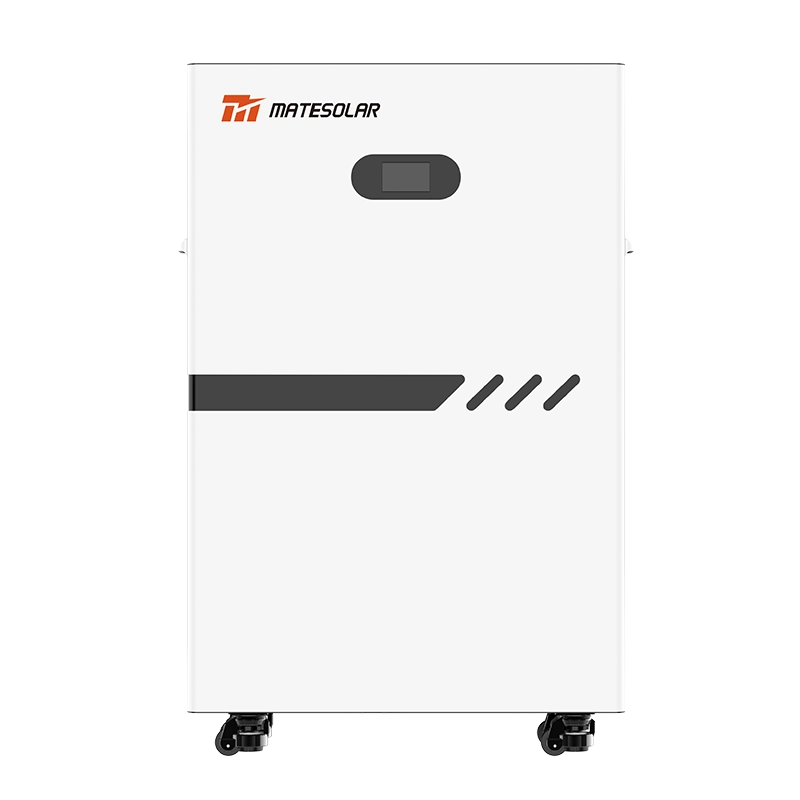
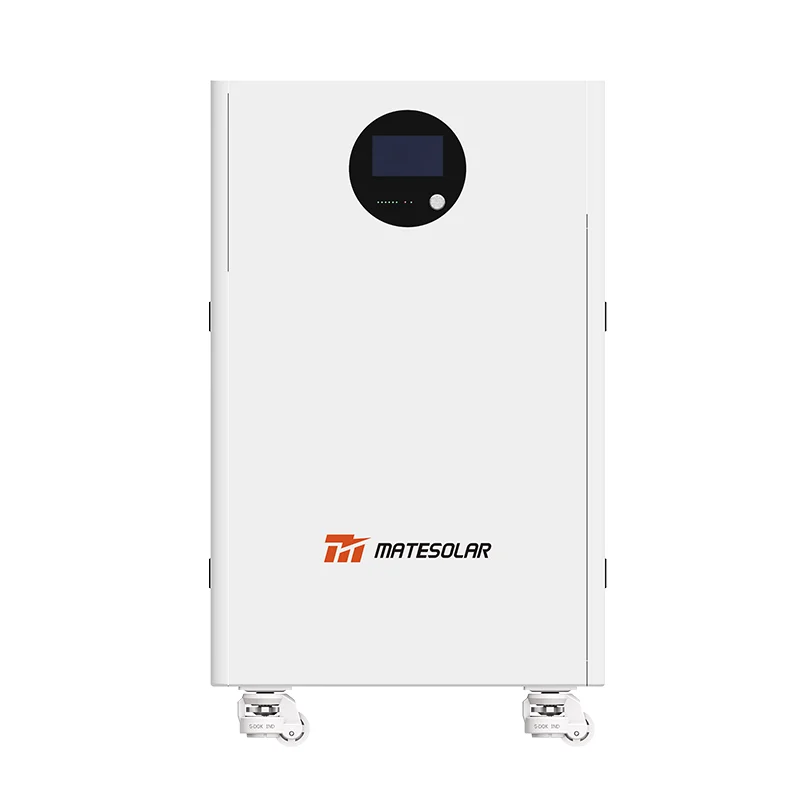
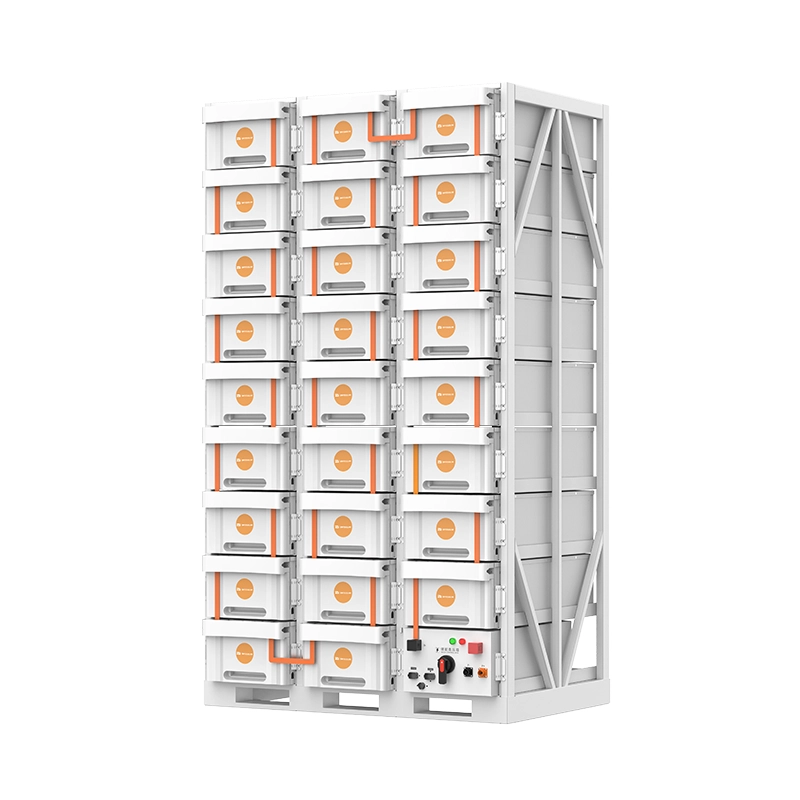
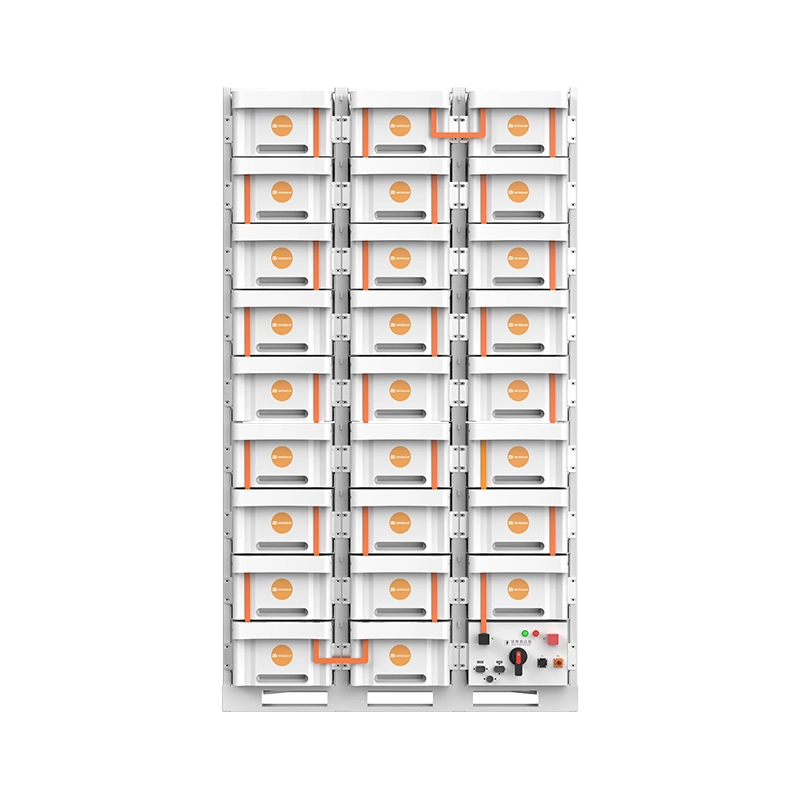
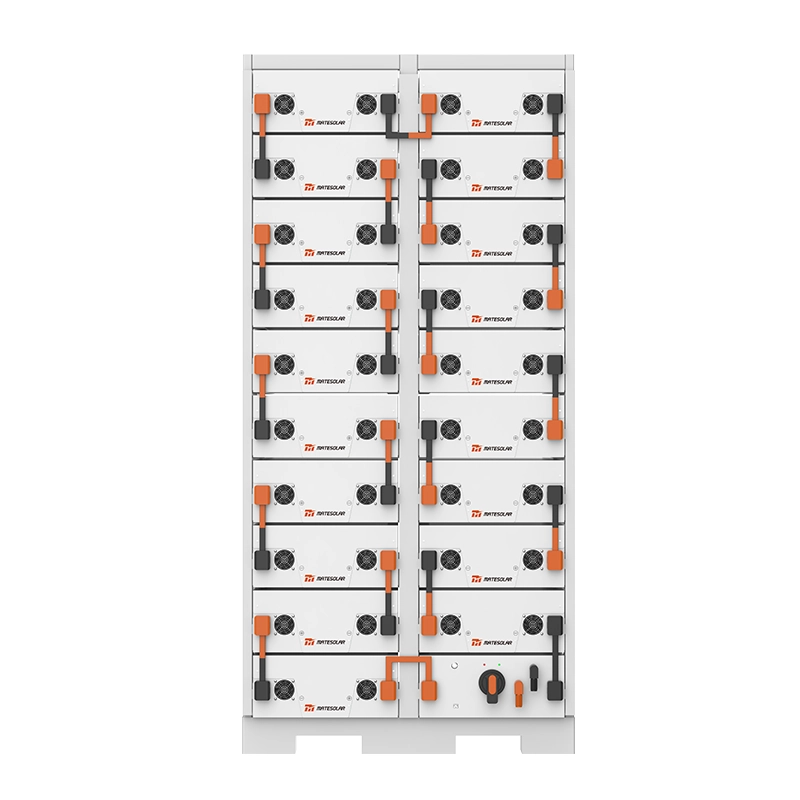
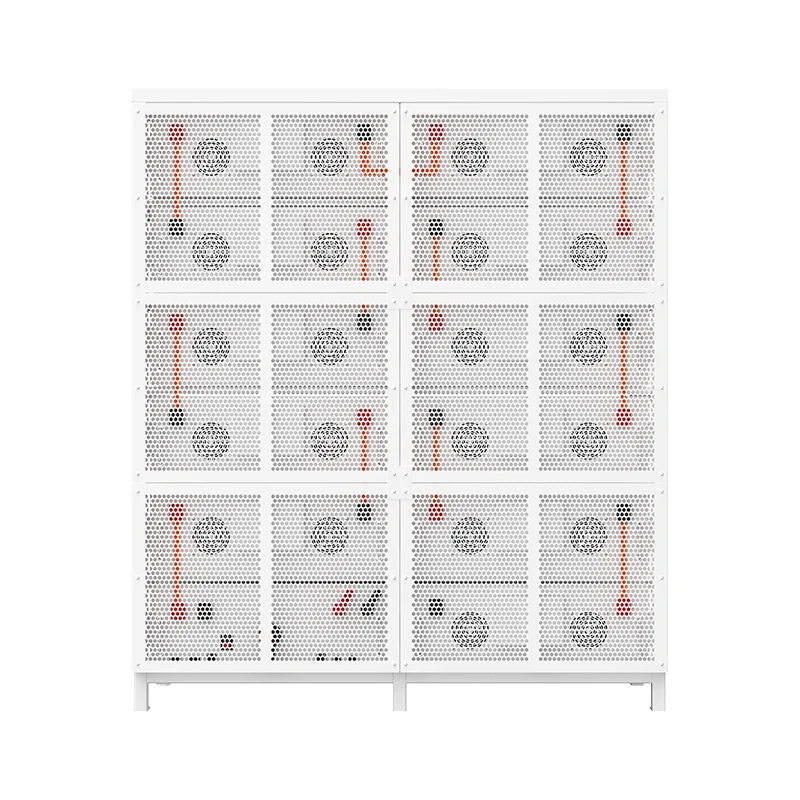
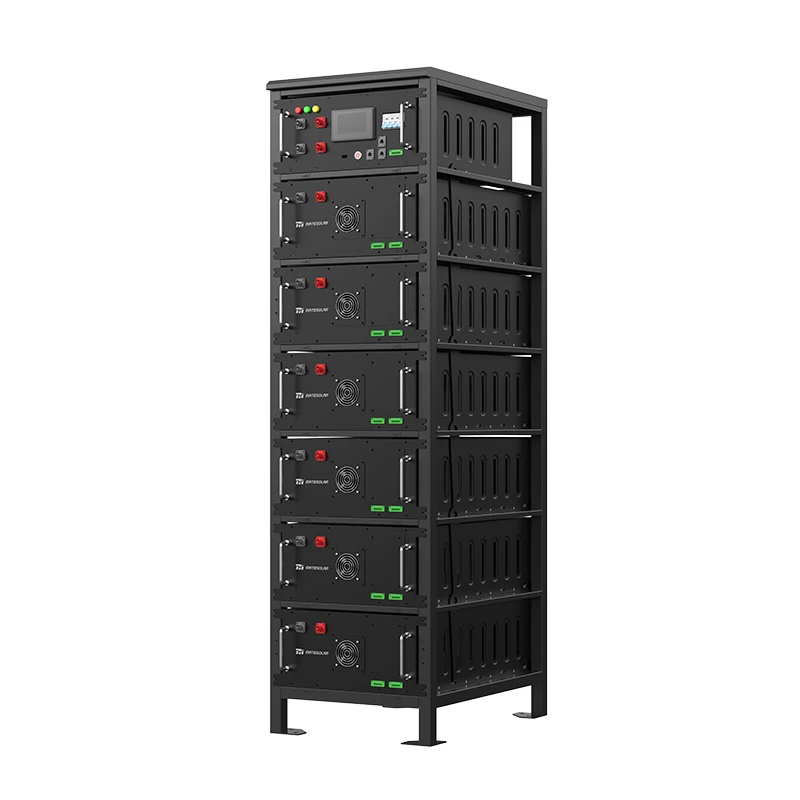
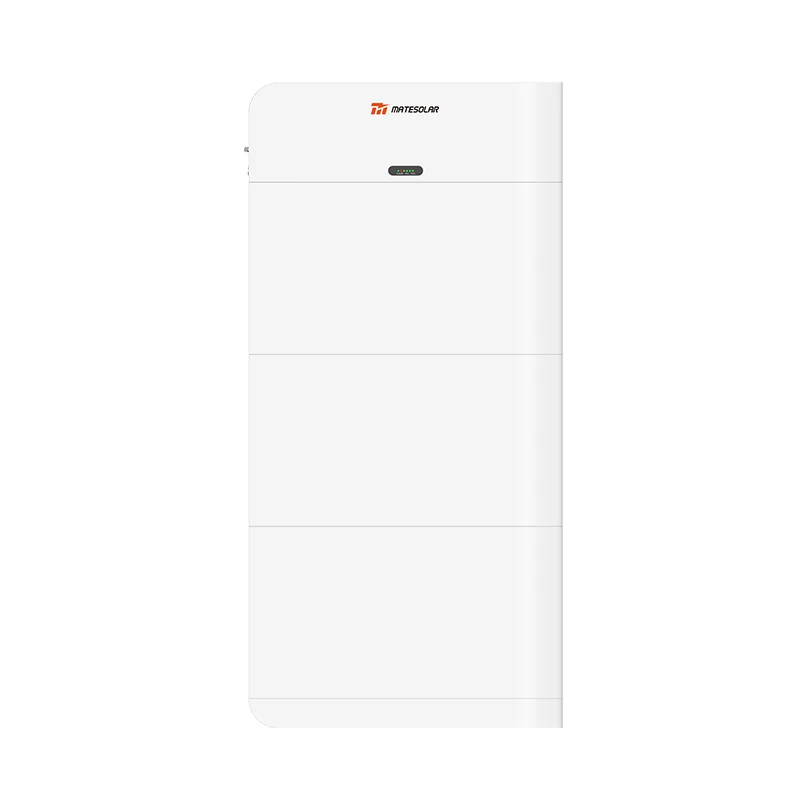
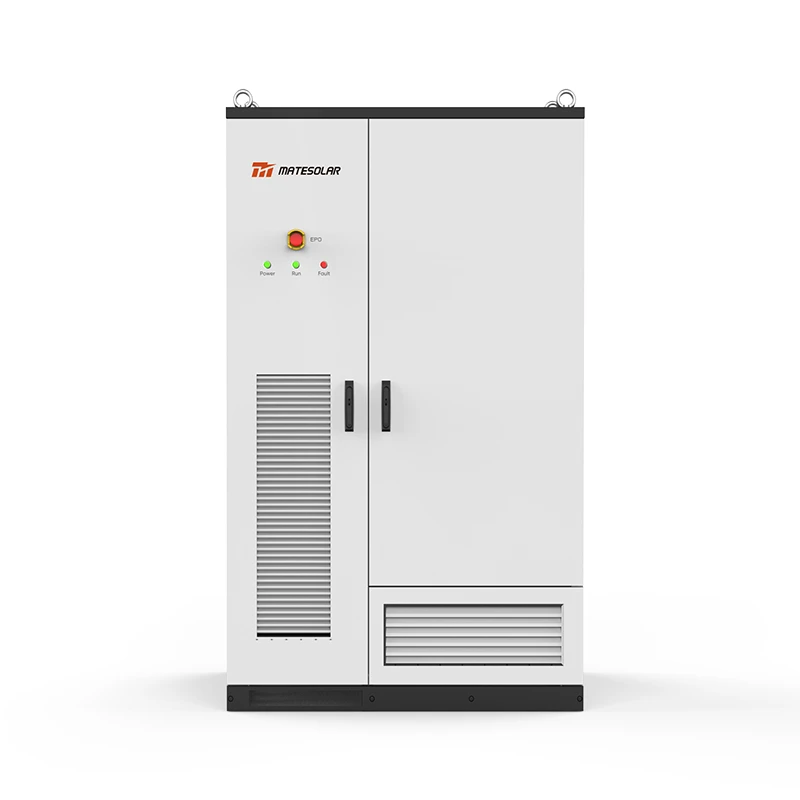
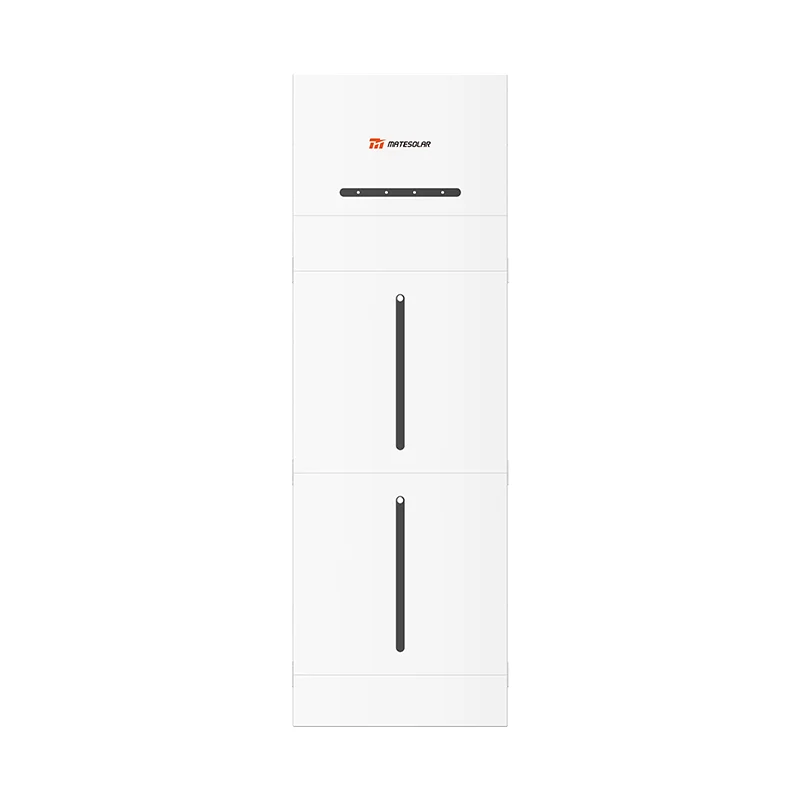
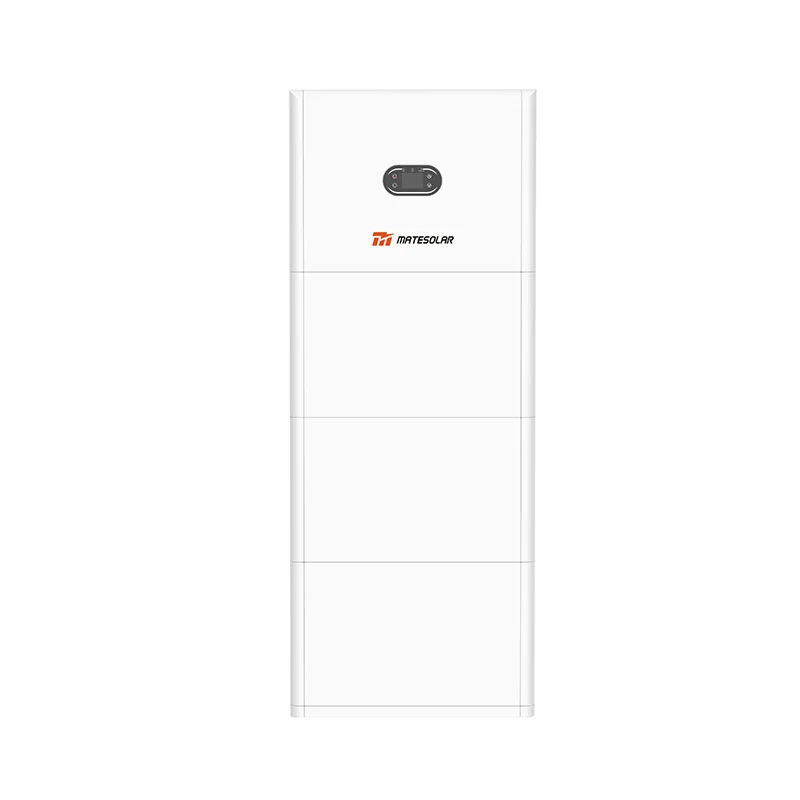
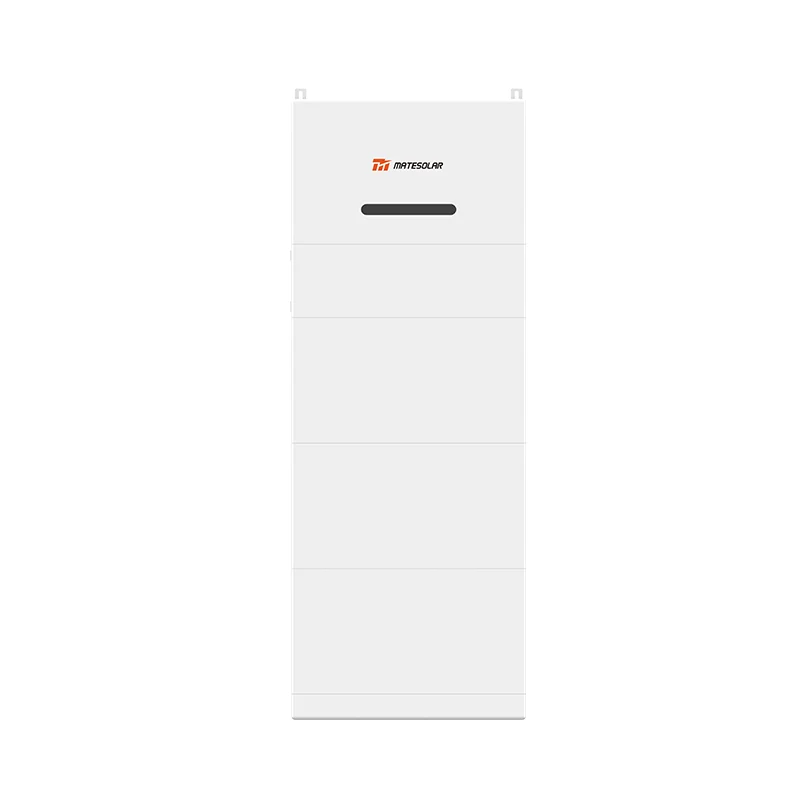
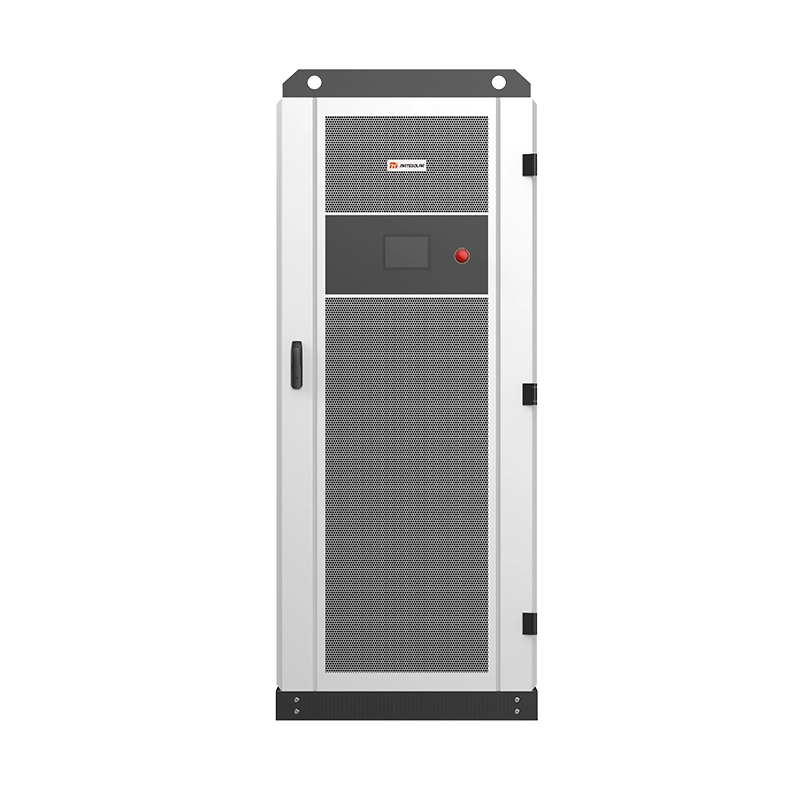
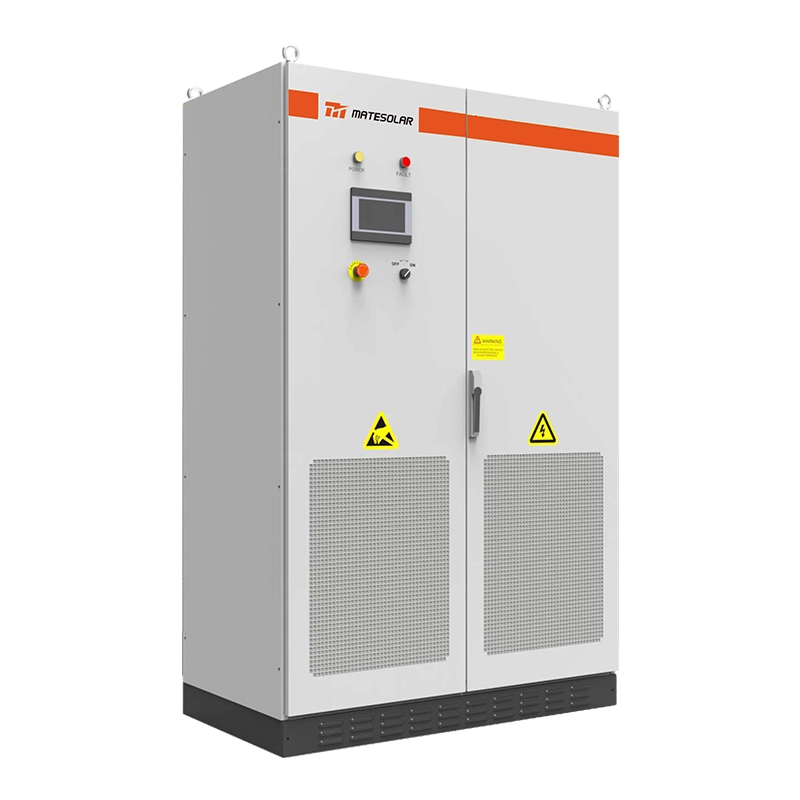
La Solution — Armoires d'extérieur compactes : Les armoires de rangement modernes conçues pour l'extérieur peuvent fournir 1 MWh de capacité dans un espace d'environ 3 mètres carrés. Ces unités peuvent être fixées au mur (réduisant l'empreinte au sol à zéro), empilées verticalement (deux armoires pour la même empreinte) ou installées dans des coins inutilisés de parkings ou en retrait de bâtiments.
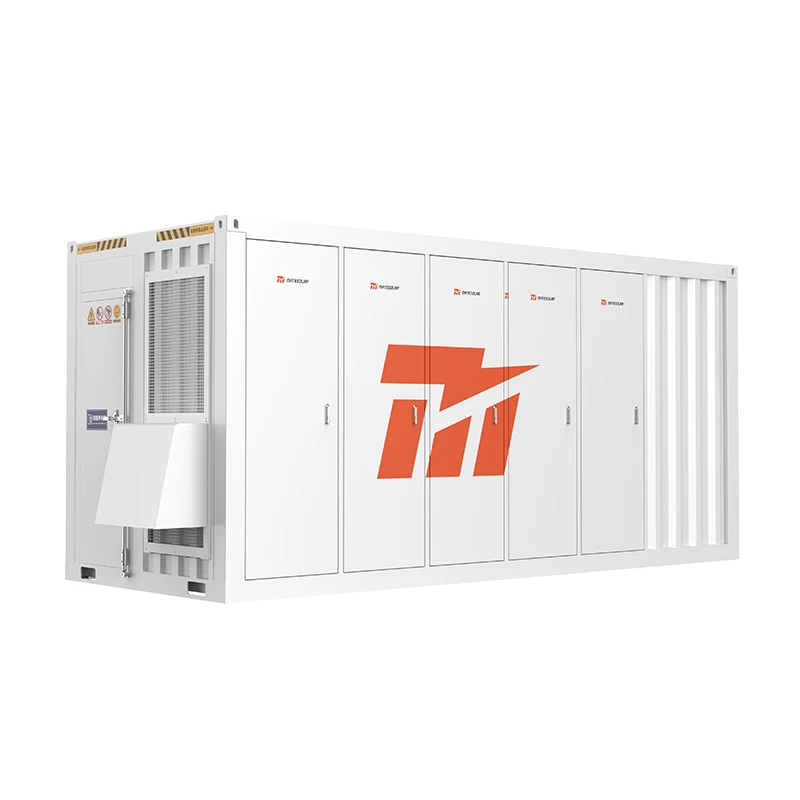
Produit recommandé : Système de stockage d'énergie 40 pieds refroidi par air 1 MWh / 2 MWh
Pour les PME disposant d'un espace extérieur suffisant, le Conteneur de 40 pieds refroidi à l'air ESS délivre 1 MWh ou 2 MWh de stockage LFP dans un format de conteneur maritime ISO standardisé. Les caractéristiques clés comprennent :
- Gestion thermique par refroidissement à air — pas de circuits de refroidissement liquide à entretenir
- Indice de protection IP55 — convient à une installation extérieure dans les climats tropicaux
- Scalabilité modulaire — commencez avec 1 MWh, étendez à 2 MWh en ajoutant un deuxième conteneur
- Pré-câblé et testé en usine — minimise la complexité de l'installation sur site
- Suppression d'incendie intégrée (à base d'aérosol ou de gaz)
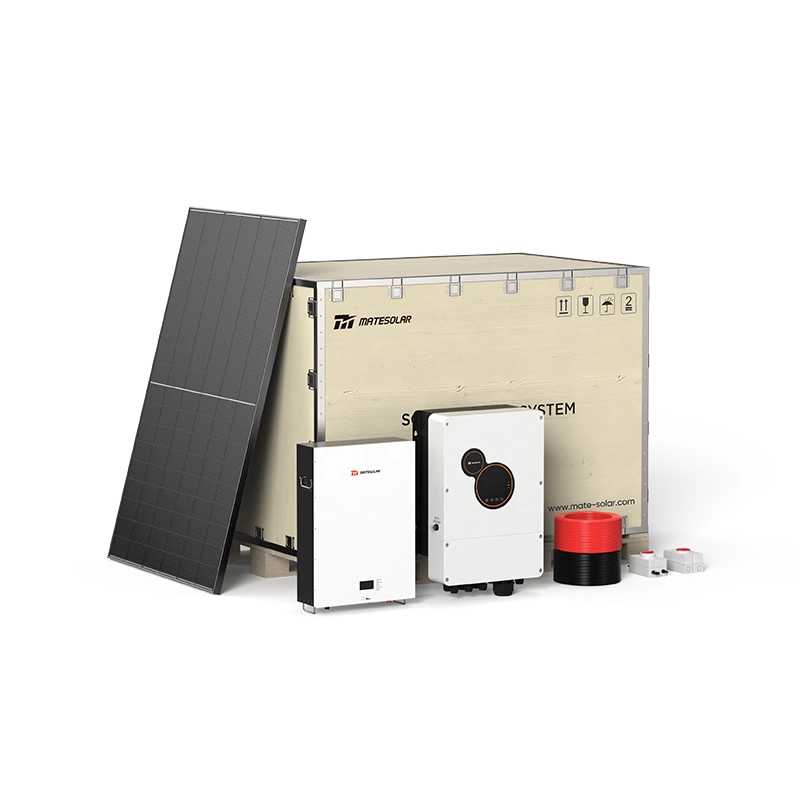
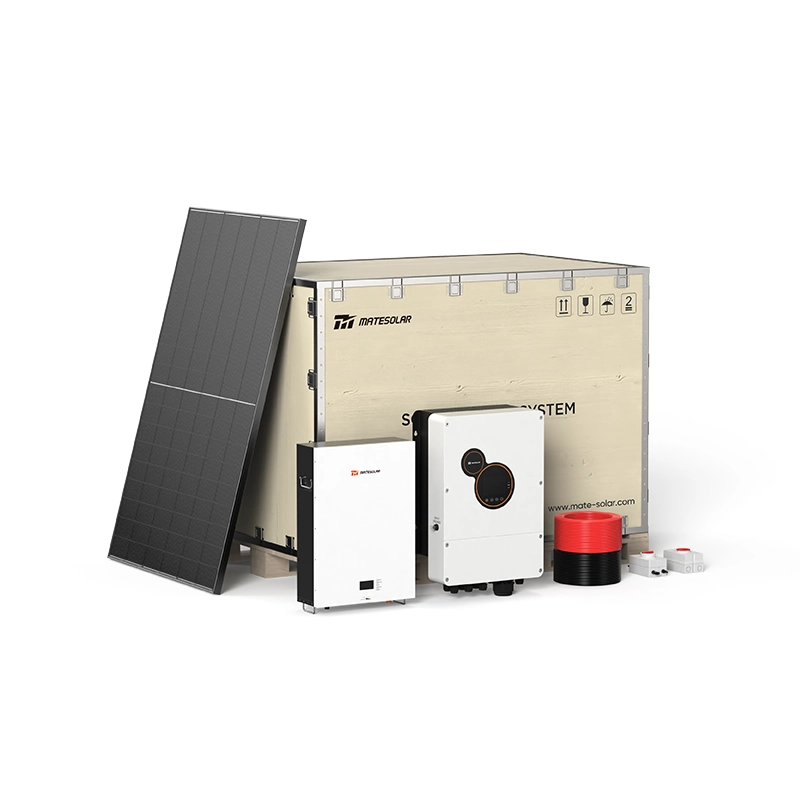
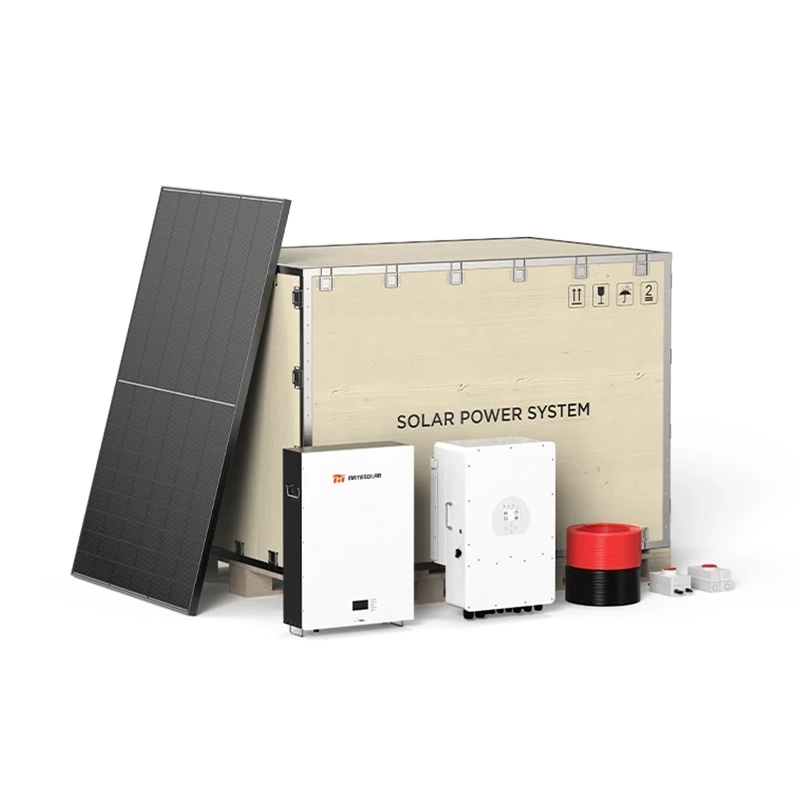
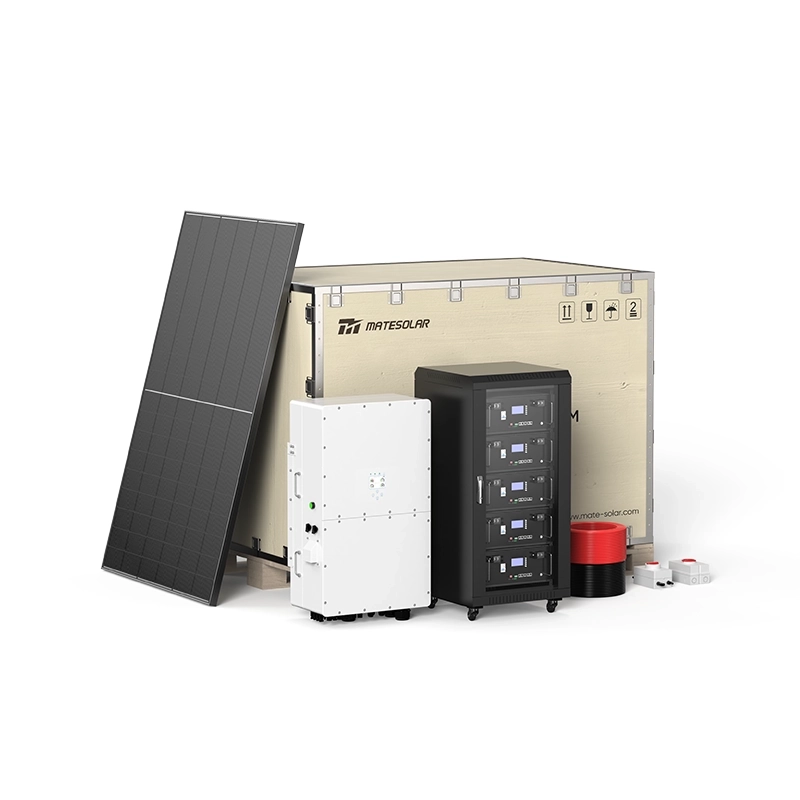
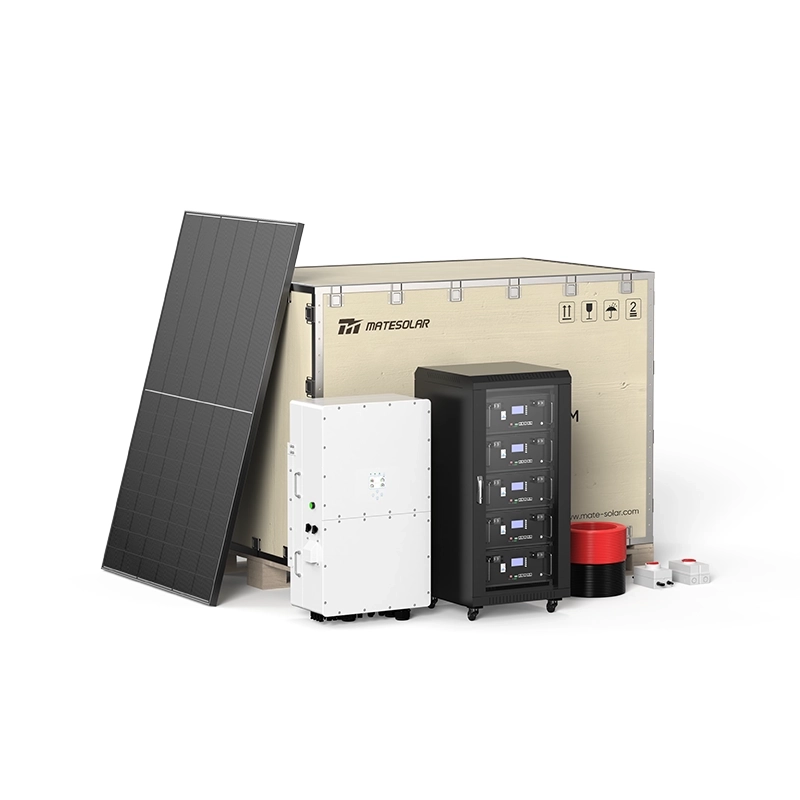
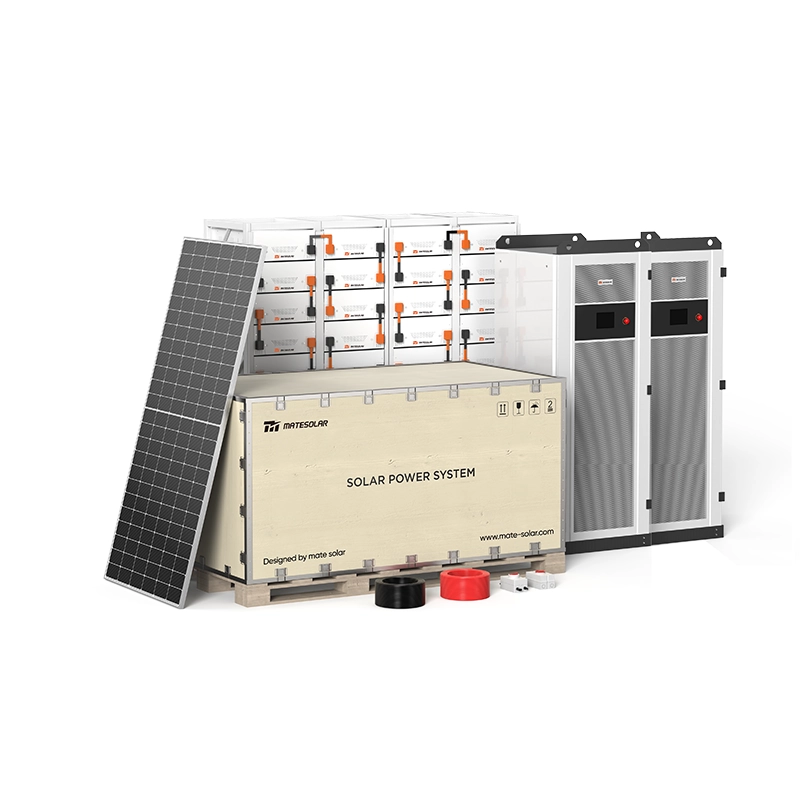
Pour le Système solaire hybride commercial de 500 kW page produit qui s'associe parfaitement à ce BESS pour les applications commerciales et de bureau, [cliquez ici pour les spécifications complètes et les prix].
Sécurité et certification pour les bâtiments occupés
Les PME opèrent dans des immeubles occupés — magasins avec des clients, restaurants avec des convives, bureaux avec des employés. La sécurité incendie n'est pas seulement une exigence réglementaire ; c'est un impératif de continuité des activités.
Certification UL 9540 : C'est la référence absolue en matière de sécurité des systèmes de stockage d'énergie en Amérique du Nord et de plus en plus dans les Caraïbes. L'UL 9540 couvre 12 dimensions de sécurité, notamment la sécurité électrique, la protection mécanique, la conception incendie et l'atténuation des emballements thermiques. Tout système BESS installé dans un bâtiment occupé ou à proximité devrait être certifié UL 9540.
Tests de fuite thermique UL 9540A : Au-delà de la certification au niveau du système, la norme UL 9540A teste spécifiquement la propagation de la fuite thermique, c'est-à-dire si un incendie dans une cellule de batterie se propage aux cellules adjacentes. Les systèmes qui réussissent le test UL 9540A sans propagation au-delà du module initiateur sont nettement plus sûrs pour les installations occupées.
Intégration de la suppression d'incendie : Votre BESS doit inclure une suppression automatique d'incendie (aérosol, gaz ou brouillard d'eau) intégrée au système d'alarme incendie du bâtiment. Les agents extincteurs doivent être non conducteurs et ne laisser aucun résidu susceptible d'endommager les équipements adjacents.
Tableau 5 : Exigences de certification de sécurité BESS par application
| Certification | Échelle de l'utilité | C&I | PME (Occupée) | Résidentiel |
| UL 9540 (Système) | Recommandé | Requis | Requis | Requis |
| UL 9540A (Propagation) | Recommandé | Recommandé | Requis | Recommandé |
| UL 1973 (Cellules) | Requis | Requis | Requis | Requis |
| UN 38.3 (Transport) | Requis | Requis | Requis | Requis |
| CEI 62619 (Industriel) | En option | Recommandé | Recommandé | Requis |
| Approbation du chef des pompiers local | Requis | Requis | Requis | Requis |
Interconnexion au réseau — Naviguer dans les exigences de plus en plus strictes de JPS
Alors que les applications solaires distribuées dépassent les 150 MW approuvés, JPS resserre les exigences d'interconnexion pour maintenir la stabilité du réseau. Votre proposition de BESS doit anticiper ces exigences et inclure la documentation technique nécessaire.
Protection anti-îlotage : JPS exige une détection anti-îlotage certifiée — la capacité de se déconnecter du réseau dans les 2 secondes en cas de perte de courant du réseau. Votre onduleur doit inclure une fonctionnalité anti-îlotage conforme à la norme UL 1741 ou IEEE 1547.
Contrôle du Facteur de Puissance : Le code du réseau exige la capacité de fonctionner à un facteur de puissance compris entre 0,9 inductif et 0,9 capacitif. Spécifiez la plage de votre facteur de puissance et le mode de contrôle (fixe ou dynamique) de votre onduleur.
Support de tension et de fréquence : votre BESS doit rester connecté pendant des perturbations spécifiées du réseau (sags et surtensions de tension, déviations de fréquence) plutôt que de se déconnecter. Les paramètres de support sont spécifiés dans le manuel d'interconnexion de JPS — obtenez la dernière version avant de soumettre votre demande.
Télémétrie et surveillance à distance : JPS exige une télémétrie en temps réel des systèmes interconnectés dépassant certains seuils de taille (généralement 100 kW). Votre BESS doit prendre en charge la transmission à distance de données par cellulaire ou Ethernet, y compris la puissance active, la puissance réactive, la tension, la fréquence et les indicateurs d'état.
Forfait d'interconnexion complet : Fournir à JPS :
- Schéma unifilaire montrant tous les dispositifs de protection
- Documentation de certification des onduleurs (UL 1741, IEEE 1547)
- Rapport de test anti-îlotage
- Étude de la qualité de l'énergie (pour les systèmes > 1 MW)
- Plan du site montrant l'emplacement du compteur et de l'interrupteur de déconnexion
Options de déploiement et de financement modulaires
Les PME n'ont souvent pas les moyens d'assumer l'intégralité des dépenses d'investissement d'un système solaire avec stockage, même lorsque l'économie du cycle de vie est convaincante. Votre offre devrait inclure des options de déploiement et de financement flexibles :
Déploiement par phases : Commencer uniquement avec le solaire photovoltaïque, puis ajouter un système de stockage dans 6 à 12 mois lorsque la trésorerie le permettra. Cela nécessite une conception modulaire du BESS qui peut être adaptée aux installations solaires existantes. Votre armoire extérieure doit supporter le couplage AC, c'est-à-dire se connecter à la sortie AC de l'onduleur solaire existant, plutôt que de nécessiter un recâblage DC.
Énergie en tant que service (EaaS) : Dans le cadre d'un modèle EaaS, vous possédez et exploitez le système ; le client paie des frais mensuels basés sur les économies d'énergie. Cela ne nécessite aucun capital initial de la part du client et aligne les incitations — vous n'êtes payé que lorsque vous réalisez des économies. Les contrats EaaS typiques durent de 5 à 10 ans, avec la possibilité d'acheter le système à la fin du contrat.
Financement par des tiers : S'associer avec des banques jamaïcaines ou des institutions financières de développement internationales (IFD) pour proposer le financement d'équipements. La BID et d'autres IFD disposent de facilités de financement climatique dédiées offrant des conditions favorables pour le stockage d'énergie.
2.4 Considérations techniques universelles pour tous les utilisateurs de stockage
Résilience face au climat tropical — La réalité des fortes chaleurs, de l'humidité et du sel
Le climat de la Jamaïque n'est pas simplement chaud – il est agressivement corrosif pour les équipements électriques. Les températures dépassent régulièrement 30°C, l'humidité relative dépasse fréquemment 80 pour cent, et les emplacements côtiers subissent des embruns salins constants. Les équipements standards conçus pour les climats tempérés échoueront prématurément.
Indice de protection (IP) : Pour une installation extérieure, spécifiez un indice IP65 minimum — protection complète contre les poussières et contre les jets d'eau à basse pression de toutes les directions. IP66 (protection contre les jets d'eau puissants) ou IP67 (immersion temporaire) offrent une marge supplémentaire pour les conditions de type ouragan.
Protection contre la corrosion (ISO 12944) : La norme ISO 12944 définit des catégories de corrosivité pour les environnements atmosphériques. Les zones côtières de la Jamaïque entrent dans la catégorie C5-M (marine, forte salinité), la catégorie de corrosivité la plus élevée. Votre enceinte BESS doit spécifier :
- système de revêtement certifié C5-M — épaisseur totale du film sec d'au moins 280 microns pour les structures en acier
- Quincaillerie en acier inoxydable (Qualité 316 ou supérieure) pour toutes les fixations externes
- Connecteurs étanches avec contacts plaqués or
- Revêtement conforme sur toutes les cartes de circuits imprimés
Gestion thermique : les températures ambiantes élevées accélèrent la dégradation de la batterie. Pour chaque augmentation de 10°C de la température de fonctionnement au-dessus de 25°C, le taux de dégradation des cellules LFP double approximativement. Votre BESS doit inclure une gestion thermique active :
- Refroidissement par liquide est privilégié pour les applications à cycle élevé (cycles quotidiens, taux C élevés). Le refroidissement liquide maintient l'uniformité de la température des cellules à ±2°C, prolongeant la durée de vie du cycle de 20 à 30 % par rapport au refroidissement par air.
- Refroidissement par air est acceptable pour les applications à faible demande (alimentation de secours, cycles occasionnels) mais nécessite une circulation d'air adéquate et un entretien du filtre pour éviter l'accumulation de poussière.
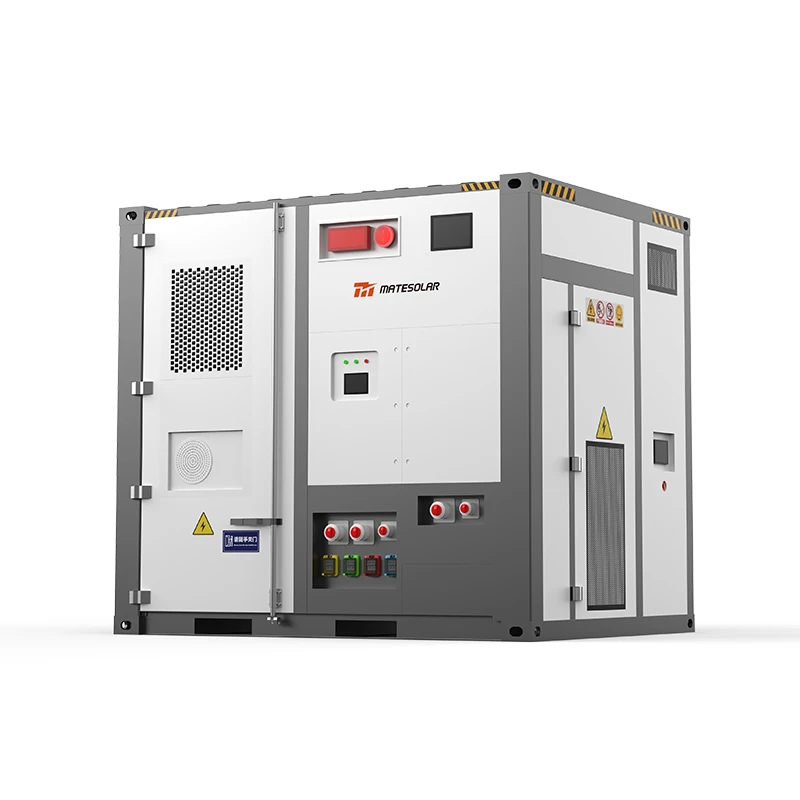
Produit recommandé : Système de stockage d'énergie conteneurisé à refroidissement liquide de 20 pieds, 3 MWh / 5 MWh
Pour les applications nécessitant une durée de vie maximale en cycle dans les climats chauds — y compris la gestion des pics de demande quotidienne pour les grandes industries et les services publics — la 20ft Liquid Cooling Container ESS LFP de 3 MWh ou de 5 MWh avec gestion thermique active par liquide. Spécifications clés :
- Le refroidissement liquide maintient la température des cellules dans une plage optimale (25–35 °C)
- Densité énergétique supérieure aux systèmes refroidis par air (jusqu'à 250 kWh/m²)
- Convient pour le cyclage intensif quotidien (jusqu'à 2 cycles par jour)
- Boîtier IP65 avec protection contre la corrosion C5-M
- Suppression d'incendie et détection de gaz intégrées
- Certifié UL 9540 et IEC 62619
Certifications Internationales et Bancabilité
Les projets financés par des prêteurs internationaux — y compris la BID, la Banque mondiale et des banques commerciales — exigent des équipements certifiés selon des normes internationales reconnues. Ces certifications ne sont pas facultatives pour les grands appels d'offres tels que l'approvisionnement de 220 MW du GPE.
UL 9540 (Sécurité des systèmes) : requis pour les systèmes interconnectés au réseau dans les juridictions qui reconnaissent les normes UL (la Jamaïque suit généralement les normes UL ou CEI). L'UL 9540 couvre le système de stockage d'énergie complet, y compris les batteries, la conversion de puissance, les contrôles et la gestion thermique.
IEC 62619 (Batteries industrielles) : La norme internationale pour les cellules et batteries lithium secondaires utilisées dans les applications industrielles. L'IEC 62619 couvre les tests électriques, mécaniques et environnementaux, ainsi que les exigences de sécurité pour les emballements thermiques et les courts-circuits internes.
CEI 62477 (Équipement de conversion de puissance) : Norme de sécurité pour les systèmes et équipements de convertisseurs électroniques de puissance, y compris les onduleurs et chargeurs de batterie.
UN 38.3 (Transport) : Obligatoire pour le transport aérien, maritime et terrestre des batteries au lithium. Sans certification UN 38.3, votre BESS ne peut pas être expédié légalement à l'international.
Tableau 6 : Certifications requises par type de projet
| Certification | Utilitaire/Appel d'offres GPE | C&I Derrière le compteur | PME / Détaillant | Centre de données |
| UL 9540 (système) | Requis | Requis | Requis | Requis |
| UL 9540A (propagation) | Recommandé | Recommandé | Requis | Requis |
| CEI 62619 (batterie) | Requis | Requis | Requis | Requis |
| CEI 62477 (onduleur) | Requis | Requis | Requis | Requis |
| UN 38.3 (transport) | Requis | Requis | Requis | Requis |
| Marquage CE (si applicable) | En option | En option | En option | En option |
Références de projets éprouvées : Les certifications prouvent la conformité aux normes, mais les références de projets prouvent la performance dans le monde réel. Documentez vos installations de BESS dans des environnements similaires à la Jamaïque : tropicaux, côtiers, sujets aux ouragans. Les références des Philippines, de la Floride, de Porto Rico, de Taïwan ou d'autres îles des Caraïbes ont un poids particulier.
Expiration de la licence JPS 2027 — Protégez votre investissement pour l'avenir
La licence d'électricité monopolistique de JPS expire en 2027. Ce qui se passera ensuite est incertain : le gouvernement de la Jamaïque pourrait renouveler la licence avec des modifications, introduire la concurrence dans la production ou la distribution, ou restructurer entièrement le service public.
Pour les acheteurs de systèmes de stockage, cette incertitude crée une exigence de flexibilité logicielle et matérielle. Votre BESS ne doit pas être figé dans un seul modèle d'exploitation du réseau.
Évolutivité du logiciel : Le système de gestion d'énergie (EMS) du BESS doit prendre en charge les mises à jour de micrologiciel à distance (OTA). Lorsque le remplaçant de JPS – quelle que soit sa forme – émet de nouveaux codes de réseau, votre système doit s'adapter sans remplacement de matériel.
Flexibilité du protocole : Votre matériel de communication doit prendre en charge plusieurs protocoles (IEC 61850, DNP3, Modbus, SunSpec) et être actualisable sur le terrain pour de nouveaux protocoles dès leur apparition.
Architecture ouverte : Évitez les systèmes de contrôle propriétaires qui ne peuvent pas être reconfigurés pour de nouveaux services de réseau. Les systèmes à architecture ouverte — construits sur des protocoles standard et des automates programmables — sont plus faciles à adapter aux exigences changeantes.
Surdimensionnement du matériel : Si vous n'êtes pas certain que les futurs services du réseau nécessiteront une capacité de puissance ou d'énergie supplémentaire, surdimensionnez légèrement votre matériel BESS. Ajouter de la capacité est coûteux ; disposer d'une capacité dont vous n'avez pas encore besoin est une petite prime d'assurance.
Alignement Régional des Achats — Le Facteur CAPP
La Jamaïque est un participant essentiel dans le Programme d'Approvisionnement Agrégé des Caraïbes (CAPP), une initiative régionale visant à agréger la demande d'énergie renouvelable et de stockage par batterie à travers les petits États insulaires en développement (PEID) des Caraïbes. Dans le cadre du CAPP, les futurs achats pourraient impliquer des normes techniques harmonisées entre plusieurs pays.
Si votre BESS est déployé en Jamaïque aujourd’hui, peut-il être reproduit à la Barbade, à Trinité-et-Tobago ou en République Dominicaine sans refonte majeure ? La compatibilité avec les normes évolutives de CAPP est un avantage concurrentiel.
Normes harmonisées à surveiller :
- Niveaux de tension : Les réseaux des Caraïbes fonctionnent à différentes tensions (110V, 120V, 230V, 240V, 400V, 480V). Votre onduleur doit prendre en charge les configurations multi-tensions.
- Fréquence : Les Caraïbes fonctionnent largement à 60 Hz (comme aux États-Unis), mais certaines îles utilisent 50 Hz. Votre BESS devrait prendre en charge les deux fréquences par configuration logicielle.
- Codes de grille : CAPP vise à harmoniser les exigences d'interconnexion entre les pays participants. Concevez votre EMS avec des paramètres de code réseau paramétrables — non codés en dur pour répondre aux exigences actuelles de la Jamaïque.
Troisième partie : Tableaux techniques et données de référence
Tableau 7 : Opportunité de marché des BESS en Jamaïque par segment (2026–2030)
| Segment | Capacité estimée (MWh) | Facteurs déterminants | Exigences techniques clés |
| Appel d'offres GPE - Services publics | 220 (2026) + de suivi | Mandat national de développement des énergies renouvelables | durée de 2 heures, auto-piloté, LFP |
| JPS Utility-Scale | 171.5 (2025–2028) | Remplacement de Hunts Bay | Durée possible de plus de 4 heures |
| C&I Derrière le compteur | 50 à 100 par an | Délestage de pointe, remplacement du diesel | Durée de 2–4 heures, autonomie |
| Rénovation solaire distribuée | 150+ (approbations existantes) | Maximisation de l'autoconsommation | Durée de 1 à 2 heures, couplage AC |
| Centre de données / Critique | 20–50 par an | Qualité de l'alimentation électrique, remplacement d'onduleur | Réponse milliseconde, niveau UPS |
| Hôtel / Tourisme | 30 à 60 par an | Gestion des pics saisonniers | Durée de 2–4 heures, intégration solaire |
Tableau 8 : Technologies de refroidissement comparatives pour les BESS dans les climats tropicaux
| Paramètres | Refroidissement de l'air | Refroidissement par liquide |
| Capacité de refroidissement par baie | 2–5 kW | 10–20 kW |
| Uniformité de température | ±5–8°C dans le rack | ±2 °C dans le rack |
| Impact sur la durée de vie du cycle (par rapport à la référence de 25 °C) | Réduction de 15–25% à une température ambiante de 35 °C | Réduction de 5–10% à une température ambiante de 35 °C |
| Consommation d'énergie parasite | 2–51 TP3T de puissance nominale du système | 1–31 TP3T de la puissance nominale du système |
| Exigences de maintenance | Le filtre est à changer tous les 3 à 6 mois | Remplacement du liquide de refroidissement tous les 3 à 5 ans |
| Adapté au cyclisme quotidien | Modéré (2 000–4 000 cycles) | Élevé (6 000+ cycles) |
| Aptitude pour l'alimentation de secours | Élevé (veille illimitée) | Haut |
| Coût initial | Plus bas | Supérieur (prime de 15 à 251 TP3T) |
| Coût d'exploitation | Supérieur (remplacement du filtre, puissance du ventilateur) | Plus bas (efficacité plus élevée, moins d'entretien) |
| Recommandation pour la Jamaïque | Petits systèmes, cycles peu fréquents, contraintes budgétaires | Cyclisme quotidien, à l'échelle des services publics, valeur à vie maximale |
Tableau 9 : Dégradation des batteries LFP dans les climats tropicaux
| Température de fonctionnement | Cycles jusqu'à 80% SOH (cycles quotidiens) | Durée de vie selon le calendrier pour le modèle 70% en mode SOH (veille) |
| 25°C (basale) | 6,000-8,000 | 15–20 ans |
| 30°C | 4,500–6,000 | 12-16 ans |
| 35 °C | 3,000–4,500 | 9–13 ans |
| 40°C | 2,000–3,000 | 6–10 ans |
| 45°C+ | Moins de 1 500 | moins de 5 ans |
Point essentiel : la gestion thermique n'est pas une option en Jamaïque. Un système fonctionnant à 40°C durera moins de la moitié d'un système refroidi activement fonctionnant à 30°C.
Partie Quatre : Questions Fréquemment Posées (FAQ)
FAQ 1 : Quel est le calendrier exact de l'appel d'offres BESS de 220 MW + 110 MW de GPE ?
La RFI a été lancée le 19 mars 2026. Les parties prenantes doivent soumettre leurs commentaires sur la RFI avant le 10 avril 2026. La vente aux enchères formelle est prévue pour le troisième trimestre 2026. Les soumissionnaires doivent préparer dès maintenant leurs propositions techniques et commerciales — la phase RFI est une occasion de façonner les spécifications de l'appel d'offres final, et non un pré-lancement.
FAQ n° 2 : Quel a été le niveau de concurrence lors de la première enchère du GPE, et quelles en sont les implications en matière de tarification ?
La première enchère portant sur 100 MW de capacité renouvelable a enregistré une sursouscription de cinq fois la capacité proposée : 500 MW d’offres pour 100 MW de capacité. Le prix moyen pondéré d’adjudication s’est établi à 61,58 USD/MWh, soit 14 % de moins que le coût moyen de production (LCOE) régional des Caraïbes pour l’énergie solaire. La deuxième tranche inclut un stockage obligatoire, de sorte que le prix global sera plus élevé. Toutefois, l’intensité de la concurrence sera au moins aussi forte que lors du premier tour. Les soumissionnaires devront proposer une valeur technique convaincante et des prix très compétitifs.
FAQ 3 : Quelle charge de vent mon BESS devrait-il avoir pour la Jamaïque ?
À la suite du passage de l’ouragan Melissa, les experts du secteur recommandent une résistance minimale de 160 mph pour les installations au sol situées dans des zones côtières exposées, la résistance recommandée se situant entre 180 et 200 mph. À titre de référence, les vents d’un ouragan de catégorie 5 atteignent au moins 157 mph. Votre structure doit également offrir une résistance aux impacts de débris et disposer d’un ancrage robuste. Le Code national de la construction jamaïcain définit des exigences minimales, mais il est conseillé de les dépasser pour les projets à grande échelle.
FAQ 4 : Quelle est la période de récupération typique pour un système de stockage C&I en Jamaïque ?
Pour une application typique derrière le compteur (écrêtement des pointes, arbitrage tarifaire), les périodes de retour sur investissement varient de 5 à 7 ans pour les systèmes solaires avec stockage et de 4 à 6 ans pour les systèmes de stockage seuls associés à du solaire existant. Ces estimations supposent des tarifs actuels de 0,237 USD/kWh pour les clients commerciaux. Si les tarifs augmentent en raison de la volatilité des prix des combustibles fossiles, les périodes de retour sur investissement diminuent en conséquence.
FAQ 5 : Ai-je besoin d'onduleurs formant réseau (grid-forming) pour mon système de stockage d'énergie par batterie (BESS) ?
Pour les projets à grande échelle raccordés au réseau JPS, la capacité de formation de réseau est vivement recommandée, même si elle n’est pas explicitement exigée. Les onduleurs de renforcement du réseau offrent une capacité de redémarrage autonome (redémarrage du réseau après une panne générale), un fonctionnement en îlot (maintien de l’alimentation en cas de perturbations du réseau) et un soutien accru du réseau en cas de défauts. Ces capacités répondent directement aux préoccupations en matière de résilience soulevées par l’ouragan Melissa et amélioreront votre note technique lors des appels d’offres concurrentiels.
Pour les applications "derrière le compteur" (behind-the-meter), la capacité de formation du réseau (grid-forming) est précieuse si vous avez besoin d'une alimentation sur îlots sans interruption (seamless islanding) lors des pannes du réseau. Votre installation continue ainsi de fonctionner comme si elle était connectée au réseau. Pour un simple écrêtage des pointes (peak shaving) sans besoin de secours, les onduleurs qui suivent le réseau (grid-following) sont suffisants.
FAQ 6 : Quelles certifications rechercher lors de l'achat d'un BESS ?
Les certifications les plus importantes pour la Jamaïque sont :
- UL 9540 (sécurité du système) — requis pour le raccordement au réseau dans la plupart des cas
- UL 9540A (propagation de l'emballement thermique) — fortement recommandé, en particulier pour les bâtiments occupés
- CEI 62619 (sécurité des batteries industrielles) — norme internationale
- UN 38.3 (transport) — nécessaire pour l'expédition
- C5-M selon l'ISO 12944 (protection contre la corrosion) — essentielle pour la Jamaïque côtière
Pour une sécurité et une bancabilité complètes, exigez les cinq.
FAQ 7 : Quel est l'impact de l'expiration de la licence JPS en 2027 sur mon investissement dans le stockage ?
L'expiration de la licence de monopole de JPS en 2027 suscite des incertitudes quant aux futures règles d'exploitation du réseau. Pour protéger votre investissement, optez pour un système de stockage d'énergie par batterie (BESS) présentant les caractéristiques suivantes :
- Mises à jour du micrologiciel à distance — pour s'adapter aux nouveaux codes de réseau
- Prise en charge de plusieurs protocoles de communication (IEC 61850, DNP3, Modbus) — pour s'interfacer avec la structure utilitaire qui émergera
- Des systèmes de contrôle à architecture ouverte — et non des systèmes verrouillés par des technologies propriétaires
- Surdimensionnement du matériel — pour accueillir de nouveaux services potentiels du réseau
Un système flexible et actualisable par logiciel restera précieux quelle que soit l'évolution du paysage réglementaire.
FAQ 8 : Puis-je installer une BESS sans équipes d'installation et de maintenance locales ?
Oui. Les produits BESS de MateSolar sont conçus pour le soutien au déploiement à distance :
- Les conceptions modulaires et enfichables minimisent la complexité sur site
- Le pré-câblage et les pré-tests en usine éliminent la plupart des travaux électriques locaux
- Mise en service à distance via une connexion Internet sécurisée (lorsque disponible)
- Remplacement de composant défectueux — nous expédions des modules ou des unités de remplacement ; retournez l'unité défectueuse pour analyse
- Assistance technique à distance — nos ingénieurs guident votre électricien local à travers n'importe quel problème par appel vidéo
- Pour les grands projets (à l'échelle d'un service public ou de grandes installations industrielles et commerciales), nous pouvons dépêcher du personnel technique pour des conseils d'installation sur site.
Vous n'avez pas besoin d'une équipe d'installation dans le pays. Un électricien local qualifié, ainsi que notre support à distance, suffisent pour la plupart des installations. Pour les projets complexes à l'échelle des services publics, nous prévoyons une supervision technique sur site.
FAQ 9 : Quelle est la différence entre les systèmes de stockage d'énergie par batteries refroidis par air et refroidis par liquide, et lequel est le mieux adapté à la Jamaïque ?
Systèmes refroidis par air Utilisez des ventilateurs pour faire circuler l'air dans les racks de batteries. Ils sont plus simples, moins chers et suffisants pour les climats modérés ou une utilisation peu fréquente. Cependant, dans les températures ambiantes de plus de 30°C en Jamaïque, les systèmes refroidis par air peinent à maintenir l'uniformité de la température, entraînant une dégradation accélérée.
Systèmes refroidis par liquide faire circuler du liquide de refroidissement à travers des plaques froides fixées aux modules de batterie. Ils obtiennent une uniformité de température supérieure (±2°C contre ±5–8°C pour le refroidissement par air) et maintiennent des températures de cellule plus basses dans des conditions ambiantes chaudes. Pour les applications de cyclage journalier en Jamaïque, le refroidissement liquide est fortement privilégié. Le coût initial 15 à 25 % plus élevé est récupéré grâce à une durée de vie cyclique prolongée et à une dégradation réduite.
Pour les applications de sauvegarde uniquement (décharges peu fréquentes), le refroidissement par air est acceptable.
FAQ 10 : Comment faire approuver mon BESS pour l'interconnexion au réseau JPS ?
L'approbation de l'interconnexion JPS requiert :
1. Dossier de documentation technique — schéma unifilaire, spécifications de l'équipement, réglages des dispositifs de protection
2. Certification d'onduleur — Conformité UL 1741 ou IEEE 1547
3. Rapport de test anti-îlotage — d'un laboratoire d'essai reconnu
4. Étude de la qualité de l'énergie — pour les systèmes supérieurs à 1 MW
5. Inspection du site — JPS peut inspecter l'installation avant d'accorder l'autorisation d'exploitation
Votre fournisseur de BESS doit fournir toute la documentation requise. Comptez 3 à 6 mois pour le processus d'approbation des systèmes de moins de 1 MW ; les systèmes plus importants peuvent nécessiter 6 à 12 mois, y compris des études d'impact sur le réseau.
FAQ 11 : Qu'est-ce que le Caribbean Aggregation Procurement Programme (CAPP) et pourquoi est-il important pour la sélection de mon système de stockage d'énergie par batterie (BESS) ?
CAPP est une initiative régionale dirigée par RELP et OOCUR visant à agréger la demande d'énergies renouvelables et de stockage par batterie à travers les Petits États insulaires en développement (PEID) des Caraïbes. Le programme vise à harmoniser les processus d'approvisionnement et les normes techniques, permettant des économies d'échelle et attirant les investissements internationaux. La Jamaïque est un participant clé.
Pour les acheteurs de BESS, le CAPP signifie que les normes techniques pourraient s'harmoniser dans les Caraïbes dans les années à venir. Choisir un BESS qui répond aux normes régionales anticipées — plutôt qu'aux seules exigences actuelles de la Jamaïque — garantit la pérennité de votre investissement et peut permettre la participation à des services énergétiques transfrontaliers ou à de futurs appels d'offres agrégés.
FAQ 12 : Quelle est la durée de vie réaliste des batteries LFP dans le climat jamaïcain ?
Avec actifs refroidissement liquide En maintenant les températures des cellules à 30°C ou moins, les batteries LFP peuvent atteindre 5 000 à 6 000 cycles jusqu'à 80 % d'état de santé (SOH), ce qui est suffisant pour un cycle quotidien sur 15 à 17 ans.
Avec refroidissement par air et des températures ambiantes typiques de la Jamaïque (35°C+), la durée de vie en cycles tombe à 3 000 à 4 000 cycles — soit environ 10 ans de cycles quotidiens.
À titre de comparaison, les cellules LFP testées à 25°C atteignent 6 000 à 8 000 cycles jusqu'à 80 % de SOH. La relation d'Arrhenius – qui double approximativement le taux de dégradation pour chaque augmentation de température de 10°C – explique la différence spectaculaire. La gestion thermique est le facteur le plus important déterminant la durée de vie économique de votre BESS en Jamaïque.
FAQ 13 : Puis-je ajouter du stockage à mon installation solaire existante ?
Oui. C'est ce qu'on appelle le couplage AC — connecter le système de stockage au côté AC de votre onduleur solaire existant. Le BESS se charge soit à partir de la production solaire (lorsque la production dépasse la charge) soit à partir du réseau (pendant les périodes de tarif bas), puis se décharge pendant les pics de demande ou les pannes du réseau.
Le couplage AC fonctionne avec toute installation solaire existante, quelle que soit la marque de l'onduleur, à condition que le BESS comprenne un onduleur à couplage AC bidirectionnel. Le système de stockage apparaît à l'onduleur solaire comme une autre charge (lors de la charge) et aux charges de l'installation comme un autre générateur (lors de la décharge).
Pour les nouvelles installations, le couplage CC (stockage connecté au bus CC de l'onduleur solaire) offre une efficacité de round-trip plus élevée (généralement 2 à 4 points de pourcentage de plus) mais nécessite un onduleur compatible. Les systèmes hybrides commerciaux de MateSolar prennent en charge les deux architectures.
FAQ 14 : Comment l'ouragan Melissa modifie-t-il les exigences techniques des BESS en Jamaïque ?
Avant l'ouragan Melissa (octobre 2025), les valeurs nominales de charge de vent supérieures à 120 mph étaient considérées comme suffisantes pour la plupart des installations caribéennes. Après que les vents de catégorie 5 de la tempête (157+ mph) aient endommagé l'installation solaire de 38 MW de Paradise Park, l'évaluation des risques de l'industrie a fondamentalement changé.
Attentes actuelles :
- Charge de vent minimale de 160 mi/h pour tout équipement monté au sol en Jamaïque côtière
- Tests d'impact de débris — les enclos doivent résister aux impacts de débris transportés par le vent
- Installation résistante aux inondations — Les coussinets BESS surélevés d’au moins 1 mètre au-dessus du sol dans les zones sujettes aux inondations
- Ancrage renforcé — quincaillerie de fondation en acier inoxydable avec composés de blocage de filetage
- Restauration rapide après la tempête — les systèmes doivent être conçus pour une inspection et un redémarrage rapides après des événements extrêmes
Ces exigences seront très probablement formalisées dans le cahier des charges de l'appel d'offres GPE et les exigences d'interconnexion JPS. Les fournisseurs de BESS qui les auront déjà intégrées auront un avantage significatif.
FAQ 15 : Quel est le délai de livraison habituel pour les BESS en Jamaïque ?
De la commande à la mise en service, les délais typiques sont :
- Armoires extérieures (1–2 MWh) : 8-12 semaines (pré-câblé en usine, prêt à l'emploi)
- Conteneurs refroidis par air (1 à 5 MWh) : 12–16 semaines
- Conteneurs refroidis par liquide (3–10 MWh) : 16–24 semaines
Ces estimations comprennent la fabrication, les essais en usine et l'expédition depuis nos installations de fabrication mondiales. Pour les projets urgents, une livraison accélérée (4 à 8 semaines pour les systèmes d'armoires) peut être disponible.
FAQ 16 : Comment la tarification en deux parties du GPE (paiements pour capacité + énergie) affecte-t-elle la conception des BESS ?
La structure tarifaire en deux volets — des rémunérations de capacité pour la disponibilité du réseau et des rémunérations d'énergie pour l'électricité injectée — récompense autant la fiabilité que les prix bas de l'énergie.
Pour maximiser les revenus dans le cadre de cette structure, votre BESS devrait :
- Optimiser la disponibilité grâce à une redondance N+1 sur les sous-systèmes critiques (refroidissement, conversion d'énergie)
- Minimiser les taux de pannes forcées — spécifier des composants dont la fiabilité est prouvée dans les environnements tropicaux
- Optimiser la disponibilité — réduire la fréquence et la durée de la maintenance préventive
- Fournir des rapports de performance transparents — afin que le client puisse vérifier les indicateurs de disponibilité
Un système offrant une disponibilité de 99,5 % générera des revenus liés à la capacité nettement supérieurs à ceux d'un système à 98 %, même si le prix de l'énergie est légèrement plus élevé.
FAQ n° 17 : Quelles sont les options de financement pour les systèmes de stockage d'énergie par batterie (BESS) en Jamaïque ?
Les sources de financement comprennent :
- Prêts des banques commerciales — Les banques jamaïcaines sont de plus en plus familières avec le stockage d'énergie ; les garanties peuvent inclure l'équipement lui-même
- Institutions de financement du développement — La BID, la Banque Mondiale/SFI, la CDB proposent des facilités de financement climatique à des conditions favorables
- Financement par le vendeur — MateSolar propose des formules de location avec option d'achat et des modèles EaaS (Energy-as-a-Service) ne nécessitant aucun investissement initial
- Incitations gouvernementales — Le gouvernement jamaïcain offre des franchises douanières et des incitations fiscales pour les équipements d'énergie renouvelable et de stockage
- Finance carbone — Les réductions d'émissions vérifiées résultant du remplacement des moteurs diesel pourraient générer des crédits carbone
La structure de financement optimale dépend de la taille du projet, du profil de crédit et de la tolérance au risque. Pour les projets d'un montant supérieur à 500 000 USD, nous pouvons vous mettre en relation avec des partenaires financiers qualifiés.
FAQ n° 18 : Comment déterminer la taille d'un système BESS adapté à mon installation ?
Conseils généraux pour le choix de la taille :
Pour l'écrêtement des pics (arbitrage tarifaire) : Analysez vos données de charge par intervalles de 15 minutes pour identifier les 2 à 4 heures de demande de pointe chaque jour. Dimensionnez le stockage pour couvrir les 1 à 2 heures de pointe, pas le pic entier. La valeur marginale du premier kWh de stockage est la plus élevée ; la capacité supplémentaire a des rendements décroissants.
Pour l'alimentation de secours : Taille de la charge critique requise pendant une panne, multipliée par la durée de secours souhaitée. Un centre de données peut nécessiter 500 kW pendant 2 heures (1 000 kWh). Un hôtel peut nécessiter 200 kW pendant 4 heures (800 kWh) pour les charges essentielles uniquement.
Pour l'autoconsommation d'énergie solaire : Dimensionner le système de stockage de manière à absorber 50 à 70 % de la production solaire de midi qui, sans cela, serait exportée. Cela correspond généralement à un stockage compris entre 0,5 et 2 kWh par kW de capacité solaire, en fonction du profil de charge.
MateSolar propose des études de dimensionnement gratuites basées sur vos factures d'électricité et les données de votre site.
FAQ 19 : Quel entretien un BESS nécessite-t-il ?
Les systèmes BESS modernes ne nécessitent qu'un entretien régulier minimal :
- Systèmes à refroidissement par air : Inspection et remplacement du filtre tous les 3 à 6 mois ; inspection du moteur du ventilateur une fois par an
- Systèmes de refroidissement liquide : Vérification du niveau de liquide de refroidissement tous les 6 mois ; remplacement du liquide de refroidissement tous les 3 à 5 ans ; inspection de la pompe tous les ans
- Tous les systèmes : Inspection thermique annuelle des connexions électriques ; mises à jour du microprogramme dès leur publication
MateSolar propose des services de surveillance et de diagnostic à distance, vous alertant sur les problèmes potentiels avant qu'ils n'entraînent des temps d'arrêt. Pour les applications critiques, nous proposons des garanties étendues avec une maintenance préventive planifiée.
FAQ 20 : Que se passe-t-il lorsque la BESS atteint la fin de sa durée de vie ?
Les batteries LFP conservent une valeur significative même après avoir atteint 80 % de leur état de santé (généralement plus de 6 000 cycles). Les applications de seconde vie comprennent :
- Stockage à usage réduit (cyclisme hebdomadaire au lieu de quotidien)
- Alimentation de secours (où la dégradation de la capacité est moins critique)
- Support de grille (support tension/VAR non critique)
MateSolar propose des programmes de reprise pour les modules de batterie en fin de vie, garantissant un recyclage responsable grâce à des partenaires certifiés. Les batteries LFP sont non toxiques et hautement recyclables, le lithium, le fer et le phosphate étant tous récupérables.
Conclusion : La fenêtre d'opportunité est maintenant
Au 1er avril 2026, le marché du stockage d'énergie de la Jamaïque se trouve à un point d'inflexion qui ne se reproduira pas. L'appel d'offres BESS de 220 MW + 110 MW de la GPE — le plus important de l'histoire des Caraïbes anglophones — accepte les retours d'information de la RFI jusqu'au 10 avril, le lancement officiel de la vente aux enchères étant prévu pour le troisième trimestre 2026. L'économie derrière le compteur, alimentée par des tarifs commerciaux de 0,237 USD/kWh, offre des périodes de retour sur investissement de 5 à 7 ans — parmi les cas d'investissement de stockage les plus convaincants des Amériques. L'ouragan Melissa a fait passer la résilience d'un élément souhaitable à une exigence non négociable, créant un marché de premium pour les systèmes conçus pour survivre aux conditions de catégorie 5.
Les stratégies gagnantes sur ce marché seront définies par trois capacités :
1. Excellence technique dans les environnements tropicaux — Pas d'équipement générique “ résistant aux intempéries ”, mais des systèmes conçus spécifiquement pour la chaleur intense, l'humidité élevée, la corrosion saline et les charges de vent extrêmes. Le refroidissement liquide, la protection contre la corrosion C5-M et les boîtiers IP65+ ne sont pas facultatifs ; ils sont le prix d'entrée.
2. Formation de grille et assistance avancée au réseau — Alors que la Jamaïque se dirige vers 50 % d'énergies renouvelables d'ici 2030, le réseau aura besoin de systèmes de stockage qui font plus que suivre : ils doivent former, stabiliser et redémarrer en cas de panne. Les onduleurs formateurs de réseau sont la norme future, pas une option premium.
3. Flexibilité et pérennisation — La licence de JPS expire en 2027 ; CAPP harmonise les normes régionales. Les systèmes verrouillés dans des protocoles propriétaires ou les codes de réseau actuels deviendront obsolètes. Les systèmes à architecture ouverte, évolutifs par logiciel, conserveront leur valeur pendant la transition.
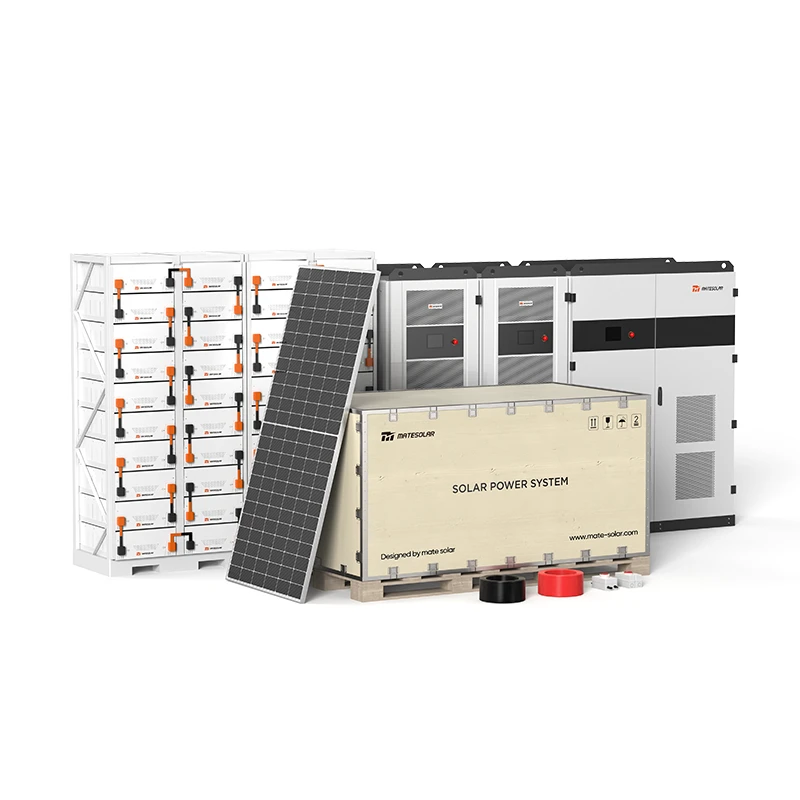
MateSolar est votre fournisseur unique de solutions solaires et de stockage pour le marché des Caraïbes. Des appels d'offres pour les centrales d'envergure aux installations de consommation moyenne derrière le compteur, nous fournissons des systèmes de stockage d'énergie basés sur la technologie LFP, conçus spécifiquement pour les climats tropicaux — avec refroidissement liquide, protection contre la corrosion C5-M, certification UL 9540 et capacité de formation de réseau. Nos systèmes modulaires en conteneurs peuvent évoluer de 1 MWh à plus de 10 MWh, et notre modèle de mise en service et de support à distance signifie que vous n'avez pas besoin d'une équipe d'installation dans le pays. Pour les projets urgents ou complexes à l'échelle des services publics, nous déployons du personnel technique sur site.
Pour des spécifications produit complètes et une consultation de projet, visitez nos pages produits :
- Système solaire hybride commercial de 500 kW — idéal pour les applications de vente au détail, de bureaux et de PME
- Conteneur de 40 pieds refroidi par air ESS (1MWh / 2MWh) — simple, économique, plug-and-play
- Conteneur de refroidissement liquide 20 pieds ESS (3 MWh / 5 MWh) — durée de vie maximale pour un cyclage quotidien dans la chaleur tropicale
La fenêtre de positionnement concurrentiel sur le marché du stockage en Jamaïque se referme. La date limite de réponse à la RFI est le 10 avril 2026 – dans trois jours. La mise aux enchères formelle sera lancée au troisième trimestre 2026. Les projets en ‘ behind-the-meter » sont approuvés dès maintenant. Les secteurs des centres de données, de l'hôtellerie et de l'industrie évaluent activement les propositions.
N'attendez pas que le marché arrive à maturité. Le marché est mûr maintenant.
MateSolar — Alimenter l'avenir énergétique résilient des Caraïbes.