





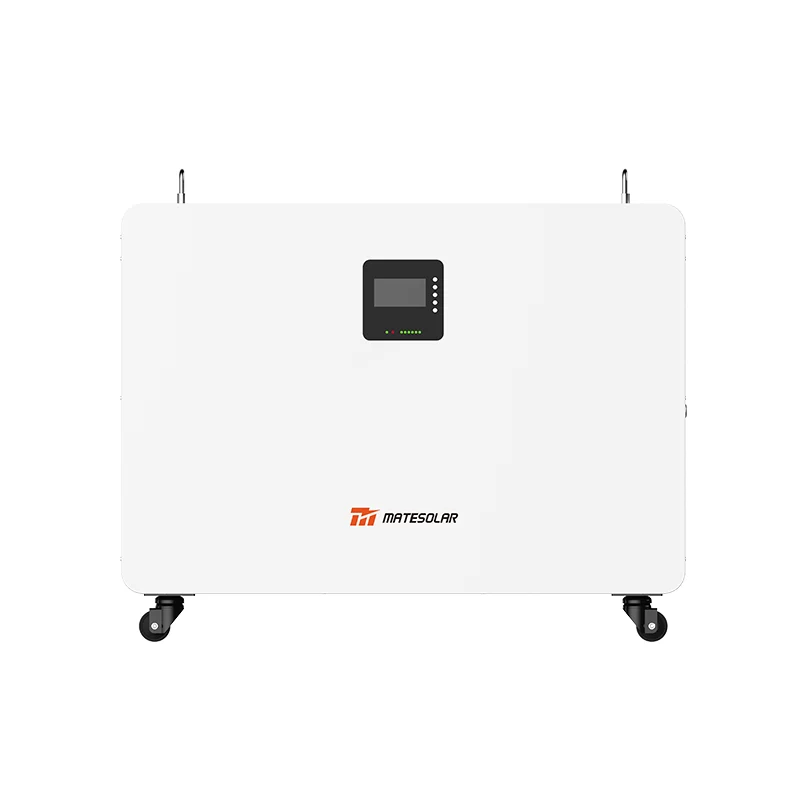
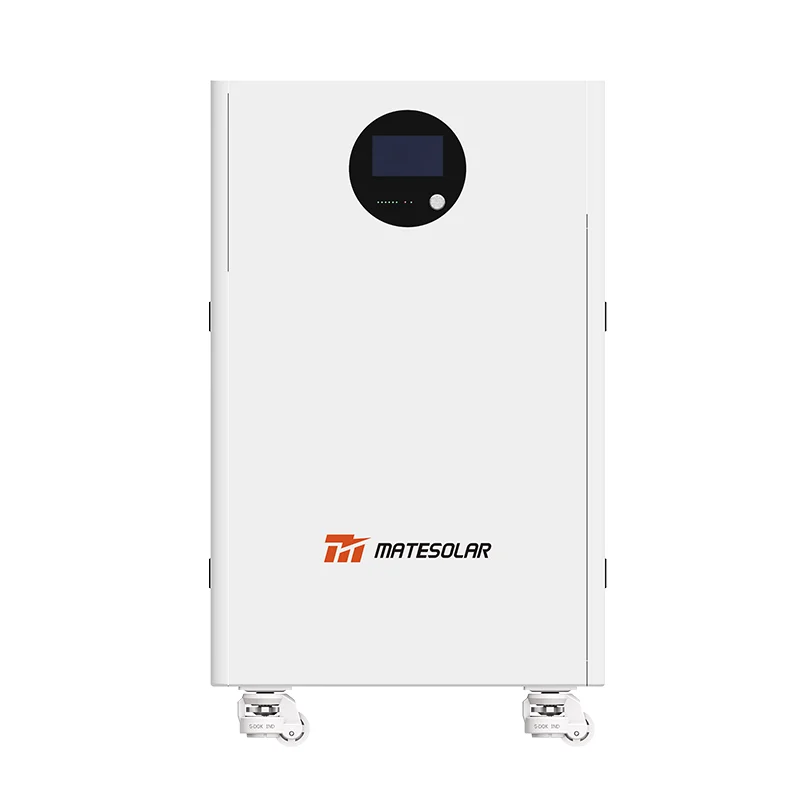
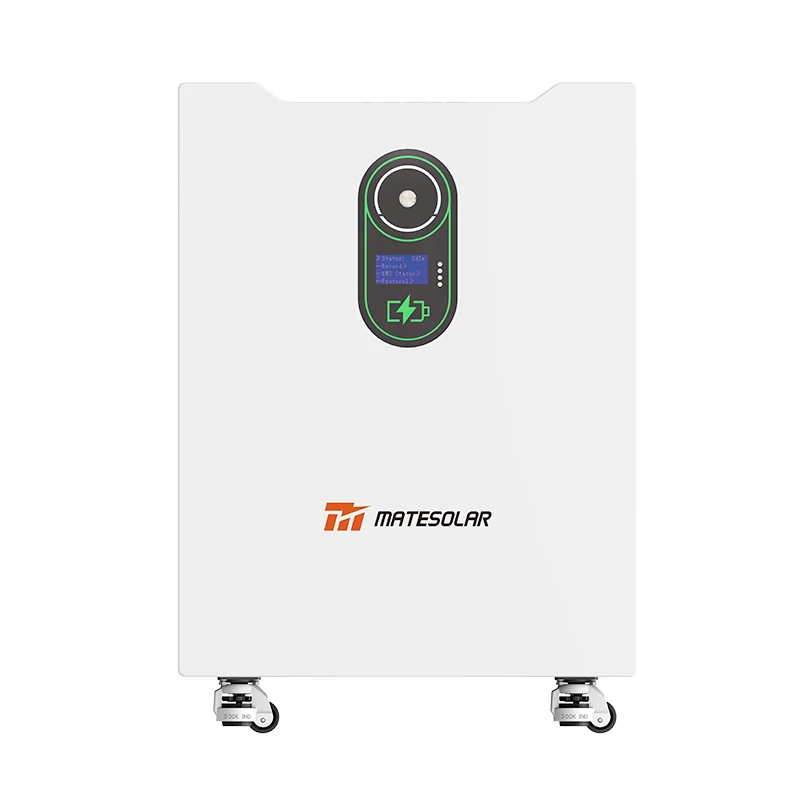
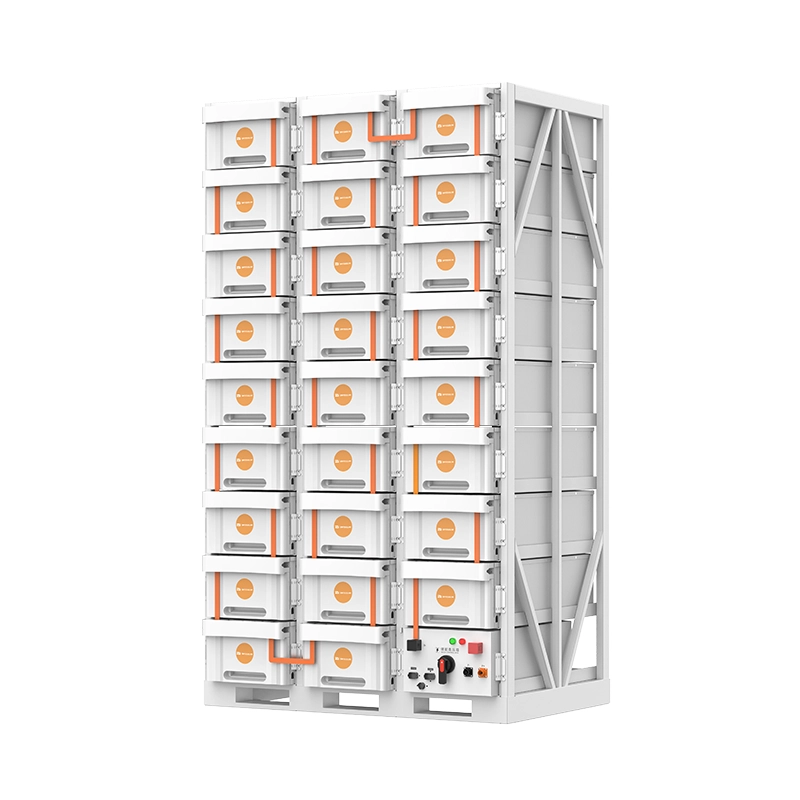
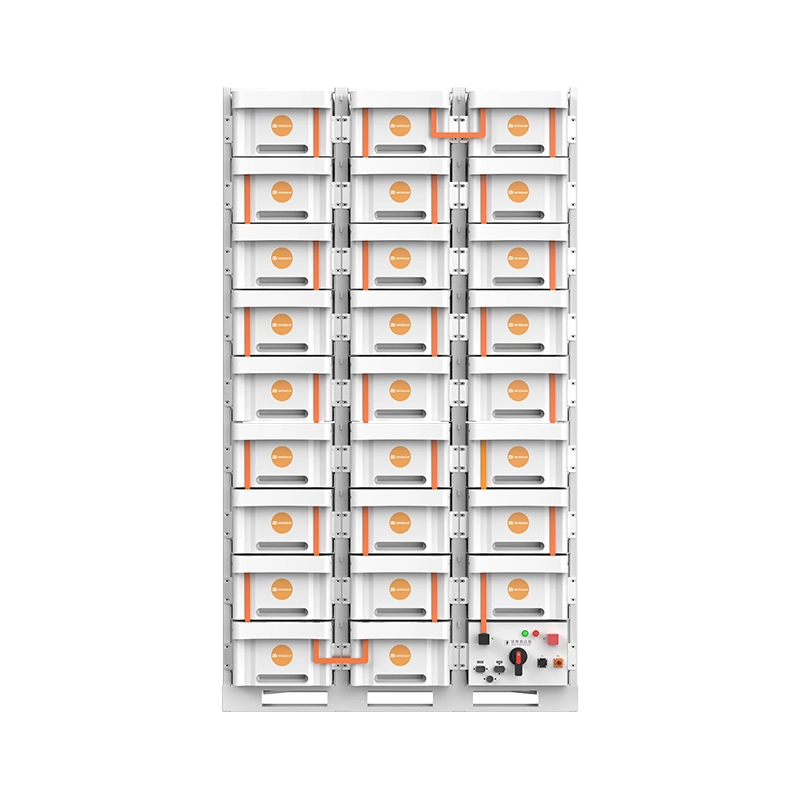
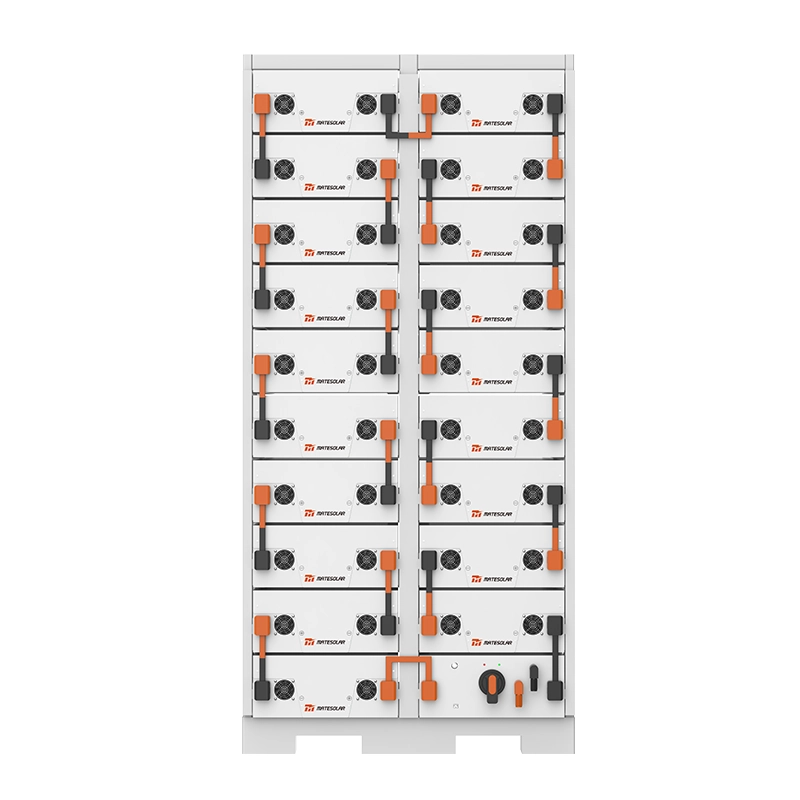
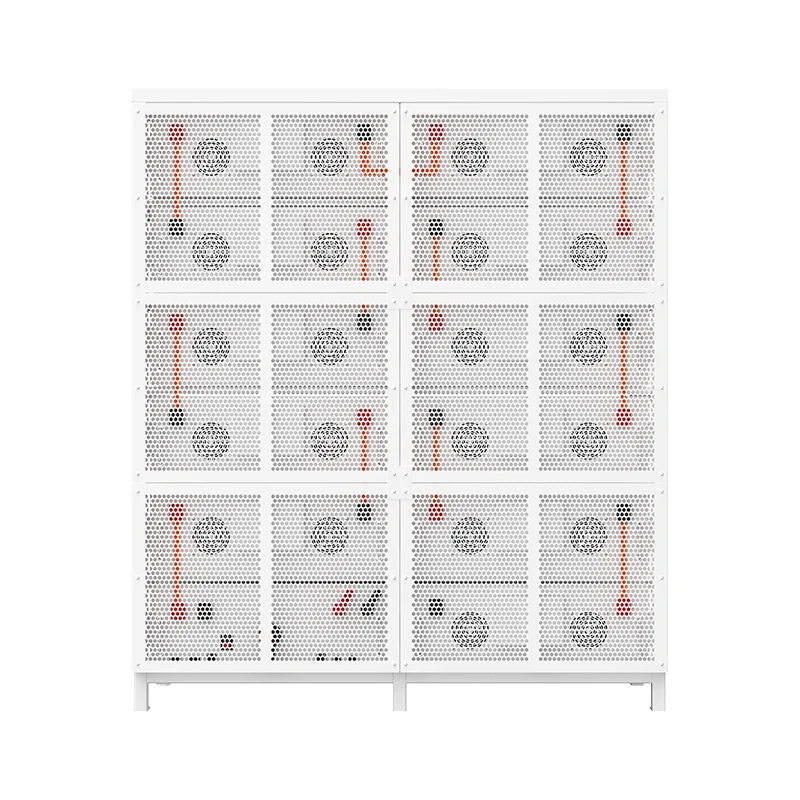
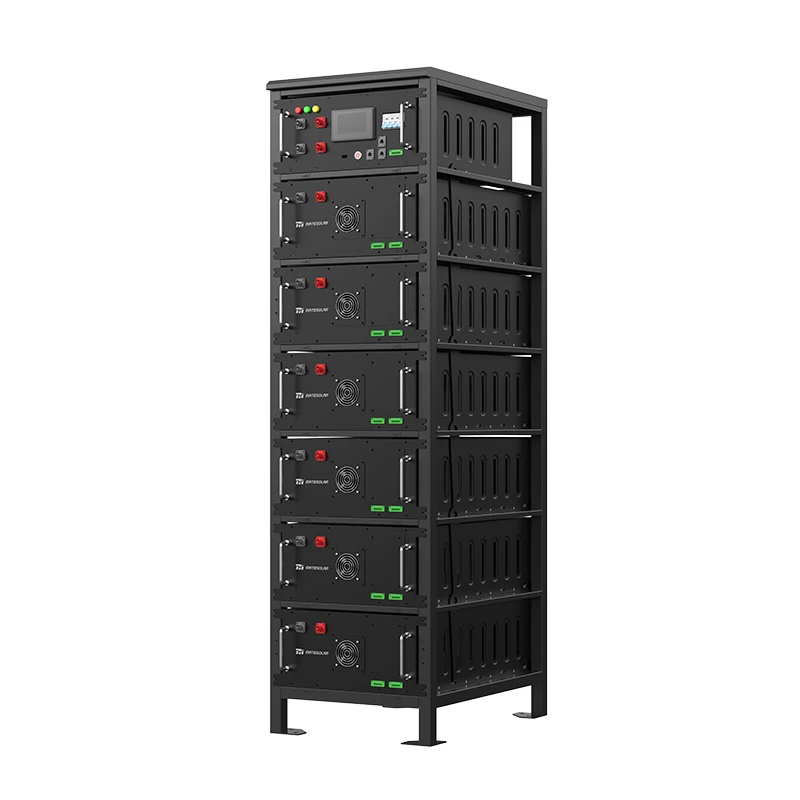






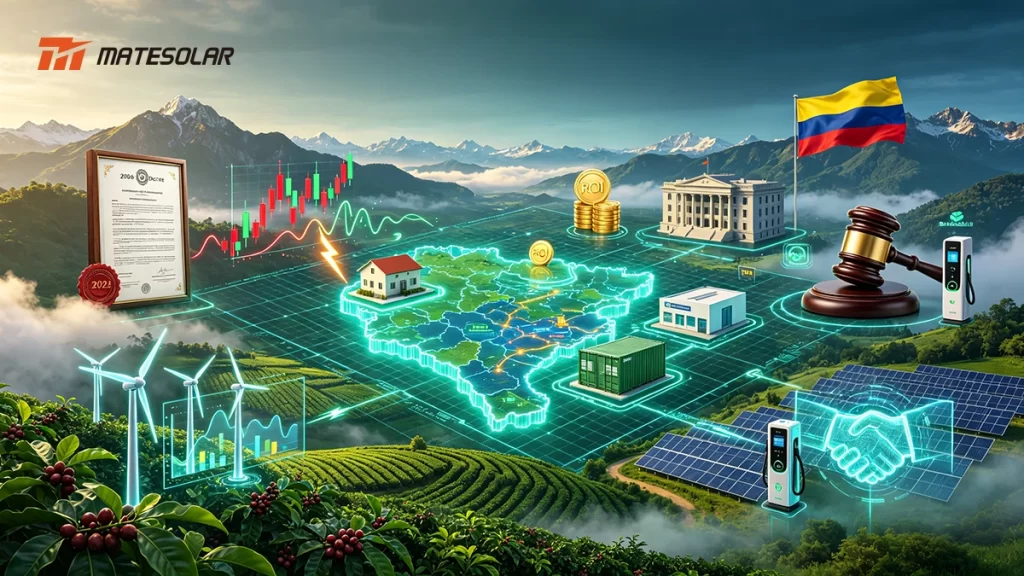
*How the integration of battery storage into long-term auctions, a 4 GW renewable milestone, and urgent reliability demands are reshaping Colombia's energy landscape—and what EPCs, industrial users, SMEs, off-grid communities, and all stakeholders must know to succeed in this high-stakes market.*
As of April 13, 2026, Colombia stands at a historic inflection point in its energy transition. The country has surpassed 4 GW of installed clean energy generation capacity, equivalent to 17.09% of the national electricity mix, and is aggressively pursuing a 6 GW target by year-end 2026. With hydropower still dominating the matrix at approximately 64% and thermal generation accounting for roughly 30%, the non-conventional renewable energy (NCRE) share—solar, wind, and biomass—has surged to 6.46% and continues its rapid ascent.
Yet this progress masks deep structural vulnerabilities. Colombia's heavy dependence on hydroelectricity leaves the system perilously exposed to climate variability. During El Niño events, reservoir levels plummet, thermal generation spikes, and electricity spot prices can skyrocket from averages of 576 COP/kWh to historical peaks exceeding 2,675 COP/kWh. Industrial users, data centers, cold chain operators, and commercial enterprises face not only punishing cost volatility but genuine supply security risks.
Against this backdrop, two landmark regulatory developments have fundamentally altered the investment calculus. In February 2026, the Ministry of Mines and Energy issued Resolution 025 of 2026, establishing Colombia's first-ever long-term electricity contracting mechanism with contract durations of up to 15 years. Then, on April 3, 2026, the government enacted Resolution 40178 of 2026, which explicitly integrates battery energy storage systems (BESS) into competitive auction frameworks alongside generation, transmission, and distribution assets.
For the first time in Colombian history, storage is no longer a regulatory orphan. It is now a qualified electricity resource eligible for long-term PPAs, capable of participating in reliability auctions, and recognized as a core asset for grid stability. This transformation unlocks unprecedented opportunities—but only for stakeholders equipped with the right technology, financial structuring, and regulatory navigation capabilities.
This Blueprint addresses the five most urgent pain points shaping Colombia's storage market today:
- Topic 1: EPCs, Project Developers & IPPs — Crafting bankable bids in the new long-term auction framework.
- Topic 2: Industrial Enterprises, Data Centers & Large Commercial Users — Hedging price volatility and securing reliable backup.
- Topic 3: Small & Medium Commercial, Retail, Hospitality & Agriculture — Maximizing net metering economics with compact outdoor cabinets.
- Topic 4: Off-Grid & Weak-Grid Communities and Project Developers — Replacing costly diesel generation with hybrid microgrids.
- Topic 5: All Energy Storage Users — Future-proofing investments amid regulatory evolution and securing local support.
Each section delivers actionable insights grounded in real Colombian market data, international best practices, and the technical specifications of proven BESS solutions.
Section 1: Policy Breakthrough — Colombia's Long-Term Auction Framework Integrates Storage for the First Time
1.1 The Regulatory Milestone
The Colombian energy regulatory landscape underwent a seismic shift in early 2026. Resolution 025 of 2026, issued by the Ministry of Mines and Energy, created the country's first-ever long-term electricity contracting mechanism (Mecanismo de Contratación a Largo Plazo de Energía Eléctrica) , with contracts lasting up to 15 years. This mechanism, developed under Decree 1091 of 2025, was designed to ensure future energy supply, diversify the electricity matrix, and propel Colombia's energy transition with stable regulatory certainty.
Building on this foundation, Resolution 40178 of 2026—enacted on April 3, 2026—established the general rules for competitive procurement mechanisms that combine generation assets, BESS, transmission, and distribution within a single scheme. The most significant change is the explicit inclusion of battery storage as a core component of the power system, enabling better management of renewable energy variability and enhanced operational reliability.
"The country needs clear rules and long-term signals to guarantee clean, reliable energy at efficient prices," said Minister of Mines and Energy Edwin Palma. "With this mechanism, we are correcting delays, closing gaps, and taking a structural step to shield the electrical system from climate risks and future demand."
1.2 Auction Design: What Storage Providers Need to Know
The new auction framework introduces several design features that fundamentally reshape how storage projects must be structured:
| Auction Feature | Implication for Storage Bidders |
| Technology-specific products | Solar PV + battery hybrids specifically targeted to cover demand between 17:00-21:00—the most critical evening peak period |
| Real hourly generation profiles | Bidders can declare actual generation curves rather than flat blocks, allowing solar+storage hybrids to capture full value |
| Extended obligation horizon to 2035 | Longer lead times align contracts with realistic development cycles in Colombia, reducing penalty risks |
| Up to 15-year PPAs | Revenue certainty for developers, but requires long-term performance guarantees and bankability |
| Integrated auction mechanism | Generation, storage, transmission, and distribution can be combined in a single bid |
However, critical gaps remain. As energy regulation expert Manuel Gómez Fajardo has noted, Products 1 and 3 in the auction require delivery in specific hourly blocks, effectively compelling developers to hybridize solar PV plants with BESS. Yet the awarded contracts remunerate delivered energy (MWh), not available capacity (MW) .
"Can this be covered solely with PPA revenues? I do not believe so," Gómez Fajardo warned. Under the current framework, revenues depend primarily on payments per megawatt-hour. Yet storage projects typically require additional remuneration mechanisms—such as firm capacity payments or availability payments—to ensure stable cash flows and achieve bankability.
1.3 The CREG 701_103 Framework: Still Evolving
Adding another layer of regulatory complexity, Colombia's Energy and Gas Regulatory Commission (CREG) opened Draft Resolution CREG 701_103 of 2025 for public comment, establishing criteria for installation, operation, remuneration, and participation of BESS in the National Interconnected System (SIN). Key provisions include:
- Minimum capacity threshold of 5 MW for independent BESS operating as centrally dispatched units
- 20% project guarantee requirement based on estimated value determined by UPME
- Revenue determination based on whether BESS are connected to National Transmission, Regional Transmission, or Local Distribution systems
- Authorization for wholesale market participation and frequency regulation services, including energy arbitrage during low-demand hours
While this draft resolution is a positive step—creating the first dedicated regulatory framework for BESS in Colombia—it remains a draft as of April 2026. The final version has not yet been issued, leaving investors navigating transitional uncertainty.
1.4 Market Maturity: Beyond Auctions to Bilateral PPAs
The auction mechanism no longer acts as the initial driver of renewable expansion but rather as a fine-tuning tool in a rapidly maturing electricity market. Today, developers are negotiating 15-year PPAs with conditions that allow projects to secure project finance without necessarily relying on the state mechanism. This shift responds to a clear signal: the possible tightening of the electricity system toward 2027-2028, driven by delays in grid expansion and limitations in connection point allocation.
1.5 The Supply-Demand Gap: Urgent Need for Storage
Colombia faces a critical supply-demand imbalance. According to the Renewable Balance 2026 report by SER Colombia, 5,086 MW of renewable capacity remains without financial close, and approximately USD 5 billion in investment is required to prevent a structural deficit by 2027. Developing a renewable energy project in Colombia typically takes between three and seven years, with around 70% of the timeline devoted to administrative procedures. More than 300 regulatory processes are currently pending, some experiencing delays of up to 2,000 days.
This gap represents both a crisis and an opportunity. Storage can accelerate commissioning, reduce curtailment, and provide the flexibility that Colombia's hydro-dominated system desperately needs.
Section 2: Topic 1 — For EPCs, Project Developers & IPPs — Crafting Bankable Bids in the Long-Term Auction Framework
2.1 The Core Challenge: From Regulatory Signal to Financial Close
The inclusion of battery energy storage systems in Colombia's long-term auction has moved the discussion beyond technical necessity toward financial sustainability. While the power system will require batteries to supply evening demand and maintain reliability amid growing solar PV penetration, the key question is whether the current auction design enables projects to secure financing under a project finance structure.
The debate is not about the technical need for storage, but about its economic viability. Energy storage requires different financial treatment than conventional generation. Without explicit capacity payments or availability payments, pure energy arbitrage—buying low, selling high—is unlikely to support the capital expenditure required for utility-scale BESS.
2.2 Solution 1: PPA-Ready Technology Packages with Capacity Guarantees
For EPCs and IPPs bidding in the new auctions, the ability to offer a PPA-ready technical package is paramount. The auction design requires bidders to declare real hourly generation curves and meet specific delivery obligations during evening peak hours (17:00-21:00).
A bankable BESS solution for this context must include:
- Capacity availability guarantees — Minimum 98% system availability over the 15-year contract term
- Round-trip efficiency (RTE) commitments — Transparent degradation curves and performance guarantees
- Scheduling and dispatch response capabilities — Sub-second response times for frequency regulation when participating in ancillary services
Critical Insight: International experience suggests that price arbitrage alone is insufficient to underpin long-term investment in energy storage. In Chile, storage deployment accelerated after the introduction of explicit capacity remuneration in defined hourly blocks. Bidders in Colombia should therefore structure bids that recognize multiple revenue streams—energy arbitrage, capacity payments, and ancillary services—without double remuneration.
2.3 Solution 2: Bankability Through International Certification and Proven Track Record
Financial institutions and multilateral lenders require demonstrable proof that a BESS asset will perform as specified over its entire economic life. For Colombian projects, this means:
- UL 9540 certification (energy storage systems and equipment safety)
- UL 9540A thermal runaway fire propagation testing
- IEC 62619 (secondary cells and batteries for industrial applications)
- IEC 62477 (power conversion equipment safety)
- RETIE compliance under Resolution 40117:2024 (effective January 1, 2026)
| Zertifizierung | Scope | Relevance for Colombian BESS |
| UL 9540 | Complete ESS safety | Required by insurers, fire authorities, and lenders |
| UL 9540A | Thermal runaway propagation | Critical for high-density installations in tropical climates |
| IEC 62619 | Industrial battery safety | Global standard for LFP battery systems |
| IEC 62477 | Power conversion equipment | Inverter and PCS safety |
| RETIE 40117:2024 | Colombian electrical installations | Mandatory for all equipment deployed after Jan 1, 2026 |
Beyond certifications, lenders need to see closed-loop financing cases—real projects where the same BESS technology has passed due diligence by multilateral banks like IDB, World Bank, or commercial lenders.
2.4 Solution 3: 15-20 Year Performance Assurance and Local Support Infrastructure
The 15-year PPA term demands BESS solutions with extended calendar and cycle life. Lithium Iron Phosphate (LFP) chemistry has proven itself as the superior choice for this application, offering:
- 6,000+ cycles at 80% depth of discharge (DoD)
- 15-20 year design life with managed degradation
- Thermal stability superior to NMC chemistries, critical in Colombia's diverse climate zones ranging from tropical coastal heat (35°C+) to high-altitude Andean conditions
Celsia's Palmira 2 project provides a real-world Colombian reference. This 1 MW / 2 MWh BESS, connected to a 9.9 MW solar farm in Valle del Cauca, was Colombia's first solar storage system using LFP batteries with a 15-20 year service life. The system accumulates daytime solar energy and delivers it during nighttime hours to both a dedicated client and the National Interconnected System.
Local support considerations: For EPCs and developers, product hardware quality issues can be addressed through part replacement with shipping and remote-guided installation and repair, or direct product replacement if necessary. Software issues are resolved through remote technical support. For large-scale commercial and industrial storage projects, technical personnel can be dispatched on-site for installation guidance when needed—ensuring that project timelines are protected without unnecessary deployment overhead.
2.5 Solution 4: Multi-Revenue Stream Optimization with Advanced EMS
The most sophisticated challenge in the Colombian auction context is revenue stacking—optimizing a BESS asset across multiple value streams simultaneously. These streams include:
- Energy arbitrage (peak shaving, load shifting)
- Frequenzregelung (primary, secondary, and tertiary control)
- Spannungsunterstützung and reactive power management
- Capacity market participation (once CREG finalizes rules)
- Renewable firming (smoothing solar PV output to meet hourly delivery obligations)
The Pradera precedent: The 40 MWac solar + 18 MWh storage project in Valle del Cauca, developed by CFM and Erco Energía with EU-backed blended finance, will become Colombia's largest solar-plus-storage plant. The project's design objective explicitly includes using BESS to smooth solar PV fluctuations and reduce exposure to high-priced spot markets during dry seasons and El Niño events. The project generates over 95.8 GWh annually and avoids approximately 129,000 tonnes of CO₂.
FAQ: Topic 1 — For EPCs, Developers & IPPs
Q1: Can a pure BESS project win a long-term PPA without being paired with solar PV?
A: Resolution 40178 allows stand-alone BESS, but the most competitive bids will likely come from solar+storage hybrids that can deliver during evening peak hours (17:00-21:00). Pure arbitrage BESS faces revenue uncertainty without capacity payments.
Q2: How does Colombia's ENFIC (firm energy obligation) treat storage?
A: Currently, ENFIC depends on generation, and storage alone does not contribute to generation. This regulatory limitation reduces revenue predictability. The CREG 701_103 framework aims to address this, but final rules are pending.
Q3: What is the realistic timeline from auction award to commercial operation in Colombia?
A: Three to seven years, with approximately 70% of timeline consumed by administrative procedures including environmental licensing, permitting, and grid connection approvals.
Q4: How can I improve my project's bankability under the current auction design?
A: Stack multiple revenue streams beyond PPA energy payments, secure international certifications (UL 9540, IEC 62619), and partner with BESS suppliers who have verified financing track records with multilateral lenders.
Section 3: Topic 2 — For Industrial Enterprises, Data Centers & Large Commercial — Hedging Price Volatility and Securing Reliable Backup
3.1 The Cost of Colombia's Hydro-Dependence
Colombia's electricity matrix remains heavily hydro-dependent—approximately 63.65% hydropower, 29.27% fossil-based generation, and 6.46% NCRE (solar, wind, biomass). While this provides low-cost electricity during normal rainfall years, it creates acute vulnerability during El Niño events.
During the 2023-2024 El Niño, reservoir levels dropped precipitously, thermal generation ramped up, and wholesale spot prices spiked dramatically. CEIC data tracking Colombia's wholesale energy spot market maximum bag price shows:
| Period | Maximum Spot Price (COP/kWh) | Context |
| Historical average (2020-2026) | 576.31 | Long-term mean |
| November 5, 2024 (peak) | 2,675.65 | El Niño-driven crisis peak |
| March 28, 2026 | 204.71 | Post-crisis normal |
| March 27, 2026 | 312.01 | Daily fluctuation |
The 2,675 COP/kWh peak represents a 364% premium over the historical average and a 1,210% increase over normal prices. For industrial consumers operating 24/7 operations—data centers, cold storage, manufacturing, mining—such volatility is not merely an accounting issue. It is an existential threat to cost predictability and, in extreme scenarios, to operational continuity.
3.2 Solution 1: Price Volatility Simulation Tools for Quantified Savings
Industrial customers require the ability to model BESS value under Colombia-specific scenarios, including:
- Normal hydrological years — Baseline arbitrage value
- Moderate El Niño — Reduced hydro output, moderate price spikes
- Severe El Niño — Extreme price spikes (1,000%+ premiums), potential load shedding
- La Niña — Abundant hydro, low prices (lower arbitrage, but battery still valuable for backup)
The Pradera project's design explicitly targets this risk: using BESS to smooth solar PV fluctuations and reduce exposure to high-priced spot markets during dry seasons and El Niño events. Industrial customers can deploy similar strategies, using behind-the-meter BESS to:
- Peak shave during daily price spikes
- Load shift from high-price evening hours to lower-price daytime or overnight periods
- Avoid spot market exposure entirely during extreme price events
3.3 Solution 2: 4+ Hour Islanding Capability for El Niño/Dry Season Resilience
For critical industrial loads—data centers, pharmaceutical cold chain, food processing, hospital refrigeration—supply reliability is as important as cost. Colombia's hydro-dominated system faces genuine scarcity risk during extended droughts.
A BESS solution for industrial resilience must provide:
- Minimum 4 hours of islanding operation at full critical load
- Seamless integration with existing solar PV or backup diesel generators
- Automatic transfer switching with <20 ms transition time (or <10 ms for sensitive equipment)
- Schwarzstartfähigkeit to restore power without grid assistance
The ATESS Casuarito project in Vichada demonstrates the feasibility of hybrid systems in challenging Colombian conditions. This off-grid village now receives 24-hour electricity through a 372.6 kWp PV system paired with 1,182.72 kWh of battery storage and a 165 kVA diesel generator backup, serving 239 families who previously had only 8-16 hours of electricity daily.
While Casuarito is an off-grid community, the same hybrid architecture applies to industrial facilities: PV + BESS + generator backup with intelligent energy management system (EMS) coordination.
3.4 Solution 3: Power Quality for Data Centers and Precision Manufacturing
AI data centers, semiconductor fabrication, precision machining, and medical device manufacturing have zero tolerance for power quality disturbances. Voltage sags, frequency deviations, and harmonics can damage sensitive equipment, corrupt data, and trigger costly production stoppages.
A grid-interactive BESS with advanced power conditioning capabilities delivers:
- <10 ms seamless transition from grid to island mode (sub-cycle transfer)
- Active harmonic filtering to IEEE 519 standards
- Power factor correction (unity to 0.8 leading/lagging)
- Voltage regulation with sub-cycle response
For data centers in particular, the combination of UPS-grade power quality plus economic energy arbitrage creates a compelling investment case. The BESS serves as both a uninterruptible power source and a revenue-generating asset, reducing total cost of ownership compared to traditional UPS systems.
3.5 Solution 4: Carbon Credit Monetization
Colombia has approved participation of energy storage projects in carbon markets. For industrial customers, this creates an additional revenue stream that can materially shorten BESS payback periods.
Each MWh of stored renewable energy that displaces fossil-based generation can generate verified carbon credits under international frameworks (Verified Carbon Standard, Gold Standard) or emerging Colombian domestic mechanisms. Industrial customers should partner with BESS providers who can:
- Quantify baseline emissions without storage
- Calculate avoided emissions from BESS operations
- Facilitate third-party verification and credit issuance
- Structure credit sale agreements to share value
FAQ: Topic 2 — For Industrial & Large Commercial Users
Q1: What is the realistic payback period for a behind-the-meter BESS in Colombia?
A: Three to six years, depending on tariff structure, load profile, and ability to capture multiple value streams (arbitrage, demand charge reduction, backup value, carbon credits).
Q2: Can BESS completely eliminate my exposure to spot price spikes?
A: With adequate capacity (4+ hours of load coverage) and intelligent EMS, a BESS can cover critical loads during price spikes. However, extreme multi-day events may still require generator backup.
Q3: How does El Niño affect BESS sizing recommendations?
A: Industrial customers should size BESS for worst-case 72-hour drought scenarios, recognizing that consecutive low-hydro days can keep spot prices elevated for extended periods.
Q4: What certifications should I require from my BESS supplier for data center applications?
A: UL 9540 (safety), UL 1973 (battery), IEC 62619 (industrial), and documented power quality performance (<10 ms transfer, harmonic compliance).
Section 4: Topic 3 — For Small & Medium Commercial, Retail, Hospitality & Agriculture — Capturing the Net Metering Window with Outdoor Cabinets
4.1 The Colombia Solar Program and Distributed Generation Opportunity
The Colombian government is advancing the "Colombia Solar Program" (Programa Colombia Solar) , aiming to install PV systems for 1.3 million low-income households. While primarily residential, this initiative has catalyzed distributed generation more broadly, with net metering policies creating economic incentives for commercial and industrial self-generation.
As of early 2026, distributed generation capacity in Colombia has reached approximately 1,300 MW, including mini solar farms and self-generation systems. The actual distributed capacity could be higher than reported due to regulatory surplus mechanisms.
However, Colombia faces stronger economic and technical barriers to distributed renewable technology adoption compared to markets like Spain【User Background】. Key challenges include:
- Net metering compensation rates that may be below retail electricity prices
- Grid connection approval processes that are becoming more stringent as DG penetration grows
- Limited financing options for smaller commercial installations
- Lack of standardized "plug-and-play" storage solutions compatible with existing PV
4.2 Solution 1: Maximizing Self-Consumption Under Net Metering
The fundamental economic question for SMEs with solar PV under net metering is: Is it better to sell surplus electricity to the grid or store it for later use?
The answer depends on the relationship between:
- Grid purchase price (what you pay for electricity from the utility)
- Net metering compensation rate (what the utility pays for your surplus exports)
- Time-of-use tariff structure (peak vs. off-peak pricing)
In many Colombian regions, net metering compensation rates are below retail purchase prices, creating a strong incentive for self-consumption. A compact outdoor cabinet BESS enables SMEs to:
- Store daytime solar surplus that would otherwise be exported at low compensation rates
- Discharge during evening peak hours when grid purchase prices are highest
- Reduce demand charges by smoothing peak load spikes
| Szenario | Without BESS | With Outdoor Cabinet BESS |
| Daytime solar generation | 100 kWh produced | 100 kWh produced |
| Daytime consumption | 60 kWh self-consumed | 60 kWh self-consumed |
| Surplus | 40 kWh exported at low rate | 40 kWh stored |
| Evening peak consumption | 40 kWh purchased at high rate | 40 kWh discharged from BESS |
| Net savings | Basislinie | Arbitrage value = (peak price - off-peak price) × 40 kWh |
For a typical SME consuming 40 kWh during evening peak hours, the annual savings from replacing grid purchases with stored solar can reach COP 2-5 million depending on tariff differentials.
4.3 Solution 2: Compact Design and Safety for Urban Commercial Sites
Commercial spaces—retail stores, hotels, restaurants, office buildings—have significant constraints that utility-scale projects do not:
- Limited footprint — Rooftop or ground space is valuable and often already occupied
- Aesthetic considerations — Equipment must not detract from customer experience
- Occupant safety — Fire codes and insurance requirements for occupied buildings
- Noise restrictions — Cooling fans and inverters must operate quietly
Outdoor cabinet BESS solutions designed for these environments should feature:
- Compact footprint — As low as 1.5-2.5 m² per 100 kWh of storage
- Wall-mountable or stackable configurations to maximize space utilization
- IP55 or higher ingress protection for outdoor installation in Colombia's tropical climate
- UL 9540 safety certification meeting local fire code and insurance requirements
- Ambient temperature operation from 0°C to 45°C (with derating above 40°C) or liquid cooling for high-temperature regions
For commercial installations in Colombia's Caribbean coastal region, where ambient temperatures regularly exceed 35°C, liquid-cooled outdoor cabinets provide superior thermal management compared to air-cooled alternatives, preserving battery cycle life and maintaining safety margins.
4.4 Solution 3: Grid Connection Approval Acceleration
As distributed generation projects multiply, grid operators are tightening technical requirements for interconnection. The days of simple "plug-and-play" approval are ending.
A BESS solution that streamlines the approval process must include a complete grid interconnection technical package:
- Anti-islanding protection to prevent backfeed during grid outages
- Power factor regulation (programmable from 0.8 leading to 0.8 lagging)
- Grid protection functions (over/under voltage, over/under frequency, rate-of-change-of-frequency)
- Export limiting to prevent exceeding contract capacity
- Compliance documentation with RETIE 40117:2024 and local distribution company requirements
Suppliers who can provide pre-certified, grid-code-compliant packages significantly reduce project timelines and approval uncertainty.
4.5 Solution 4: "Solar Companion" Deployment for Colombia Solar Program
The Colombia Solar Program's massive scale creates a secondary market opportunity: adding storage to existing or planned residential and small commercial PV installations. Outdoor cabinet BESS units that offer:
- DC-coupling compatibility with standard solar inverters
- Retrofit capability for existing PV systems without re-wiring
- Plug-and-play connectivity with minimal installation complexity
These "solar companion" configurations can be deployed rapidly alongside government-subsidized PV installations, immediately enhancing self-consumption and reducing grid dependence.
FAQ: Topic 3 — For SMEs, Retail, Hospitality & Agriculture
Q1: What is the minimum BESS size that makes economic sense for a small business?
A: 30-50 kWh of usable capacity typically provides meaningful peak shaving and self-consumption benefits for SMEs with 10-20 kW of solar PV.
Q2: Do I need a separate inverter for storage, or can I use a hybrid inverter?
A: Hybrid inverters (DC-coupled) are generally more efficient and cost-effective for new installations. For retrofits, AC-coupled storage with a separate battery inverter is simpler to install.
Q3: How does Colombia's net metering policy affect storage economics?
A: Storage is most valuable when net metering compensation rates are significantly below retail purchase prices. Review your specific utility's tariff schedule.
Q4: What safety certifications should I require for an outdoor cabinet installed near customers?
A: UL 9540 (complete system), UL 1973 (battery cells/modules), and documented thermal runaway containment testing.
Section 5: Topic 4 — For Off-Grid & Weak-Grid Communities and Project Developers — Replacing Diesel with BESS Hybrids
5.1 The Off-Grid Challenge: Colombia's Non-Interconnected Zones
Colombia has vast territories beyond the reach of the National Interconnected System (SIN)—the Zonas No Interconectadas (ZNI) . These regions, spanning the Amazon, Pacific coast, Orinoquía, and Caribbean islands, house hundreds of thousands of residents who depend on costly, polluting diesel generators for electricity, with costs ranging from $0.30 to $0.50 USD per kWh—often 3-5 times higher than grid-connected rates.
As of May 2025, utilities like Helios Energía manage more than 20,000 active, government-subsidized subscribers across nine departments, providing first-time access to reliable electricity in regions historically beyond the national grid. However, much of this access remains dependent on diesel, with all its associated logistical, economic, and environmental costs.
5.2 Proven Solution: ATESS Casuarito and Isla Grande Hybrid Systems
Casuarito, Vichada provides a replicable blueprint for diesel replacement. This off-grid village, located in Puerto Carreño, previously received only 8-16 hours of electricity daily. The hybrid solar-diesel system deployed includes:
| Komponente | Spezifikation |
| PV capacity | 372.6 kWp (810 panels × 460W) |
| Battery storage | 1,182.72 kWh ATESS battery system |
| Hybrid inverters | 2 × 150kW ATESS HPS |
| Diesel generator | 165 kVA backup |
| Beneficiaries | 239 families |
| Total investment | ~USD 1.6 million |
The system delivers 24-hour electricity, substantially improving quality of life for residents. A community member shared: "I feel immense joy and pride seeing this project come to fruition. It has significantly improved our lives, enhancing them by approximately 100%."
Isla Grande represents another successful deployment, with a hybrid solar-diesel power plant operational since April 2025, delivering reliable clean energy to the island community.
5.3 Solution 1: 70%+ Diesel Replacement and Energy-as-a-Service Models
A well-designed PV+BESS hybrid system can achieve 70% or higher diesel replacement, with the remaining 30% reserved for:
- Extended periods of low solar irradiance (cloudy seasons)
- Battery state-of-charge reserves for emergency backup
- Peak load shaving when demand exceeds inverter capacity
The economic case is compelling. At diesel generation costs of $0.30-0.50/kWh and solar LCOE of $0.05-0.08/kWh, hybrid systems typically achieve payback periods of 3-7 years depending on diesel prices, solar resource quality, and financing terms.
For communities and project developers lacking upfront capital, Energy-as-a-Service (EaaS) models offer a pathway:
- Zero upfront payment for the community or end-user
- Monthly service fee based on electricity consumed (below diesel baseline)
- Provider ownership of generation and storage assets
- Performance guarantees on availability and diesel displacement
Helios Energía's model—operating under Colombia's regulated SISFV framework with fixed reimbursements for both operating and capital expenditures—demonstrates the viability of this approach.
5.4 Solution 2: Extreme Environment Reliability and Remote Support
Off-grid sites in Colombia face harsh conditions:
- Amazon rainforest: High humidity (80-90%), heavy rainfall, insect and fungal threats
- Caribbean islands: Salt spray corrosion, intense solar radiation, hurricane risk
- Andean highlands: Temperature swings (0°C to 25°C), reduced air density affecting cooling
- Orinoquía plains: Dust, high temperatures, logistical isolation
BESS solutions for these environments must deliver:
- IP65 or higher ingress protection for dust and water resistance
- C5-M corrosion protection for coastal and salt-spray environments
- Extended temperature operation ( -10°C to 50°C with appropriate derating)
- Remote monitoring and diagnostics to minimize onsite service requirements
Support considerations for remote projects: For product hardware quality issues, part replacement with shipping and remote-guided installation and repair is the primary approach. Software issues are resolved through remote technical support. For larger off-grid microgrid projects, technical personnel can be dispatched on-site for installation guidance when needed—ensuring that even the most remote communities receive the technical support required for long-term reliability.
5.5 Solution 3: Multi-Energy EMS Optimization
The intelligence of a hybrid microgrid lies in its Energy Management System (EMS). An advanced EMS for off-grid applications must optimize across:
- Solar PV generation (variable, zero marginal cost)
- Battery storage (limited cycle life, efficiency losses)
- Diesel generator (high marginal cost, minimum run times, maintenance scheduling)
The ATESS Casuarito EMS logic provides a reference model:
When PV exceeds load → PV supplies load + charges battery.
When PV is insufficient → battery discharges until under-voltage limit approaches.
If battery is depleted → generator starts via relay output, supplies load, and charges battery.
When battery is full → generator stops, system returns to PV+battery mode.
This logic minimizes diesel runtime while maintaining reliability. For larger systems, more sophisticated optimization can include:
- Weather forecasting integration to anticipate low-solar periods
- Load prediction algorithms to optimize state-of-charge trajectories
- Generator scheduling to run at peak efficiency rather than in inefficient low-load operation
FAQ: Topic 4 — For Off-Grid Communities & Developers
Q1: What is the minimum community size that justifies a hybrid microgrid?
A: Systems as small as 50 households (approximately 50-100 kW of PV, 200-400 kWh of storage) can be economically viable with EaaS financing.
Q2: How long does it take to deploy an off-grid hybrid system in remote Colombia?
A: 6-12 months from feasibility study to commissioning, with permitting and community engagement representing the longest phases.
Q3: Can hybrid systems be expanded as communities grow?
A: Yes. Modular battery systems and scalable inverter architectures allow capacity expansion without replacing existing equipment.
Q4: What happens to diesel generators after the hybrid system is installed?
A: They remain as backup. In well-designed systems, they run only 10-30% of prior hours, extending generator life and reducing maintenance costs.
Section 6: Topic 5 — For All Energy Storage Users — Future-Proofing Amid Regulatory Evolution and Securing Local Support
6.1 The Evolving Regulatory Landscape
Colombia's storage regulations are in active development. The CREG 701_103 draft resolution—which establishes technical, commercial, and tariff conditions for BESS with minimum capacity of 5 MW—has been open for public comment but has not yet been finalized. Key outstanding questions include:
- Final dispatch rules for BESS in the SIN
- Imbalance settlement mechanisms for storage assets
- Compensation frameworks for ancillary services (frequency regulation, voltage support, black start)
- Capacity market participation and firm energy obligation (ENFIC) recognition
The draft resolution also proposes that UPME determine estimated project values, with developers required to submit guarantees of 20% of that figure. While this provides some certainty, the absence of a fully finalized framework creates investment hesitation.
6.2 Solution 1: Remotely Upgradable Software Architecture
The most critical "future-proofing" requirement for BESS in Colombia is software-defined upgradability. A system that requires hardware modifications to comply with future regulations will face stranded asset risk.
Essential software features include:
- Over-the-air (OTA) firmware updates for inverters, battery management systems (BMS), and EMS
- Configurable grid code profiles that can be updated as Colombian regulations evolve
- API interfaces for future integration with CREG's dispatch systems and market platforms
- Modular communication protocols (IEC 61850, Modbus TCP, DNP3) compatible with grid operator requirements
When the final CREG regulations are published—likely in late 2026 or 2027—systems with software upgradability will be able to adapt without costly hardware retrofits or component replacements.
6.3 Solution 2: RETIE 40117:2024 Compliance
Colombia's new Technical Regulation for Electrical Installations (RETIE) —Resolution 40117 of 2024—became mandatory on January 1, 2026, replacing the prior RETIE 90708:2013 framework.
Key compliance requirements for BESS equipment include:
- Certification by an ONAC-accredited body for covered product categories including storage batteries, inverters, and protection devices
- IEC-based testing for electrical safety, including dielectric strength, insulation, overcurrent protection, and temperature rise
- Documentation of compliance for importation, installation, and commissioning
For project developers and end-users, RETIE compliance is not optional—it is a legal requirement for connecting to the grid, obtaining insurance, and passing regulatory inspection. BESS suppliers must provide complete RETIE compliance documentation as part of their technical package.
6.4 Solution 3: Local Service Infrastructure
Colombia's geography—stretching from the Caribbean coast to the Amazon rainforest to the Andean highlands—presents logistics challenges for equipment service and support.
While the supplier does not maintain in-house installation or repair teams, the following support model ensures project continuity:
- Hardware quality issues: Part replacement with shipping, accompanied by remote-guided installation and repair instructions. If necessary, direct product replacement.
- Software issues: Remote technical support from engineering teams, accessible via internet or cellular connection.
- Large-scale C&I projects: Technical personnel can be dispatched on-site for installation guidance when the customer requests this level of support.
For end-users, this means:
- Spanish-language technical support available during Colombia business hours
- Remote diagnostics to identify issues before they cause operational disruptions
- Documentation and video guidance for common maintenance and troubleshooting procedures
- Strategic parts inventory held for rapid dispatch to major project regions
6.5 Solution 4: Long-Term Bankability Through Brand and Certification
In a market where regulations are still evolving, financial institutions rely heavily on supplier brand reputation and certification portfolio as proxies for long-term asset reliability.
Essential credentials for bankable BESS suppliers include:
- ISO 9001 (quality management)
- ISO 14001 (environmental management)
- ISO 45001 (occupational health and safety)
- UL 9540 (system safety certification)
- UL 9540A (thermal runaway propagation testing)
- IEC 62619 (industrial battery safety)
- IEC 62477 (power conversion equipment safety)
- Third-party insurance or performance bonds to back capacity and availability guarantees
| Zertifizierung | Zweck | Lender Requirement Level |
| UL 9540 | Complete ESS safety certification | Mandatory for project finance |
| UL 9540A | Thermal runaway propagation testing | Required by insurers |
| IEC 62619 | Industrial battery safety | Standardanforderung |
| ISO 9001/14001/45001 | Quality, environmental, safety management | Expected for Tier-1 suppliers |
| RETIE 40117:2024 | Colombian legal compliance | Mandatory for grid connection |
FAQ: Topic 5 — Regulatory Evolution & Local Support
Q1: When will the final CREG 701_103 regulations be issued?
A: As of April 2026, the draft remains under consultation. Final issuance is expected in late 2026 or early 2027, but investors should not delay projects—the draft provides a clear directional framework.
Q2: What happens if new regulations require technical changes to my installed BESS?
A: Systems with software-defined architectures can adapt via OTA updates. Hardware changes would require physical modification, but the draft framework is designed to minimize such requirements.
Q3: Is RETIE certification required for all BESS components or just the complete system?
A: Both. Individual components (batteries, inverters, protection devices) require certification, and the complete installation must comply with RETIE installation requirements.
Q4: How quickly can I get remote technical support for a BESS issue in a remote Colombian location?
A: Support is available during Colombia business hours with Spanish-language engineering staff. Remote diagnostics typically begin within 24 hours of ticket submission.
Q5: Can I purchase third-party insurance or performance guarantees for my BESS?
A: Yes. Suppliers with UL 9540 certification and documented performance track records can typically obtain third-party insurance backing for capacity and availability guarantees.
Section 7: Comparative Technical Specifications and Product Solutions
7.1 BESS Product Portfolio for Colombian Applications
The Colombian market requires diverse BESS solutions spanning multiple capacity ranges and application types. The following product families address the specific needs identified in each topic:
| Product Family | Typische Kapazität | Target Segment | Wesentliche Merkmale |
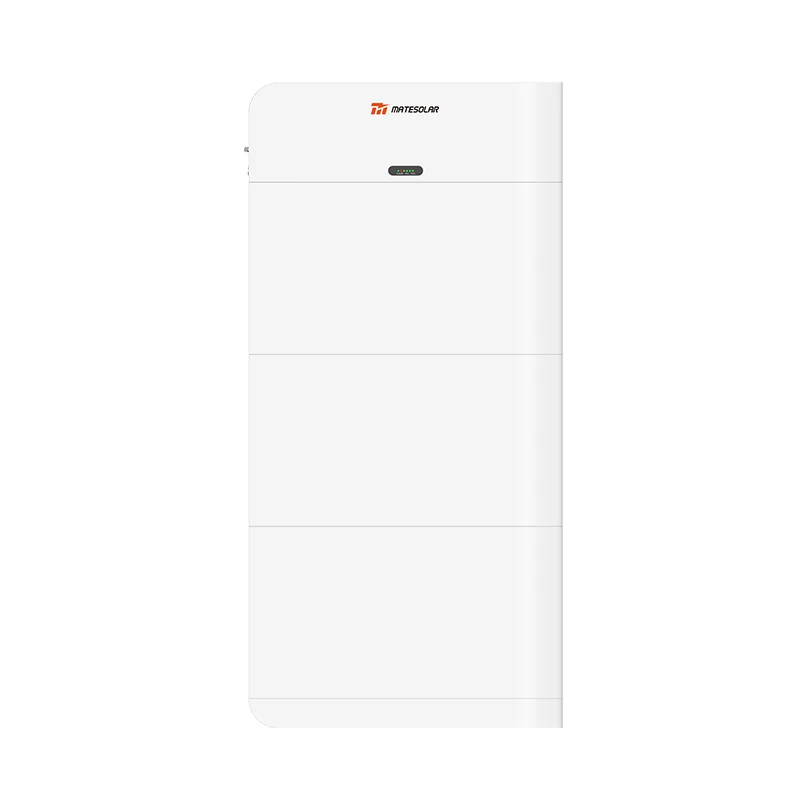
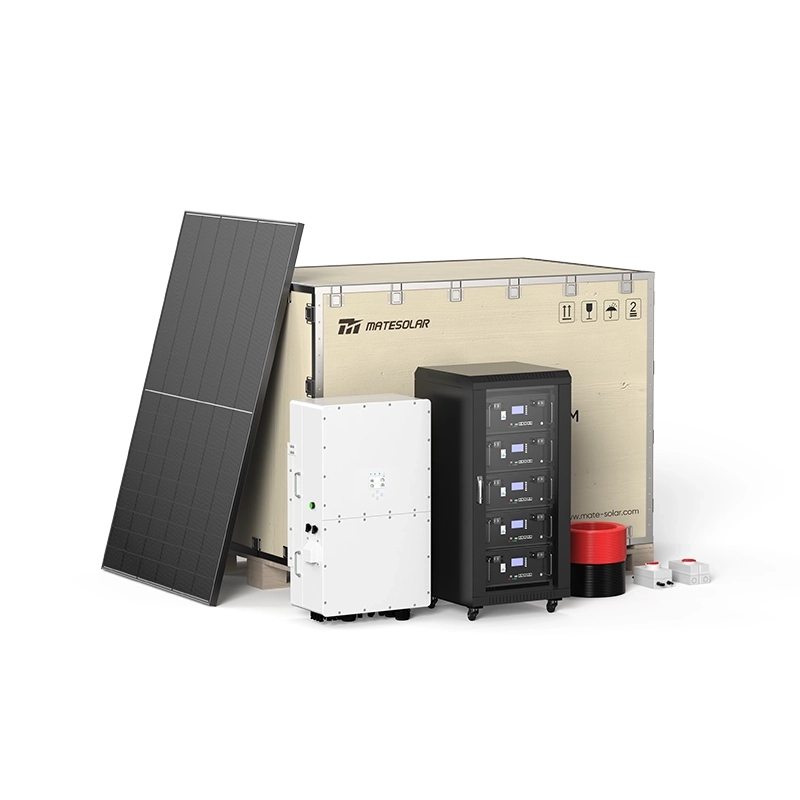
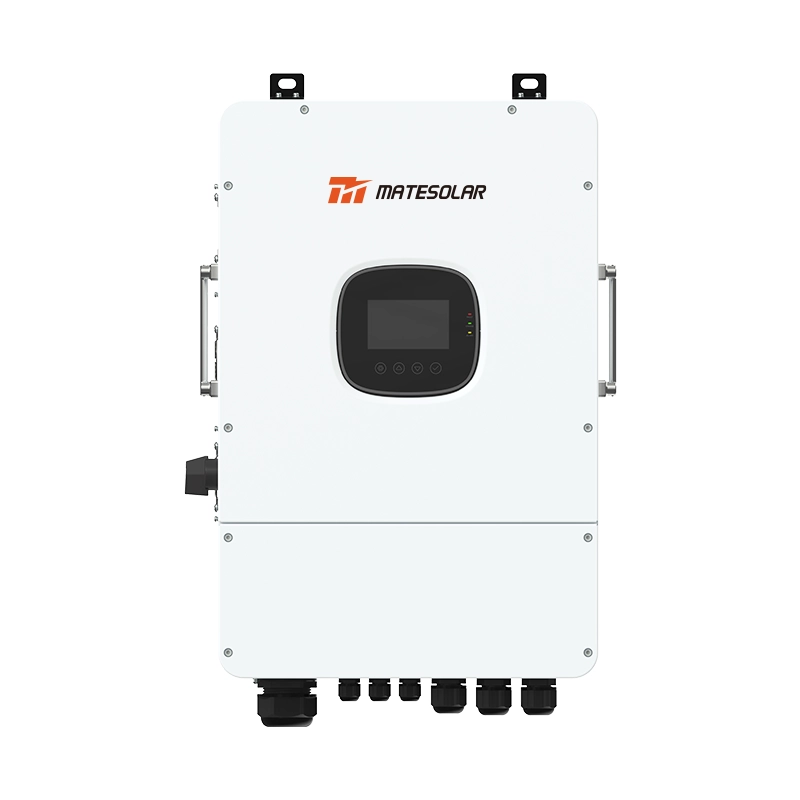
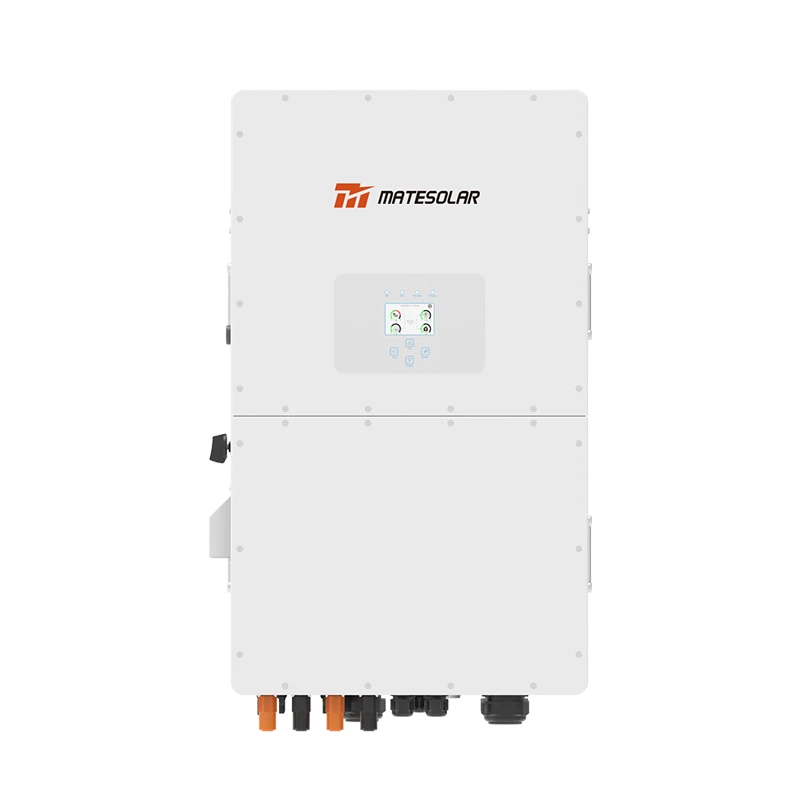
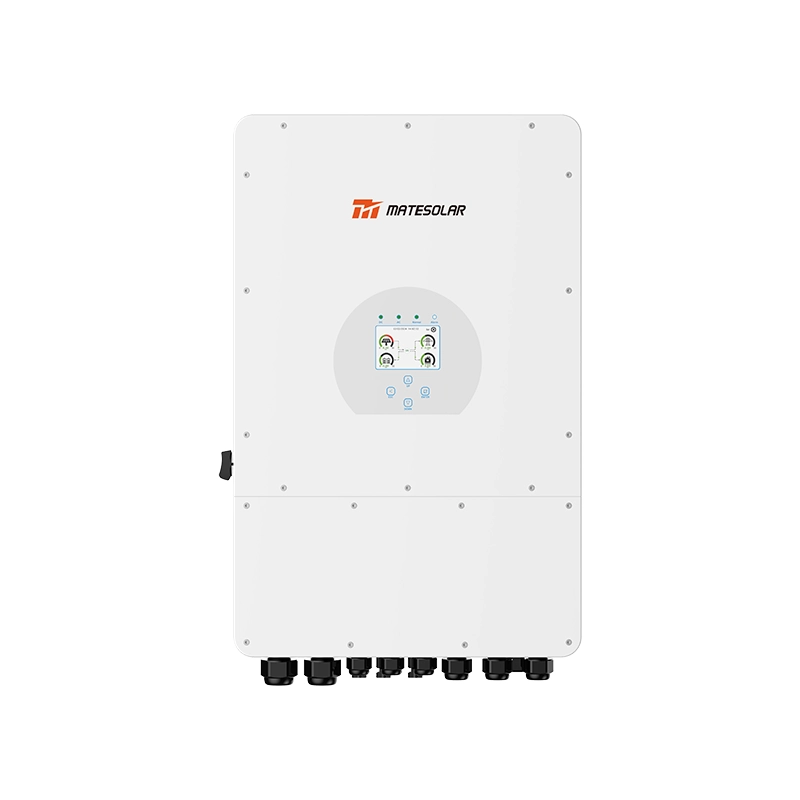
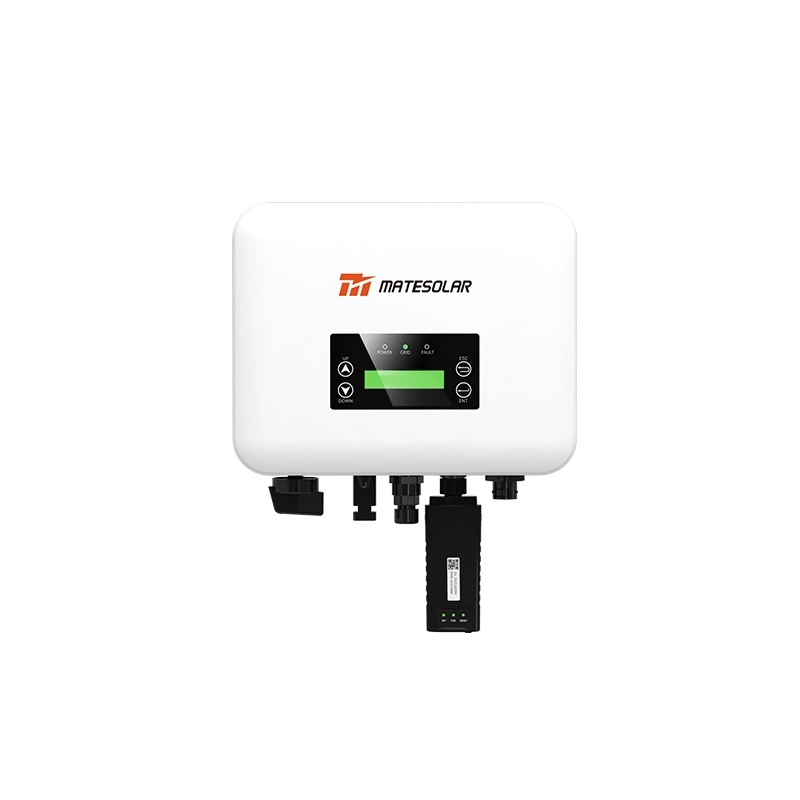
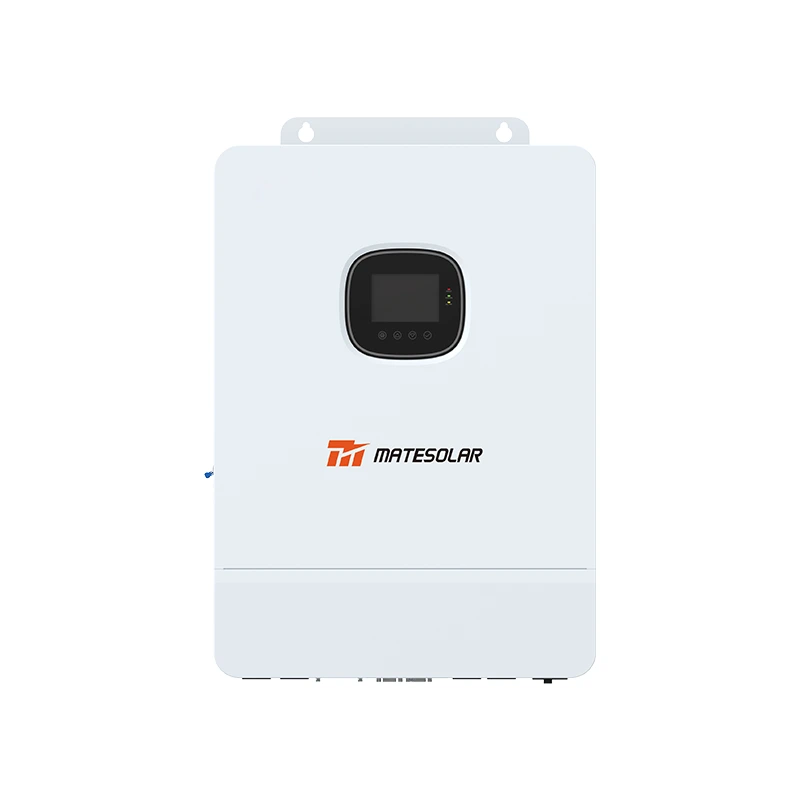
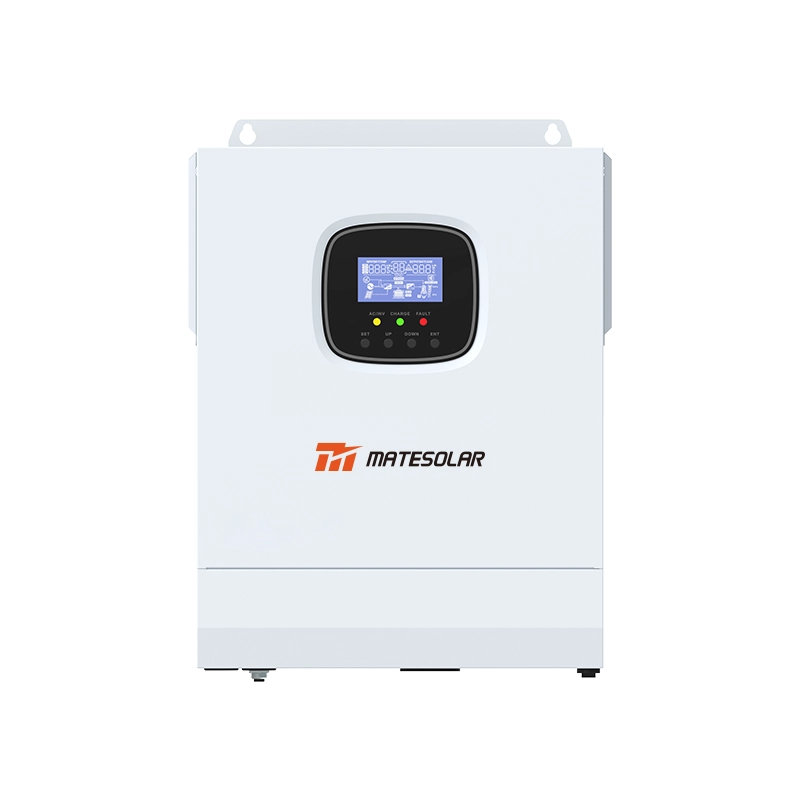
| Kommerzielles 500KW Hybrid-Solarsystem | 500 kW / 1-2 MWh | SMEs, retail, hospitality (Topic 3) | All-in-one hybrid inverter + battery, grid-tie + backup, compact footprint |
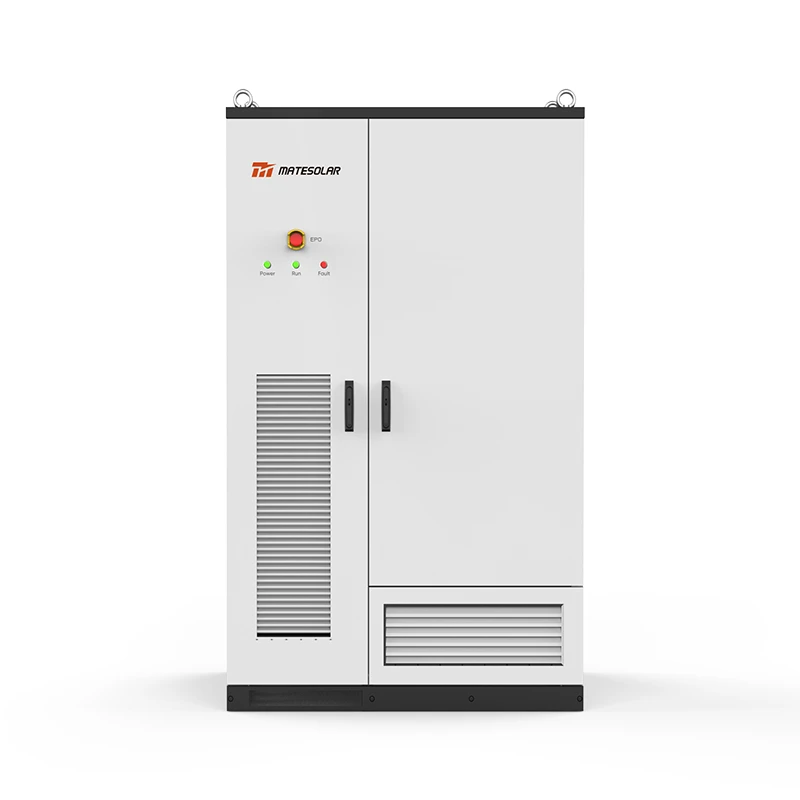
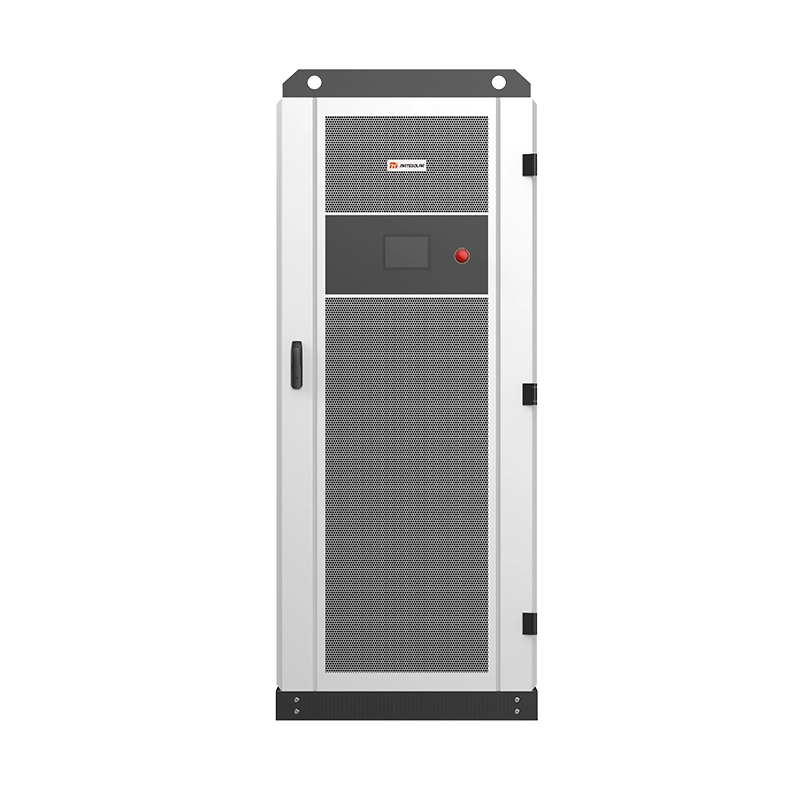
| 232kWh / 261kWh Liquid-Cooled Outdoor Cabinet | 232-261 kWh per unit | Commercial, light industrial (Topic 2, 3) | Liquid thermal management, IP55, stackable, UL 9540 |
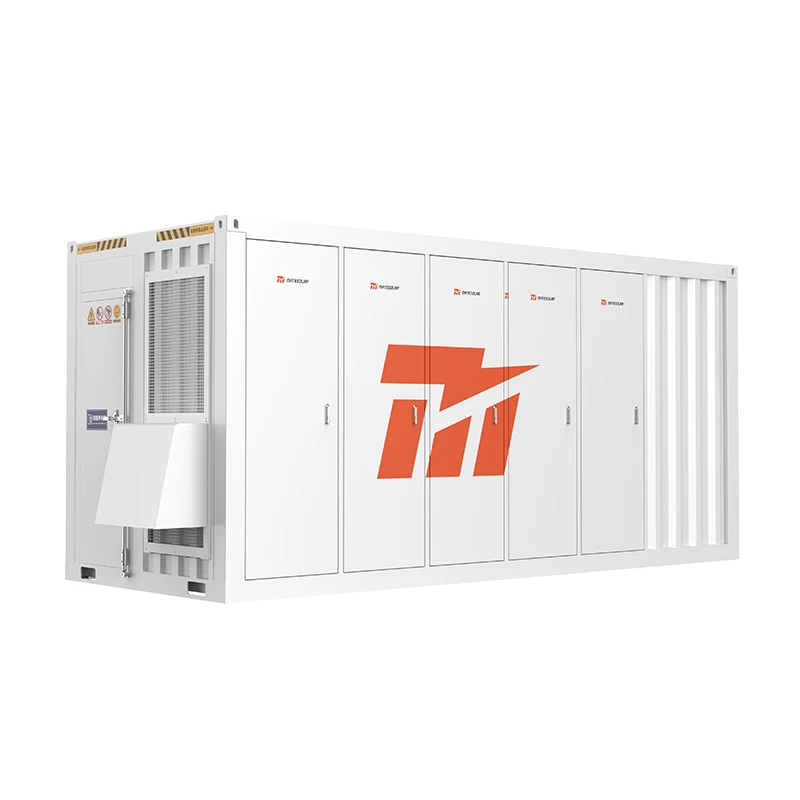
| 40ft 1MWh / 2MWh Air-Cooled Container ESS | 1-2 MWh per container | Industrial, utility-scale (Topic 1, 2) | Standard ISO container format, air-cooled, rapid deployment |
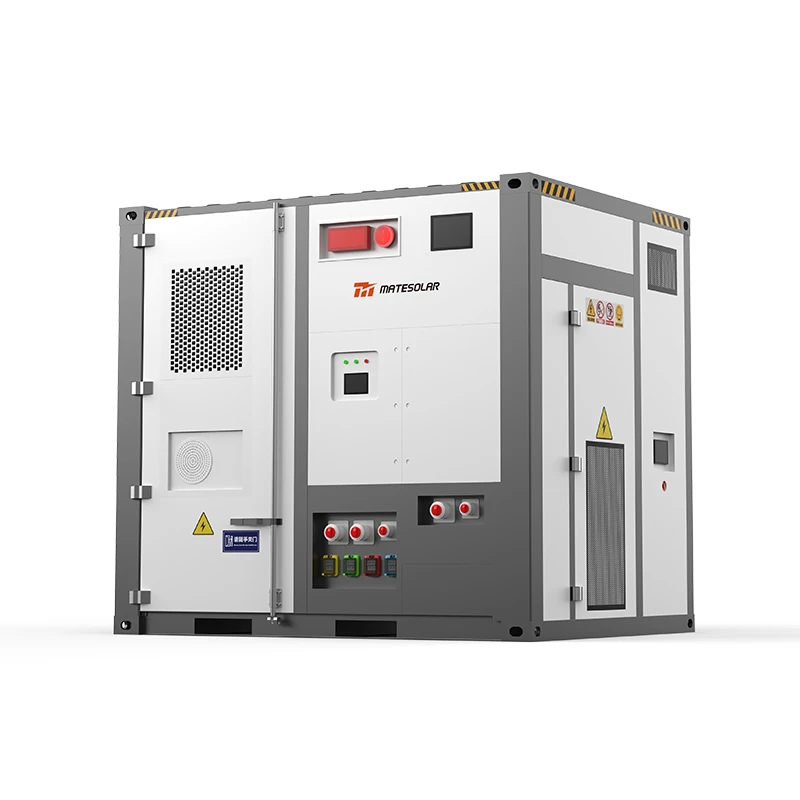
| 20ft 3MWh / 5MWh Liquid Cooling Container ESS | 3-5 MWh per container | Utility-scale, IPP projects (Topic 1) | High energy density, liquid cooling, grid-forming capabilities |
7.2 Technical Comparison: Air-Cooled vs. Liquid-Cooled for Colombian Climates
| Parameter | Air-Cooled Container | Liquid-Cooled Container |
| Suitable ambient temperature | 0°C to 35°C (derated above 35°C) | -10°C to 50°C (full-rated) |
| Thermal uniformity | ±3°C to ±5°C across cells | ±1°C to ±2°C across cells |
| System efficiency | 85-88% round-trip | 87-90% round-trip |
| Cycle life impact | Moderate degradation in high heat | Minimal thermal stress, extended life |
| Noise level | 75-80 dB (fans) | 65-70 dB (pumps) |
| Maintenance | Filter cleaning, fan replacement | Coolant checks, pump maintenance |
| Best application | Temperate highlands (Bogotá, Medellín) | Coastal tropical (Barranquilla, Cartagena) |
For Colombia's Caribbean coastal region where ambient temperatures regularly exceed 35°C with high humidity, liquid-cooled systems provide superior battery life preservation and performance consistency. For Andean highland installations at 2,500m+ elevation where temperatures are moderate, air-cooled systems offer lower capital costs and simpler maintenance.
7.3 Product Spotlight: Commercial 500KW Hybrid Solar System
For SMEs and commercial enterprises seeking a complete solar+storage solution in a single integrated package, the Commercial 500KW Hybrid Solar System provides:
- 500 kW hybrid inverter with grid-tie and backup islanding capabilities
- 1-2 MWh LFP battery storage with 6,000+ cycle life
- <20 ms transfer time for seamless backup switching
- Remote monitoring and control via cloud platform
- UL 9540 and IEC 62619 certification
This solution is ideal for hotels, shopping centers, light manufacturing, and agricultural processing facilities seeking to reduce electricity costs while ensuring supply reliability during grid disturbances.
7.4 Product Spotlight: 232kWh / 261kWh Liquid-Cooled Outdoor Cabinet
For space-constrained commercial sites and distributed generation applications, the Liquid-Cooled Outdoor Cabinet offers:
- 232 kWh or 261 kWh usable capacity in a compact form factor
- Liquid thermal management for consistent performance in tropical climates
- IP55 ingress protection for outdoor installation
- Wall-mountable or ground-mount configurations
- Scalable by paralleling multiple cabinets
- Plug-and-play connectivity for rapid deployment alongside existing PV
This solution is particularly suited for retail chains, restaurants, office buildings, and small hotels where floor space is at a premium but the need for peak shaving and backup power is acute.
7.5 Product Spotlight: 40ft 1MWh / 2MWh Air-Cooled Container ESS
For industrial facilities and distributed generation projects requiring moderate-scale storage, the Air-Cooled Container ESS provides:
- 1 MWh or 2 MWh capacity per 40ft ISO container
- Factory-assembled and tested for rapid site deployment
- Air-cooled thermal management for temperate climates
- Integrated fire suppression system
- Modular design allowing multiple containers to be paralleled
This solution is cost-effective for applications in Colombia's Andean highlands where ambient temperatures remain moderate year-round.
7.6 Product Spotlight: 20ft 3MWh / 5MWh Liquid Cooling Container ESS
For utility-scale IPP projects and large industrial complexes, the Liquid Cooling Container ESS delivers:
- 3 MWh or 5 MWh capacity in a compact 20ft footprint
- Flüssigkeitskühlung for high-density energy storage in hot climates
- Grid-forming inverter capability for black start and islanded operation
- Sub-10ms response for frequency regulation and ancillary services
- Full UL 9540 and IEC certification suite
This solution is designed for projects bidding into Colombia's long-term auctions, providing the energy density, performance, and bankability required for 15-year PPAs.
7.7 Comparative Sizing Guide by Application
| Anmeldung | Recommended BESS Capacity | Recommended Product | Typical Discharge Duration |
| Small retail store (50 m²) | 30-50 kWh | Outdoor cabinet (1-2 units) | 2-3 hours |
| Hotel (50-100 rooms) | 200-400 kWh | Outdoor cabinet (1-2 units) | 3-4 hours |
| Supermarket / shopping center | 500-1,000 kWh | 40ft container or multiple cabinets | 2-3 hours |
| Light manufacturing plant | 1-2 MWh | 40ft container or 20ft liquid-cooled | 3-4 hours |
| Data center (1 MW critical load) | 4-6 MWh | 20ft liquid-cooled (1-2 units) | 4-6 hours |
| Solar farm co-location (20 MWac) | 10-20 MWh | Multiple 20ft liquid-cooled containers | 2-4 Stunden |
| Utility-scale auction project | 50-200 MWh | Multiple 20ft containers + substation | 2-6 hours |
| Off-grid community (200 families) | 1-2 MWh | 40ft container + outdoor cabinets | 8-12 hours |
Section 8: Investment Case Summary
8.1 The Economics of Storage in Colombia — By Segment
| Segment | Primary Value Driver | Secondary Value | Typical Payback (Years) | Risk Level |
| Utility-scale auction (IPP) | PPA energy payments | Capacity market (future) | 8-12 | Medium-High |
| C&I behind-the-meter | Peak shaving, demand reduction | Backup, carbon credits | 3-6 | Low-Medium |
| SME with net metering | Self-consumption maximization | Backup | 4-7 | Niedrig |
| Off-grid hybrid | Diesel replacement | 24/7 reliability | 3-7 | Mittel |
| Data center / critical load | Power quality + backup | Arbitrage | 4-6 | Niedrig |
8.2 Key Market Data Reference Table
| Indicator | Wert | Source / Date |
| Clean energy capacity (operational) | 4 GW (17.09% of mix) | Minister of Mines and Energy, March 2026 |
| Target renewable capacity | 6 GW by end-2026 | Government 6GW Plus plan |
| Renewable capacity w/o financial close | 5,086 MW | SER Colombia, February 2026 |
| Required investment to avoid deficit | ~USD 5 billion | SER Colombia, February 2026 |
| Spot price historical average | 576.31 COP/kWh | CEIC, 2020-2026 |
| Spot price historical peak | 2,675.65 COP/kWh | CEIC, Nov 5, 2024 |
| Hydro share of generation | 63.65% | XM, 2024 data |
| Solar + wind share of generation | 6.46% (rising) | XM, 2024 data |
| Distributed generation capacity | ~1,300 MW | SER Colombia, February 2026 |
| IDB loan for storage + smart grid | USD 138.5 million | IDB, September 2025 |
| Sungrow contracted PV in Colombia | 1.4 GW | Sungrow, FES Colombia 2025 |
Section 9: Conclusion — Colombia's Storage Moment Has Arrived
Colombia in April 2026 presents a paradox. On one hand, the country has achieved remarkable renewable energy growth—4 GW and rising, with a clear path to 6 GW. On the other, the same hydro-dependence that has powered Colombia's clean matrix for decades now threatens supply security and price stability as climate variability intensifies.
The regulatory breakthroughs of 2026—Resolution 025 in February and Resolution 40178 on April 3—have fundamentally changed the landscape. Storage is no longer an afterthought or a pilot project curiosity. It is a core component of Colombia's electricity future, eligible for long-term PPAs, integrated into auction mechanisms, and recognized as essential for grid reliability.
Yet significant challenges remain. The CREG 701_103 framework is still a draft. Capacity payments for storage are not yet fully defined. Over 5 GW of renewable capacity sits without financial close, and the clock is ticking toward a potential supply deficit in 2027-2028.
For stakeholders across every segment—from utility-scale IPPs bidding in long-term auctions to industrial manufacturers hedging El Niño price spikes, from hotel owners maximizing net metering to off-grid communities replacing diesel—the question is no longer if storage makes sense in Colombia, but how to deploy it effectively, bankably, and future-proofly.
The answer requires BESS solutions that combine:
- International certifications (UL 9540, IEC 62619, RETIE compliance)
- Proven performance in diverse Colombian climates (tropical coastal, Andean highlands, Amazon rainforest)
- Software-defined upgradability to adapt to evolving regulations
- Flexible support models including remote diagnostics and on-site guidance when required
- Bankable track records recognized by multilateral and commercial lenders
For EPCs and project developers, the path to winning in Colombia's long-term auctions is clear: offer PPA-ready technical packages with capacity guarantees, stack multiple revenue streams, and partner with suppliers who have documented project finance experience.
For industrial and commercial end-users, the economics of behind-the-meter storage have never been more compelling. With spot price volatility creating arbitrage opportunities, demand charges driving peak shaving value, and carbon credits adding a third revenue stream, payback periods of 3-6 years are achievable.
For SMEs and distributed generation adopters, compact outdoor cabinet solutions enable rapid deployment alongside existing solar PV, maximizing self-consumption and reducing dependence on net metering compensation rates that may not fully reflect retail prices.
For off-grid communities, hybrid solar-diesel-battery systems can deliver 24/7 electricity at half the cost of diesel-only operation, with replicable models proven at Casuarito and Isla Grande.
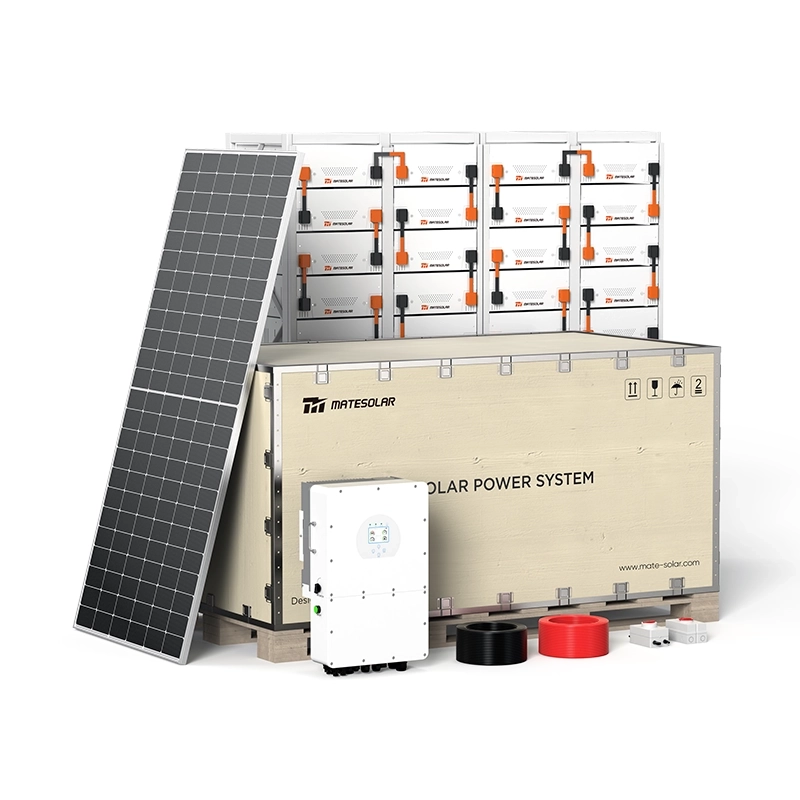
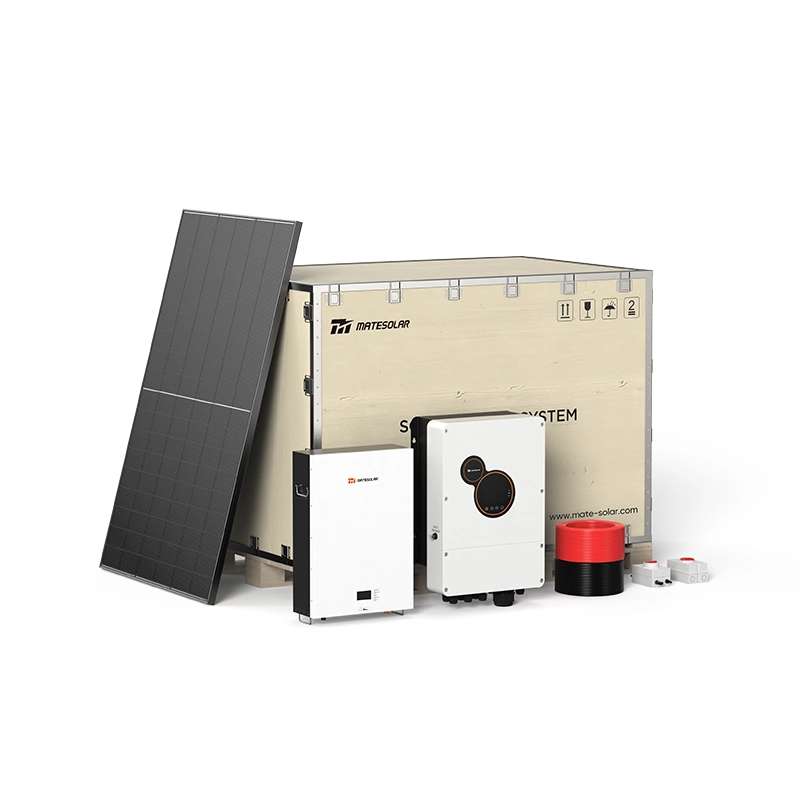
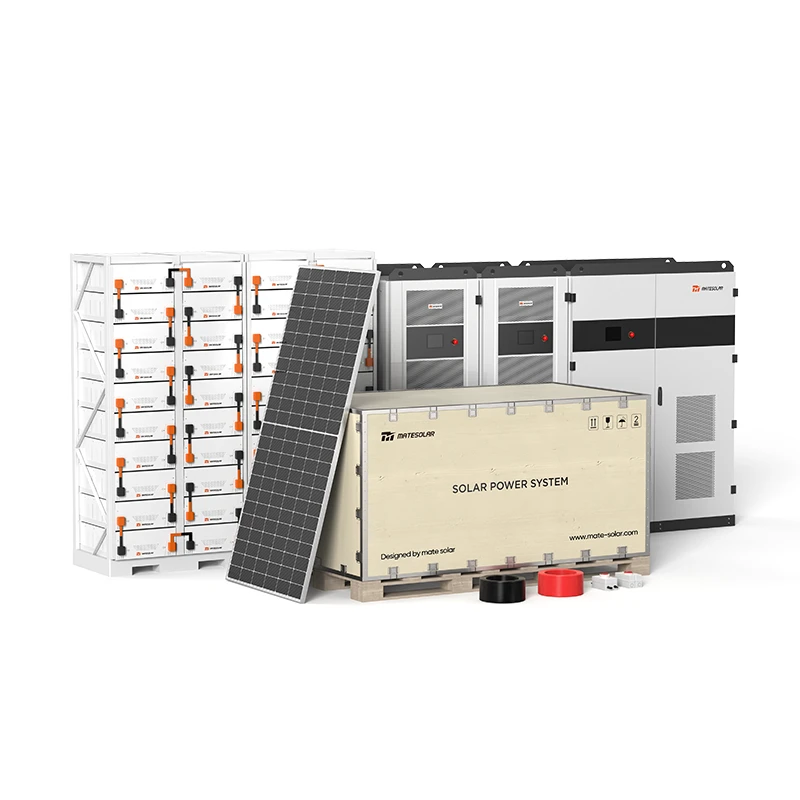
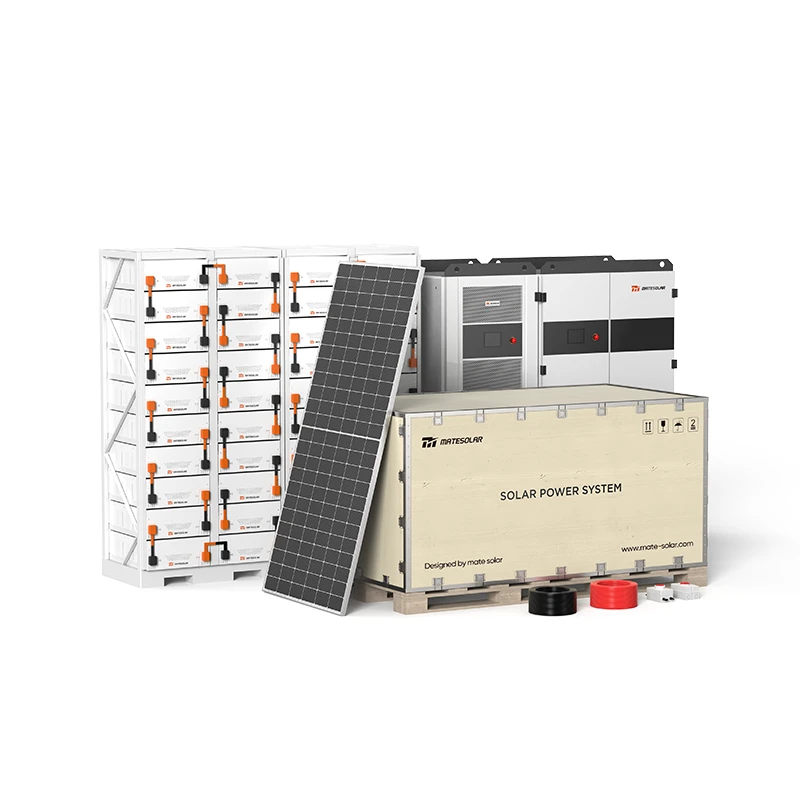
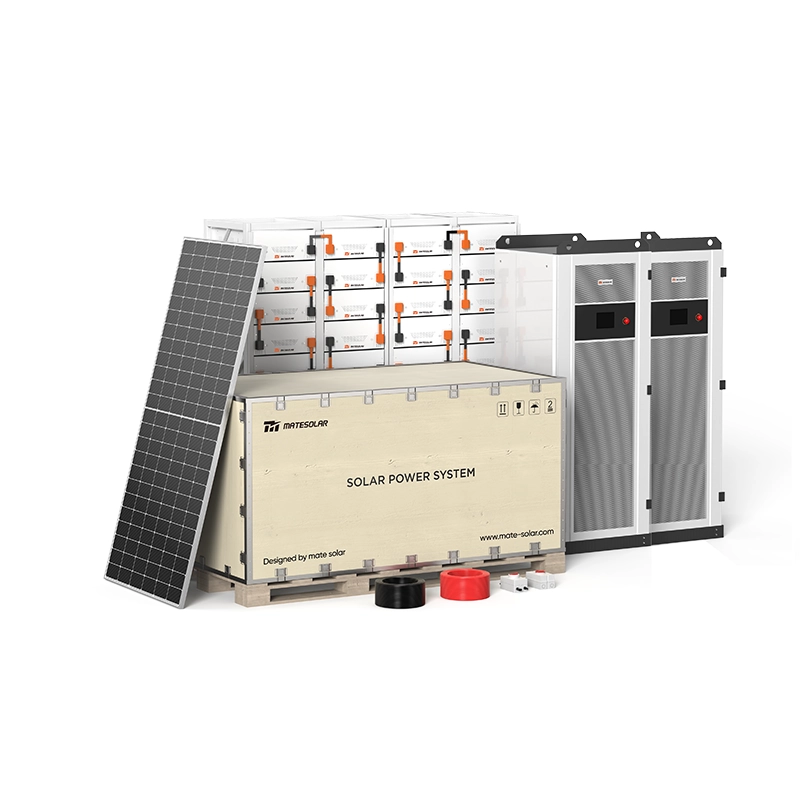
At MateSolar, we serve as a one-stop photovoltaic and energy storage solution provider, delivering the technology, certifications, and support infrastructure that Colombian projects require. Our product portfolio spans from compact outdoor cabinets for commercial applications to utility-scale liquid-cooled containers for auction projects, all backed by UL 9540, IEC 62619, and RETIE compliance. With remote technical support, Spanish-language engineering resources, and the flexibility to dispatch on-site guidance for large C&I projects, we ensure that every deployment—from the Andes to the Amazon to the Caribbean coast—achieves its full economic and operational potential.
The regulatory window is open. The economic case is proven. The technology is ready.
Colombia's storage era begins now.
Appendix: Glossary of Key Terms
| Term | Definition |
| BESS | Battery Energy Storage System |
| CAPEX | Capital Expenditure |
| COP | Colombian Peso |
| CREG | Comisión de Regulación de Energía y Gas (Energy and Gas Regulatory Commission) |
| DoD | Depth of Discharge |
| EaaS | Energy as a Service |
| EMS | Energie-Management-System |
| ENFIC | Energía Firme para el Cargo por Confiabilidad (Firm Energy Obligation) |
| EPC | Engineering, Procurement, and Construction |
| FNCER | Fuentes No Convencionales de Energía Renovable (Non-Conventional Renewable Energy Sources) |
| IDB | Inter-American Development Bank |
| IPP | Independent Power Producer |
| LCOE | Levelized Cost of Energy |
| LFP | Lithium Iron Phosphate (battery chemistry) |
| NCRE | Non-Conventional Renewable Energy |
| NMC | Nickel Manganese Cobalt (battery chemistry) |
| OTA | Over-the-Air (software update) |
| PCS | Power Conversion System |
| PPA | Power Purchase Agreement |
| RETIE | Reglamento Técnico de Instalaciones Eléctricas (Technical Regulation for Electrical Installations) |
| RTE | Effizienz der Hin- und Rückfahrt |
| SER Colombia | Sociedad de Energía Renovable de Colombia (Colombian Renewable Energy Association) |
| SIN | Sistema Interconectado Nacional (National Interconnected System) |
| UPME | Unidad de Planeación Minero-Energética (Mining-Energy Planning Unit) |
| ZNI | Zonas No Interconectadas (Non-Interconnected Zones) |
MateSolar — Your One-Stop Photovoltaic and Energy Storage Solution Provider
Empowering Colombia's Energy Transition with Bankable, Certified, and Future-Ready BESS Solutions
© 2026 MateSolar. All rights reserved.