

















9. April 2026 | Marktforschung
Zusammenfassung
Guatemala hat das bedeutendste Energiebeschaffungsverfahren in der Geschichte Mittelamerikas abgeschlossen. Im Rahmen der PEG-5-2025-Auktion, die im März 2026 nach einer 14-stündigen Reverse-Auktion abgeschlossen wurde, wurden 1.505 MW Erzeugungskapazität für 57 Projekte vergeben, wobei erneuerbare Technologien 1.102 MW (73% der Gesamtkapazität) ausmachten.. Im Bereich der erneuerbaren Energien dominiert die Solar-PV in Kombination mit Batterie-Energiespeichersystemen (BESS) mit 713 MW – das entspricht fast 47% der gesamten vertraglich vereinbarten Kapazität und über 60% des Segments der erneuerbaren Energien.
Die Bedeutung reicht über reine Zahlen hinaus. Die Resolution 128-2024 der guatemaltekischen Nationalen Kommission für elektrische Energie (CNEE), die im Mai 2024 verabschiedet wurde, schuf die rechtliche Grundlage für autonome hybride Erzeugungssysteme mit Speichern zur Teilnahme am Großhandelsstrommarkt, wobei Speichersysteme explizit für ihre Rolle bei der Netzstabilität anerkannt werden.. Im Januar 2026 veröffentlichte das Ministerium für Energie und Bergbau den Plan zur Erweiterung des Übertragungssystems 2026–2050 (PET), womit Batteriespeichersysteme zum ersten Mal formell als kritische Lösungen zur Netzstabilität im langfristigen Planungsrahmen des Landes ausgewiesen wurden..
Für Stakeholder entlang der gesamten Energiewertschöpfungskette – von EPC-Entwicklern über industrielle Energiemanager und gewerbliche Immobilienbesitzer bis hin zu institutionellen Investoren – stellt sich nicht mehr die Frage ob zu integrieren Speicher, aber wie um dies zuverlässig, kostengünstig und unter Berücksichtigung des tropischen Klimas und der regulatorischen Prüfungen Guatemalas zu ermöglichen.
Dieses Dokument bietet eine umfassende technische und kommerzielle Analyse des guatemaltekischen Solar-Plus-Speicher-Marktes für 2026 und geht auf die spezifischen Probleme von vier verschiedenen Interessengruppen ein und bietet umsetzbare Anleitungen, die auf verifizierten Marktdaten und Best Practices im Ingenieurwesen basieren.
Kapitel 1: Die neue Marktrealität – Was PEG-5 grundlegend verändert hat
1.1 Der Auftrag ist nun klar: Die 30%-Speicherung ist nicht verhandelbar
Der indikative Ausbauplan für die Stromerzeugung 2026–2050 (PEIG) schreibt vor, dass bei allen neuen Solarprojekten mit einer Leistung von mehr als 50 MW ein Batteriespeicher installiert werden muss, der 30% der installierten Photovoltaikleistung entspricht.. Die Richtlinie ist keine Richtlinie, sondern eine verbindliche technische Anforderung, die jedes in Guatemala entwickelte erneuerbare Großprojekt bis 2050 prägen wird.
Das Ziel ist einfach: Guatemalas Übertragungsnetz muss um 5.687 Kilometer erweitert und um 172 neue Umspannwerke ergänzt werden, um die prognostizierte Nachfrage zu decken.. Bis 2050 werden mindestens 370 MW BESS in Kombination mit PV-Anlagen erwartet, die mit der Optimierung von Leistungsflüssen, dem Ersatz von erzwungener Stromerzeugung und der Bereitstellung von Blindleistungskompensation beauftragt sind – Funktionen, die für die Netzstabilität in einem Szenario mit hohem Anteil erneuerbarer Energien unverzichtbar sind..
1.2 Das Preissignal, das alles verändert
Der durchschnittliche All-in-Preis im PEG-5 lag bei 101,09 USD/MWh.. Für Entwickler stellt dies ein ehrgeiziges Ziel dar, das ein rigoroses Kosten-Engineering erfordert. Für gewerbliche Endverbraucher ist das relevante Preissignal jedoch ein anderes: Der aktuelle kommerzielle Strompreis liegt nach Daten vom September 2025 bei 1,509 GTQ/kWh (ca. 0,197 USD/kWh) einschließlich aller Übertragungs-, Verteilungs-, Steuer- und Gebührenkosten.. Die nicht subventionierten Tarife – die für die meisten gewerblichen und industriellen Kunden gelten – wurden Anfang 2026 um 15% nach oben angepasst, wodurch sich die wirtschaftliche Kluft zwischen der Abhängigkeit vom Stromnetz und der Eigenerzeugung sowie Speicherung hinter dem Zähler weiter vergrößerte.
| Parameter | Wert | Quelle |
| PEG-5 durchschnittlicher Gesamtpreis | 101,09 USD/MWh | Strategische Energie Europa, Apr 2026 |
| Gewerbetarif für Einzelhandel | USD 0,197/kWh (GTQ 1,509/kWh) | GlobalPetrolPrices.com, Sept 2025 |
| Nicht subventionierte Tarifanpassung (2026) | +15% | Vierteljährlicher CNEE-Überblick |
| BESS-Mandat für neue Solaranlagen >50 MW | 30% an PV-Leistung | PEIG 2026–2050 |
| Erwartete BESS-Kapazität bis 2050 (PV-gekoppelt) | ≥370 MW | PET 2026–2050 |
1.3 Benchmark-Projekte, die den Standard definieren
Zwei wegweisende Projekte verdienen als technische und kommerzielle Referenzpunkte besondere Aufmerksamkeit:
MASPVs Estanzuela Hybridprojekt (Zacapa): 130 MWp Solarenergie-Anlage mit 100 MWh Batteriespeicher, die größte Solar-Plus-Speicher-Infrastruktur in Mittelamerika. Der Vertragswert übersteigt 100 Millionen US-Dollar, und das Projekt ist darauf ausgelegt, gespeicherte Energie während der Spitzenlastzeiten einzuspeisen und die Stromversorgung während kritischer Momente im nationalen Stromnetz aufrechtzuerhalten..
Ecoeners Cocales- und La-Hulera-Projekte: 200 MWp gesamt an zwei Standorten (140 MWp + 60 MWp), die jeweils erstmals BESS in Guatemala integrieren. Cocales wird über 20 MW/80 MWh Speicher verfügen, während La Hulera 10 MW/40 MWh beinhaltet. Beide haben 15-jährige PPAs gesichert und sollen Anfang 2028 kommerziell betrieben werden.. Dies sind die ersten Solarparks des Landes, die Batteriespeichersysteme integrieren und damit die operative Vorlage für zukünftige Hybridprojekte schaffen..
Kapitel 2: Für große EPC- und Projektentwickler – Umgang mit der 30%-Vorgabe
2.1 Die 30%-Lageranforderung: Technische Einhaltung unter Kostendruck
Der Knackpunkt: PEG-5 und alle künftigen Projekte mit einer Leistung von mehr als 50 MW schreiben ein Batteriespeichersystem (BESS) vor, das einer PV-Leistung von 30% entspricht. Projektentwickler müssen Anbieter finden, die technisch ausgereifte Lösungen liefern können, die den behördlichen Anforderungen genügen und gleichzeitig bei einem Durchschnittspreis von 101,09 USD/MWh wirtschaftlich rentabel sind.
Der Lösungsrahmen:
Die Erfüllung der 30%-Vorgabe erfordert mehr als nur die einfache Multiplikation der PV-Leistung mit 0,3. Das optimale Speicherverhältnis hängt vom spezifischen Solarressourcenprofil des Projekts, den Eigenschaften des Netzanschlusspunkts und der Lastkurve des Verteilernetzbetreibers ab. Für Projekte im „trockenen Korridor“ Guatemalas (z. B. Zacapa, Chiquimula), wo die Sonneneinstrahlung zwar 5,5 kWh/m²/Tag übersteigt, die saisonalen Schwankungen jedoch ausgeprägt sind, sollte die 30%-Vorgabe als Mindestanforderung und nicht als Zielwert interpretiert werden.
Die folgende Tabelle zeigt validierte BESS-Dimensionierungskonfigurationen, die die 30%-Vorgabe erfüllen und gleichzeitig die durchschnittlichen Speicherkosten (LCOS) optimieren:
| PV-Leistung (MWp) | Vorgeschriebene BESS (30% an PV, MWh) | Empfohlene Konfiguration | Geschätzter Kapitaldeckenbereich für BESS (USD/kWh) |
| 50 | 15 | 5 MW × 3 Stunden, oder 3,75 MW × 4 Stunden | 180–220 |
| 100 | 30 | 10 MW × 3 Stunden oder 7,5 MW × 4 Stunden | 170–210 |
| 130 (MASPV Benchmark) | 39 | 33 MW × ~3 Stunden (tatsächlich: 100 MWh) | 165–200 |
| 200 | 60 | 20 MW × 3 Stunden oder 15 MW × 4 Stunden | 160–195 |
*Anmerkung: Die LFP-Chemie wird für Guatemala aufgrund der höheren Zyklenlebensdauer (über 6.000 Zyklen bei 80% DoD) und der im Vergleich zu NMC überlegenen thermischen Stabilität deutlich bevorzugt.*
2.2 Erreichen der USD 101,09/MWh-Preisgrenze
Der Durchschnittspreis in PEG-5 von 101,09 USD/MWh drückt die Margen und erfordert Effizienz in der Lieferkette. Zwei Strategien sind unerlässlich:
Strategie 1: Maximierung der Round-Trip-Effizienz (RTE) von BESS. Jeder Prozentpunkt der RTE wirkt sich direkt auf die effektiven LCOE des Projekts aus. Hochleistungsfähige, flüssigkeitsgekühlte BESS-Plattformen erreichen eine RTE von 88–92%, verglichen mit 82–85% bei luftgekühlten Systemen. Bei einem Projekt mit 100 MWp + 30 MWh bedeutet eine Verbesserung der RTE um 51 TP3T zusätzliche Energieeinnahmen in Höhe von etwa 2,8–3,2 Millionen US-Dollar über eine PPA-Laufzeit von 15 Jahren.
Strategie 2: BESS für mehrere Wertströme nutzen. Über die grundlegende Energiebereitstellung des PPA hinaus kann BESS zusätzliche Einnahmen generieren durch:
- Primärregelleistung (CNEE-Beschluss 128-2024 erlaubt ausdrücklich die Teilnahme von Speichern)
- Kapazitätsabsicherung zur Reduzierung von Strafen für Unterlieferung in Zeiten geringer Sonneneinstrahlung
2.3 15-Jahres-PPA-Leistungsgarantien: Vermeidung von Vertragsverletzungen
Die PEG-5-Verträge sind mit Laufzeiten von 15 Jahren (für neue Anlagen) strukturiert. Für BESS birgt dies zwei spezifische Risiken: Kapazitätsverlust (Verlust der nutzbaren Energiespeicherfähigkeit im Laufe der Zeit) und Durchsatzverschlechterung (verminderte Fähigkeit zum Laden/Entladen mit Nennleistung).
Technischer Standard: Bei ordnungsgemäßer Handhabung sollten LiFePO4-Zellen am Ende ihrer Lebensdauer (EOL) noch ≥70% ihrer Nennkapazität aufweisen. Das Wärmemanagement ist jedoch die entscheidende Variable. In tropischen Umgebungen, in denen die Umgebungstemperaturen regelmäßig 30–35 °C erreichen, können nicht ordnungsgemäß verwaltete Batteriezellen 10–15 °C über der Umgebungstemperatur betrieben werden, was die Degradation im Vergleich zu kontrollierten Bedingungen um den Faktor 2 bis 3 beschleunigt.
Die Milderung: Hochentwickelte Flüssigkühlsysteme halten die Zellentemperaturen unabhängig von den Umgebungsbedingungen im optimalen Bereich von 25–30 °C. Fordern Sie bei der Bewertung von BESS-Anbietern an:
- Zykluslebensdauerdaten bei 35°C Umgebungstemperatur (nicht 25°C Laborbedingungen)
- Abbaukurven für Jahr 10 und Jahr 15
- Garantiebedingungen, die den Durchsatz (MWh-Durchsatz) und nicht nur die Kalenderzeit abdecken
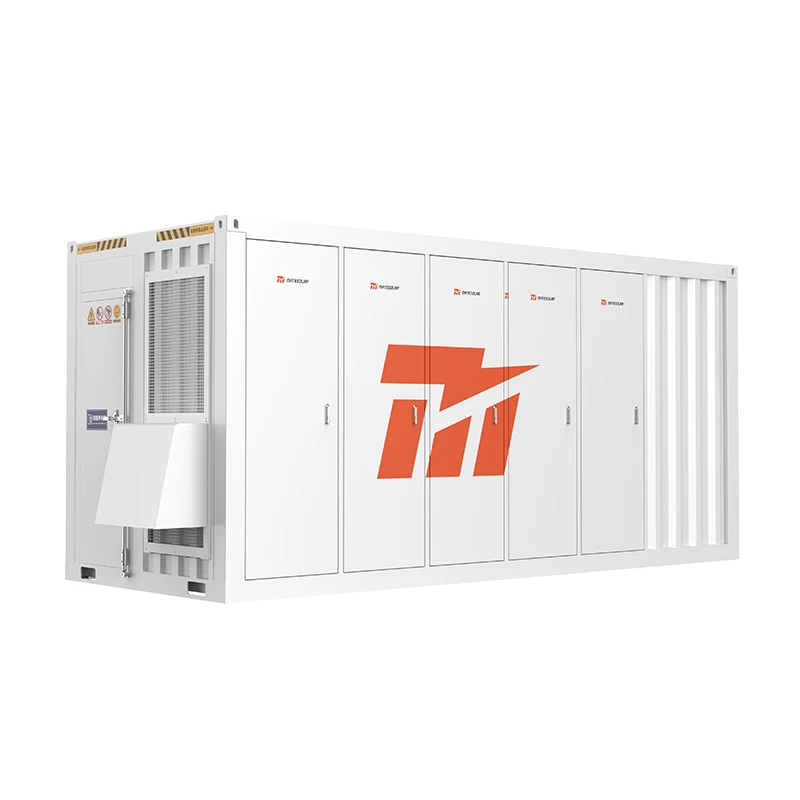
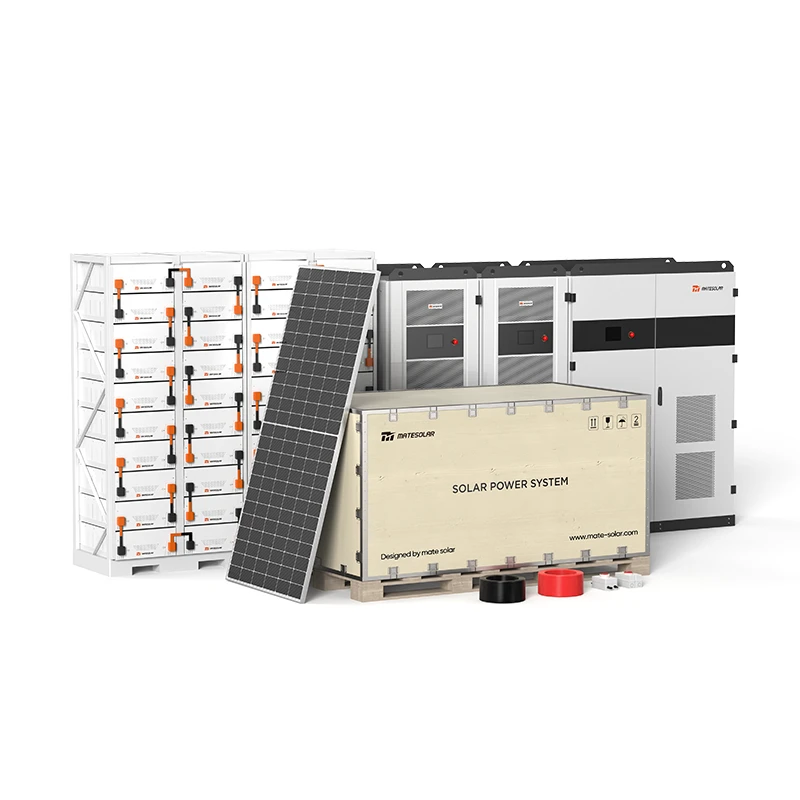
📌 Entwickler-Spotlight: Für Projekte im Versorgungsmaßstab, die eine 15-jährige Leistungssicherheit erfordern, bietet das 20-Fuß-Flüssigkühlcontainer-Energiespeichersystem (3 MWh–5 MWh) von MateSolar modulare, skalierbare Konfigurationen, die unter tropischen Bedingungen eine optimale thermische Leistung aufrechterhalten. [Erfahren Sie mehr über Container-BESS für netzgebundene Projekte →]
Kapitel 3: Für industrielle und große gewerbliche Energiemanager — Langfristige Stromkosten sichern
3.1 Der wirtschaftliche Fall: Lastspitzenkappung und Arbitrage unter aktuellen Tarifen
Der Knackpunkt: Gewerbliche Strompreise von 0,197 USD/kWh gehören zu den höchsten in Lateinamerika, und die nicht subventionierten Tarife sind Anfang 2026 um 15% gestiegen. Für industrielle Verbraucher – Produktionsstätten, Kühlhäuser, Lebensmittelverarbeitungsbetriebe – kann Strom 10–25% der Betriebskosten ausmachen. Diese Unternehmen benötigen eine Lösung, die vorhersehbare Energiekosten sicherstellt und sie vor künftigen Tarifsteigerungen schützt.
Wirtschaftlichkeit der Spitzenlastabdeckung: Guatemalas Tarifstruktur für große Geschäftskunden umfasst in der Regel Leistungspreise (basierend auf dem Spitzenverbrauch in kW) und Energiekosten (basierend auf dem Gesamtverbrauch in kWh). Ein richtig dimensioniertes BESS kann die Spitzenlast reduzieren, indem es während der teuersten Perioden des Versorgers entladen wird, wodurch die Spitzen, die die monatlichen Leistungspreise bestimmen, effektiv “abgeflacht” werden.
| Art der Einrichtung | Jährlicher Verbrauch (MWh) | Geschätzte monatliche Spitzenlast (kW) | Spitzenlastglättung BESS-Größe (kWh) | Geschätzte jährliche Einsparungen | Einfache Amortisationszeit (Jahre) |
| Leichte Fertigung | 500–1,000 | 250–400 | 300–500 | 18.000–35.000 USD | 3.0–4.5 |
| Kühllager/Lagerhalle | 1,000–2,500 | 500–800 | 600–1,000 | 35.000–70.000 USD | 2.5–4.0 |
| Schwerindustrie | 2,500–5,000+ | 800–1,500 | 1,000–2,000 | 70.000–140.000 USD | 2.0–3.5 |
| Rechenzentrum/kontinuierlicher Prozess | 500–2,000 | 300–600 | 500–1,200 | 25.000–60.000 USD | 2.5–4.0 |
Annahmen: Tarif 0,197 USD/kWh; Kapitalkosten für Batteriespeicher 200–280 USD/kWh; tägliche Entladezyklen; eine Lebensdauer der Ausrüstung von 4–6 Jahren wird in der Amortisationsanalyse berücksichtigt; Einsparungen beinhalten Reduzierung von Spitzenlastgebühren und Energiearbitrage.
3.2 Die zukünftige Absicherung des Strompreises
Die Erhöhung des nicht subventionierten Tarifs 15% Anfang 2026 ist keine Ausnahme – sie spiegelt strukturellen Druck wider. Der durchschnittliche Strompreis in Guatemala stieg von etwa 142 USD/MWh im Jahr 2023 auf 154 USD/MWh im Jahr 2024, und der Trend ist steigend. Für Energiemanager in der Industrie fungiert ein Batteriespeichersystem (BESS) als Finanzderivat: Jede kWh, die in Niedrigpreisphasen (typischerweise mittags, wenn die Solarstromerzeugung das Netz überlastet) gespeichert und in Hochpreisphasen (abends zu Spitzenzeiten) wieder abgegeben wird, stellt eine direkte Absicherung gegen zukünftige Preiserhöhungen dar.
Die zukunftsorientierte Analyse: Wenn die gewerblichen Tarife jährlich um konservative 3–4% steigen (historisch gesehen war die Steigerungsrate höher), würde ein heute installiertes BESS mit einer Kapazität von 1.000 kWh über eine Betriebsdauer von 10 Jahren kumulierte Einsparungen von 380.000–520.000 US-Dollar erzielen, verglichen mit 280.000–400.000 US-Dollar bei statischen Tarifen.
3.3 Unterbrechungsfreie Stromversorgung für kritische Lasten
Für Einrichtungen, bei denen ein Ausfall – selbst von Millisekunden – Produktverlust, Geräteschäden oder Sicherheitsrisiken bedeutet, ist eine Notstromversorgung keine Option. Netzausfälle von 4-8 Stunden pro Monat sind in Teilen Guatemalas nicht ungewöhnlich..
Die technische Anforderung: Ein Hybrid-Wechselrichter mit nahtloser Umschaltung (typischerweise 4–20 Millisekunden) und Inselbetriebsfähigkeit. Bei einem Netzausfall muss sich das System vom Netz trennen (Inselbetriebsschutz gemäß den IEEE 1547-Normen) und kritische Lasten gleichzeitig aus Solarenergie und Batteriespeicher versorgen. Bei Anlagen mit einer Trennung zwischen nicht kritischen und kritischen Verbrauchern können Konfigurationen mit teilweiser Notstromversorgung den Kapazitätsbedarf des Batteriespeichers (BESS) um 40–60% reduzieren.
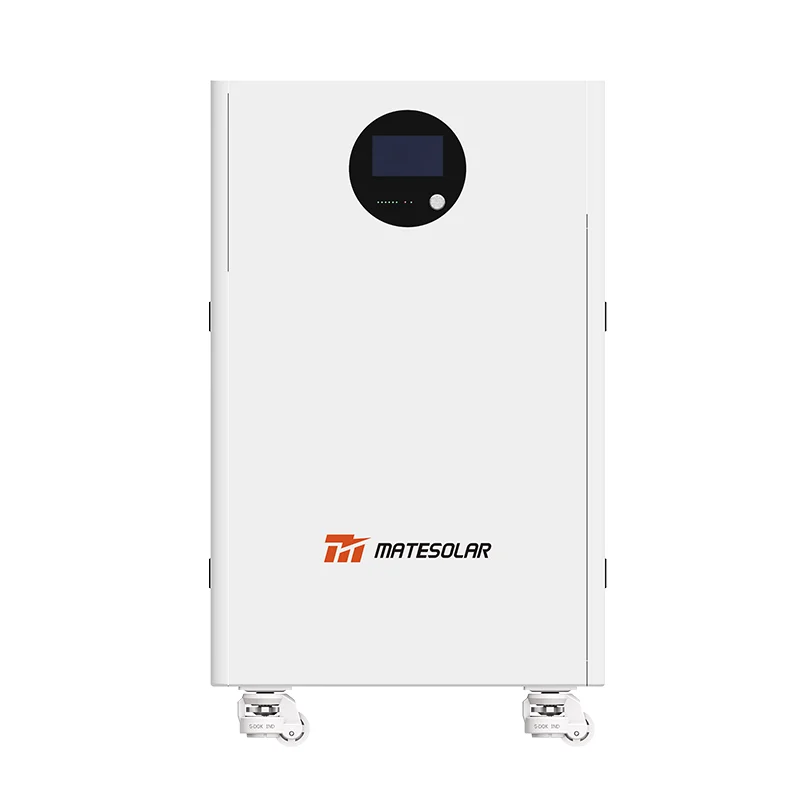
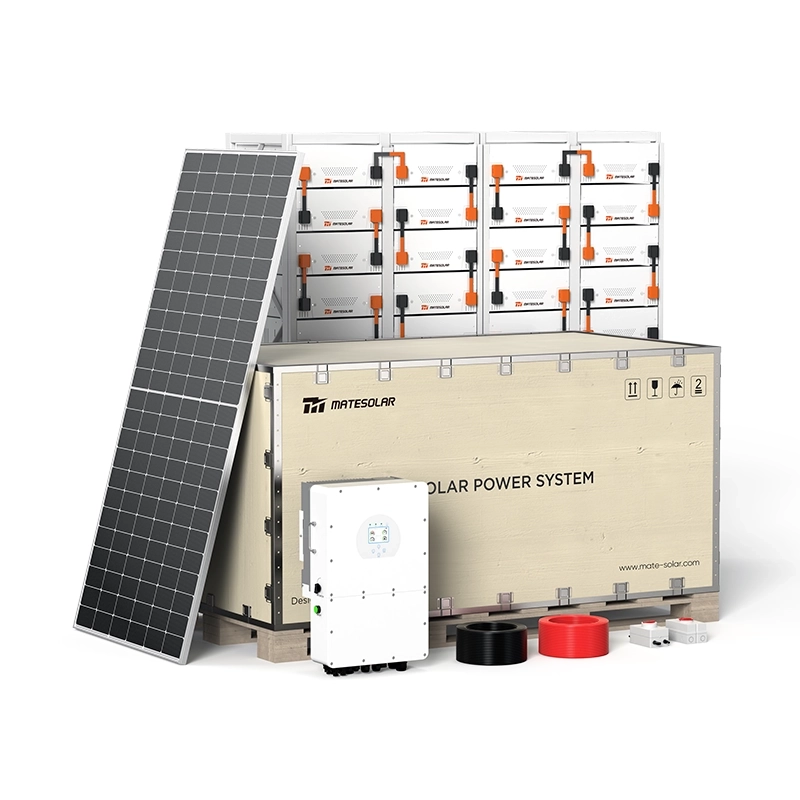
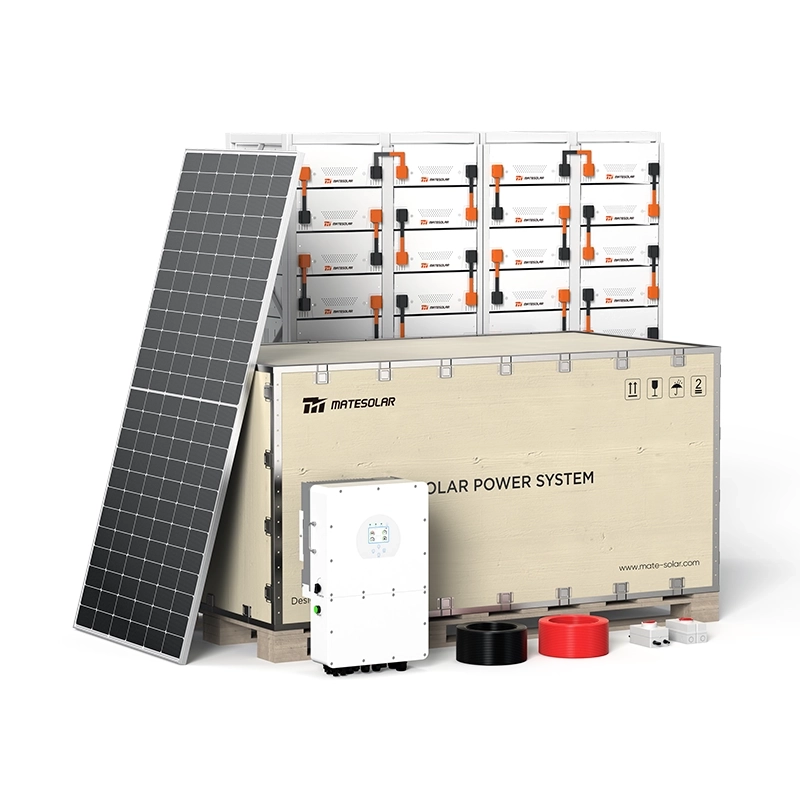
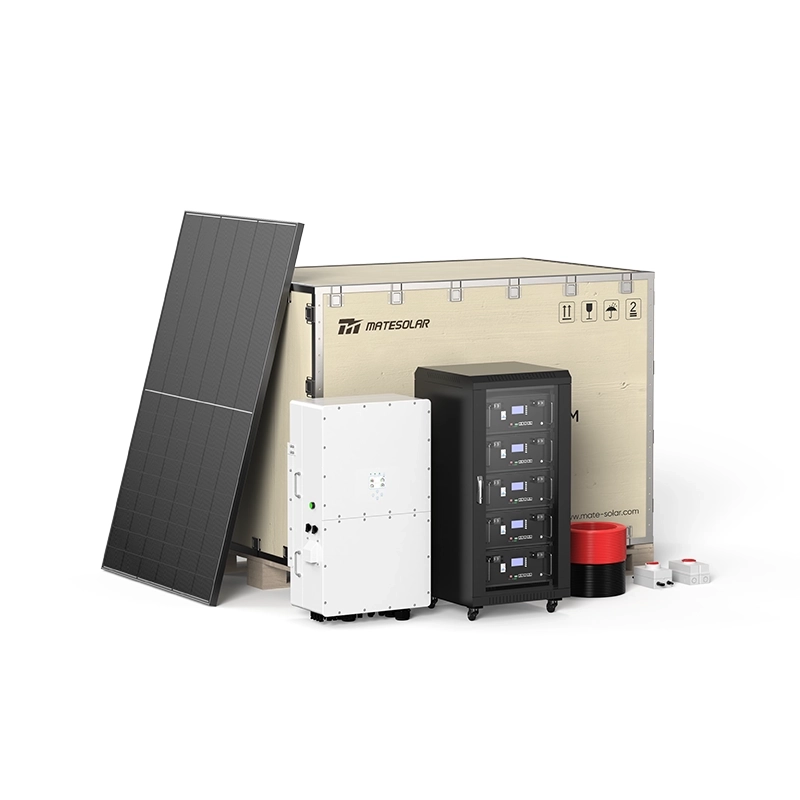
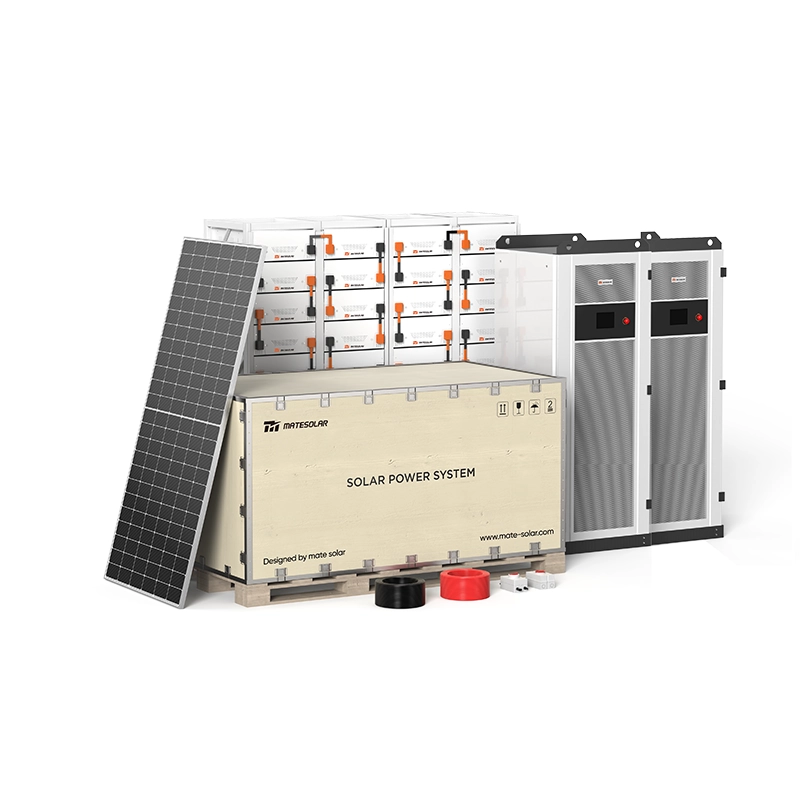
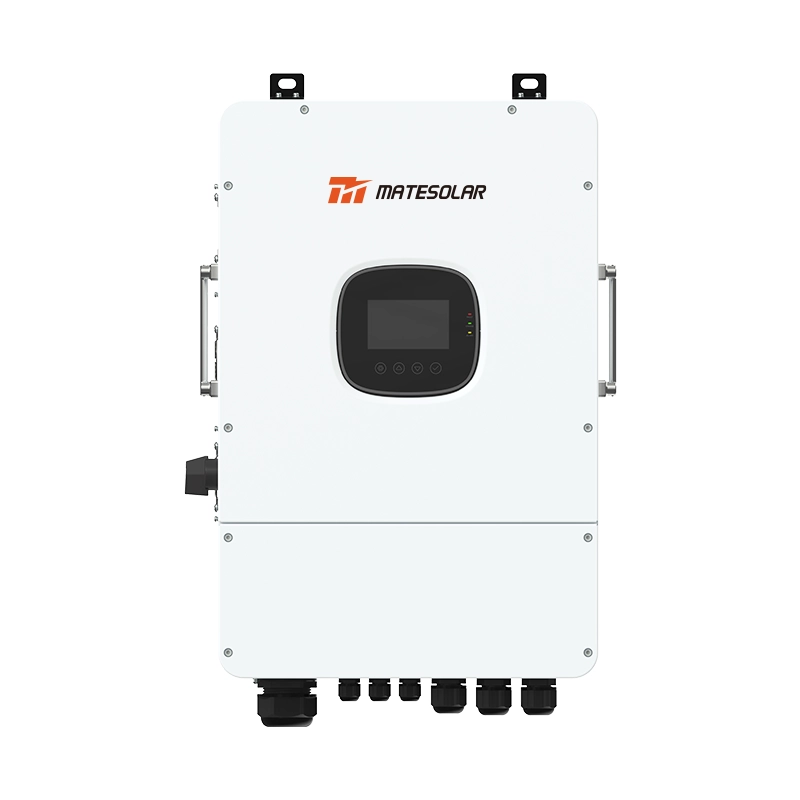
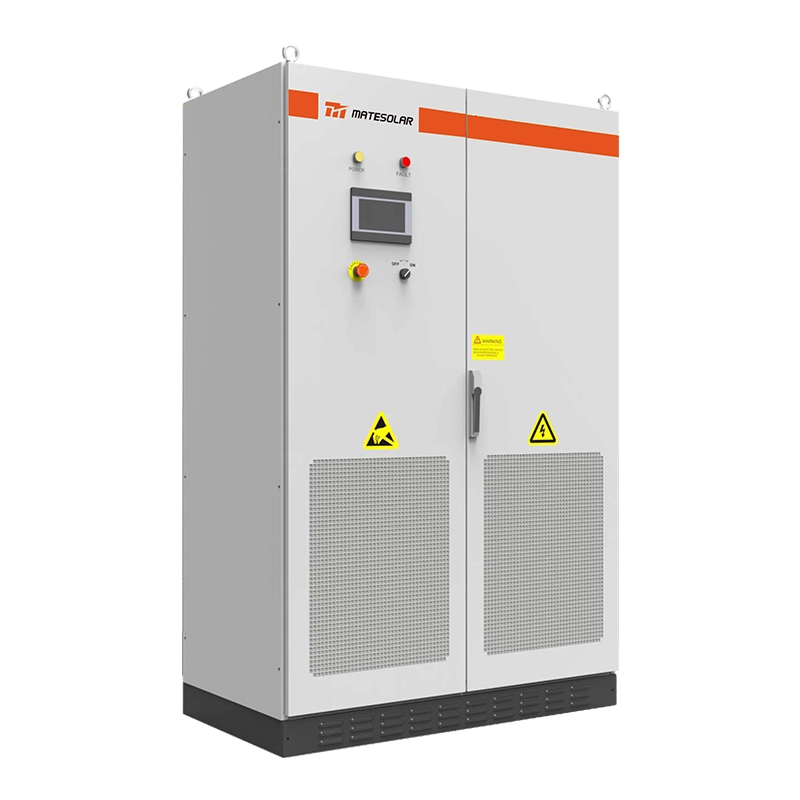
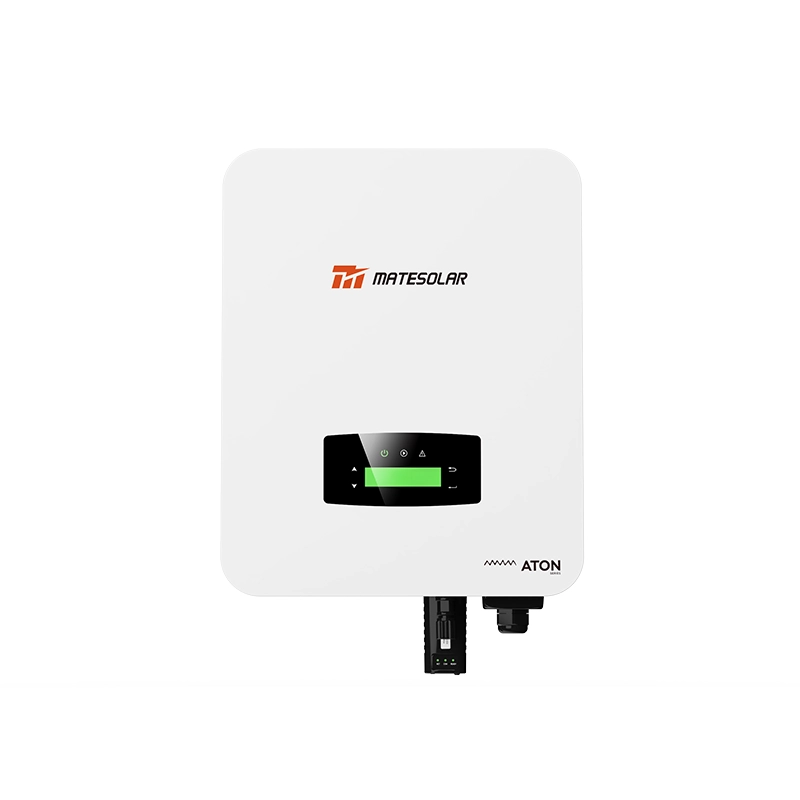
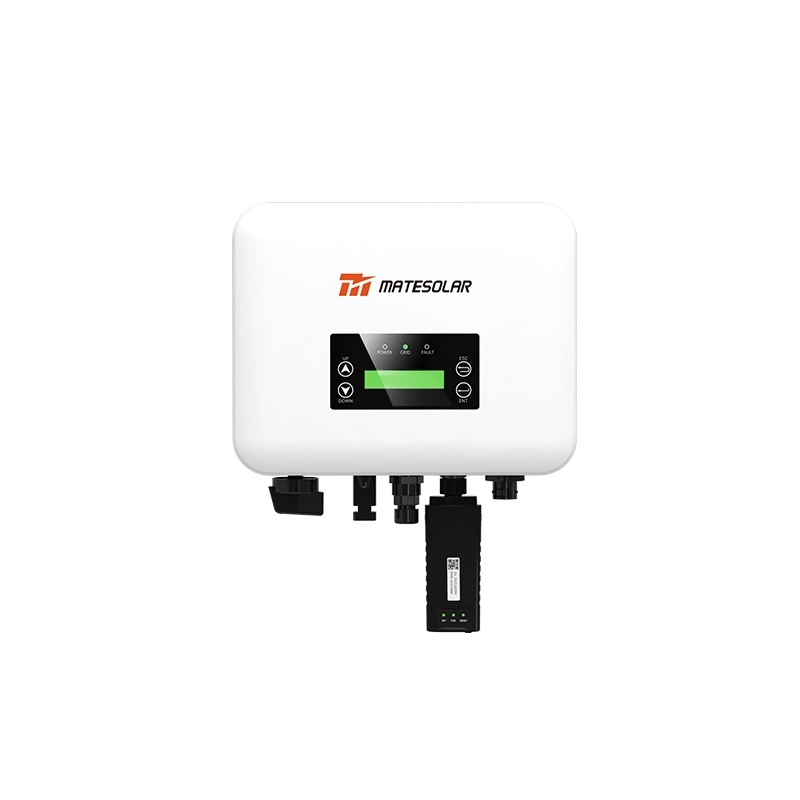
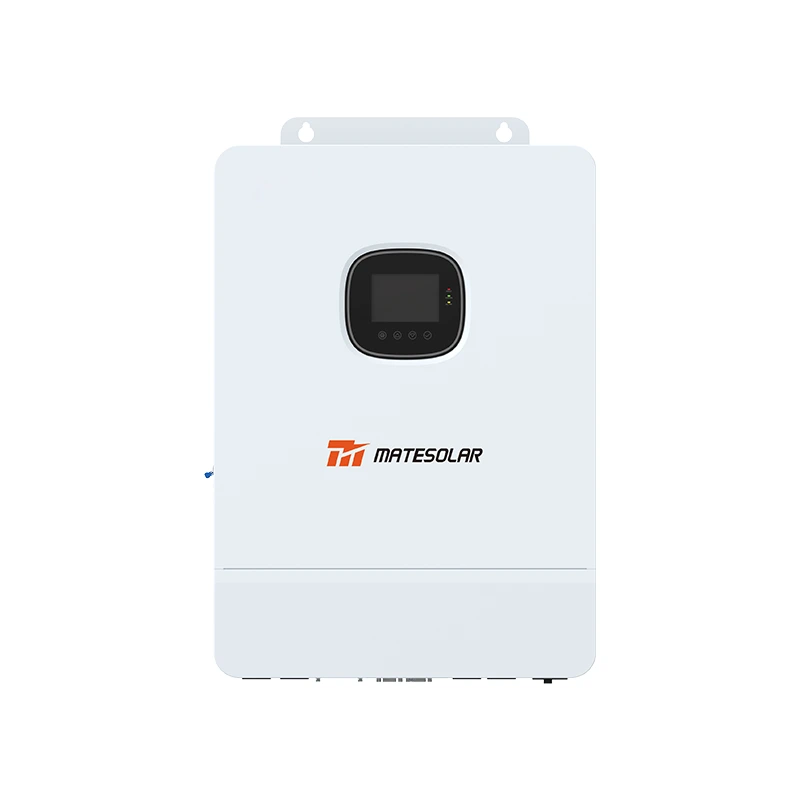
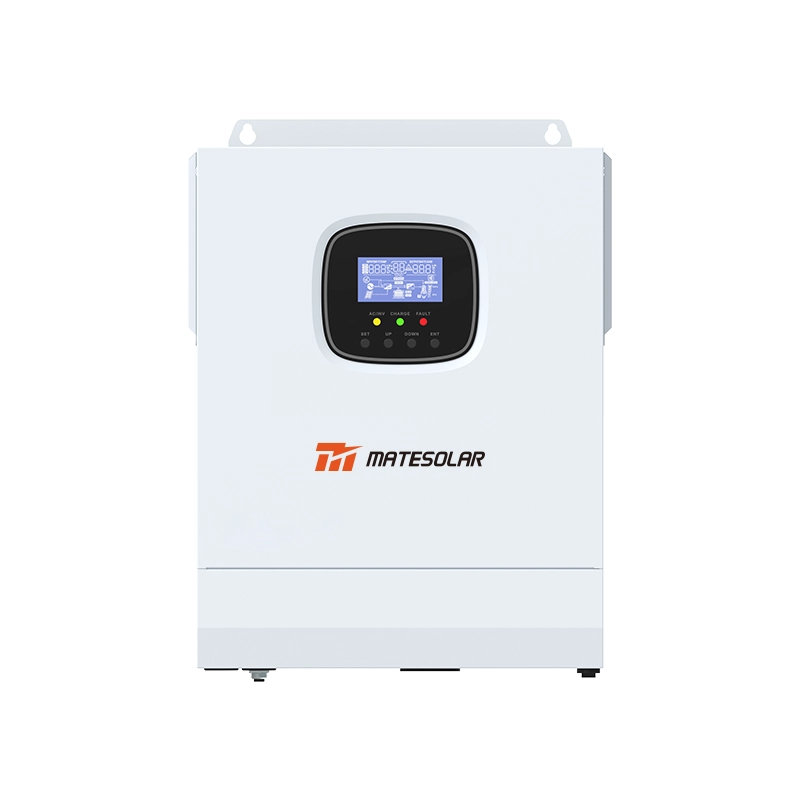
📌 Industrielösung: Für Produktionsstätten, Rechenzentren und Kühlhäuser, die Spitzenlastabdeckung, Notstromversorgung und Tarifarbitrage benötigen, kombiniert die kommerzielle 250-kW-Hybrid-Solaranlage von MateSolar hocheffiziente PV-Technologie mit fortschrittlichem Batteriemanagement. Das System arbeitet mit einem Wechselrichterwirkungsgrad von >98% und ermöglicht einen nahtlosen Übergang vom Netzbetrieb zum Inselbetrieb. [Entdecken Sie die 250-kW-Hybridlösung →]
Kapitel 4: Für kleine bis mittlere Gewerbe-, Einzelhandels- und Gastronomiebetriebe – Kostenreduzierung ohne Komplexität
4.1 Platzbeschränkte, sicherheitskritische Installationen
Der Knackpunkt: Kleine und mittlere Gewerbeimmobilien – Hotels, Restaurants, Einzelhandelsgeschäfte, Arztpraxen – sehen sich denselben hohen Stromkosten gegenüber wie Industrienutzer, verfügen jedoch nicht über dediziertes Energiemanagementpersonal, ausreichend Dachflächen oder Kapital für Großinstallationen. Sicherheitsbedenken sind von größter Bedeutung: Ein Batteriembrand in einem Hotel oder Einkaufszentrum wäre katastrophal.
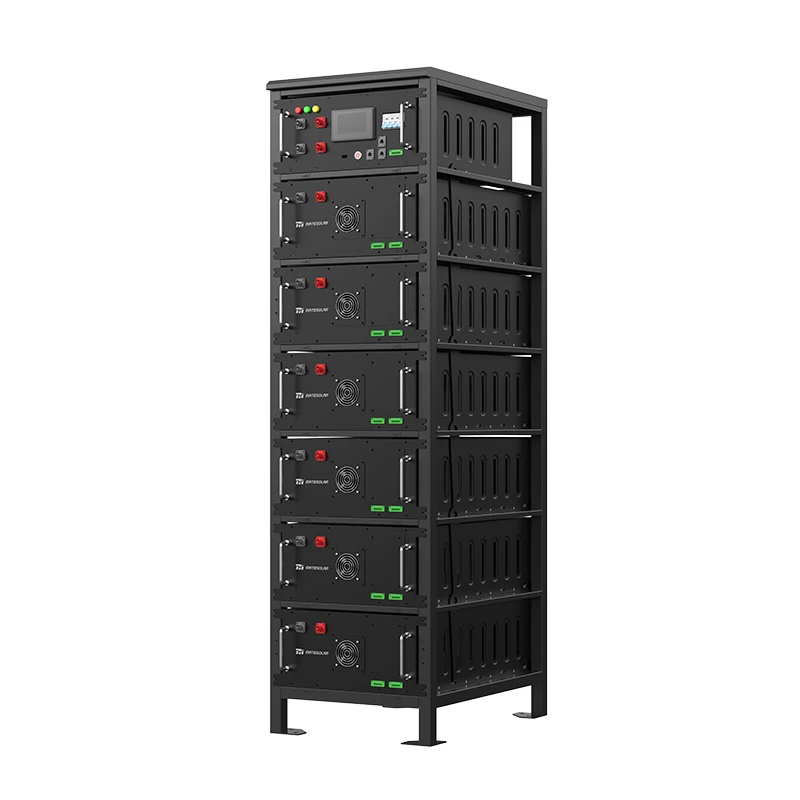
Kompakte, zertifizierte Lösungen: Für diese Anwendungen bietet das BESS (Batteriespeichersystem) in Gehäusebauweise für den Außenbereich (Klasse 232 kWh–261 kWh) den optimalen Formfaktor. Wichtige zu überprüfende Spezifikationen:
| Parameter | Anforderung für Guatemala C&I | Begründung |
| UL 9540-Zertifizierung | Pflicht für Versicherung und Genehmigung | Validiert die Sicherheit des integrierten Systems (Batterie + BMS + Wechselrichter) |
| IP-Einstufung | IP65 Minimum | Staubdicht und geschützt gegen Wasserstrahlen niedrigen Drucks – wichtig für tropische Bedingungen |
| Thermomanagement | Flüssigkeitskühlung bevorzugt | Hält die Zelltemperatur im Bereich von 25–35 °C; Luftkühlung für Guatemalas Umgebungstemperatur von 30–40 °C nicht ausreichend |
| Fußabdruck | ungefähr 3 m² für 261 kWh | Ermöglicht die Aufstellung in Hauswirtschaftsräumen, Parkhäusern oder im Freien |
| Lebensdauer des Zyklus | ≥6.000 Zyklen bei 80% DoD | Entspricht einer Betriebsdauer von 10–12 Jahren |
Die UL 9540-Zertifizierung ist besonders wichtig. Dieser von Underwriters entwickelte Standard
Laboratorien – umfasst elektrische Sicherheit, thermische Stabilität, Integrität des Batteriemanagementsystems und systemseitigen Schutz vor thermischem Durchgehen. Für kommerzielle Installationen in besiedelten Gebieten fordern Energieversorger und Versicherer zunehmend die UL 9540 als Bedingung für den Netzanschluss und die Ausstellung von Policen.
4.2 Risikominderung bei Netzanschlüssen
Da die dezentrale Solarenergie in Guatemala zunimmt, werden die Anschlussgenehmigungen für das Stromnetz strenger. Der Netzcode der CNEE für Erzeugungsanlagen mit DC-zu-AC-Wechselrichtern legt technische Anforderungen fest, die alle netzgekoppelten Systeme erfüllen müssen.
Das technische Paket für schnelle Genehmigung: Stellen Sie sicher, dass Ihr vorgeschlagenes System Folgendes enthält:
- Inselbetriebsschutz — Automatische Trennung innerhalb von 0,2 Sekunden nach Netzausfall gemäß den Standards IEEE 1547/IEC 62116
- Leistungsfaktorkontrolle — Fähigkeit, bei einem Leistungsfaktor von 0,8 leitend bis 0,8 nacheilend, wie vom Netzbetreiber gefordert, zu arbeiten
- Null-Export / Begrenzter-Export-Funktionalität — Verhindert Rückspeisung, wenn dem lokalen Transformator die Kapazität fehlt
- Netzcode-Compliance-Dokumentation — Testberichte, die die Konformität mit den technischen CNEE-Standards nachweisen
4.3 Klimaresilienz: Betrieb während der Hurrikansaison
Die Regen-/Hurrikansaison in Guatemala dauert von Juni bis November, wobei das höchste Risiko tropischer Stürme sich von Juli bis Oktober konzentriert. Für Außenanlagen von Schränken sind drei Merkmale nicht verhandelbar:
1. IP65-geschütztes Gehäuse Bietet vollständigen Schutz gegen das Eindringen von Staub und gegen Strahlwasser aus beliebiger Richtung. Das bedeutet praktisch, dass das System tropischen Platzregen und windgetriebenen Regen standhält.
2. Korrosionsschutz — C5 oder C5M Korrosionsschutz wird für Anlagen in Küstennähe (innerhalb von 5 km) zur Karibik- oder Pazifikküste empfohlen, wo salzhaltiger Sprühnebel den Metallabbau beschleunigt.
3. Strukturelle Verankerung Schränke müssen mit sturmsicheren/hurrikanfesten Befestigungselementen an Betonfundamenten oder Stahlträgern verankert werden. Während Windlasten bei Stürmen die Hauptsorge darstellen, gibt es in Guatemala auch ein moderates seismisches Risiko, das berücksichtigt werden muss.
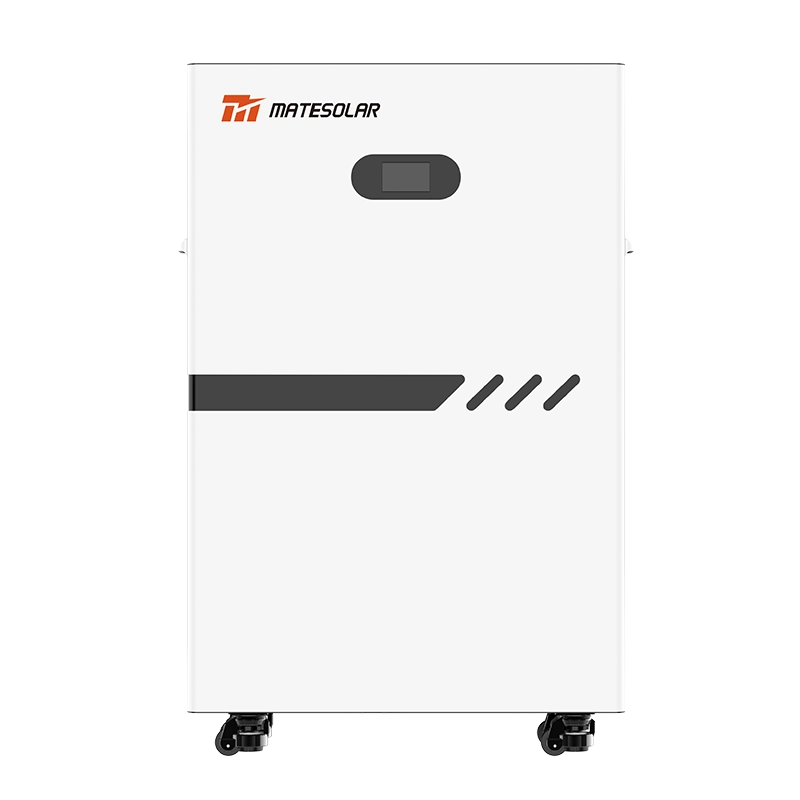
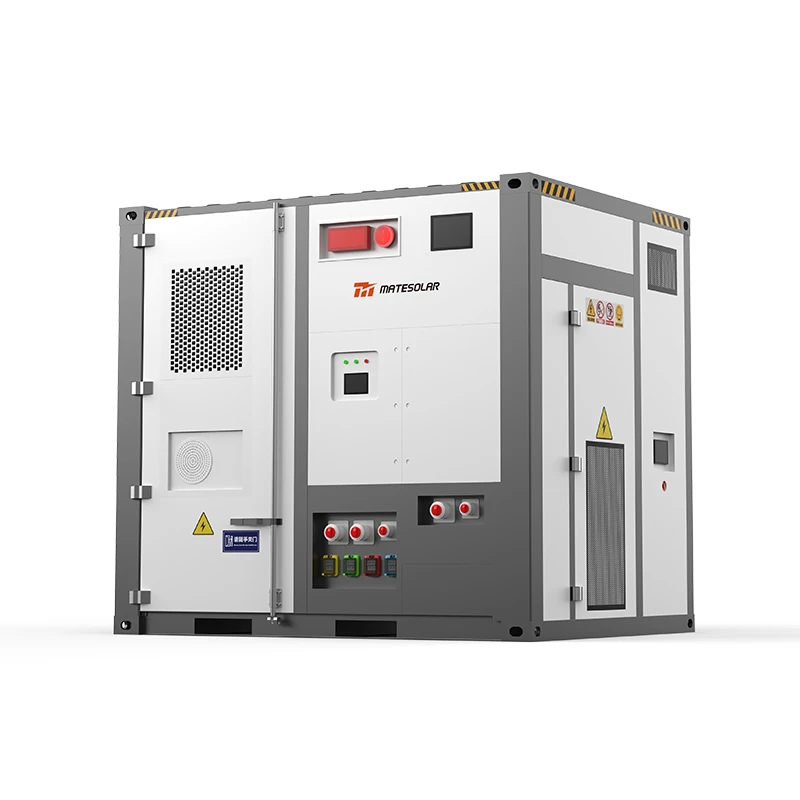
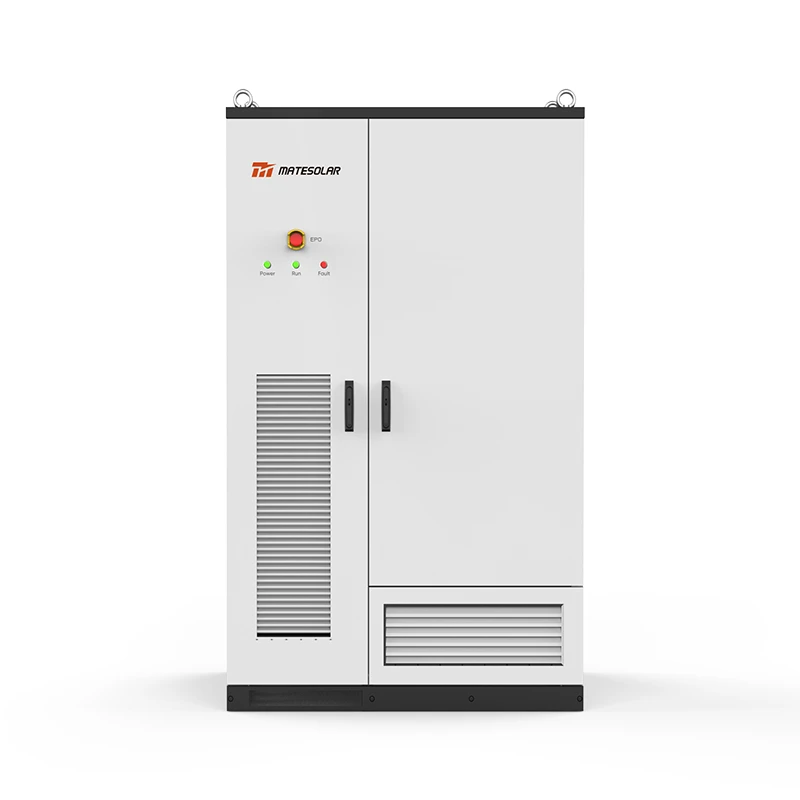
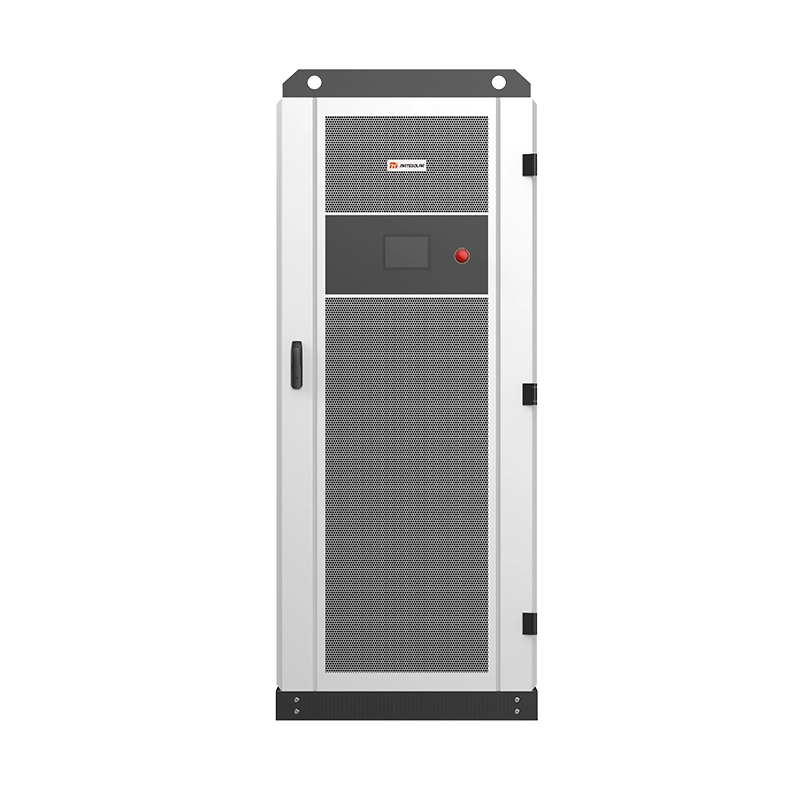
📌 C&I-Lösung: Für Hotels, Einkaufszentren und kleine Produktionsstätten bietet das flüssigkeitsgekühlte Außenkabinen-Energiespeichersystem von MateSolar mit 232 kWh / 261 kWh die UL9540-Zertifizierung, Schutzart IP65 und aktives Flüssigkeitsthermo-Management auf kompakter Stellfläche (<3 m²). [Außenschrank-Spezifikationen anzeigen →]
Kapitel 5: Universelle Überlegungen – Anpassungsfähigkeit und Finanzierbarkeit in tropischen Klimazonen
5.1 Die Klimarealität: Warum Standard-Systeme versagen
Der Knackpunkt: Über alle Nutzerkategorien hinweg – von Entwicklern im Versorgungsmaßstab bis hin zu kleinen Gewerbetreibenden – wiederholt sich dieselbe Frage: Wird dieses System im guatemaltekischen Klima überleben?
Die harten Fakten: Hohe Umgebungstemperaturen (30–35 °C) in Verbindung mit einer relativen Luftfeuchtigkeit von 80–90% während der Regenzeit schaffen Bedingungen, die die Alterung der Batterien beschleunigen. Lithium-Ionen-Zellen arbeiten idealerweise bei Temperaturen zwischen 18 °C und 28 °C; übermäßige Hitze beschleunigt die Alterung und verkürzt die Lebensdauer, während Temperaturschwankungen zu Uneinheitlichkeiten zwischen den Zellen führen und das Risiko eines thermischen Durchgehens erhöhen. Feuchtigkeit führt zu Kondensation innerhalb der Batteriesysteme, was Kurzschlüsse und Korrosion der Komponenten zur Folge hat und somit die Sicherheit und Effizienz beeinträchtigt.
Branchenangaben aus dem Einsatz in tropischen Regionen zeigen, dass Systeme, die für gemäßigte Klimazonen ausgelegt sind, deutlich höhere Ausfallraten aufweisen als solche, die für tropische Bedingungen entwickelt wurden – wobei einige Betreiber von um 23% höheren Ausfallraten berichten, wenn Standardausrüstung ohne Maßnahmen zur Tropentauglichkeit eingesetzt wird.
5.2 Die tropisch gehärtete Spezifikation
Für jede BESS-Bereitstellung in Guatemala gelten die folgenden Mindestspezifikationen:
| Komponente | Tropenspezifikation | Standard (gemäßigt) | Warum es wichtig ist |
| Betriebsbereich der Batteriezelle | -10°C bis 55°C mit aktiver Kühlung | 0°C bis 40°C | Guatemalas Umgebungstemperatur erreicht 35–40 °C; passive Kühlung ist unzureichend |
| Schutzart des Gehäuses | IP65 (Außenschränke) / IP54 (Container) | IP54 | Tropische Starkregenereignisse erfordern überragenden Schutz vor Wassereintritt |
| Korrosionsschutz | C5 (hoch) oder C5M (Marine) | C3-C4 | Salzsprühnebel von beiden Küsten beschleunigt die Korrosion |
| Kühlsystem | Flüssigkeitskühlung (aktiv) | Luftkühlung (passiv) | Flüssigkeitskühlung hält die Zellentemperatur 10–15 °C unter der Umgebungstemperatur; Luftkühlung kann dies nicht. |
| Entfeuchtung | Aktiv (klimatisiert) | Optional | Kondensationsschutz während Perioden mit einer relativen Luftfeuchtigkeit von 80–90% |
Flüssigkeitskühlung vs. Luftkühlung Dies ist keine marginale Verbesserung – es ist die wichtigste technische Entscheidung für den Einsatz von tropischen BESS. Flüssigkeitskühlsysteme zirkulieren dielektrisches Kühlmittel durch Kaltplatten, die in direktem Kontakt mit den Batteriezellen stehen und Wärme 5- bis 10-mal effizienter abführen als Zwangsbelüftung. Das Ergebnis: Temperaturunterschiede zwischen den Zellen von <2°C über die gesamte Kette (im Vergleich zu 5-8°C bei luftgekühlten Systemen), was die Lebensdauer um 2.000-3.000 Zyklen direkt verlängert.
5.3 Bankfähigkeit: Zertifizierungen, die Projektfinanzierungen ermöglichen
Für Entwickler, die eine Projektfinanzierung suchen – sei es von Geschäftsbanken, Entwicklungsfinanzierungsinstitutionen oder Exportkreditagenturen –, sind BESS-Zertifizierungen nicht optional. Sie sind zwingend erforderlich.
Zertifizierungsanforderungen:
- UL 9540 – Systemweite Sicherheitszertifizierung, die das integrierte BESS als vollständige Einheit abdeckt. Versorgungsunternehmen und zuständige Behörden verlangen zunehmend UL 9540 für netzgebundene Systeme.
- UL 9540A — Prüfung der thermischen Durchgehens-Ausbreitung bei Bränden. Für Projekte in bewohnten Gebieten oder in der Nähe kritischer Infrastrukturen wird dies häufig von Versicherungen und lokalen Brandschutzbehörden verlangt.
- IEC 62619 — Internationale Sicherheitsnorm für sekundäre Lithiumzellen und -batterien, die in industriellen Anwendungen eingesetzt werden und elektrische, thermische und mechanische Gefahren abdeckt.
- UN 38.3 — Transportzertifizierung für Lithiumbatterien. Unerlässlich für die Zollabfertigung und Logistik.
Warum das für Guatemala wichtig ist: Die Interamerikanische Entwicklungsbank (IDB) hat ein Darlehen in Höhe von 250 Millionen US-Dollar für Programme zur Elektrifizierung ländlicher Gebiete genehmigt, die Mini-Netze mit erneuerbaren Energien und Speicherung integrieren. Für Projekte, die eine Finanzierung durch die IDB oder andere multilaterale Finanzinstitute anstreben, müssen BESS (Battery Energy Storage Systems) die Einhaltung international anerkannter Sicherheits- und Leistungsstandards nachweisen.
5.4 Technischer Support und Fernwartung
Bei jedem Einsatz von Energiespeichern ist die Fähigkeit, Probleme schnell zu diagnostizieren und zu beheben, von entscheidender Bedeutung. Insbesondere in Guatemala, wo das lokale technische Fachwissen im Bereich BESS (Battery Energy Storage Systems) nach wie vor begrenzt ist, sind Fernunterstützungsfunktionen unerlässlich.
Effektive Fernunterstützung erfordert:
- Echtzeit-Fernüberwachungsplattform mit zellulärer Sichtbarkeit
- Diagnoseprotokolle, die es Technikern ermöglichen, Probleme ohne Vor-Ort-Besuche zu identifizieren
- Globales Supportteam, das über Zeitzonen hinweg erreichbar ist
- Ersatzteile schnell lieferbar
Für Großprojekte (Versorgungsunternehmen im großen Maßstab und große Gewerbe- und Industriekunden) stehen technische Inbetriebnahme vor Ort und Installationsüberwachung zur Verfügung. Für kleinere Anlagen gewährleisten umfassende Dokumentation, Fernunterstützung per Video und Garantien für den Austausch von Einzelkomponenten minimale Ausfallzeiten.
Kapitel 6: Häufig gestellte Fragen – Guatemala Solar + Speicher
Q1: Was ist die genaue Anforderung an BESS für Solarprojekte gemäß dem Plan für 2026–2050?
A: Alle Solarprojekte mit einer installierten Leistung von mehr als 50 MW müssen über einen Batteriespeicher verfügen, der 30% ihrer Photovoltaikleistung entspricht. Dies ist eine verbindliche technische Anforderung gemäß dem Indikativen Ausbauplan für die Stromerzeugung (PEIG) 2026–2050. Bis 2050 sollen mindestens 370 MW an Batteriespeichersystemen (BESS) in Verbindung mit PV-Anlagen in Betrieb sein..
Q2: Wie ist der aktuelle gewerbliche Strompreis in Guatemala?
A: Nach den Daten vom September 2025 beträgt der Stromtarif für Unternehmen 1,509 GTQ/kWh (ca. 0,197 USD/kWh), einschließlich aller Kosten für Übertragung, Verteilung, Steuern und Gebühren. Die nicht subventionierten Tarife wurden Anfang 2026 um 15% nach oben angepasst..
F3: Können unabhängige Hybridspeichersysteme am guatemaltekischen Großhandelsstrommarkt teilnehmen?
Ja. Der CNEE-Beschluss 128-2024 (genehmigt im Mai 2024) gestattet ausdrücklich, dass autonome hybride Erzeugungssysteme mit Speicher am Stromgroßhandelsmarkt teilnehmen dürfen, wodurch Speichersysteme für ihre Rolle bei der Netzstabilität rechtlich anerkannt werden..
Q4: Was ist die typische Amortisationszeit für ein kommerzielles BESS in Guatemala?
A: Bei C&I-Anwendungen unter den aktuellen Tarifbedingungen (0,197 USD/kWh, einschließlich Spitzenlastgebühren) liegen die Amortisationszeiten in der Regel zwischen 2,5 und 5 Jahren, abhängig vom Lastprofil der Anlage, der Dimensionierung des BESS und der täglichen Lade- und Entladestrategie. Anlagen mit hohem Spitzenbedarf (Spitzenlastgebühren machen 30–50% der monatlichen Rechnungen aus) erreichen eine schnellere Amortisation. Die nicht subventionierte Tariferhöhung im Jahr 2026 um 15% hat die Kapitalrendite in allen Segmenten verbessert.
Frage 5: Ist die UL 9540-Zertifizierung für BESS in Guatemala erforderlich?
A: Obwohl noch nicht in primäres Recht umgesetzt, wird UL 9540 zunehmend gefordert von:
- Verteilnetzbetreiber für die Genehmigung des Netzanschlusses
- Versicherer für Sach- und Haftpflichtversicherungen
- Multilaterale Kreditgeber (IDB, Weltbank) für Projektfinanzierung
- Lokale Gemeinden für die Einhaltung von Bau- und Brandschutzvorschriften
Für Projekte, die Bankfähigkeit anstreben, sollte die UL 9540-Zertifizierung als obligatorisch angesehen werden.
F6: Wie wirkt sich das tropische Klima Guatemalas auf die Leistung und Lebensdauer von BESS aus?
A: Hohe Umgebungstemperaturen (typischerweise 30–35 °C) und Luftfeuchtigkeit (80–90% während der Regenzeit) beschleunigen die Alterung der Batterien. Bei Systemen, die für gemäßigtes Klima ausgelegt sind, kommt es zu folgenden Auswirkungen:
- 2–3× schnellere Kapazitätsalterung ohne aktive Kühlung
- Erhöhtes Risiko von kondensationsbedingten Kurzschlüssen
- Korrosion elektrischer Verbindungen in Umgebungen mit hoher Luftfeuchtigkeit
Flüssigkeitskühlsysteme, IP65-geschützte Gehäuse und Korrosionsschutz der Stufe C5 werden für einen zuverlässigen Langzeitbetrieb empfohlen.
PPA-Laufzeit für Projekte, die im Rahmen von PEG-5 vergeben werden
A: Stromabnahmeverträge (PPAs) für neue Erzeugungsanlagen unter PEG-5 haben eine Laufzeit von bis zu 15 Jahren. Für bestehende Anlagen betragen die PPA-Laufzeiten bis zu 5 aufeinanderfolgende Jahre.
Q8: Welche Übertragungsnetzausbaumaßnahmen sind bis 2050 geplant?
Der PET-Plan 2026–2050 sieht den Bau von 5.687 Kilometern neuer Übertragungsleitungen und 172 neue Umspannwerke vor, die mit Spannungsebenen von 69 kV, 138 kV, 230 kV und 400 kV betrieben werden.. Diese Erweiterung wird die Netzanbindung der im Rahmen von PEG-5 vergebenen 1.505 MW ermöglichen und das langfristige Nachfragewachstum unterstützen.
Q9: Was sind die technischen Anforderungen für netzgekoppelte BESS in Guatemala?
A: Der Netzcode des CNEE für Stromerzeugungsanlagen, die DC/AC-Umrichter verwenden, legt Anforderungen fest, darunter:
- Anti-Inselbildungsschutz (konform mit IEEE 1547/IEC 62116)
- Leistungsfaktorkontrollfunktion
- Frequenz- und Spannungsdurchfahrt
- Fernüberwachungs- und Dispatch-Funktion
- Einhaltung von Anschlussstandards für Verteilnetze
Frage 10: Wie ist der aktuelle Stand der dezentralen Solarenergieerzeugung in Guatemala?
Die installierte Kapazität für erneuerbare dezentrale Stromerzeugung (RDG) stieg von 7,5 MW im Jahr 2009 auf über 160 MW im Jahr 2024 und wird voraussichtlich bis 2050 1.200 MW erreichen (einschließlich 810 MW Solar-PV). Guatemala zählt derzeit mehr als 14.000 Eigenversorger, die überschüssige Energie ins Stromnetz einspeisen..
Kapitel 7: Der Weg vor uns – Strategische Empfehlungen
Für EPC-Entwickler und Projektfinanziers:
- Sichern Sie BESS-Lieferkettenvereinbarungen frühzeitig ab. Die im Rahmen der PEG-5 vergebenen 713 MW an Solar-Plus-Speicher werden Angebotsdruck erzeugen. Projekte mit festen BESS-Beschaffungsaufträgen werden einen Wettbewerbsvorteil haben.
- Flüssigkeitskühlung priorisieren. Die inkrementellen Kapitalkosten werden durch 2.000–3.000 zusätzliche Zyklen und eine 15-jährige Leistungssicherheit unter tropischen Bedingungen gerechtfertigt.
- Stellen Sie die UL 9540-Zertifizierung für alle netzgebundenen Systeme sicher. Dies ist der Weg des geringsten Widerstands für Bankfähigkeit und behördliche Zulassung.
Für Energiemanager in Industrie und Großunternehmen:
- Überprüfen Sie Ihr Lastprofil. Spitzenlastzuschläge sind der primäre wirtschaftliche Treiber für BESS. Installieren Sie bei Bedarf Unterzähler, um Ihren 15-Minuten-Intervallbedarf zu charakterisieren.
- Größe für Peak Shaving zuerst, Arbitrage zweitens. Die Reduzierung von Spitzenlastgebühren liefert sofortige, vorhersehbare Einsparungen. Energiearbitrage (billig kaufen, teuer verkaufen) ist zweitrangig.
- Plan für Tarifsteigerungen. Der Anstieg um 15% Anfang 2026 ist kein einmaliges Ereignis. Die Wirtschaftlichkeit von BESS verbessert sich mit steigenden Netzpreisen.
Für kleine und mittlere Unternehmen sowie für das Gastgewerbe:
- Beginnen Sie mit den Sicherheitszertifizierungen. UL 9540 und IP65 sind für Installationen in bewohnten Gebäuden nicht verhandelbar.
- Betrachten Sie modulare Outdoor-Schränke. Die Klasse 232–261 kWh bietet das optimale Gleichgewicht zwischen Kapazität, Stellfläche und Sicherheit für Hotels, Einzelhandel und Kliniken.
- Nutzen Sie Remote-Support. Für Projekte ohne technisches Personal vor Ort sind die Fernüberwachung und -diagnose durch den Lieferanten unerlässlich.
Für alle Beteiligten:
Die Transformation des guatemaltekischen Stromsektors ist real und beschleunigt sich. Die PEG-5-Auktion, die Netzausweitung PET 2026–2050 und das 250-Millionen-USD-Elektrifizierungsprogramm der IDB signalisieren gemeinsam, dass Guatemala in einen jahrzehntelangen Investitionszyklus in erneuerbare Energien und Energiespeicherung eingetreten ist.
Der grundlegende regulatorische Rahmen – die CNEE-Entscheidung 128-2024, die die Einbindung von Speichersystemen ermöglicht, die 30%-Vorgabe für Batteriespeichersysteme (BESS) bei großen Solaranlagen sowie die 15-jährigen Stromabnahmeverträge (PPA) – bietet die Sicherheit, die institutionelle Investoren benötigen..
Für Entwickler stellt sich nicht mehr die Frage, ob sie ein Angebot abgeben, sondern wie sie es umsetzen. Für Endverbraucher stellt sich nicht die Frage, ob sie Speicher adoptieren, sondern wann. Die Projekte, die zuerst handeln – und mit den richtigen technischen Partnern handeln – werden die höchsten Erträge erzielen.
MateSolar ist ein führender Anbieter von Komplettlösungen für photovoltaische Energiespeicherung, der sich der Lieferung zertifizierter, tropenharter BESS für den Einsatz im Versorgungsbereich, im gewerblichen und industriellen Sektor sowie für private Anwendungen in Mittelamerika und auf globalen Märkten verschrieben hat. Unser Portfolio umfasst UL9540-zertifizierte Außenschrank-Systeme (232 kWh–261 kWh), flüssigkeitsgekühlte Container-Speicherlösungen (3 MWh–5 MWh) und komplette hybride Solarlösungen für gewerbliche und industrielle Kunden. Mit nachgewiesenen Installationen in tropischen Umgebungen und umfassendem Fern-Techniksupport ist MateSolar Ihr Partner für zuverlässige, bankfähige Energiespeicherlösungen in Guatemala.
Dieses Dokument wird als Marktdatenressource für Branchenprofis veröffentlicht. Alle dargestellten Daten spiegeln öffentlich zugängliche Informationen vom April 2026 wider. Die Leser werden darauf hingewiesen, die geltenden Zölle und regulatorischen Anforderungen vor der Projektdurchführung bei offiziellen Stellen, einschließlich CNEE und MEM, zu überprüfen.