













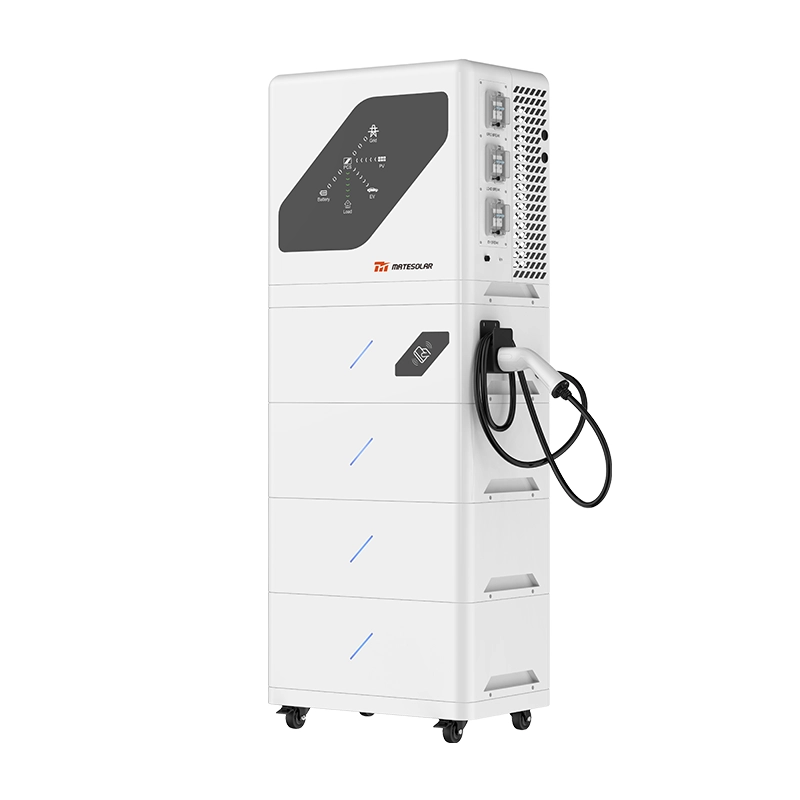
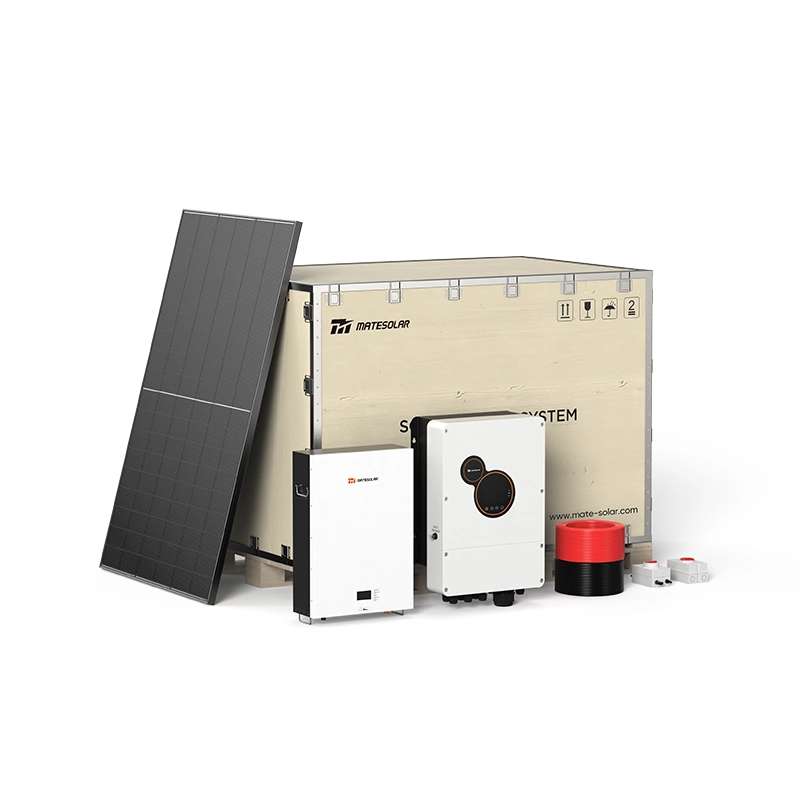




The U.S. commercial and industrial (C&I) energy storage market has entered its most consequential year on record. As of September 2026, four structural forces are simultaneously reshaping project economics, deployment timelines, and procurement strategies: unprecedented electricity demand from AI data centers, the cliff-edge FEOC compliance thresholds tied to the 30% Investment Tax Credit (ITC), the mandatory Large-Scale Fire Test (LSFT) under UL 9540A Sixth Edition, and a transformer supply crisis pushing lead times to 2.5–5 years.
For C&I energy storage customers, the question has fundamentally shifted. It is no longer whether to install battery storage — it is how to deploy storage systems that can stabilize power under AI load shocks, preserve full ITC eligibility under FEOC rules, pass the most rigorous fire safety review in the industry's history, and deliver projects on schedule despite an intractable equipment bottleneck.
This blueprint provides a comprehensive, data-driven analysis of each challenge and its corresponding solutions, serving as an actionable reference for facility owners, developers, EPCs, and investors navigating the 2026 U.S. C&I storage landscape.
Part I: Market Context — The Four Forces Reshaping U.S. C&I Energy Storage in 2026
1.1 AI Data Centers: The Demand Shock
The U.S. power grid is experiencing a demand surge without precedent in modern history. The PJM Interconnection — the nation's largest grid operator, serving 67 million people across 13 states — cleared its 2026/27 Base Residual Auction at $329.17 per MW-day, approximately ten times historical averages. The 2027/28 auction remained similarly elevated, and the 2028/29 auction cleared at its administrative cap of $325/MW-day for the third consecutive time — a level that, without the cap, would have reached $555/MW-day.
PJM has formally warned that by 2030, AI data center incremental load will account for up to 95% of its regional growth. The capacity shortfall widened from 208.7 MW to more than 6.5 GW between successive auctions. PJM CEO David Mills has stated publicly that "the market mechanism must be redesigned to accommodate the load growth driven by AI."
For C&I storage owners, this translates into a once-in-a-decade revenue opportunity. Capacity market participation, demand response, and peak shaving revenues have all surged. A four-hour battery in PJM now generates approximately $192/MW-day in capacity revenue alone (~$69,989/MW-year), and fleet revenue post-Regulation-redesign has roughly tripled from ~$20/kW-month to ~$62/kW-month.
Meanwhile, the North American grid power gap is projected to reach 39.9 GW in 2026, 51.8 GW in 2027, and 67.8 GW in 2028 — a trajectory that makes behind-the-meter storage not merely an economic optimization tool but a critical grid reliability asset.
1.2 Installation Growth: Record-Breaking Deployment
Despite supply chain headwinds, U.S. energy storage installations continue to set records. The United States deployed 9.7 GWh of battery energy storage in Q1 2026 — the largest Q1 on record and a 32% year-over-year increase. Q2 2026 surged further to 20.2 GWh / 6.7 GW, the strongest quarter in U.S. history, bringing H1 2026 installations to approximately 31 GWh / 10.3 GW, up 23% year-over-year.
Within this total, C&I behind-the-meter storage deployed 1.8 GWh in Q2 2026, marking a 52% year-over-year increase from 1.2 GWh in Q2 2025. The surge is primarily attributed to data center co-location demand and rapidly expanding commercial deployment.
Table 1: U.S. Energy Storage Installations — 2025 vs. 2026
| الجزء | 2025 Full Year | توقعات 2026 | Growth Rate |
| مقياس المنفعة | ~50 GWh | ~62.4 GWh | ~25% |
| C&I (Behind-the-Meter) | ~5 GWh | ~7.3 GWh (Residential + C&I) | ~46% |
| الإجمالي | ~59 GWh | ~71 GWh | ~20% |
Source: SEIA/Benchmark Mineral Intelligence, Q3 2026 Energy Storage Market Outlook
1.3 Federal Tax Policy: The FEOC Cliff-Edge
The One Big Beautiful Bill Act (OBBBA) preserved the 30% Investment Tax Credit for energy storage but introduced progressively stringent domestic content and FEOC (Foreign Entity of Concern) thresholds that fundamentally alter project economics.
Table 2: ITC Eligibility Thresholds — 2026–2028
| السنة | متطلبات المحتوى المحلي (لجهاز الجمع 10%) | FEOC MACR Threshold (for base ITC, BESS >1 MW) |
| 2026 | 50% U.S.-origin manufactured cost | التكاليف غير المتعلقة بـ PFE لـ 55% |
| 2027 | 55% U.S.-origin cost | التكاليف غير المتعلقة بـ PFE للرمز 60% |
| 2028 | 55% U.S.-origin cost | التكاليف غير المتعلقة بـ PFE لـ 65% |
Source: OBBBA statutory thresholds; IRS Notice 2026-15
The critical distinction in 2026 is that the FEOC MACR threshold operates as a cliff, not a slope. If a project's Material Assistance Cost Ratio falls below the 55% threshold, the entire 30% ITC is eliminated — not proportionally reduced. As battery cells constitute roughly half of a BESS project's capital expenditure, projects utilizing Chinese-origin cells are effectively disqualified from the ITC unless alternative supply arrangements are secured.
On February 12, 2026, the IRS and Treasury issued Notice 2026-15 — the first formal FEOC guidance — establishing the MACR calculation framework and interim safe harbors. However, significant compliance details remain in flux, creating substantial uncertainty for developers and financiers.
1.4 Supply Chain Bottlenecks: The Transformer Crisis
The transformer shortage has become the single most intractable barrier to project delivery in the U.S. power sector. According to Morgan Stanley research published in June 2026, power transformer lead times have ballooned from 12–16 weeks pre-pandemic to 128–144 weeks (2.5–2.8 years), with the highest-demand segments reaching five years.
Approximately 80% of U.S. power transformers are imported. Bloomberg projects that of the roughly 12 GW of planned U.S. data center capacity for 2026, only one-third is under active construction, with nearly half facing potential delay due to transformer shortages.
Table 3: Transformer Lead Time Evolution (2020–2026)
| فترة | Average Lead Time | Price Change |
| 2020–2021 | ~12–16 weeks | خط الأساس |
| 2024 | ~143 weeks | +30–50% |
| Q1 2026 | >160 weeks | +4–10% (projected further) |
| High-Demand Segment | Up to 5 years | +100%+ |
Source: Wood Mackenzie, Morgan Stanley research, 2026
1.5 Safety Standards: The Most Significant Upgrade in a Decade
On March 13, 2026, UL published the Sixth Edition of ANSI/CAN/UL 9540A, making Large-Scale Fire Testing (LSFT) a mandatory requirement for energy storage system certification. The new testing protocol requires deliberately igniting an entire energy storage unit with all fire suppression systems disabled, observing fire propagation behavior, and demonstrating that fire will not propagate between adjacent ESS units.
Simultaneously, NFPA 855 (2026 Edition) introduced broader Hazard Mitigation Analysis (HMA) requirements, expanded explosion control and prevention mandates, and tighter integration with UL 9540A test data. The updated standard requires that BESS installations incorporate an explosion control and prevention system designed in accordance with NFPA 69 or a performance-based alternative supported by installation-level fire and explosion testing.
Together, these two standards represent a step-change in industry barriers to entry. Products that have not undergone the new LSFT protocol will face increasingly difficult permitting and approval processes at the Authority Having Jurisdiction (AHJ) level.
1.6 Cybersecurity: The New National Security Dimension
On August 26, 2026, President Trump signed Executive Order 14421, declaring a national emergency under IEEPA and the National Emergencies Act to address foreign-produced equipment used in the U.S. bulk-power system. The order authorizes the Department of Energy to prohibit transactions involving BESS, inverters, and other bulk-power system equipment linked to Covered Foreign Entities.
The order does not constitute an immediate blanket ban. However, DOE's implementing regulations — due within 120 days (by approximately December 24, 2026) — are expected to have profound consequences for procurement decisions across the power sector. Industry reports have identified undisclosed communication equipment and remote access capabilities in certain foreign-manufactured BESS and inverter systems, elevating cybersecurity from an IT concern to a national infrastructure priority.
Part II: Critical Customer Challenges and Actionable Solutions
2.1 AI Data Center Load Shocks and Demand Charge Control
المشكلة
AI data centers present load profiles fundamentally different from any previous commercial or industrial customer class. Power density is extraordinarily high, load fluctuations are severe and rapid, and the ramp rates can destabilize local distribution networks. For commercial facilities sharing grid infrastructure with data centers, the consequences include capacity shortages, elevated electricity prices, and intensifying demand charges.
For C&I customers on tariffs such as Southern California Edison's TOU-8, demand charges account for 40% to 60% of the commercial bill. A single 15-minute peak event — whether caused by facility operations or by grid-side fluctuations — can set the demand charge for the entire month. Under SCE's TOU-8 structure, facilities face both Facilities-Related Demand charges (based on the highest 15-minute peak at any time during the billing cycle) and Time-Related Demand charges (an additional, typically higher charge applied specifically to peak draw during the 4 PM–9 PM window).
The Solution
Modern BESS deployments address AI load shocks through three mechanisms:
First, sub-second peak shaving. Systems equipped with predictive EMS can detect load ramp events and begin discharging within milliseconds, preventing the facility meter from ever registering the full peak. This is distinct from reactive peak shaving, which responds only after a peak has already begun forming.
Second, capacity market participation. In PJM, C&I storage systems can participate in demand response programs and capacity markets, generating additional revenue streams that offset capital costs. The PJM Regulation market redesign of October 2025 has tripled fleet revenue, making storage participation increasingly attractive.
Third, grid-forming capability. For facilities adjacent to data centers, BESS systems with grid-forming inverters can provide voltage and frequency support, reducing the facility's dependence on grid stability during data center-induced transients.
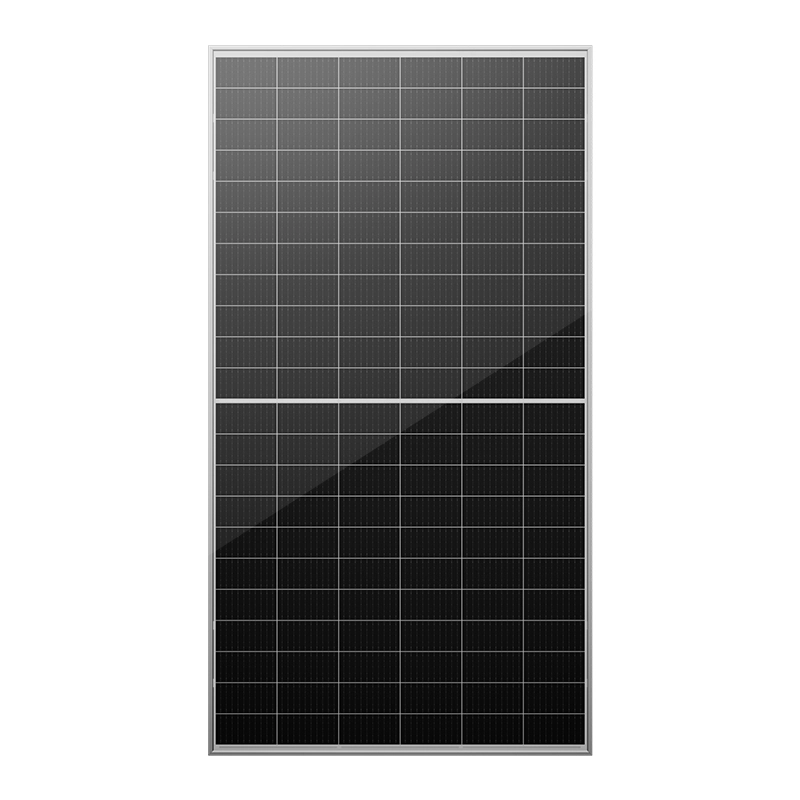
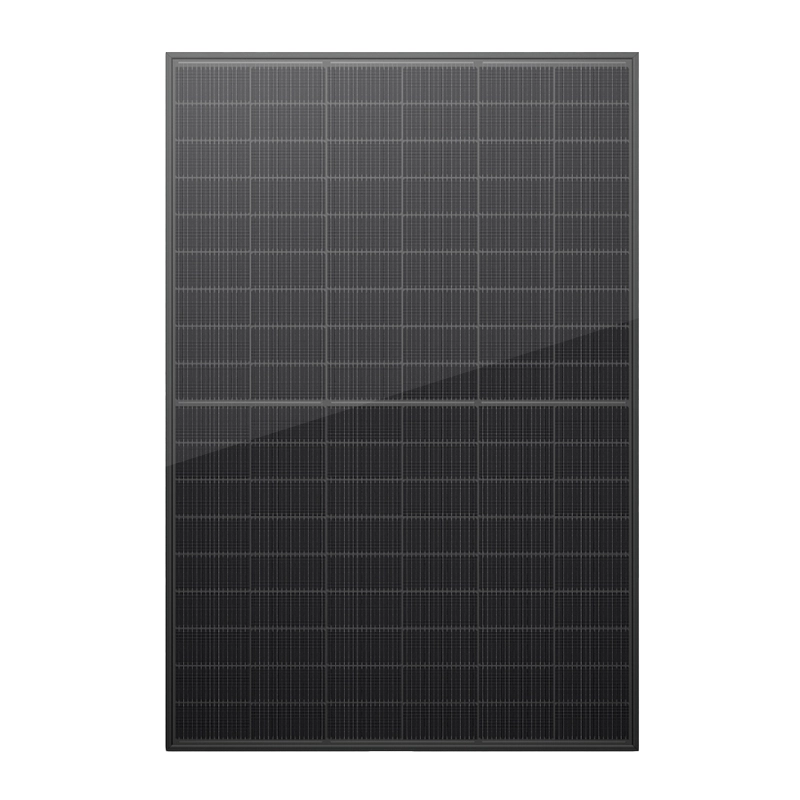
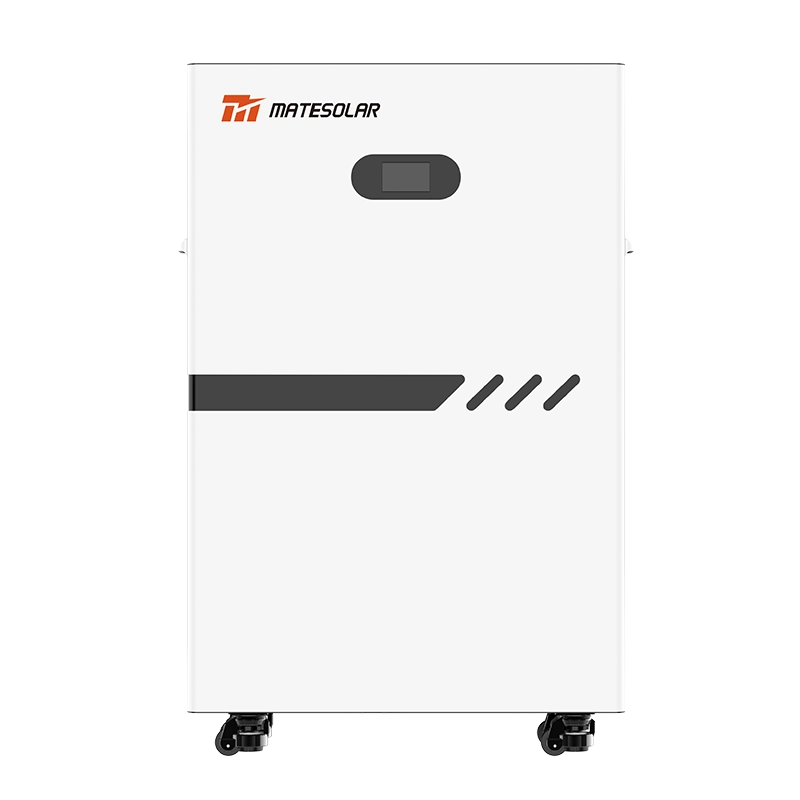
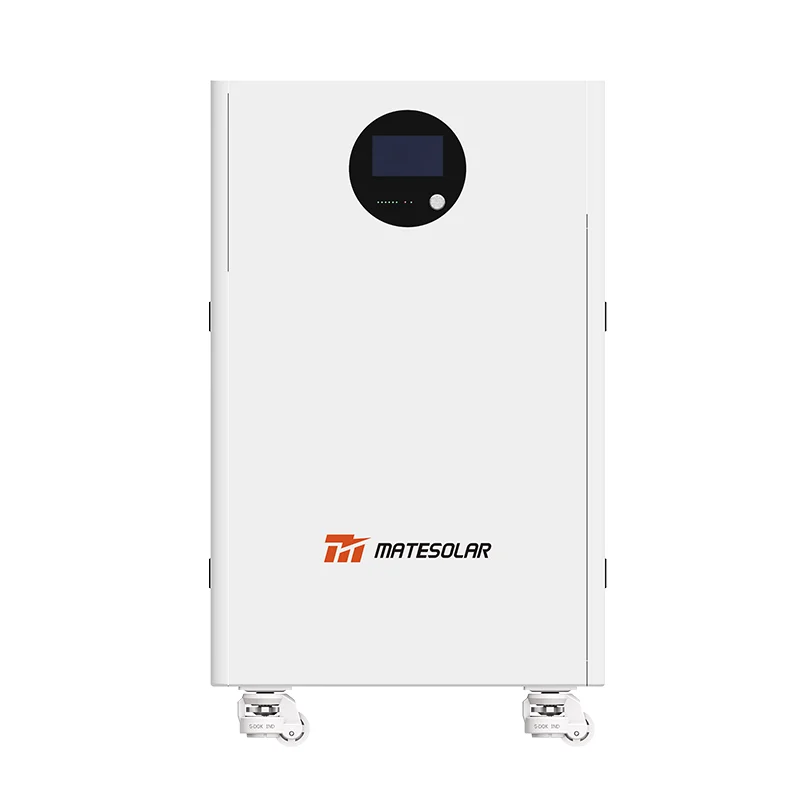
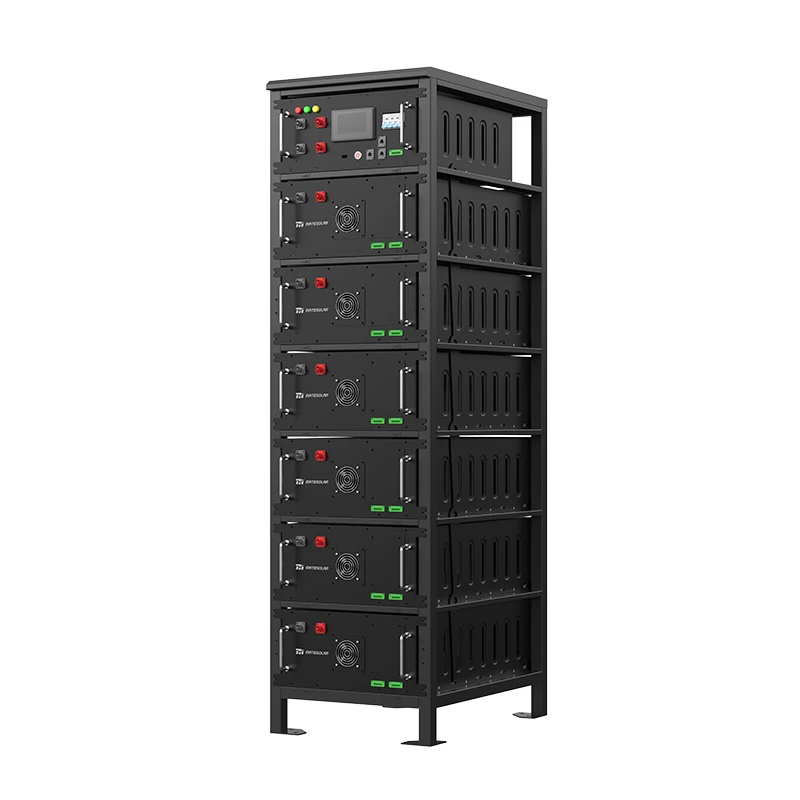
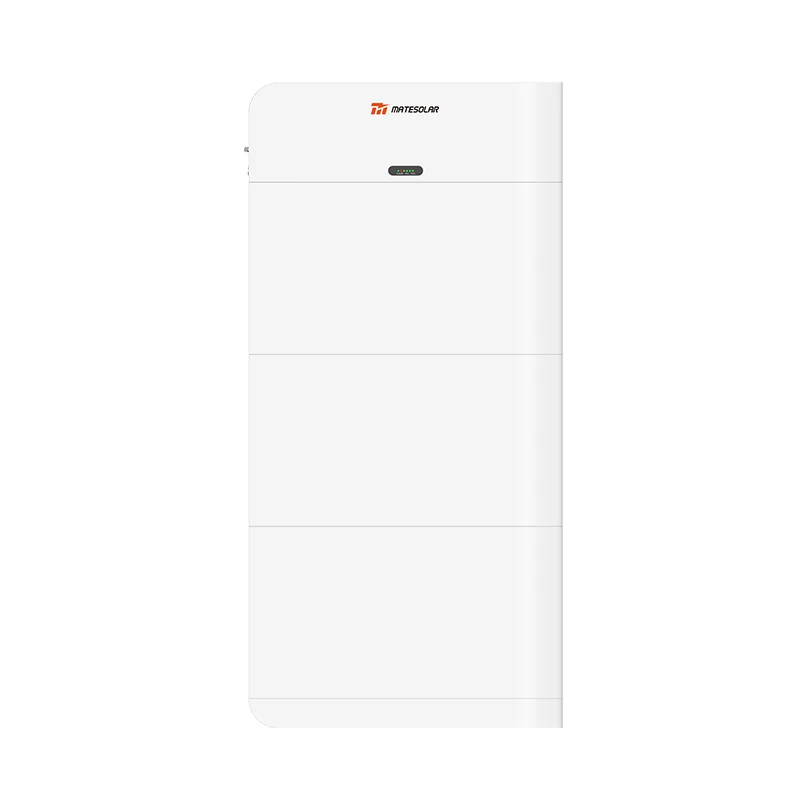
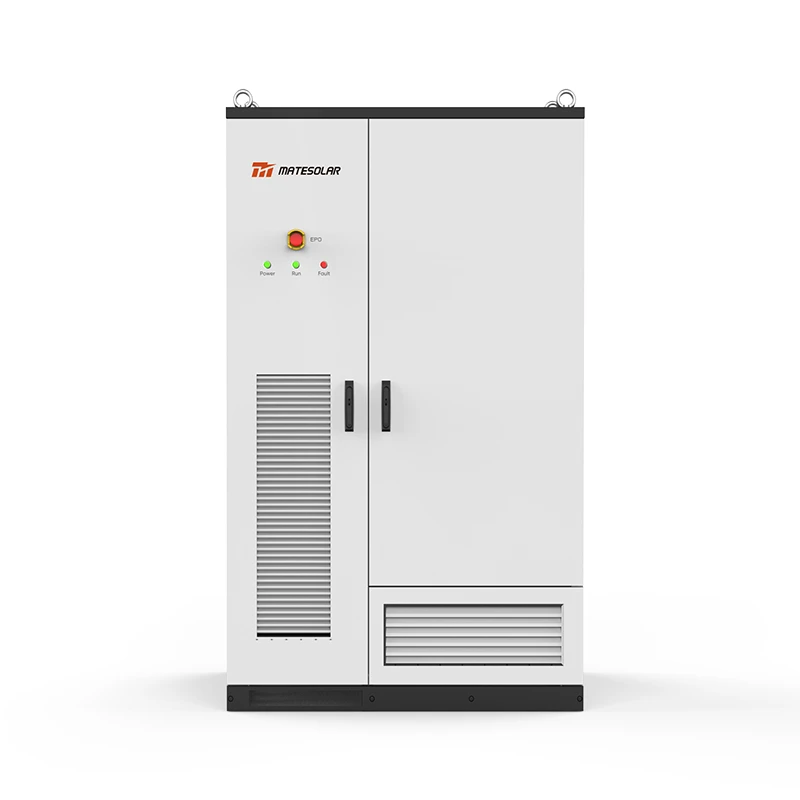
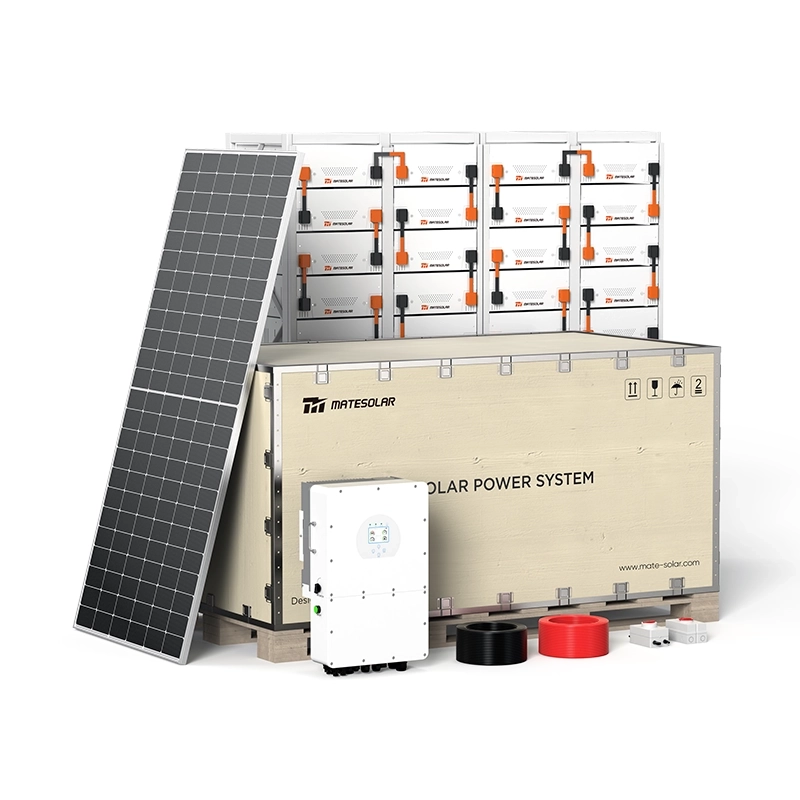
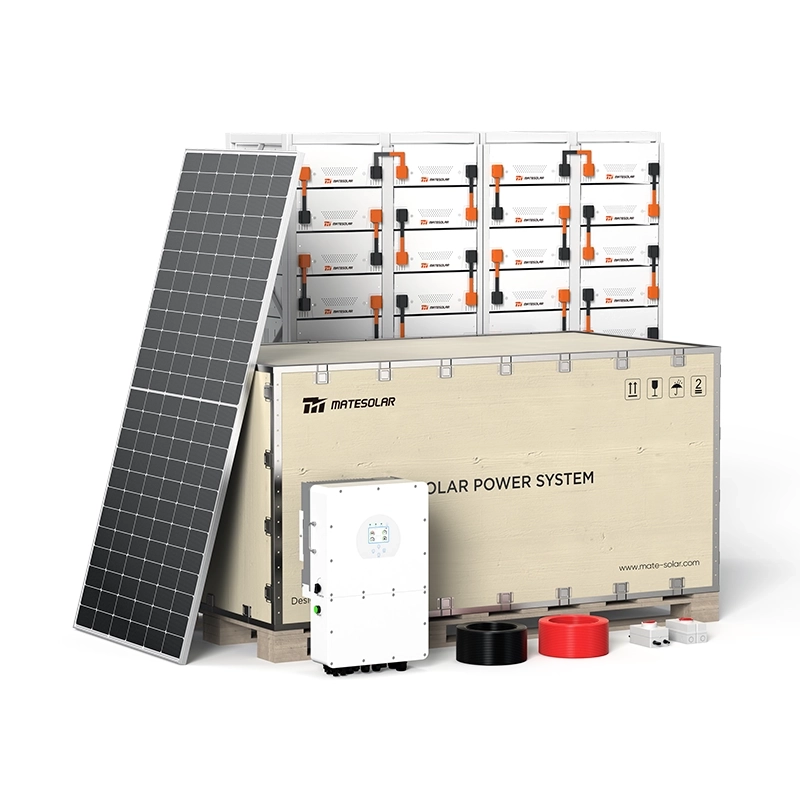
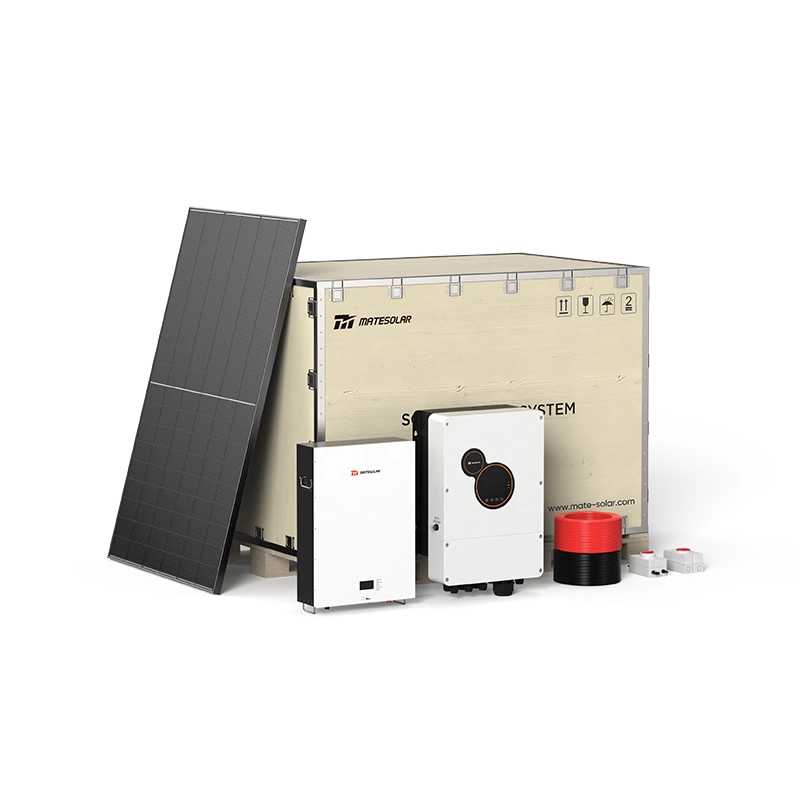
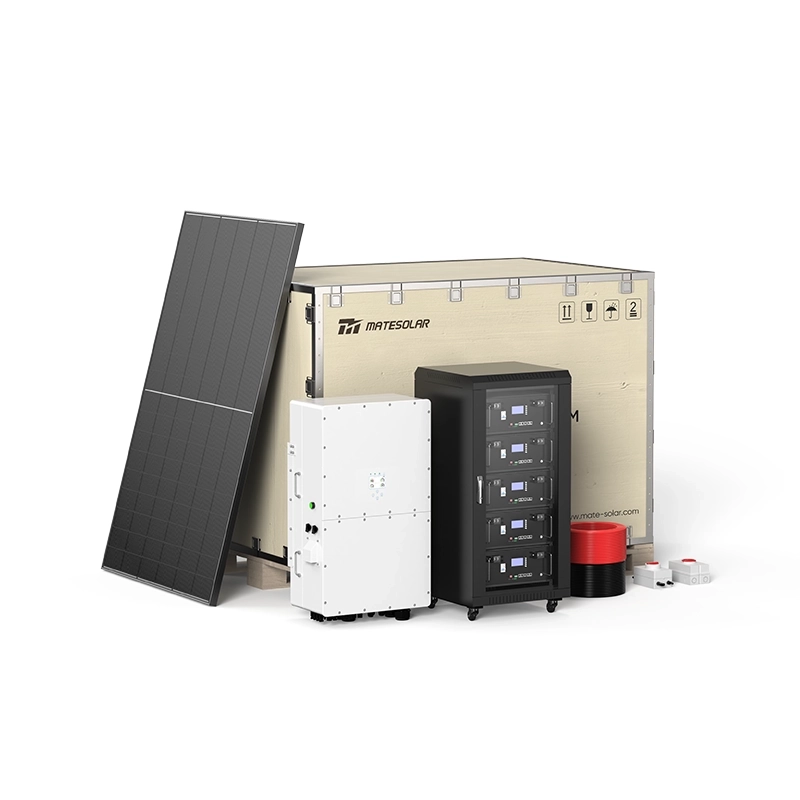
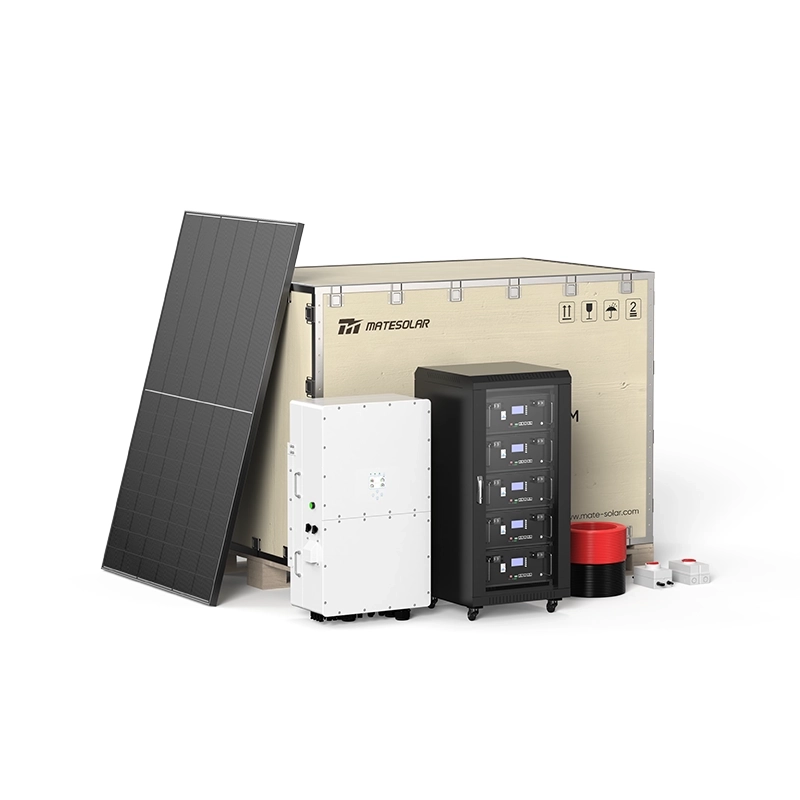
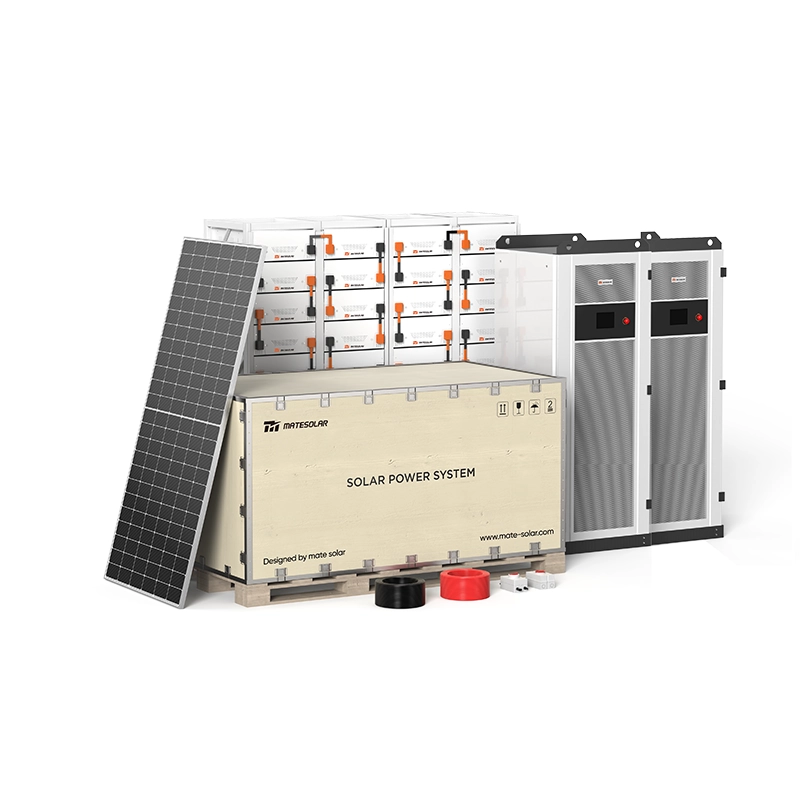
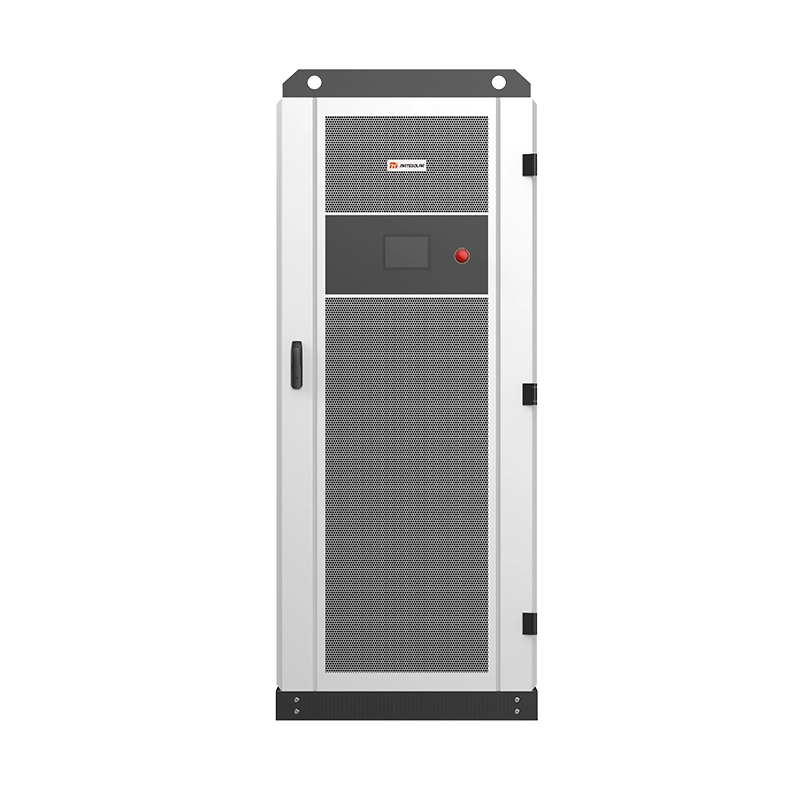
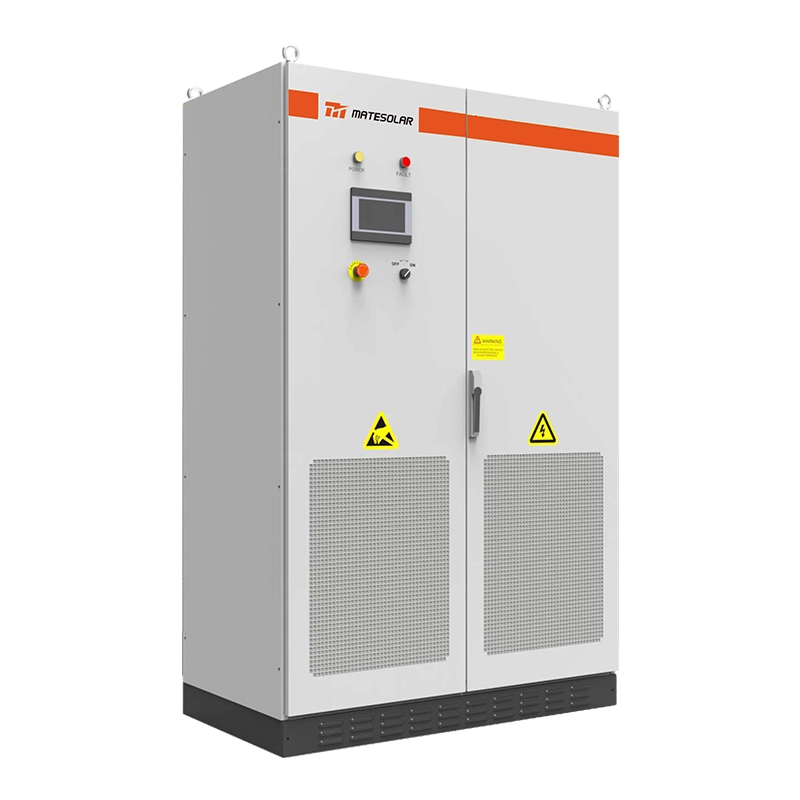
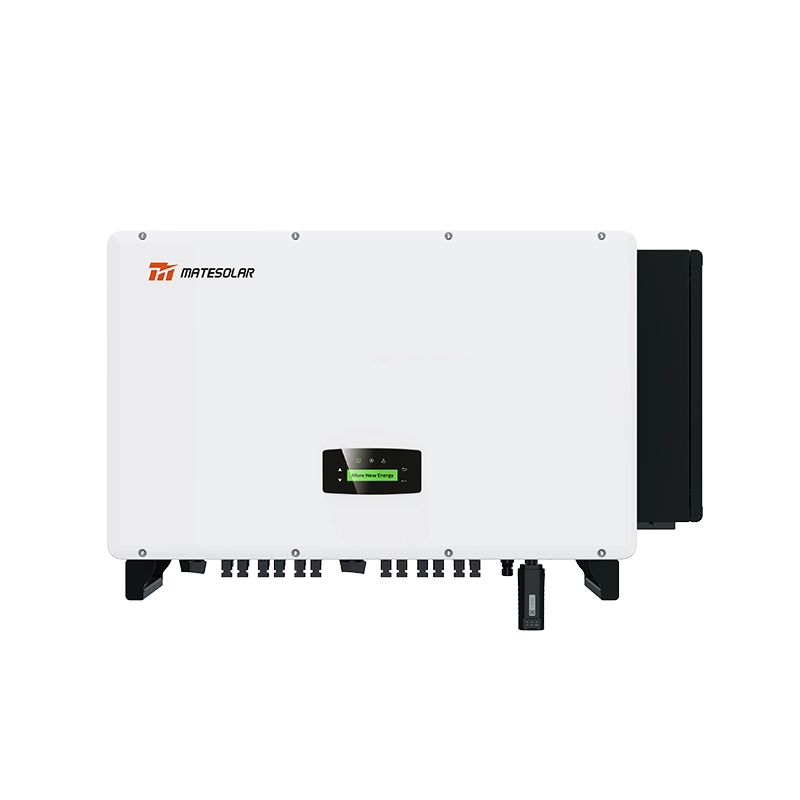
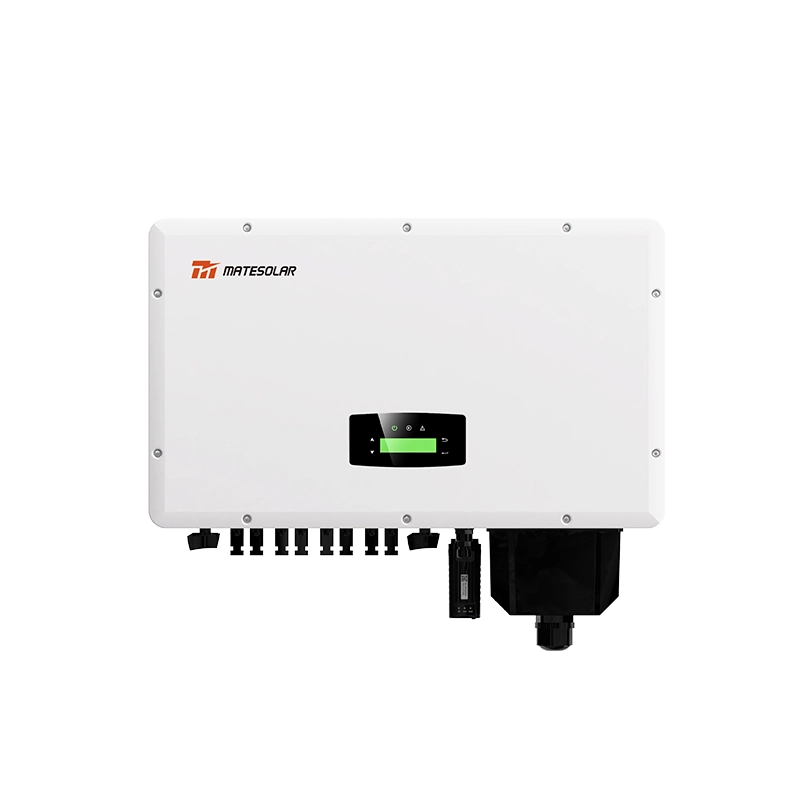
For commercial and industrial facilities seeking a comprehensive solution that integrates solar generation with intelligent battery storage to address both energy costs and demand charges, MateSolar's نظام الطاقة الشمسية الهجين التجاري بقدرة 500 كيلوواط provides a pre-engineered, plug-and-play platform designed specifically for large C&I applications.
FAQ: AI Load Shocks and Demand Charge Management
Q: Can a BESS respond fast enough to prevent demand charges from AI-related load spikes?
A: Yes. Modern BESS with predictive EMS can begin discharging within 100 milliseconds of detecting a load ramp. The key is predictive dispatch — starting discharge before the peak forms, not after the meter registers it. MateSolar's EMS integrates weather forecasting, historical load profiles, and real-time meter data to anticipate peaks and deploy stored energy accordingly.
Q: What is the minimum BESS capacity needed for effective peak shaving at a 500 kW facility?
A: For a 500 kW facility with typical commercial load profiles, a BESS in the range of 100 kW / 232 kWh to 125 kW / 261 kWh is generally sufficient for effective peak shaving. The exact sizing depends on the facility's load volatility, the magnitude of peaks above baseline, and the tariff structure. MateSolar's 100kW/232kWh and 125kW/261kWh Liquid-Cooled Outdoor Cabinet Energy Storage Systems are purpose-built for this capacity range.
2.2 FEOC Compliance and ITC Preservation
المشكلة
The FEOC MACR threshold is the single most financially consequential compliance requirement in the 2026 C&I storage market. For BESS projects exceeding 1 MW that begin construction in 2026, at least 55% of the material assistance cost ratio must come from non-PFE (Prohibited Foreign Entity) sources. If this threshold is not met, the entire 30% ITC is eliminated.
The compliance burden extends to the raw material level. Under Notice 2026-15, taxpayers must identify all manufactured products and manufactured product components incorporated into the project, trace their direct costs, and determine whether each component is sourced from a PFE. Even if a supplier is a U.S. company, if its cells or components originate from a FEOC country, those costs count toward the prohibited percentage.
The Solution
Achieving FEOC compliance requires a three-pronged strategy:
Supply chain transparency. Manufacturers must provide complete FEOC compliance documentation packages that trace to the cell and raw material level. This includes supplier declarations, country-of-origin certificates, and material composition disclosures.
Non-FEOC cell sourcing. Battery cells from South Korea, Japan, and domestic U.S. manufacturers are increasingly favored for ITC-eligible projects. While these cells carry a cost premium, the preservation of the 30% ITC typically more than offsets the incremental expense.
Safe harbor planning. Notice 2026-15 provides certain interim safe harbors, including identification safe harbors and cost percentage safe harbors, that may provide compliance certainty for projects meeting specific conditions.
Table 4: FEOC MACR Compliance Impact on Project Economics
| السيناريو | Cell Source | MACR | ITC Eligibility | Effective Project Cost |
| A | China-origin cells | <55% | Disqualified | +30% (ITC lost) |
| B | Korea/Japan cells | >55% | Qualified | خط الأساس |
| C | U.S.-origin cells | >55% + Domestic Content | Qualified + 10% adder | -10% additional |
FAQ: FEOC Compliance and ITC Strategy
Q: If my battery cells come from China, is there any way to still qualify for the ITC in 2026?
A: The compliance analysis is based on total material assistance cost ratio, not solely on cell origin. If sufficient non-PFE content is sourced from other components (BMS, PCS, enclosures, thermal management systems), it may be possible to meet the 55% threshold even with some Chinese-origin cells. However, because cells constitute roughly half of BESS capital cost, this is mathematically challenging. Most projects meeting the 2026 threshold use non-Chinese cells.
Q: Can a supplier provide a complete FEOC compliance documentation package?
A: Leading suppliers now offer comprehensive documentation packages including supplier declarations, bills of materials with country-of-origin designations, and direct cost breakdowns by component. The documentation must trace to the raw material level to satisfy IRS audit requirements. Buyers should verify that their supplier's FEOC package includes cell-level origin declarations, not just system-level attestations.
Q: Will the 2027 threshold increase to 60% affect product roadmaps?
A: Yes. Products designed for 2027 delivery must accommodate the higher 60% MACR threshold. Forward-looking procurement strategies should target suppliers with established non-FEOC supply chains and product roadmaps that anticipate the escalating thresholds.
2.3 Grid Interconnection and Transformer Shortage Mitigation
المشكلة
The transformer shortage is a system-level constraint that no single project can fully insulate itself from. With lead times of 2.5–2.8 years for standard distribution transformers and up to 5 years for high-power units, the grid interconnection timeline has become the longest pole in the project development tent. Nearly half of planned U.S. data center projects for 2026 face delay or cancellation primarily due to shortages of transformers, switchgear, and batteries.
The Solution
Three strategies can substantially mitigate transformer-related delays:
Deploy storage before transformer arrival. BESS systems that can operate behind an existing meter — without requiring a new utility transformer — can be installed and commissioned while transformer procurement proceeds in parallel. Peak shaving reduces the facility's maximum demand, potentially avoiding the need for transformer upgrade entirely.
"No-transformer" operation. By capping facility demand at or below the existing service level, BESS can eliminate the need for a larger transformer. This is particularly viable for facilities with 20–40% peak-to-average load ratios, where storage can flatten the profile to within existing service capacity.
Local procurement channels. Establishing relationships with regional transformer manufacturers and leveraging surplus equipment markets can provide shorter lead times than standard utility procurement channels.
FAQ: Transformer Shortage and Project Timeline Management
Q: Can a BESS system be deployed before the transformer arrives?
A: Yes. Behind-the-meter BESS systems can be installed and energized using existing service capacity, provided the facility's existing transformer can handle the combined load of operations plus BESS charging. Peak shaving operation begins immediately, reducing demand charges and potentially deferring or eliminating the need for a transformer upgrade.
Q: How much peak reduction is typically needed to avoid a transformer upgrade?
A: The required reduction depends on the facility's peak load relative to existing transformer capacity. In most cases, a 15–30% peak reduction is sufficient to bring facility demand within existing service limits. A 100 kW / 232 kWh BESS can typically shave 20–35% of a 500 kW facility's peak demand, depending on load profile shape.
2.4 UL 9540A Sixth Edition and NFPA 855 2026 Fire Compliance
المشكلة
UL 9540A Sixth Edition, effective March 2026, mandates Large-Scale Fire Testing for all energy storage systems. The LSFT protocol requires deliberately igniting an entire ESS unit with all suppression systems disabled, and demonstrating that fire does not propagate to adjacent units. NFPA 855 2026 Edition concurrently expanded Hazard Mitigation Analysis requirements, making HMA a standard part of the safety evaluation for most BESS installations.
For outdoor cabinet installations near buildings, parking structures, or property lines, fire permitting has become significantly more complex. AHJs increasingly require installation-specific HMA reports, explosion control documentation, and clear separation distances.
The Solution
Compliance requires products and documentation designed for the new regulatory framework:
Certification through the LSFT protocol. Products must have completed and passed UL 9540A Sixth Edition testing, with test reports available for AHJ review.
Complete safety architecture. Modern ESS must incorporate thermal runaway detection, explosion control/venting, gas detection, emergency ventilation, and fire suppression systems that activate before battery venting escalates.
HMA documentation support. Manufacturers should provide HMA report templates and test data that support project-specific HMA completion.
Table 5: Key UL 9540A Sixth Edition Requirements vs. Prior Editions
| المتطلبات | 5th Edition | 6th Edition (2026) |
| Large-Scale Fire Test | اختياري | إلزامي |
| Deflagration Assessment (Appendix C) | Informational | Normative |
| Vertical Stacking Test | Not Required | مطلوب |
| Termination Temperature Threshold | T_vent | <100°C for 3 hours |
| Post-Water Suppression Observation | Not Specified | 12 hours re-ignition monitoring |
| Structural Collapse Monitoring | Not Required | 24 hours monitoring |
Source: UL 9540A Sixth Edition; SGS Technical Analysis, 2026
FAQ: UL 9540A Sixth Edition and NFPA 855 Compliance
Q: Does my BESS product need to pass the Large-Scale Fire Test?
A: Yes. As of March 2026, UL 9540A Sixth Edition makes LSFT mandatory for ESS certification. Products without LSFT test reports will face significant barriers to AHJ approval. When evaluating suppliers, request the LSFT test report specifically — not just a general UL 9540A certificate.
Q: What is the minimum separation distance between an outdoor BESS cabinet and a building?
A: The required separation distance depends on the installation configuration, the ESS safety features, and the AHJ's interpretation of NFPA 855. In most jurisdictions, outdoor cabinets with comprehensive safety systems and passing LSFT results can be installed at 3–5 feet from non-combustible walls, and 10 feet from combustible construction. Installation-specific HMA may allow reduced distances when supported by performance-based analysis.
2.5 Outdoor Cabinet Environmental Adaptability
المشكلة
The United States spans climate zones ranging from tropical (South Florida) to arctic (Northern Plains), with environmental hazards including tornadoes in the Midwest, hurricanes along the Gulf and Atlantic coasts, and salt fog corrosion in coastal installations. Outdoor cabinet ESS must perform reliably across this entire spectrum.
The Solution
High-quality outdoor cabinet systems are engineered for extreme conditions:
- Operating temperature range: -30°C to +50°C ambient, with liquid cooling maintaining cell temperature uniformity
- Seismic and wind ratings: Structural design for 150+ mph wind loads and seismic Zone 4
- الحماية من التآكل C4 or C5-M rated coatings for coastal and industrial environments
- Ingress protection: IP55 cabinet rating with IP67 battery modules
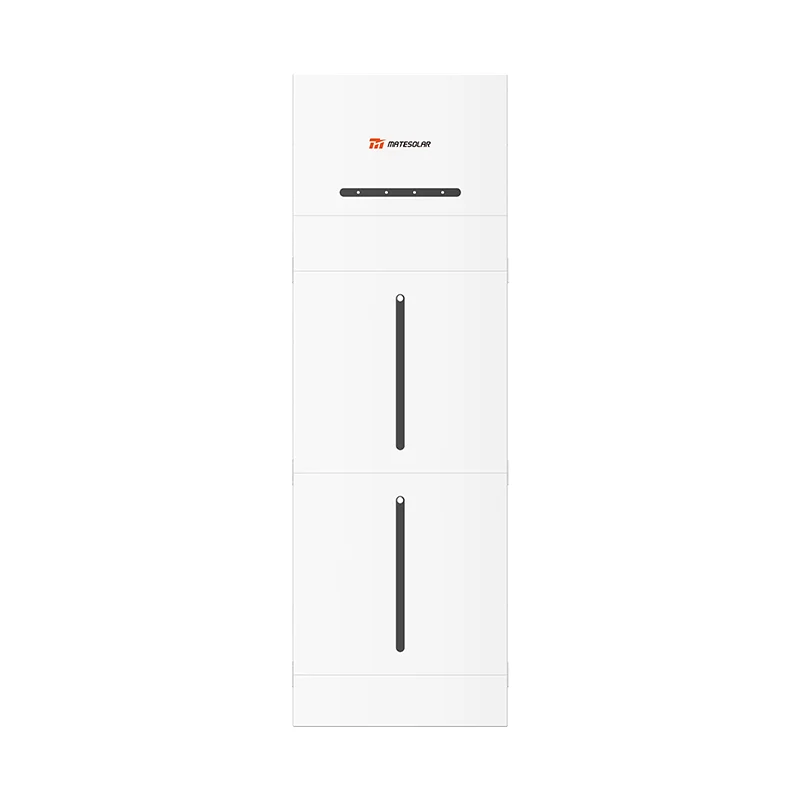
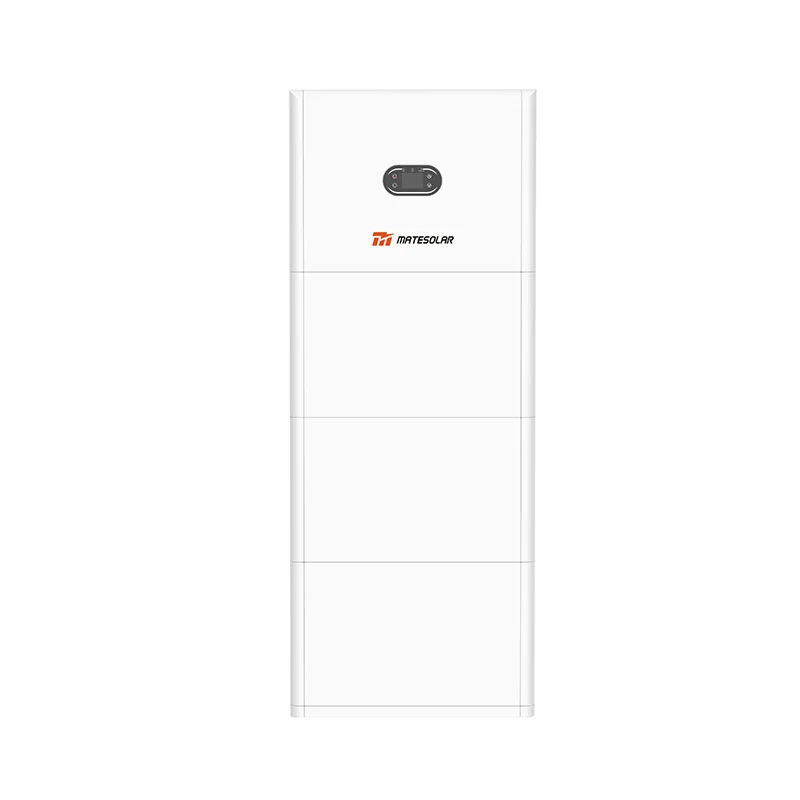
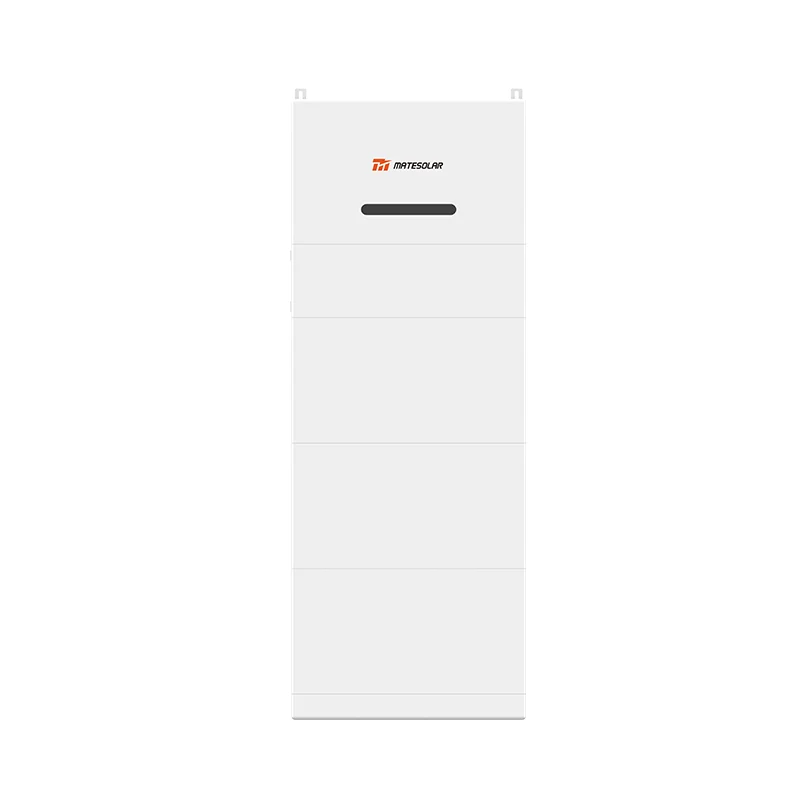
إن MateSolar 100kW/232kWh and 125kW/261kWh Liquid-Cooled Outdoor Cabinet Energy Storage Systems are designed for rapid deployment and long-term reliability across diverse U.S. climate zones, with integrated thermal management, fire protection, and remote monitoring capabilities.
FAQ: Outdoor Cabinet Environmental Performance
Q: Can outdoor cabinet ESS operate in extreme temperatures?
A: Yes. High-quality outdoor cabinets with liquid cooling maintain stable cell temperatures across -30°C to +50°C ambient conditions. The liquid cooling system ensures temperature uniformity across cells, reducing degradation and extending cycle life even in high-temperature environments.
Q: How long does outdoor cabinet installation typically take?
A: Pre-engineered outdoor cabinets are designed for rapid deployment. Site preparation and foundation work take 1–2 weeks, cabinet placement and interconnection take 2–3 days, and commissioning takes 1–2 days — a total of 2–3 weeks from site readiness to energization. This compares favorably to traditional containerized systems, which require more extensive civil work.
2.6 Large-Scale Solar + Storage Project Economics
المشكلة
Large-scale solar-plus-storage projects face complex revenue stacking requirements and heightened financing scrutiny. The FEOC compliance burden adds cost uncertainty, while elevated interest rates compress margins. Investors demand higher IRRs to compensate for regulatory and supply chain risks. Design precision at the conceptual stage directly determines project viability.
The Solution
Revenue optimization requires stacking multiple value streams: self-consumption, demand charge reduction, capacity market participation, ancillary services, and — where applicable — state incentive programs.
Table 6: Revenue Stacking Opportunities by Market
| سوق | Primary Revenue | Secondary Revenue | State Incentive |
| بي جيه إم | Capacity ($325/MW-day) | Regulation ($62/kW-mo) | VA/MD/NJ/IL mandates |
| كايسو | TOU arbitrage | تخفيض رسوم الطلب | SGIP (up to 50% cost) |
| إيركوت | 4CP demand reduction | المراجحة في الطاقة | None (but high value) |
| نيسو | VDER compensation | السعة | NYSERDA Retail Storage |
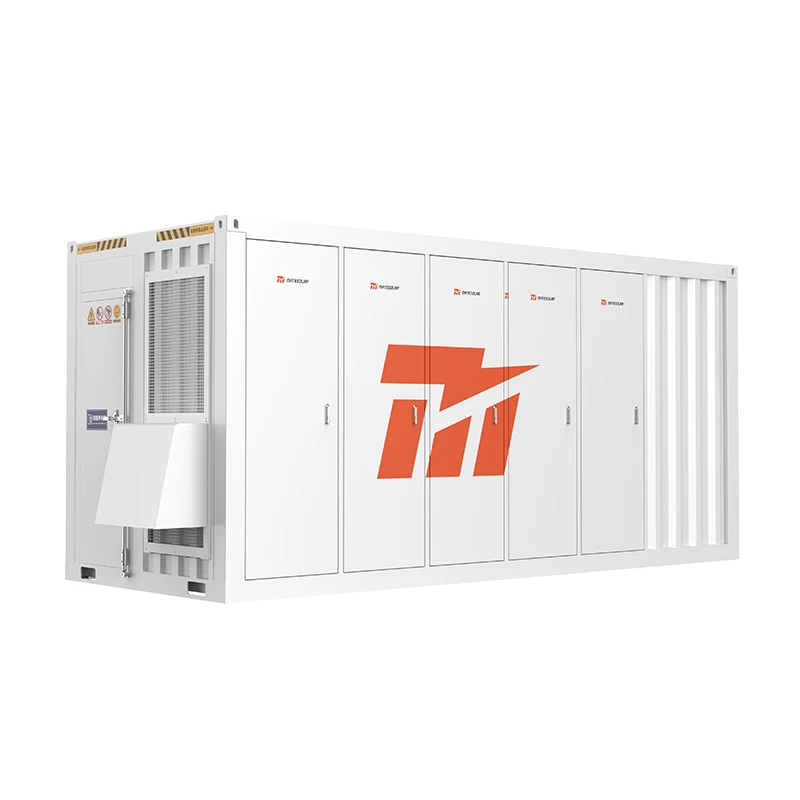
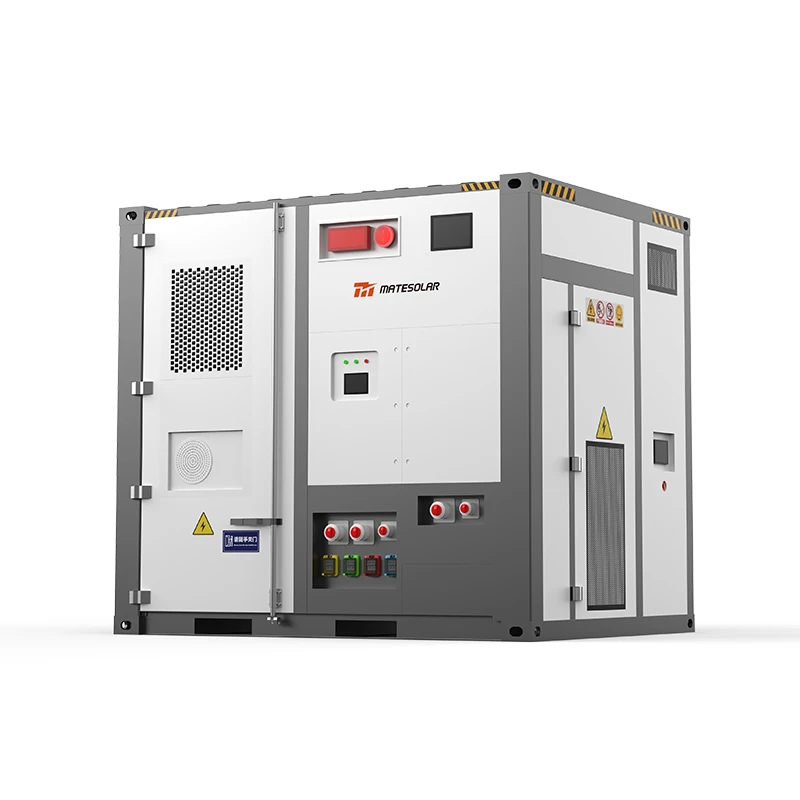
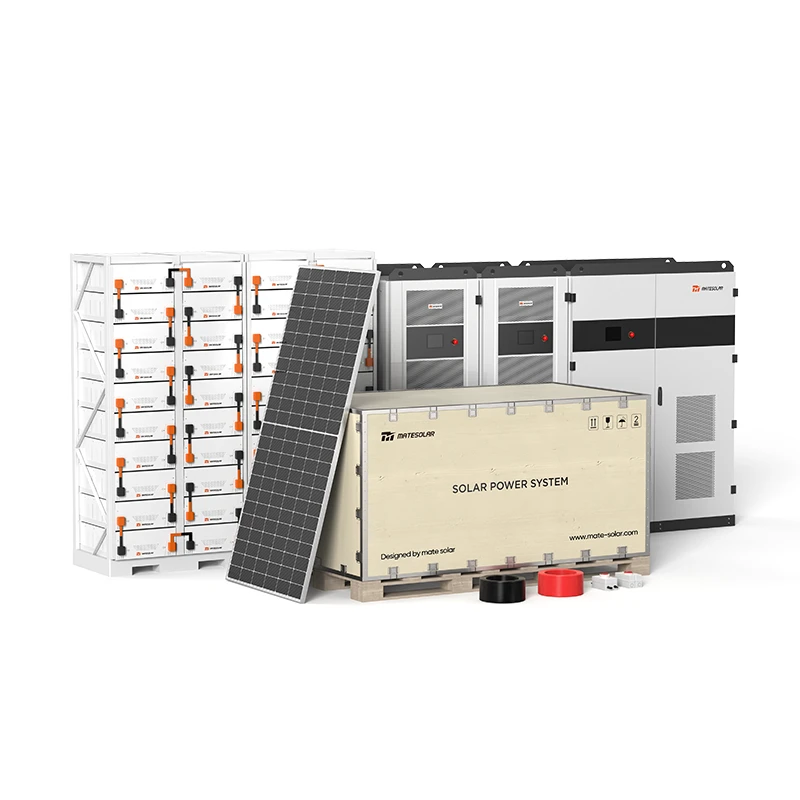
For large-scale projects requiring containerized storage solutions, MateSolar's 40Ft 1MWh/2MWh Air-Cooled Container ESS offers a cost-effective, easily deployable platform suitable for solar-plus-storage and standalone applications. For higher-density requirements, the نظام تخزين الطاقة في حاوية تبريد سائل تبريد سائل بقدرة 20 قدمًا بقدرة 3 ميجاوات ساعة/5 ميجاوات ساعة delivers superior energy density and thermal performance.
FAQ: Large-Scale Project Economics
Q: How do I optimize the solar-to-storage capacity ratio?
A: The optimal ratio depends on the facility's load profile, tariff structure, and revenue objectives. For demand charge reduction, the BESS capacity should be sized to shave the facility's peak load above the target demand threshold. For TOU arbitrage, the BESS should be sized to shift energy from off-peak to on-peak windows. Typical commercial configurations range from 100 kW/232 kWh to 500 kW/1 MWh for medium C&I facilities, scaling to multi-MW containerized systems for larger projects.
2.7 China Battery Tariffs and Trade Risk
المشكلة
U.S. tariffs on Chinese batteries rose from approximately 37.5% to 55% effective January 1, 2026. Combined with FEOC restrictions, Chinese-origin cell supply has been substantially constrained. Lazard's 2026 LCOS report confirms that utility-scale BESS costs have increased, reversing the decreases of 2025. A 100MW/400MWh project that qualified for the ITC now has an LCOS between $148/MWh and $209/MWh, up from $83–$192/MWh in 2025.
The Solution
Supply chain diversification is essential. Non-Chinese cell sources — including South Korean (LG Energy Solution, Samsung SDI, SK On), Japanese (Panasonic), and emerging U.S. domestic manufacturers — provide viable alternatives. While these cells carry a cost premium, ITC preservation typically delivers superior net economics.
FAQ: Tariff and Trade Risk
Q: What is the cost premium for non-Chinese cells?
A: Non-Chinese LFP cells typically carry a 15–30% premium compared to Chinese-origin cells. However, when the 30% ITC is preserved through FEOC compliance, the net project cost is often lower than a Chinese-cell project that forfeits the ITC.
Q: Can I import Chinese BESS systems for projects not claiming the ITC?
A: Yes, for projects not seeking the ITC, Chinese-origin BESS systems remain importable subject to applicable tariffs. However, Executive Order 14421 introduces additional DOE review authority over foreign-produced BESS equipment in the bulk-power system, and the implementing regulations (due December 2026) may impose additional restrictions.
2.8 Cybersecurity and Executive Order Compliance
المشكلة
Executive Order 14421, signed August 26, 2026, declares a national emergency regarding foreign-produced bulk-power system equipment. DOE is authorized to prohibit transactions involving BESS, inverters, and associated software/firmware linked to Covered Foreign Entities. Industry reports have identified undisclosed communication modules and remote access capabilities in certain foreign-manufactured BESS systems, raising concerns that energy storage could become a cyberattack vector.
The Solution
Cybersecurity compliance requires:
- Transparent communication architecture. All communication modules, protocols, and data flows should be documented and auditable.
- Local data storage options. Systems should support on-premise or U.S.-hosted data storage to avoid cross-border data transfer concerns.
- Third-party security audits. Independent cybersecurity assessments provide documentation for DOE review and customer assurance.
FAQ: Cybersecurity Compliance
Q: Does EO 14421 ban Chinese-made BESS systems?
A: The EO does not impose an immediate blanket ban. It establishes a framework for DOE to review and potentially prohibit transactions involving foreign-produced bulk-power equipment linked to Covered Foreign Entities. The implementing regulations are due by approximately December 24, 2026, and will clarify which specific equipment and countries are covered.
2.9 Dynamic Pricing and Intelligent EMS Optimization
المشكلة
U.S. electricity rate structures vary dramatically by state and utility. In California, SCE's TOU-8 rate applies a 3–6x price multiplier during the 4 PM–9 PM summer window, while simultaneously imposing dual demand charges — Facilities-Related Demand based on the monthly peak, and Time-Related Demand based on the on-peak window peak. Traditional solar PV produces maximum output during the cheap midday hours and zero output during the expensive evening window, leaving the most expensive hours entirely exposed.
The Solution
Intelligent EMS platforms address this through:
- Real-time TOU rate integration. The EMS retrieves current tariff structures from utility APIs and adjusts dispatch strategies accordingly.
- Predictive peak shaving. Rather than responding to peaks after they form, the EMS uses load forecasting and weather data to begin discharge before the peak materializes.
- Production schedule integration. For industrial facilities, the EMS can coordinate with production planning to shift flexible loads away from peak windows.
FAQ: EMS and Dynamic Pricing Optimization
Q: How does predictive peak shaving differ from reactive peak shaving?
A: Reactive peak shaving begins discharge after the facility load exceeds a threshold. By then, the meter may have already recorded a partial peak. Predictive peak shaving uses historical patterns, weather data, and real-time load signals to anticipate peak events and begin discharge before the peak materializes — effectively preventing the meter from ever registering the full demand.
2.10 Data Center Co-Located Storage and Power Reliability
المشكلة
AI data centers demand extraordinary power reliability — typically 99.999% ("five nines") availability. They also require energy storage to smooth load fluctuations and meet utility interconnection requirements. Grid-forming capability, seamless islanding, and black-start functionality are increasingly specified requirements.
The Solution
Grid-forming BESS with black-start capability provides:
- Seamless transition between grid-connected and islanded modes
- Voltage and frequency support during grid disturbances
- قدرة بدء التشغيل من حالة الانقطاع to energize critical loads during grid outages
- Fast frequency response to mitigate AI load transients
FAQ: Data Center Storage Reliability
Q: Can BESS achieve 99.999% availability for data center applications?
A: Yes, with appropriate system architecture. This requires redundant BESS units, N+1 or 2N configuration for critical components, and preventive maintenance programs. Grid-forming inverters with seamless transition capability are essential for maintaining power quality during grid disturbances.
2.11 State Incentives and Federal Tax Credit Stacking
المشكلة
State incentive programs vary dramatically. California's SGIP can cover up to 50% of typical project costs. New York's NYSERDA Retail Storage Incentive Program and VDER mechanism provide additional compensation for qualifying projects. Texas offers no state-level incentive but provides substantial ERCOT market revenue opportunities.
The Solution
Maximizing incentive value requires understanding the interaction between federal and state programs:
Table 7: State Incentive Programs — C&I Storage (2026)
| State | البرنامج | Incentive Level | المتطلبات الرئيسية |
| كاليفورنيا | SGIP | $0.25–$0.60/Wh (commercial) | SCE/PG&E/SDG&E territory |
| New York | NYSERDA Retail Storage | Varies by project | VDER eligible |
| تكساس | لا يوجد | / | ERCOT 4CP value |
FAQ: Incentive Stacking
Q: Can I combine the federal ITC with California SGIP?
A: Yes. The federal ITC and SGIP are separate programs and can be stacked. The ITC is calculated on the project cost after SGIP rebate is applied, so the effective federal benefit is reduced proportionally, but the combined value remains substantial.
2.12 Cell Quality, Cycle Life, and Long-Term Reliability
المشكلة
Battery cost reductions have led to a proliferation of products with variable quality. Customers express concern about capacity degradation after 3–5 years, PCS failures, and inadequate after-sales support. Under FEOC compliance pressure, non-Chinese cell quality and supply stability are also under scrutiny.
The Solution
Key procurement criteria include:
- Cycle life guarantees: 6,000–10,000 cycles at 80% depth of discharge to 70–80% end-of-life capacity
- Calendar life: 15–20 years with proper thermal management
- تغطية الضمان: Capacity retention, thermal runaway, PCS failure, and augmentation clauses
- Service infrastructure: Local spare parts availability, response time commitments, and remote diagnostics
Table 8: LFP Cell Degradation by Operating Condition
| Condition | Annual Capacity Fade | 10-Year Retention |
| Controlled (25°C, 0.5C, 80% DoD) | 1.5–2.5% | ~75–85% |
| Standard C&I (ambient, 1C) | 2.5–3.5% | ~65–75% |
| Aggressive (high C-rate, high temp) | 3–5% | ~50–70% |
Source: LFP manufacturer testing data, 2026
FAQ: Cell Quality and Reliability
Q: What cycle life should I expect from a commercial BESS?
A: Modern LFP cells typically deliver 6,000–8,000 cycles at 80% depth of discharge before reaching 70–80% end-of-life capacity. This corresponds to 15–20 years of service under typical C&I operating conditions (one cycle per day). Liquid-cooled systems maintain more consistent cell temperatures, extending cycle life by 10% or more compared to air-cooled systems.
Q: What warranty terms should I look for?
A: Key warranty provisions include: capacity retention guarantee (typically 70–80% of original capacity at year 10 or 15), cycle life guarantee, round-trip efficiency guarantee, and clear augmentation terms specifying who bears the cost of capacity restoration. Ensure the warranty covers PCS failures and provides for local spare parts availability.
Part III: Comprehensive FAQ — U.S. C&I Energy Storage in 2026
Q1: What is the single biggest risk to C&I storage project viability in 2026?
The FEOC compliance threshold. A project that fails to meet the 55% non-PFE MACR loses the entire 30% ITC — a cliff-edge risk that can shift project economics from viable to unviable overnight. Transformer lead times and UL 9540A compliance are significant operational challenges, but the ITC cliff-edge is an existential financial risk.
Q2: How long does it take to deploy a C&I BESS from order to energization?
With pre-engineered outdoor cabinets, deployment timelines are typically 12–20 weeks from order to energization, depending on site readiness, permitting, and utility interconnection. Containerized systems for larger projects take 16–24 weeks. The critical path item is often not the BESS itself, but the utility interconnection approval and transformer availability.
Q3: Can I participate in PJM capacity markets with a behind-the-meter C&I storage system?
Yes. Behind-the-meter storage can participate in PJM's demand response programs and, with appropriate metering and aggregation, in the capacity market. The record-high capacity prices of $325–$329/MW-day create substantial additional revenue for storage owners willing to curtail load during grid stress events.
Q4: What is the typical payback period for a C&I BESS in 2026?
Payback periods range from 4–7 years depending on the market, tariff structure, ITC eligibility, and state incentives. In high-demand-charge markets like SCE territory with stacked SGIP incentives, payback can be as short as 3–4 years. In markets with lower demand charges and no state incentives, payback may extend to 7–10 years.
Q5: How does the UL 9540A Sixth Edition affect project permitting timelines?
The LSFT requirement adds 6–12 weeks to product certification timelines and increases testing costs significantly. For projects in jurisdictions with rigorous AHJ review processes (California, New York, Massachusetts), permitting timelines may extend by 4–8 weeks to accommodate HMA review. Projects should budget additional time for fire marshal approval when outdoor cabinets are installed near buildings or property lines.
Q6: What is grid-forming capability and do I need it?
Grid-forming inverters can establish and maintain voltage and frequency references independently of the grid, enabling islanded operation and black-start capability. For data center co-location and critical facility applications, grid-forming capability is increasingly specified. For standard peak-shaving applications in strong-grid areas, grid-following inverters are sufficient and more cost-effective.
Q7: How do I verify FEOC compliance for equipment I'm purchasing?
Request a complete FEOC compliance documentation package from your supplier, including: (1) supplier declarations for all manufactured products and components, (2) country-of-origin designations traced to the cell and raw material level, (3) direct cost breakdowns by component, and (4) any safe harbor documentation. Verify that the documentation aligns with Notice 2026-15 requirements and is sufficient for IRS audit defense.
Q8: What remote support and maintenance capabilities should I expect from my BESS supplier?
A robust remote support framework should include: cloud-based monitoring with real-time SOC, SOH, temperature, and fault alerts; remote firmware updates and parameter adjustments; AI-driven predictive maintenance notifications; and a defined escalation path for technical issues. For hardware failures, the supplier should provide component-level replacement parts with installation guidance, or full unit replacement for catastrophic failures. For software issues, remote technical support should be available to diagnose and resolve problems without site visits. For large-scale projects, on-site commissioning support should be available upon request.
Q9: How does EO 14421 affect BESS procurement decisions made before the order was signed?
The executive order prohibits transactions initiated after August 26, 2026, where DOE determines the equipment is linked to a Covered Foreign Entity and poses undue risk. Projects with equipment already contracted and installed before that date are generally not retroactively affected. However, projects in procurement or development phases should monitor DOE's implementing regulations, due by approximately December 24, 2026, for clarity on specific equipment coverage.
Q10: What is the optimal BESS duration for C&I peak shaving applications?
Most C&I peak shaving applications are well-served by 2–4 hour duration systems. The optimal duration depends on the facility's peak load profile: a facility with a 30-minute daily peak requires shorter duration than one with a sustained 4-hour peak. For demand charge reduction alone, 2-hour systems are often sufficient. For TOU arbitrage combined with demand charge reduction, 4-hour systems provide greater flexibility.
Conclusion: Building Resilient C&I Storage in the New Reality
The 2026 U.S. C&I energy storage market is defined by paradox: unprecedented demand and revenue opportunity, constrained by regulatory complexity and supply chain friction. The winners in this environment will be those who treat compliance not as a checkbox, but as a competitive advantage — securing non-FEOC supply chains, deploying LSFT-certified products, and engineering around transformer constraints with behind-the-meter solutions that deliver value from day one.
As a one-stop photovoltaic and energy storage solutions provider, MateSolar offers a comprehensive product portfolio spanning commercial hybrid solar systems, liquid-cooled outdoor cabinet storage, and containerized ESS platforms — engineered for the realities of the 2026 U.S. market. From 100 kW/232 kWh outdoor cabinets for rapid C&I deployment to 5 MWh containerized systems for utility-scale projects, our solutions are designed to meet the FEOC compliance, UL 9540A certification, and grid reliability requirements that define the next era of American energy infrastructure.
ماتي سولار — One-stop photovoltaic and energy storage solutions for the new power paradigm.