
















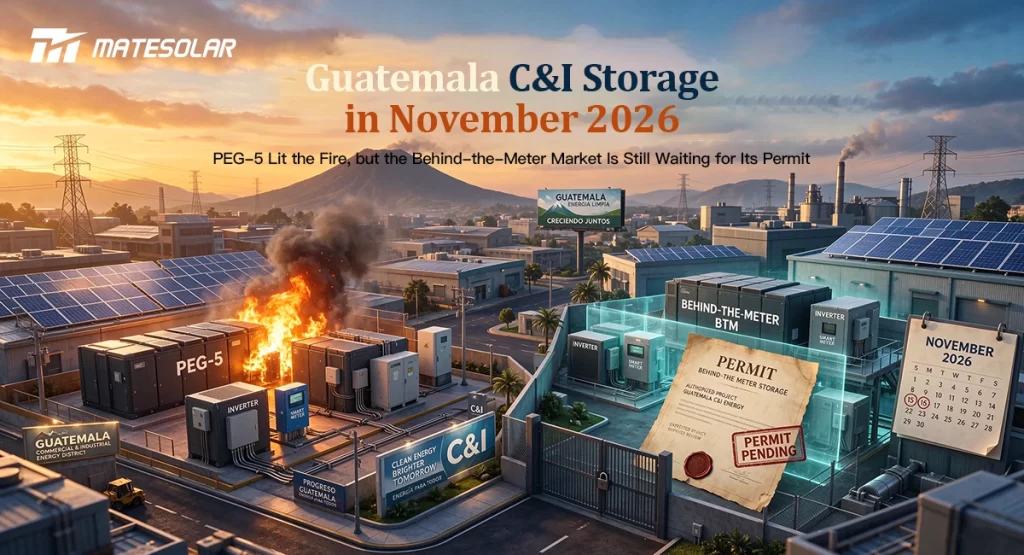
Here is the judgment that matters this month: PEG-5 did not create a commercial and industrial storage market in Guatemala. It created a utility-scale solar-plus-storage pipeline, priced at USD 101.09/MWh, and then left the C&I side to figure out its own path—approvals, tariffs, customs, fire review, all of it—without a playbook.
That gap is where the real decisions are being made right now.
The policy signals are genuine. CNEE Resolution 128-2024 opened the wholesale market to storage. The 2026–2050 transmission plan named BESS as critical grid-stability infrastructure for the first time. The PEIG 2026–2050 requires every new solar project above 50 MW to pair 30% storage. None of this is marketing copy.
But walk into a manufacturing plant in Escuintla paying USD 0.197/kWh, and the conversation is different. The plant owner is not chasing a 15-year PPA. They are looking at a demand charge, a peak-energy charge, and a monthly bill that went up again in early 2026. Those are two different worlds, and confusing them is the most common mistake we see in proposals circulating this quarter.
So the question worth asking is narrower than "should we install storage?" It is: can a system package clear the bankability bar the auction pipeline has set, و survive the practical gauntlet of a behind-the-meter site in Guatemala? That is the test. This brief walks through it.
Part I: What PEG-5 Changed, and What It Quietly Left Alone
PEG-5 was a 14-hour descending-clock auction. It produced 57 contracts, 1,505 MW, and a technology mix that tilted hard toward solar-plus-storage. The numbers are in Table 1.
Table 1: PEG-5 outcome at a glance
| المعلمة | Result | Why the C&I buyer should care |
| Total awarded | 1,505 MW, 57 projects | Sets the generation backdrop for 2030 onward |
| Renewable share | 1,102 ميغاواط (73%) | Thermal is no longer the default story |
| شمسي + نظام تخزين طاقة البطارية | 713 MW | Roughly 47% of total, over 60% of renewables |
| Average all-in price | 101.09 دولار أمريكي/ميجاوات ساعة | A hard ceiling on developer margins |
| Delivery concentration | ~1,058 MW by 2030 | A delivery crunch, not a gradual ramp |
| Remaining 447 MW | 2031–2033 | Staggered, but still utility-scale |
Two things follow from that table.
First, storage is now the default pairing for utility solar in Guatemala. Developers bidding future rounds will assume batteries, not treat them as an add-on. That raises the technical baseline for everyone—including C&I suppliers, because buyers increasingly compare what they are offered against what the big projects specify.
Second, the price. At USD 101.09/MWh, a developer has almost no room to absorb a battery that underperforms its degradation curve. That is why Schletter's line at FES Guatemala—that competing on CAPEX alone is no longer enough—landed the way it did. Lenders financing these projects want third-party cycle-life data, a validated grid model, and a service plan that survives to 2045. A cheap datasheet does not clear that gate.
The C&I disconnect, in one table.
Table 2: Two markets, two logics
| البُعد | PEG-5 developer | C&I end user |
| Reference price | USD 101.09/MWh, 15-year PPA | USD 0.197/kWh commercial retail; USD 0.076–0.12/kWh industrial energy component |
| Revenue driver | PPA energy + firm capacity | Demand-charge reduction + peak/off-peak arbitrage |
| Financing lens | Bankability: guarantees, degradation, grid compliance | Payback after degradation, against a monthly bill |
| Main risk | Delivery certainty, compliance file | Grid-connection timing, fire approval, tax sequencing |
| Typical scale | 50 MW+ PV with 30% BESS | 100 kW to 5 MW |
A product that wins a PEG-5 tender on price is not automatically the product a C&I customer should install. Same chemistry, different job. The EMS logic, the evidence package, and the approval pathway all diverge. That is not a nuance—it is the whole argument.
Part II: The Six Questions Deciding Projects This Quarter
1. Can your package clear the bankability gate, or are you just the cheapest quote?
The pain is straightforward. At USD 101.09/MWh, returns depend on the battery delivering its warranted curve for 15 years. Banks know this. They will ask for third-party-verified cycle life, a capacity-fade curve, grid-code compliance evidence for Guatemala's 60 Hz system, and a credible local service commitment. A supplier that can only hand over a price per kWh is structurally exposed in the PEG-5-derived pipeline.
So the questions to put on the table:
- Do you have third-party-verified cycle-life and degradation data a lender will actually accept?
- Can you produce the technical file for CNEE grid authorization—IEC 62933 and IEC 62619 safety evidence, plus a validated grid model for 60 Hz?
- Is spare-parts and service capability in place for the 2030 delivery window, or does everything ship from China on demand?
- Will you back the system with a bankable performance guarantee, or only a limited product warranty?
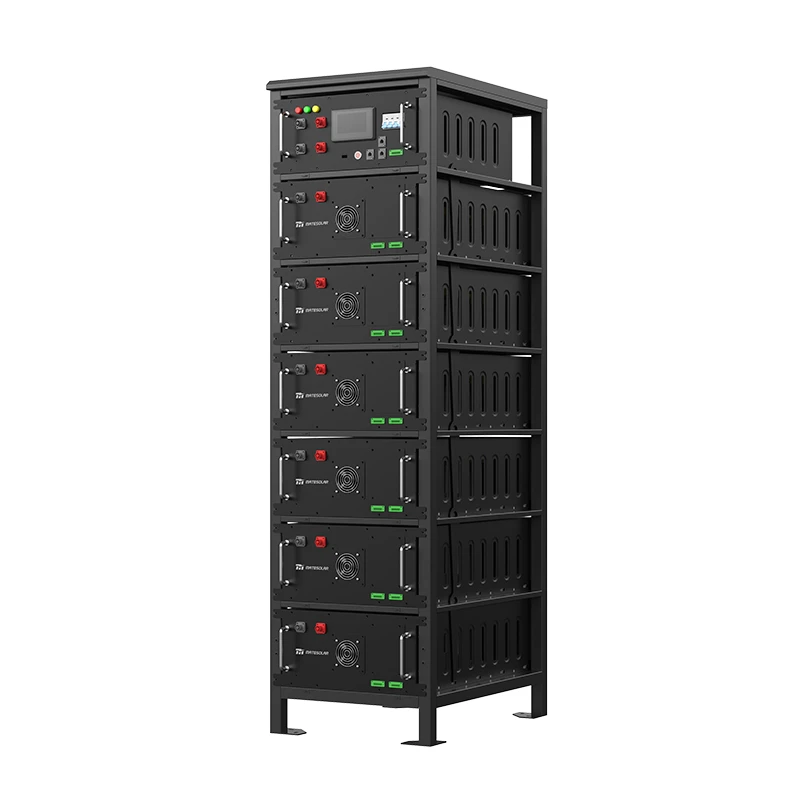
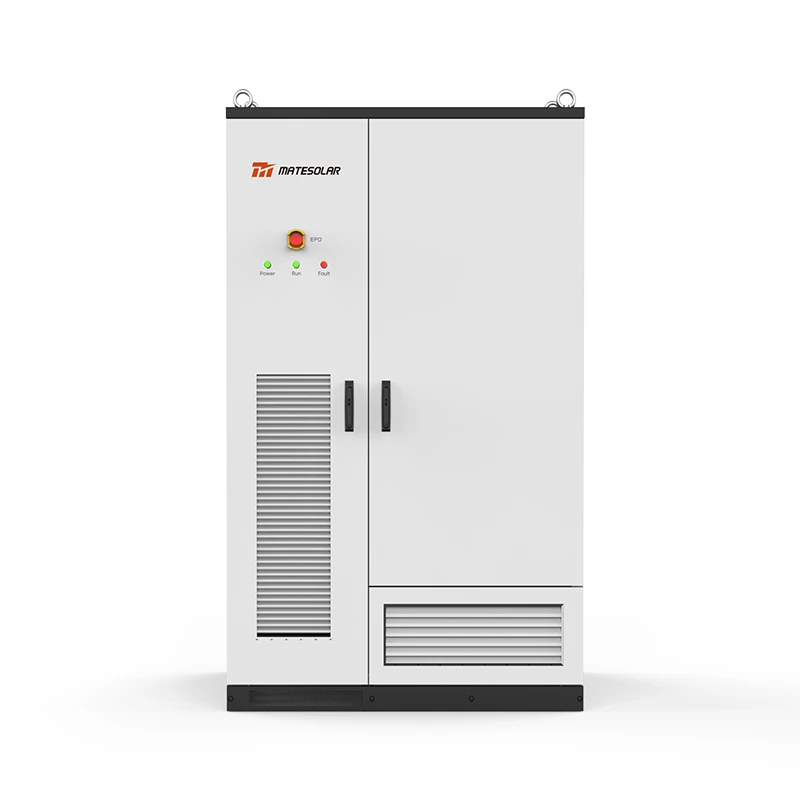
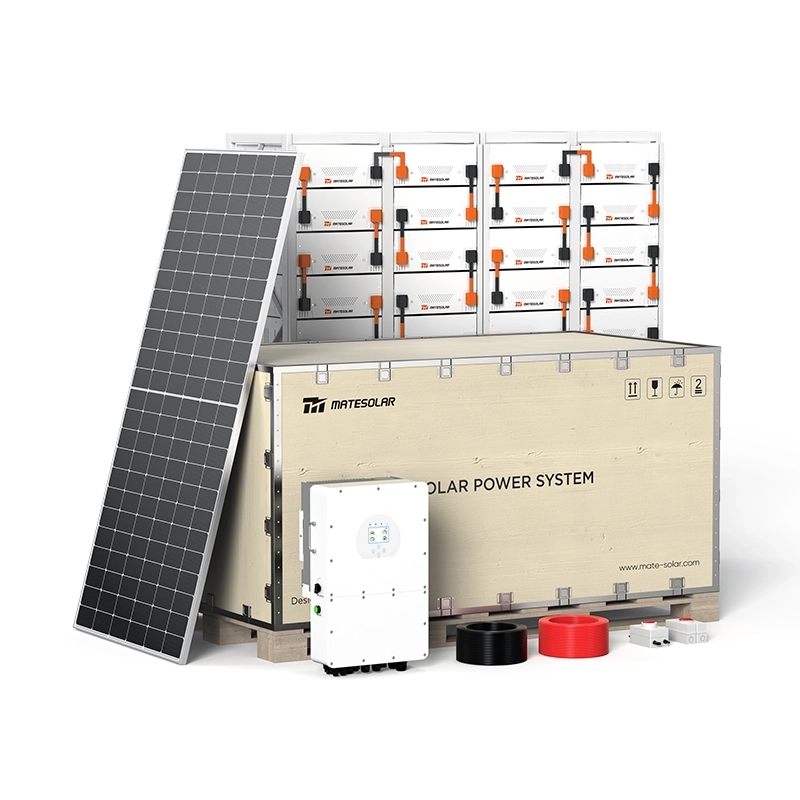
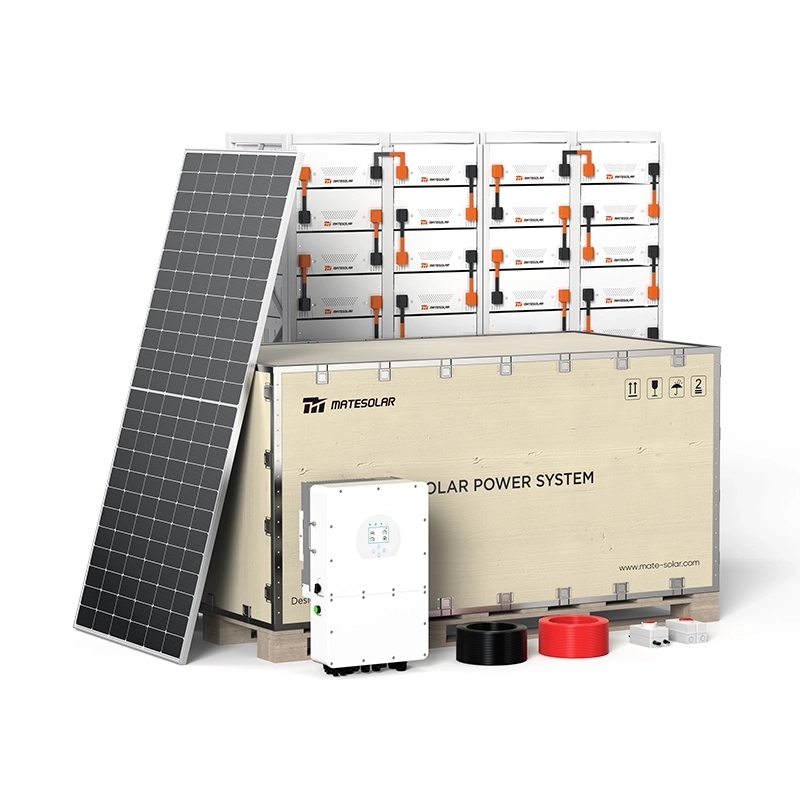
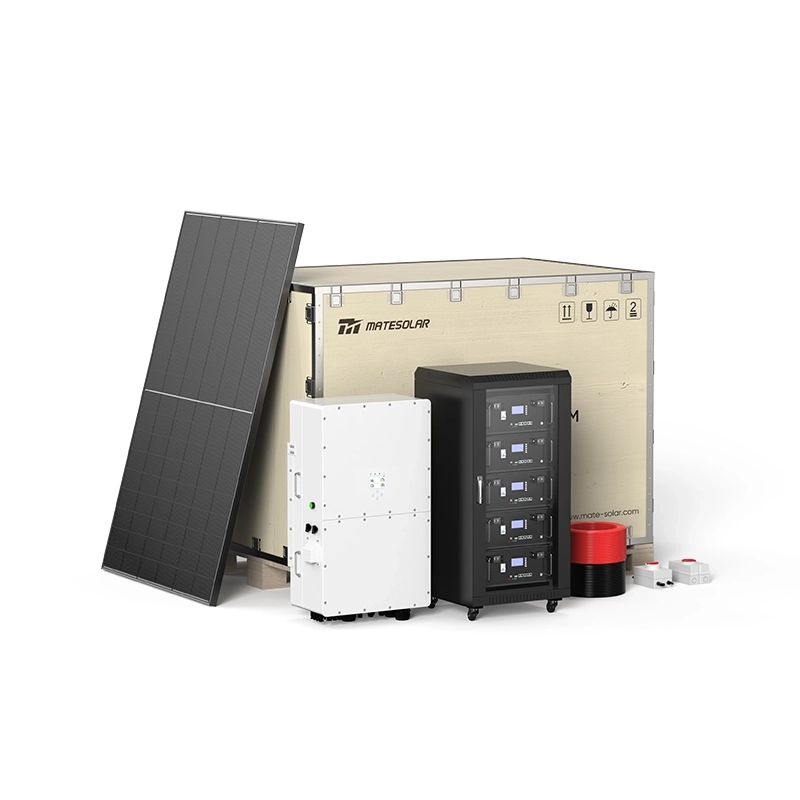
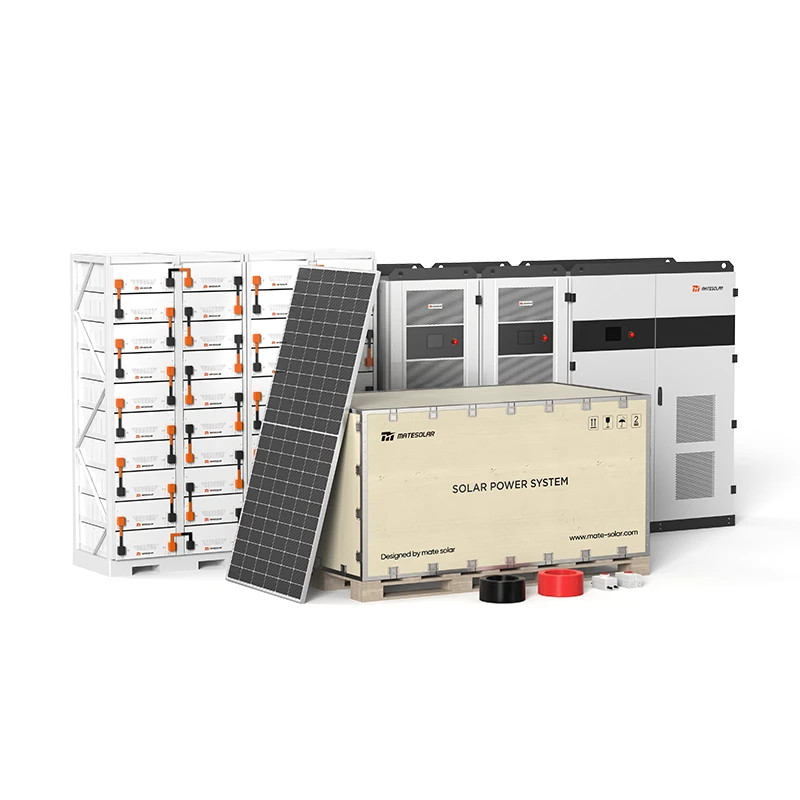
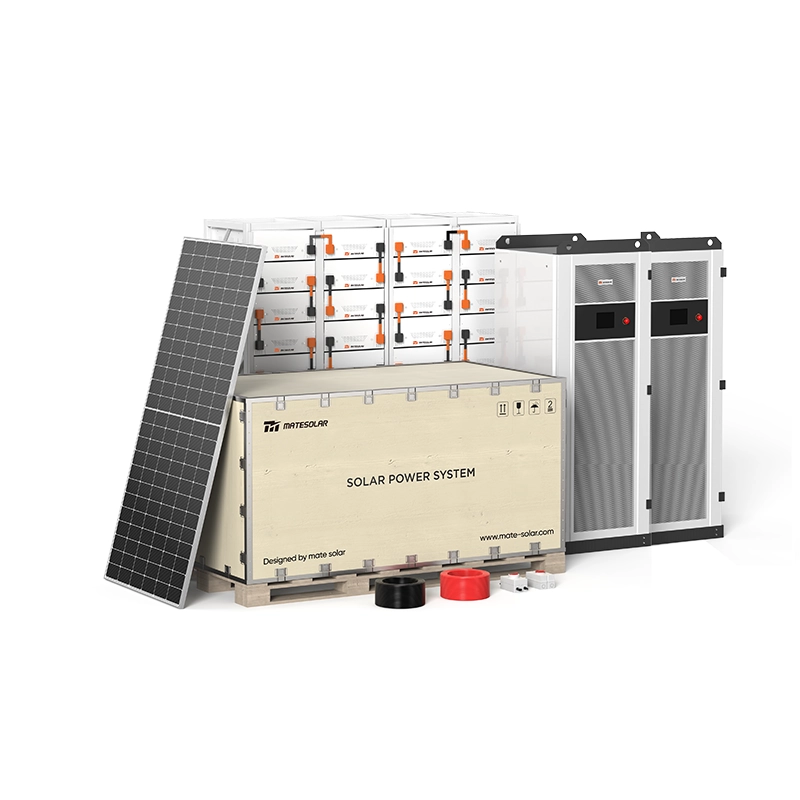
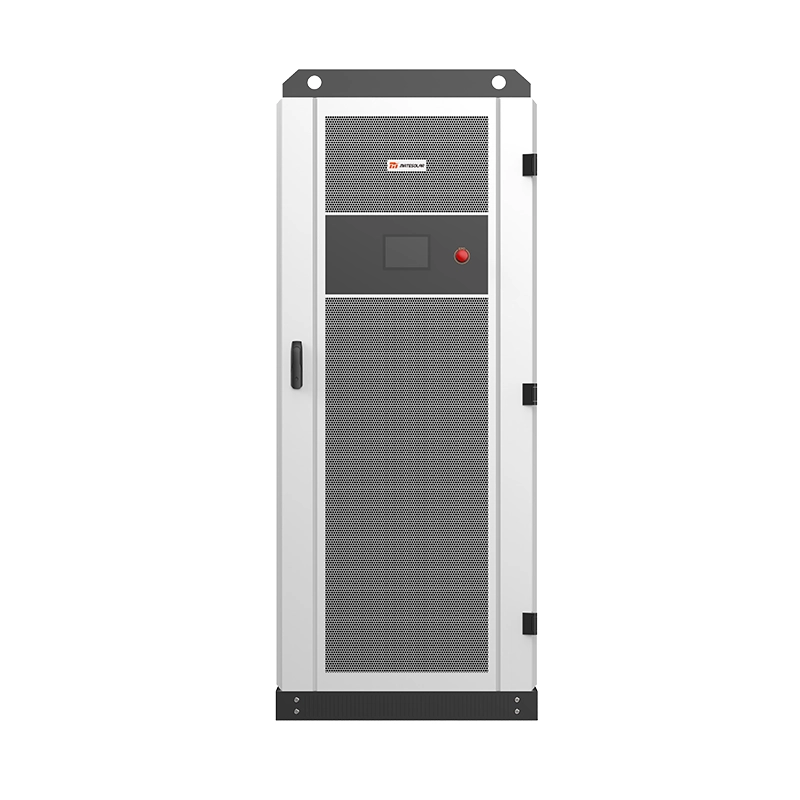
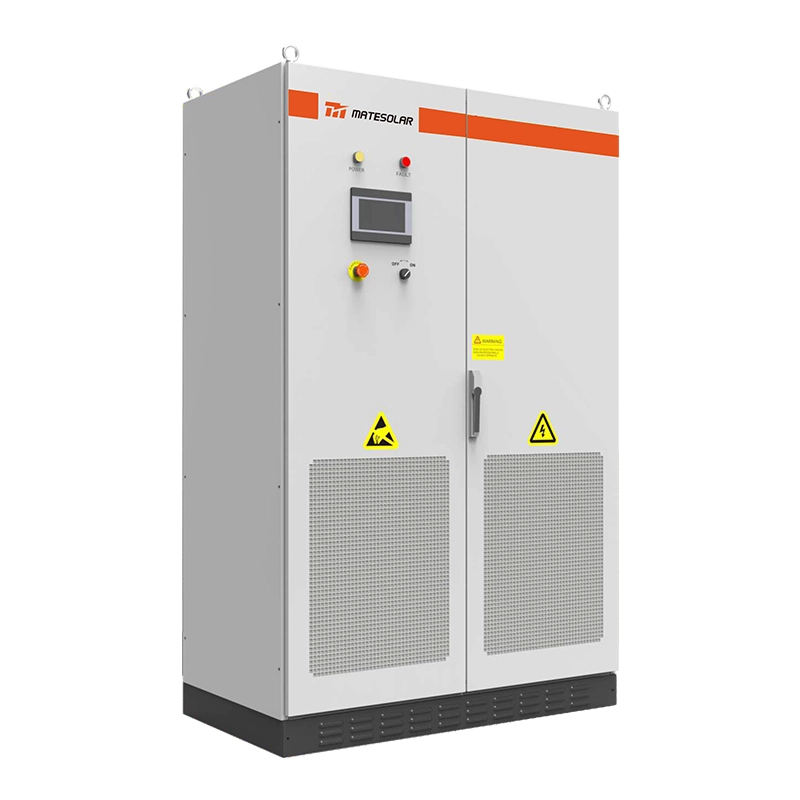
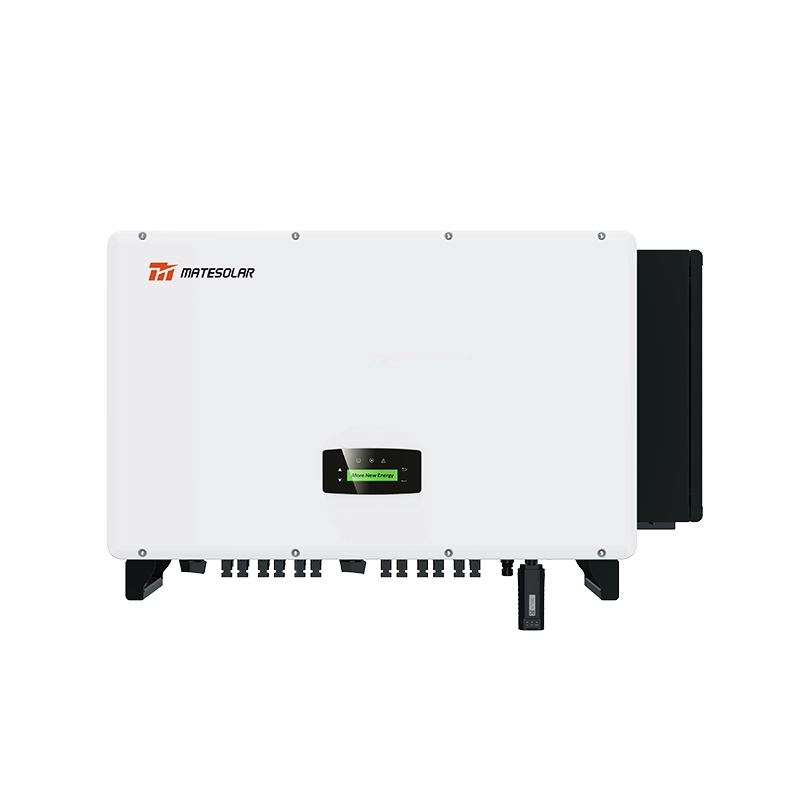
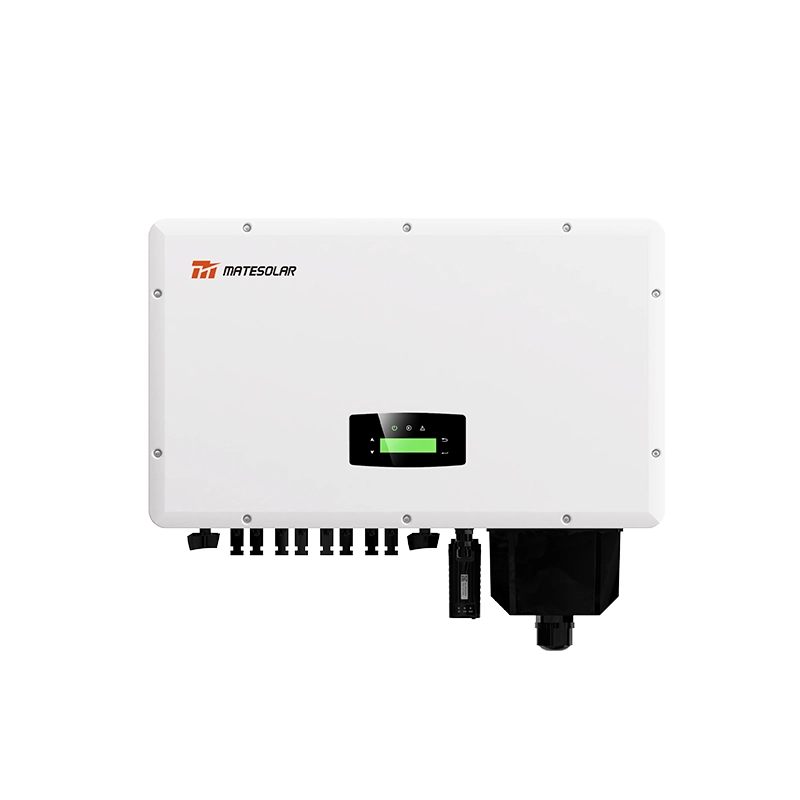
If the answer to any of those is "we'll work it out later," the proposal is not bankable. It is a quotation. For C&I-scale projects sitting near the PEG-5 pipeline—captive generation, hybrid industrial sites, distributed assets that may later aggregate—the same evidence standard is starting to apply. A Commercial 500KW Hybrid Solar System documented for bankability, not just priced for CAPEX, is the right reference point here: نظام الطاقة الشمسية الهجين التجاري بقدرة 500 كيلوواط.
2. The 30% mandate is binding. "30% of what" is not.
The PEIG 2026–2050 requires new solar above 50 MW to install storage equal to 30% of PV capacity. At least 370 MW of PV-coupled BESS is expected by 2050, tasked with power-flow optimization, forced-generation replacement, and reactive-power compensation. This is a requirement, not a suggestion.
But 30% is silent on the engineering. Power or energy? AC or DC side? Is there an implicit minimum duration? A developer reading it as "PV MW × 0.3 = battery MW" may satisfy a capacity check and still fail a firm-capacity or frequency-response test. Over-configure, and the margin at USD 101/MWh disappears.
Table 3: Three ways to read the 30% rule
| Reading | What it means | PEG-5 implication | C&I relevance |
| Power ratio | BESS MW = 30% of PV MW | May pass a capacity check, may fail firm-capacity tests | Low—demand charge is the real driver behind the meter |
| Energy ratio | BESS MWh = 30% of PV MWh at reference irradiance | Better aligned with firm capacity, needs site yield modeling | Moderate—matters for hybrid sites chasing self-consumption |
| Co-optimized | Power and energy sized jointly for firm capacity + frequency regulation | Captures CNEE 128-2024 ancillary value, needs dispatch modeling | High—directly applicable to demand-response and peak-shaving sites |
The C&I takeaway is simple: 30% is a floor, not a design target. A commercial system scaled by copying a utility ratio will either oversize the battery or under-deliver savings. Size against the customer's billing determinants—maximum demand in kW and peak energy in kWh—not against a percentage copied from a PPA contract.
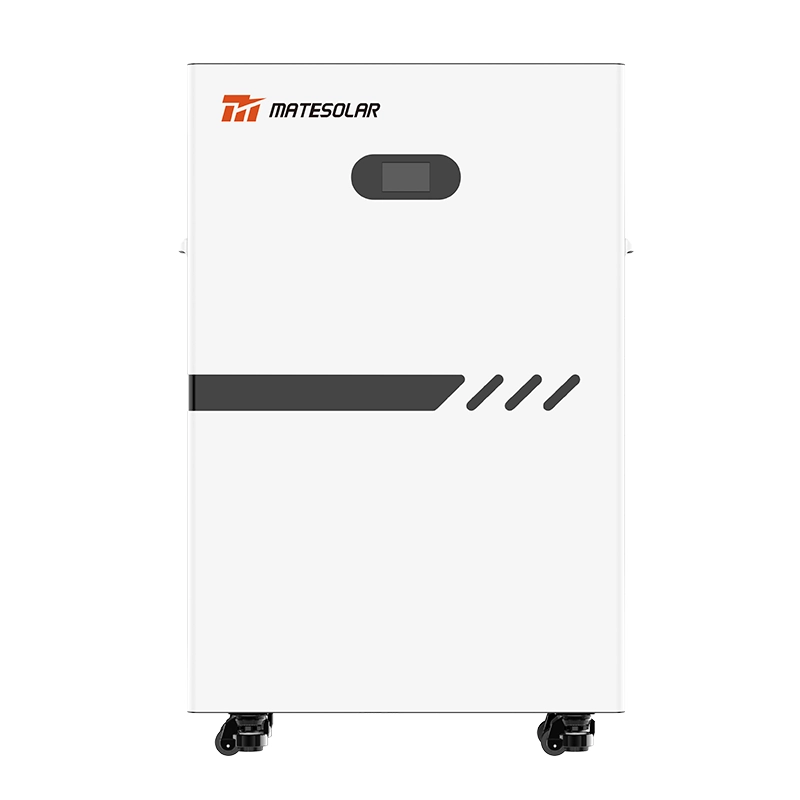
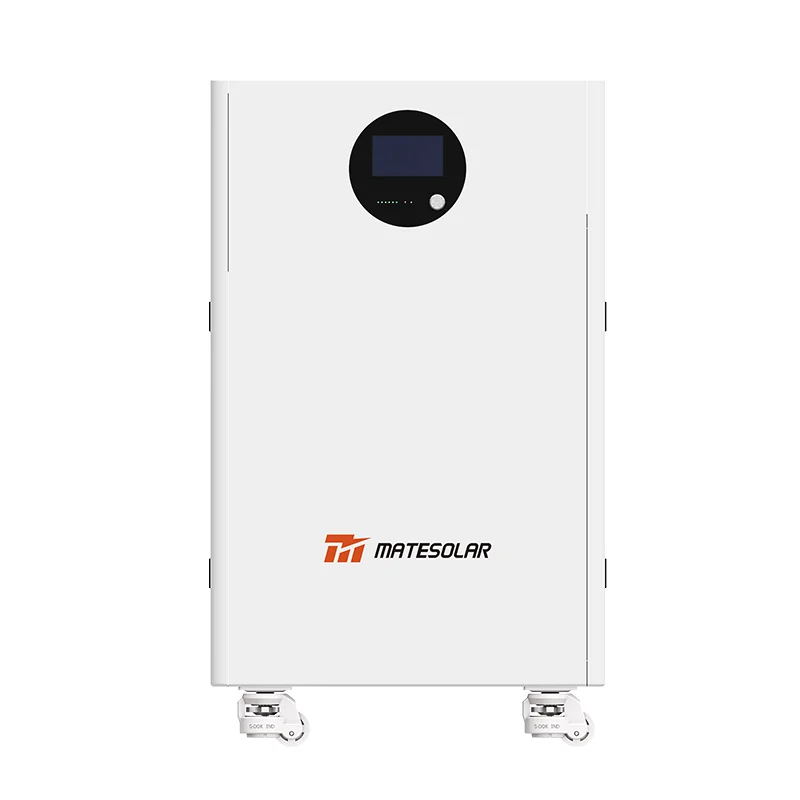
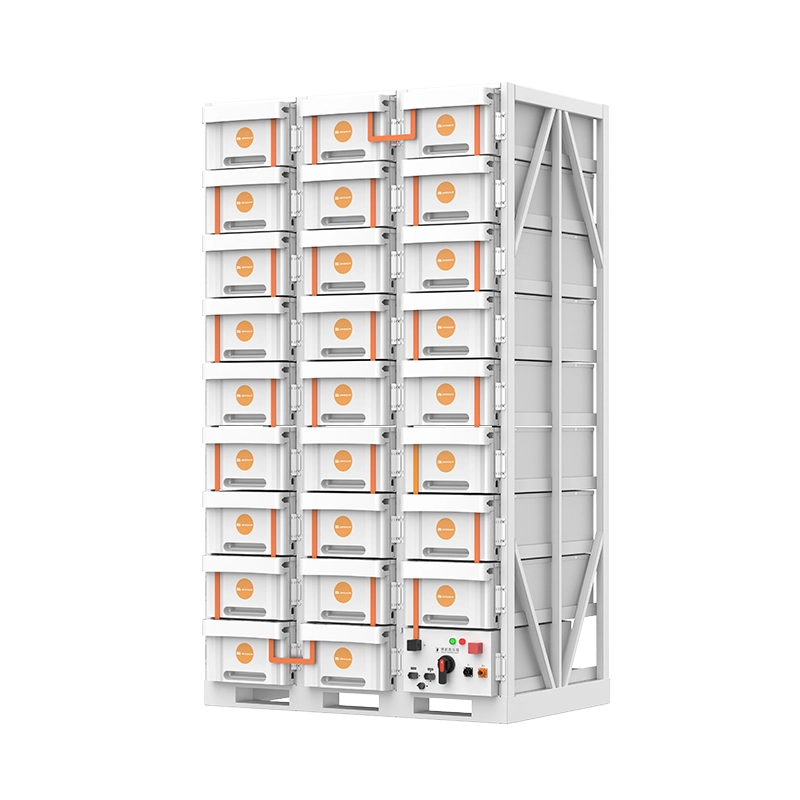
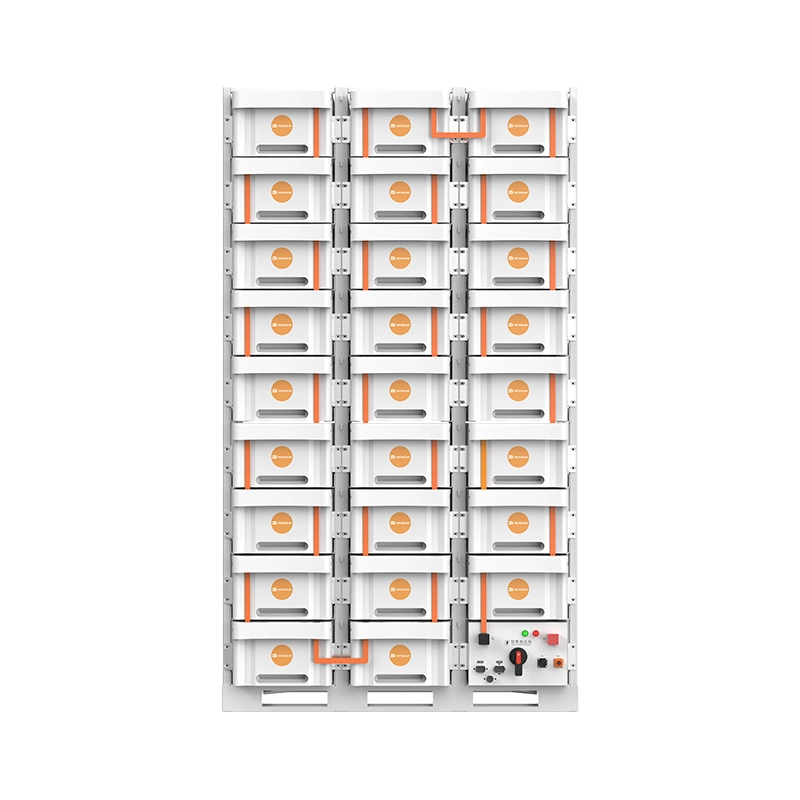
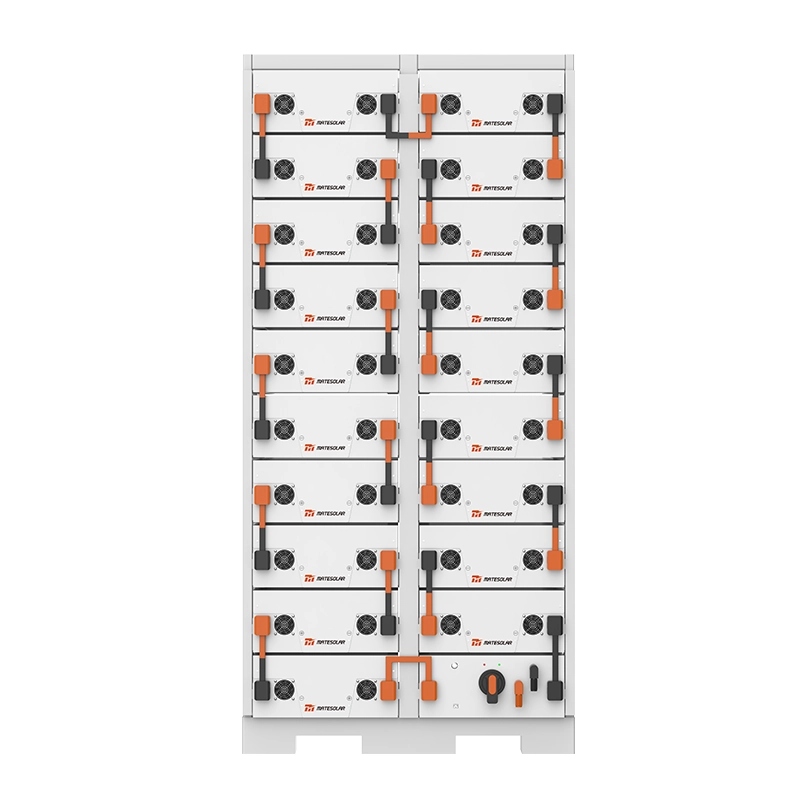
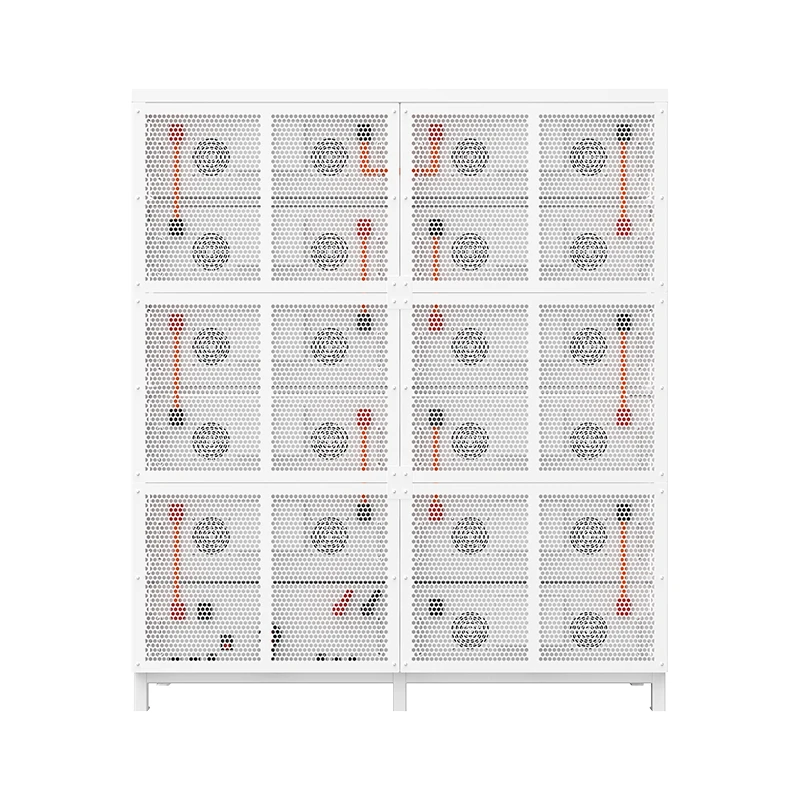
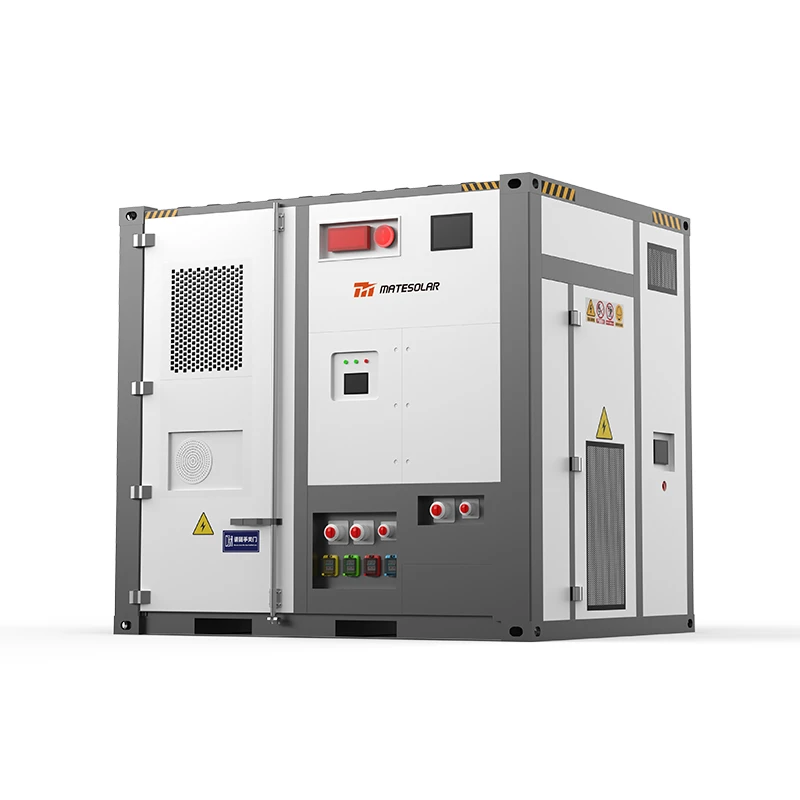
For engineered C&I sizing around those determinants, see the 100kW/232kWh 125kW/261kWh Liquid-Cooled Outdoor Cabinet Energy Storage System: نظام تخزين طاقة خارجي مبرد بالسائل بقوة 100 كيلوواط/232 كيلوواط ساعة 125 كيلوواط/261 كيلوواط ساعة.
3. There is no Guatemalan BESS fire standard. That is exactly why you manage the approval early.
Guatemala has no single national fire authority and no publicly adopted standalone BESS fire-safety standard equivalent to NFPA 855. Fire safety for C&I installations runs through two parallel bodies—Bomberos Voluntarios and the municipal departments, most visibly in Guatemala City—while building permits and occupancy approvals come from the Municipalidades. CNEE's grid authorization may require fire-safety evidence as part of the technical package.
In practice, international developers and EPCs cite NFPA 855 because Guatemala's building and fire codes have historically drawn on the NFPA family. But citing it is not the same as it being law. Final acceptance of thermal-runaway management, suppression design, and separation distances comes down to the technical argument presented to the relevant fire authority—and to how early that conversation started.
One detail that trips up Chinese-supplied equipment: a GB 44240-2024 certificate is not treated by Guatemalan fire authorities as equivalent to NFPA 855-based evidence. It has to be supplemented with an NFPA-aligned design file.
Table 4: The fire-approval pathway, step by step
| Step | Authority / document | What to submit | Where projects fail |
| 1. Design basis | Project technical file | NFPA 855-referenced hazard analysis, propagation strategy, separation rationale | Submitting only GB/IEC certificates, no design narrative |
| 2. Equipment evidence | Manufacturer file | UL 9540A large-scale fire test data where available, MSDS, UN 38.3 | Assuming a cell-level test covers module-level propagation |
| 3. Building review | Municipalidad | Installation drawings, equipment listings, emergency plan | Starting only after the equipment arrives |
| 4. Fire consultation | Bomberos Voluntarios / Municipales | Project-specific technical presentation | Treating the fire authority as a checkbox |
| 5. Grid authorization | CNEE | Fire-safety evidence inside the technical file | Inconsistency between the fire file and the grid file |
Fire approval is a schedule risk, not a downstream cost. Pick an outdoor cabinet without confirming that its spacing and suppression logic can be defended under NFPA 855 principles, and you may be redesigning or relocating after the container has already shipped. For outdoor-cabinet deployments that need this documentation, the same 100kW/232kWh 125kW/261kWh Liquid-Cooled Outdoor Cabinet page is the technical entry point: نظام تخزين طاقة خارجي مبرد بالسائل بقوة 100 كيلوواط/232 كيلوواط ساعة 125 كيلوواط/261 كيلوواط ساعة.
4. CNEE-230-2026 rewrote the rules for sub-5 MW projects. Delay is no longer neutral.
CNEE-230-2026 sets a new technical standard for connecting, operating, controlling, and commercializing distributed renewable generation up to 5 MW net capacity. It replaces substantial parts of CNEE-227-2014. The changes that matter: a defined connection procedure with timelines, digital tracking, a "Management Order" based on when a complete application is declared valid, and semiannual grid-capacity maps published by distributors to flag congestion and saturation.
Projects already in the process can stay under the old regime or migrate. That sounds flexible. It is actually a decision window with a clock on it. The new framework introduces a 5% guarantee of estimated investment at the interconnection stage—on a USD 10 million project, that is USD 500,000 tied up. And because the capacity maps are republished every six months, a node that looked available under the old rules may be constrained by the time a slow-moving project is ready.
Table 5: Stay or migrate—what changes
| العامل | Remain under prior regime | Migrate to CNEE-230-2026 |
| Capacity certainty | Based on application-start conditions; can go stale | Current published map; more transparent, possibly tighter |
| Financial guarantee | None under the prior scheme | 5% of estimated investment |
| Technical requirements | Prior standard | IEEE 1547 compliance; UL 1741 or equivalent IEC for inverters |
| الجدول الزمني | Lower admin burden, higher remapping risk | Defined procedure, more upfront documentation |
| Best fit | Studies complete, interconnection imminent | Early-stage projects, or congested old-regime nodes |
The right question is not which regulation is better. It is: what is the last responsible moment to lock a connection pathway before the map changes? A system documented for both frameworks—grid evidence that satisfies IEEE 1547, inverter certifications that meet UL 1741 or equivalent IEC—keeps that optionality alive.
5. The tariff is rising and demand charges are real. Recalculate the economics for Guatemala, not for Germany.
Medium-voltage and industrial users here do not pay a flat per-kWh rate. They pay Cargo por Potencia Máxima or Contratada—a demand charge tied to maximum or contracted power—plus Cargo por Energía de Punta, a peak-energy charge. CNEE Resolution 85-2025 introduced new peak, off-peak, and medium-demand bands effective May 1, 2026. Billed maximum demand is typically the highest 15-minute average load in defined peak windows, which historically included 10:00–12:30 and 16:30–20:00, with the evening peak driven hard by air-conditioning and lighting.
Now the uncomfortable part. An EMS tuned for German negative-price arbitrage or UK capacity-market revenue is optimizing cost components that do not exist on a Guatemalan bill. Here, savings come from two places: cutting the billed maximum demand in kW, and shifting energy from peak to off-peak bands in kWh. Those objectives do not always pull in the same direction. A dispatch strategy that maximizes arbitrage may miss the monthly peak; a peak-shaving strategy may leave arbitrage value on the table. The EMS has to be configured against the customer's actual rate schedule.
Table 6: Bill components and where storage actually earns
| Bill component | What it charges | How BESS captures value | What the EMS must know |
| Cargo por Potencia Máxima / Contratada | Billed max or contracted kW; ratchets may apply | Peak shaving during the interval that sets the monthly peak | Load profile, utility demand-interval definition, ratchet history |
| Cargo por Energía de Punta | Higher Q/kWh in peak bands | Charge off-peak, discharge on-peak | Post-May-2026 band schedule, consumption pattern |
| Non-peak energy charge | Q/kWh for intermediate and off-peak | Limited direct arbitrage; enables self-consumption with PV | PV forecast, site load forecast |
| Fixed charges | Q/user-month or similar | Not addressable by storage | / |
So the EMS question is concrete: which line on this bill is the dominant cost driver, and does the dispatch logic minimize that line after round-trip efficiency and degradation? A 100 kW/232 kWh cabinet can be right for a short, sharp demand peak. A 125 kW/261 kWh unit can be better where the peak is longer and arbitrage contributes more. The rate schedule decides, not the nameplate: 100kW/232kWh 125kW/261kWh Liquid-Cooled Outdoor Cabinet Energy Storage System.
6. Tax exemptions and dangerous-goods logistics can kill the project before it leaves the port.
Decreto 52-2003 offers DAI exemption, import VAT exemption, and a 10-year income tax holiday for machinery and equipment used exclusively in renewable-energy projects. For a BESS that is integral to a renewable project, these can apply—but the sequencing is unforgiving. The MEM favorable resolution must be obtained قبل importation. Arrive first, and the importer pays full duties and VAT. That cash-flow hit can wreck the IRR before commissioning.
Then there is the dangerous-goods layer. BESS units fall under UN 3480 / UN 3481, which means UN 38.3 test summaries, current MSDS, dangerous-goods declarations, and carriers with DG handling capability. Port handling for heavy containers at Puerto Quetzal, Puerto Barrios, or Santo Tomás de Castilla needs confirming. Documentation errors do not just delay things; they generate demurrage, penalty exposure, and PPA-delay risk.
The checklist, in order, because order is the whole point:
1. Confirm Decreto 52-2003 eligibility for the specific project structure—before anything else.
2. File with MEM and get the favorable resolution.
3. Confirm HS/SAC classification for the BESS as a system, not as "a large battery."
4. Prepare UN 38.3 summary, MSDS, DG declaration, and carrier DG acceptance.
5. Confirm port handling for heavy containers at the chosen entry point.
6. Align the import timeline with interconnection and fire-approval timelines.
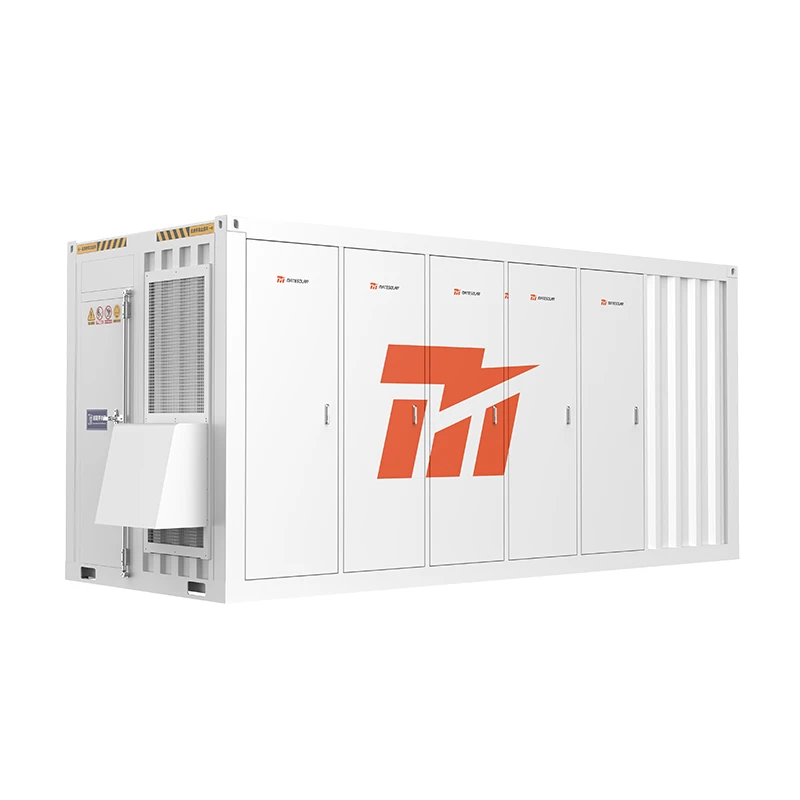
A technical proposal that skips step 1 is incomplete, no matter how good the battery is. For containerized projects where logistics structuring is part of the scope, the reference products are the نظام تخزين الطاقة حاويات 40 قدم 1 ميجاوات ساعة 2 ميجاوات ساعة مبرد بالهواء و نظام تخزين الطاقة في حاوية تبريد سائلة بقدرة 20 قدمًا بقدرة 3 ميجاوات ساعة بقدرة 5 ميجاوات ساعة.
Part III: The Service Model That Actually Fits Guatemala
Guatemala does not have a deep local BESS installation and maintenance labor pool. Any supplier claiming otherwise is selling a story. The workable model in 2026 is remote-first, parts-swap-supported, with on-site commissioning reserved for larger or technically complex projects.
Table 7: What a realistic service model looks like
| الطبقة | What the customer should expect | What is not realistic |
| Minor hardware fault | Replacement part shipped with guided installation; remote diagnosis to isolate the component | Same-day local technician for every fault |
| Major or repeat fault | Replacement unit or full RMA under warranty | Unlimited free on-site labor |
| Software / EMS | Remote guidance, configuration review, firmware and diagnostics | On-site software engineer for routine tuning |
| Large project commissioning | Technical personnel deployed for commissioning and installation guidance where scope justifies it | Permanent local O&M staff from the supplier |
| Emergency | Remote diagnosis, parts escalation; customer's contractor executes the swap | 24/7 field-service network in every department |
This is a risk-allocation choice, not a weakness. The local electrical contractor does the physical work. The supplier provides parts, remote engineering, and an escalation path. For larger projects, on-site commissioning closes the technical gap. Before signing, the customer should verify three numbers: mean time to ship a replacement part, remote-response SLA, and the conditions under which a technician will be deployed to site.
Part IV: FAQ
Is the C&I market hot because of PEG-5?
No. PEG-5 made the utility-scale solar-plus-storage market hot. C&I is warming but lagging. The 713 MW is contracted under 15-year PPAs delivering around 2030. C&I has no such backstop—it has to justify itself on demand-charge reduction, peak-energy savings, and sometimes resilience. Interest is real; the transaction infrastructure is still being built.
Does the 30% mandate apply to my 2 MW project?
No. The PEIG 2026–2050 mandate covers new solar above 50 MW. A 2 MW C&I project is not bound by that percentage. If the project is part of a larger generation portfolio or seeks wholesale participation under CNEE 128-2024, indirect requirements may apply—but size the system against the bill, not the mandate.
Can NFPA 855 get my project through fire approval?
NFPA 855 is not adopted Guatemalan law. It is the design reference local fire authorities are most likely to understand, because the country's codes have historically drawn on NFPA norms. Prepare an NFPA 855-referenced design file with hazard analysis and UL 9540A data where applicable, and present it as a project-level argument. A GB certificate alone will not carry it.
Does CNEE-230-2026 make sub-5 MW connection harder?
It makes it more transparent and more time-sensitive. The semiannual capacity maps can reveal that a node previously considered open is now constrained, and the 5% guarantee changes the financial calculus. Projects with completed studies and imminent interconnection may prefer the old regime; early-stage projects may benefit from the new framework's defined timelines.
Can a C&I BESS still claim Decreto 52-2003 exemptions?
The incentives exist for equipment used exclusively in renewable-energy projects, but standalone C&I eligibility depends on structure. The operational rule is fixed: MEM resolution before importation. Do not assume the exemption is automatic because the system is "for solar" or "for storage."
What is the biggest difference between a PEG-5 system and a C&I system?
Dispatch objective and financing lens. The utility system meets a firm-capacity obligation and a PPA schedule, measured against a 15-year bankable curve. The C&I system cuts a monthly demand peak and shifts energy bands, measured against bill savings after degradation. Same hardware family, different EMS logic, evidence package, and approval pathway.
Can a container system be installed without a local BESS specialist?
A competent electrical contractor handles the physical works—foundation, MV/LV interconnection, grounding, auxiliaries. Commissioning support handles controls, protection settings, and grid compliance. The realistic split: local contractor for installation, supplier remote engineering for commissioning guidance, supplier on-site support for larger projects. A container ESS is not a plug-in appliance.
What happens if a module fails under warranty?
Parts replacement with guided installation. The supplier ships the replacement, provides remote diagnosis and step-by-step instructions, and the local contractor executes the swap. Repeat or major failures go to unit replacement. Confirm the parts-shipping time and the remote-response SLA before signing—those two numbers determine real downtime.
Part V: How to Score a Proposal This Month
The market is not won on price per kWh. It is filtered by four lines: bankability, fire approval, grid connection, and import structuring. A supplier with evidence across all four is selling a deliverable project. A supplier with only a datasheet is selling a container that may never clear customs or pass fire review.
Table 8: Procurement scoring matrix, November 2026
| معيار | الوزن | قوي | ضعيف |
| Bankability evidence | 25% | Third-party cycle life, degradation curve, performance guarantee, grid model | Datasheet only |
| Fire-approval readiness | 20% | NFPA 855-referenced file, UL 9540A data, separation rationale | GB certificate only |
| Grid-connection compatibility | 15% | IEEE 1547, UL 1741 or equivalent IEC, dual-framework documentation | No grid model or inverter certification |
| Import and tax structuring | 15% | MEM sequencing guidance, HS classification support, DG documentation | "Customer handles import" |
| Service realism | 15% | Clear SLA, parts-shipping timeline, on-site commissioning criteria | "Local service" with no verifiable team |
| Rate-specific EMS | 10% | Configured to Guatemalan demand and peak-energy structure | Generic time-of-use template |
Closing thought
PEG-5 proved storage belongs at the center of Guatemala's generation expansion. It did not prove C&I storage is ready for mass rollout. That gap—between a formed utility pipeline and an unformed behind-the-meter pathway—is where the next two years will be decided. Customers who treat storage as regulated, financeable, import-sensitive infrastructure will do well. Those who treat it as a battery purchase will learn expensive lessons about sequencing.
MateSolar works as a one-stop solar and storage solutions provider, supporting C&I and distributed projects with bankability-oriented documentation, NFPA 855-referenced fire-safety files, grid-compliance evidence, and import-structuring guidance—backed by a remote-first service model with parts replacement and on-site commissioning for larger projects. In Guatemala this November, the product is not the cabinet. The product is a project that can be approved, financed, cleared, and operated.
Based on publicly available regulatory and market information as of November 24, 2026. Project decisions require legal, tax, and engineering verification. Product links are for technical reference; sizing and compliance documentation should be confirmed against final site conditions.