
















By MateSolar | October 8, 2026 | 28 min read
Chile’s commercial and industrial (C&I) electricity landscape has undergone a structural transformation between 2024 and 2026 that few markets have experienced in such compressed time. Industrial tariffs rose by approximately 60% across the tariff unfreezing process that began in July 2024 and continued through January 2025, with additional adjustments pushing accumulated increases toward 70% in some regions. Simultaneously, the northern grid has become a case study in renewable overgeneration, with 5,642 GWh of solar and wind curtailed in 2024 alone—19% of all renewable generation that year, representing cumulative losses exceeding $562 million since 2022.
For facility managers, cold storage operators, mining suppliers, and industrial park developers, these two forces—punitive demand charges and midday power surpluses—create a rare dual-revenue opportunity that battery storage is uniquely positioned to capture. This guide provides the technical, regulatory, and economic framework to evaluate, design, and deploy C&I storage systems in Chile under the 2026 regulatory environment.
Part 1: The Demand Charge Problem — Why 15 Minutes Can Cost You a Month
1.1 The Chilean Demand Charge Structure
Chile’s non-regulated electricity tariffs for industrial and commercial users include a cargo por demanda máxima (maximum demand charge) that is calculated based on the highest 15-minute integrated power demand within a billing period. Under Chilean tariff regulations, the demanda máxima leída is defined as the highest value of integrated demands in successive 15-minute periods. For peak-hour billing, the applicable demand is typically the average of the two highest peak-hour demands over the preceding 12 months, including the current billing month.
This structure creates a counterintuitive but devastating economic reality: a single 15-minute operational surge—a compressor start-up during a production ramp, a simultaneous EV charging cycle during a heat wave—can set the billing demand for the entire month. Unlike time-of-use energy charges that scale with consumption, demand charges are a power-based penalty that rewards load flatness and punishes variability.
1.2 Why the Stakes Have Never Been Higher
The tariff unfreezing process in Chile was designed to repay approximately $6 billion in accumulated debt to generation companies. The result was a three-phase increase: 22% in July 2024, an additional 24% in October 2024 (46% cumulative), and a further 12% in January 2025 (58% cumulative), with subsequent adjustments pushing the total toward 70% by mid-2025. The Chilean Ministry of Energy has confirmed that average final prices for free clients rose approximately 60% between 2019 and 2024, with the total cost of energy, power, and systemic charges rising from 42 CLP/kWh in 2020 to 72 CLP/kWh in 2024.
For a facility where demand charges represent 30% to 70% of the monthly bill—a range that is entirely typical for Chilean industrial operations—the arithmetic is unforgiving. A cold storage facility consuming 800,000 kWh per month with a peak demand of 1.2 MW may see $18,000 to $42,000 in pure demand charges depending on its tariff node and billing modality. A 200 kW transient spike lasting 15 minutes during an otherwise controlled month can add $3,000 to $8,000 to that charge, month after month, because the billing demand is typically averaged across a 12-month lookback window.
1.3 How Battery Storage Solves the Demand Charge Problem
The technical mechanism is straightforward but requires precision. A battery energy storage system (BESS) with a capable energy management system (EMS) continuously monitors facility load at sub-second resolution. When load approaches a configurable threshold—typically set at 90–95% of the contracted or historical peak demand—the EMS discharges the battery to shave the peak, ensuring the 15-minute integrated demand stays below the trigger point.
The critical engineering requirements are:
| المعلمة | المواصفات | لماذا هذا مهم |
| EMS sampling interval | ≤1 second | 15-minute demand is an integrated average; sub-second sampling is required to predict and respond before the window closes |
| وقت الاستجابة | ≤200 ms from detection to discharge | Fast enough to cover motor starting inrush and compressor cycling |
| Peak shaving accuracy | ±2% of setpoint | Prevents both under-shaving (demand charge triggered) and over-shaving (excess battery cycling) |
| Minimum discharge duration | 15 minutes at rated power | Must cover the full integration window |
| State-of-charge management | Dynamic, load-forecast-based | Prevents battery depletion during multi-peak days |
A BESS configured for demand charge reduction does not need to discharge at full capacity for the entire month. The optimal strategy is to identify the facility’s demand signature—the statistical distribution of 15-minute peaks across production shifts, seasonal variations, and equipment schedules—and to size the battery so that the 95th percentile peak can be shaved without excessive energy throughput.
1.4 Quantifying Demand Charge Savings
The savings calculation for demand charge reduction follows a simple but rigorous formula:
Monthly savings = (Baseline billing demand − Post-BESS billing demand) × Demand charge rate
For a facility in the Central Interconnected System (SIC) with a demand charge of approximately $12–18/kW-month (depending on node and voltage level), reducing billing demand from 1,200 kW to 950 kW yields monthly savings of $3,000 to $4,500. Over a year, that is $36,000 to $54,000 in pure demand charge avoidance, before any energy arbitrage or other revenue streams.
However, the 12-month rolling average mechanism means that savings compound slowly in the first year and accelerate in subsequent years. A well-designed system should target a 15–25% reduction in billing demand, with the exact figure determined by the facility’s load factor and peak distribution.
1.5 The Transformer Capacity Question
A frequently asked question is whether a BESS can support new loads without requiring transformer upgrades. The answer is yes, but with important caveats. If the new load is intermittent—such as a second shift production line or a fleet of electric forklifts—the BESS can absorb the incremental peak while the transformer continues to operate within its nameplate rating. The BESS effectively becomes a dynamic transformer capacity expander, deferring or eliminating capital expenditure on transformer replacement or parallel transformer installation.
For facilities considering electrification of thermal processes or the addition of EV charging infrastructure, the economics are particularly compelling. A 500 kW hybrid solar system paired with a 250 kW/500 kWh BESS can support an additional 200–300 kW of intermittent load without any transformer modification, provided the EMS is programmed with the correct load-priority logic.
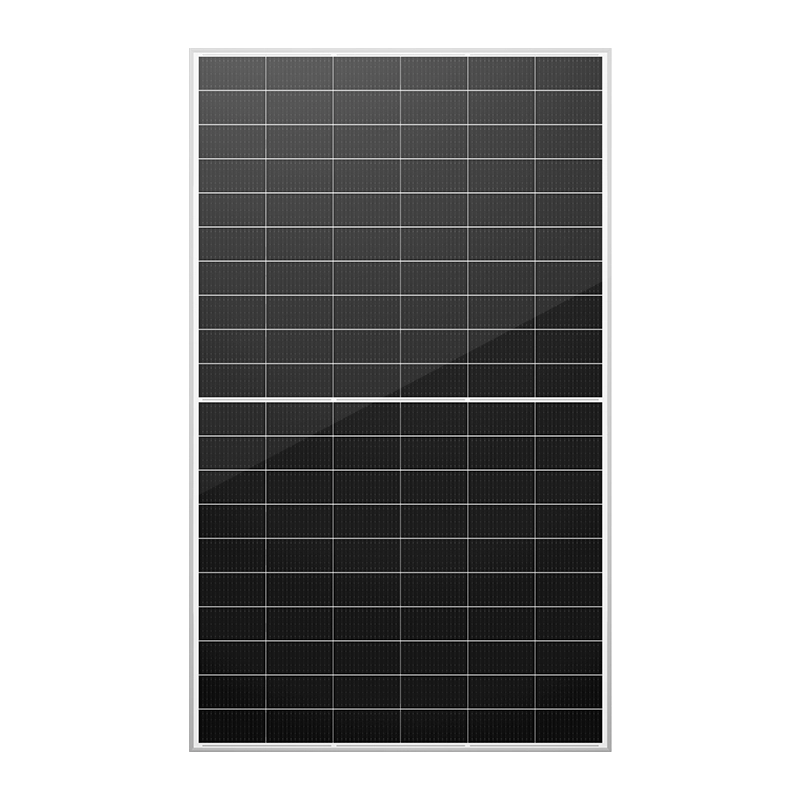
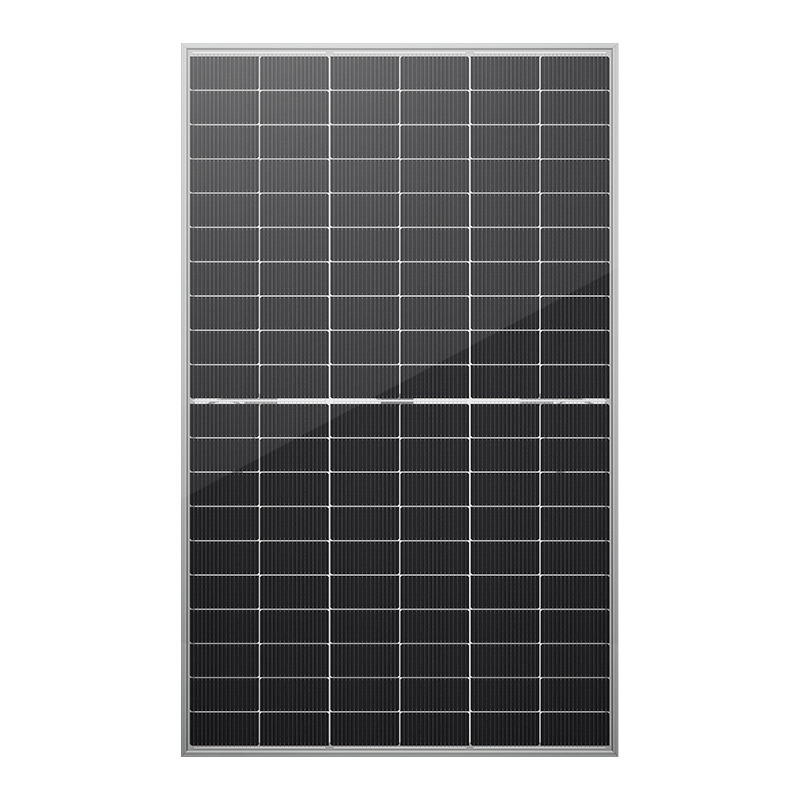
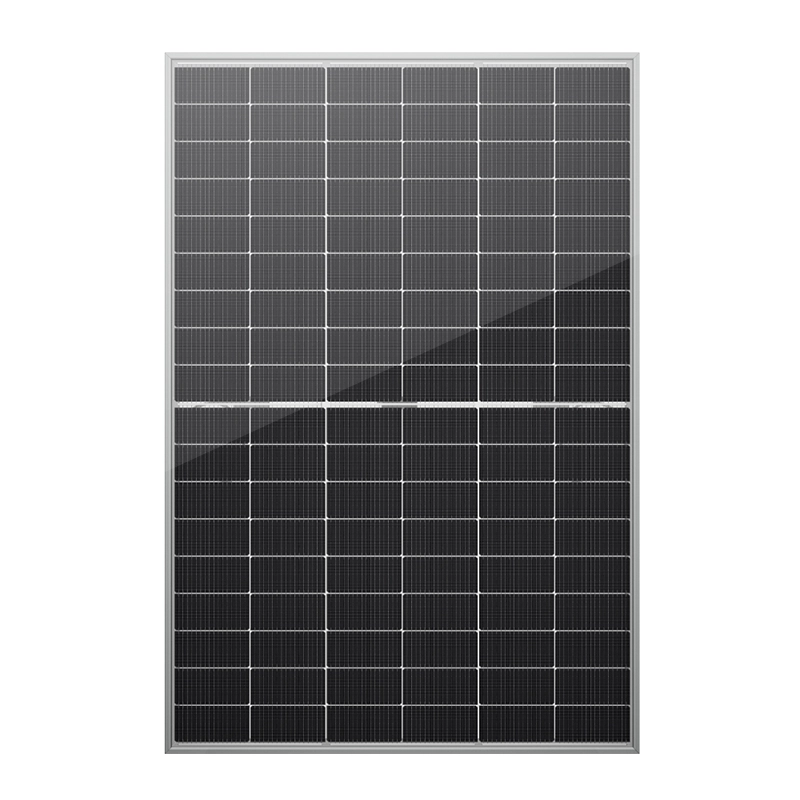
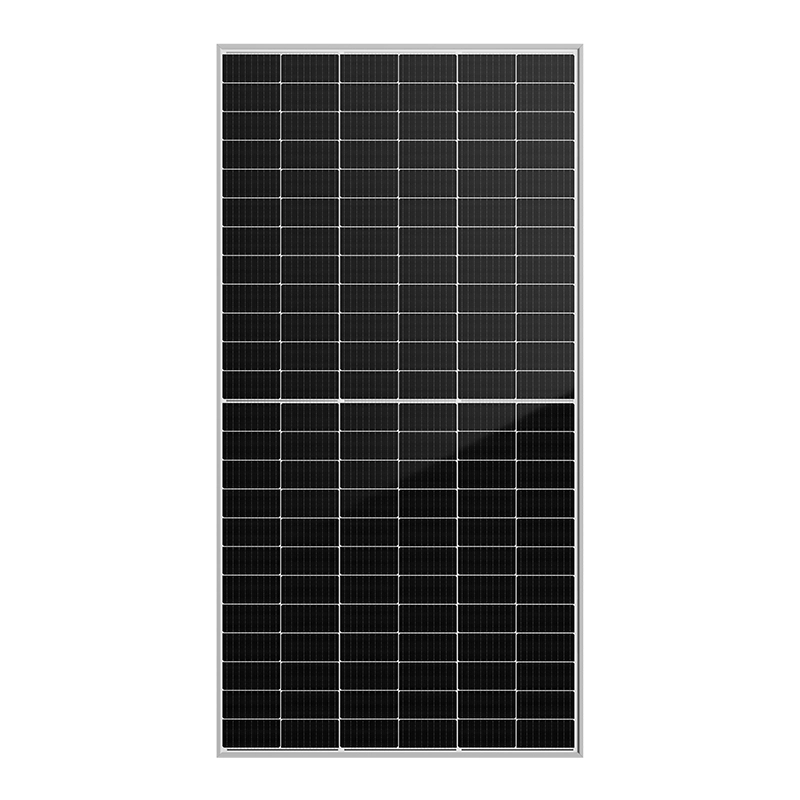
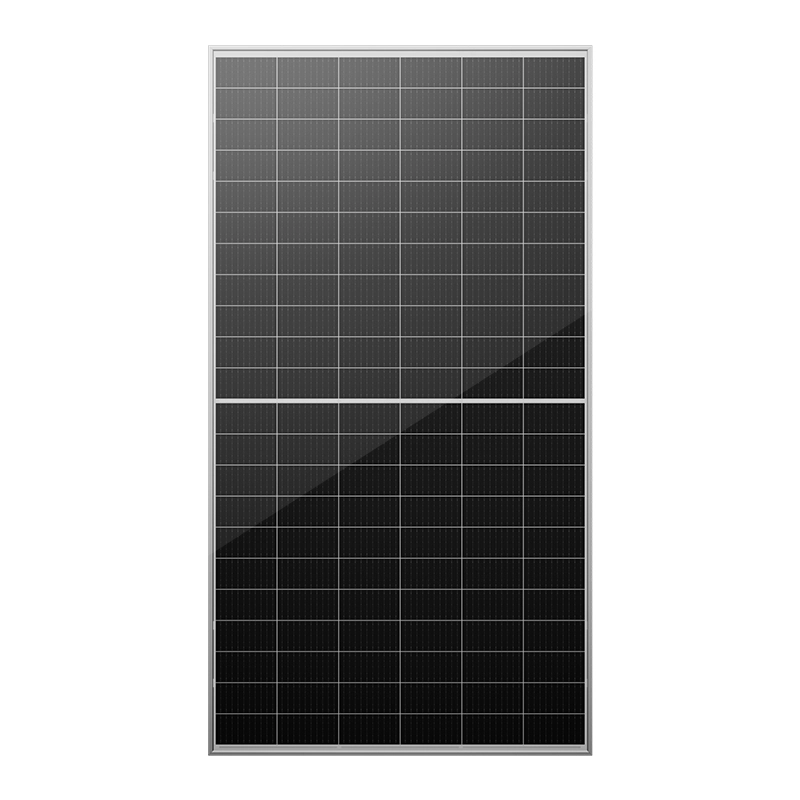
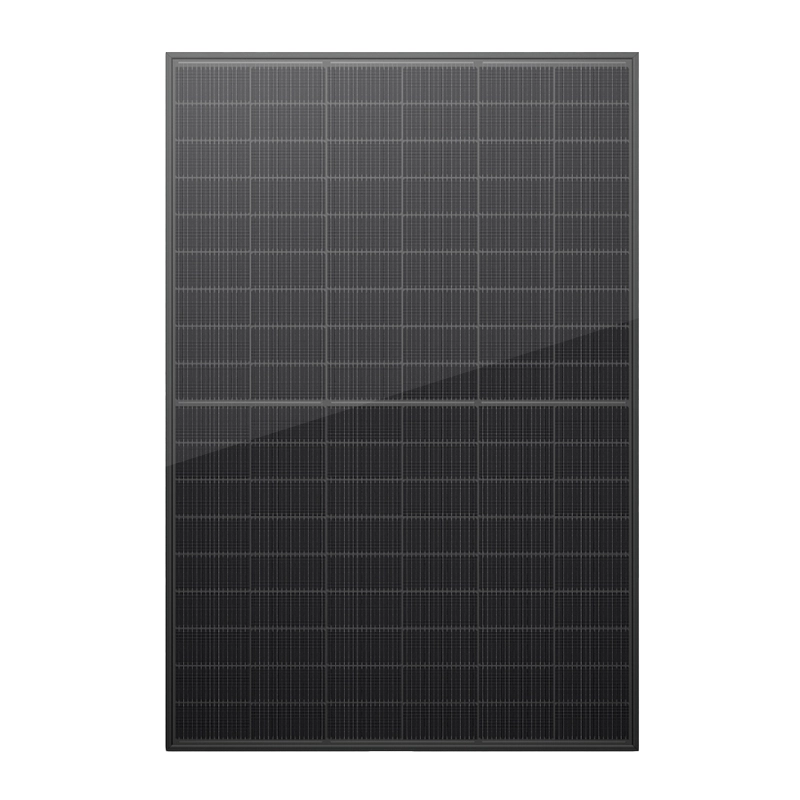
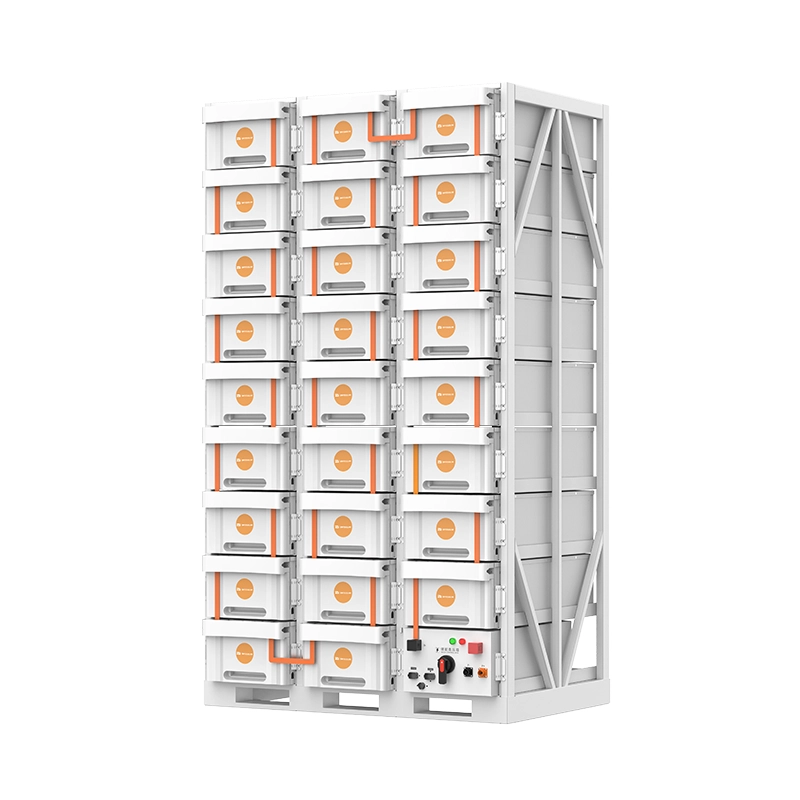
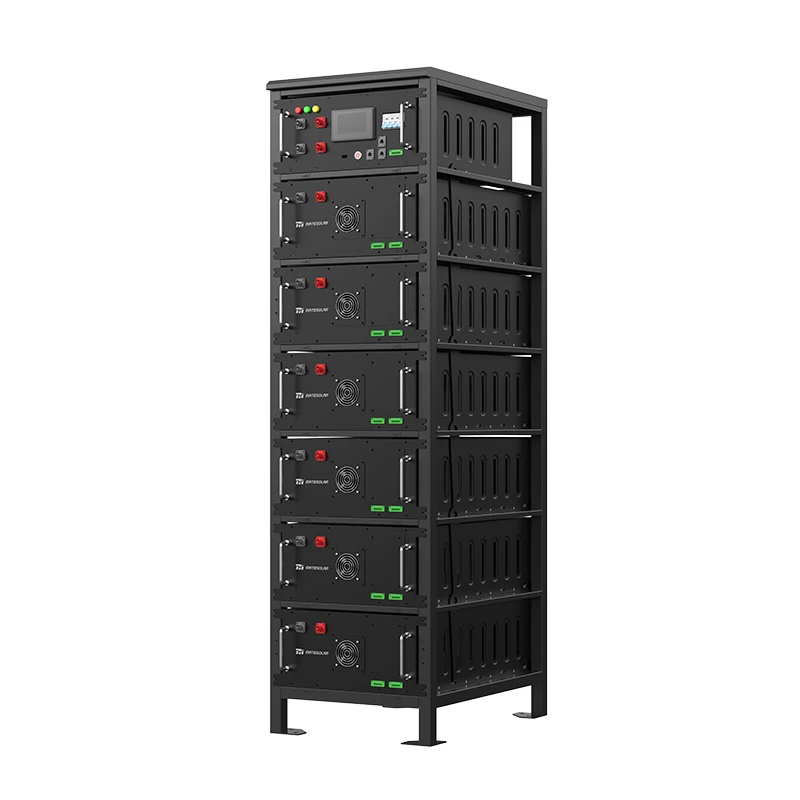
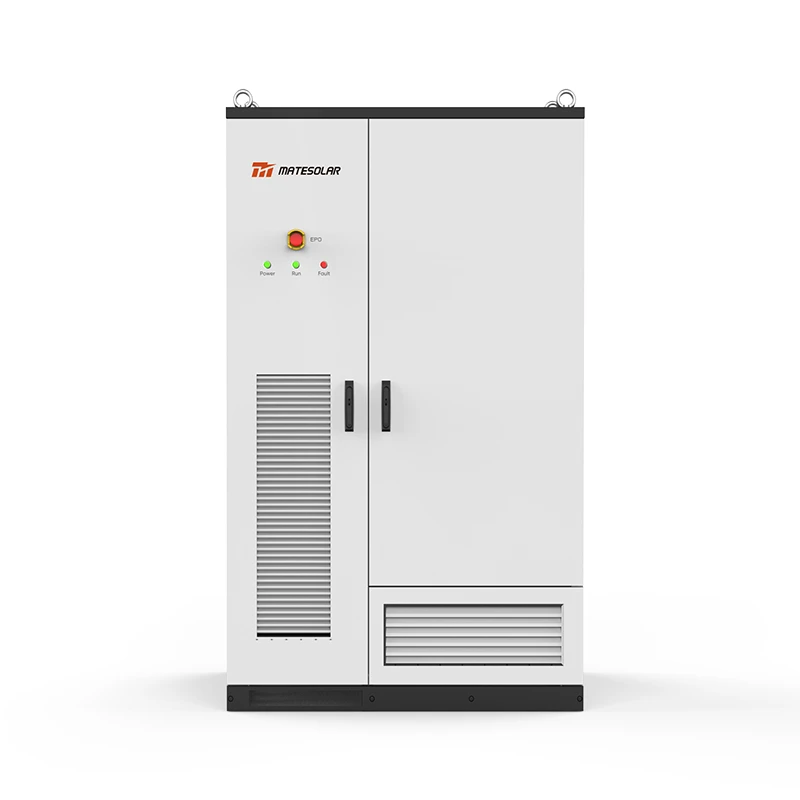
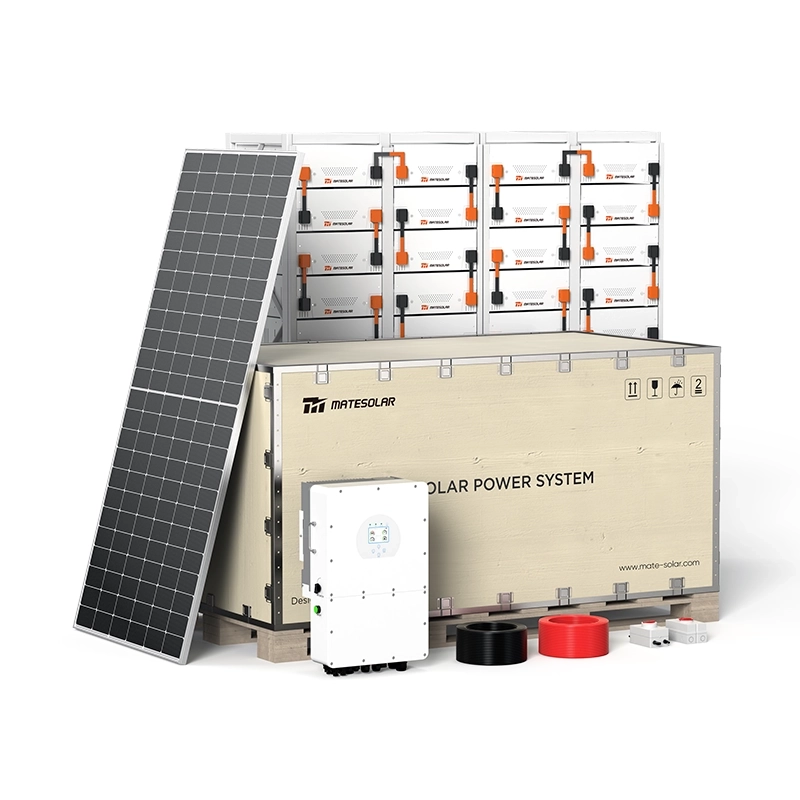
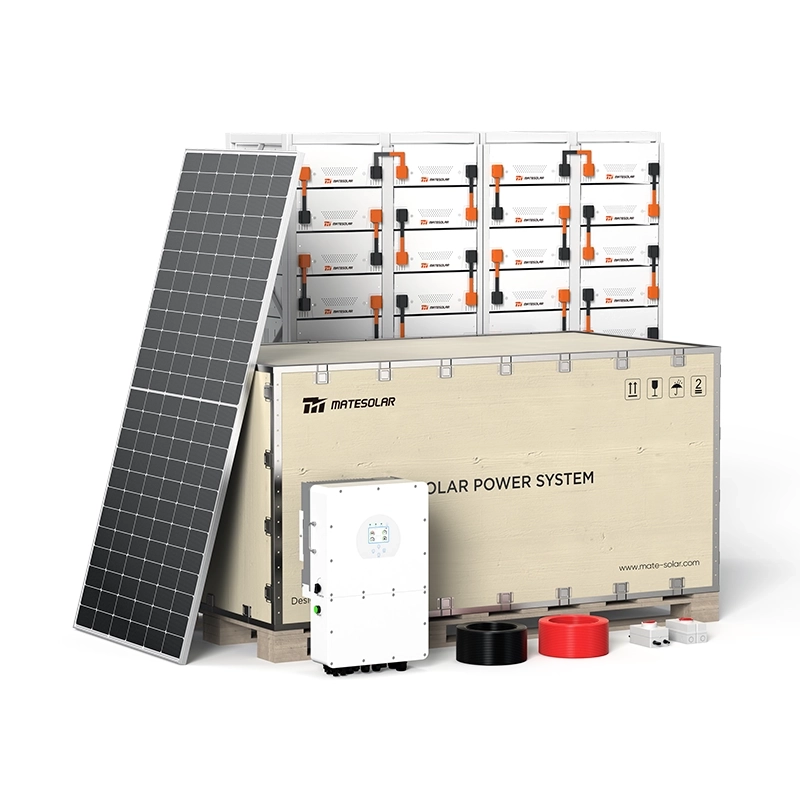
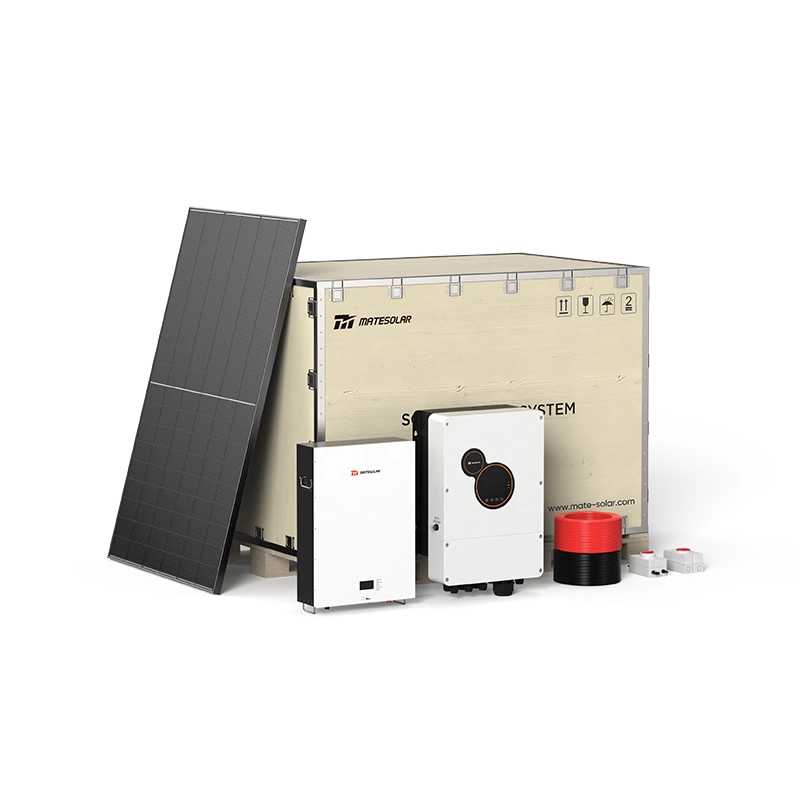
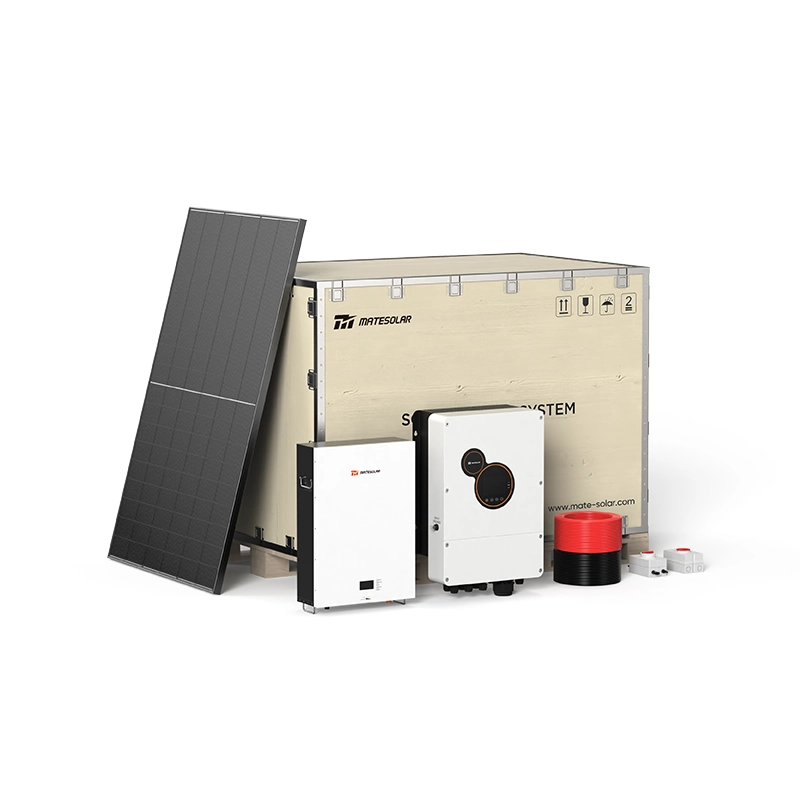
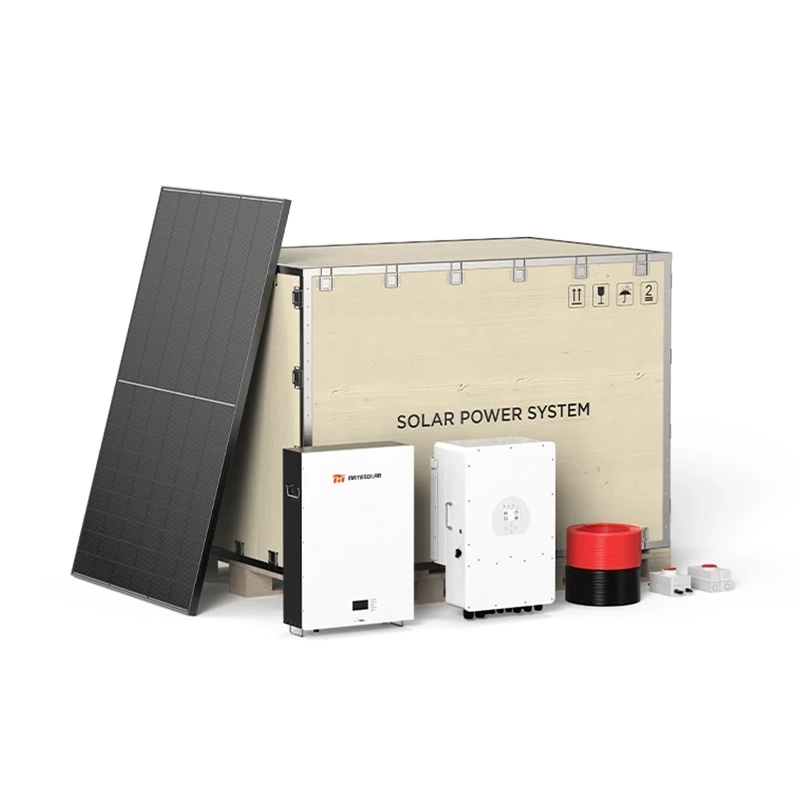
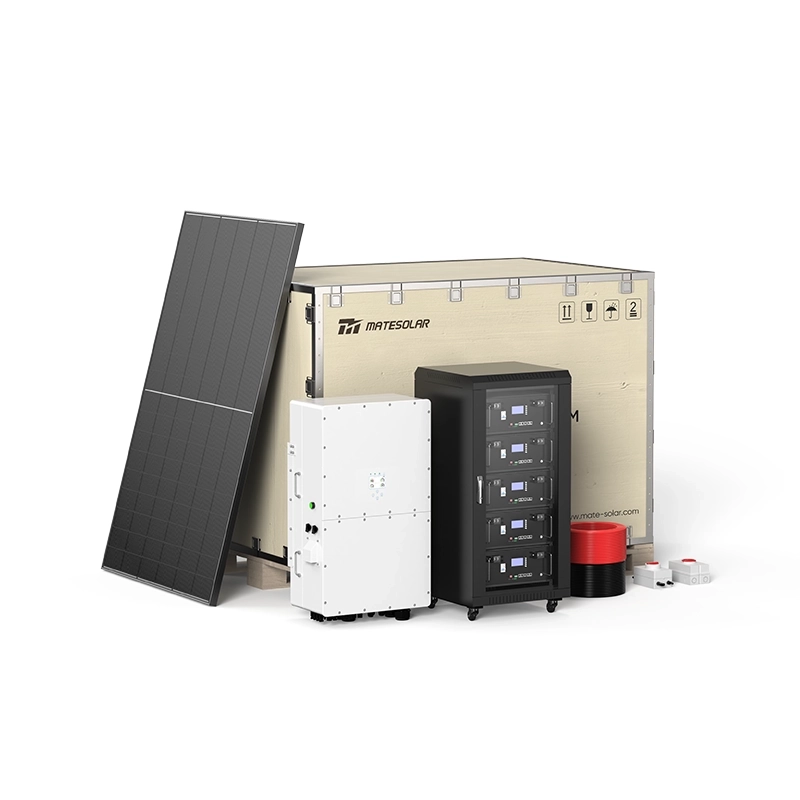
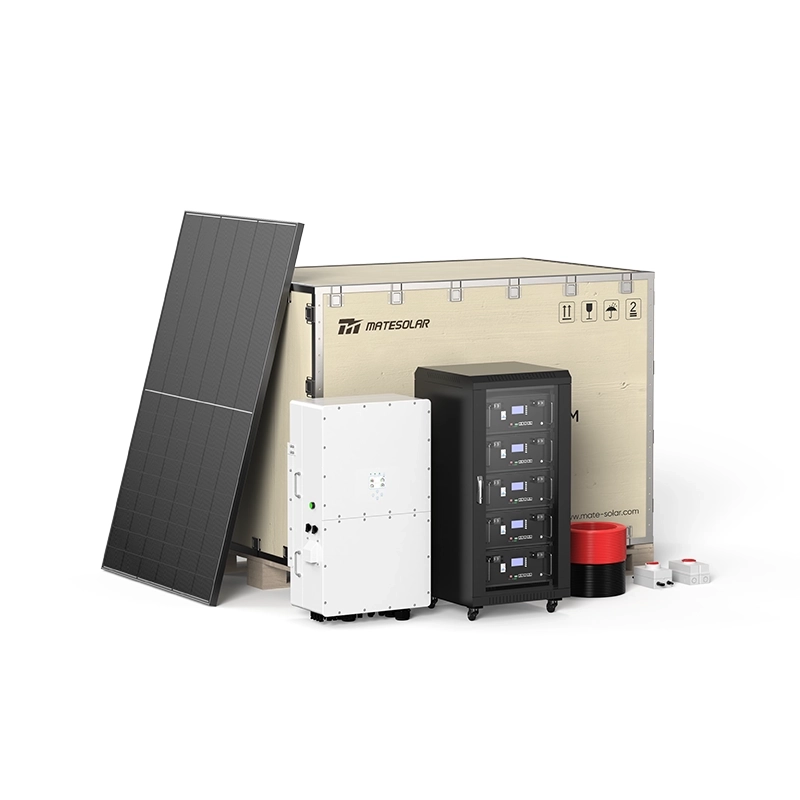
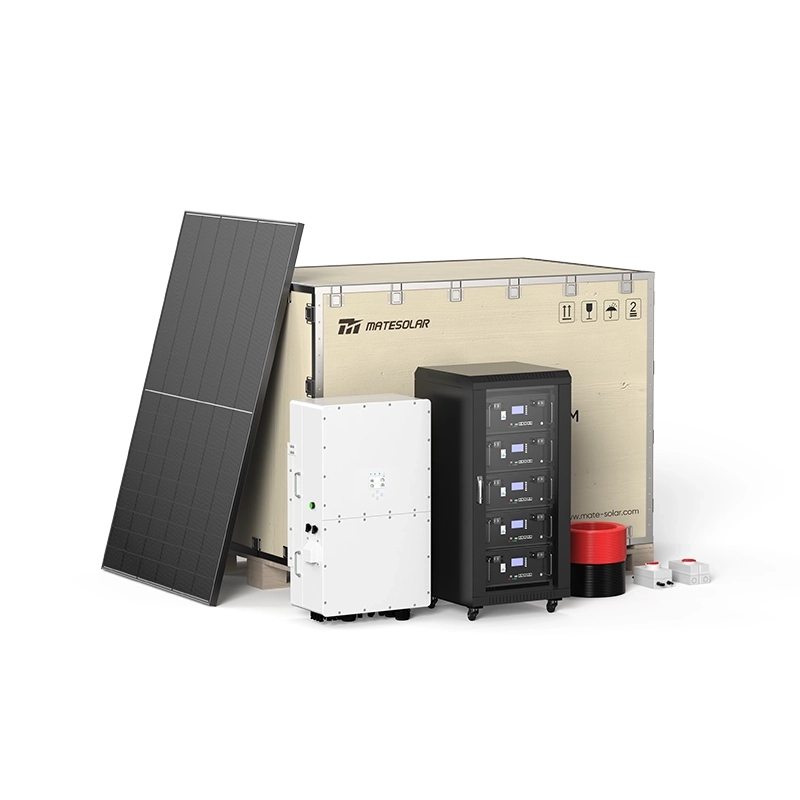
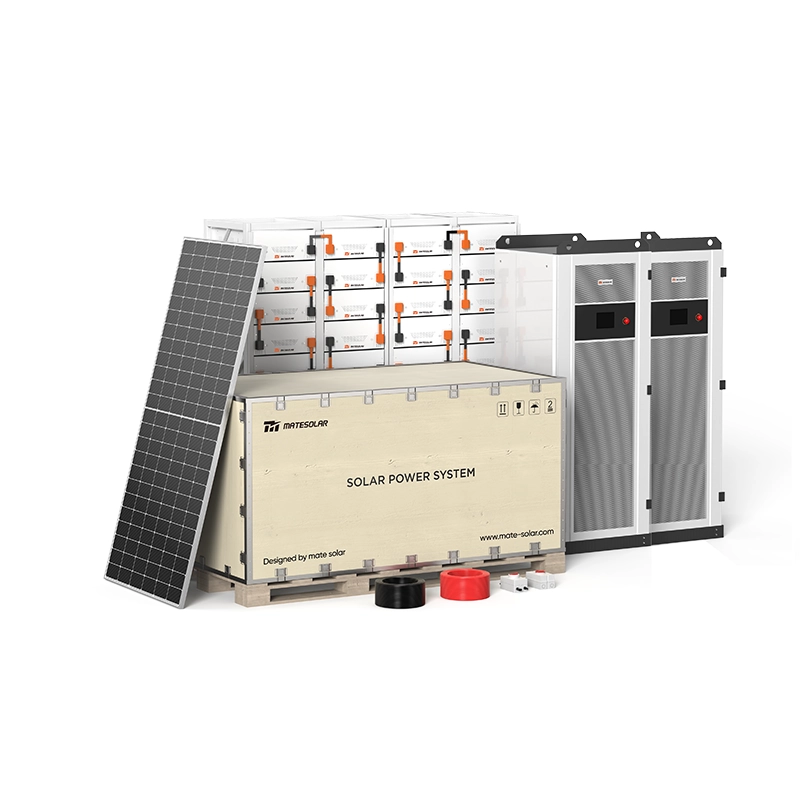
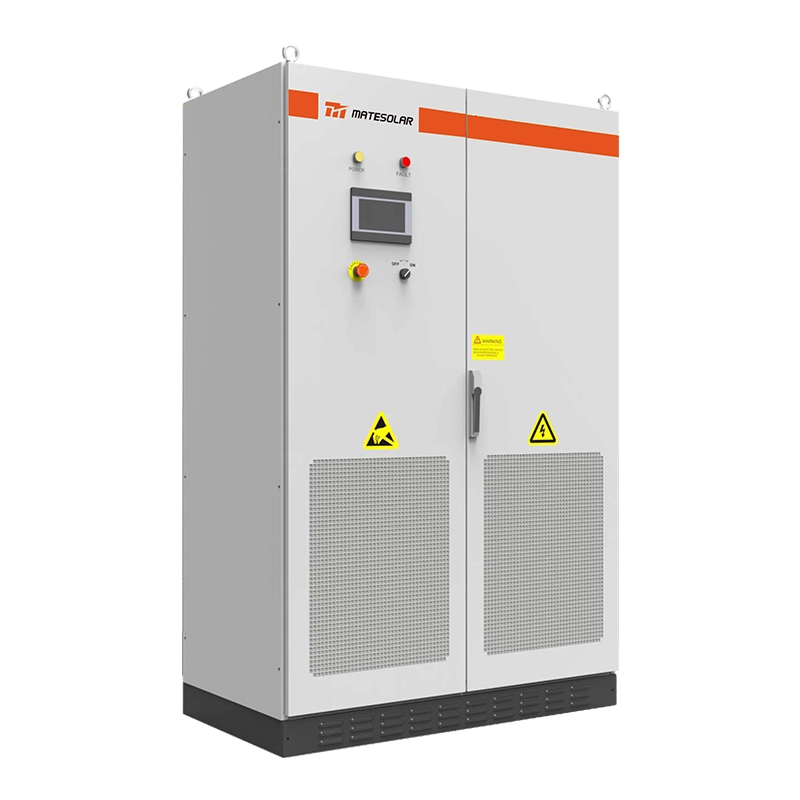
For high-efficiency large and medium C&I facilities evaluating demand charge reduction, MateSolar’s Commercial 500KW Hybrid Solar System provides an integrated platform that combines PV generation, battery storage, and demand-side management in a single controllable architecture.
Part 2: The Curtailment Arbitrage Opportunity — Turning Negative Prices into Revenue
2.1 The Scale of Chile’s Renewable Curtailment Crisis
Chile’s curtailment problem is not a future risk—it is a present and growing economic hemorrhage. In 2024, solar and wind curtailment reached 5,642 GWh, equivalent to 6.6% of all electricity generated in the country and 19% of all renewable generation. Since 2022, cumulative curtailment losses have exceeded $562 million, representing 11,900 GWh of renewable electricity that was generated but never delivered.
The root cause is a combination of transmission constraints and temporal mismatch. Chile’s northern grid, particularly the former SING region encompassing Antofagasta, Atacama, and Tarapacá, has some of the world’s highest solar capacity factors—above 30% in some areas, double the global average. But the transmission infrastructure connecting this generation to southern demand centers is insufficient. The 1,400-km Kimal-Lo Aguirre line, which will significantly expand dispatch capacity, will not be operational until after 2029.
2.2 Negative Prices and the Midday Collapse
The economic consequence of this transmission bottleneck is localized nodal prices that collapse to zero or negative during solar hours. During 2025, northern Chile experienced approximately 1,480 hours of zero or negative marginal costs. The daily maximum peak-valley spread in the northern nodes reached $0.17/kWh, with midday nodal prices frequently settling between $0 and $20/MWh while evening ramps pushed prices to $85–105/MWh.
For C&I facilities with rooftop or ground-mounted solar, this creates a perverse situation: their PV systems generate at maximum output precisely when the grid has no need for the electricity. Without storage, that generation is either curtailed, exported at zero or negative prices, or consumed internally at an opportunity cost that fails to capture its true value.
2.3 How Storage Captures the Arbitrage
A BESS co-located with C&I solar transforms the economics of self-generation. Instead of exporting midday generation at depressed prices, the system charges the battery and discharges during the evening peak window (typically 18:00–22:00, when Chilean peak-hour charges apply from April to September). The arbitrage value is captured in two ways:
1. Direct energy arbitrage: Avoiding the purchase of grid electricity during peak hours at $85–105/MWh by using stored solar energy.
2. Demand charge avoidance: Discharging during peak hours simultaneously reduces the facility’s demand draw from the grid, compounding the savings.
The EMS plays a decisive role here. A capable EMS must integrate real-time nodal price signals, facility load forecasts, solar generation forecasts, and battery state-of-charge to execute an optimal charge-discharge schedule. The system should recognize negative price events and increase charging power during those intervals, effectively getting paid to absorb excess grid electricity.
2.4 Optimal PV + Storage Sizing
The optimal capacity ratio of PV to storage depends on the facility’s load profile, the local nodal price dynamics, and the regulatory treatment of exports. As a general rule for Chilean C&I applications:
| Load Profile Type | Recommended PV:BESS Ratio (kWh basis) | Typical BESS Duration | تدفق الإيرادات الأساسية |
| Single-shift manufacturing (08:00–18:00) | 1:0.4 to 1:0.6 | 2-3 ساعات | Demand charge + self-consumption |
| Two-shift manufacturing (06:00–22:00) | 1:0.6 to 1:0.8 | 3-4 ساعات | Arbitrage + demand charge |
| Cold storage / 24-hour operations | 1:0.8 to 1:1.2 | ٤-٥ ساعات | Demand charge + arbitrage |
| Mining suppliers (variable shifts) | 1:1.0 to 1:1.5 | من 4 إلى 6 ساعات | Peak shaving + reliability |
The sizing methodology should begin with a 15-minute interval load analysis covering at least 12 months, followed by a solar generation simulation using TMY or satellite-derived irradiance data for the specific site location. The optimization objective is typically to maximize the internal rate of return (IRR) on the combined PV + BESS investment, subject to constraints on transformer capacity, available land or roof area, and grid connection limits.
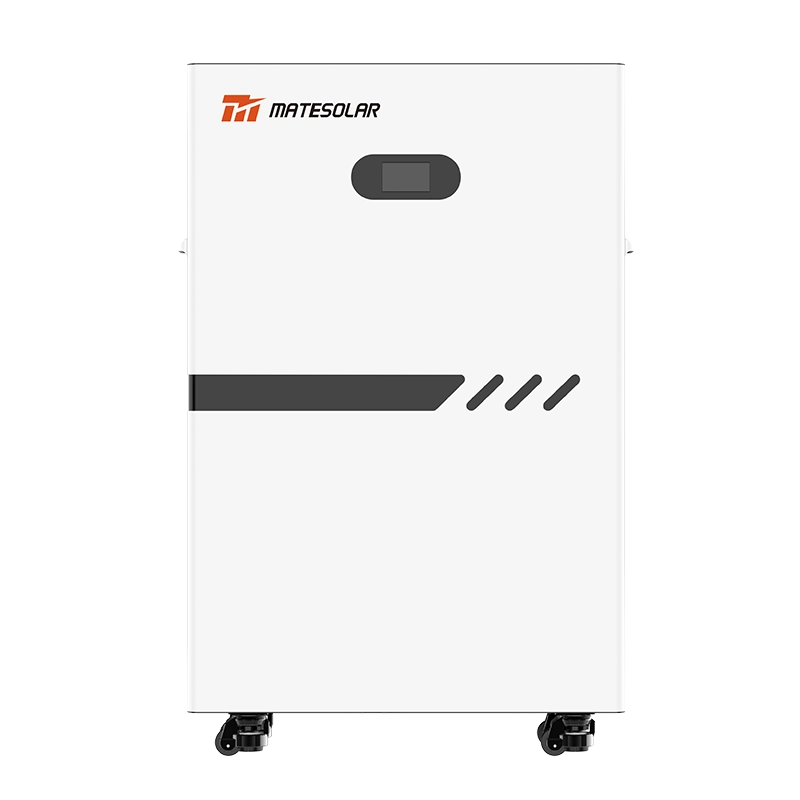
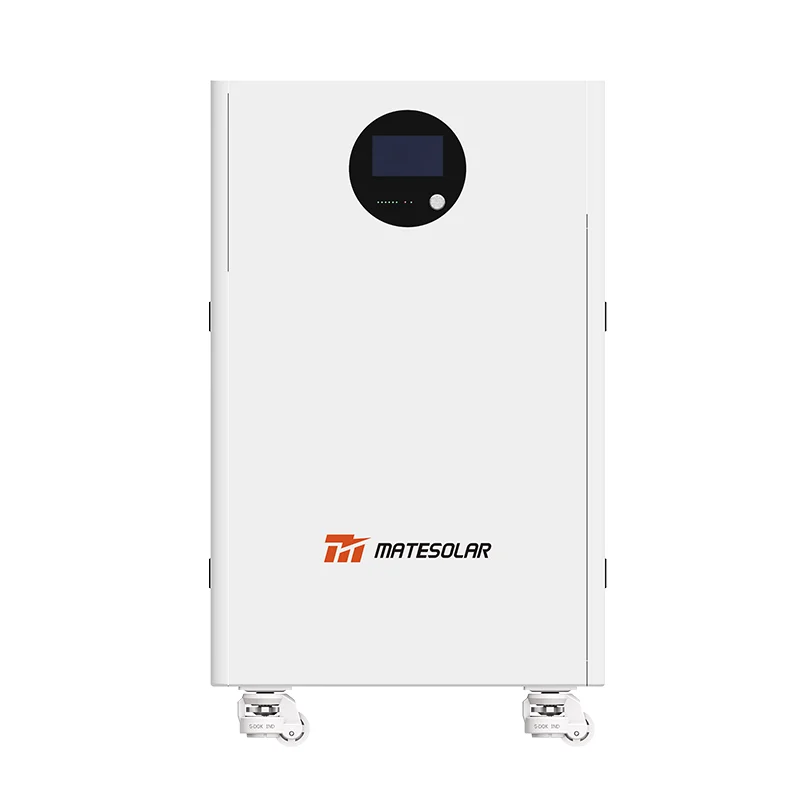
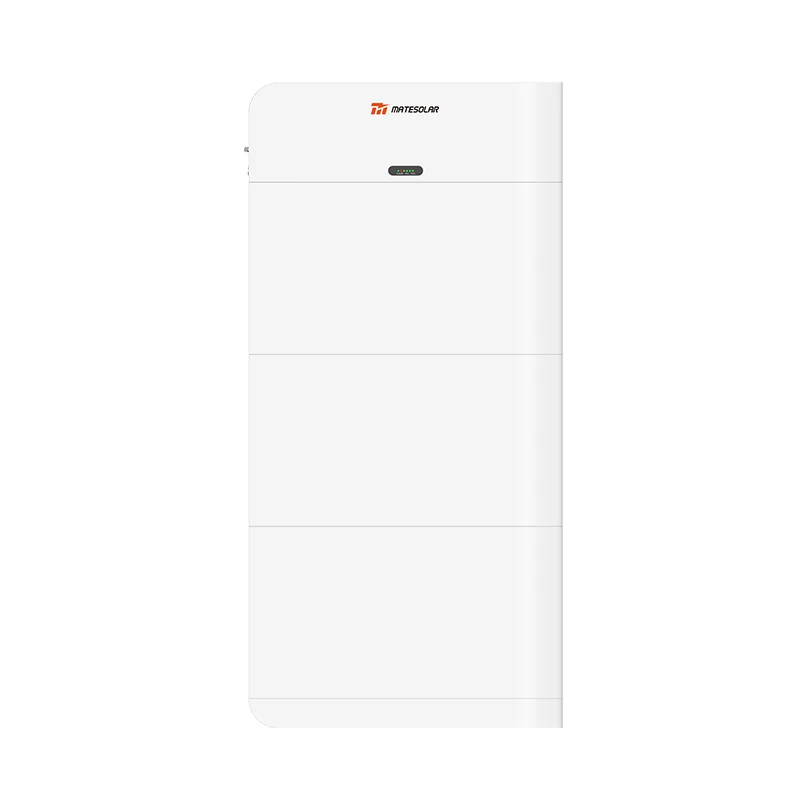
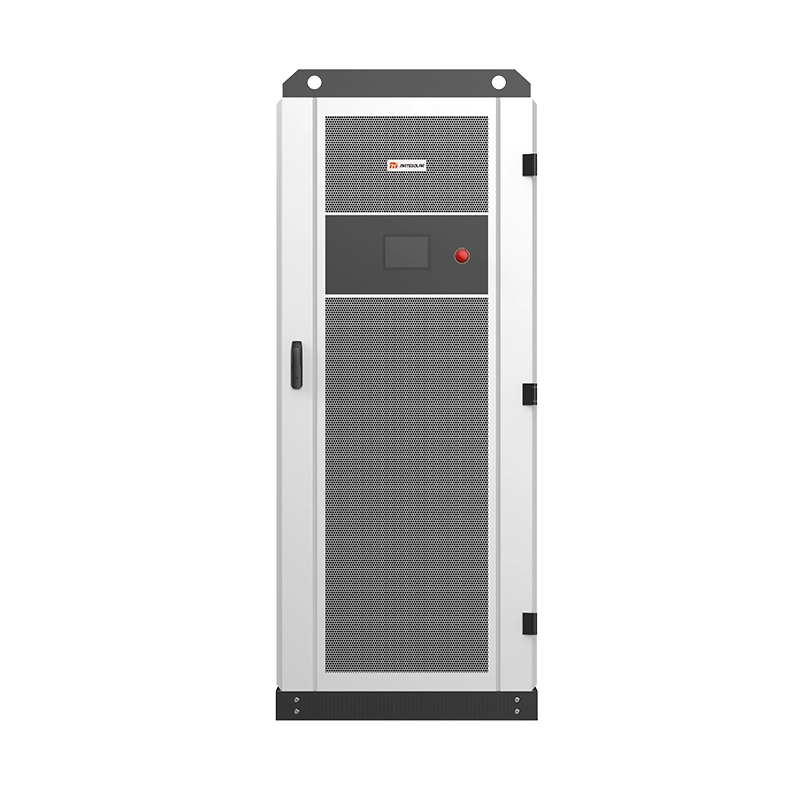
For facilities requiring flexible, rapidly deployable storage to capture midday-to-evening arbitrage, MateSolar’s 100kW/232kWh and 125kW/261kWh Liquid-Cooled Outdoor Cabinet Energy Storage System offers a modular, outdoor-rated solution with integrated EMS, liquid cooling, and grid-forming readiness. The cabinet architecture enables parallel expansion without additional civil works, making it suitable for phased deployment in industrial parks and cold storage facilities.
2.5 A Critical Note on Revenue Stacking
Chilean regulations increasingly permit revenue stacking—the simultaneous participation in multiple value streams from a single storage asset. A C&I BESS can earn revenue from:
- Demand charge reduction (behind-the-meter)
- Energy arbitrage (behind-the-meter or front-of-the-meter, depending on configuration)
- Capacity payments (if registered as a PMGD or MGPE under the new framework)
- Ancillary services (frequency regulation, voltage support, if grid-forming enabled)
The 2026 regulatory updates under Decree No. 1/2026 formally incorporate storage into the small-scale generation regime (MGPE), enabling batteries in projects connected to the National Electric System with power surpluses less than or equal to 9 MW. This is a significant unlock for C&I projects that previously faced regulatory ambiguity regarding battery participation in the PMGD framework.
Part 3: Grid-Forming Capability — The Technical Requirement for Northern Chile
3.1 Why Weak Grids Demand Grid-Forming Inverters
The Atacama Desert’s solar resource is world-class, but the electrical grid serving it is structurally fragile. The Chilean National Electric System is rapidly transitioning toward high penetration of inverter-based resources (IBRs), displacing synchronous generation that traditionally provided system inertia and short-circuit strength. This evolution reduces the grid’s natural ability to resist frequency and voltage disturbances, increasing the likelihood of weak-grid behavior and control interactions during faults.
The Chilean National Electricity Coordinator (Coordinador Eléctrico Nacional) has responded by developing technical requirements for grid-forming (GFM) resources. These requirements include autonomy and synchronization, fast voltage and frequency control, islanded operation, and oscillation damping. Critically, GFM equipment must maintain stable operation on very weak grids and in passive systems.
The regulatory trajectory is unambiguous. As of April 2026, ACESOL confirmed that all storage systems (SAE) or storage components in hybrid plants have an obligation to be configured as “grid-forming,” including synthetic inertia injection, voltage-source operation, and remaining connected for 90 minutes during frequency deviations between 49 and 51 Hz.
3.2 What Grid-Forming Actually Requires
Not all inverters marketed as “grid-forming” meet the Chilean Coordinator’s requirements. The technical specification requires:
| GFM Requirement | Technical Implication | طريقة التحقق |
| القصور الذاتي الاصطناعي | Emulate synchronous machine inertia constant H ≥ 2–4 s | Laboratory test + field measurement during frequency events |
| Voltage source behavior | Operate as a voltage source behind an impedance, not a current source | Step-response tests; harmonic impedance measurement |
| العمل بمعزل عن الشبكة | Maintain voltage and frequency within limits during islanding | Intentional islanding test with load bank |
| إمكانية البدء باللون الأسود | Energize a de-energized network without external reference | Black start field test |
| Weak grid stability | Stable operation with short-circuit ratio (SCR) < 3 | Simulation + field validation |
| Frequency ride-through | Remain connected and support grid for 49–51 Hz for ≥90 minutes | Compliance testing per Coordinator guidelines |
The Coordinator published its final grid-forming requirements in April 2025 and issued the Guide for the Verification of Grid-Forming Inverter-Based Installations in May 2026. Chile’s first field tests of GFM technology were conducted at Engie’s Los Loros BESS (48 MW/275 MWh) in the Atacama region, where Power Block No. 1 operated in grid-forming mode and maintained stable voltage and frequency on an isolated grid.
3.3 Monetizing Grid-Forming Capability
Grid-forming capability is not merely a compliance cost—it is a revenue-generating attribute. The Chilean Coordinator has proposed ancillary service markets that explicitly value inertia, voltage support, and fast frequency response. The referential amount for system inertia services is estimated at approximately 3 GVA.
For a C&I BESS equipped with GFM inverters, the additional revenue streams include:
- Inertia service payments: Compensated for providing synthetic inertia during frequency events.
- Voltage support: Reactive power injection during voltage sags.
- Fast frequency response (FFR): Rapid active power injection to arrest frequency deviation.
- Capacity payments: Recognized as firm capacity for system adequacy purposes.
The incremental cost of GFM inverters versus grid-following inverters is typically 10–20% of the inverter cost, representing approximately 3–5% of total system capital expenditure. In markets with established ancillary service payments, this increment can be recovered within 2–4 years.
3.4 Practical Implications for C&I Projects
For C&I facilities in northern Chile—particularly mining suppliers, desalination plants, and remote industrial operations—grid-forming capability provides operational resilience beyond ancillary revenue. During grid disturbances, a GFM BESS can maintain critical loads without interruption, effectively serving as an uninterruptible power supply (UPS) at the facility level. In weak-grid areas where voltage sags and frequency excursions are common, this resilience has direct economic value in avoided production losses.
The selection of GFM-capable equipment should be based on verified performance, not marketing claims. The Coordinator’s verification guide specifies three stages: pre-connection checks using models and laboratory tests, field tests, and monitoring during commercial operation. Procurement specifications should require documented compliance with these stages.
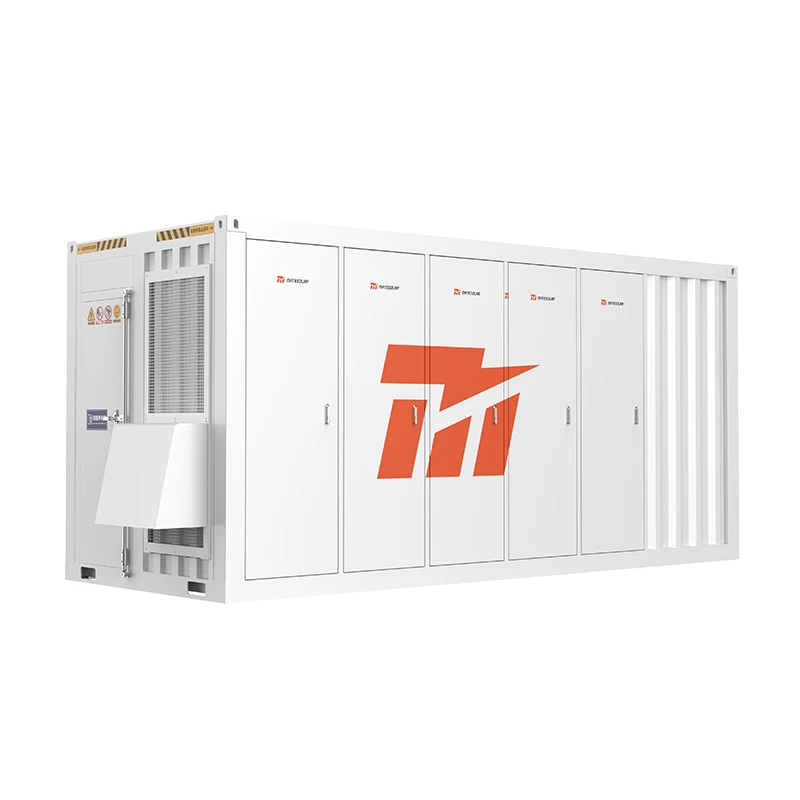
For large-scale C&I and mining operations requiring grid-forming capability and long-duration storage, MateSolar’s 20ft 3MWh and 5MWh Liquid Cooling Container Energy Storage System provides a containerized platform engineered for weak-grid environments. The liquid-cooled architecture ensures thermal stability under high ambient temperatures, while the system’s modular design supports both grid-forming operation and future capacity expansion.
Part 4: The C&I Distributed Storage Market Window — Navigating the 2026 Regulatory Framework
4.1 The Market Imbalance
Chile’s storage market has grown explosively at the utility scale. By the end of 2025, the country operated 1.5 GW / 6.2 GWh of battery storage, up 87.5% year-on-year, with another 6.8 GW / 25.3 GWh under construction. The government’s 2 GW-by-2030 target was met in January 2026, four years ahead of schedule.
Yet more than 95% of this capacity is utility-scale. C&I distributed storage represents under 5% of installed capacity—but it is the fastest-growing and least contested segment of the market. For Chilean distributors, EPCs, and engineering firms, this imbalance represents a strategic window that may not remain open indefinitely as larger players pivot toward behind-the-meter opportunities.
4.2 Decree No. 1/2026: The Regulatory Unlock
The most significant regulatory development for C&I storage in Chile is Decree No. 1/2026, published in the Official Gazette, which modifies Supreme Decree No. 88 of 2019. The amendment fundamentally expands the scope of the PMGD (Pequeños Medios de Generación Distribuida) regime:
- The regulation is no longer limited to generation means but now regulates “small-scale generation and storage systems” under the new category of MGPE (Medios de Generación y/o Sistemas de Almacenamiento de Pequeña Escala).
- The threshold for inclusion is power surpluses less than or equal to 9 MW connected to the National Electric System.
- A Basic Energy Price per time interval has been introduced, replacing the previous stabilized price scheme, with implications for how storage charging and discharging are valued.
- New technical conditions for connection, metering, monitoring, and operation of batteries have been established.
This is a structural change. Previously, a C&I facility installing a battery behind the meter had limited pathways to monetize excess capacity or participate in system services. Under the MGPE framework, a qualifying storage system can participate in the electricity market with a defined remuneration mechanism, access to time-of-use pricing signals, and formal grid connection procedures.
4.3 The New Interconnection Pathway
1. Pre-feasibility assessment: Determine the point of connection, available capacity, and whether the project qualifies as MGPE or requires separate treatment.
2. Technical study: Conduct power flow, short-circuit, and protection coordination studies as required by the Coordinador.
3. Metering and monitoring design: Install bidirectional metering with interval data recording (15-minute resolution minimum) to enable time-of-use settlement.
4. Connection application: Submit the application to the distribution company with technical documentation demonstrating compliance with the Coordinador’s grid-forming and protection requirements.
5.Commissioning and verification: Conduct pre-connection checks, field tests, and initial monitoring as specified in the Coordinator’s verification guide.
The timeline for this process depends on the distribution company and the complexity of the project, but typical C&I MGPE projects complete interconnection within 4–8 months from application submission, significantly faster than utility-scale projects requiring transmission-level studies.
4.4 Time-of-Use Pricing and Storage Dispatch Logic
The introduction of a Basic Energy Price per time interval under Decree No. 1/2026 creates a formal time-of-use (TOU) structure for MGPE projects. While the specific price intervals and magnitudes are determined through the regulatory process, the implication for storage dispatch is clear: the EMS should optimize charge-discharge cycles against the differential between low-price and high-price intervals, in addition to demand charge reduction.
The optimal dispatch logic for a C&I BESS under Chilean TOU pricing follows a priority hierarchy:
- Demand charge avoidance (highest priority): Discharge when facility load approaches the demand trigger threshold, regardless of TOU interval, because the demand charge is a power-based penalty that applies to the entire billing period.
- Peak-hour energy arbitrage: Discharge during high-price intervals when demand charge avoidance is not required.
- Negative-price charging: Charge at maximum rate during negative-price intervals, capturing both the avoided cost and the payment for absorbing excess generation.
- Solar self-consumption optimization: Charge from excess PV generation during midday when export prices are depressed.
- State-of-charge reservation: Maintain minimum SOC for grid-forming services and emergency backup.
4.5 Recommended System Sizes for Chilean C&I Applications
Based on the load profiles and tariff structures observed across Chilean industrial segments, the following system sizes represent typical configurations:
| نوع المنشأة | Peak Demand | Recommended BESS | المدة | Primary Value |
| Small cold storage | 150–250 kW | 100 كيلوواط / 232 كيلوواط ساعة | 2.3 h | Demand charge + backup |
| Medium manufacturing | 300–500 kW | 125 kW / 261 kWh (×2–4 units) | 2.1–4.2 h | Demand charge + TOU |
| Large industrial park | 800–1,500 kW | 500 kW / 1 MWh (containerized) | 2 h | Demand charge + arbitrage |
| Mining supplier / processing | 1-3 ميجاوات | 1–3 MW / 2–6 MWh | 2–3 h | Peak shaving + reliability |
| Remote / weak-grid operation | 500 kW–2 MW | 1 MWh containerized with GFM | 2–4 h | Resilience + GFM services |
For facilities with existing solar PV, the recommended BESS capacity should be increased by 30–50% to capture the midday charging opportunity and extend evening discharge duration.
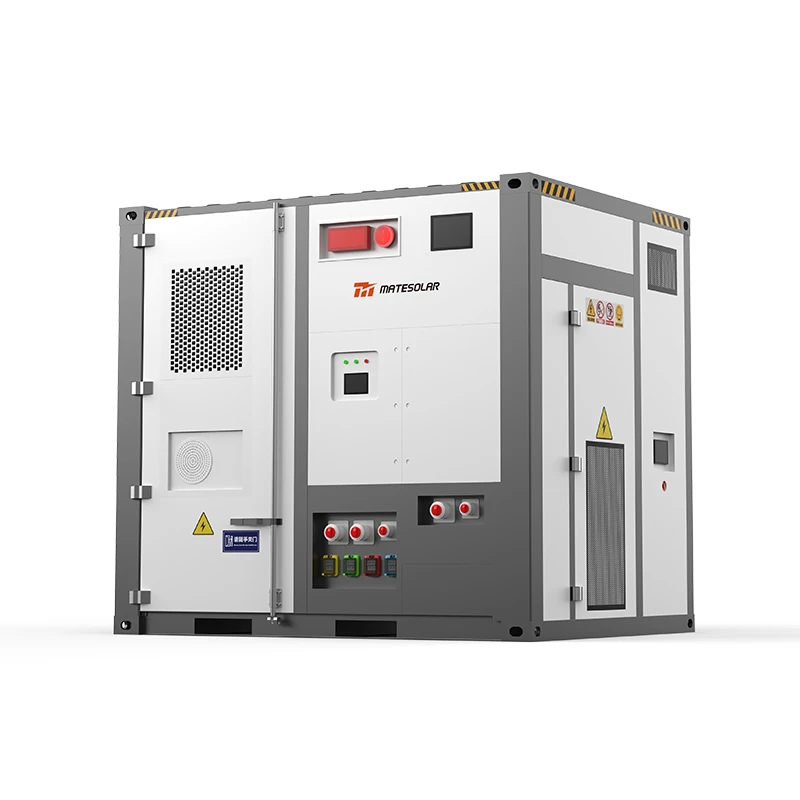
For facilities with limited installation space or requiring rapid deployment without extensive civil works, MateSolar’s 40Ft 1MWh and 2MWh Air-Cooled Container Energy Storage System provides a turnkey, pre-engineered solution. The air-cooled design simplifies maintenance in Chile’s arid northern climate, while the containerized format enables factory testing and site commissioning within weeks rather than months.
Part 5: Long-Duration Storage — The 2035 Mandate and the Technology Roadmap
5.1 The Policy Target
Chile’s Ministry of Energy has set an explicit target for long-duration energy storage (LDES): by 2035, 30% of the planned 20 GW of storage capacity must be systems with 8 hours or more of duration. The purpose is to address multi-day gaps in solar and wind generation—periods of consecutive cloudy days or wind lulls that cannot be covered by 2–4 hour lithium-ion systems.
Chile’s long-term energy planning report identifies a need for longer-lasting storage systems, with several scenarios including six- and eight-hour solutions as a significant portion of capacity expansion, driven by the need to shift solar generation to nighttime hours and provide flexibility during periods of lower solar irradiance.
5.2 The Technology Gap
Despite the policy target, Chile’s current storage fleet is overwhelmingly short-duration. As of 2026, approximately 98% of installed storage capacity is lithium-ion with durations of 2–4 hours. Flow batteries, compressed air energy storage (CAES), iron-air batteries, and other long-duration technologies have negligible deployment in the Chilean market.
The economics of LDES are improving but remain challenging compared to short-duration lithium-ion. System-level installed costs for vanadium redox flow batteries (VRFB) in Latin America range from $350–550 per kWh of capacity for 8-hour systems, with electrolyte leasing models emerging to reduce upfront capital burden by 20–30%. For lithium-ion systems at 8-hour duration, the cost is lower—the Coordinator has referenced investment costs below $1,250/kWh for 6-hour systems and below $1,500/kWh for 8-hour systems—but the marginal cost per additional hour of duration favors flow technologies beyond 6–8 hours.
5.3 Economic Evaluation Framework for 8-Hour Systems
1. Full arbitrage cycling: LDES systems can charge during the midday solar peak (marginal cost approaching zero) and discharge across both the evening ramp and the following morning ramp, capturing two high-price intervals per cycle. Simulation studies show LDES projects achieving average internal rates of return of 16% under optimized multi-day dispatch.
2. Capacity payments: Under Chile’s capacity remuneration mechanism, storage systems with longer duration receive higher capacity recognition factors. The porcentaje de reconocimiento de potencia inicial (initial power recognition percentage) increases with storage duration, making 8-hour systems more valuable per MW of installed power.
3. System adequacy value: During periods of low renewable generation (prolonged cloud cover or wind lulls), LDES provides firm capacity that short-duration batteries cannot. As Chile’s renewable penetration increases, the system value of multi-day storage will rise, creating opportunities for capacity contracts or tolling agreements.
5.4 The Technology Roadmap: From Short to Long Duration
For C&I facilities and developers planning storage investments, the question is not whether to adopt LDES immediately but how to build a technology migration path that preserves asset value across technology generations.
The recommended approach is a modular architecture that separates power conversion from energy storage:
| Stage | المدة | التكنولوجيا | Investment Horizon | الاعتبارات الرئيسية |
| Near-term (2026–2028) | 2–4 h | Lithium-ion (LFP) | Immediate | Lowest CAPEX; proven; bankable |
| Mid-term (2028–2032) | 4–8 h | Lithium-ion with expanded racks or hybrid lithium + flow | 3-5 سنوات | Leverage existing PCS and grid connection |
| Long-term (2032–2035+) | 8–12 h | Flow batteries (VRFB), iron-air, or advanced lithium | 5–10 years | Electrolyte leasing reduces upfront cost; PCS reuse critical |
The key design principle is to specify power conversion systems (PCS) and grid interconnection capacity for the ultimate target duration, even if the initial installation uses shorter-duration batteries. This avoids the cost and disruption of re-permitting the grid connection when storage duration is expanded. A PCS rated for 1 MW with 2 MWh of initial lithium-ion storage can later be paired with 6–8 MWh of flow battery capacity, reusing the same inverter, transformer, and switchgear.
5.5 Practical Considerations for Chilean C&I Projects
Chile’s arid northern climate presents both challenges and opportunities for LDES deployment. Flow batteries require thermal management but are less sensitive to ambient temperature extremes than lithium-ion. The Atacama’s high irradiance and low humidity reduce corrosion risks for certain flow chemistries but increase evaporation concerns for aqueous systems. Site-specific engineering is essential.
For mining operations and remote industrial facilities, the combination of LDES with grid-forming capability creates a compelling value proposition: extended autonomy during grid outages, reduced diesel backup requirements, and participation in ancillary service markets. The Coordinator’s grid-forming requirements explicitly accommodate non-lithium storage technologies, with interconnection standards designed to be technology-neutral.
Part 6: Data Reference Tables
The following tables consolidate the key technical and economic parameters for C&I storage design in Chile.
Table 1: Chilean C&I Electricity Tariff Components (2026)
| المكوّن | الوصف | النطاق النموذجي | Basis |
| Energy charge (cargo por energía) | Volumetric charge per kWh consumed | $80–140/MWh (off-peak) | Hourly marginal cost + regulated adder |
| Peak energy charge | Volumetric charge during peak hours | $150–250/MWh | Peak-hour marginal cost |
| Demand charge (cargo por demanda máxima) | Power charge based on highest 15-min demand | $10–20/kW-month | Average of two highest peak-hour demands over 12 months |
| Transmission charge | Regulated transmission toll | 10% of total bill | System-wide allocation |
| Distribution charge | VAD (Valor Agregado de Distribución) | 20% of total bill | Distribution company regulated revenue |
Table 2: Battery Storage Cost Benchmarks for Chile (2026)
| نوع النظام | المدة | Installed Cost (USD/kWh) | Installed Cost (USD/kW) | الملاحظات |
| C&I cabinet (liquid-cooled) | 2.3 h | $280–380 | $650–880 | 100 kW / 232 kWh class |
| C&I container (air-cooled) | 2 h | $220–300 | $450–600 | 500 kW / 1 MWh class |
| Container (liquid-cooled) | 2–4 h | $180–280 | $400–600 | 1–5 MWh class |
| Utility-scale lithium-ion | 4 h | $150–220 | $600–880 | 100+ MWh |
| VRFB (flow battery) | 8 h | $350–550 | $2,800–4,400 | Electrolyte leasing reduces CAPEX 20–30% |
| 8-hour lithium-ion | 8 h | $250–350 | $2,000–2,800 | PCS oversized for future expansion |
Note: Costs are indicative and vary by supplier, scope of supply (DC block vs. AC block vs. turnkey), and project location.
Table 3: Demand Charge Savings Potential by Facility Type
| نوع المنشأة | Peak Demand (kW) | Post-BESS Demand (kW) | Monthly Demand Savings ($) | Annual Savings ($) | BESS Size Required |
| Cold storage | 800 | 620 | $2,700–4,500 | $32,400–54,000 | 200 kW / 400 kWh |
| Manufacturing (1 shift) | 1,200 | 950 | $3,750–6,250 | $45,000–75,000 | 300 kW / 600 kWh |
| Manufacturing (2 shifts) | 2,000 | 1,600 | $6,000–10,000 | $72,000–120,000 | 500 كيلوواط / 1 ميجاوات ساعة |
| Mining supplier | 3,500 | 2,800 | $10,500–17,500 | $126,000–210,000 | 1 ميجاوات / 2 ميجاوات ساعة |
Assumes demand charge rate of $15/kW-month and 25% peak reduction.
Table 4: Grid-Forming Technical Requirements Summary
| المتطلبات | Chilean Coordinator Specification | Verification Stage |
| القصور الذاتي الاصطناعي | H ≥ 2 s equivalent | Lab test + field measurement |
| Voltage source behavior | Voltage source behind impedance | Step response + harmonic impedance |
| العمل بمعزل عن الشبكة | Stable V/f on isolated grid | Intentional islanding test |
| البدء الأسود | Energize de-energized network | Field black start test |
| Weak grid stability | SCR < 3 stable operation | Simulation + field validation |
| Frequency ride-through | 49–51 Hz for ≥90 min | Compliance testing |
Table 5: MGPE (Under 9 MW) Interconnection Timeline
| Stage | Typical Duration | الجهة المسؤولة |
| Pre-feasibility assessment | 2–4 أسابيع | مطور |
| Technical study | ٤–٨ أسابيع | Developer / consultant |
| Metering design | 2–3 أسابيع | Developer + distribution company |
| Connection application review | 8–12 أسبوعًا | Distribution company |
| Commissioning and verification | 4–6 weeks | Developer + Coordinador |
| الإجمالي | 5-8 أشهر |
Table 6: Long-Duration Storage Technology Comparison for Chile
| التكنولوجيا | Typical Duration | كفاءة الرحلة ذهاباً وإياباً | CAPEX (USD/kWh) | Suitability for Chile |
| Lithium-ion (LFP) | 2–6 h | 85–92% | $150–350 | Proven, bankable, limited at 8 h+ |
| Vanadium flow (VRFB) | 4–12 h | 65–75% | $350–550 | Good for 8 h+, thermal management needed |
| Iron-air | 8–100 h | 50–60% | $20–50 (target) | Early stage, not yet commercial |
| Compressed air (CAES) | 4–24 h | 50–70% | $100–200 | Geological requirements, limited sites |
| Thermal storage | 6–24 h | 40–60% | $50–150 | Niche applications, low efficiency |
الأسئلة المتداولة
Q1: How does the Chilean demand charge actually work, and why is 15 minutes so critical?
The Chilean demand charge (cargo por demanda máxima) is calculated based on the highest integrated power demand over any 15-minute period within the billing cycle. For peak-hour billing, the applicable demand is typically the average of the two highest peak-hour demands over the preceding 12 months, including the current month. This means that a single 15-minute transient—whether from a motor start, a simultaneous HVAC startup, or an EV charging session—can elevate the billing demand for an entire year. The 15-minute integration window is the fundamental unit of measurement, and a BESS must respond within that window to prevent the peak from being registered.
Q2: Can a battery storage system really reduce my demand charge without affecting operations?
Yes. A properly sized BESS with a fast-responding EMS operates transparently behind the meter. The facility’s electrical loads continue to draw power as needed; the BESS simply injects power during peak intervals to reduce the net draw from the grid. The key is that the EMS must predict and respond to peak events faster than the 15-minute integration window closes. With sub-second sampling and response times under 200 ms, the BESS can shave peaks without any operational impact.
Q3: What is the payback period for a C&I BESS in Chile today?
Payback periods vary by facility load profile, tariff node, and system size. For demand-charge-only projects in the central zone (SIC) with 2-hour systems, payback is typically 4–6 years. In northern Chile (former SING region), where peak-valley spreads reach $85–105/MWh, a 5-hour system cycling daily can generate $95,000–125,000 per MW per year in arbitrage revenue alone, shortening payback to 3–5 years. Adding demand charge savings and grid-forming ancillary revenue can reduce payback further.
Q4: What is the difference between PMGD and MGPE, and how does it affect my C&I storage project?
PMGD (Pequeños Medios de Generación Distribuida) was the original small-scale generation regime for projects up to 9 MW, primarily focused on solar PV. The 2026 Decree No. 1/2026 introduced MGPE (Medios de Generación y/o Sistemas de Almacenamiento de Pequeña Escala), which explicitly includes storage systems in the regulatory framework. Under MGPE, a C&I battery project can participate in the electricity market with defined remuneration, access to time-of-use pricing, and formal interconnection procedures. This is a significant expansion from the previous regime, which had ambiguous treatment of standalone storage.
Q5: Does my C&I storage system need to be grid-forming?
If your facility is located in northern Chile (Atacama, Antofagasta, Tarapacá) and connects to the National Electric System with capacity above a certain threshold, grid-forming capability is increasingly becoming a regulatory requirement. The Chilean Coordinator’s final grid-forming requirements, published in April 2025, apply to inverter-based resources, and ACESOL has confirmed that all storage systems in hybrid plants have an obligation to be configured as grid-forming. For smaller C&I projects under 9 MW, the requirement may be less stringent, but specifying GFM-capable equipment is prudent for future-proofing and enabling ancillary service participation.
Q6: How does the EMS know when to charge and discharge?
A capable C&I EMS integrates multiple data streams: real-time facility load (via revenue-grade meters or CTs), solar generation forecasts, nodal price signals from the Coordinador, battery state-of-charge, and demand charge thresholds. The EMS executes a prioritized dispatch logic: demand charge avoidance takes highest priority, followed by peak-hour arbitrage, negative-price charging, and solar self-consumption optimization. The system continuously re-optimizes based on updated forecasts and actual conditions.
Q7: What happens if there is a hardware failure?
MateSolar’s warranty policy covers hardware quality defects. For component-level failures, replacement parts can be shipped with installation guidance for local technicians. For major hardware failures, the product can be returned or replaced under warranty. Software-related issues are addressed through remote technical support, where our engineering team can diagnose and resolve EMS, BMS, and communication configuration problems. For large C&I projects requiring on-site commissioning support, MateSolar can arrange for technical personnel to travel to the project location, subject to project scope and logistics.
Q8: Is 8-hour storage economically viable in Chile today?
At current costs, 8-hour lithium-ion systems have higher upfront capital costs but can capture greater arbitrage value due to longer discharge duration. The Chilean Coordinator has referenced investment costs below $1,250/kWh for 6-hour systems and below $1,500/kWh for 8-hour systems. Simulation studies show that LDES projects under optimized dispatch can achieve average IRRs of 16%. However, the strongest economic case for 8-hour storage is in combination with capacity payments and system adequacy contracts, which value multi-day storage more highly than short-duration batteries.
Q9: Can I add storage to my existing solar PV system?
Yes. Most C&I solar installations can be retrofitted with battery storage, either as a DC-coupled or AC-coupled configuration. DC coupling is more efficient when the battery is co-located with the PV inverter, while AC coupling offers greater flexibility for phased deployment and independent operation. The EMS must be capable of coordinating with the existing PV inverter(s) and any existing monitoring systems. A site assessment is required to determine the optimal configuration and the available capacity for battery installation.
Q10: What is the typical lifespan of a C&I BESS in Chile’s climate?
Lithium iron phosphate (LFP) batteries, the dominant chemistry for C&I storage, typically have a cycle life of 4,000–6,000 cycles at 80% depth of discharge, translating to 10–15 years of operational life under Chilean dispatch conditions. Liquid-cooled systems maintain cell temperature more uniformly than air-cooled systems, which can extend cycle life by 10–20% in hot climates. The PCS and EMS typically have a design life of 10–15 years, with mid-life refurbishment possible. Containerized systems are designed for 20-year structural life.
Conclusion: The C&I Storage Window Is Open
Chile’s C&I storage market is at an inflection point. The tariff increases of 2024–2025 have made demand charge reduction a board-level priority for industrial operators. The curtailment crisis of 2024–2025 has created a structural arbitrage opportunity that batteries are uniquely positioned to capture. The regulatory framework under Decree No. 1/2026 has opened a formal pathway for C&I storage to participate in the electricity market. And the grid-forming requirements in northern Chile have created a technical premium for storage systems that can provide system stability services.
The window is open, but it will not remain open indefinitely. As utility-scale storage saturates the front-of-the-meter market, developers will increasingly pivot to behind-the-meter opportunities. Early movers who establish C&I storage portfolios in 2026–2028 will capture the highest value from the current regulatory and economic conditions.
MateSolar is a one-stop photovoltaic and energy storage solution provider, offering a comprehensive portfolio of C&I storage systems ranging from 100 kW/232 kWh outdoor cabinets to 5 MWh liquid-cooled containers, along with hybrid solar systems designed for high-efficiency large and medium C&I applications. Our engineering team supports project design, EMS configuration, and remote commissioning, with on-site technical assistance available for large C&I projects. For Chilean distributors and EPCs seeking to build a C&I storage business, MateSolar provides the products, documentation, and technical support to capture this market opportunity.