

















برزت رومانيا كواحدة من أكثر أسواق تخزين طاقة البطاريات ديناميكية في جنوب شرق أوروبا. اعتباراً من 1 أغسطس 2026، تُظهر بيانات شركة ترانسيلكتريكا وجود 989 ميغاواط من طاقة التخزين المثبتة و1,975 ميغاواط ساعة من سعة التخزين على مستوى البلاد - وهو رقم تضاعف تقريباً منذ نهاية أبريل.. يتجاوز خط أنابيب مشاريع التخزين في البلاد حالياً 30 غيغاوات عبر 647 مشروعاً مخططاً لها للفترة 2026-2035، مع توقع دخول نحو 2,050 ميغاوات حيز الخدمة بحلول نهاية عام 2026.
تصنف شبكة مشعلي نظام نقل الكهرباء الأوروبي (ENTSO-E) رومانيا كخابع أكثر سوق جاذبية لتخزين الطاقة في أوروبا، بمتوسط إيرادات يومية يبلغ حوالي 792 يورو لكل ميغواط، ولا تحظى بمرتبة تسبقها سوى المجر. ويعكس هدف الحكومة المتمثل في تجاوز 5 جيغواط من نشر قدرات التخزين بحلول نهاية عام 2026 حجم الطموح الذي يدفع هذا السوق.
يقدم هذا التقرير تحليلاً شاملاً لمشهد تخزين الطاقة التجاري والصناعي (C&I) في رومانيا اعتباراً من أغسطس 2026، ويغطي الأطر السياسية، وخطوط مشاريع الأنابيب، وآليات التمويل، والstrategيات القابلة للتنفيذ للمشاركين في السوق.
الجزء الأول: سوق تخزين الطاقة التجاري والصناعي في رومانيا — الوضع الحالي (أغسطس 2026)
1.1 نظرة عامة على السوق
انتقل قطاع تخزين البطاريات في رومانيا من نشر المرحلة المبكرة إلى التجارب السريعة في عام 2026. وأضافت البلاد ما يقرب من 2.2 جيجاوات من الطاقة الشمسية في عام 2025، مما رفع إجمالي القدرة الشمسية المركبة إلى ما بعد عتبة 7 جيجاوات. أدى هذا التوسع السريع في الطاقة المتجددة إلى خلق طلب ملح على سعات التخزين المرنة لموازنة التوليد المتقطع..
مقاييس السوق الرئيسية (اعتباراً من 1 أغسطس 2026):
| متري | القيمة |
| قدرة التخزين المركبة | ٩٨٩ ميغاوات |
| سعة التخزين | 1,975 ميجاواط/ساعة |
| مشاريع أنظمة تخزين الطاقة بالبطاريات (BESS) قيد التشغيل (باستثناء المستهلكين المنتجين) | 30 مشروعاً، 599 ميجاوات |
| خط pipeline للمشاريع (2026–2035) | 647 مشروعًا، حوالي 30.4 جيجاواط |
| من المتوقع بدء التشغيل في عام 2026 | حوالي 2,050 ميغاواط موزعة على 36 مشروعًا |
المصدر: «ترانسإلكتريكا»، أغسطس 2026
1.2 أكبر ثلاث منشآت تخزين عاملة
تمثل ثلاث منشآت بطاريات واسعة النطاق ما يقارب نصف إجمالي السعة التخزينية المركبة في رومانيا:
فلوريشتي (نوفا باور آند غاز) — 200 ميغاواط / 400 ميغاواط/ساعة
وقد دخلت هذه المحطة حيز التشغيل في ديسمبر 2025، ولا تزال حتى الآن أكبر منشأة بطاريات عاملة في رومانيا. يتكون النظام من 45 حاوية بطارية سعة كل منها 4.5 ميجاوات في الساعة، و30 نقطة تحويل، ومحطة طاقة بجهد 110/33 كيلوفولت.. ويتم نشره بشكل أساسي في خدمات النظام وأسواق التوازن.
غورا يالوميتسي (أوكيرا إنيرجي) — 150 ميغاواط / 300 ميجاواط/ساعة
تم الانتهاء من إنشاء هذا المرفق في منتصف يونيو 2026، وقد قامت بتطويره شركة «أوكيرا إنيرجي»، وهي منصة أوروبية شاملة للطاقة المتجددة مدعومة من قبل «أطلس إنفست» و«ريجيبورغ» وصندوق الثروة السيادي البلجيكي «SFPIM». المرحلة الثانية بقدرة 100 ميجاوات / 200 ميجاوات في الساعة قيد الإنشاء ومن المتوقع الانتهاء منها بحلول نهاية العام.
Iaz (مجموعة إنيرجي كابيتال / سيمتل) — 100 ميغاواط / 200 ميغاواط/ساعة
تم الانتهاء من إنشاء هذا المرفق في مايو 2026، ويضم 44 حاوية لبطاريات الليثيوم أيون، و528 محولًا عالي الطاقة، ومحطة فرعية بجهد 110 كيلوفولت، و11 محطة تحويل. وقد حصل المشروع على تمويل تجاوز 50 مليون رون من خلال «خطة الانتعاش والمرونة الوطنية» في رومانيا.
1.3 قطاع C&I: آفاق النمو المقبلة
في حين هيمن التخزين على نطاق المرافق على عناوين الأخبار، فإن قطاع الشحن التجاري والصناعي يبرز باعتباره متجه النمو الرئيسي التالي. وتتآزر عدة عوامل لتنشيط هذا السوق:
- التحول في سياسة «كاسا فيردي» من دعم الطاقة الكهروضوئية إلى التخزين
- ميزانية تخزين للقطاعين التجاري والصناعي بقيمة 76 مليون يورو التخصيص
- إلغاء هيئة الطاقة الوطنية (ANRE) لرسوم "التحصيل المزدوج" للتخزين
- تزايد الطلب التجاري لتخفيف أحمال الذروة، وتحويل الأحمال، وتحسين تكلفة الطاقة
تُظهر عمليات نشر القطاع التجاري والصناعي الأخيرة زخماً متسارعاً:
| مشروع | السعة | الحالة | التطبيق |
| شركة «غانفنغ ليثيوم» في كونستانتا | 13.76 ميجاوات/ساعة | بدء التشغيل (أبريل 2026) | عزل الذروة لحسابات العملاء والموردين |
| سكايورث ستوريج رومانيا | 31 ميغাওয়াط ساعة (بالاشتراك مع قبرص) | مؤكد (أغسطس 2026) | دخول سوق القطاع التجاري والصناعي |
| دونيكست رومانيا | حاويات بسعة تزيد عن 40 ميغاوات ساعة | نشرت | فنادق، مصانع، مزارع، مواقف سيارات |
| WattRO × Chisage ESS | عقد بقيمة 3 ملايين يورو (2026) | أُعلِنَ عنه في مايو ٢٠٢٦ | أنظمة التجارة والصناعة المتكاملة |
الجدول 1: عمليات نشر أنظمة تخزين طاقة التجارب والصناعة الحديثة في رومانيا
الجزء الثاني: السياسة والبيئة التنظيمية
2.1 خطة مساعدات حكومية معتمدة من الاتحاد الأوروبي بقيمة 150 مليون يورو لتخزين الطاقة
في 6 مارس 2026، وافقت المفوضية الأوروبية على خطة مساعدات حكومية رومانية بقيمة 150 مليون يورو (764 مليون لواء روماني) لدعم تخزين الكهرباء في إطار إطار مساعدات الدولة للصفقة الصناعية النظيفة (CISAF).. هذه هي أول خطط رومانية تتم الموافقة عليها بموجب إطار عمل مساعدات الدولة للأزمات الانتقالية والتحول (CISAF).
المعلمات الرئيسية للنظام:
| المعلمة | التفاصيل |
| إجمالي الميزانية | 150 مليون يورو (764 مليون رون) |
| السعة المستهدفة | قدرة تخزين جديدة تبلغ 2,174 ميجاوات/ساعة على الأقل |
| استمارة المساعدة | المنح المباشرة لأنظمة تخزين الطاقة بالبطاريات (BESS) المستقلة |
| مصدر التمويل | صندوق التحديث التابع للاتحاد الأوروبي |
| الحد الأقصى للإعانة | 69,000 يورو/ميغاواط/ساعة |
| الحد الأقصى لكل مستفيد | 15 مليون يورو |
| نافذة التطبيق | 1 سبتمبر – 30 أكتوبر 2026 |
| الموعد النهائي للتكليف | 48 شهراً من توقيع العقد |
المصدر: المفوضية الأوروبية، مارس 2026
تم approved المخطط بموجب المادة 107 (3) (ج) من معاهدة عمل الاتحاد الأوروبي. سيتم اختيار المستفيدين من خلال إجراءات مناقصة تنافسية. يجب منح المساعدة قبل 31 ديسمبر 2030..
تنبيه زمني حرج: تفتح نافذة التقديم في 1 سبتمبر 2026 وتغلق في 30 أكتوبر 2026. اعتباراً من تاريخ هذا النشر (26 أغسطس 2026)، لدى المتقدمين حوالي خمسة أسابيع لإعداد طلباتهم.
برنامج تخزين المستهلكين المنتجين AFM 2.2 - 80 مليون يورو
في 19 أغسطس 2026، نشرت وزارة البيئة دليل التمويل الخاص ببرنامج بقيمة 400 مليون ليو (حوالي 80 مليون يورو) مخصص حصريًّا لتخزين الطاقة للمستهلكين المنتجين.
التفاصيل الرئيسية للبرنامج:
- الفئات المستهدفة: الأفراد (ليس الكيانات القانونية) الذين لديهم بالفعل ألواح كهروضوئية مثبتة ومتصلة بالشبكة
- حد التمويل: بحد أقصى 15,000 ليو لكل مستفيد
- متطلبات التمويل المشترك: 25% كحد أدنى
- السعة المستهدفة: سعة تخزين جديدة لا تقل عن 400 ميجاوات/ساعة
صرحت وزيرة البيئة ديانا بوتويانو أن البرنامج مخصص "فقط للأفراد الذين لديهم بالفعل ألواح ضوئية مثبتة ومتصلة بالشبكة". ويخضع الدليل ومسودة الأمر الوزاري حالياً لمشاورات عامة.
أشار رئيس الوزراء إيلي بولوجان إلى أنه سيكون هناك مخطط آخر، أكبر مرتين، مخصص للتخزين وممول من صندوق التحديث، والذي من المرجح أن يستهدف الشركات.
2.3 تحول سياسة «كاسا فيردي» — من الطاقة الشمسية إلى تخزين الطاقة
منذ عام 2018، ساعد برنامج الطاقة الكهروضوئية "كاسا فيردي" رومانيا في إضافة أكثر من 3.7 جيجاوات من سعة الطاقة الشمسية بين المستهلكين المنتجين. وفي عام 2026، تم تعليق البرنامج للعام الثاني على التوالي.
التحول الاستراتيجي:
أعاد صندوق إدارة البيئة توجيه ما يقرب من 400 مليون ليو (76 مليون يورو) نحو أنظمة تخزين طاقة البطاريات للمستهلكين المنتجين الحاليين. والمنطق واضح: تمتلك رومانيا الآن أكثر من 250,000 مستهلك منتج لديهم تركيبات للطاقة الشمسية، ولا تستطيع الشبكة استيعاب توليد إضافي للطاقة الكهروضوئية بدون تخزين.
بالنسبة لقطاع الشركات والمؤسسات، تتضمن الميزانية البالغة 76 مليون يورو مخصصات لـ "التركيبات السكنية وتلك الخاصة بالقطاع التجاري والصناعي". ومع ذلك، لم يتم وضع اللمسات الأخيرة على إرشادات التطبيق الخاصة بمشاريع هذا القطاع بعد، مما ترك العديد من المشغلين التجاريين في حالة من "معرفة وجود أموال ولكن من دون معرفة كيفية الوصول إليها."
2.4 مزادات عقود الفروقات (CfD)
يهدف آلية العقود مقابل الفروقات في رومانيا، التي تم تطويرها بمساعدة فنية من البنك الأوروبي لإعادة البناء والتنمية، إلى دعم بناء 5 غيغاواط من القدرات الجديدة للطاقة الشمسية وطاقة الرياح البرية.. لقد تجاوز الإقبال على مزاد عقود الفروقات الأول بشكل ملحوظ، حيث تم تلقي عطاءات بسعة طاقة شمسية تبلغ 1.6 جيجاوات.
جوائز عقود الفروقات البارزة:
إكونيرجي باراو 2 — 342 ميجاوات طاقة شمسية + 150 ميجاوات / 300 ميجاوات ساعة نظام تخزين الطاقة البطارية
- حجز حصة قدرها 125 ميجاوات تيار متردد في مزاد العقود فروقات الأول
- سعر التنفيذ: 49.4 يورو/ميغاواط ساعة لمدة 15 عامًا
- إجمالي تمويل الديون: 229 مليون يورو، بما في ذلك 120 مليون يورو من البنك الأوروبي لإعادة البناء والتنمية
- العمليات التجارية المتوقعة: أواخر عام 2027 أو أوائل عام 2028
رزولف إنرجي داما — 1.2 جيгават للطاقة الشمسية + نظام تخزين البطاريات
- مدعوم بعقود الفروقات (CfD) مع نظام تخزين طاقة بطارياتي (BESS) متصل في نفس الموقع
إاصلاحات هيئة تنظيم الطاقة (أنري) لربط الشبكة والضمان المالي (مايو - أغسطس 2026)
إصلاح 25 مايو 2026 (القرار رقم 15/2026 الصادر عن الوكالة الوطنية للطاقة المتجددة)
في 25 مايو 2026، نفذت رومانيا أهم إصلاح لربط شبكتها الكهربائية حتى الآن:
1. ضمان التوصيل بالشبكة الأولية: ارتفعت تعريفة ربط الشبكة (باستثناء ضريبة القيمة المضافة) لمواقع الإنتاج ومواقع الإنتاج والاستهلاك من 5% إلى 20%. ينطبق هذا على المشاريع التي تزيد قدرتها عن 1 ميجاوات.
2. ضمان المشاركة في المزاد: يجب على المزايدين الآن إيداع 20,000 يورو لكل ميغاوات من القدرة المطلوبة للمشاركة في مزادات قدرة الربط المتاحة.
3. مواعيد نهائية أكثر صرامة: يجب على المطورين الحصول على تصريح الإنشاء في غضون 12 شهراً من توقيع عقد ربط الشبكة، وفي موعد أقصاه 18 شهراً من تاريخ إدار الإصدار (ATR).. الفشل يؤدي إلى إنهاء تلقائي لـ ATR.
صرح رئيس الوكالة الوطنية للطاقة (ANRE) جورج نيكوليسكو قائلاً: "نريد أن تكون الشبكة متاحة للمشاريع التي يجري تنفيذها فعليًّا، لا أن تظل محجوزة إلى أجل غير مسمى لتلك التي لا تحرز أي تقدم". أظهرت بيانات الوكالة الوطنية للطاقة والموارد (ANRE) وجود 1,500 مشروعًا تزيد طاقتها عن 1 ميغاواط، وتبلغ إجمالي قدراتها المسجلة (ATR) الصالحة أكثر من 86 جيجاواط — لم يبرم منها سوى 628 مشروعًا عقود التوصيل وحصلت على تراخيص البناء.
تعديل هيئة الطاقة الوطنية (ANRE) الصادر في 25 أغسطس 2026 — إعفاء المشاريع الهجينة
في 25 أغسطس 2026، نشرت هيئة تنظيم قطاع الطاقة (ANRE) مشروع قرار يعفي منشآت التخزين المتواجدة في مواقع مشاركة مع توليد الطاقة الشمسية أو طاقة الرياح من الضمان المالي البالغ 30,000 يورو لكل ميغاوات.
الفئات المستثناة:
- المنتزهات التشغيلية الحالية
- المستفيدون من عقود الفروقات
- المشاريع التي لا تزيد القدرة المركبة
الأساس المنطقي: يهدف هذا الإجراء إلى تسريع الاستثمارات في مجال التخزين من خلال إزالة عائق مالي كبير أمام المشاريع الهجينة. ويُحسب مبلغ الضمان بمعدل 30 يورو لكل كيلوواط من الطاقة الكهربائية المركبة، ويُطبق الإعفاء بشكل خاص على "الطاقة المركبة للقدرة الجديدة المضافة في إطار المشروع الهجين".
2.6 القضاء على "التحصيل المزدوج" لخدمات التخزين
ألغت رومانيا رسوم "الشحن المزدوج" لتخزين الطاقة، مما أزال عائقاً مؤسسياً رئيسياً أمام استثمارات التخزين التجارية والصناعية. هذا يعني أن مشغلي وحدات التخزين لم يعد يُفرض عليهم رسوم مرتين مقابل الكهرباء التي يتم تخزينها ثم تفريغها لاحقاً - وهو إصلاح يحسن بشكل كبير جدوى مشاريع التخزين الاقتصادية.
2.7 قرار الوكالة الوطنية للطاقة (ANRE) رقم 20/2025 — إطار الضمان المالي لبرنامج 5%
أصدر مرسوم الوكالة الوطنية للطاقة (ANRE) رقم 20/2025، الذي دخل حيز التنفيذ في 1 يونيو 2025، إطار الضمان المالي الأصلي 5% للربط بالشبكة. وقد تضمن ذلك ما يلي:
- ضمان مالي بقيمة 5% من تعريفة التوصيل بالشبكة قبل الحصول على تصريح ATR جديد
- تمديدات اتفاقيات التوصيل بفواصل زمنية مدتها 12 شهراً، يتطلب كل منها ضماناً مالياً إضافياً بقيمة 5%
وقد أوضحت مسودة ANRE الصادرة في أغسطس 2026 بشكل أكبر إجراءات الضمان البالغ 30 يورو/كيلوواط، بما في ذلك آليات الإنفاذ، وأدوات التأمين، والإعفاءات المتعلقة بأنظمة تخزين الطاقة بالبطاريات (BESS).
الجزء الثالث: مشاريع التخزين الكبرى في رومانيا (2025-2026)
3.1 المشاريع على نطاق المرافق
| مشروع | السعة | الحالة | الميزات الرئيسية |
| نوفا للطاقة والغاز - فلوريشتي | ٢٠٠ ميغاواط / ٤٠٠ ميغاواط ساعة | تشغيلي (ديسمبر 2025) | الأكبر في رومانيا؛ 45 حاوية بطاريات |
| سيمتل إياز | 100 ميغاواط / 200 ميغاواط ساعة | Operational (May 2026) | 44 Li-ion containers; RON 50M PNRR funding |
| Aukera Gura Ialomiței | 150 MW / 300 MWh | Operational (June 2026) | Phase 2 (100 MW/200 MWh) under construction |
| R.Power Scorniçesti | 127 MW / 254 MWh | قيد الإنشاء | EBRD €44M financing; due late 2026/early 2027 |
| GEN-I Sonce Gheorgheni | 55 MW / 220 MWh | Construction started (Aug 2026) | Waldevar Energy as EPC |
| E-Infra Roșiori | 95 MW (Phase 1) | ANRE approval pending | Nova Power & Gas developing; hybrid PV+BESS |
| Trina Storage Gamma | 40 MW / 160.48 MWh | Installed (May 2026) | First Trina DC+AC project in Europe; Q3 2026 |
| Sungrow × ENEVO | 1 GWh portfolio | First 440 MWh by end-2026 | Liquid-cooled PowerTitan 2.0 |
| Yongtai × Metropolitan Energy | 135 MW / 270 MWh | Signed (Feb 2026) | Largest independent storage benchmark |
| PPC Fântânele Vest | 45.72 MW / 91.44 MWh | Announced (July 2026) | RON 98.35M investment |
Table 2: Major Utility-Scale BESS Projects in Romania
3.2 C&I and Commercial Projects
| مشروع | السعة | الحالة | التطبيق |
| شركة «غانفنغ ليثيوم» في كونستانتا | 13.76 ميجاوات/ساعة | بدء التشغيل (أبريل 2026) | عزل الذروة لحسابات العملاء والموردين |
| Skyworth Storage | 31 MWh (combined) | مؤكد (أغسطس 2026) | دخول سوق القطاع التجاري والصناعي |
| دونيكست رومانيا | حاويات بسعة تزيد عن 40 ميغاوات ساعة | نشرت | Multi-scenario C&I |
| WattRO × Chisage ESS | €3M contract (2026) | أُعلِنَ عنه في مايو ٢٠٢٦ | أنظمة التجارة والصناعة المتكاملة |
| WeLian × HOSTIX Zso | ~50 MWh (2-year plan) | Signed (July 2026) | SPower II 522kWh core product |
Table 3: C&I Energy Storage Deployments
Part Four: The Nine Critical Challenges Facing C&I Storage Investors
Challenge 1: The €150 Million State Aid Application Window — Only Weeks Remain
The Problem: The Modernisation Fund's €150 million storage aid scheme has an application window of September 1 – October 30, 2026. As of August 26, 2026, applicants have approximately five weeks to prepare submissions. Most potential applicants are unfamiliar with:
- The application process and eligibility criteria
- Project maturity requirements
- The MySMIS platform
- Competitive bidding procedures
الحل:
Project Preparation Checklist:
1. Technical documentation: Complete feasibility studies, grid connection approvals (ATR), and environmental permits
2. Financial documentation: Detailed project budgets, co-financing commitments, and financial models demonstrating viability
3. MySMIS registration: Ensure the legal entity is registered on the MySMIS platform
4. Competitive bid strategy: Understand that aid is granted through a competitive tendering procedure
5. Capacity targets: The scheme targets at least 2,174 MWh of new storage
Expert Insight: The €69,000/MWh subsidy cap and €15 million per beneficiary maximum mean the scheme is best suited for medium-to-large projects. For smaller C&I projects, the AFM prosumer program or Casa Verde allocations may be more appropriate.
Challenge 2: The 20% Grid Connection Guarantee — Increased Upfront Capital Pressure
The Problem: ANRE Order No. 15/2026 increased the financial guarantee for grid connection from 5% to 20% of the connection tariff (excluding VAT). ينطبق هذا على المشاريع التي تزيد قدرتها عن 1 ميجاوات. Additionally, participation in capacity allocation auctions requires a €20,000/MW deposit.
For a typical 10 MW C&I project, this means:
- Connection guarantee: 20% of connection fee (historically ~€50-100/kW → now €10-20/kW, but the percentage increase is the key impact)
- Auction participation: €200,000 deposit
الحل:
Strategy 1: Pursue Hybrid Project Status — As of August 25, 2026, ANRE has exempted storage co-located with solar/wind from the €30,000/MW financial guarantee. Hybrid projects benefit from this exemption, significantly reducing upfront costs.
Strategy 2: Leverage CfD Benefits — CfD beneficiaries are also exempt from the guarantee.
Strategy 3: Project Staging — Develop projects in phases to spread guarantee costs over time.
Strategy 4: Financial Guarantee Instruments — Work with financial institutions to provide guarantee instruments (bank guarantees, insurance bonds) rather than cash deposits.
Challenge 3: Hybrid Project Exemption from €30,000/MW Guarantee — How to Leverage This Policy Dividend
The Problem: The August 25, 2026 ANRE amendment exempting storage in hybrid projects from the €30,000/MW financial guarantee is one of the most significant policy developments of 2026 — yet most market participants are unaware of it or uncertain how to apply.
الحل:
Eligibility Criteria for Exemption:
- Projects combining production capacity (solar/wind) with storage
- Existing operational parks adding storage
- CfD beneficiaries
- المشاريع التي لا تزيد القدرة المركبة
Implementation Steps:
1. Structure the project as hybrid: Ensure the BESS is co-located with solar or wind generation
2. Document the relationship: Technical connection approval should clearly indicate the hybrid nature of the project
3. Apply for exemption: The guarantee is calculated only by reference to the installed power of the new energy capacity added within the hybrid project
Strategic Implications:
- The exemption effectively creates a €30,000/MW subsidy for hybrid projects
- For a 10 MW BESS, this represents €300,000 in avoided guarantees
- This policy significantly tilts the investment case toward hybrid over standalone storage
Challenge 4: Casa Verde Policy Pivot — How C&I Projects Access the €76 Million Budget
The Problem: The Casa Verde program has been suspended for new PV, with approximately 400 million RON (€76 million) redirected to battery storage for existing prosumers. While the budget includes allocations for "residential and C&I installations", the specific C&I application guidelines have not yet been finalized.
الحل:
Current Status (August 2026):
- AFM prosumer program guide published August 19 — but this is only for individuals (not legal entities)
- C&I-specific guidelines remain under development
- Prime Minister Bolojan has indicated a separate, larger scheme for companies through the Modernisation Fund
Action Plan:
1. Register as a prosumer if eligible (existing PV + grid connection)
2. Monitor AFM announcements for C&I-specific guidelines
3. Prepare project documentation in advance (feasibility studies, ATR, permits)
4. Consider the Modernisation Fund scheme for larger C&I projects
5. Engage with AFM directly for clarification on C&I eligibility
Table 4: Casa Verde Evolution Timeline
| السنة | Program Focus | Budget |
| 2018–2025 | PV installation | Various (3.7+ GW installed) |
| 2025 | Suspended (first year) | غير متاح |
| 2026 | Suspended (second year) — redirected to storage | €76 million to storage |
Challenge 5: CfD Auction Competition — How to Improve Bid Success Rates
The Problem: The first CfD auction was over 3x oversubscribed, with 1.6 GW of solar capacity bids. CfD contracts are the cornerstone revenue guarantee for large hybrid projects — but securing an allocation requires sophisticated bidding strategy.
الحل:
Case Study: Econergy Părău 2
- السعة: 342 MW solar + 150 MW/300 MWh BESS
- Total Financing: €229 million
- EBRD Role: €120 million loan; first EBRD-financed solar+BESS project in Romania
Key Success Factors:
1. Bid Price Strategy: The €49.4/MWh strike price for Părău 2 provides a benchmark. Bids must be competitive with this reference point while remaining financially viable.
2. Hybrid Advantage: CfD beneficiaries are exempt from the €30,000/MW guarantee, improving project economics.
3. Technical Maturity: Projects with advanced development status (ATR obtained, permits secured) have an advantage.
4. Financing Readiness: EBRD financing for Părău 2 demonstrates the importance of having committed financing partners.
5. Scale: The largest CfD allocation in the first auction went to Părău 2 (125 MW). Scale matters in CfD competitiveness.
Challenge 6: Ancillary Services Market Saturation — Ensuring Long-Term Revenue
The Problem: Romania's balancing market already has 1.7 GW of storage capacity — enough to cover the entire ancillary service need. Market analysis indicates ancillary services "will saturate by next year". The battery investment boom risks creating "a much more competitive space than many developers currently anticipate".
الحل:
Revenue Diversification Strategies:
1. Day-Ahead and Intraday Trading: "Moving forward, it's a pure day-ahead and intraday wholesale game". Revenue expectations for a 4-hour battery currently sit around €200,000/MW/year.
2. تحكيم الطاقة: Capture price spreads between low-demand (solar peak) and high-demand periods.
3. Peak Shaving for C&I: Reduce demand charges for commercial and industrial customers — a revenue stream independent of ancillary services.
4. Hybrid Optimization: Co-located solar+BESS can shift generation to higher-price periods.
5. Future Markets: Monitor developments in 15-minute interval products and flexibility markets expected in 2026-2028.
Challenge 7: C&I Project Financing — How to Unlock Capital
The Problem: While large-scale projects have secured significant financing (R.Power: €44M from EBRD; Econergy Părău 2: €229M total debt; Simtel Iaz: RON 50M PNRR), smaller C&I customers lack equivalent financing access.
الحل:
Financing Sources for C&I Projects:
| المصدر | نوع | Suitable For | Example |
| PNRR (National Recovery Plan) | Grants | Green transition projects | Simtel Iaz (RON 50M) |
| البنك الأوروبي لإعادة البناء والتنمية | Project finance | Large projects | R.Power (€44M) |
| البنوك التجارية | Debt financing | متنوع | Părău 2 (€229M package) |
| Modernisation Fund | Grants | Storage projects | €150M scheme |
| تمويل المعدات | Leasing/loans | C&I equipment | Vendor financing programs |
| Energy Performance Contracts | Revenue-sharing | C&I customers | No upfront cost models |
Practical Steps:
1. Prepare bankable documentation: Feasibility studies, financial models, offtake agreements
2. Leverage CfD contracts as revenue certainty for financiers
3. Explore PNRR funding for green transition projects
4. Engage with EBRD's local partner banks for project finance
5. Consider equipment financing through storage vendors
Challenge 8: Outdoor Cabinet Suitability for Romanian Climate Conditions
The Problem: Romania has a continental climate with extreme seasonal variations — winter temperatures below -20°C and summer temperatures above 35°C. Outdoor storage cabinets must operate reliably across this wide temperature range.
الحل:
Proven Solutions in the Romanian Market:
Dunext PowerHill 233 kWh (105 kW/233 kWh)
- Liquid-cooled outdoor cabinet
- Integrated battery pack, PCS, MPPT modules, and liquid cooling in a single cabinet
- Already deployed in Romania for hotels, factories, farms, and parking facilities
- Three PowerHill 233kWh systems deployed for a major Romanian bakery
- Liquid coolant designed for 10-year service life without replacement
شركة «غانفنغ ليثيوم» في كونستانتا — 13.76 MWh C&I project successfully connected to the grid in Constanța, demonstrating coastal climate suitability.
Technical Considerations for Romanian Climate:
| العامل | المتطلبات | الحل |
| Winter cold (-20°C) | Battery heating systems | Liquid cooling with integrated thermal management |
| Summer heat (35°C+) | Effective heat rejection | التبريد السائل النشط |
| Seasonal humidity | IP-rated enclosures | Outdoor-rated cabinets |
| استقرار الشبكة | Reliable power electronics | Integrated PCS with grid-forming capabilities |
Challenge 9: ANRE Order 20/2025 — 5% Financial Guarantee Compliance
The Problem: ANRE requires projects to post a 5% financial guarantee to filter out speculative projects. The August 2026 ANRE draft further clarified the €30/kW guarantee execution procedure. Understanding these requirements is essential for compliance.
الحل:
Guarantee Framework Summary:
| Guarantee Type | تقييم | قابلية التطبيق |
| Grid connection guarantee (ATR) | 20% of connection tariff (previously 5%) | Projects >1 MW |
| Auction participation | €20,000/MW | Capacity allocation auctions |
| Establishment authorisation | €30/kW | All energy projects |
| Hybrid project exemption | €0/kW for storage portion | Solar/wind + BESS hybrids |
Compliance Checklist:
1. Determine applicable guarantees based on project type (standalone vs. hybrid)
2. For hybrid projects: Apply for the storage exemption under the August 25 ANRE order
3. For standalone projects: Budget for the full €30/kW guarantee
4. Engage financial institutions for guarantee instruments (bank guarantees, insurance)
5. Monitor ANRE updates for finalization of the draft procedure
Part Five: FAQ — Frequently Asked Questions
Q1: What is the current storage capacity in Romania as of August 2026?
A: As of August 1, 2026, Transelectrica data shows 989 MW of installed storage power and 1,975 MWh of storage capacity. This represents a near-doubling since the end of April 2026.
Q2: When is the application deadline for the €150 million state aid scheme?
A: The application window is 1 سبتمبر – 30 أكتوبر 2026. As of August 26, 2026, applicants have approximately five weeks to prepare and submit applications.
Q3: Are C&I projects eligible for the AFM prosumer storage program?
A: No. The AFM program published on August 19, 2026 is explicitly for individuals only (not legal entities) who already have photovoltaic panels installed and connected to the grid. However, Prime Minister Bolojan has indicated a separate, larger scheme for companies through the Modernisation Fund.
Q4: What is the hybrid project exemption and how does it work?
A: On August 25, 2026, ANRE proposed exempting storage co-located with solar or wind from the €30,000/MW financial guarantee. The exemption applies to existing parks, CfD beneficiaries, and projects that do not increase installed capacity. This effectively creates a significant cost advantage for hybrid projects.
Q5: How has the grid connection guarantee changed?
A: ANRE Order No. 15/2026 (May 25, 2026) increased the financial guarantee for grid connection from 5% to 20% of the connection tariff (excluding VAT) for projects larger than 1 MW. Additionally, participation in capacity allocation auctions requires a €20,000/MW deposit.
Q6: Can outdoor storage cabinets operate in Romania's climate?
A: Yes. Proven solutions like the Dunext PowerHill 233 kWh liquid-cooled outdoor cabinet have been successfully deployed in Romania. The system includes integrated thermal management for both winter heating and summer cooling, with coolant designed for 10-year service life.
Q7: Is the ancillary services market saturated?
A: Romania's balancing market already has 1.7 GW of storage capacity — enough to cover the entire ancillary service need. Market analysts indicate saturation is approaching. Projects should diversify revenue streams beyond ancillary services.
Q8: What is the CfD strike price benchmark?
A: The first CfD auction established a benchmark strike price of €49.4/MWh for 15 years, as secured by Econergy's Părău 2 project (125 MWac allocation).
Q9: What is the status of Casa Verde for 2026?
A: The Casa Verde photovoltaic program has been suspended for the second consecutive year. Approximately 400 million RON (€76 million) has been redirected to battery storage for existing prosumers. C&I-specific guidelines are still under development.
Q10: What is the "dual charging" fee and has it been eliminated?
A: Romania has eliminated the "dual charging" fee for energy storage. This means storage operators are no longer charged twice for electricity that is stored and later discharged — removing a major institutional barrier to storage investment.
Part Six: Recommended Energy Storage Solutions for the Romanian Market
Based on the policy environment, climate conditions, and market demands outlined above, the following solutions are best suited for different C&I applications in Romania:
For Large Commercial and Industrial Applications
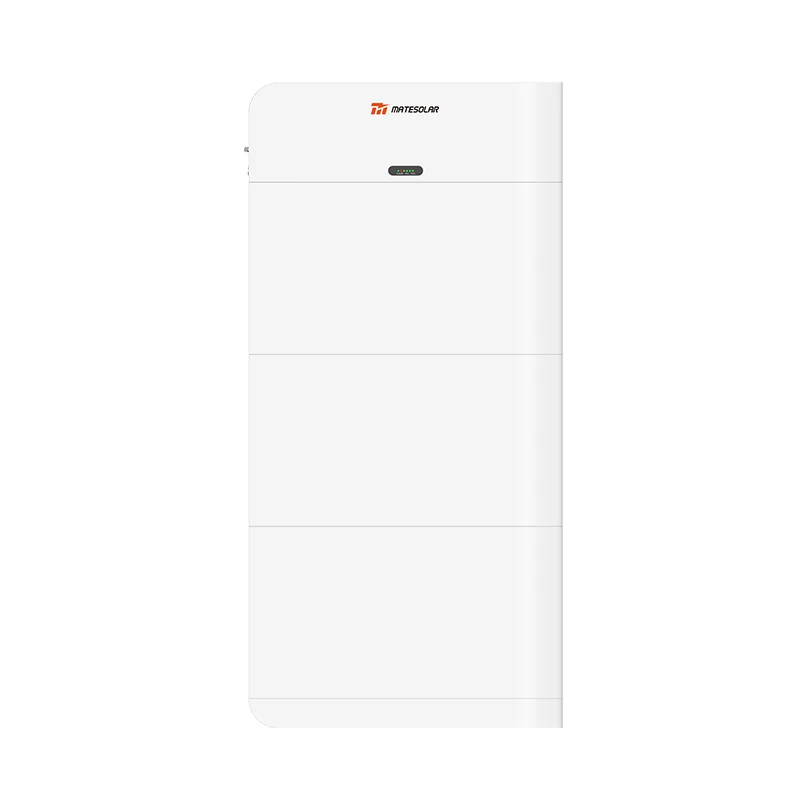
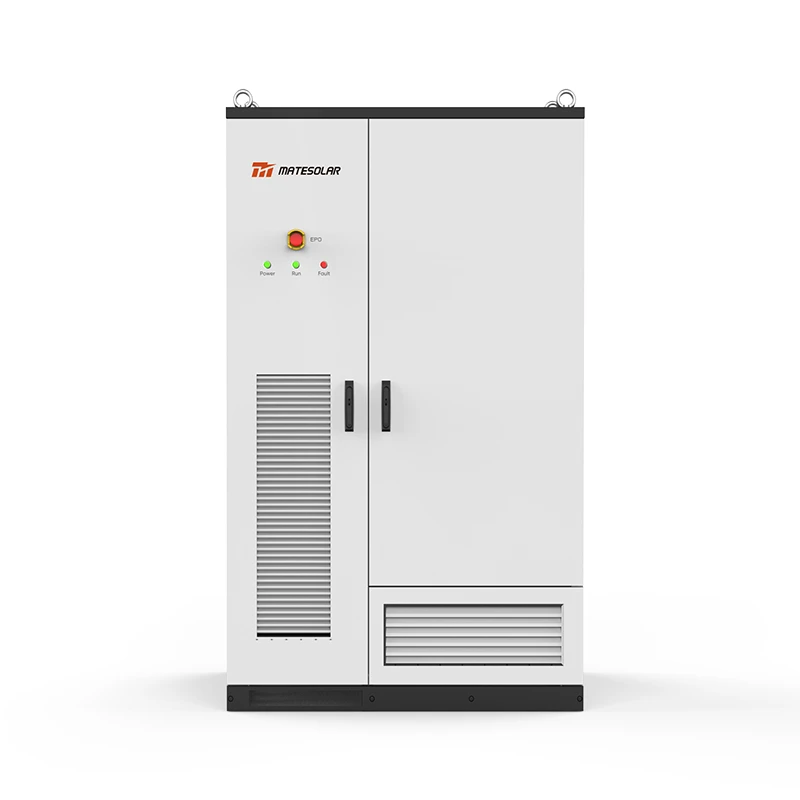
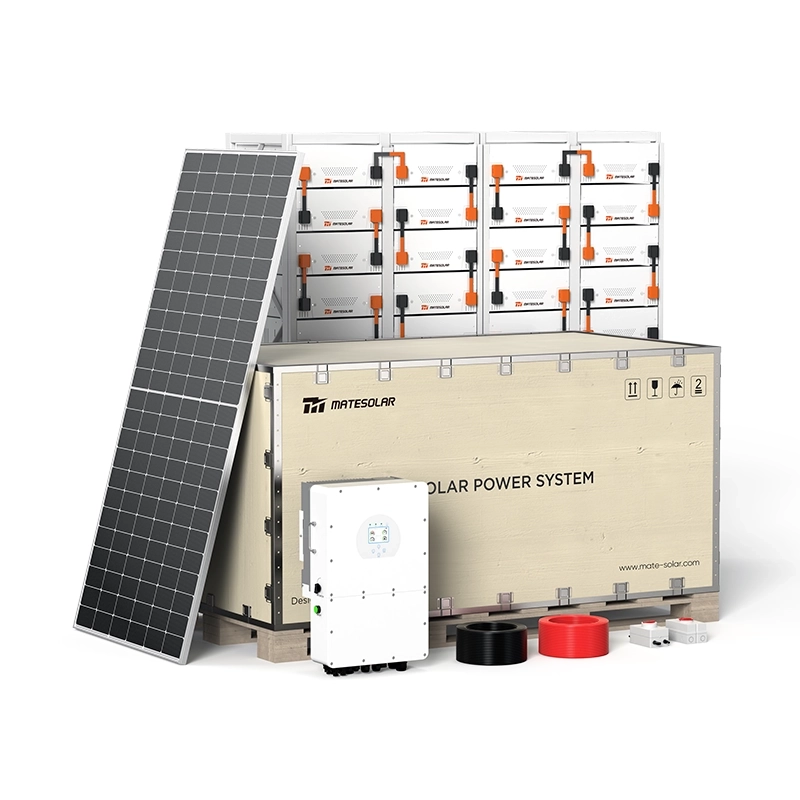
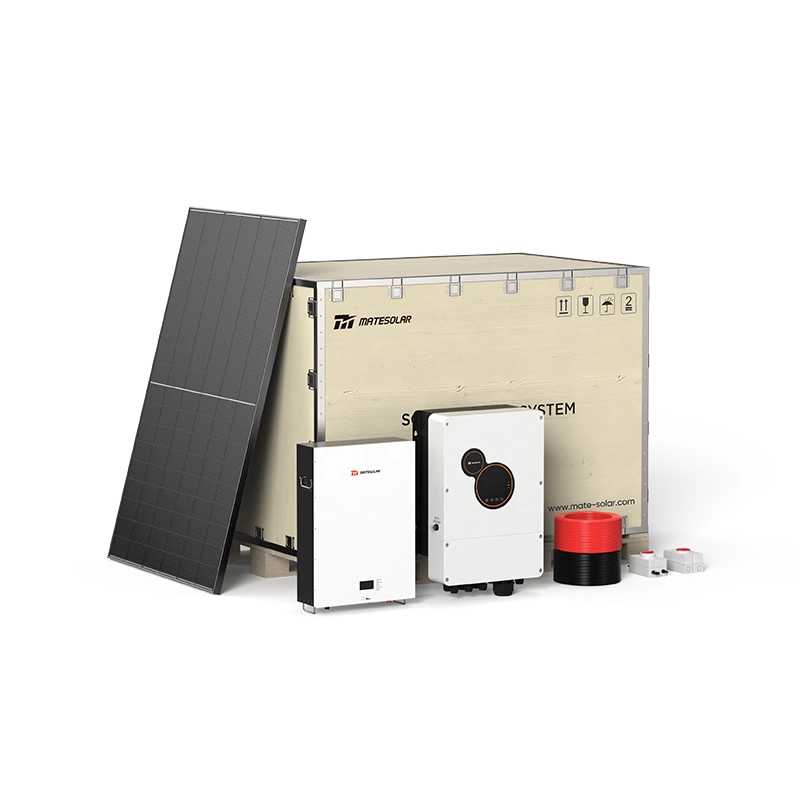
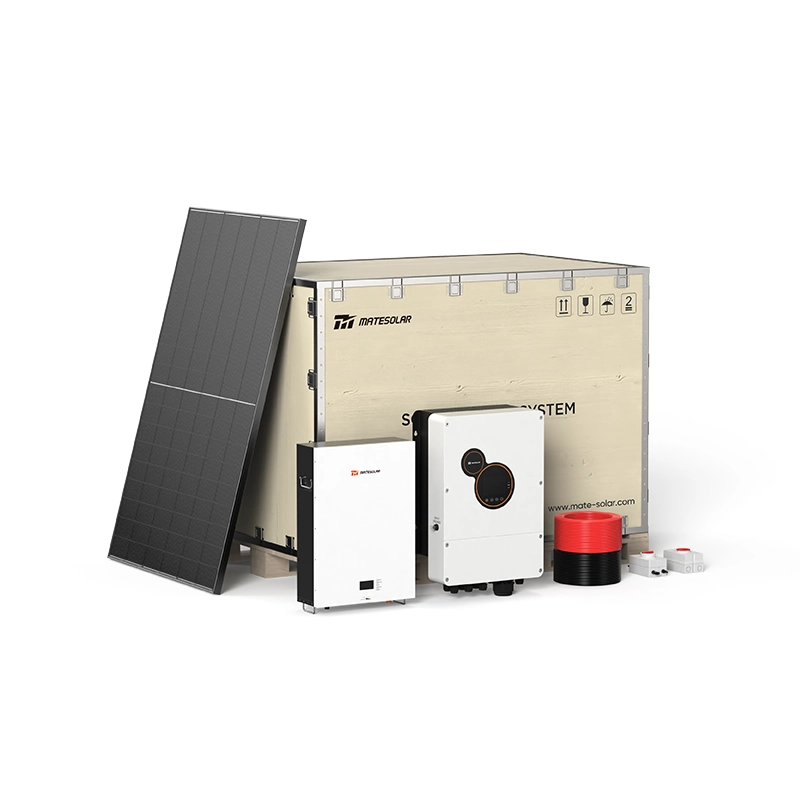
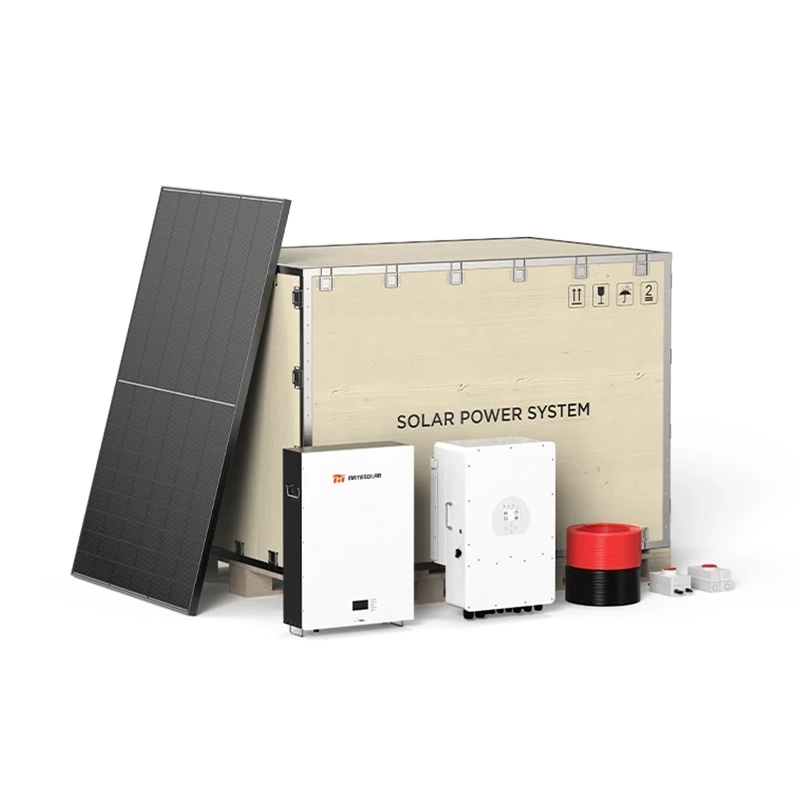
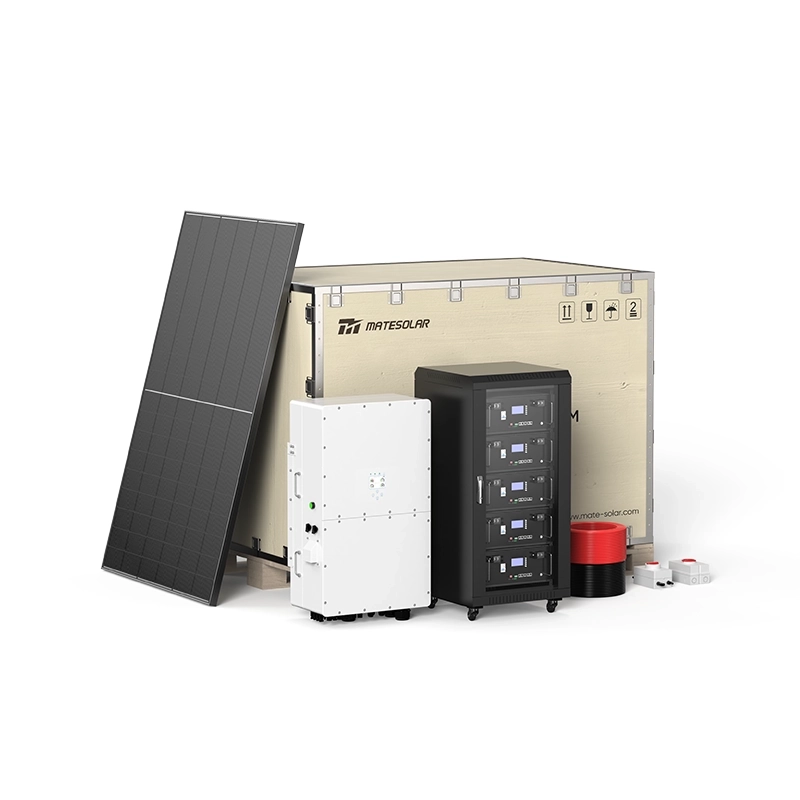
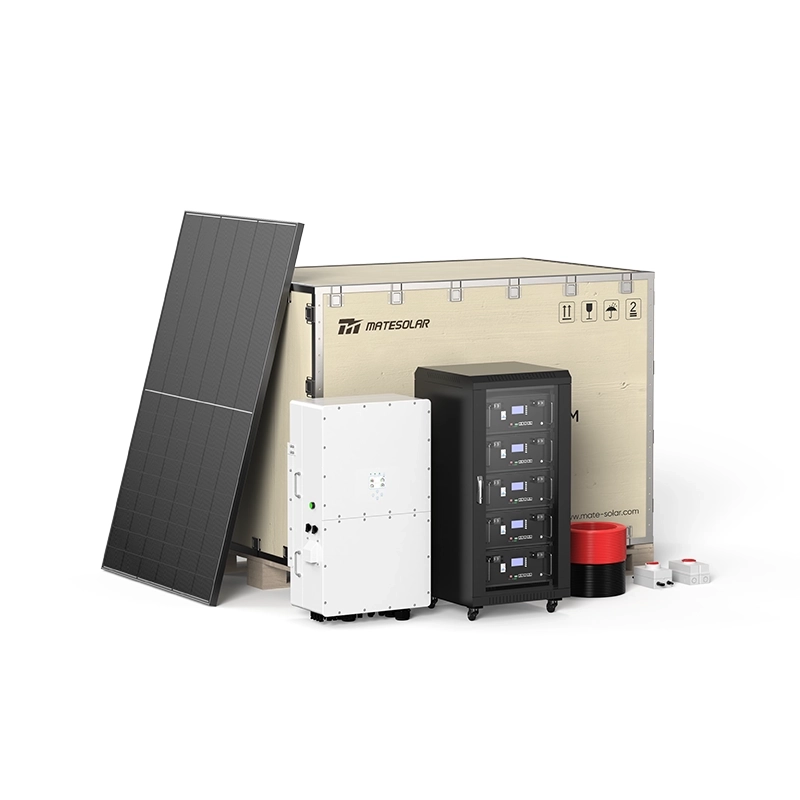
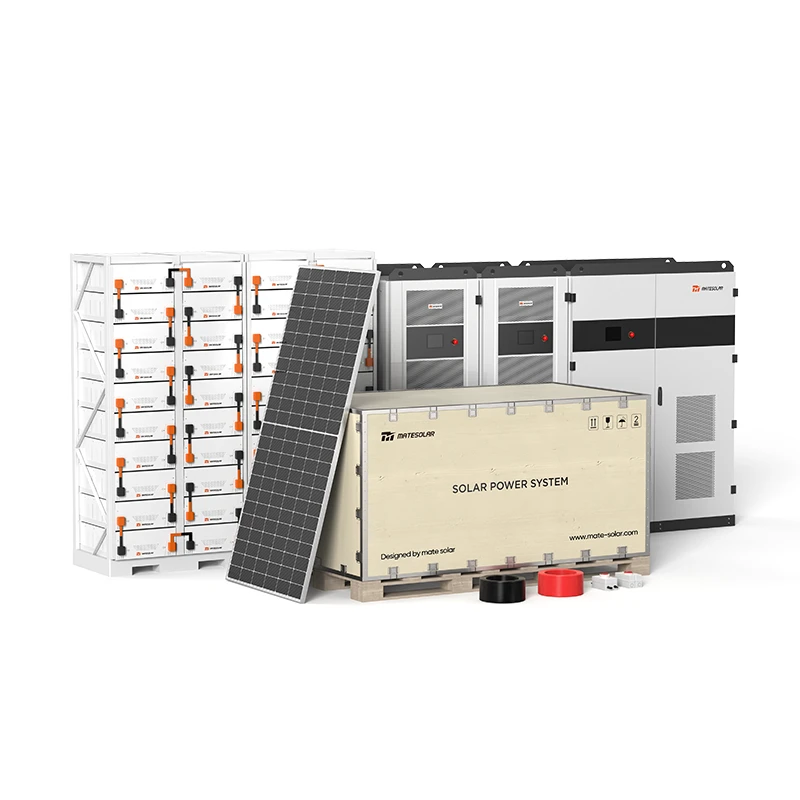
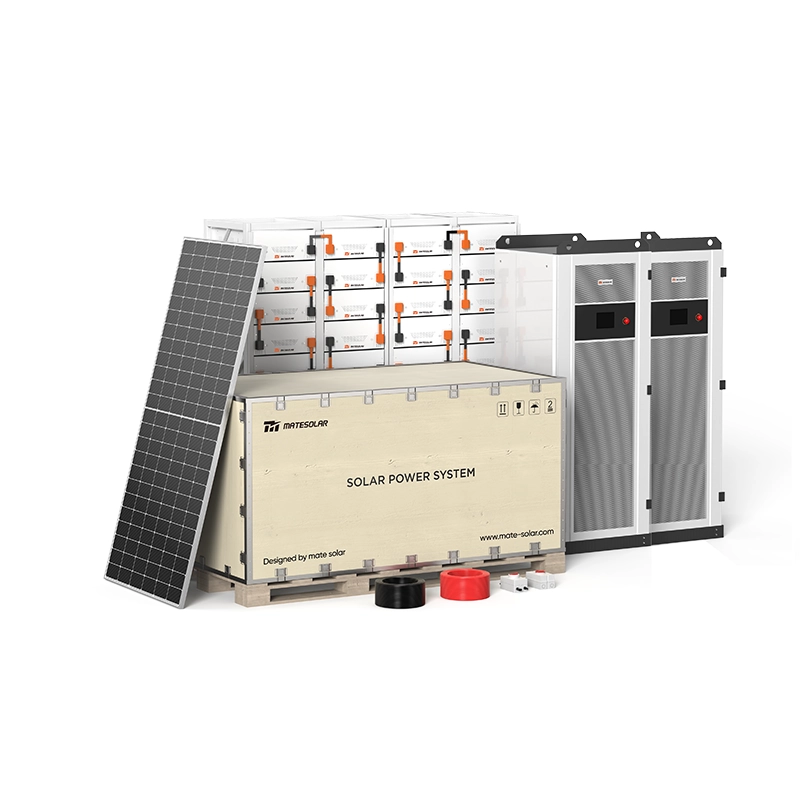
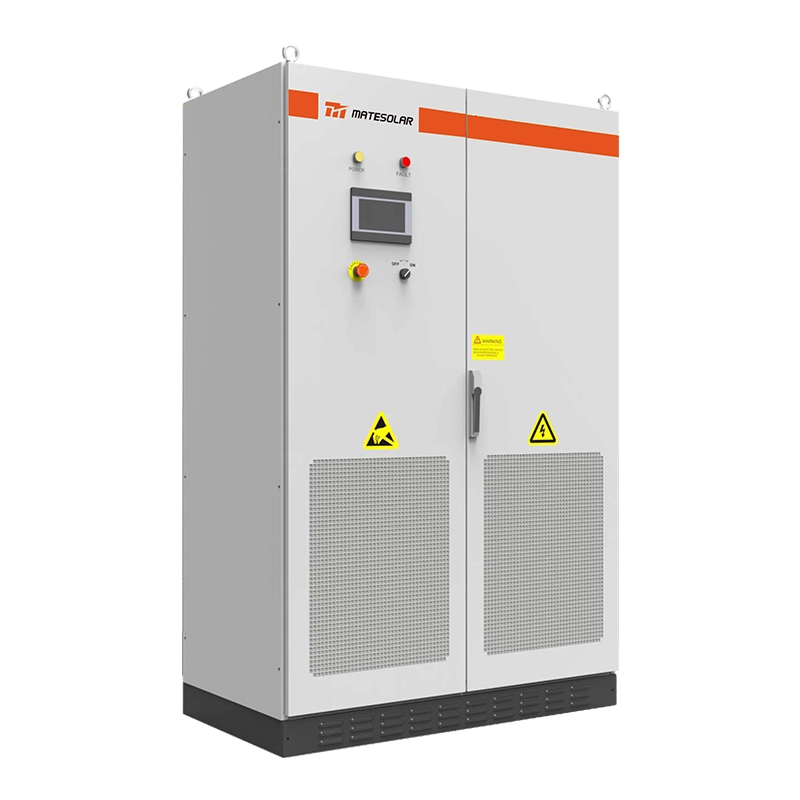
نظام الطاقة الشمسية الهجين التجاري بقدرة 500 كيلوواط
Designed for medium-to-large commercial and industrial facilities requiring substantial peak shaving and load shifting capabilities. This system integrates solar PV with battery storage to maximize self-consumption and reduce demand charges. Ideal for factories, large retail centers, and commercial complexes with high daytime electricity consumption.
[تعرف على المزيد حول نظام الطاقة الشمسية الهجين التجاري بقوة 500 كيلوواط ←]
For Flexible C&I Deployment
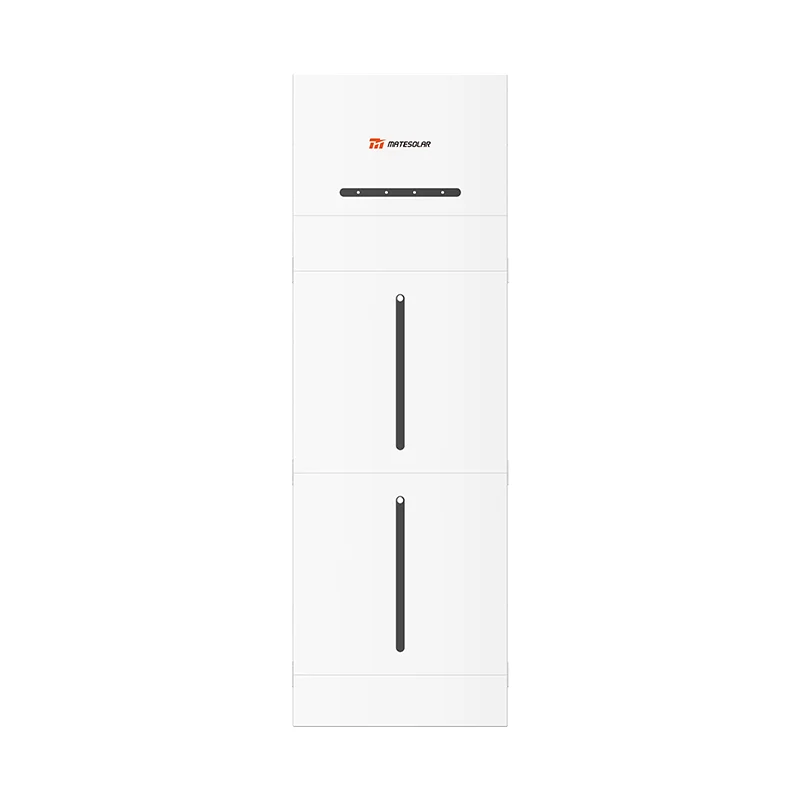
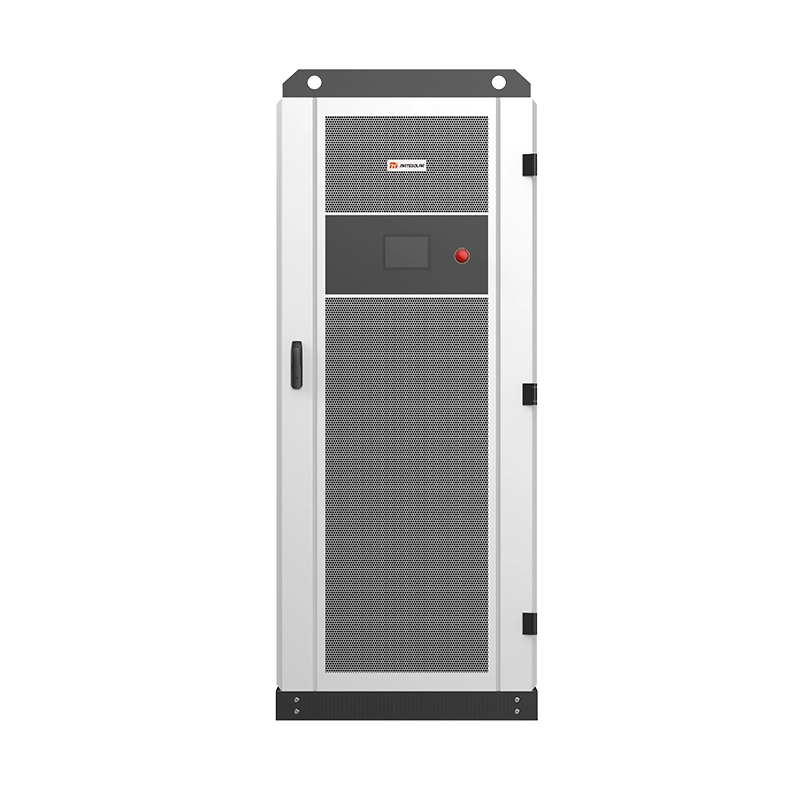
نظام تخزين طاقة خارجي مبرد بالسائل بخزانة 100 كيلوواط/232 كيلوواط ساعي و 125 كيلوواط/261 كيلوواط ساعي
نظام تخزين طاقة خارجي مبرد بالسائل بخزانة 100 كيلوواط/232 كيلوواط ساعي و 125 كيلوواط/261 كيلوواط ساعي
These outdoor cabinets are specifically designed for the Romanian climate, featuring integrated liquid cooling for year-round operation in temperatures ranging from -20°C to 35°C+. The all-in-one design combines battery packs, PCS, and thermal management in a single outdoor-rated enclosure. Ideal for hotels, office buildings, farms, and small-to-medium industrial facilities.
الميزات الرئيسية:
- 105 kW / 233 kWh capacity
- Liquid cooling with 10-year coolant life
- LiFePO4 battery chemistry
- IP-rated outdoor enclosure
- EMS compatibility
[Learn more about the 125kW/261kWh Liquid-Cooled Outdoor Cabinet ESS →]
For Large-Scale C&I and Utility Projects
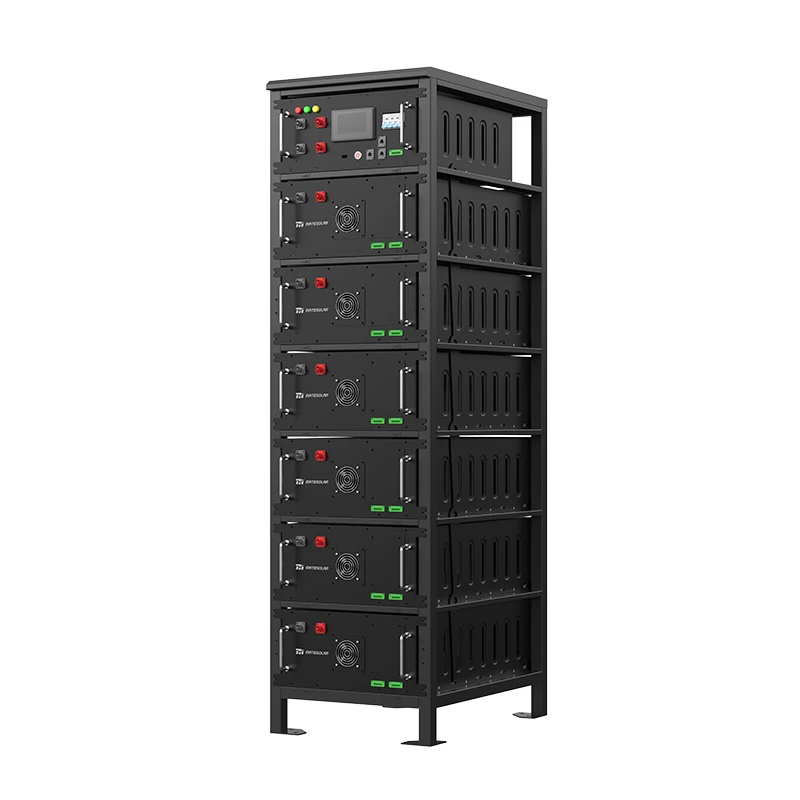
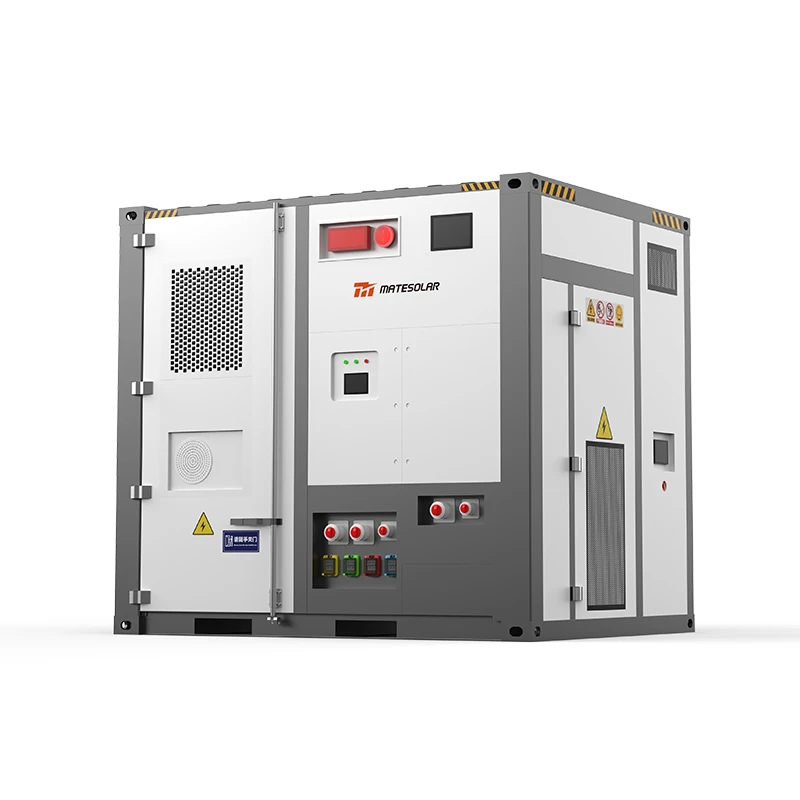
حاوية تخزين الطاقة المبردة بالهواء 40 قدم 1 ميجاوات ساعة / 2 ميجاوات ساعة
Standardized containerized solutions for larger commercial and industrial applications. Air-cooled design simplifies maintenance while providing reliable operation. Suitable for:
- Large industrial parks
- Commercial complexes
- Microgrid applications
- Grid support services
[Learn more about the 40ft Air-Cooled Container ESS →]
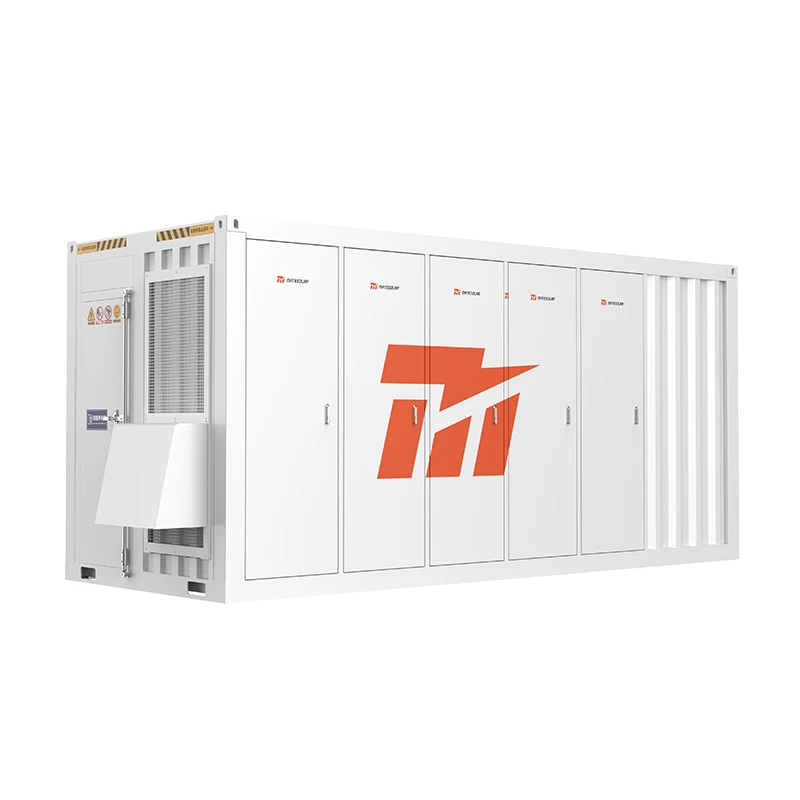
20ft 3MWh / 5MWh Liquid-Cooling Container ESS
High-density containerized storage for utility-scale and large C&I projects requiring maximum energy density. Liquid cooling enables superior thermal management in a compact footprint. Ideal for:
- Utility-scale storage projects
- Large hybrid solar+BESS installations
- Grid-scale energy storage
- Projects requiring maximum capacity in limited space
[Learn more about the 20ft Liquid-Cooling Container ESS →]
Part Seven: Market Outlook and Strategic Recommendations
7.1 Short-Term Outlook (Remaining 2026)
Key Catalysts:
- September 1: €150M state aid application window opens
- October 30: State aid application window closes
- Q3 2026: Trina Storage Gamma (40 MW/160 MWh) expected operational
- Q4 2026: Sungrow × ENEVO first 440 MWh delivery
- End-2026: ~2,050 MW expected to come online
7.2 Medium-Term Outlook (2027–2028)
- Ancillary services saturation will force revenue diversification
- Hybrid projects will dominate new development
- C&I segment expected to accelerate as policy clarity improves
- Market consolidation expected 2026-2028
- CfD auctions will continue to provide revenue certainty
7.3 Strategic Recommendations
For C&I Project Developers:
1. Prioritize hybrid projects — Leverage the €30,000/MW guarantee exemption
2. Prepare for the €150M scheme immediately — Application window opens in 5 days
3. Diversify revenue streams — Don't rely solely on ancillary services
4. Invest in climate-appropriate equipment — Liquid cooling is essential for Romanian conditions
5. Secure grid connection early — The 20% guarantee and tighter deadlines require early action
For Technology Providers:
1. Emphasize climate resilience — Romanian winters and summers require robust thermal management
2. Offer integrated solutions — Hybrid solar+BESS packages are increasingly preferred
3. Provide financing options — Equipment financing reduces barriers for C&I customers
4. Build local partnerships — Local EPC and distributor relationships are essential
للمؤسسات المالية:
1. Develop C&I-specific products — The market needs tailored financing solutions
2. Understand the policy landscape — Guarantees, exemptions, and CfD contracts affect project risk
3. Consider hybrid project premium — Hybrid projects have policy advantages over standalone
Romania's energy storage market has reached an inflection point in August 2026. With 989 MW/1,975 MWh operational, a 30+ GW pipeline, and a national target of 5 GW by year-end, the scale of opportunity is unprecedented.
For the C&I segment specifically, the convergence of:
- Policy support (€150M state aid, €76M Casa Verde redirection)
- Regulatory reforms (hybrid exemptions, dual charging elimination)
- Proven technology (liquid-cooled solutions deployed in Romania)
- Clear market demand (C&I deployments accelerating)
...creates a compelling investment case.
However, success requires navigating a complex and rapidly evolving landscape. The €150 million scheme application window opens in just days. The 20% grid connection guarantee and €30/kW establishment guarantee create new financial pressures. The ancillary services market is approaching saturation. And Casa Verde C&I guidelines remain in development.
For those prepared to act decisively — with the right technology partners, financing structures, and regulatory understanding — the Romanian C&I storage market offers exceptional opportunity.
ماتي سولار is a leading one-stop photovoltaic and energy storage solution provider, dedicated to empowering businesses and industries worldwide with reliable, cost-effective, and climate-resilient energy storage systems.
Our comprehensive product portfolio includes:
- Commercial Hybrid Solar Systems (500kW+)
- Liquid-Cooled Outdoor Cabinet ESS (100kW/232kWh, 125kW/261kWh)
- Air-Cooled Container ESS (40ft 1MWh/2MWh)
- Liquid-Cooling Container ESS (20ft 3MWh/5MWh)
With proven deployments across Europe and deep expertise in the Romanian market, MateSolar combines cutting-edge technology with practical, bankable solutions for the C&I storage sector.
اتصل بـ MateSolar اليوم to discuss your Romanian energy storage project and navigate the policy landscape with confidence.